17 items
4.5/5 based on 3277 reviews collected online and in stores

Trail Running Massage Devices FAQs

Which trail running massage device should you choose?

Choose a massage device according to the body area, pressure level, location and amount of control you want after running. Manual rollers, balls and sticks let you adjust pressure without charging a battery, while mini massage guns provide rapid percussion in a compact powered format. A heated cushion offers a more passive option for use at home across the back, thighs, calves or feet. These products support self-massage and relaxation rather than diagnosing injuries or guaranteeing faster recovery. Include them within a wider trail running care and recovery routine that also considers hydration, food, sleep and suitable rest between demanding sessions. A practical pro tip is to begin with light pressure on a small area before increasing intensity.

How do you use a trail running massage kit?

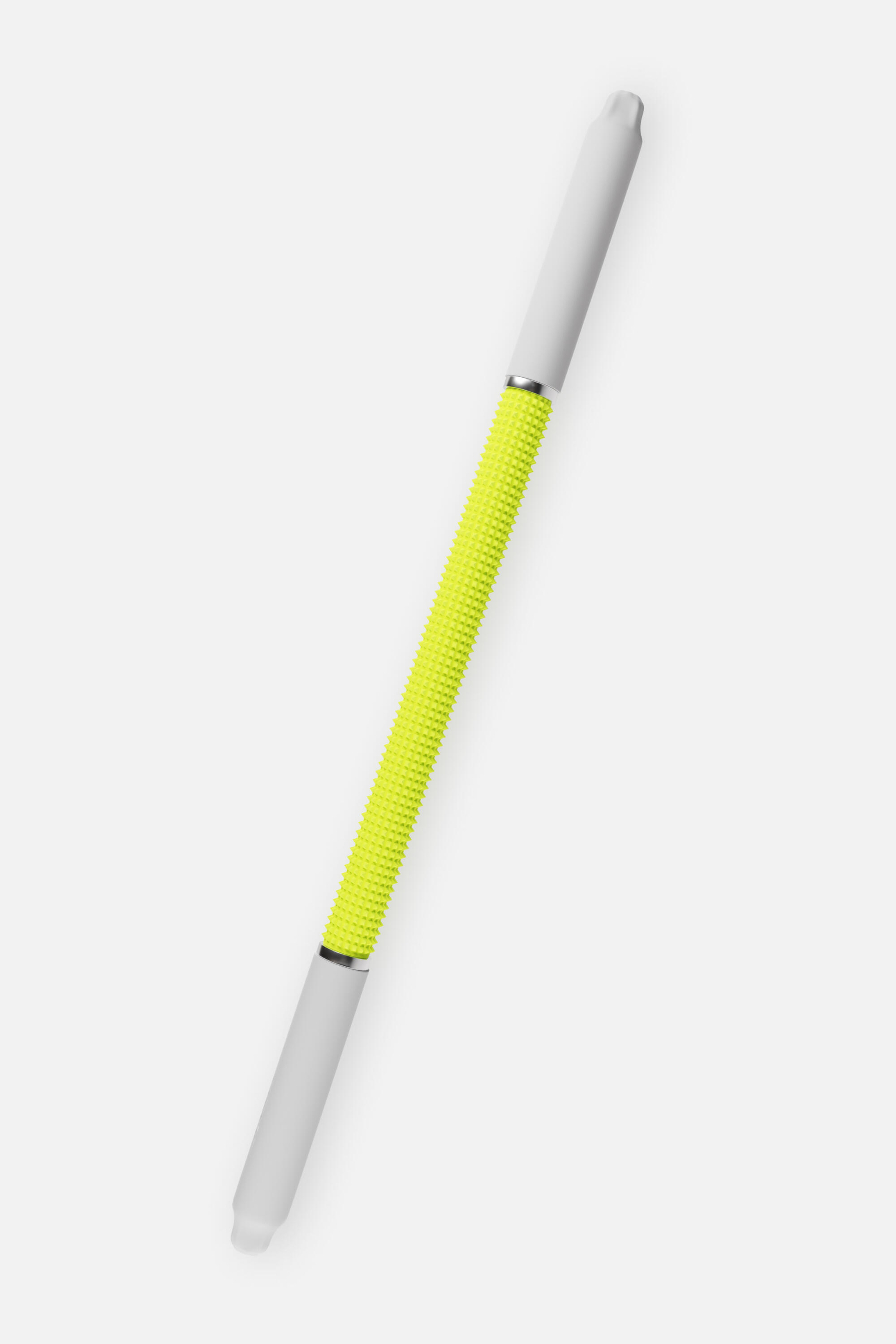
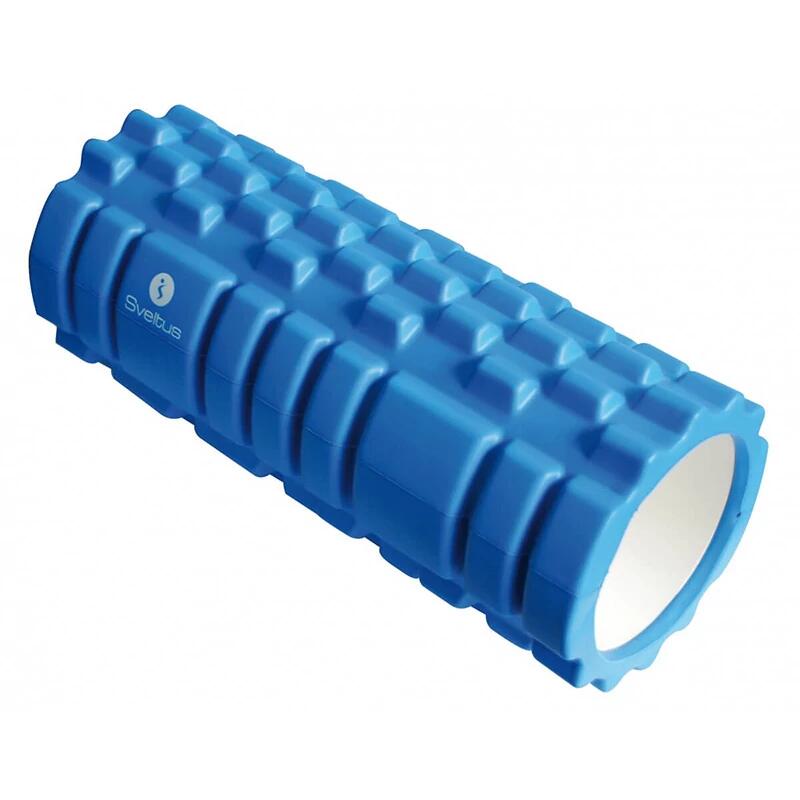
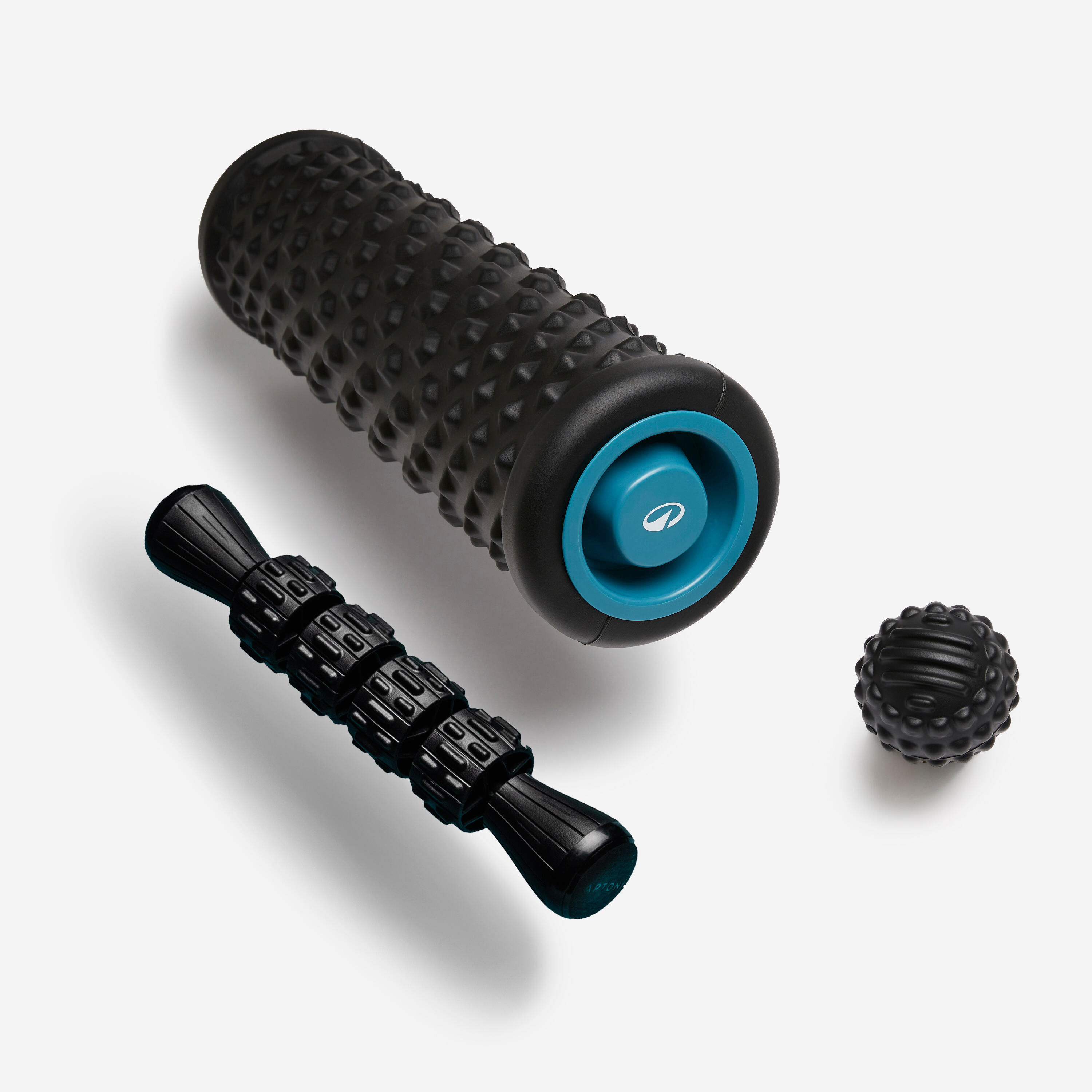
A manual running massage kit provides different tools for larger muscles and more targeted areas. Use the roller with controlled body weight across areas such as the glutes, thighs and calves. The ball can apply more focused pressure around smaller muscle areas, while the stick lets your hands control pressure across the thighs and calves. Decathlon recommends spending at least five minutes on each muscle group, whether you massage directly after running, later that evening or the following day. Move slowly rather than rolling quickly, and avoid pressing directly onto bones, joints, wounds, bruised areas or places causing sharp pain. The ball and stick fit inside the hollow roller, helping keep the complete kit together.

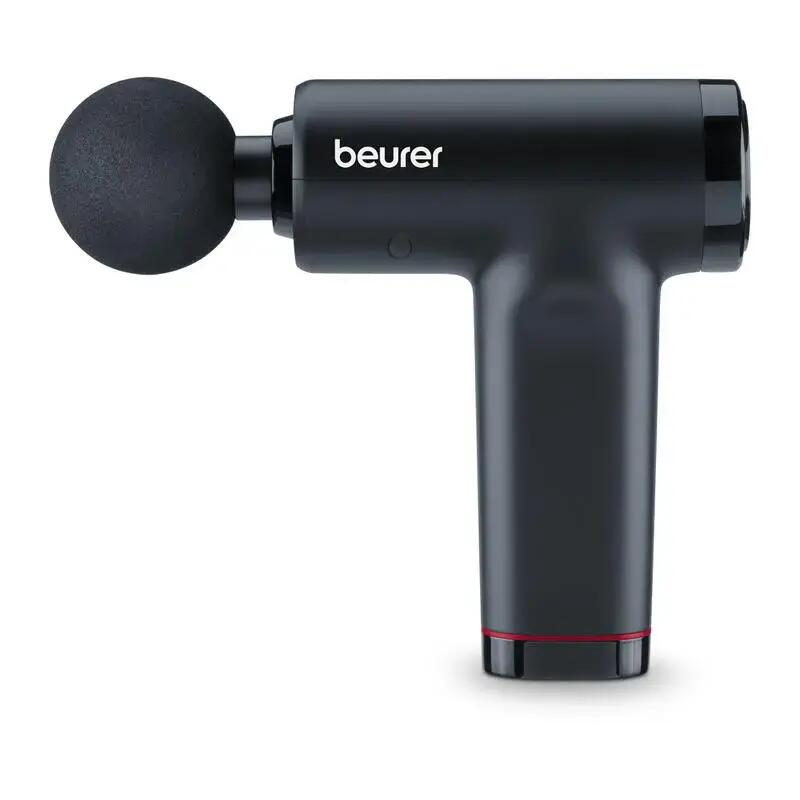
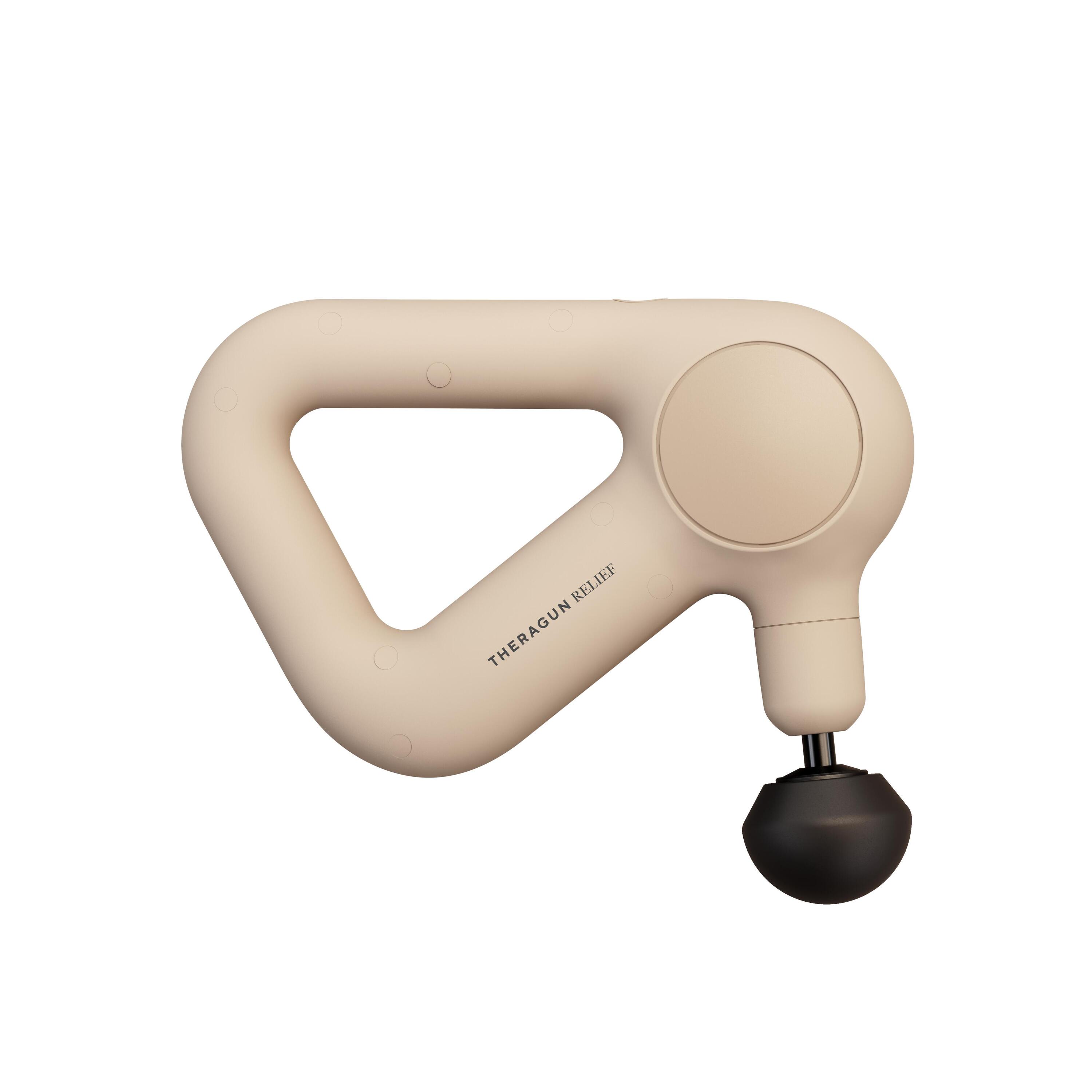
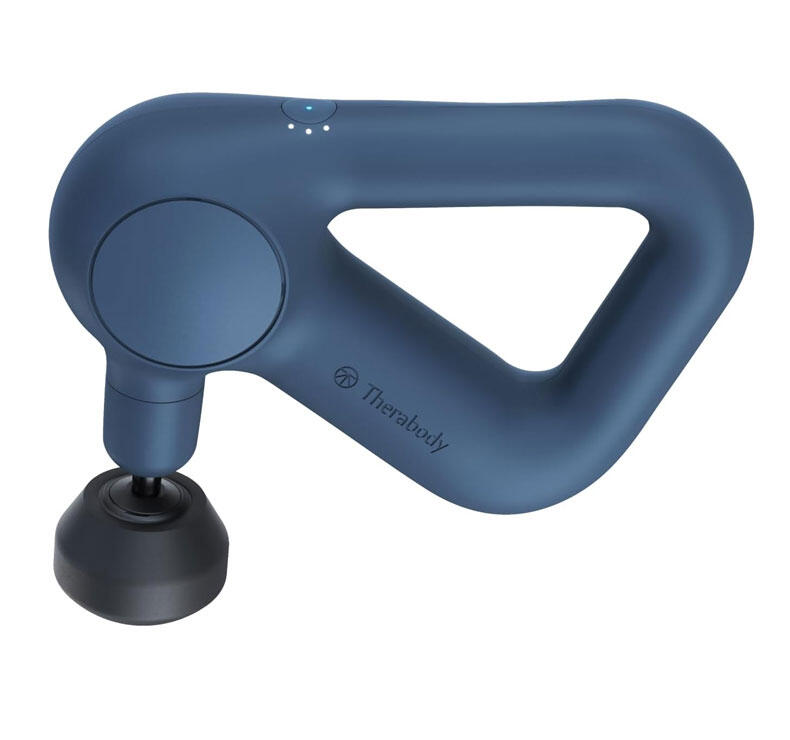
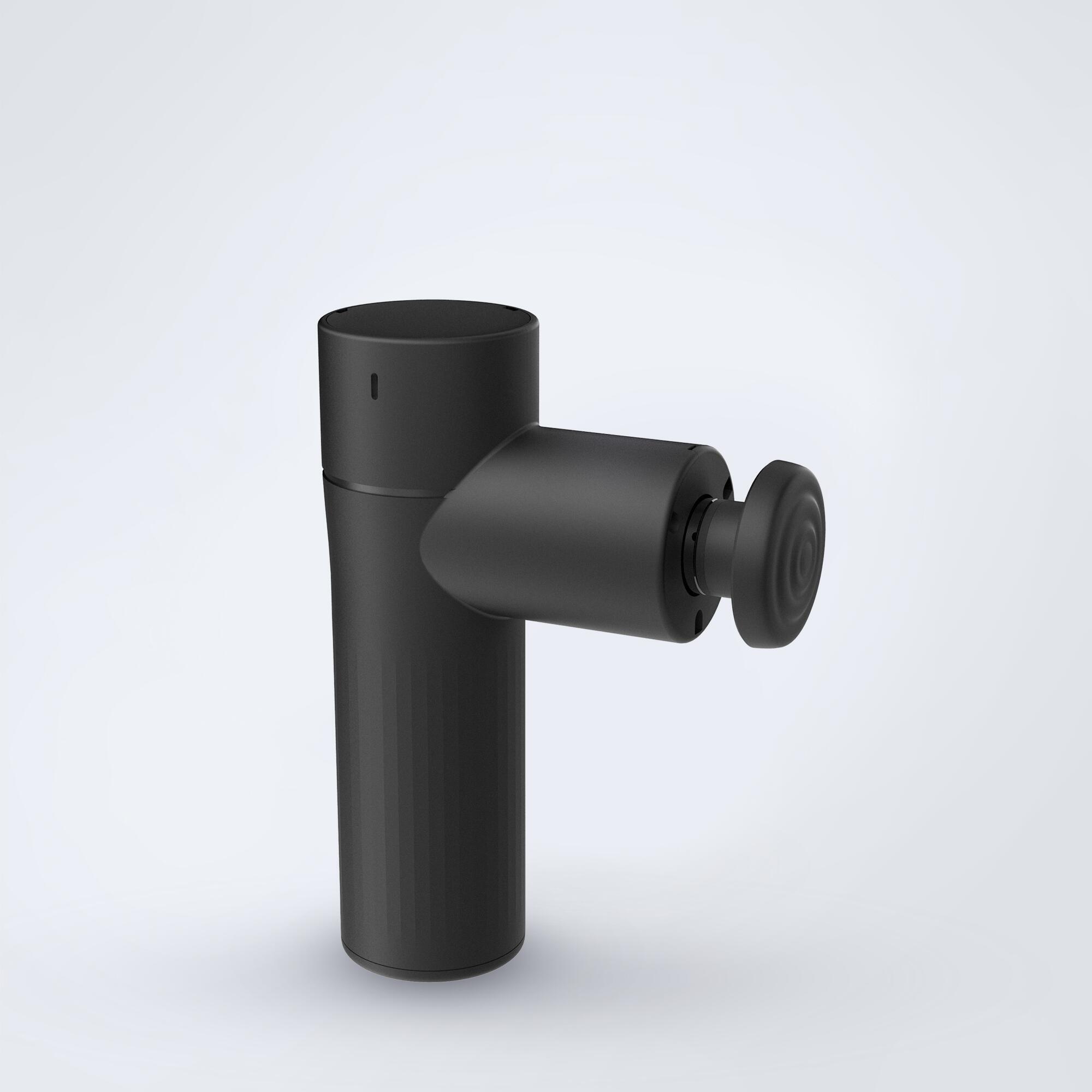
How should you use a trail running mini massage gun?

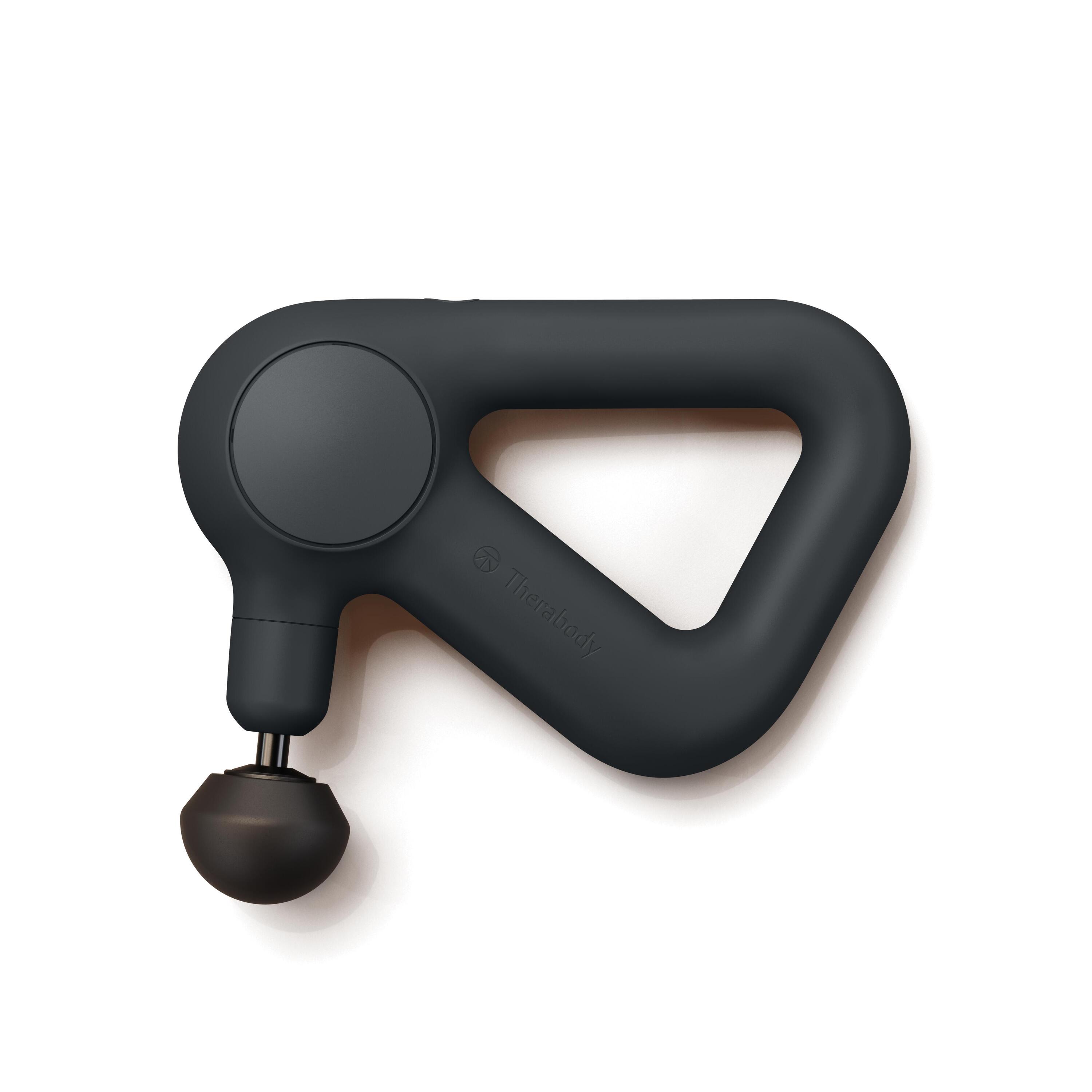
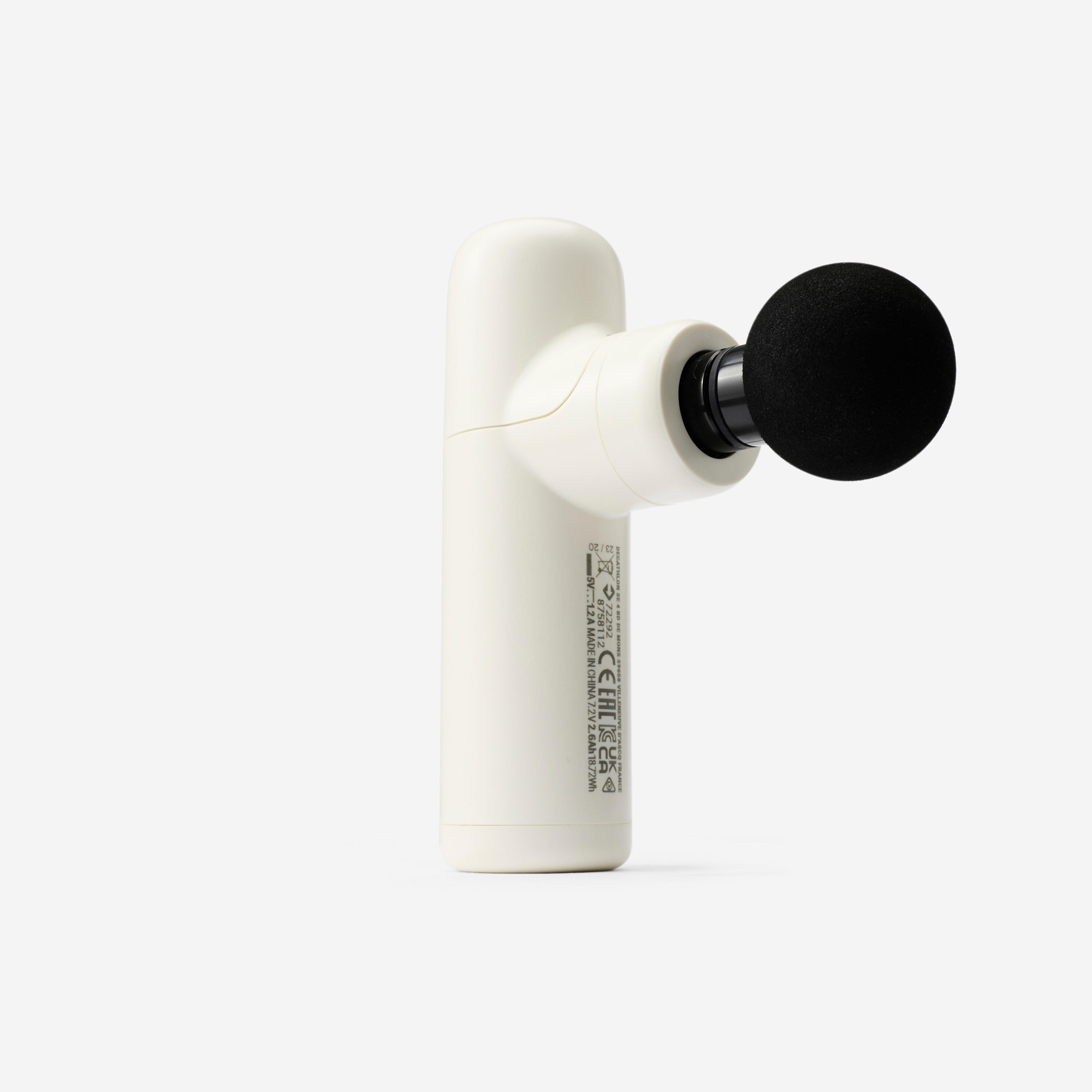
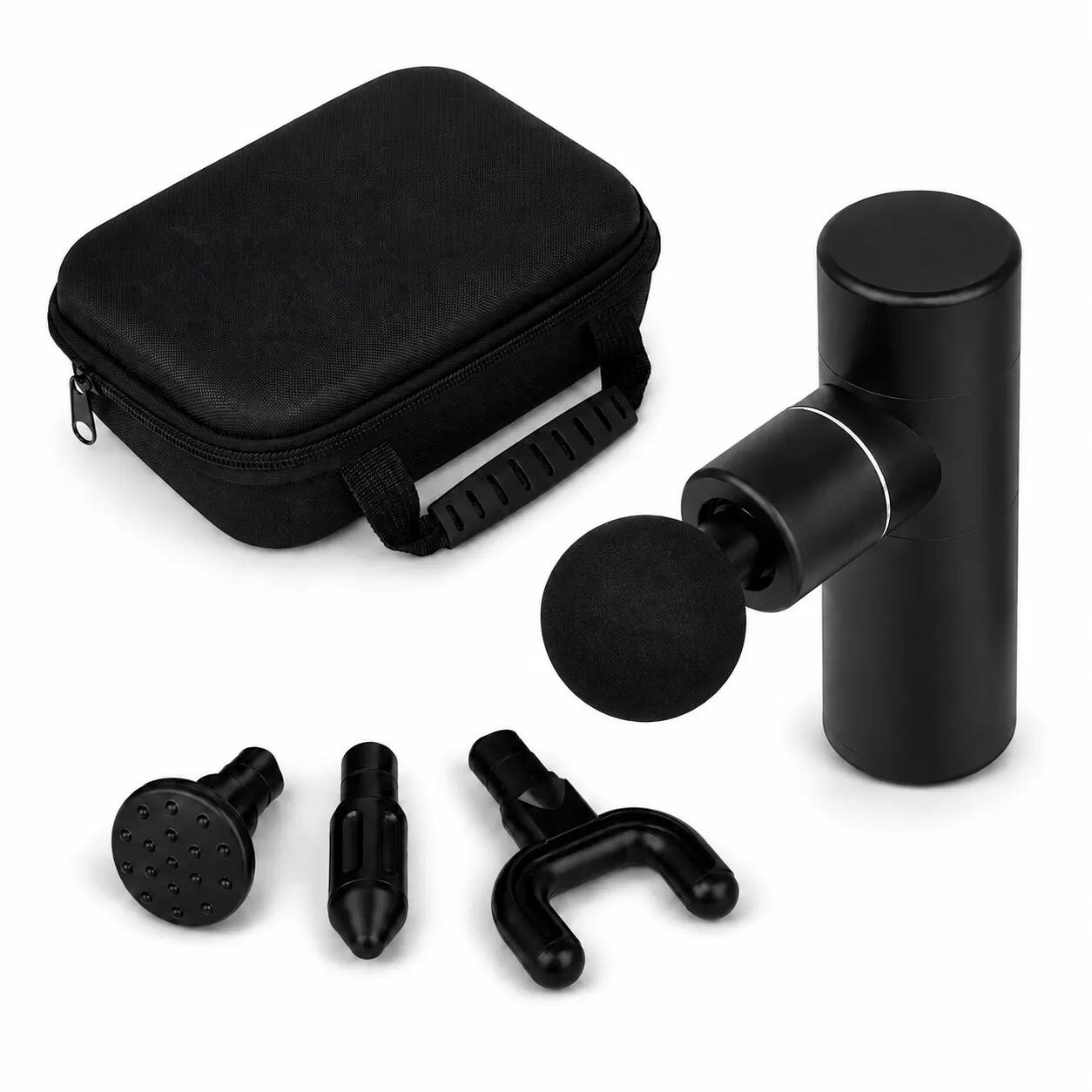
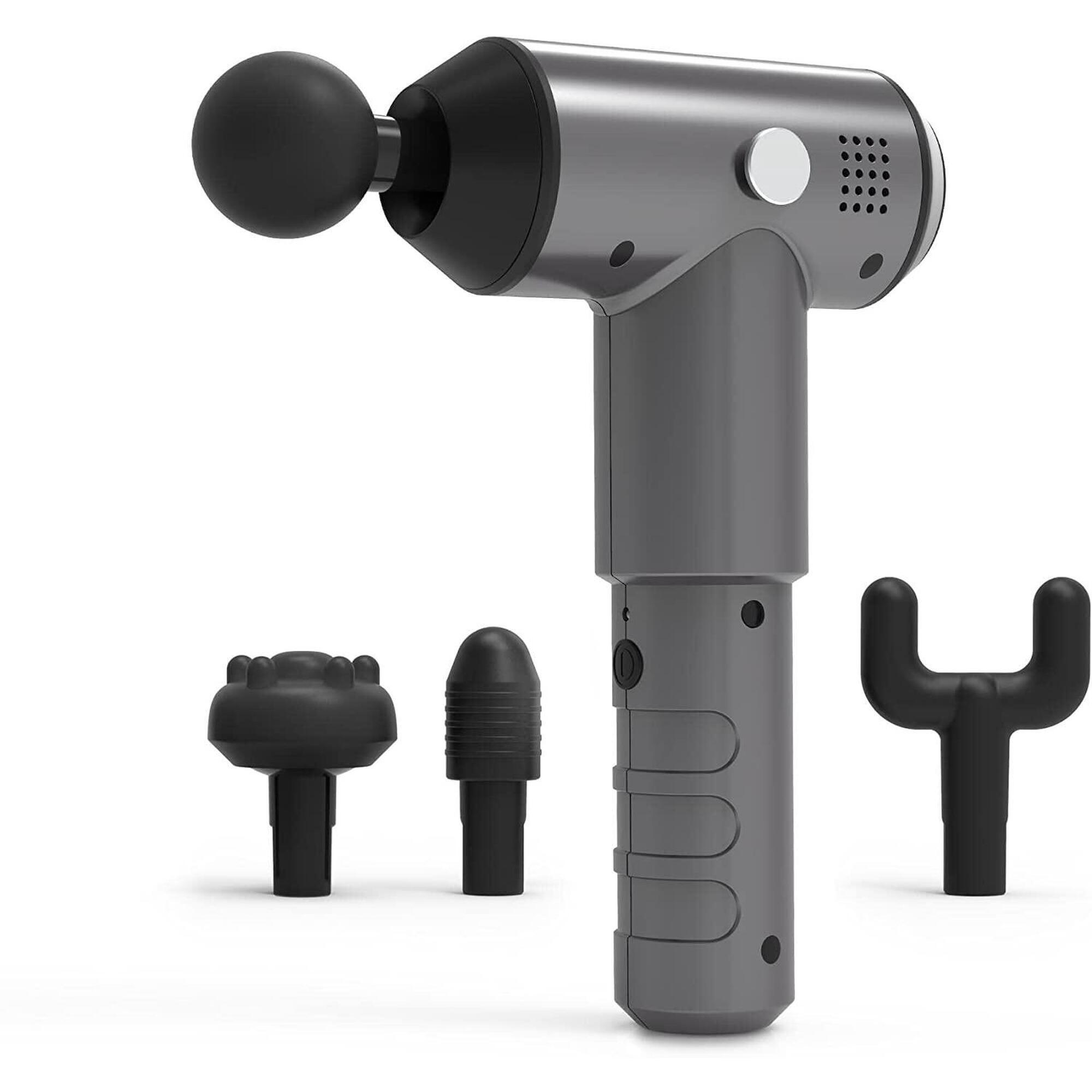
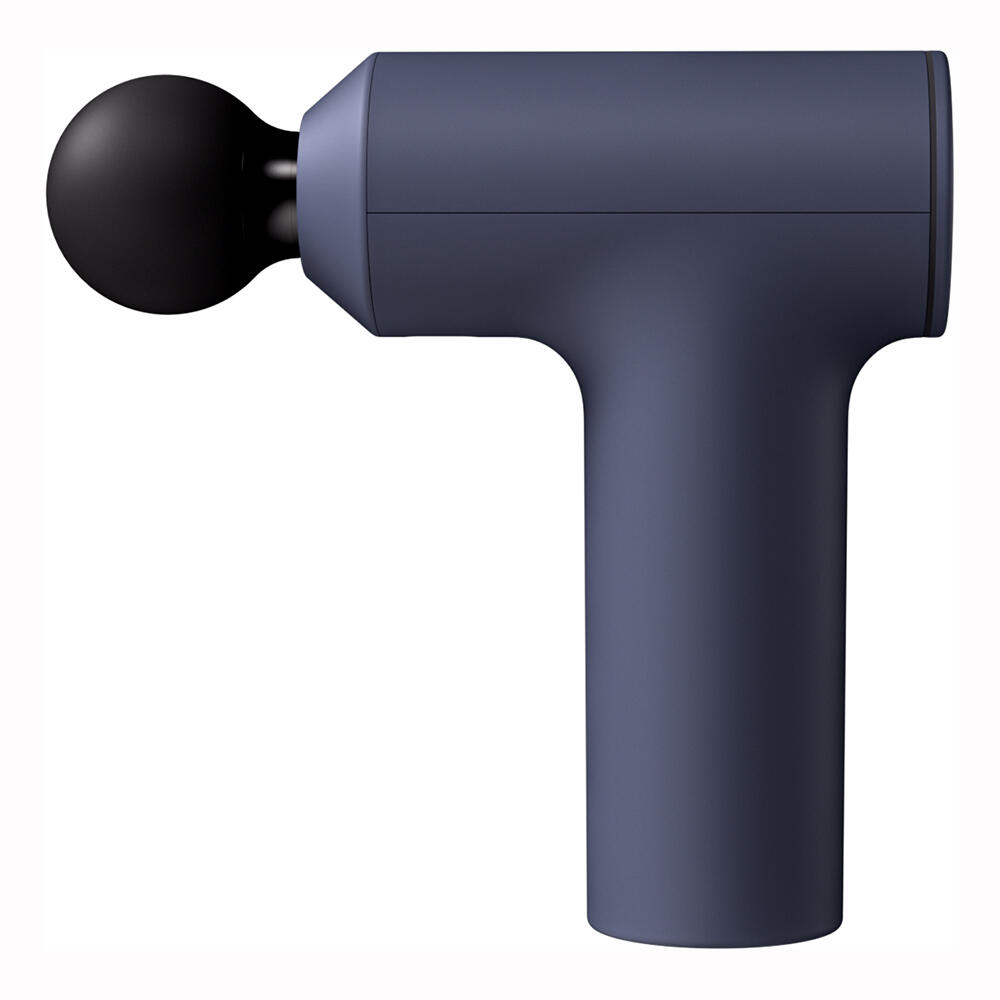
Place the attachment against a relaxed muscle and begin with the lowest setting before increasing the percussion speed. The trail running mini massage gun offers three settings of 30, 40 and 50 Hz, equivalent to approximately 1,800, 2,400 and 3,000 movements per minute. Decathlon recommends short, targeted use of around one minute per muscle group after activity. Keep the head moving rather than holding strong pressure on one point, and do not use it directly over bones, joints, the spine or injured tissue. The device is intended for private home use and should not be used on children or animals. Seek medical advice before use if you have a pacemaker or a relevant health condition.

Is a heated massage cushion useful after trail running?

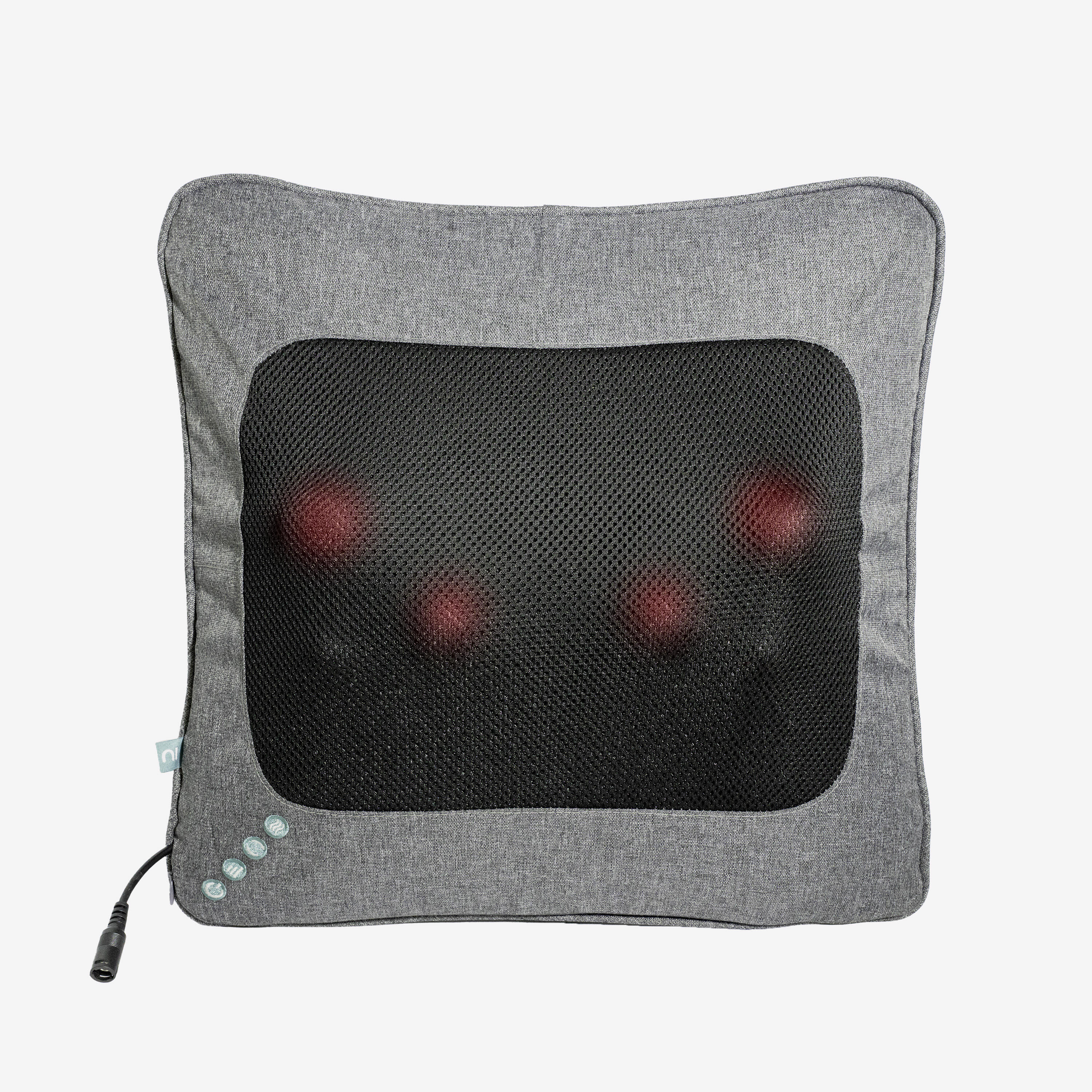
A heated massage cushion can provide hands-free rotating massage while you sit at home after a training session. Its eight massage heads offer three speeds and two rotation directions, allowing use across areas including the back, neck, thighs, calves and feet. The warming function reaches approximately 50 degrees Celsius, and Decathlon recommends around five minutes per area when using heat. Control massage depth through your body weight rather than leaning heavily onto the cushion immediately. Heat and rotating pressure may feel relaxing, but they should not be used to hide persistent pain, swelling or injury symptoms. Check the instructions before use, stop if the sensation becomes uncomfortable and consult a doctor when you are uncertain whether heated massage is appropriate.

What steps keep trail running massage devices protected and ready to use?

Allow manual accessories to dry before placing them back inside your kit, and wipe away perspiration or dirt according to the product instructions. Powered massage guns should be switched off before packing, stored with their attachments and protected from impact inside their carry bags. Do not machine wash, tumble dry, iron, bleach or dry-clean powered devices or heated cushions. Keep charging cables organised separately from wet clothing and bottles. When carrying compact massage equipment with your trail running accessories, place it where hard attachments cannot press into flexible flasks or damage electronic items. Check the battery before travel, but avoid leaving the device permanently charging. Inspect cables, controls, attachment fittings and outer surfaces regularly, and stop using equipment that appears damaged or operates unusually.