59 items
4.7/5 based on 12342 reviews collected online and in stores

Trail Running Shoe Accessories FAQs

Which trail running shoe accessories can improve comfort?

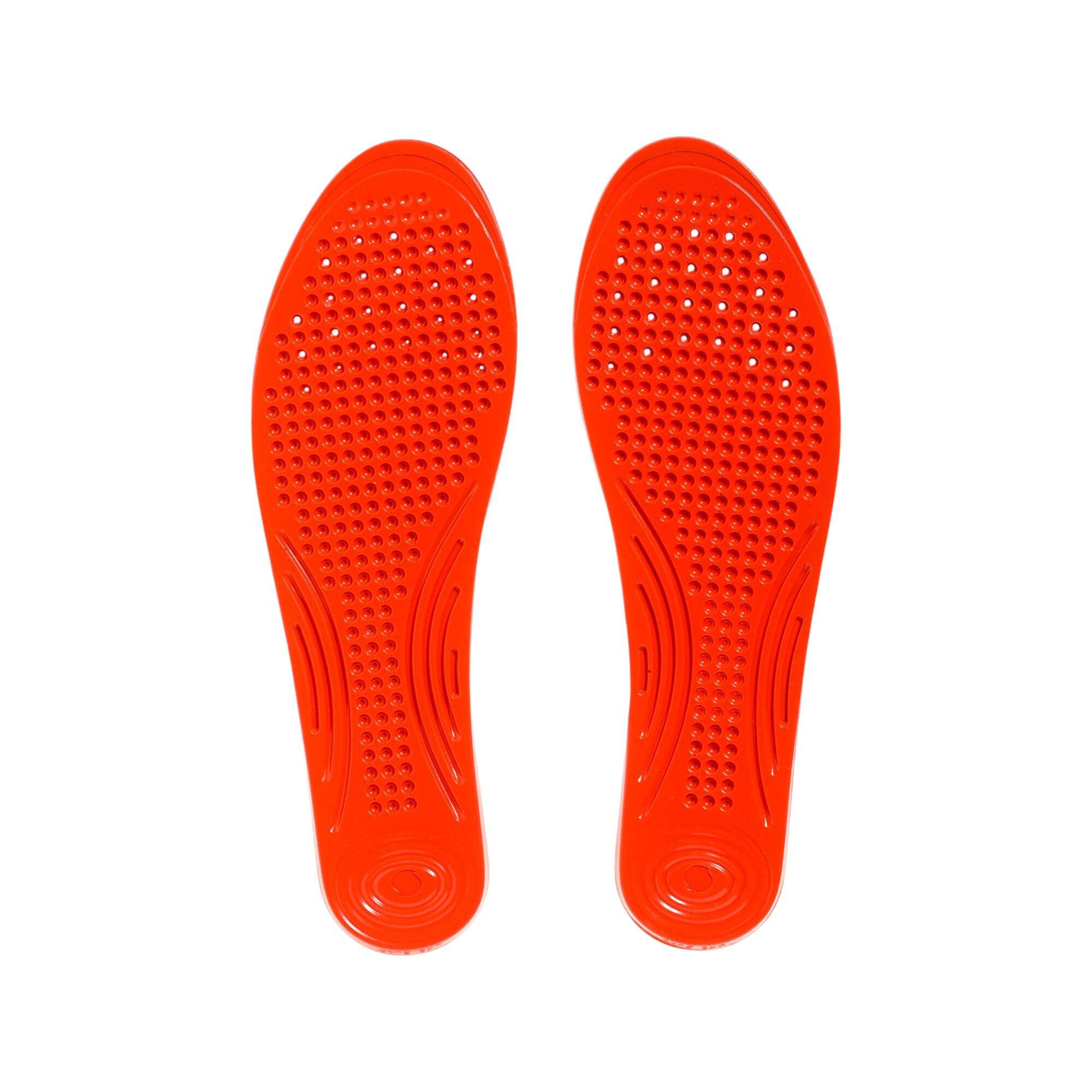
Start with the problem you need to solve, such as toe impact, damp footwear, odour or reduced insole support. Gel toe caps can cushion repeated contact between the toes and the front of the shoe, which is useful on long descents where the foot moves forwards. Cut them to the required length and check that they do not make the toe box feel cramped. A shoe bag keeps mud away from clean clothing, while an odour neutraliser is more useful after the shoes have been dried properly. Accessories cannot correct footwear that is too small, unstable or unsuitable for the terrain. Consider the intended grip, fit and cushioning of trail running shoes before adding support accessories.

When should you replace trail running shoe insoles?

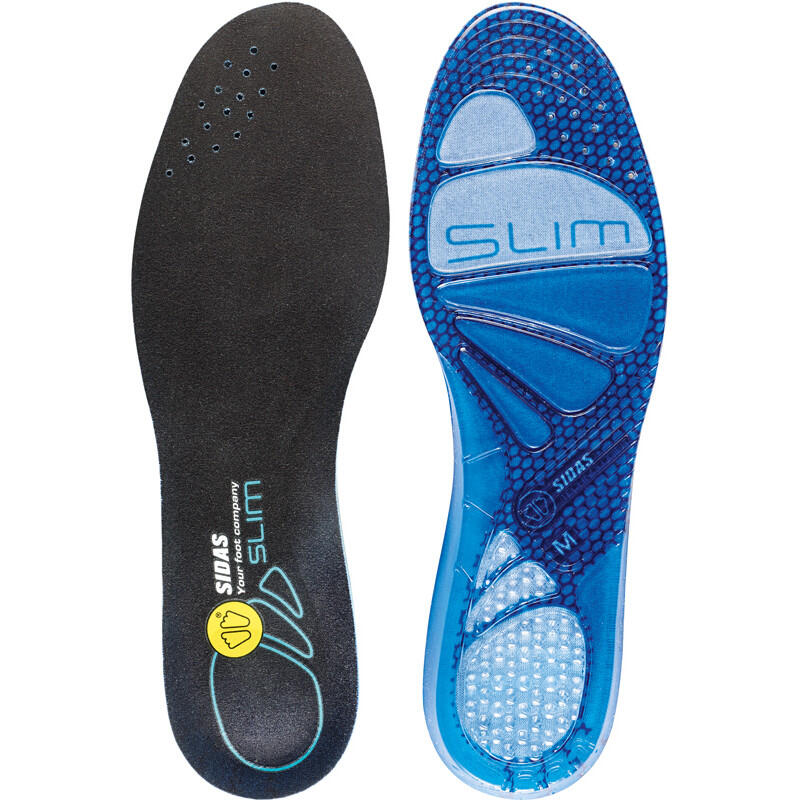
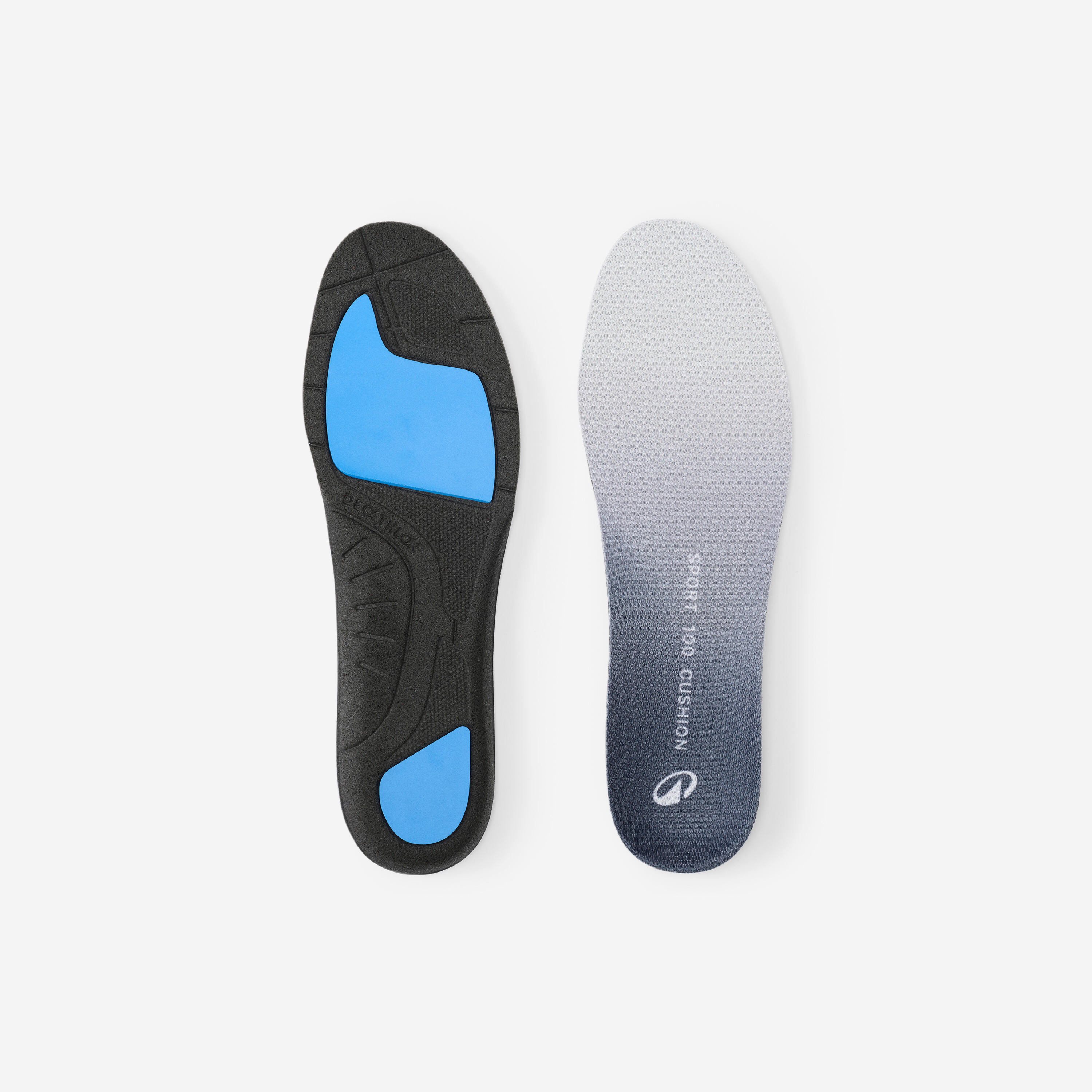
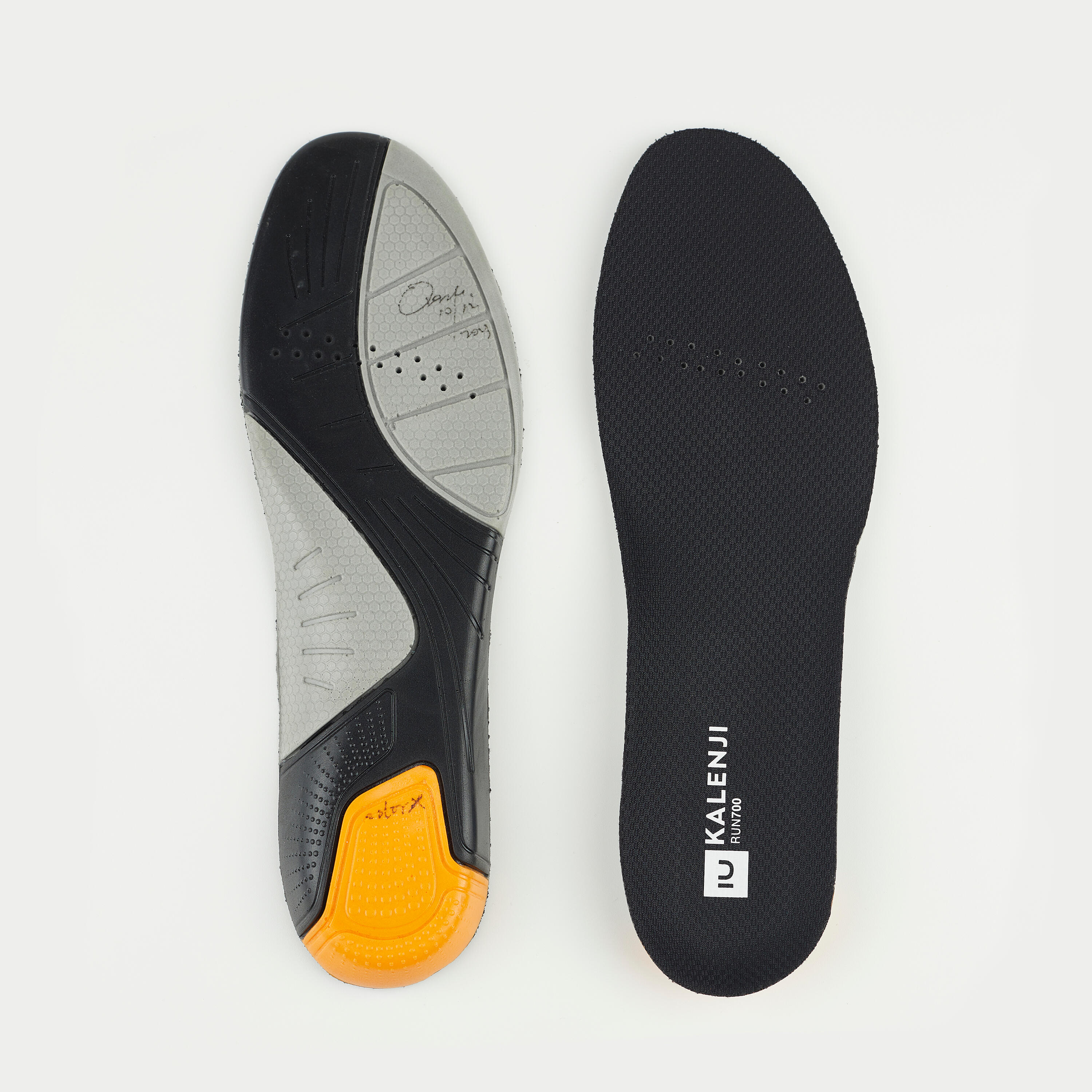
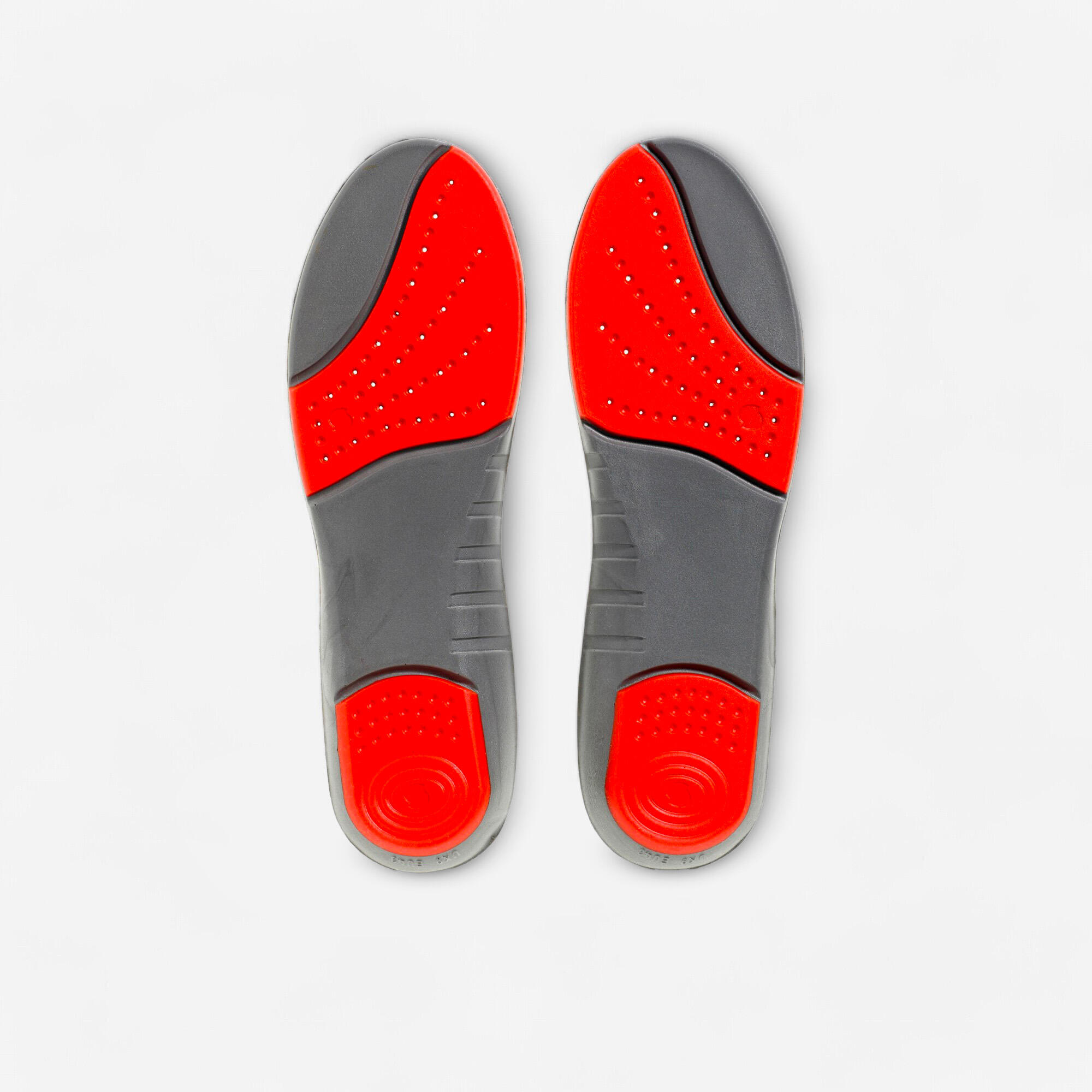
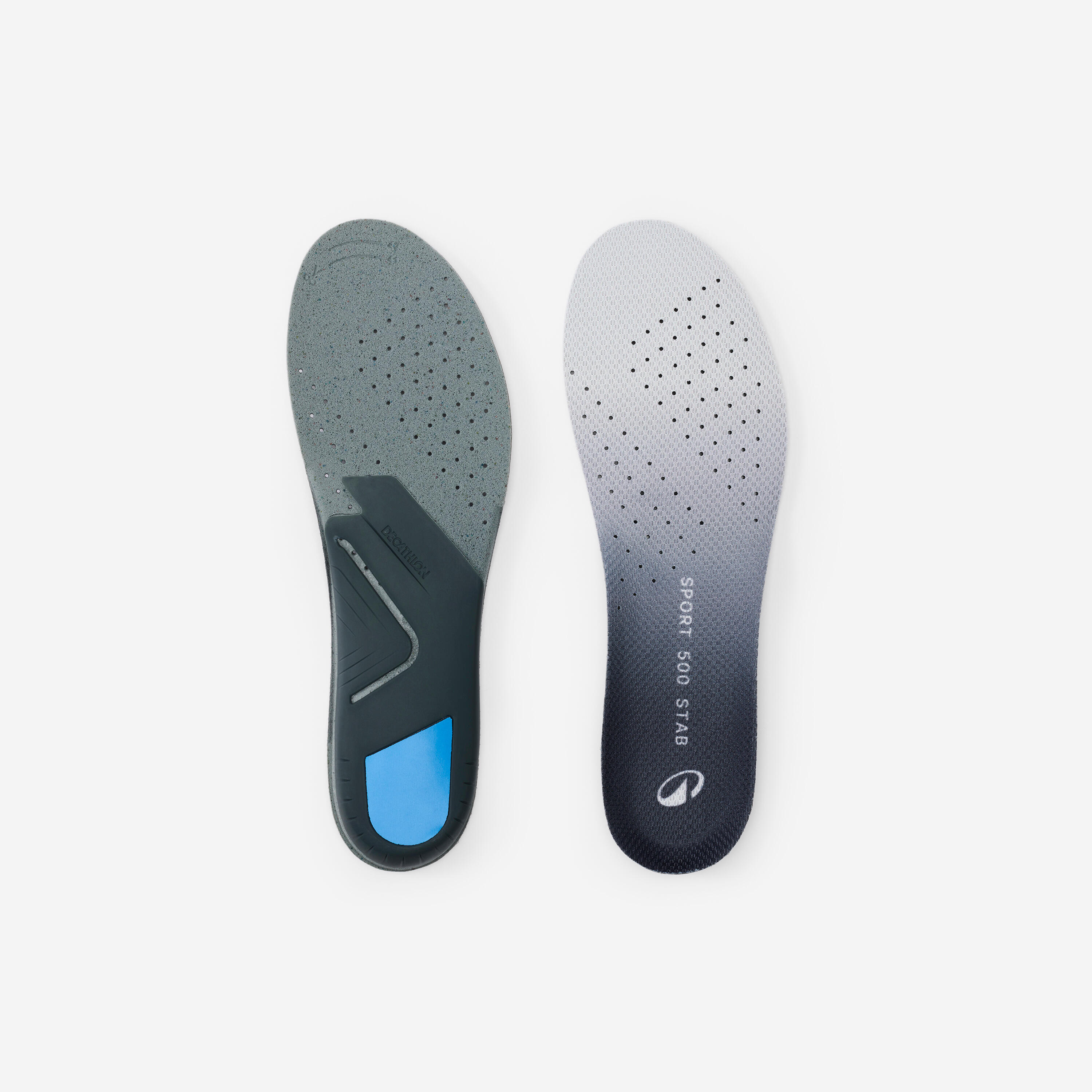
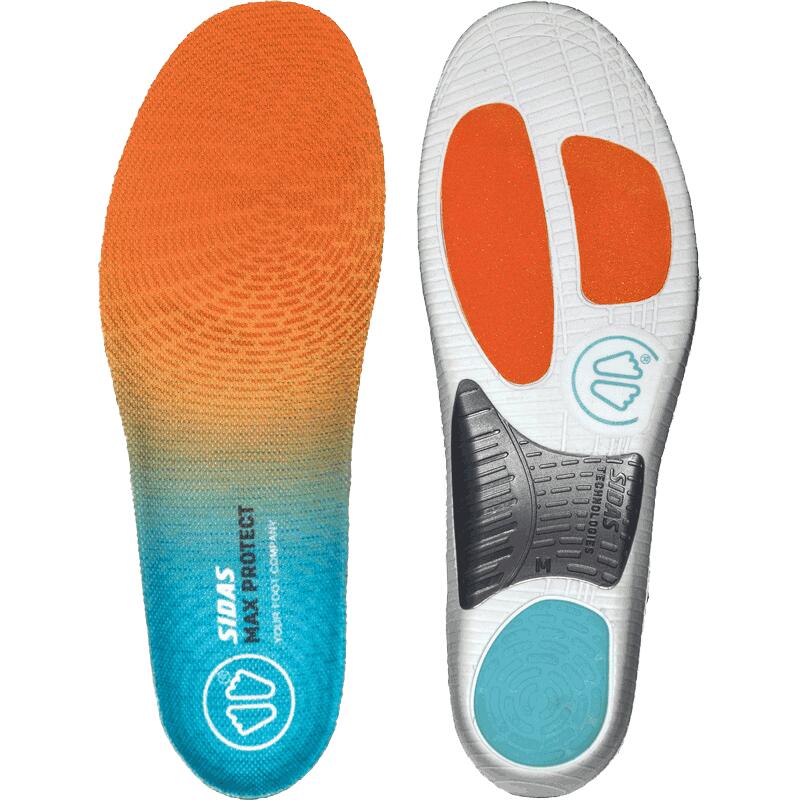
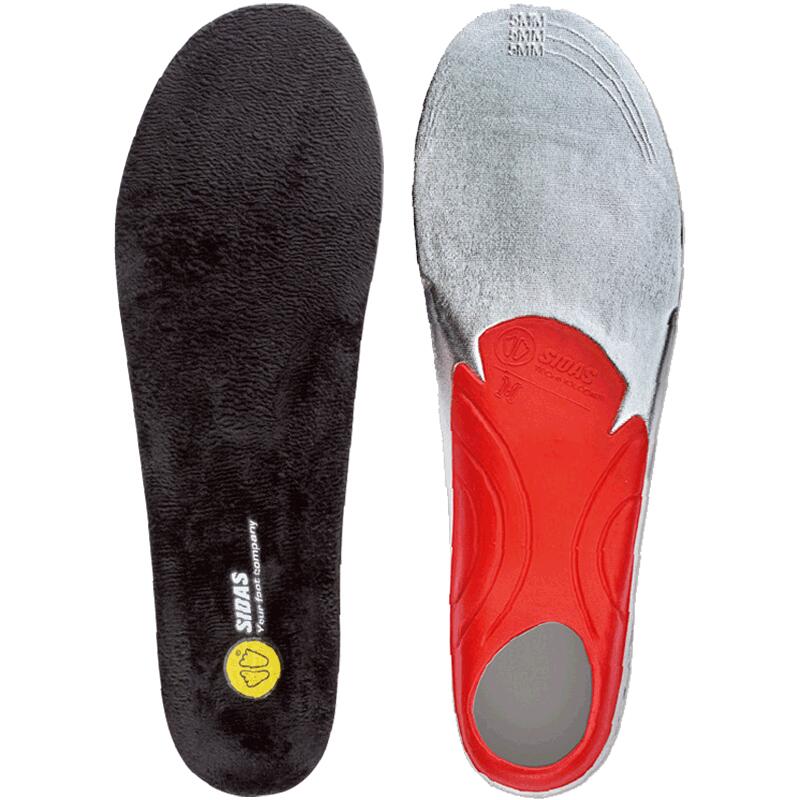
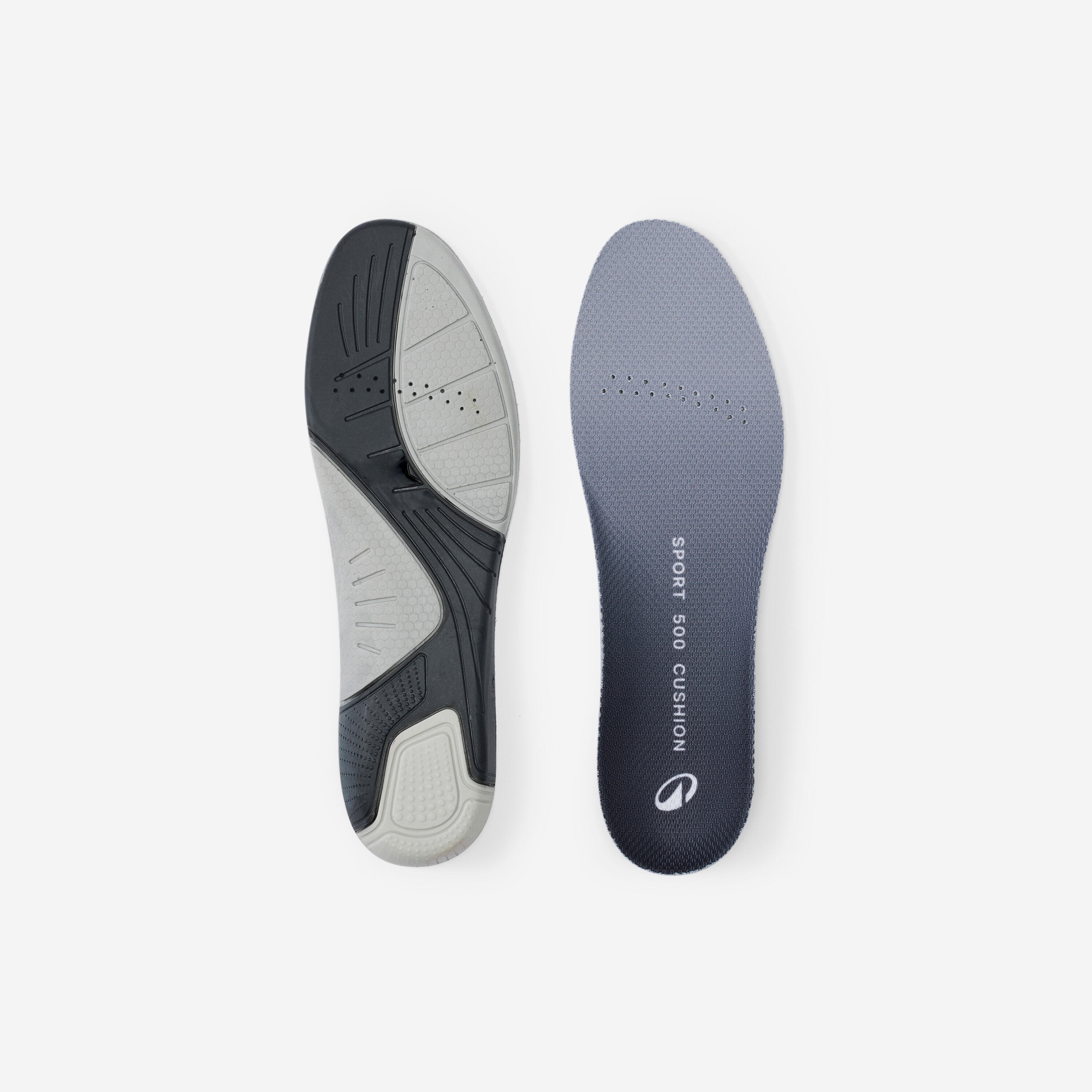
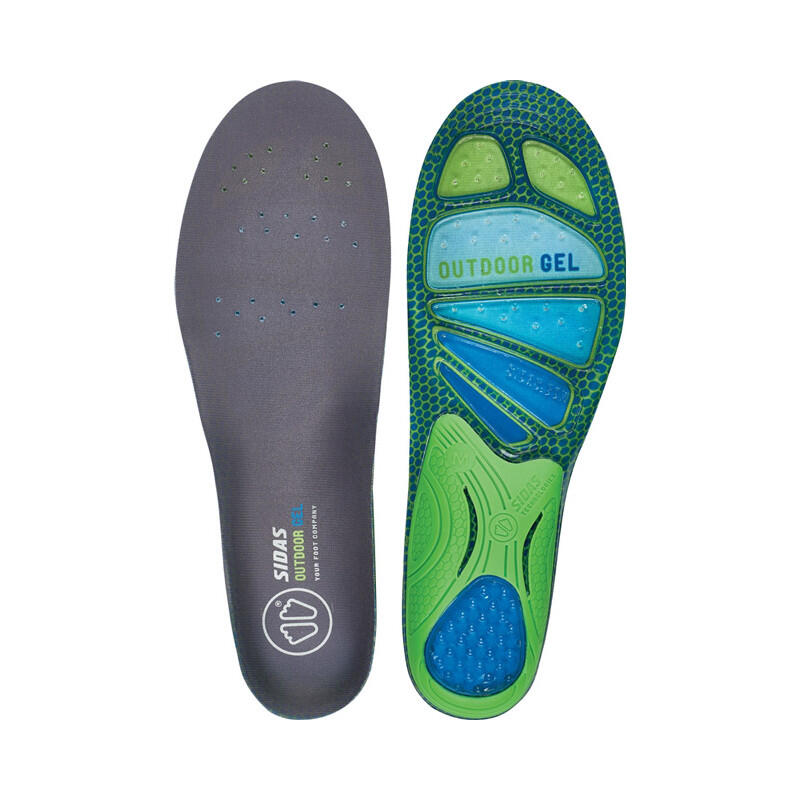
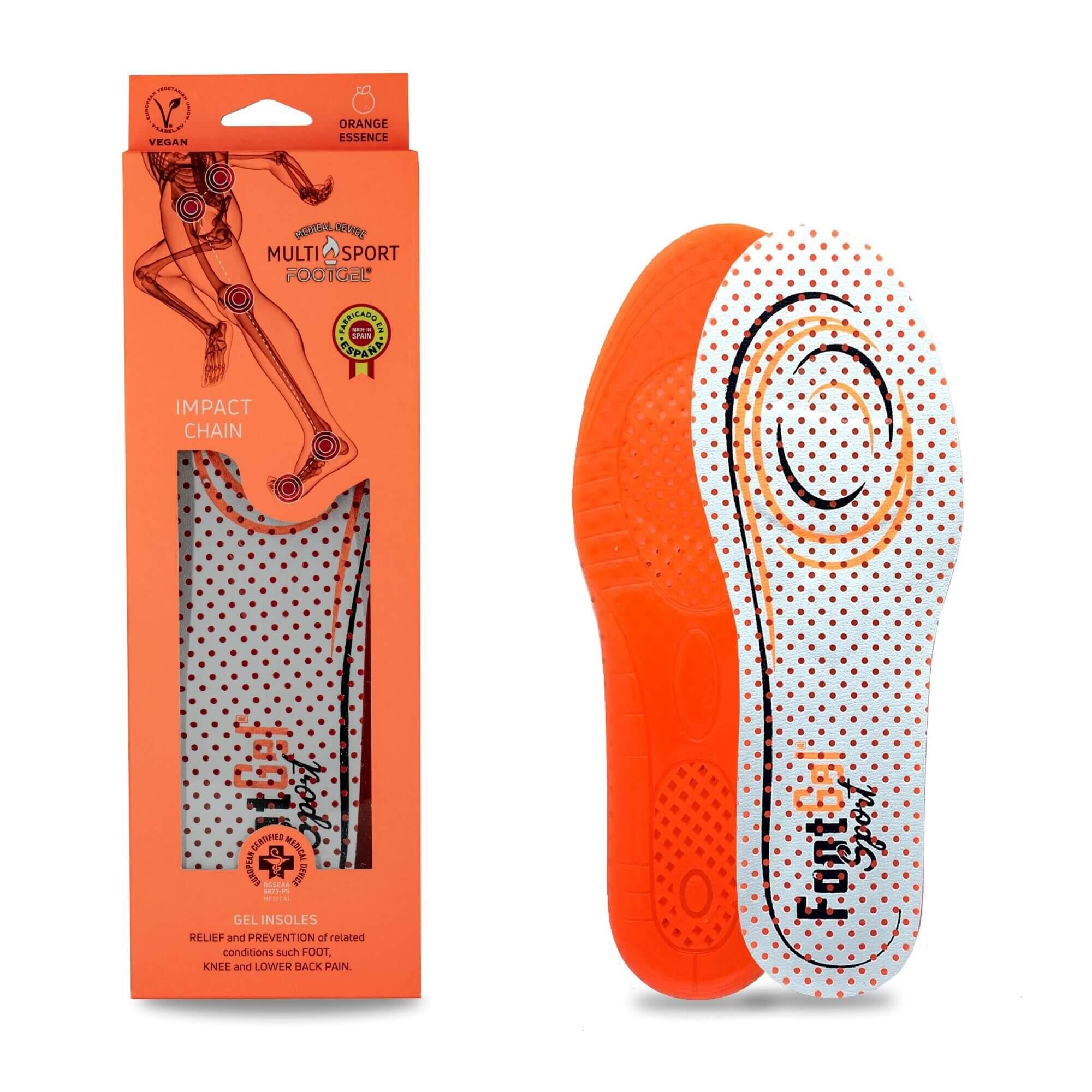
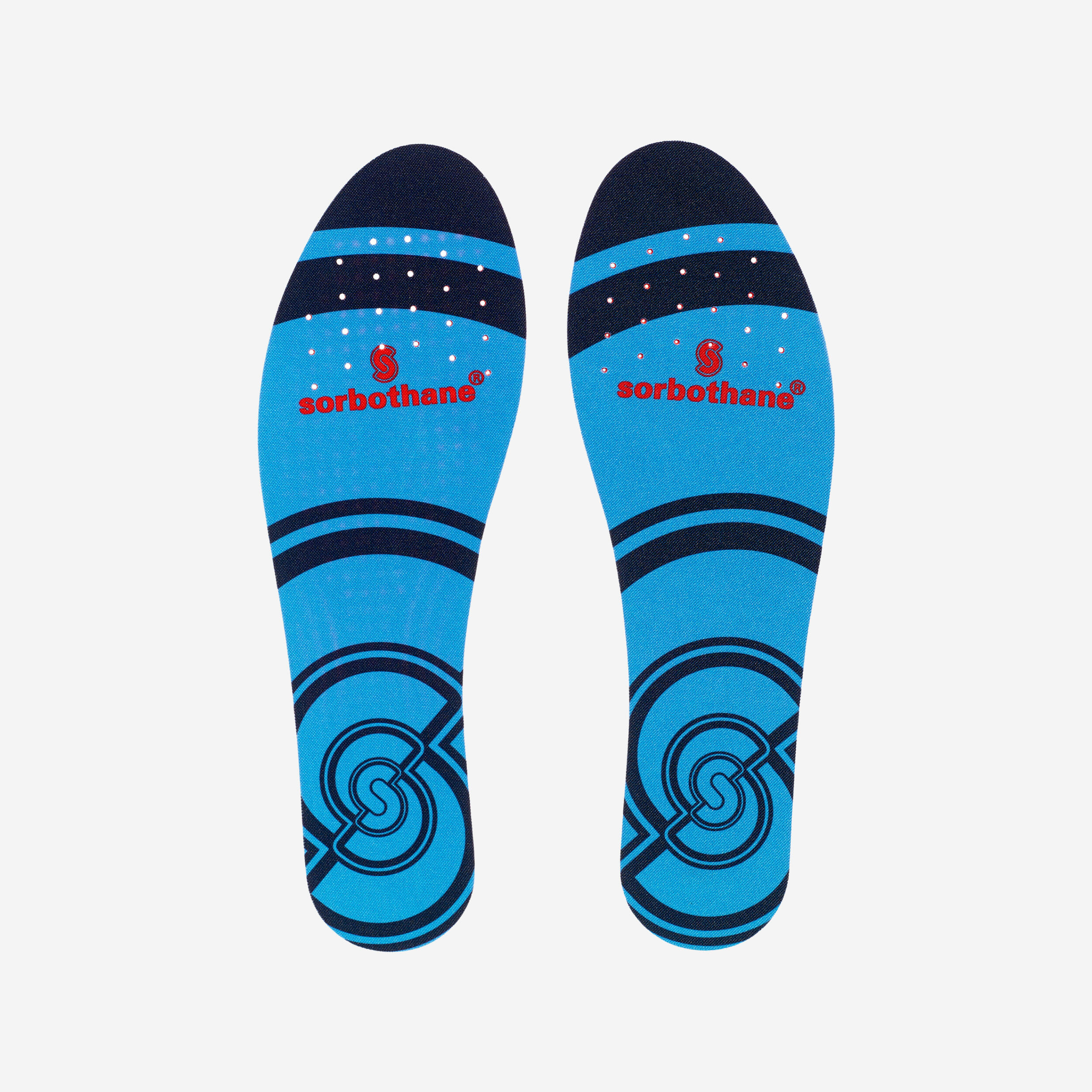
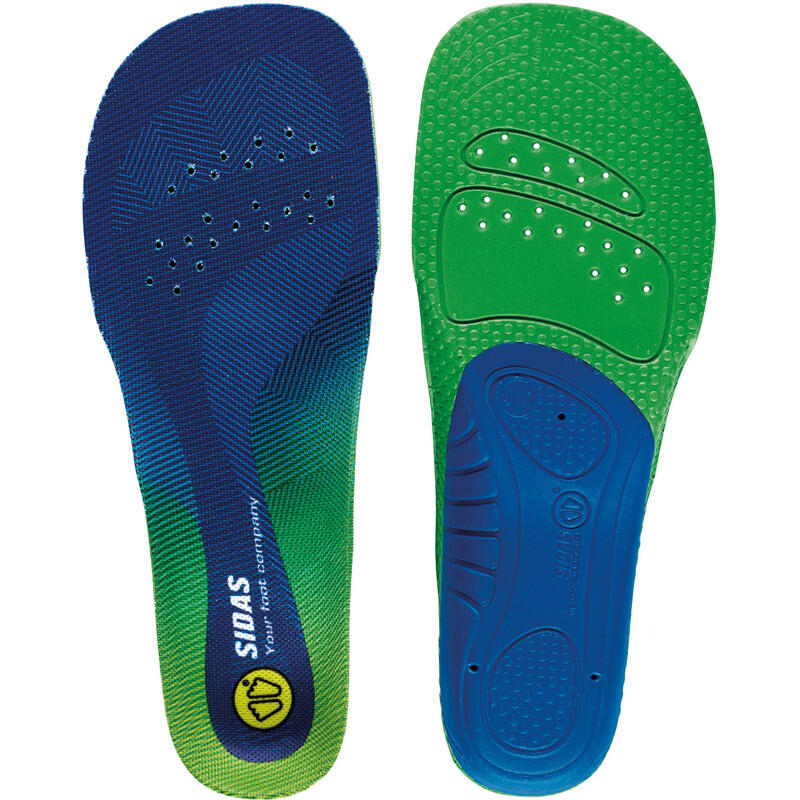
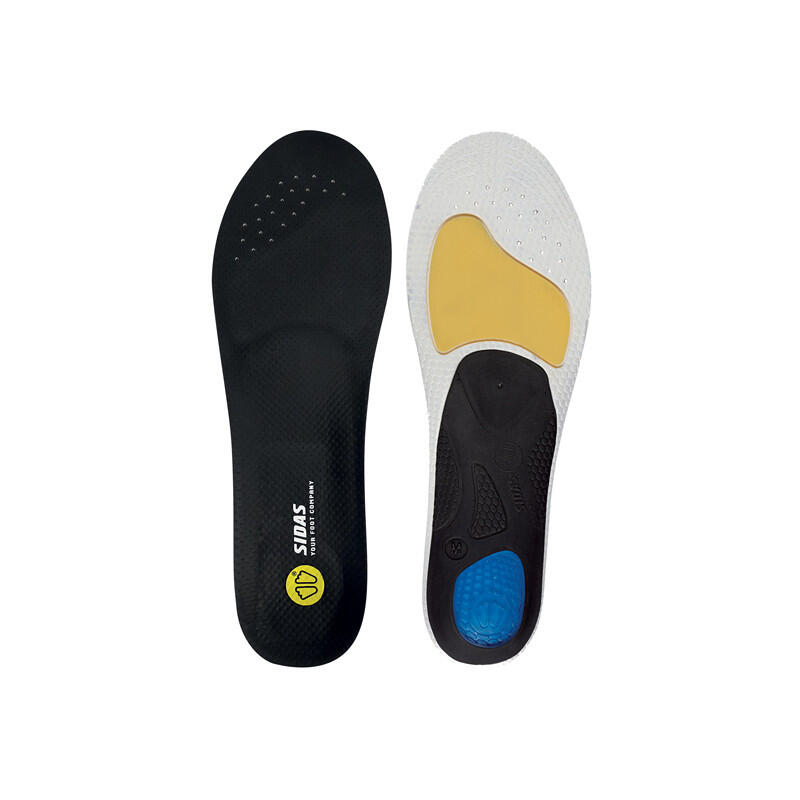
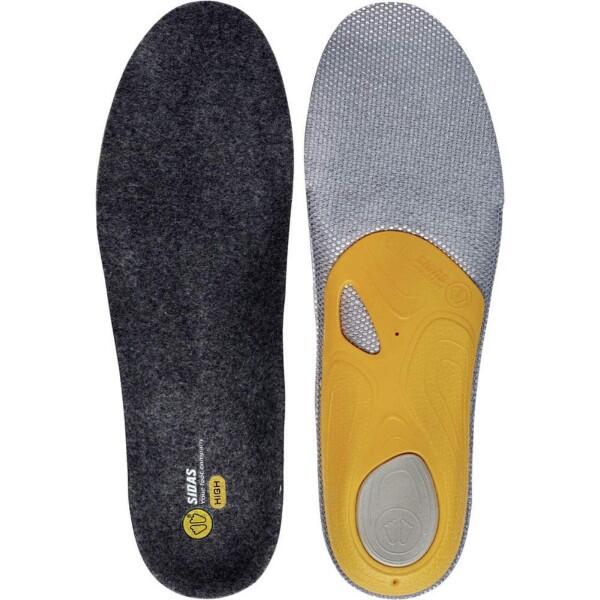
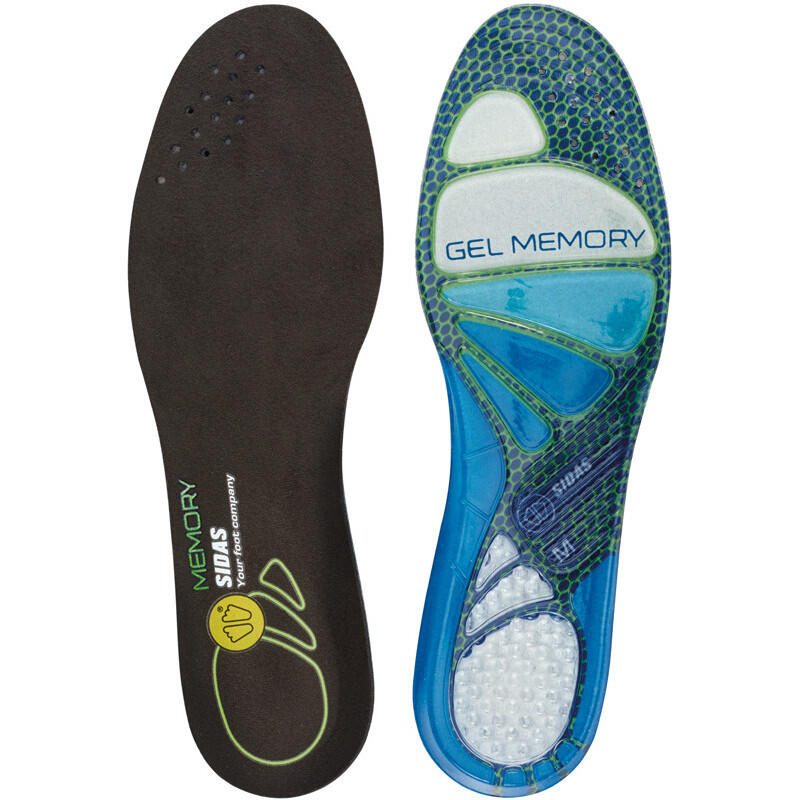
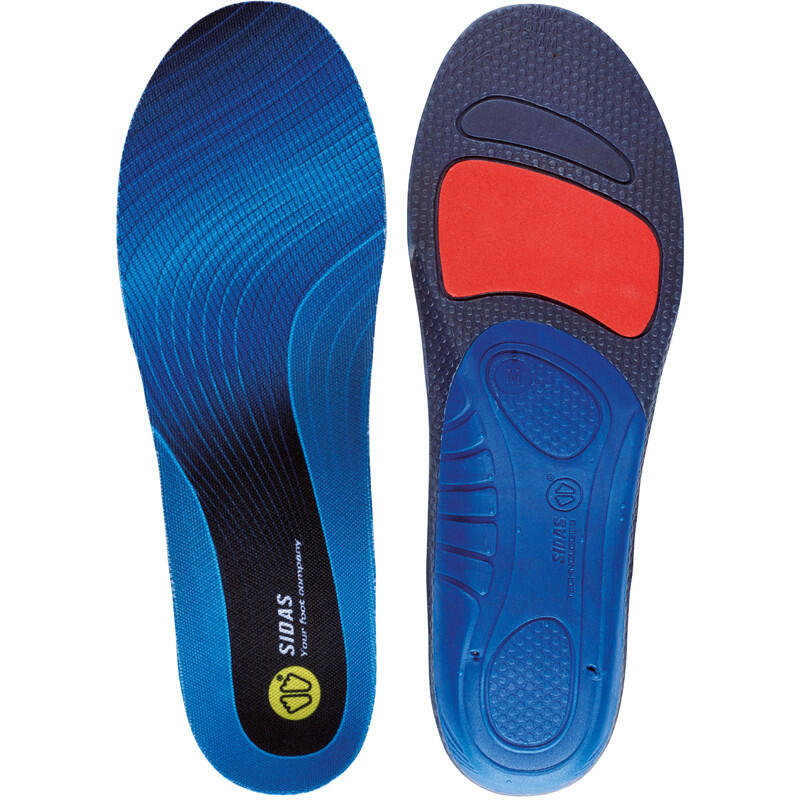
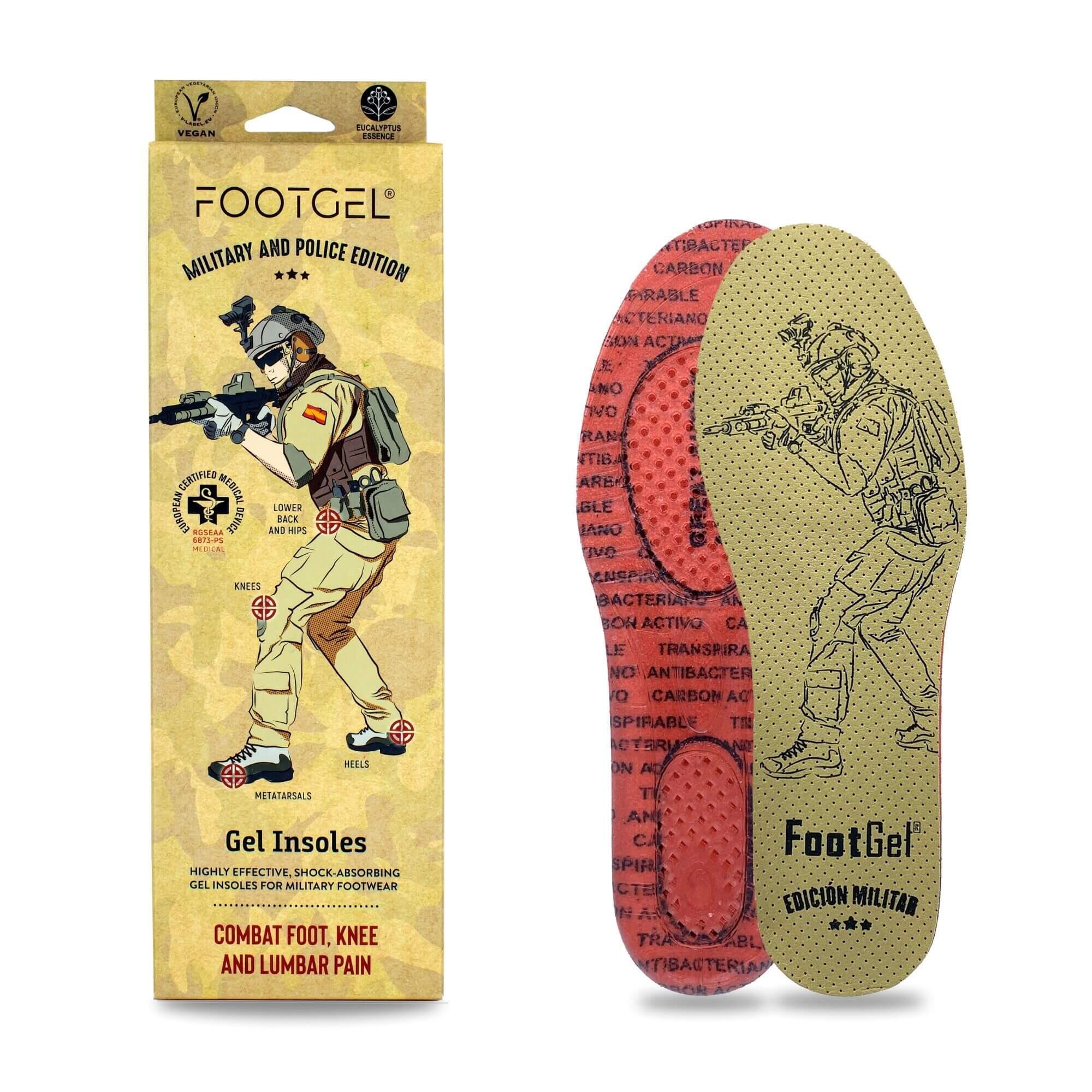
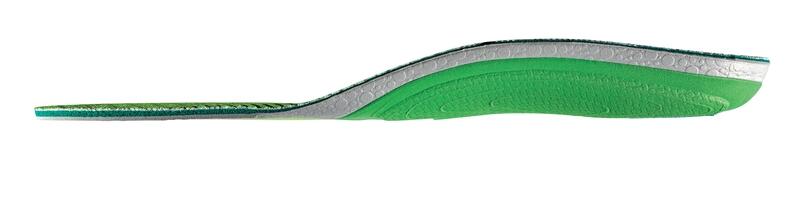
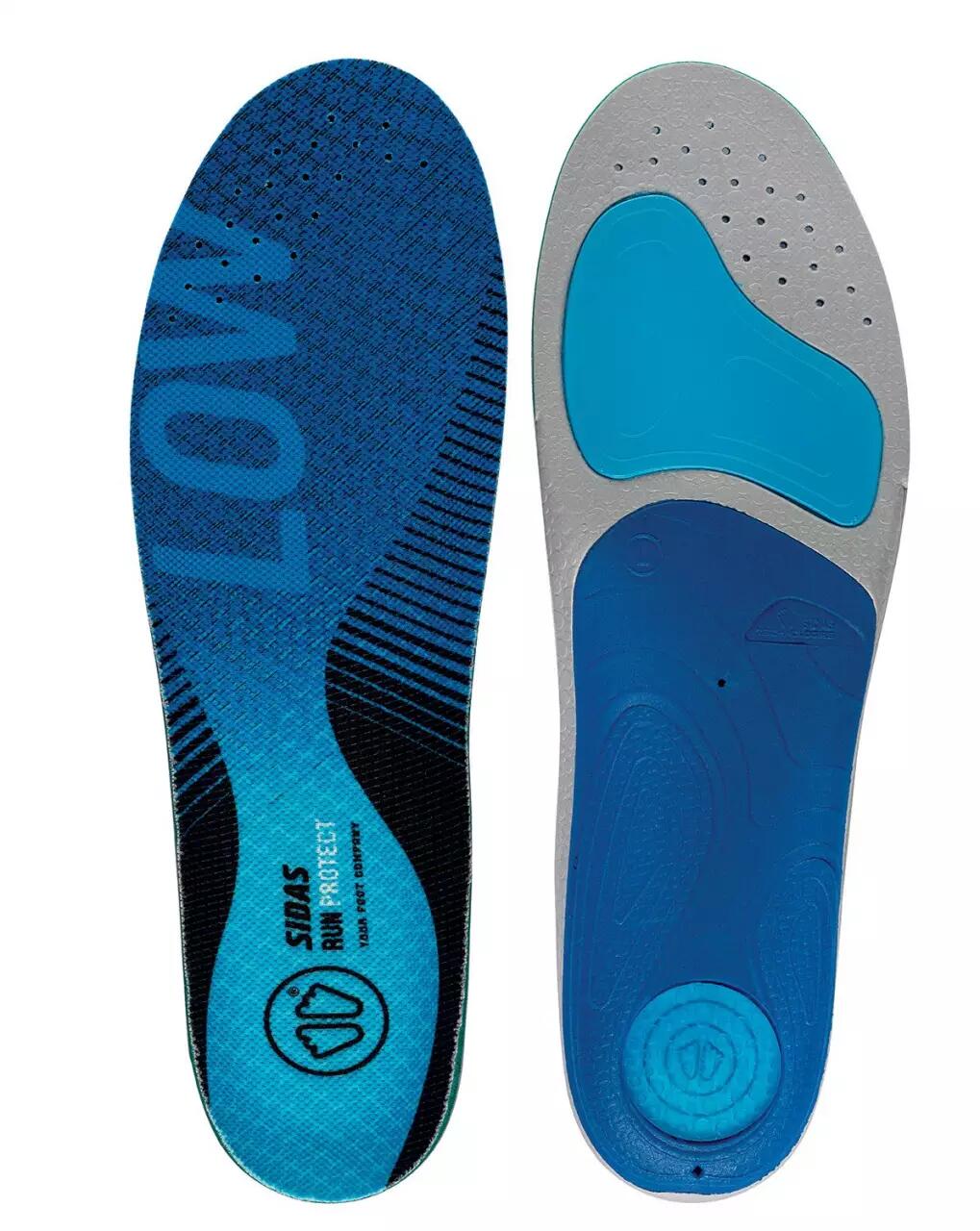
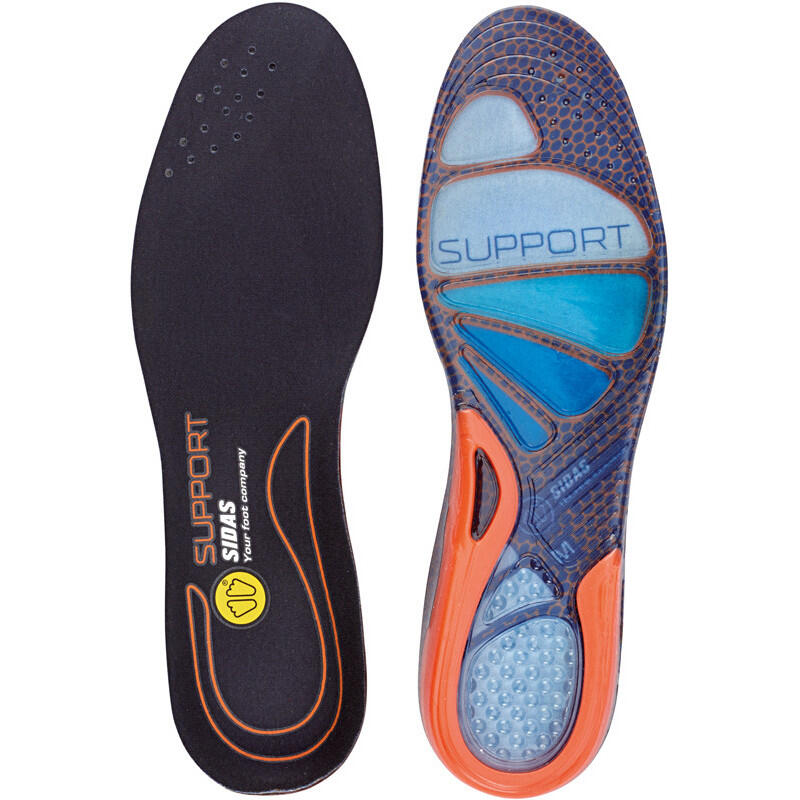
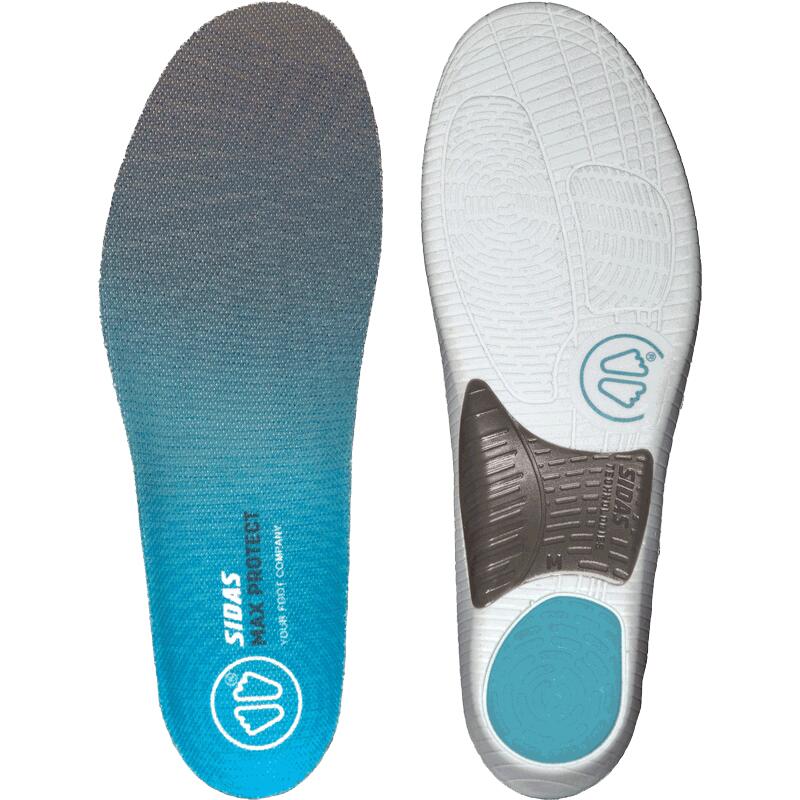
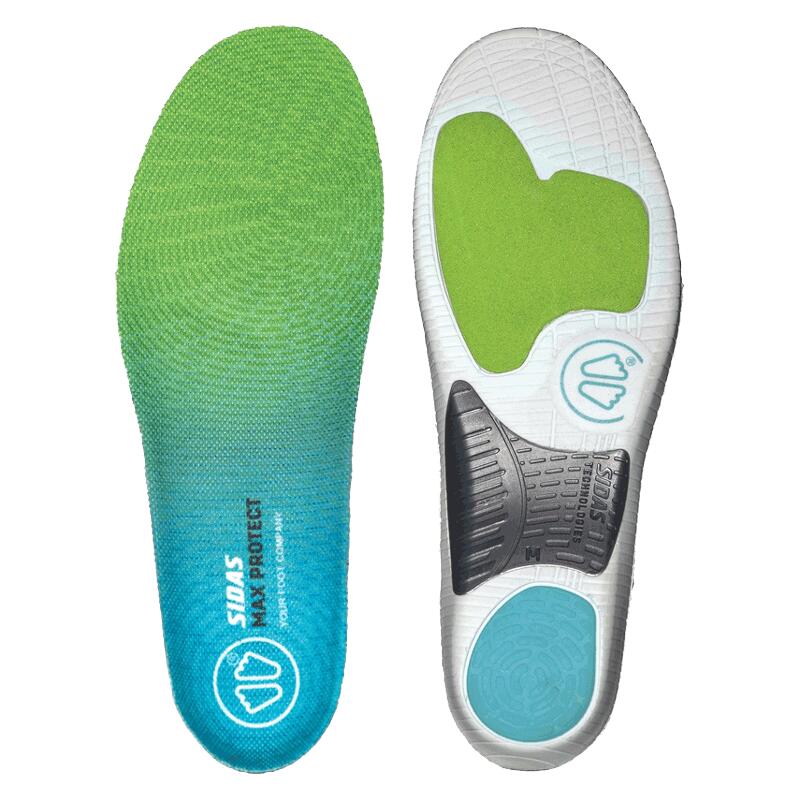
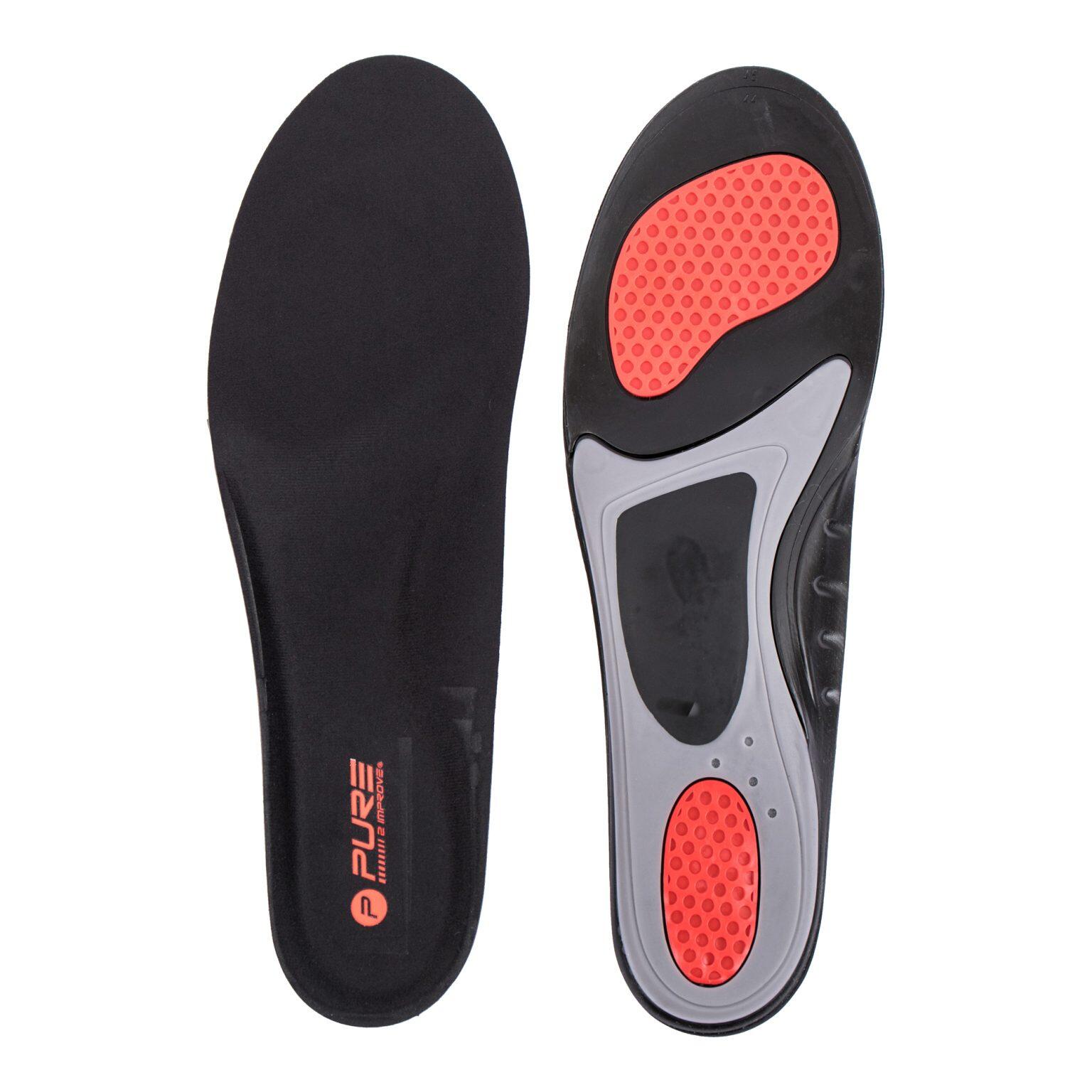
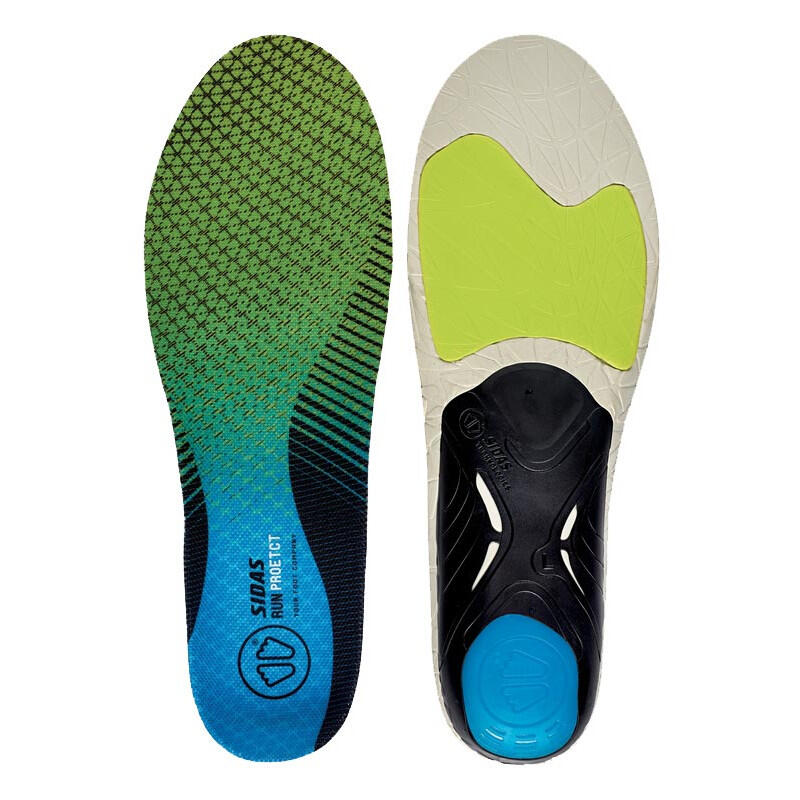
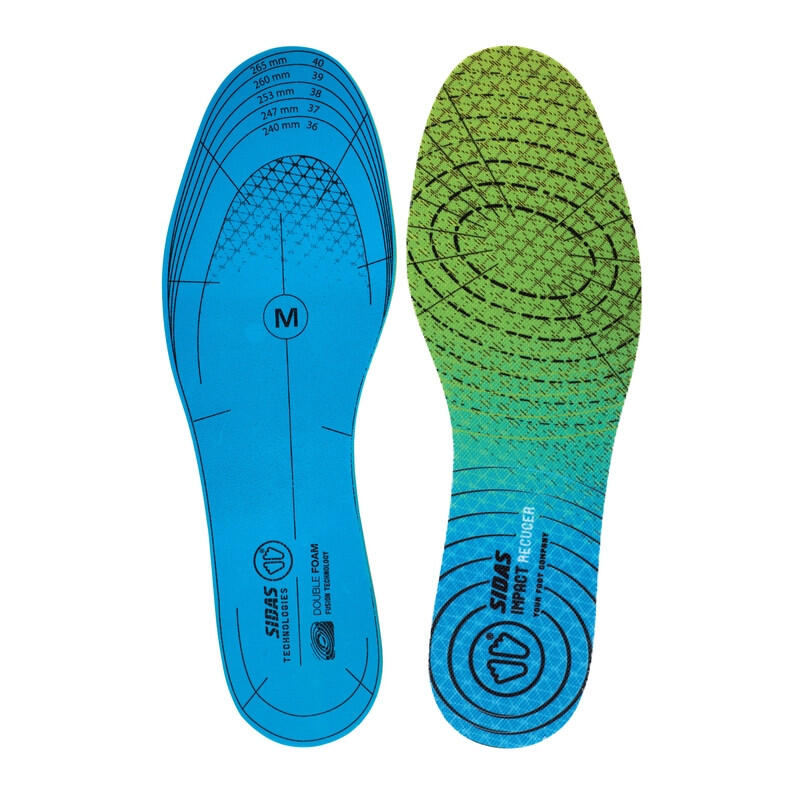
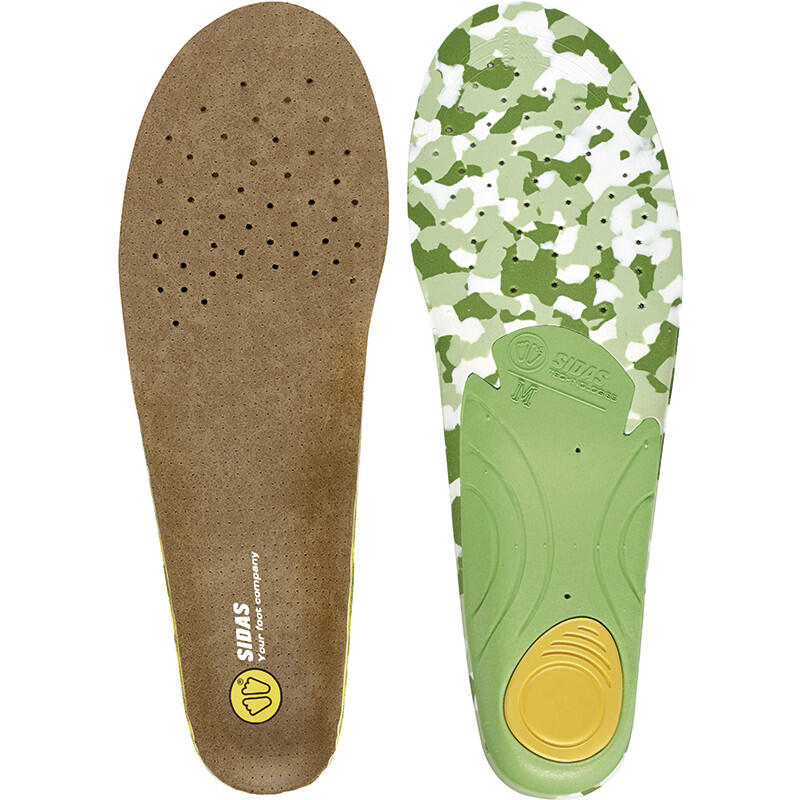
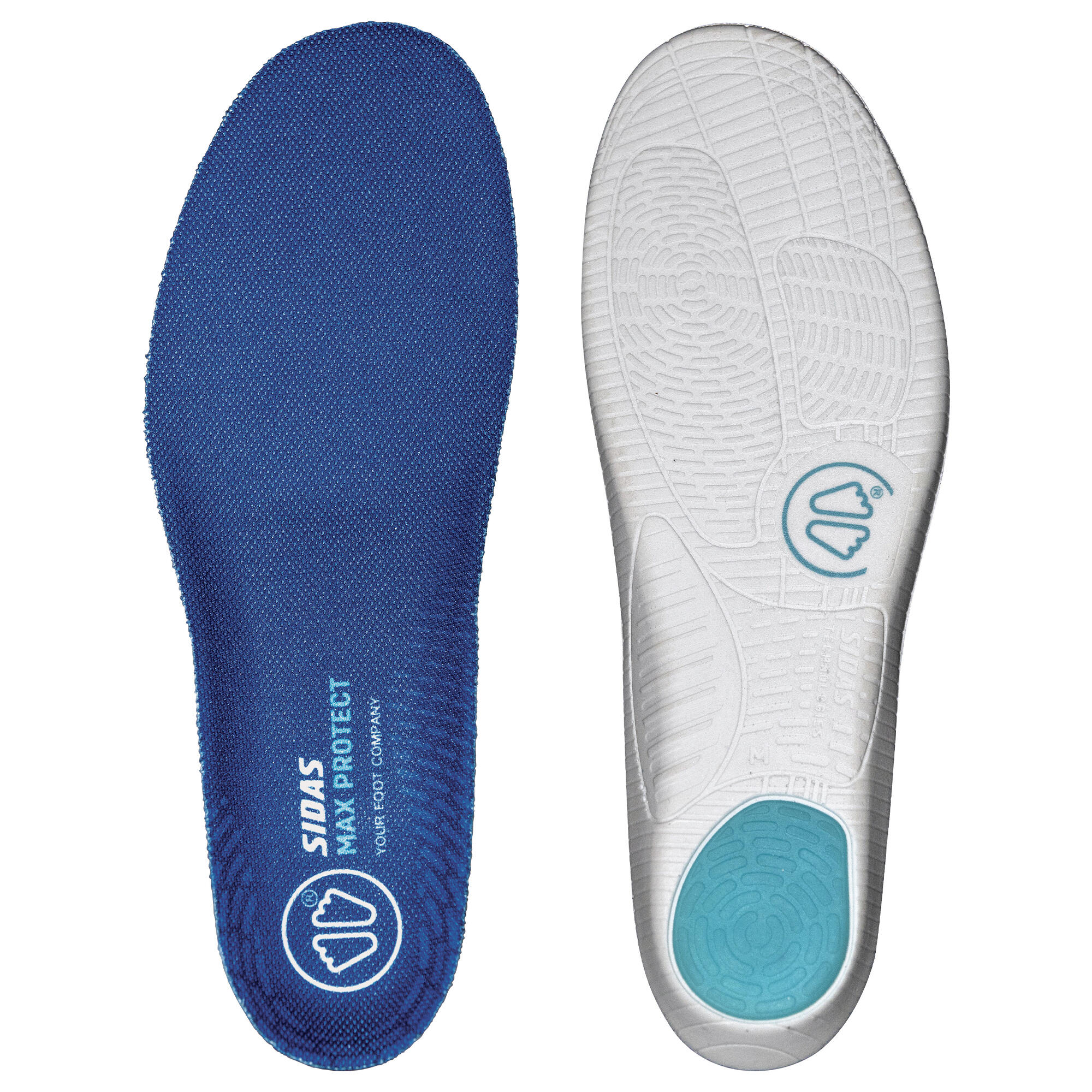
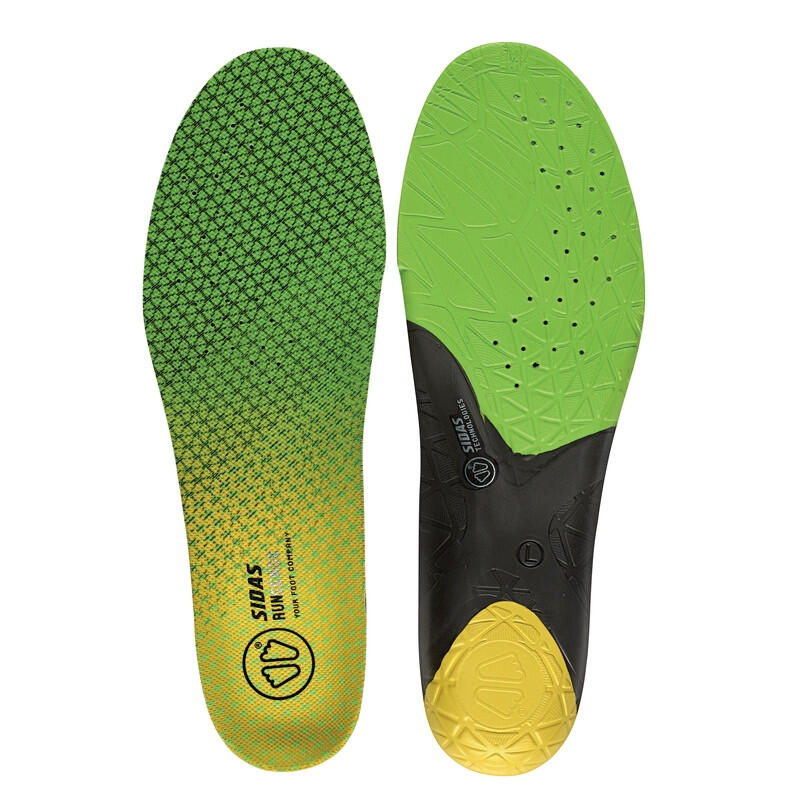
Remove the insoles and inspect them when your shoes begin to feel flatter, hotter or less secure. Deep compression marks, torn edges, a worn heel area or a surface that slides inside the shoe are signs that replacement may be useful. An insole should sit flat without curling and should not lift your heel so high that it slips against the collar. Trail runners who sweat heavily should also take insoles out after wet sessions so moisture can escape from both sides. Let them dry naturally rather than placing them on a radiator. The trail running shoe insoles category includes lightweight, cushioned and cut-to-fit options to suit the space inside your footwear.

Are lightweight customisable insoles useful for trail shoes?

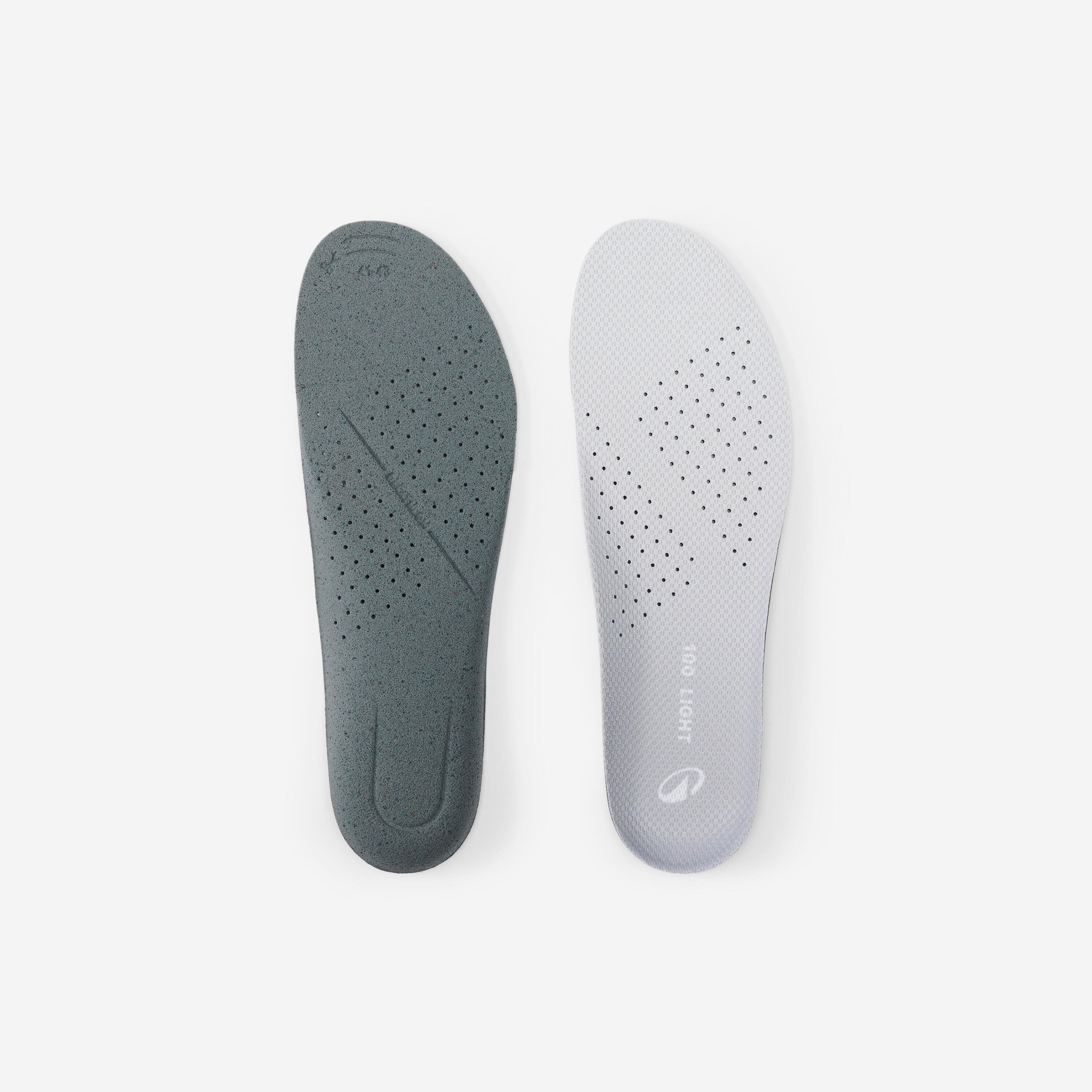
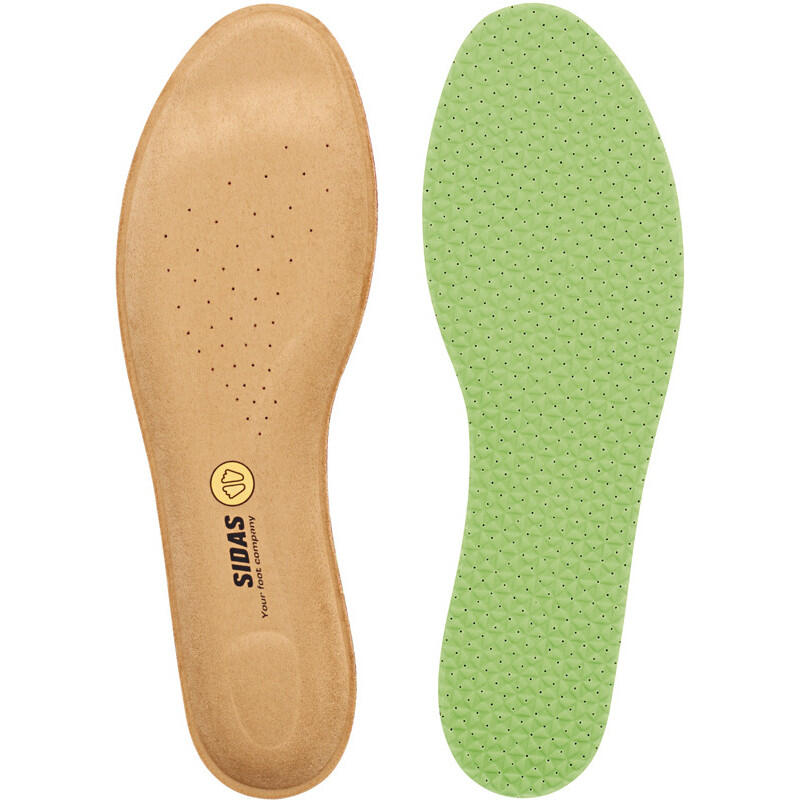
Lightweight insoles can refresh the contact surface inside a shoe without adding the bulk of a thick cushioning insert. A cut-to-fit model is useful when the original insole has an unusual outline or when one insole size covers several shoe sizes. Use the original insole as a template, mark the shape carefully and trim small amounts at a time. Cutting too much can create gaps that allow the replacement to move during descents. The lightweight customisable insoles can be adjusted to the shoe shape, but they should not be stacked over the original pair unless the footwear has enough internal volume. Pro tip: test them on a short familiar route before a long trail outing.
What should you look for in folding shoe bags?

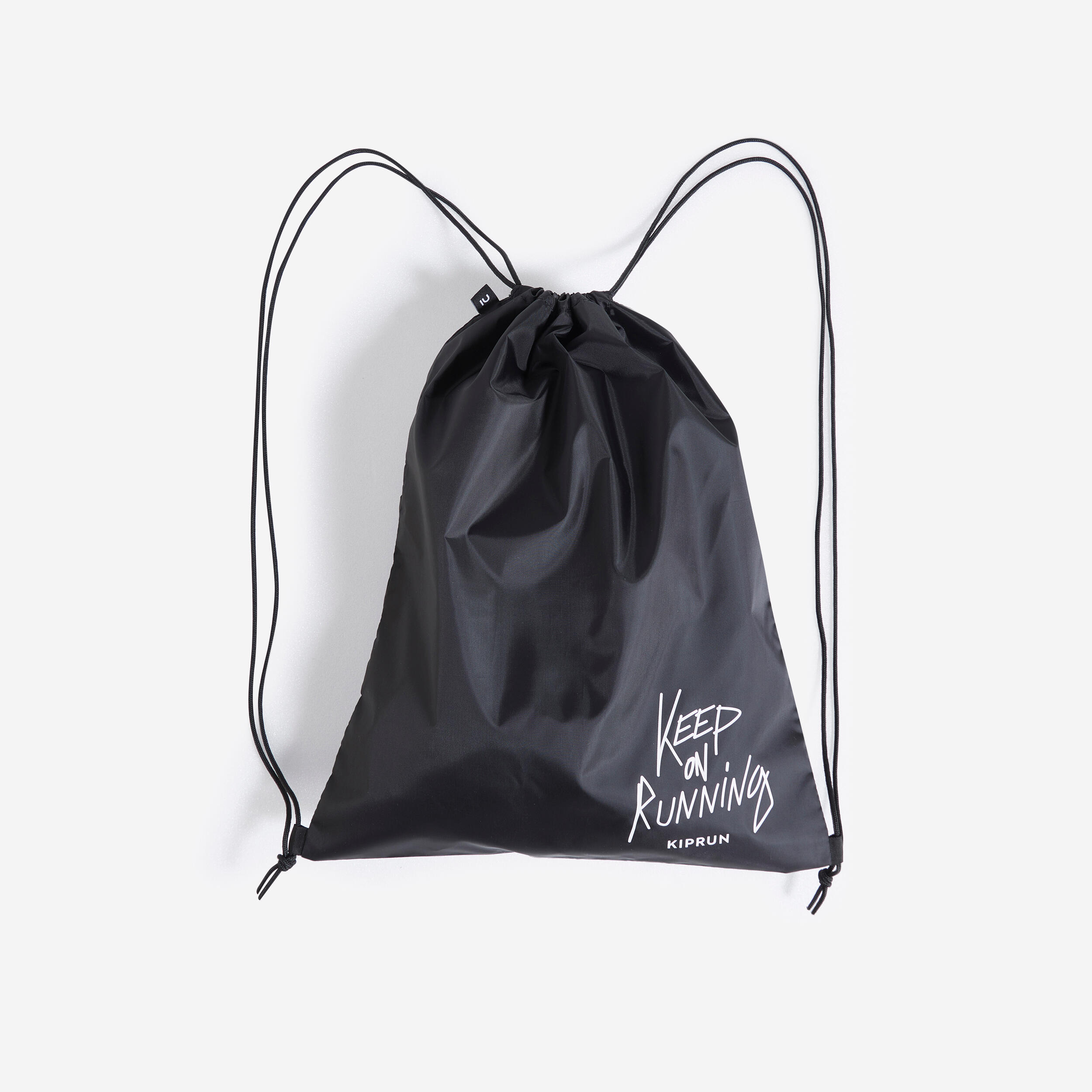
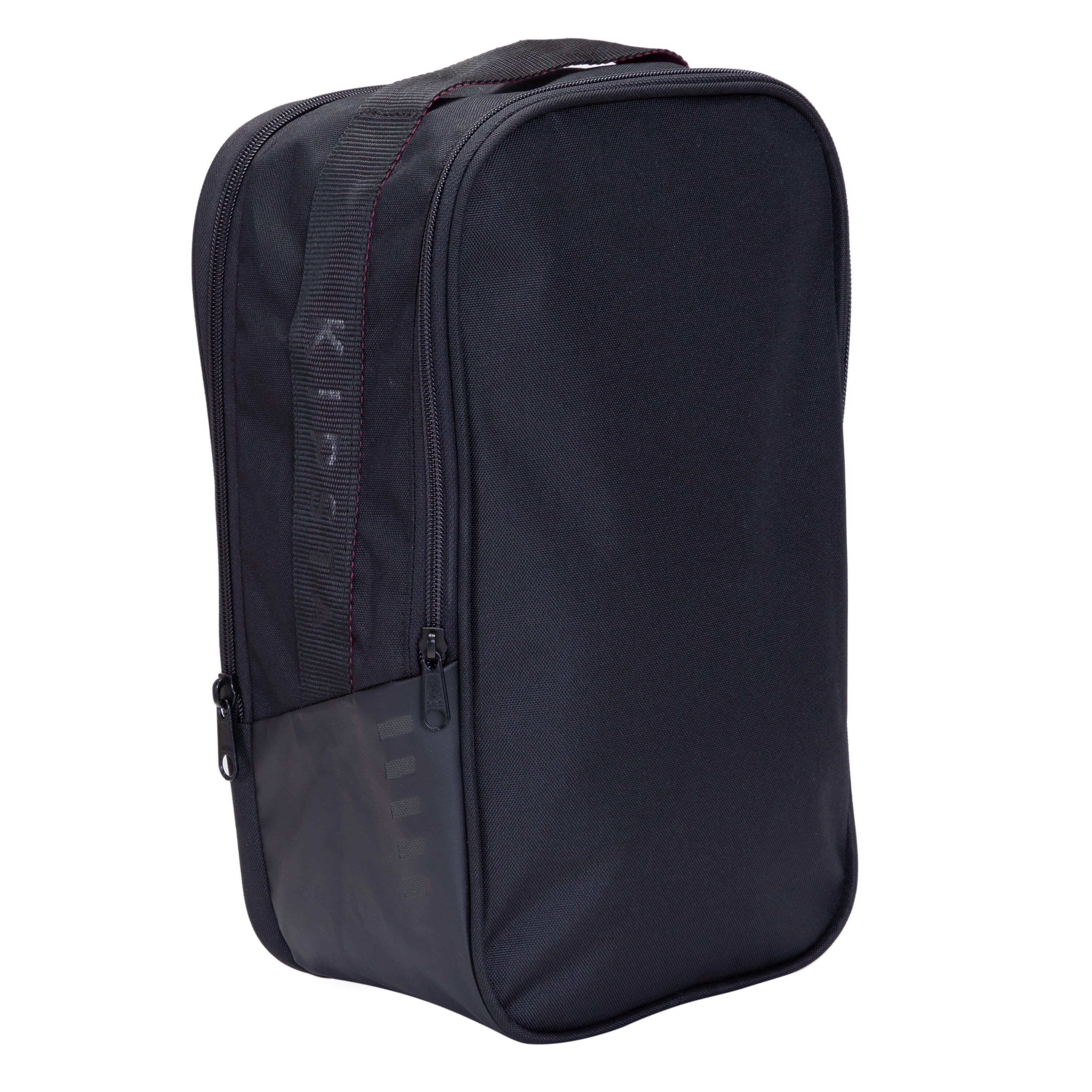
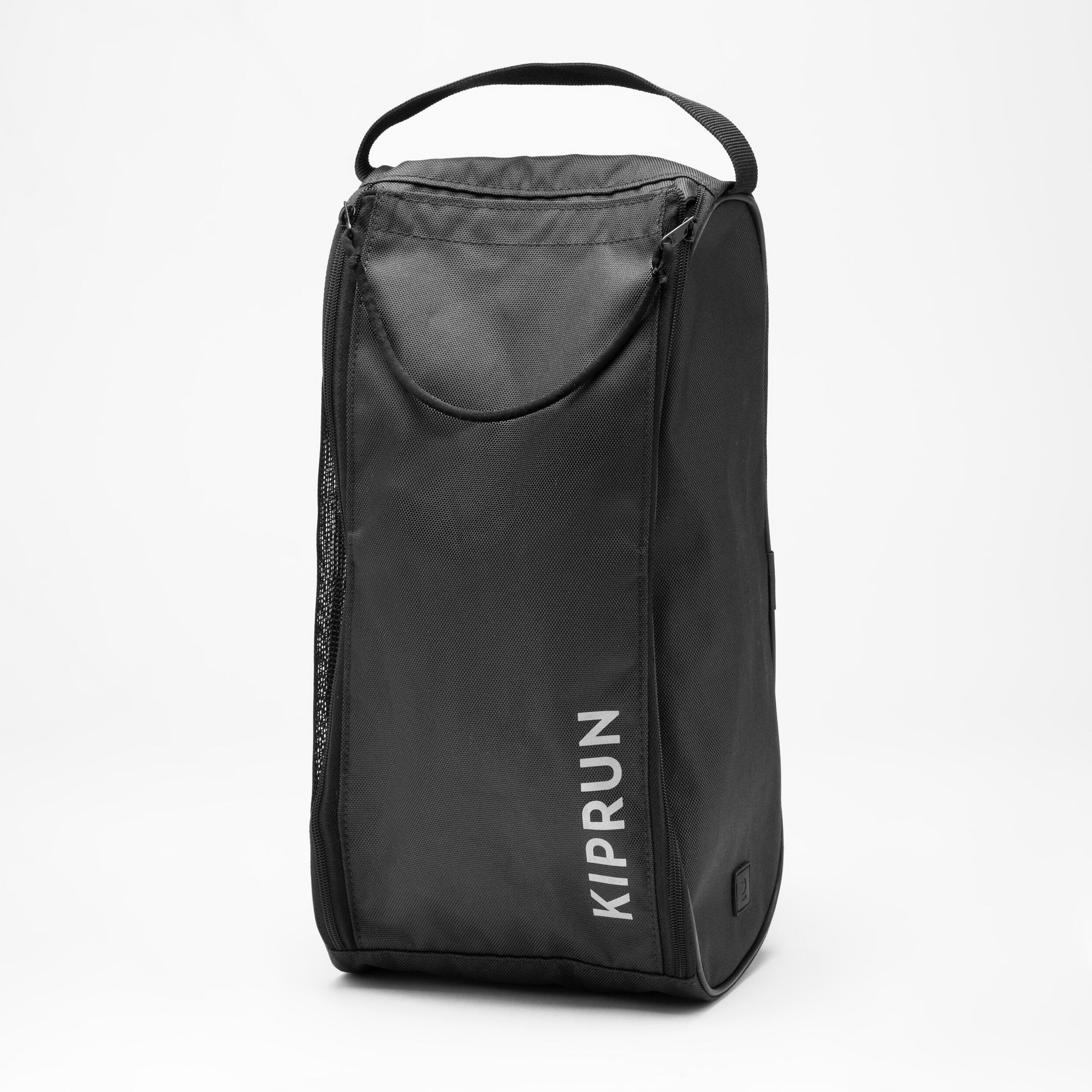
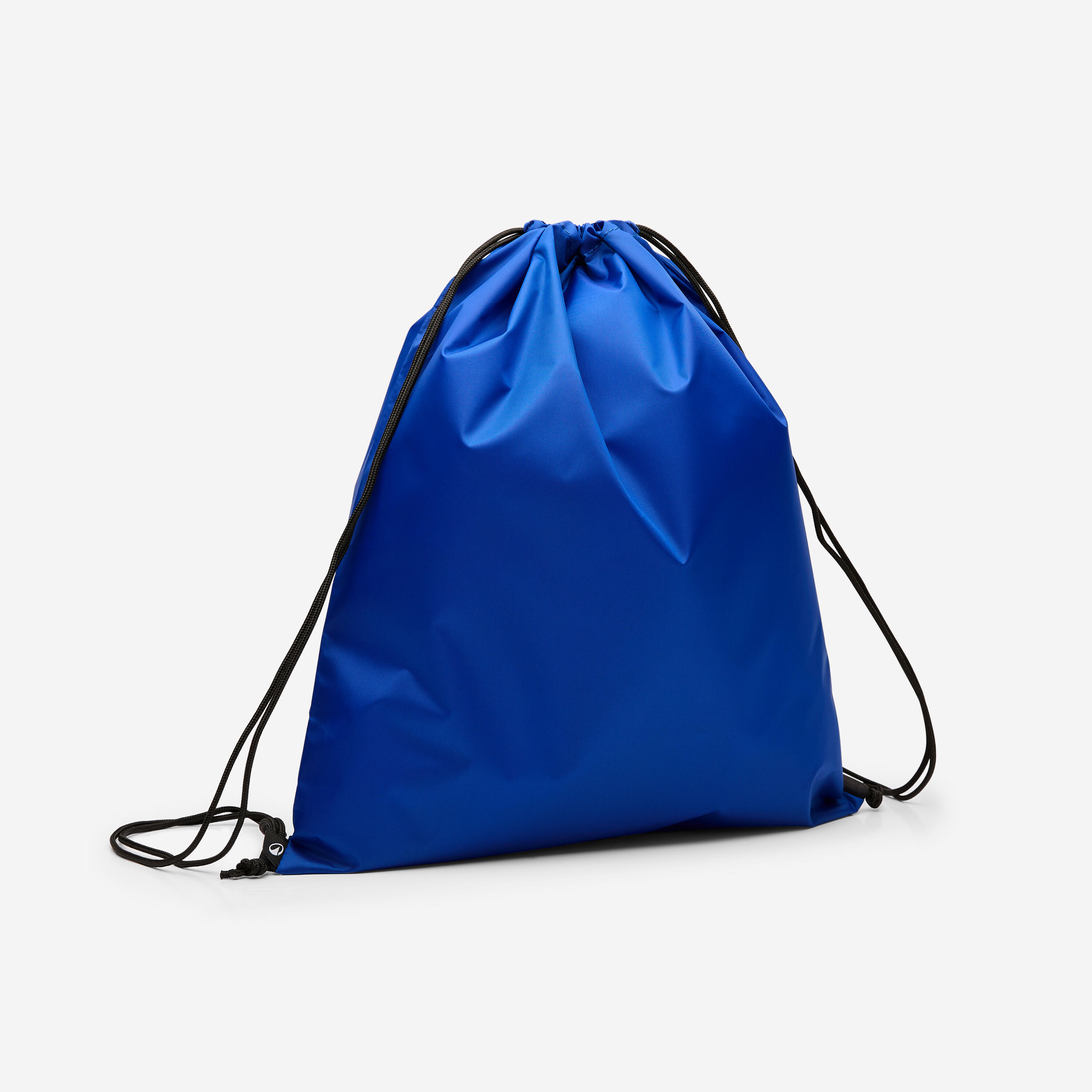
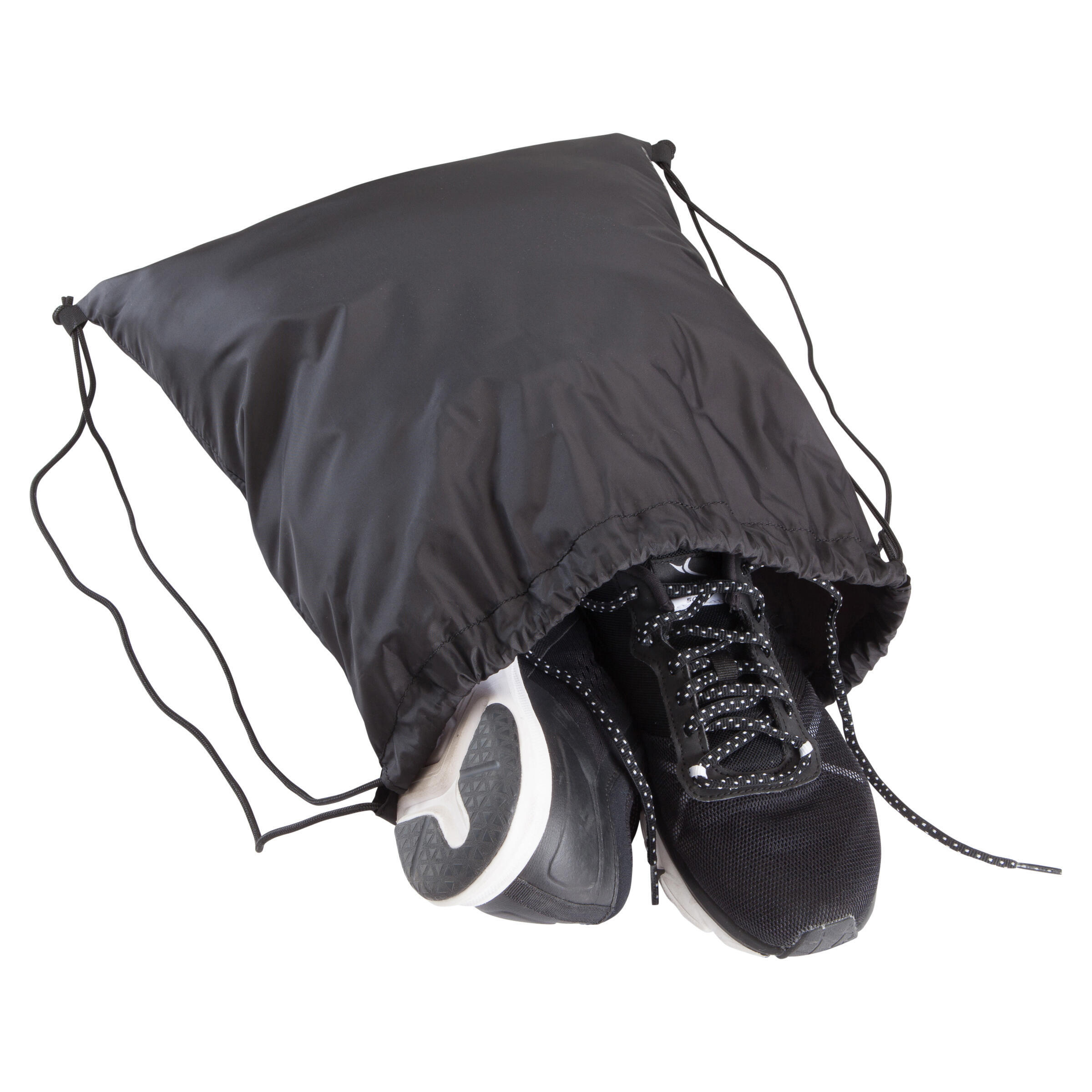
A useful shoe bag should contain dirt, pack away easily and leave enough room for the footwear without forcing the upper out of shape. Folding shoe bags suit race travel because they take up little space before use and separate muddy shoes from clean clothing afterwards. A drawstring provides simple closure, while ventilation is more important when damp footwear will remain inside for longer. The foldable shoe bag collapses into its integrated pocket and provides 10 litres of storage. Knock off heavy mud before packing the shoes, and avoid leaving them sealed in the bag overnight. KIPRUN trail running shoe bags and other sports-shoe bags may use different carrying systems, so check dimensions and ventilation rather than relying only on the product name.

How do you control odour and care for trail shoes after running?

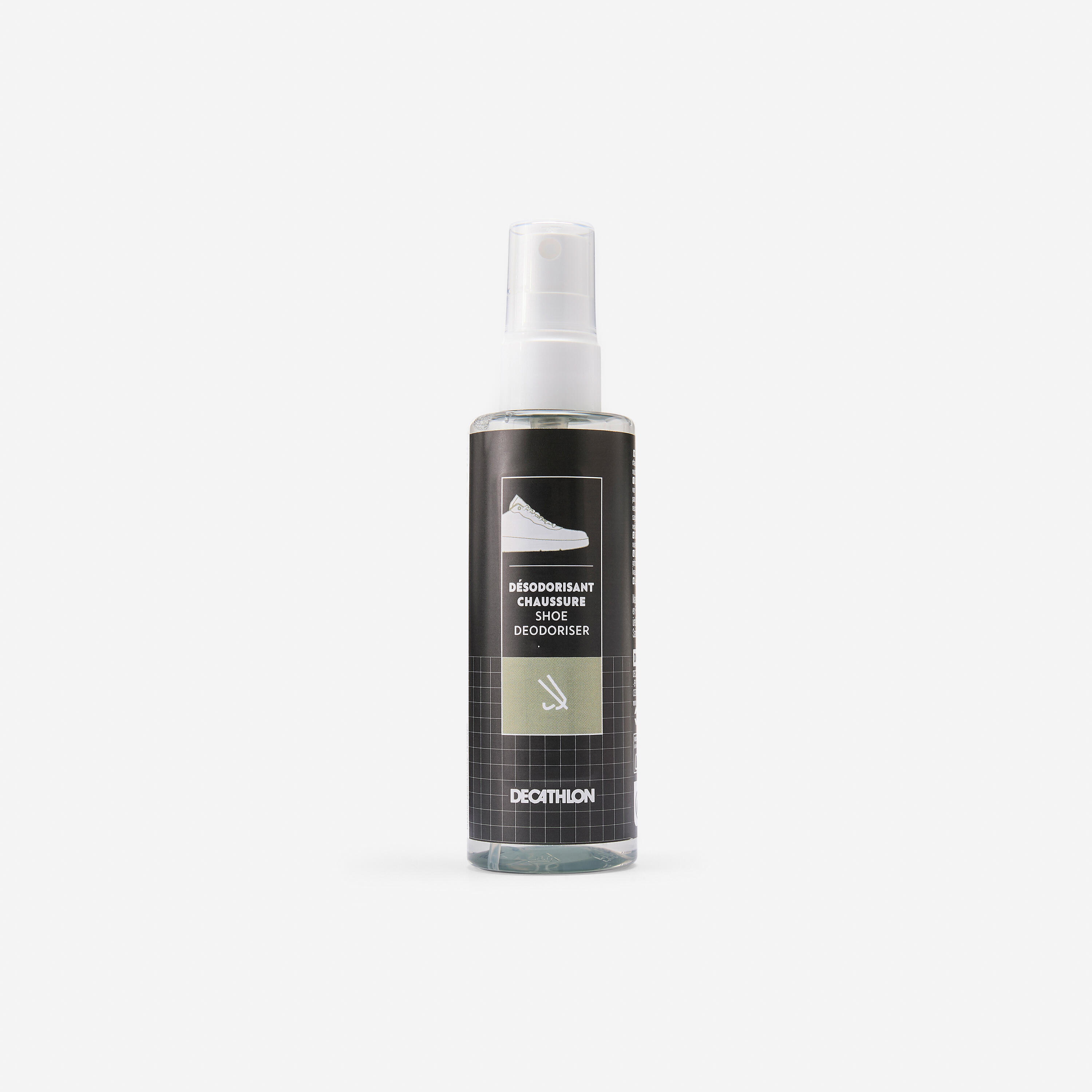
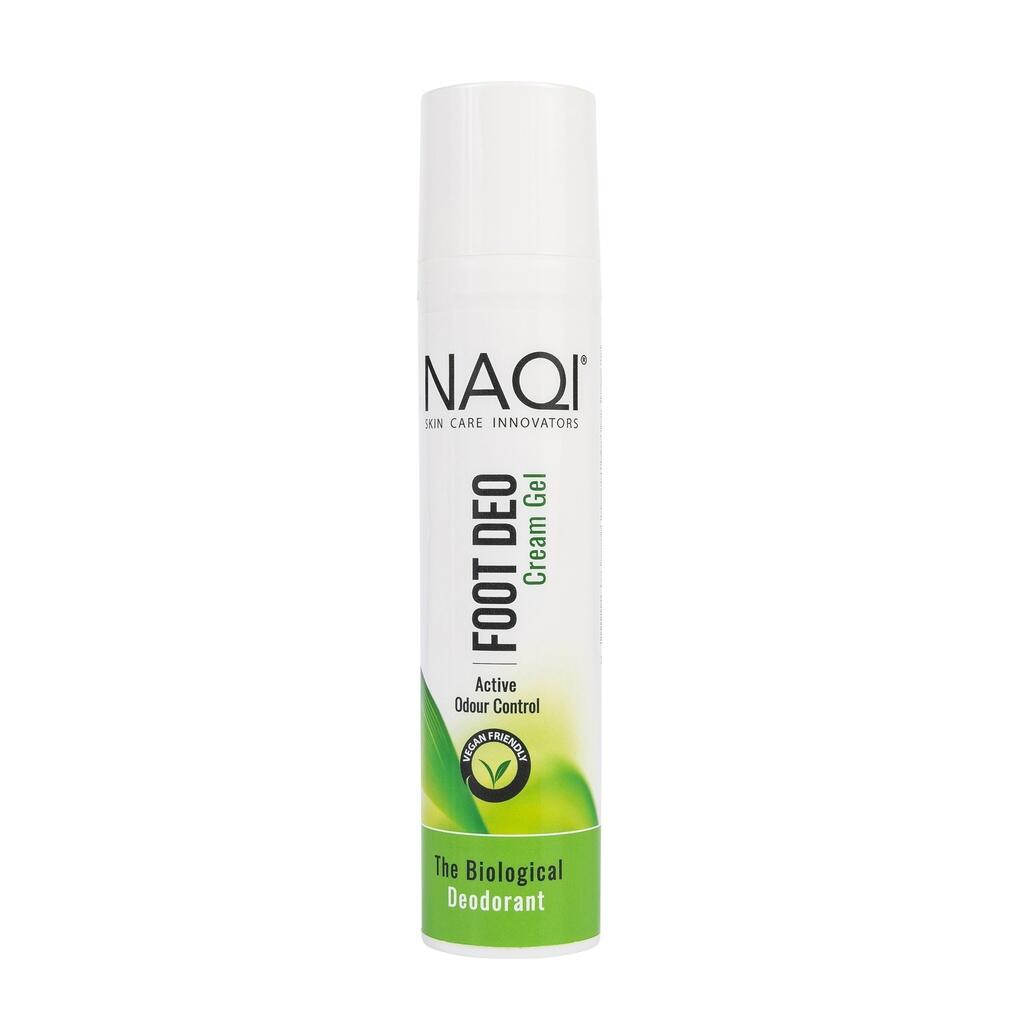
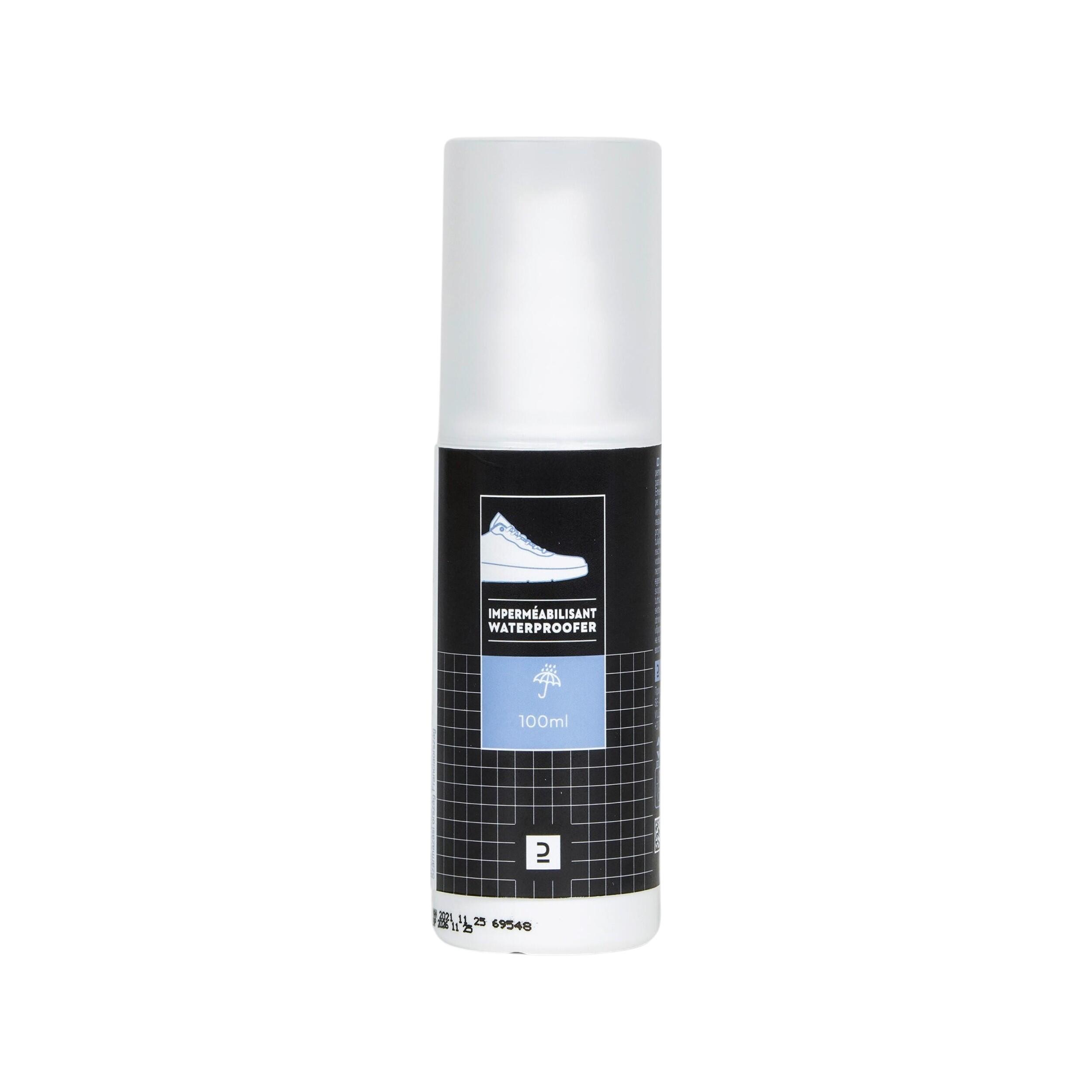
Start by removing mud, insoles and trapped moisture, as spraying damp shoes without drying them only treats part of the problem. Brush the outsole and upper once the mud has loosened, wipe the surface with cool water where needed and let the shoes dry in a ventilated place away from direct heat. A Kalenji odour neutraliser uses active molecules to capture odour rather than relying only on fragrance, but it should be applied after the basic cleaning steps. Review suitable products within trail running shoe care when you need cleaning or freshness support. Do not machine wash or tumble dry technical trail footwear unless the individual product instructions specifically permit it, because heat and prolonged soaking can affect foam, adhesives and bonded sections.