129 items
4.7/5 based on 80558 reviews collected online and in stores

Triathlon Energy Bars FAQs

How do triathlon energy bars support training and racing?

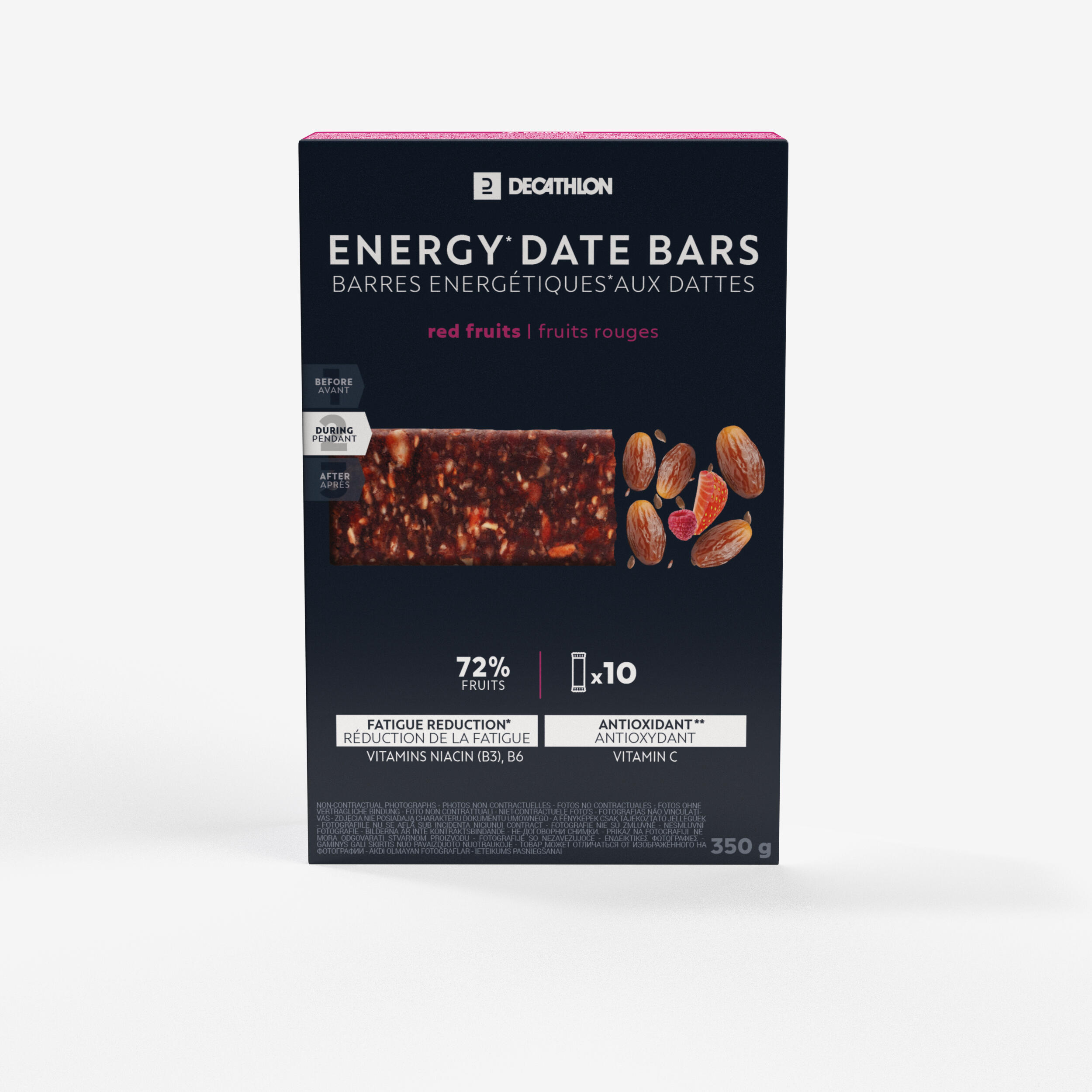
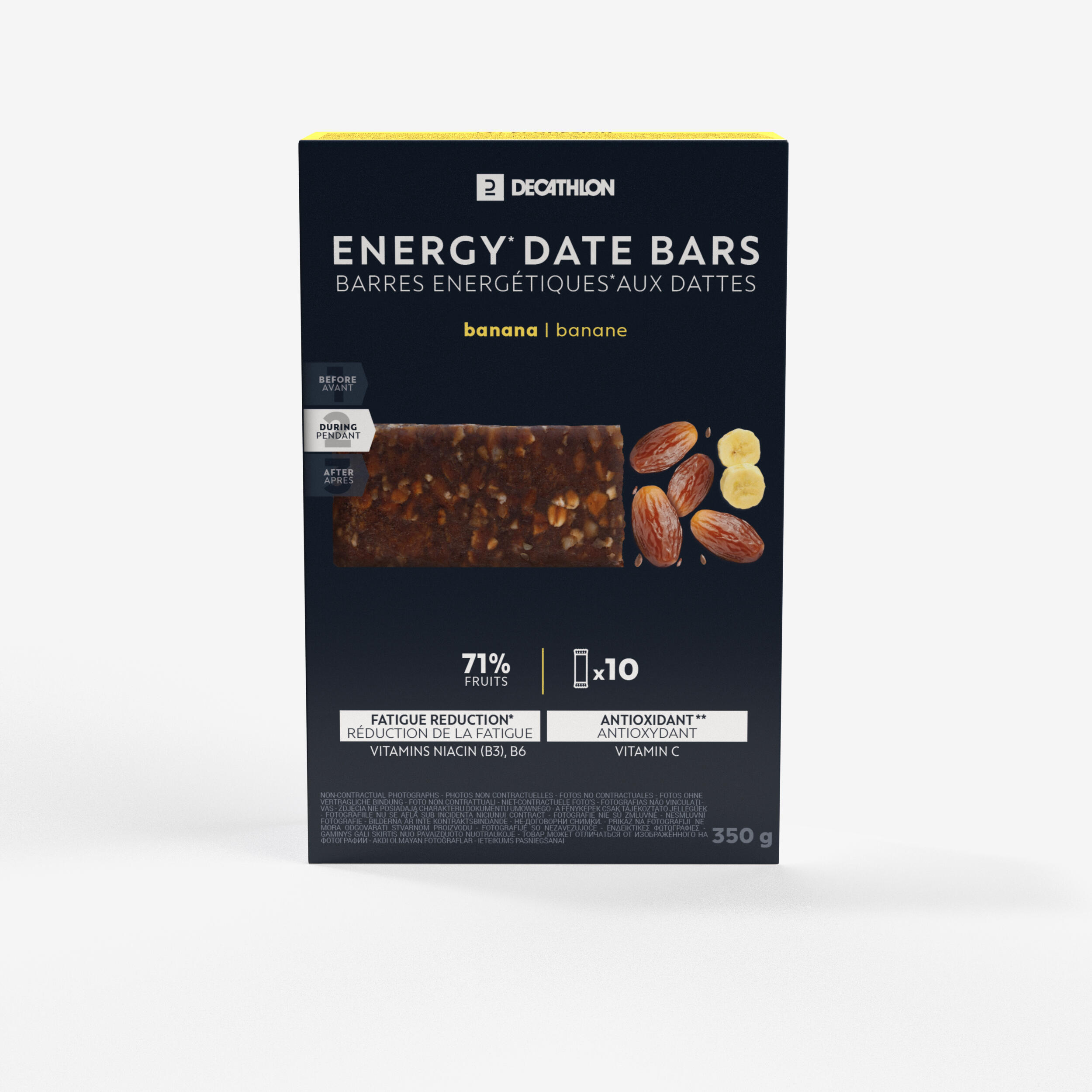
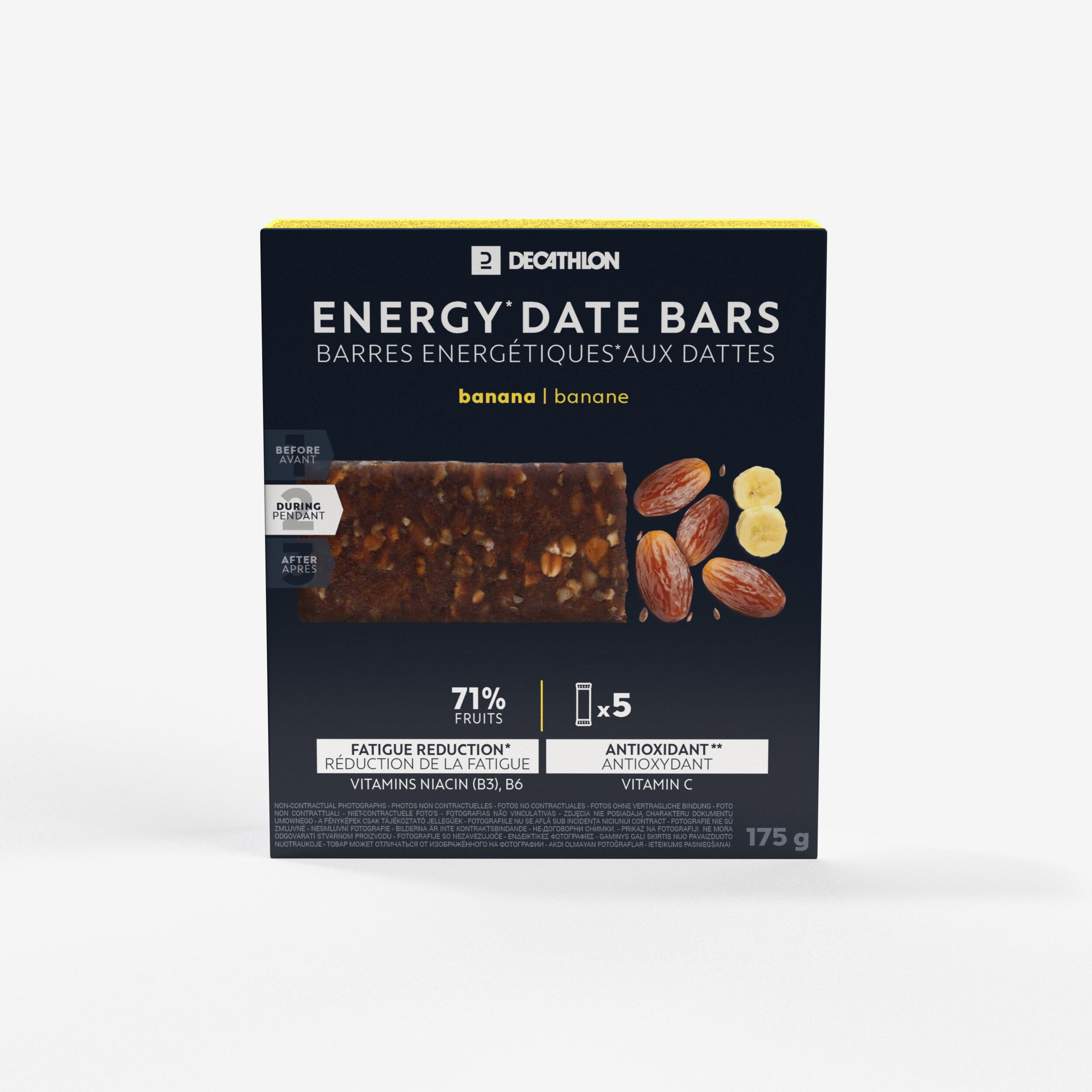
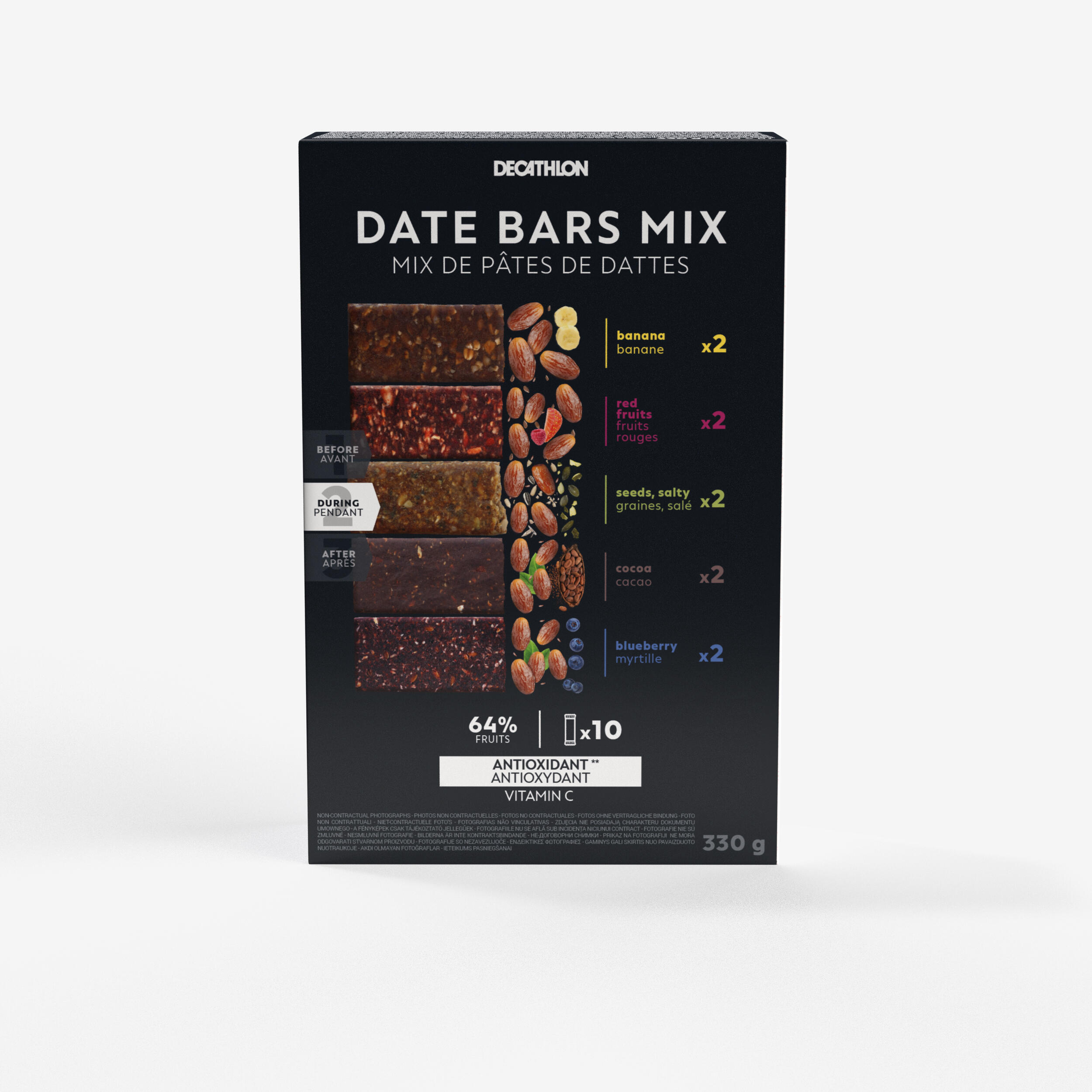
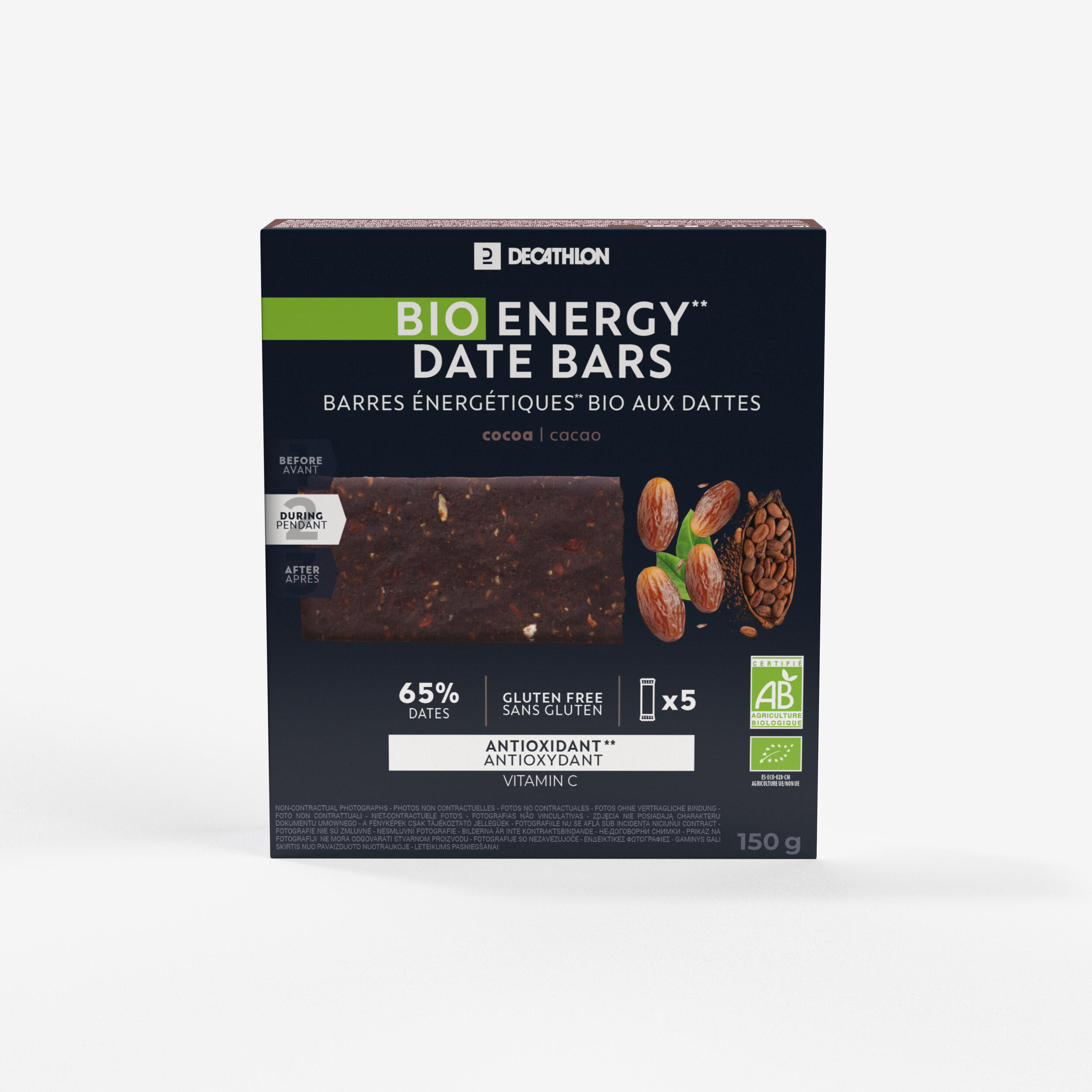
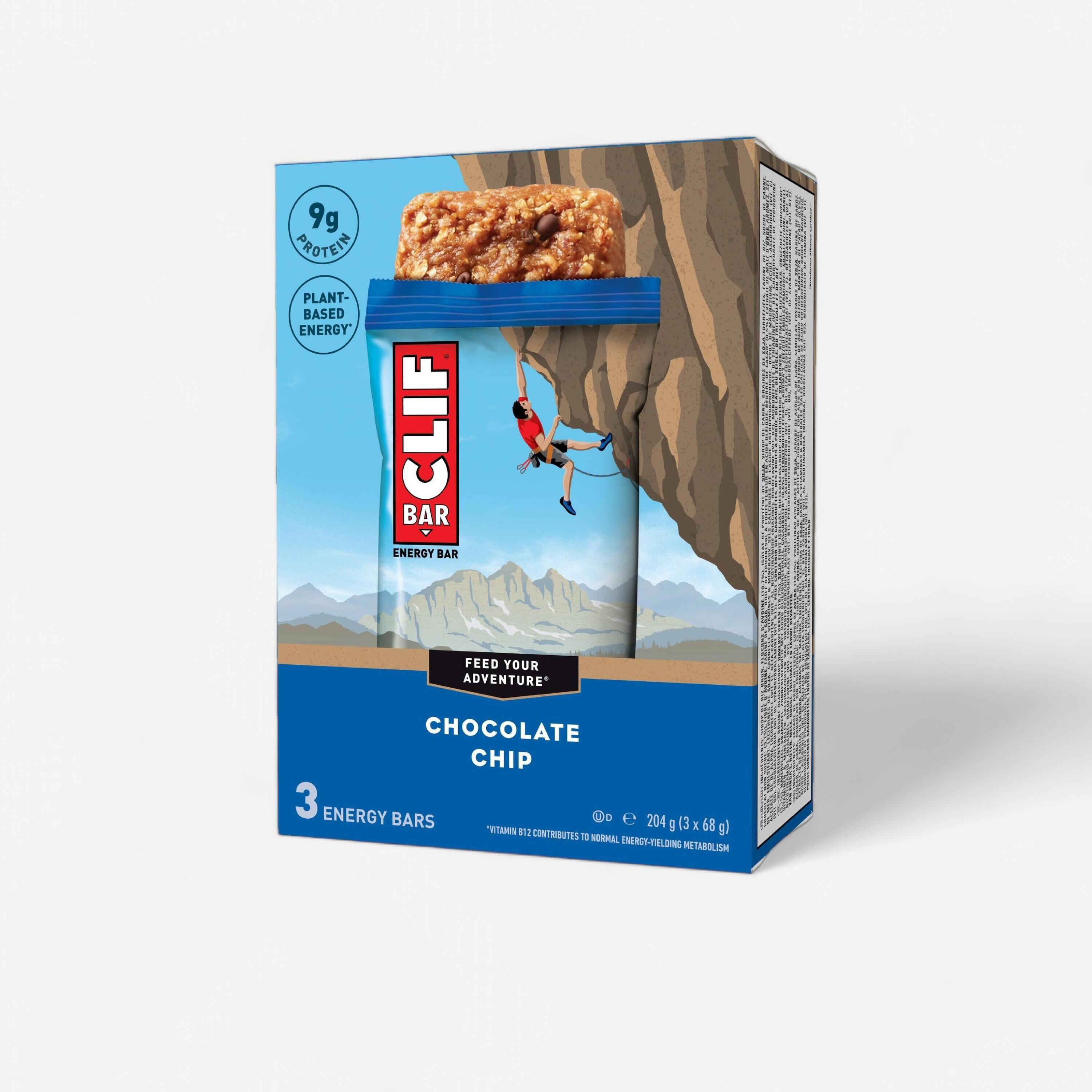
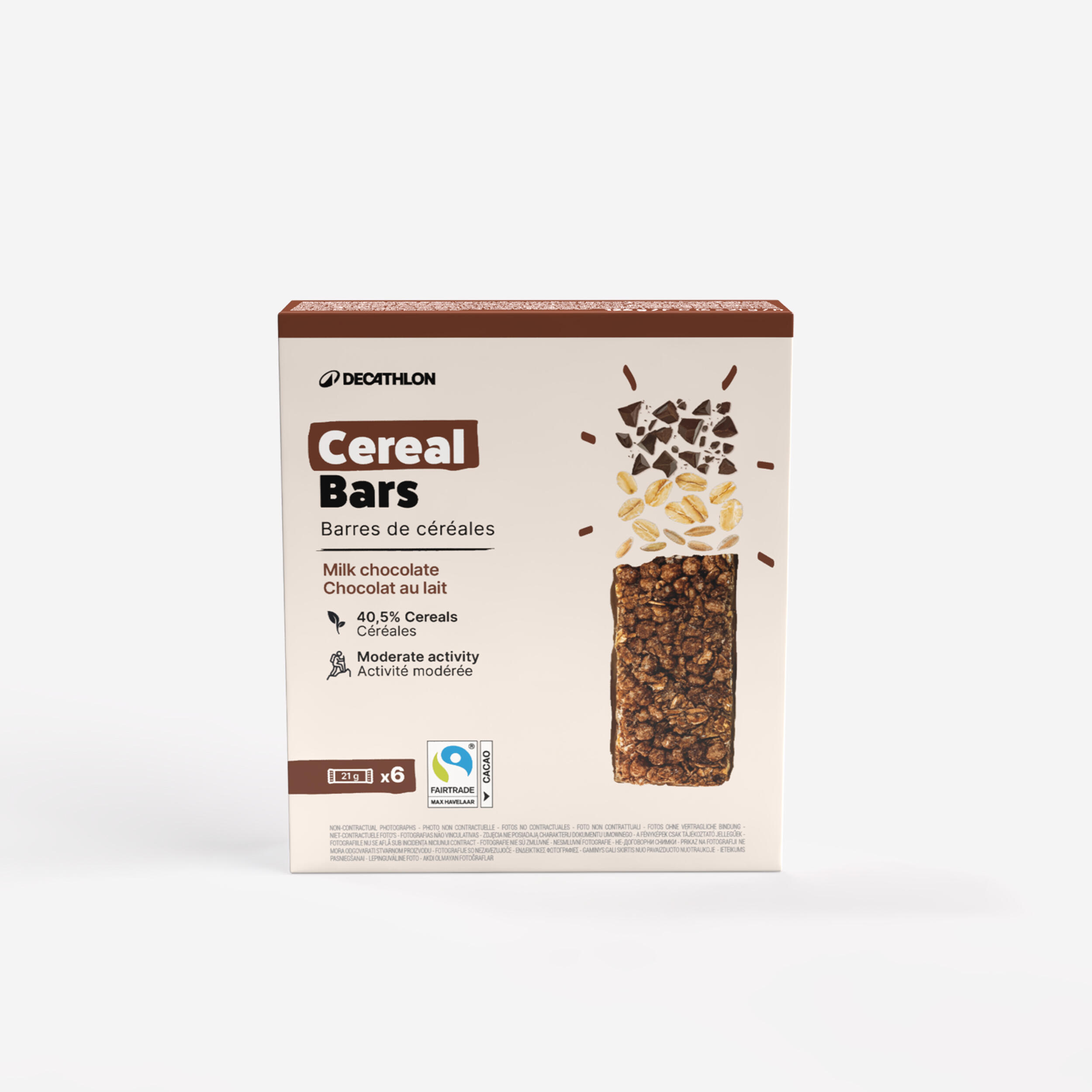
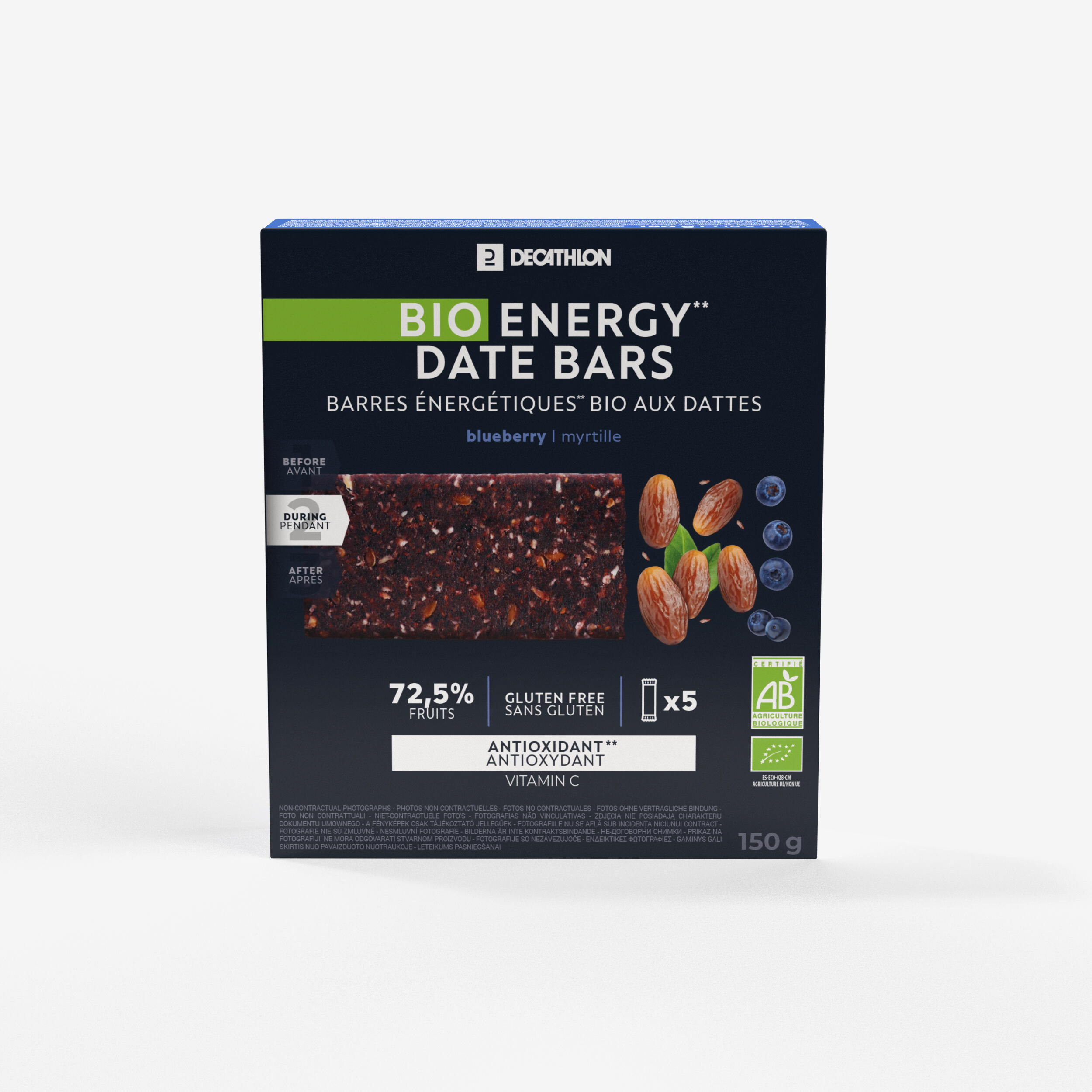
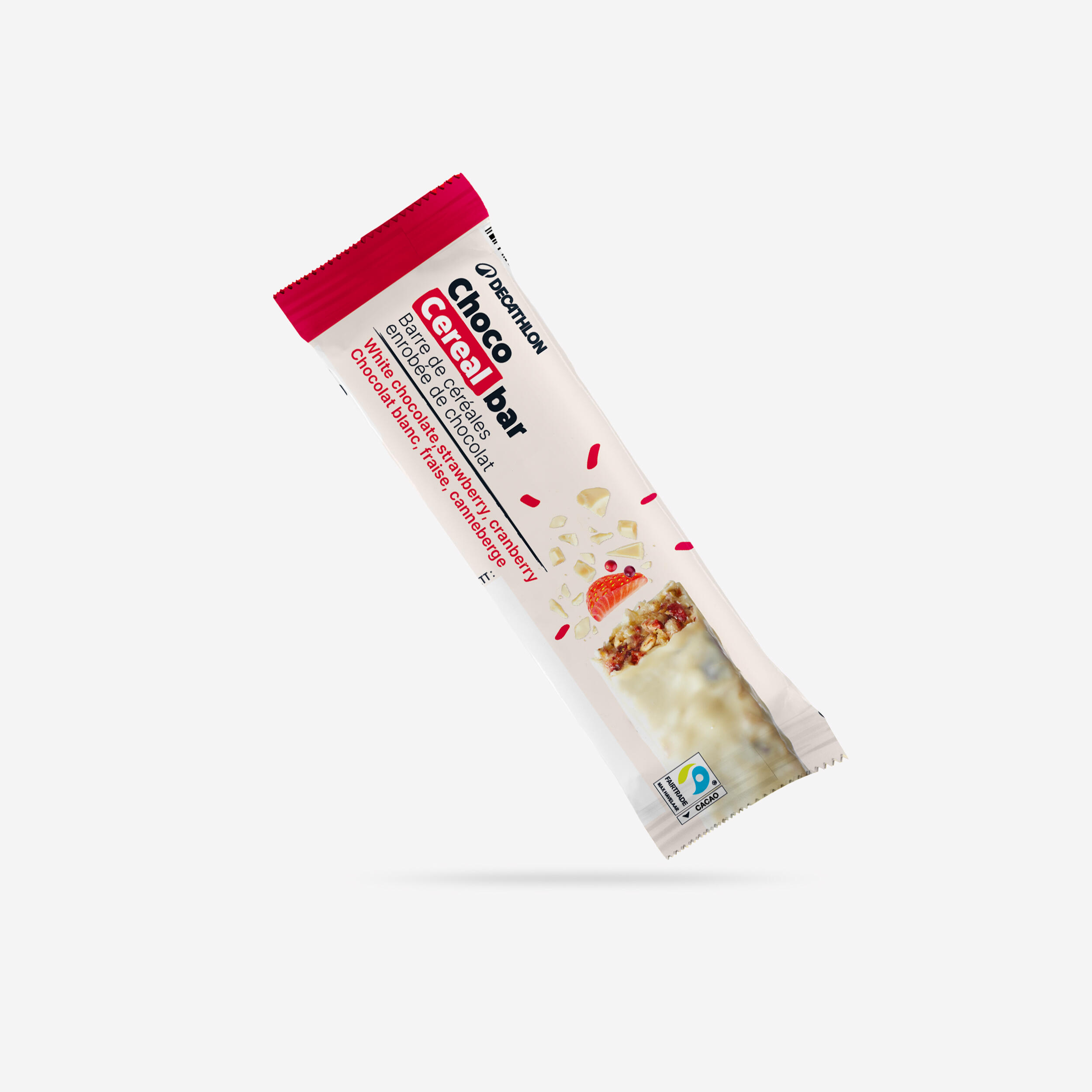
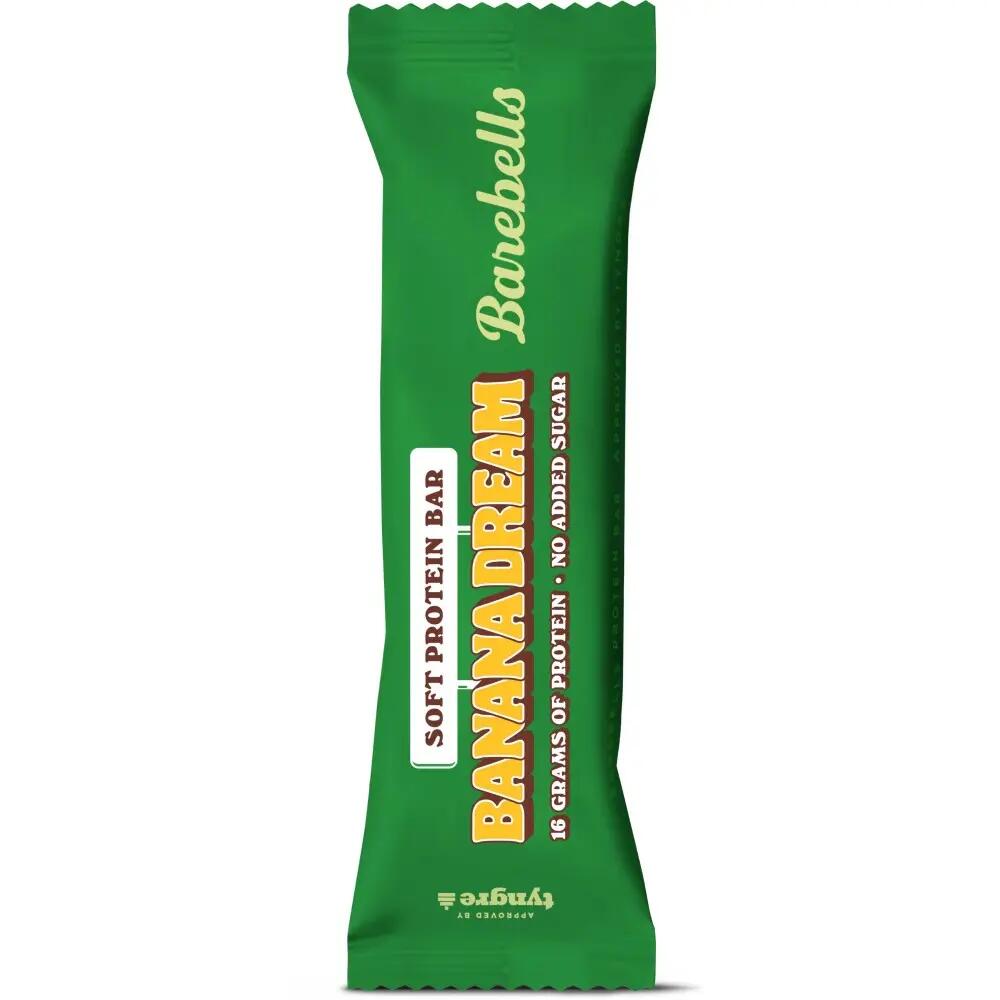
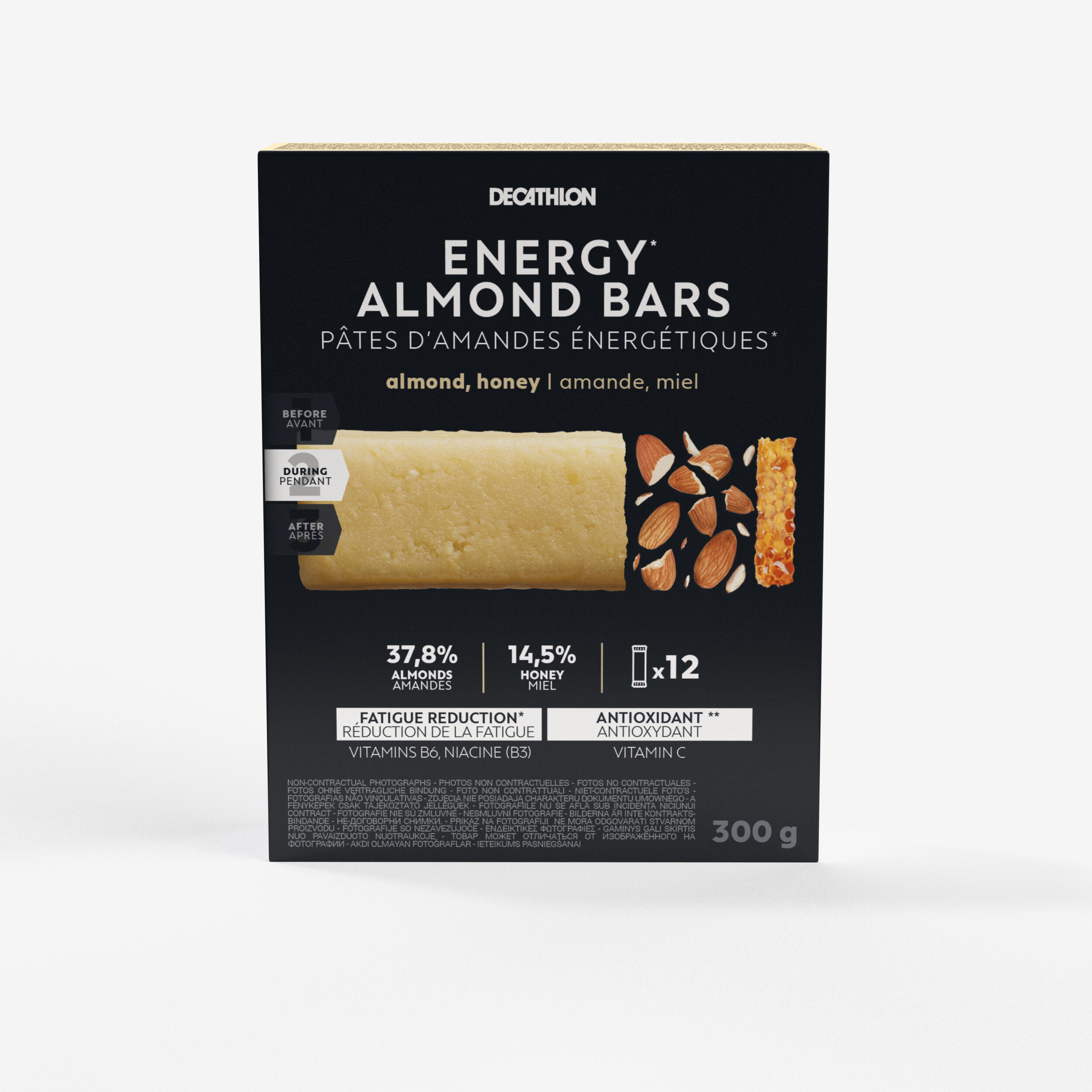
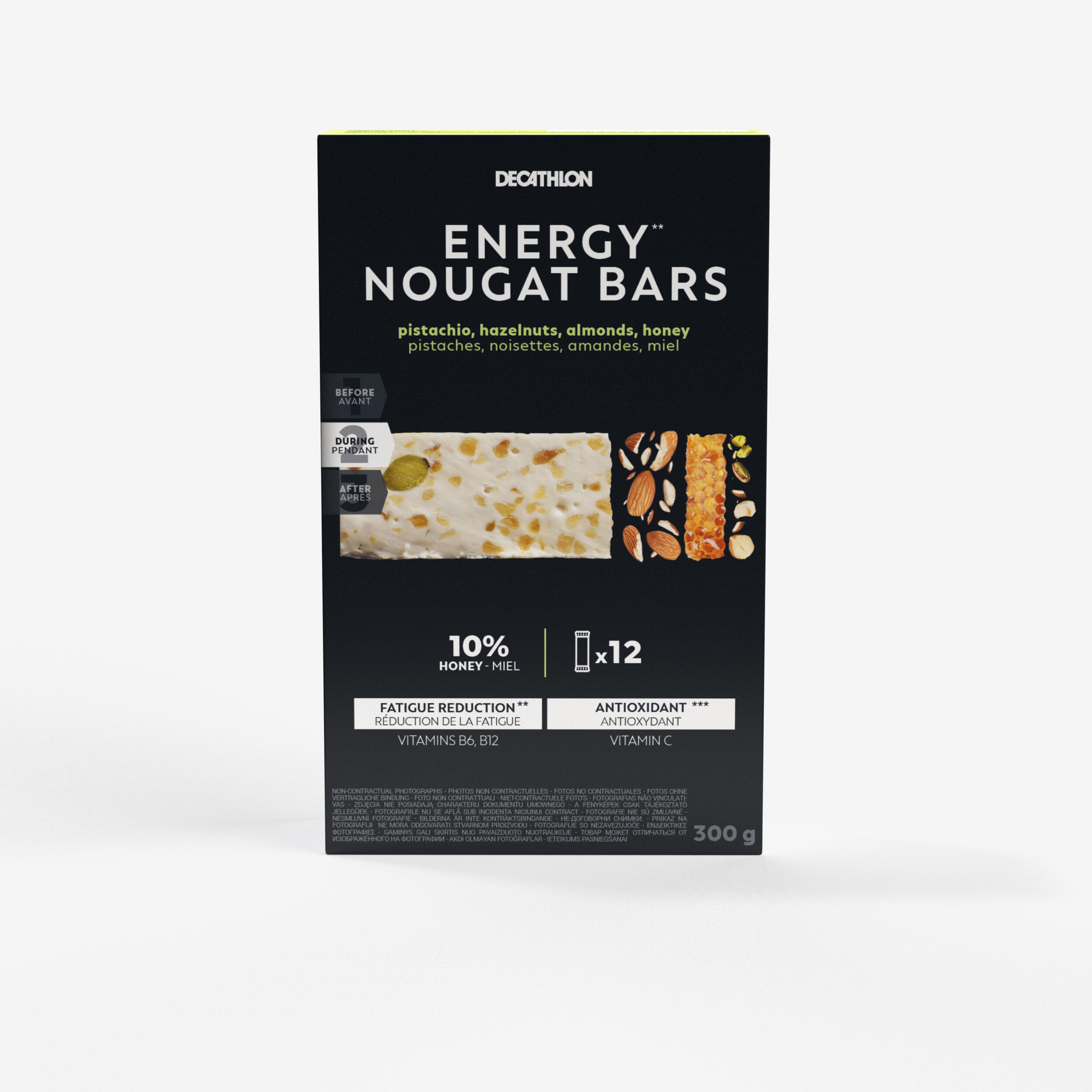
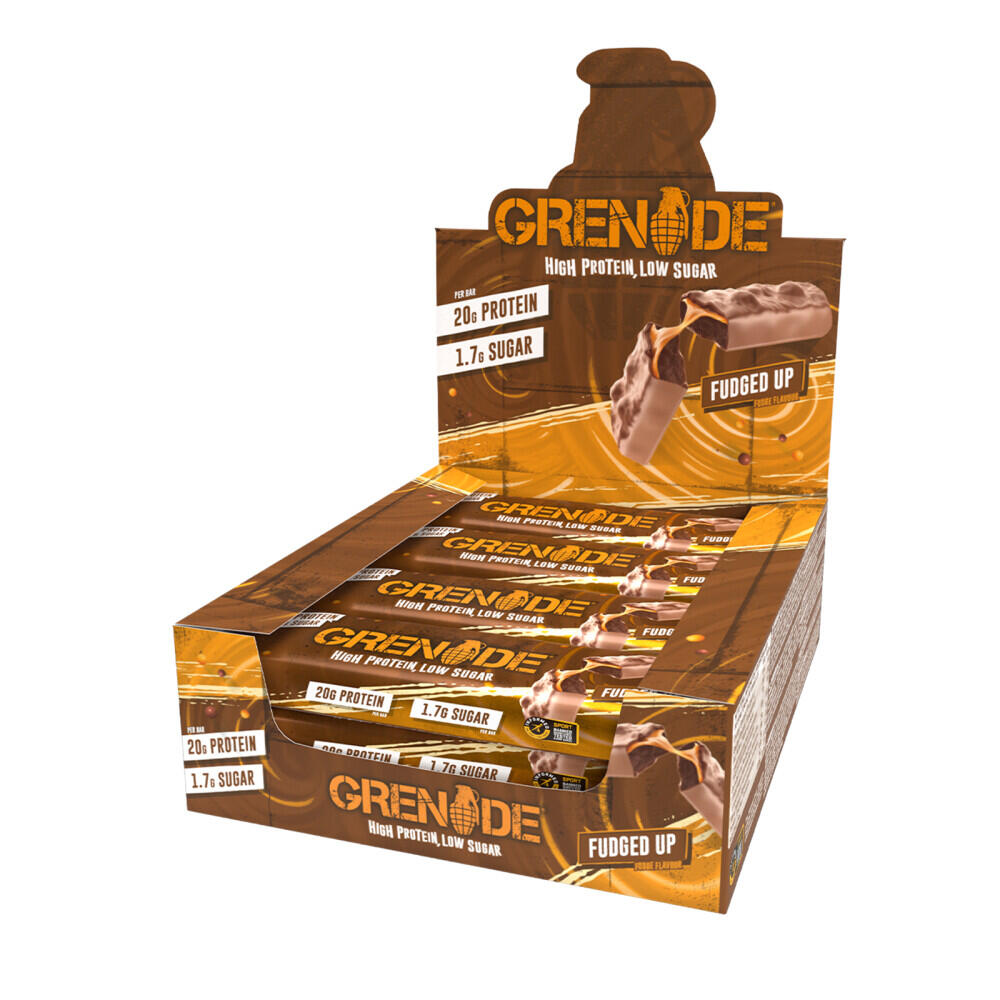
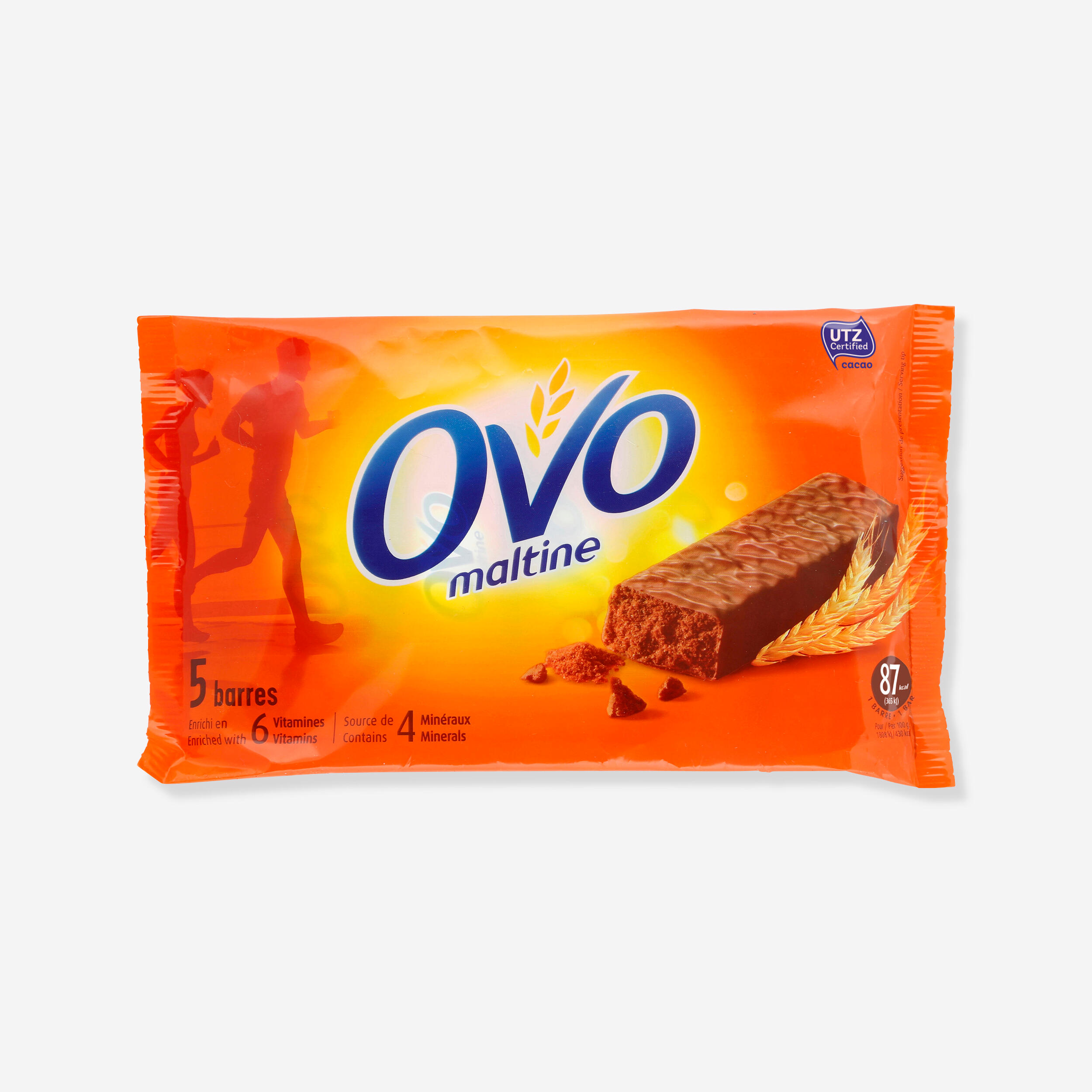
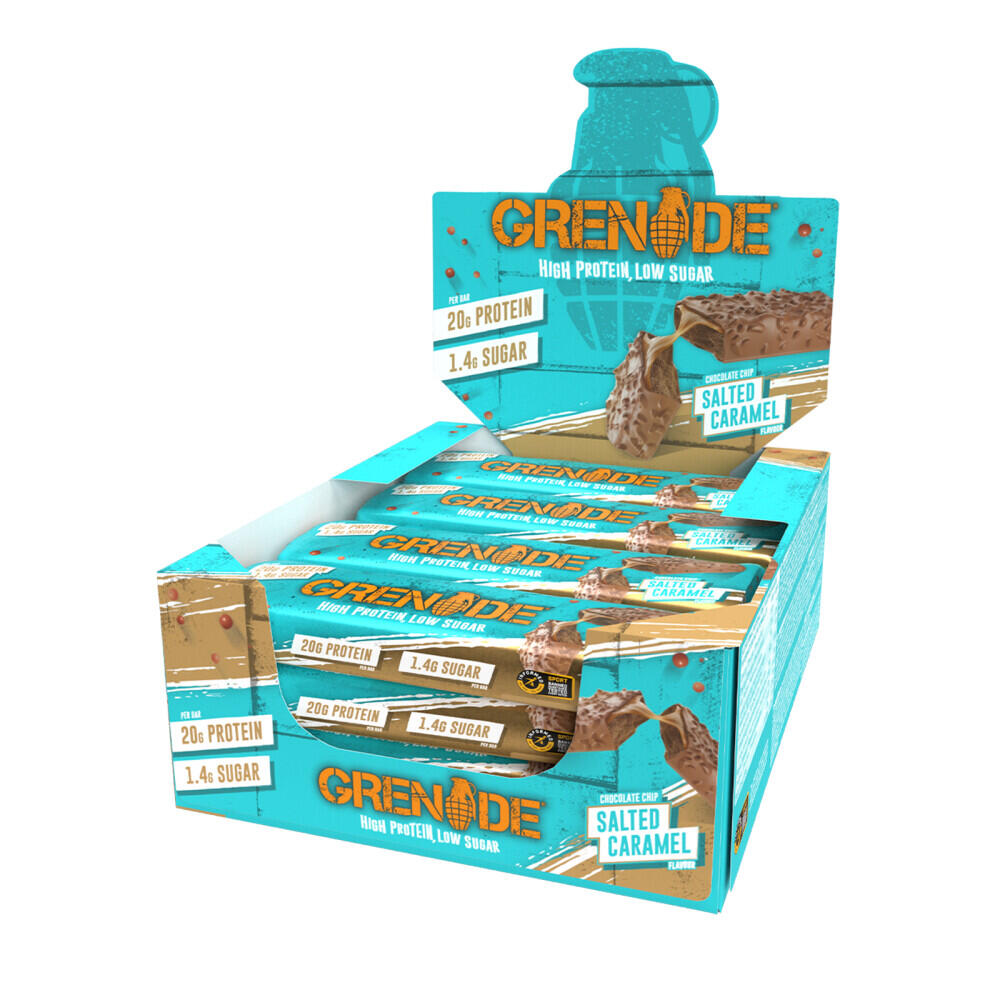
Triathlon energy bars give you compact, easy-to-carry fuel for longer training sessions and race days. They help top up carbohydrate when your effort lasts beyond your usual energy stores, especially during the bike leg or around transition. A bar should be easy to chew, simple to open and familiar to your stomach before race day. As a practical fuelling option, try the mixed energy bars with dates.
When should you fuel during a triathlon?

Fuel timing depends on the distance, but longer triathlons usually need small, regular top-ups before your energy starts to drop. A familiar pre-race meal can help fill your stores, then bars, gels or drinks can support steady effort during the event. Practise your timing in training so eating on the move feels natural. to get an early top-up, use triathlon energy breakfast.

What makes a good triathlon energy bar?

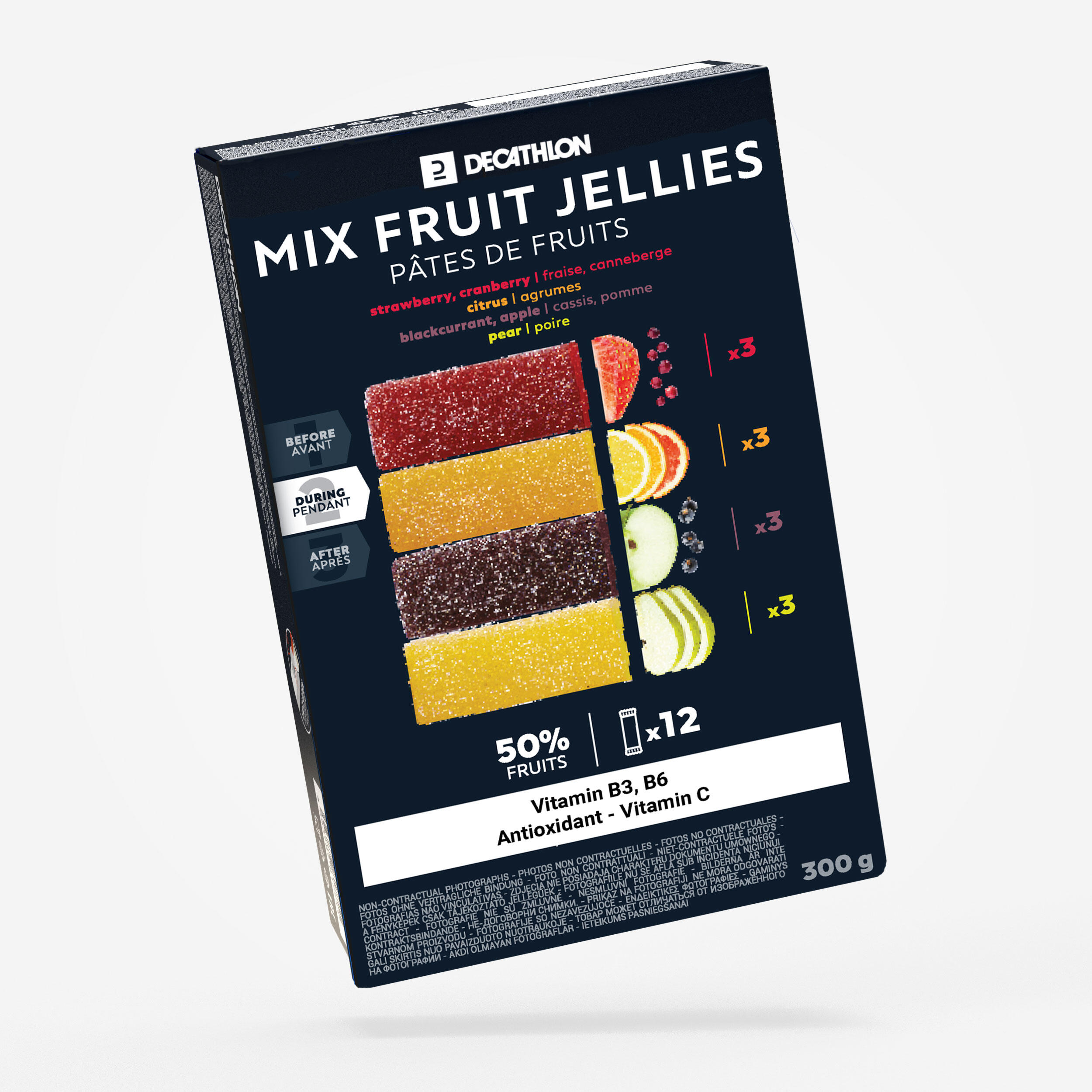
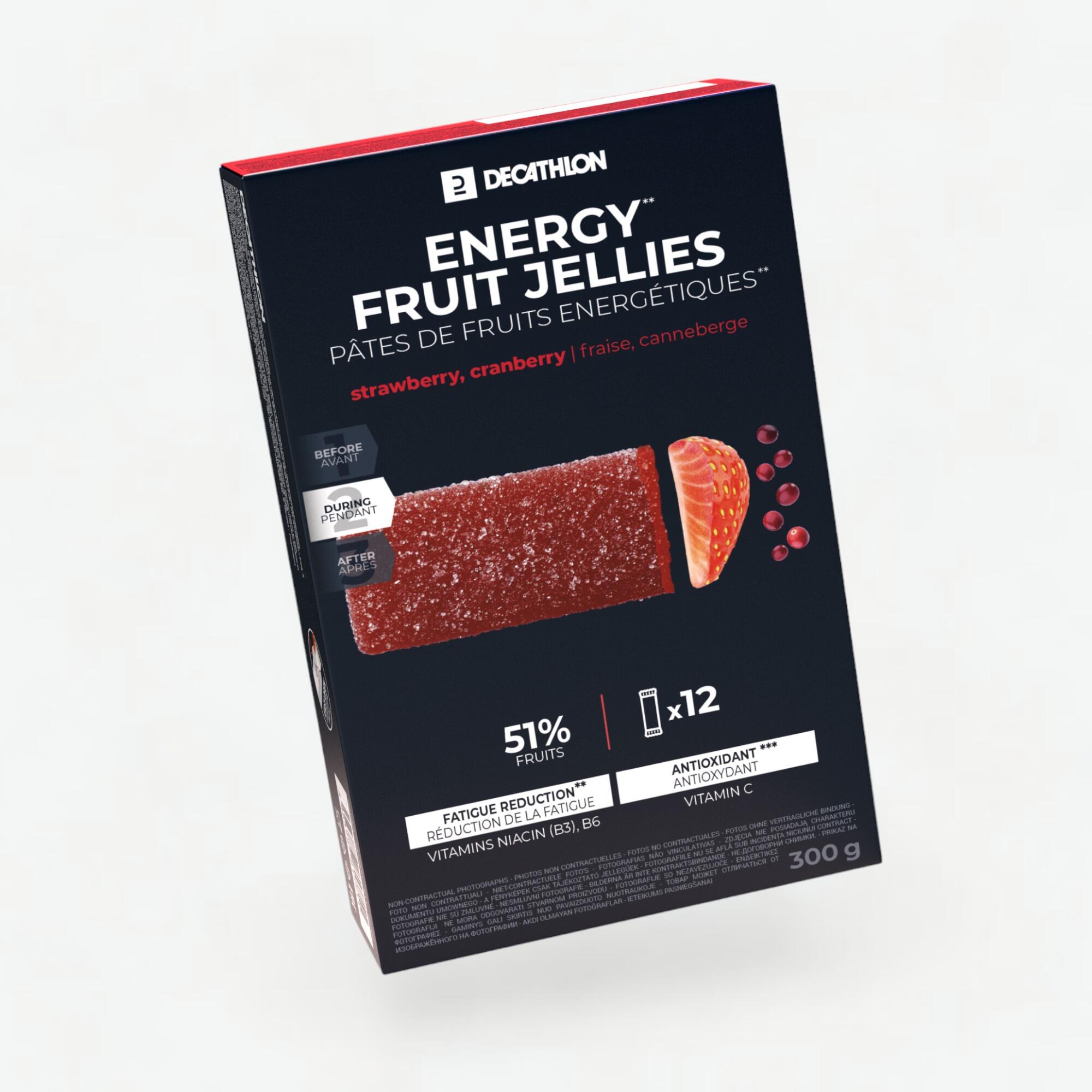
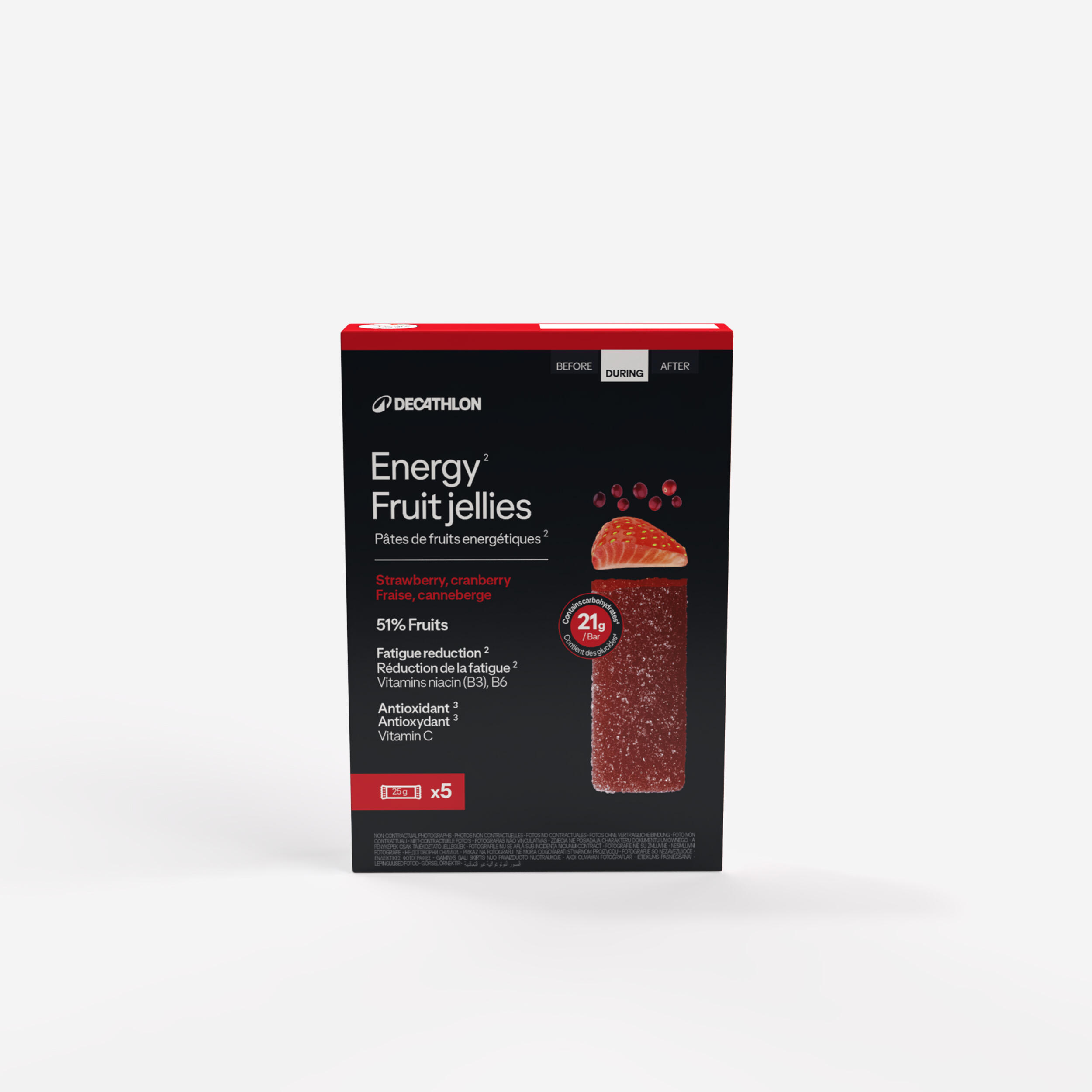
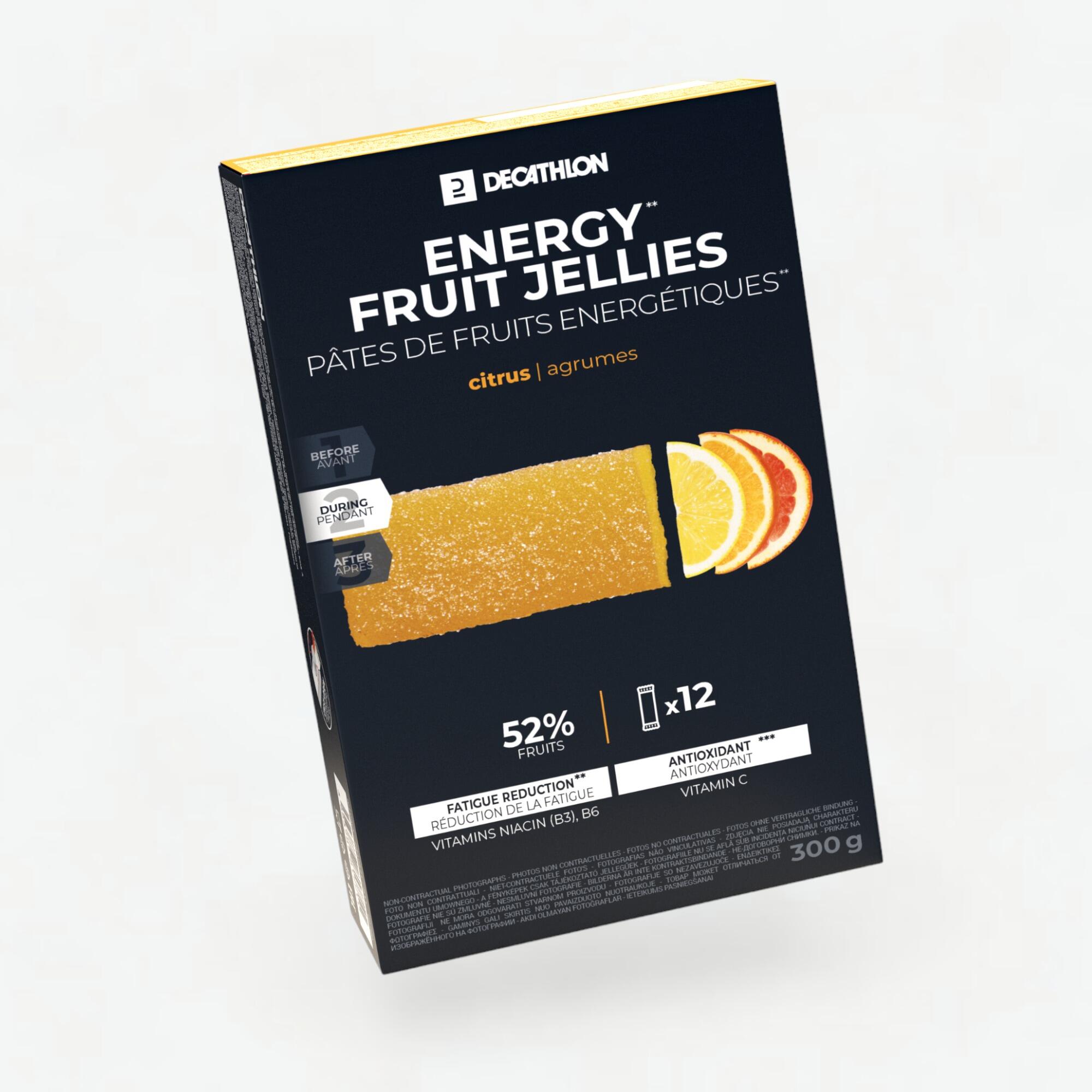
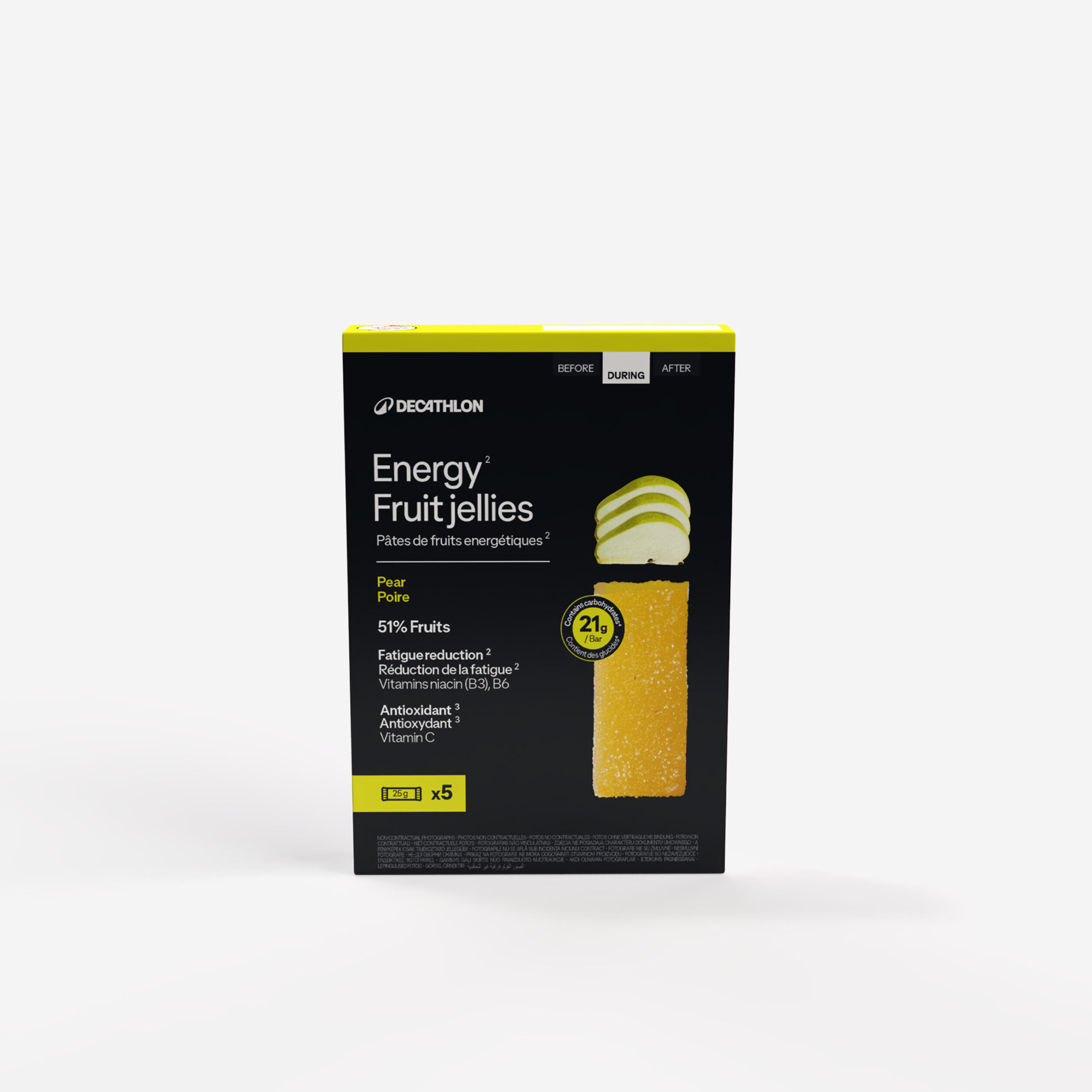
A good triathlon energy bar should be easy to chew, gentle on the stomach and quick to unwrap when you are tired or moving. Carbohydrate content matters, but texture and flavour are just as important because race effort can make food harder to eat. Test a few options during bike or brick sessions before relying on them in an event. Get a softer option, try the strawberry, cranberry and acerola energy fruit jelly.

Are energy bars easy to digest during triathlon?

Energy bars can be easy to digest when you choose one that suits your stomach and eat it with enough fluid. Smaller bites are usually easier to manage than a whole bar at once, especially during harder efforts. Training with your chosen fuel helps you learn what feels comfortable before race day. After the finish, support recovery with triathlon recovery drink and bar.

How much nutrition should you carry for a triathlon?

The amount of nutrition you need depends on race distance, pace, weather and how well you tolerate fuel while moving. Plan your carbohydrate intake by the hour, then carry a little extra in case the bike leg, transition or conditions take longer than expected. Split fuel between pockets, a top-tube bag or a belt so it stays easy to reach. Build your plan with triathlon nutrition and hydration.