4 items
4.7/5 based on 1919 reviews collected online and in stores

Triathlon Foam Rollers FAQs

What is a triathlon foam roller used for?

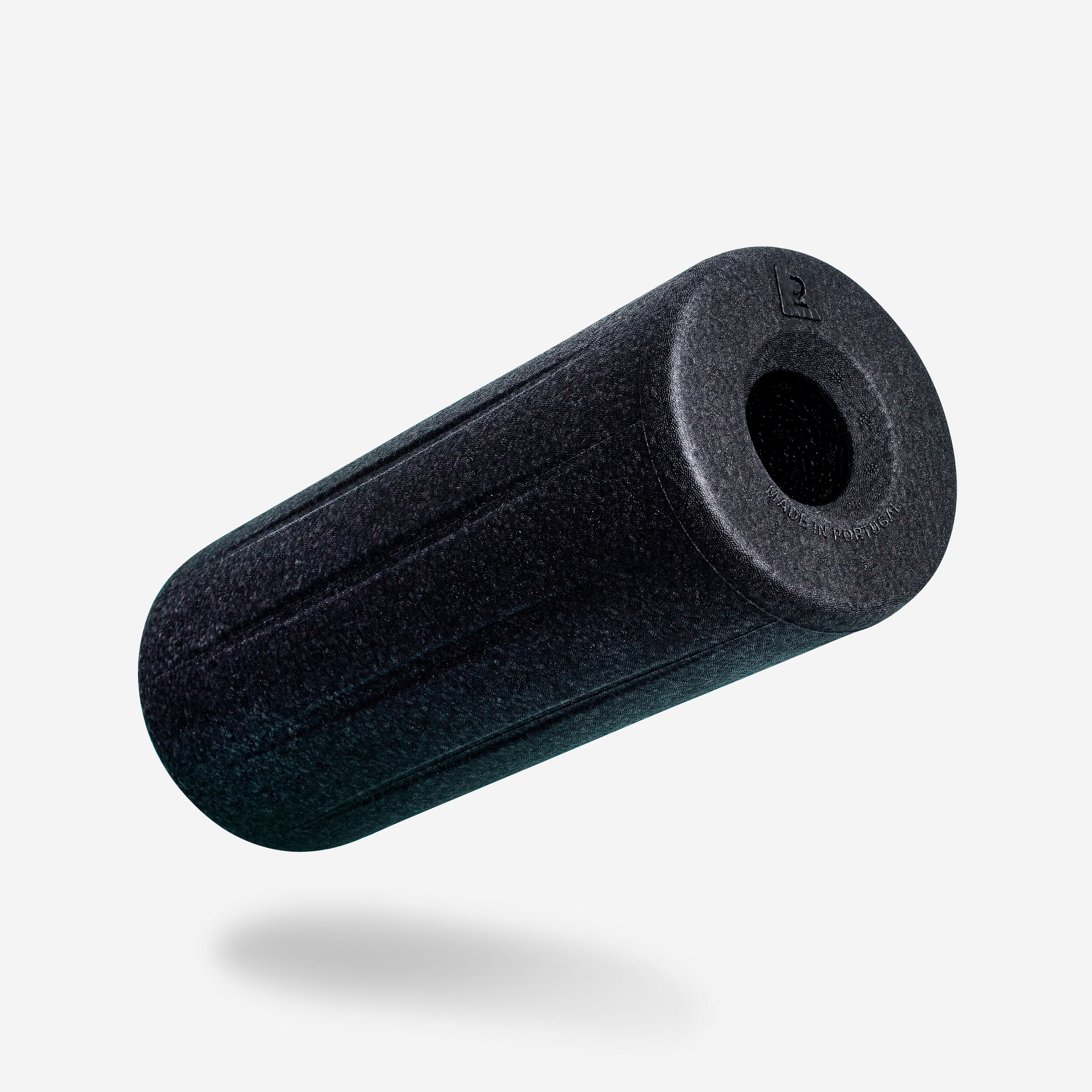
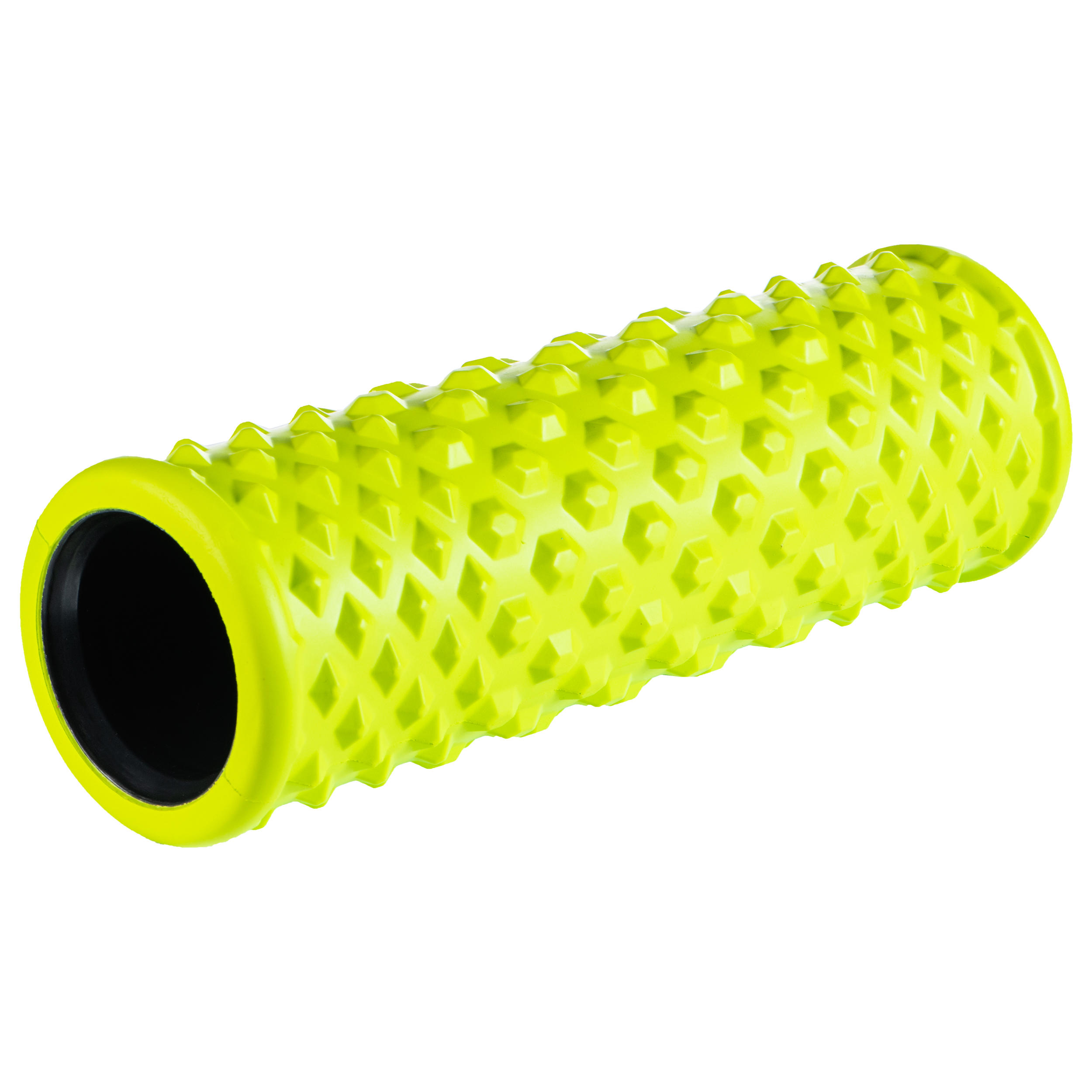
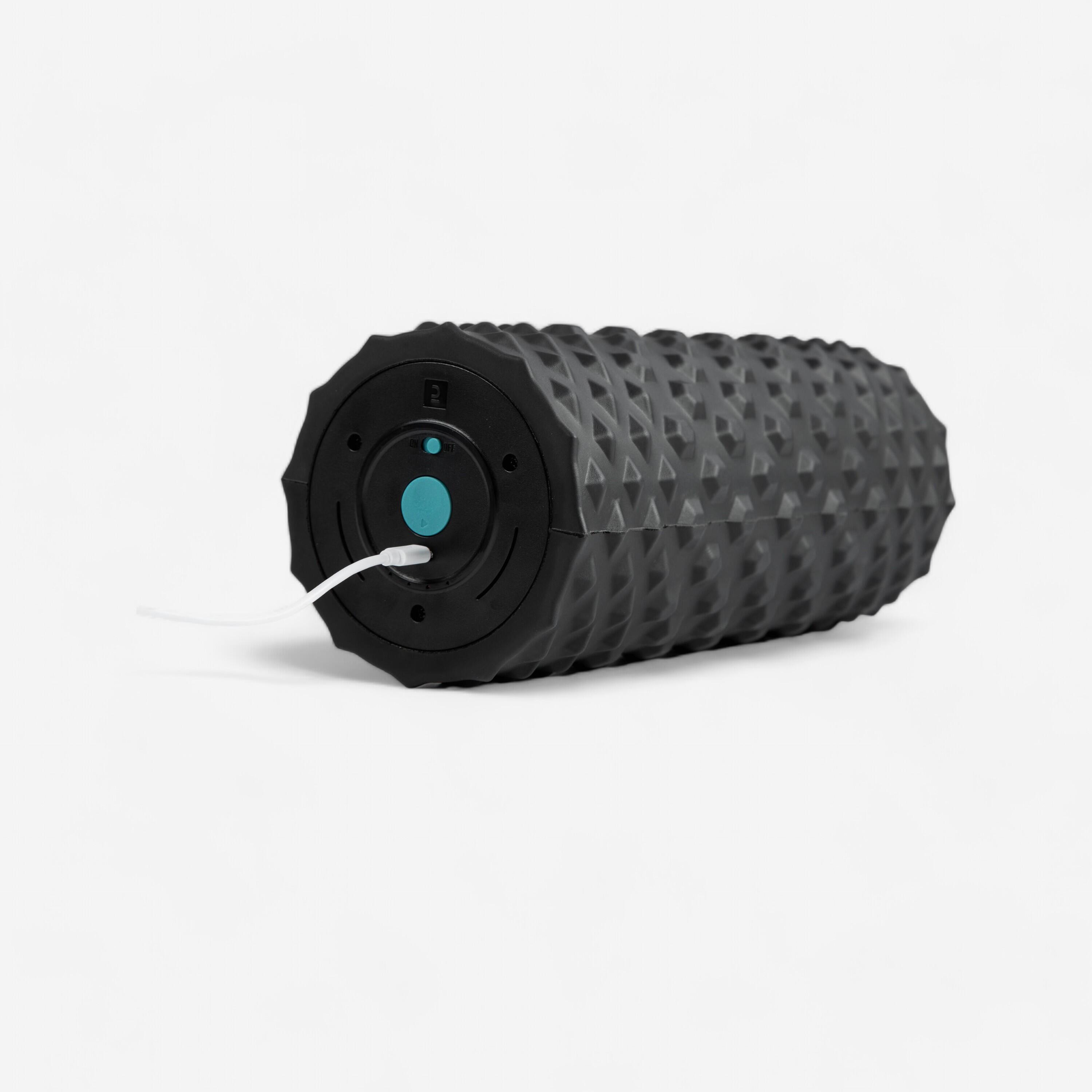
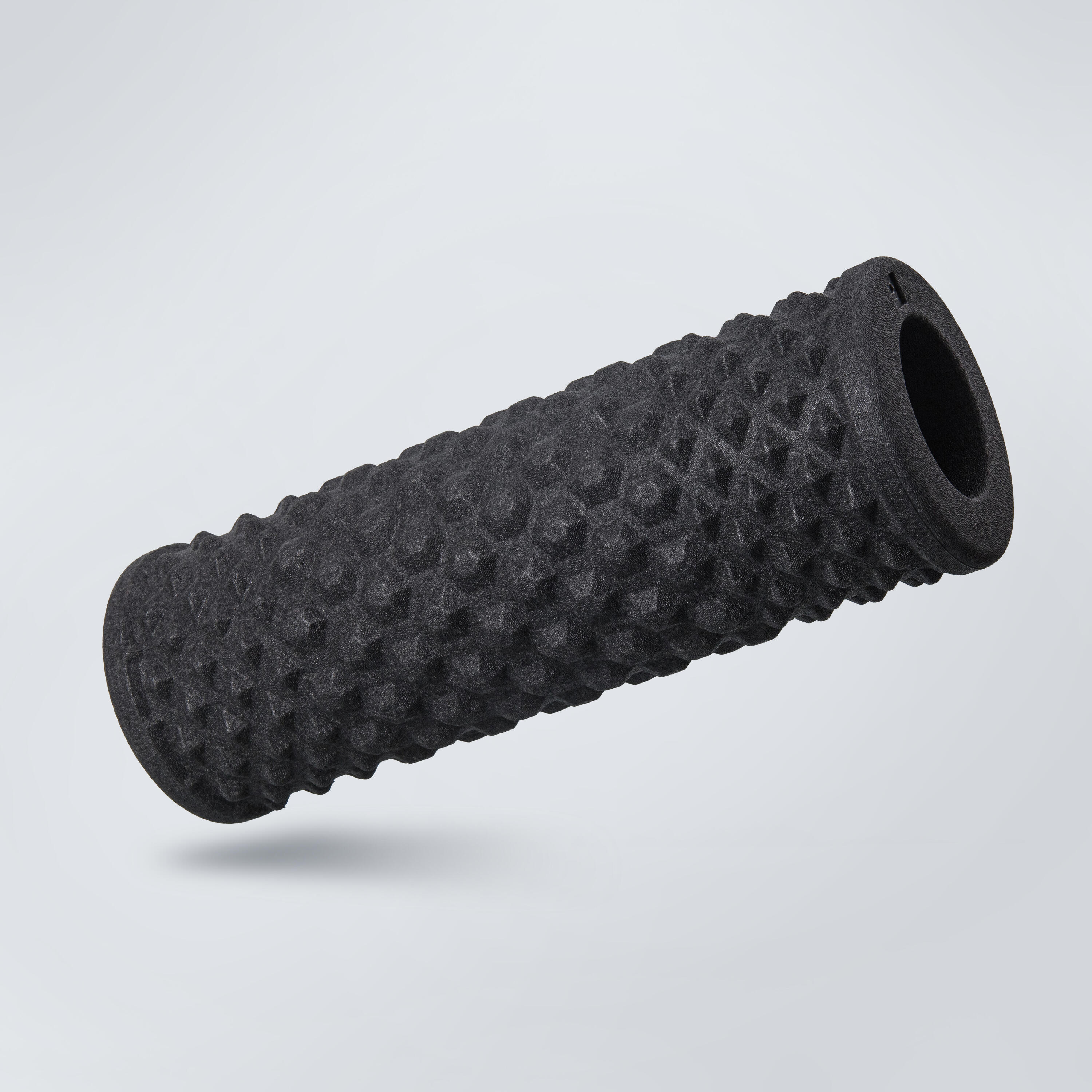
A triathlon foam roller helps massage tired muscles after swim, bike and run training. Rolling slowly over larger muscle groups can ease tightness, support mobility and make recovery feel more manageable between sessions. Different roller densities give softer or firmer pressure, so beginners should start gently and build up as needed. To do simple muscle care at home, use a smooth foam roller.

How should you use a triathlon foam roller?

Use a foam roller slowly and with control, moving along the muscle rather than rushing over it. Pause briefly on tight areas, breathe steadily and support some of your body weight with your arms to adjust the pressure. Avoid rolling directly over joints, bones or painful injury spots. When performing a fuller pre- or post-session routine, add tools from triathlon massage gear.

When is the best time to use a foam roller?

A foam roller can be used before training to loosen stiff areas or after training to help tired muscles settle. Short, regular sessions usually work better than one long, uncomfortable roll. Rest days are also useful for gentle mobility work, especially during a heavy triathlon training block. To offer broader recovery support, use triathlon recovery accessories.

Which muscles should triathletes foam roll?

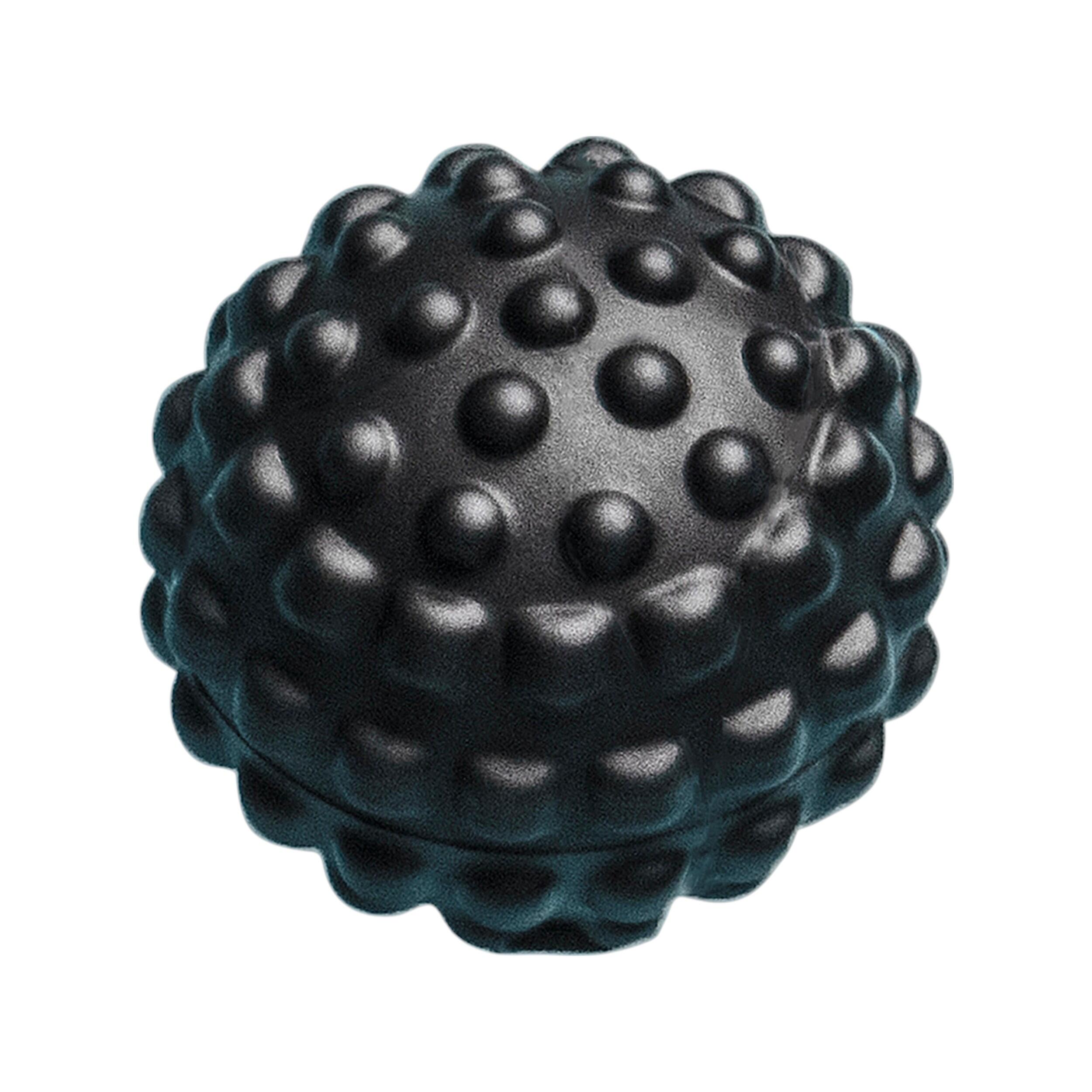
Triathletes often focus on the calves, quads, hamstrings, glutes and upper back because these areas work hard across running, cycling and swimming. Keep the pressure controlled, avoid the lower back if it feels uncomfortable and never roll straight over a joint. In case of smaller tight spots that need more precise pressure, try a triathlon massage ball.

What else supports muscle recovery after triathlon training?

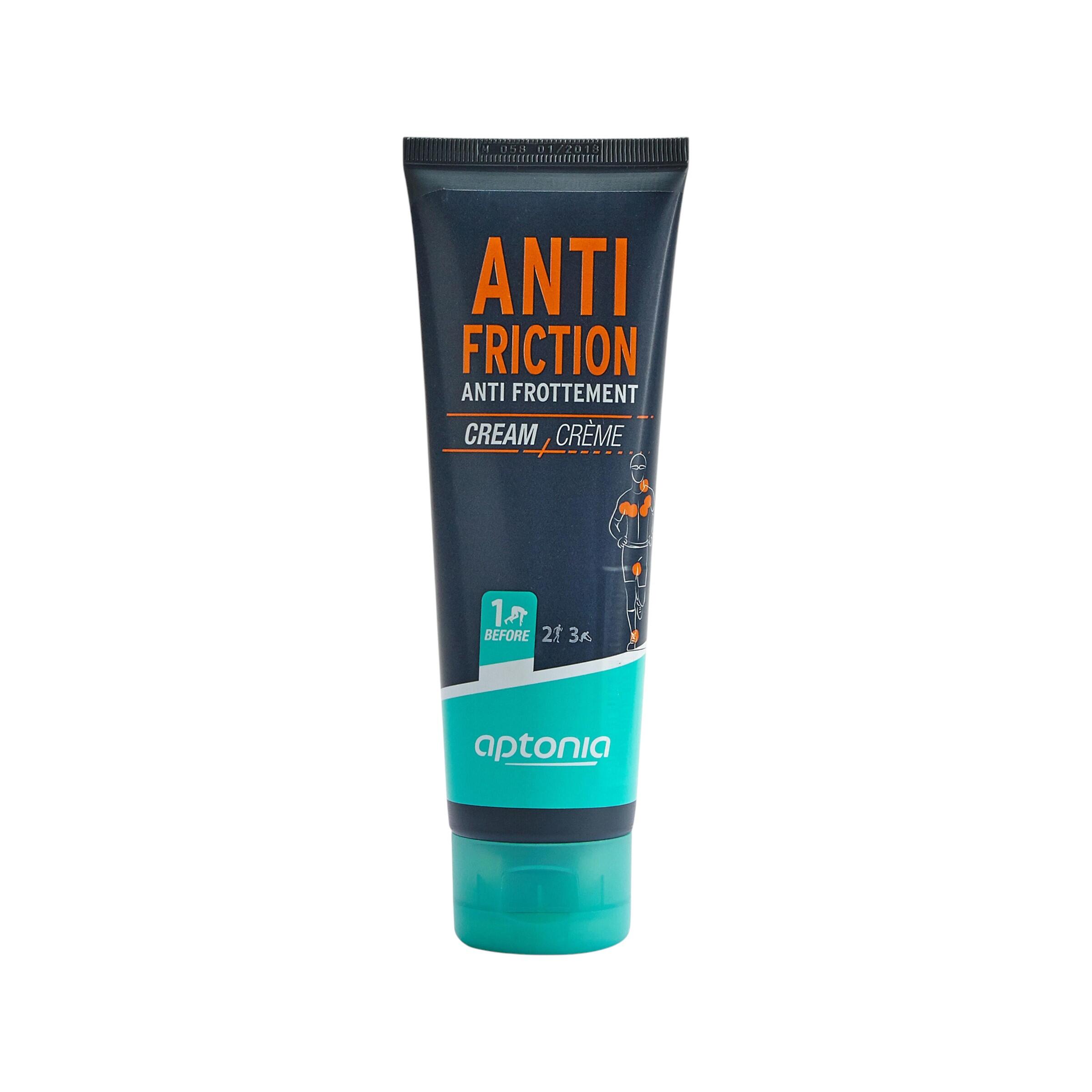
Foam rolling works best alongside good sleep, hydration, balanced food and easy movement after harder sessions. Gentle stretching, cooling rubs and light self-massage can also help the legs feel looser between workouts. No single product replaces rest, but a consistent recovery routine can make regular training easier to handle. As a soothing aftercare, use triathlon sports creams, gels and oils.