143 items
4.6/5 based on 50747 reviews collected online and in stores

Triathlon Recovery Accessories FAQs

Which triathlon recovery accessories are useful after training?

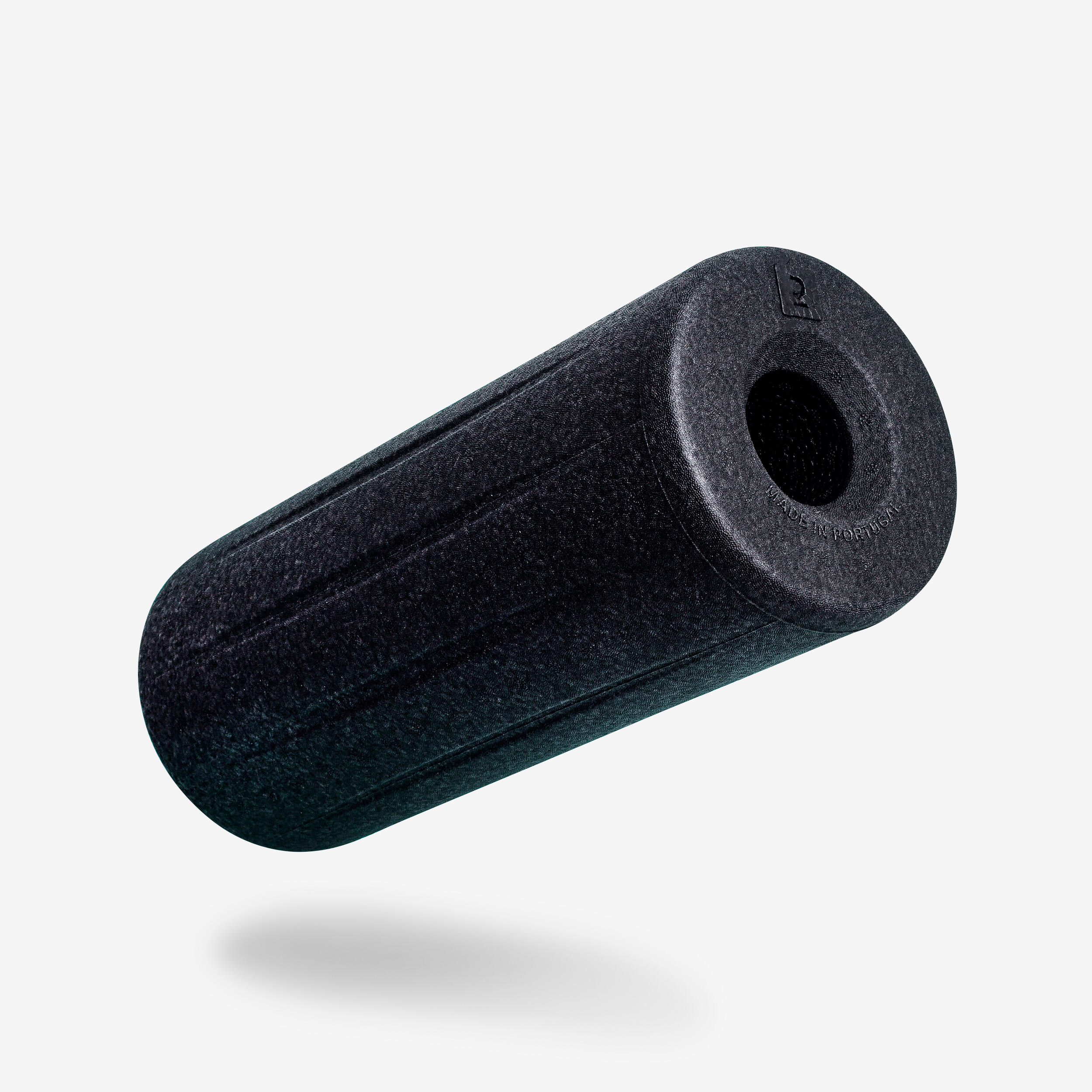
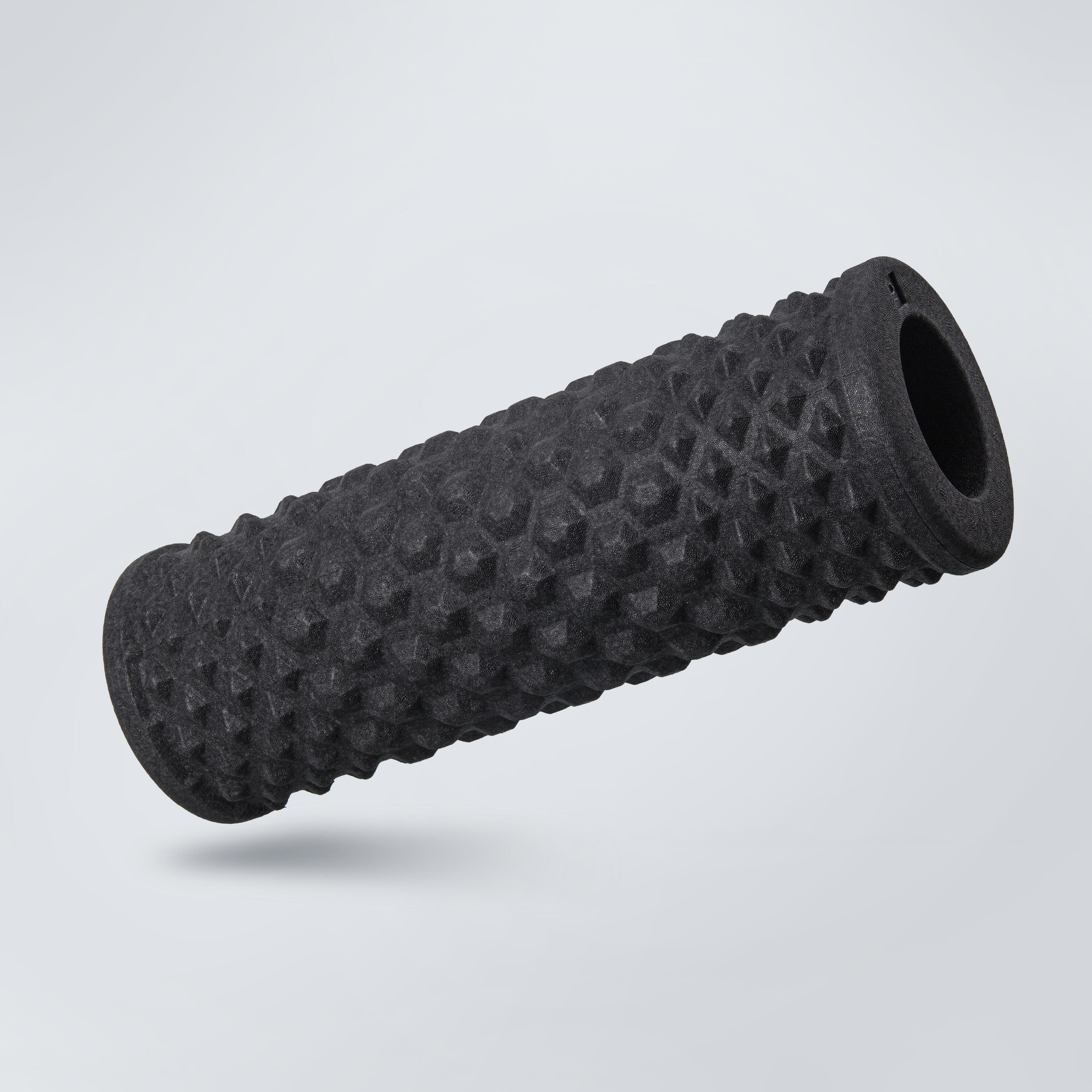
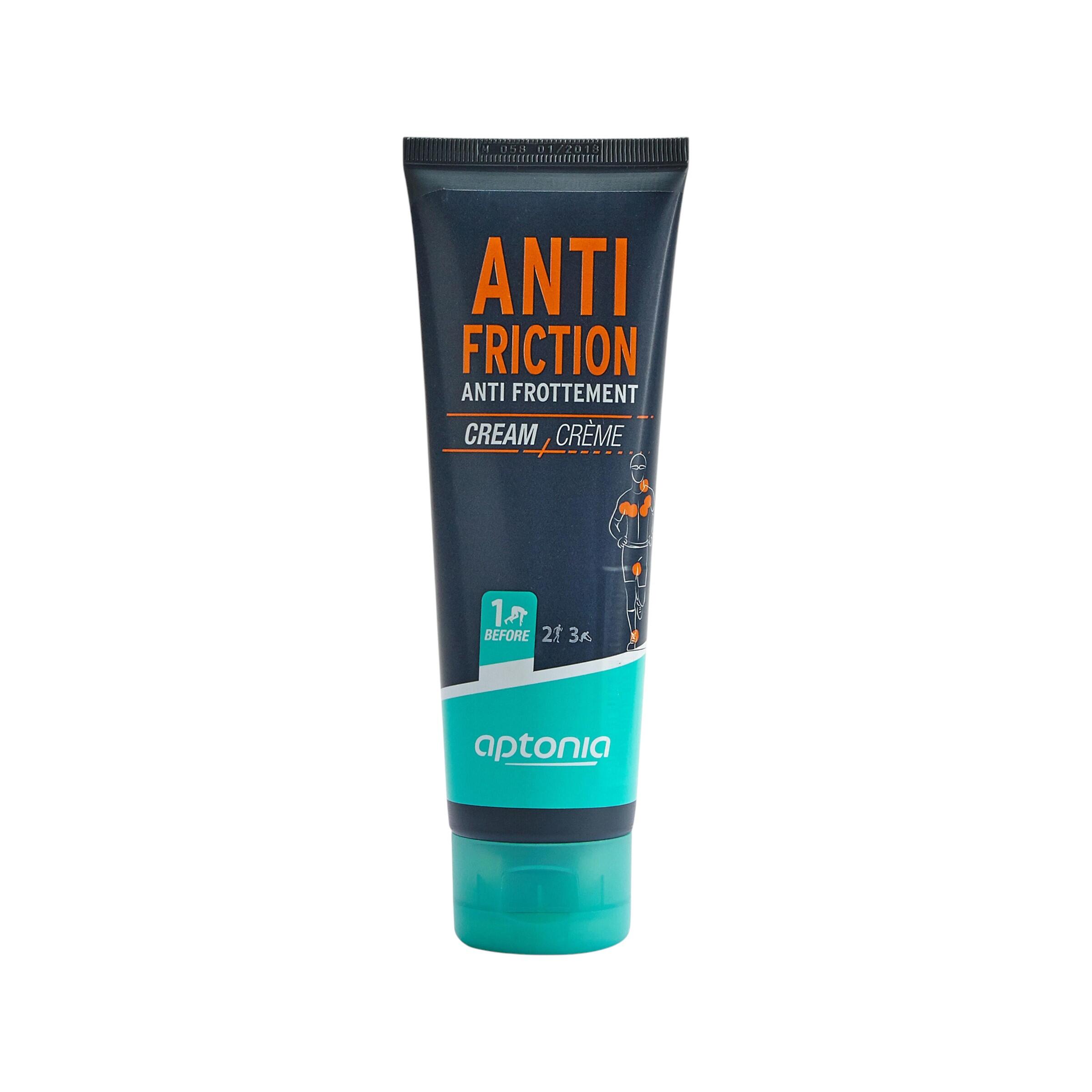
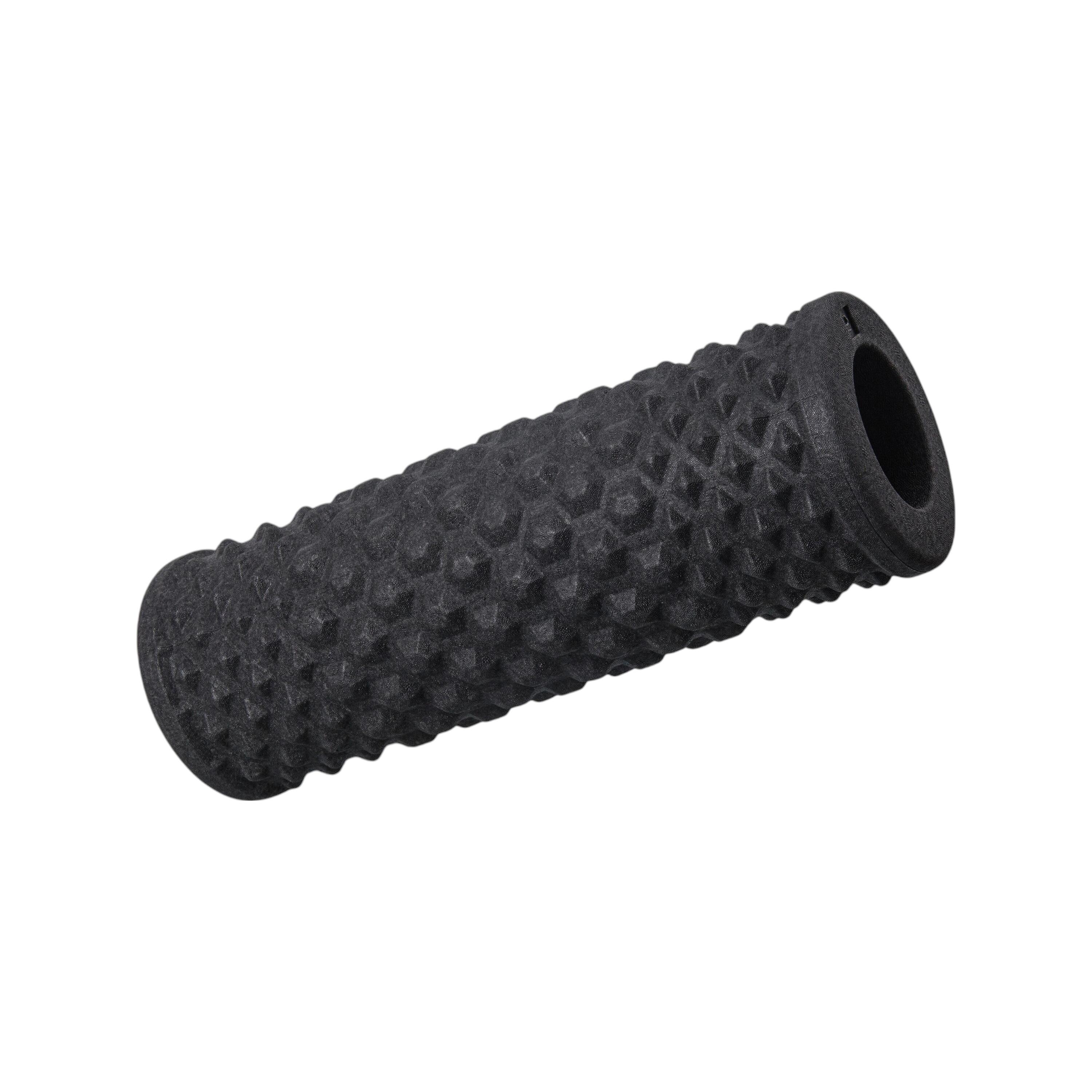
Useful triathlon recovery gear should address a specific need after swimming, cycling or running. The current Decathlon selection includes tools for self-massage, leg compression, temperature-based comfort and skin care rather than one compulsory recovery method. A smooth roller can apply pressure across larger muscle groups, while smaller tools provide more targeted contact. Compression socks offer another option for the lower legs, and topical products can support massage or help manage friction around clothing and wetsuit contact areas. Assess triathlon foam rollers by firmness, surface texture and the body areas you intend to use them on. Pro tip: recovery accessories should complement sleep, food, hydration and gradual training rather than replace them.

When are triathlon recovery compression socks appropriate?

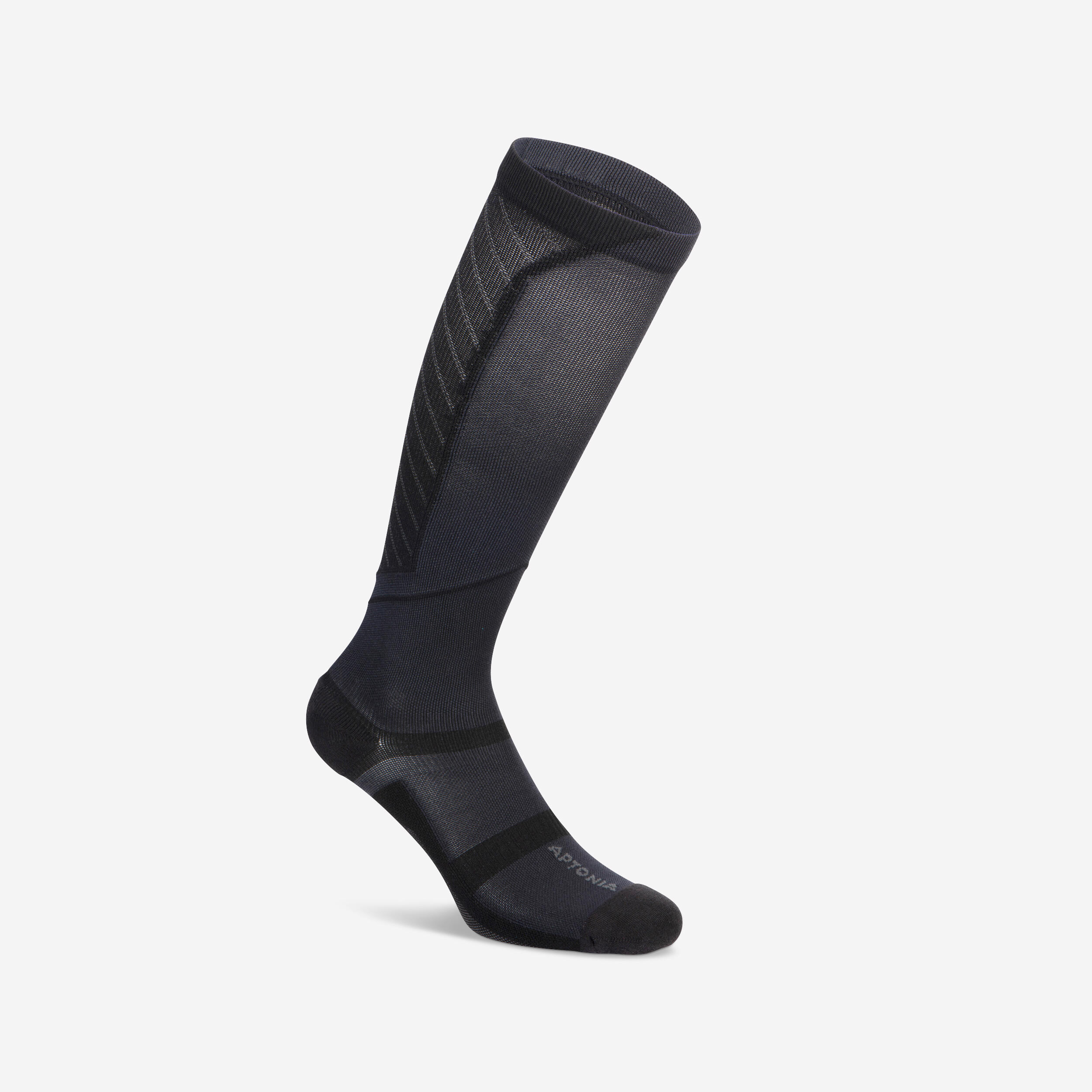
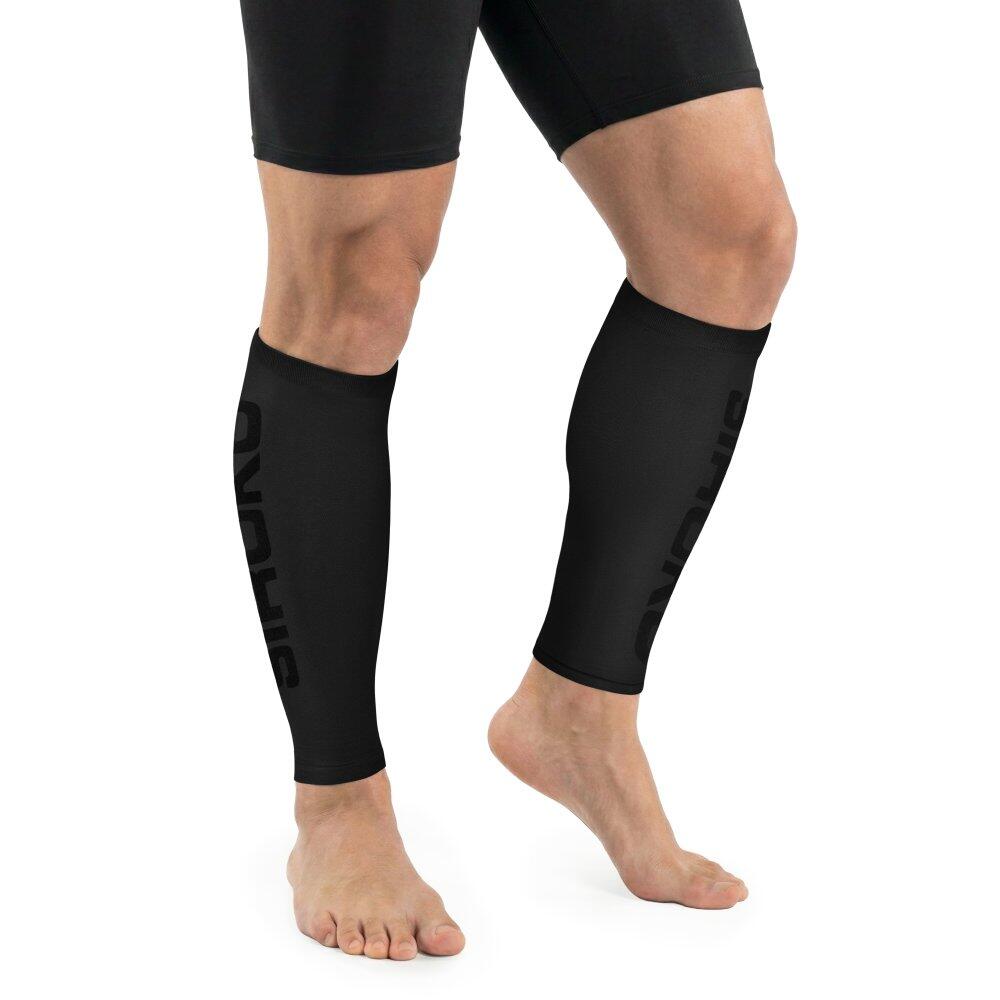
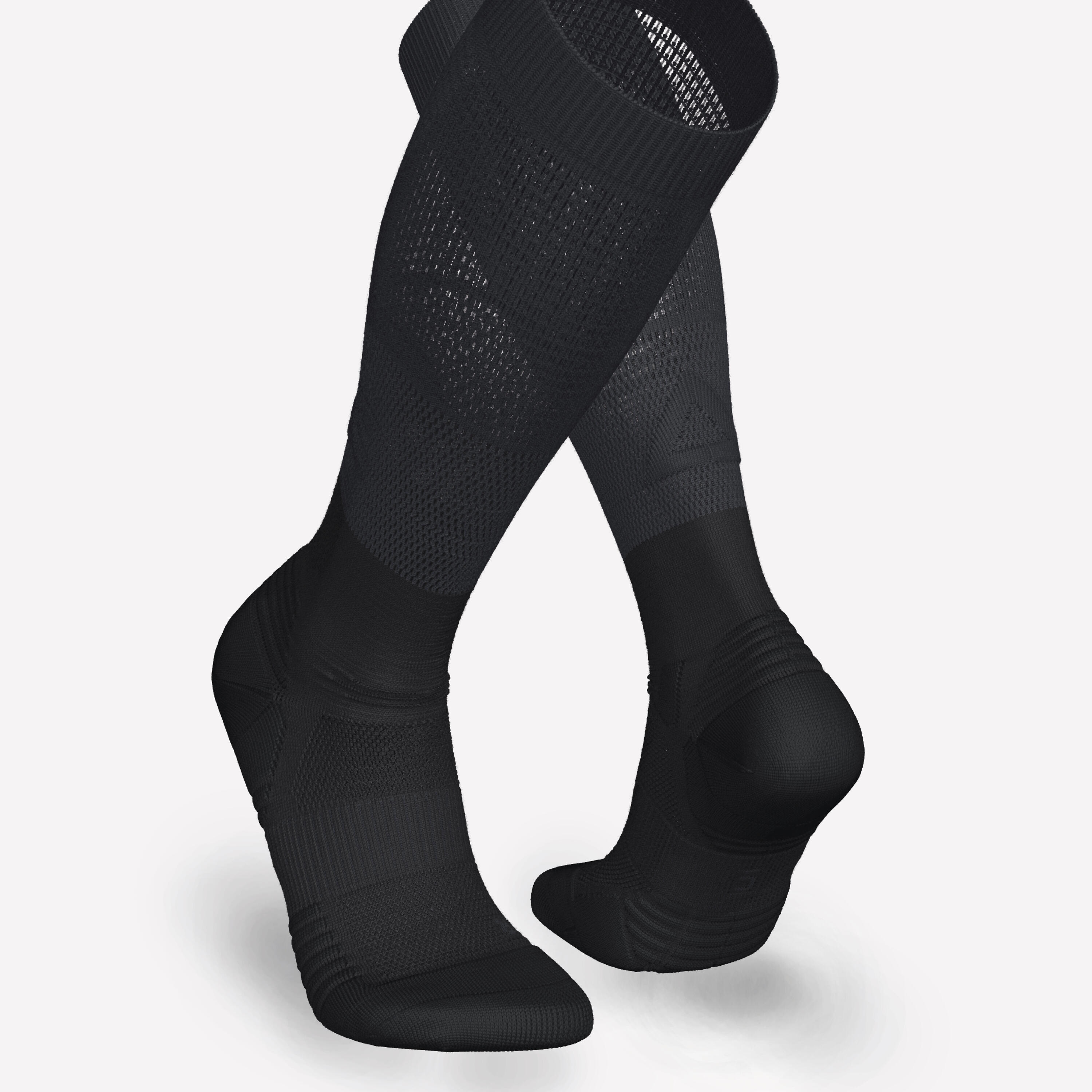
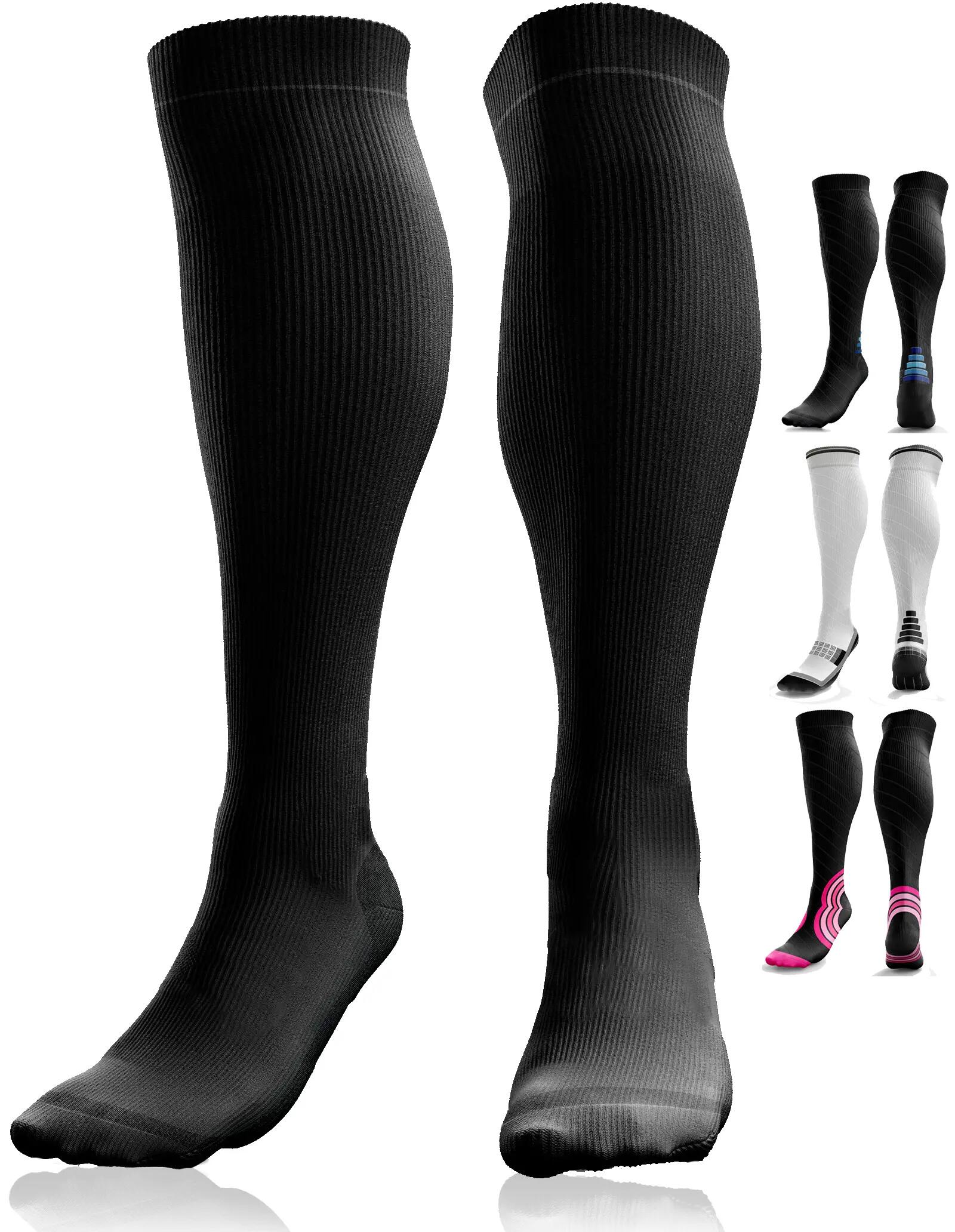
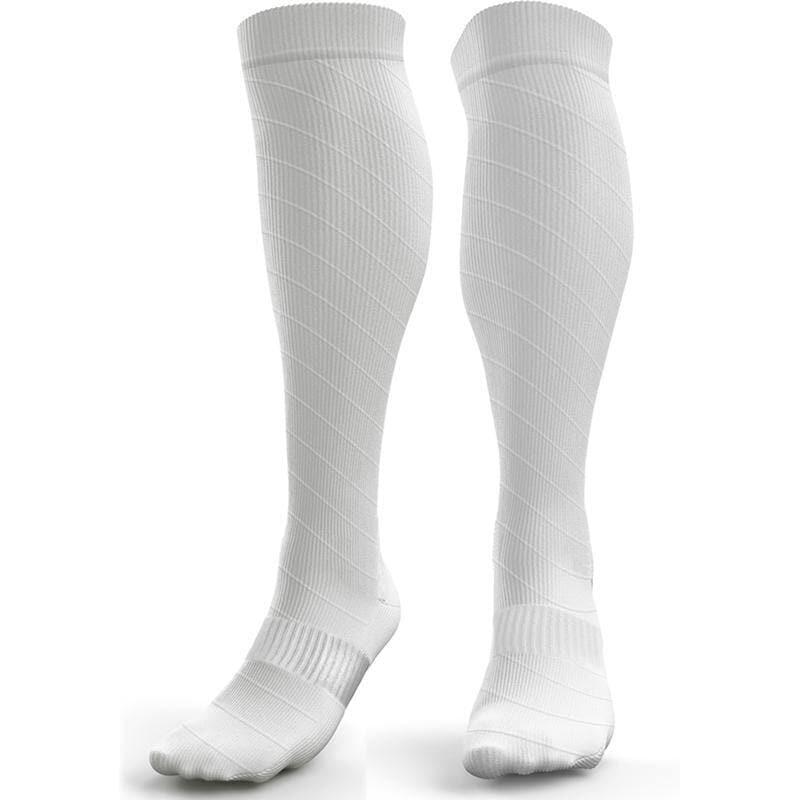
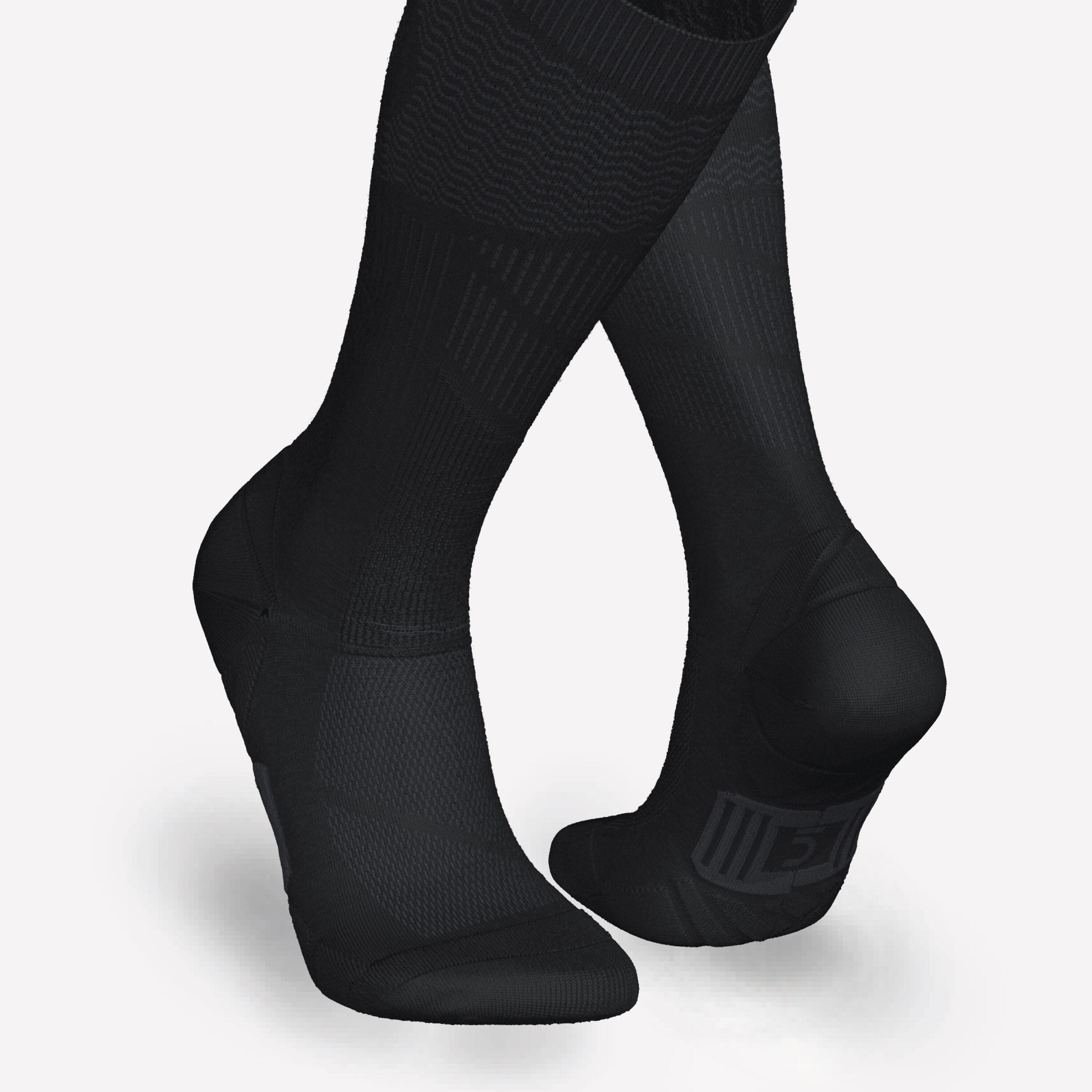
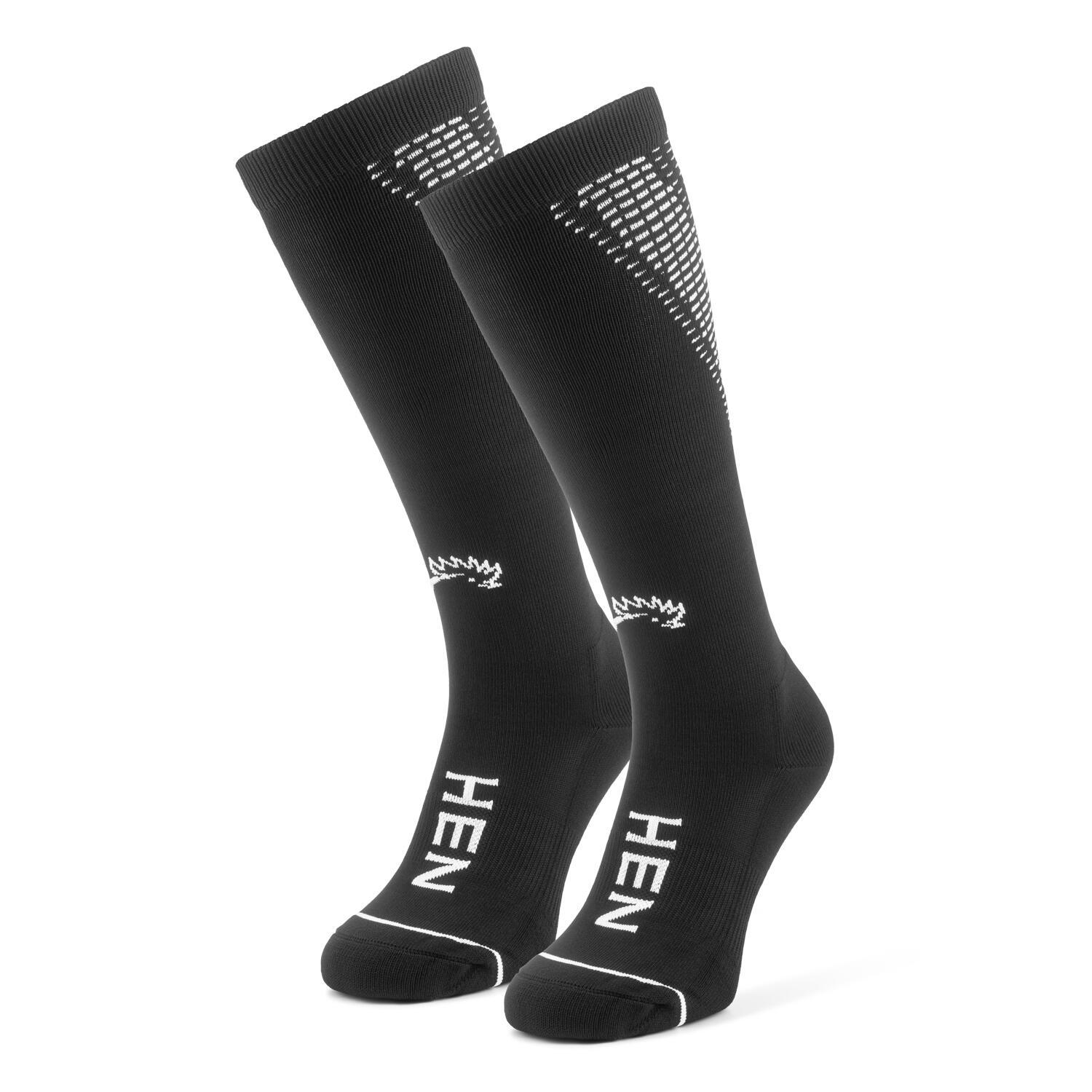
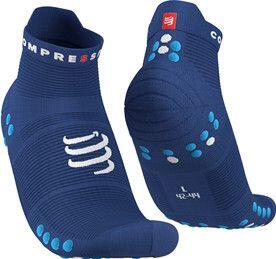
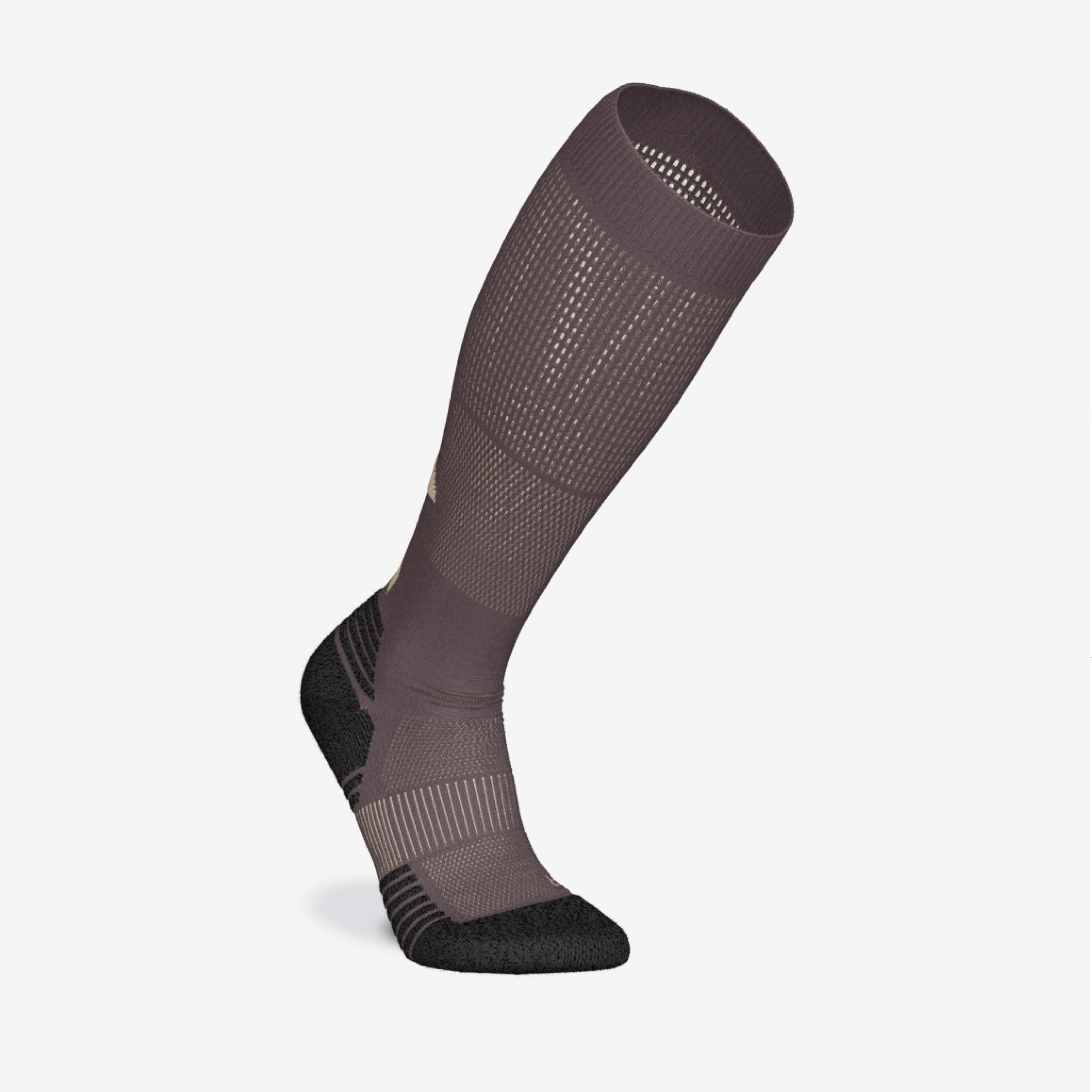
Recovery compression socks can be worn after a demanding session or during a long journey when you want sustained lower-leg compression. Decathlon's recovery models are shaped for the left and right foot, include cushioning beneath the sole and use both shoe size and calf circumference for fitting. The sock should feel close without causing numbness, pain or deep pressure marks. Examine triathlon compression socks carefully because performance compression and recovery compression are not interchangeable. KIPRUN 900 socks are intended for use while running, whereas dedicated recovery socks are positioned for use before or after exercise. Wash them according to the care label and avoid tumble drying or ironing.

What is the proper way to use triathlon massage equipment?

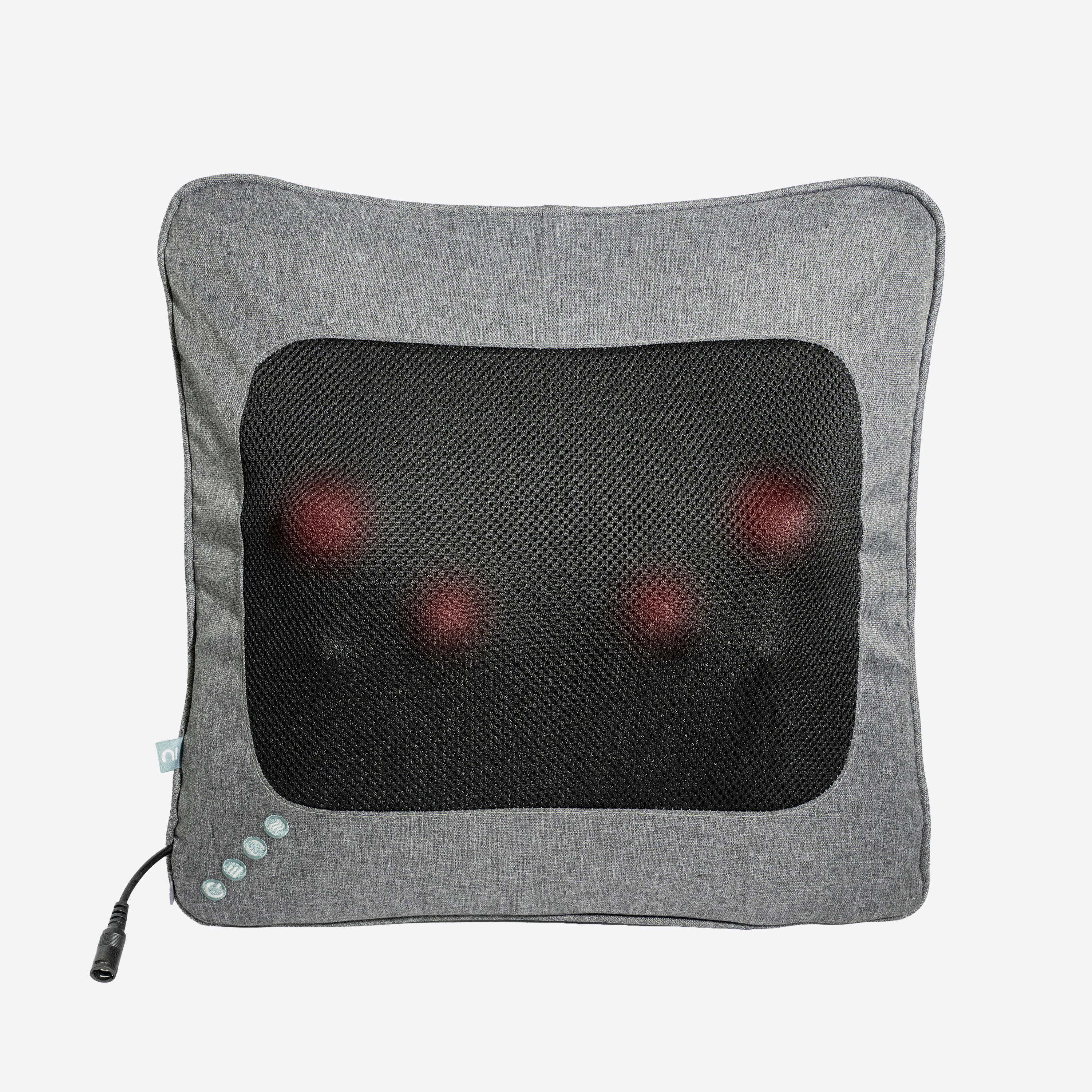
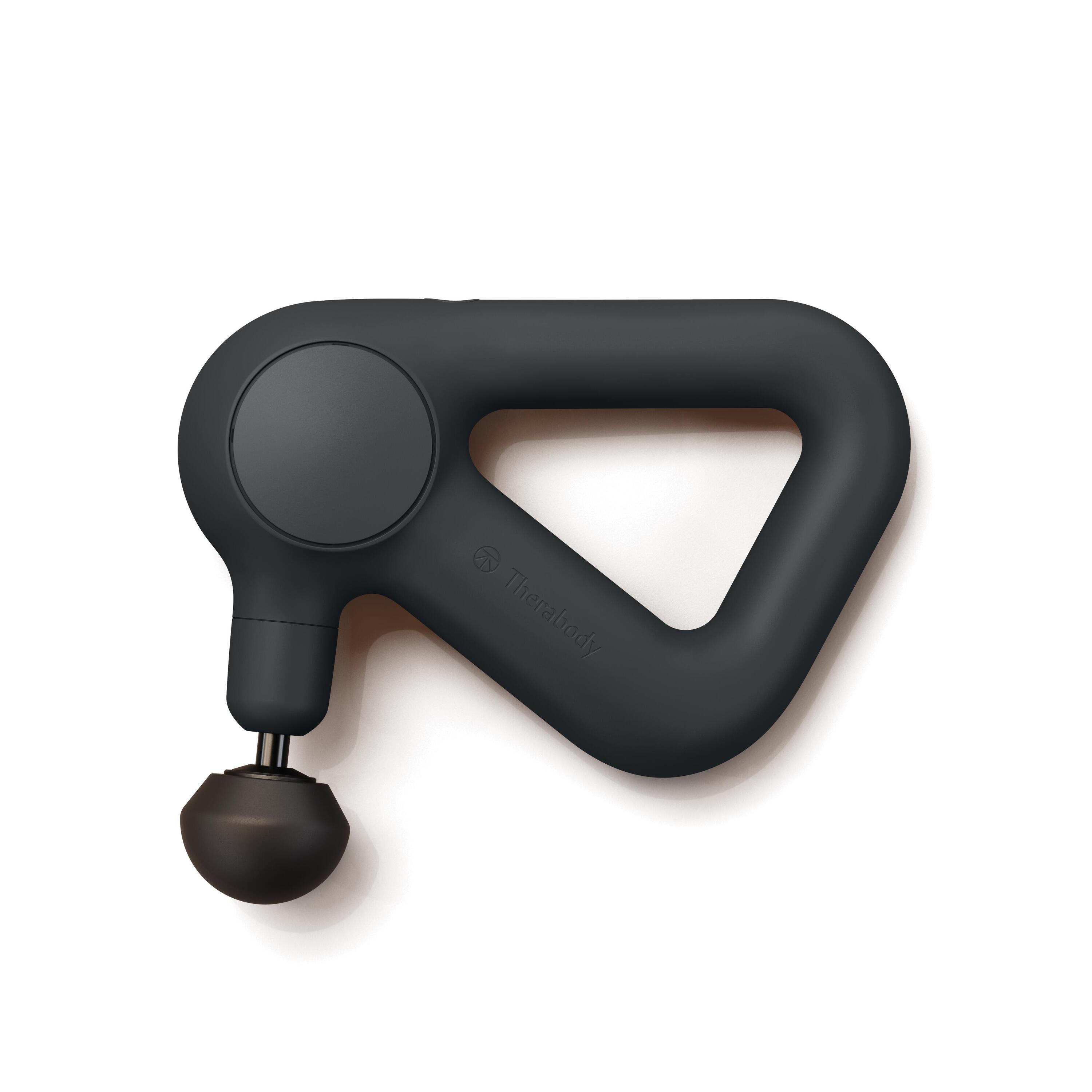
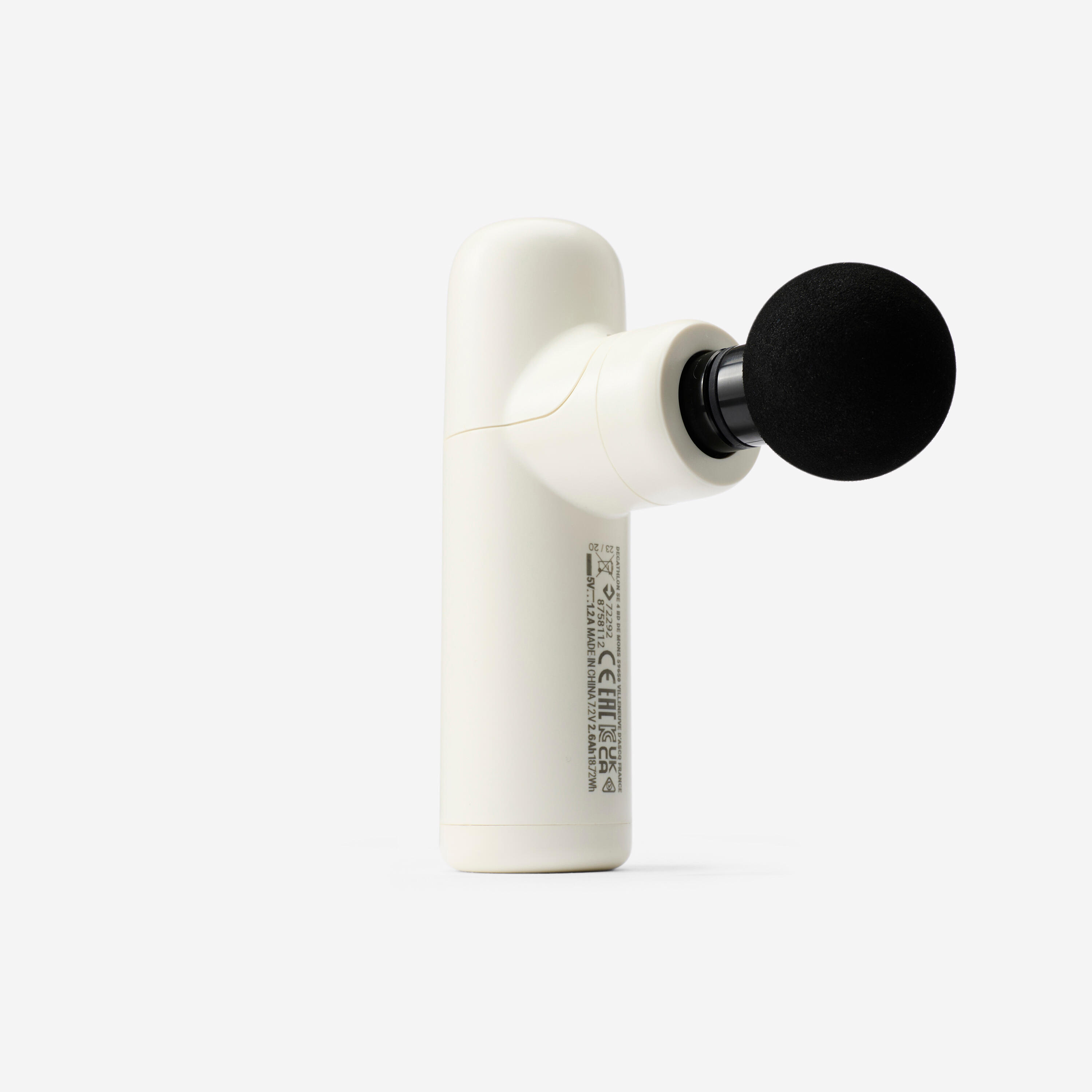
Choose the massage tool according to the size and sensitivity of the area. A smooth foam roller uses body weight to apply pressure across the calves, thighs, glutes and back, while a small roller or handheld tool gives you more control around narrower muscle groups. Decathlon suggests working an area for approximately five minutes rather than repeatedly pressing one painful point. Review triathlon massage gear by shape, firmness and intended body area. Begin with light pressure and move slowly, particularly after a long event. Stop if massage causes sharp pain, numbness or worsening discomfort, and seek professional assessment when symptoms are significant or persistent.

What is the difference between warming gels, cooling gels and massage oils?

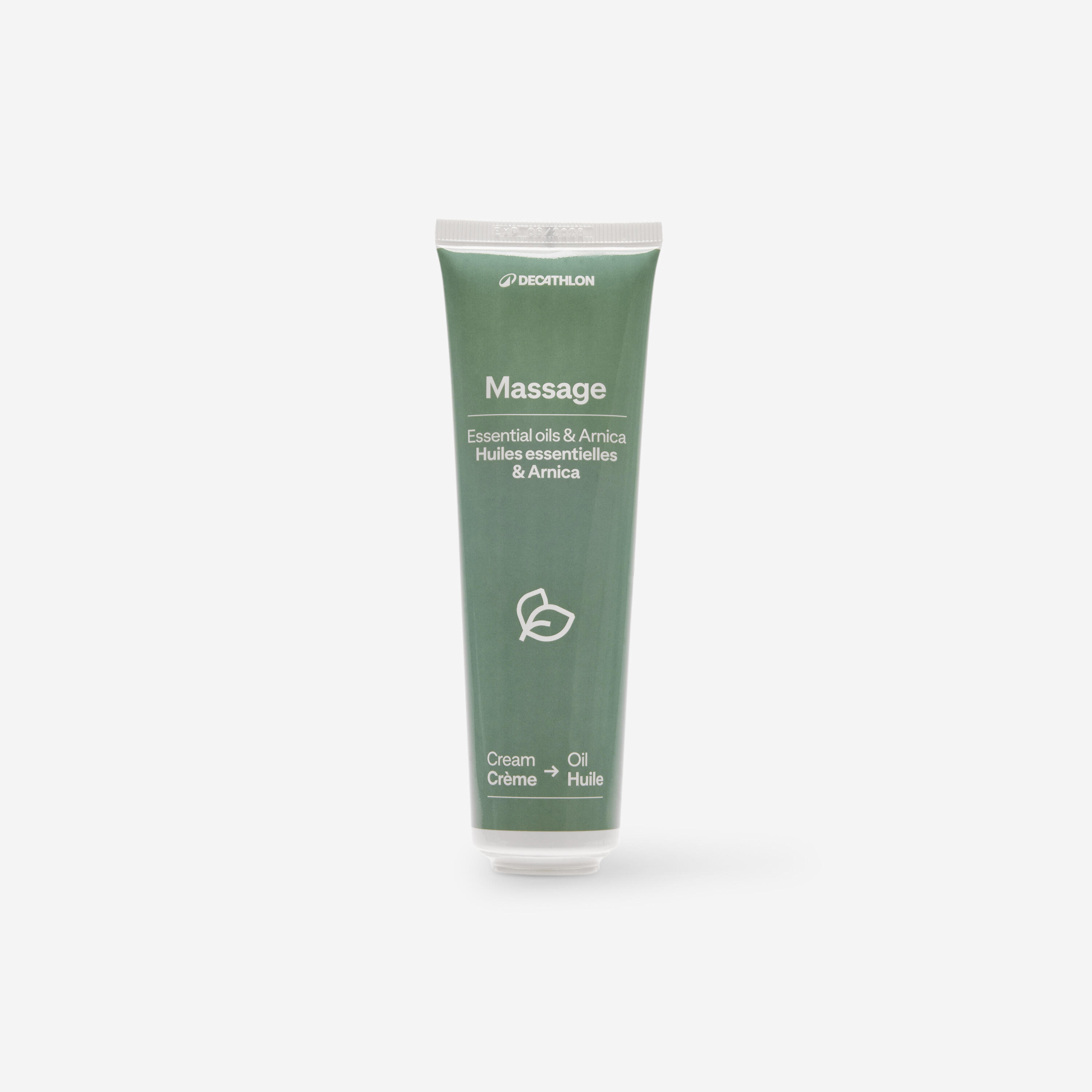
Warming gel creates a temporary heating sensation and can be applied before outdoor exercise in cold conditions, while cooling massage gel is positioned for post-session comfort and a lighter-leg sensation. Massage oil reduces friction between the hands and skin, making longer manual massage movements easier. These products do not serve the same purpose, so follow the timing and application instructions for the individual formula. Check triathlon sports creams, gels and oils to find the right option for your training and recovery routine. Keep warming and cooling products away from the eyes and sensitive skin, wash your hands after application and never apply a topical formula to broken or irritated areas unless its instructions specifically permit it.

When is a massage ball useful for triathlon recovery?

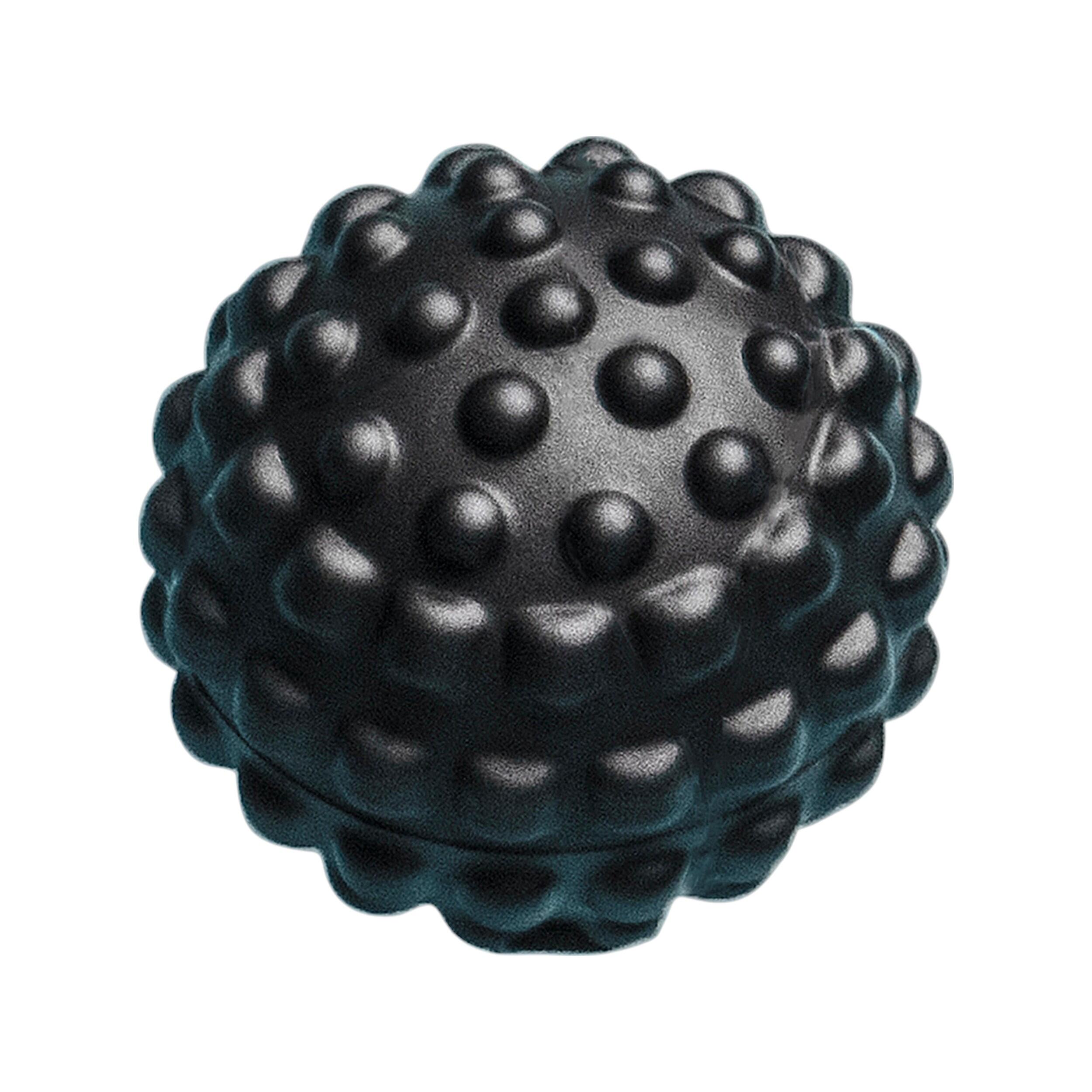
A massage ball provides more focused pressure than a full foam roller and can reach smaller areas such as the feet, hands, glutes or parts of the calf. Decathlon's compact acupressure ball measures approximately 47 mm and uses short spikes to create targeted contact. Place it against the floor, wall or another stable surface so you can control pressure with your body rather than forcing the ball directly into a sensitive area. Assess triathlon massage balls by size, surface texture and firmness. Use slow movements and avoid rolling directly over bones, swollen areas or a recent injury. Clean the tool after use and store it in a dry place with the rest of your recovery equipment.