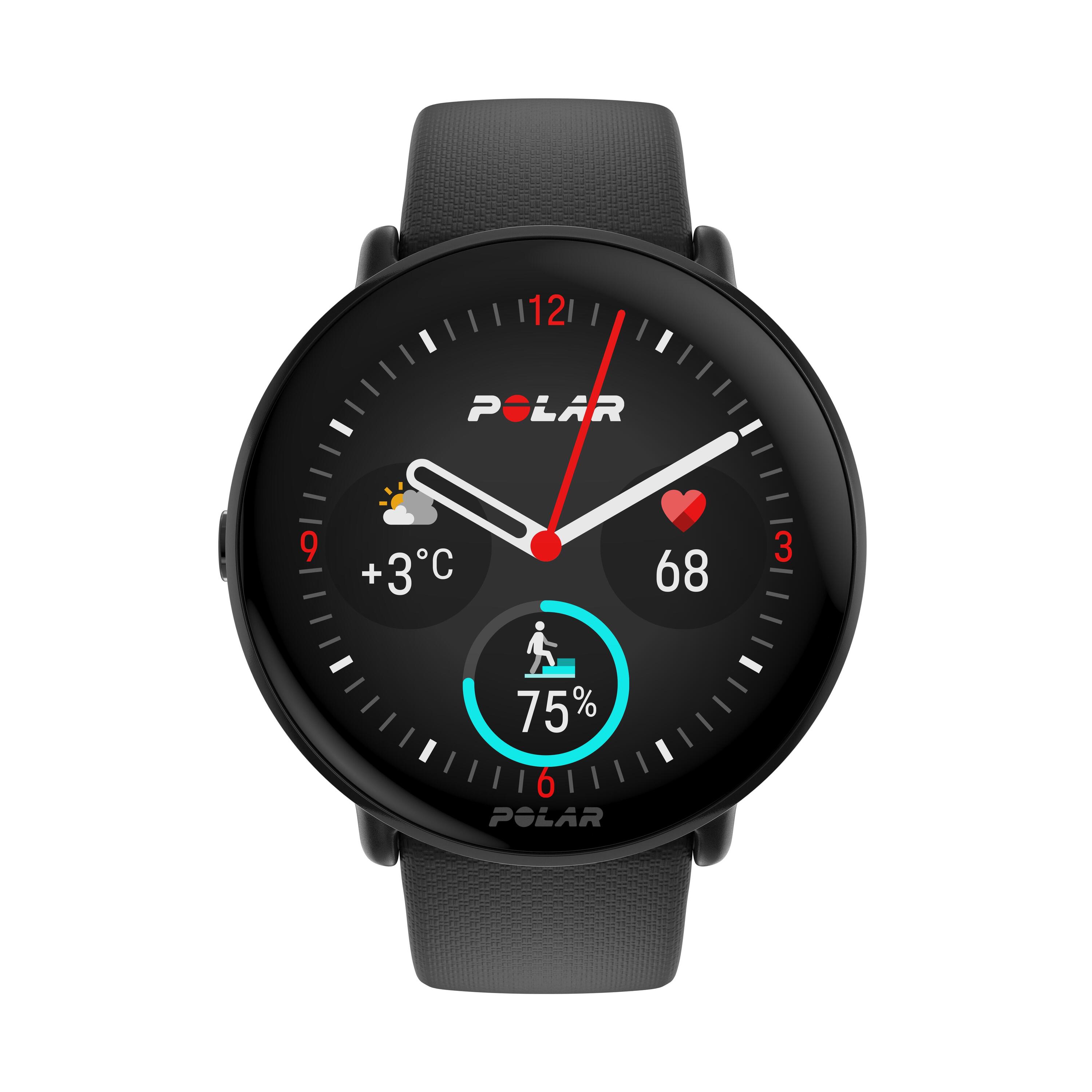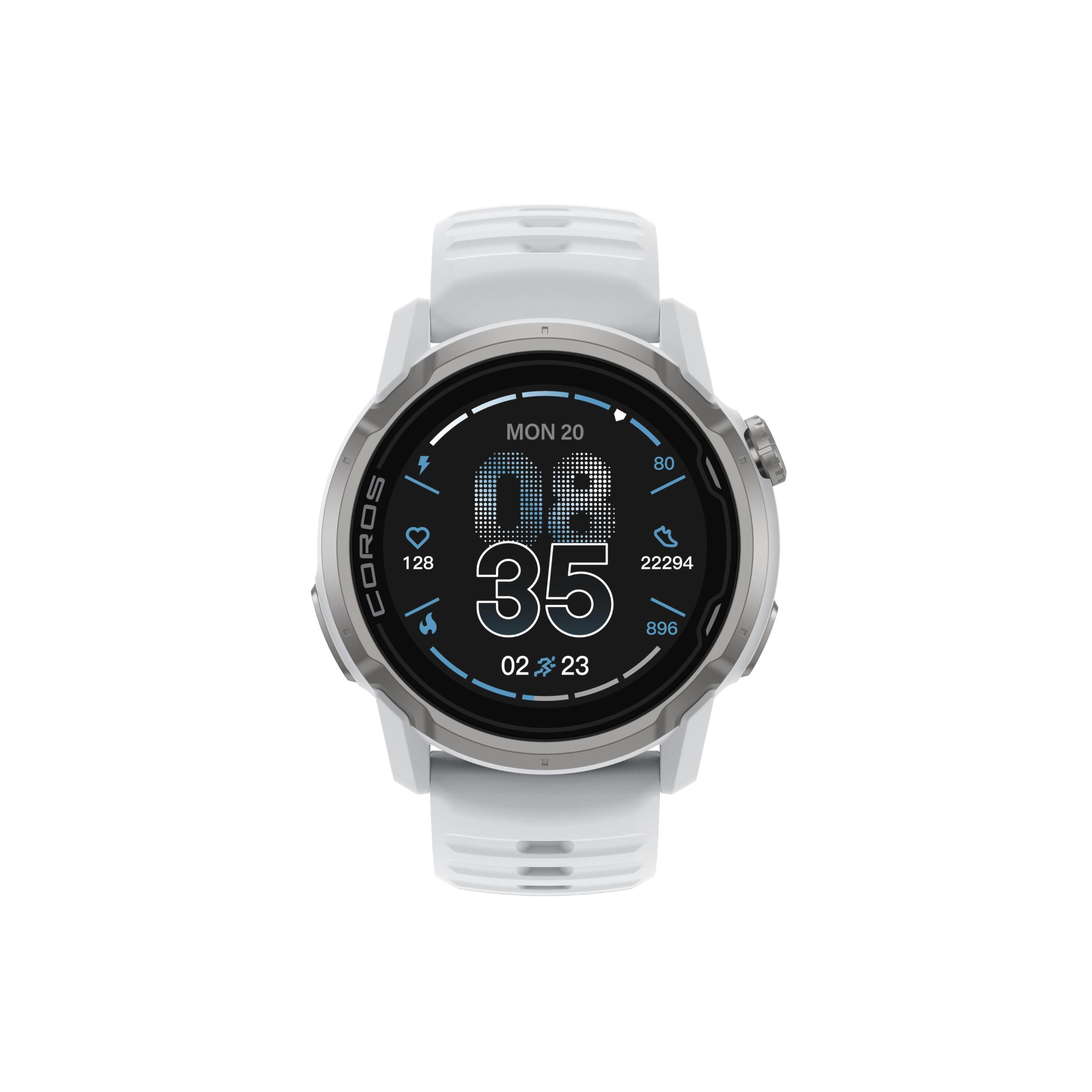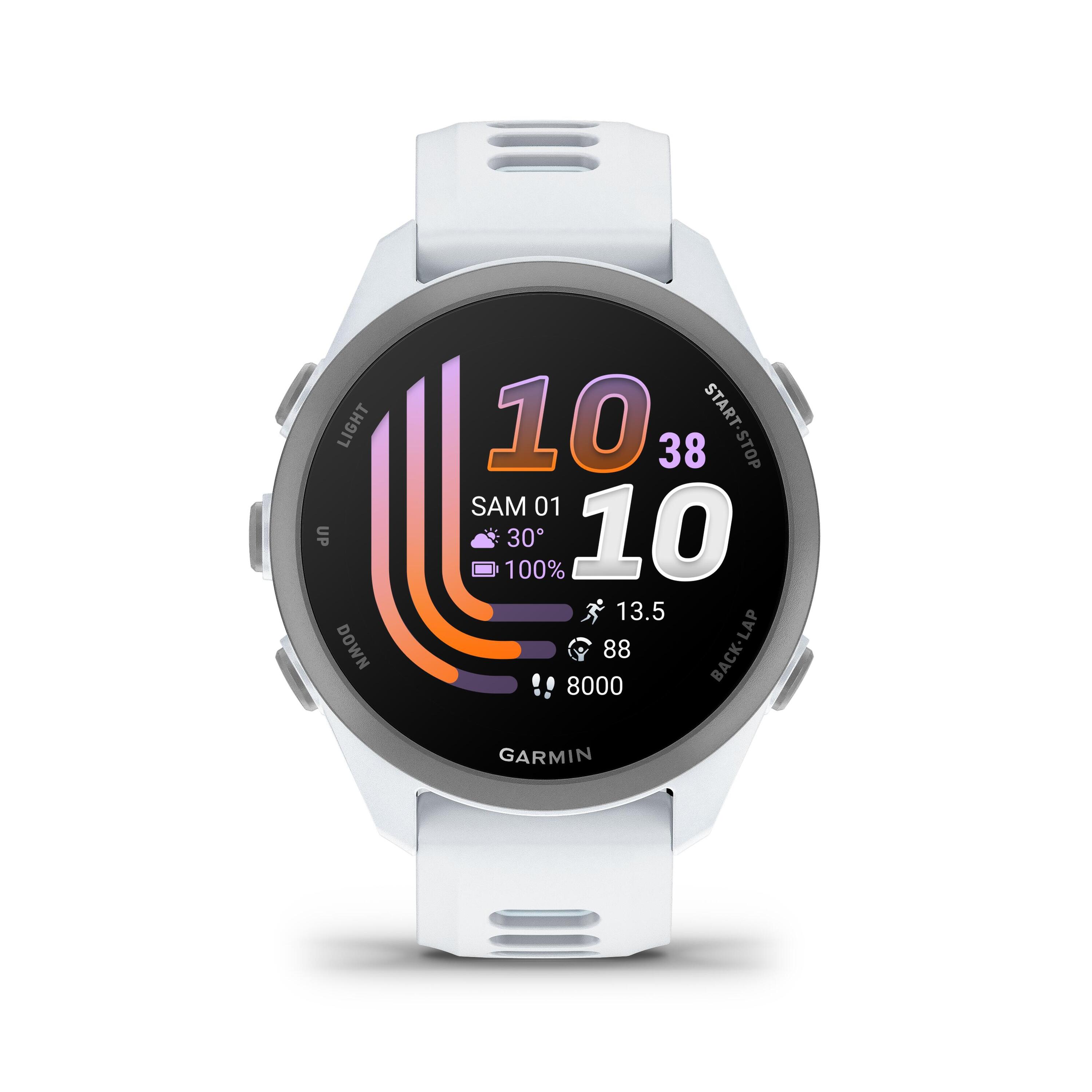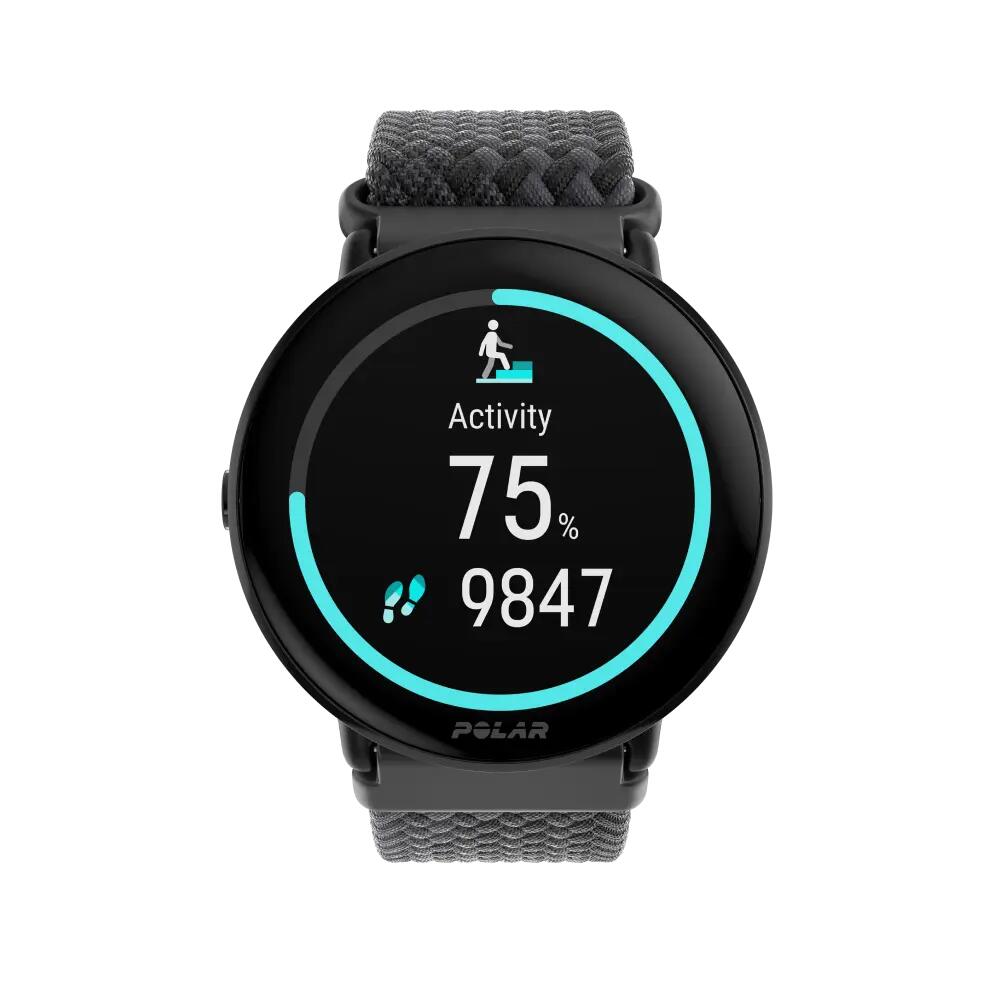
58 items
4.3/5 based on 2732 reviews collected online and in stores

Triathlon GPS Watches FAQs

What can a triathlon GPS watch track?

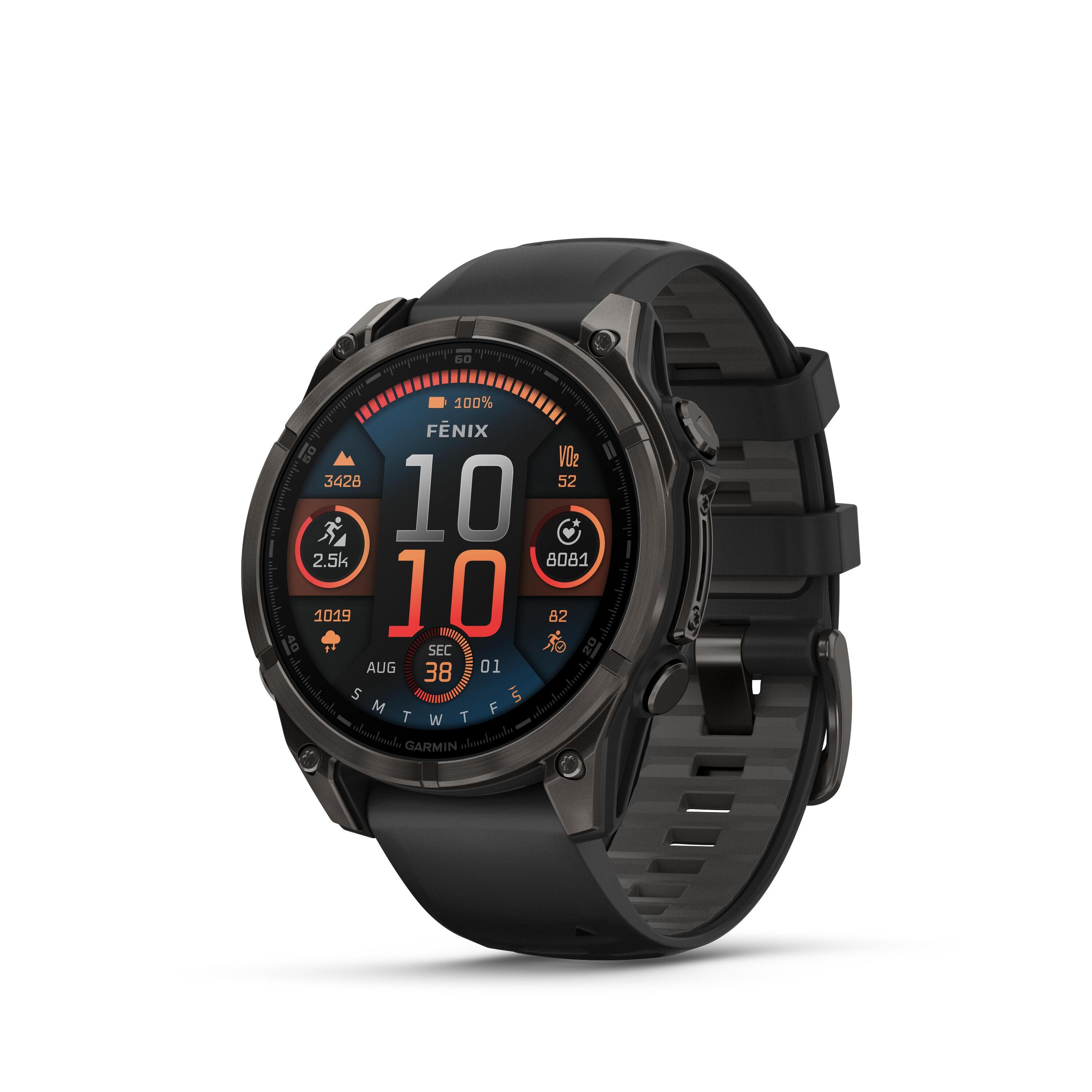
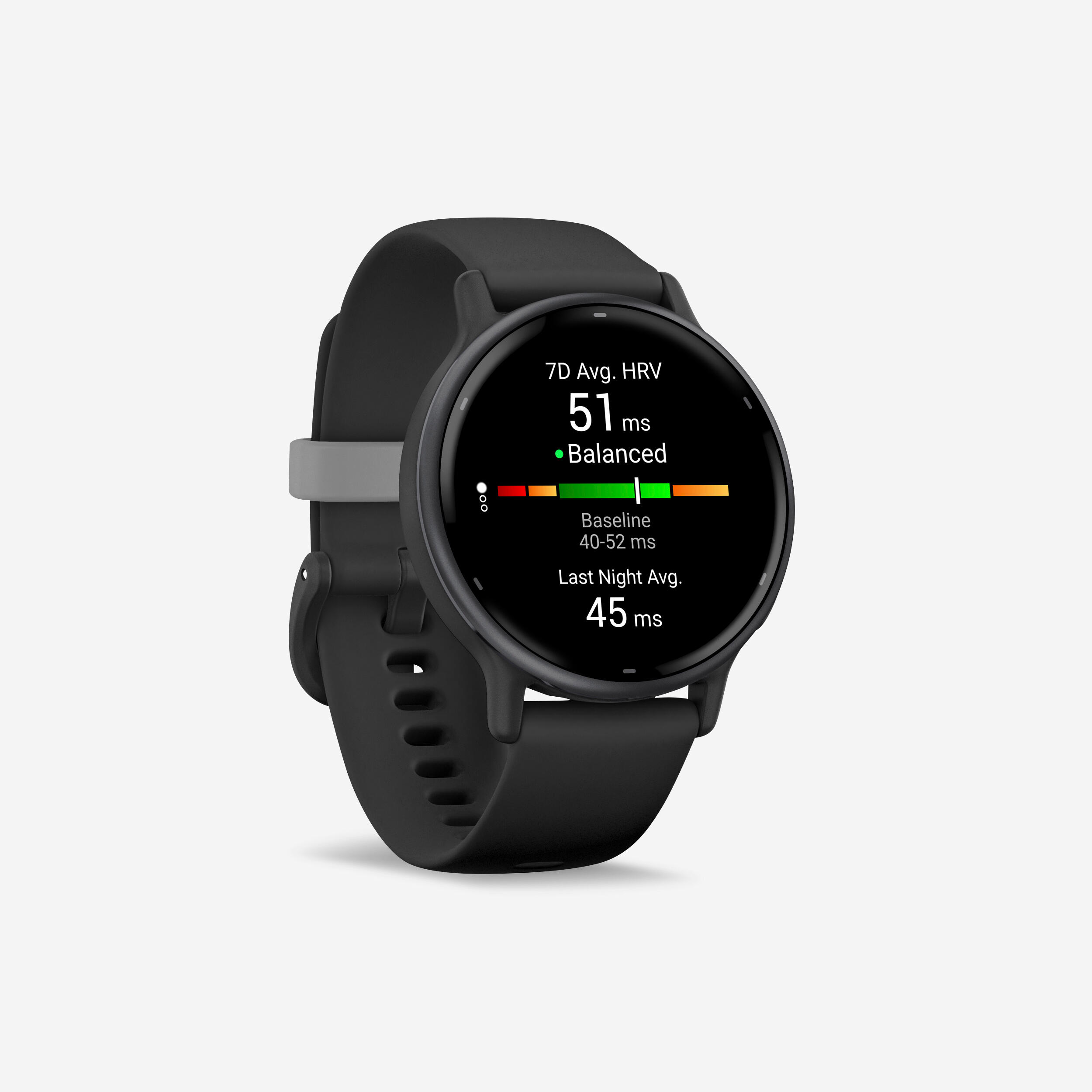
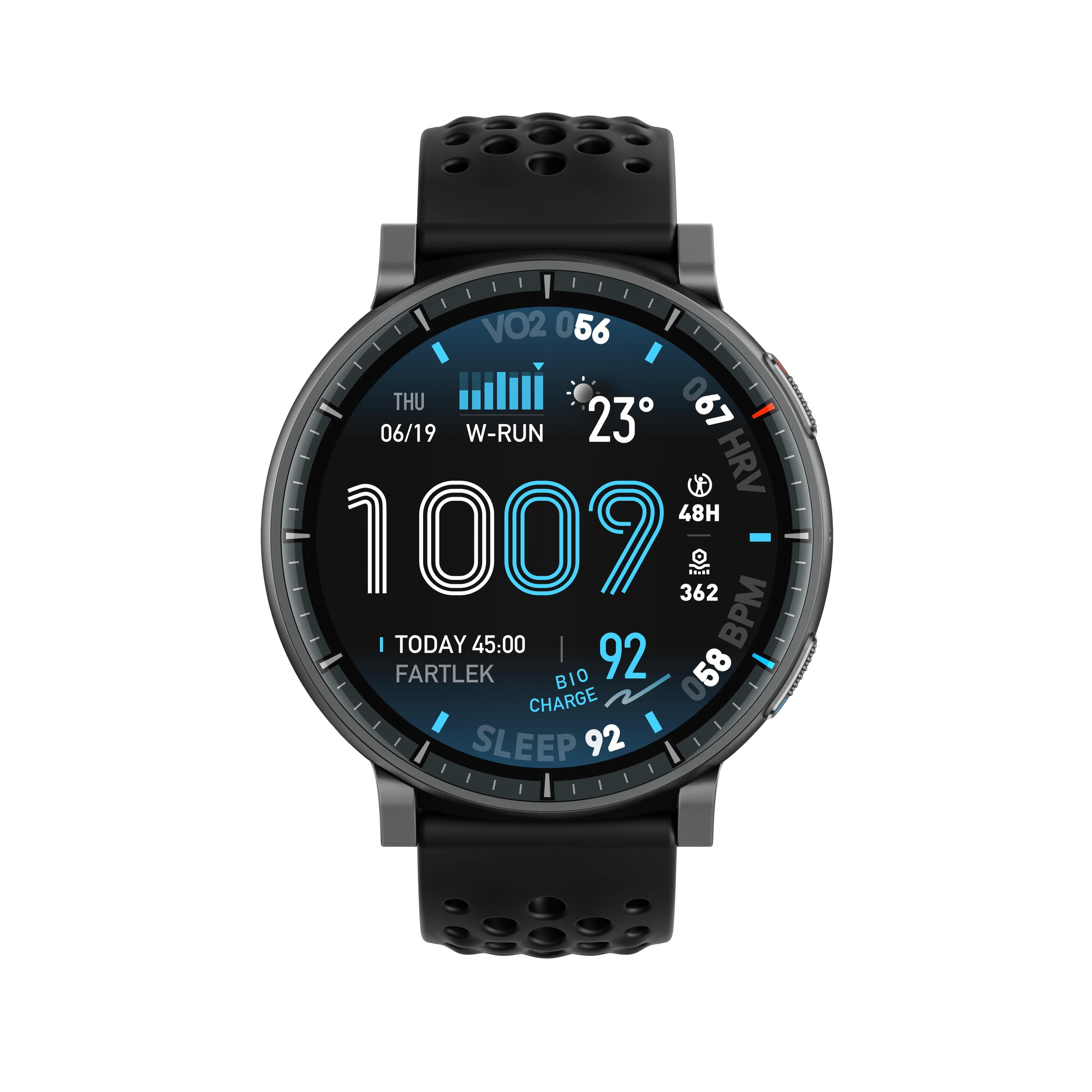
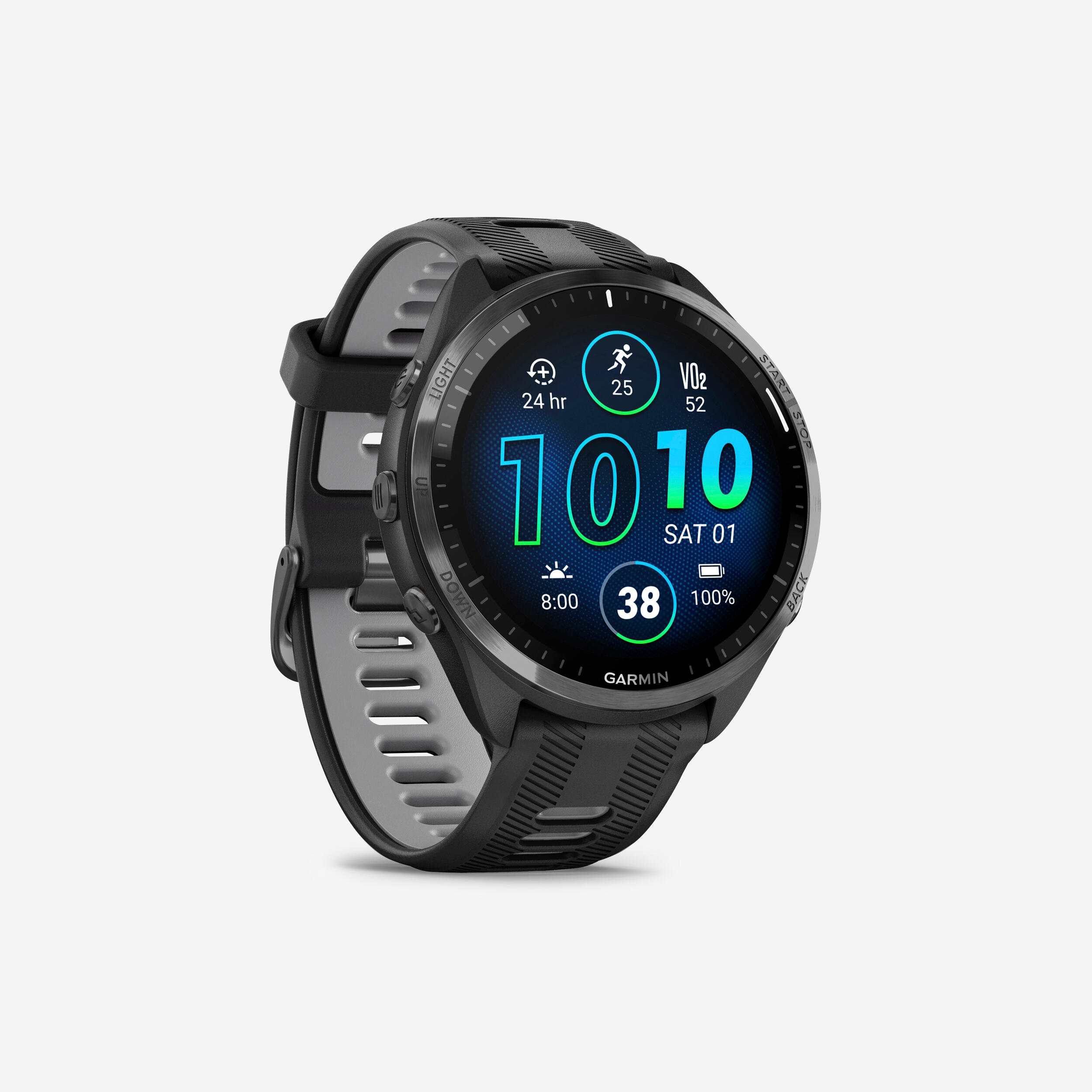
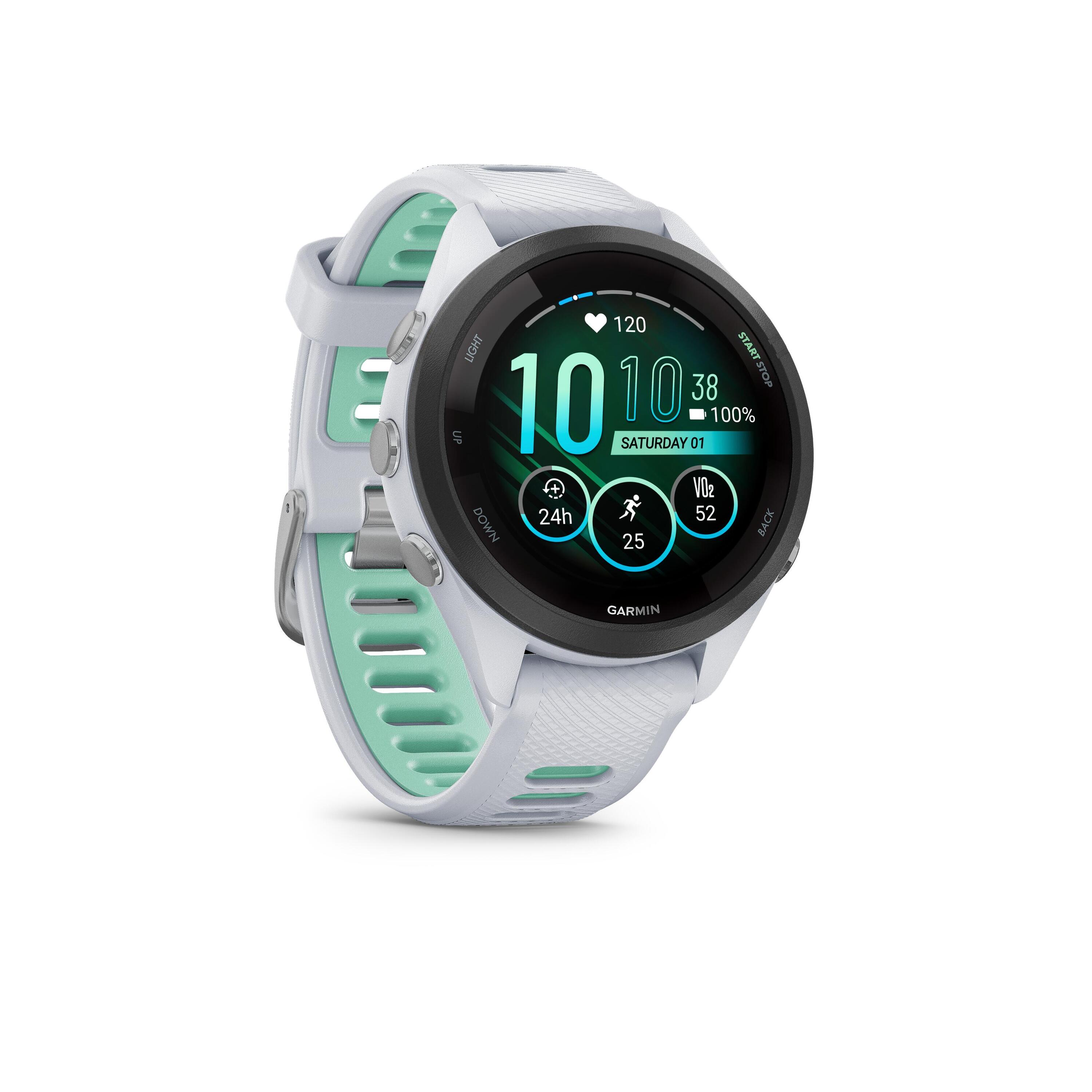
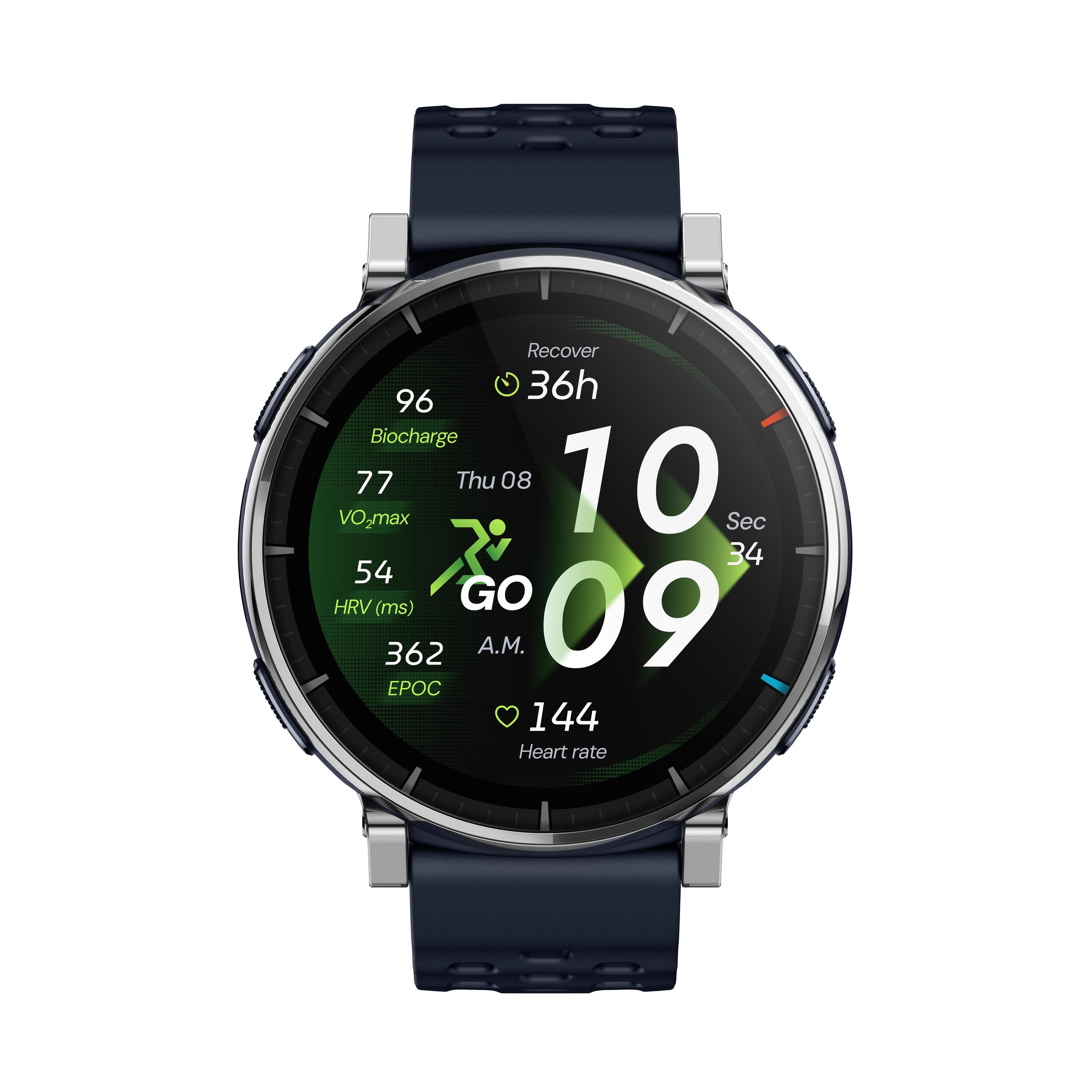
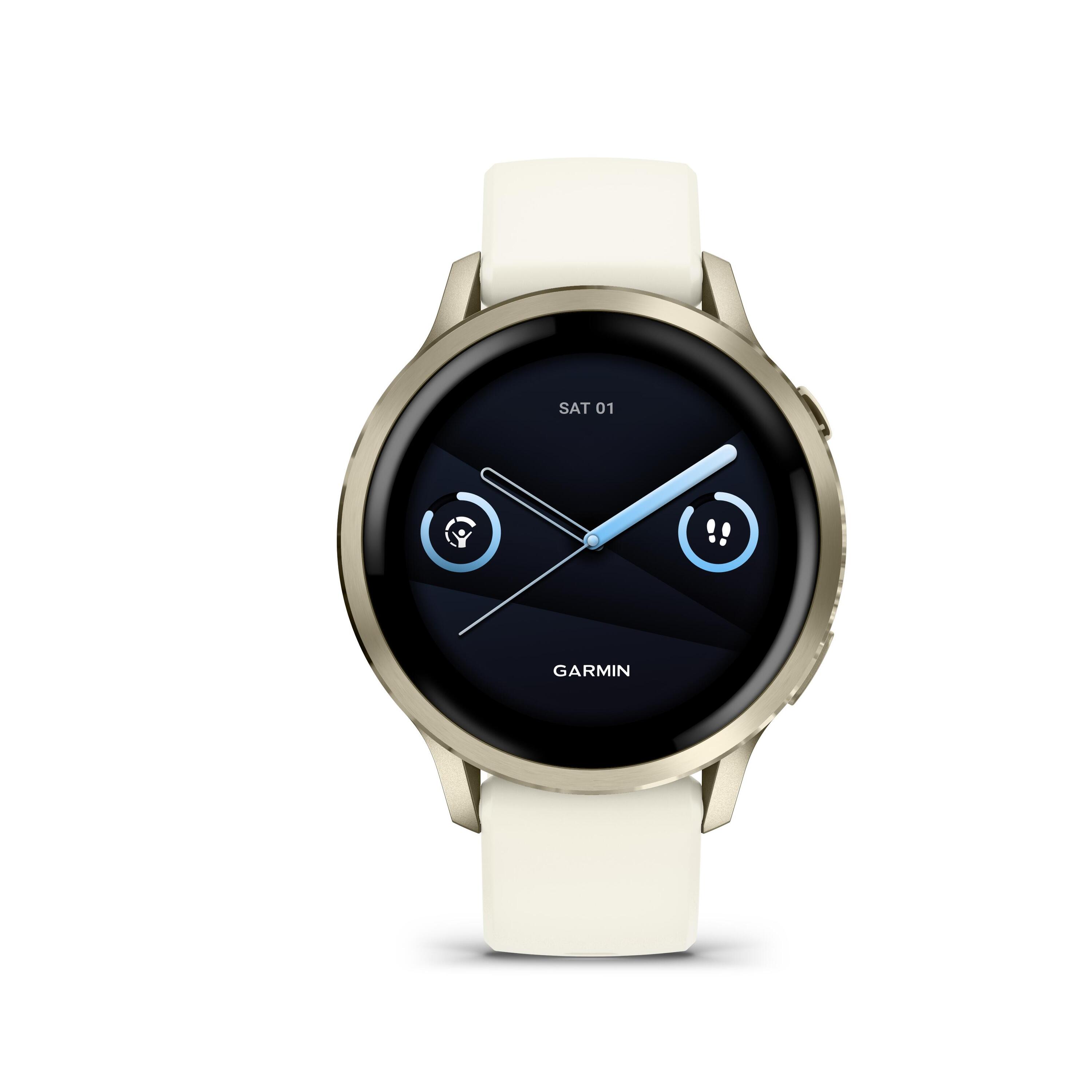
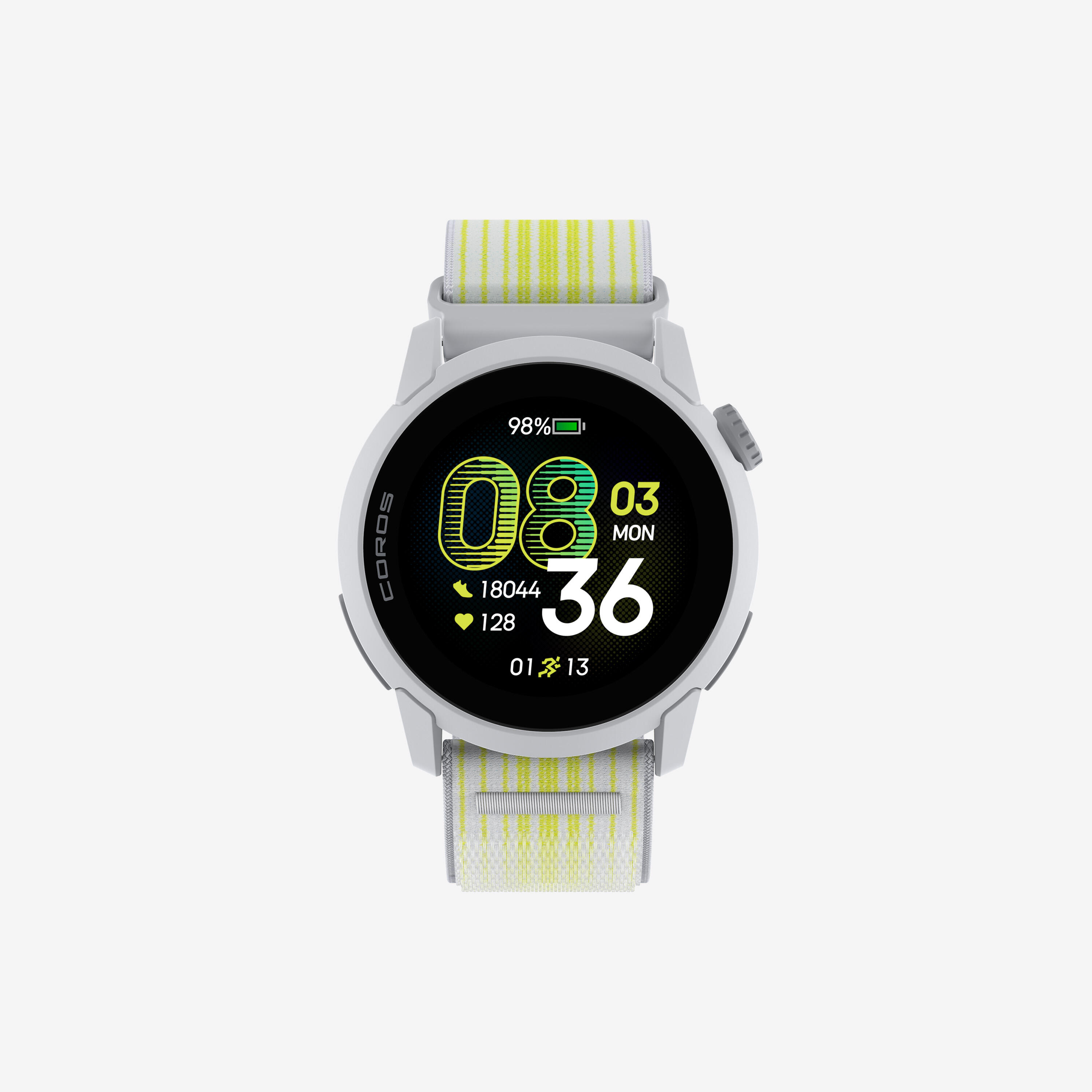
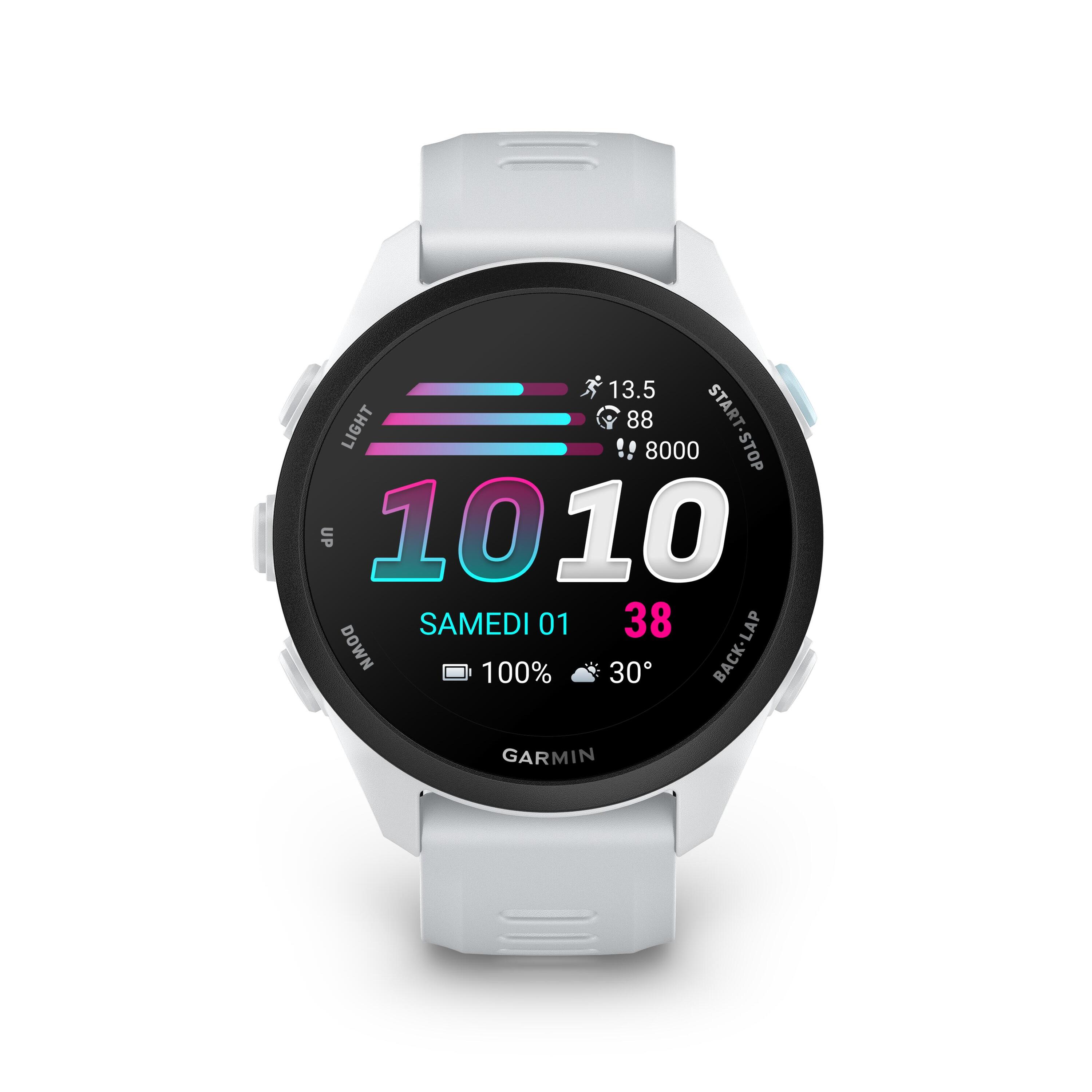
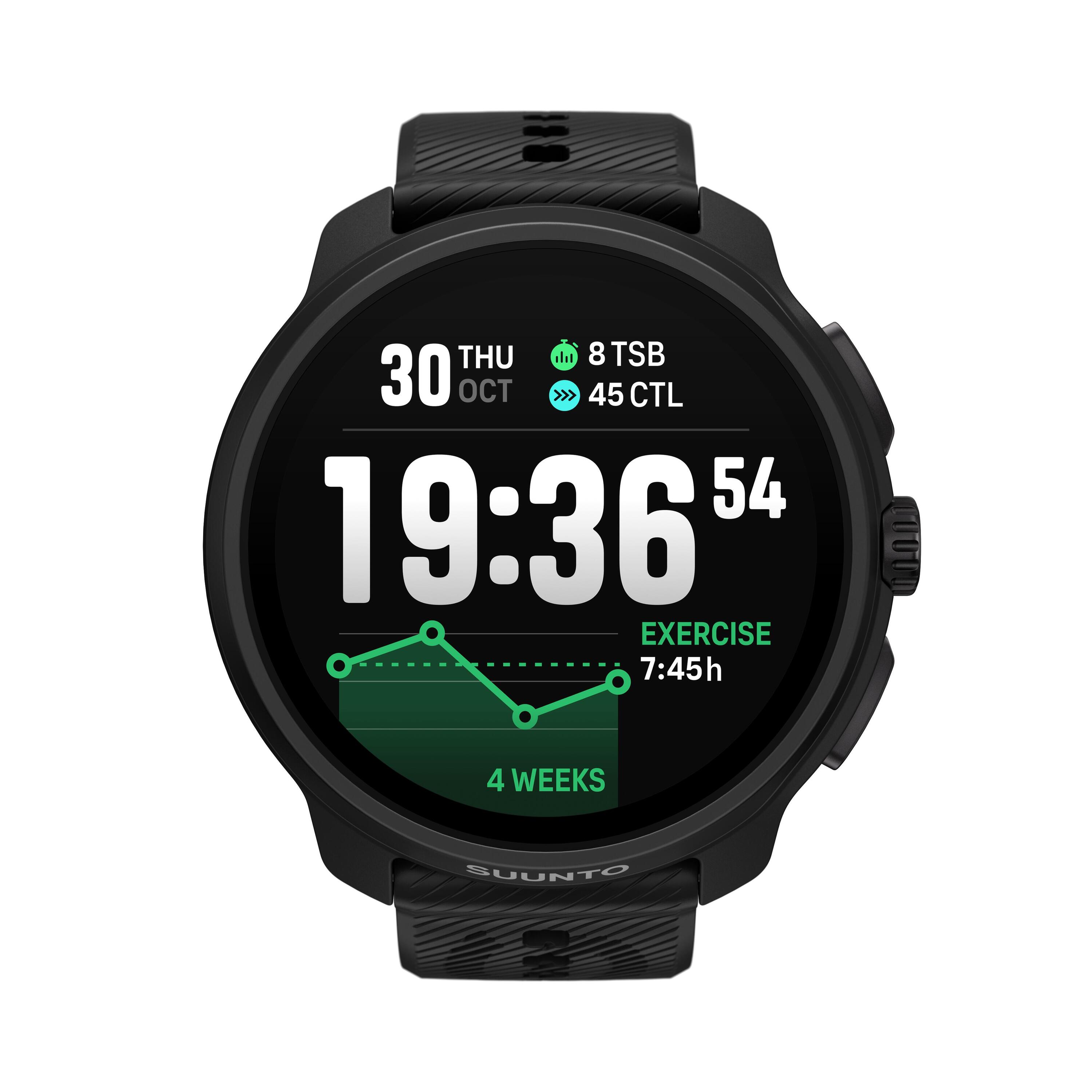
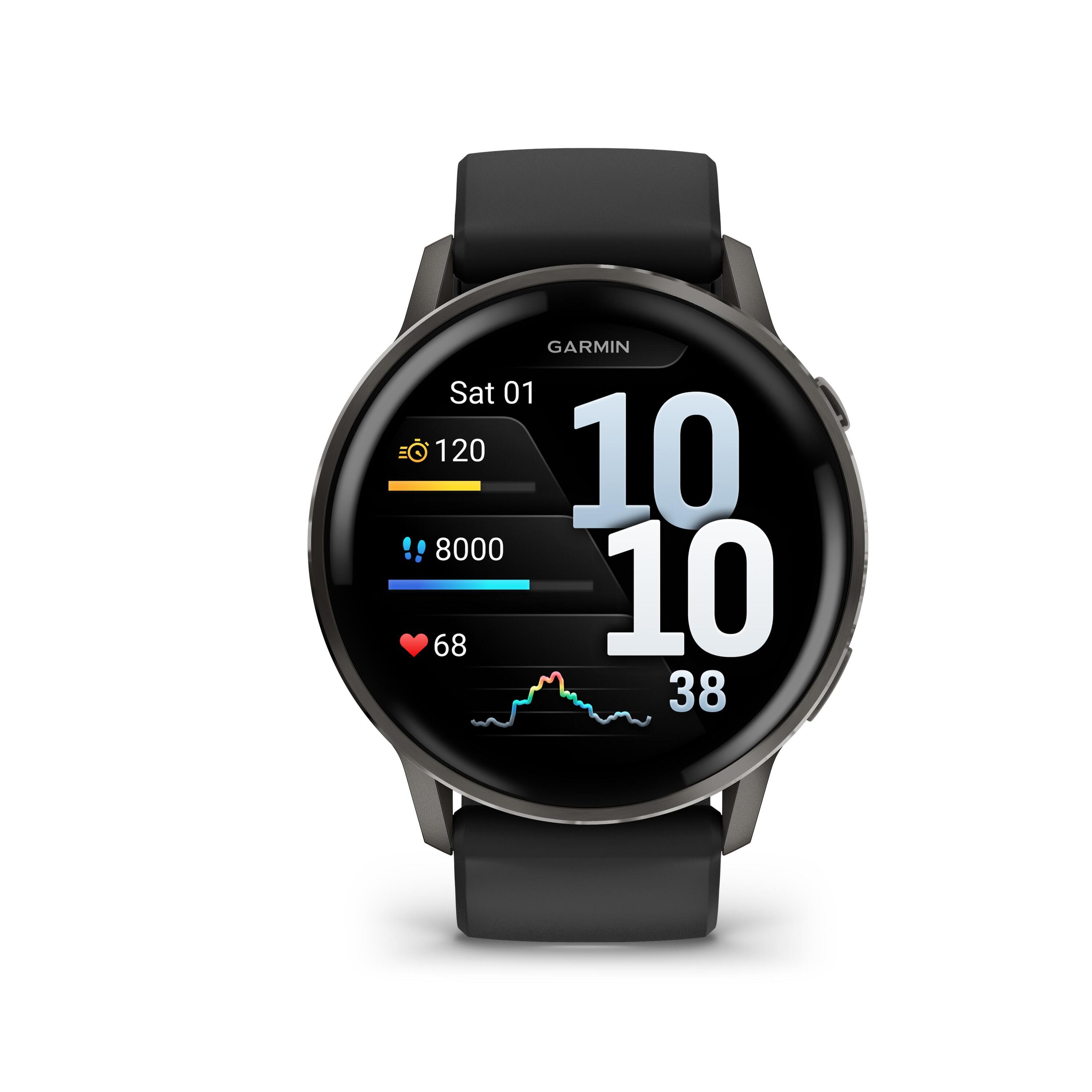
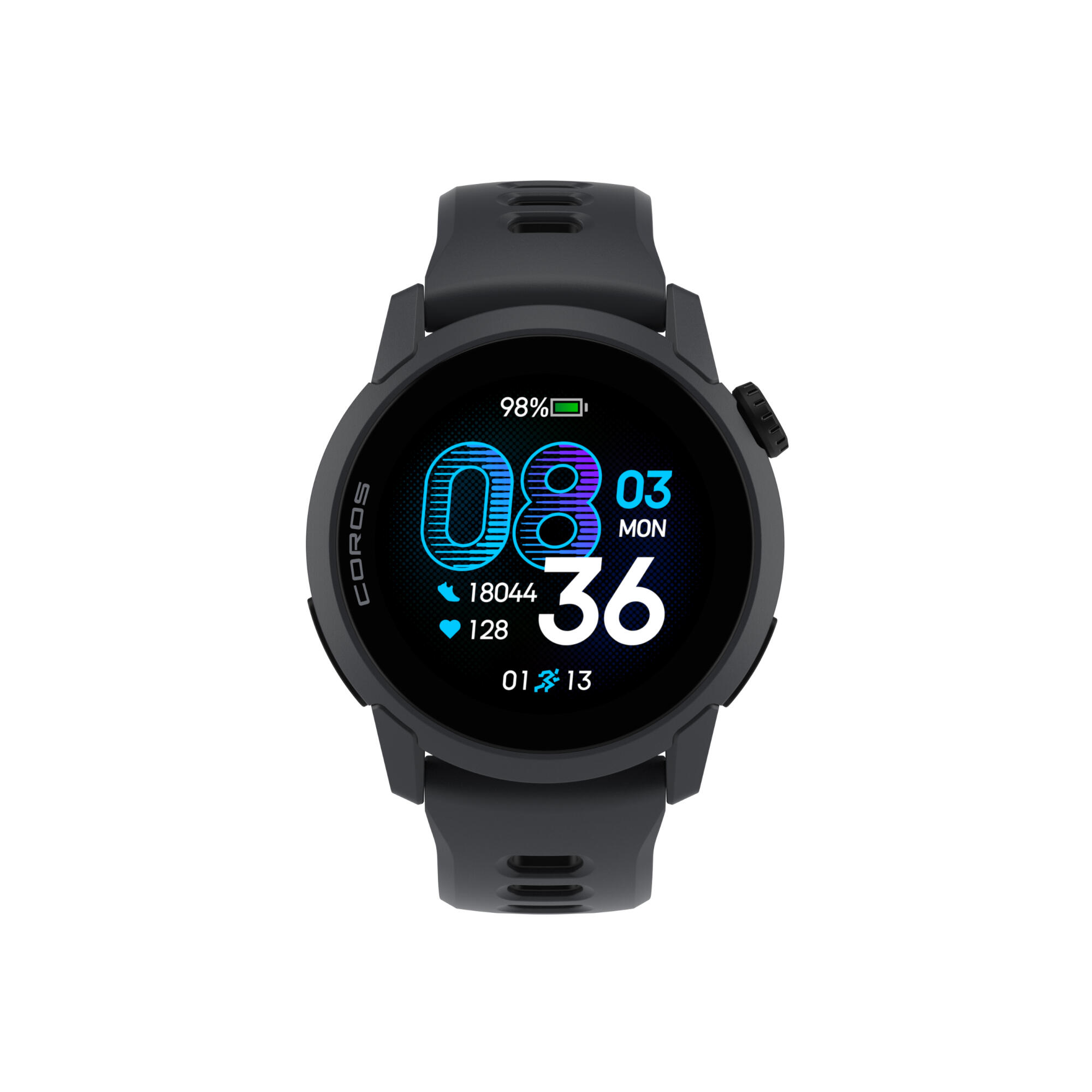
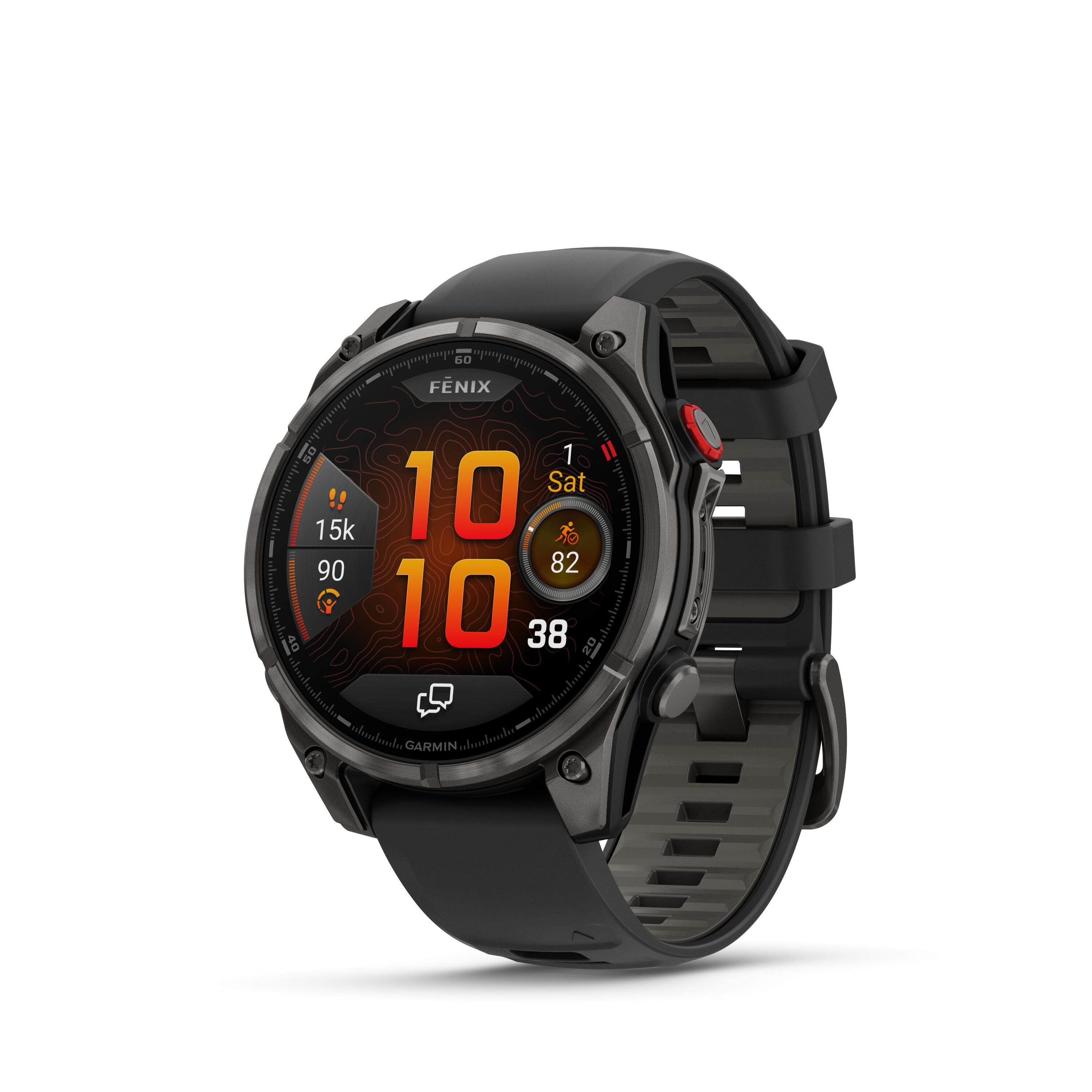
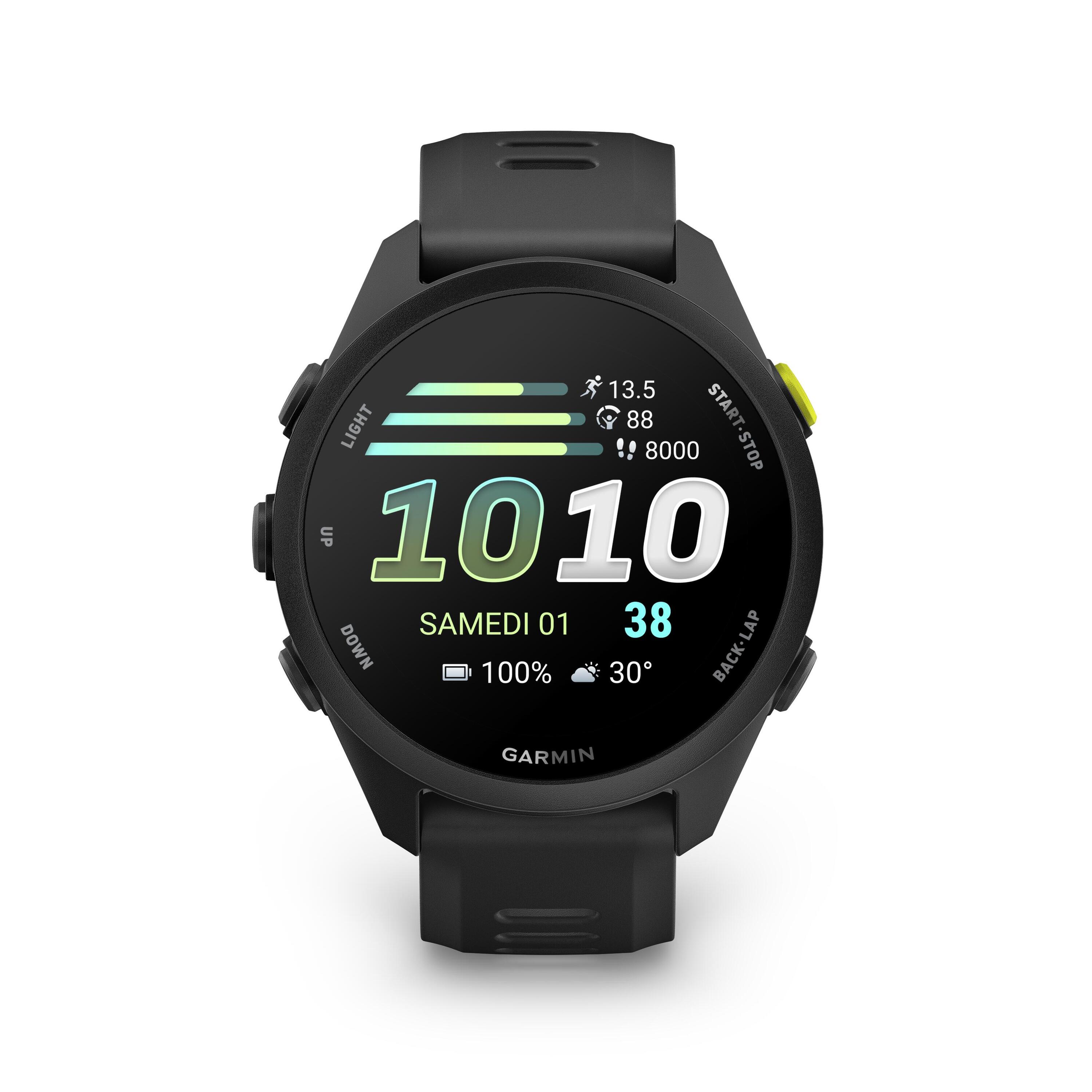
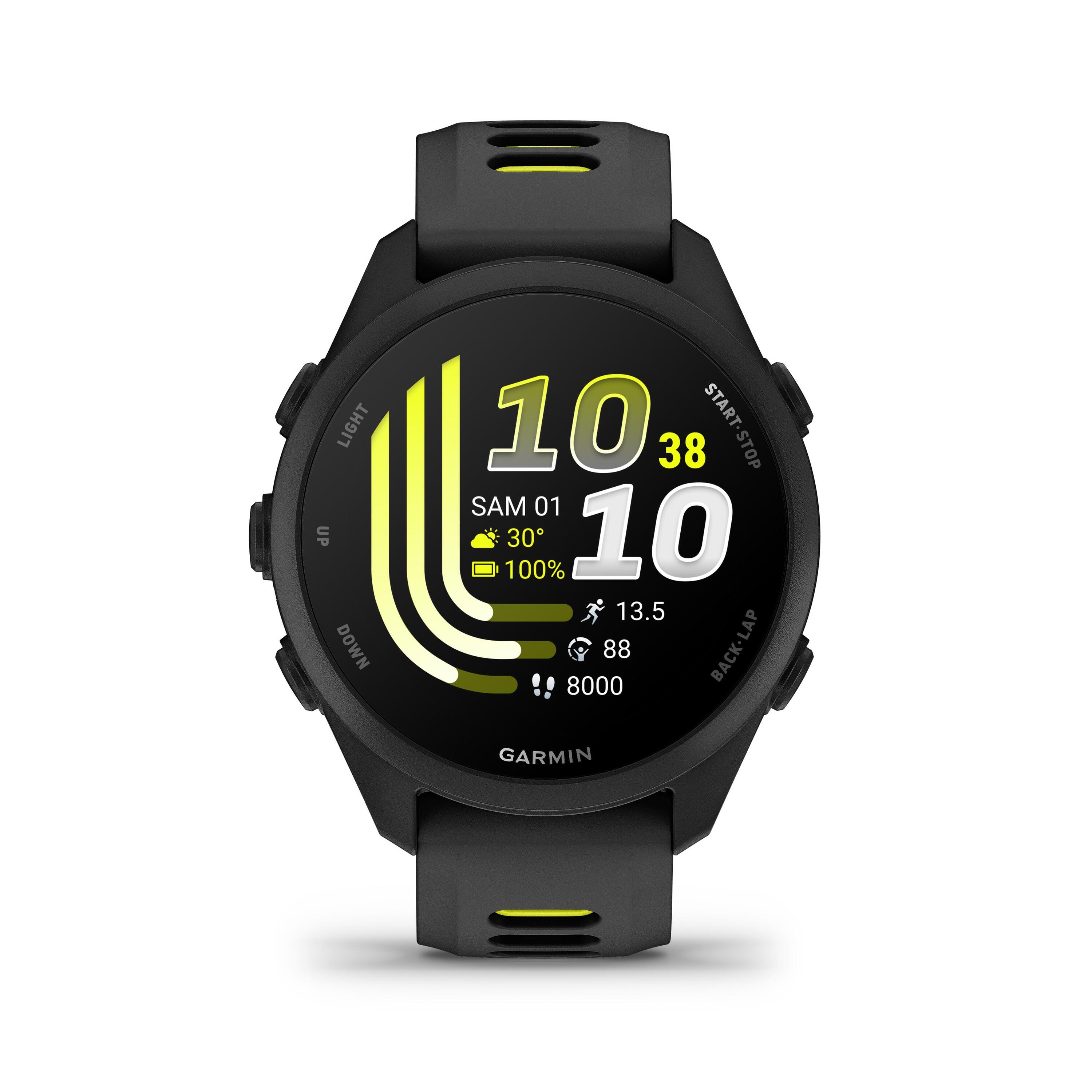
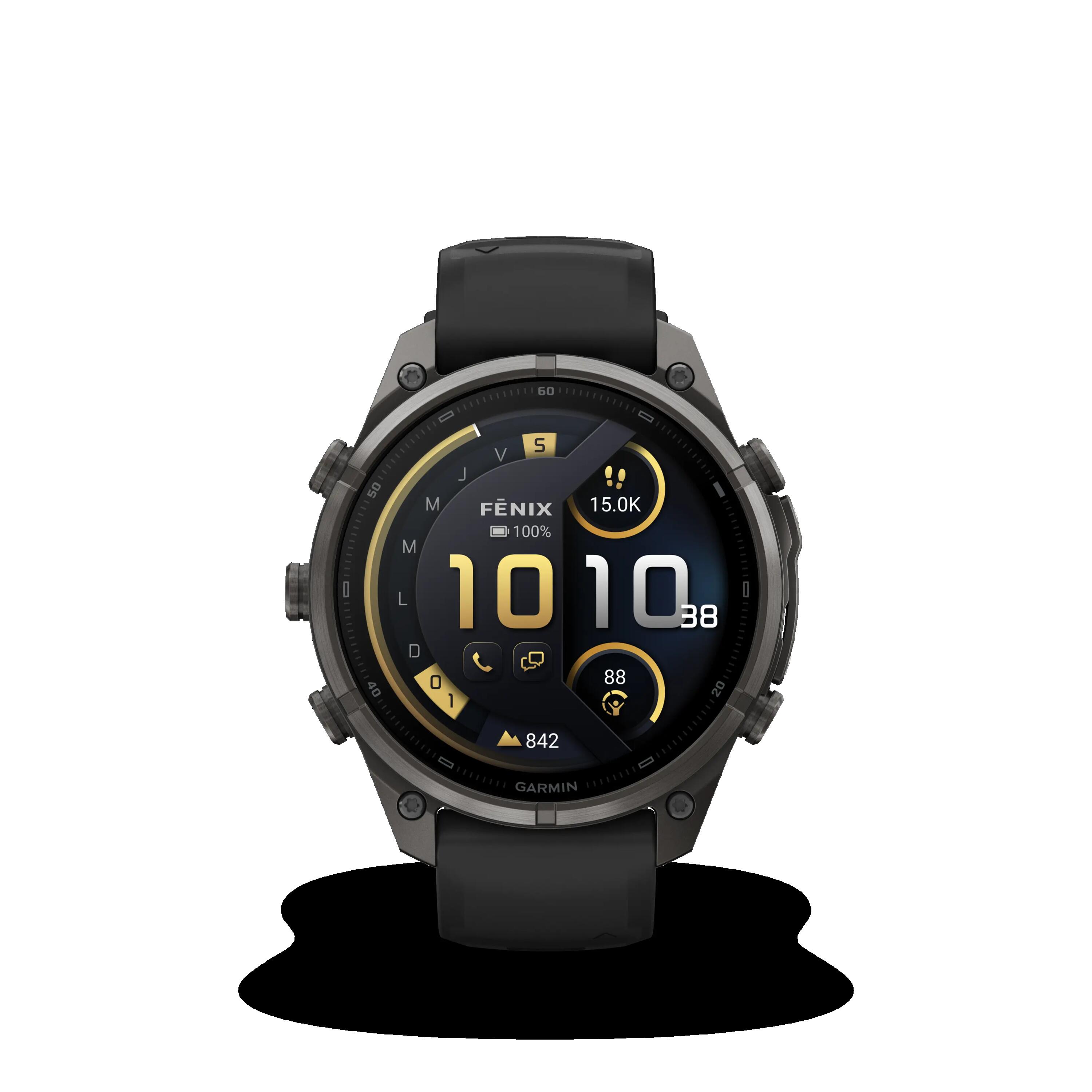
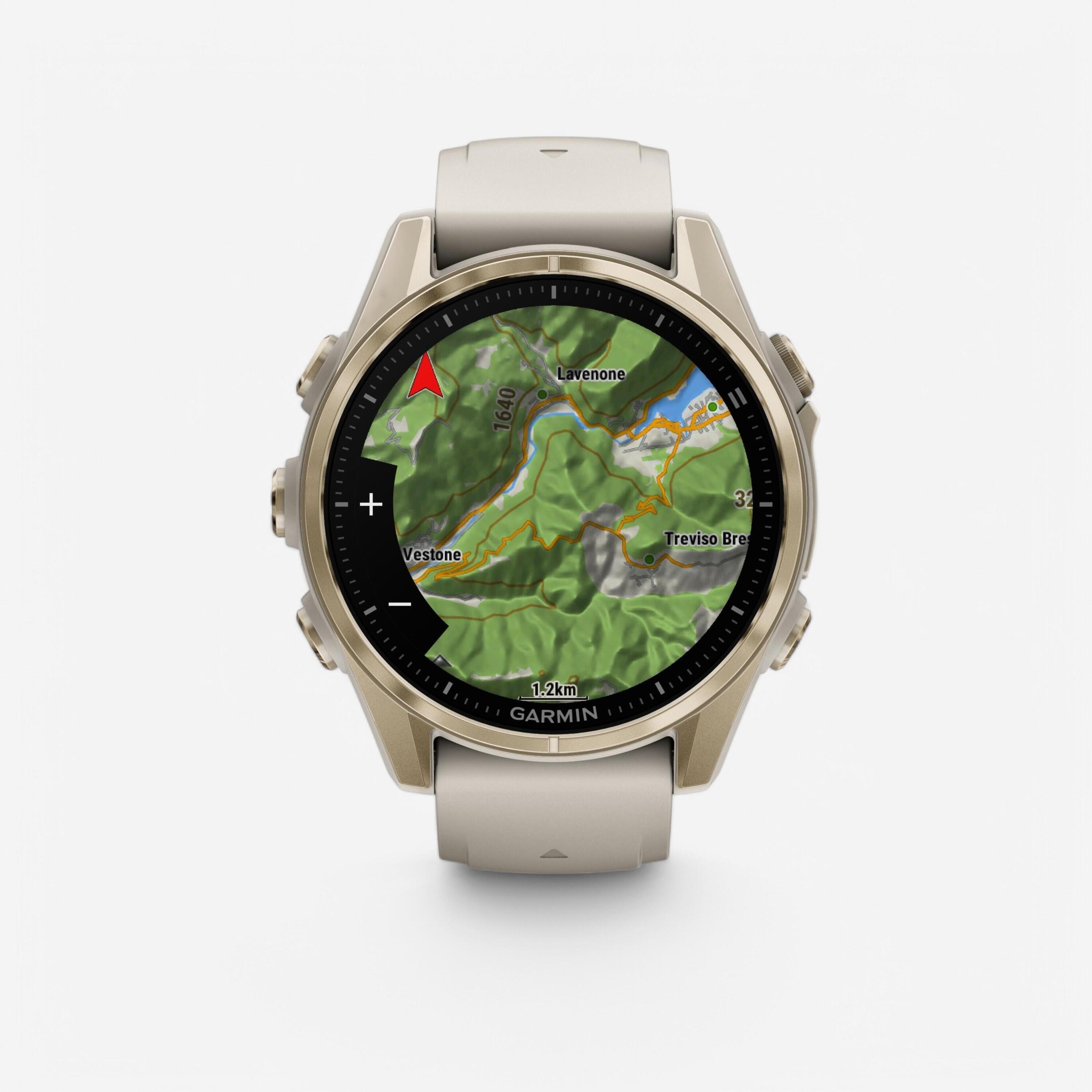
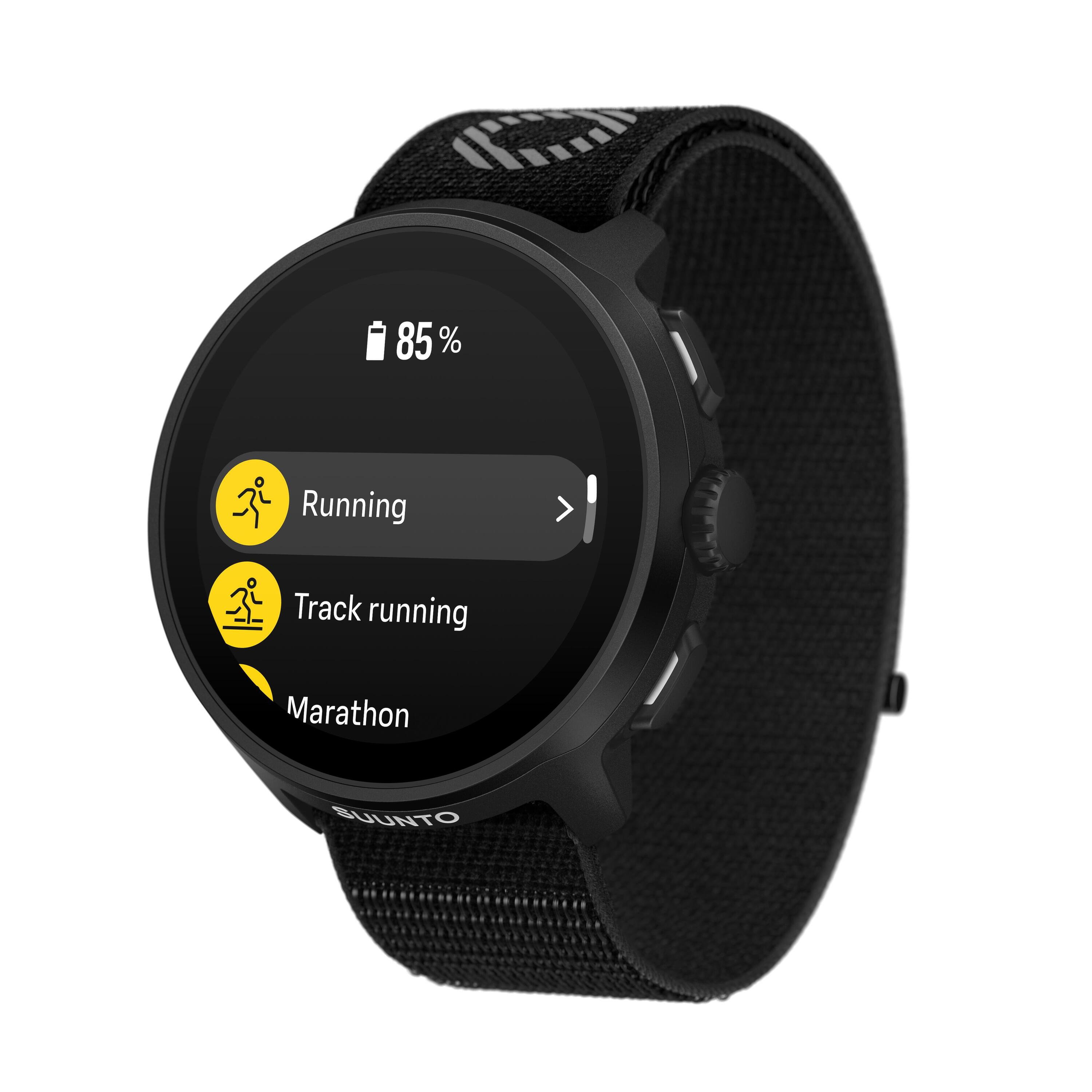
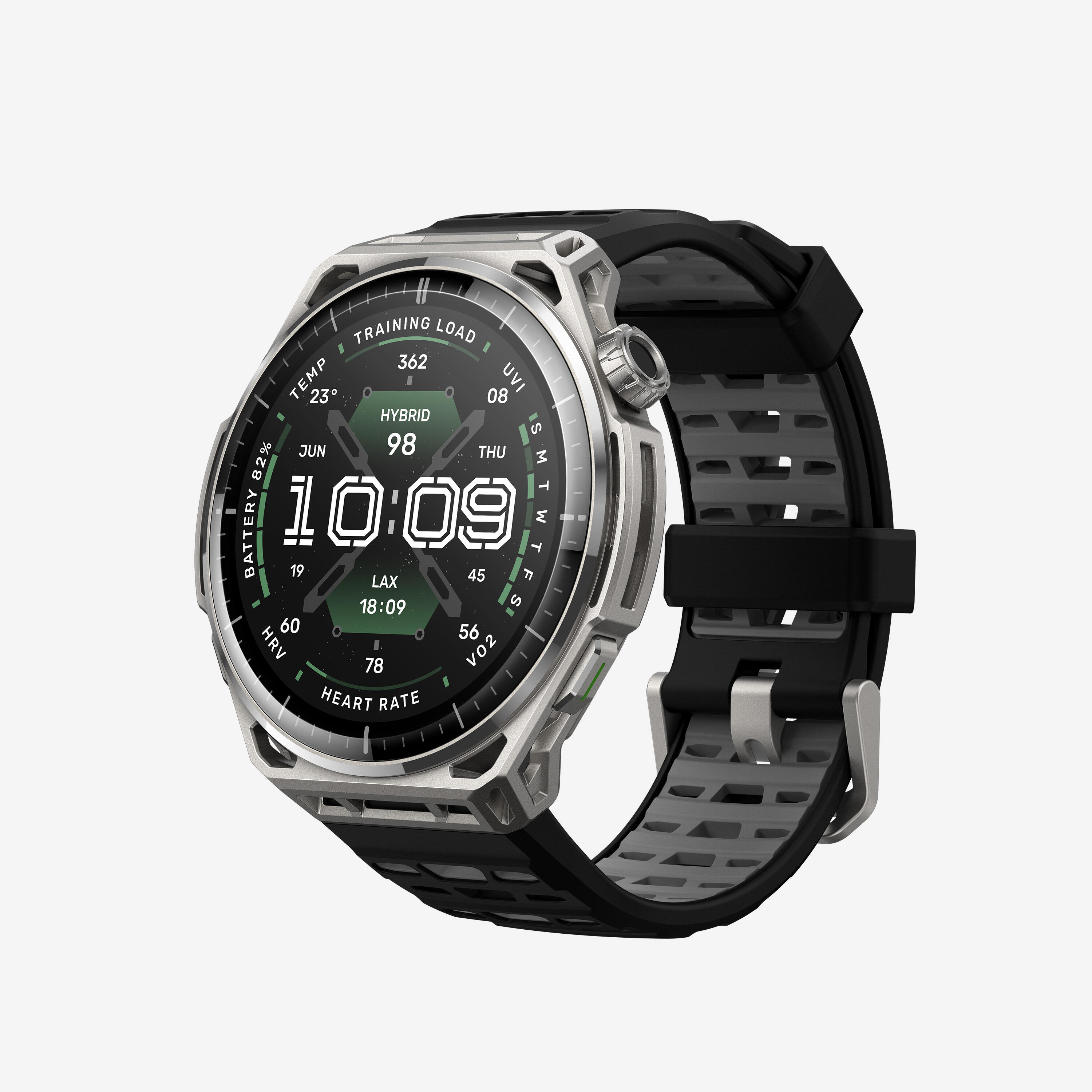
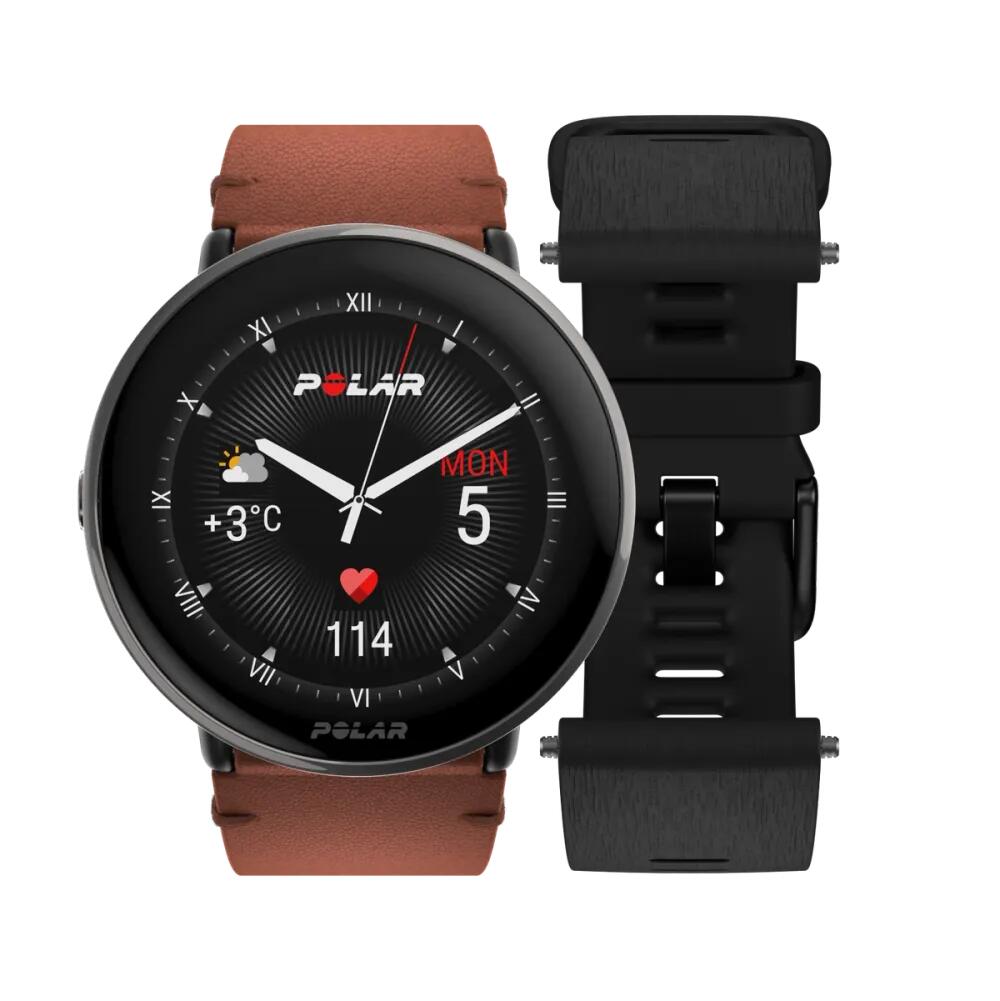
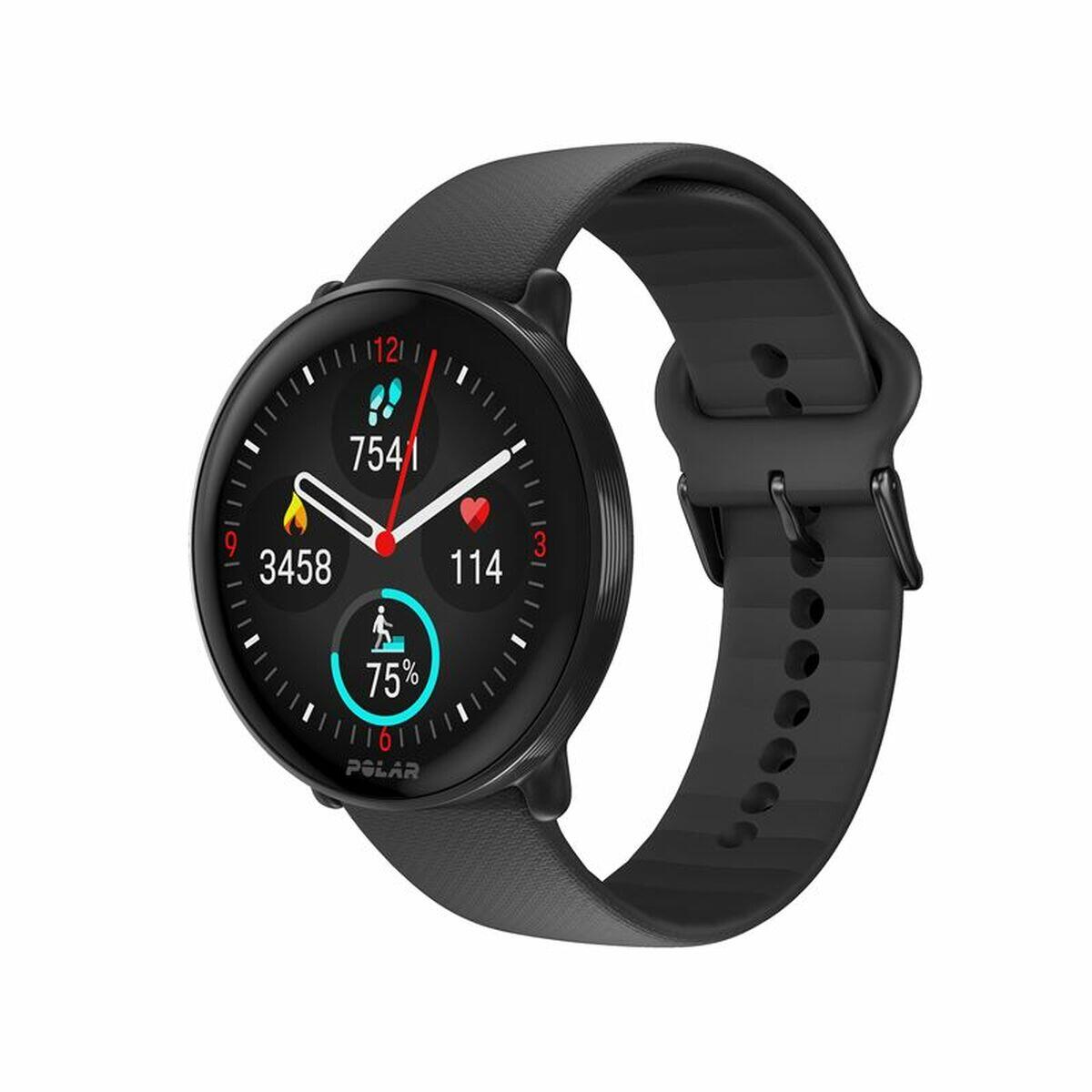
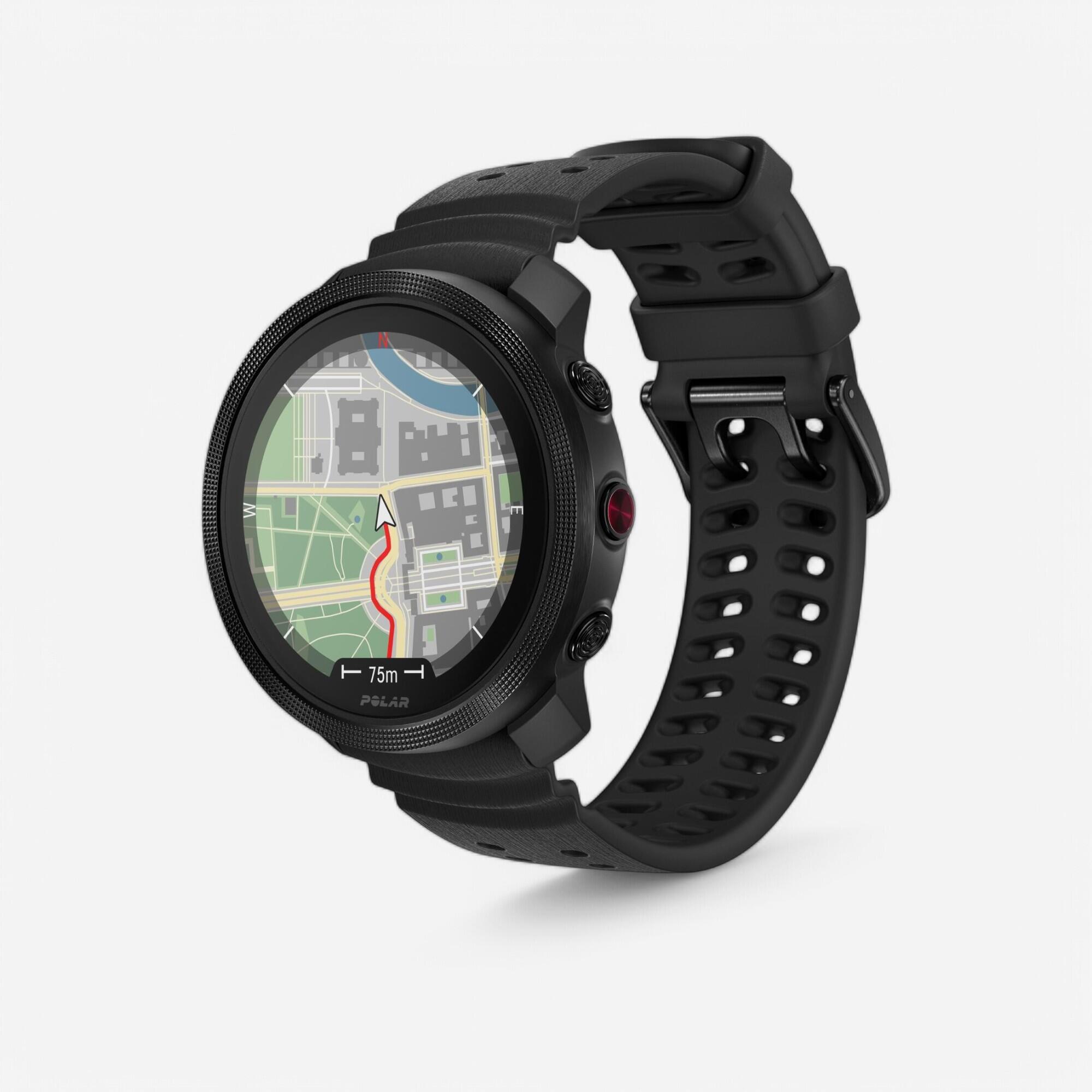
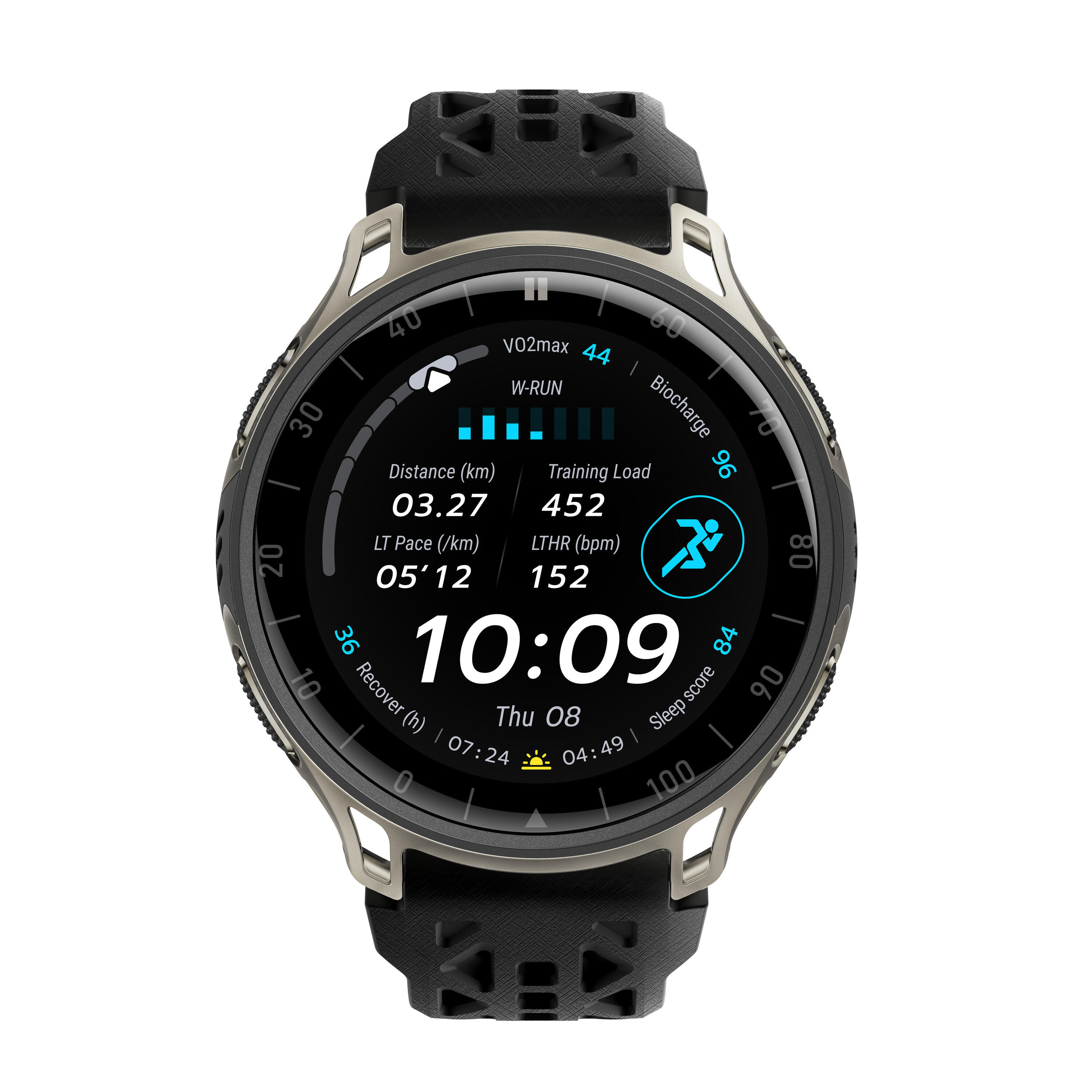
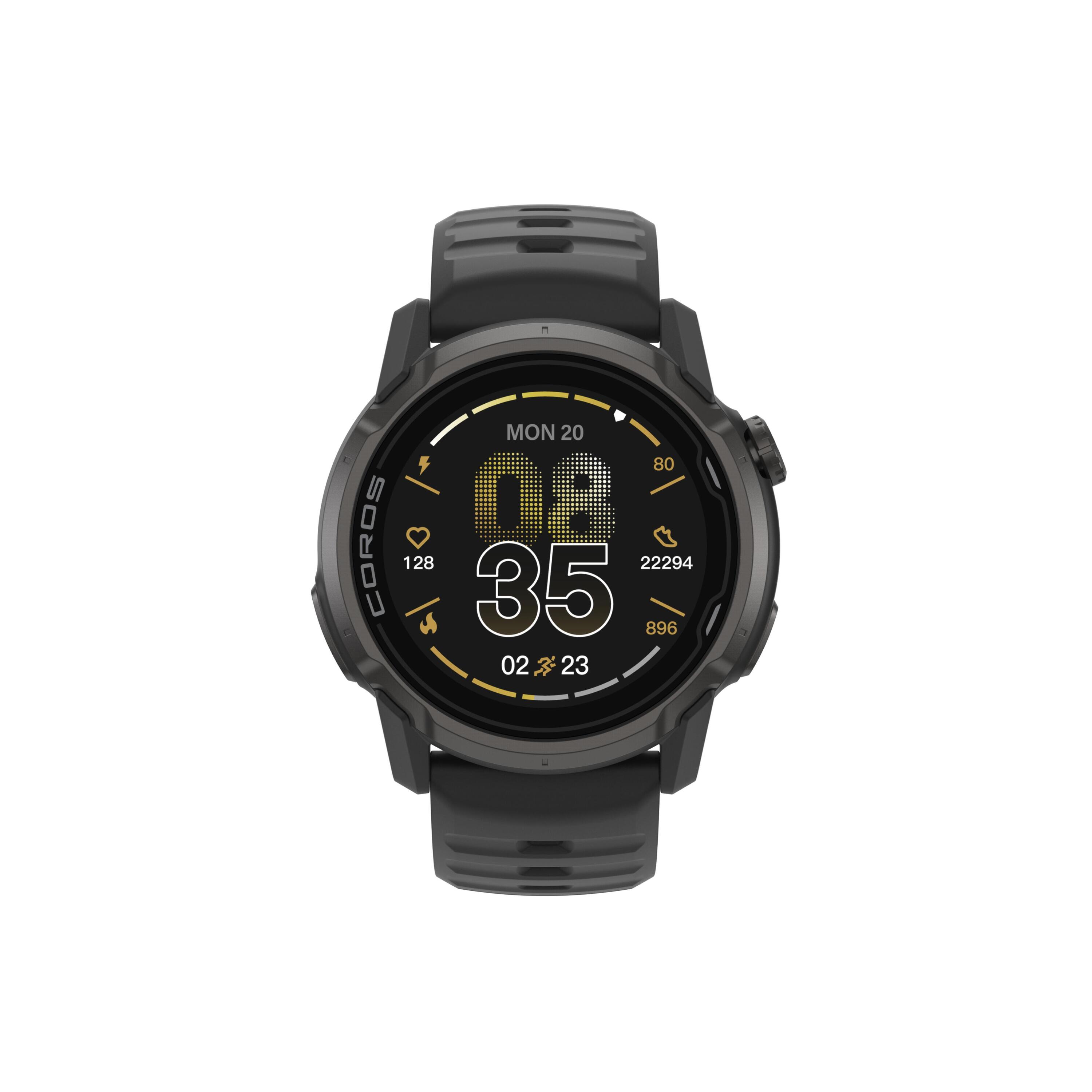
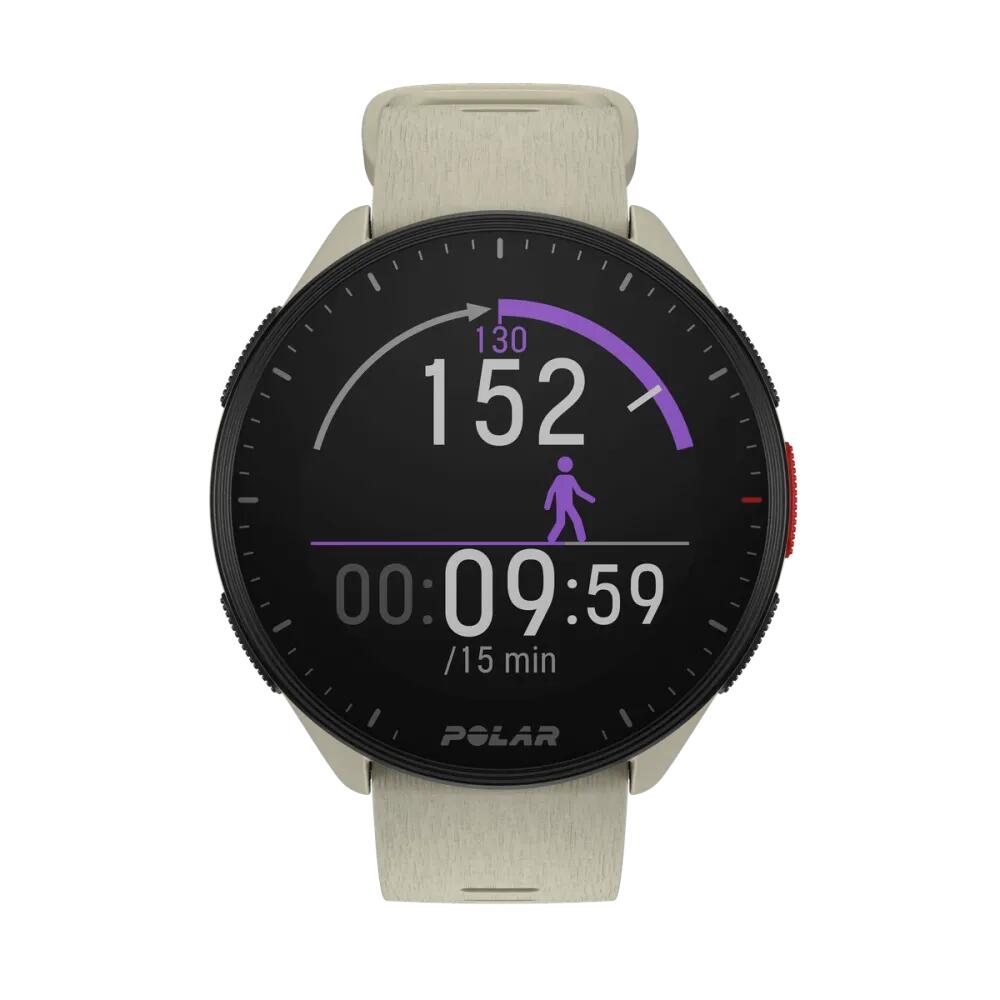
A triathlon GPS watch tracks pace, distance, heart rate and route data across swim, bike and run sessions. Multisport modes let you switch between disciplines during training or racing, while app syncing helps you review progress afterwards. Long battery life is important for longer events, and a clear screen makes live data easier to read on the move. For a strong all-round option, try the GPS smart watch.
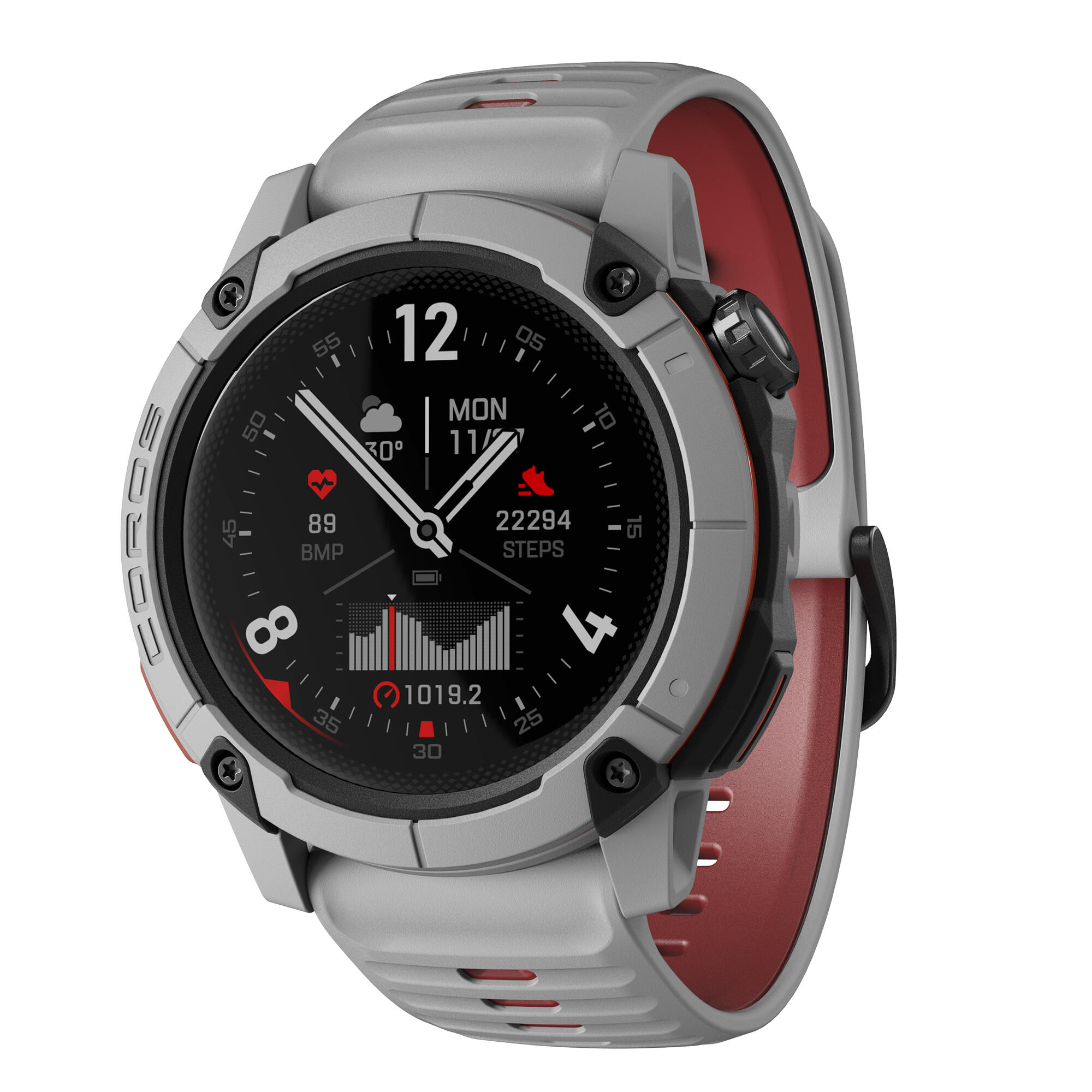
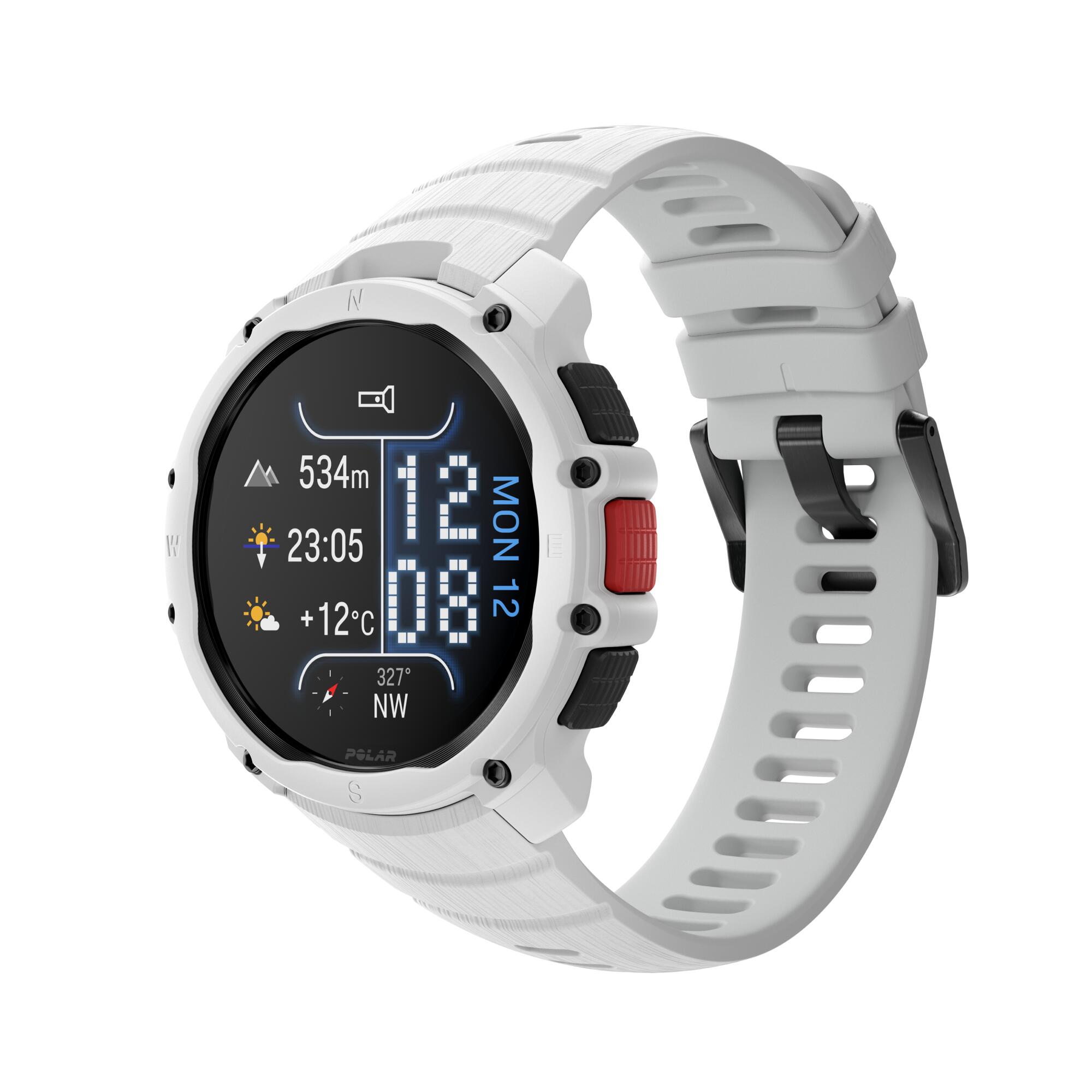
Which features matter in a triathlon GPS watch?

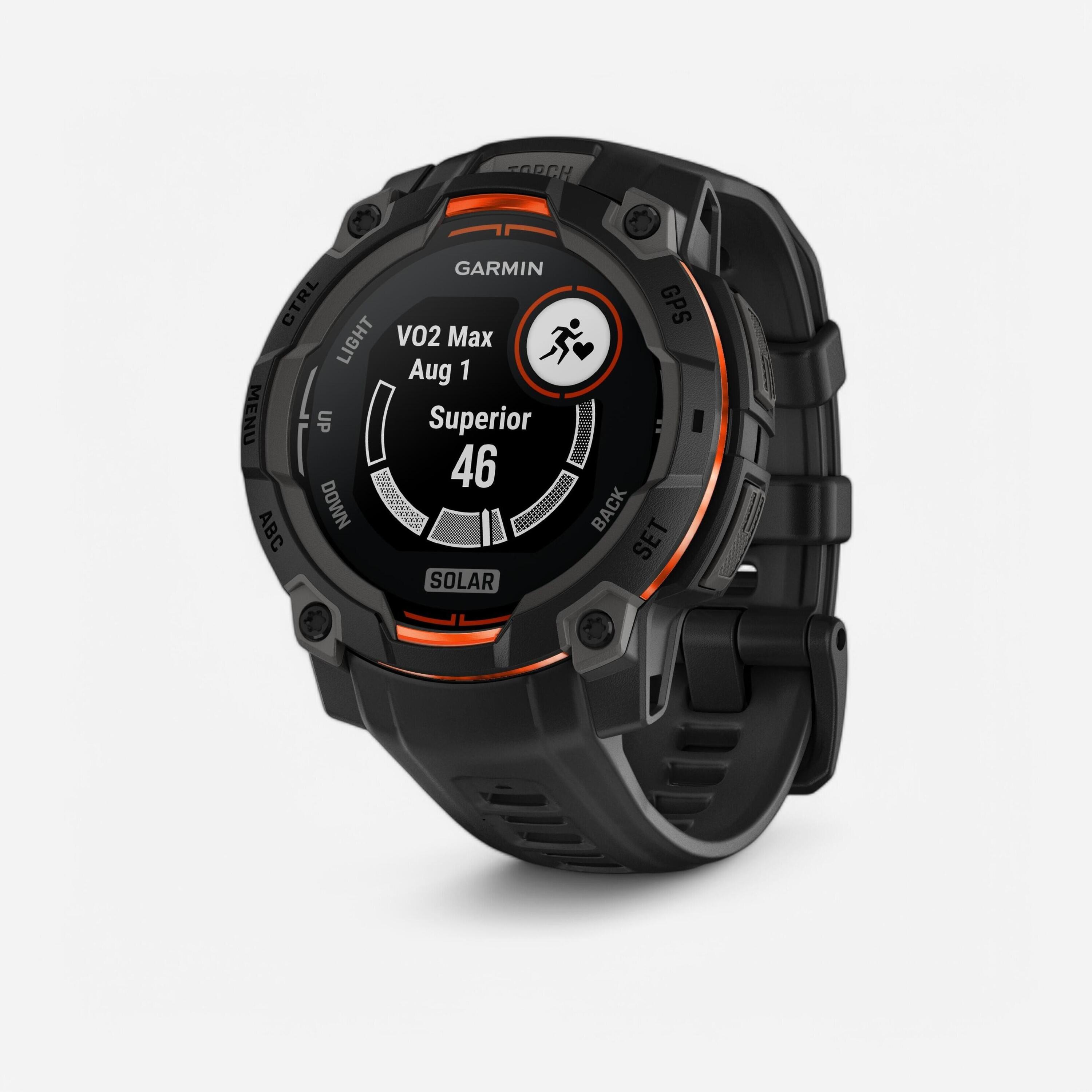
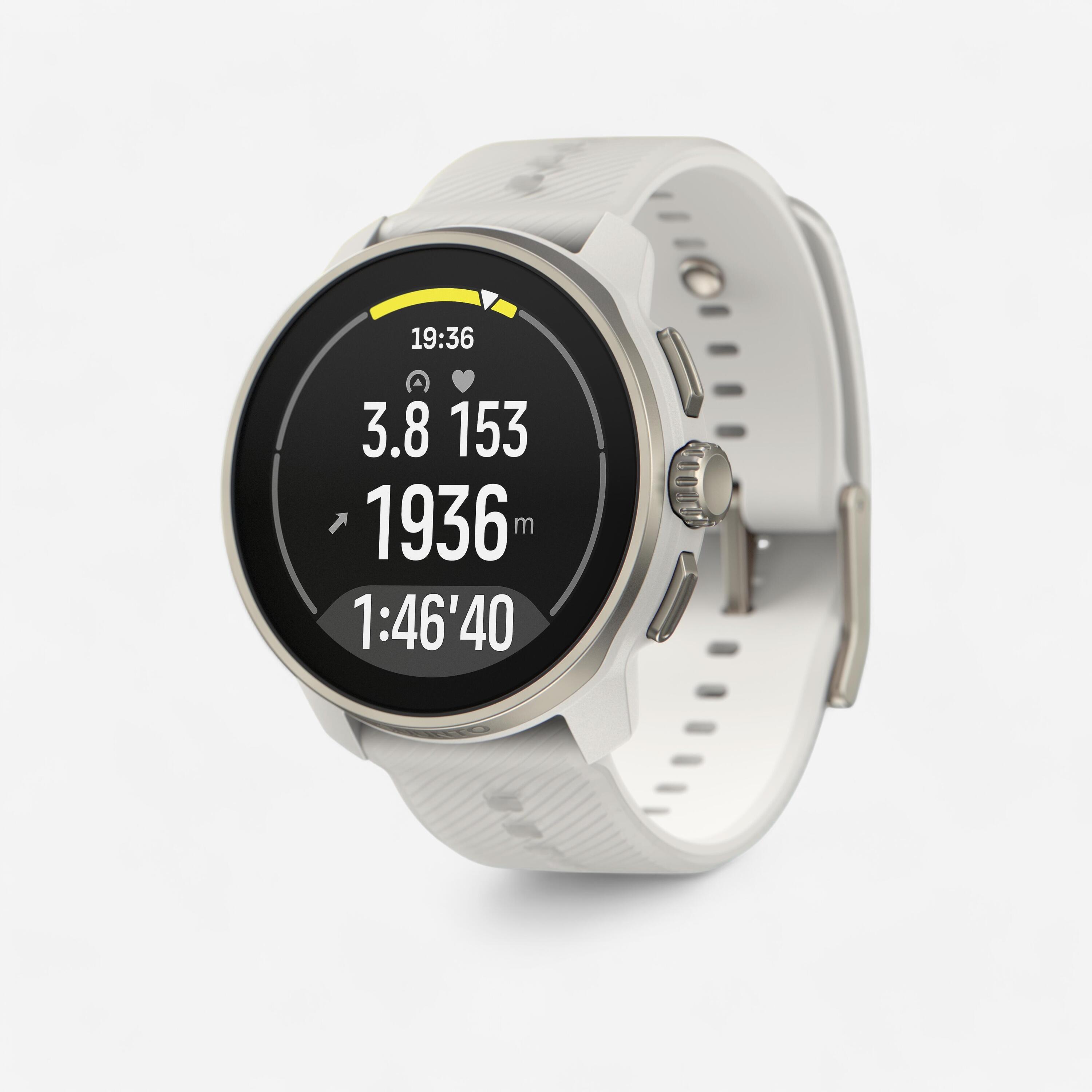
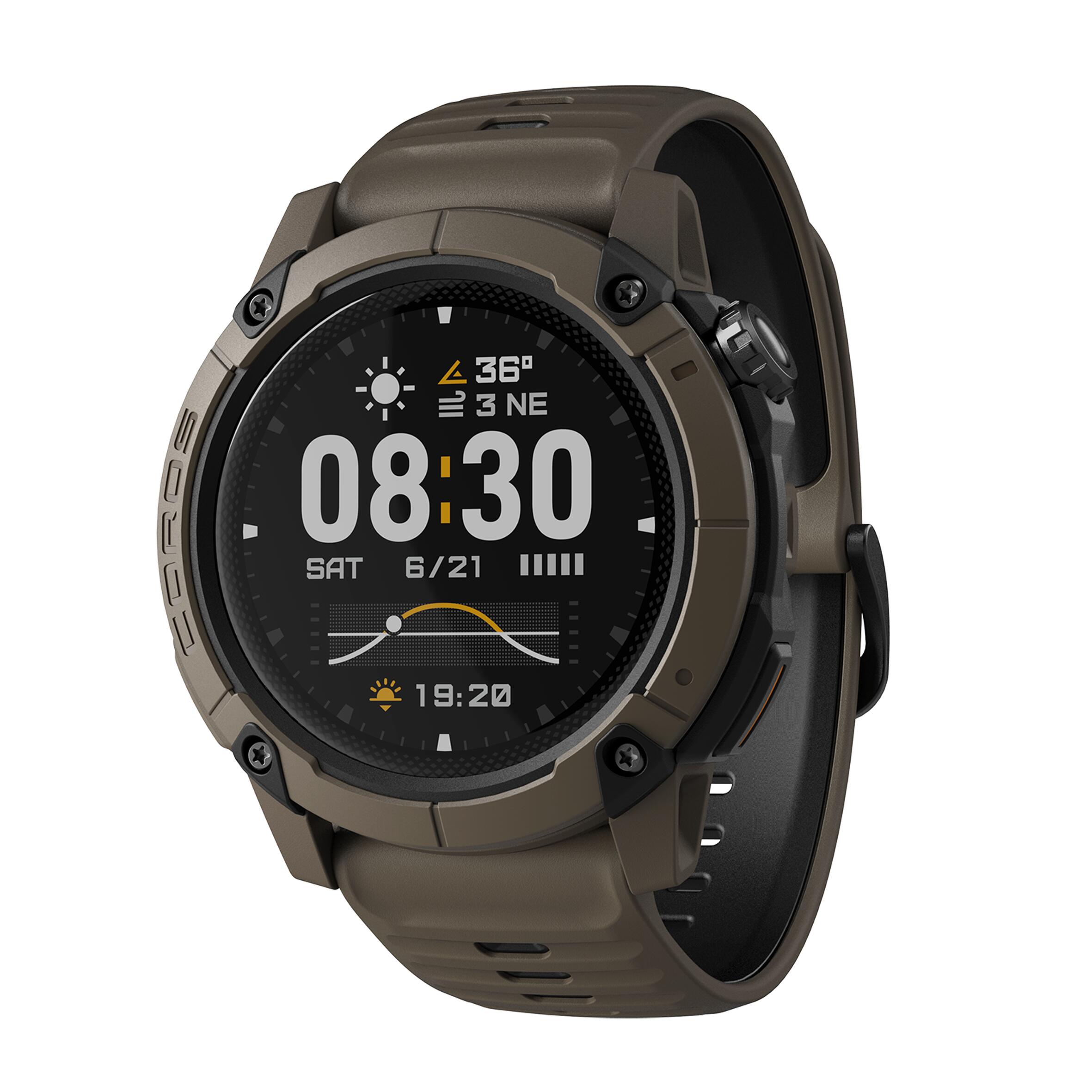
Look for accurate GPS tracking, reliable heart-rate data, water resistance and a multisport mode that covers your race format. Battery life should last longer than your longest expected session, with extra margin for race delays or navigation use. Easy buttons are useful in wet conditions, and app support helps you compare sessions over time. As a practical starting point, the GPS connected sport watch covers the key basics.

How does a triathlon watch help with swimming?

A triathlon watch can record swim distance, time, laps and stroke data, depending on the model. Pool swim modes help with structured sessions, while open-water tracking can map outdoor routes more clearly. A secure strap matters during the swim leg, especially when pulling off a wetsuit in transition. To get the swim-leg essentials, build your kit from triathlon swimming gear.

How does a triathlon GPS watch support the run leg?

During the run leg, a GPS watch helps you manage pace, distance and effort when fatigue starts to build. Heart-rate alerts, lap splits and pace feedback can stop you from starting too fast or fading late. Reviewing the data afterwards also shows where pacing, cadence or effort can improve in training. As for the final discipline, use triathlon running gear.

What accessories work well with a triathlon watch?

A triathlon watch works best as part of an organised training and race-day setup. A race belt, transition mat, spare straps, anti-fog for goggles and a small kit checklist can save time and reduce stress on the day. Keeping these smaller items ready means you can focus on pacing, fuelling and smooth transitions. Race-day extras and spares sit under triathlon accessories.