141 items
4.5/5 based on 49127 reviews collected online and in stores

Trail Running GPS Watches FAQs

What does a trail running GPS watch do?

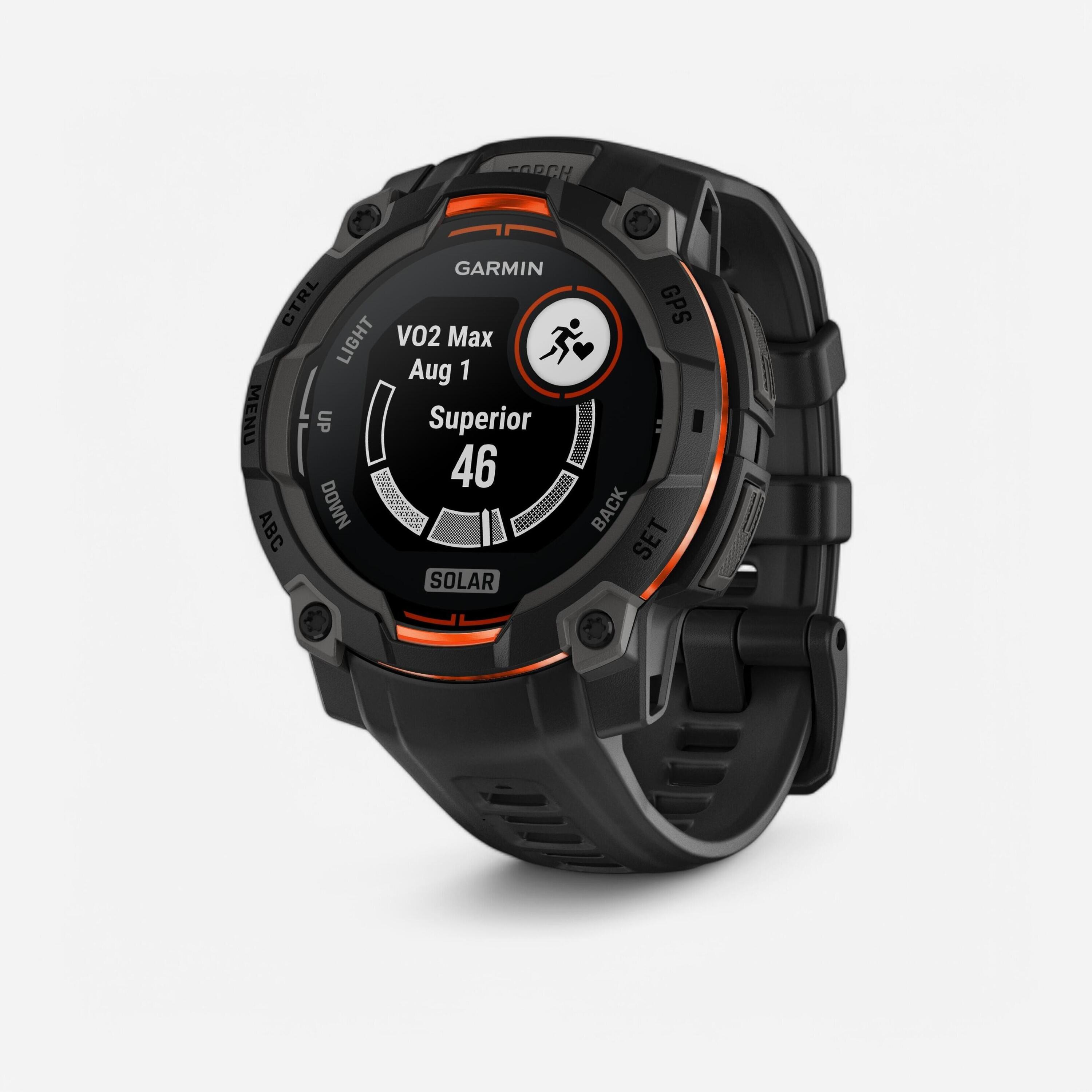
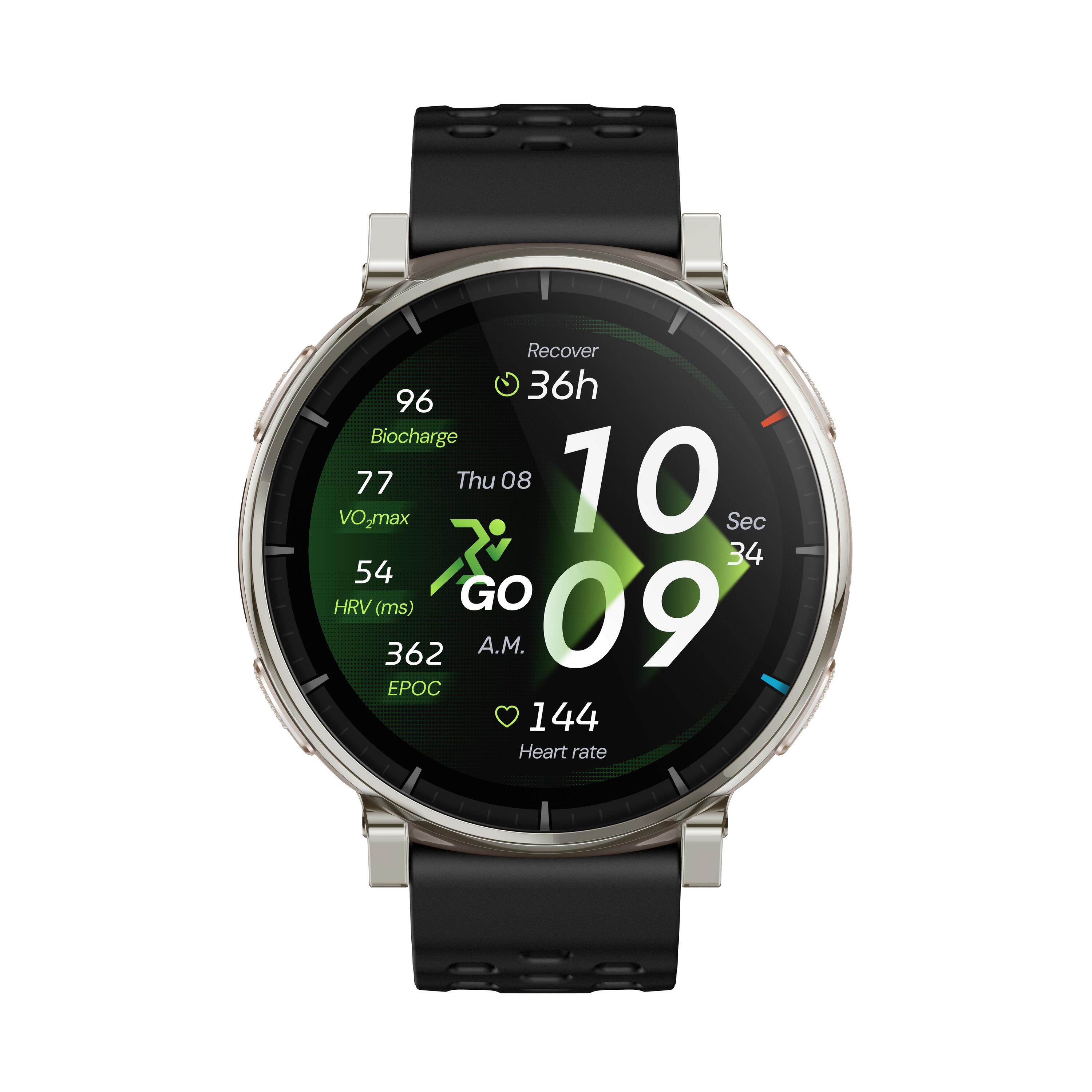
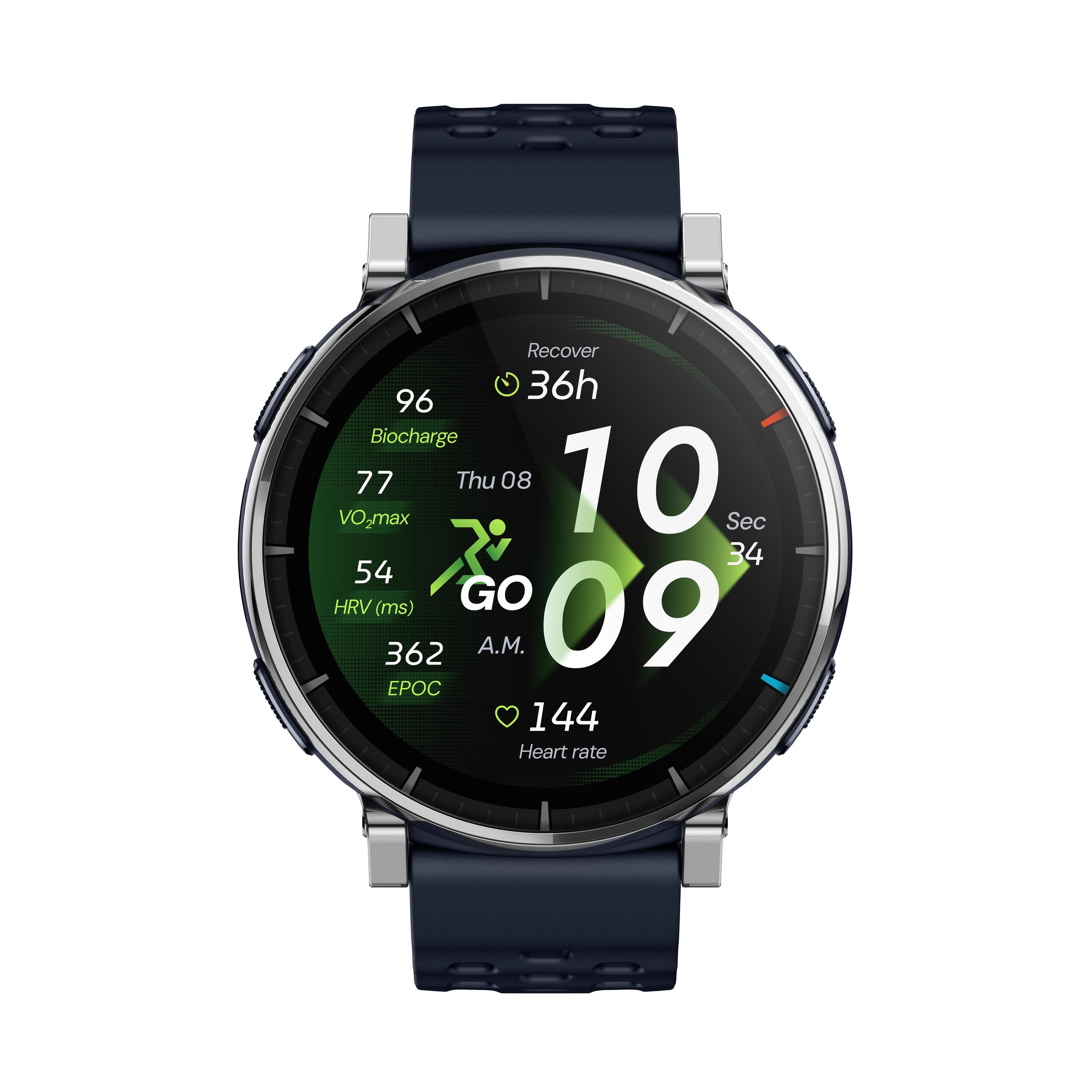
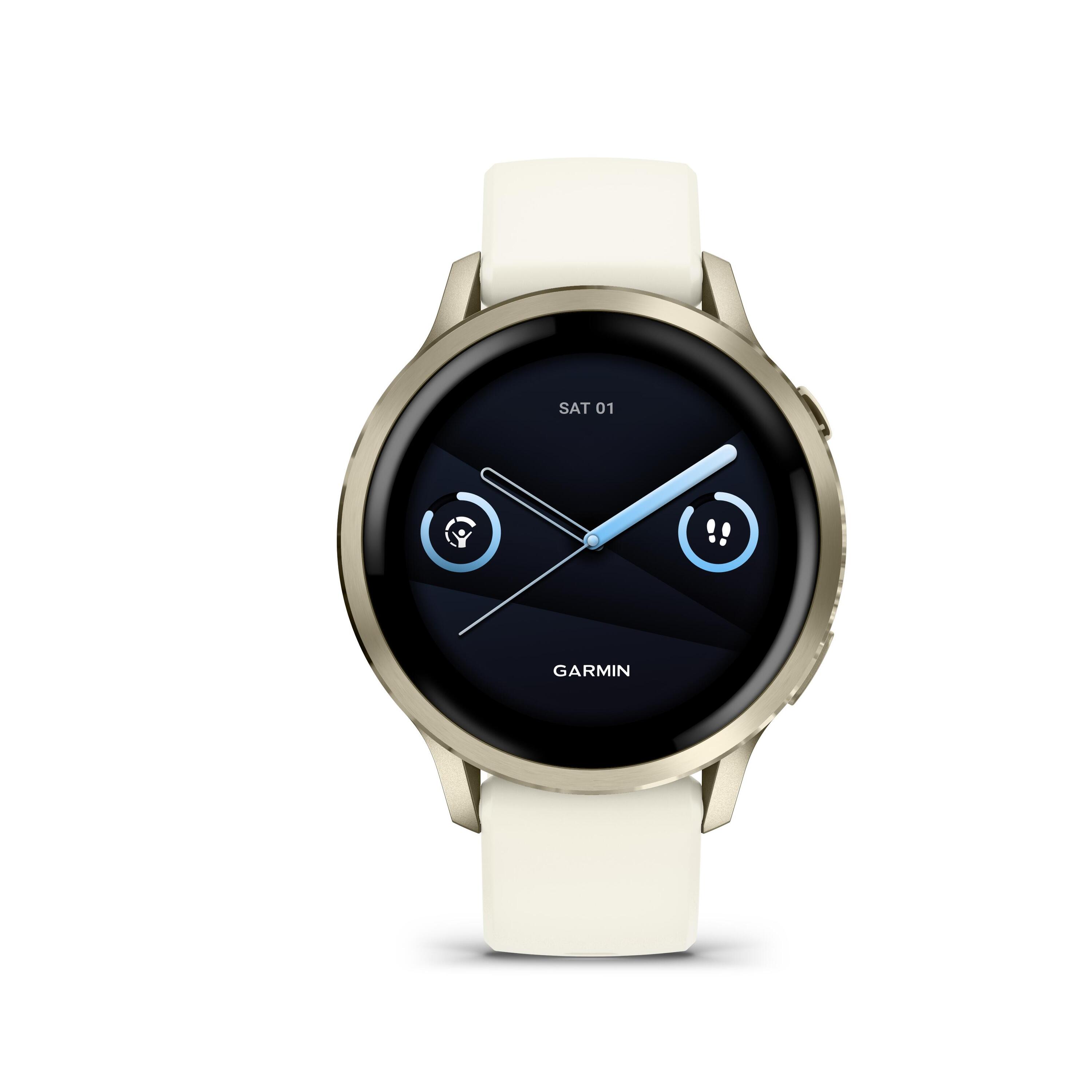
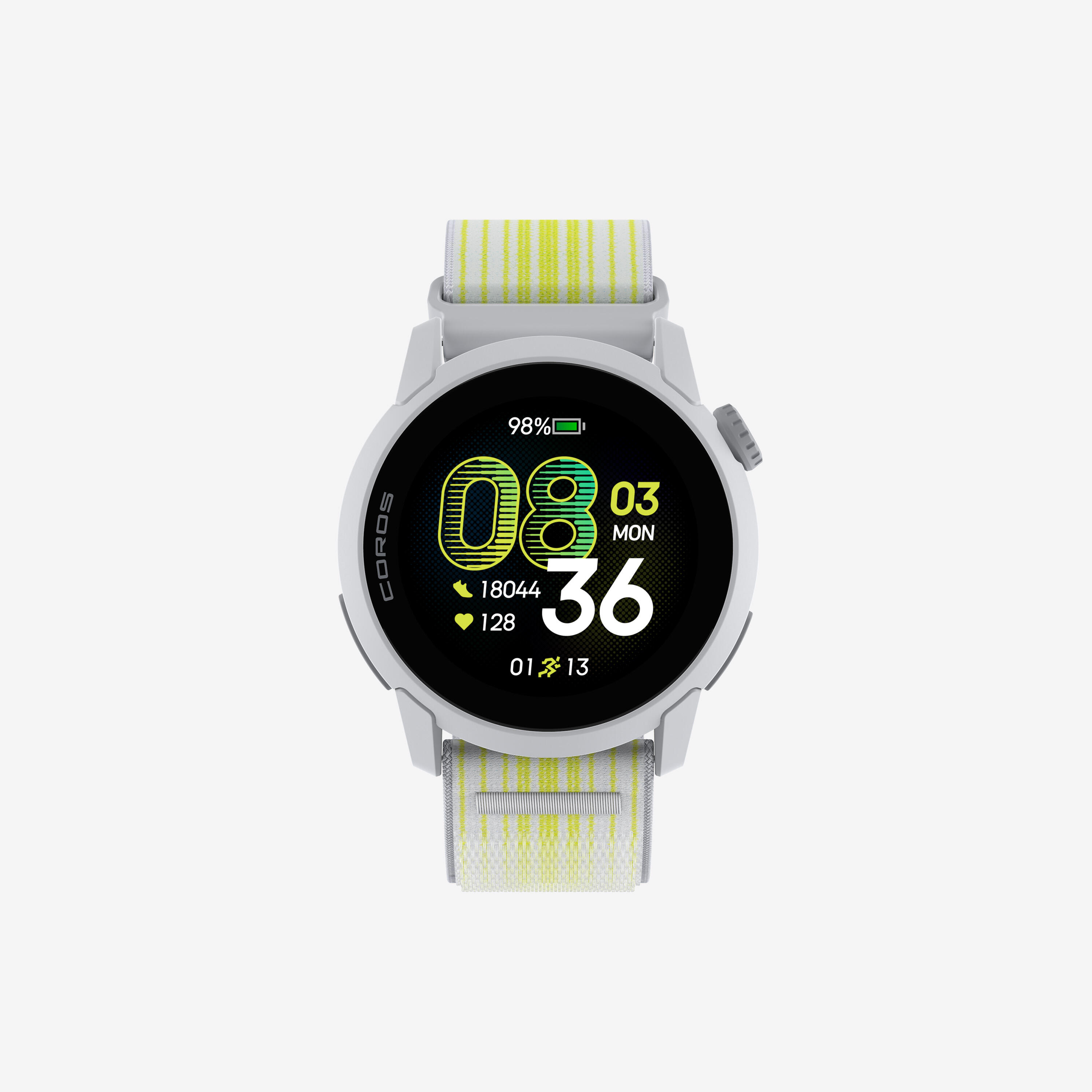
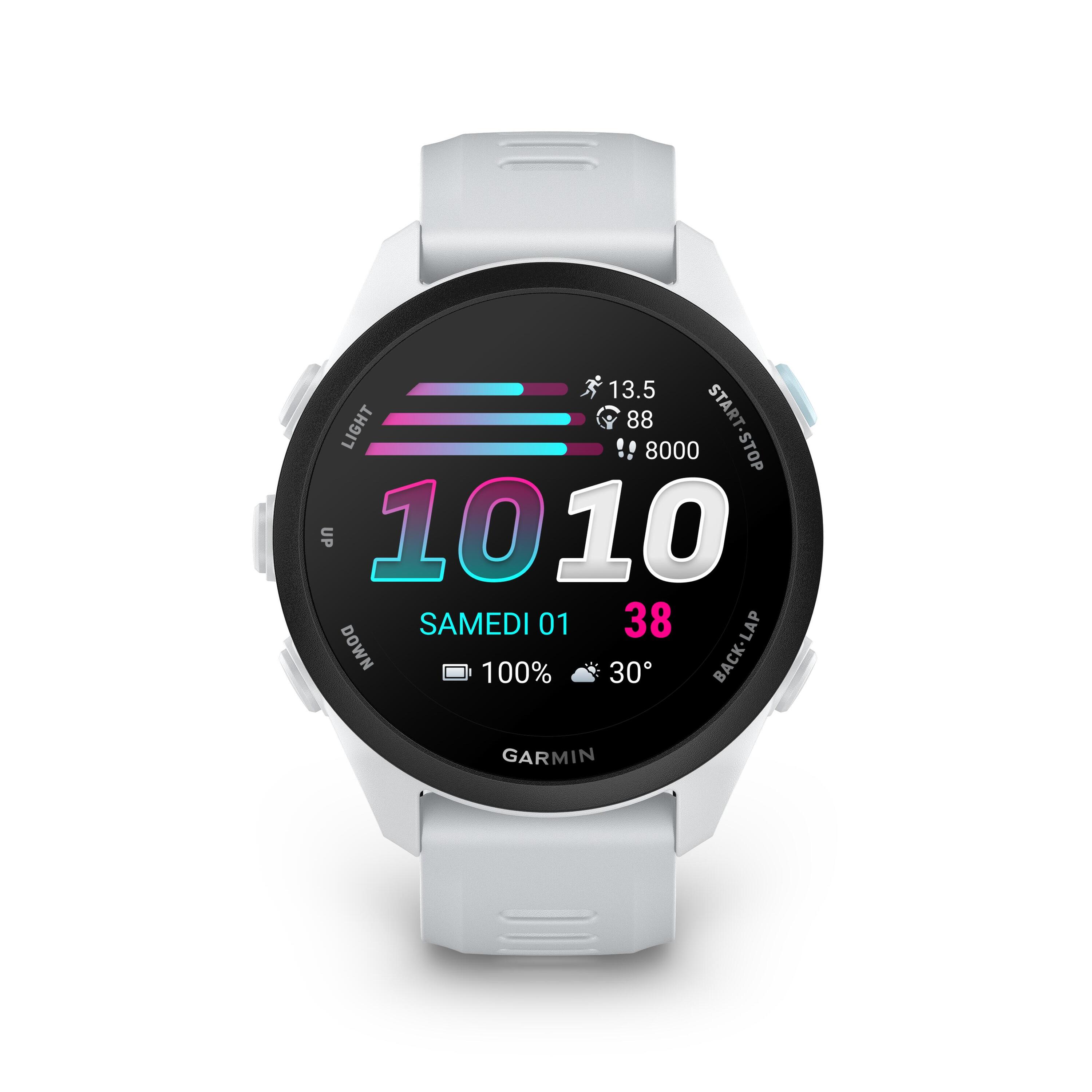
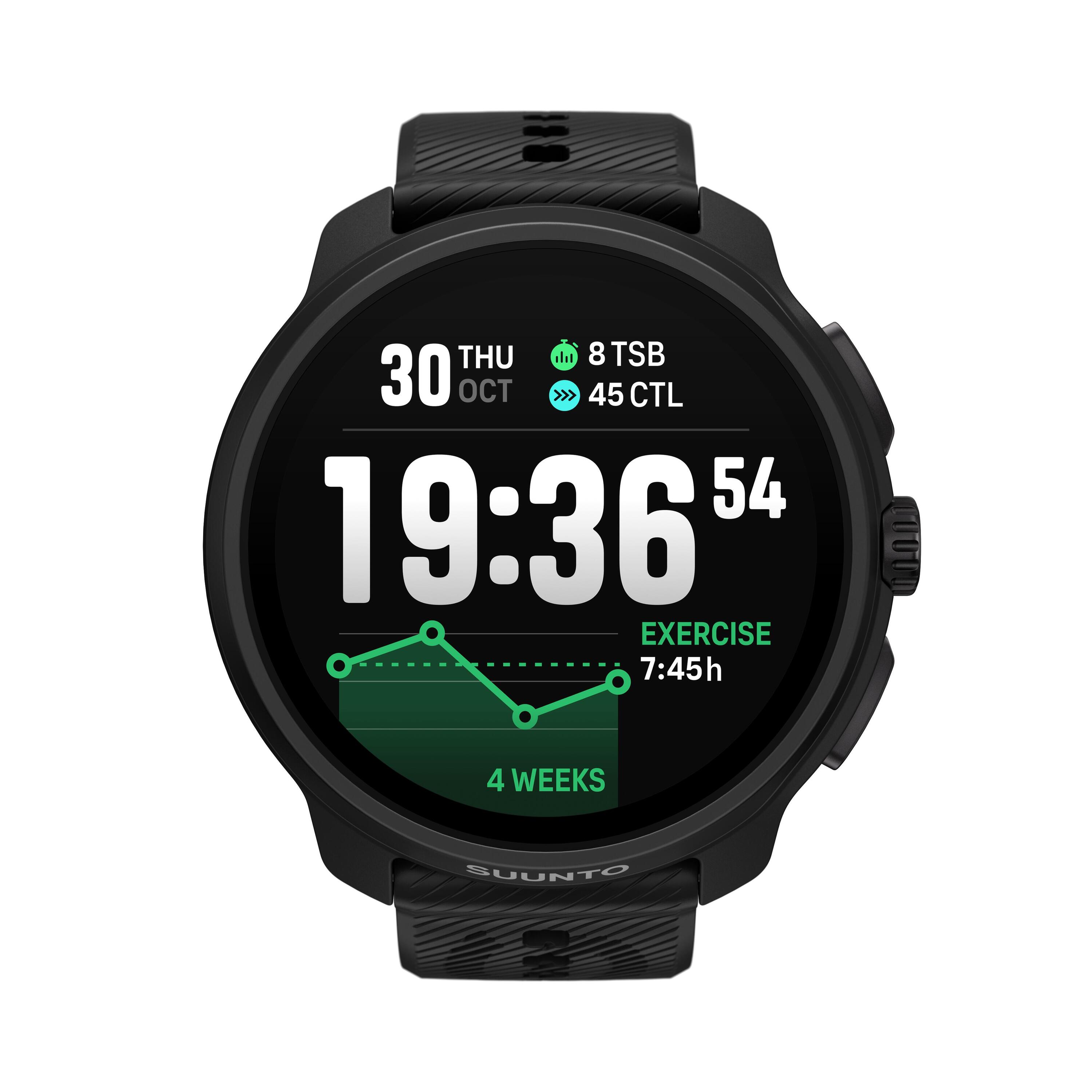
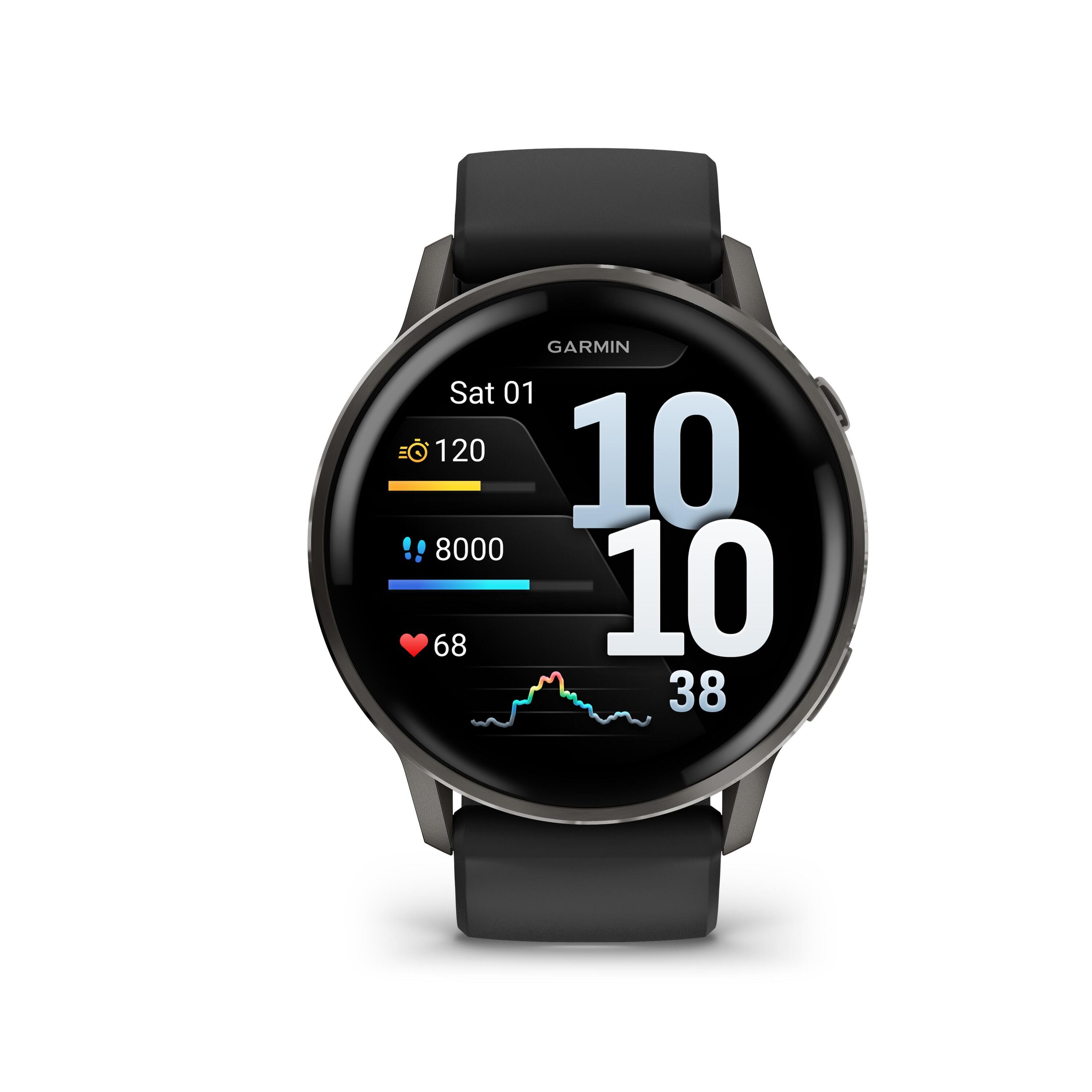
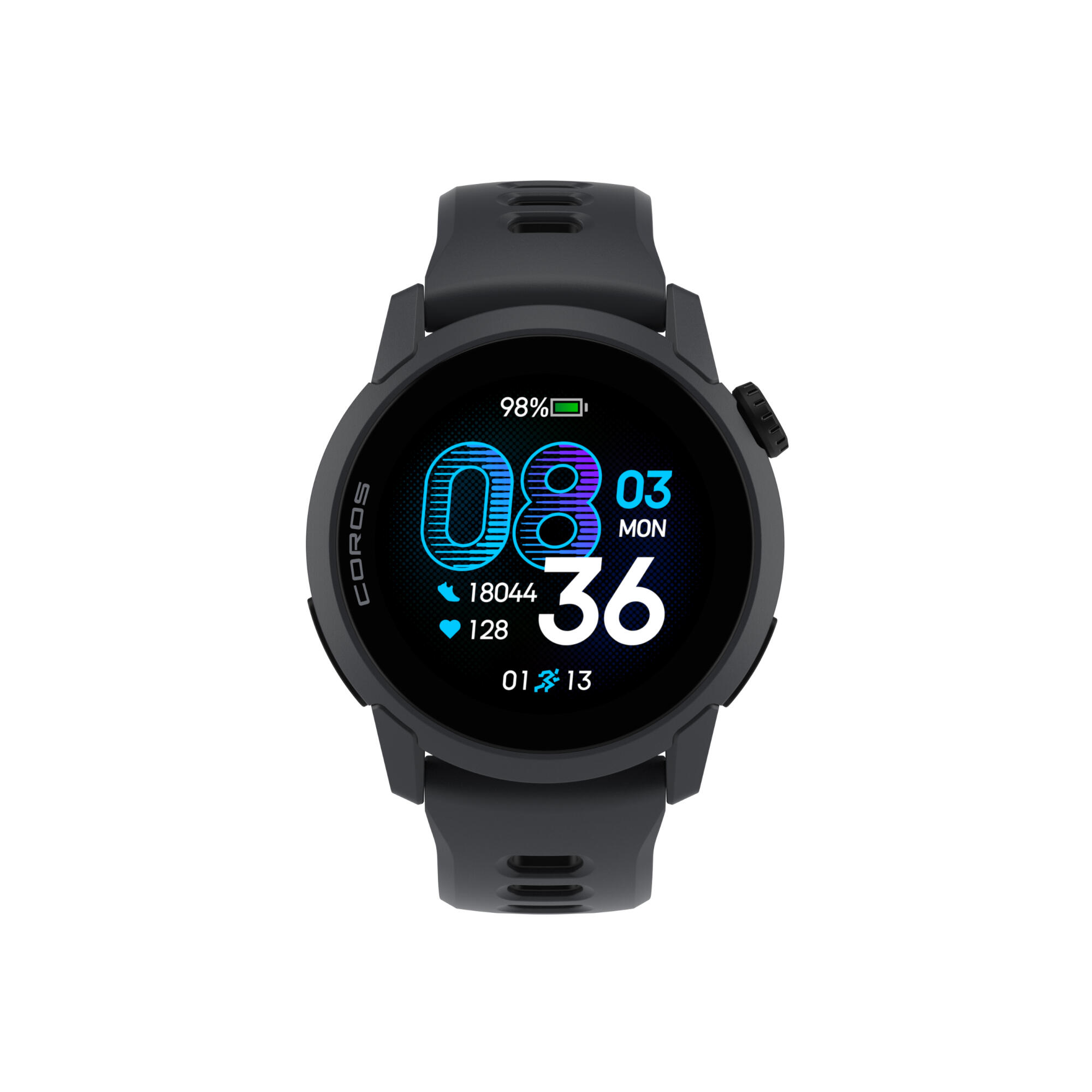
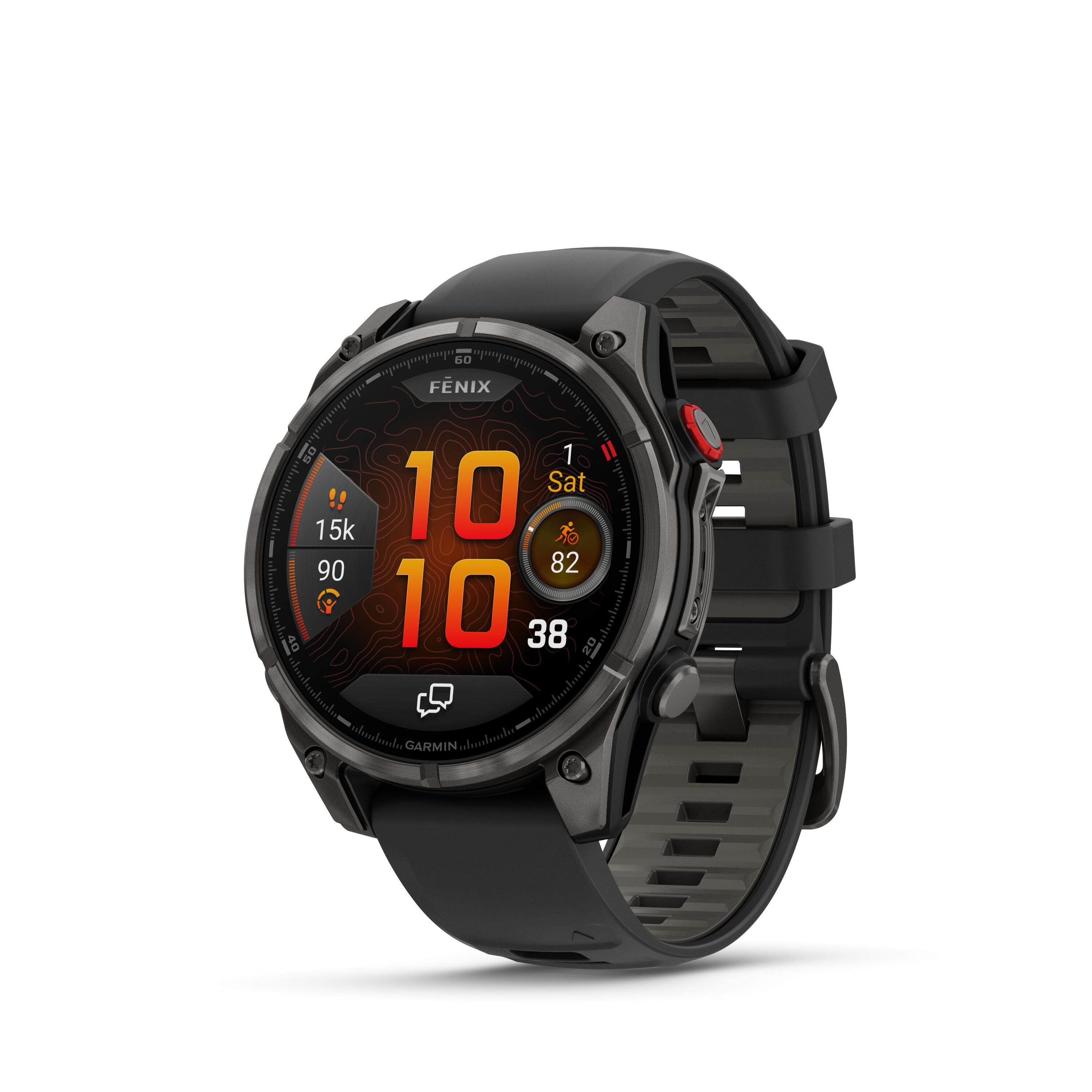
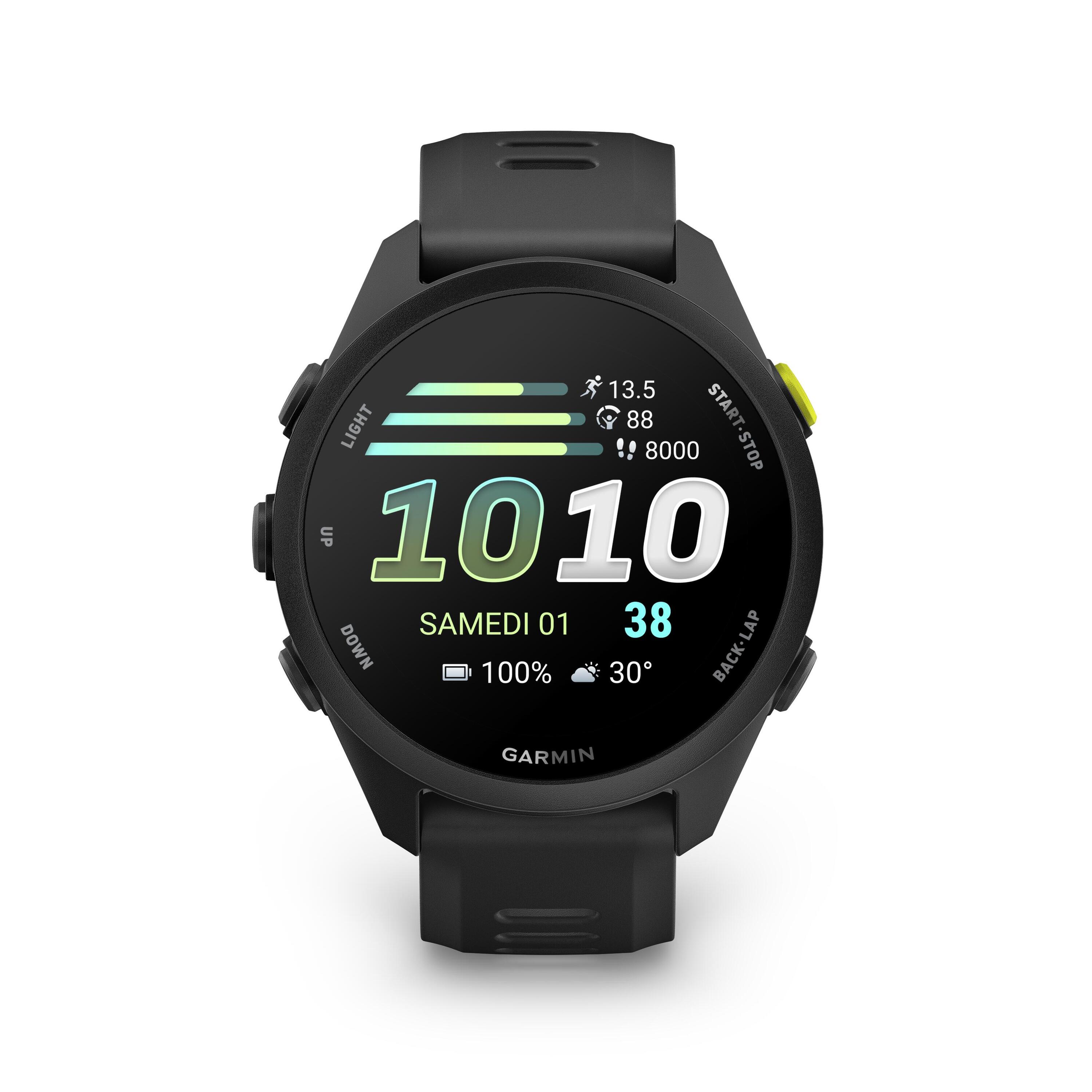
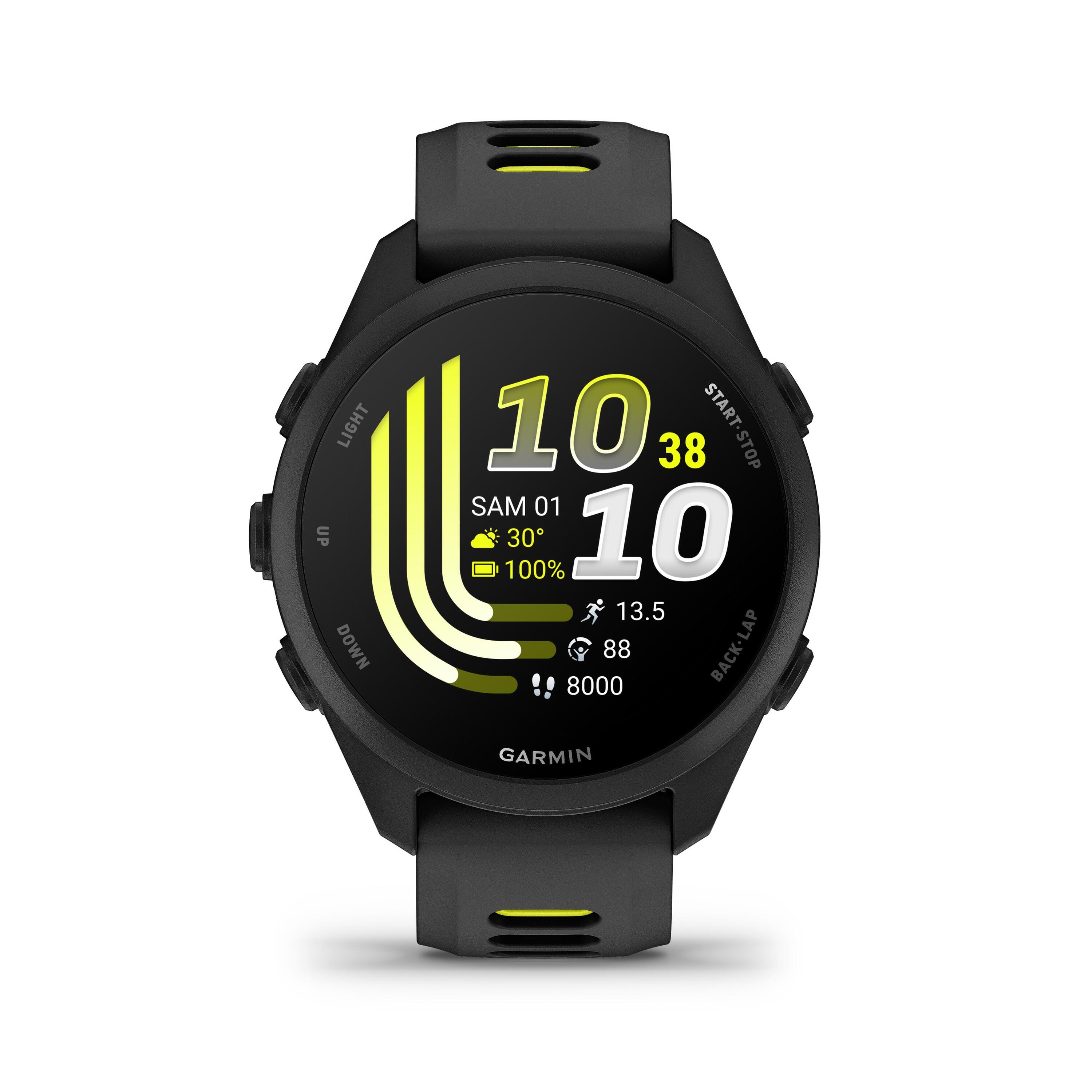
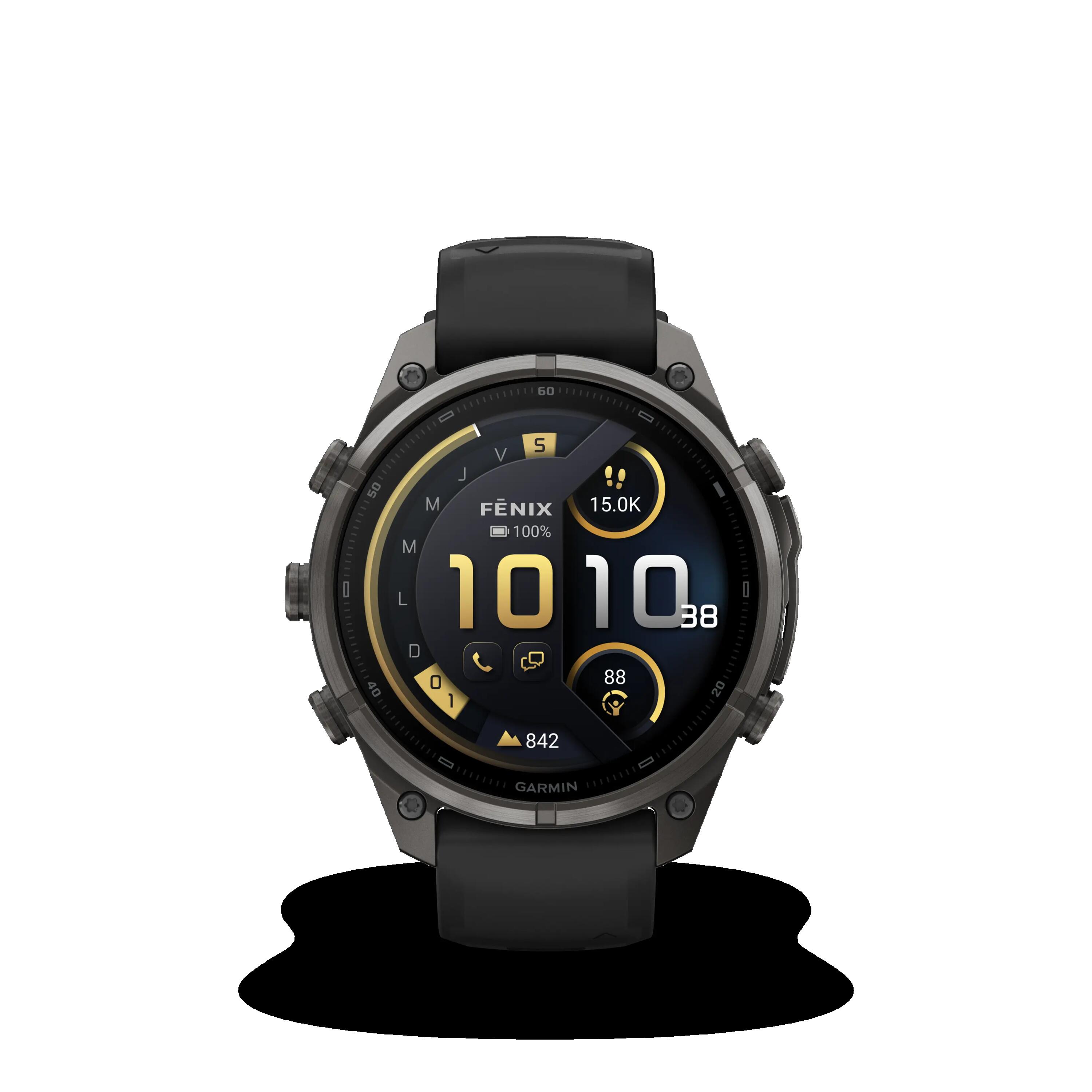
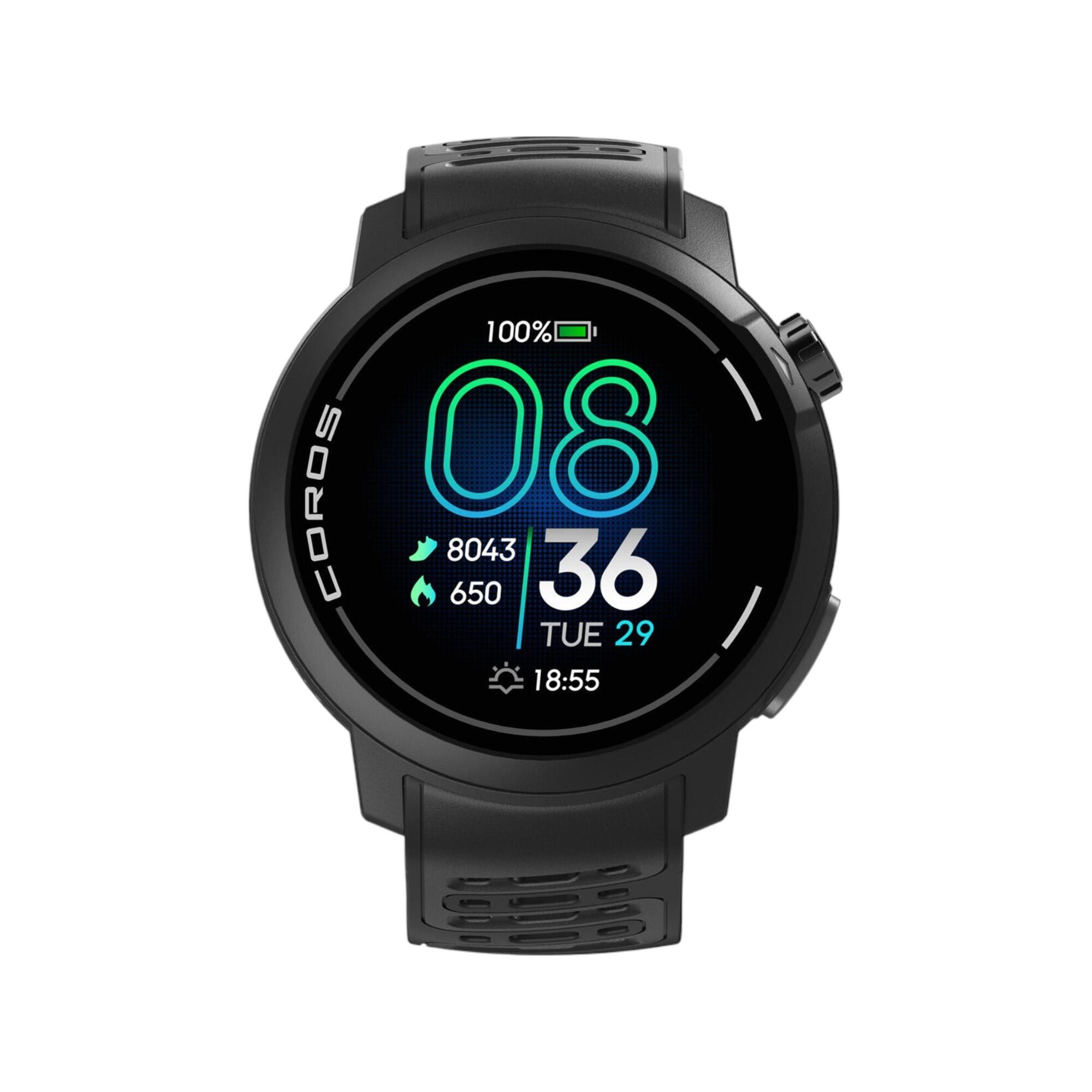
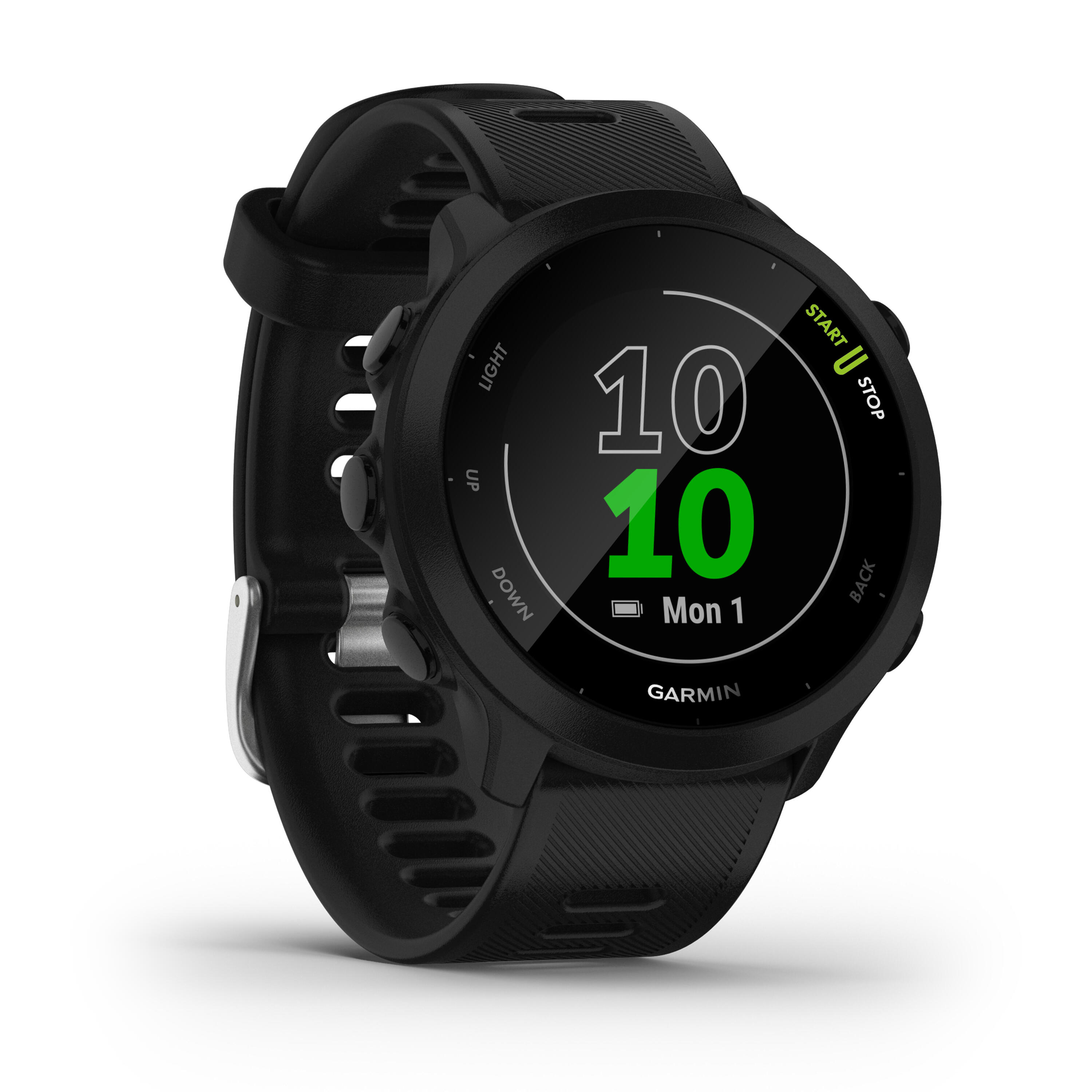
A trail running GPS watch records your route, elapsed time, distance and pace using signals from positioning satellites. Depending on the model, it may also measure elevation gain, display a breadcrumb route, provide junction alerts or guide you back towards the starting point. A barometric altimeter can improve the tracking of repeated climbs and descents, while multi-band satellite reception may reduce positioning errors around cliffs, valleys and dense tree cover. Check which mapping and navigation functions are included because a route line is not the same as a detailed onboard map. Connected training tools can be found in trail running smartwatches & activity trackers.
How accurate is GPS on the trail?

GPS accuracy can decrease beneath dense tree cover, beside steep cliffs or inside narrow valleys because the watch receives fewer clear satellite signals. Multi-band positioning can improve the recorded track in difficult areas, although it usually consumes more battery. Wait for the watch to confirm a satellite lock before starting and wear it with the antenna unobstructed by clothing. Small errors in pace, distance or route position can still occur, so use marked trails, maps and route knowledge rather than treating the watch as your only navigation method. The trail running watches collection includes models for different training needs.

How can a GPS watch track your heart rate?

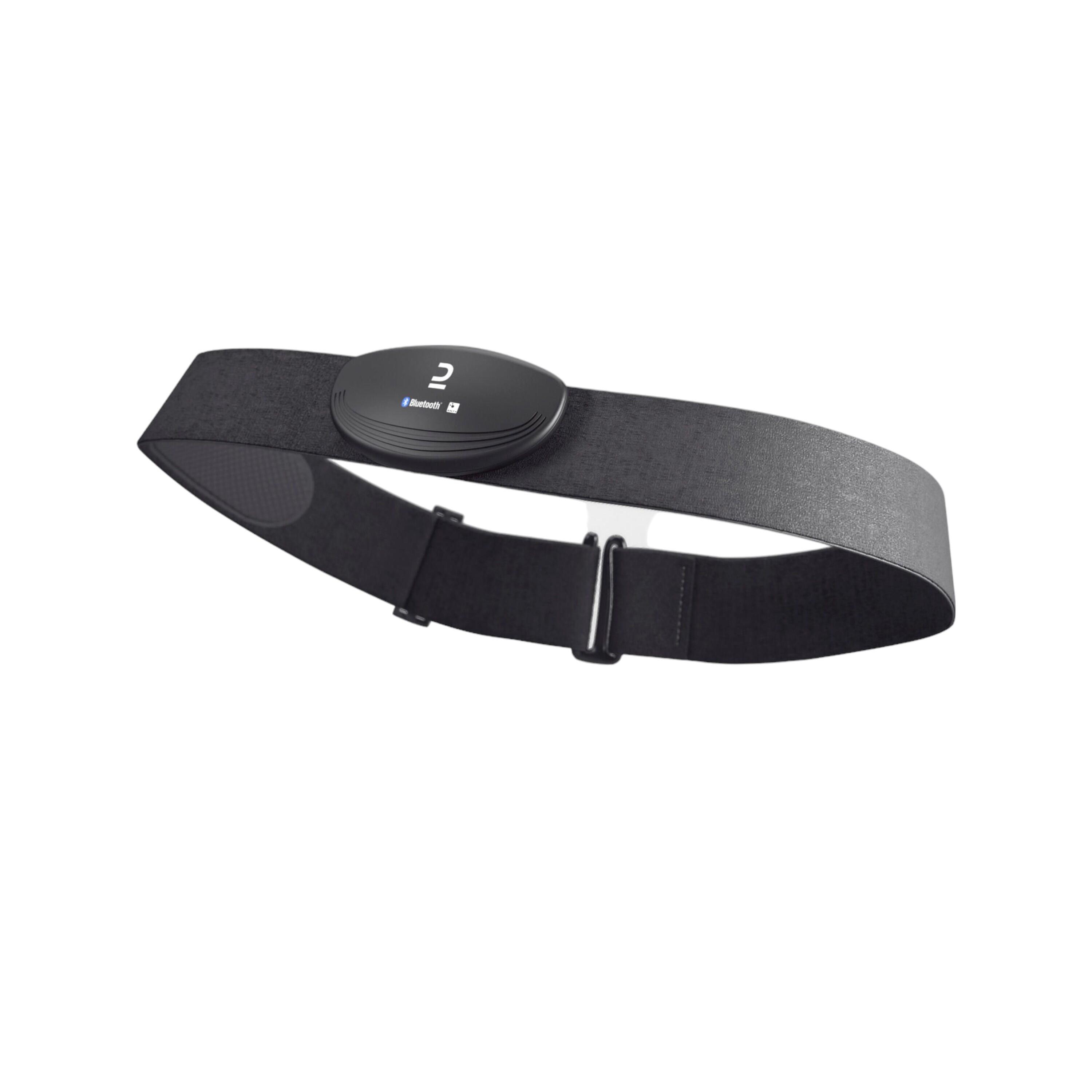
Most compatible watches use optical sensors on the underside of the case to detect changes in blood flow beneath the skin. Wear the watch firmly above the wrist bone so the sensor maintains contact without restricting circulation. Cold skin, loose positioning, rapid arm movement and gripping poles can affect wrist readings. A compatible chest strap measures the electrical activity associated with each heartbeat and may respond more quickly during intervals or sudden changes in effort. Chest and wrist sensors are available within trail running heart rate monitors.

Do you still need a stopwatch with a GPS watch?

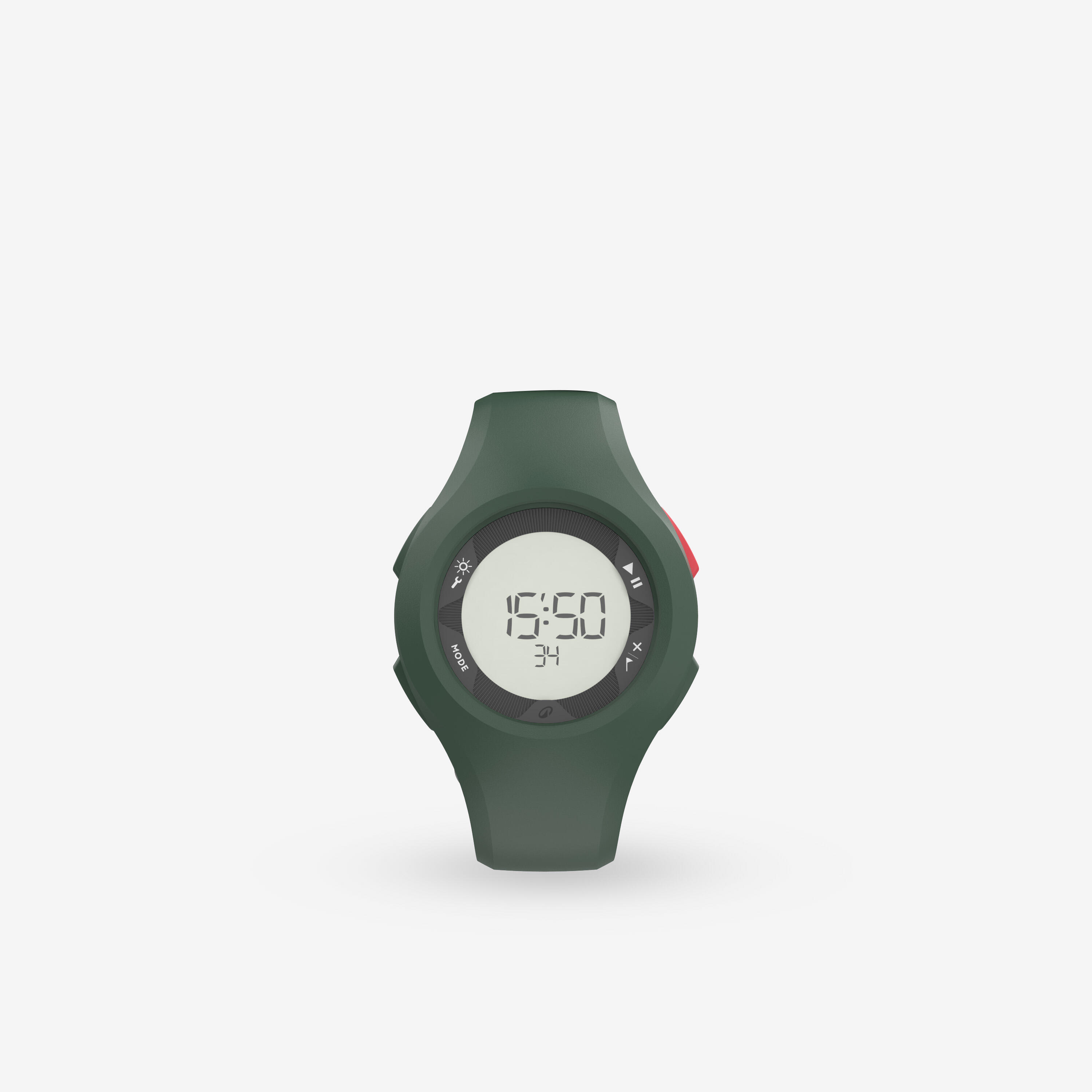
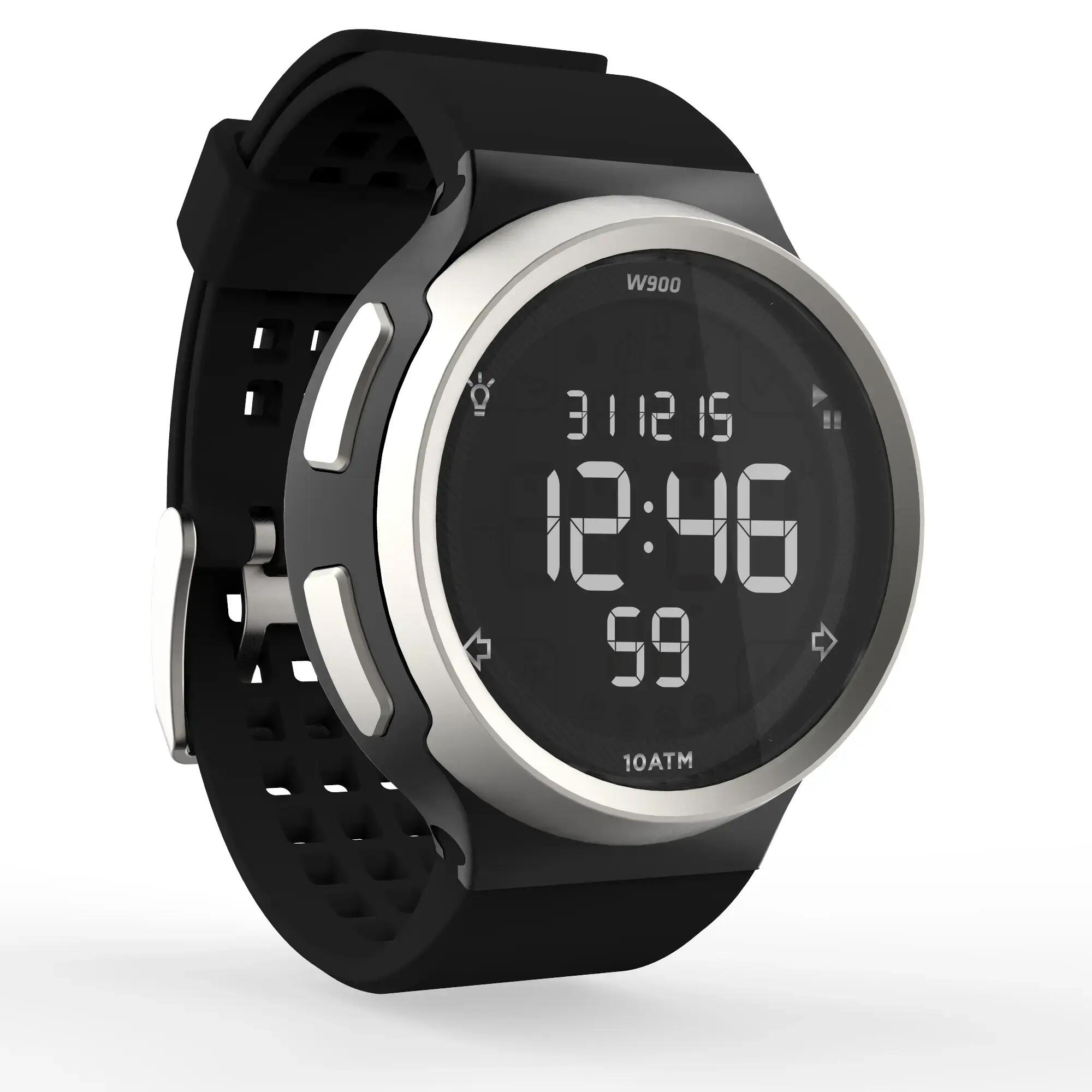
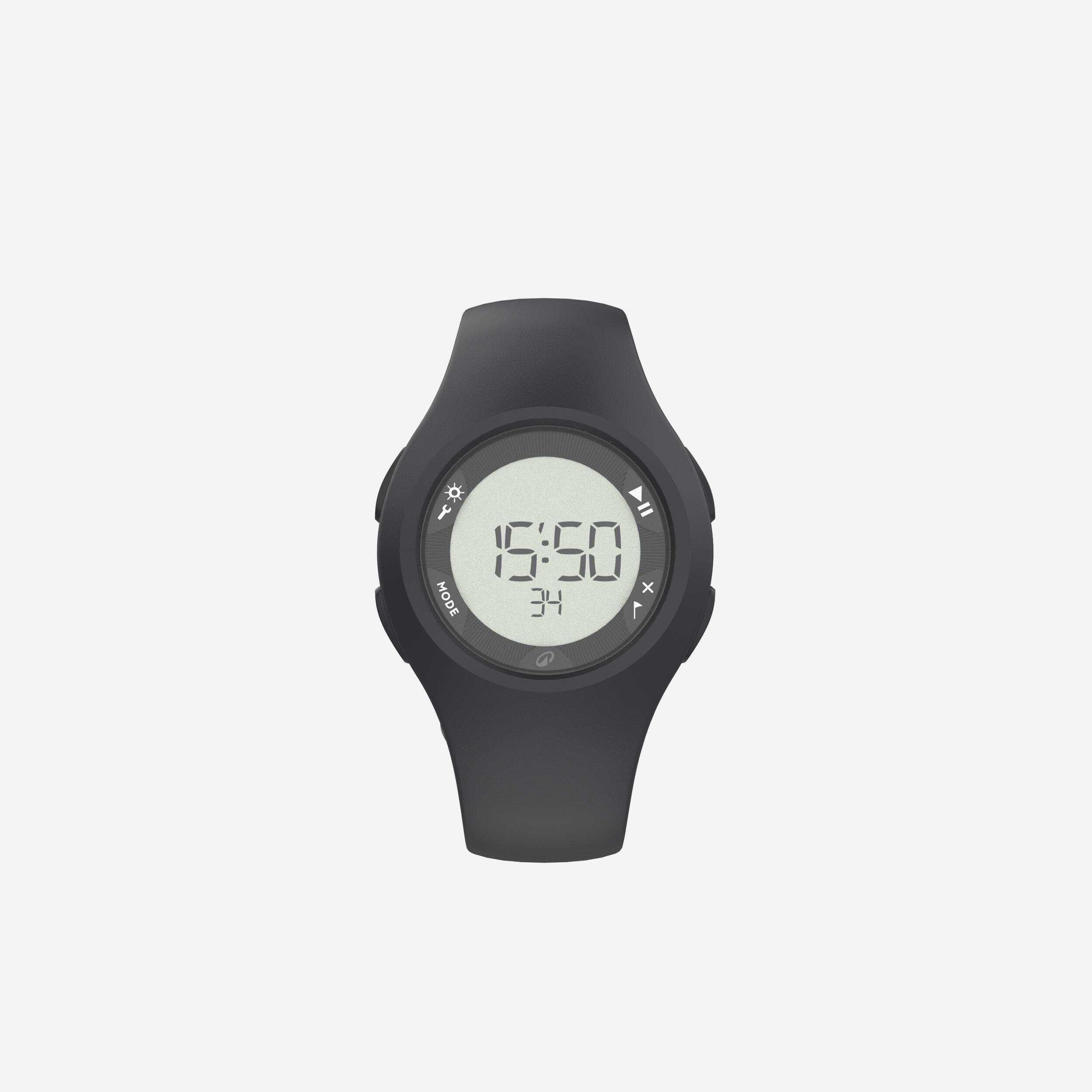
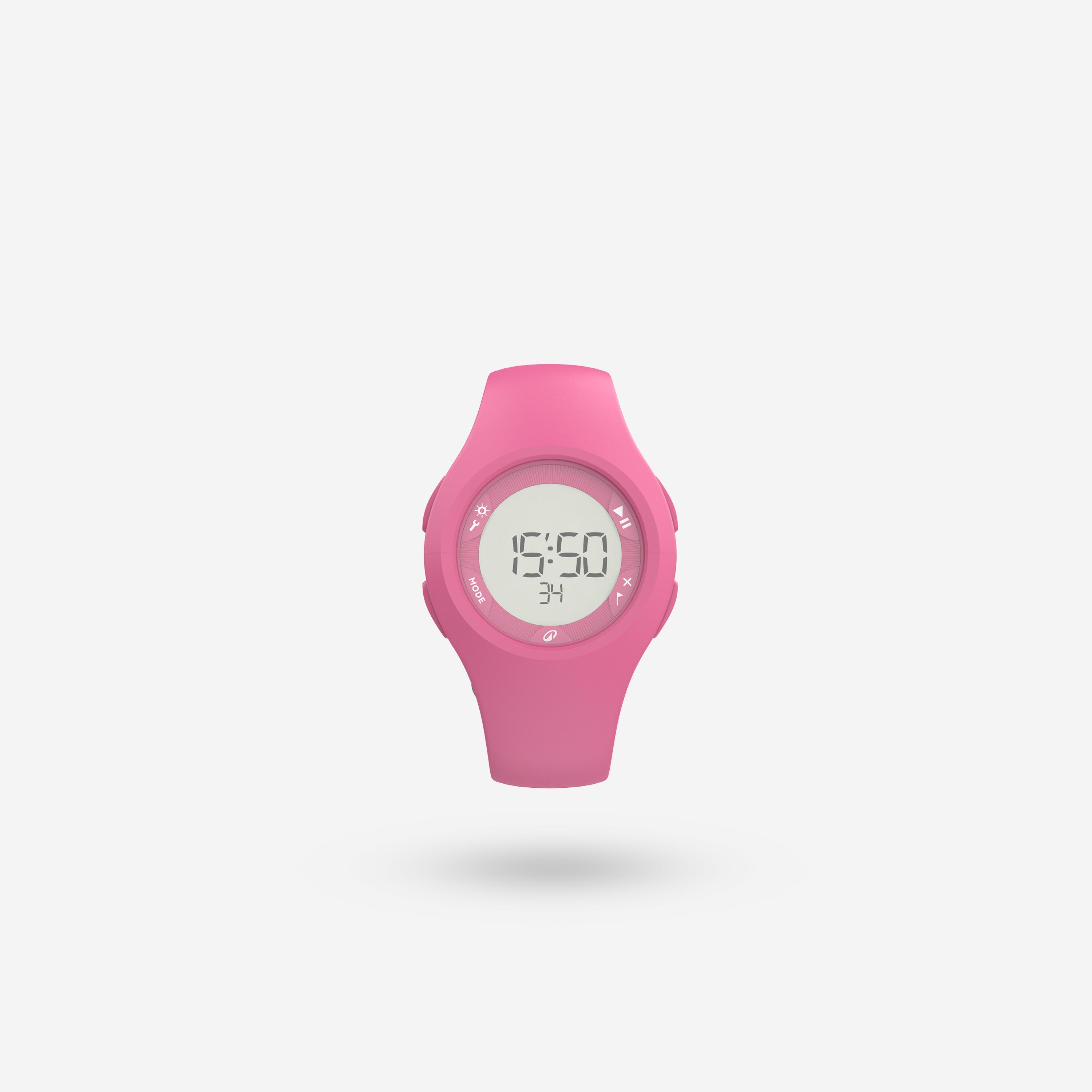
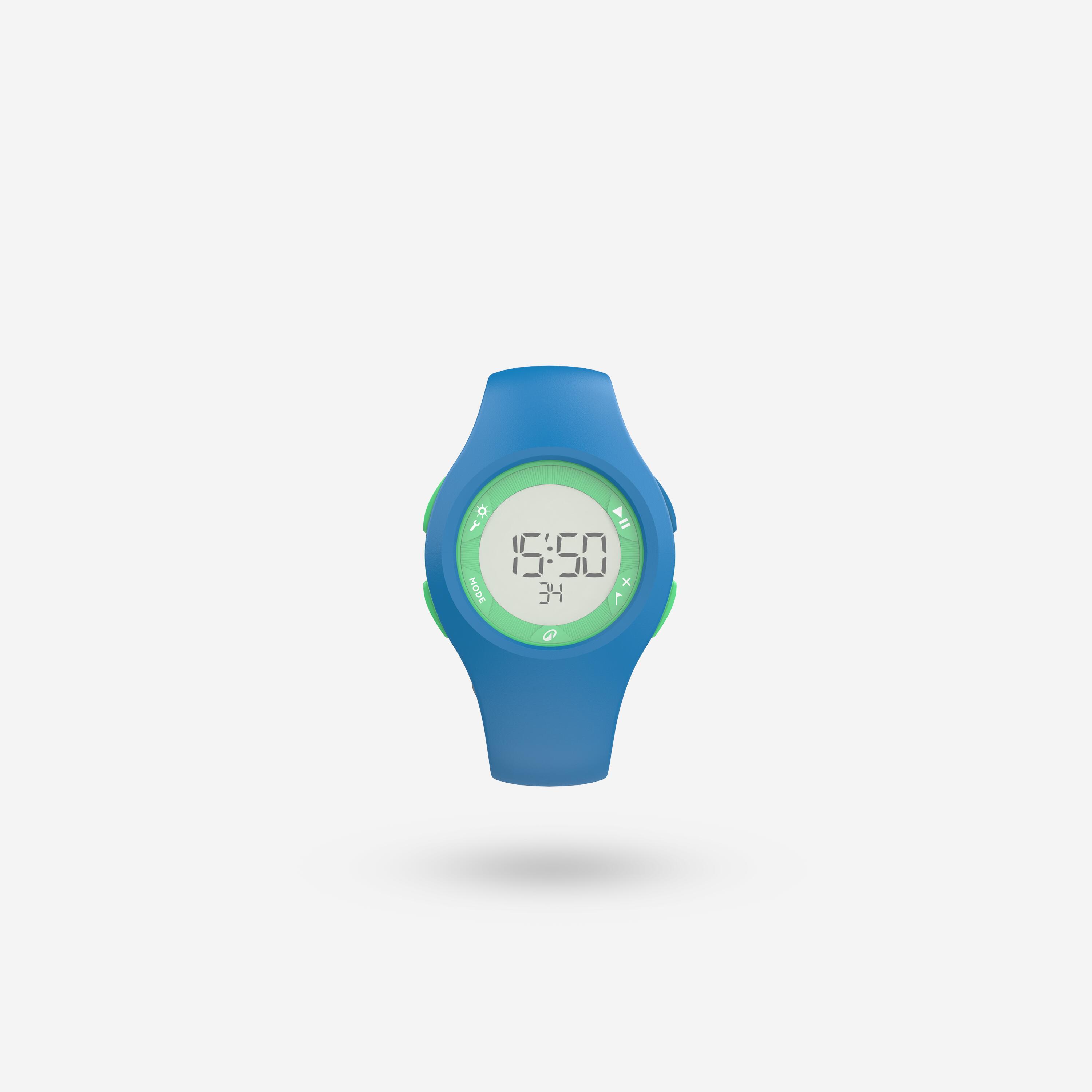
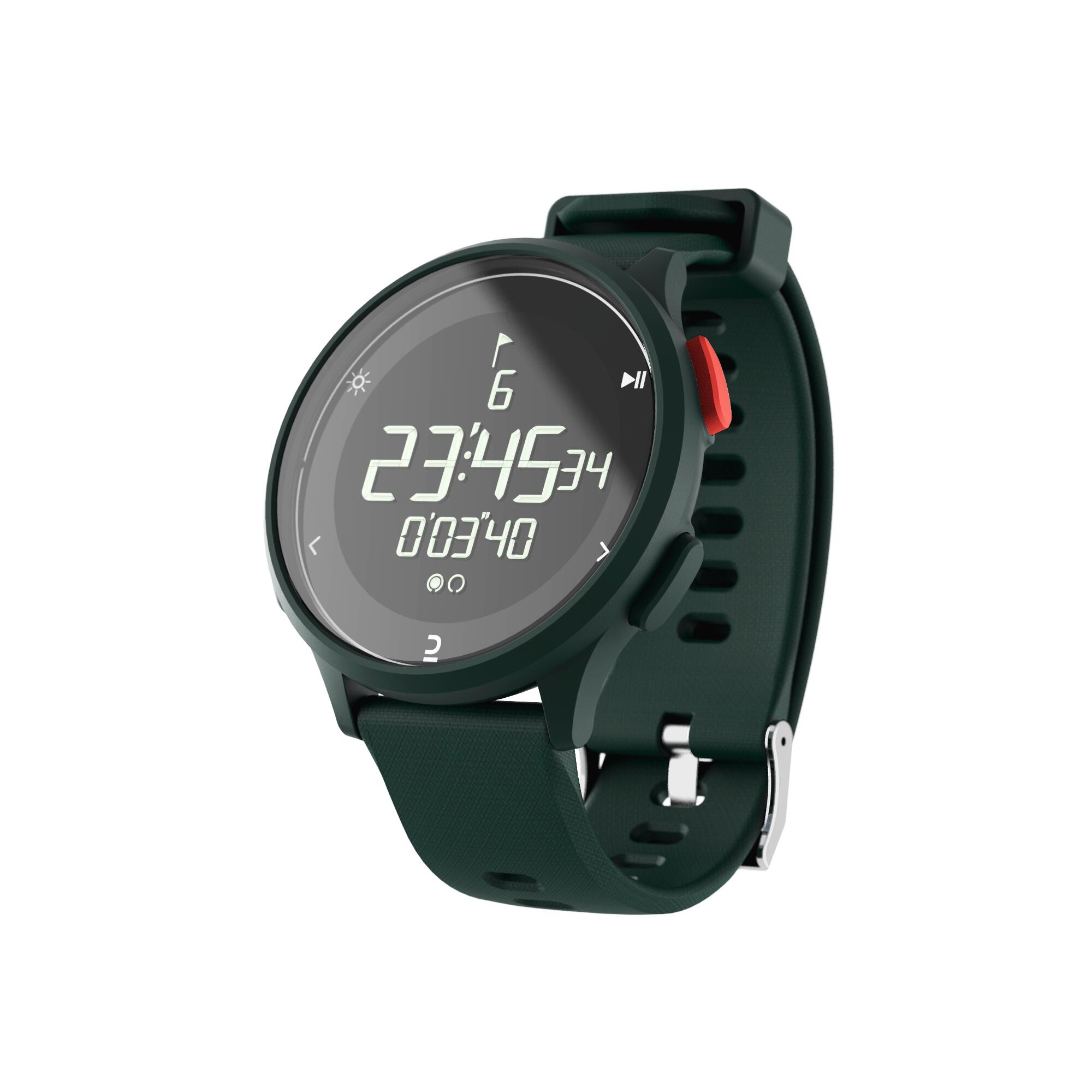
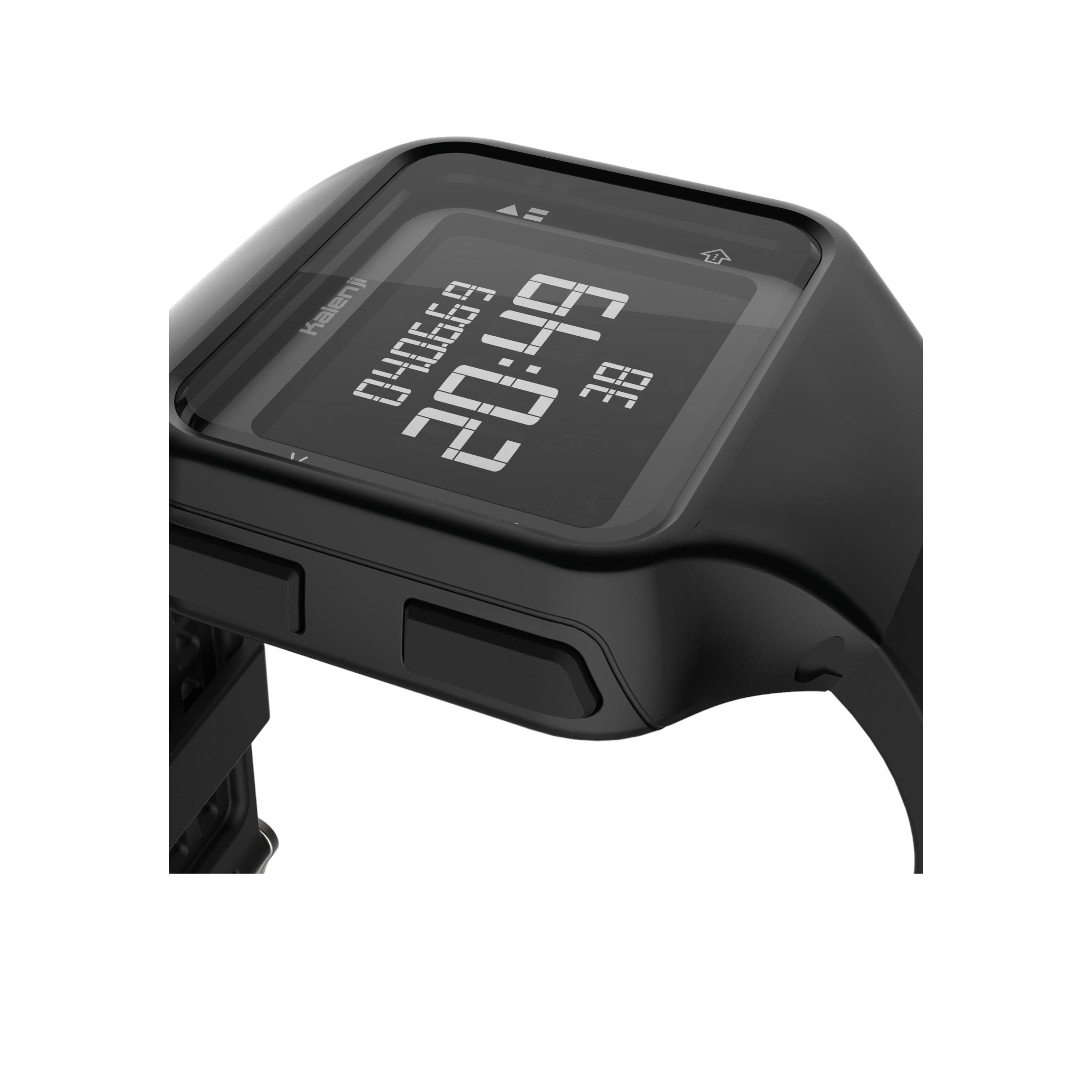
A separate stopwatch is not normally necessary when your GPS watch already records total time, laps and recovery intervals. A basic timer can still be useful for coached sessions, fixed hill repetitions or track workouts where route data and satellite positioning are not needed. Physical buttons may also be easier to operate in rain or with gloves than a complex touchscreen menu. A stopwatch provides a simple backup if the GPS watch is charging, damaged or being reserved for a longer event. Practical stopwatches for everyday timing can be found in trail running stopwatches.

How do you get the best battery life on a trail watch?

Select a satellite mode that provides enough accuracy for the route without using more power than necessary. Multi-band tracking, detailed maps, continuous screen lighting, music playback and frequent sensor readings can all shorten running time. Reduce backlight duration, disable alerts you do not need and use gesture-based screen activation where available. Charge the watch fully, install route files before leaving and compare its stated GPS runtime with the expected duration of the run. Test any low-power mode in training before relying on it for an ultra or remote route.