134 items
4.5/5 based on 4064 reviews collected online and in stores

Nordic Walking FAQs

What is Nordic walking and how does it work?

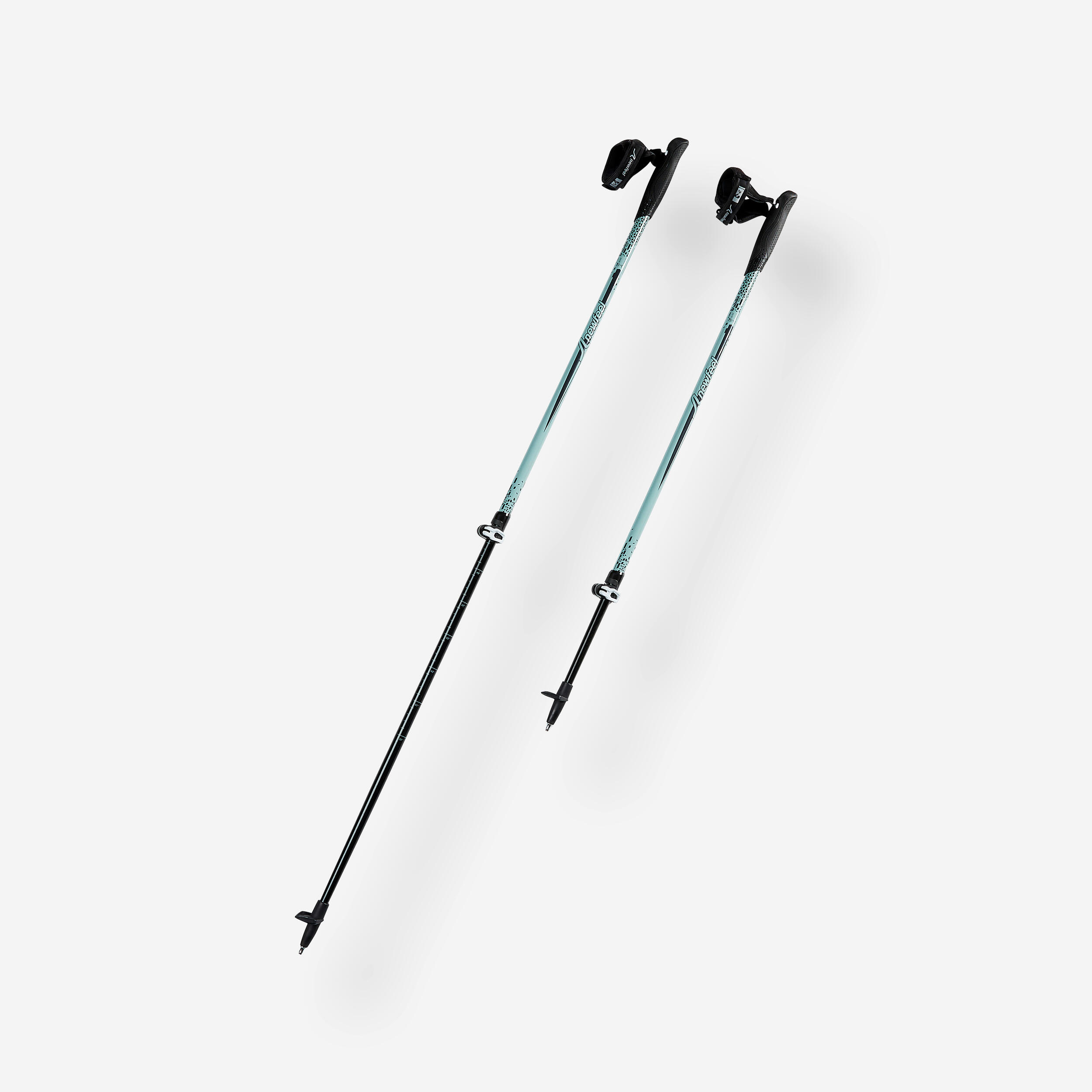
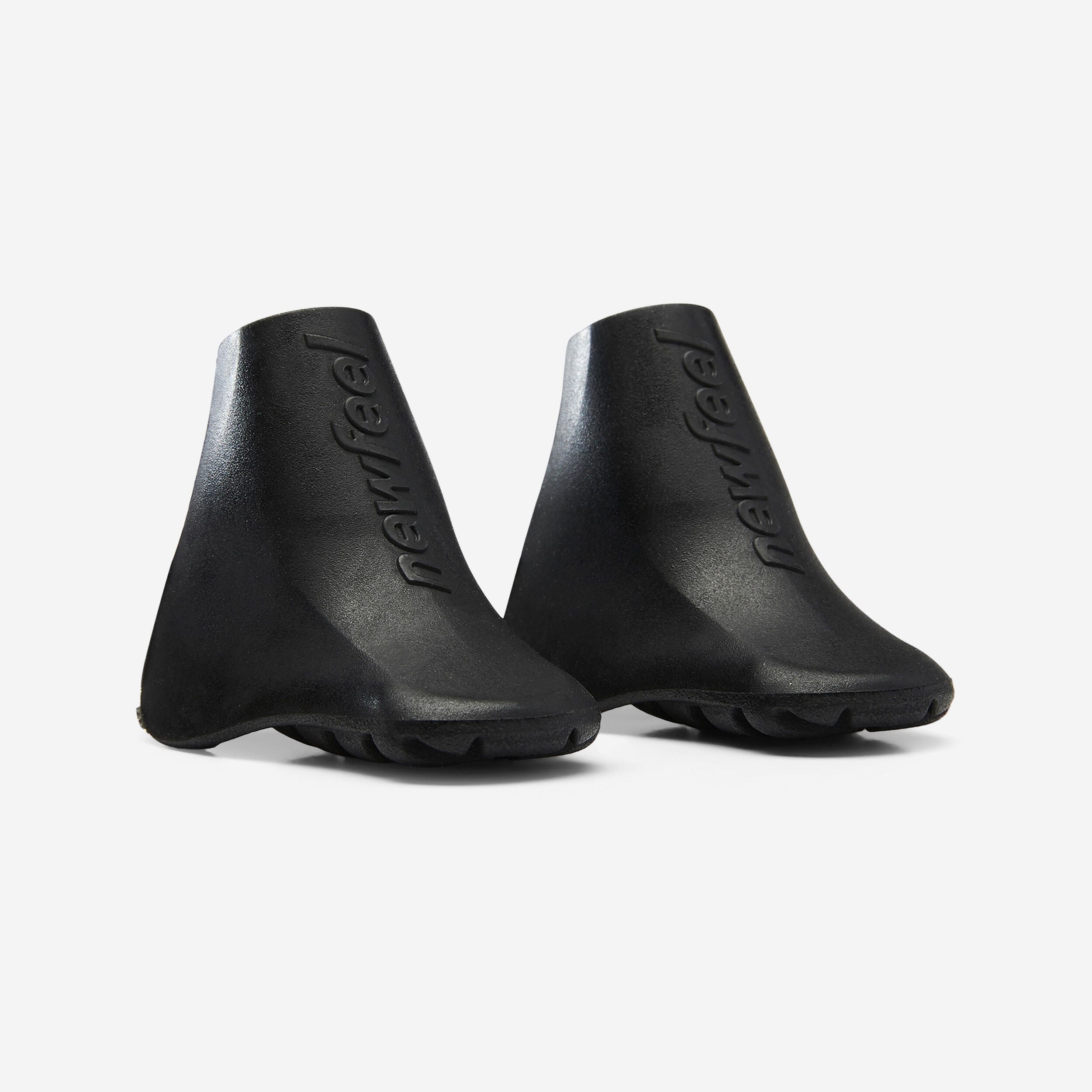
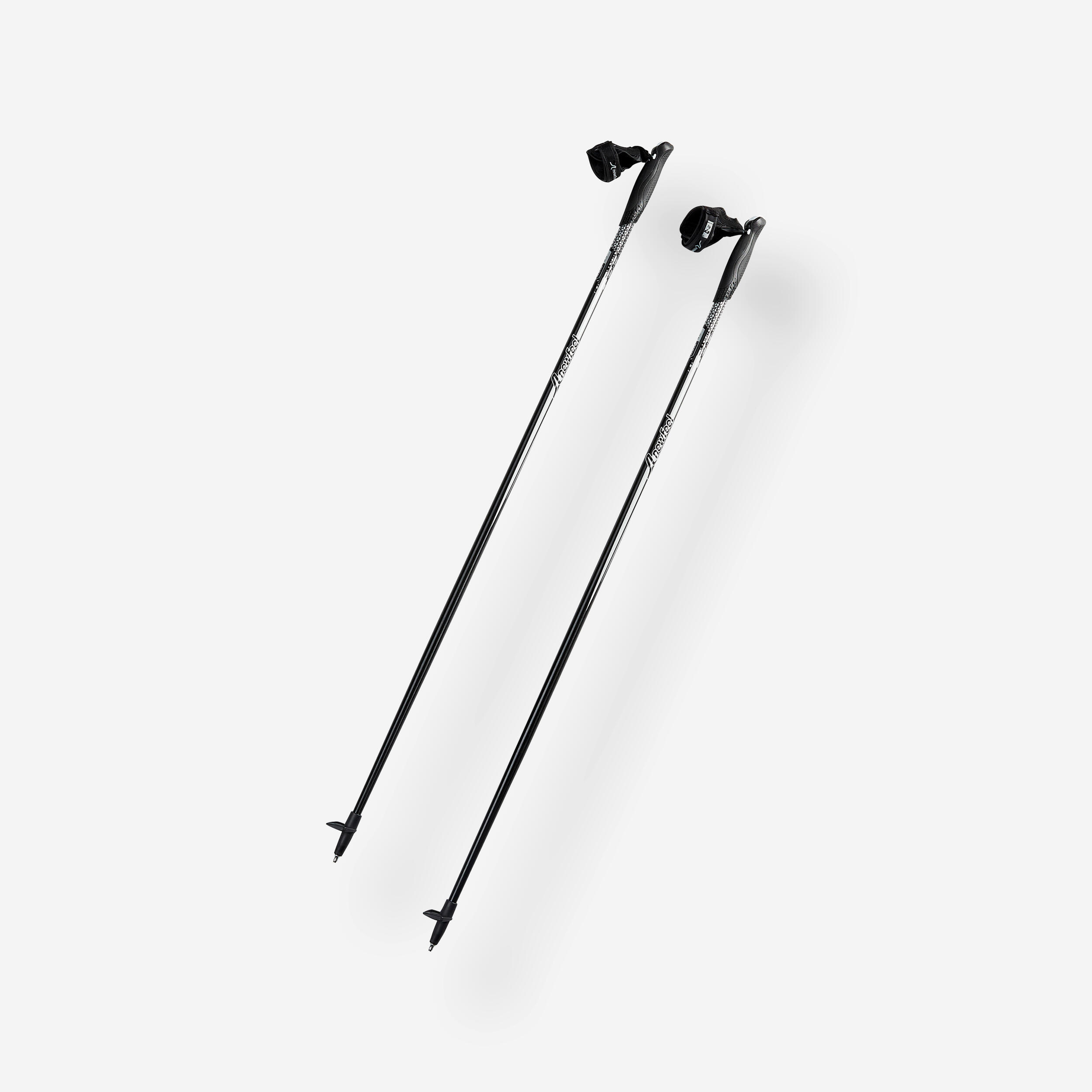
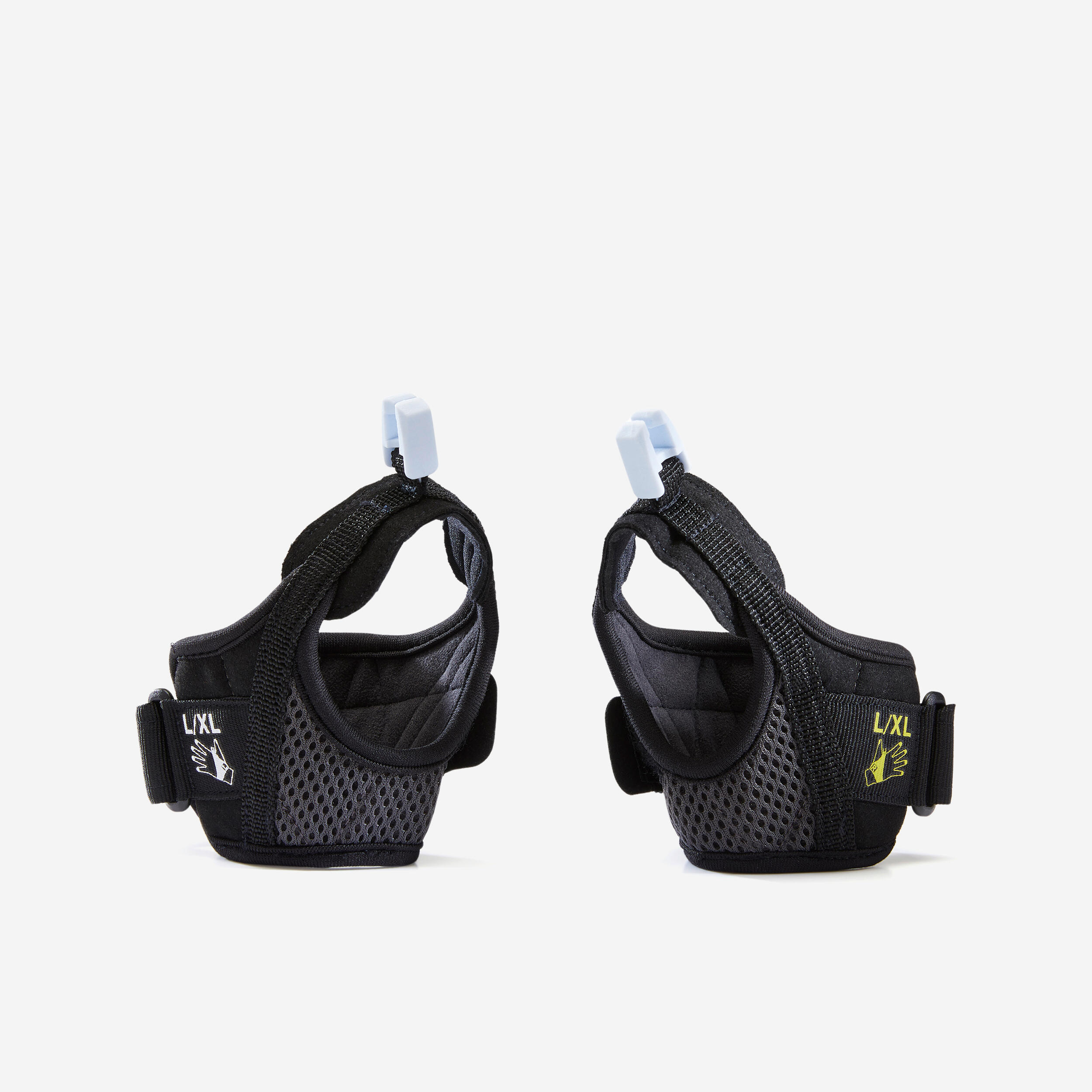
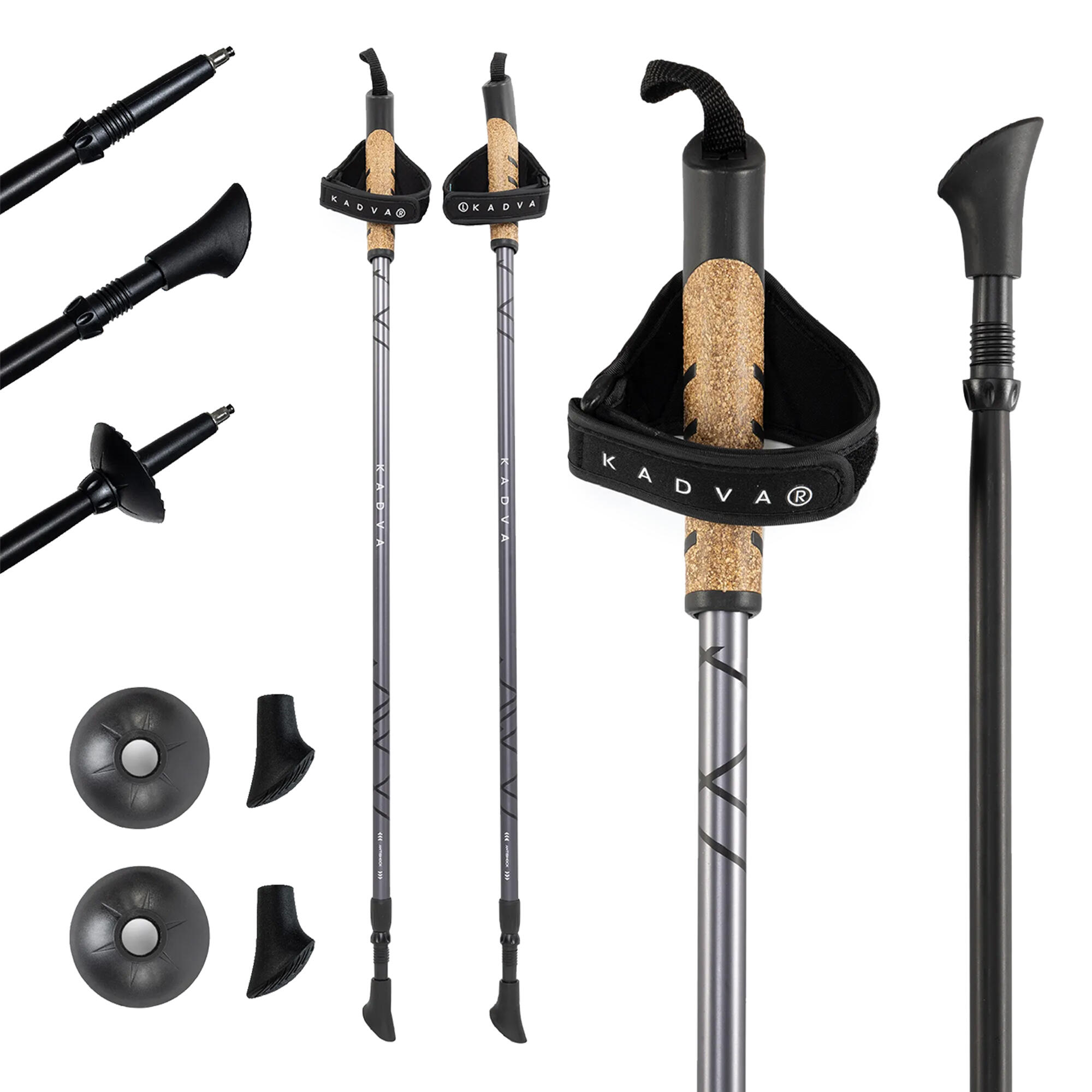
Nordic walking uses two specially designed poles that you push against the ground with each stride. This movement brings the arms, shoulders and core into the walk, turning a simple outing into a more complete workout. It can also help share effort across the body, which may feel easier on the knees and hips than ordinary walking. Pole straps, rubber tips and replacement pads sit under Nordic walking accessories.
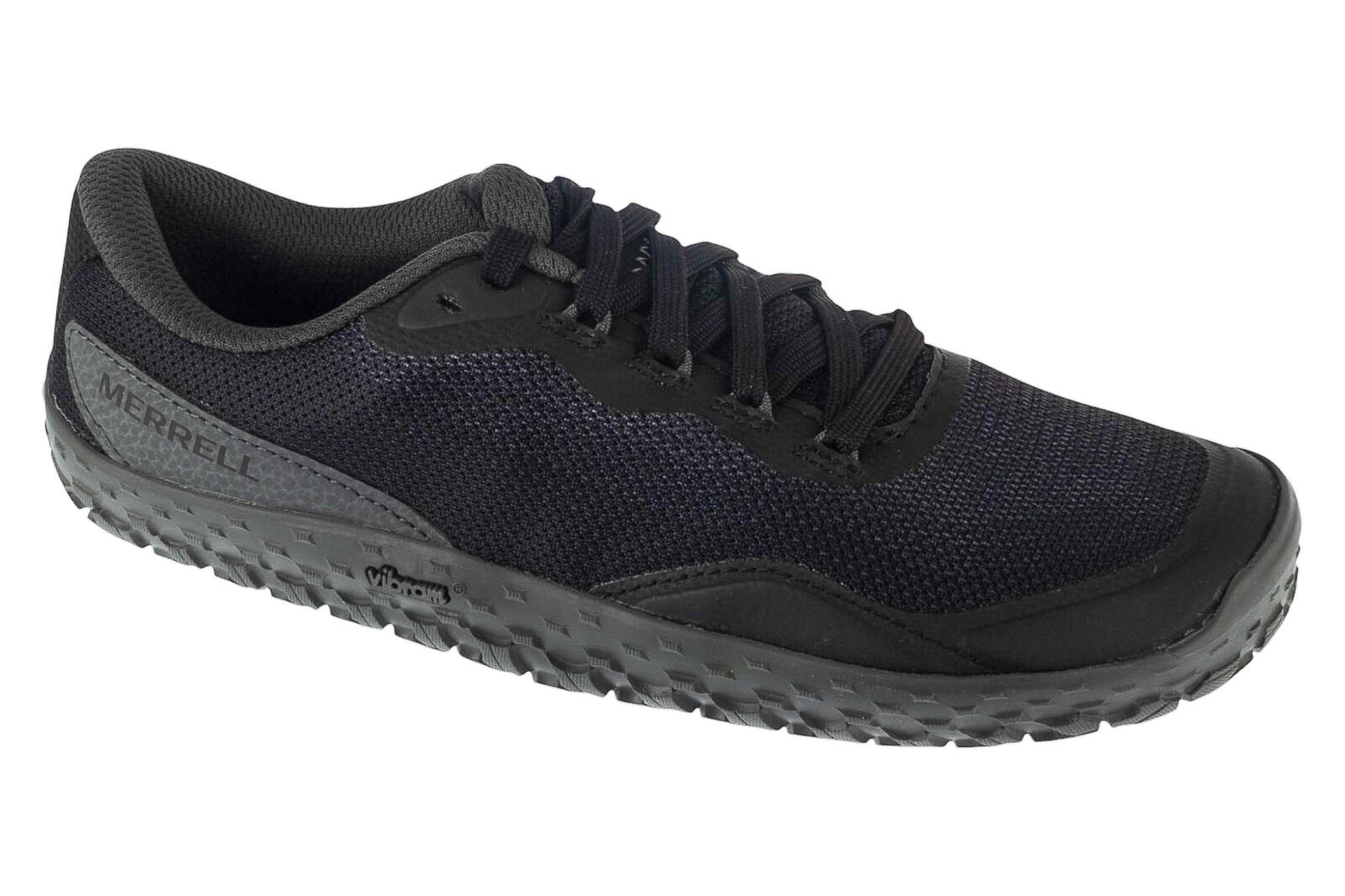
What equipment do beginners need for Nordic walking?

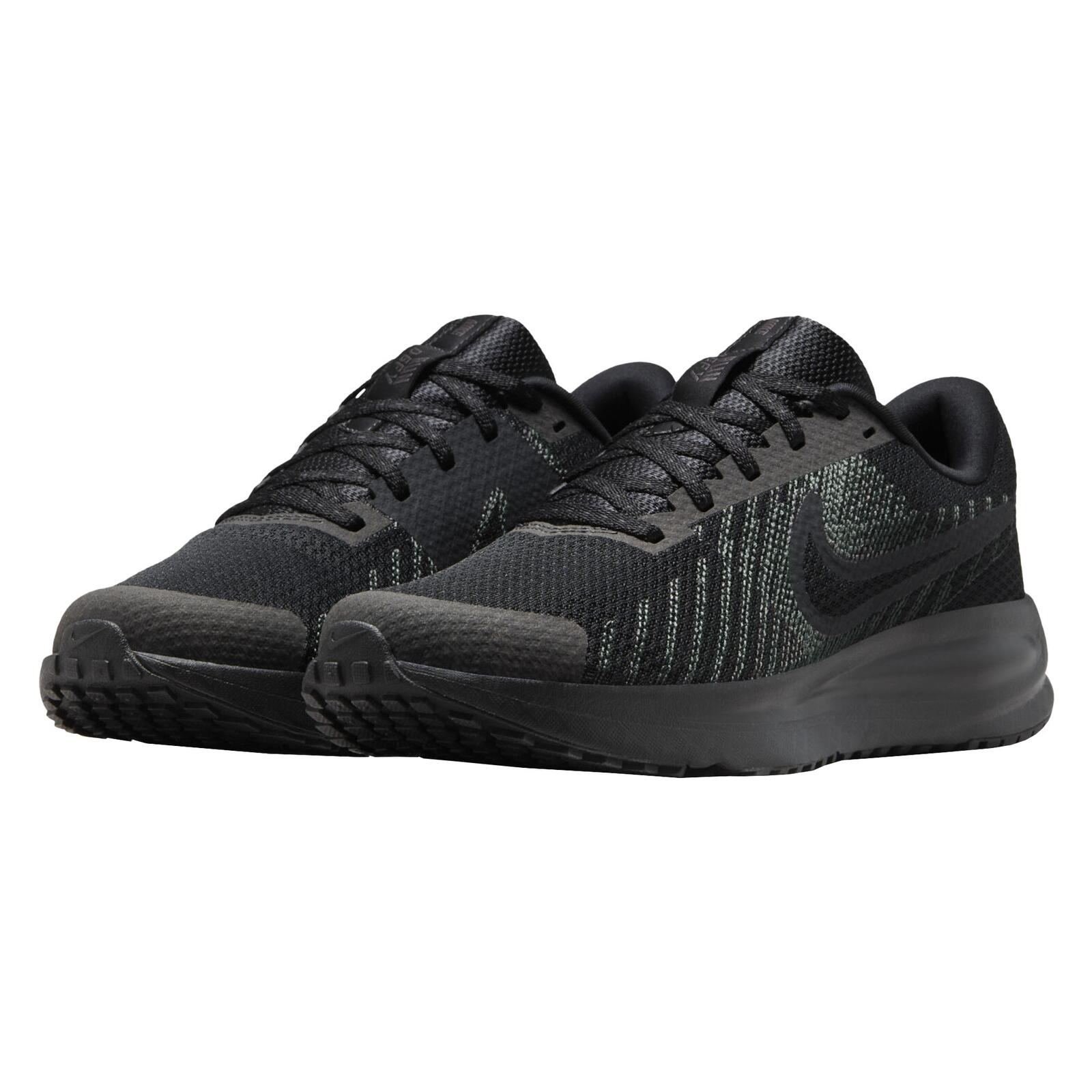
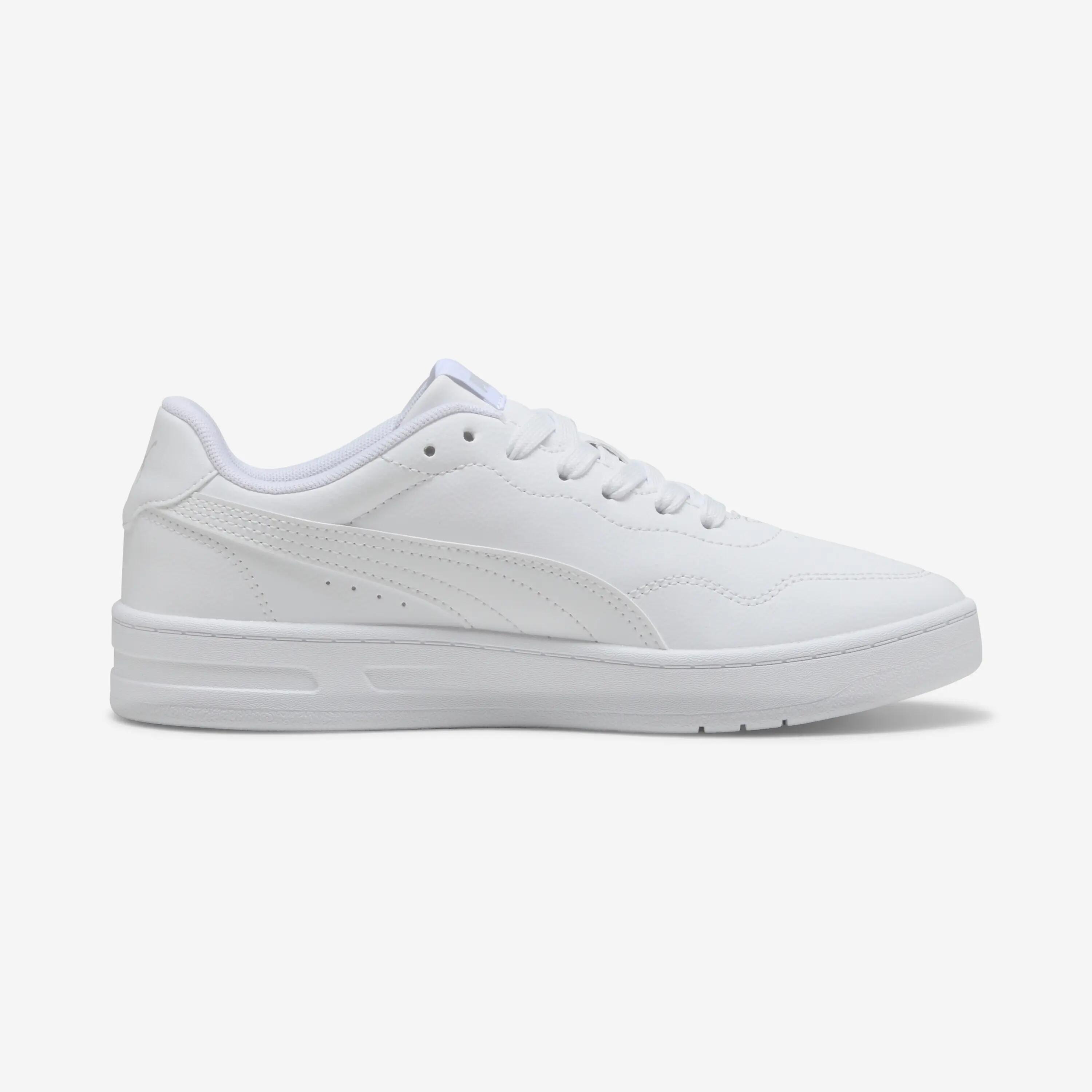
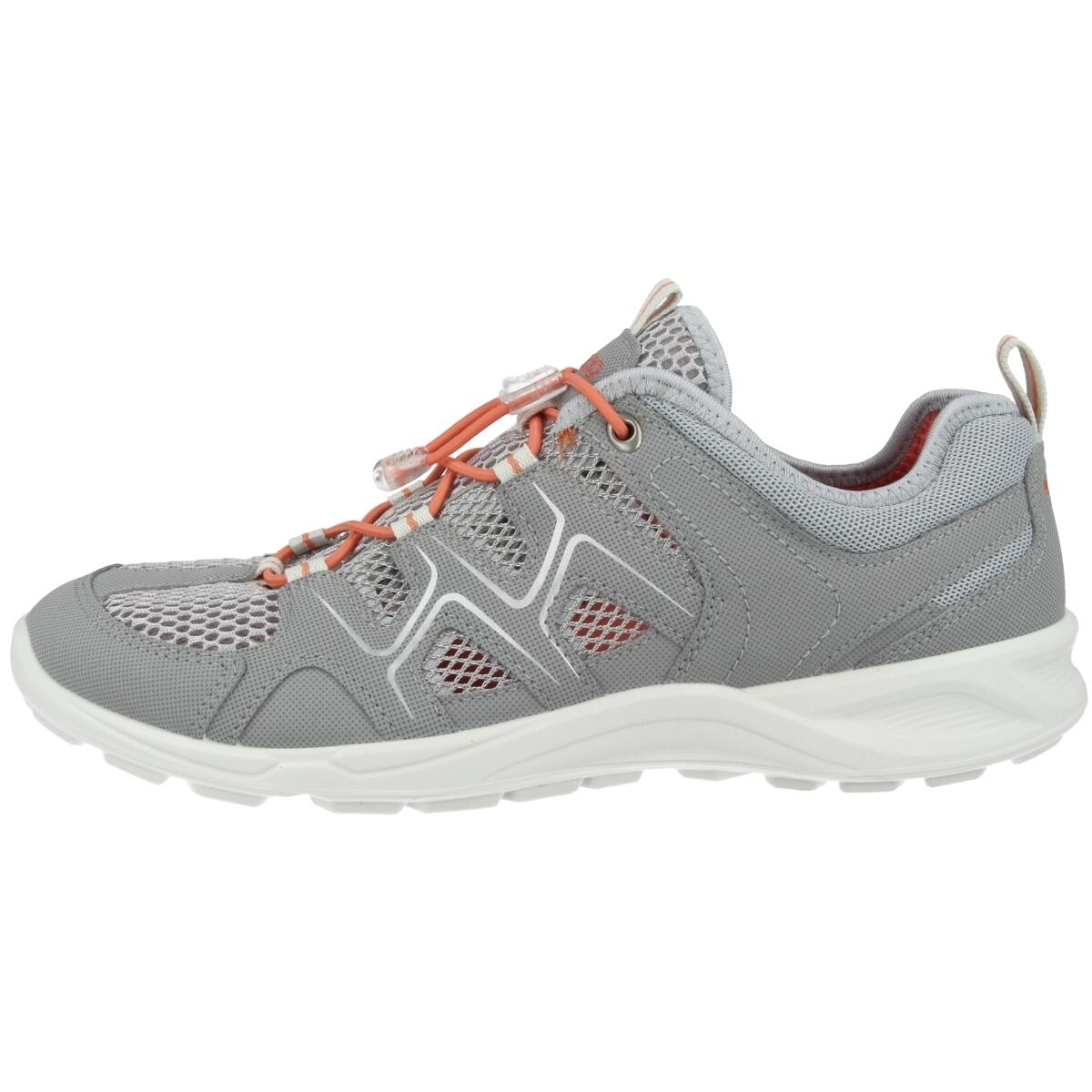
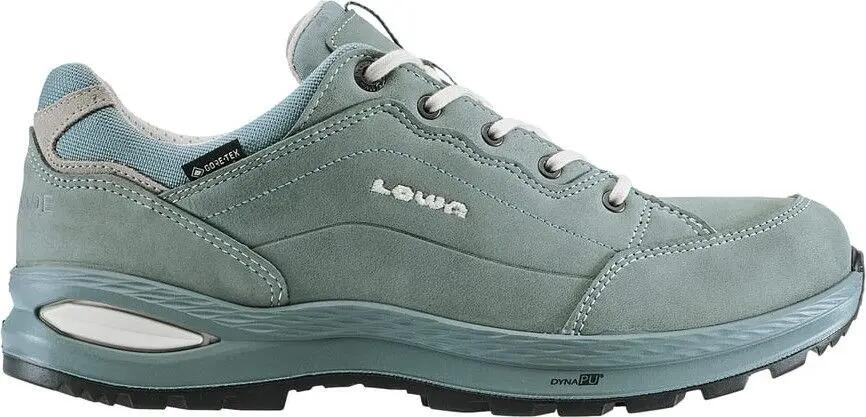
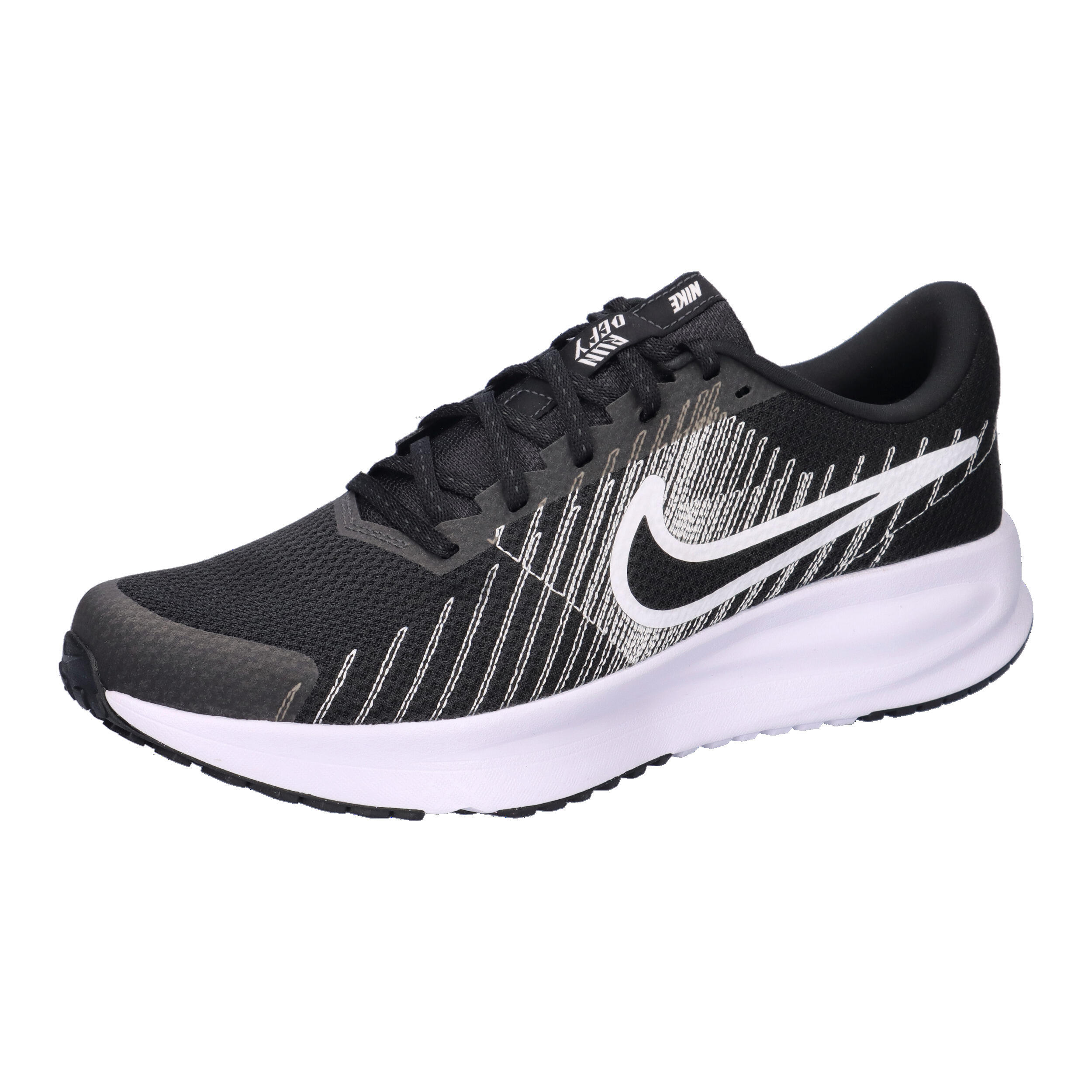
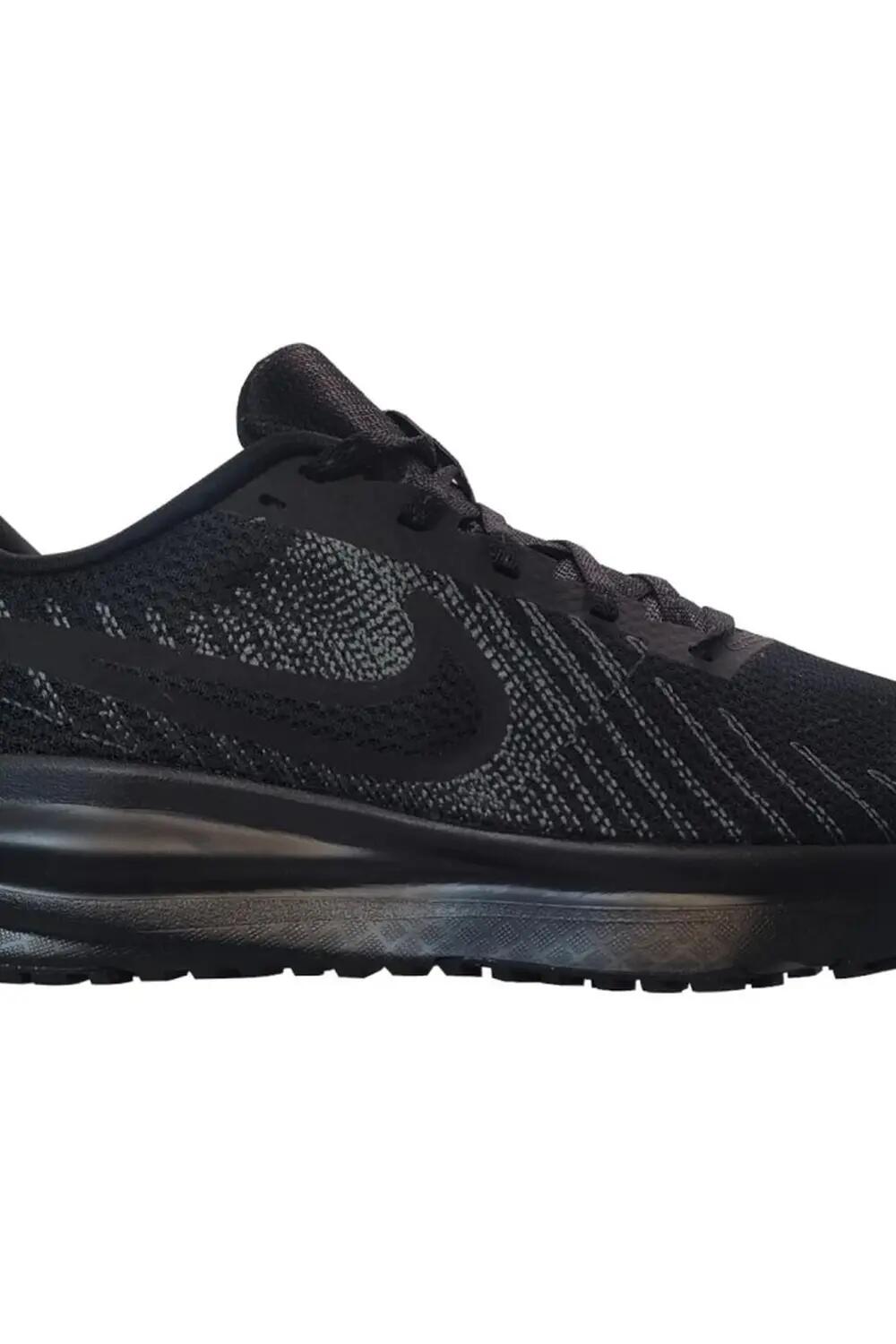
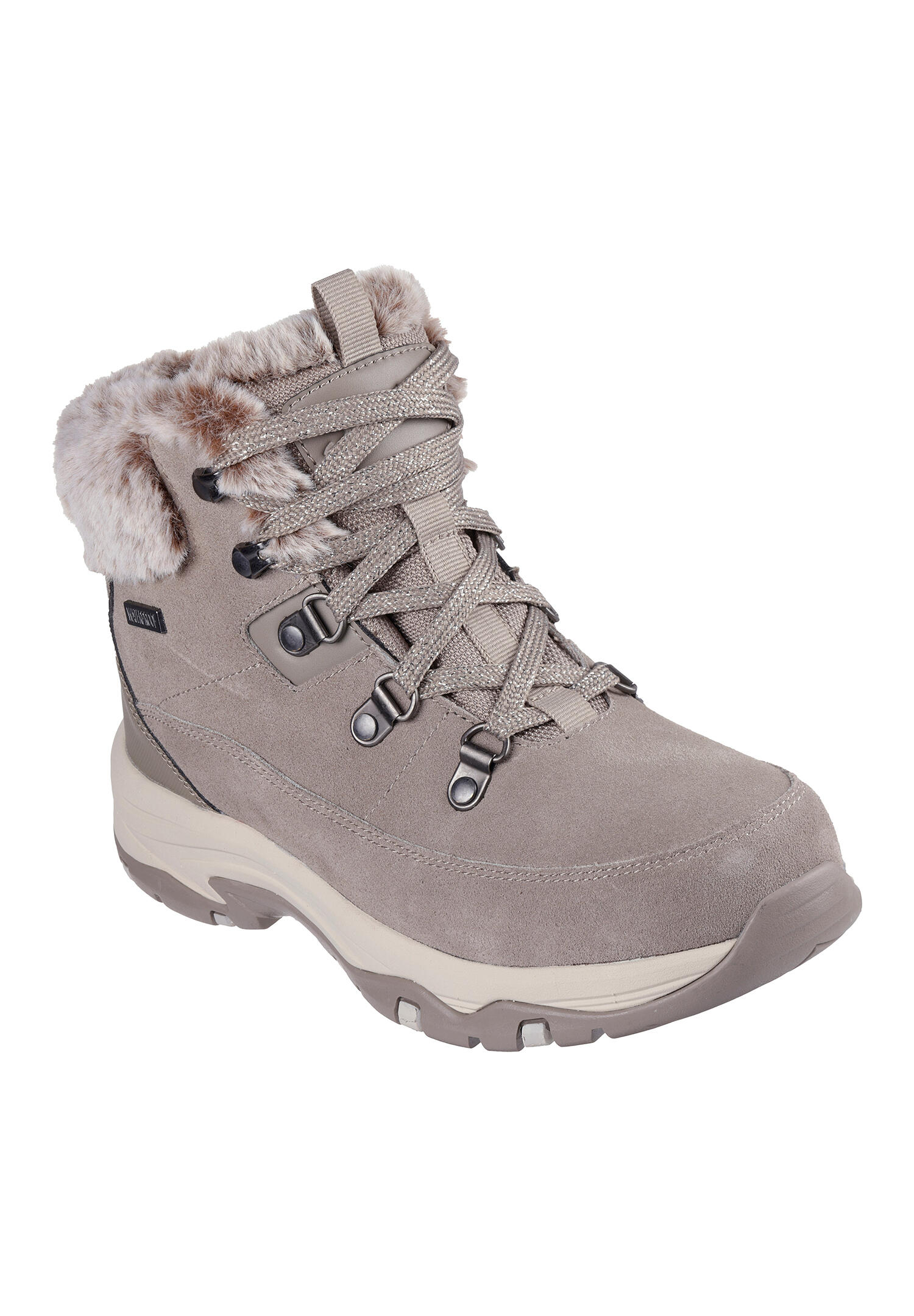
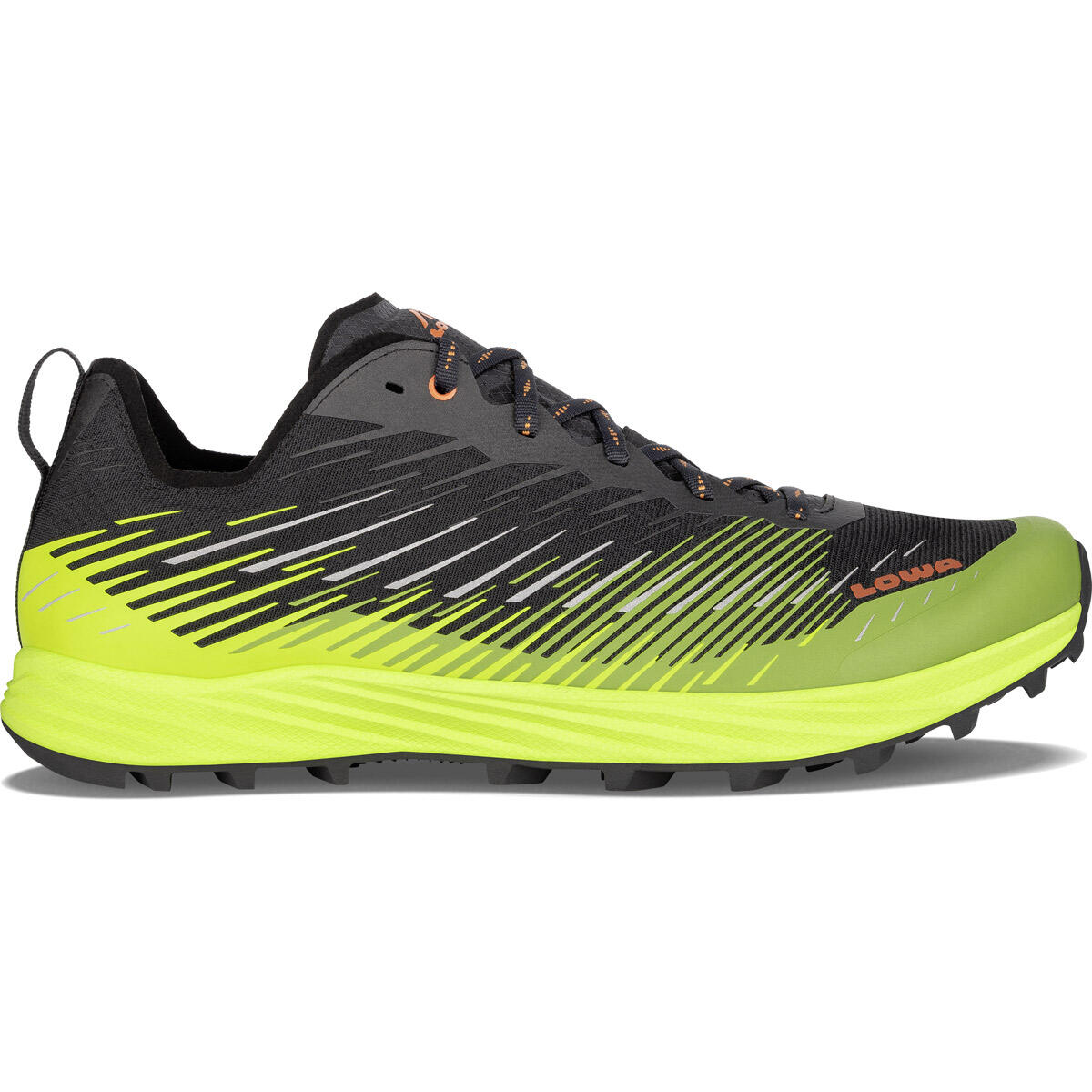
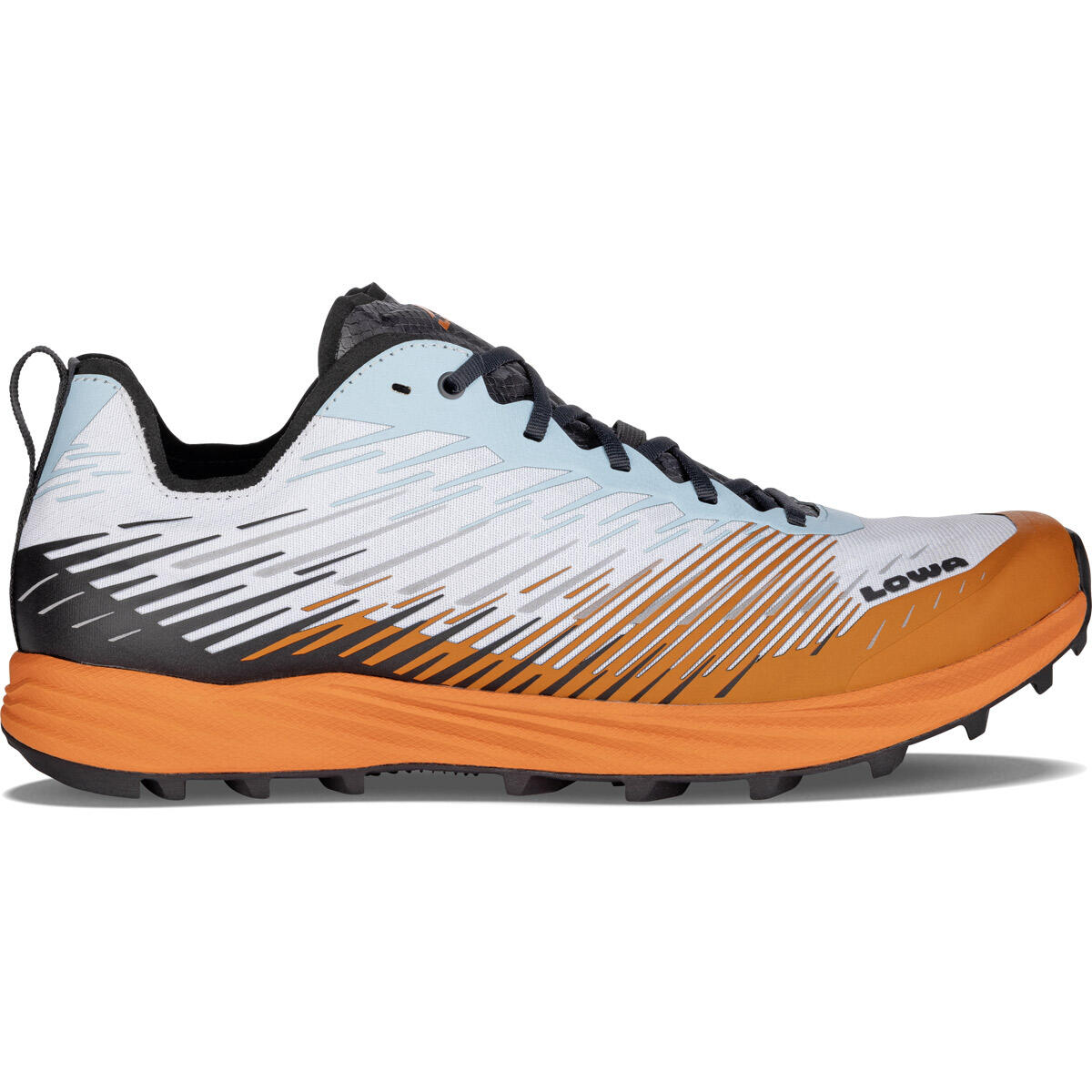
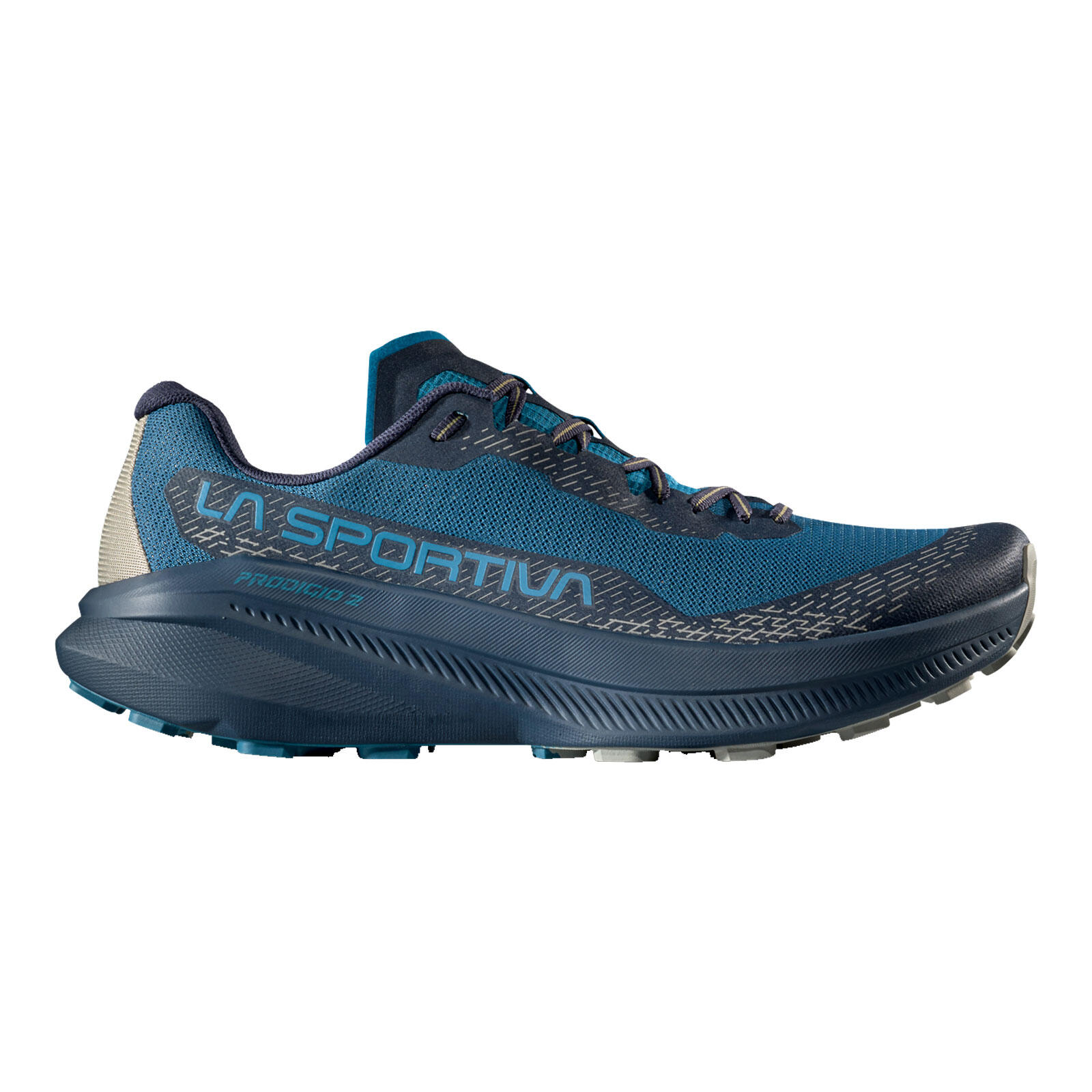
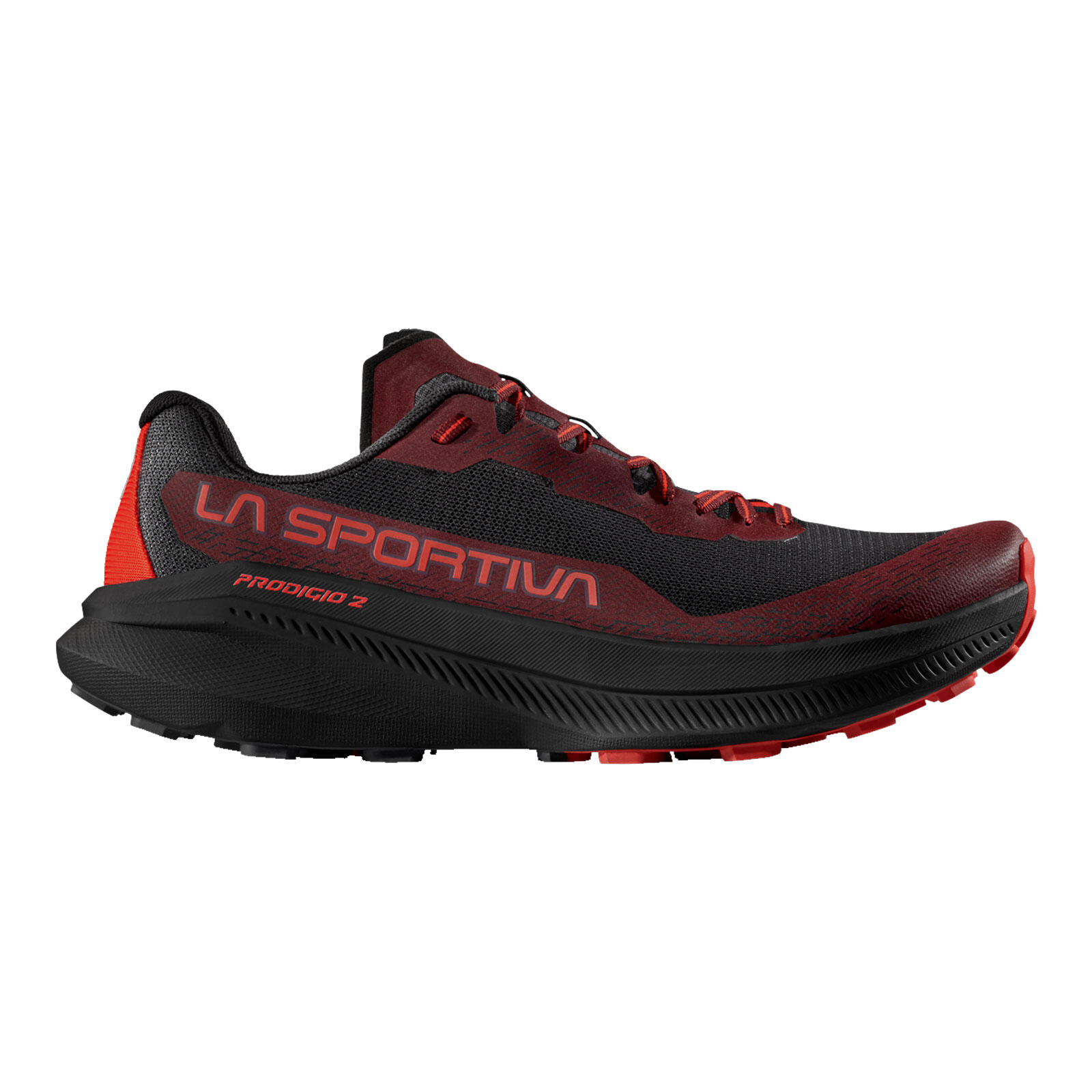
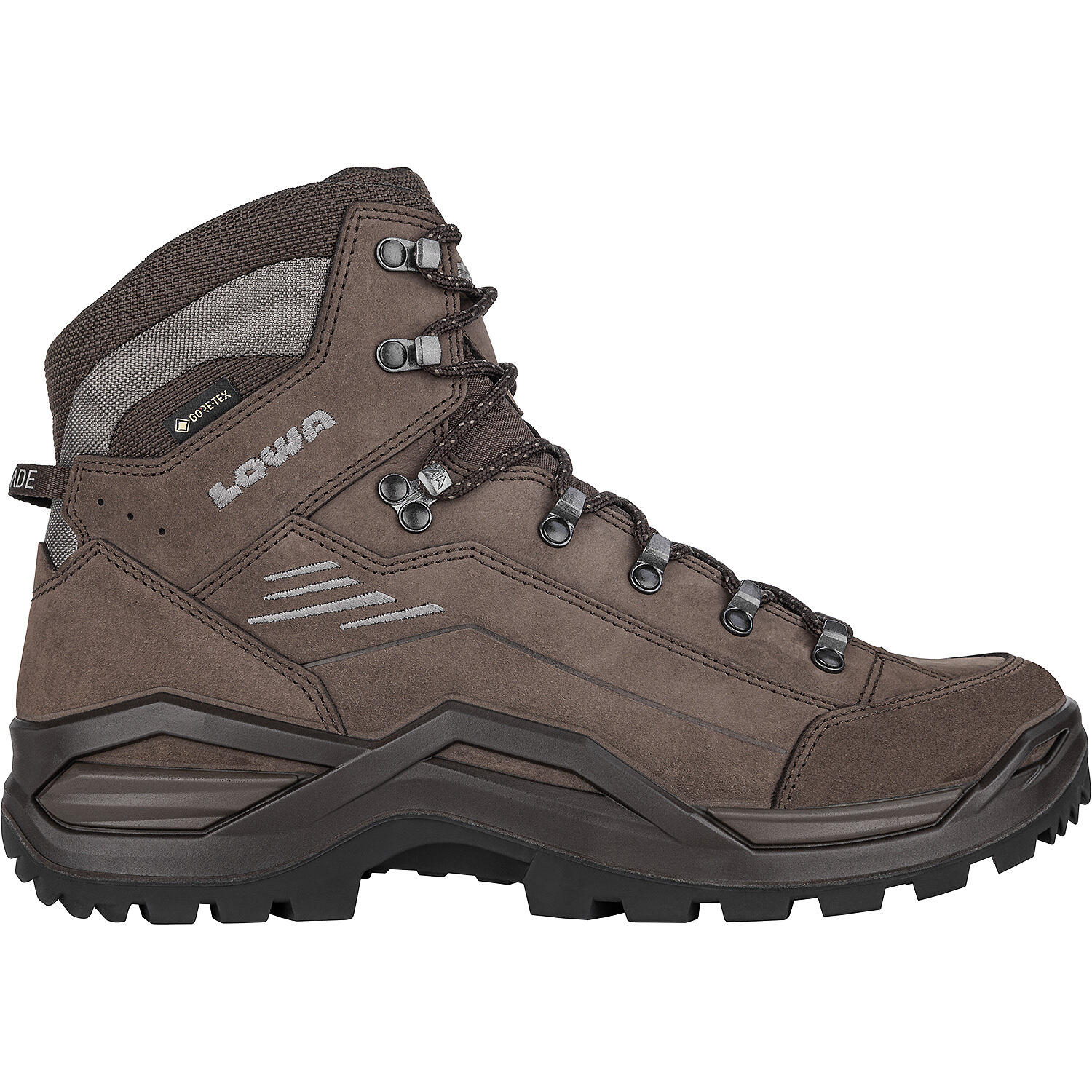
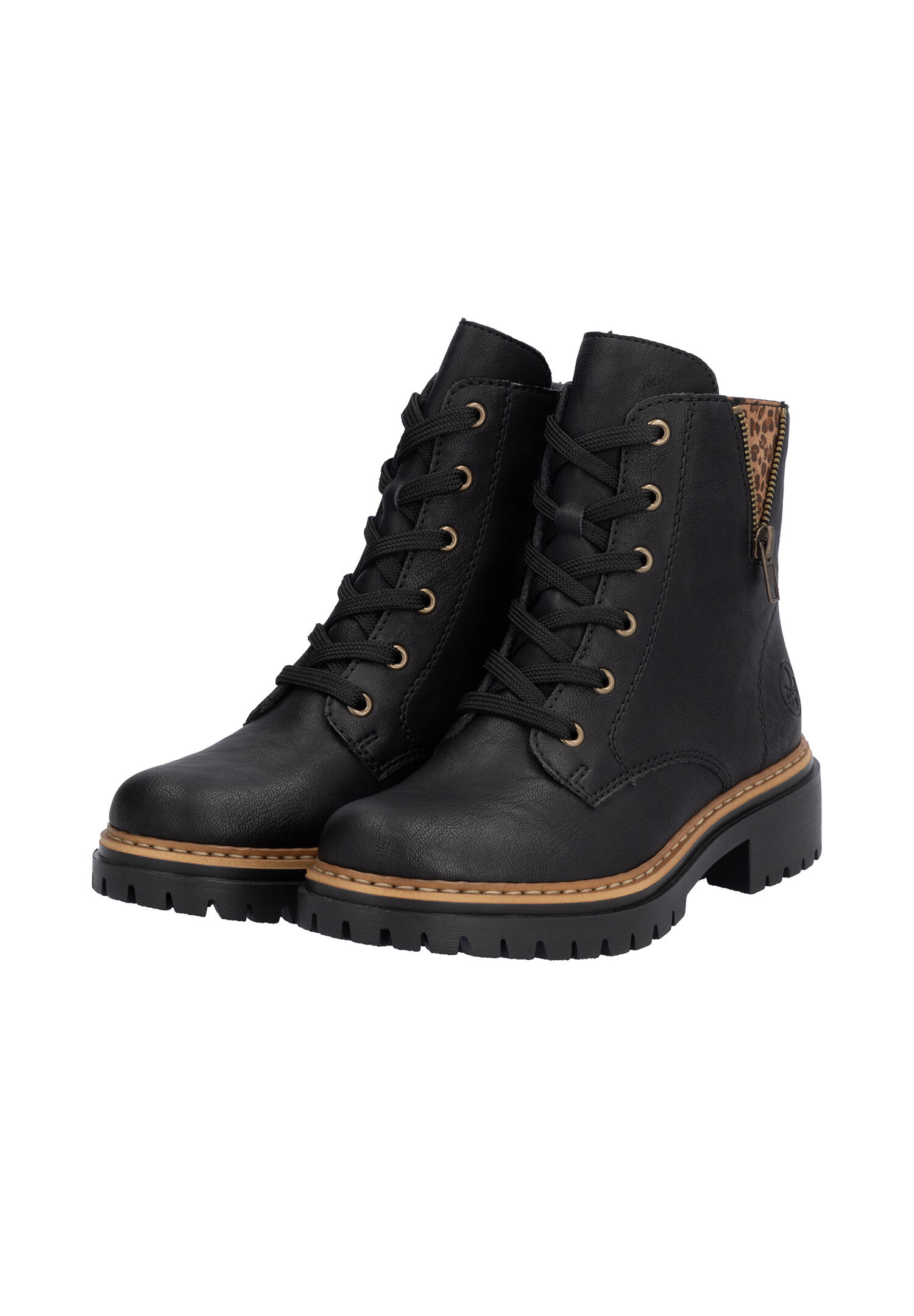
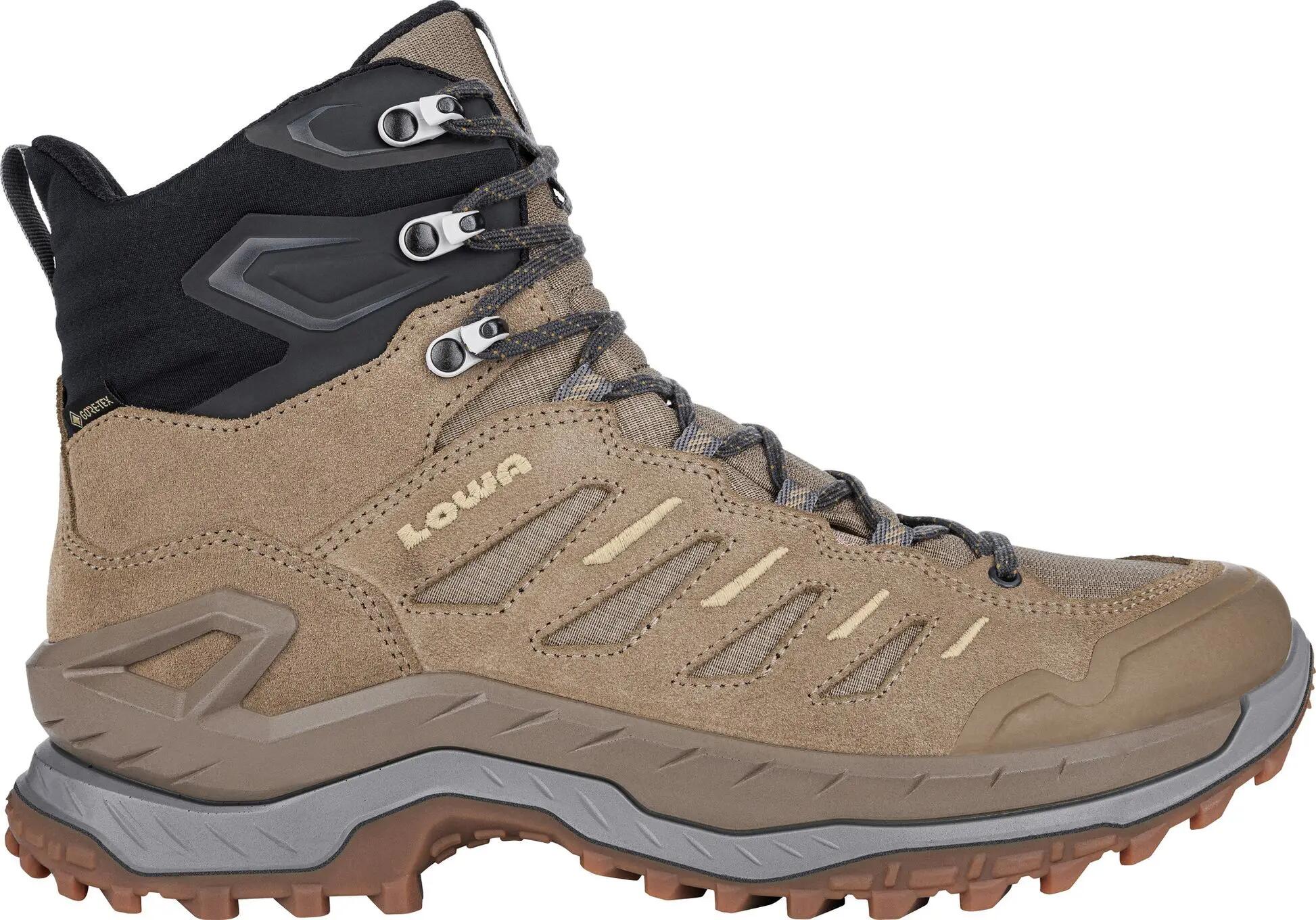
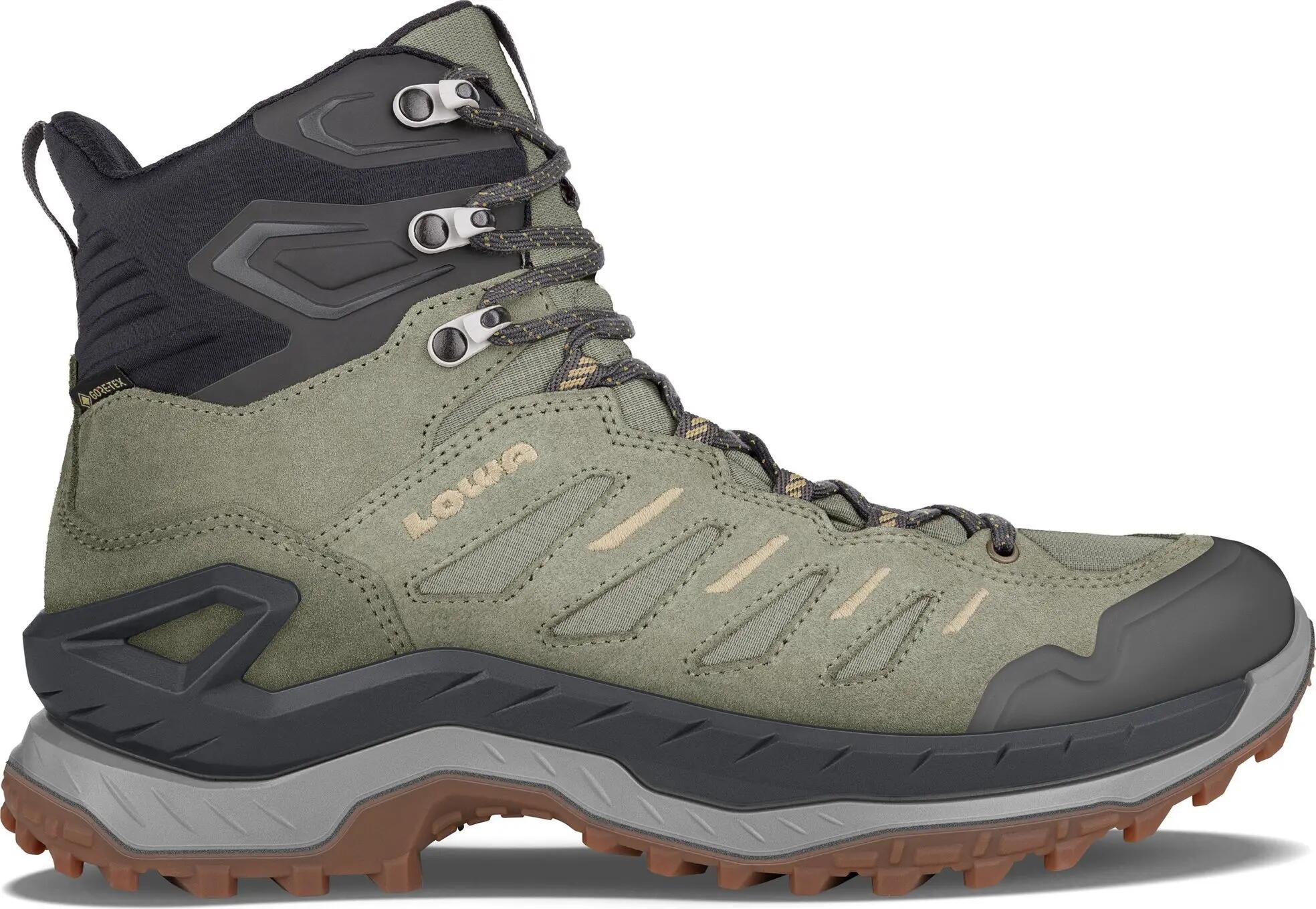
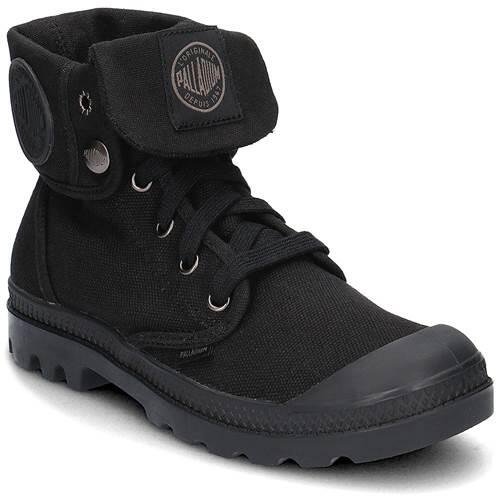
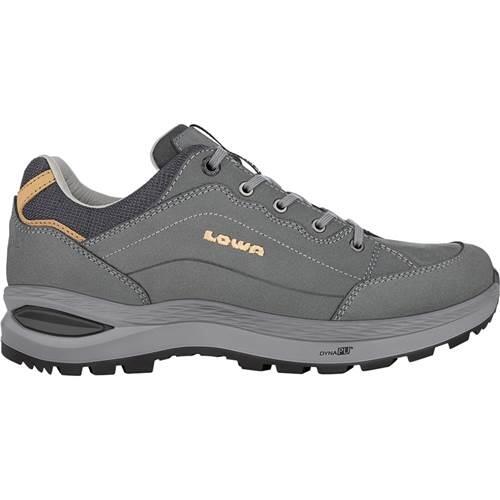
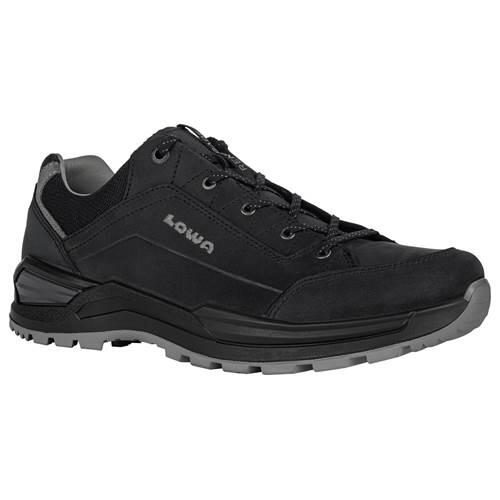
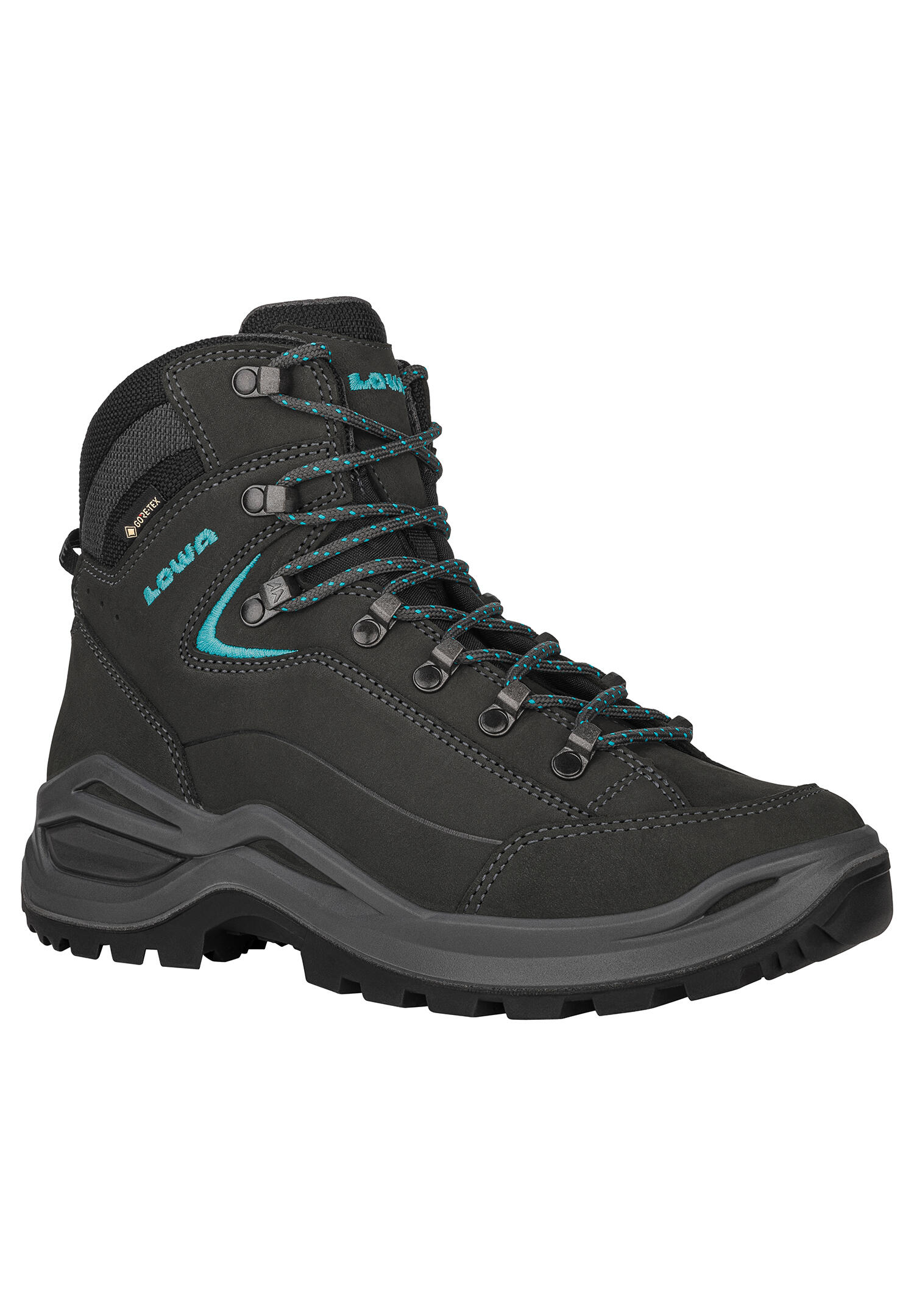
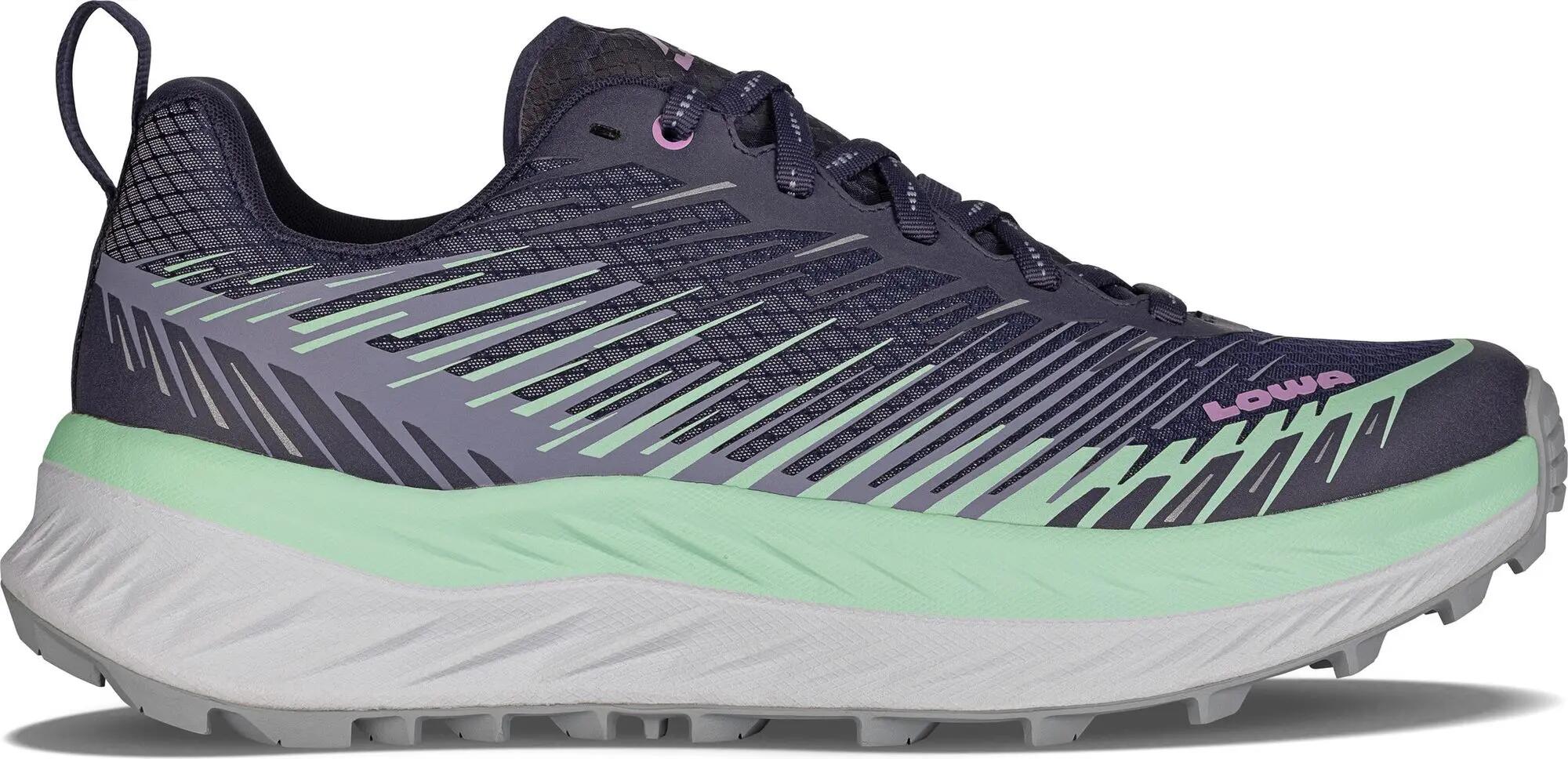
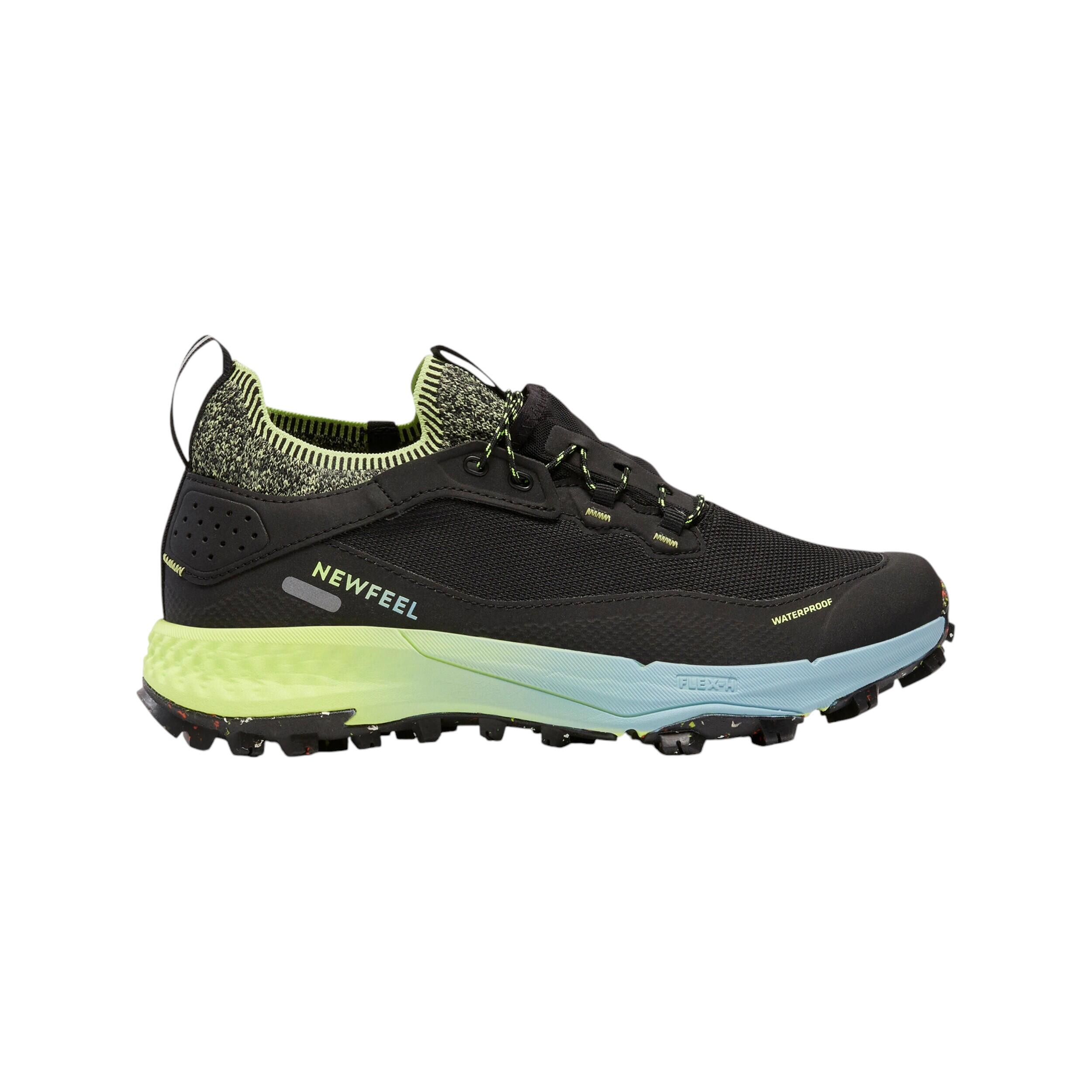
Beginners need a pair of Nordic walking poles sized correctly for their height, plus comfortable footwear with enough support for longer walks. Regular walking clothes are fine to start with, but breathable layers help as your pace improves. A short lesson, club session or technique video can also make the arm-and-pole rhythm easier to learn. Supportive options are available through Nordic walking shoes and shoe accessories.
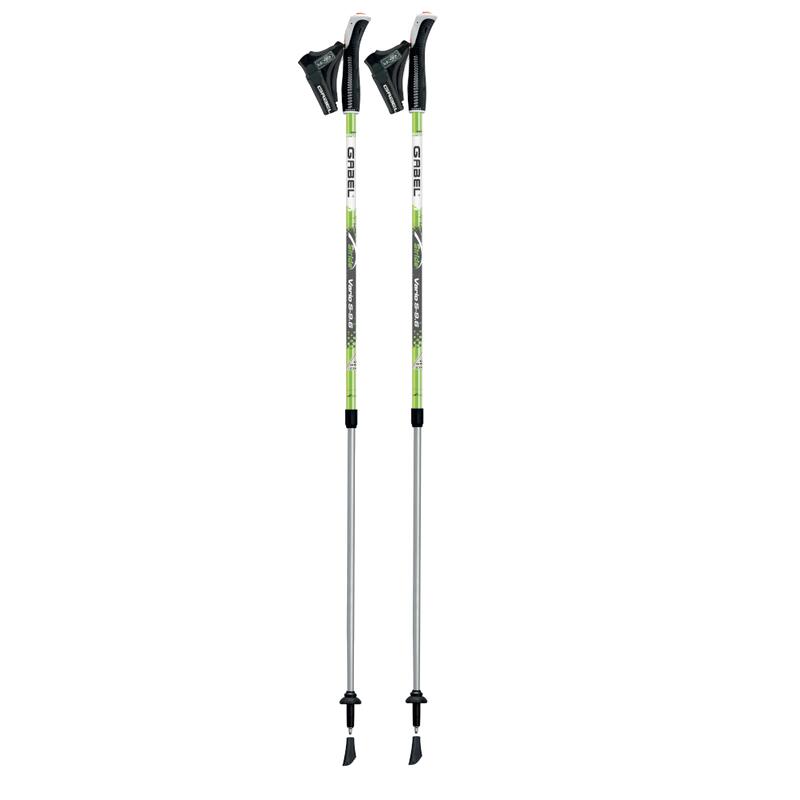
How do you choose the right Nordic walking poles?

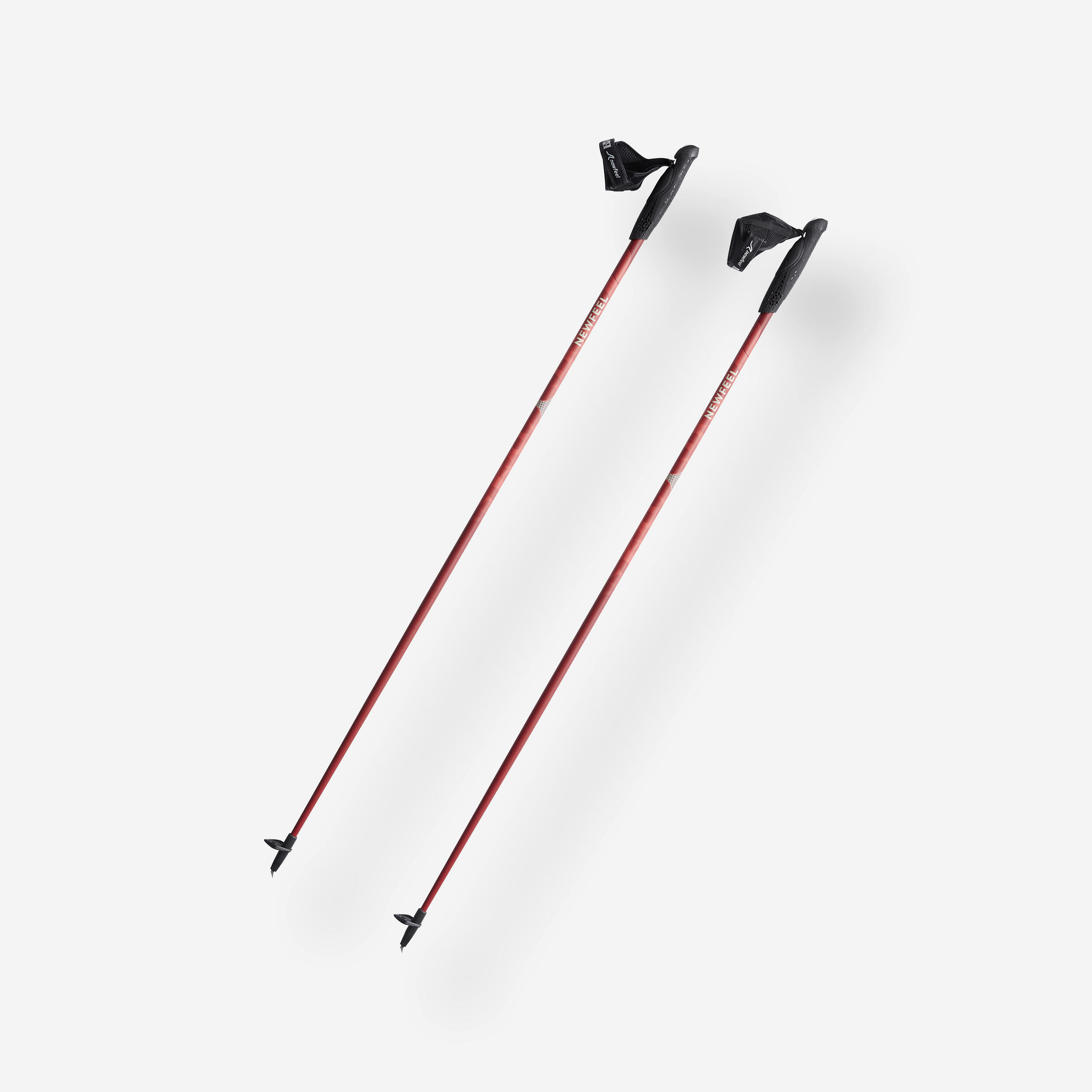
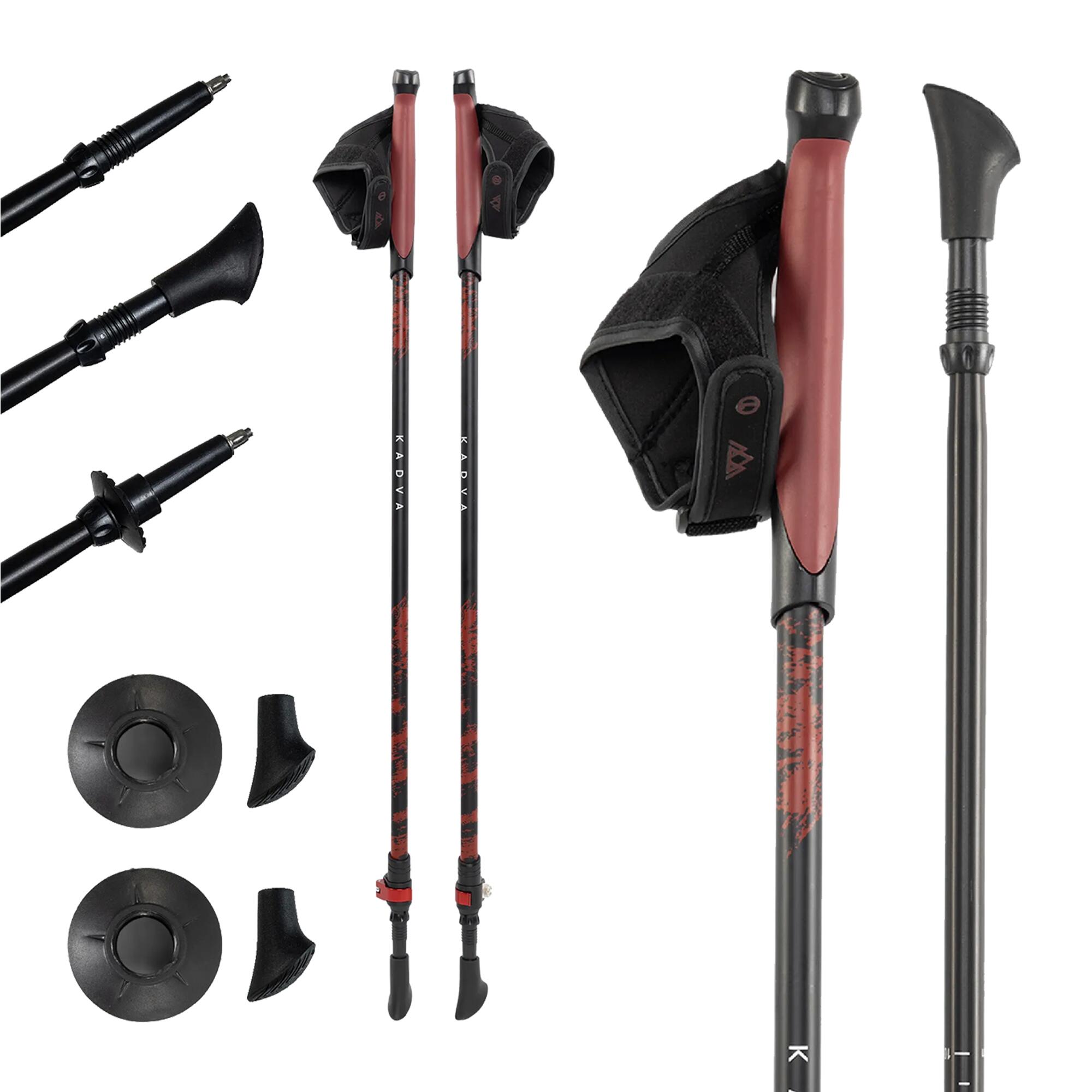
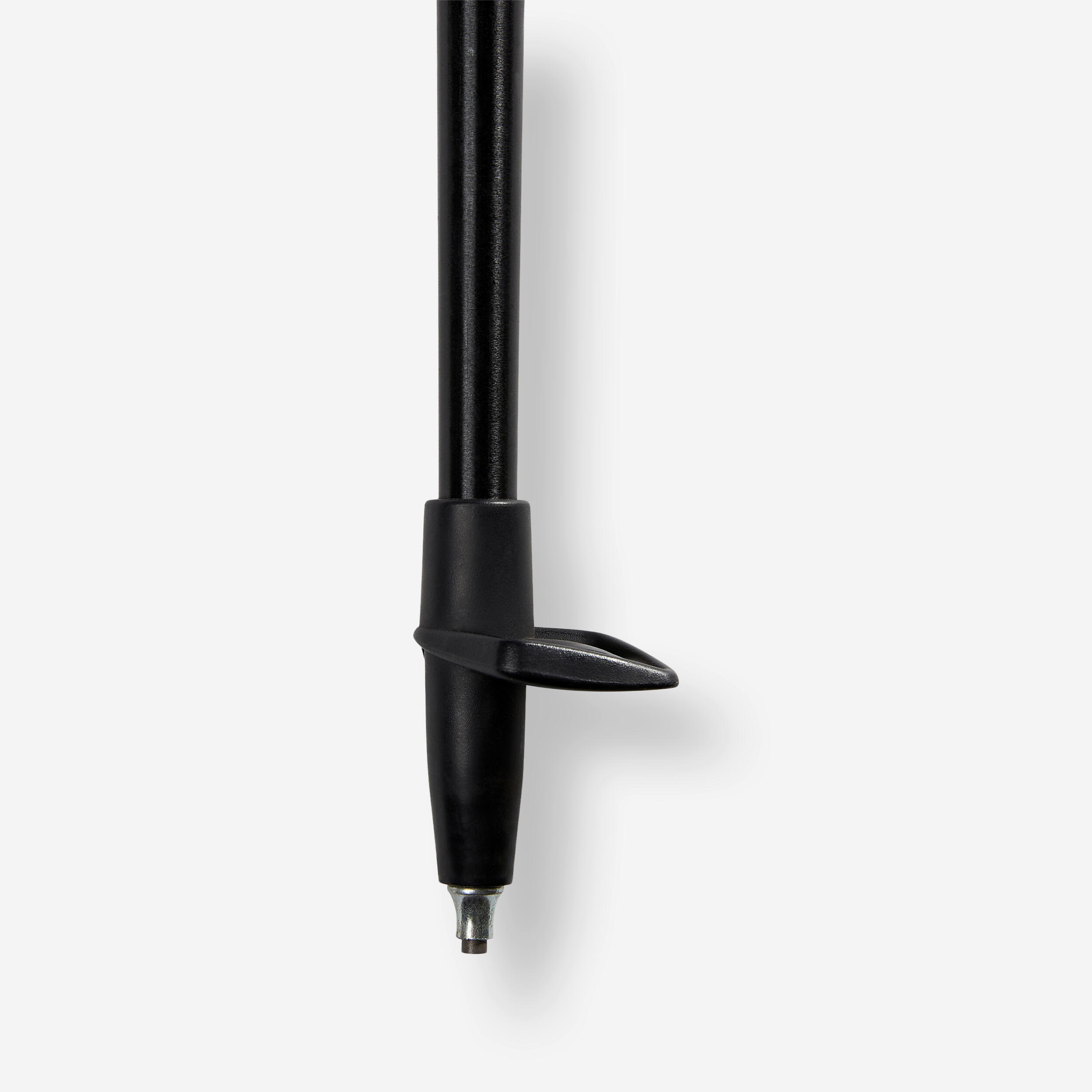
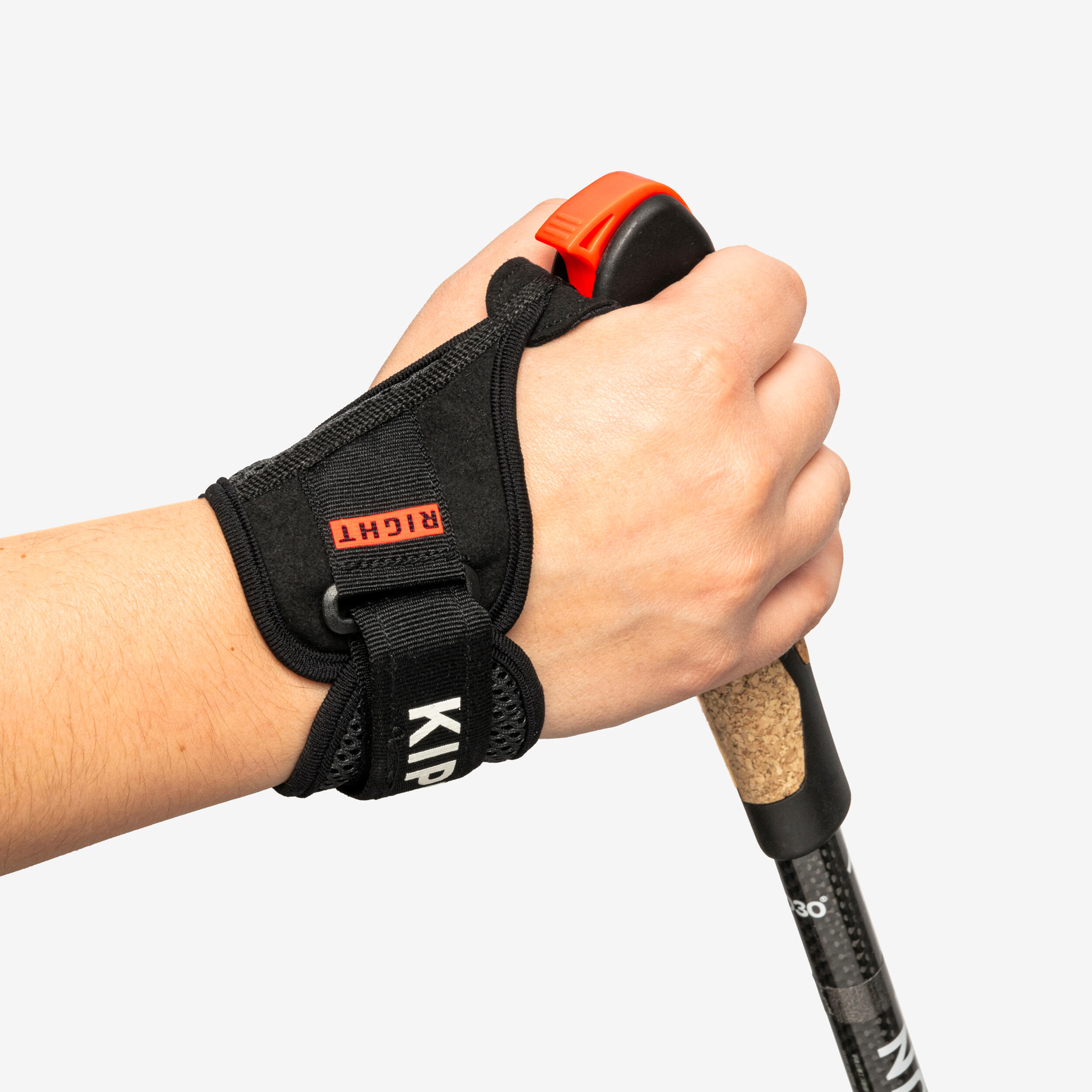
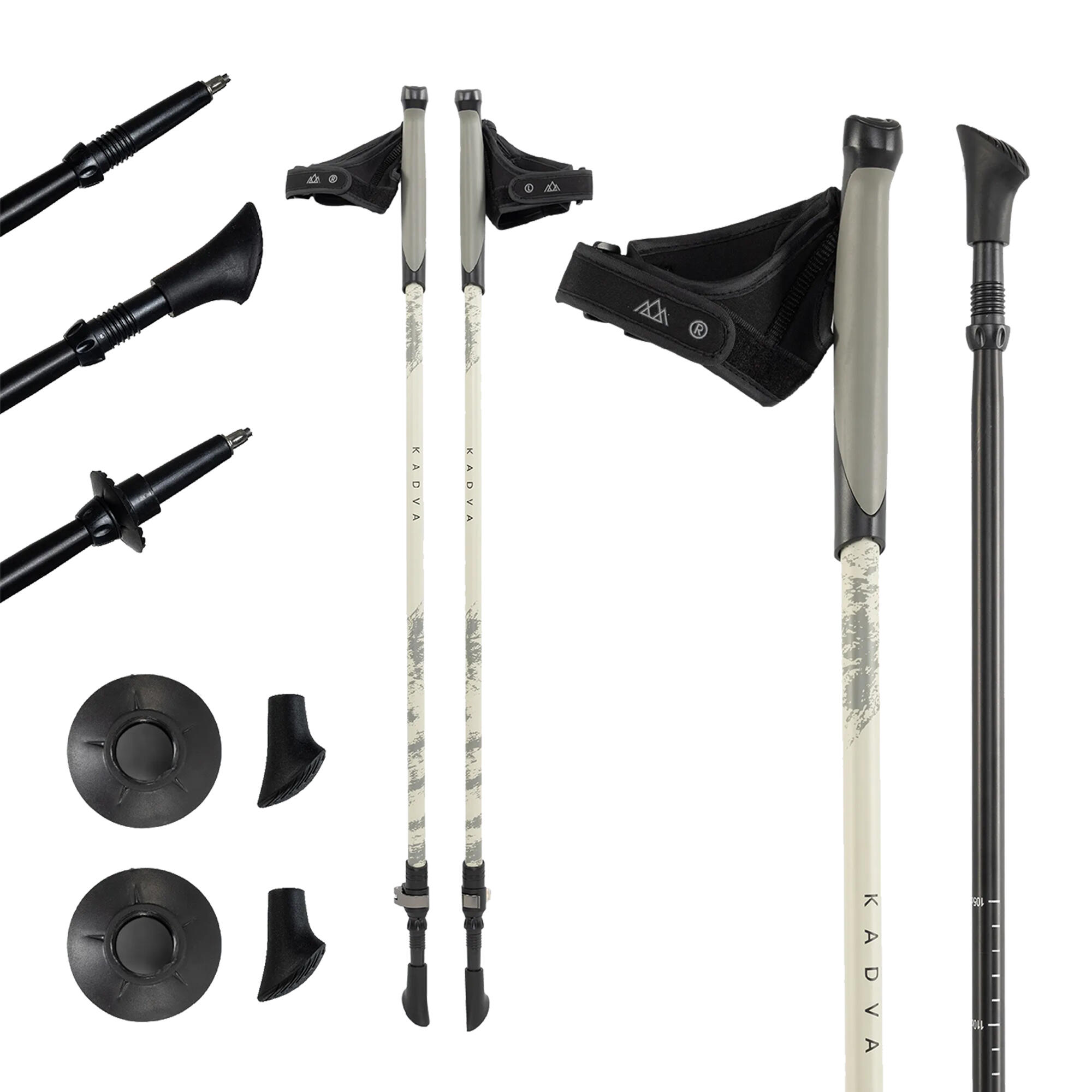
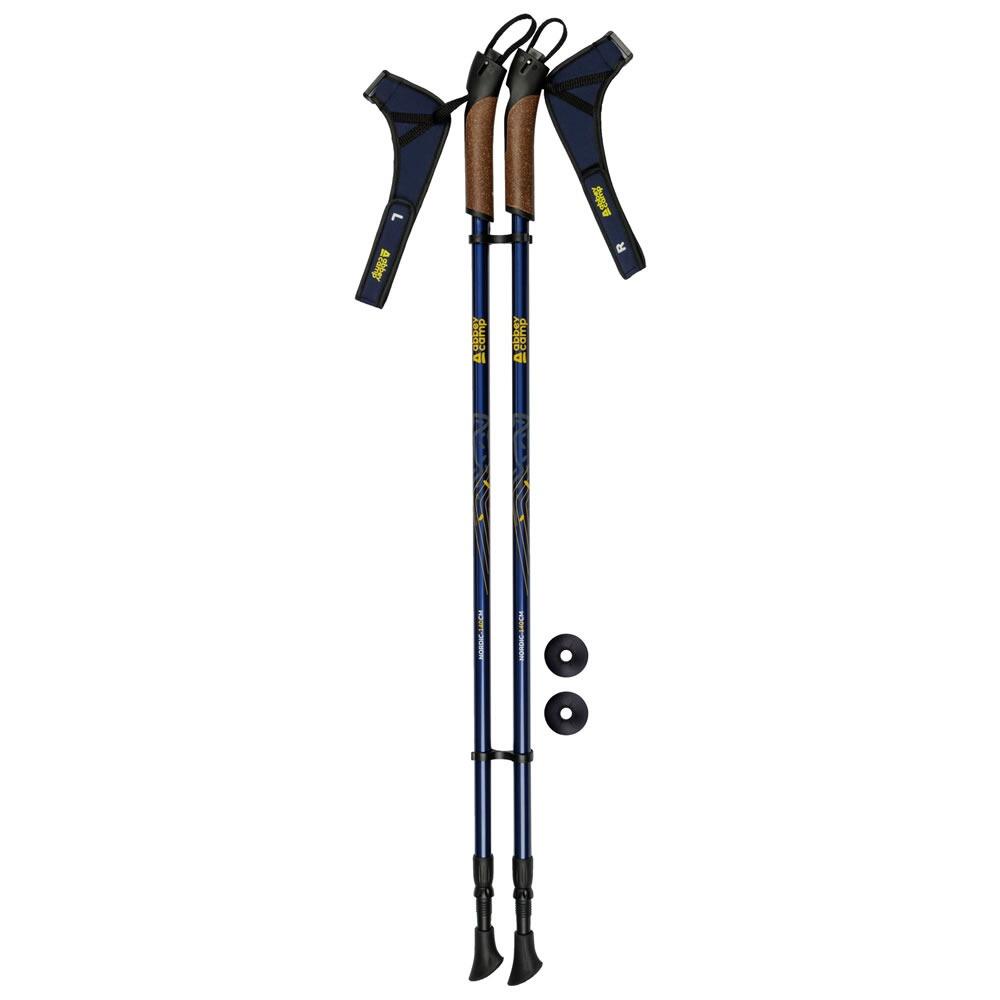
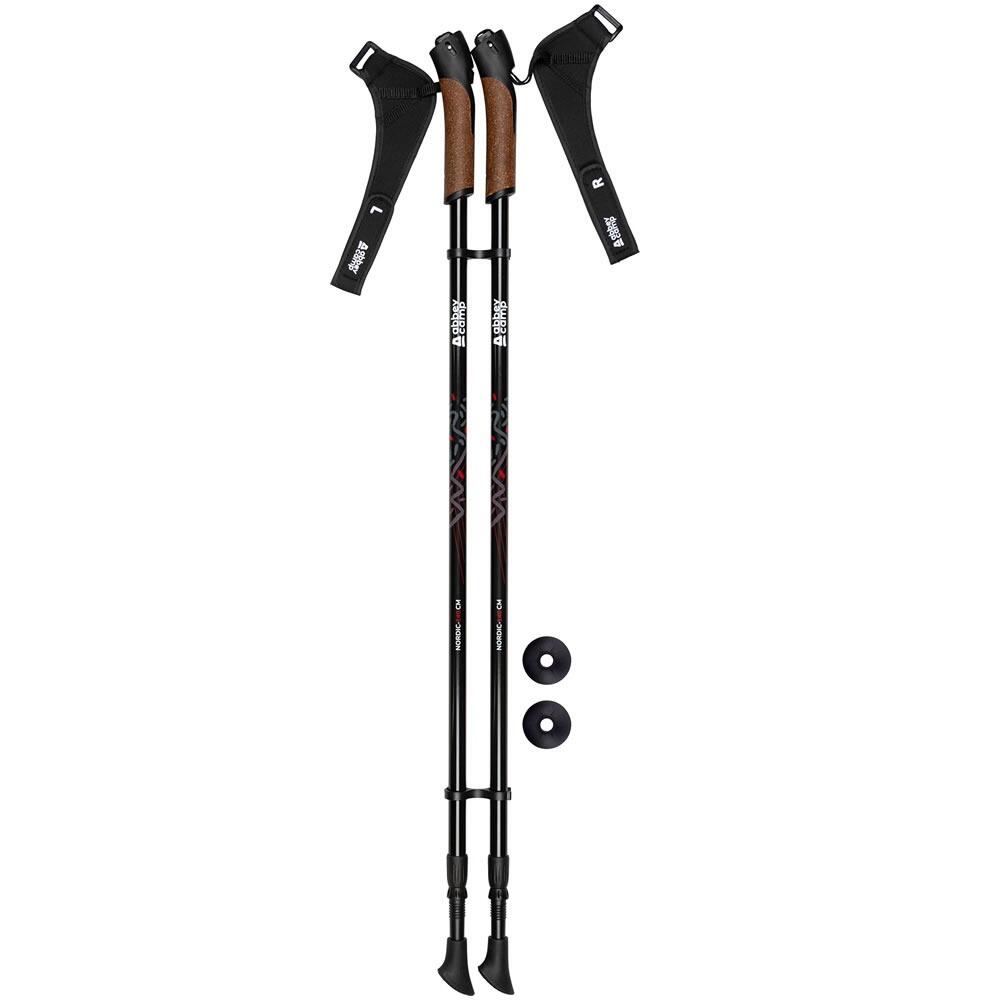
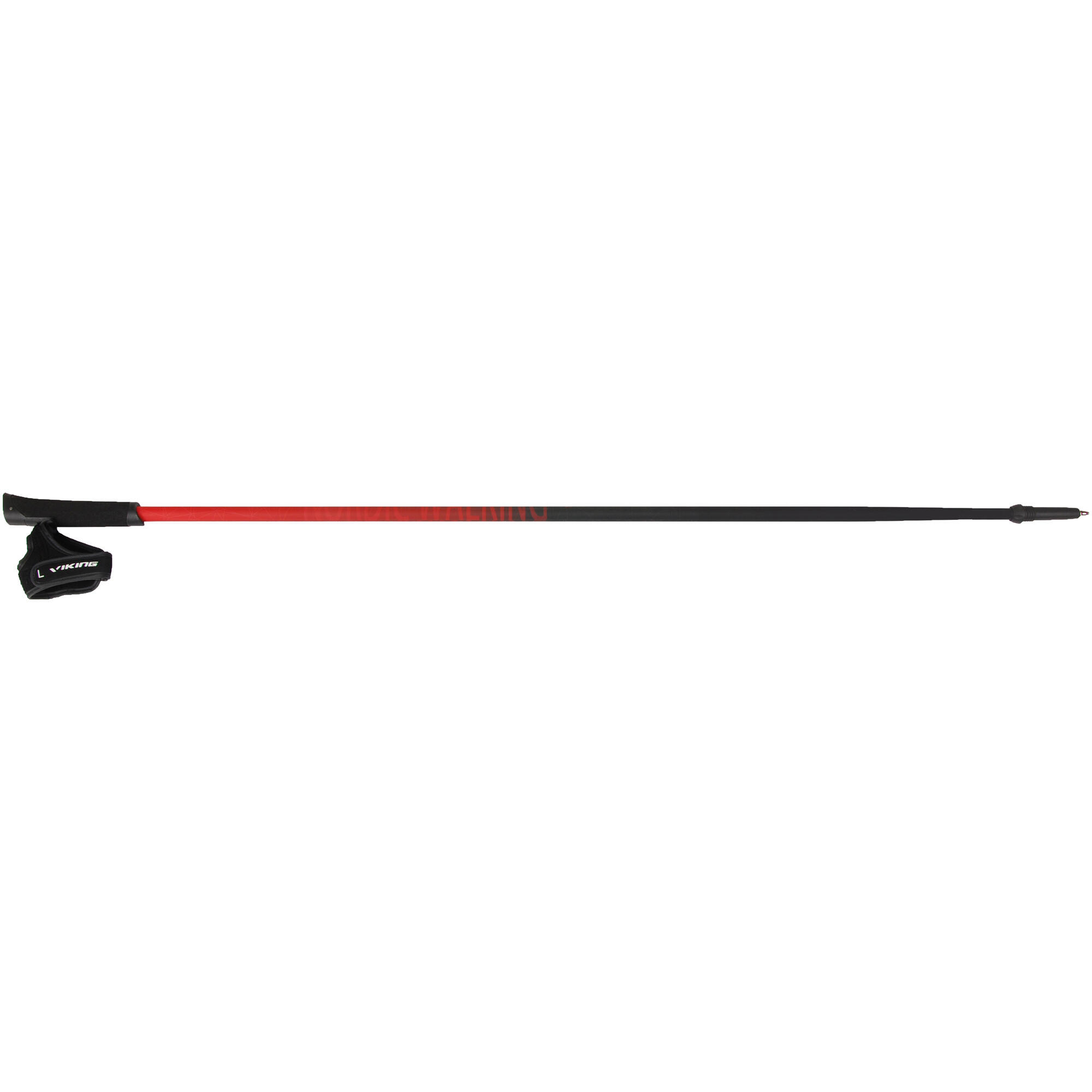
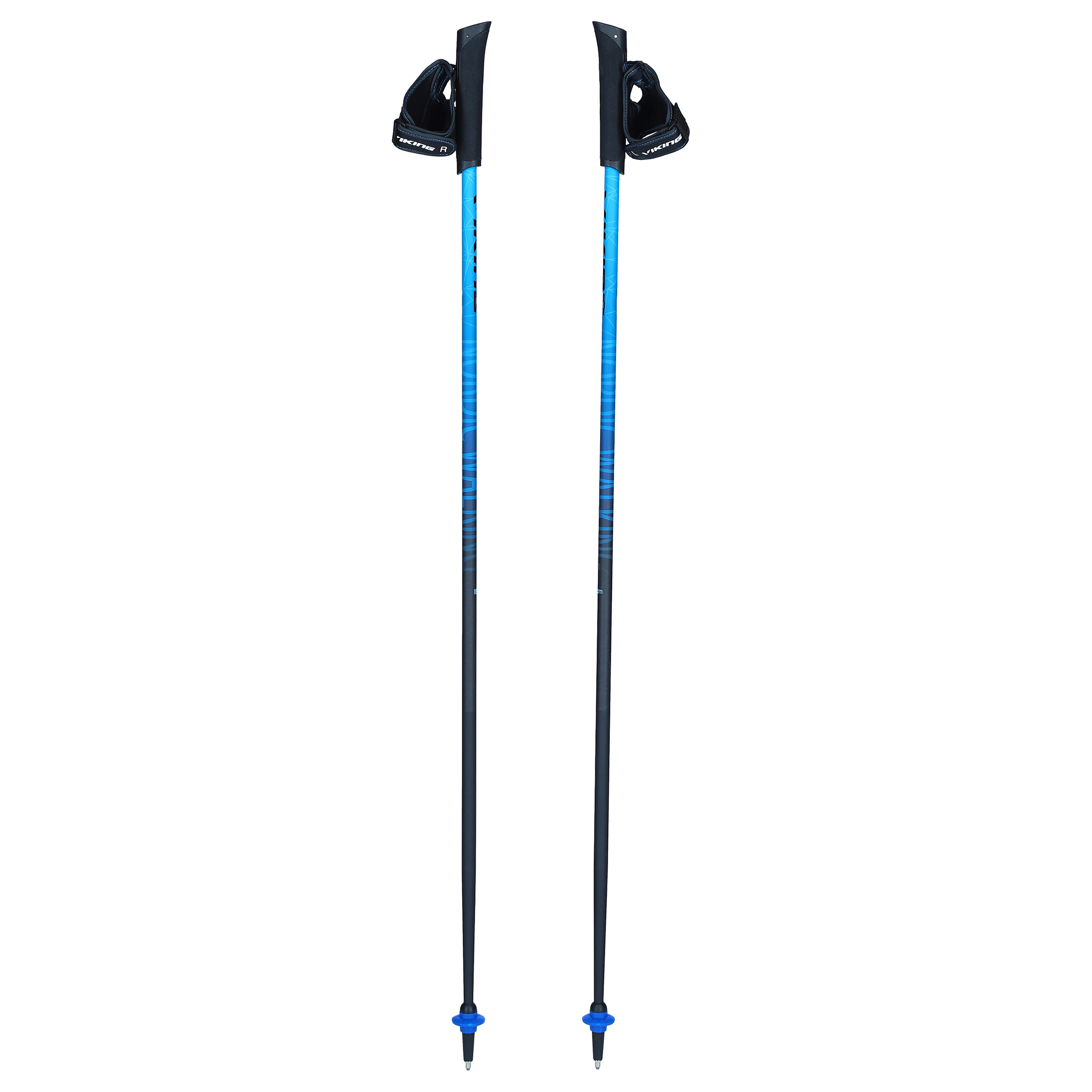
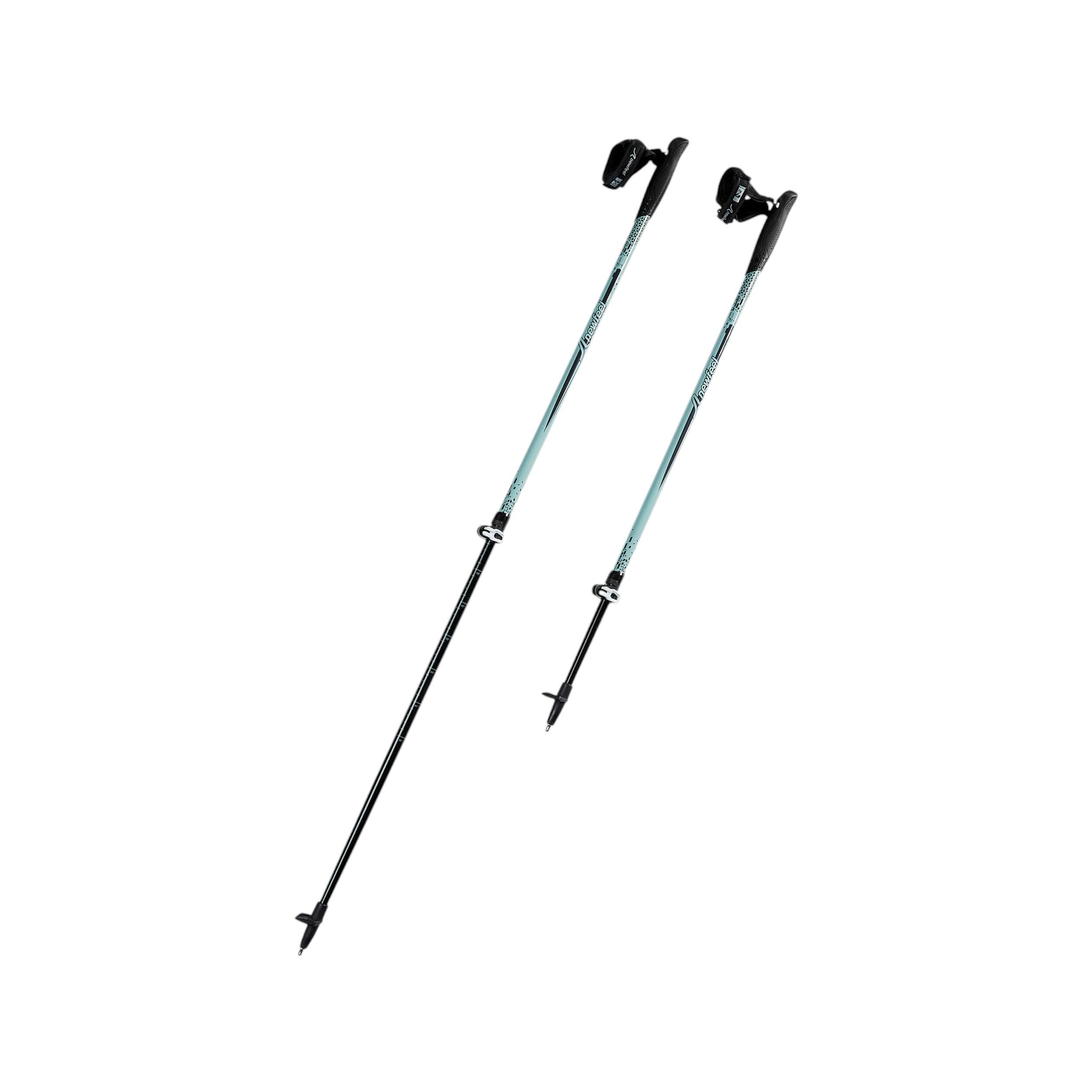
Choose Nordic walking poles by checking the length, grip, strap and tip type. The pole should let your elbow sit at a comfortable angle when the tip touches the ground. Fixed poles are usually lighter and simple to use, while adjustable poles suit shared use or varied terrain. A secure wrist strap helps you push through the pole without gripping too tightly. To get poles, tips and spare parts, use Nordic walking poles and pole accessories.

Is Nordic walking a good full-body exercise?

Nordic walking is a useful full-body exercise because it works the upper body as well as the legs. The pole push engages the arms, shoulders, back and core, while the walking motion keeps the lower body active. Many people find it more energetic than regular walking, but still controlled and joint-friendly when the technique is right. If you need longer sessions, add bottles, packs and other basics from walking gear.

Can beginners learn Nordic walking easily?

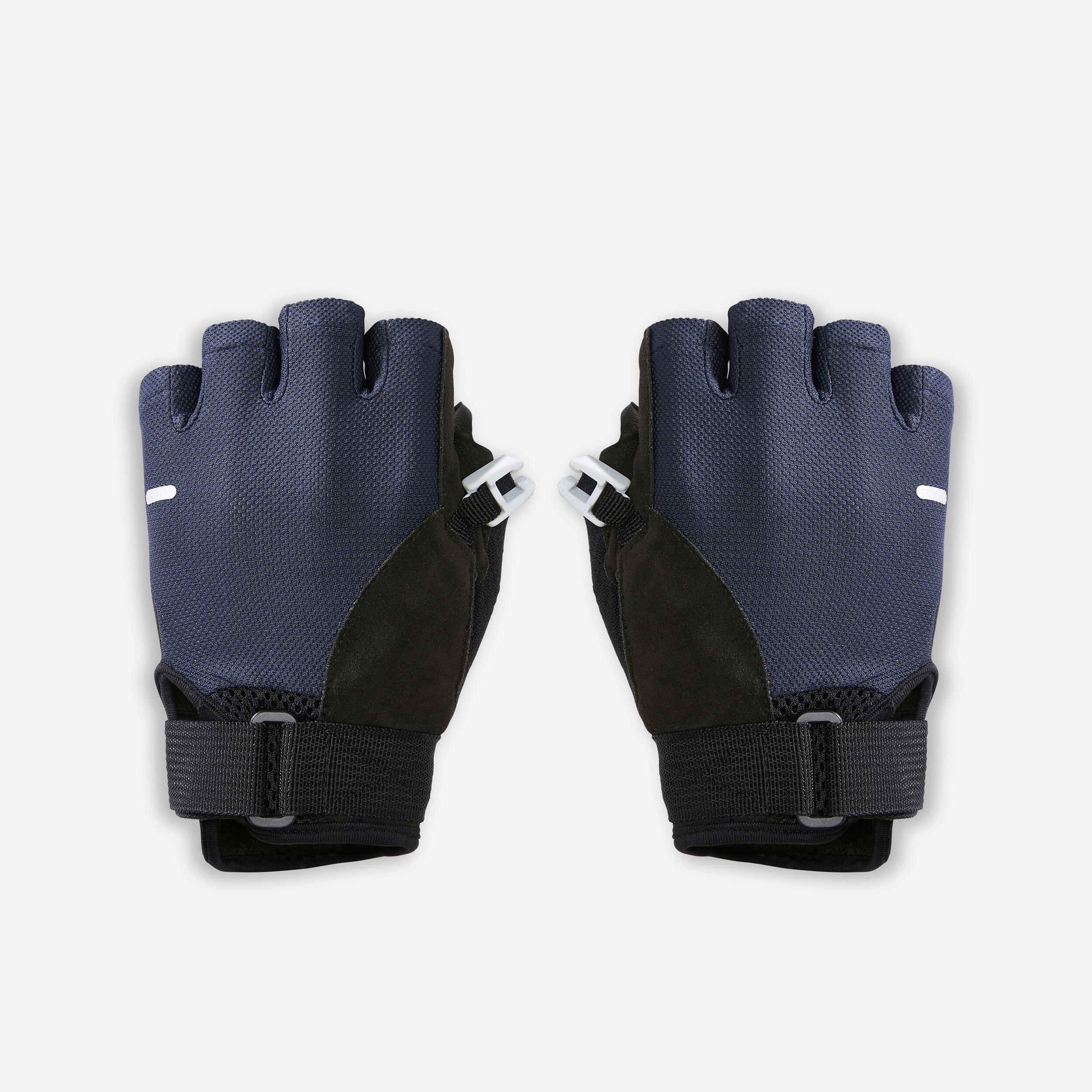
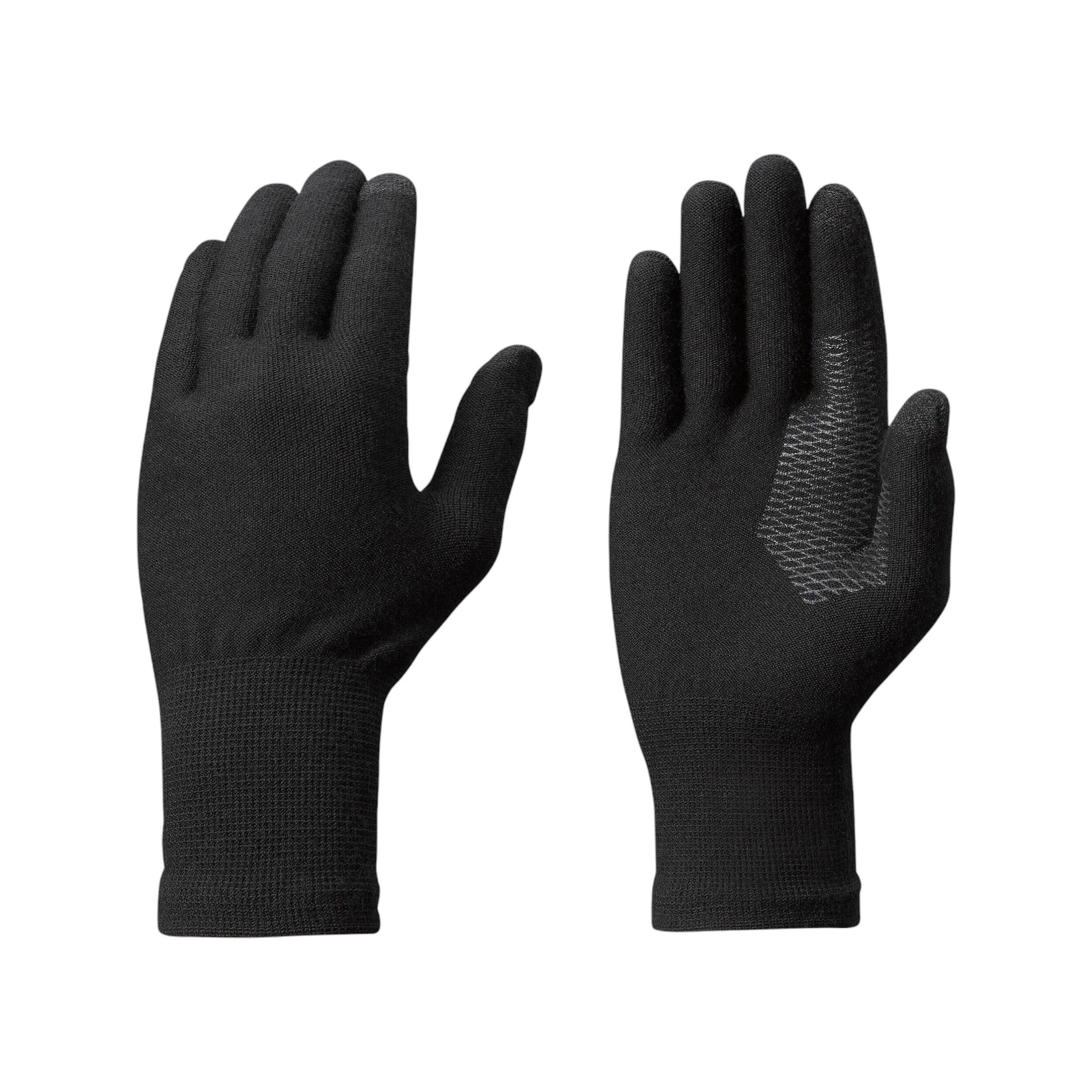
Nordic walking is beginner-friendly when you start on flat, even ground and focus on rhythm before speed. Begin with short sessions, letting the opposite arm and leg move naturally, then add more distance once the pole action feels smooth. Gloves, spare baskets and small comfort extras can make regular practice easier. Practical add-ons are available through walking accessories.