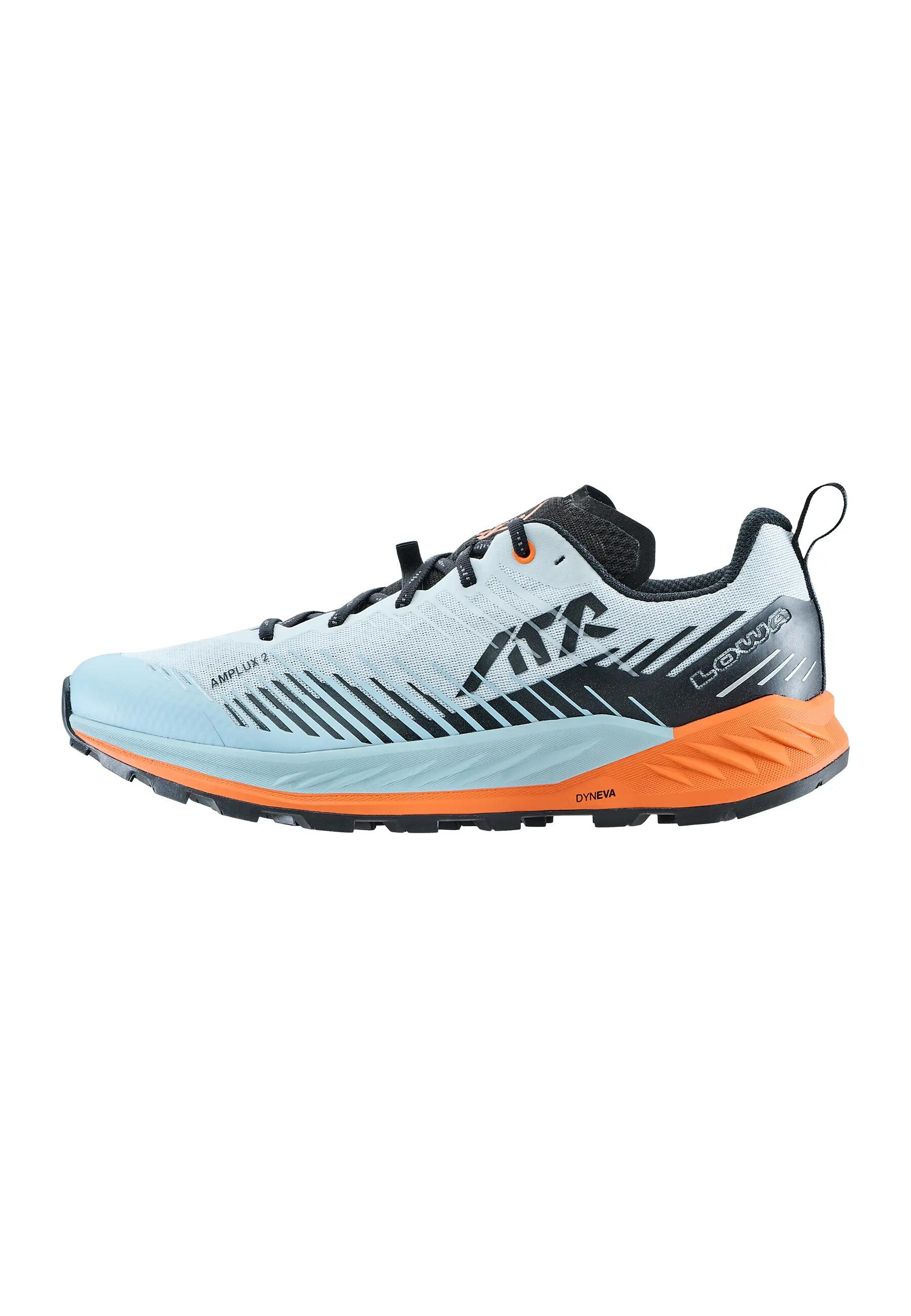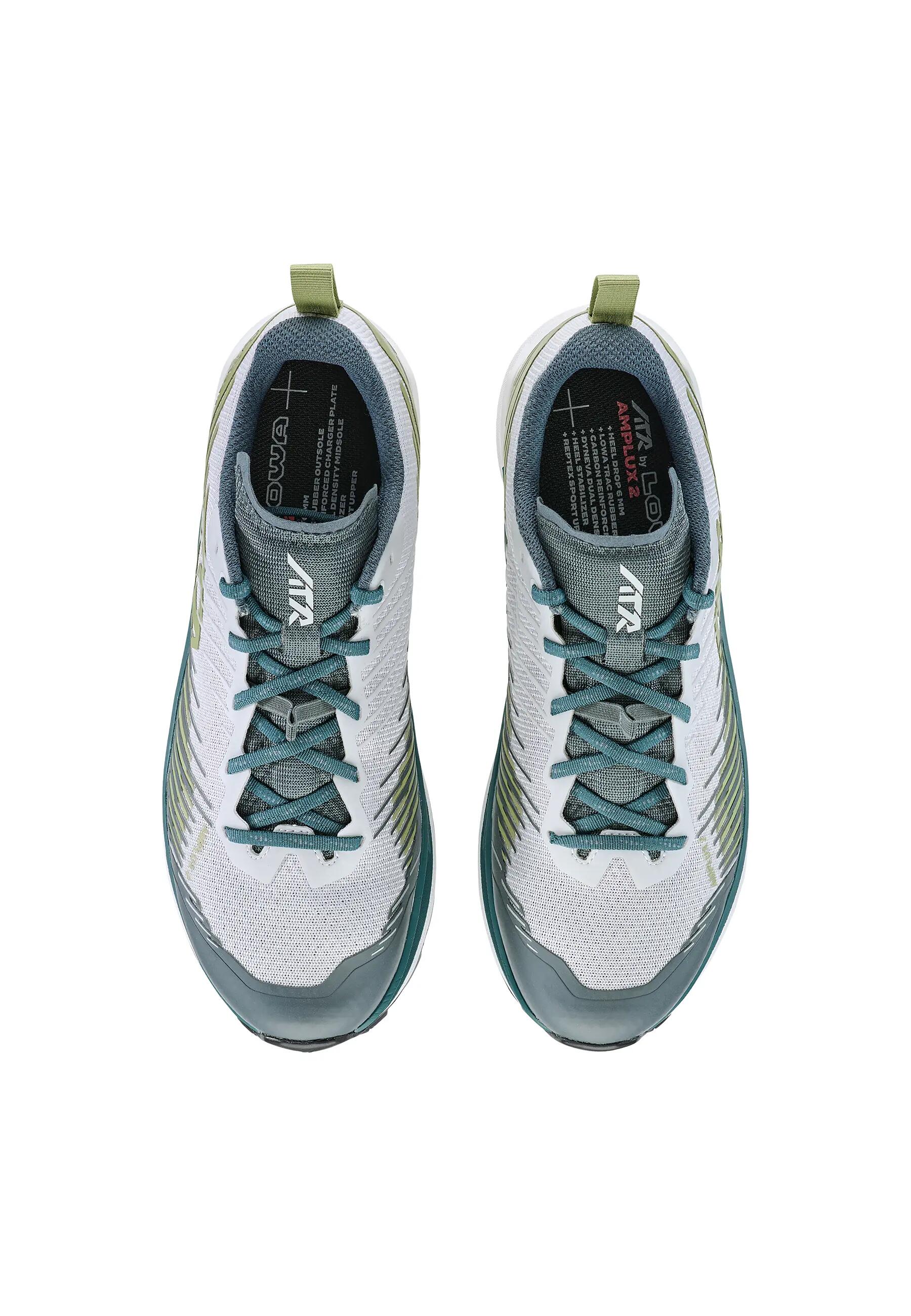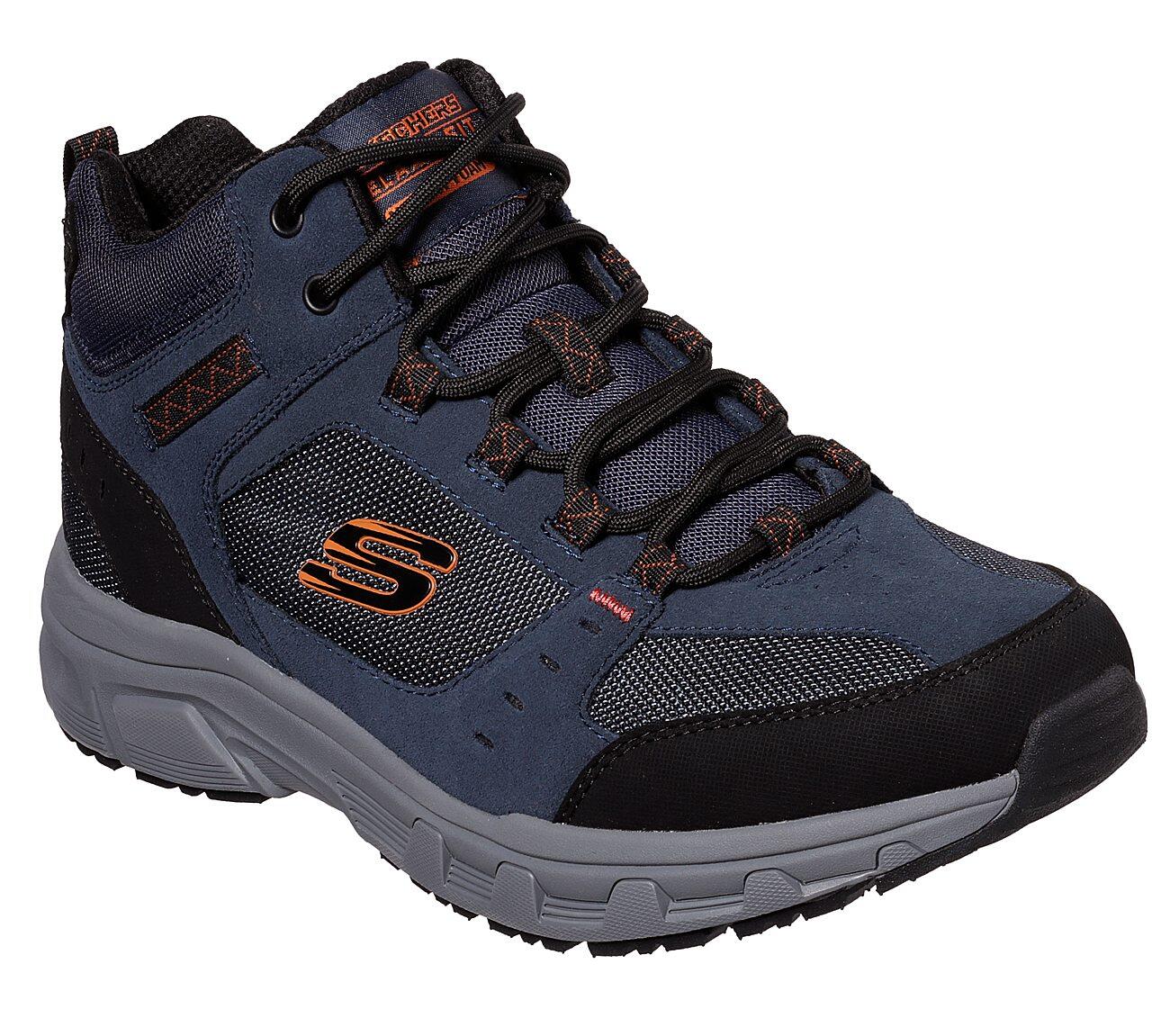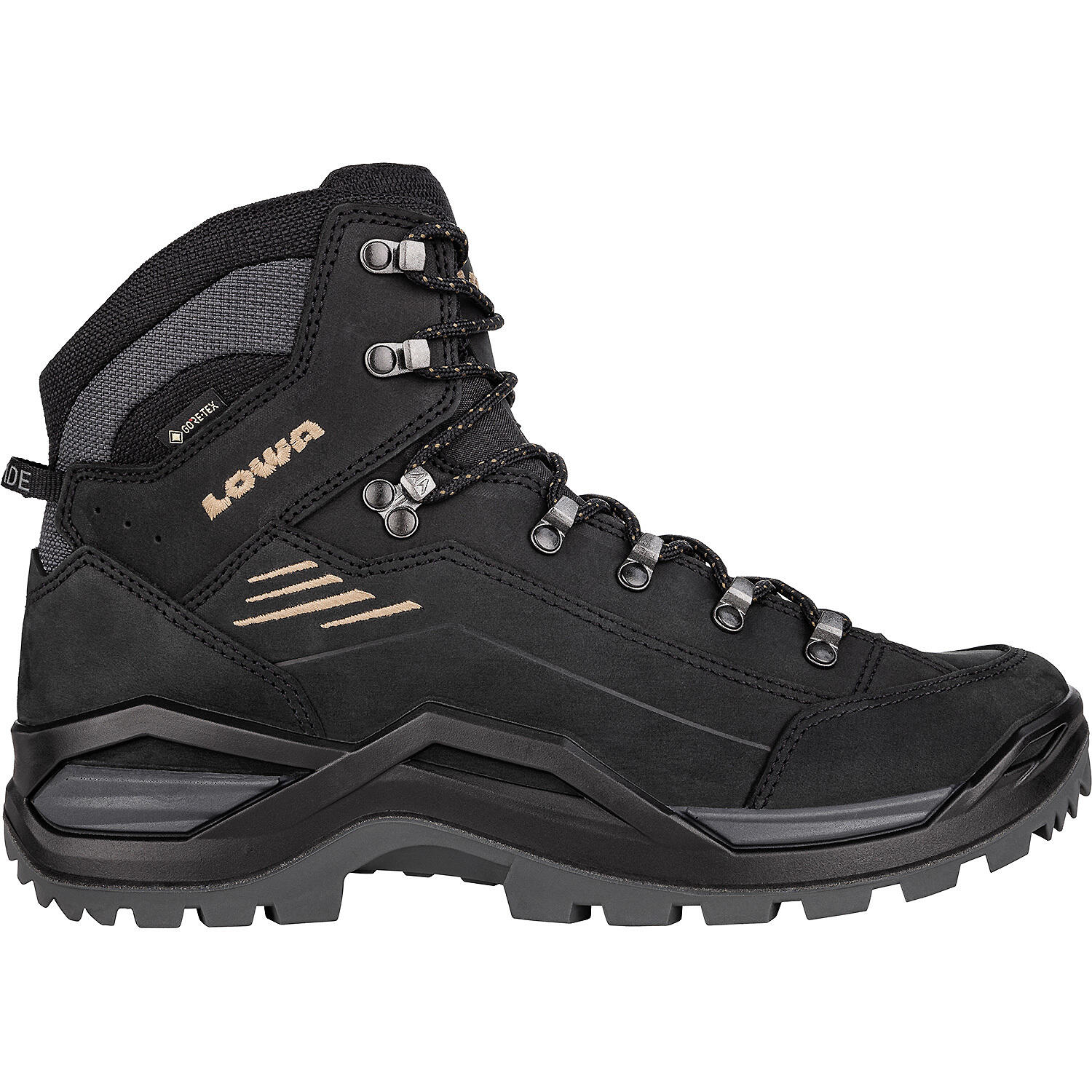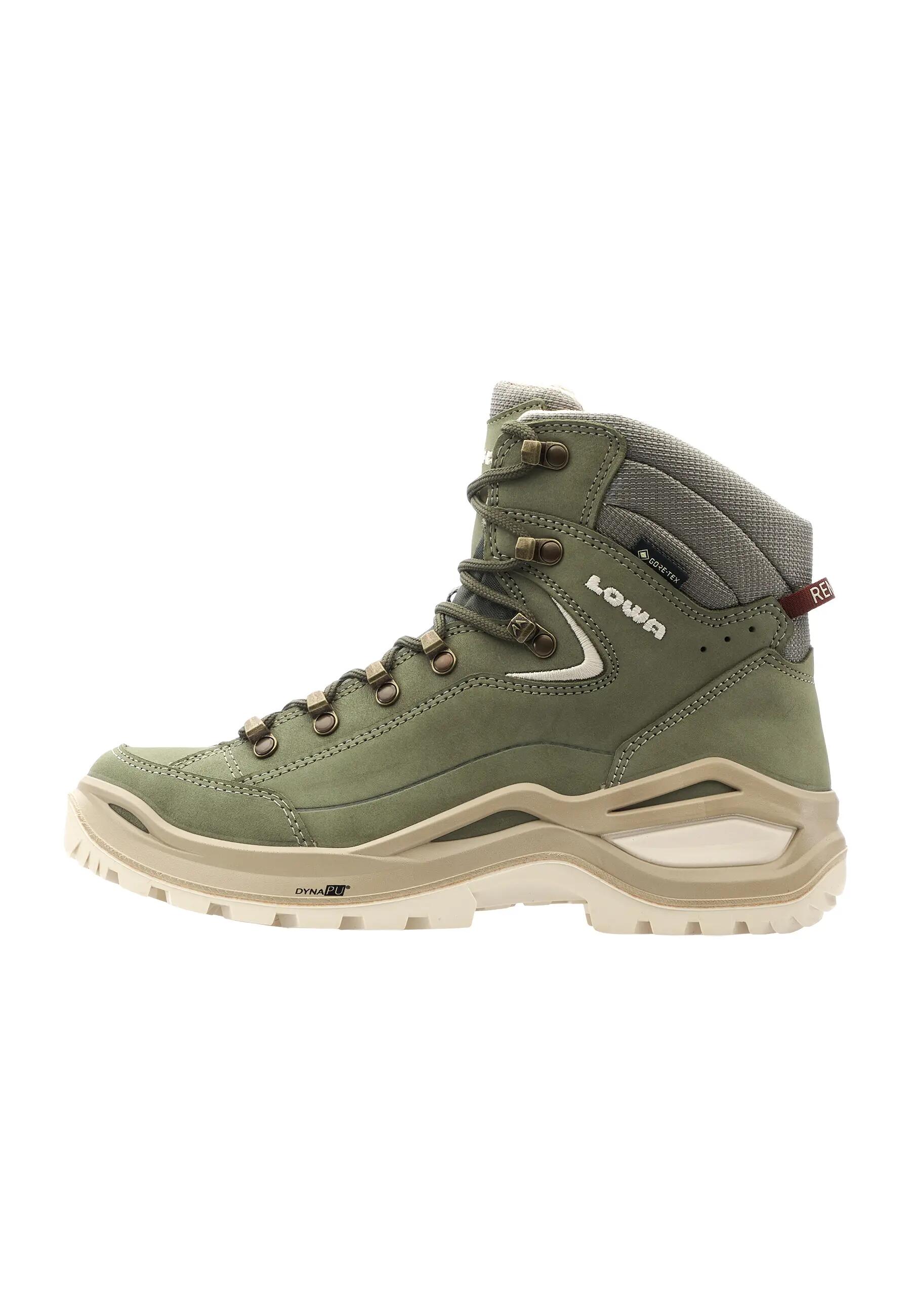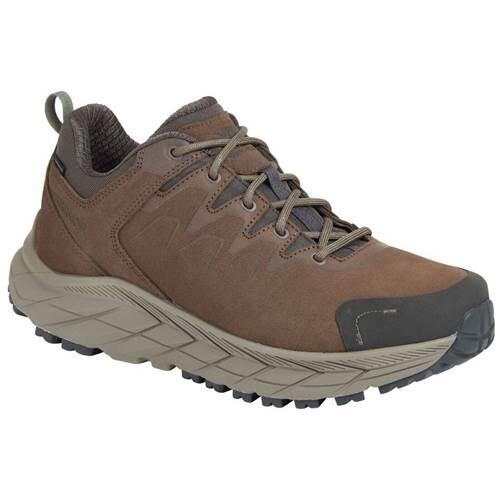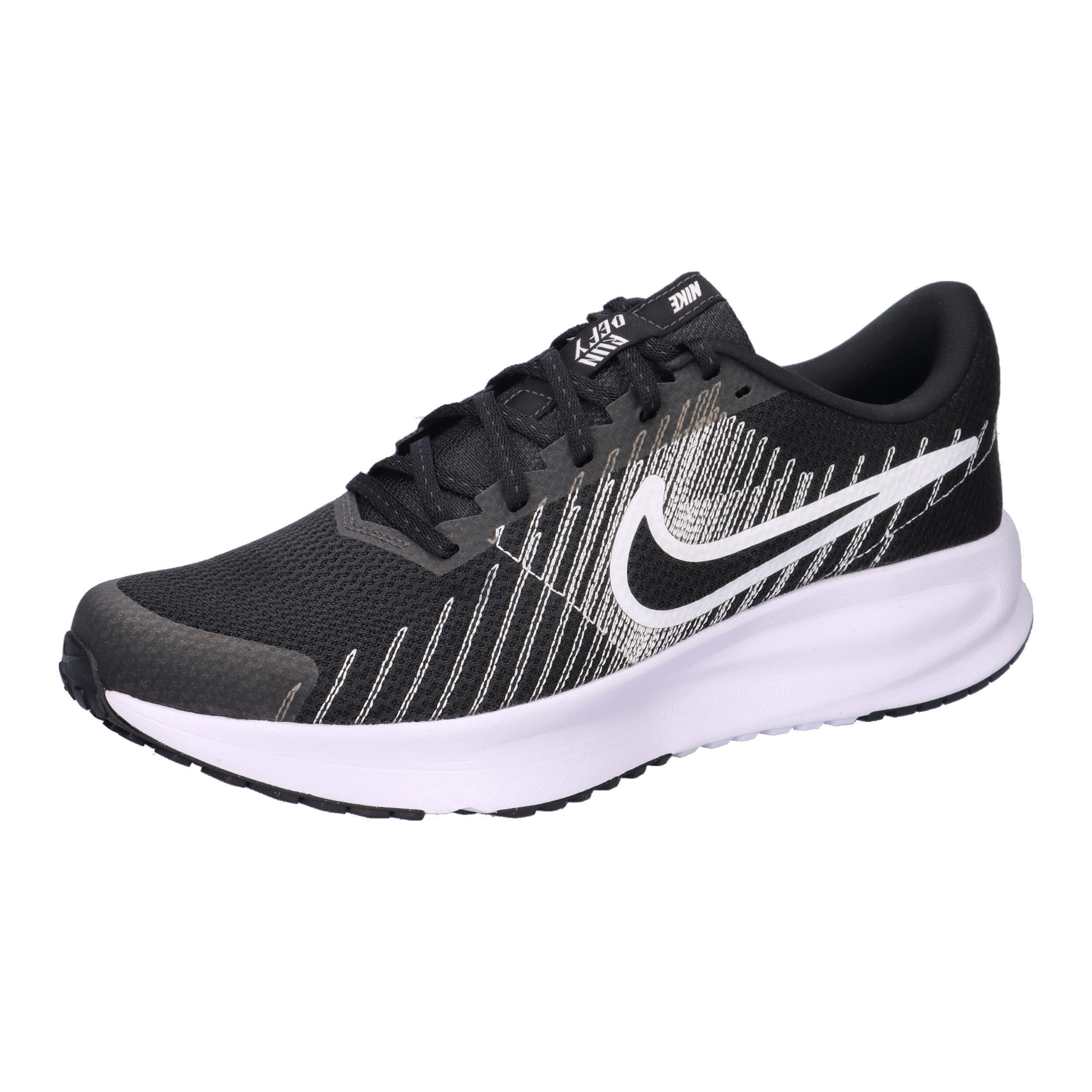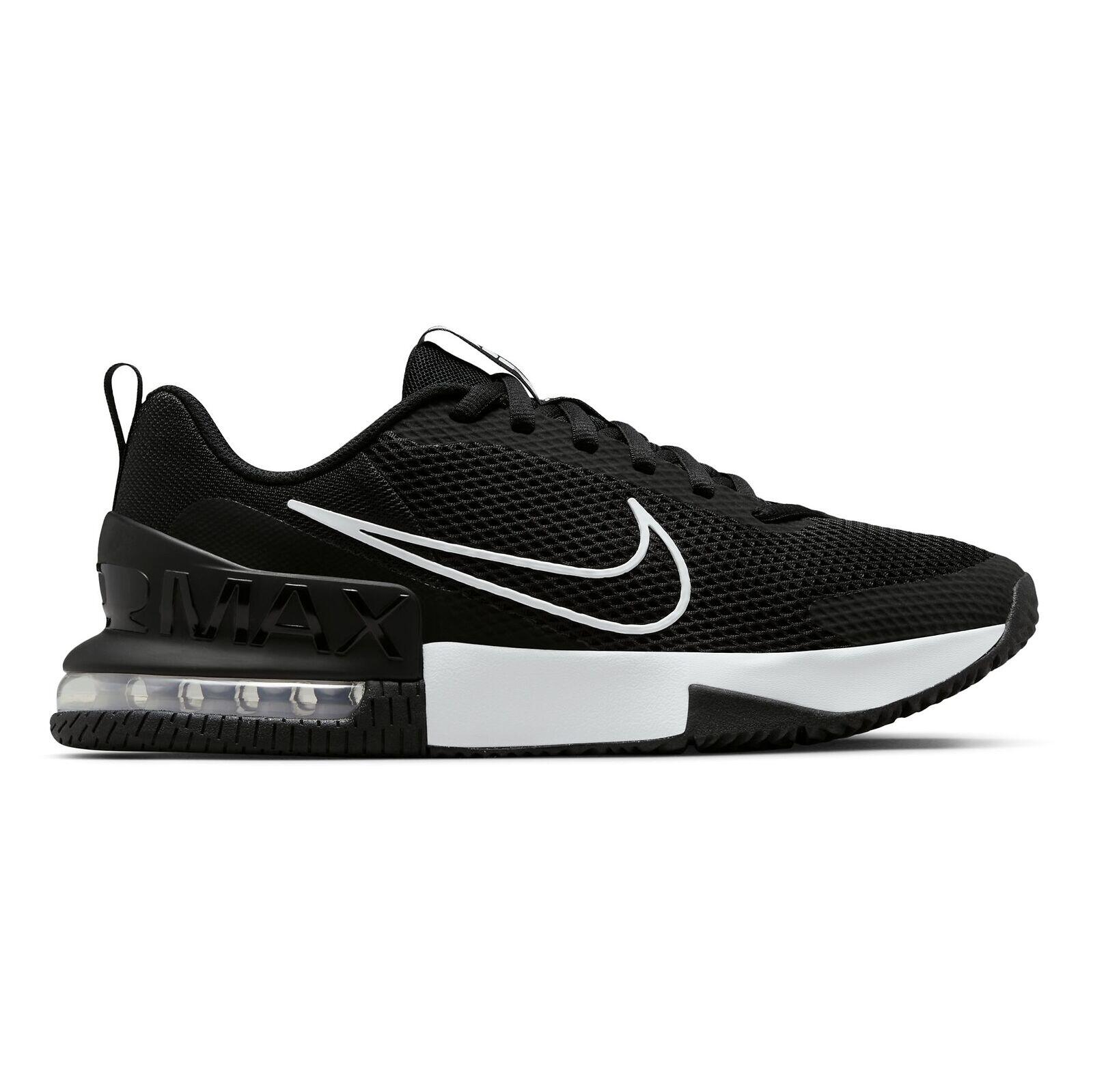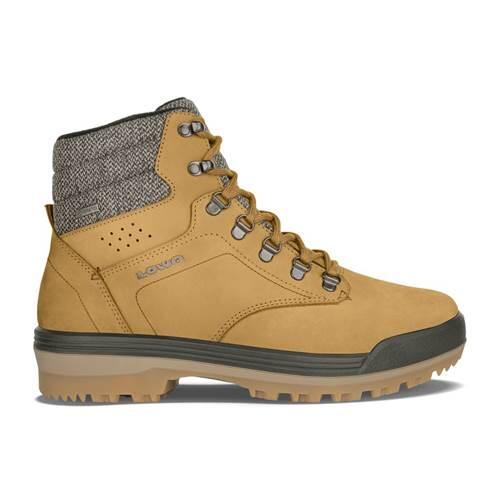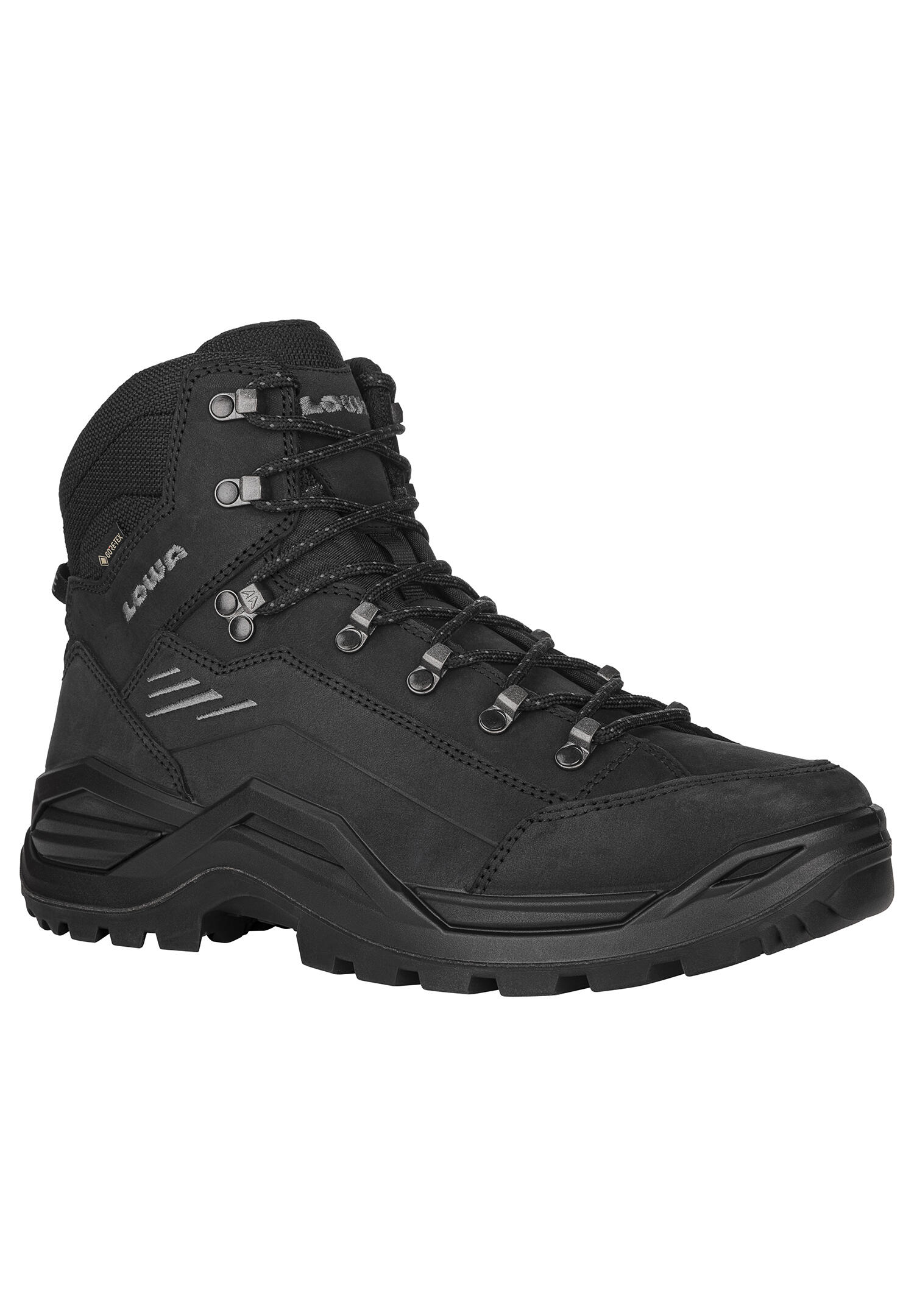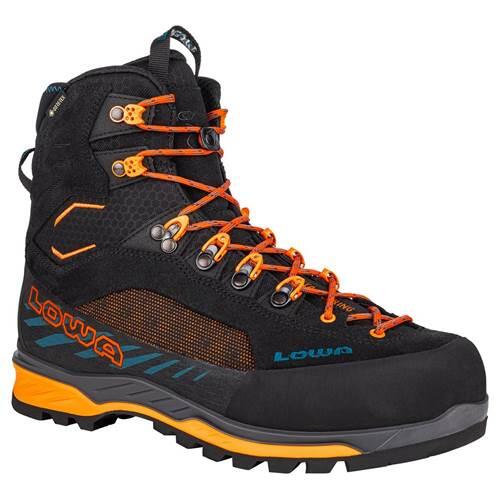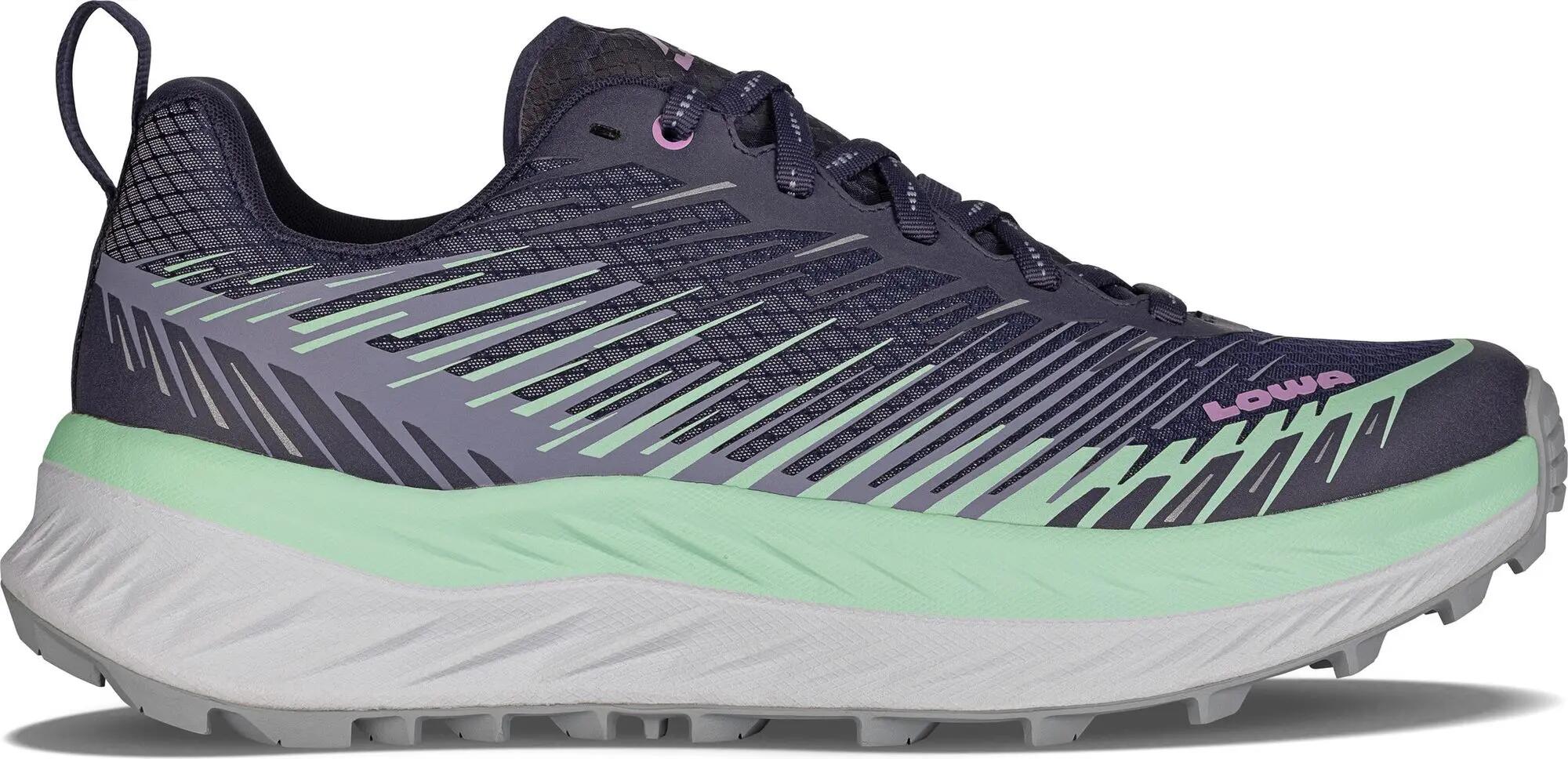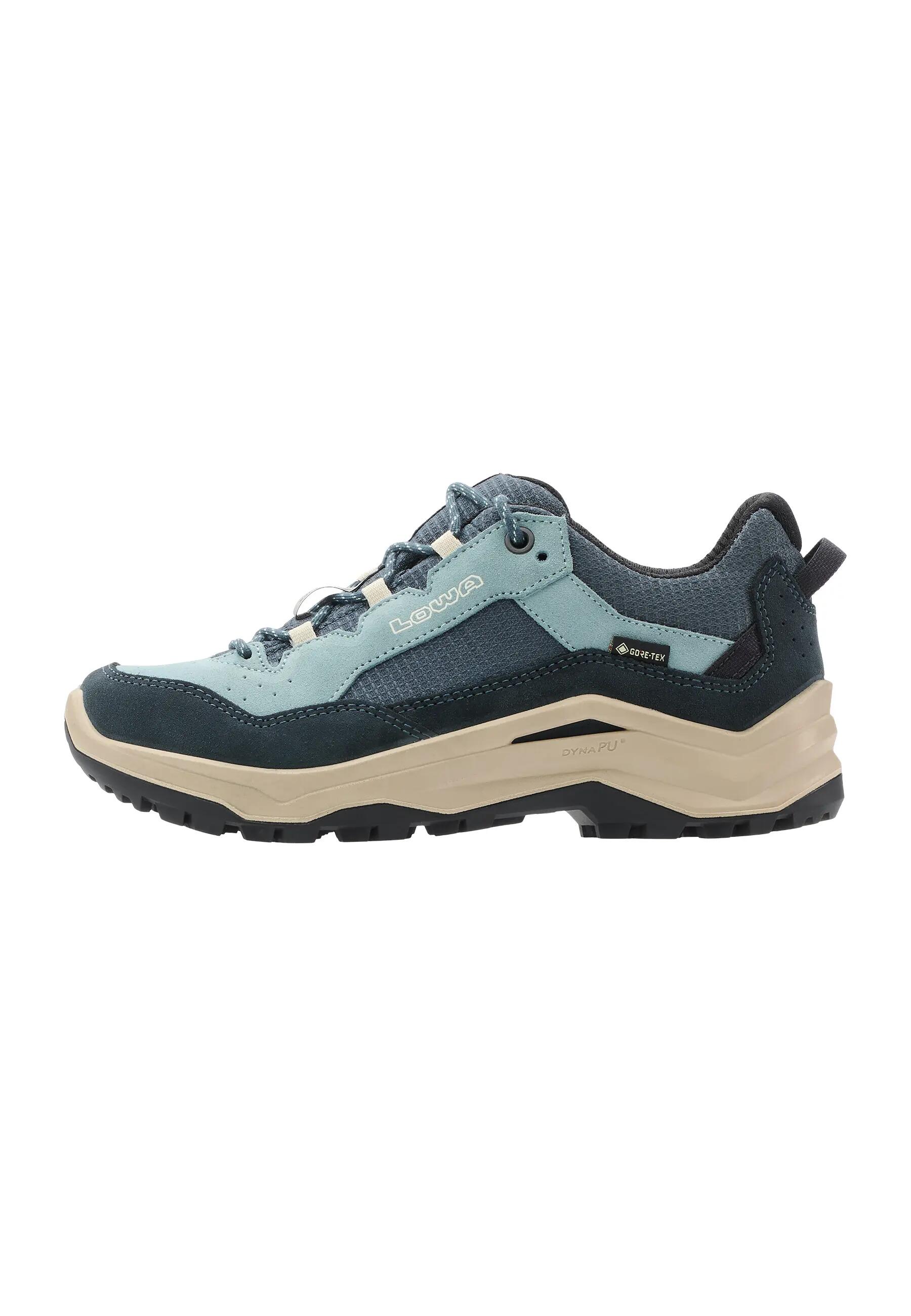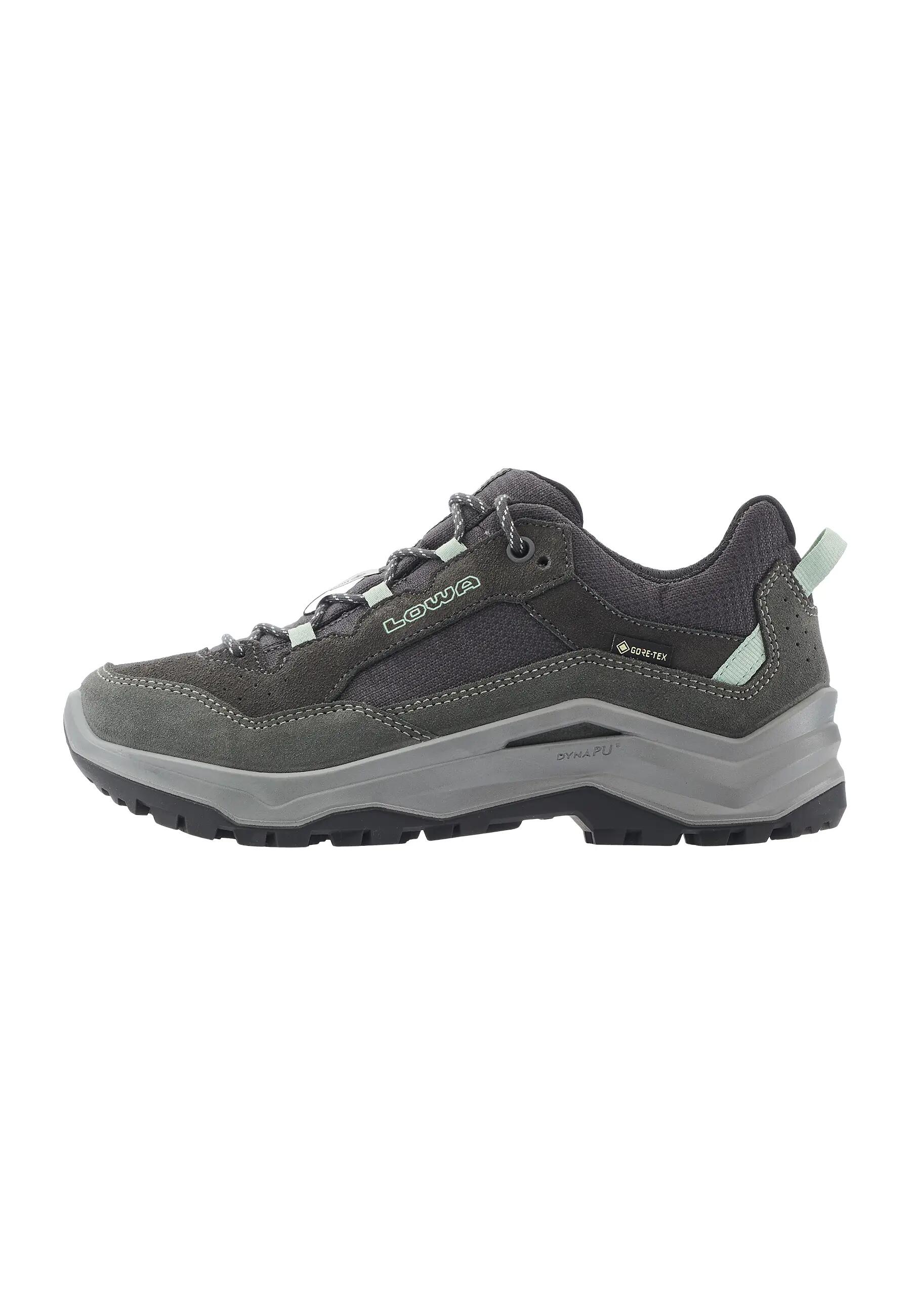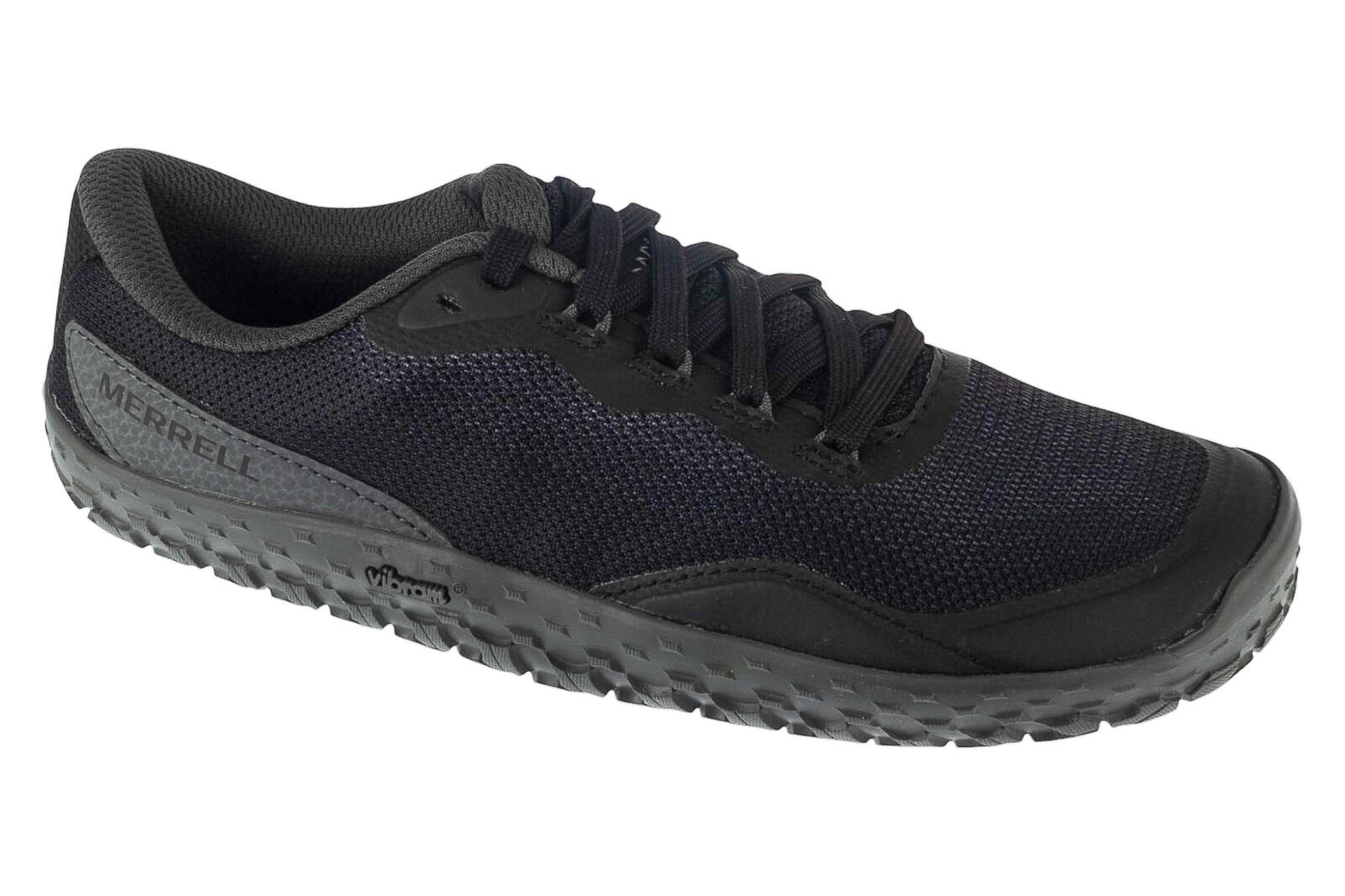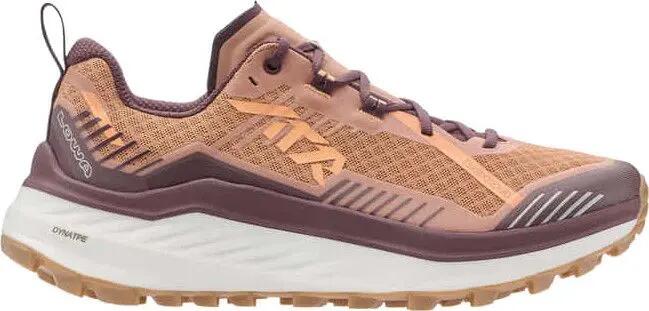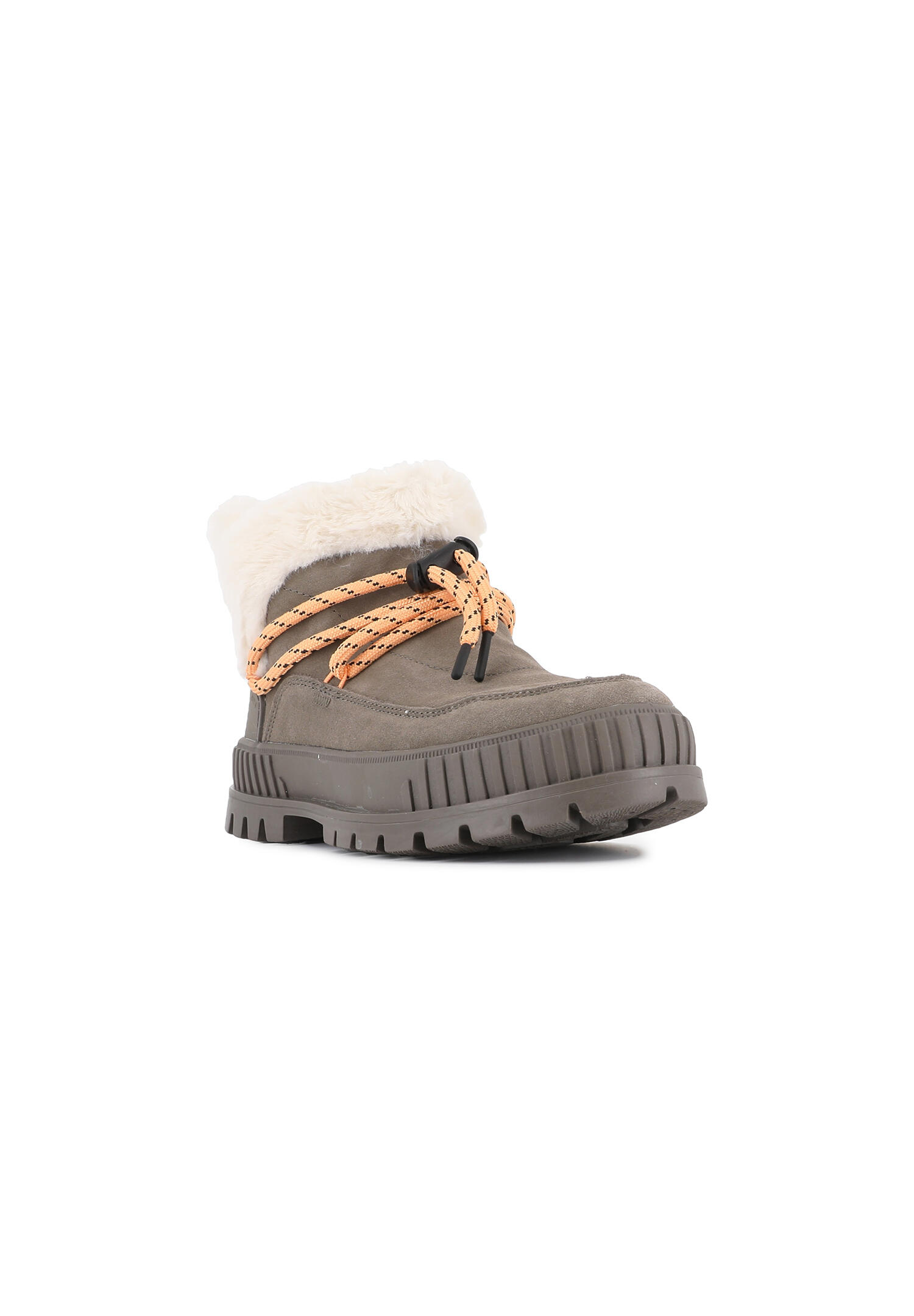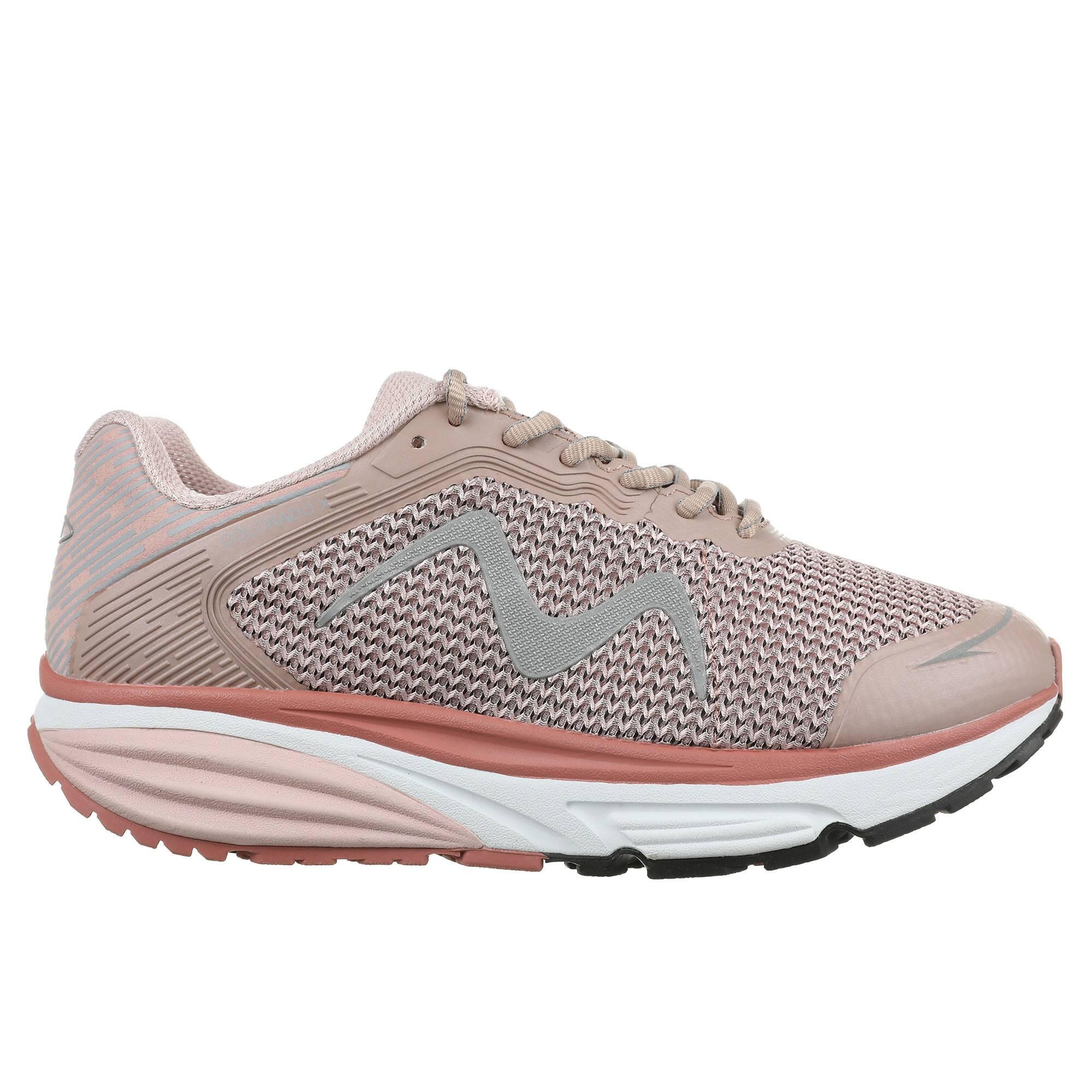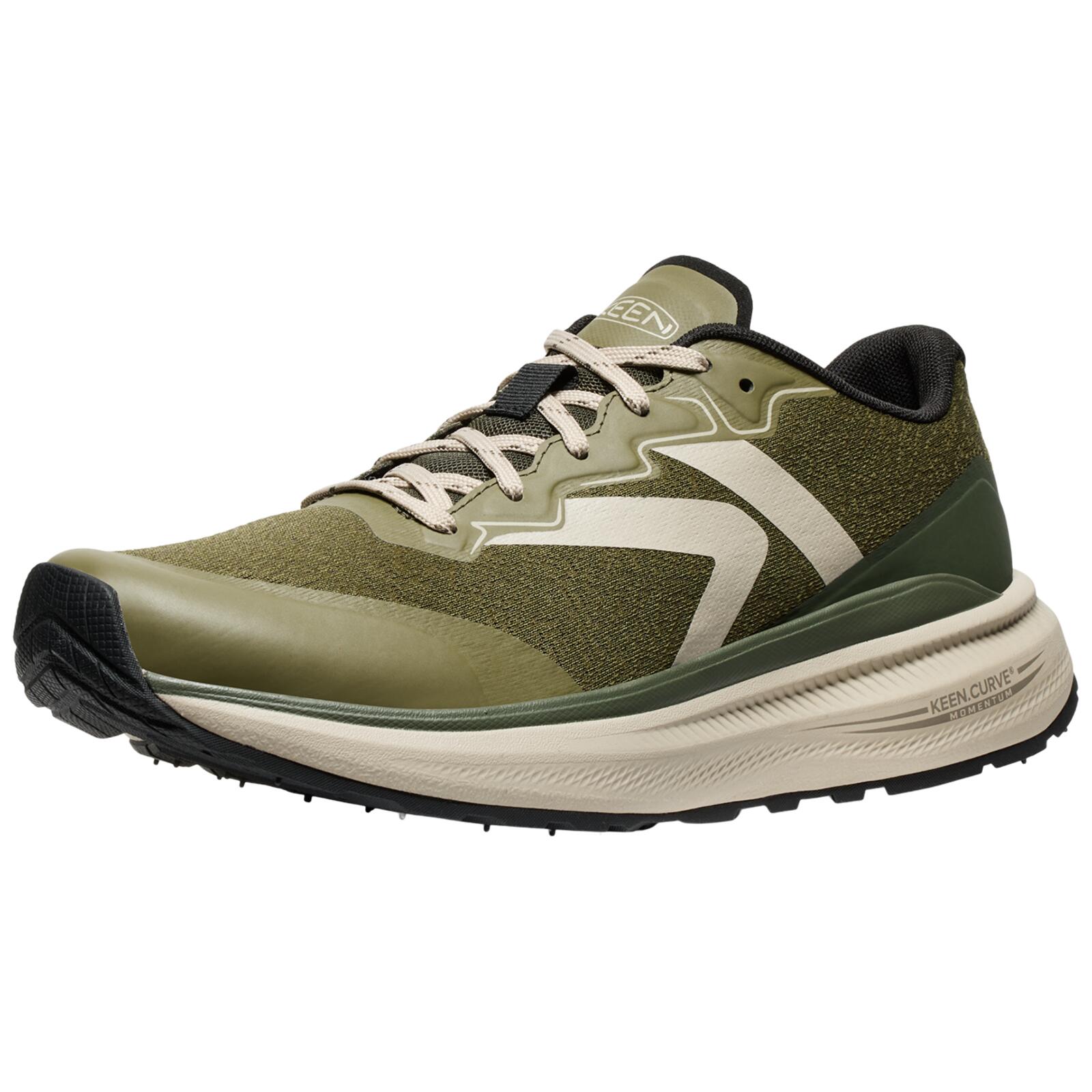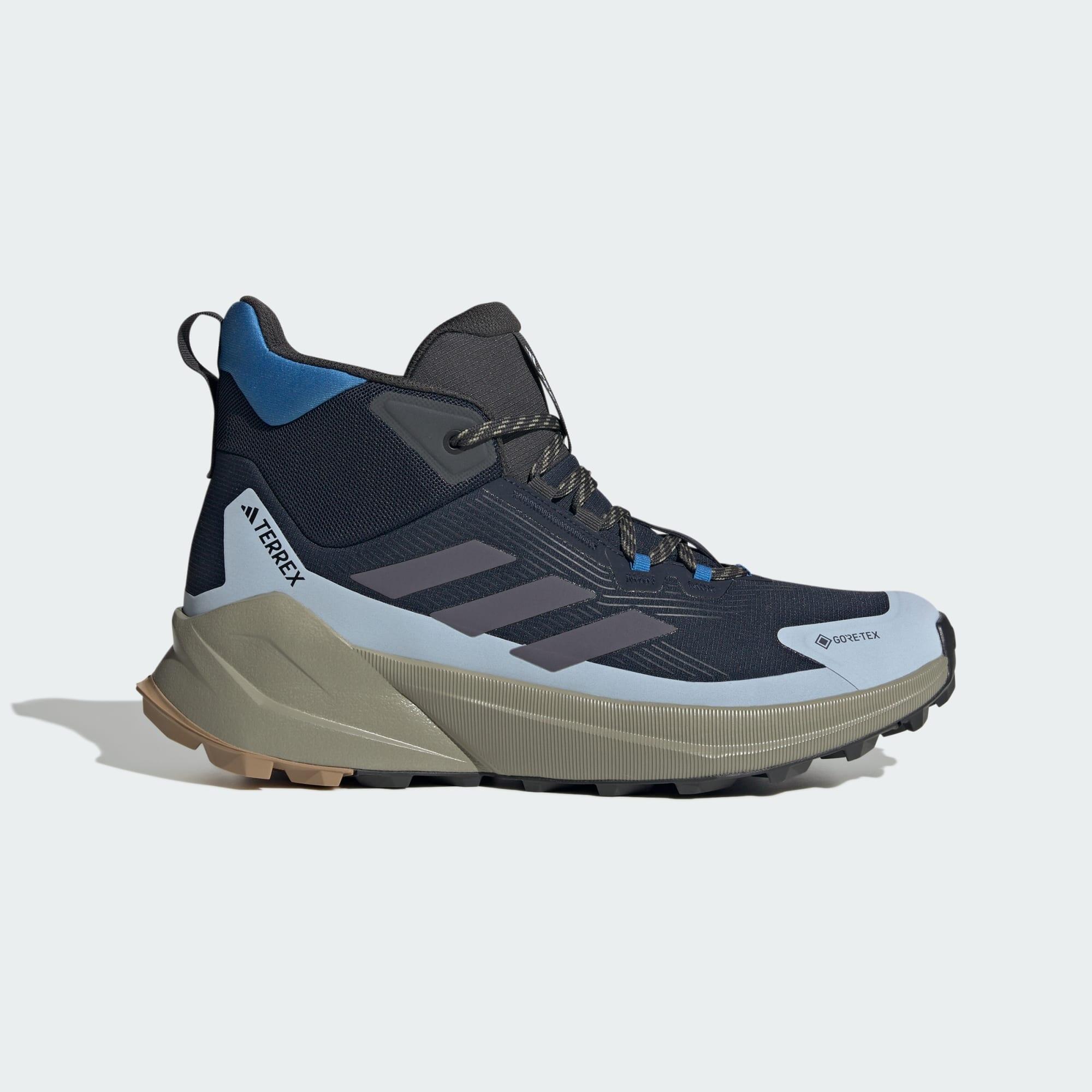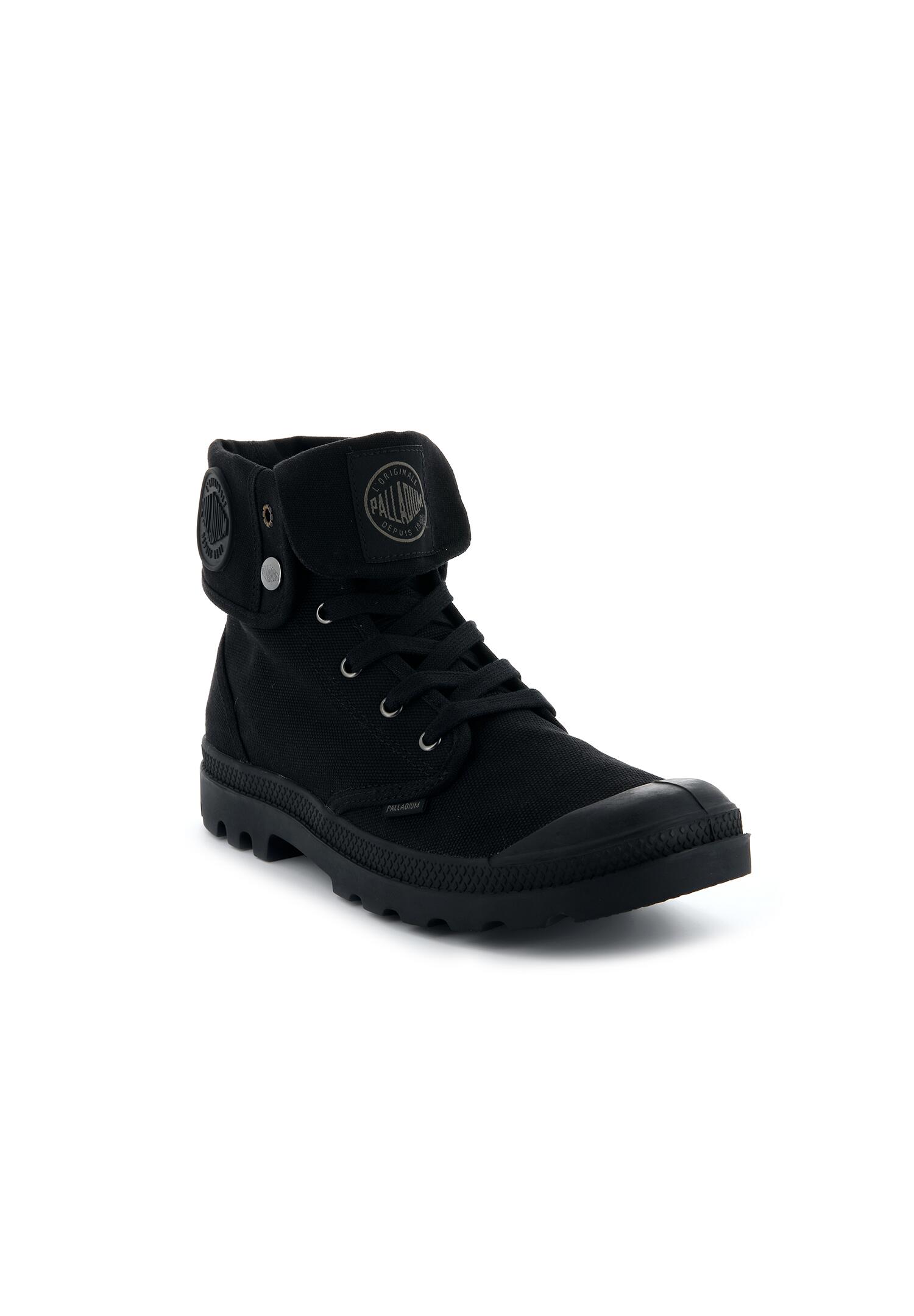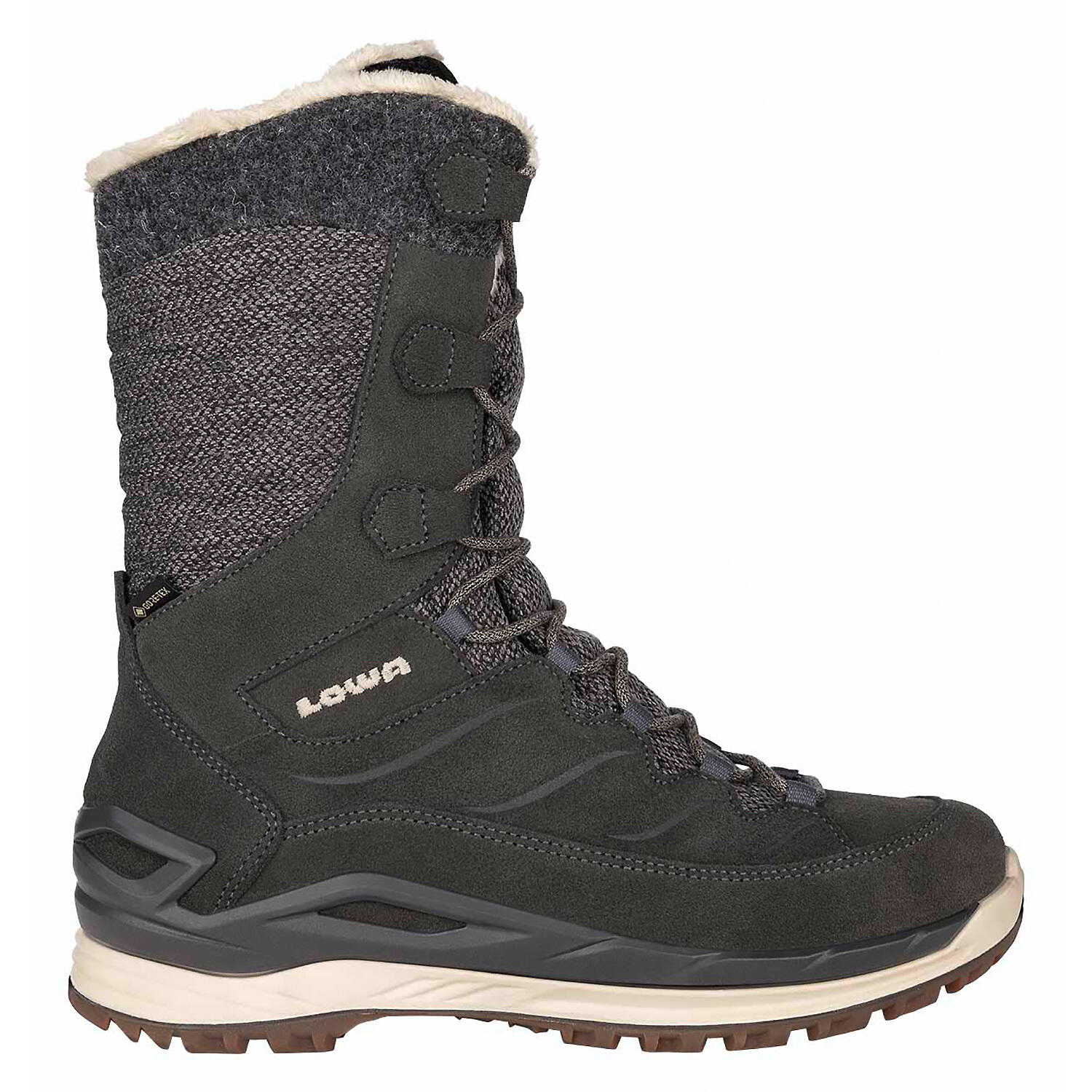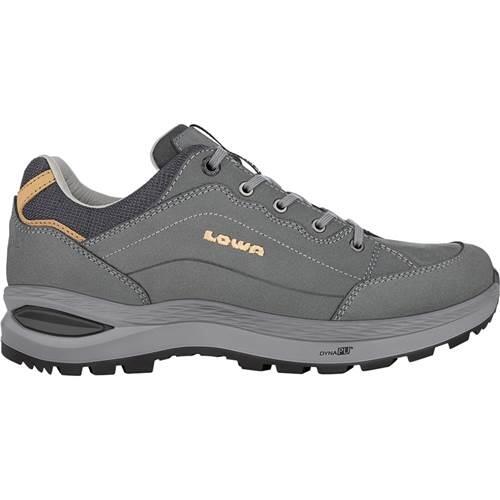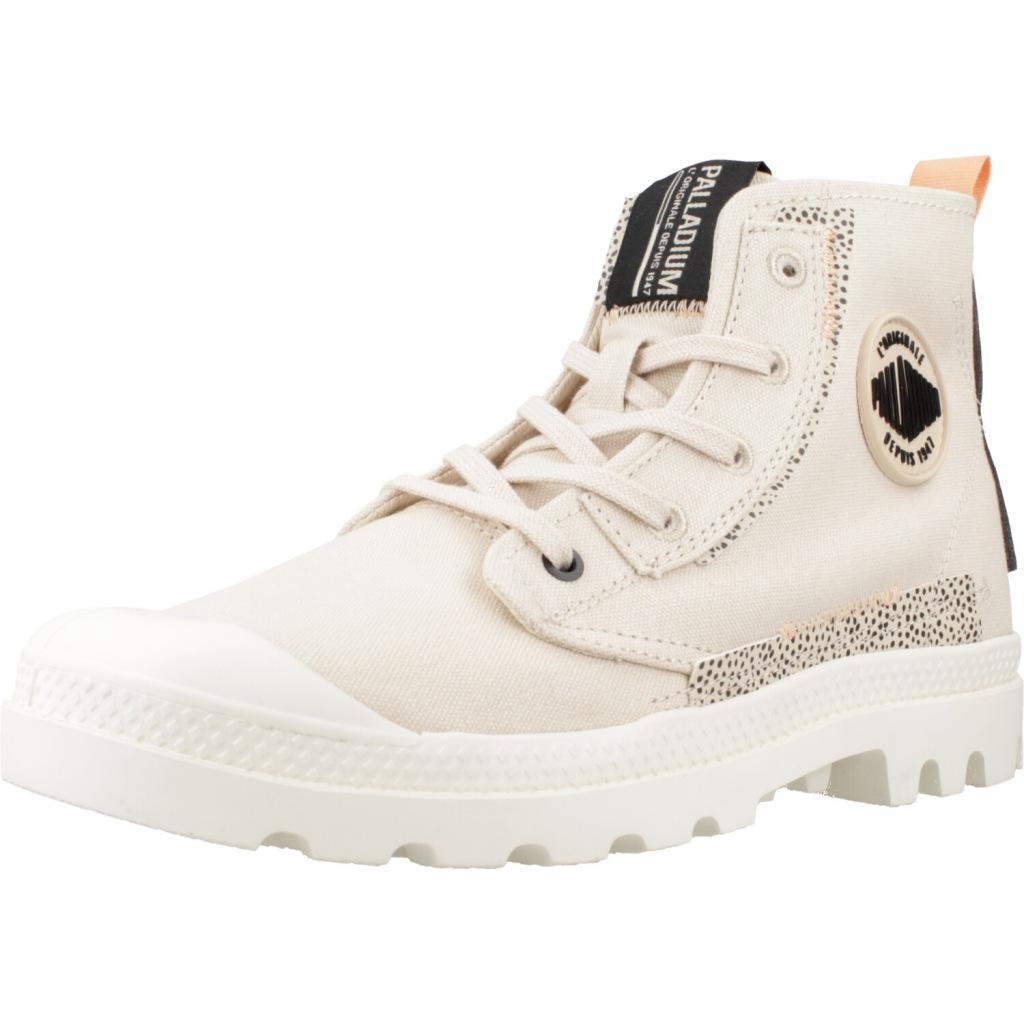
75 items
4.8/5 based on 776 reviews collected online and in stores

Nordic Walking Shoes FAQs

What qualities should Nordic walking shoes have?

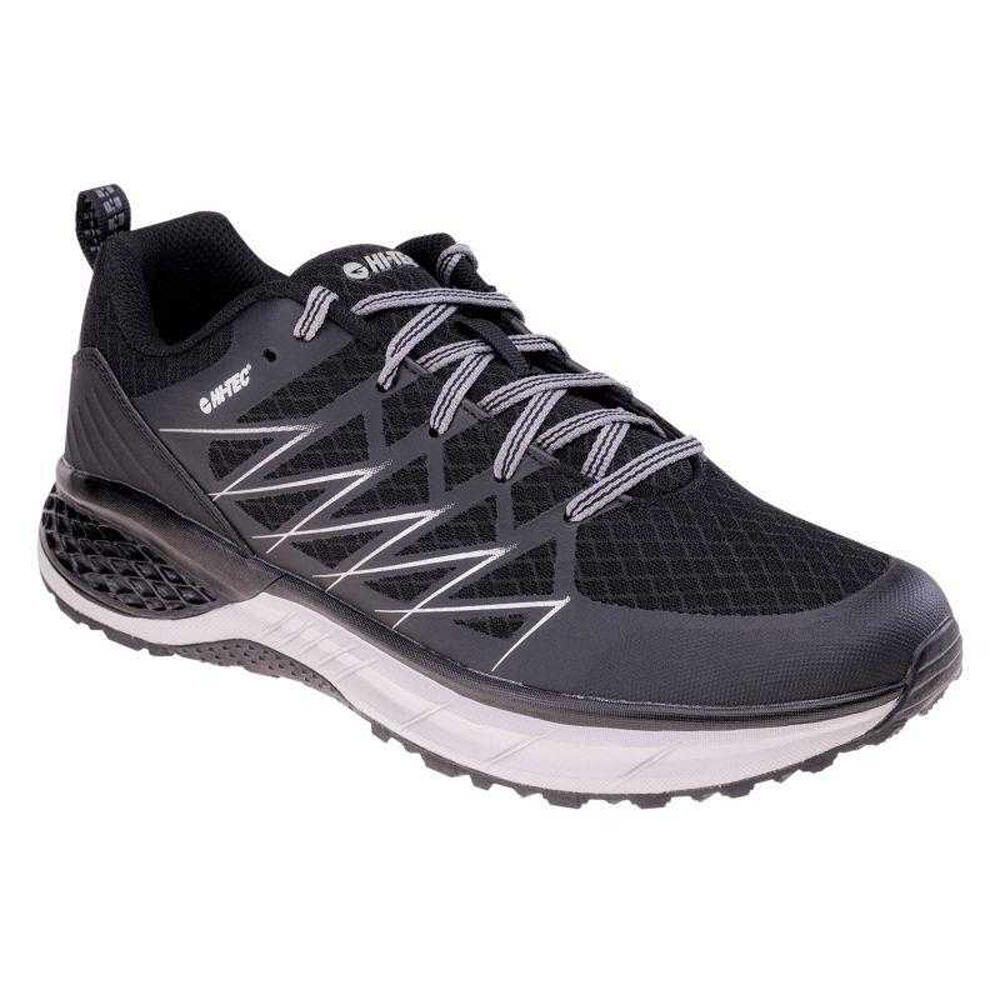
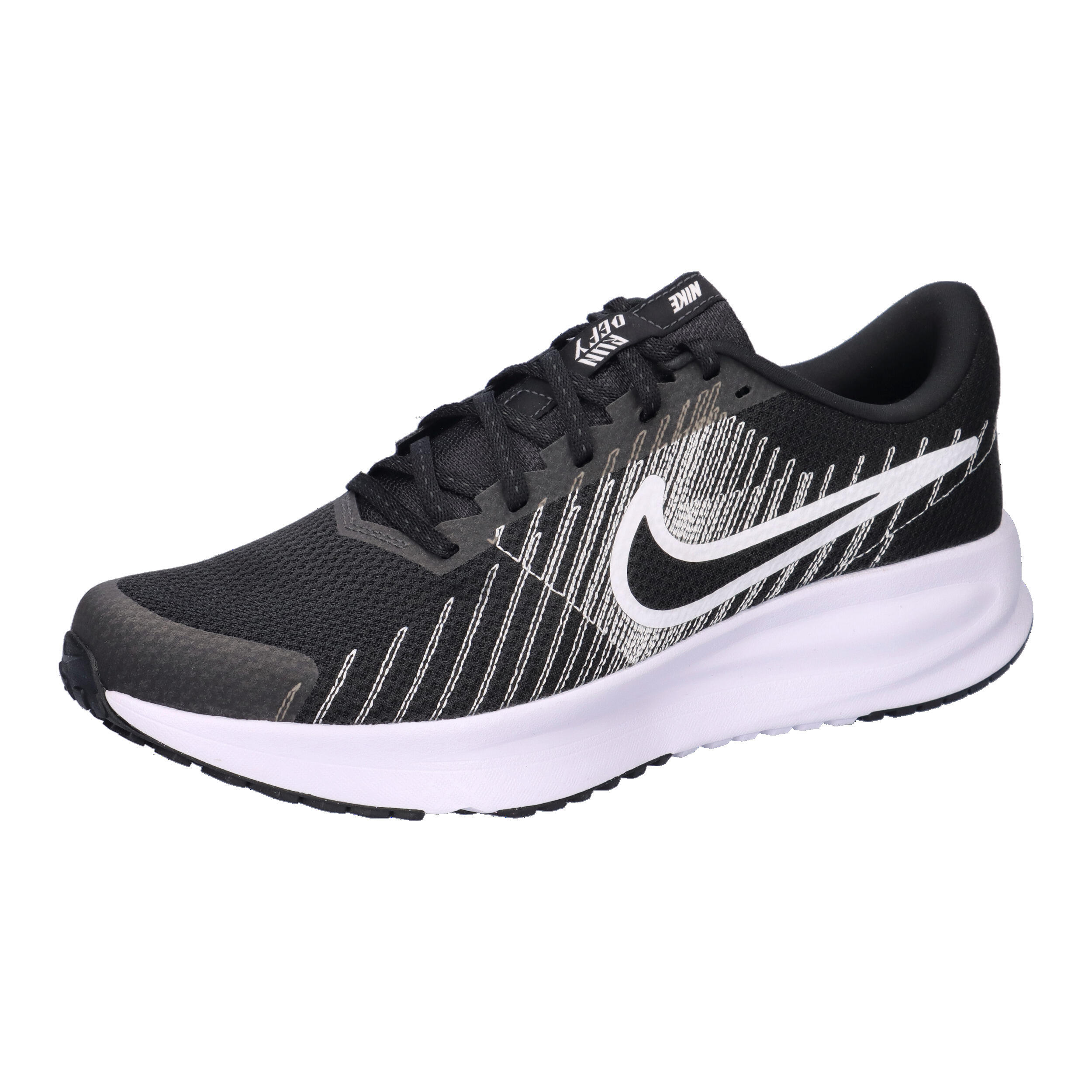
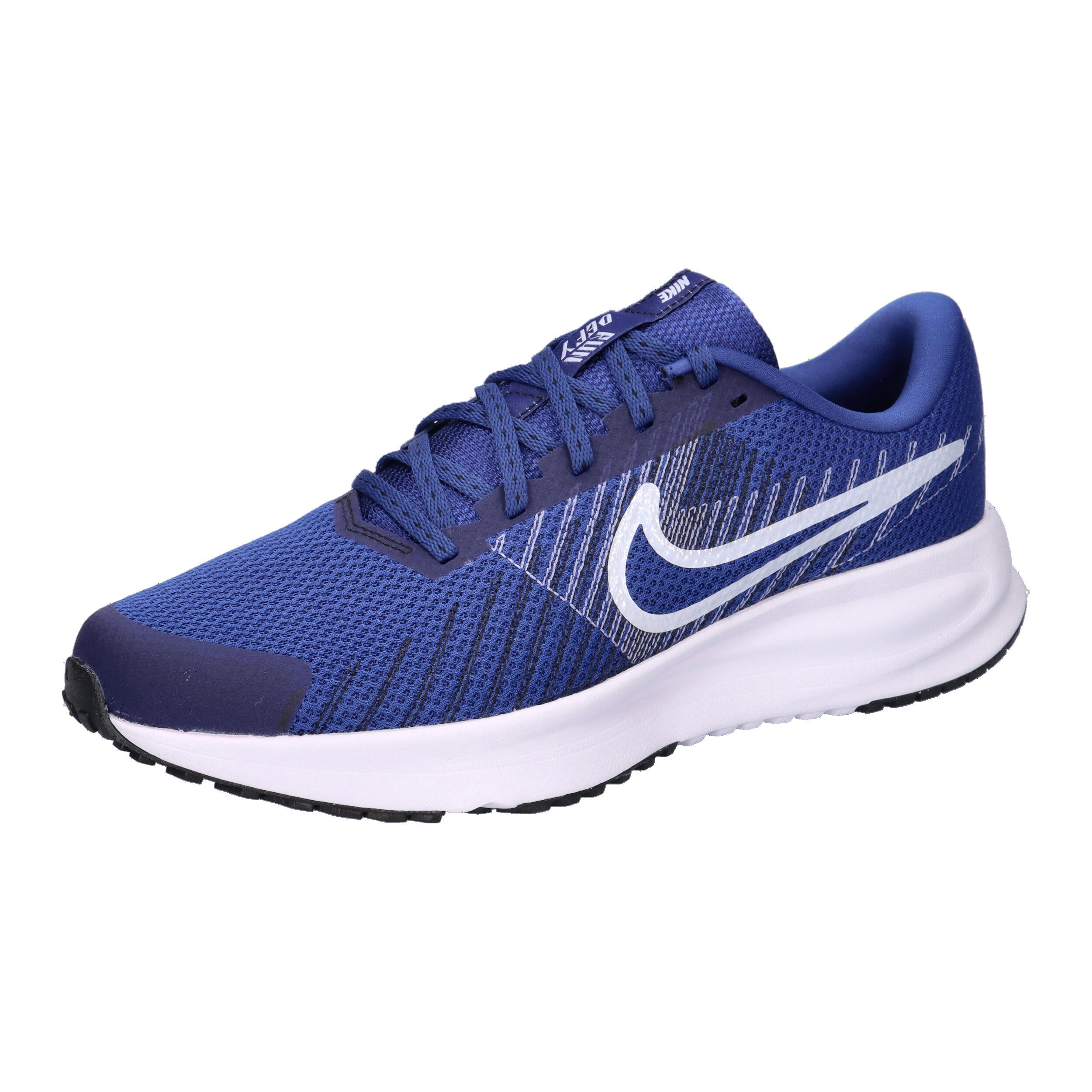
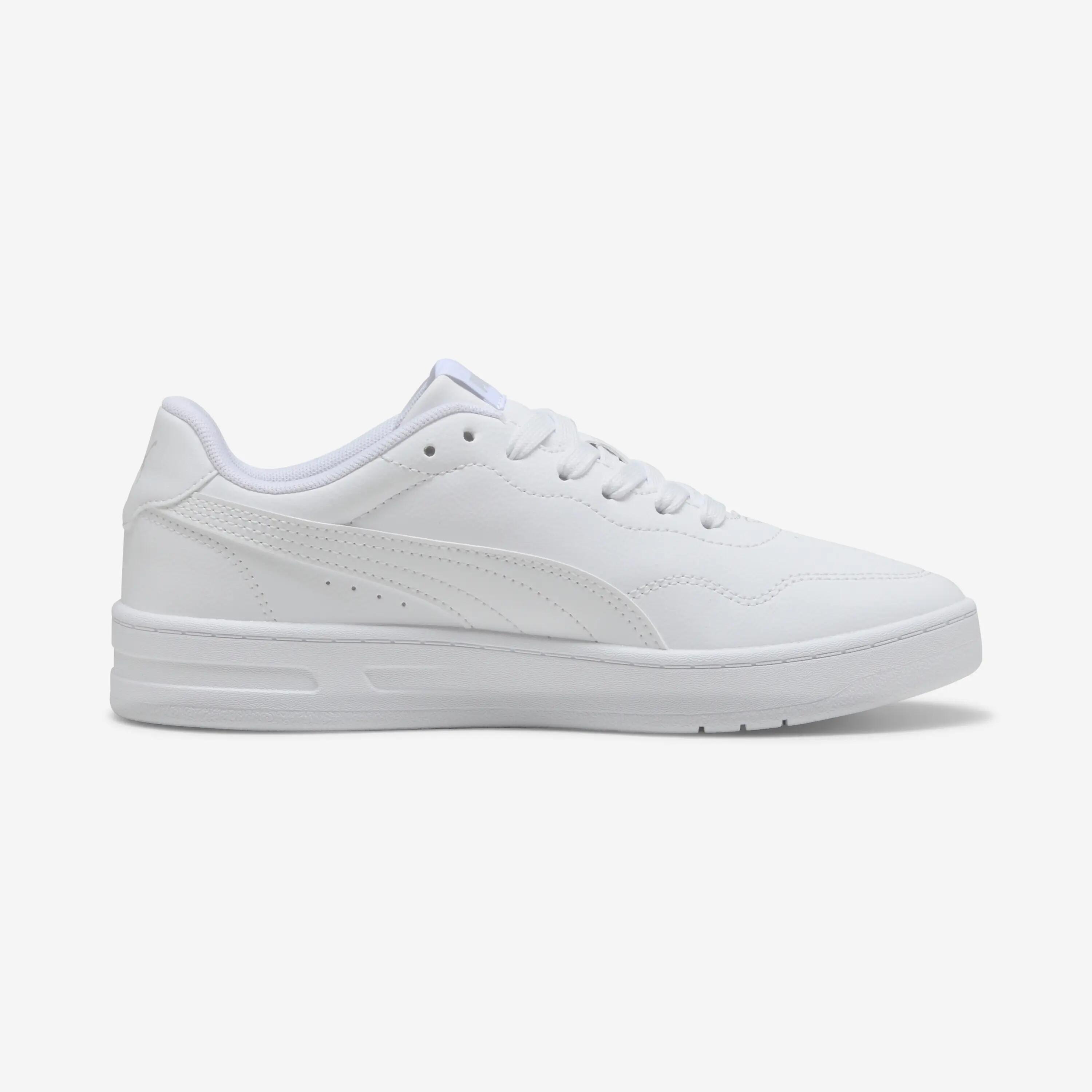
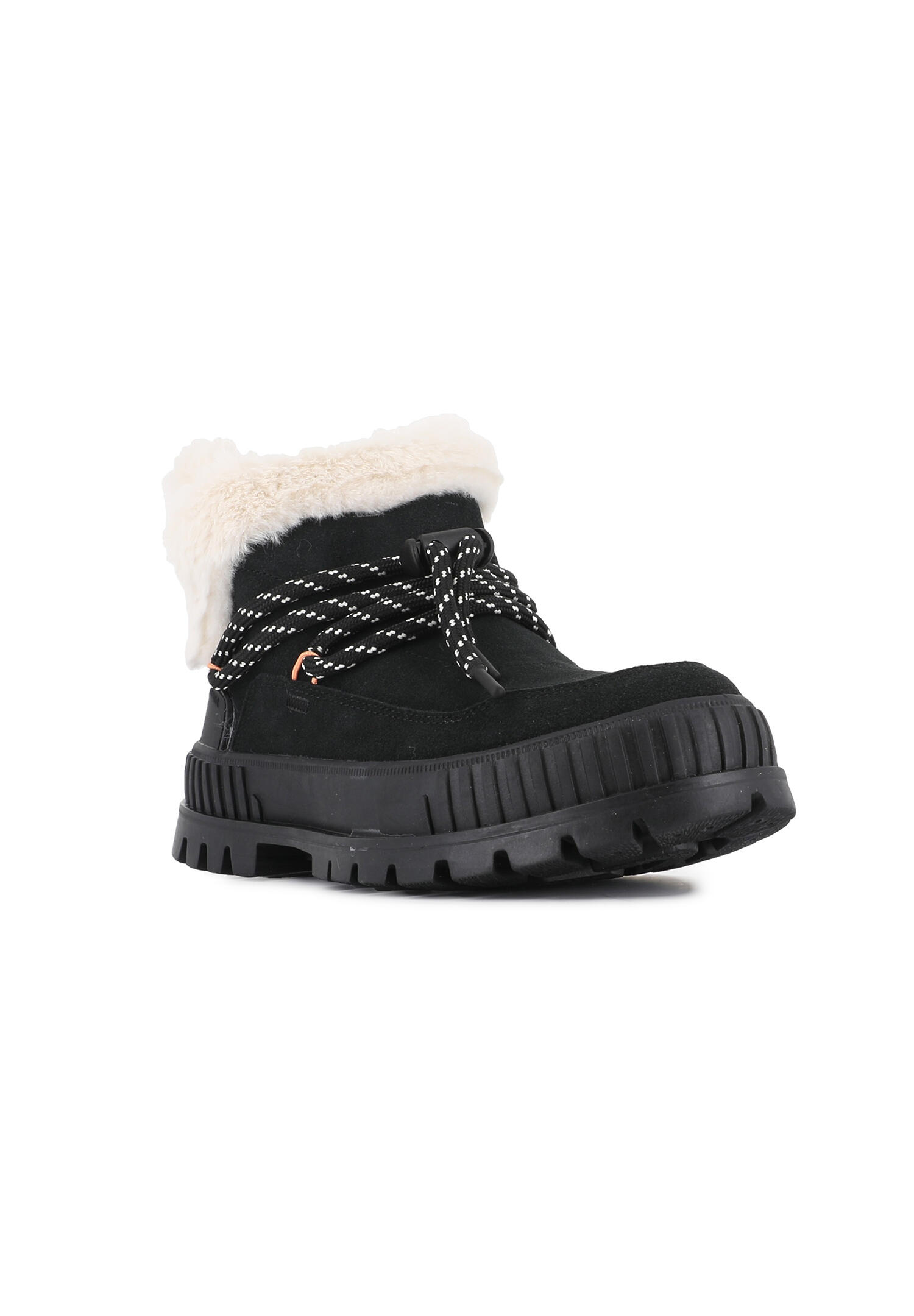
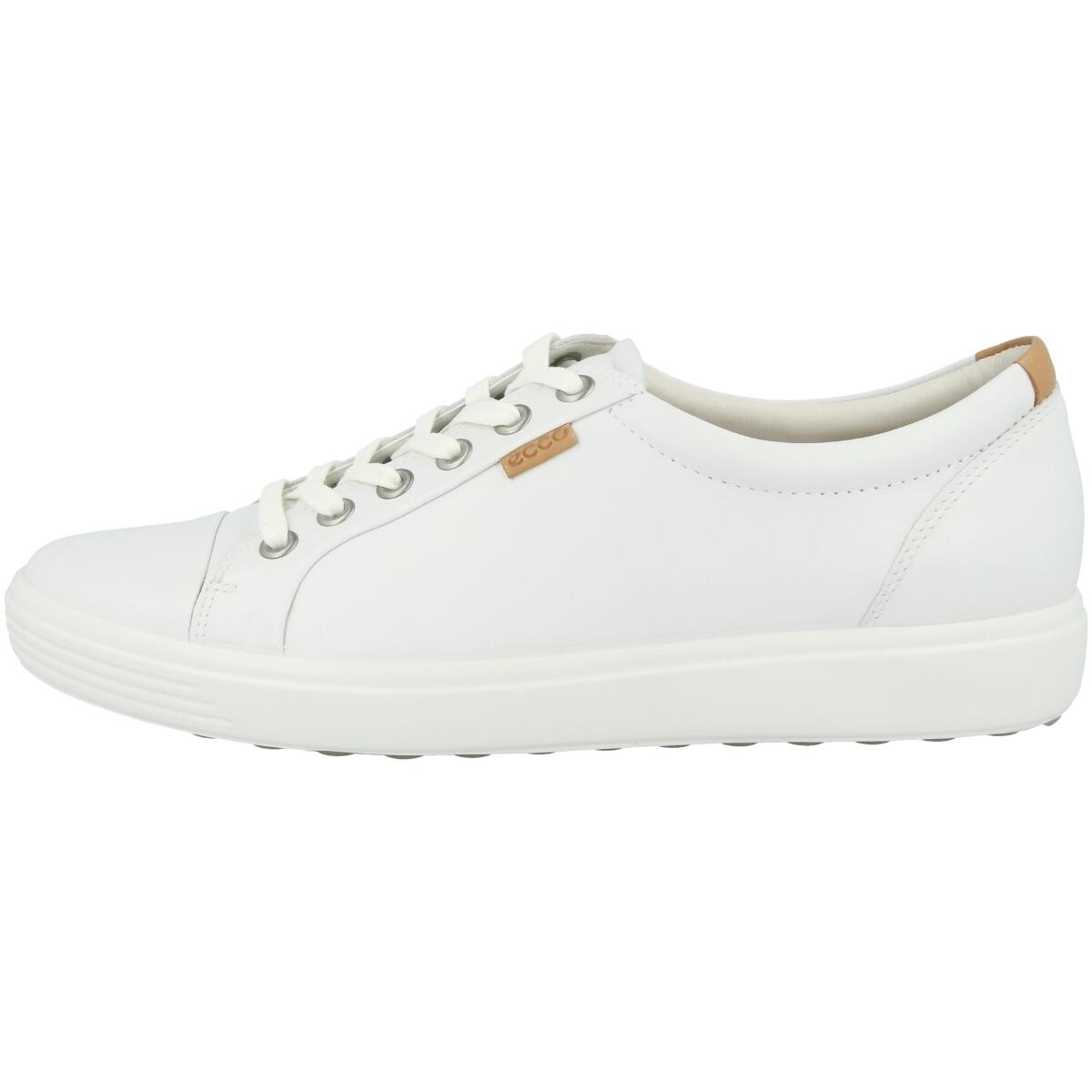
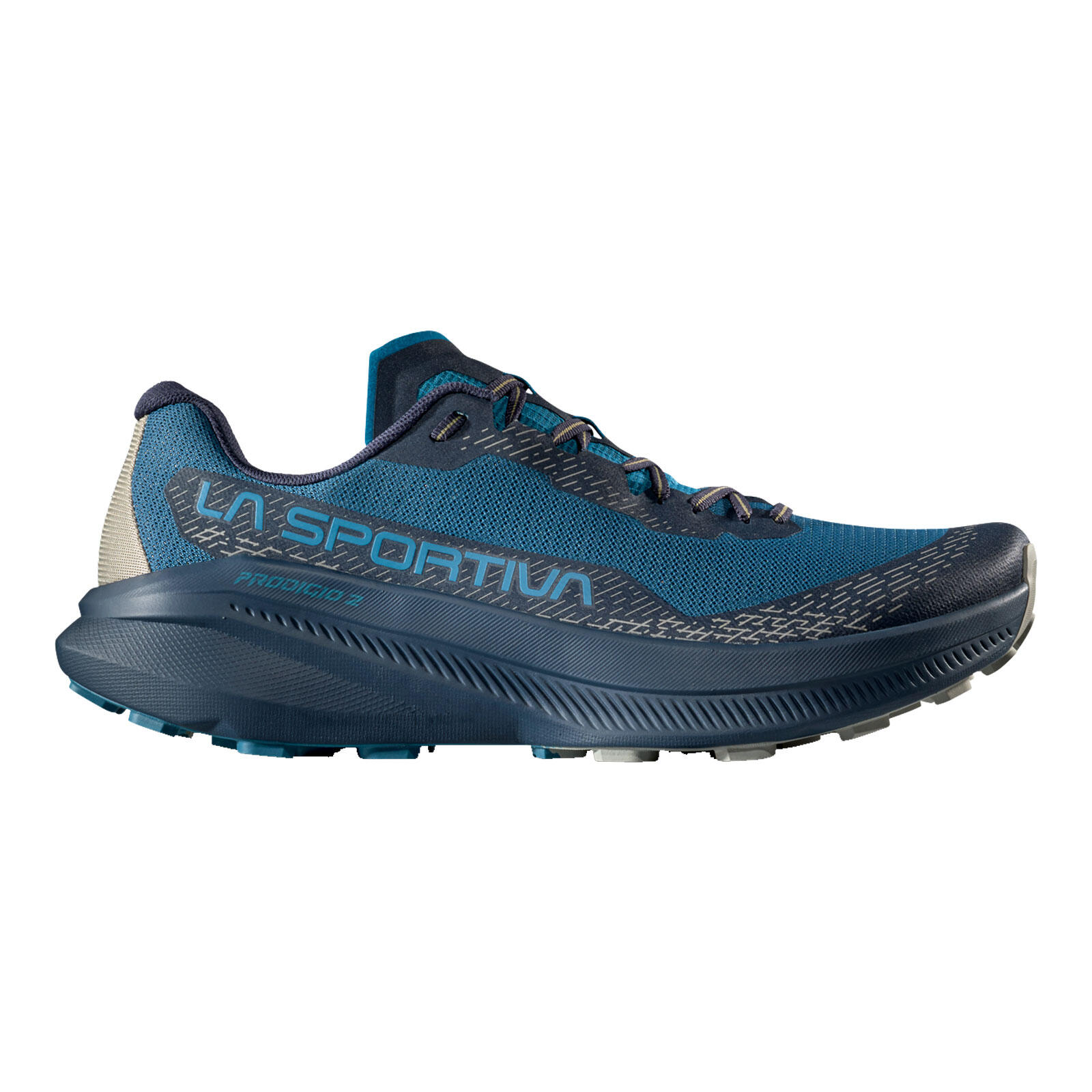
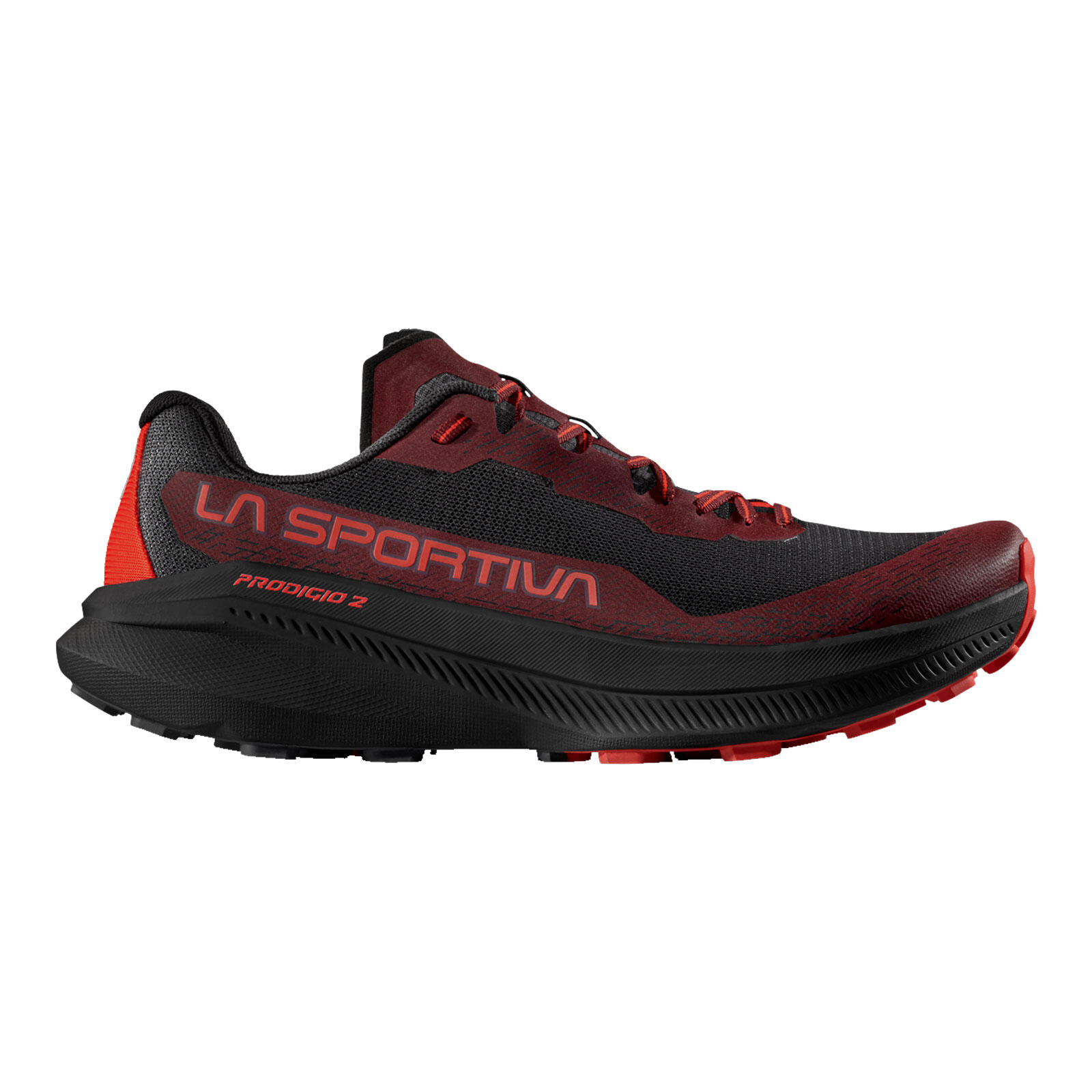
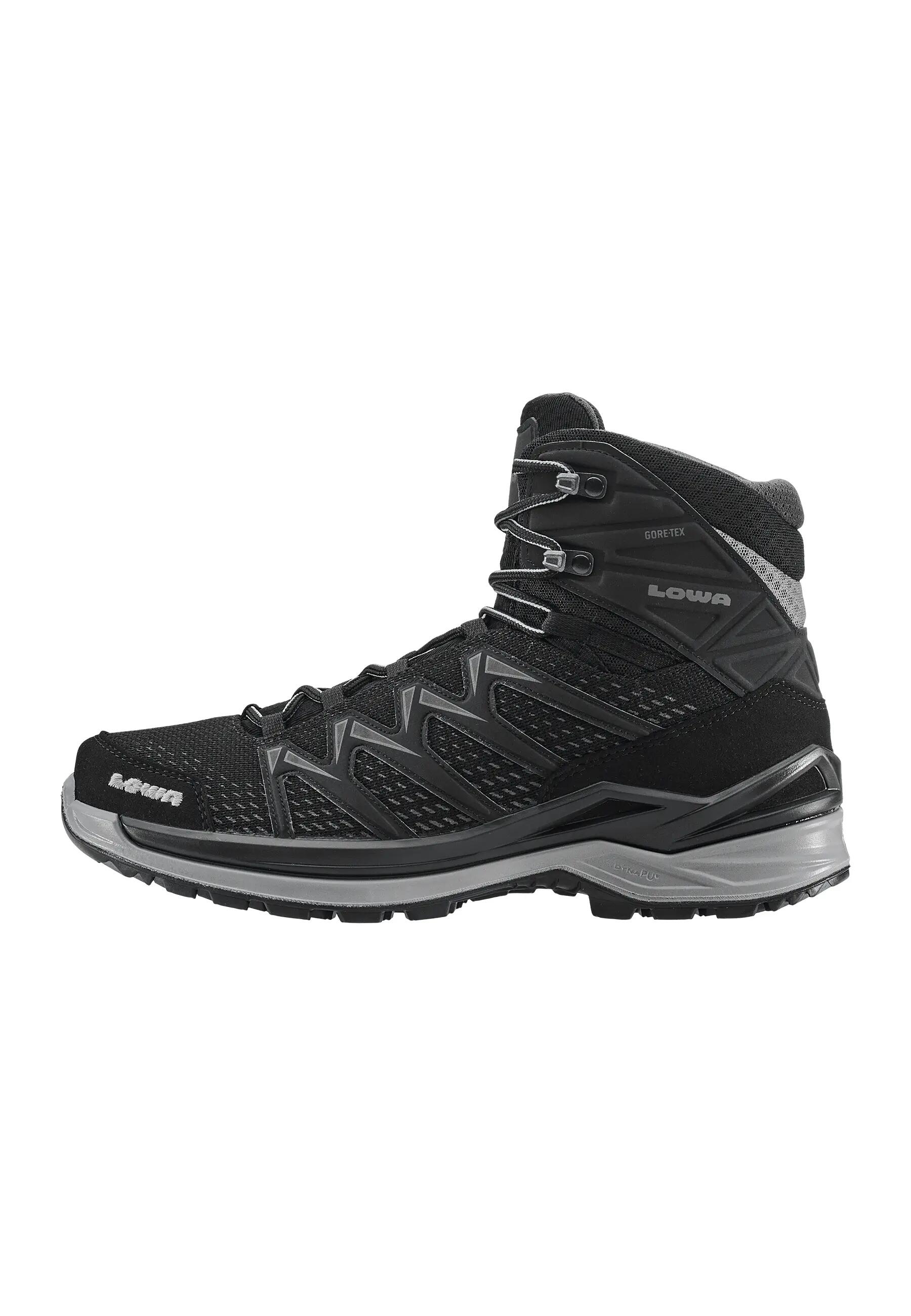
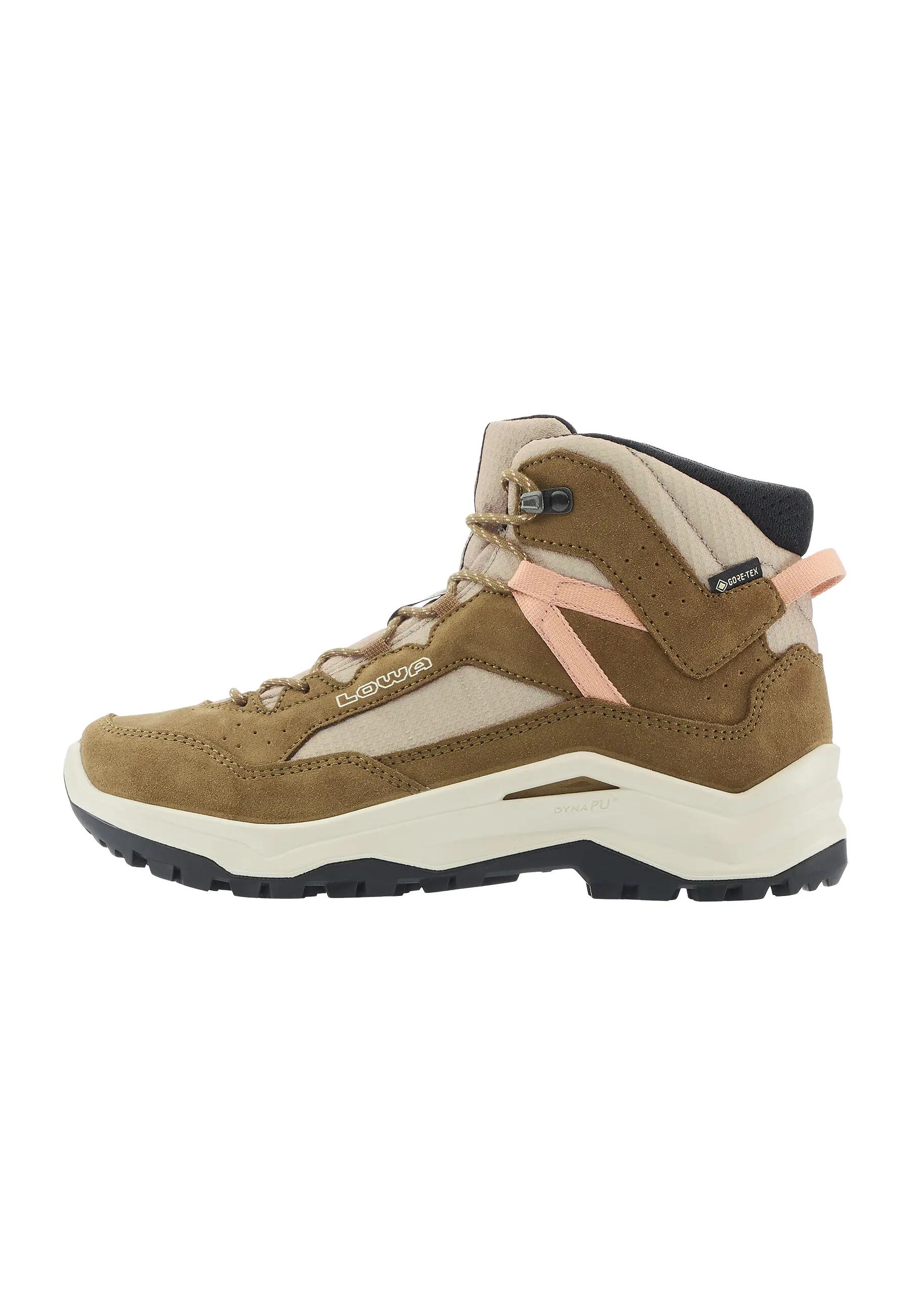
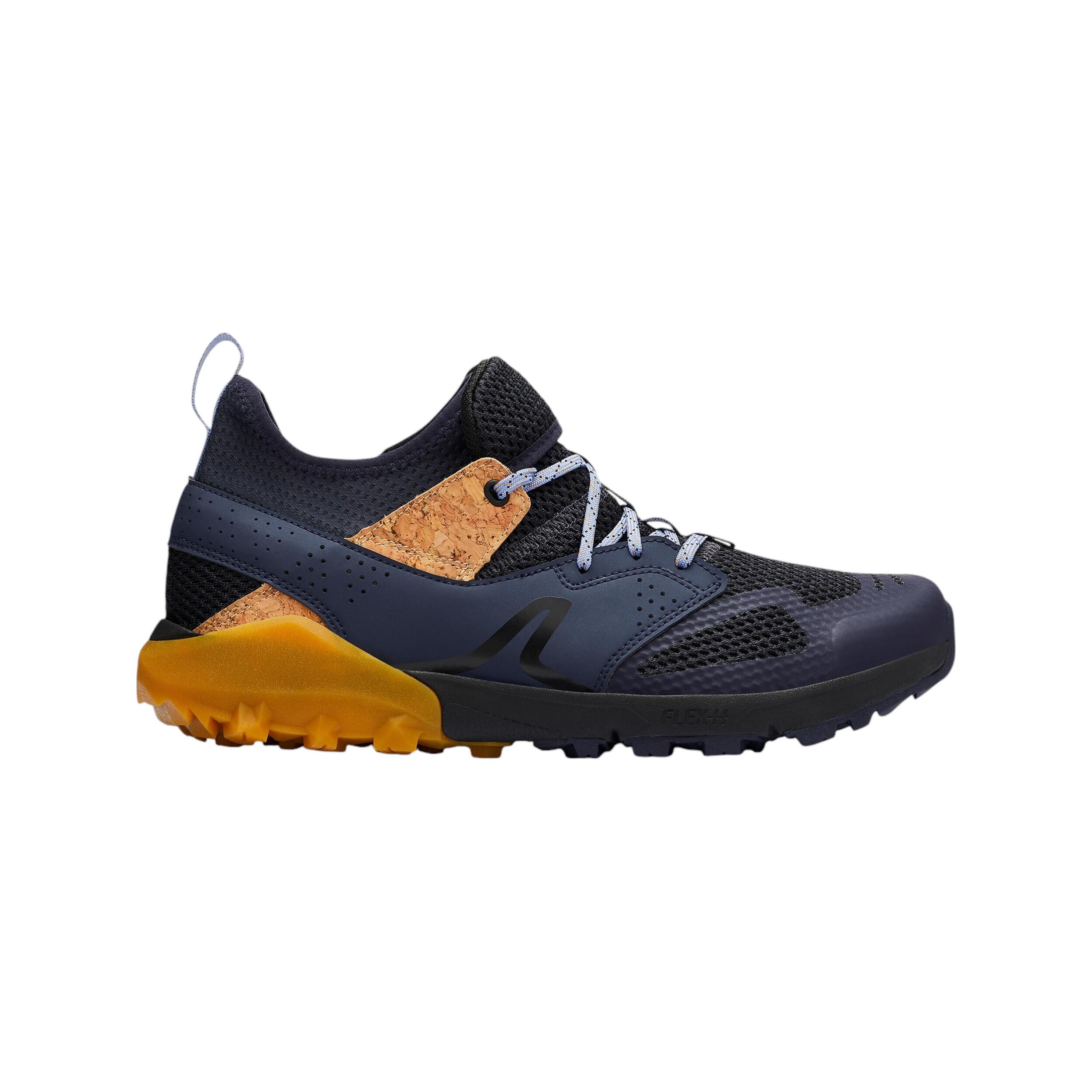
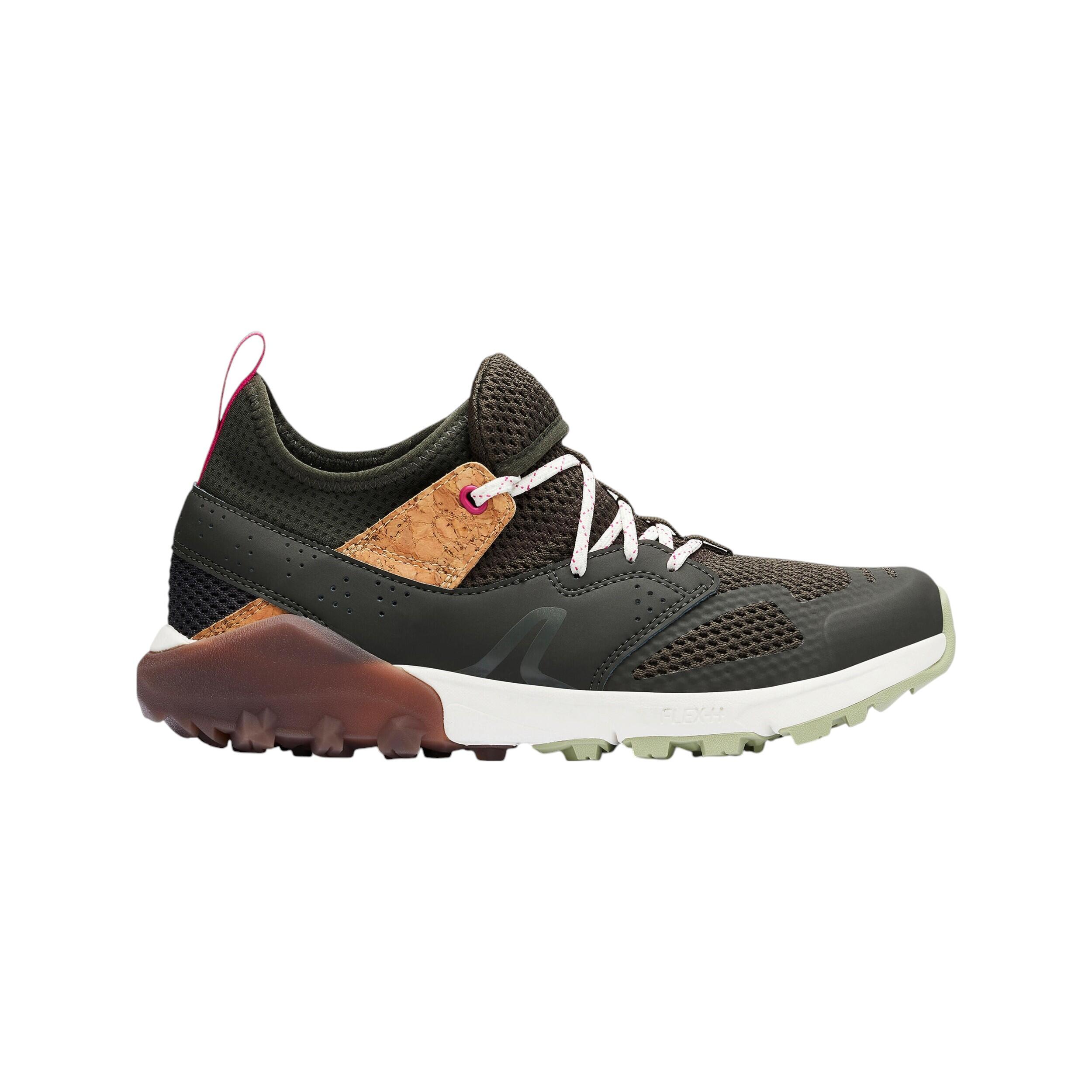
Choose shoes that feel comfortable through the full heel-to-toe movement used during Nordic walking. The footwear should hold the heel securely, allow the forefoot to bend naturally and provide grip suited to the surfaces you regularly use. A road or park walker may prioritise flexibility and low weight, while mixed paths can require more outsole texture and upper protection. The current category contains third-party footwear from brands such as Puma, Ecco and Keen rather than Decathlon-developed Newfeel shoes, so construction and technology vary by model. Use the wider Nordic walking category to coordinate footwear with poles, clothing and other equipment. Pro tip: test each shoe while walking briskly rather than judging comfort only while standing.
Are Nordic walking shoes different from everyday trainers?

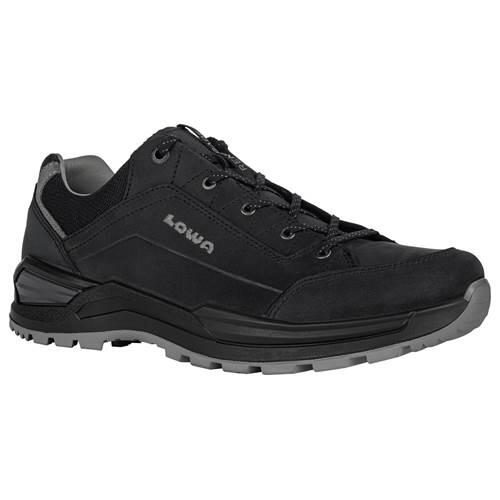
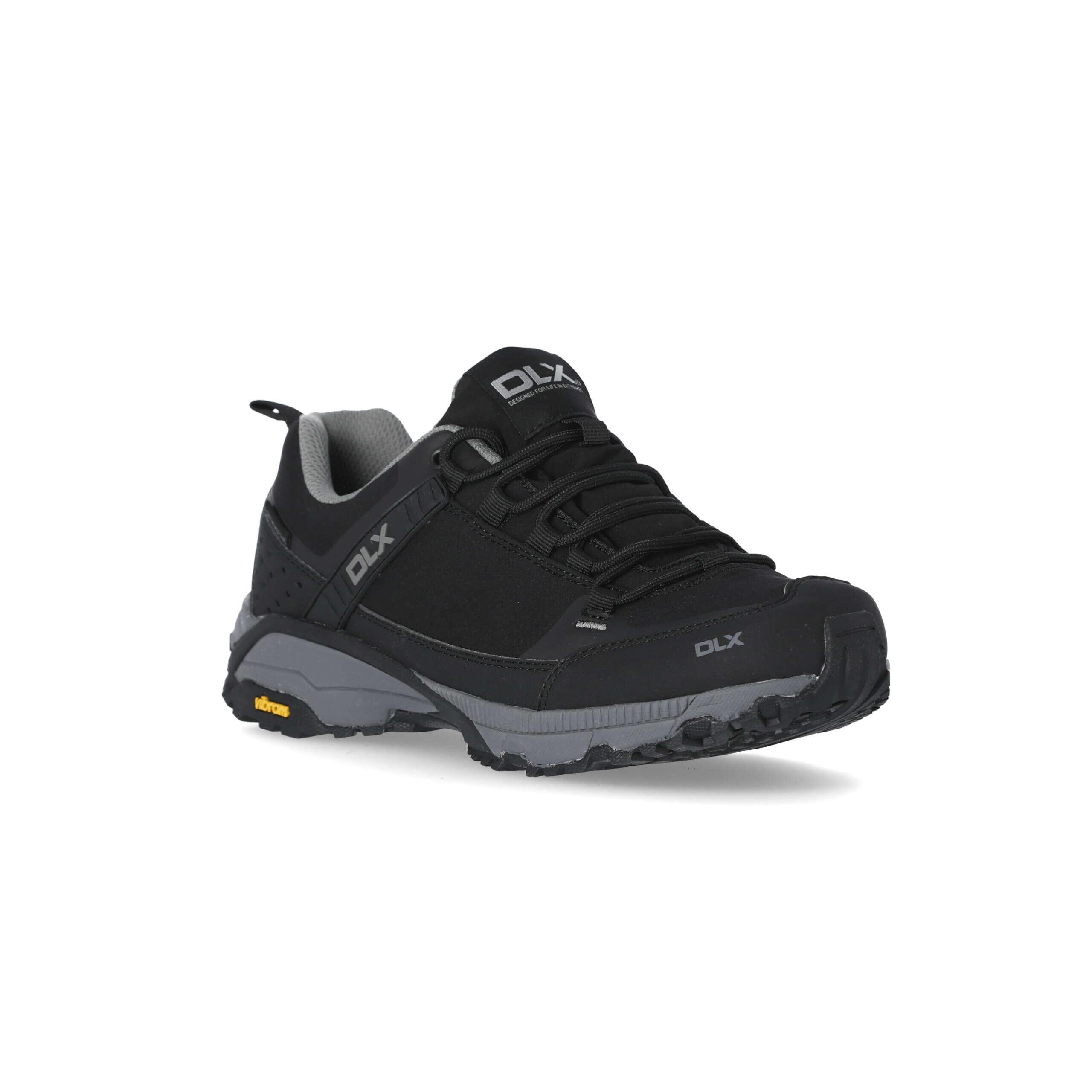
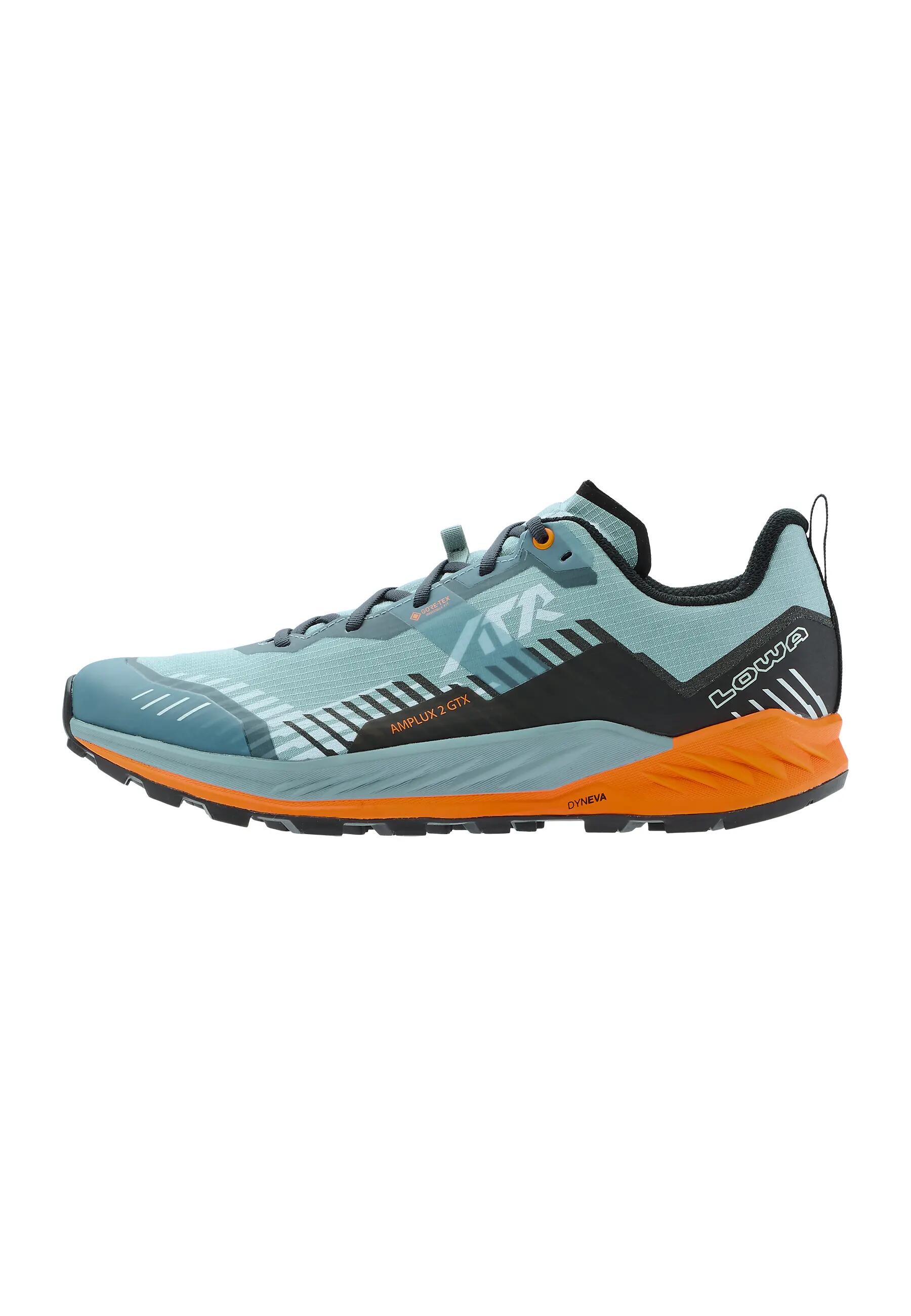
Shoes for Nordic walking should support repeated forward movement while remaining comfortable during an active arm-and-leg rhythm. Everyday trainers may work for short sessions when they fit securely and suit the ground, but heavily rigid or unstable footwear can interfere with a smooth walking stride. Check outsole grip, forefoot flexibility, cushioning and heel hold rather than relying only on the product name. The current selection also includes shoes associated with sport walking, speed walking and general outdoor use, so not every model was developed exclusively for Nordic technique. Explore Nordic walking men's shoes by fit, cut and intended surface, keeping third-party brand claims separate from Decathlon product development.

Should you choose low-cut or mid-cut Nordic walking shoes?

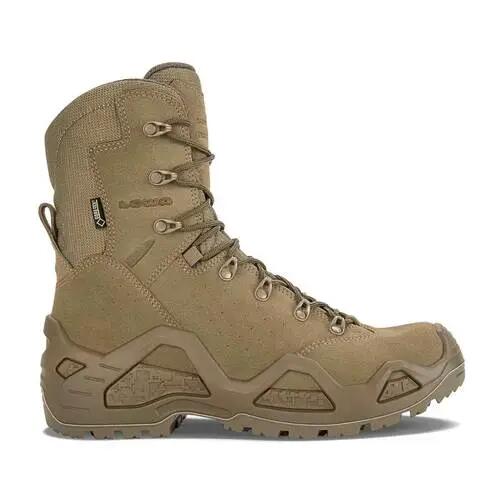
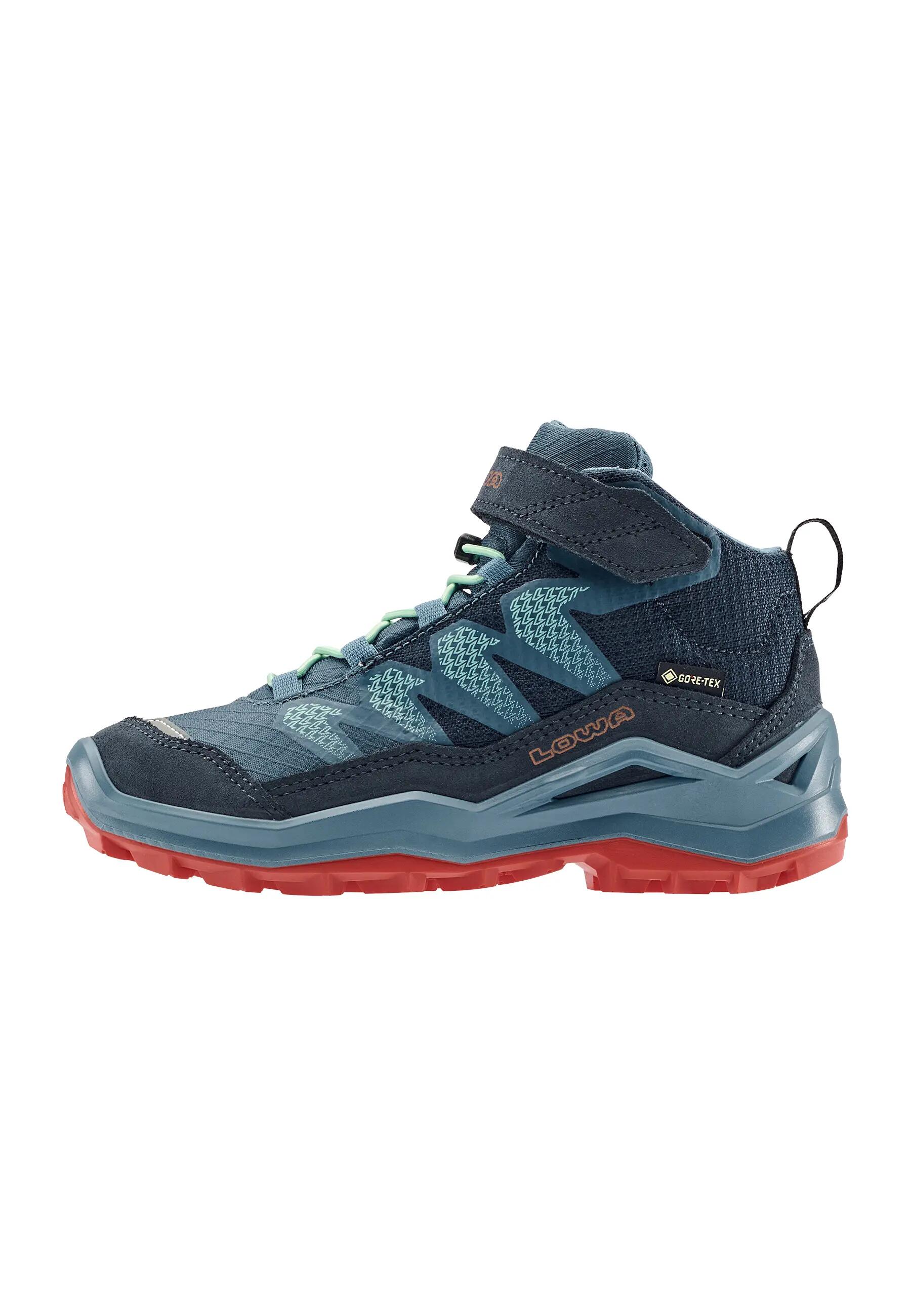
Low-cut shoes usually provide greater ankle freedom and can feel lighter during brisk sessions on firm or predictable paths. Mid-cut footwear adds more upper coverage and may suit walkers who prefer a more enclosed feel on uneven or damp routes. Extra height does not automatically provide better support, so the heel, midfoot and ankle area should still fit without pressure or excessive movement. The visible category includes both lower everyday walking profiles and a mid-cut Keen model, with each construction belonging to its respective third-party brand. Review Nordic walking women's shoes according to route conditions and personal comfort. Wear your normal walking socks when trying them because sock thickness changes internal volume.

What fit should Nordic walking shoes have?

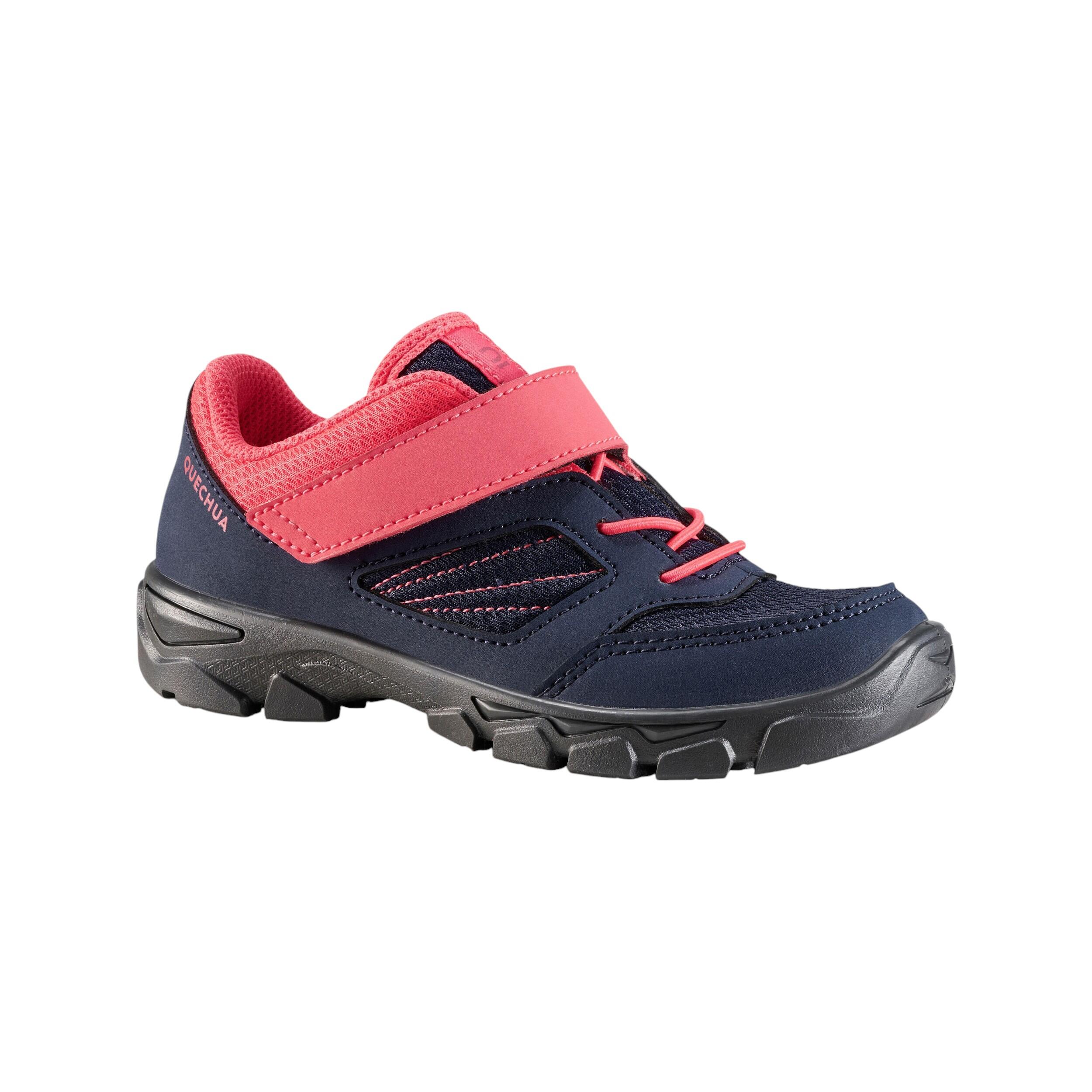
Your heel should remain stable while your toes have enough space to spread and move forwards slightly during a brisk stride. The upper should hold the midfoot without creating numbness, pressure or rubbing across the toes. Check both feet because one may be slightly larger, and fit the shoe to the larger foot where necessary. Walk on an incline if possible, as downhill movement can reveal toe contact that is not noticeable on level ground. When fitting younger walkers, check Nordic walking kids' shoes regularly, as growing feet can outgrow them before the upper shows signs of wear. Pro tip: try shoes later in the day when feet may be slightly larger, especially when preparing for longer sessions.

How must Nordic walking shoes and accessories be maintained?

Follow the care instructions provided for the individual model because leather, textile, waterproof and synthetic uppers require different cleaning methods. Remove loose mud with a soft brush, wipe the upper with a damp cloth where permitted and allow the footwear to dry naturally in a ventilated place. Avoid direct heaters and tumble drying because high heat can affect adhesives, cushioning and upper shape. Take out removable insoles to help the interior dry, and loosen the laces before storage. Since the category title also mentions Nordic walking accessories, the current visible products includes insoles, laces or cleaning items. Inspect the outsole, heel lining and fastening system regularly, replacing worn footwear when grip or fit has deteriorated.