37 items
4.4/5 based on 1142 reviews collected online and in stores

Athletics Running Spikes FAQs

How do you choose athletics running spikes for your event?

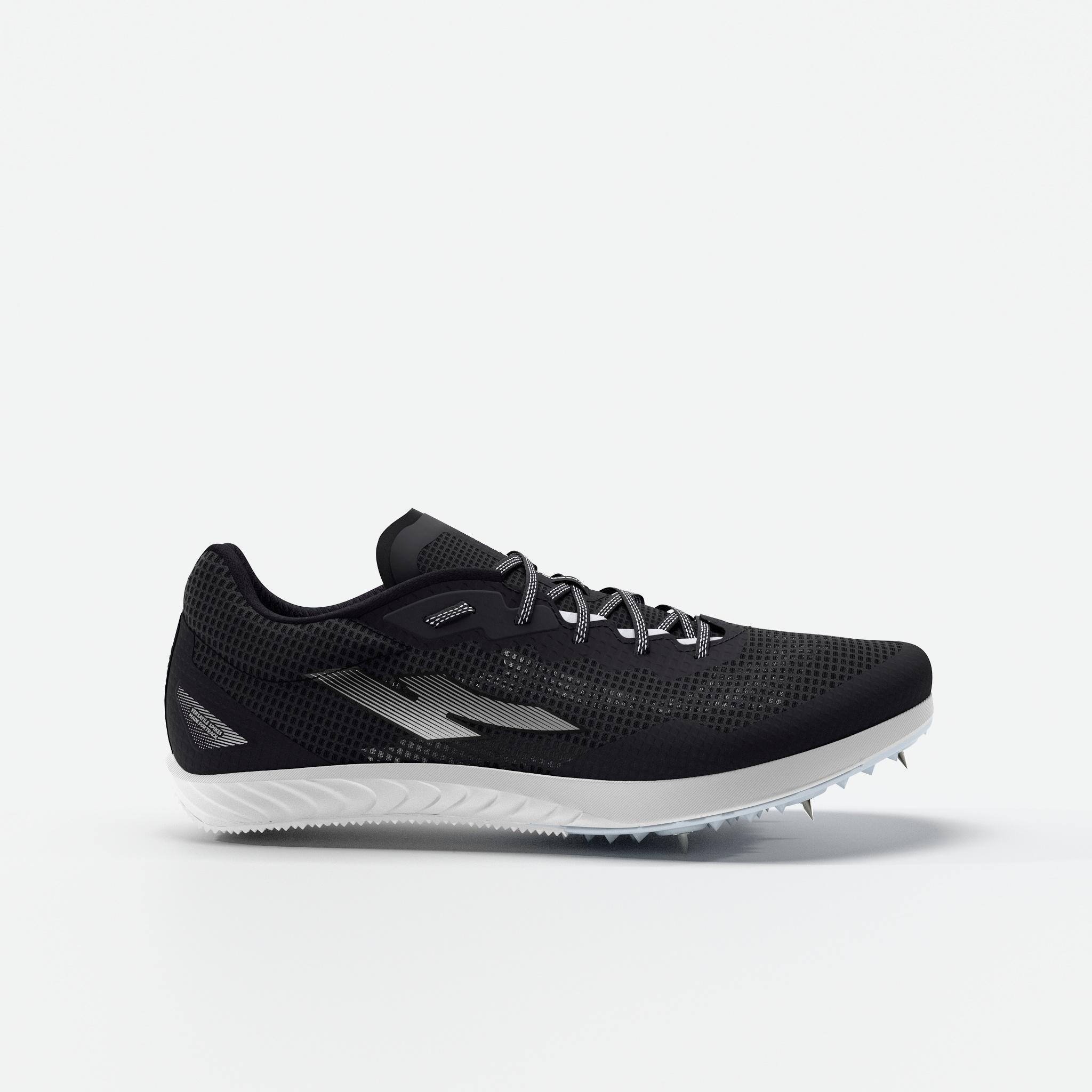
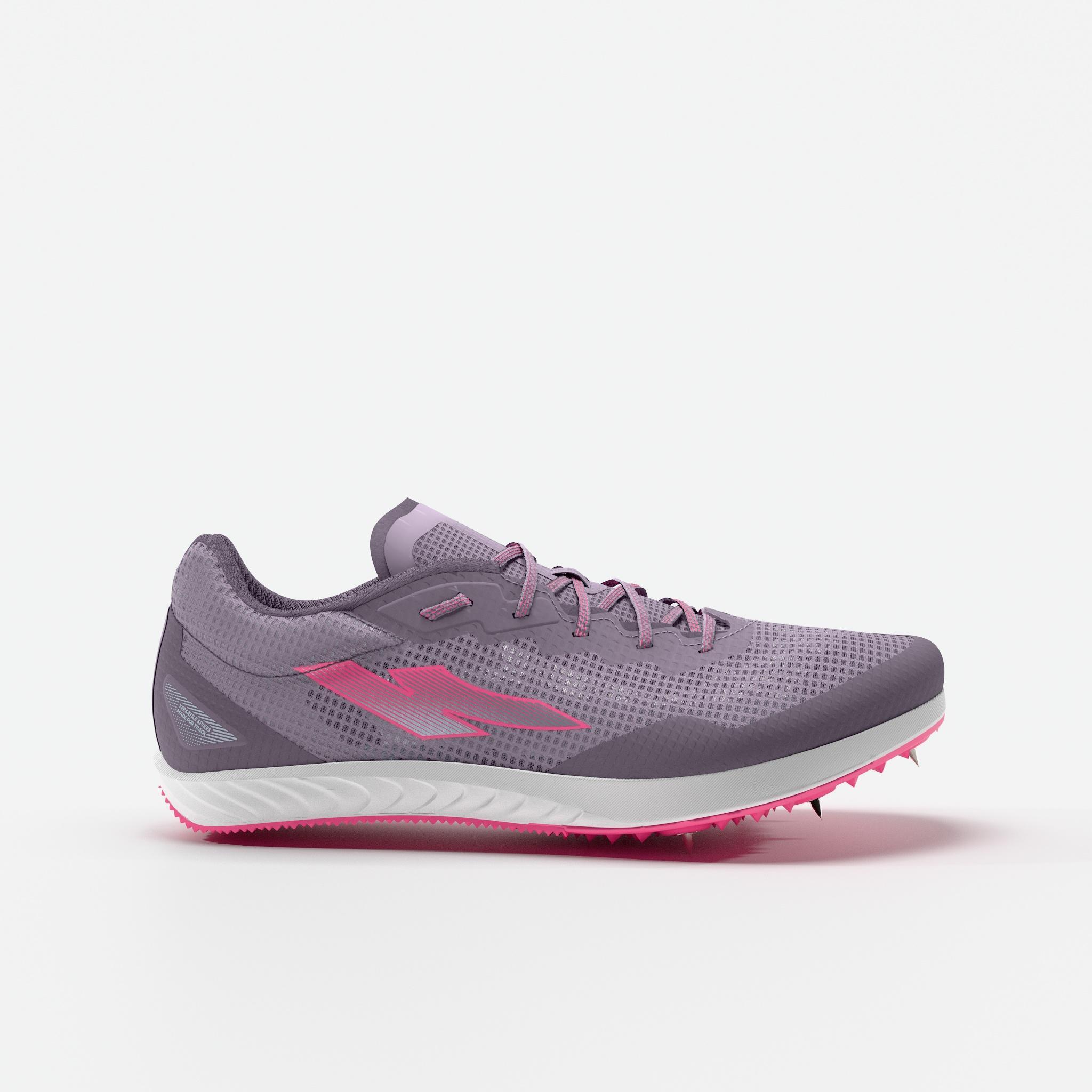
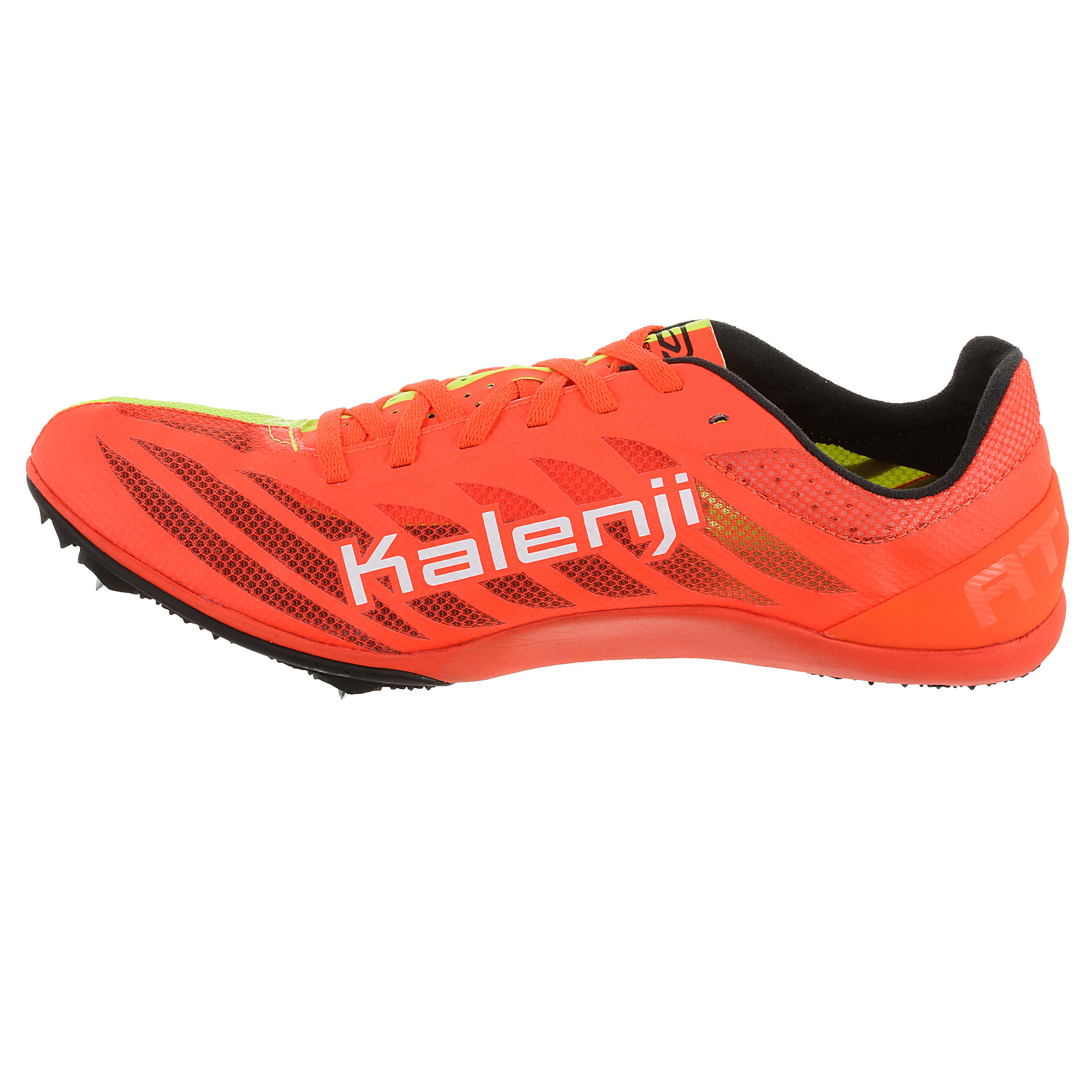
Choose your athletic running spikes according to the surface, race distance and your level of athletic experience. Track spikes use short pins and a stiff forefoot plate to create traction against a synthetic surface, while cross-country footwear needs longer pins and more protection for mud and uneven ground. Beginners may benefit from a less aggressive plate and additional heel cushioning as they adapt to forefoot loading. The kids' and adults' athletics spike shoes combine five removable 6 mm pins, EVA cushioning and a rubber heel pad. This makes them suitable for occasional track and cross-country practice without forcing a new athlete into a highly rigid competition shoe.

How should athletic running spike shoes fit?

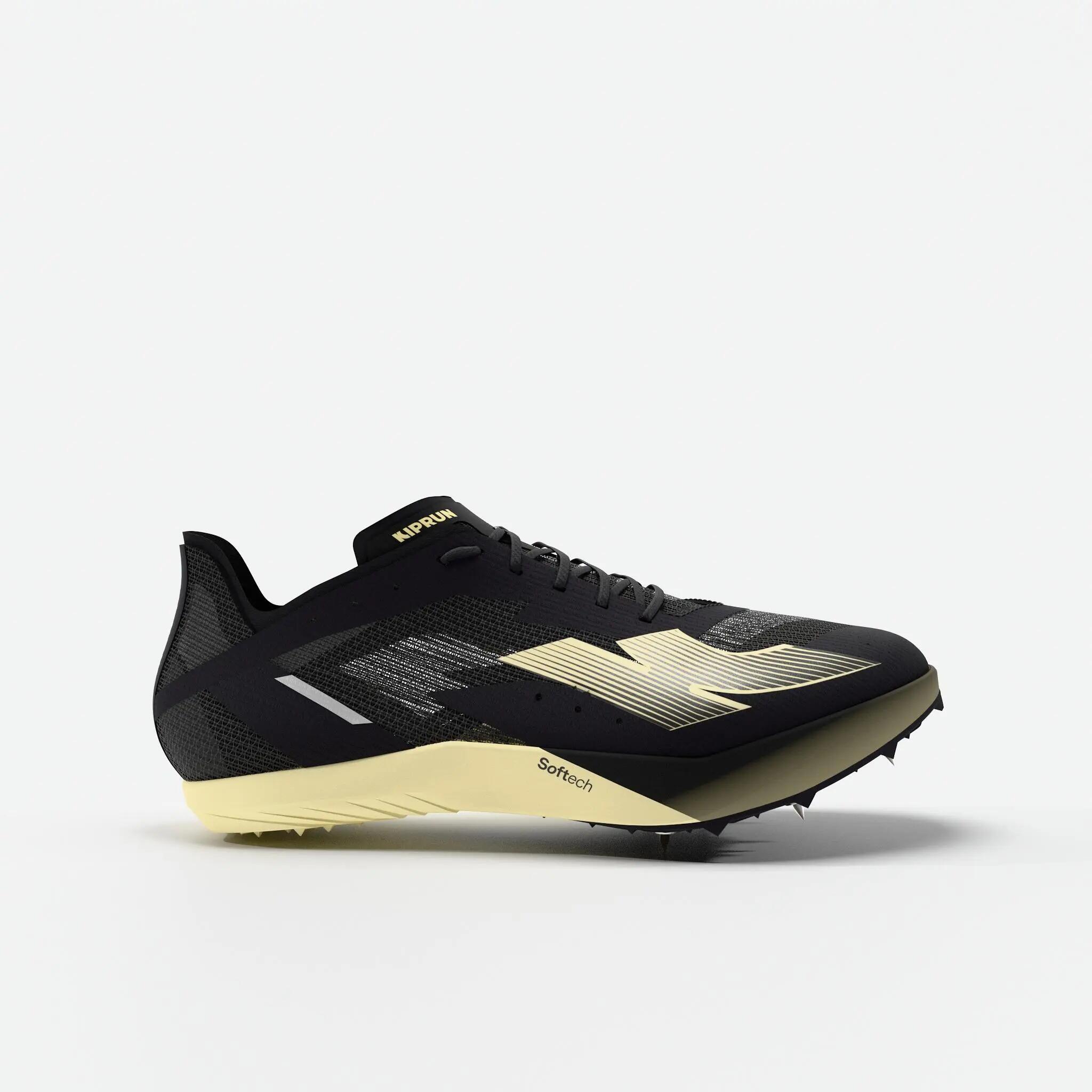
A running spike shoe should hold the heel securely and leave minimal spare space in front of the toes without causing pressure. A close fit helps stop your foot sliding when you accelerate, corner or push away from the track. Lace the footwear firmly through the midfoot, then jog and perform several controlled strides before deciding. Your toes should remain flat rather than curling against the upper. Cross-country runners may prefer a little more room for thicker socks and swelling during longer races. Specialist KIPRUN cross-country running spikes use a reinforced upper, SOFTECH cushioning and sole protection for demanding courses.

What spike length should you use on track or cross-country terrain?

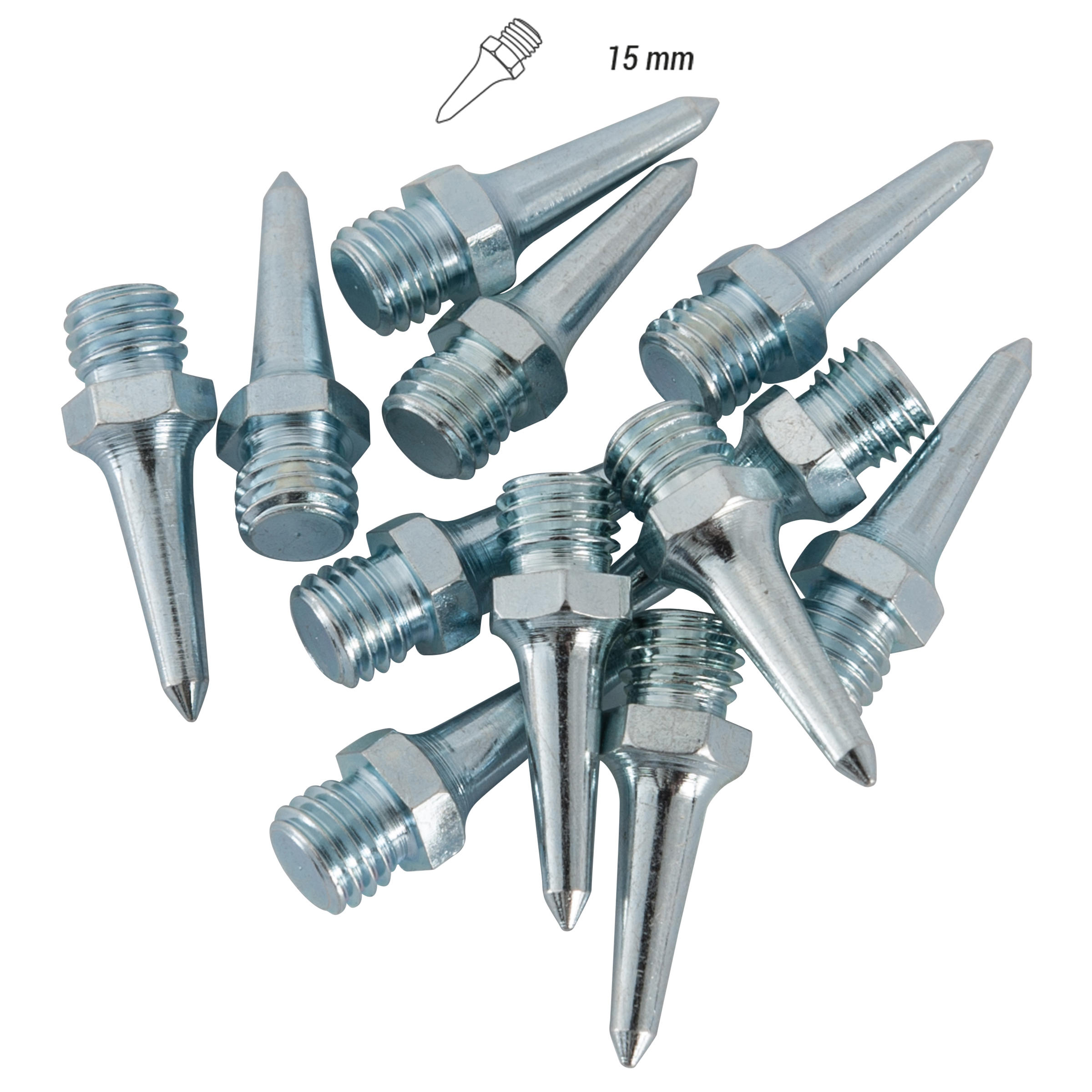
Shorter pins suit firm synthetic tracks because they grip without penetrating too deeply. KIPRUN track models, supplied with 6 mm spikes, provide traction for running and jumping while maintaining controlled ground contact. Cross-country courses often require longer pins, such as 9 mm, 12 mm or 15 mm, depending on how soft and muddy the ground is. A longer pin can penetrate loose soil more effectively, but unnecessary length may feel unstable on firm sections. Always follow the venue's spike rules, as some tracks limit permitted shapes and lengths. Tighten each pin evenly with the supplied key and check it before training, since a loose pin can damage the threaded socket. Keep a separate pair of running shoes for warm-ups, recovery laps and road sections, as spike plates provide less cushioning and can wear out quickly on surfaces other than the intended one.

Why do long-distance spiked shoes use foam and a stiff plate for your runs?

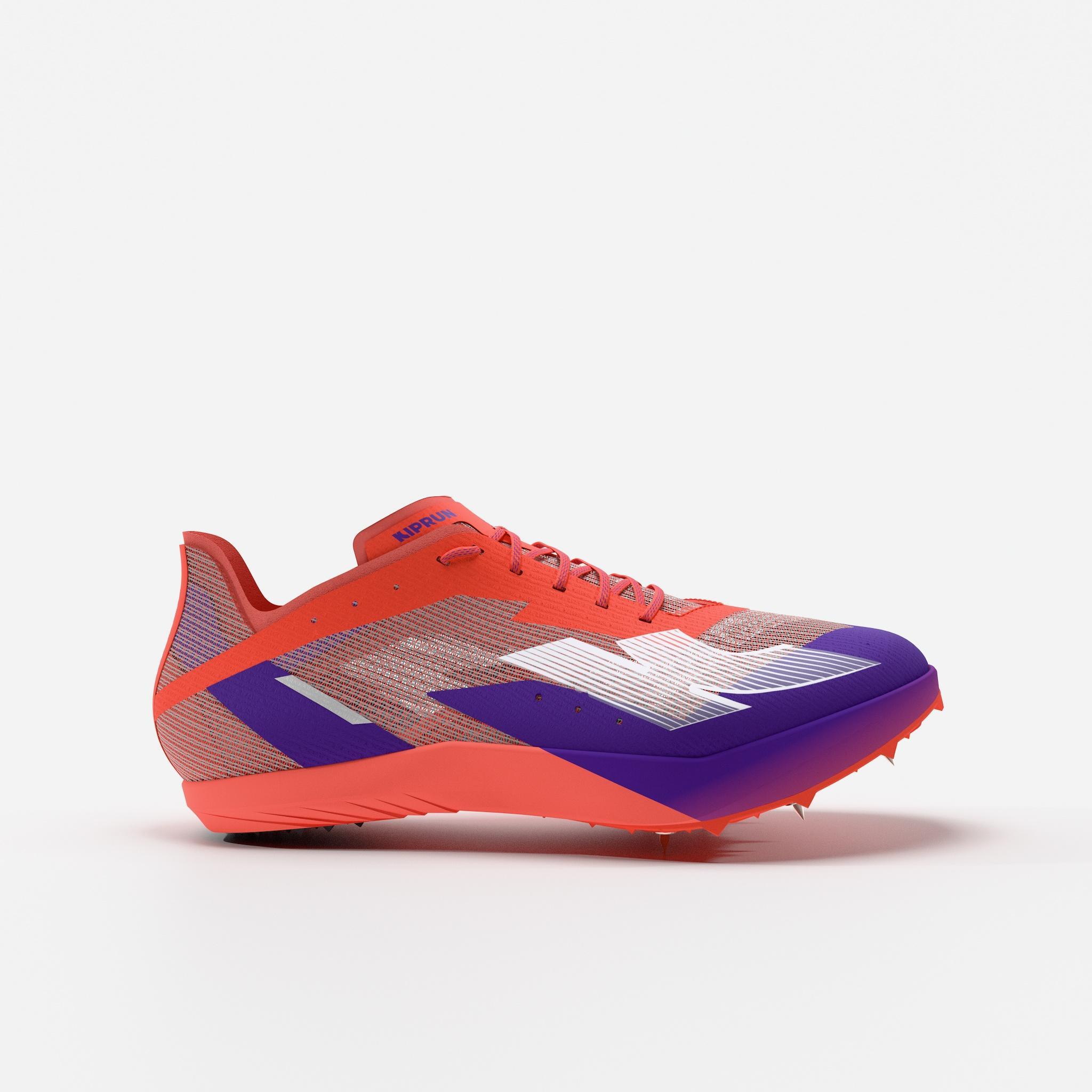
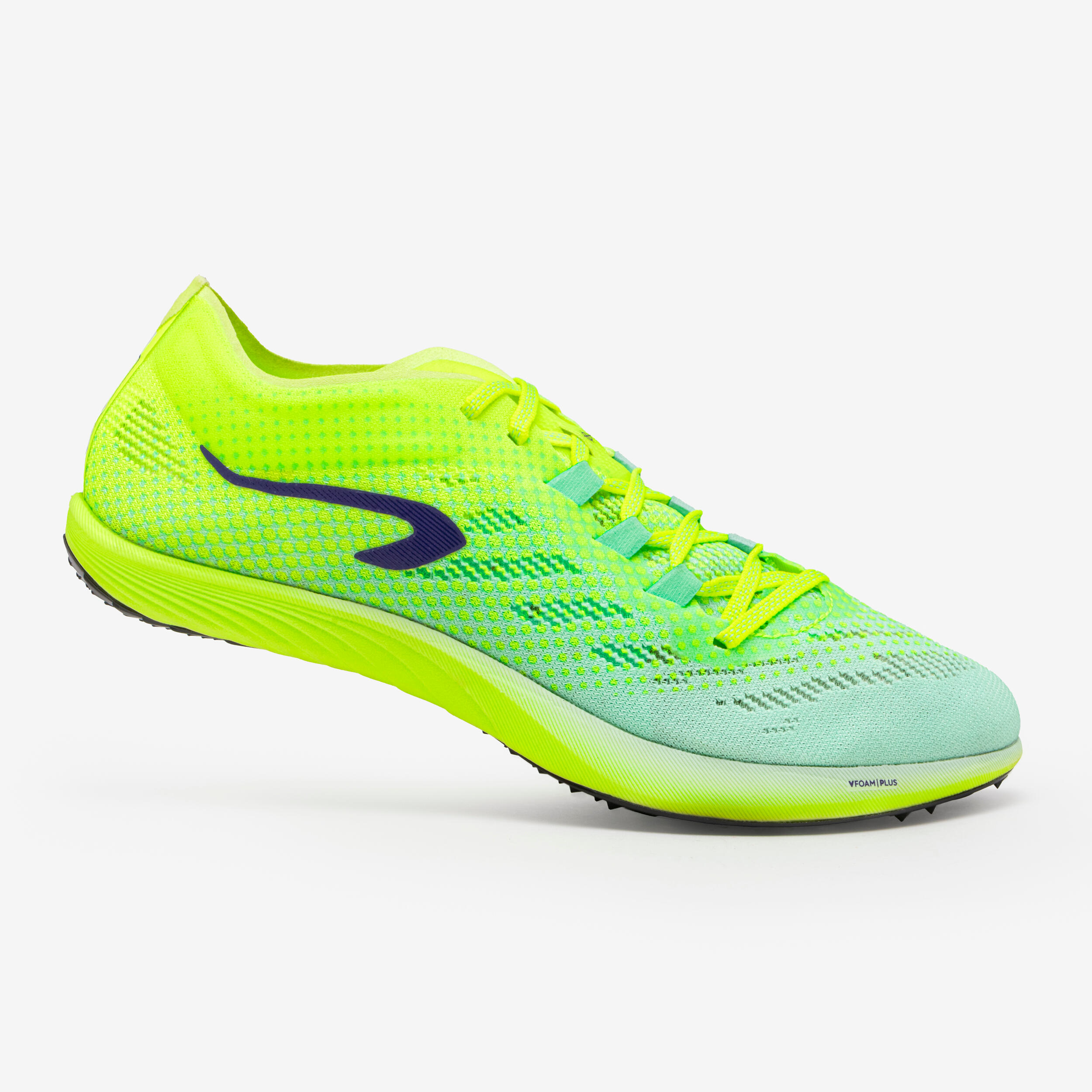
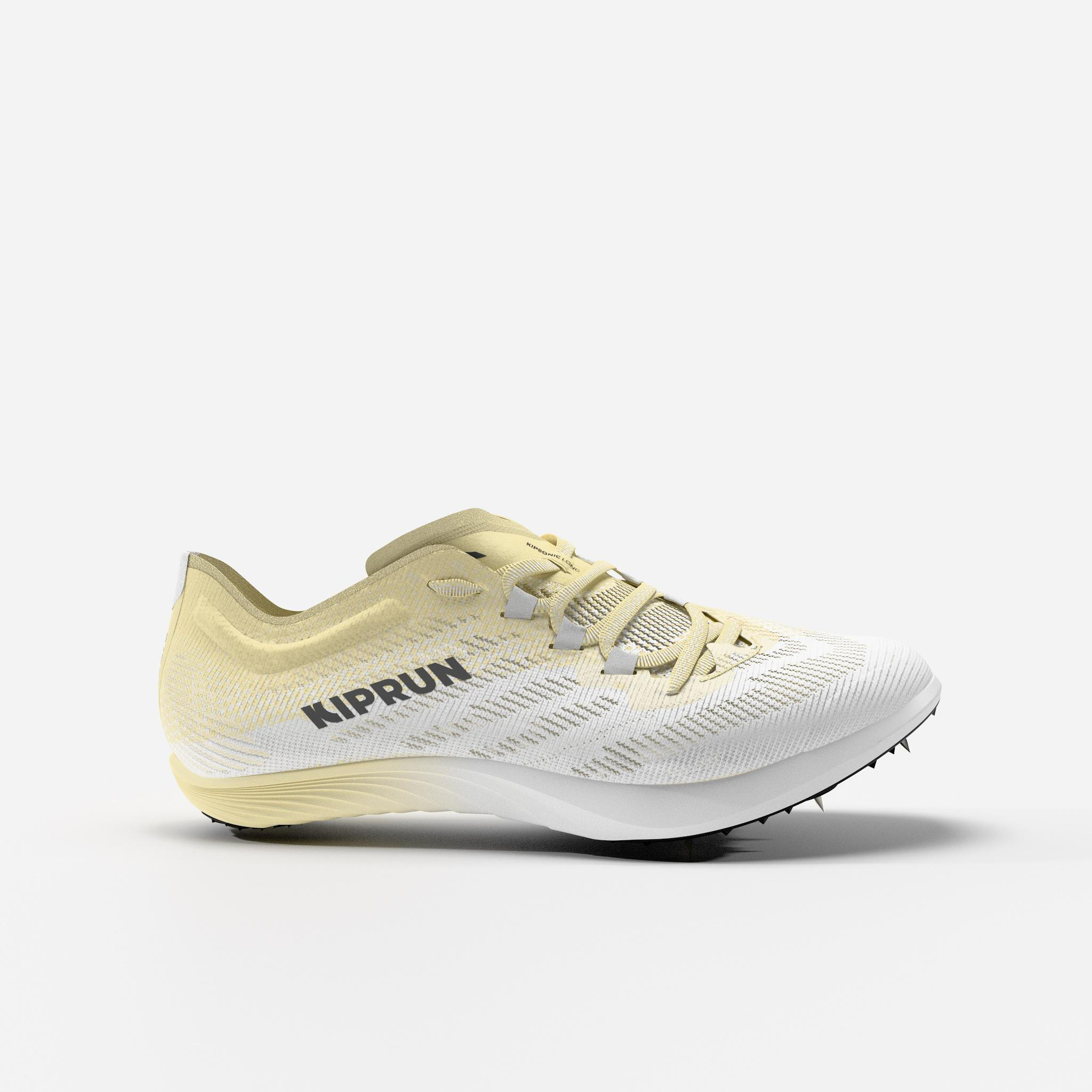
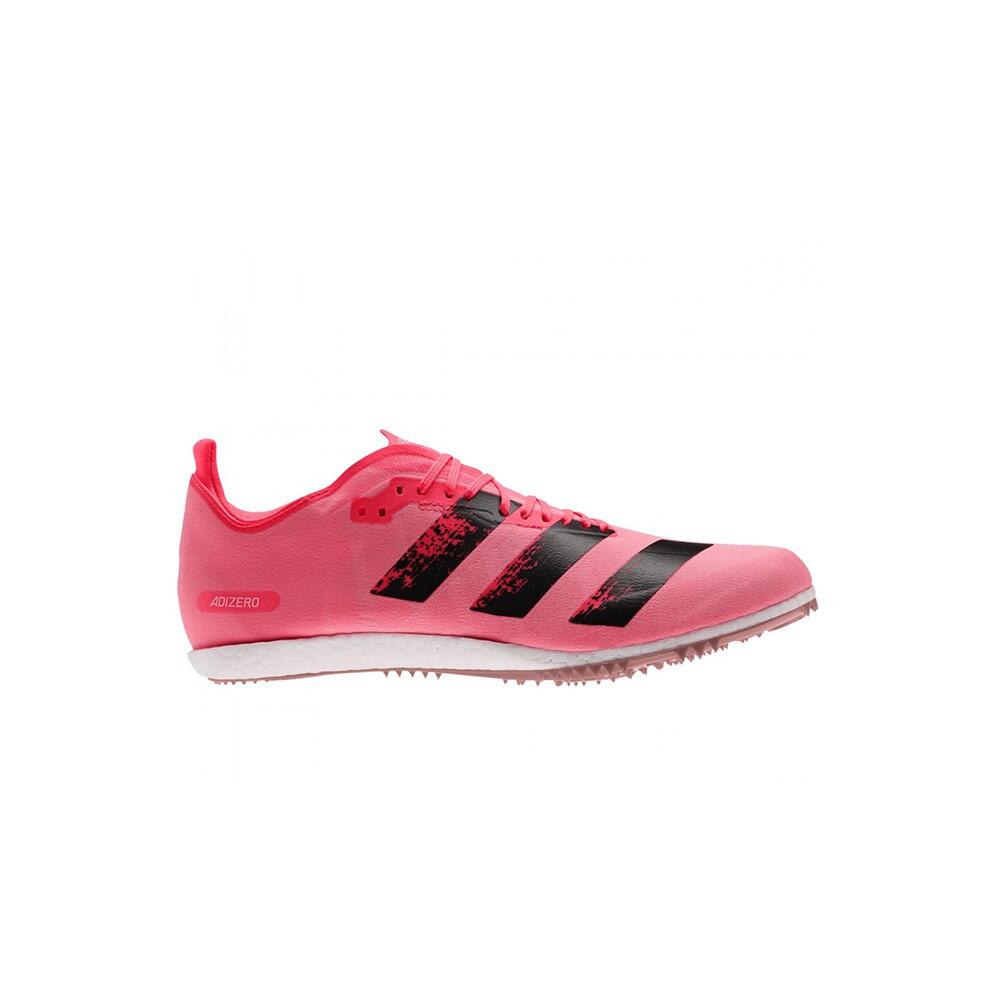
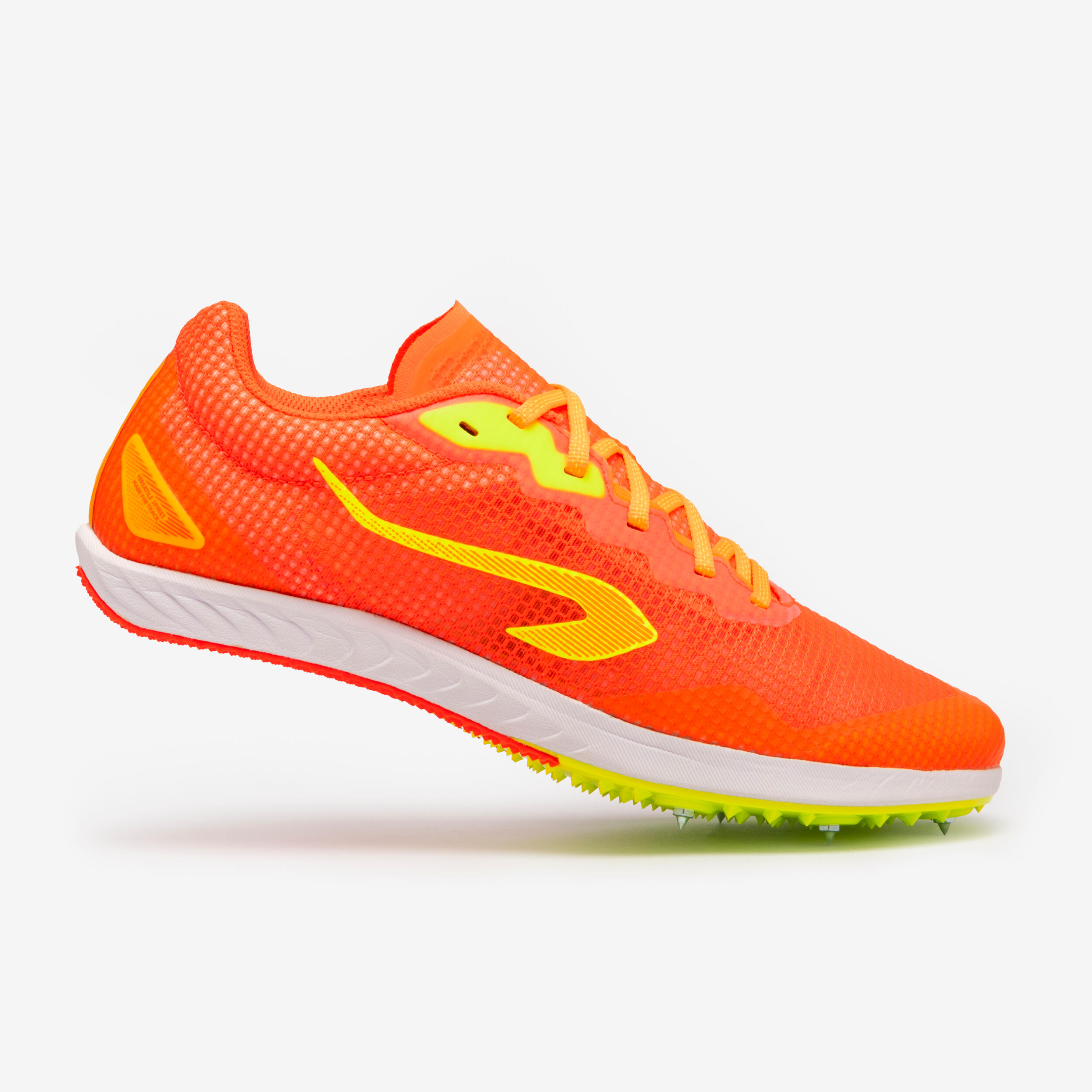
Distance spikes should provide a balance of low weight and enough protection for repeated laps. Foam compresses beneath the foot to soften impact, while the forefoot plate limits bending and creates a firmer lever during toe-off. The plate does not produce energy on its own, but its stiffness can help direct force through the front of the shoe. The KIPRUN long-distance spiked shoes pair dynamic foam with a thermoplastic plate containing fibreglass and five 6 mm steel pins. At about 140 g in size 8, they suit track races from 3,000 to 10,000 metres but are not suitable for cross-country.

How do you look after spike shoes after training?

Remove loose mud with a soft brush, then wipe the upper and sole with a damp cloth. Do not machine wash or tumble-dry spiked footwear because heat and prolonged soaking can affect the foam, bonded sections and plate. Unscrew the pins occasionally, clean the threads and let every part dry naturally before refitting them. Replace worn, rounded or missing pins in matching lengths rather than mixing different sizes on a single plate. Useful running shoe accessories include replacement spikes and fitting tools, which can help you get more sessions out of your spike plate.