509 items
4.5/5 based on 110587 reviews collected online and in stores

Athletics Accessories FAQs

Which athletics accessories should you carry?

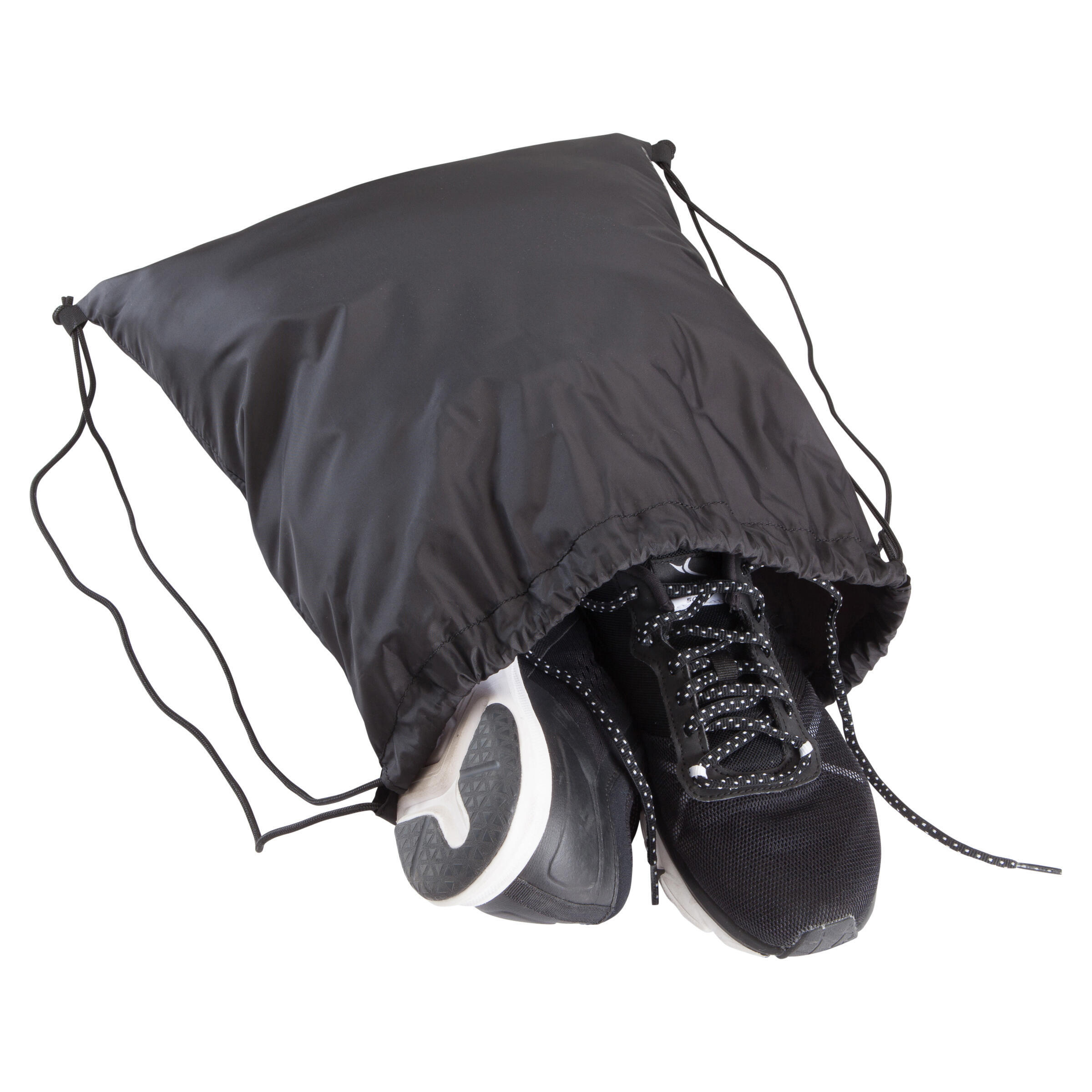
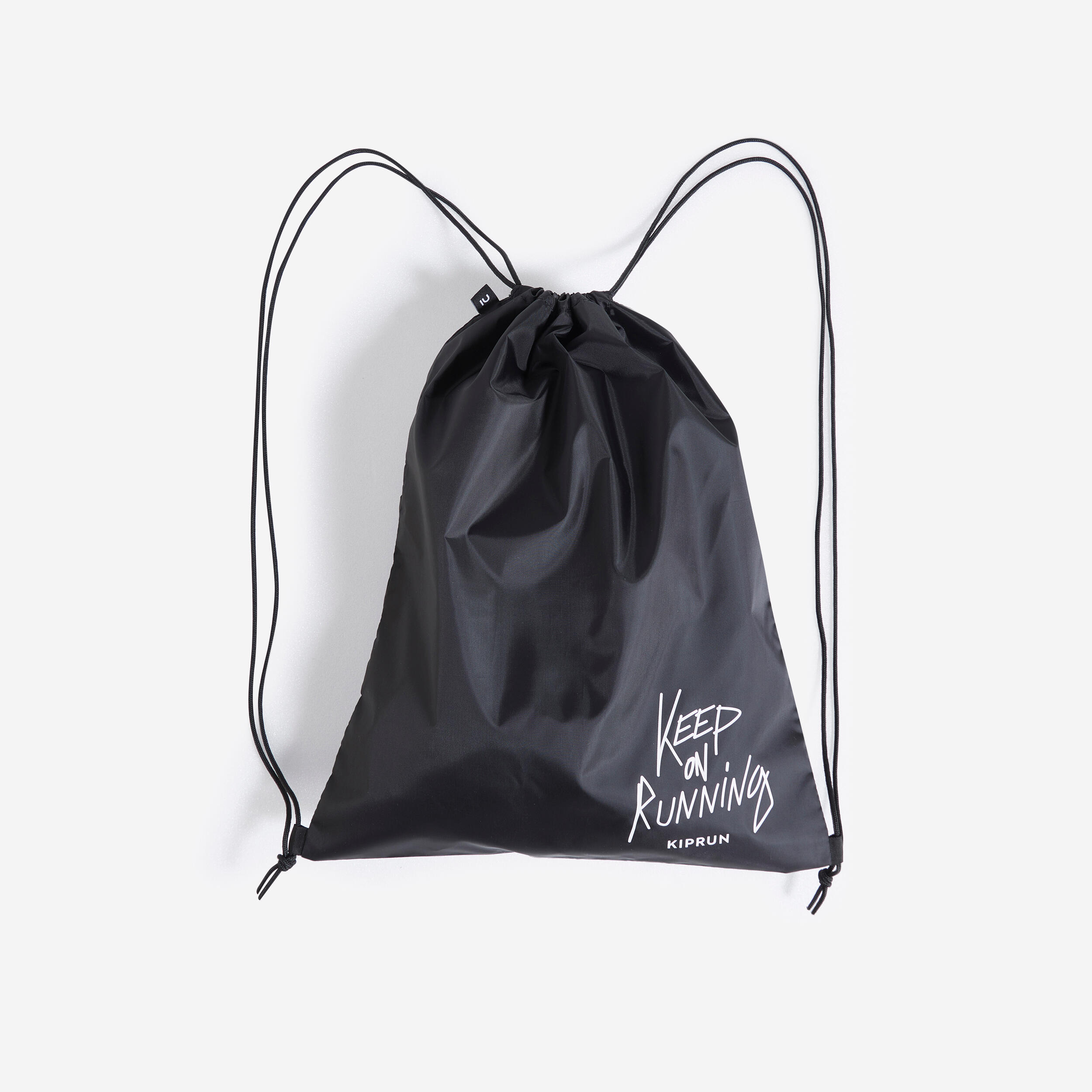
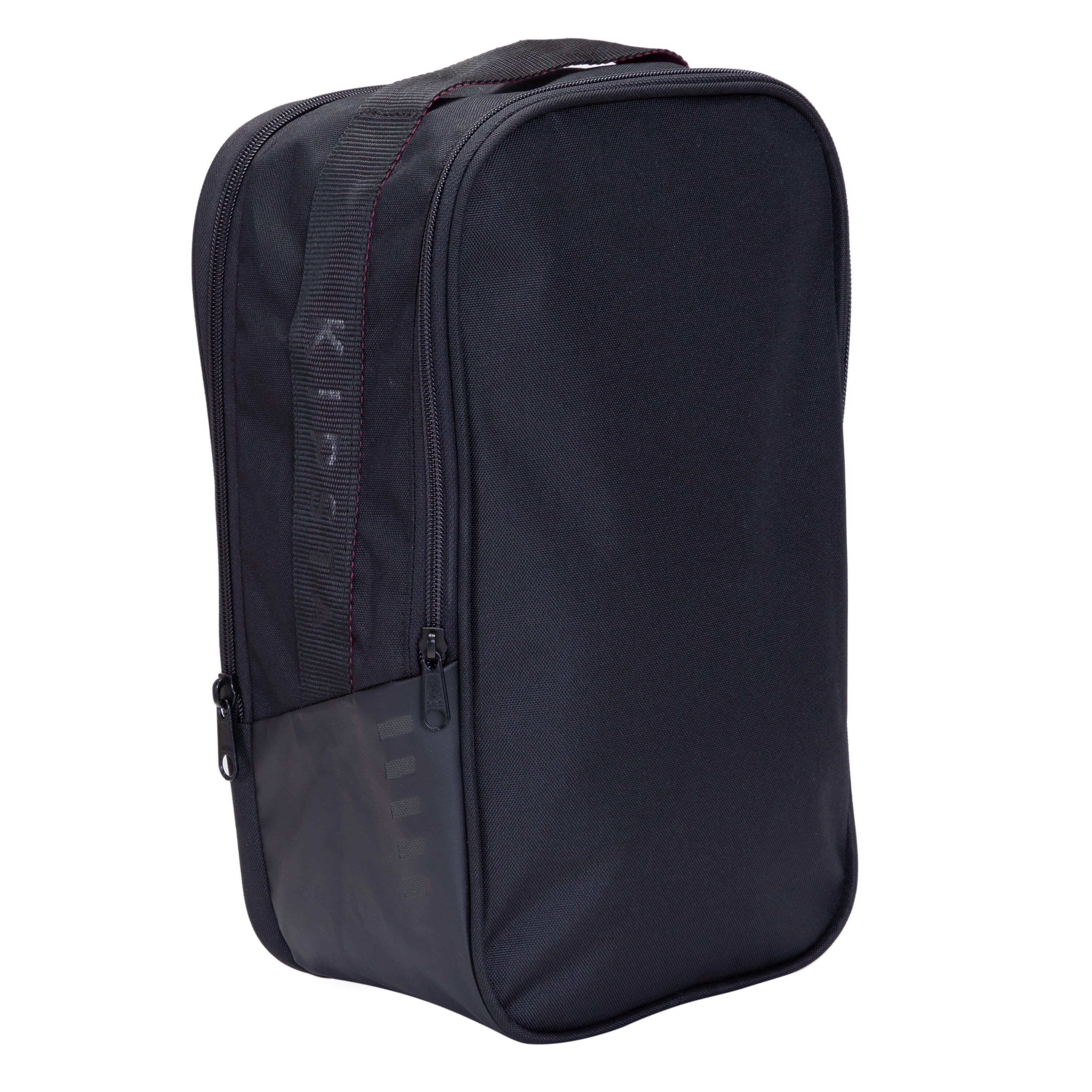
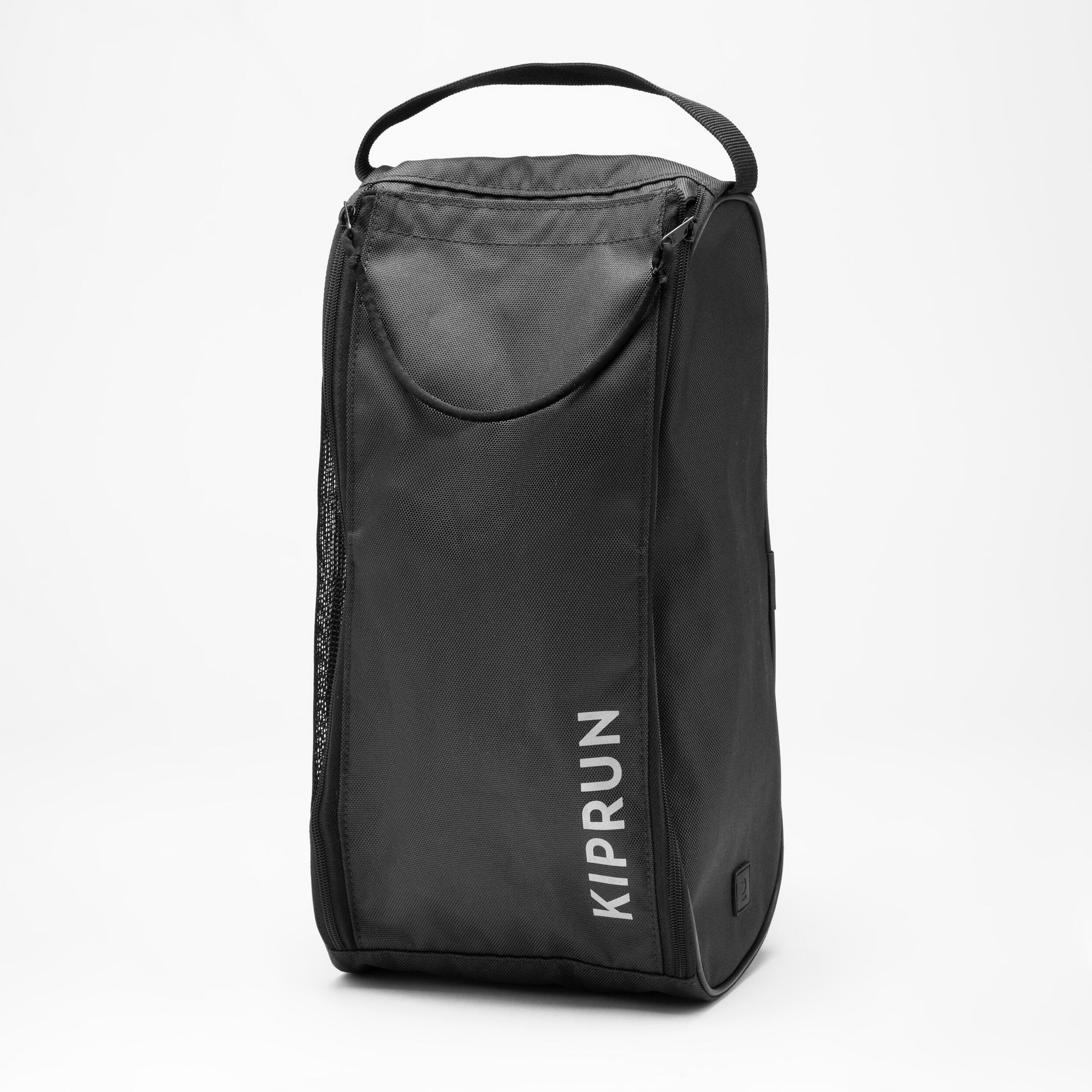
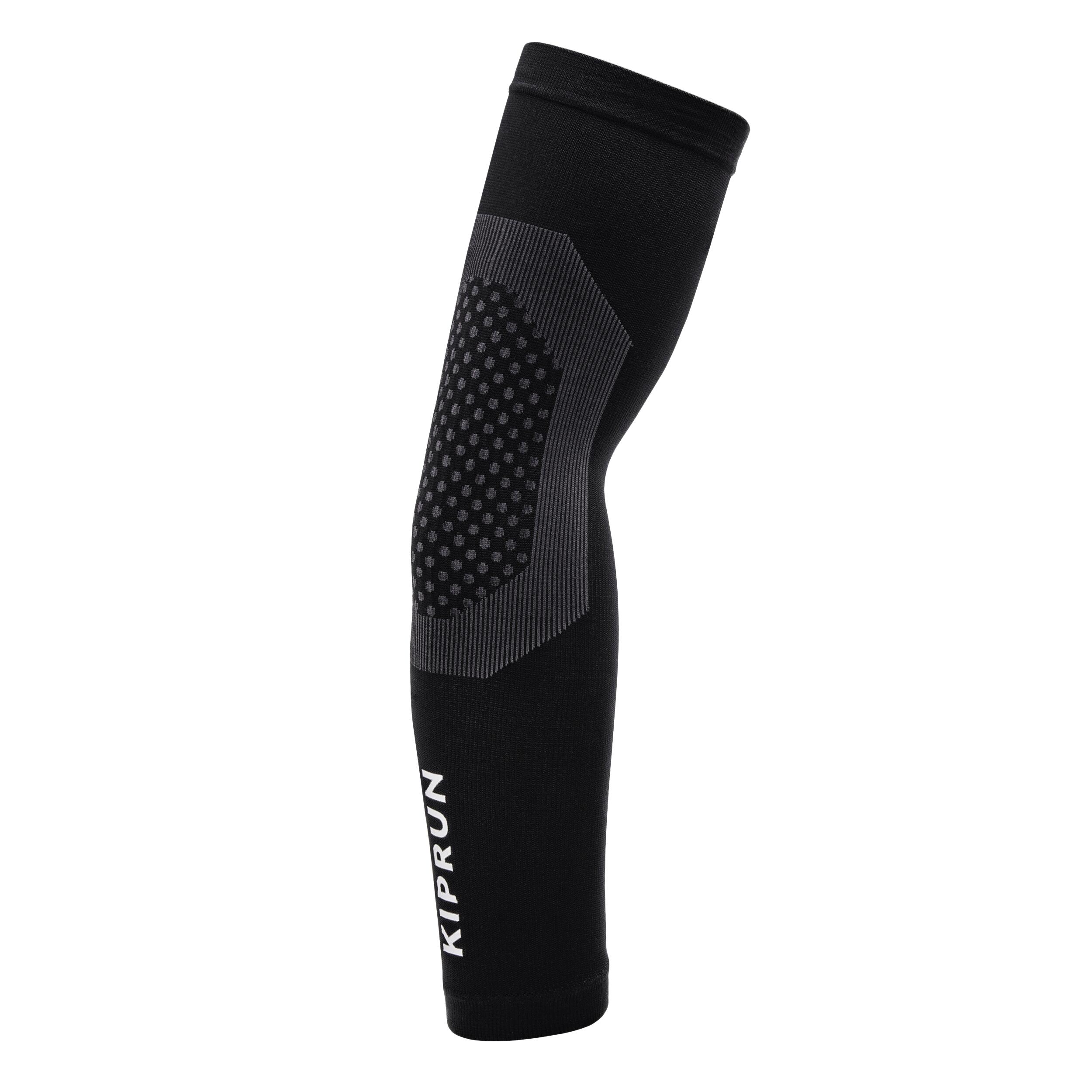
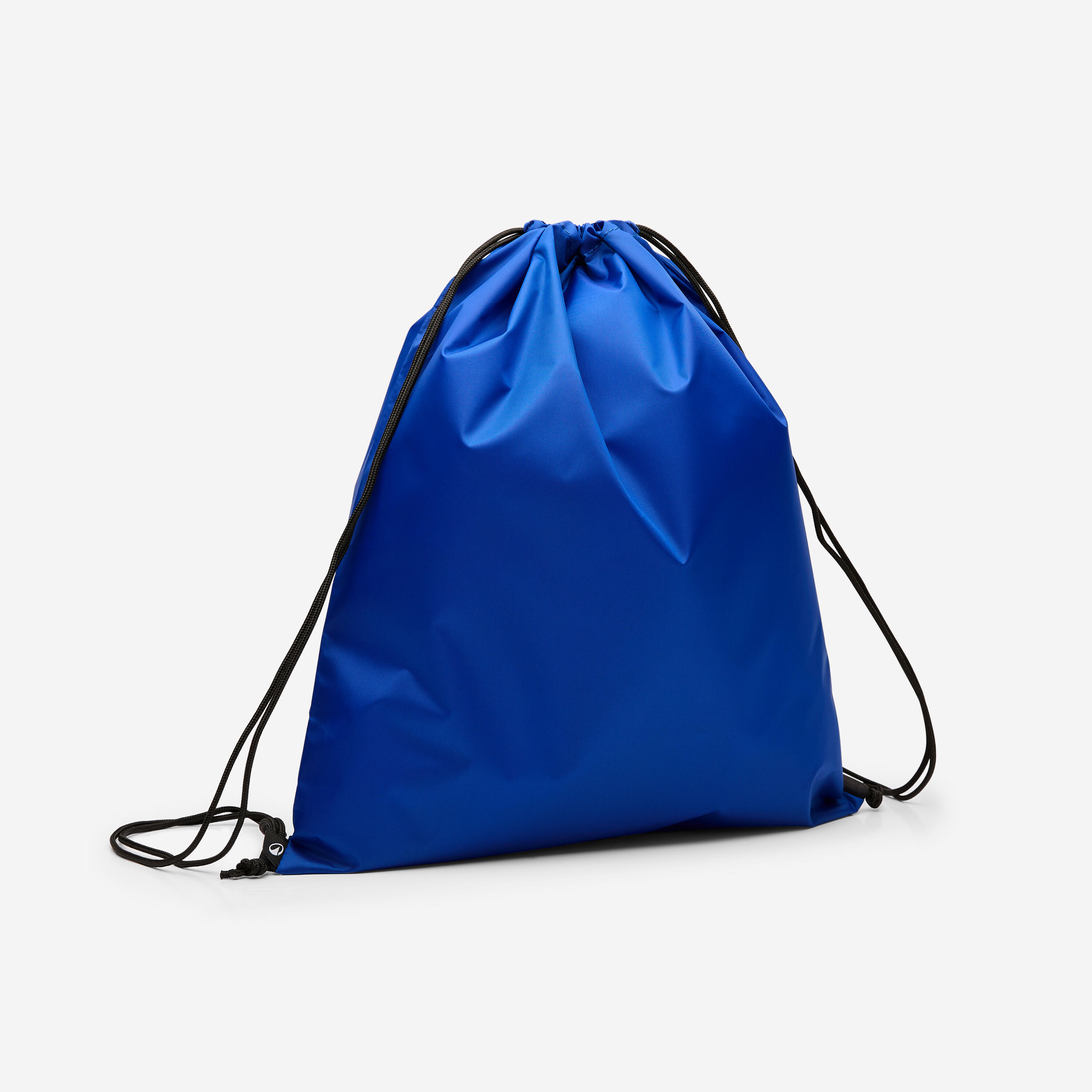
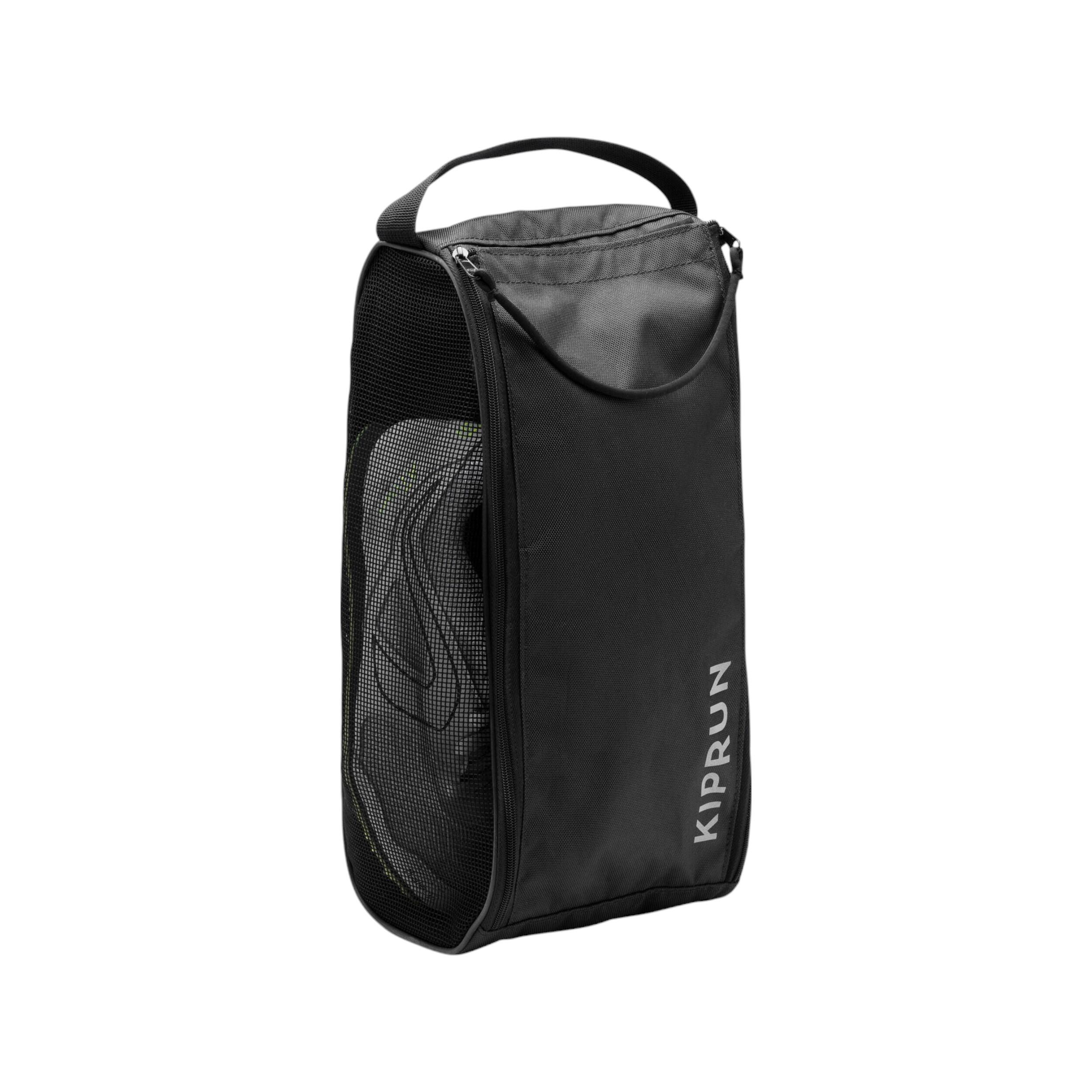
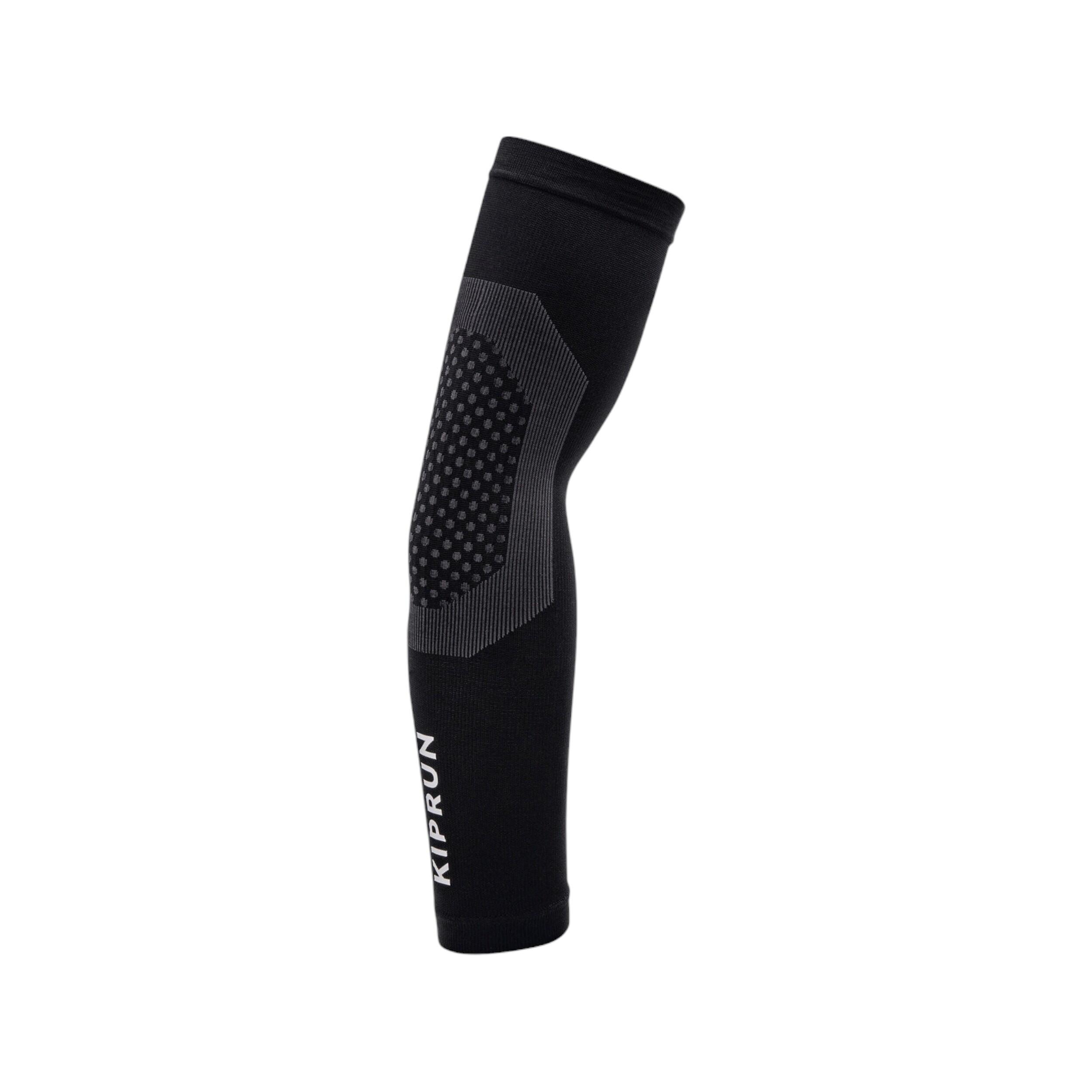
Choose accessories that solve a specific training, weather, hydration or timing need rather than filling your kit with equipment you may not use. A practical setup might include a bottle, watch, weather protection and secure storage for footwear or smaller items. Compression sleeves and a heart-rate belt can also be useful when you already understand their fit and purpose. Keep everything organised inside suitable athletics bags, separating clean clothing, electronics and damp equipment. A useful pro tip is to arrange your bag in the order items will be needed, with warm-up accessories near the top and post-session kit stored underneath.

How are sports bottles and flasks chosen?

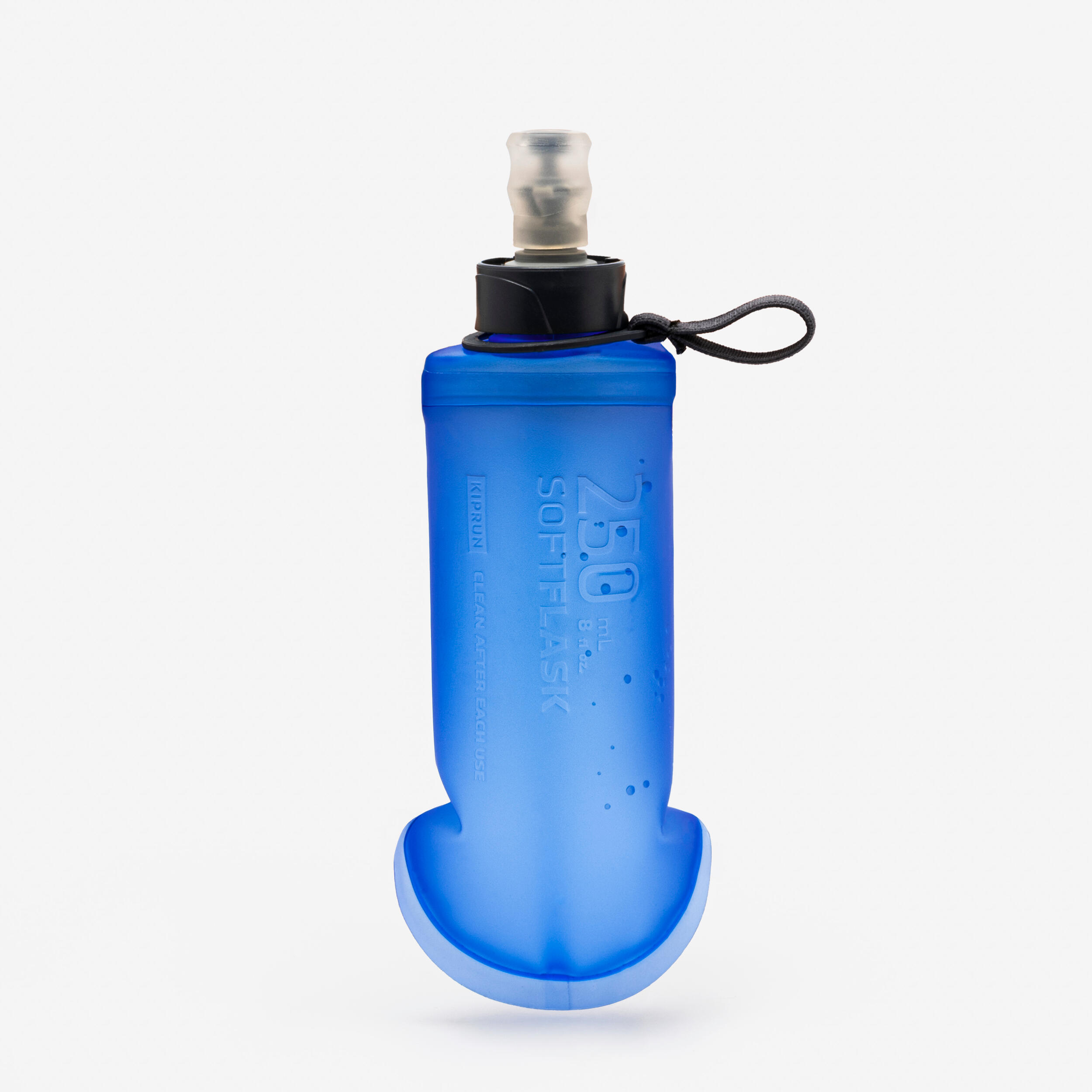
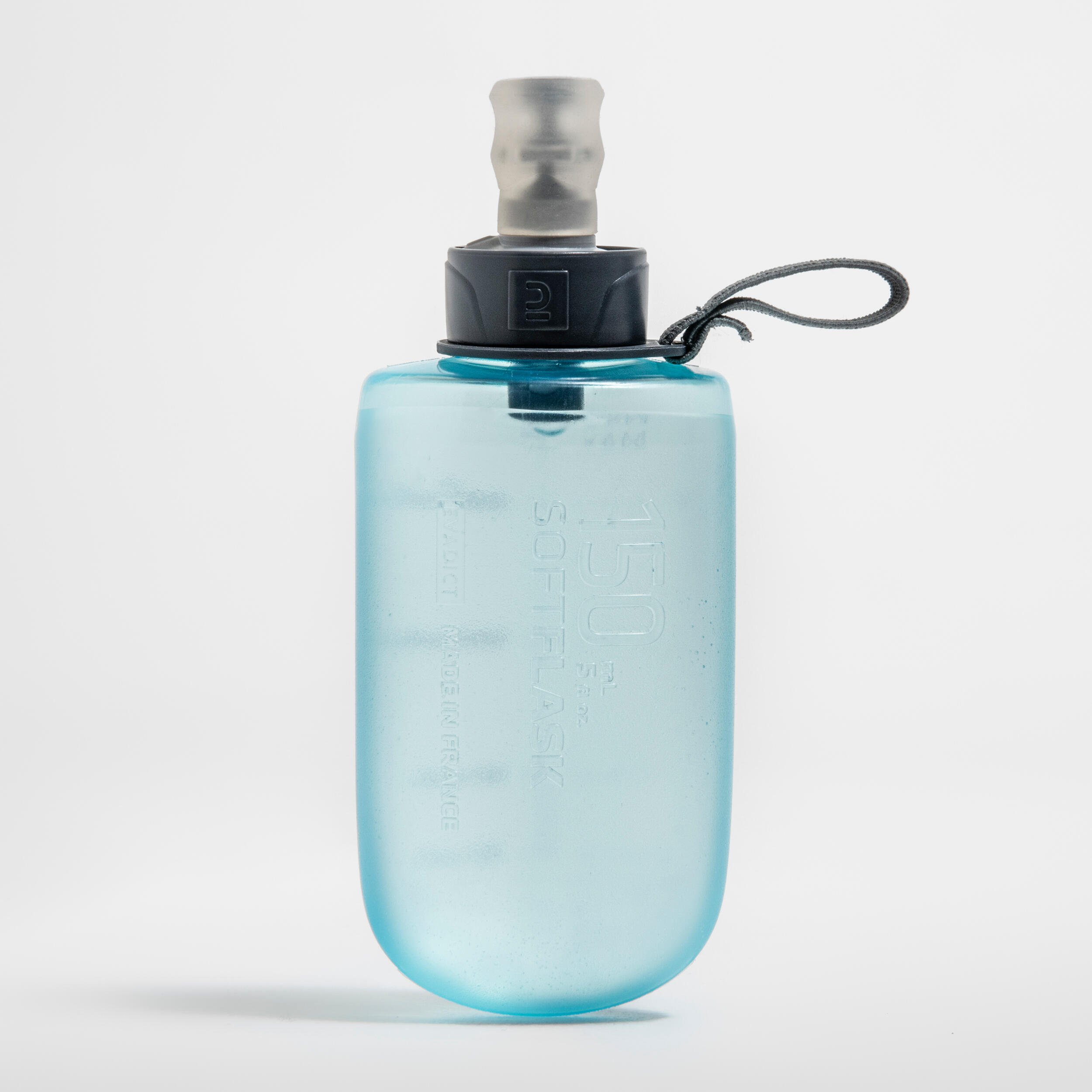
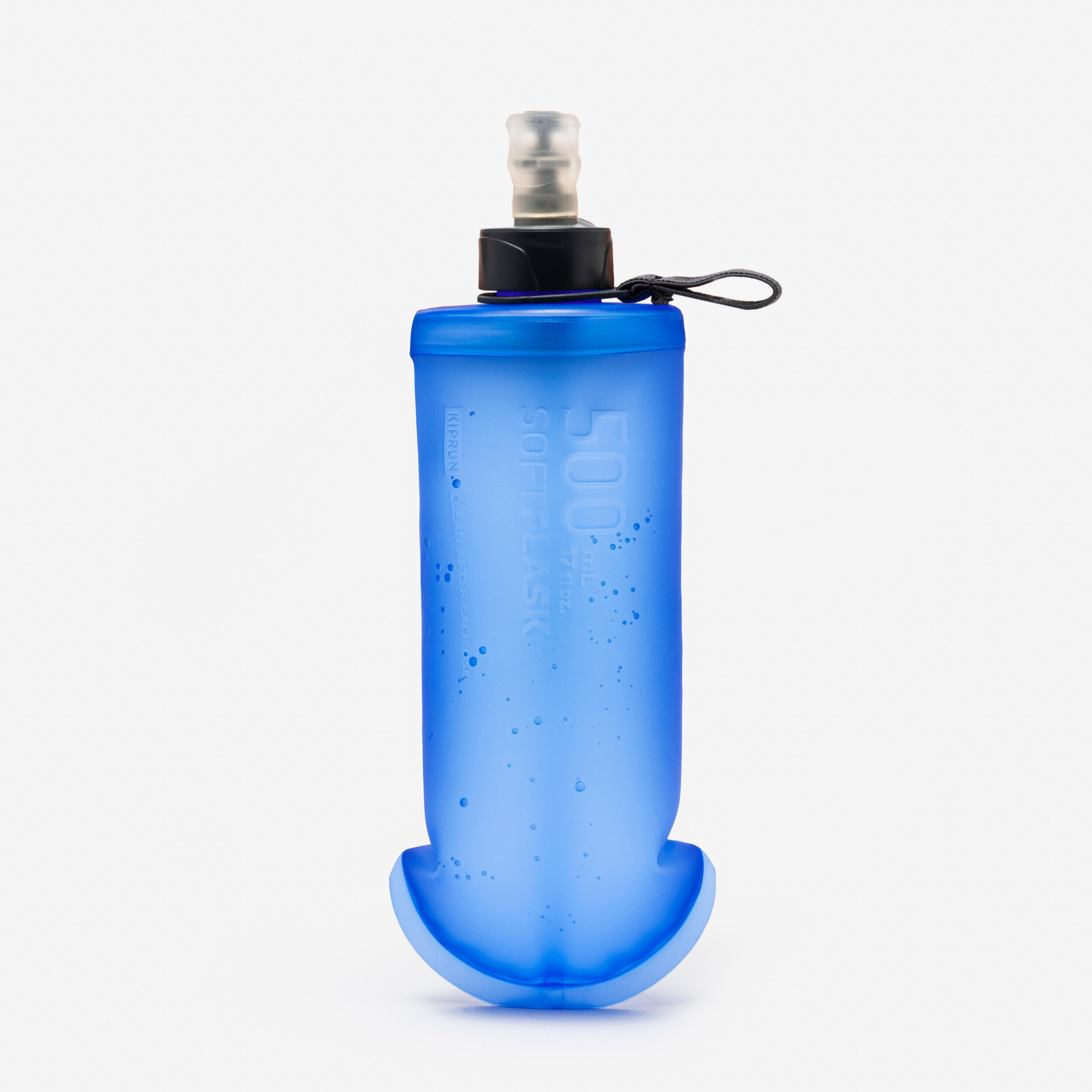
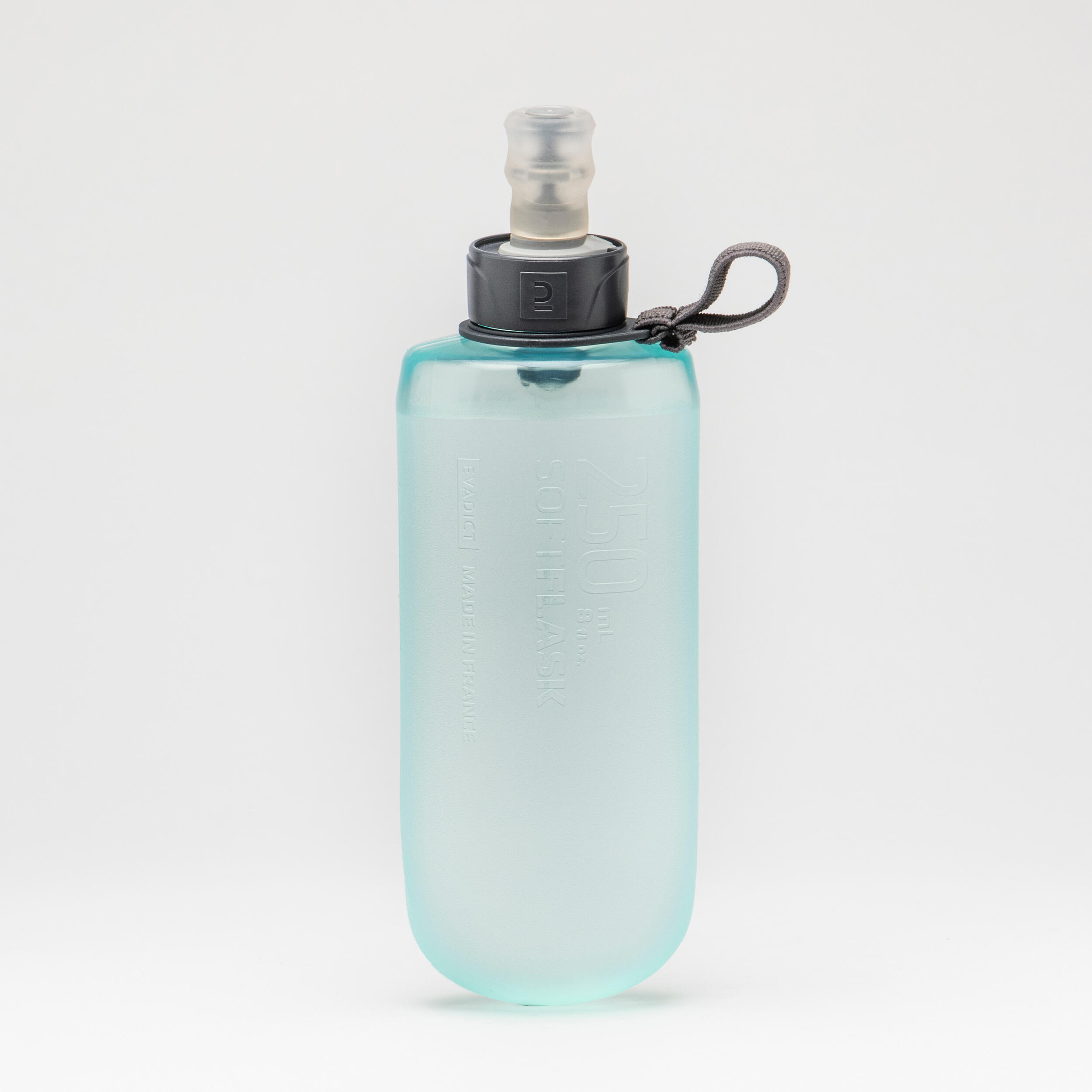
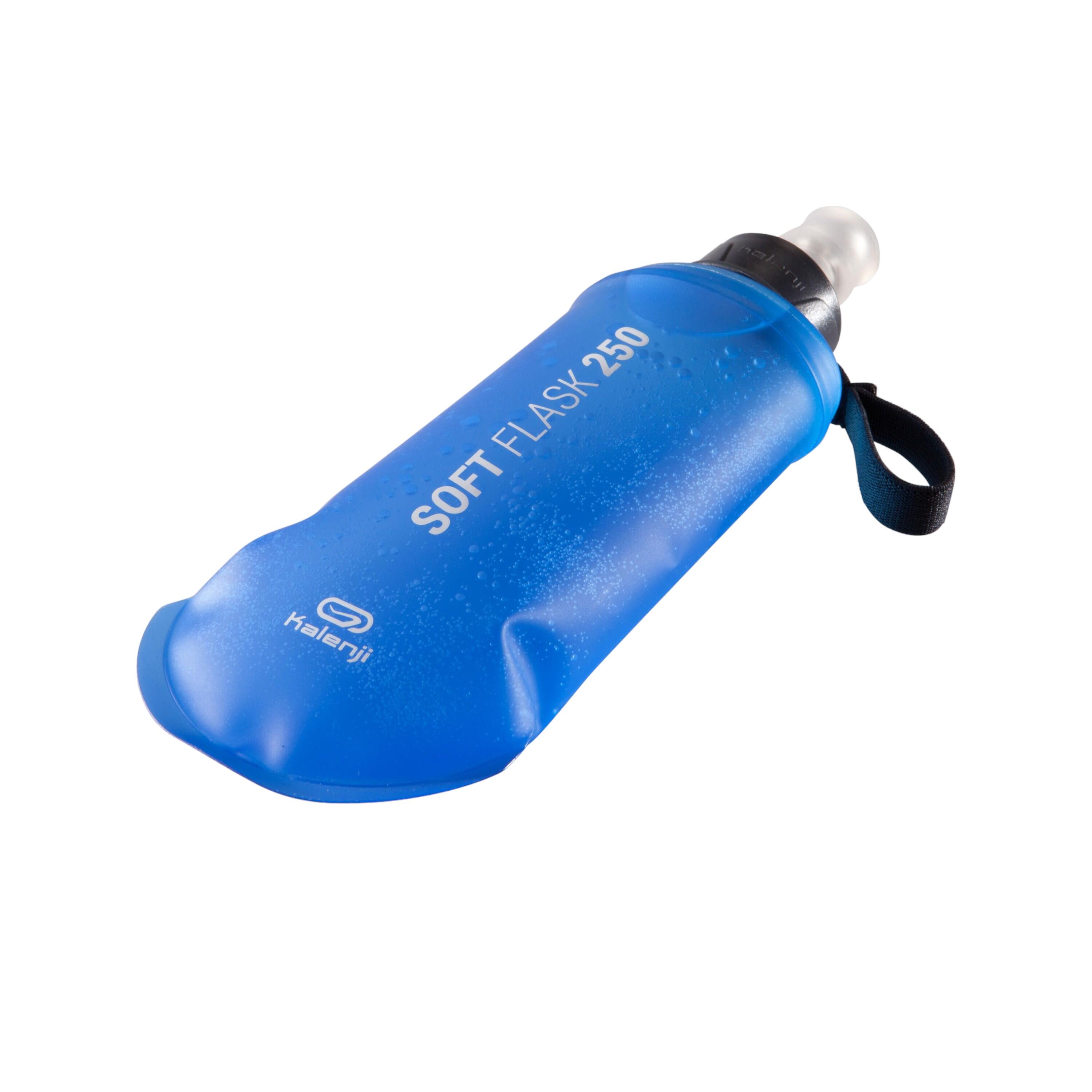
Match the capacity and carrying method to the session rather than automatically choosing the largest bottle. Small flexible flasks can suit short runs or carrying concentrated sports drink, while a 500 ml model provides more fluid for longer training. Compare athletics flasks and bottles by valve type, grip and compatibility with your belt or vest. Soft flasks shrink as you drink, reducing bulk and movement against the body. Remove trapped air before closing the valve to limit sloshing. After sugary drinks, take the mouthpiece apart, wash every section carefully and let the flask dry fully before storage.

Are athletics watches and heart-rate monitors useful?

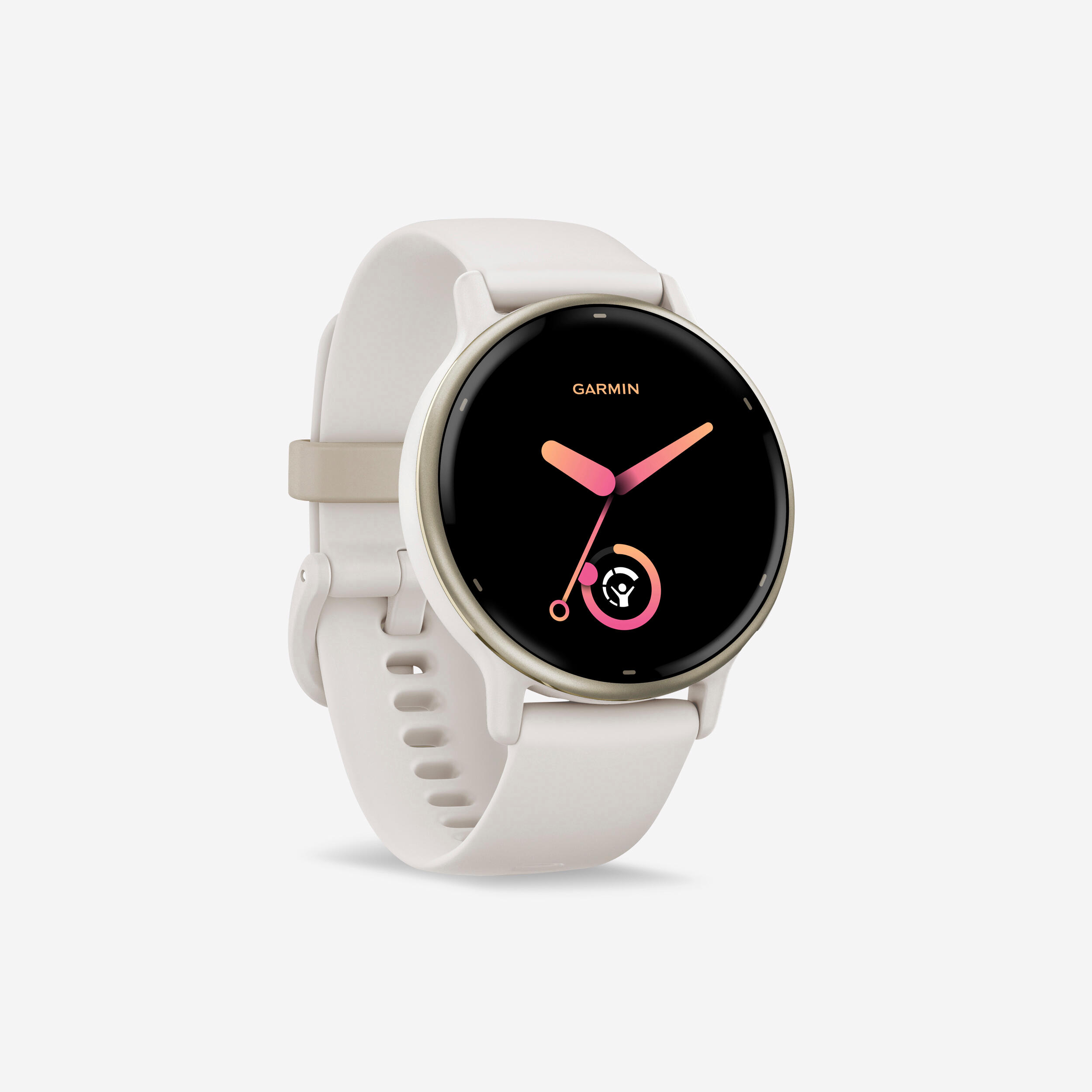
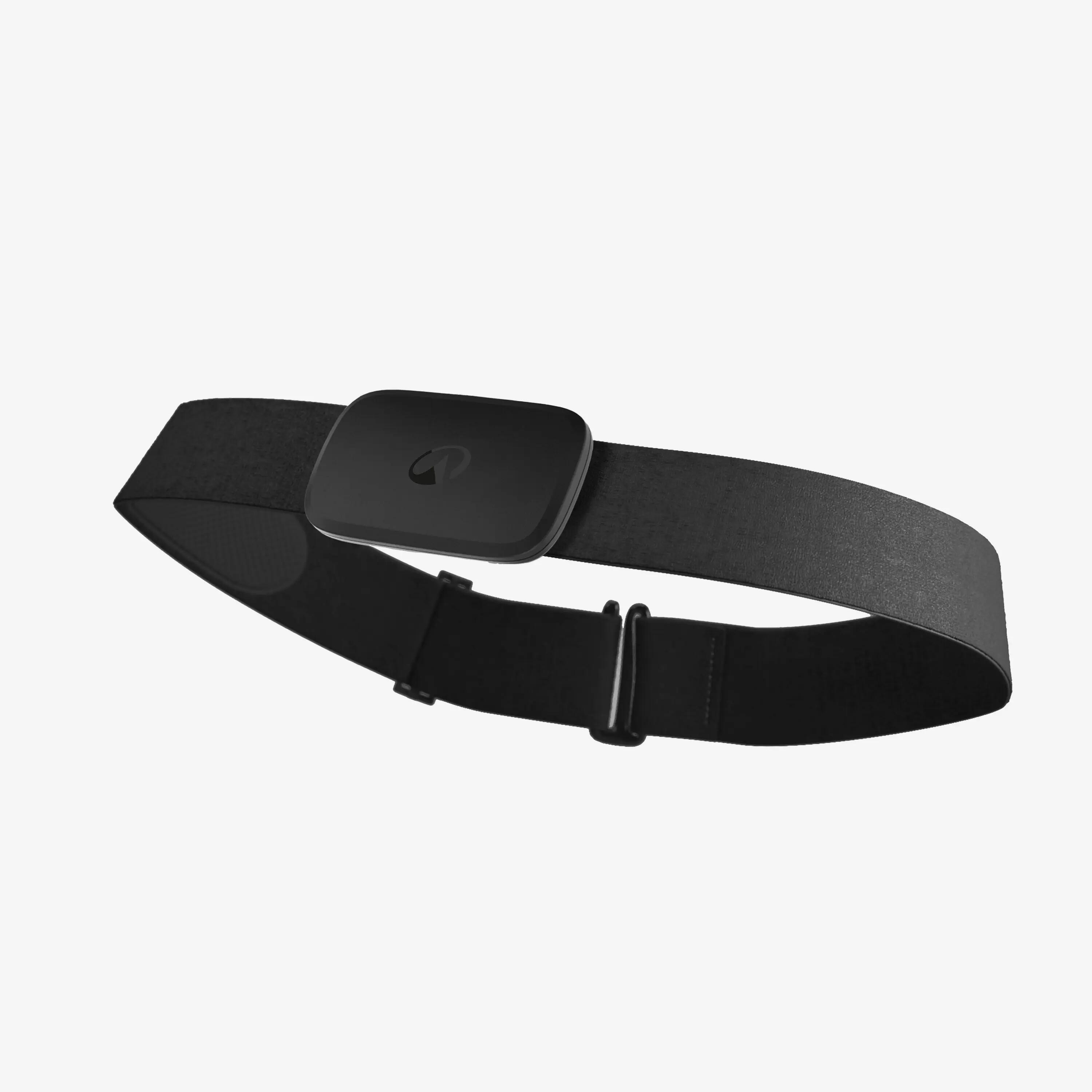
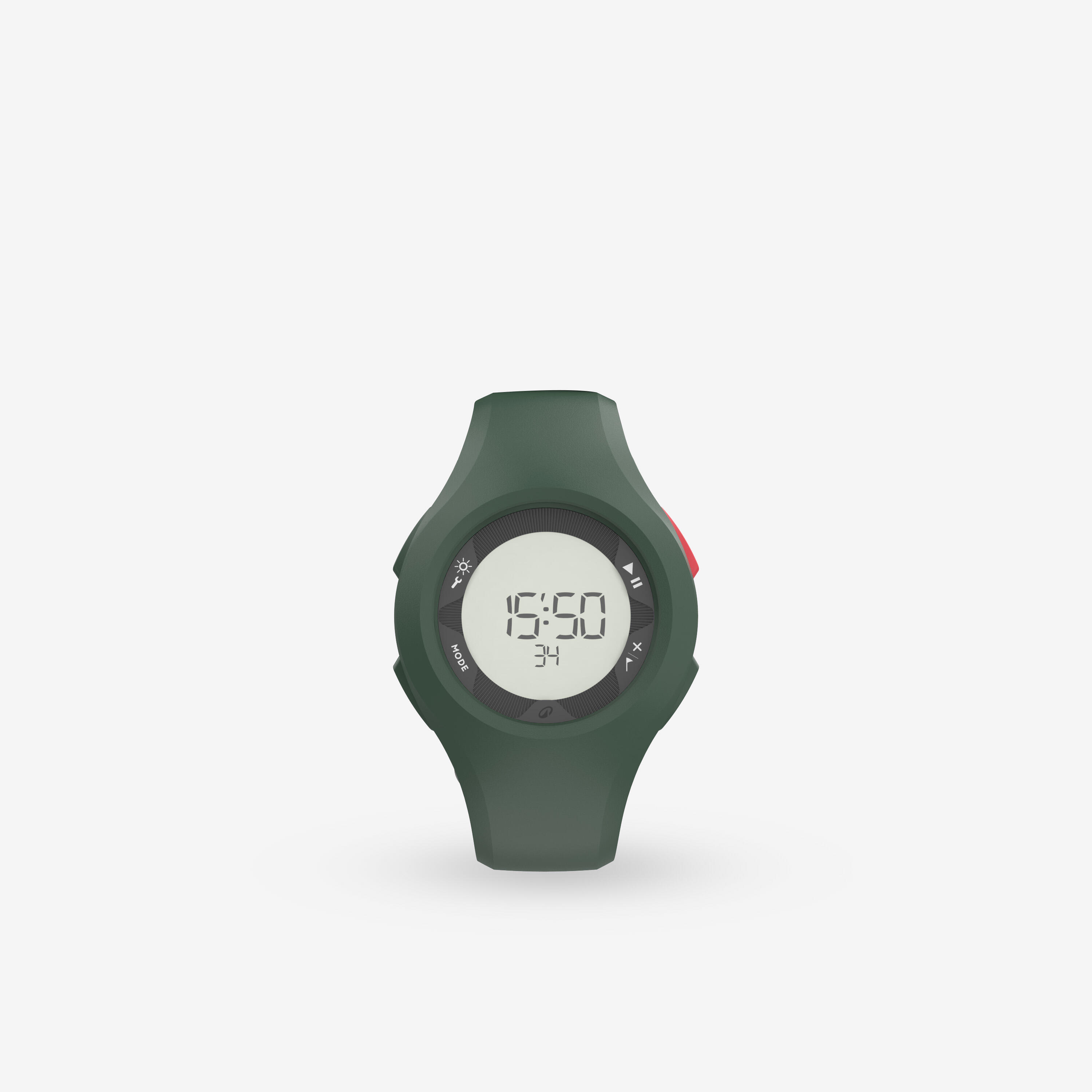
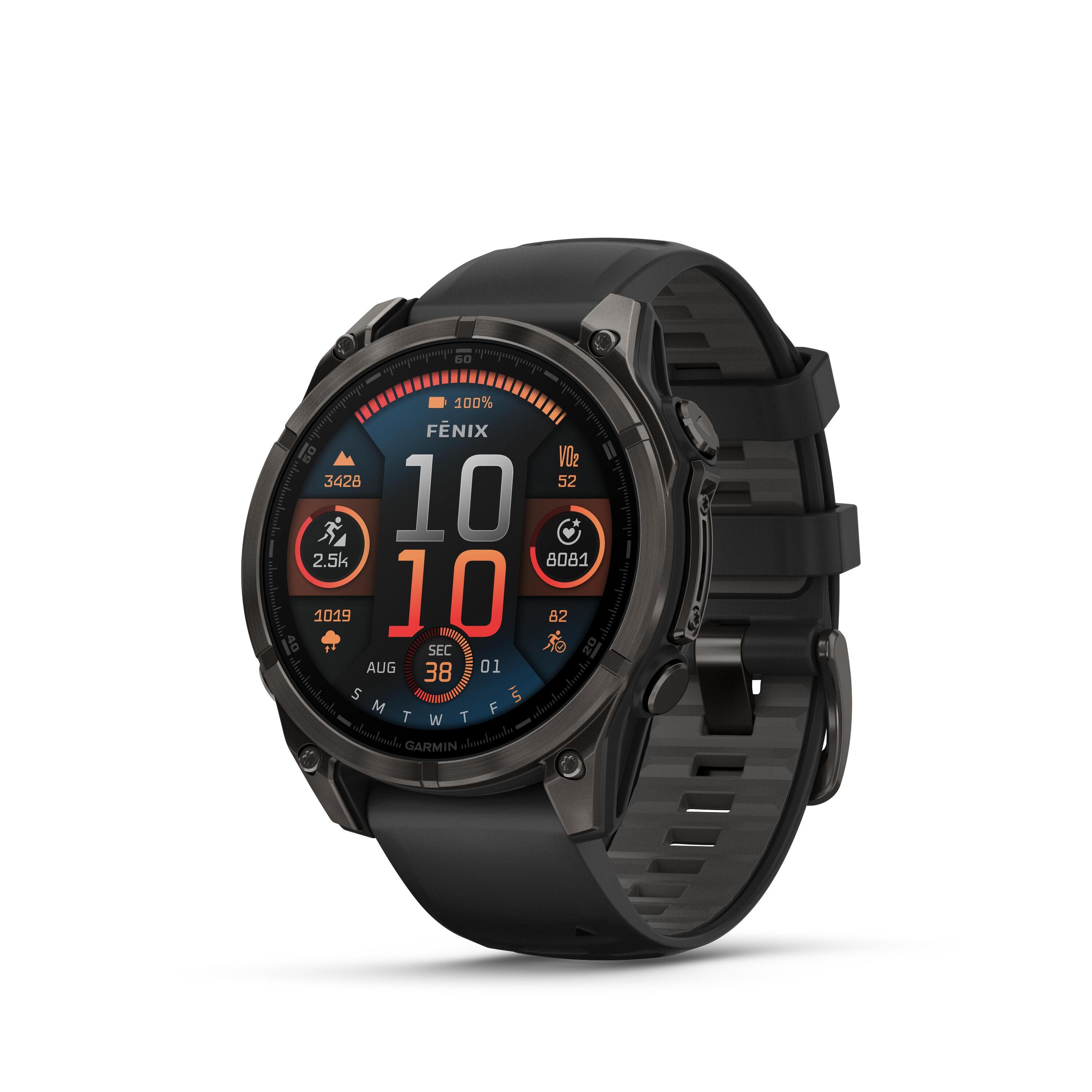
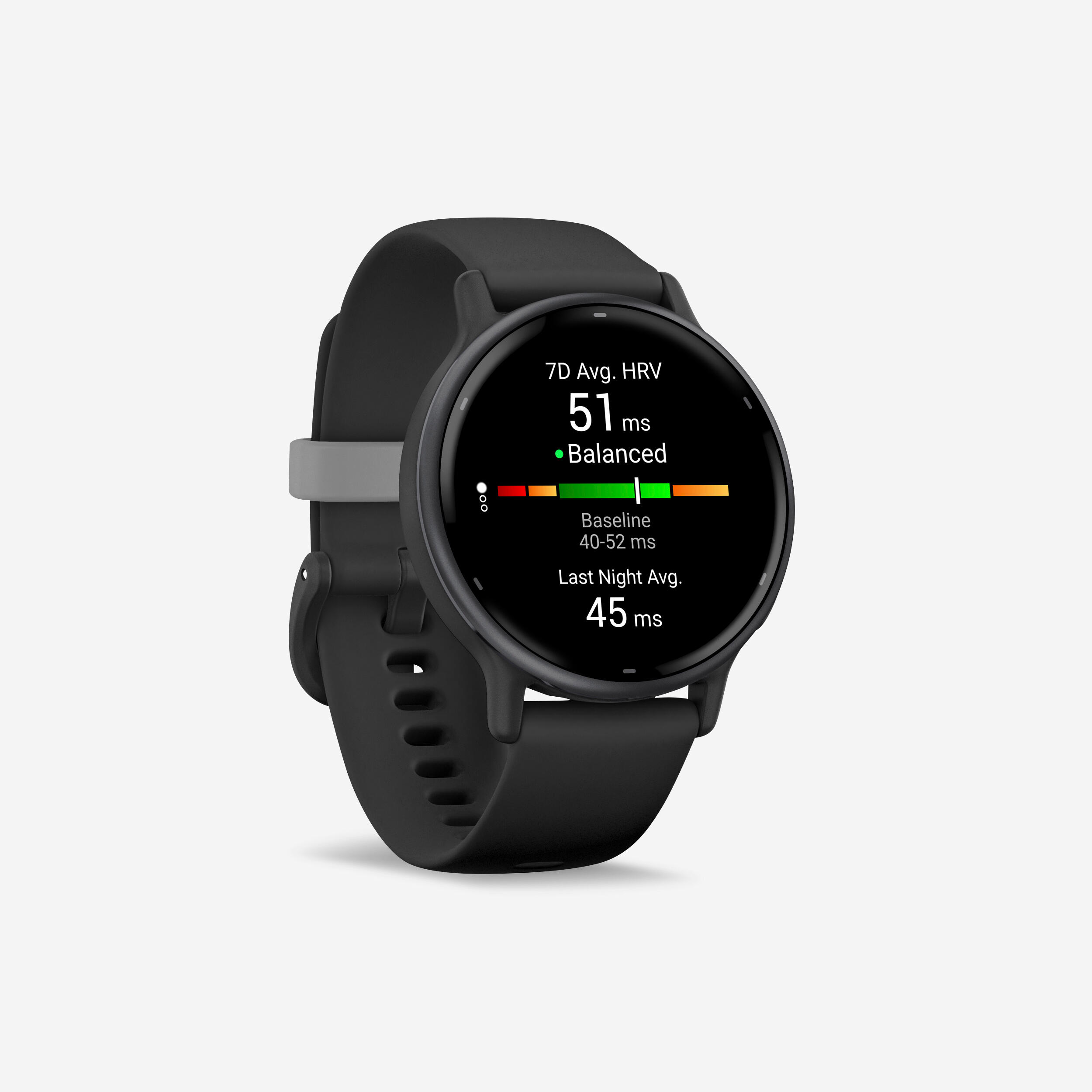
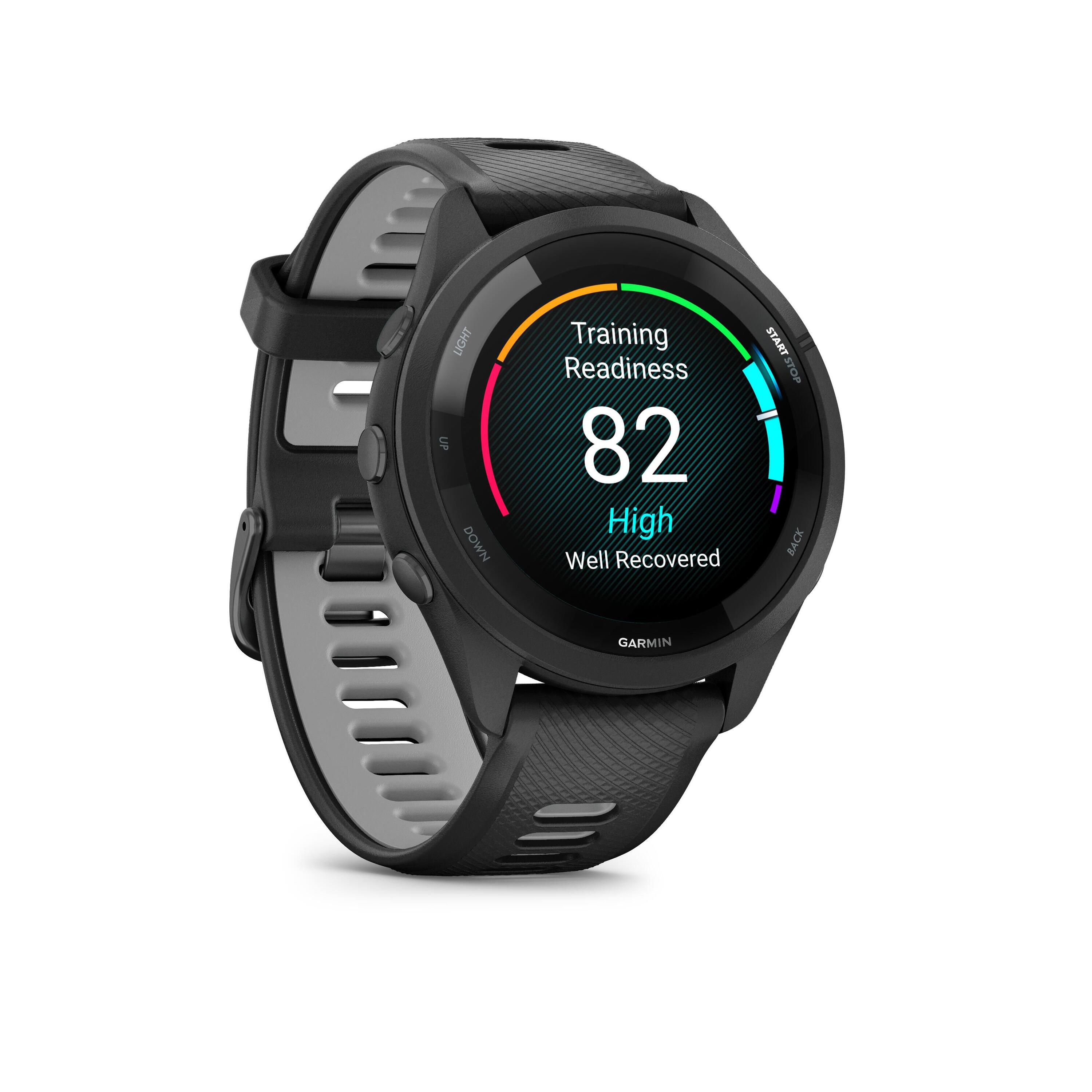
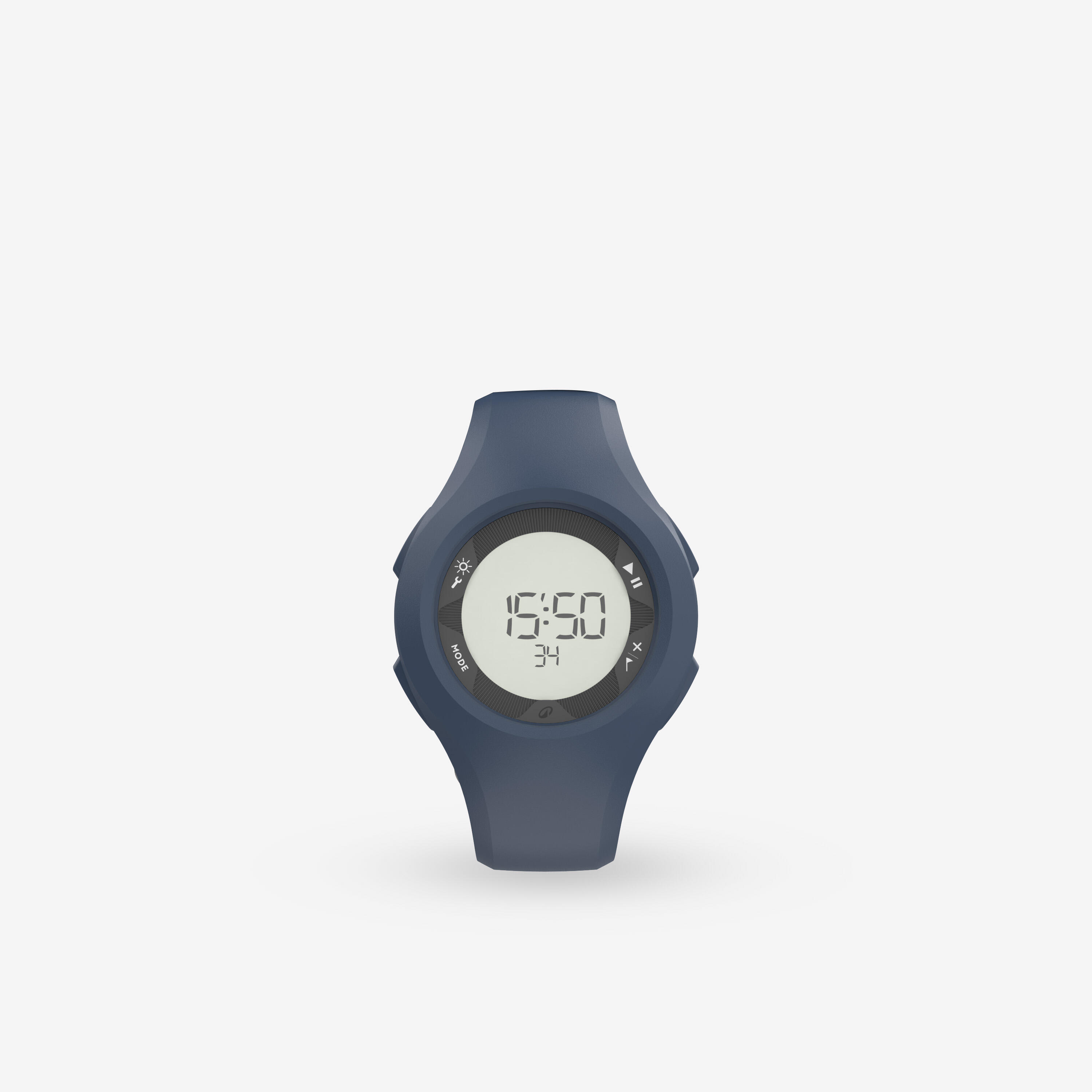
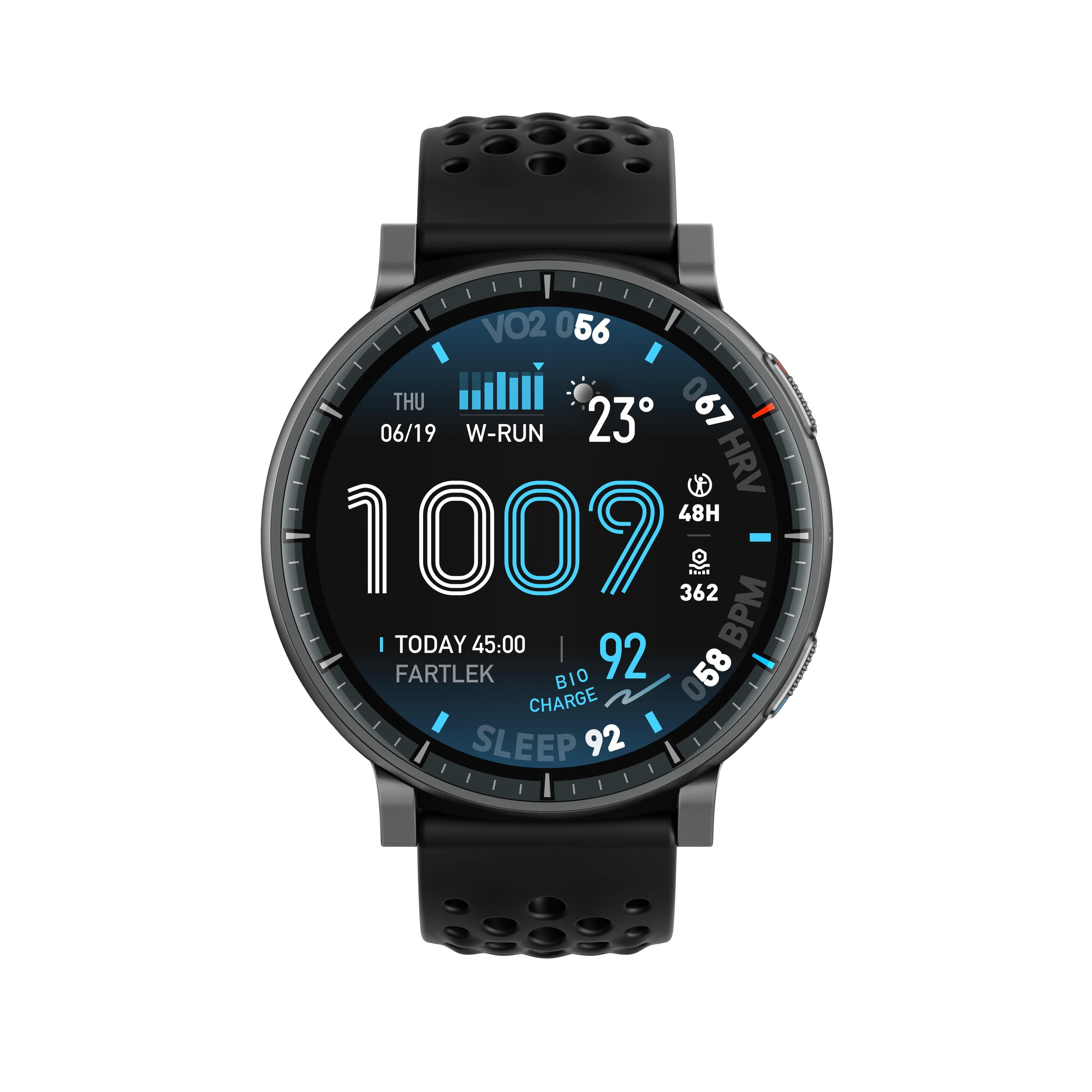
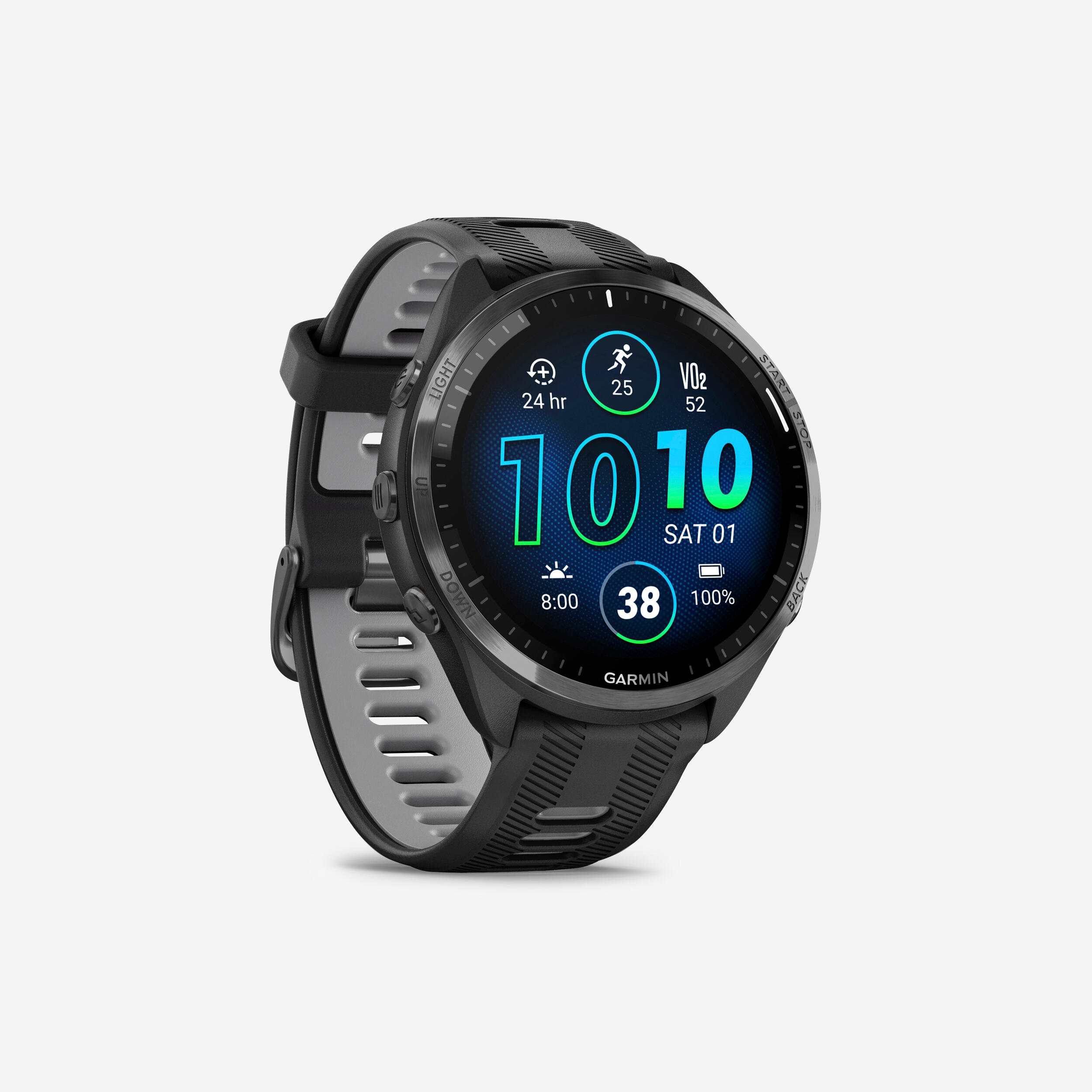
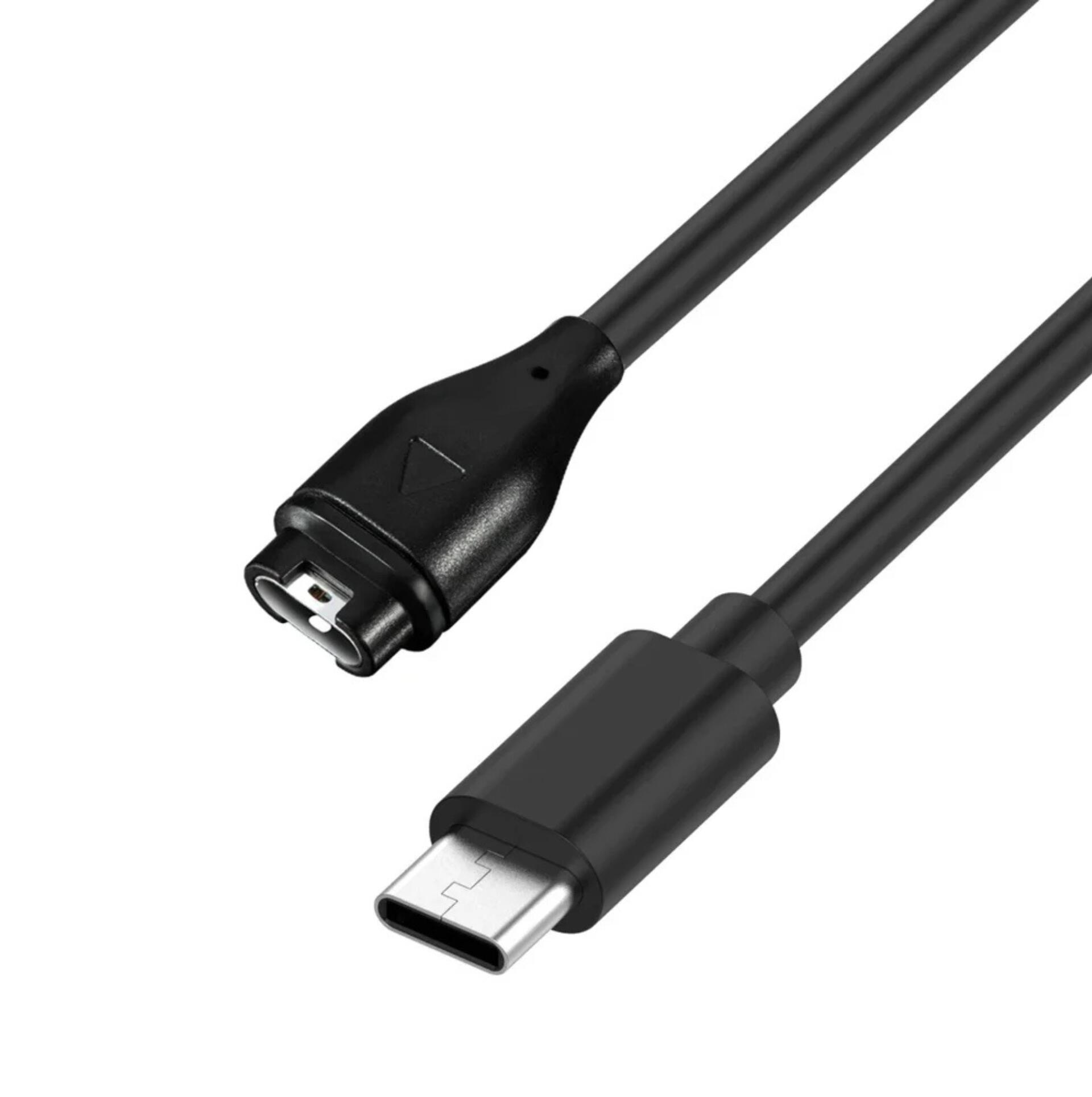
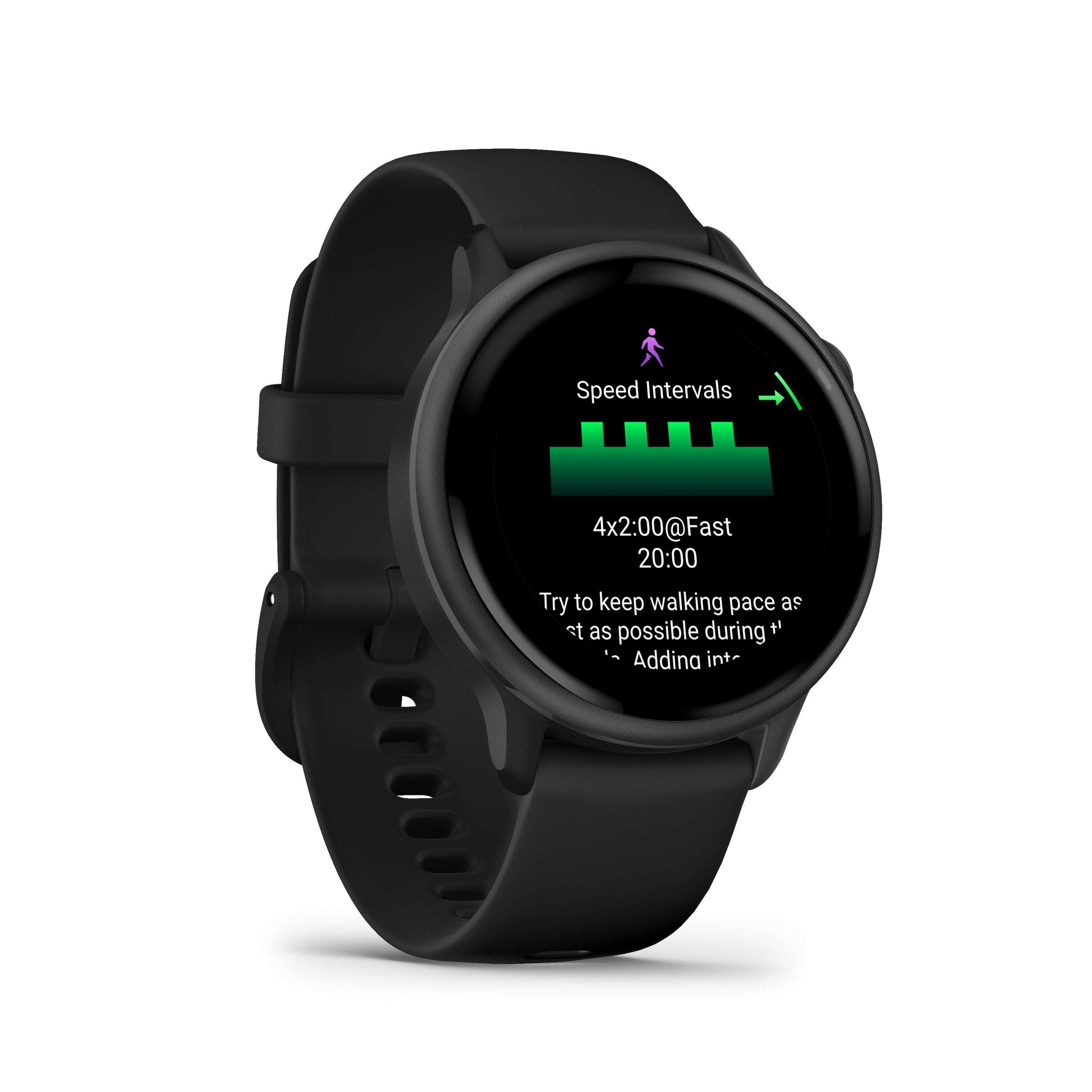
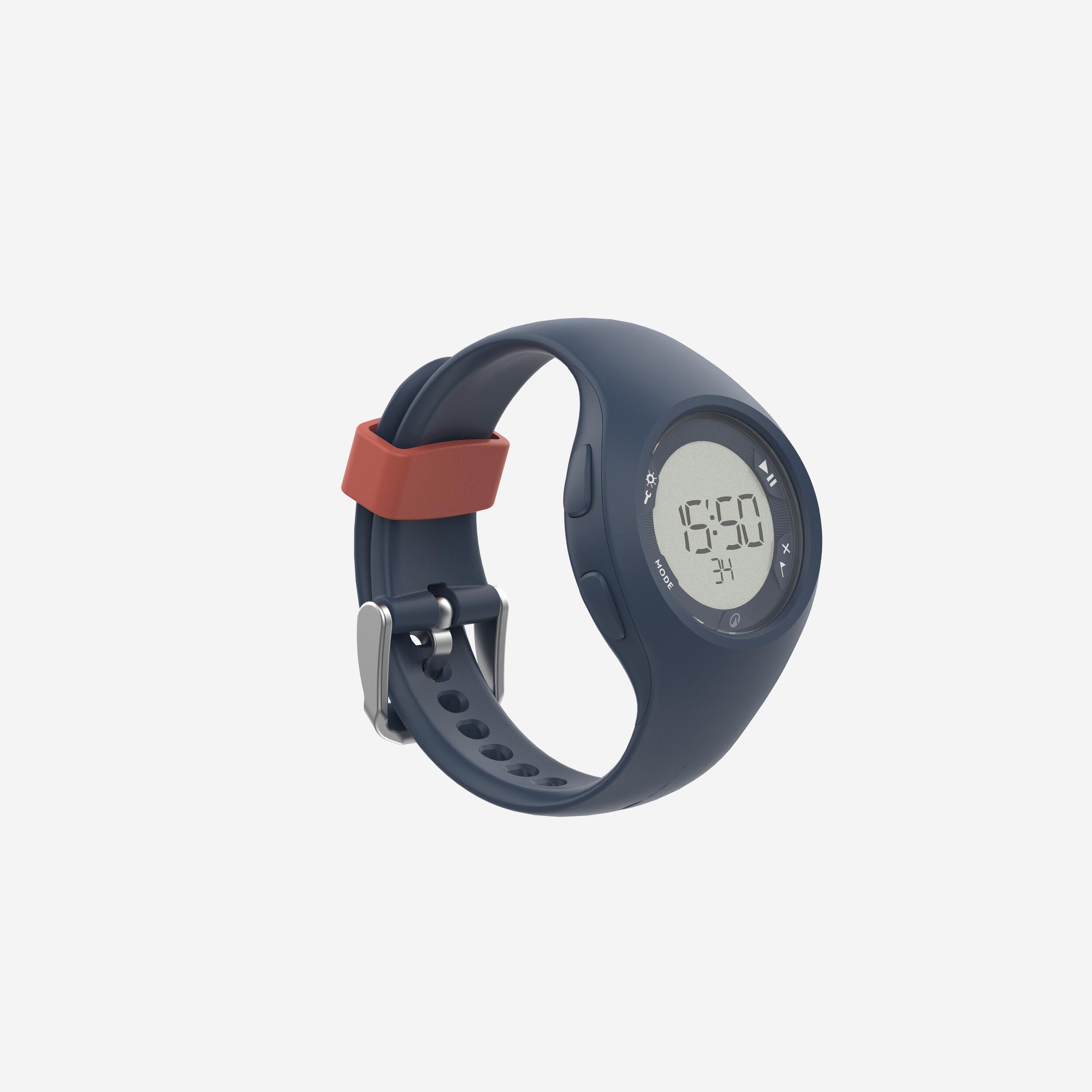
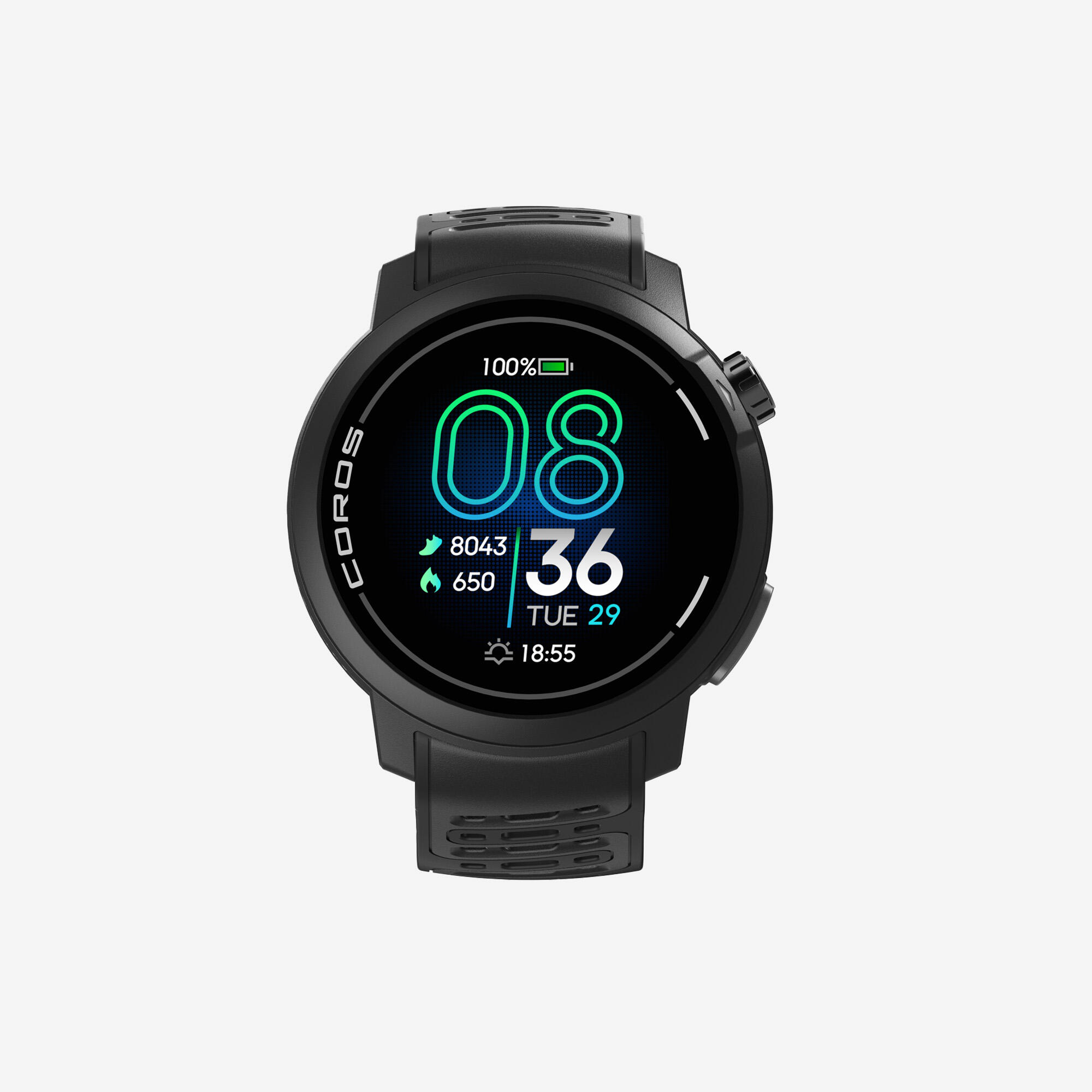
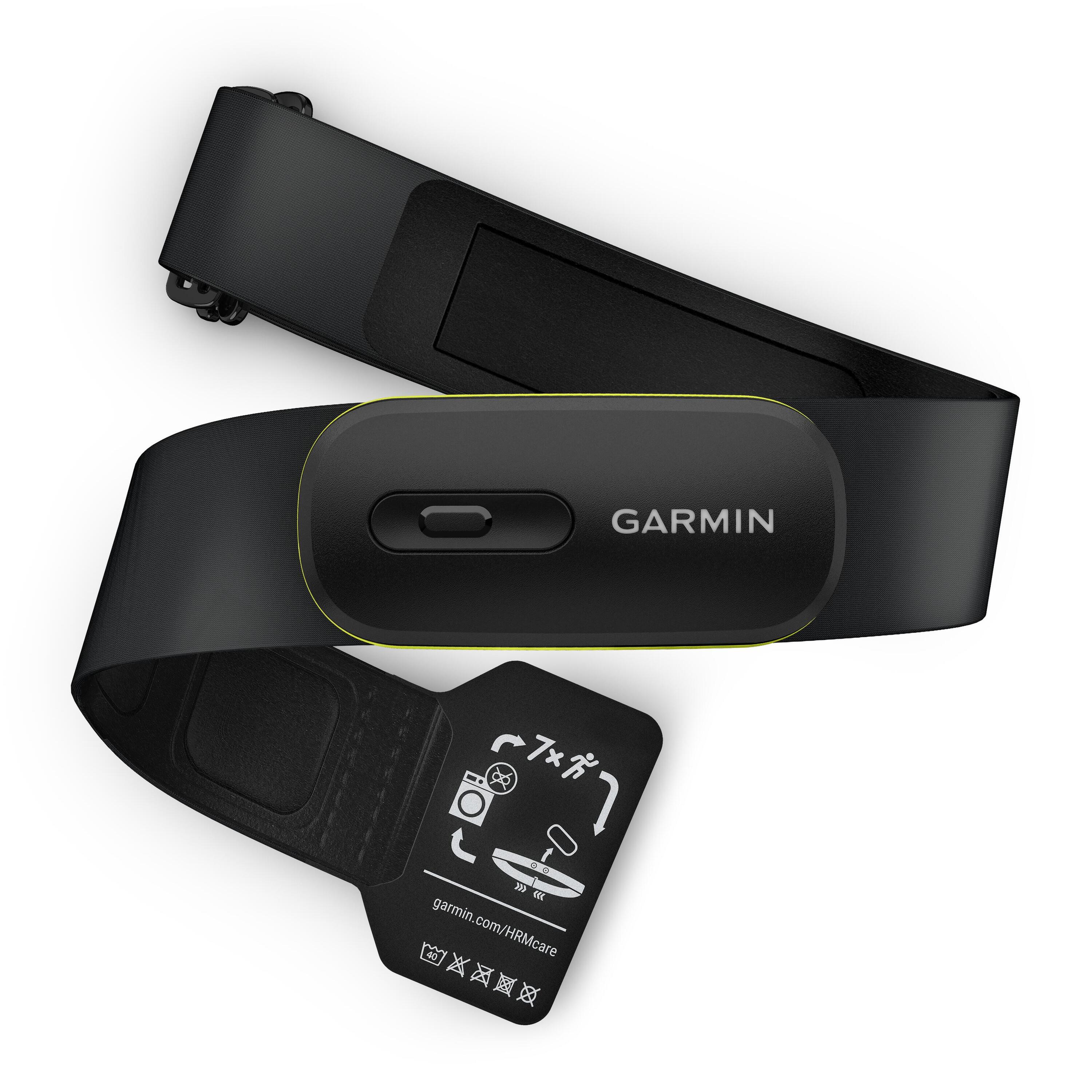
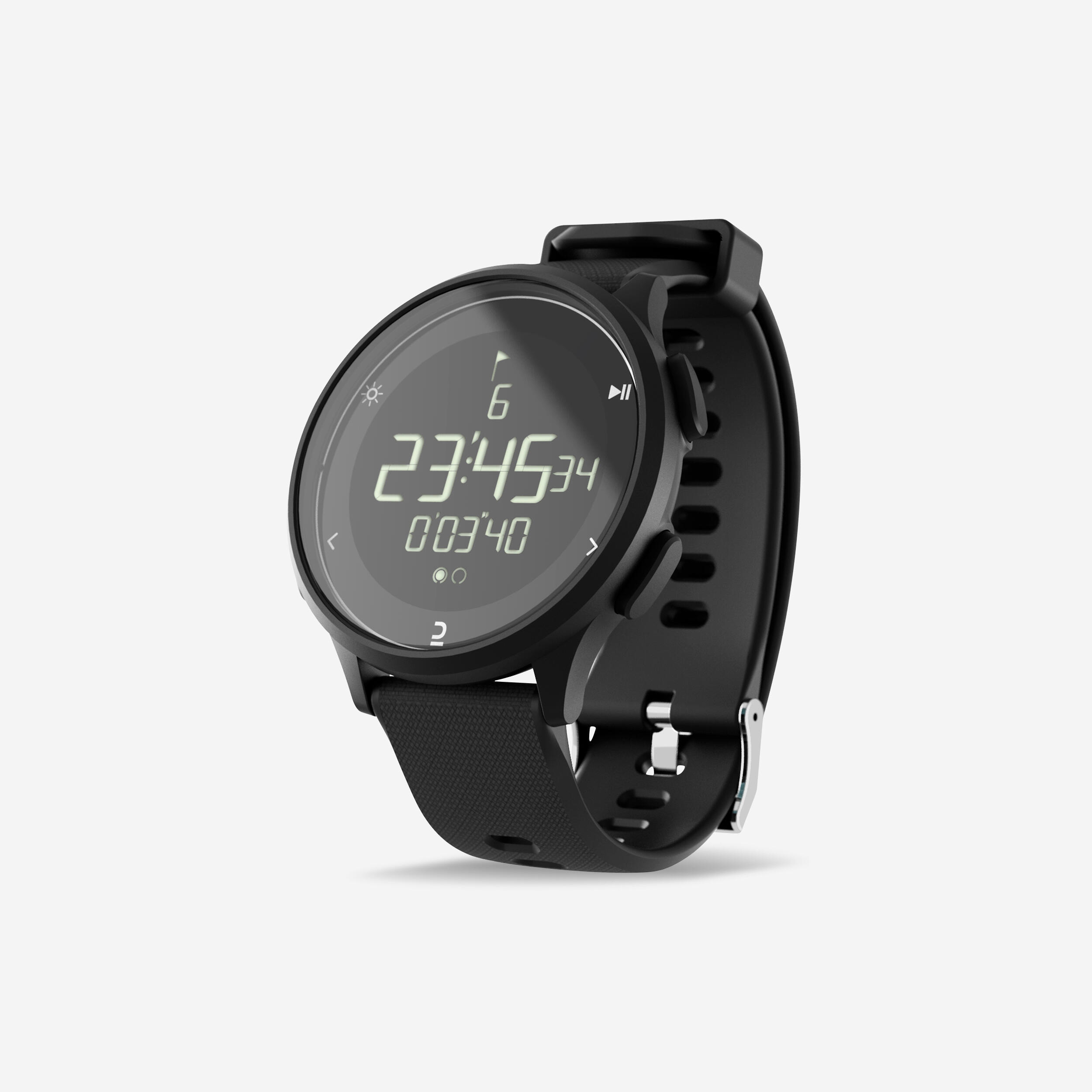
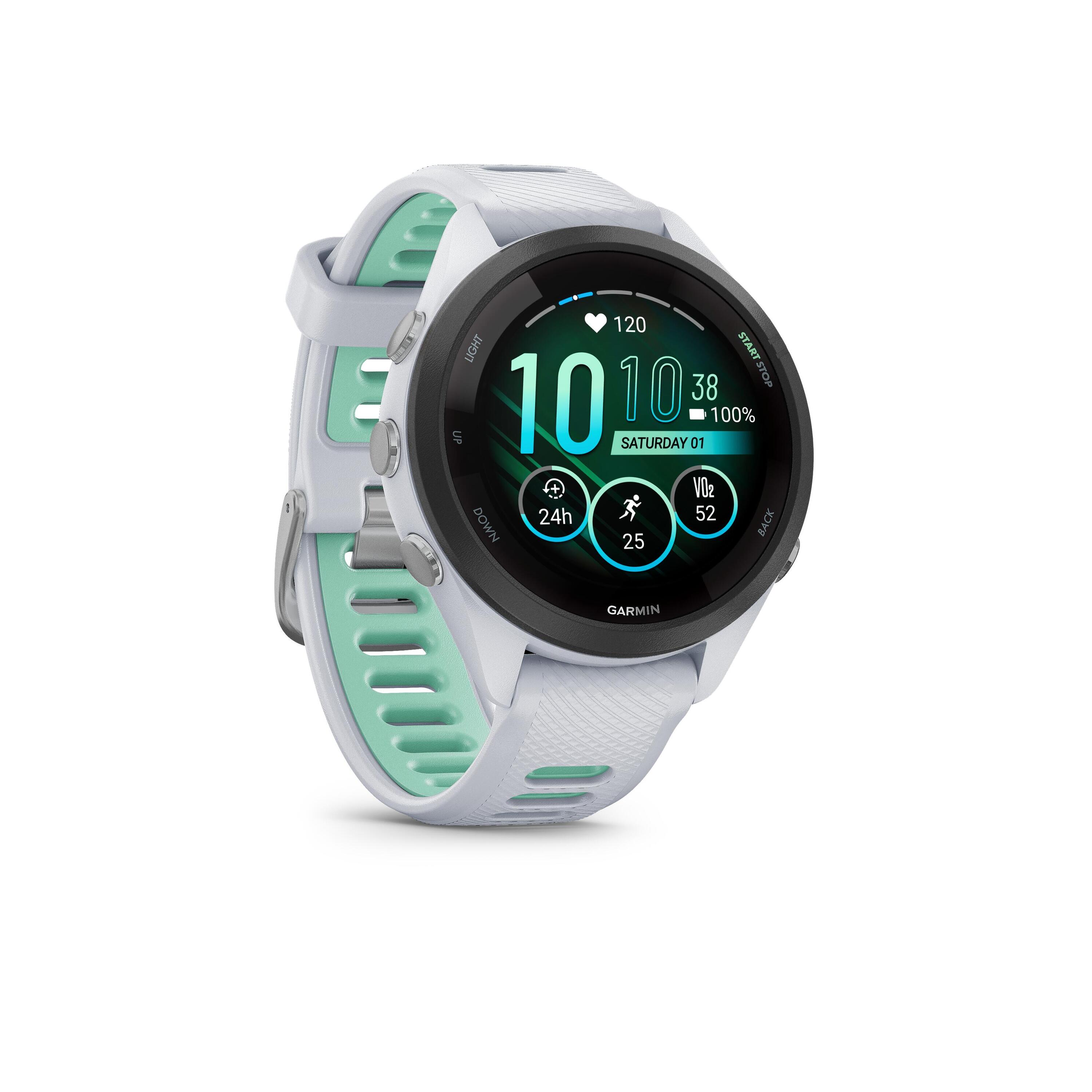
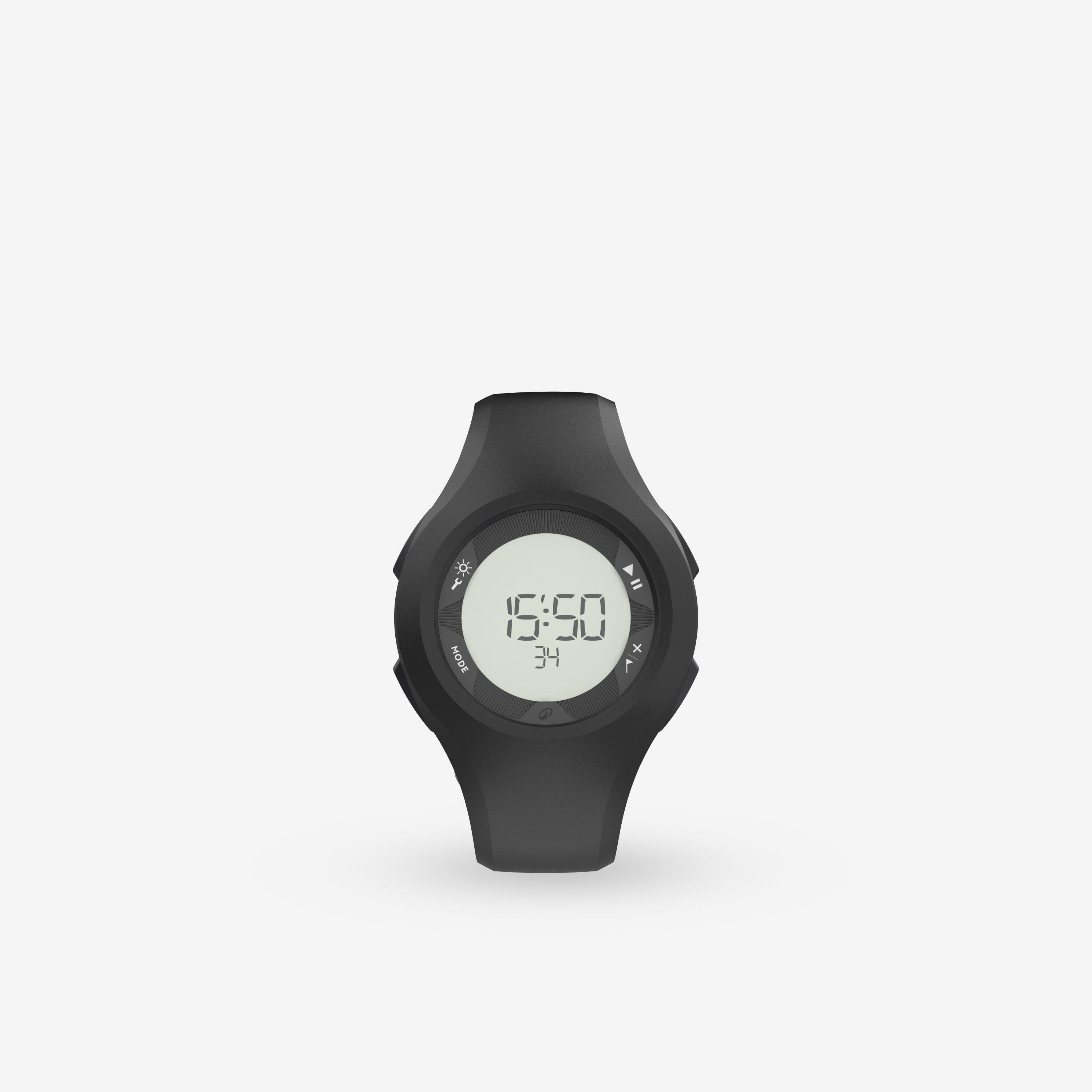
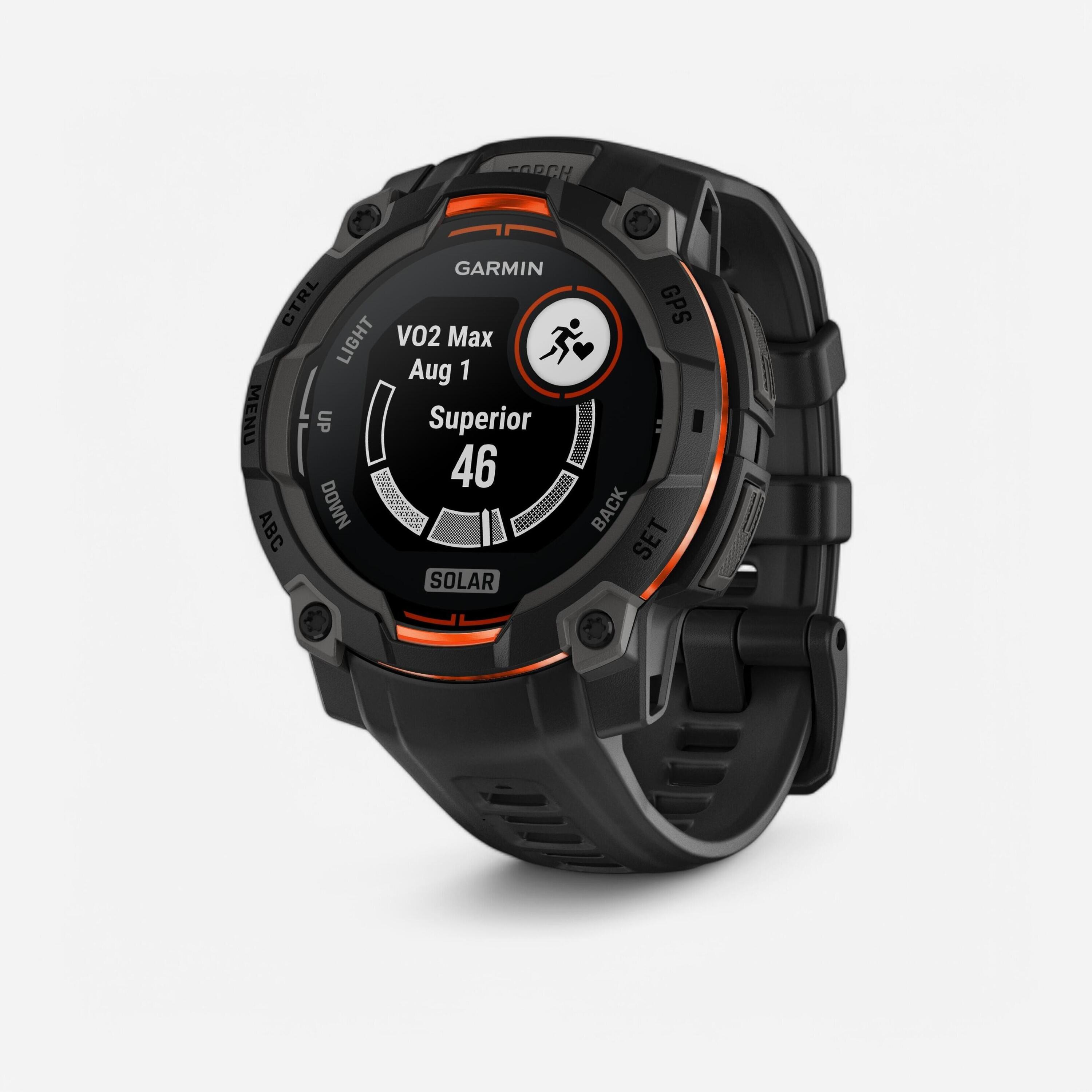
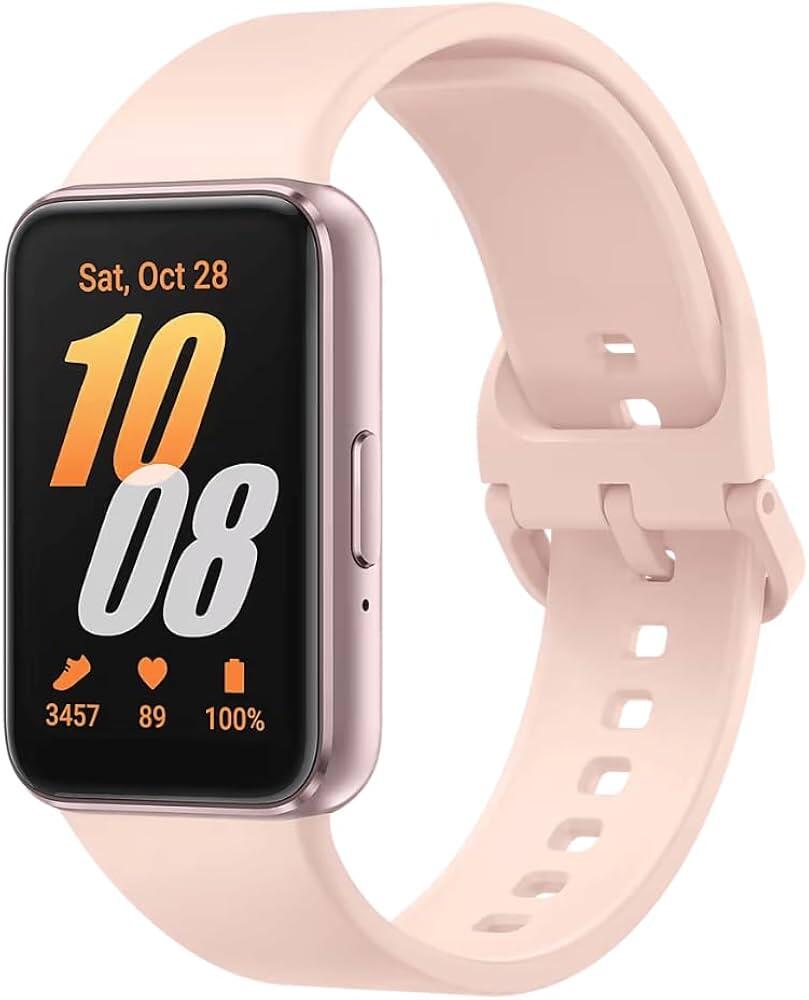
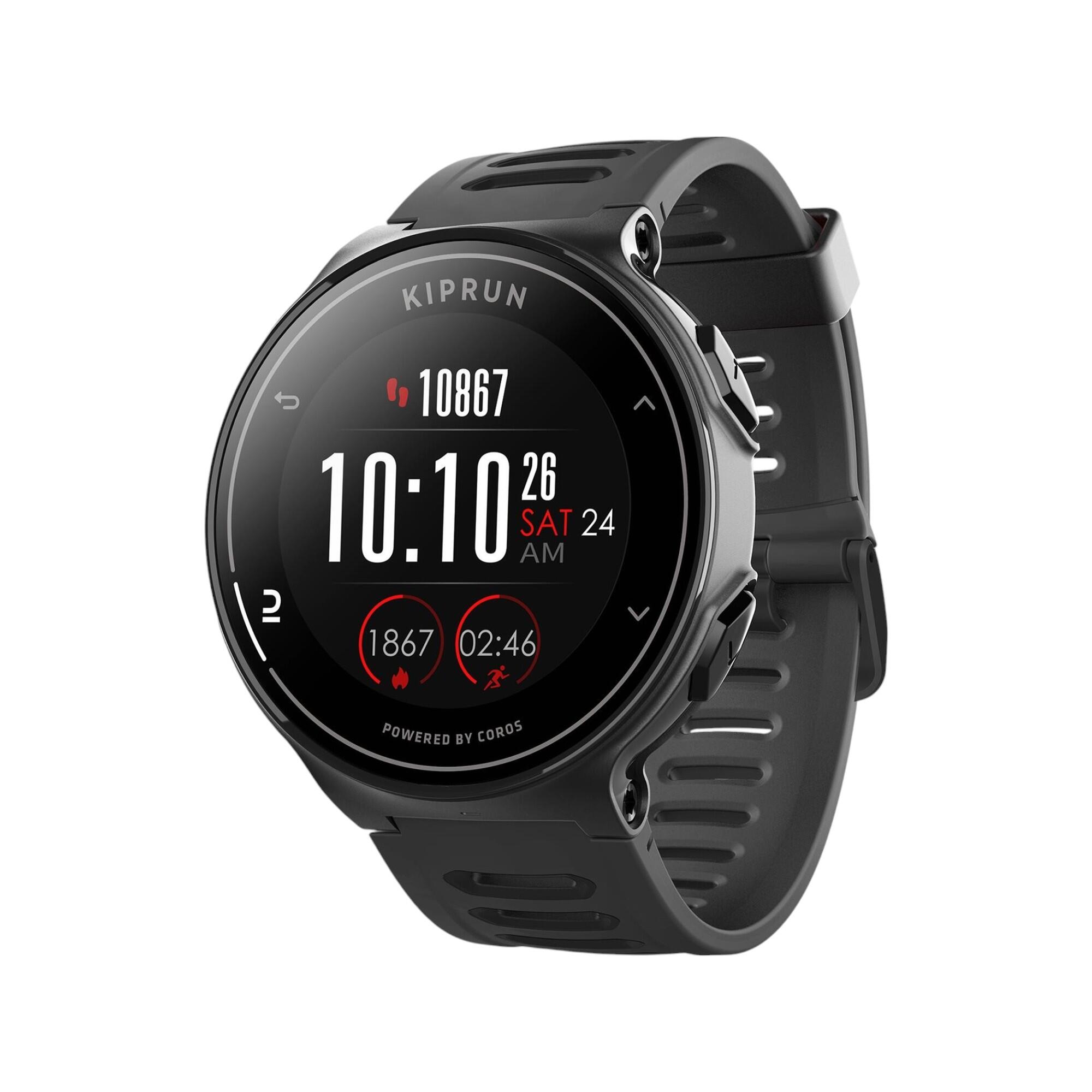
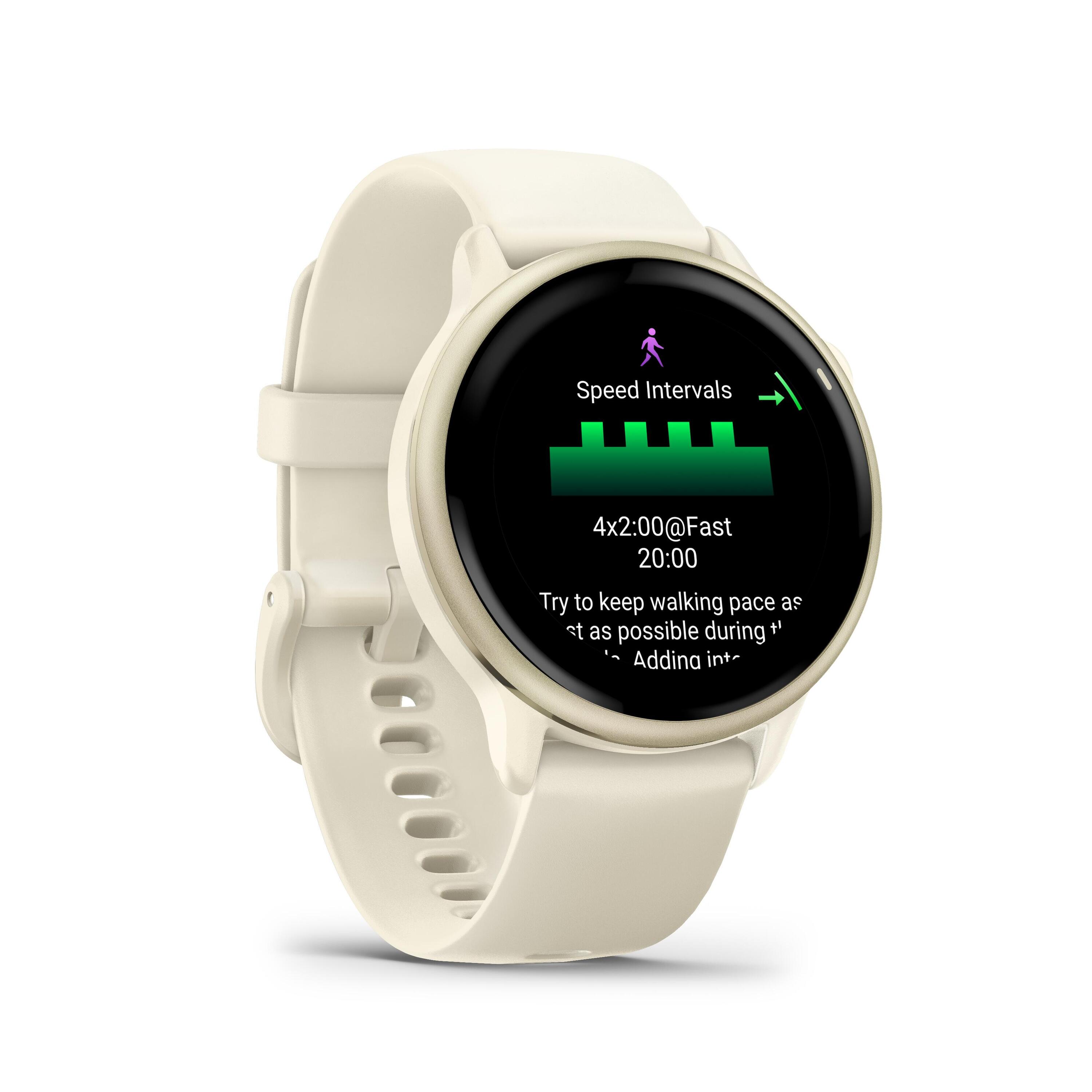
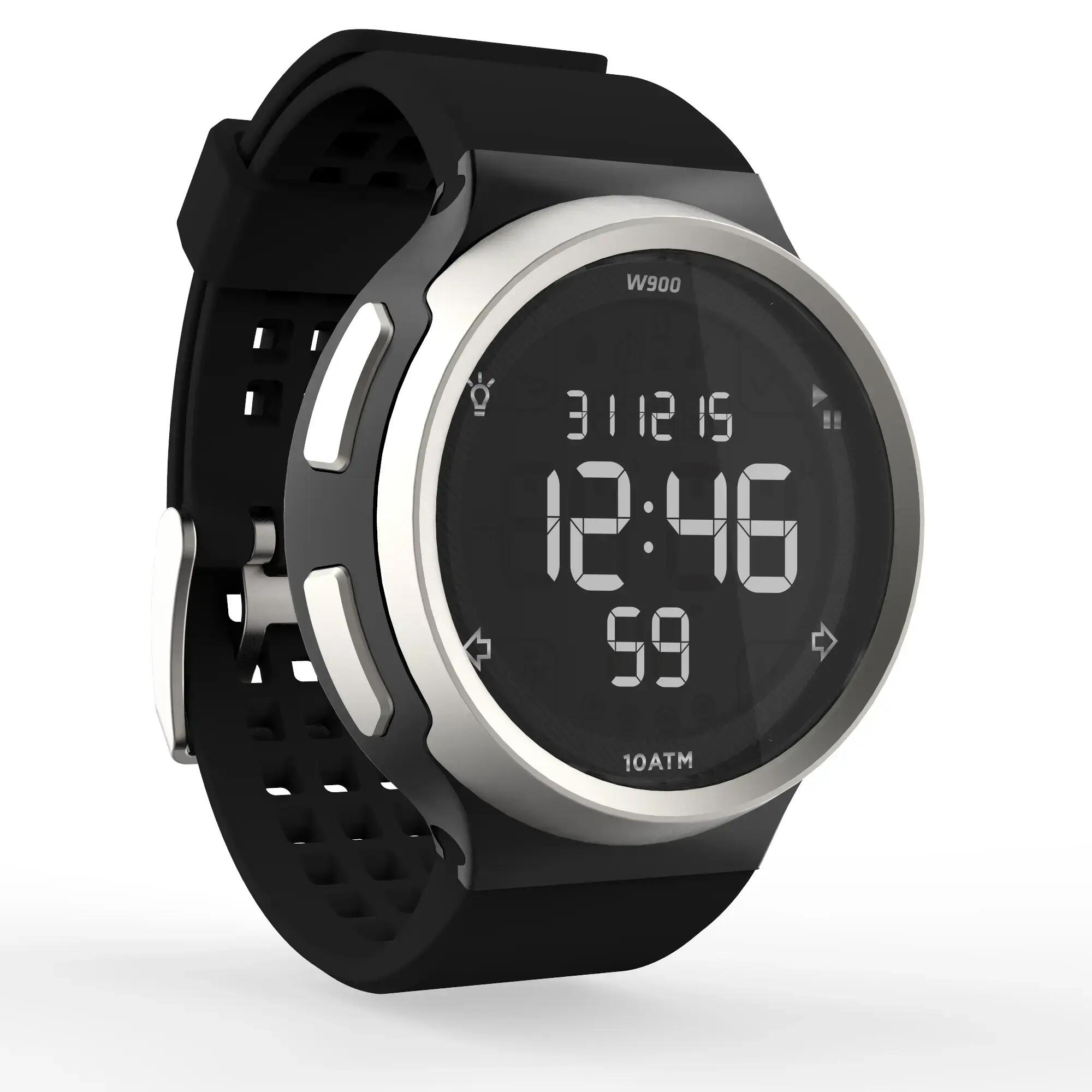
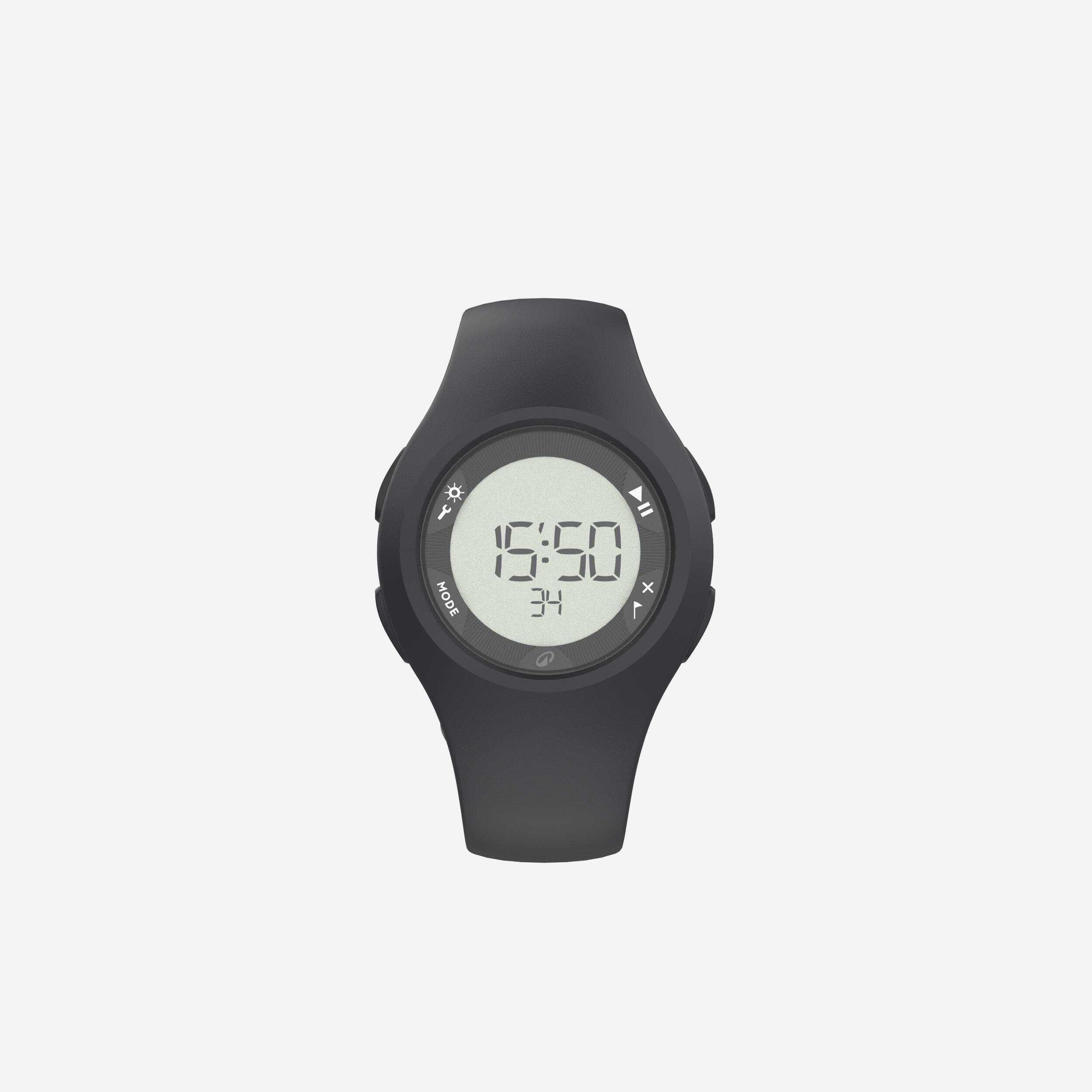
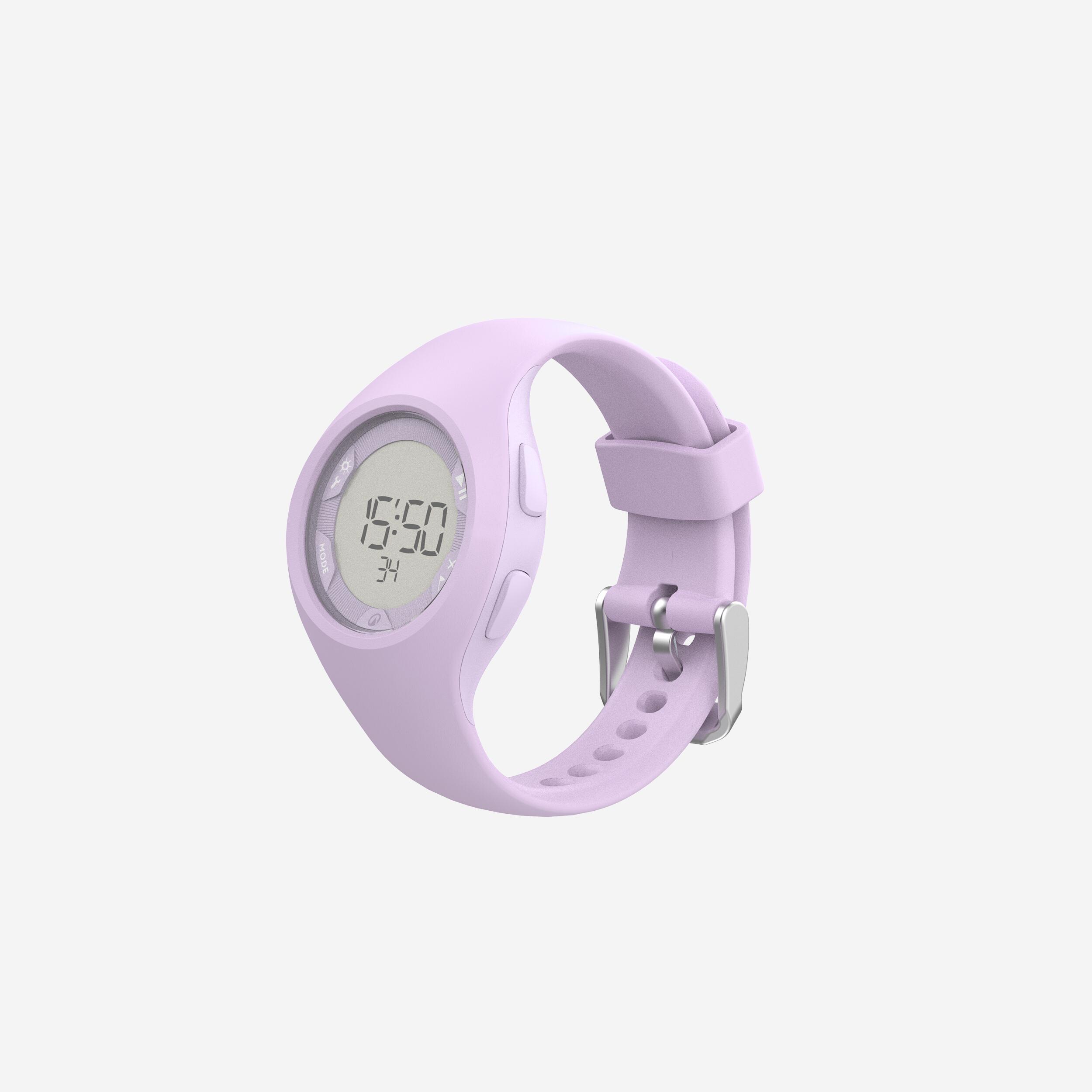
Timing equipment can help you record intervals, recovery periods, pace and session duration, but it should support the workout rather than distract from it. Basic stopwatches may be enough for track repetitions, while GPS watches add distance and route information for road or trail sessions. The most suitable athletics watches and timers provide information that you will genuinely use during training. A compatible chest belt can transmit live heart-rate data through Bluetooth or ANT+, but it is sporting equipment rather than a medical monitor. Pair and test electronic accessories before training, charge them in advance and avoid changing unfamiliar settings immediately before competition.
What athletics headwear works in different weather?

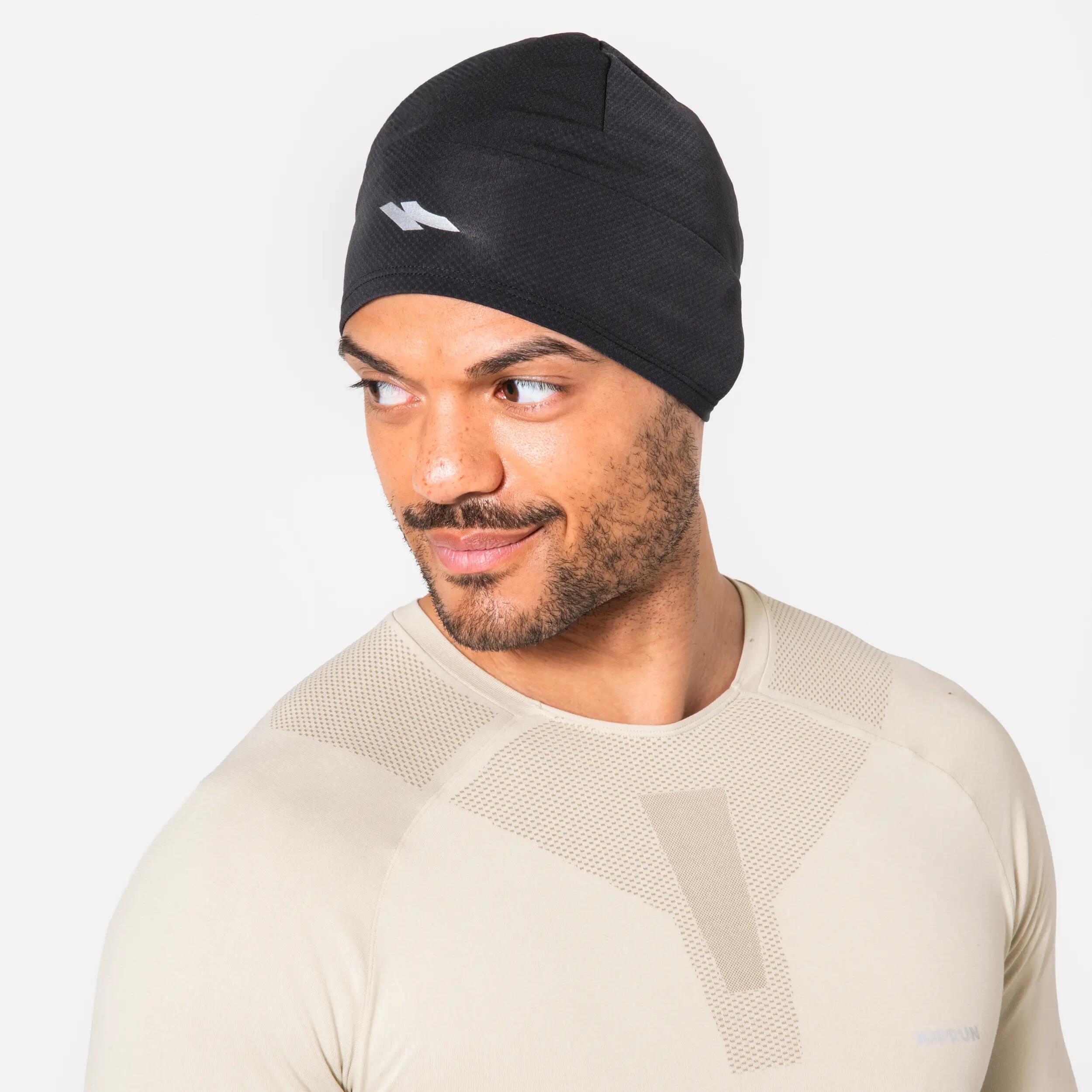
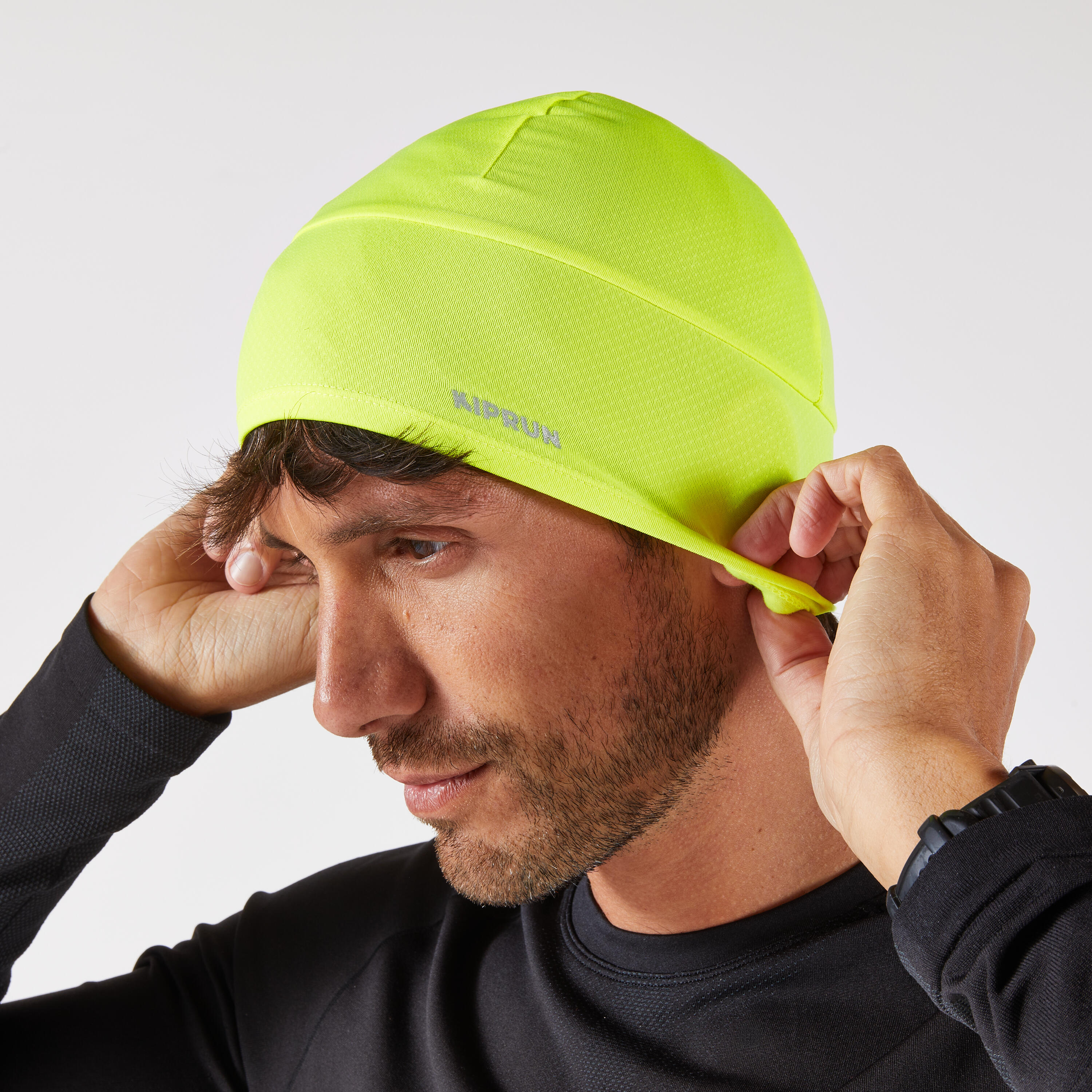
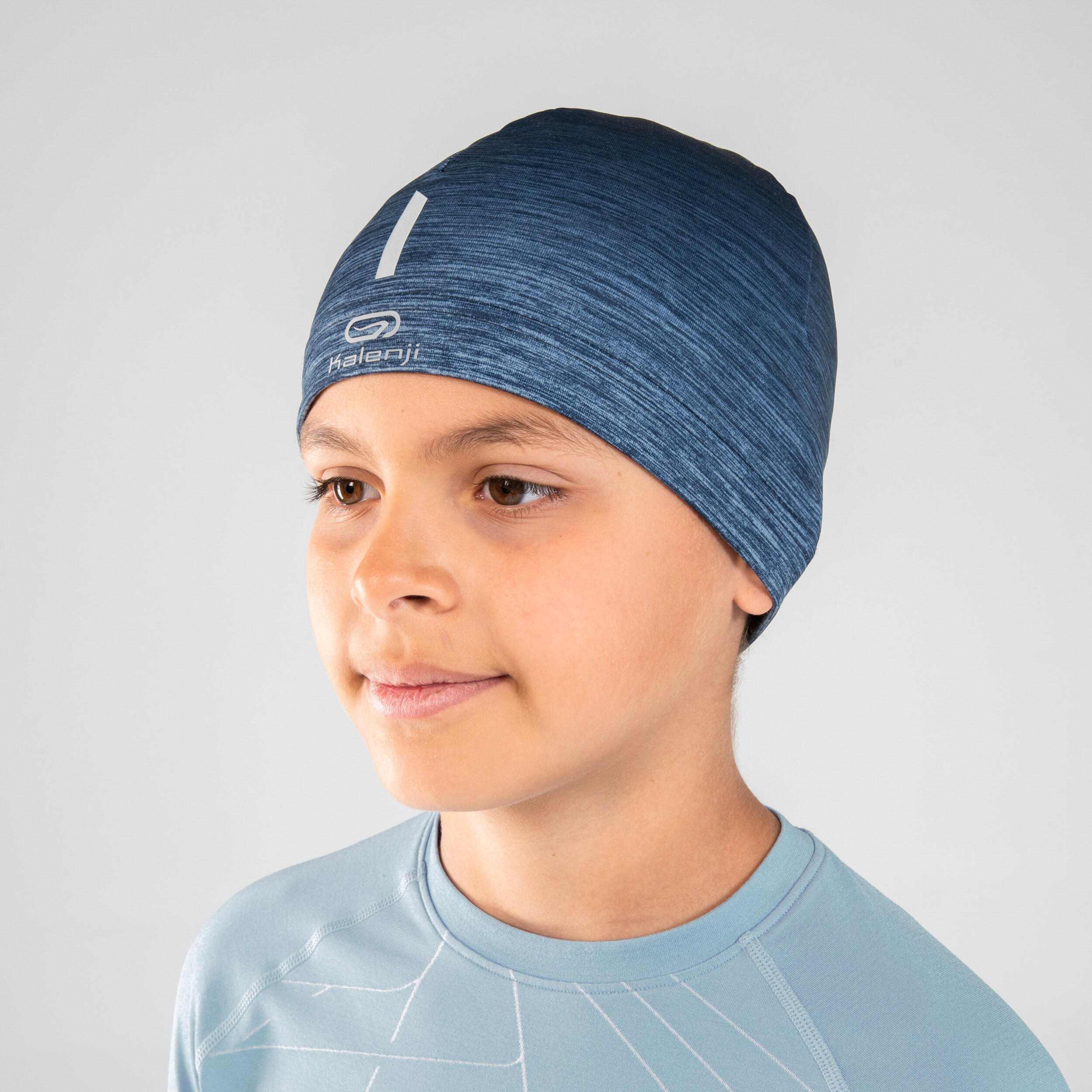
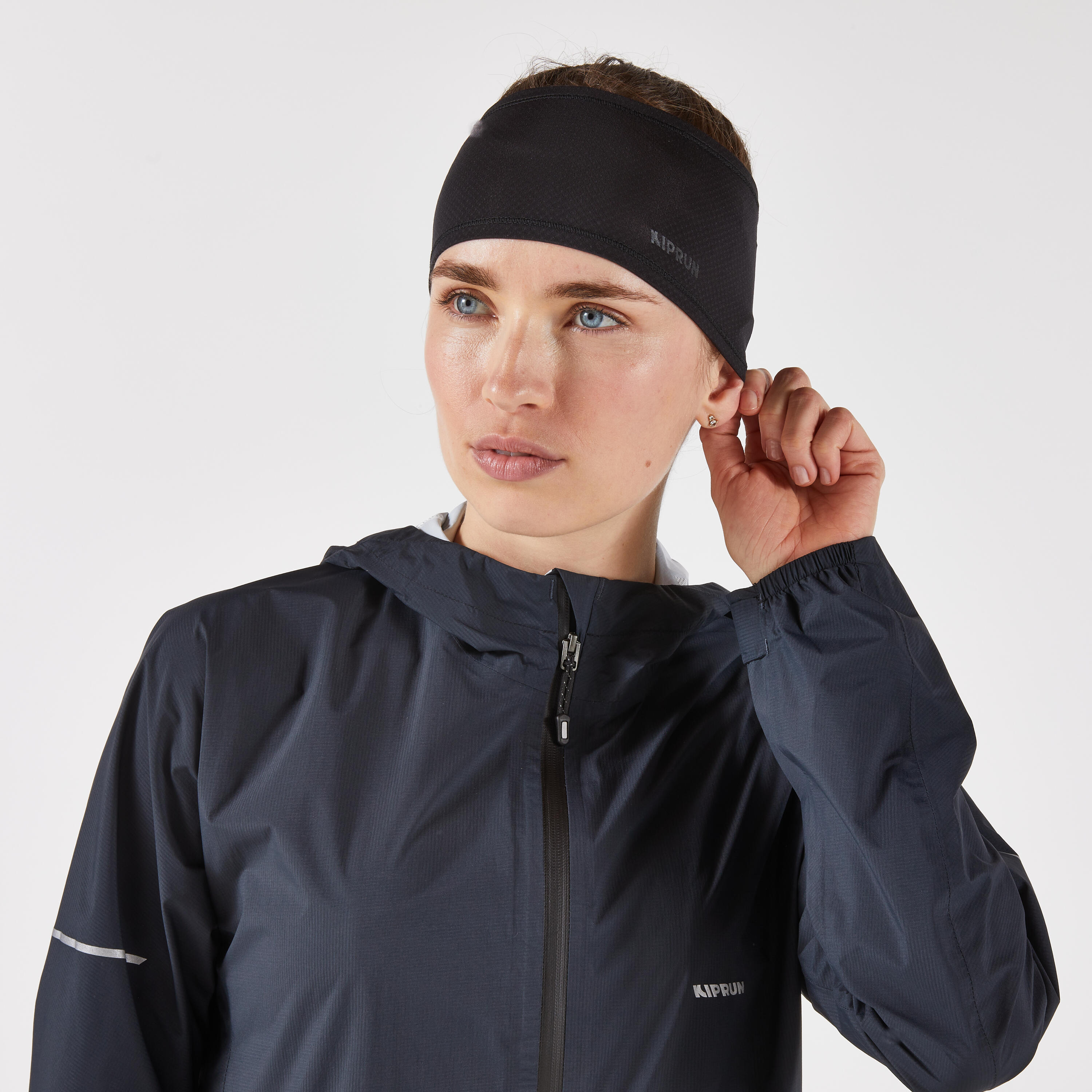
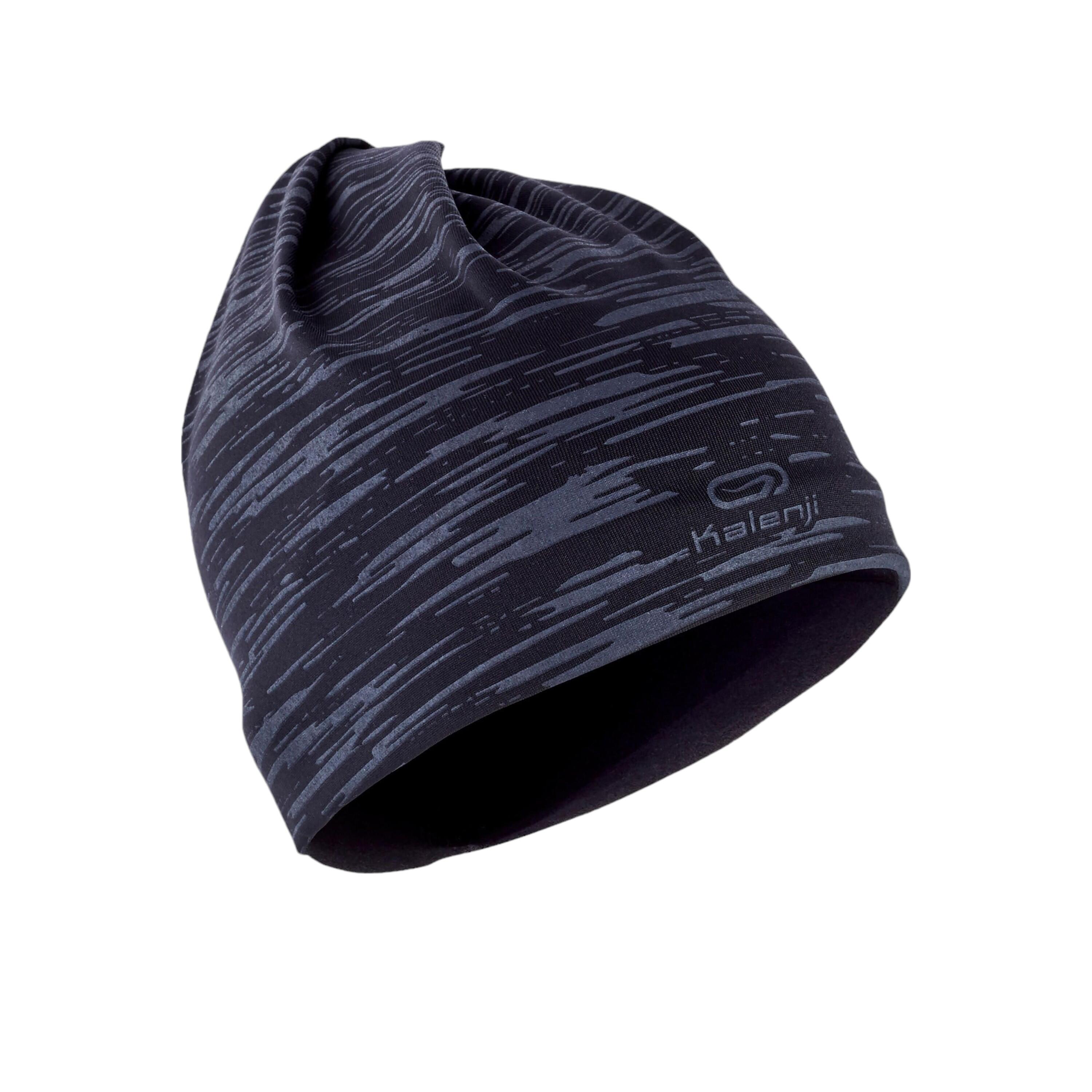
Headwear should match the main weather risk while remaining stable during repeated movement. A lightweight cap can shade your face and help manage bright conditions, while a breathable beanie provides extra warmth around the head and ears during cold sessions. Use athletics headwear that fits securely without pressing against your forehead or blocking your side vision. Ventilated panels help heat escape, but even a light cap can feel warm during intensive exercise. Test the fit in wind, and check whether the peak interferes with glasses. Wash sweat-marked headwear according to its care label and reshape it before air-drying.
When is it appropriate to wear athletics gloves?

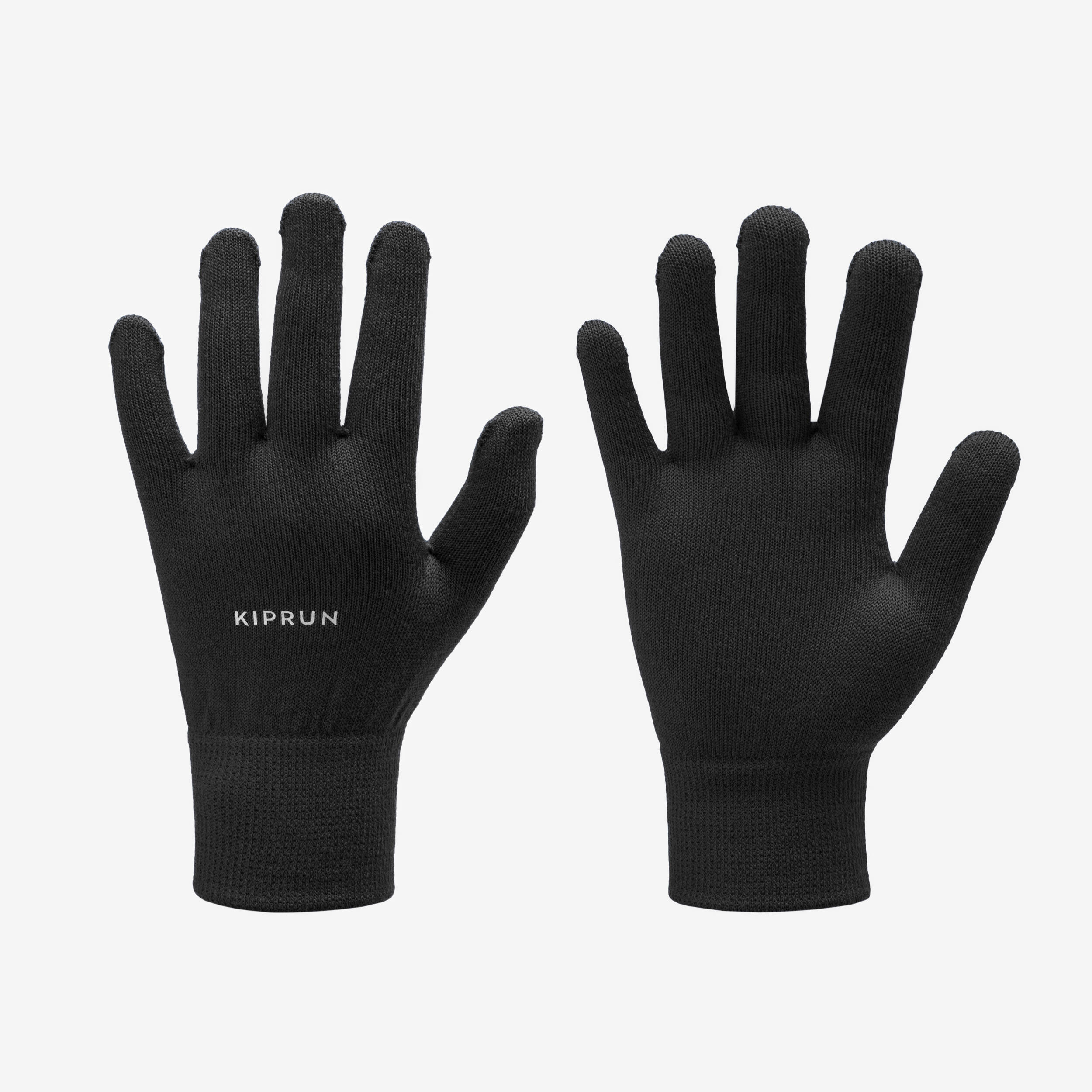
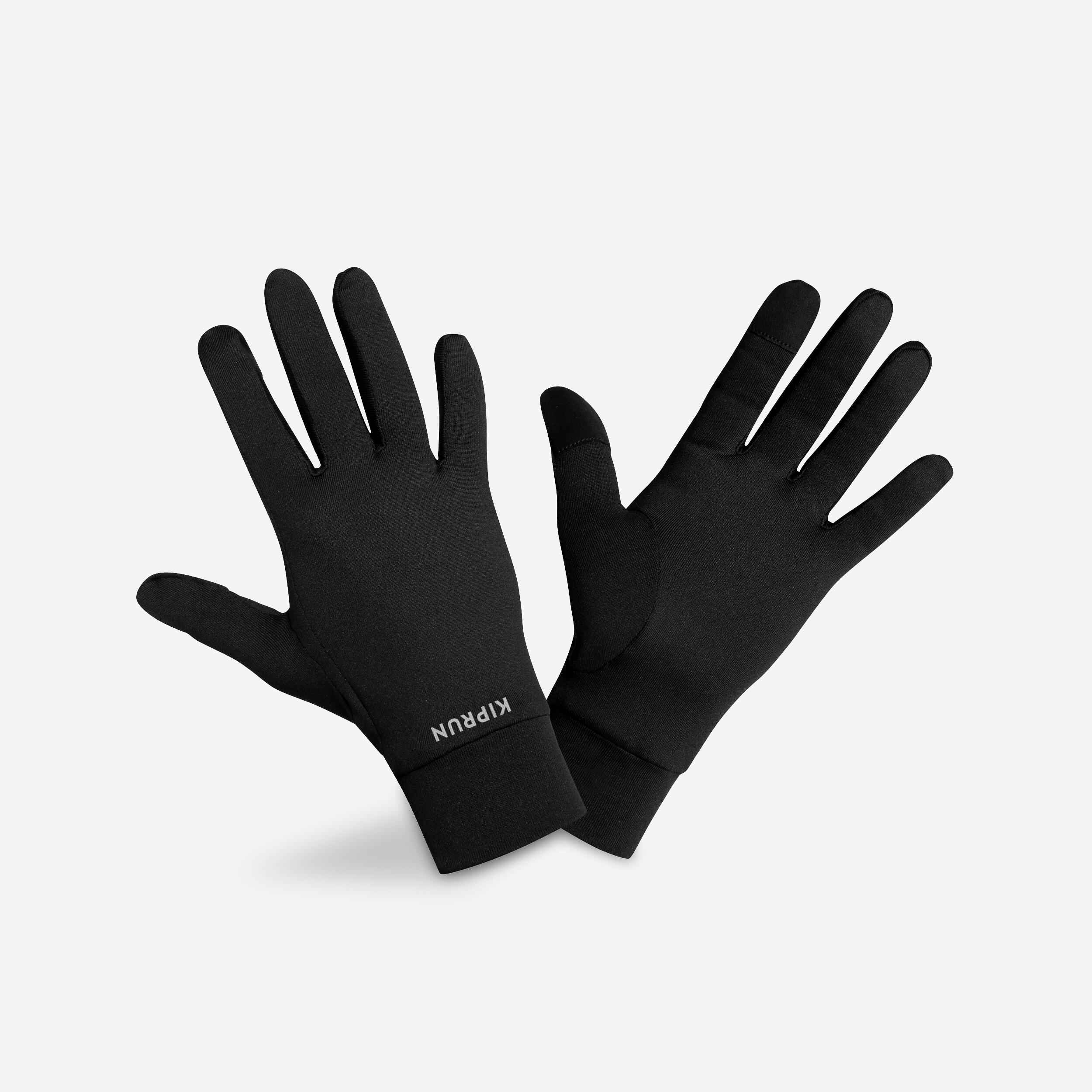
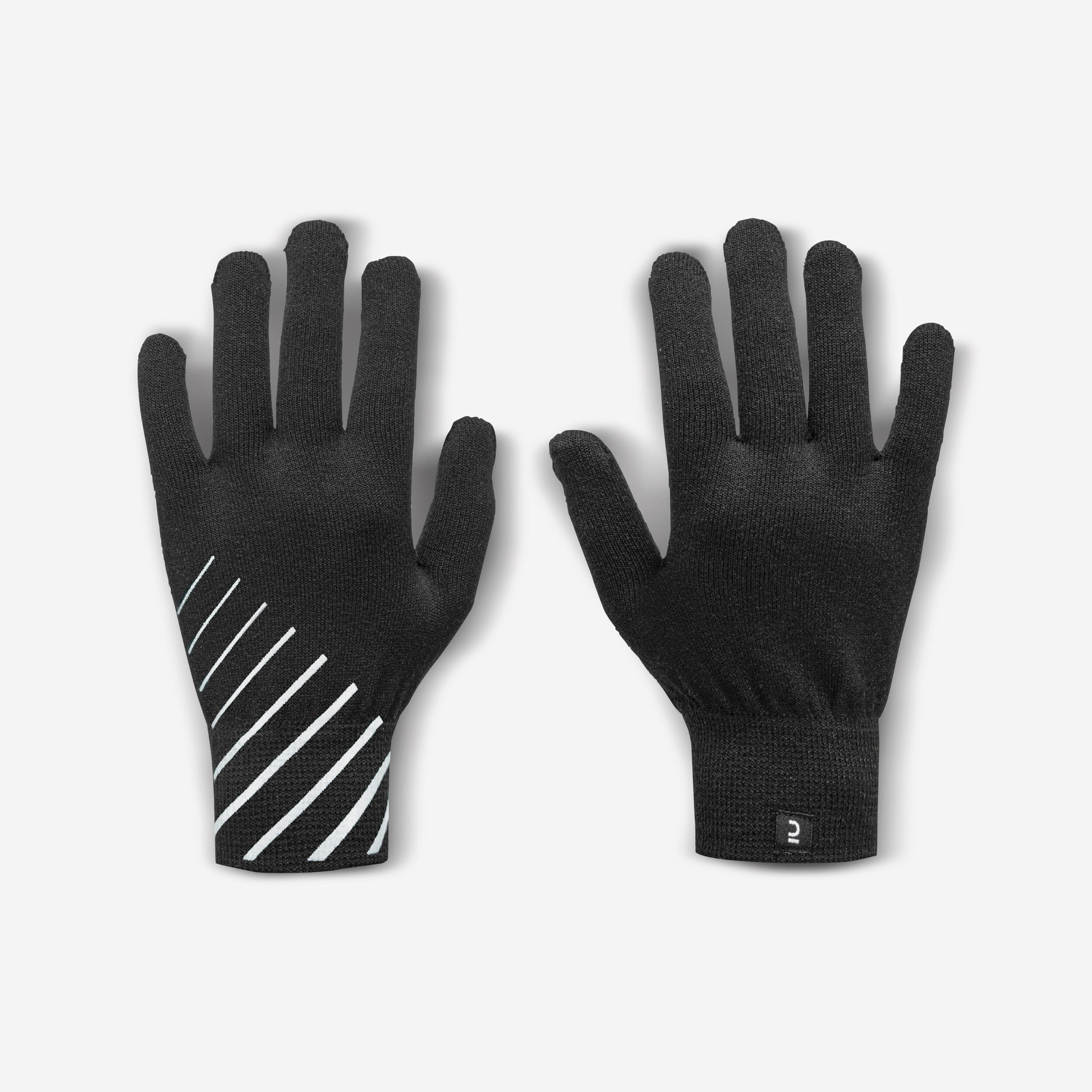
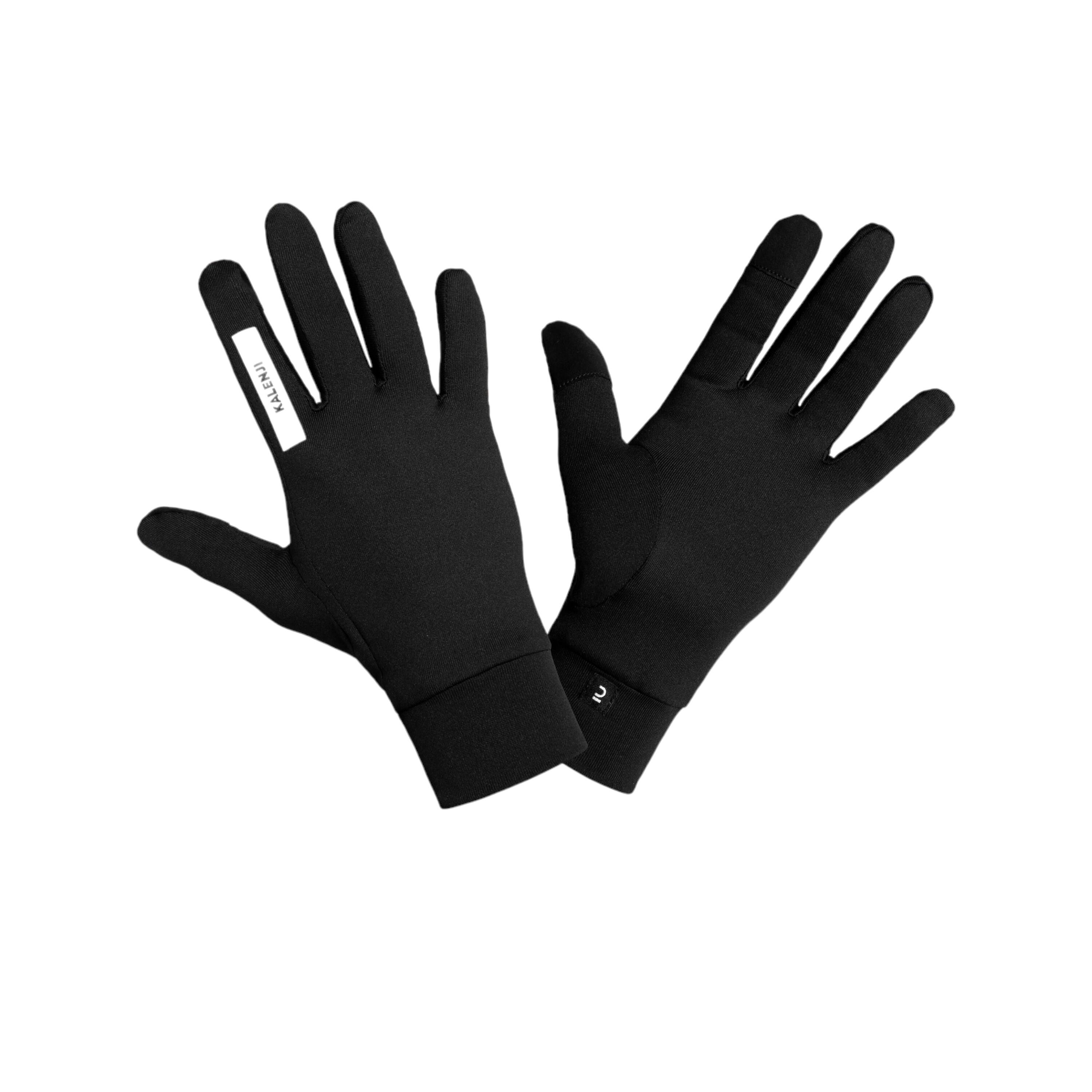
Gloves are useful when cold hands become uncomfortable or make it harder to operate a watch, bottle valve or phone during outdoor training. Lightweight athletics gloves can provide breathable warmth without the bulk of heavy winter gloves. KIPRUN adult running gloves are intended for cool conditions rather than severe cold, so consider temperature, wind and personal sensitivity. The fingertips should fit closely if you need touchscreen control, as loose folds can reduce accuracy. Remove the gloves if your hands become excessively warm or damp. Wash technical pairs at no more than 30 degrees Celsius and air-dry them fully before returning them to your athletics bag.