44 items
4.7/5 based on 15865 reviews collected online and in stores

Kids' Athletic Shoes FAQs

What should you look for in kids' athletic shoes?

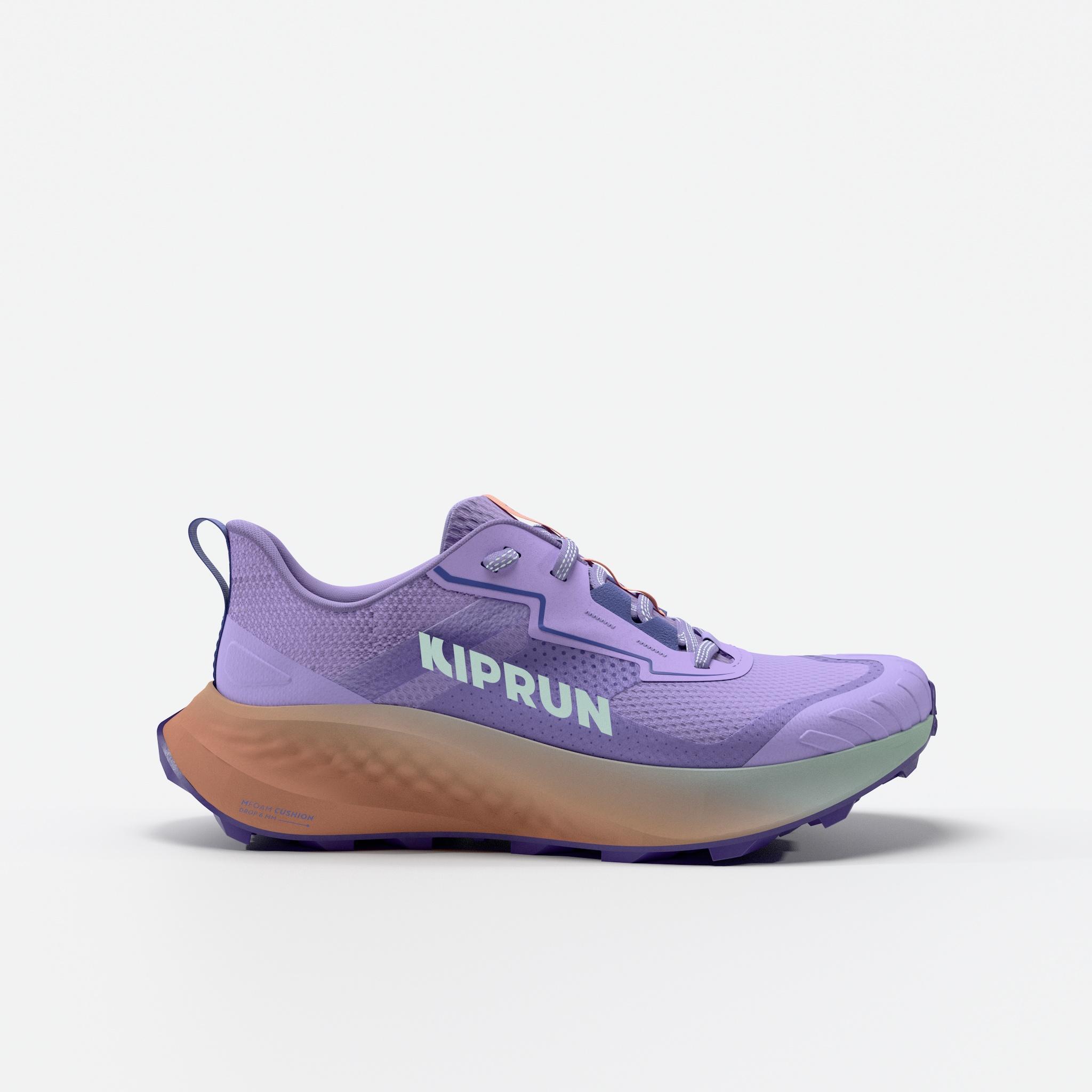
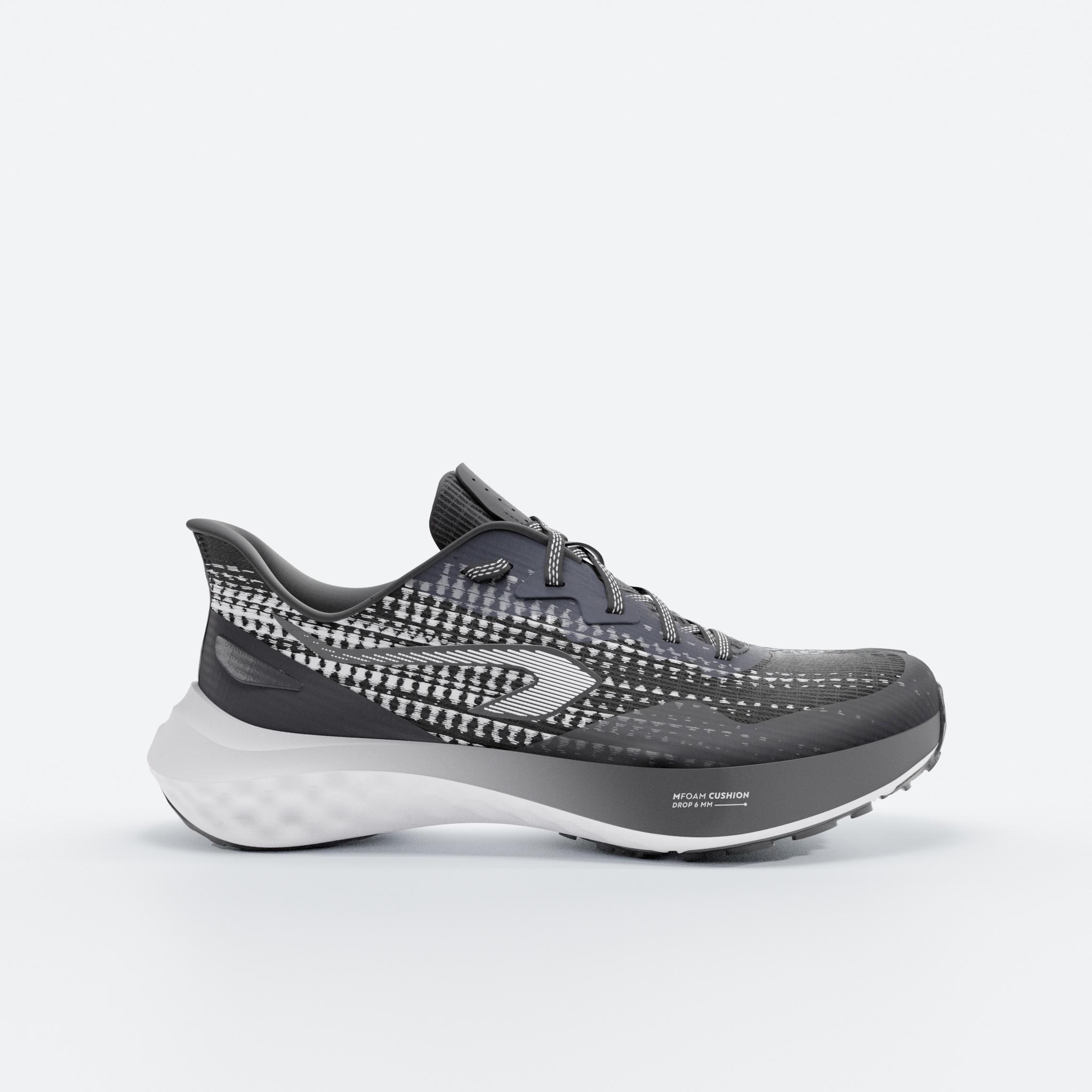
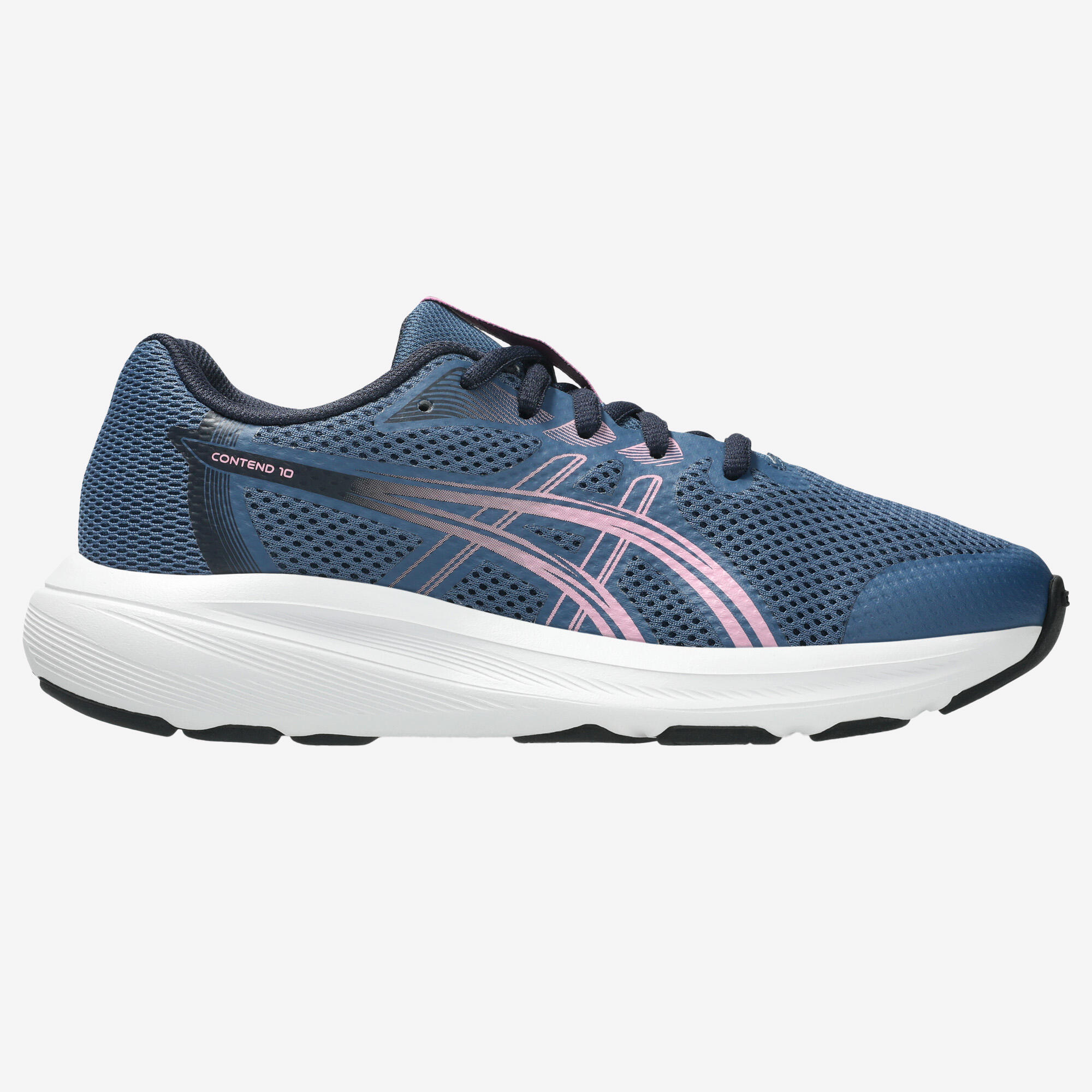
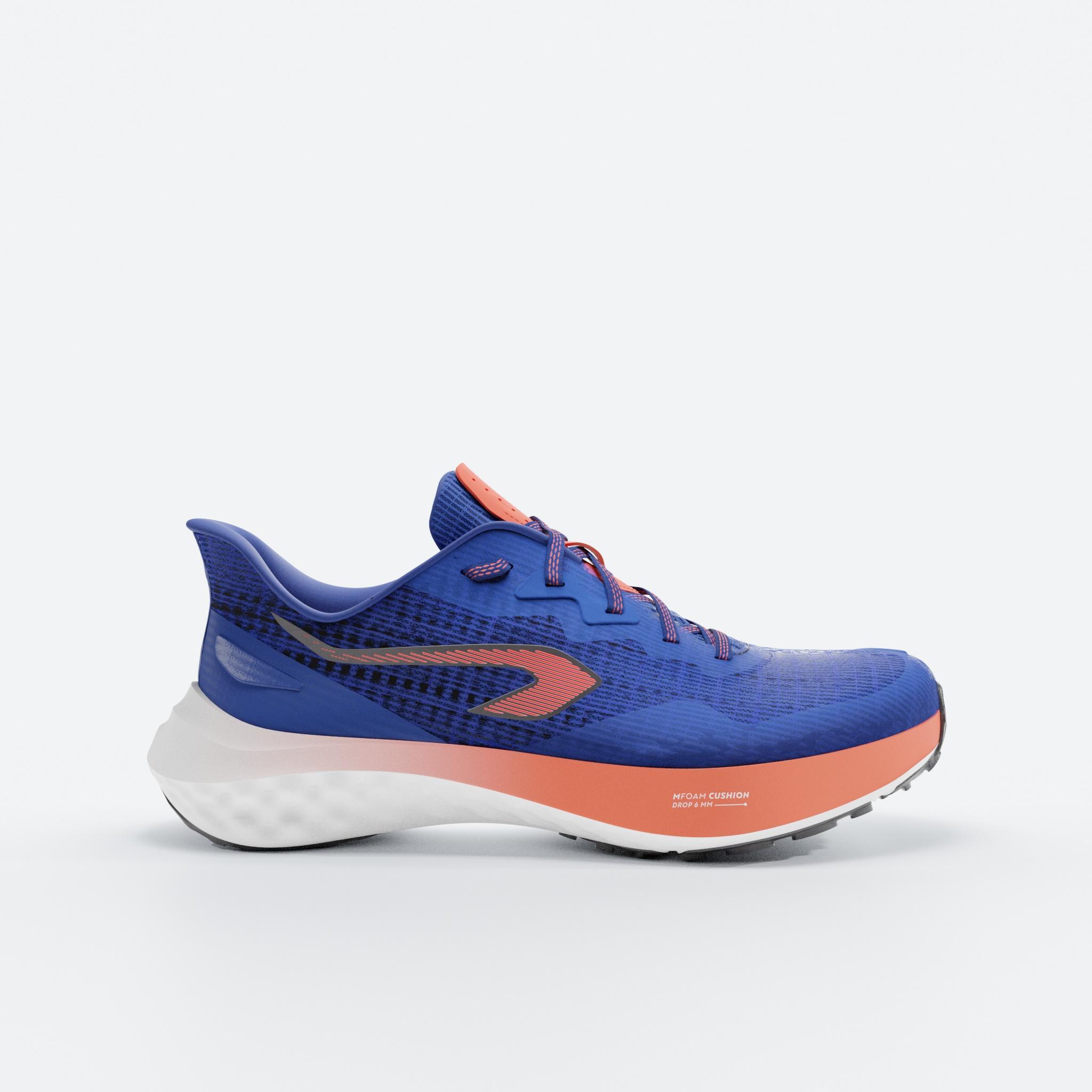
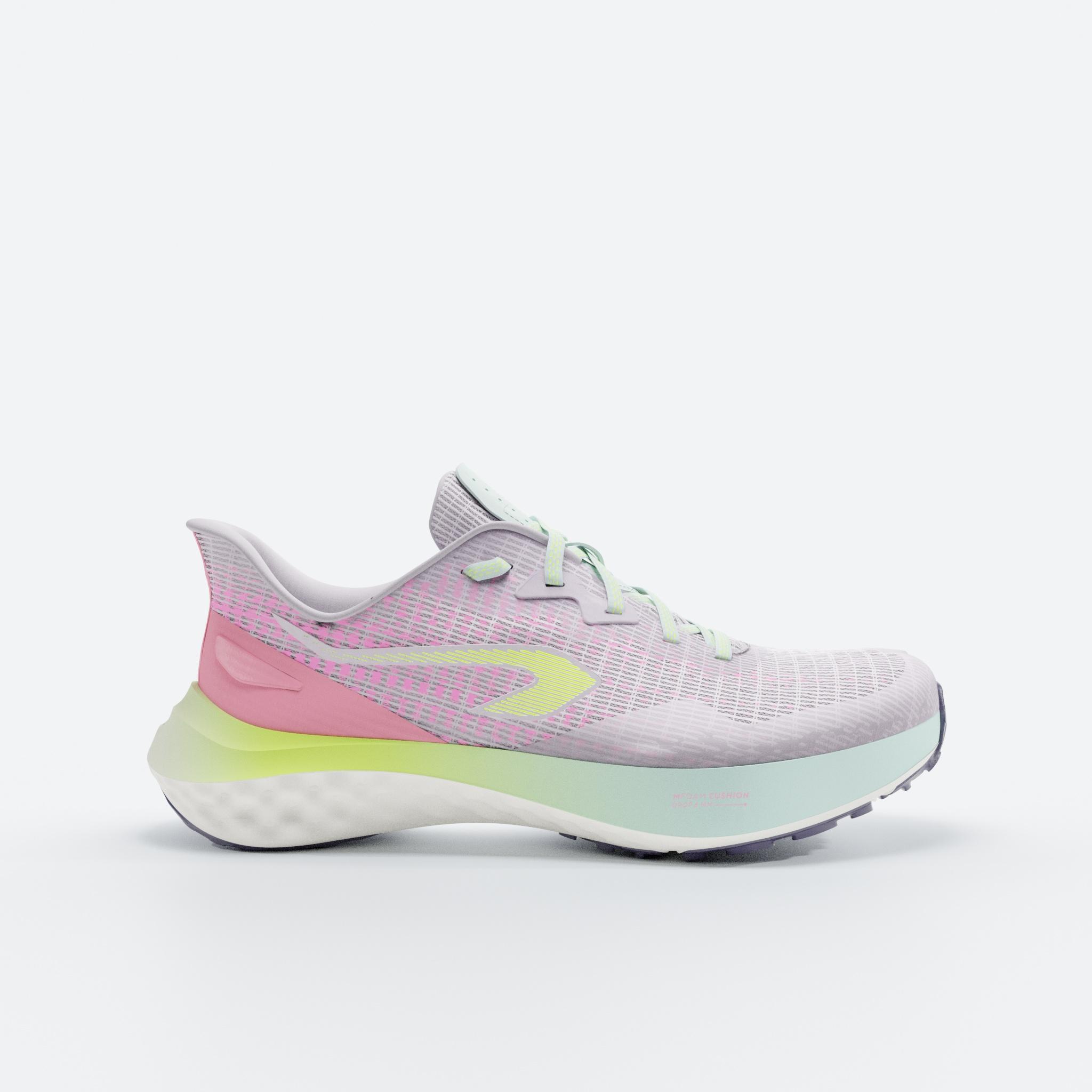
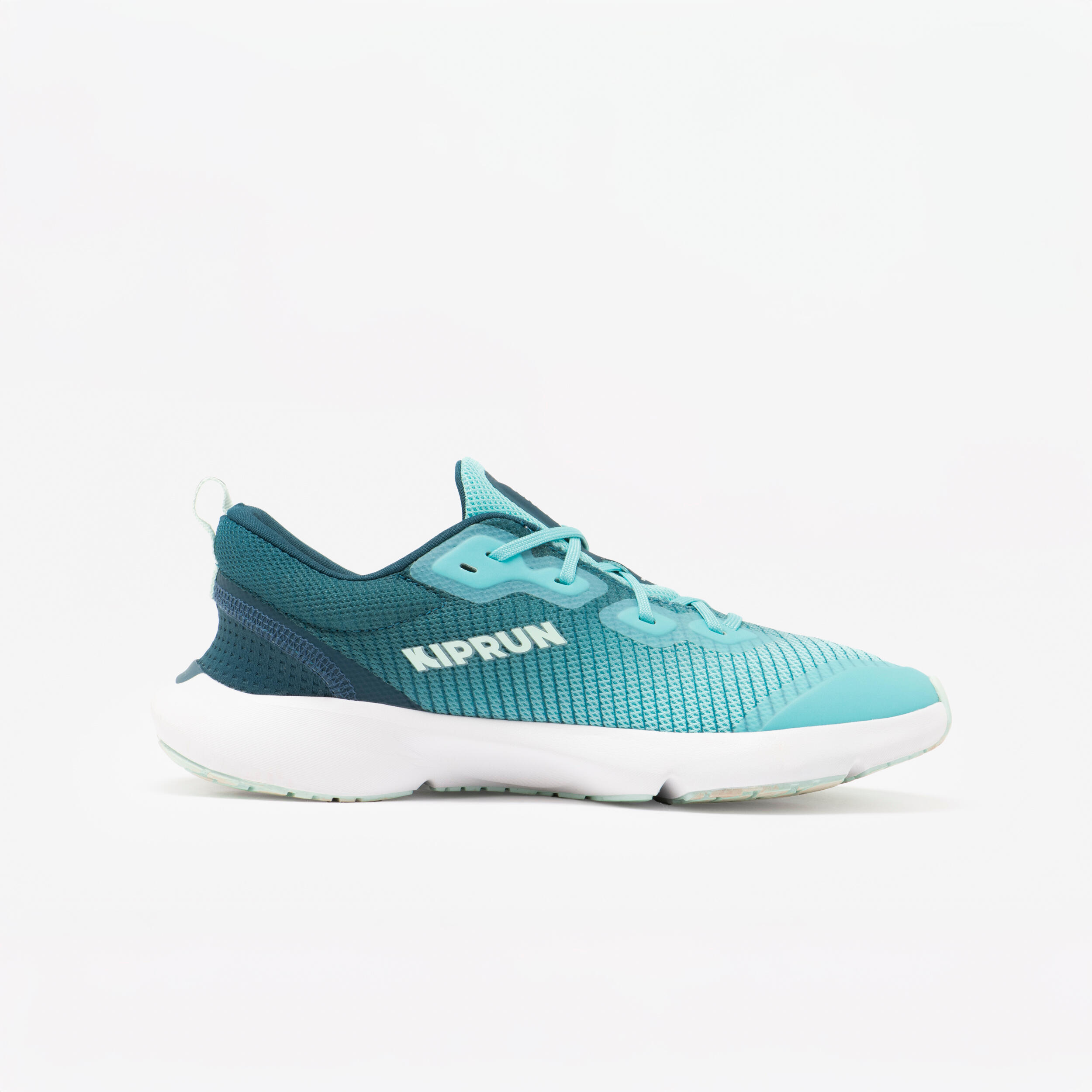
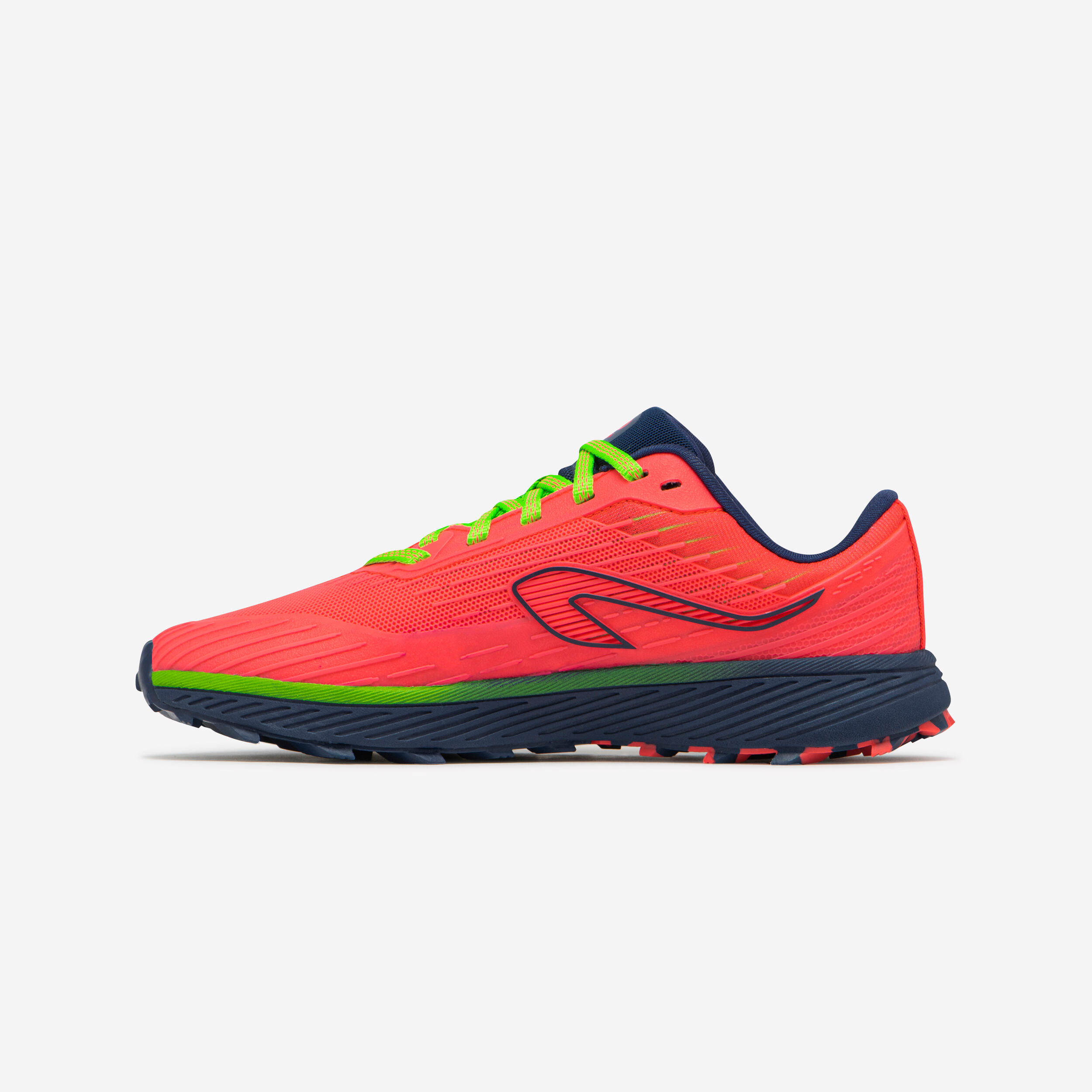
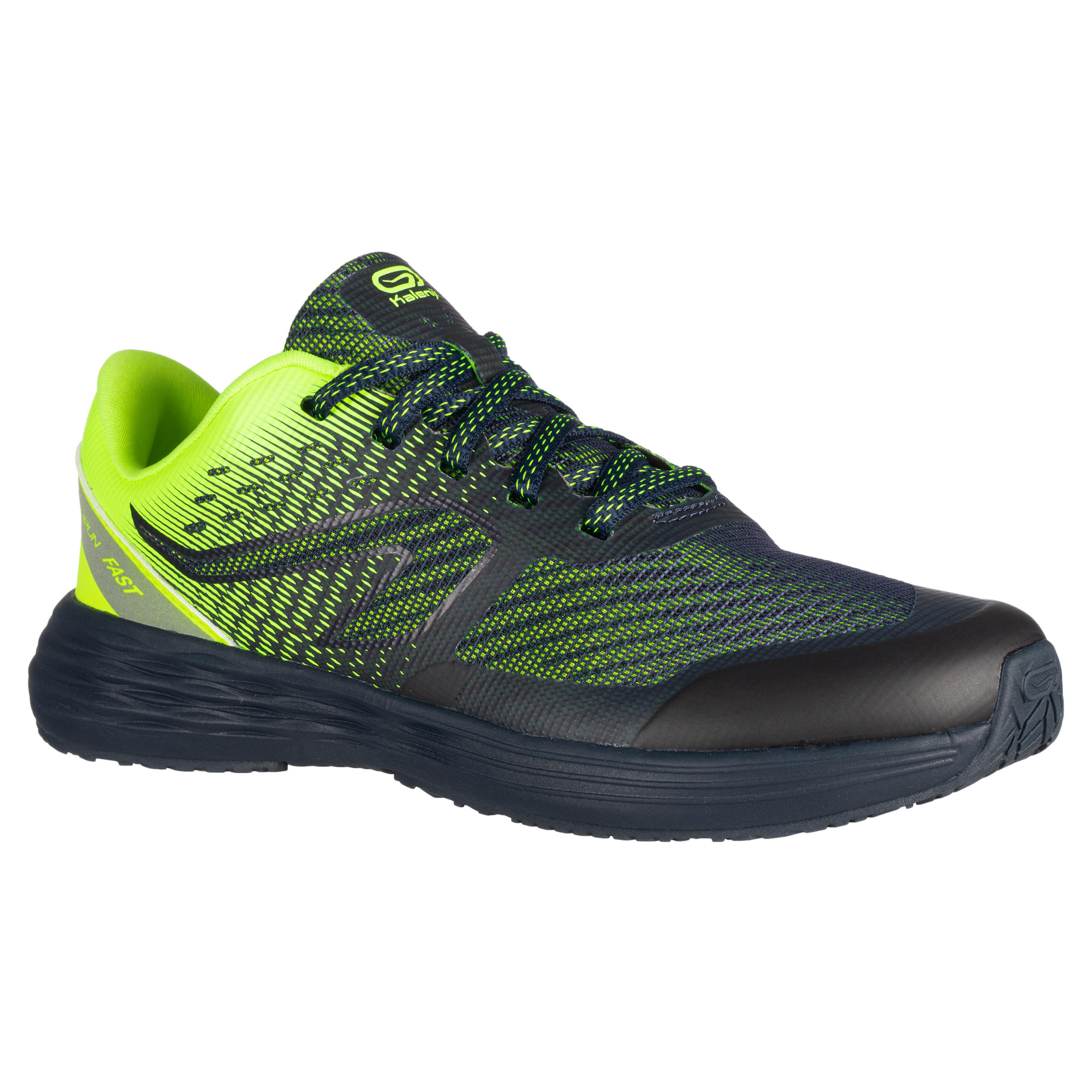
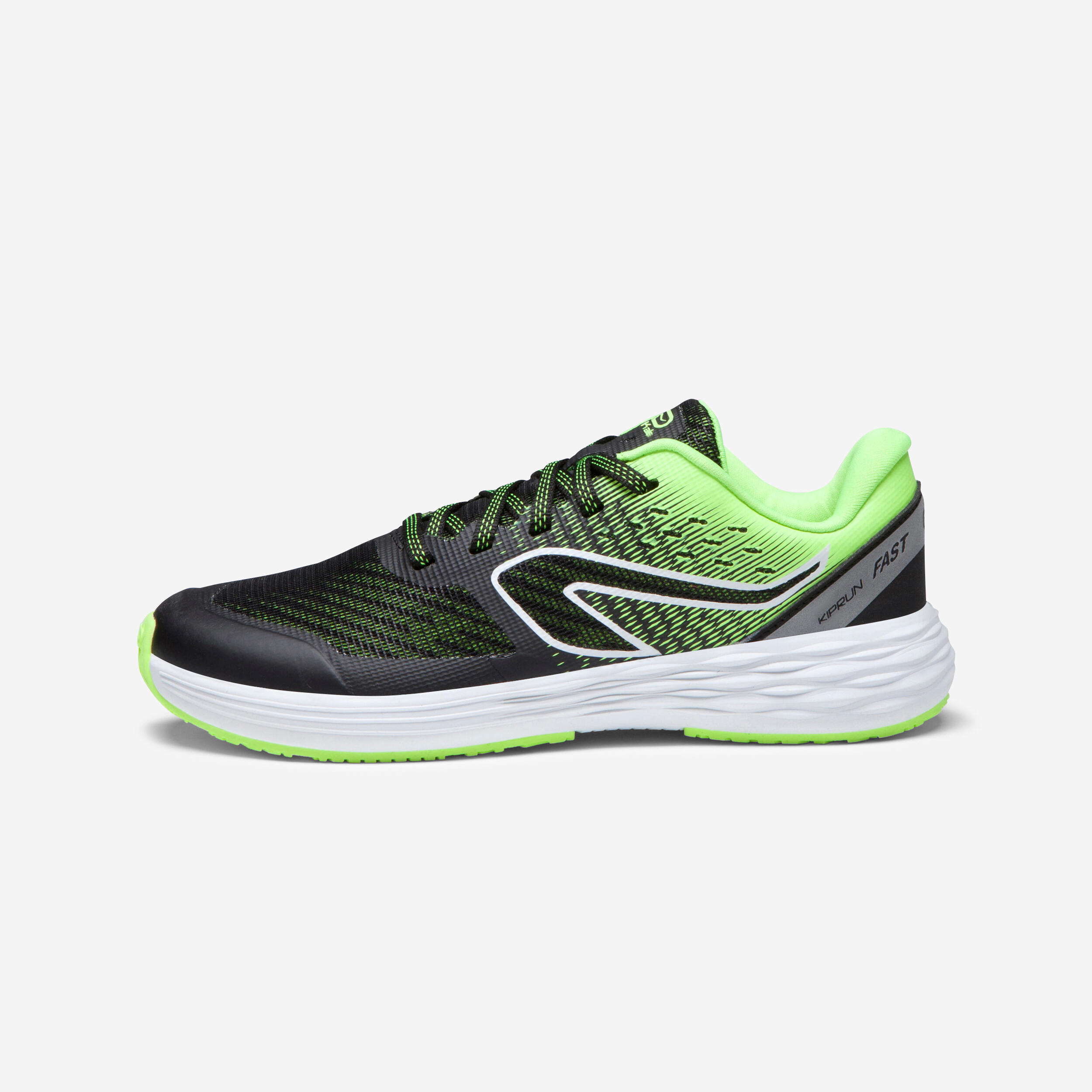
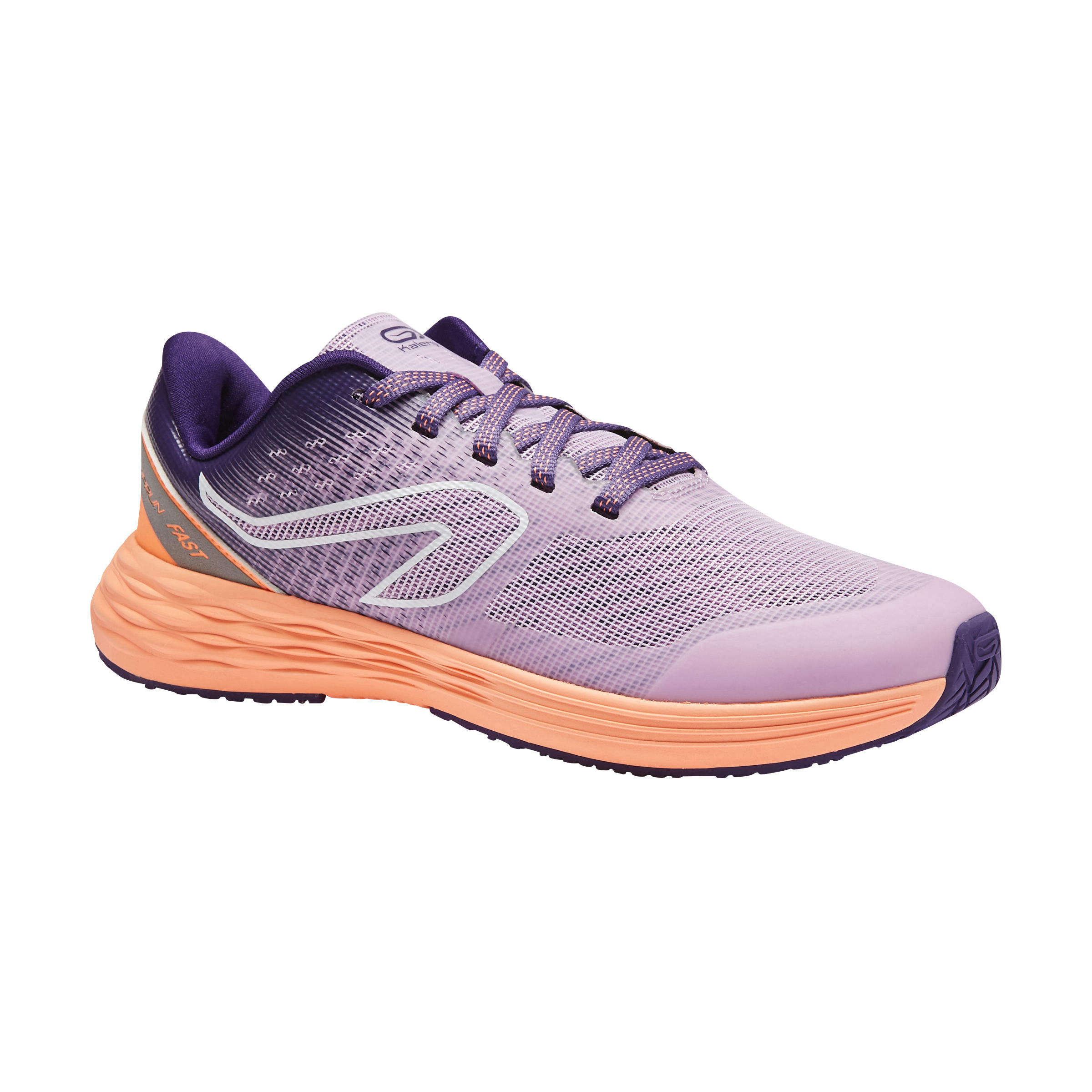
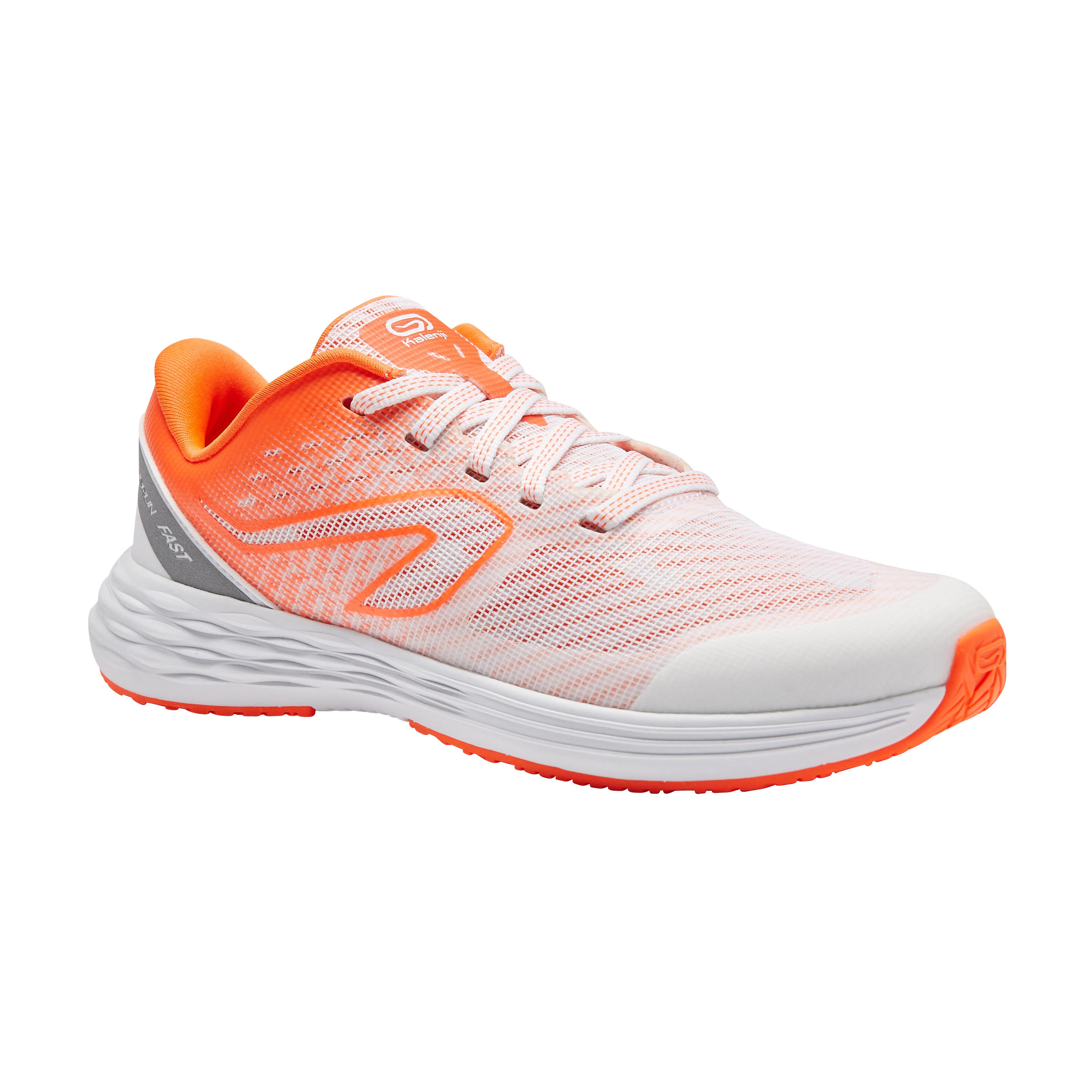
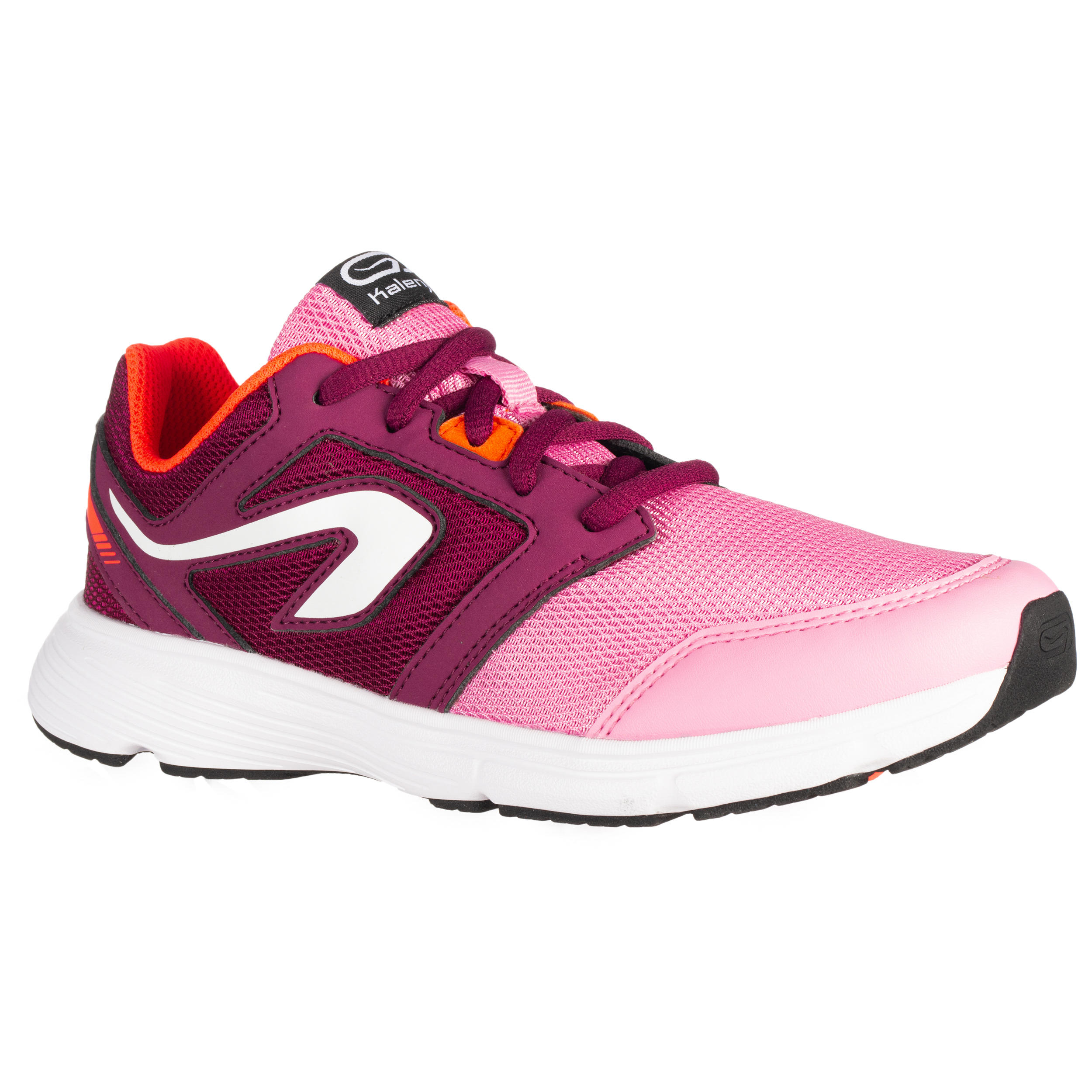
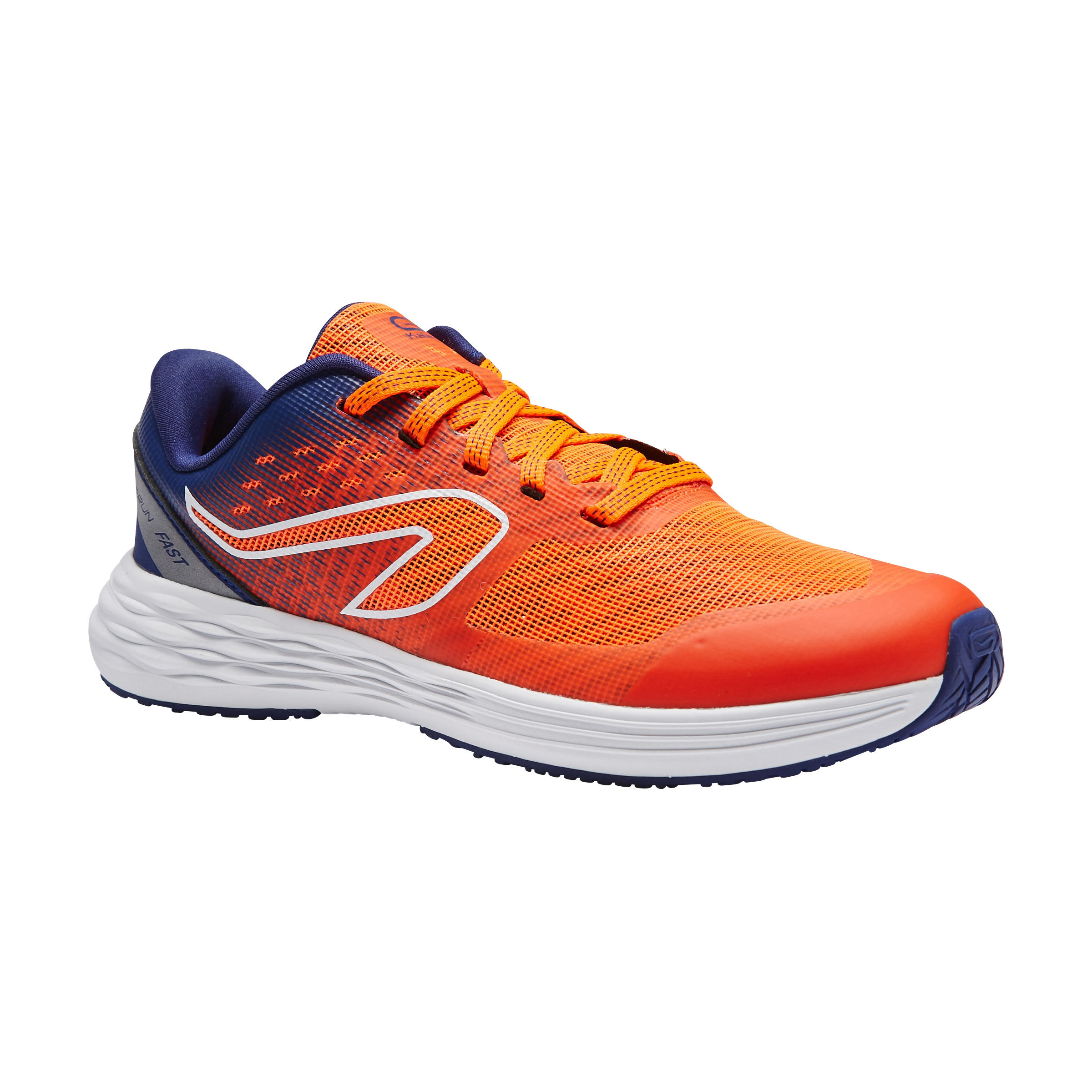
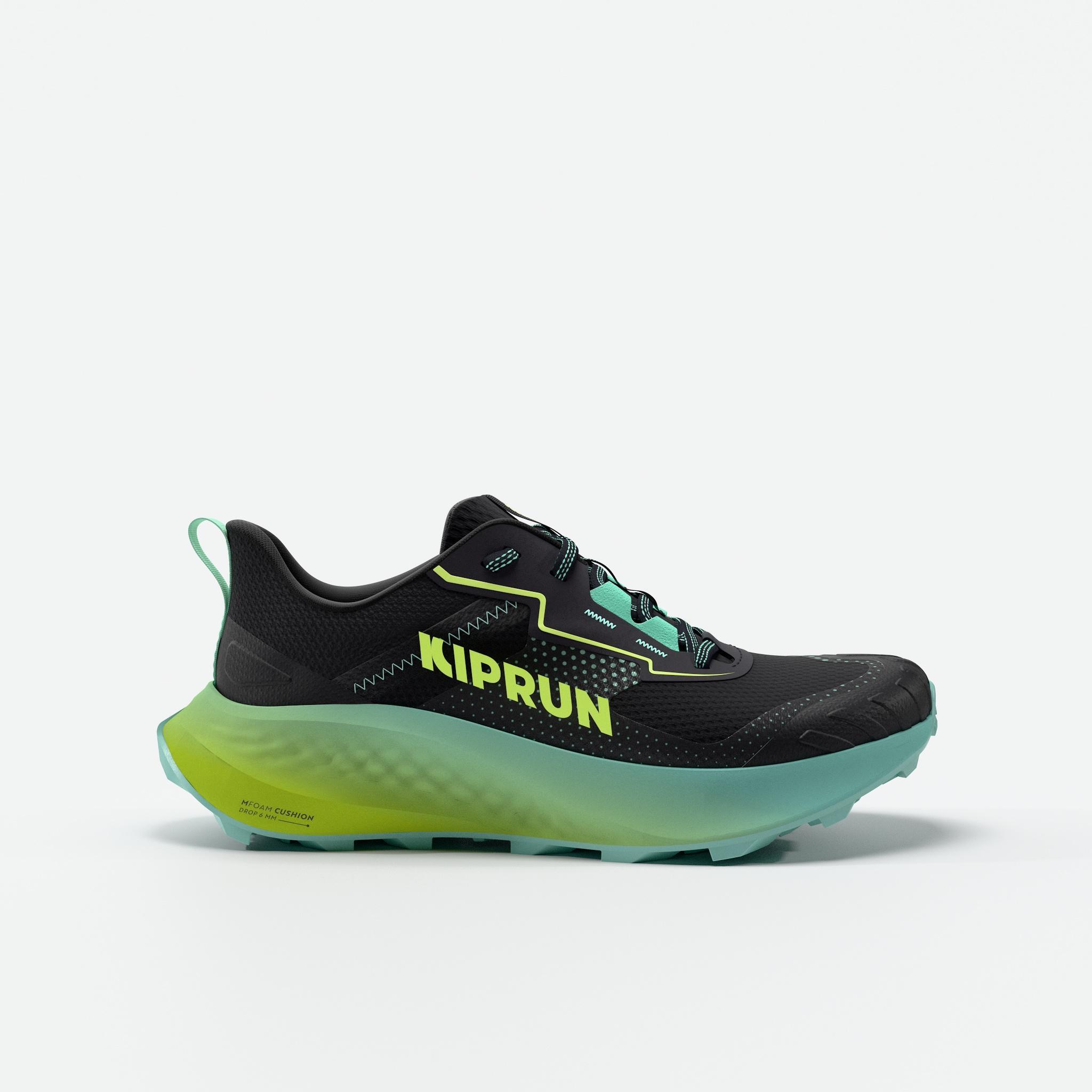
Look for shoes that match the activity surface, hold the heel securely and leave enough width for the toes to spread during running and jumping. The forefoot should flex where the foot naturally bends, while the sole should provide grip for tracks, sports halls or outdoor training areas. Cushioning can improve comfort during repeated drills, but the shoe should remain light enough for quick accelerations and changes of direction. Check that seams, overlays and the fastening system do not press against the foot, and test the shoes with a short jog, squat and jump. A quick, cushioned pair is the Kiprun kids' fast running shoes.

Do children need running spike shoes?

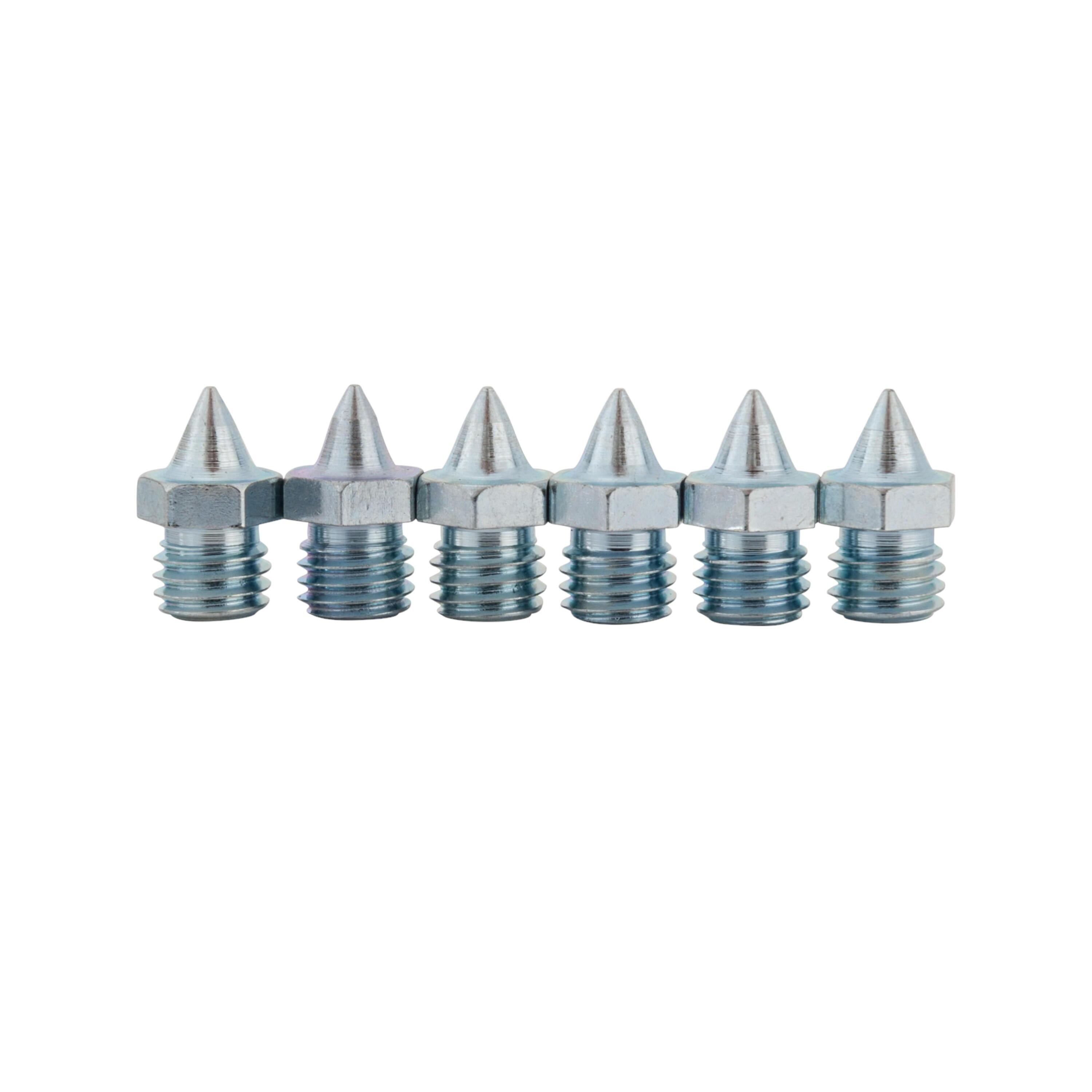
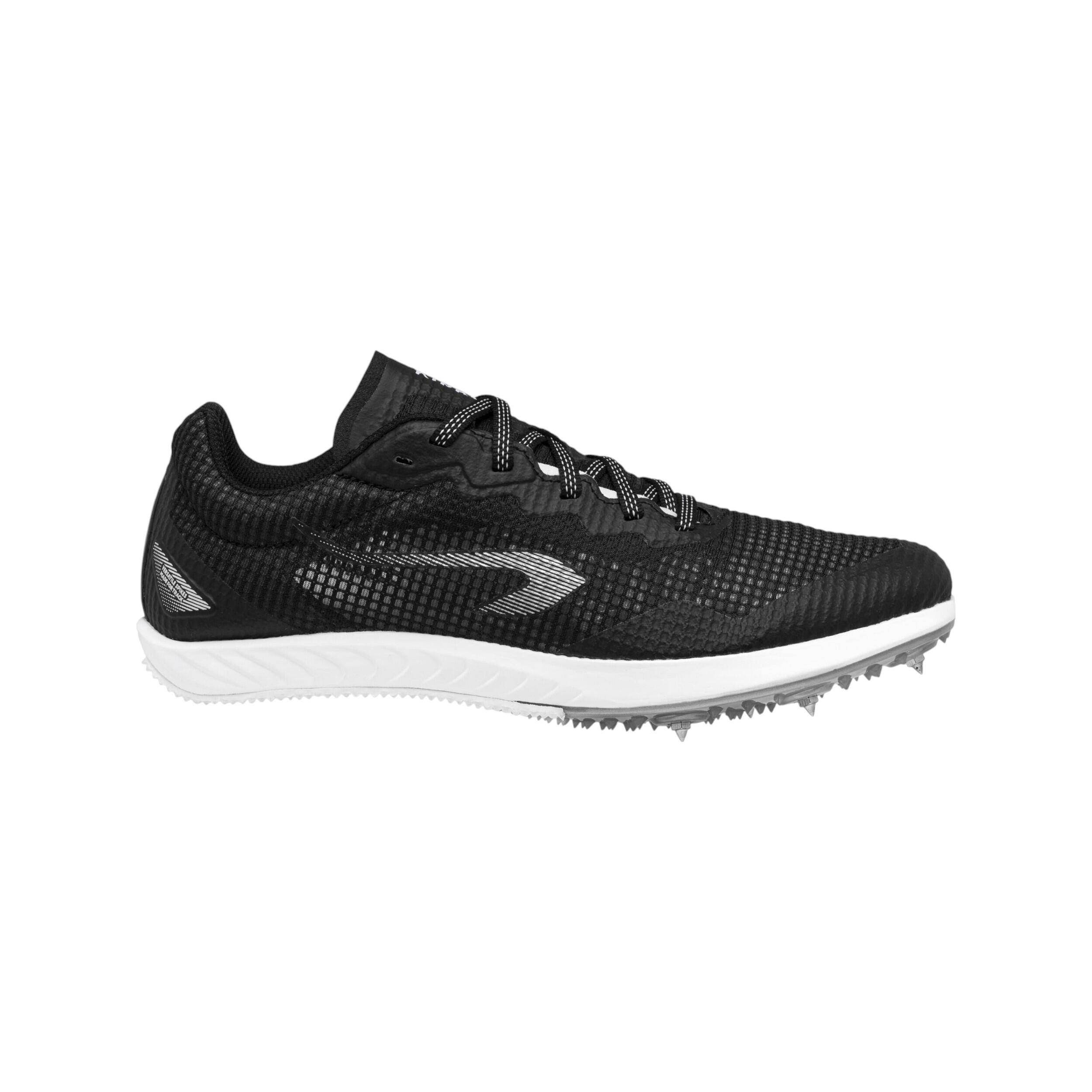
Children do not usually need spikes for general athletics training, warm-ups or early technique sessions. Spiked shoes become useful when a young athlete begins competing in a specific track or cross-country event on a suitable surface. Their close fit, lower cushioning and firmer forefoot plate place different demands on the feet, calves and Achilles area, so they should be introduced through short repetitions rather than worn for a complete session immediately. A coach can confirm the appropriate shoe type and permitted pin length. Track options sit in the athletics running spikes.

How should kids' running shoes fit?

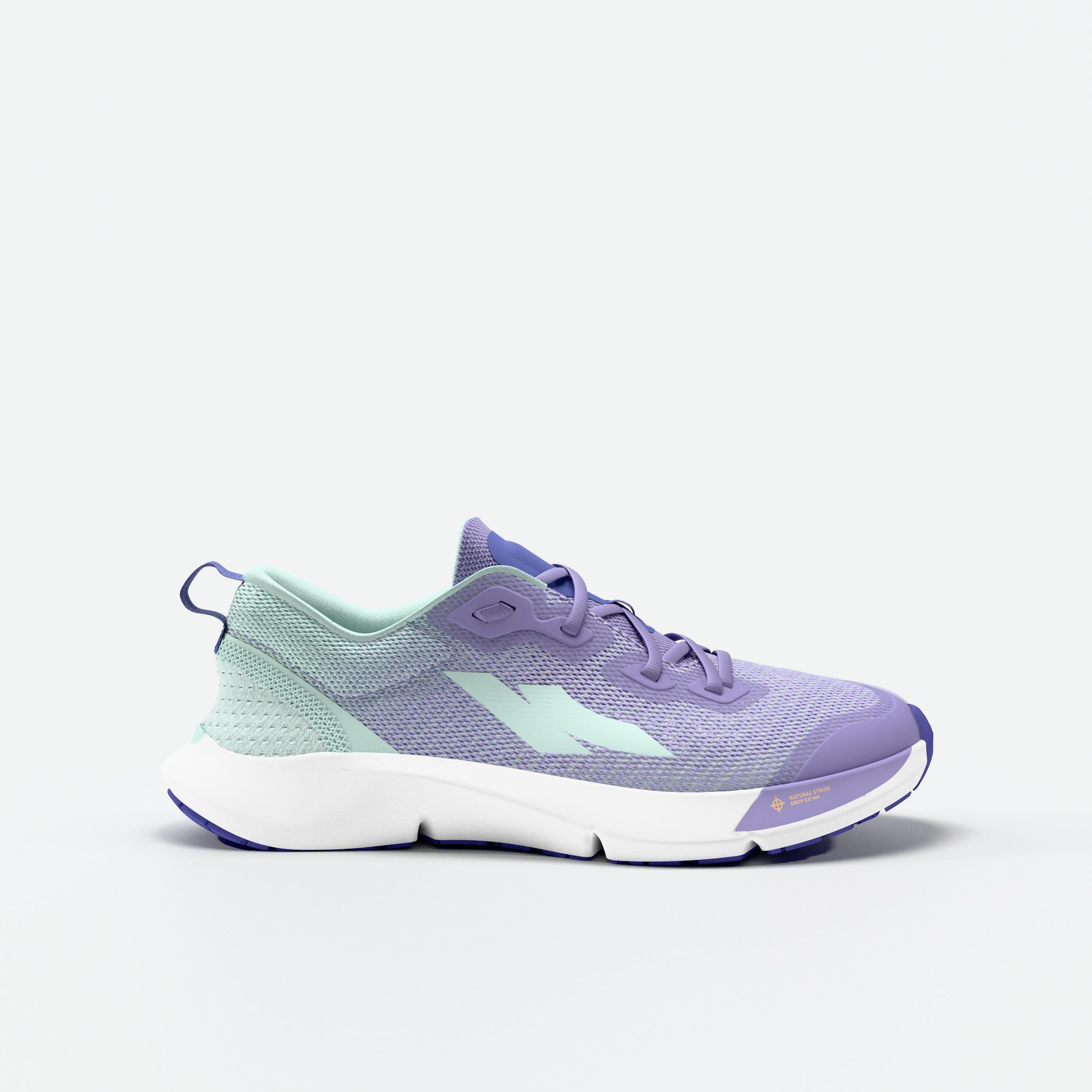
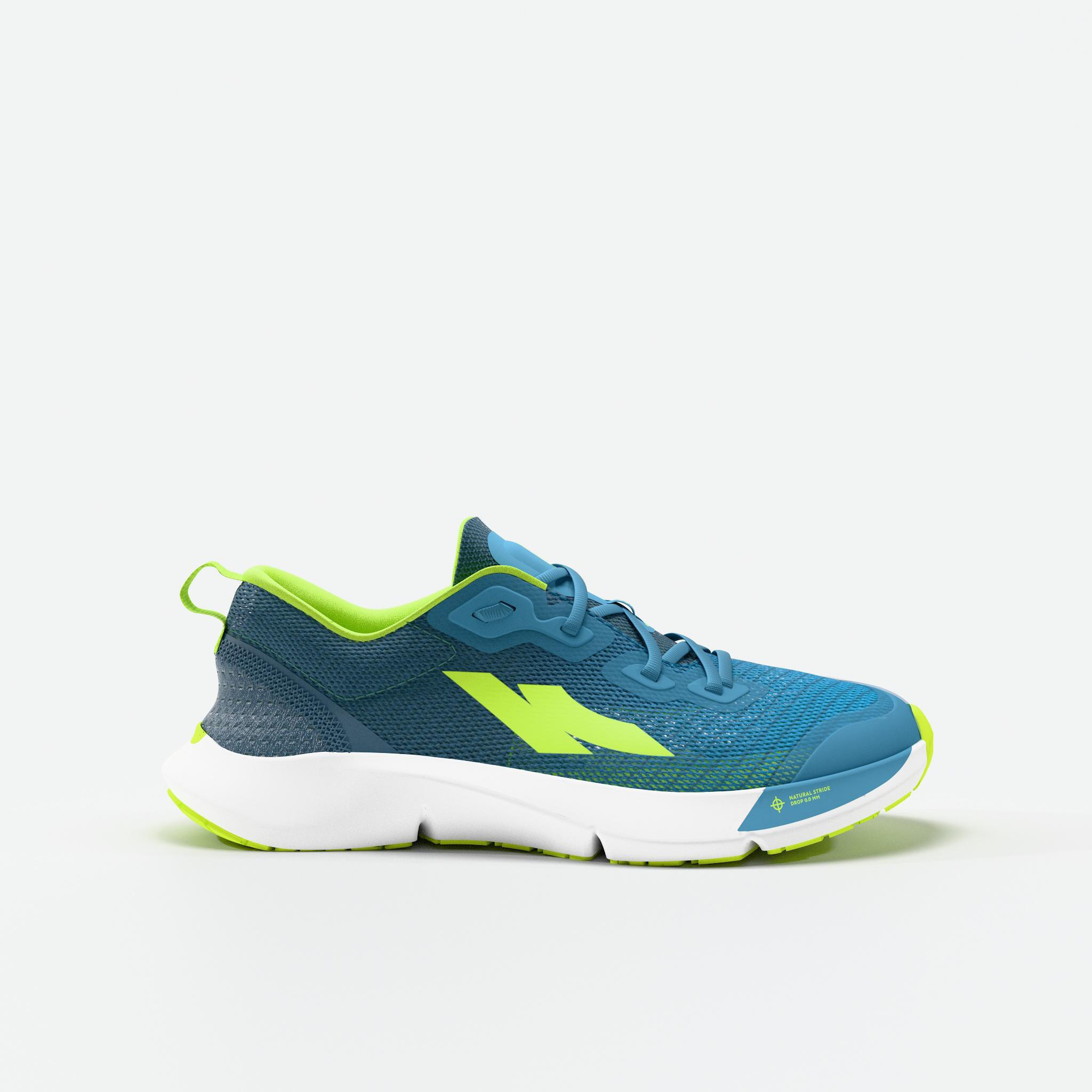
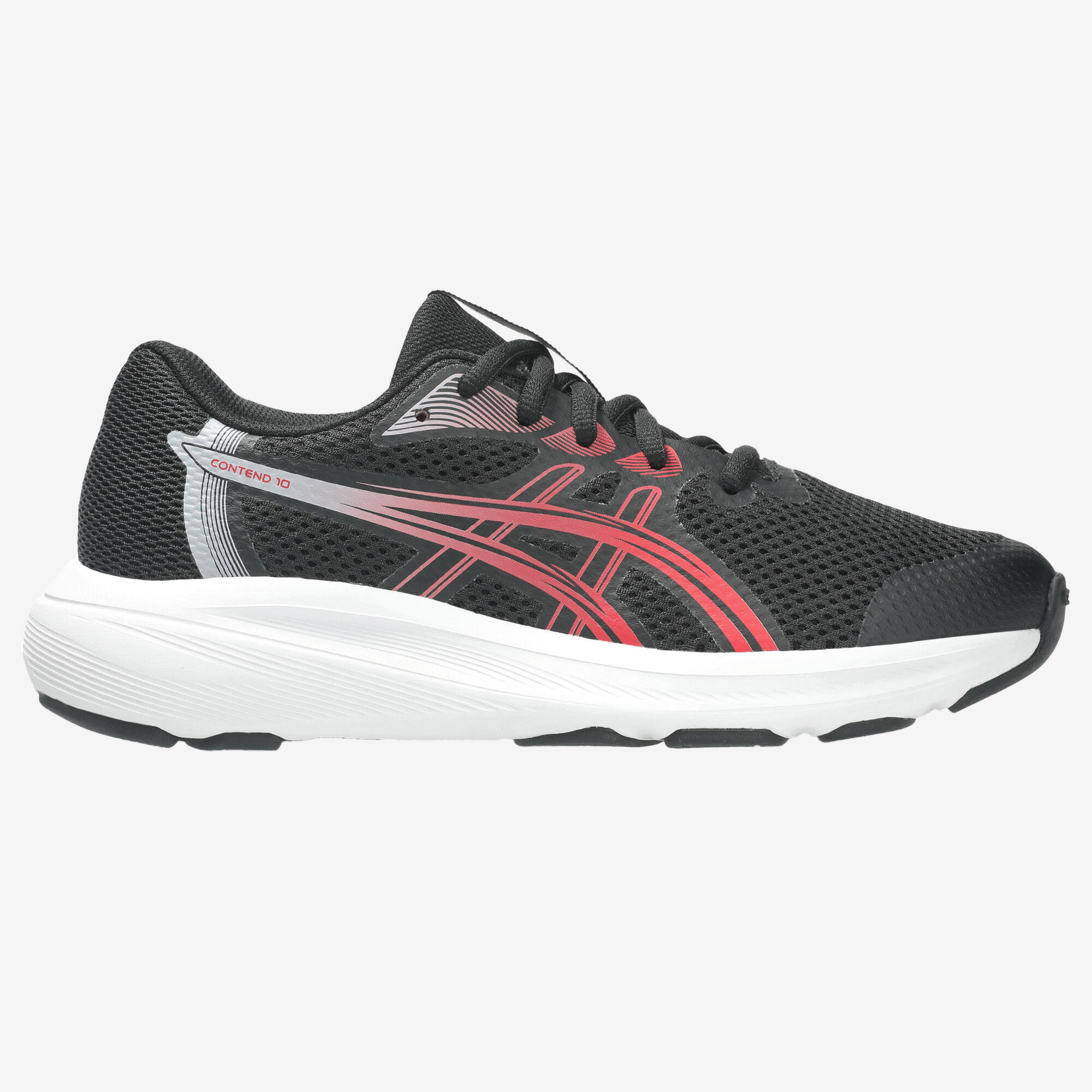
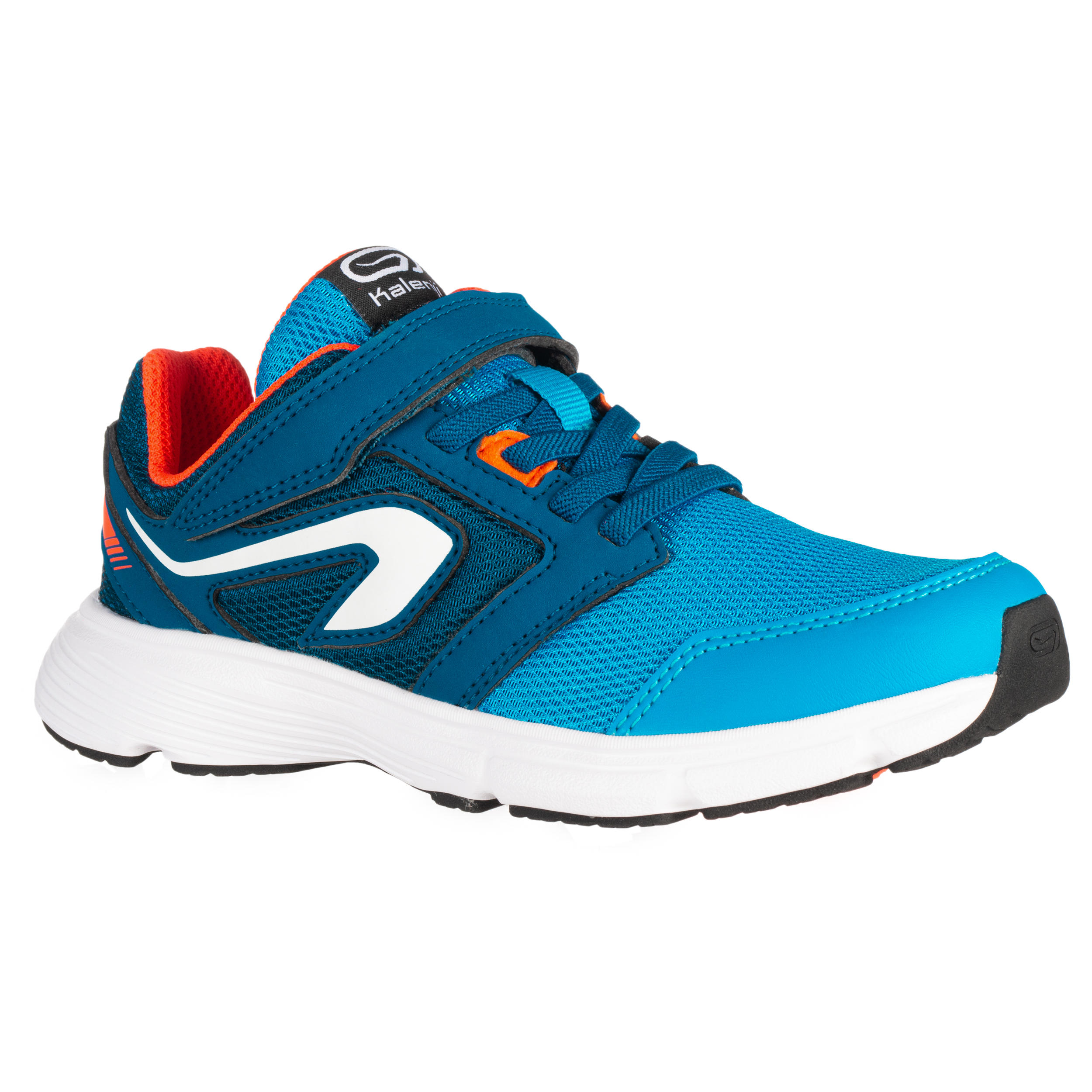
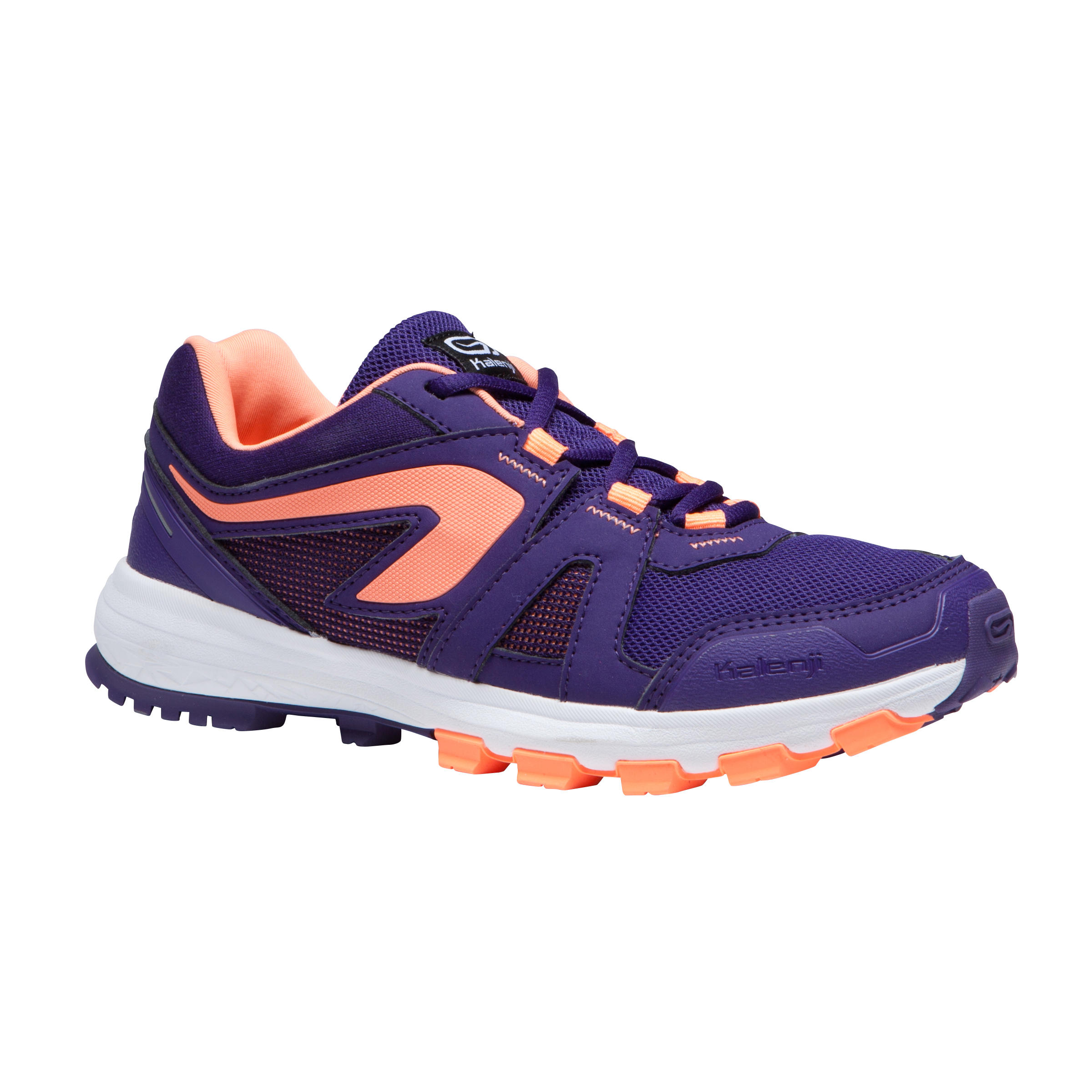
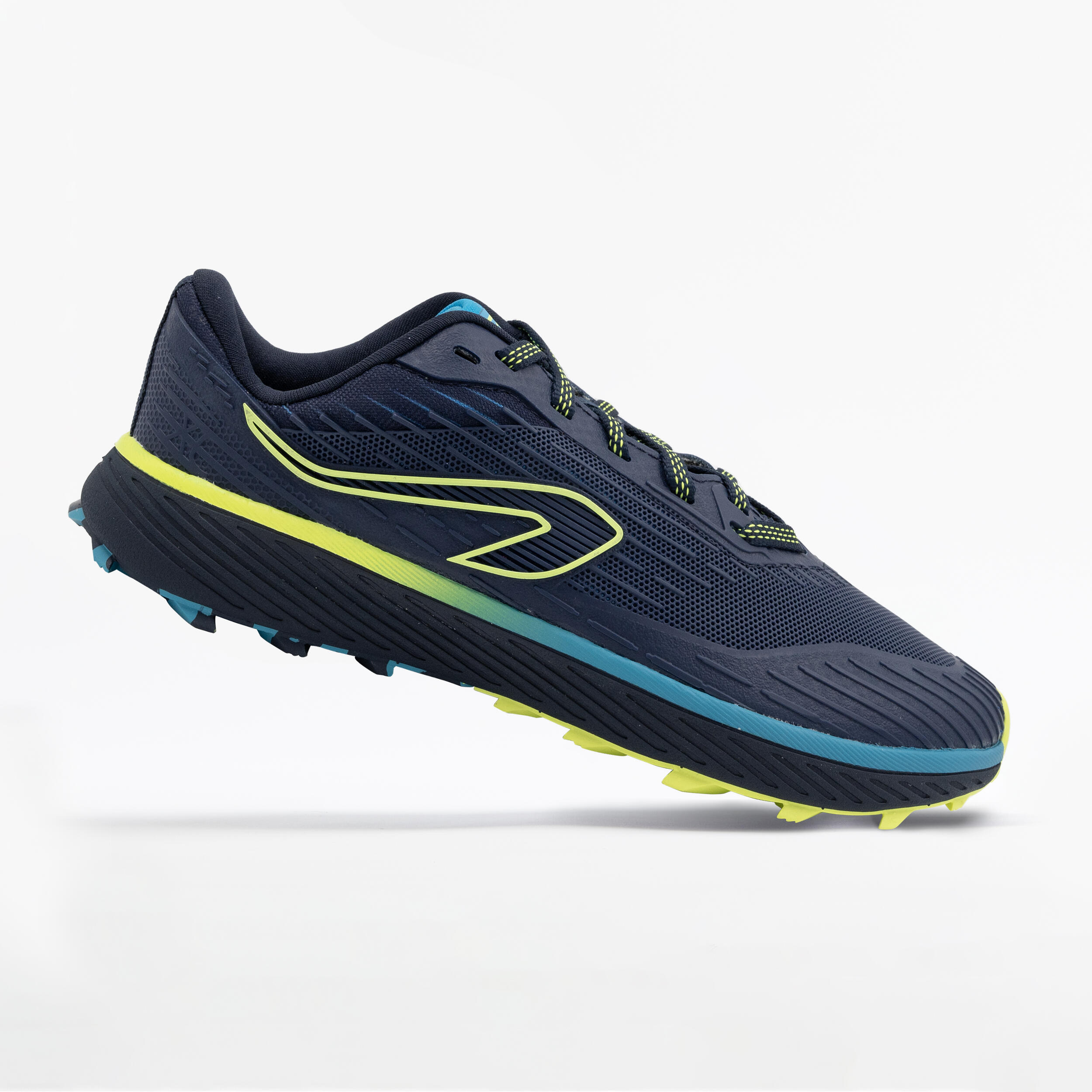
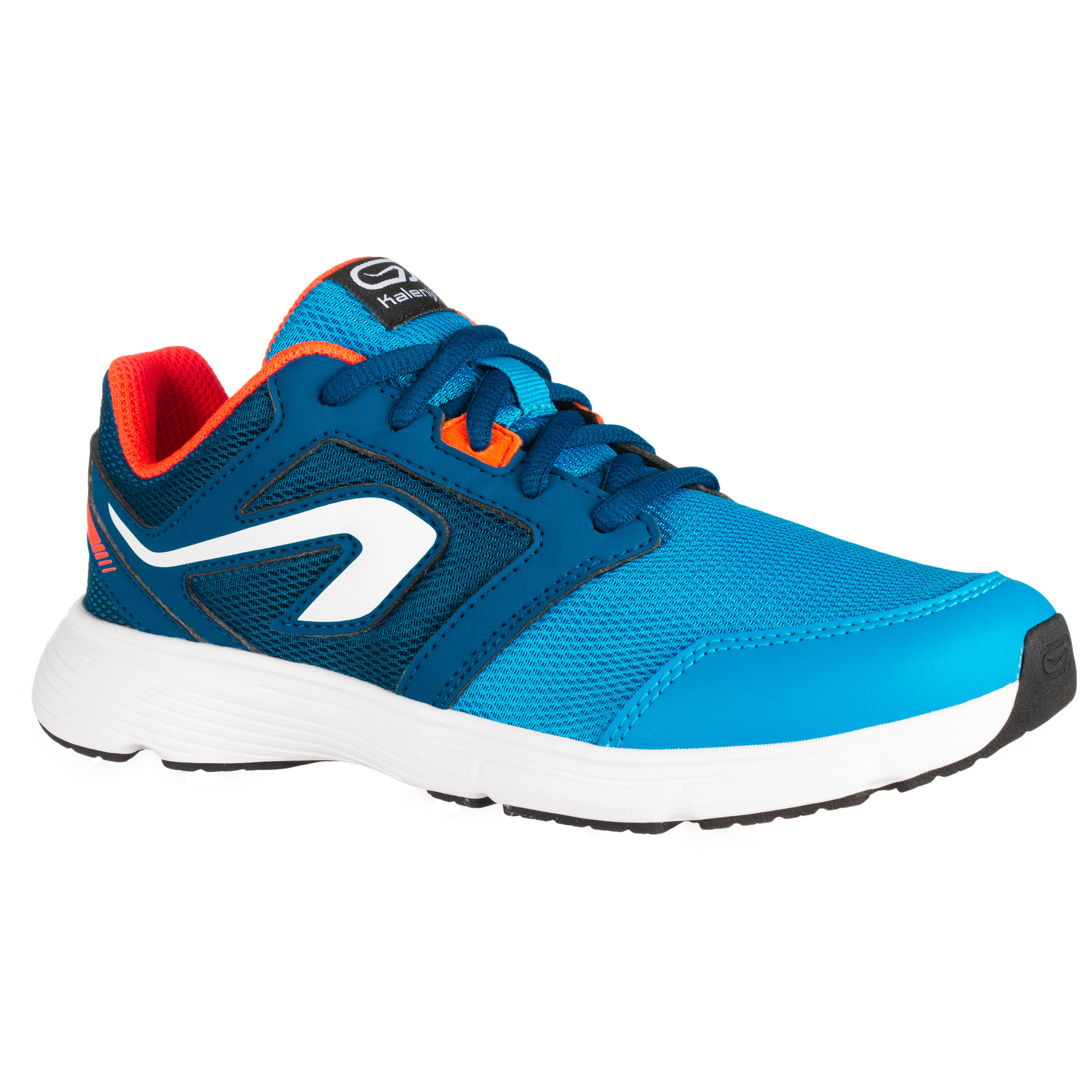
Kids' running shoes should hold the heel and midfoot securely while leaving roughly a thumb's width between the longest toe and the front of the shoe. Check both feet while the child is standing, as one foot may be slightly larger than the other. The toes should move freely without the forefoot sliding from side to side, and the upper should not crease tightly across the toes. Avoid buying an excessively large size for future growth because loose shoes can slip, fold and create friction. Everyday comfort comes from the children's running shoes.

What shoes suit different athletics events?

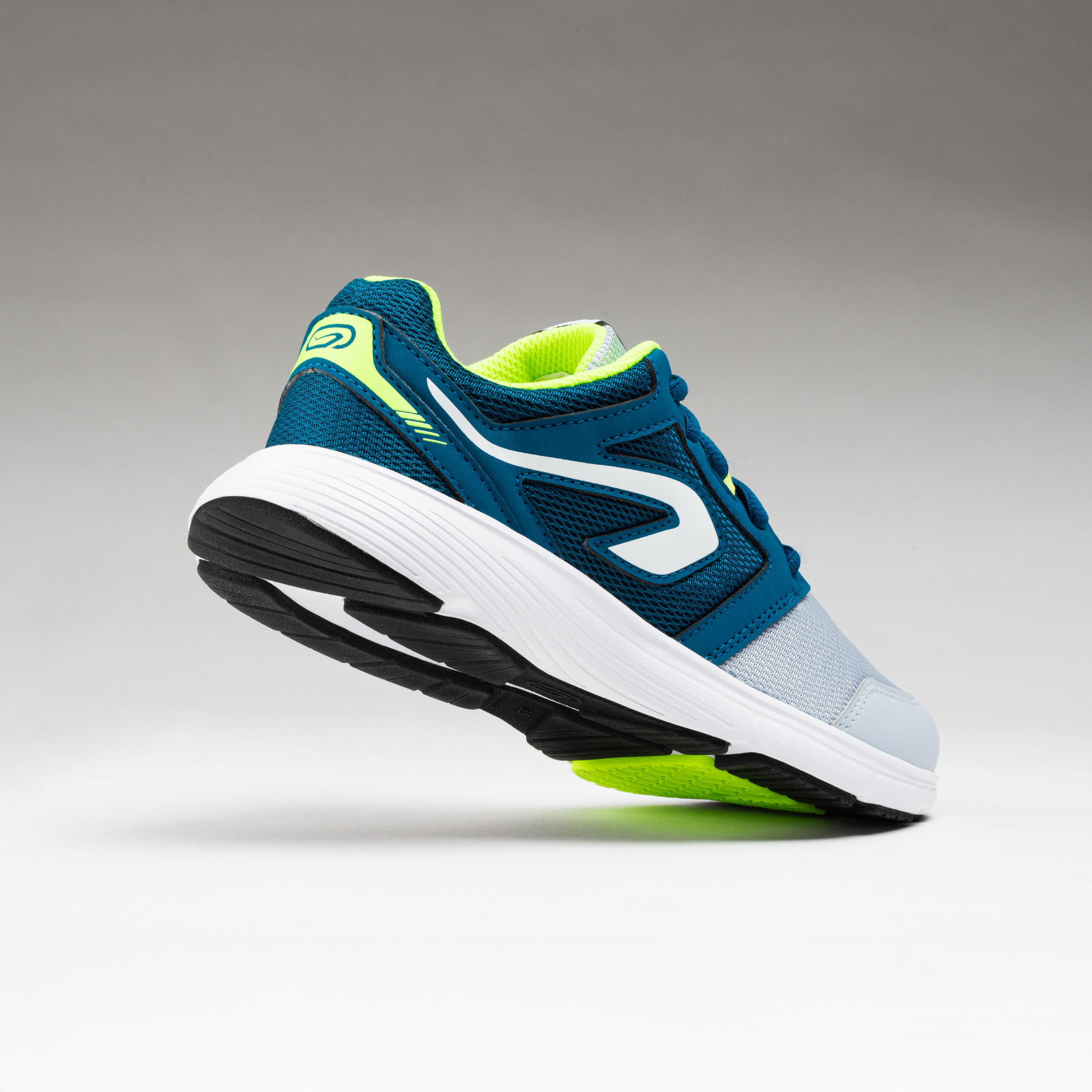
Cushioned trainers suit warm-ups, general conditioning and sessions that combine several athletics disciplines. Sprint spikes use a firm forefoot plate for acceleration, while middle-distance models normally provide more flexibility and underfoot protection. Cross-country shoes need tread and spike layouts suited to grass, mud and uneven ground. Jumping and throwing events may require footwear with event-specific grip, stability or sole construction, so young athletes should follow their coach's guidance before changing shoes. Training shoes and competition spikes come together in athletics shoes & spikes.
How do kids' athletic shoes help children get into athletics?

Well-fitting athletic shoes give children a stable contact point with the ground while they learn to accelerate, stop, jump and change direction. Suitable outsole grip reduces unnecessary slipping, while forefoot flexibility allows the foot to bend through running drills and take-offs. Comfortable trainers also let beginners practise several events without changing footwear between every activity. As technique develops, cones, low hurdles and throwing equipment can introduce clearer movement targets and make sessions easier to structure. Training drills are easier to organise with cones, hurdles and equipment from athletics training equipment.