76 items
4.7/5 based on 29575 reviews collected online and in stores

Marathon Nutrition FAQs

How important is nutrition for a marathon?

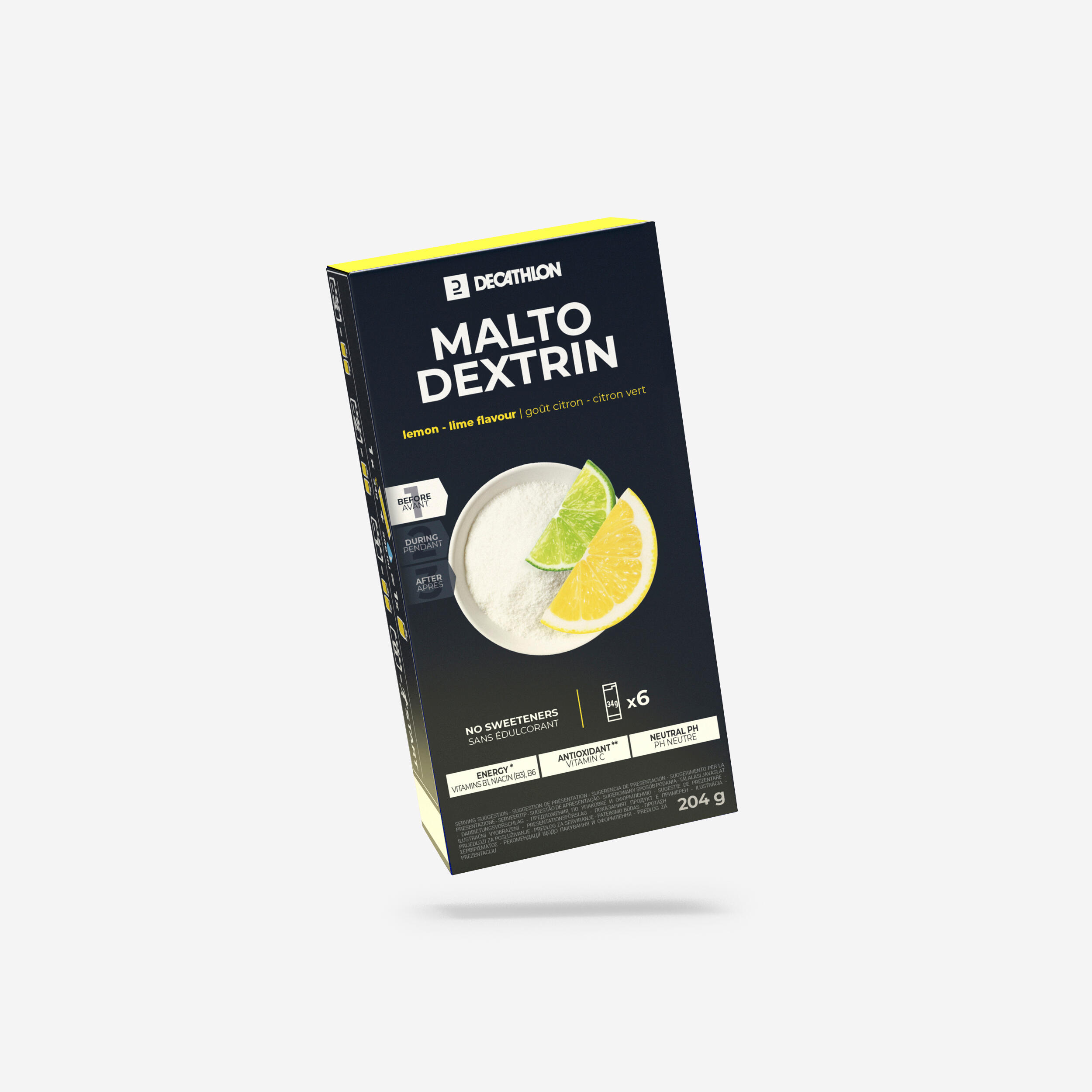
It is one of the biggest factors in how your marathon goes, since even well-trained runners run low on stored carbohydrate somewhere after 30 kilometres, the point many call the wall. A steady fuelling plan across the whole race delays that moment and keeps your legs and mind working together. Carb-loading in the days before matters just as much as race-day gels. Anyone preparing for marathon distance can use the running a marathon hub to learn more about training and preparation.

How can runners estimate the number of energy gels needed for a marathon?

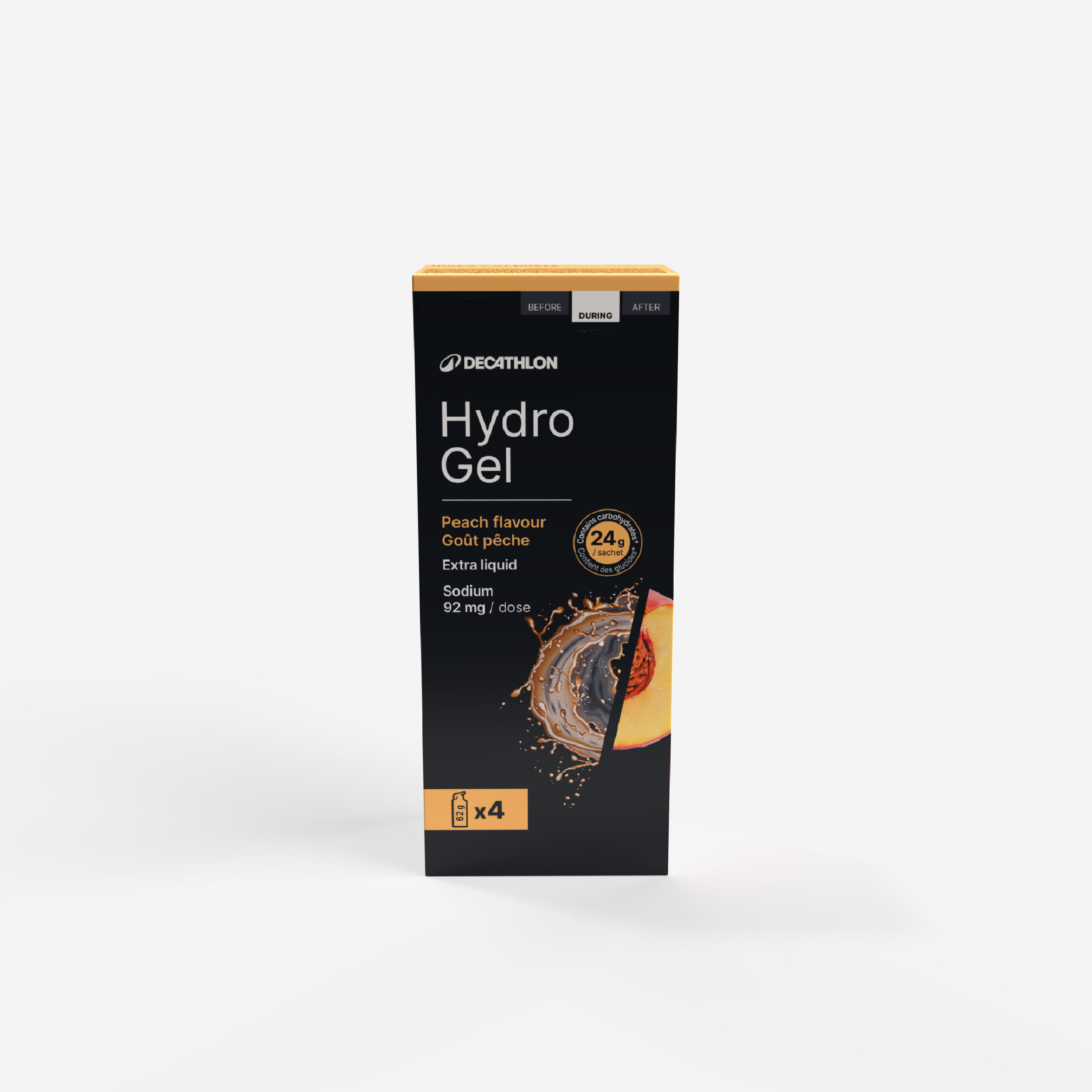
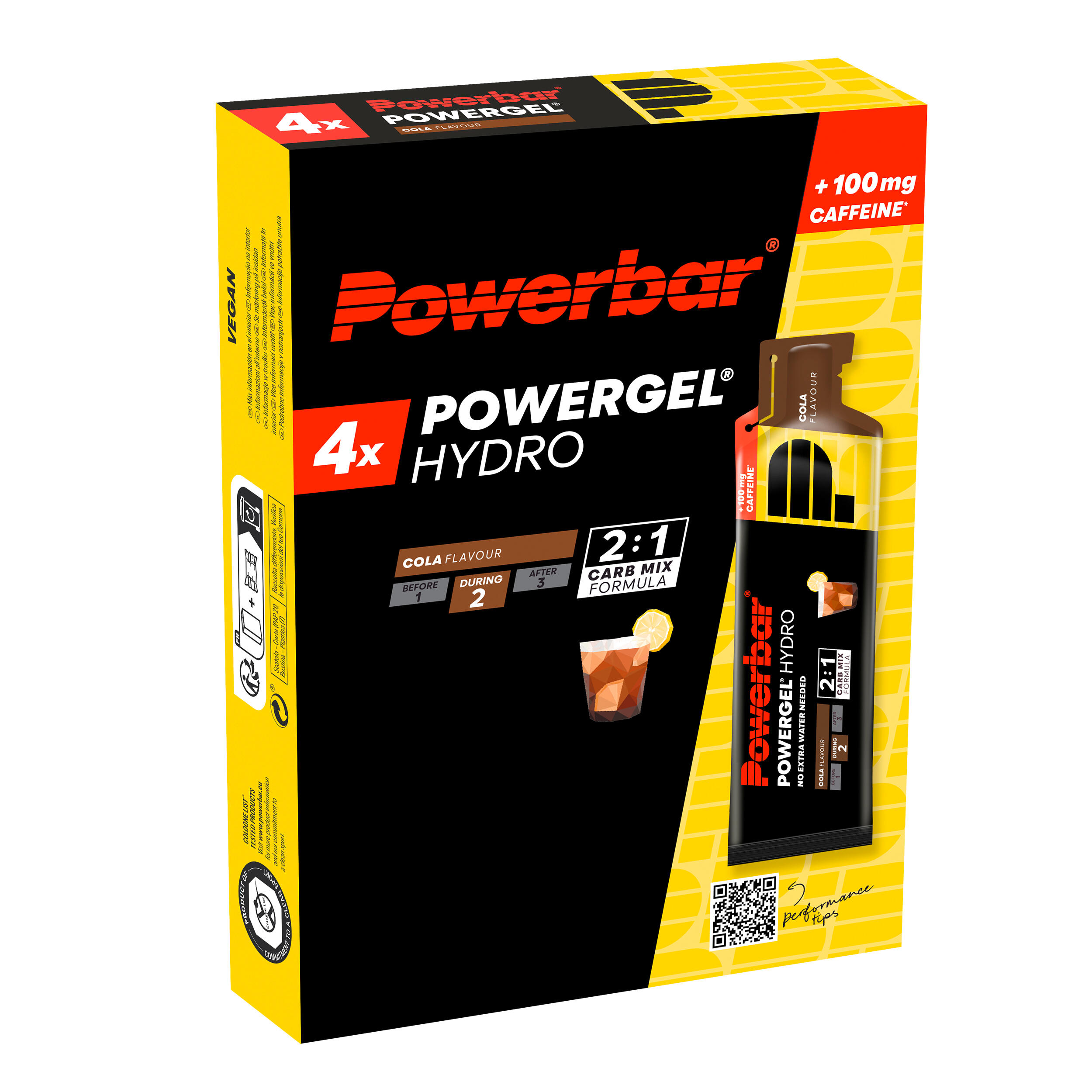
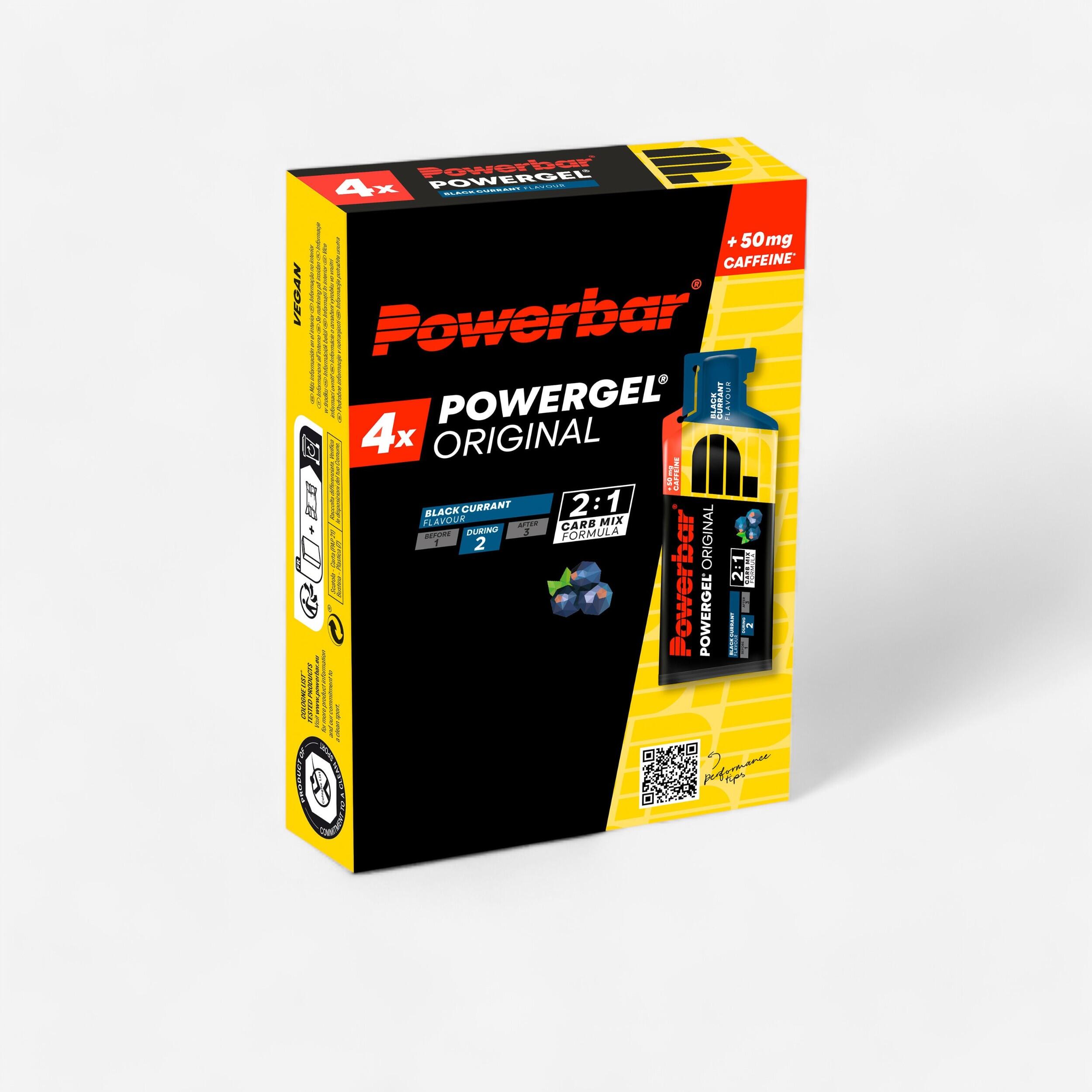
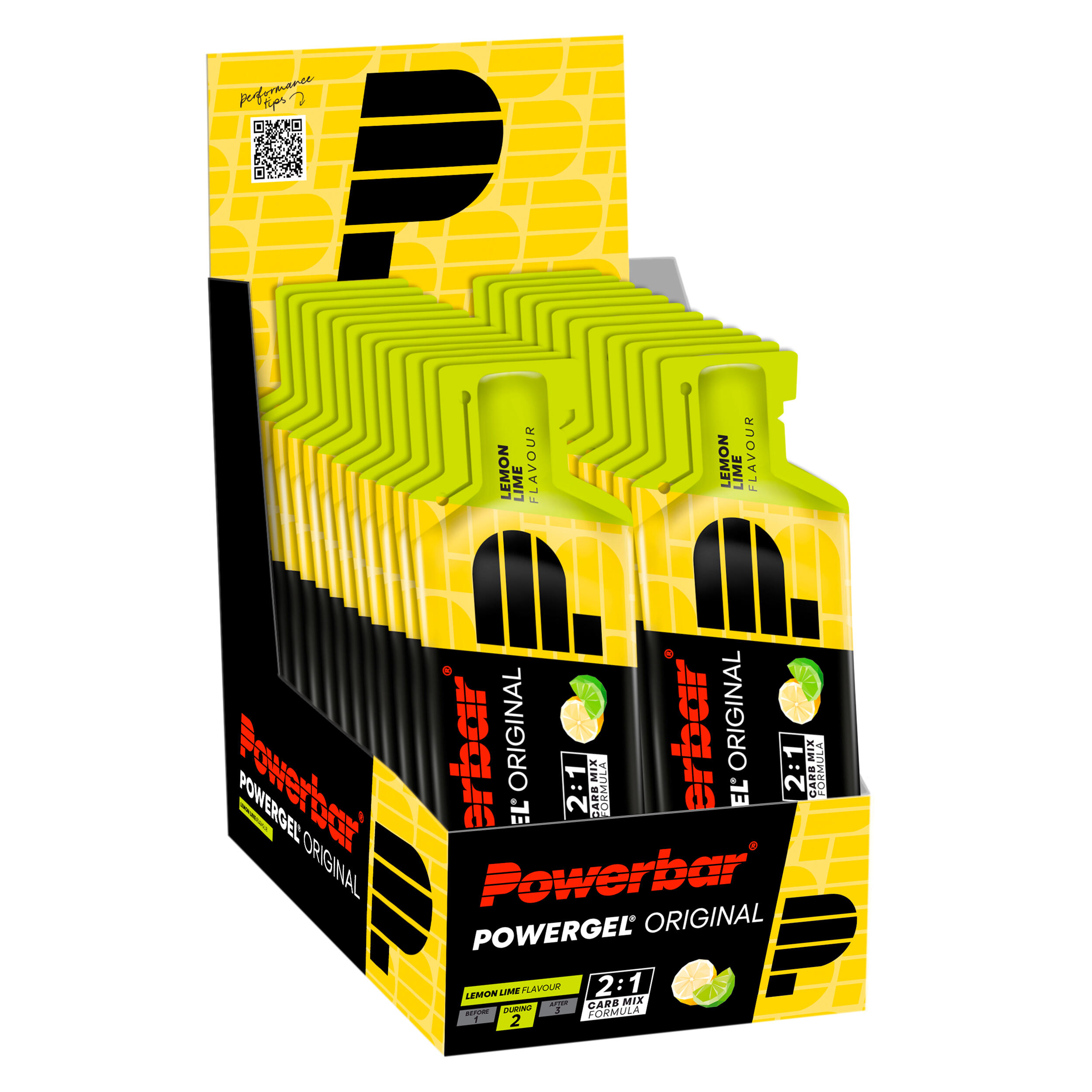
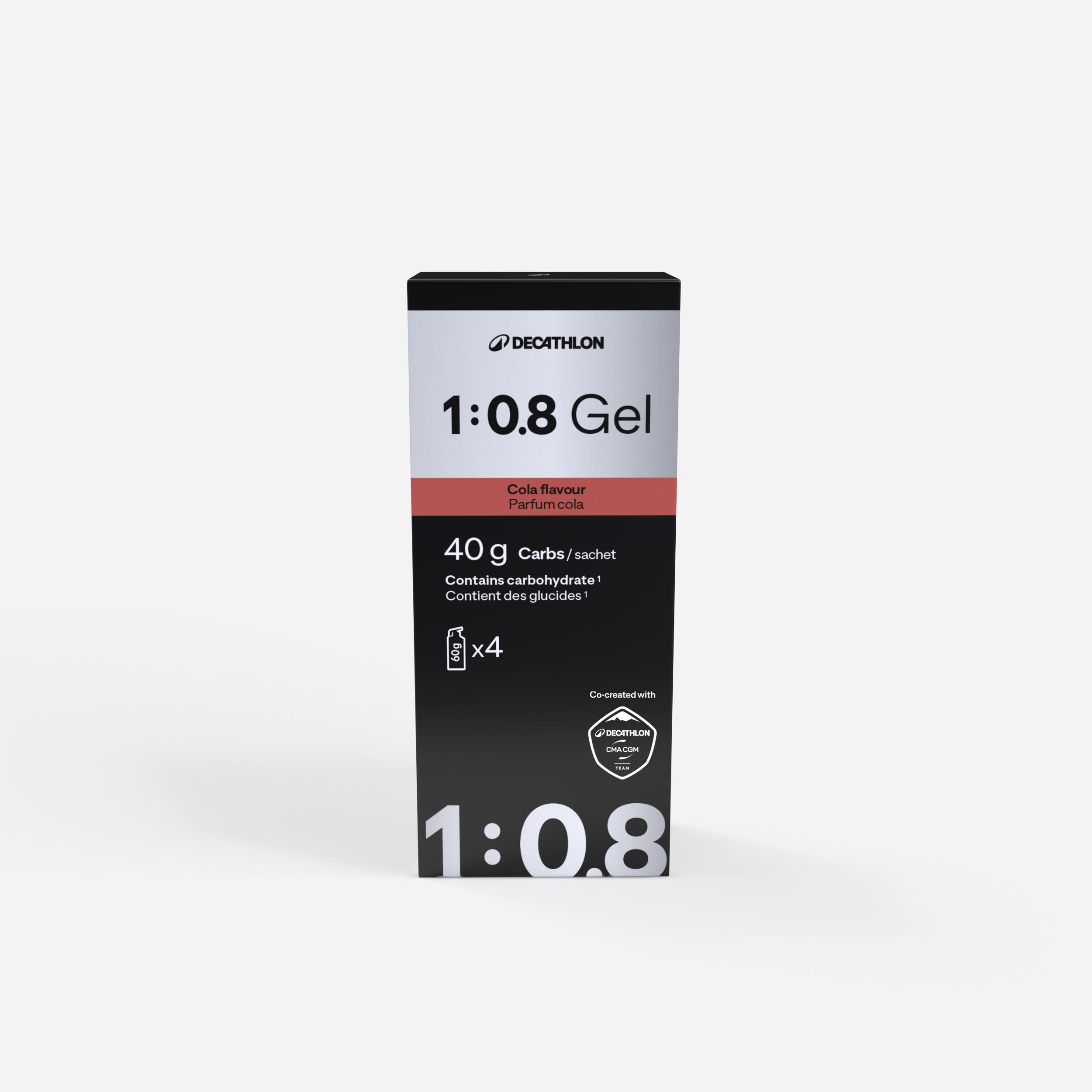
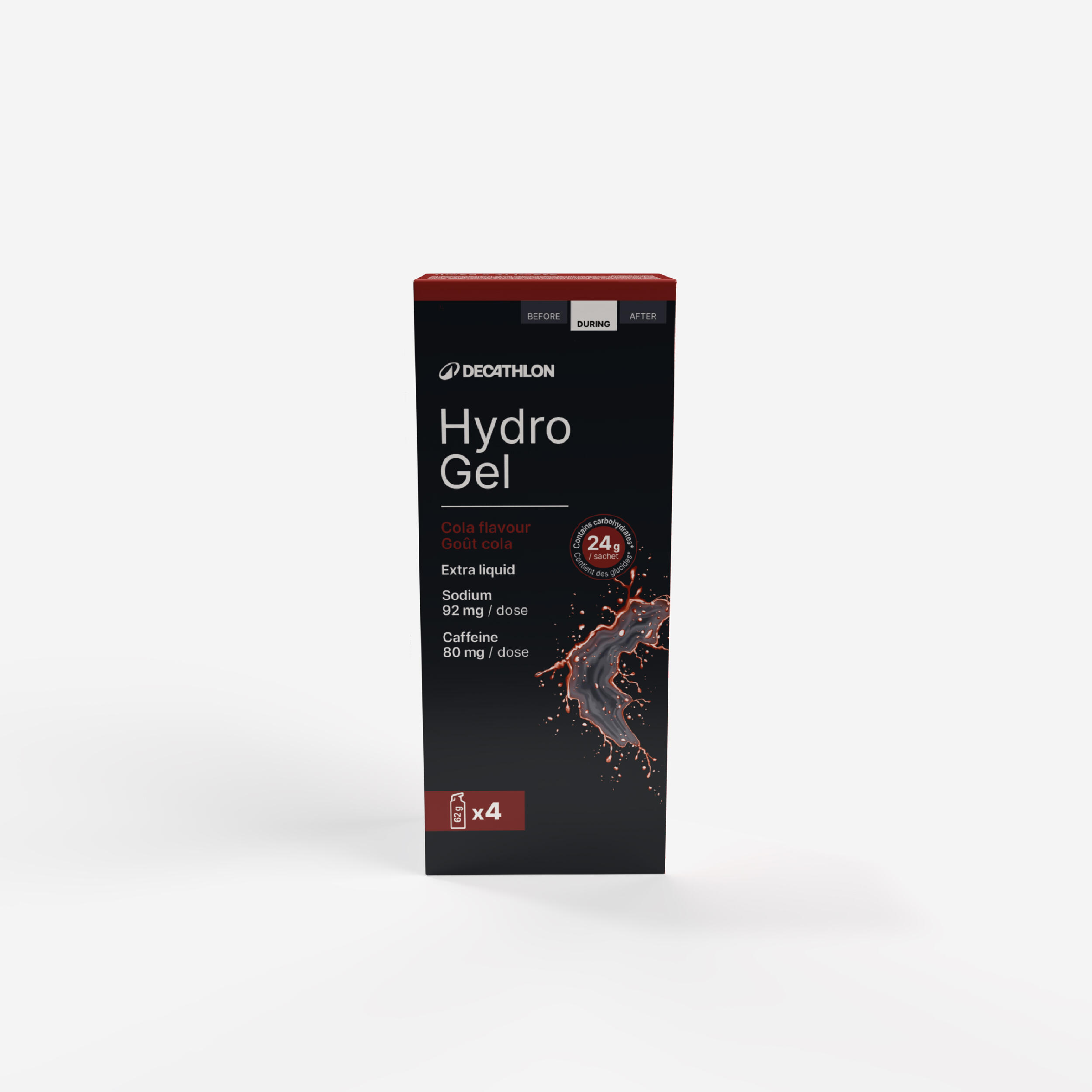
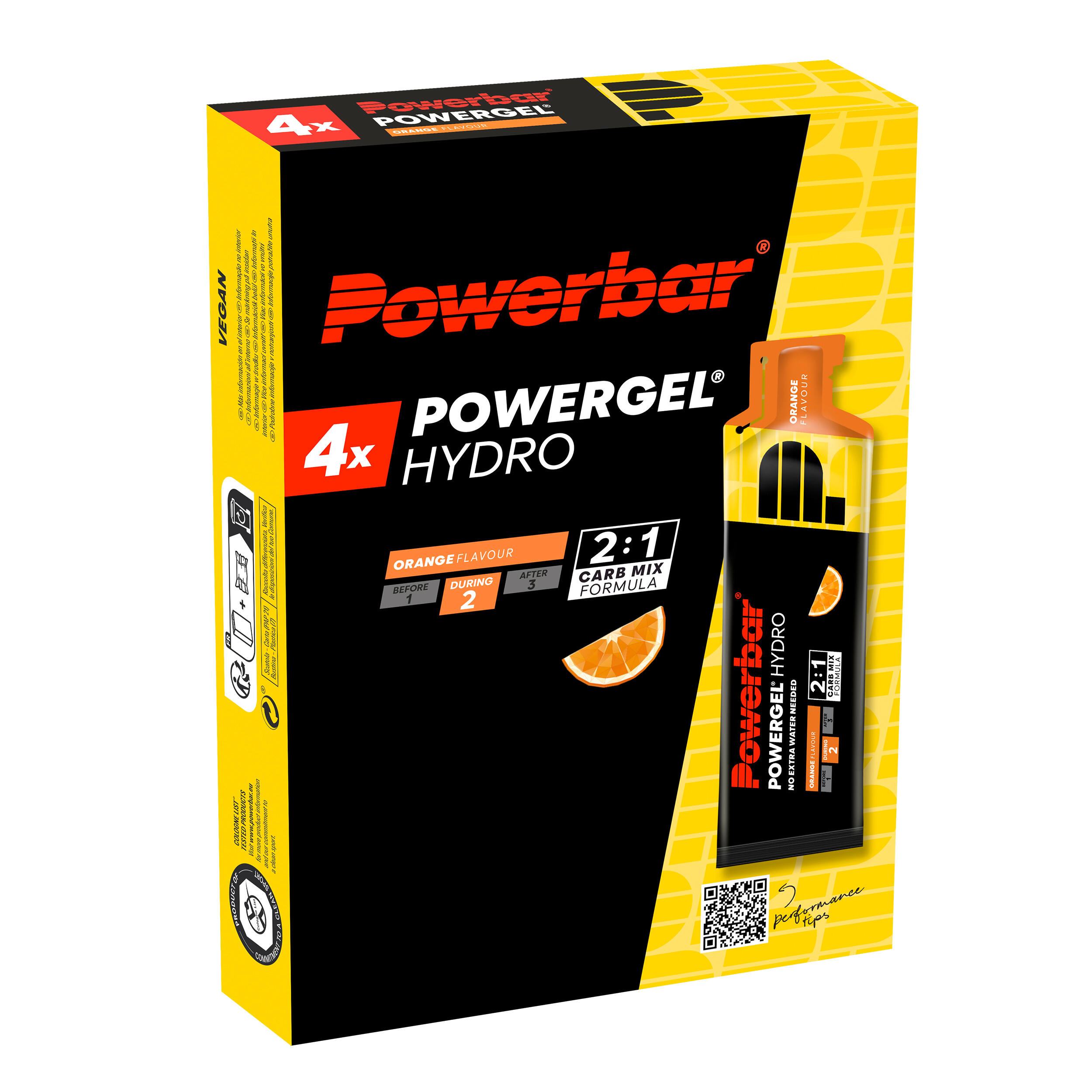
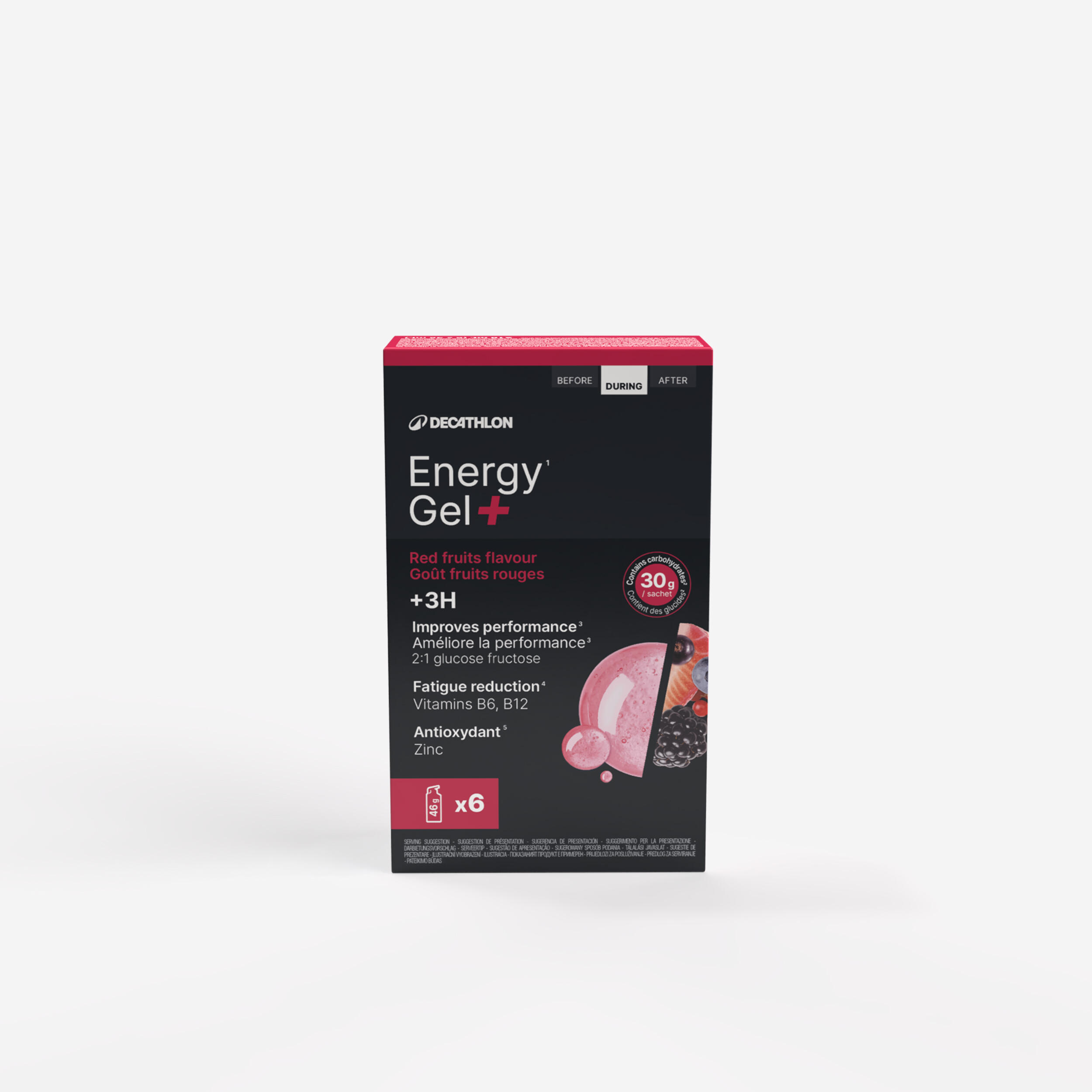
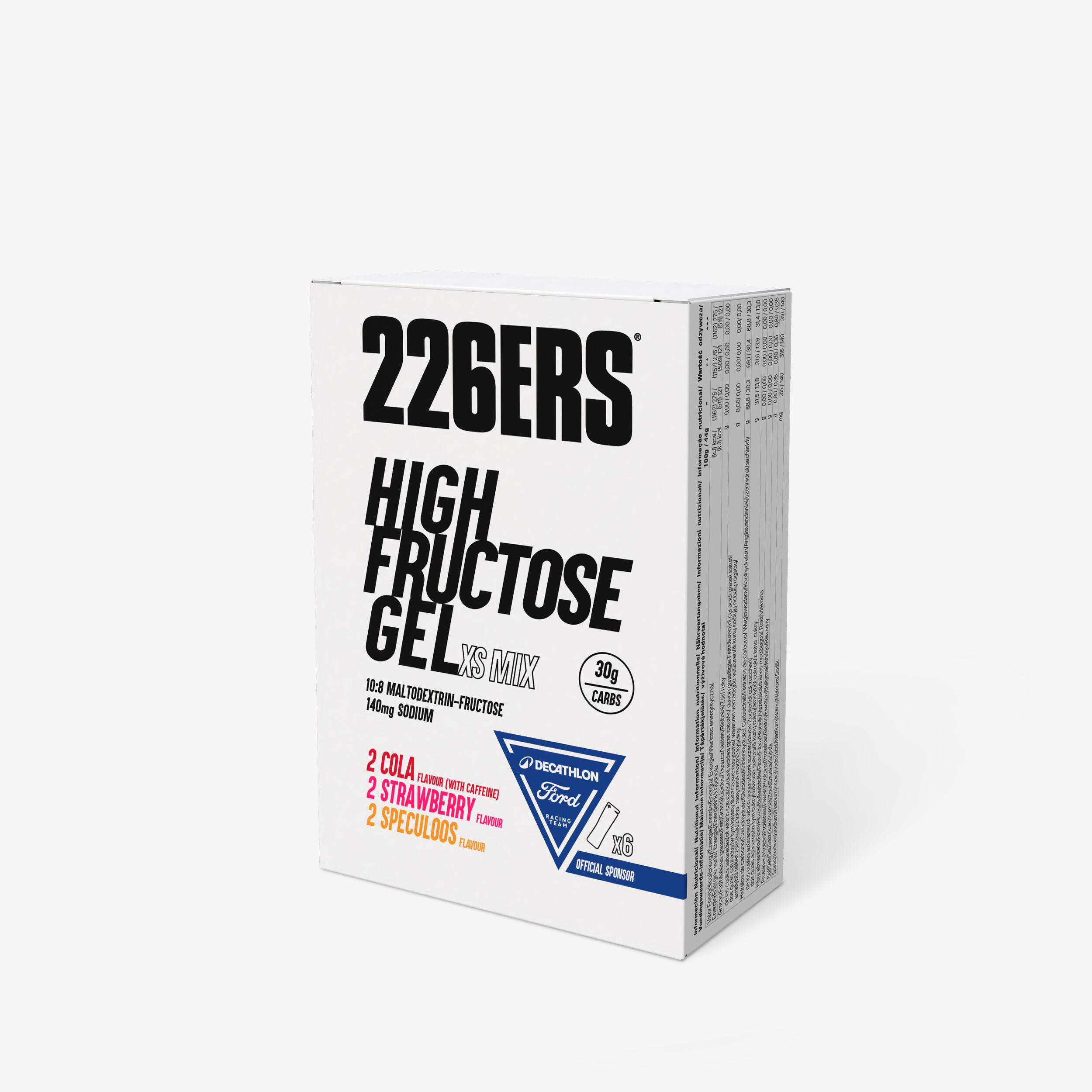
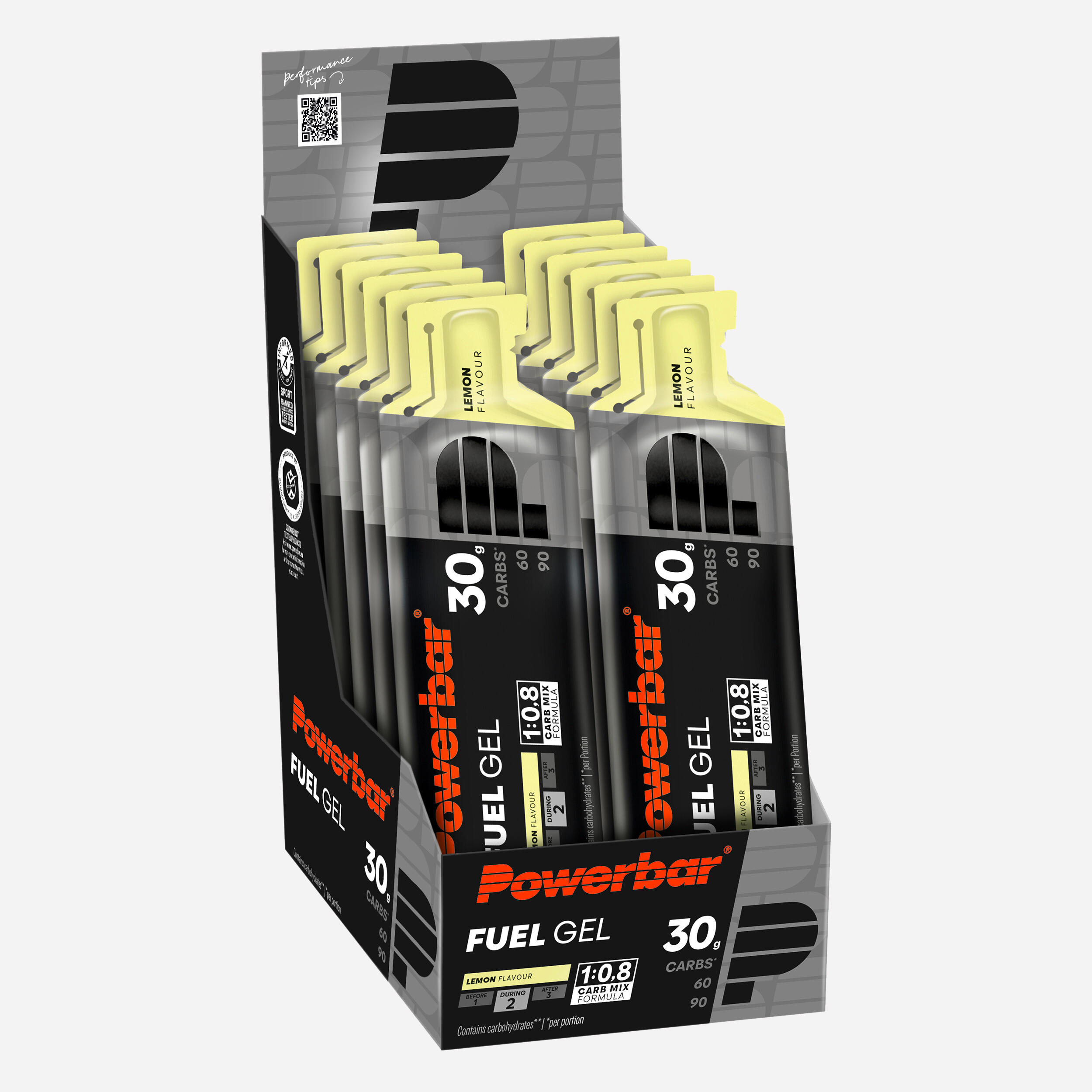
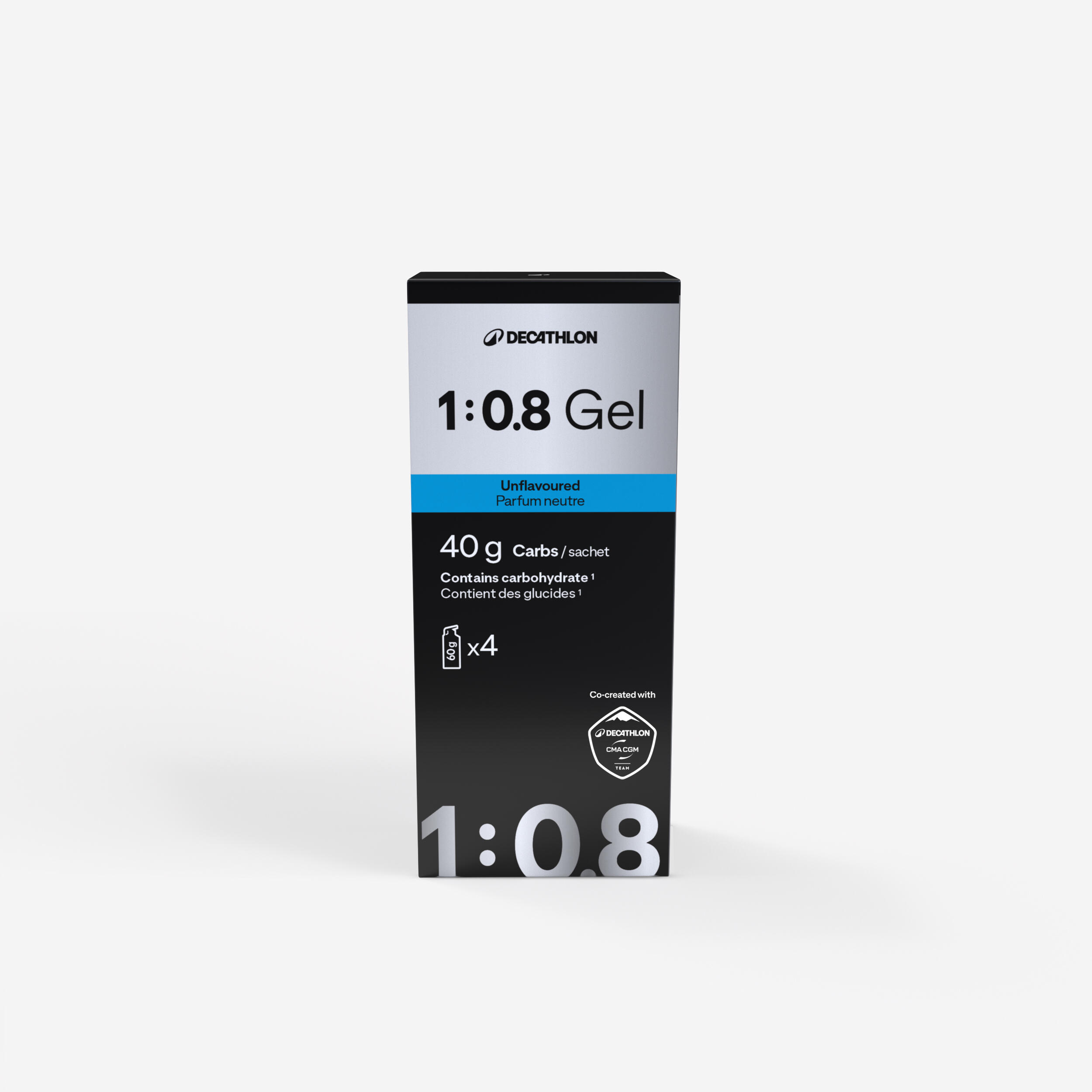
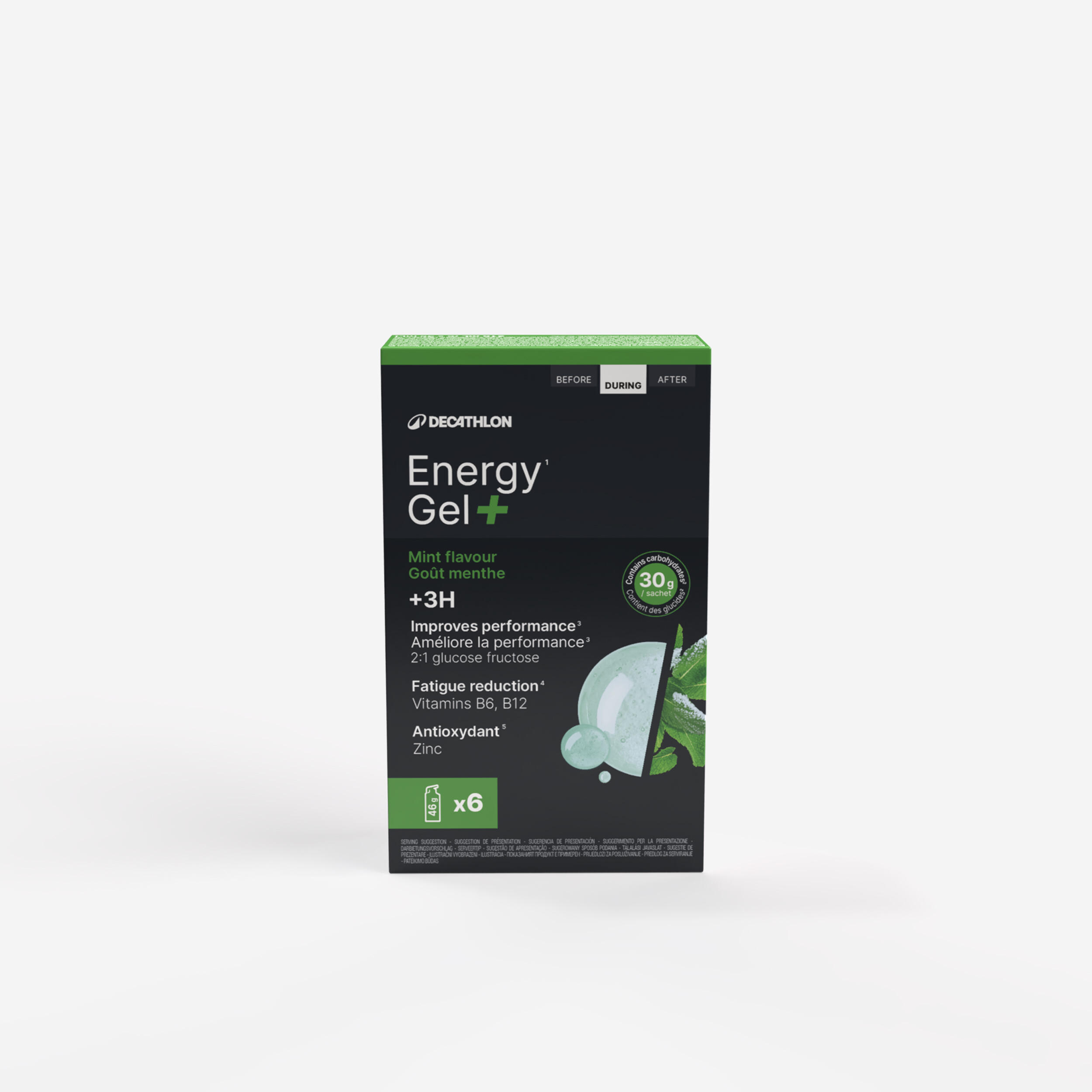
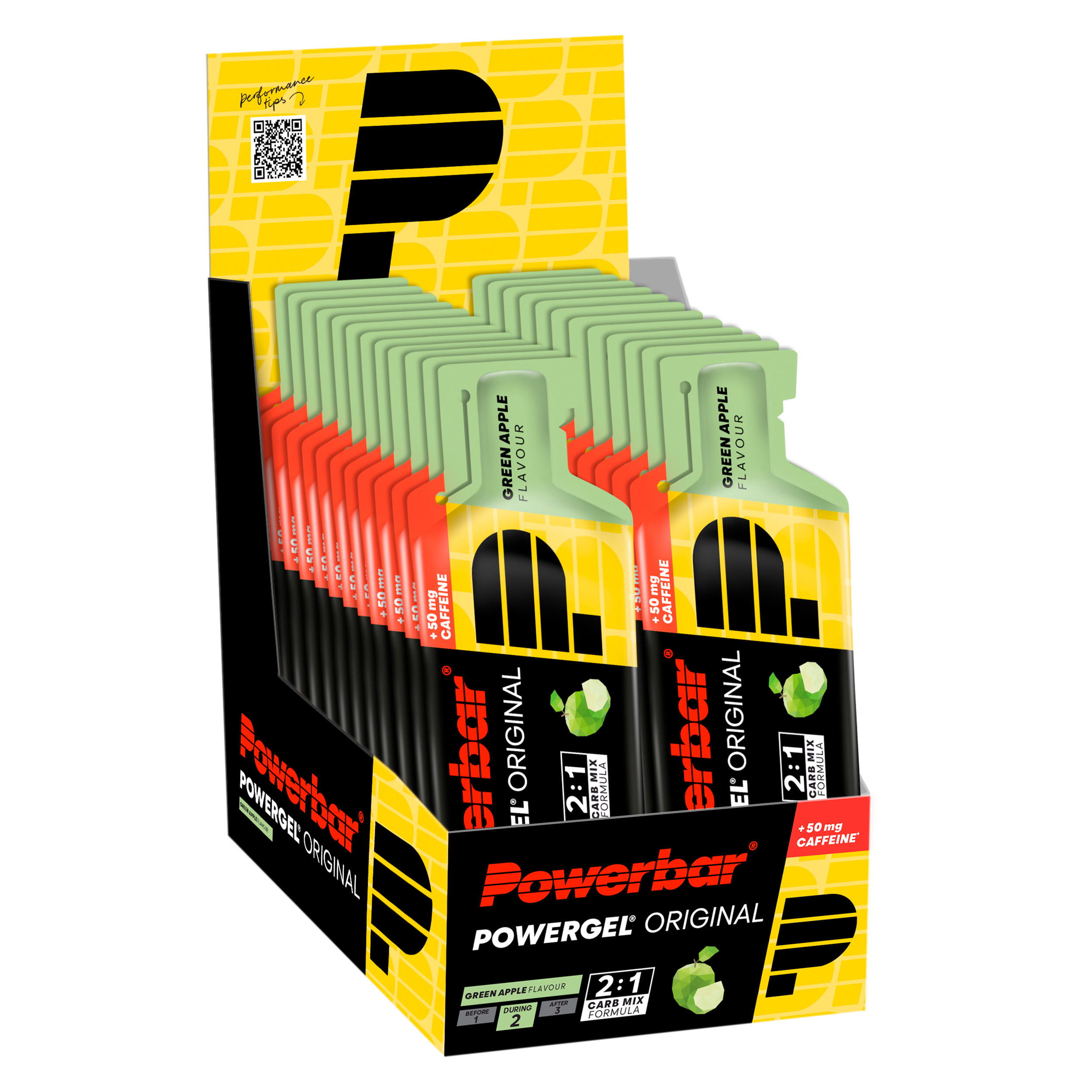
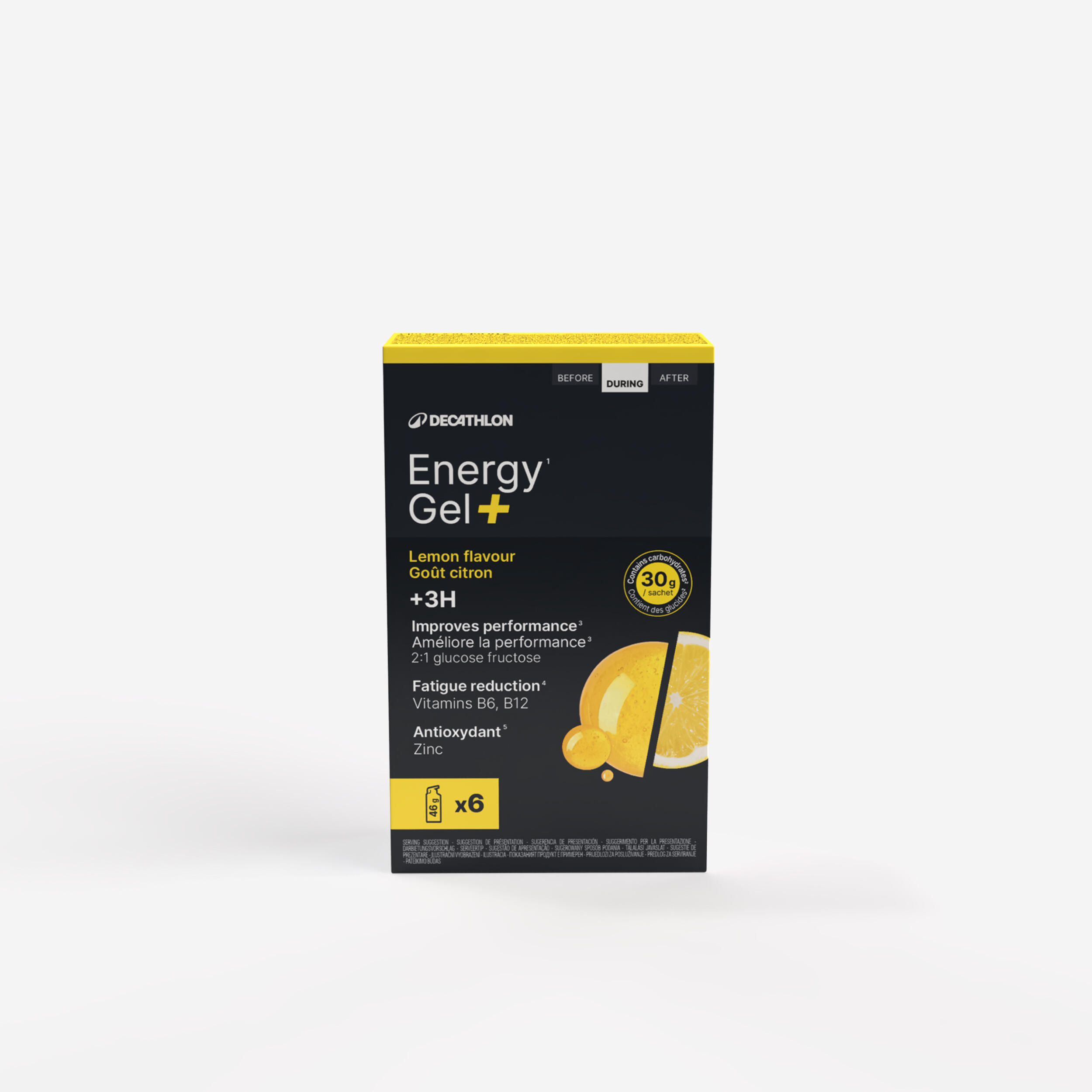
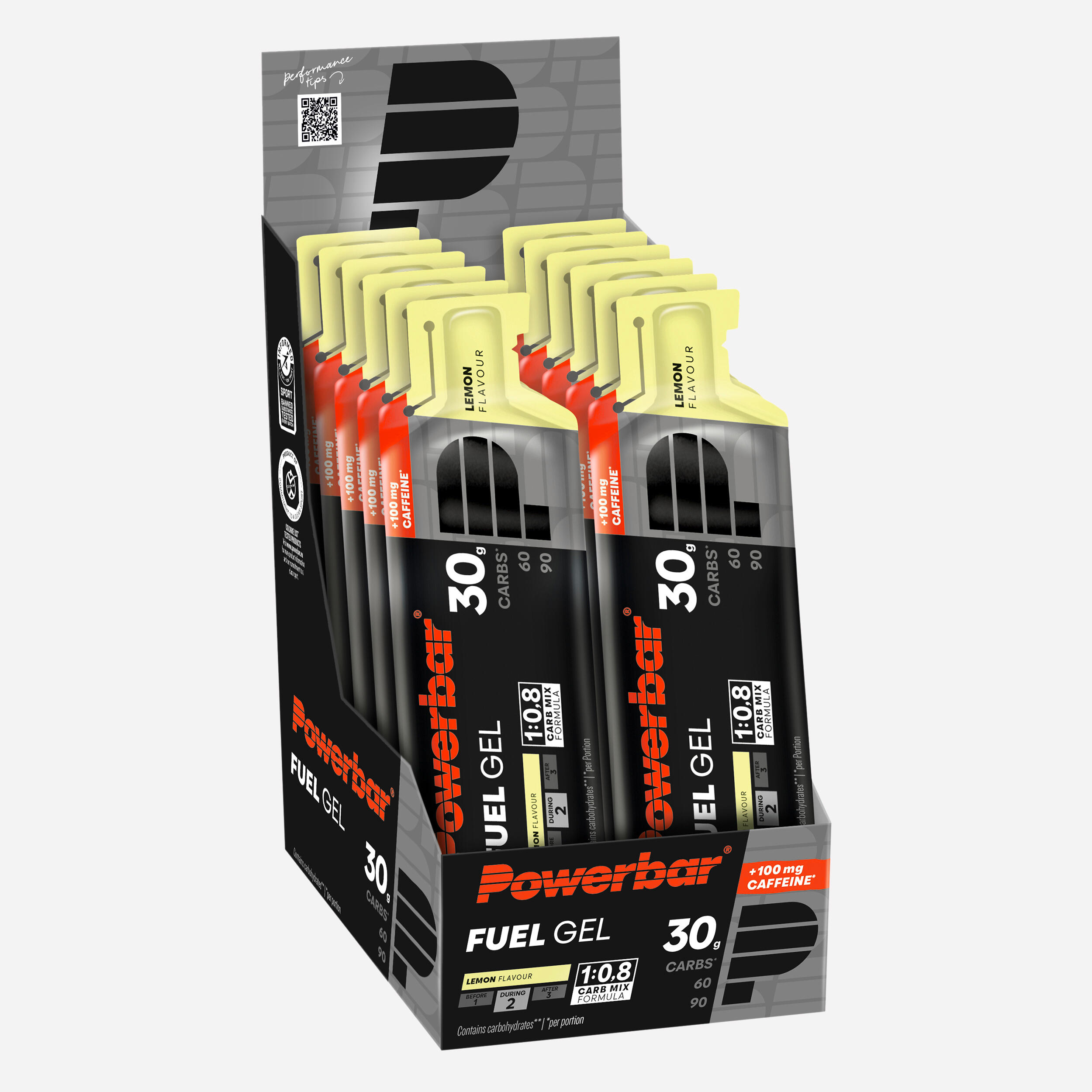
Most runners aim for around 60 to 90 grams of carbohydrate an hour, which usually works out at a gel every 30 to 45 minutes across the race. Start fuelling early, before you feel you need it, and take each gel with a little water so it absorbs cleanly. Rehearse the exact plan on your long runs so nothing surprises you. Aptonia's own hydro gel energy gel goes down smoothly when you are deep into the miles.

Can chews be used for marathon fuelling?

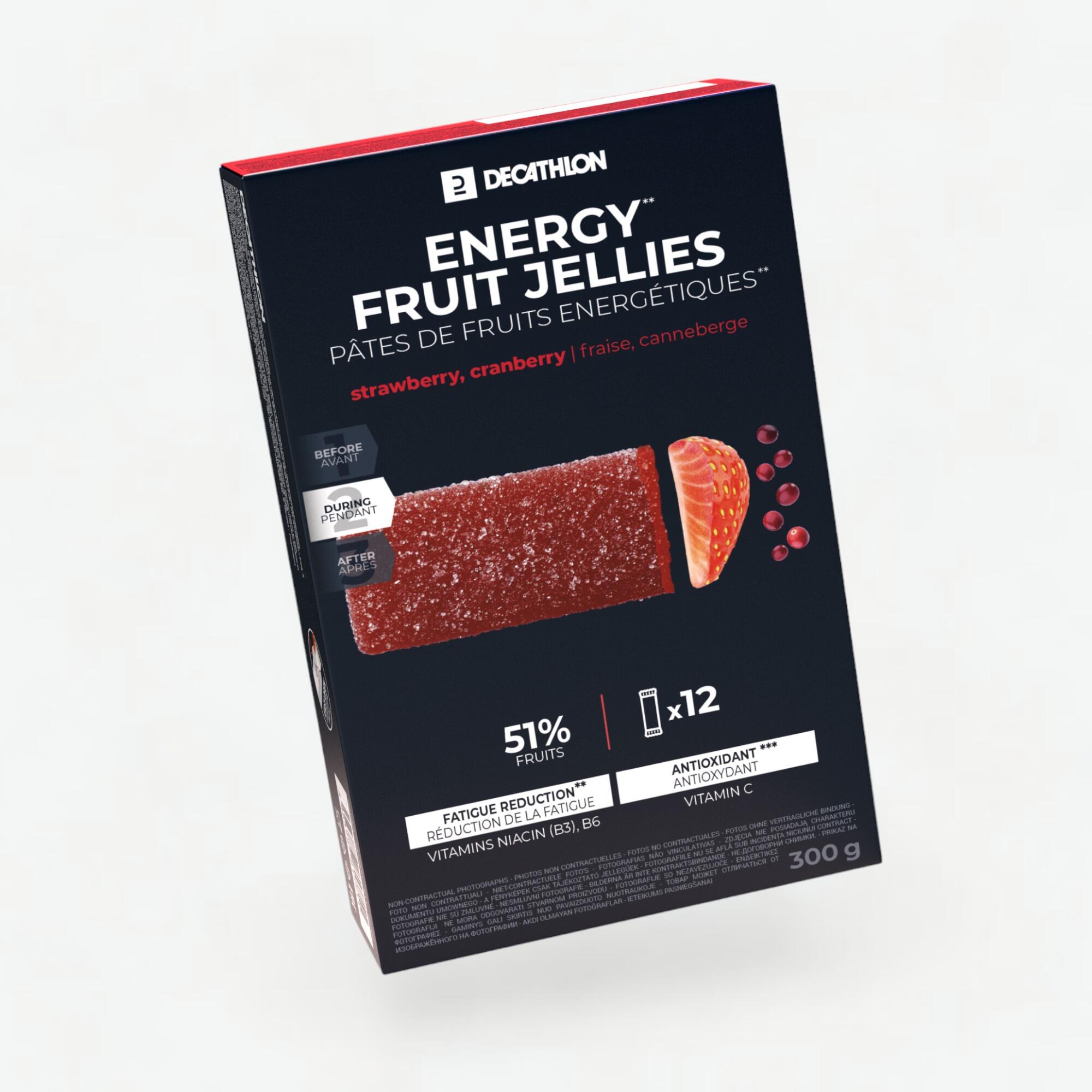
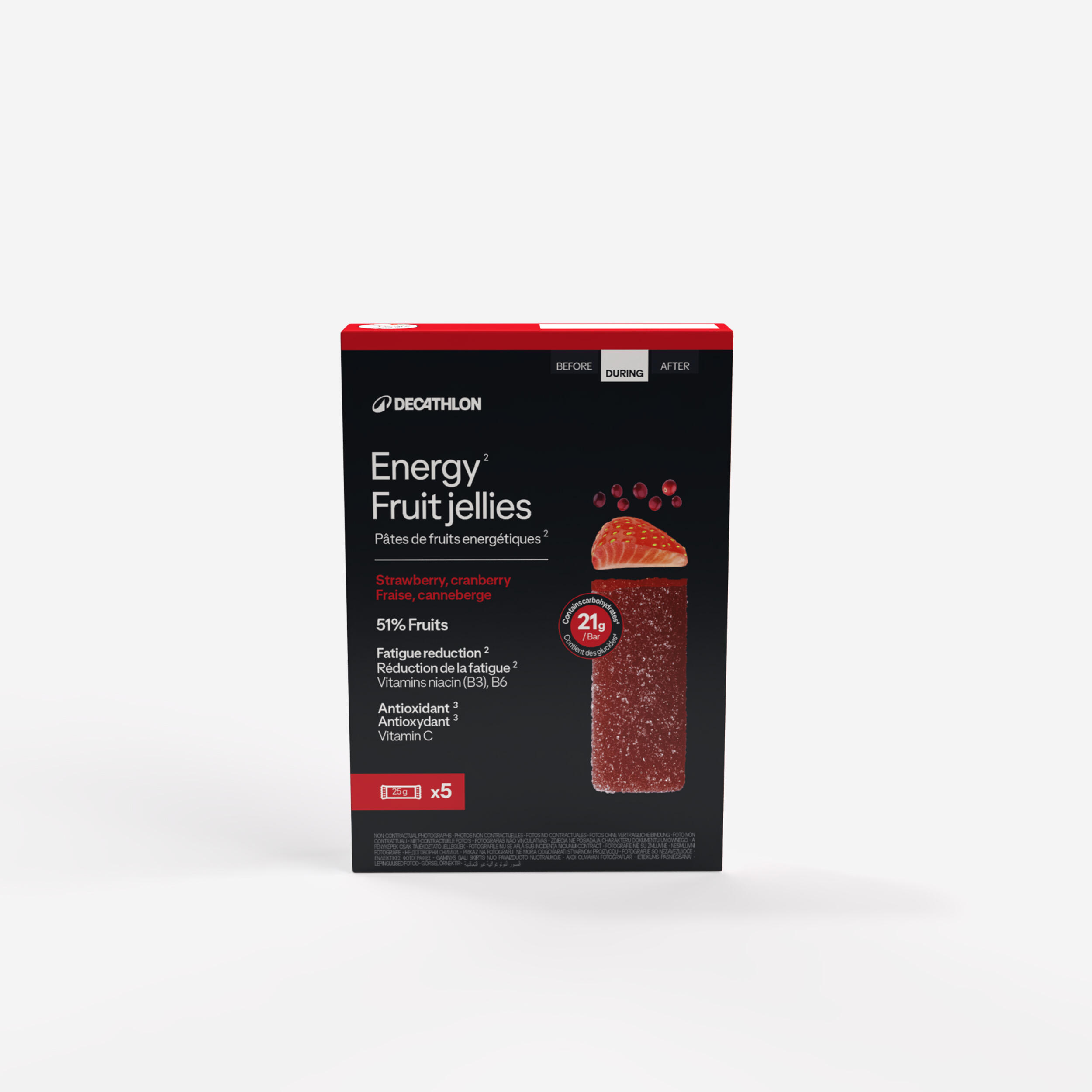
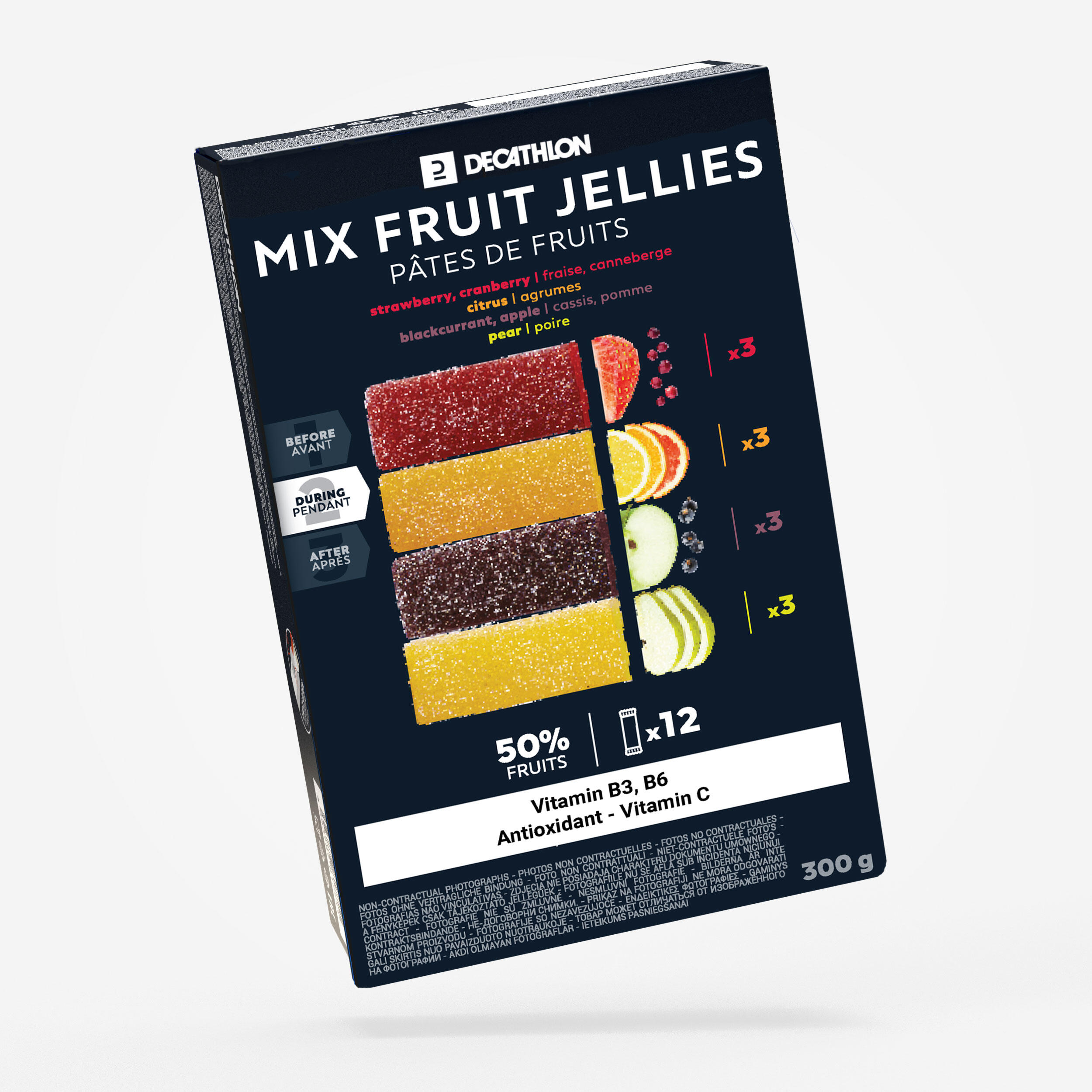
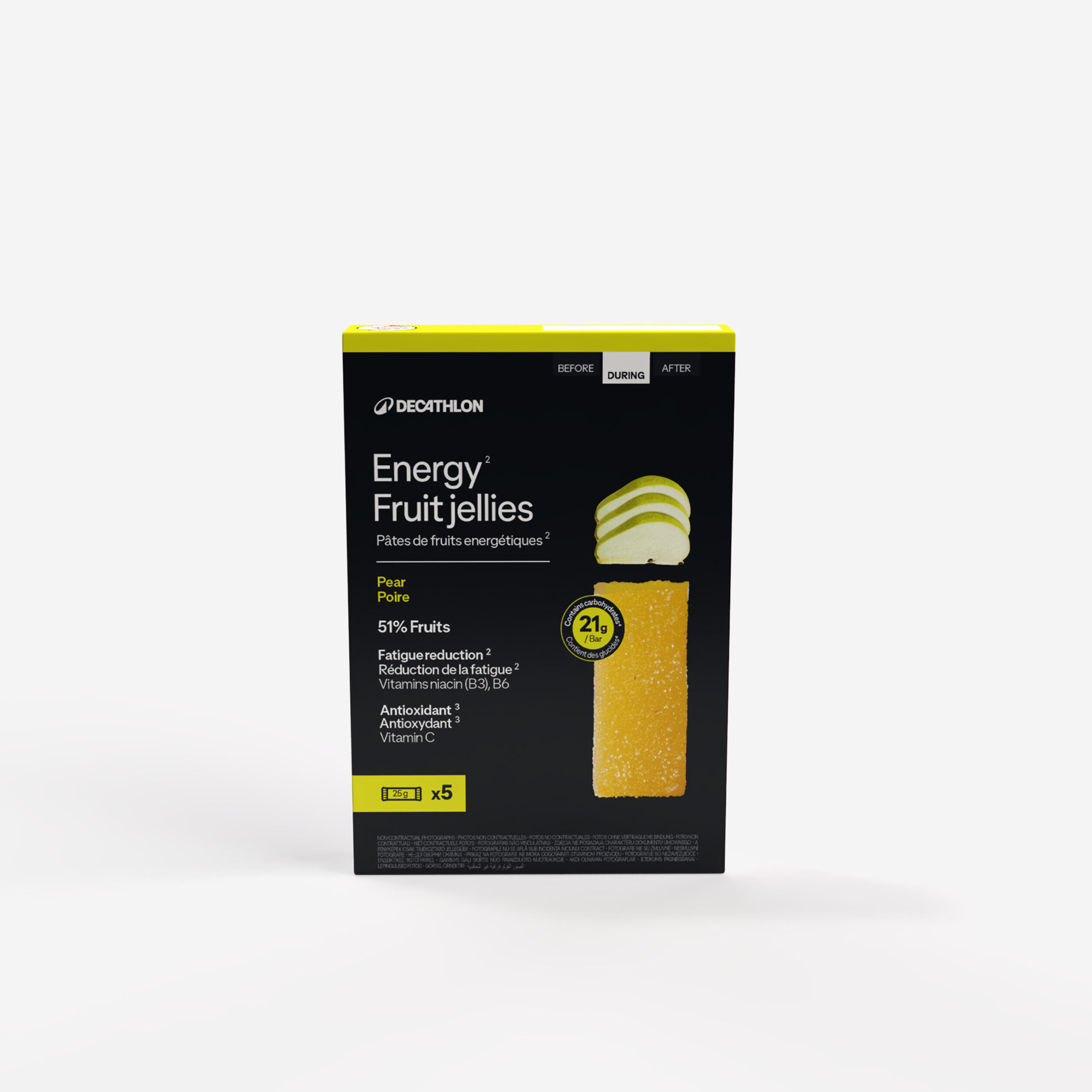
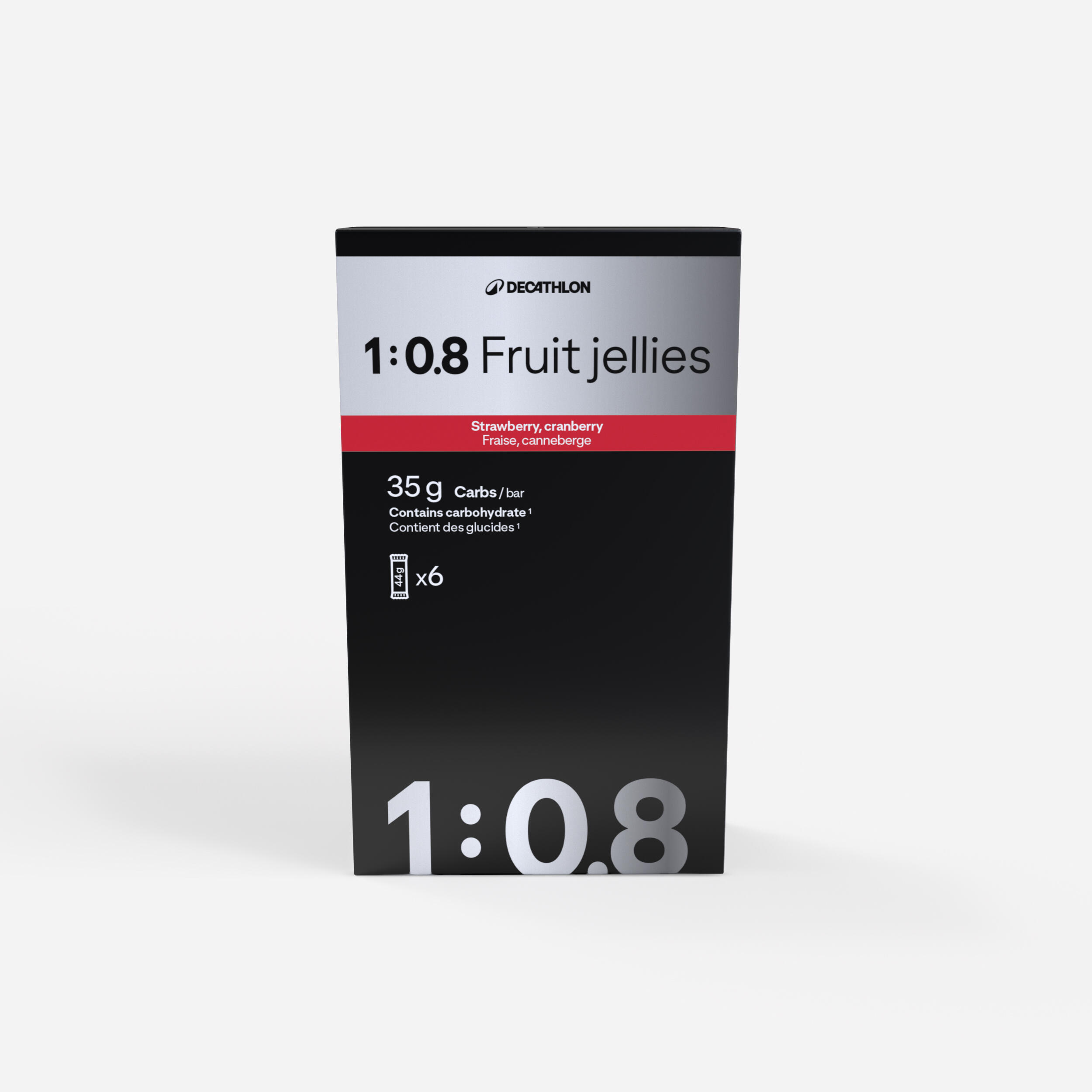
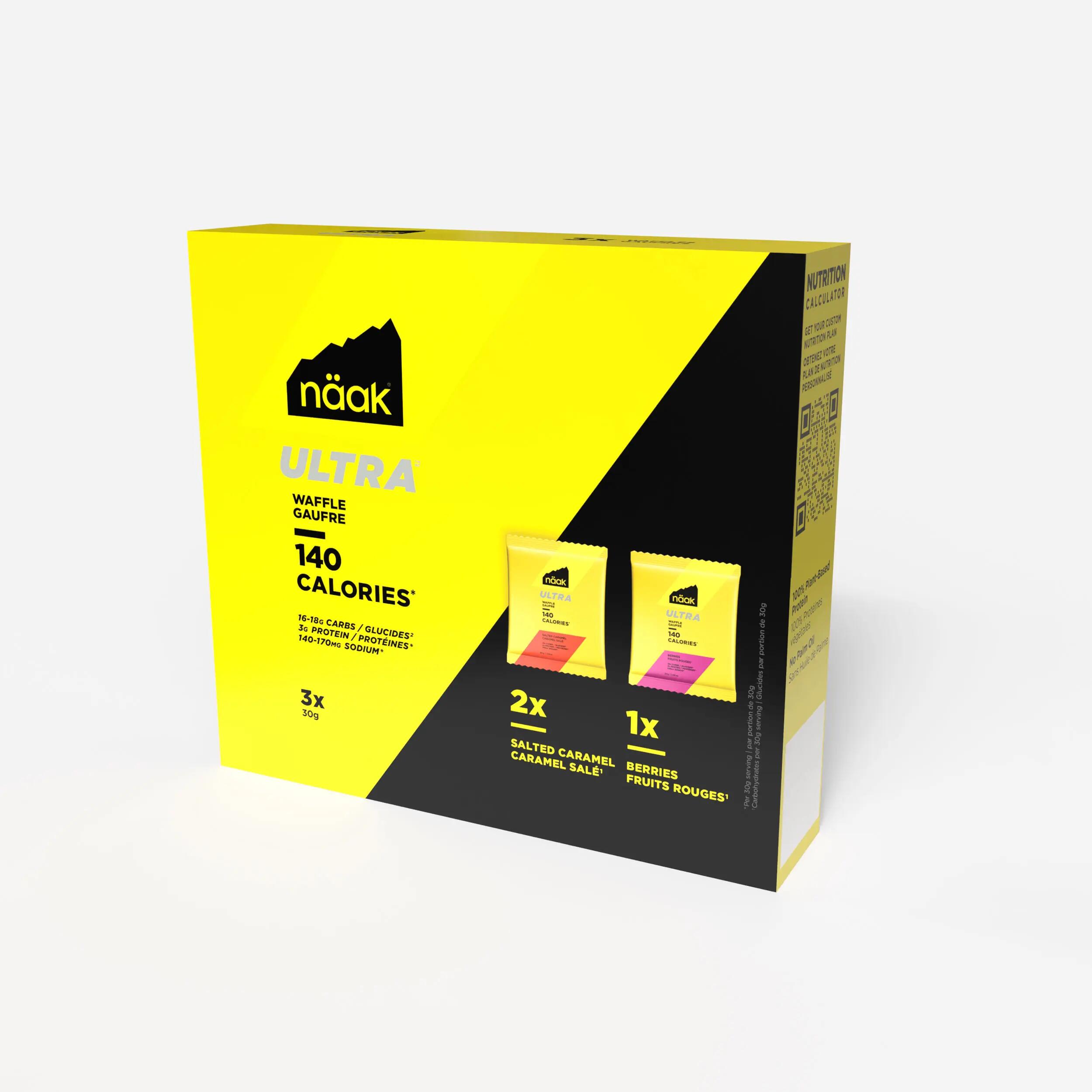
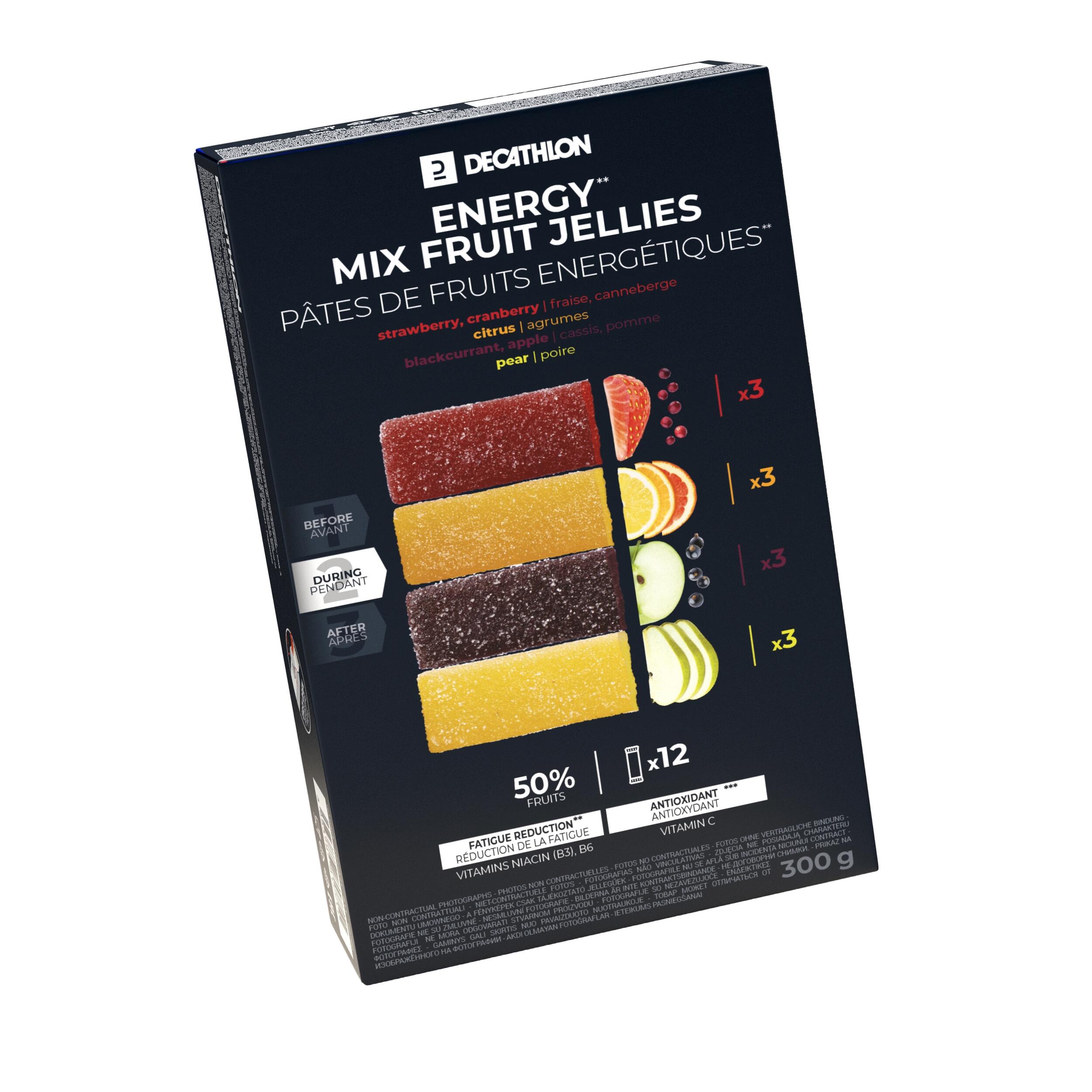
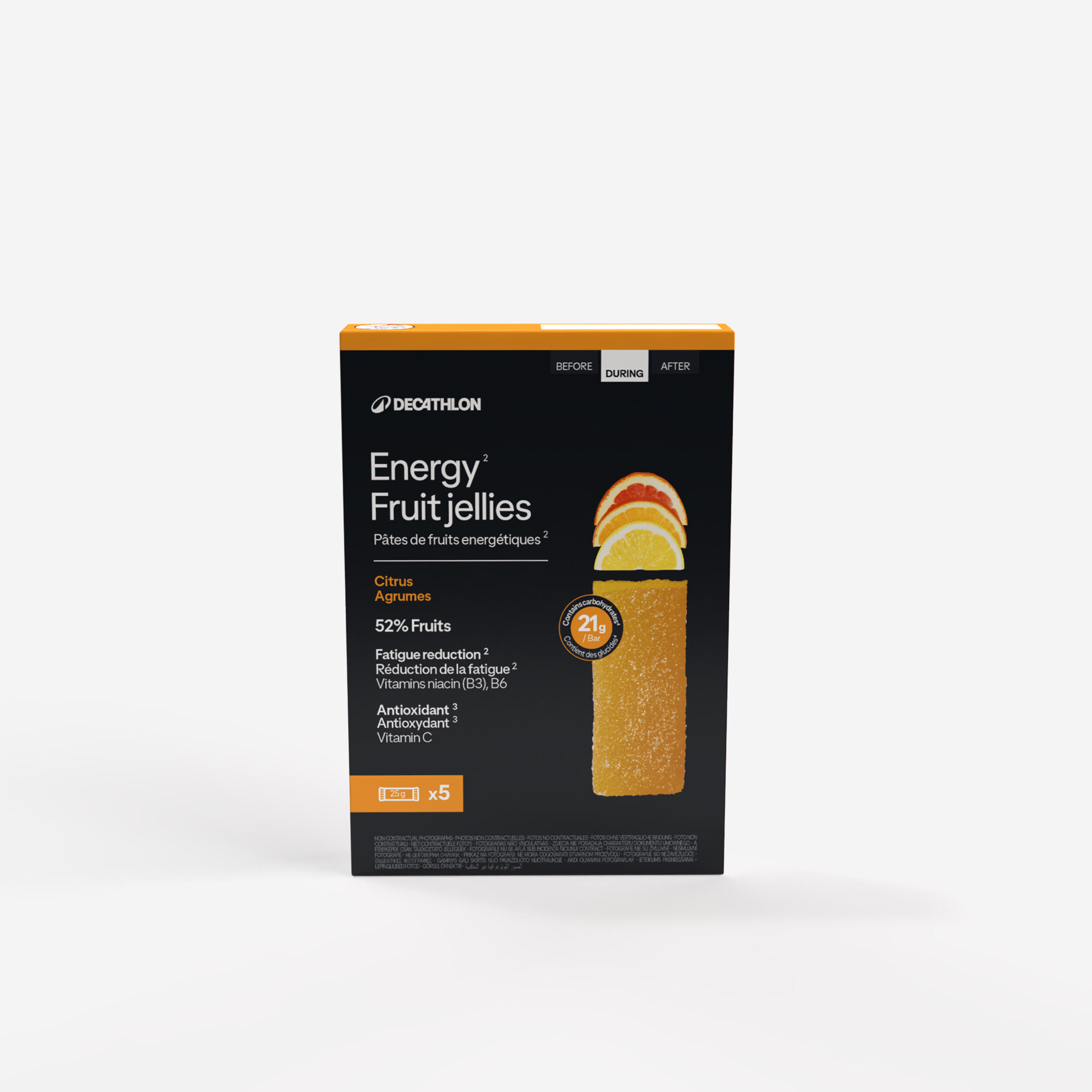
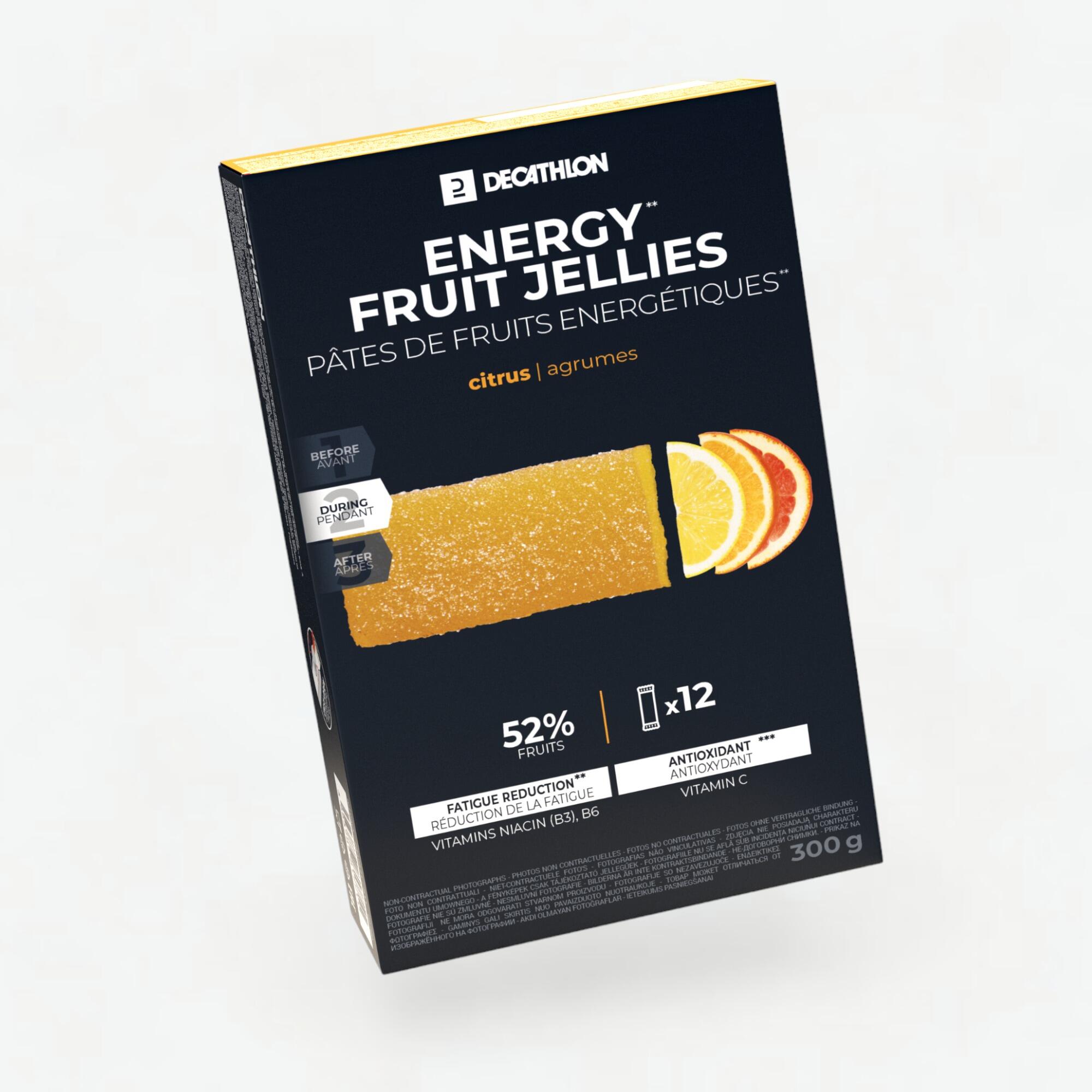
Yes, and many marathoners mix chews and gels so the taste and texture do not become a chore over several hours. Chews and jellies give the same fast carbohydrate in small pieces, which some stomachs handle better late in a race. Alternate them with water and stick to what you have trained on. Sharp and refreshing, a citrus energy fruit jelly lifts tired legs when a plain gel no longer appeals.

How does marathon nutrition support hydration during the race?

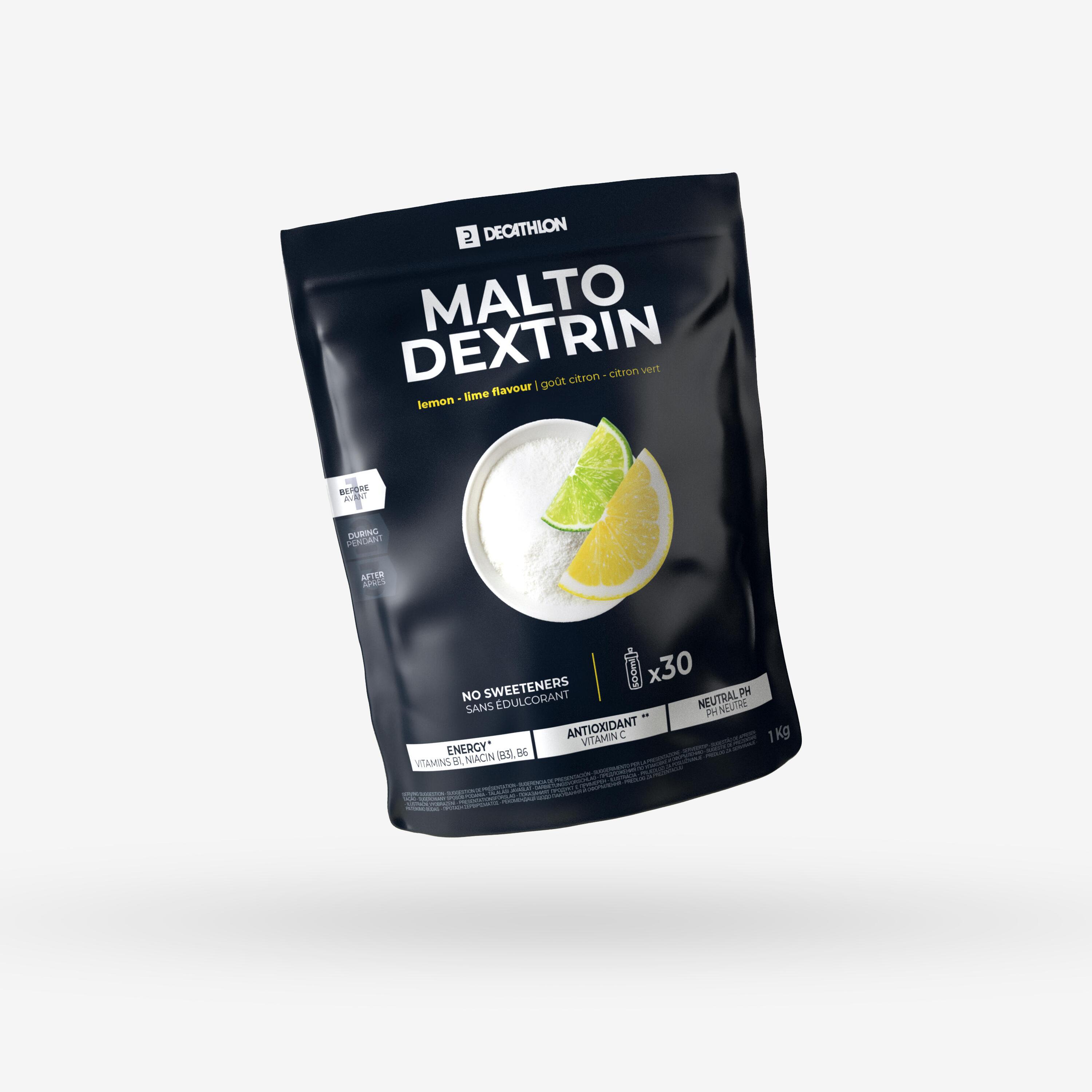
Marathon nutrition and hydration should work together from the start, not only when you feel tired or thirsty. Take small amounts of fluid often, and use electrolytes to replace salts lost through hours of sweating. Energy gels, chews or drinks can also help maintain fuel levels as the miles build. Practise your plan during long runs so your stomach is ready on race day. Electrolyte tabs, powders and drinks fill out the running nutrition & hydration range.
Why is marathon nutrition considered part of a race-day kit?

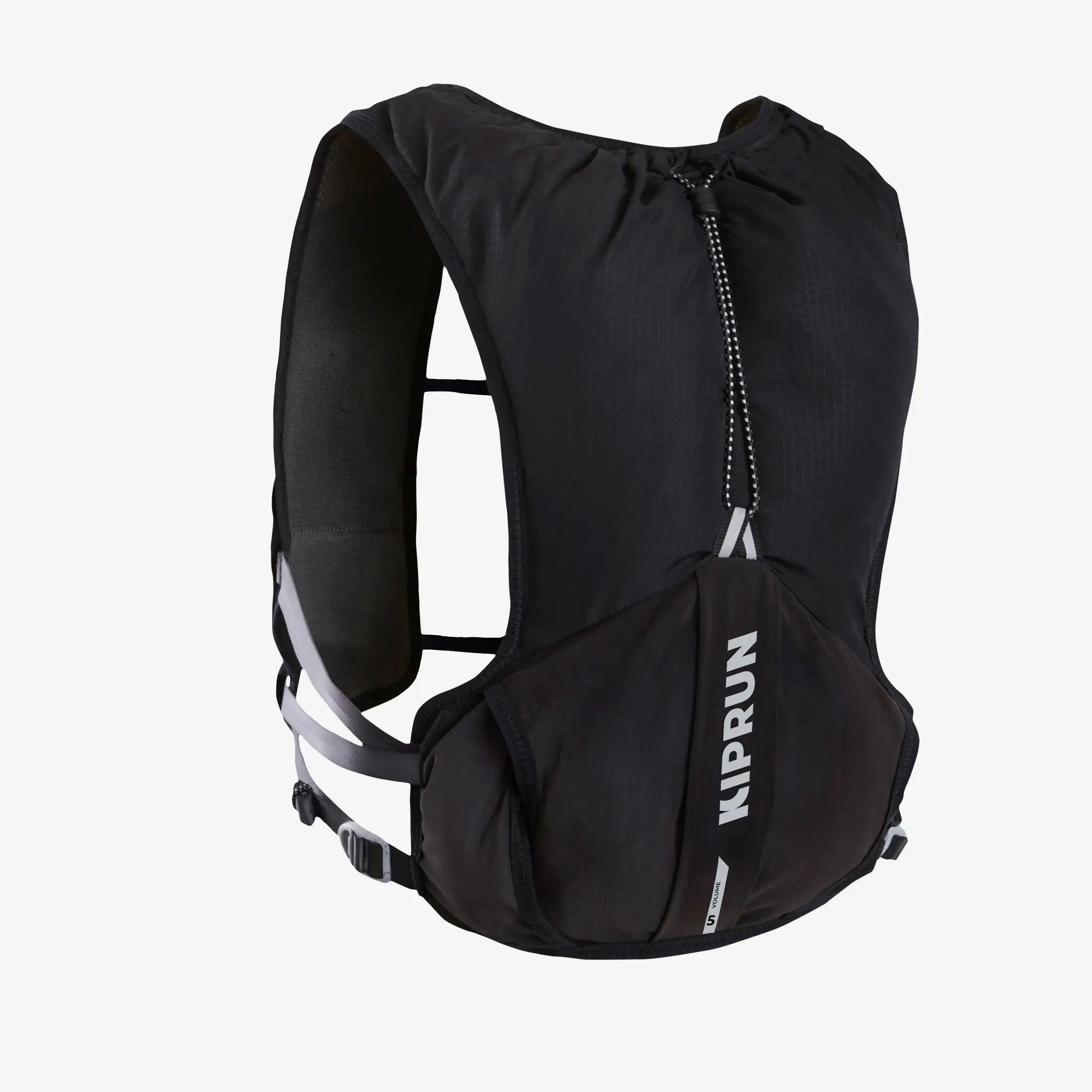
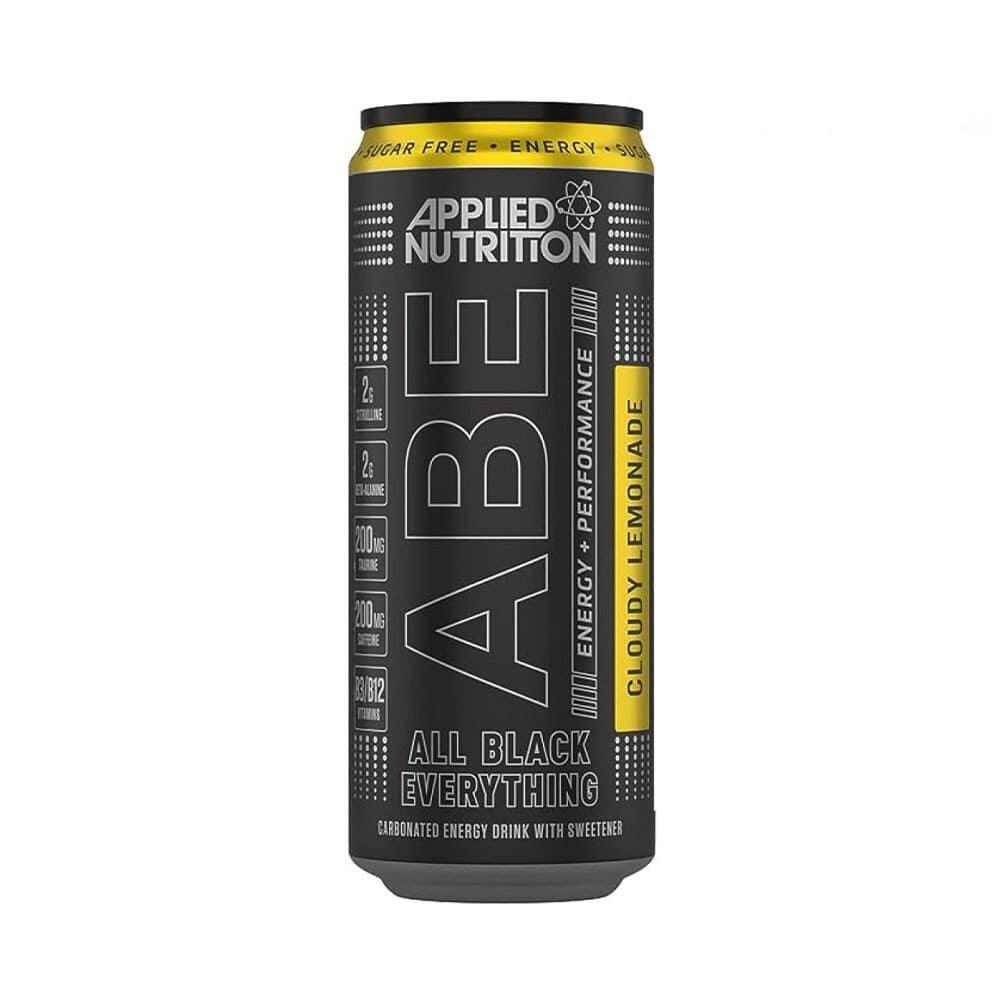
Marathon nutrition is easier to manage when your race-day accessories keep fuel close at hand. Gels, chews or energy drinks help support steady energy over 42 kilometres, while a vest or belt lets you carry them without breaking rhythm. A pace watch, tested outfit and weather layer also help you stay comfortable for hours. Save any experiments for training, never the start line. Hydration packs, belts and weather layers round out the marathon accessories range.