1,432 items
4.6/5 based on 947547 reviews collected online and in stores

Running a Marathon FAQs

How do you start training for a marathon?

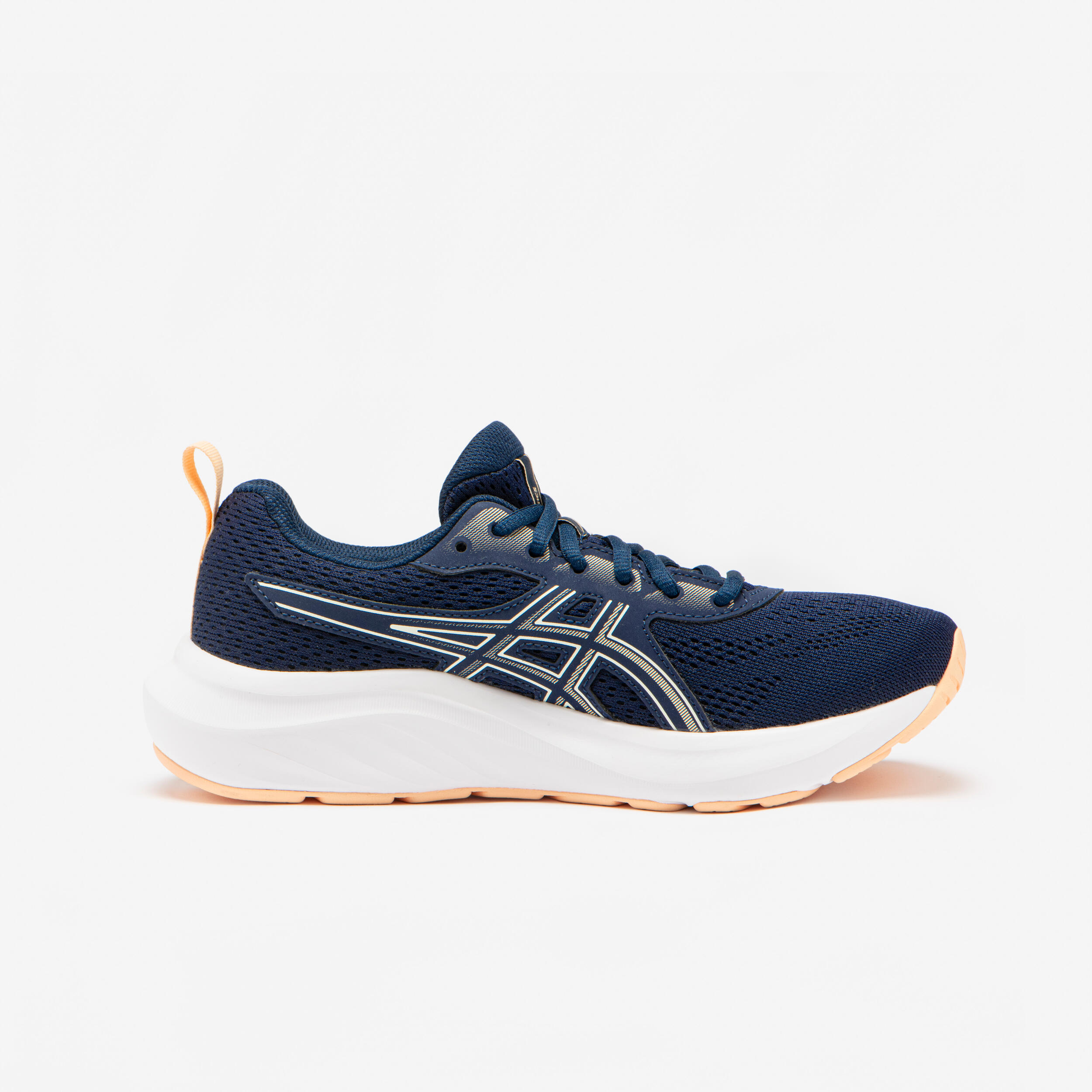
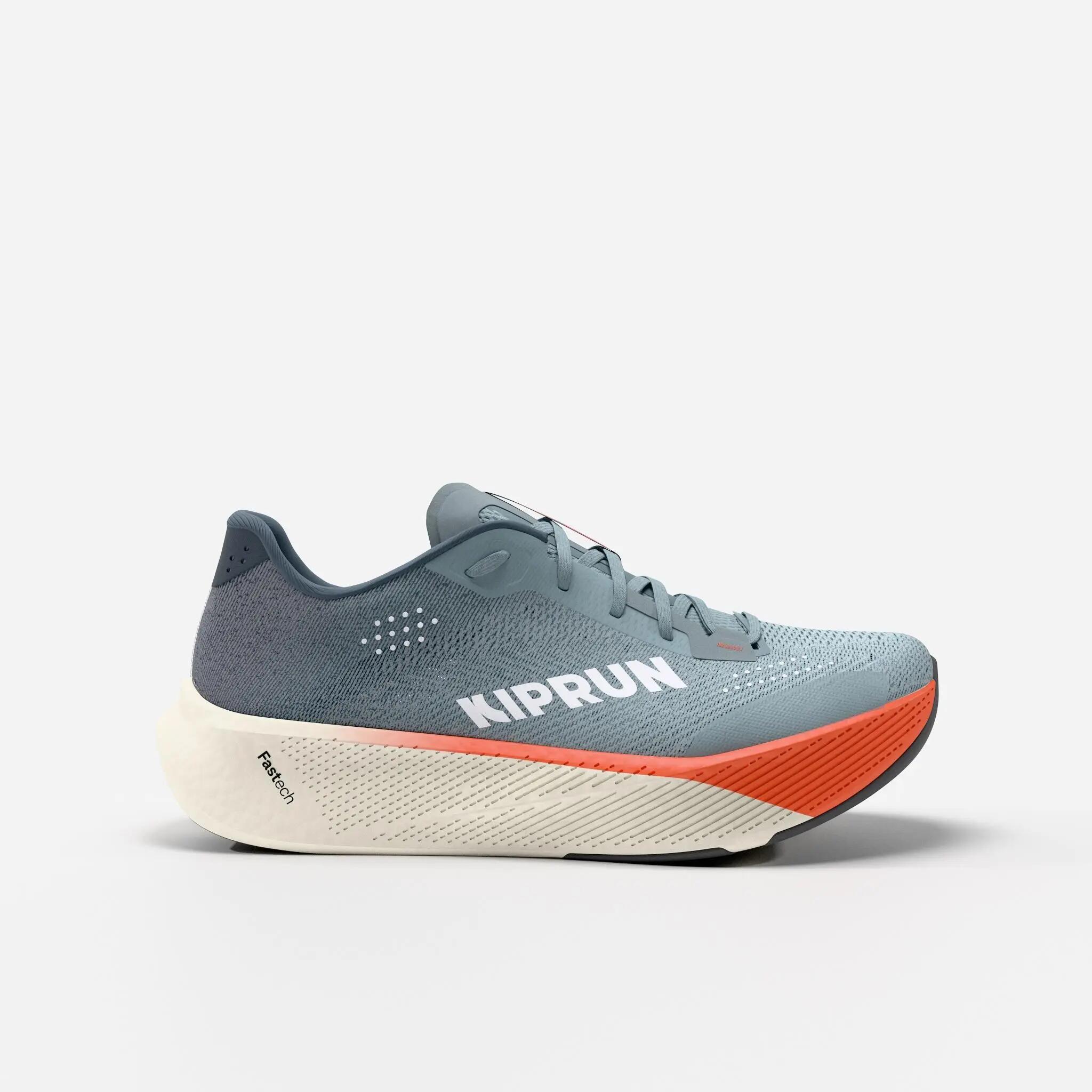
Give yourself a good few months and build your weekly mileage gradually, anchored by one longer run that slowly grows towards race distance. Mix in easy runs and the odd faster session, aim to run four or five times a week as the plan builds, and treat rest days as part of the plan rather than a luxury. A dependable, cushioned shoe underpins it all, and Kiprun's race-ready pairs anchor the marathon shoes range.
What should you eat when training for a marathon?

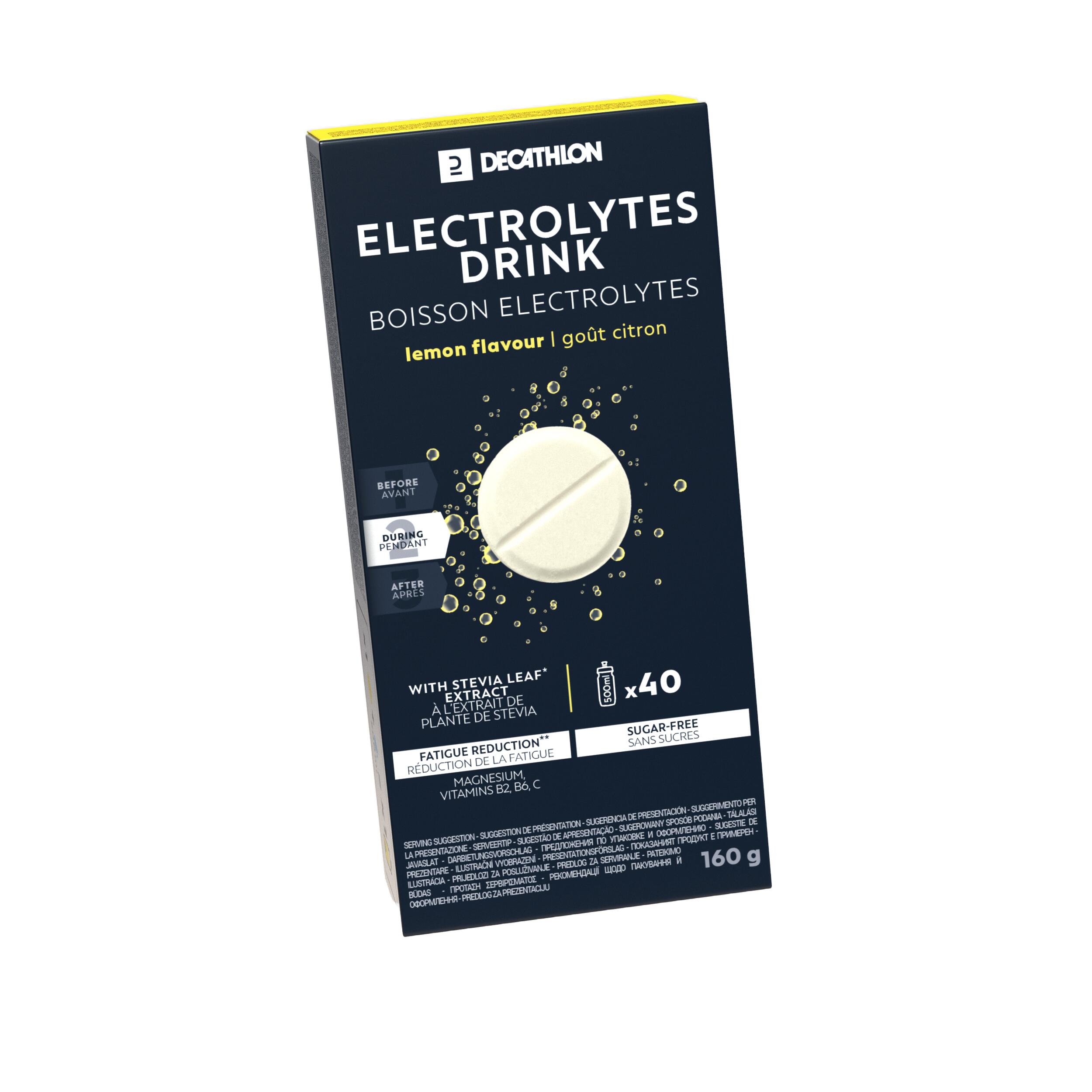
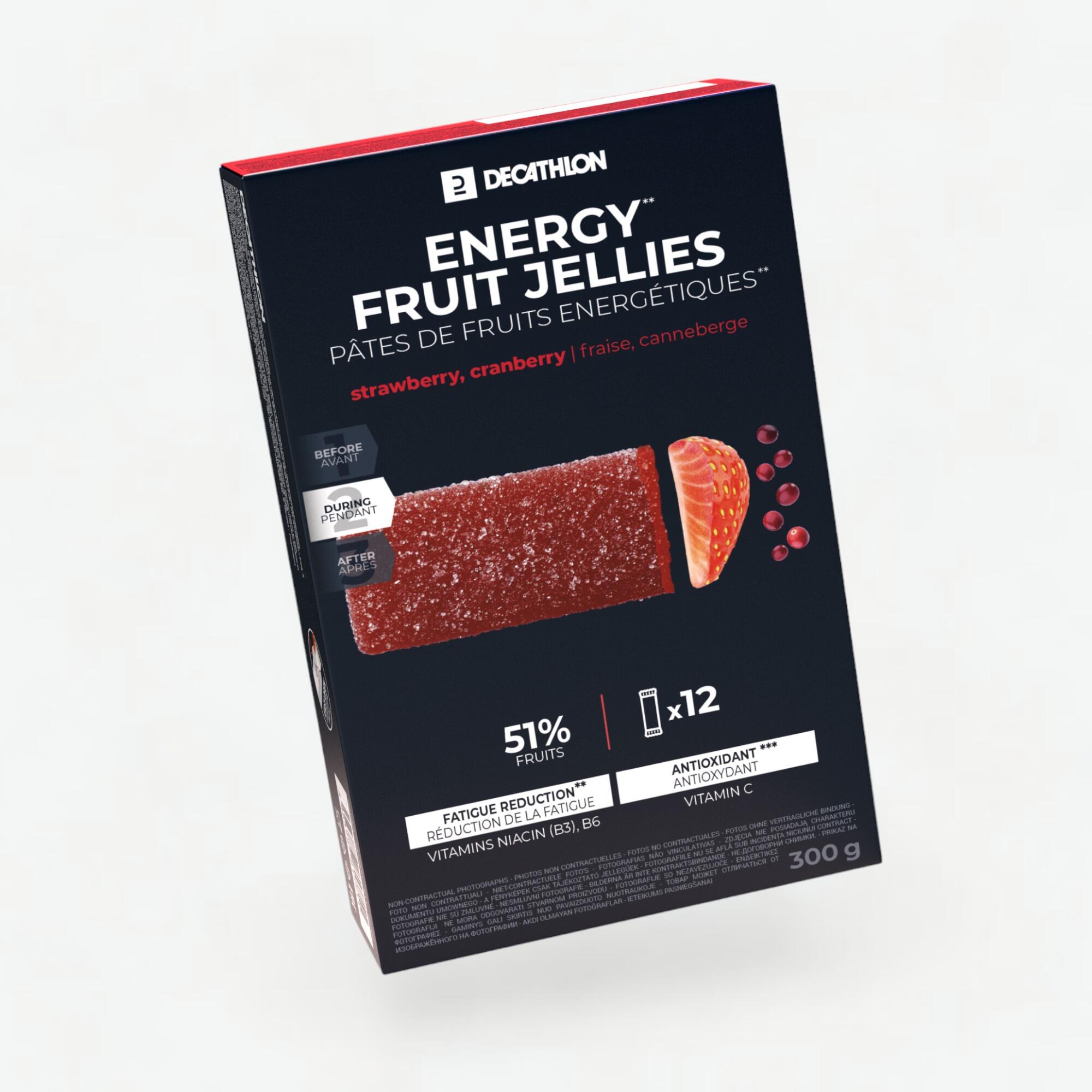
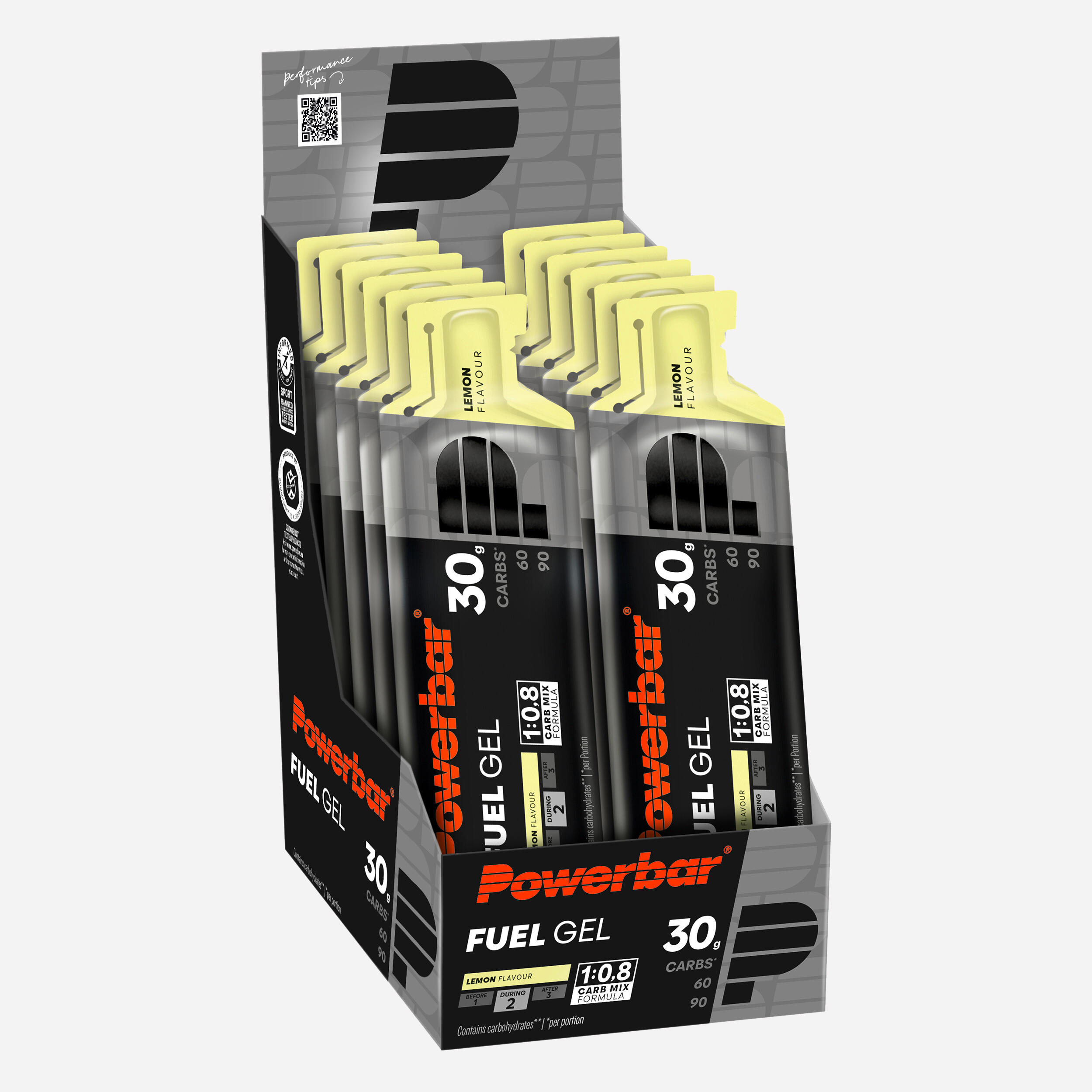
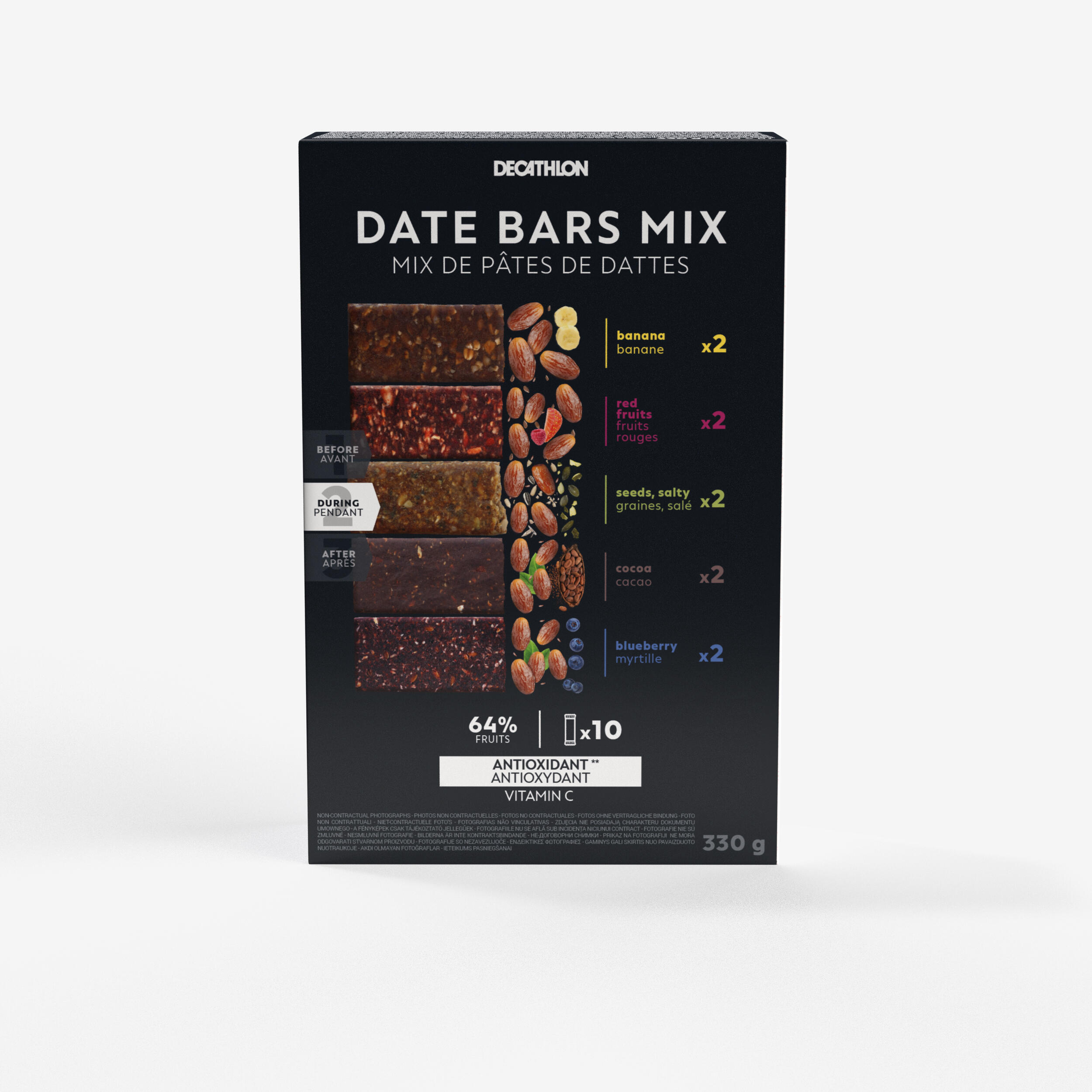
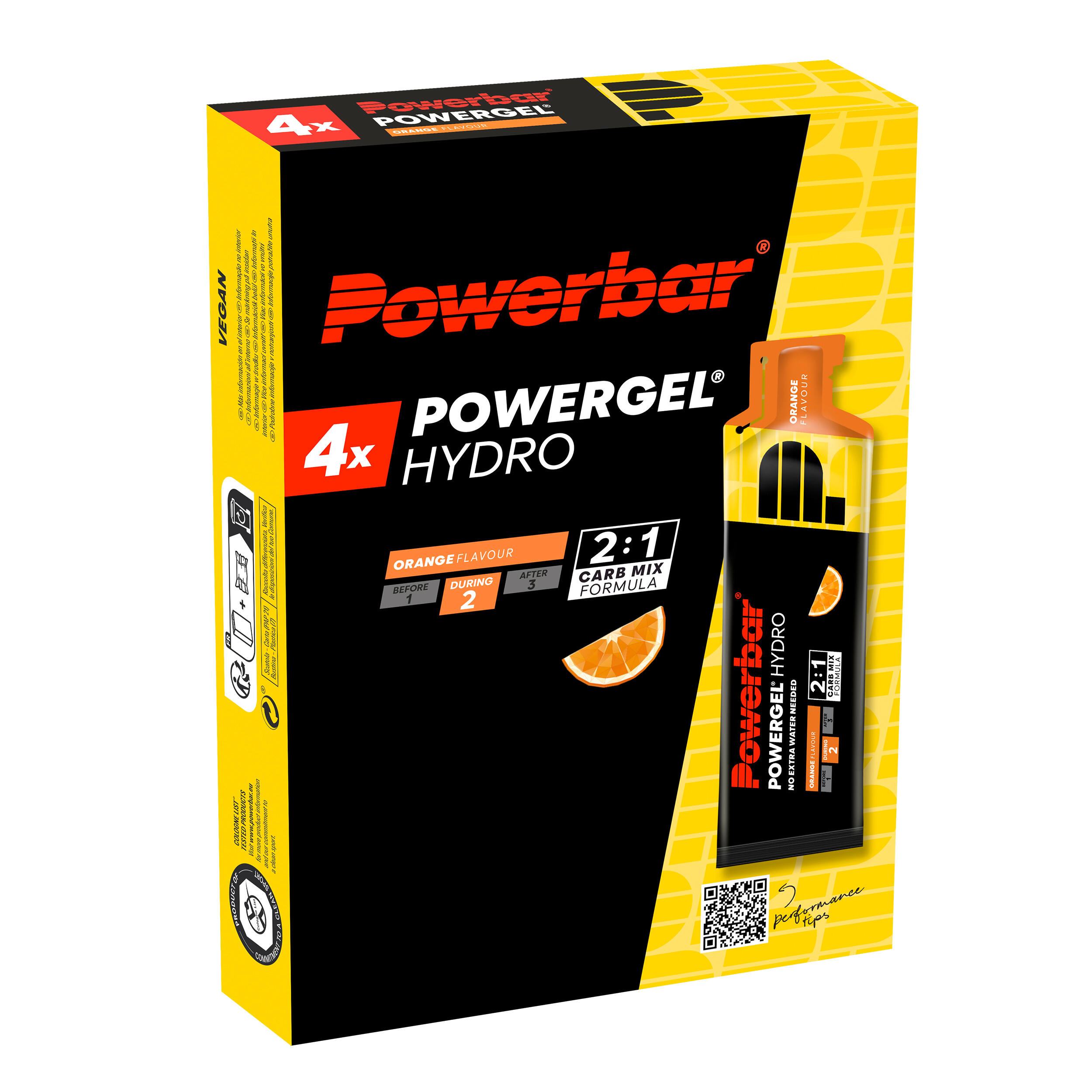
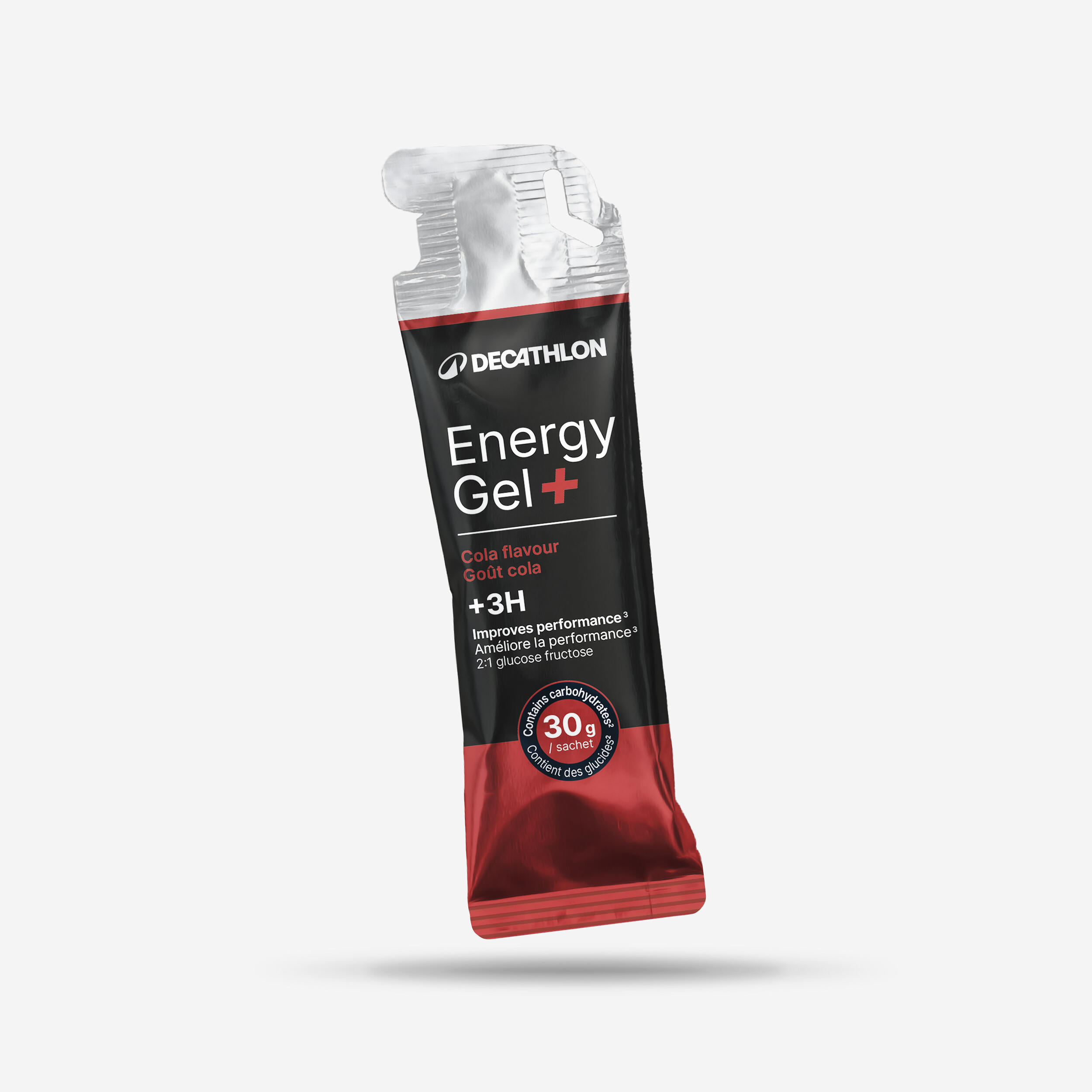
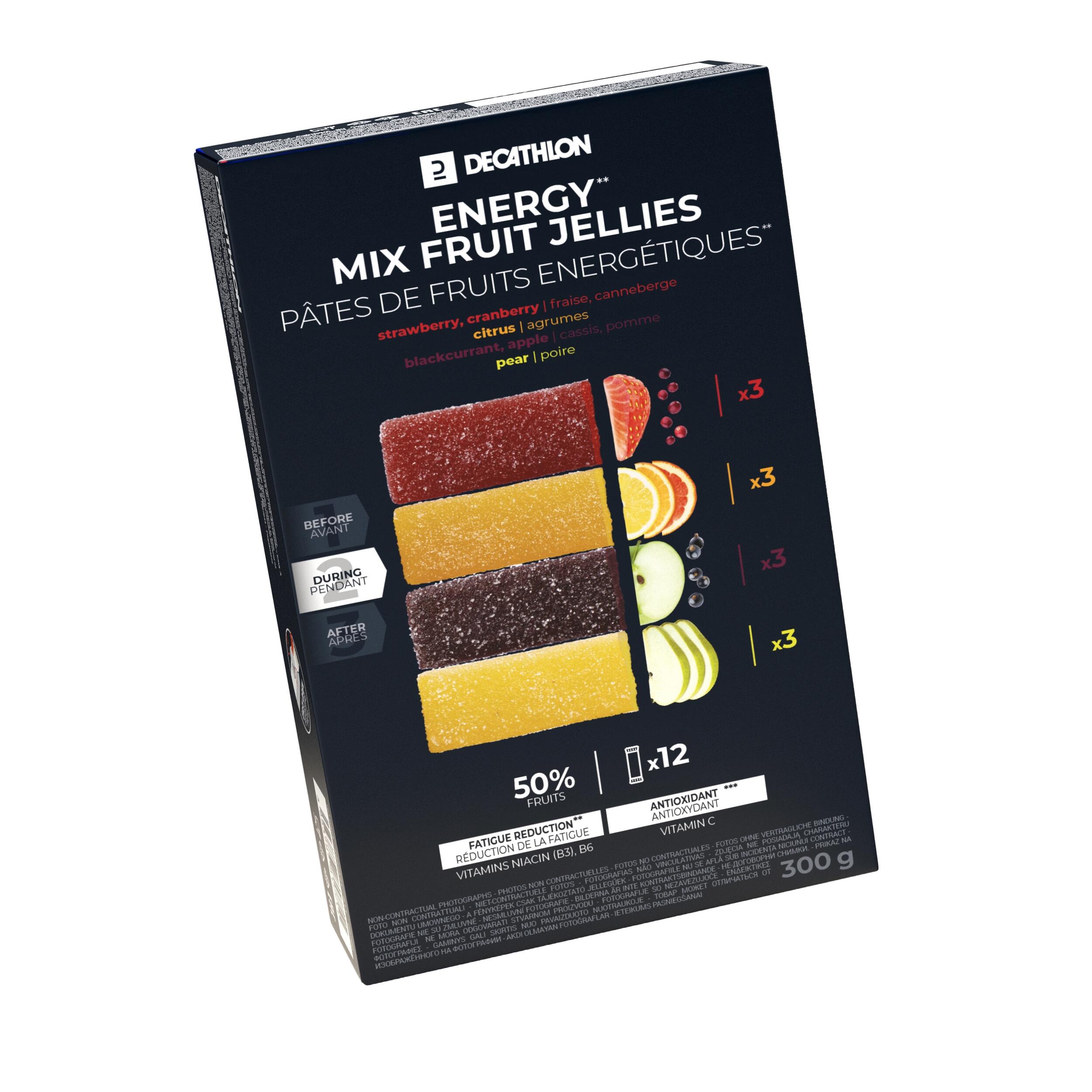
Fuel your everyday running with balanced meals, then practise race-day fuelling on your long runs so your stomach learns to take on carbohydrate while moving. In the final days, eat a little more carbohydrate to top up your stores, and remember that hydration and salts matter as much as carbohydrate on hot runs. Never try something new on race day. The marathon nutrition range holds the gels, chews and drinks to rehearse and rely on.
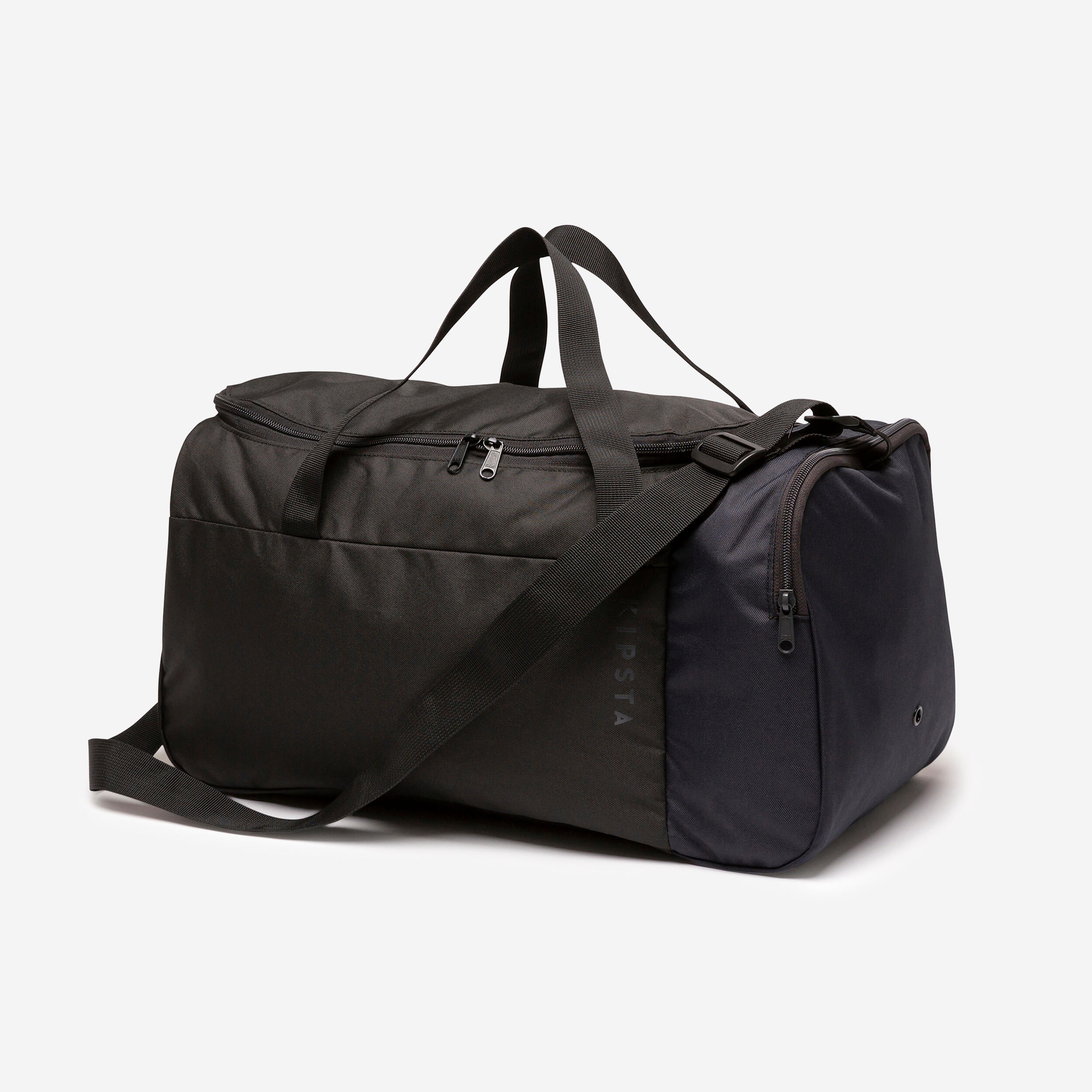
What should you wear to run a marathon?

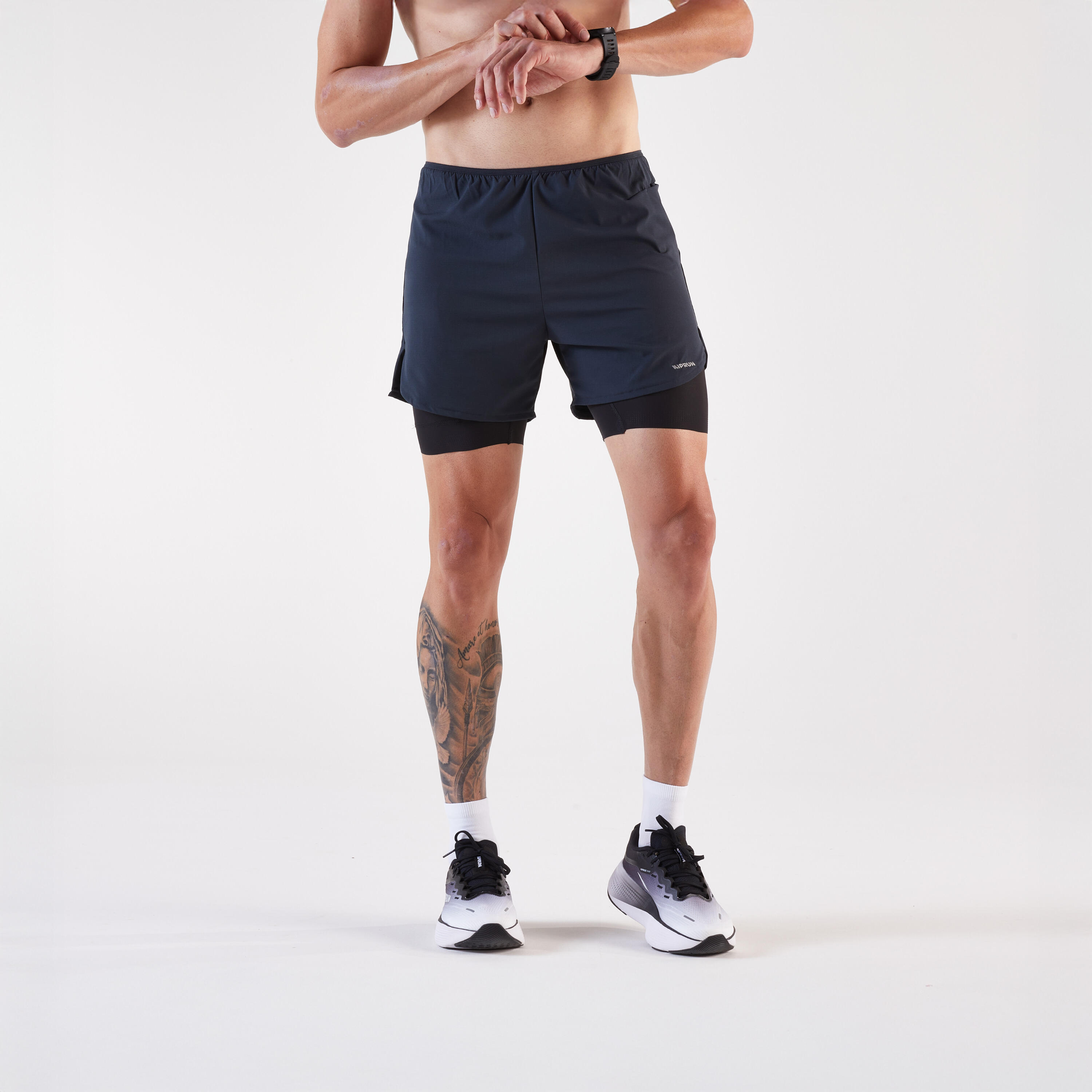
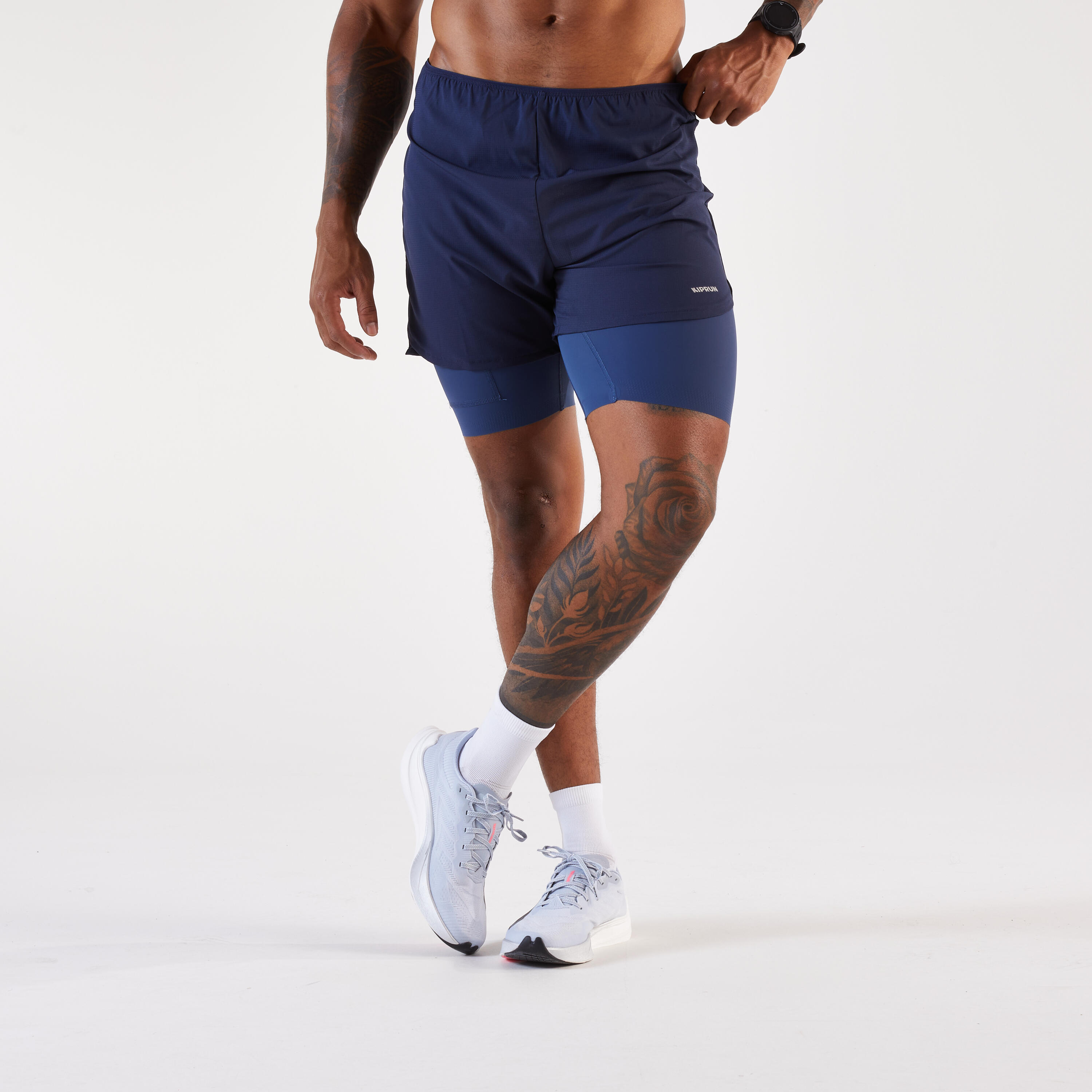
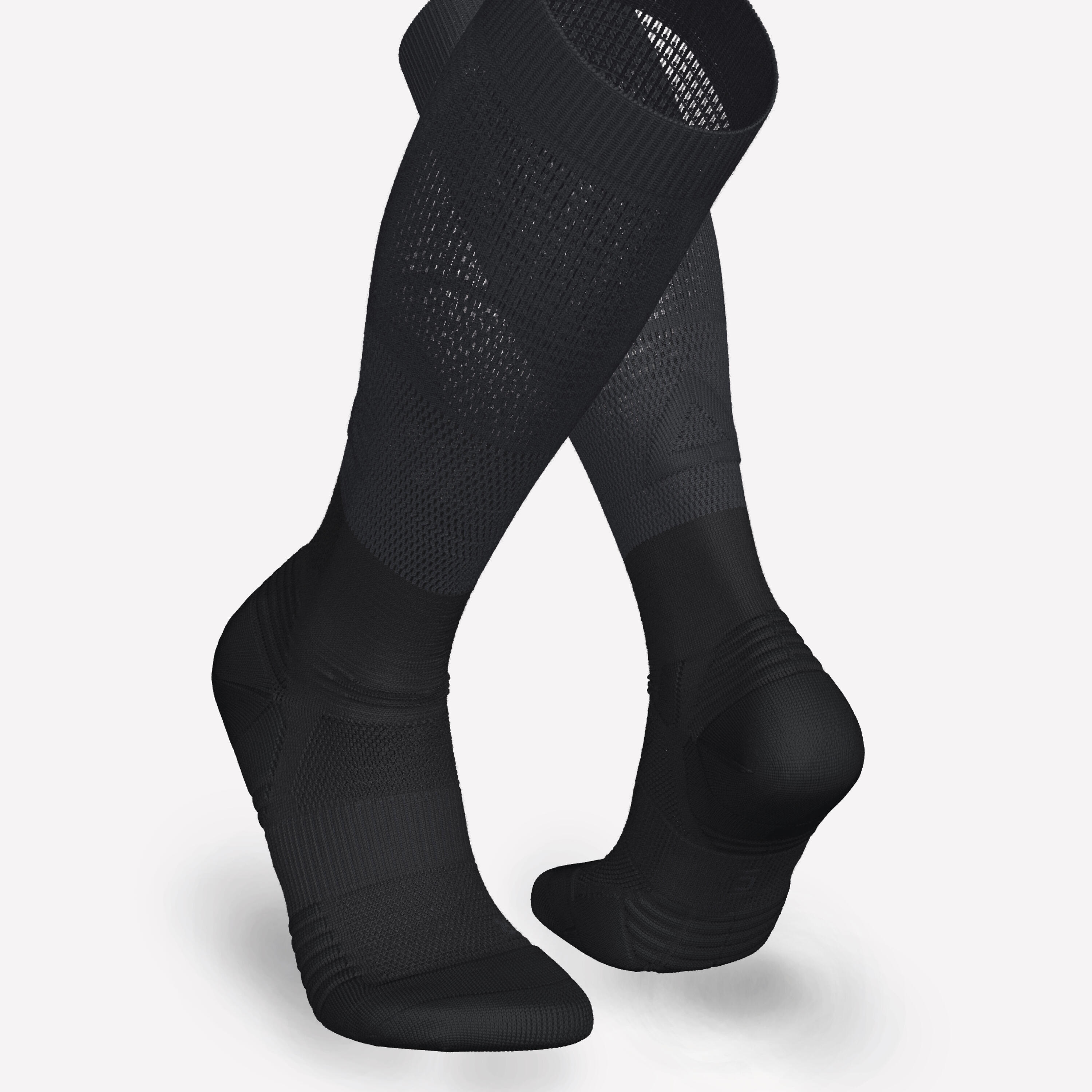
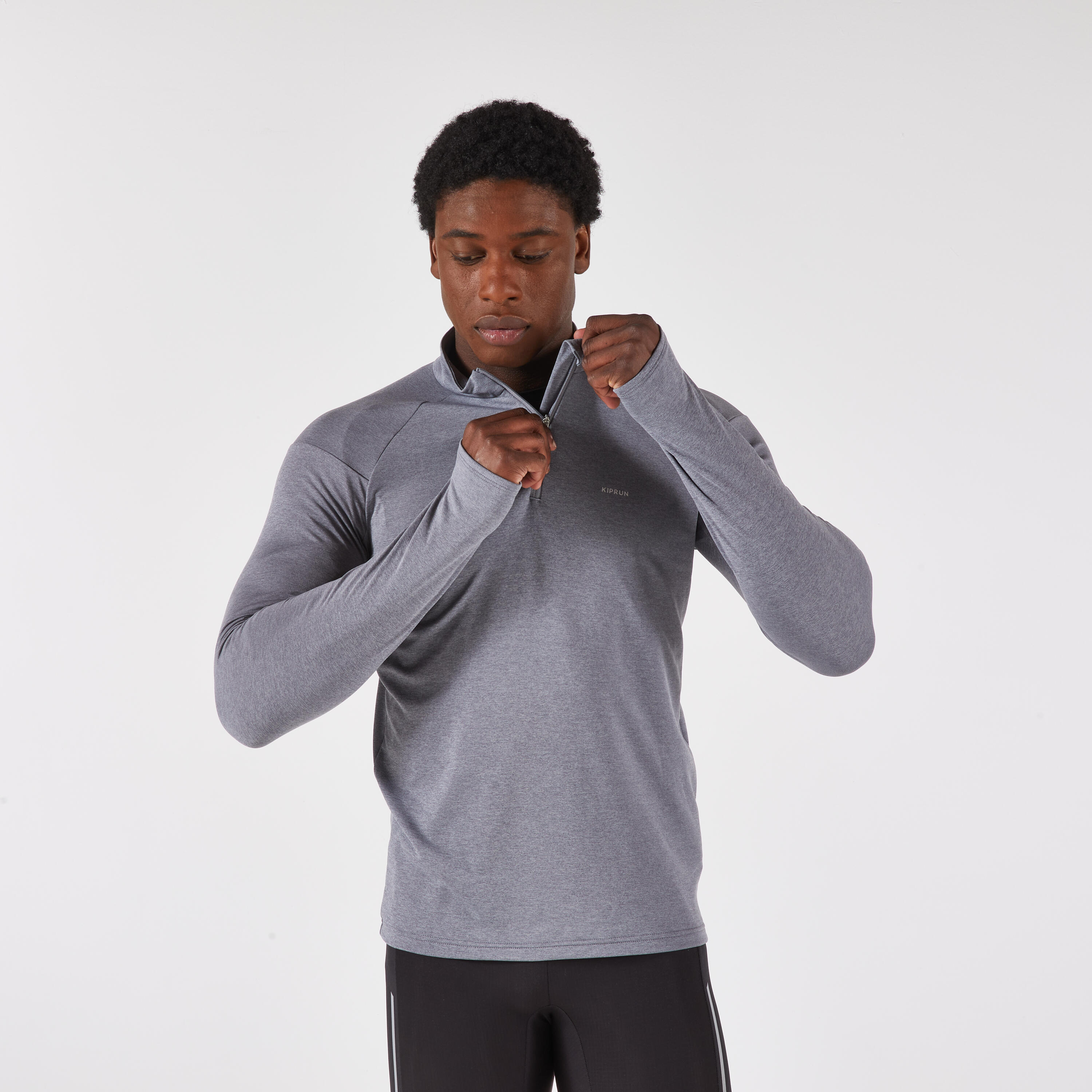
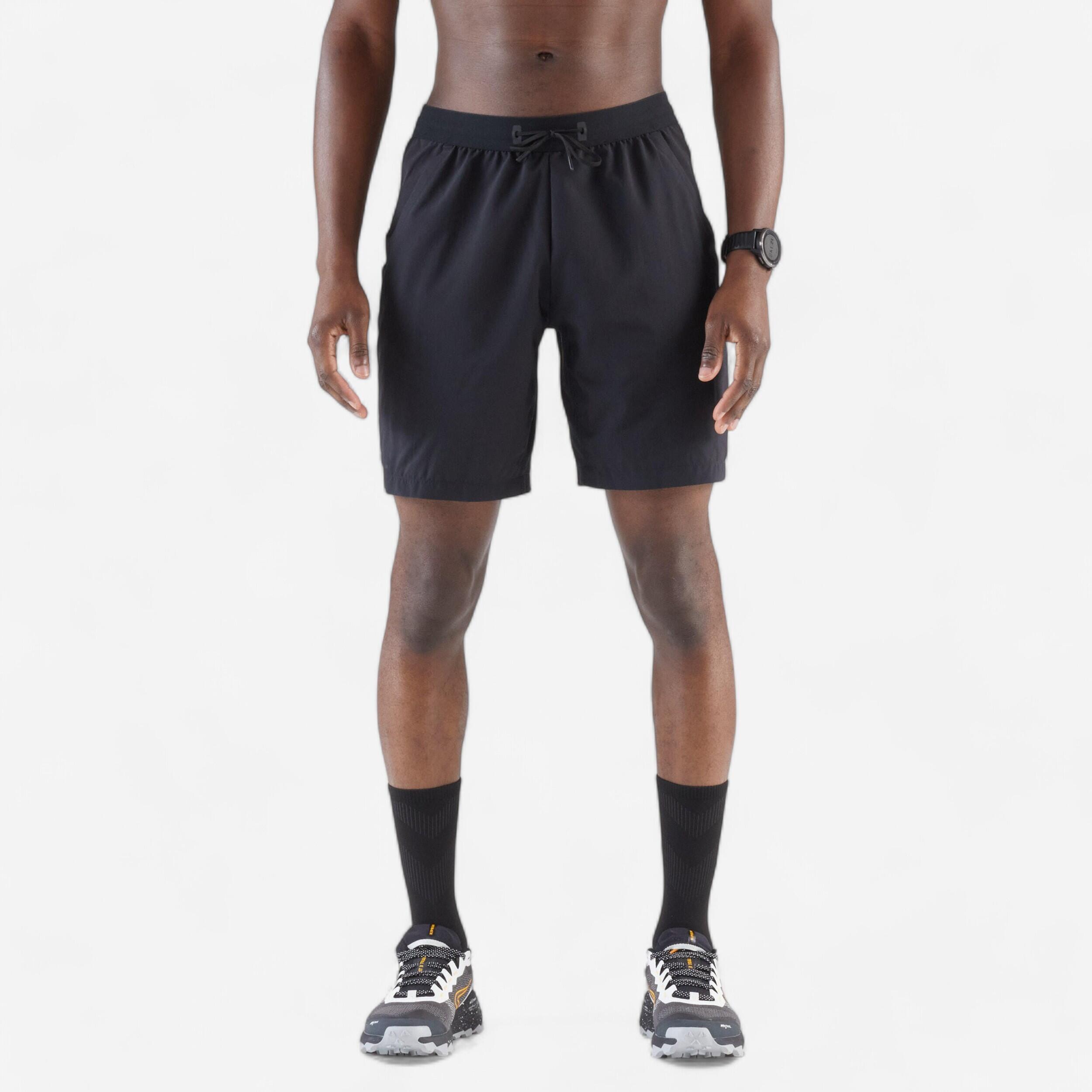
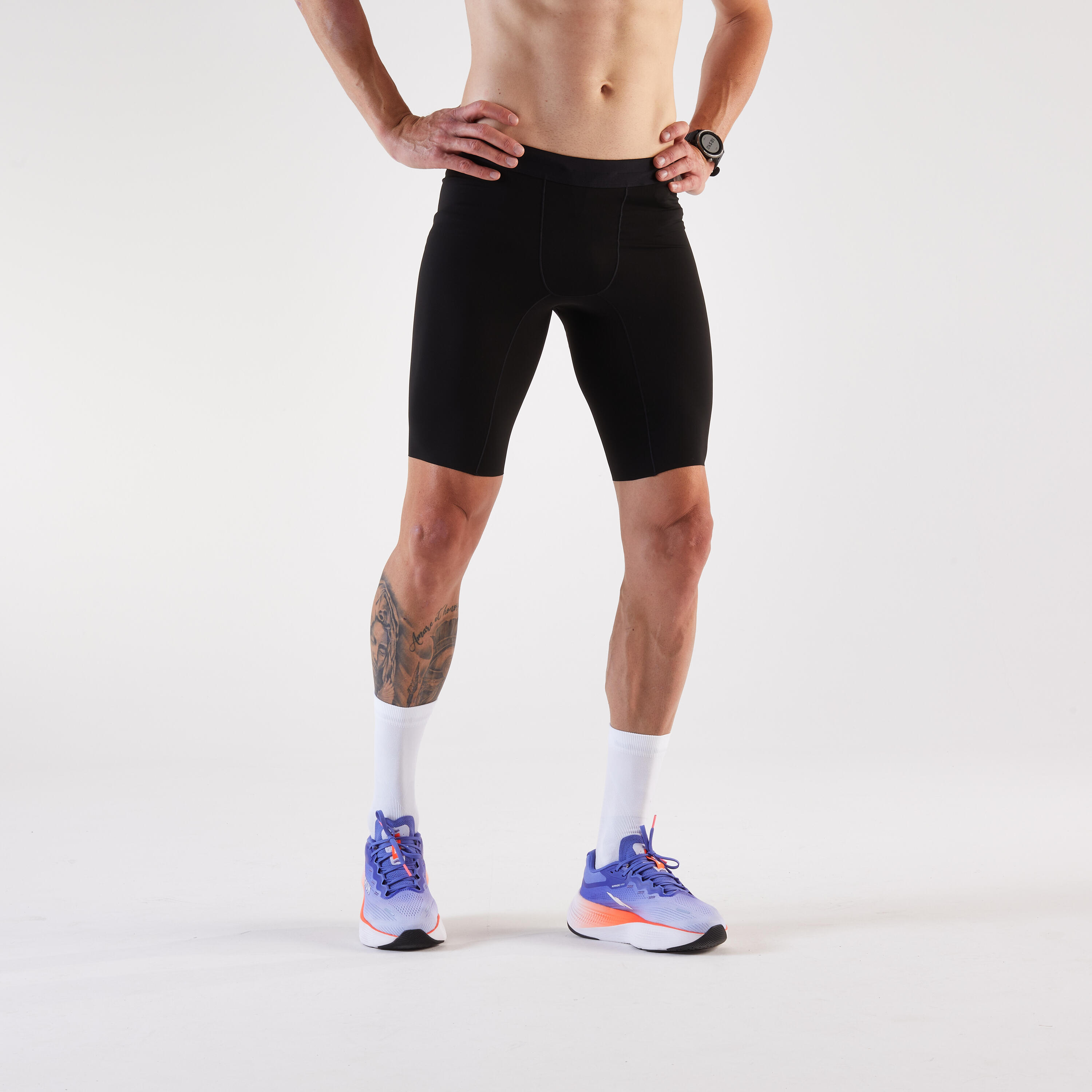
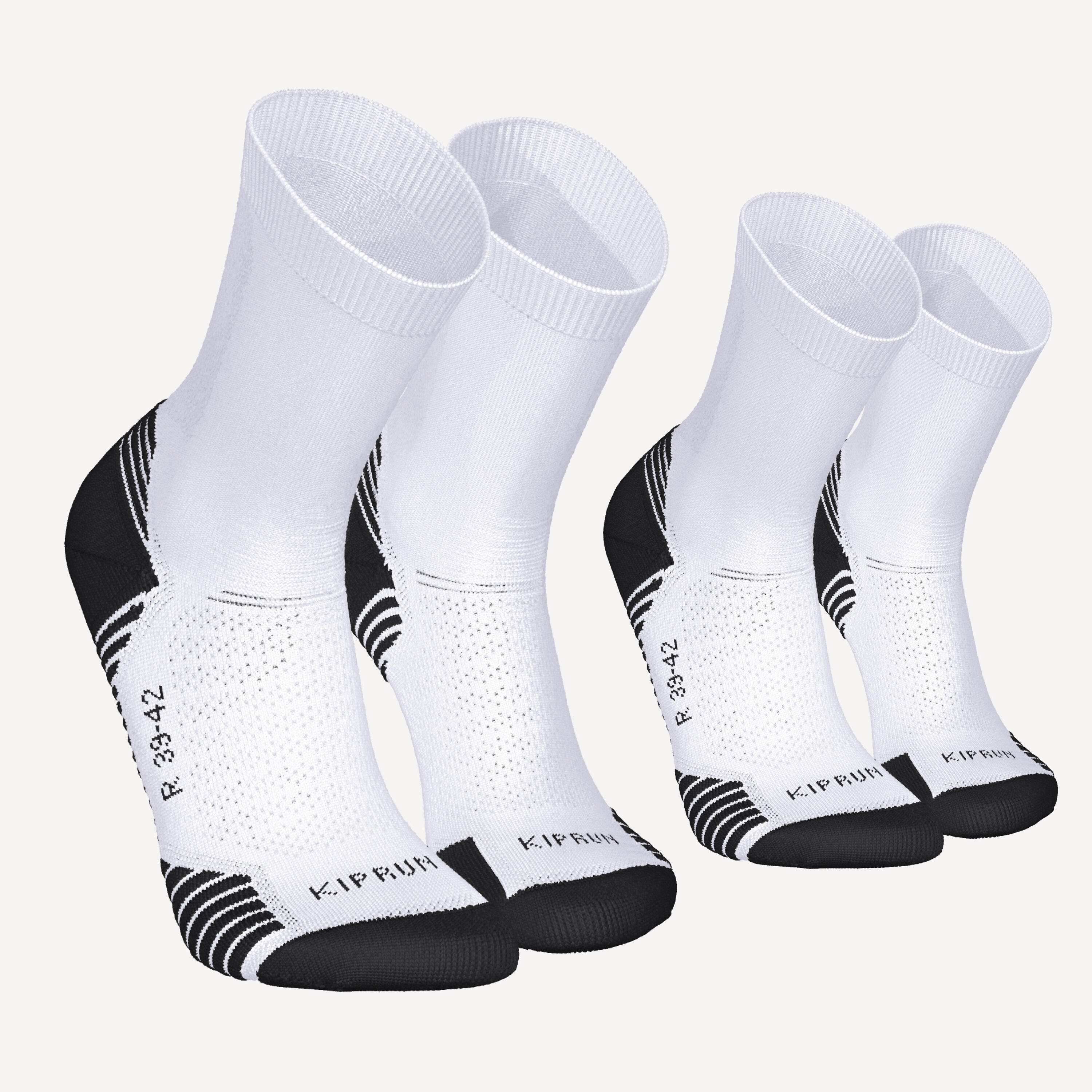
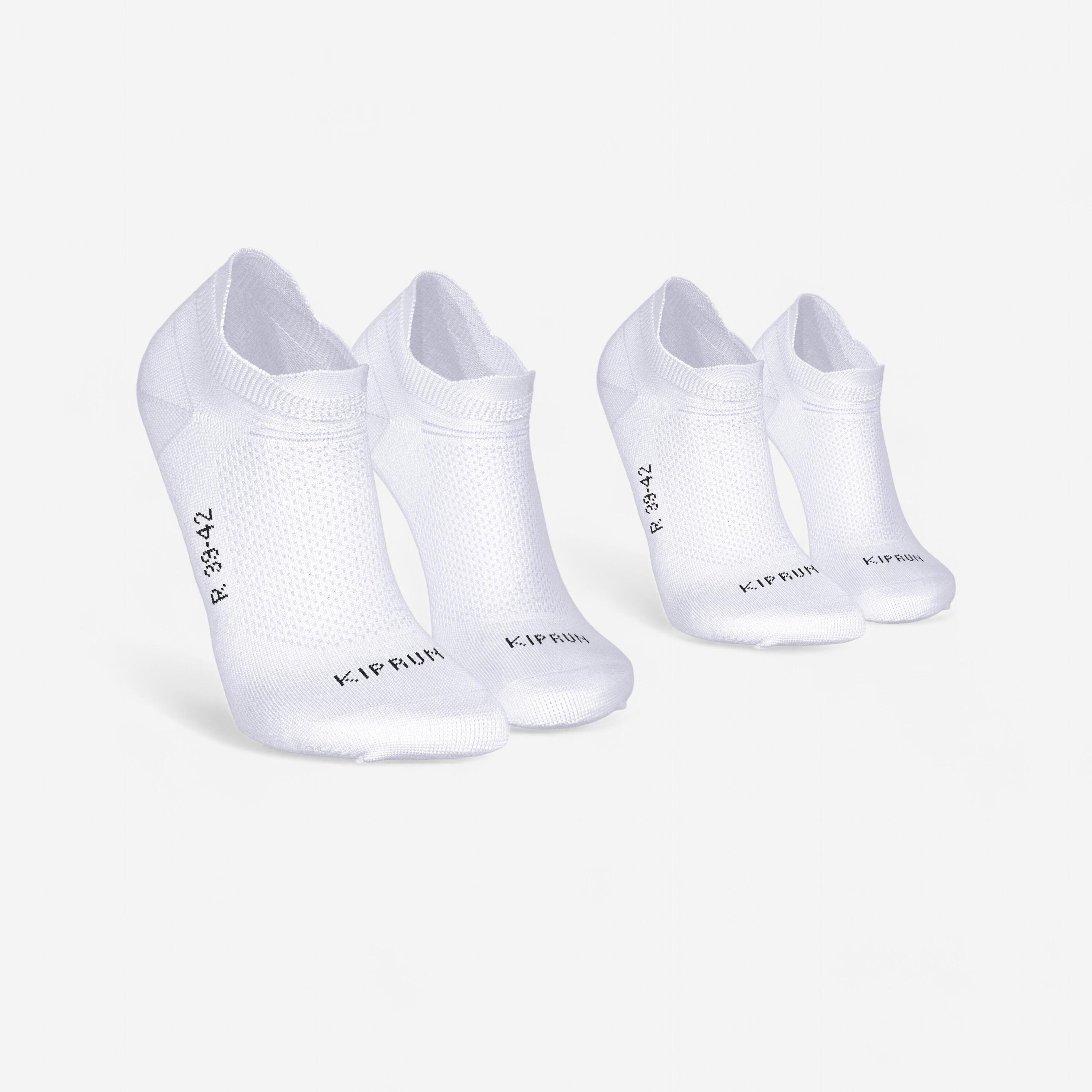
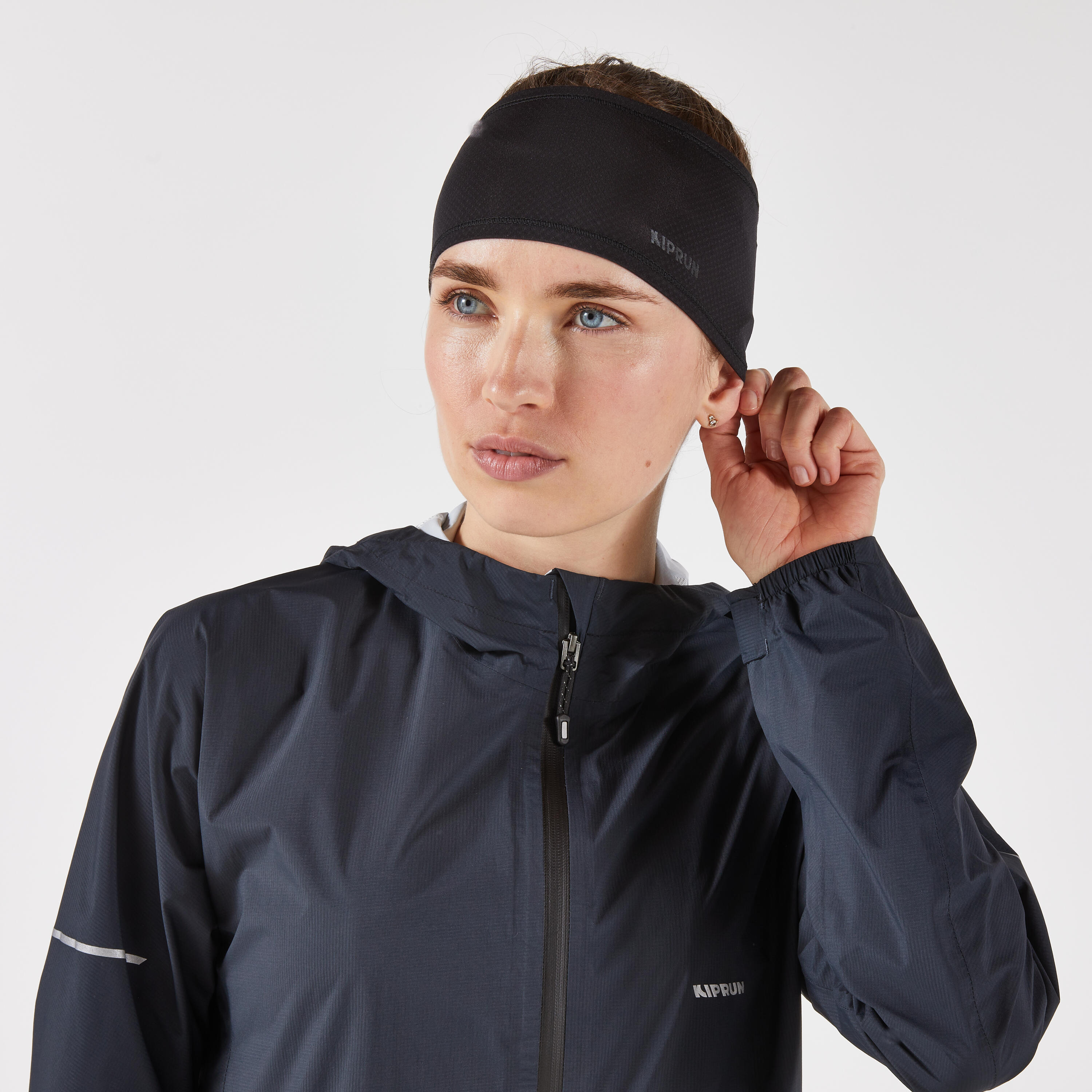
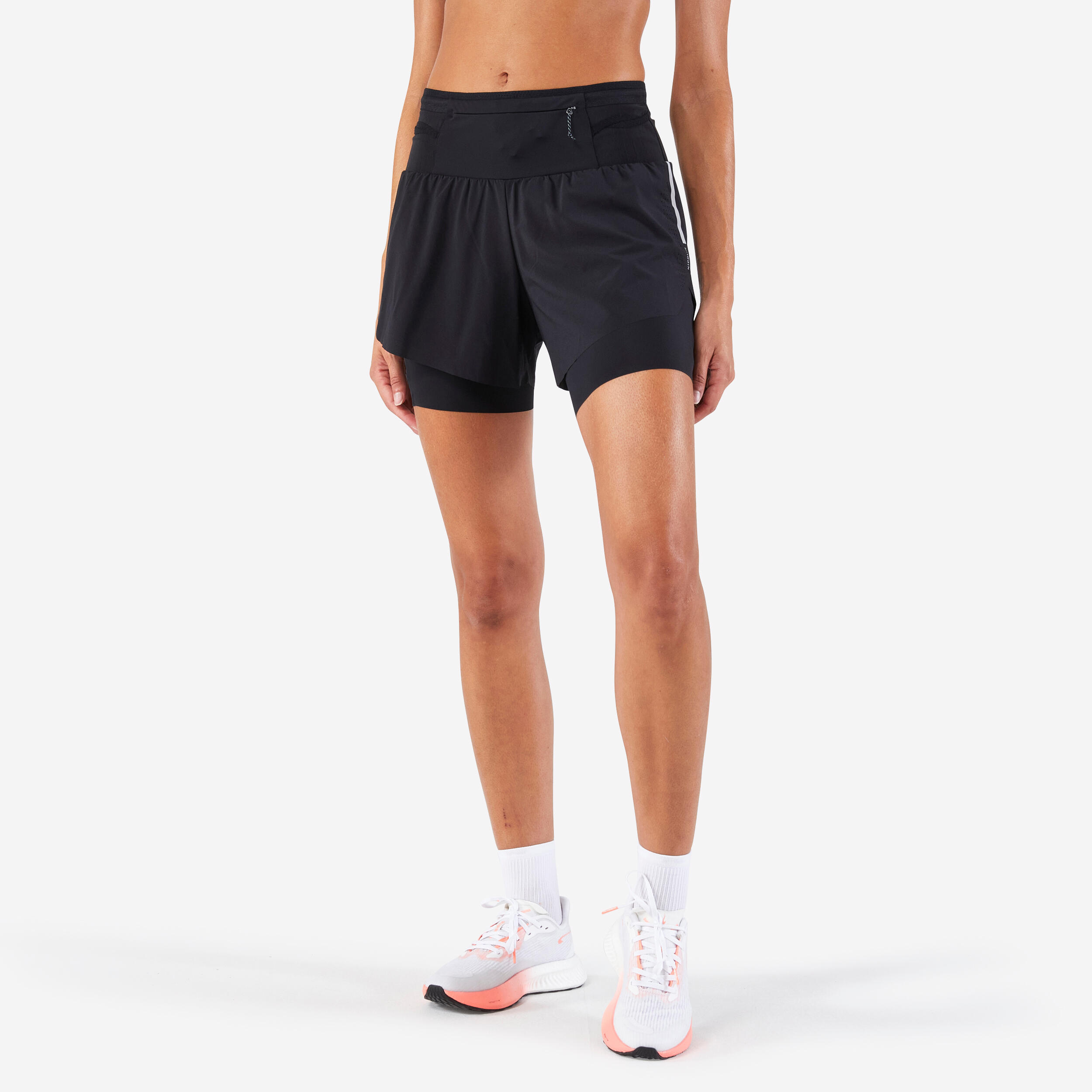
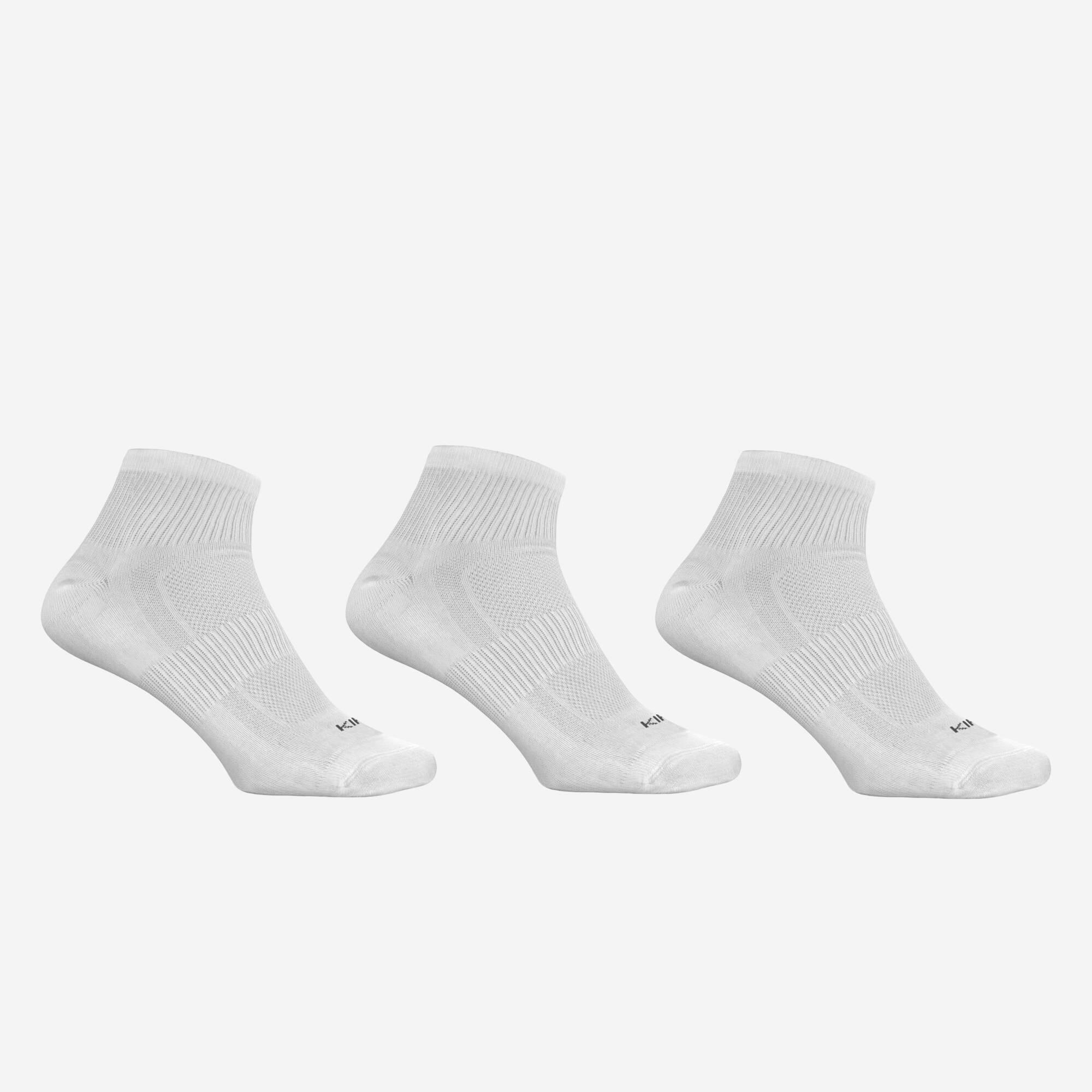
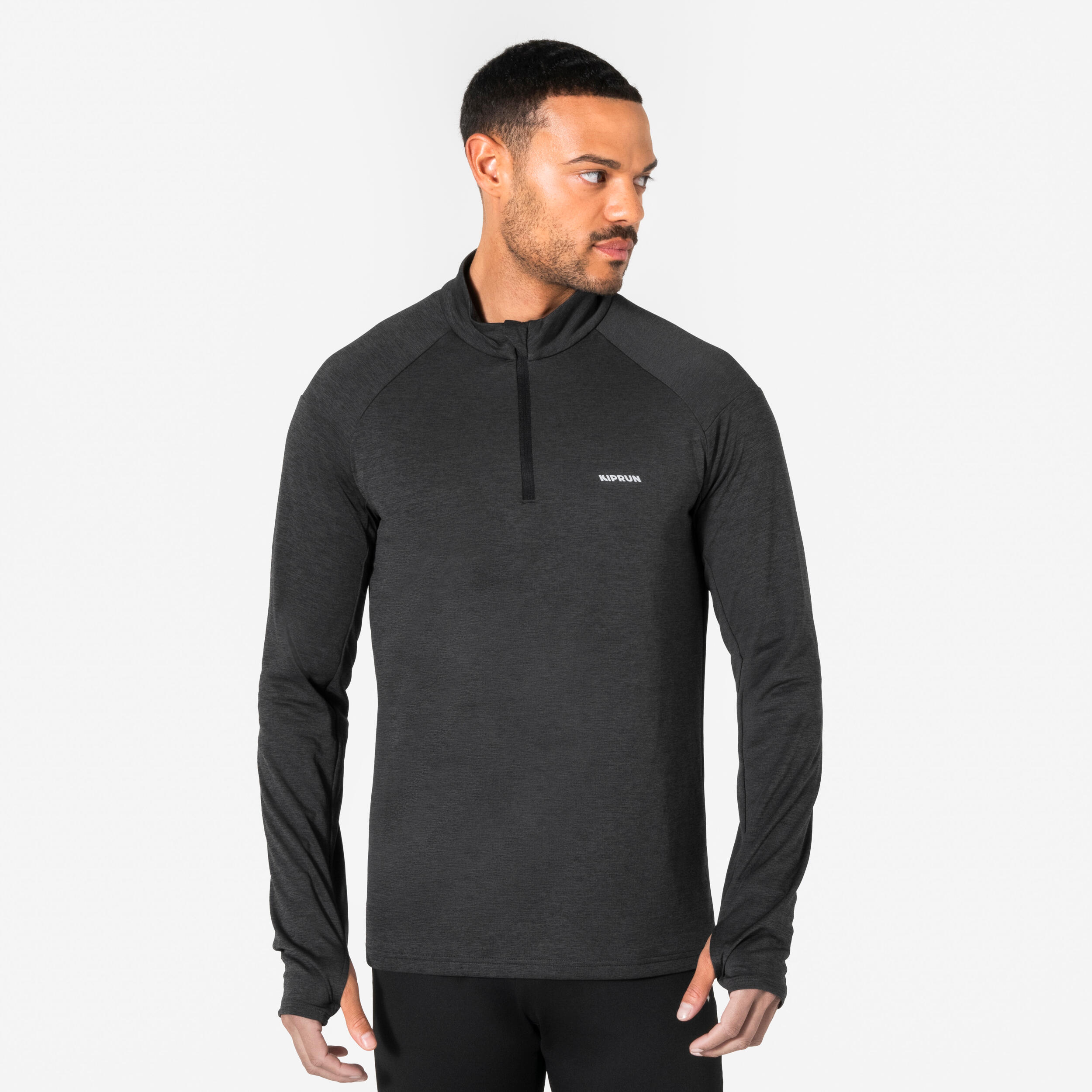
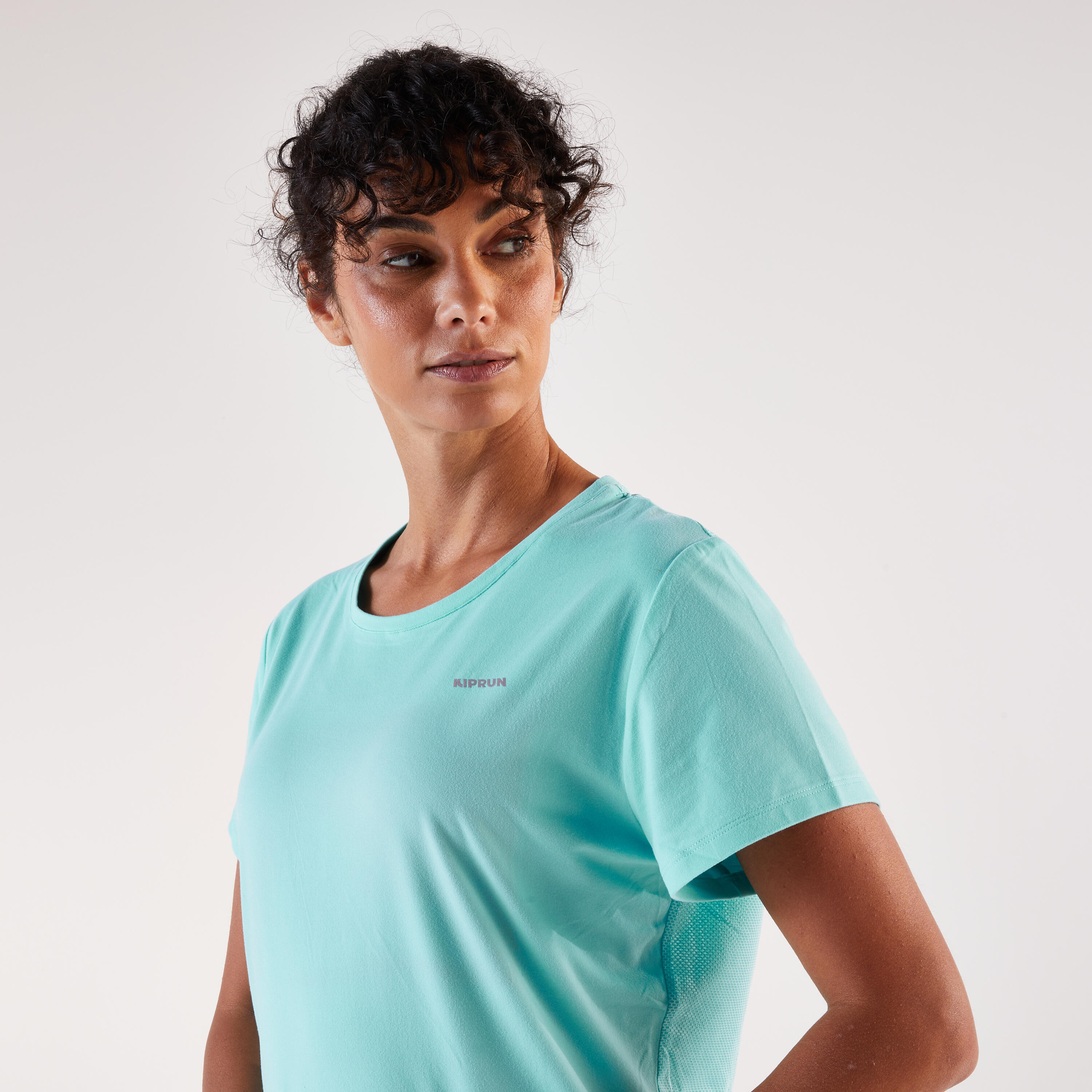
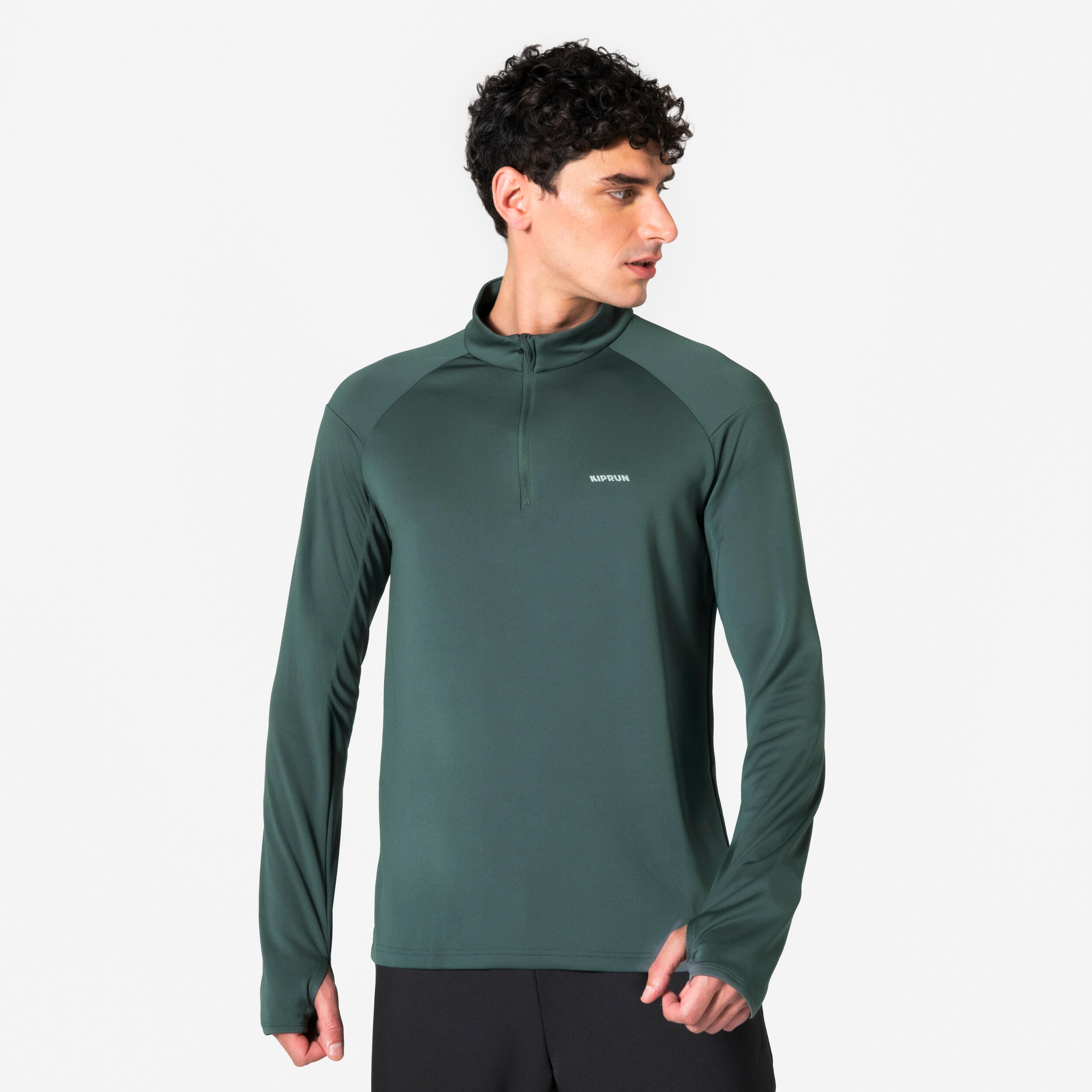
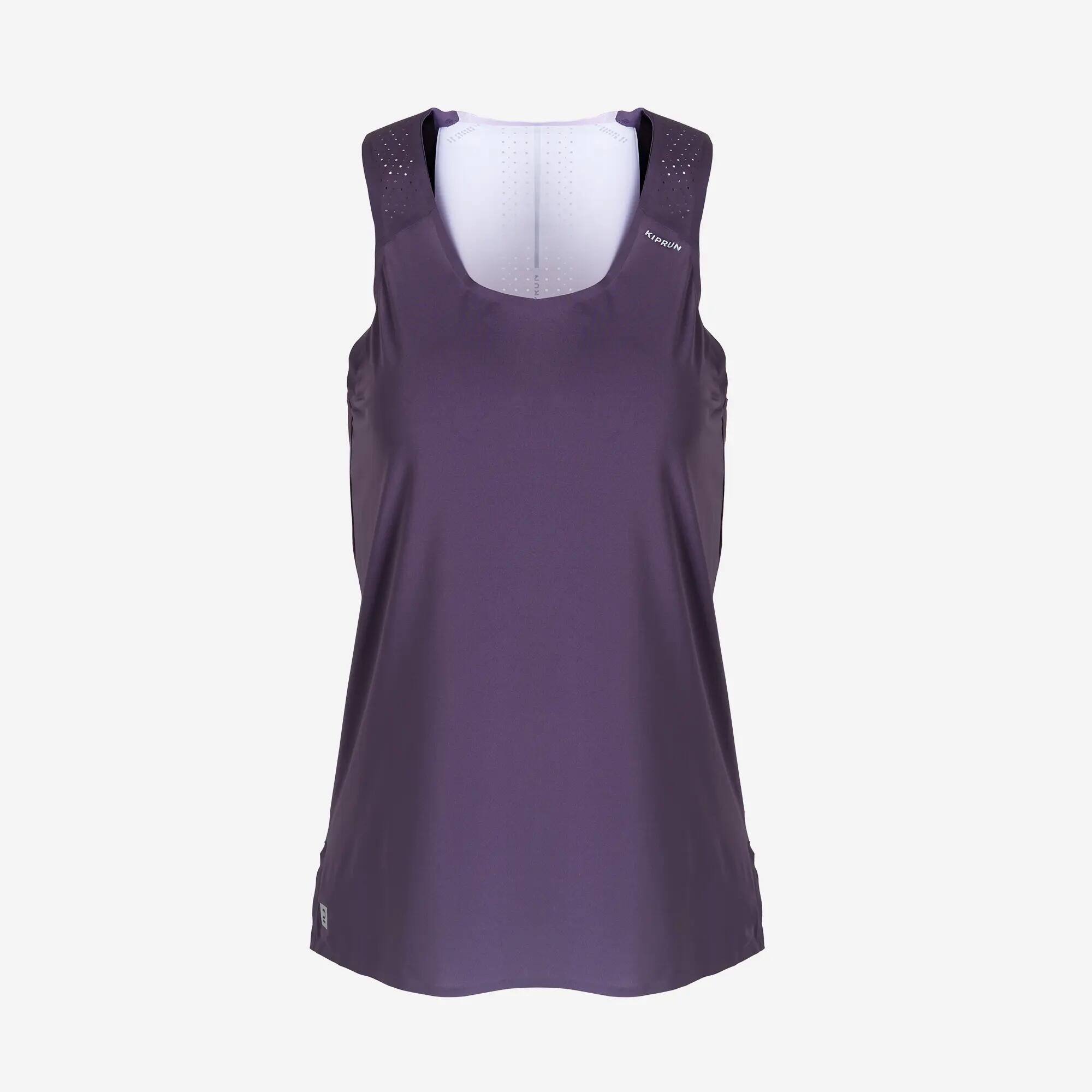
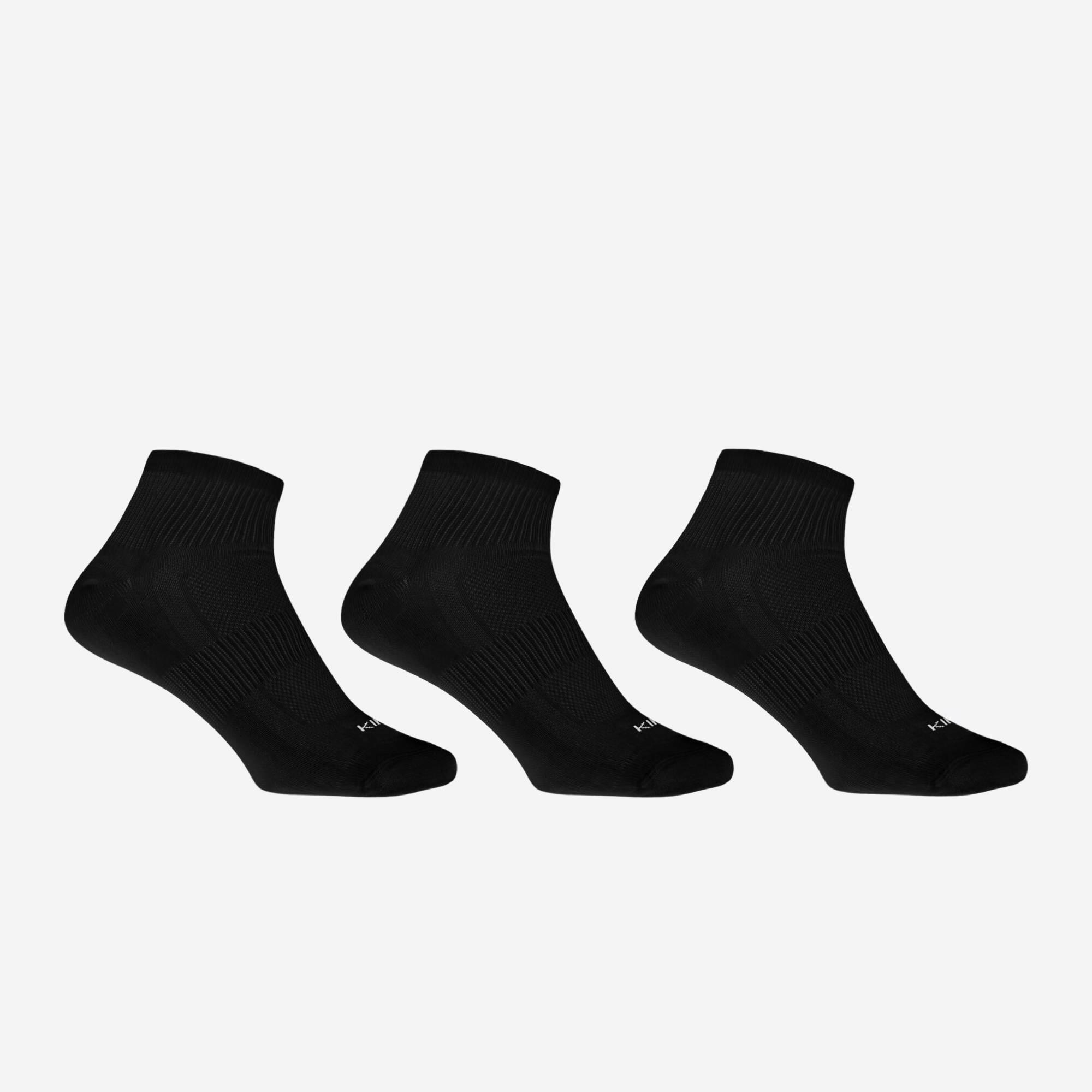
The golden rule is to race in kit you have tested: a breathable top, shorts or tights that never chafe and socks you can count on, matched to the forecast with a cap or thin layer. Chafing is the enemy over four hours, so choose soft seams and apply balm to any hotspots before the start. Sort it all the night before. Tested tops, bottoms and layers are available in the marathon outfits for race-day comfort.

What kit helps on marathon day?

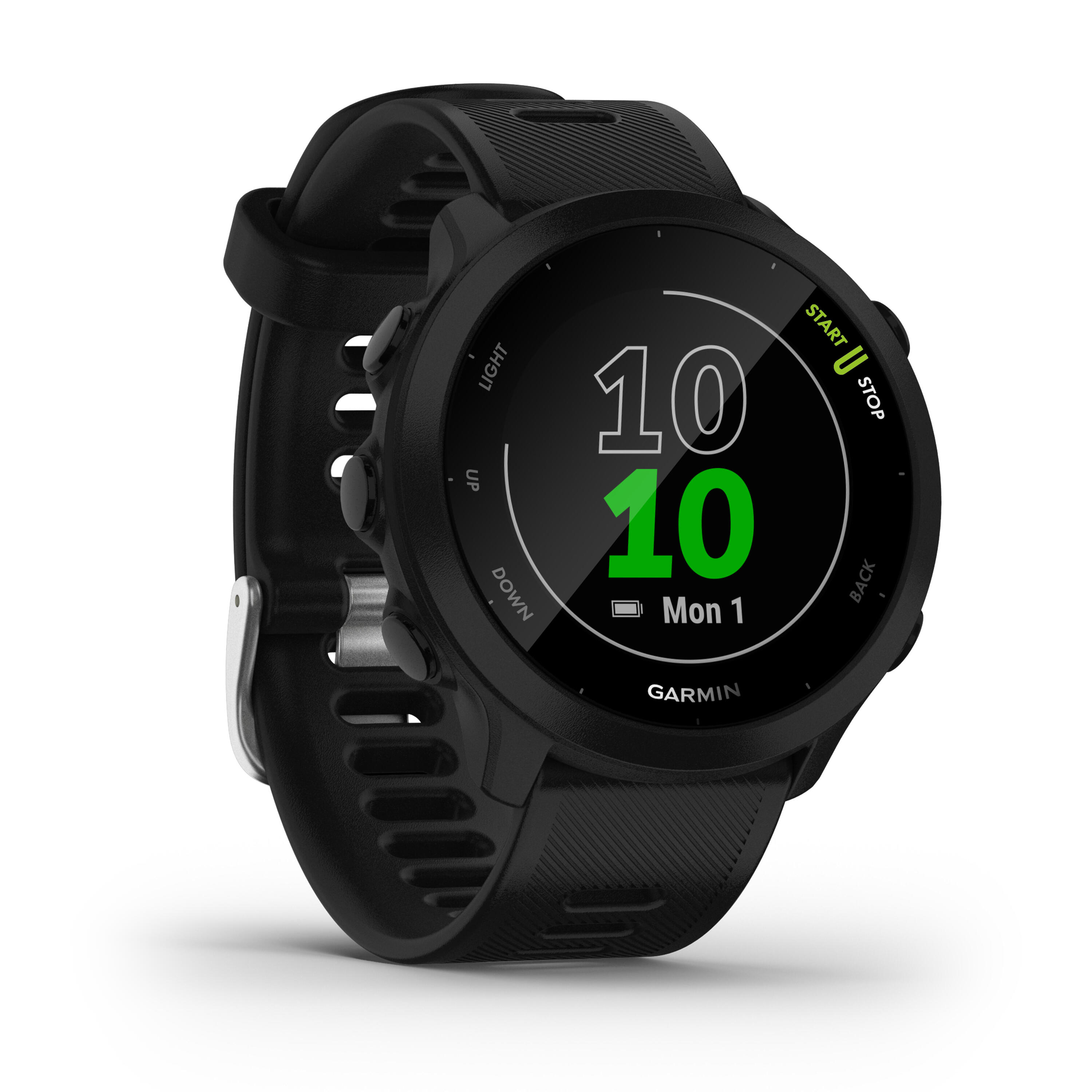
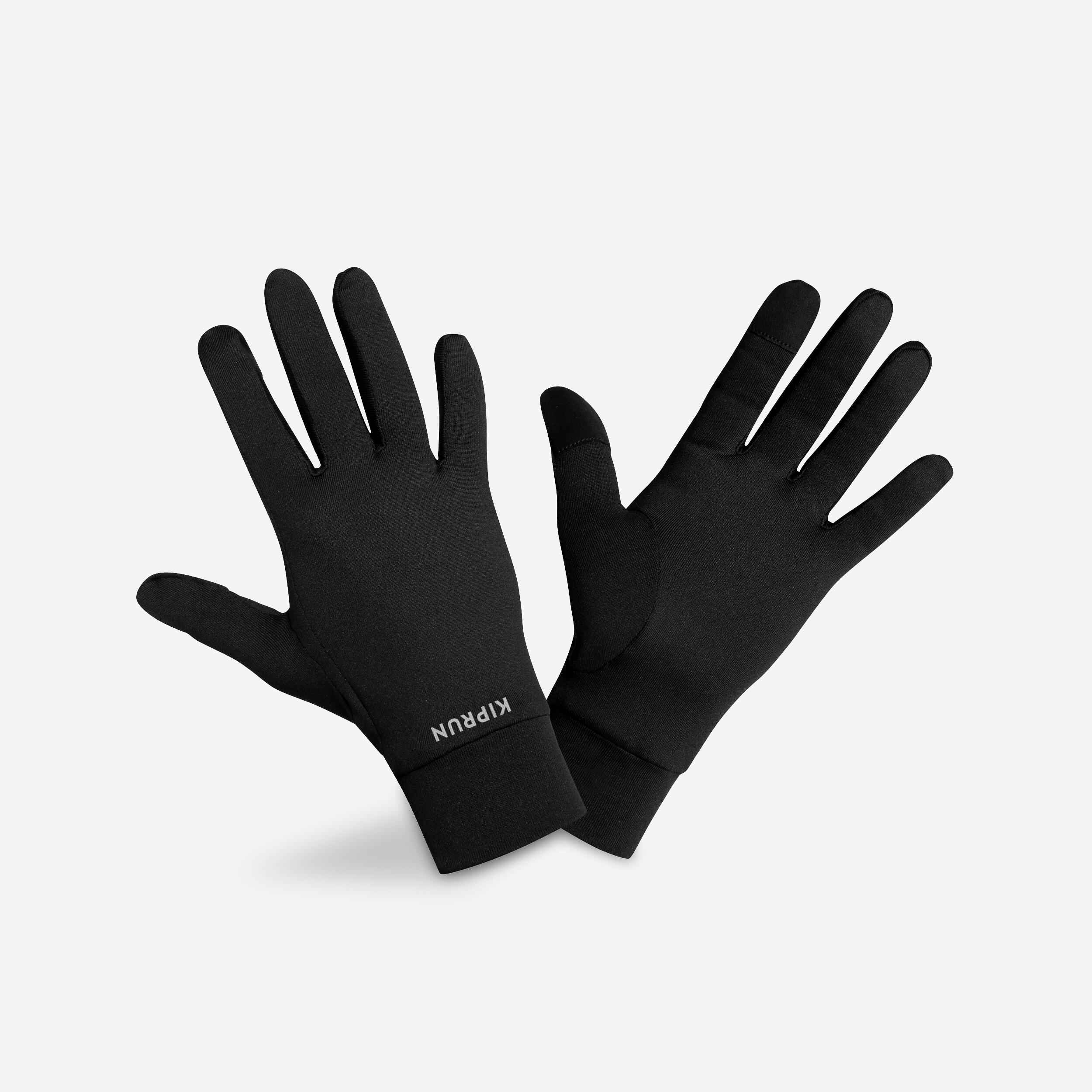
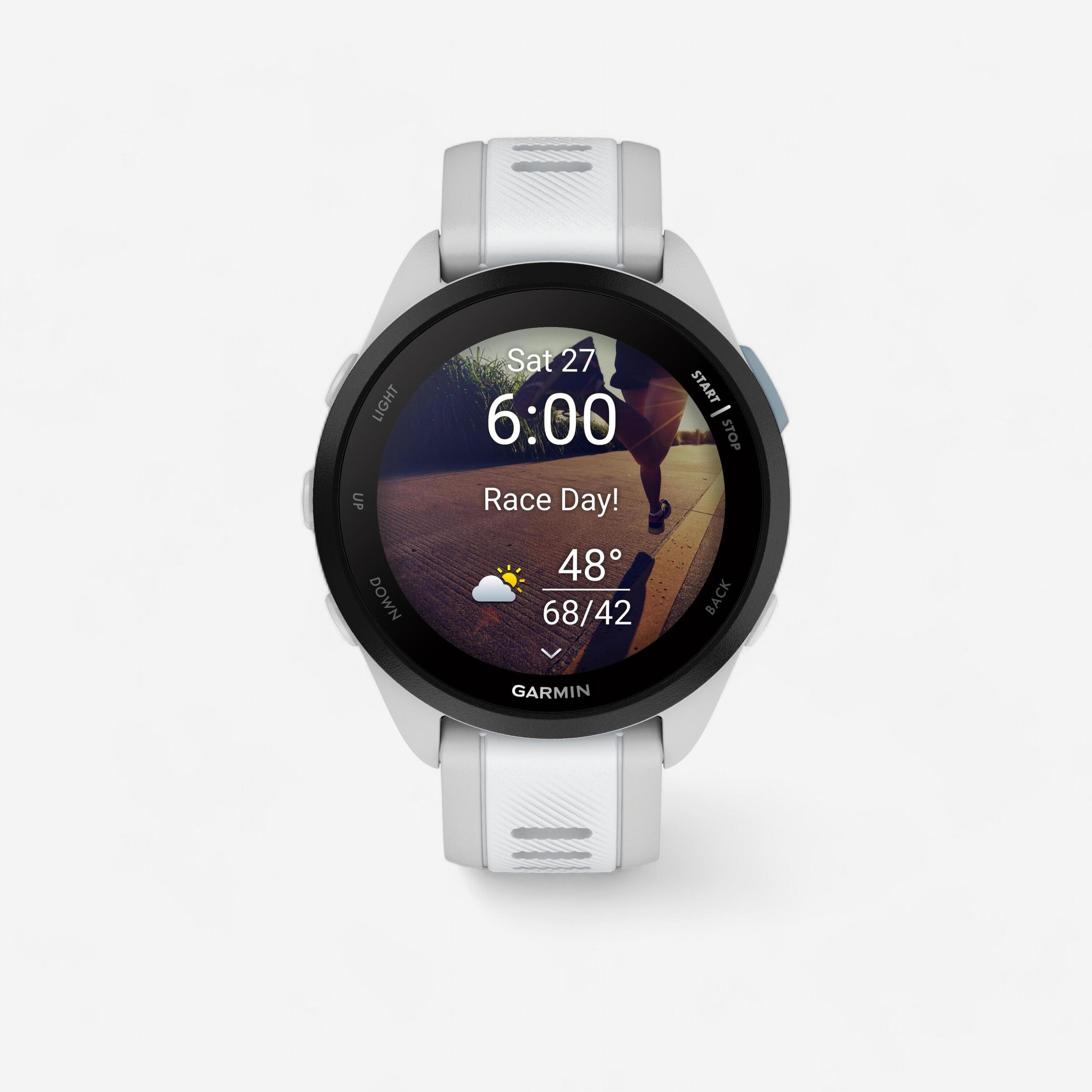
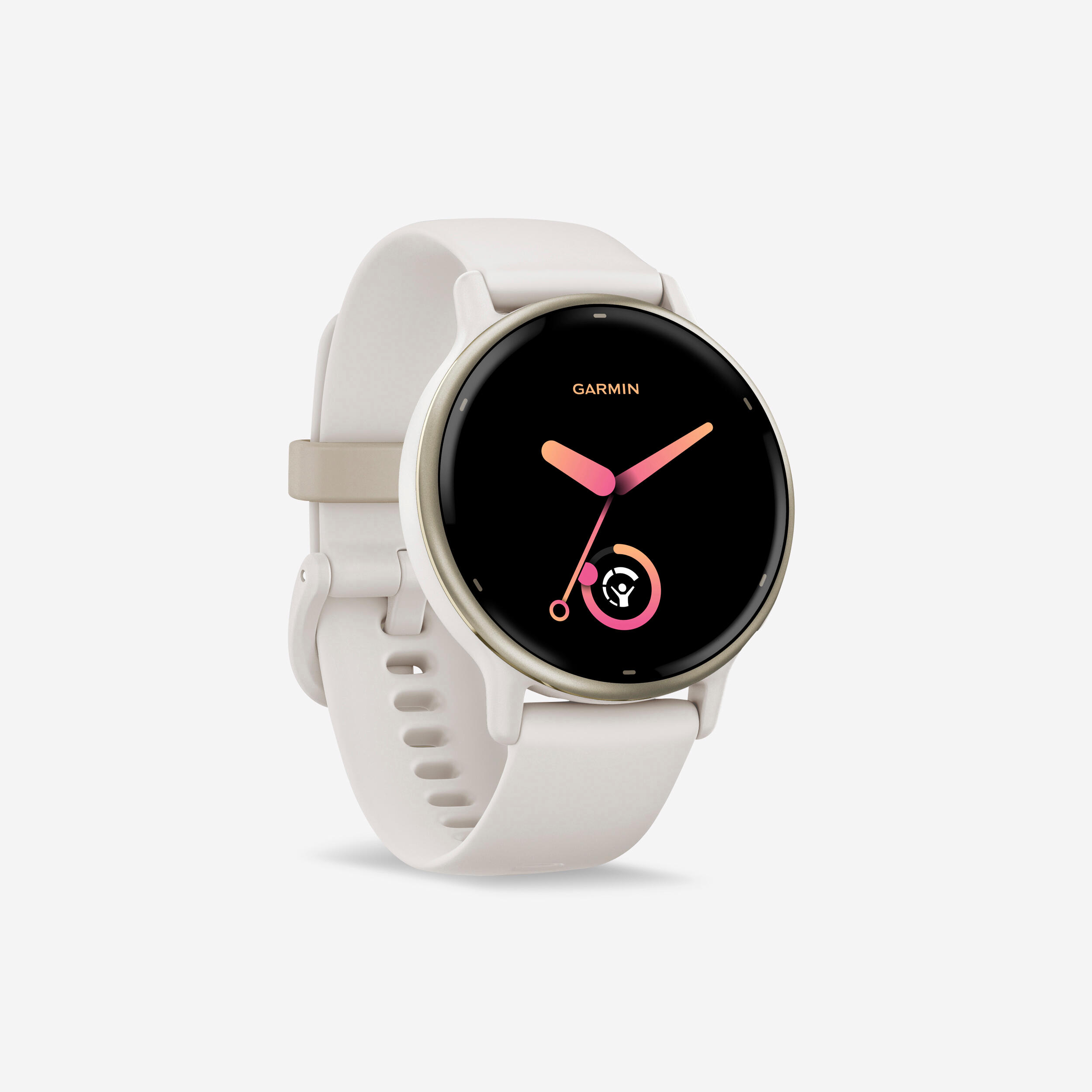
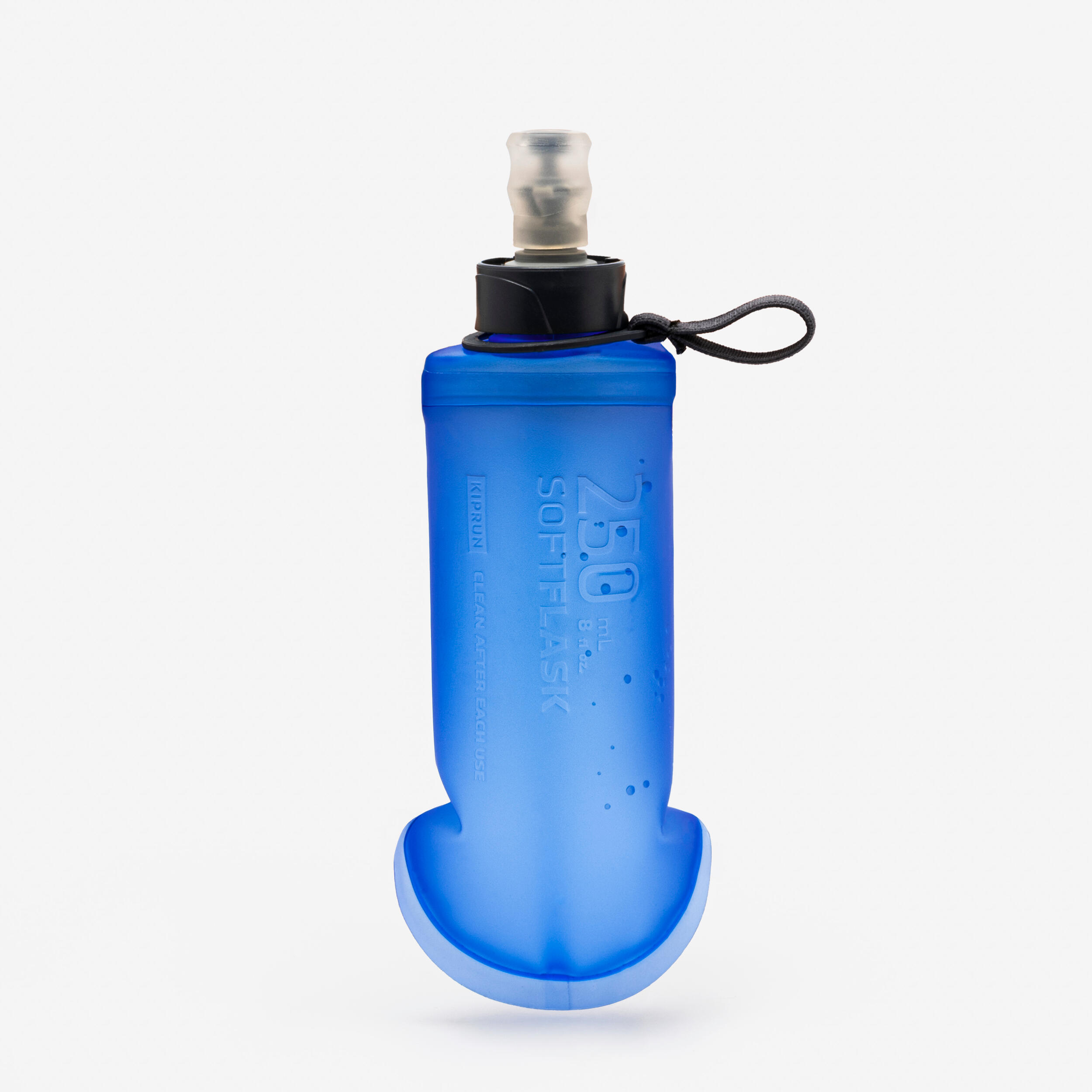
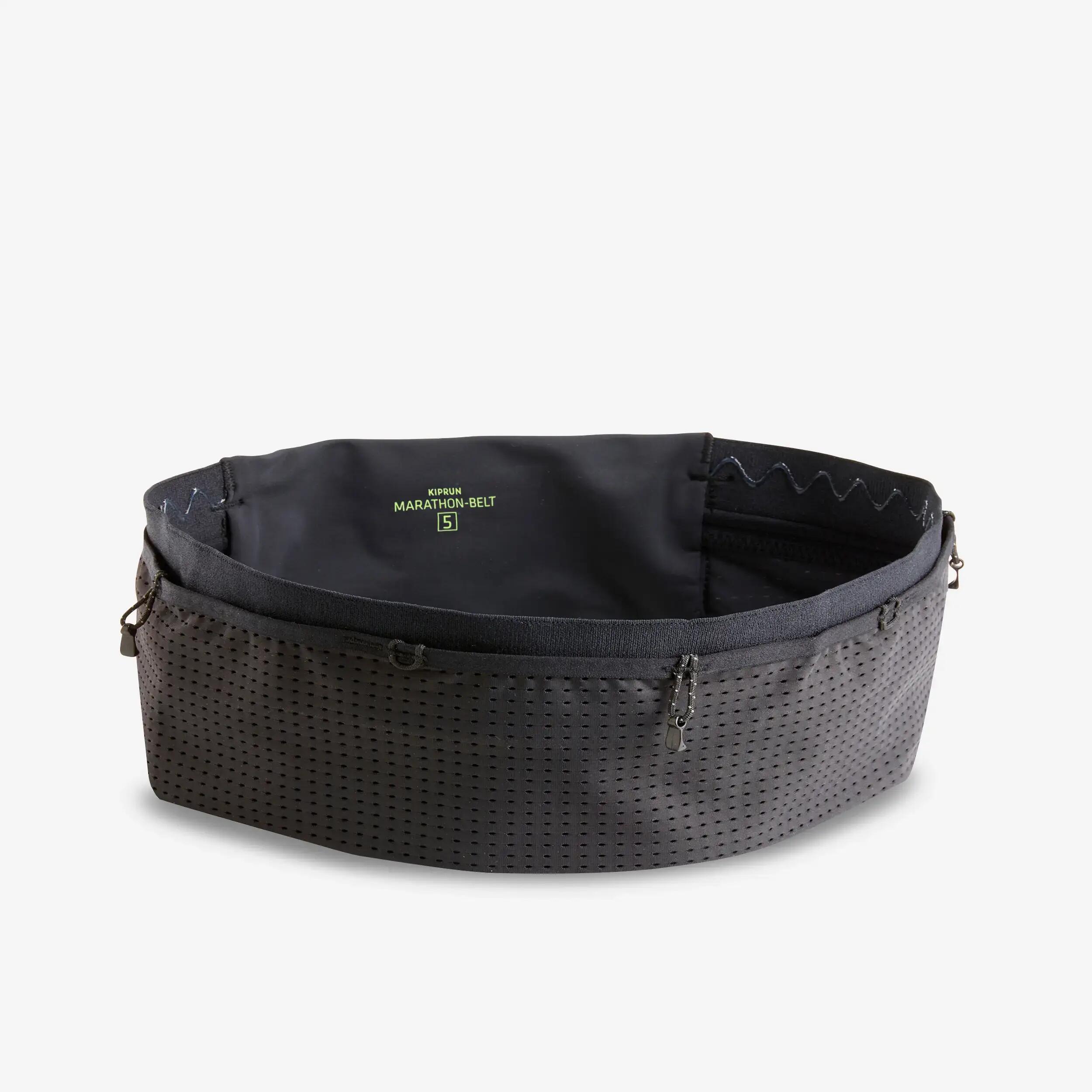
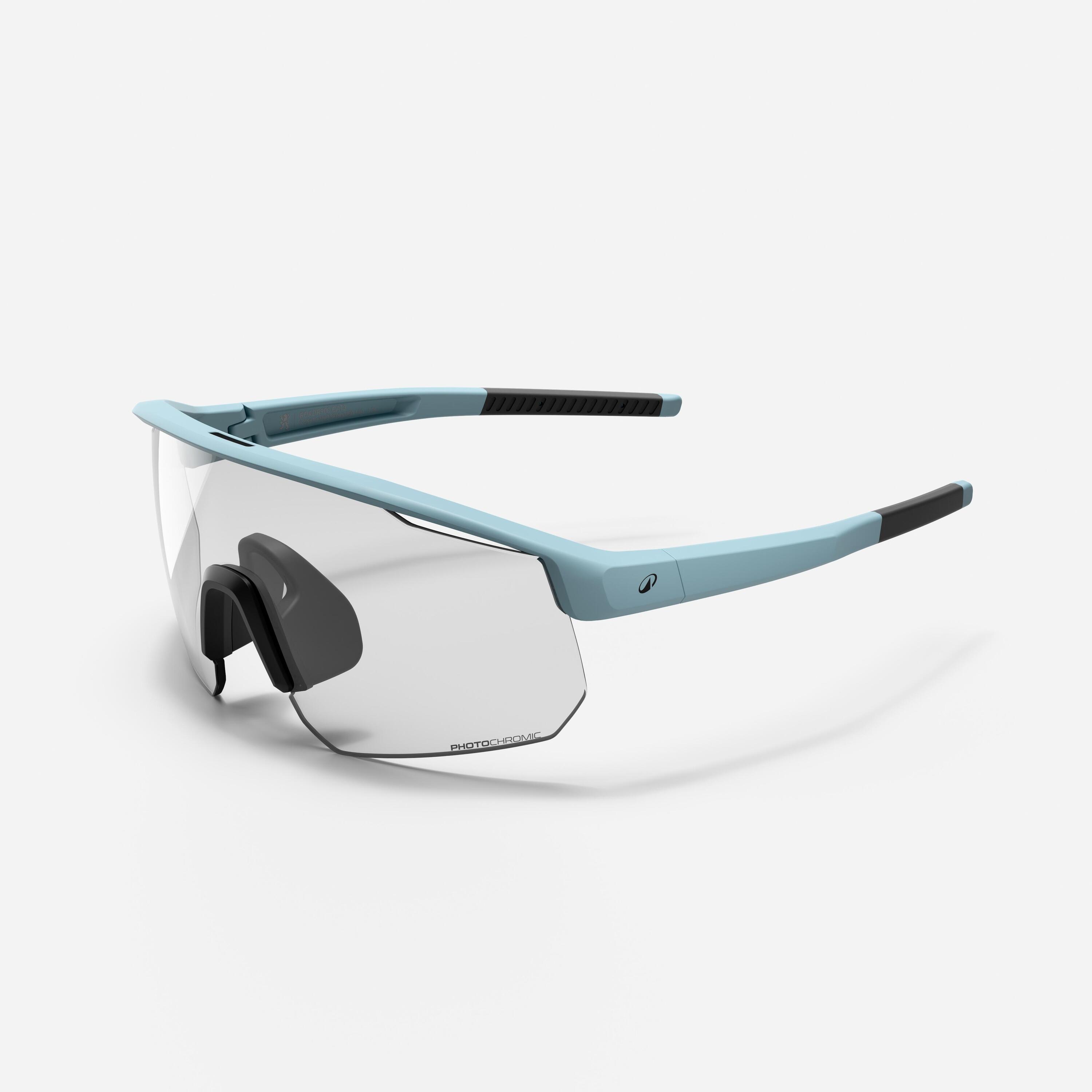
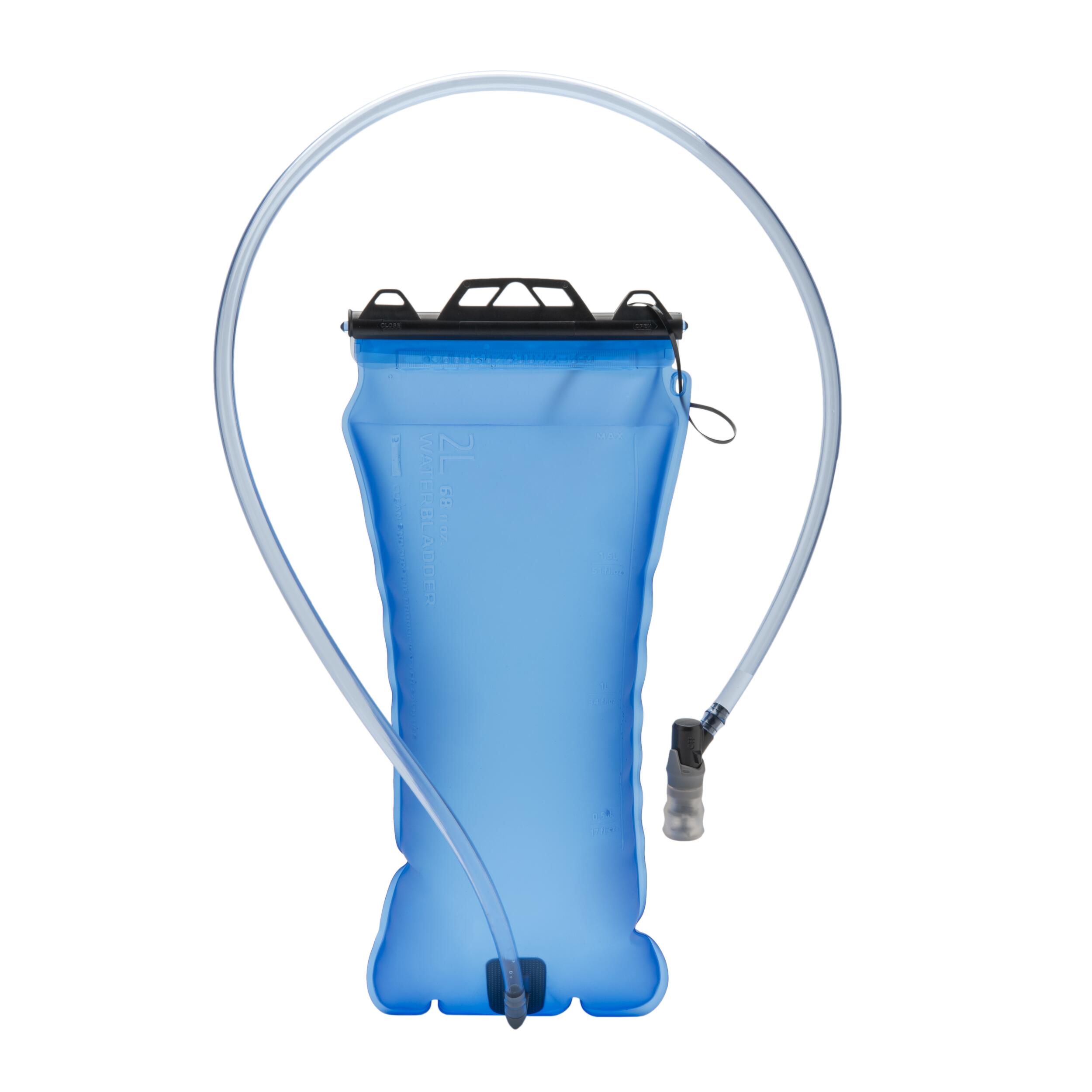
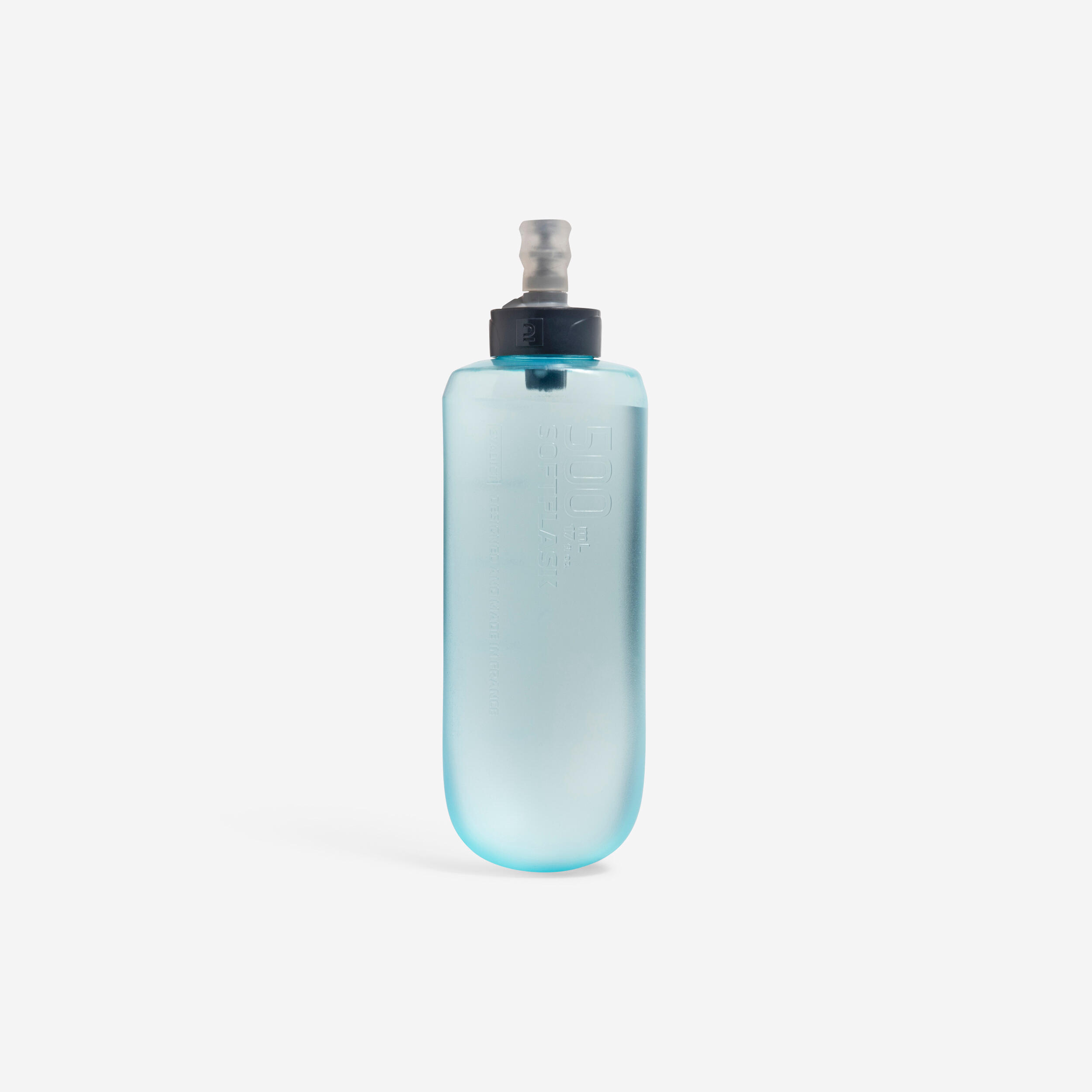
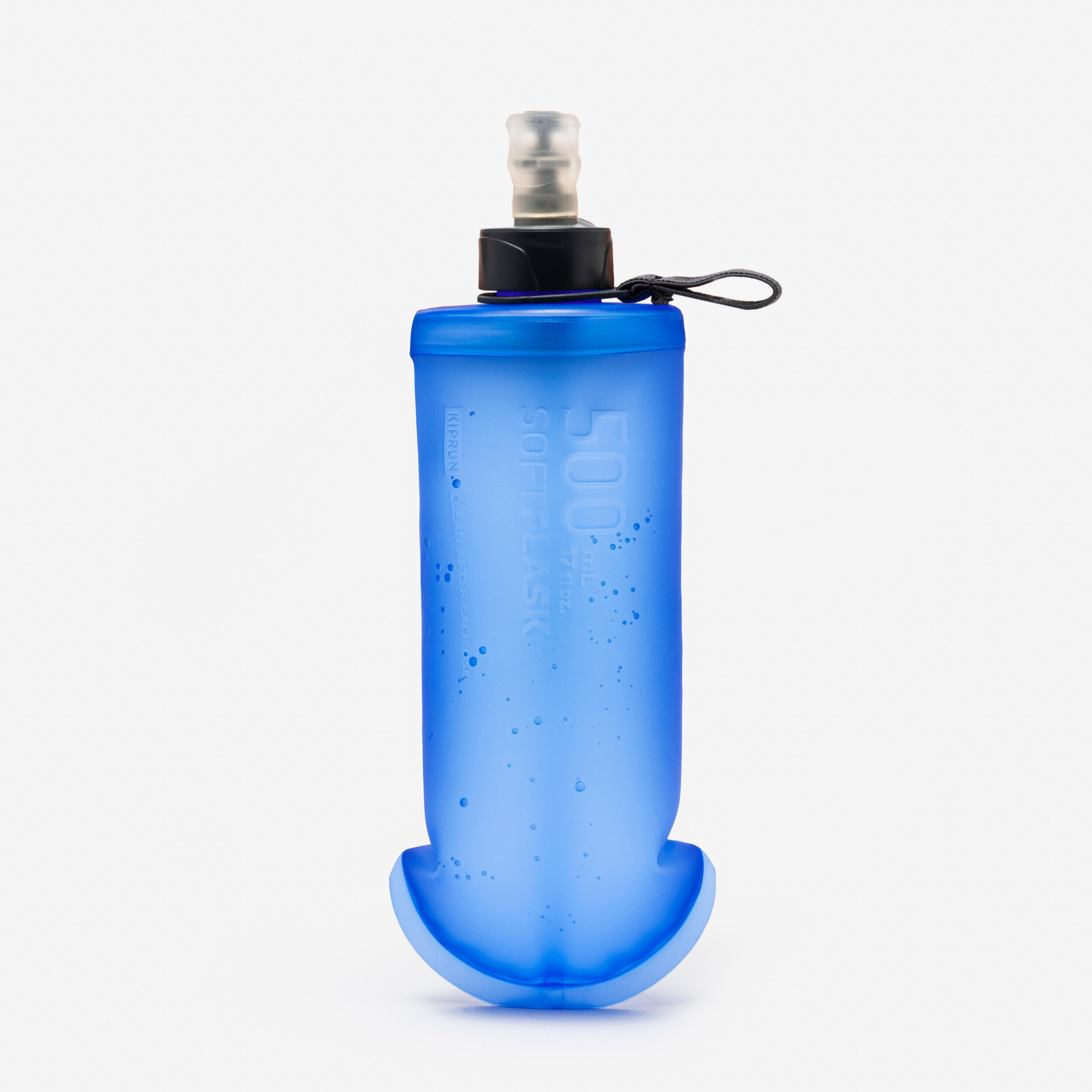
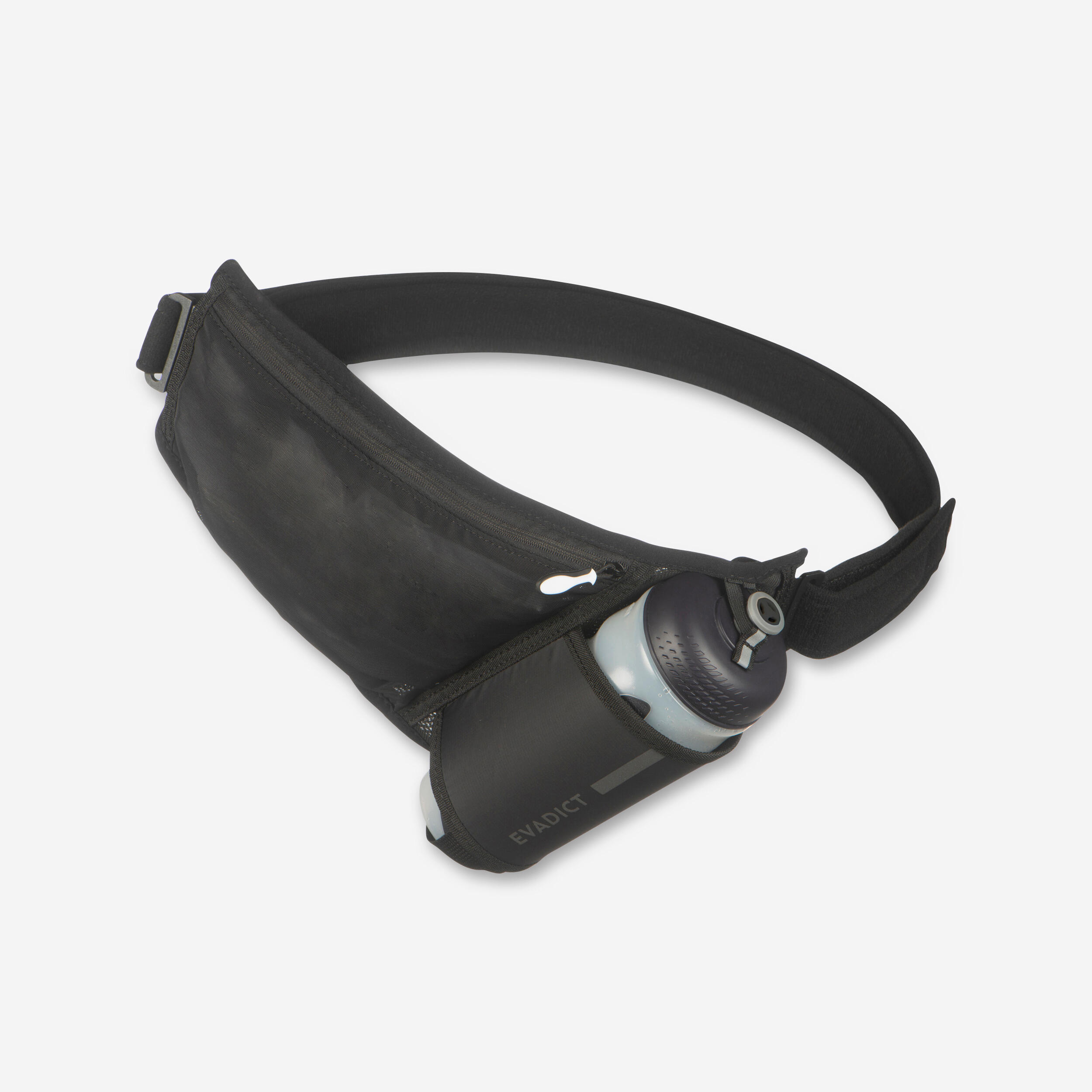
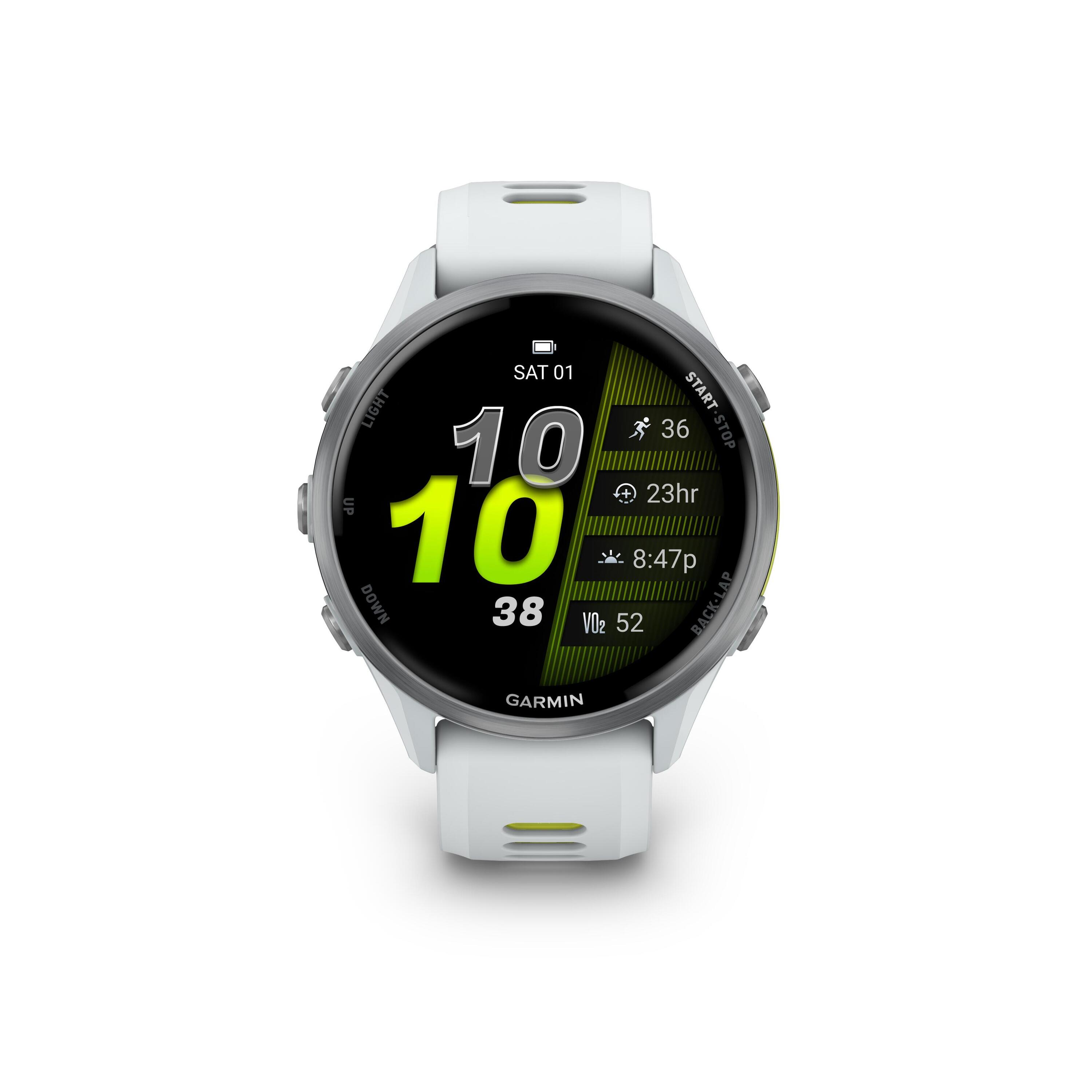
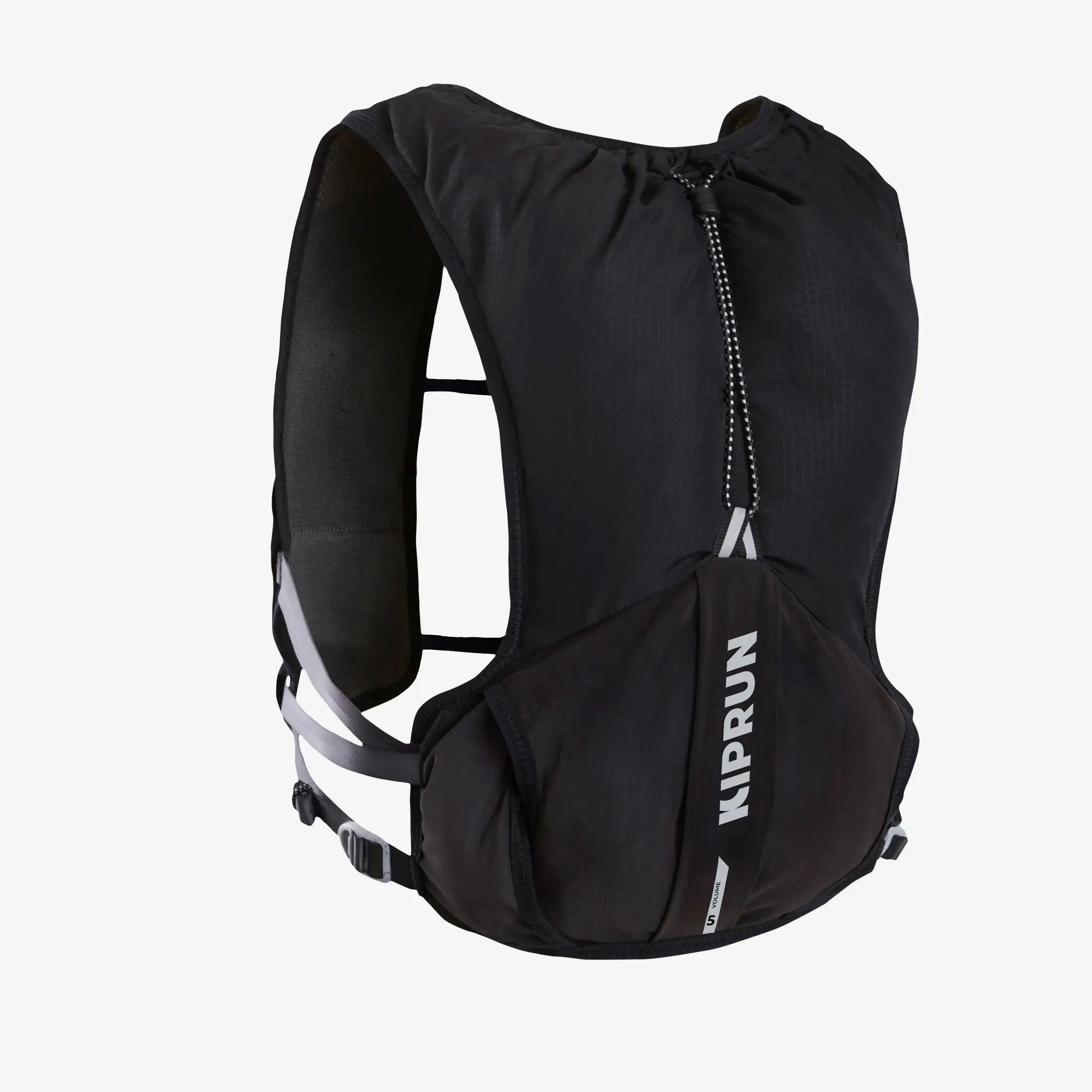
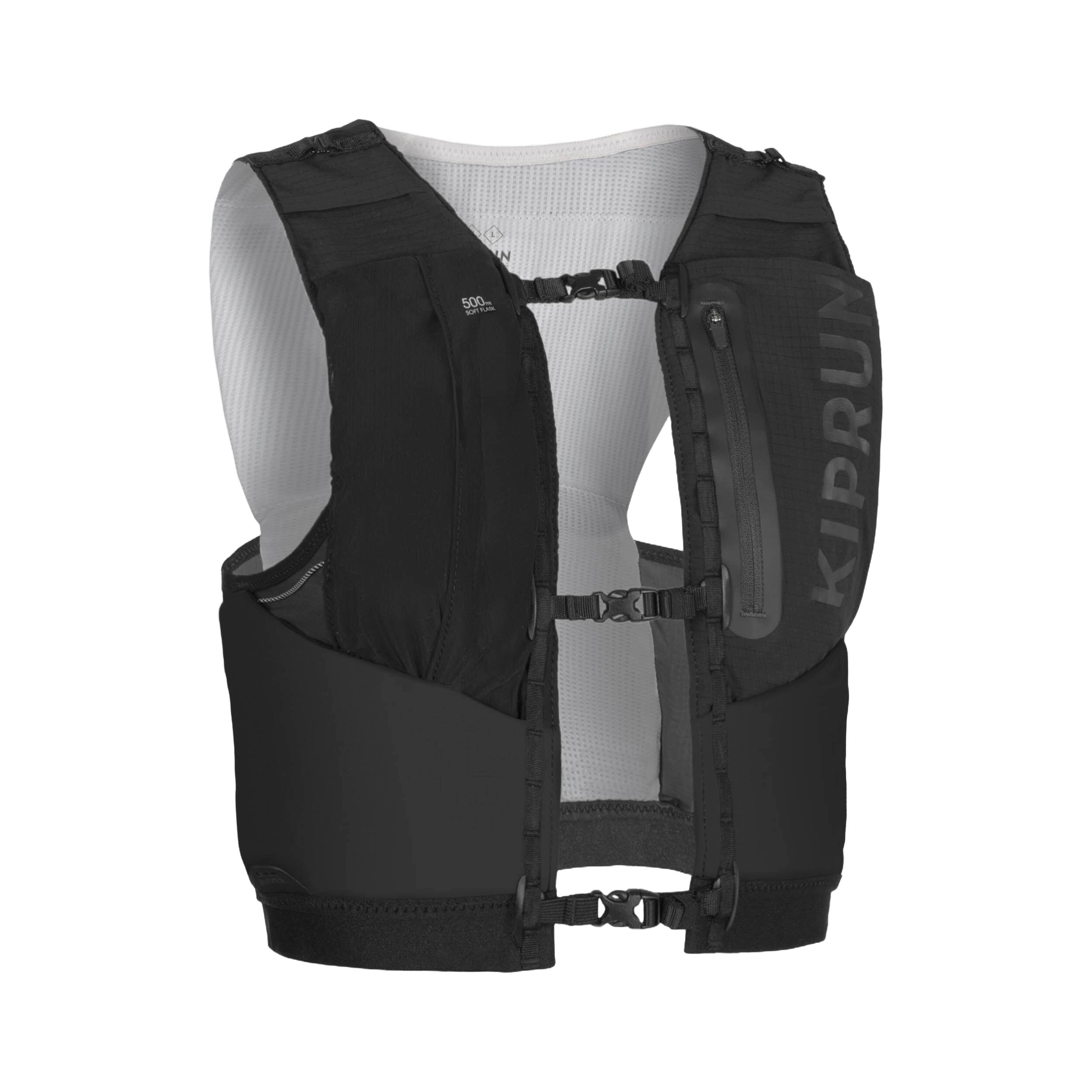
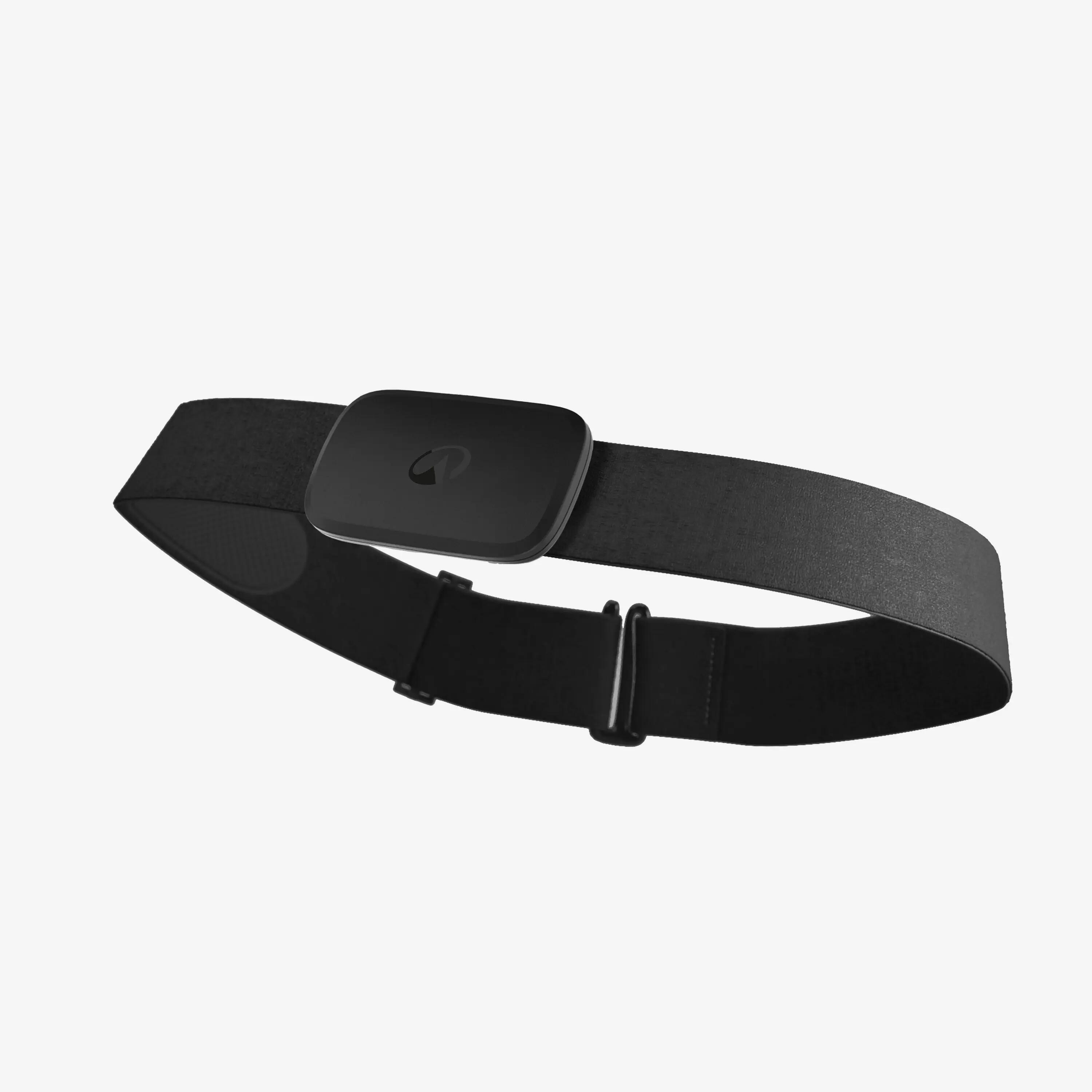
A way to carry your gels, track your pace and stay comfortable for hours all earns its place, from a belt or vest to a watch and weather-appropriate extras. Keep everything to what you have already run in during training rather than adding it fresh. Little comforts add up late in the race. Weather extras, a vest, and a watch are part of the marathon accessories range.

What core essentials help when running a marathon?

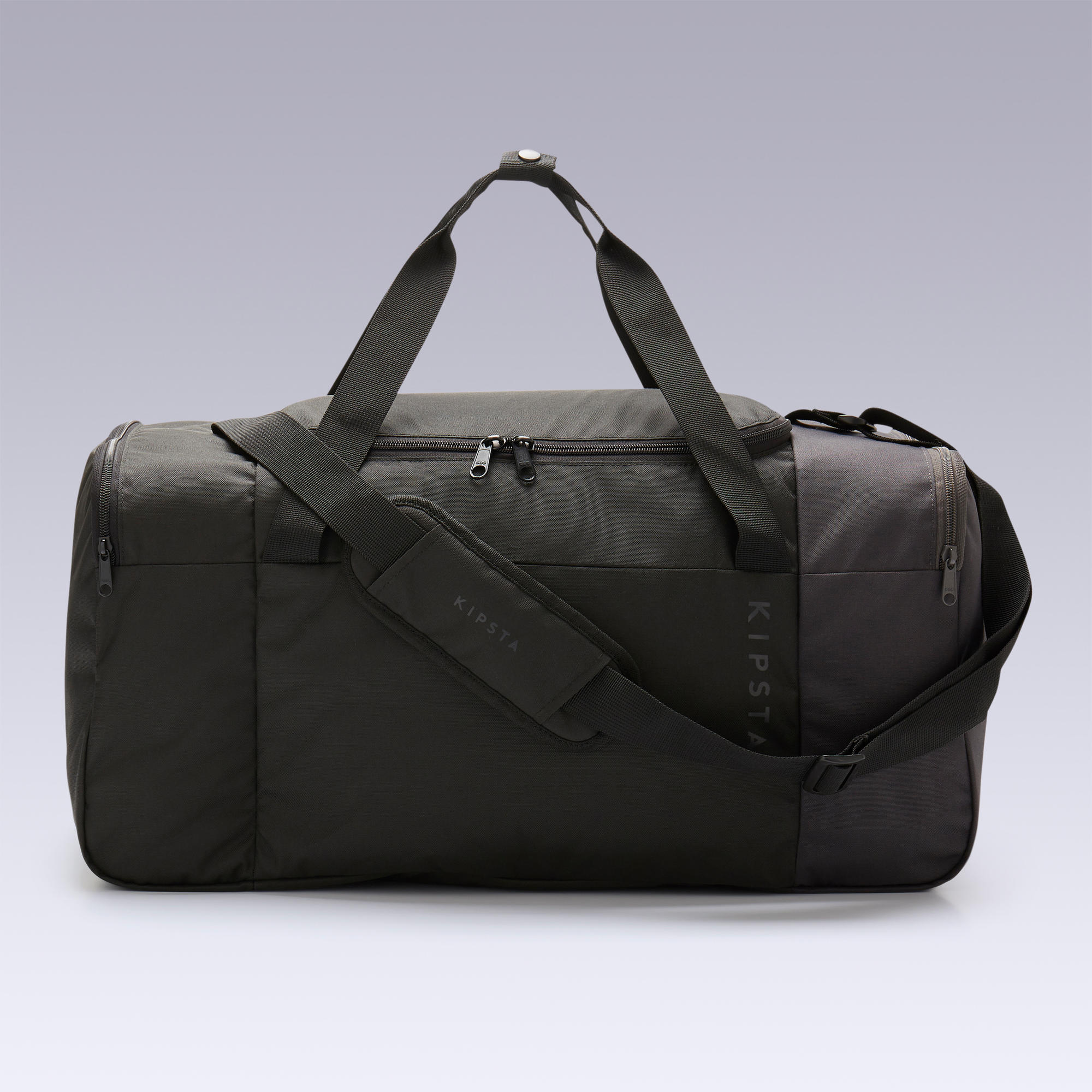
When running a marathon, the essentials matter even more because small discomforts can build over 42 kilometres. Start with shoes you trust, a tested outfit, a fuelling and pacing plan, and kit laid out the night before. A belt, bottle, or watch can help you carry nutrition and stay in control from the first mile. Get there in good time, warm up gently and avoid chasing the crowd early. Whatever the race, the every race essentials range gathers the core kit that works from a 5k up.