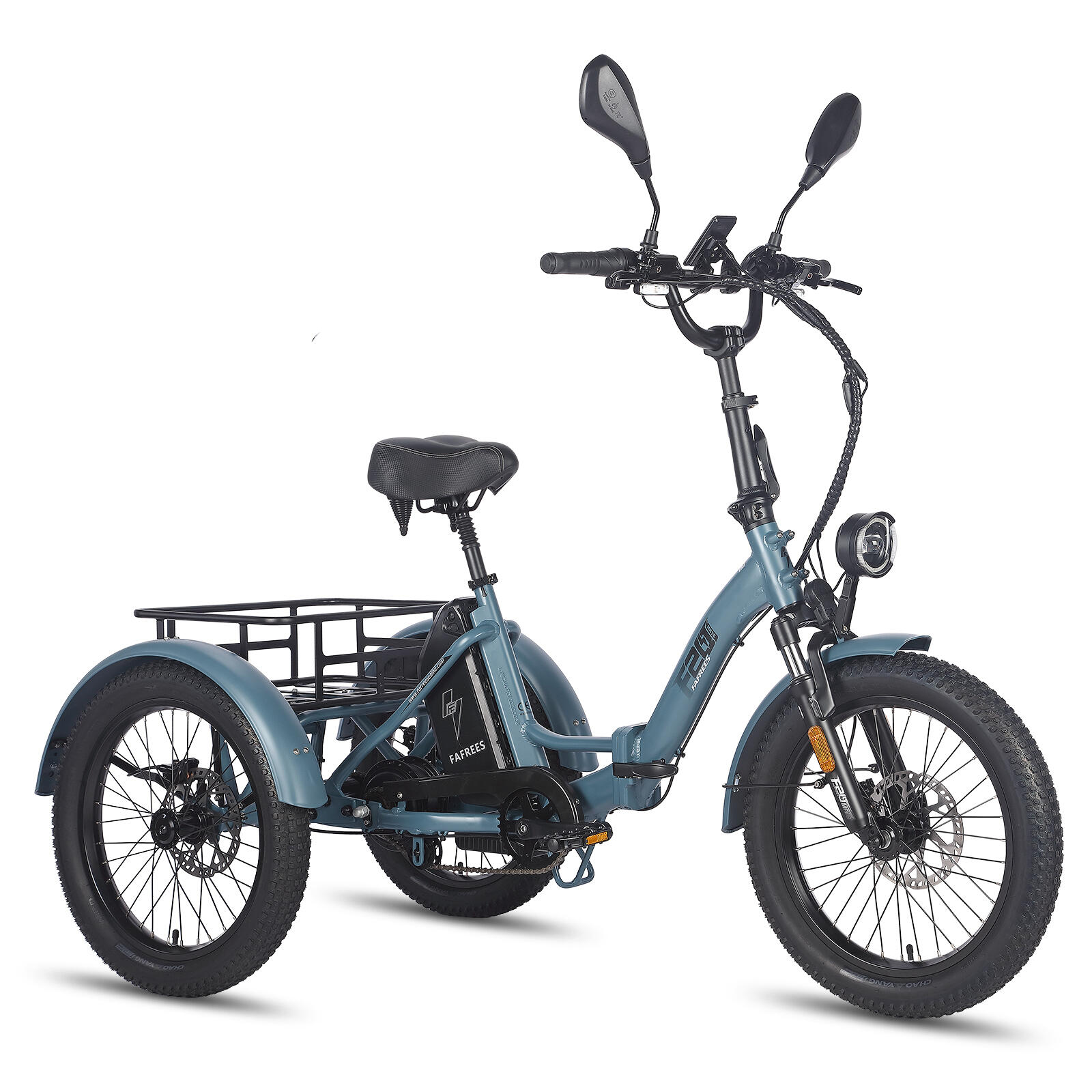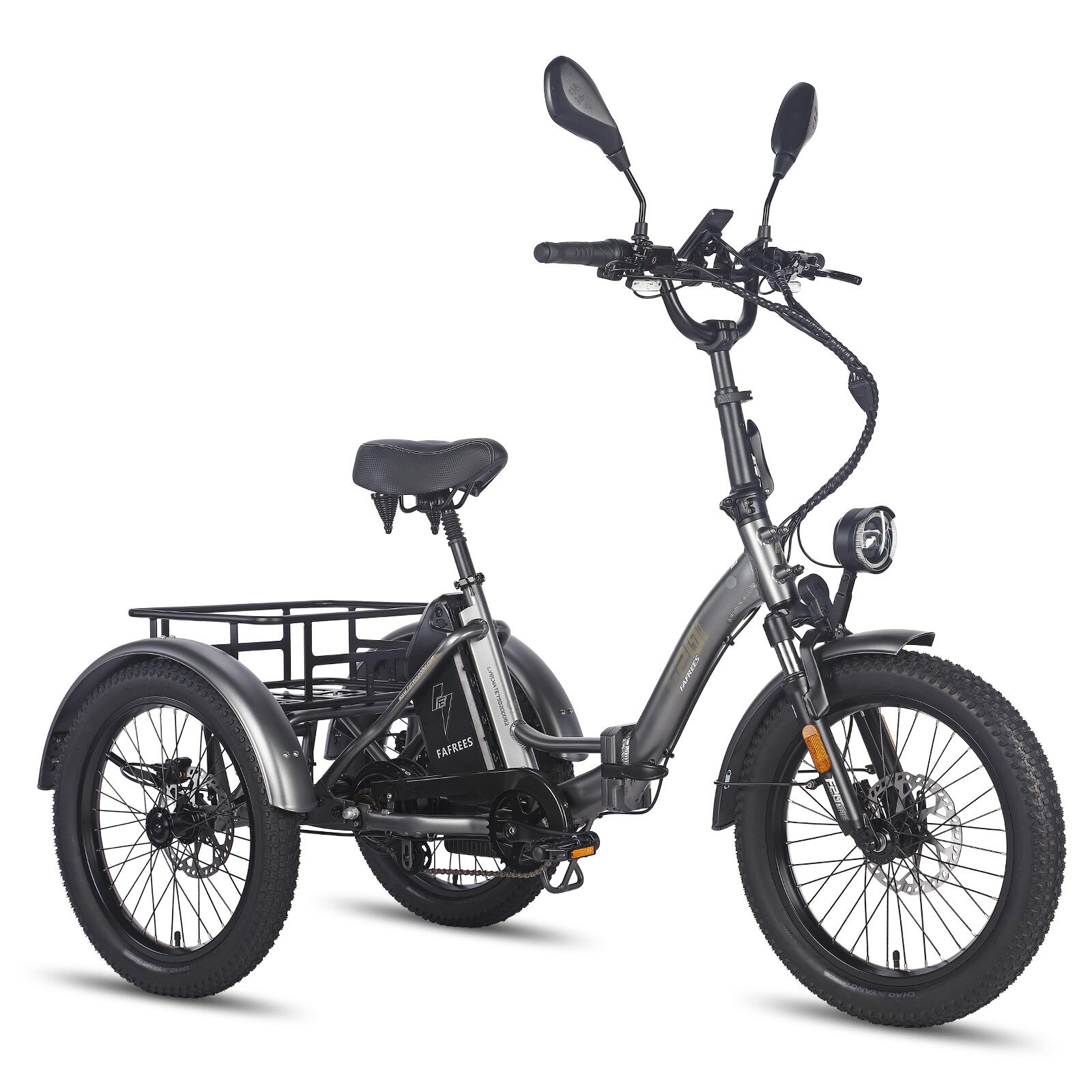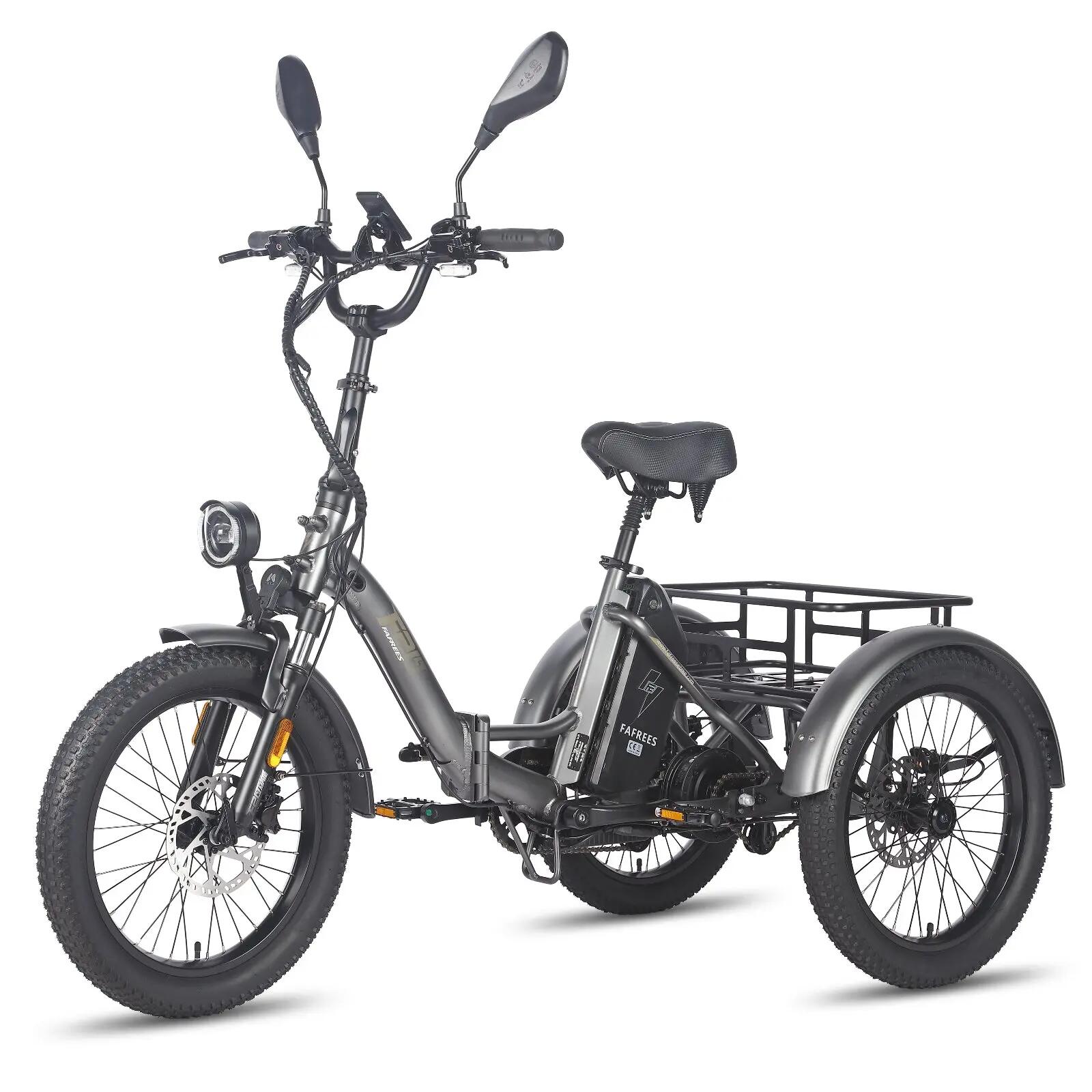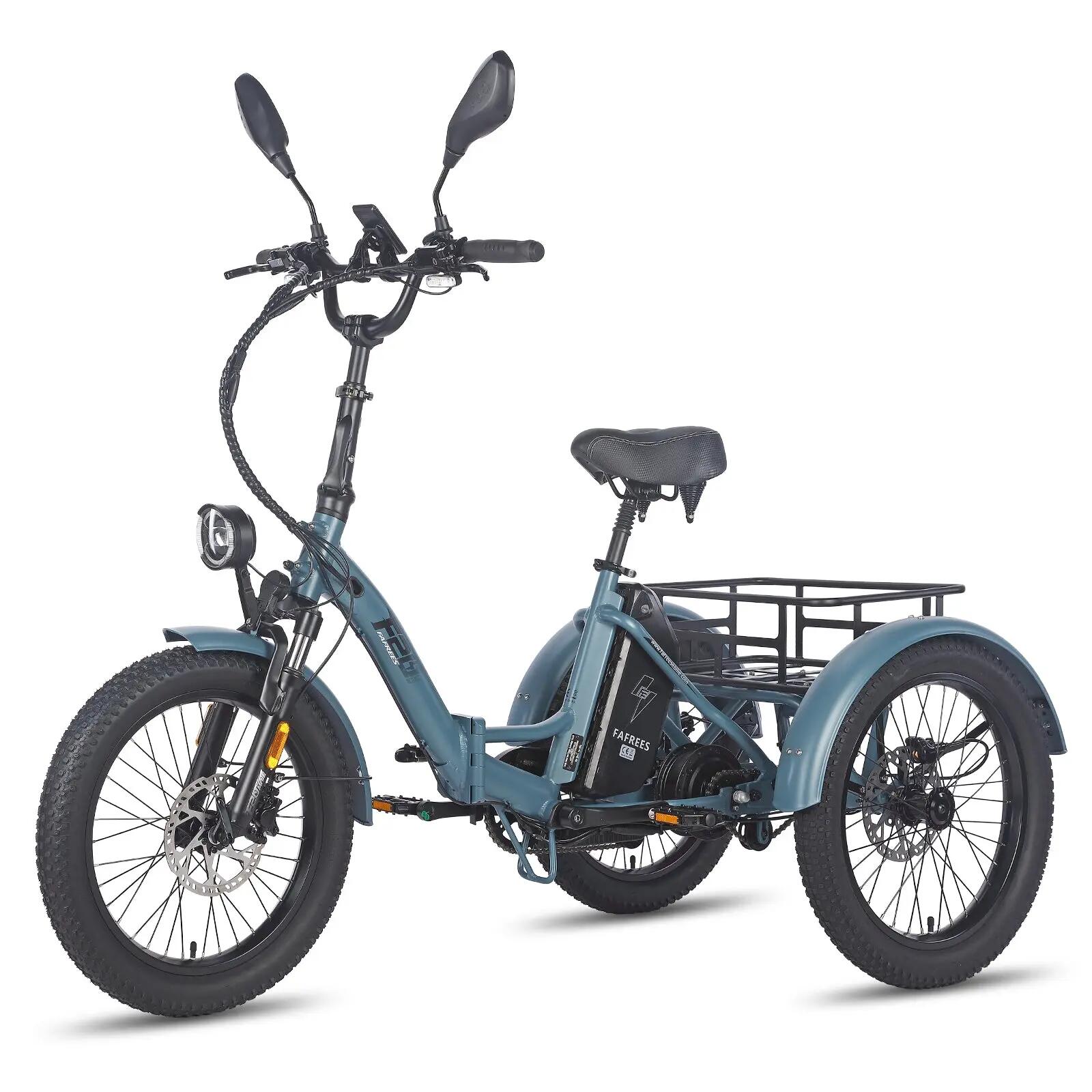
86 items
4.2/5 based on 614 reviews collected online and in stores

Cargo Bikes FAQs

What equipment do you need to carry passengers on a cargo bike?

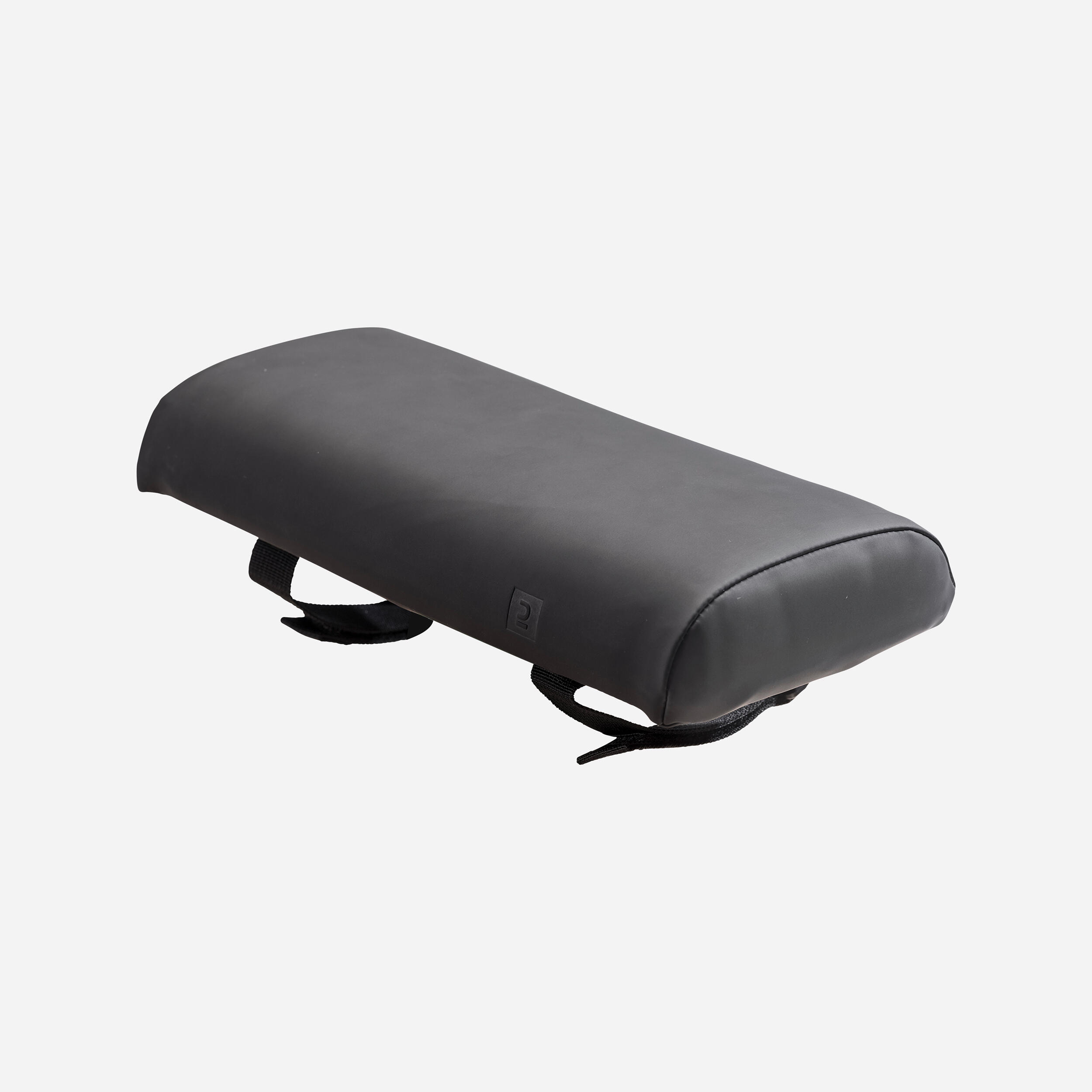
Start with the bike's stated passenger capacity and make sure every seating accessory is compatible with the rear platform. A secure seating area matters because a passenger changes both the total weight and the balance of the bike. Adding a compatible longtail cargo bike cushion can improve comfort for everyday city journeys while keeping the seating setup matched to the bike. Check that any retention bars, footrests or child seats are correctly fitted before riding. Pro tip: practise starting, braking and slow turns without traffic after changing the passenger setup. Extra rear weight can make the bike feel different at low speed, especially when moving away from junctions or stopping on a slope.

Which pannier bag features matter most for a cargo bike?

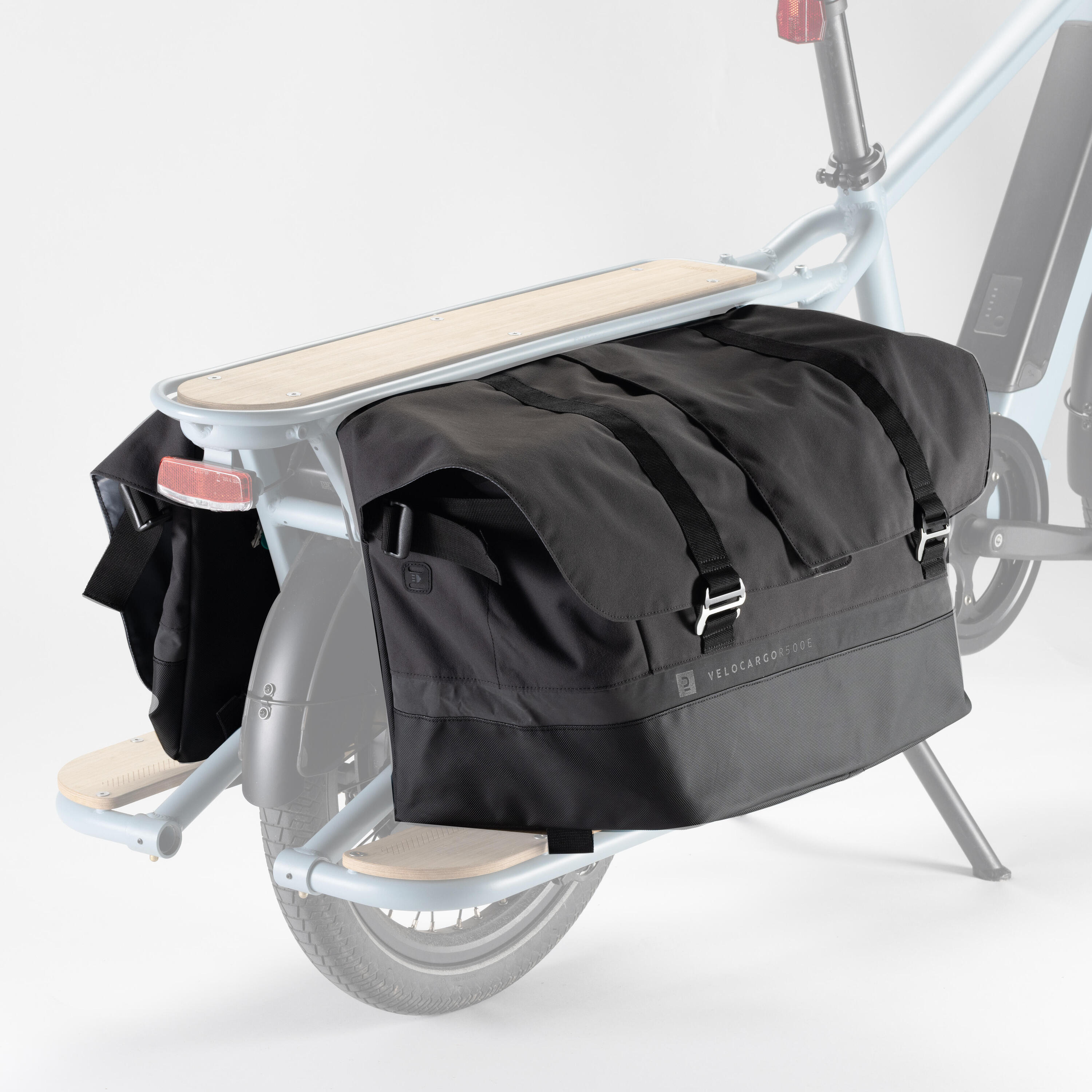
Capacity is important, but the bags also need to work around passengers, footrests and the shape of the rear platform. A pair of longtail cargo bike pannier bags can give you substantial space for shopping, work equipment or family items while keeping the load lower than a large backpack. Check how the bags close, whether they interfere with the rear wheel and how their shape changes when passengers are carried. Pro tip: put heavier items low and distribute the weight evenly between both sides. Uneven loading can affect steering and make the bike lean more noticeably when you stop.

How do cargo bikes compare with standard bikes for everyday journeys?

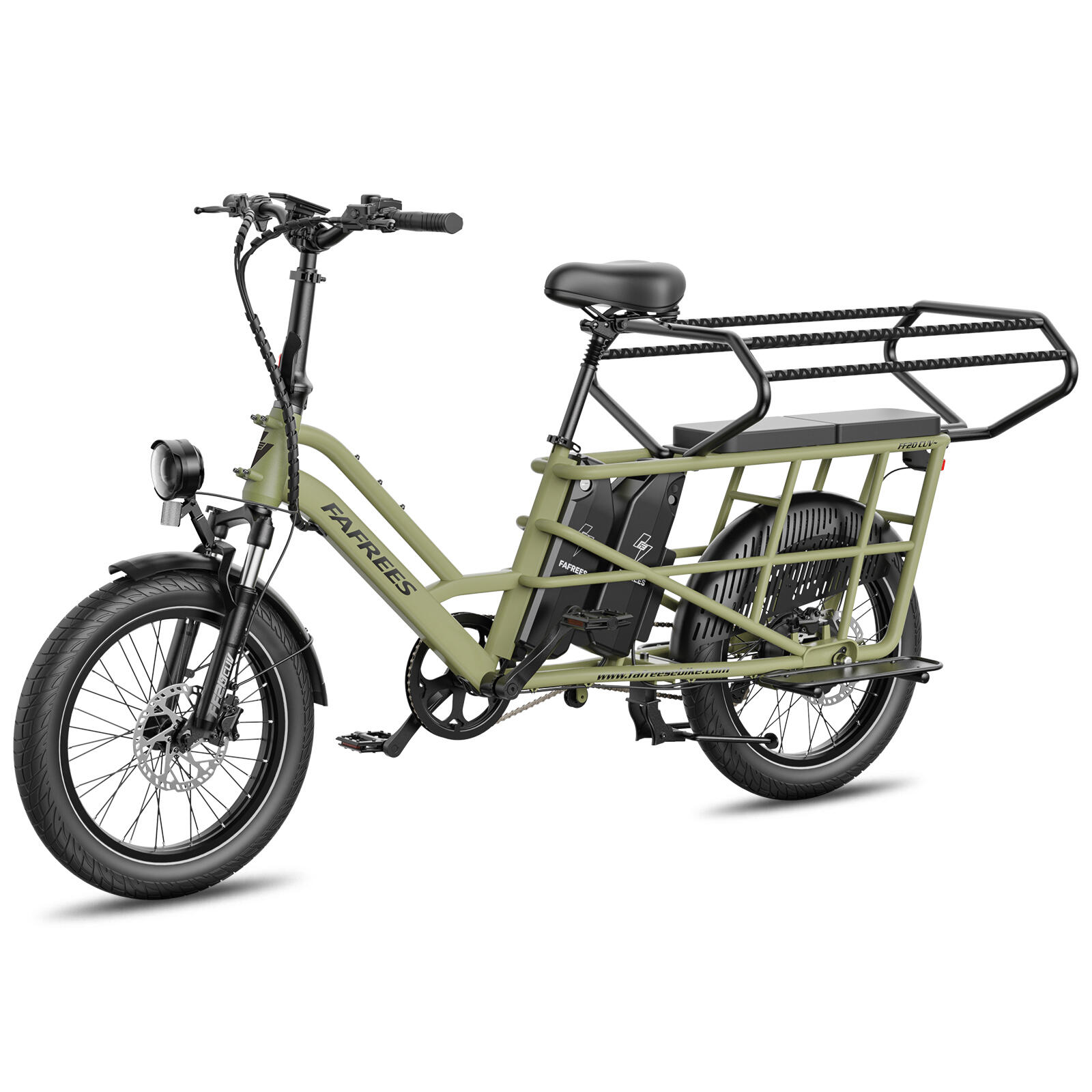
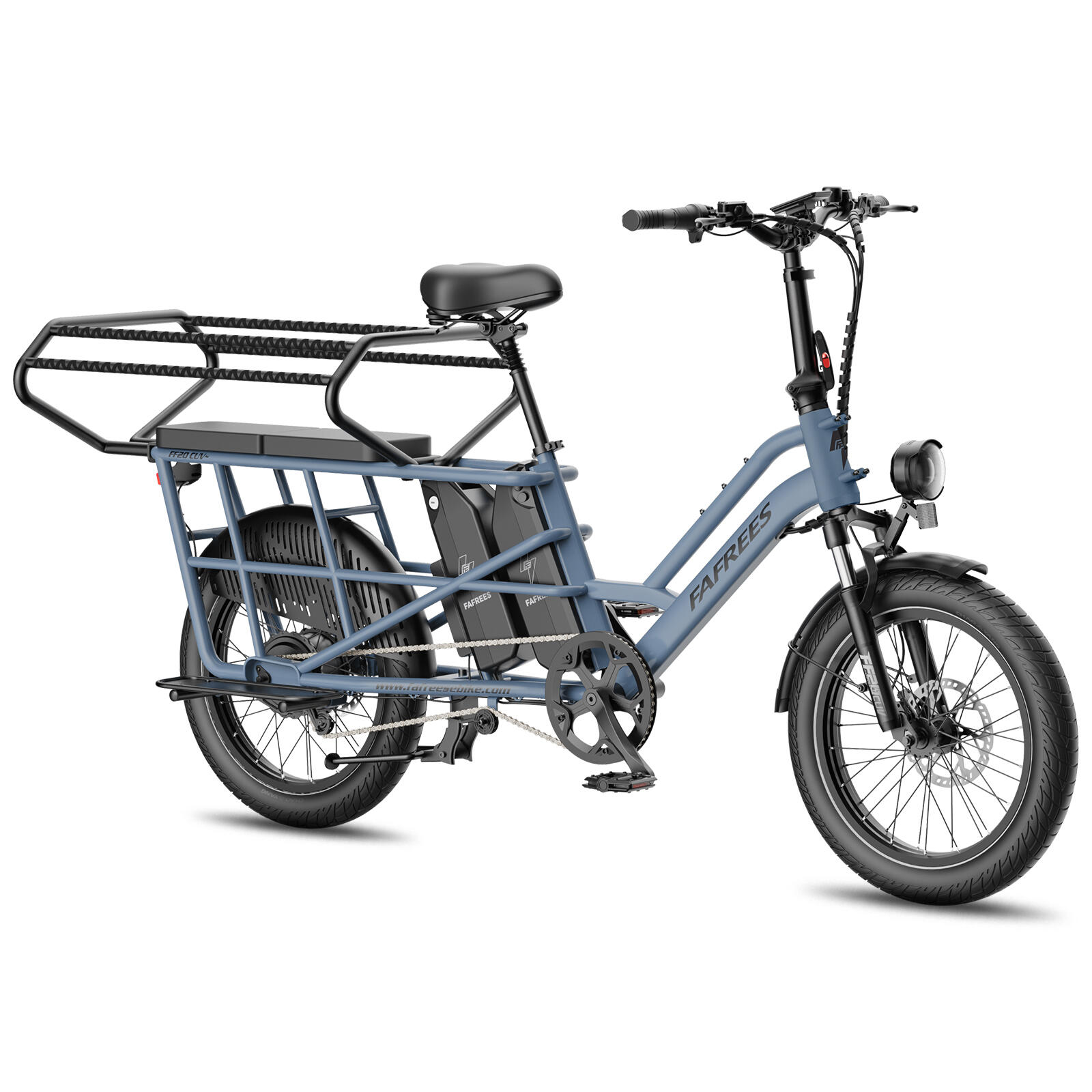
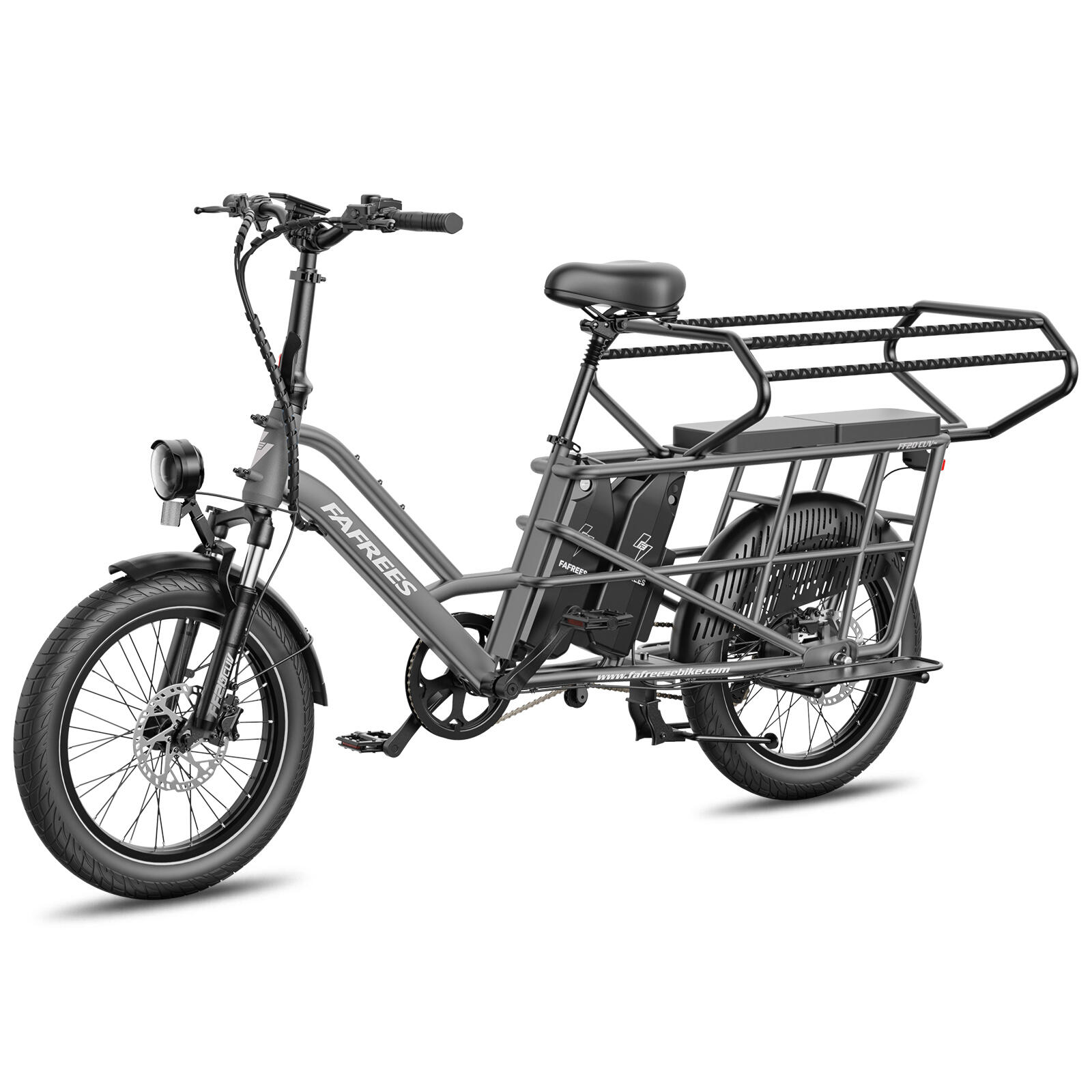
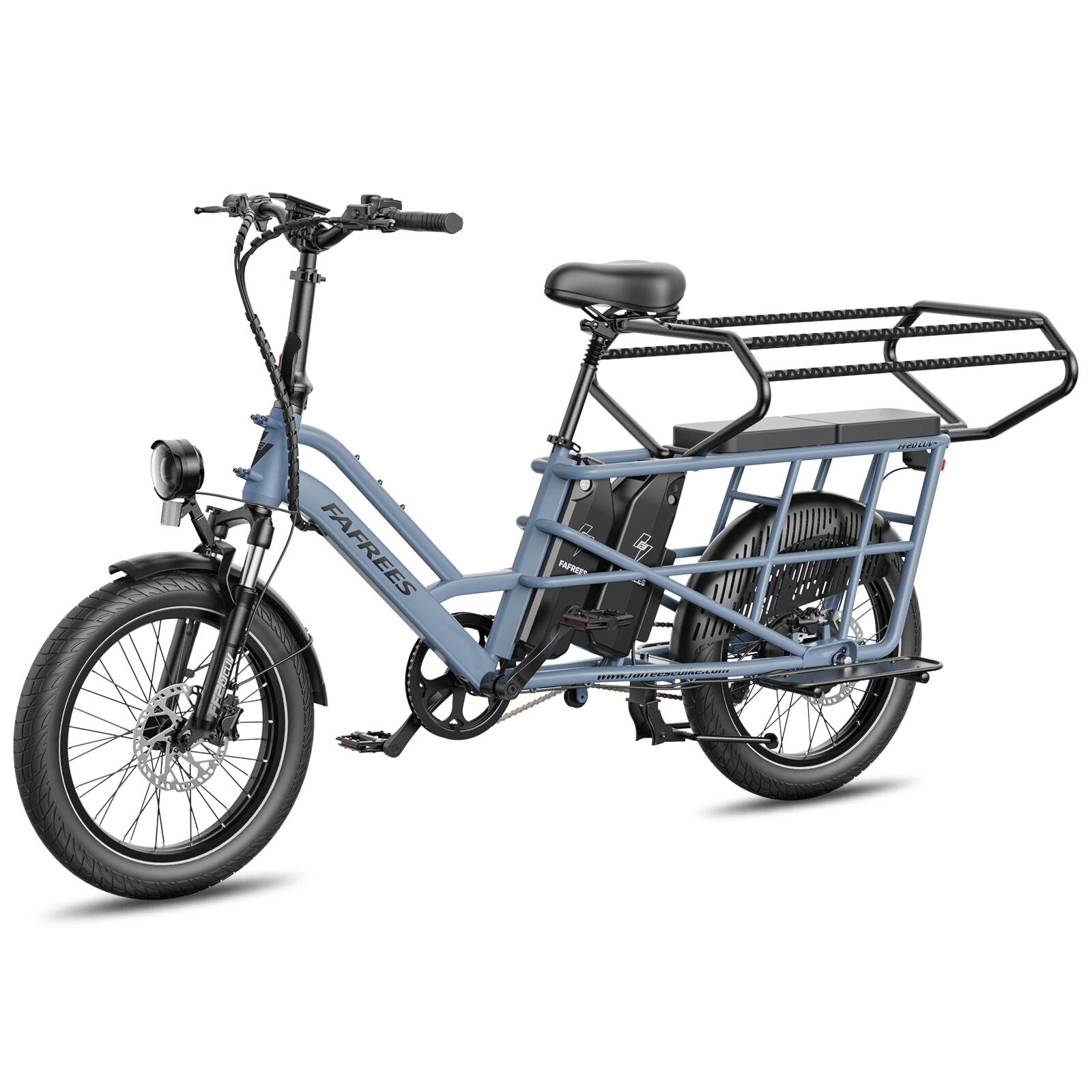
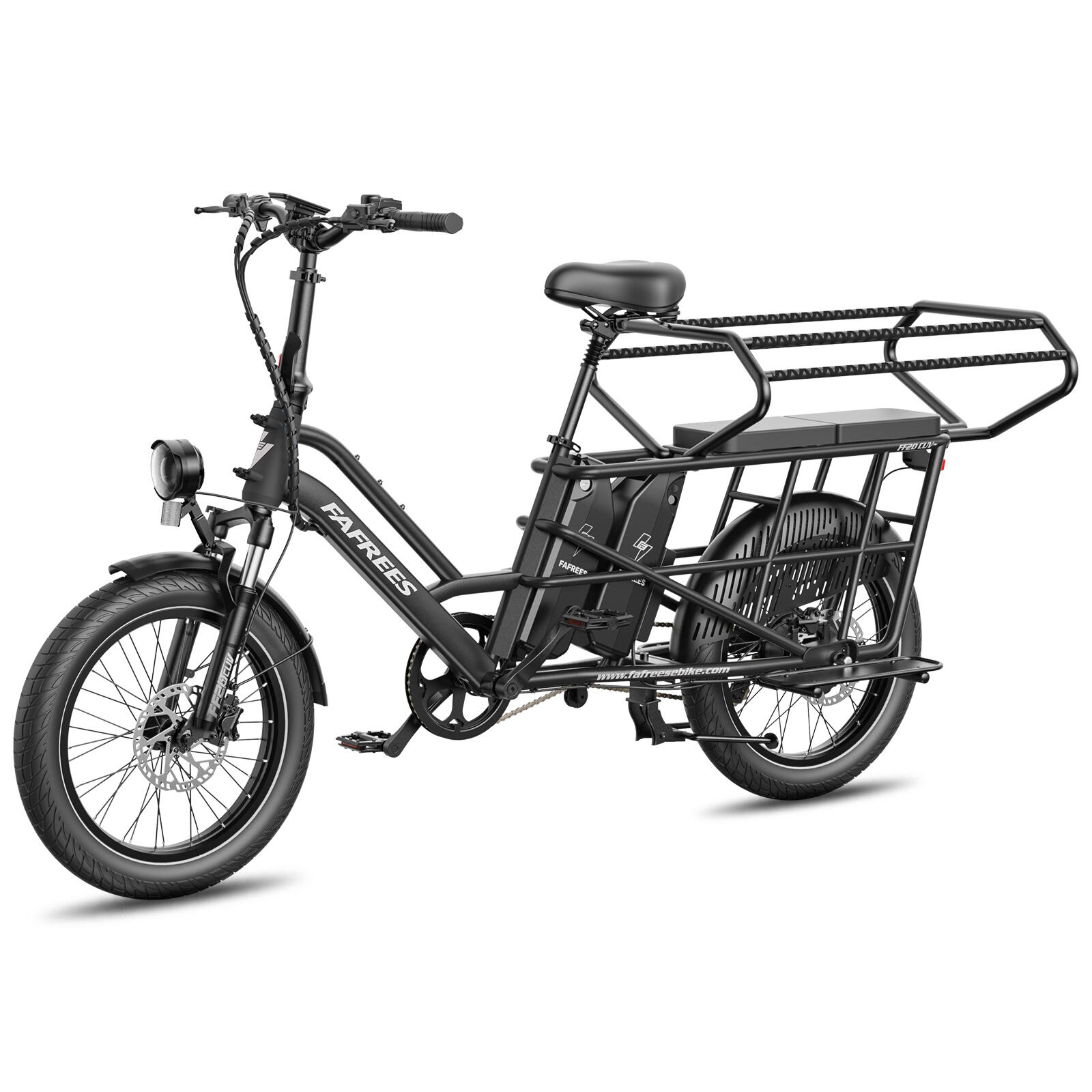
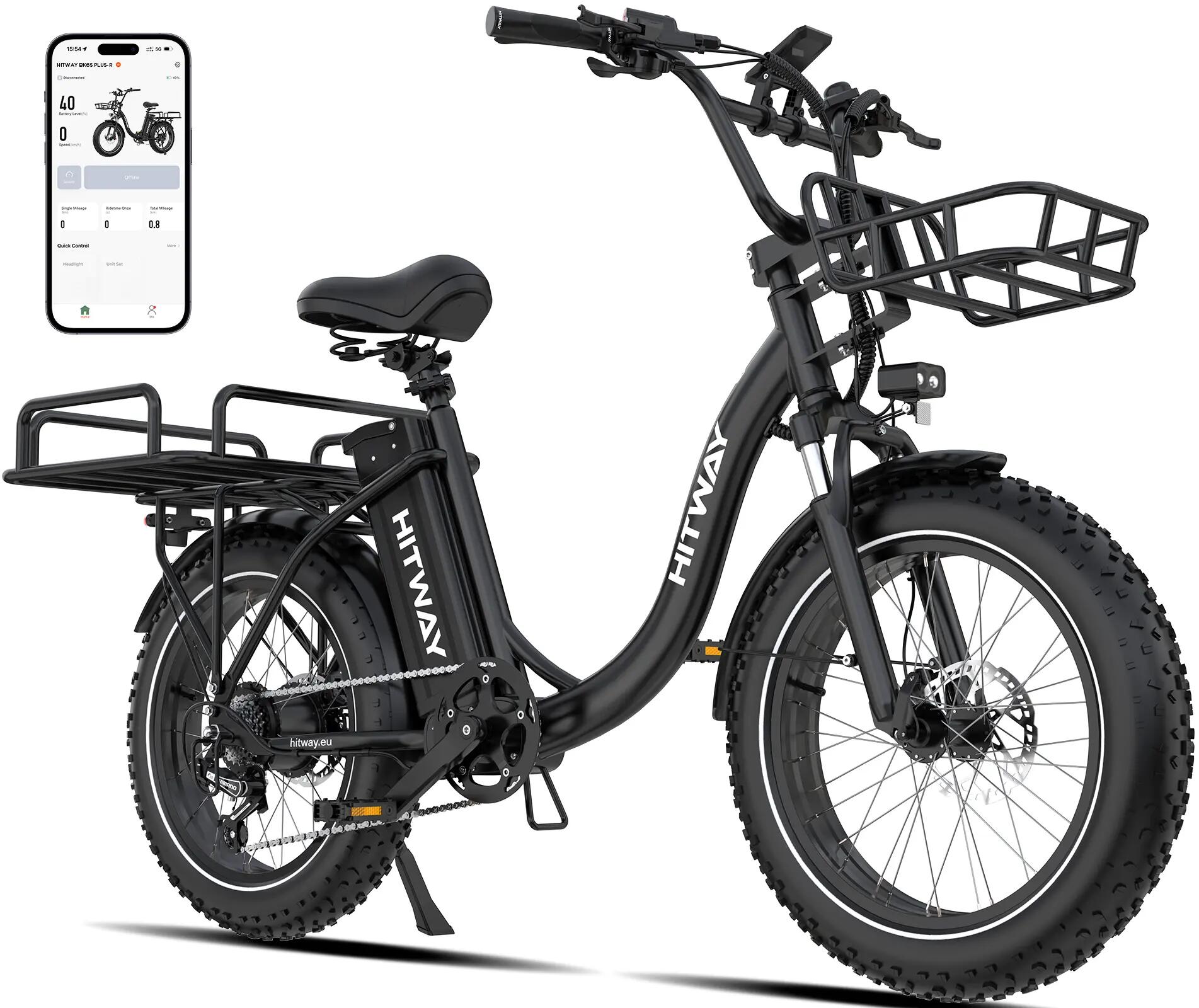
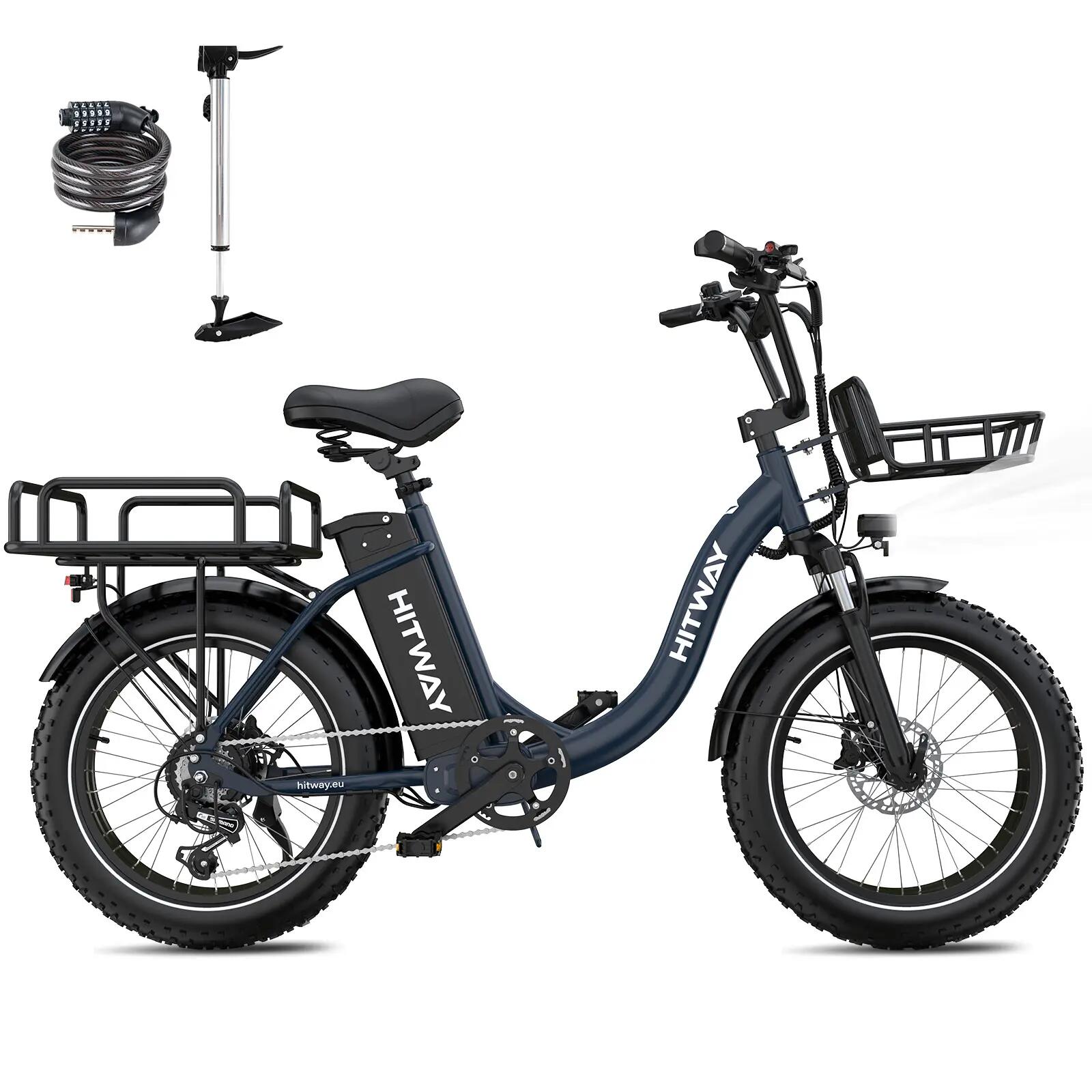
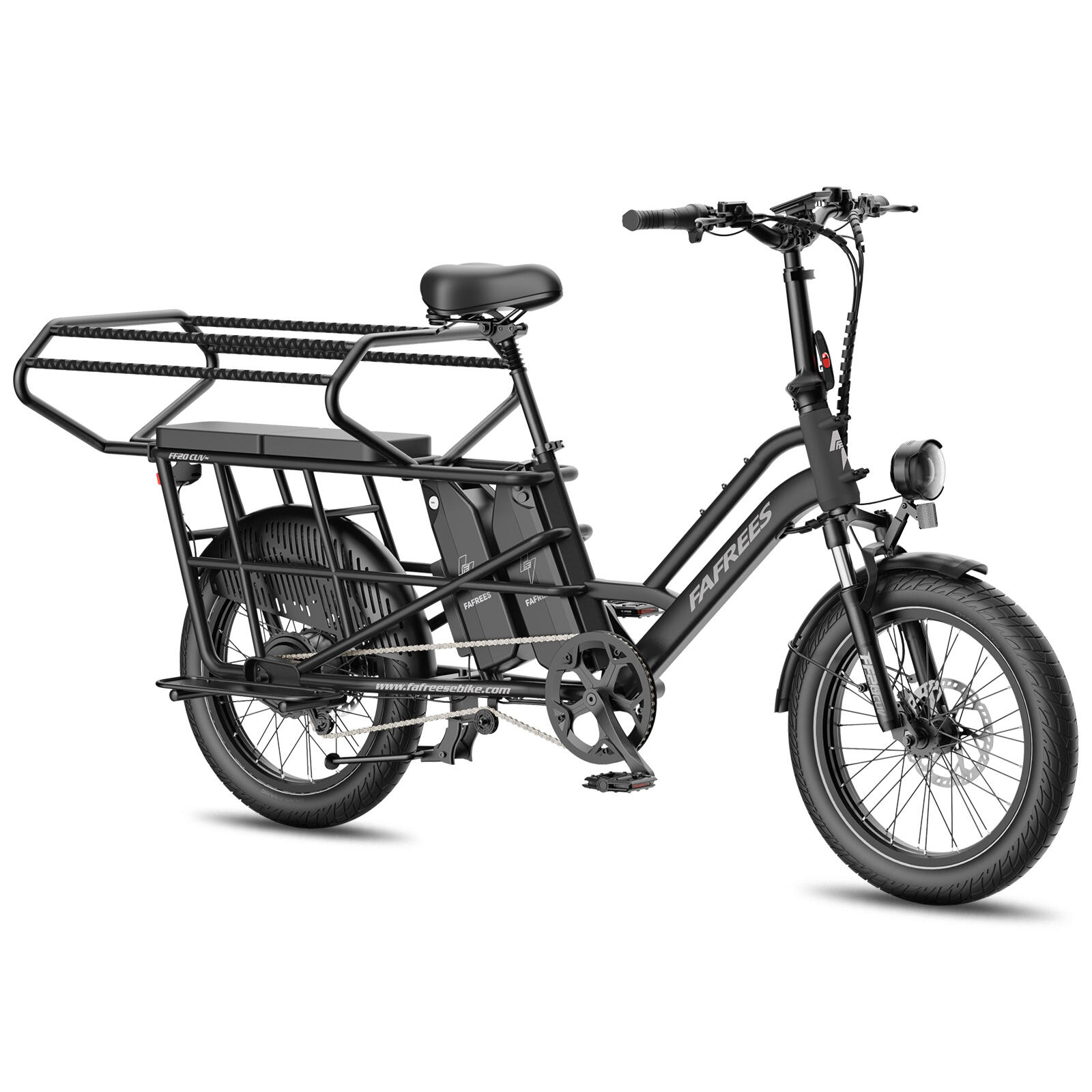
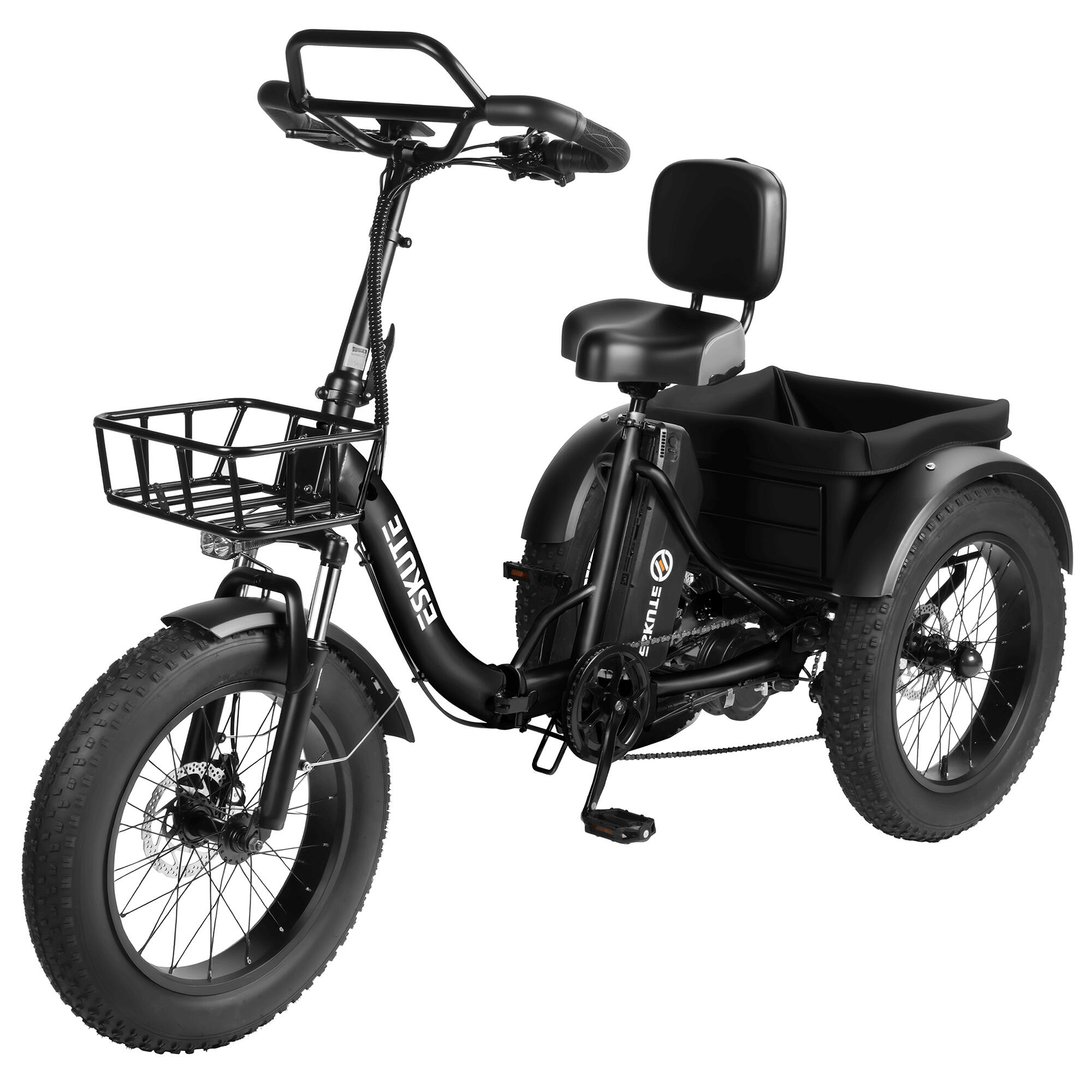
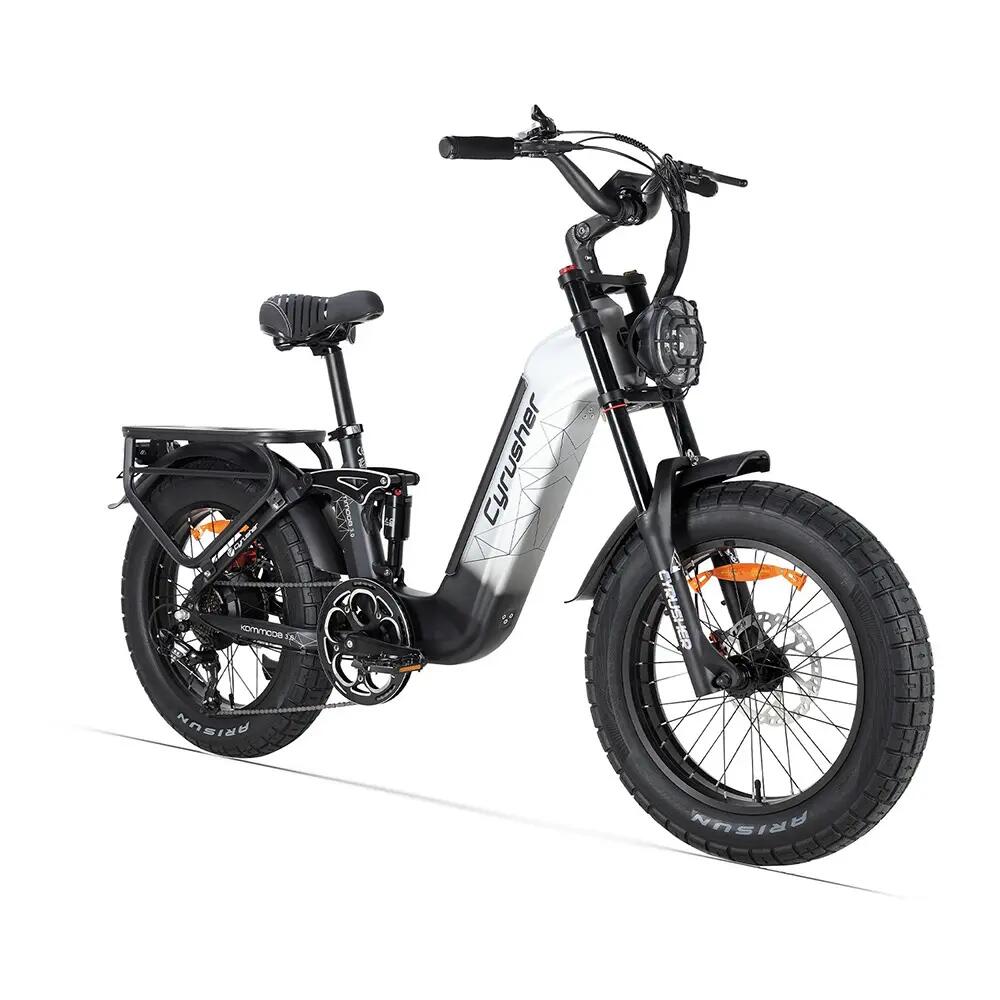
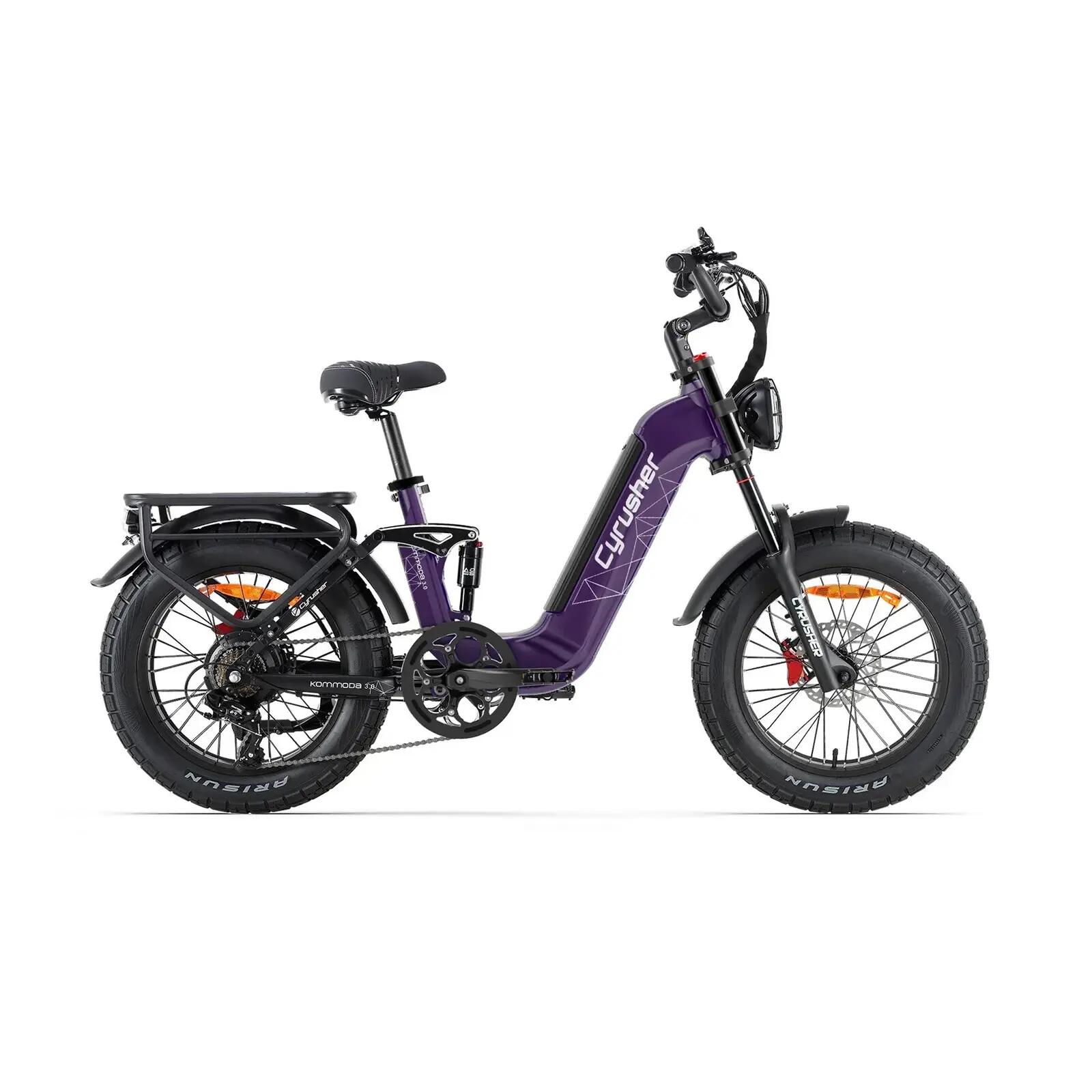
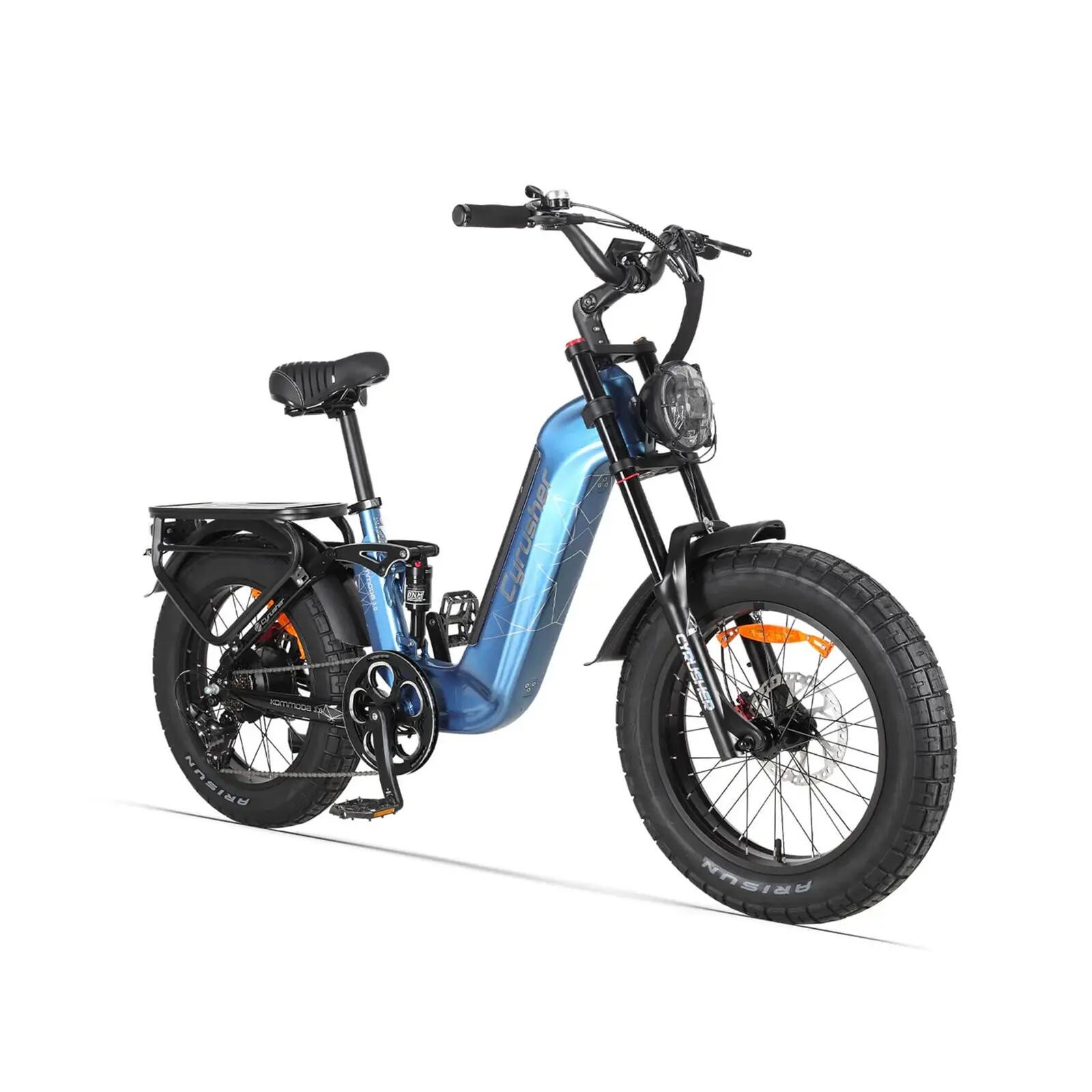
Cargo bikes prioritise carrying capacity and stability under load, while many standard bikes are lighter, shorter and easier to store. A longtail can suit school runs, shopping or work journeys where you regularly carry passengers or bulky items, but the longer wheelbase needs more space for turning and parking. If electrical assistance is included, it can also help when accelerating with extra weight or climbing hills. Pro tip: measure your storage area before choosing a cargo model. Length, handlebar width and overall weight can matter just as much at home as they do on the road, especially if stairs or narrow access are involved.

When is a cargo bike more useful than a regular city bike?

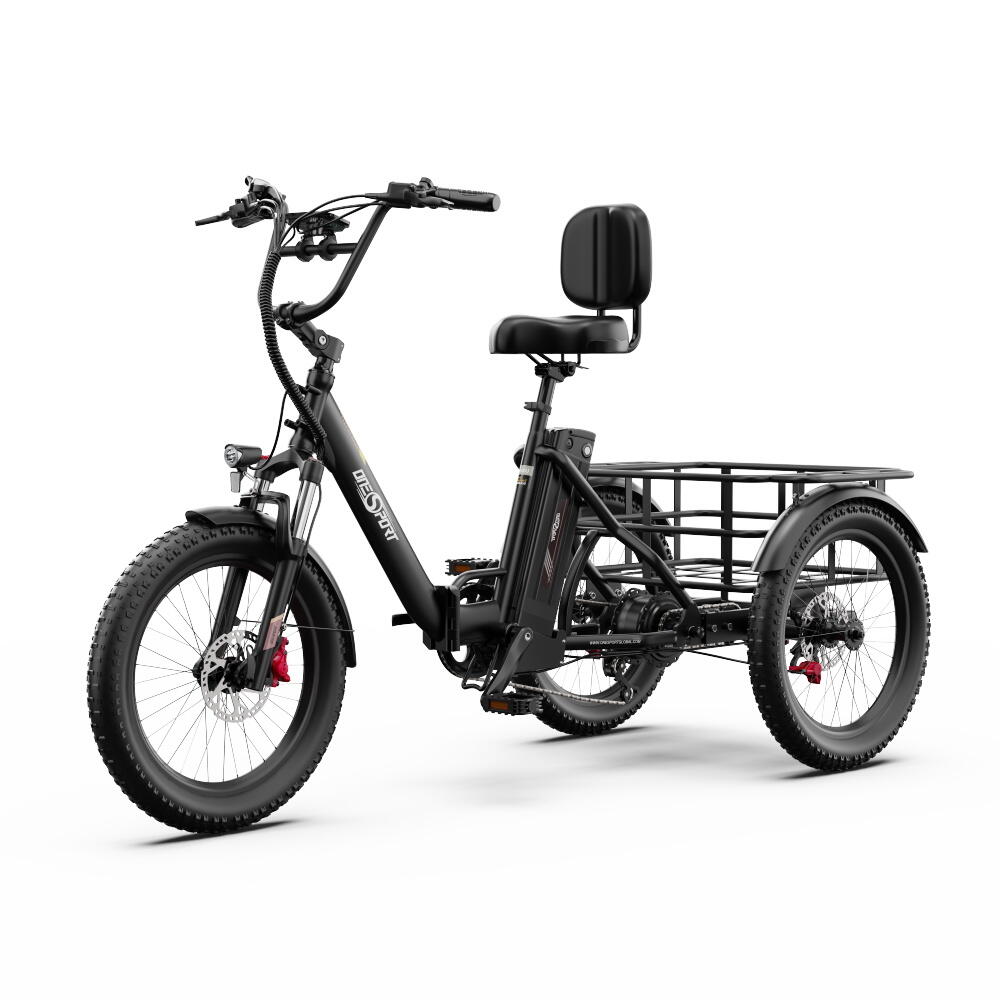
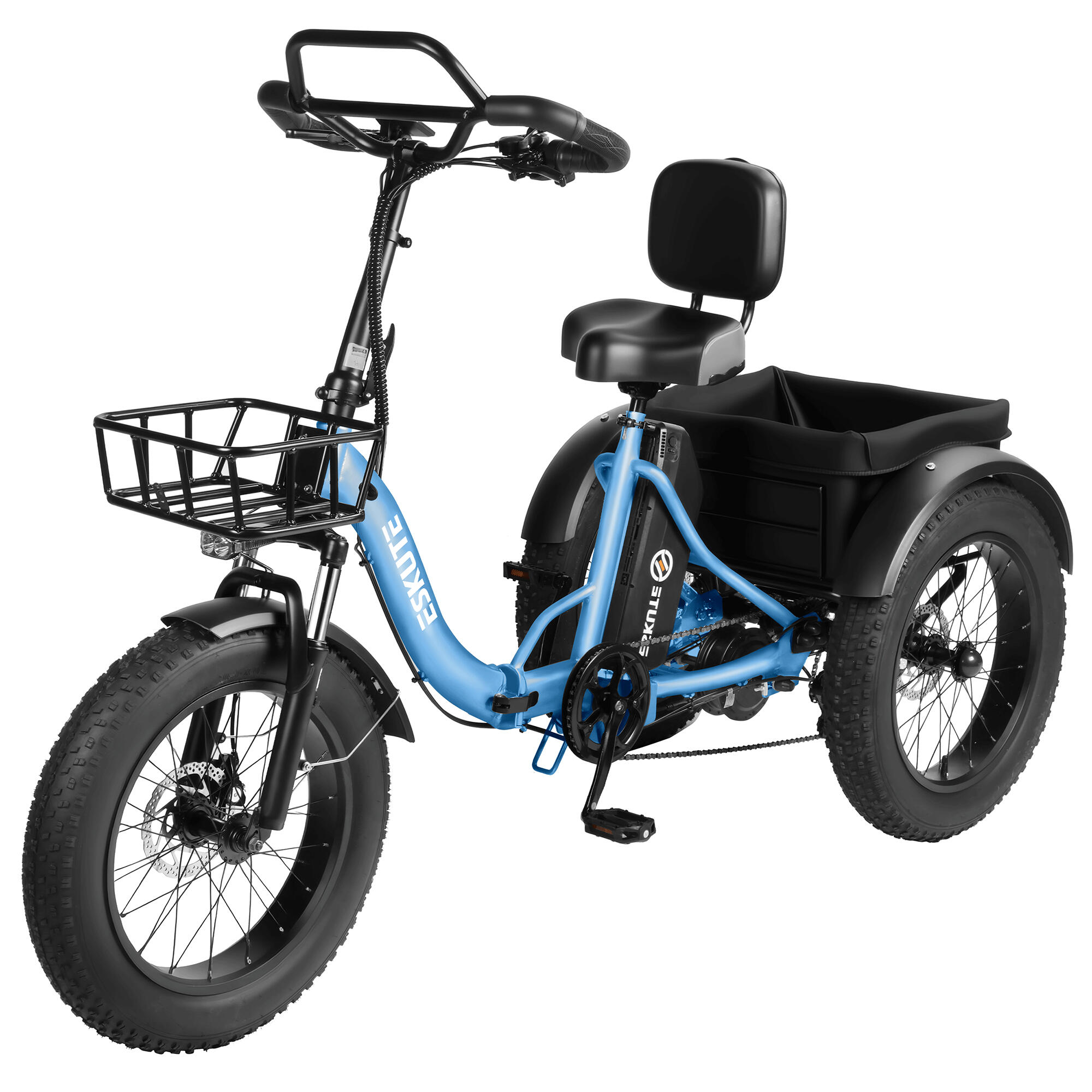
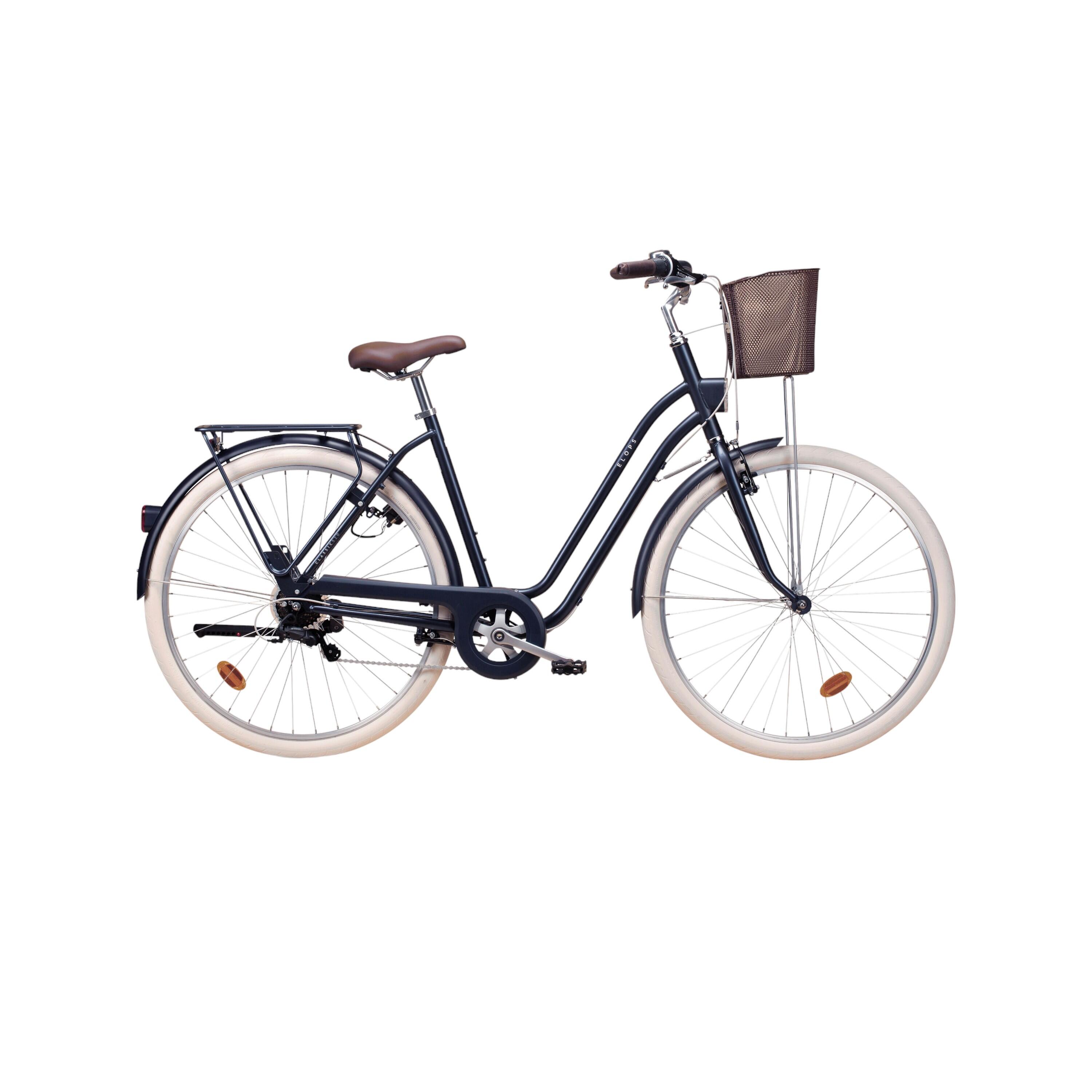
A conventional city bike can work well for commuting with a modest amount of luggage, but cargo bikes make more sense when carrying children, large shopping loads or heavier everyday equipment becomes routine. Their longer rear platforms and stronger carrying systems give you more options for changing between passenger and luggage setups. The trade-off is additional size and weight, so handling can feel slower at low speeds. Pro tip: think about your busiest weekly journey rather than your lightest one. If you regularly need more carrying space than a rack and two standard panniers provide, a cargo format may simplify those trips.

What equipment should you add to a cargo bike for regular city use?

Prioritise equipment that supports visibility, security, carrying and weather protection. Suitable bike cycling gear and accessories can include a helmet, lock, lights, rain protection and compatible luggage, depending on what is already fitted to the bike. With a loaded cargo bike, brake condition and tyre pressure deserve particular attention because extra mass increases the work required to slow down and can make under-inflated tyres feel sluggish. Pro tip: complete a quick check before busy journeys, test the brakes, confirm luggage is secure, make sure nothing can reach the wheels and check that passenger accessories are firmly attached before moving off.