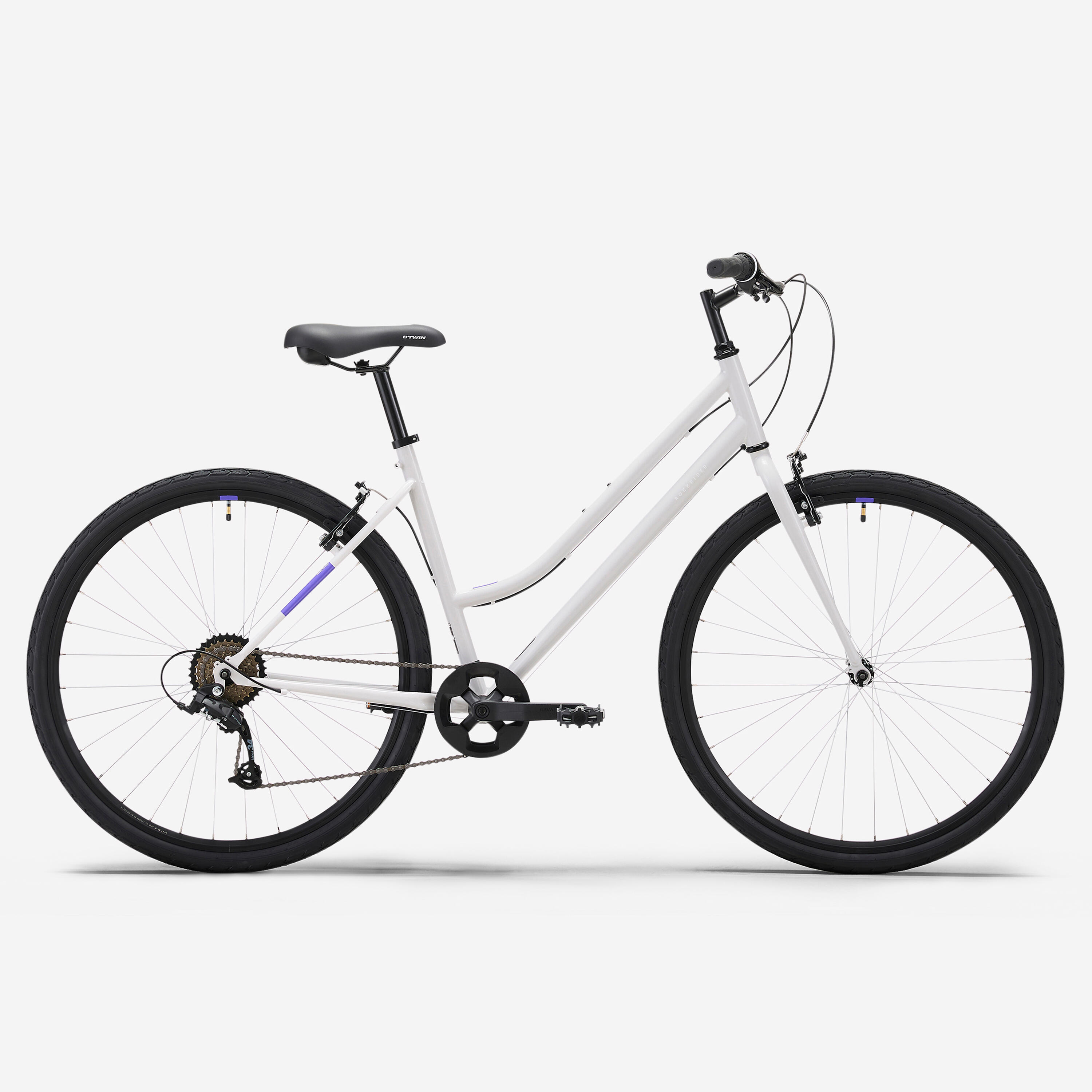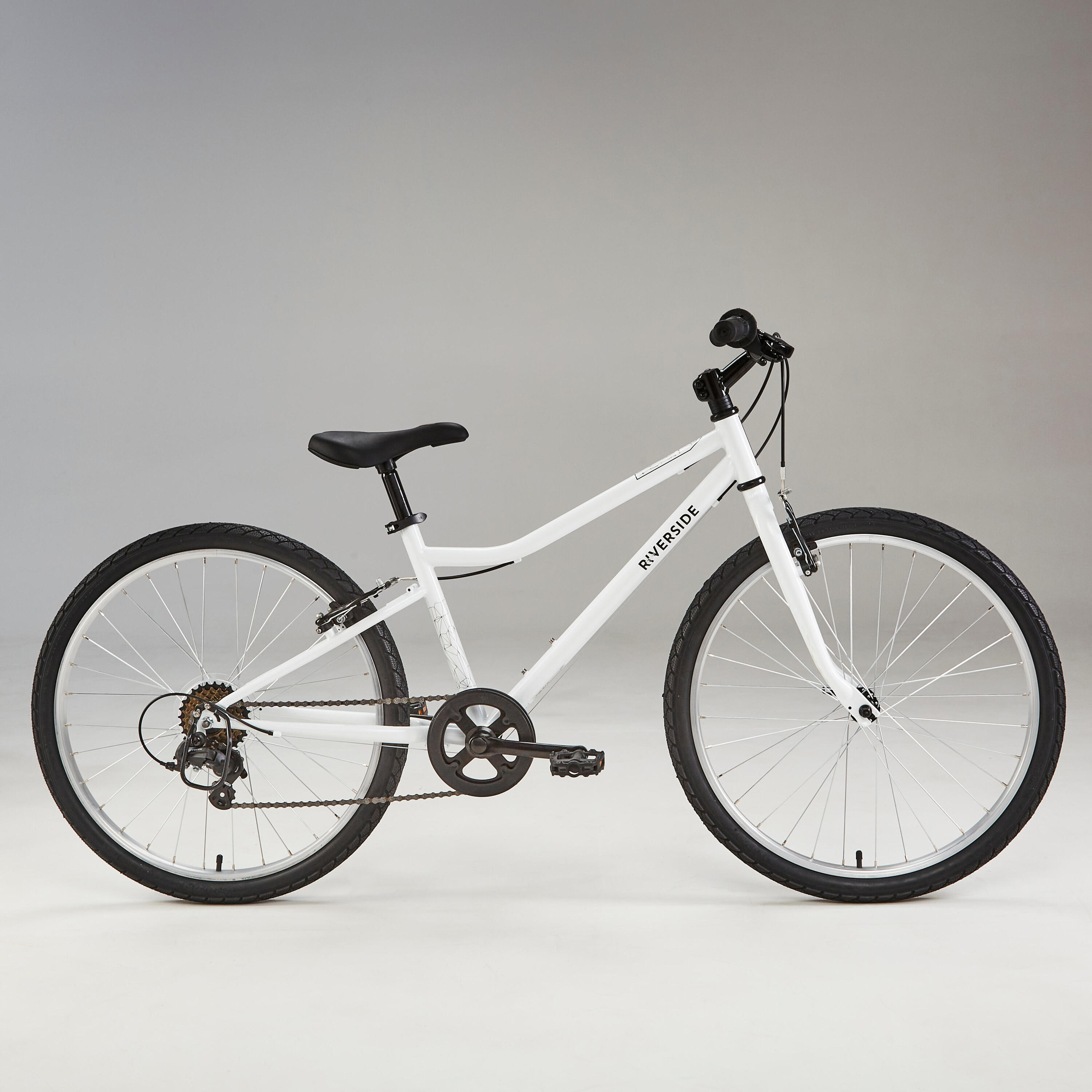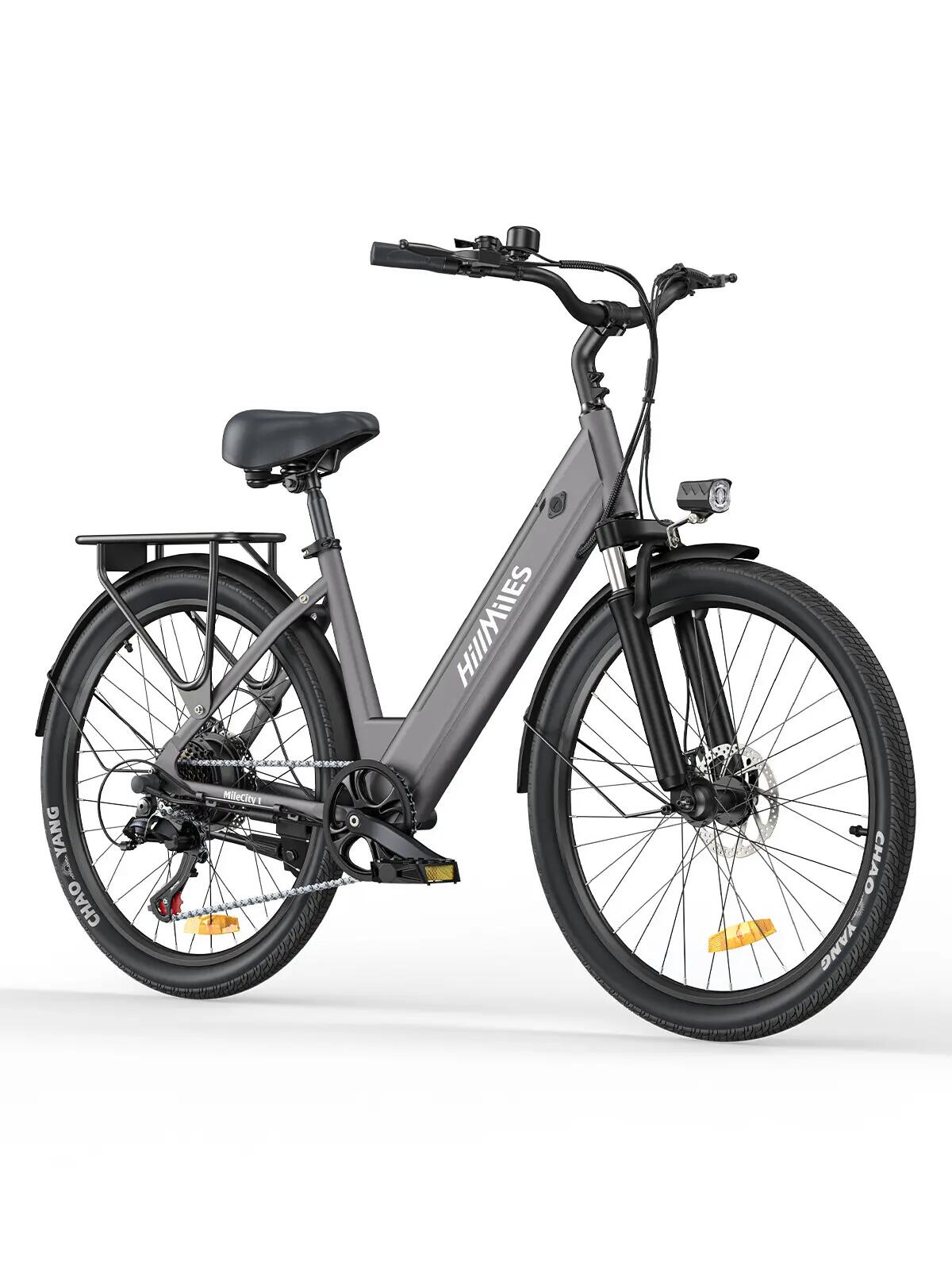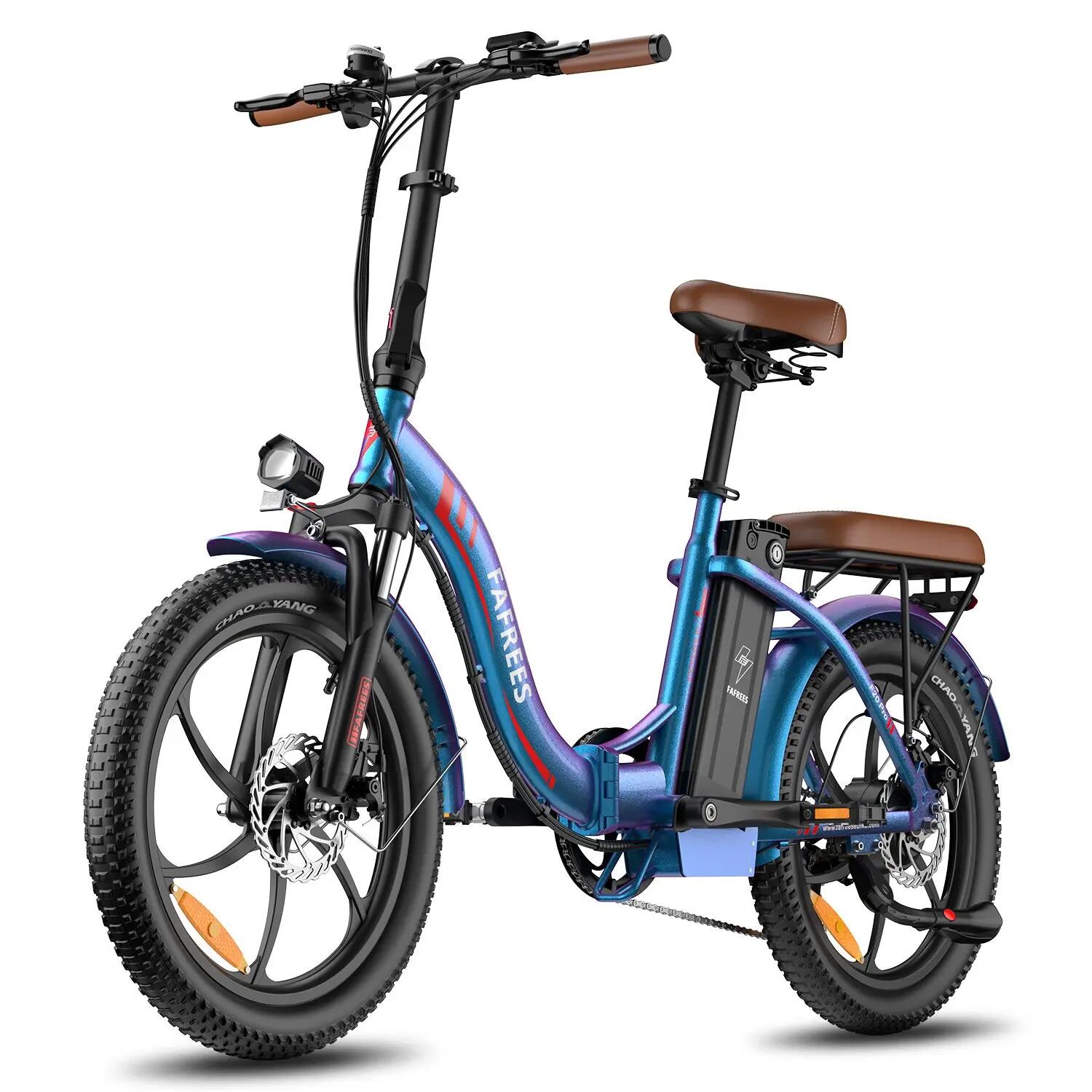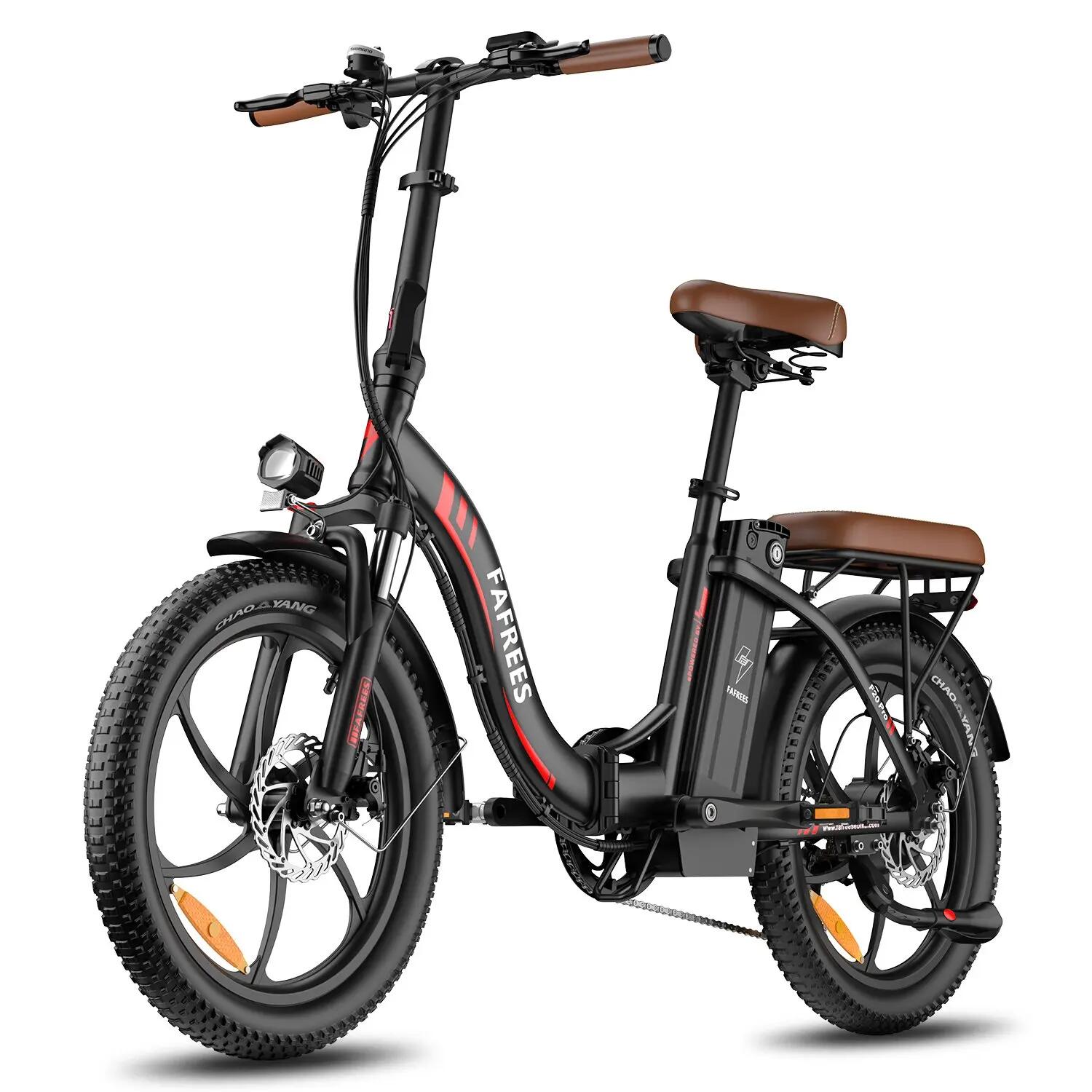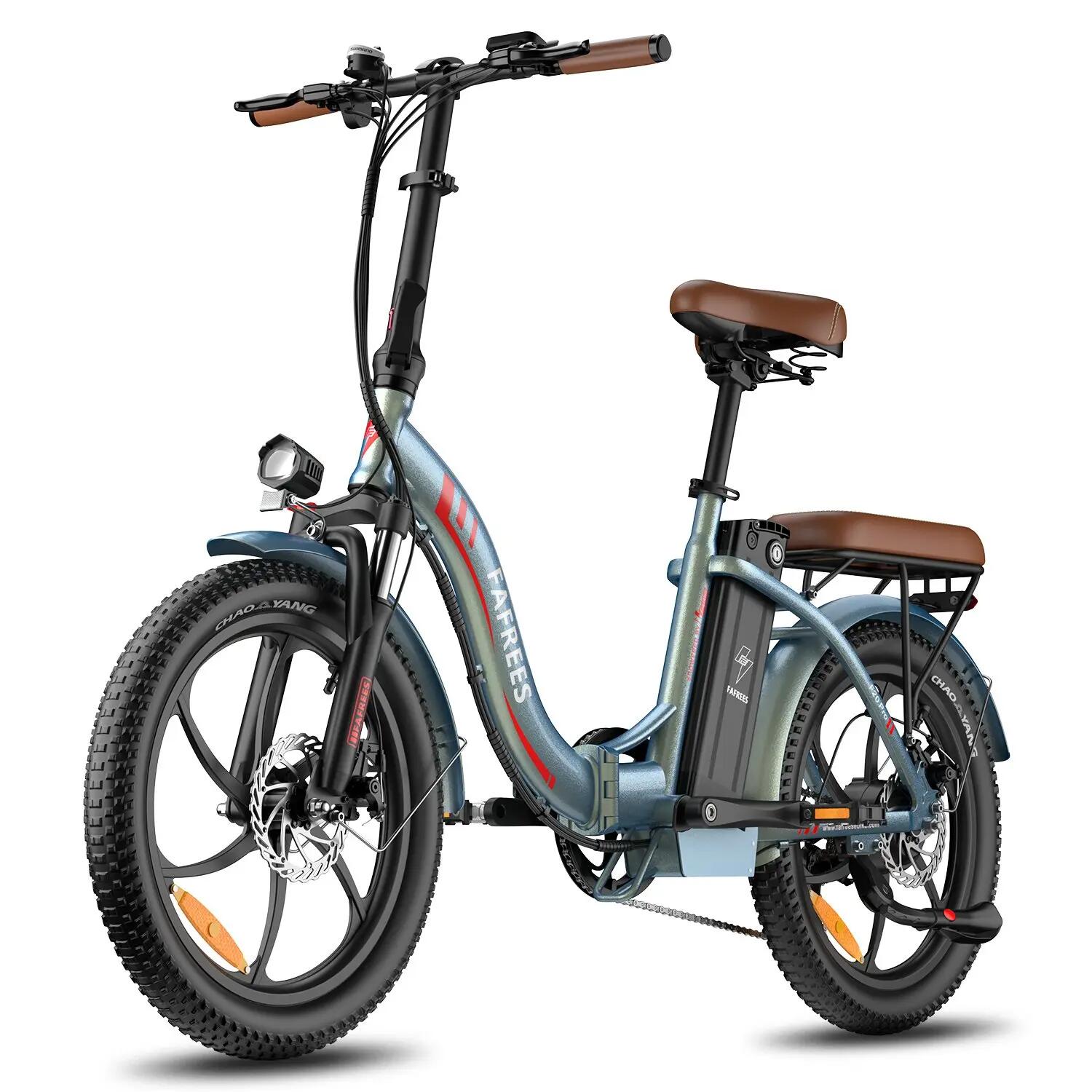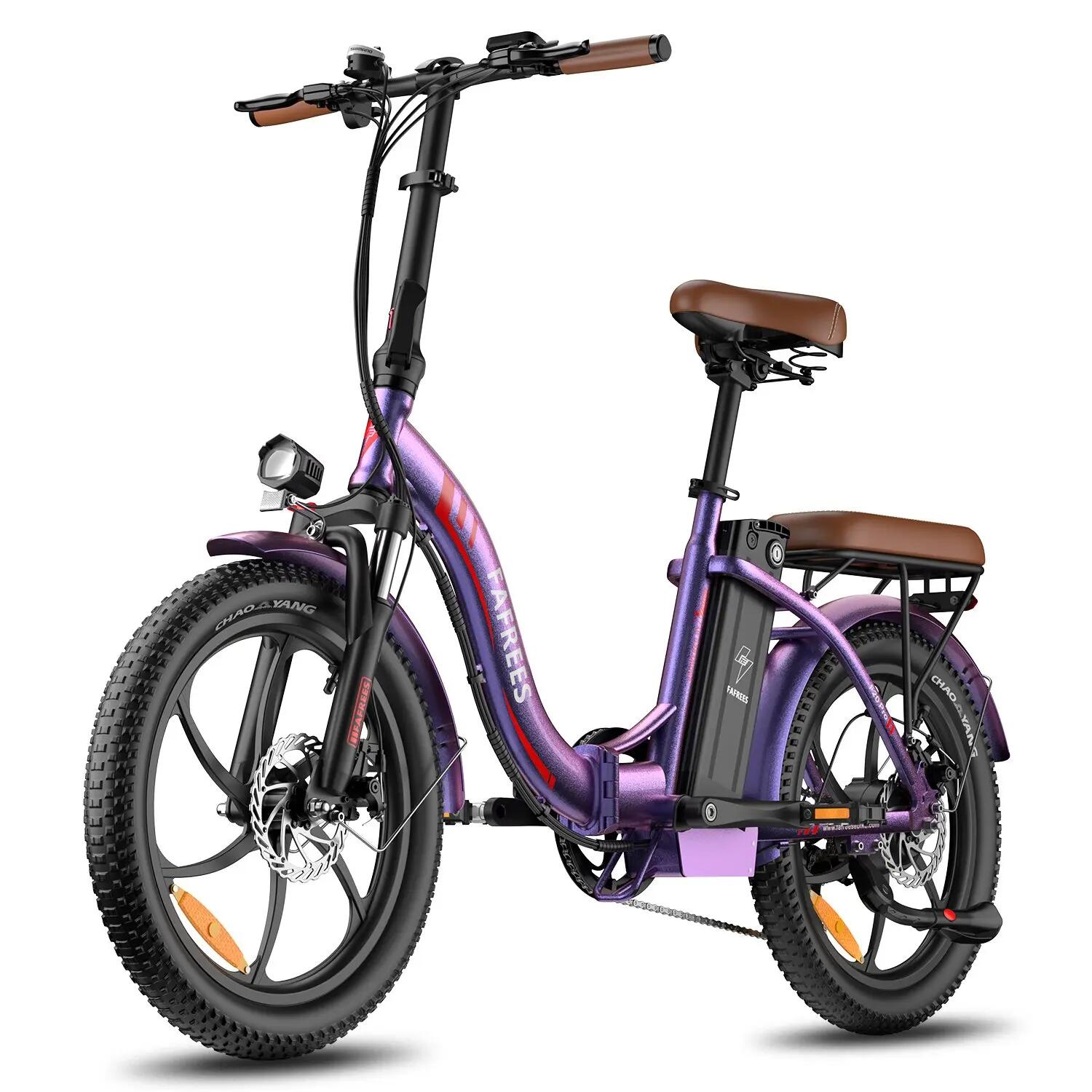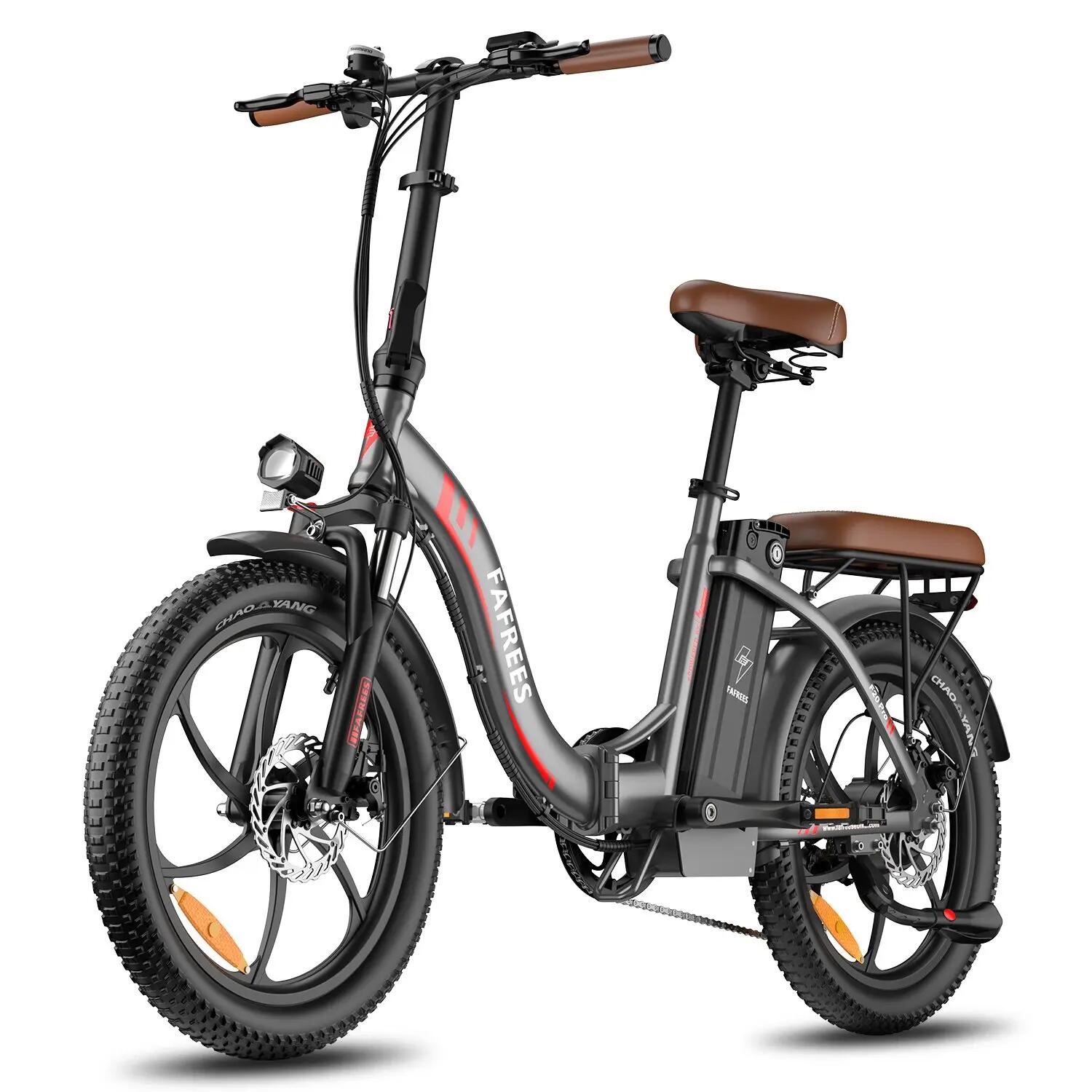
2,767 items
4.1/5 based on 28184 reviews collected online and in stores

City Bikes FAQs

Which city bike features are most useful for everyday travel?

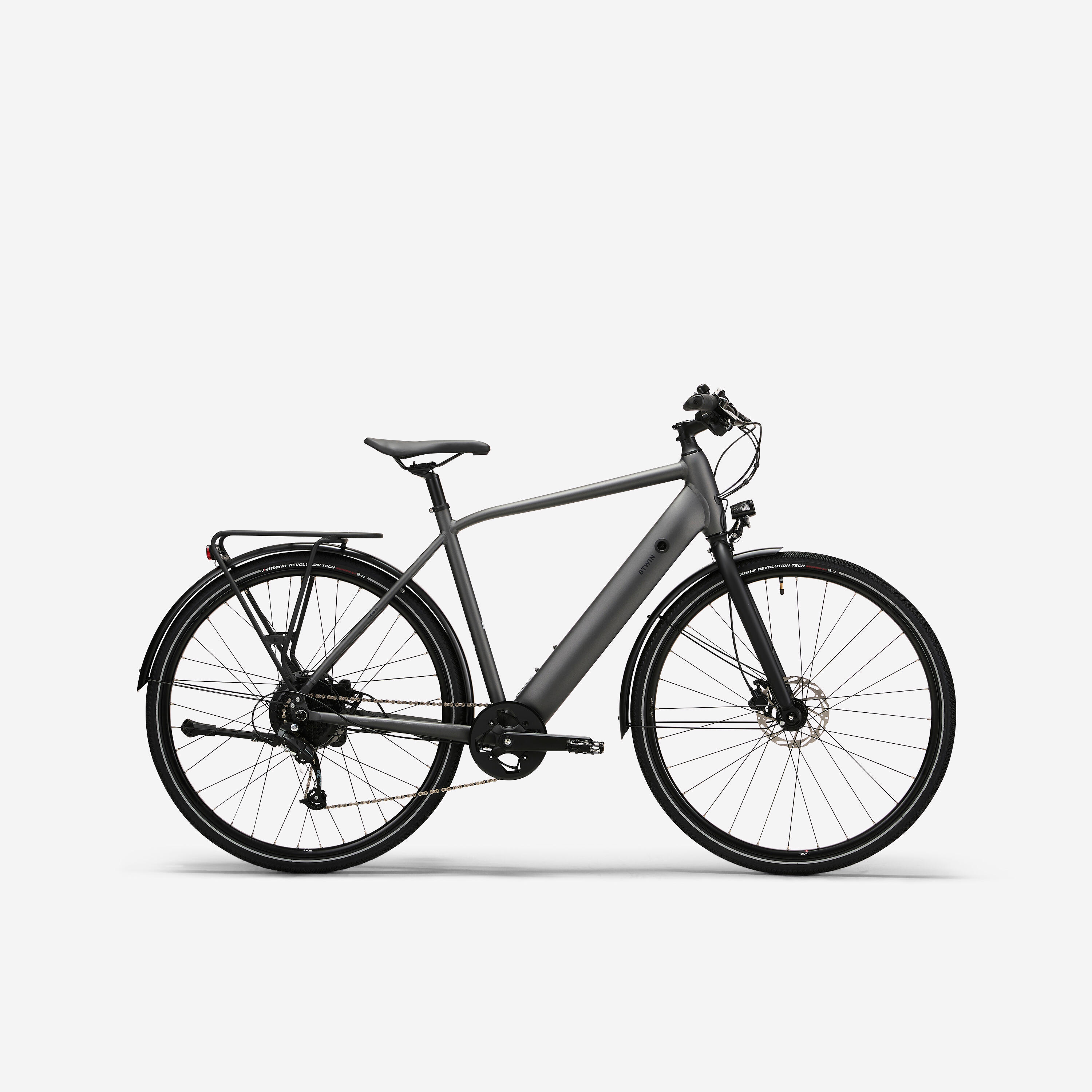
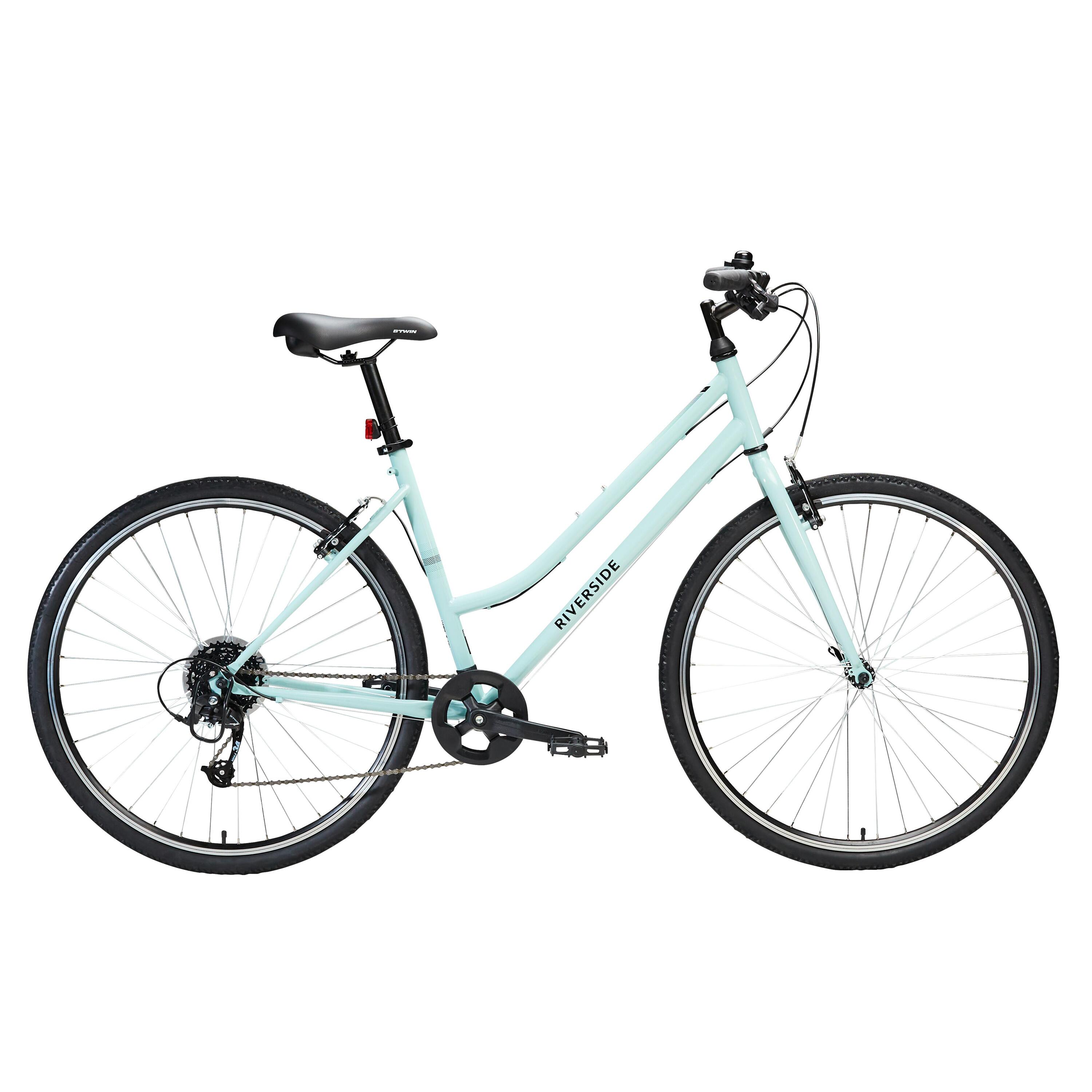
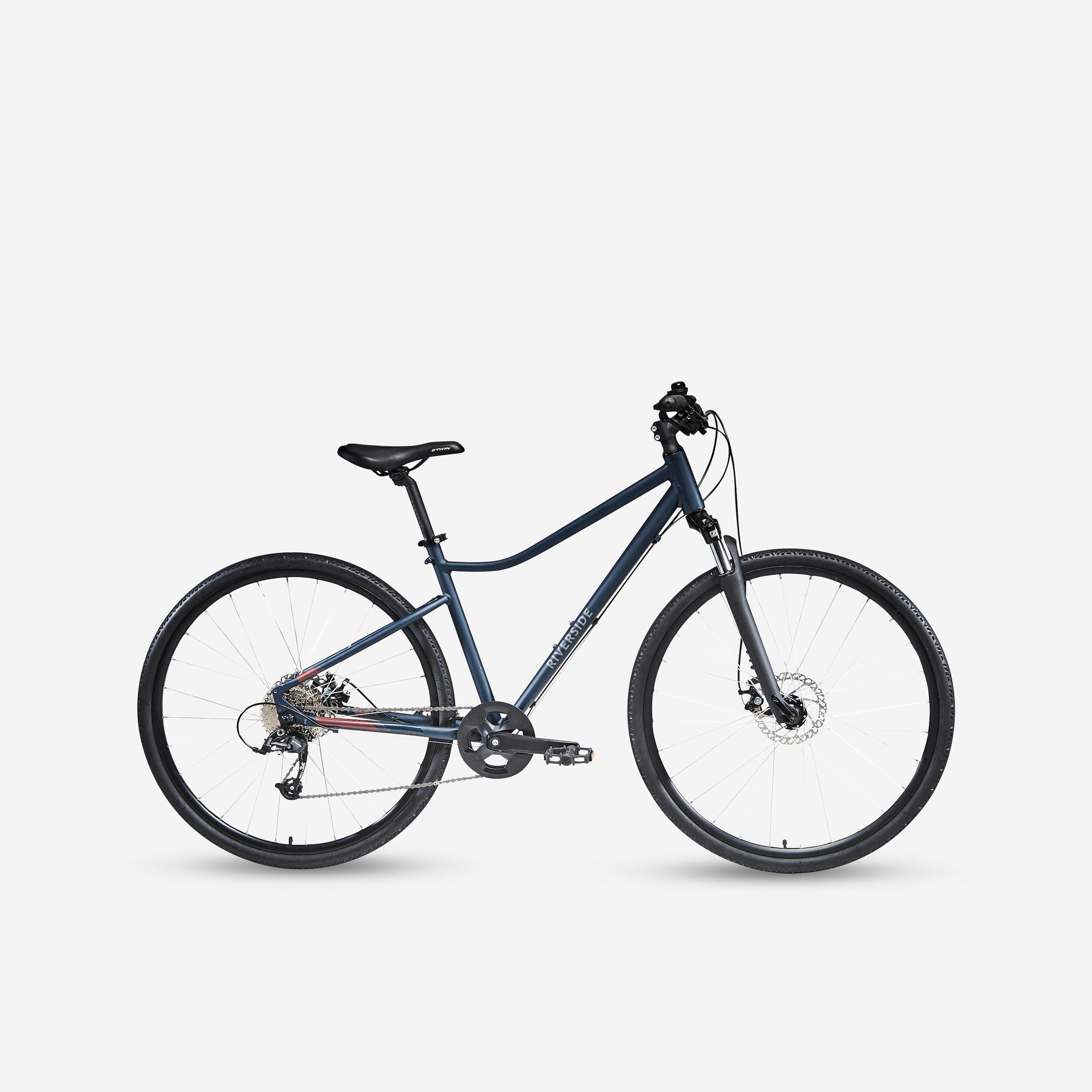
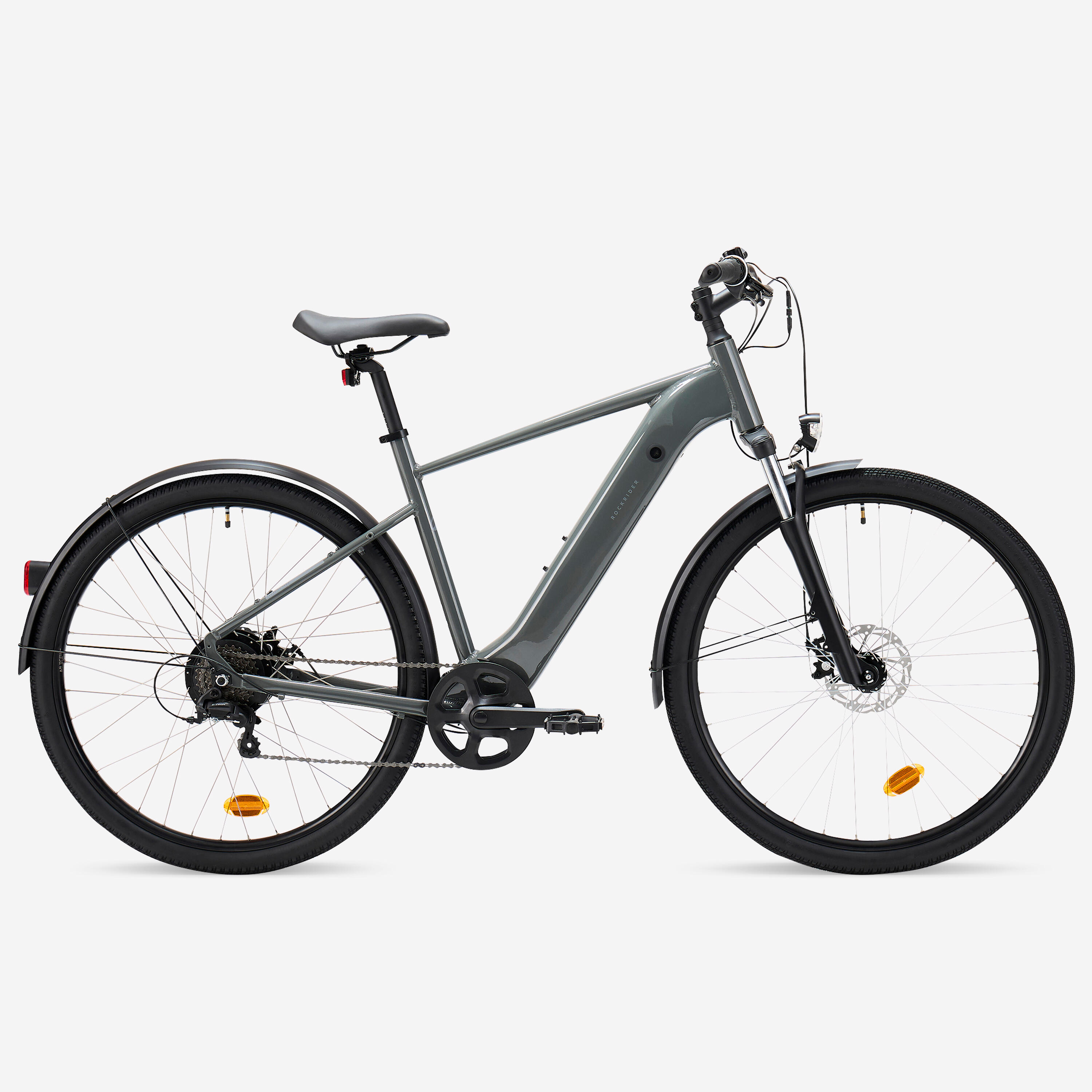
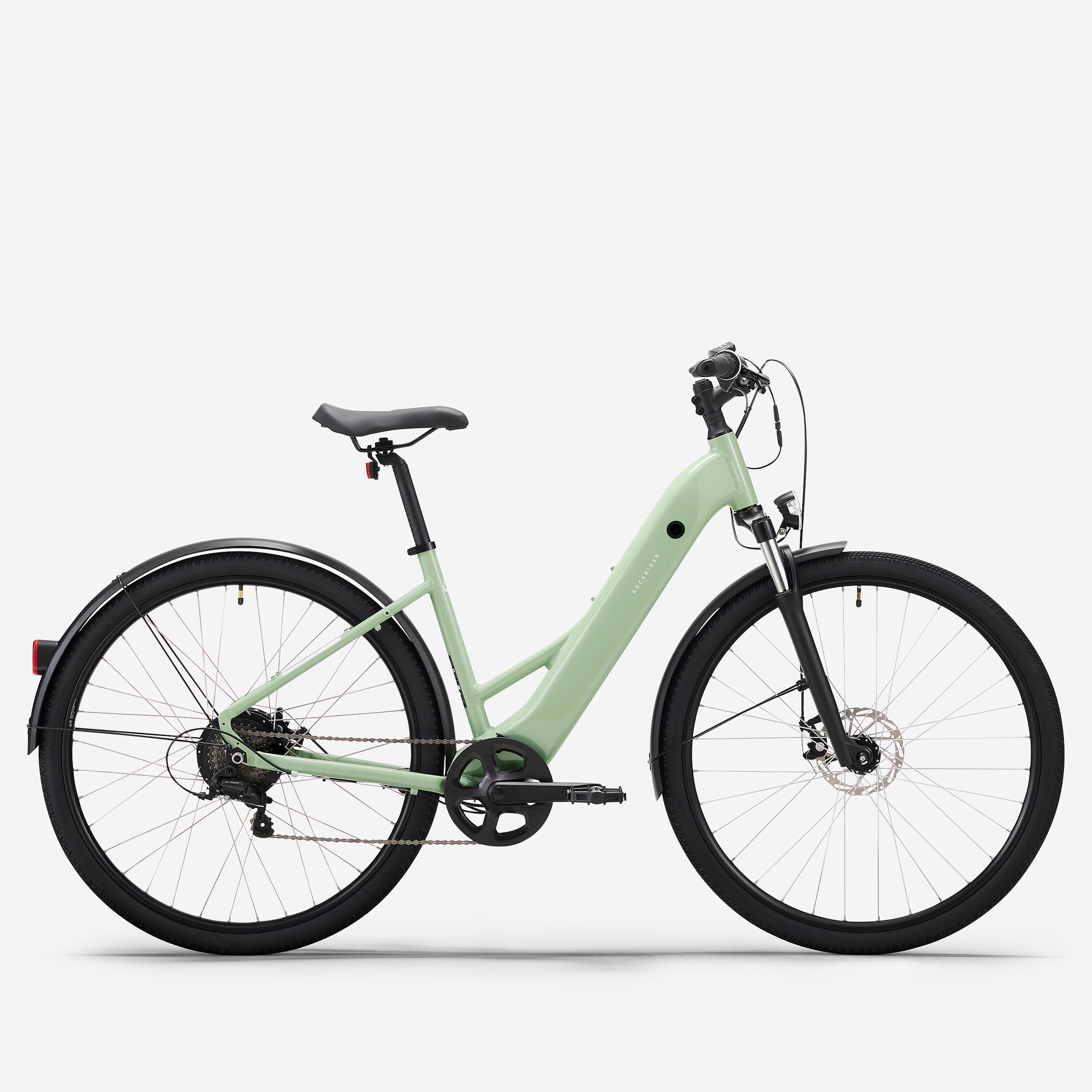
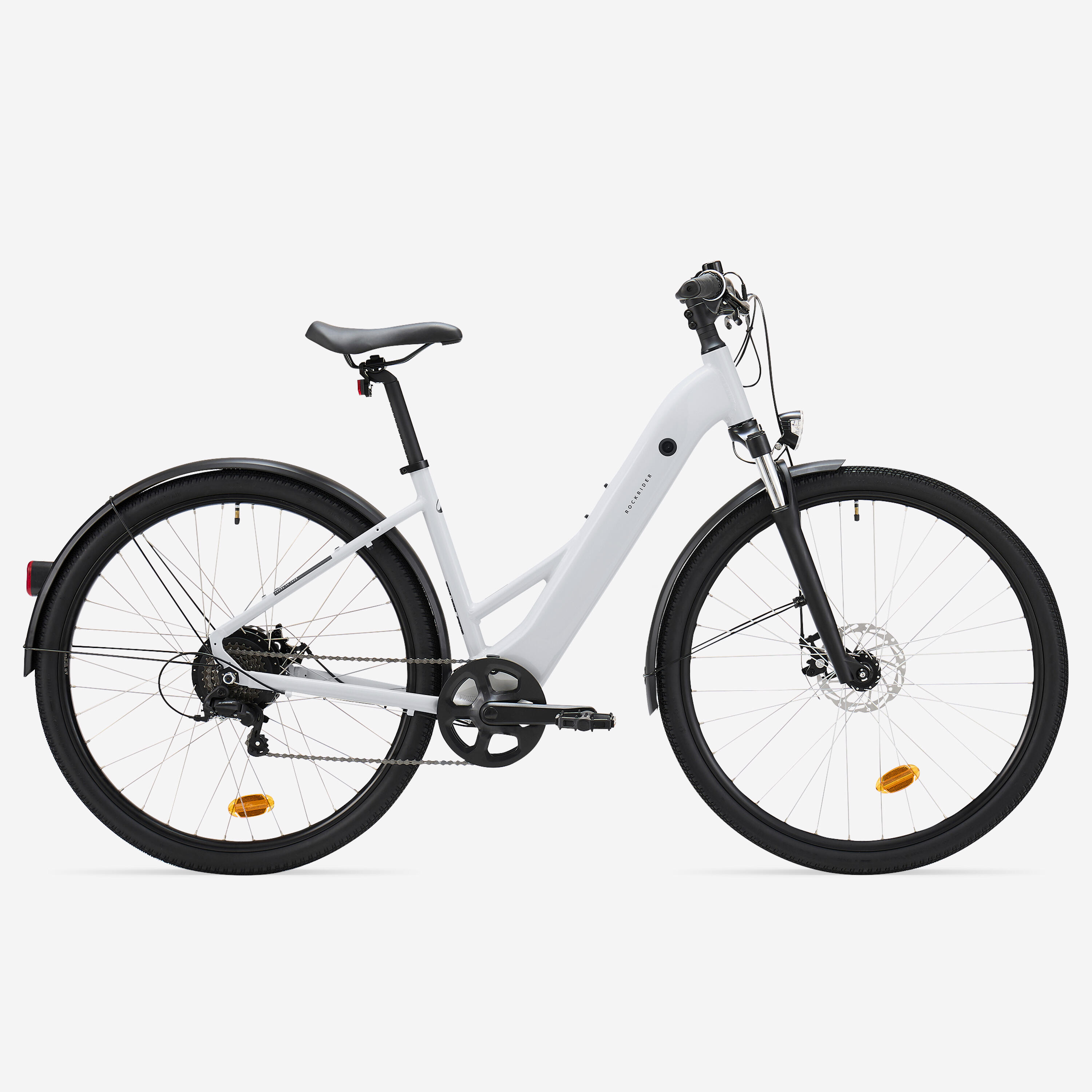
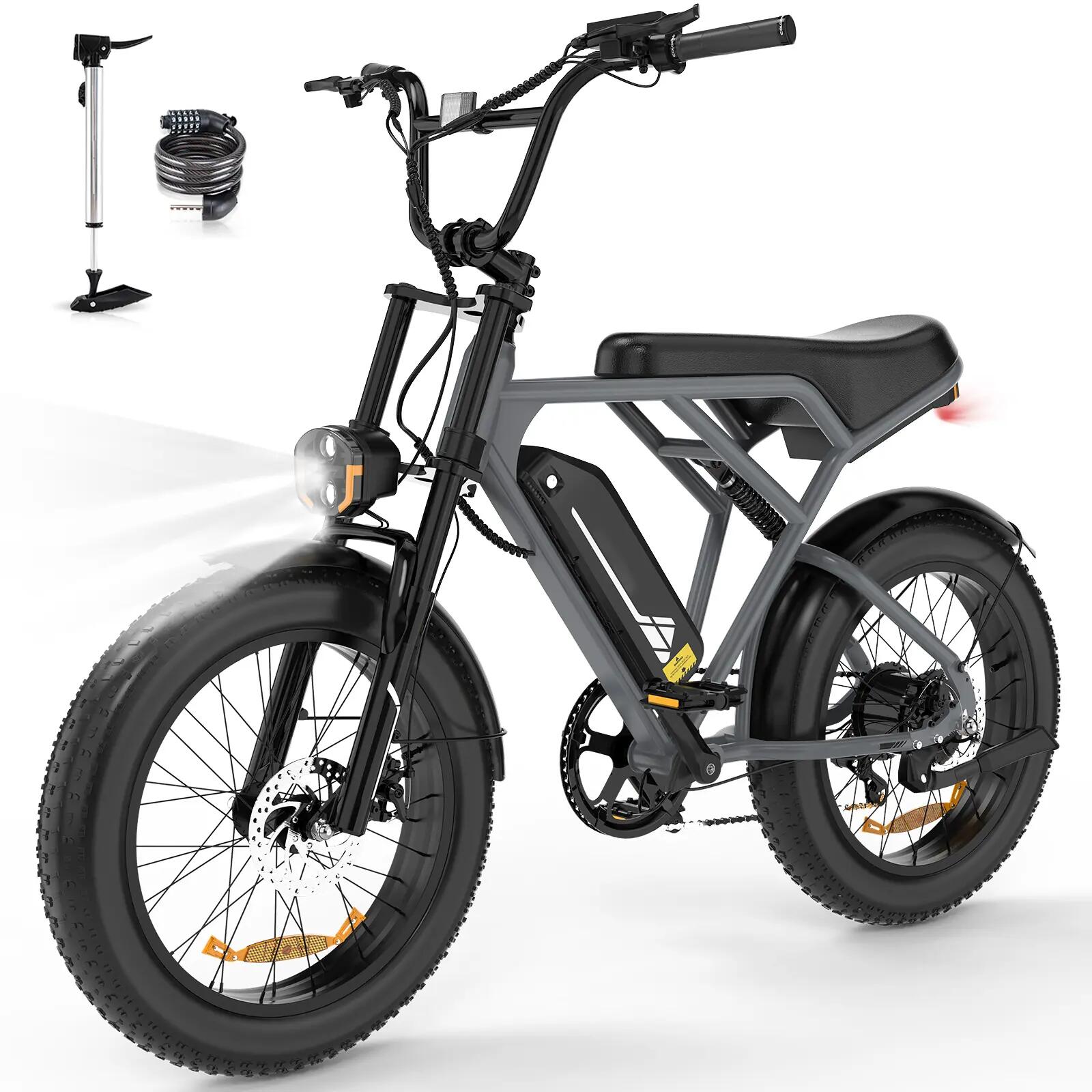
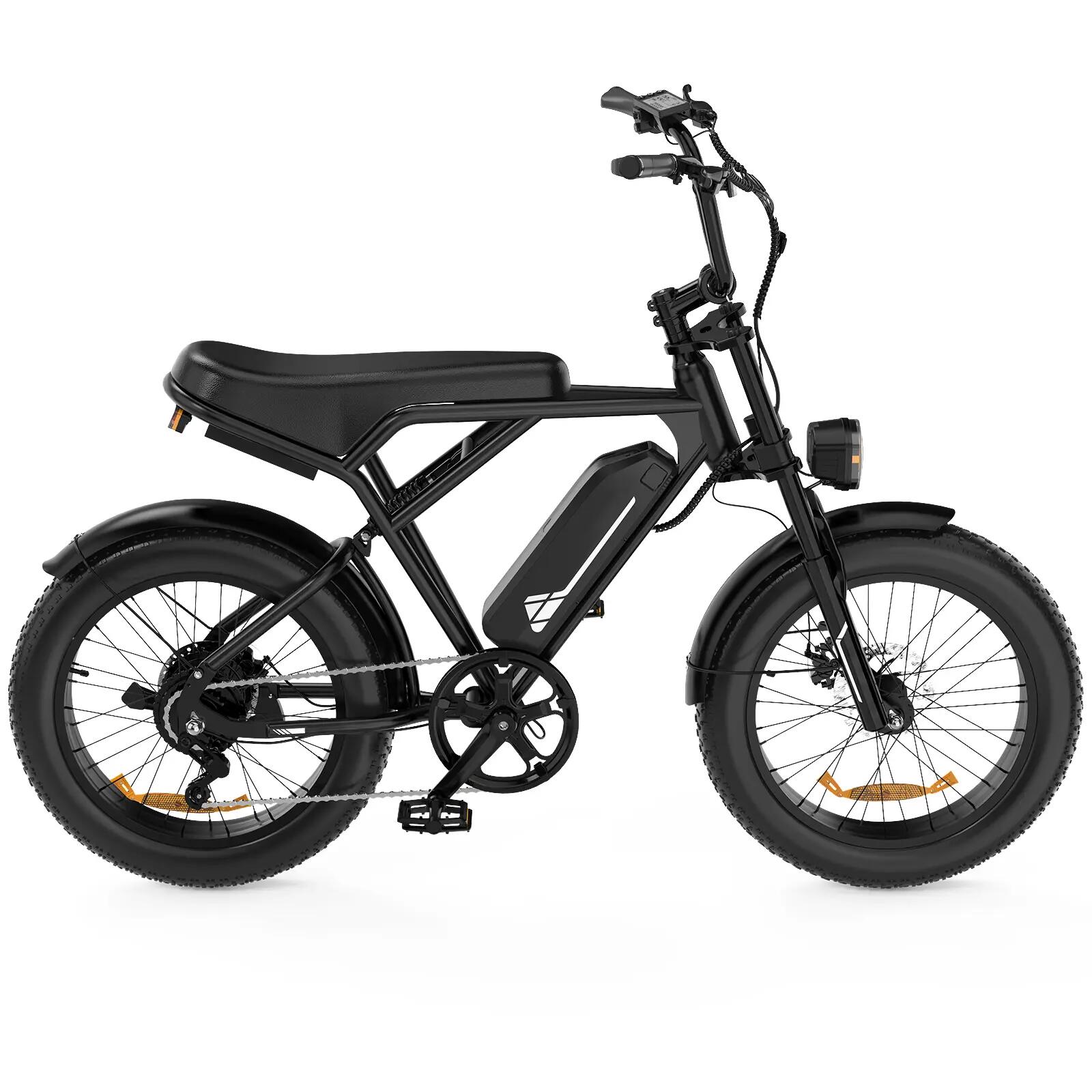
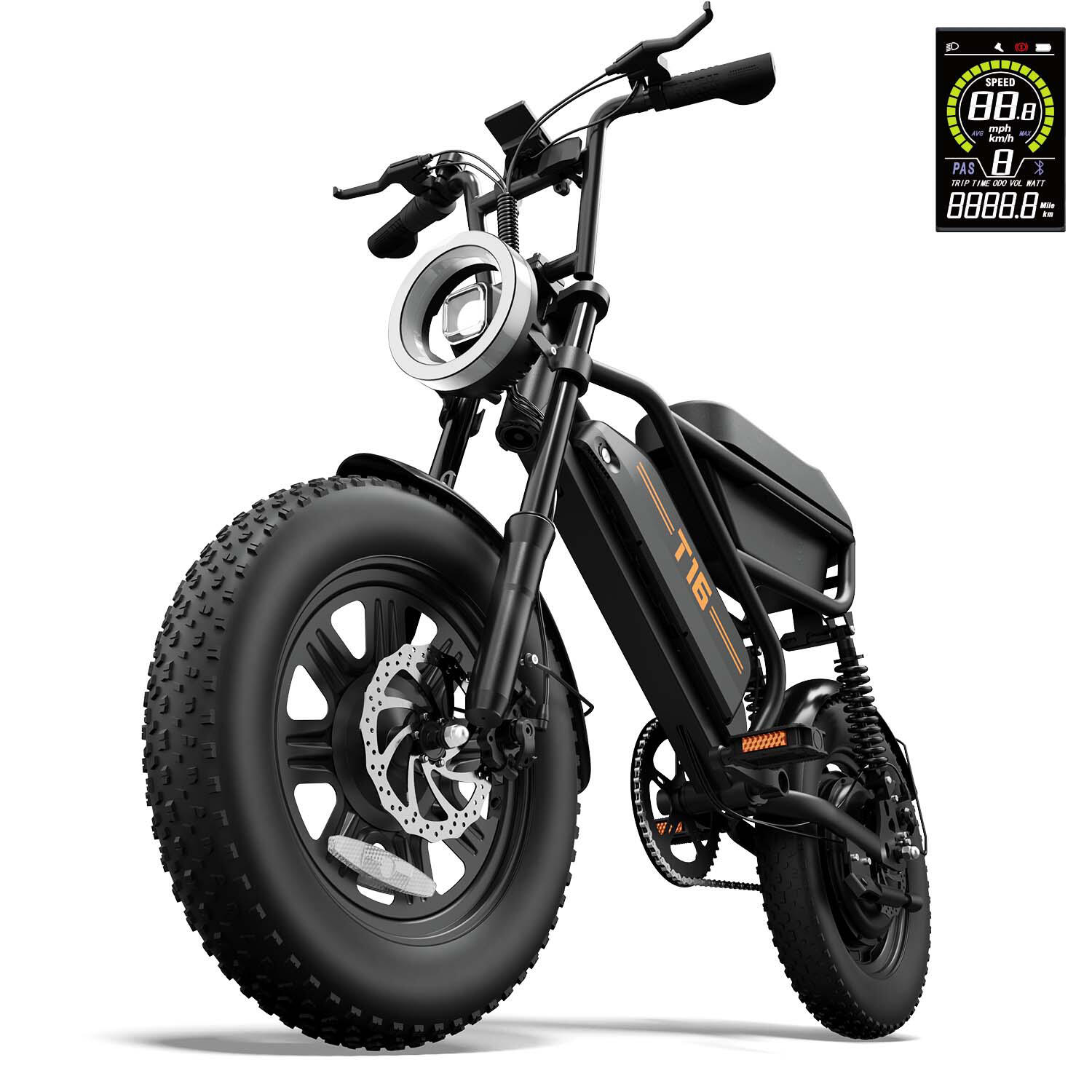
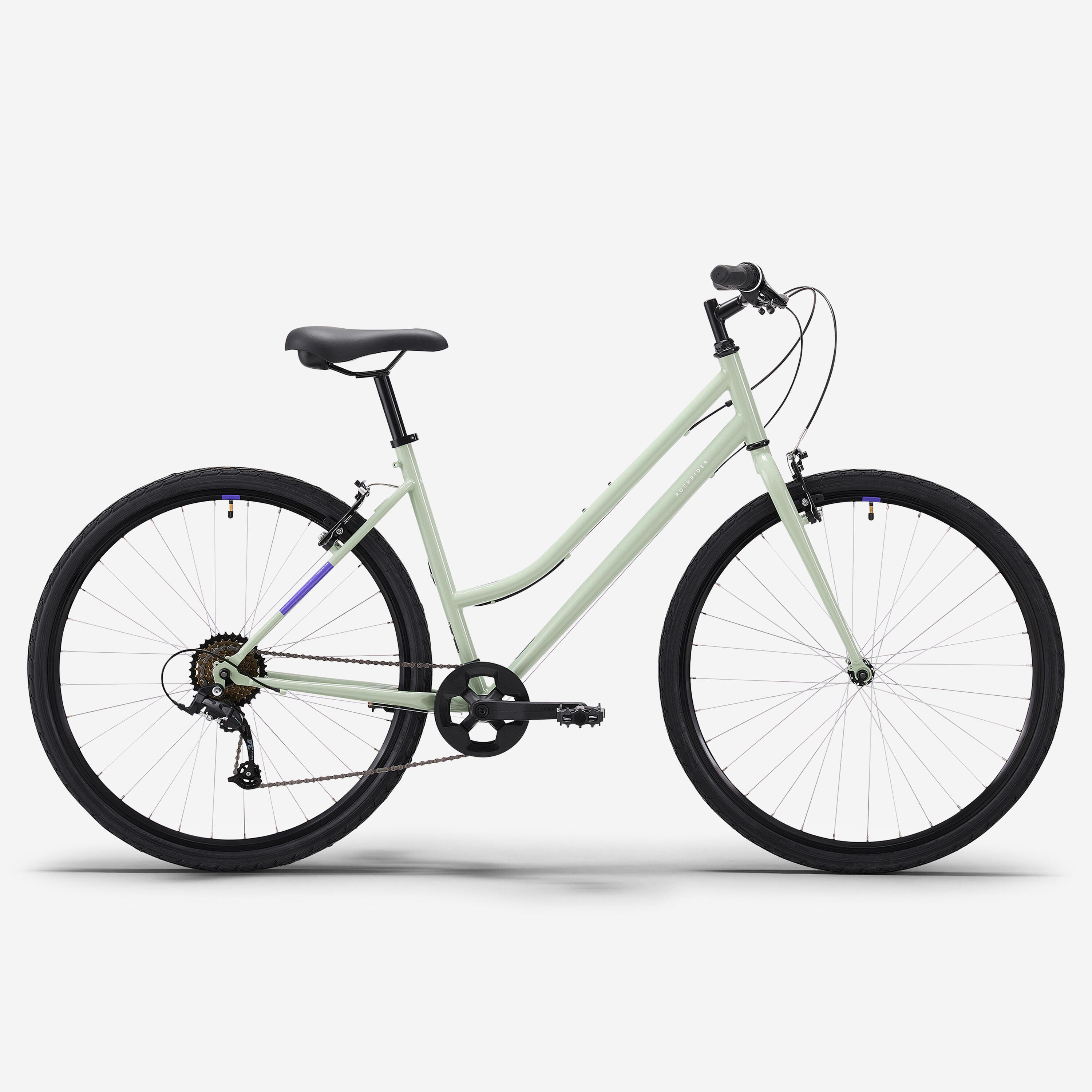
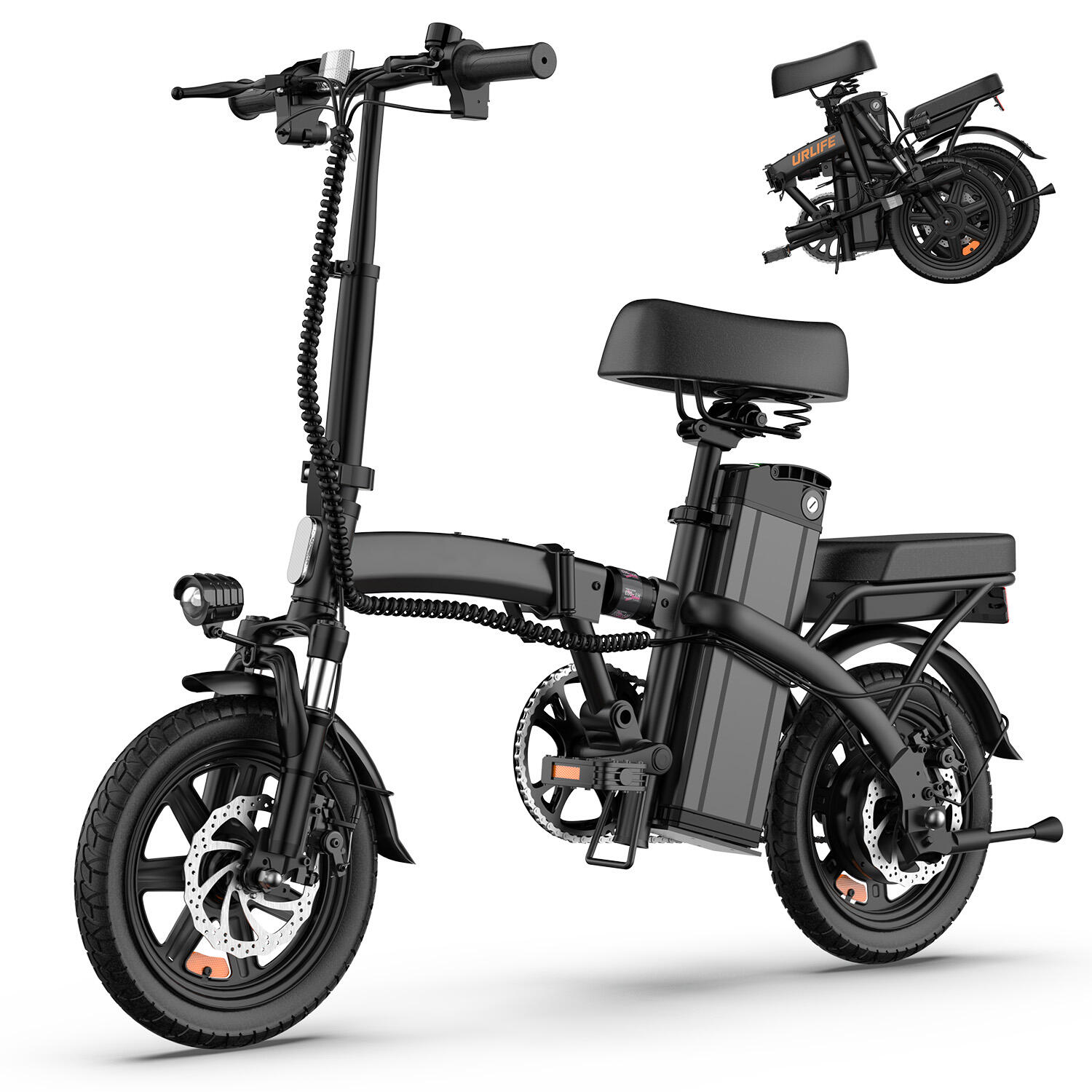
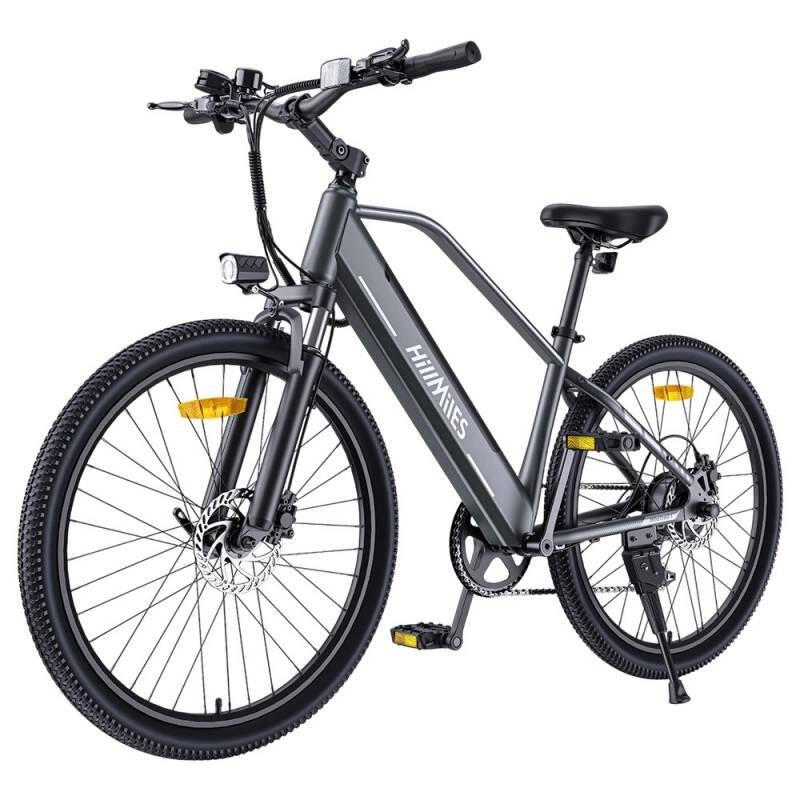
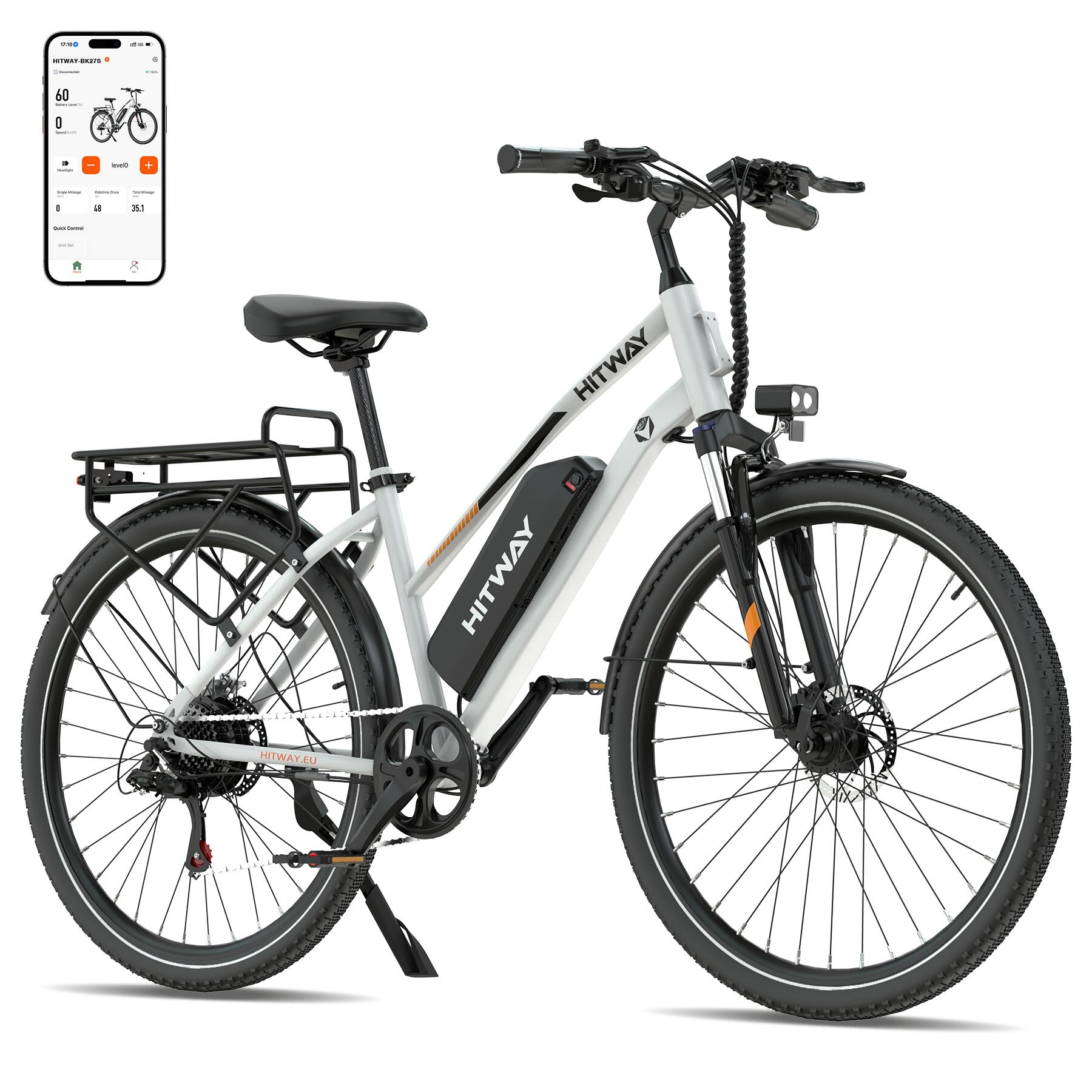
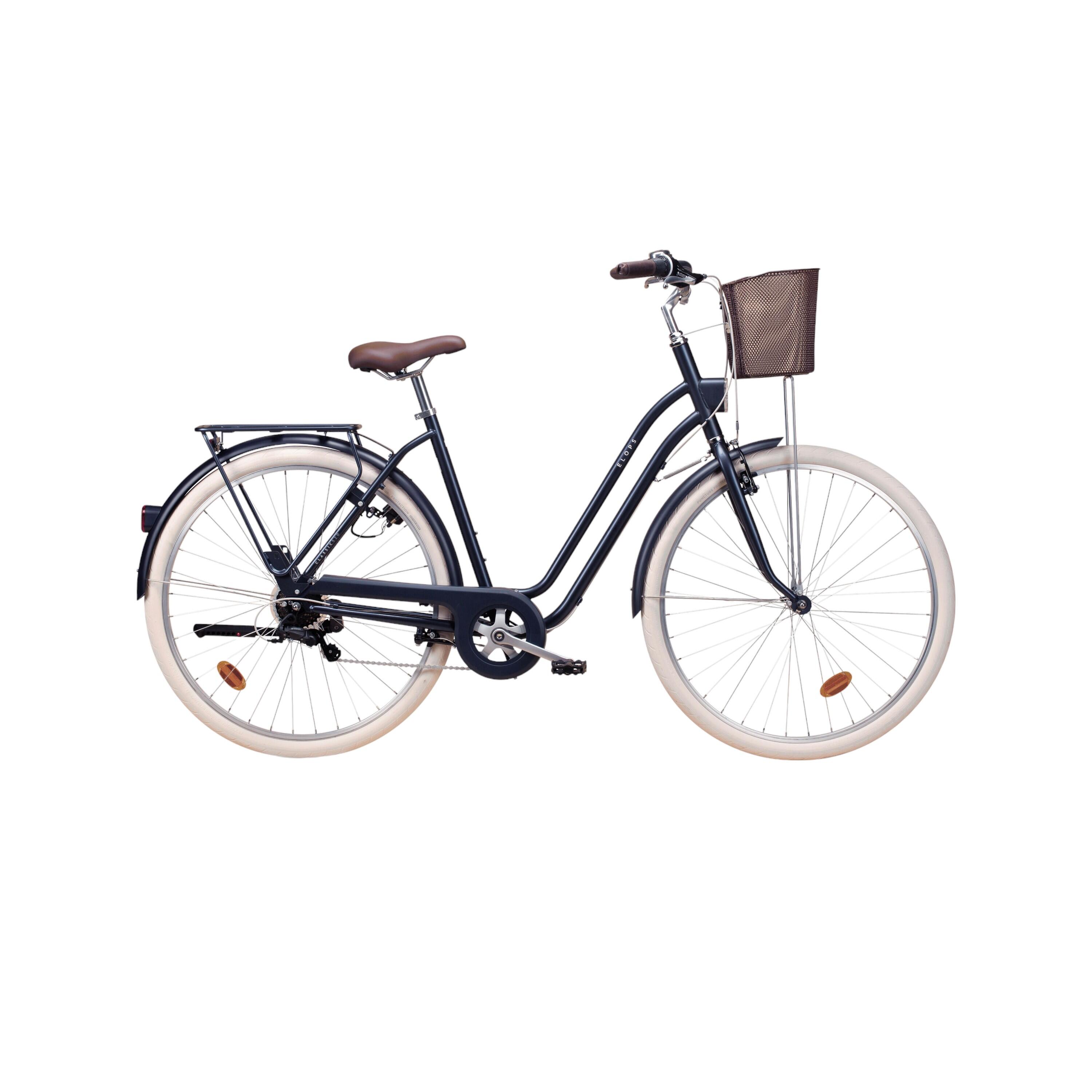
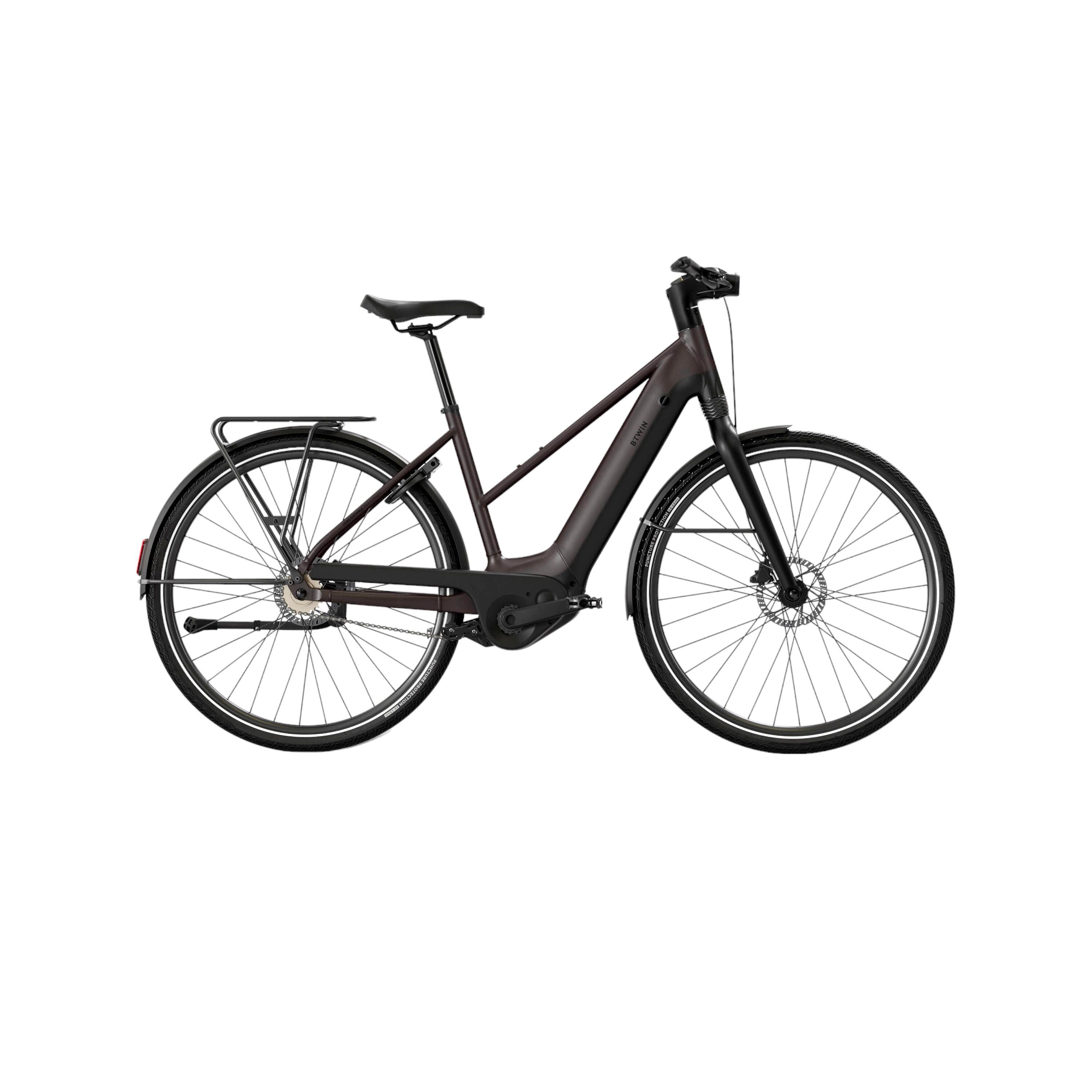
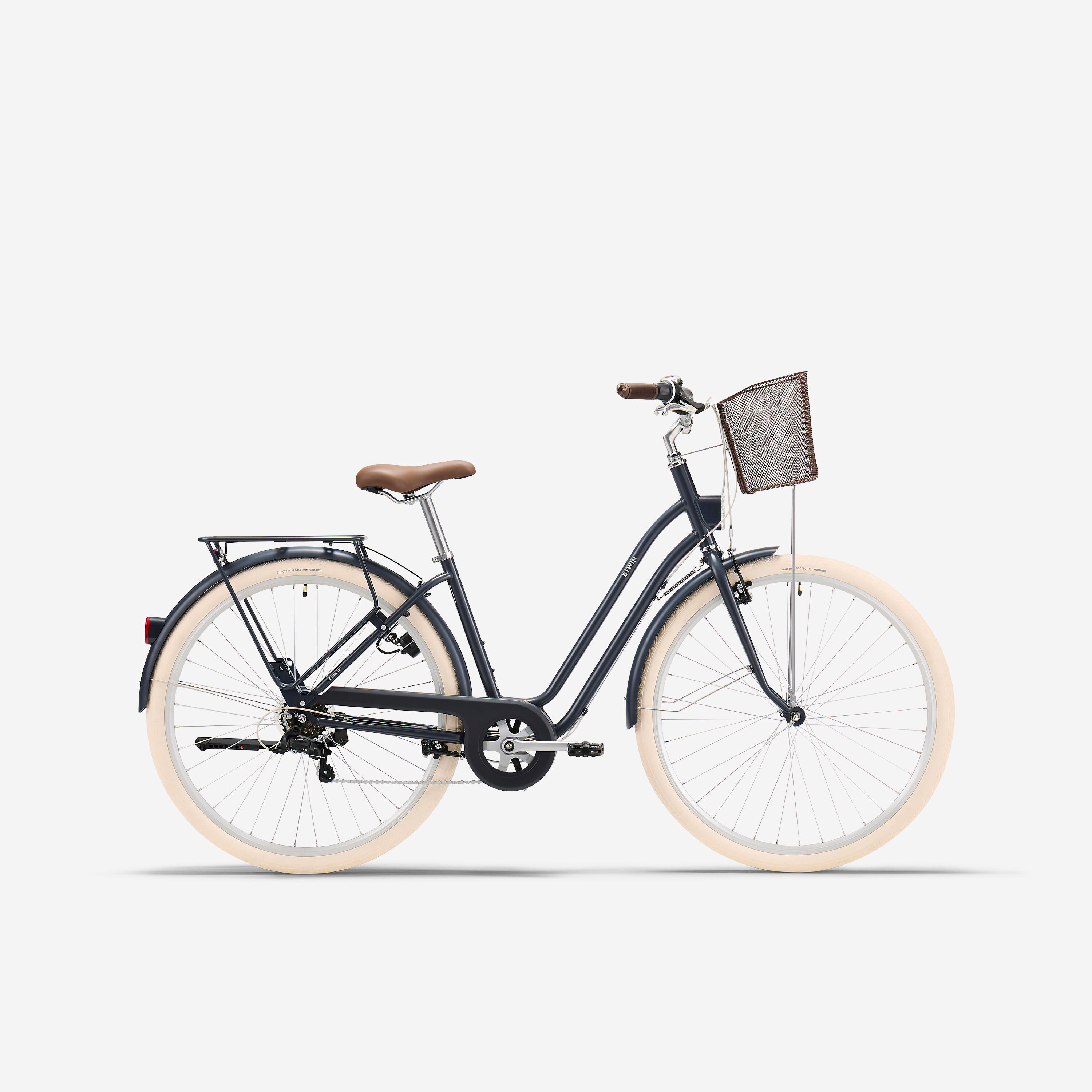
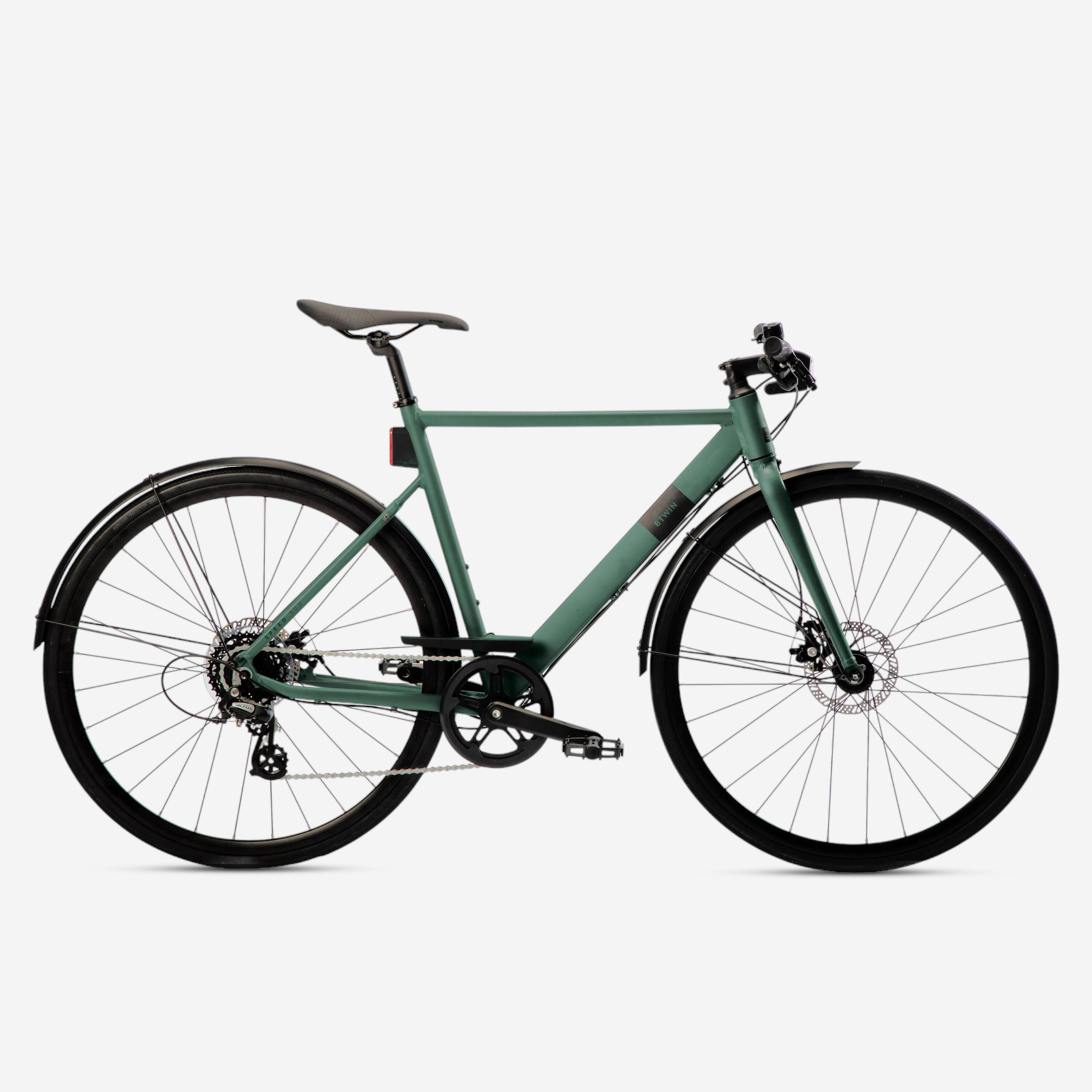
Start with your journey length, riding position, hills and how much luggage you usually carry. An upright city bike can suit shorter urban journeys where visibility and easy handling matter, while a more active riding position may feel more efficient on longer commutes. Step-through frames can also make getting on and off easier when you stop frequently in traffic. Where hills or longer distances make a conventional bike demanding, compare city e bikes with standard models and look at motor assistance, battery range and charging access. Real range can change with rider weight, luggage, wind, temperature, elevation and tyre pressure. Pro tip: choose the bike around your normal weekday route rather than an occasional journey, and check whether you can charge a removable battery at home or work if electric assistance is important.
When does a cargo bike make sense for city riding?

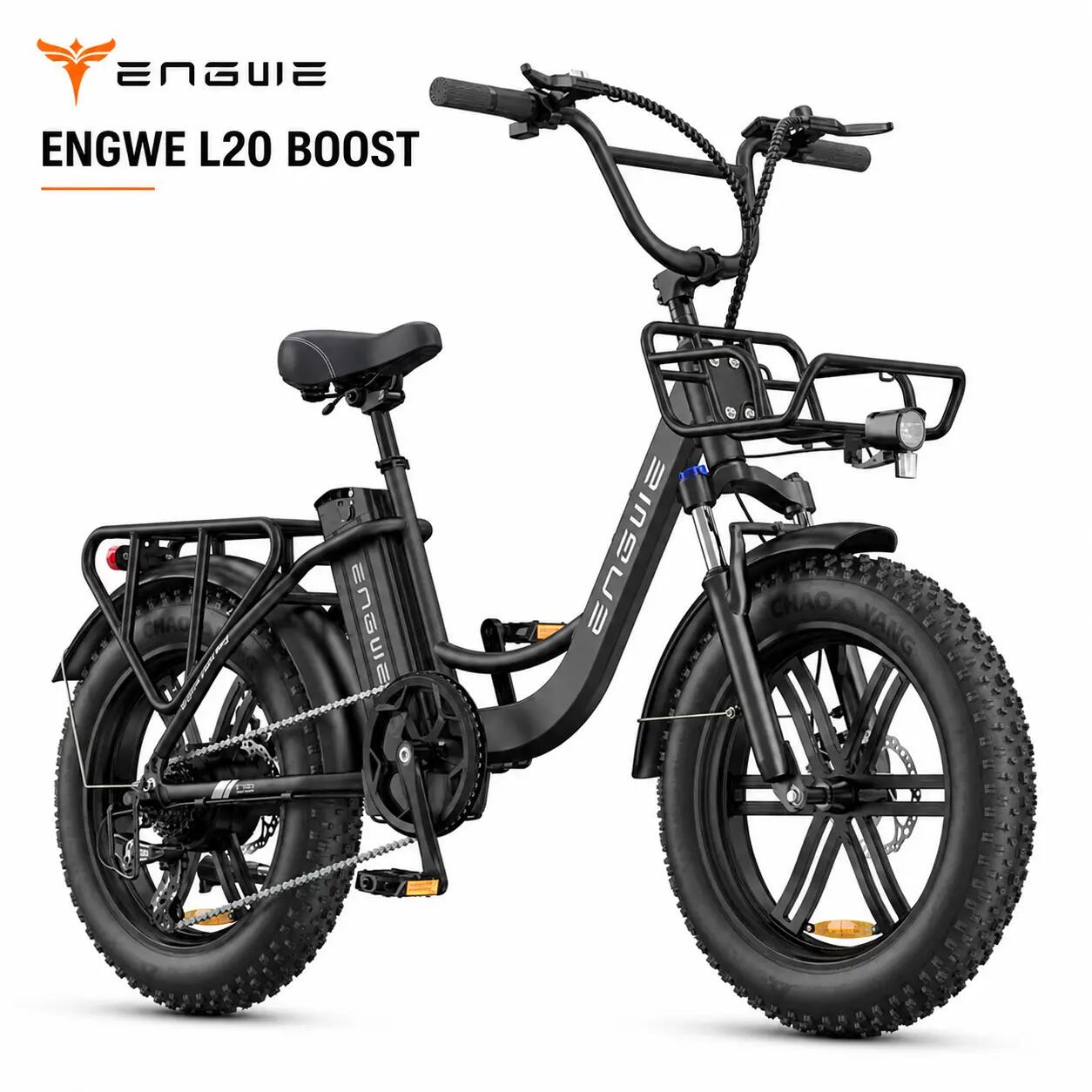
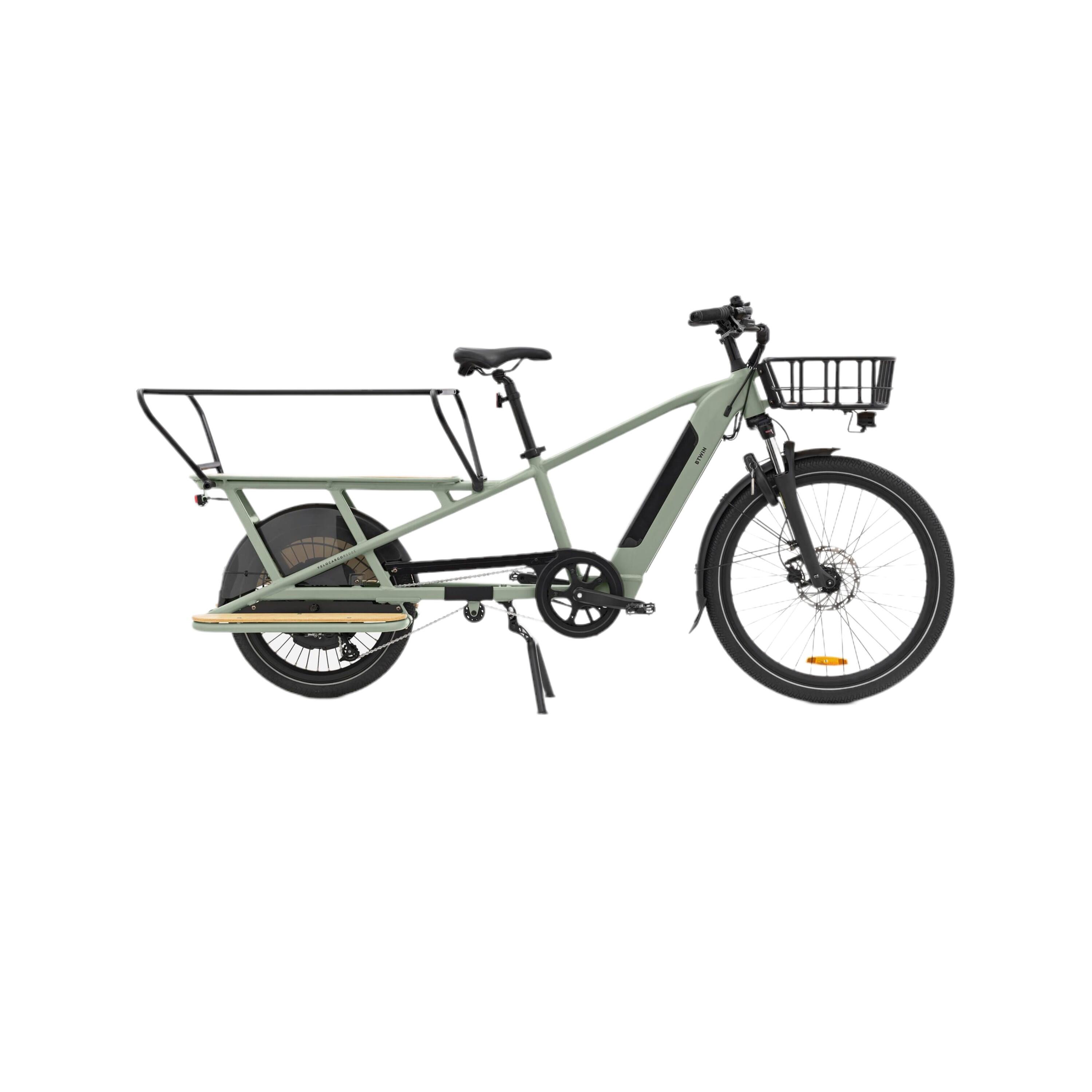
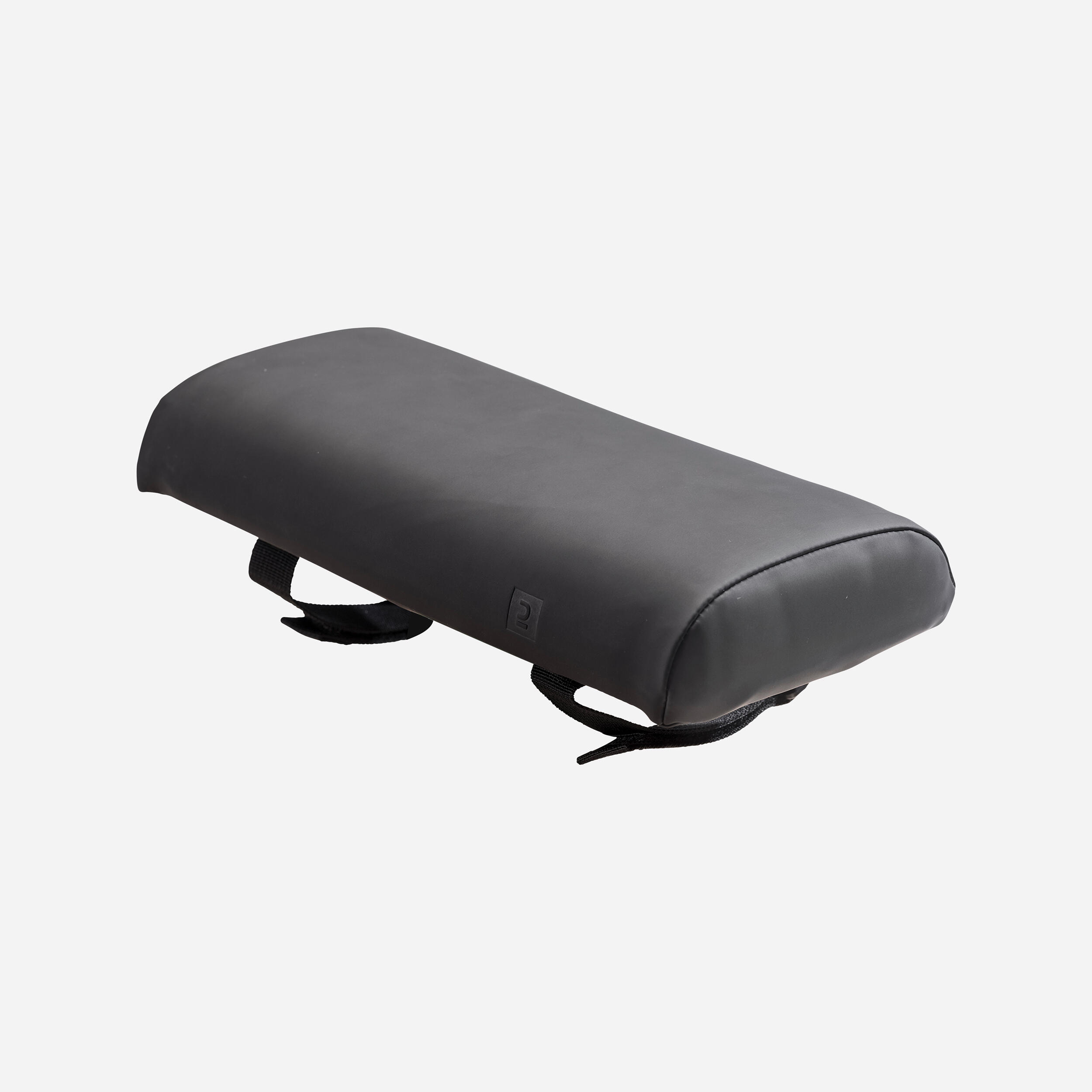
As long as you regularly transport children, groceries or heavier loads, cargo bikes can provide more carrying capacity than fitting several separate bags to a standard bicycle. Check the permitted load, overall bike length, luggage fittings and where you will store the bike before choosing. A loaded cargo bike has more mass than an unloaded city bike, so acceleration, steering and braking can feel different. Longtail models can also accept purpose-specific equipment such as panniers, cushions or child-carrying accessories when the bike and accessory are compatible. Pro tip: practise starting, stopping and making slow turns with a representative load in a traffic-free area. Keep heavier items low and secure so they do not shift and change the bike's balance while you ride.

What is the difference between a fixie bike and a regular geared city bike?

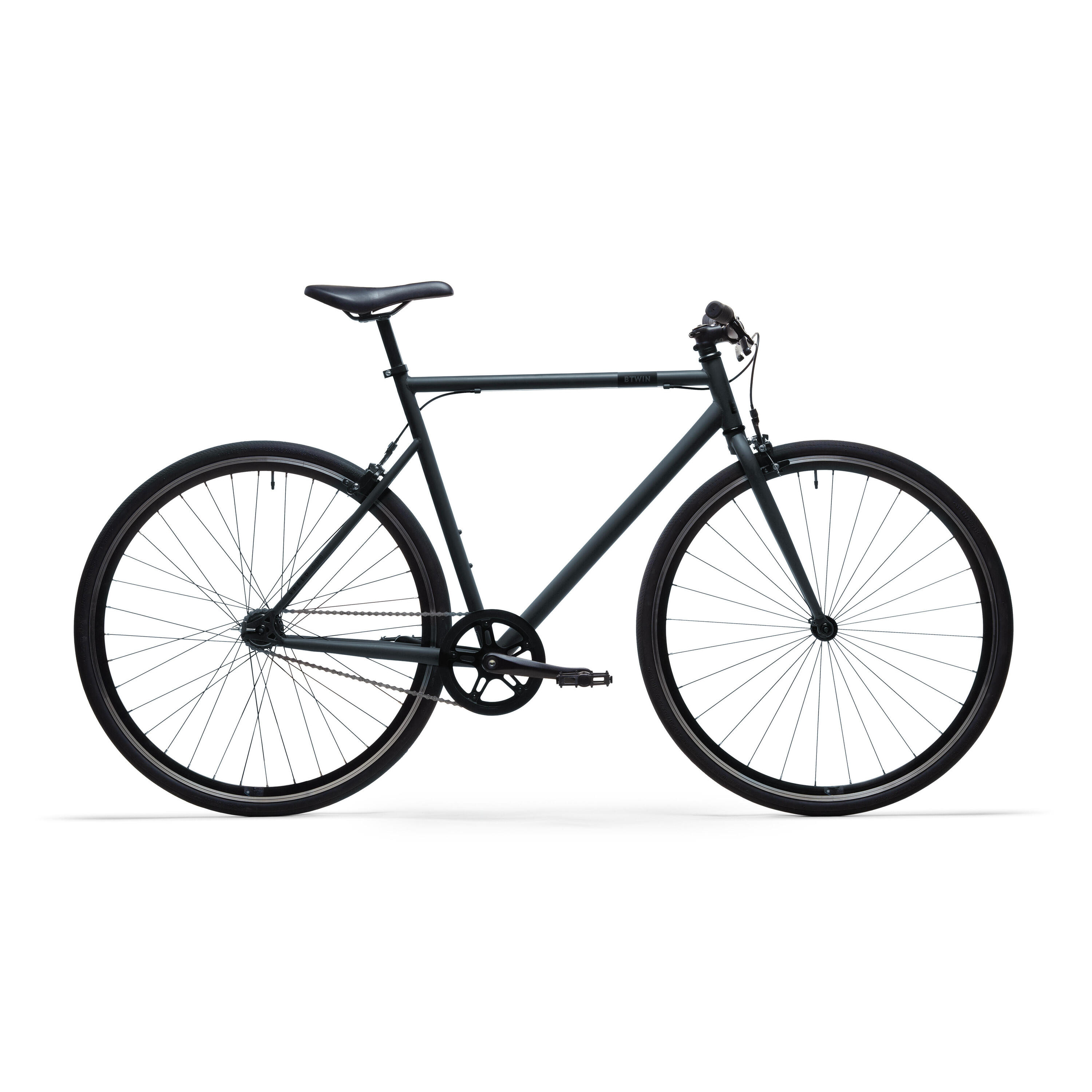
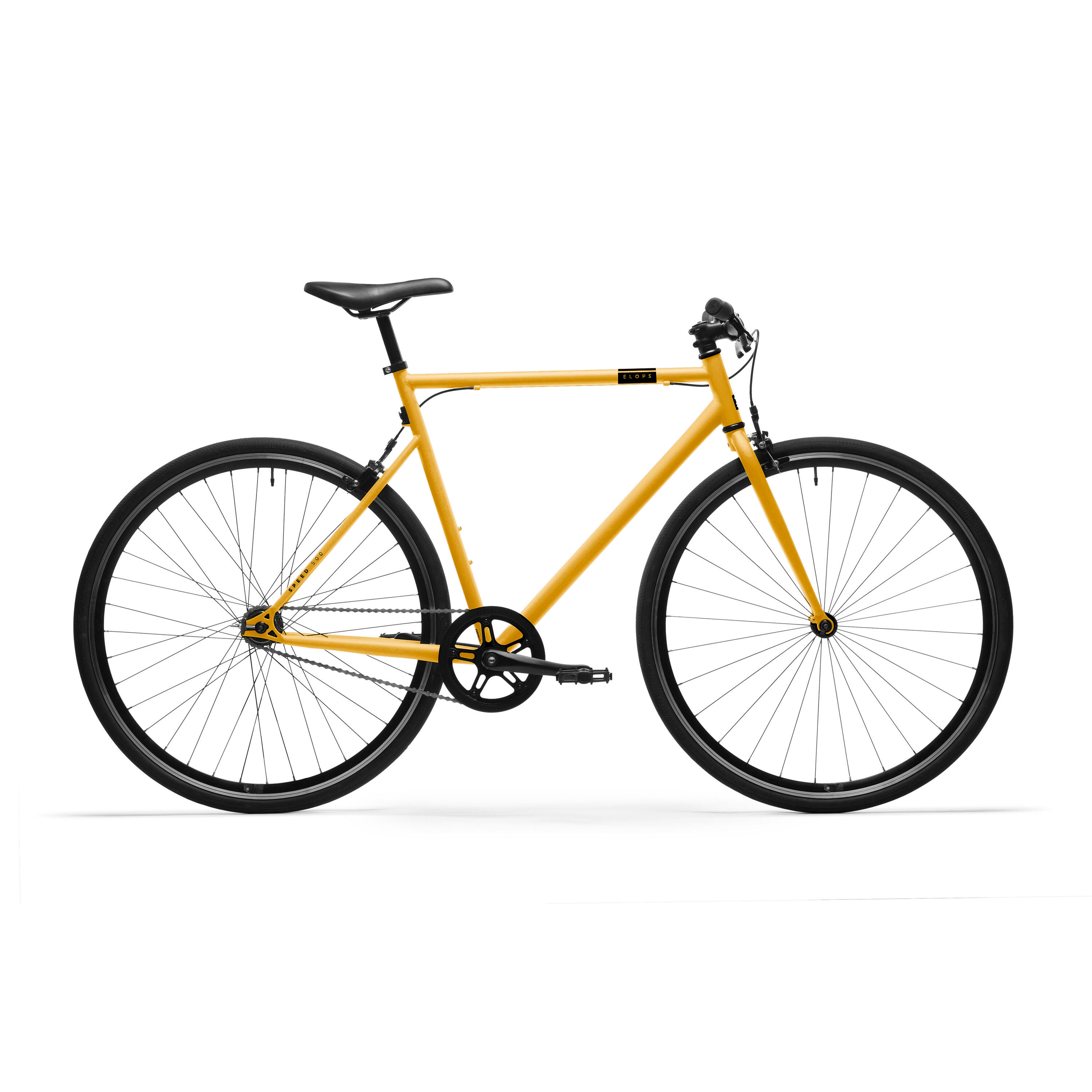
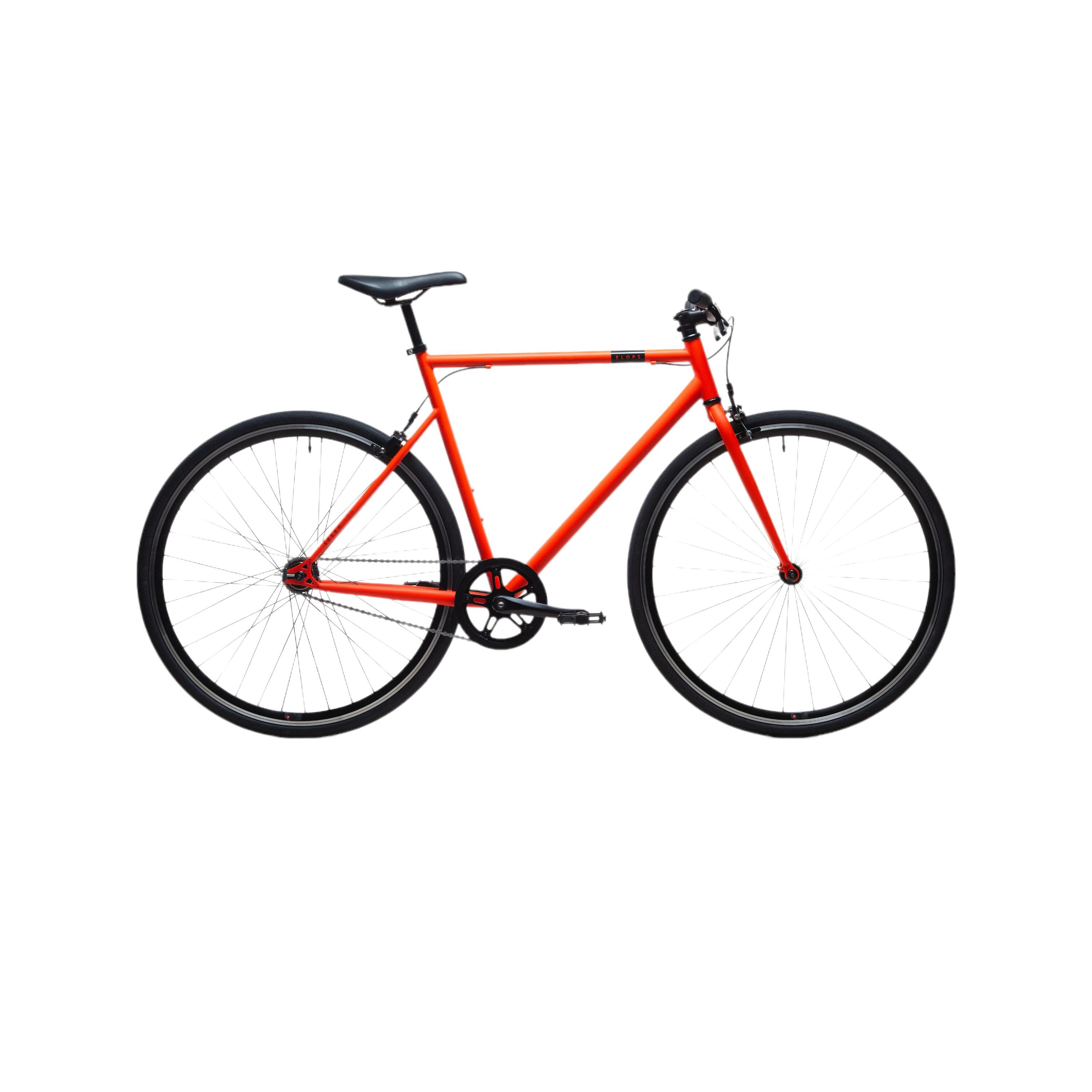
A single-speed city bike uses one gear ratio, which reduces drivetrain complexity and can suit flatter urban routes where frequent gear changes are unnecessary. Some single-speed models can also be converted to fixed-gear use with compatible components. Fixed gear means the pedals continue to turn whenever the rear wheel turns, creating a different riding feel that requires more technique than freewheel riding. Even if this simpler urban setup appeals to you, the fixie bikes range includes single-speed options aimed at quicker city travel. A geared city bike remains more versatile when your commute includes steeper climbs or regularly changing terrain. Pro tip: if you are new to urban cycling, become comfortable with normal braking and traffic awareness before considering fixed-gear riding.

Which bike features matter most for comfort in the city?

Frame size and riding position should come first because both affect your reach, pedalling and control. An upright position can reduce how far you lean towards the handlebars and may provide a clearer view through busy streets, while a slightly more forward position can suit riders who want a quicker commute. Wider tyres can help filter small road irregularities, and saddle shape should support your riding posture rather than simply feel soft when pressed by hand. Step-through frames can make frequent mounting easier, especially when carrying luggage. To assist in deciding whether a city model is right for you, comparing it with other bikes can clarify the differences between city, hybrid, road, folding and mountain-bike geometry. Pro tip: check fit while wearing the footwear you normally cycle in and make small saddle adjustments rather than changing several settings at once.

Which bike accessories make regular city riding easier?

Your additions should match the conditions you face rather than turning the bike into an unnecessarily heavy setup. Lights support visibility, mudguards can reduce road spray, a suitable lock matters when the bike is left unattended, and panniers or baskets can take work bags and shopping off your back. Some city bikes already include or provide dedicated fittings for racks, baskets, locks and lighting, so check what is supplied before buying extras. The wider bike cycling gear and accessories range can help complete a commuting setup once you know which mounting points and dimensions your city bike uses. Pro tip: prioritise security and visibility first, then add carrying equipment around your normal load. Check tyre pressure regularly and keep the drivetrain clean and lubricated, particularly when commuting through wet or dirty conditions.