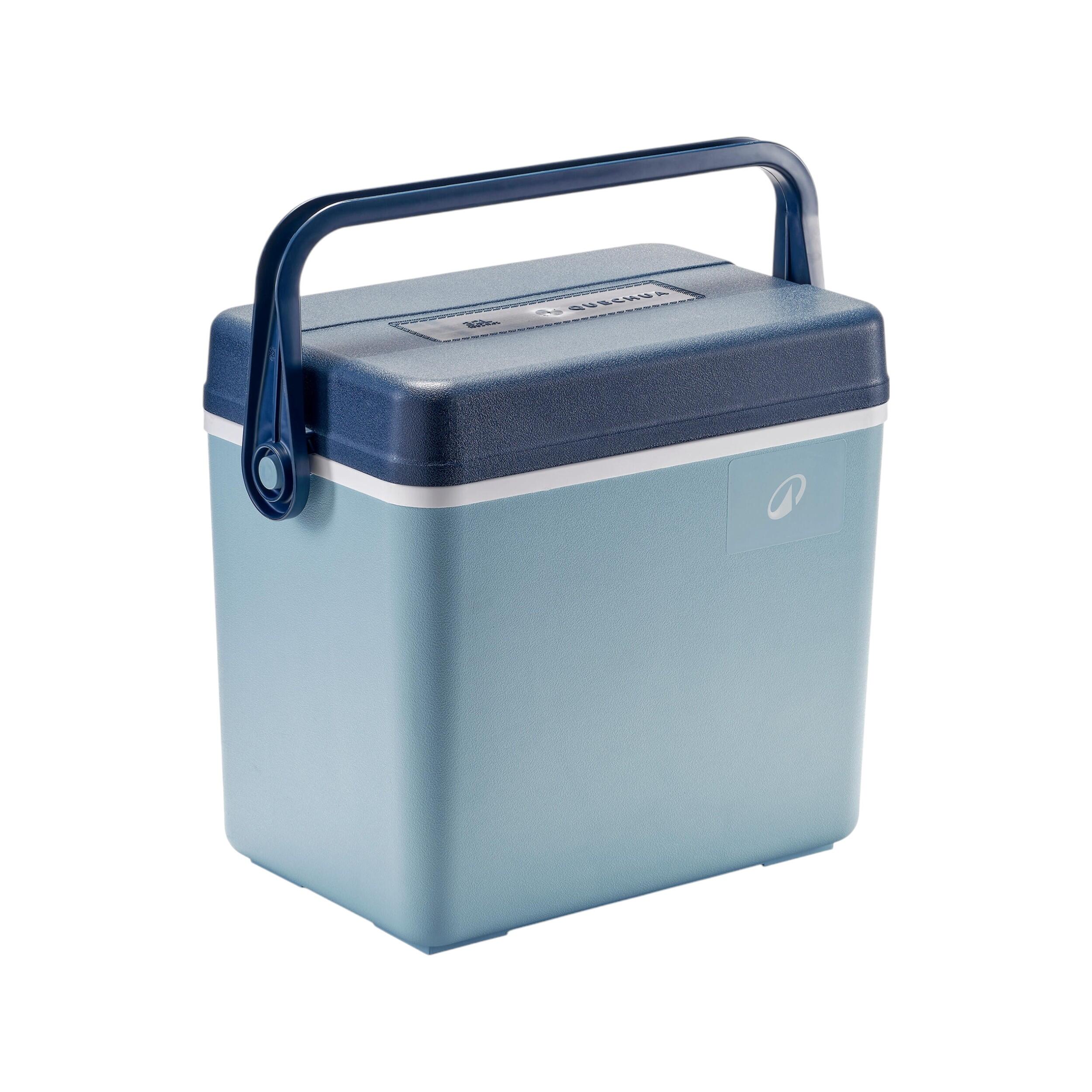
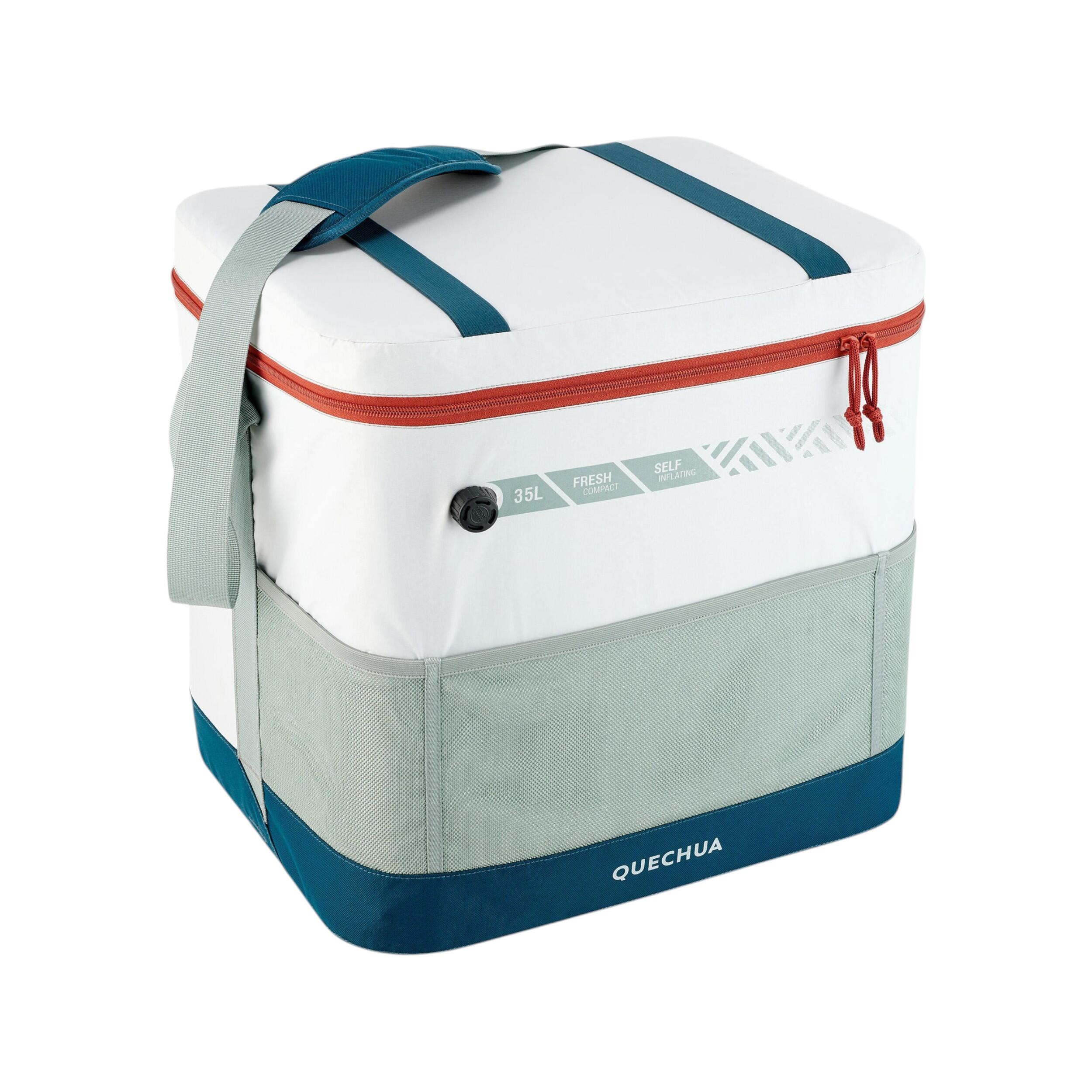
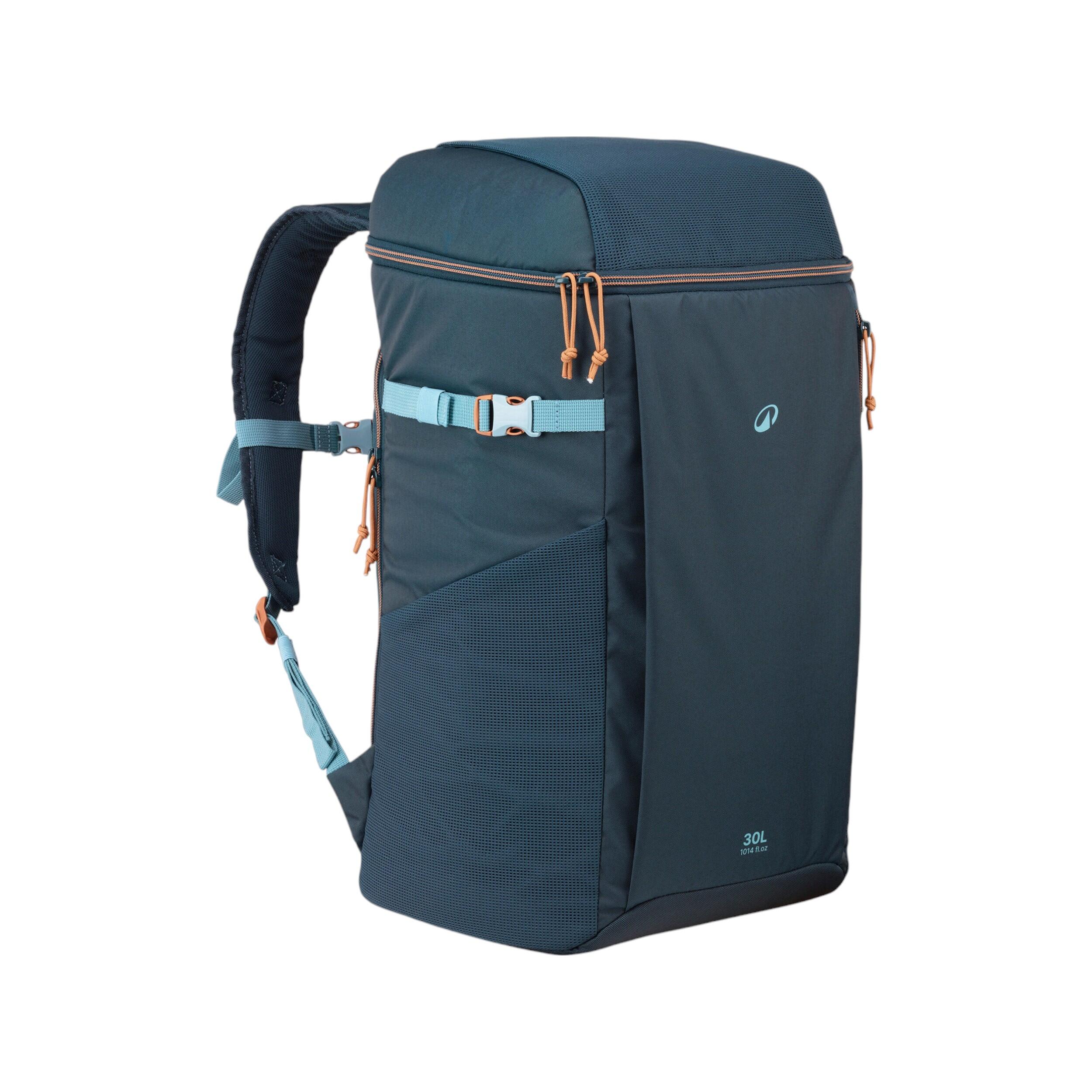
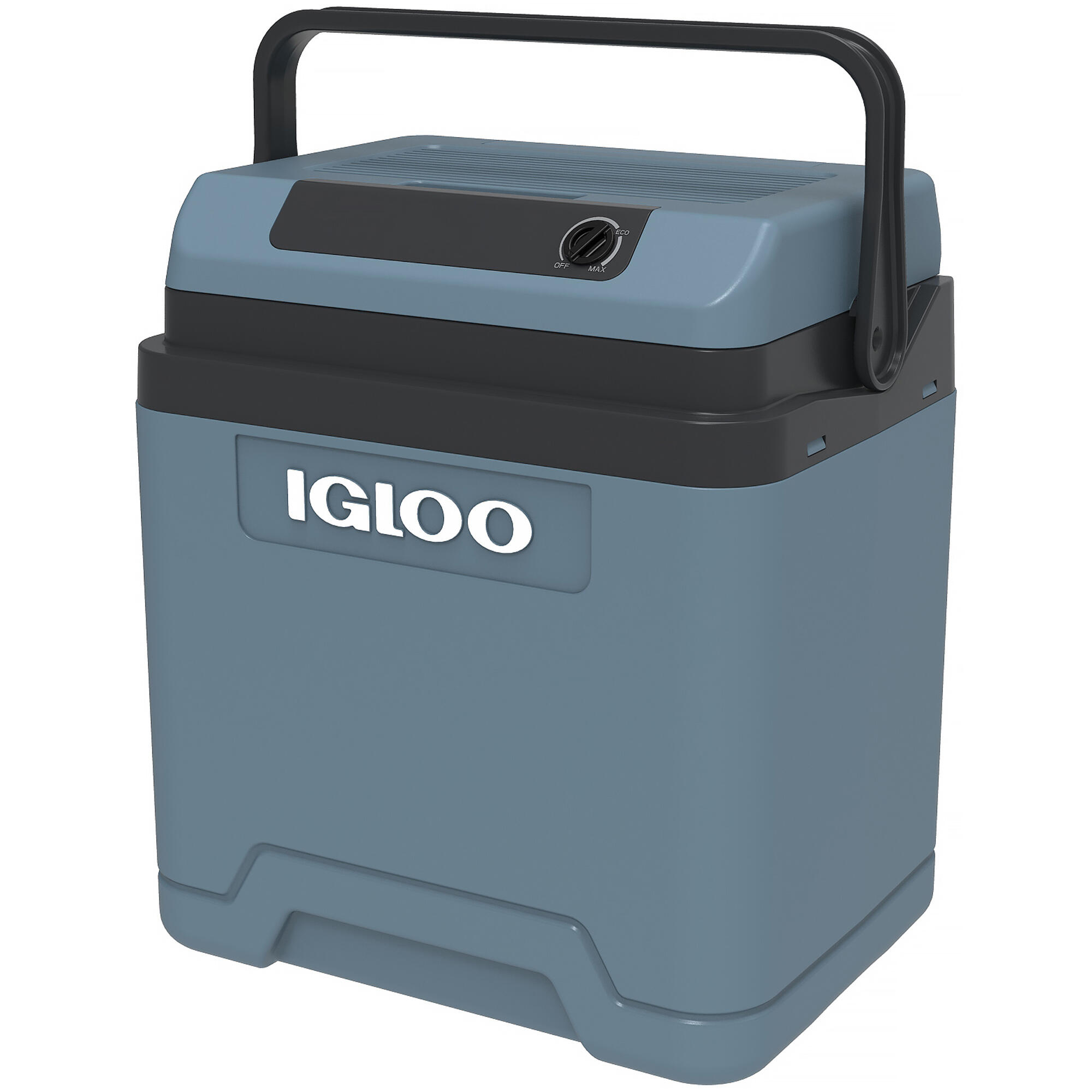
13 items
4.4/5 based on 241 reviews collected online and in stores

Electric Cooler Boxes FAQs

How do I choose the right electric cooler box for my trip?

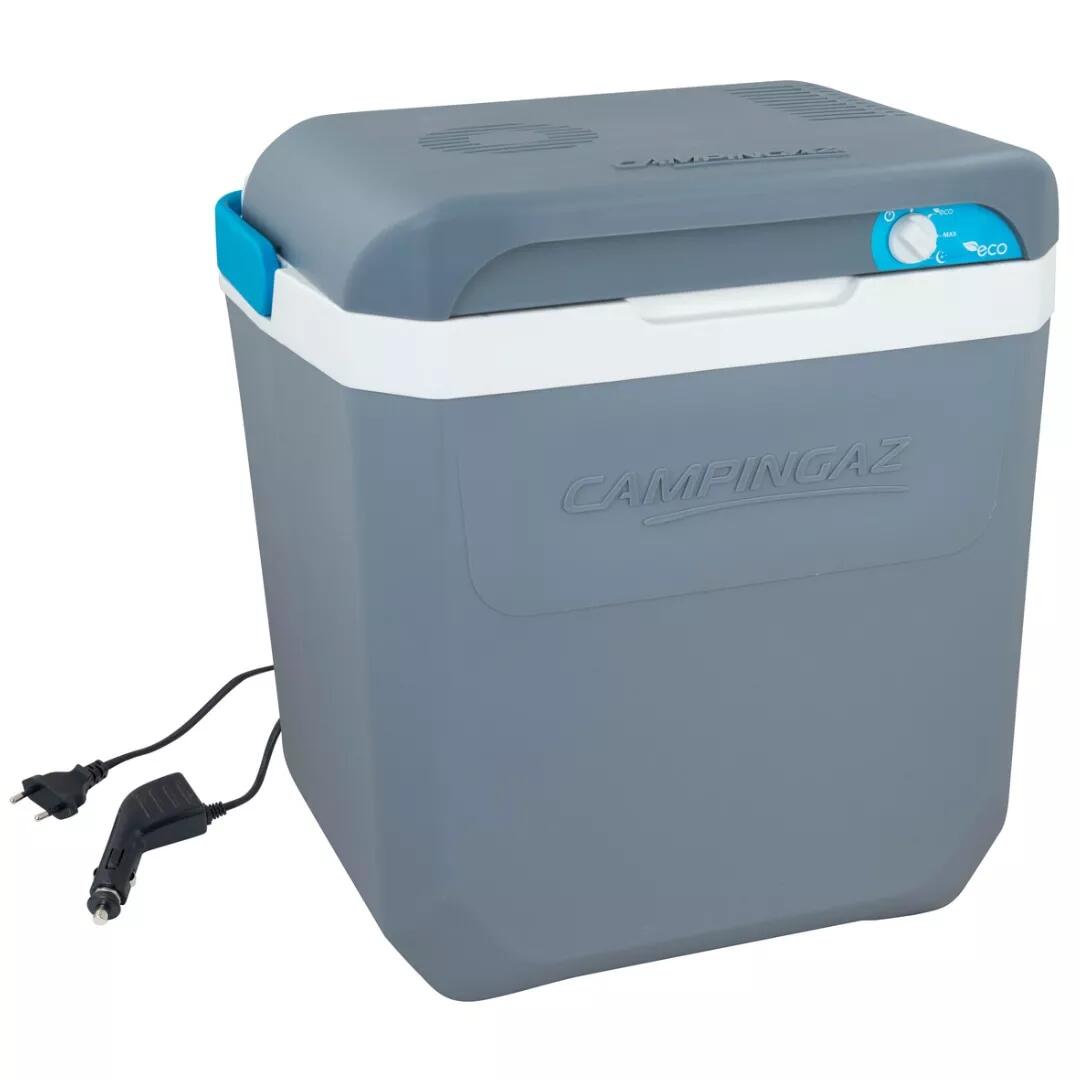
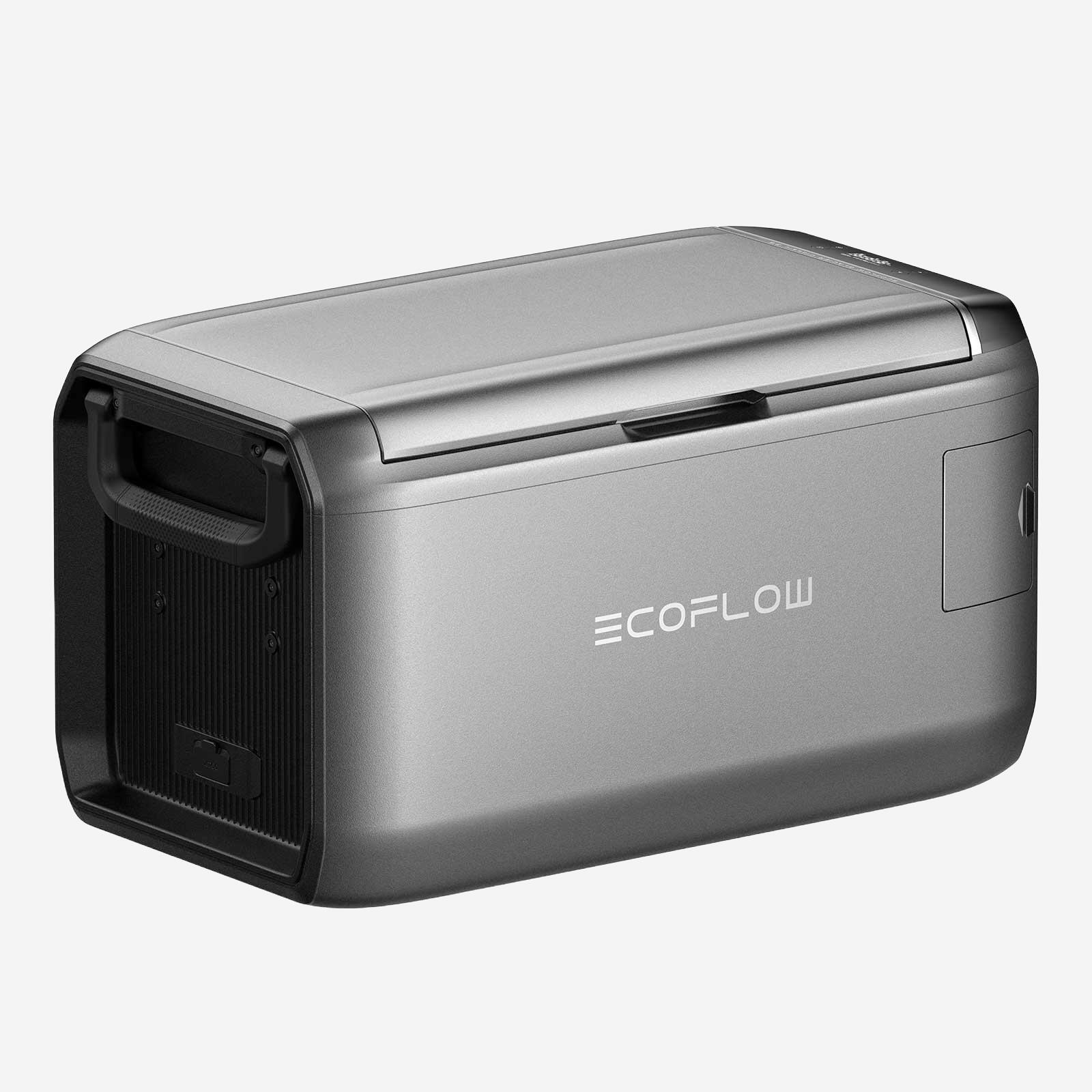
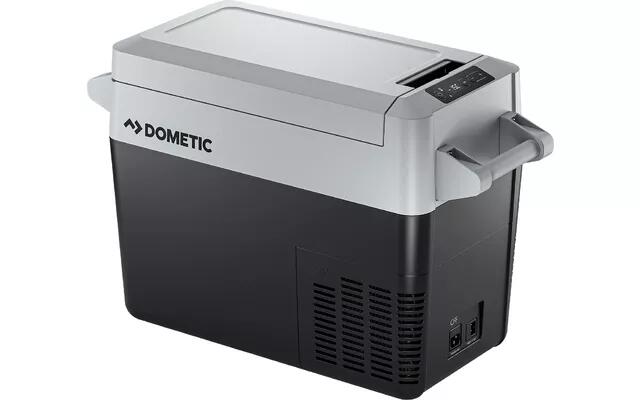
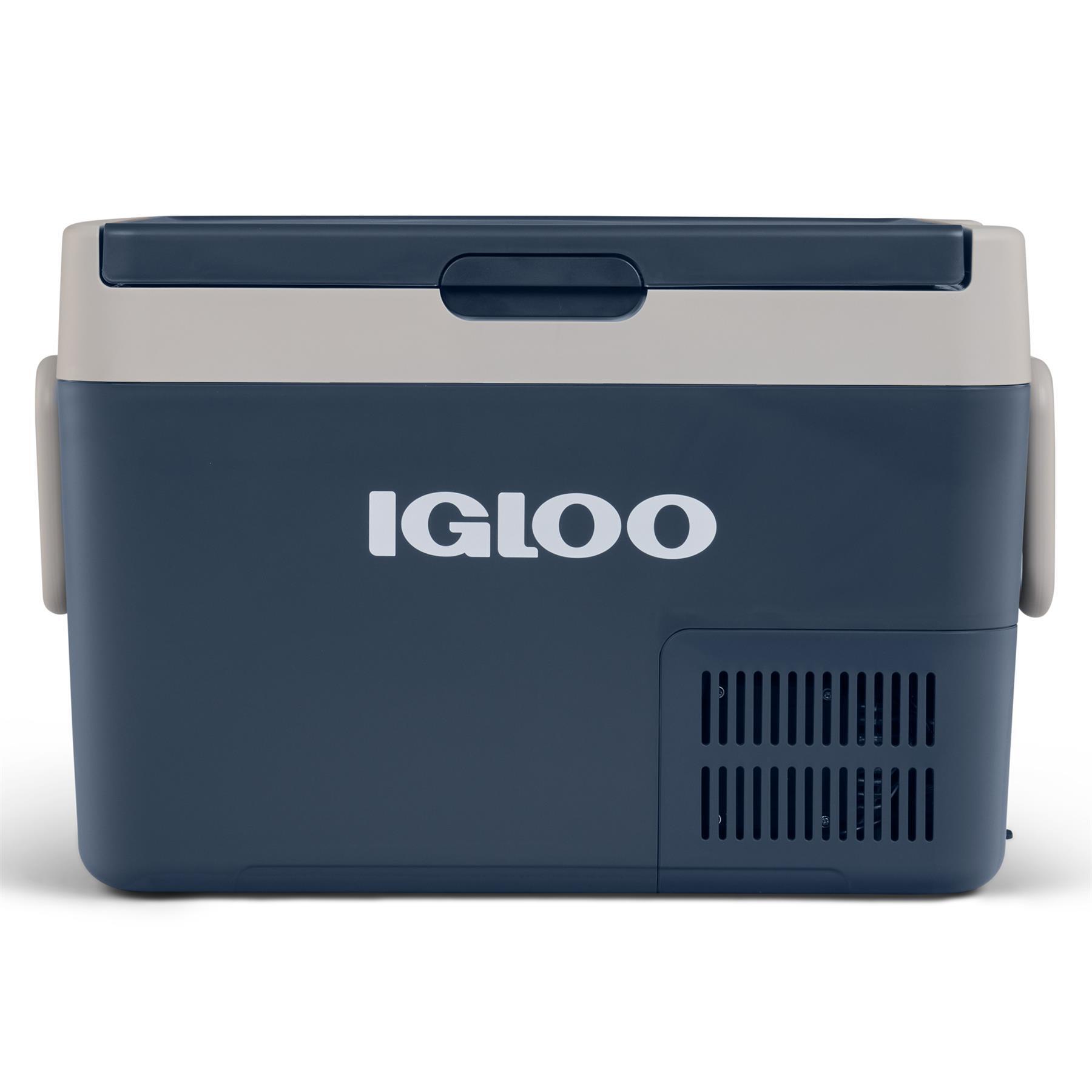
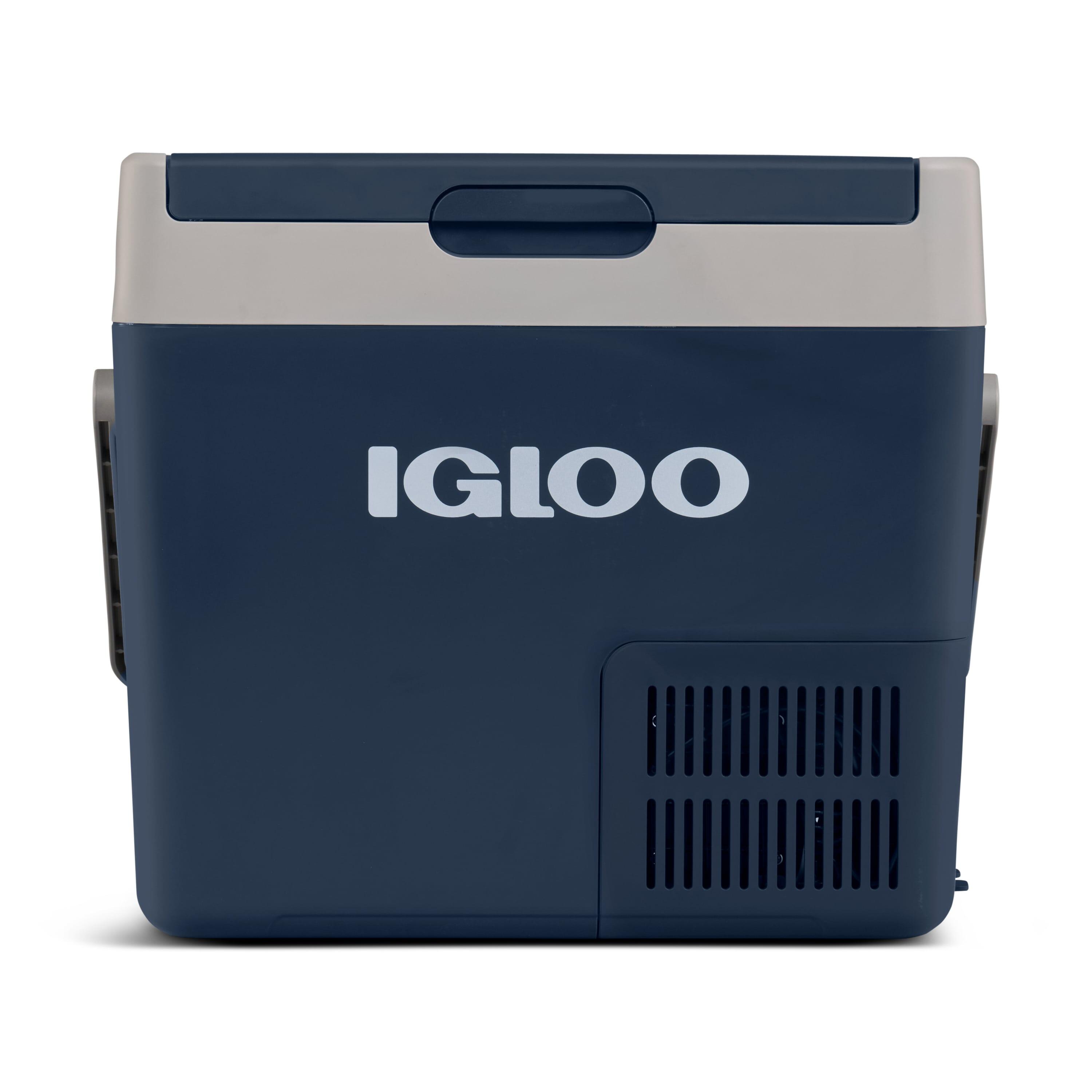
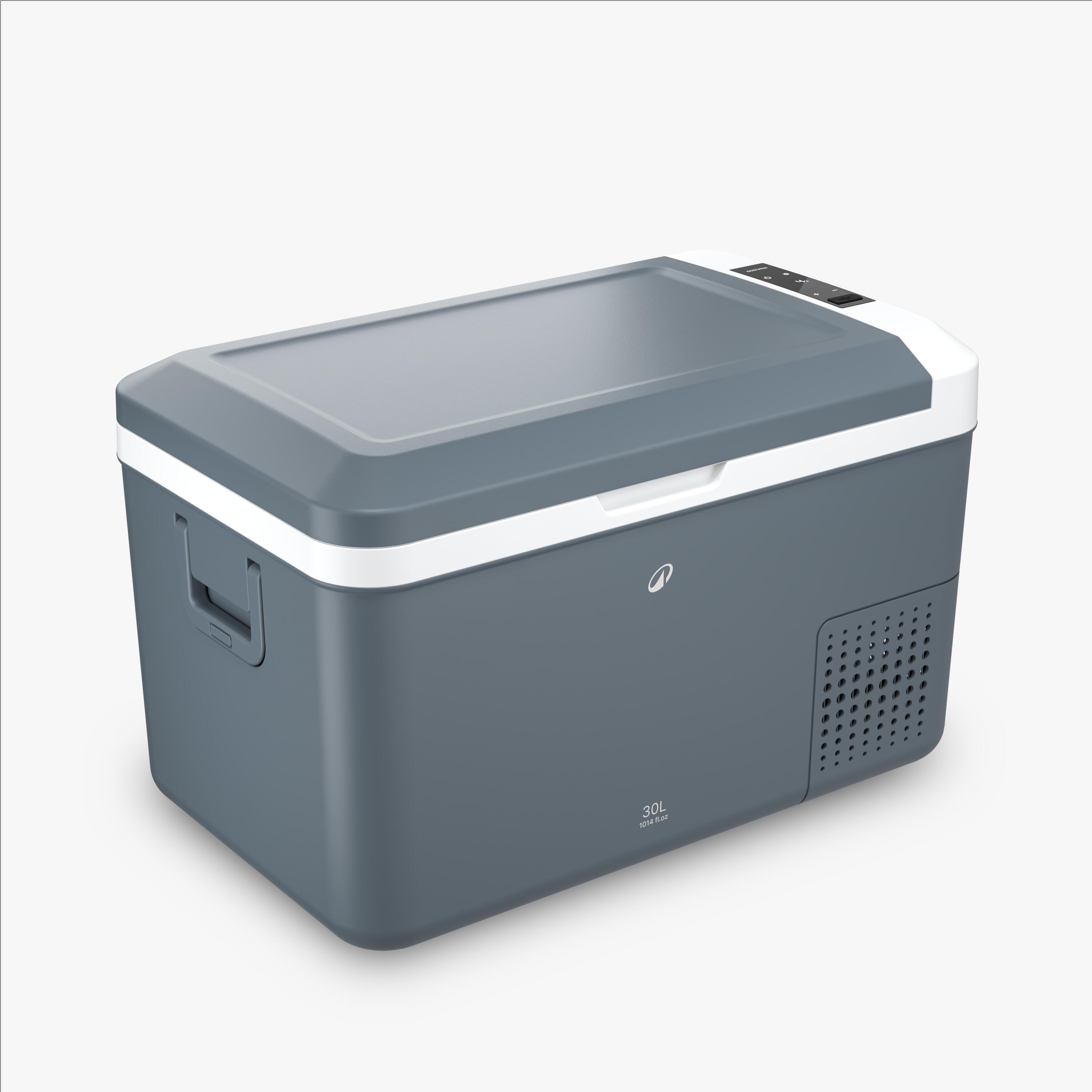
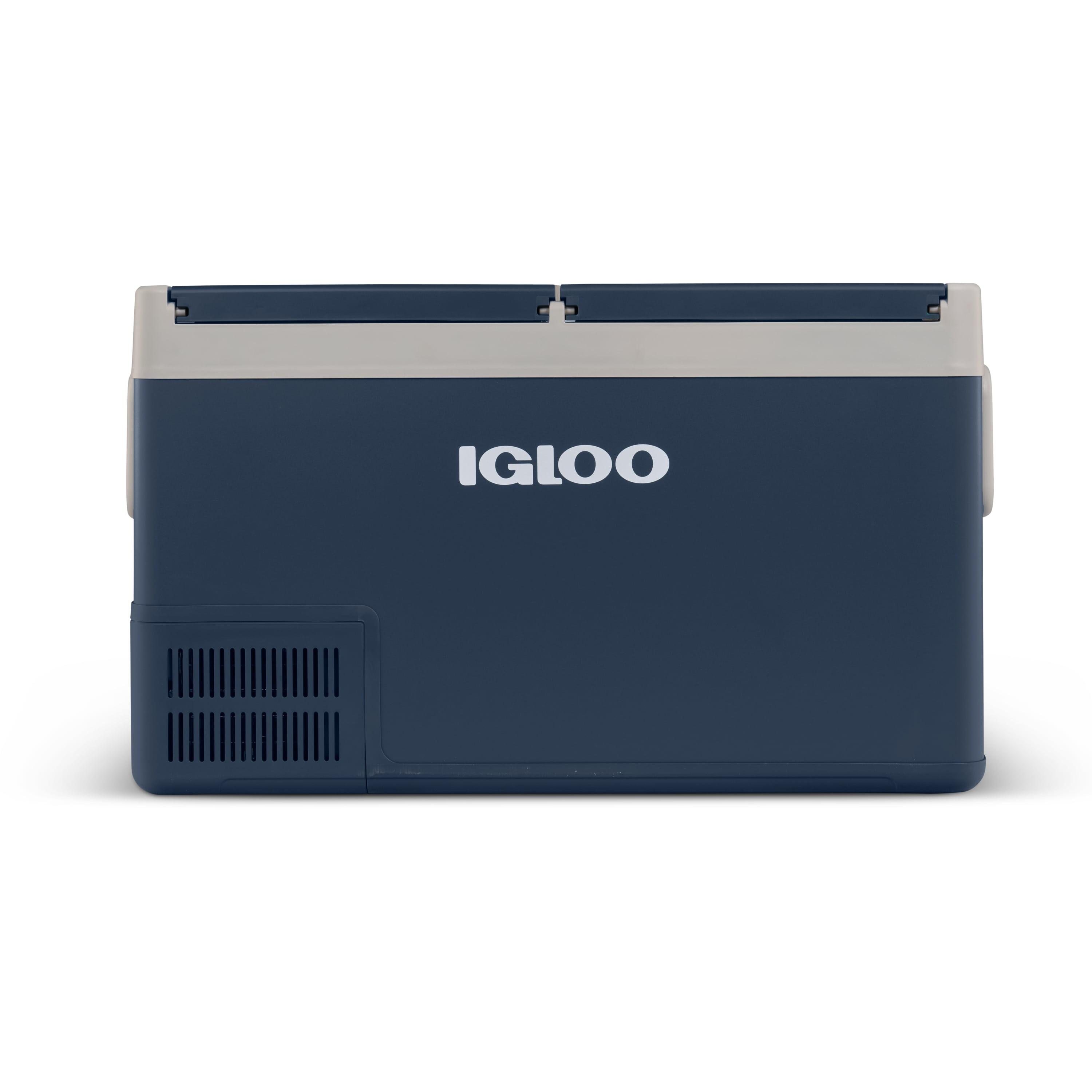
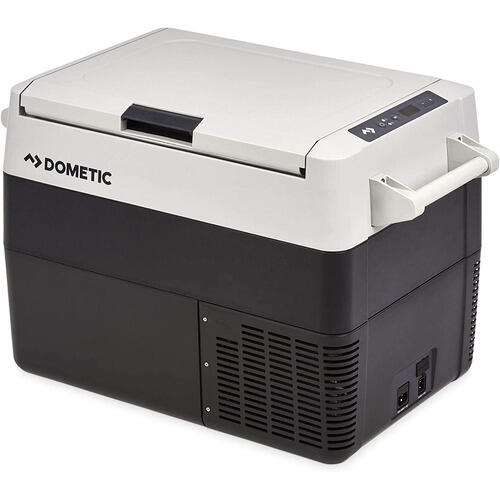
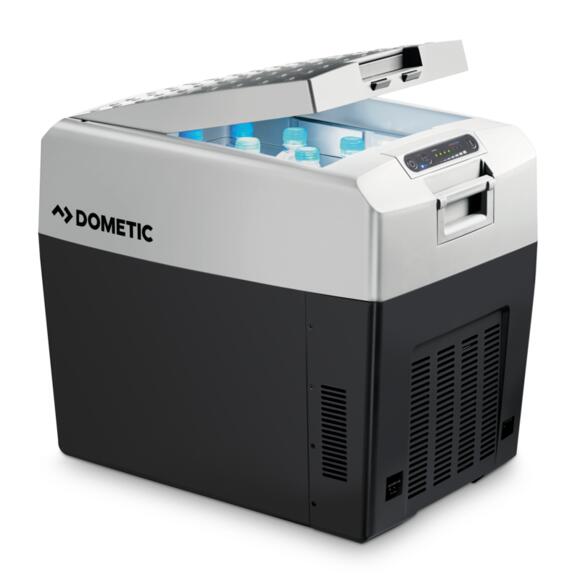
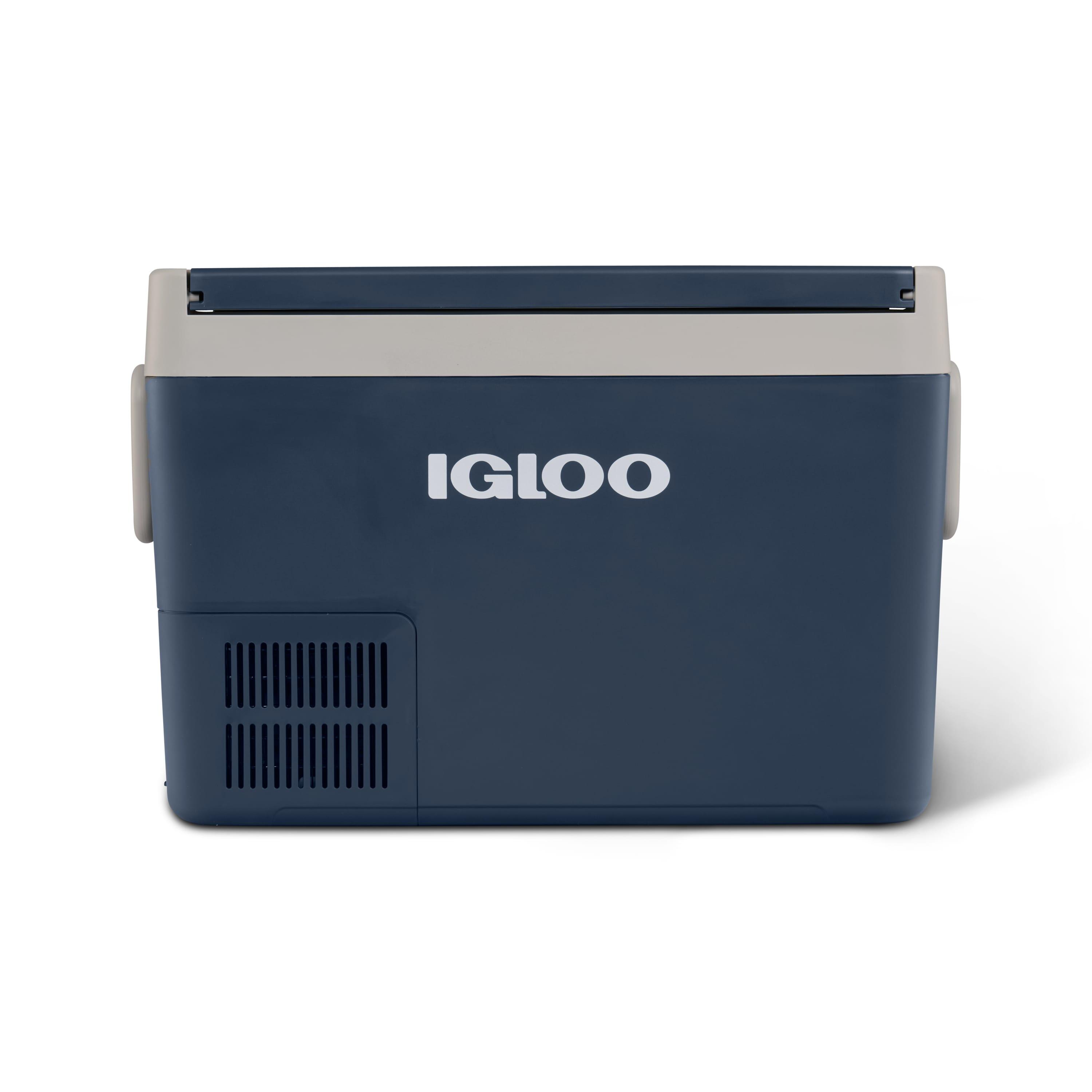
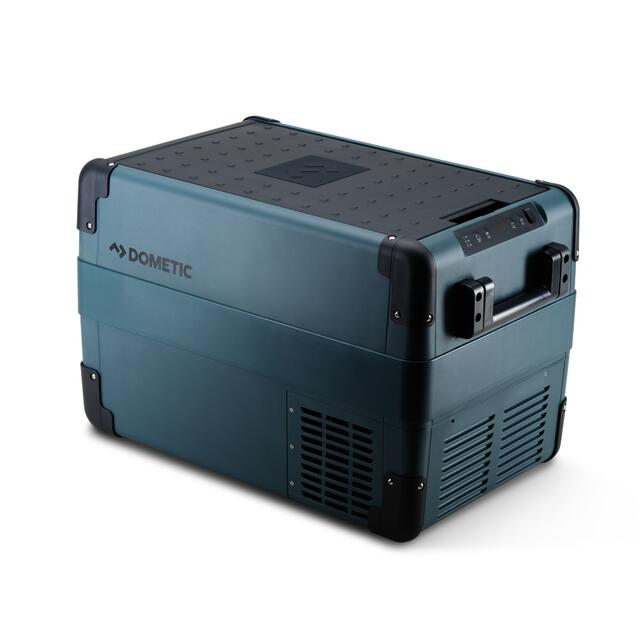
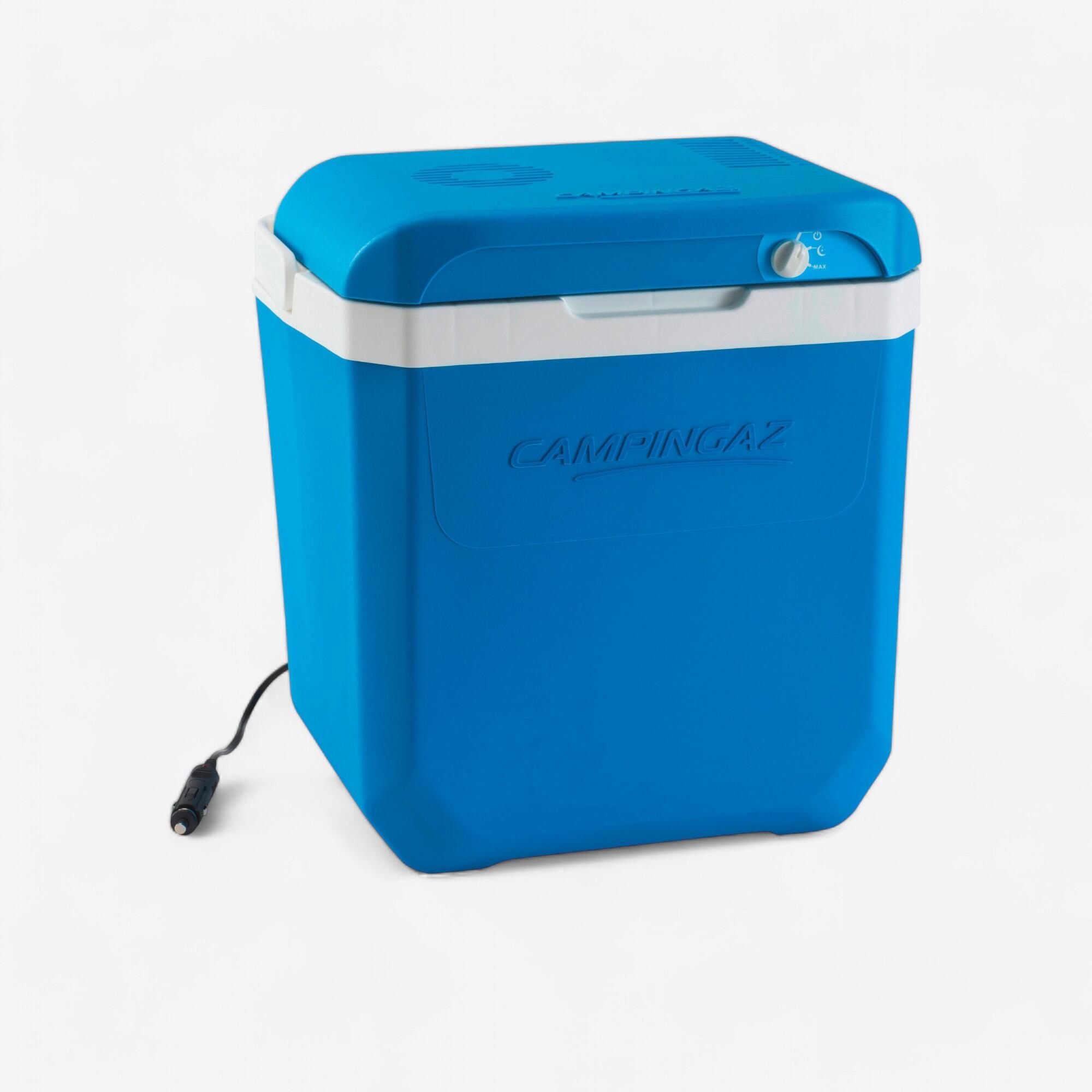
Picking the right electric cooler box depends on how long you're away for, how many people are joining the trip, and where you'll be plugging in along the way and at the campsite. Dual-voltage models run from the car's 12V socket on the road and from mains power once you arrive, while compact powerbox-style units suit shorter trips, picnics, and weekend breaks for couples and small families. On a hot weekend, an electric cooler actively chills its contents rather than relying on the slow melt of ice blocks, keeping fresh meat, dairy, and leftovers in the safe zone for days without buying fresh ice each morning. Wheeled and tow-handle builds shift heavy loads from car to pitch without the back strain. One expert tip: pre-chill the cooler at home, then load it with food straight from the fridge, so it holds cold from the very first kilometre rather than spending hours cooling down. And for the passive side of cold storage to sit alongside the electric unit, the hard-sided, wheeled, and reusable ice-pack options in our cooler boxes and ice packs range keep food fresh and drinks chilled for camping trips, picnics, and days out.

When should I consider a flexible cooler instead of an electric cooler box?

A flexible cooler makes sense over an electric box whenever pack size, weight, easy off-season storage, and the lack of a power source matter more than active chilling across a long trip. Soft-sided flexible coolers collapse down small when empty, which suits beach days, day hikes, picnics, and quick overnighters where the cooler doesn't need to hold cold for a full week. Between trips, the collapsible, foldable, and lightweight flexible coolers in our range tuck away into a cupboard, where an electric unit would take up real space.

How do cooler bags fit alongside an electric cooler box?

The two split the work by mobility. The electric box stays at the pitch as the main fridge, running off the power hook-up, while a soft cooler bag carries a packed lunch to the beach, drinks to a barbecue, or snacks on a day hike, where being easy to carry matters more than active cooling. Because the bag is the part that travels with the family through the day, the soft, backpack, and shoulder-strap cooler bags and backpacks in our range take over wherever a mains socket can't reach.

How do electric cooler boxes compare with the wider camping cooler range?

Electric cooler boxes sit at the active-cooling end of the range, while hard passive boxes, soft flexible coolers, and bag-style coolers cover the no-plug end. Hard passive boxes hold cold for days on ice packs alone, flexible coolers handle shorter trips, and bag-style coolers cover picnics and the school run. Since no single unit does every job from a beach day to a family holiday, the hard, wheeled, electric, and flexible camping coolers in our range let you match the cooler to the trip rather than the other way round.

How do camping water bottles fit alongside electric cooler boxes?

The cooler and the bottle work in a simple loop: the electric box chills the bottles overnight, and the bottles then travel out for day hikes, beach trips and short outings before returning to cool down again. Insulated bottles, reusable hard-shell bottles and large-capacity containers each have their place in that routine, holding cold water through hot days and warm drinks through colder conditions. The combination of an electric cooler and a camping water bottle makes it easier to carry chilled drinks away from the campsite without relying on disposable bottles.