125 items
4.8/5 based on 4956 reviews collected online and in stores

Tent Accessories FAQs

Which tent accessories help you pitch on different ground?

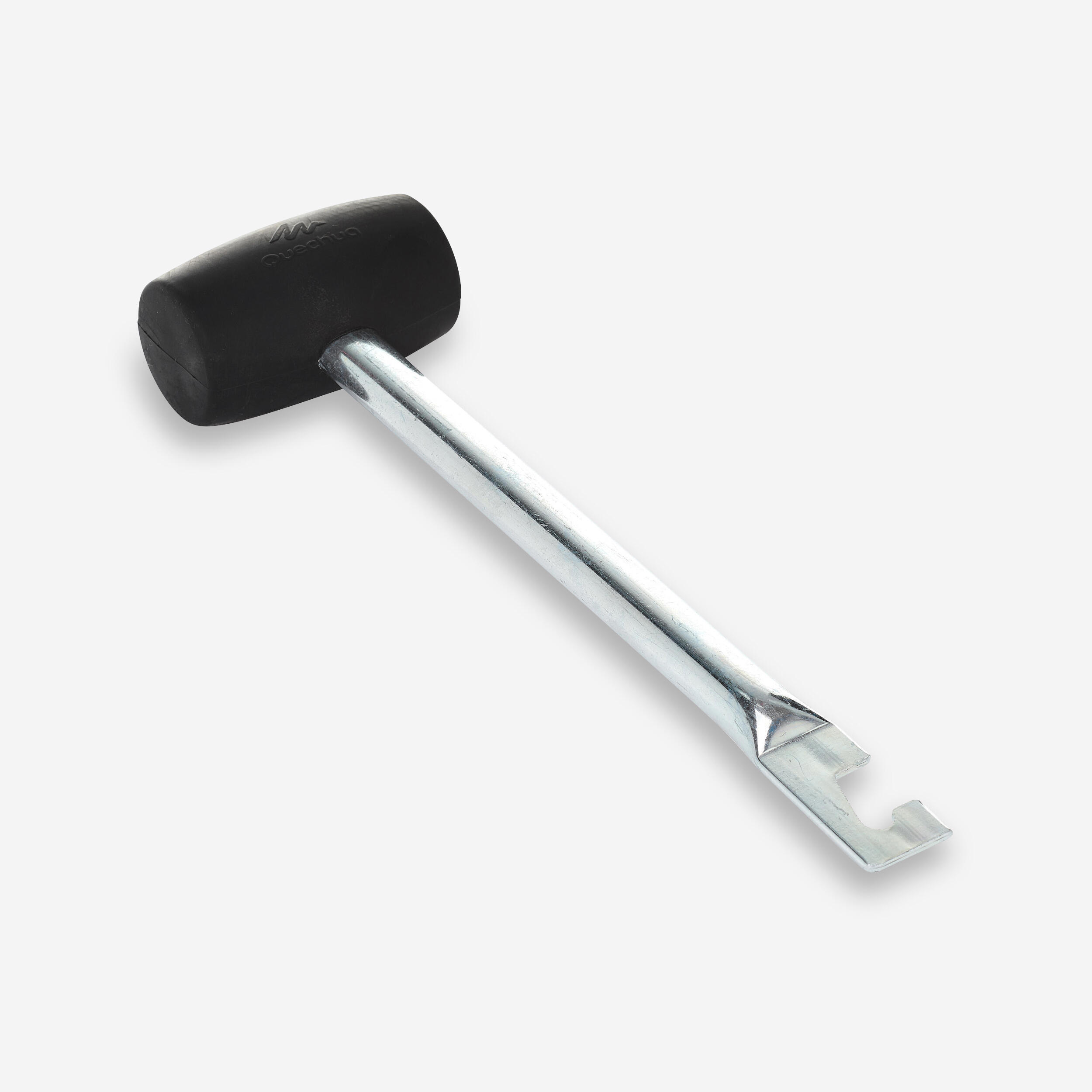
Check the ground at your campsite before packing pegs, a mallet and spare cords. Firm or stony soil may need stronger pegs, while softer ground can call for a shape that holds more securely in the soil. Quechua's camping mallet has a rubber head and steel handle, so you can tap pegs into place without searching for a loose stone. It measures 28 cm, weighs 300 g and includes a peg remover at the end of the handle for taking down your pitch. The tent pegs you pack should suit both your tent and the ground, so check their shape and length before leaving. Take a few spares in case you lose or bend one, and follow your tent's pitching instructions for the correct peg positions.

How do guy ropes help keep your tent steady in windy weather?

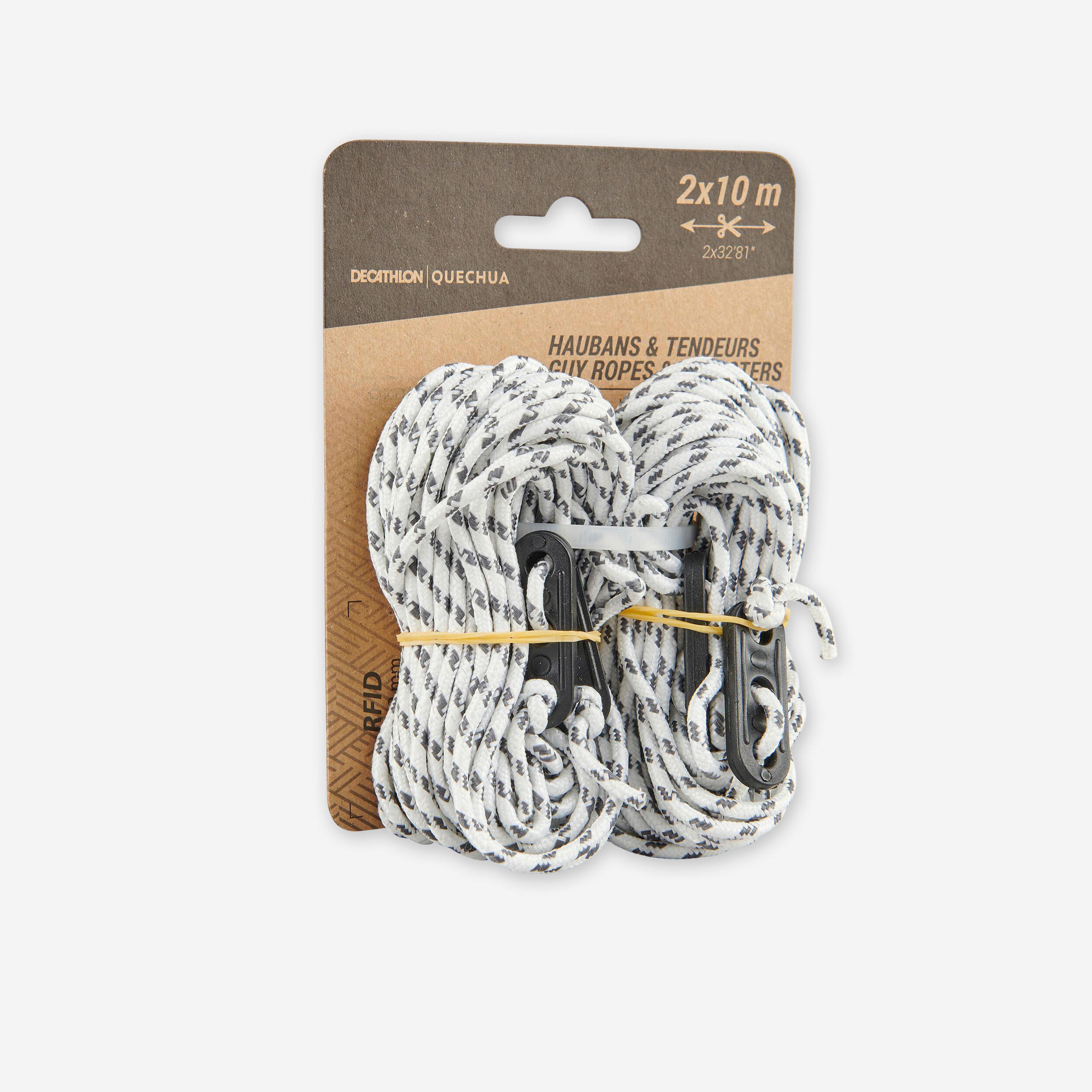
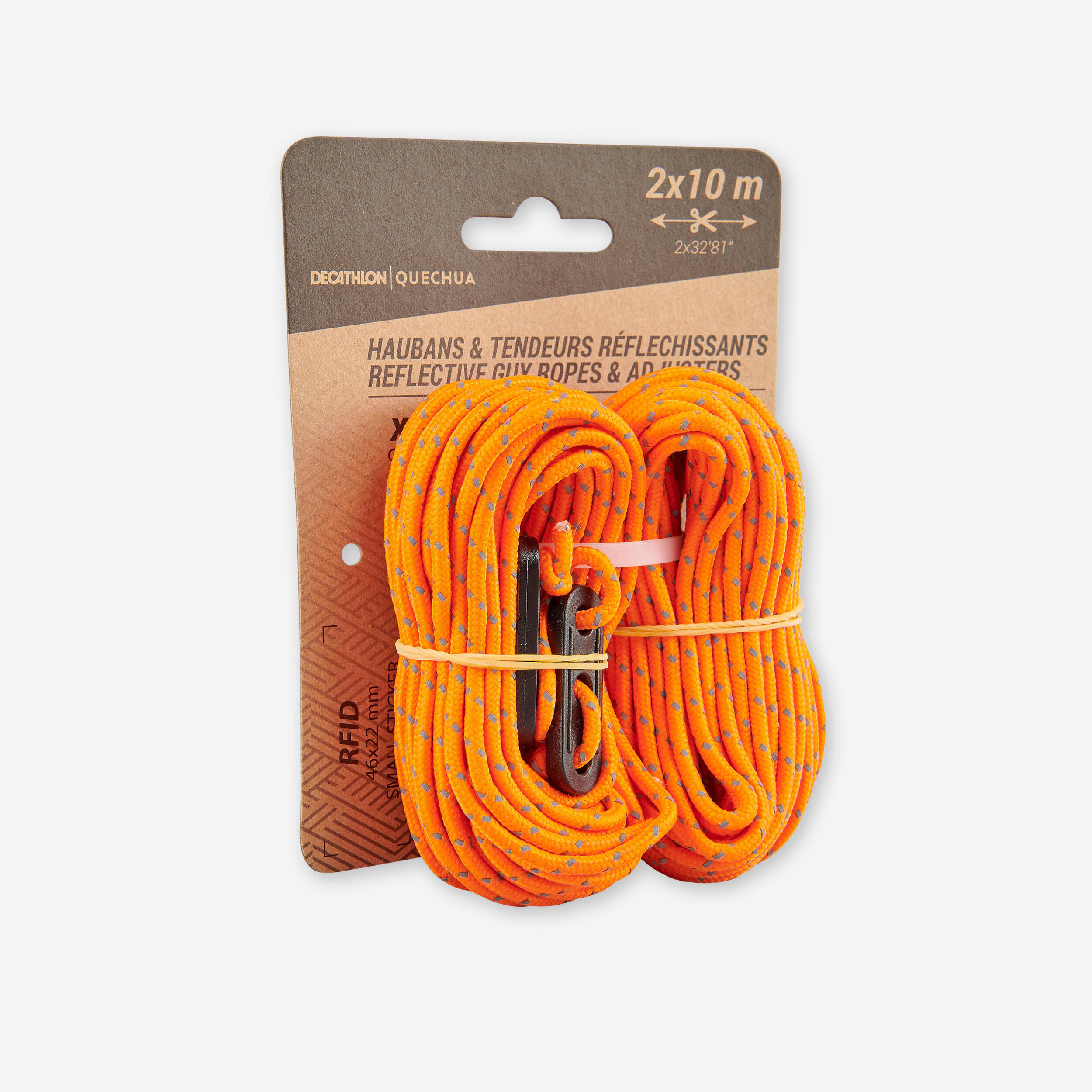
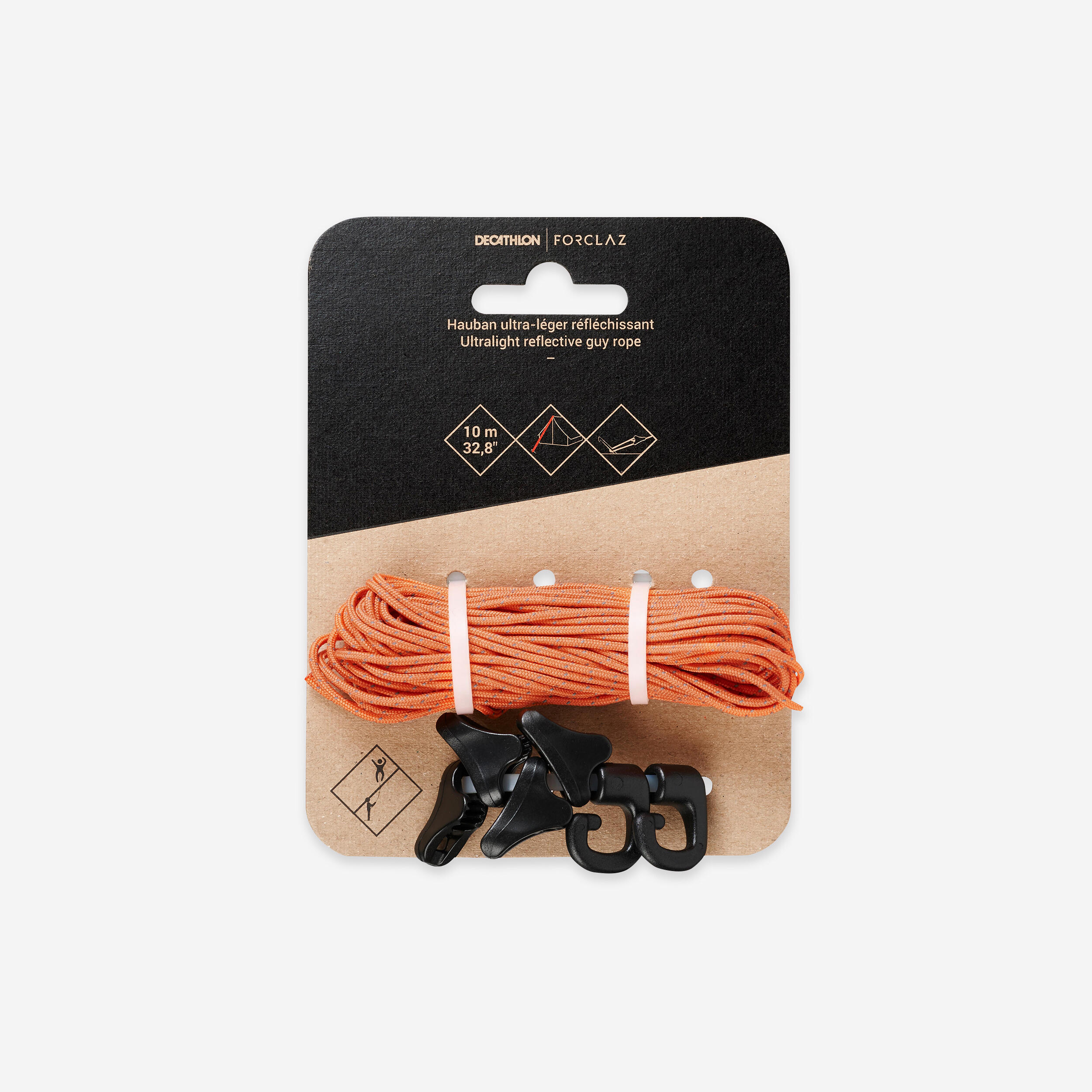
Guy ropes pull the outer fabric into its intended shape and provide extra support when wind puts pressure on the tent. Attach each cord to the points shown in your tent's instructions, then secure its peg at the recommended angle. Quechua offers adjustable replacement ropes, including reflective versions that are easier to spot when you shine a torch around camp after dark. Reflective guy ropes can help you notice cords near your pitch, but keep them clear of busy walkways whenever possible. Tighten each rope enough to hold the flysheet in position without pulling hard on the seams. Check the tension again after rain or changing weather, particularly if pegs have loosened. Guy ropes help with stability, but they don't make a tent safe in every wind condition, so follow the tent's weather guidance.
How can a camping washing line help keep your tent tidy?

Wet towels and damp socks take up space inside a tent, especially when you need room to sleep or change clothes. A portable washing line lets you hang smaller items away from bedding while they dry. Quechua's 5 m camping line has 2 hooks, a bead system that holds clothes without separate pegs and an attached pouch for packing it away. Set it up between suitable fixing points, following the instructions and avoiding places where people regularly walk. A compact pouch also lets you keep the line with your camping and bivouac equipment without leaving loose cord tangled around other gear. Don't overload tent attachment points with heavy wet items, and keep the line away from cooking equipment. Let the washing line dry before storing it so dampness doesn't remain inside the pouch.

How do you check that replacement tent accessories will fit?

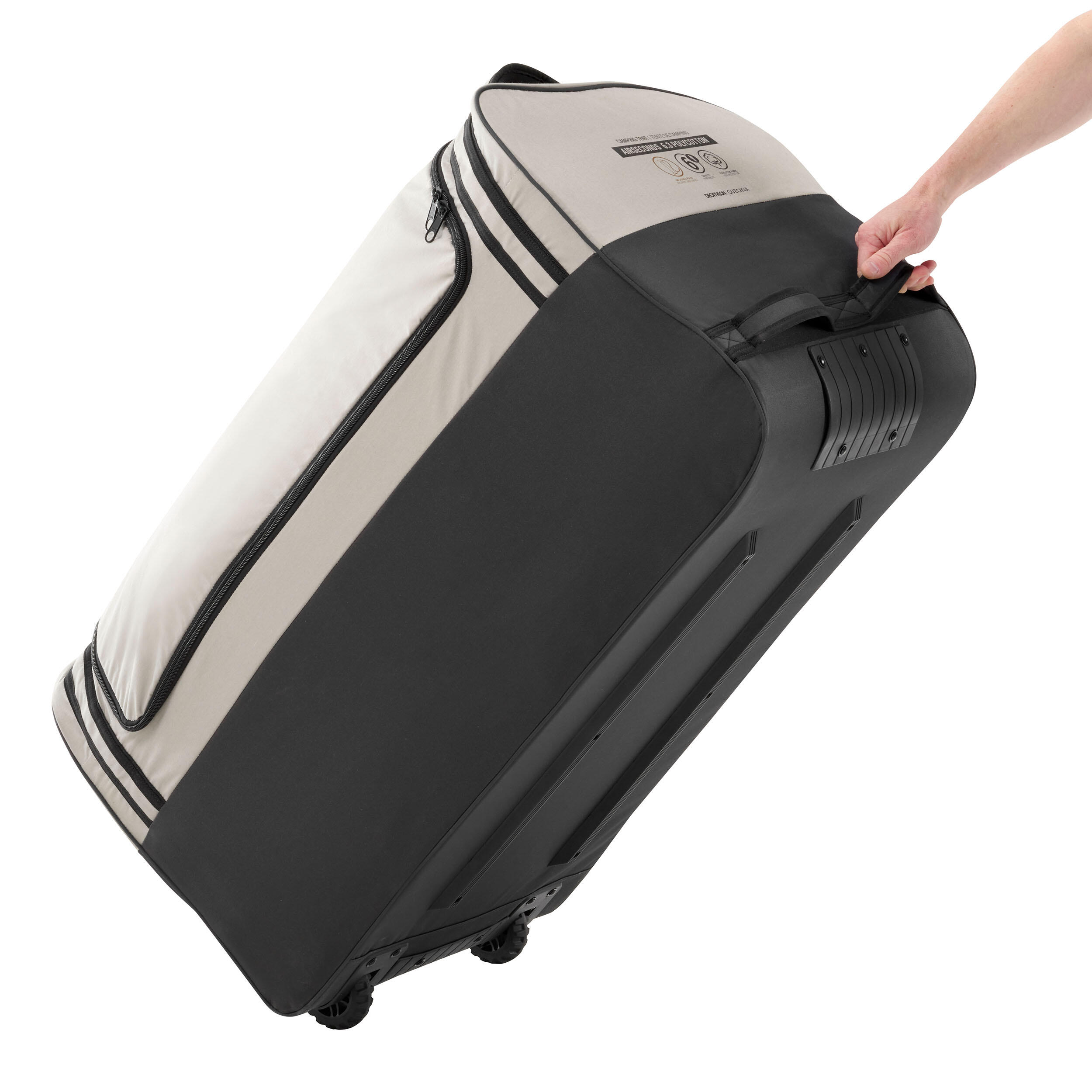
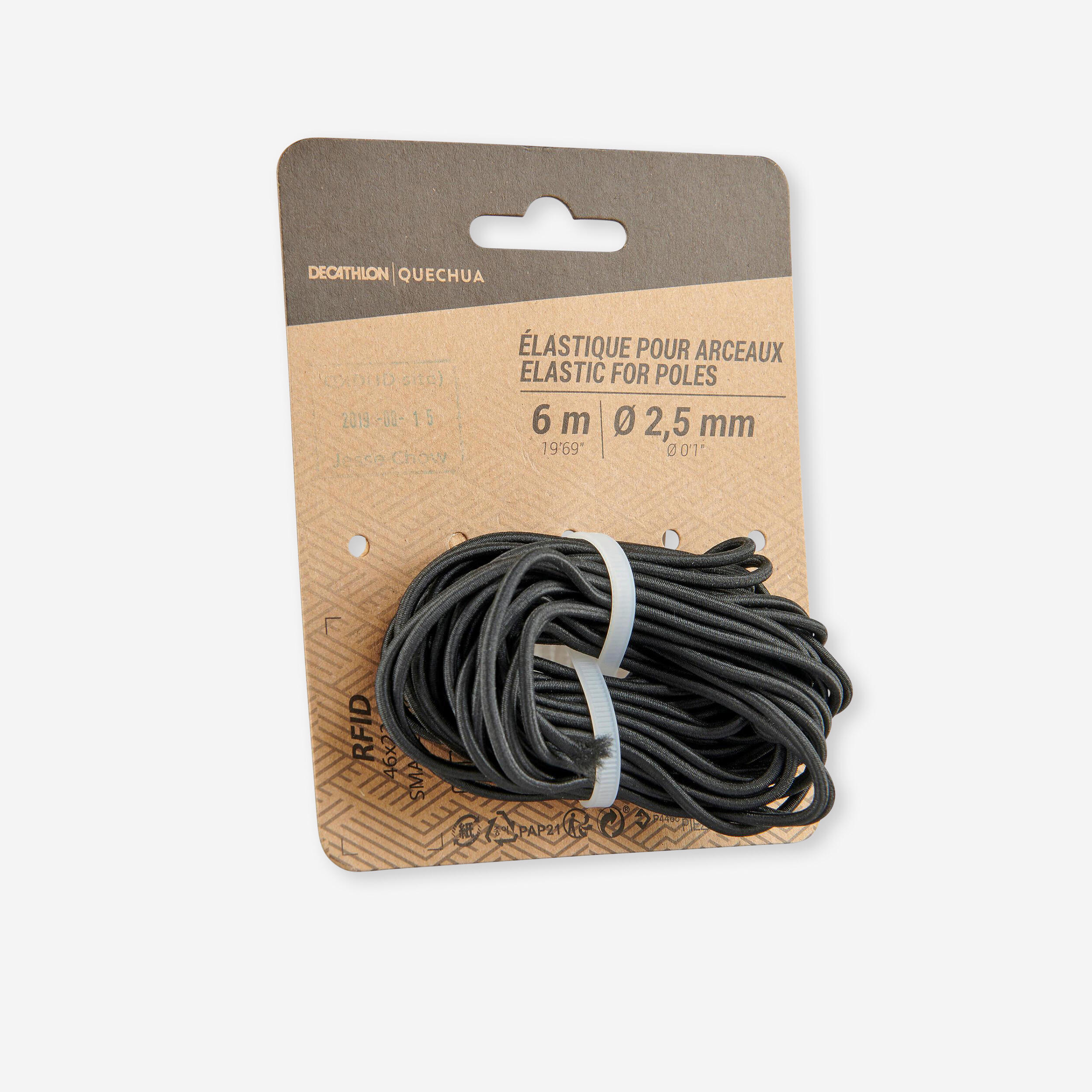
Start with the tent's model name or product reference before replacing a bag, pole section, guy rope or pump fitting. Tents can have different pole shapes, attachment points and inflatable valves, so a part that looks similar may not fit. A replacement carry bag also needs to accommodate the packed tent rather than simply match its sleeping capacity. Some Quechua bags suit Air Seconds inflatable tents and shelters, but the universal Air Seconds bag excludes polycotton models. Keep the model details handy when checking tents and shelters and their corresponding accessories. Read the compatibility notes for the exact product, particularly if your tent has an inflatable frame. Try any new part at home before your trip so you can check the fit and spot missing fittings while you still have time to correct them.

When should you clean or replace tent accessories?

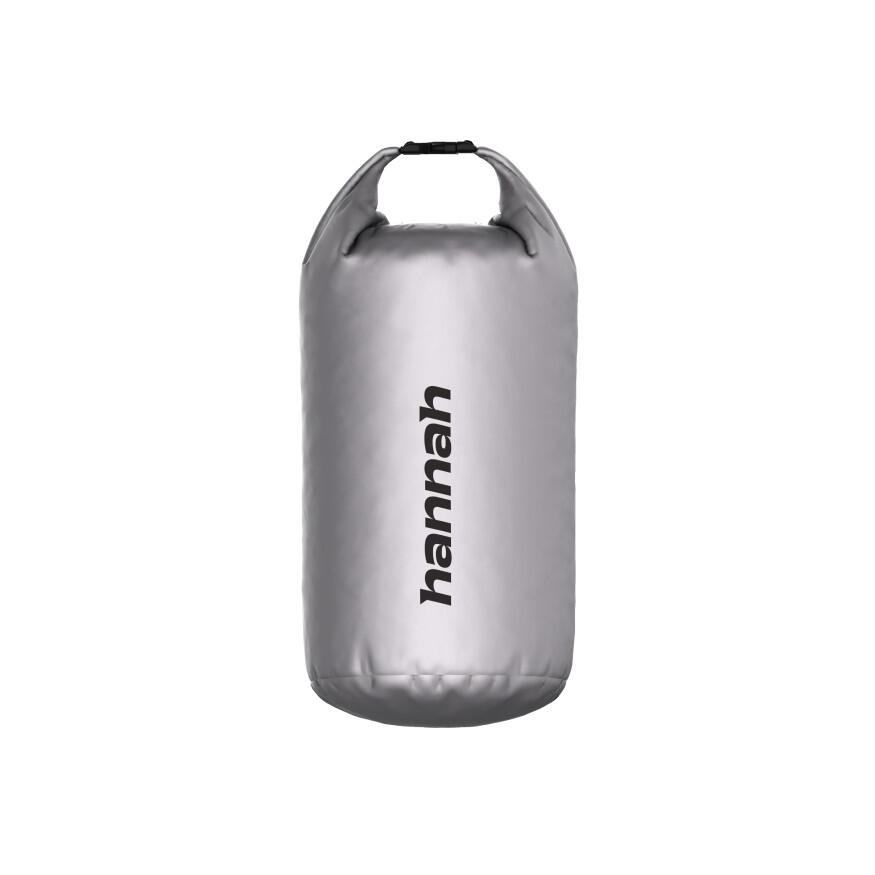
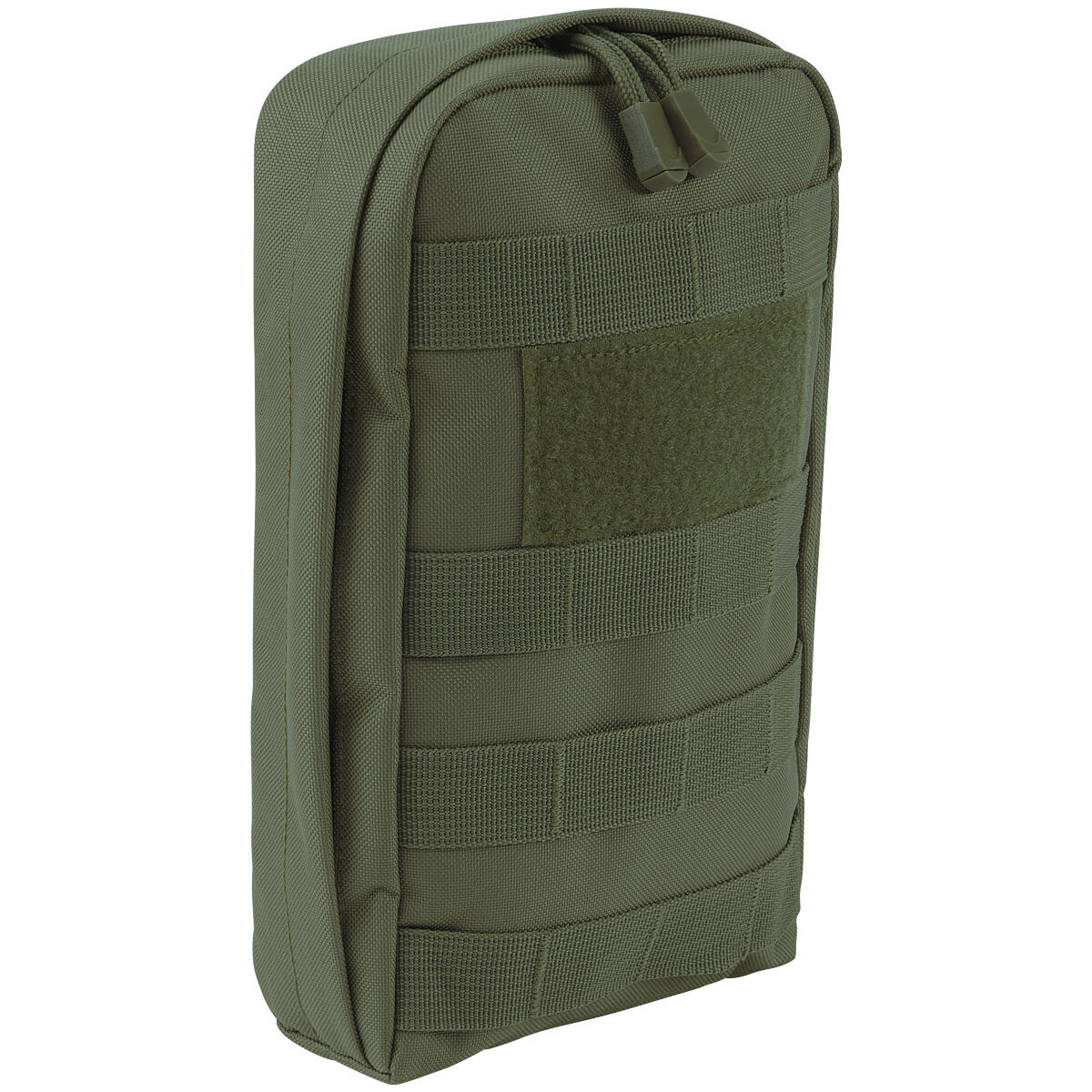
Check your accessories as you take the tent down, then give them another look before your next trip. Bent pegs, frayed guy ropes, cracked tensioners and damaged bag fastenings can make pitching or packing harder. Wipe mud from the mallet and pegs, and let ropes and storage pouches dry thoroughly before putting them away. Avoid leaving damp equipment sealed inside the tent bag, as trapped moisture can encourage unpleasant smells and damage some materials. Look through tent spare parts and accessories when you need a replacement, but check that each piece suits your tent's model and fastening points. Keep small components together in a pouch so they don't disappear between trips. Replace parts with cracks or serious wear rather than relying on them during a windy or wet pitch.