12 items
4.8/5 based on 1002 reviews collected online and in stores

Guy Ropes FAQs

What do guy ropes actually do for a tent, and when are they essential?

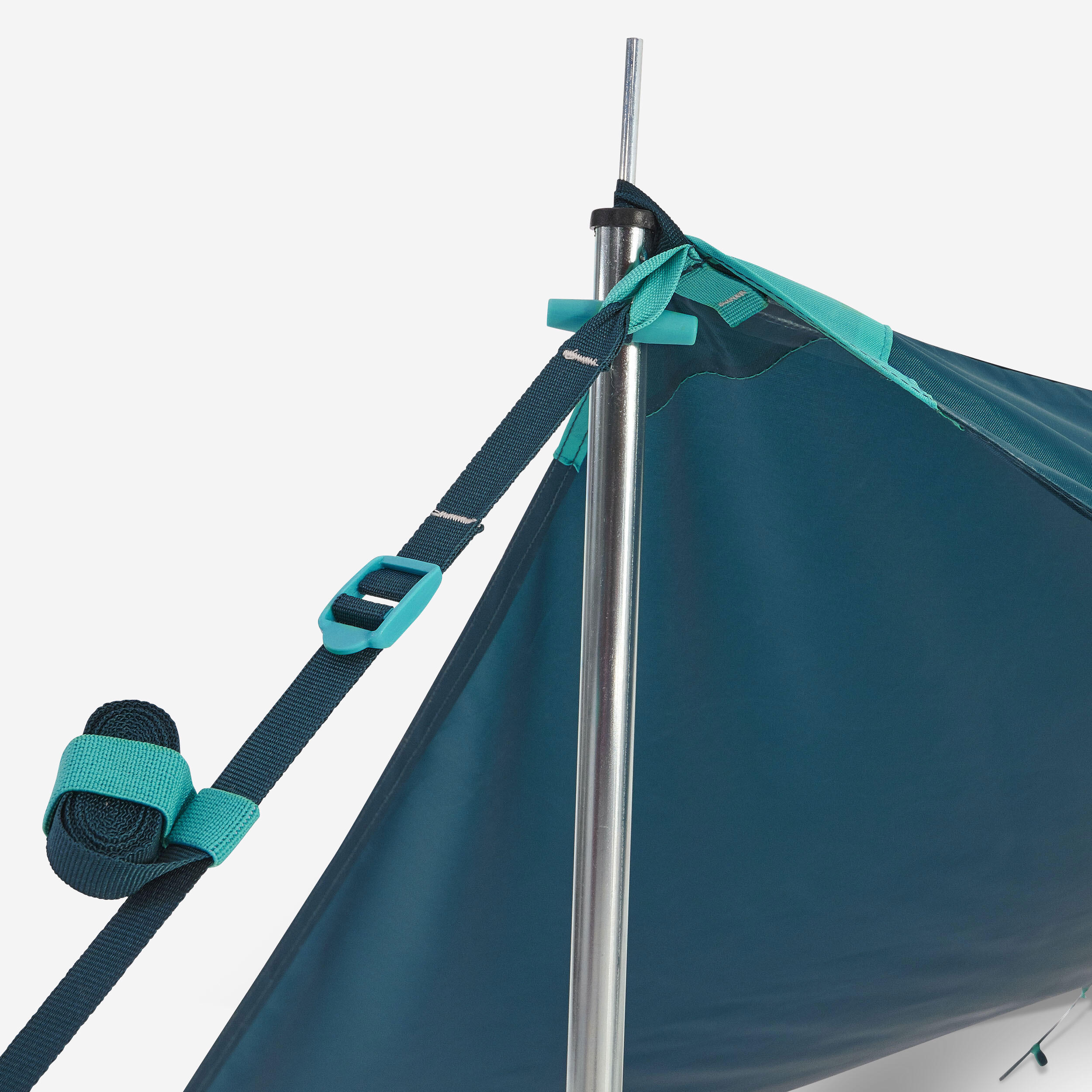
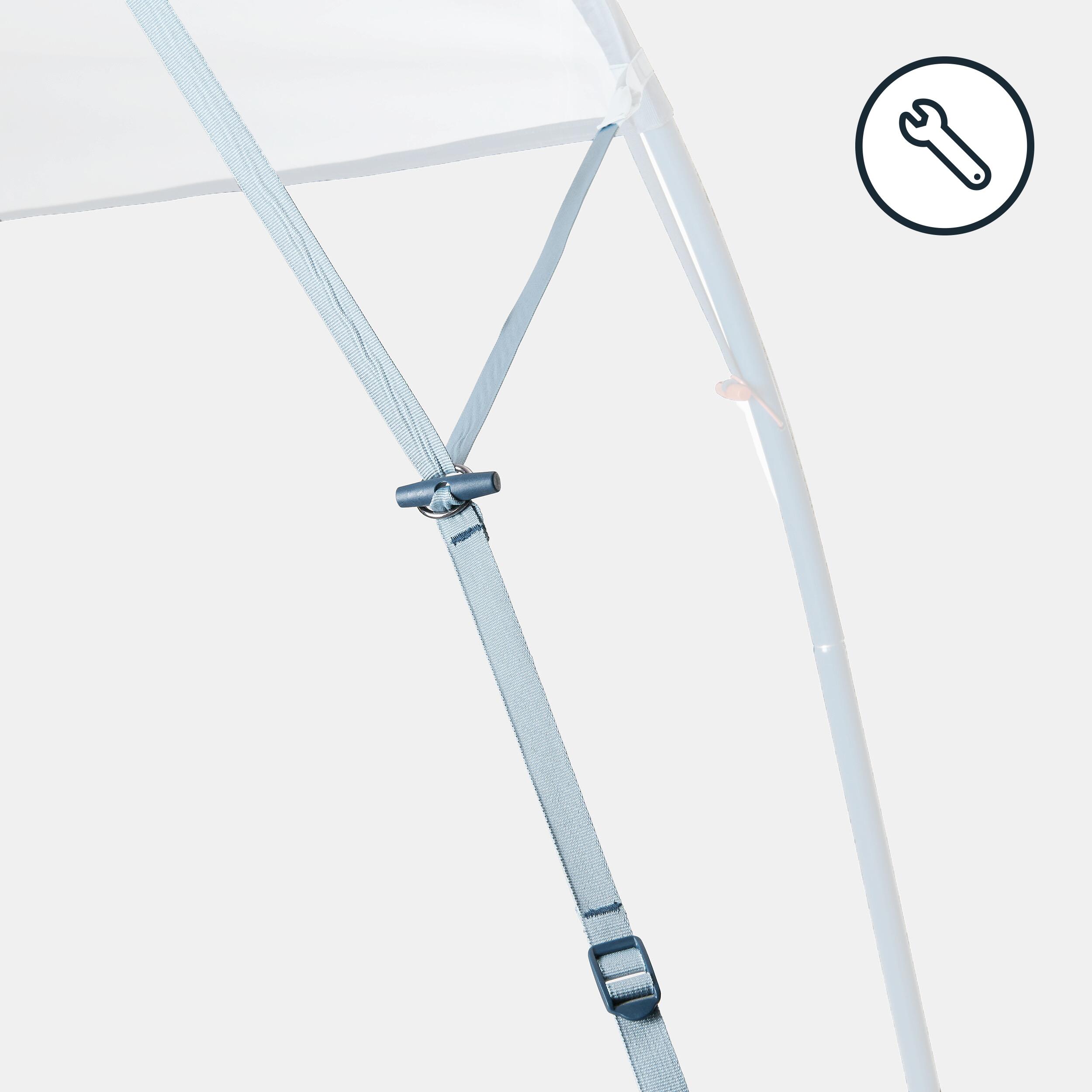
Guy ropes help stabilise a tent by transferring wind pressure from the flysheet and poles into the ground anchors. In windy conditions, they reduce strain on the tent frame and improve overall stability, helping the tent maintain its shape and resist movement. They also help keep the flysheet correctly tensioned, which improves airflow and reduces the risk of condensation building up inside the tent. Checking guy ropes regularly and replacing worn components can help maintain performance in changing weather conditions. Replacing worn tent ferrules as needed can help maintain the tent's overall structural integrity.

What is the difference between standard and reflective guy ropes?

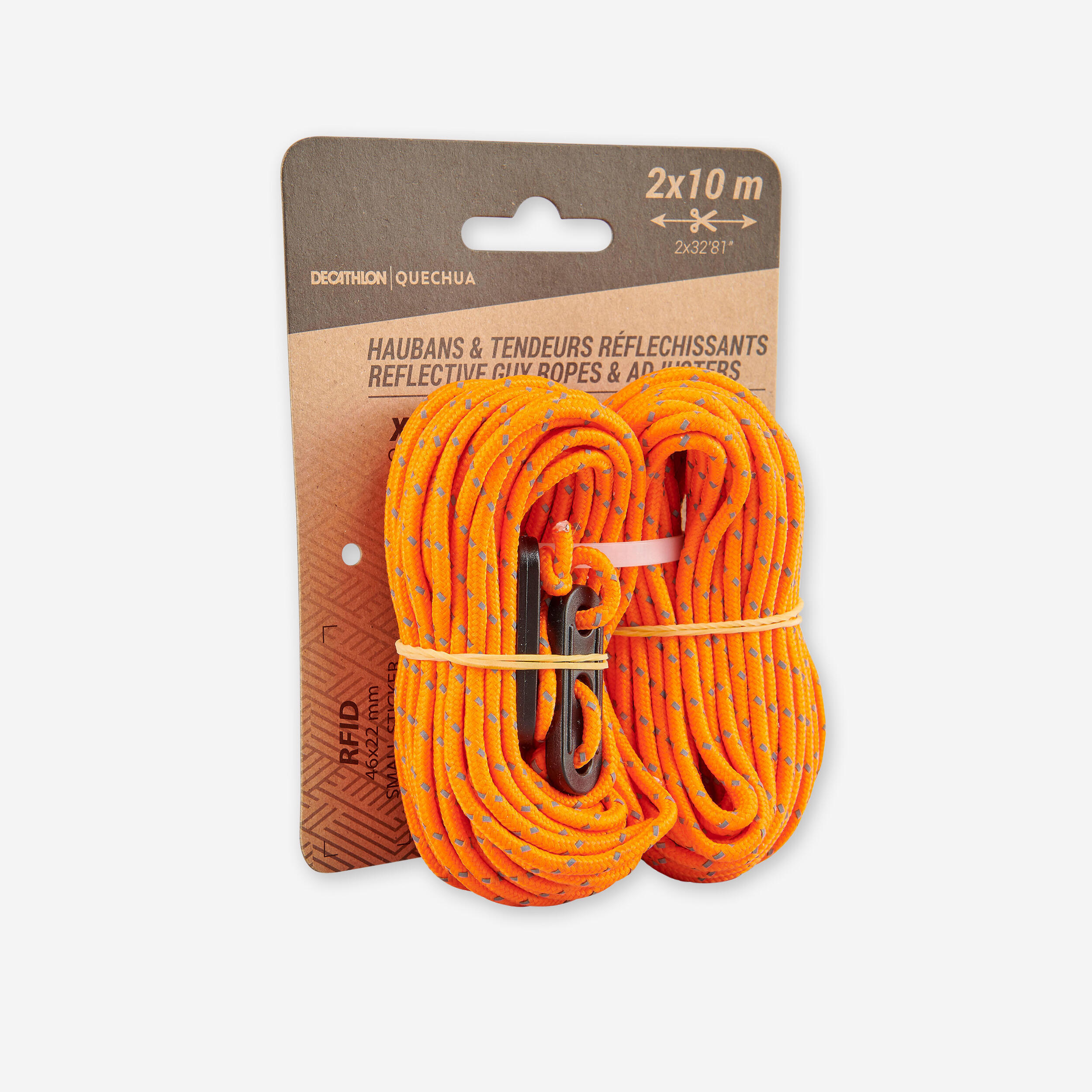
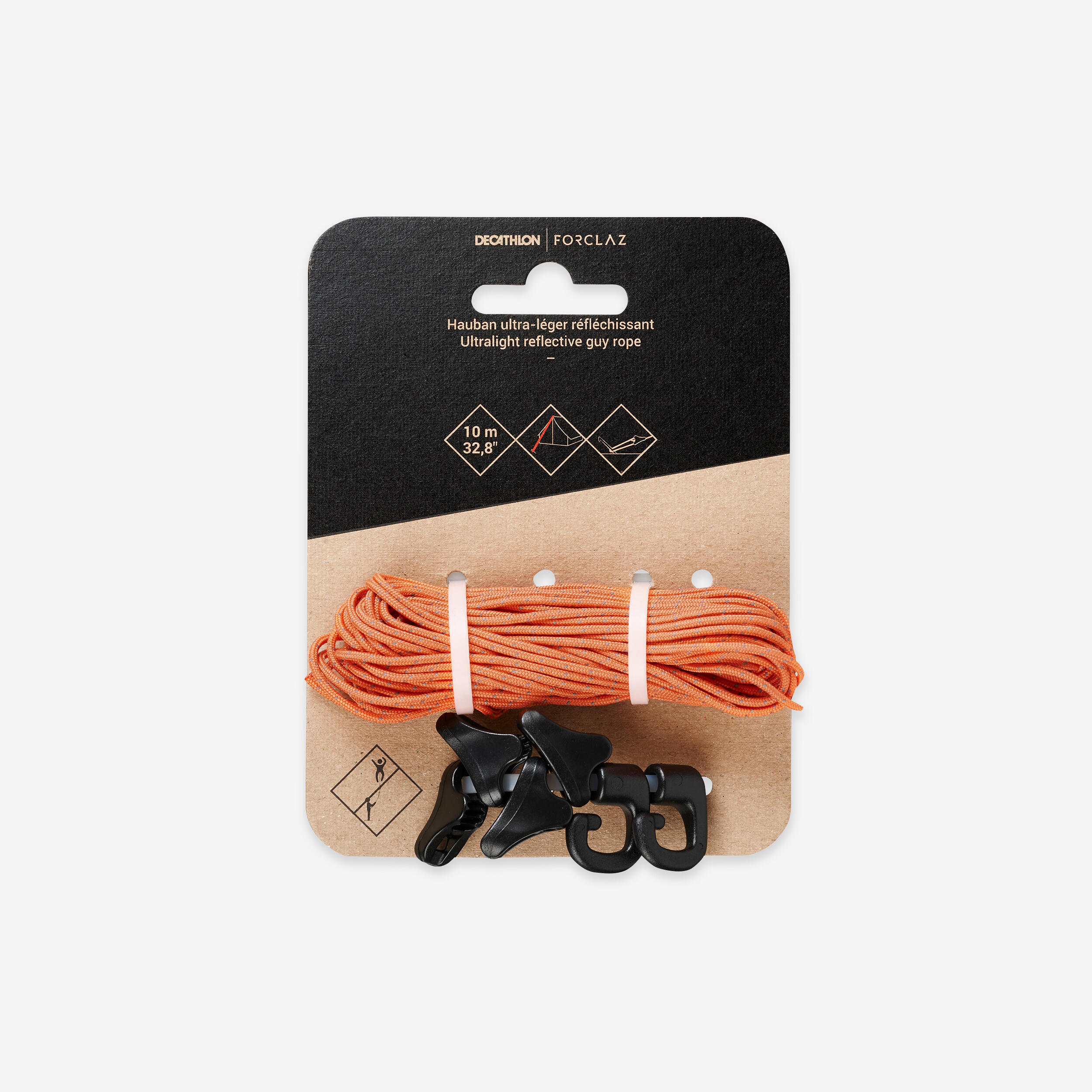
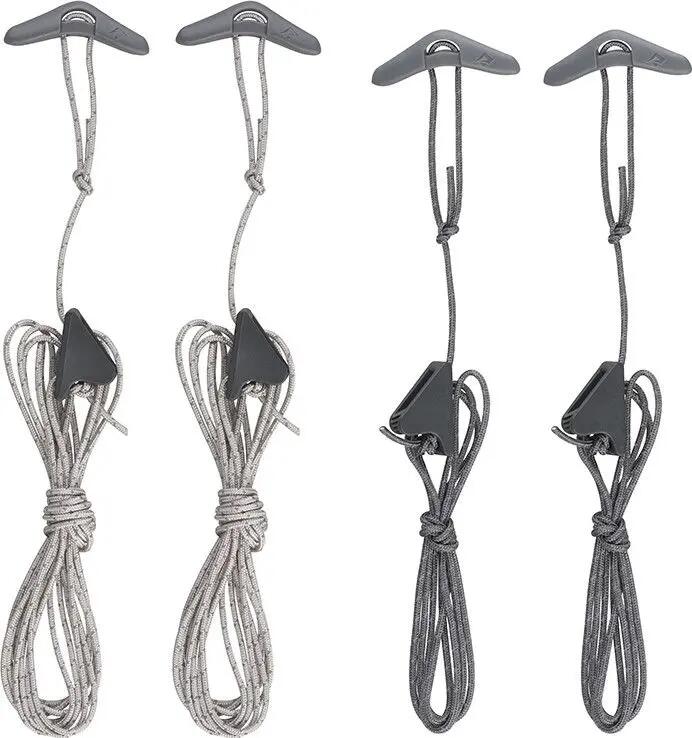
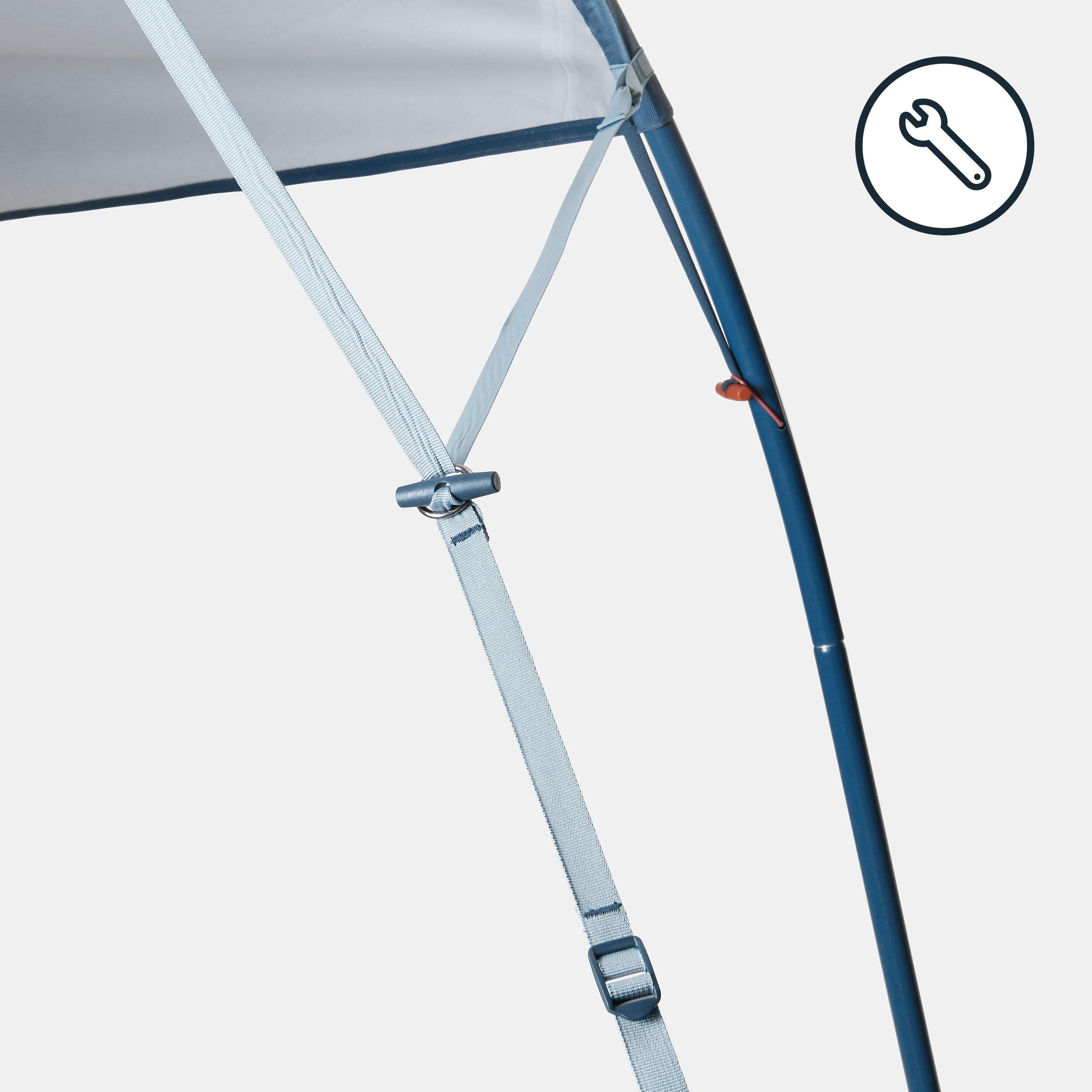
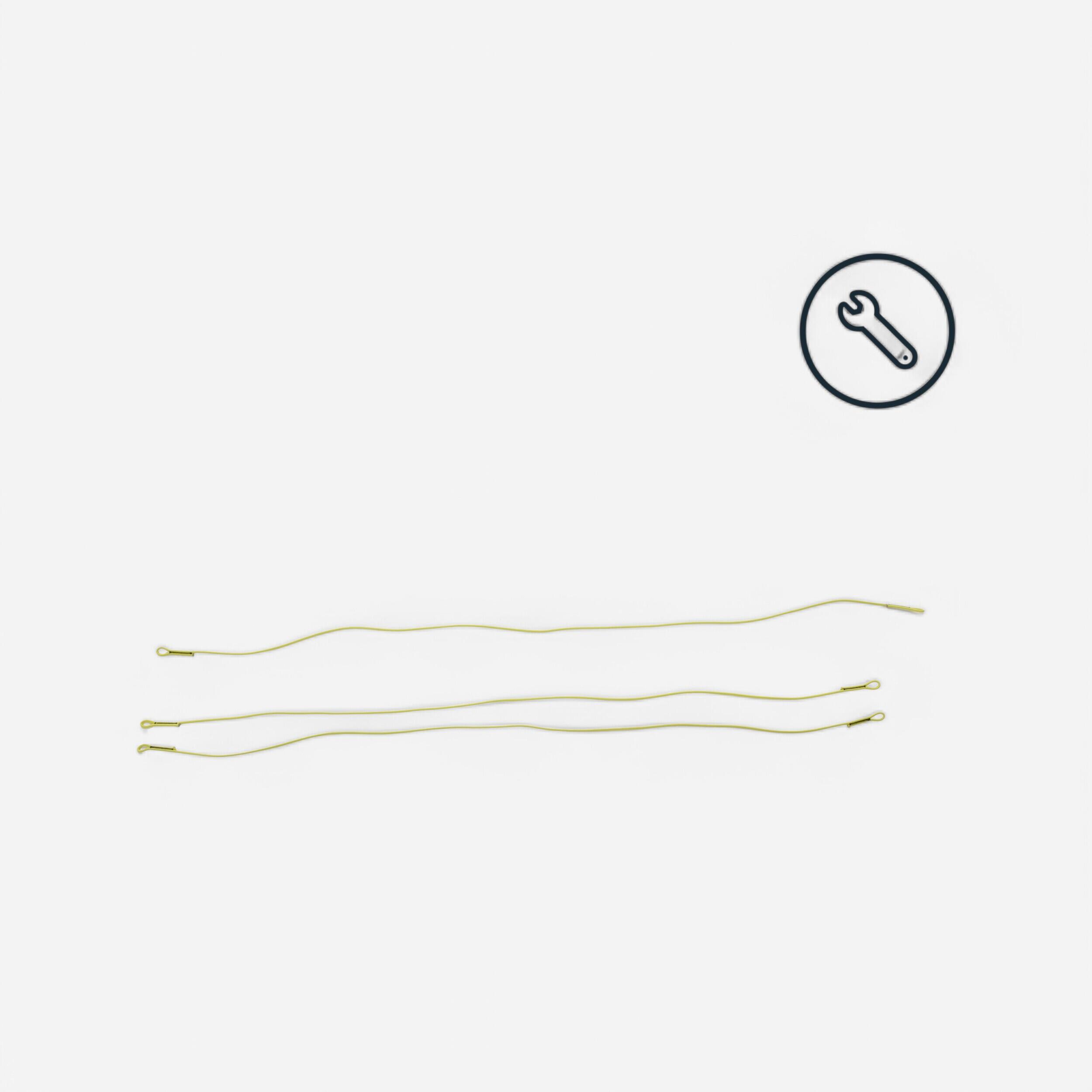
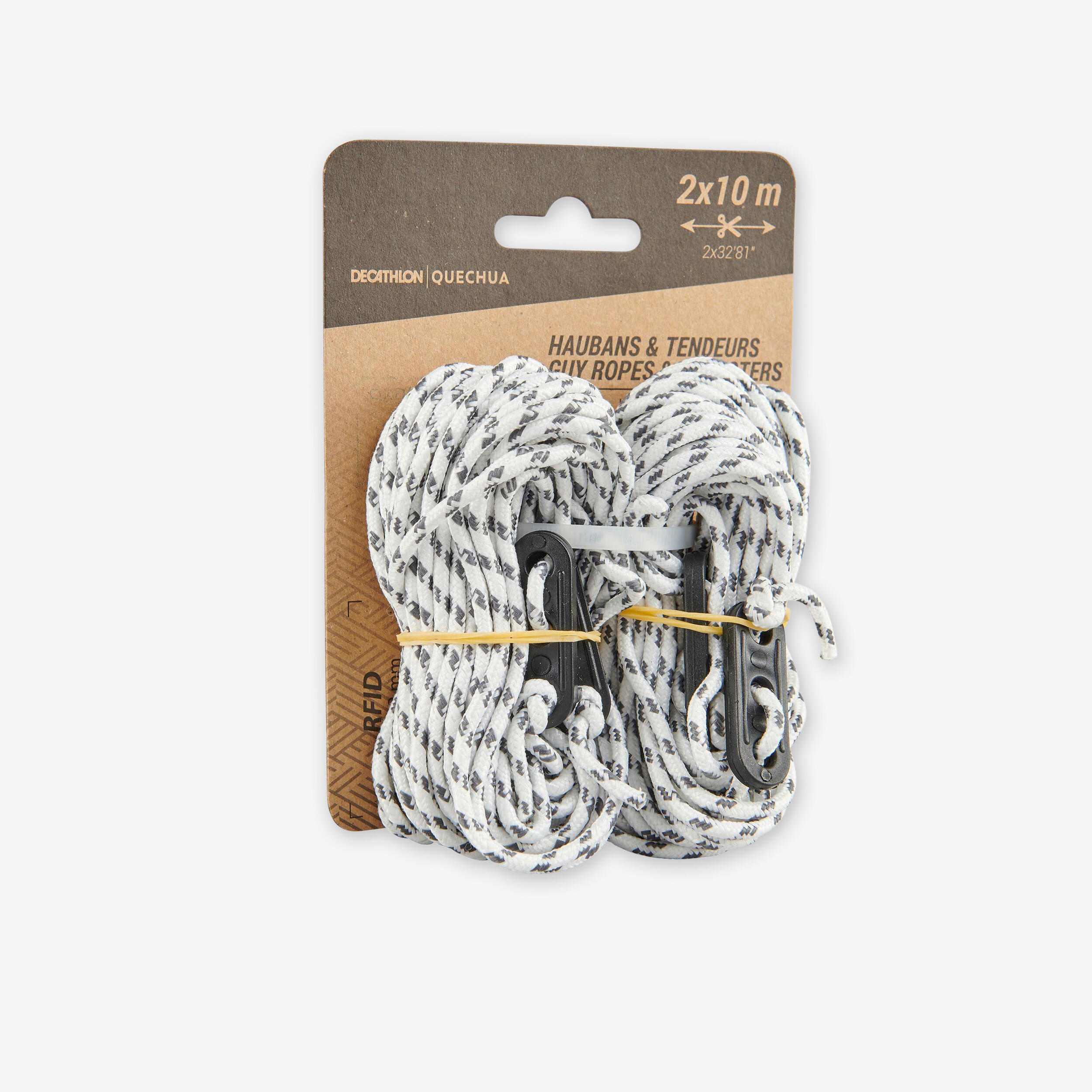
Standard and reflective guy ropes do the same structural job, but the outer braid differs in one key way: reflective ropes weave in a retroreflective thread that bounces torchlight back toward the source, making the rope visible from a distance in low light. That matters because a taut guy rope staked at ankle height across a dark campsite is a tripping hazard that's all but invisible until someone walks into it. The fluorescent orange of Quechua reflective guy ropes adds daytime visibility, while the retroreflective thread handles nighttime safety. Each pack holds two ten-metre ropes that you can cut and fit with the included tensioner sliders to make up to four guy lines at your preferred lengths, and the sliders let you adjust the tautness without re-pegging, which is handy after rain has stretched the rope slightly. A stable pitching setup also depends on well-matched tent poles, since correct pole tension helps the guy lines hold shape and maintain overall tent structure.

How many guy ropes does a tent need and where should they be pegged out?

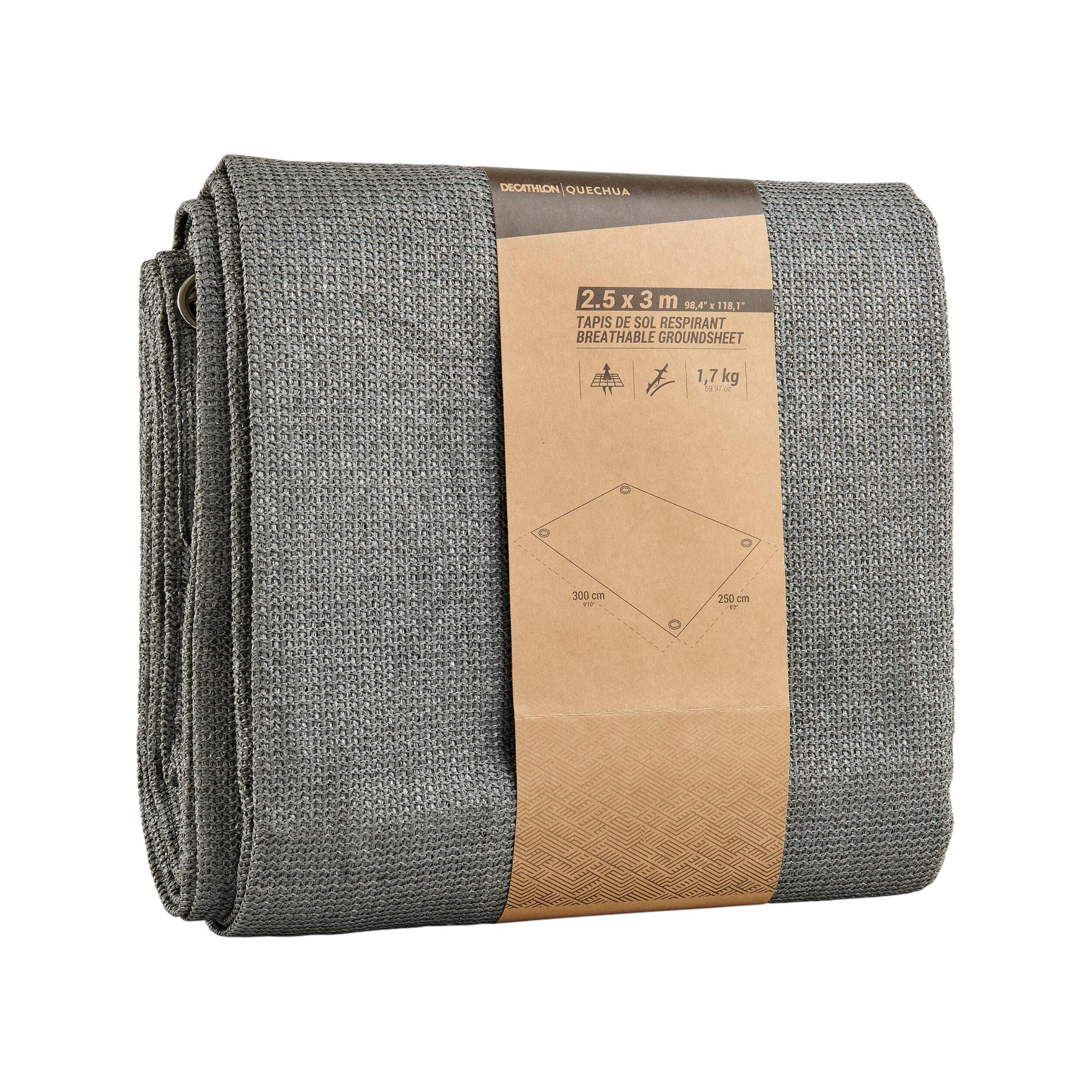
The minimum number for a stable pitch comes down to the tent's attachment points, which usually sit at the ridge, the midpoint of each side panel, and the four corners of the flysheet. A small two-person dome tent typically has four to six points, while a larger tunnel or cabin tent can have eight or more. The rule of thumb is to use every available point in exposed or elevated spots, and at a minimum, the four corners plus any ridge attachments on more sheltered pitches. Spacing the pegs outward at a consistent angle from the tent wall spreads the load evenly across the frame rather than pulling one side harder than the other. One tip: check the peg angle after rain, as wet ground lets pegs shift toward vertical, which cuts their lateral holding power significantly. Pairing correctly tensioned guy ropes with a well-fitted camping ground sheet underneath protects both the base and the frame from the two most common sources of damage on a wet pitch.

When should I replace guy ropes rather than reuse the originals?

Guy ropes degrade faster than most campers expect, since they spend time under tension in UV, get compressed repeatedly in a stuff sack, and absorb moisture that weakens the braid over time. The first sign is a loss of stiffness; a rope that feels limp or shows fraying at the tensioner eyelet has lost some of its rated break strength. Any rope that's been cut and knotted as a field repair should be replaced before the next trip, since a knot reduces the rope's effective strength at that point. Tensioner sliders that no longer grip cleanly and slip back under load are a replacement trigger, too, not a maintenance item. If you're renewing several structural parts at once, it's worth checking whether a worn pole junction would benefit from a reinforcement bar alongside fresh guy ropes for a more complete shelter upgrade in one session.

How do guy ropes work as part of the complete tent system?

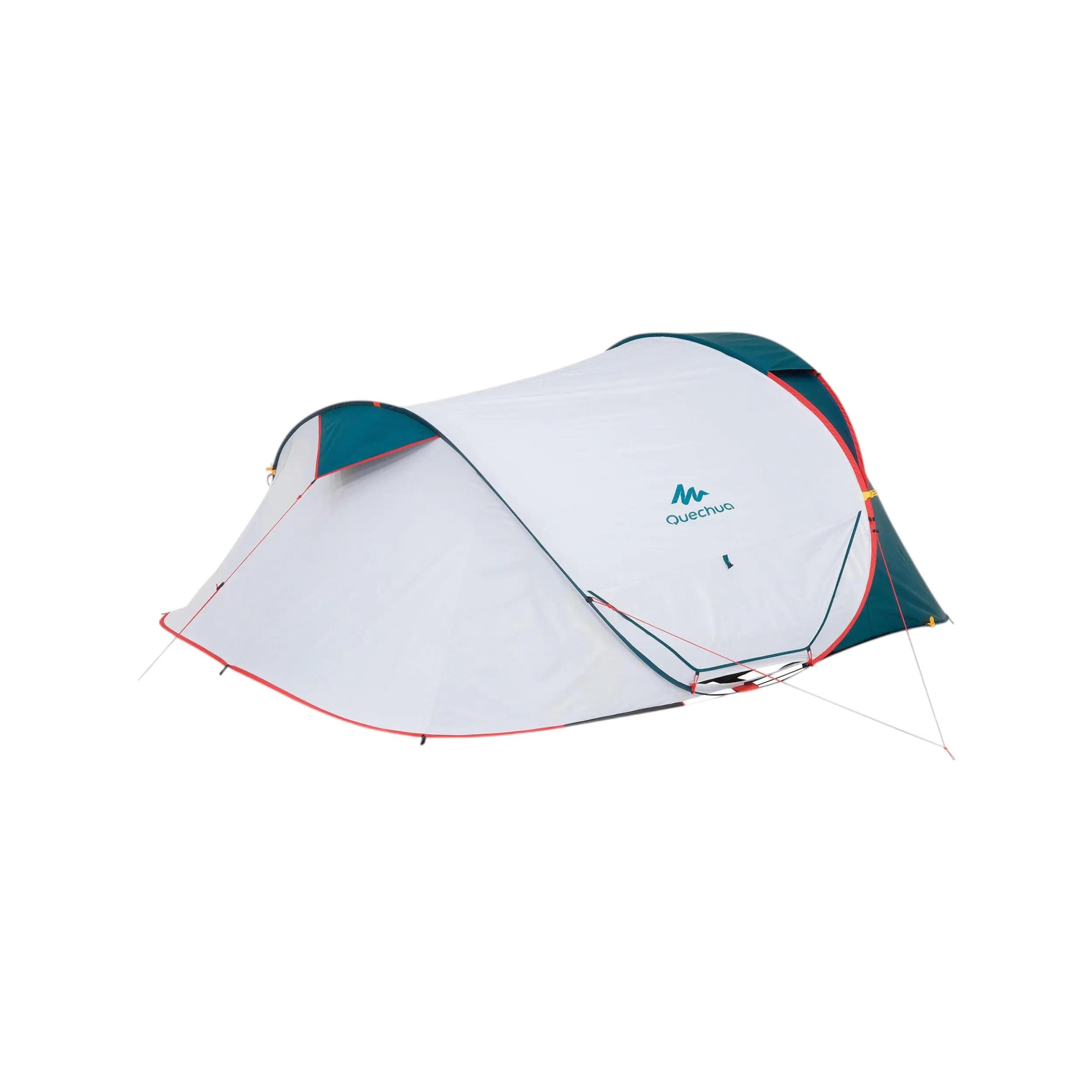
A tent works as an integrated system where guy ropes, poles, the flysheet, the inner tent, and the groundsheet each play a distinct role. Guy ropes handle lateral wind load; poles provide the frame; the flysheet blocks rain and UV from above; the inner manages ventilation and condensation; and the groundsheet guards against moisture and abrasion from below. Drop or neglect any one layer, and the whole setup performs worse. The flysheet in particular depends on the guy ropes to hold its geometry, since a flysheet that isn't tensioned to its designed shape won't shed rain cleanly from its drainage points or keep the air gap that condensation management relies on. When you're checking the shelter before a trip, a fresh tent flysheet can be matched to most current Quechua models by reference number, so renewing the weather layer and the anchoring system together is simple.