121 items
3/5 based on 1171 reviews collected online and in stores

Fixie Bikes FAQs

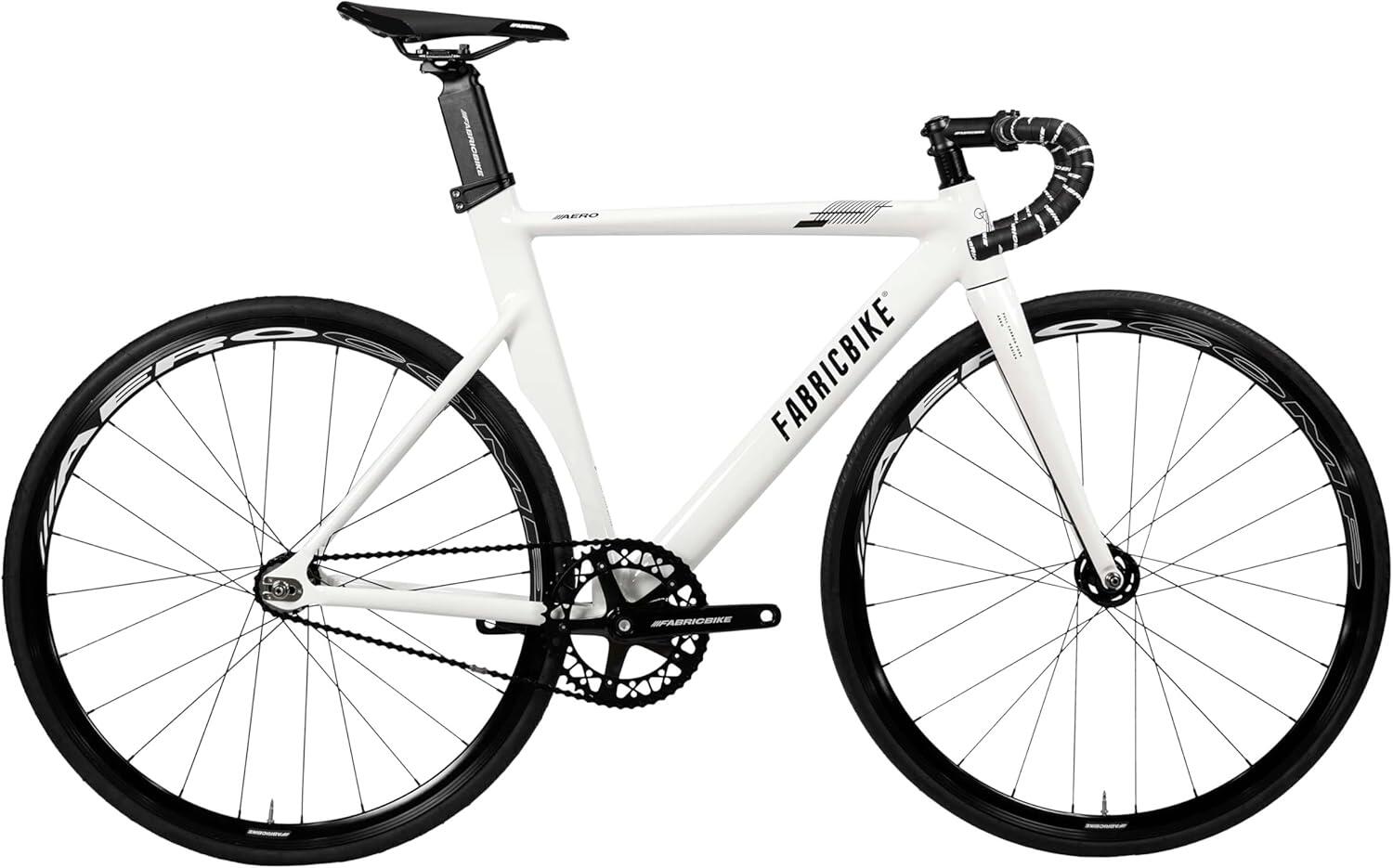
What is the difference between a single-speed bike and a fixie?

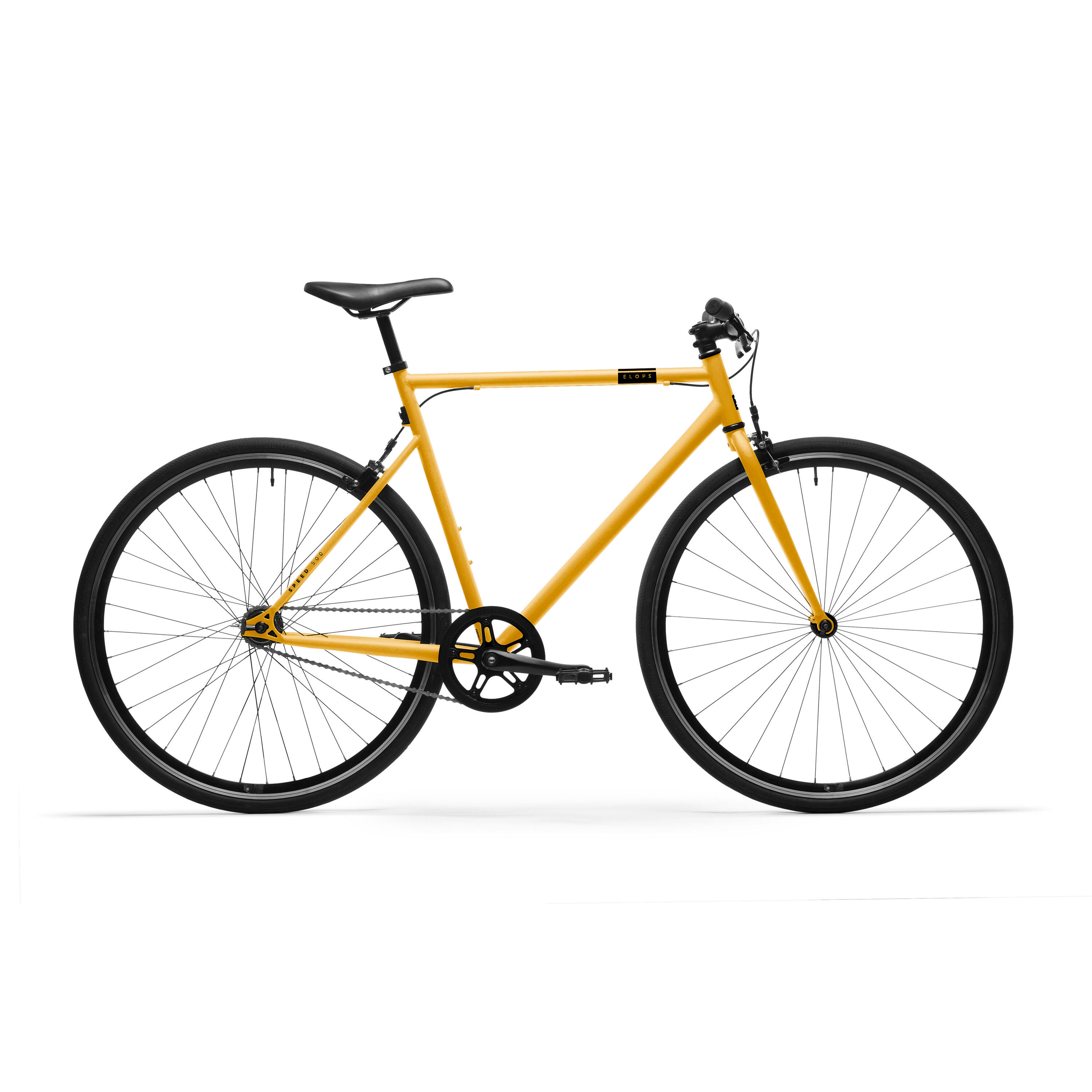
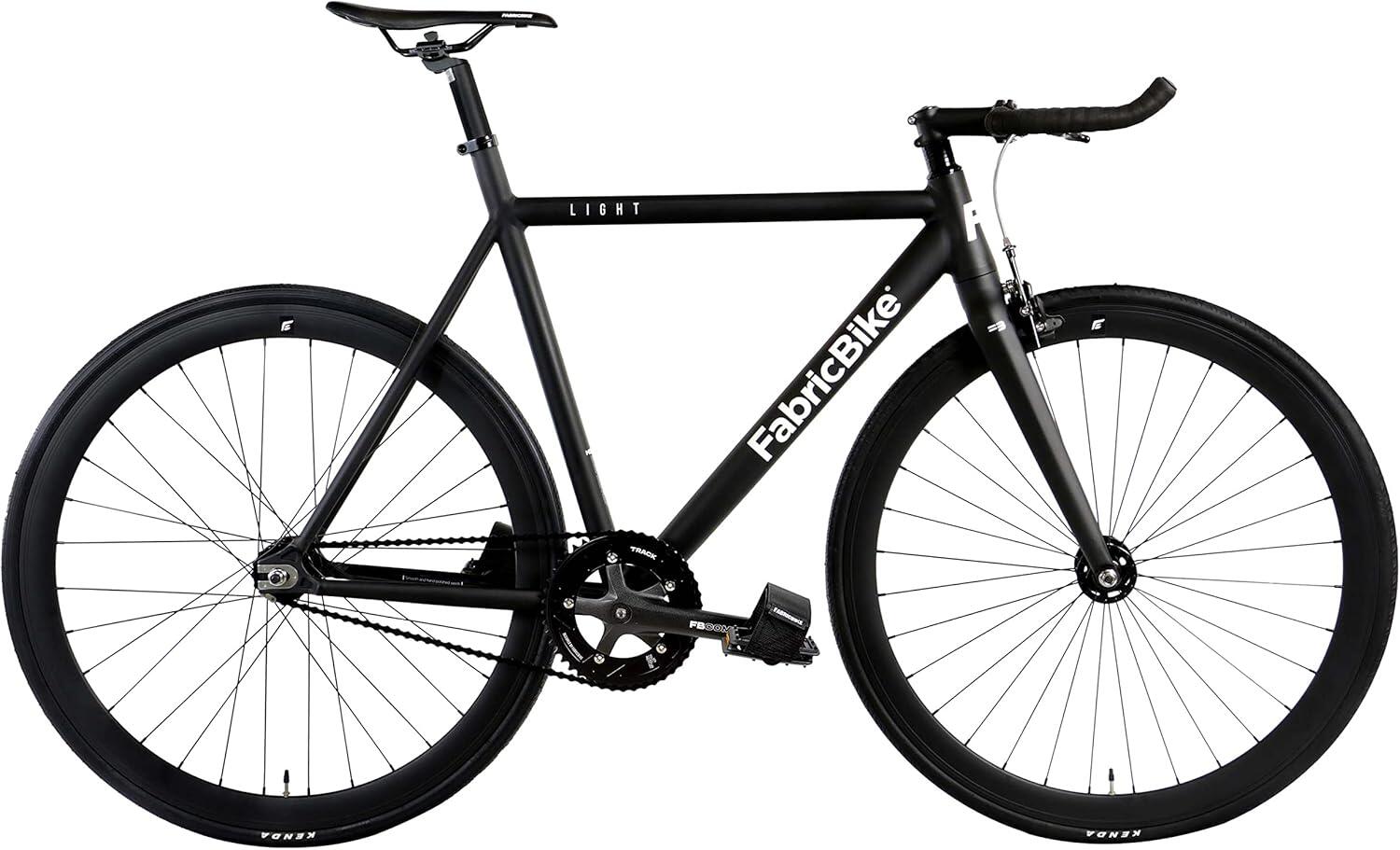
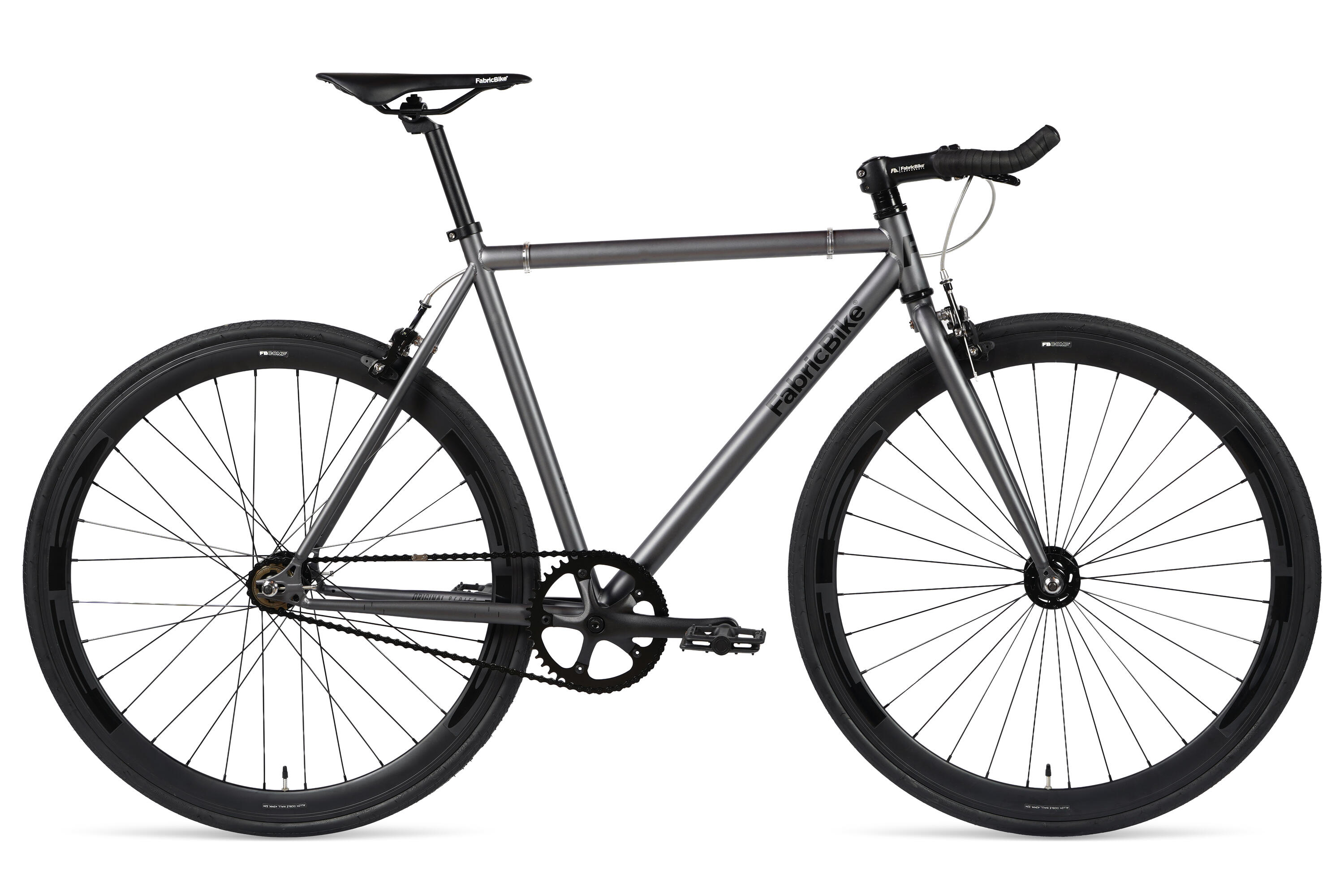
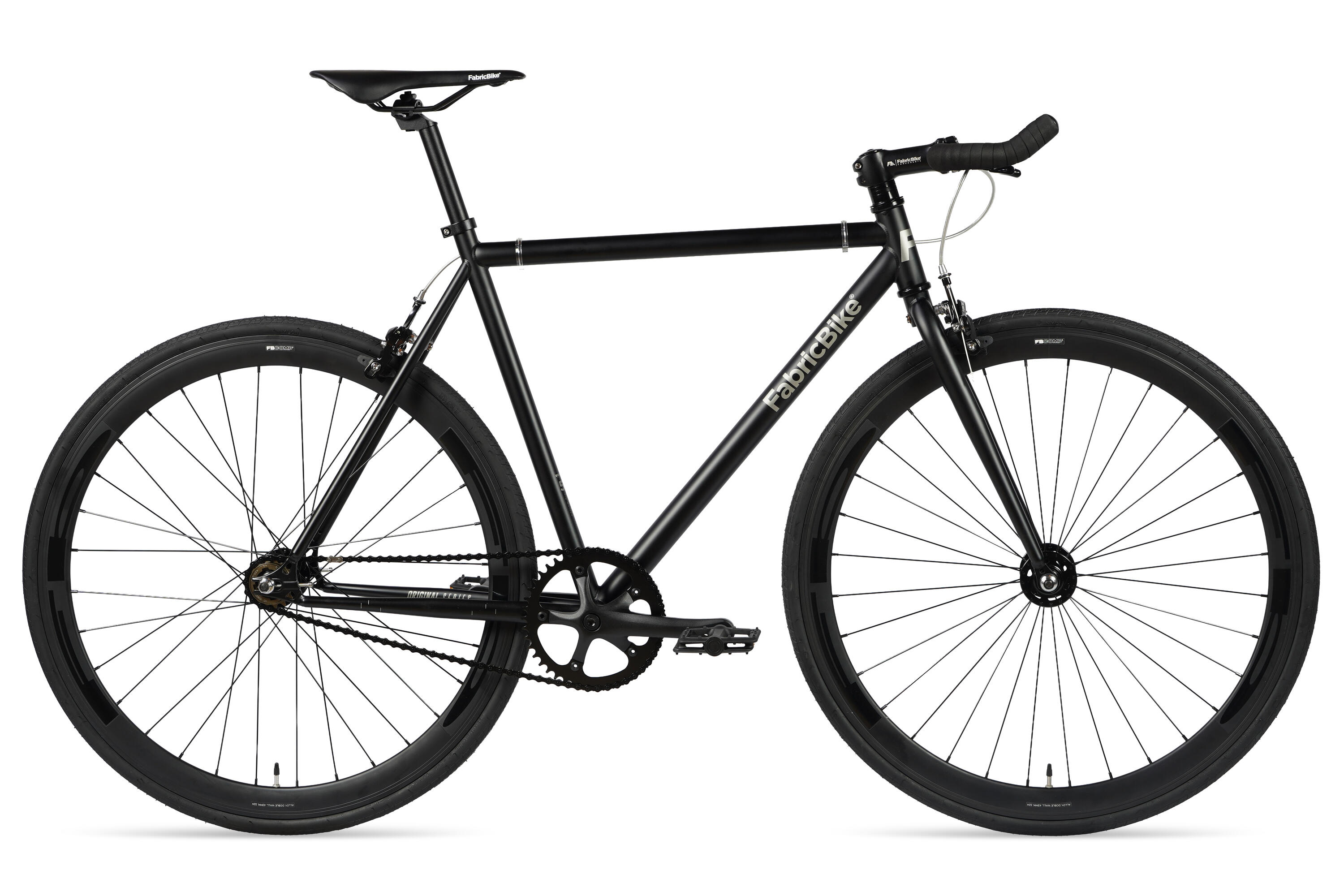
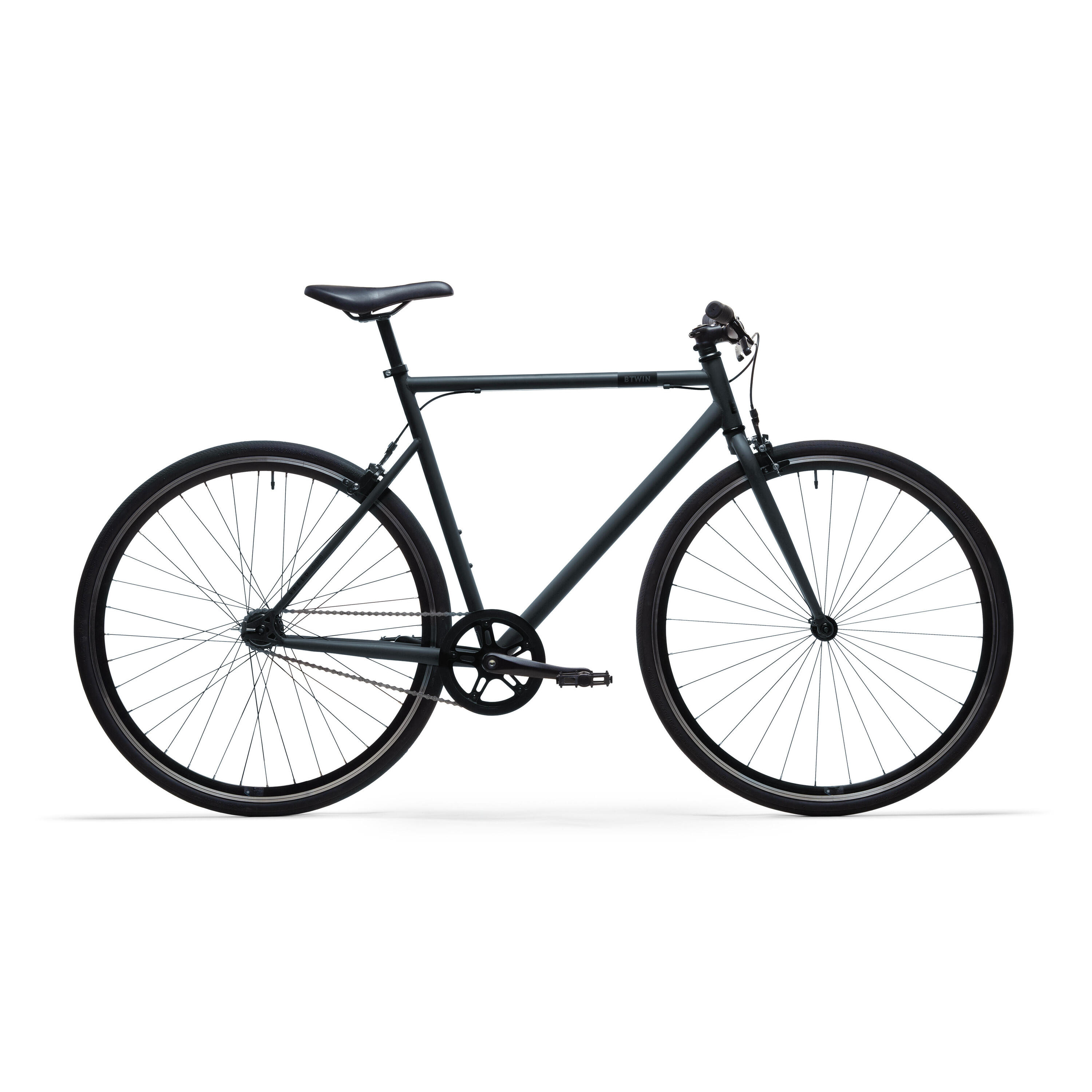
Both use one gear ratio, but the way the rear wheel connects to the pedals changes how the bike behaves. On a single-speed city bike, the freewheel lets you stop pedalling while the bike continues moving. A true fixed-gear setup connects the pedals directly to wheel rotation, so the cranks keep turning whenever the rear wheel turns. Some ELOPS models use a flip-flop rear hub, allowing riders to begin with the easier freewheel arrangement and later fit a compatible fixed cog and locknut. Pro tip: become confident with normal braking, cornering and urban traffic before changing to fixed gear. Fixed-wheel riding changes how you control cadence and slow the bike, so it requires more technique than simply riding a bike with one conventional freewheel gear.

When is a fast multi-speed city bike better than a fixie?

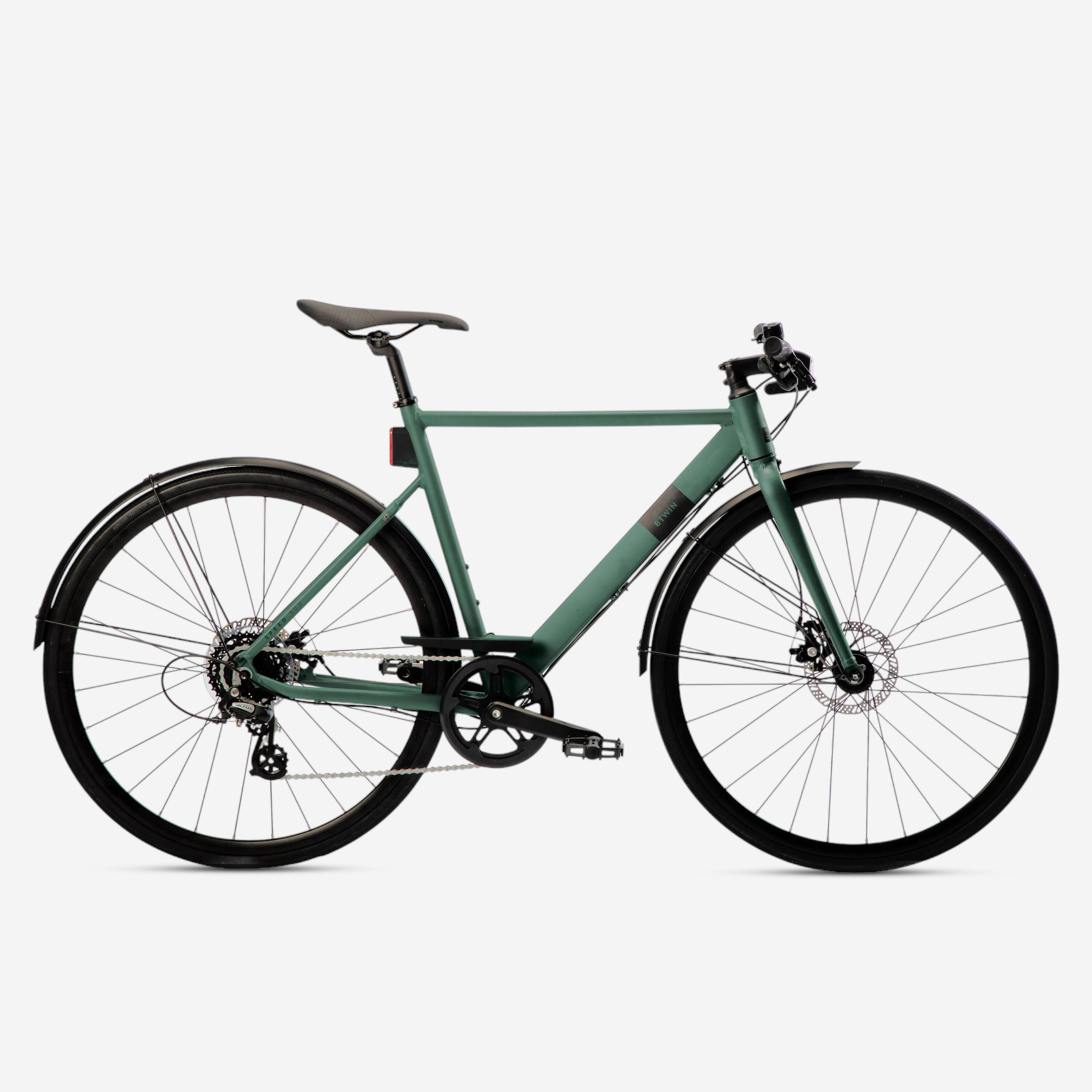
A single-speed setup works particularly well on flatter routes where you rarely need to change gearing, but repeated hills can make one ratio limiting. Riders who like quick urban handling but need more flexibility can consider ELOPS Speed city bikes with multiple gears. Extra ratios let you reduce pedal effort on climbs and choose a higher gear when maintaining speed on flatter roads. The Speed 900 also combines a sporty urban position with disc braking and integrated commuter features. Pro tip: think about your hardest regular climb. If one fixed ratio would make that section uncomfortable every day, a geared urban bike may suit your route better even if you prefer minimalist bike styling.

Can a fixie or single-speed bike work for everyday commuting?

Yes, particularly if your journey is fairly flat and you value a simple drivetrain with fewer gear components to adjust. Compared with many other city bikes, a lightweight fixie or single-speed model can feel responsive when accelerating and changing direction through narrower streets. Practical details still matter for daily use, including mudguard compatibility, lights, puncture-resistant tyres and enough carrying capacity for your normal work items. Pro tip: do not choose solely on low bike weight. A slightly heavier frame with suitable tyres and a comfortable position may cope better with potholes, kerbs and regular city use. Keep the chain correctly tensioned and lubricated because a single-speed drivetrain depends on smooth chain engagement every time you pedal.

How might you secure a fixie bike when parking in the city?

Minimal styling does not reduce theft risk, so use a secure locking method whenever the bike is left unattended. A suitable option from the bike locks range should secure the frame to a fixed object, with additional wheel security considered where necessary. Some urban frames also include mounting points for compatible folding or segment locks, which can make carrying a stronger lock more convenient. Pro tip: lock through the main frame rather than relying only on a wheel, and avoid leaving removable accessories attached when parking for long periods. Where possible, choose a visible, well-used parking area and keep the lock away from the ground, where it can be easier to attack with tools.

What can you check before riding a fixie or single-speed bike at night?

Start with braking, tyre pressure, chain condition and wheel security, then make sure your lighting gives you appropriate visibility for the conditions. Even a stripped-back urban bike should have working front and rear lights, and the bike lights range includes options for being seen as well as illuminating darker roads. Single-speed bikes can be straightforward to maintain, but the chain still needs regular cleaning, lubrication and tension checks. Pro tip: inspect the tyres for embedded glass or cuts after regular city riding and test both brakes before setting off. If you convert a flip-flop hub to fixed gear, also check that the fixed cog and lockring are correctly installed and secure before riding.