25 items
4.7/5 based on 1229 reviews collected online and in stores

Fishing Back Stick and Pole Roller FAQs

How does a pole roller make handling a long fishing pole easier?

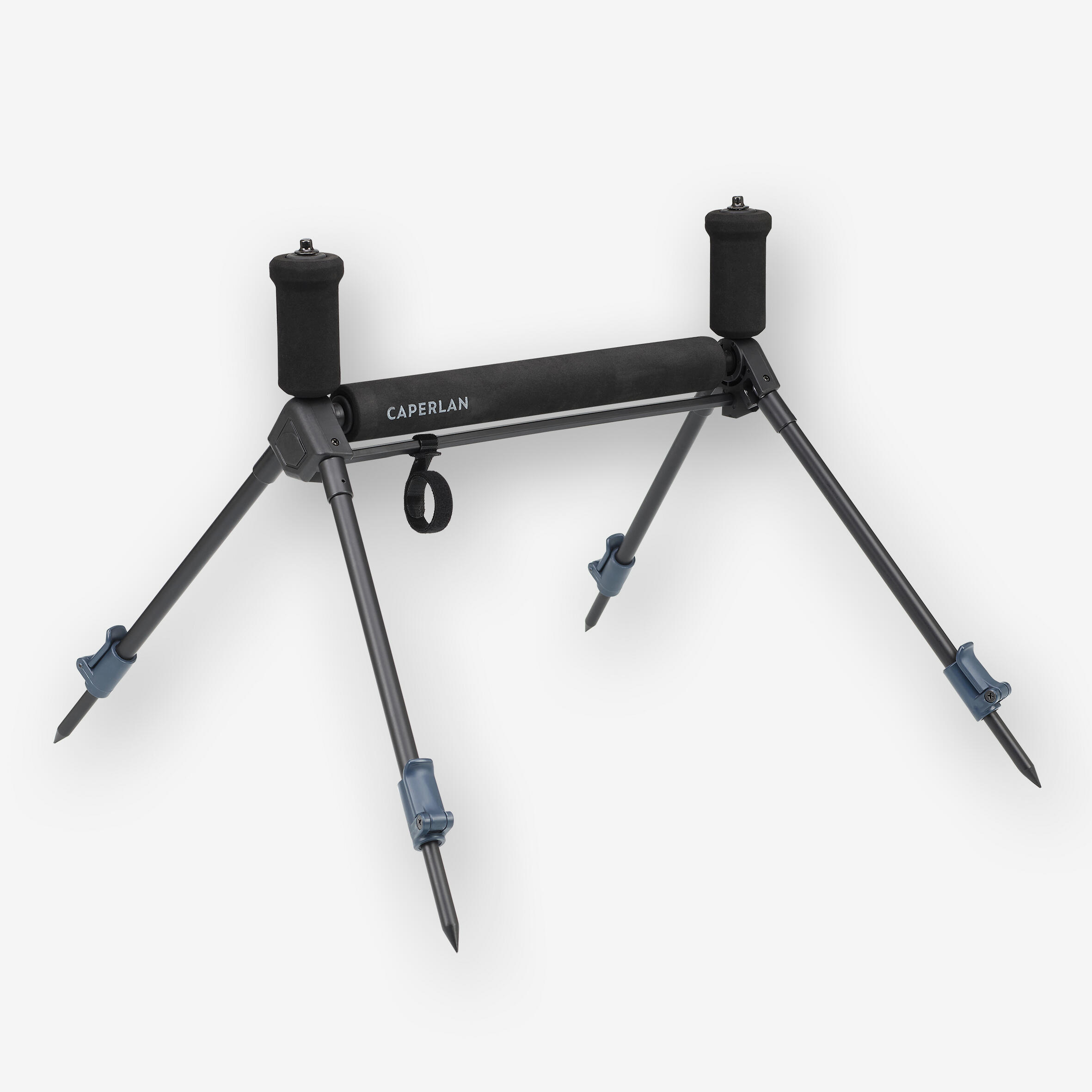
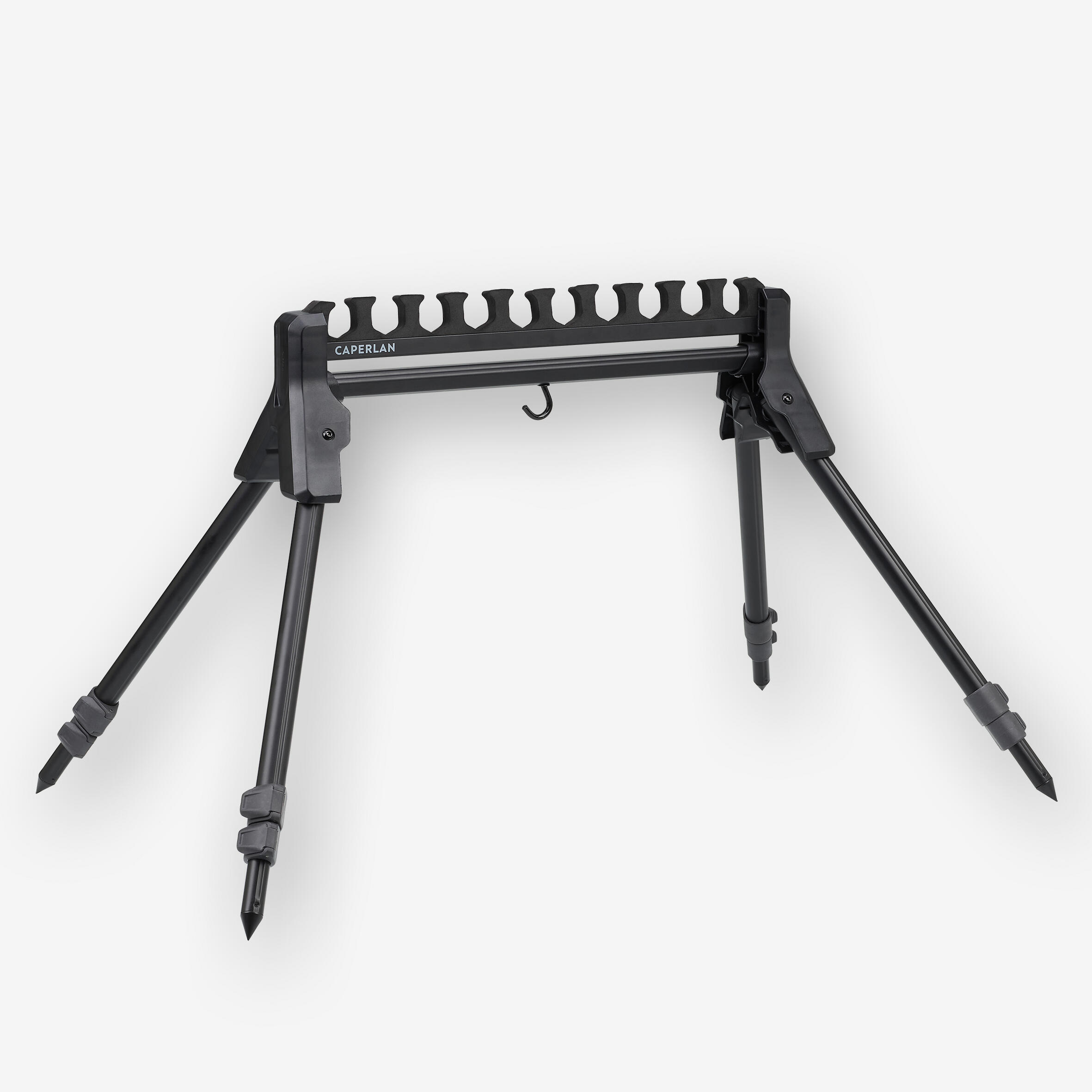
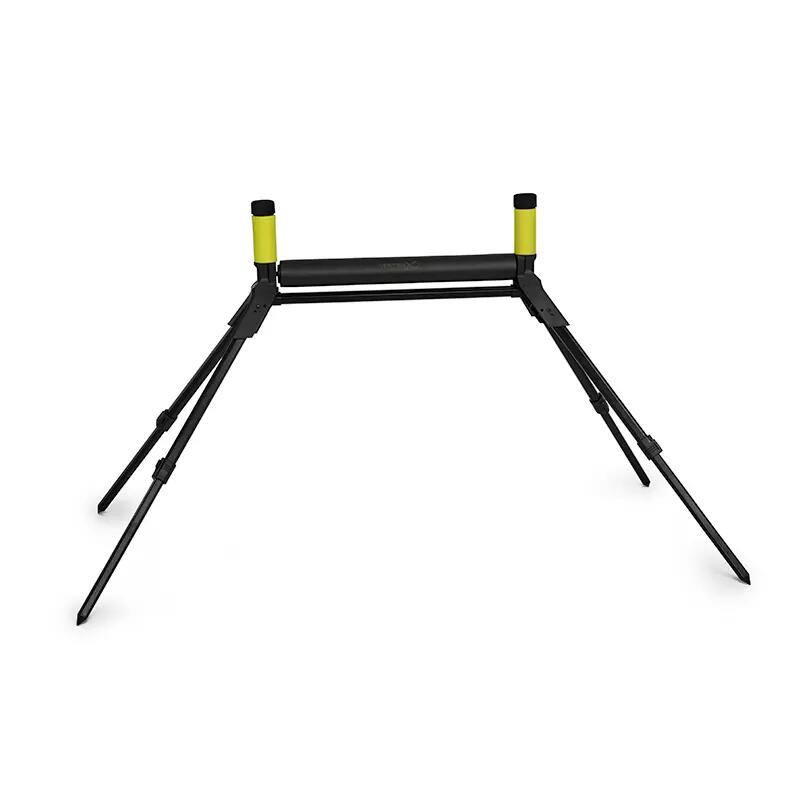
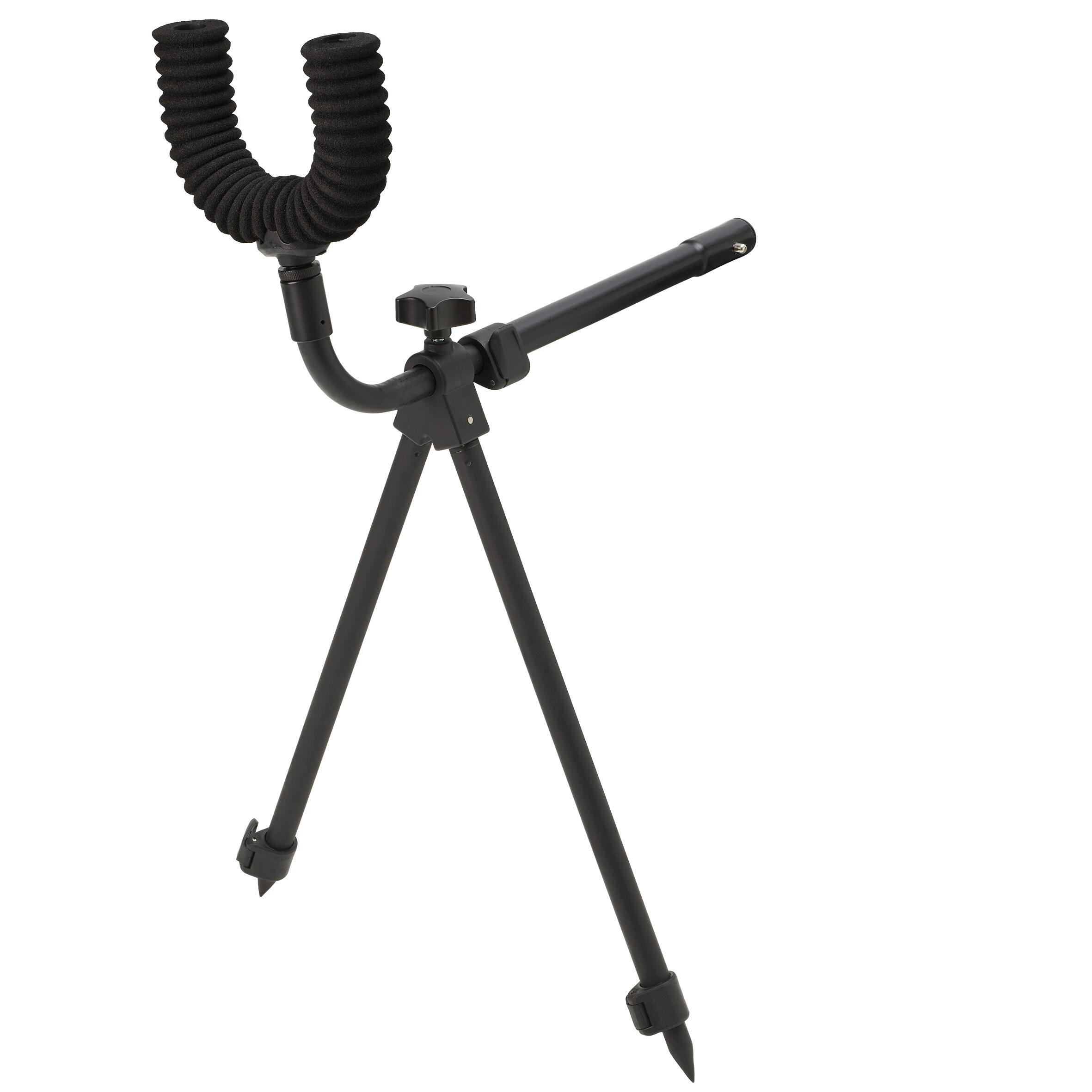
A pole roller supports the sections behind you as a long pole is shipped forwards and backwards, so the pole does not need to drag directly over the bank. This becomes particularly useful when repeatedly adding or removing sections during pole fishing. Caperlan's coarse fishing pole roller uses a central roller with raised side rollers that help keep the pole on the support as it moves. Telescopic legs adjust from around 26 to 39 cm, helping you level the roller on different ground. Position it in line with your fishing station so the pole travels straight rather than rubbing sideways against the roller edges.

When is a double pole roller useful for coarse fishing?

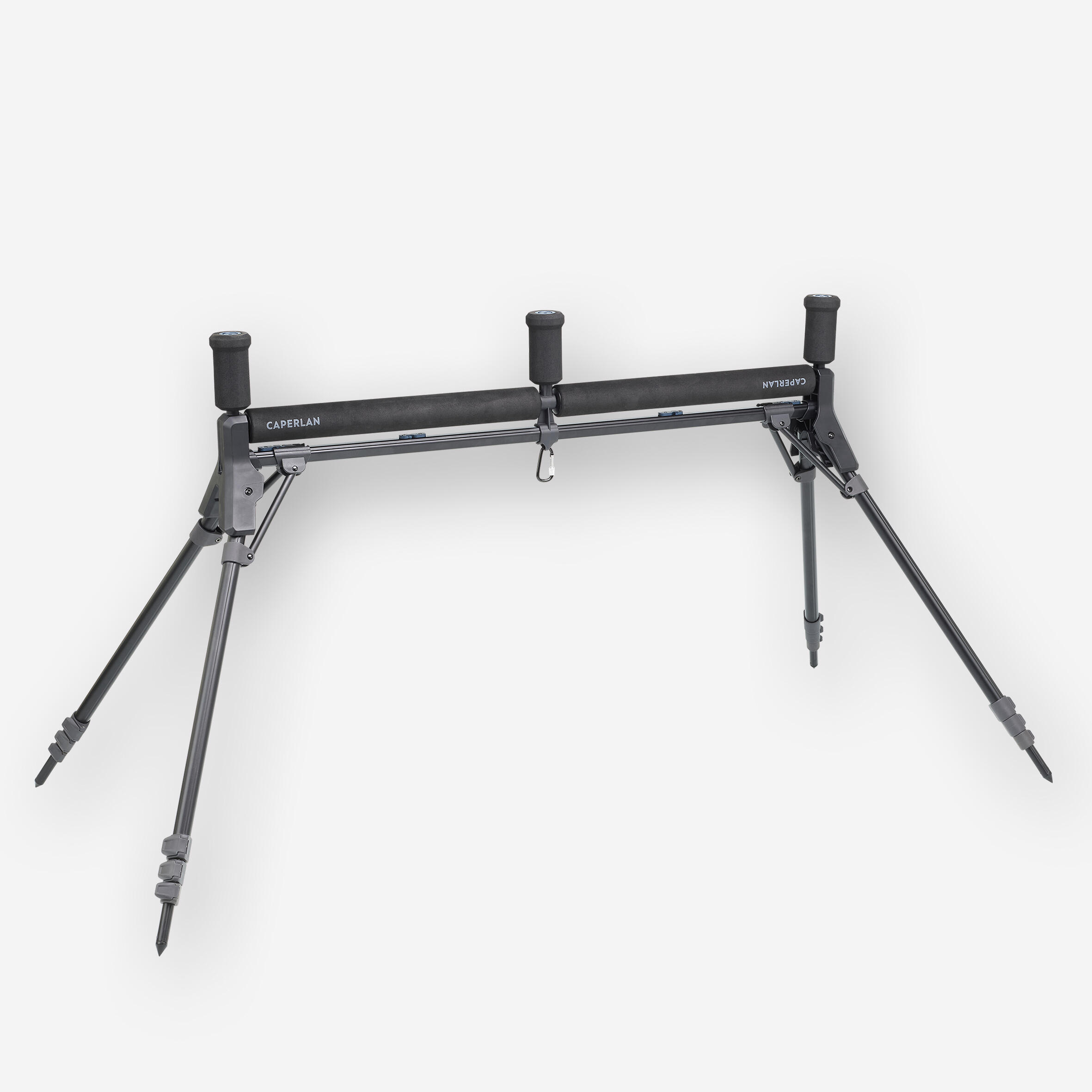
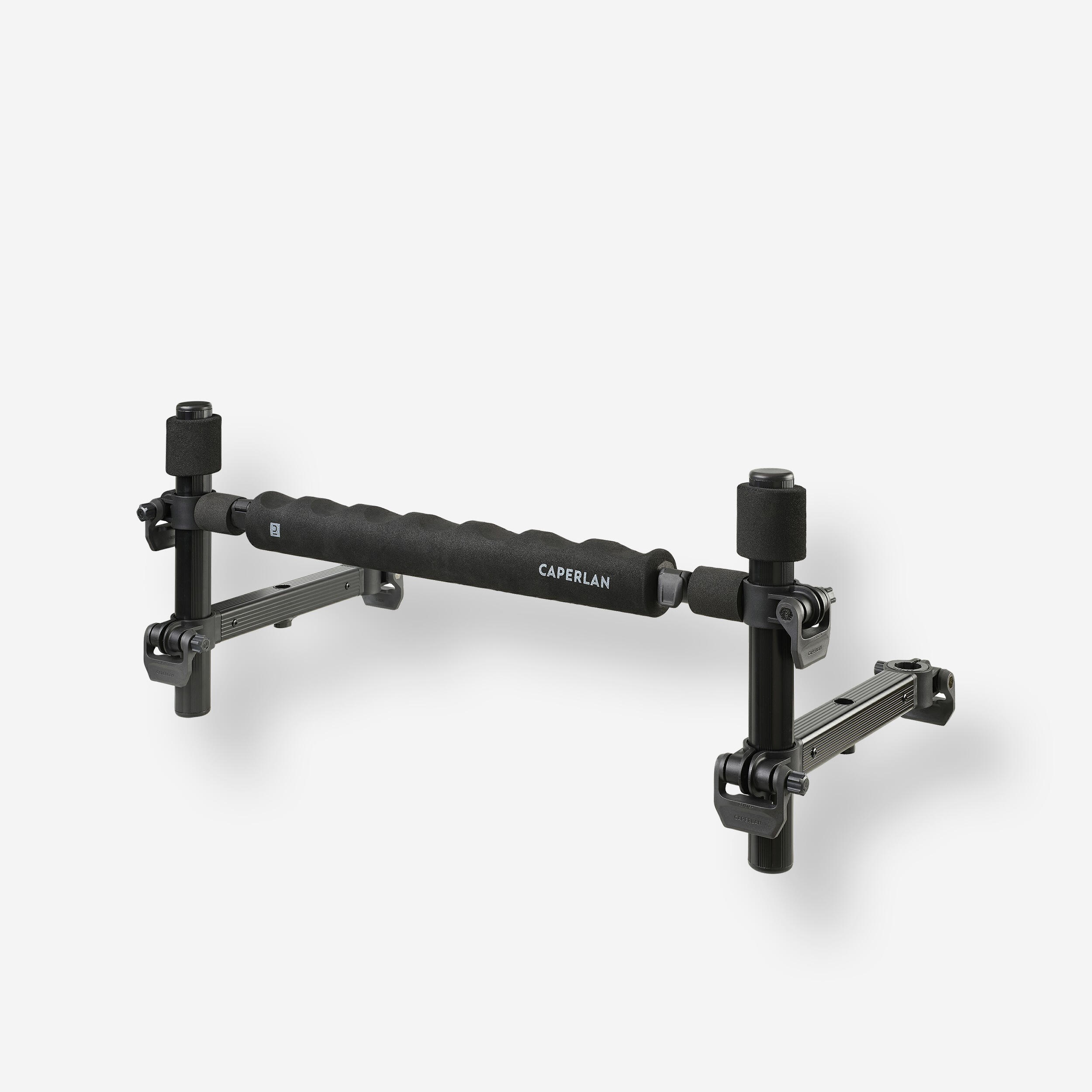
A wider double roller gives you more working space when handling long poles, spare sections or different pole lines during a session. Caperlan's double pole roller for fishing has two 40 cm horizontal roller sections and telescopic legs that adjust from roughly 17 to 140 cm. This wide height range helps it adapt to low banks, raised ground and different positions behind your seat. A carabiner underneath also lets you add ballast when wind makes extra stability useful. Set the roller height so the pole remains supported without being forced sharply upwards or downwards as you move sections through your hands.

How could banksticks help organise rod and accessory supports?

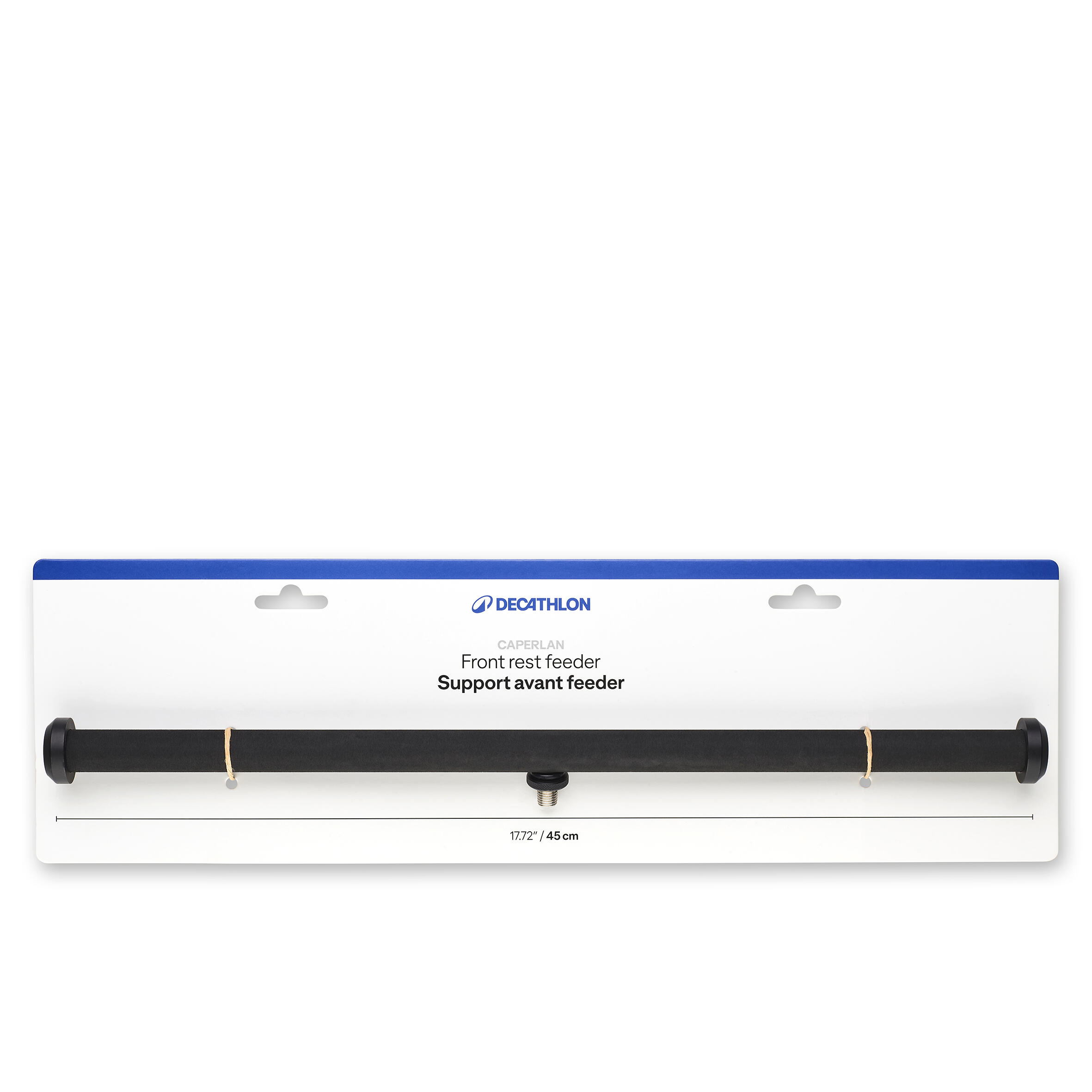
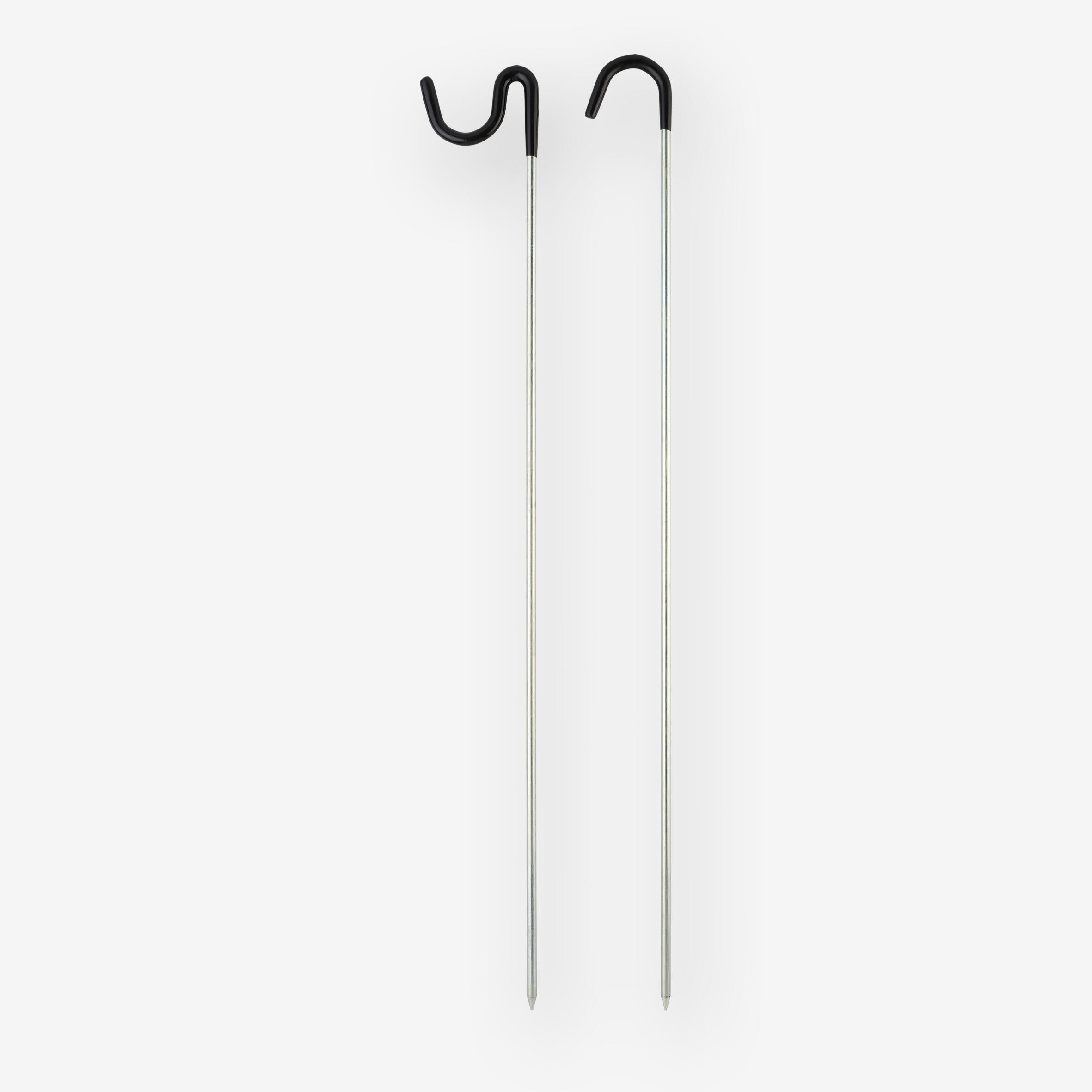
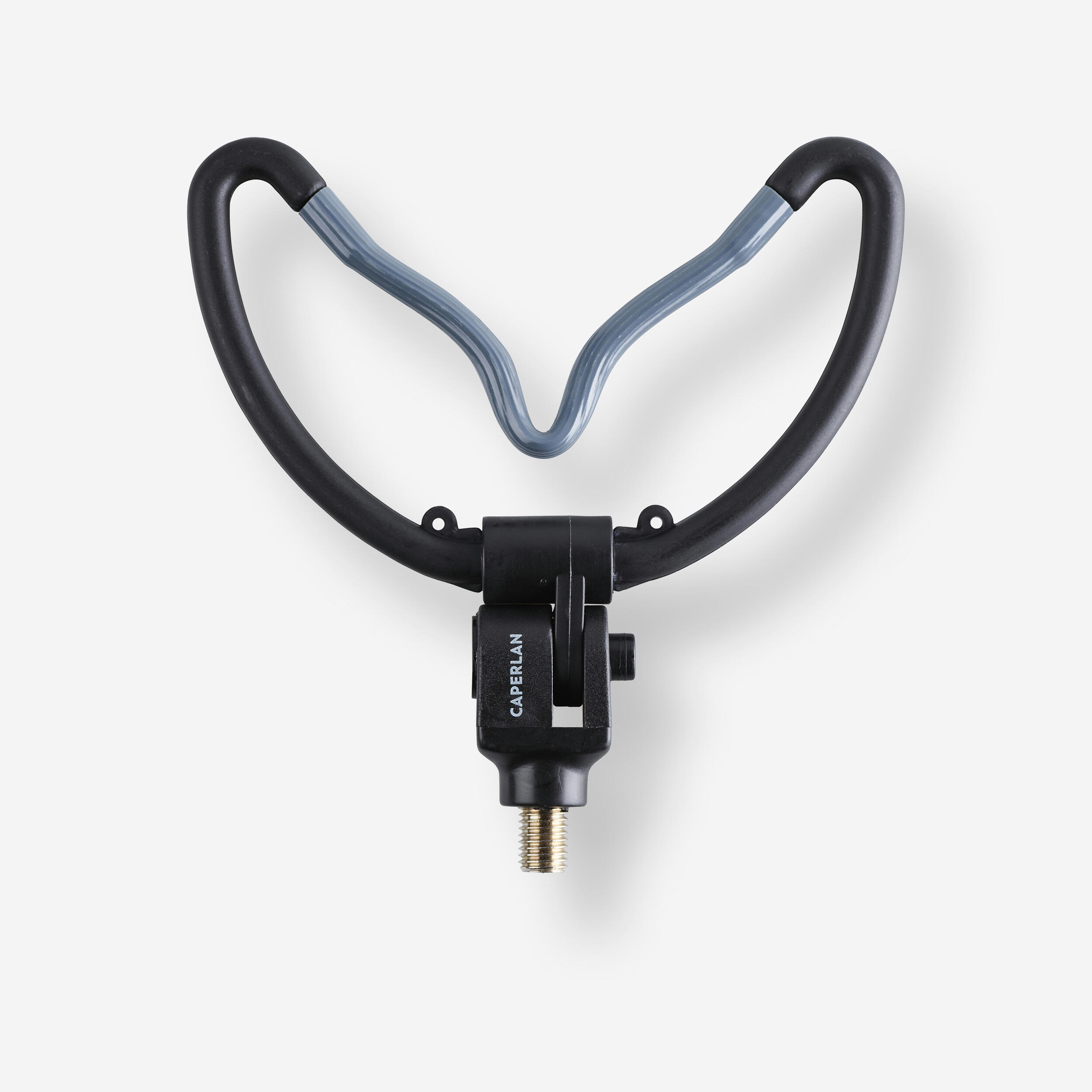
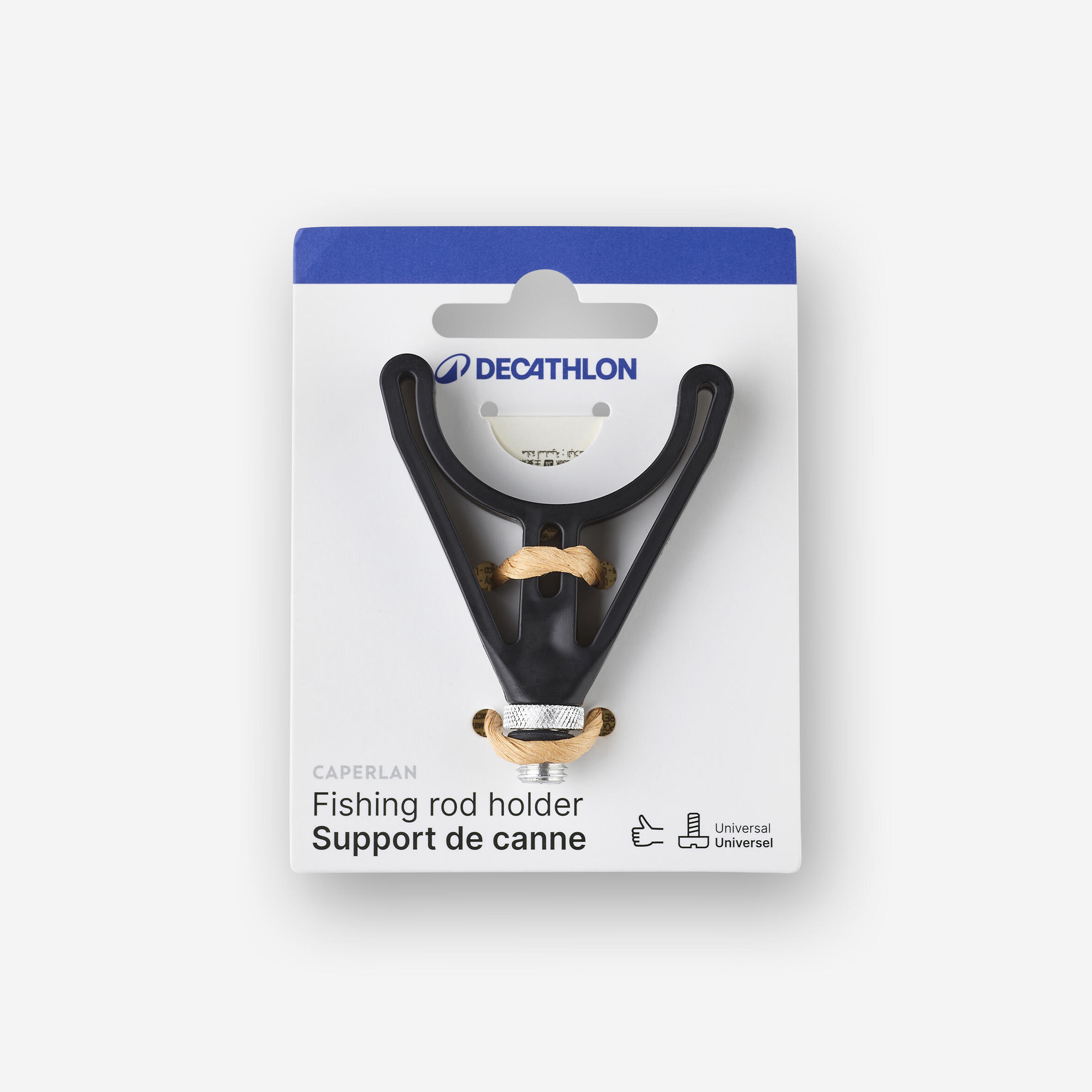
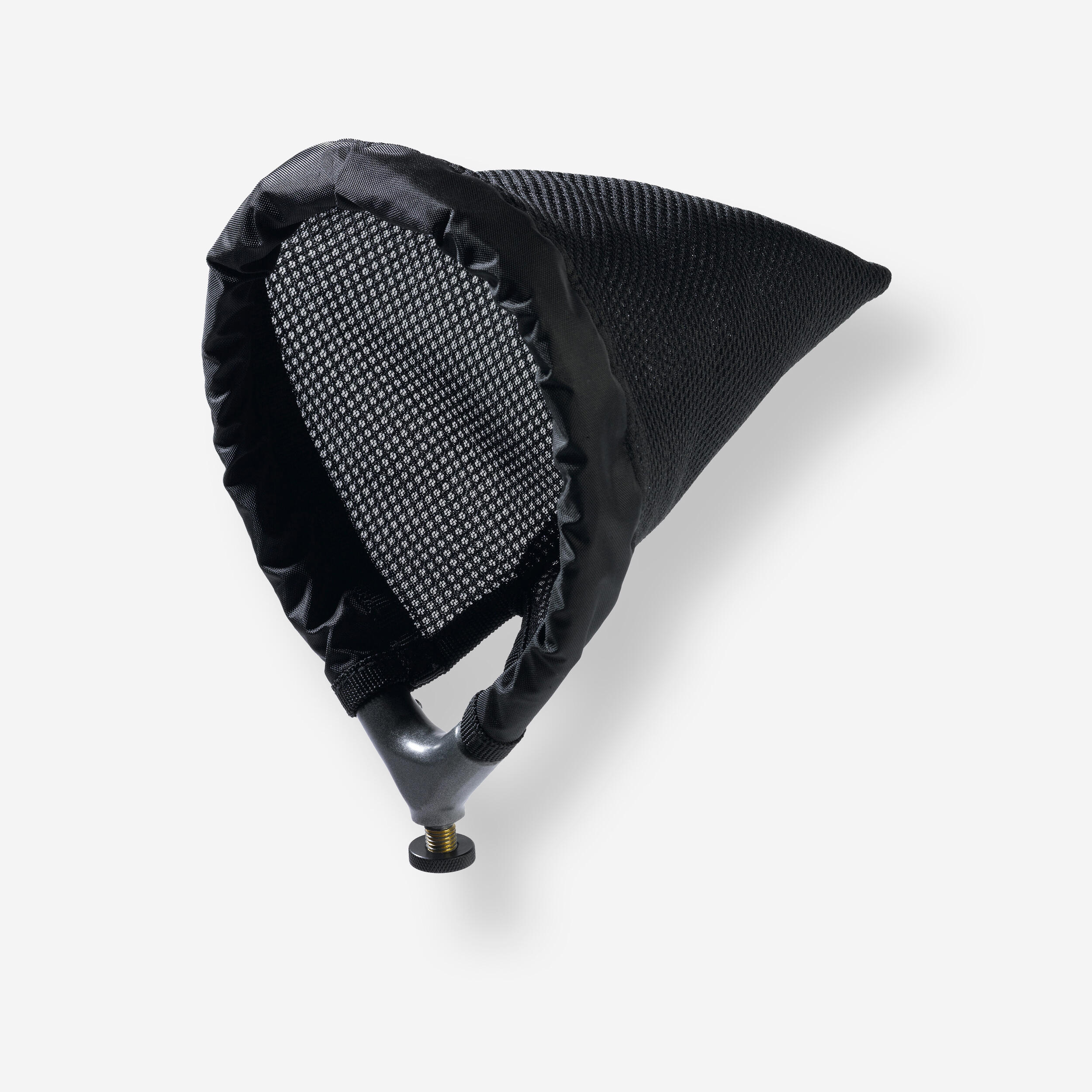
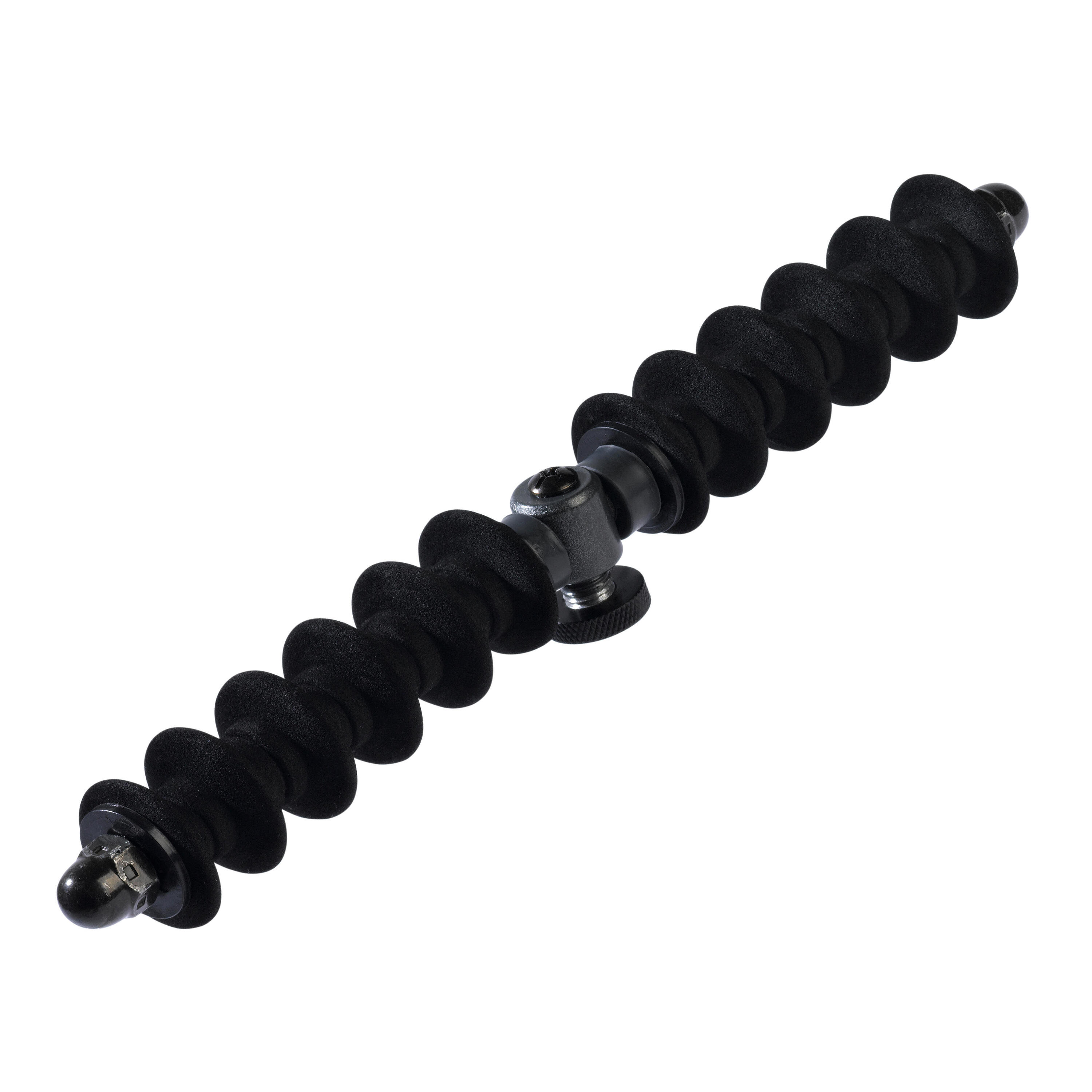
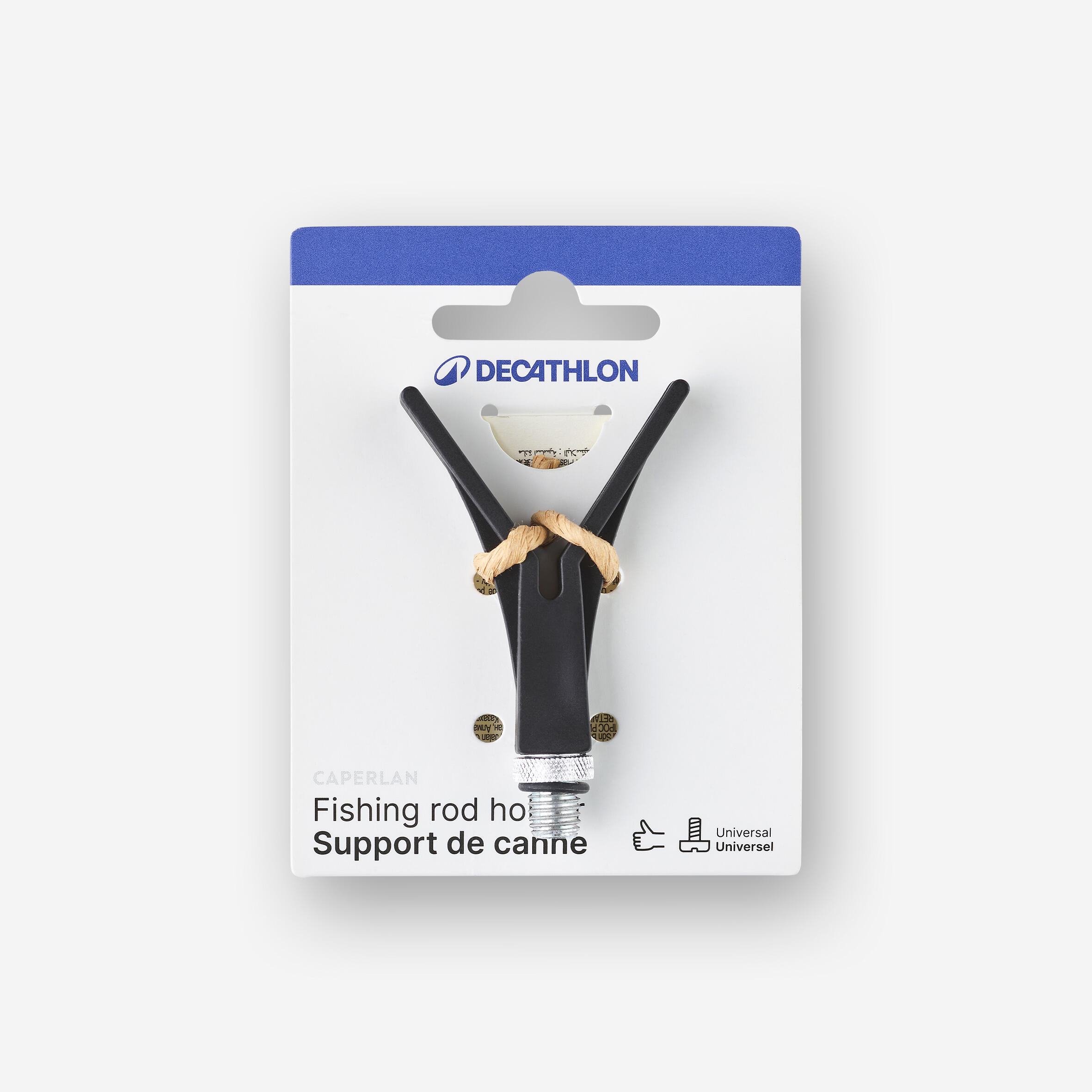
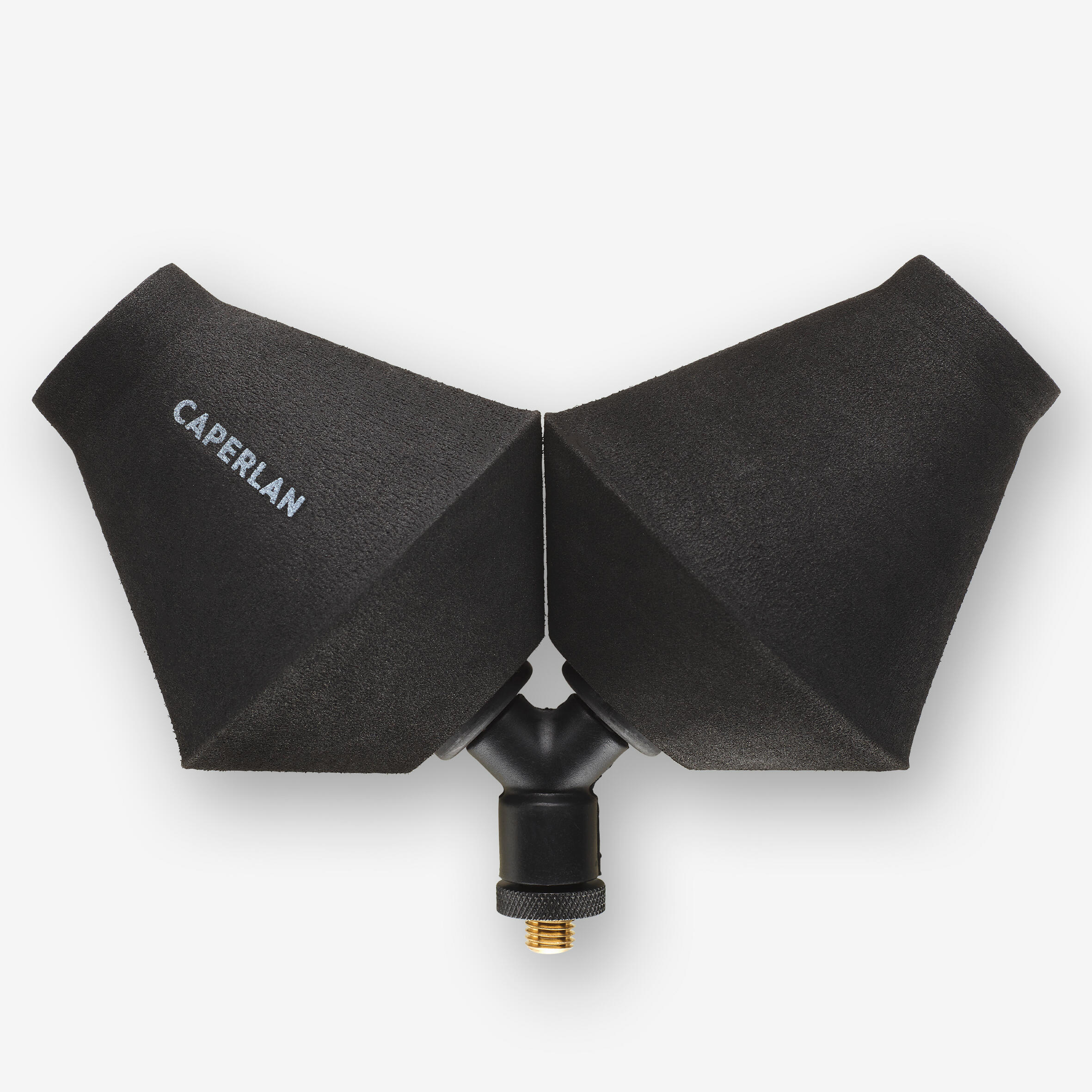
A bankstick creates a separate support point when you do not want every accessory attached directly to a fishing station. It can hold compatible rod rests, keepnet supports and other screw-thread accessories at a position that suits the swim. A coarse fishing bank stick with a universal screw fitting gives you flexibility to change the support head without replacing the complete stick. Push it into firm ground far enough to resist twisting, then tighten the accessory before placing a rod or keepnet on it. On soft banks, extra insertion depth usually gives better stability than simply tightening the fitting more firmly.

How can rod-support position improve feeder bite detection?

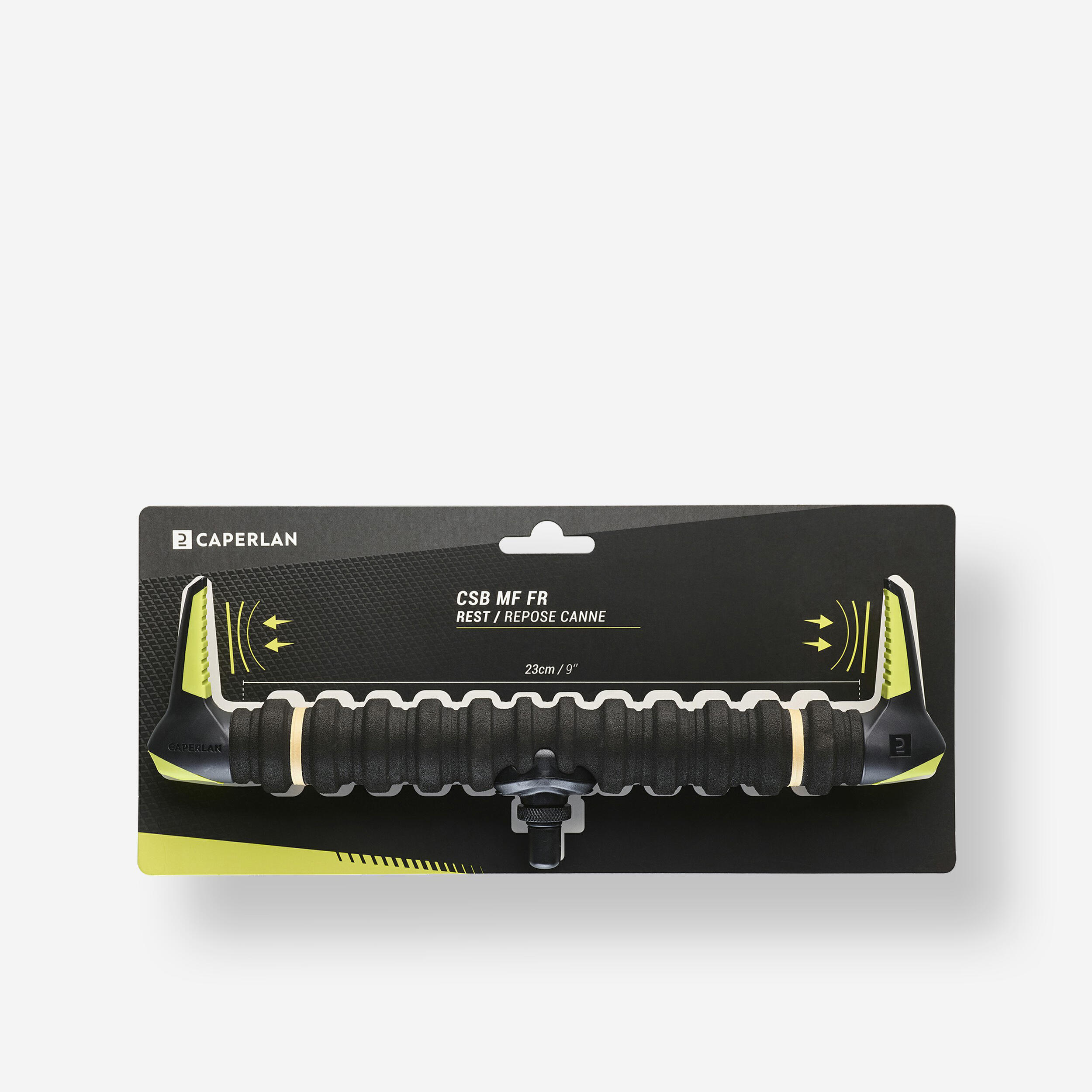
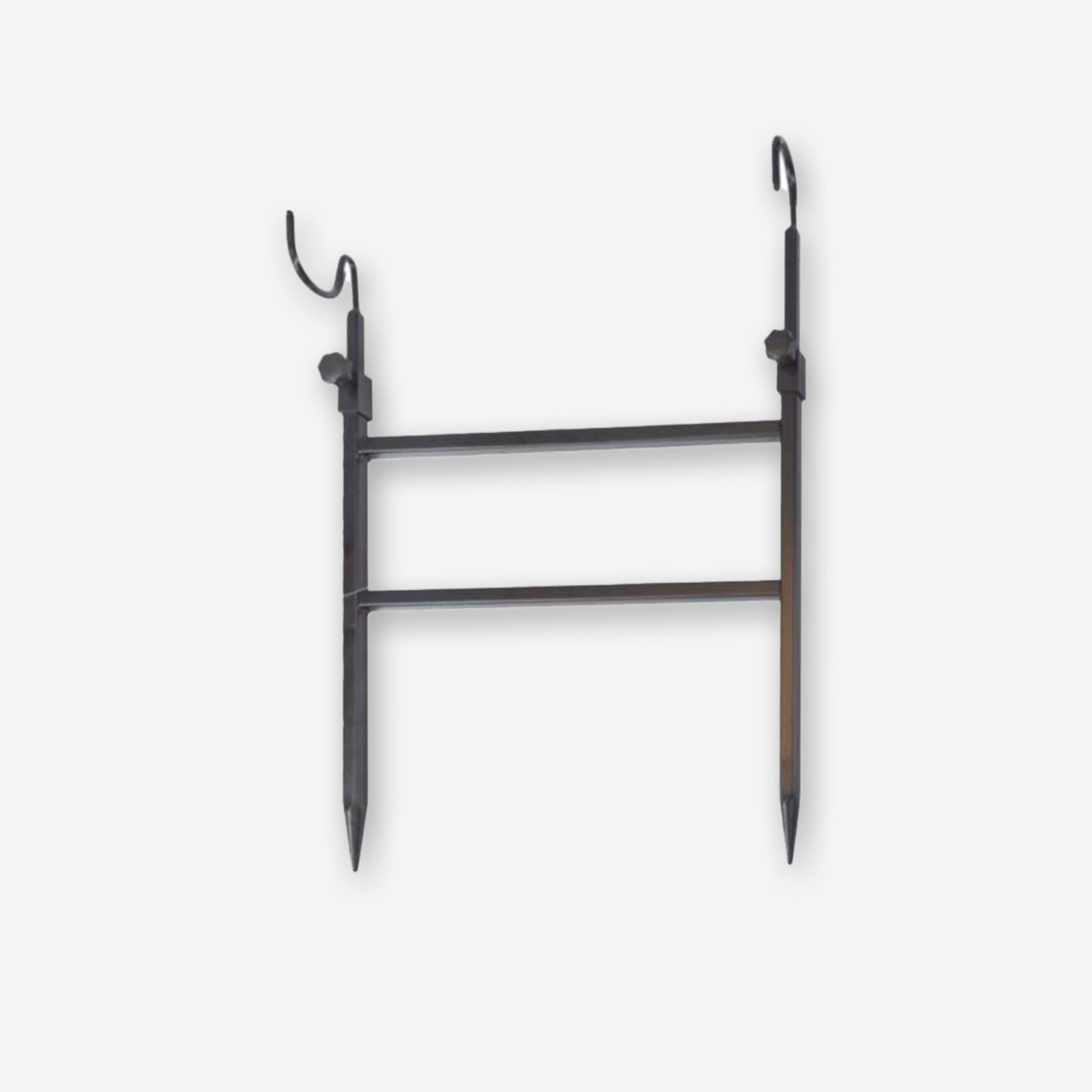
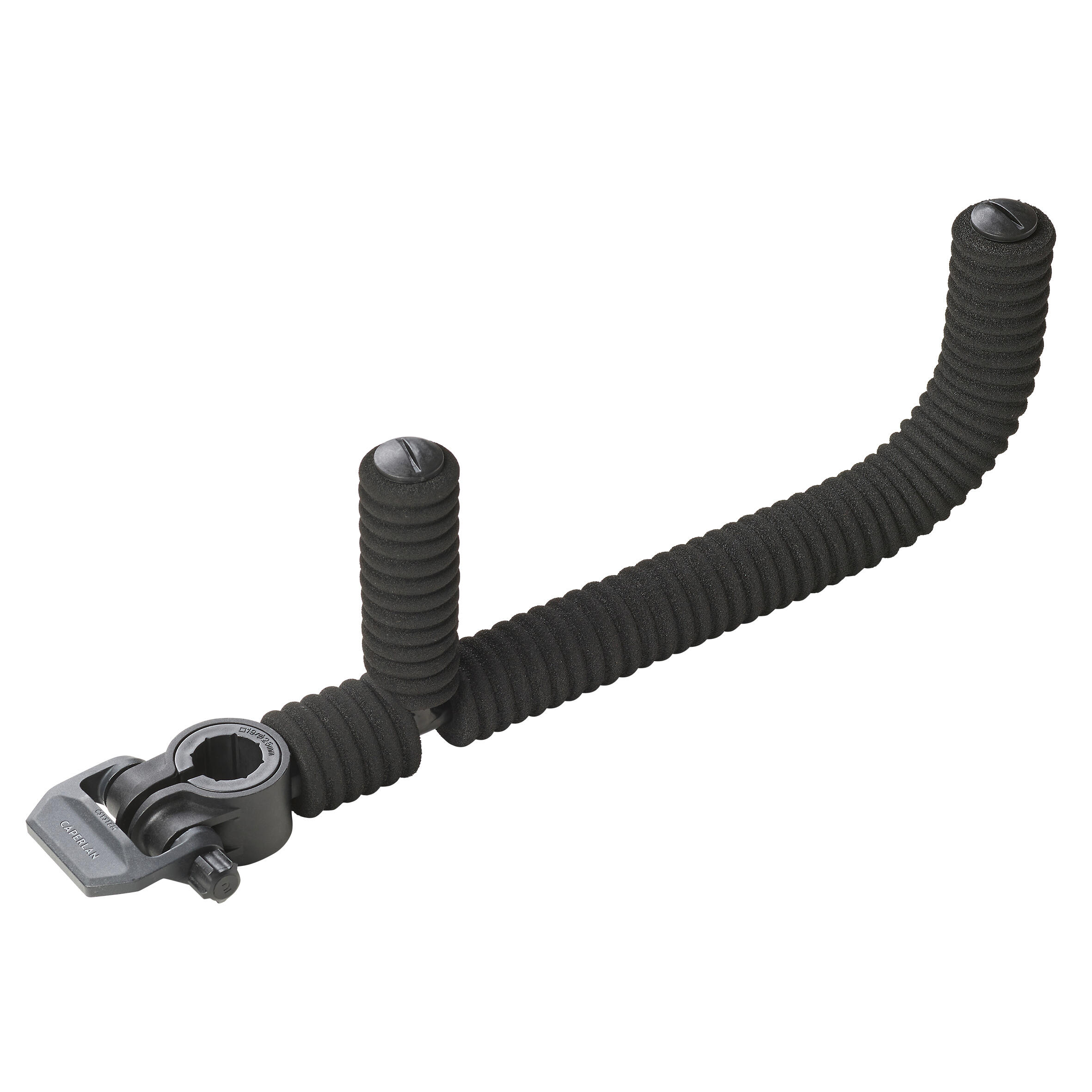
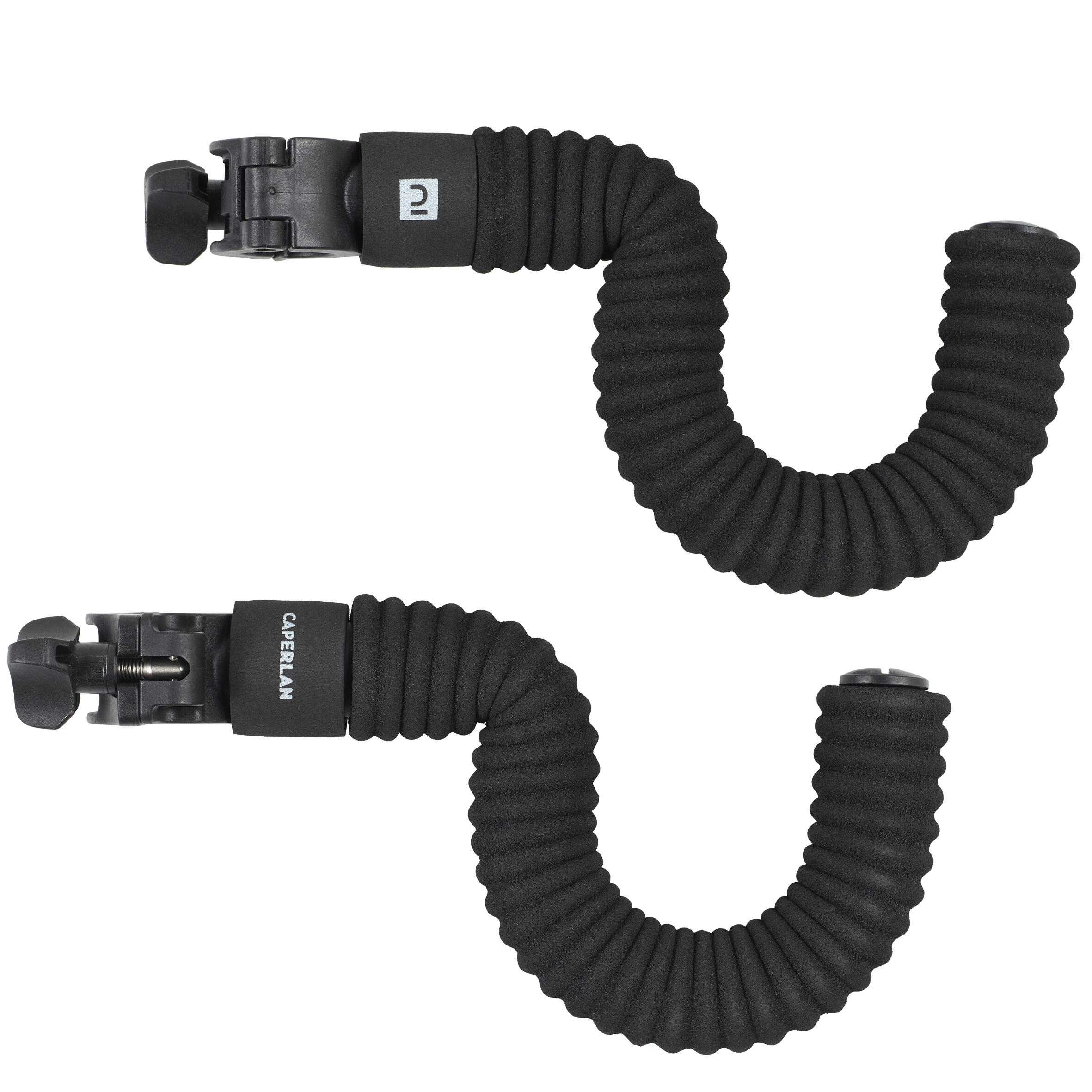
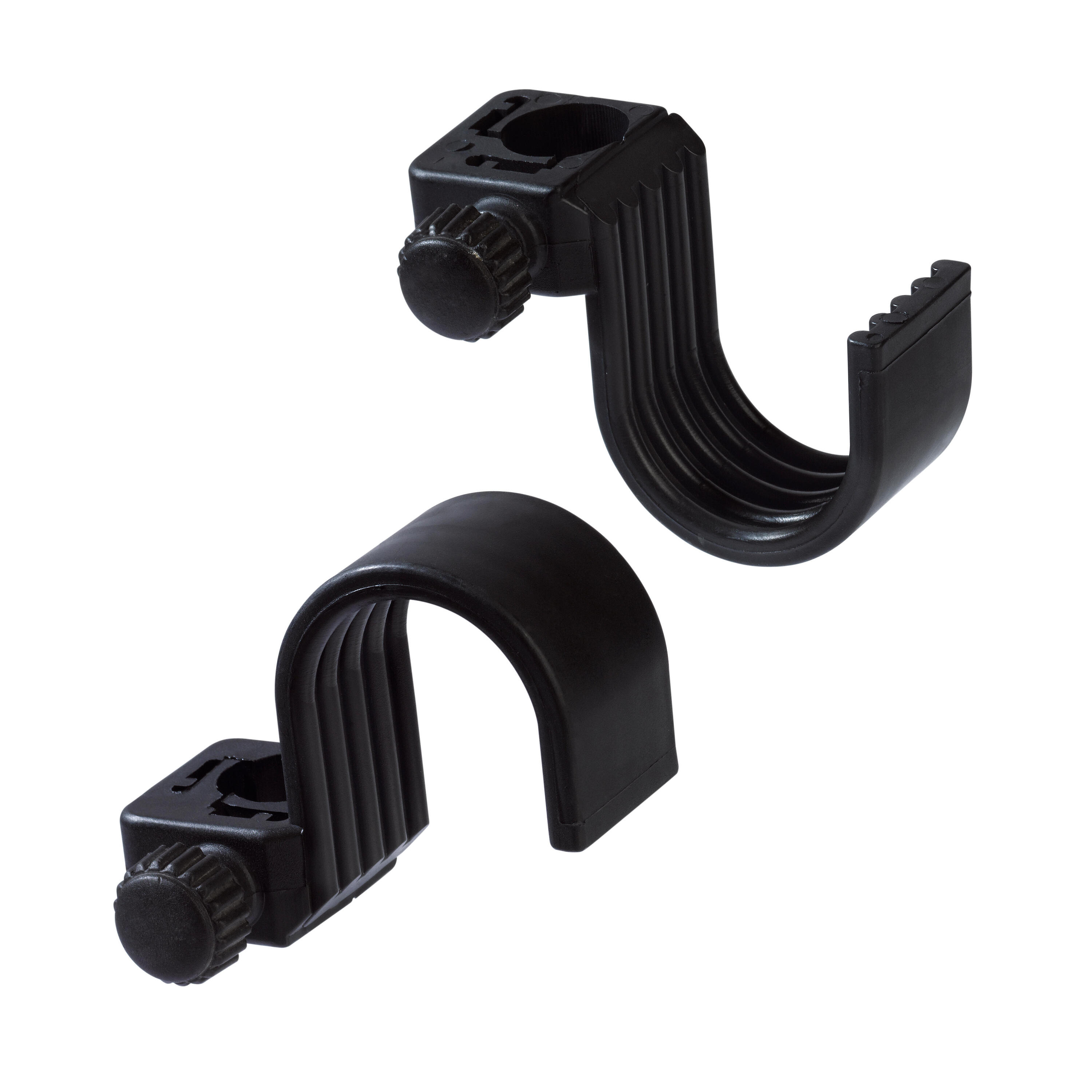
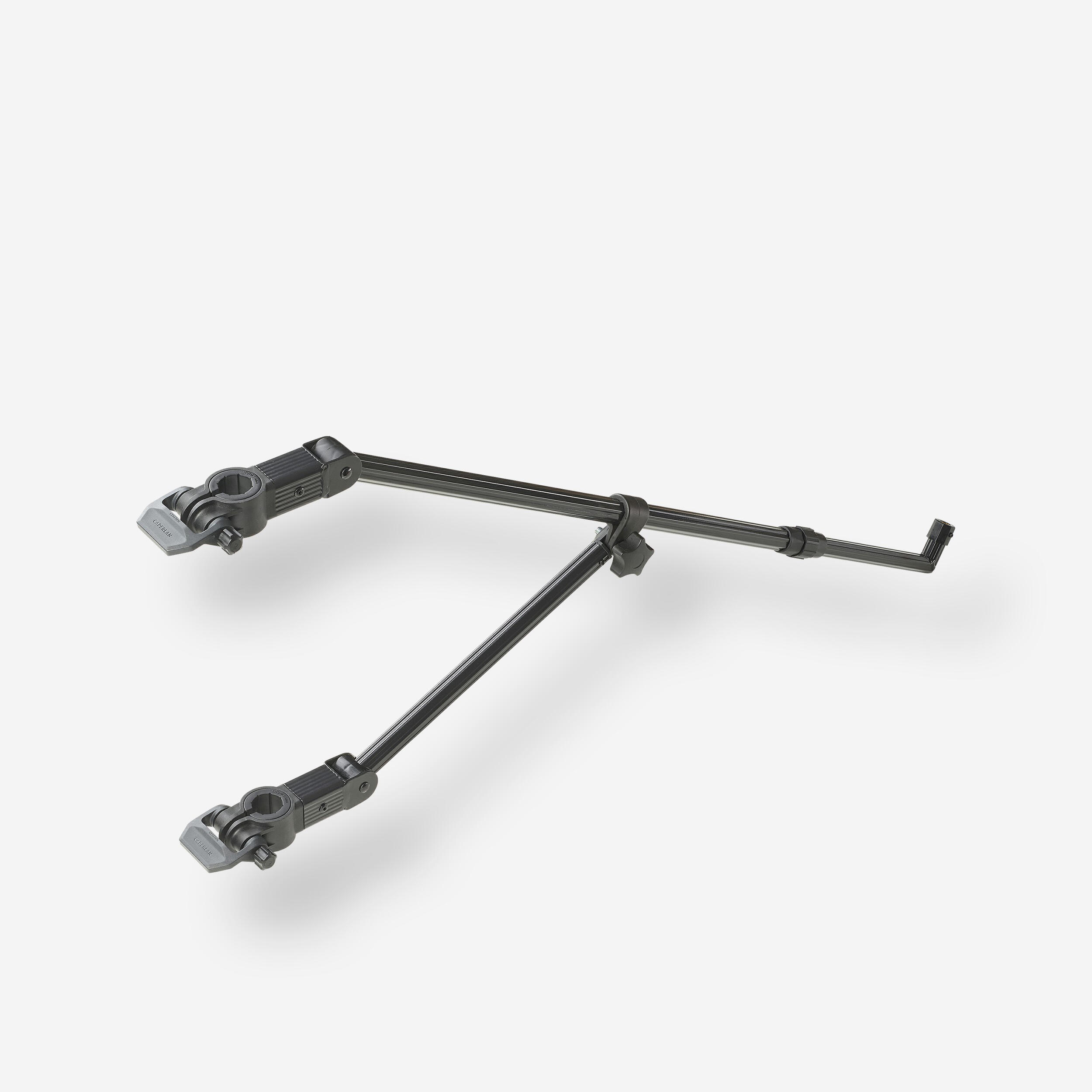
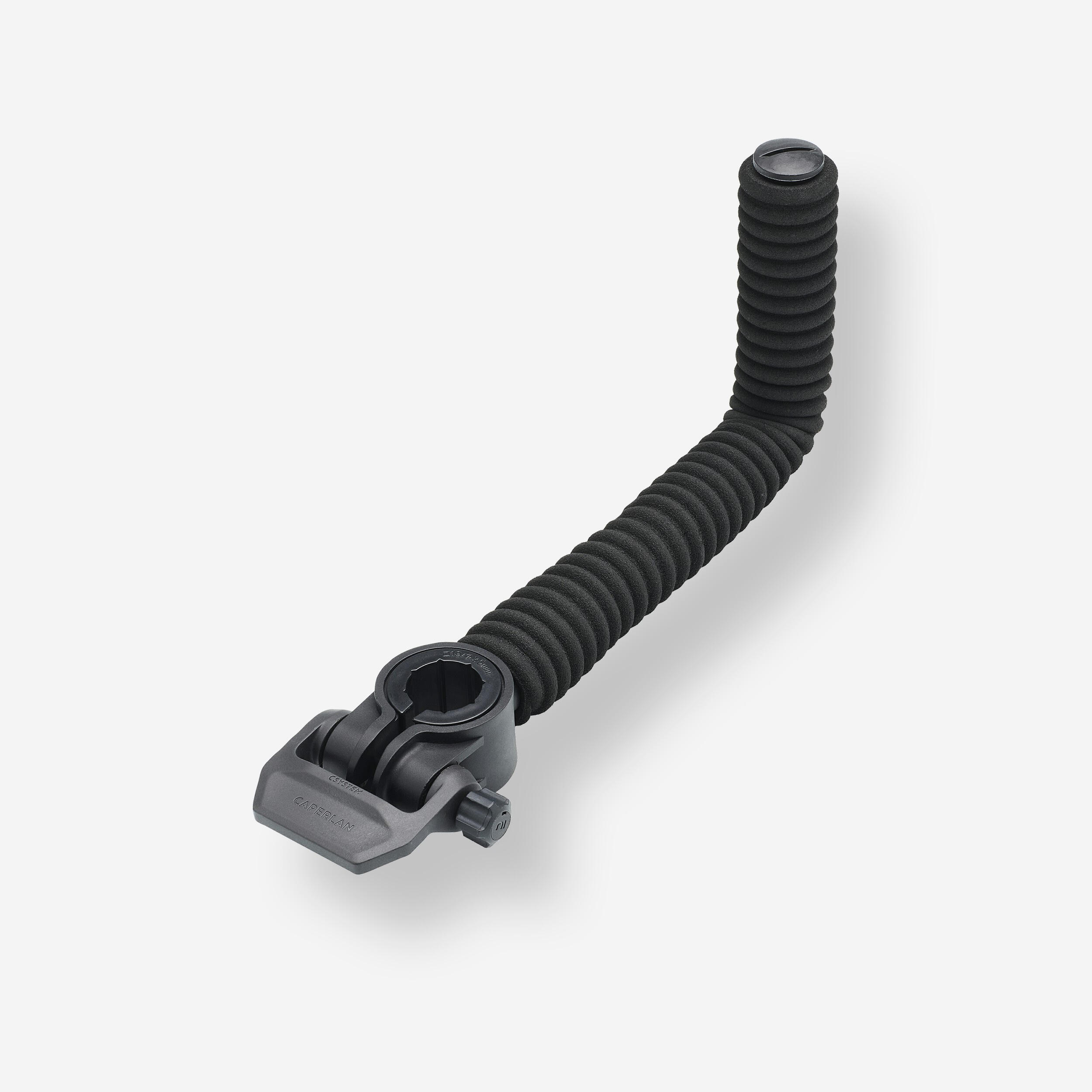
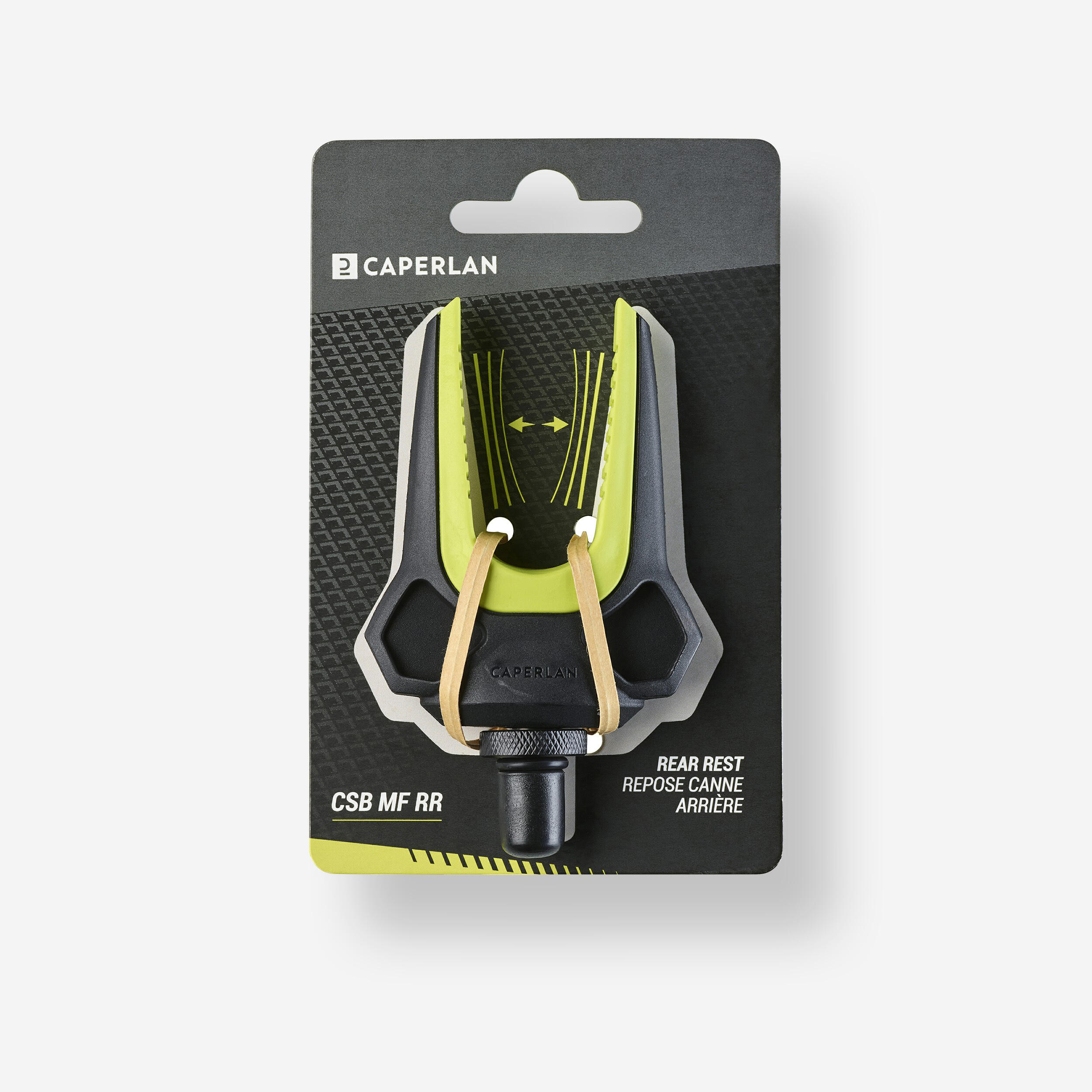
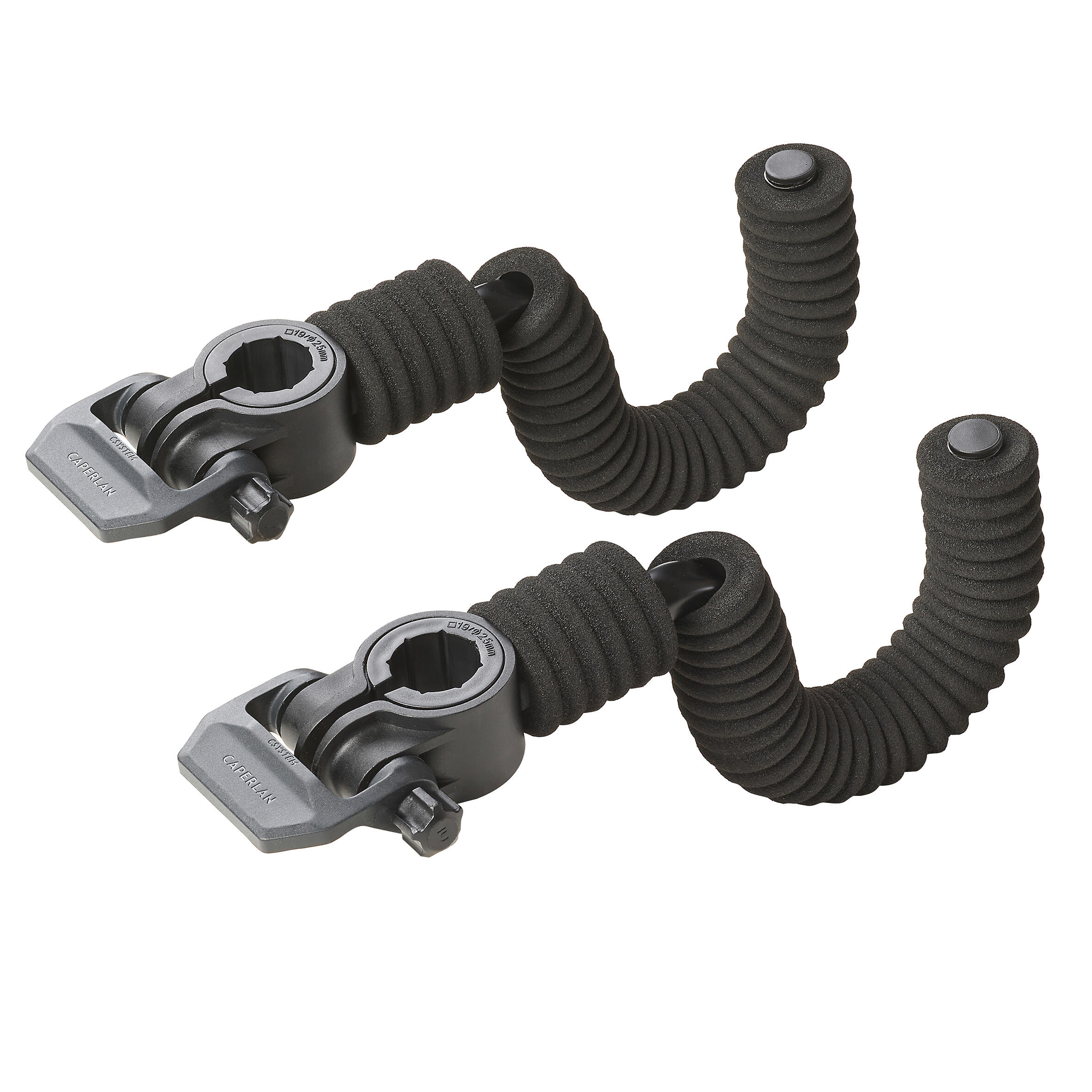
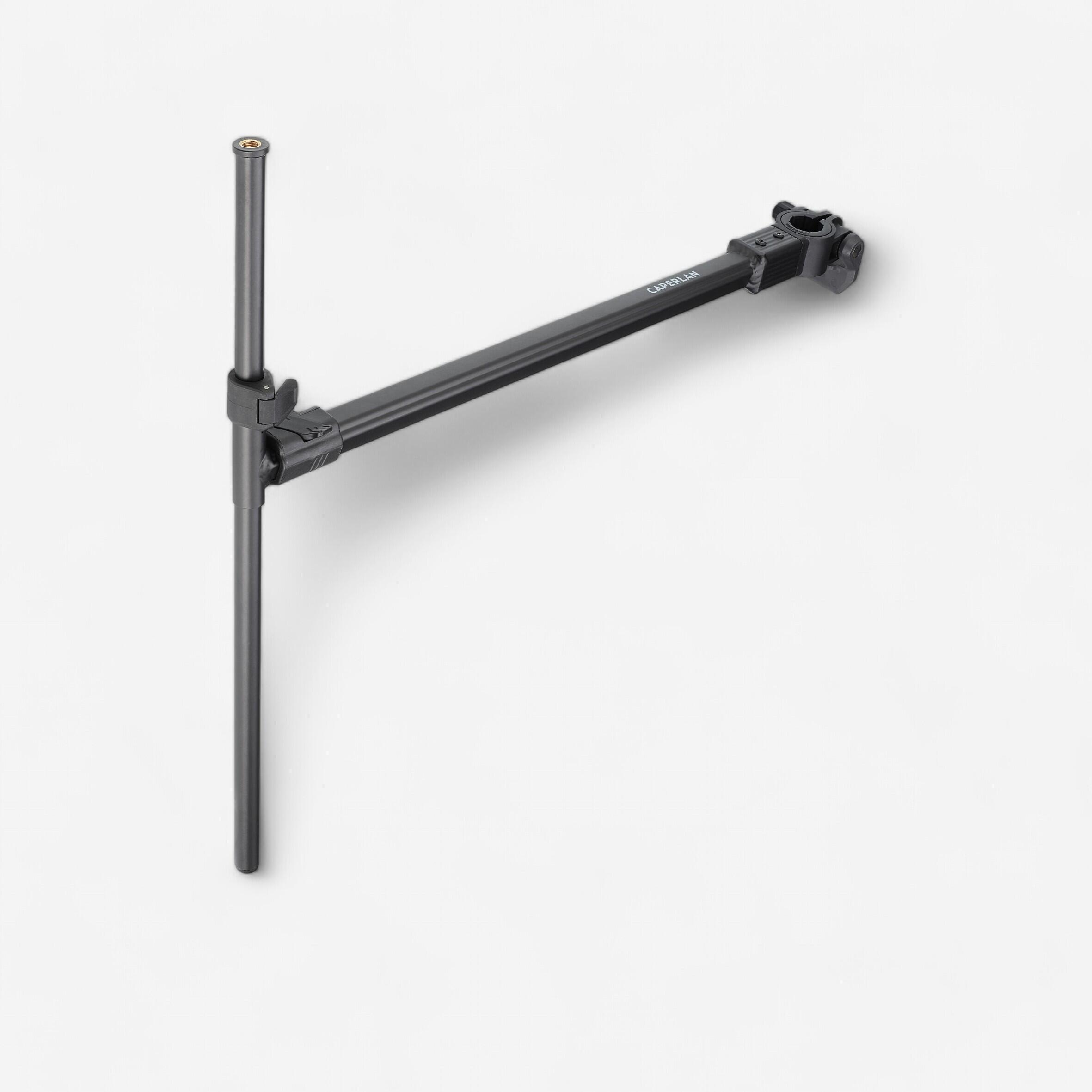
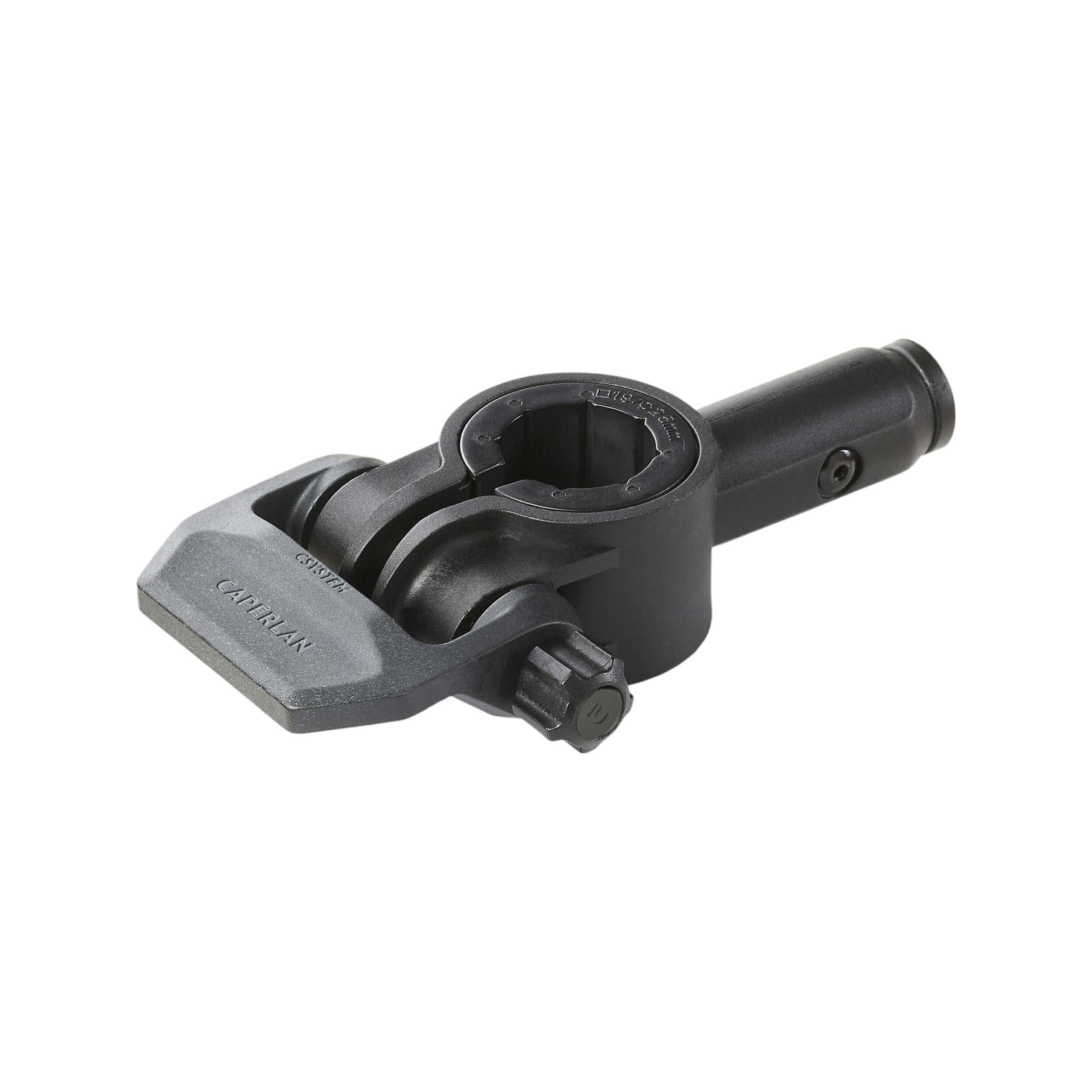
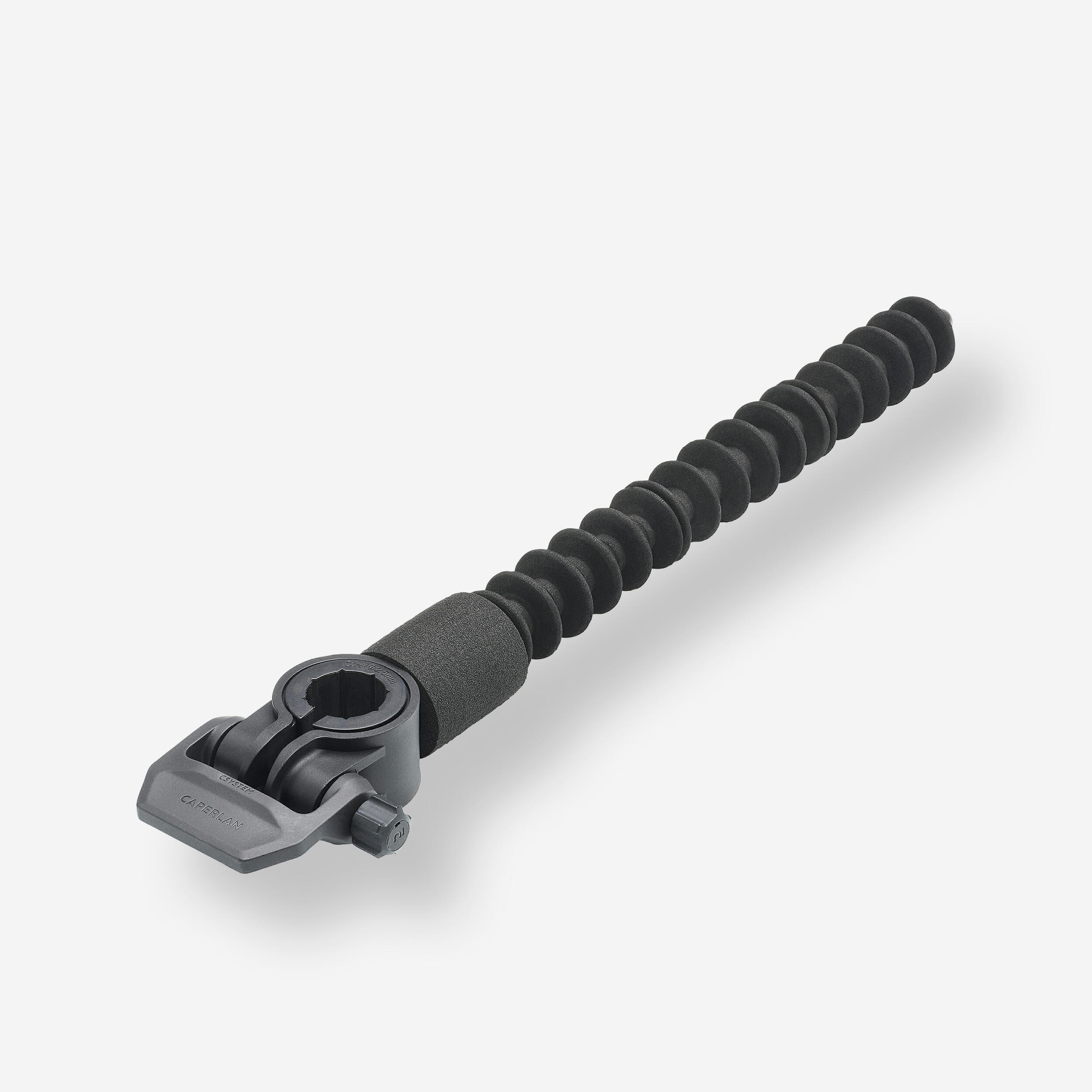
A feeder rod needs to remain still enough for movement at the quiver tip to stand out clearly. If the support rocks or the rod shifts unnecessarily, wind and bank movement can be mistaken for bites. Caperlan's CSB feeder fishing station arm uses a double-arm structure for stability and extends from about 67 to 119 cm. It attaches to compatible 25 mm and 36 mm station legs through Caperlan's Concentric System. Adjust the arm length and rod-rest angle so the tip remains easy to watch while keeping the reel and rod butt within comfortable reach when a bite develops.

What maintenance helps bank sticks and pole rollers last longer?

Check the ground before positioning any support because stability depends as much on placement as it does on the product itself. Spread pole-roller legs evenly, adjust telescopic sections to keep the rollers level and add ballast where the model provides a fixing point and windy conditions require it. Keep EVA contact surfaces free from grit because abrasive dirt can rub against pole or rod finishes during repeated movement. After fishing, wipe mud from legs, threads and adjustment points and allow damp components to dry before storage. Organising these supports with the rest of your coarse fishing equipment also helps protect rollers, rod rests and screw fittings from being crushed by heavier tackle during transport.