156 items
4.7/5 based on 6359 reviews collected online and in stores

Coarse Fishing Equipment FAQs

When is a foldable seat useful for coarse fishing?

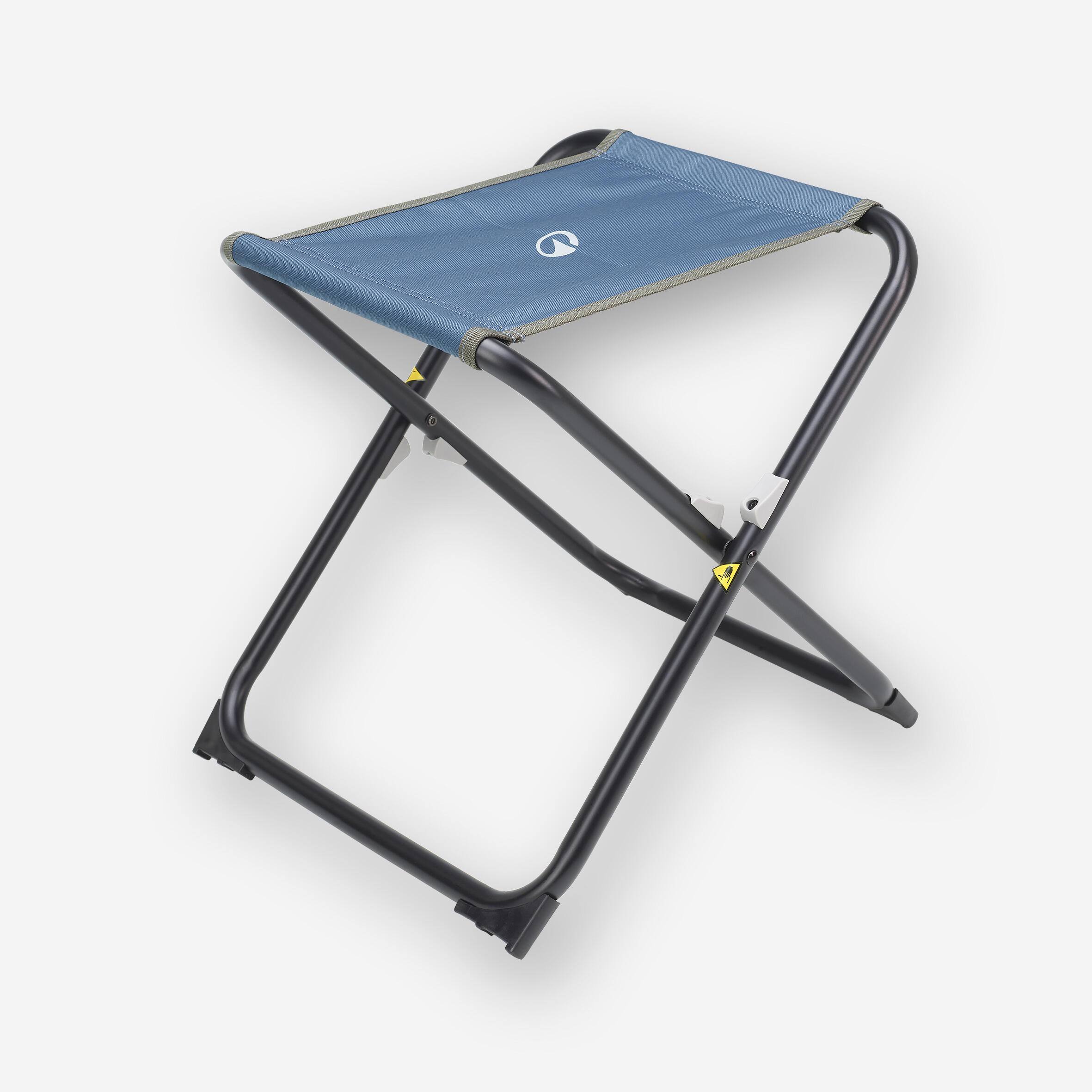
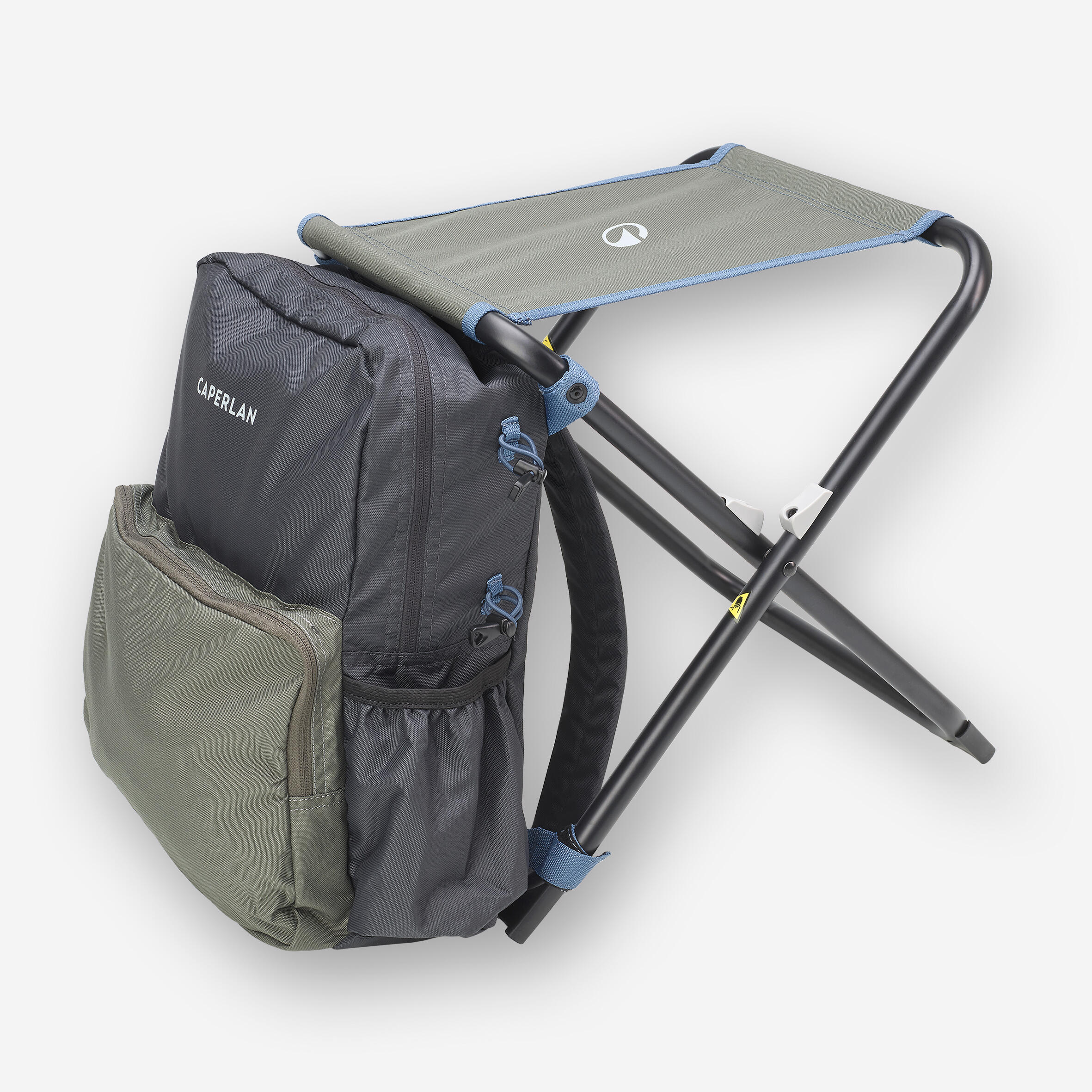
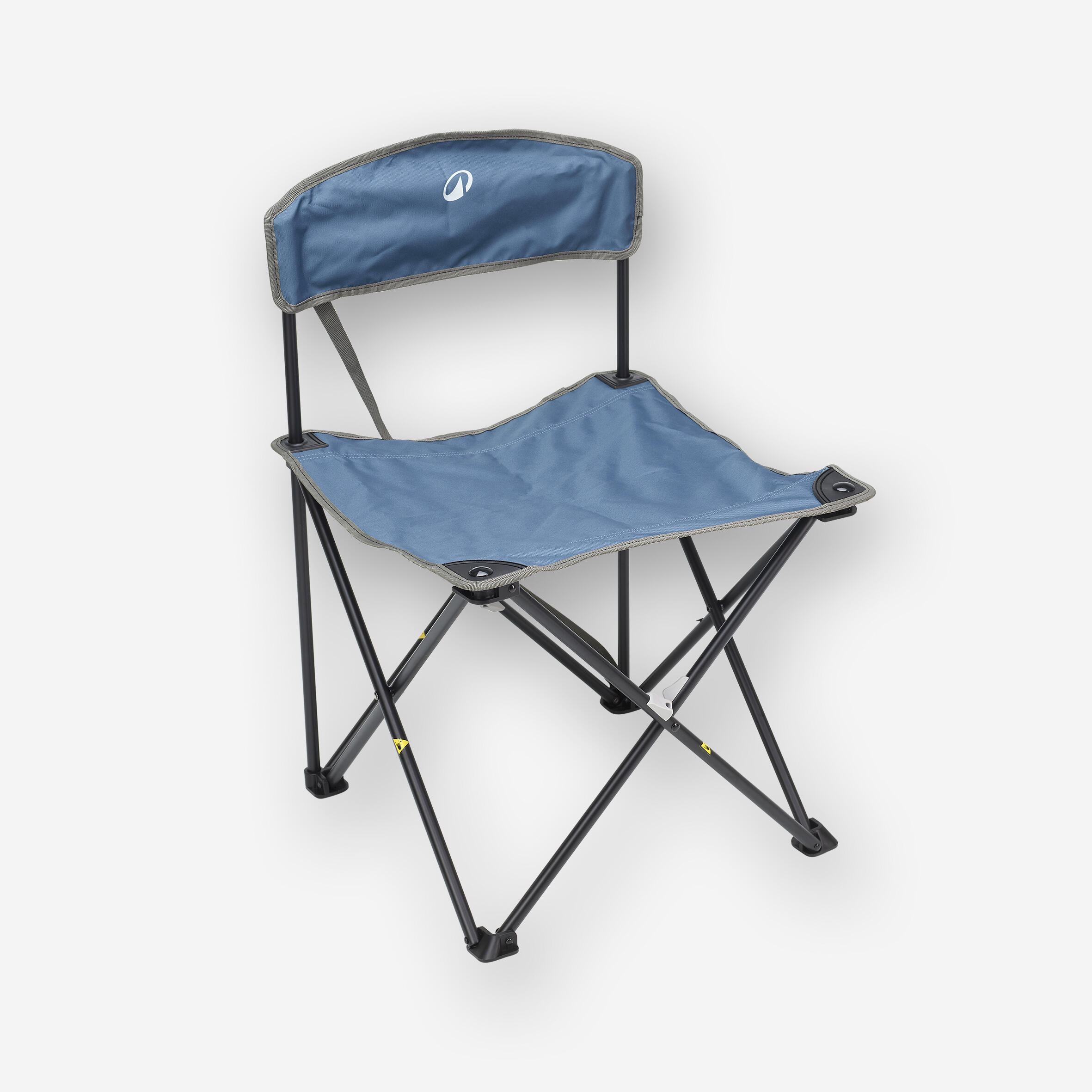
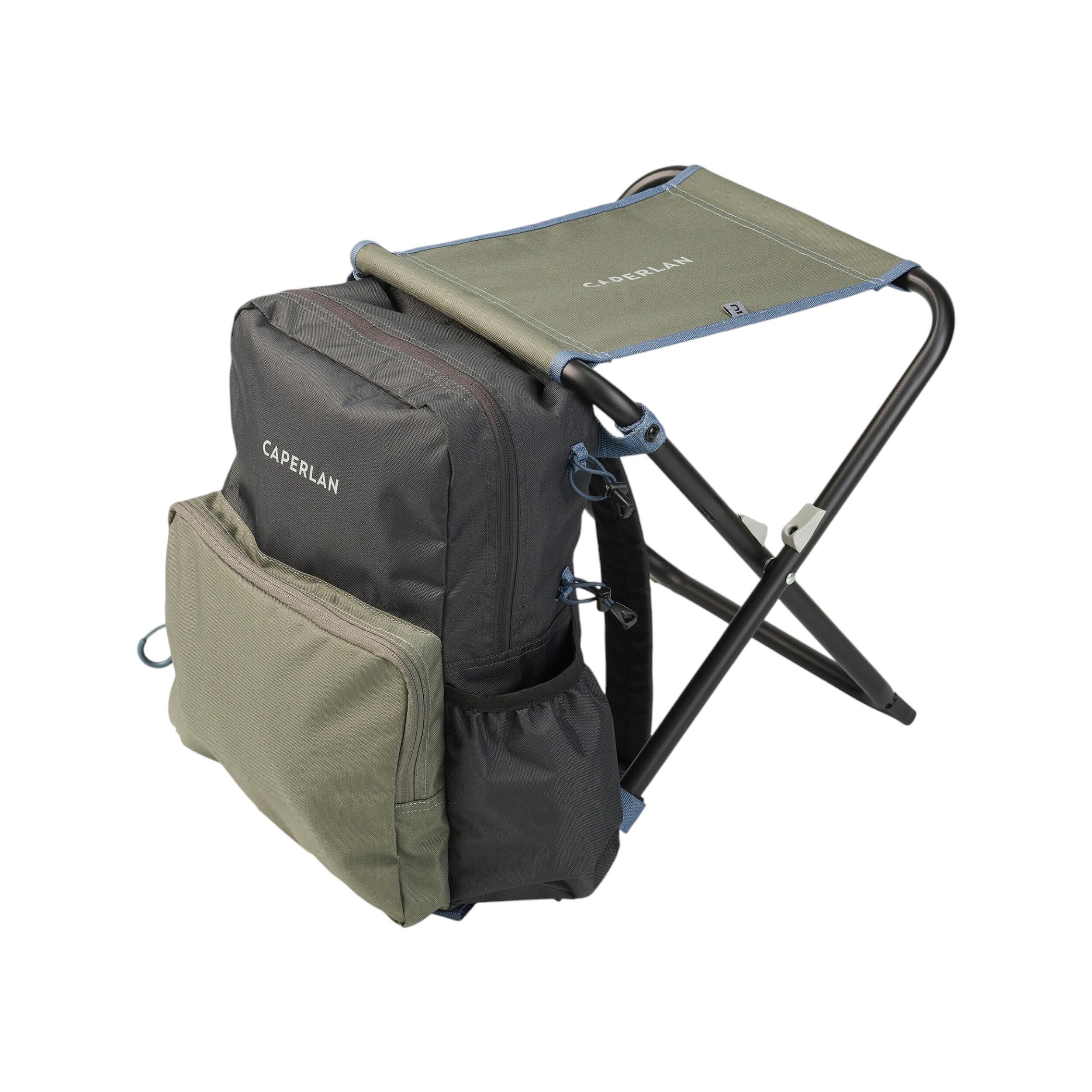
A foldable seat suits sessions where you want somewhere comfortable to sit without carrying a full fishing station to the bank. Caperlan's compact Essenseat models fold down for transport, while selected versions include a shoulder strap so the chair can be carried separately from rods and tackle. Some designs also combine the seat with backpack storage, which can be useful when you regularly move between swims. Plastic inserts beneath selected frames improve contact with the ground, while corrosion-resistant construction on some models extends their use beyond freshwater venues. When comparing foldable seats, consider packed size, the distance you need to walk and whether you need integrated tackle storage rather than choosing on seat size alone.

Why choose a seat box or fishing station for longer sessions?

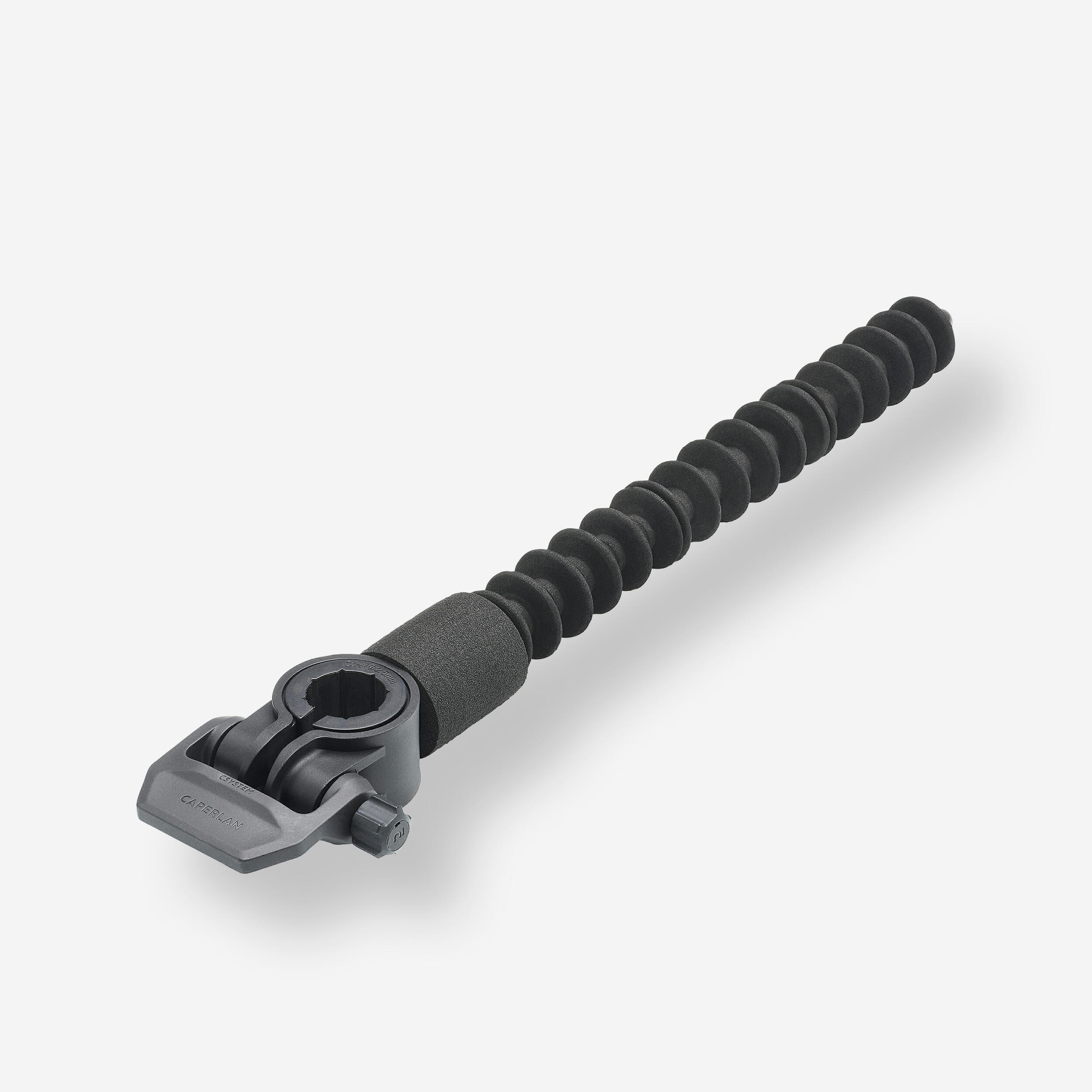
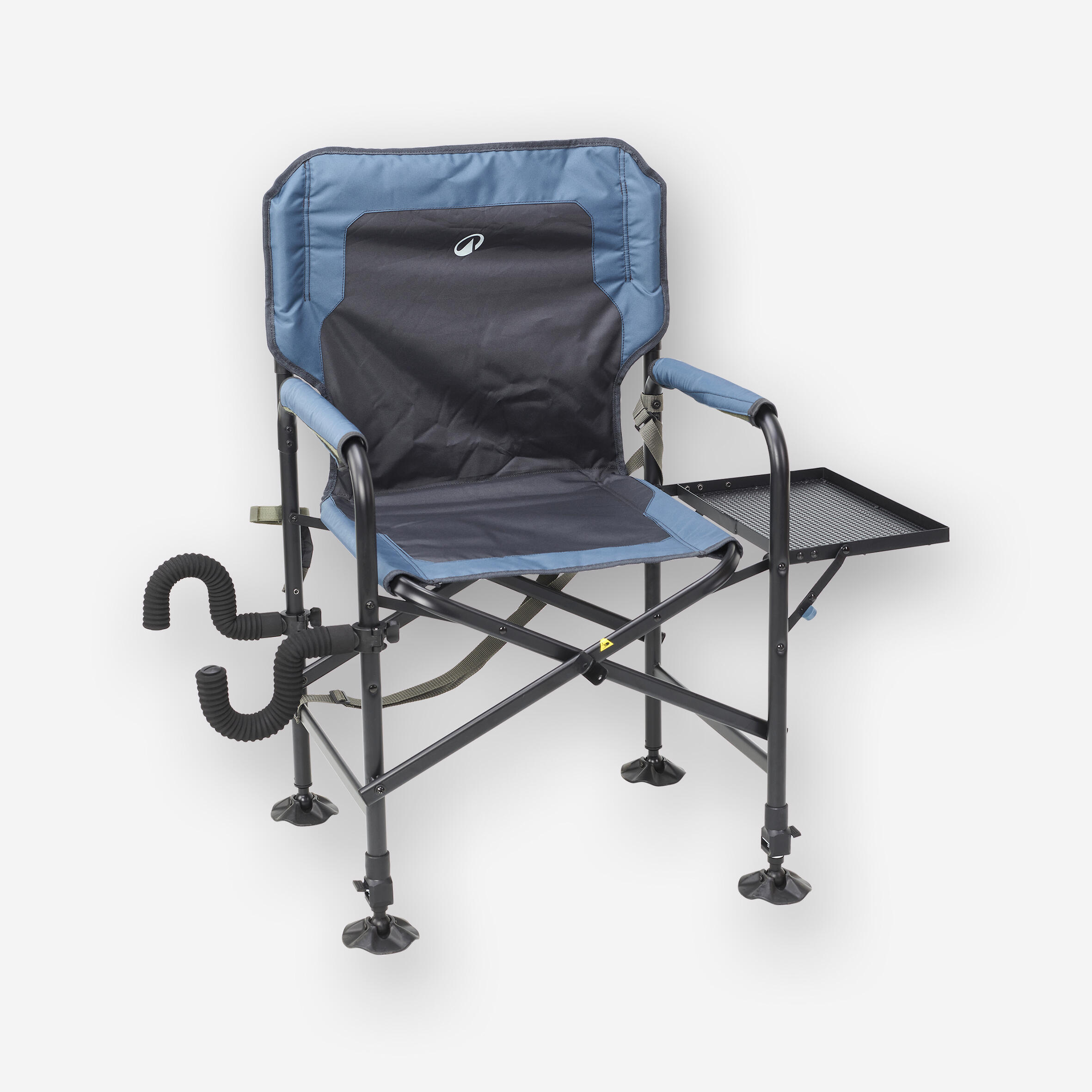
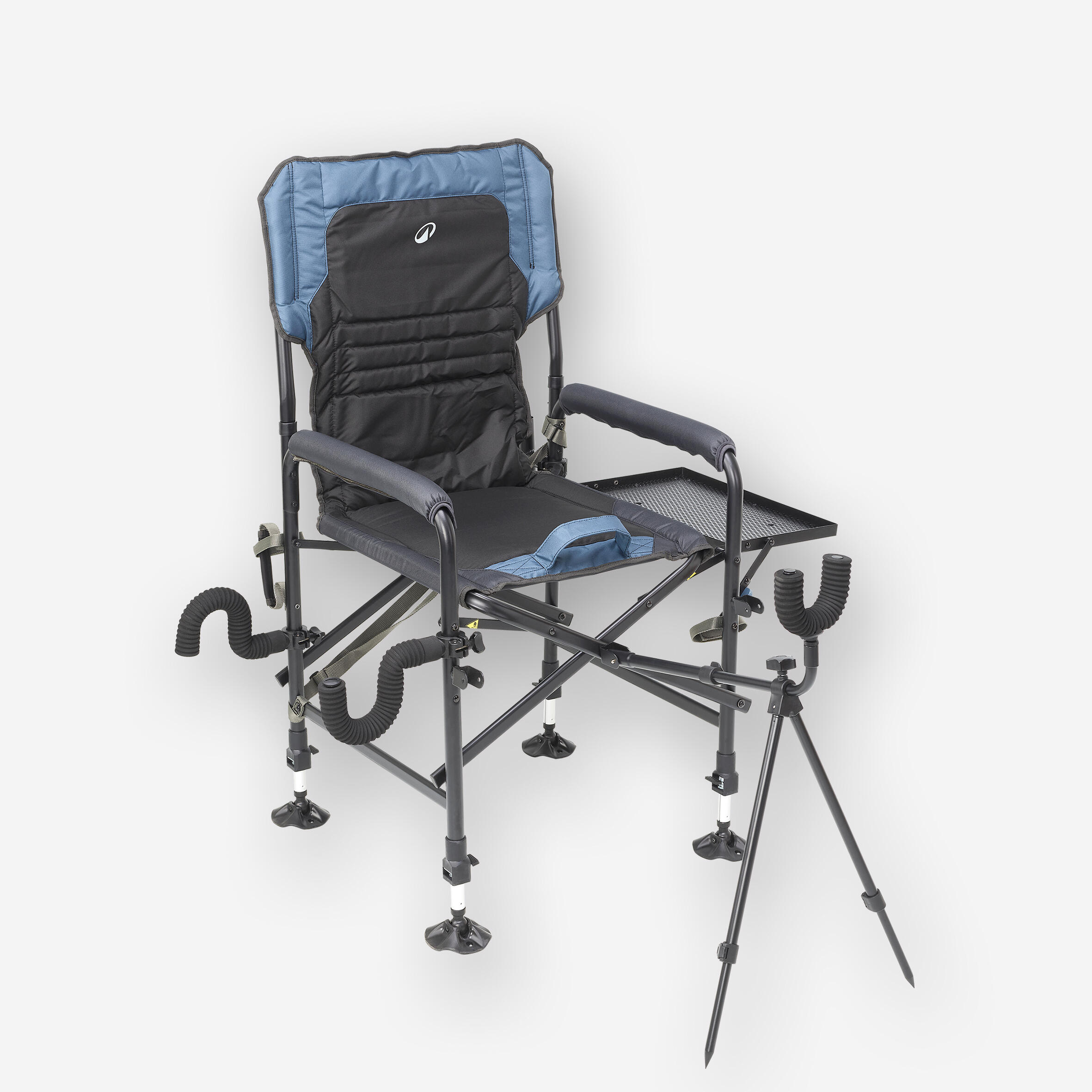
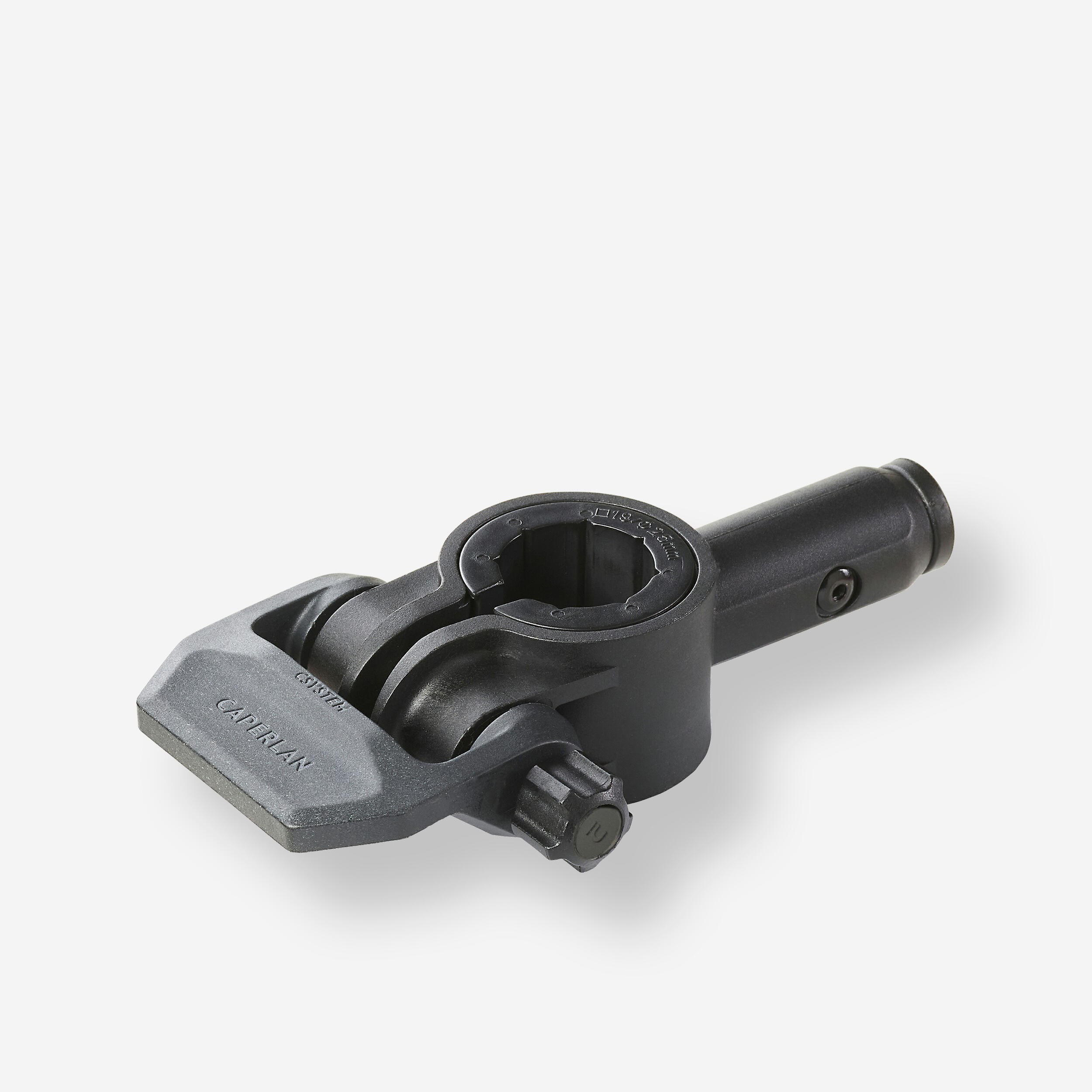
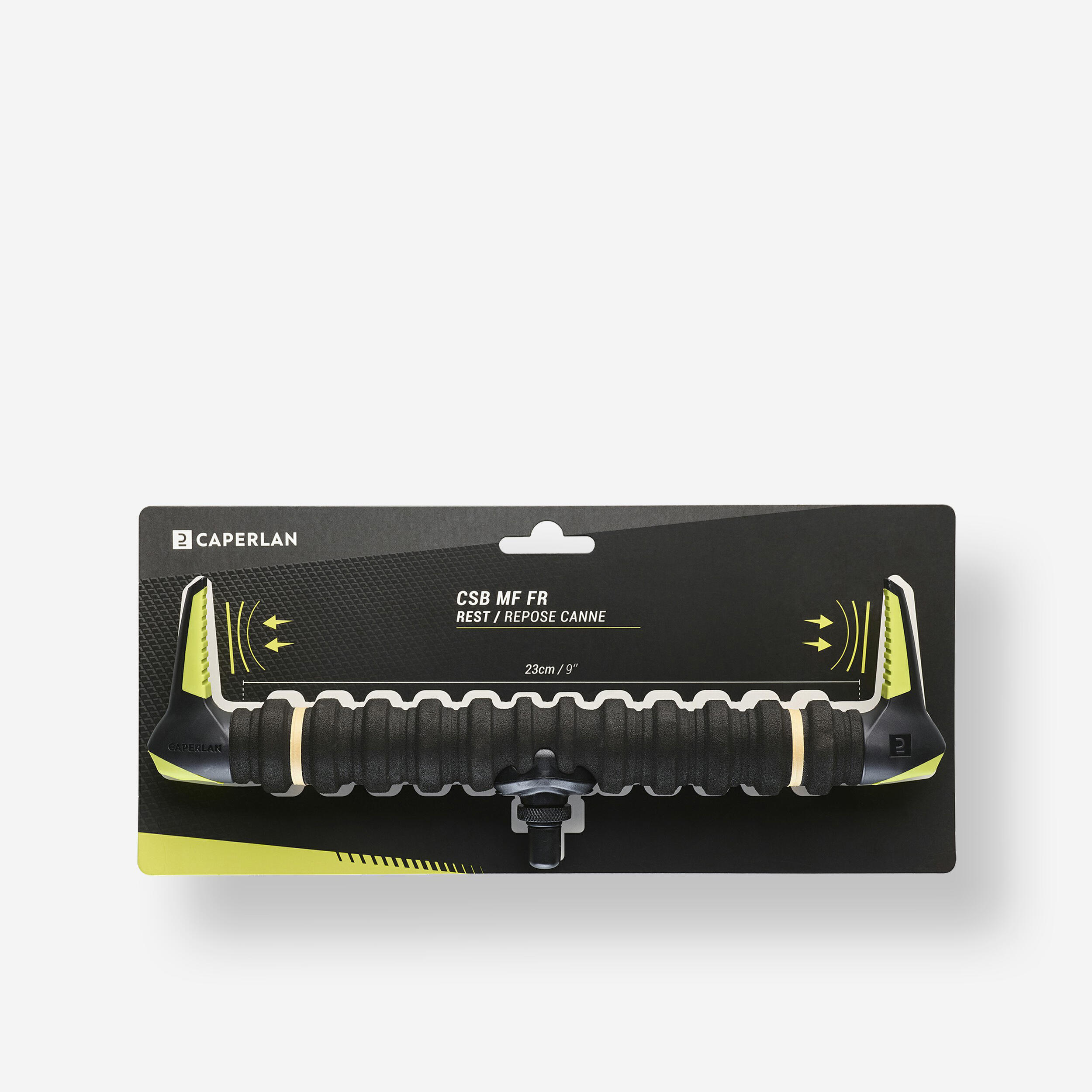
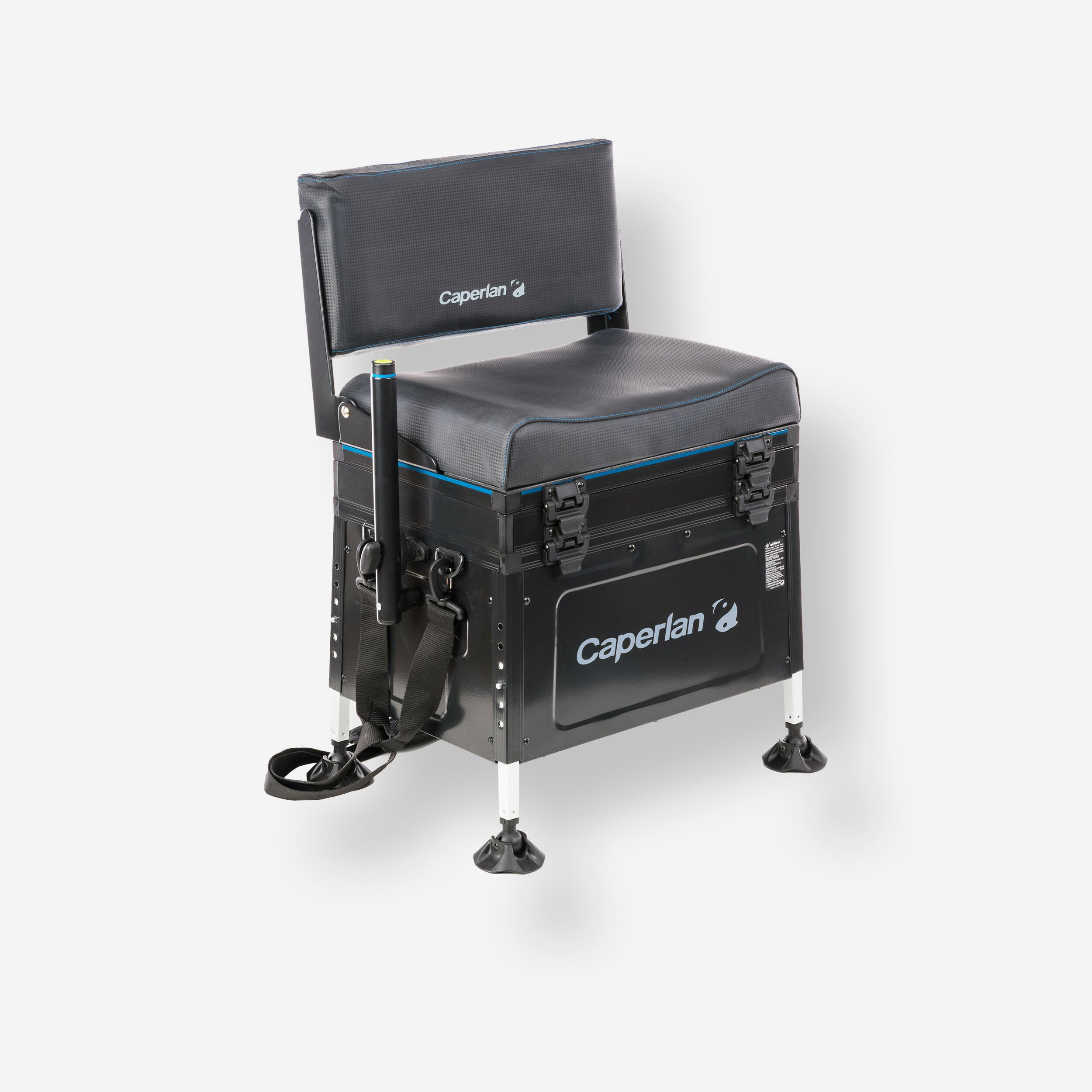
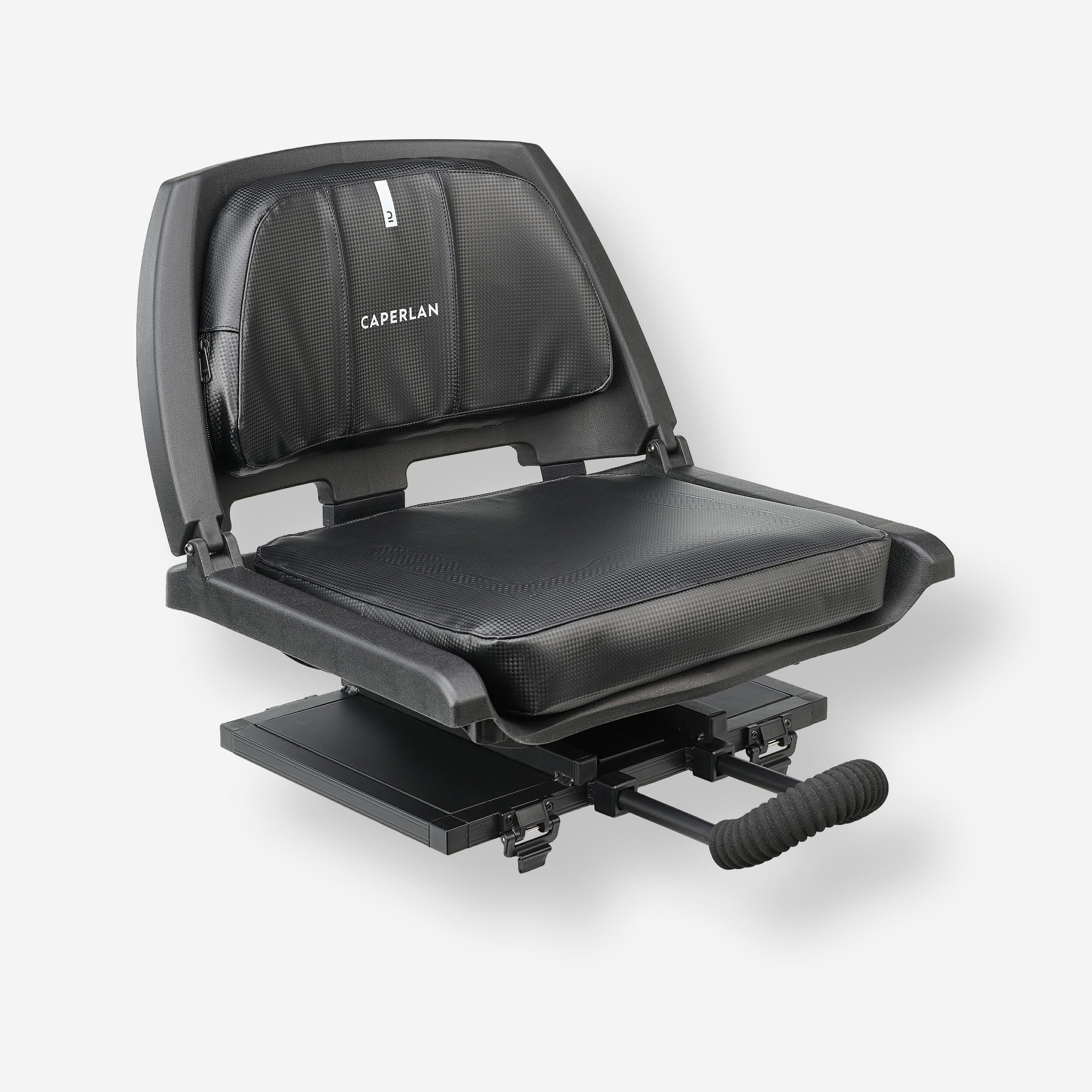
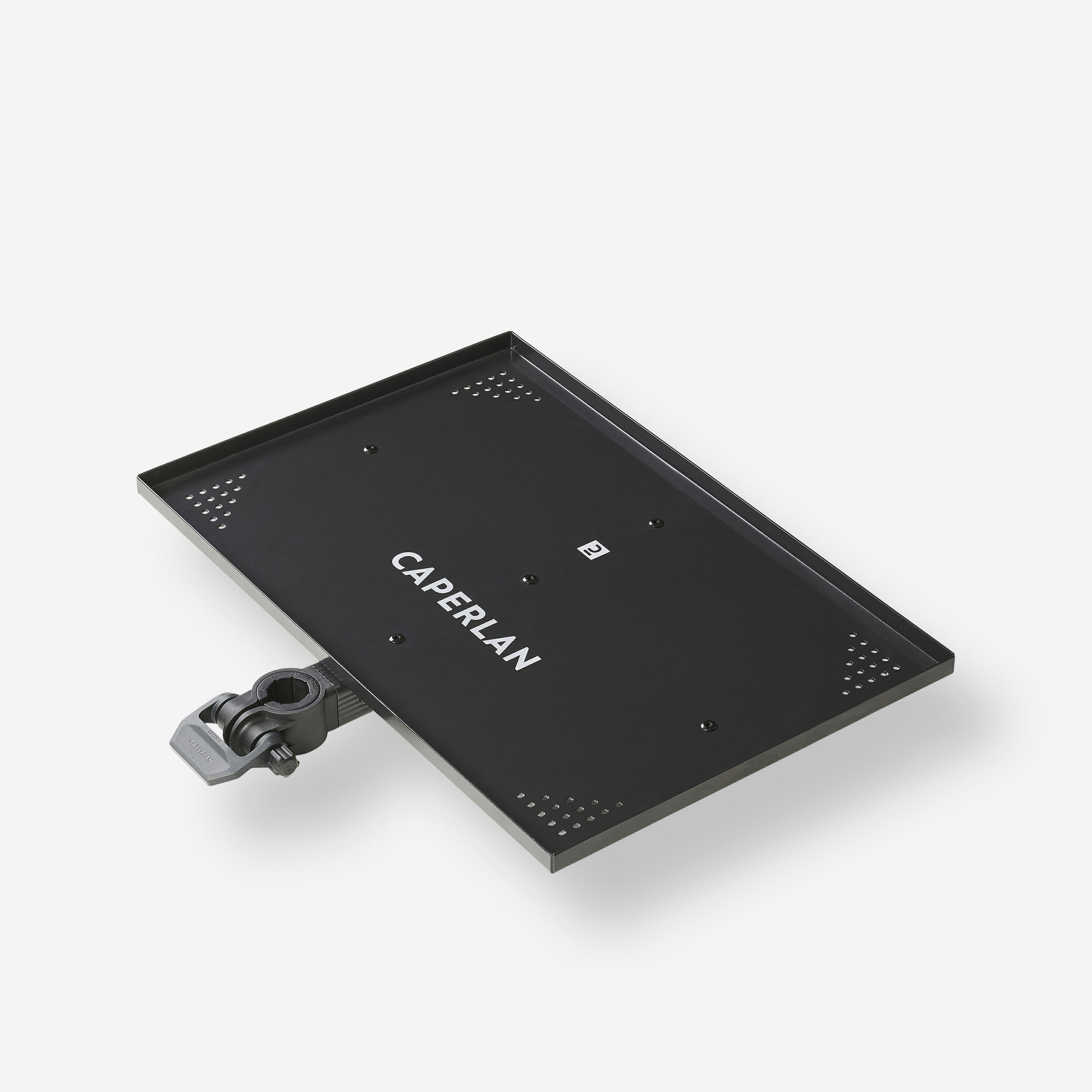
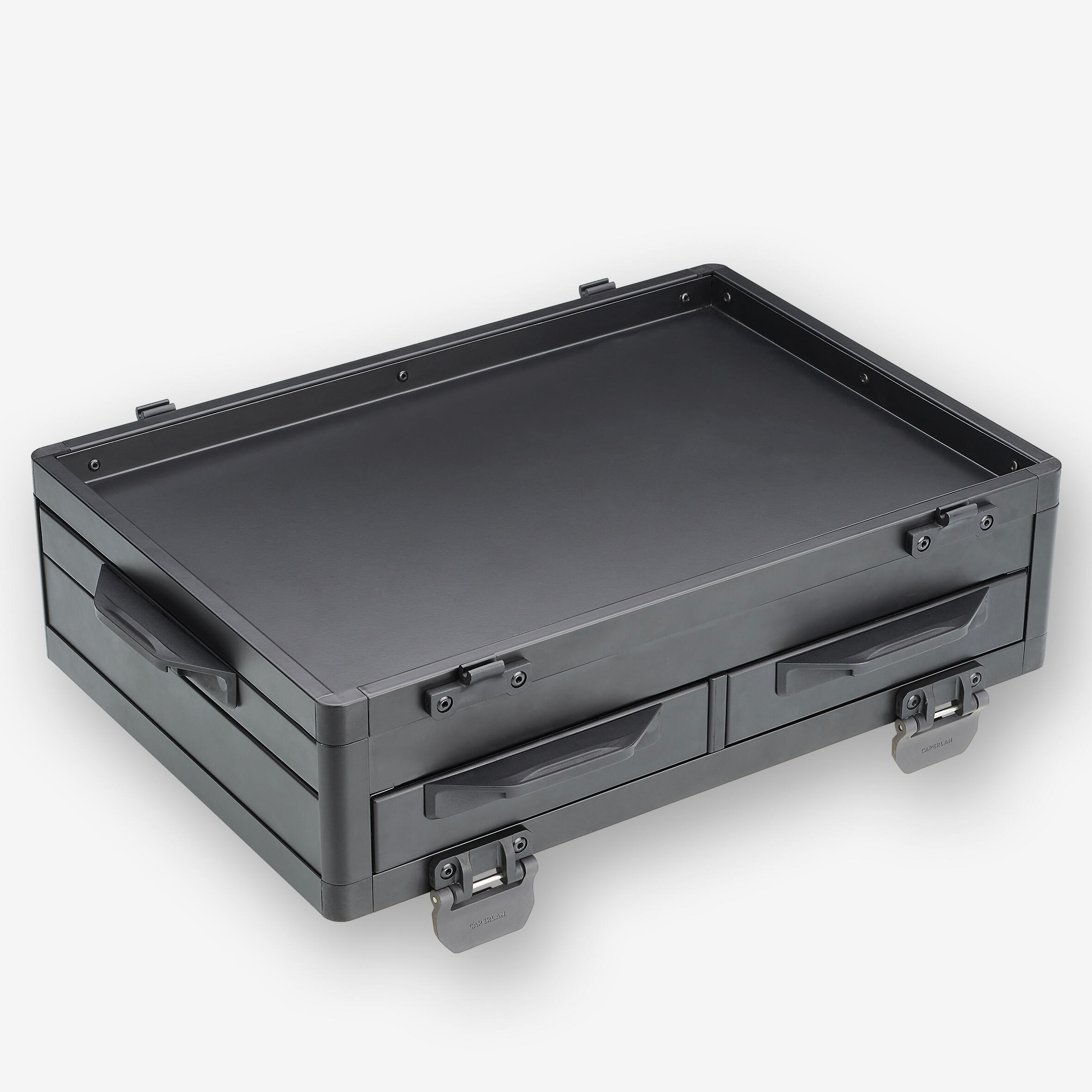
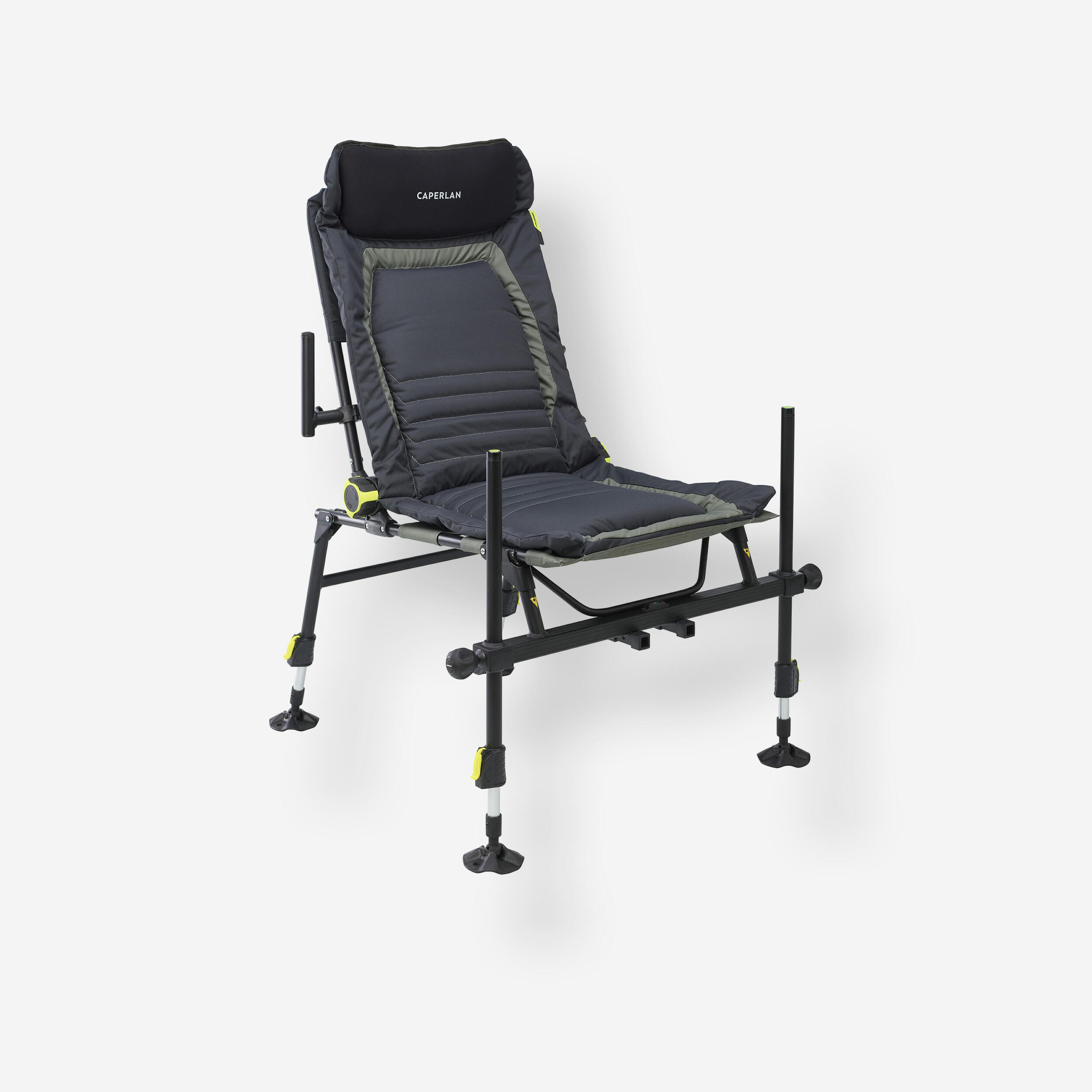
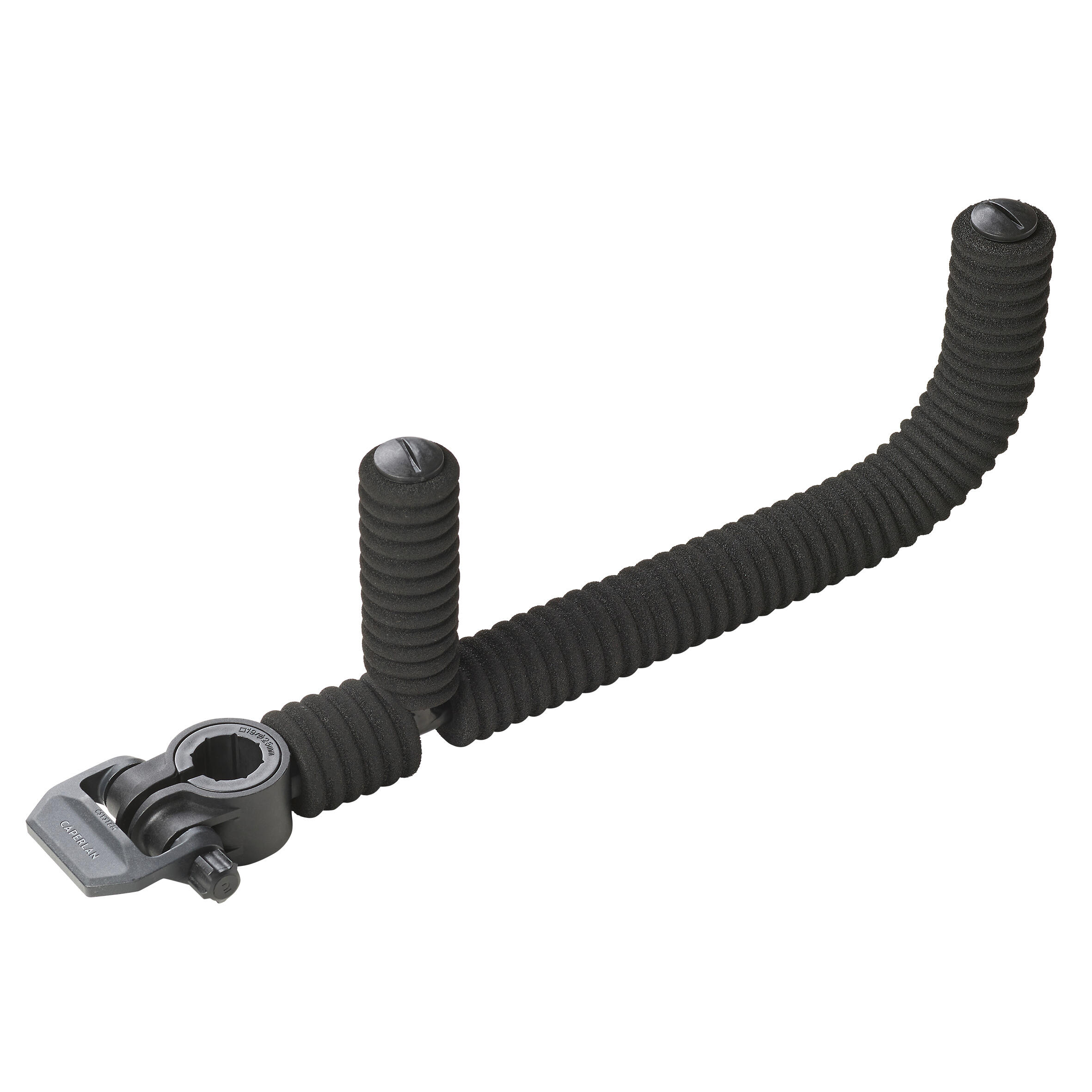
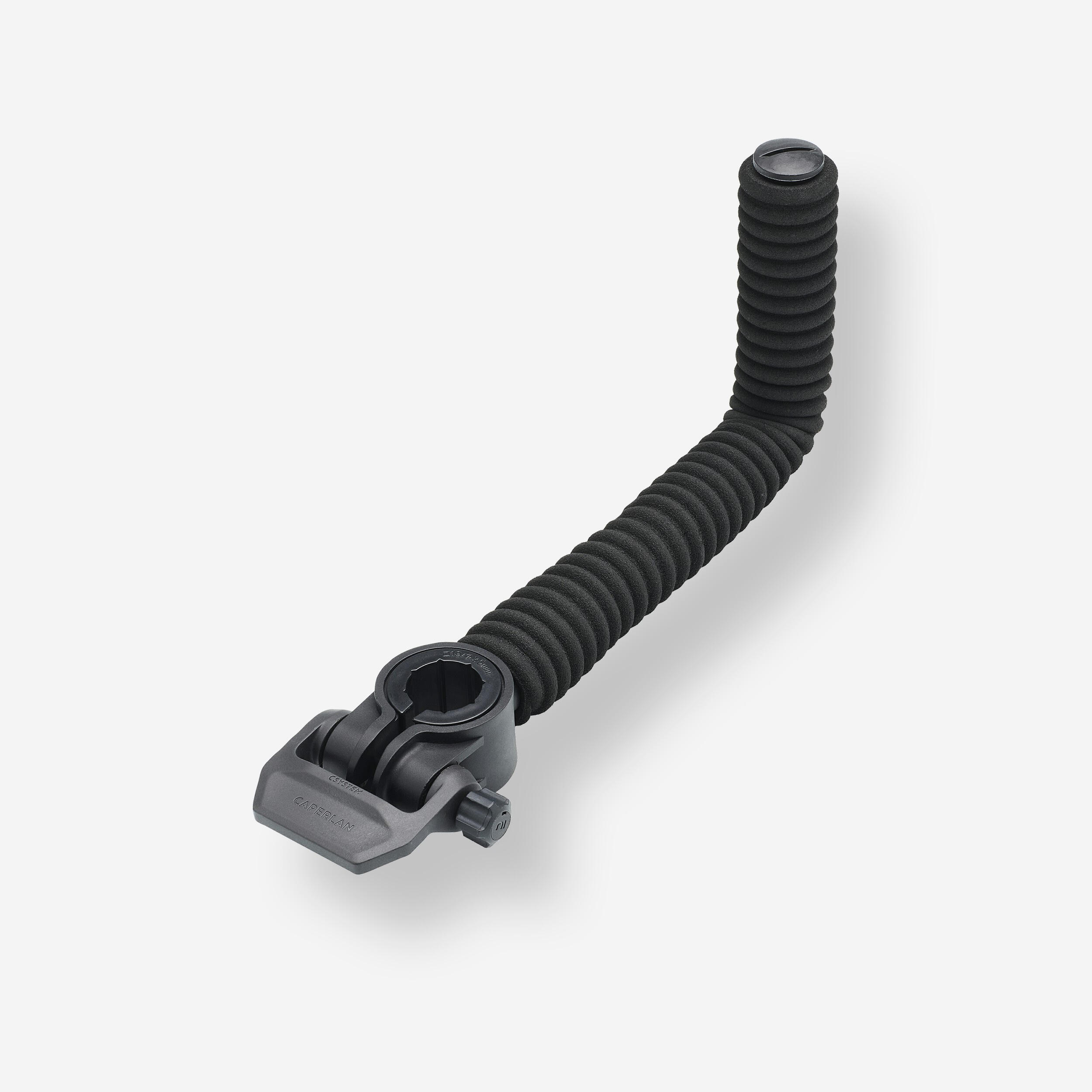
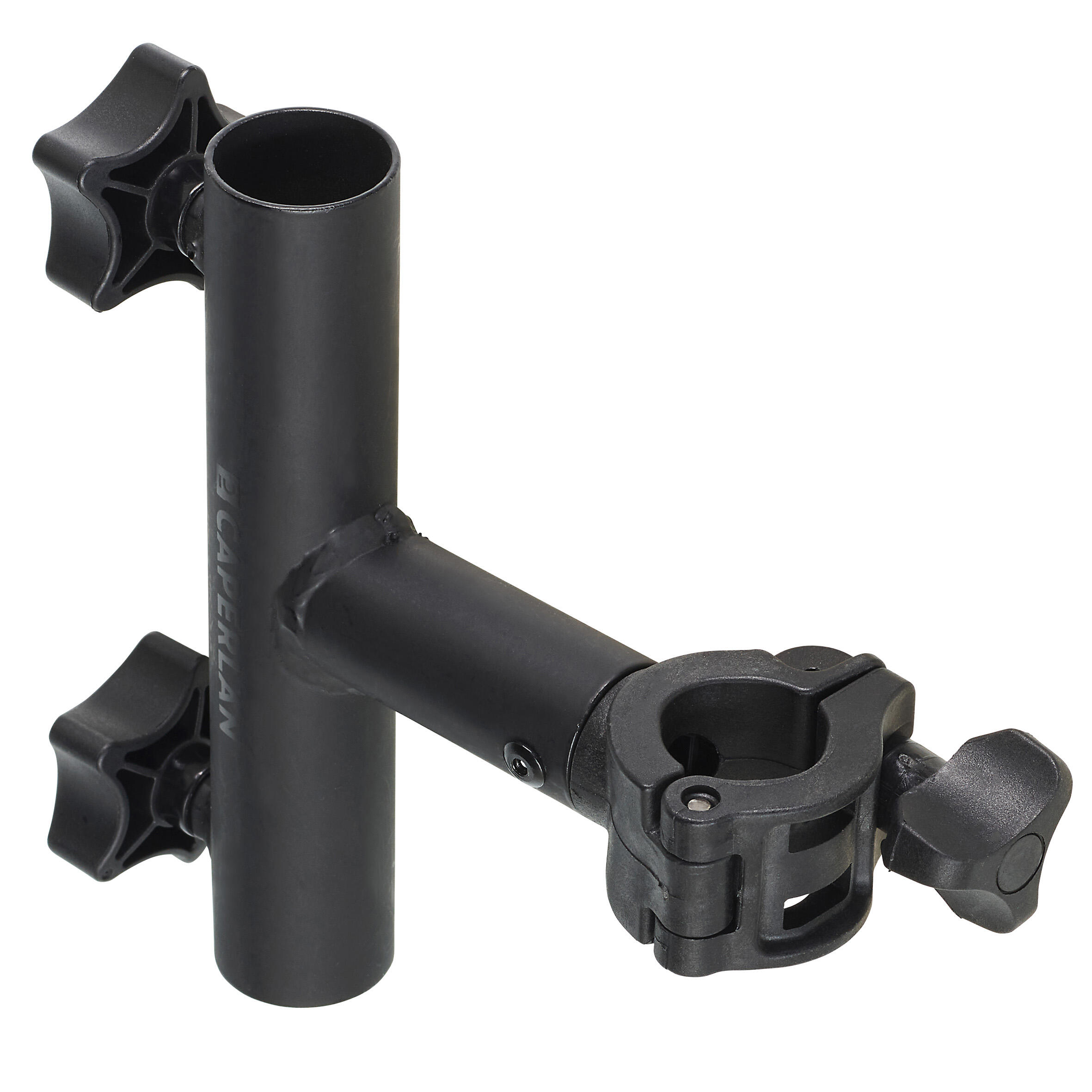
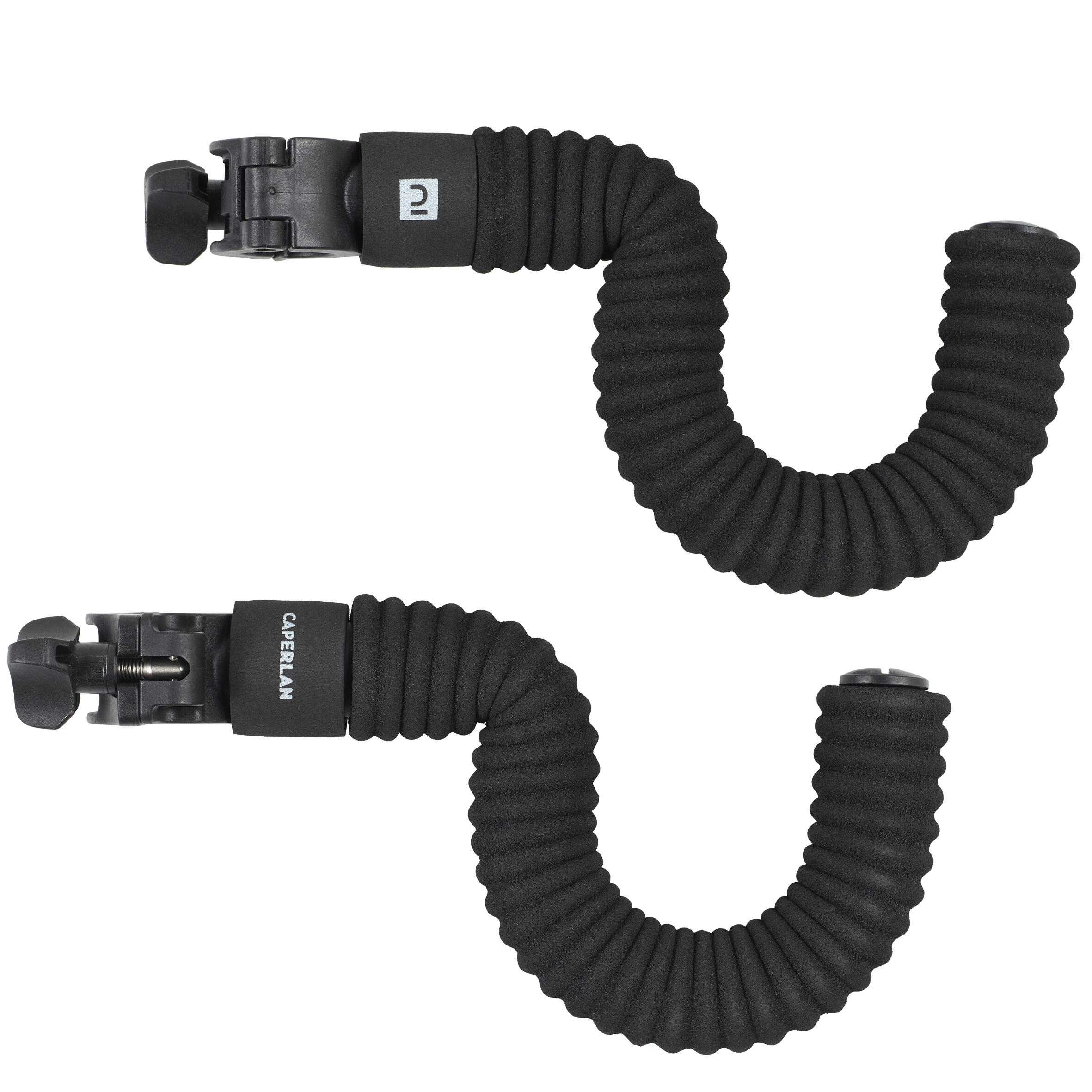
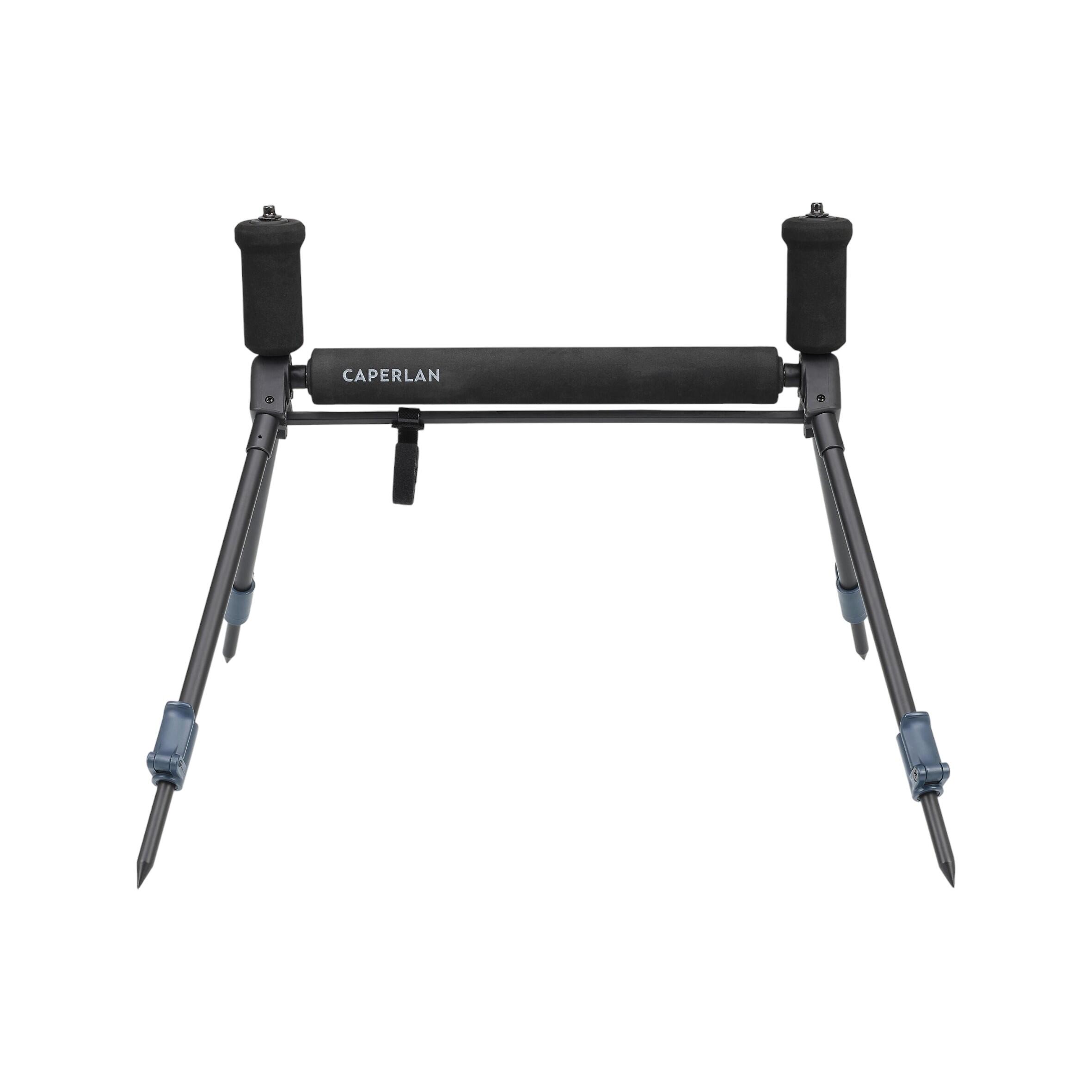
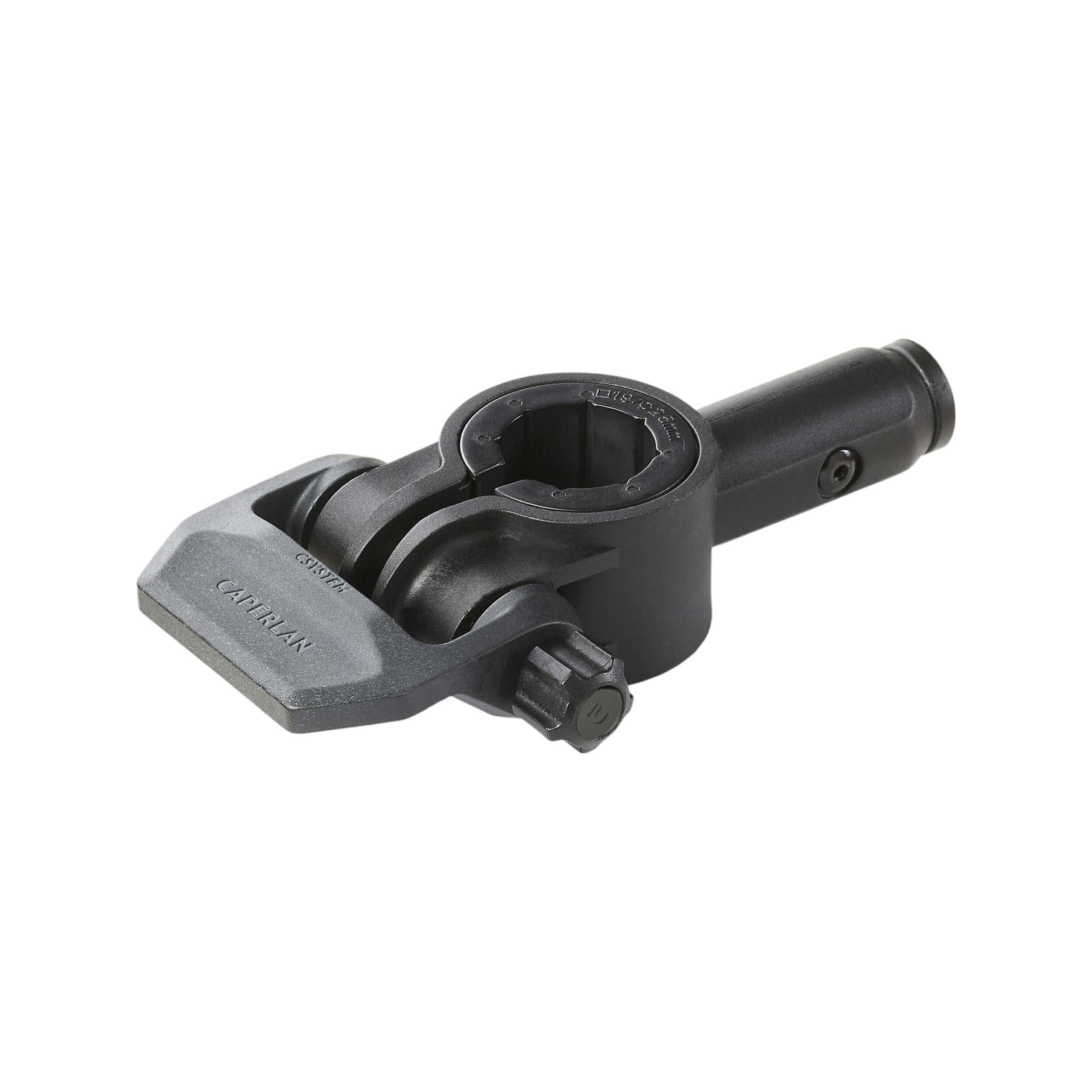
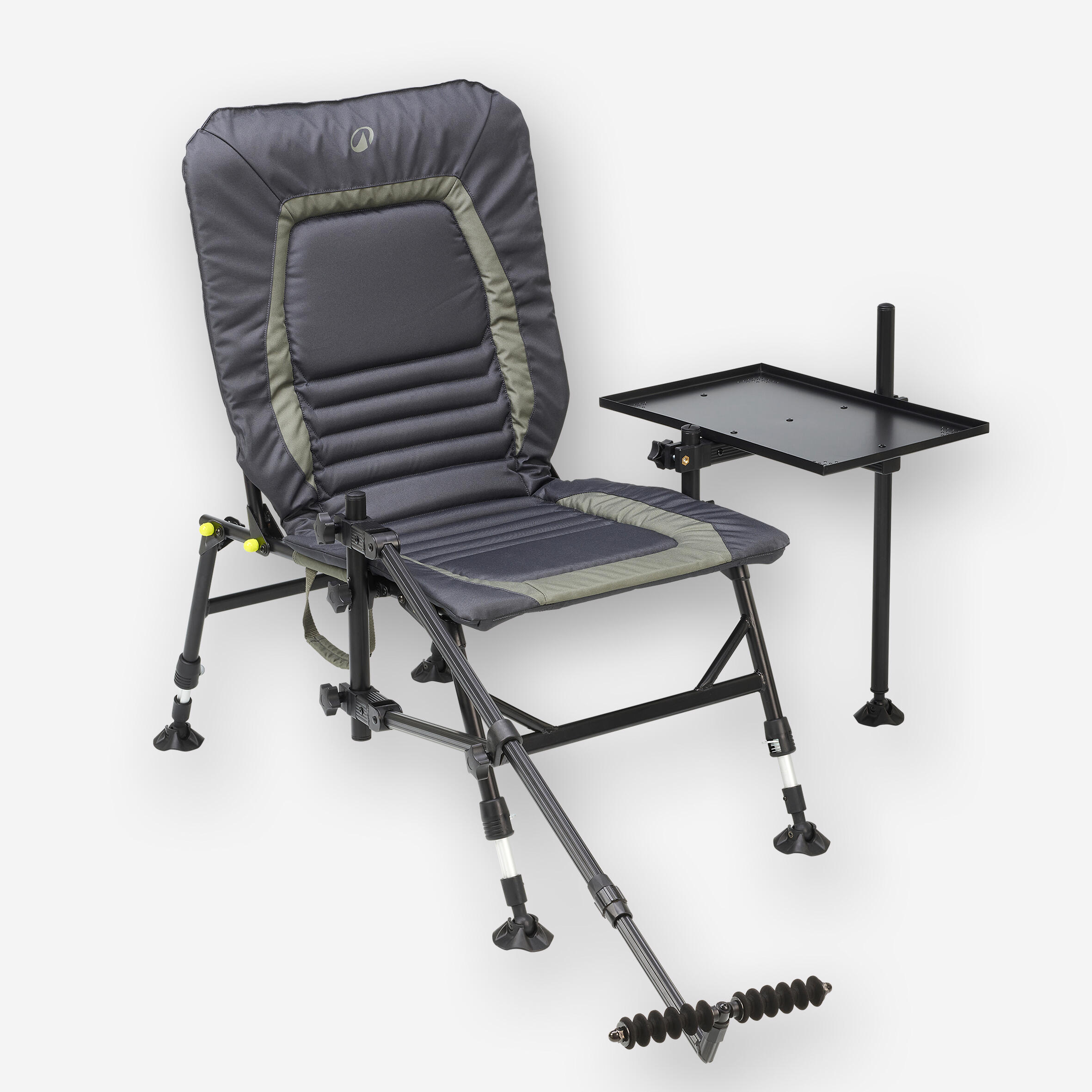
A fishing station creates a more organised working position when you need bait, tackle and rod supports close to hand for several hours. Caperlan's CSB system uses compatible 25 mm and 36 mm legs across selected accessories, so bowls, supports and other components can be arranged around the seat. Adjustable or telescopic legs also help level the station on uneven banks. Higher-spec models use features such as dual-density seating and reversible side extensions to improve the working area. The range of seat boxes and stations is therefore useful when stability, organised storage and accessory compatibility matter more than minimum carrying weight. Set the legs before loading trays or side supports so the station is stable from the start.

What should you look for in coarse fishing landing-net equipment?

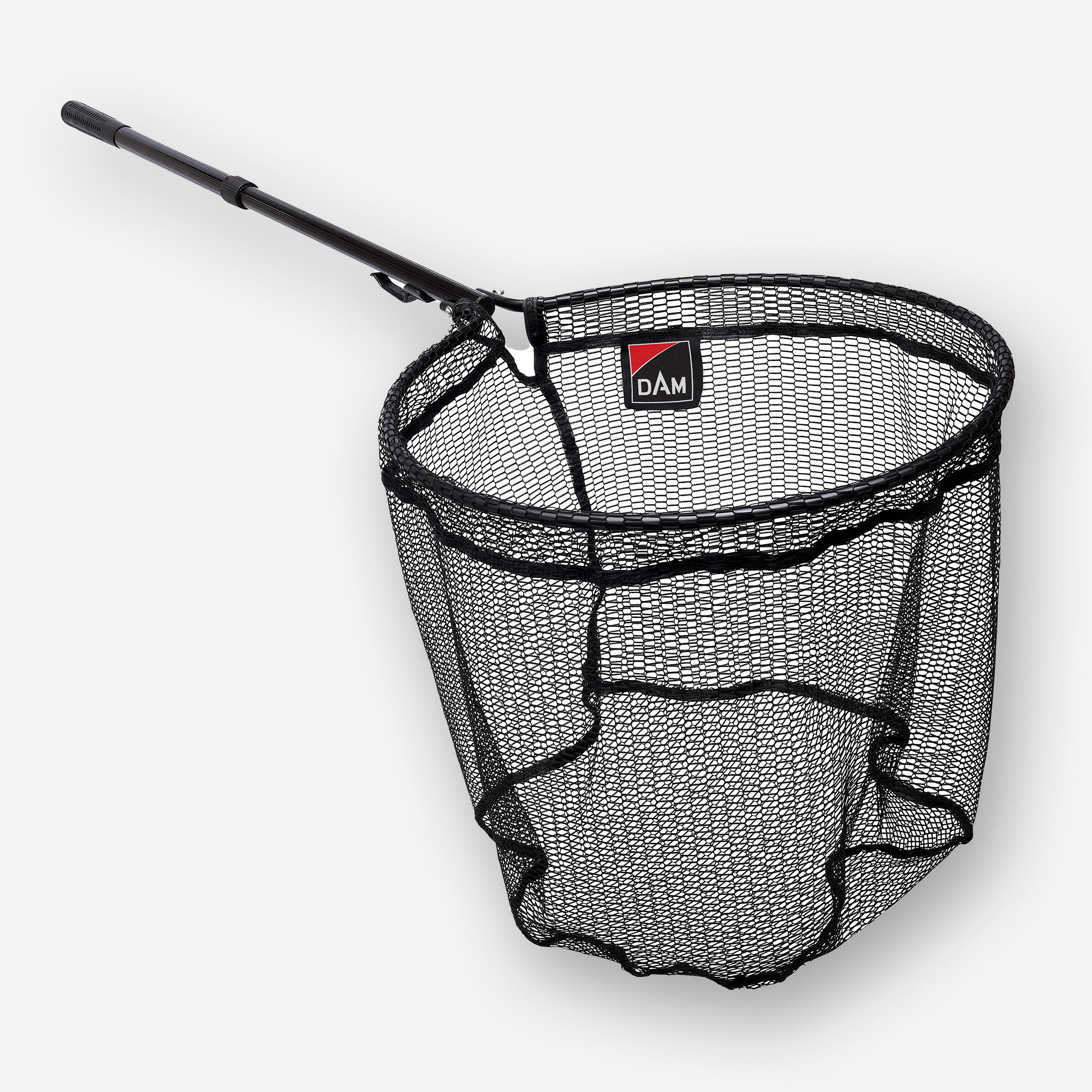
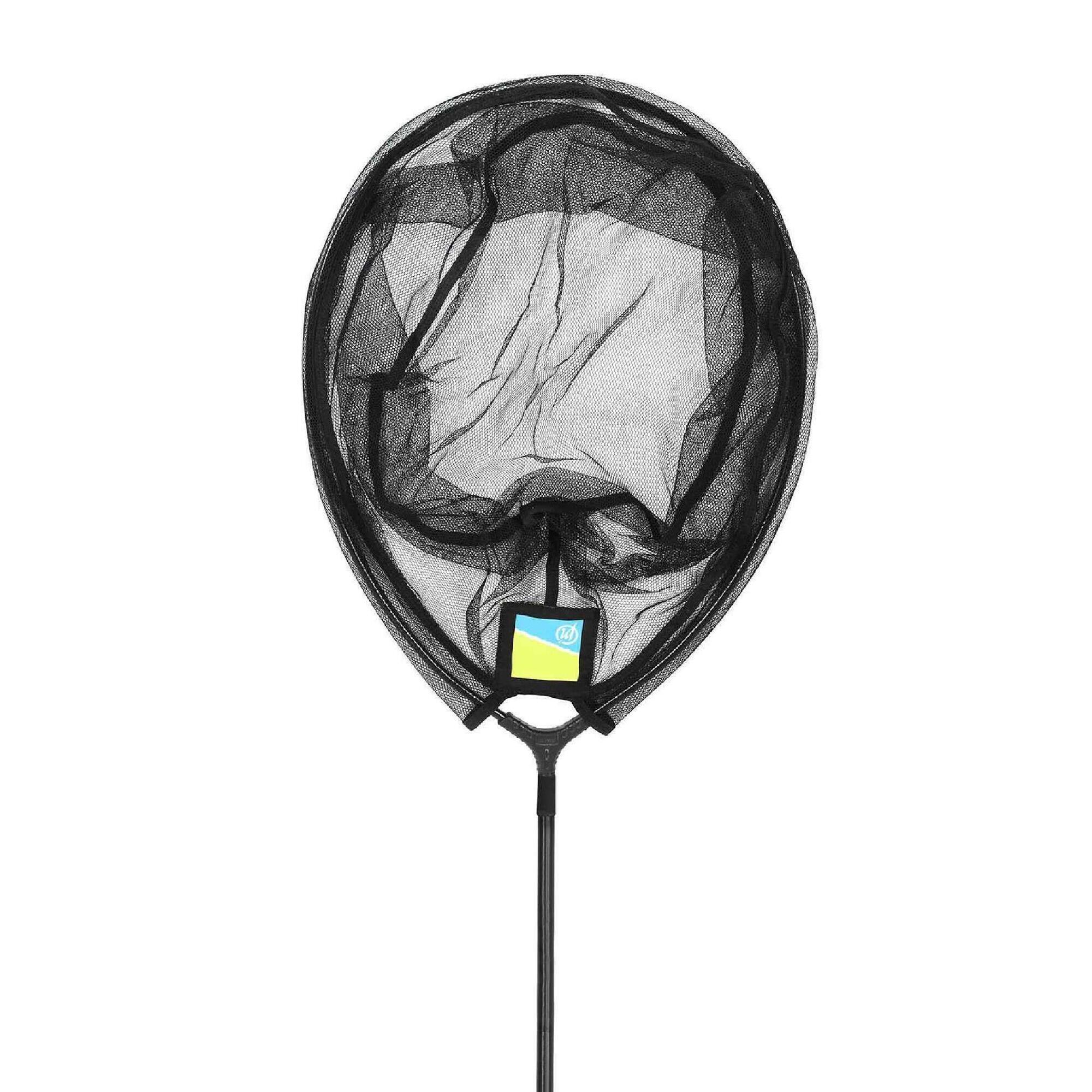
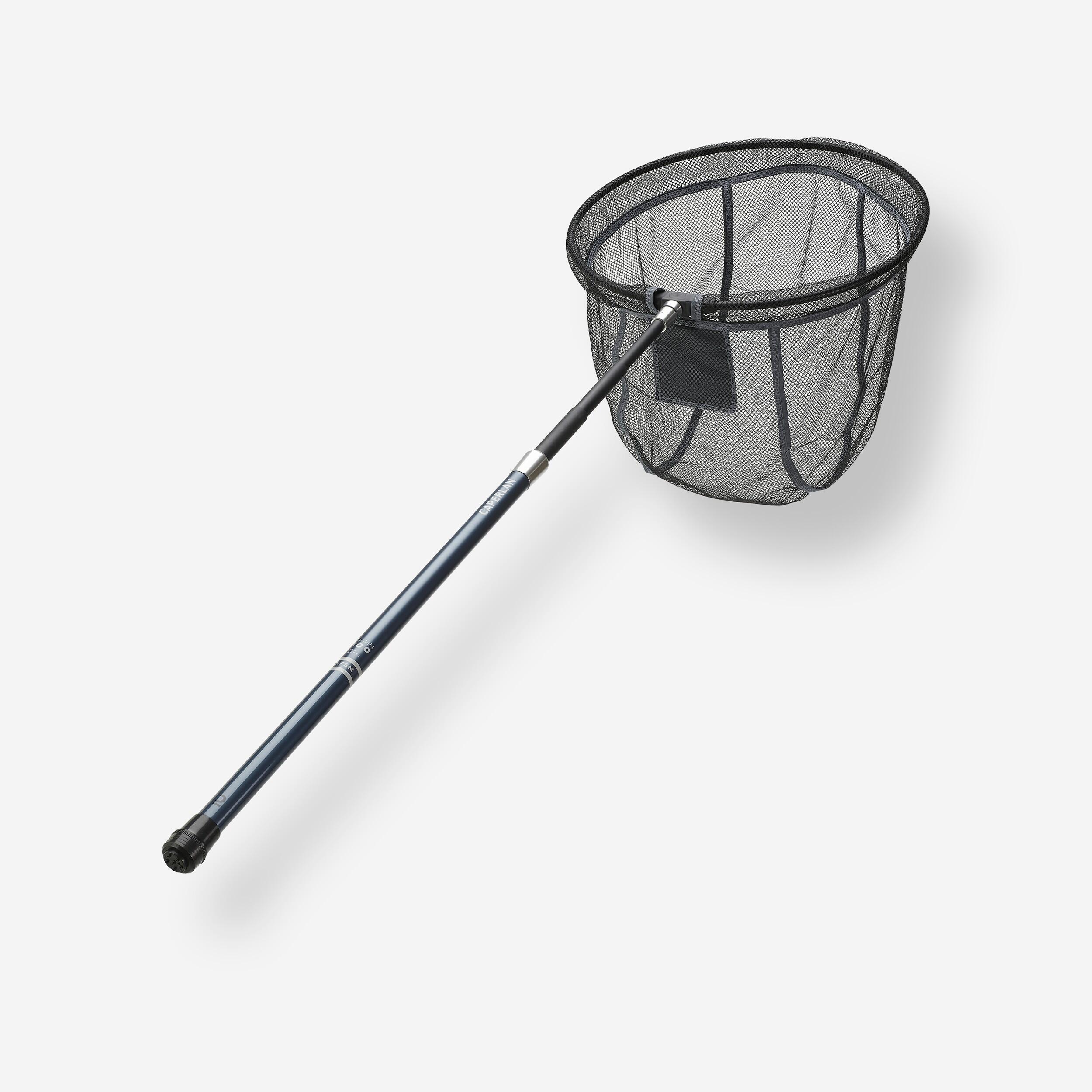
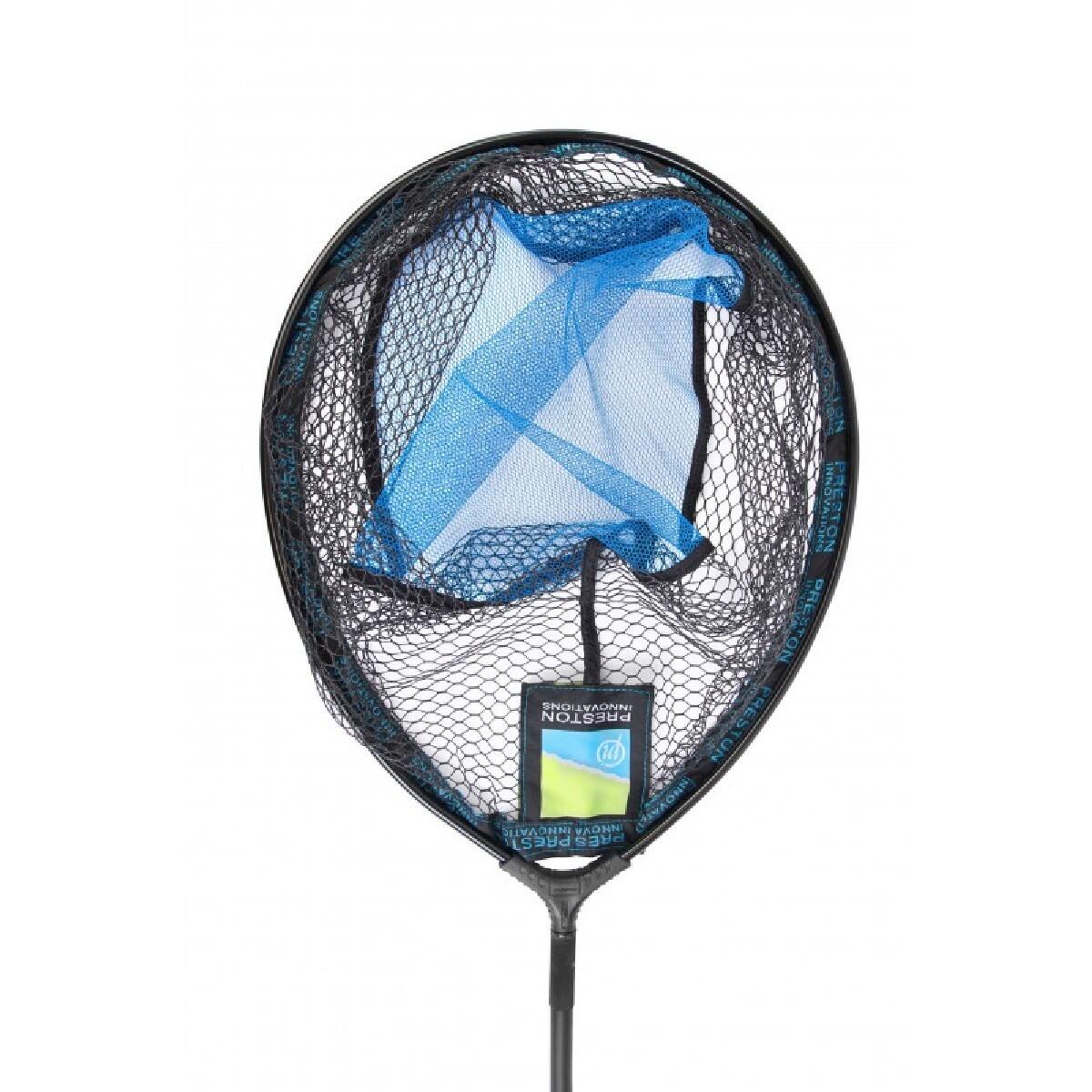
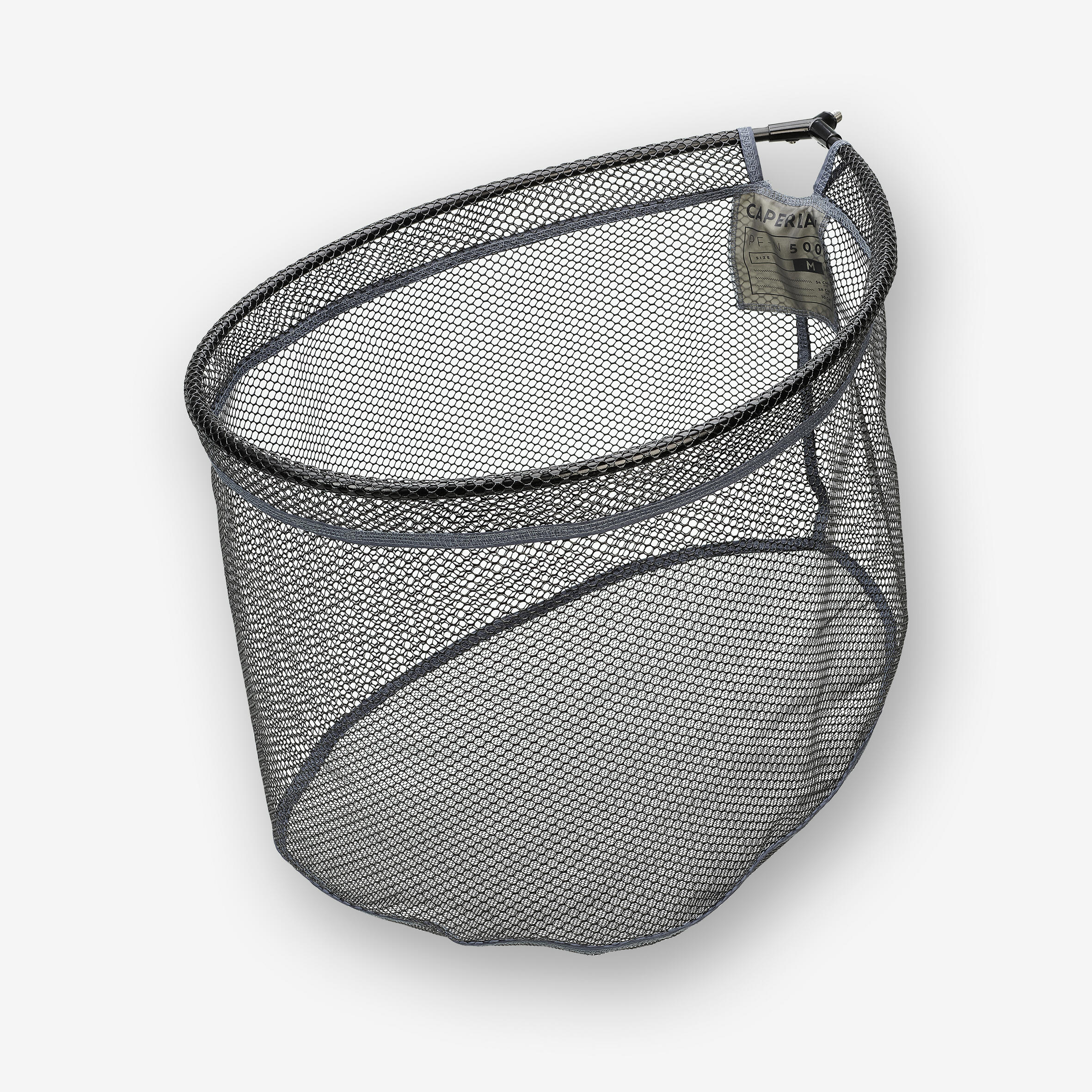
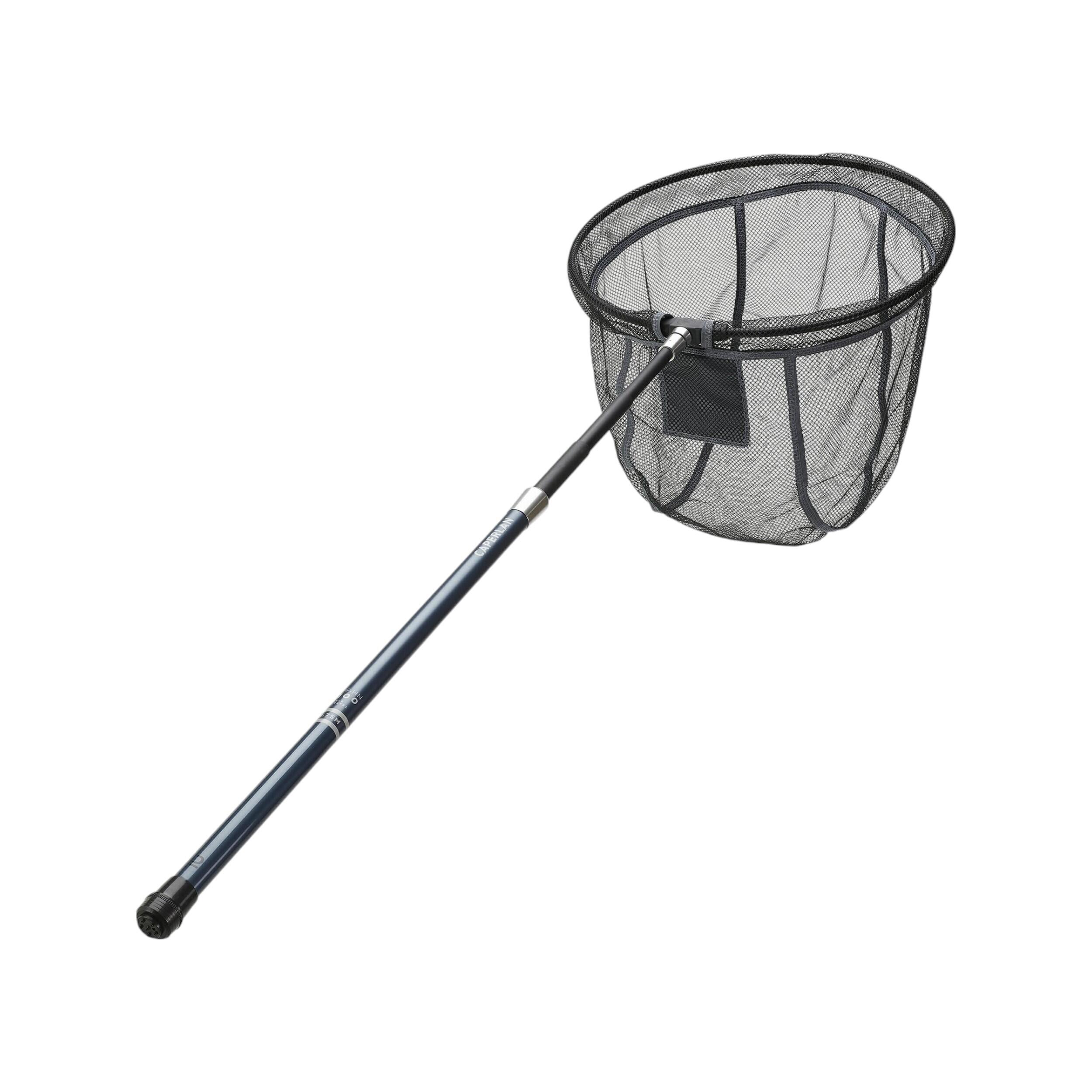
A landing net needs to be ready before a hooked fish reaches the bank, particularly when you are using light hooklengths that leave little room for hurried handling. Match the handle length to the bank height and the distance at which you normally play fish, then check that the head and connection are secure before casting. Keep the net positioned where you can reach it without stepping over rods, tackle boxes or station accessories. Dedicated coarse fishing landing nets can form part of the same organised fishing position as your seat and rod rests. After use, remove weed and debris, allow the mesh to dry and avoid packing a wet net tightly against other equipment, as trapped moisture can leave the rest of your tackle damp.

How do keepnets and pole bags fit into a coarse fishing setup?

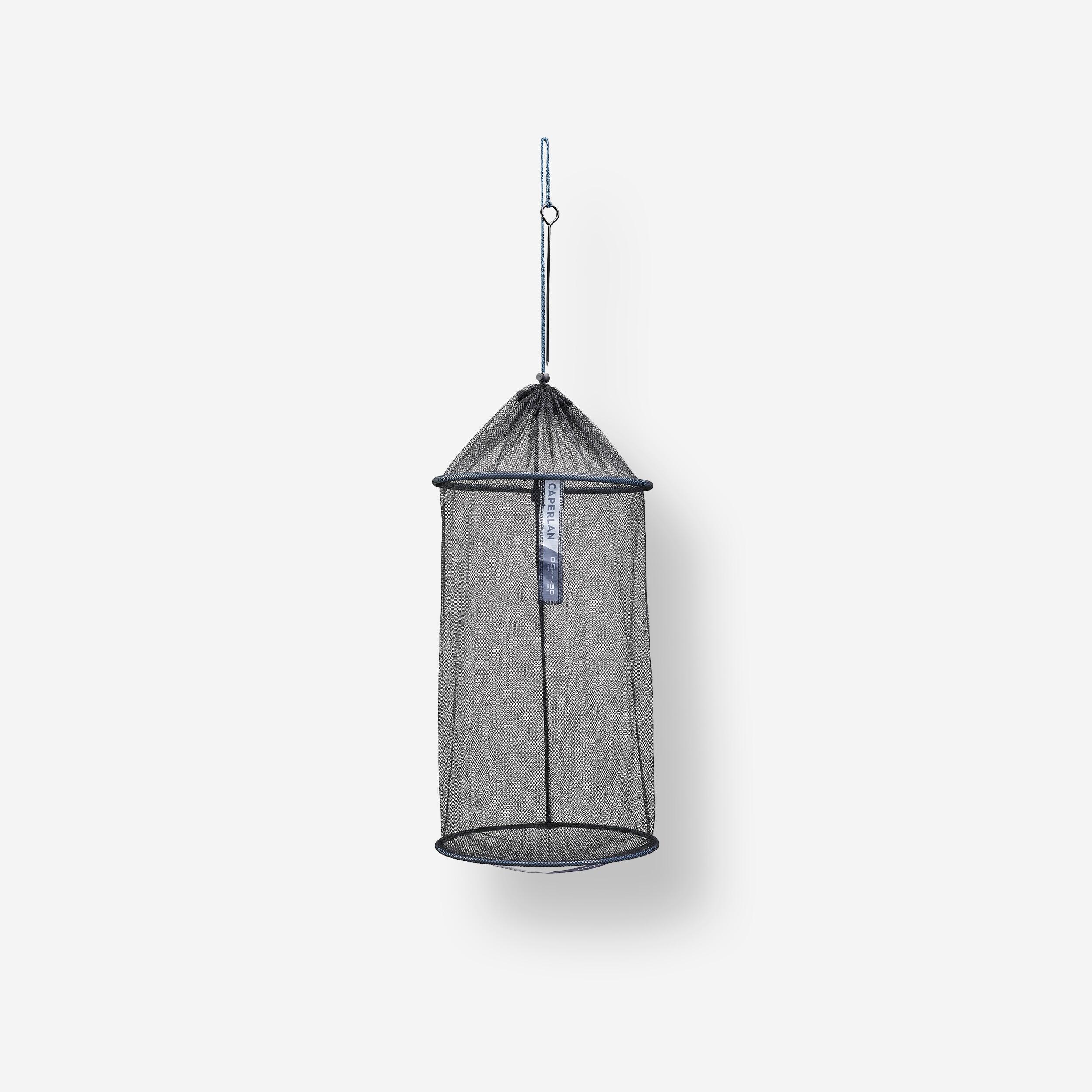
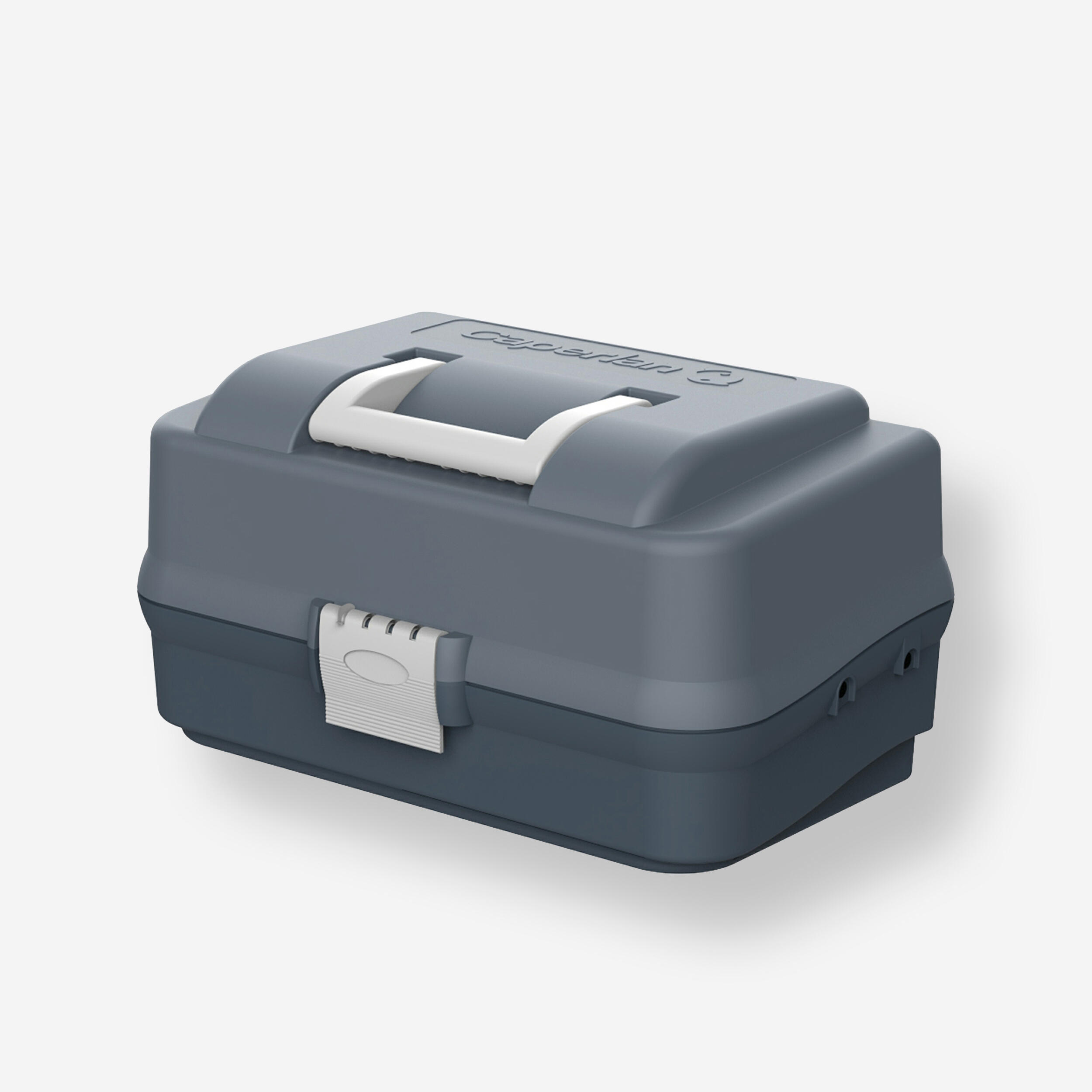
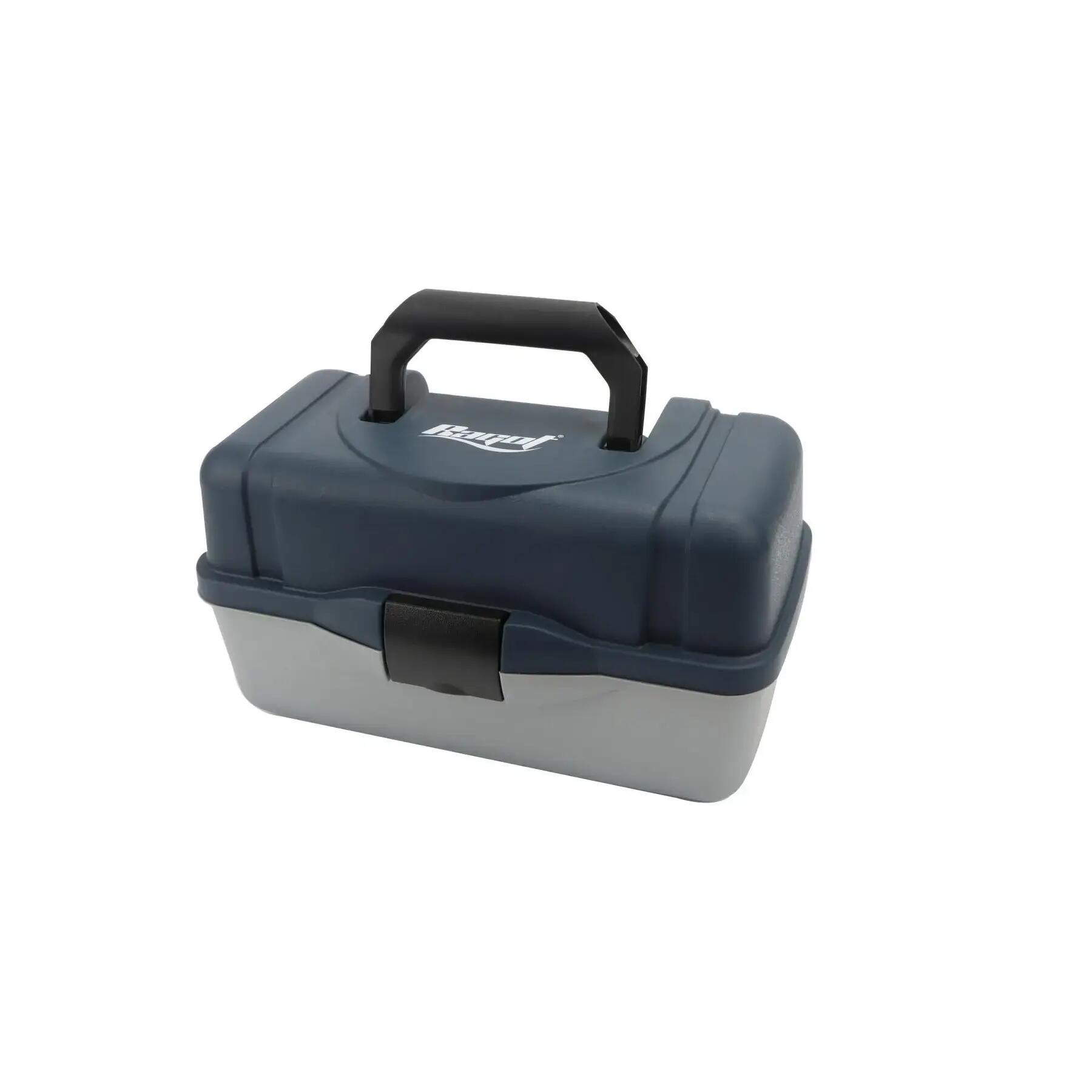
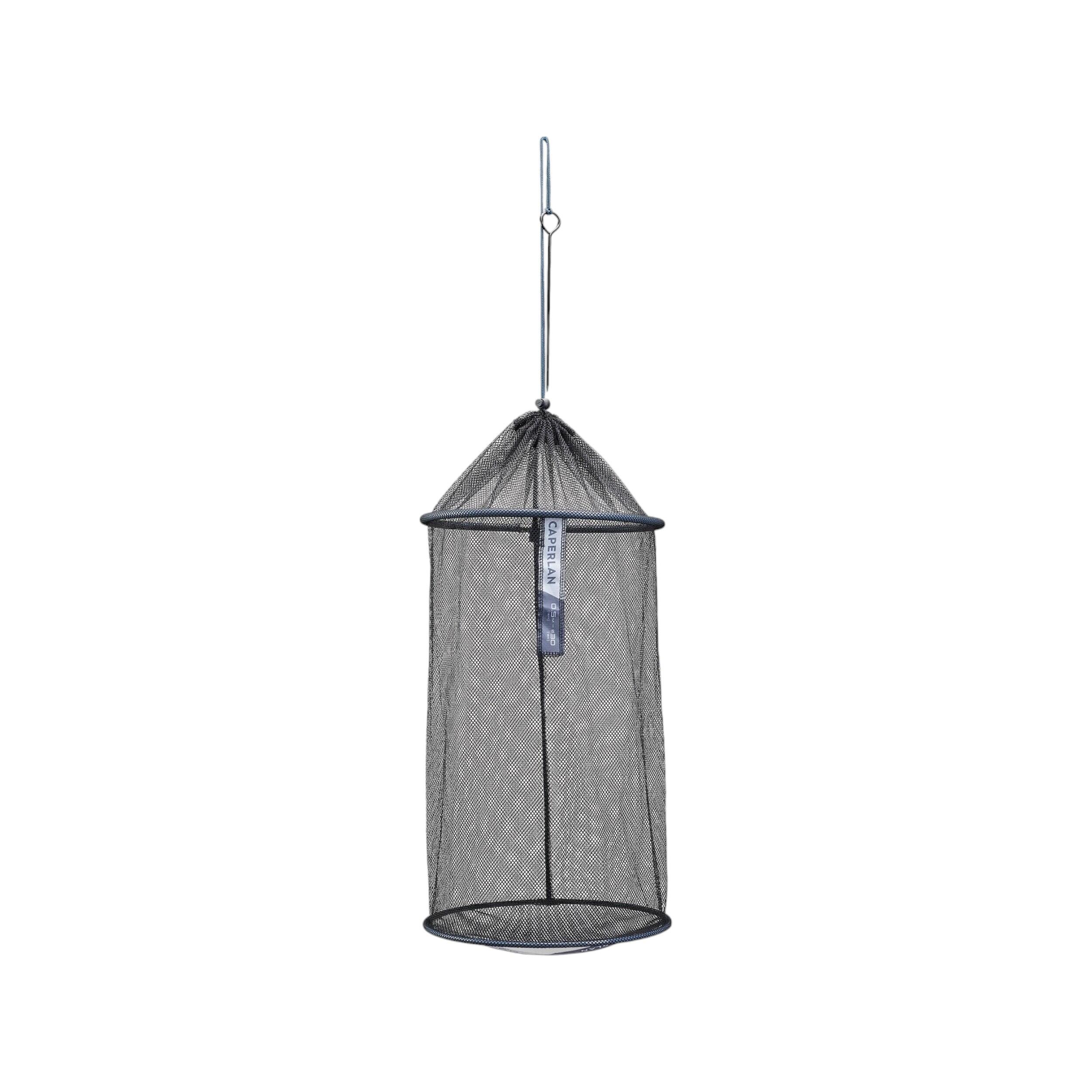
Long items such as keepnets, poles and bank supports are easier to transport when they have dedicated storage rather than being placed loose among smaller accessories. Keeping wet netting separate from reels, bait containers and tackle boxes also makes cleaning and packing more manageable after the session. The keepnets and stick bags range provides options for carrying these longer pieces as part of a complete coarse-fishing setup. Before storage, rinse dirty netting where appropriate and let it dry fully, while poles and supports should be wiped clean before going back into their bag. Organising equipment by function also helps at the bank because you can unpack fish-handling gear, rod supports and terminal tackle in the order you actually need them.

When does a coarse fishing shelter become useful?

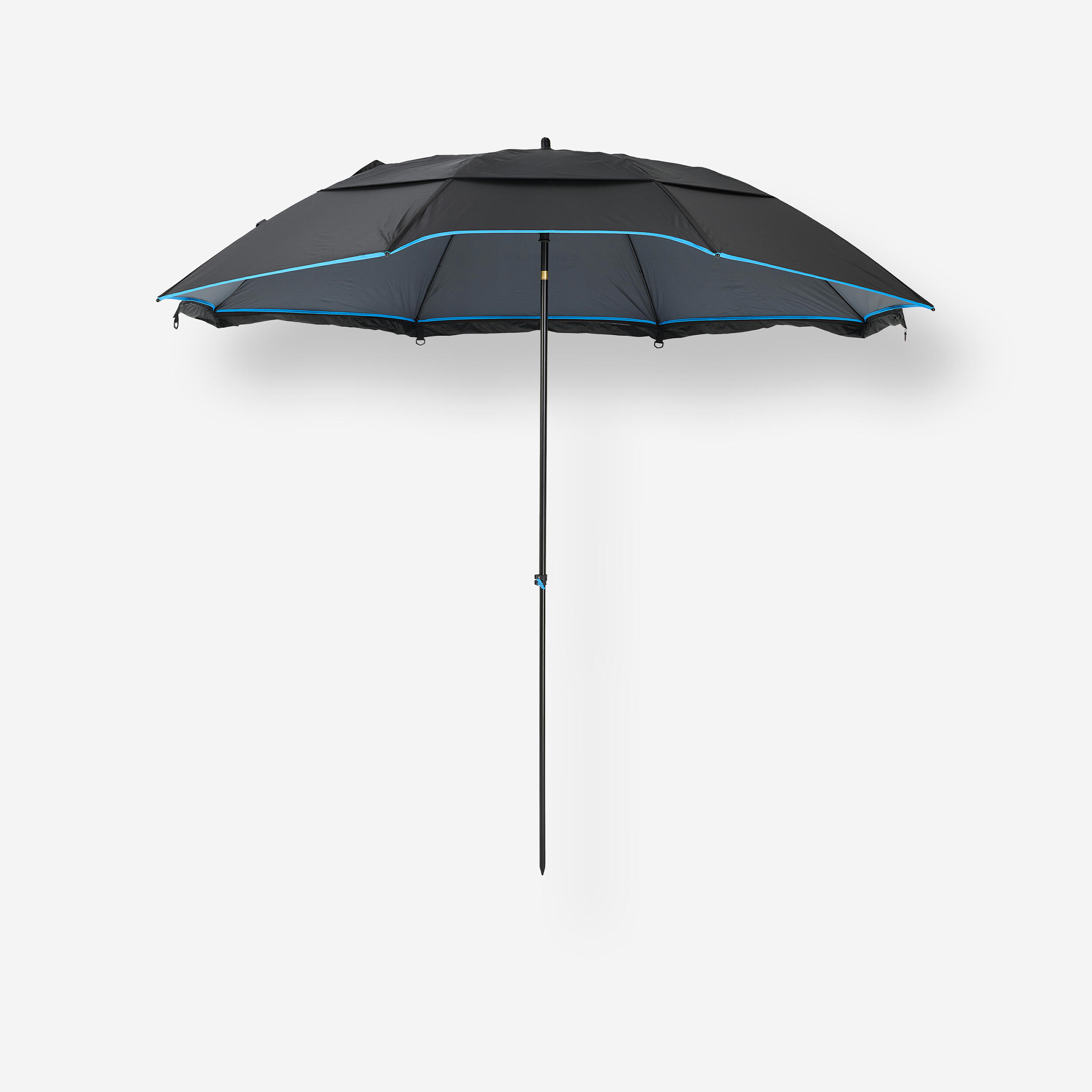
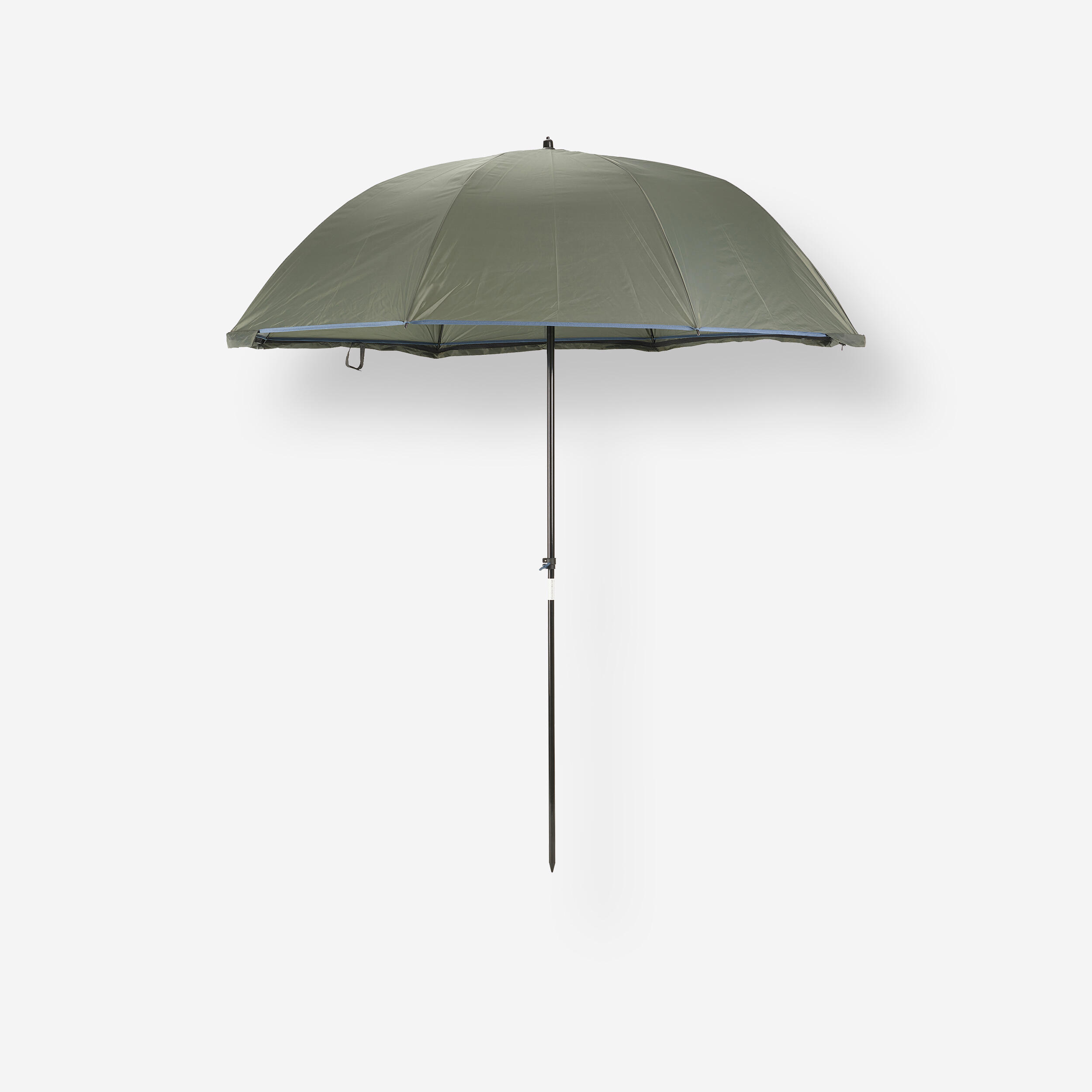
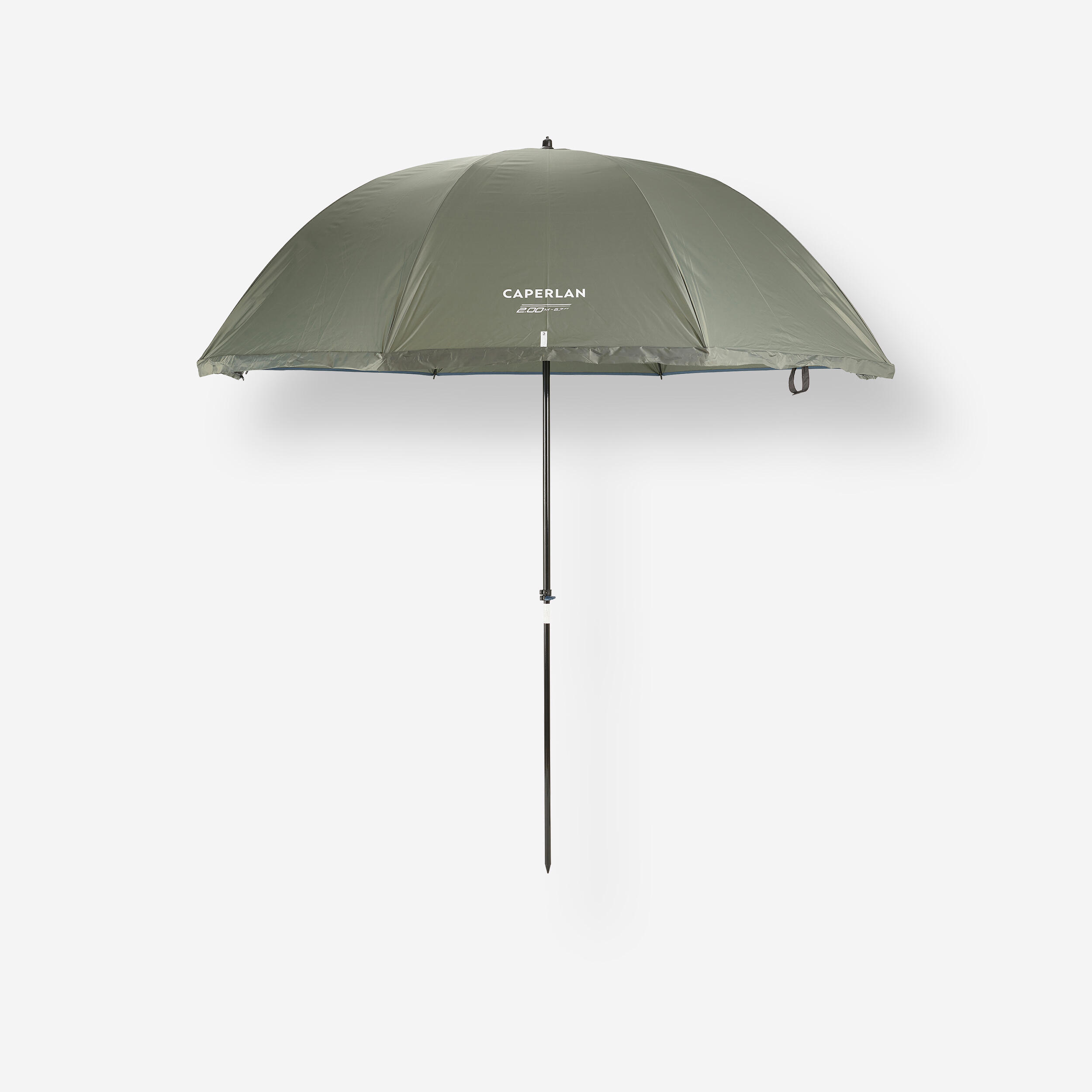
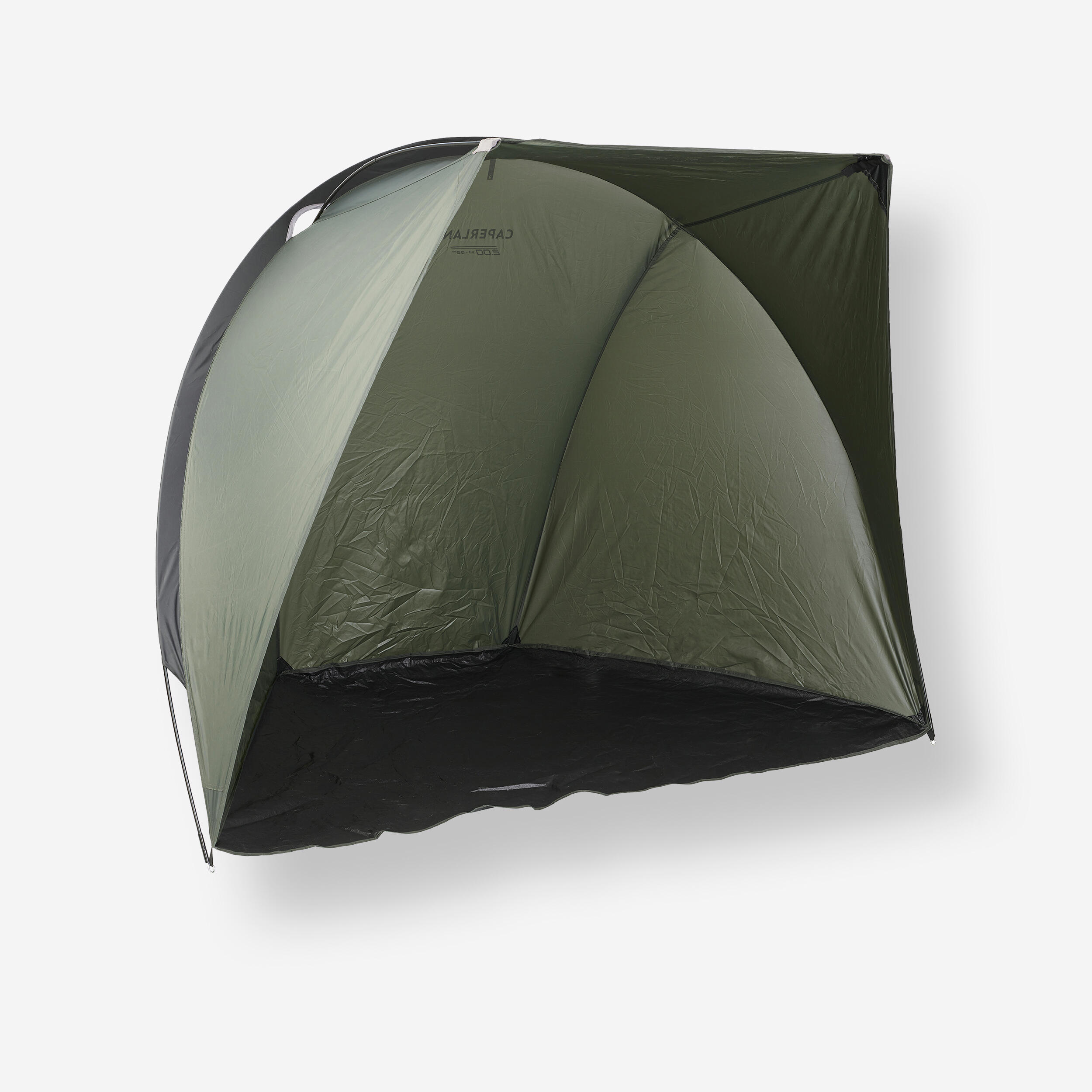
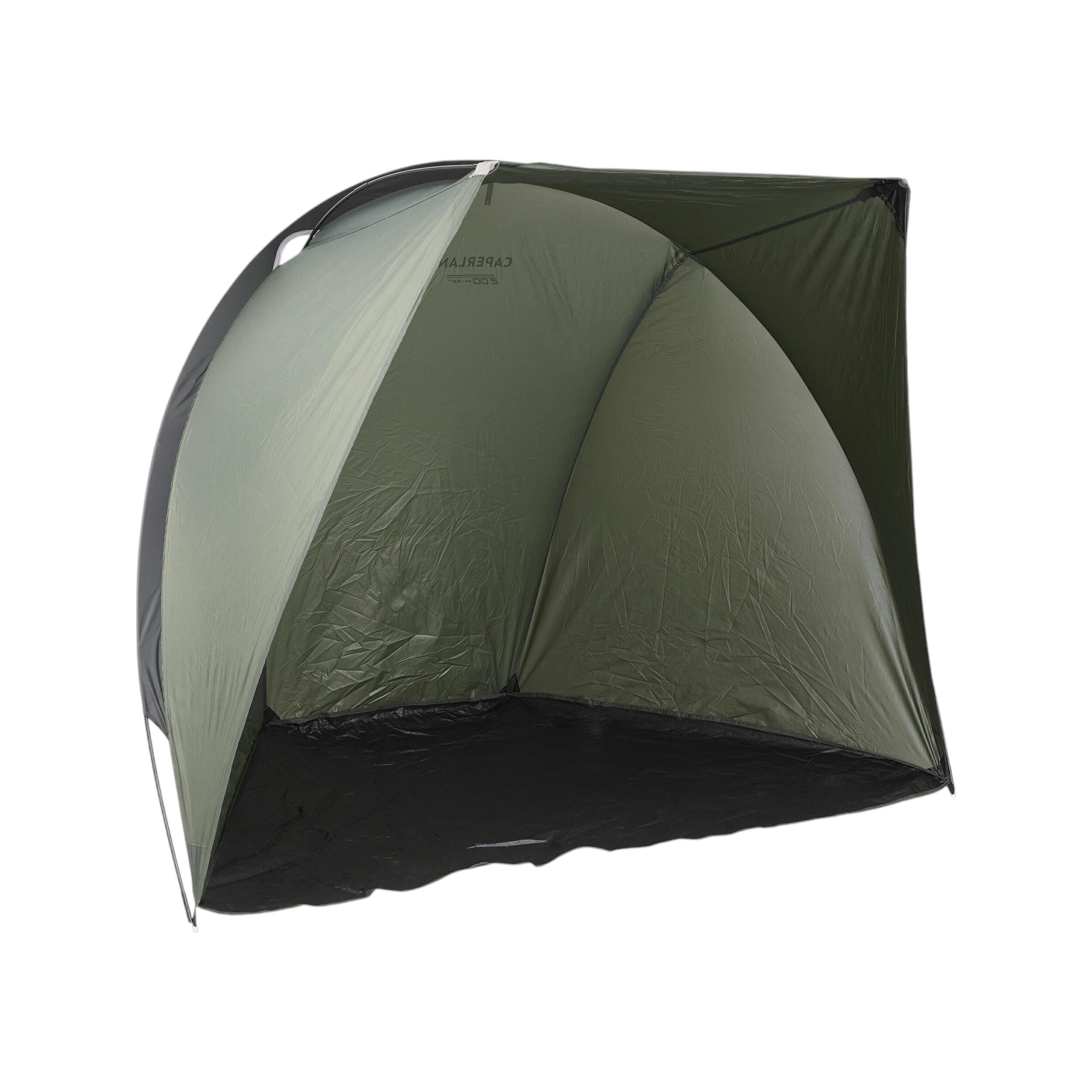
A shelter can make a longer session easier to manage when rain, wind or direct sun would otherwise affect you, your bait and the equipment around the swim. Position it so you can still reach your rods safely and maintain a clear view of bite indicators rather than allowing the shelter to crowd the fishing position. It can also provide a protected area for tackle boxes, spare clothing and bait that should not be left exposed to changing weather. When considering coarse fishing shelters, balance coverage against packed size and the amount of bank space available. Dry the fabric thoroughly after wet sessions before long-term storage, and check that pegs, supports and attachment points are accounted for before the next trip so the shelter can be set up securely.