87 items
4.6/5 based on 592 reviews collected online and in stores

Coarse Fishing Rod Spare Parts FAQs

How do you identify the correct spare part for a coarse fishing rod?

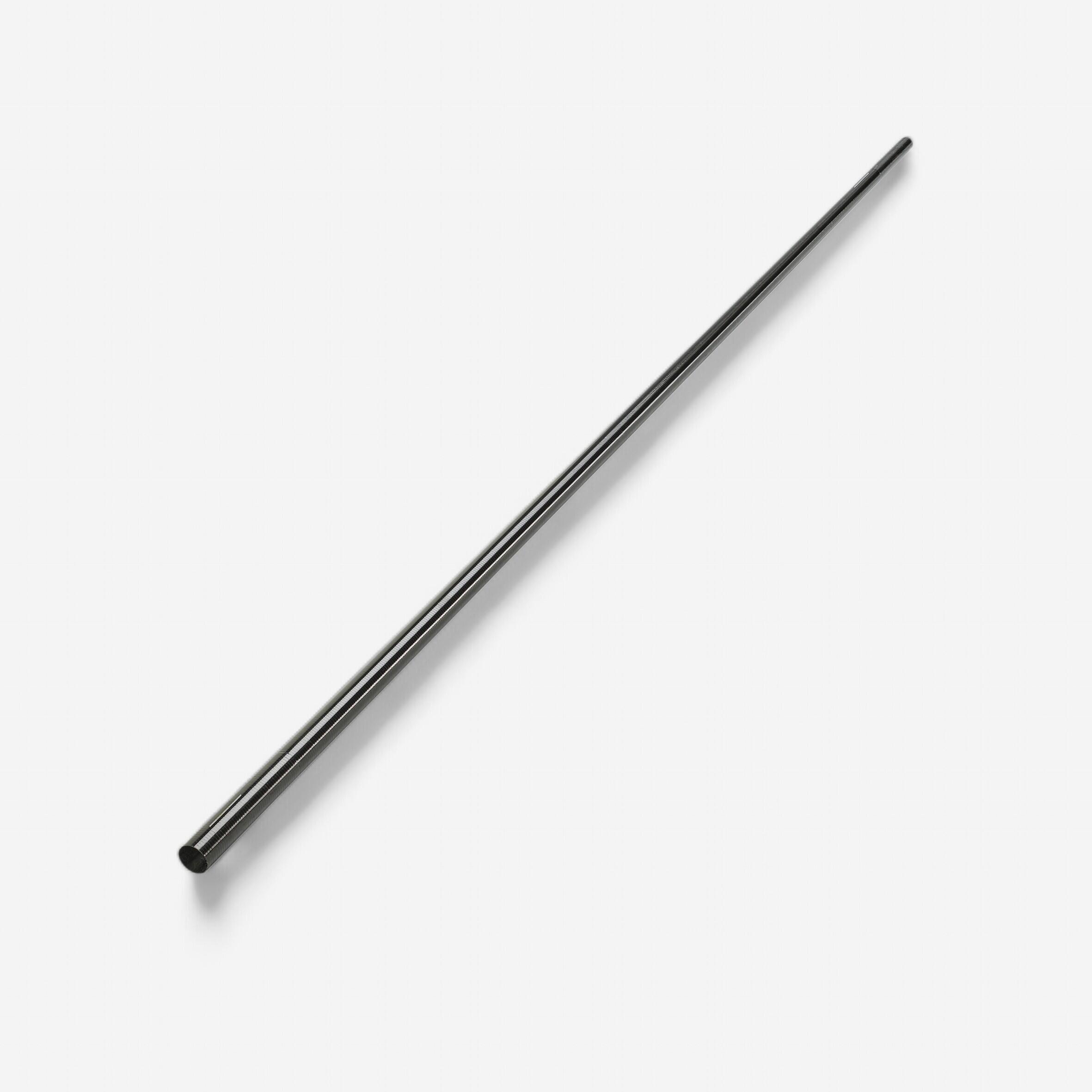
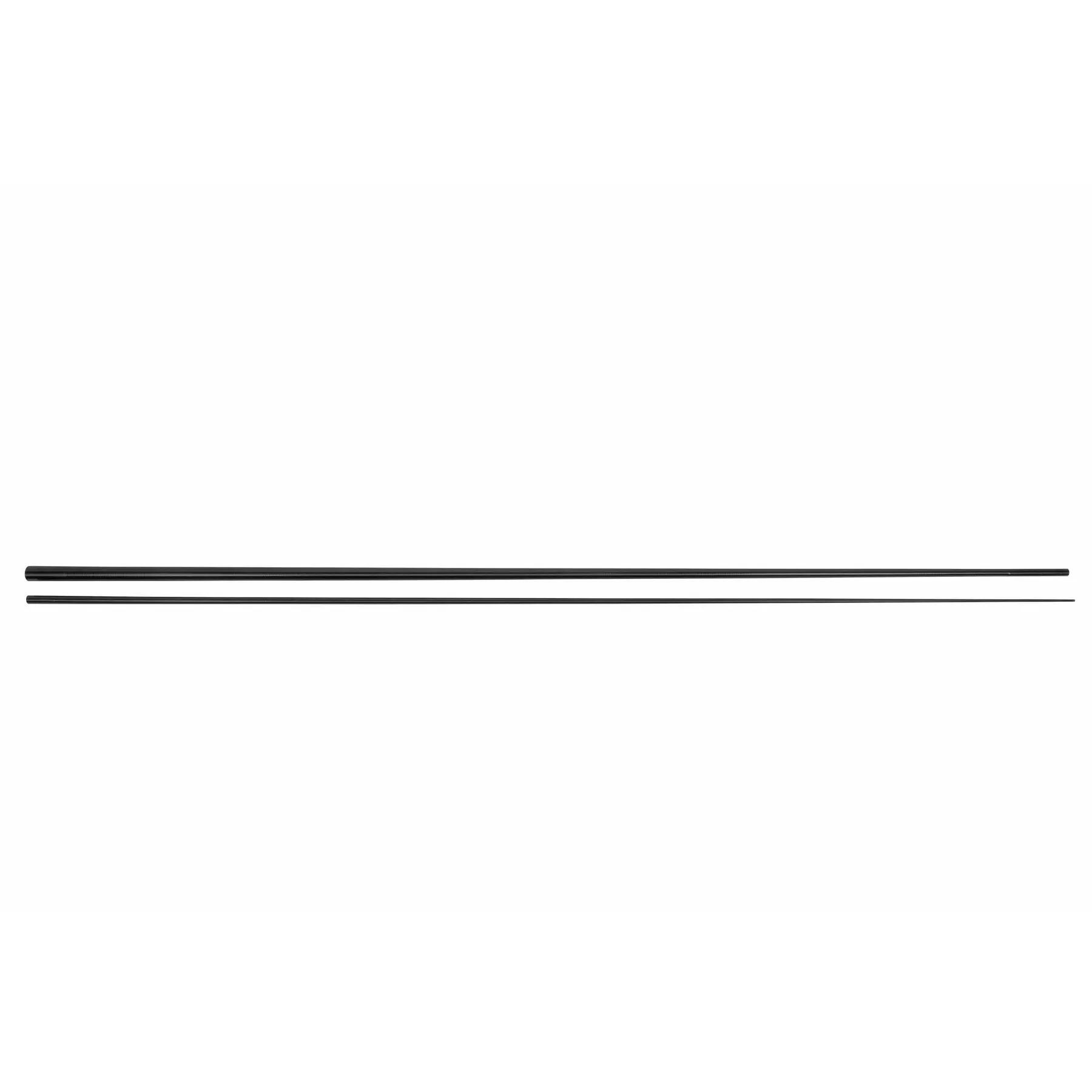
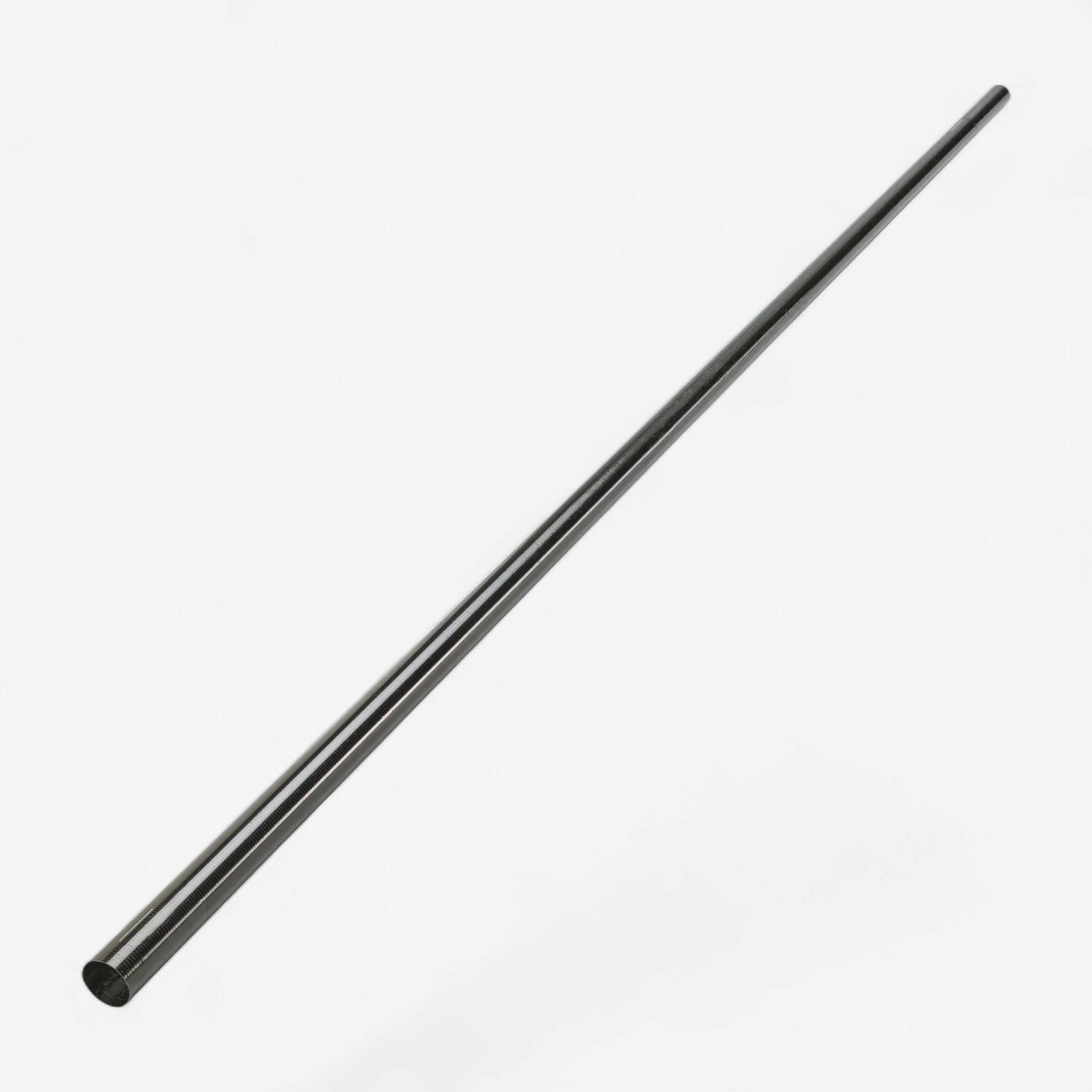
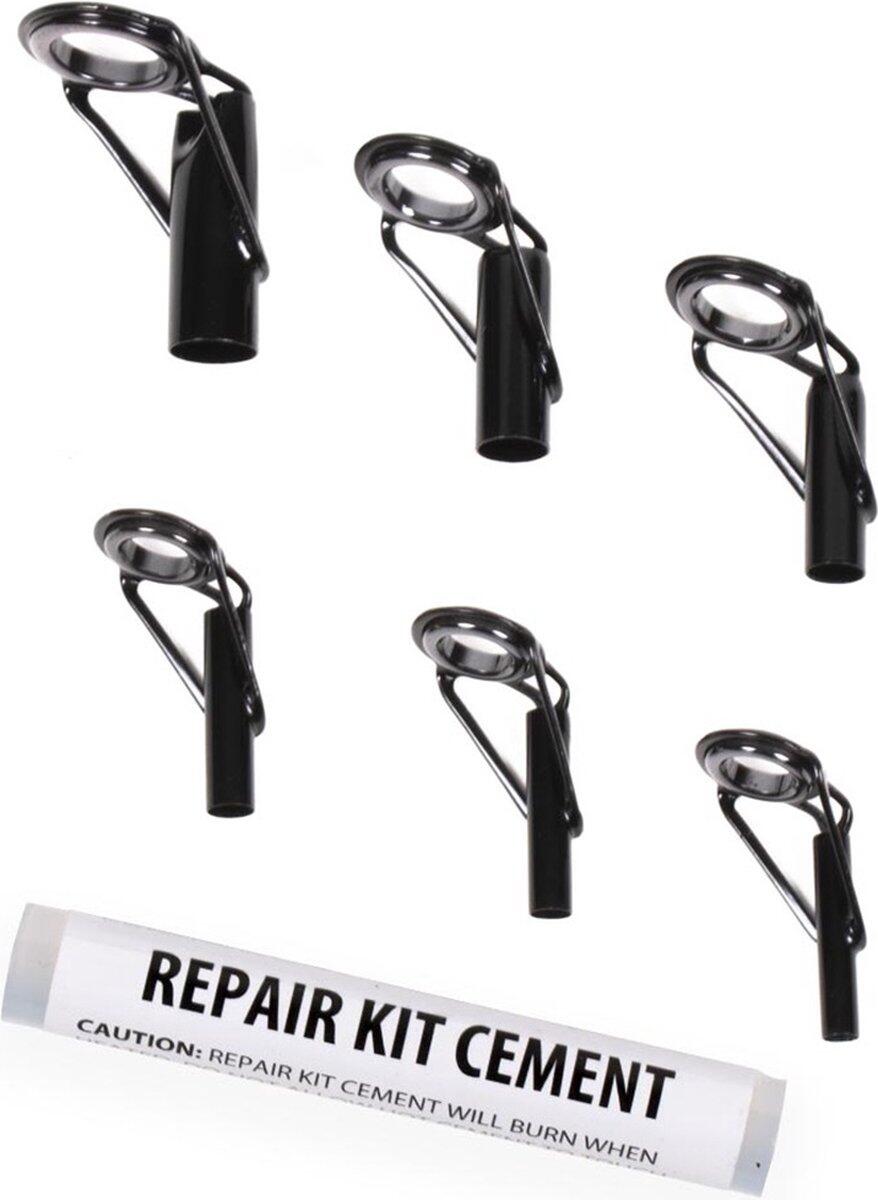
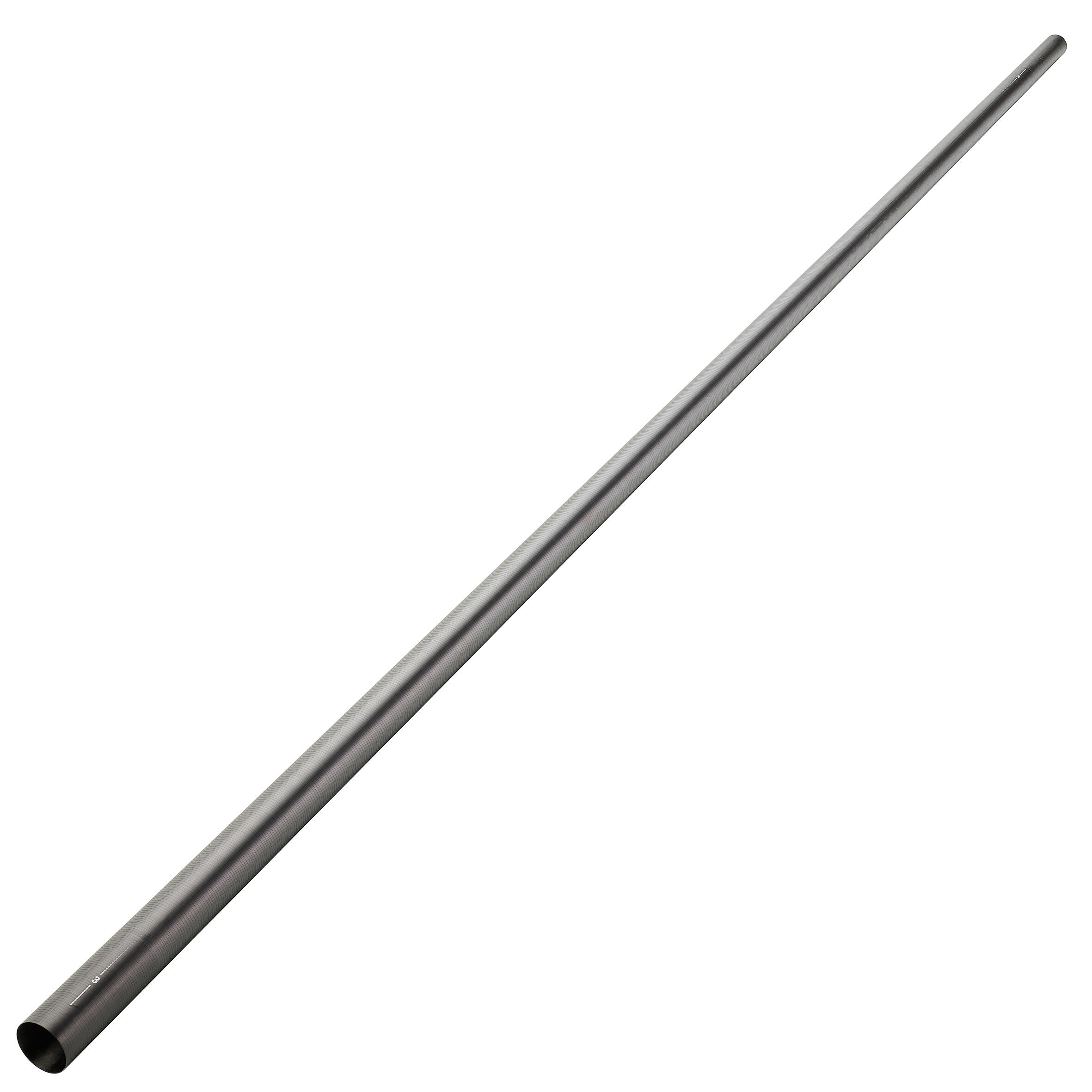
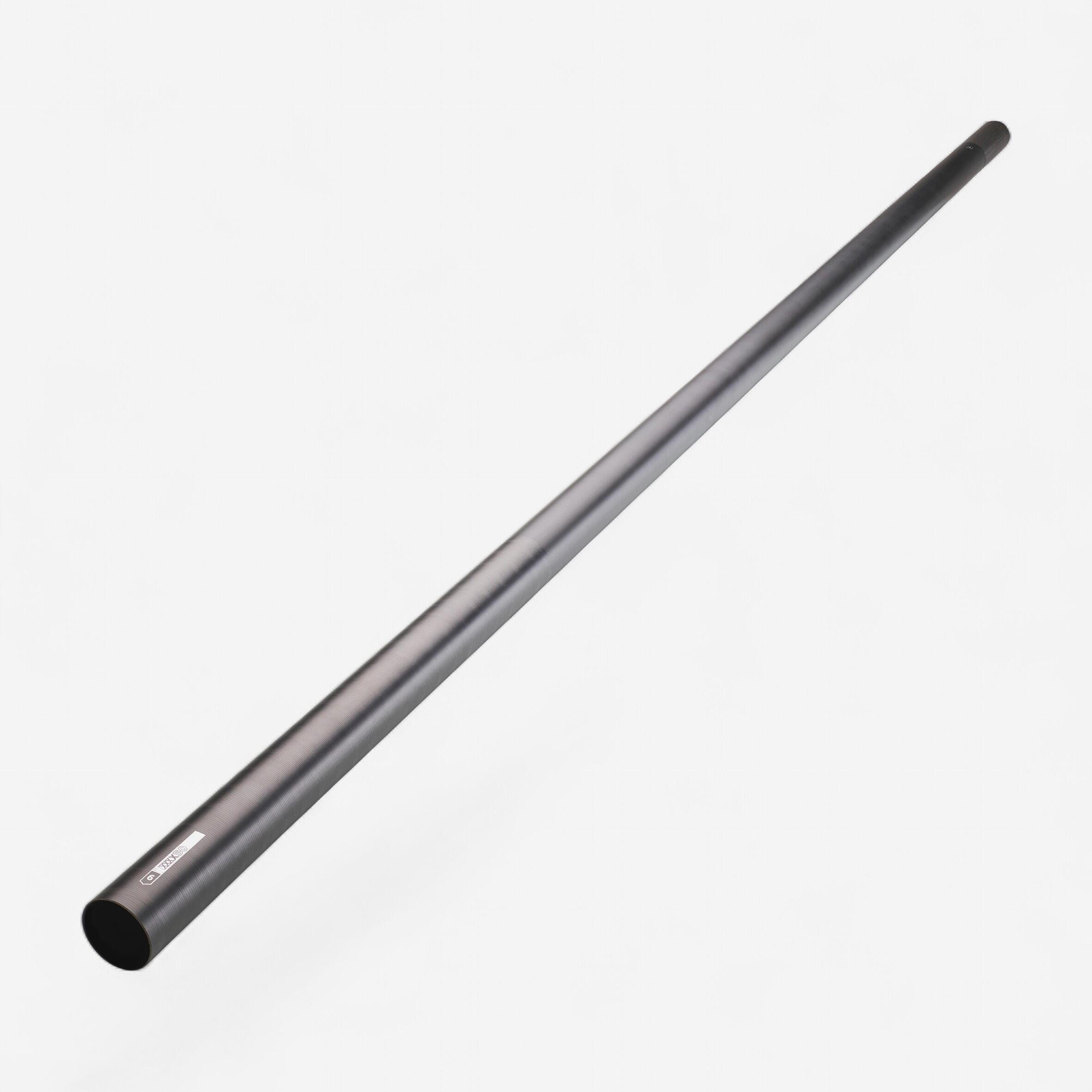
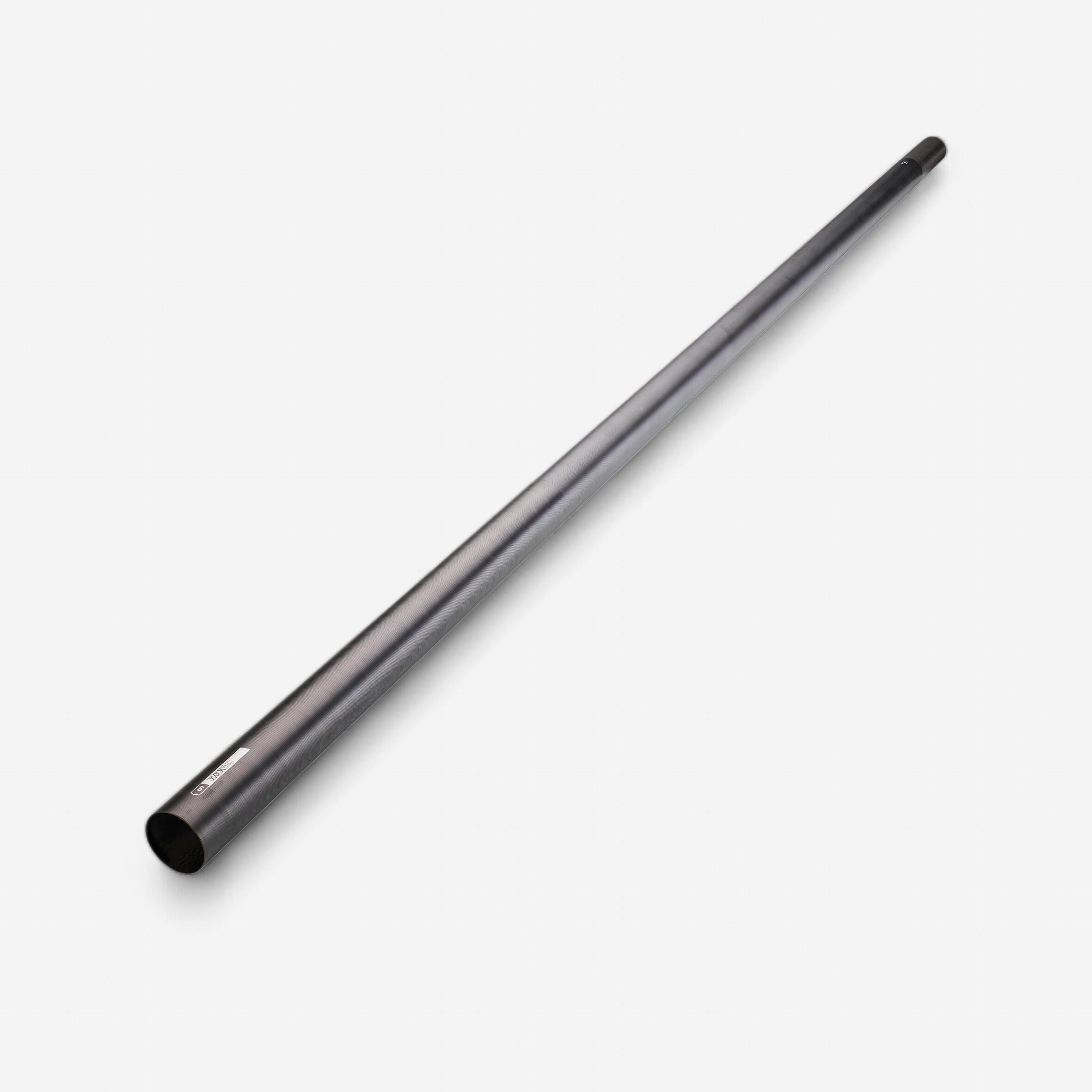
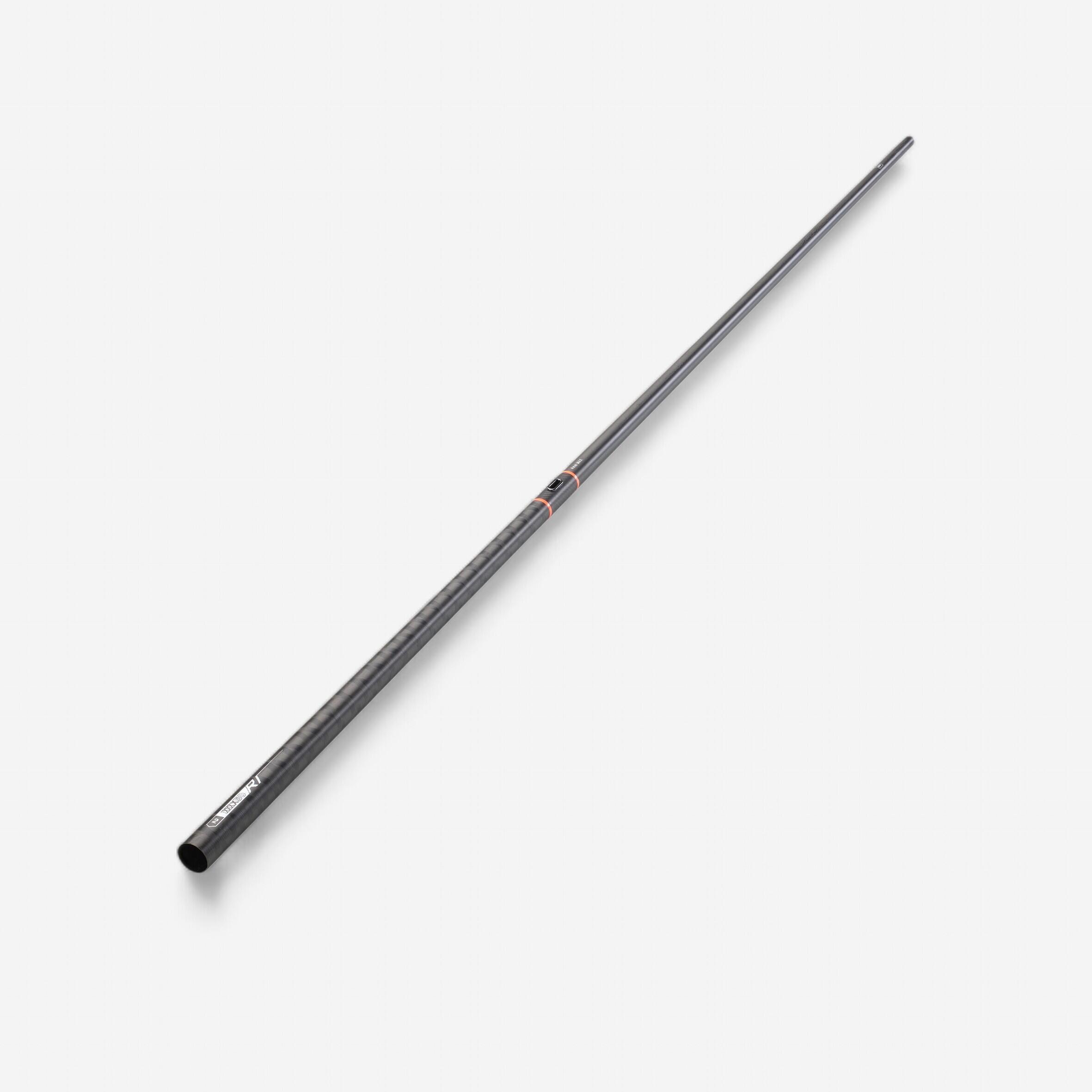
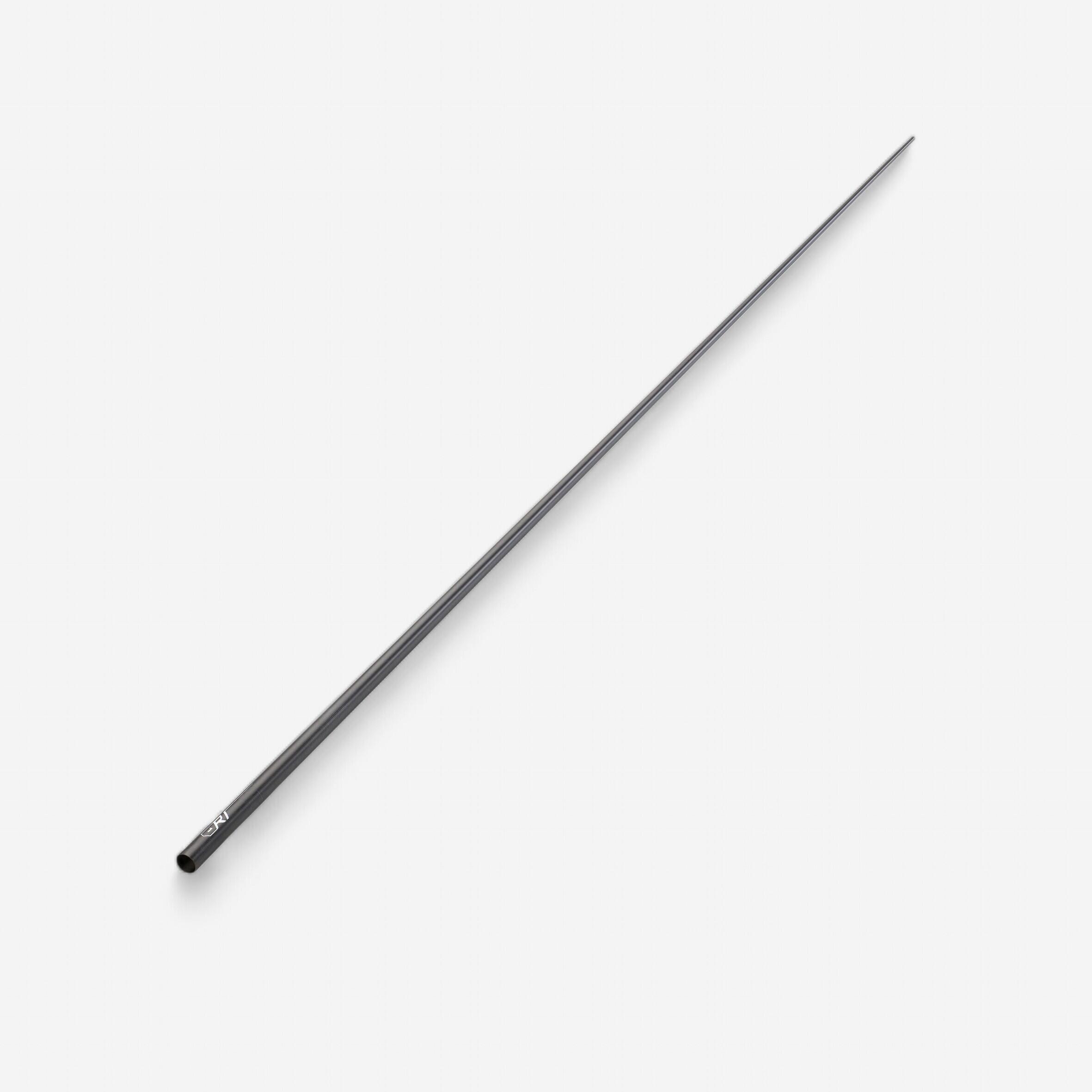
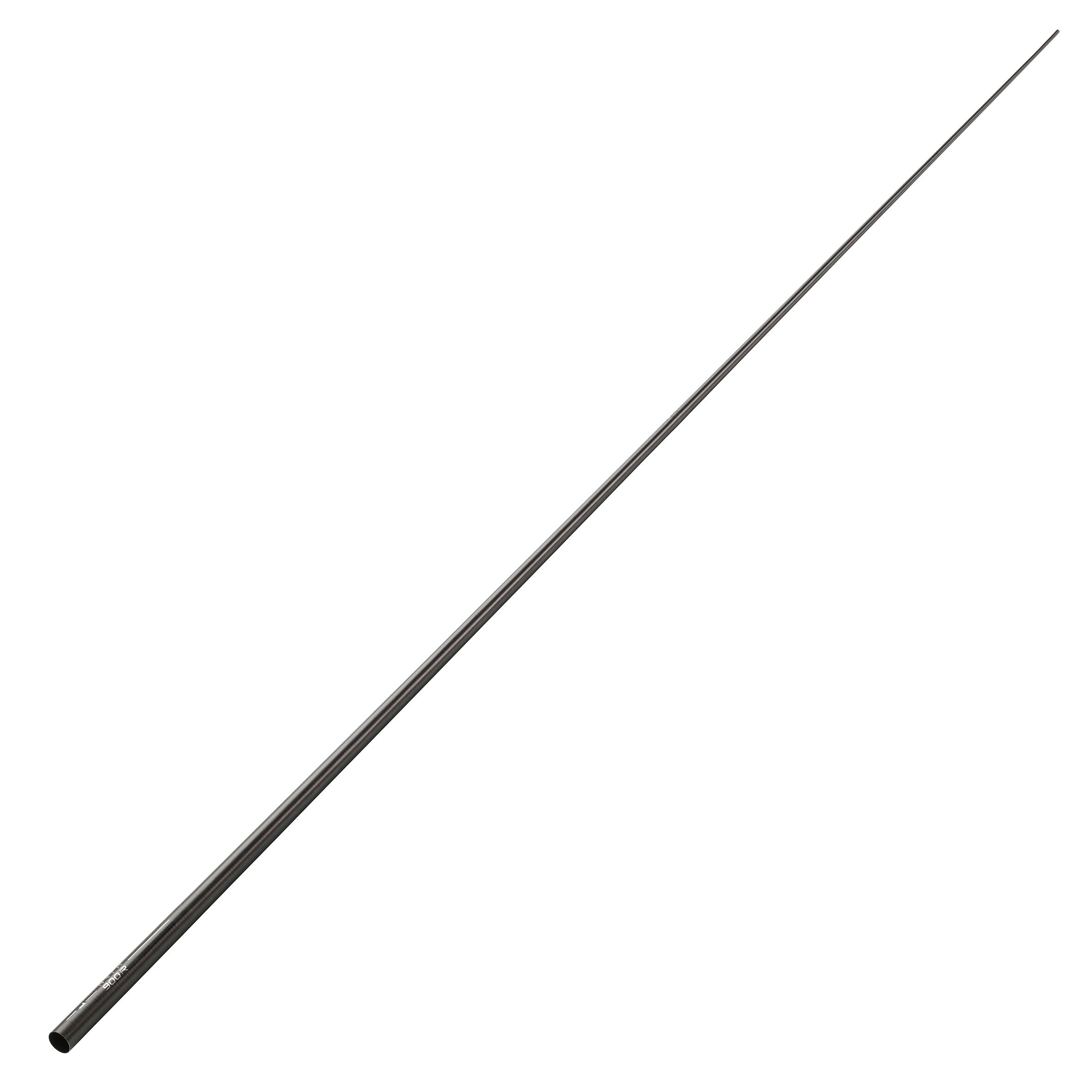
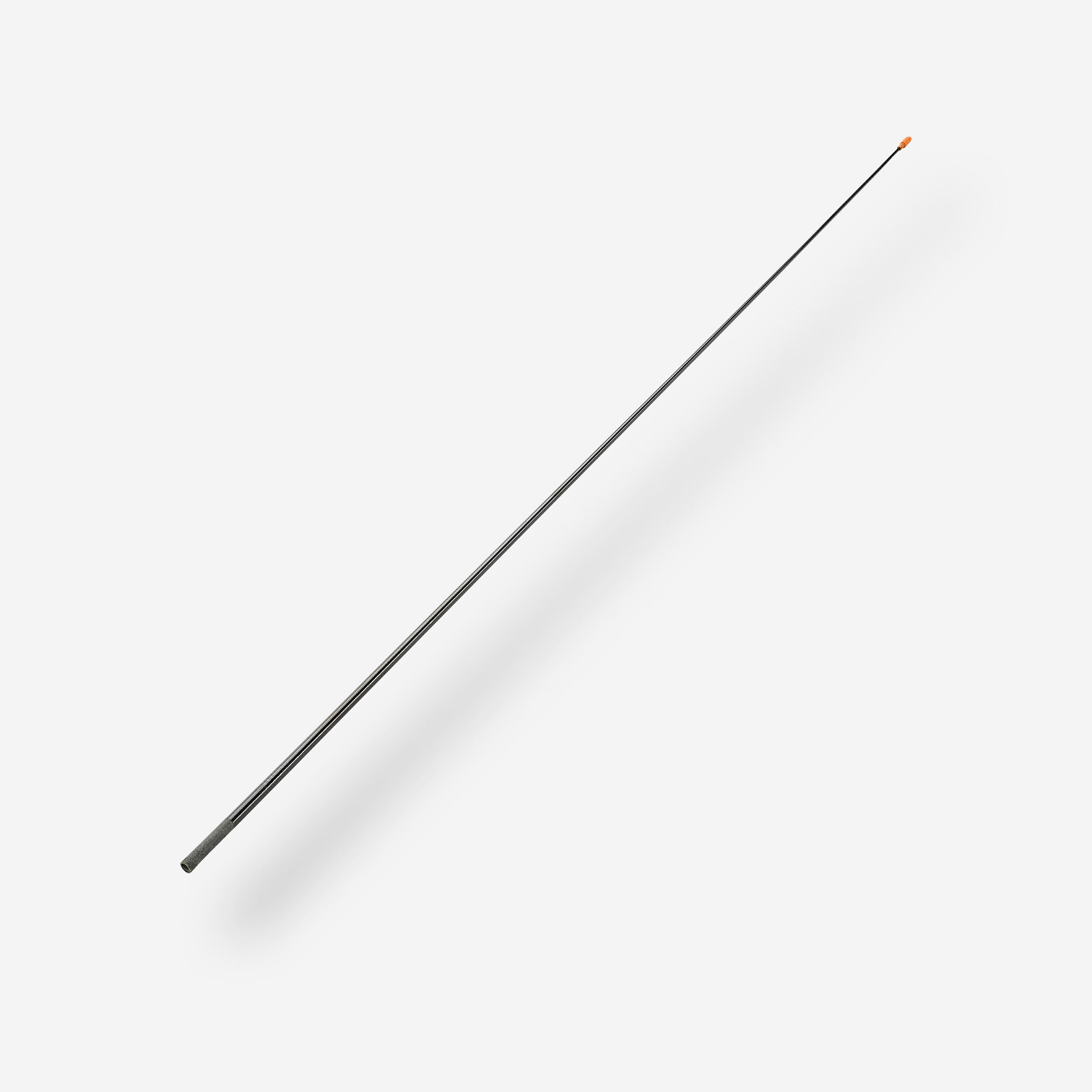
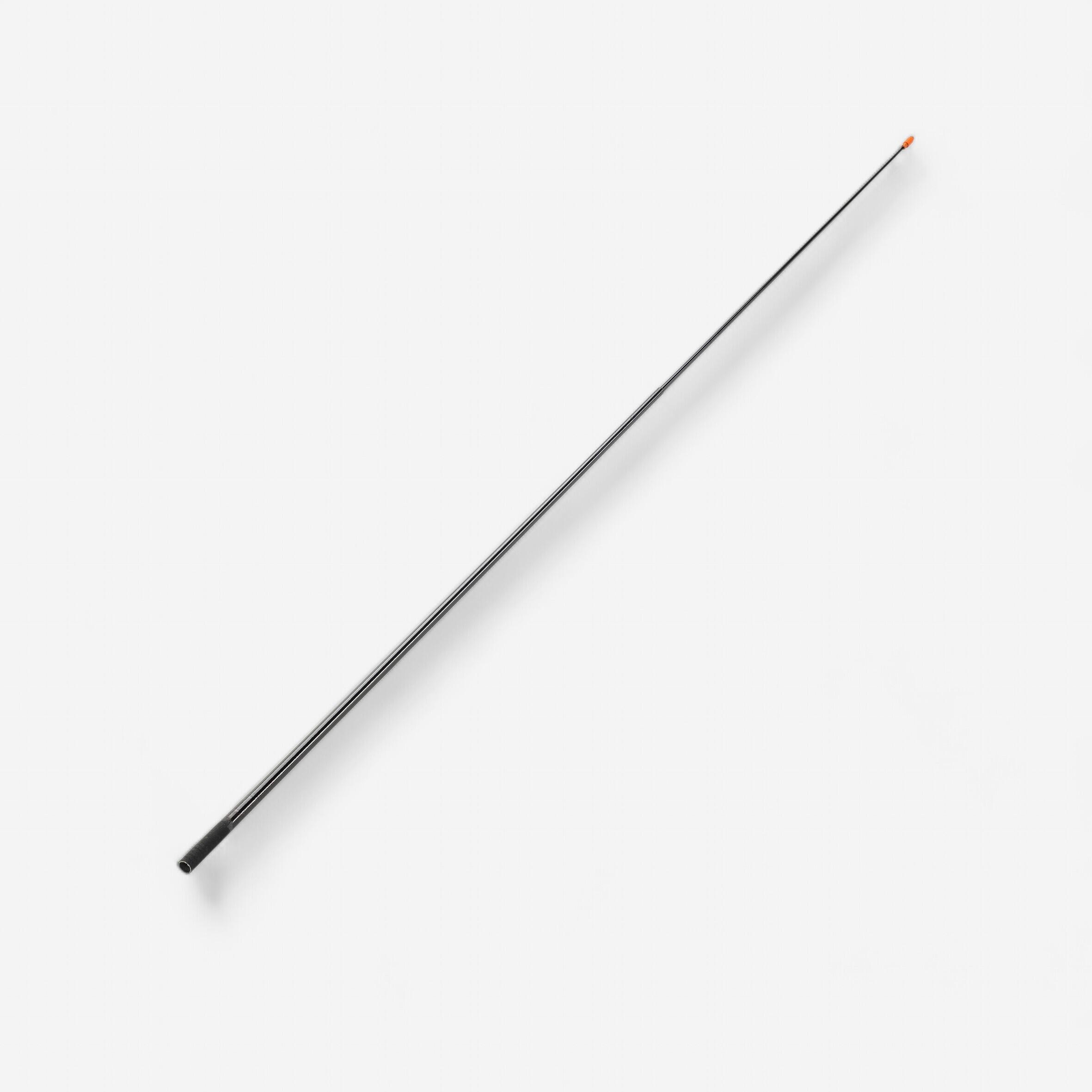
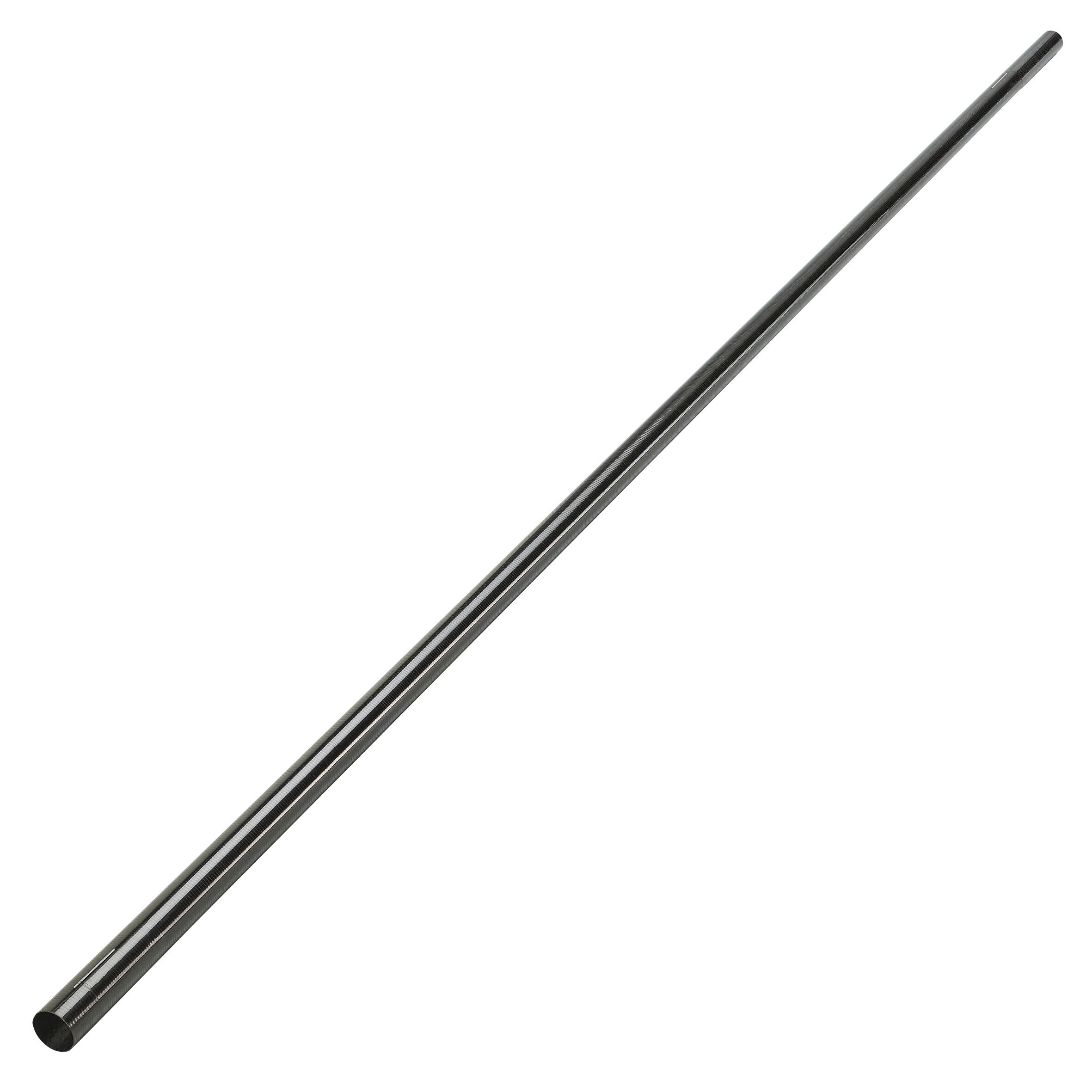
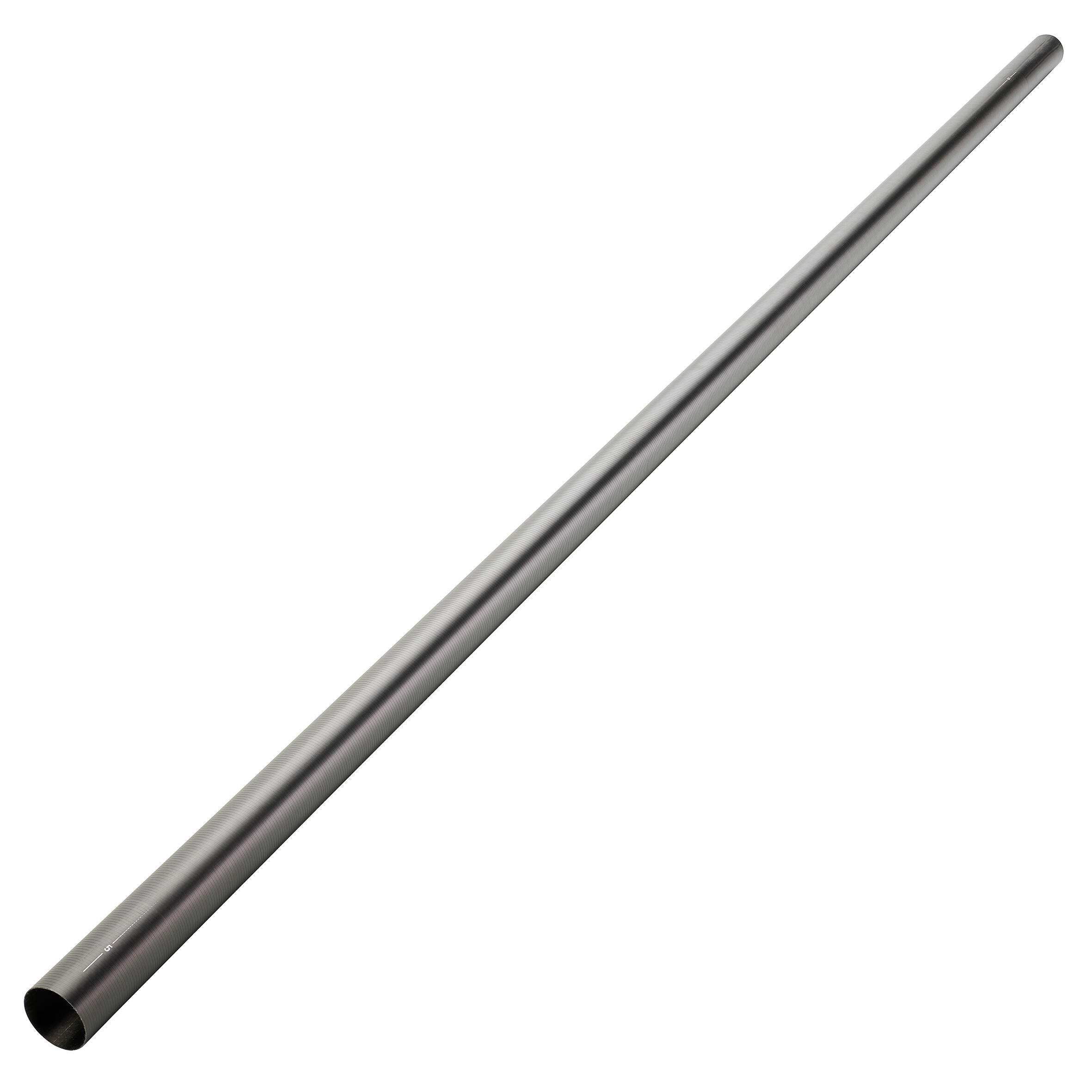
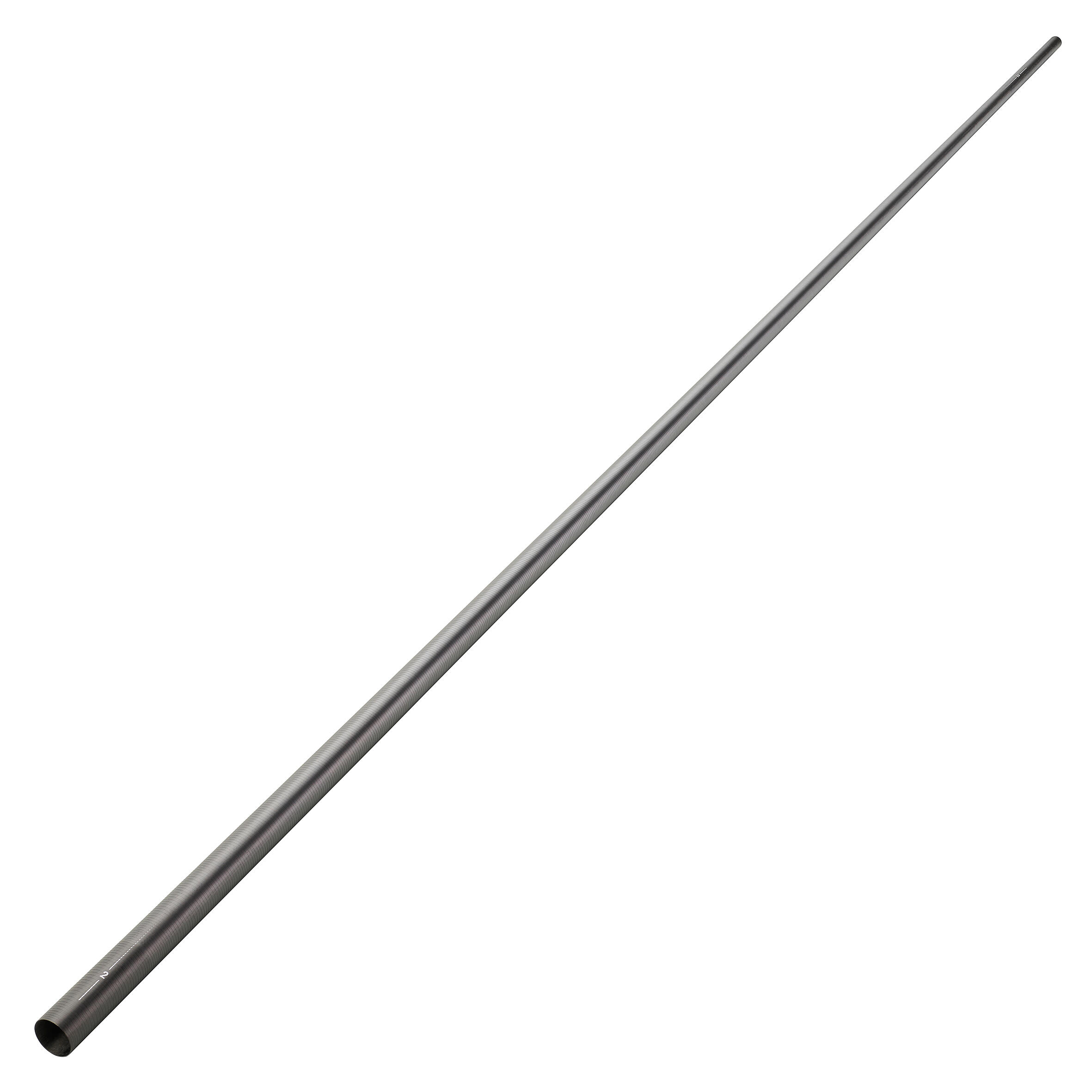
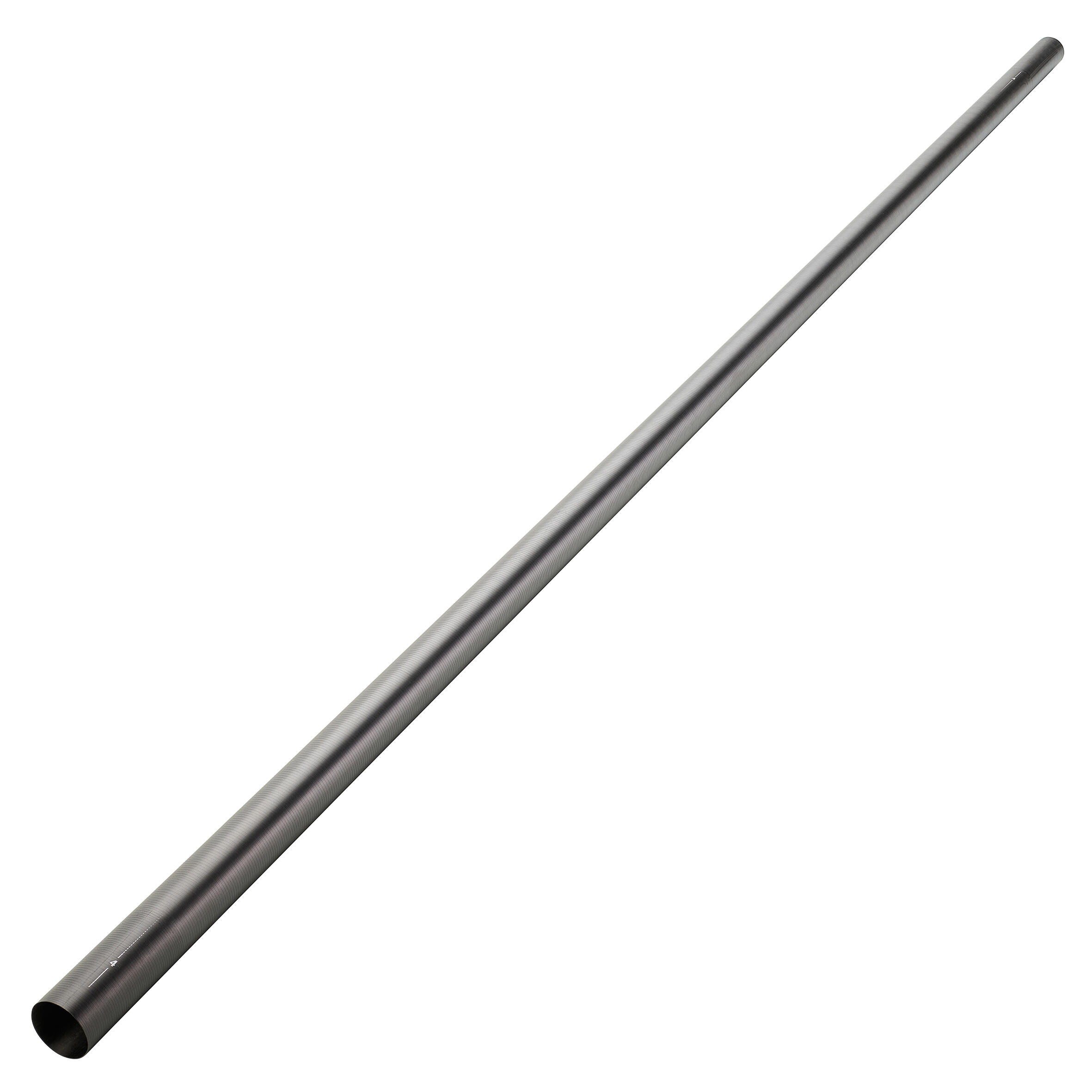
Start with the exact rod family, length and section number rather than choosing a replacement by appearance alone. Caperlan lists many spares against specific rod references, which helps you match the replacement to the original construction and dimensions. On ranges such as NORTHLAKE, individual numbered sections can be replaced, while LAKESIDE parts may cover several rod lengths within the same family. Small protective components are model-specific too. A replacement CARPOVER cap is intended to restore the original pole protection rather than act as a generic plug. Check the rod reference, overall length and the damaged section before ordering, especially when different versions of the same range use similar-looking parts.
Can you replace a broken rod tip without replacing the whole pole?

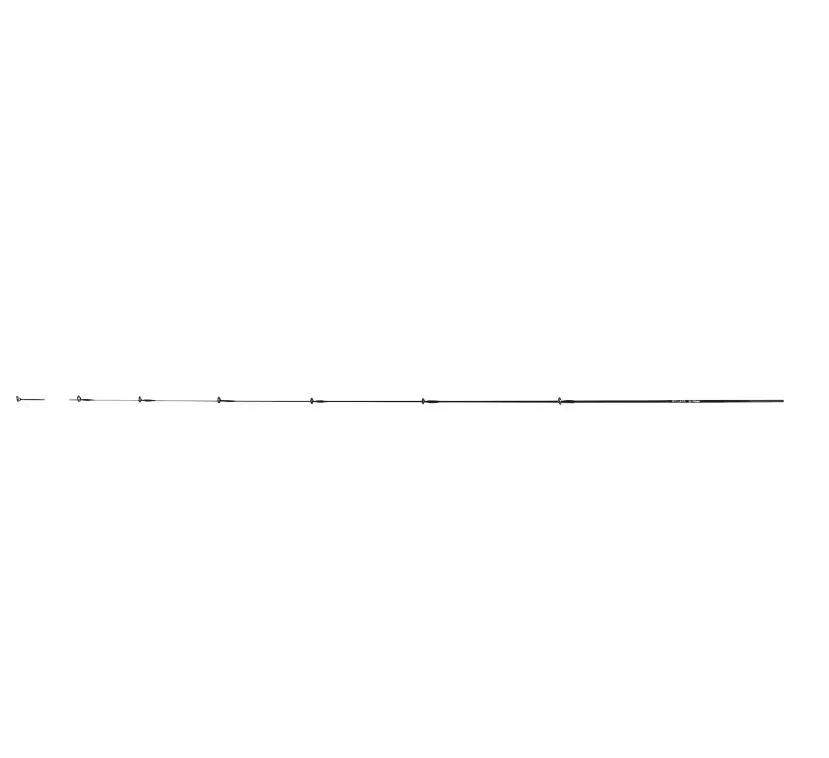
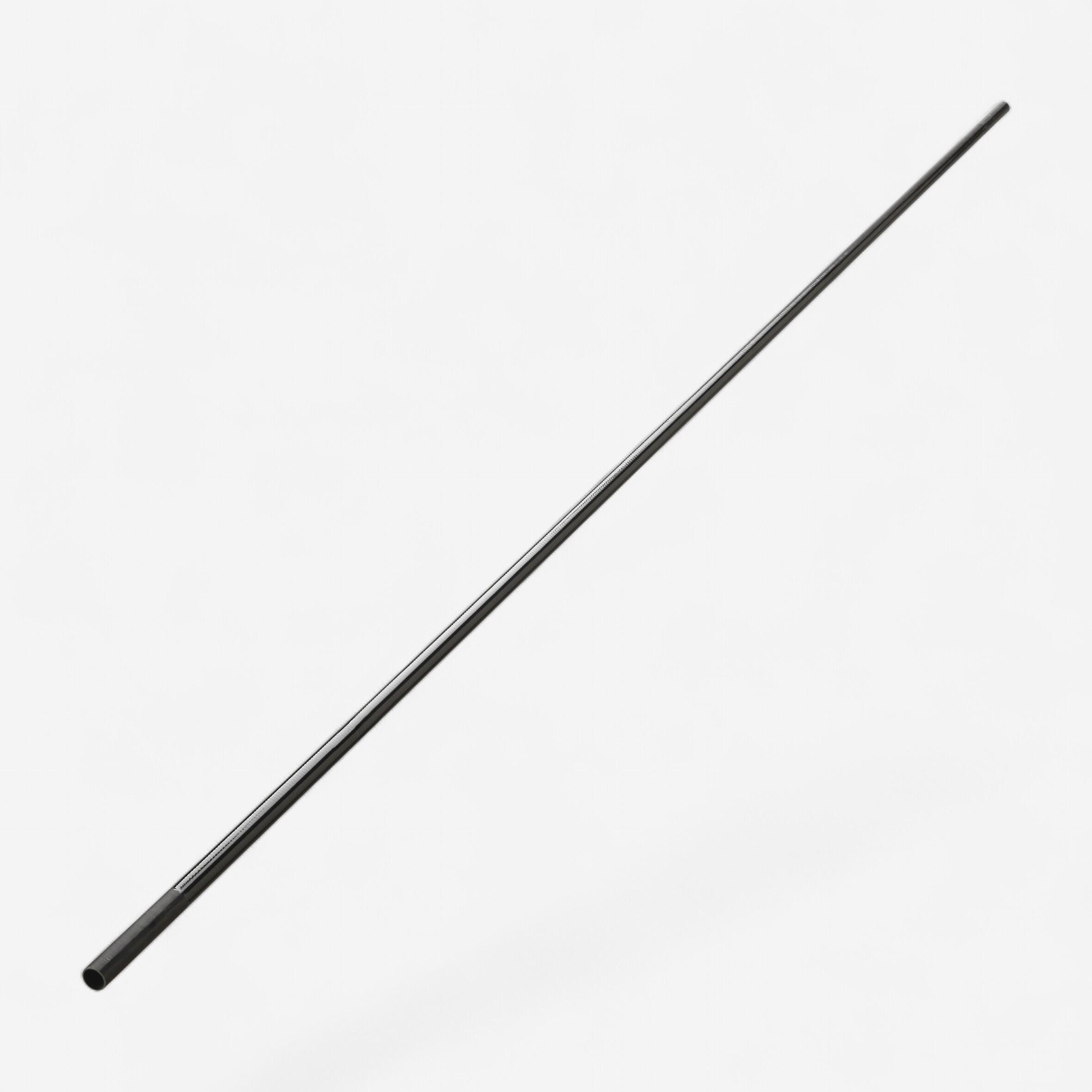
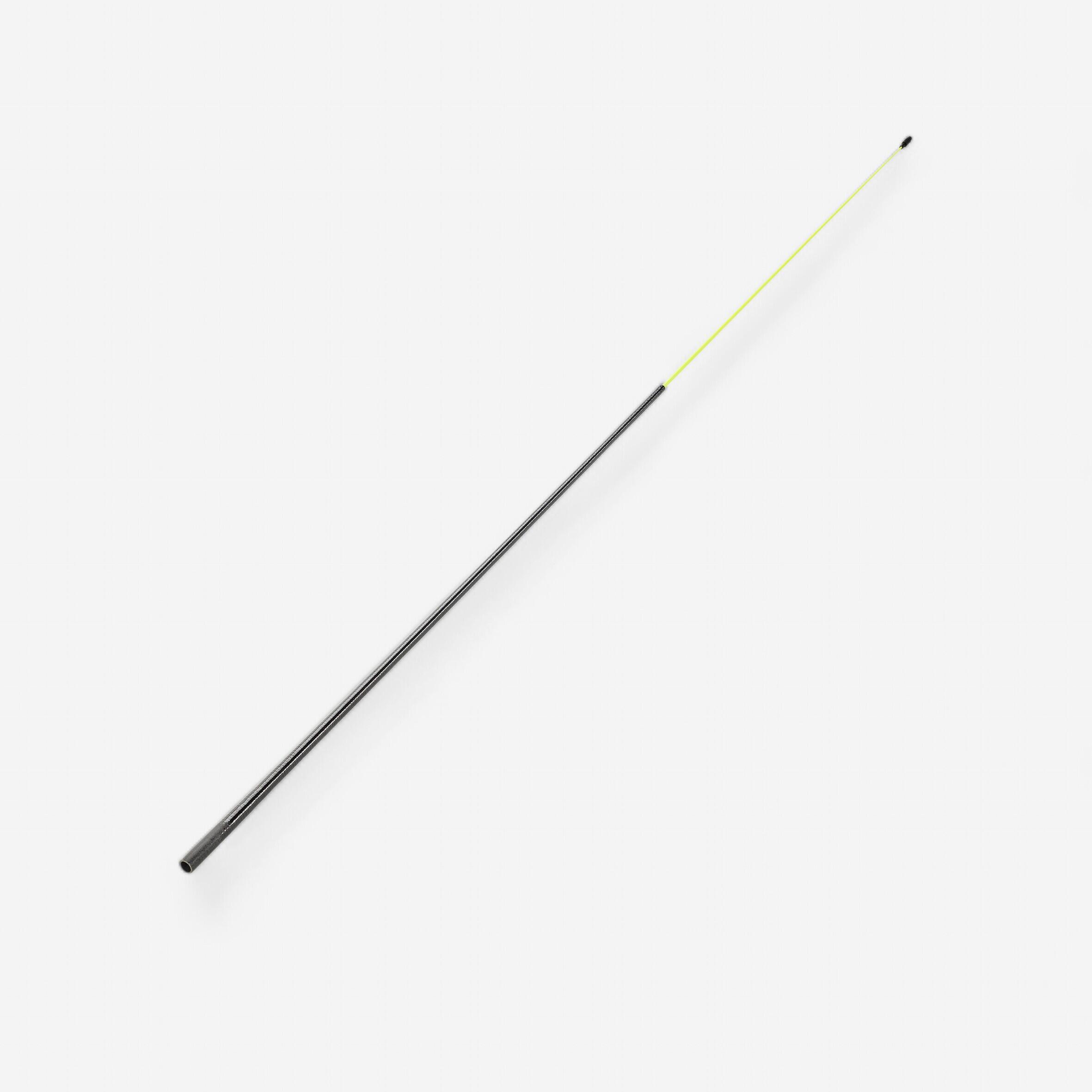
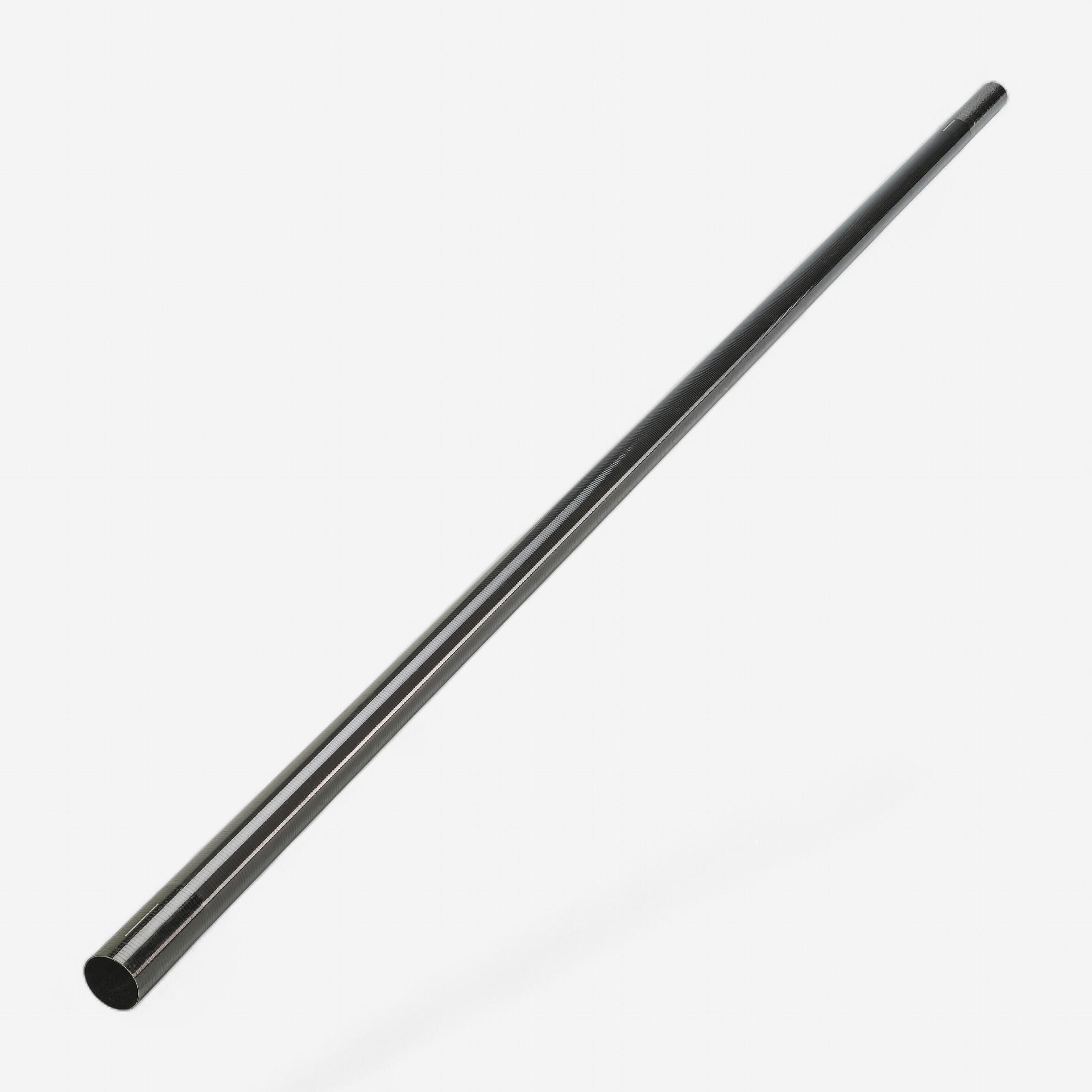
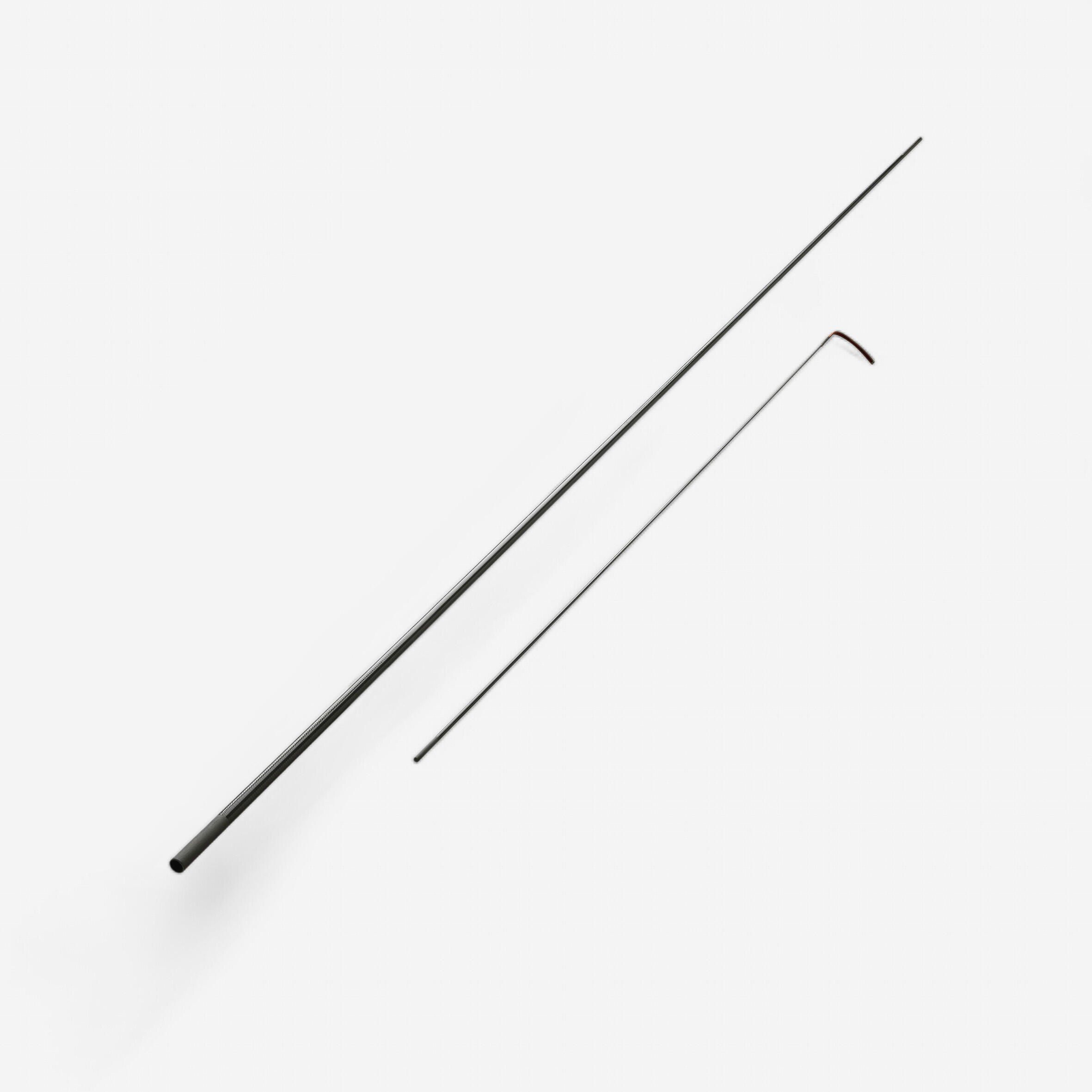
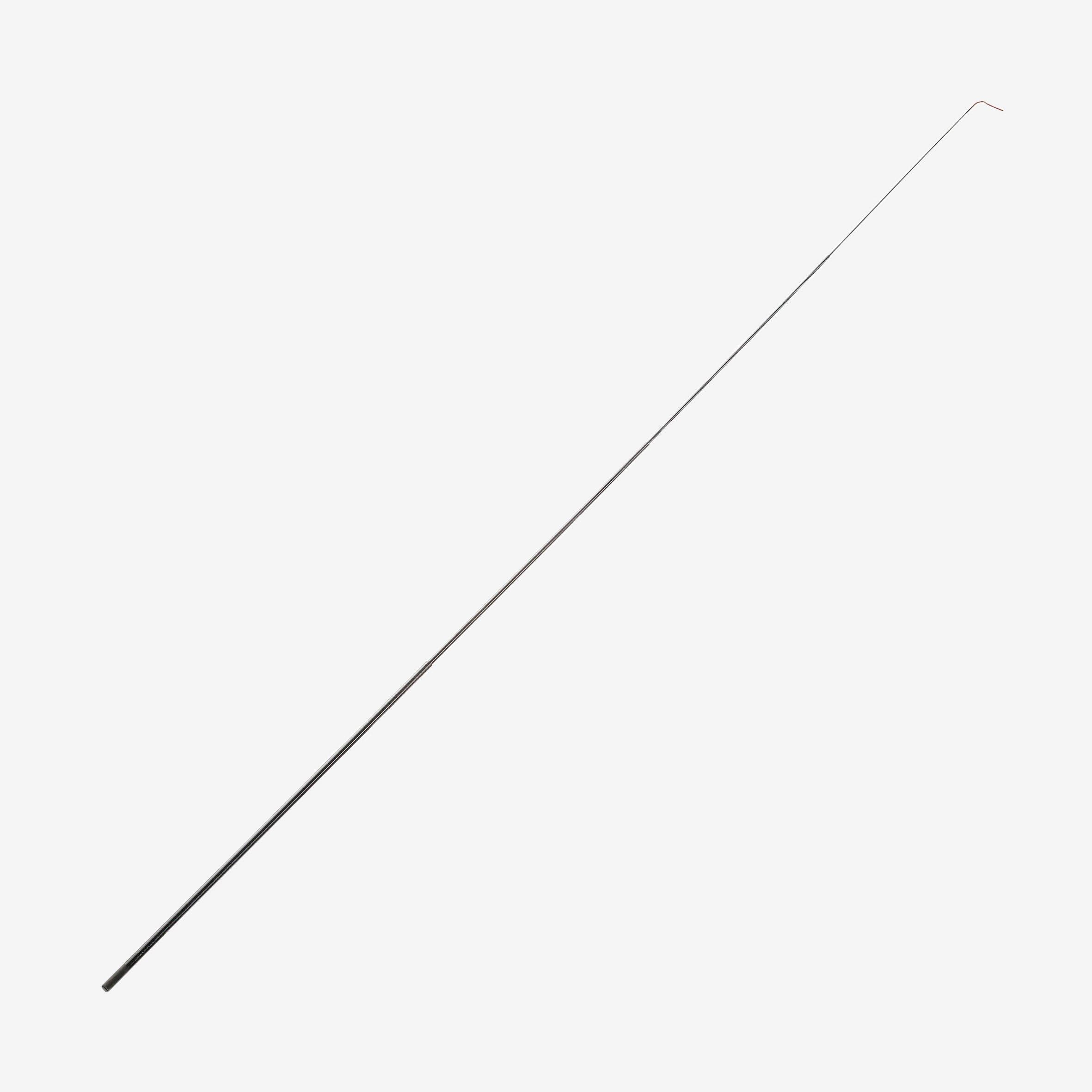
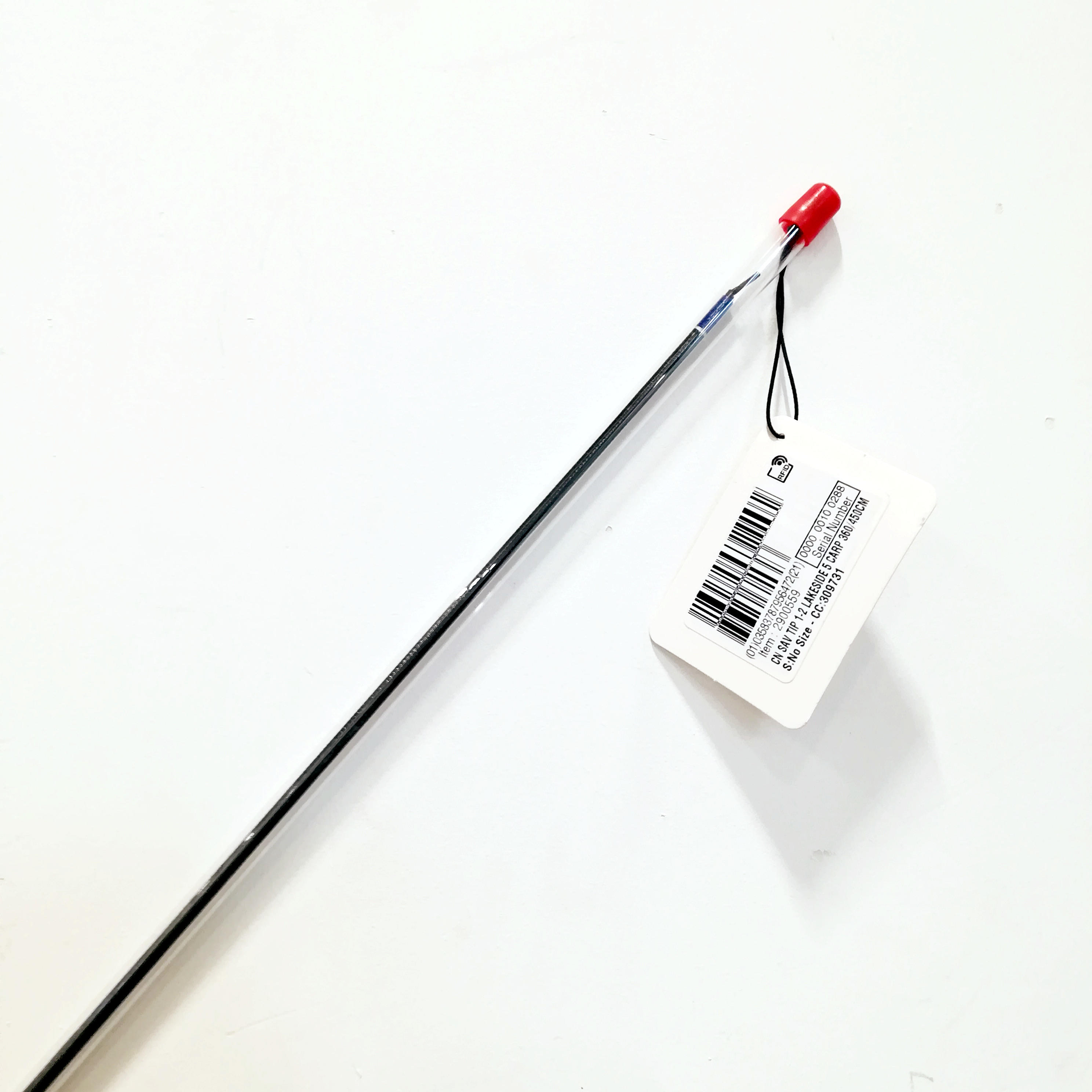
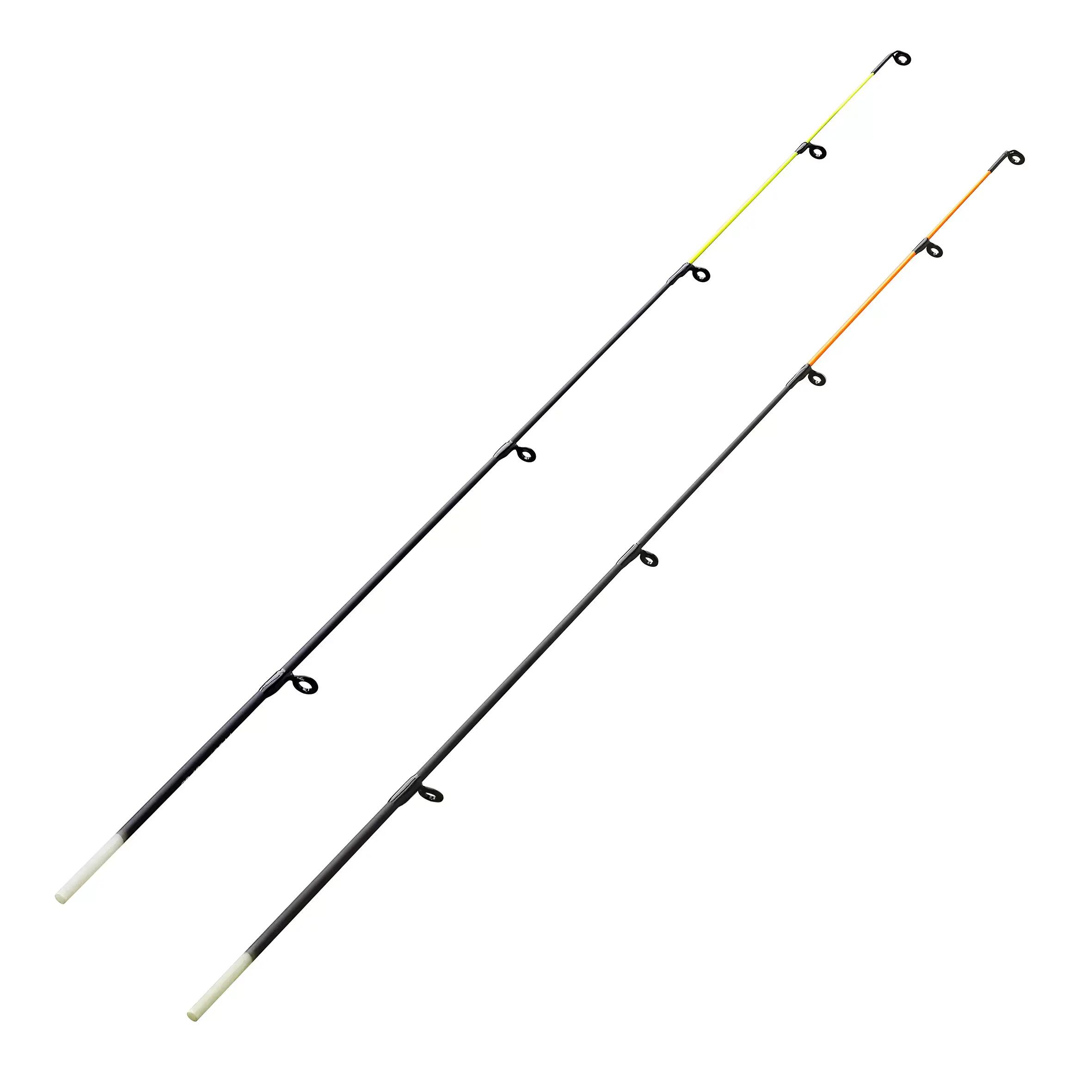
Many Caperlan coarse-fishing rods are built around replaceable tips and numbered sections, so a break near the working end does not always mean replacing the complete rod. Some LAKESIDE 100 tip assemblies use fibreglass to retain the original rod characteristics and can include the tip holder and rigged elastic connector, reducing the amount of rebuilding needed after a breakage. Other higher-spec rod families use carbon replacement sections to match the original blank material. The wider coarse fishing spare parts range helps separate rod repairs from station and reel repairs. When replacing a section, avoid forcing joints together and check that every connection seats correctly before extending the rod fully at the bank.

Why must you replace lost or damaged rod caps?

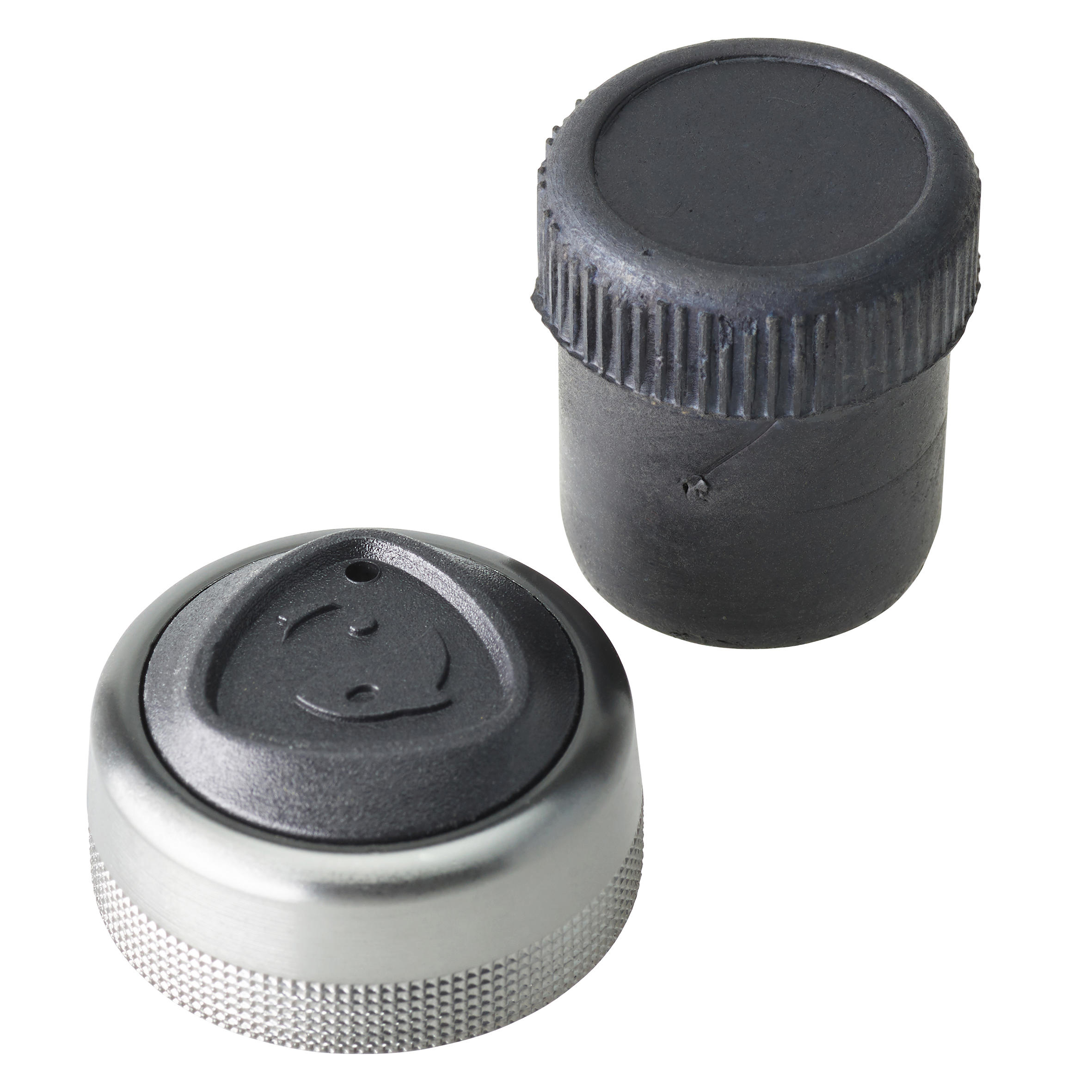
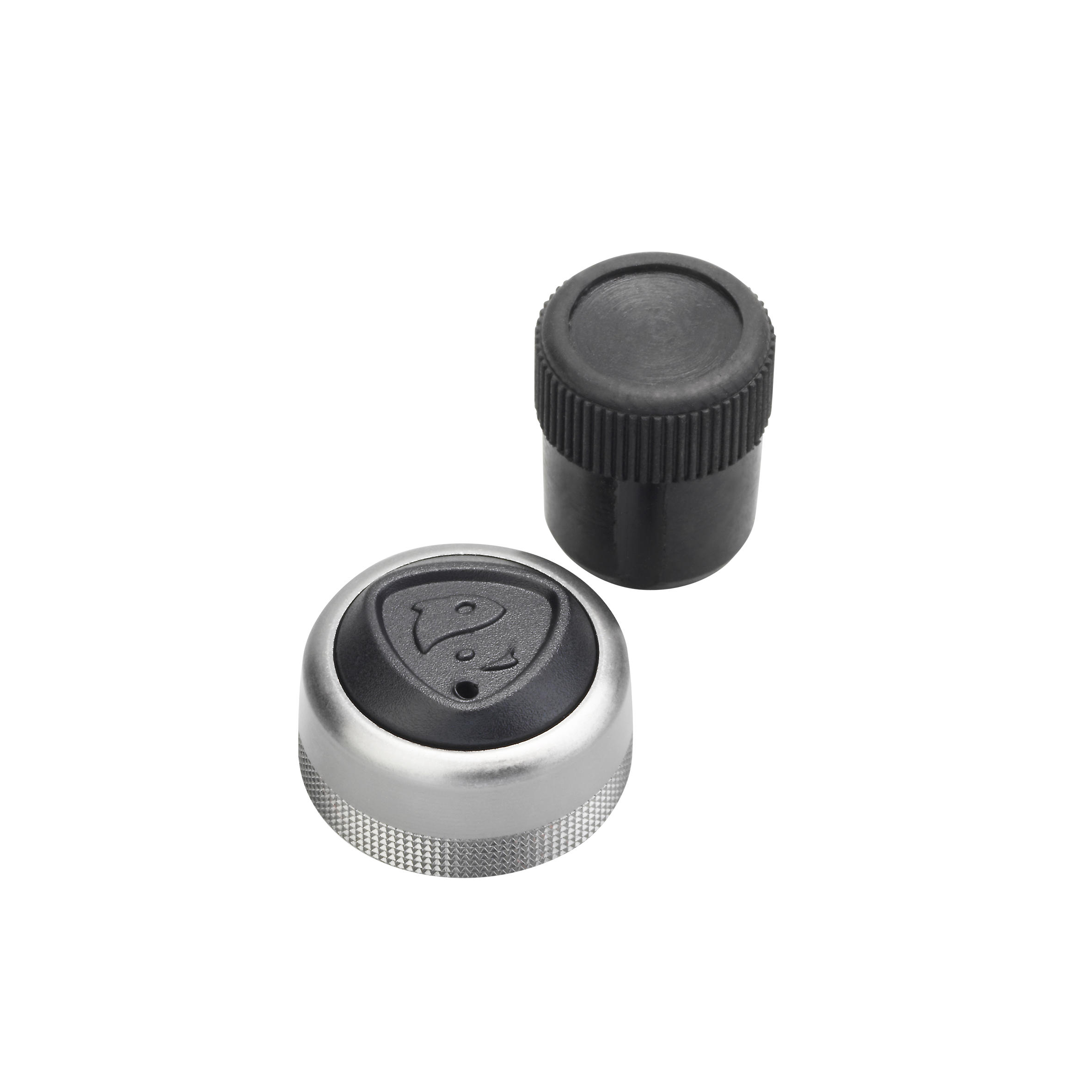
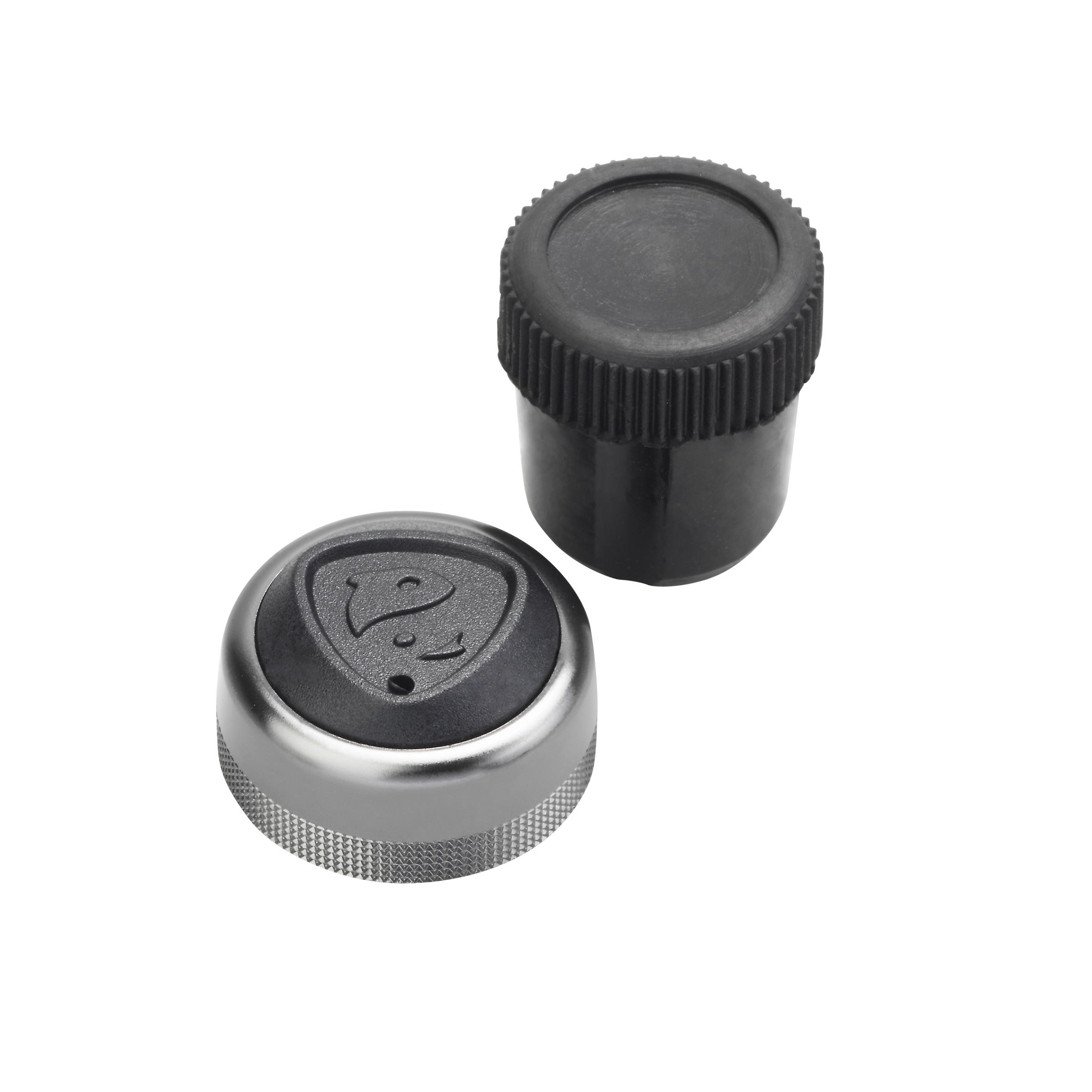
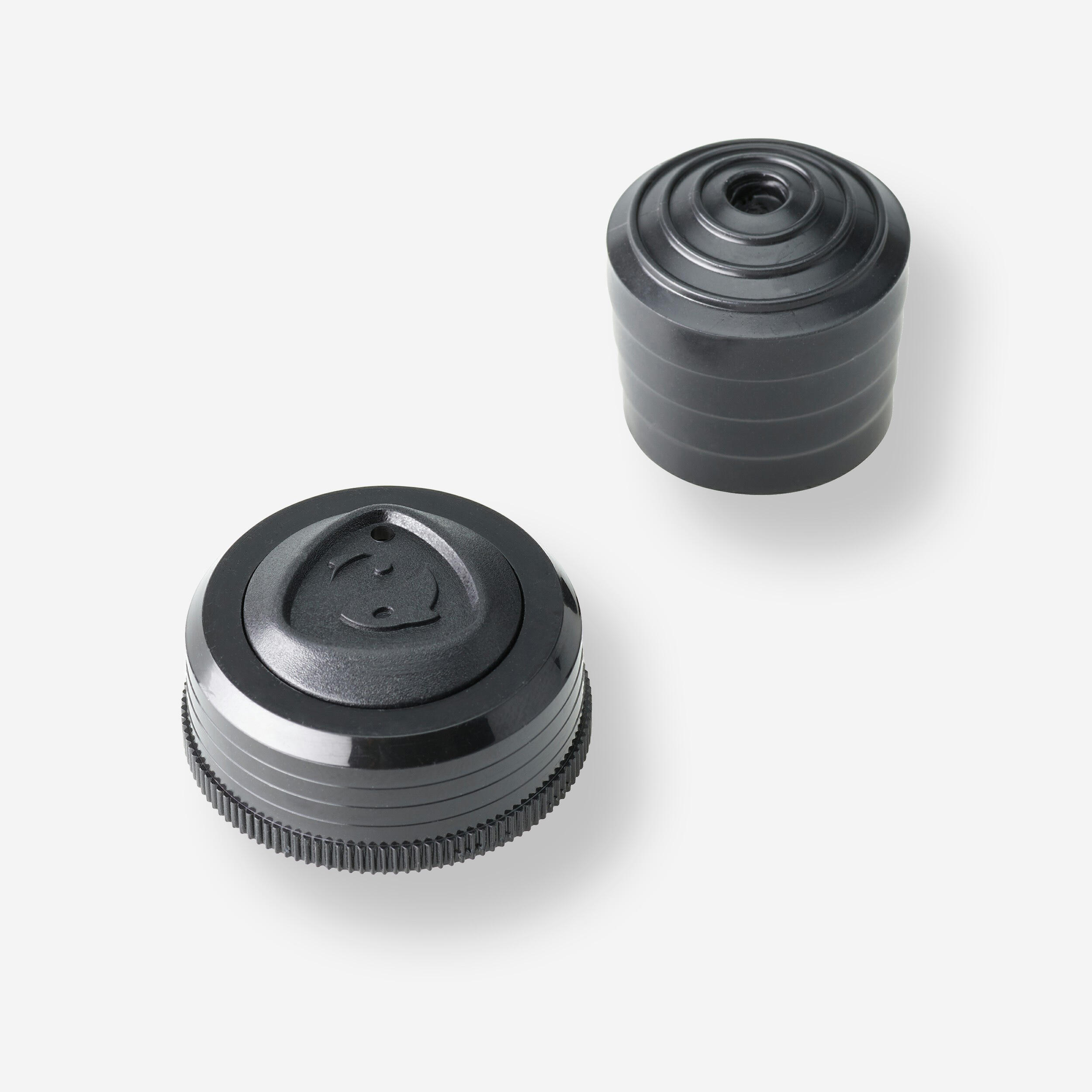
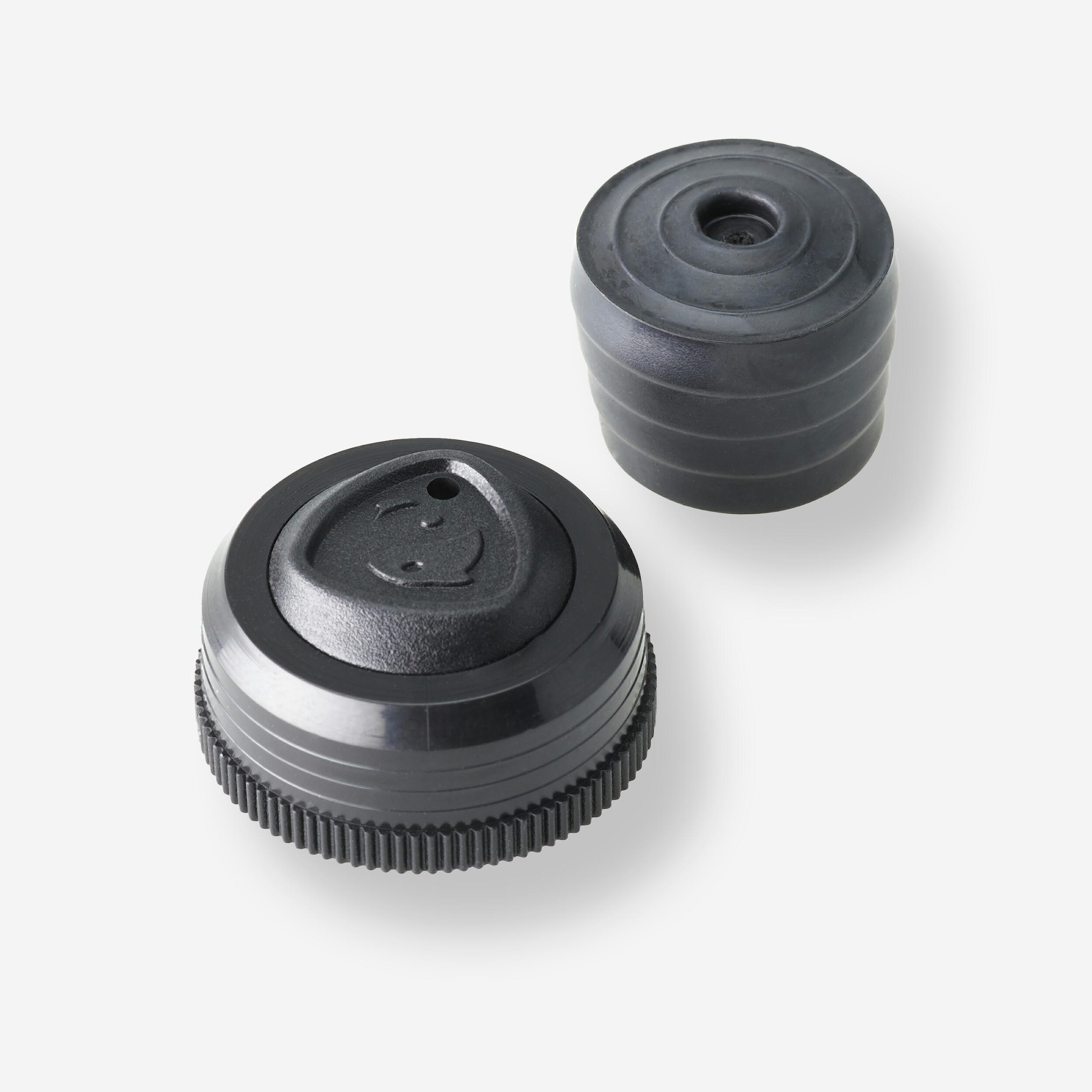
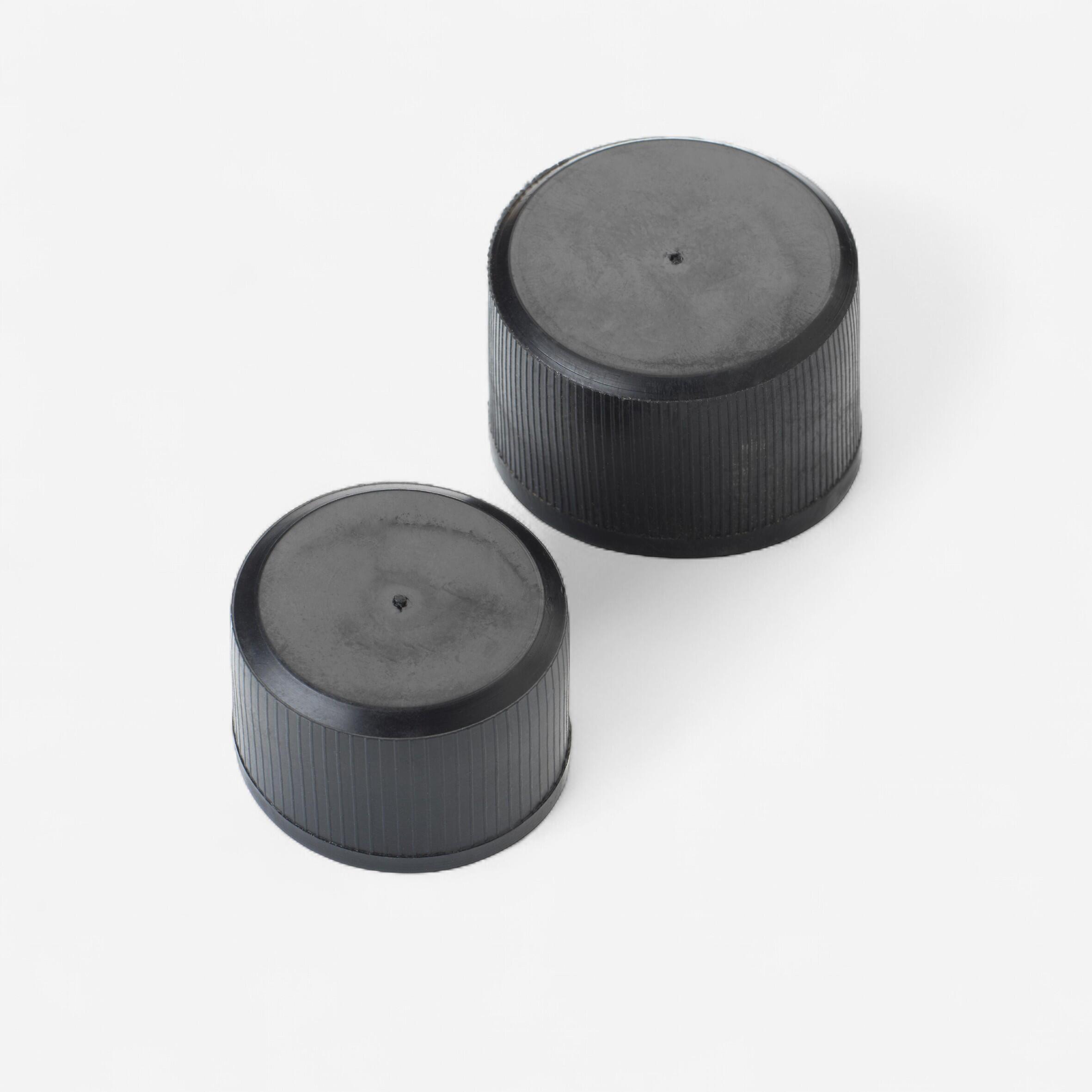
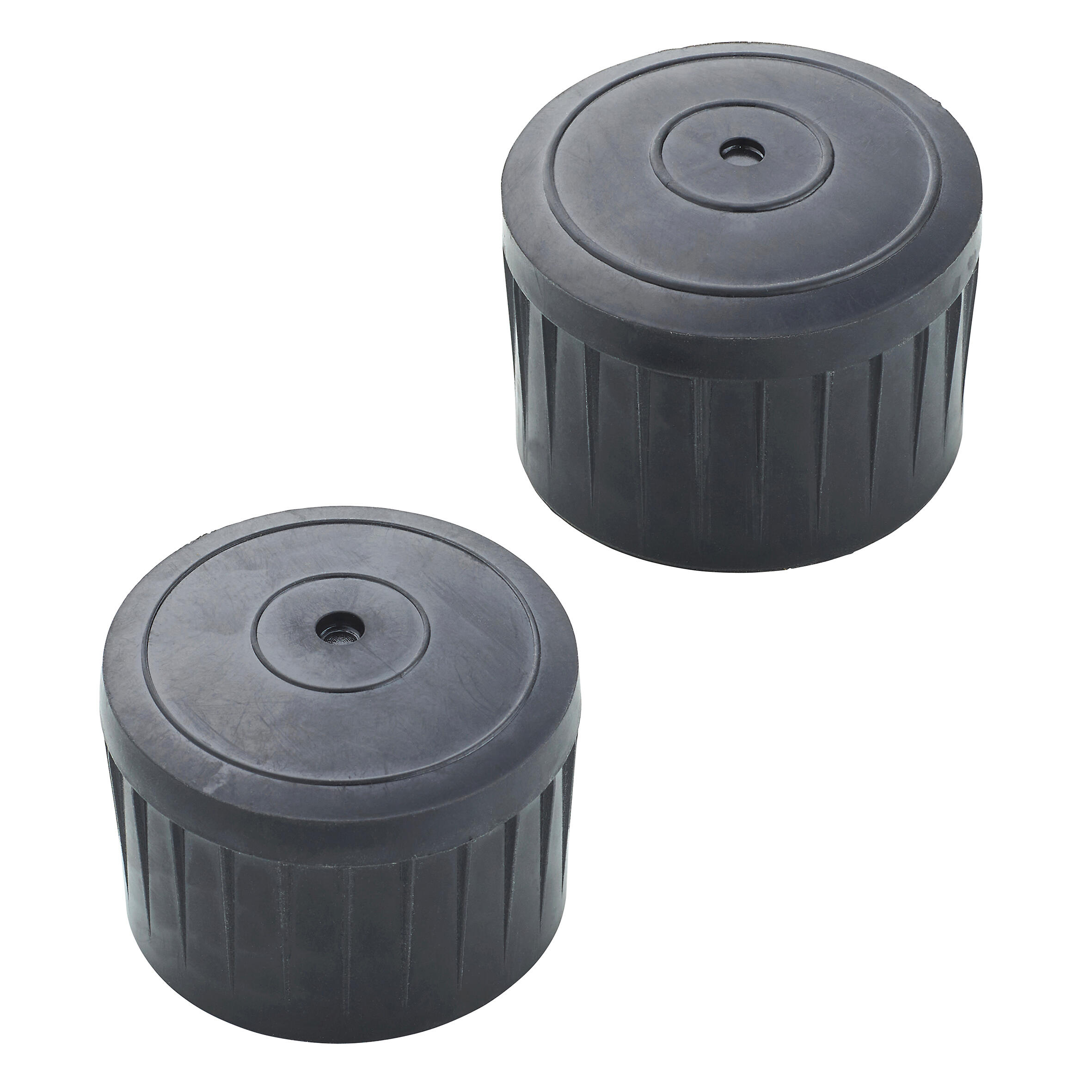
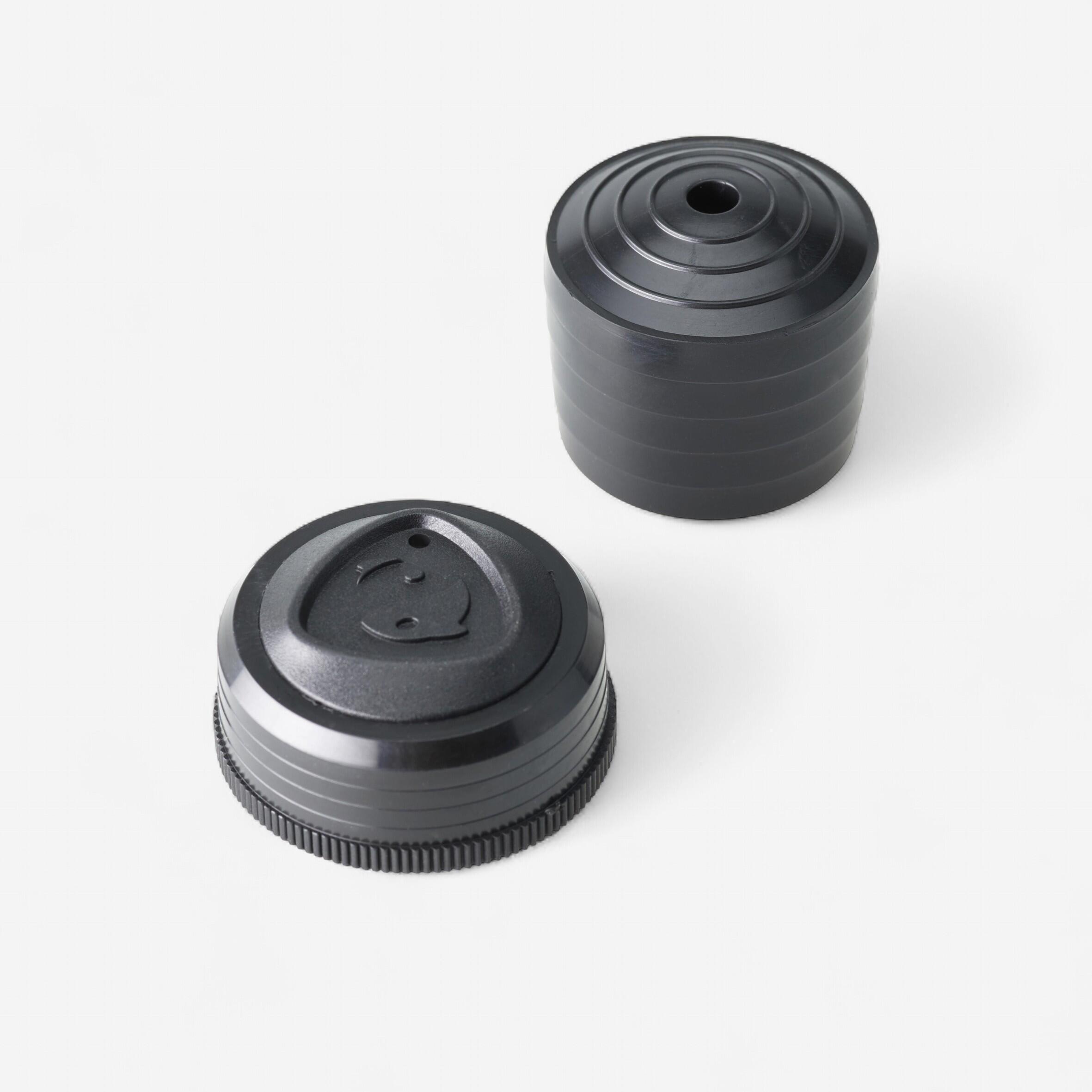
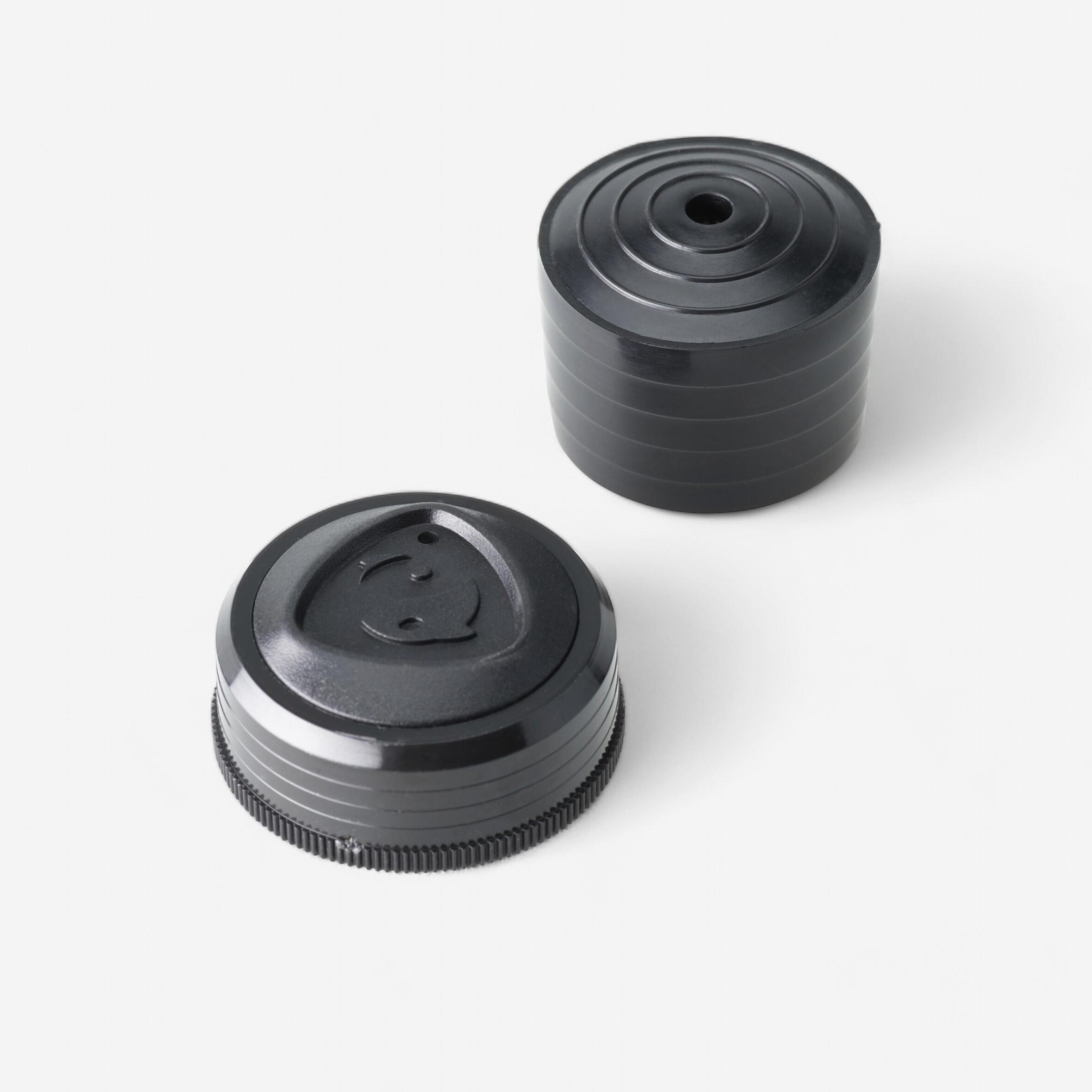
Rod caps protect open section ends during transport and storage, where impact, grit and pressure from other tackle can damage exposed edges. Losing a cap may seem minor, but leaving a hollow pole section unprotected makes it easier for dirt to enter and for the rim to be chipped in a bag or vehicle. Caperlan offers model- and length-specific replacements such as coarse fishing LAKESIDE caps rather than relying on one generic size. Fit the replacement before transporting the rod again and check that it sits firmly without excessive force. Keeping the original cap with each rod section also makes packing quicker and helps reduce accidental contact between delicate section ends.

What is the purpose of top and bottom caps on travel rods?

Travel rods contain several compact sections that sit close together during transport, so both ends need protection. A top cap guards the narrower end of the packed sections, while a bottom cap helps protect the larger open end and keeps the nested sections contained. Caperlan's coarse fishing LAKESIDE top and bottom caps are made for compatible LAKESIDE-5 Travel 500 rods, preserving the original transport setup rather than adding improvised covers. Check both caps before leaving a fishing spot, especially if the rod has been dismantled on grass or a platform where small pieces can be overlooked. Replace loose or damaged caps before the next trip so the sections remain protected inside their transport bag.

When repairing replacement carbon rod sections, how should they be protected?

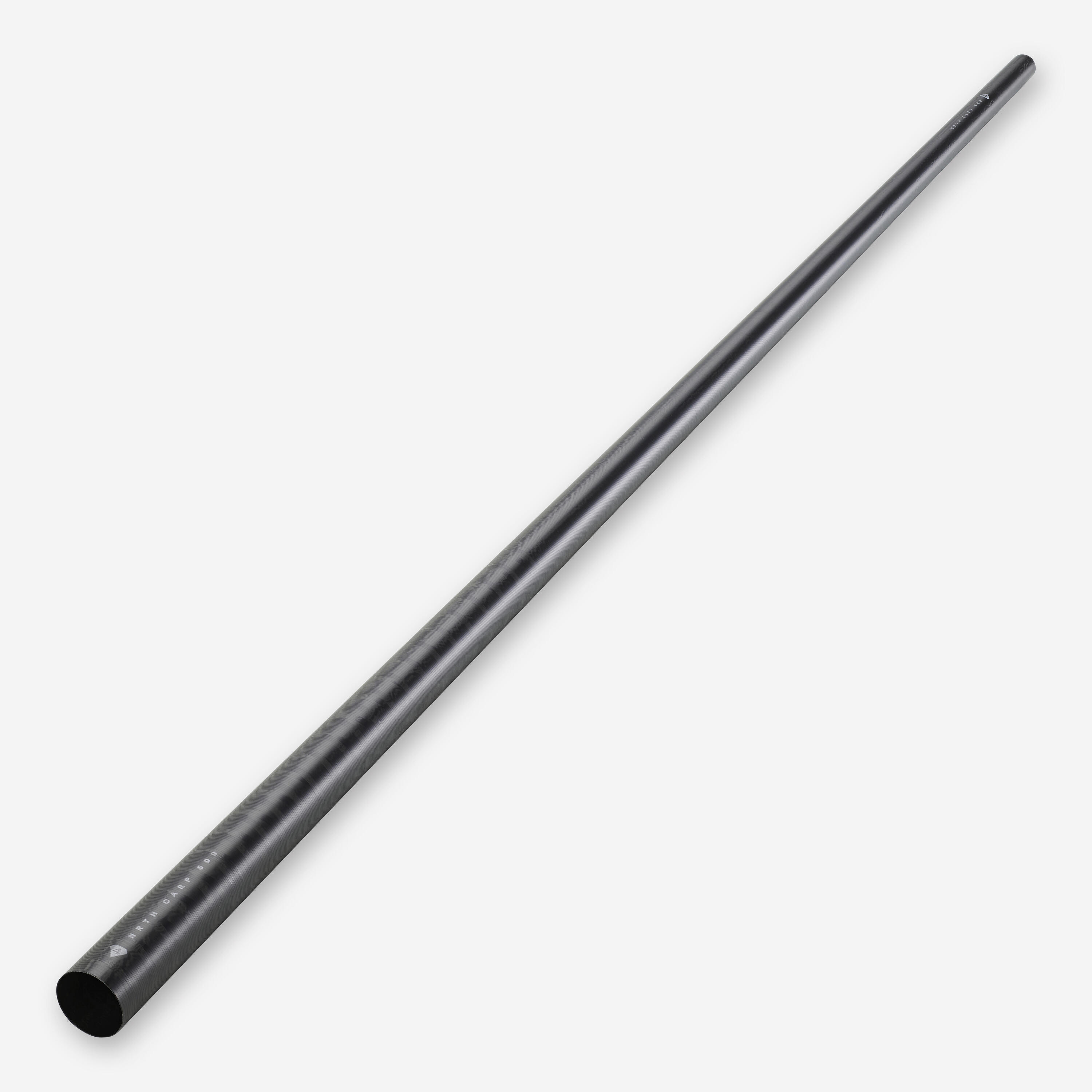
Carbon sections are light and responsive, but they still need protection from sharp impacts and crushing loads during transport. Caperlan advises keeping replacement NORTHLAKE carbon sections in a protective tube or padded sheath rather than carrying them loose with banksticks, reels or heavy tackle boxes. Inspect the repaired section for chips around the joints before each session and keep the connection surfaces clean so grit is not forced between mating sections. The same transport routine is useful across your wider coarse fishing setup, where long poles can easily be pressed against harder equipment in a vehicle. Standard electrical-safety precautions remain important with carbon sections: avoid overhead power lines and do not use the rod in thunderstorm conditions.