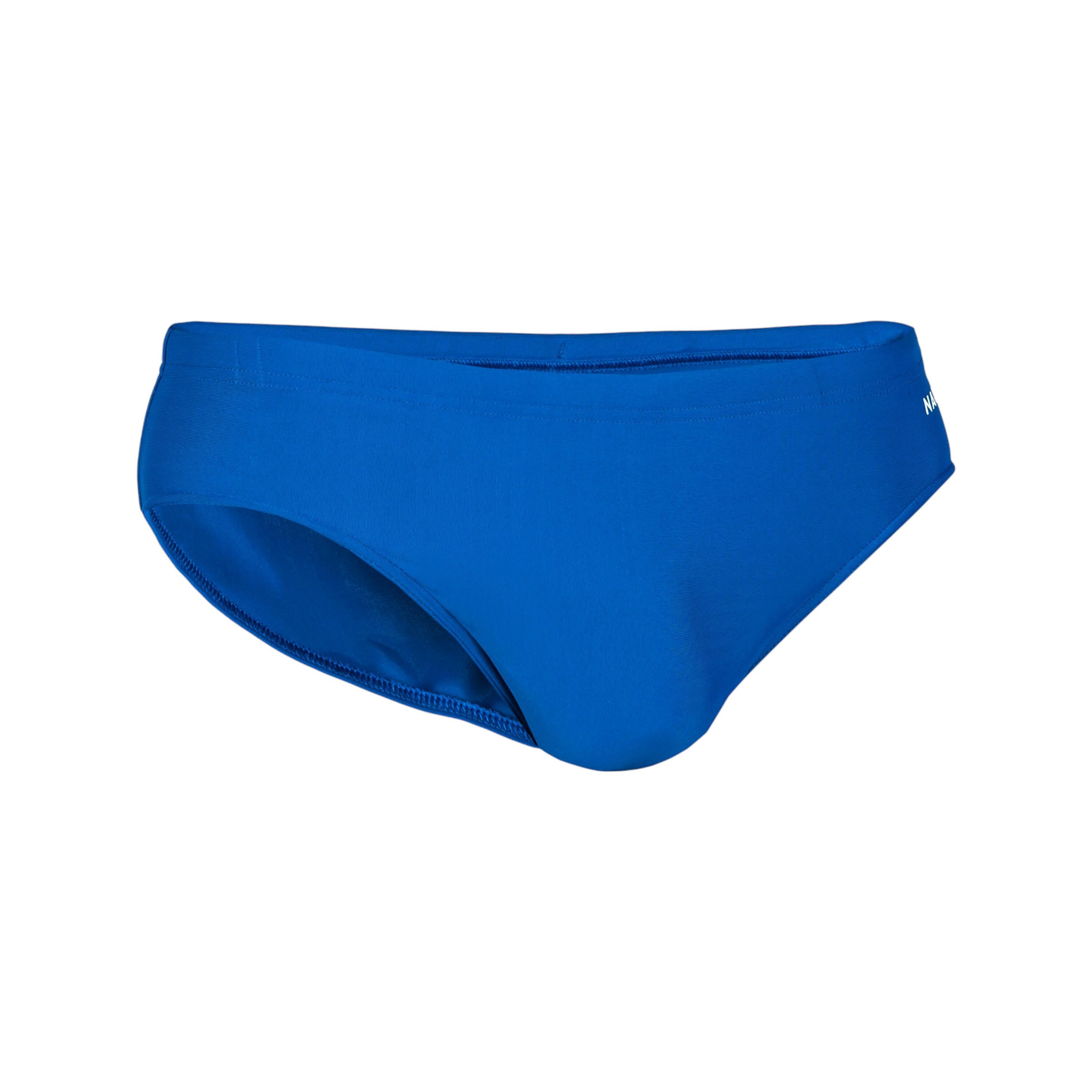
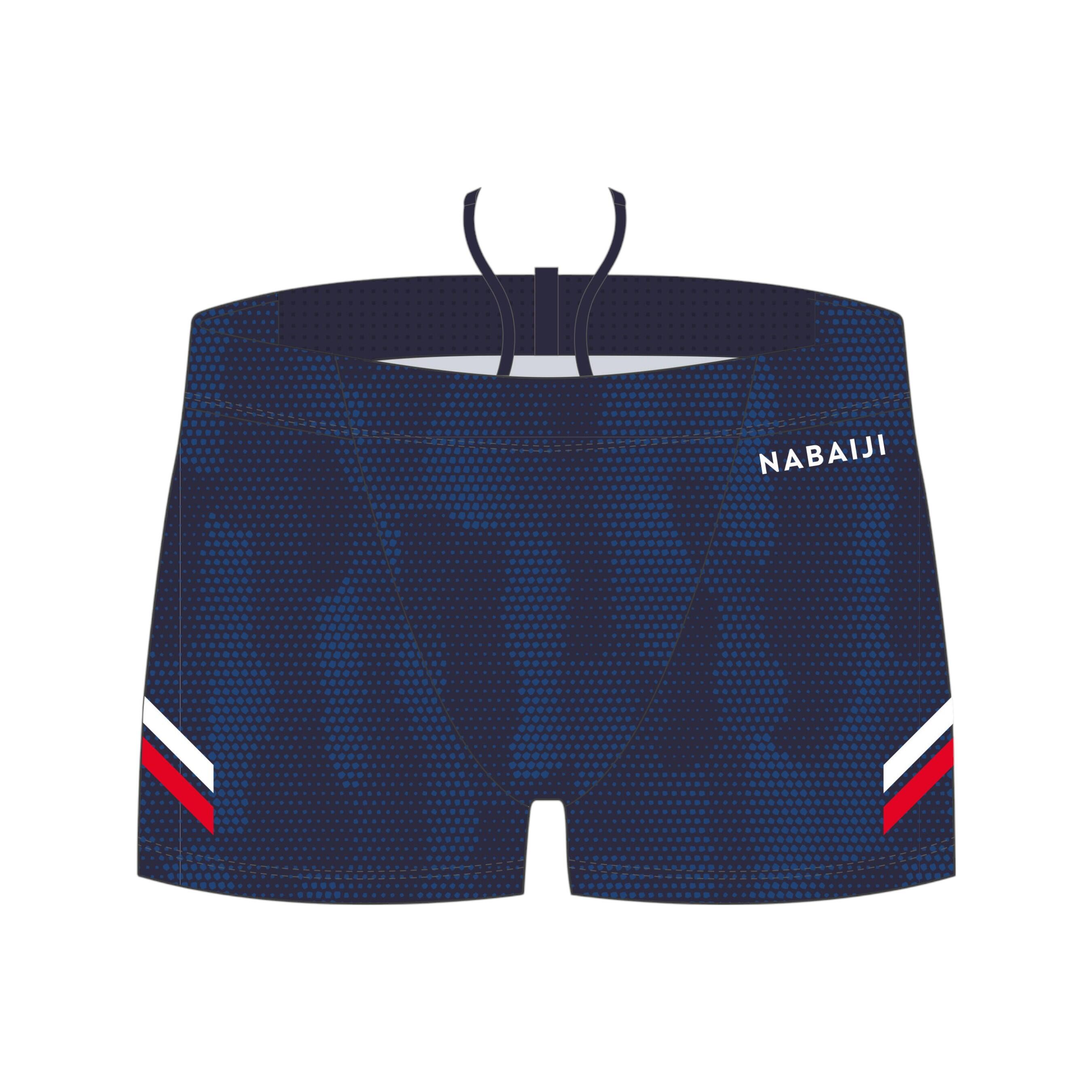
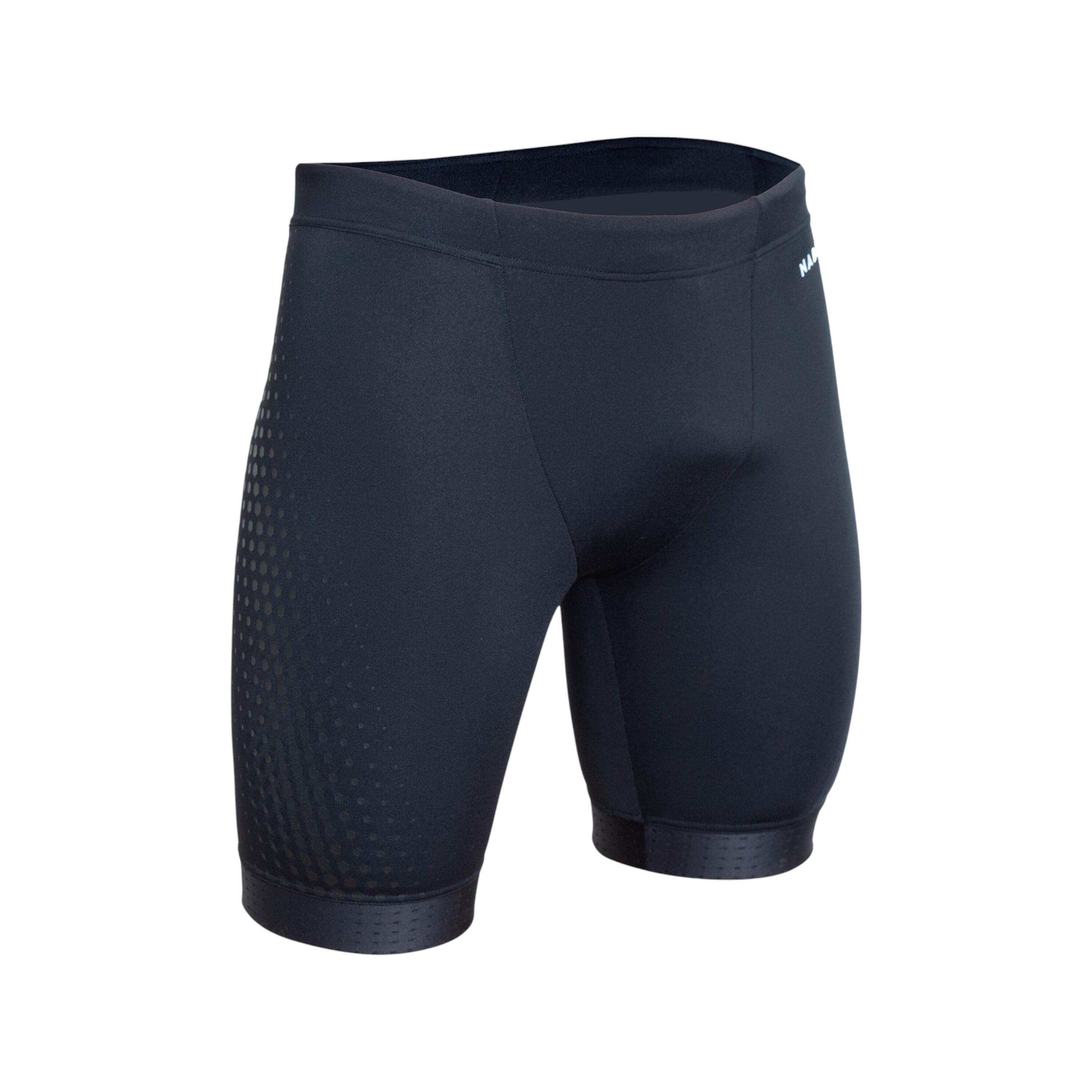
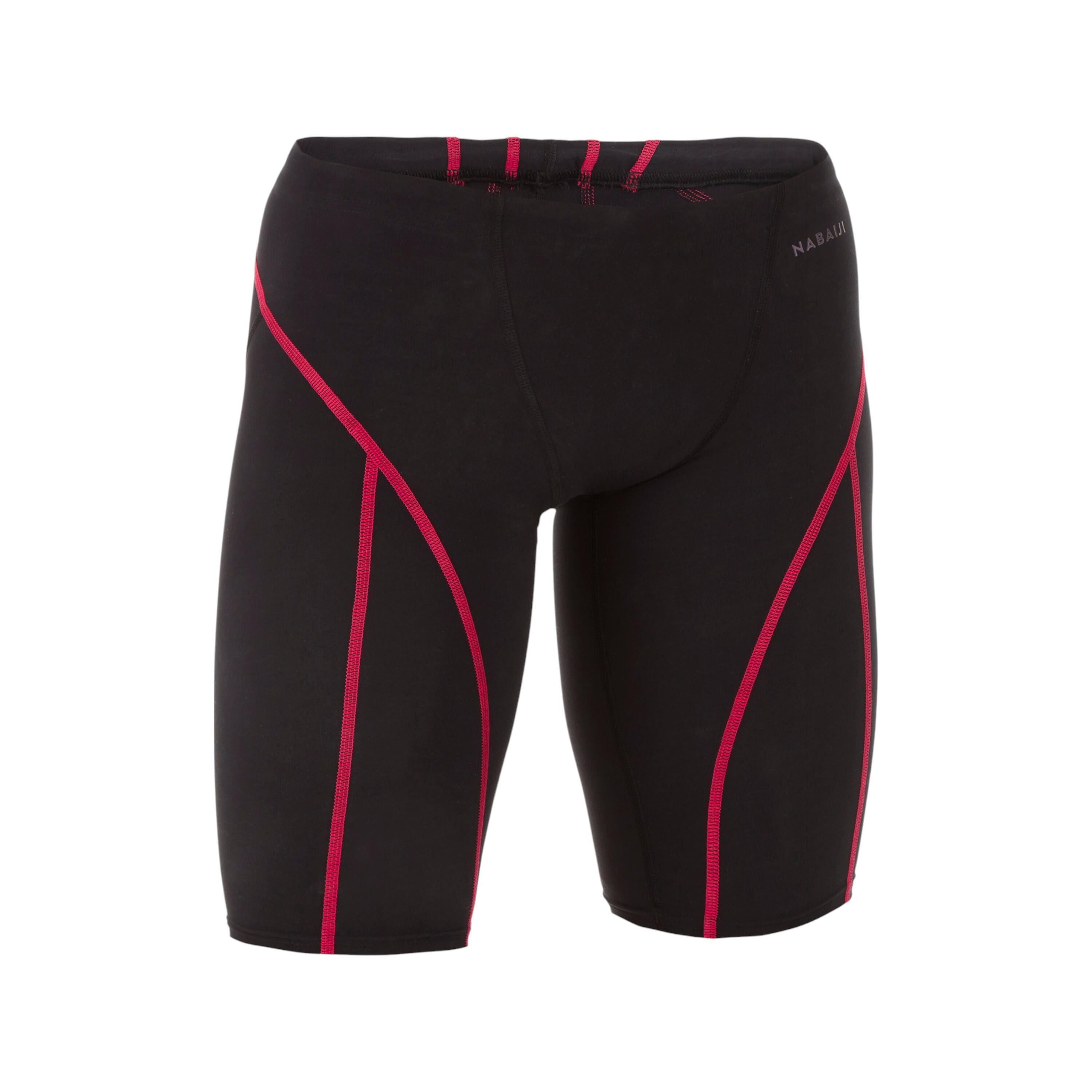
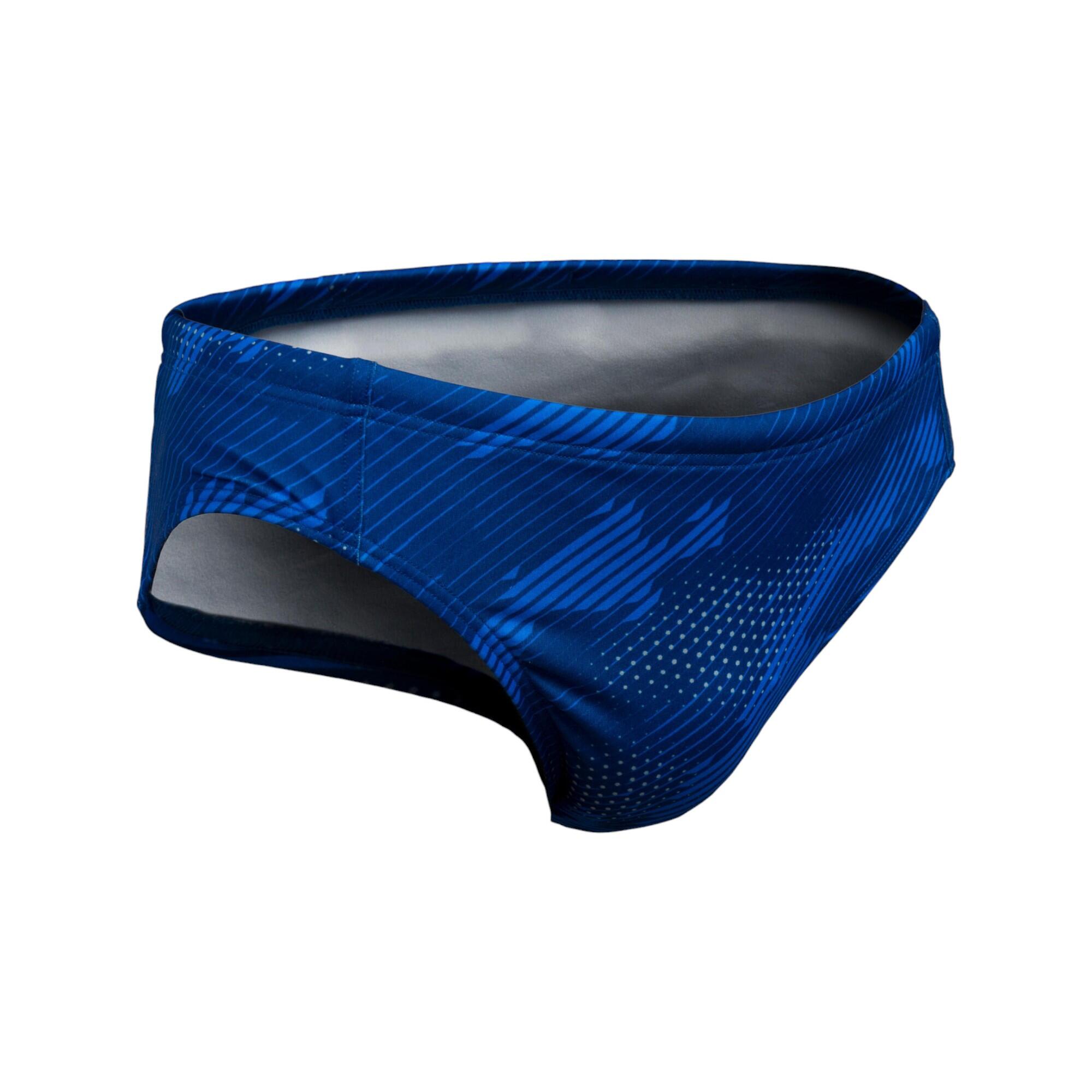
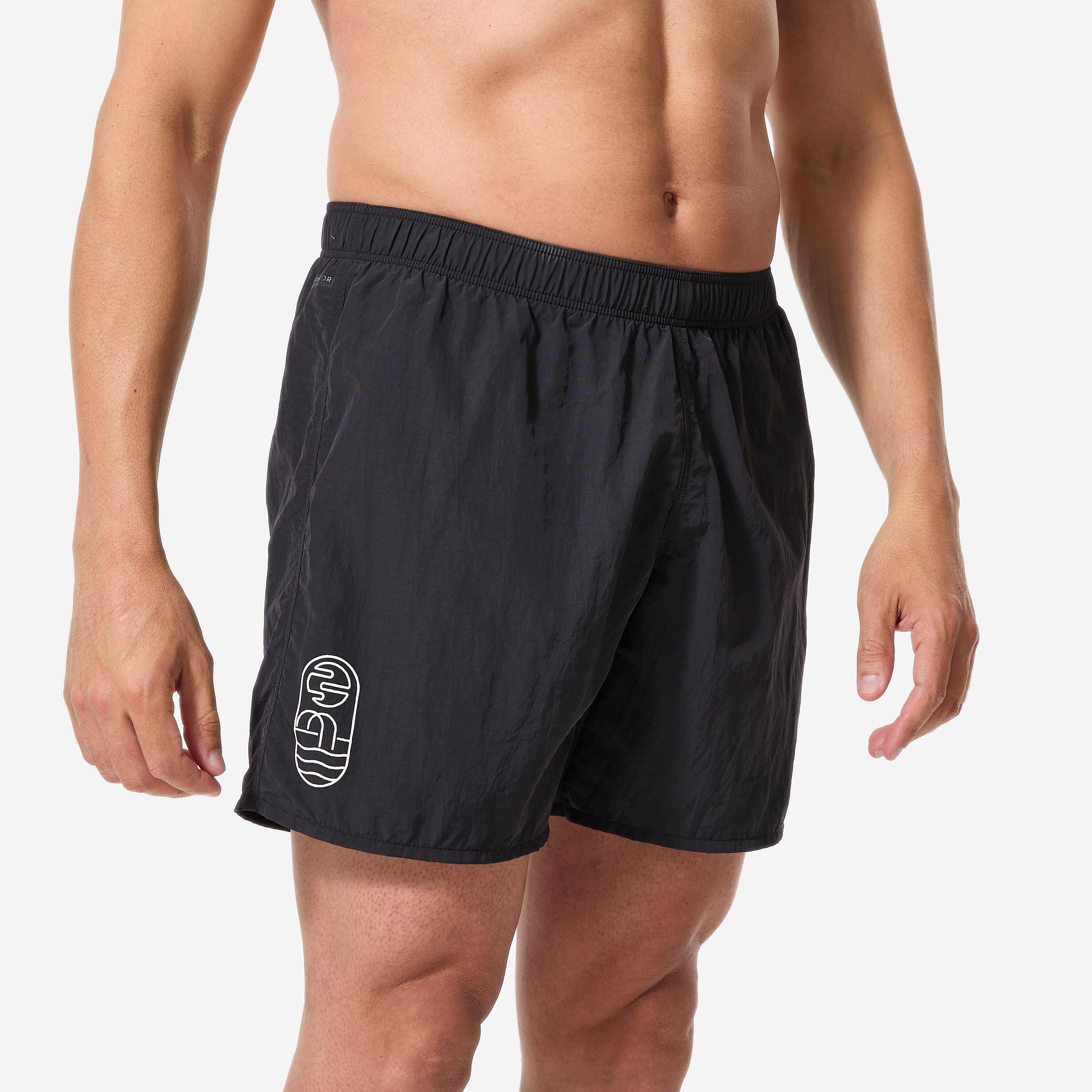
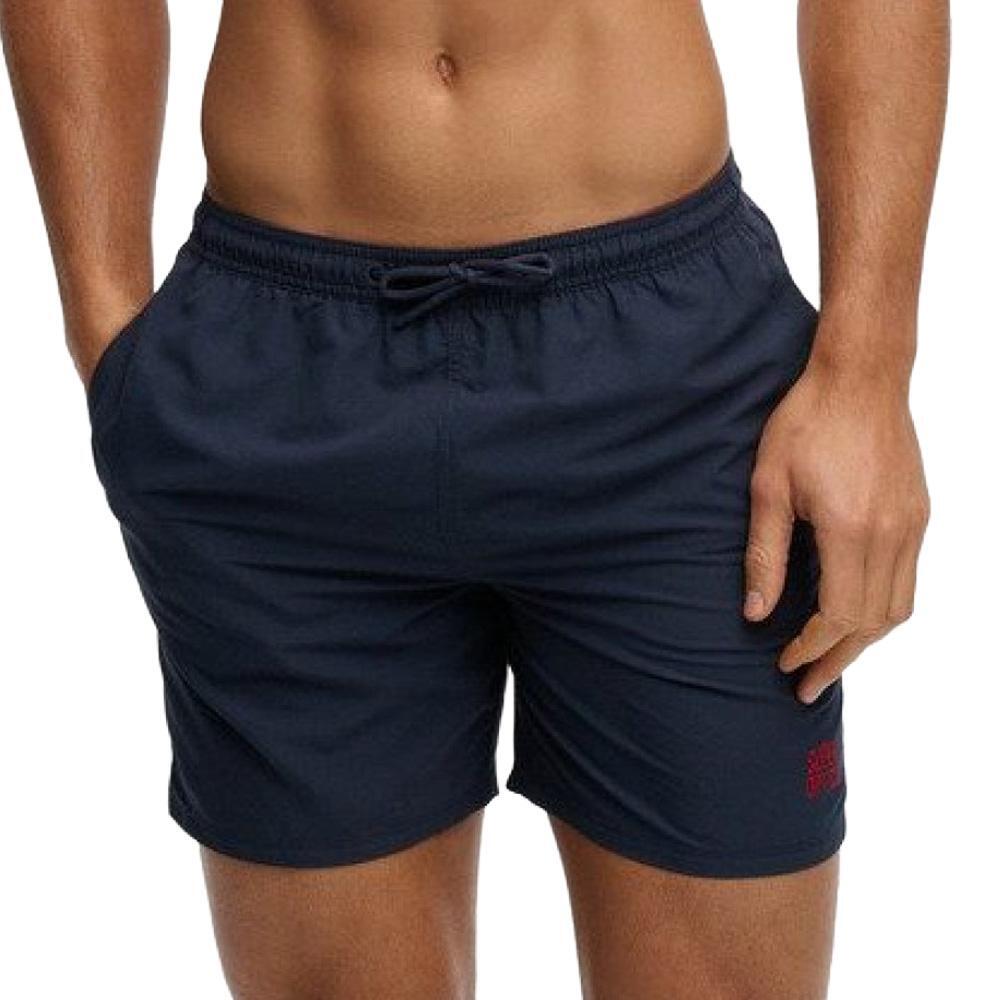
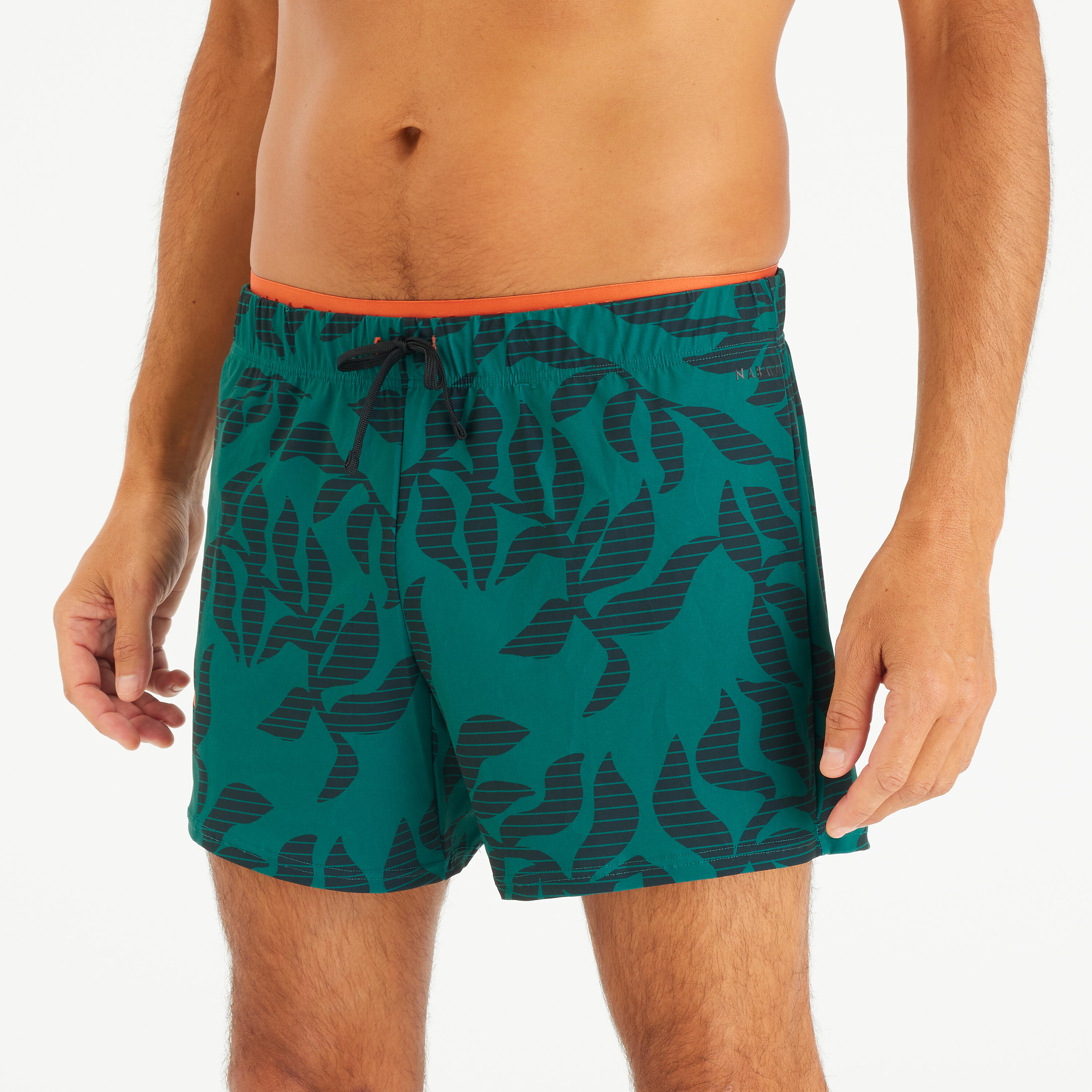
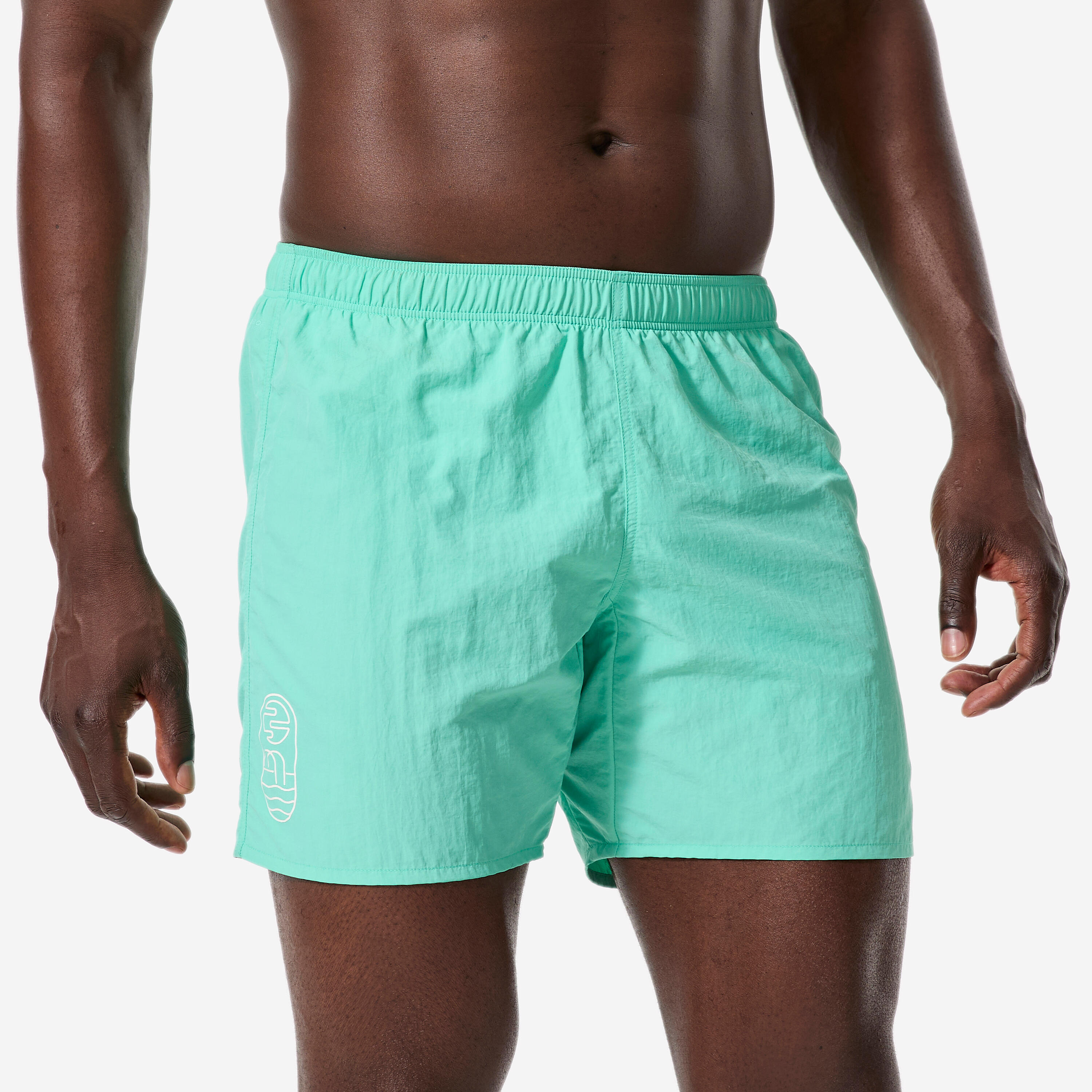
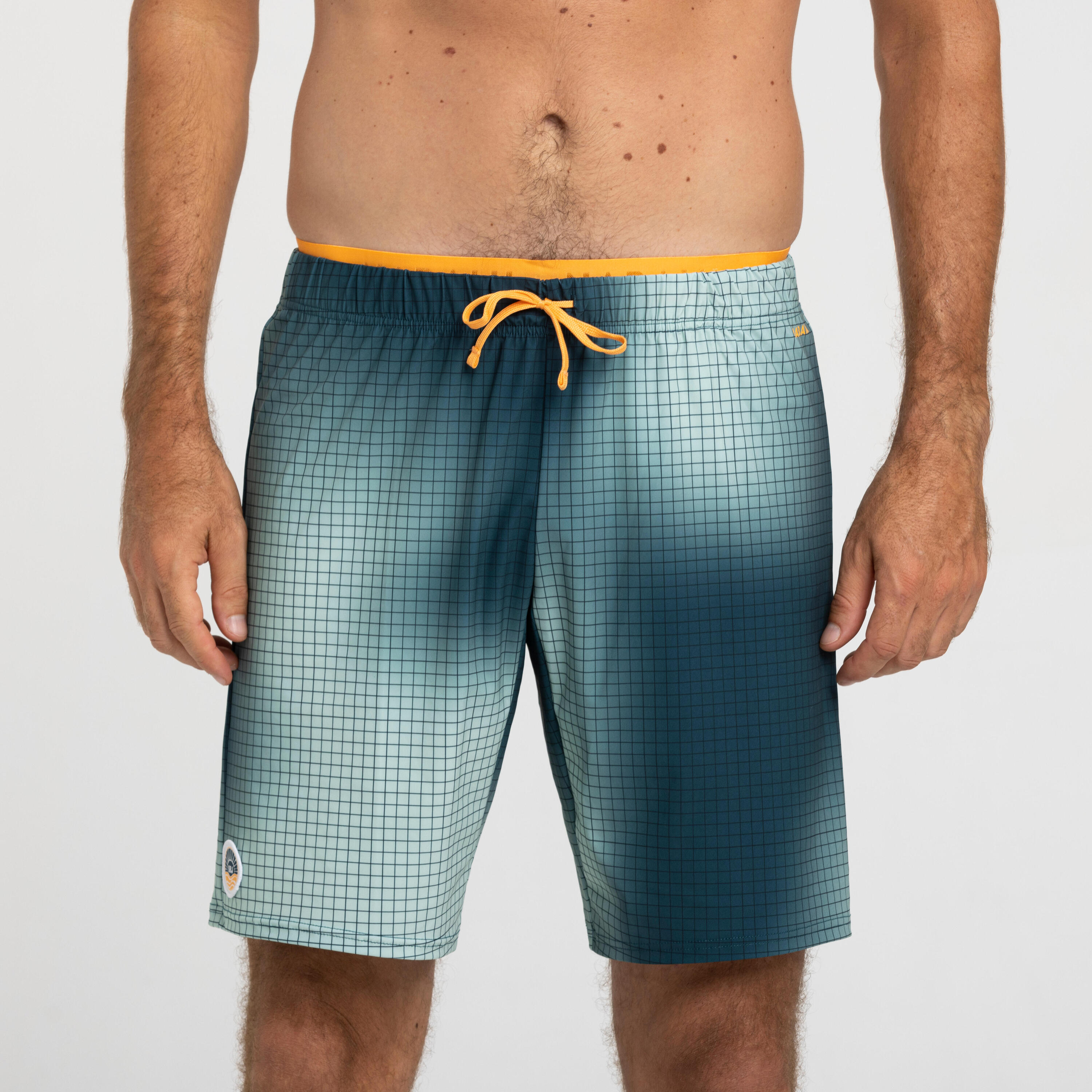
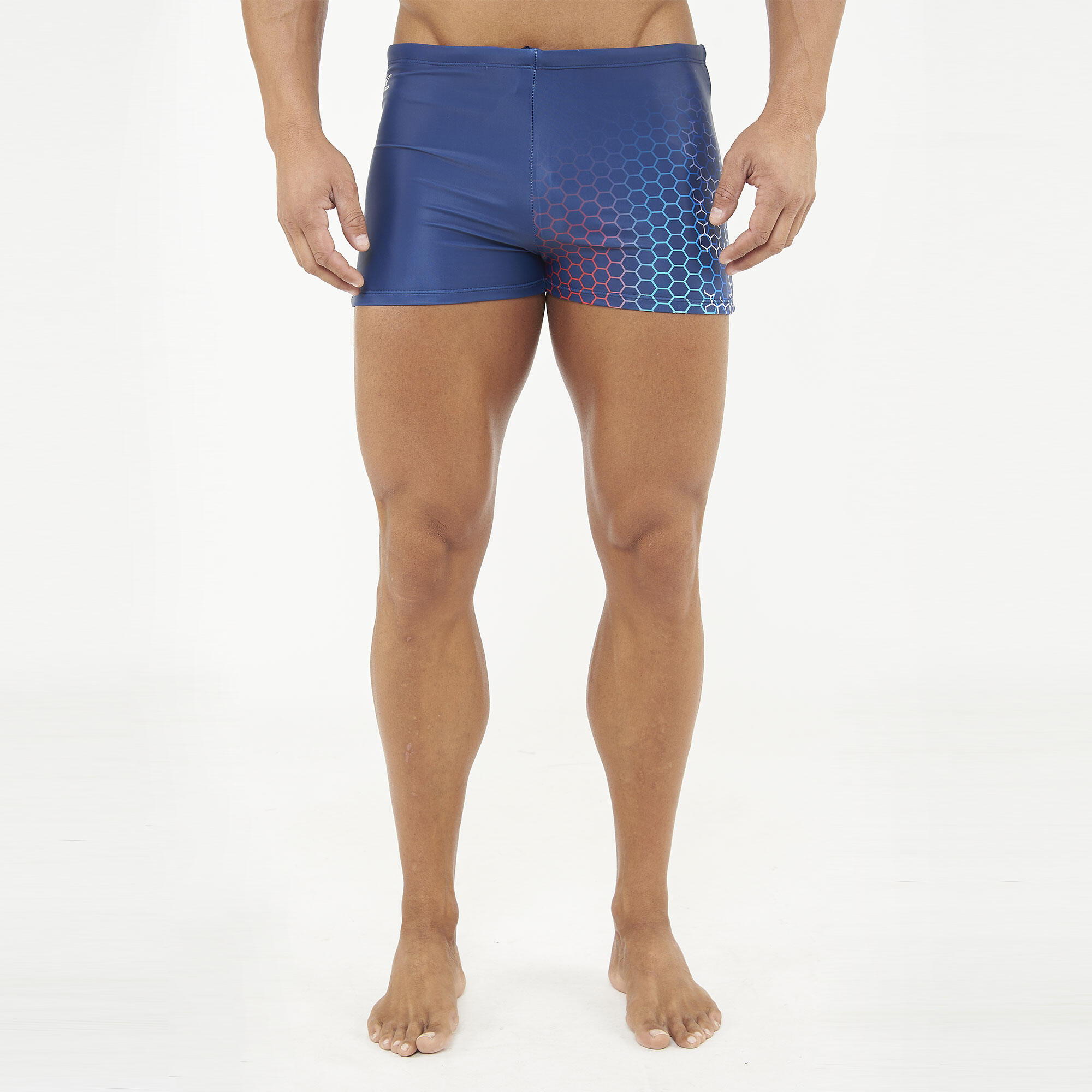
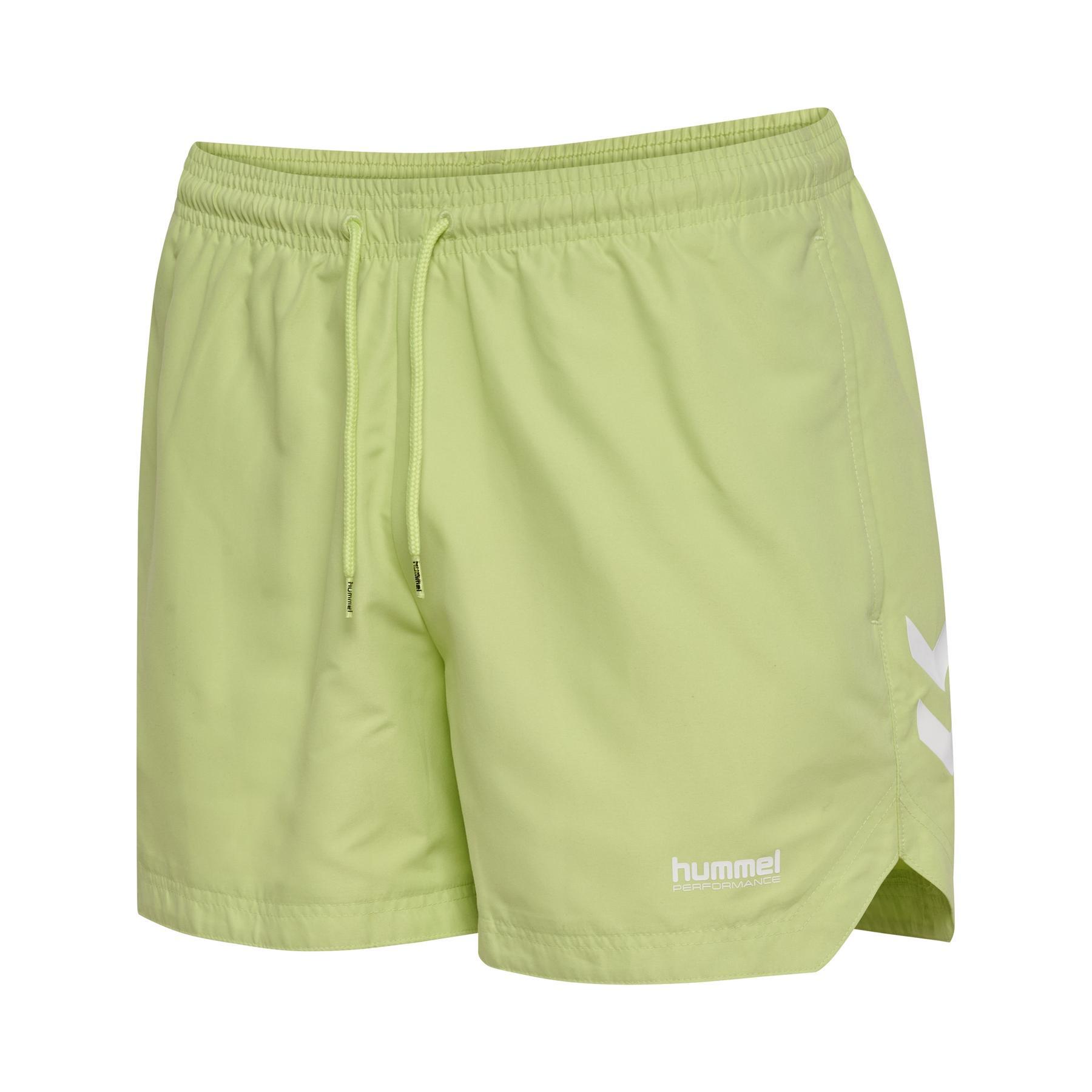
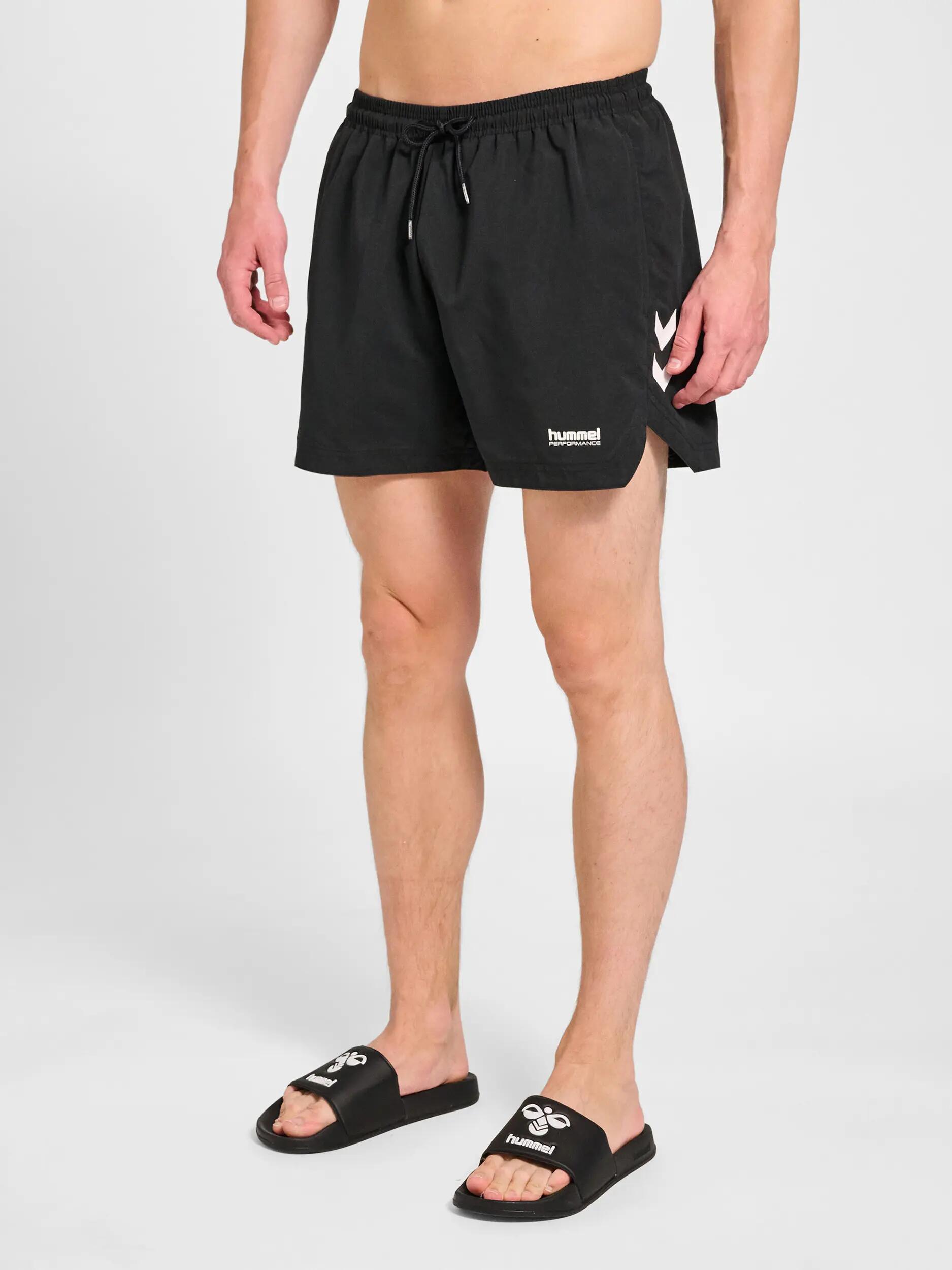
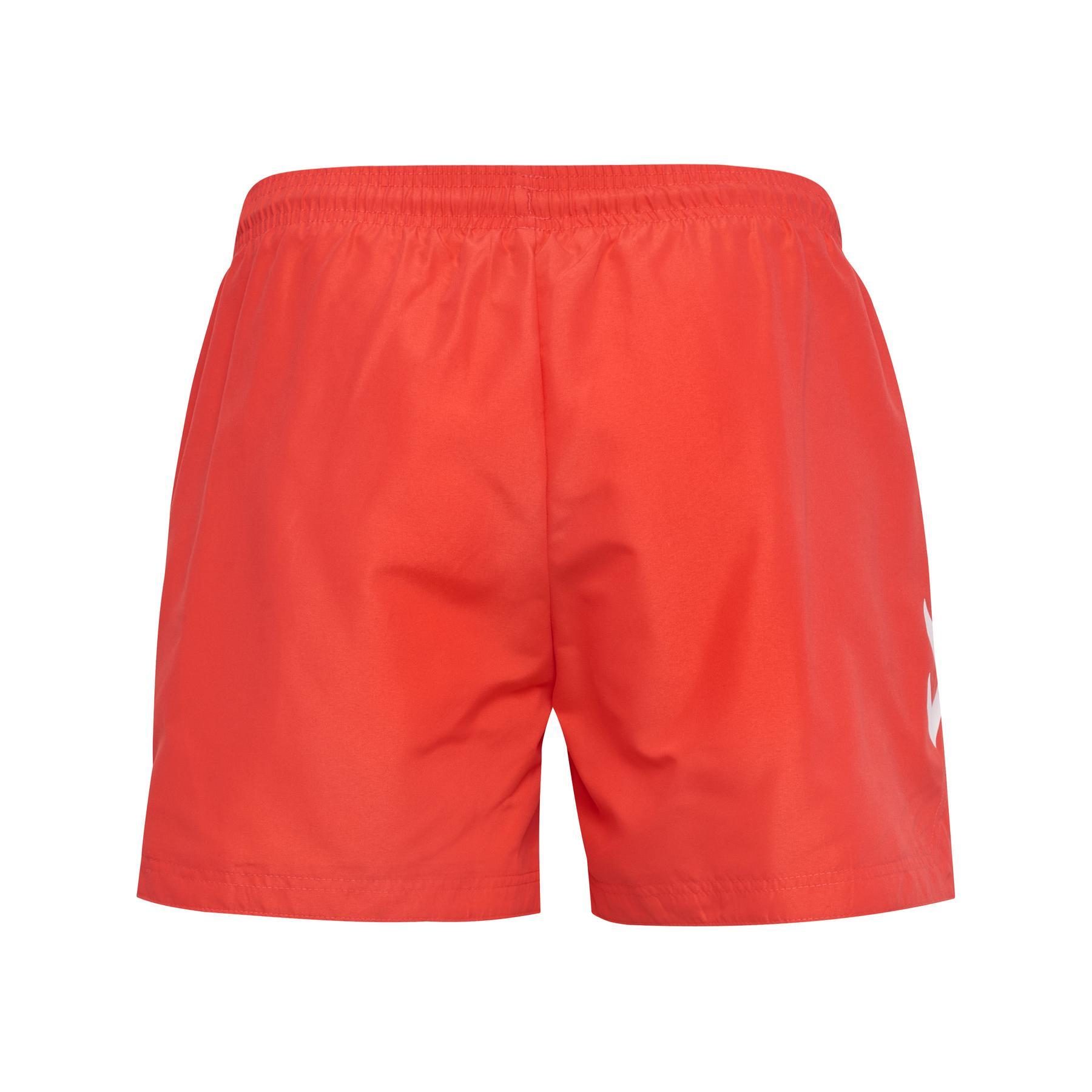
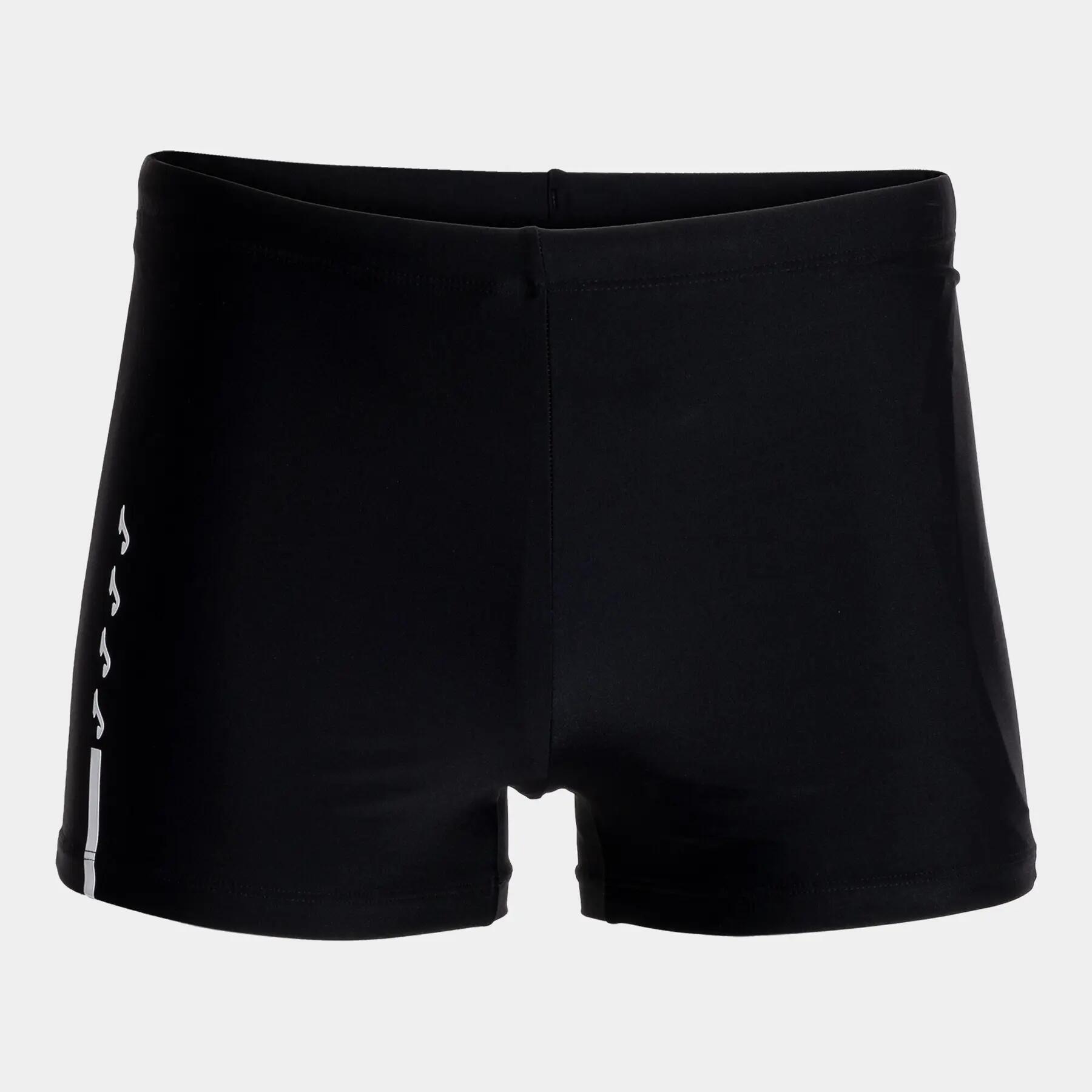
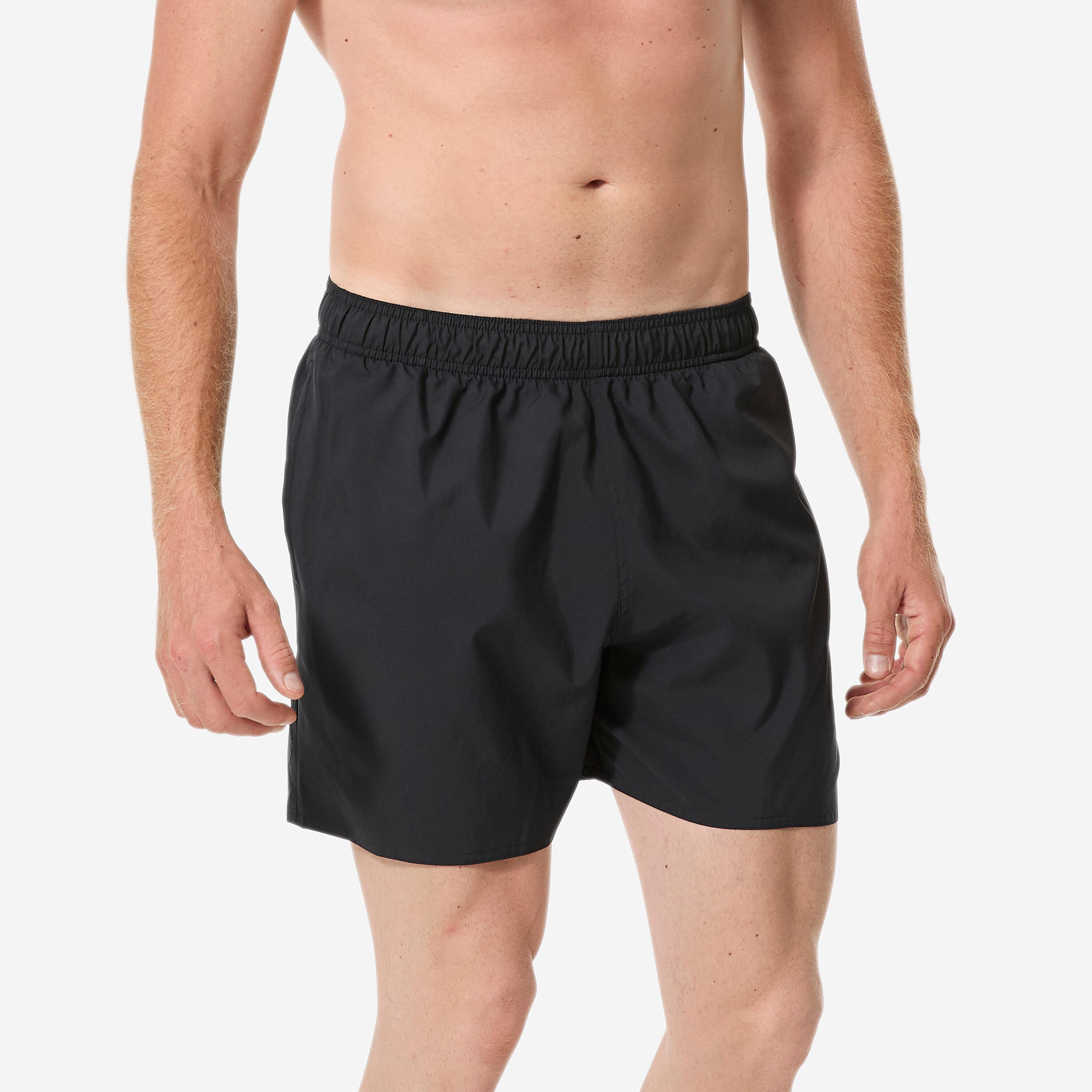
5 coloursDECATHLON Men’s swimming shorts, Basic black4.6(2,850)Reviews.votesAria5 coloursCurrent price {{currentPrice}} €10.00
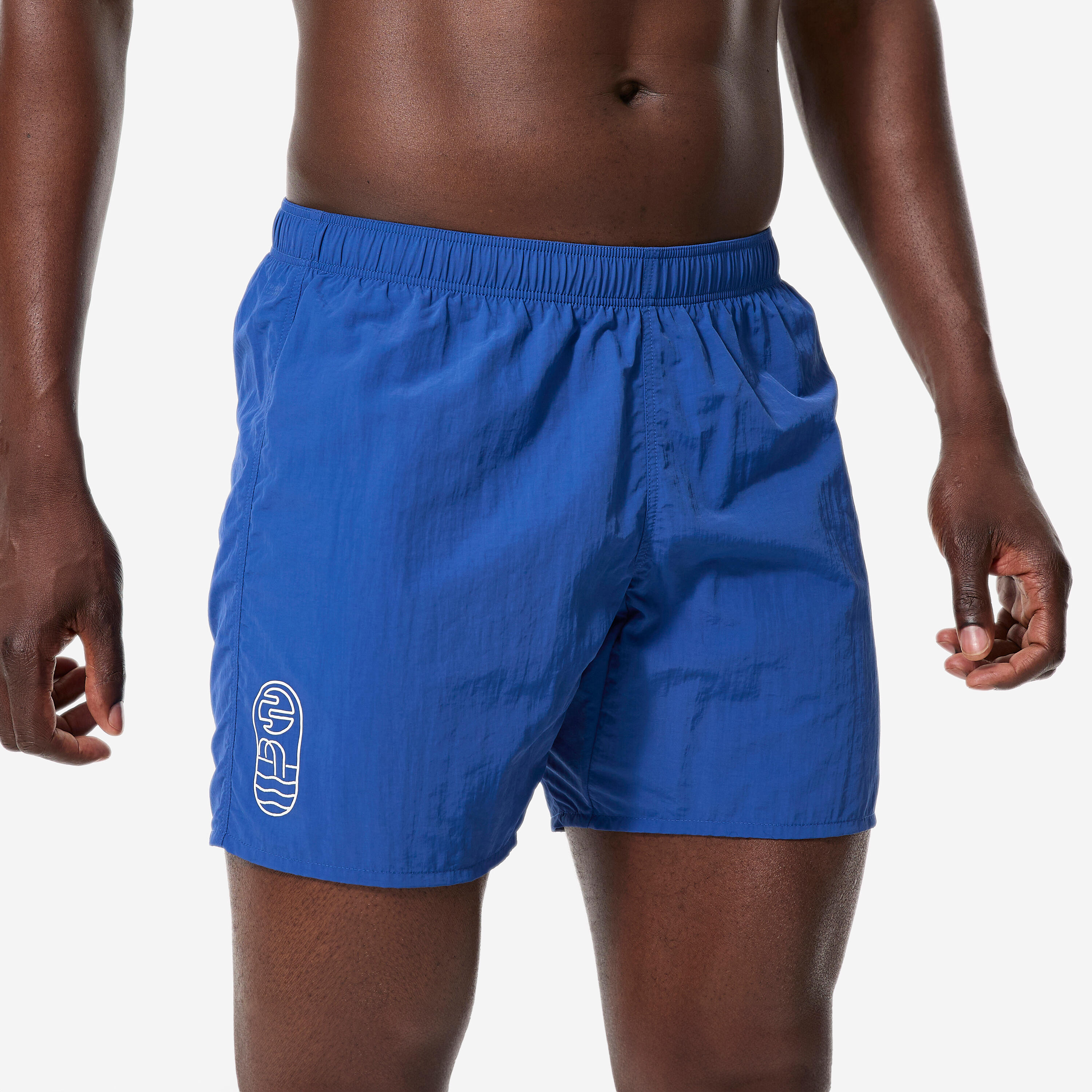
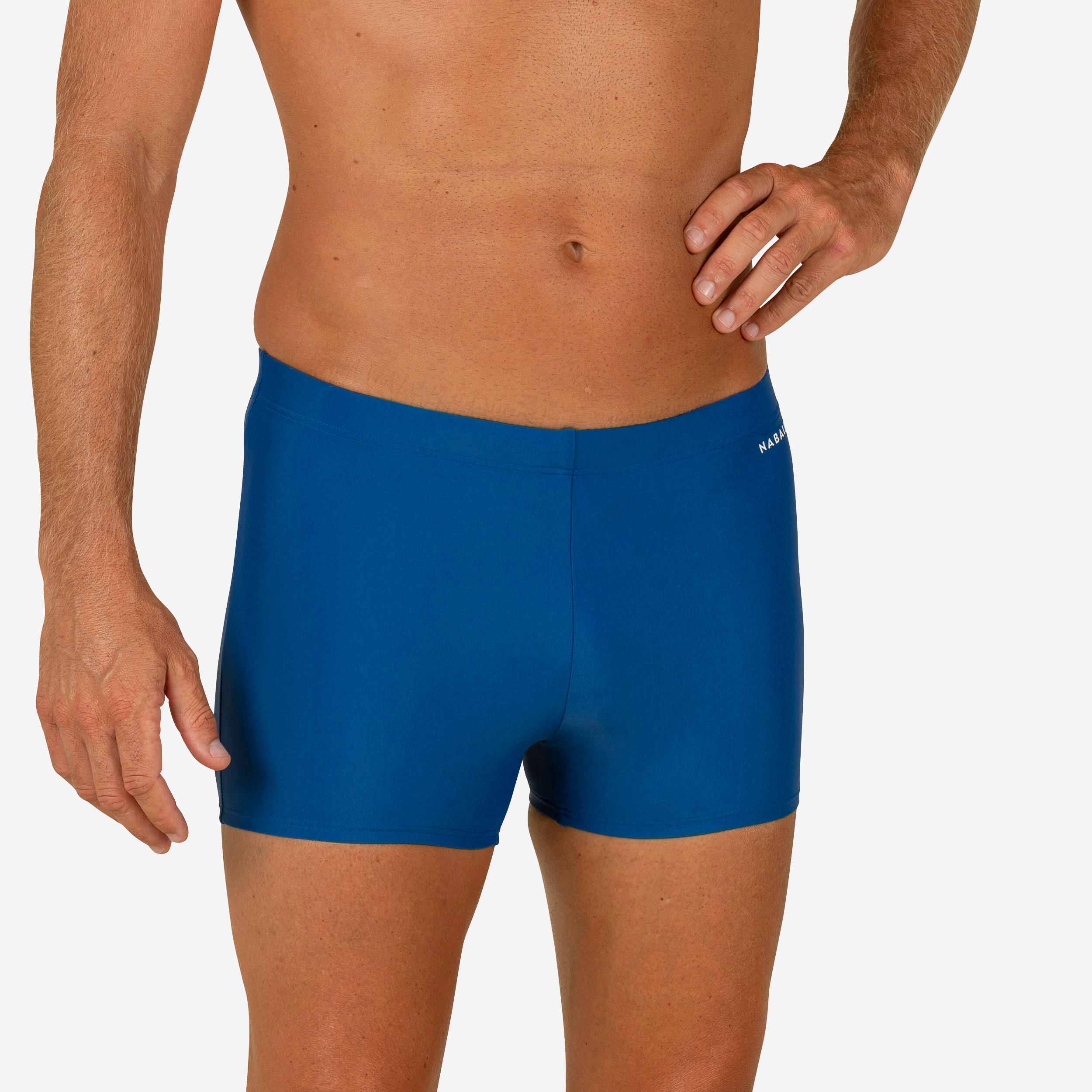
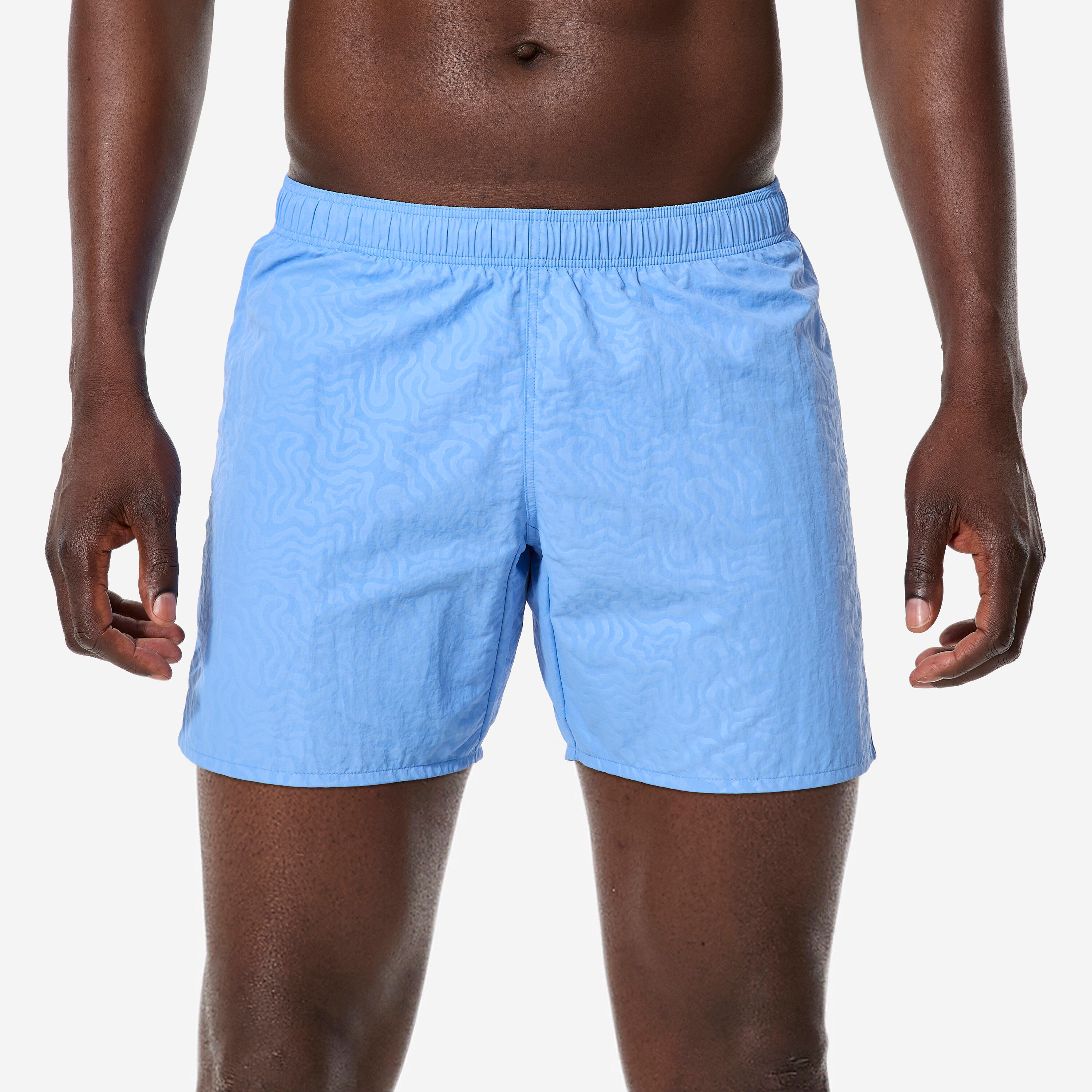
5 coloursDECATHLON Men’s swim shorts, Basic new blue4.6(2,850)Reviews.votesAria5 coloursCurrent price {{currentPrice}} €10.00
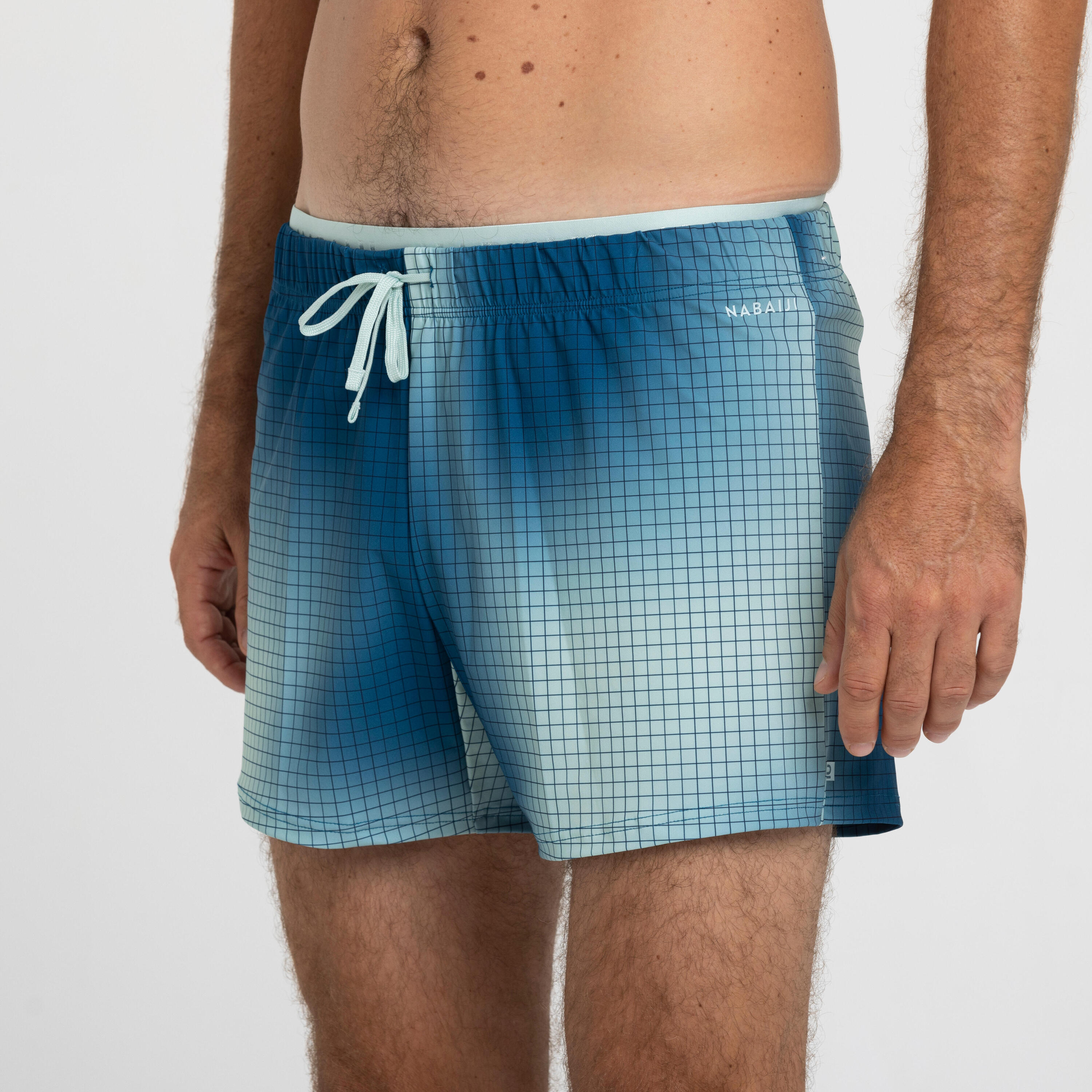
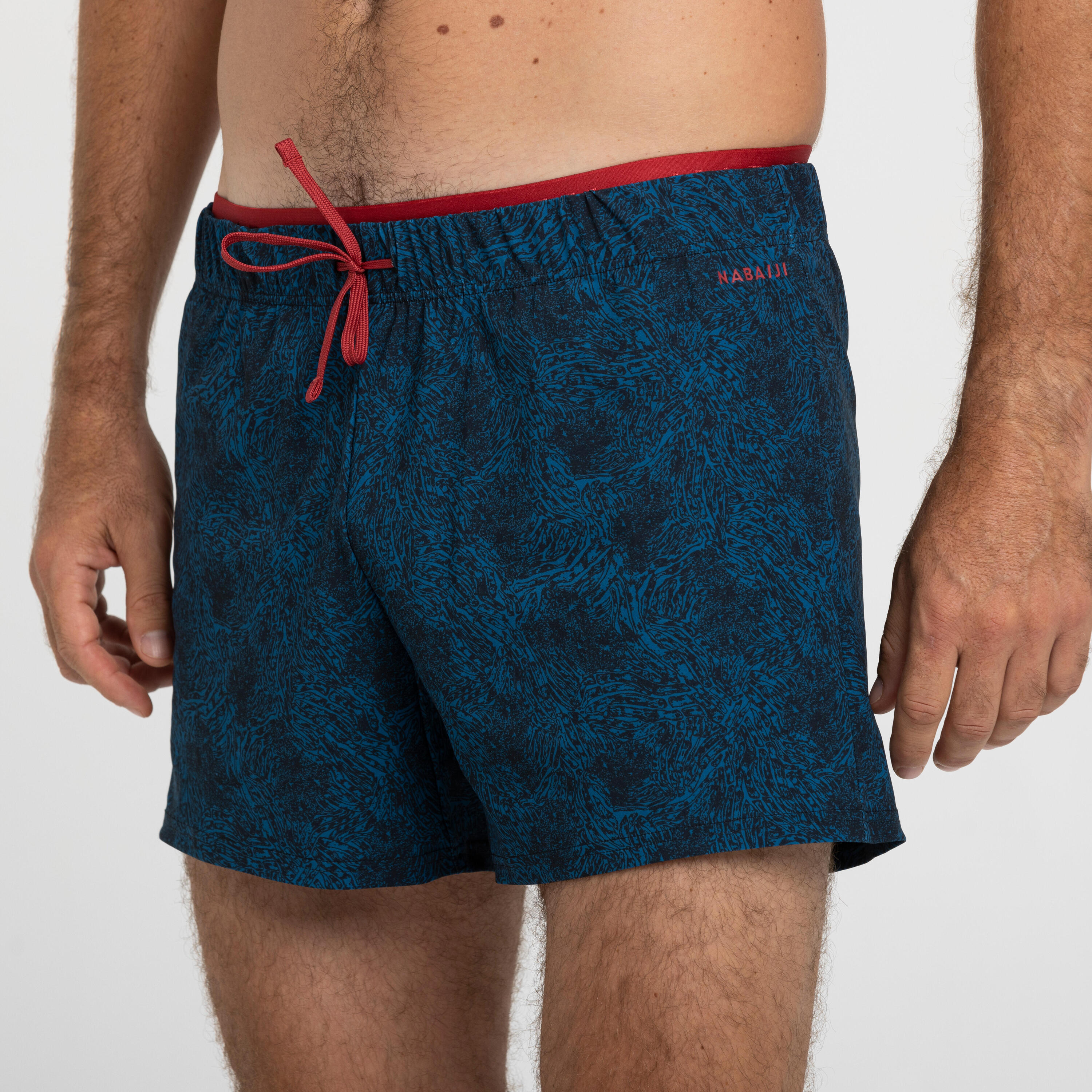
Promotion Promotion4 coloursPromotionNABAIJI Men’s short swimming shorts 100 camo blue4.8(2,073)Reviews.votesAria4 coloursCurrent price {{currentPrice}} €13.00 Former price €19.00 31% offLowest price: €19.00Starting on 5/7/2026 and valid for the entire duration of the promo
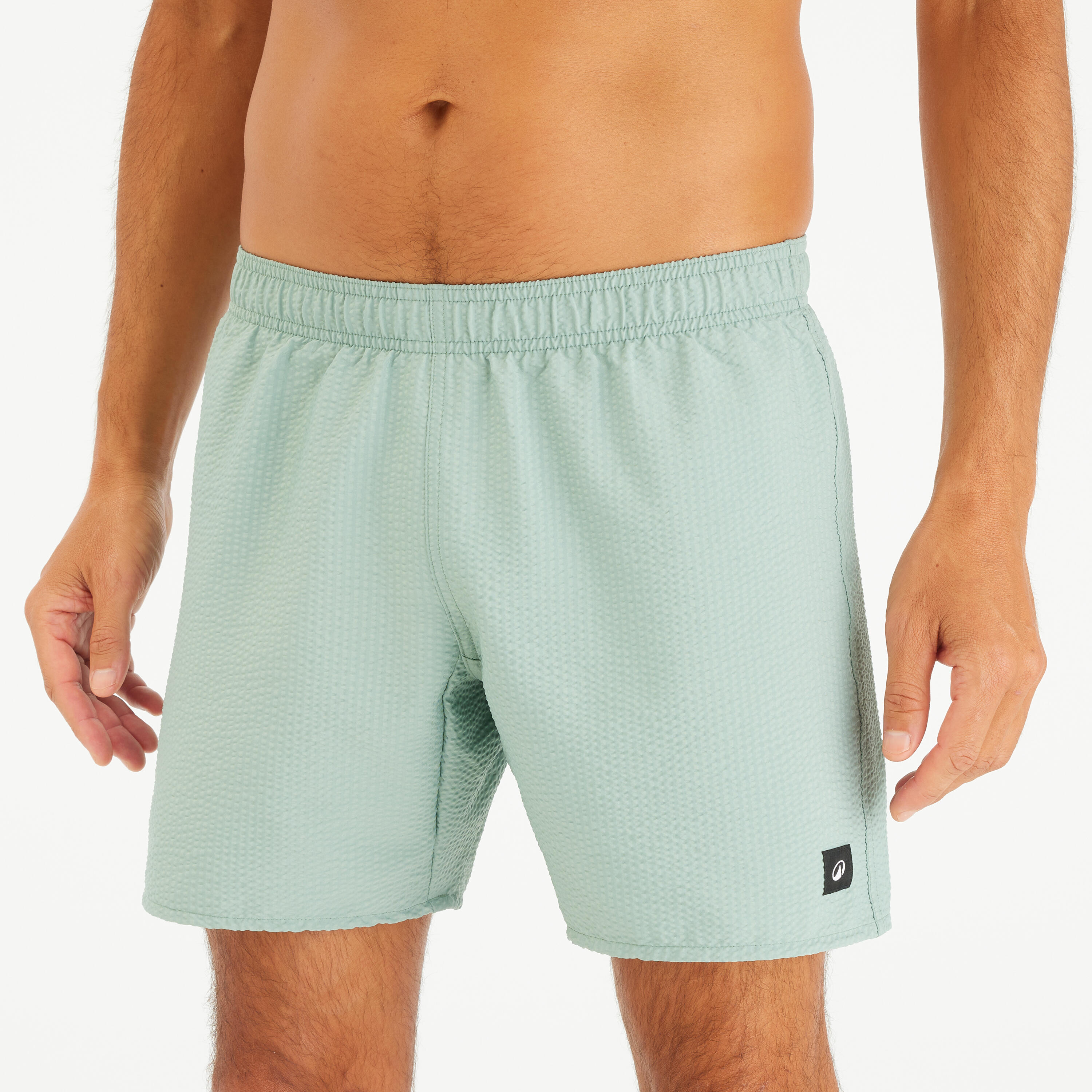
Last chance Last chance2 coloursLast chanceDECATHLON Men’s swimming shorts - 100 textured khaki4.7(355)Reviews.votesAria2 coloursCurrent price {{currentPrice}} €13.00
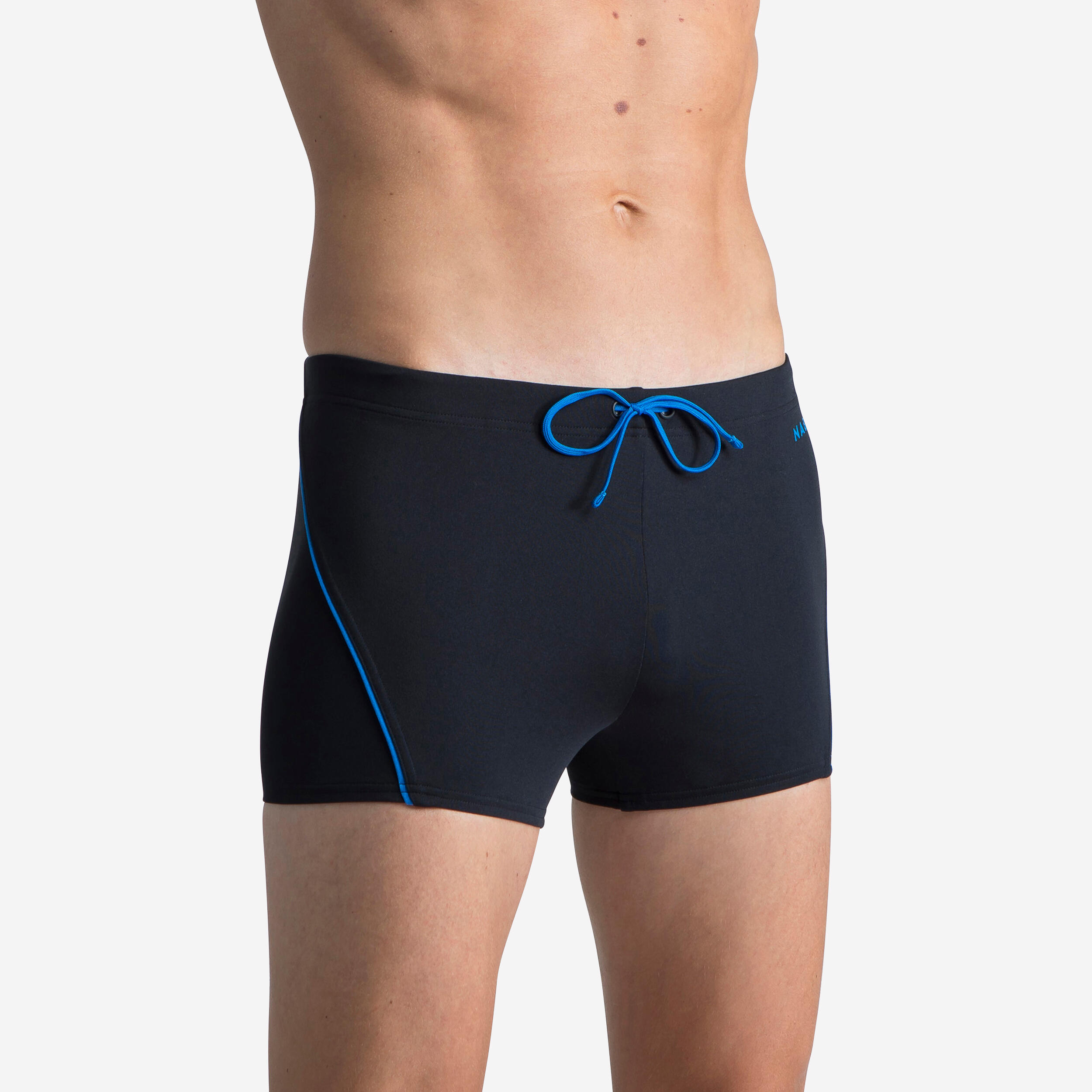
DECATHLON Men’s Swimming Boxers - Boxers 100 Plus - Black Blue4.6(3,600)Reviews.votesAriaCurrent price {{currentPrice}} €10.00
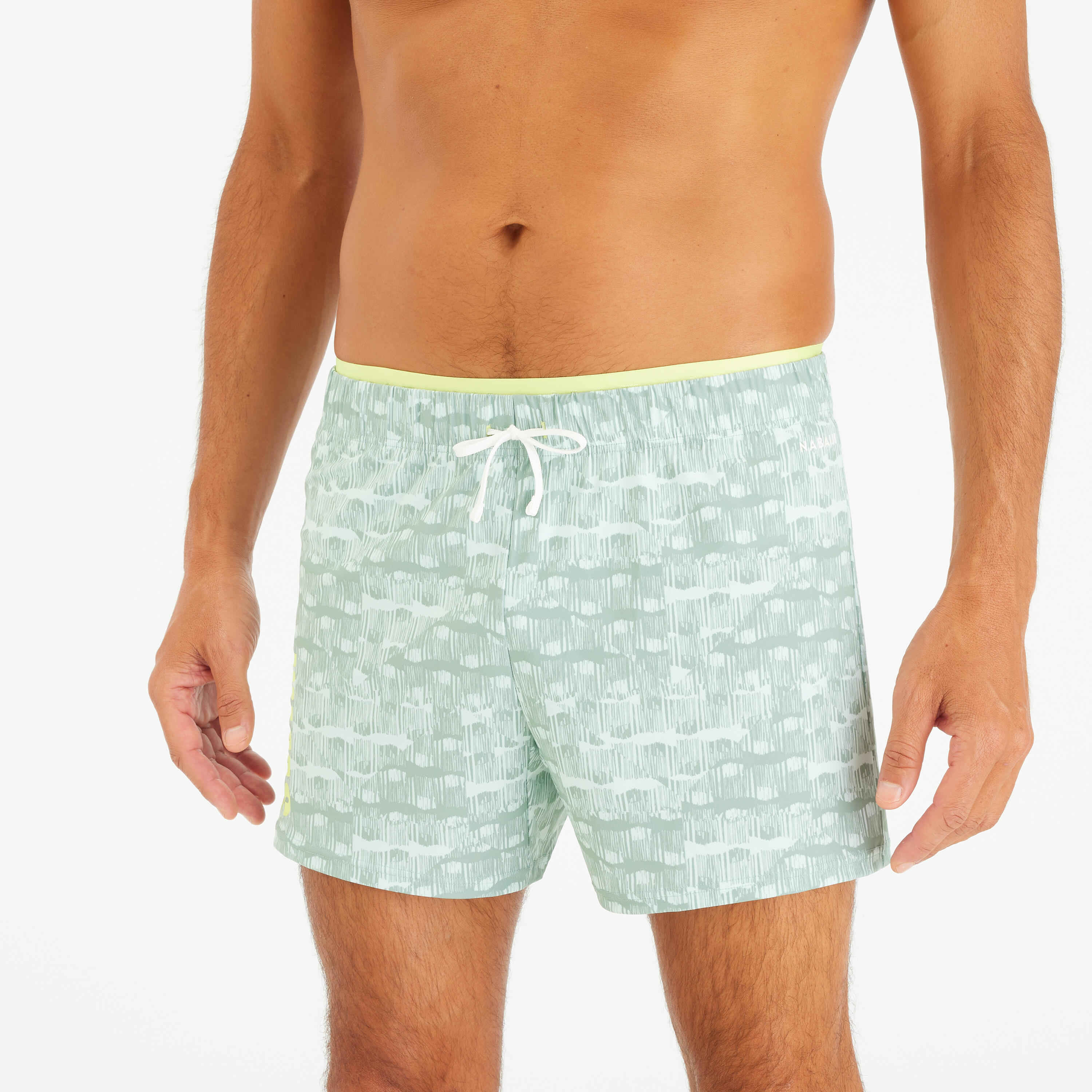
Promotion Promotion4 coloursPromotionNABAIJI Men’s swimming short swim shorts - 100 cray khaki4.8(2,073)Reviews.votesAria4 coloursCurrent price {{currentPrice}} €13.00 Former price €19.00 31% offLowest price: €19.00Starting on 5/7/2026 and valid for the entire duration of the promo
Last chance Last chance4 coloursLast chanceNABAIJI Men’s swimming shorts 100 Short Tega black4.8(2,073)Reviews.votesAria4 coloursCurrent price {{currentPrice}} €12.00 Former price €18.00 33% offLowest price: €18.00Starting on 20/7/2025 and valid for the entire duration of the promo
NABAIJI Men’s Swimming Swim Shorts - Boxer 100 Basic -Blue4.6(2,130)Reviews.votesAriaCurrent price {{currentPrice}} €5.00
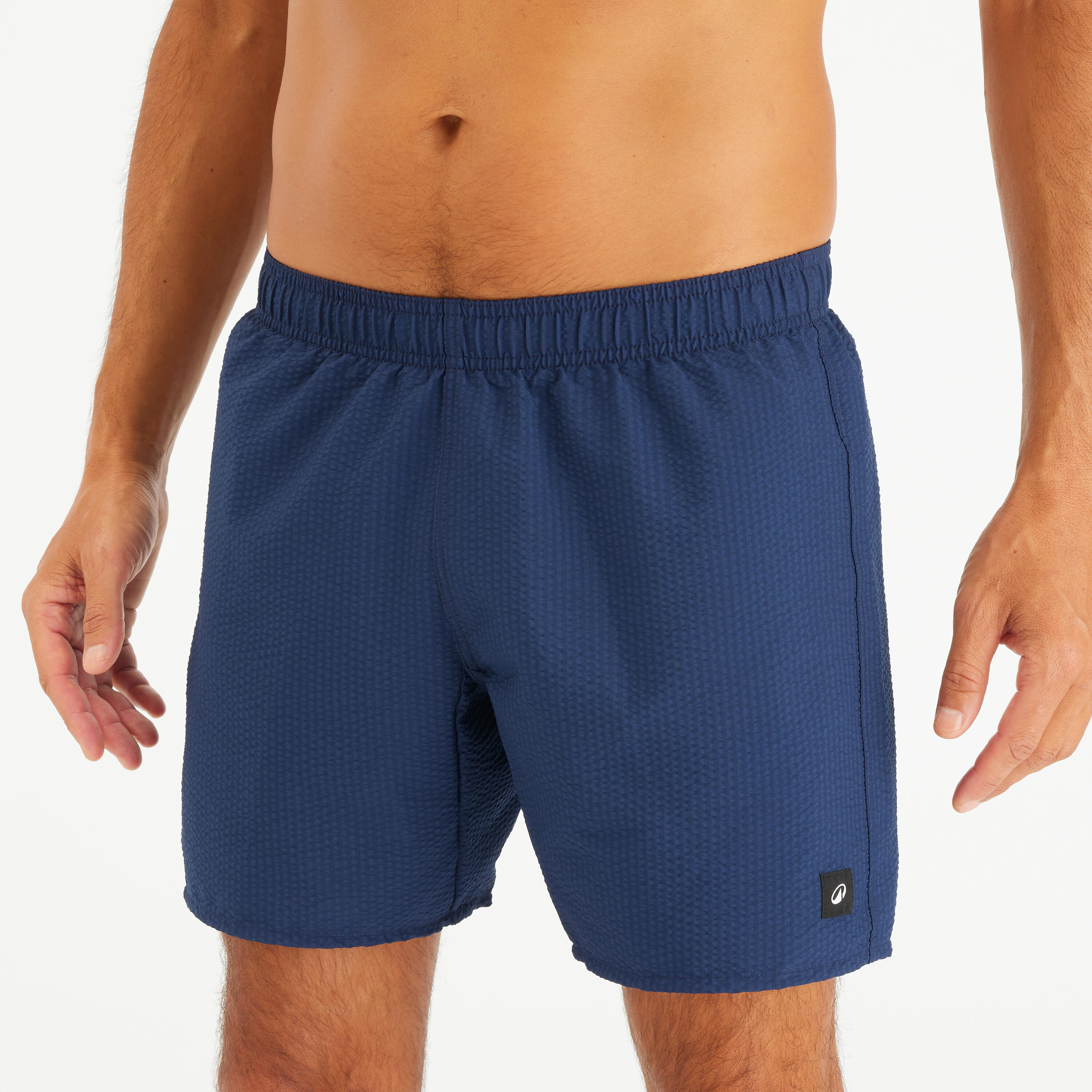
2 coloursDECATHLON Men’s swimming shorts - 100 textured navy4.7(355)Reviews.votesAria2 coloursCurrent price {{currentPrice}} €13.00
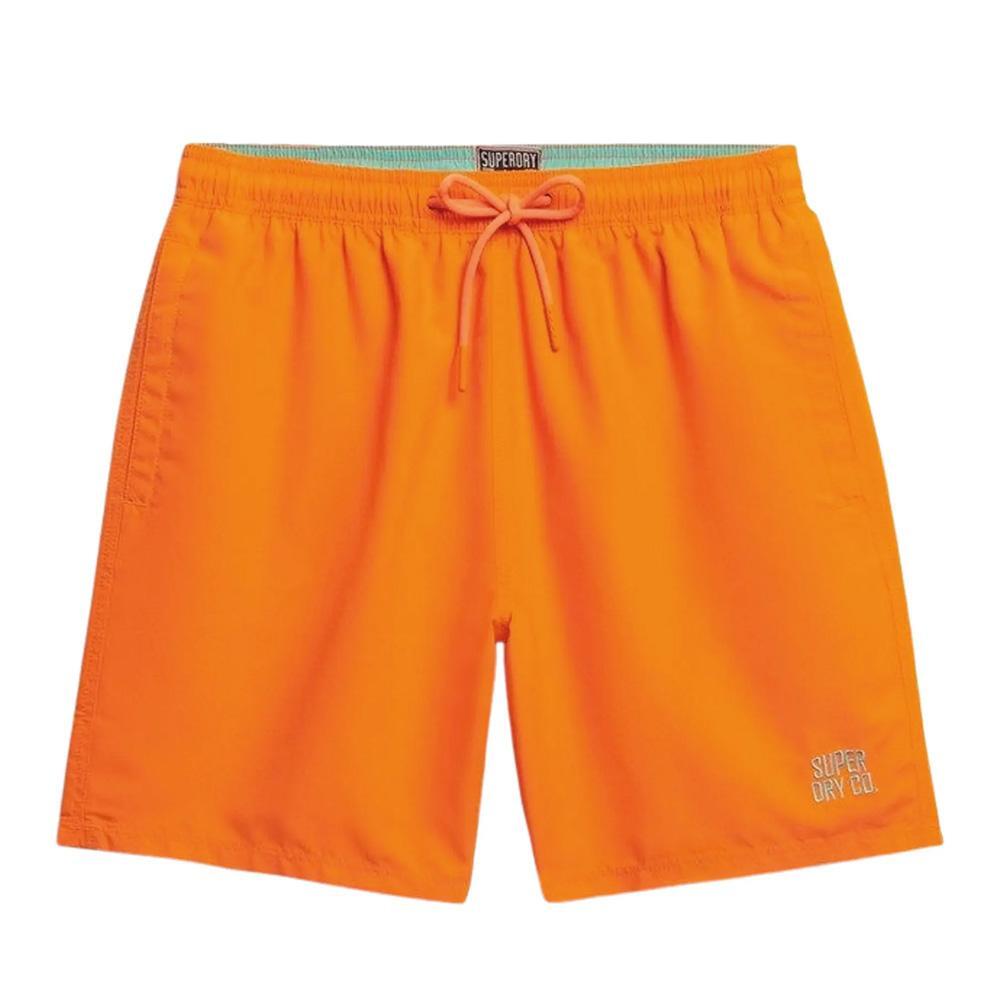
Marketplace -Online Only Marketplace -Online Only4 coloursMarketplace -Online OnlySUPERDRY Superdry Men's Essential 16 Orange Swim Shorts4 coloursCurrent price {{currentPrice}} €35.99Get it as soon as 2 working daysSold and shipped by ESPACE SPORT
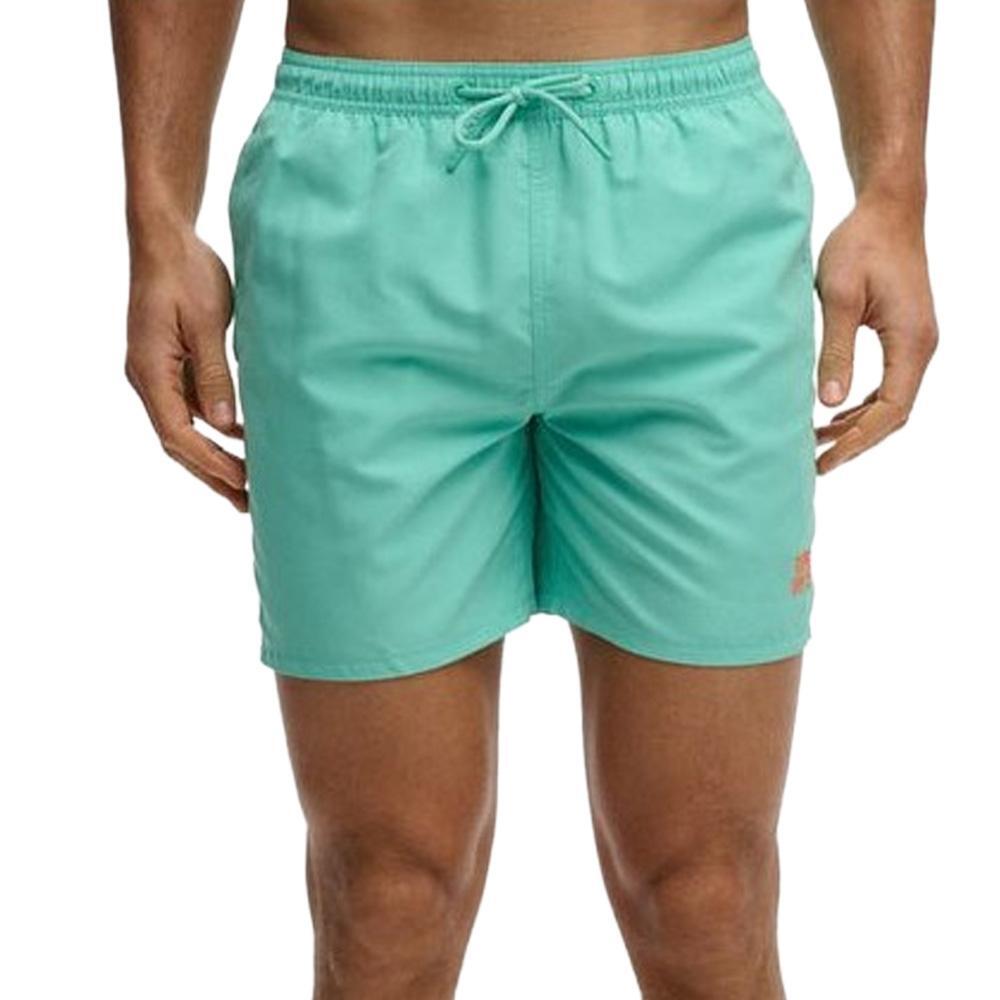
Marketplace -Online Only Marketplace -Online Only4 coloursMarketplace -Online OnlySUPERDRY Superdry Men's Essential 16" Turquoise Swim Shorts4 coloursFromCurrent price {{currentPrice}} €35.99€35.99/unitGet it as soon as 2 working daysSold and shipped by ESPACE SPORT
Marketplace -Online Only Marketplace -Online Only4 coloursMarketplace -Online OnlySUPERDRY Superdry Men's Essential Navy Swim Shorts4 coloursFromCurrent price {{currentPrice}} €35.99Get it as soon as 2 working daysSold and shipped by ESPACE SPORT
Promotion Promotion4 coloursPromotionNABAIJI Men’s swimming short swim shorts - 100 orga green4.8(2,073)Reviews.votesAria4 coloursCurrent price {{currentPrice}} €13.00 Former price €19.00 31% offLowest price: €19.00Starting on 5/7/2026 and valid for the entire duration of the promo
5 coloursDECATHLON Men’s swim shorts, Basic new green4.6(2,850)Reviews.votesAria5 coloursCurrent price {{currentPrice}} €10.00
Last chance Last chance2 coloursLast chanceDECATHLON Men’s swimming long swim shorts - 100 kamo4.9(2,341)Reviews.votesAria2 coloursCurrent price {{currentPrice}} €16.00 Former price €21.00 23% offLowest price: €21.00Starting on 3/10/2026 and valid for the entire duration of the promo
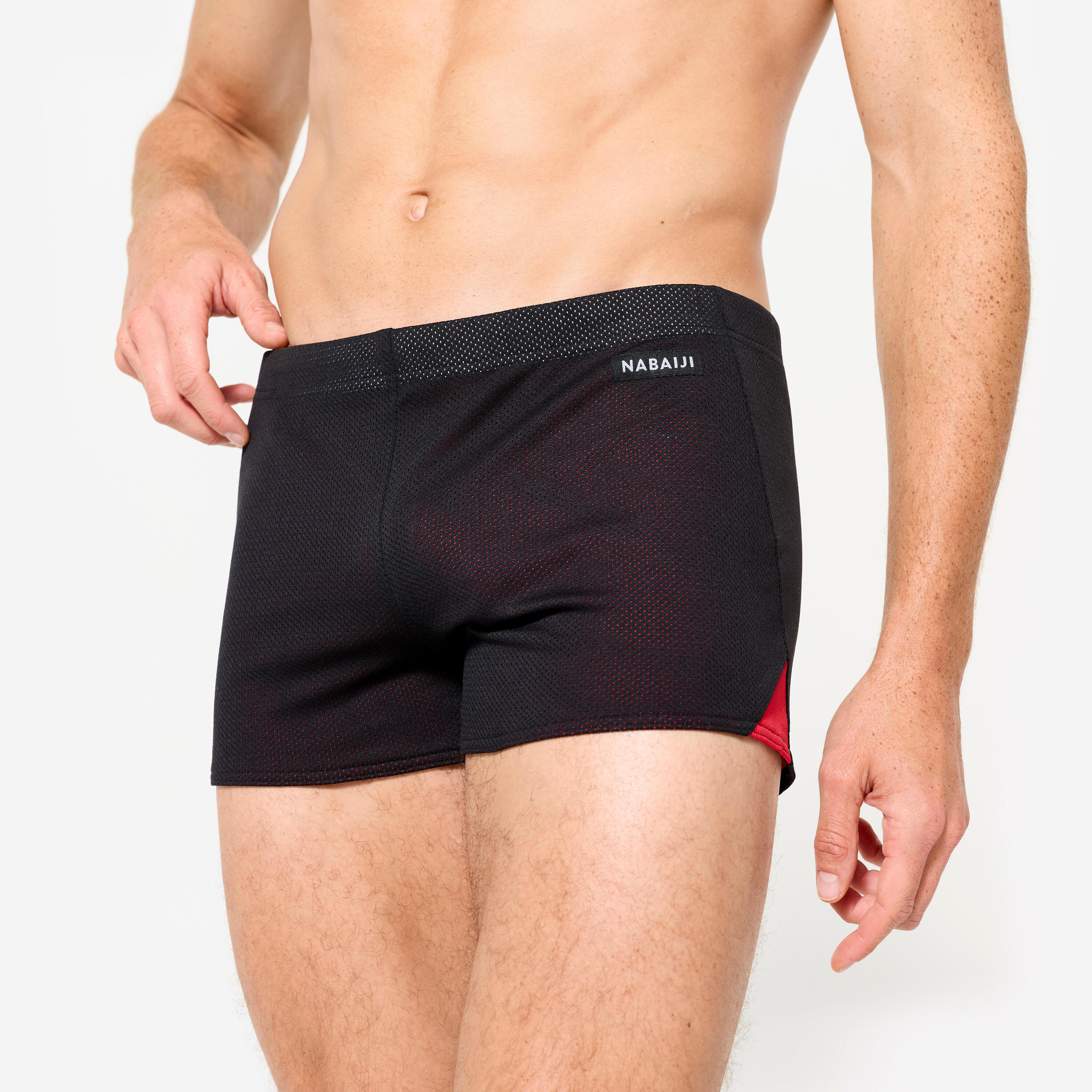
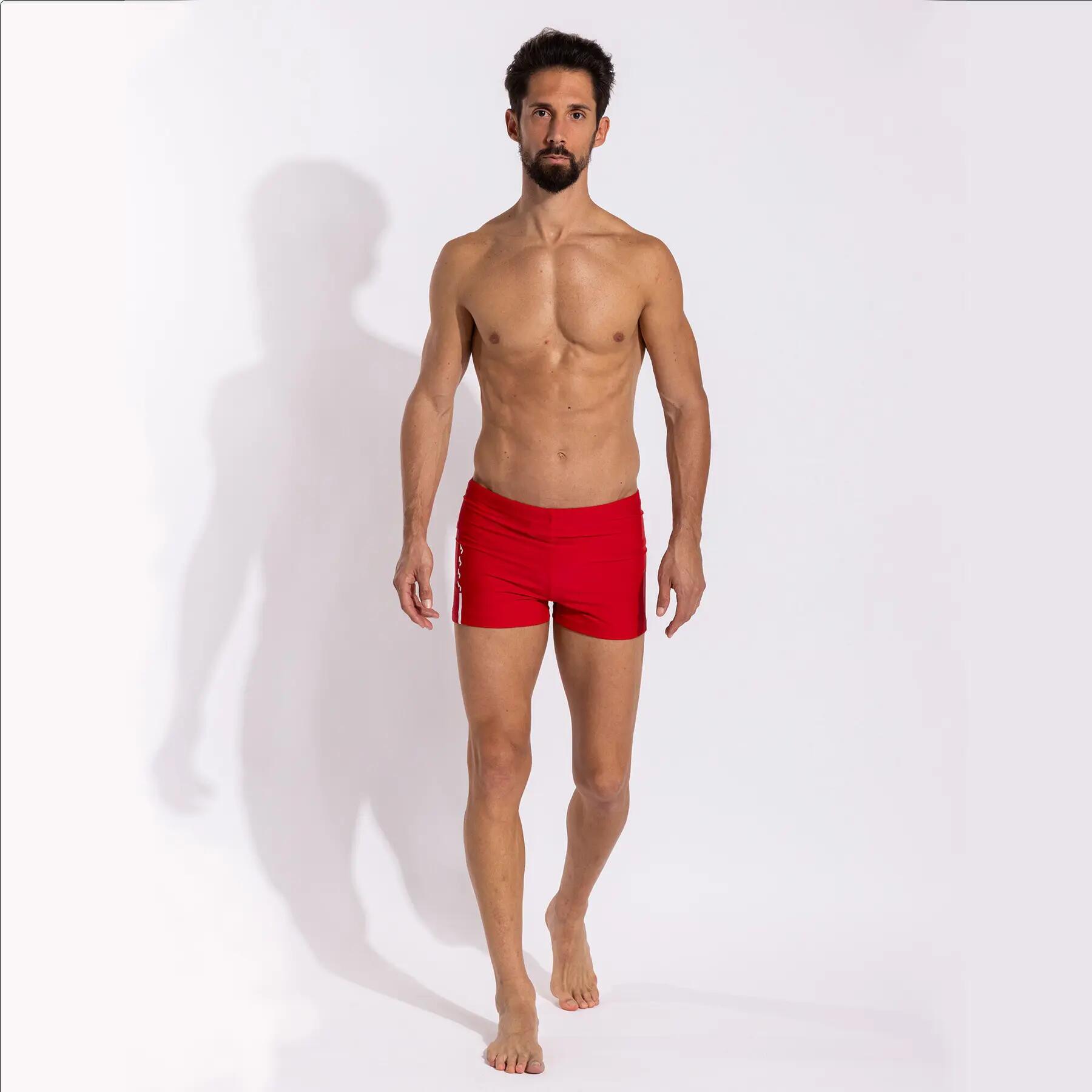
Last chance Last chanceLast chanceNABAIJI MEN’S SWIMMING SHORTS BRAKE 900 - DRAG SUIT BLACK RED3.6(5)Reviews.votesAriaCurrent price {{currentPrice}} €11.00 Former price €21.00 47% offLowest price: €21.00Starting on 31/7/2026 and valid for the entire duration of the promo
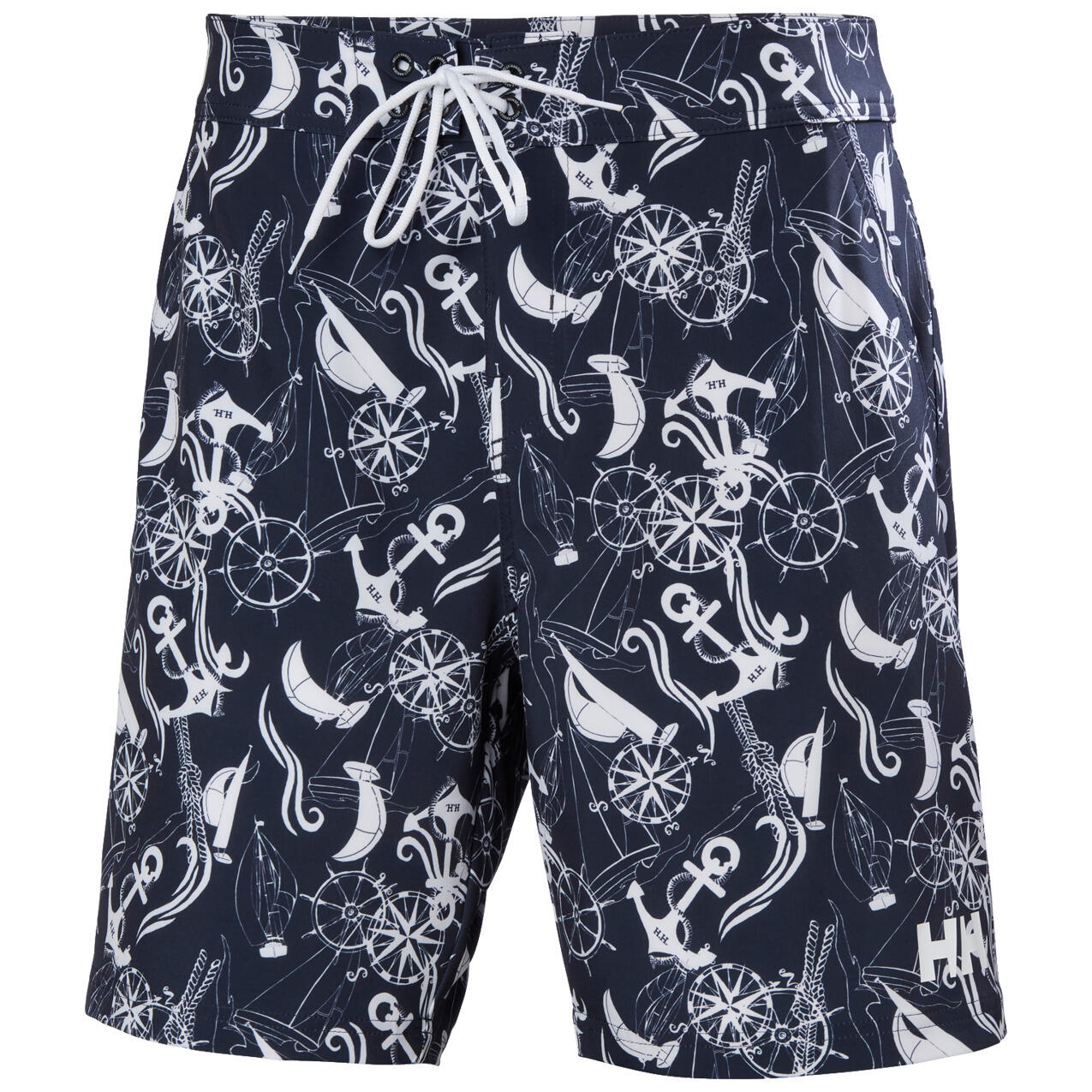
Marketplace -Online Only Marketplace -Online OnlyMarketplace -Online OnlyHELLY HANSEN Swim shorts Helly Hansen Newport 8"Current price {{currentPrice}} €55.70 Former price €65.00 14% offLowest price: €65.00Starting on 9/10/2026 and valid for the entire duration of the promoSold and shipped by Sports Lab IE
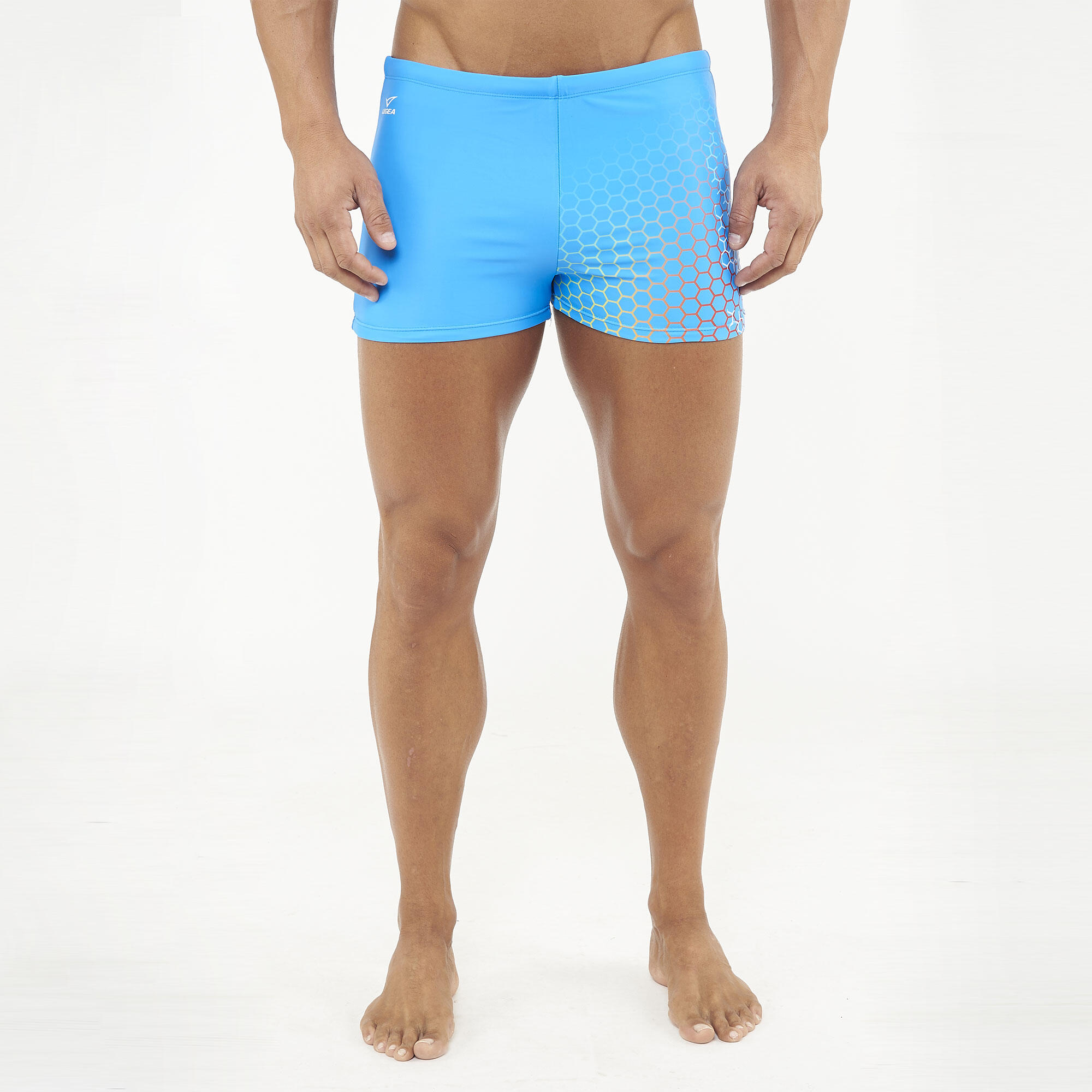
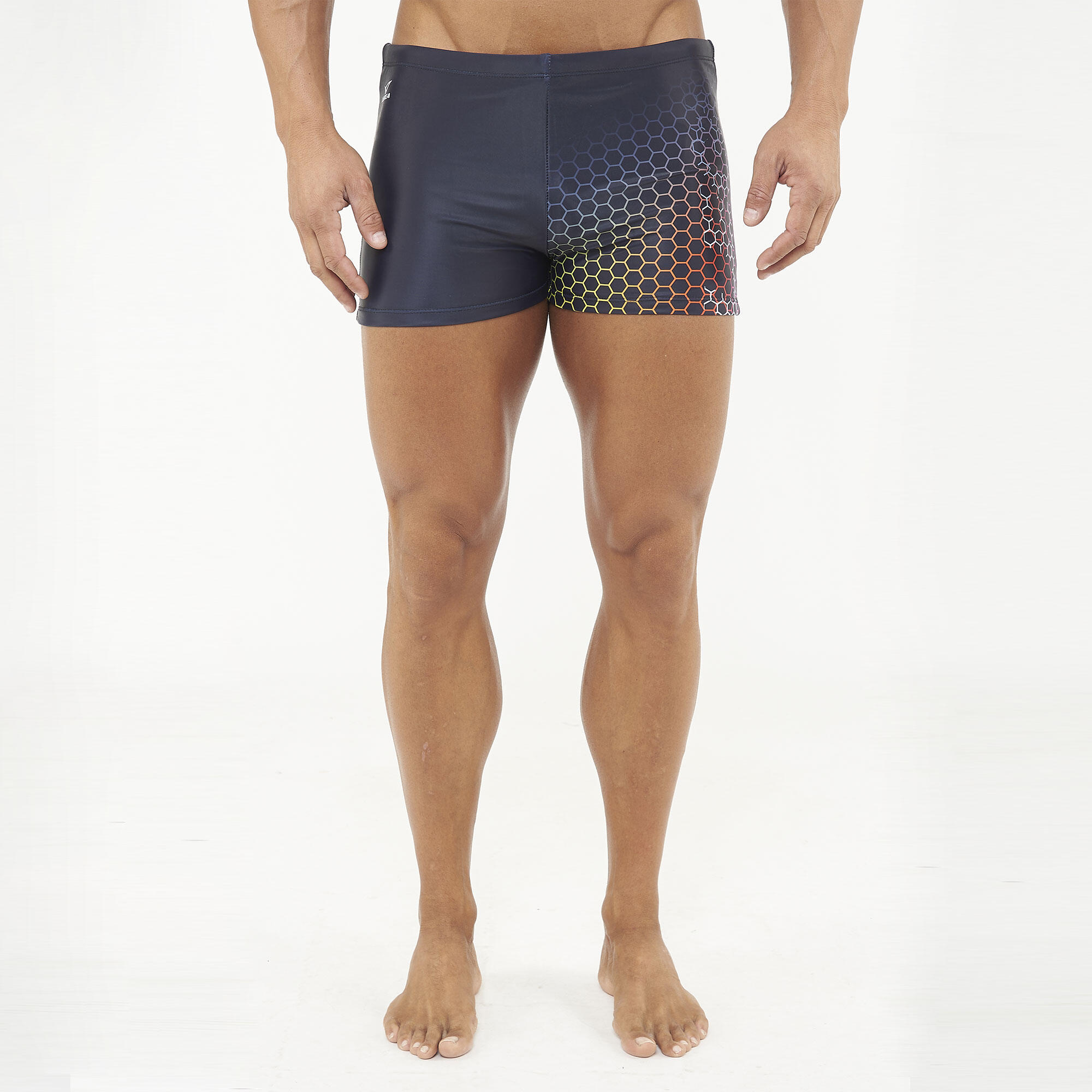
Marketplace -Online Only Marketplace -Online Only3 coloursMarketplace -Online OnlyLEGEA Swimwear ARRAKIS Light Blue5(1)Reviews.votesAria3 coloursCurrent price {{currentPrice}} €38.99€38.99/unitSold and shipped by Ldmk
Marketplace -Online Only Marketplace -Online Only3 coloursMarketplace -Online OnlyLEGEA Men Swimwear Comfortable Stylish ARRAKIS5(1)Reviews.votesAria3 coloursFromCurrent price {{currentPrice}} €31.90€31.90/unitSold and shipped by LEGEA
Marketplace -Online Only Marketplace -Online Only3 coloursMarketplace -Online OnlyLEGEA Men's Swim Shorts Adjustable Drawstring Geometric Print STILGAR5(1)Reviews.votesAria3 coloursFromCurrent price {{currentPrice}} €31.90€31.90/unitSold and shipped by LEGEA
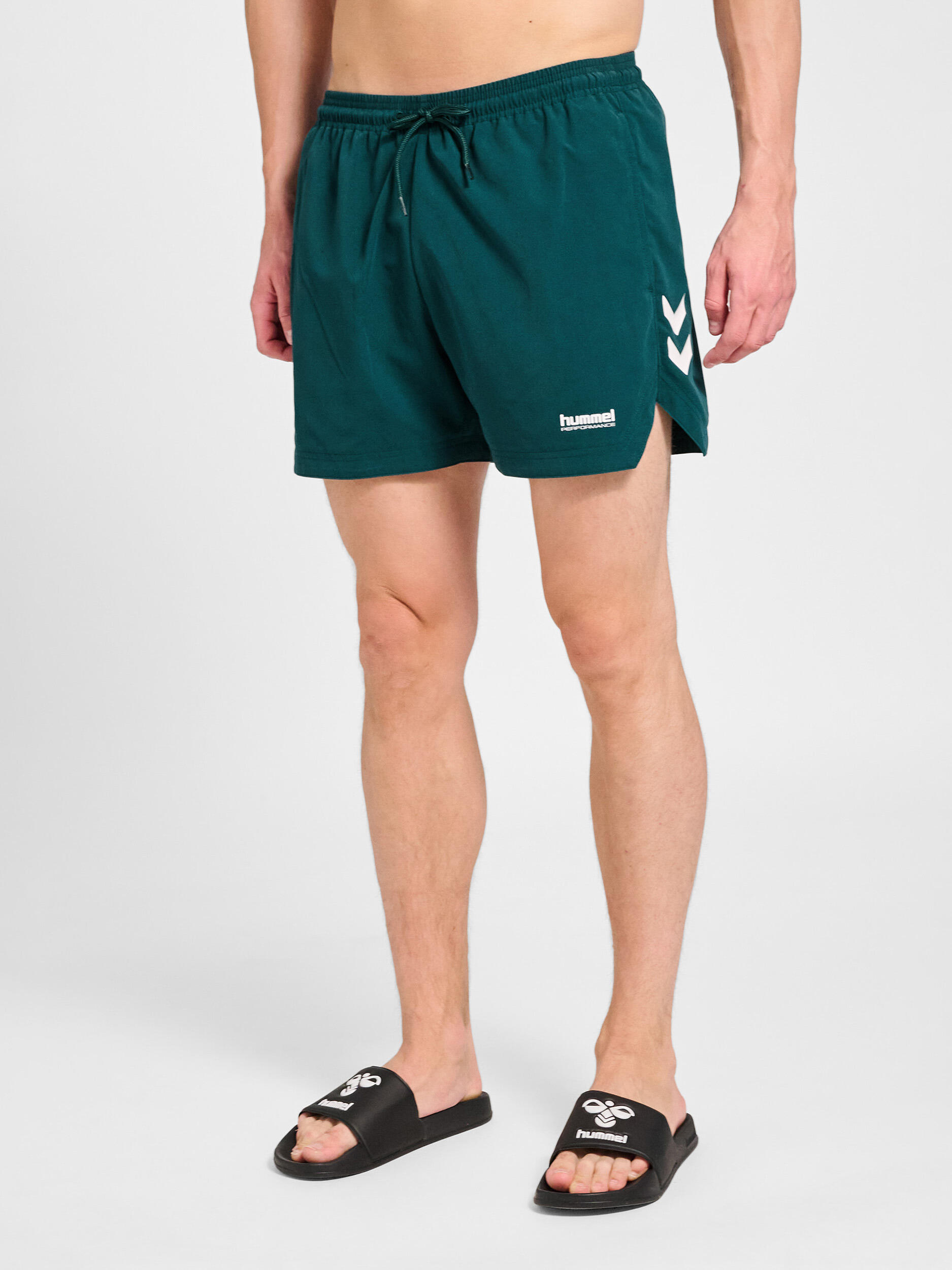
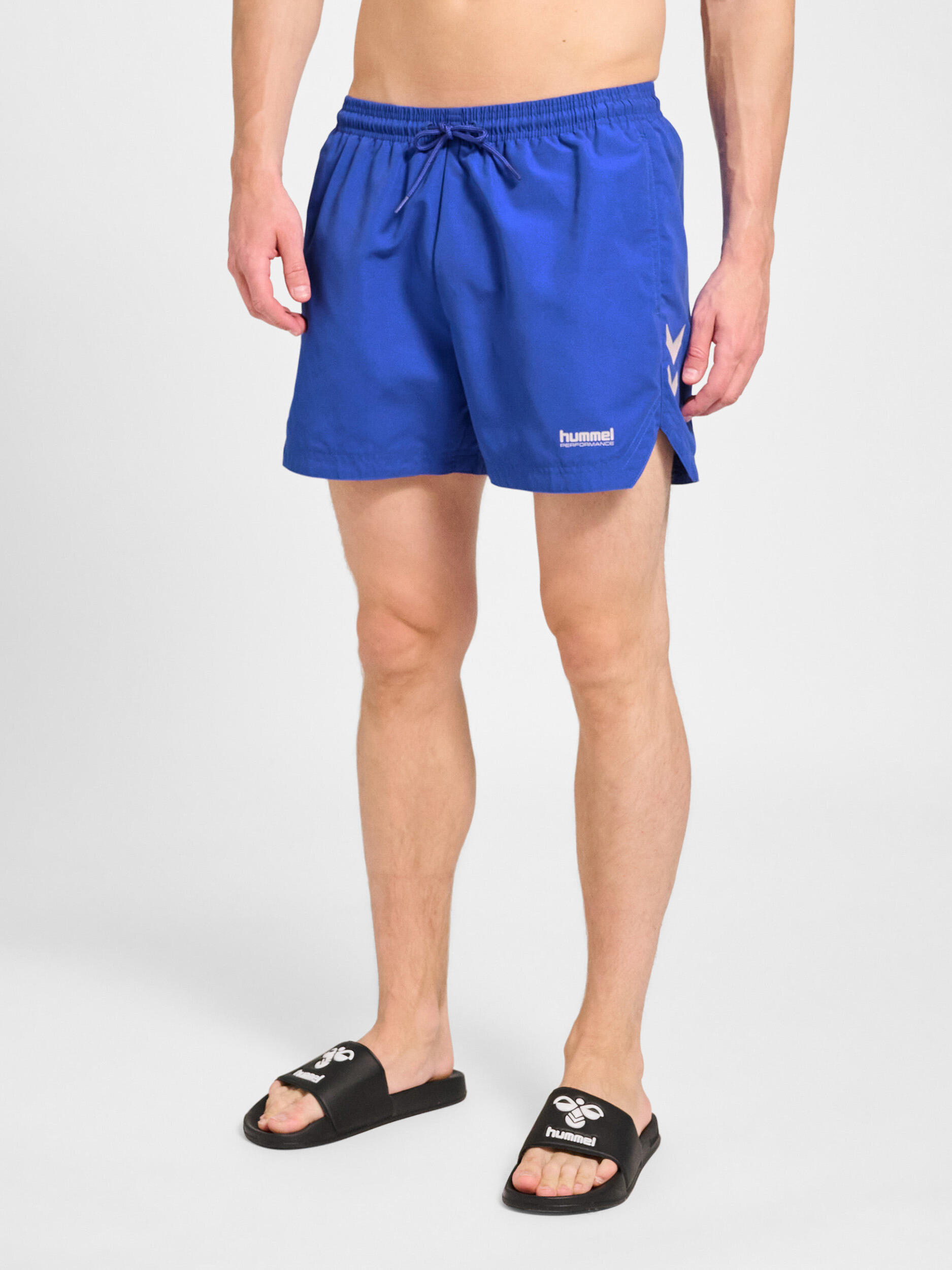
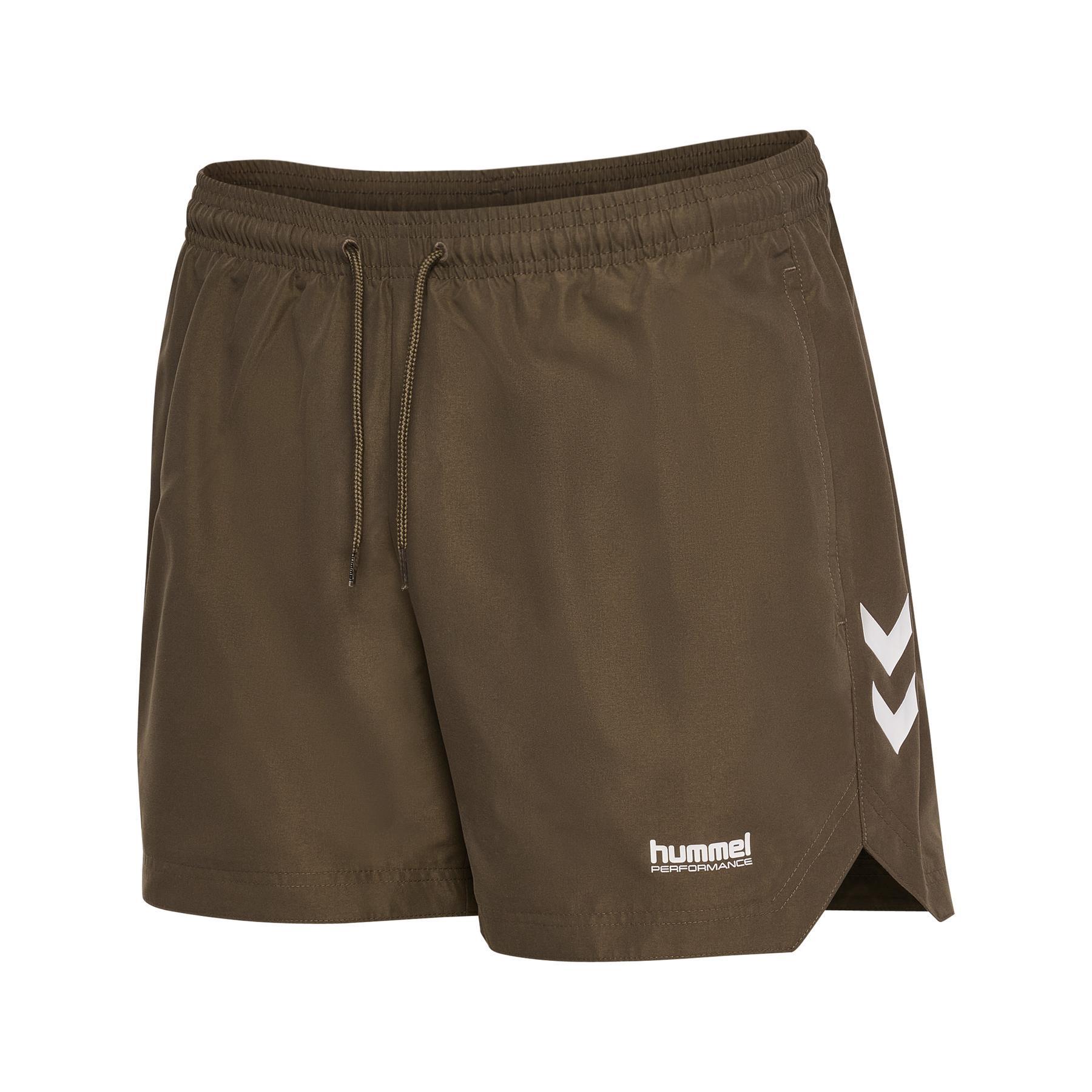
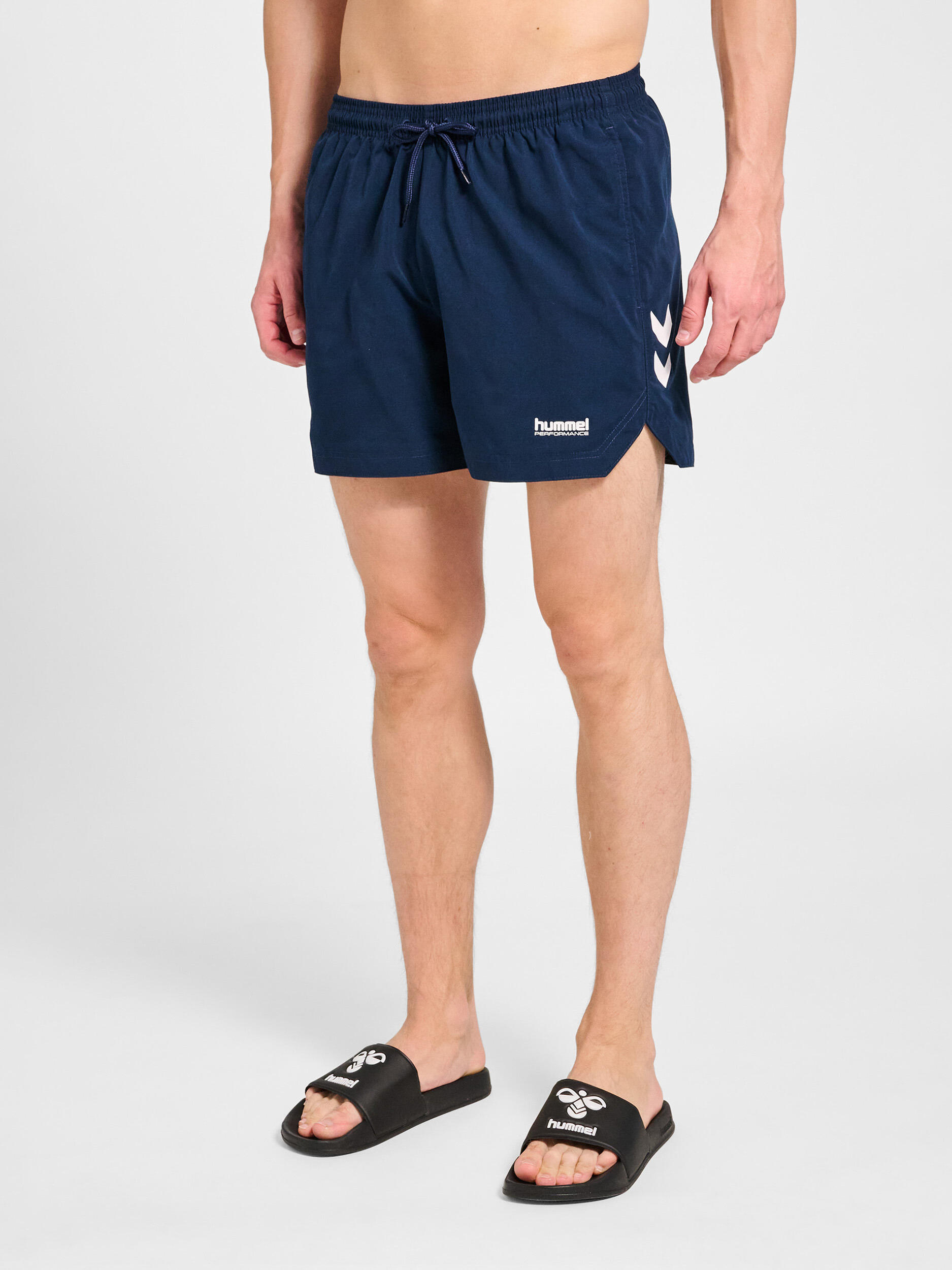
Marketplace -Online Only Marketplace -Online Only7 coloursMarketplace -Online OnlyHUMMEL Swim shorts Hummel Pulse7 coloursCurrent price {{currentPrice}} €28.66Sold and shipped by 247Group.de
Marketplace -Online Only Marketplace -Online Only7 coloursMarketplace -Online OnlyHUMMEL Swim shorts Hummel Pulse7 coloursFromCurrent price {{currentPrice}} €25.46€25.46/unitSold and shipped by Sport & Go EU
Marketplace -Online Only Marketplace -Online Only7 coloursMarketplace -Online OnlyHUMMEL Swim shorts Hummel Pulse7 coloursCurrent price {{currentPrice}} €28.66Sold and shipped by 247Group.de
Marketplace -Online Only Marketplace -Online Only7 coloursMarketplace -Online OnlyHUMMEL Swim shorts Hummel Pulse7 coloursFromCurrent price {{currentPrice}} €22.21 Former price €23.34 4% off€22.21/unitLowest price: €23.34Starting on 8/10/2026 and valid for the entire duration of the promoSold and shipped by Sport & Go EU
Marketplace -Online Only Marketplace -Online Only7 coloursMarketplace -Online OnlyHUMMEL Swim shorts Hummel Pulse7 coloursFromCurrent price {{currentPrice}} €18.19 Former price €19.16 5% off€18.19/unitLowest price: €19.16Starting on 8/10/2026 and valid for the entire duration of the promoSold and shipped by Sport & Go EU
Marketplace -Online Only Marketplace -Online Only7 coloursMarketplace -Online OnlyHUMMEL Swim shorts Hummel Pulse7 coloursFromCurrent price {{currentPrice}} €31.96Sold and shipped by 247Group.de
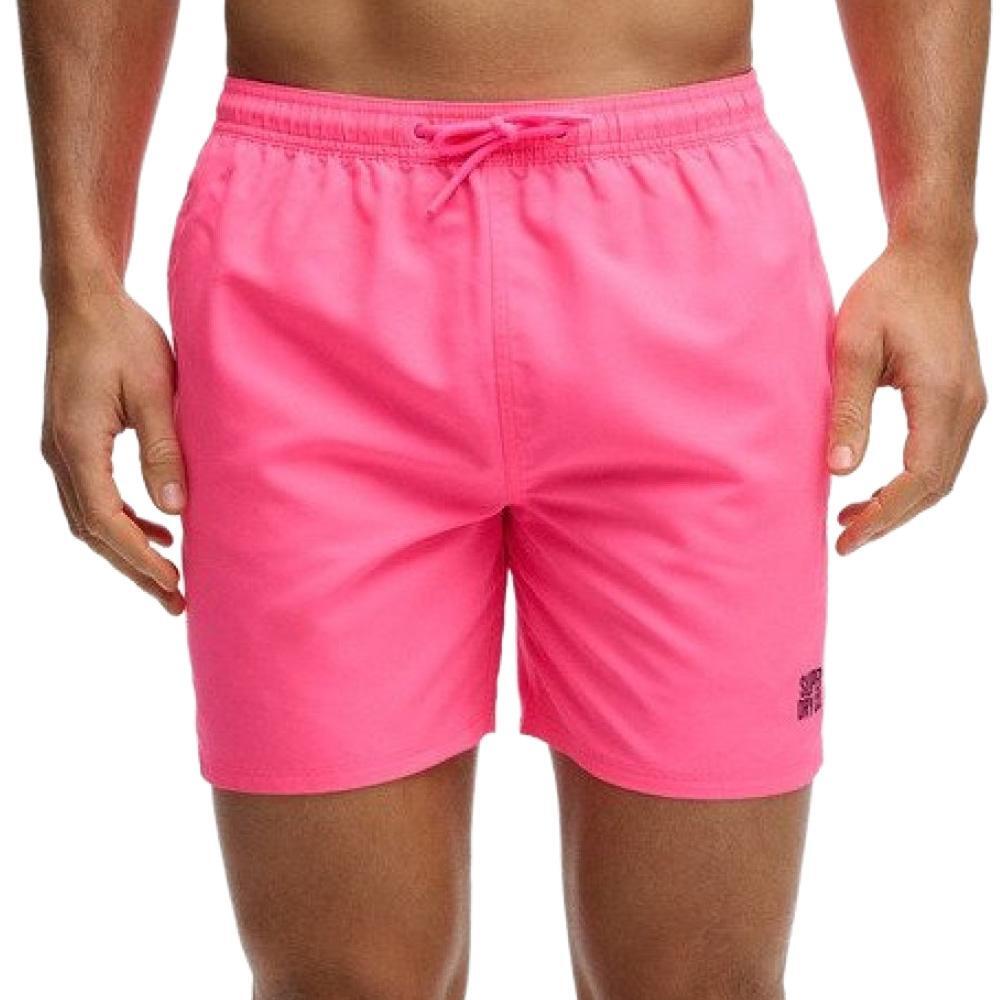
Marketplace -Online Only Marketplace -Online Only4 coloursMarketplace -Online OnlySUPERDRY Superdry Men's Essential Pink Swim Shorts4 coloursFromCurrent price {{currentPrice}} €36.55 Former price €36.70 €0.15 offLowest price: €36.70Starting on 9/10/2026 and valid for the entire duration of the promoSold and shipped by Sports Lab IE
Last chance Last chance5 coloursLast chanceDECATHLON Men’s swim shorts, Basic all ond blue4.6(2,850)Reviews.votesAria5 coloursCurrent price {{currentPrice}} €10.00
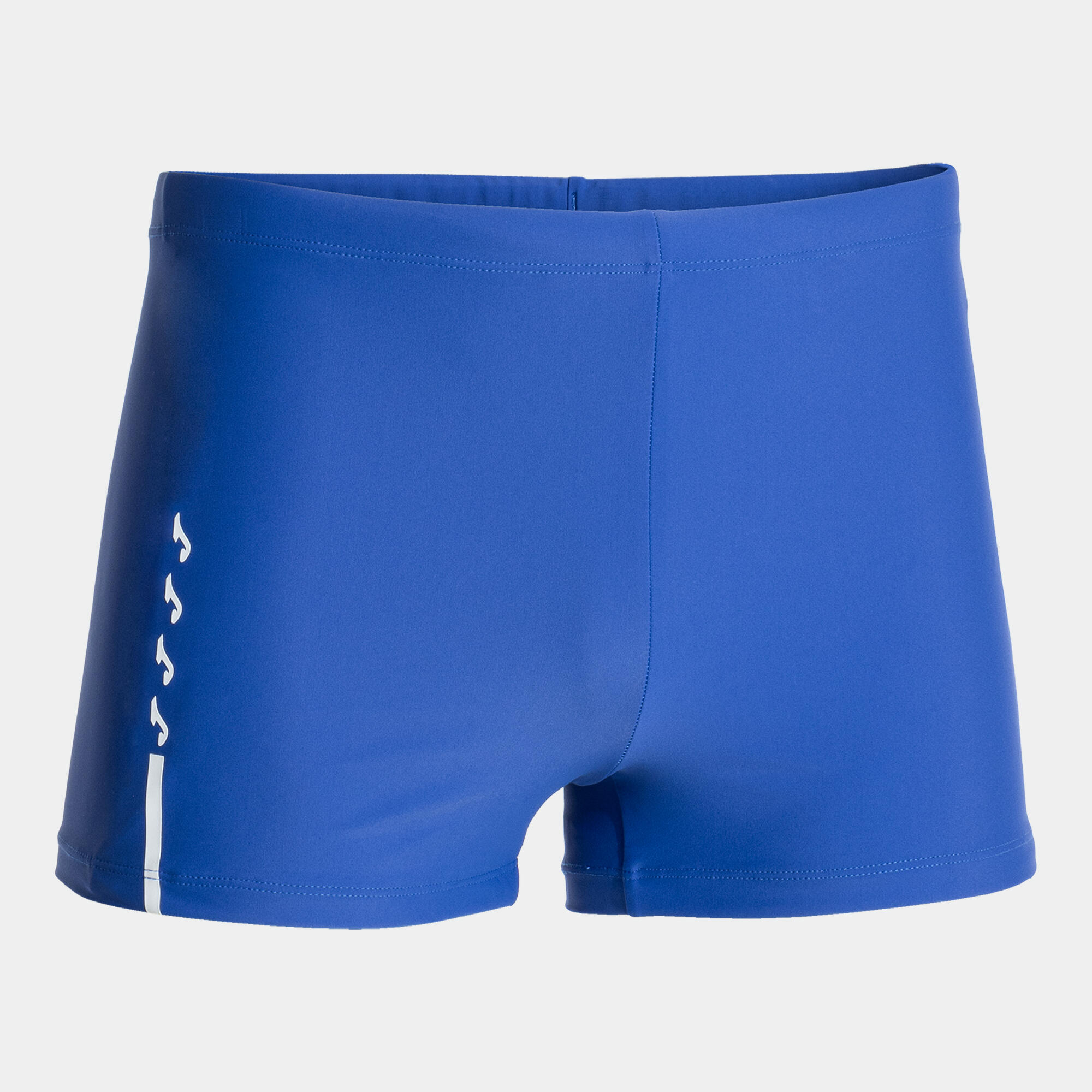
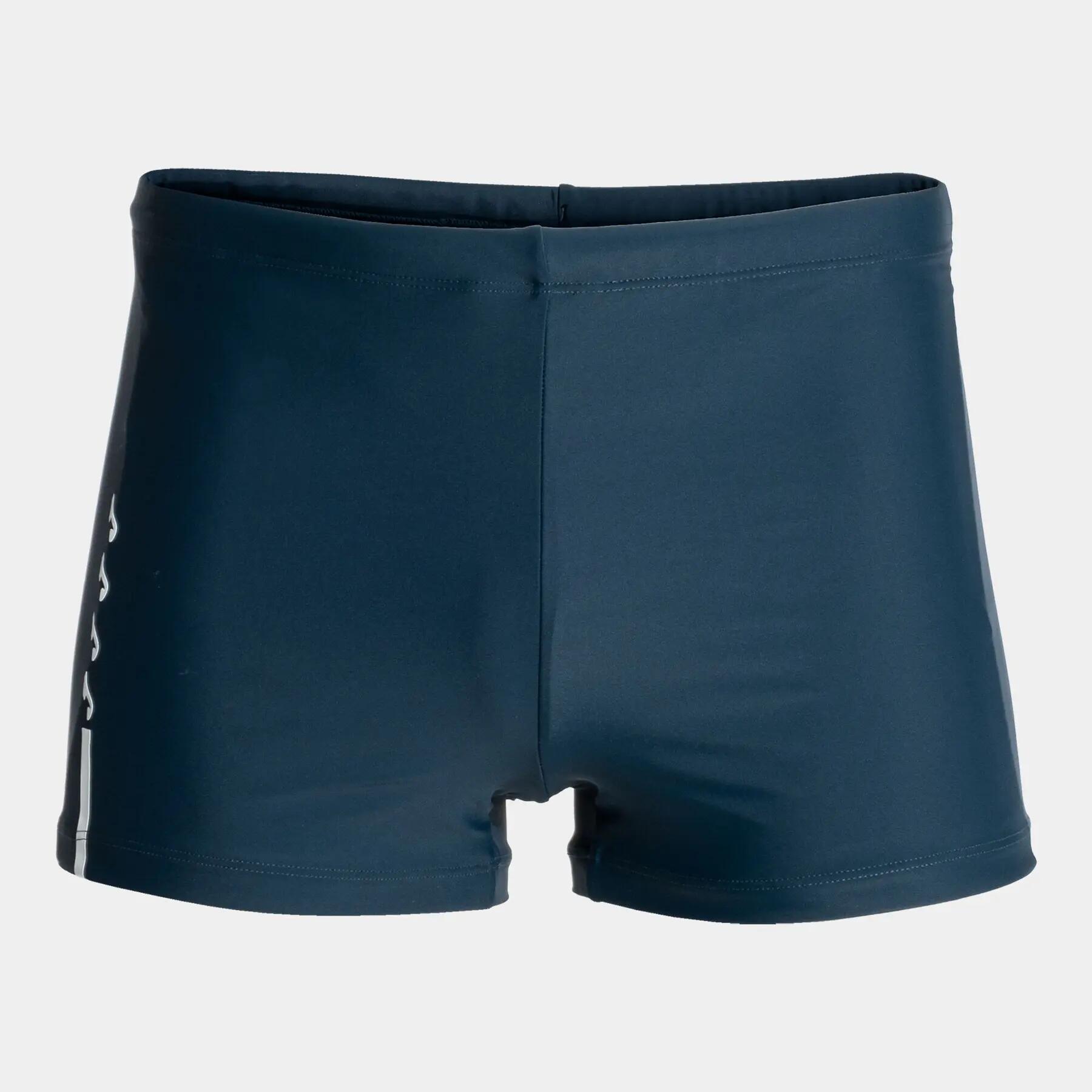
Marketplace -Online Only Marketplace -Online Only4 coloursMarketplace -Online OnlyJOMA Swim trunks Joma Shark III4 coloursCurrent price {{currentPrice}} €57.81Sold and shipped by Accesoralia
Marketplace -Online Only Marketplace -Online Only4 coloursMarketplace -Online OnlyJOMA Swim trunks Joma Shark III4 coloursFromCurrent price {{currentPrice}} €55.74Sold and shipped by Accesoralia
Marketplace -Online Only Marketplace -Online Only4 coloursMarketplace -Online OnlyJOMA Swim trunks Joma Shark III4 coloursCurrent price {{currentPrice}} €57.81Sold and shipped by Accesoralia
Marketplace -Online Only Marketplace -Online Only4 coloursMarketplace -Online OnlyJOMA Swim trunks Joma Shark III4 coloursCurrent price {{currentPrice}} €57.81Sold and shipped by Accesoralia
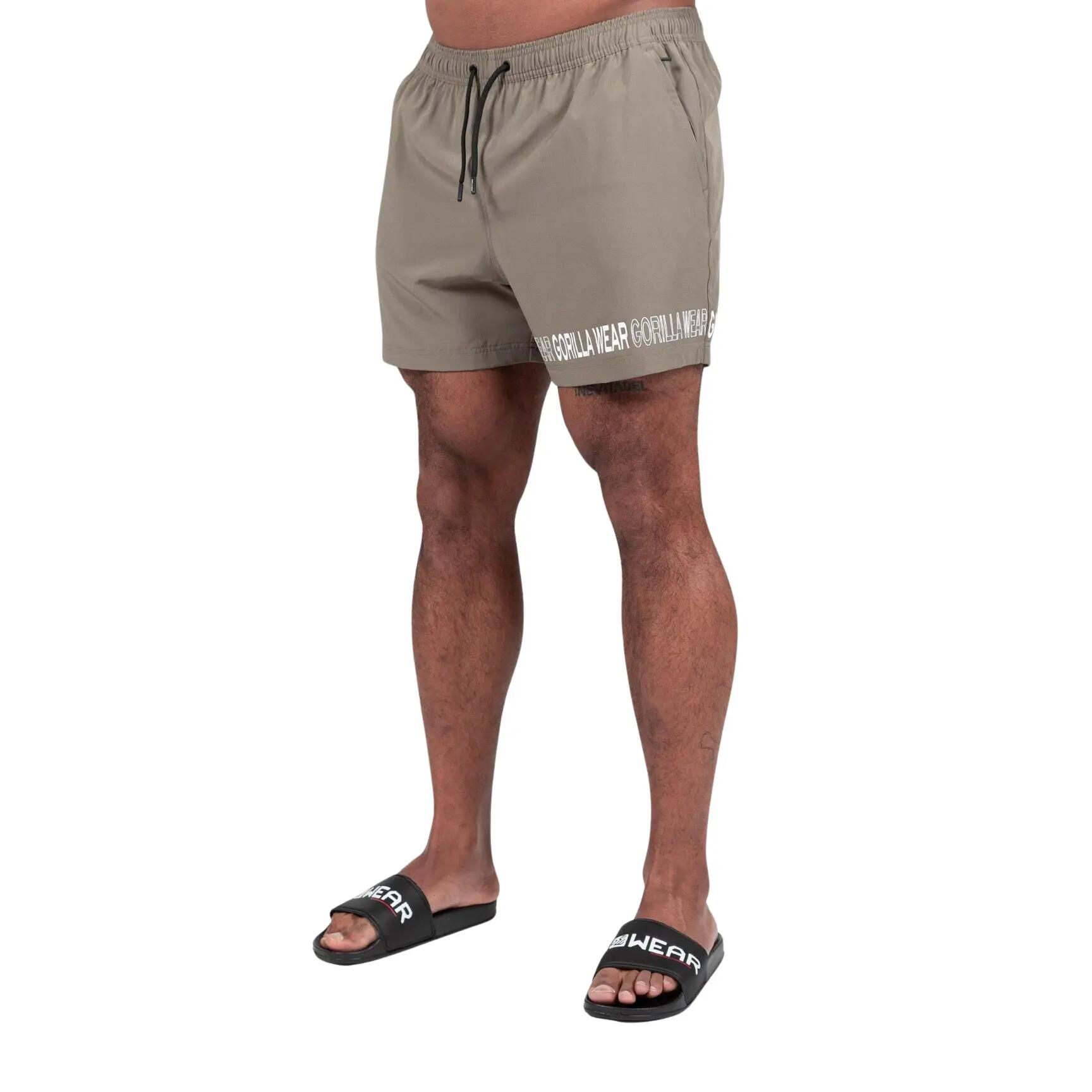
Marketplace -Online Only Marketplace -Online OnlyMarketplace -Online OnlyGORILLA WEAR Swim shorts Gorilla Wear Otis5(1)Reviews.votesAriaCurrent price {{currentPrice}} €46.00Sold and shipped by Fitwinkel - Sporttrader
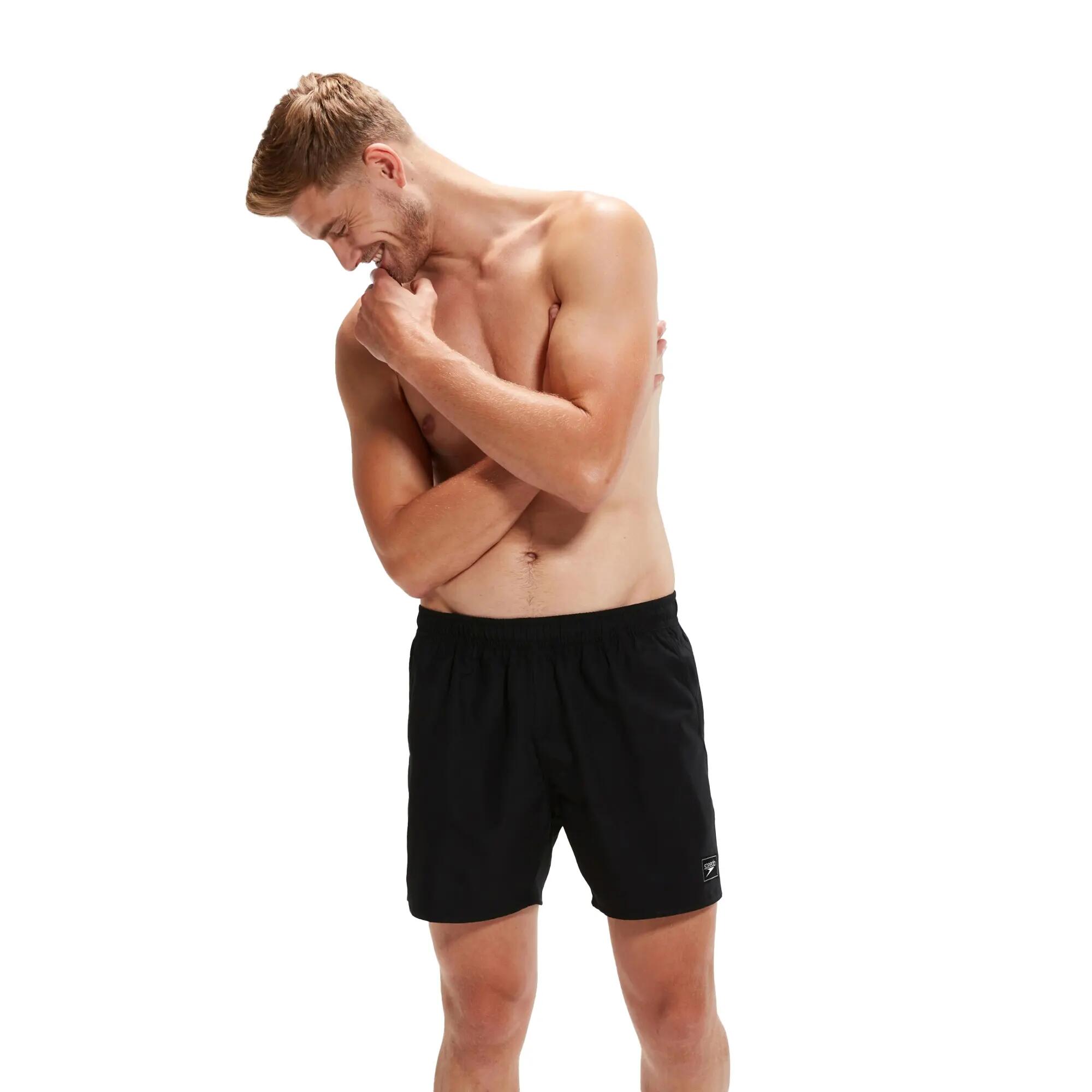
Marketplace -Online Only Marketplace -Online OnlyMarketplace -Online OnlySPEEDO Mens Prime Leisure Swim Shorts (Black)Current price {{currentPrice}} €47.00Sold and shipped by Sport is good
Marketplace -Online Only Marketplace -Online OnlyMarketplace -Online OnlySPEEDO Mens Prime Leisure Swim Shorts (Black)FromCurrent price {{currentPrice}} €34.81 Former price €35.78 2% off€34.81/unitLowest price: €35.78Starting on 8/10/2026 and valid for the entire duration of the promoSold and shipped by Sport & Go EU
Last chance Last chance2 coloursLast chanceADIDAS Men’s swim shorts, black white logo4.8(65)Reviews.votesAria2 coloursCurrent price {{currentPrice}} €21.00 Former price €29.00 27% offLowest price: €29.00Starting on 3/10/2026 and valid for the entire duration of the promo
DECATHLON Men’s Swimming Jammer-Swim Short 500 Fiti - Black/Yellow/Beige4.8(358)Reviews.votesAriaCurrent price {{currentPrice}} €36.00
Marketplace -Online Only Marketplace -Online Only7 coloursMarketplace -Online OnlyHUMMEL Swim shorts Hummel Pulse7 coloursFromCurrent price {{currentPrice}} €18.19 Former price €19.16 5% off€18.19/unitLowest price: €19.16Starting on 8/10/2026 and valid for the entire duration of the promoSold and shipped by Sport & Go EU
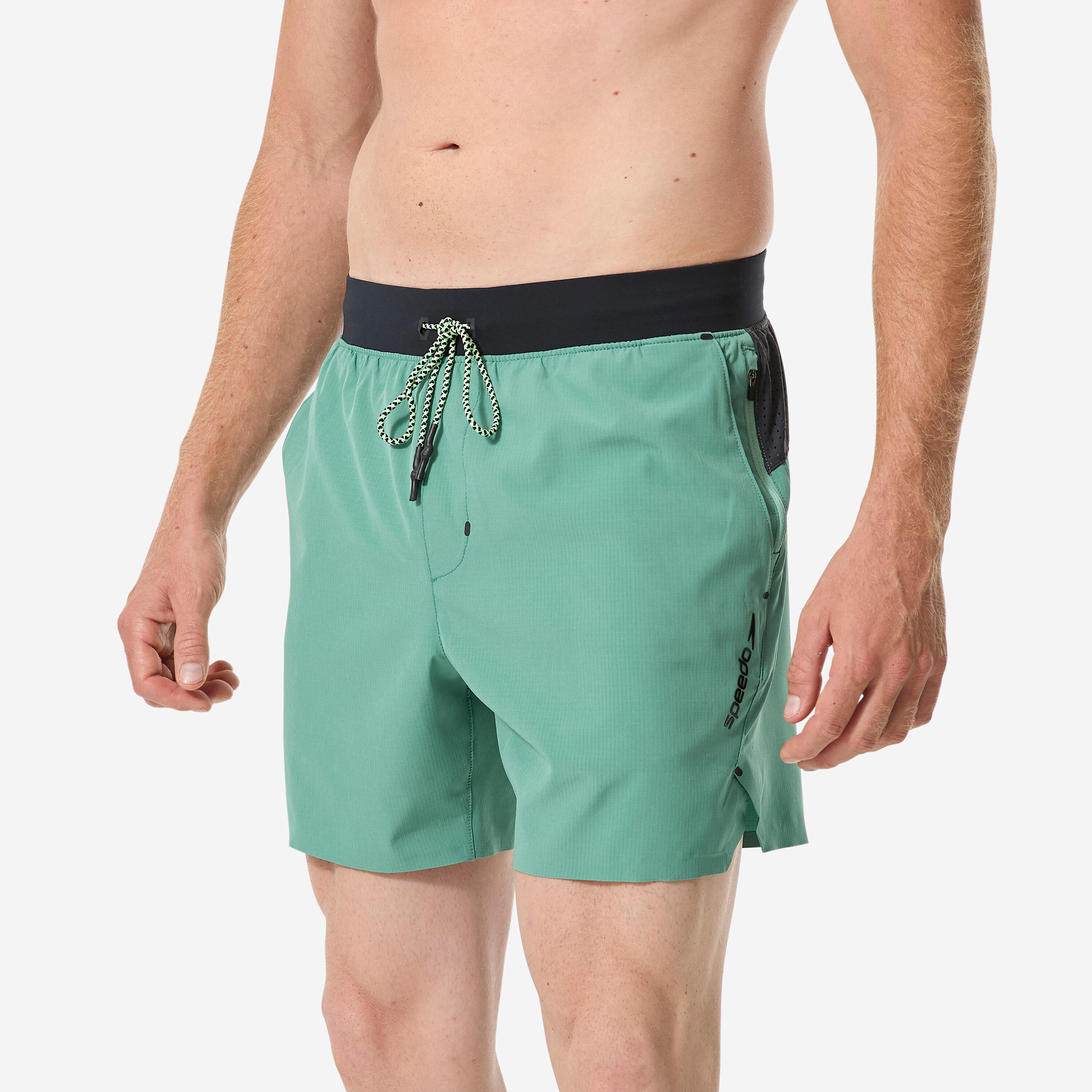
Last chance Last chanceLast chanceSPEEDO Men’s swim shorts, watershort green4.6(19)Reviews.votesAriaCurrent price {{currentPrice}} €32.00 Former price €48.00 33% offLowest price: €48.00Starting on 3/10/2026 and valid for the entire duration of the promo
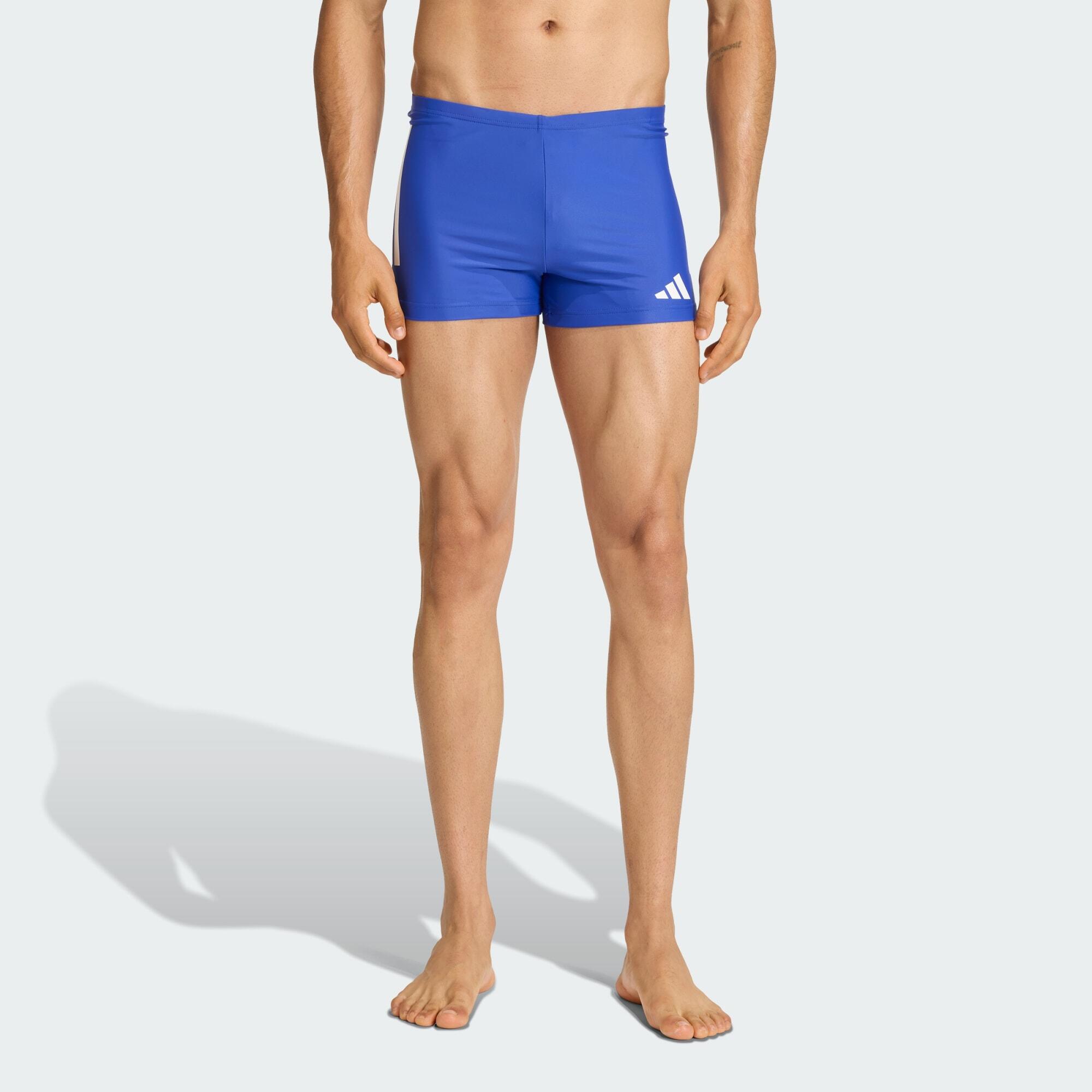
Marketplace -Online Only Marketplace -Online Only2 coloursMarketplace -Online OnlyADIDAS 3-Stripes Swim Boxers 2-Inch5(2)Reviews.votesAria2 coloursCurrent price {{currentPrice}} €37.50Sold and shipped by Sport is good