49 items
4.5/5 based on 2824 reviews collected online and in stores

Athletics Running Spikes FAQs

How do you choose athletics running spikes for your event?

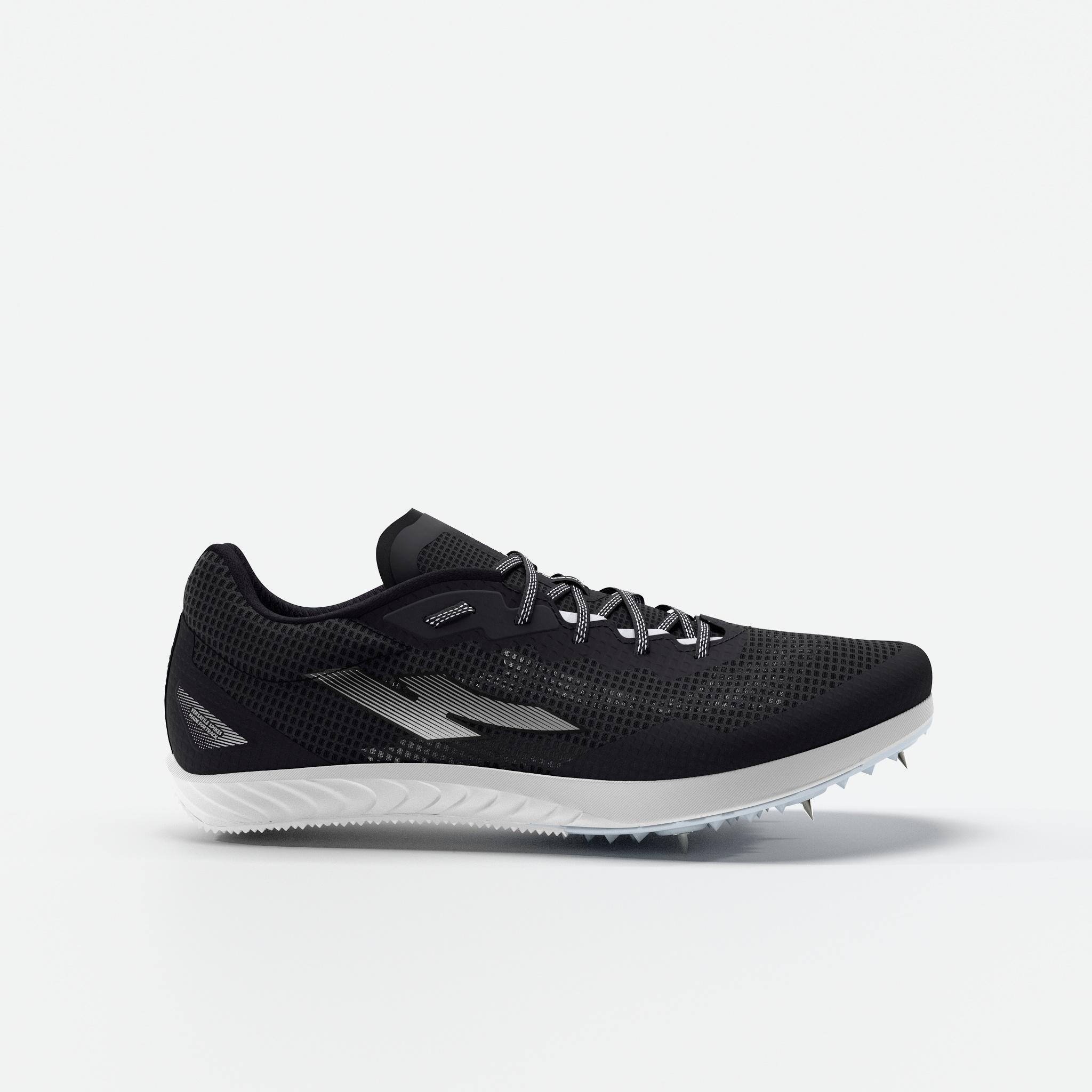
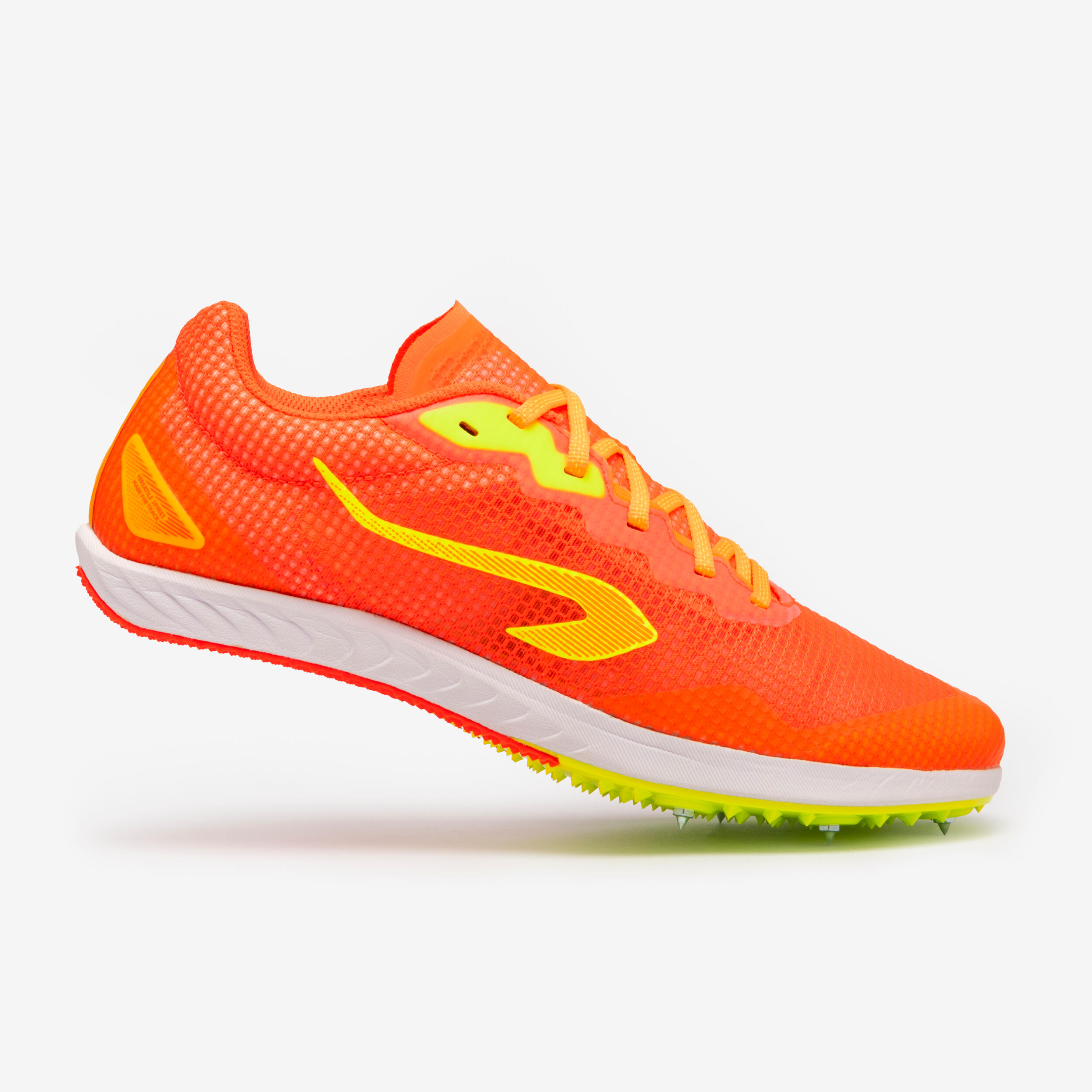
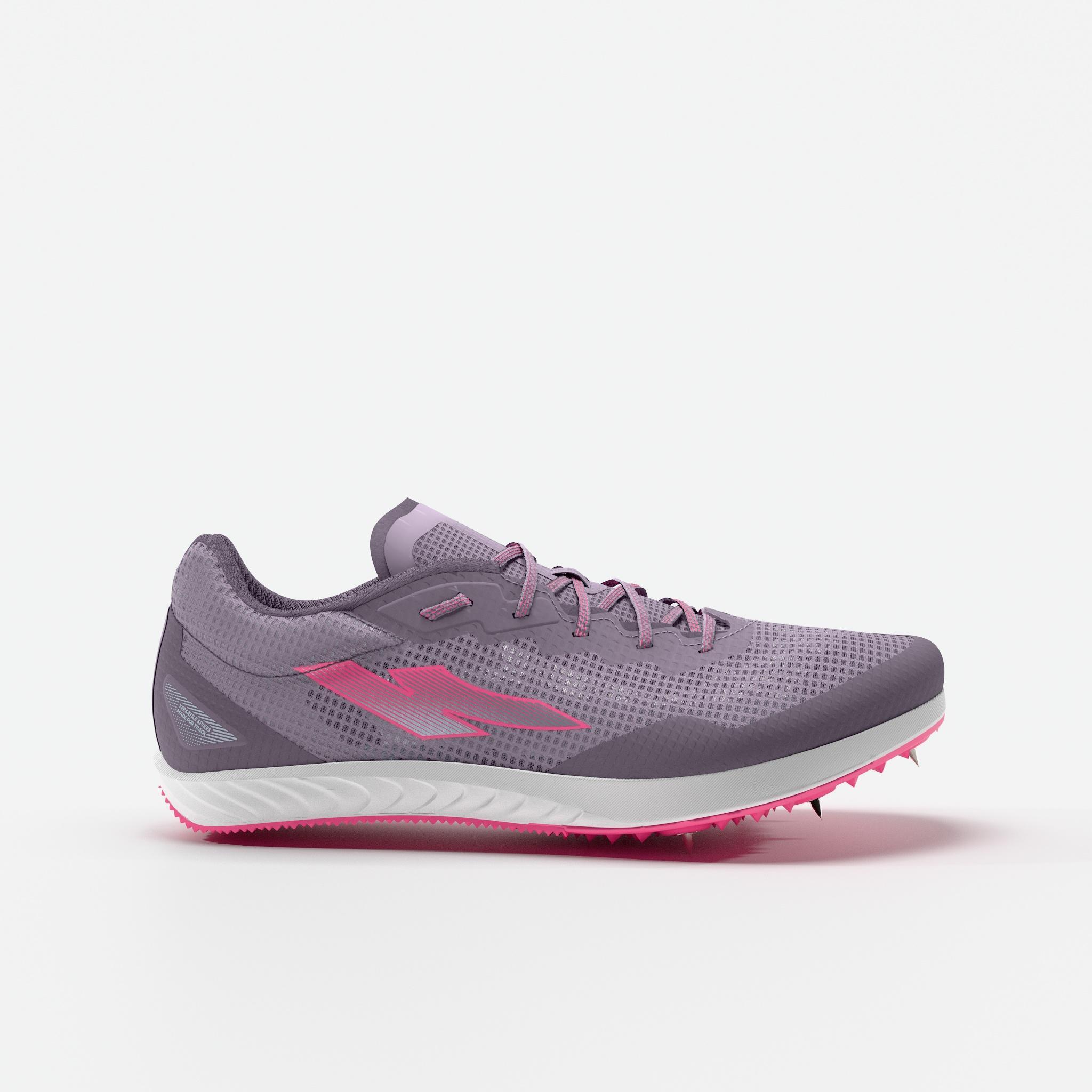
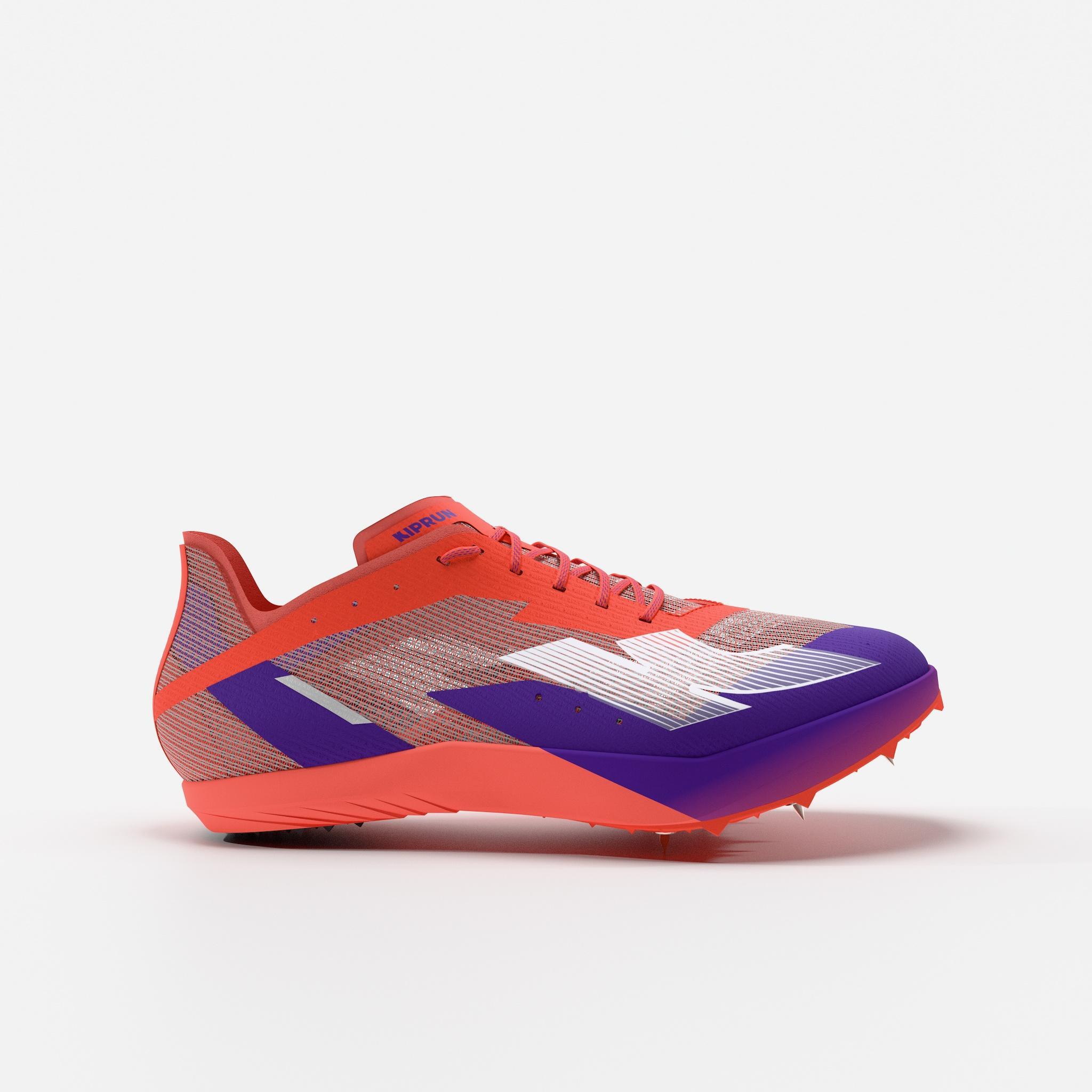
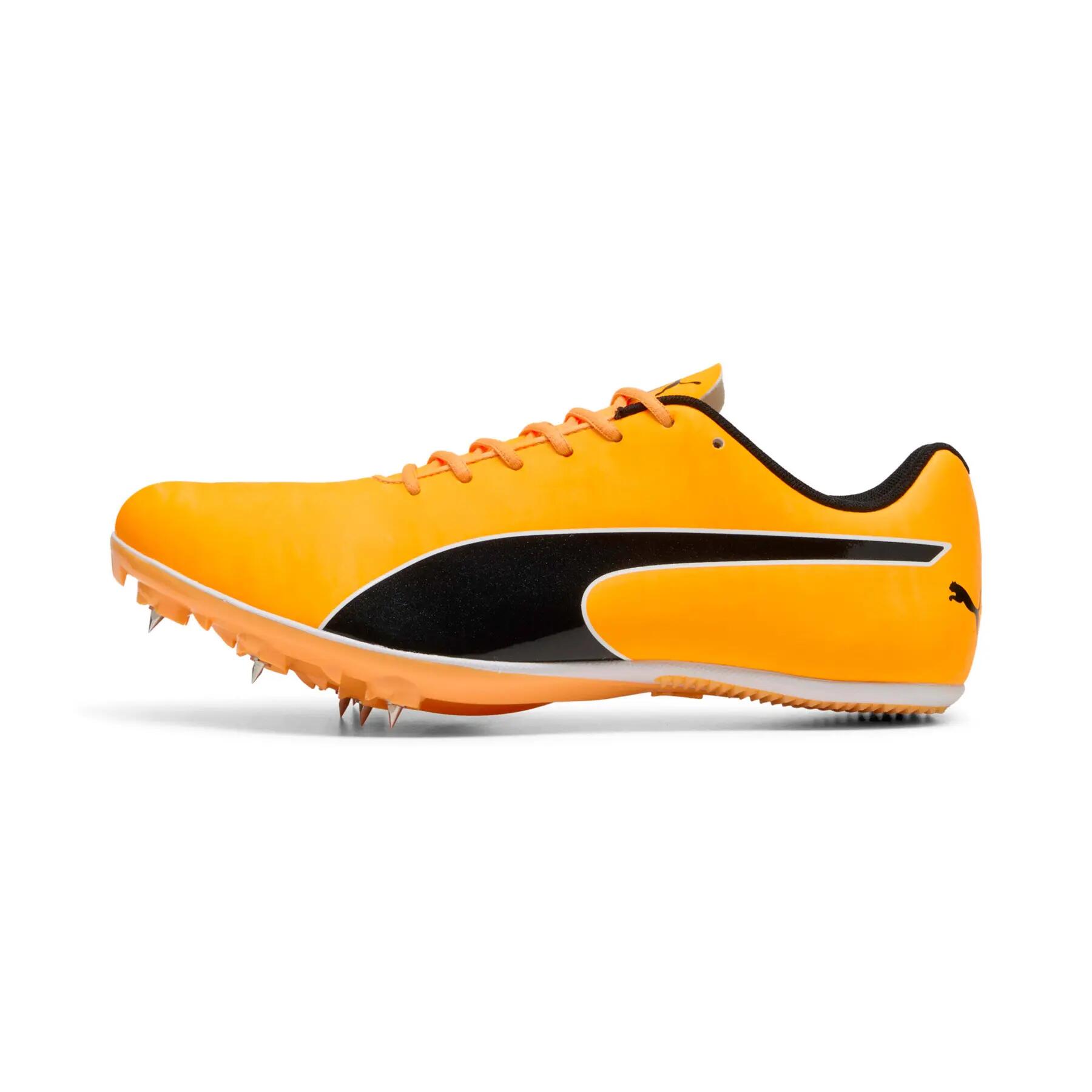
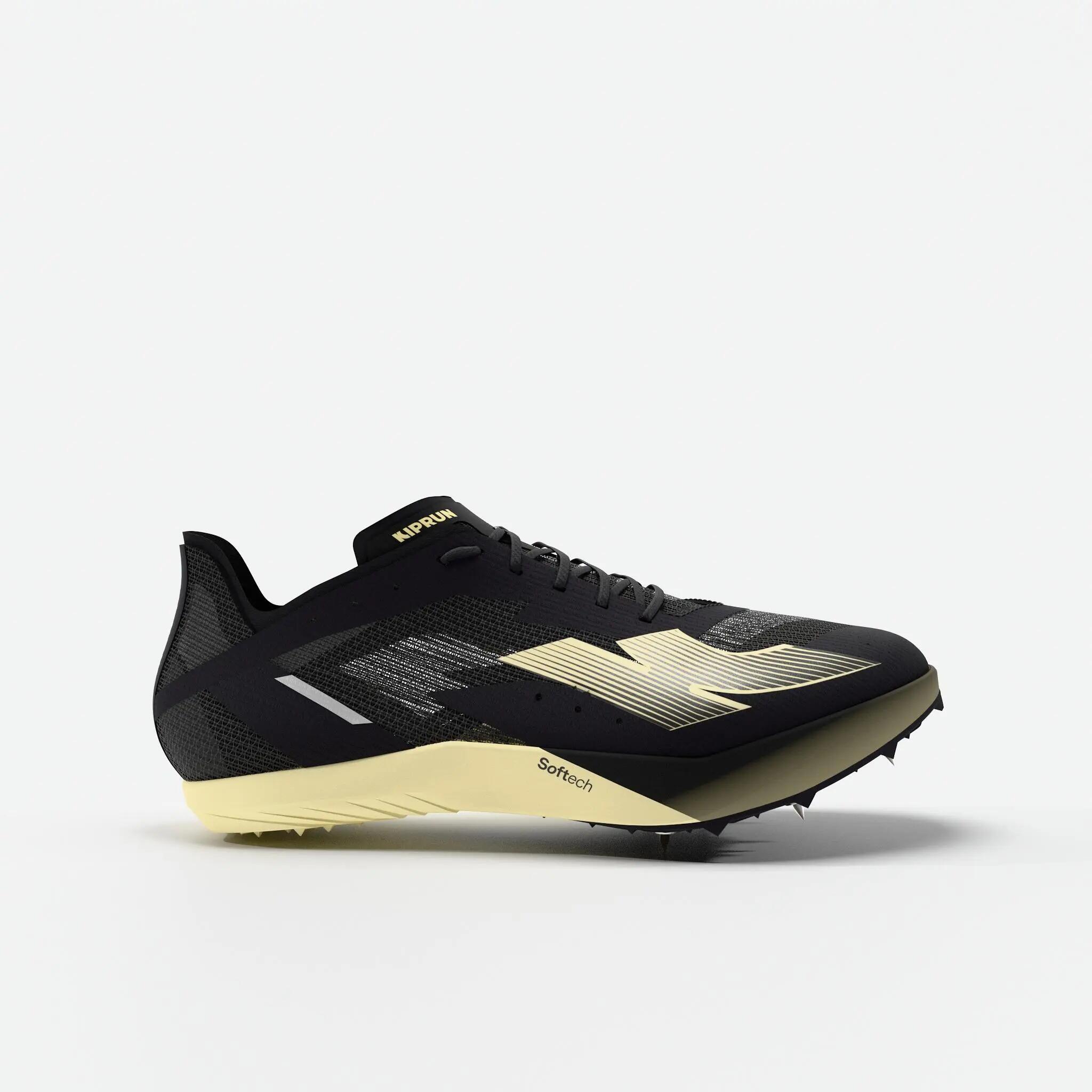
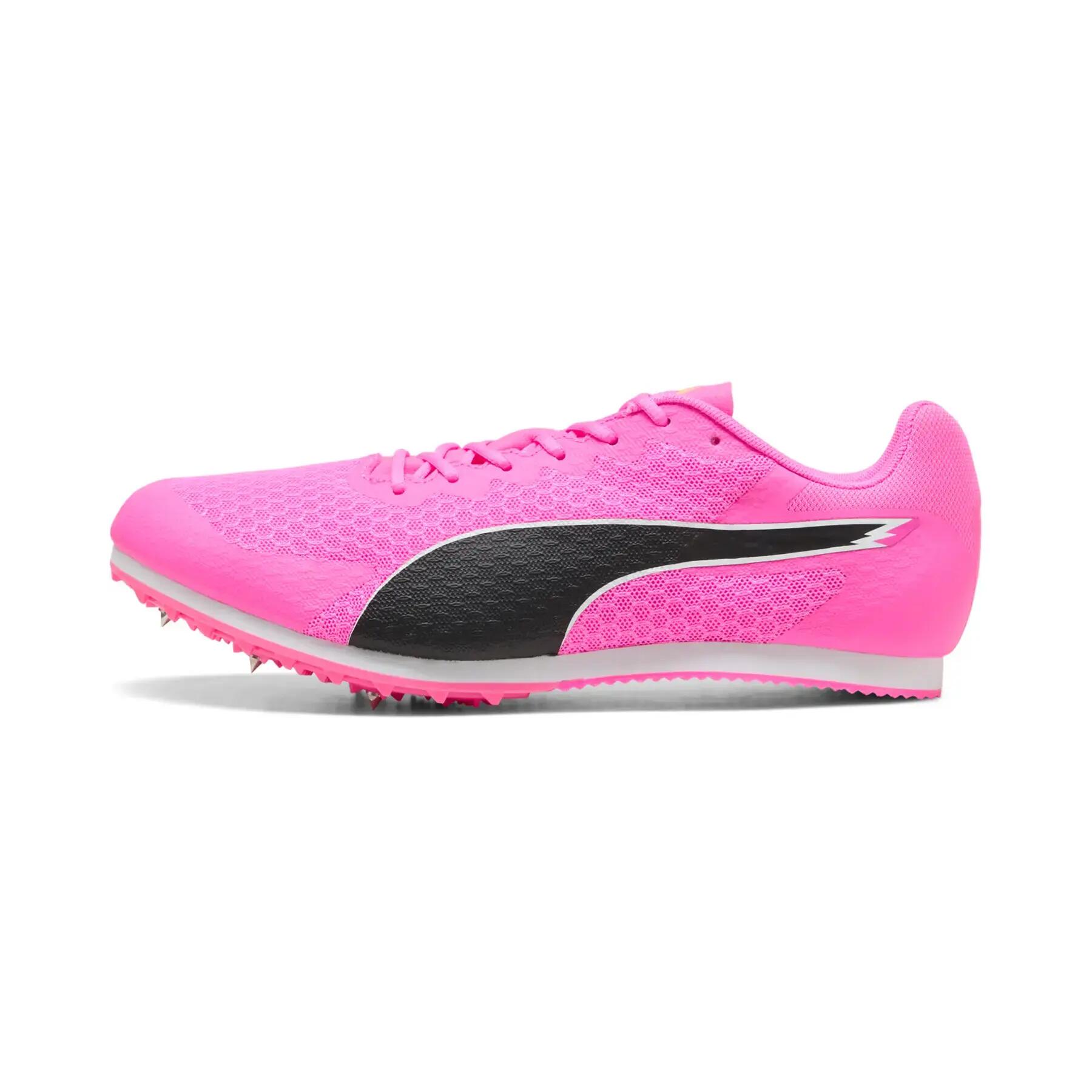
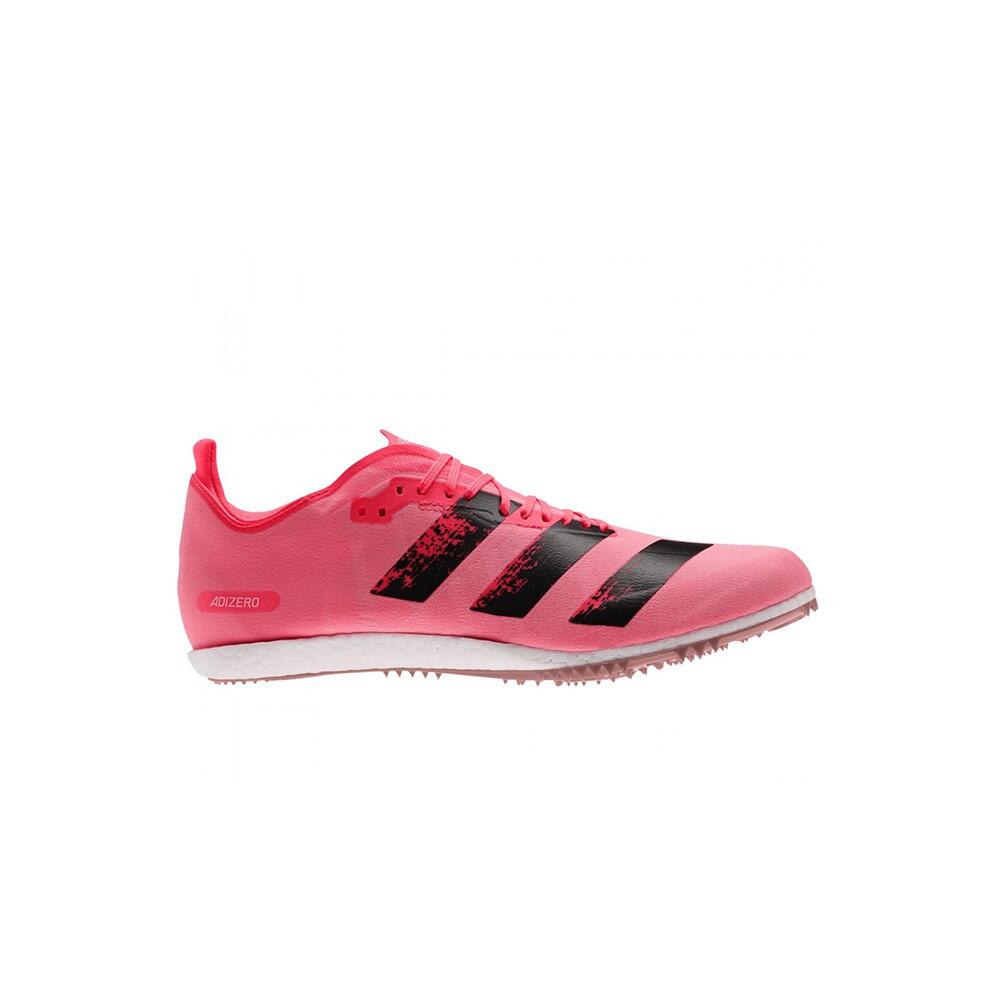
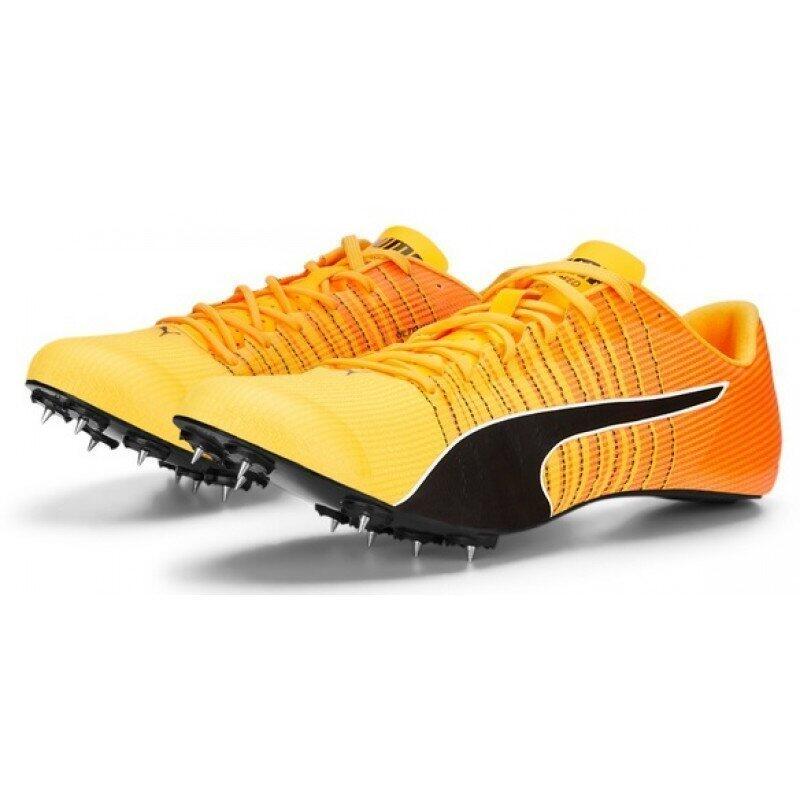
Choose spikes according to your discipline, surface and athletics experience. A beginner model should provide secure grip without forcing your foot onto an extremely rigid plate, while competition footwear can use a lighter and more aggressive construction. KIPRUN AT START shoes combine a slim TPU forefoot plate, EVA cushioning, five removable 6 mm pins and a rubber heel pad, making them suitable for new athletes practising on track and firmer cross-country ground. Children can use kids' athletics shoes for warm-ups, drills and general sessions, then change into spikes for event-specific work where the coach and venue permit them.

Which spike length should you use on track or cross-country ground?

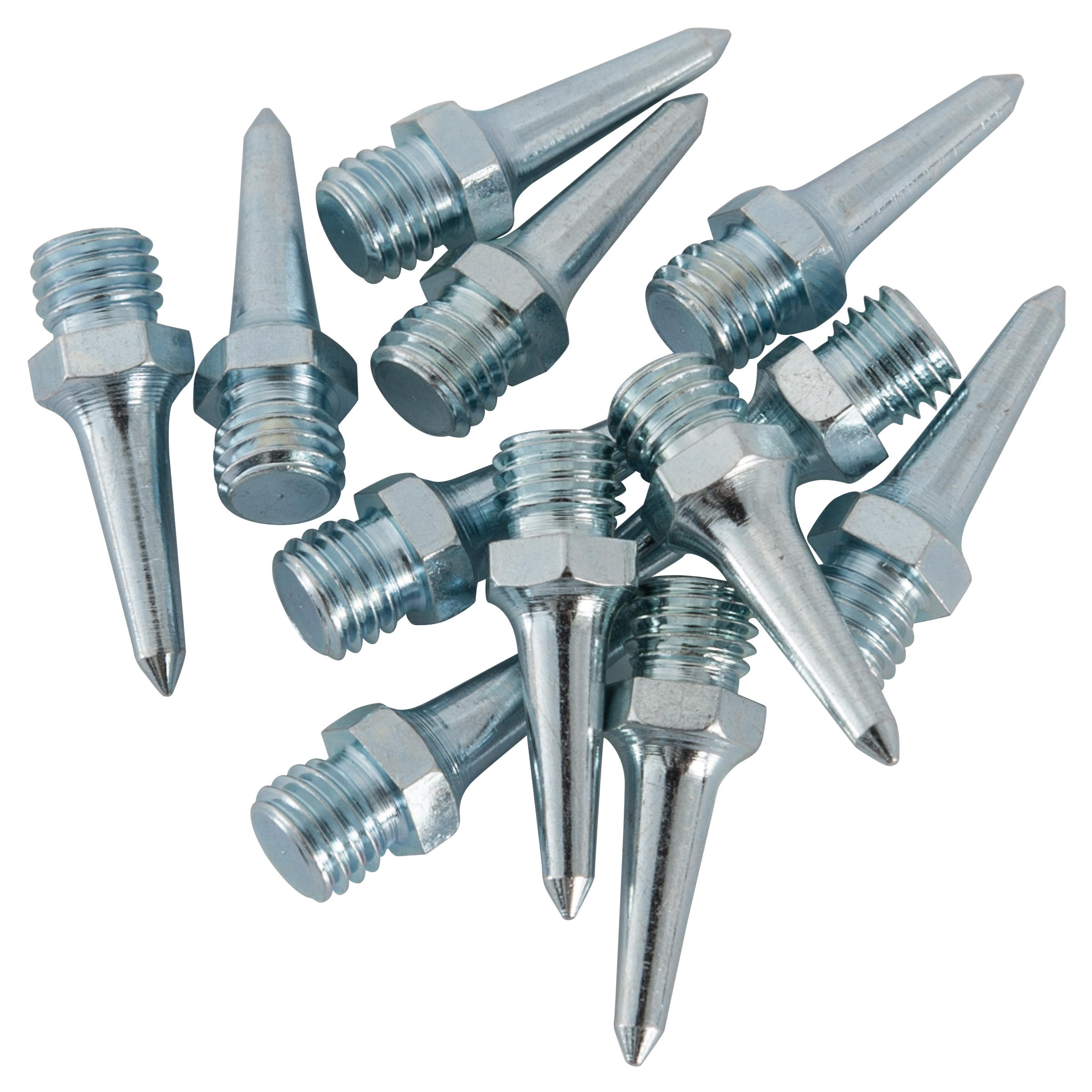
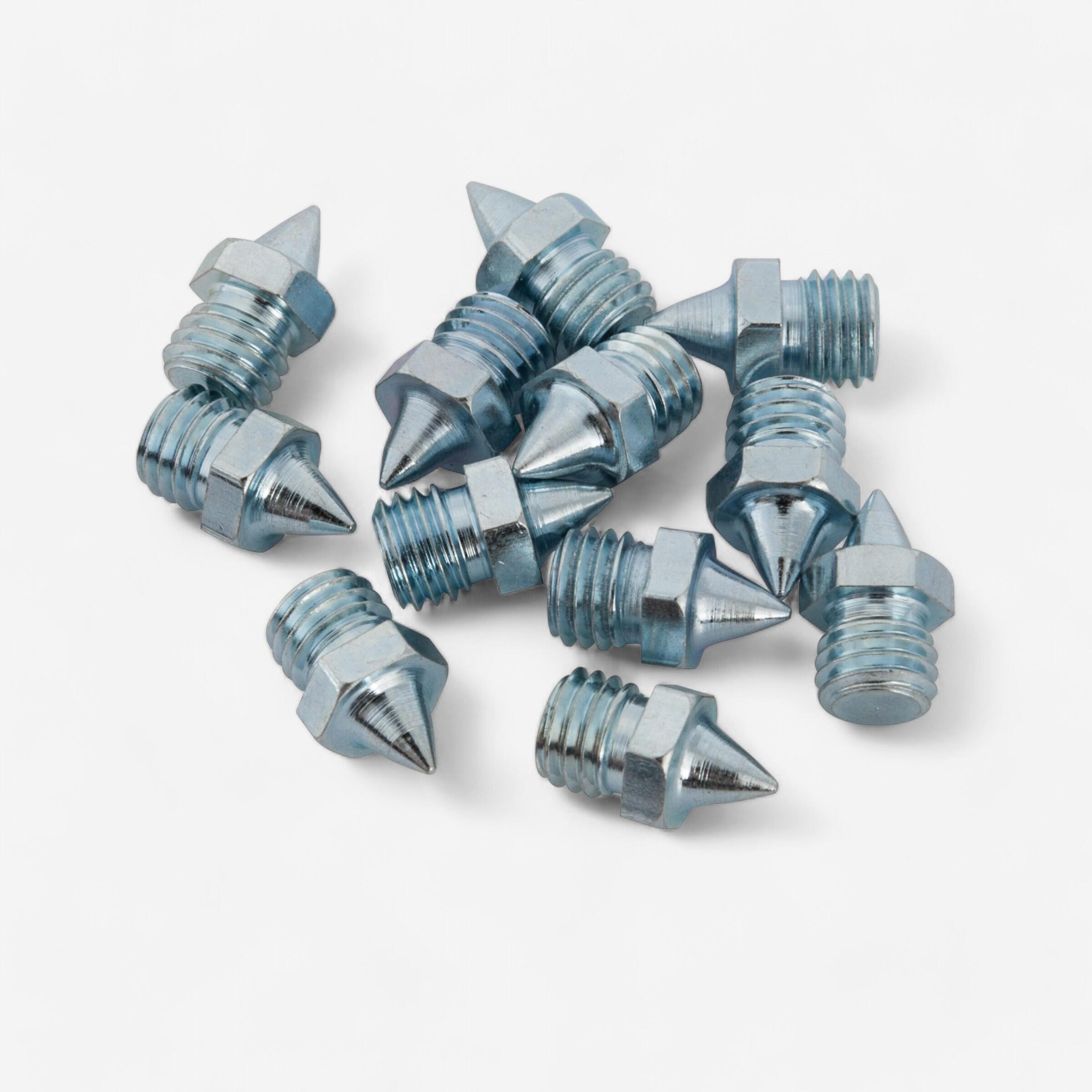
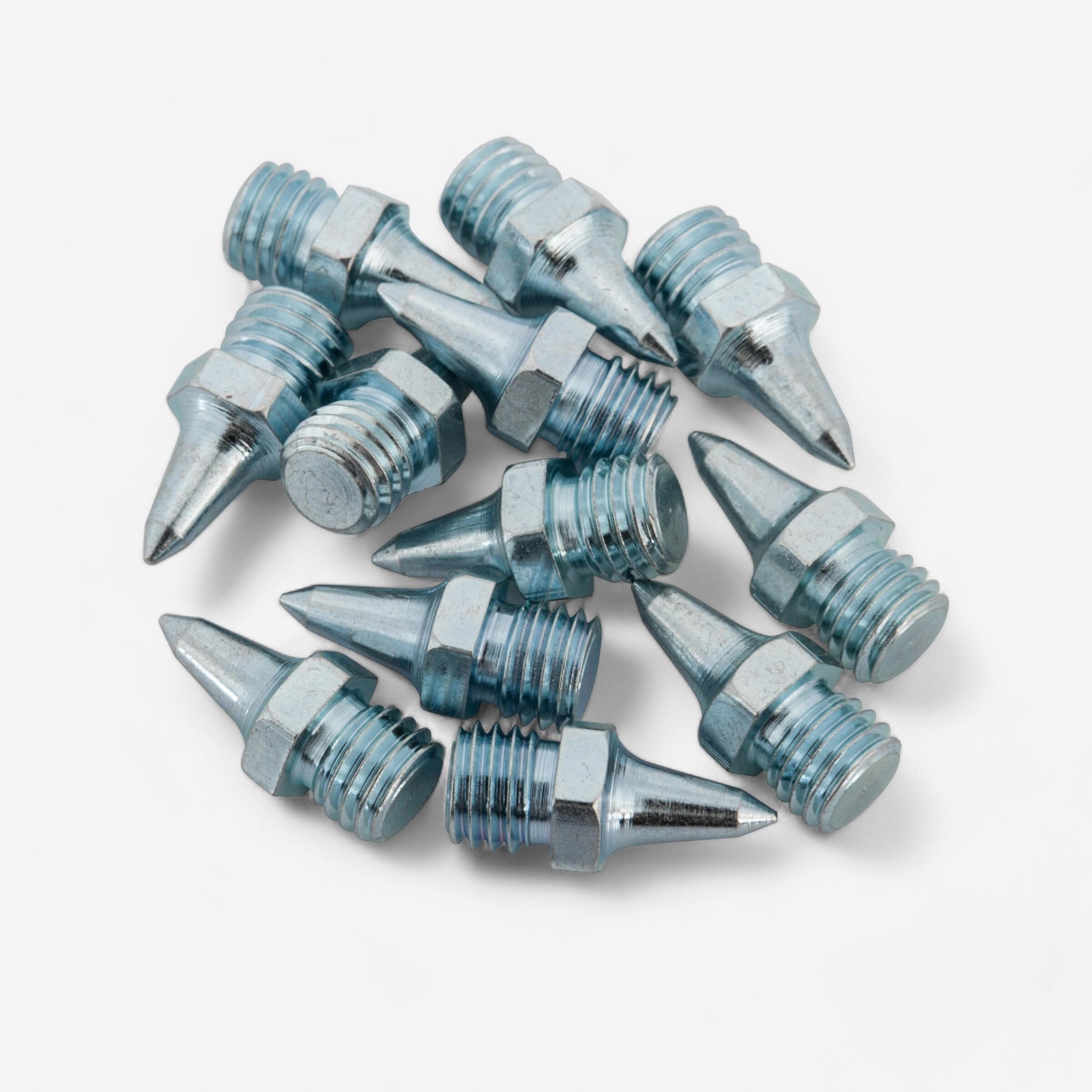
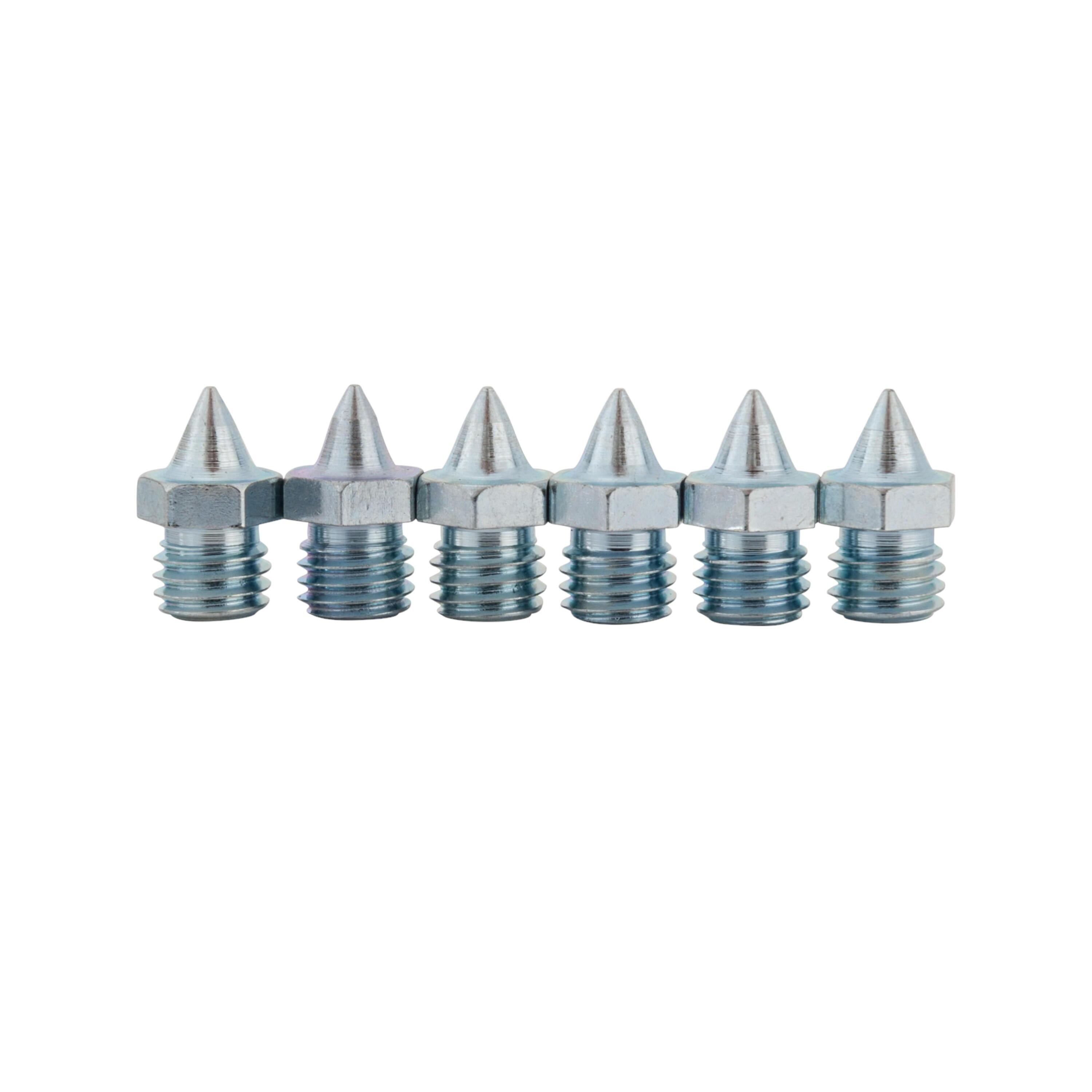
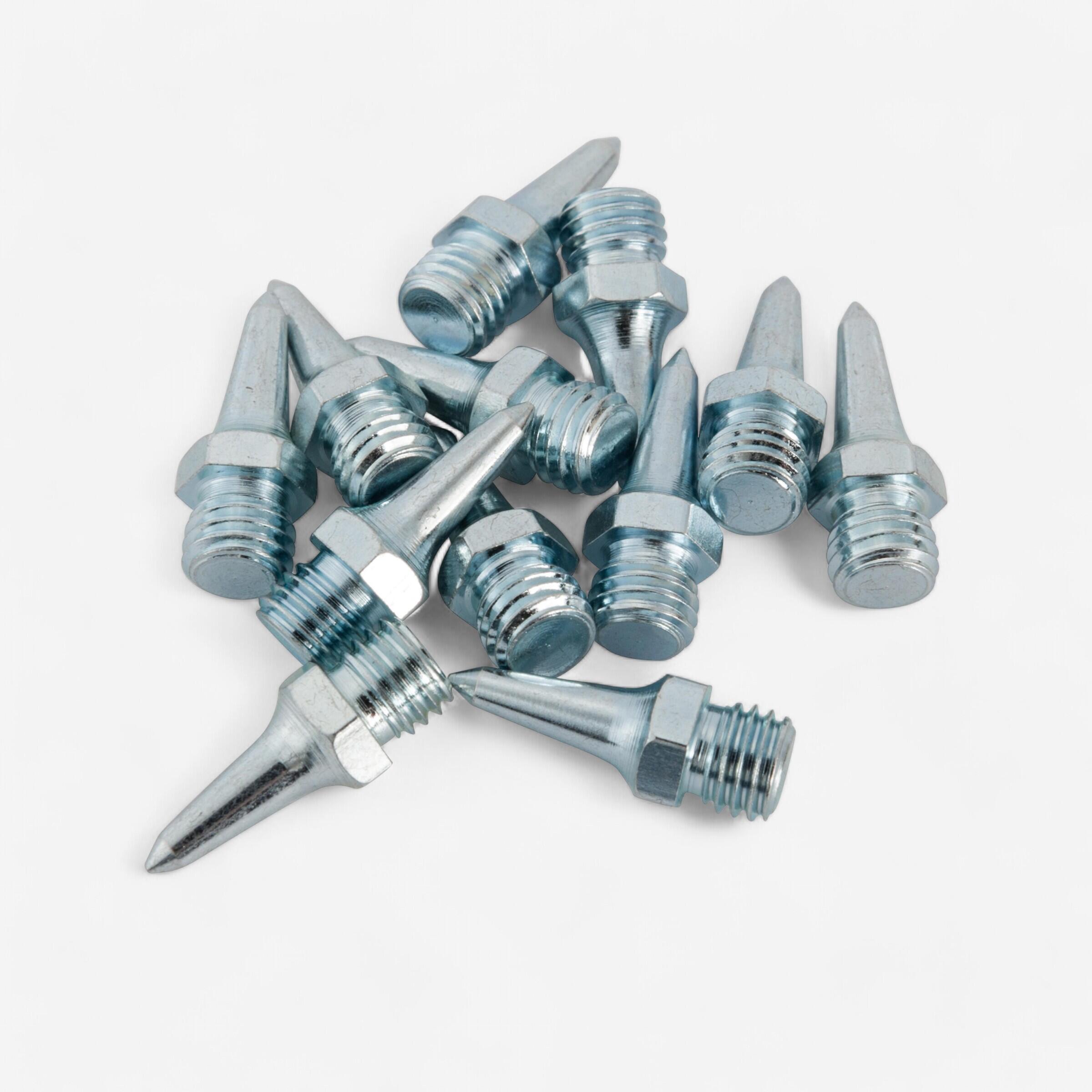
Use the shortest pin that provides reliable traction for the surface. Six-millimetre spikes suit most synthetic track sessions because they penetrate the surface without creating excessive resistance. Nine-millimetre pins can suit permitted track events or dry cross-country courses, while 12 mm and 15 mm options provide deeper penetration in softer ground. Longer pins are not automatically better: they can feel unstable on firm surfaces and may breach venue rules. Check the organiser's limits before every competition, then tighten each pin evenly with the supplied key. The spike pins and accessories category includes replaceable steel sets in different lengths for adapting compatible footwear.

What makes long-distance running spikes different?

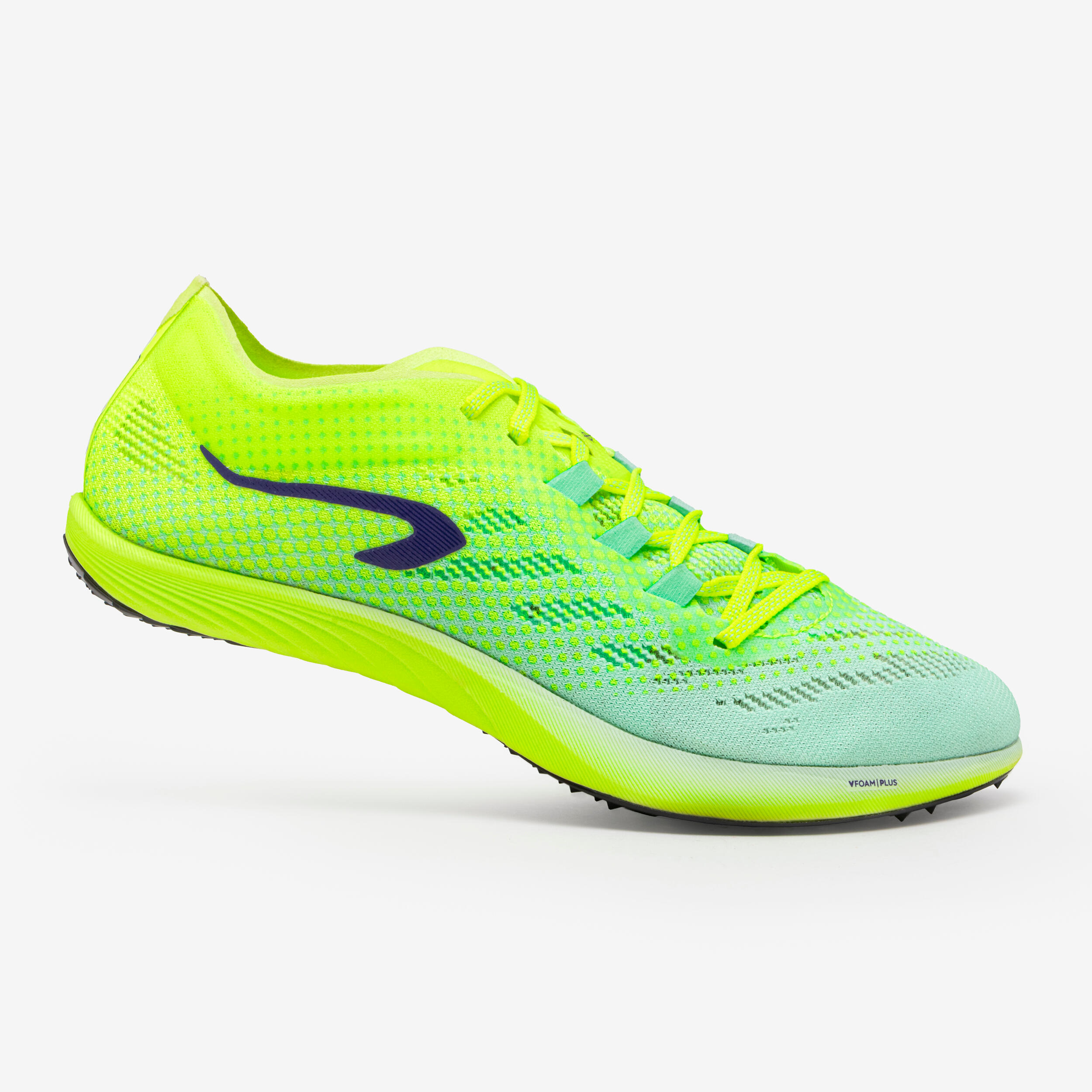
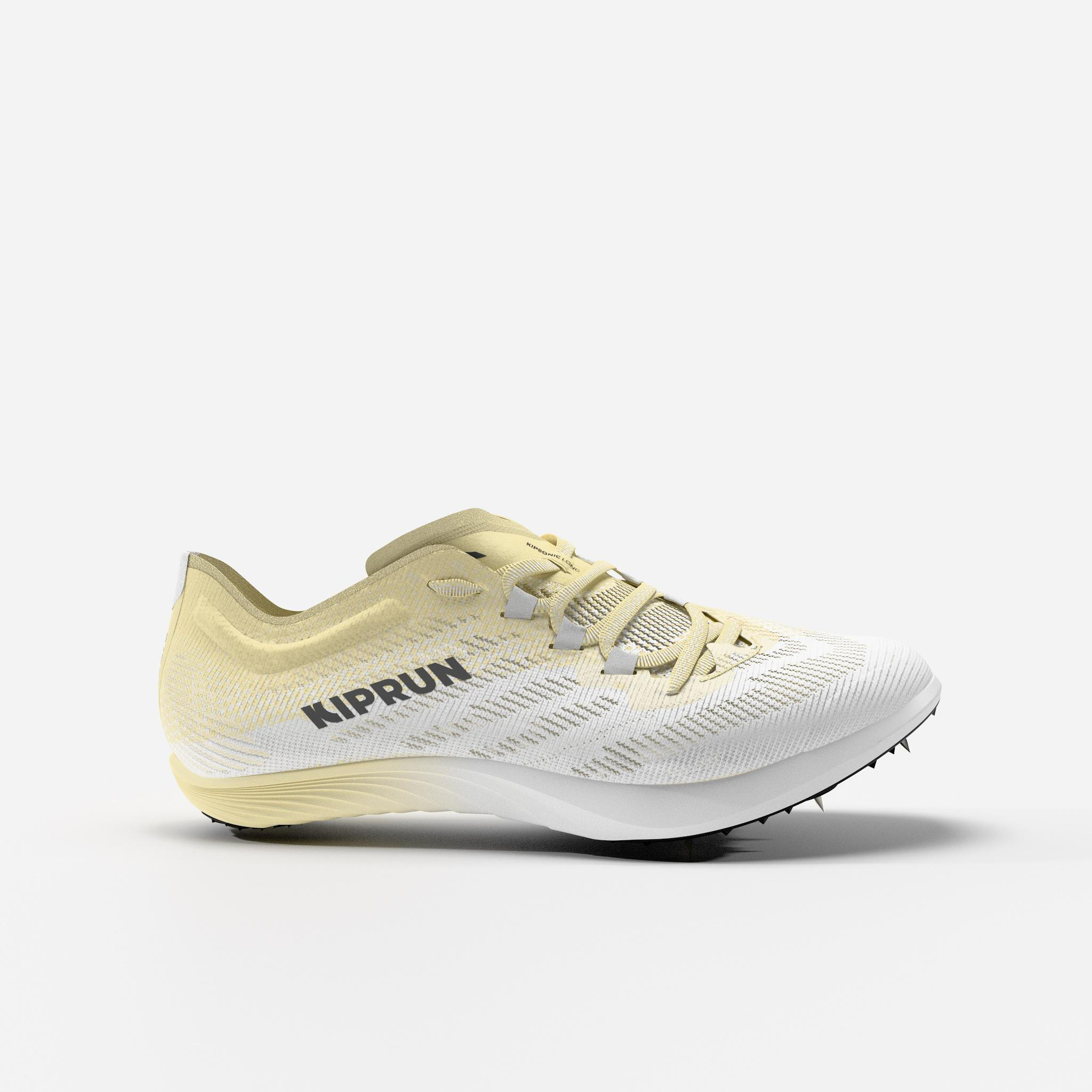
Long-distance running spikes must balance low mass, cushioning and forefoot stiffness across repeated laps. Foam reduces how harsh each track impact feels, while a stiff plate limits bending and creates a firmer lever as you push through the toes. The KIPRUN AT LONG 900 weighs about 140 g in size 8 and combines proprietary foam with a thermoplastic plate containing 8% fibreglass. Five strategically positioned 6 mm pins maintain traction while controlling unnecessary weight. KIPRUN developed this model for track races from 3,000 to 10,000 metres, not muddy cross-country routes. Complete your race setup with suitable athletics accessories, but avoid carrying items that interfere with your movement or event rules.

How should athletics spike shoes fit and be introduced into training?

Your heel should remain secure and your toes should sit close to the front without curling or pressing against the upper. A close fit reduces sliding during acceleration and bends, but numbness or sharp pressure means the shoe is too tight. Try the footwear with your competition socks and complete several controlled strides before using it for a full session. Spike plates load the calves, Achilles tendons and forefoot differently from cushioned trainers, so introduce them gradually through short repetitions and allow recovery between early sessions. Use athletics training equipment such as cones and markers to practise technique, acceleration and pacing without wearing spikes for every drill.

How do you care for KIPRUN athletics running spikes?

Remove mud with a soft brush, wipe the upper with a damp cloth and let the shoes dry naturally away from radiators and direct heat. Do not machine wash or tumble dry them because soaking and heat can affect the foam, plate, upper and bonded sections. Unscrew the pins occasionally, clean dirt from the threads and replace worn or rounded points with matching lengths. Never walk long distances on concrete in spikes, as hard ground quickly blunts the pins and can make the plate feel awkward underfoot. New athletes can use a beginner's athletics starter kit to build a practical training setup around suitable footwear, timing tools and basic session equipment.