337 items
4.6/5 based on 19295 reviews collected online and in stores

Beginners Athletics Starter Kits FAQs

What equipment belongs in an athletics starter kit for beginners?

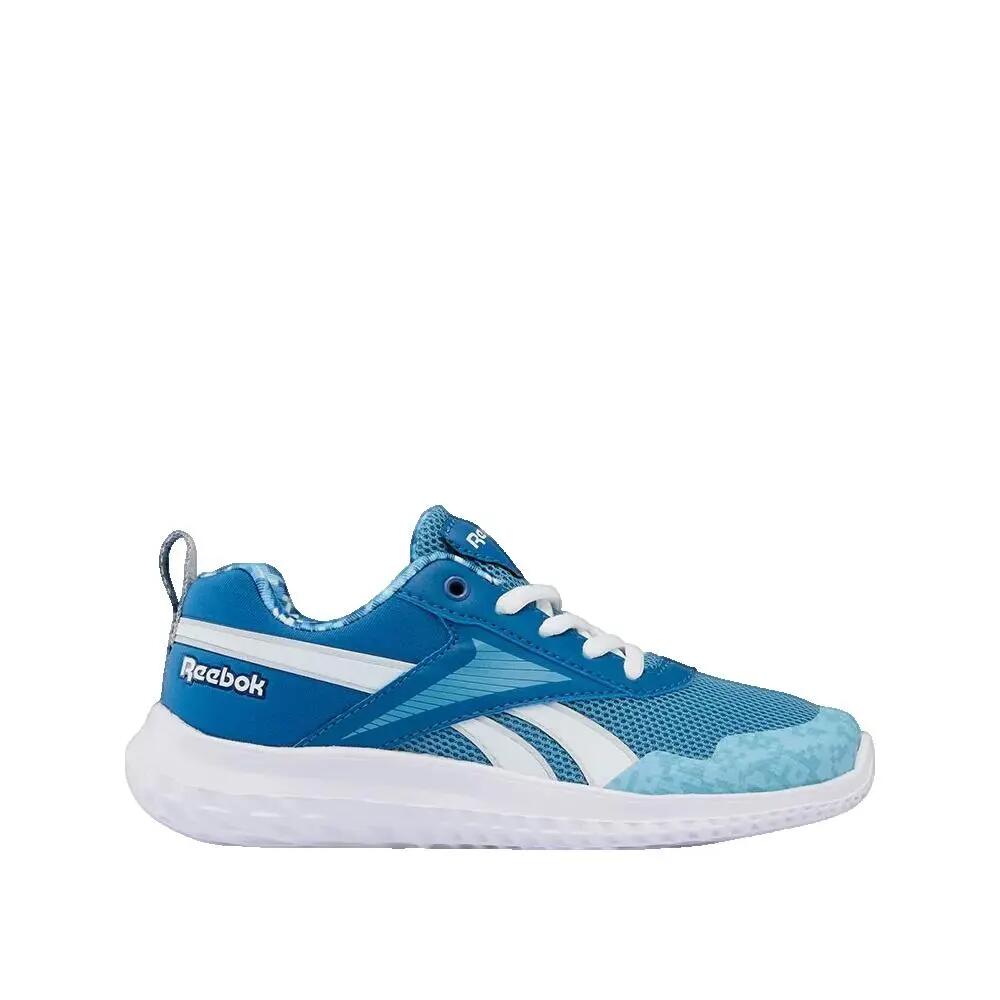
Start with correctly fitting footwear, breathable clothing and a small number of useful items matched to your child's first sessions. The current selection is mainly focused on KIPRUN children's running shoes, with options for tracks, roads, indoor halls and softer outdoor ground. Add a comfortable top, socks, water bottle and weather layer rather than buying specialist competition equipment immediately. Simple athletics accessories can be added once the coach confirms what your child needs for their event group. A useful pro tip is to label every item and let your child pack their own kit, as this helps them learn what belongs in their warm-up and training routine.

Which running shoes are suitable for new athletes?

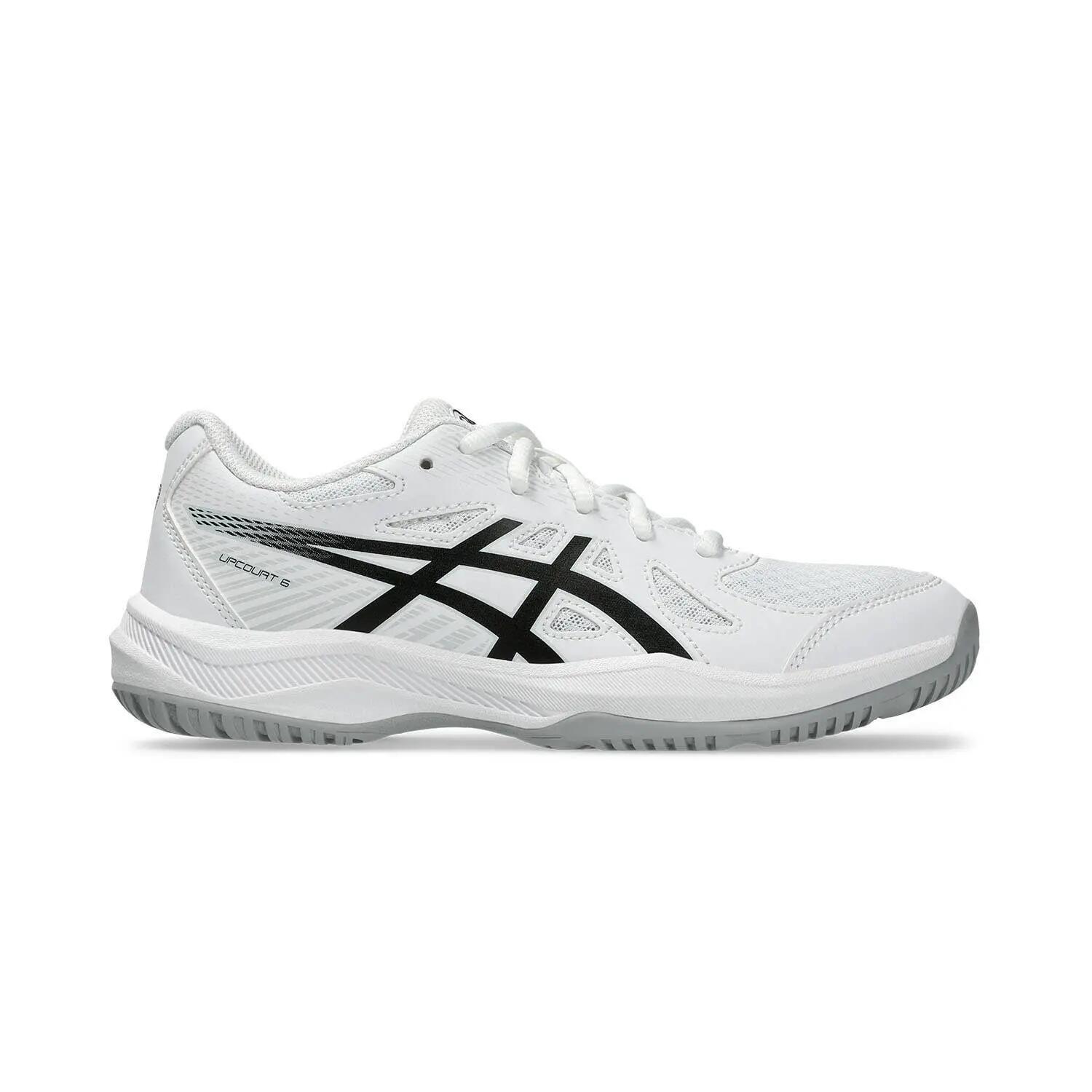
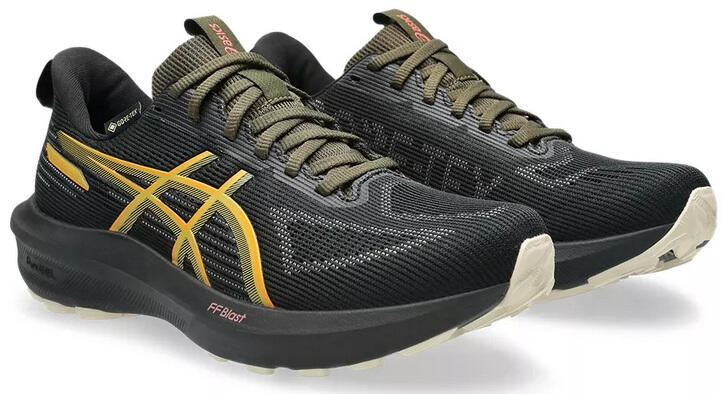
Match the shoes to the training surface, foot shape and child's movement rather than choosing by appearance alone. Flexible footwear allows the foot to bend more naturally, while child-specific cushioning can soften impact without making the platform excessively unstable. Some KIPRUN models use responsive MFOAM and a 6 mm drop, which keeps the foot relatively close to the ground while retaining heel-to-toe support. For mixed paths, grass and cross-country practice, kids' running shoes with 4 mm grip studs can improve traction on softer surfaces. Leave a thumb-width of growing space and check that the heel stays secure during a short jog.

Do beginner athletes need spikes for their first sessions?

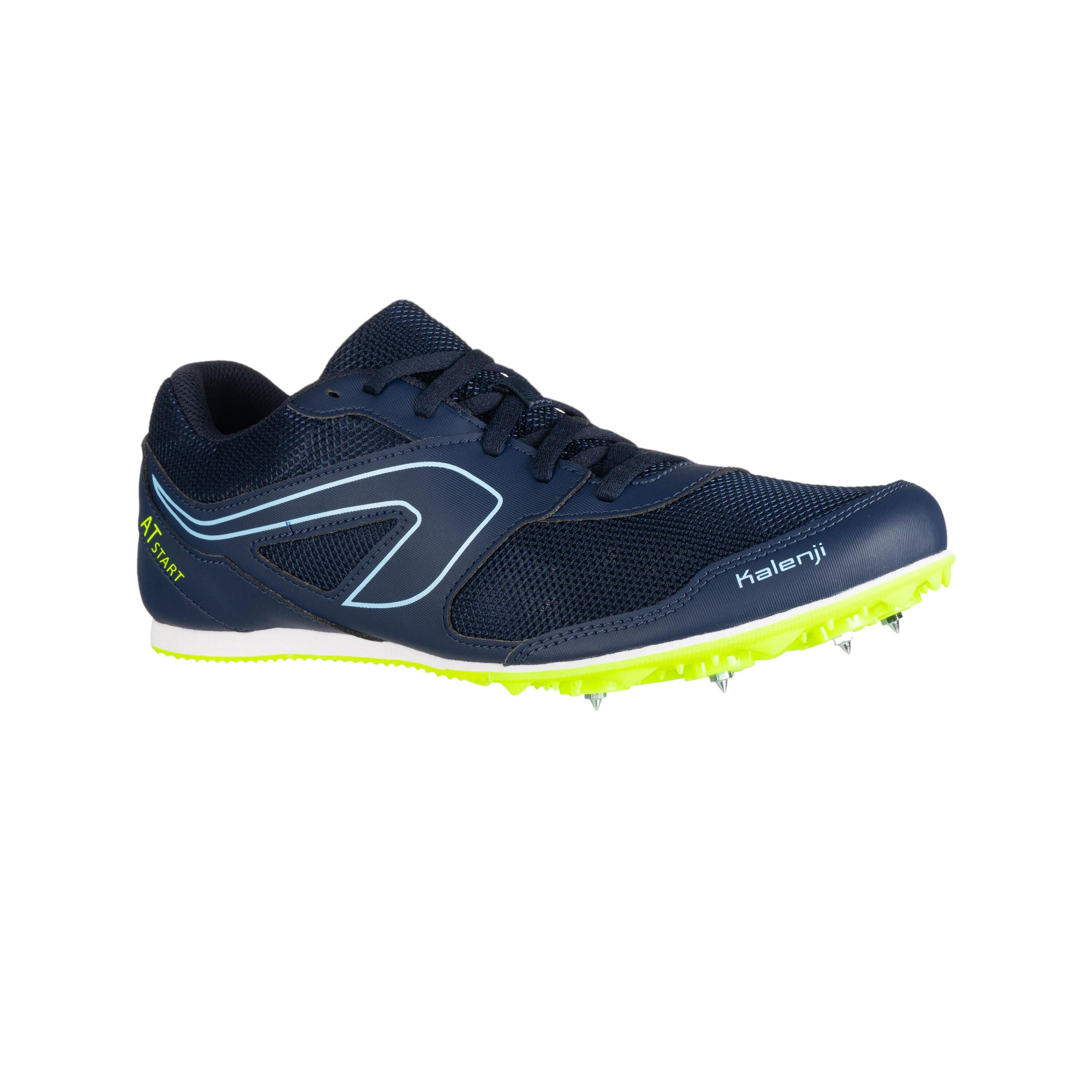
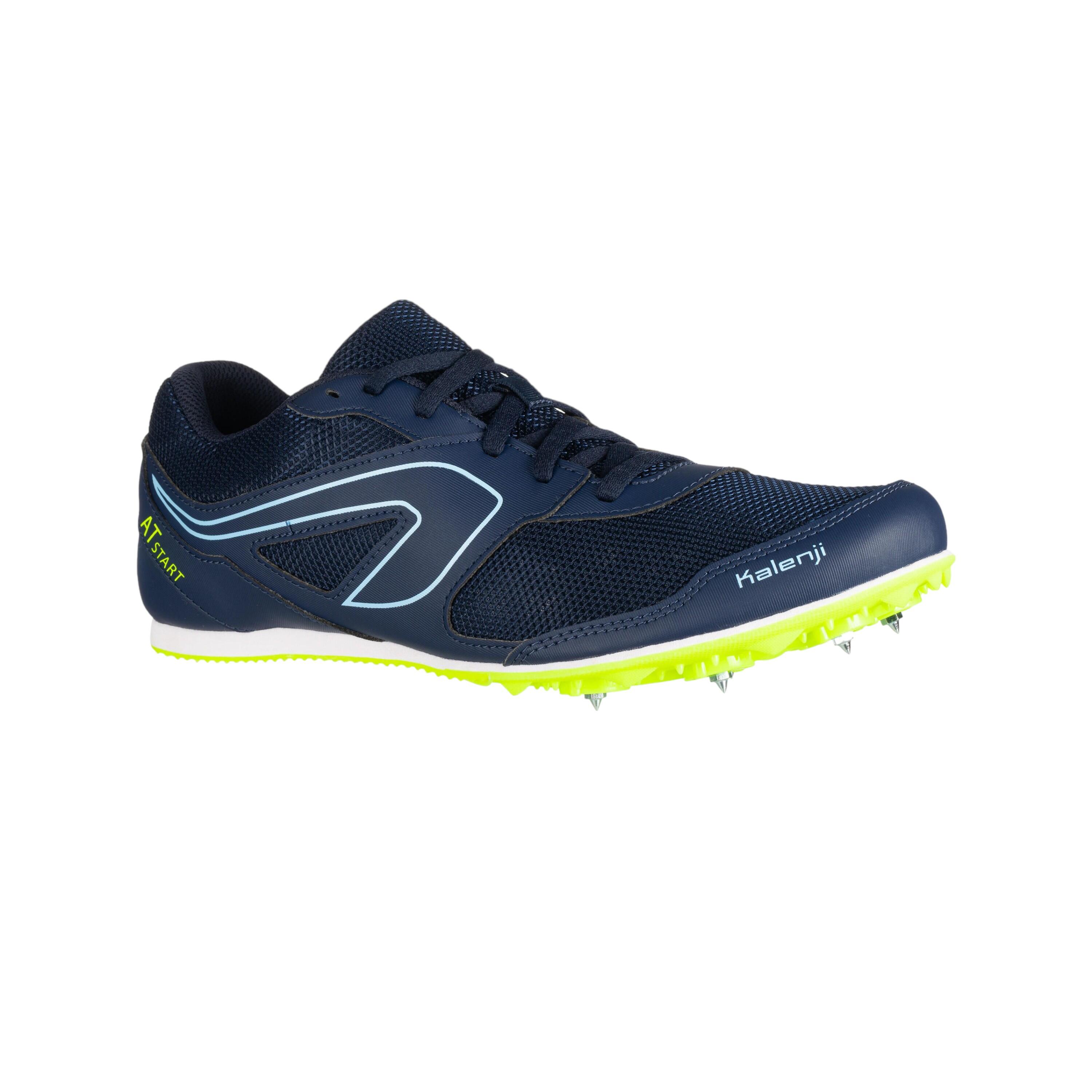
Most children can begin athletics in flexible running shoes, particularly when sessions include warm-ups, games, basic drills and several event types. Spikes become more relevant when a coach introduces faster track work or specific jumping disciplines and confirms that the venue permits them. Compare the options within athletics shoes and spikes only after you know the surface and event. Spike plates feel firmer and provide less everyday cushioning than normal trainers, so they should not replace general training shoes. Check each pin before use, remove compacted dirt afterwards and carry the shoes separately so exposed spikes do not damage clothing.

Which clothes work well in beginner athletics gear?

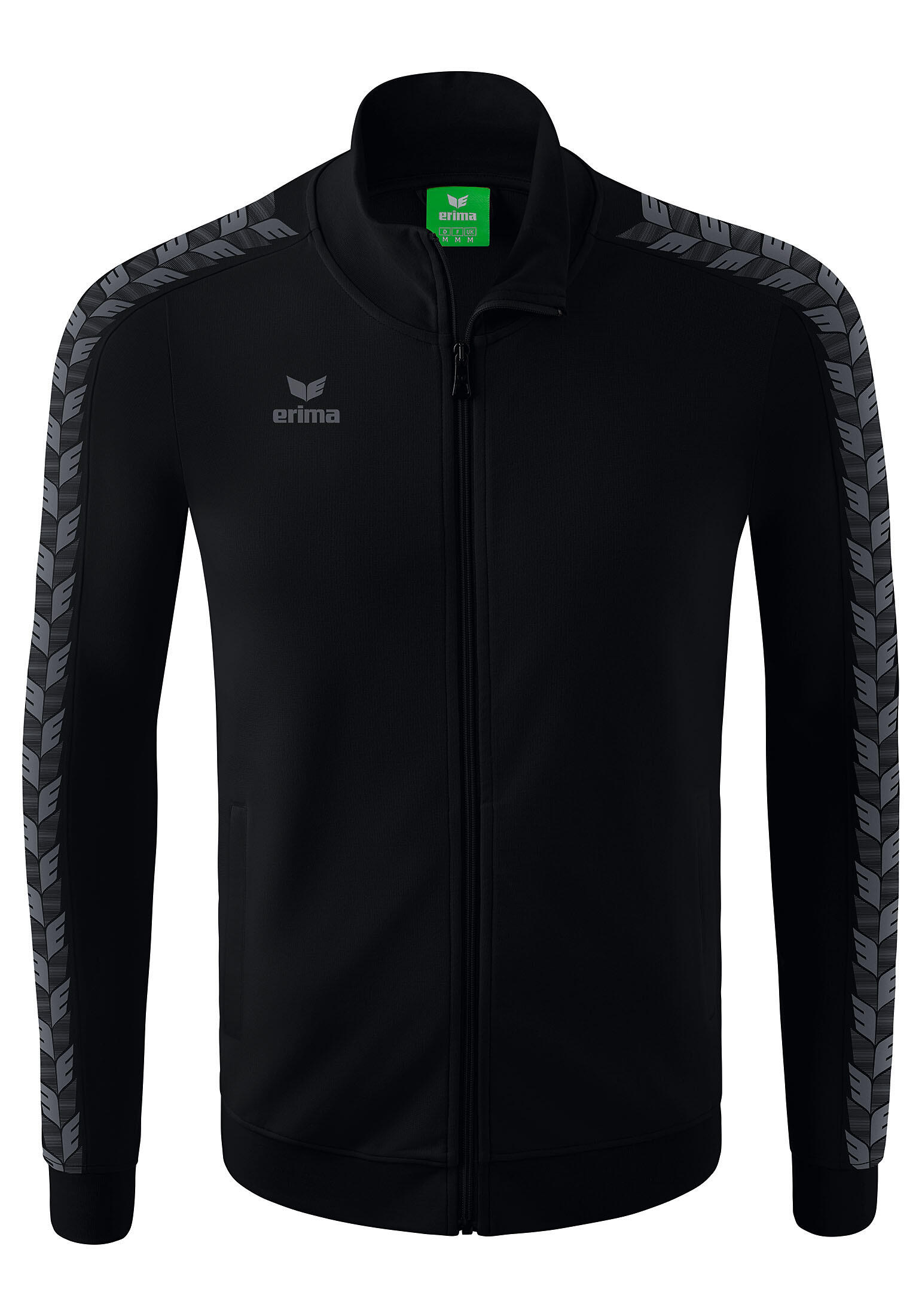
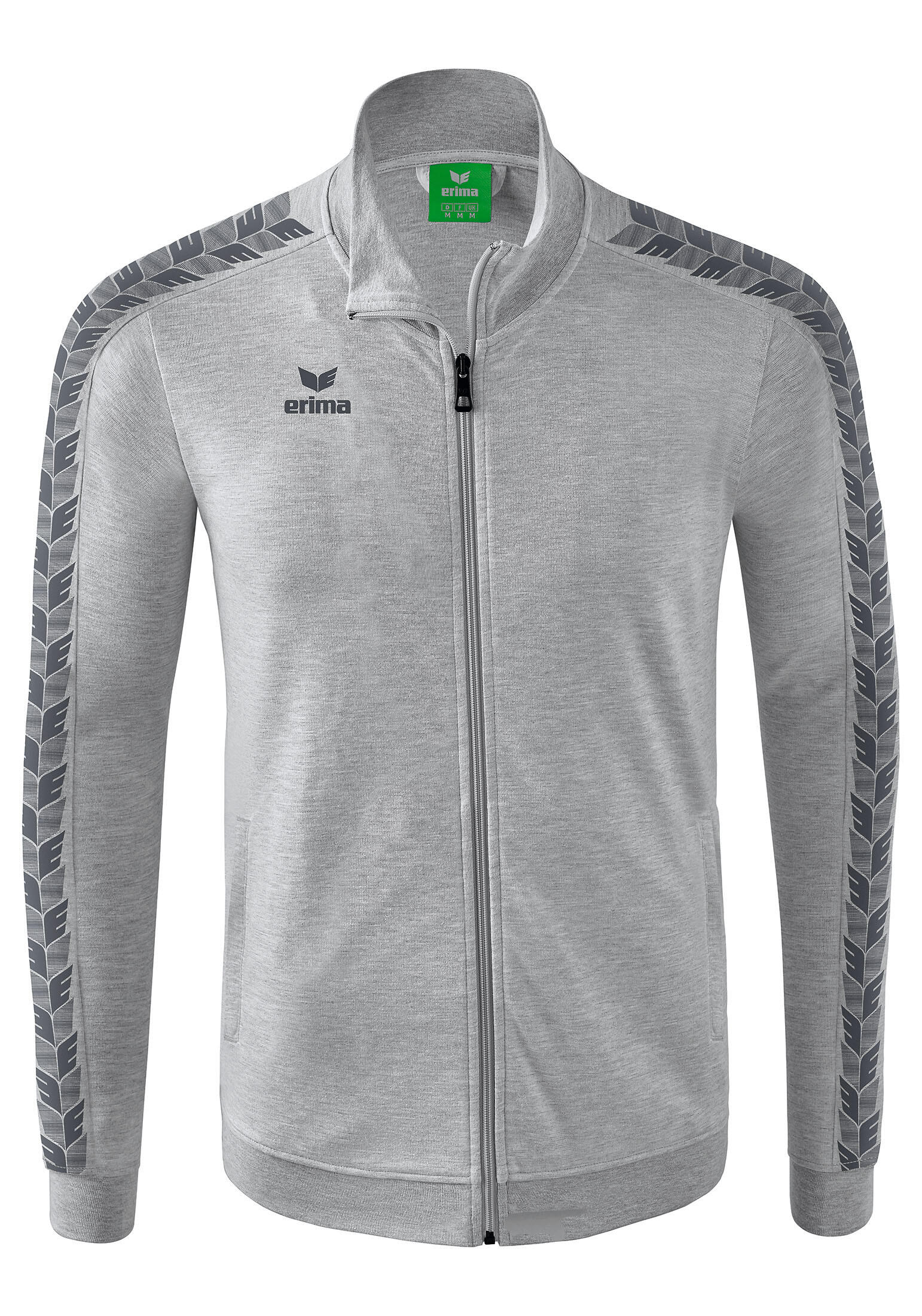
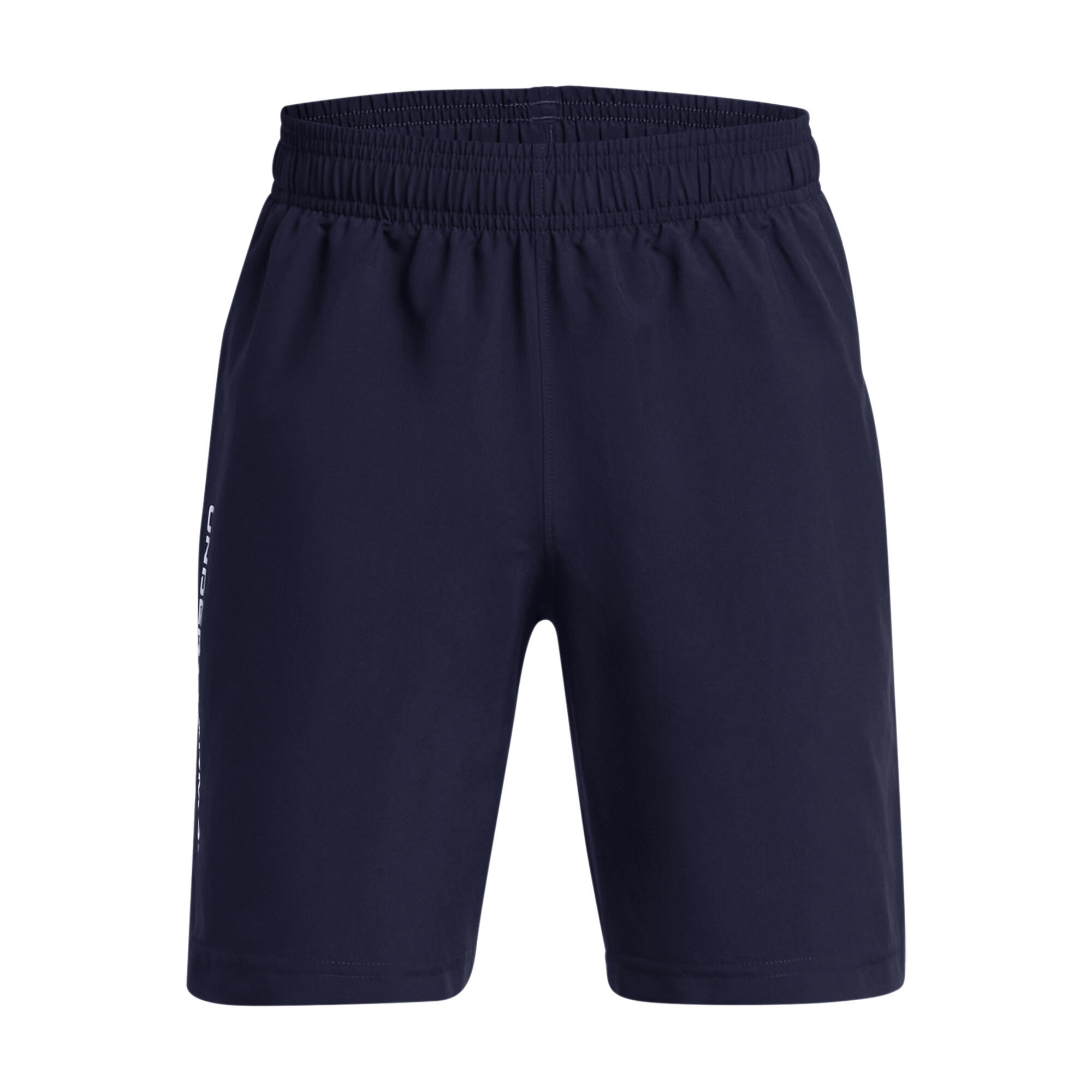
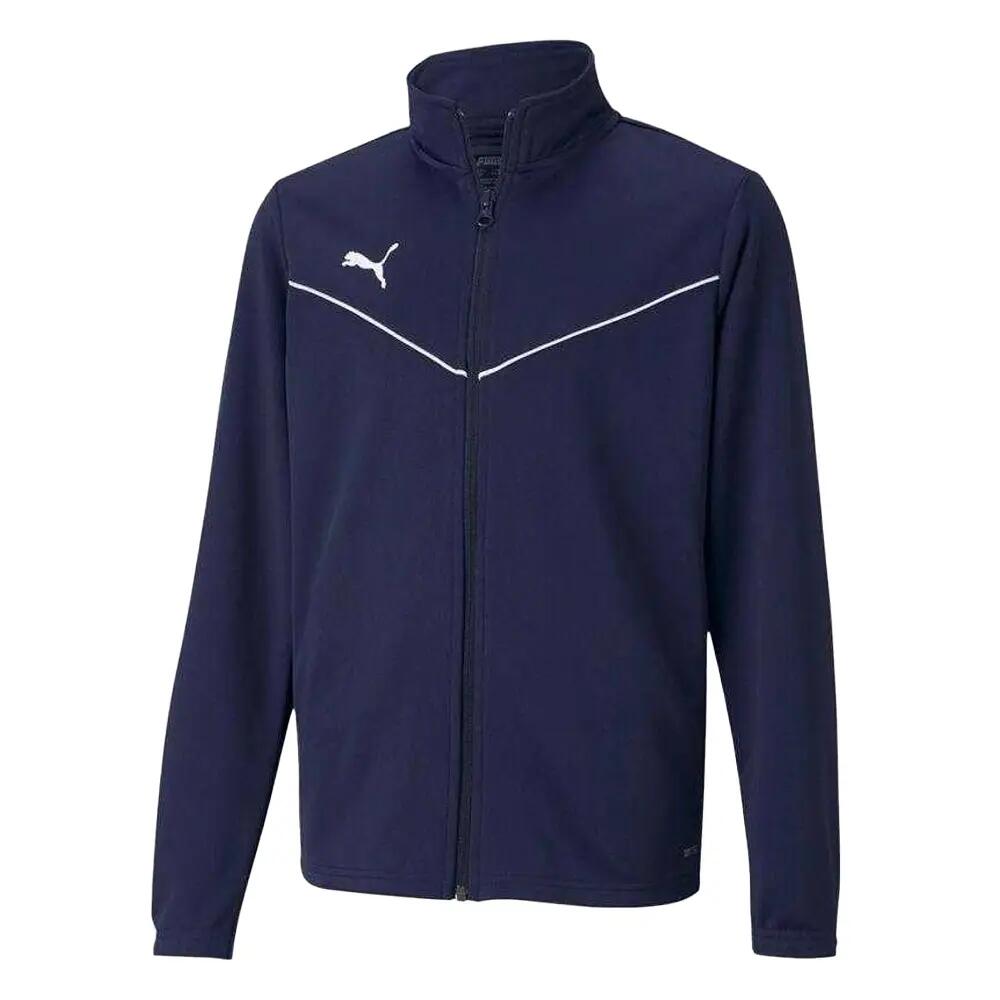
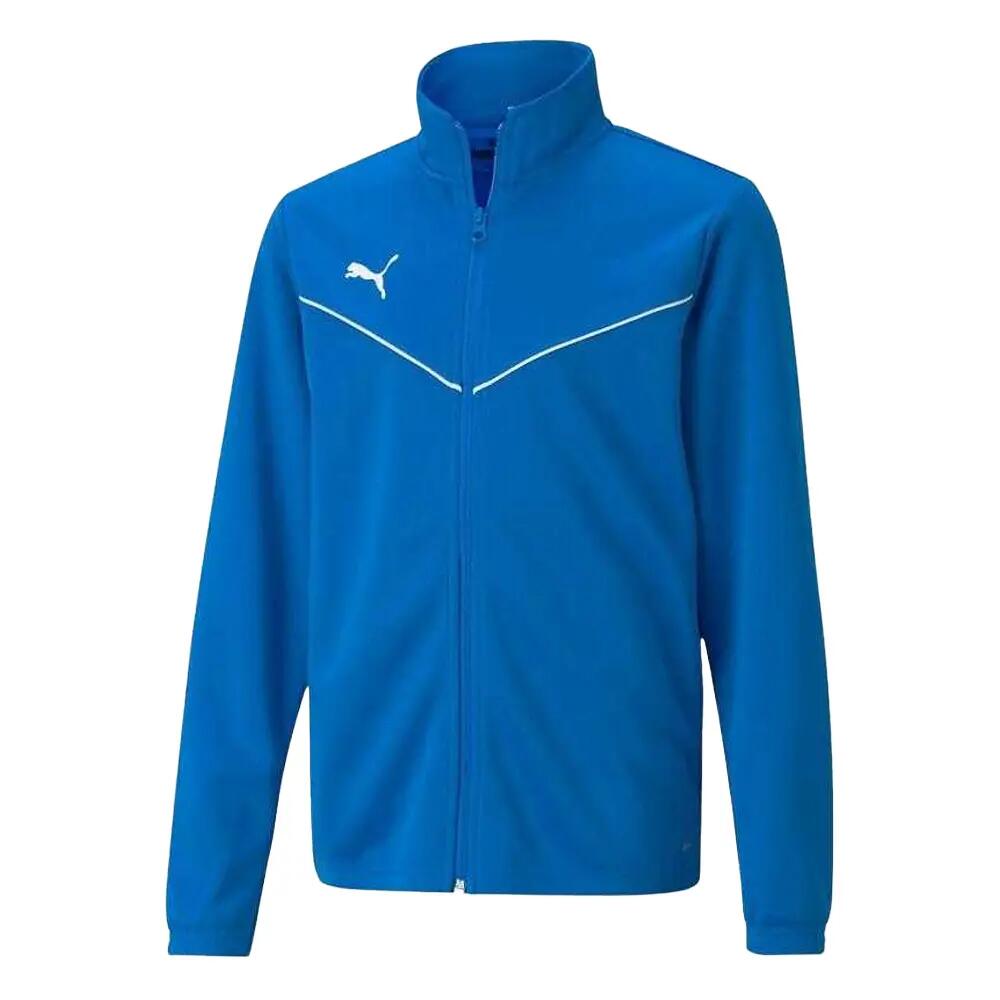
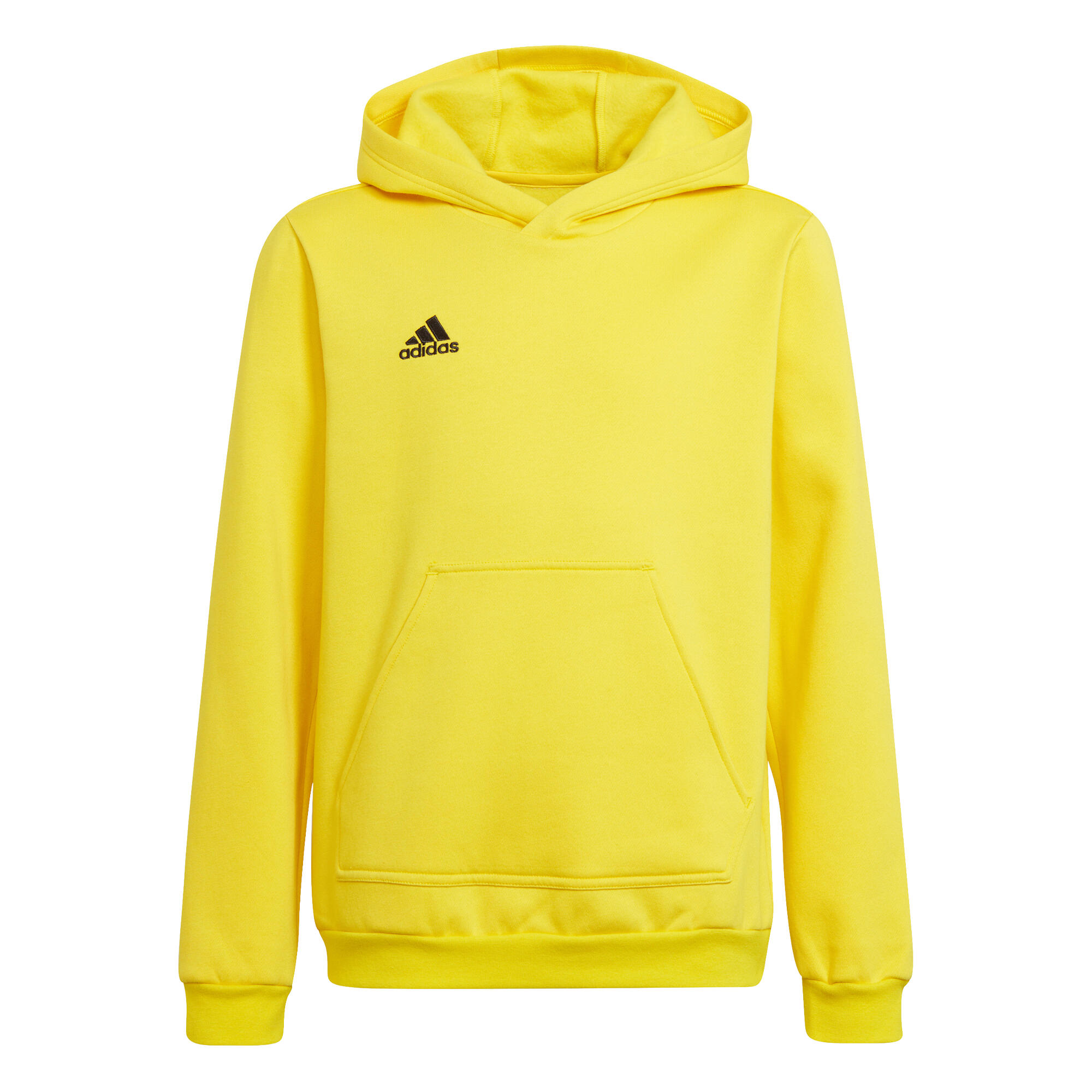
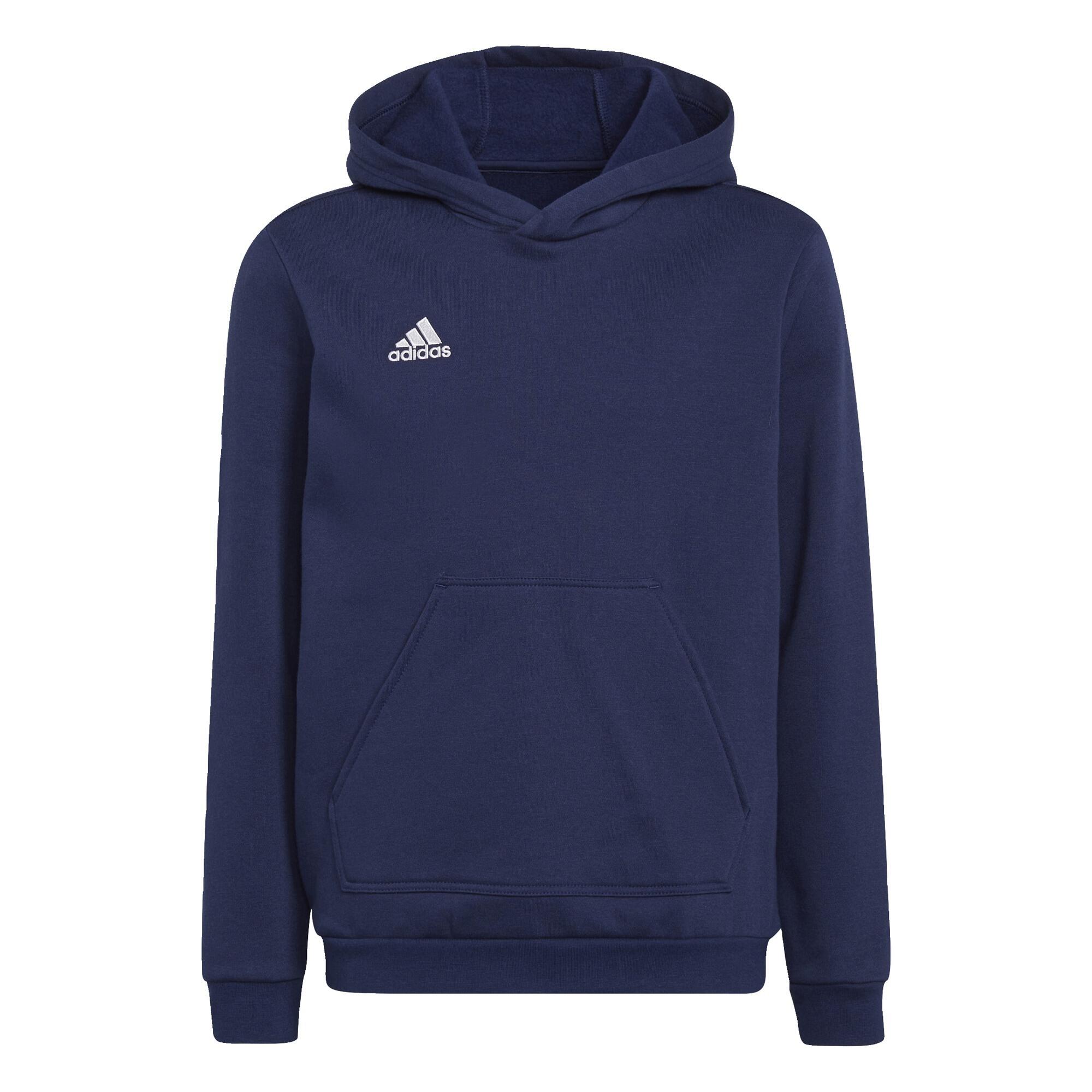
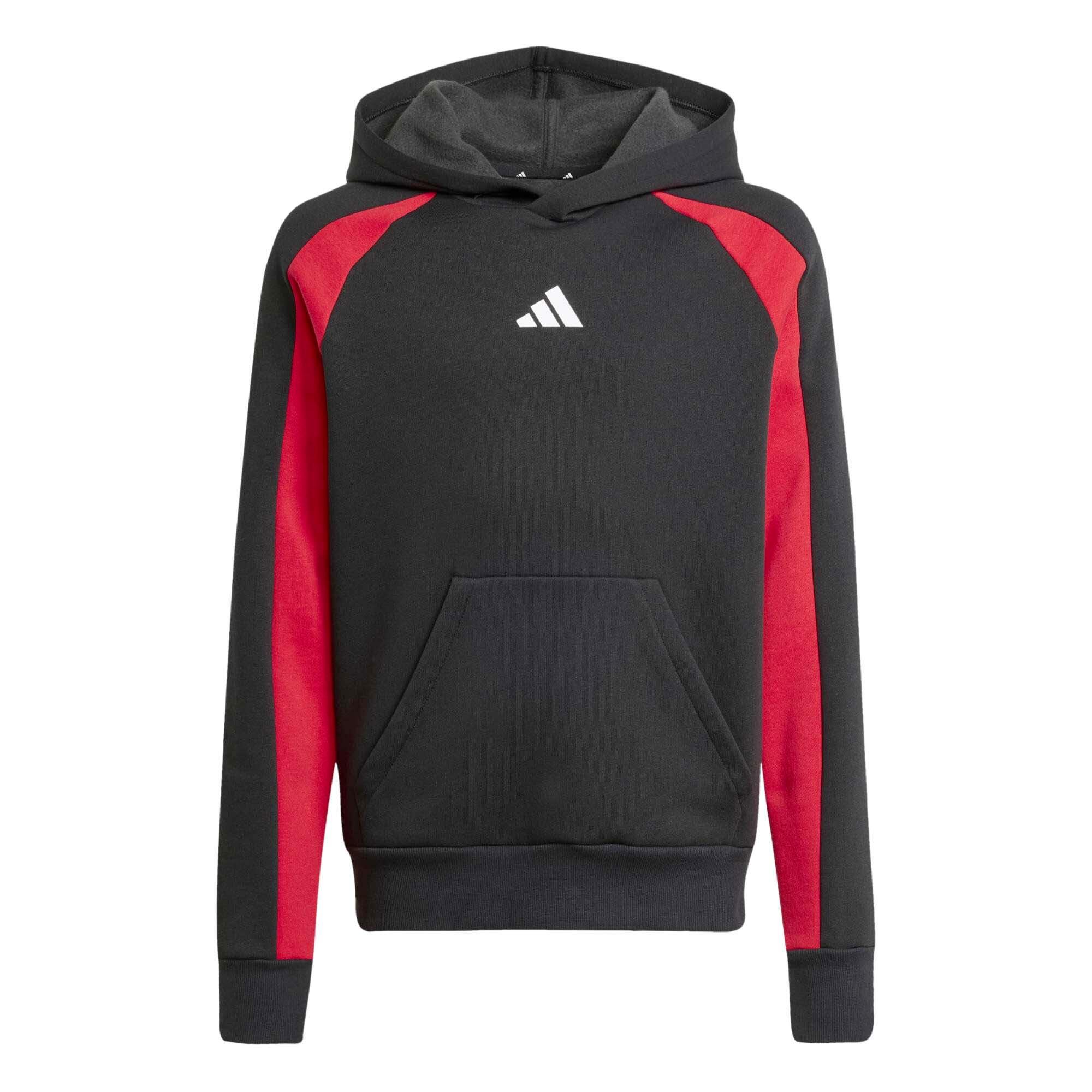
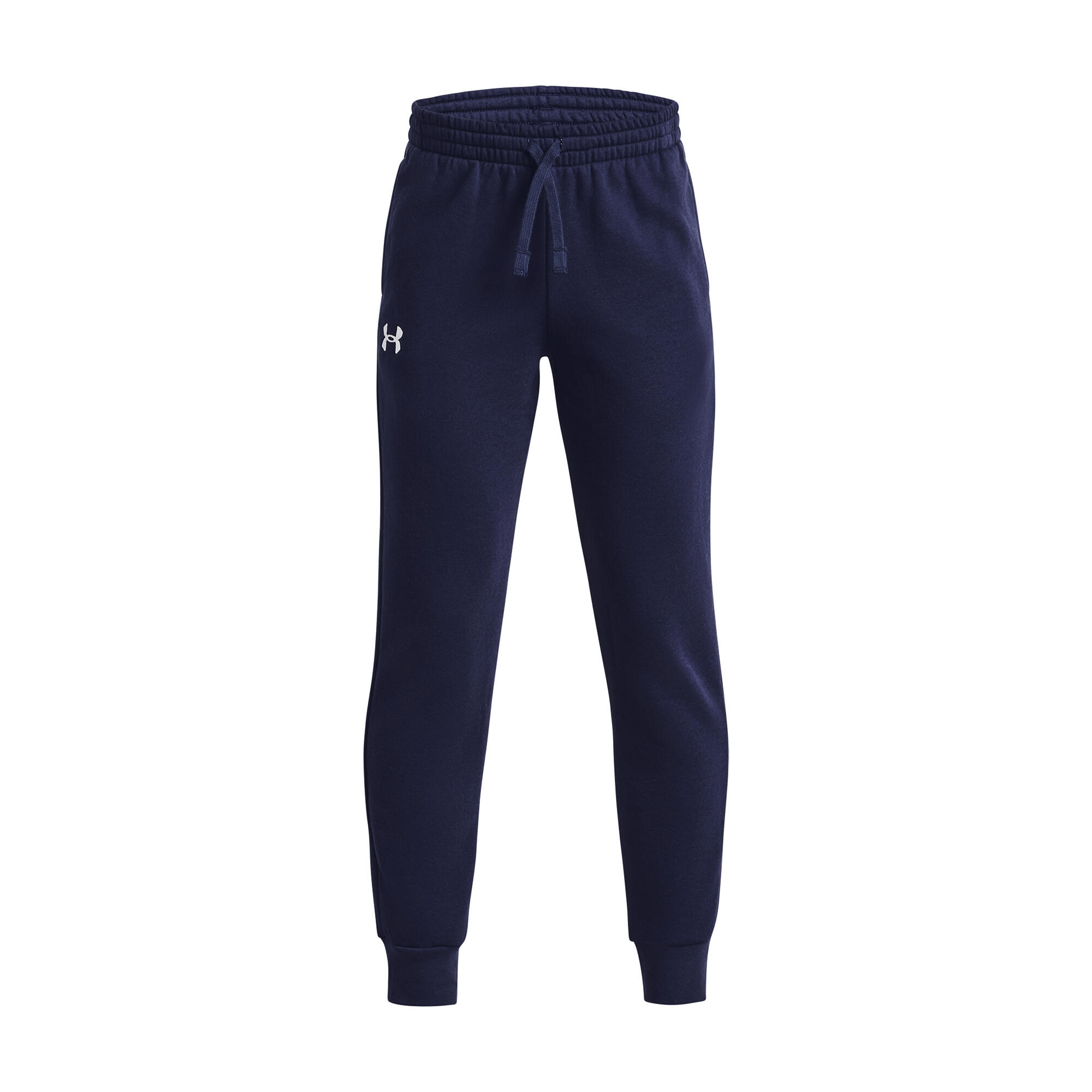
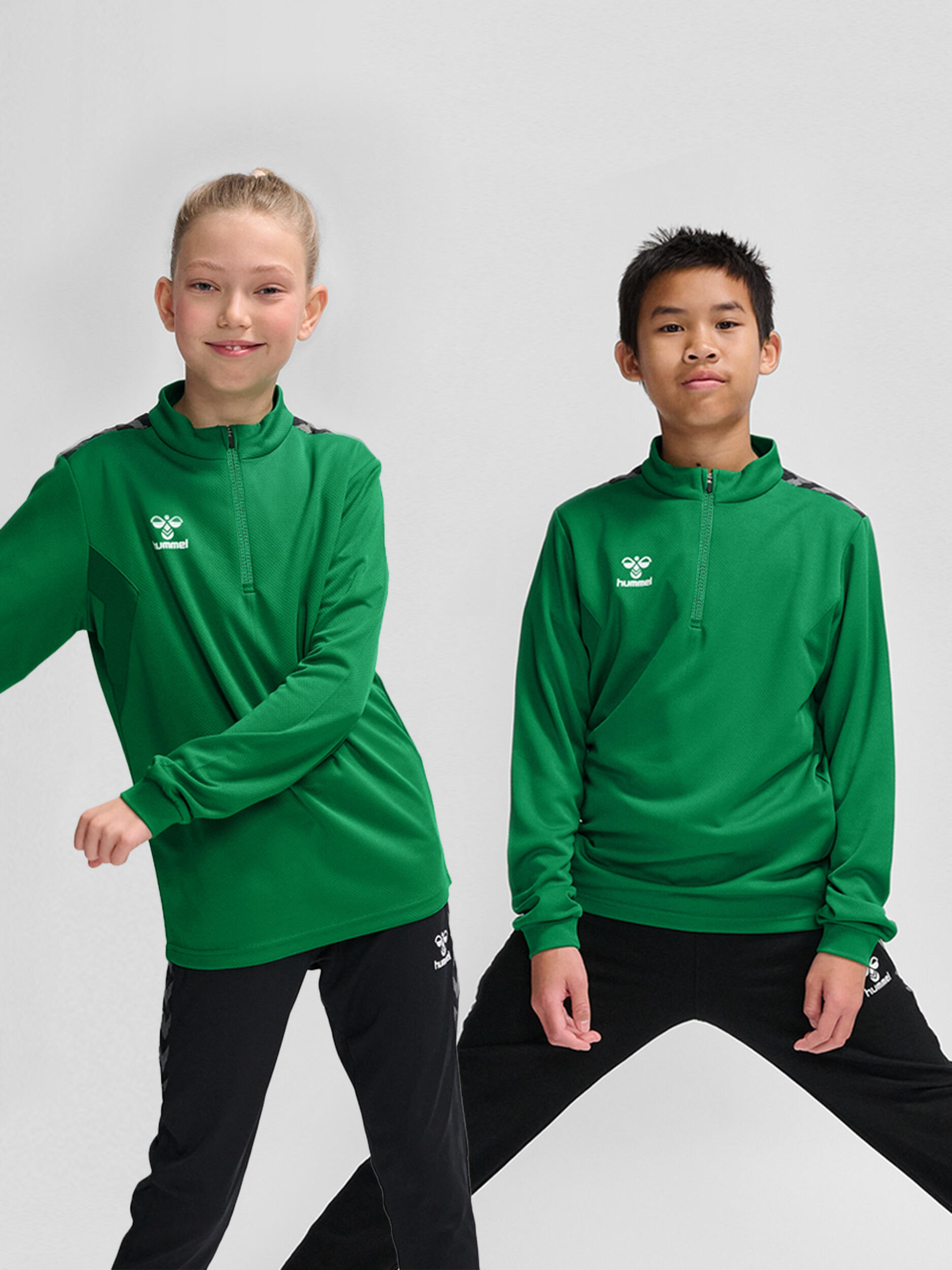
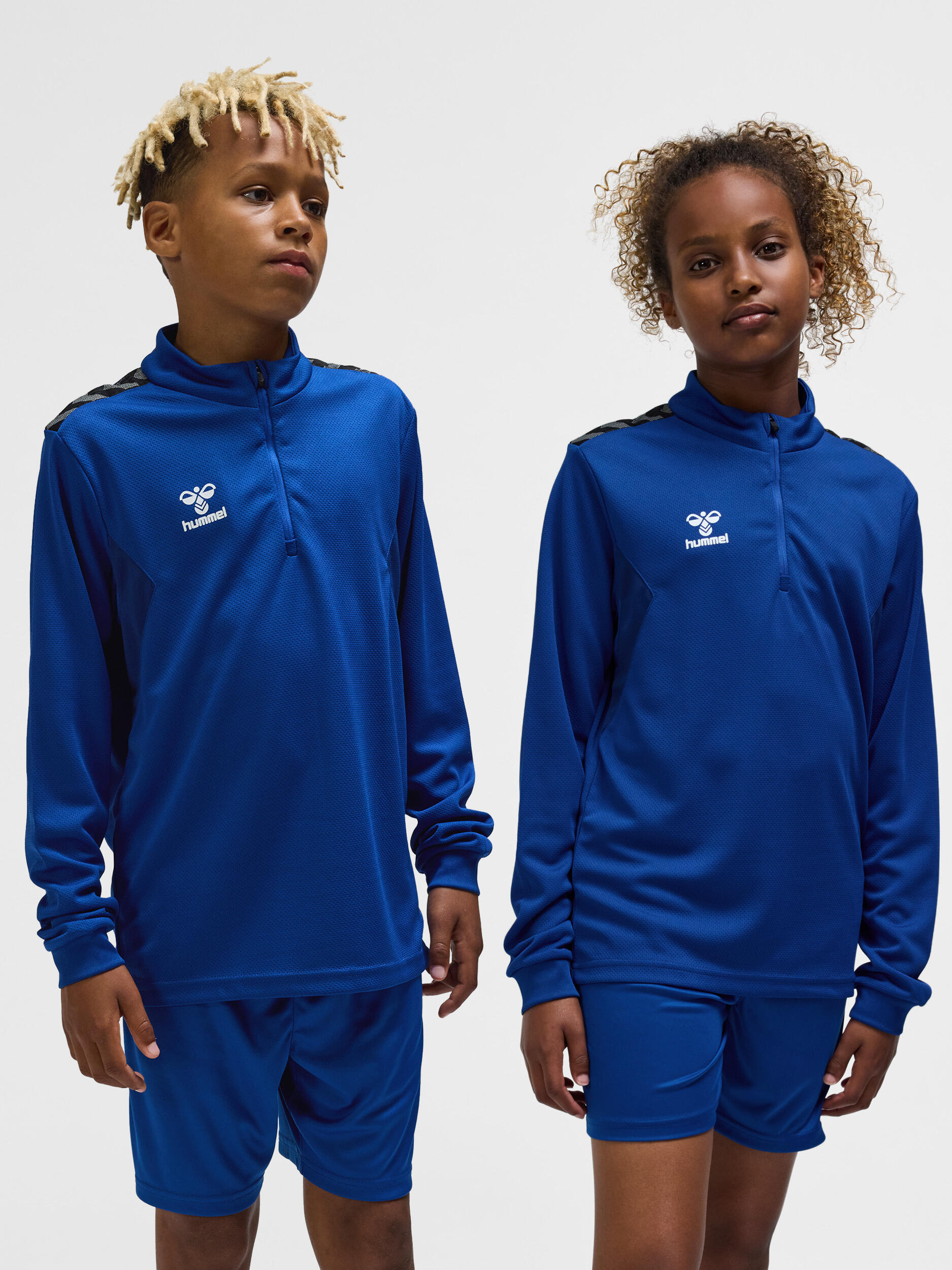
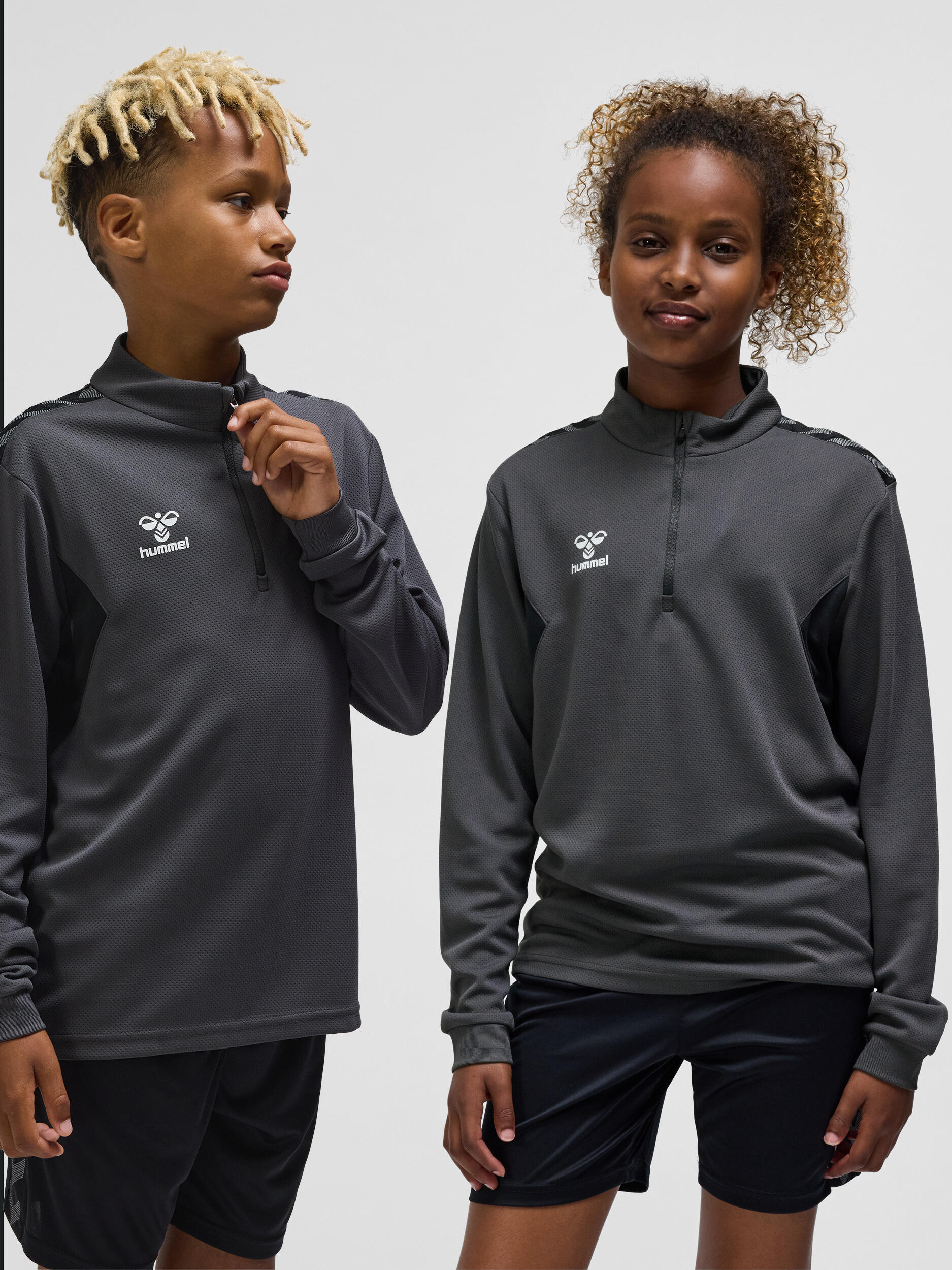
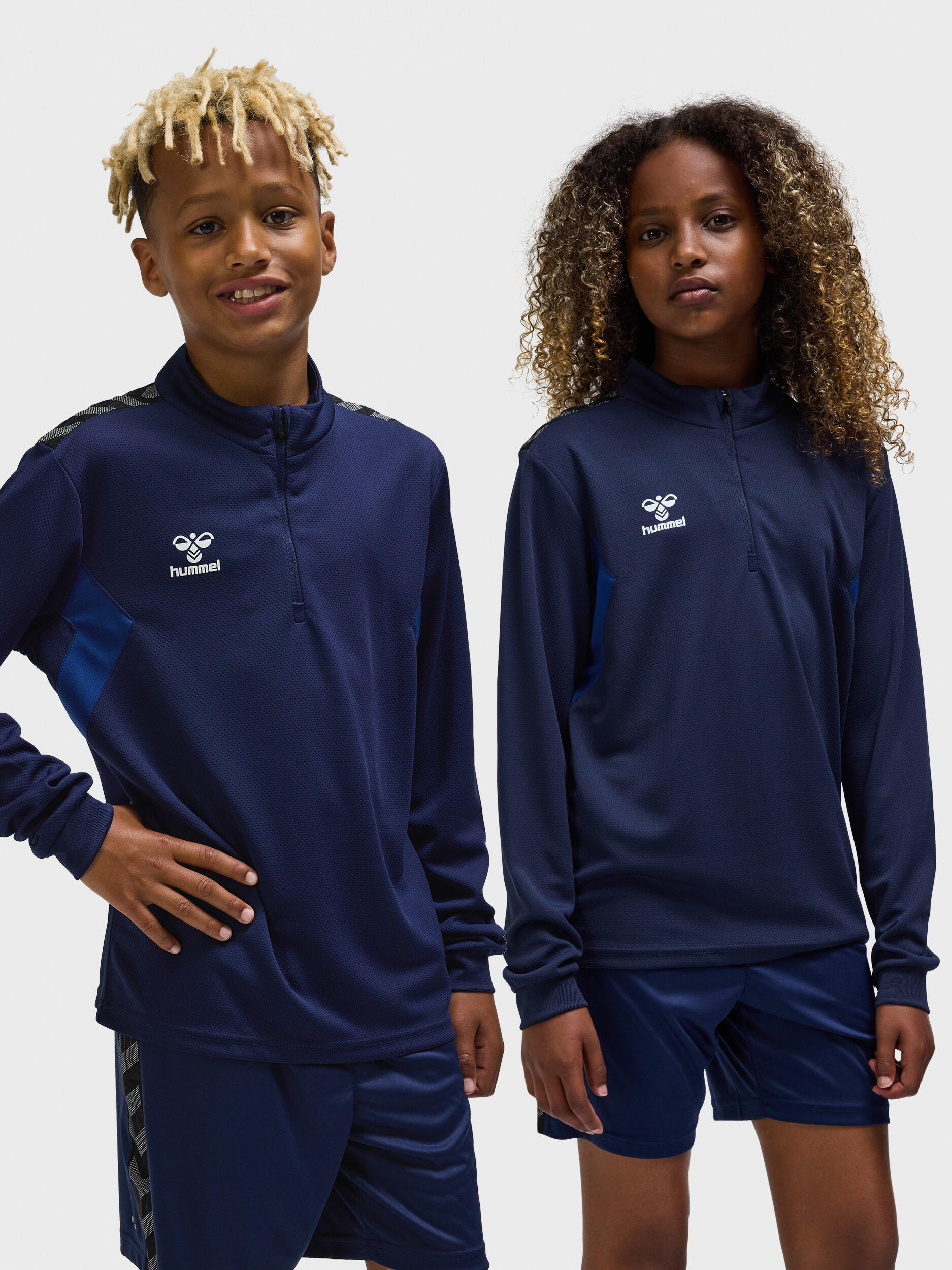
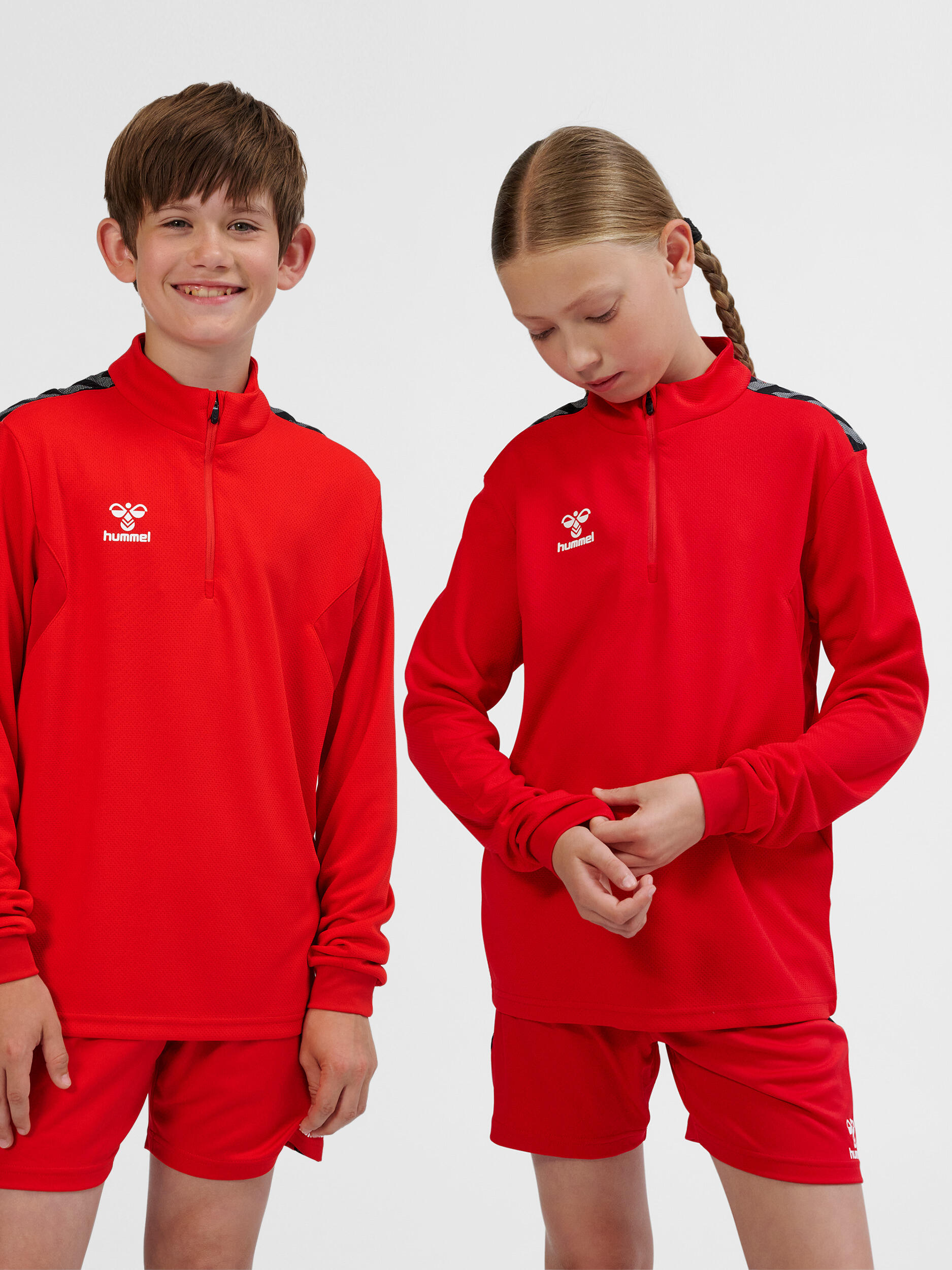
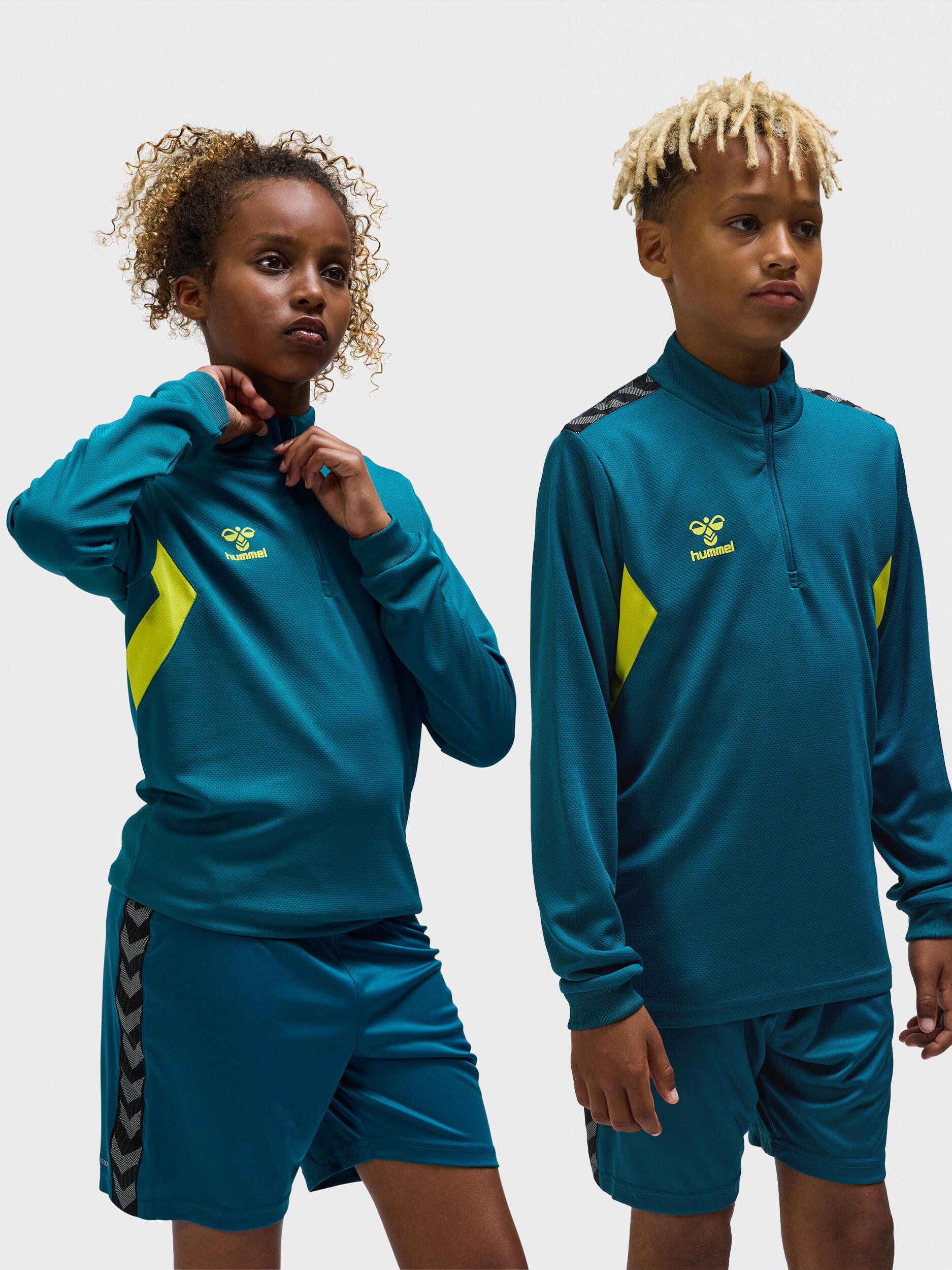
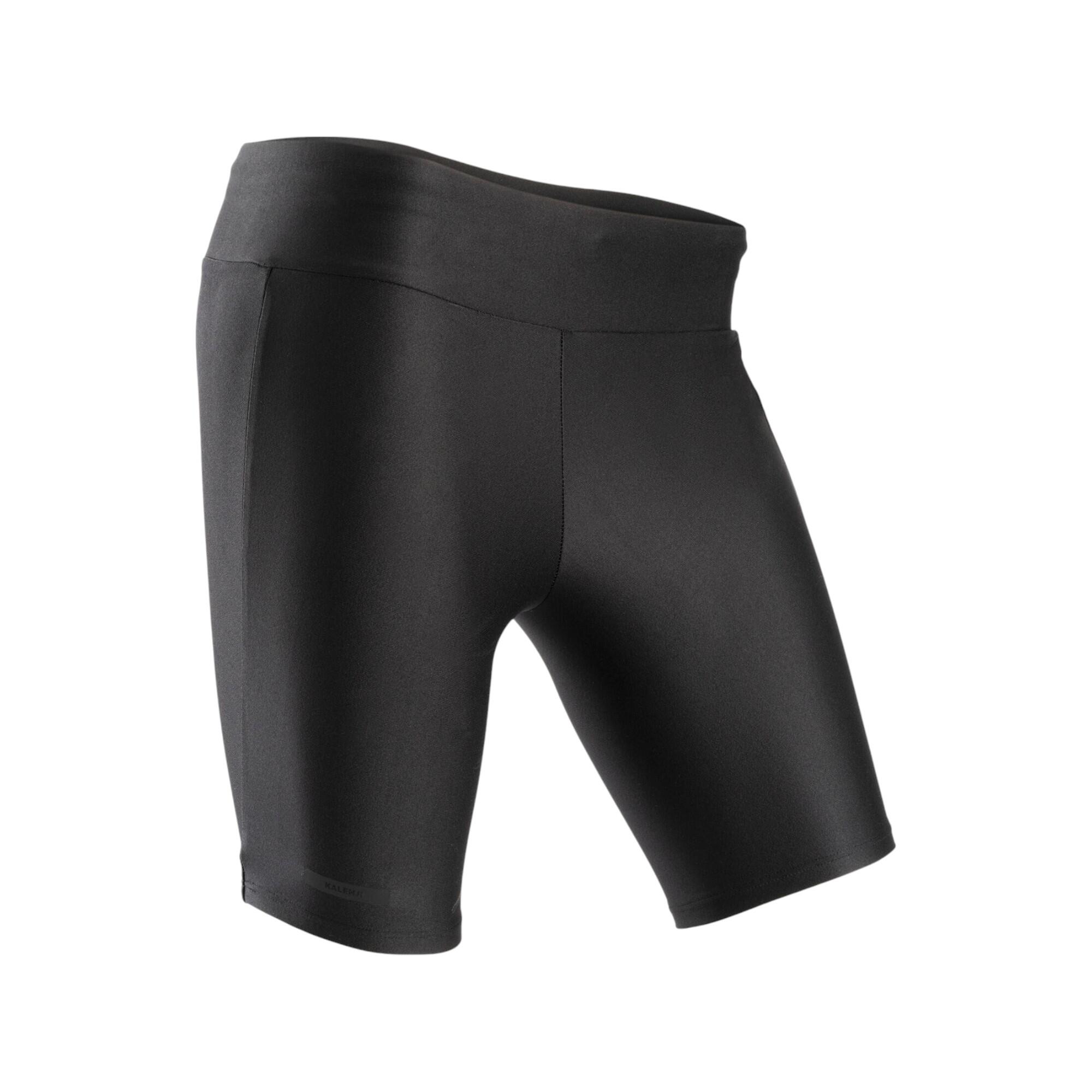
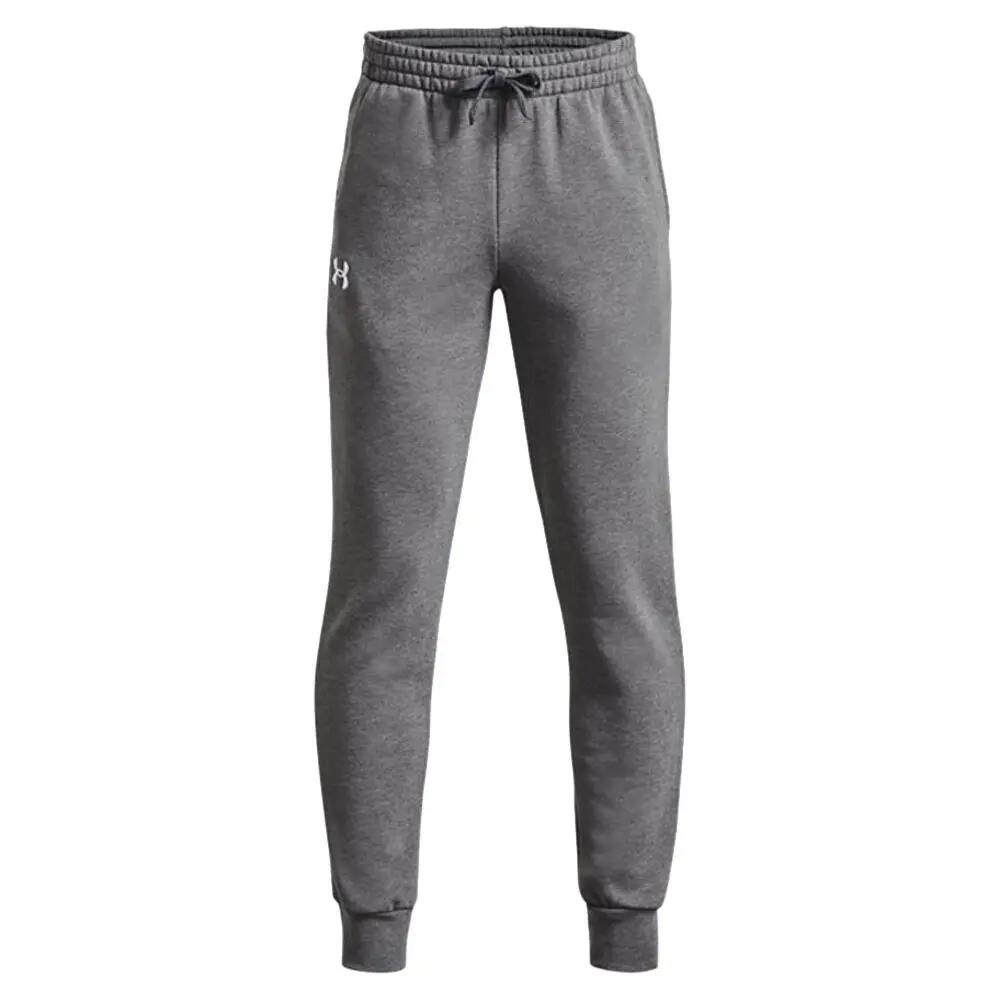
Choose lightweight layers that allow unrestricted running, jumping and throwing. A breathable T-shirt with shorts or flexible tights usually covers indoor and mild-weather sessions, while a close-fitting long-sleeved layer can help during colder training. The wider selection of athletics clothes includes options for different ages, weather conditions and event routines. Moisture-managing fabric matters because it transfers perspiration away from the skin, helping your child stay more comfortable when activity levels change. Avoid heavy cotton for demanding sessions because it can retain moisture. Check that waistbands stay in place and that sleeves do not restrict shoulder movement during throwing drills.

What cold-weather essentials do beginner athletes need?

Use several light layers instead of one bulky garment, as your child can remove a layer after warming up and put it back on while waiting. A KIPRUN SKINCARE long-sleeved running T-shirt sits close to the body, transfers perspiration and retains warmth without heavy fabric. Its seamless sides also reduce raised contact points that may rub during repeated arm movement. Pack a dry outer layer for the journey home and change damp clothing promptly after training. Wash technical tops at 30 degrees, avoid fabric softener and let them air-dry, since high heat can affect the elasticity and moisture-management properties of the fibres.