258 items
3.9/5 based on 16601 reviews collected online and in stores

Small Tents FAQs


How do I choose between 2 and 3 person small tents?

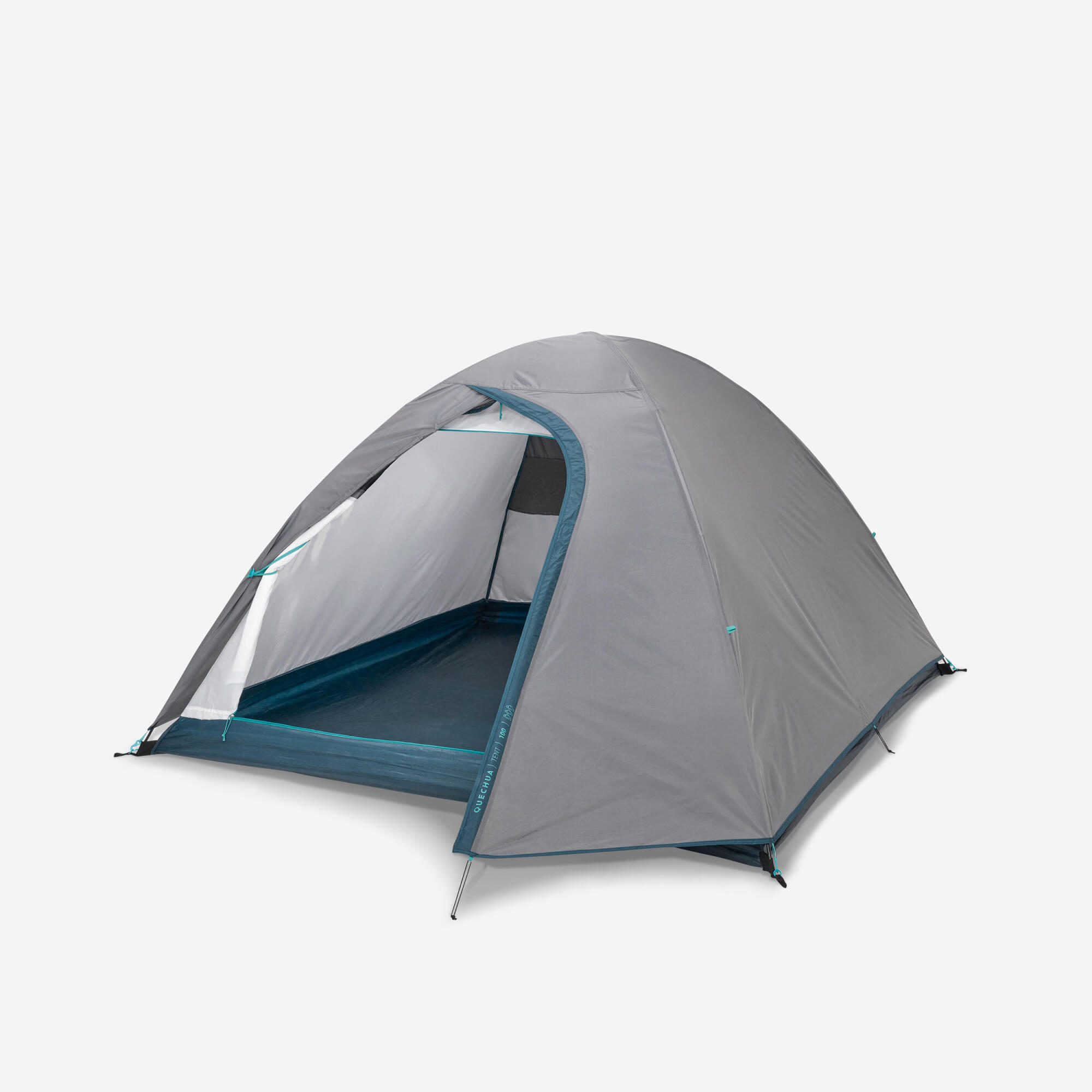
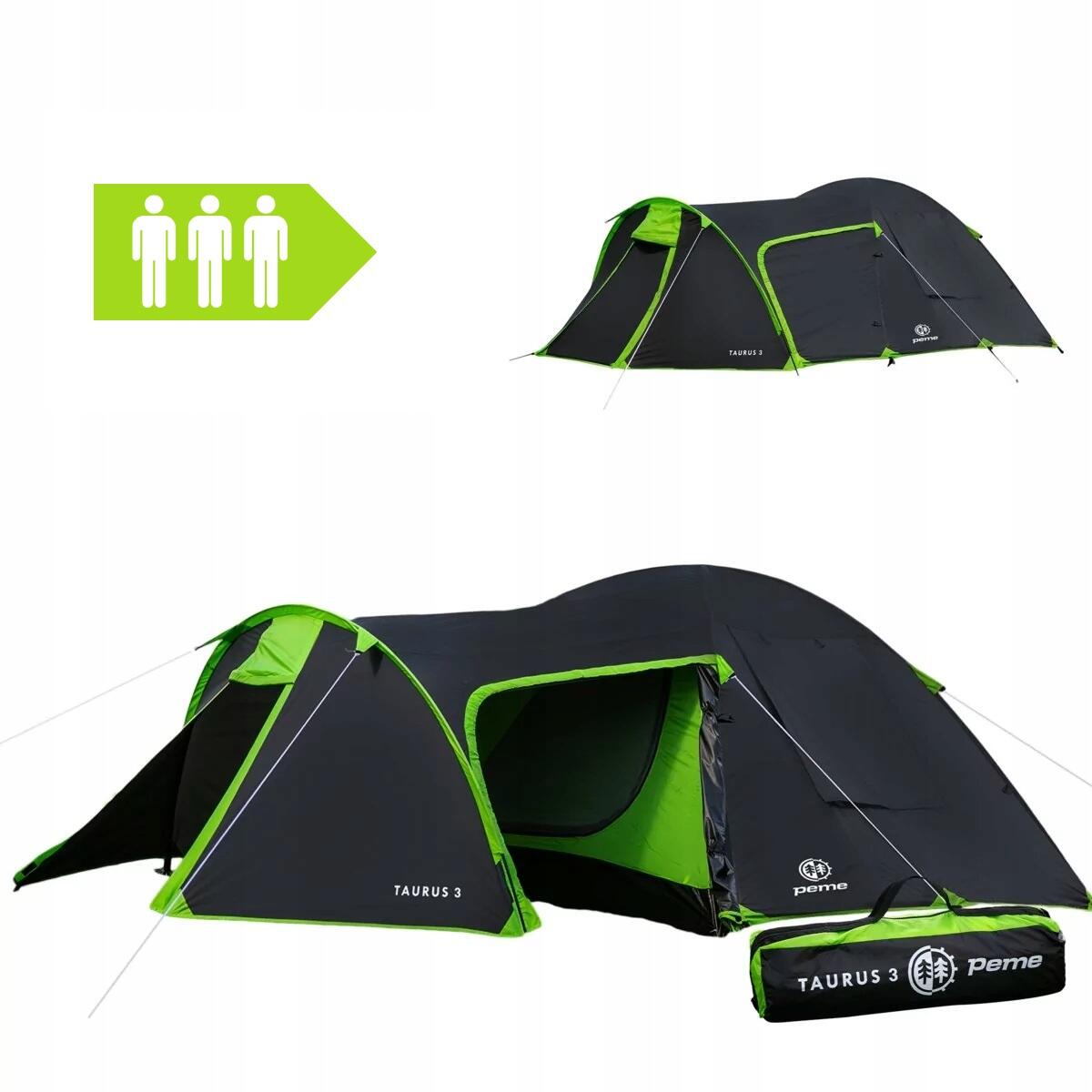
The choice between these capacities typically depends on your need for internal floor area versus the total pack weight you are willing to carry on your back. For a solo backpacker seeking extra room for a rucksack and boots inside the inner compartment, our range of 2 man tents provides a perfect balance of comfort and portability. If you are sharing the space with a partner, a 3-person model offers additional width that prevents gear from pressing against the flysheet, which is essential for preventing condensation transfer. The technical reason behind choosing a larger capacity for two people is to create a livable "porch" area for cooking or storage during wet weather. When weight is the primary factor for high-altitude trekking, look for "ultra-light" labels where aluminium poles and thinner ripstop fabrics reduce the load significantly. Expert advice: Always check the internal height of the bedroom if you prefer to sit upright while changing clothes or reviewing maps in the evening. Selecting a model with dual entrances can also improve convenience for pairs, allowing each occupant to exit the tent without climbing over their companion during the night.


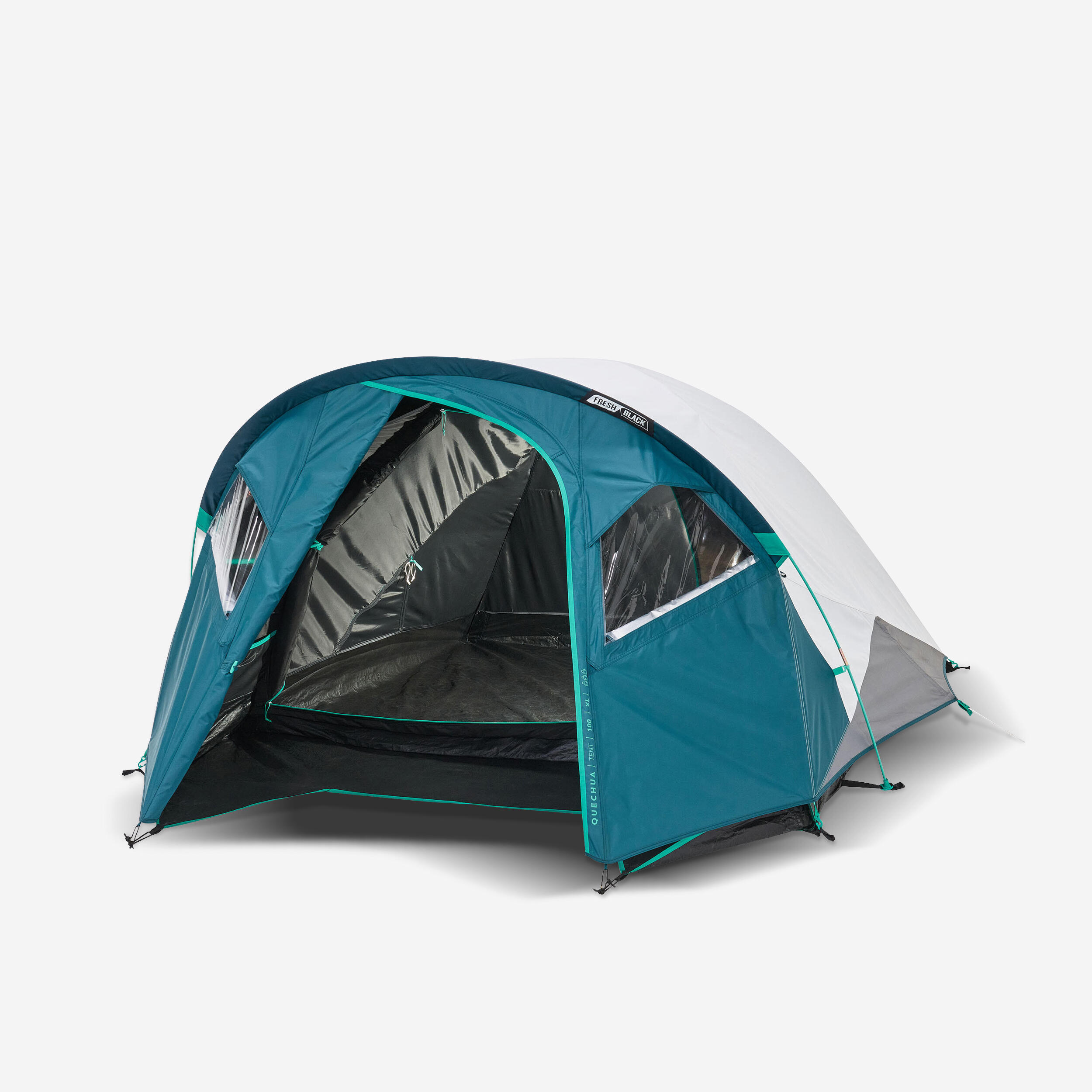
What are the benefits of compact tents with Fresh & Black technology?

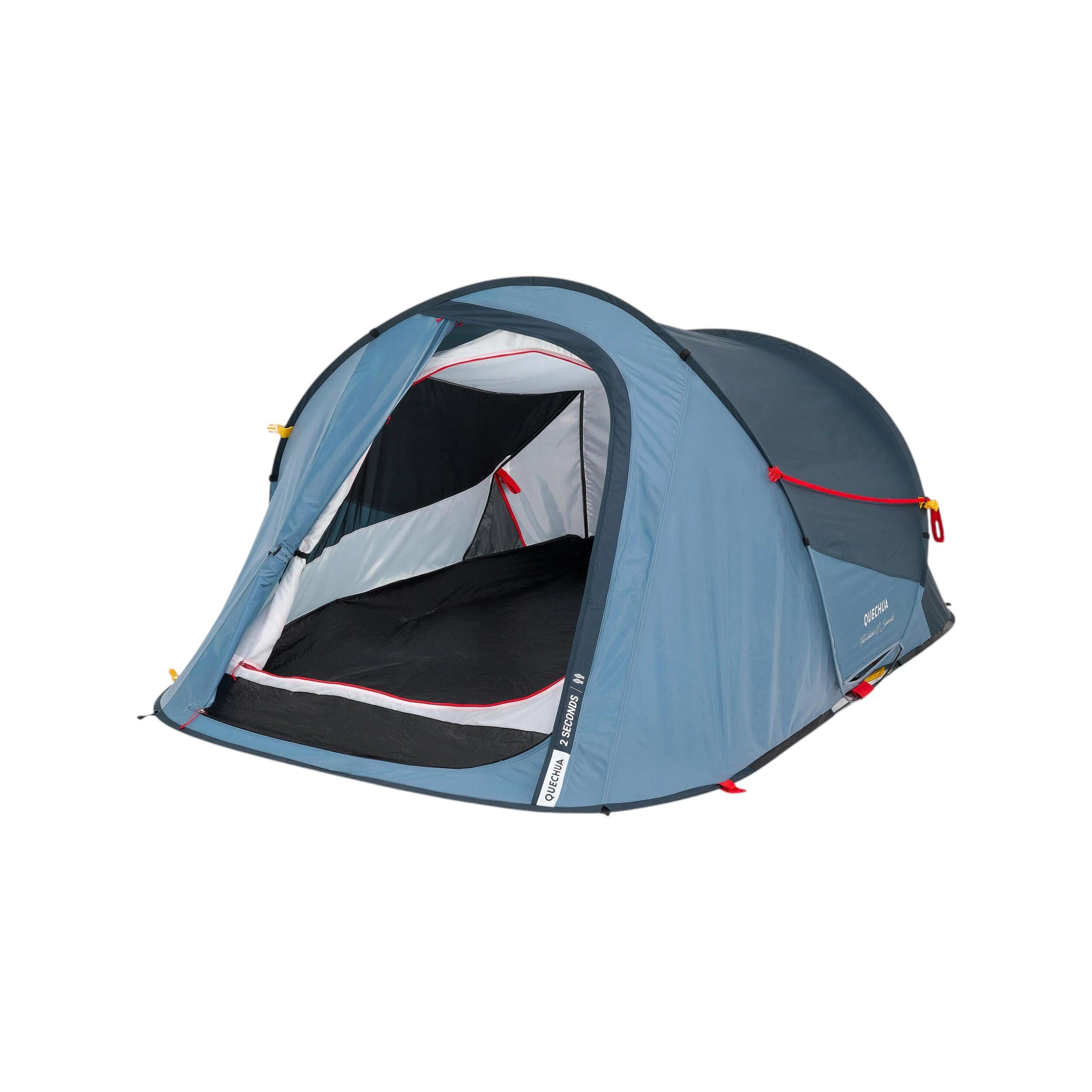
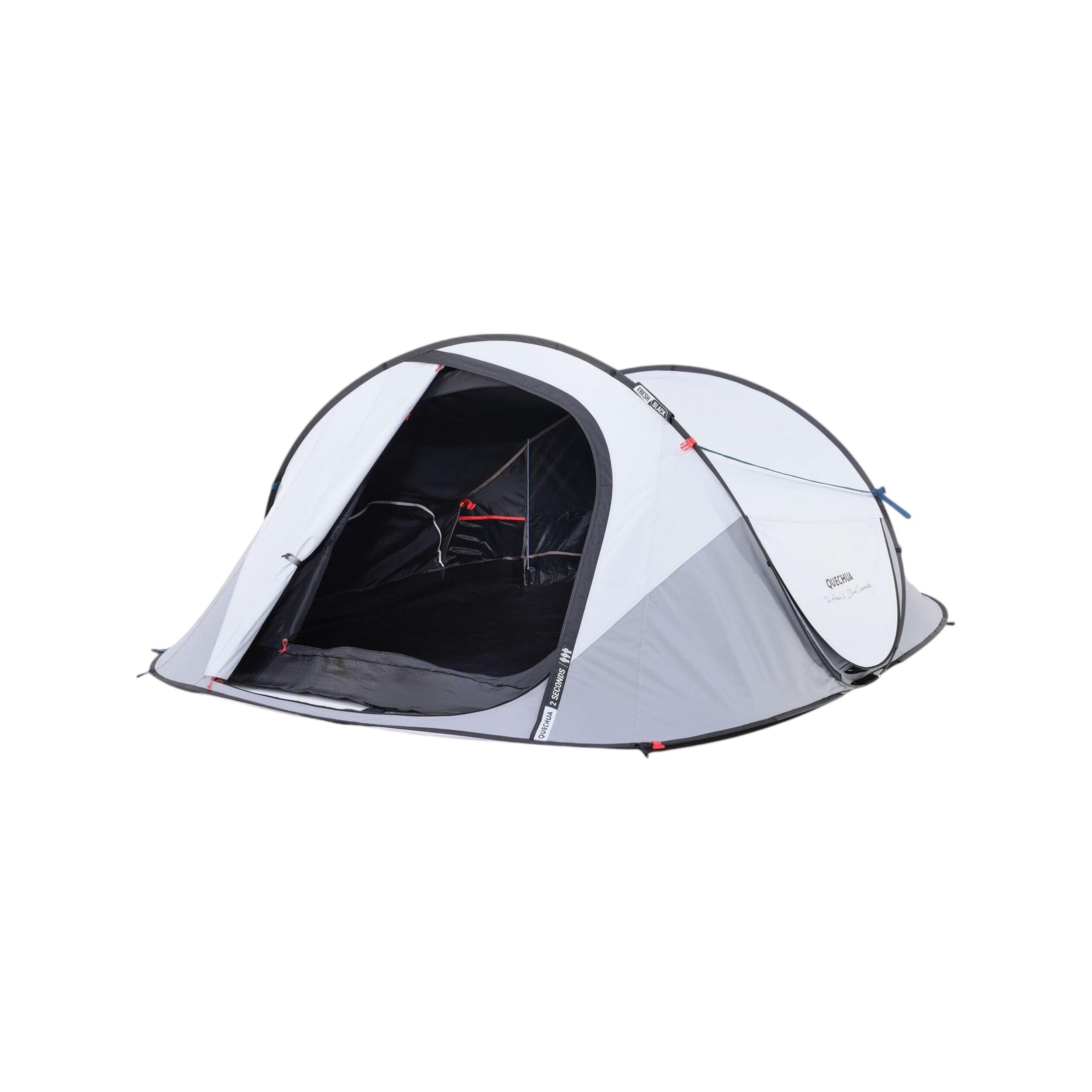
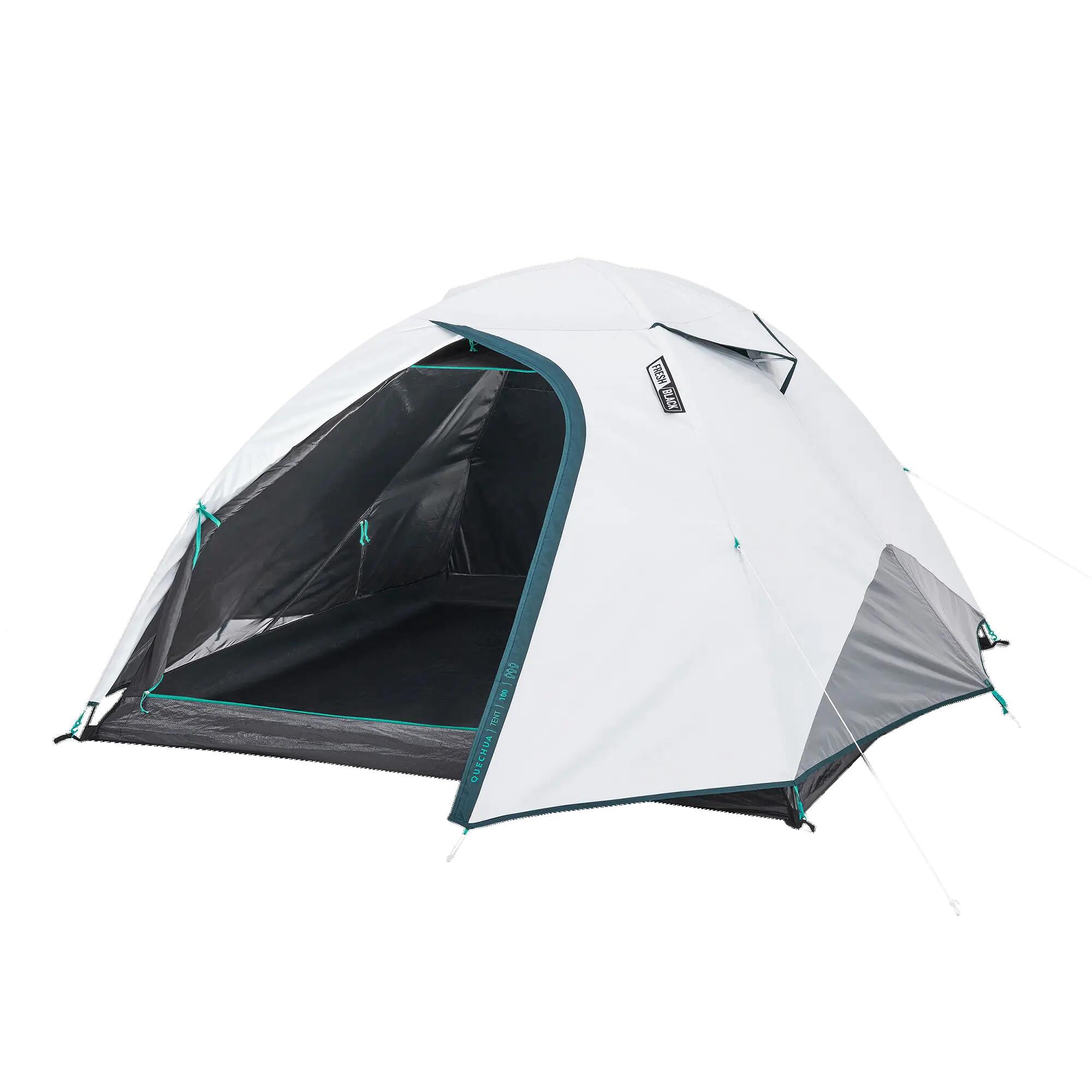
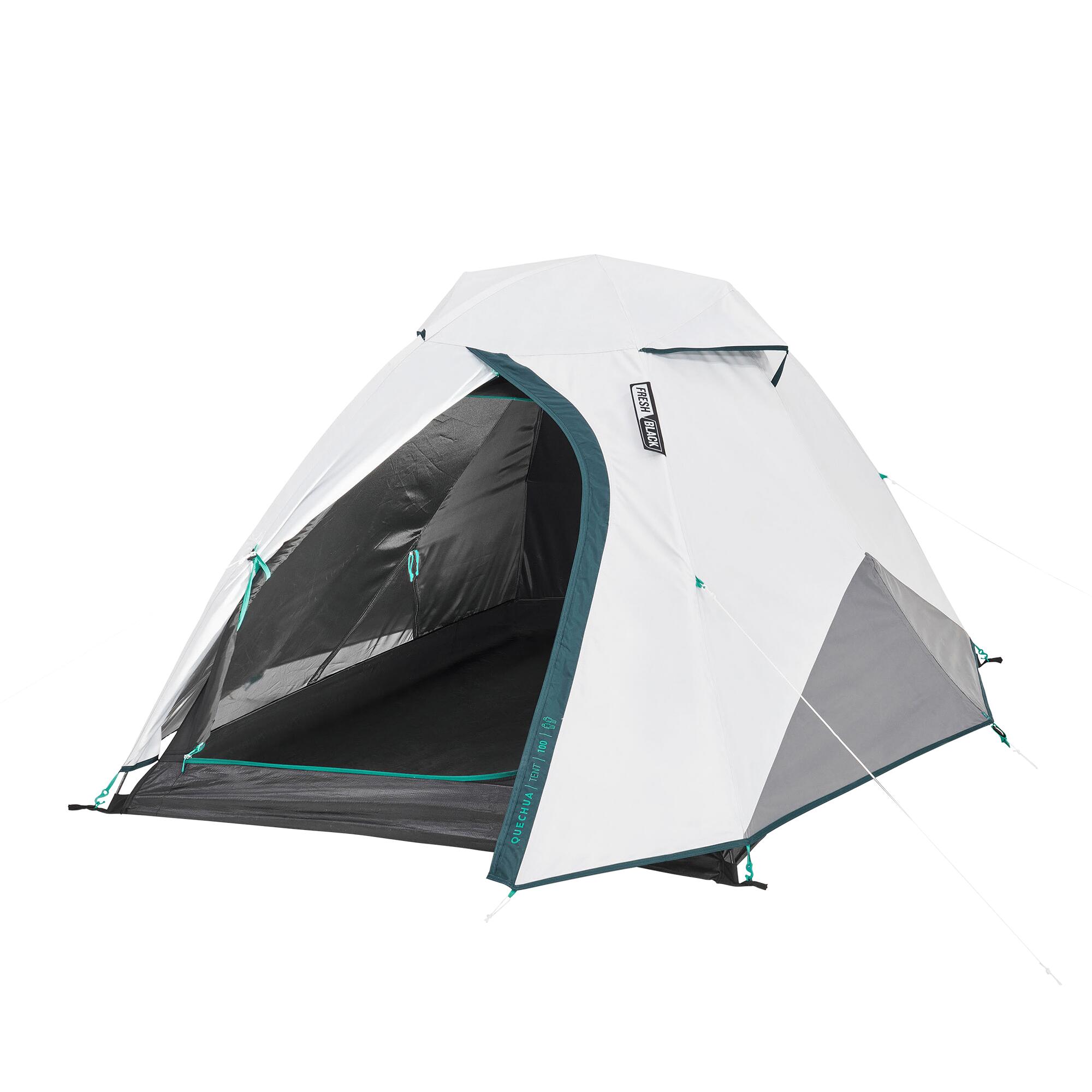
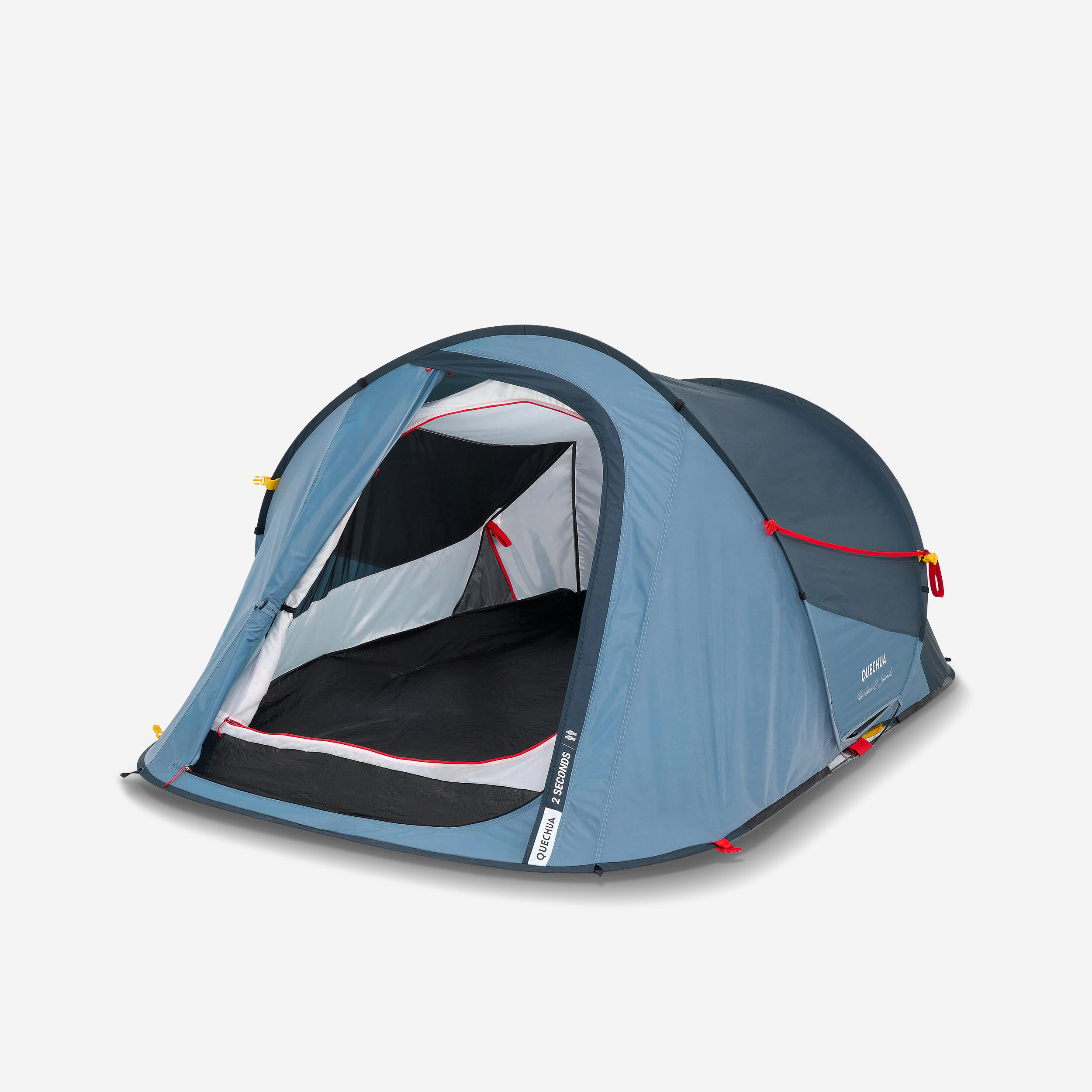
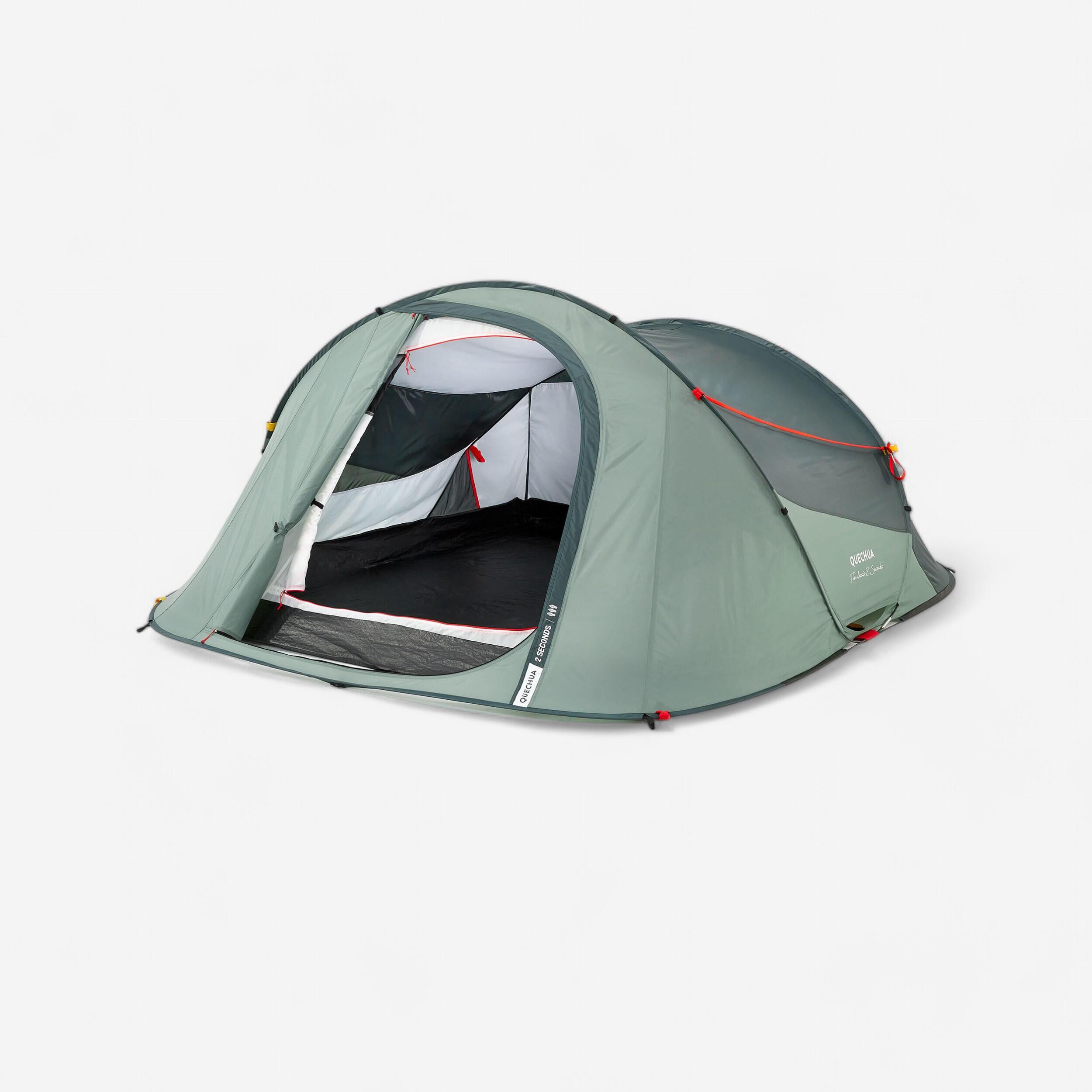
For campers who find it difficult to sleep during bright summer mornings or in crowded festival campsites, specialized fabric coatings provide a significant advantage. Our patented technology uses a multi-layered fabric that reflects sun rays to keep the interior up to 17 degrees cooler than standard polyester alternatives. The technical reason for the black interior coating is to provide 99% darkness, allowing for better rest regardless of external light conditions. When considering a larger group setup, you might compare these technical features with those found in 3 man tents to see which size best fits your seasonal requirements. Smart advice: To maximize the cooling effect, ensure the ventilation flaps are fully pegged out to allow a constant convection current between the bedroom and the flysheet. This airflow is vital for reducing moisture buildup caused by respiration, ensuring you wake up in a dry environment even when the temperature drops sharply outside.


Why should I consider small dome tents for hiking?

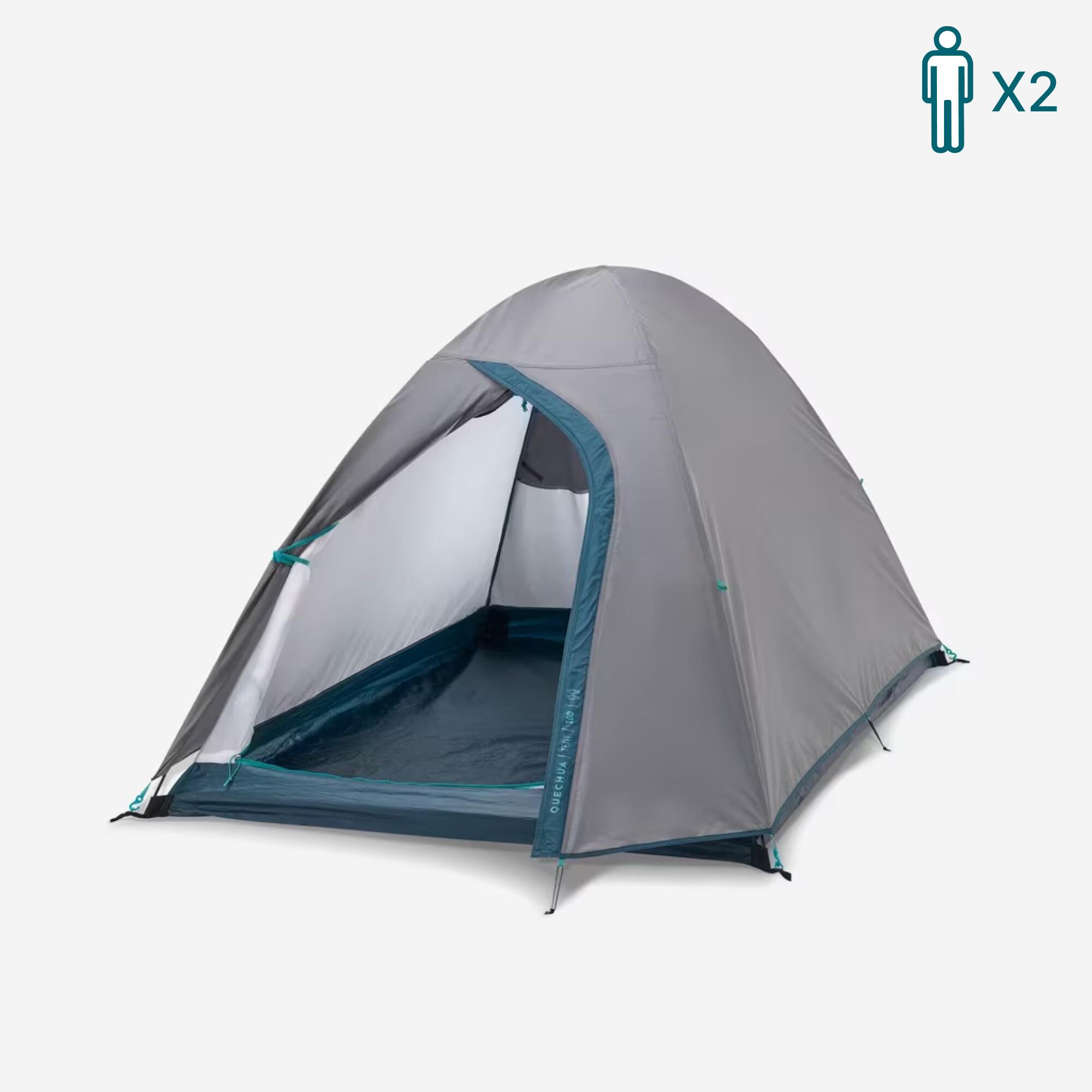
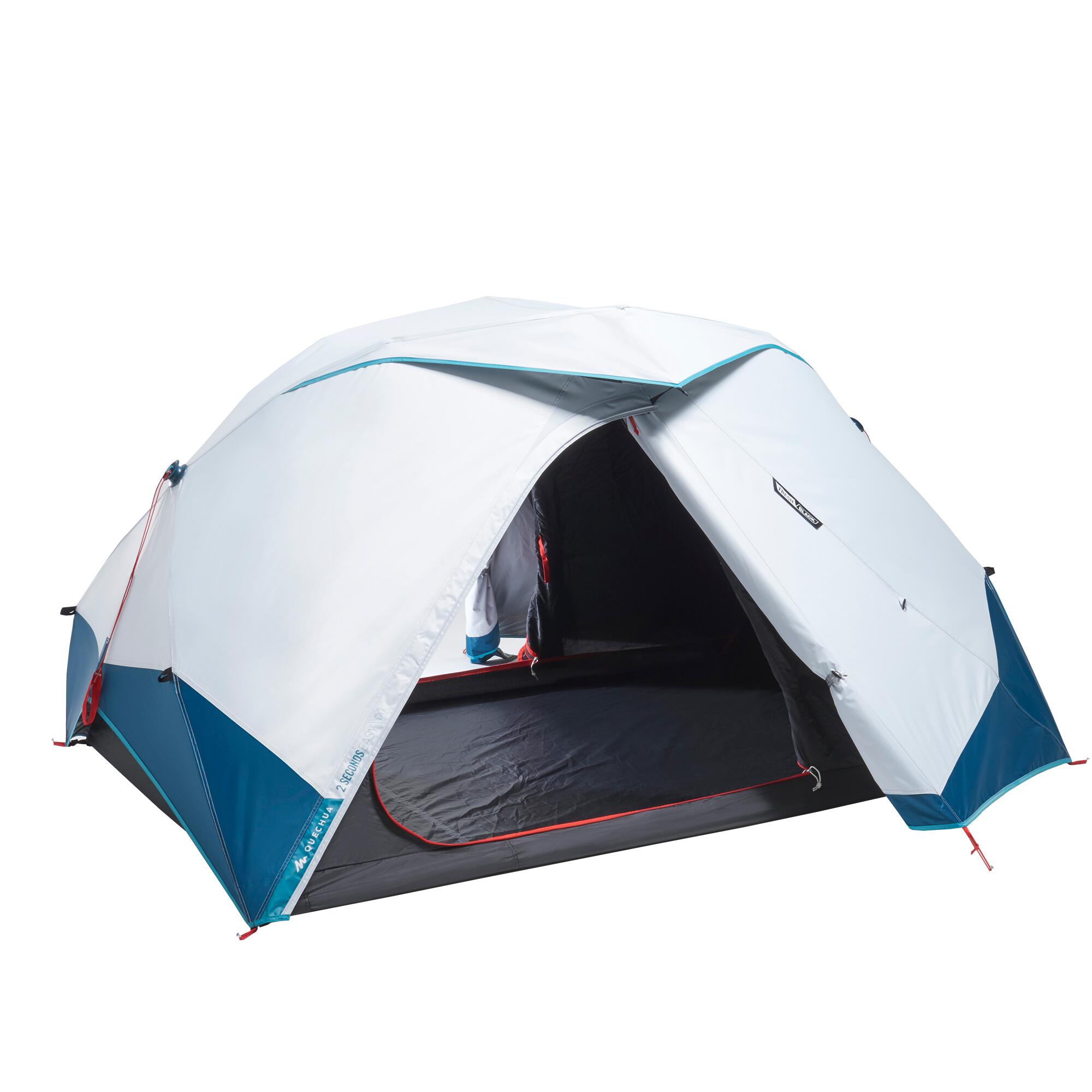
Dome structures are highly valued for their self-supporting nature and superior stability in variable wind conditions. The crossover pole design creates a rigid frame that can be easily moved before pegging, which is helpful when trying to find a level pitch on rocky terrain. These hiking small tents are engineered with high waterproof ratings, often measured by a Schmerber test, where the fabric must withstand 2000mm of water pressure or more. For those moving from short weekend trips to longer stays with a larger group, transitioning to family tents provides the standing room and divided cabins needed for long-term comfort. The technical reason behind the bathtub groundsheet found in our compact models is to prevent surface water from seeping into the sleeping area during heavy downpours.


What makes a tent suitable for backpacking?

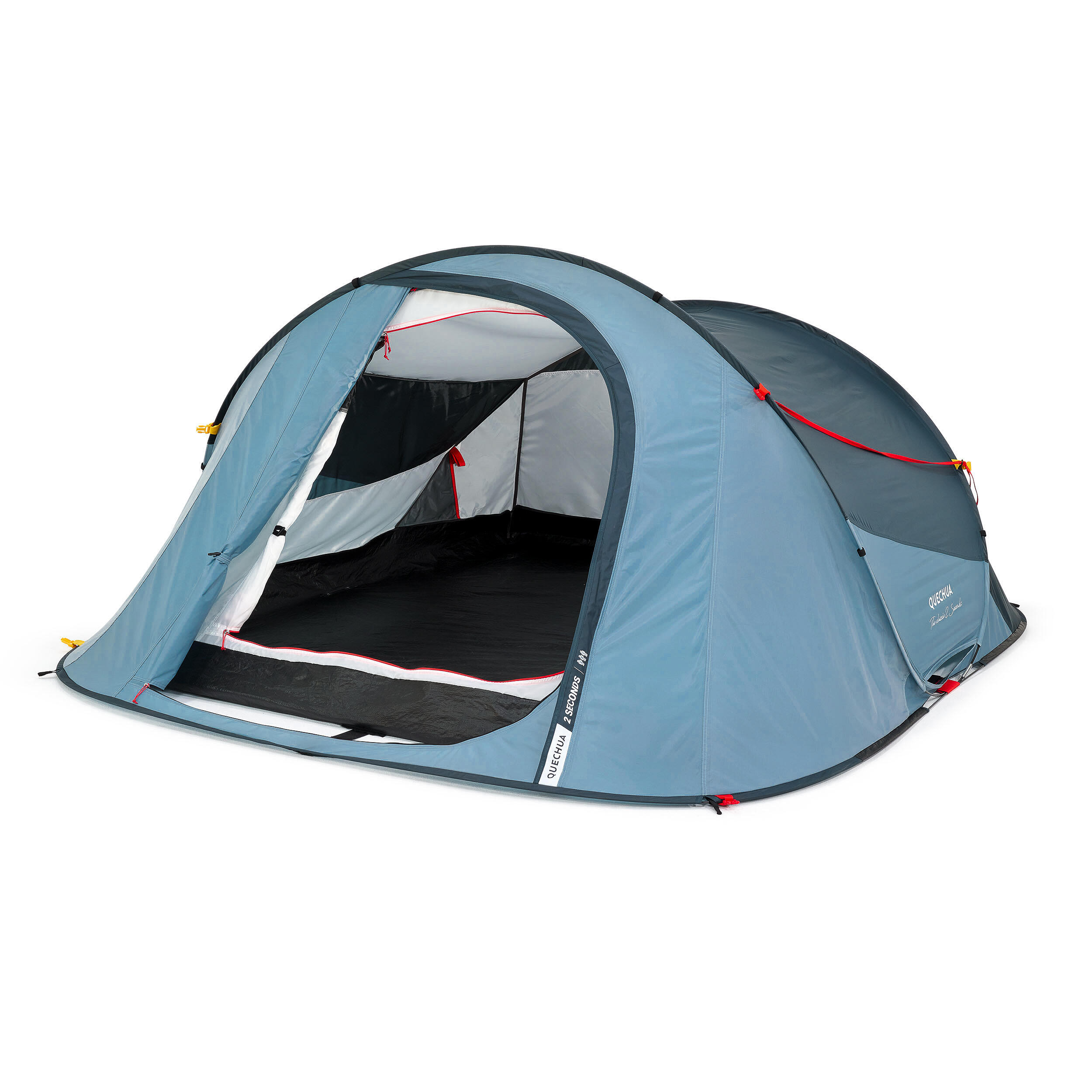
A true backpacking shelter must prioritize a low trail weight and a small pack size that fits easily into a standard trekking rucksack. Campers who value quick and effortless setup often consider convenient options like pop-up tents, especially for short trips or festivals where speed and simplicity are essential. Technical specifications to look for include "Y-shaped" or "hubbed" aluminium poles which offer high strength-to-weight ratios compared to traditional fibreglass. The flysheet material is often treated with a polyurethane coating or silicone to ensure durability against UV rays and persistent rain. Most 2-3 man tents utilize a "pitch-in-one" or "outer-first" system, which is critical for keeping the inner bedroom dry if you have to set up camp during a storm. If the flysheet is wet when you break camp, store it in an external mesh pocket of your bag rather than inside with your dry sleeping bag. This prevents moisture from transferring to your essential sleep system. Using a footprint or ground protector can also extend the life of your gear by preventing sharp stones from puncturing the lightweight floor material, ensuring your investment remains waterproof for many seasons of adventure.