98 items
4.6/5 based on 9751 reviews collected online and in stores

26" Mountain Bikes FAQs

What size and features matter in a 26-inch mountain bike for kids?

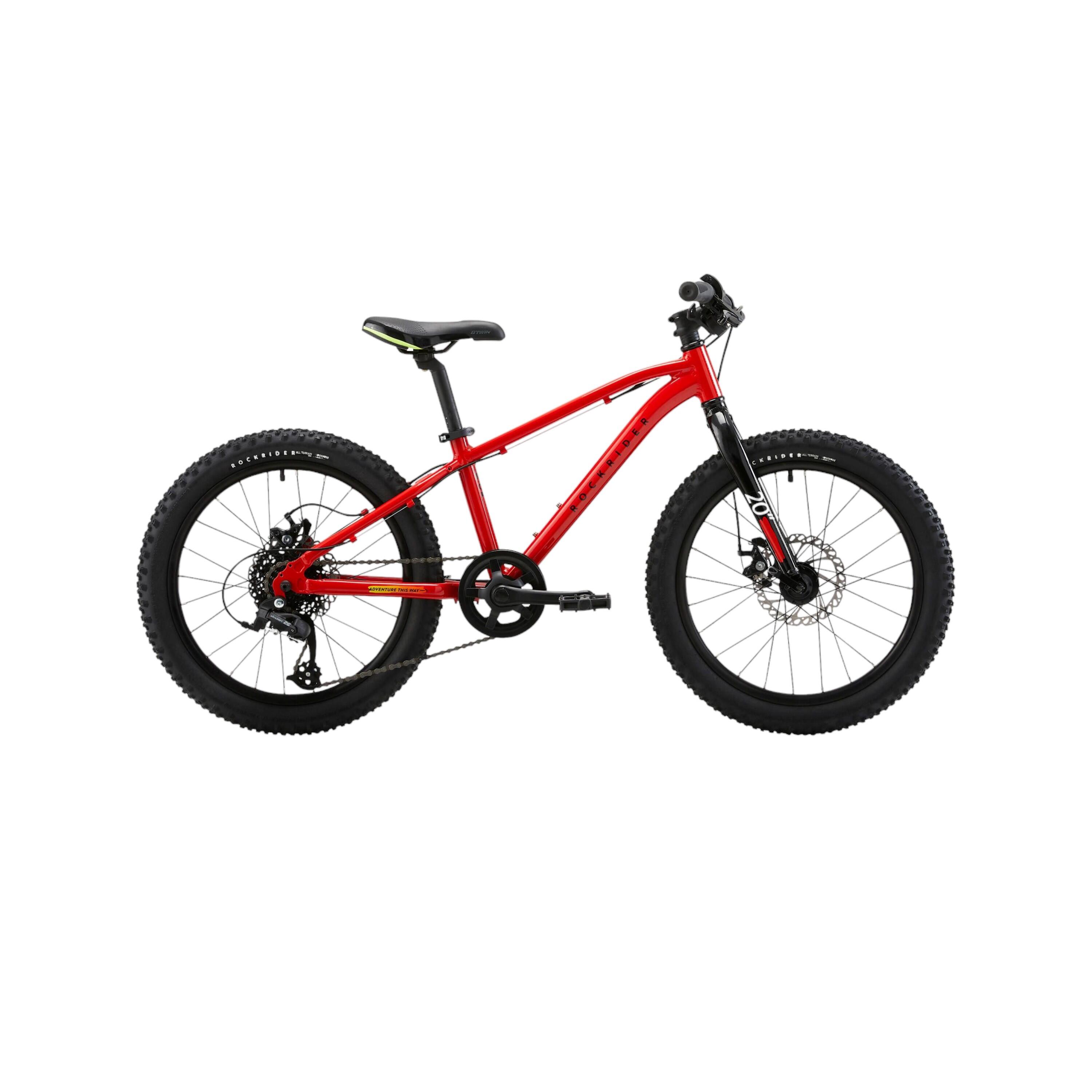
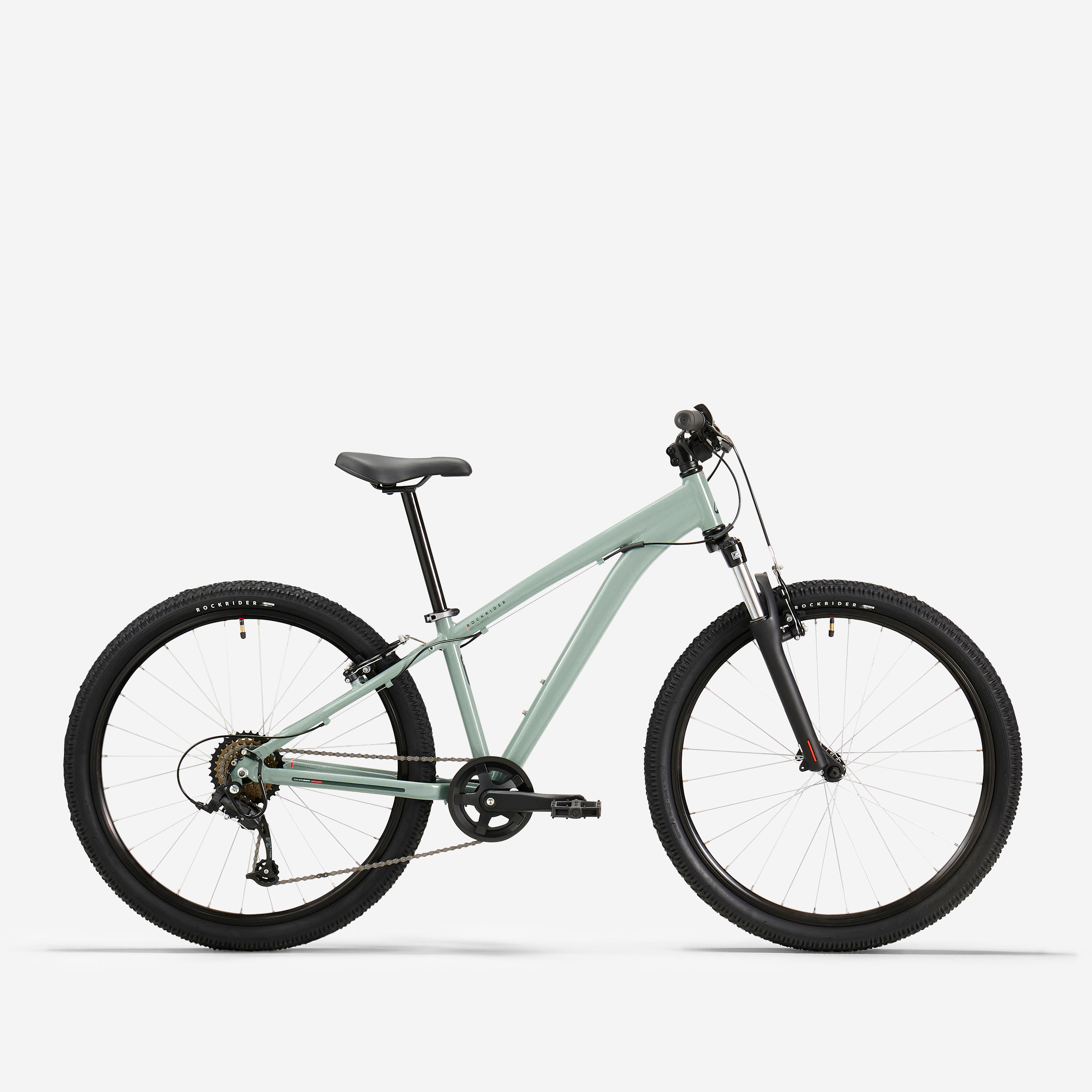
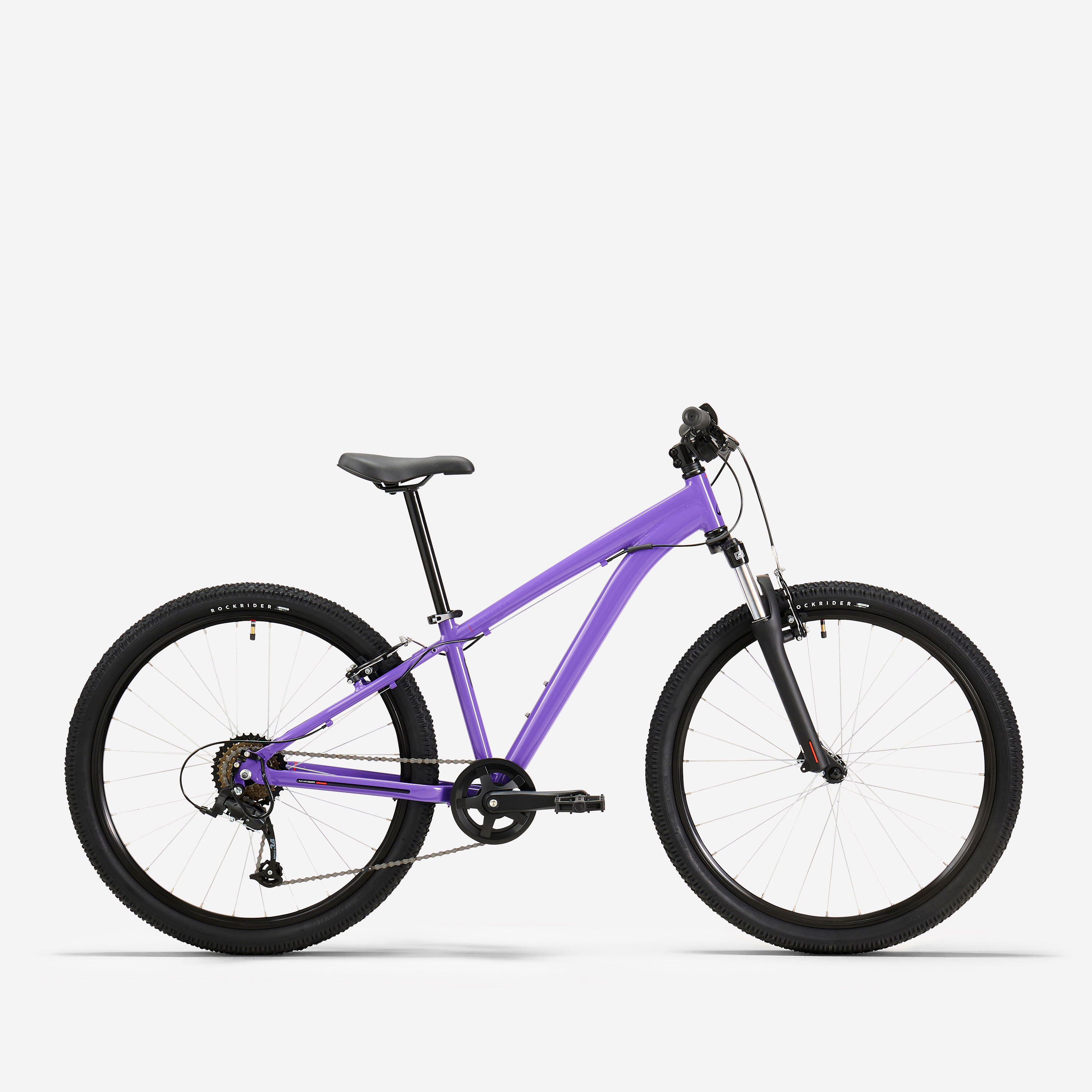
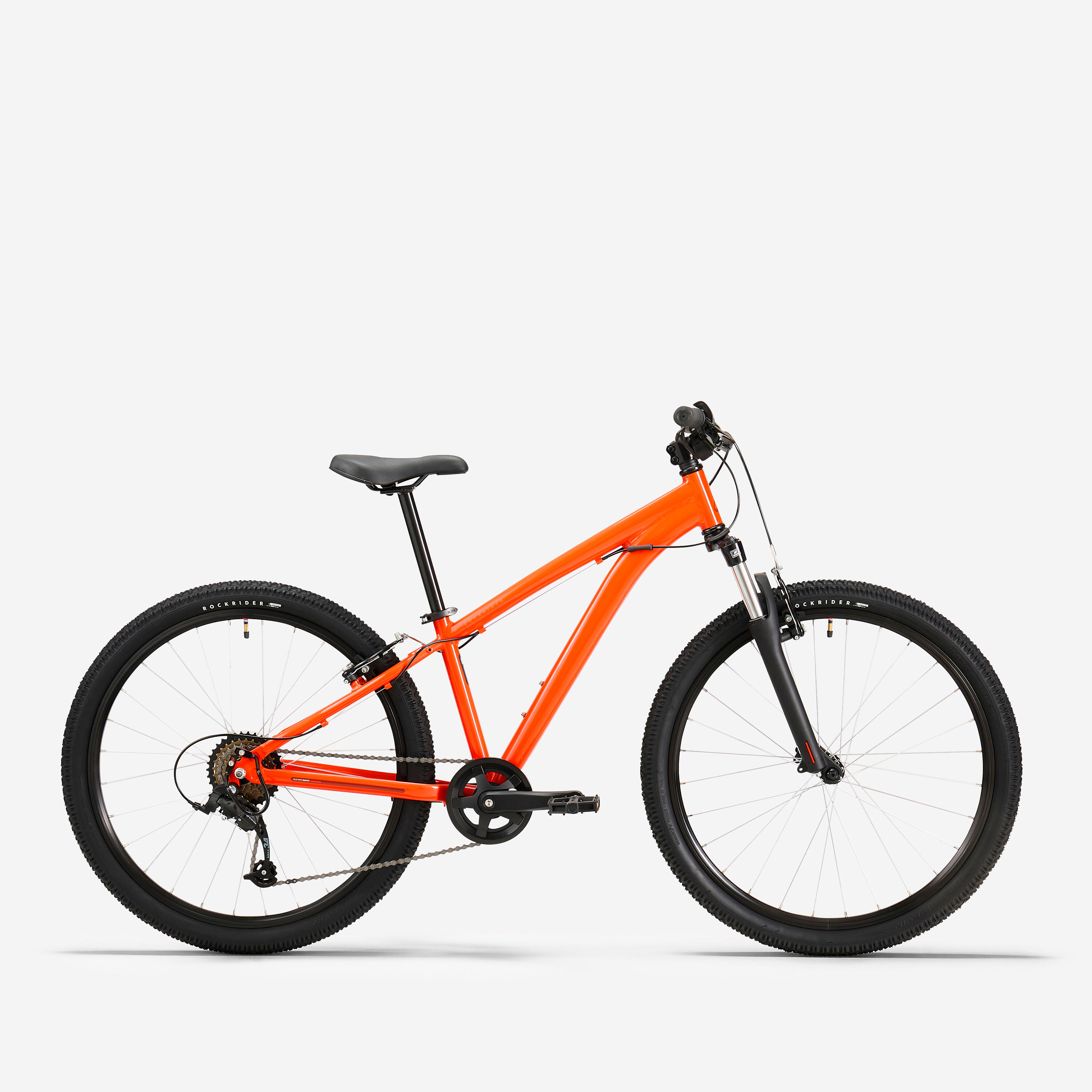
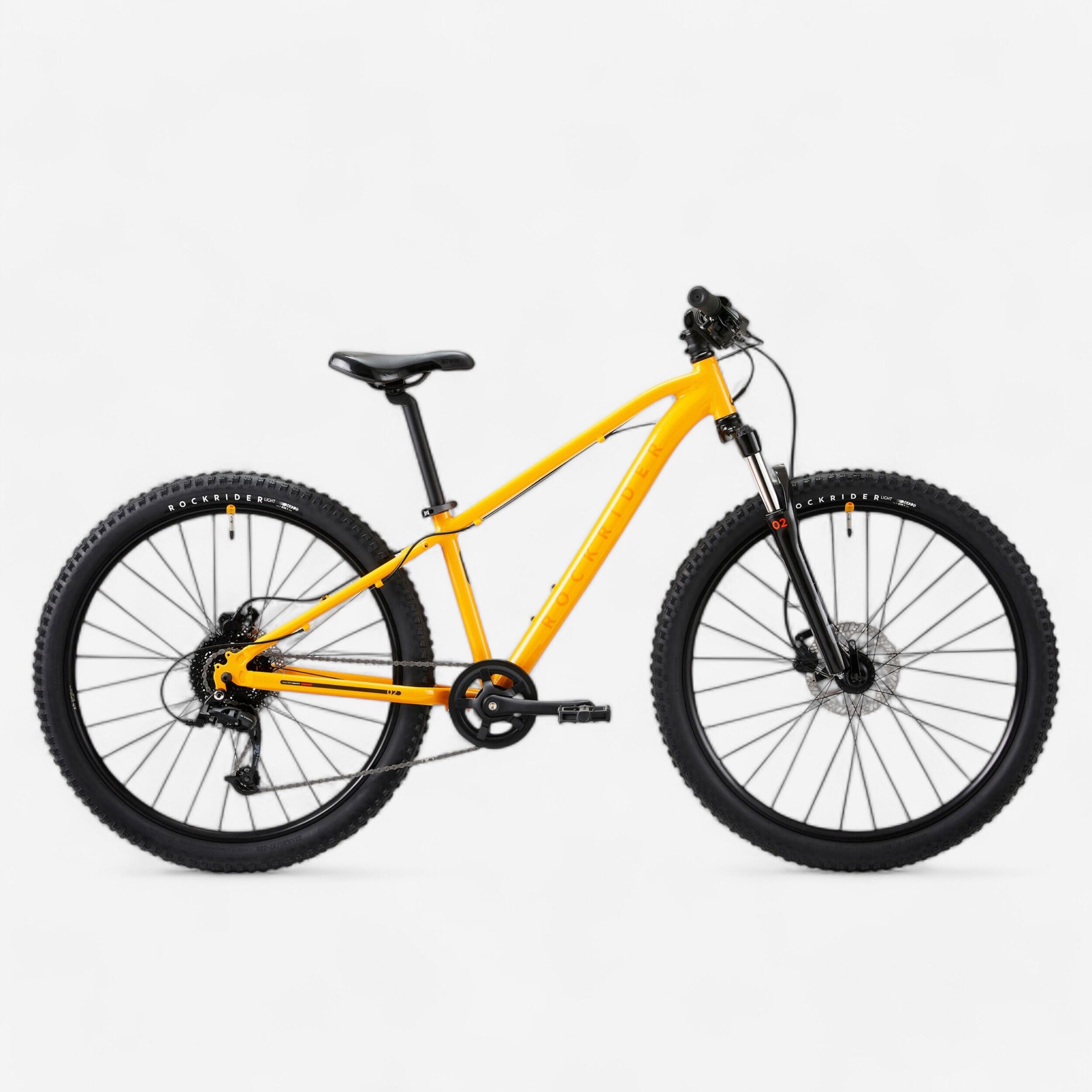
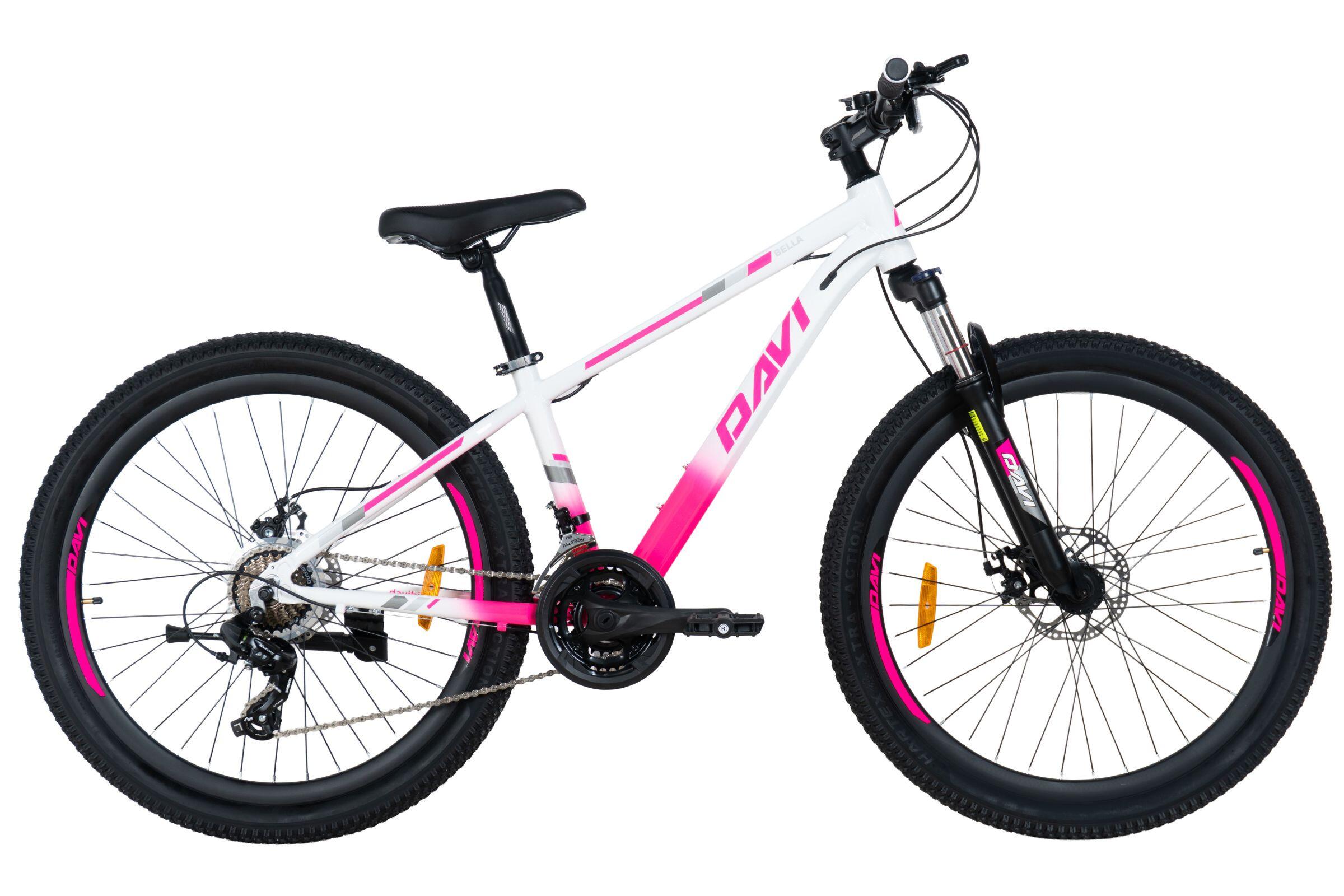
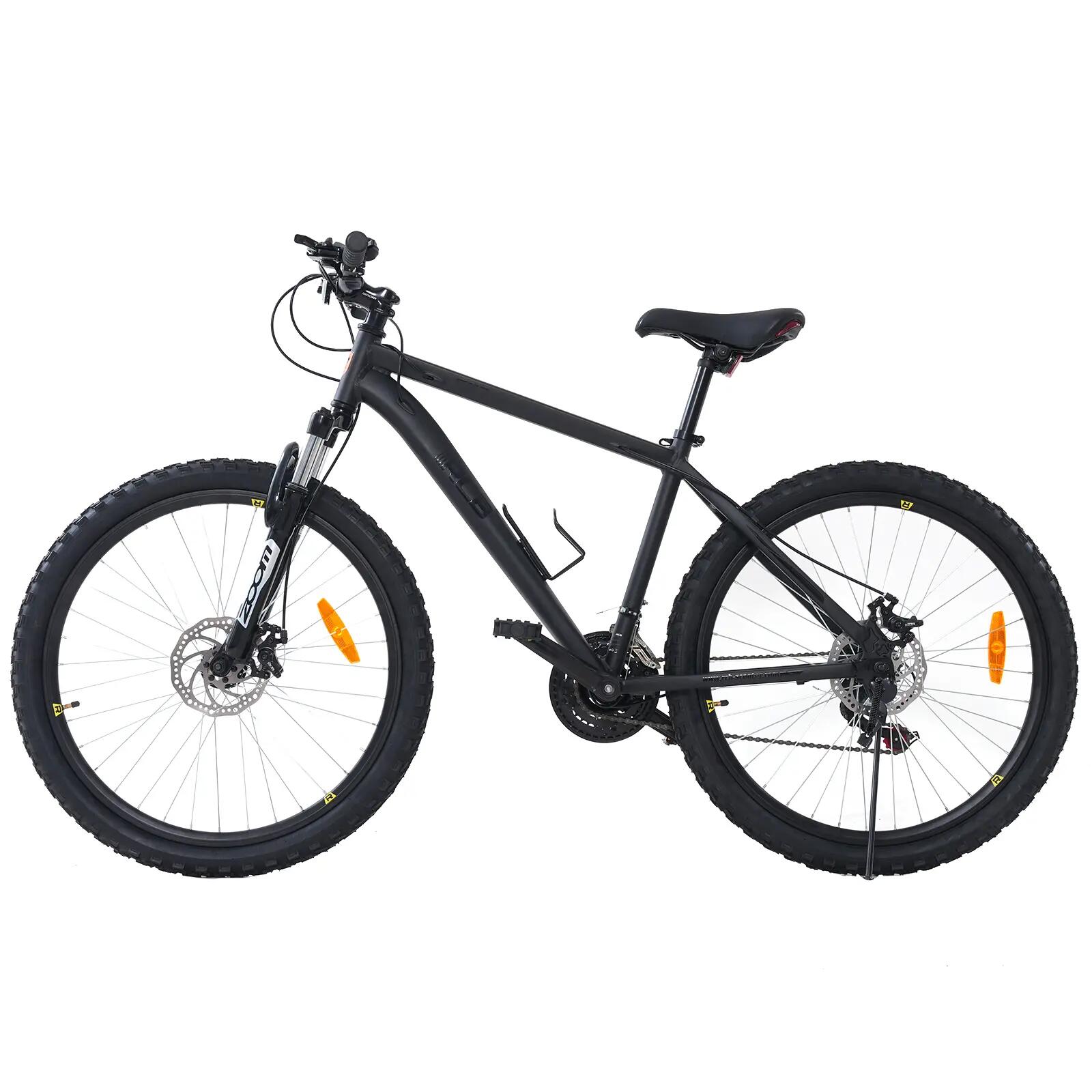
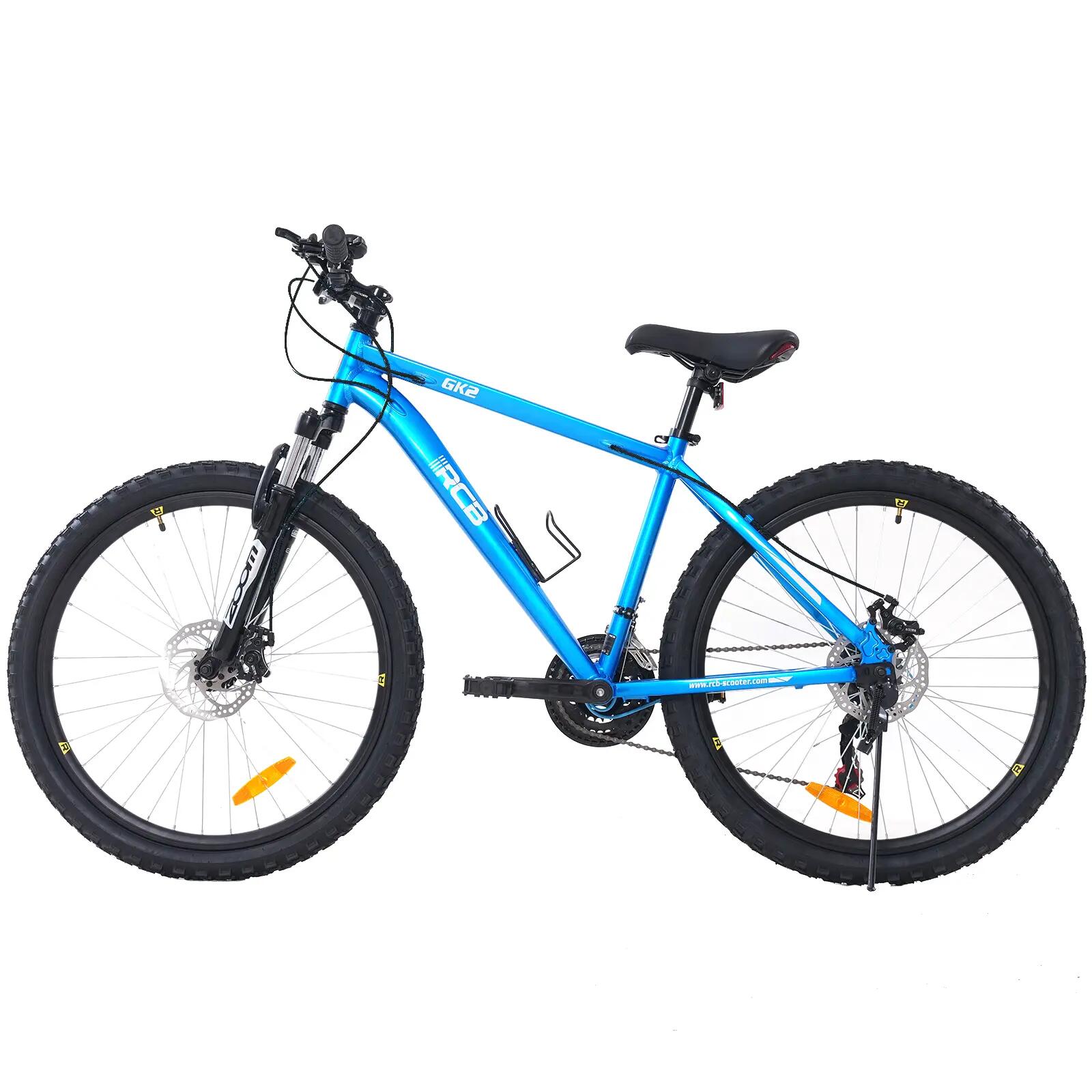
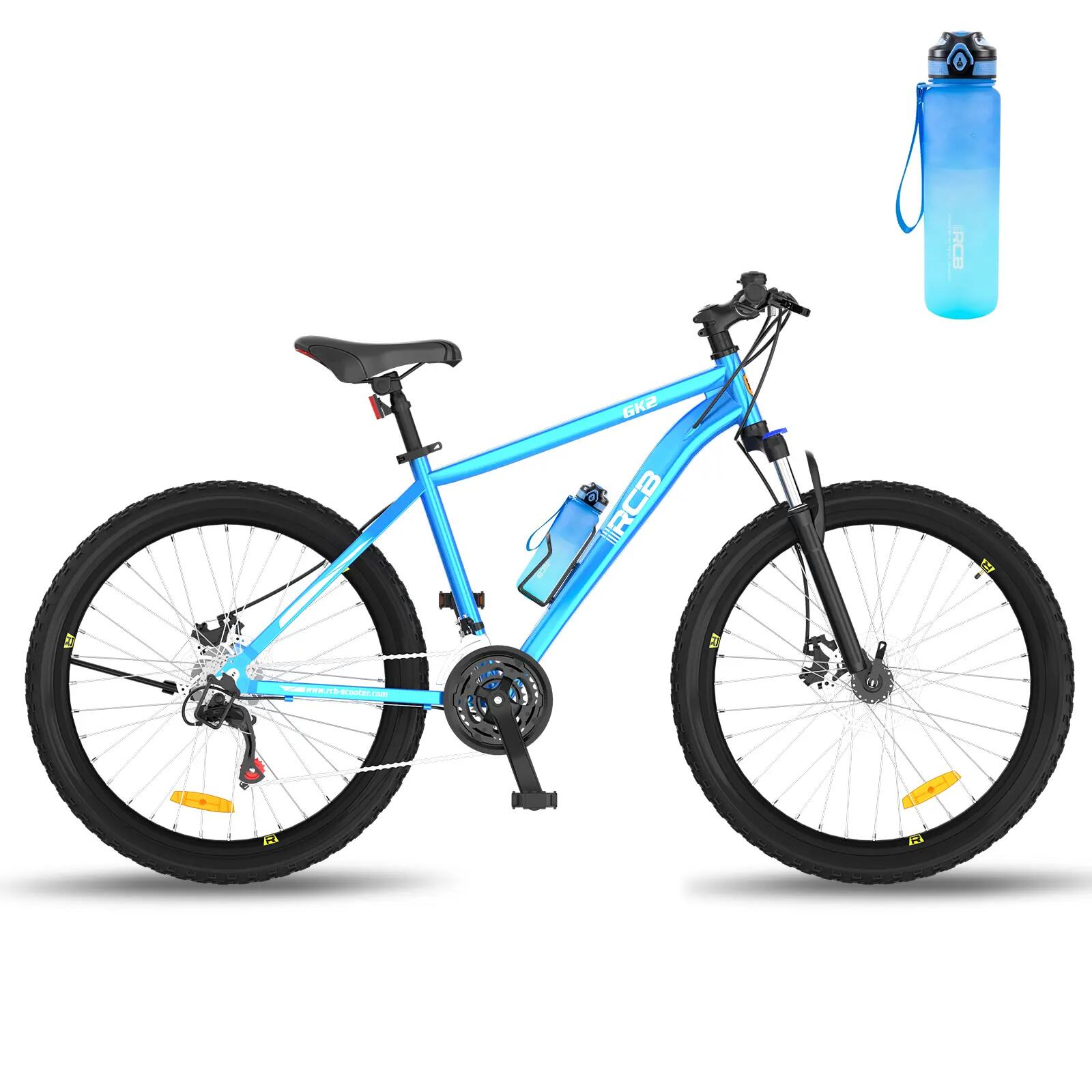
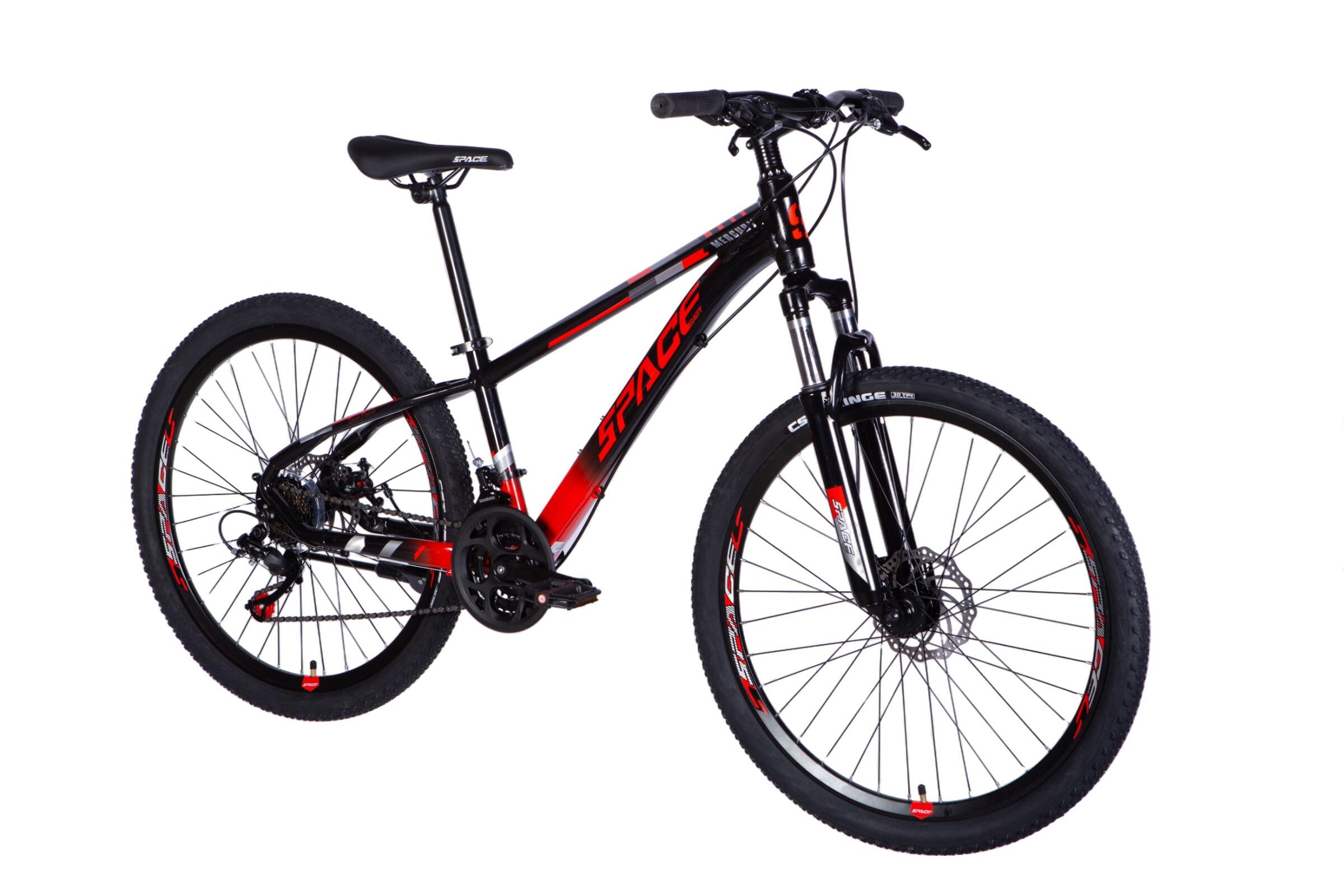
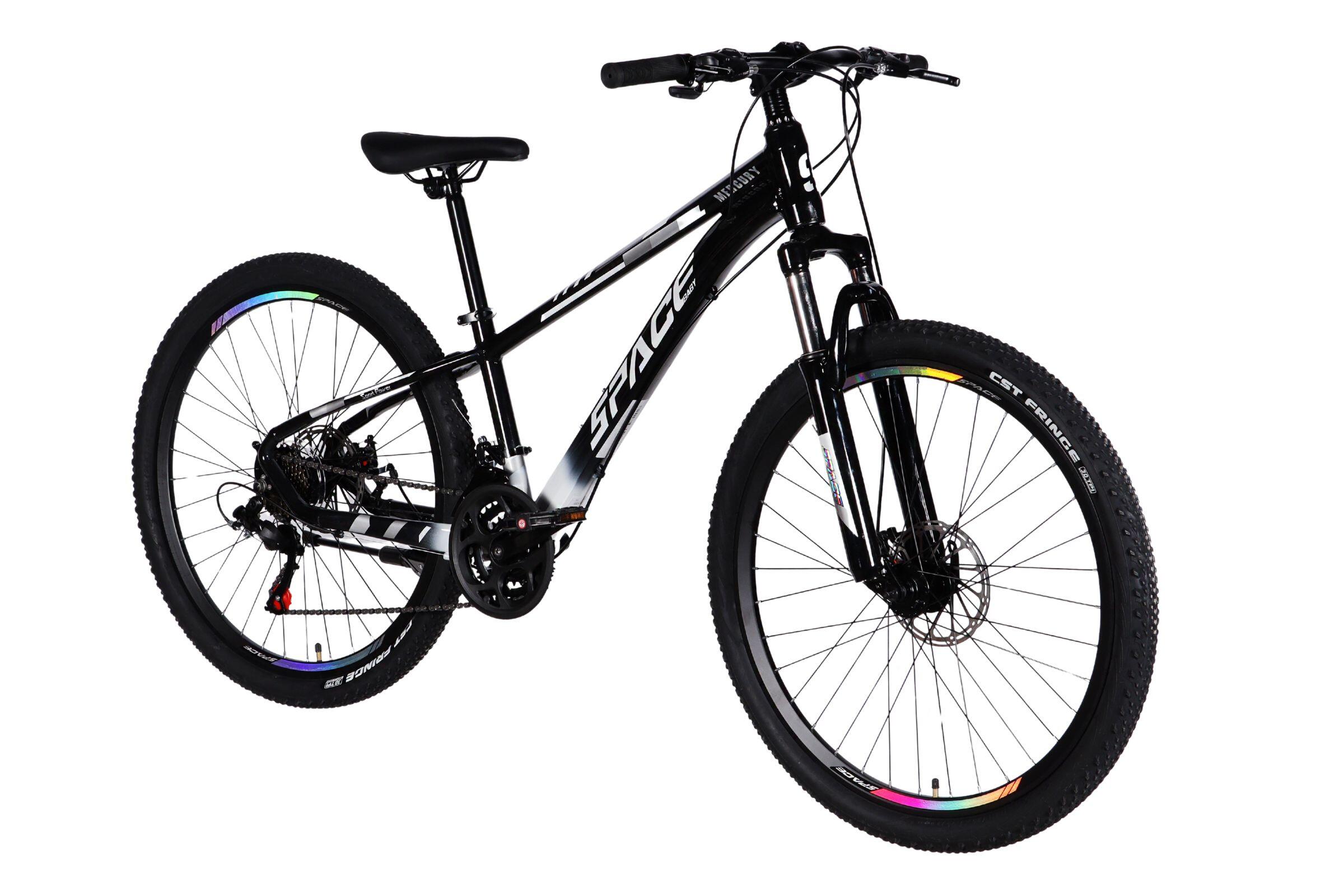
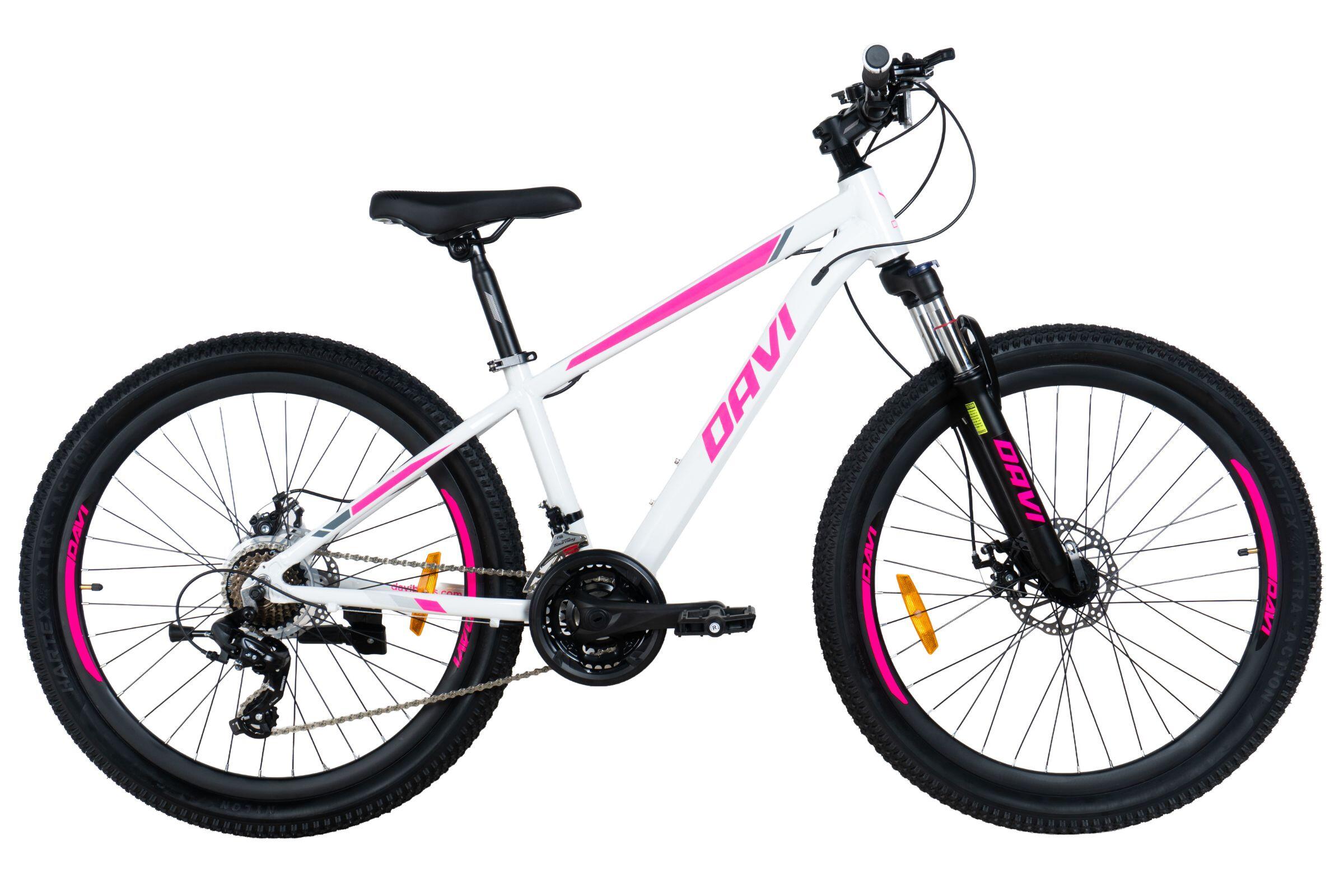
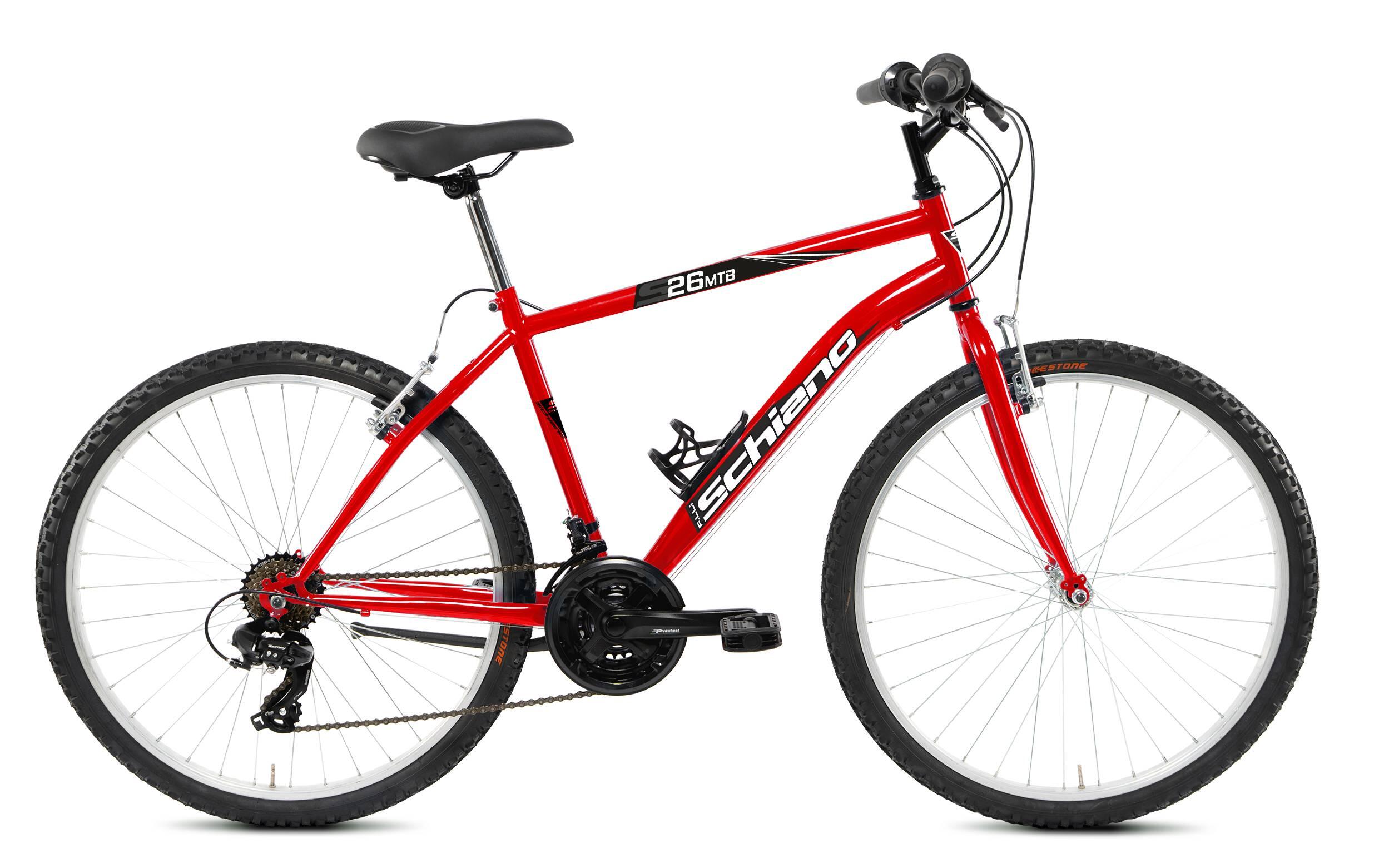
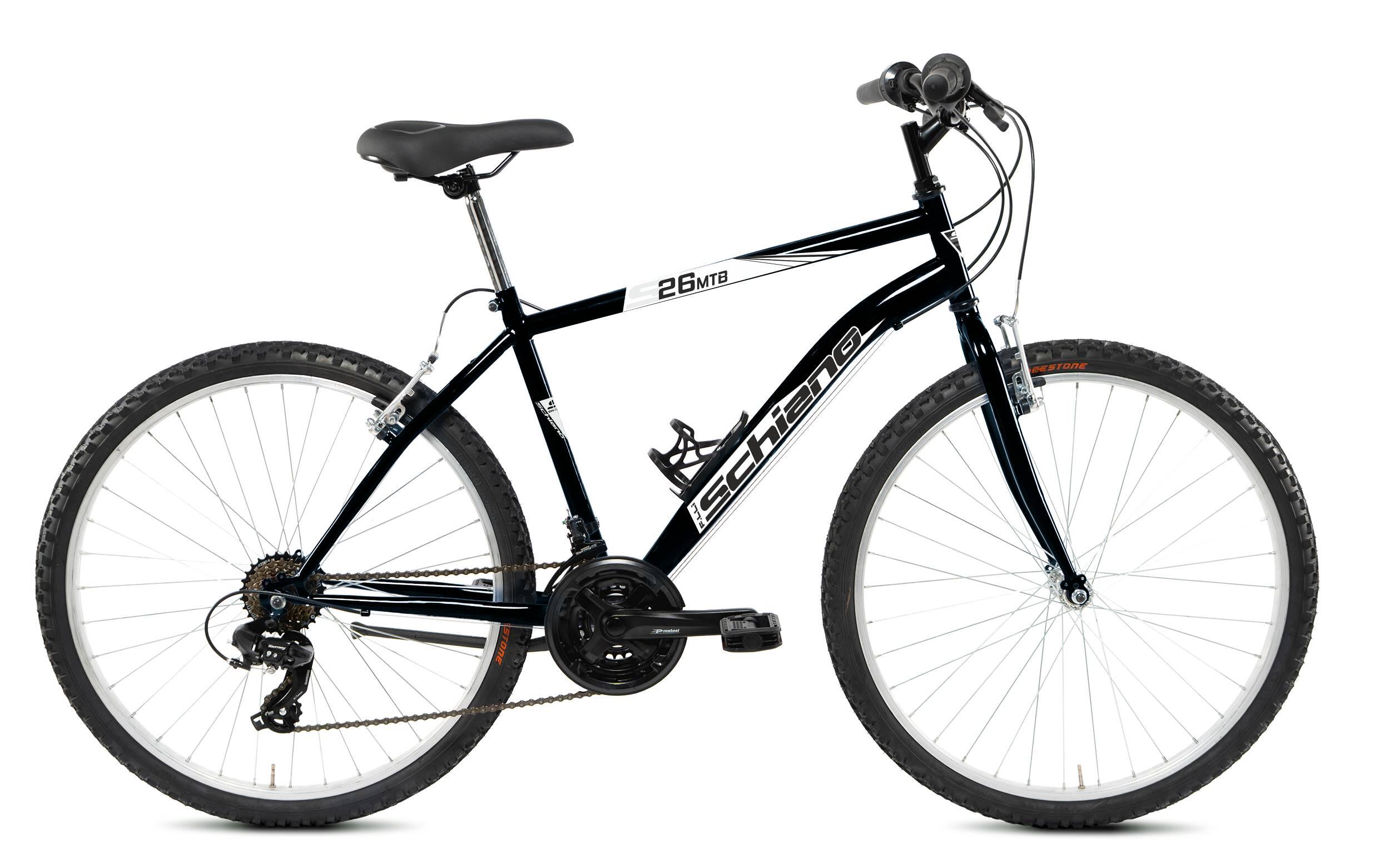
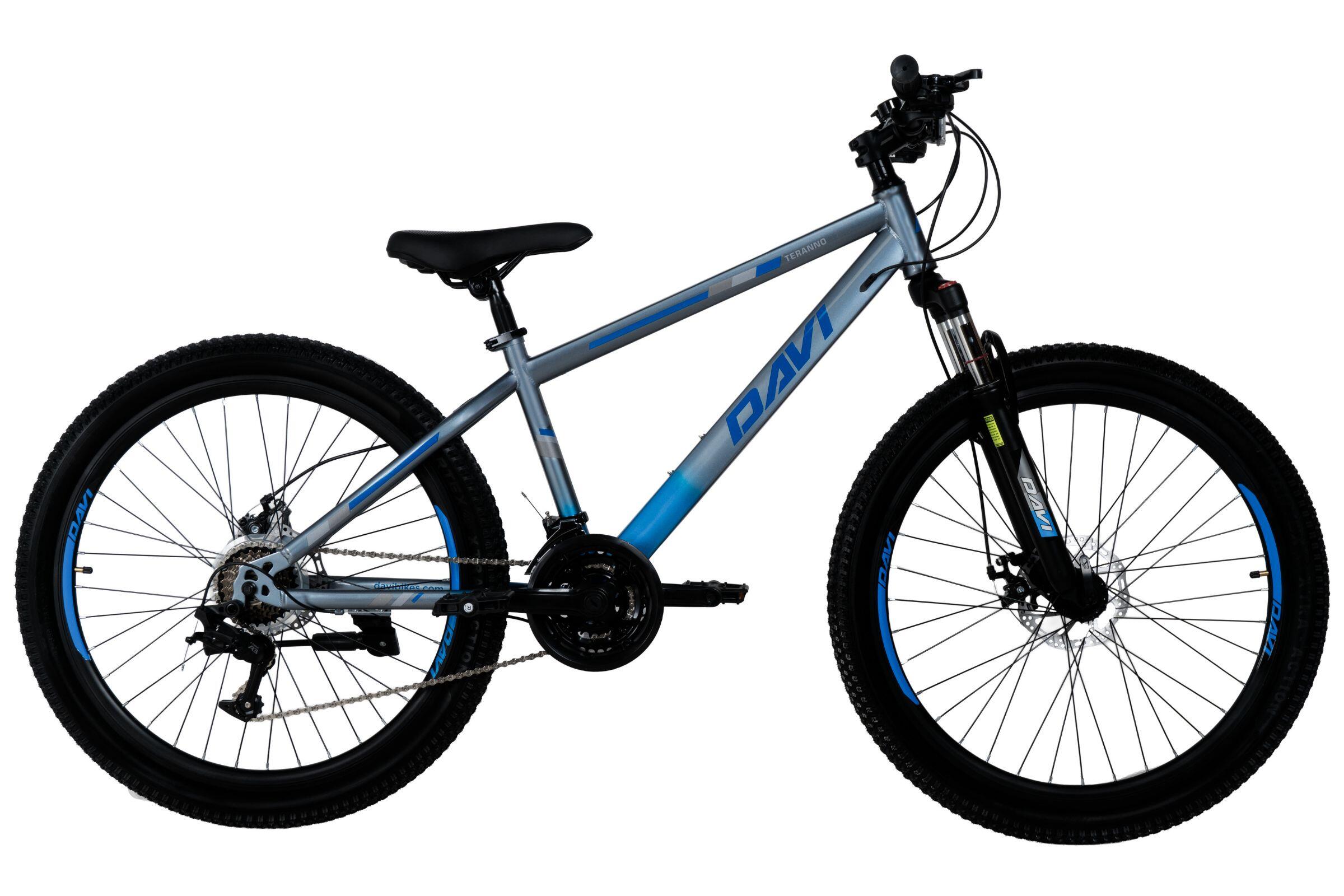
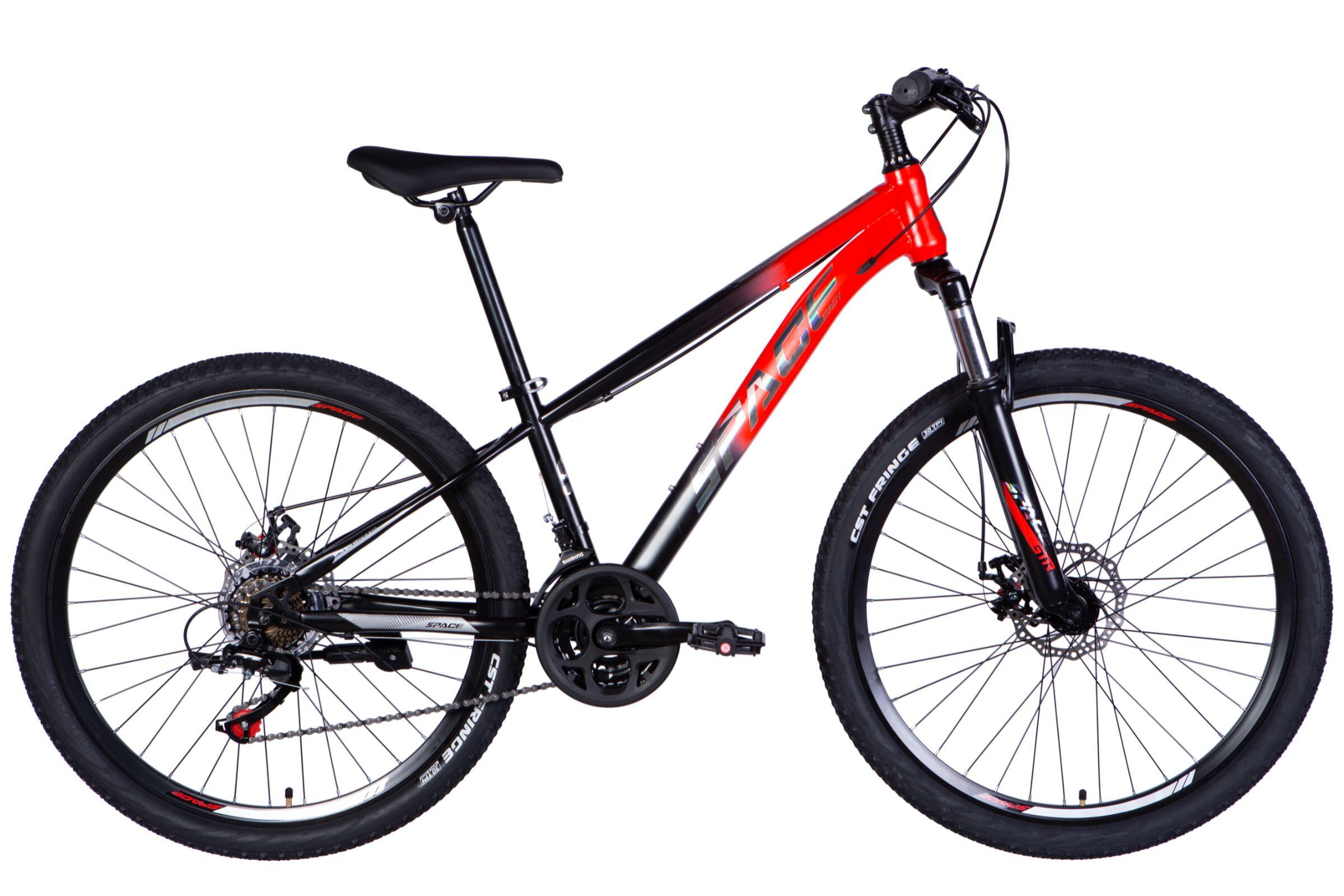
Start with the rider's height, age and ability to control the bike rather than choosing from wheel size alone. Decathlon's 26" kids' mountain bikes are built around younger riders who are progressing onto longer family rides and more demanding trails. A low aluminium frame can make mounting easier, while child-sized crank lengths, handlebars and brake controls help keep pedalling and braking manageable. Single-chainring gearing also reduces the number of controls the rider needs to think about when approaching climbs or obstacles. Pro tip: check that the child can reach both brake levers comfortably and stand over the bike with enough clearance. Buying a bike that is too large for future growth can make steering, stopping and getting on or off harder to control.

When is a 26-inch electric mountain bike useful for younger riders?

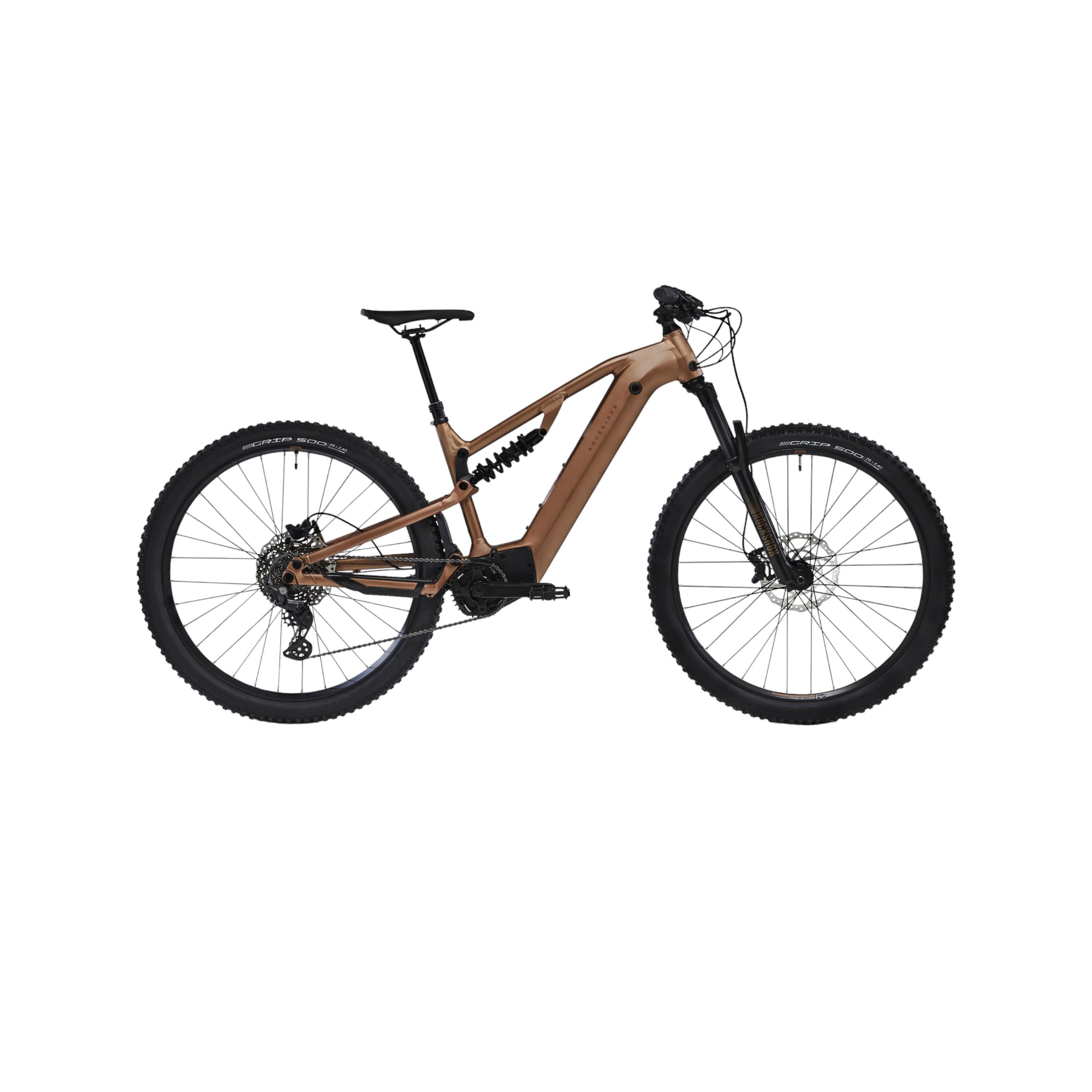
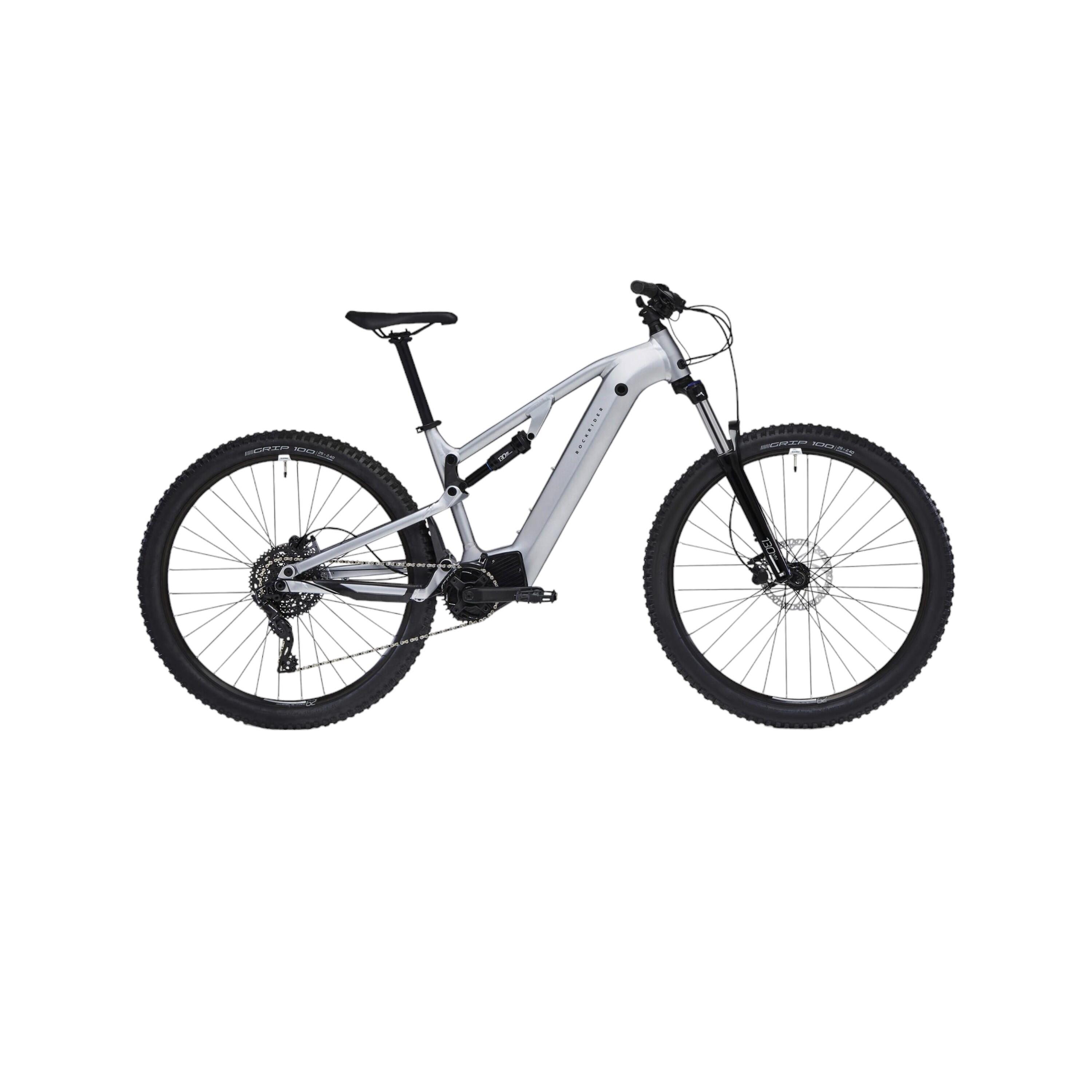
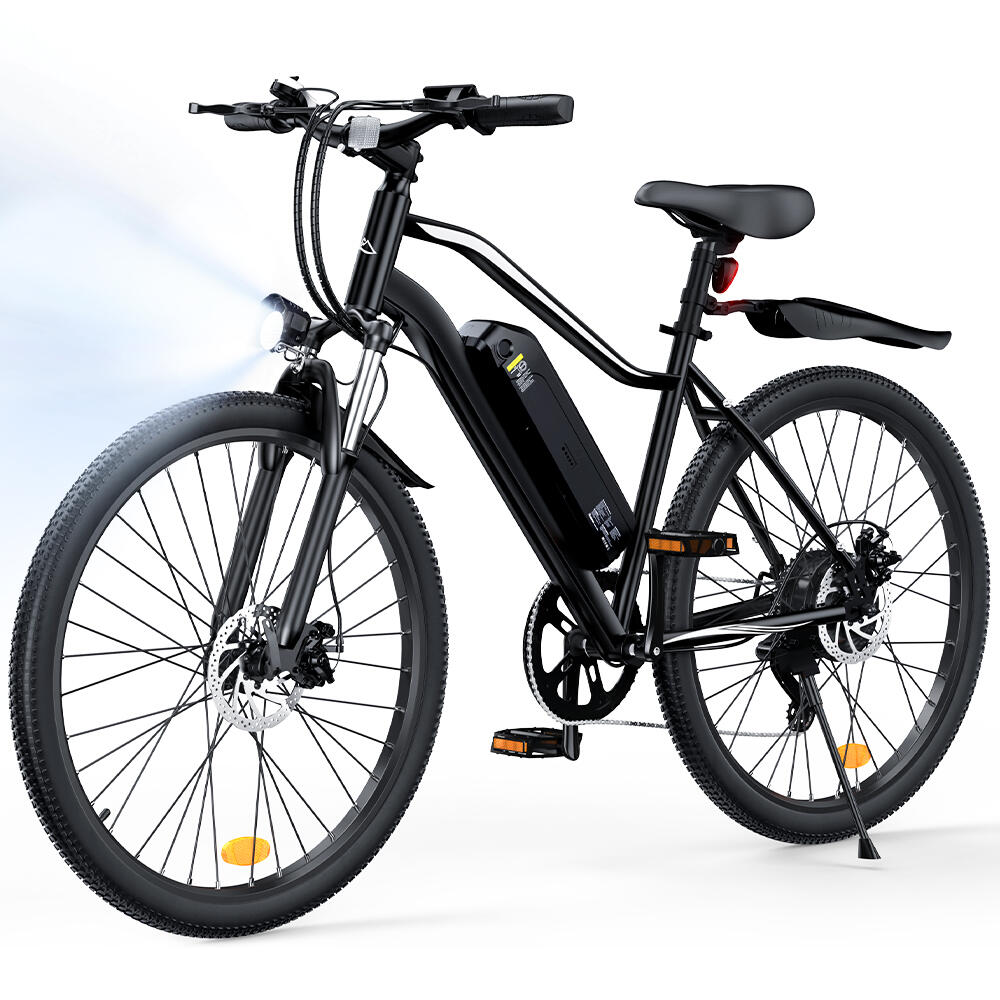
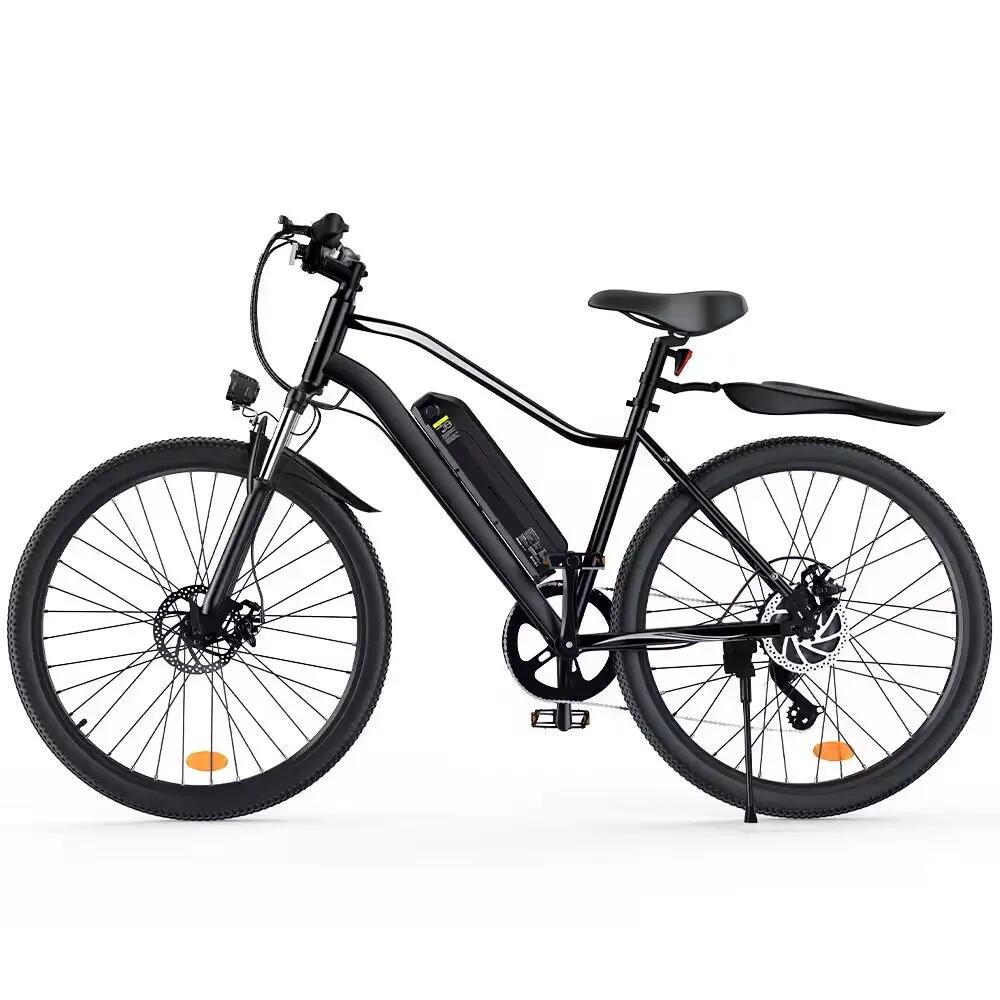
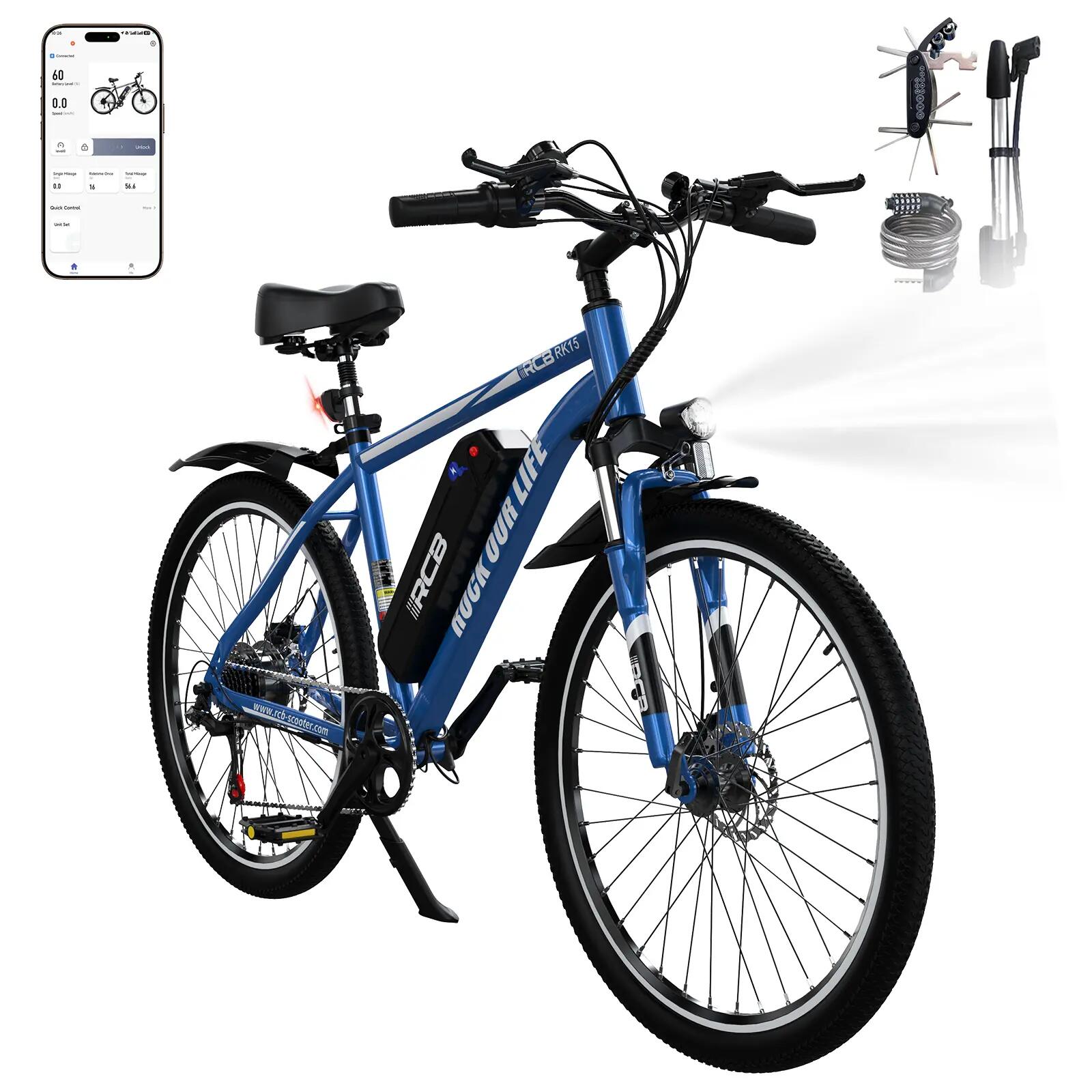
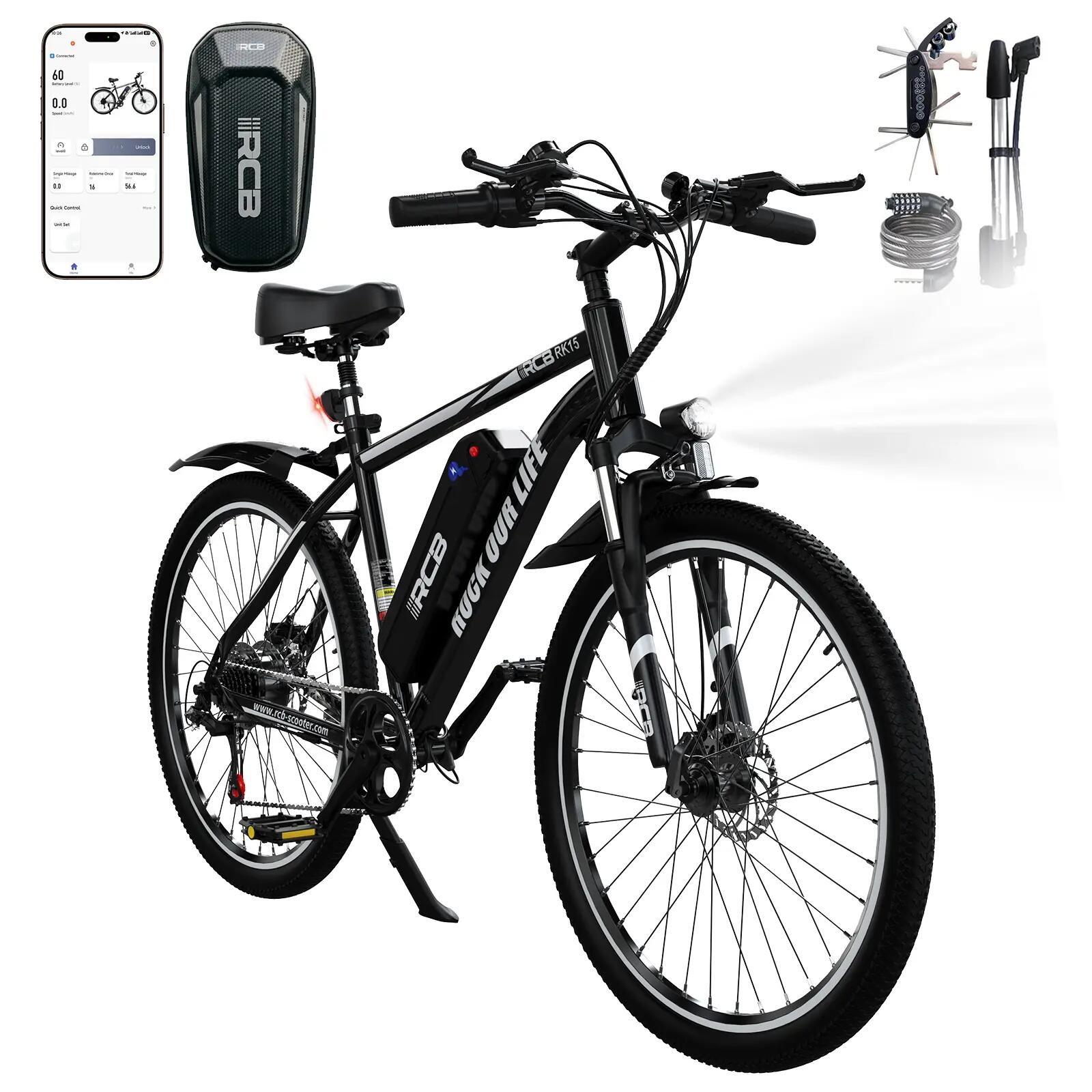
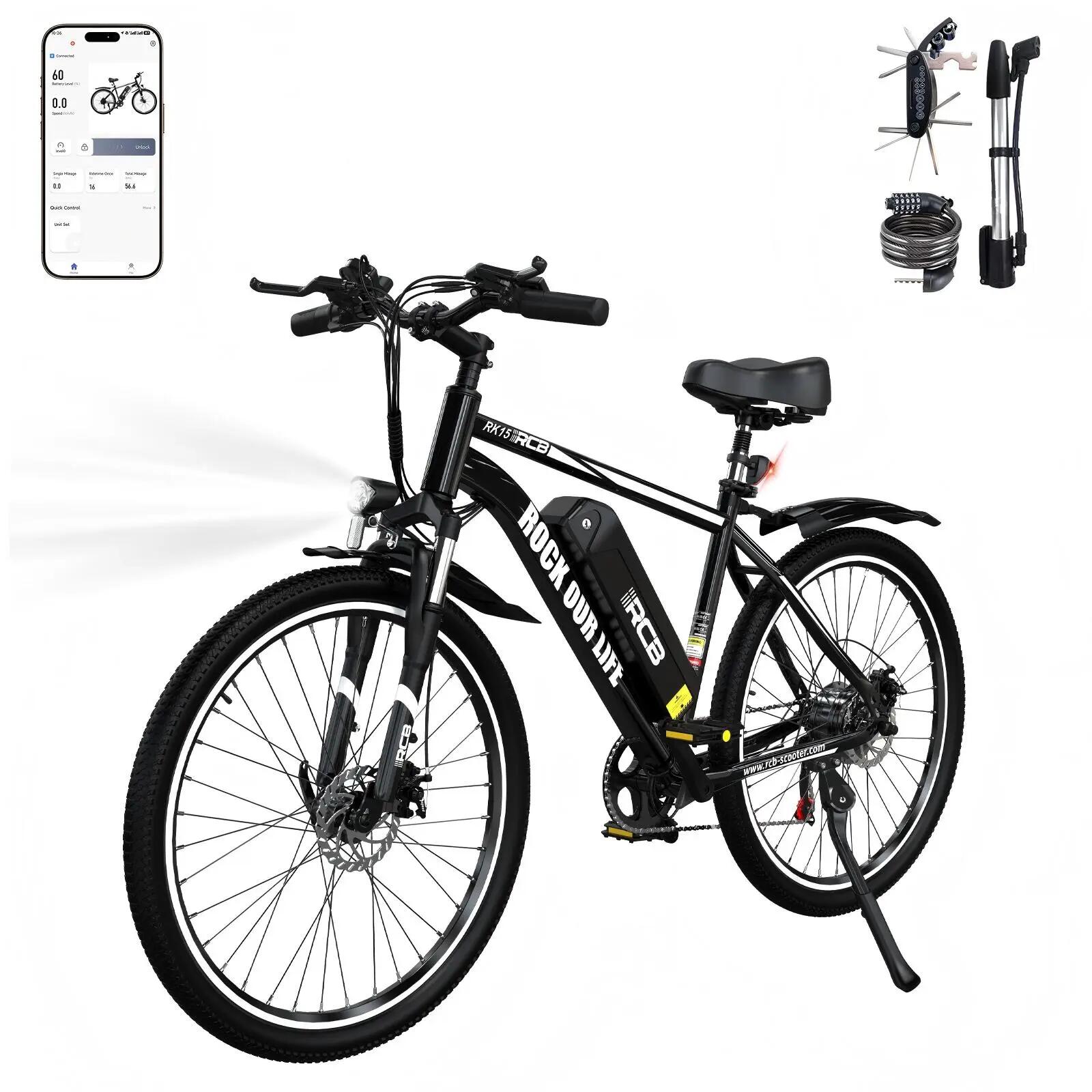
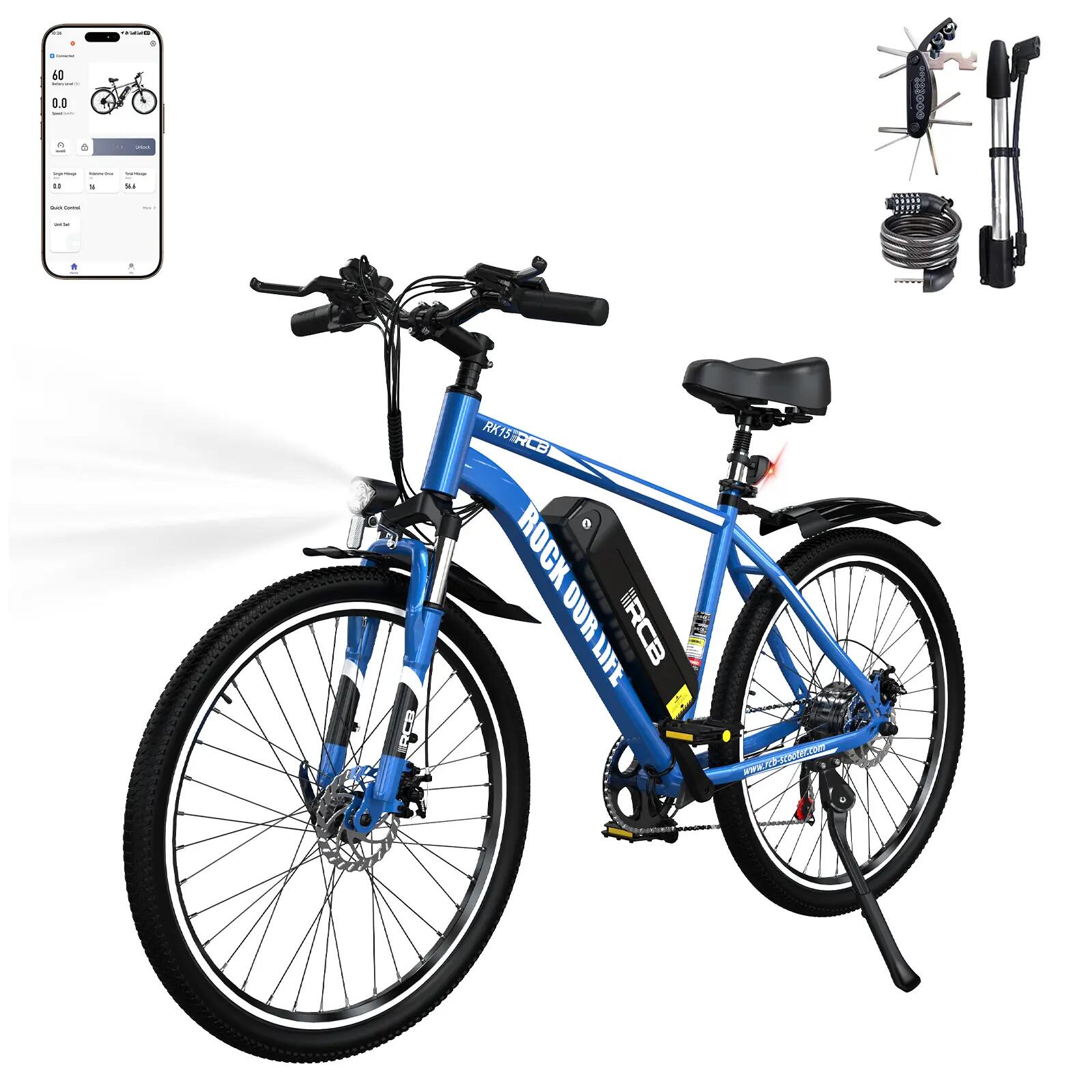
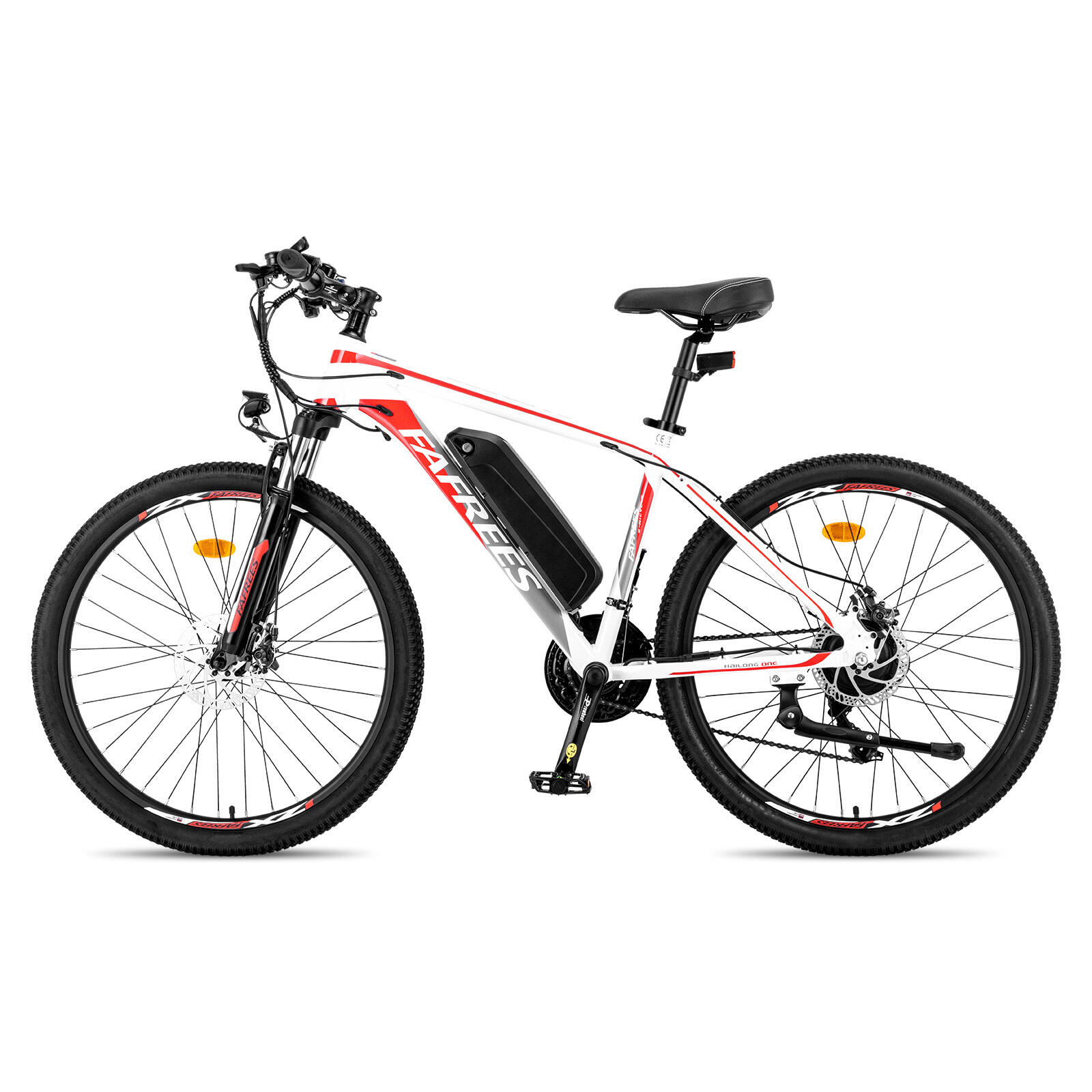
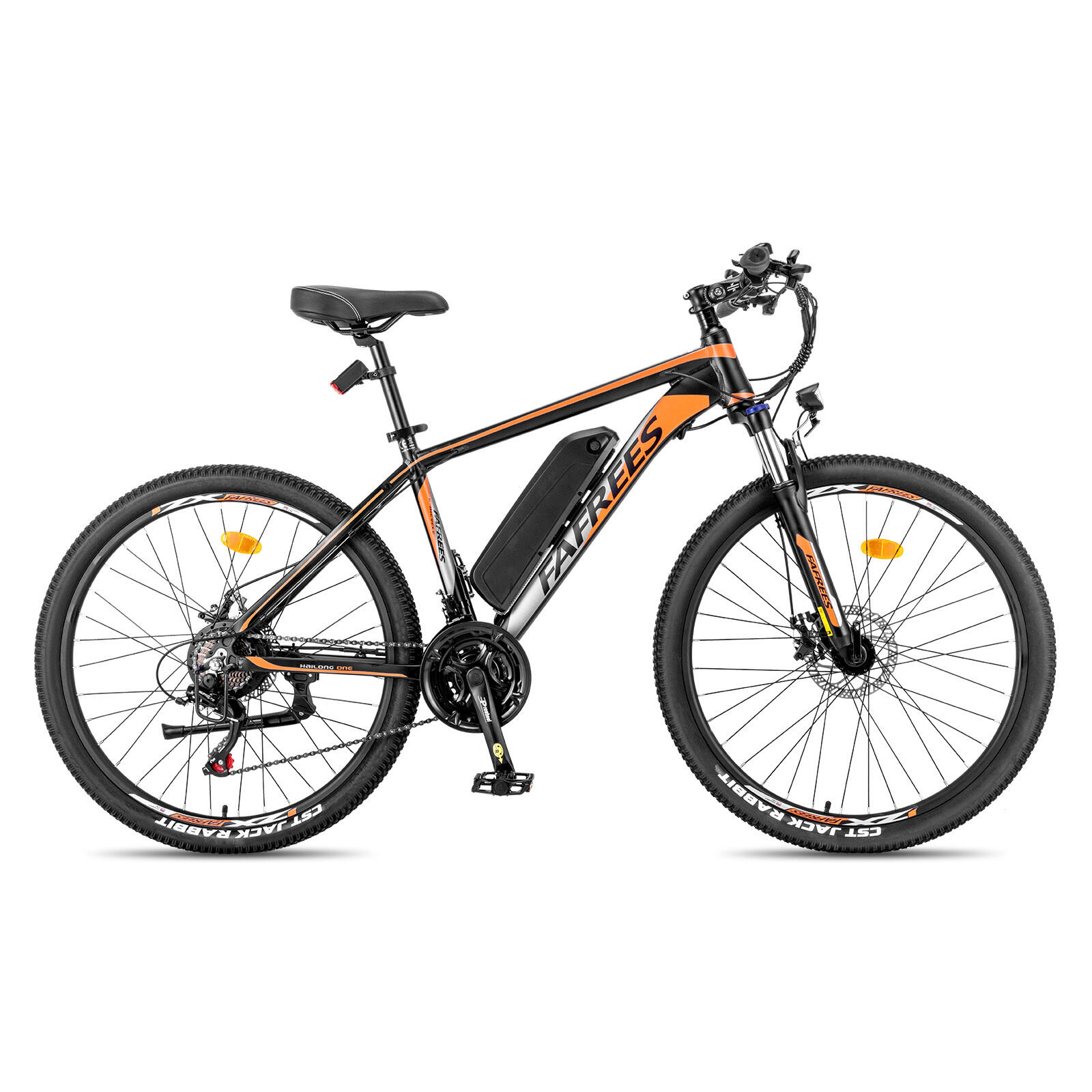
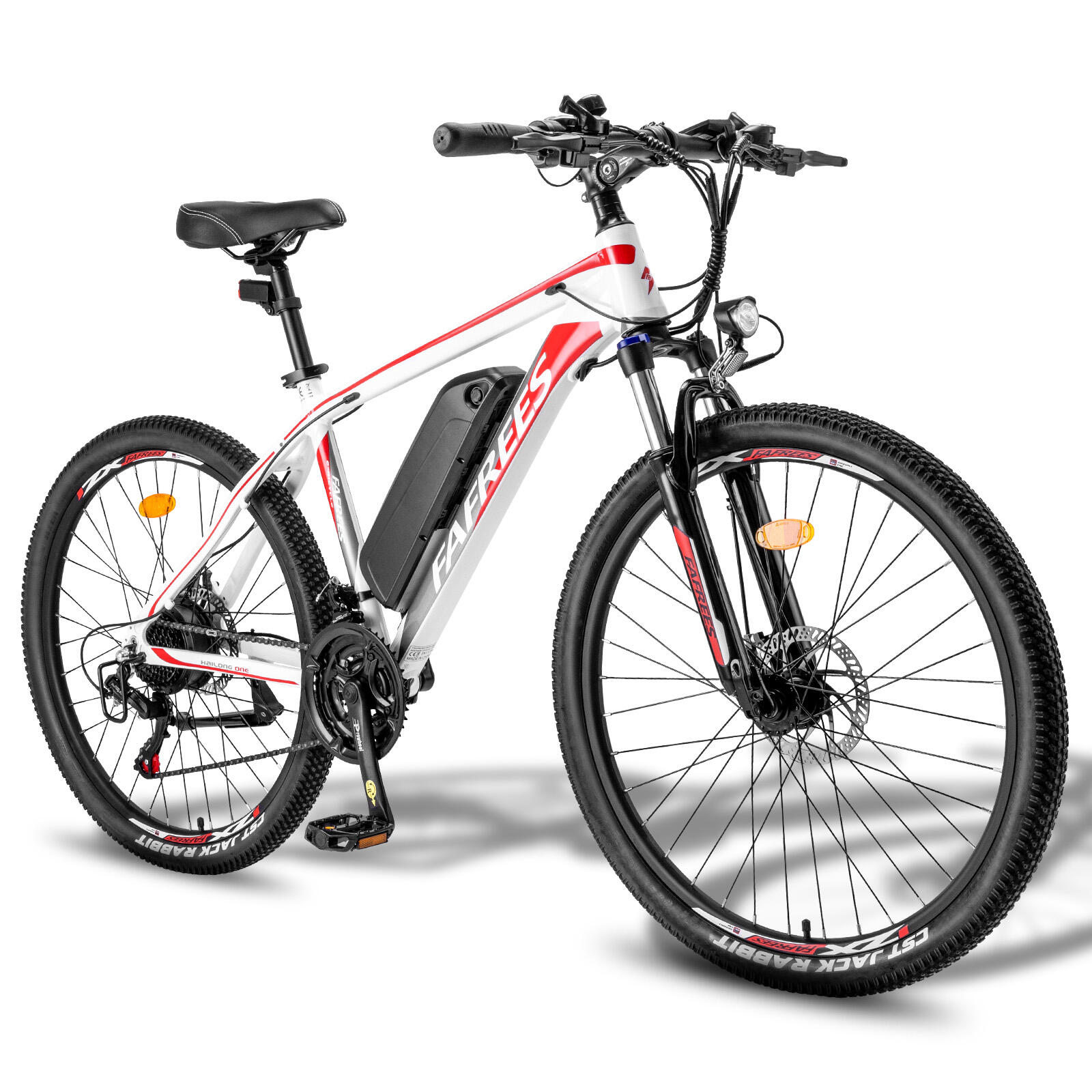
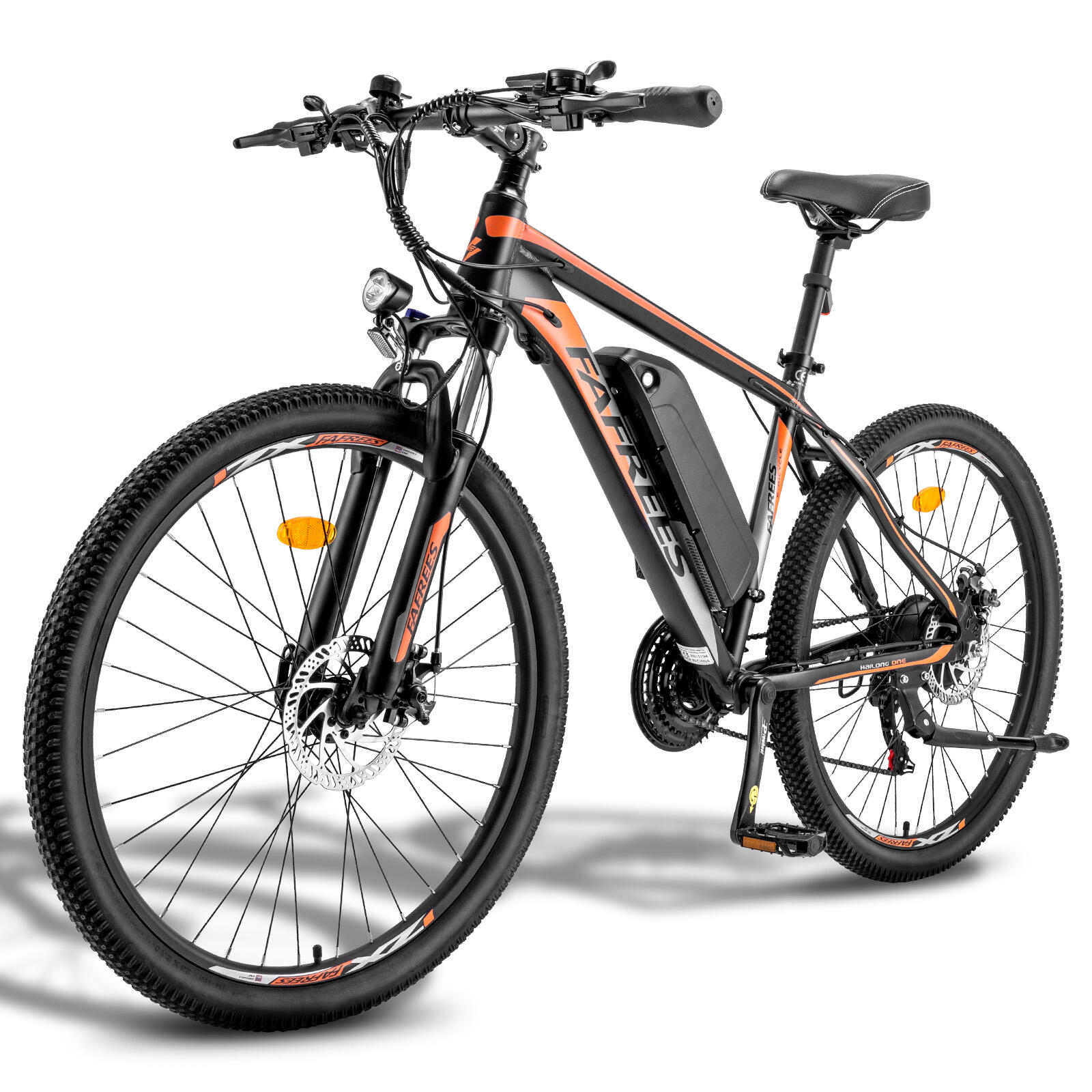
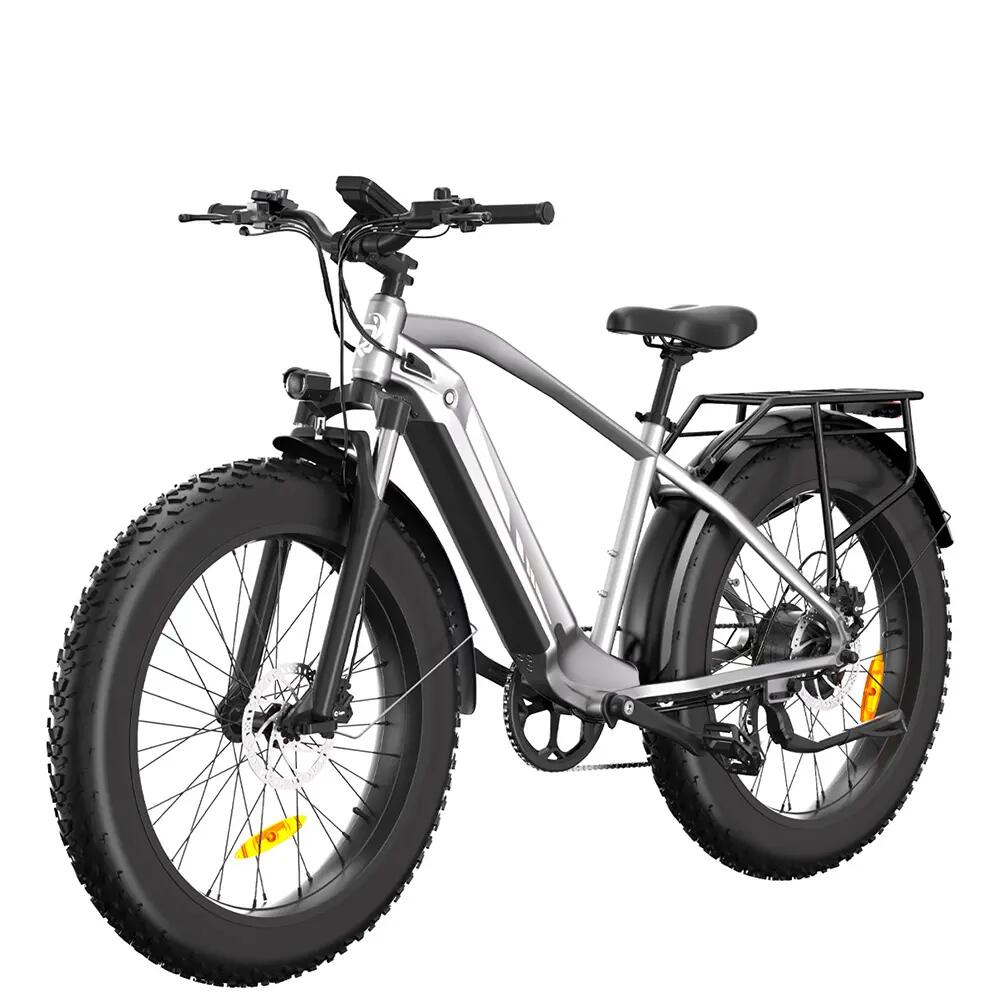
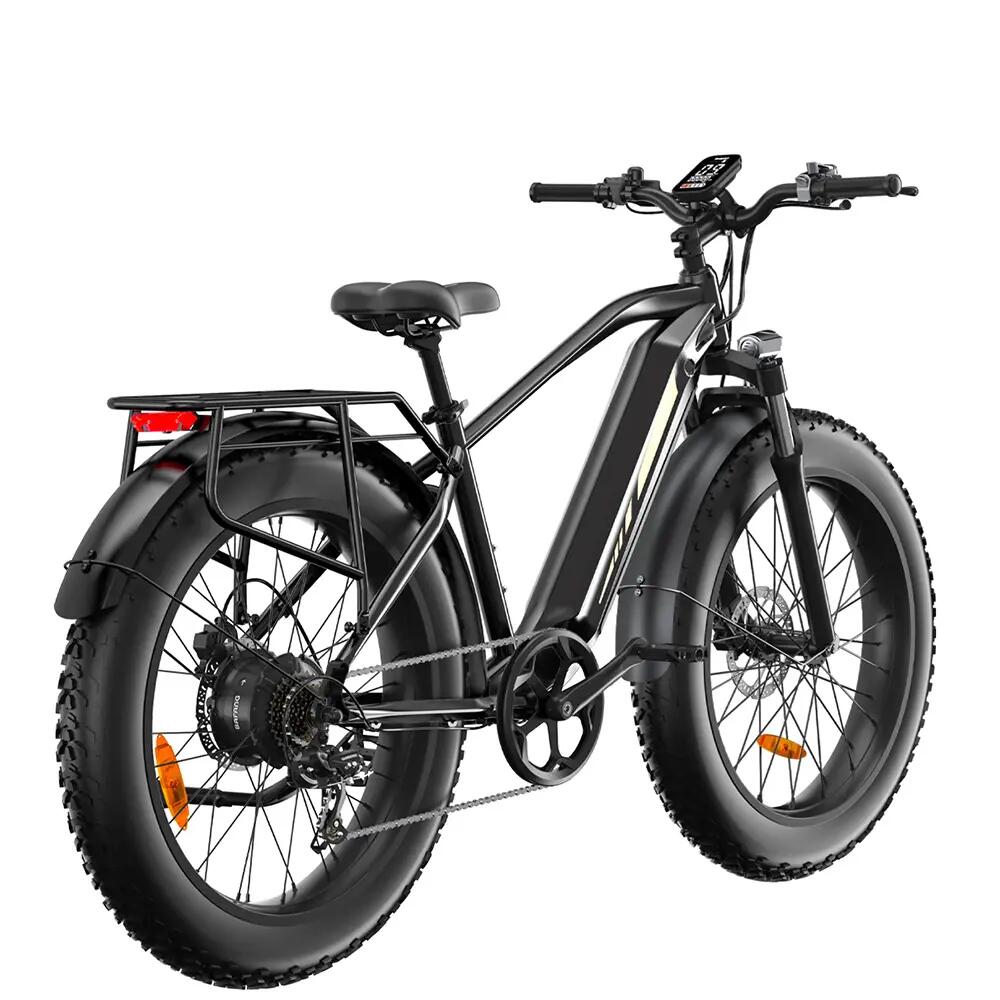
Electric assistance can help on longer family rides or hillier routes where repeated climbs may otherwise become tiring, but the rider still needs confident steering and braking skills. A model such as a 26" kids electric MTB combines a child-sized mountain bike format with several assistance levels so support can be matched to the terrain. Battery range will vary with rider weight, hills, assistance mode, temperature and surface conditions, so treat the maximum figure as guidance rather than a guaranteed distance. Pro tip: use lower assistance on easier sections and save stronger support for climbs. Before setting off, check battery charge, tyre pressure, brake response and wheel fastenings, as the extra weight of an electric system makes good control especially important.

How do 26-inch mountain bikes differ from larger MTB wheel sizes?

Wheel size affects handling, rollover and how the bike fits the rider. A 26-inch wheel can give younger riders a manageable bike size while still rolling over roots, stones and small trail obstacles more easily than smaller children's wheels. Larger MTB wheels can maintain momentum on rough ground, but they also need a frame that stays proportional to the rider. When comparing different mountain bikes, look at frame size, wheel diameter, suspension and cockpit dimensions together. Pro tip: don't move a child to a larger wheel size just because they are gaining confidence. The correct bike should still allow comfortable braking, stable steering and enough room for the rider to move their body when climbing, cornering or descending.

What makes a 26-inch mountain bike different from other children's bikes?

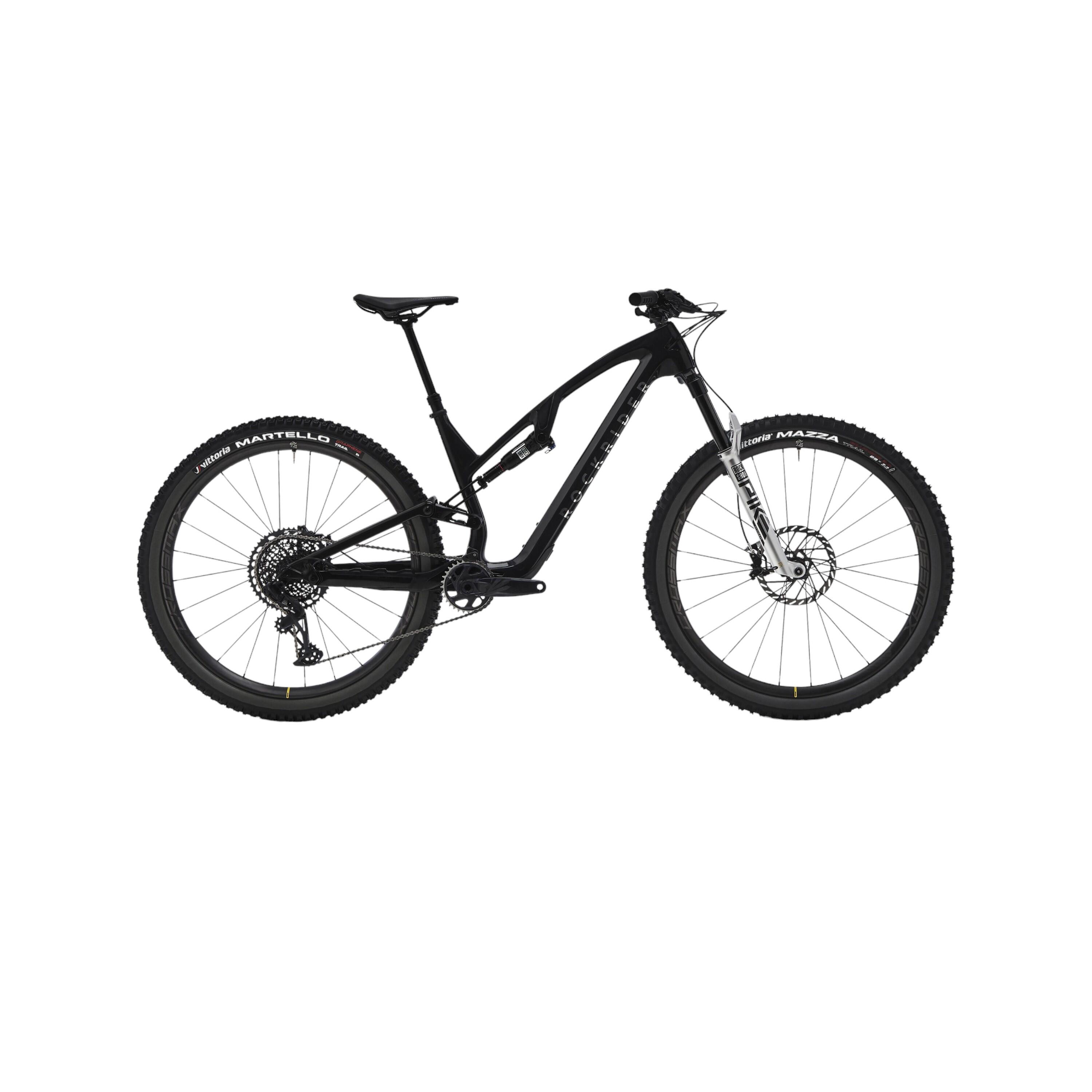
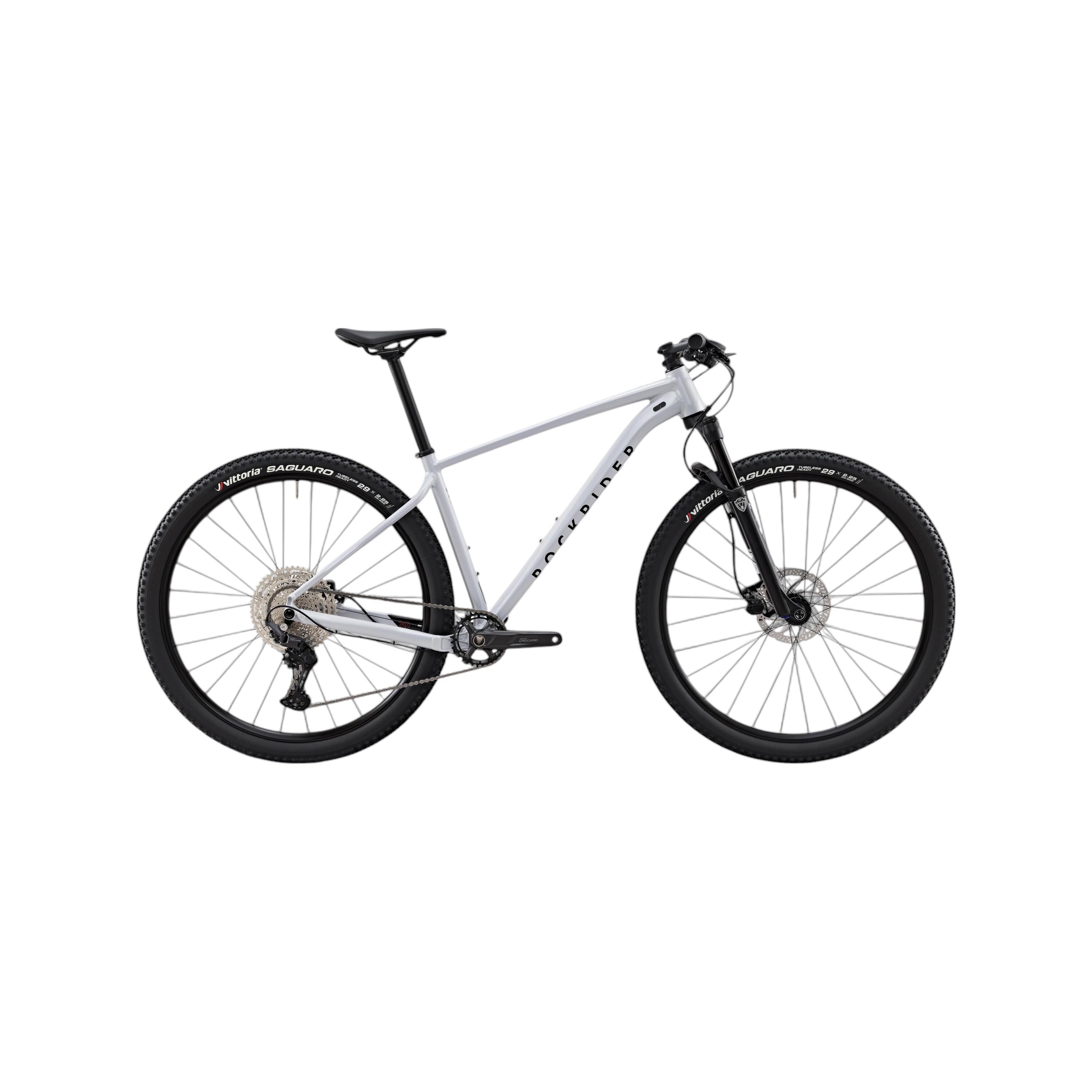
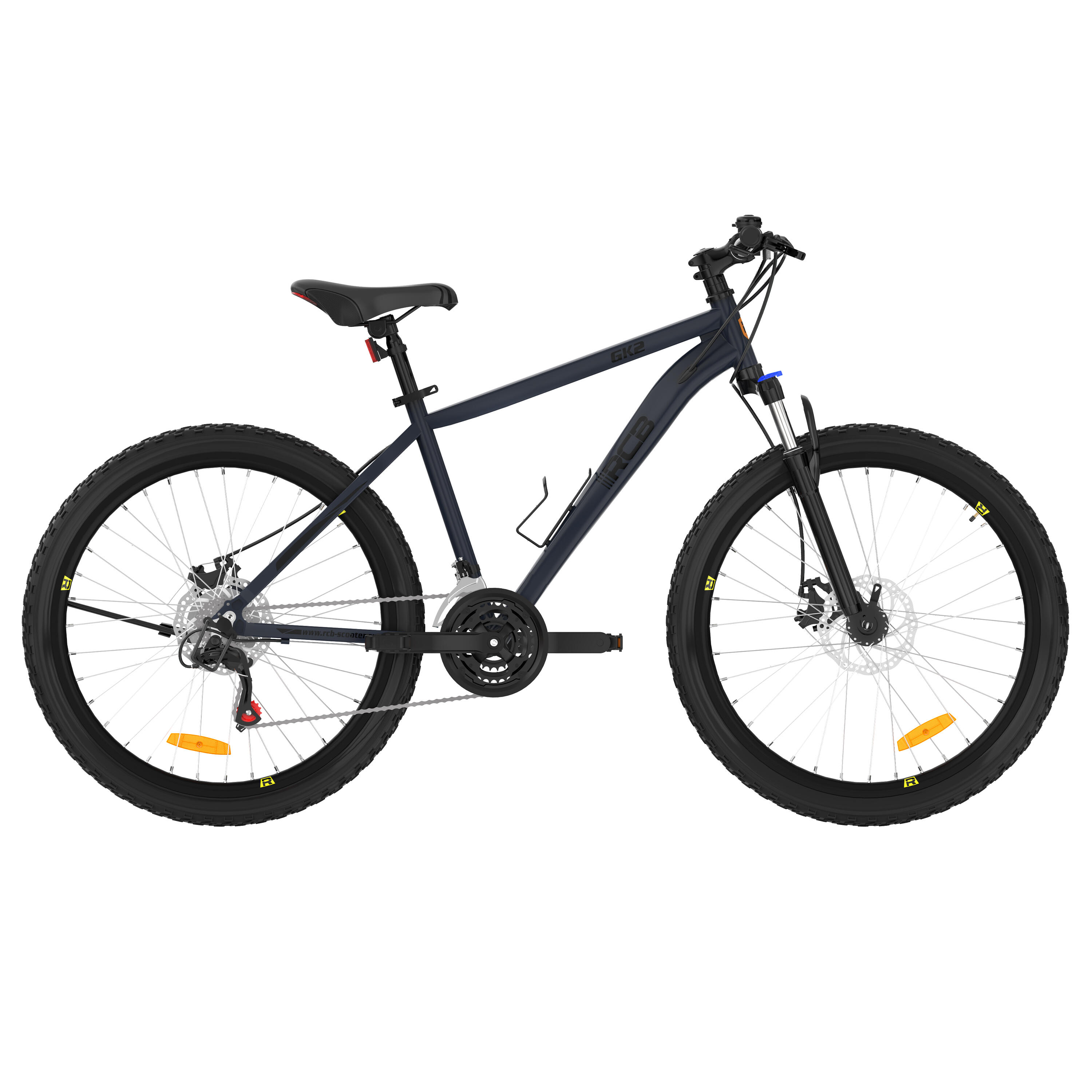
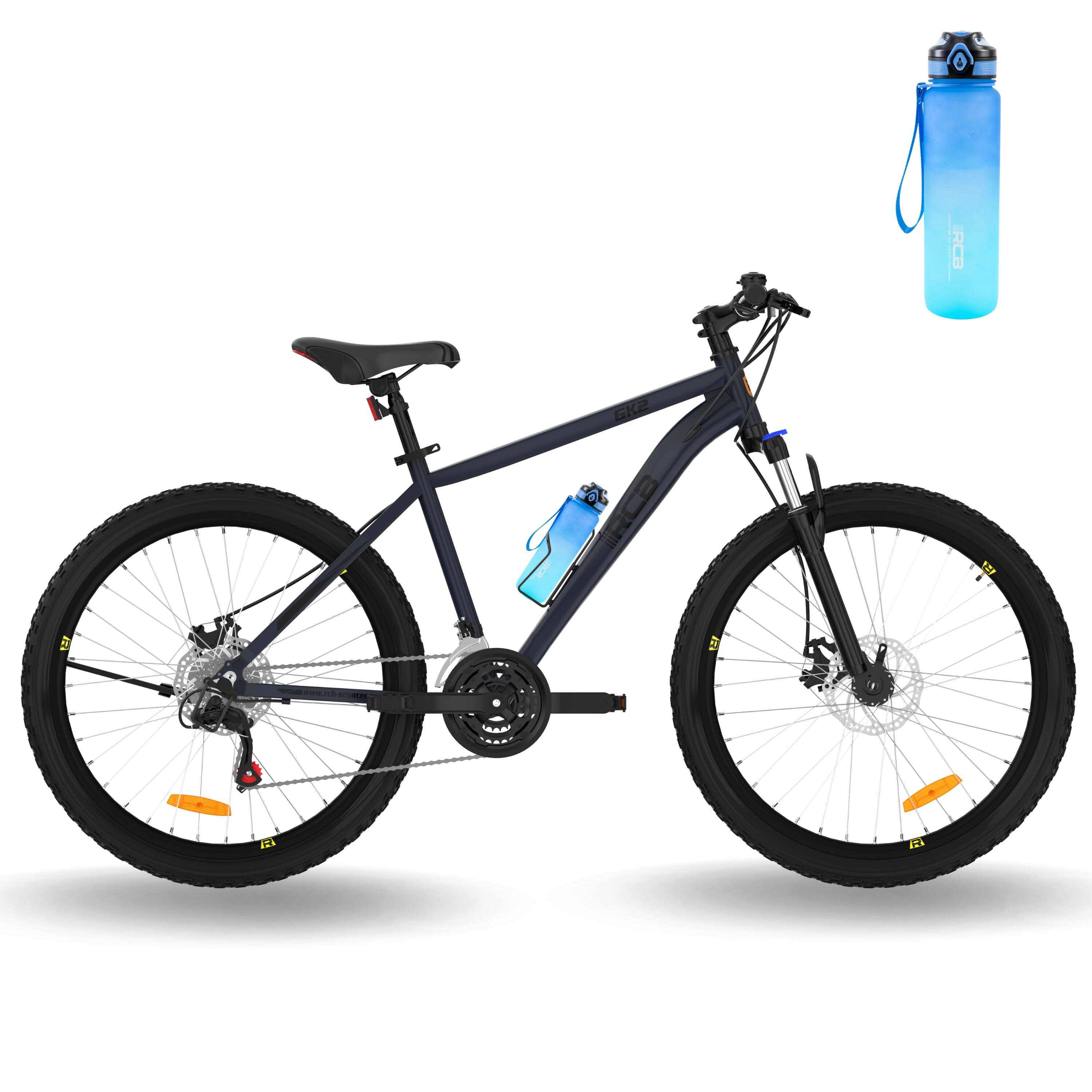
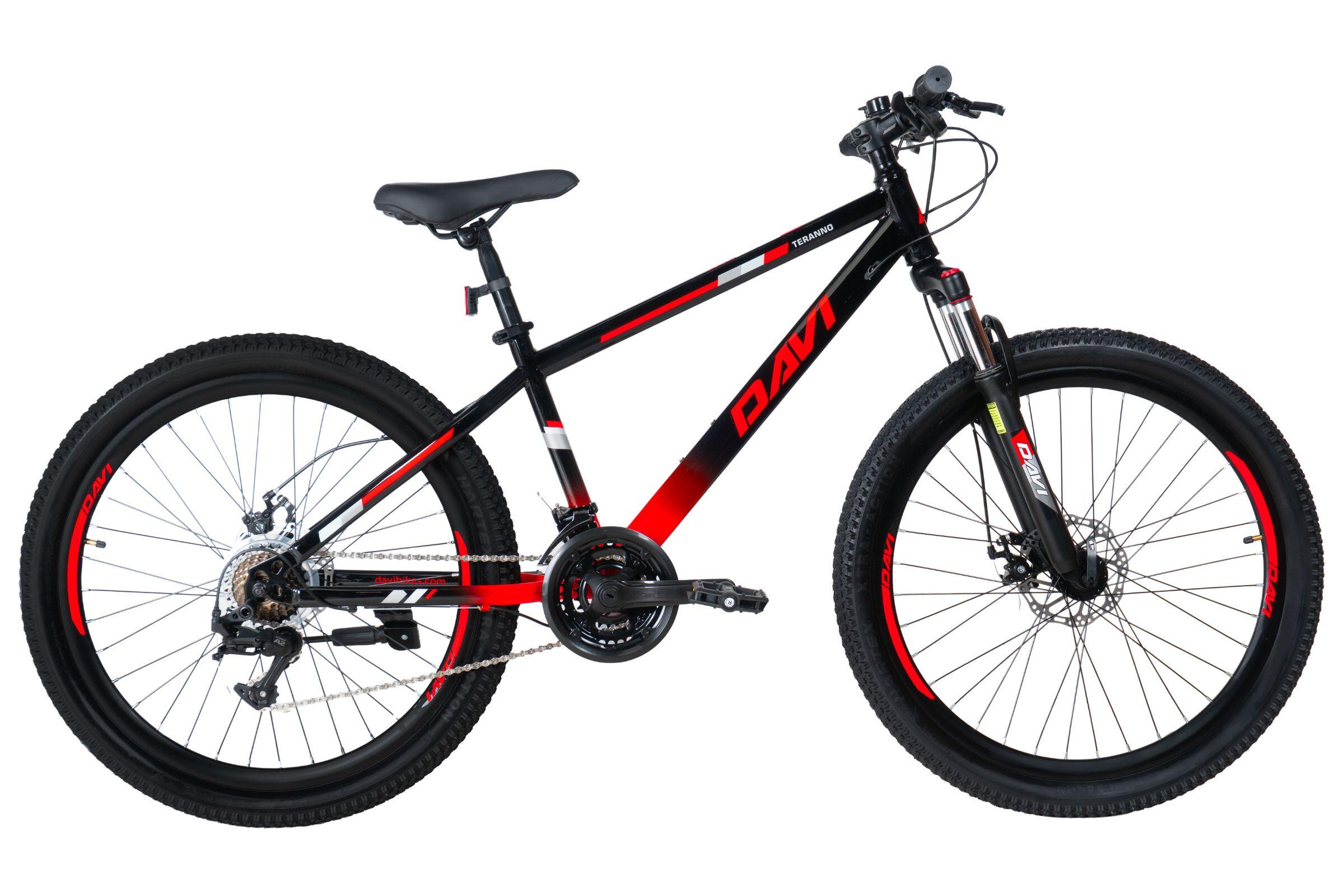
A 26-inch MTB is intended for riders ready to handle more uneven surfaces than a basic leisure bike. Front suspension can reduce impacts through the handlebars, while wider tyres provide grip and cushioning on trails. More advanced models may add hydraulic disc brakes, adjustable suspension or tubeless-ready wheels as riding progresses. These features are useful only when they match the rider's ability and terrain, so comparing MTB geometry with other bikes can help clarify whether a trail-focused setup is actually needed. Pro tip: choose a mountain bike for the surfaces the child regularly rides, not simply for its appearance. A simpler hardtail can be lighter and more efficient on family tracks, while more advanced components become worthwhile as routes grow rougher and braking demands increase.

What equipment should a child use with a 26-inch mountain bike?

A correctly fitted helmet should come first, followed by clothing and footwear that allow comfortable movement and reliable pedal grip. Gloves can improve handlebar grip and reduce rubbing, while hydration becomes more important on longer family trail rides. A small pump, a compatible spare inner tube, and tyre levers can also help you deal with a puncture away from home. The wider bike cycling gear and accessories range can support these practical trail needs without adding unnecessary equipment to the bike. Pro tip: make a simple pre-ride check part of the child's routine. Test both brakes, check tyre pressure, make sure the wheels are secure, and check the chain before riding. After muddy sessions, clean the bike, dry it properly and lubricate the drivetrain before storing it somewhere clean and dry.