59 items
4.6/5 based on 19021 reviews collected online and in stores

KIDS MOUNTAIN BIKES FAQS

How are kids mountain bikes measured?

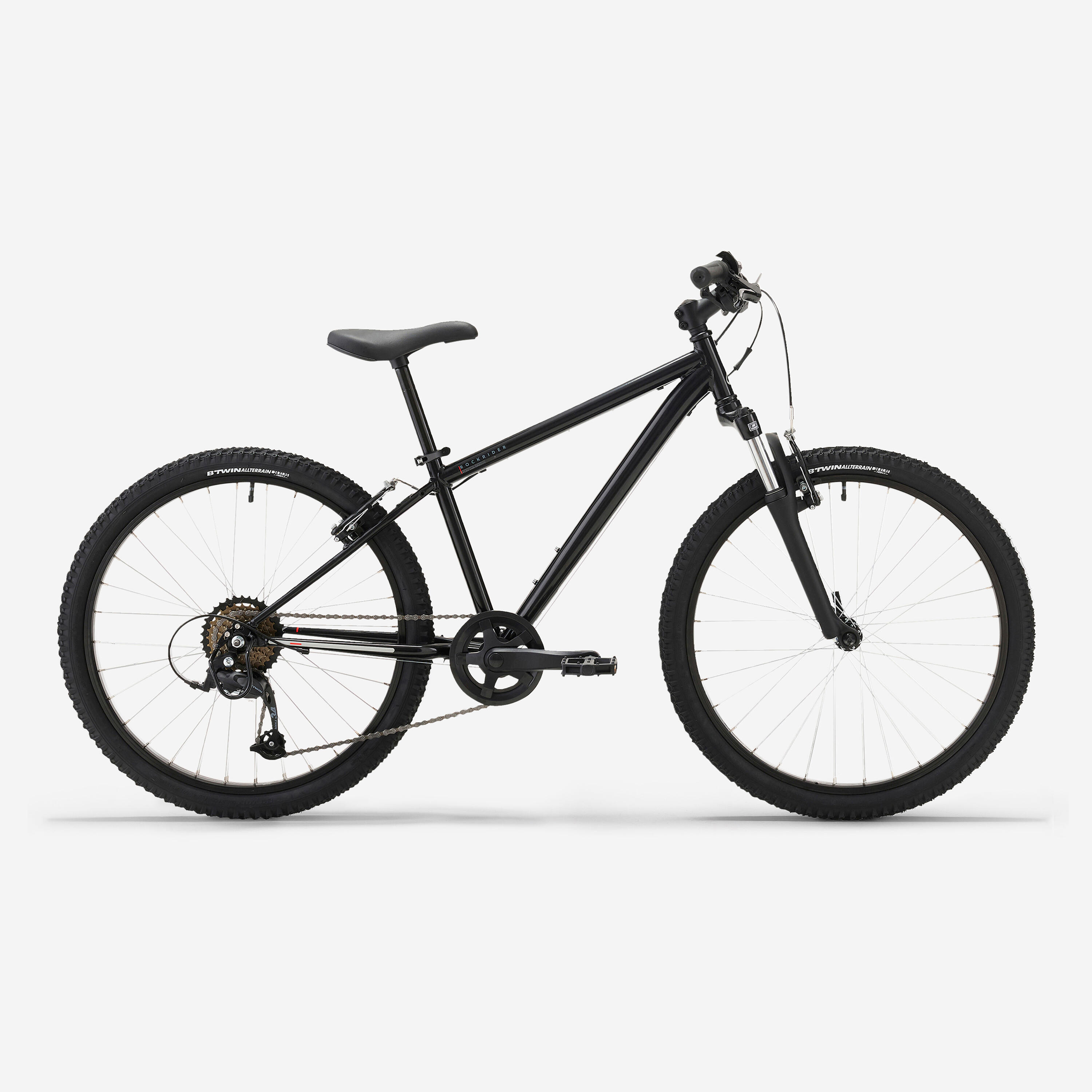
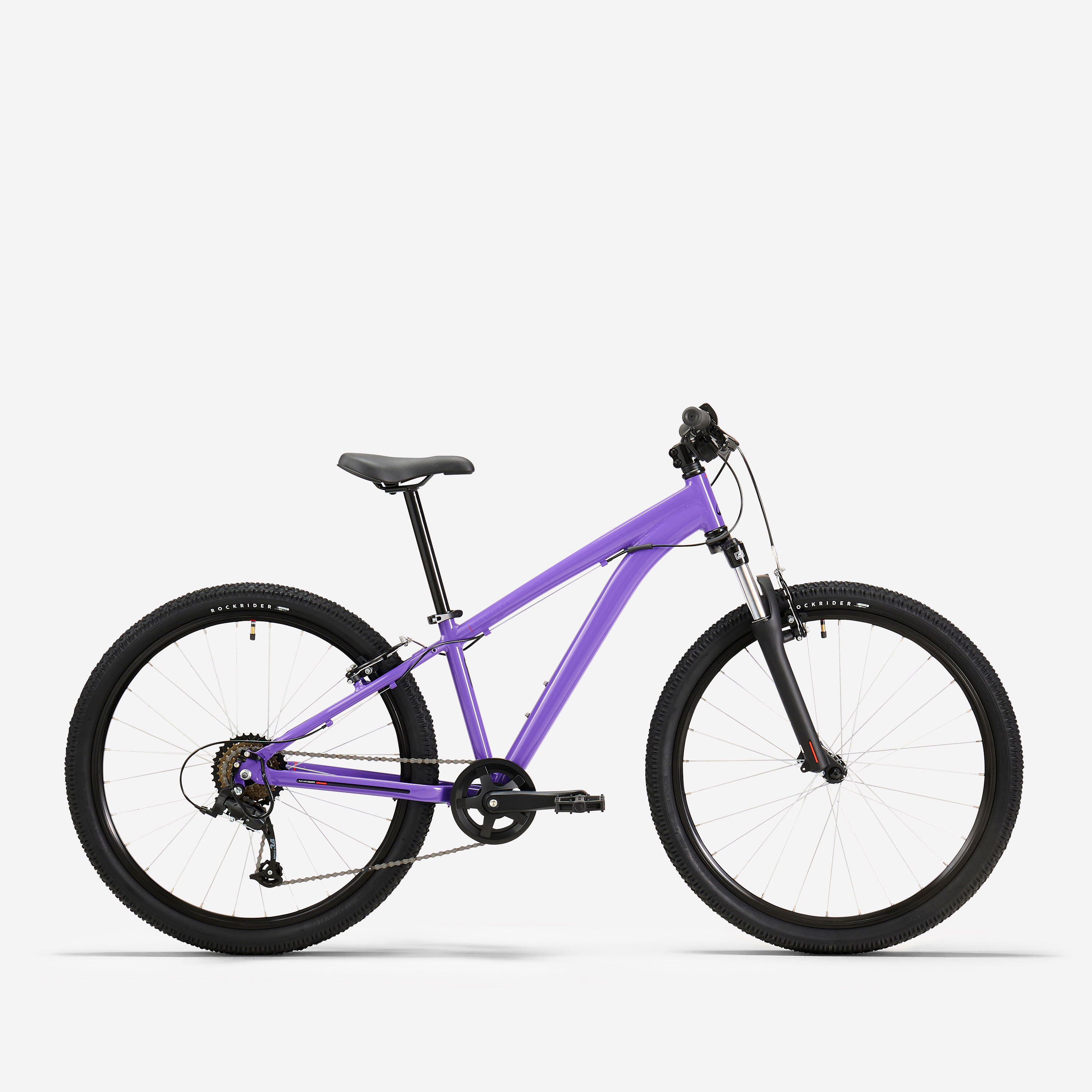
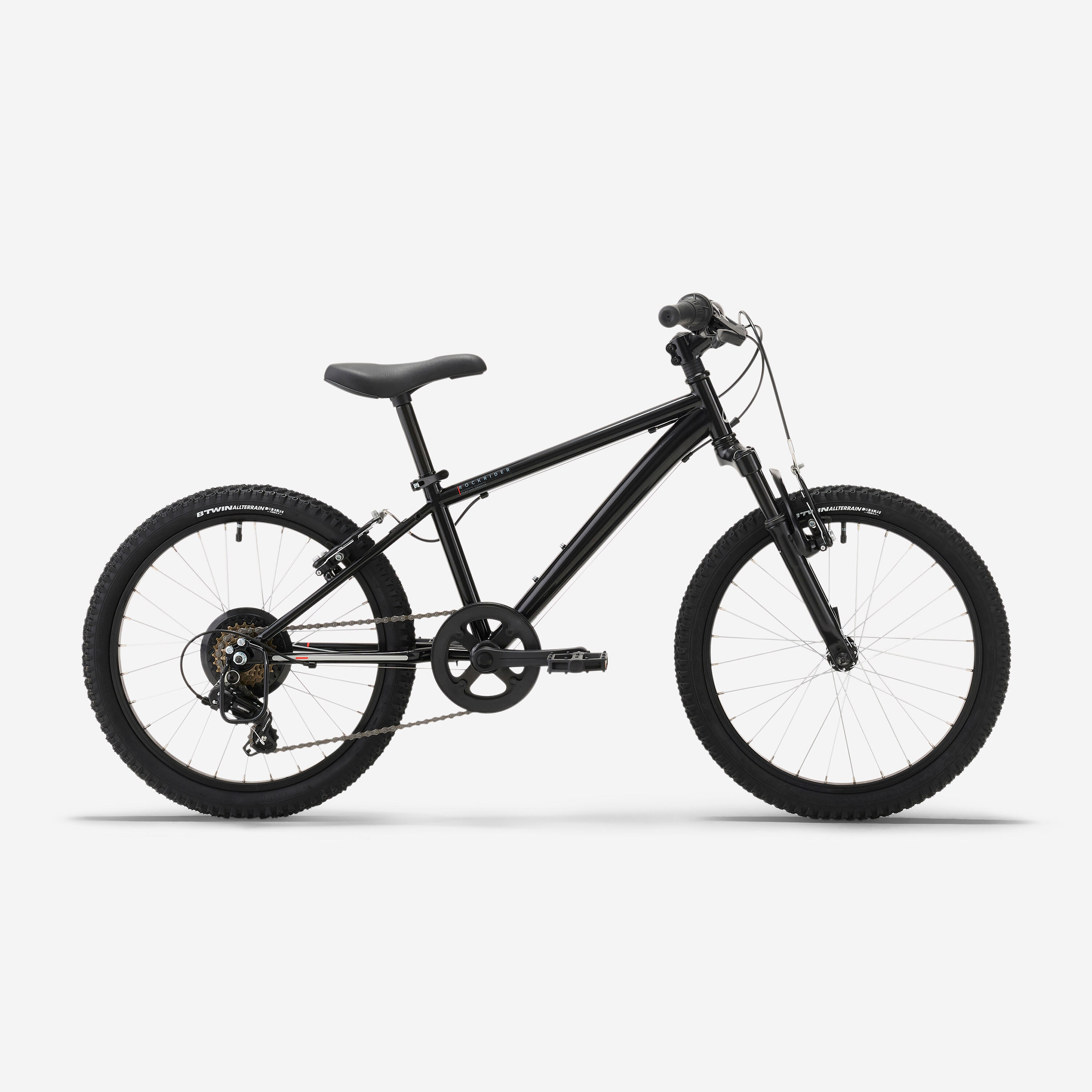
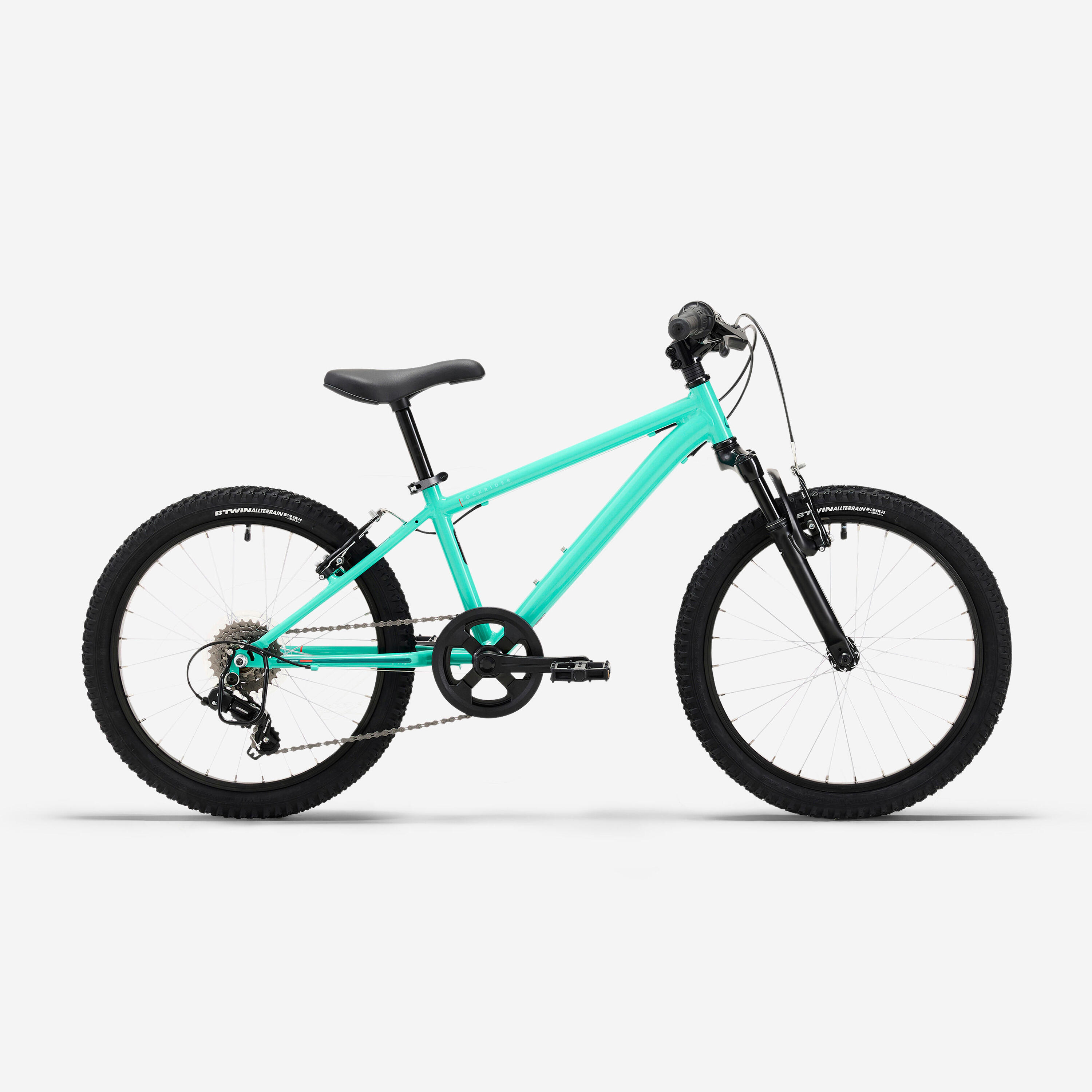
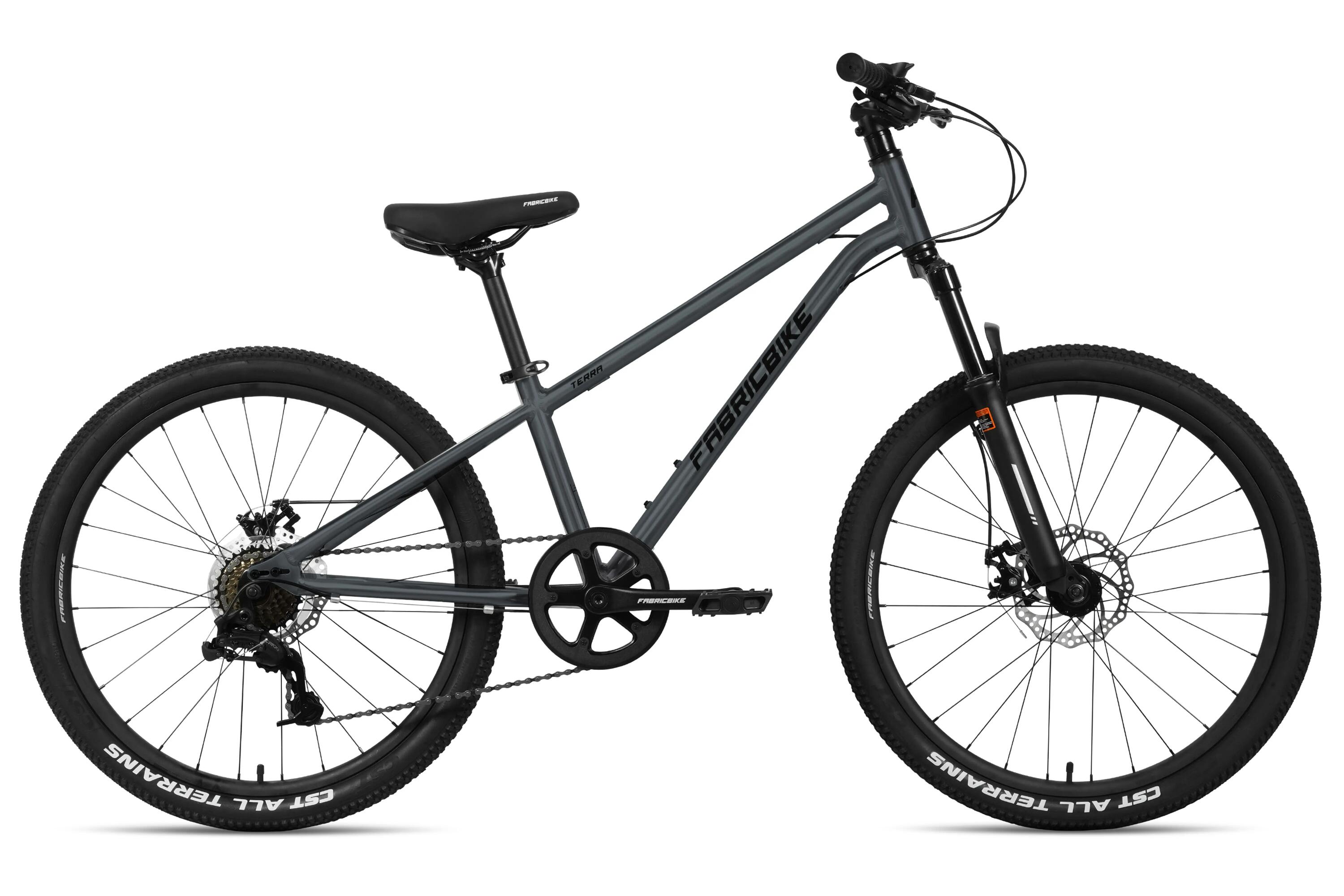
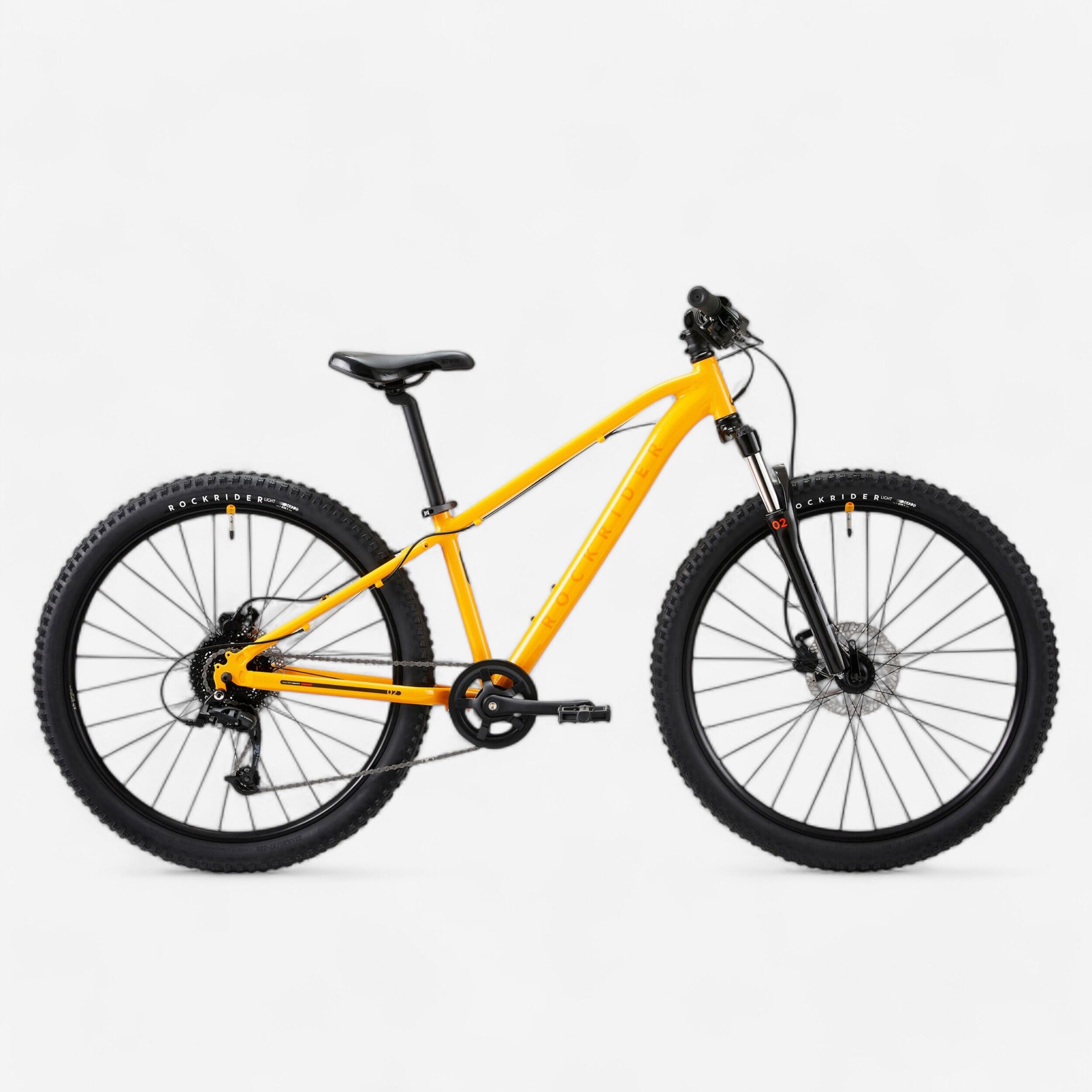
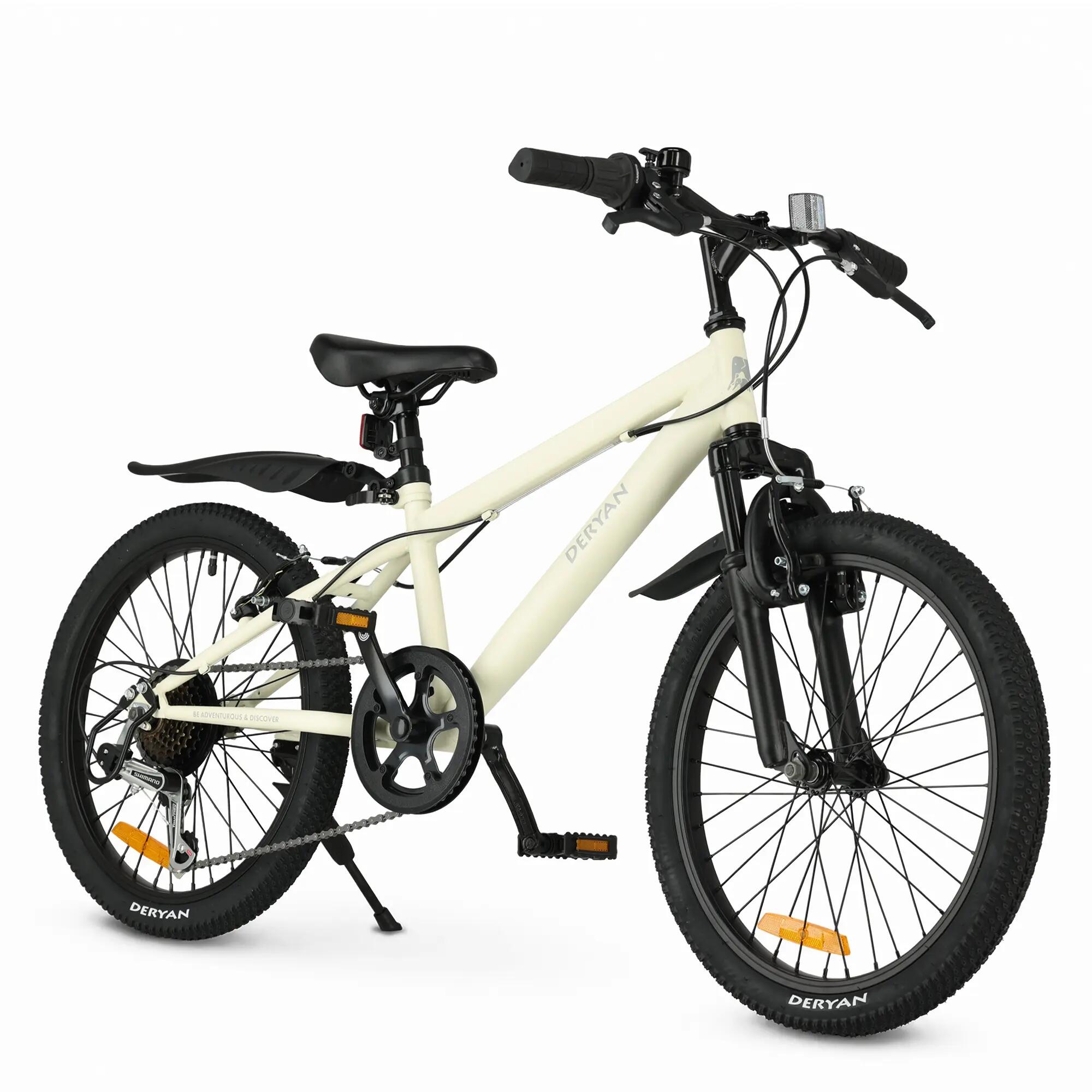
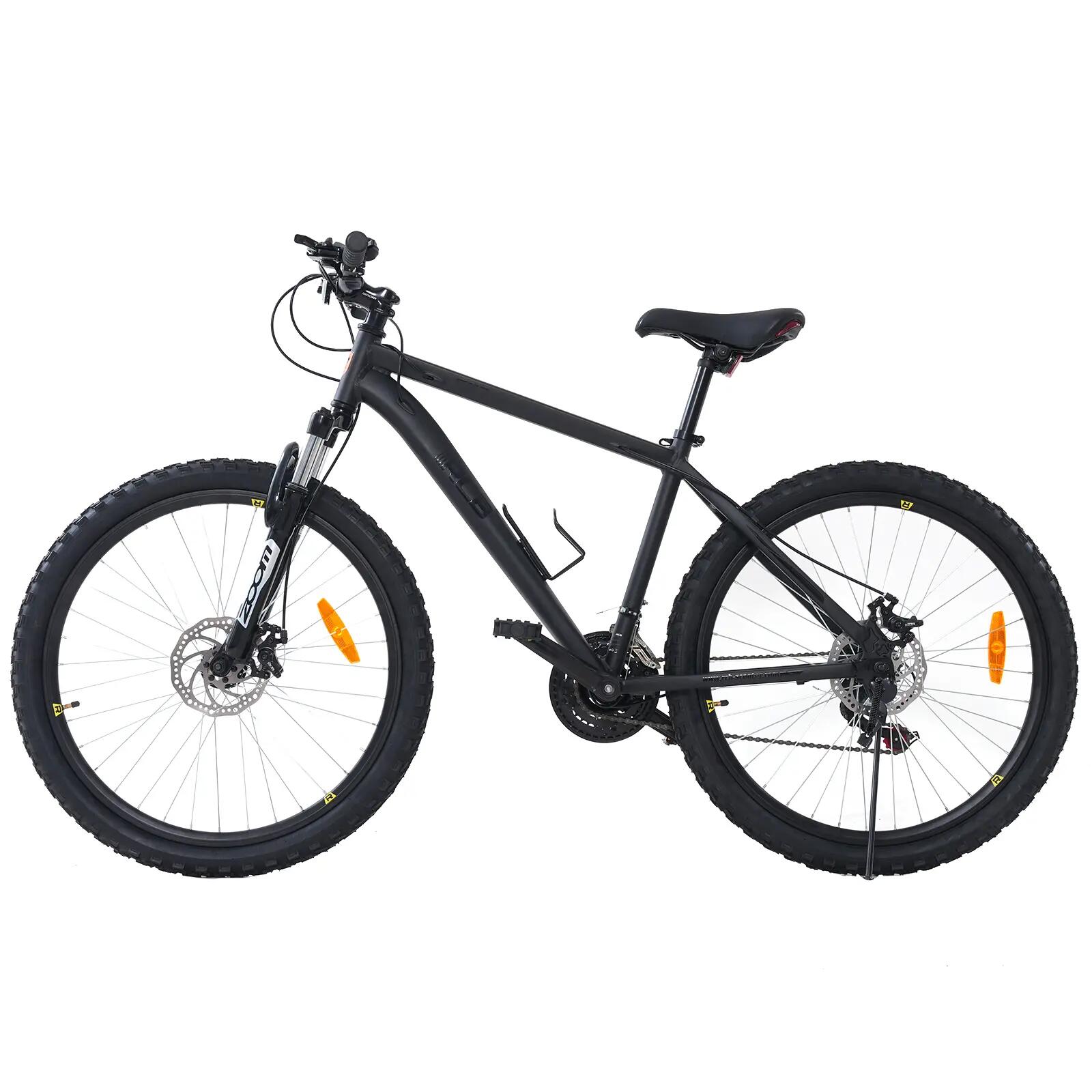
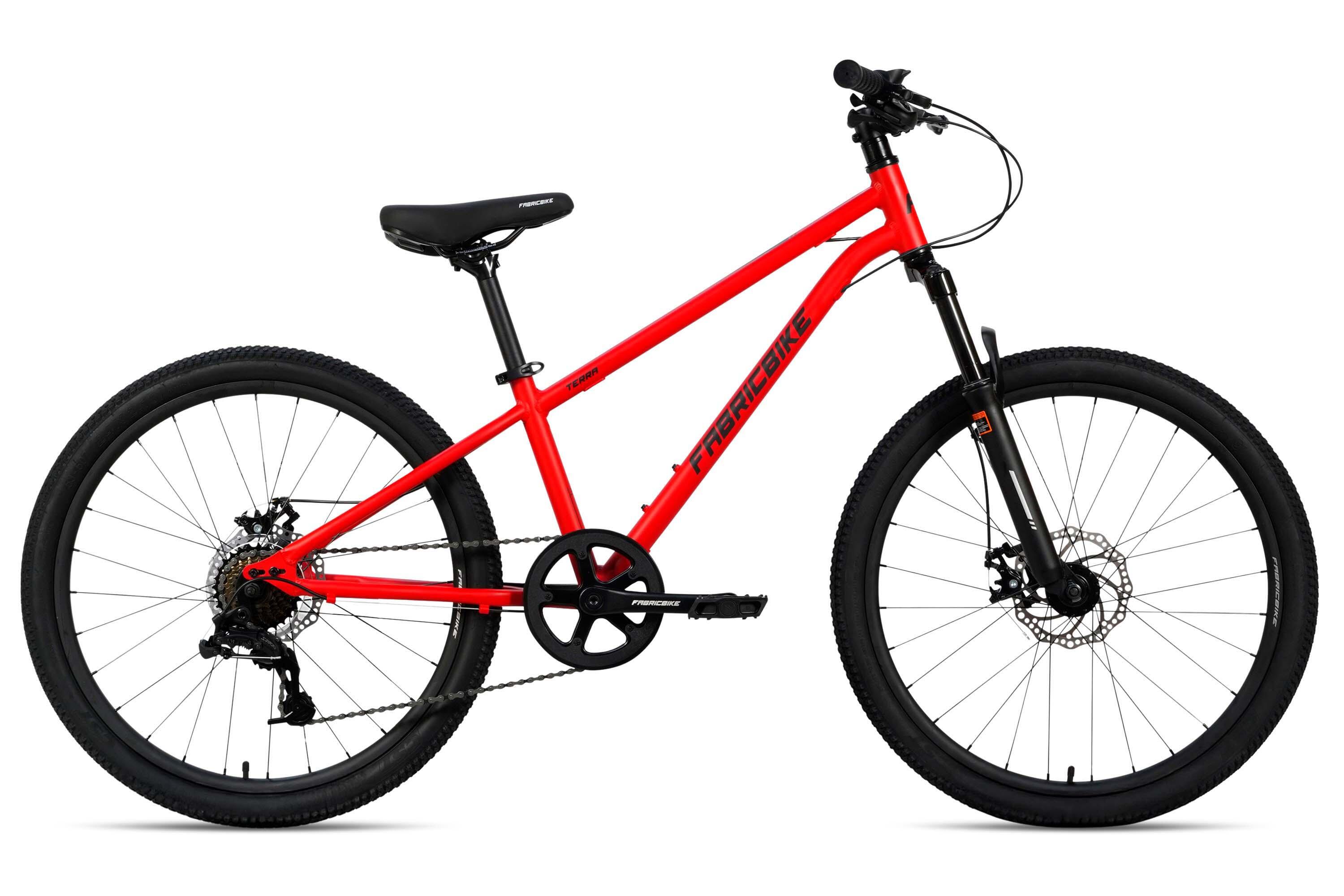
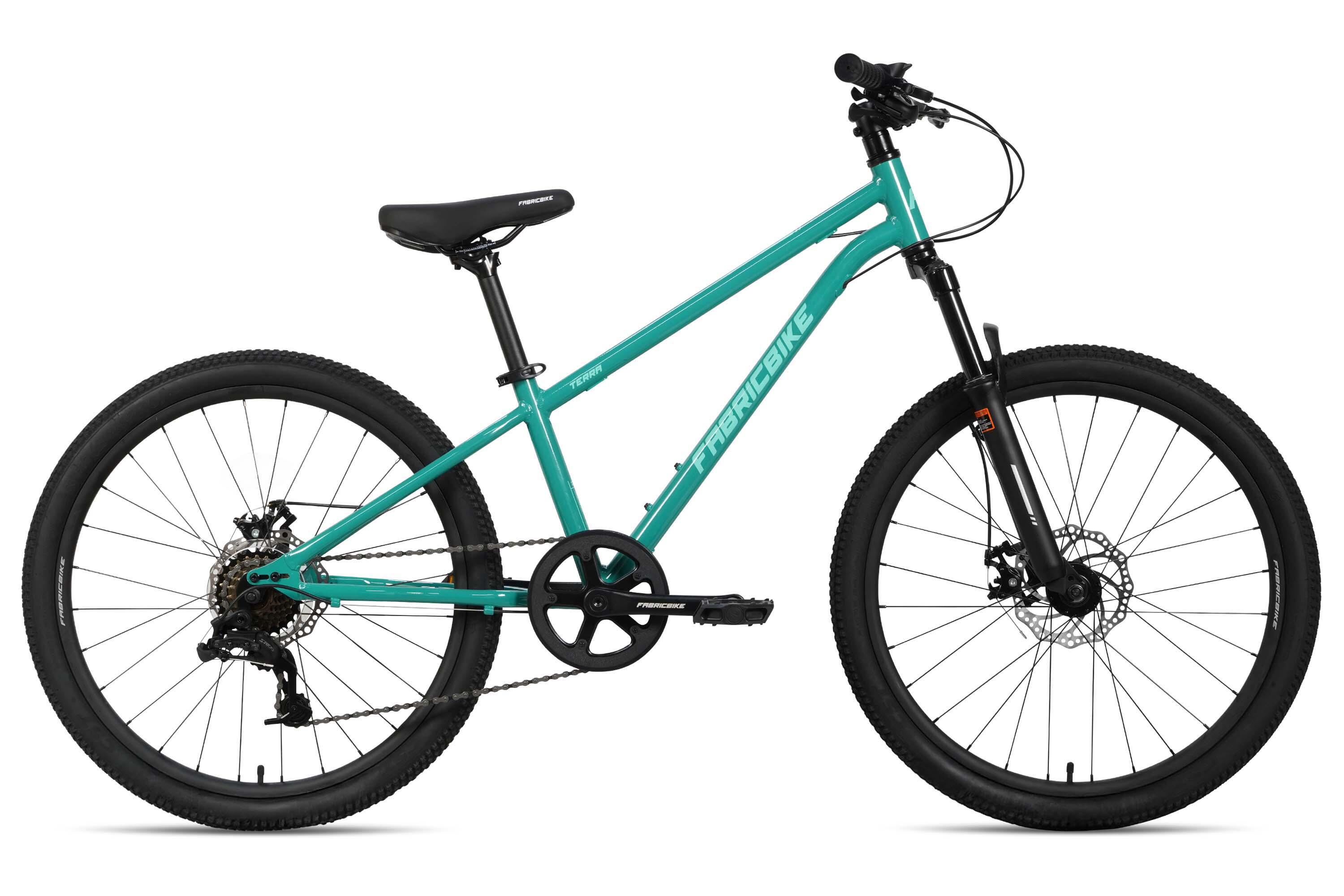
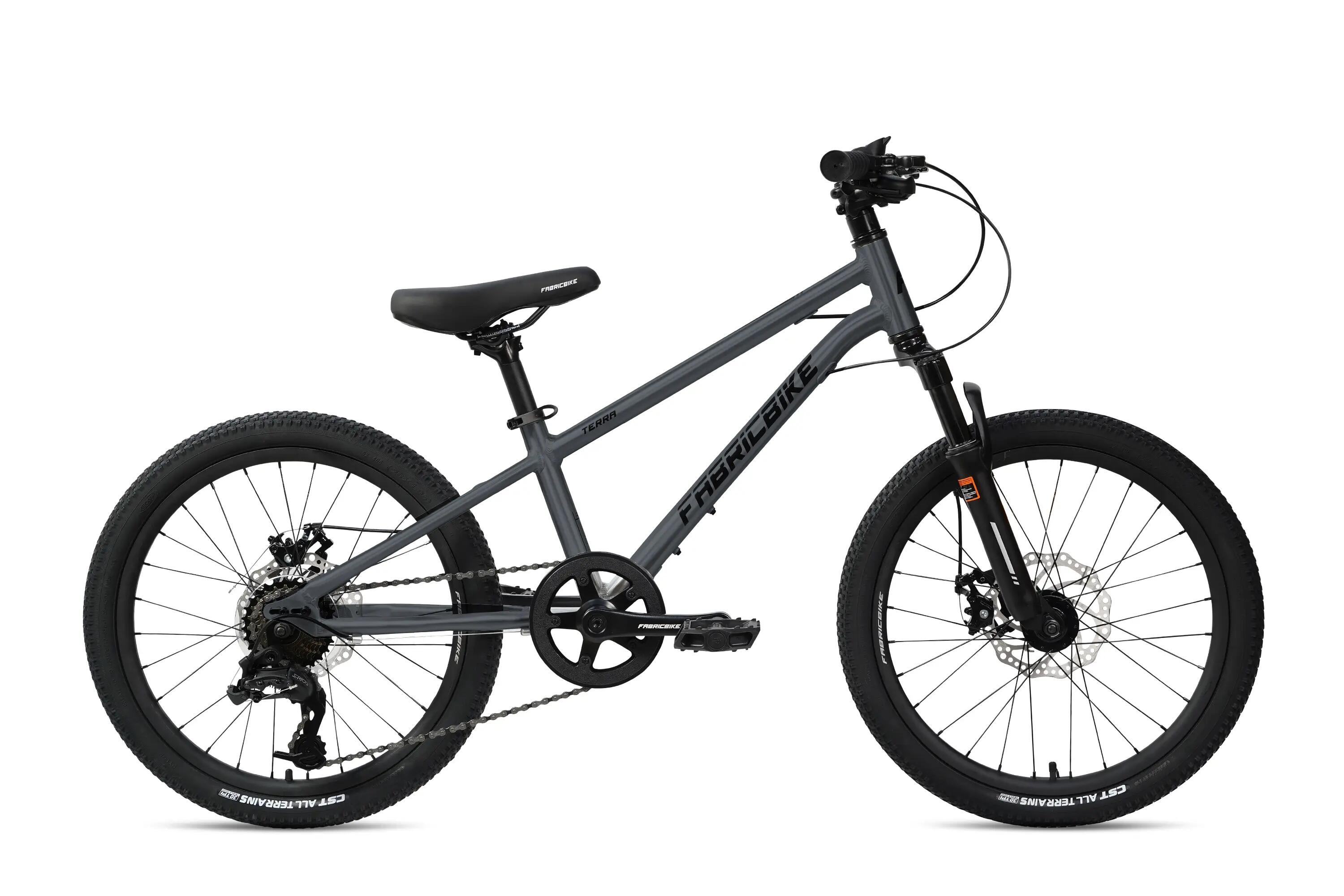
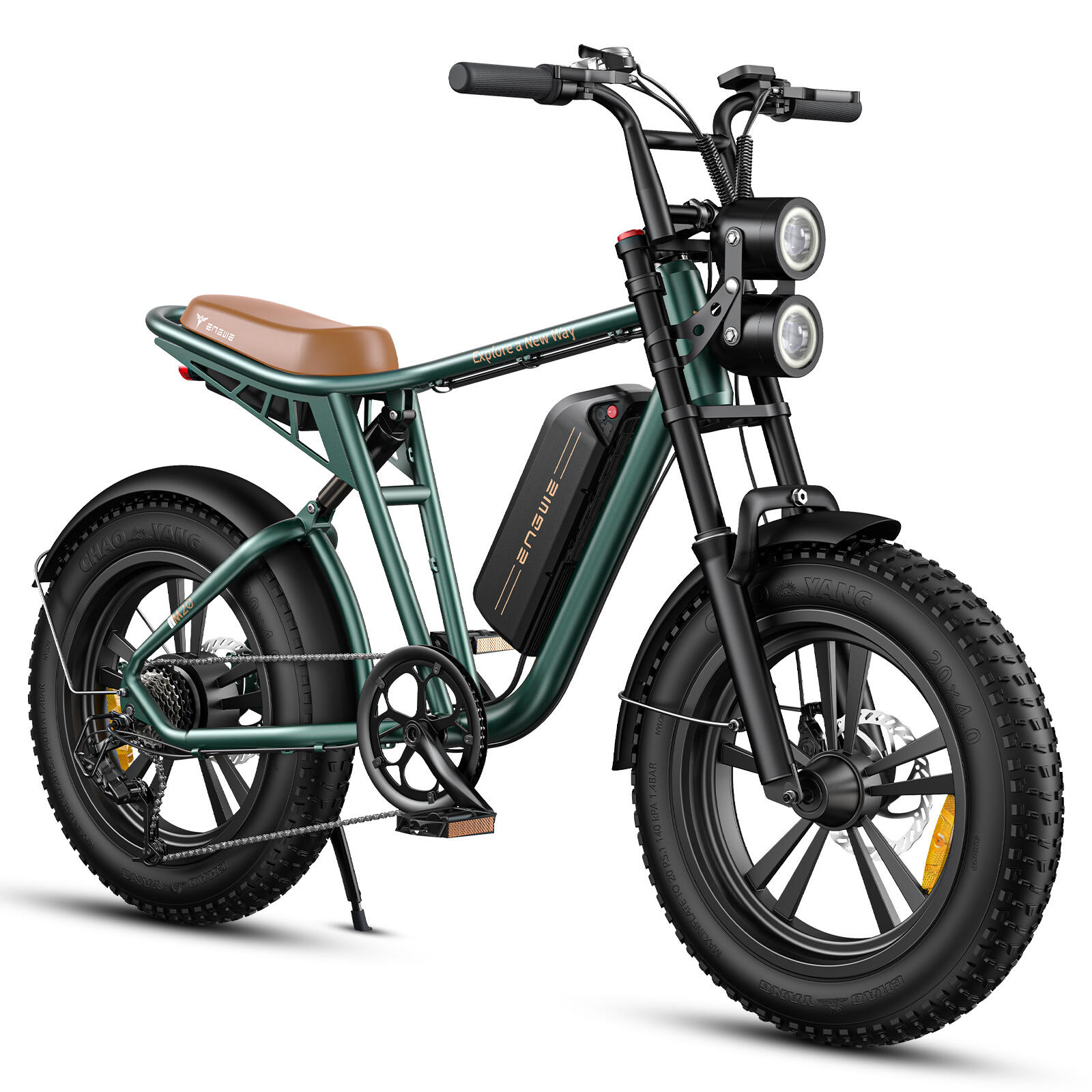
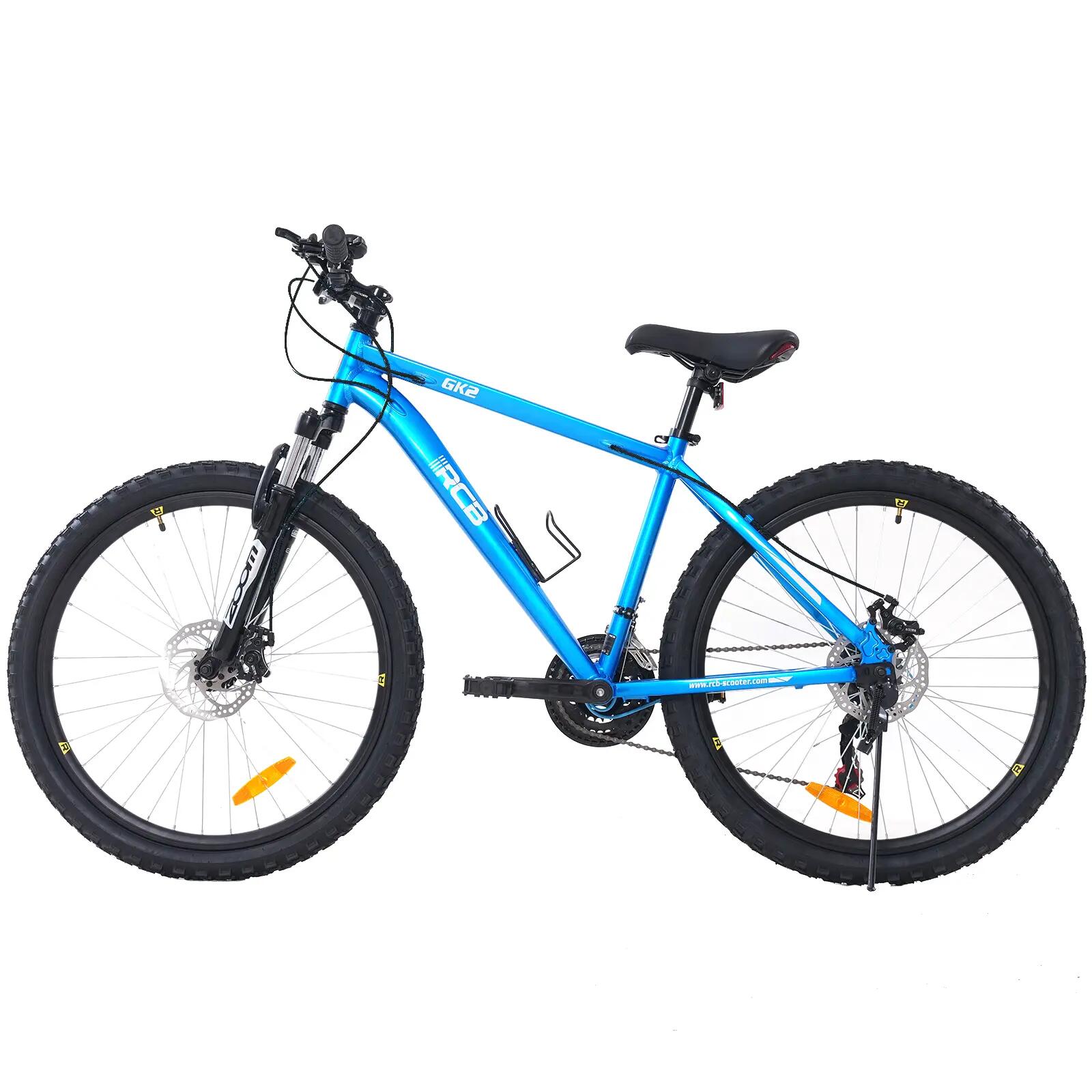
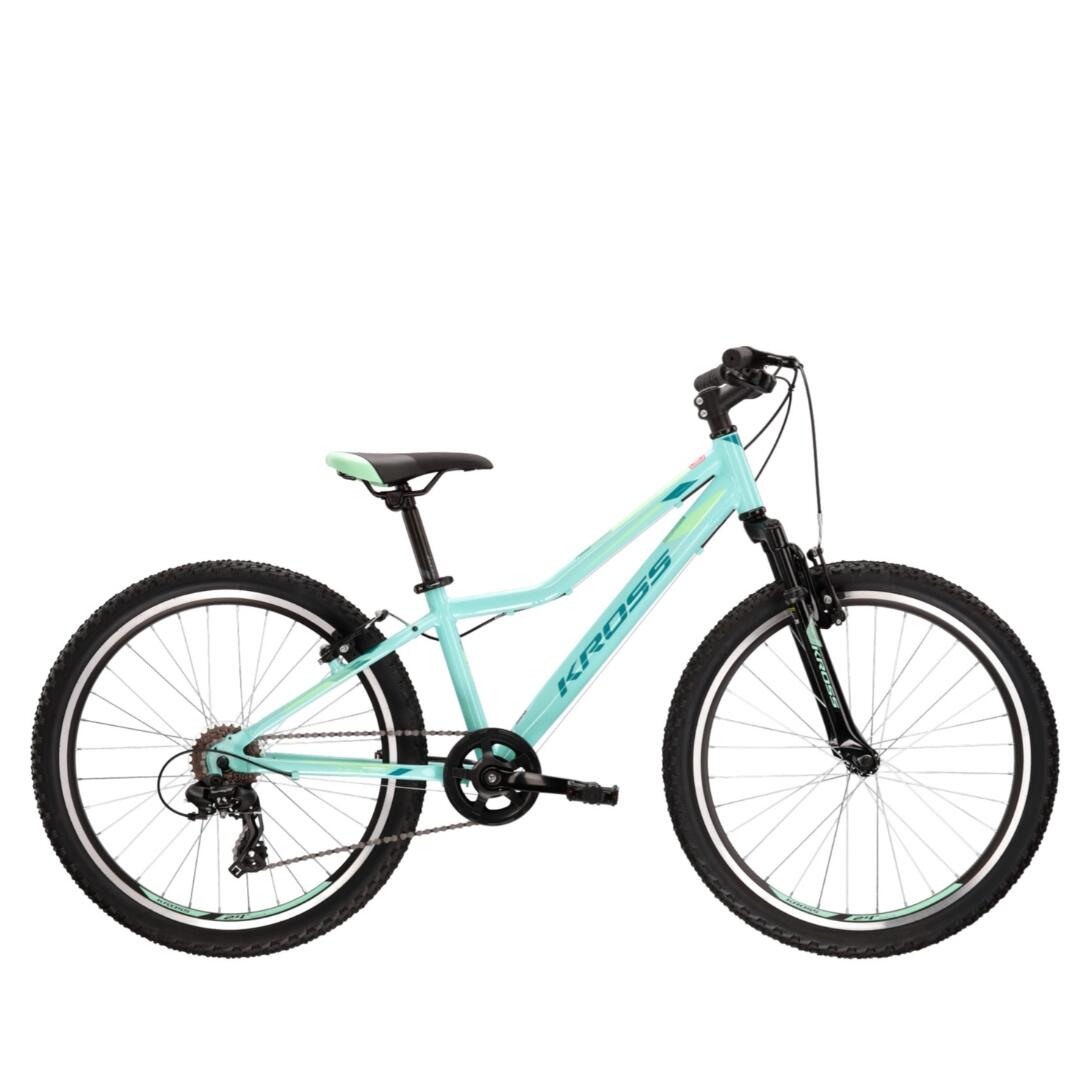
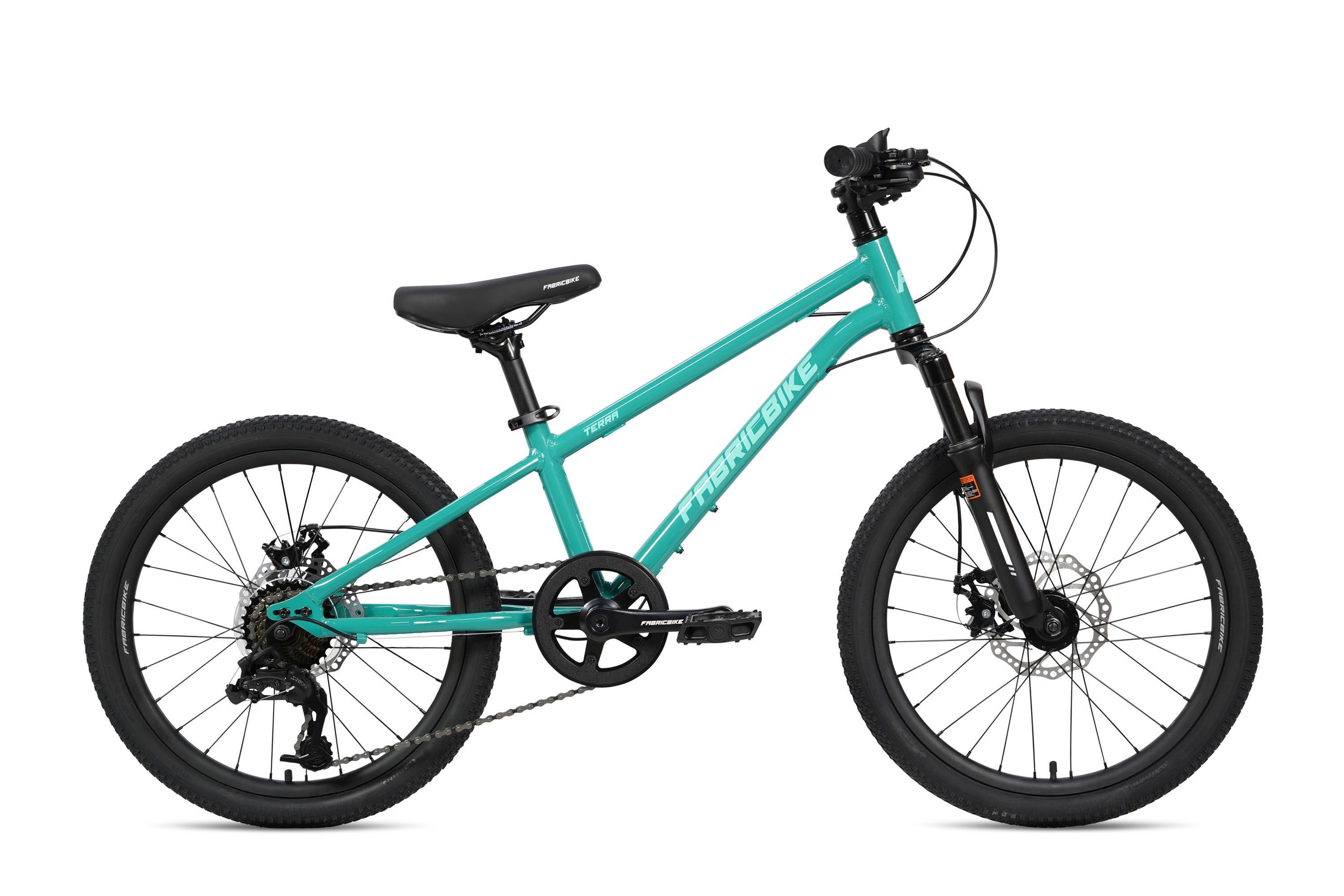
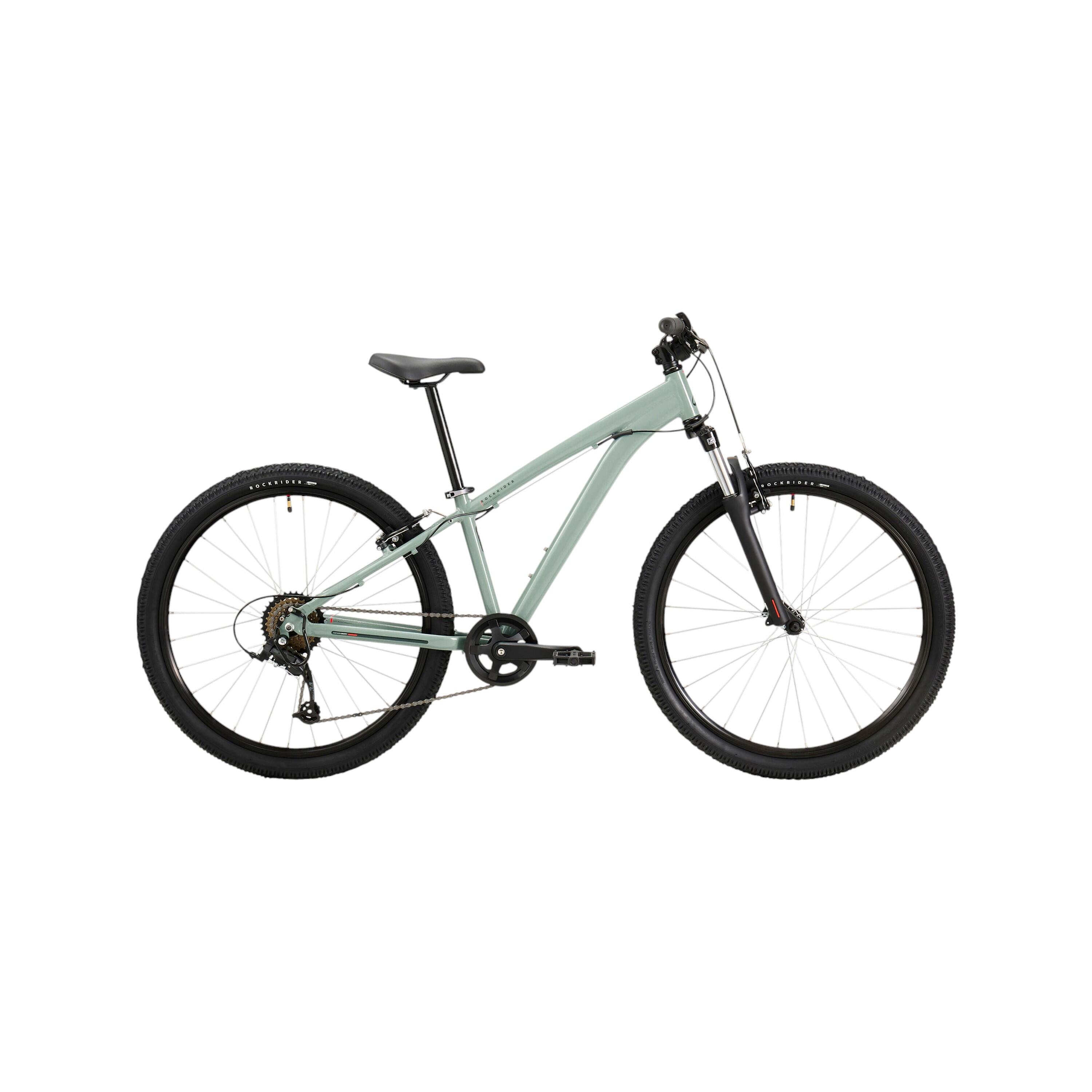
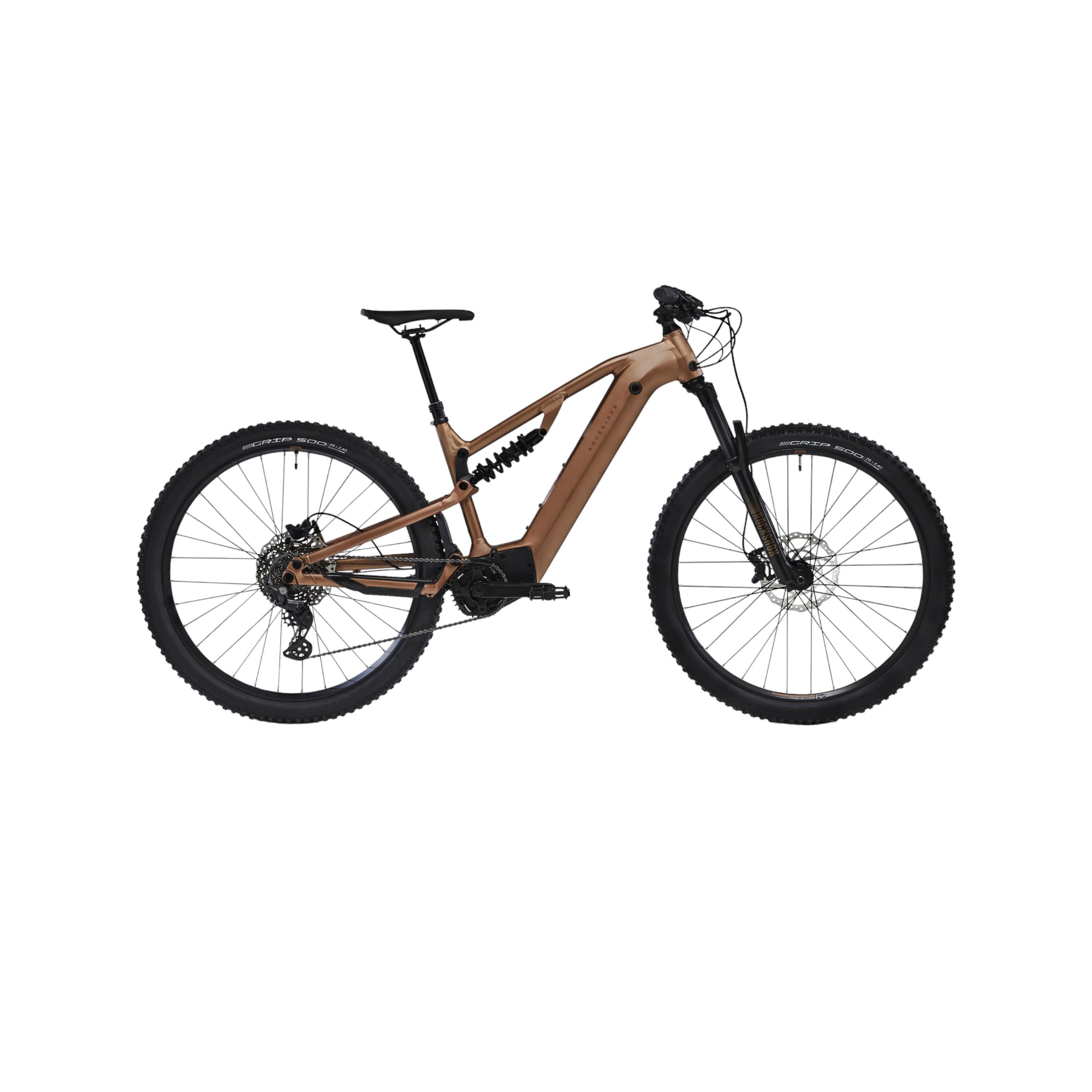
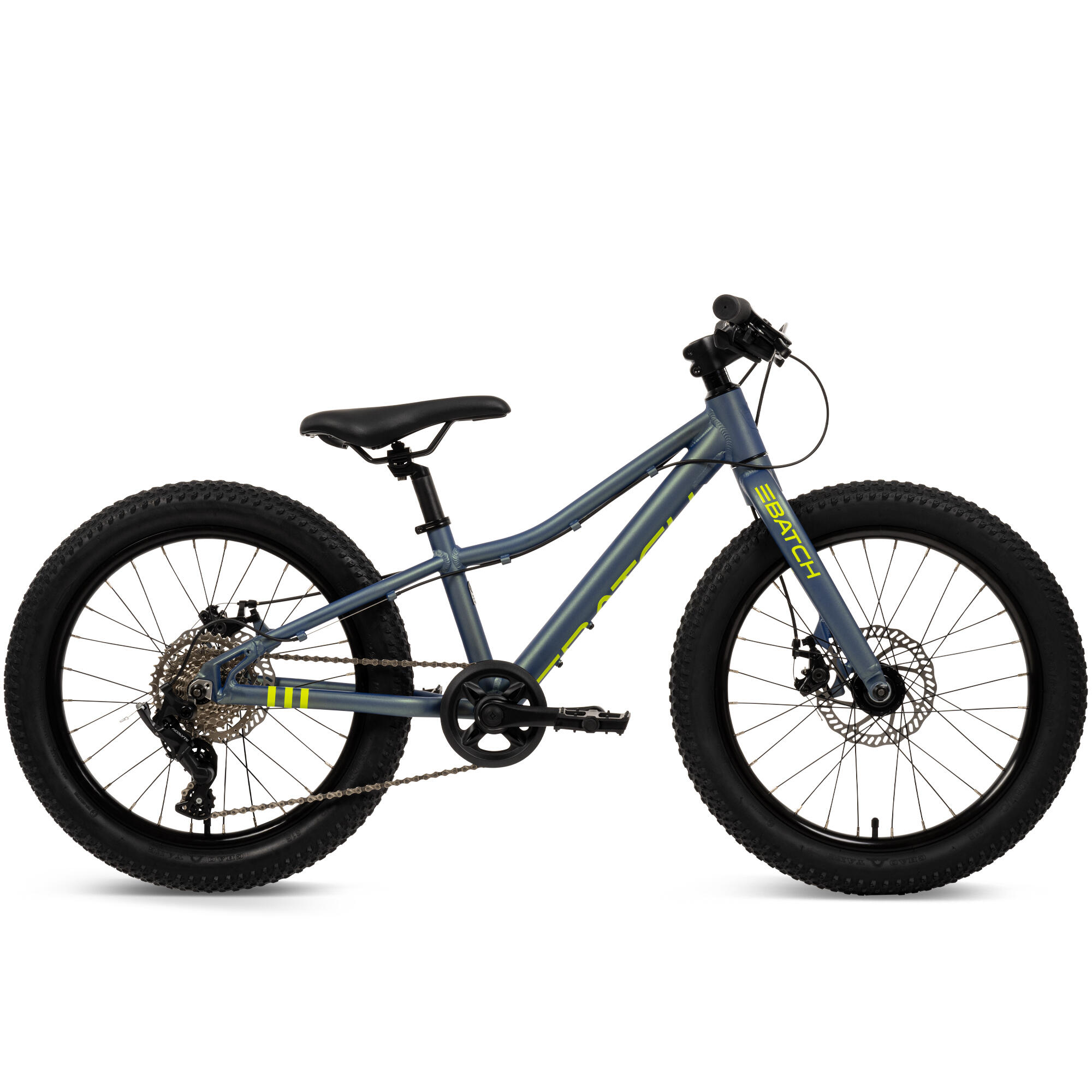
Sizing for kids mountain bikes relies primarily on wheel diameter rather than frame height, which is the standard for adult cycles. Most kids’ MTB bikes fall into three main wheel categories: 20 inch for early learners, 24 inch for intermediate riders, and 26 inch for older children who are transitioning toward adult frames. To ensure a safe fit, your child should stand over the top tube with both feet flat on the ground, leaving a small gap between their body and the frame. As they grow in height and strength, they might eventually require the pedal-assist technology found in an electric mtb to keep up with family members on steep forest inclines. The technical "why" behind wheel-based sizing is that smaller wheels lower the centre of gravity, making it significantly easier for a smaller rider to balance and maneuver the bike through tight turns or over roots. Using a leg length measurement is more accurate than age alone, as children develop at different rates and need a bike that permits them to reach the ground comfortably with their toes while seated.
How are kids' mountain bikes different from normal kids' bikes?

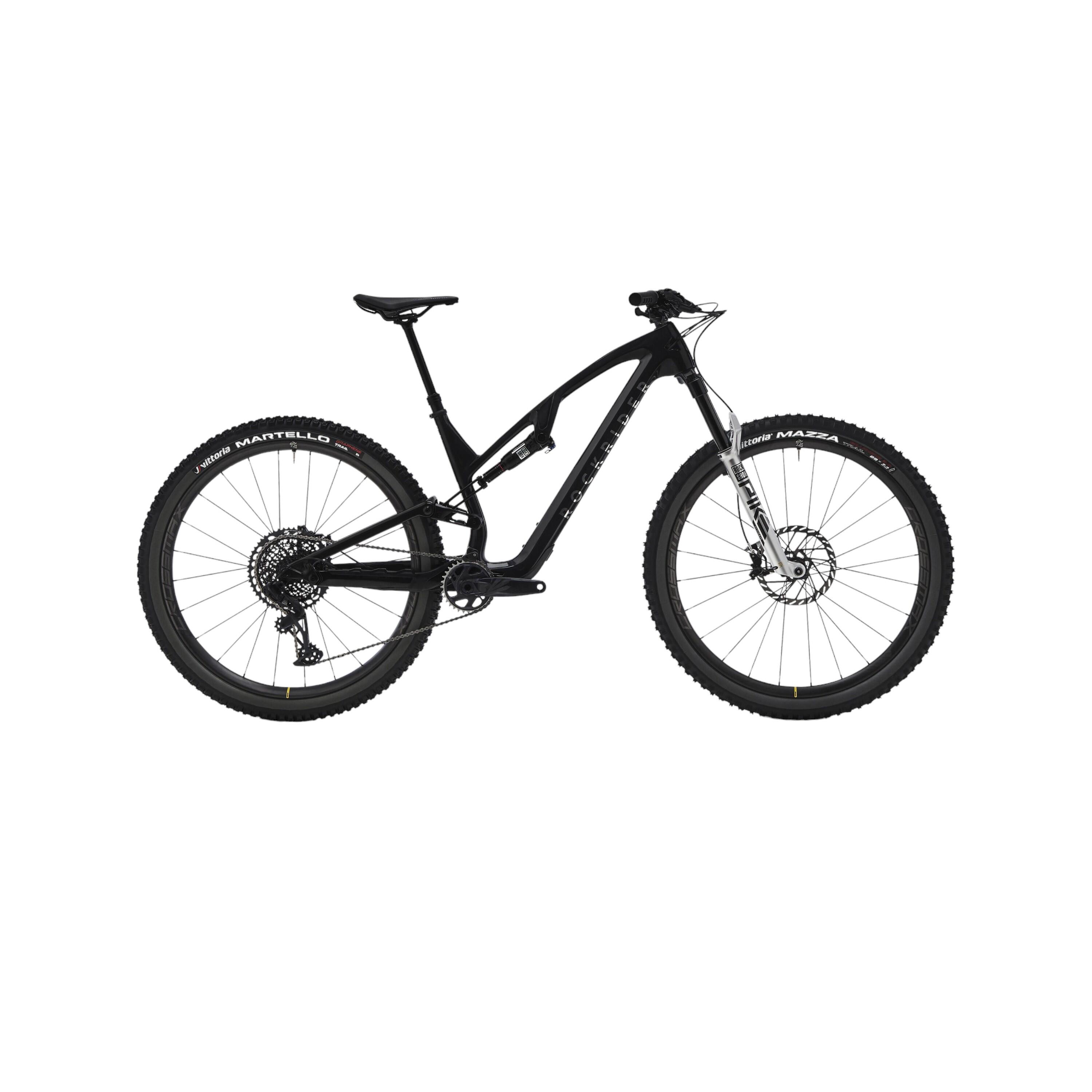
The core differences between kids trail bikes and standard pavement cycles involve the geometry, gear range, and tyre specifications. Kids mountain bikes feature wider, knobbly tyres that provide mechanical grip on loose soil and wet grass, whereas a road-style bike uses narrower, slicker rubber for speed on tarmac. Furthermore, lightweight mountain bikes for kids often include front suspension forks to absorb shocks from uneven terrain, protecting the rider's wrists and improving steering control. For those moving into technical downhill riding, full suspension mountain bikes offer both front and rear shock absorption for maximum comfort on rocky drops. Secret hack: Check the brake lever reach; dedicated mountain models have adjustable levers so smaller hands can apply full stopping power without overstretching. The frames are also reinforced with stronger aluminum alloys to endure the vibrations and occasional impacts typical of off-road cycling.

How big should a kids' mountain bike be?

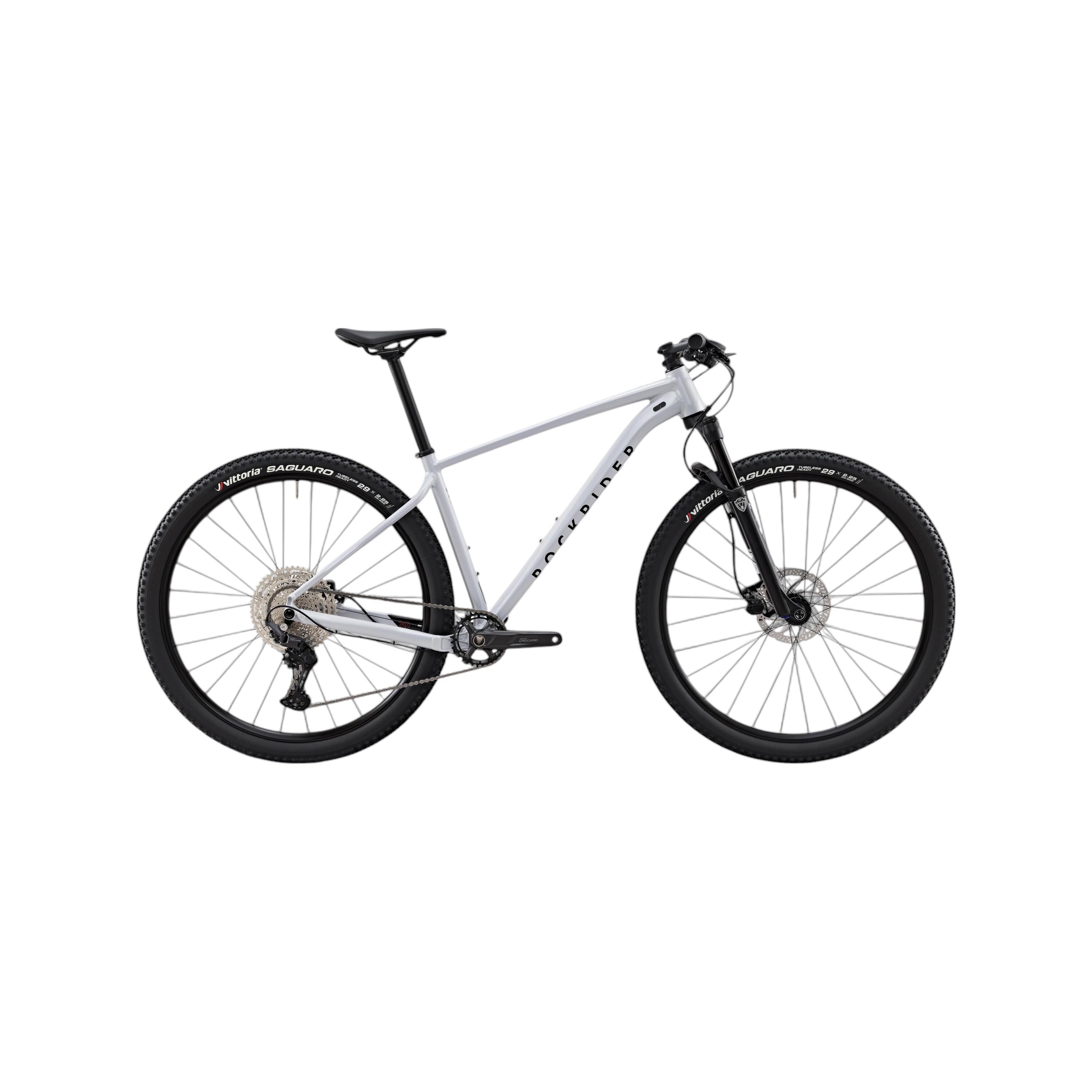
A well-sized bike helps kids stay in control and feel confident on every ride. Choosing the right fit makes it easier to handle and enjoy the trail. If your child is riding on relatively flat woodland paths, hardtail mountain bikes provide a great balance of efficiency and weight, as they lack a heavy rear suspension unit. Lightweight mountain bikes for kids are particularly beneficial for smaller riders because a lighter frame is easier to push up hills and maneuver over obstacles. The reason for precise sizing is to prevent "reaching" where the child is too stretched out, which compromises their ability to steer effectively. Small advice: Always ensure the seatpost can be lowered enough for the child to touch the ground comfortably, but also ensure it has room to be raised as they grow to maintain proper leg extension while pedalling.

What technical features provide control on kids trail bikes?

Kids’ mountain bikes are built to make riding easier and more stable. Wide handlebars give better control, while the right gears and grippy tyres help kids ride smoothly over loose ground like sand or gravel. Lightweight mountain bikes for kids also prioritize lower standover heights, which allows the rider to bail safely if they lose momentum on technical terrain. Expert advice: When setting up the bike, ensure the handlebar height allows for a slight bend in the elbows; this "attack position" acts as a secondary suspension system, allowing the child's body to absorb impacts and maintain a steady line through bumpy forest sections or park trails. For parents exploring premium options like carbon mountain bikes, it’s worth noting that carbon frames are significantly lighter and more responsive than traditional materials, which can further improve control and comfort for progressing young riders.