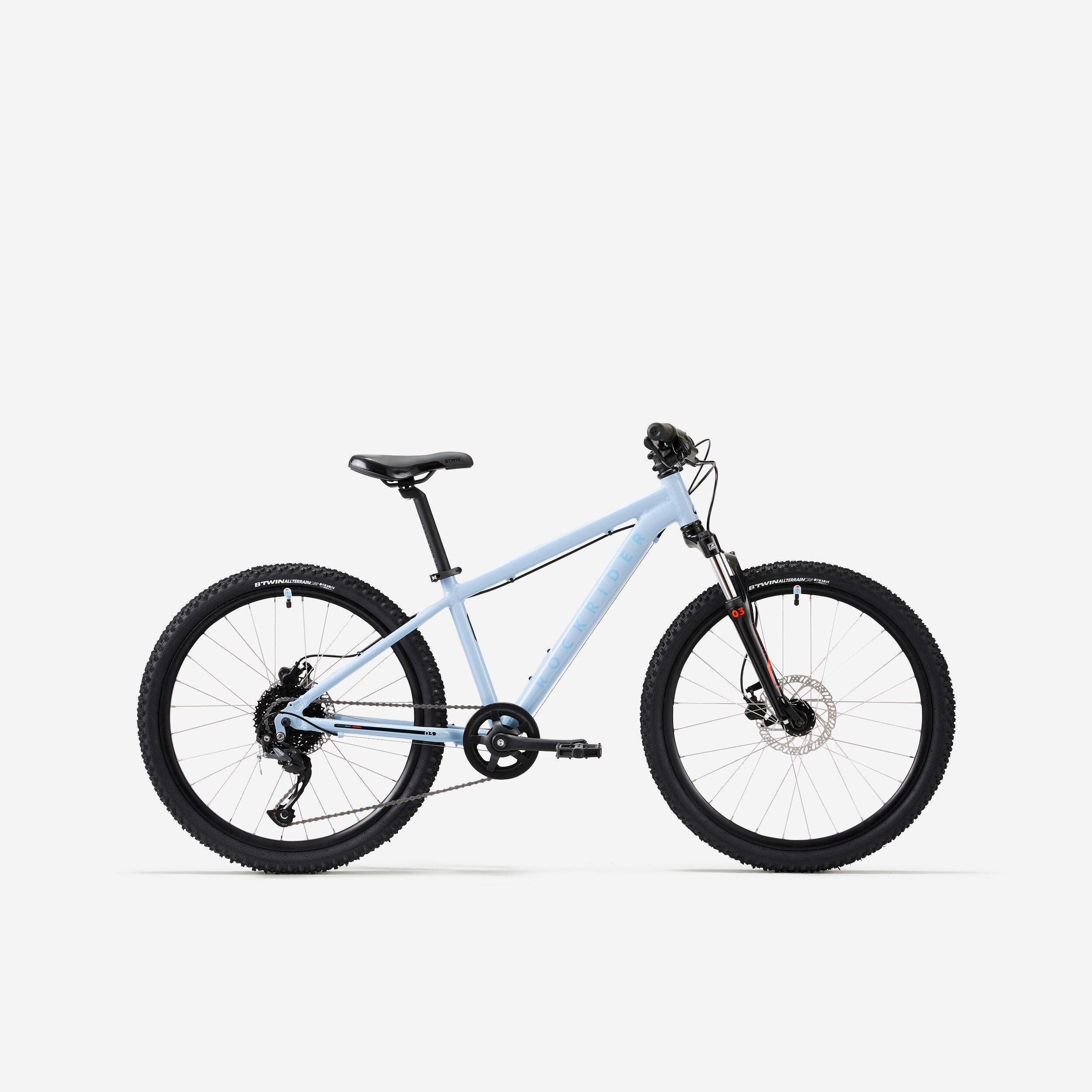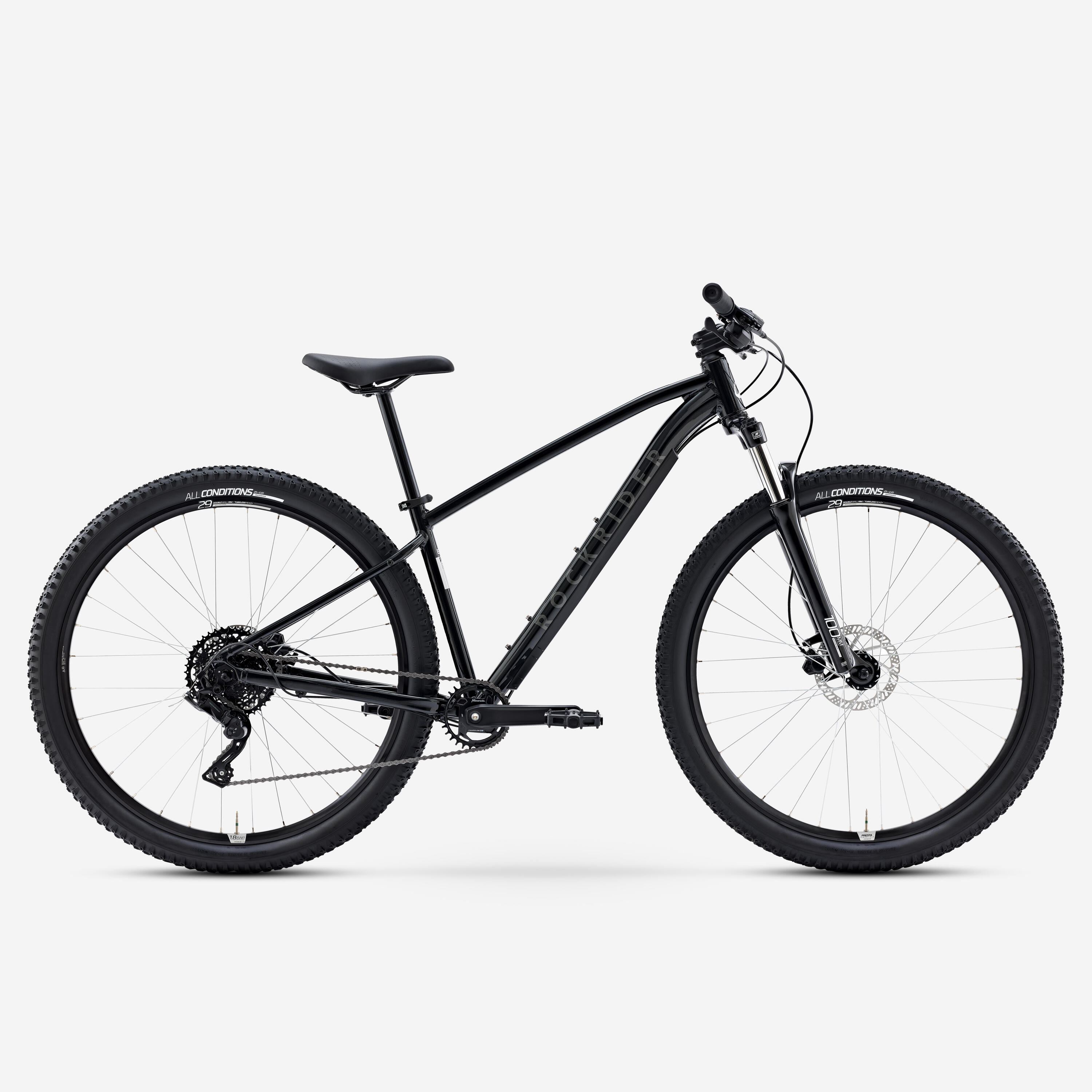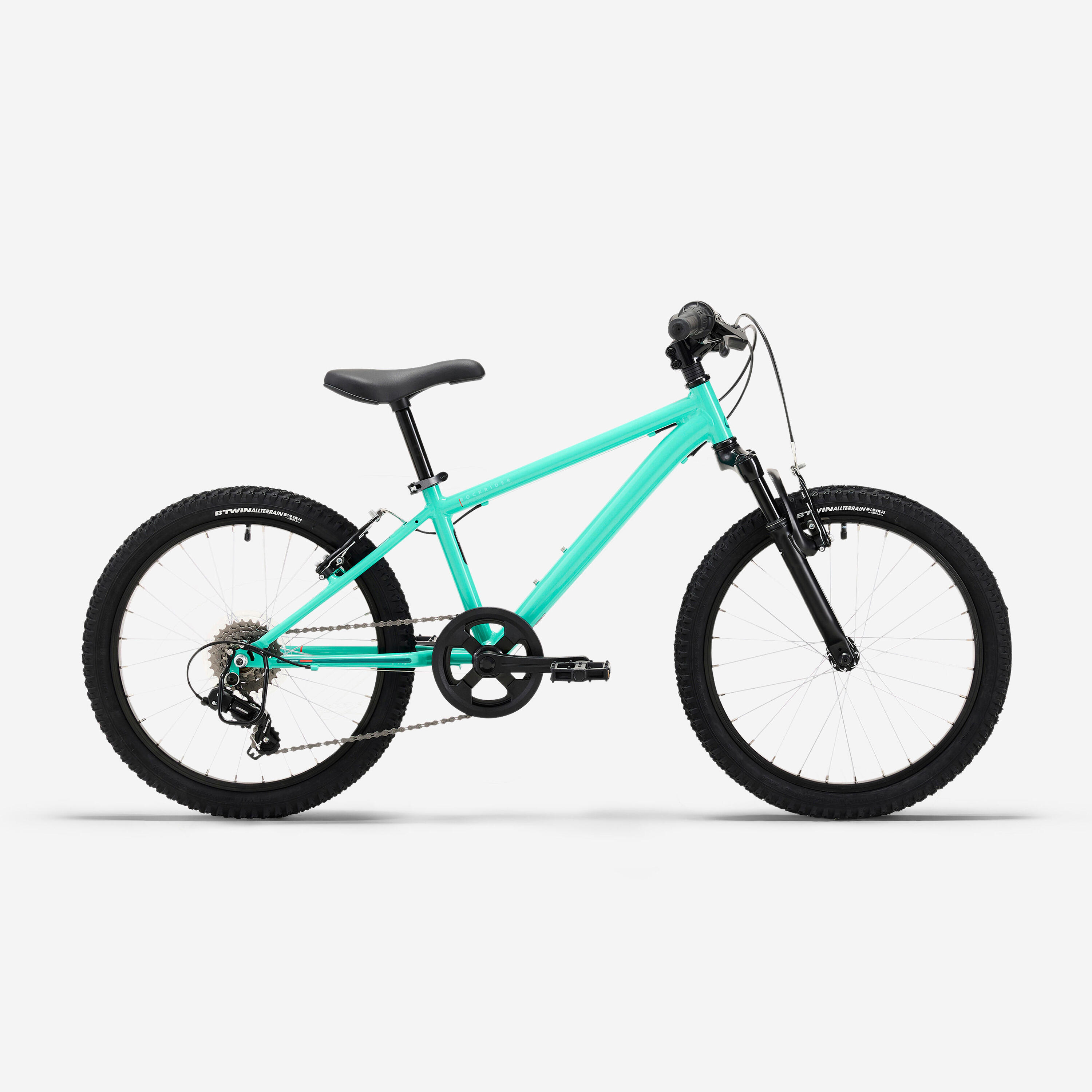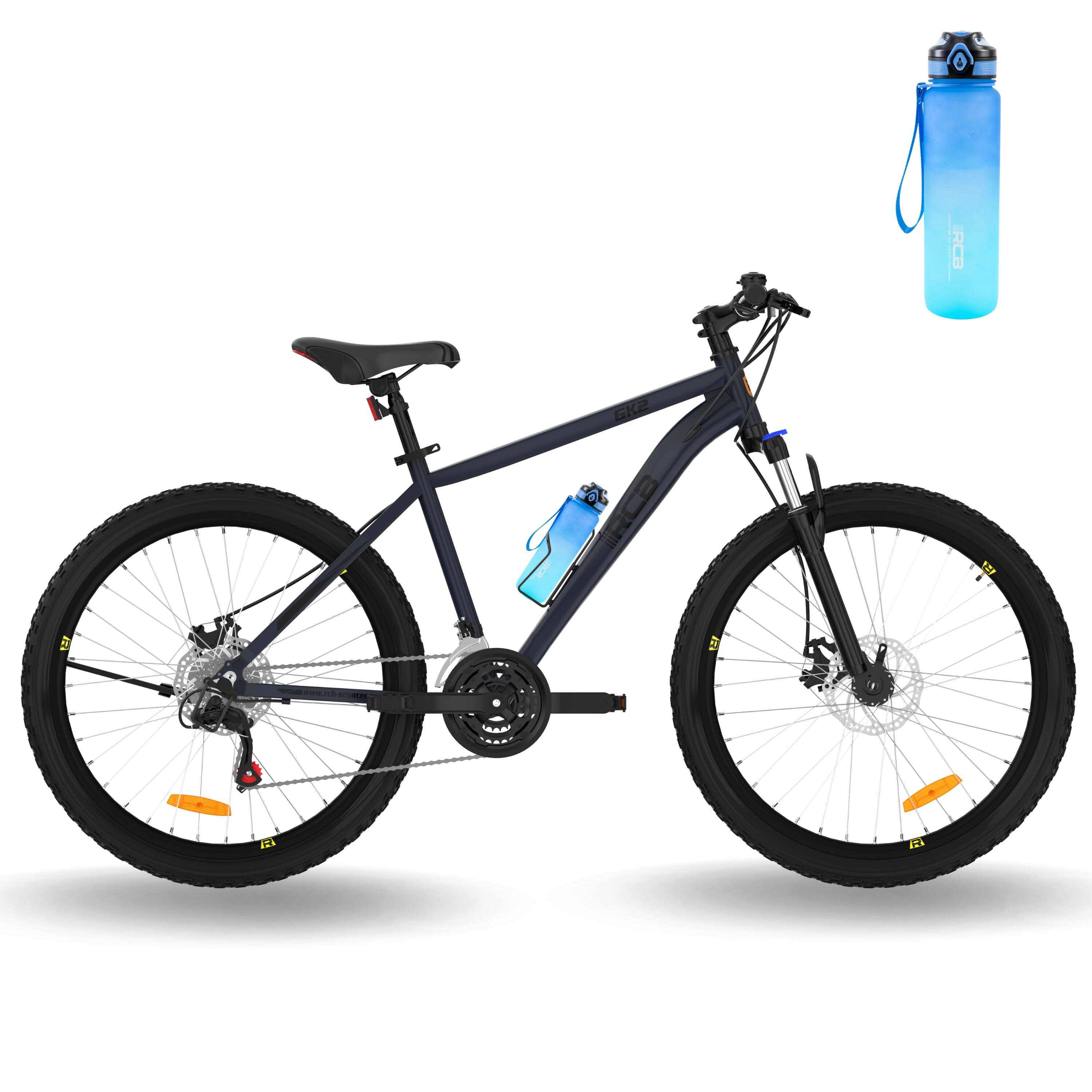
249 items
4.5/5 based on 36777 reviews collected online and in stores

Hardtail Mountain Bikes FAQs

What makes a hardtail mountain bike a practical choice for trail riding?

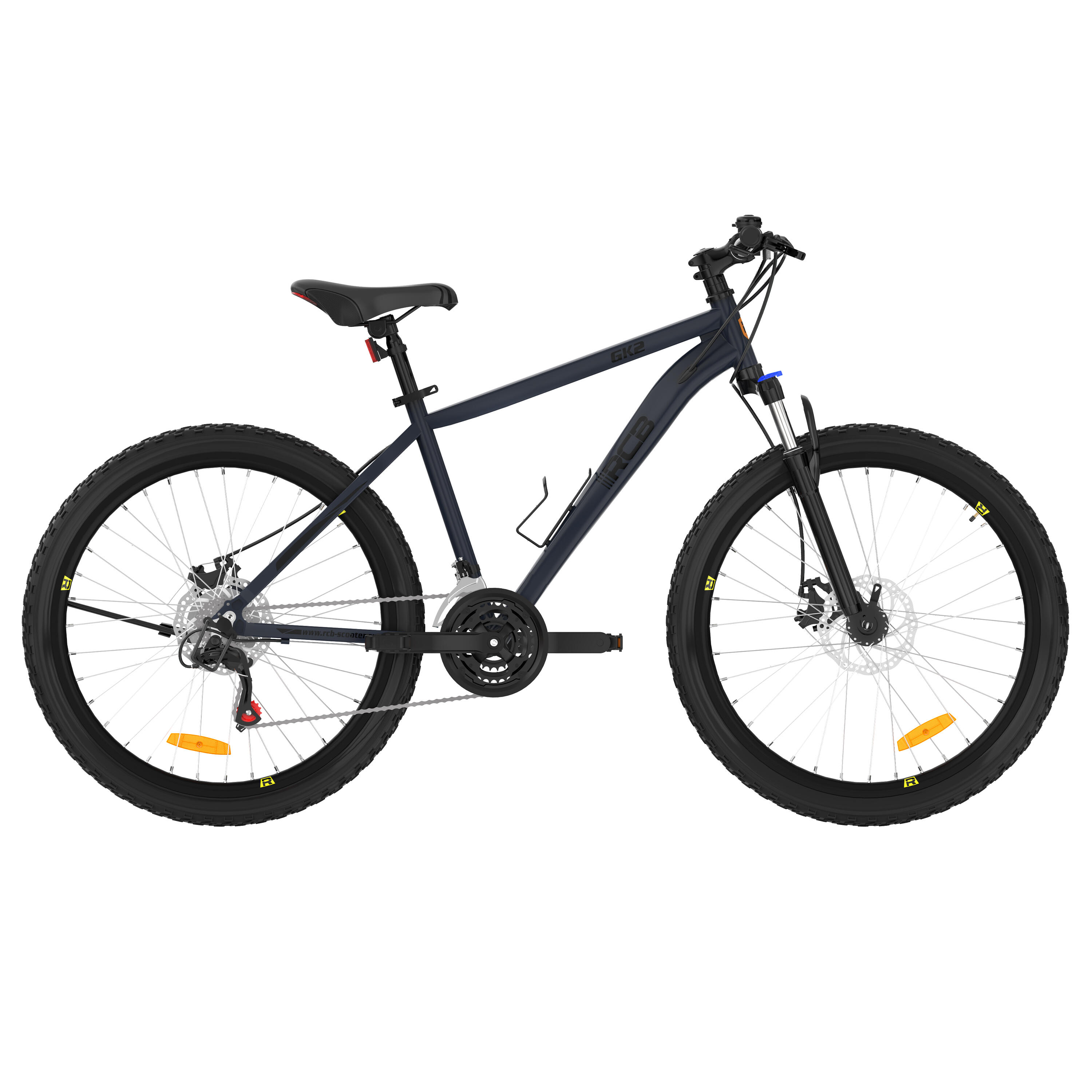
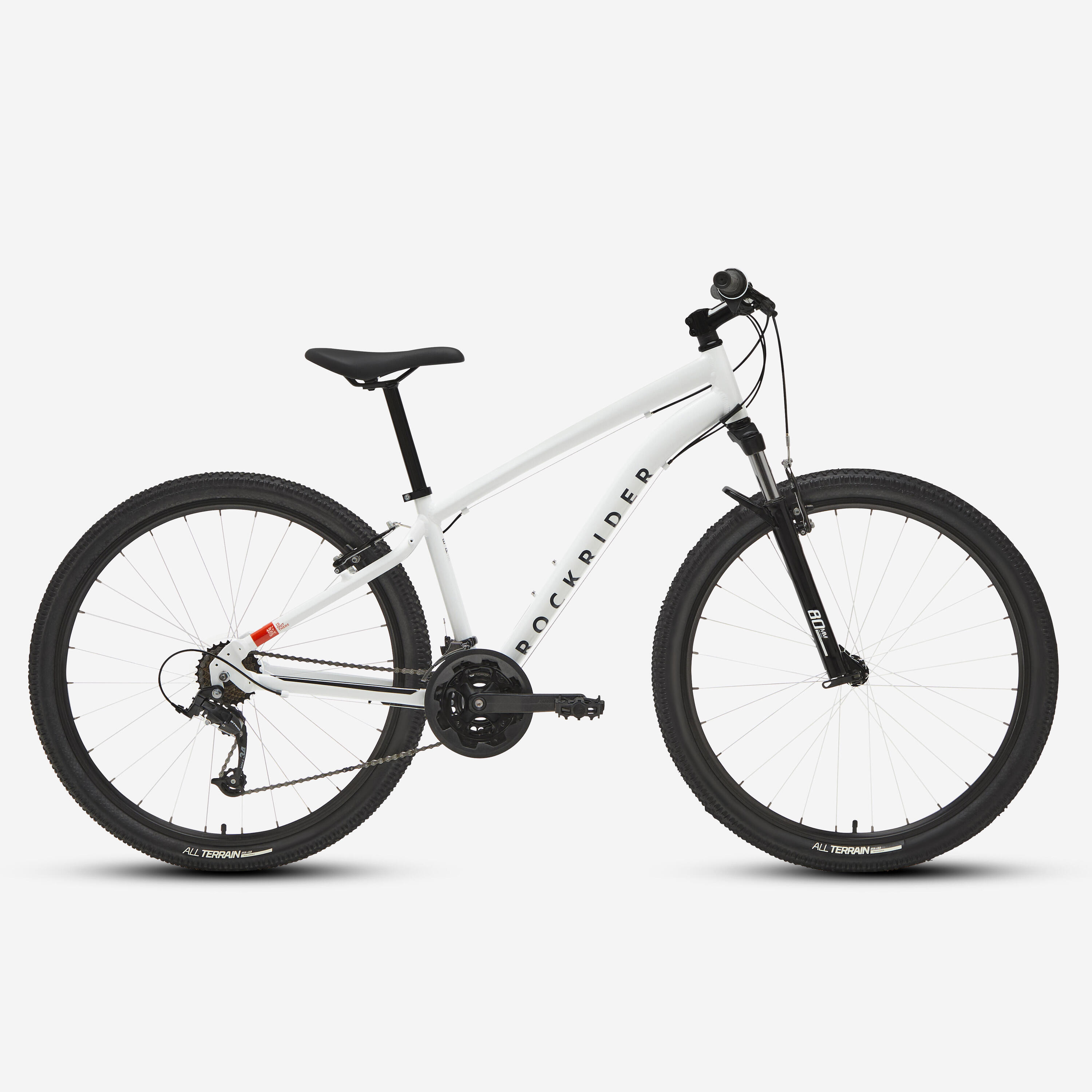
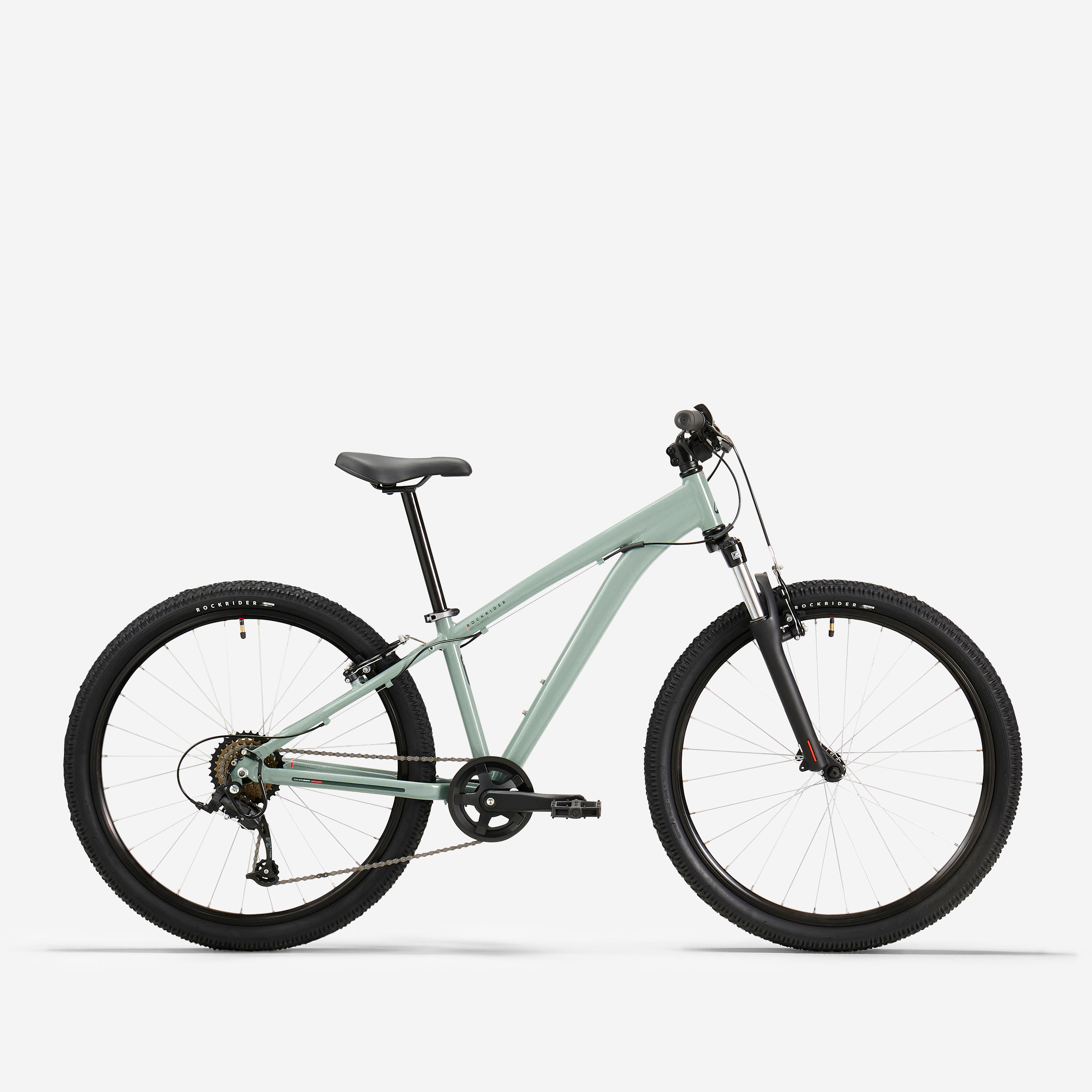
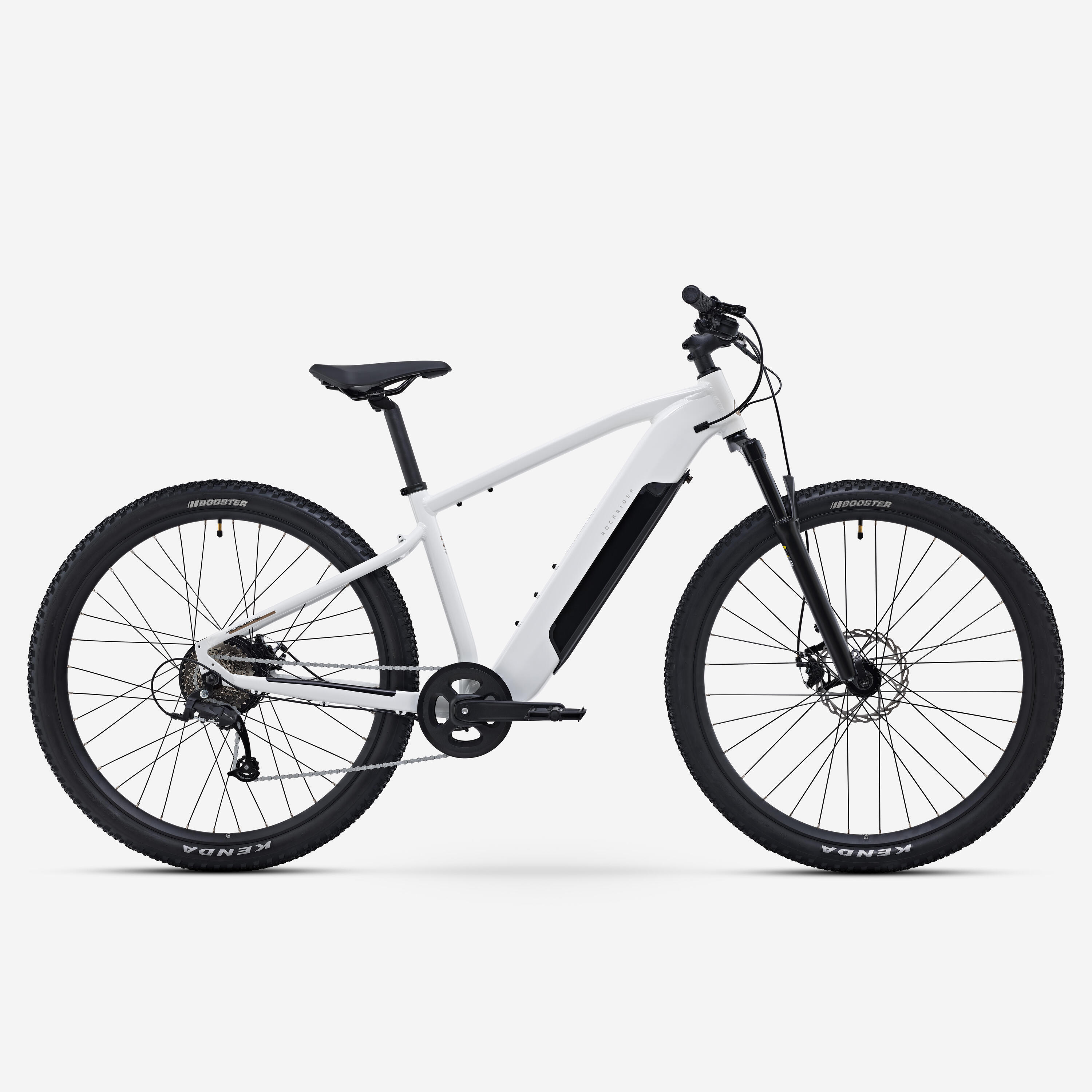
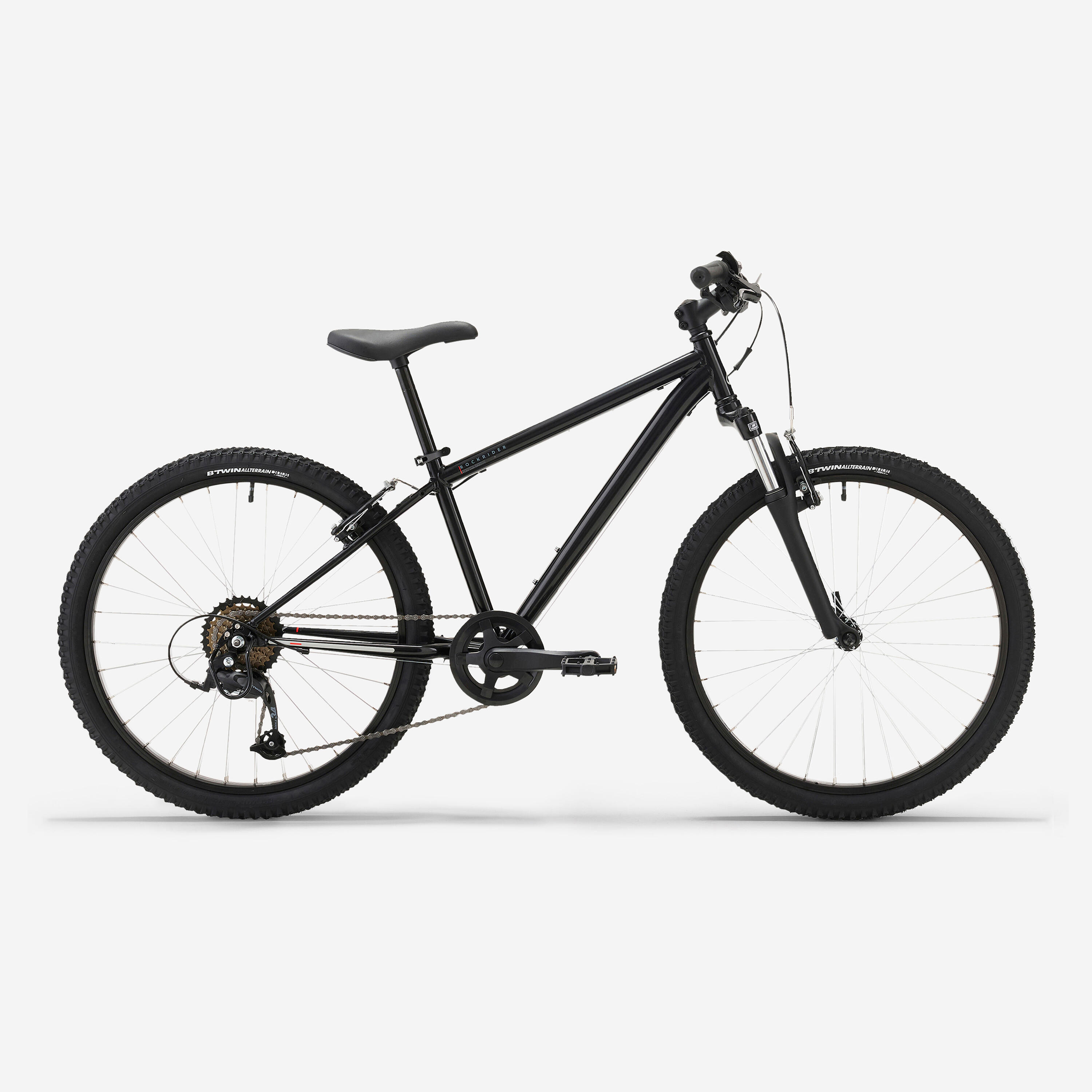
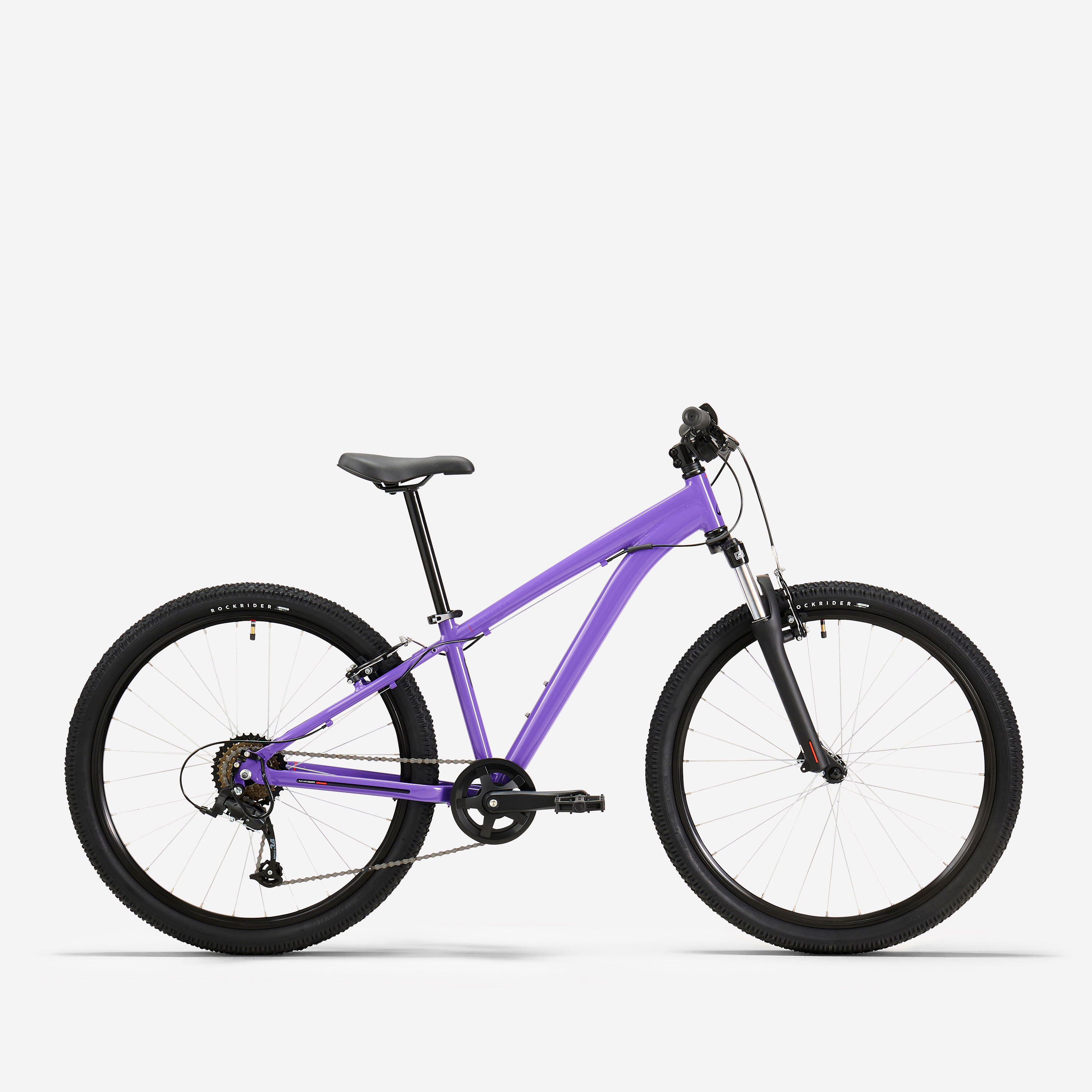
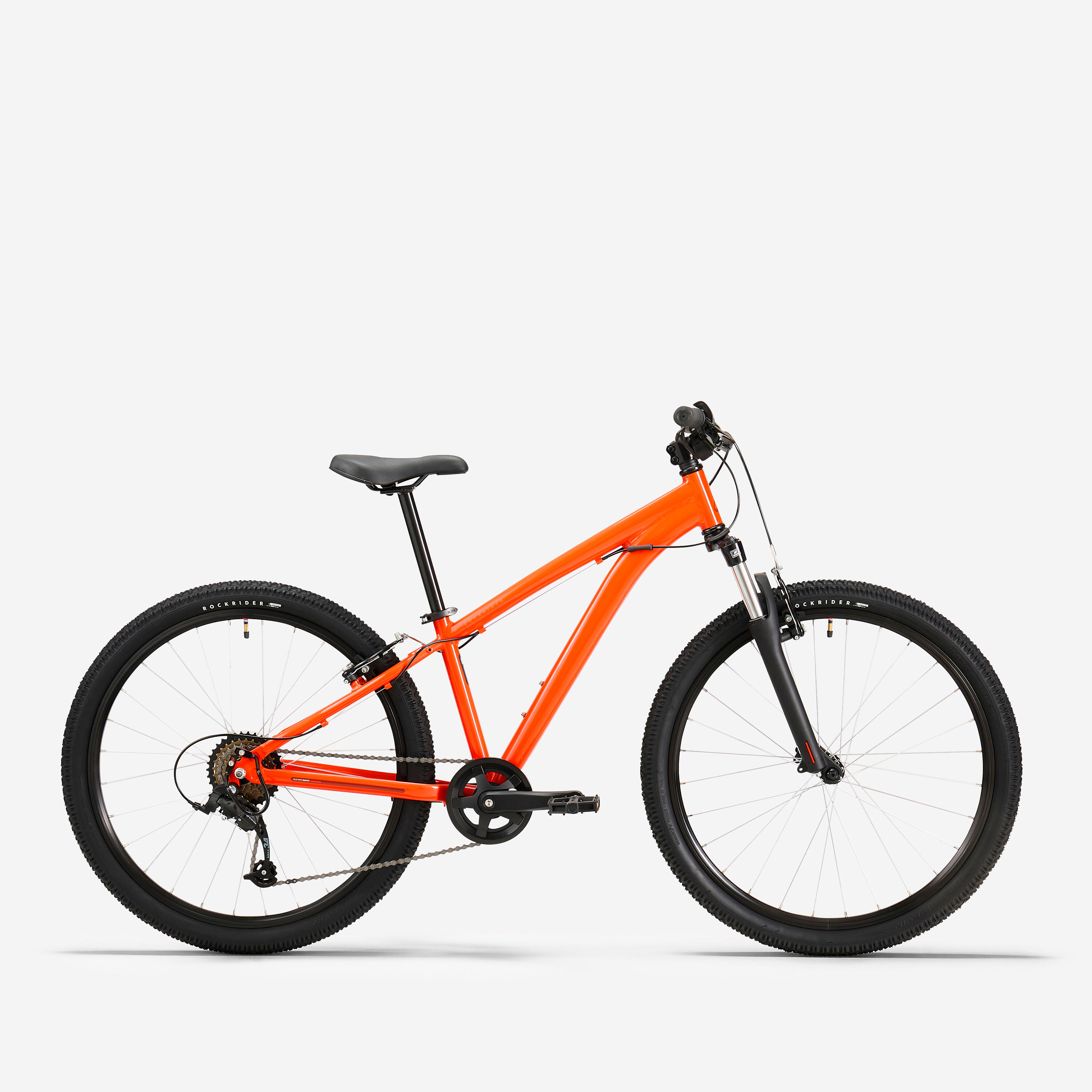
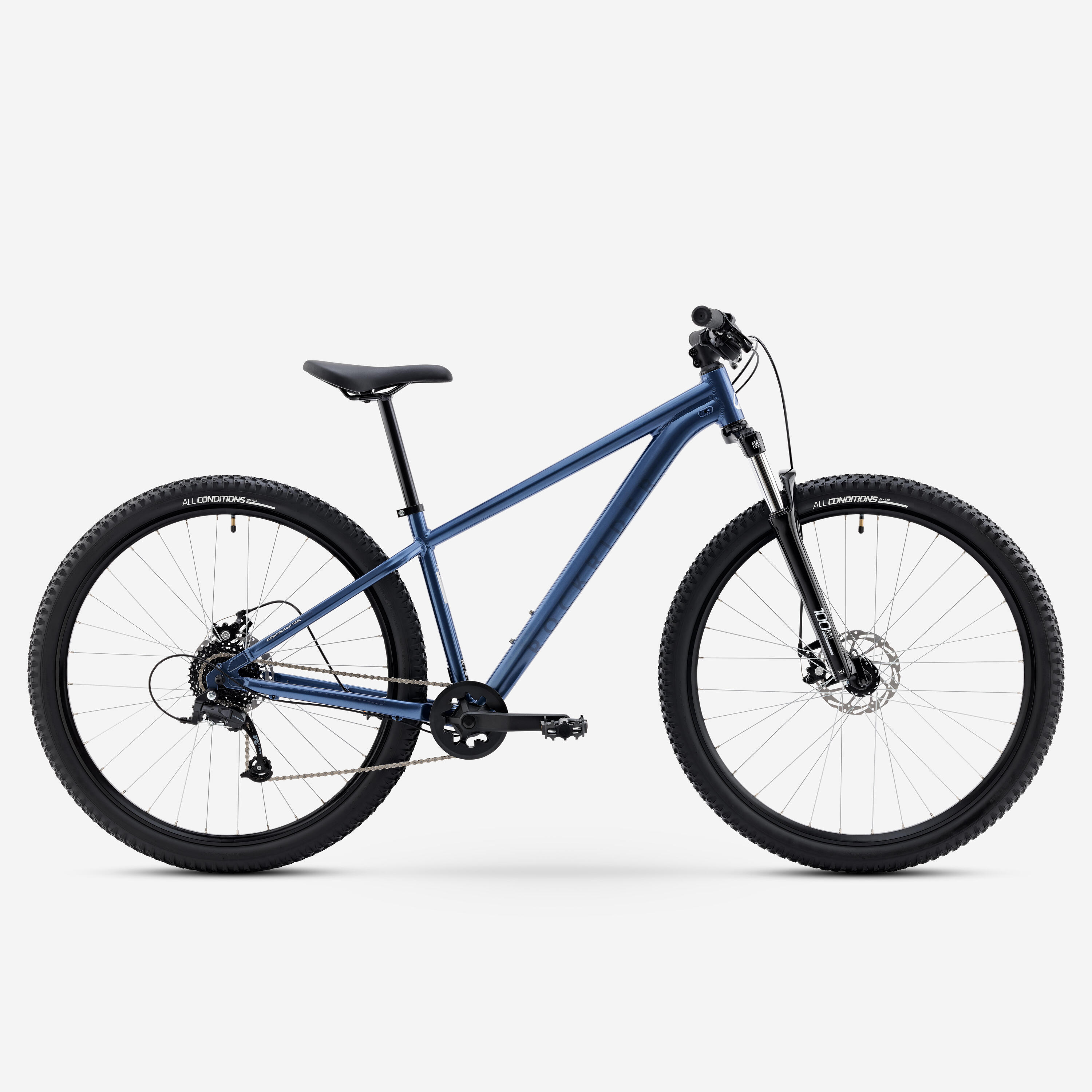
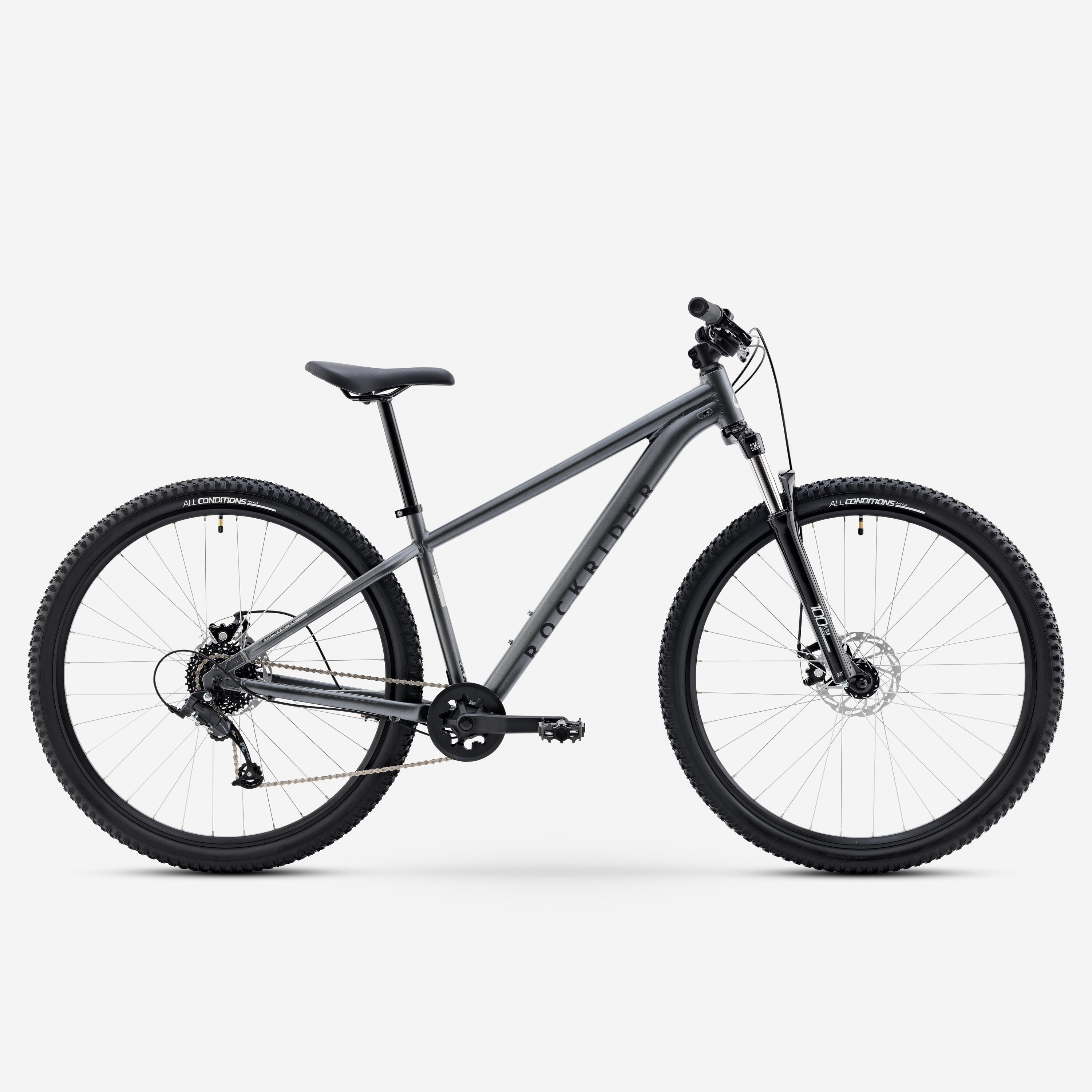
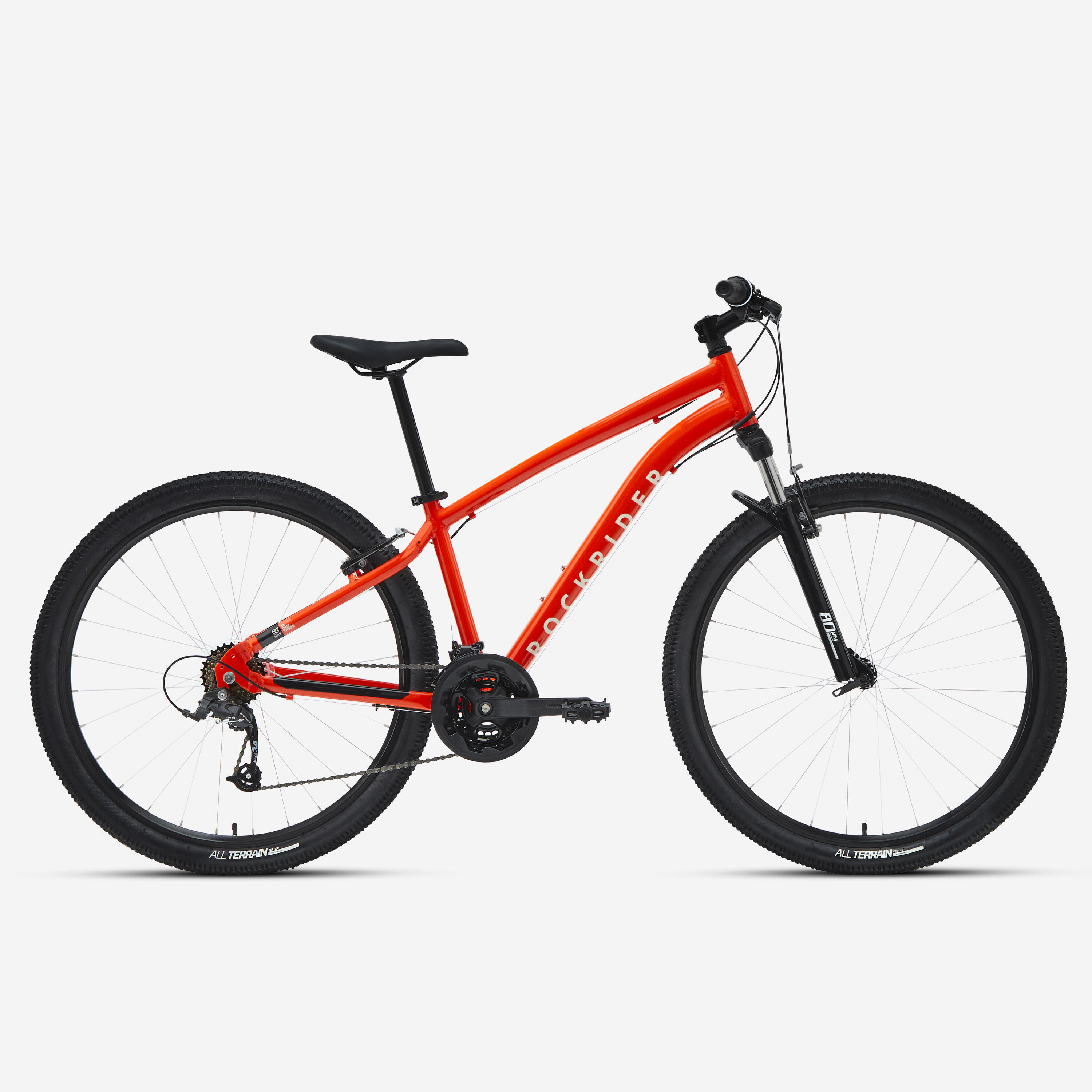
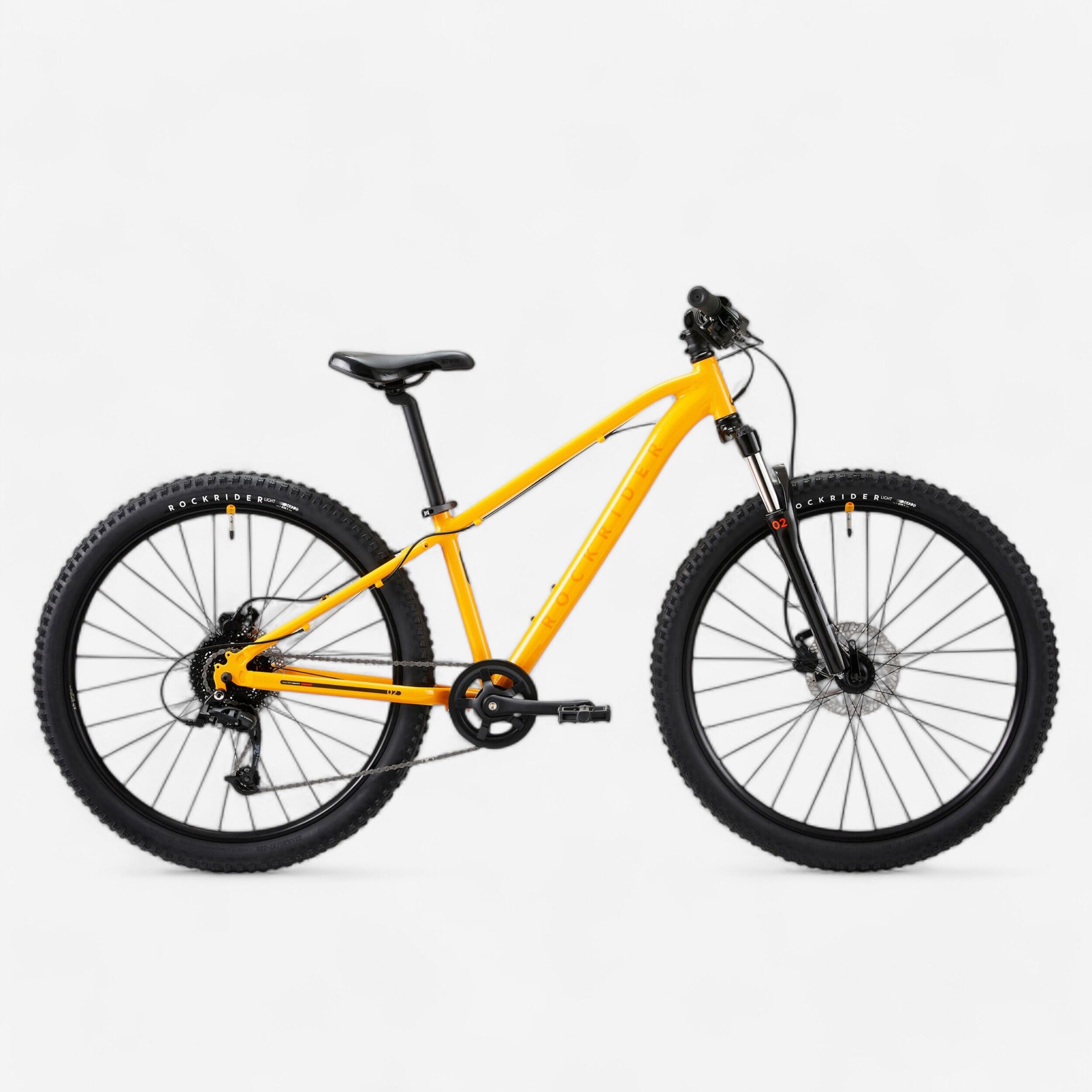
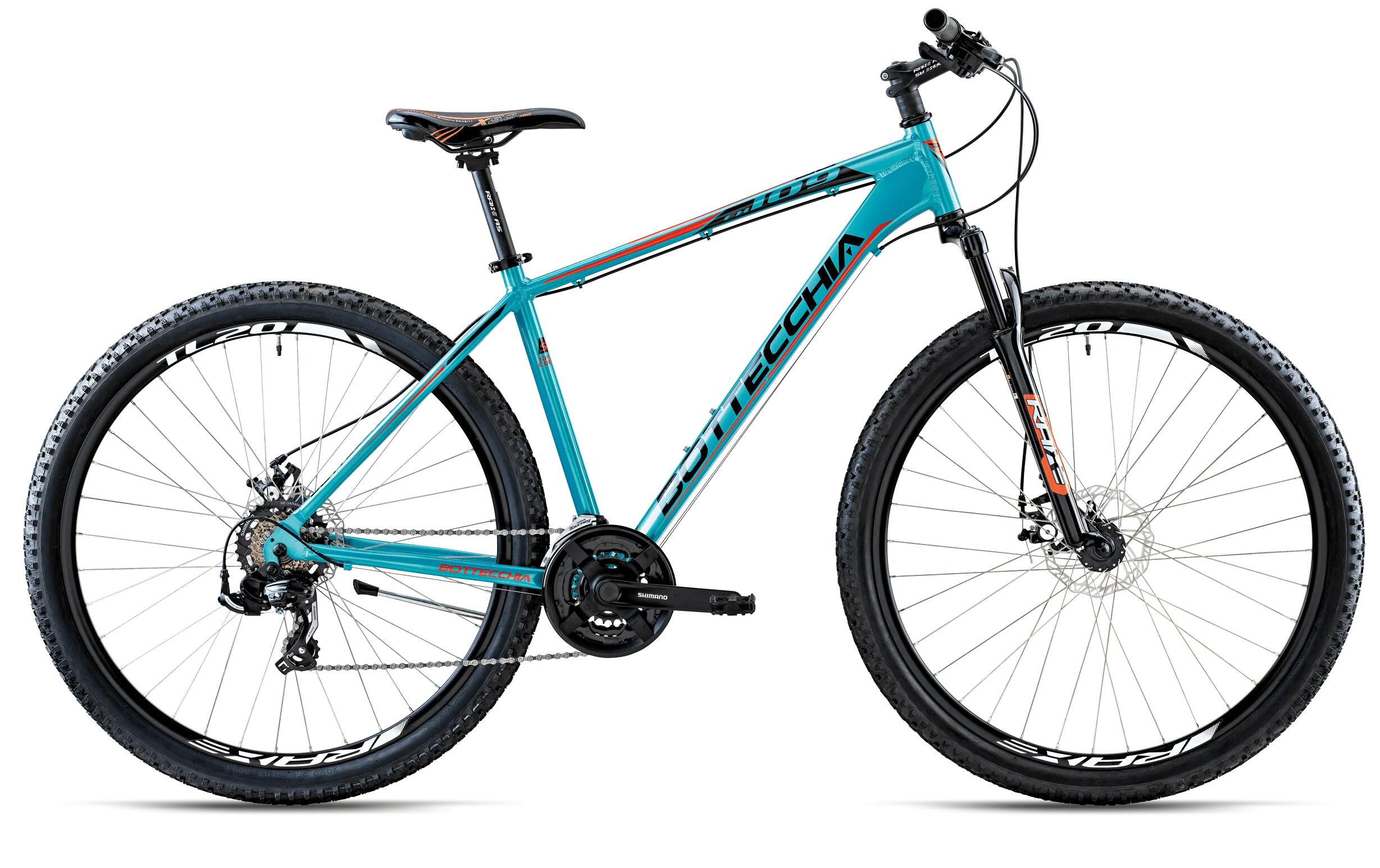
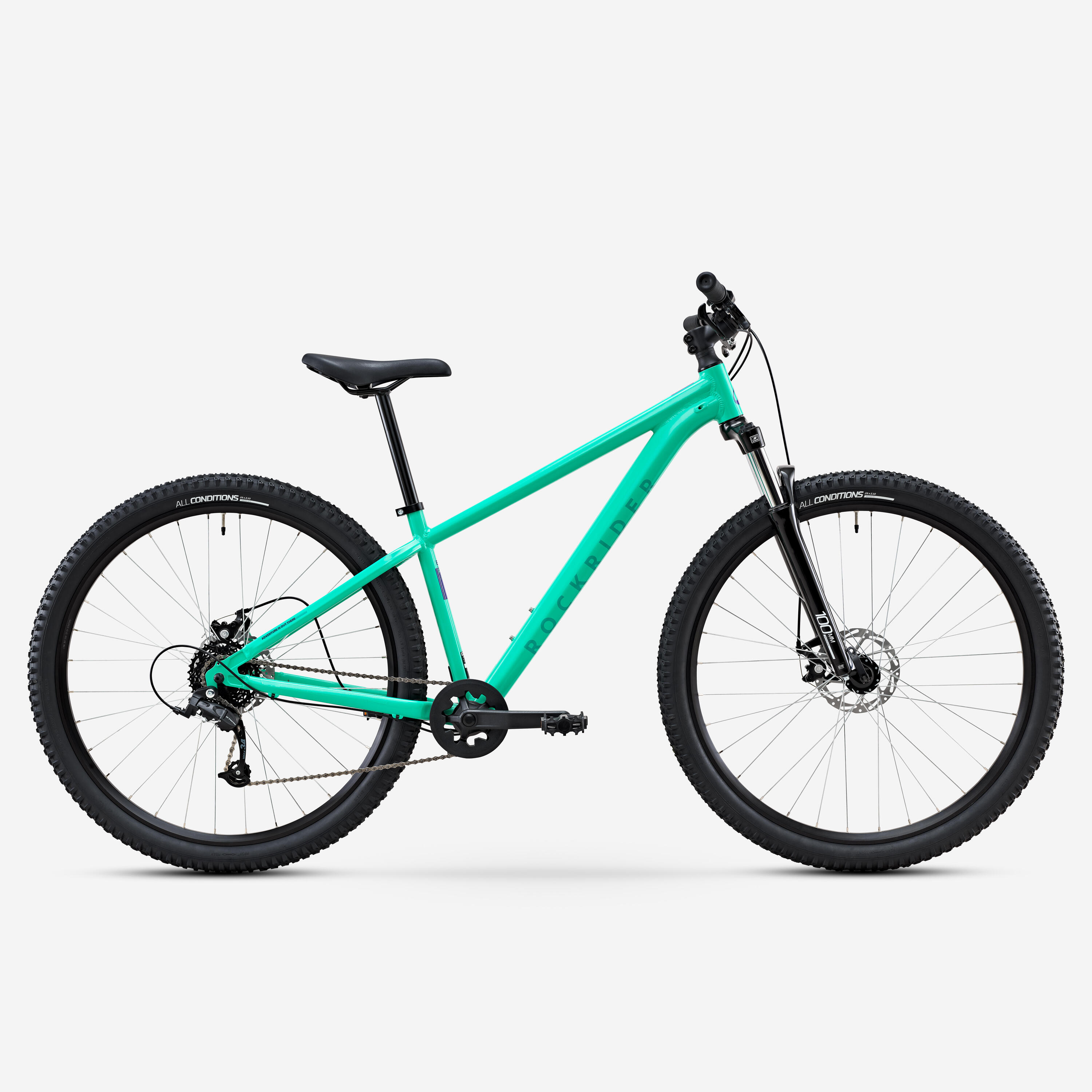
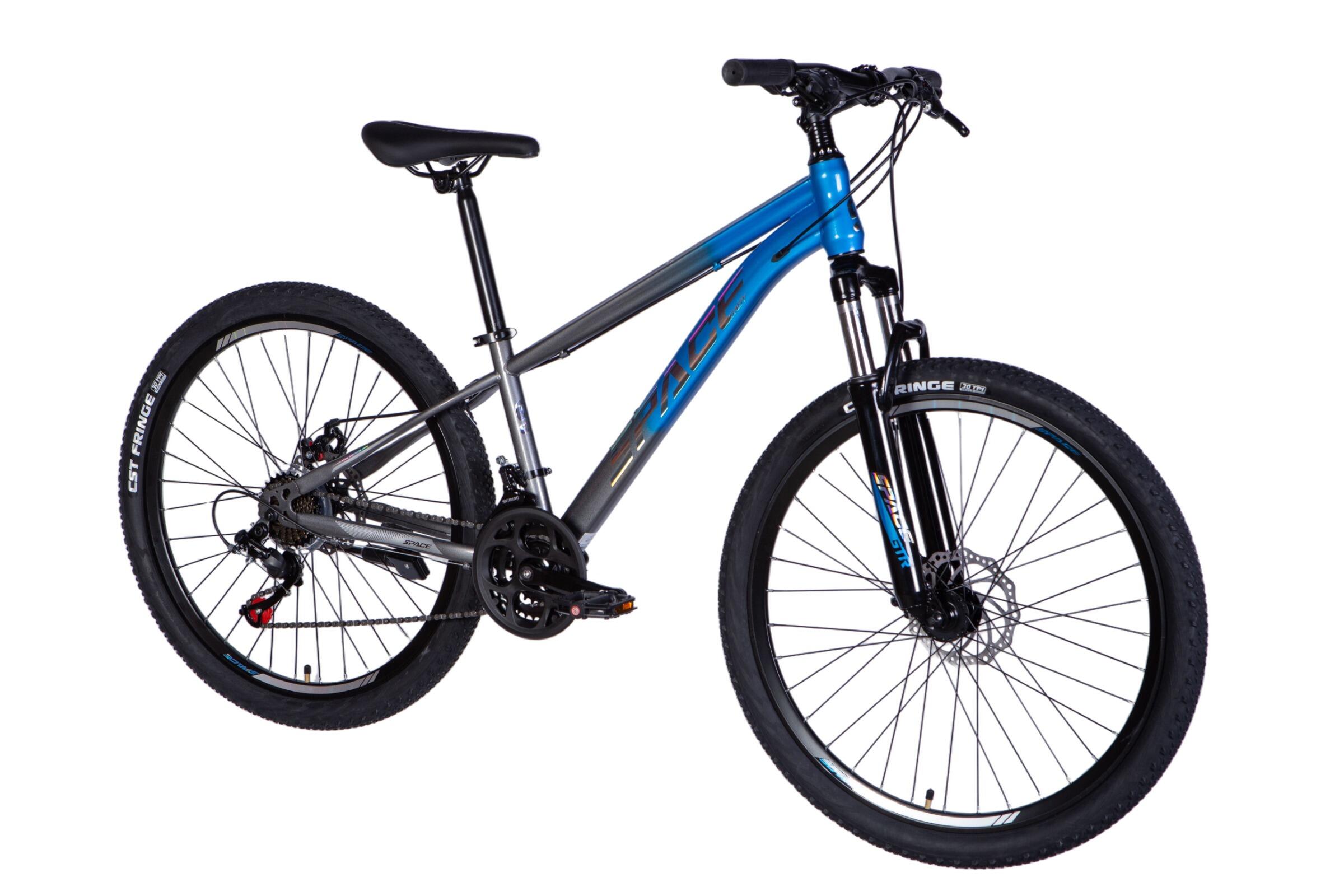
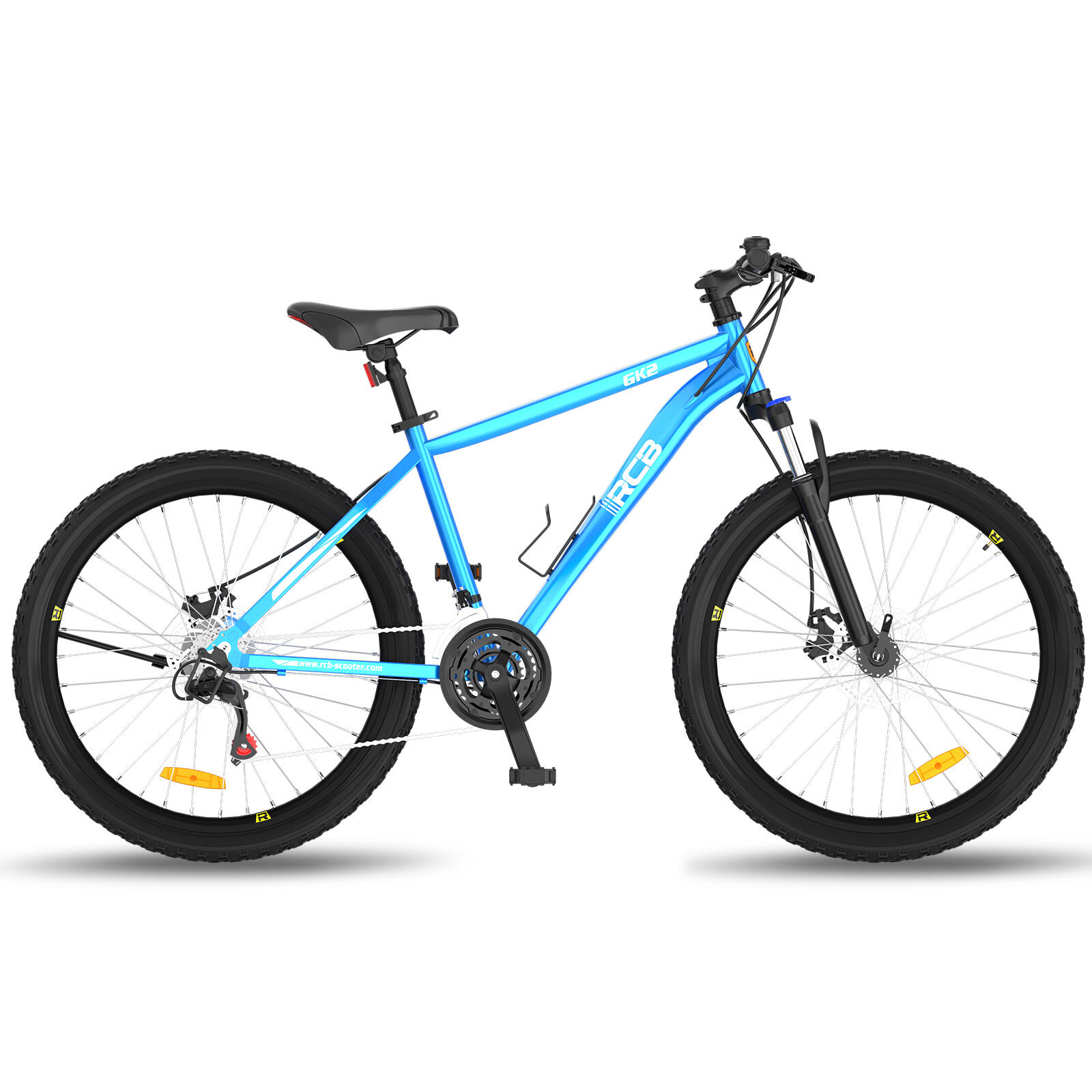
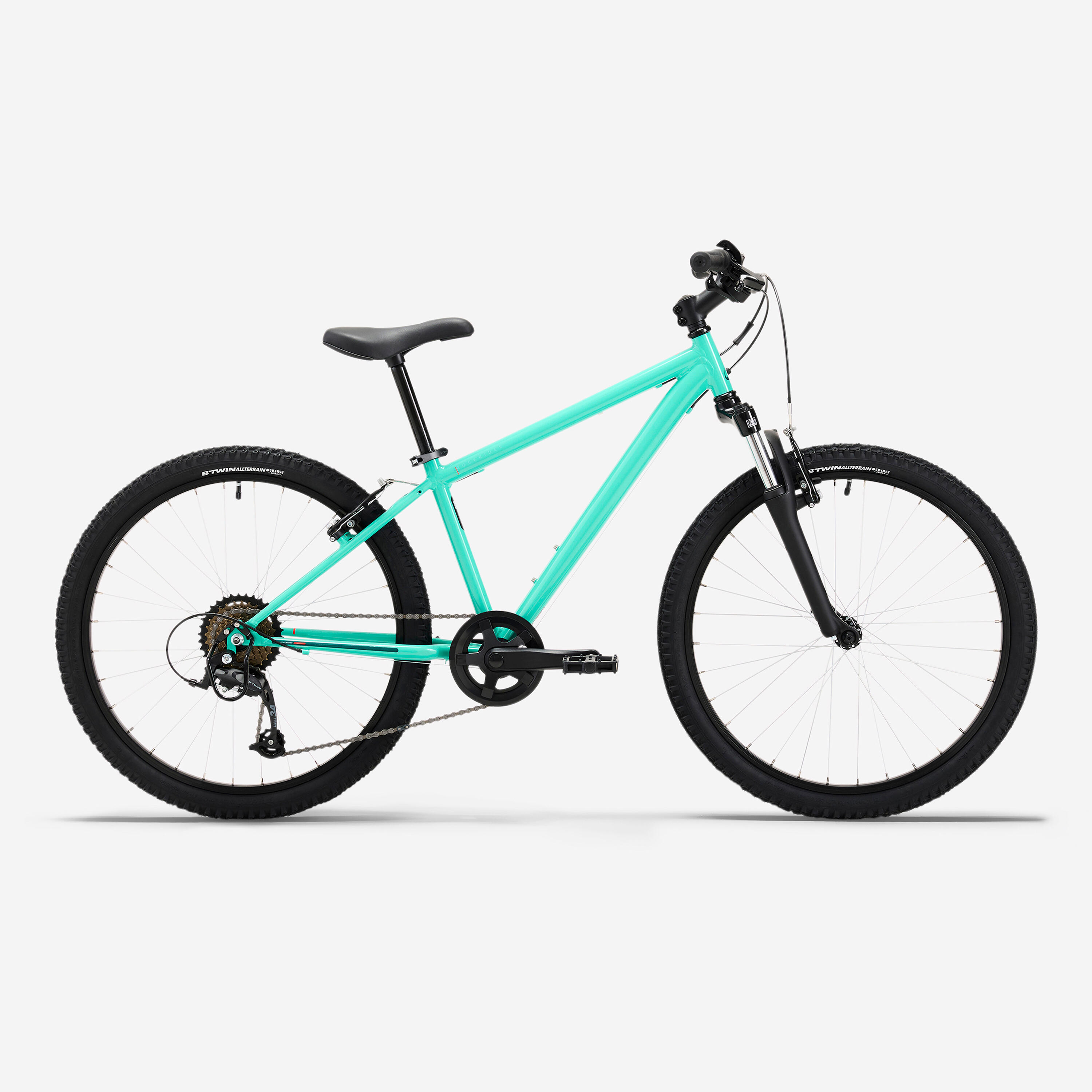
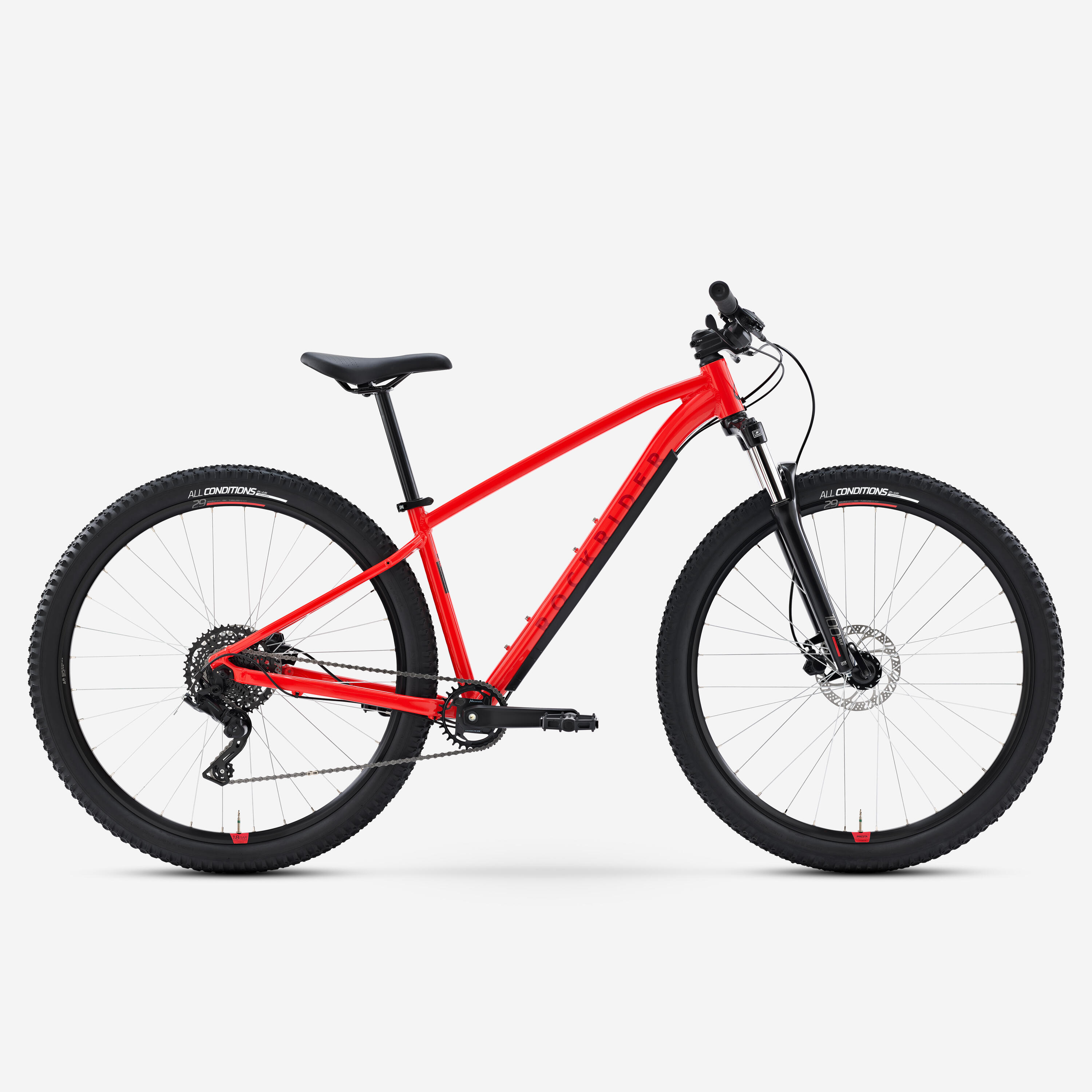
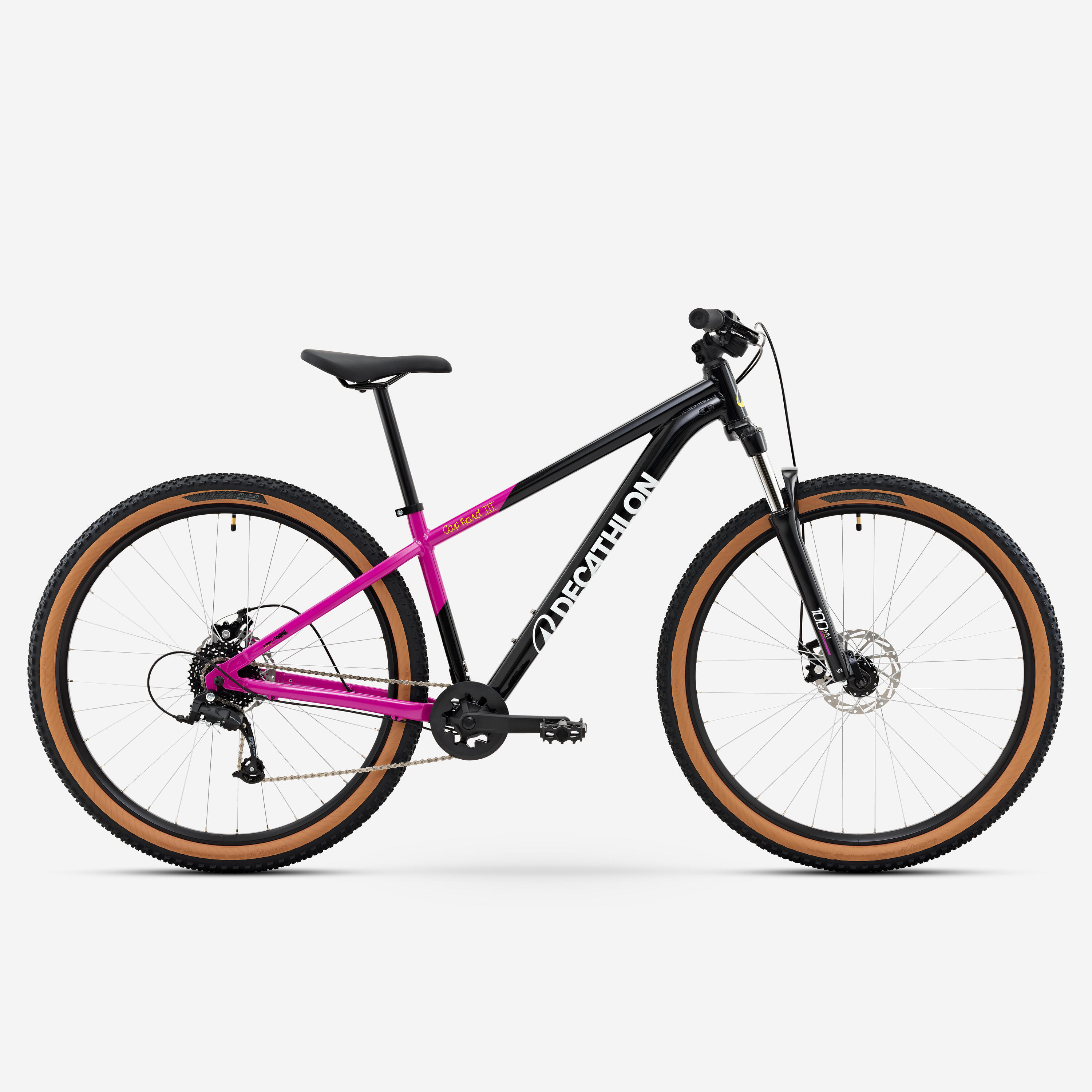
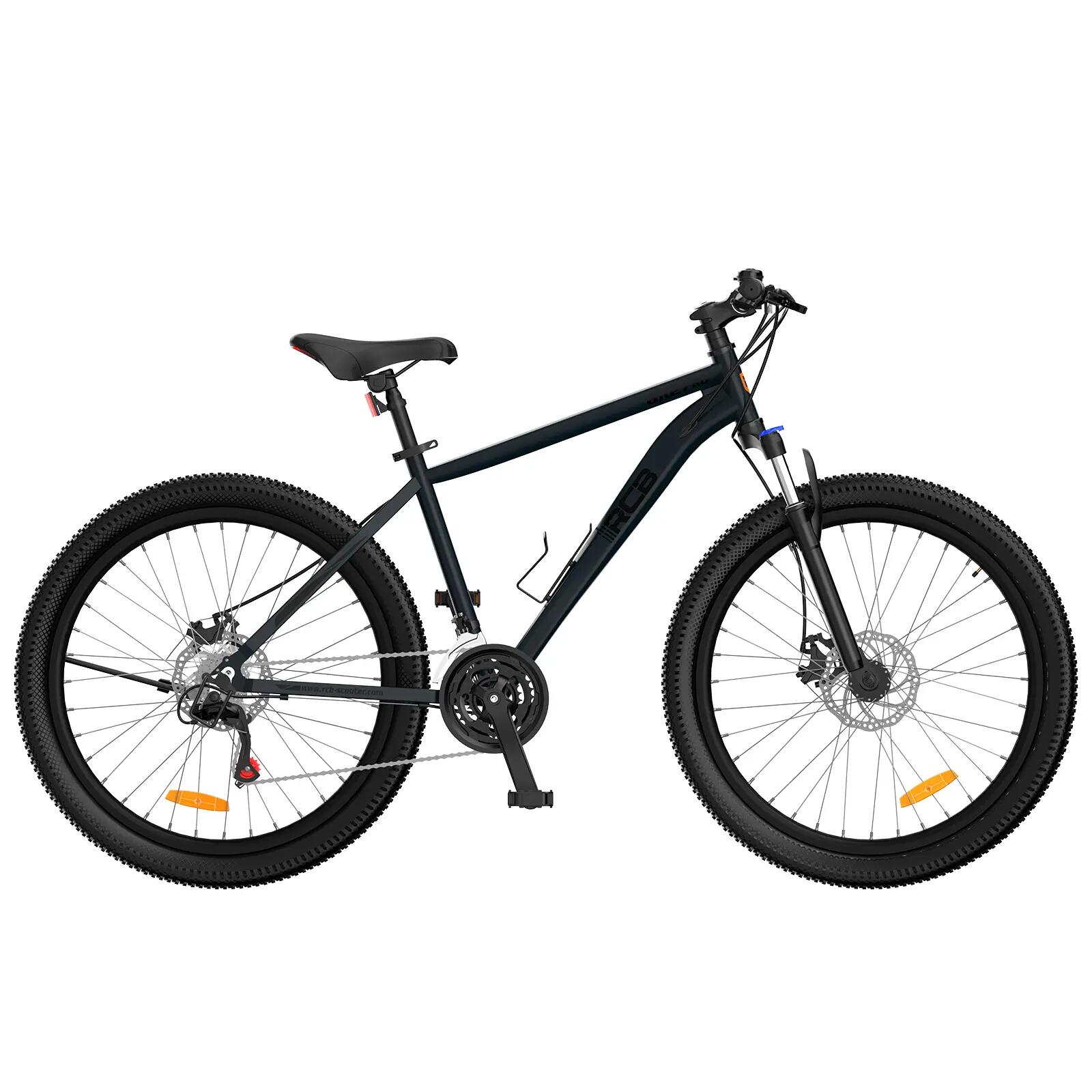
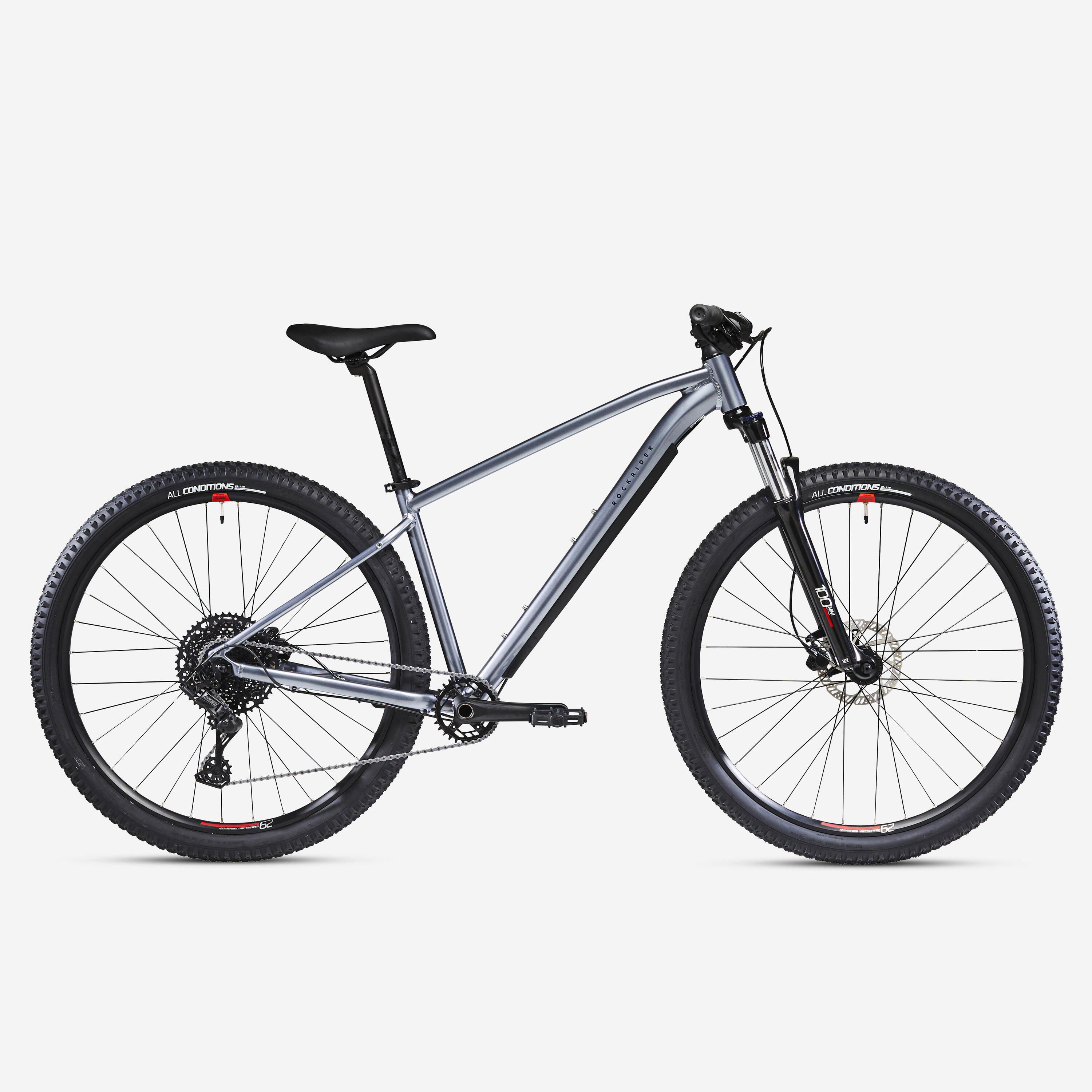
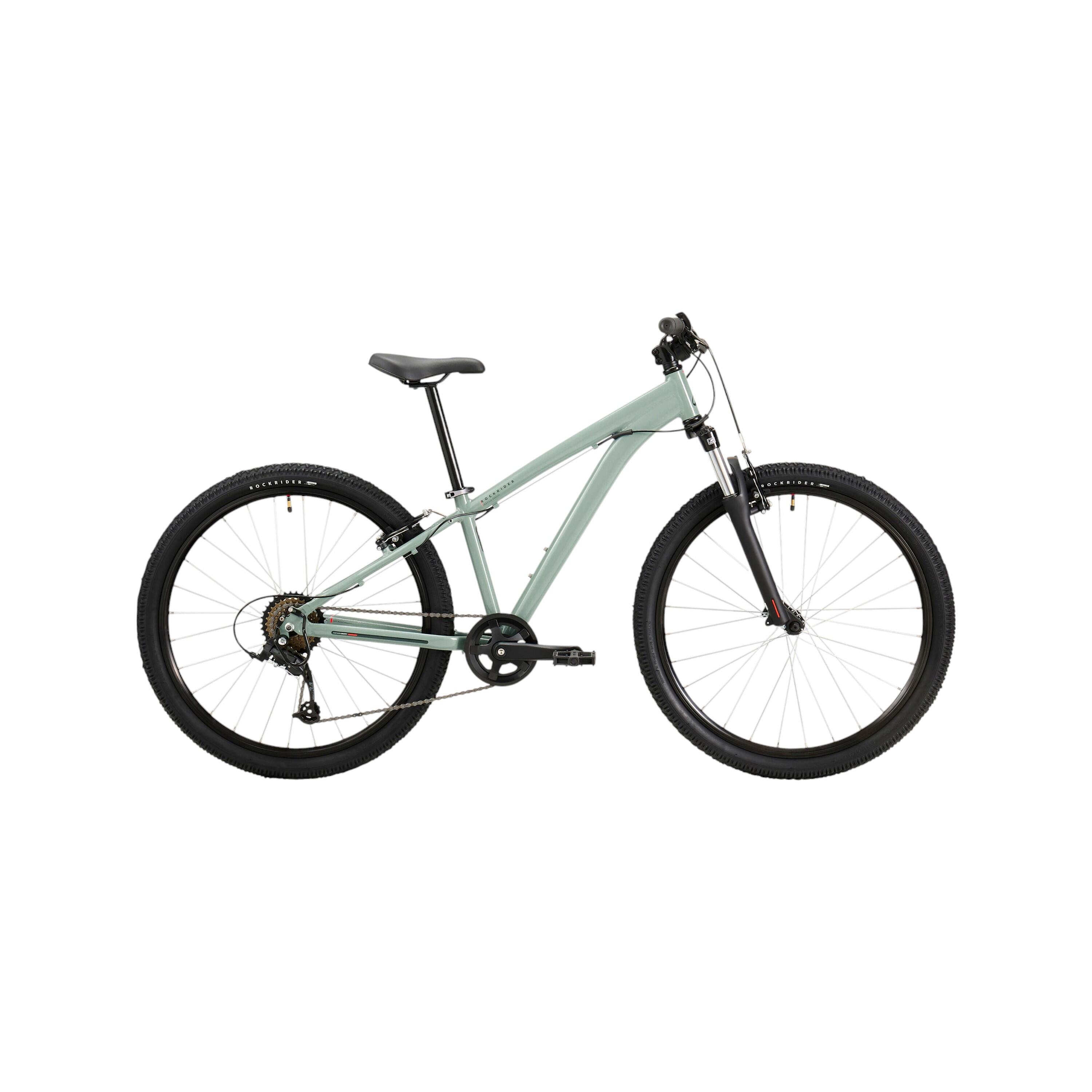
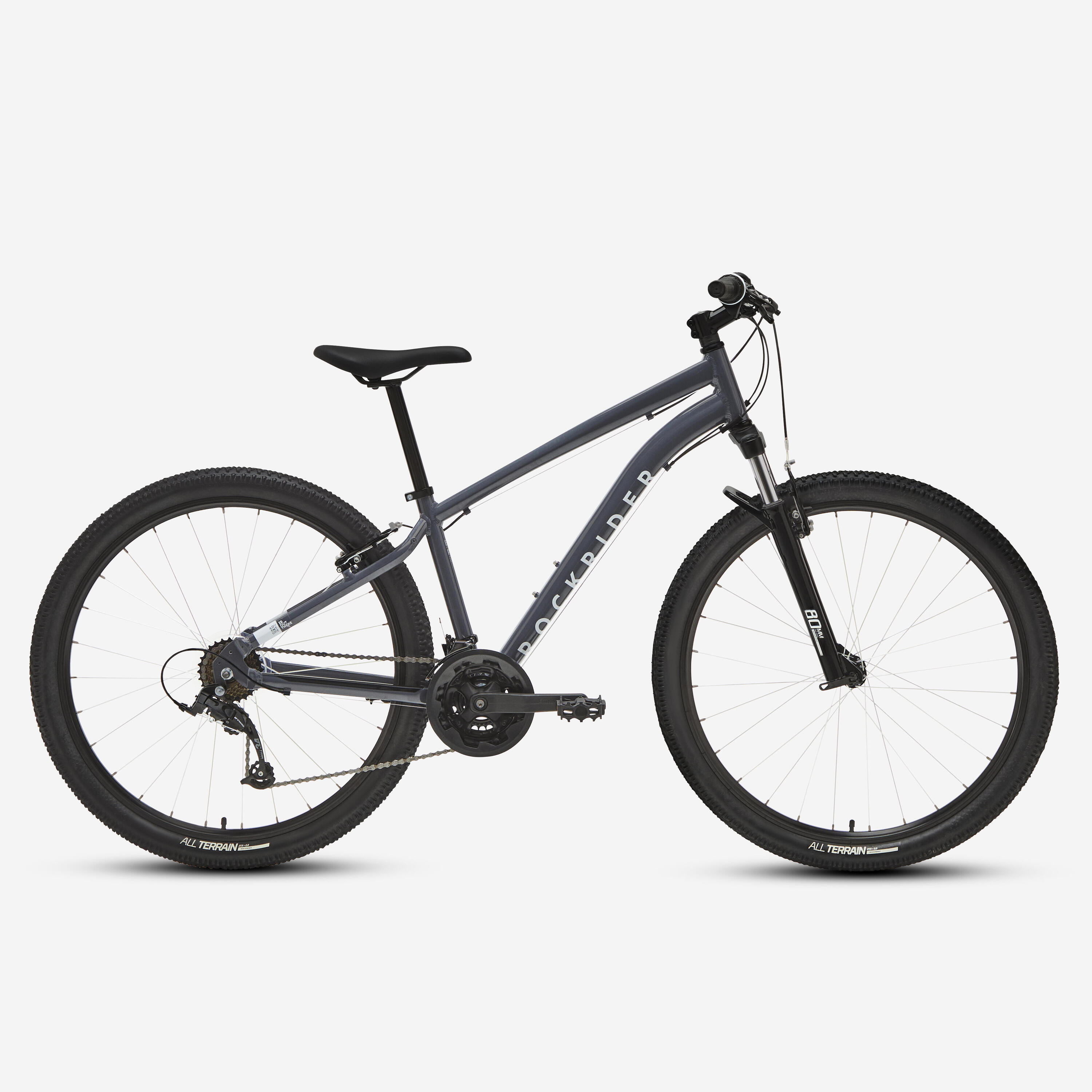
A hardtail uses front suspension without a rear shock, giving you a simpler setup that can feel efficient on climbs, forest tracks and recreational trails. A model such as a hardtail aluminium frame touring MTB combines a raised riding position, 29-inch wheels and front suspension to support accessible off-road riding. Without rear suspension, less pedalling energy is absorbed through the bike on smoother ground, and there are fewer suspension parts to maintain. Rockrider also uses simplified single-chainring drivetrains on some hardtails so you only manage one shifter. Pro tip: choose a hardtail when most of your riding is on moderate trails and mixed surfaces. If repeated rough descents and bigger impacts are a regular part of your rides, full suspension may give more control and comfort.
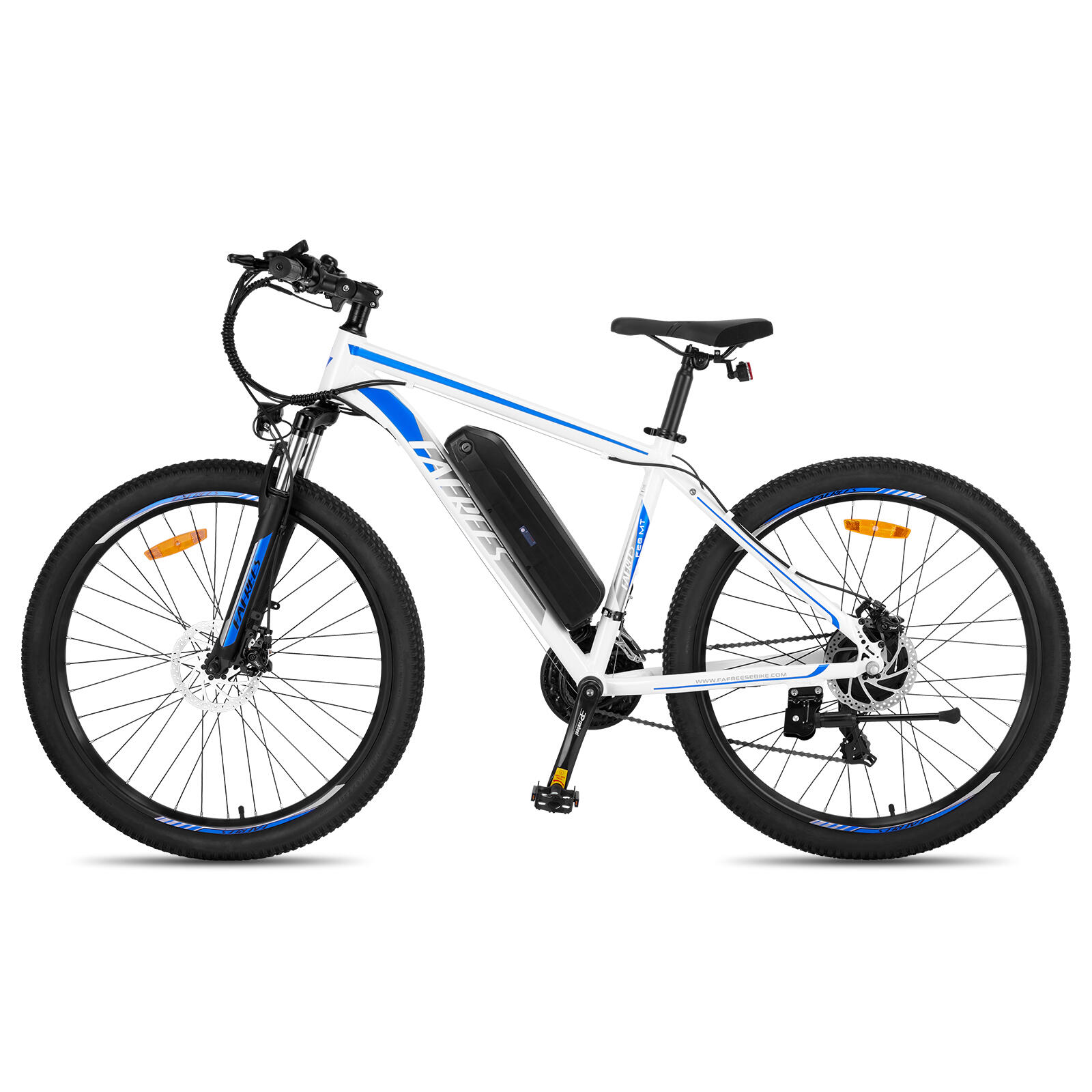
When does an electric hardtail mountain bike make sense?

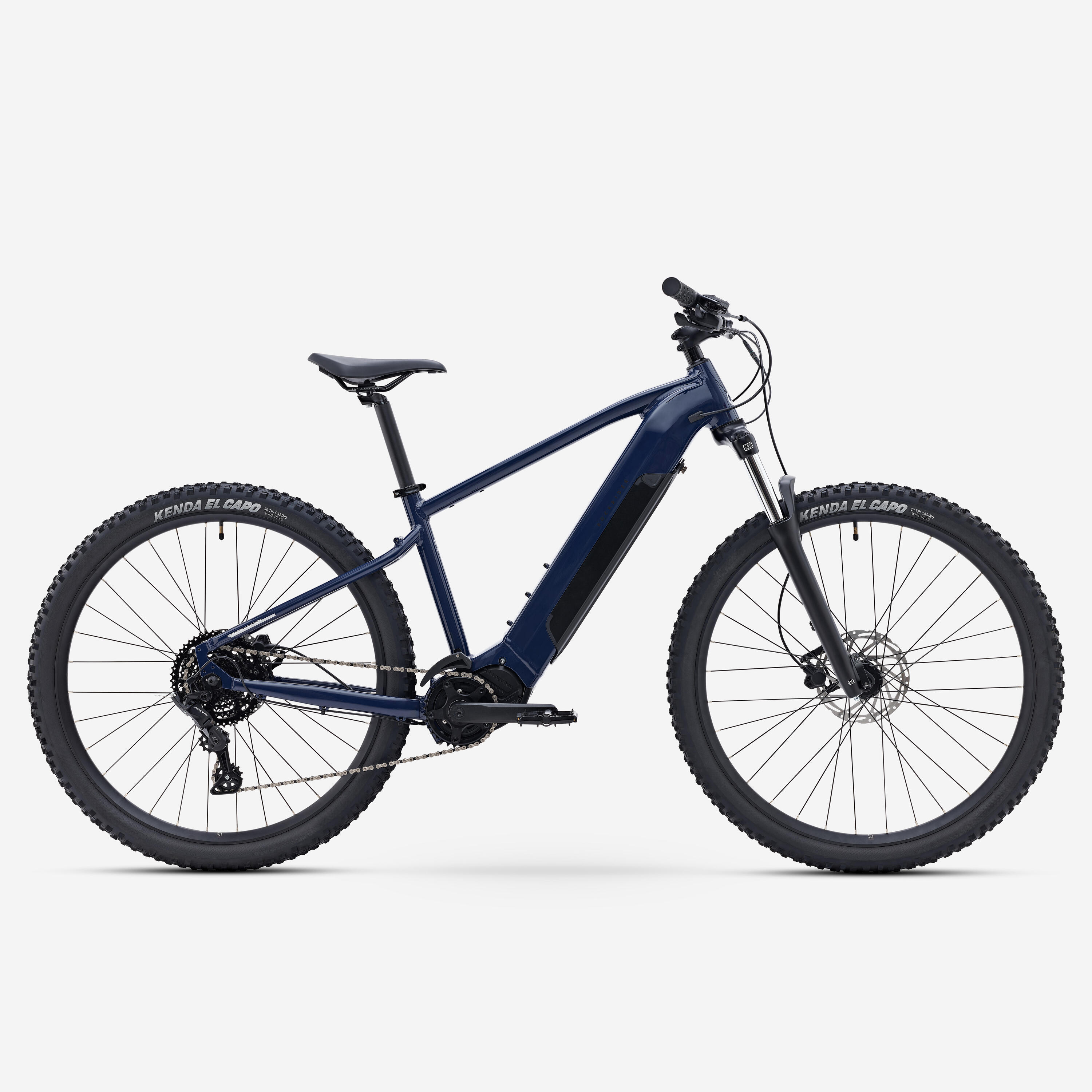
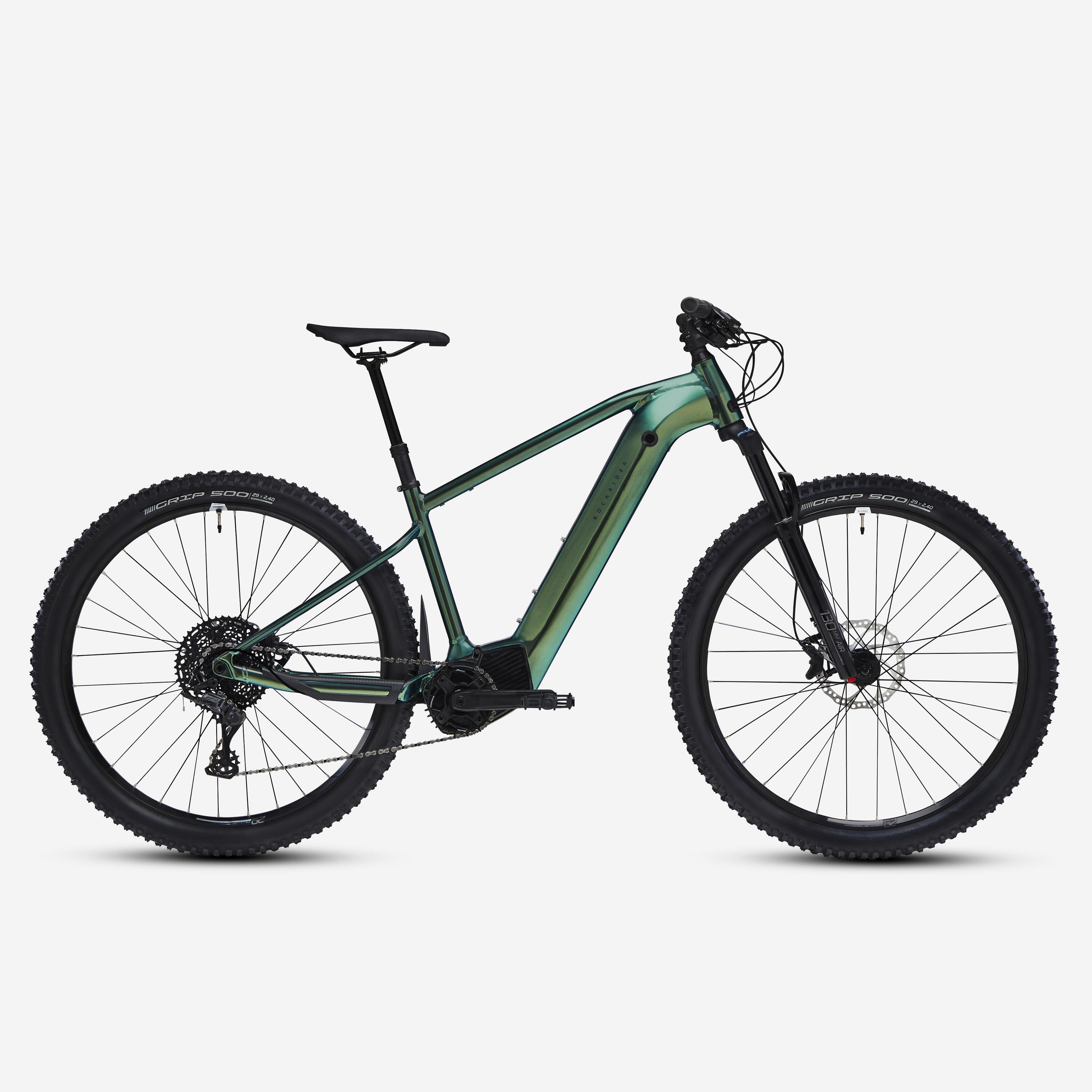
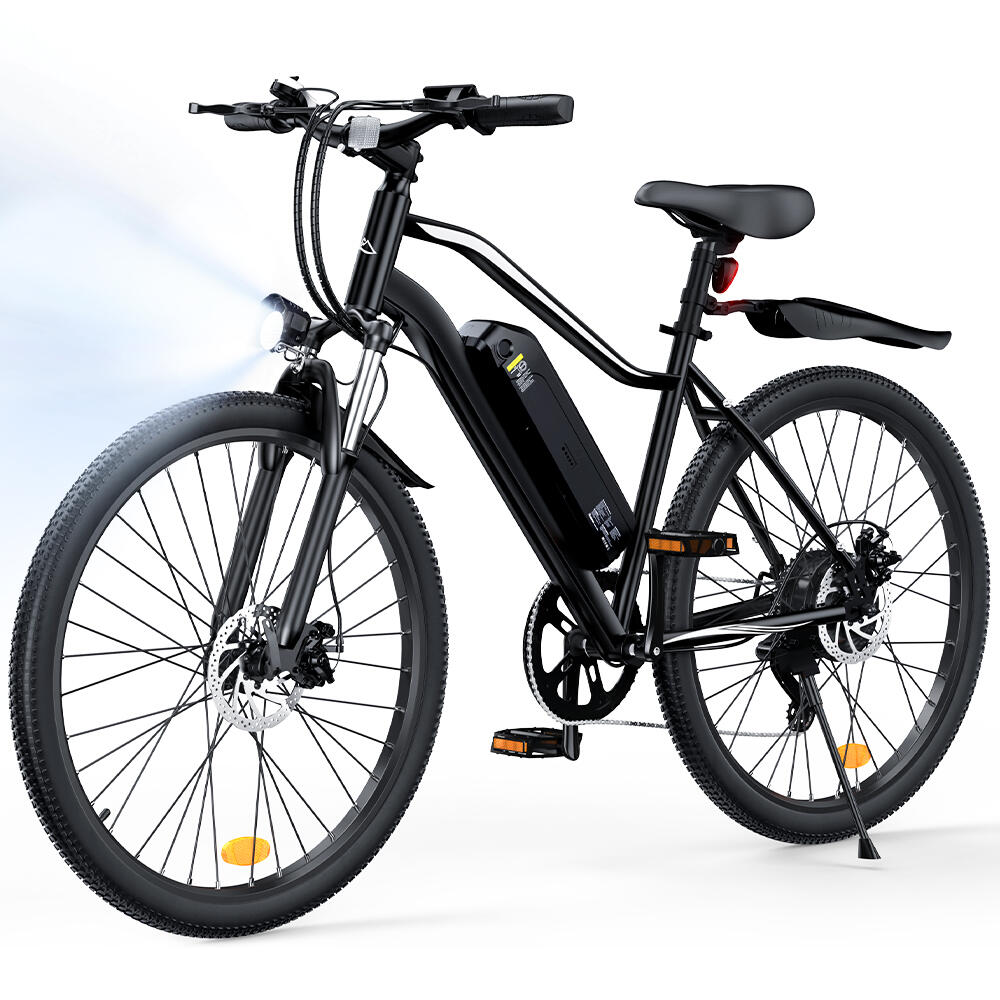
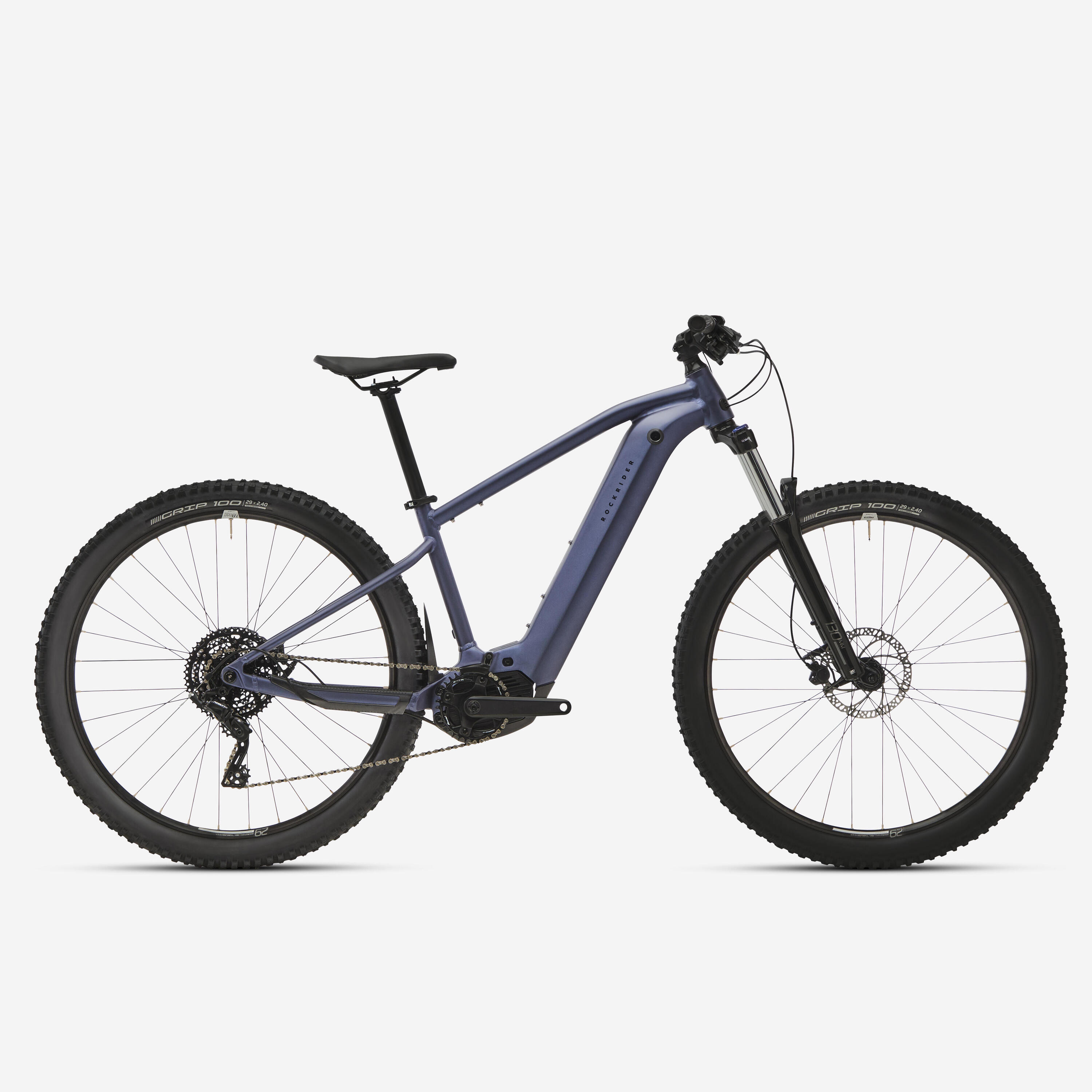
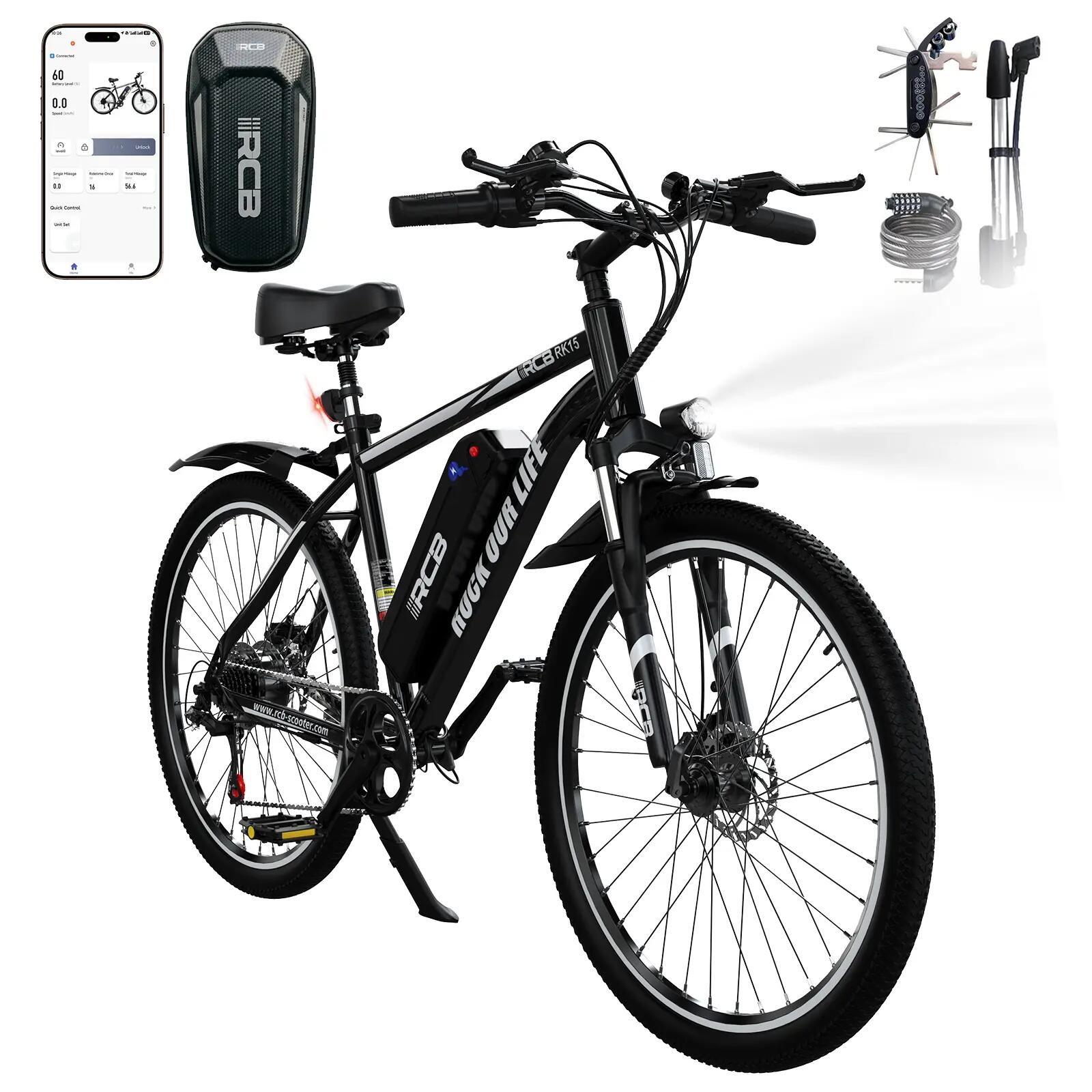
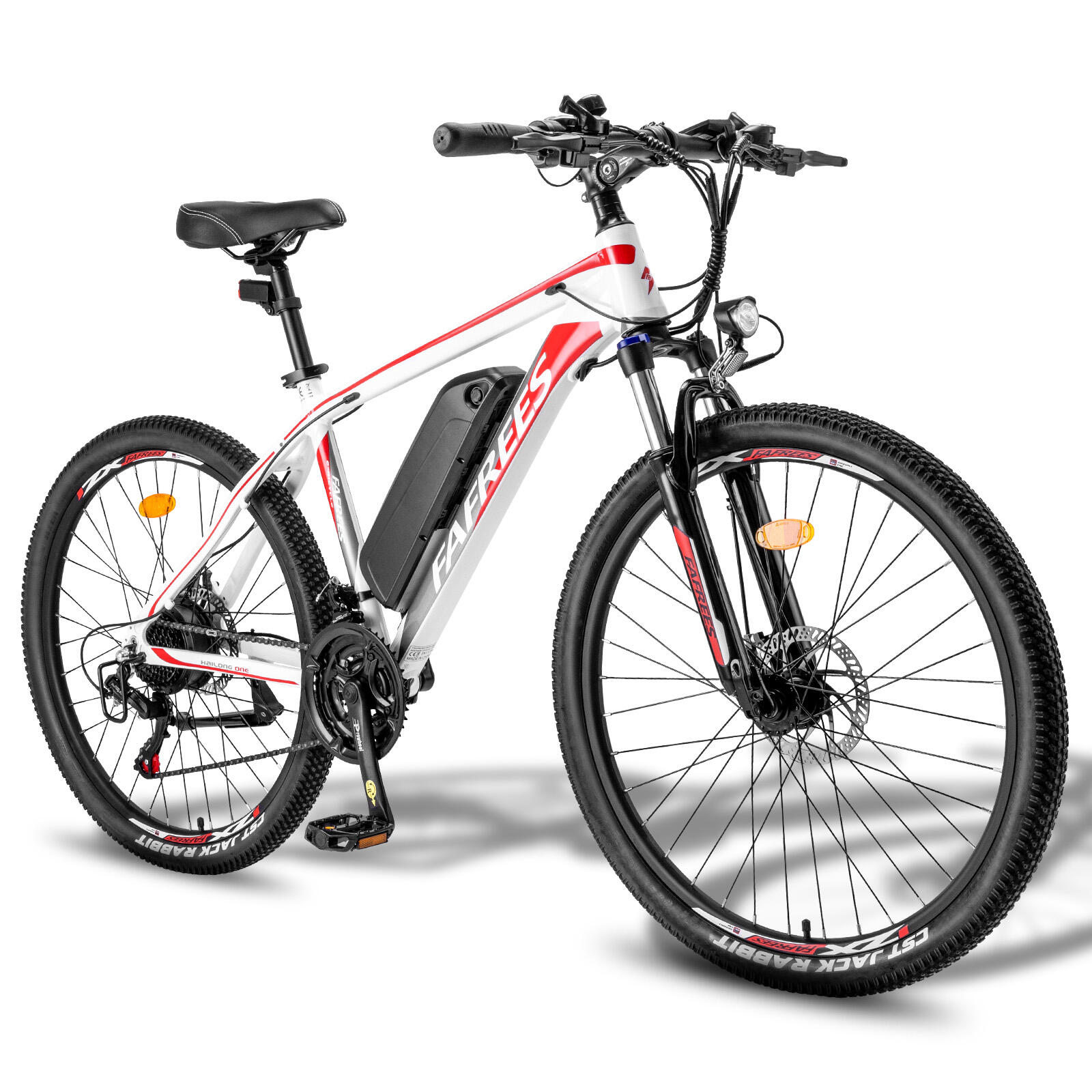
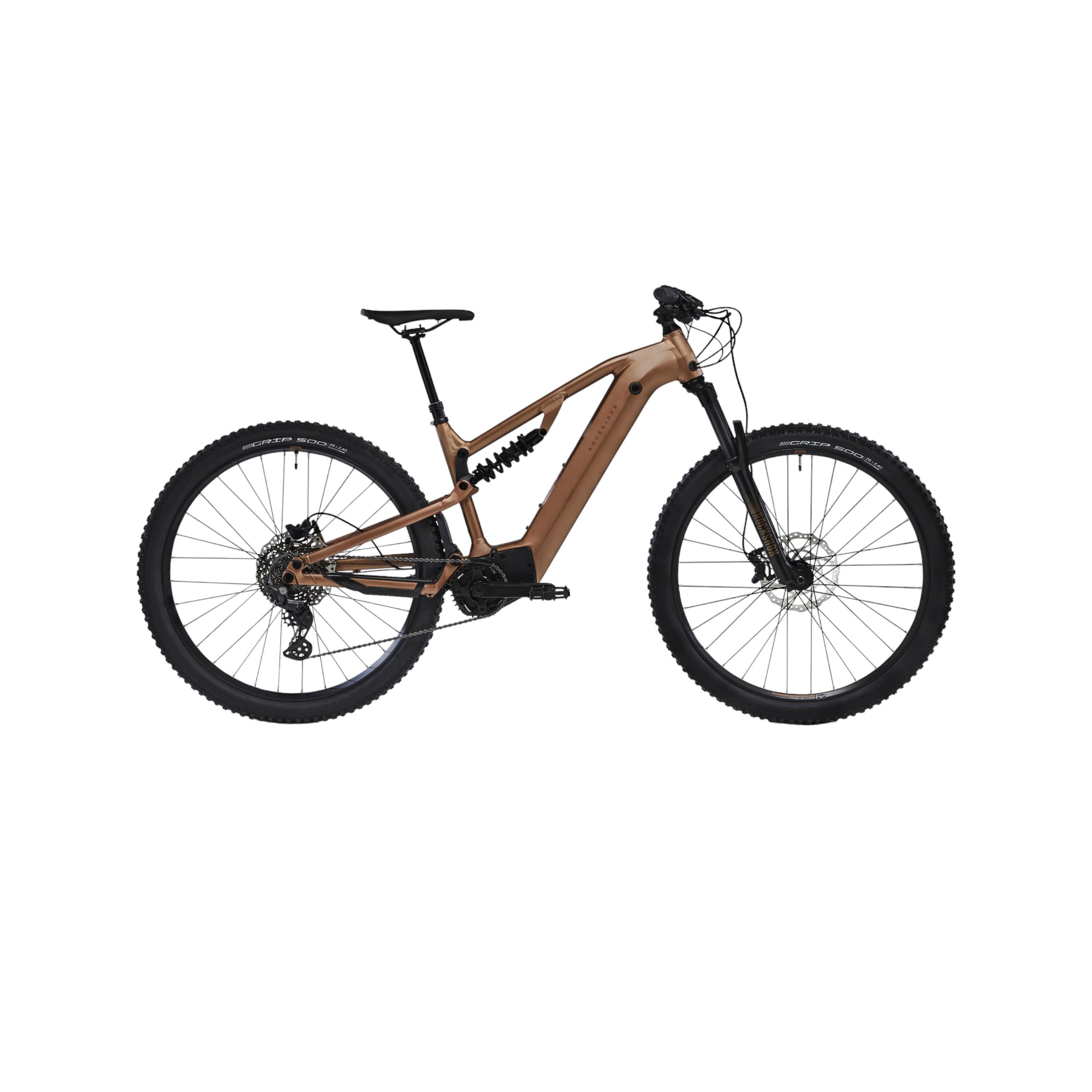
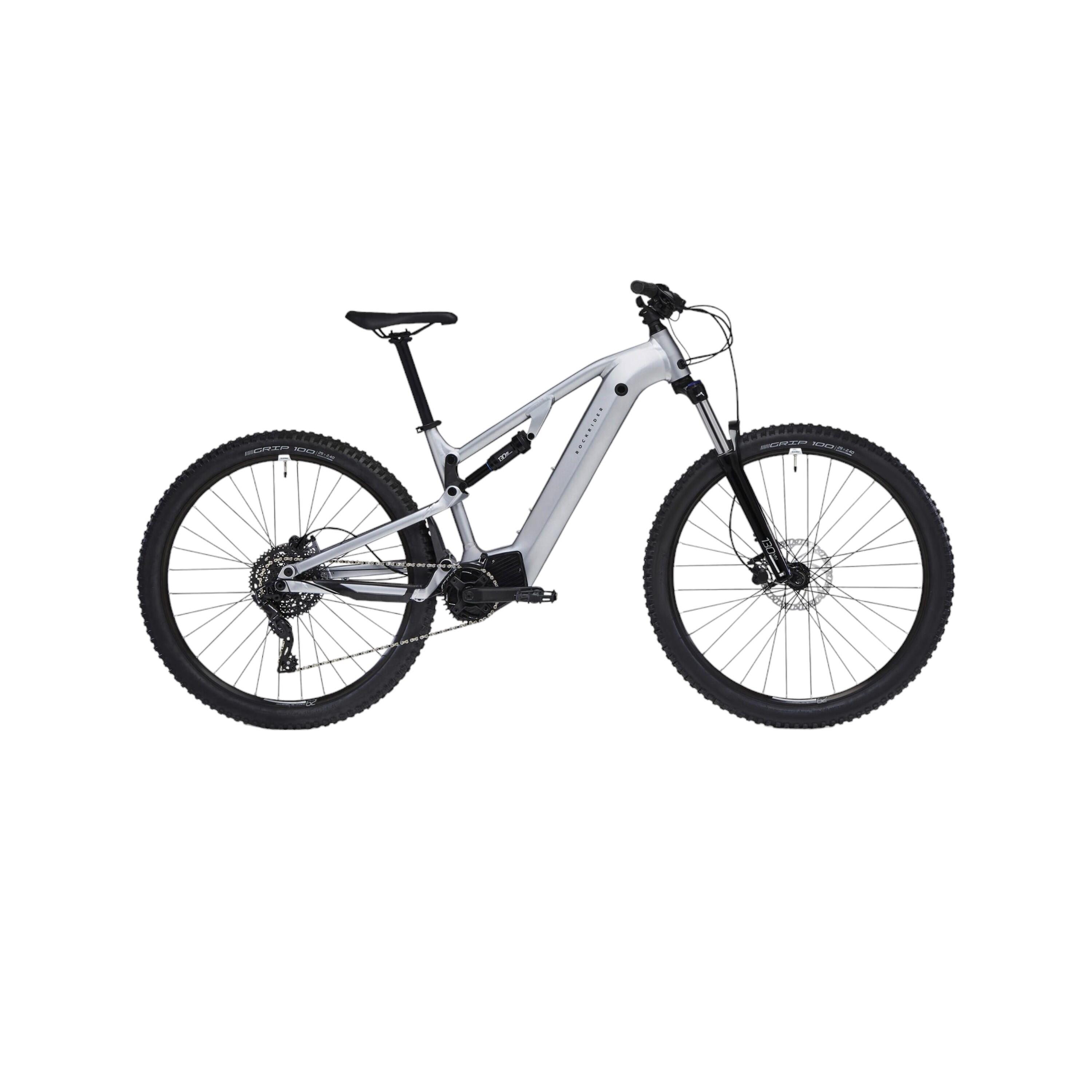
On hillier trails, longer rides or for riders who want assistance without the extra complexity of rear suspension, hardtail electric mountain bikes can be a useful middle ground. Higher Rockrider e-MTBs use mid-drive motors with torque sensing, so the assistance responds to how firmly you pedal rather than simply detecting crank rotation. More capable models also increase suspension travel and add hydraulic disc brakes for stronger trail control. Battery range still depends on assistance mode, elevation, rider weight and terrain. Pro tip: use stronger assistance for climbs and reduce support on easier sections to preserve battery charge. If you need to push the bike up an unrideable section, walking assistance can also help manage the extra e-bike weight.
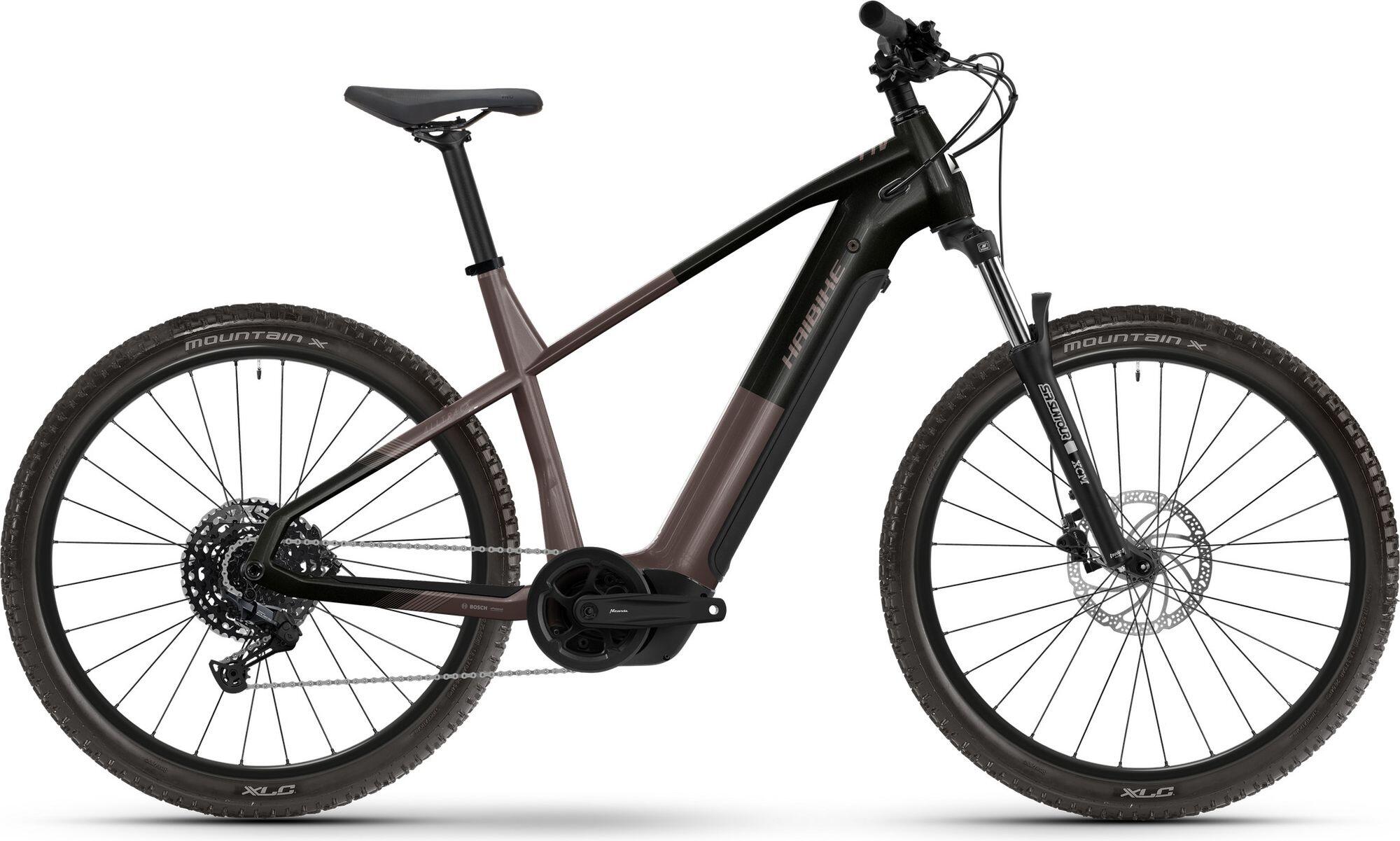
Who would want to consider a hardtail carbon mountain bike?

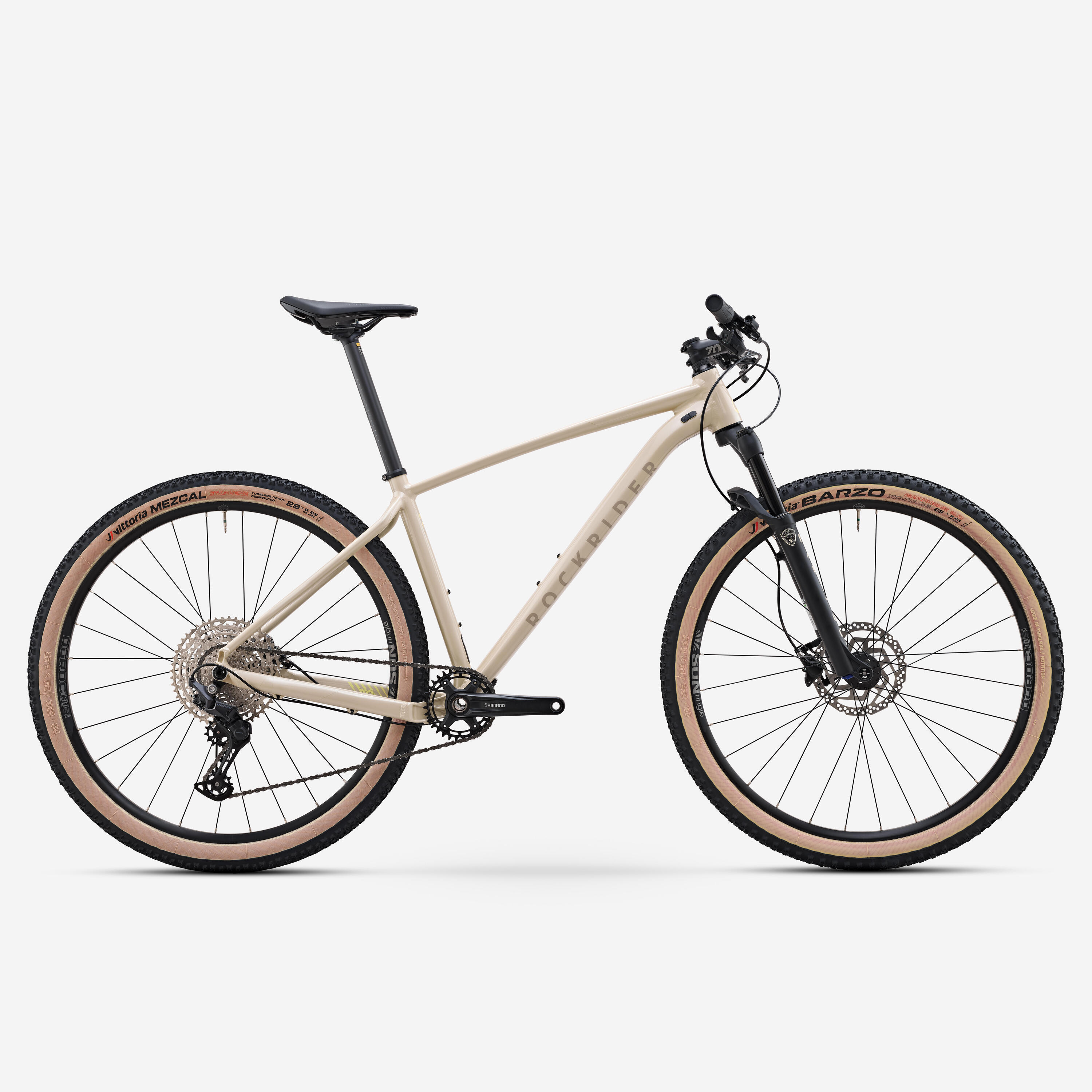
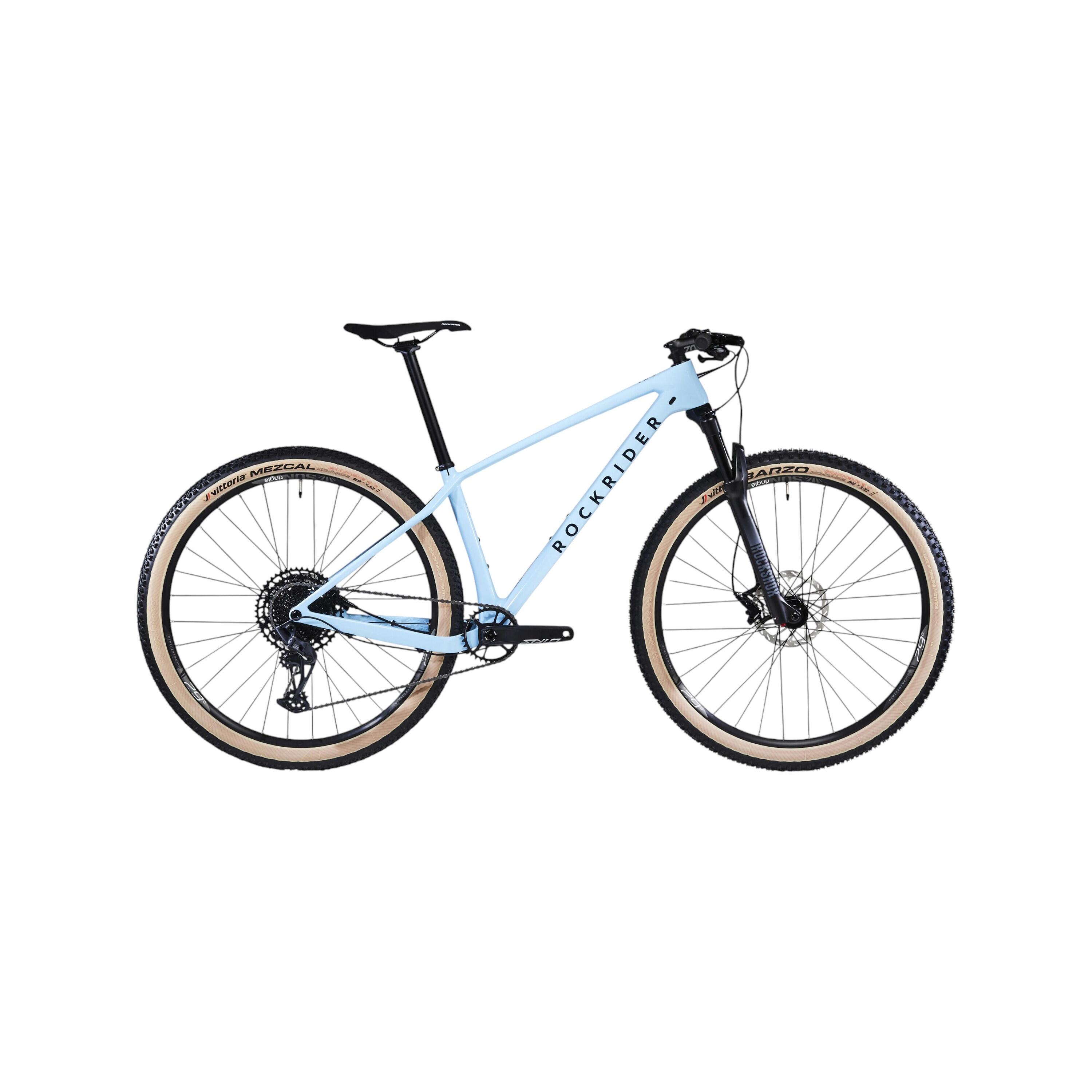
As long as low bike weight and efficient cross-country riding matter more than maximum suspension travel, a hardtail carbon frame mountain bike can suit faster XC rides and race-focused use. Carbon lets you build a lighter frame while staying stiff in key areas, improving acceleration and climbing efficiency. Rockrider carbon hardtails also use more aggressive riding positions than recreational touring bikes, so they suit riders who are comfortable with a sportier posture. Some frames include internal routing and compatibility for a future dropper seatpost, giving room to adapt the setup later. Pro tip: use a torque wrench when adjusting components clamped to carbon parts. Correct bolt torque matters because overtightening can damage the material even if the part still appears secure.

Which mountain bike format is right for you compared with a hardtail?

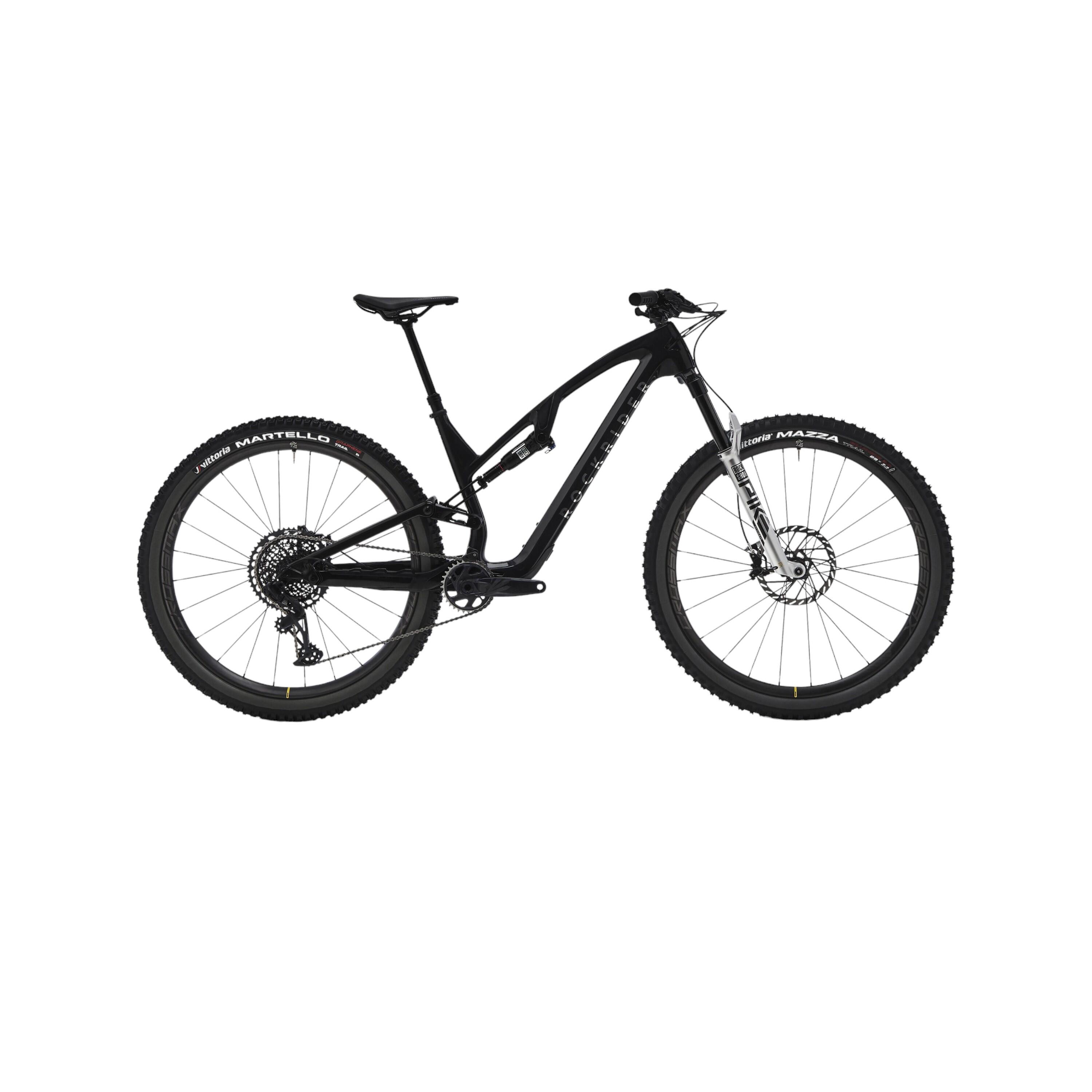
Start with the trail difficulty and how much suspension you actually need. Hardtails can feel lighter and more direct on climbs and smoother trails, while full-suspension bikes can provide extra traction and comfort when the ground becomes consistently rough. Comparing different mountain bikes can help you judge differences in wheel size, suspension travel, geometry and intended discipline. Rockrider also separates recreational touring bikes from more specialised XC and demanding trail equipment, so do not assume every MTB is suitable for Enduro, downhill or BMX use. Pro tip: match the bike to the hardest terrain you ride regularly, not to an occasional route. Correct tyres and suspension setup can make a well-matched hardtail more useful than a more complex bike chosen for the wrong discipline.

What must you check before buying a hardtail mountain bike?

Frame fit, wheel size, riding position, gearing, fork travel and brake type should all suit your height and the trails you plan to ride. Looking across other bikes can also help you confirm whether a hardtail really matches your use rather than a hybrid, city bike or full-suspension MTB. For recreational Rockrider models, comfort details such as a sloping frame, raised cockpit and wider saddle can support easier handling, while more advanced bikes may add hydraulic brakes, dropper-post compatibility or electric assistance. Pro tip: after buying, expect cables, gears and brakes to settle slightly during early use. Keep tyres at the right pressure, clean and lubricate the drivetrain, dry the bike after washing, and store it somewhere cool and dry, away from salty air or corrosive products.