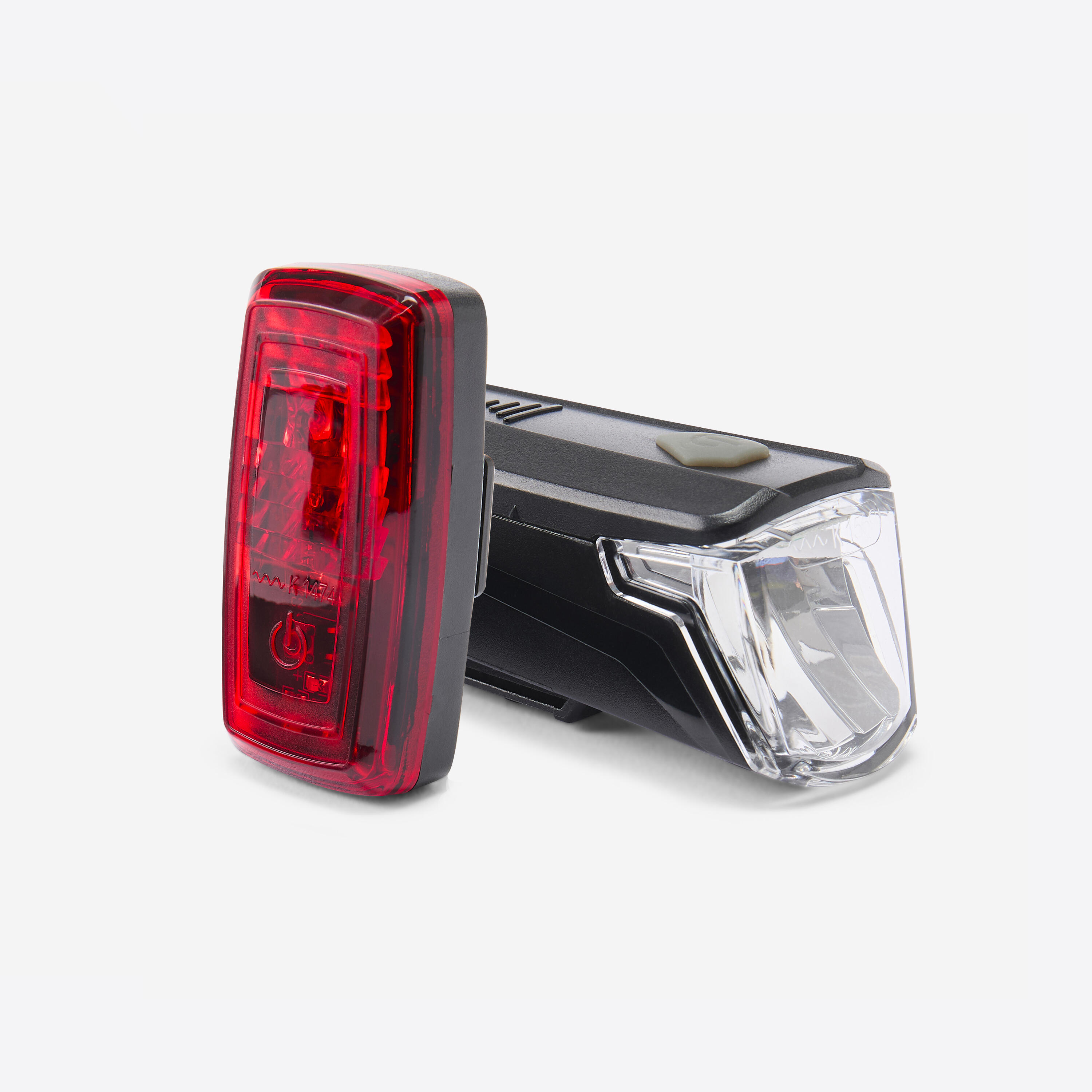
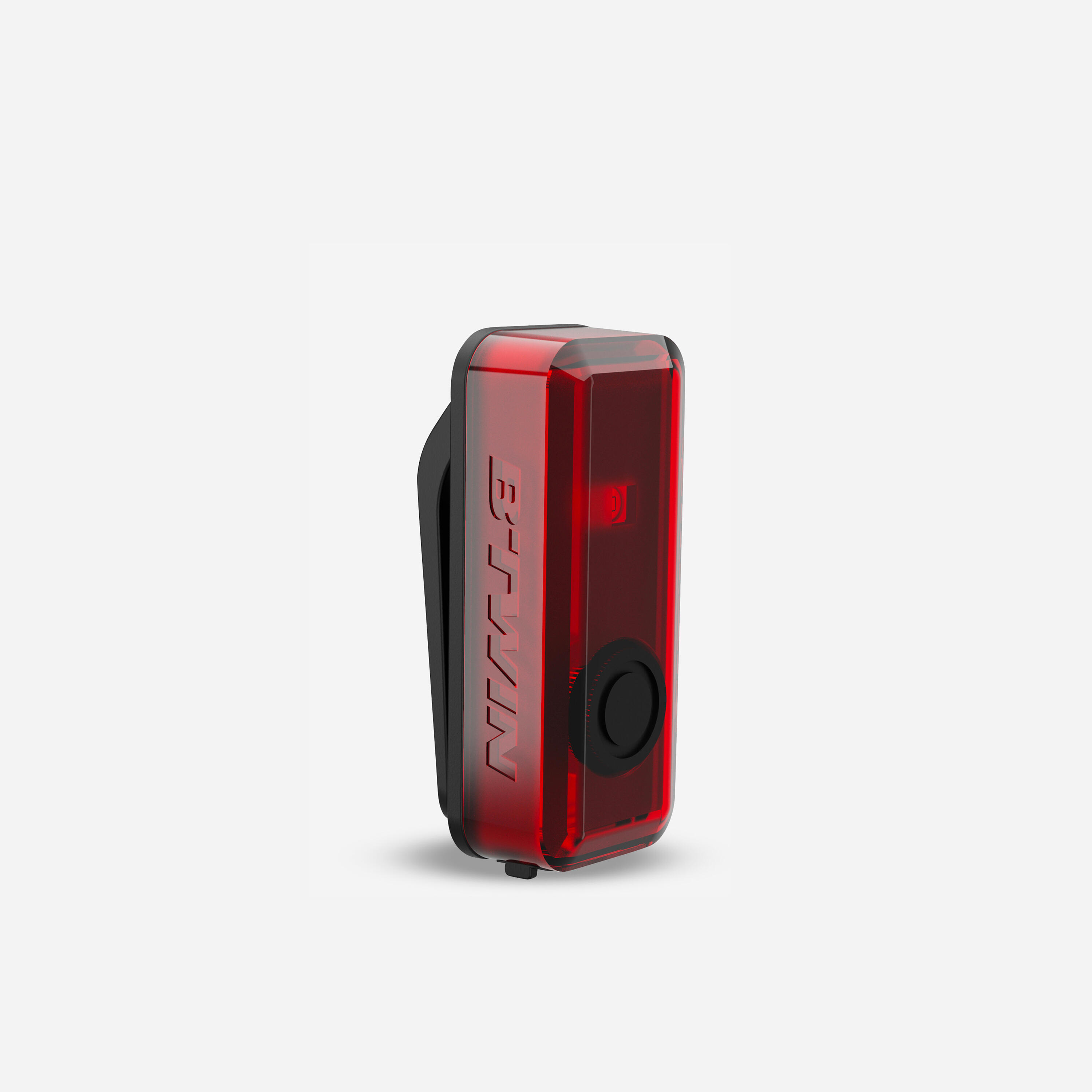
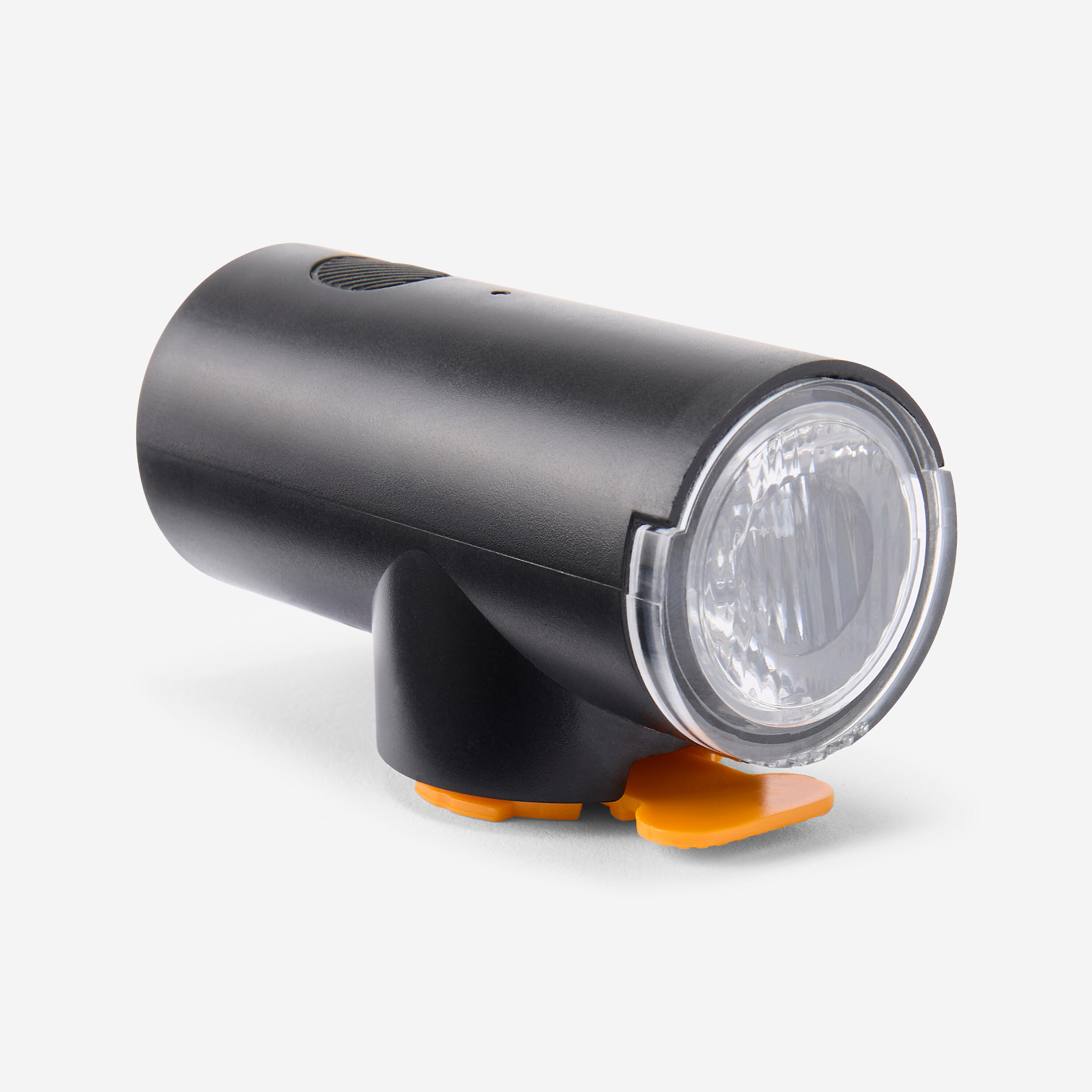
New Lower Price New Lower PriceNew Lower PriceDECATHLON Waterproof front and rear battery-powered LED bike light set4.5(2,501)Reviews.votesAriaCurrent price {{currentPrice}} €10.00 Former price Was €13.00Lowest price: €13.00
DECATHLON Twin-Pack USB Clip Front/Rear Bike Lights SL510 - Black4.5(1,251)Reviews.votesAriaCurrent price {{currentPrice}} €21.00€10.50/unit
2 coloursDECATHLON Bike Light Black - Battery Powered Front/Rear4.7(3,564)Reviews.votesAria2 coloursCurrent price {{currentPrice}} €4.00
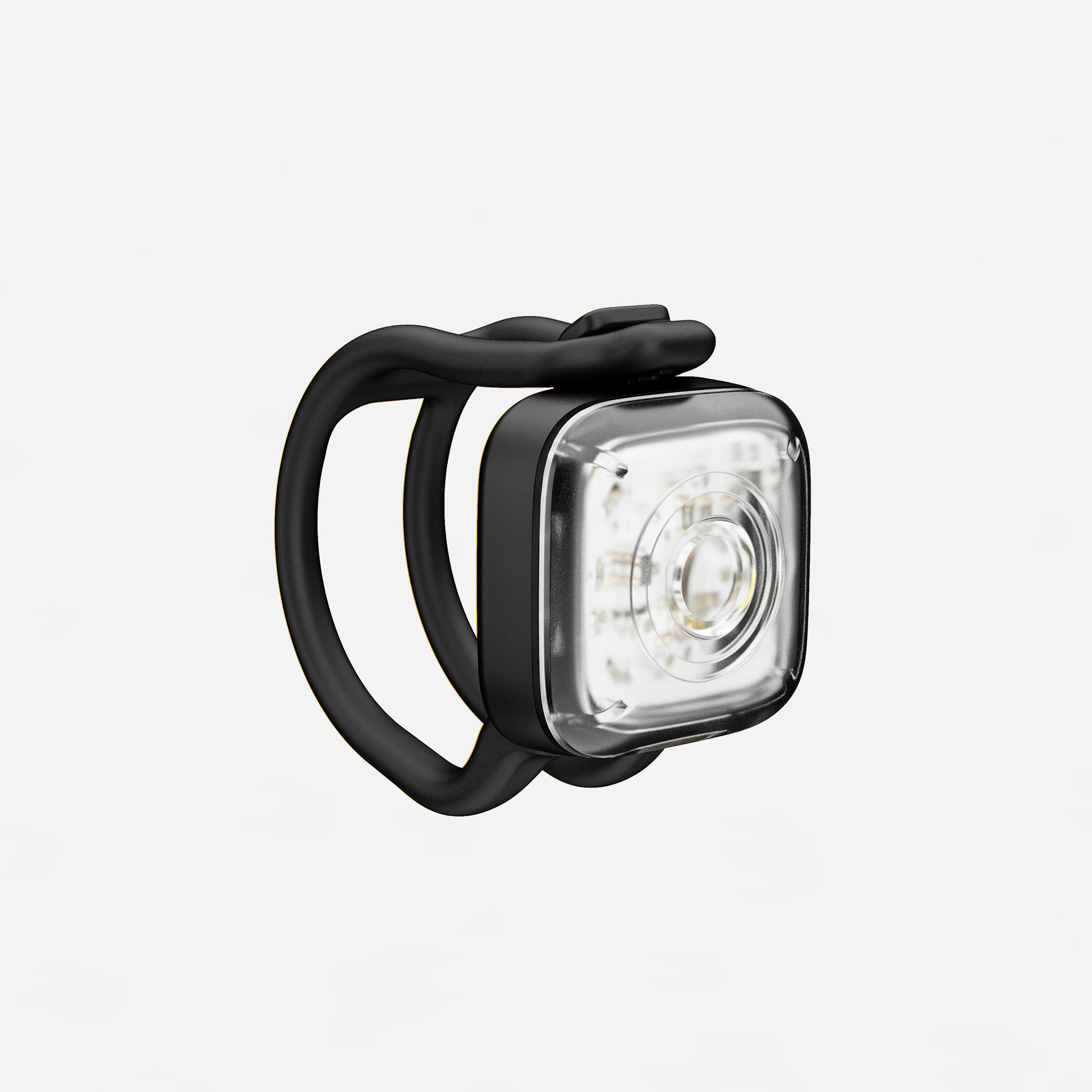
Marketplace -Online Only Marketplace -Online OnlyMarketplace -Online OnlyKNOG Knog Blinder Pro 600 Front Bike LightCurrent price {{currentPrice}} €51.90Sold and shipped by Sports Lab IE
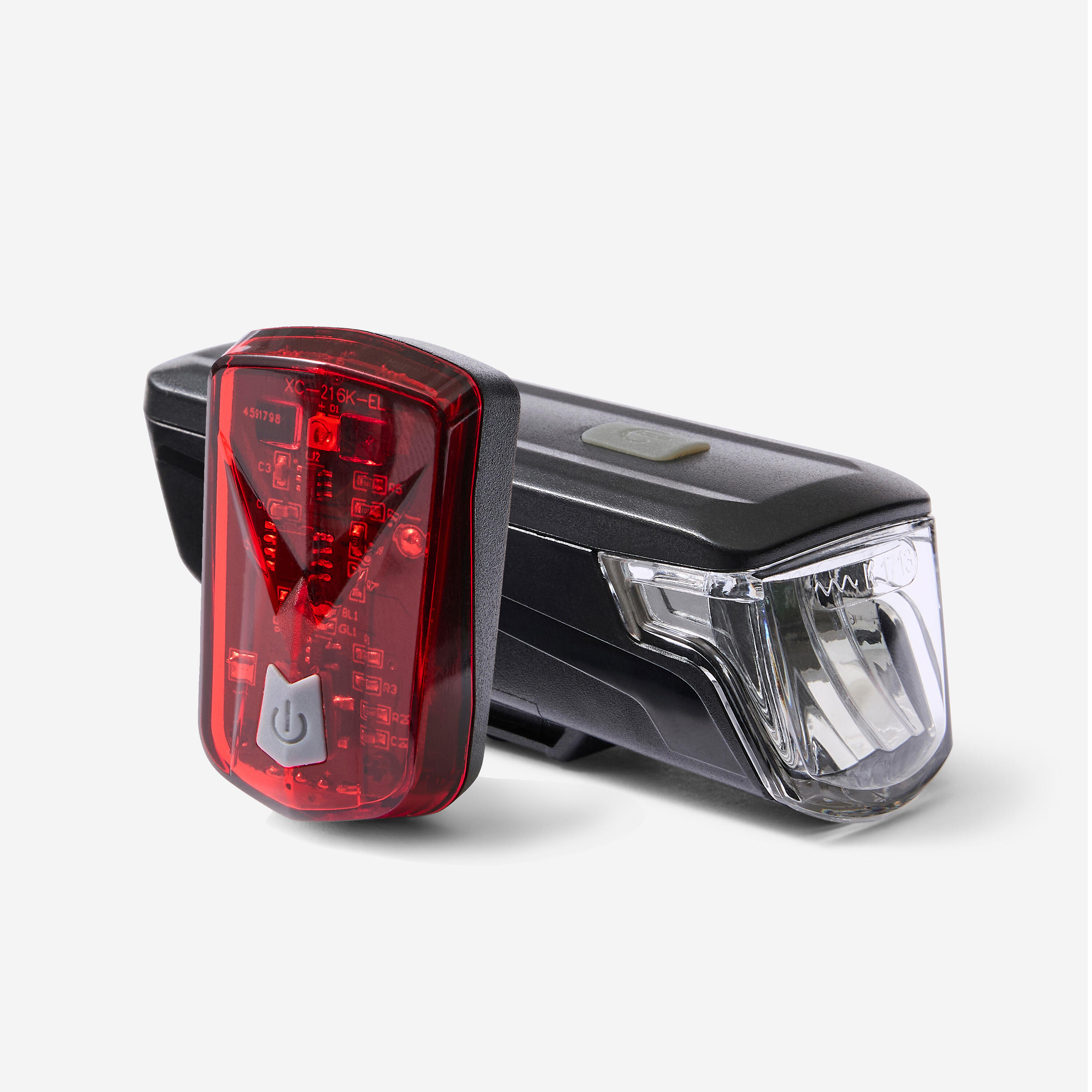
New Lower Price New Lower PriceNew Lower PriceDECATHLON Front/Rear USB Bike Light Kit ST5104.4(1,121)Reviews.votesAriaCurrent price {{currentPrice}} €25.00 Former price Was €30.00Lowest price: €30.00
BTWIN CL 100 LED USB Rear Bike Light 5 Lumens4.6(2,977)Reviews.votesAriaCurrent price {{currentPrice}} €10.00
Marketplace -Online Only Marketplace -Online OnlyMarketplace -Online OnlyXLC Bicycle lighting kit XLC Cl-e14 (x2)Current price {{currentPrice}} €20.95Sold and shipped by Le Coq Wielerartikelen FR
2 coloursDECATHLON Bike Light Yellow - Battery Powered Front/Rear4.7(3,564)Reviews.votesAria2 coloursCurrent price {{currentPrice}} €4.00
DECATHLON Front/Rear USB Clip Bike Light SL510 - Black4.5(1,581)Reviews.votesAriaCurrent price {{currentPrice}} €12.00
New Lower Price New Lower PriceNew Lower PriceELOPS LED Bike light kit, ST 920 front and rear USB4.5(3,605)Reviews.votesAriaCurrent price {{currentPrice}} €30.00 Former price Was €40.00Lowest price: €40.00
ELOPS RL 510 Rear USB LED Bike Light 3 Lumens4.5(647)Reviews.votesAriaCurrent price {{currentPrice}} €16.00
DECATHLON Powerful USB rechargeable bike lighting kit ST930 with deceleration sensor.4.1(195)Reviews.votesAriaCurrent price {{currentPrice}} €60.00
DECATHLON LED Front/Rear USB Bike Light CL 900 50 Lumens4.5(1,212)Reviews.votesAriaCurrent price {{currentPrice}} €21.00
Marketplace -Online Only Marketplace -Online OnlyMarketplace -Online OnlyTIKKENS Tikkens Bike Lights Set LED – Front & Rear Bicycle Light – USB-C Rechargeable4.4(82)Reviews.votesAriaCurrent price {{currentPrice}} €39.99Sold and shipped by Northwall
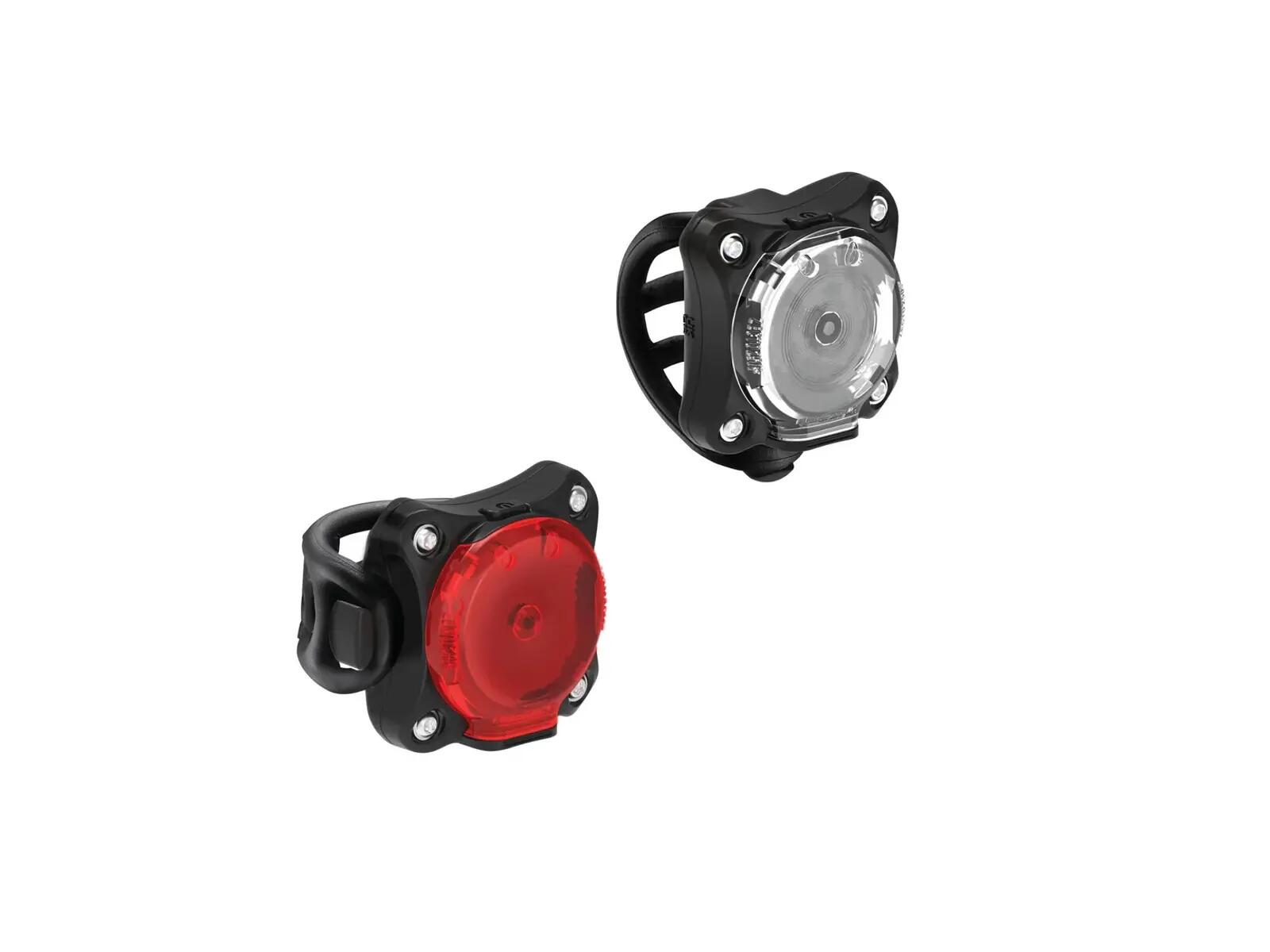
Marketplace -Online Only Marketplace -Online OnlyMarketplace -Online OnlyLEZYNE Lezyne Led Pair Zecto Drive 250+ / Zecto Drive 200+Current price {{currentPrice}} €80.85€40.43/unitSold and shipped by Bikexperience
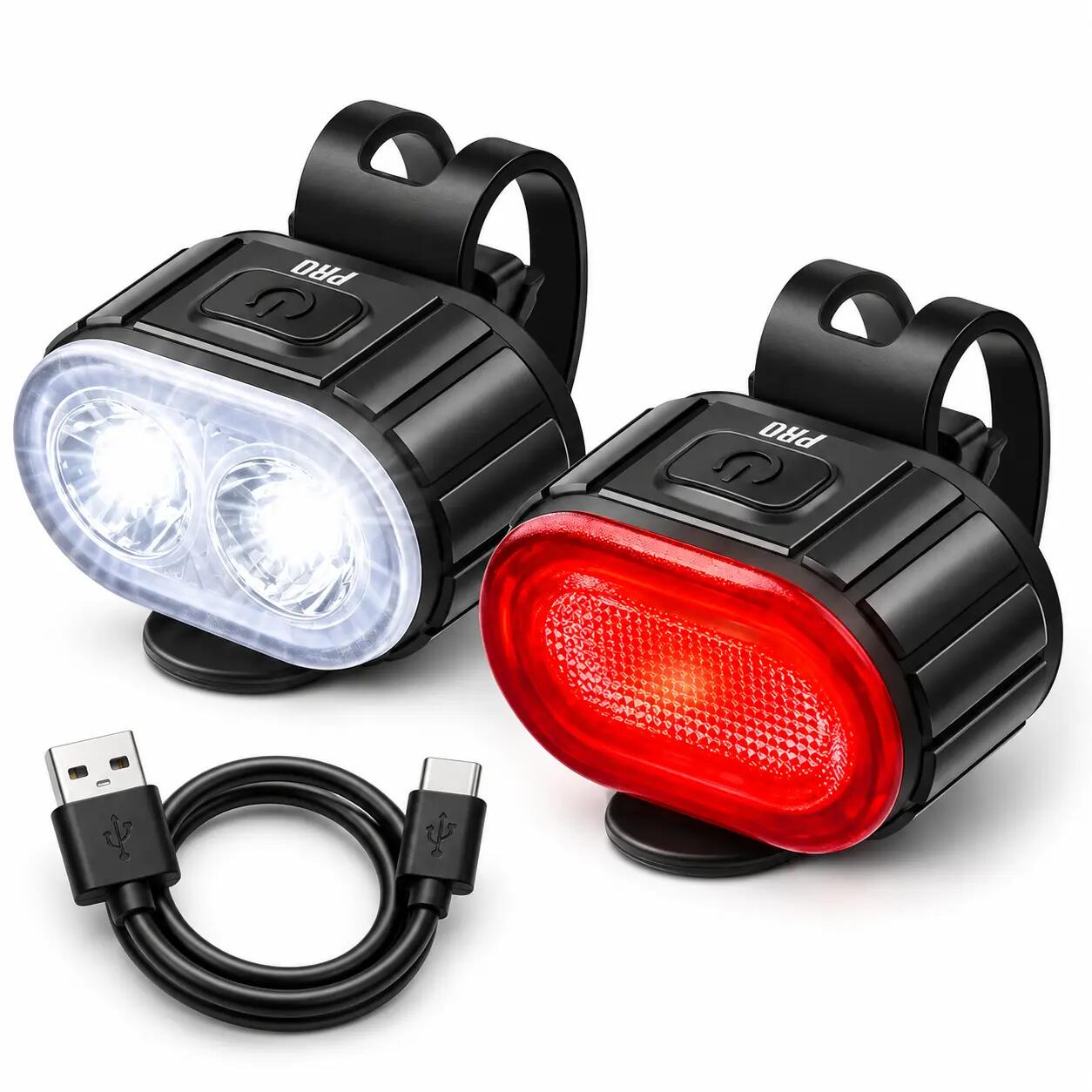
Marketplace -Online Only Marketplace -Online OnlyMarketplace -Online OnlyPRO SPORT LIGHTS Bike Light Set LED White and Red 200 and 50 lumens USB-rechargeable3.6(56)Reviews.votesAriaCurrent price {{currentPrice}} €29.99Sold and shipped by Pro Sport Lights
DECATHLON Powerful front bike light, USB rechargeable FL9304.2(274)Reviews.votesAriaCurrent price {{currentPrice}} €40.00
ELOPS Bike Light Rear Dynamo LED City Bike Elops - Grey5(2)Reviews.votesAriaCurrent price {{currentPrice}} €13.00
Last chance Last chanceLast chanceDECATHLON Bike Light FL940 for riding on unlit trails4.3(306)Reviews.votesAriaCurrent price {{currentPrice}} €85.00
Marketplace -Online Only Marketplace -Online OnlyMarketplace -Online OnlyMAGICSHINE Magicshine SEEMEE 400 ANT+ Rear Bike Light, BlackCurrent price {{currentPrice}} €68.90Sold and shipped by Sports Lab IE
DECATHLON RL930 USB rechargeable rear bike light with deceleration sensor4.6(230)Reviews.votesAriaCurrent price {{currentPrice}} €26.00
ELOPS USB Front Bike Light FL920 300 Lumens4.5(1,298)Reviews.votesAriaCurrent price {{currentPrice}} €30.00
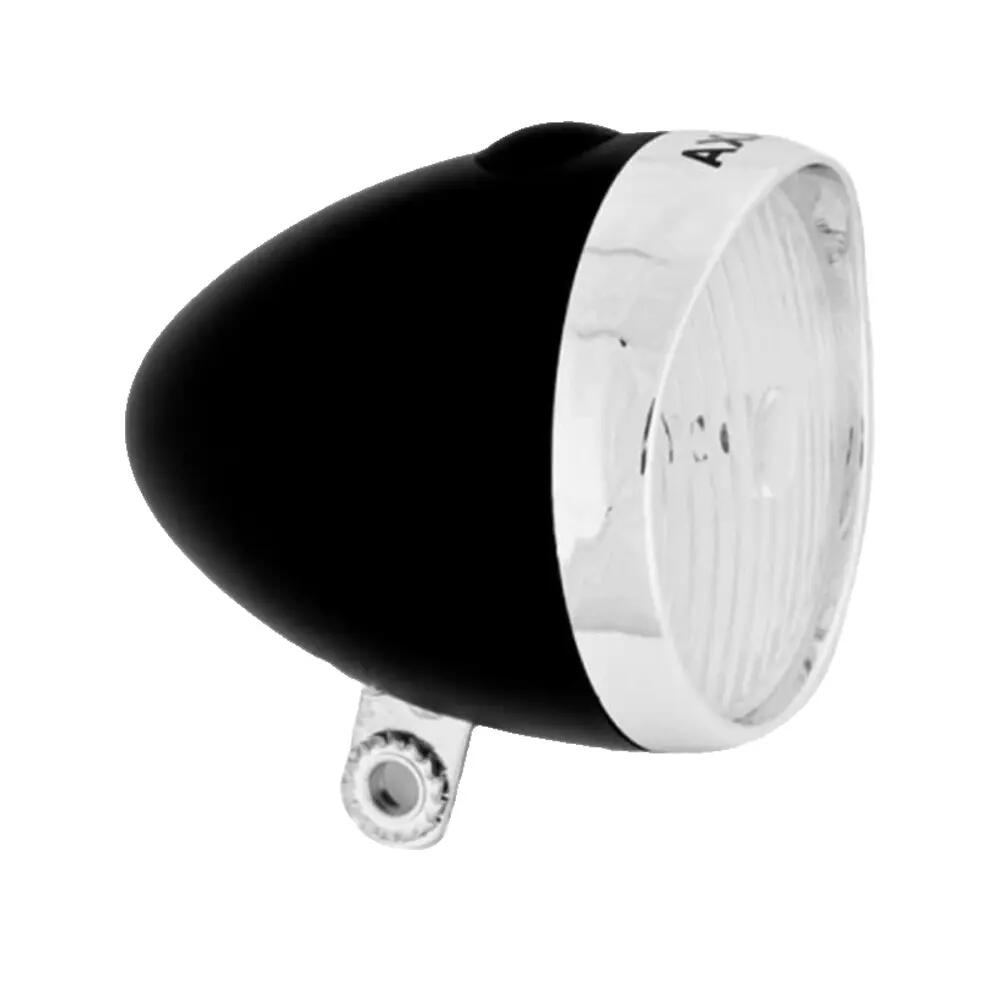
Marketplace -Online Only Marketplace -Online OnlyMarketplace -Online OnlyAXA Classic AXA Black/Silver LED Front LightCurrent price {{currentPrice}} €46.95€15.65/unitSold and shipped by Tormino IE
Marketplace -Online Only Marketplace -Online OnlyMarketplace -Online OnlyRAVEMEN Bike Light Ravemen 160 Lumens USB-C Waterproof IPX64.9(30)Reviews.votesAriaCurrent price {{currentPrice}} €34.00€34.00/unitSold and shipped by Sports Lab IE
Marketplace -Online Only Marketplace -Online OnlyMarketplace -Online OnlyOXFORD Oxford Ultratorch ST500 HeadlightCurrent price {{currentPrice}} €36.00€12.00/unitSold and shipped by Sports Lab IE
ELOPS Clip-On Dynamo Elops 320, Elops 120, Elops 500, Elops 520 - Black4.2(46)Reviews.votesAriaCurrent price {{currentPrice}} €11.00
Marketplace -Online Only Marketplace -Online OnlyMarketplace -Online OnlyBBB CYCLING BBB SpotDuo Front / Rear Light BlackCurrent price {{currentPrice}} €22.00Sold and shipped by Bikexperience
Marketplace -Online Only Marketplace -Online OnlyMarketplace -Online OnlyTOAD front, rear and turn signal bicycle lights ToadCurrent price {{currentPrice}} €117.50Sold and shipped by Sport & Go EU
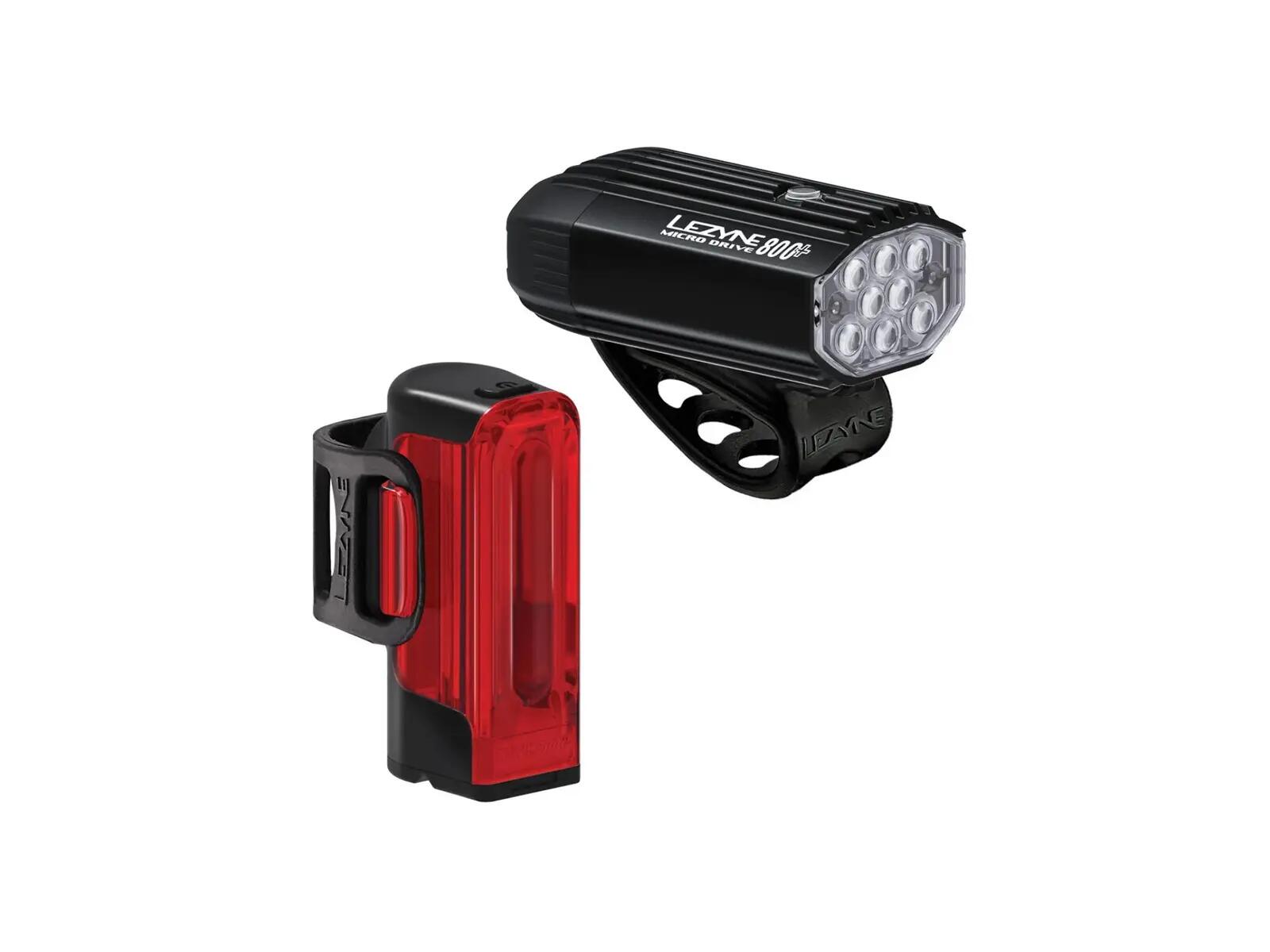
Marketplace -Online Only Marketplace -Online OnlyMarketplace -Online OnlyLEZYNE Lezyne Led Pair Micro Drive 800+ / Strip Drive 300+Current price {{currentPrice}} €101.25€50.63/unitSold and shipped by Sports Lab IE
Marketplace -Online Only Marketplace -Online OnlyMarketplace -Online OnlyMAGICSHINE HORI 1300 Front Light4(2)Reviews.votesAriaCurrent price {{currentPrice}} €72.47€72.47/unitSold and shipped by Pure Experience
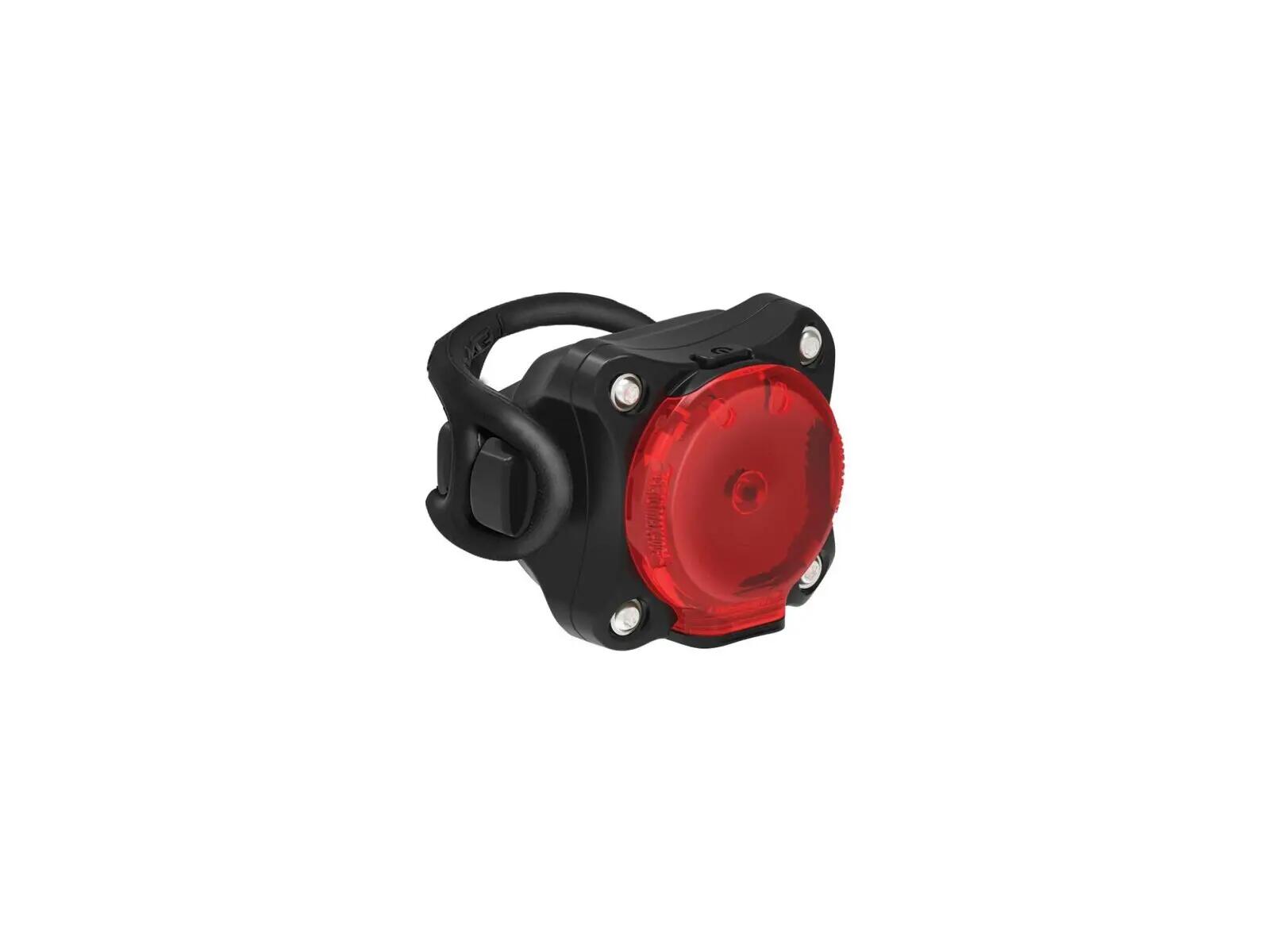
Marketplace -Online Only Marketplace -Online OnlyMarketplace -Online OnlyLEZYNE Lezyne Zecto Drive Max 400+ (rear) BlackCurrent price {{currentPrice}} €52.60€52.60/unitSold and shipped by Sports Lab IE
Marketplace -Online Only Marketplace -Online OnlyMarketplace -Online OnlyIGPSPORT Front Bike Light iGPSport VS1200SCurrent price {{currentPrice}} €59.90 Former price €62.90 4% offLowest price: €62.90Starting on 13/10/2026 and valid for the entire duration of the promoSold and shipped by Bikexperience
Marketplace -Online Only Marketplace -Online OnlyMarketplace -Online OnlyIGPSPORT Front Light IGPSPORT VS8004(1)Reviews.votesAriaCurrent price {{currentPrice}} €62.40Sold and shipped by Sports Lab IE
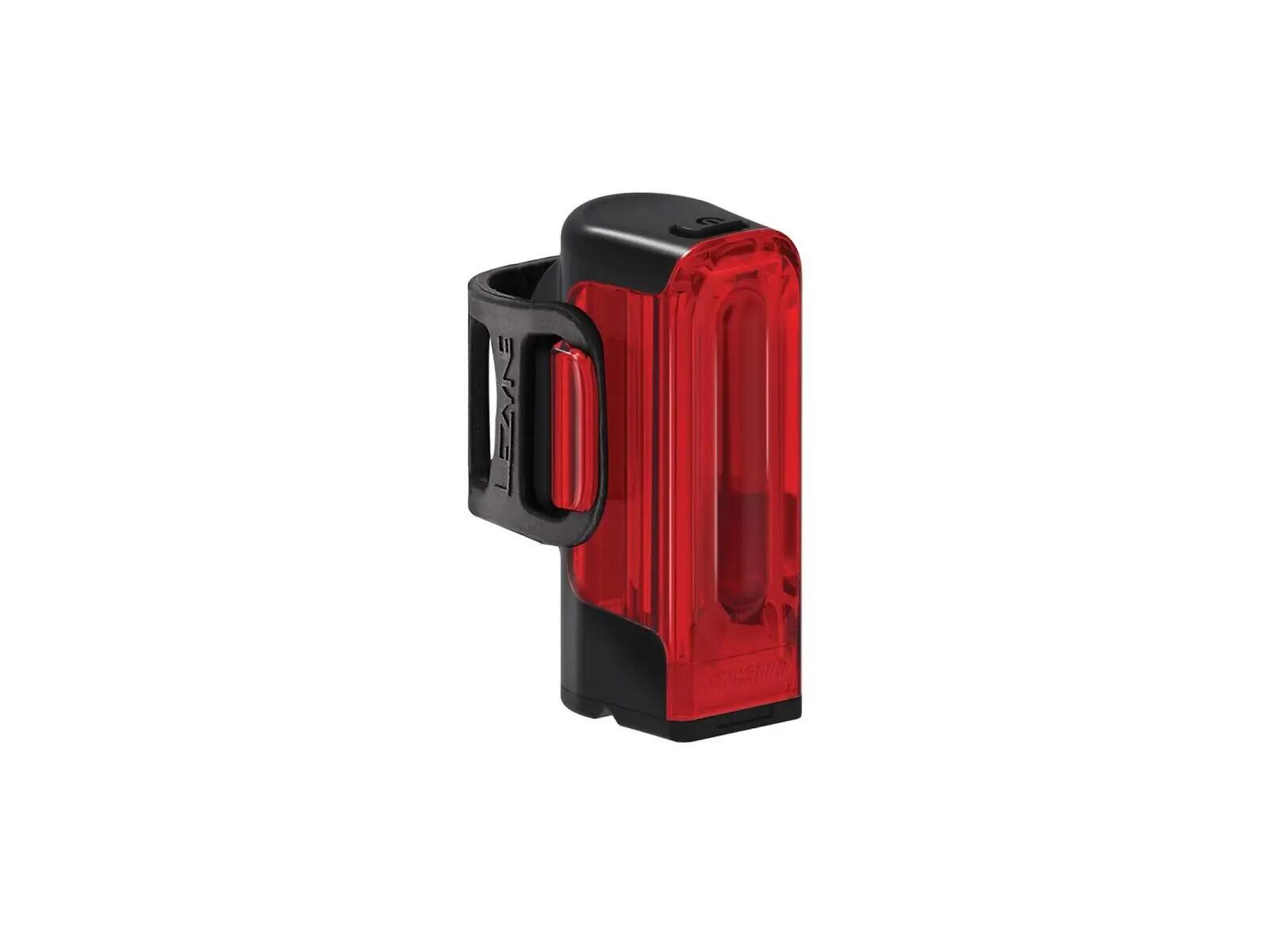
Marketplace -Online Only Marketplace -Online OnlyMarketplace -Online OnlyLEZYNE Lezyne Strip Drive 300+ Black5(1)Reviews.votesAriaCurrent price {{currentPrice}} €41.35€41.35/unitSold and shipped by Sports Lab IE
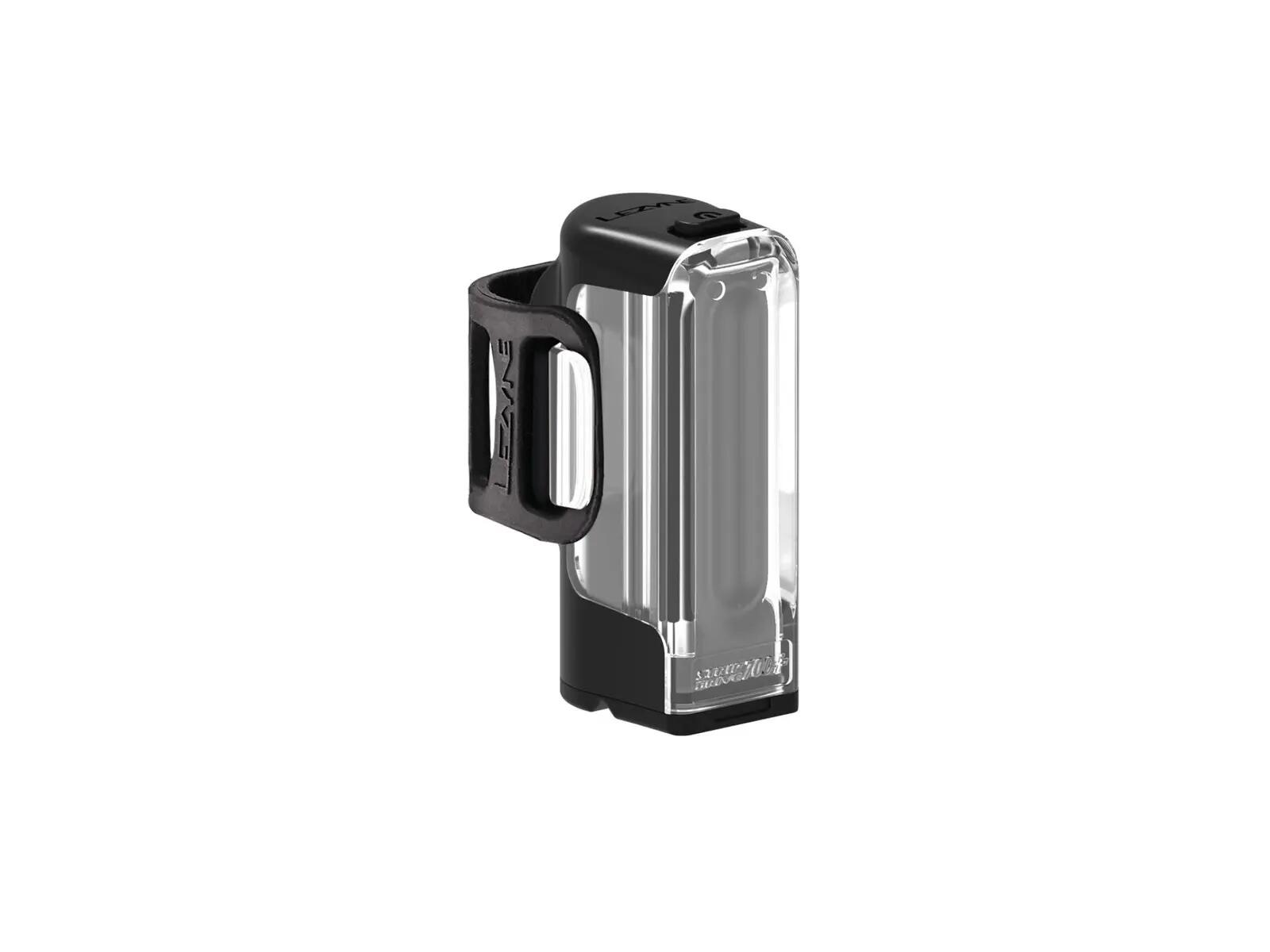
Marketplace -Online Only Marketplace -Online OnlyMarketplace -Online OnlyLEZYNE Lezyne Strip+ Drive Front BlackCurrent price {{currentPrice}} €33.00€33.00/unitSold and shipped by Sports Lab IE
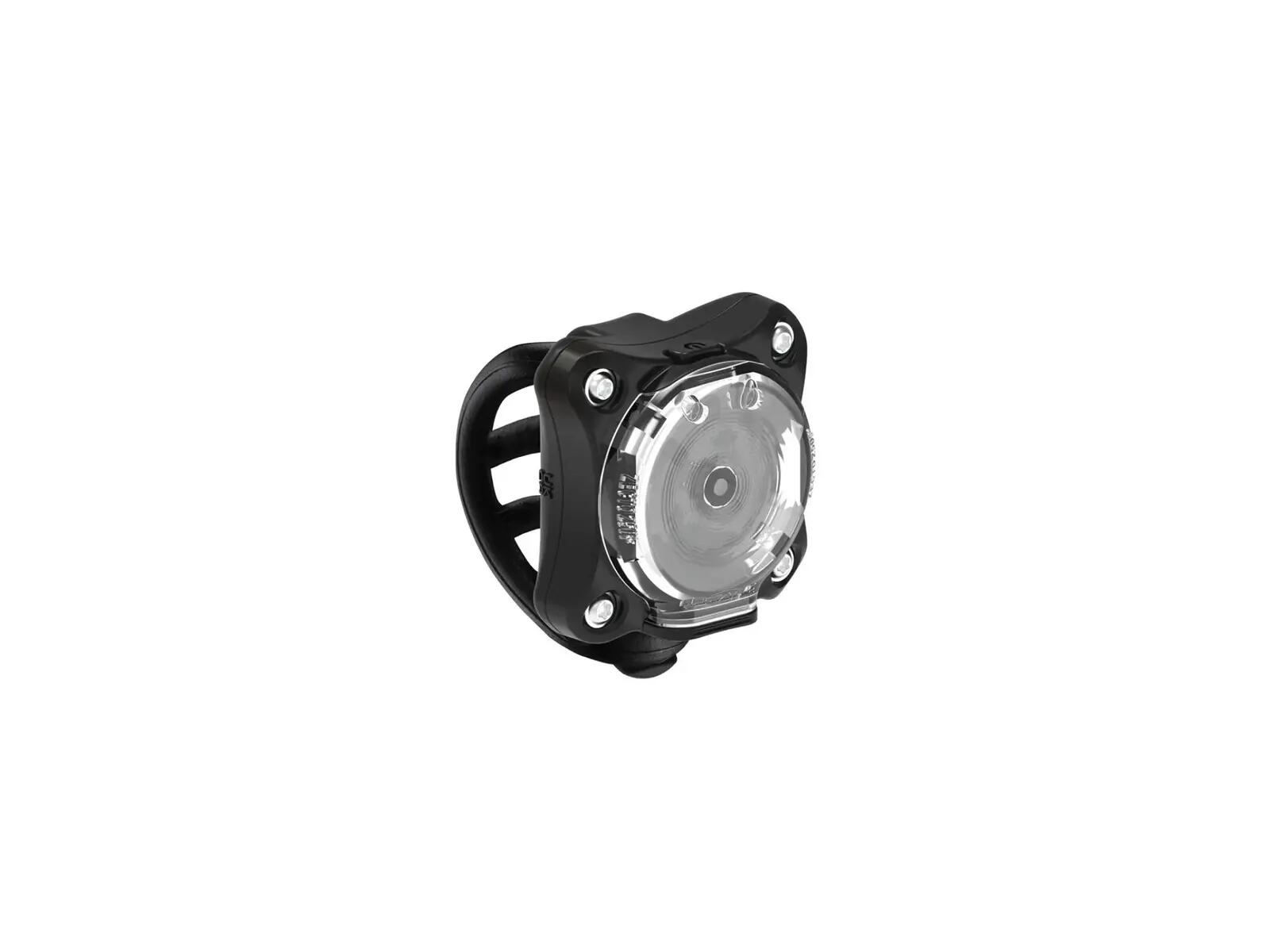
Marketplace -Online Only Marketplace -Online OnlyMarketplace -Online OnlyLEZYNE Lezyne Zecto Drive 250+ (front) BlackCurrent price {{currentPrice}} €40.95€40.95/unitSold and shipped by Bikexperience
Marketplace -Online Only Marketplace -Online OnlyMarketplace -Online OnlyCATEYE Cateye Lighting Pair AMPP 500S & VIZ 150Current price {{currentPrice}} €58.80Sold and shipped by Bikexperience
Marketplace -Online Only Marketplace -Online OnlyMarketplace -Online OnlyVELKYNE Saddle mount Garmin Varia Radar RTL515 RTL516 RVR315 rear light holder4(4)Reviews.votesAriaCurrent price {{currentPrice}} €19.99Sold and shipped by Sportenzia