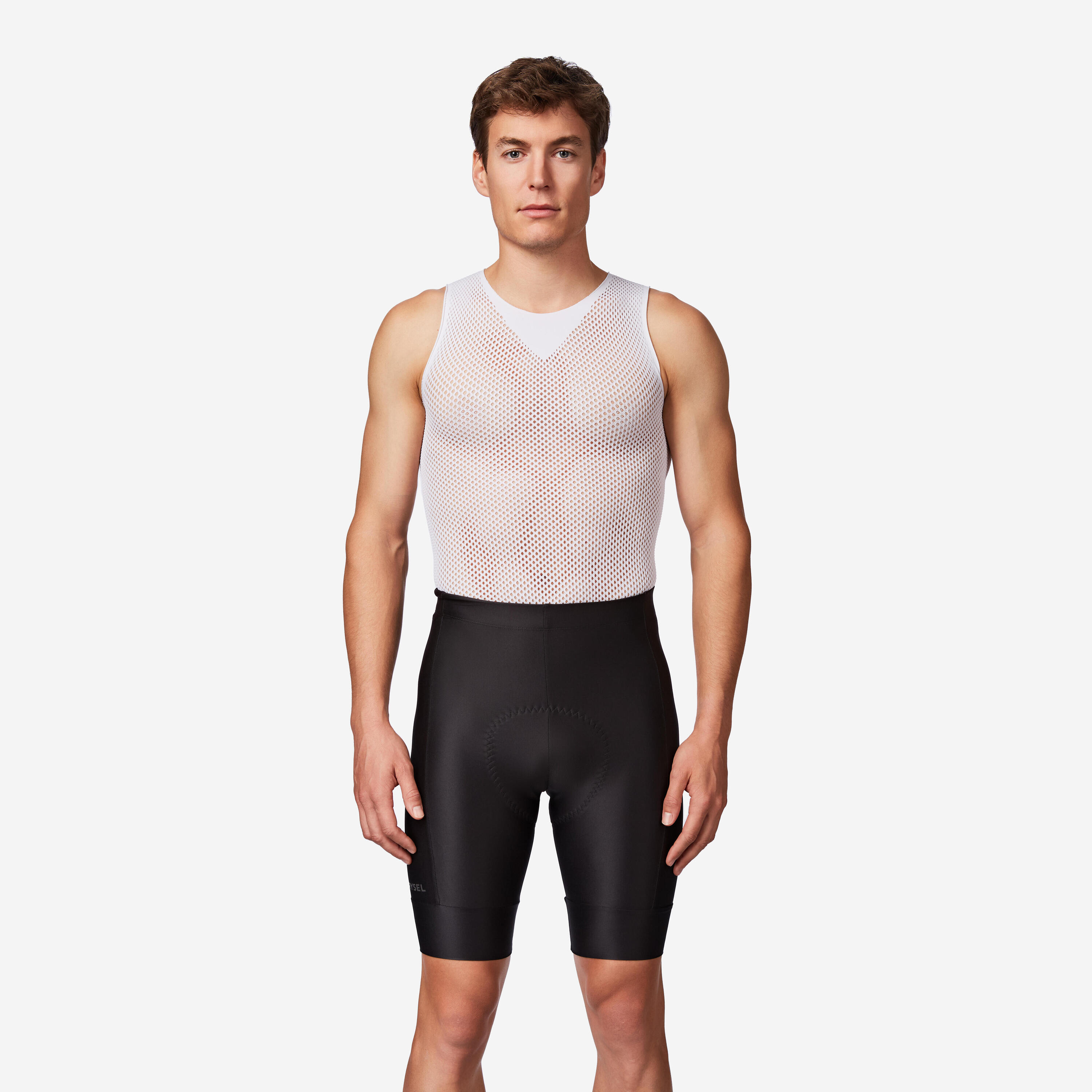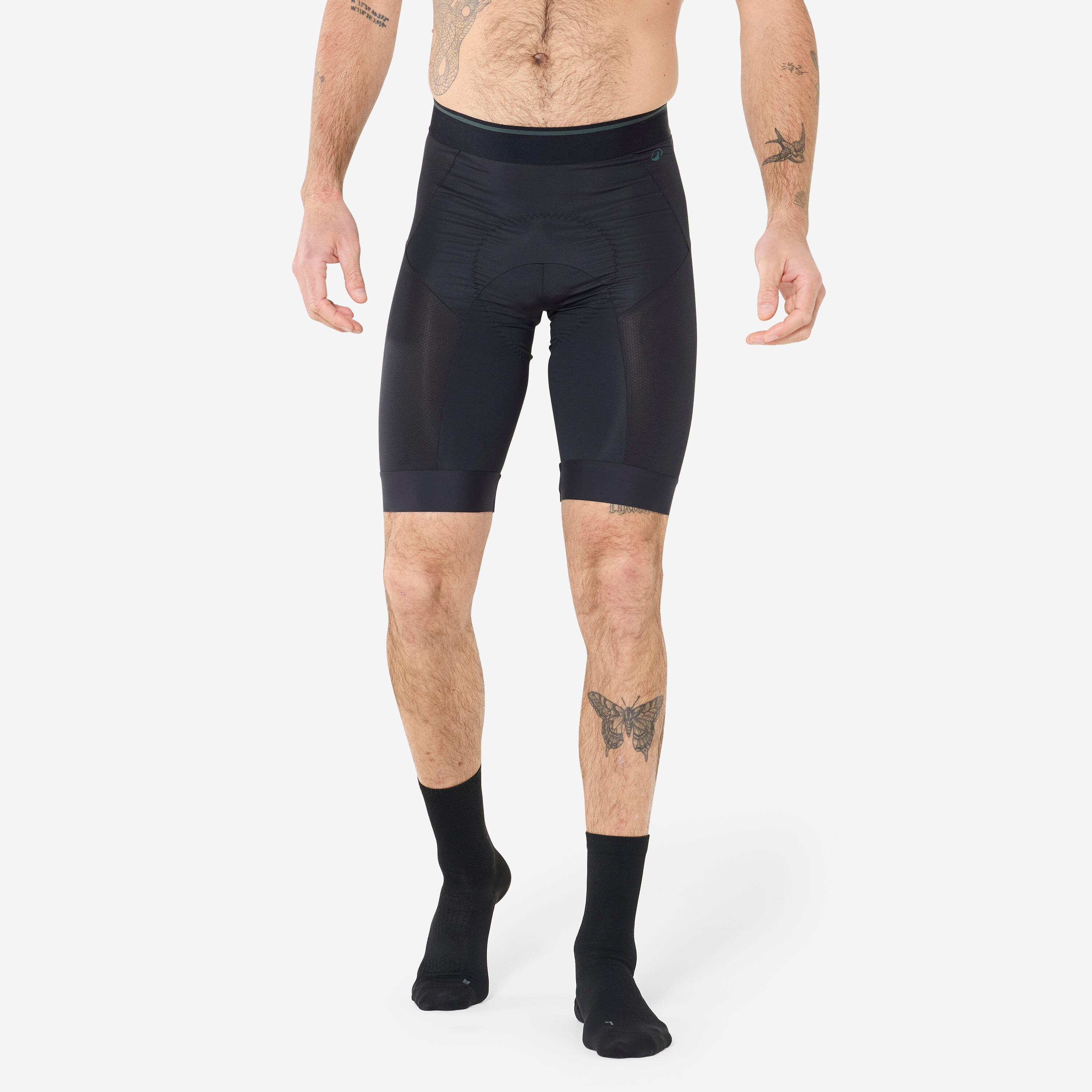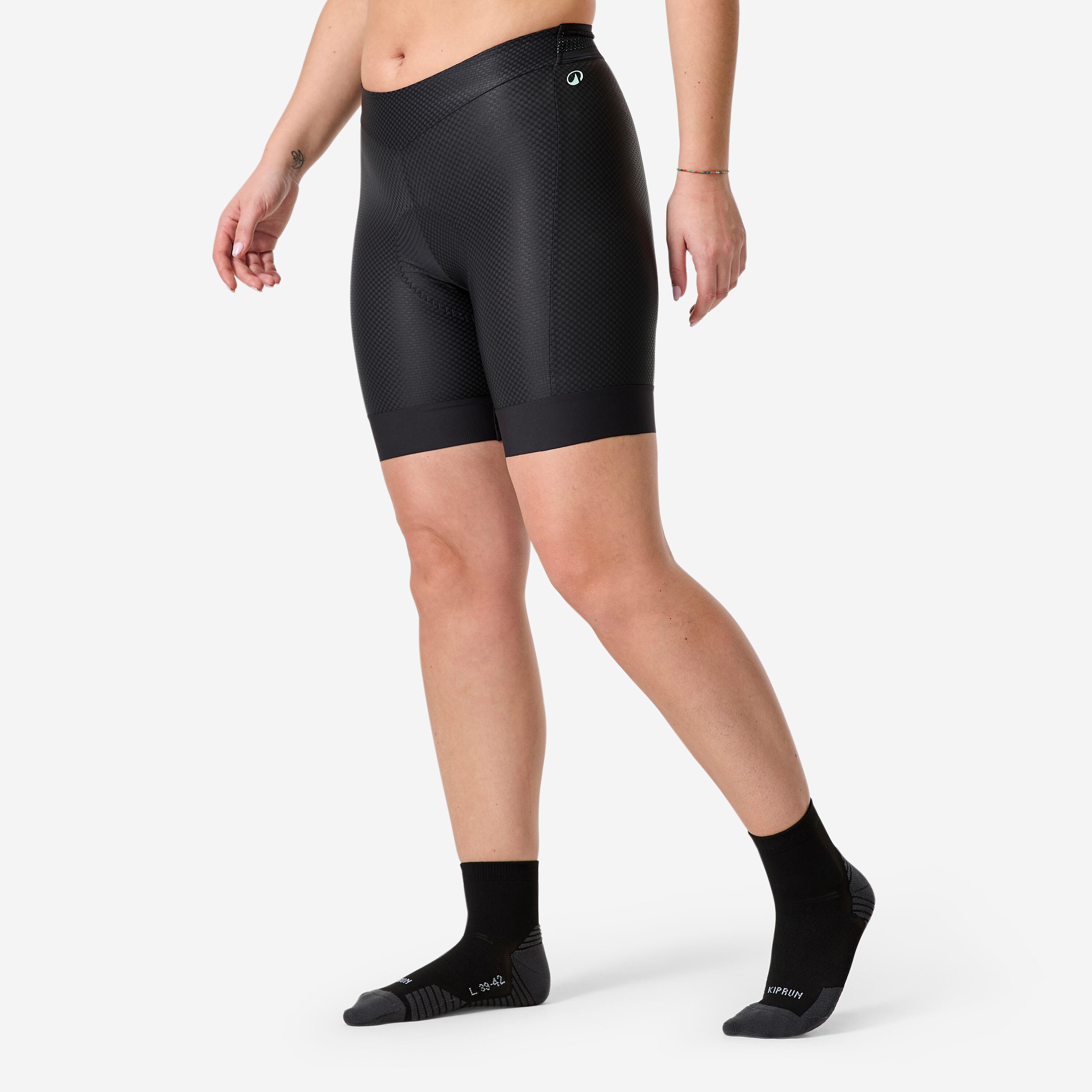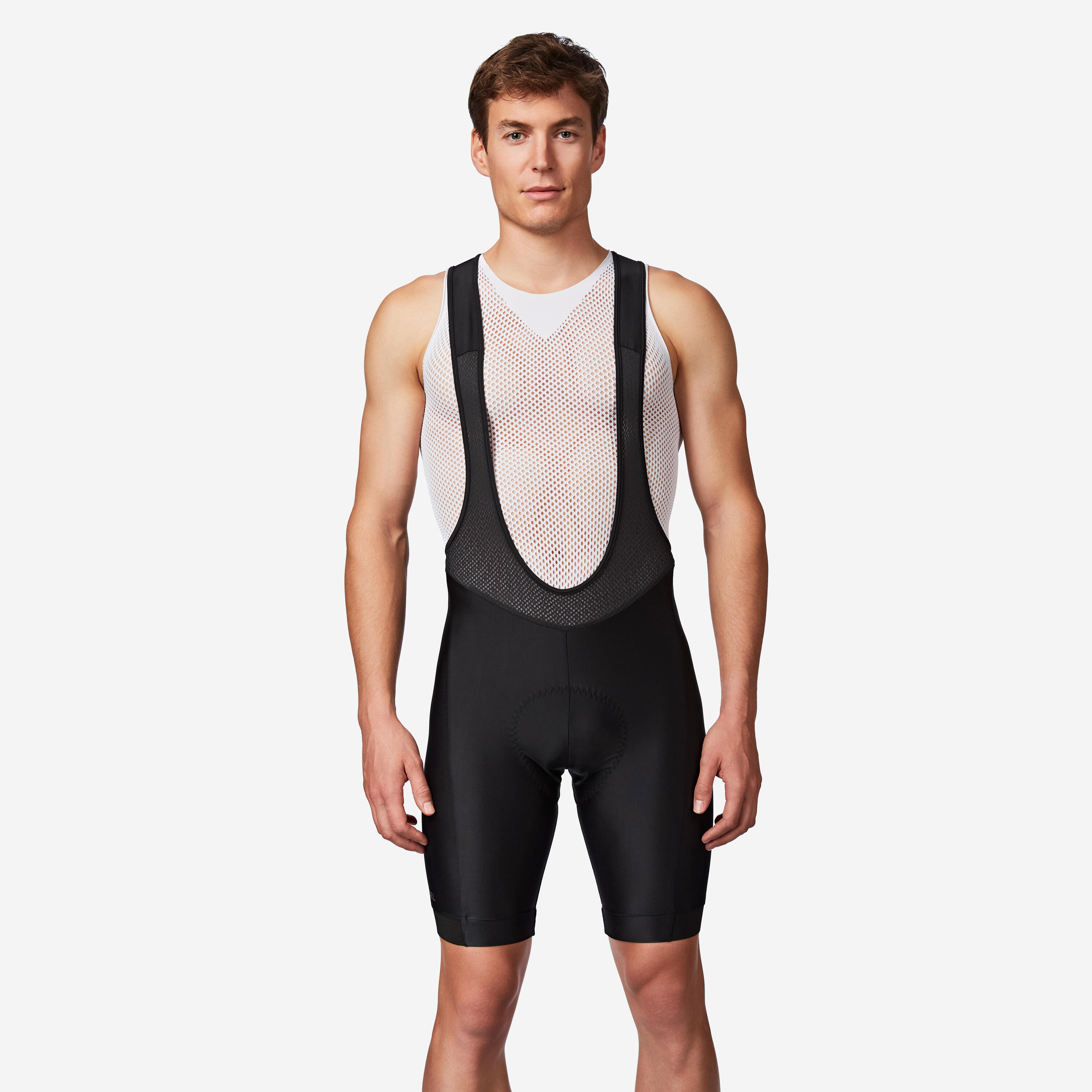
1,536 items
4.5/5 based on 31312 reviews collected online and in stores

CYCLING SHORTS AND TIGHTS FAQS

How do I choose between cycling shorts and tights for different seasons?

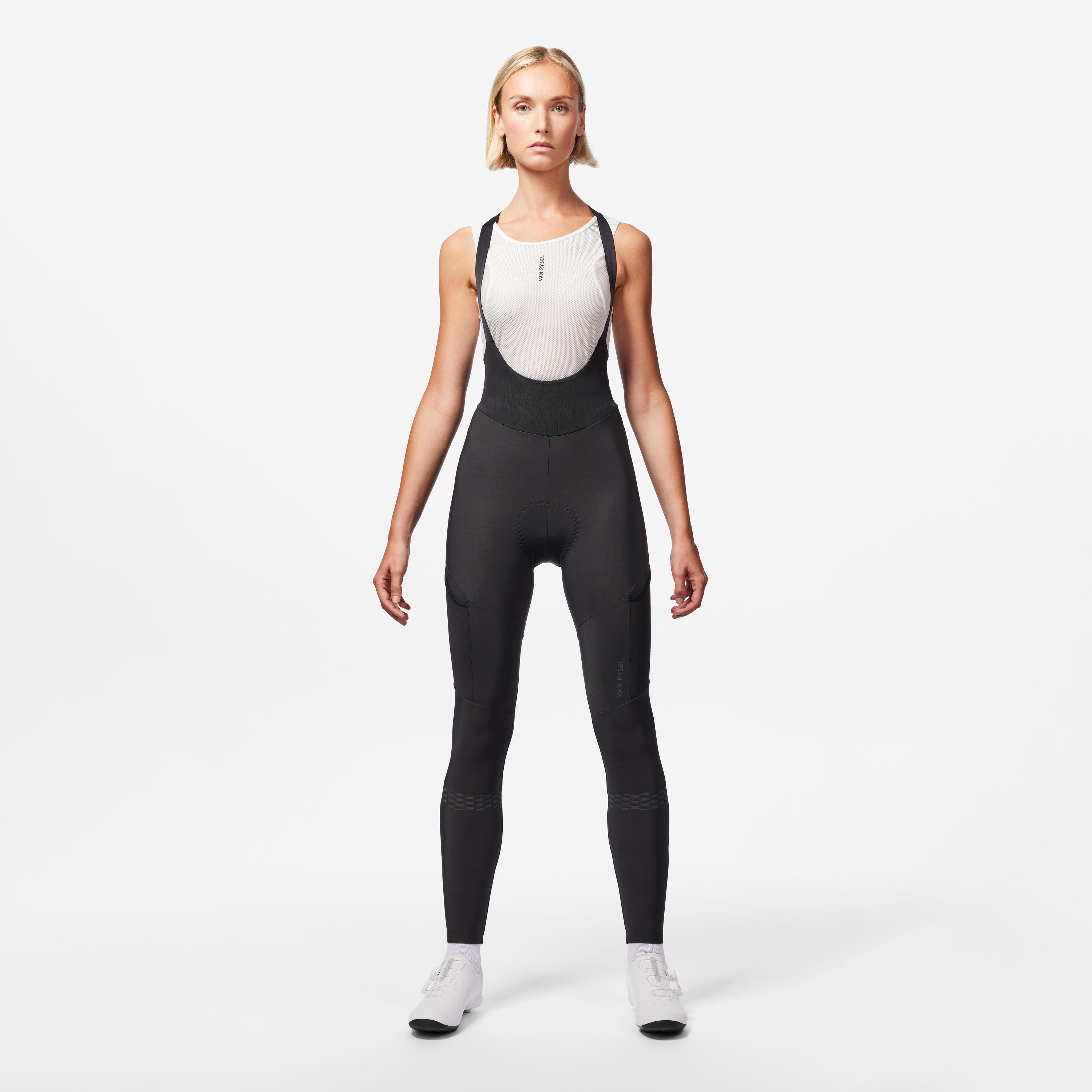
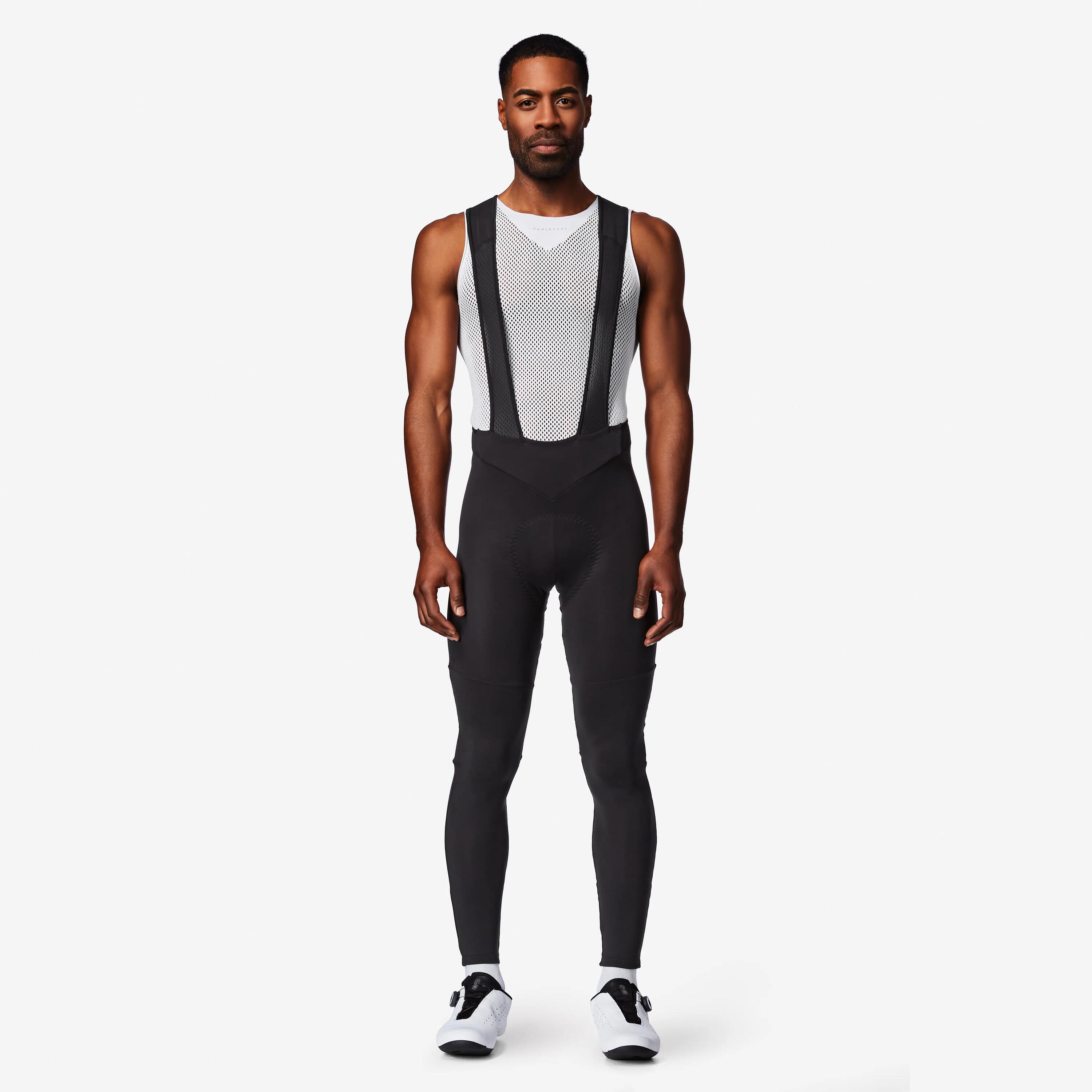
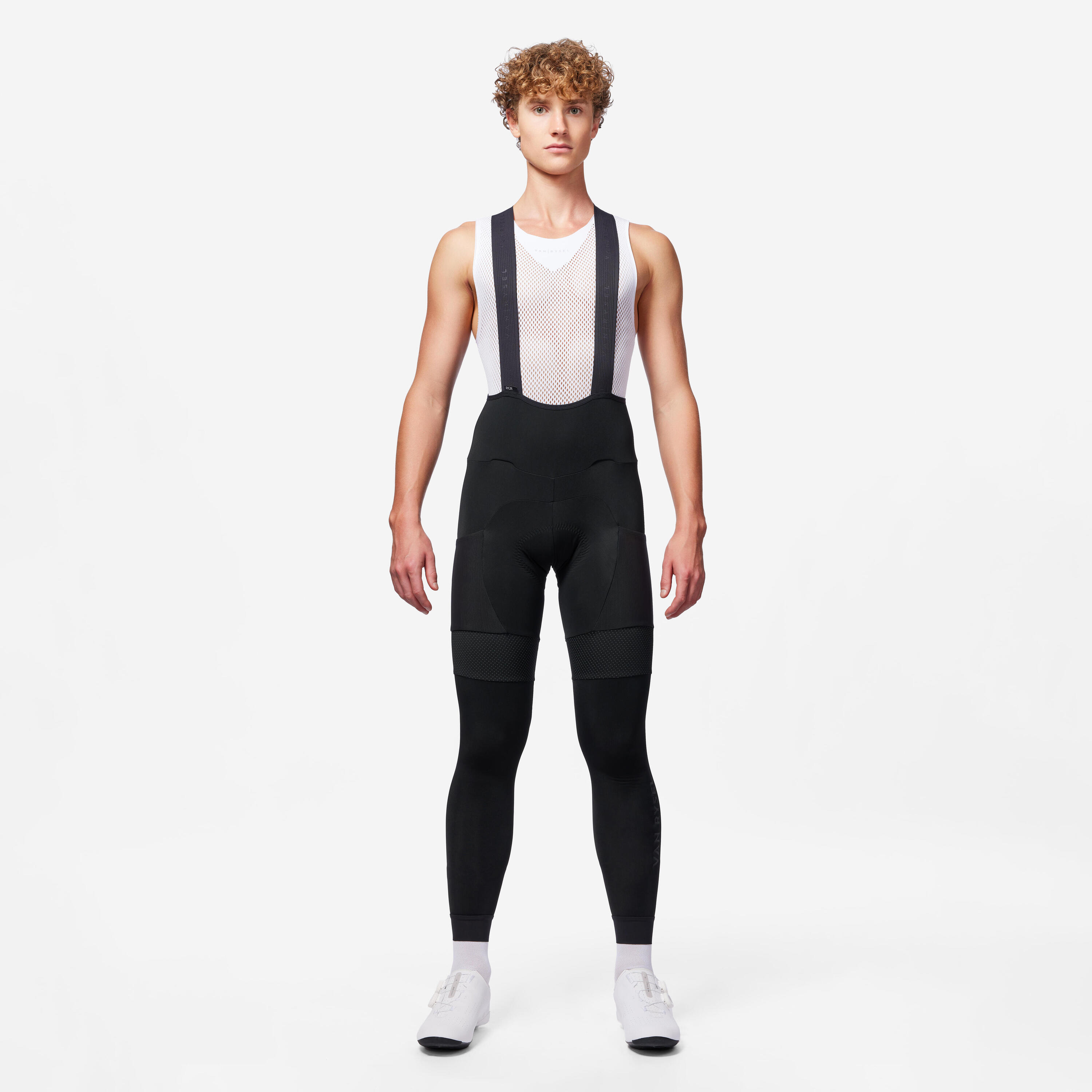
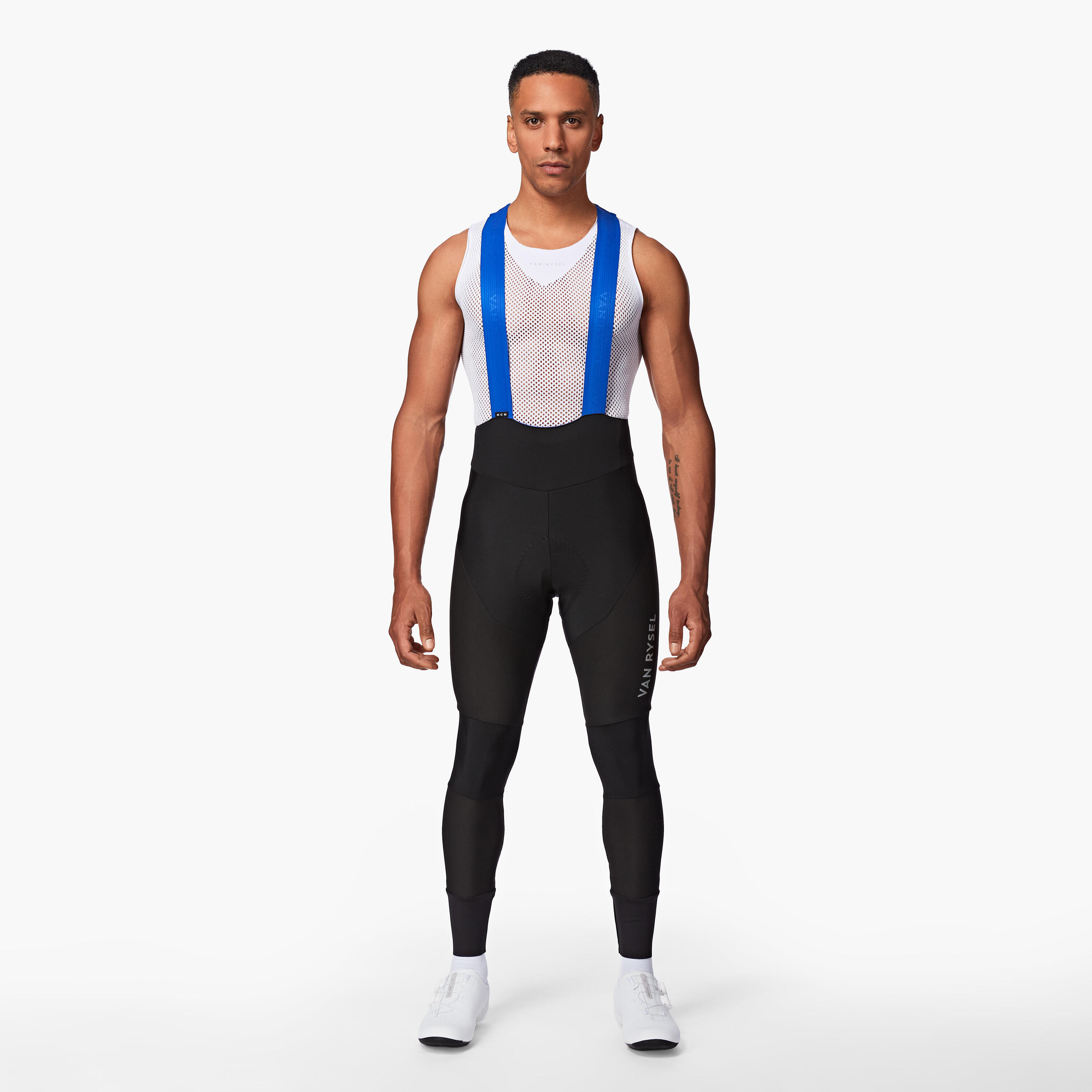
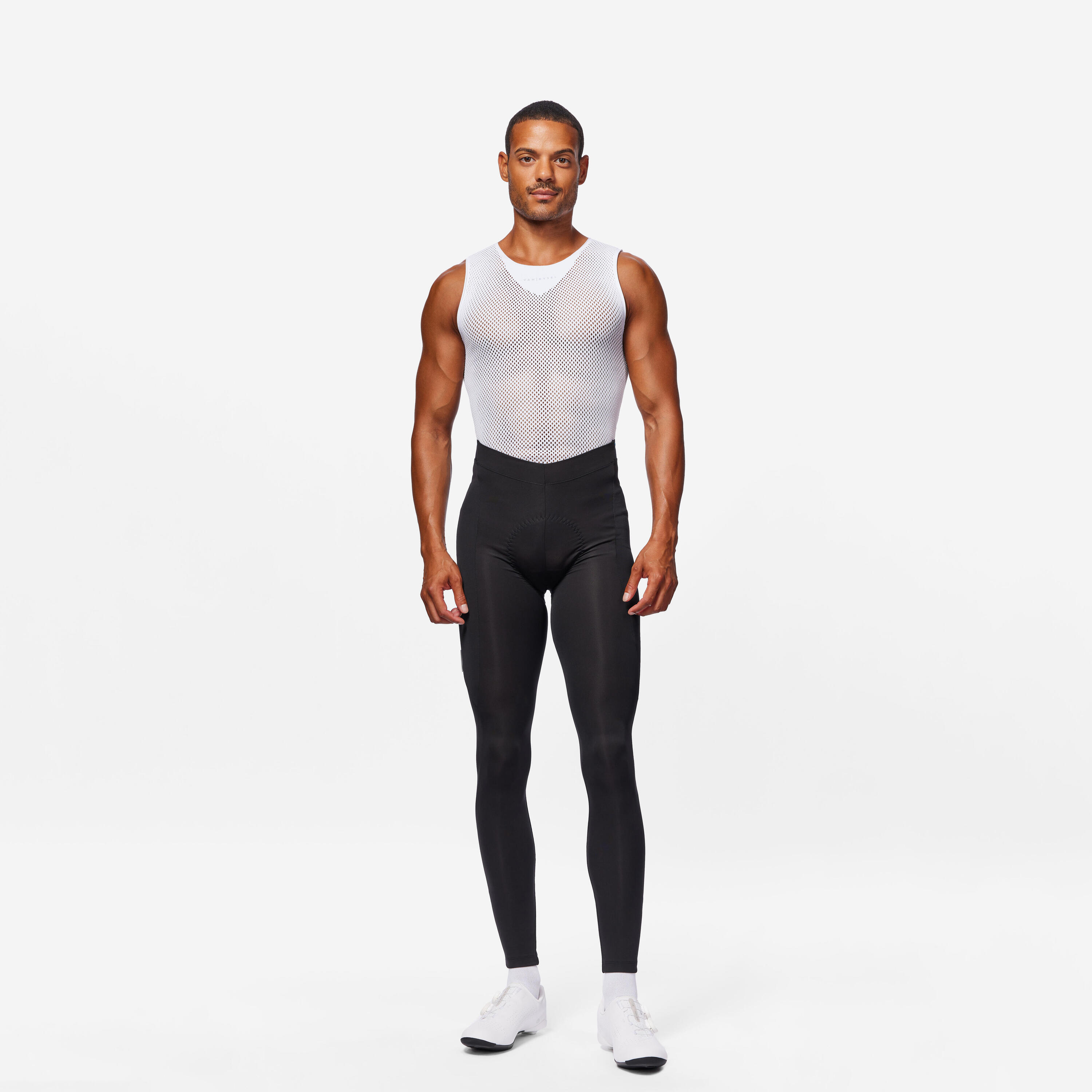
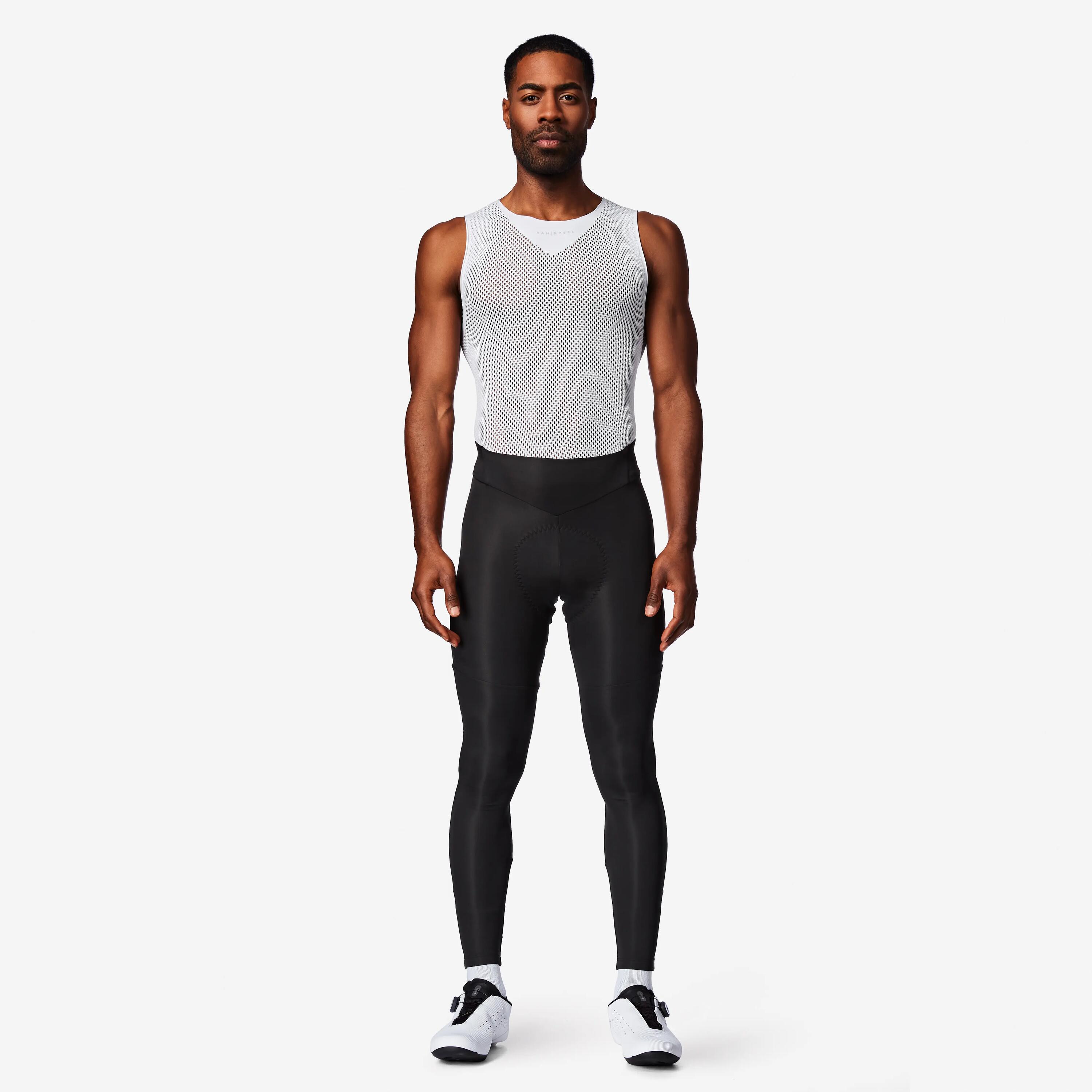
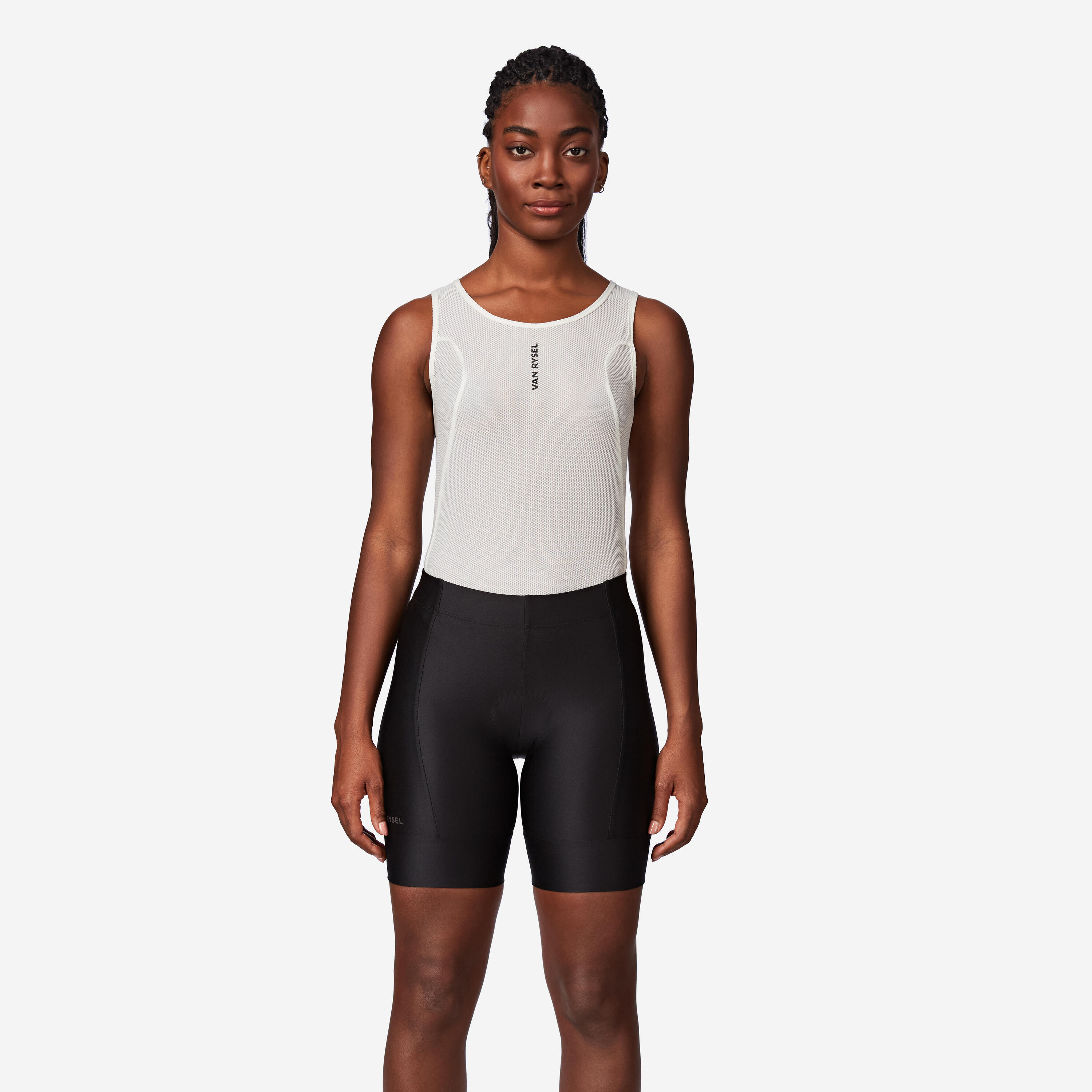
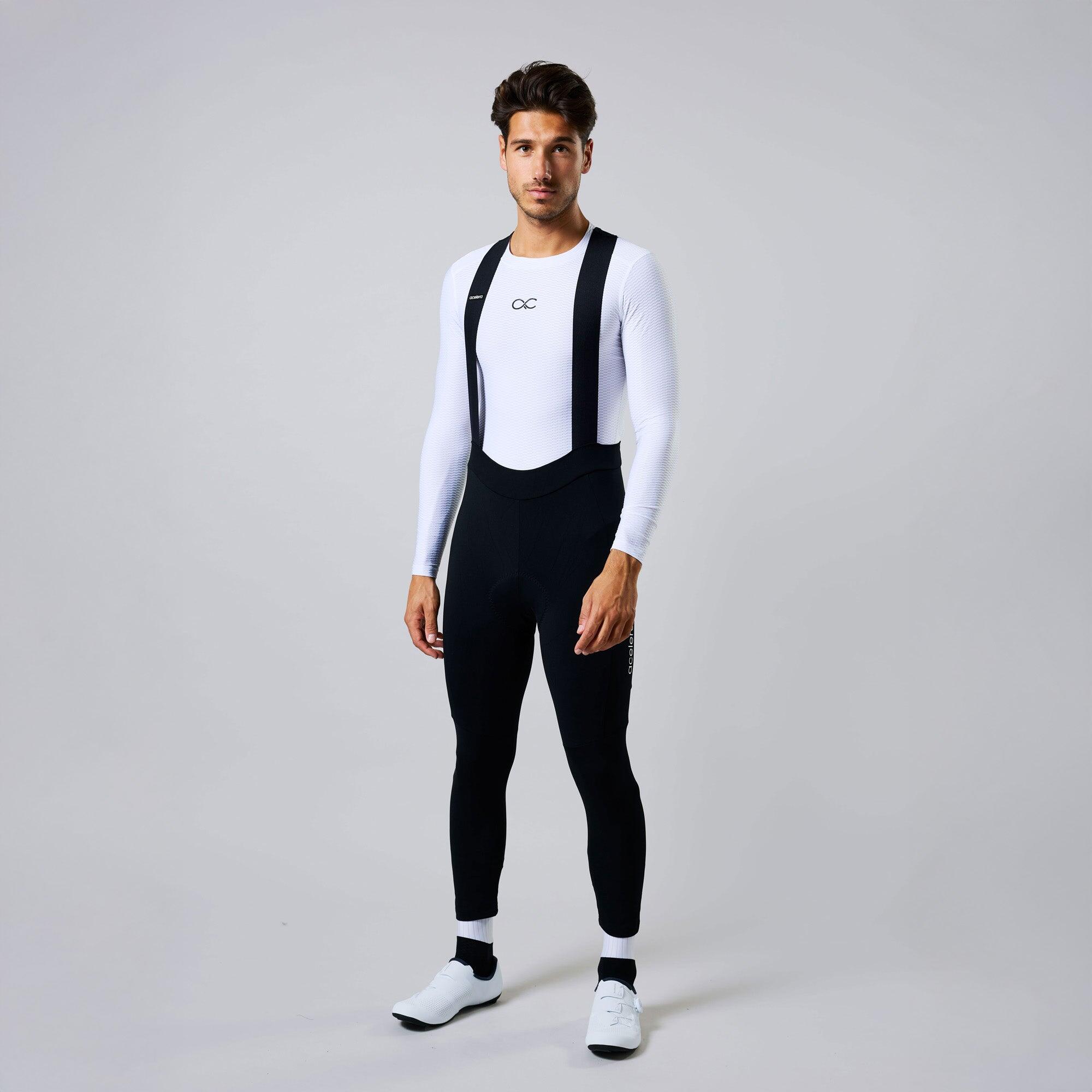
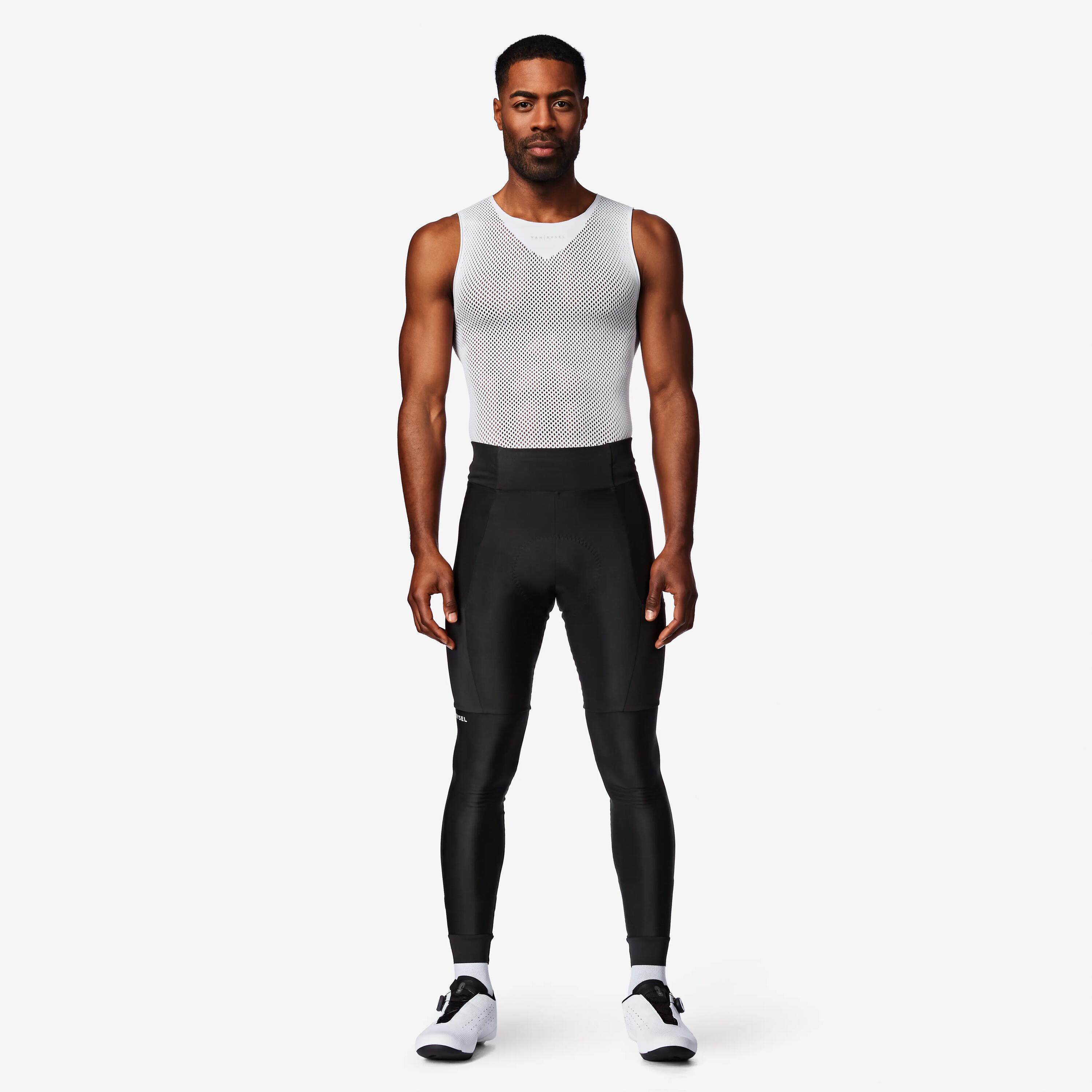
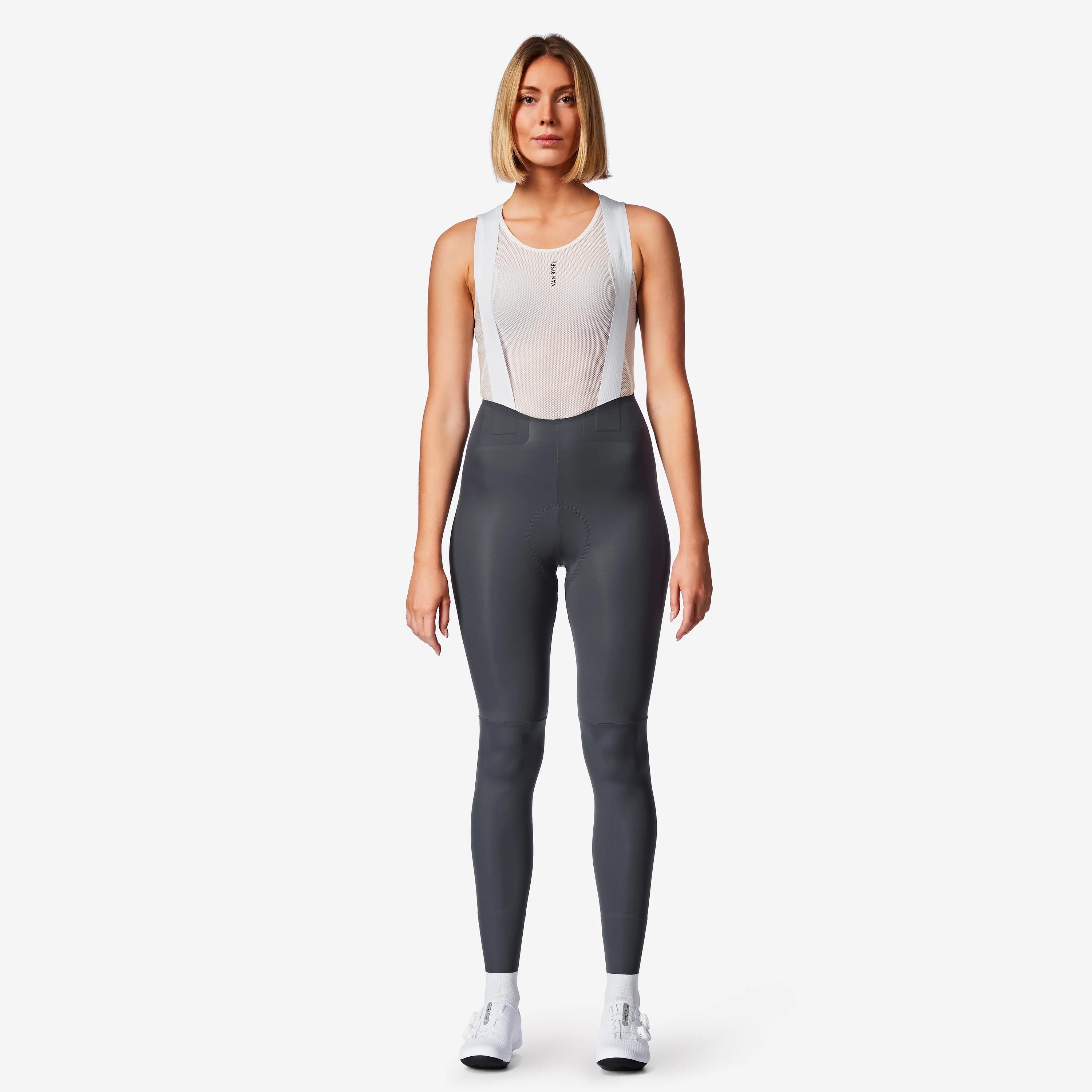
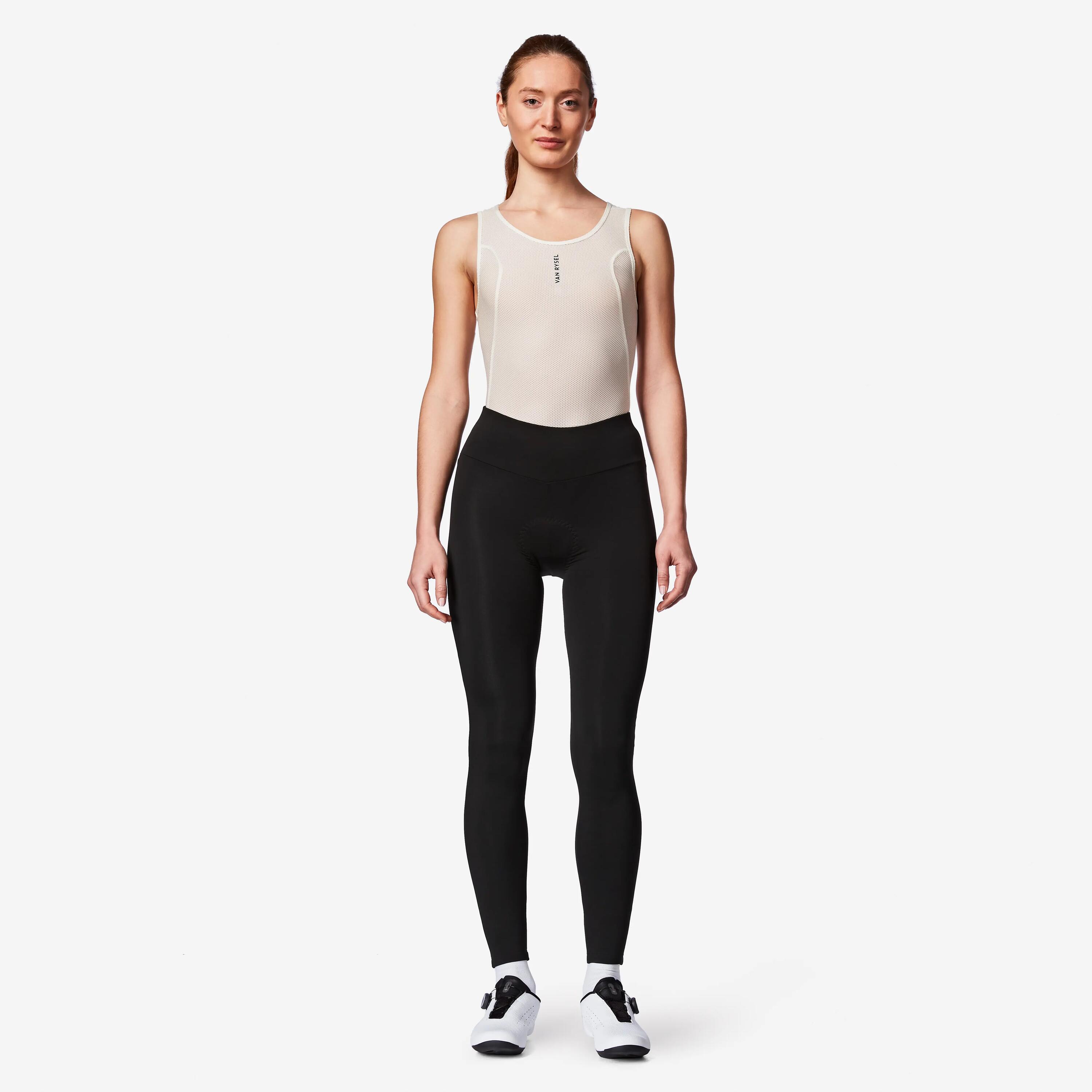
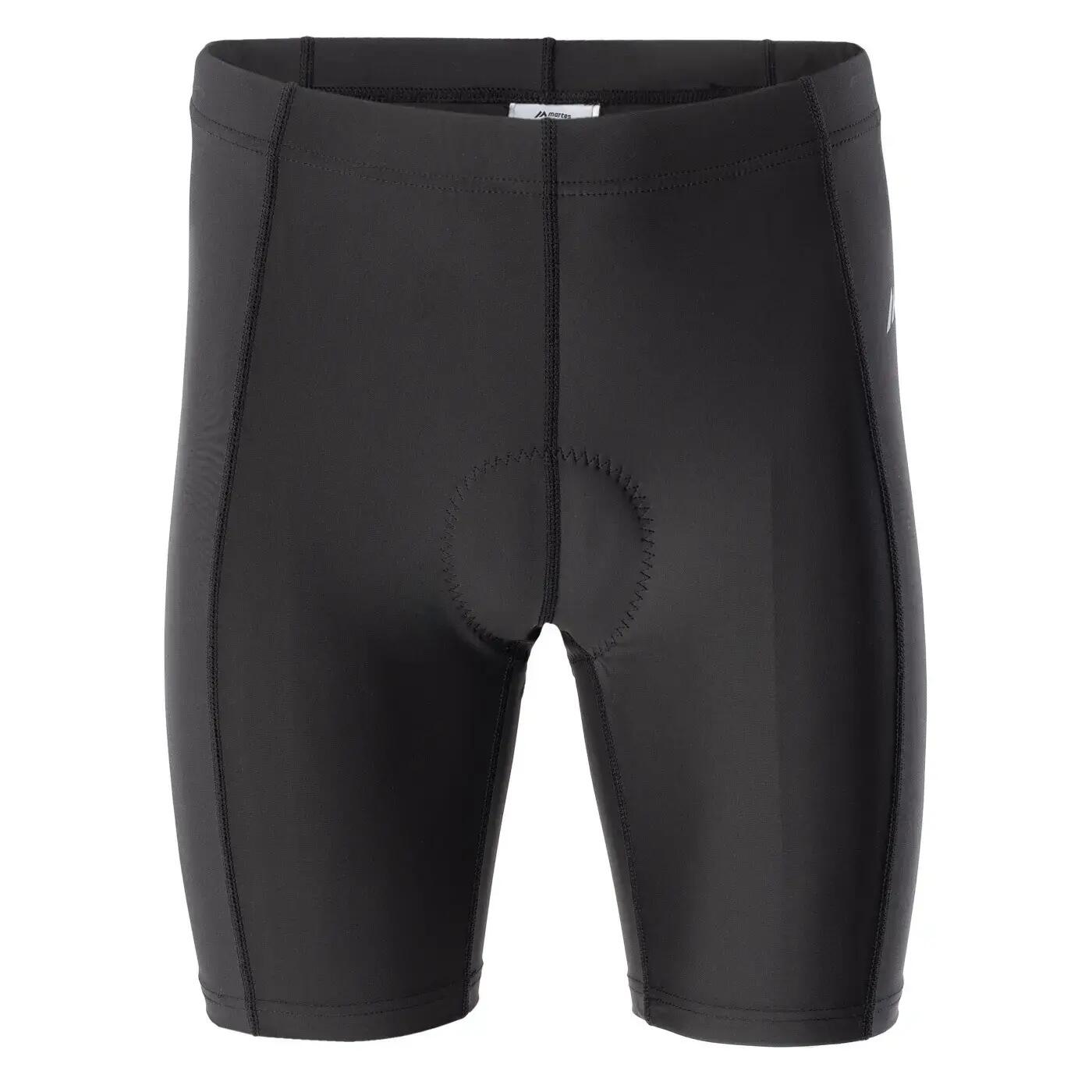
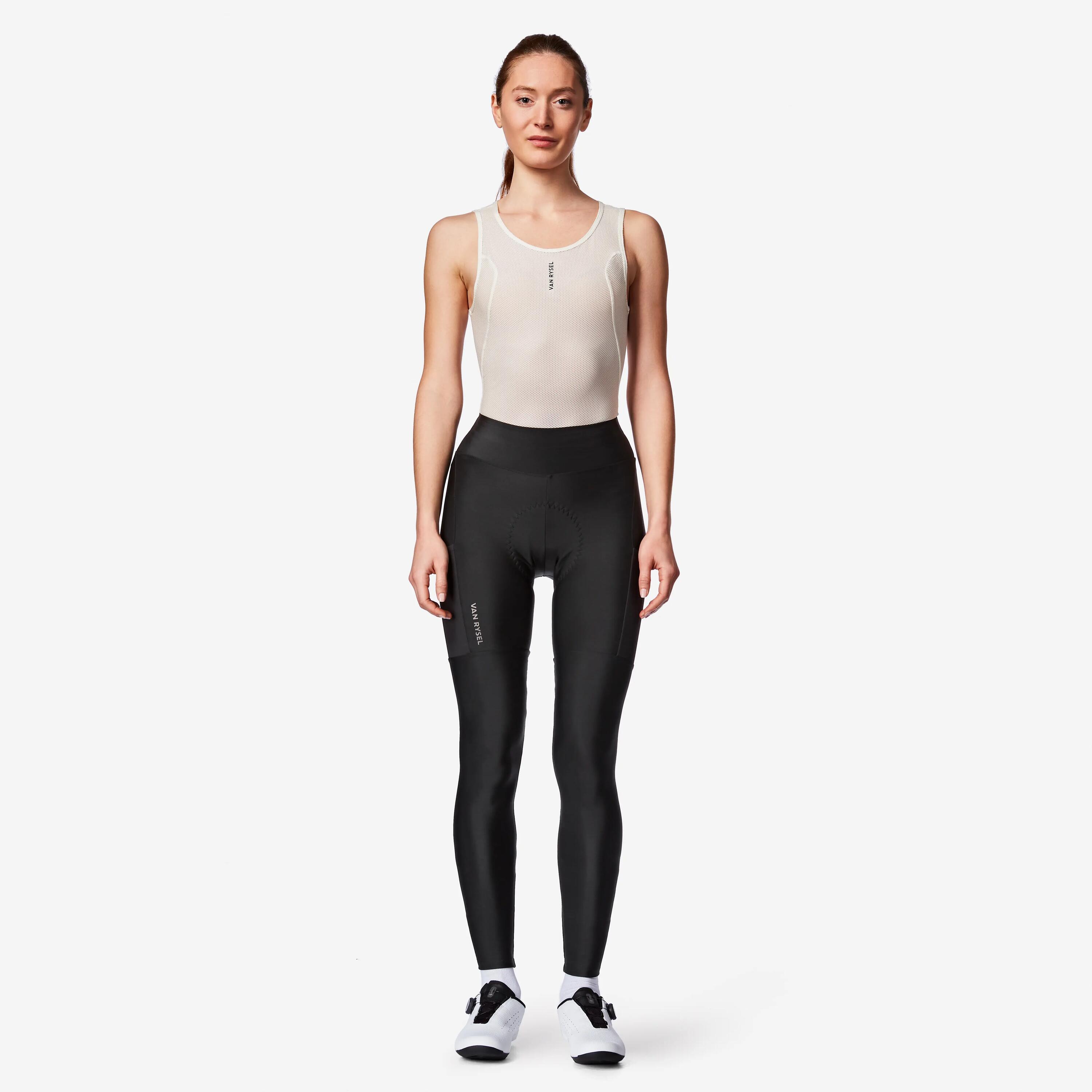
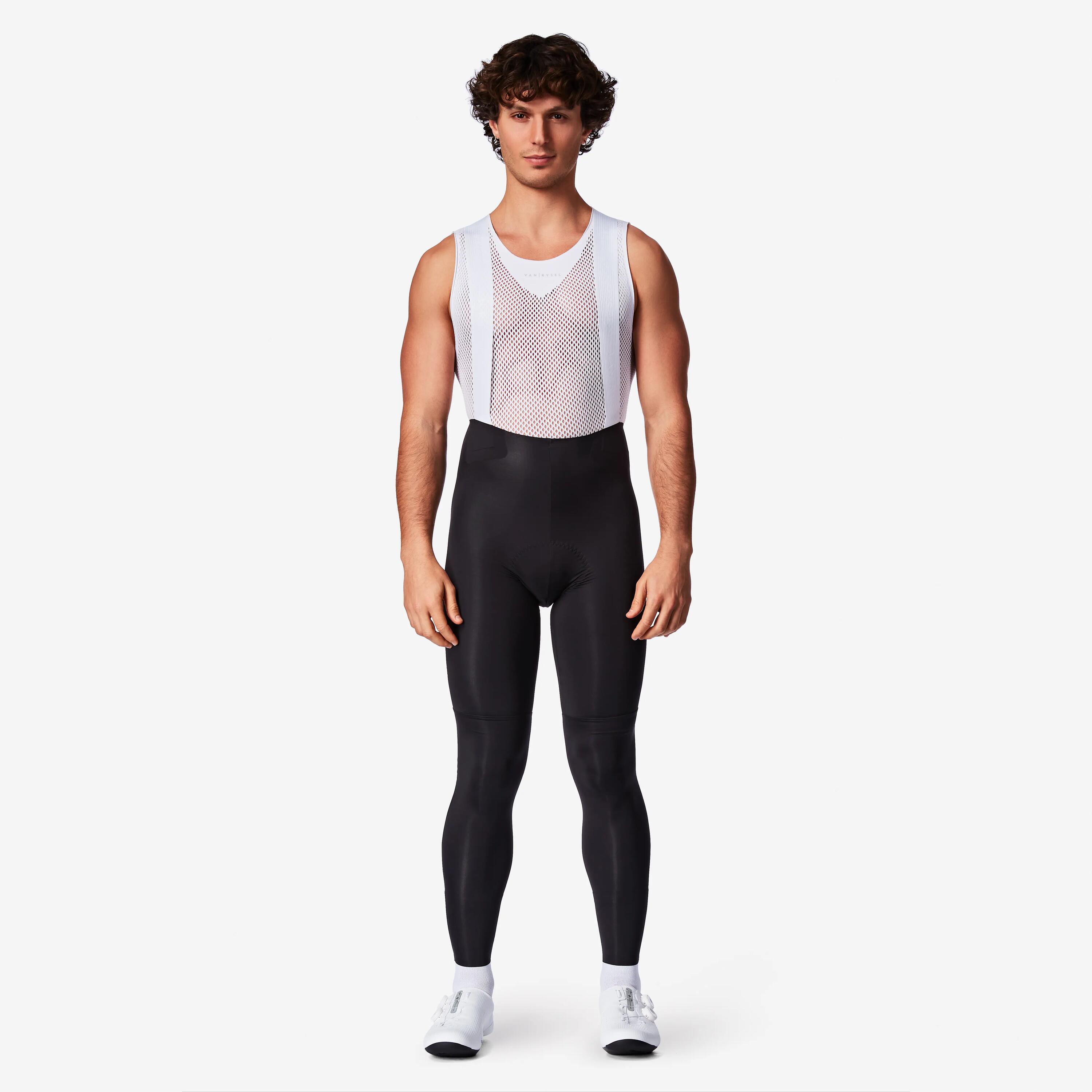
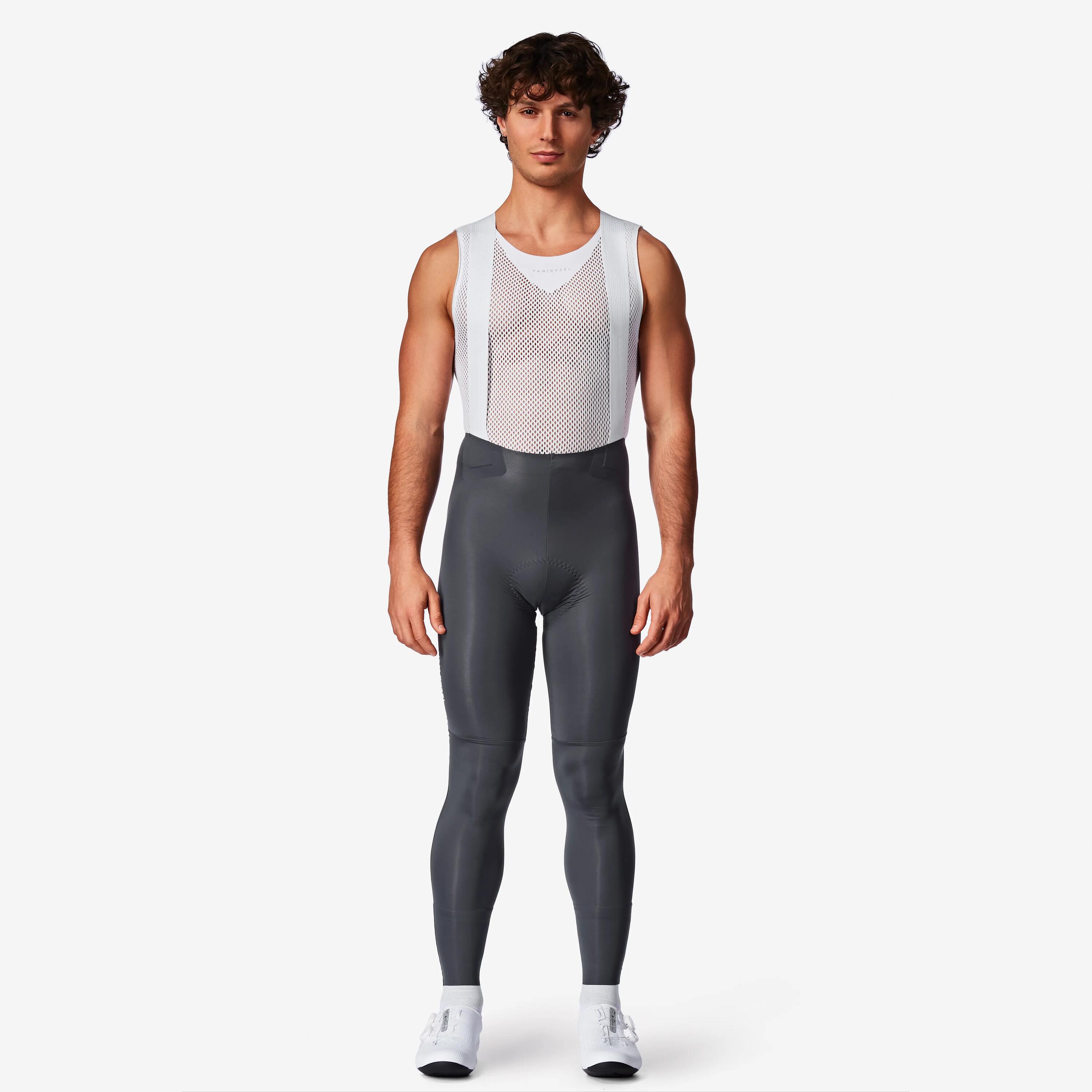
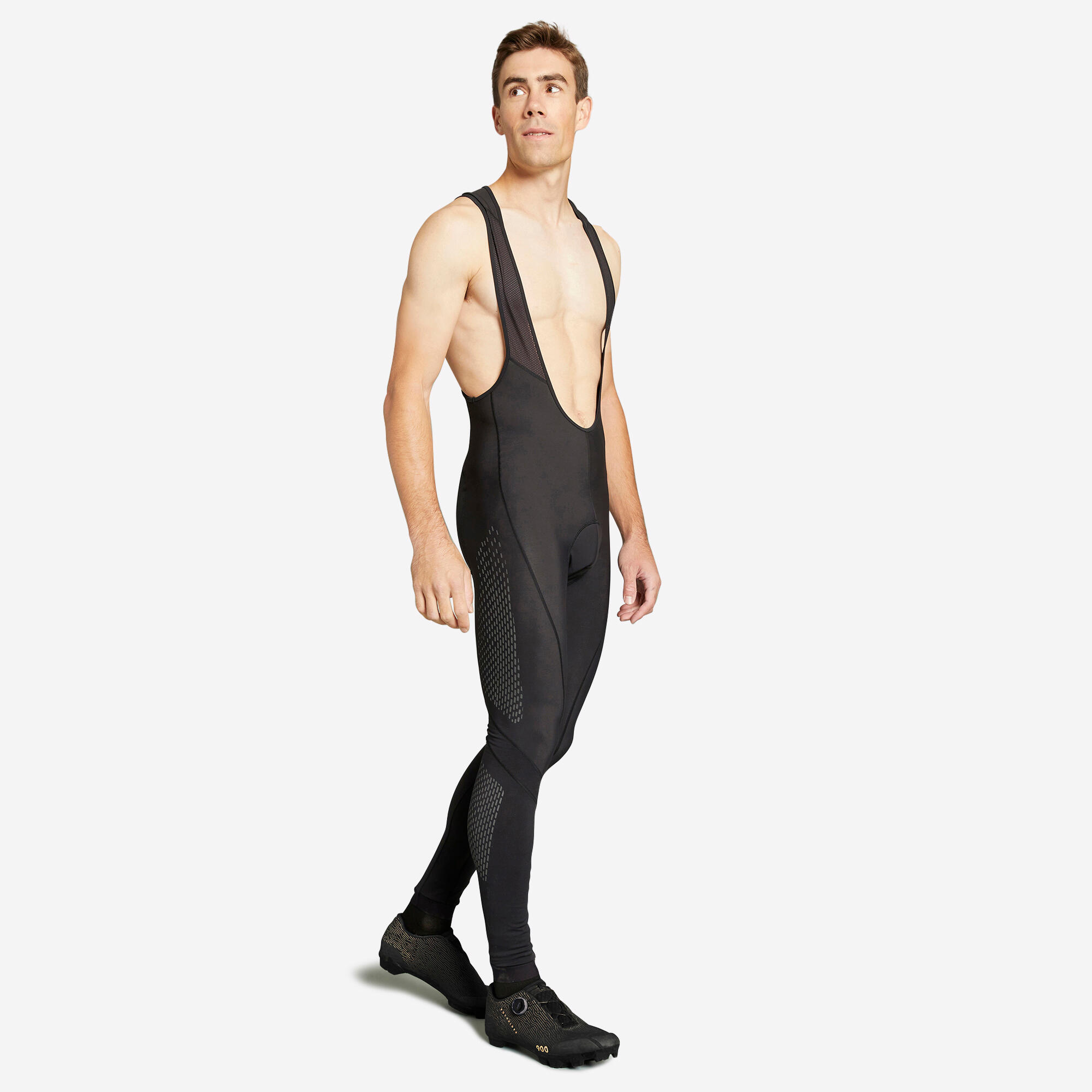
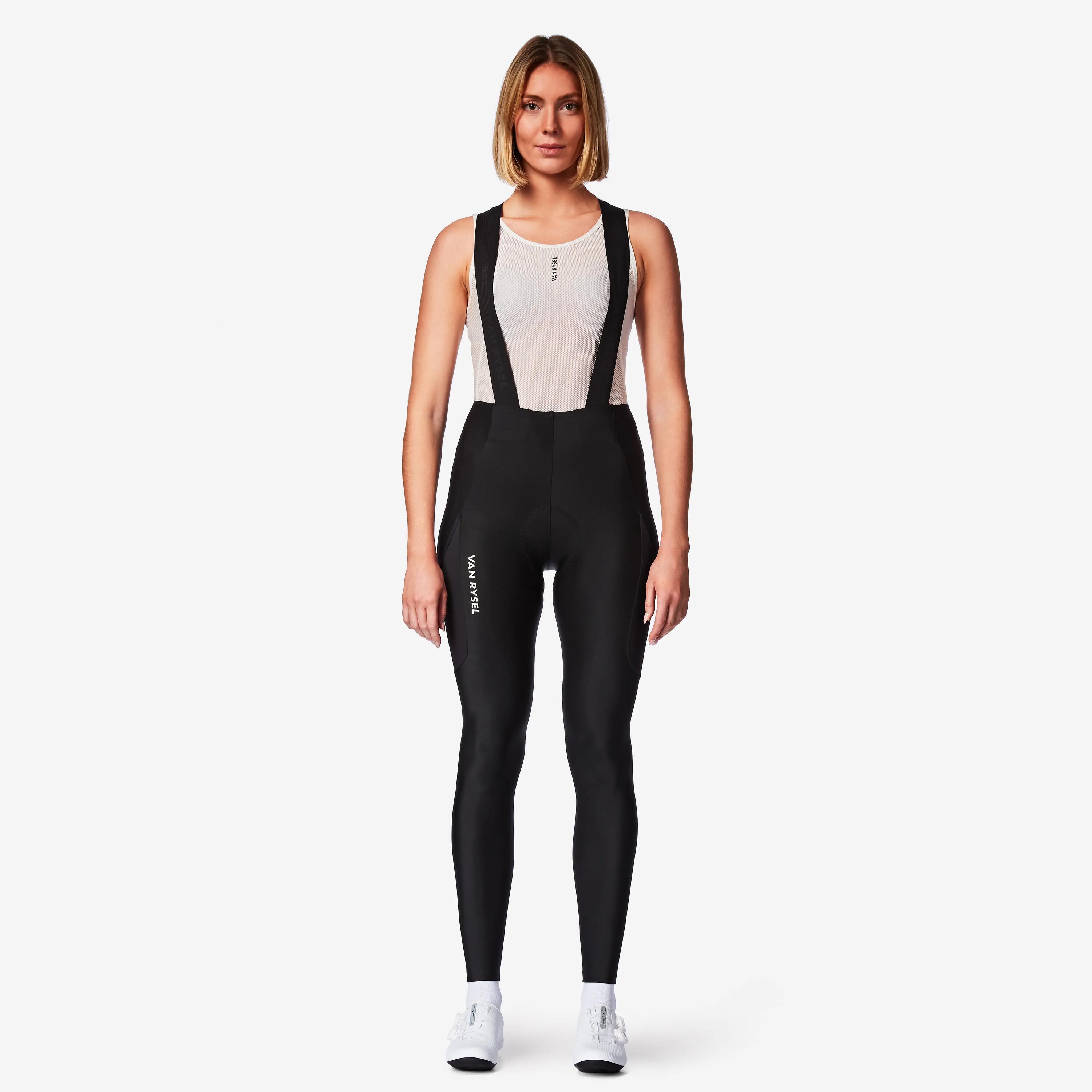
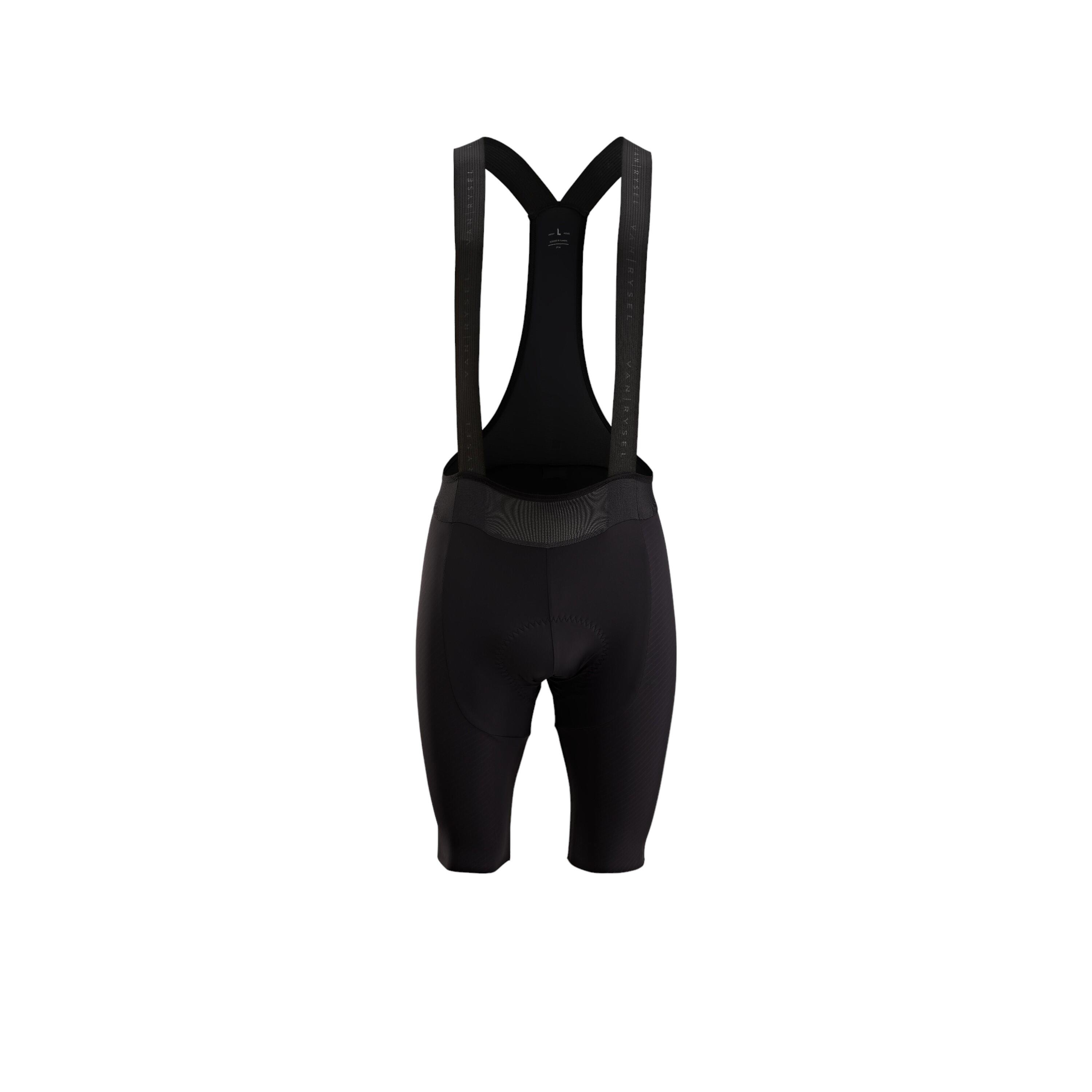
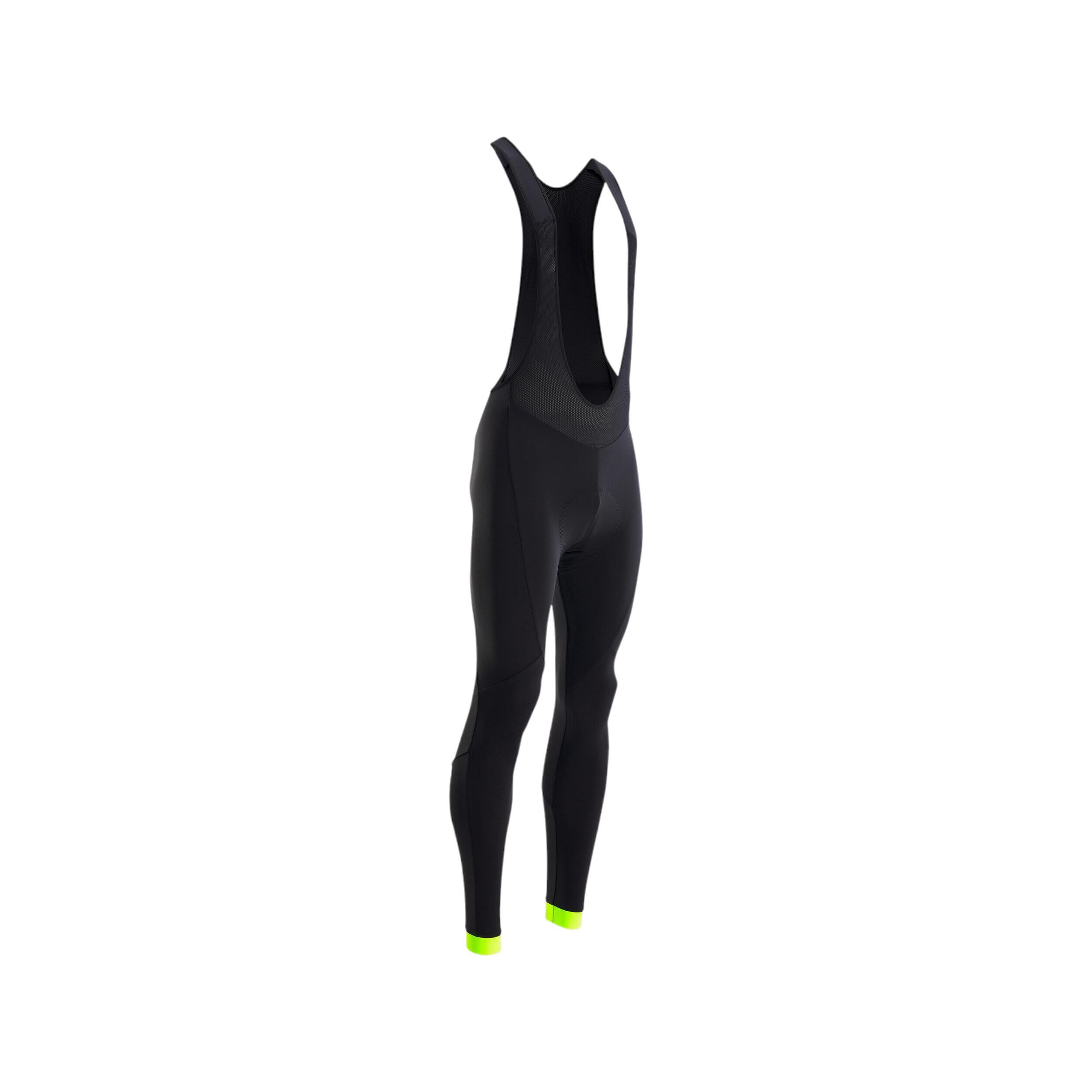
Choosing between shorts or tights mainly depends on the weather and how intense your workout will be. For summer road cycling, lightweight shorts provide maximum ventilation and freedom of movement, whereas winter cycling tights feature brushed thermal linings to retain body heat in near-freezing conditions. The technical benefit of full-length coverage is the preservation of muscle temperature, which helps prevent strains when the air is cold. For those who prioritize maximum warmth and a secure fit during the coldest months, switching to cycling bib tights ensures that your lower back remains covered and protected from cold drafts, providing a continuous thermal barrier from the ankles to the torso.

What are the benefits of using bibless cycling shorts for short rides?

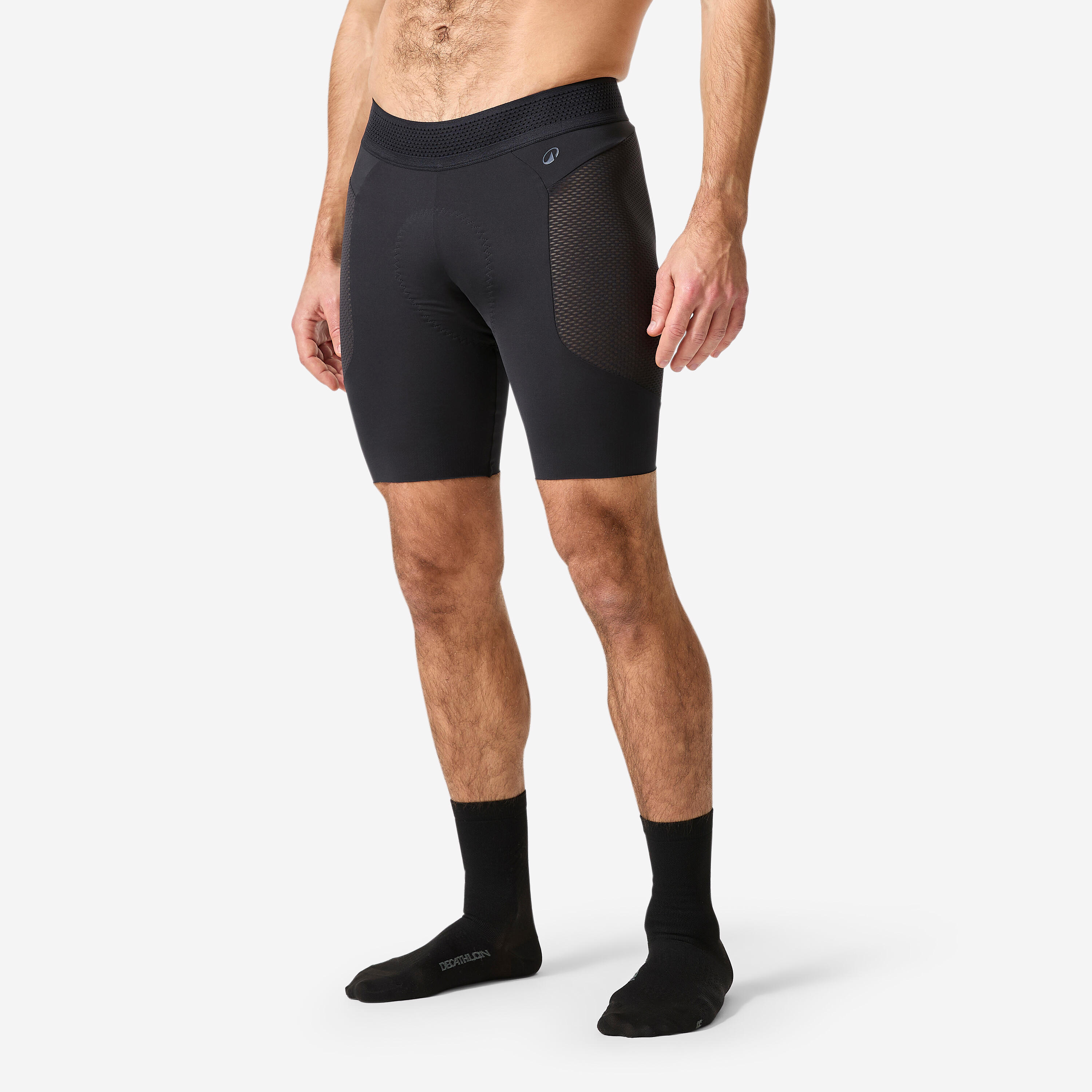
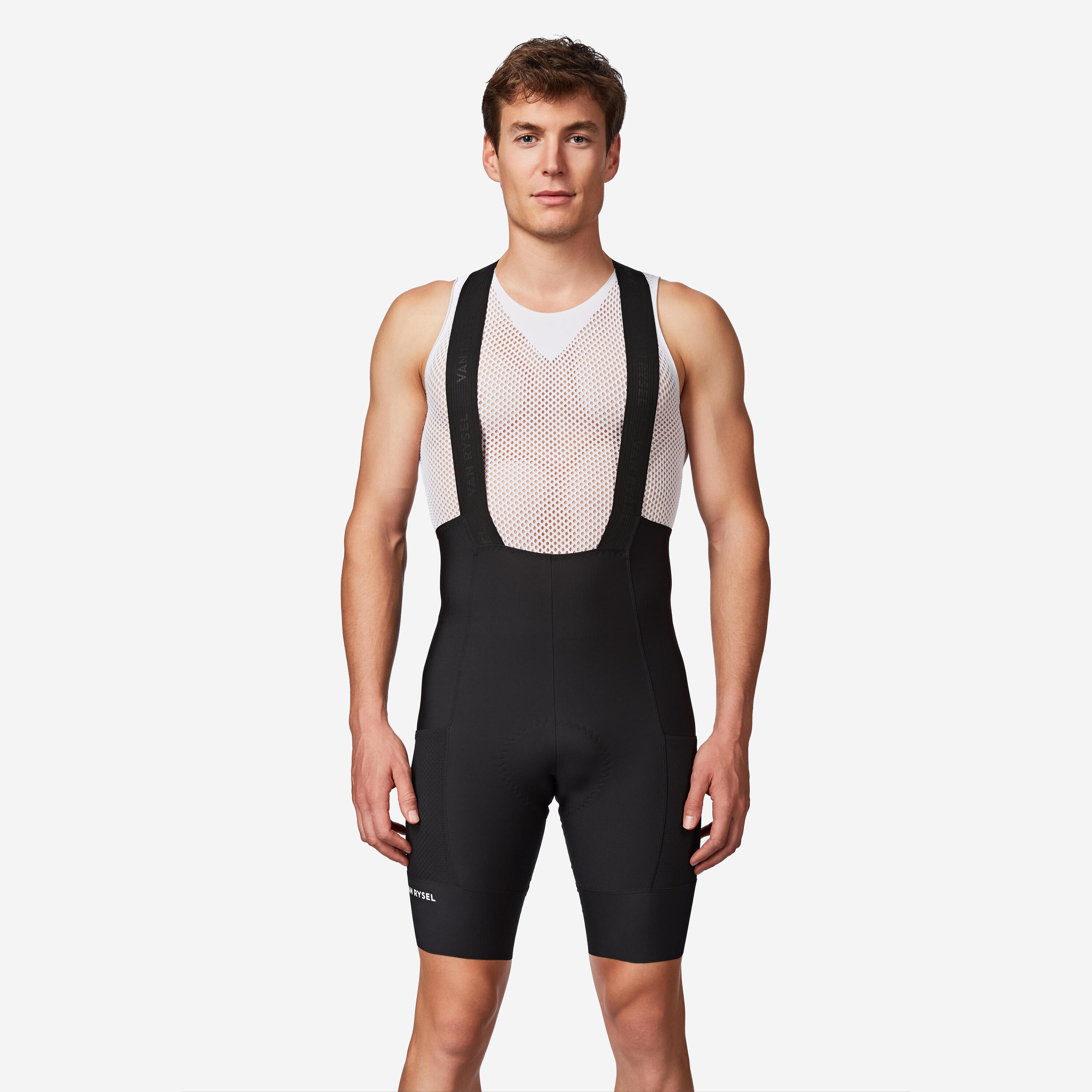
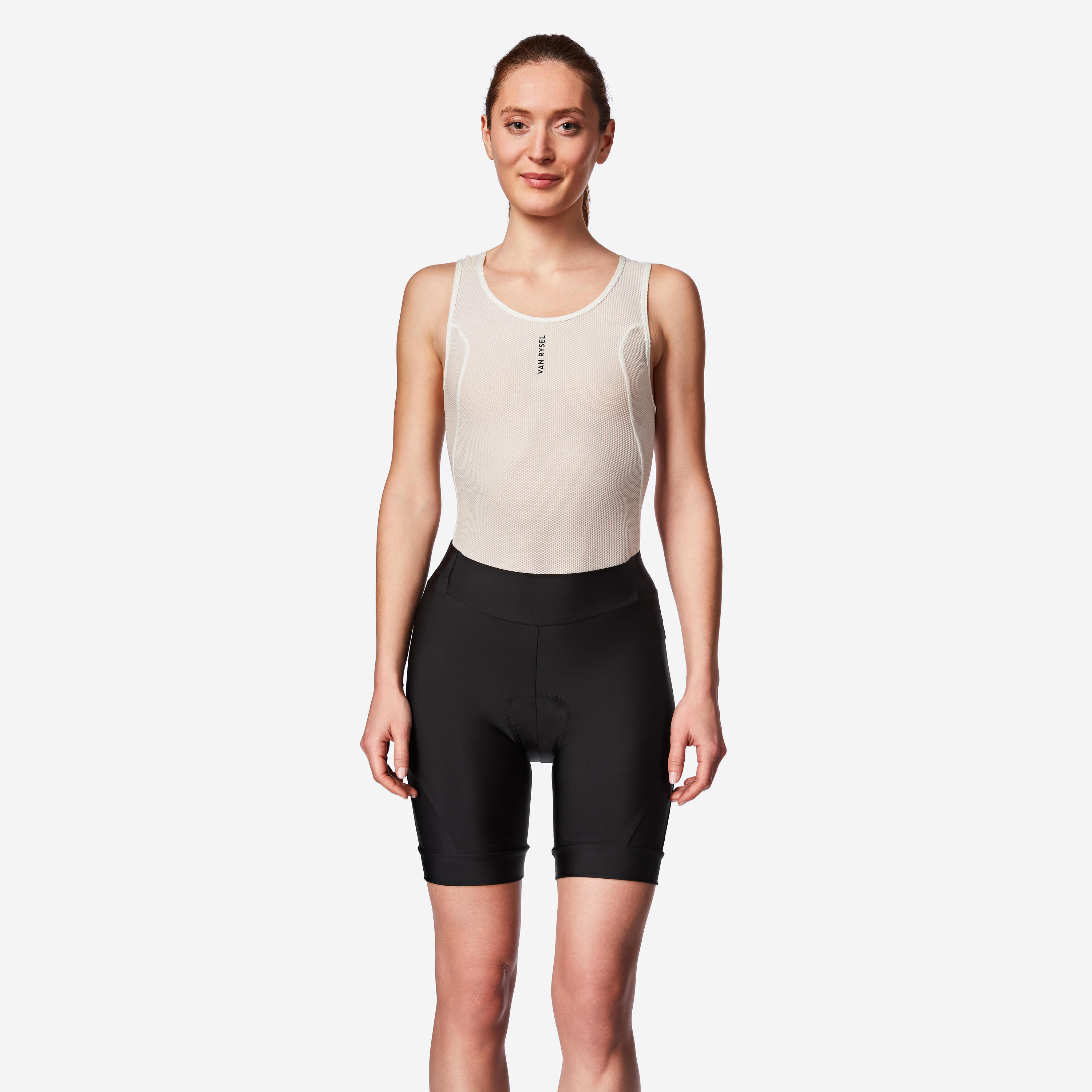
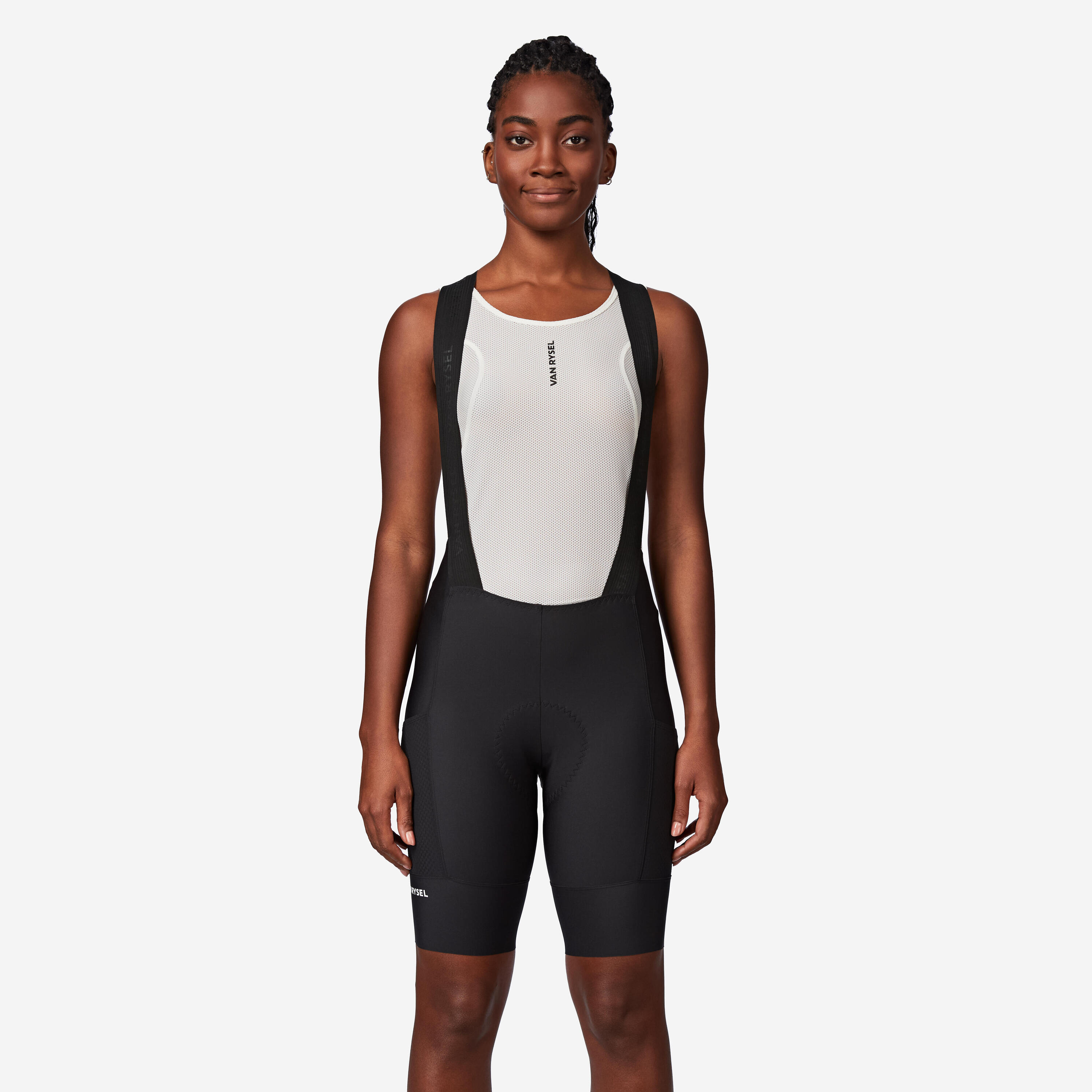
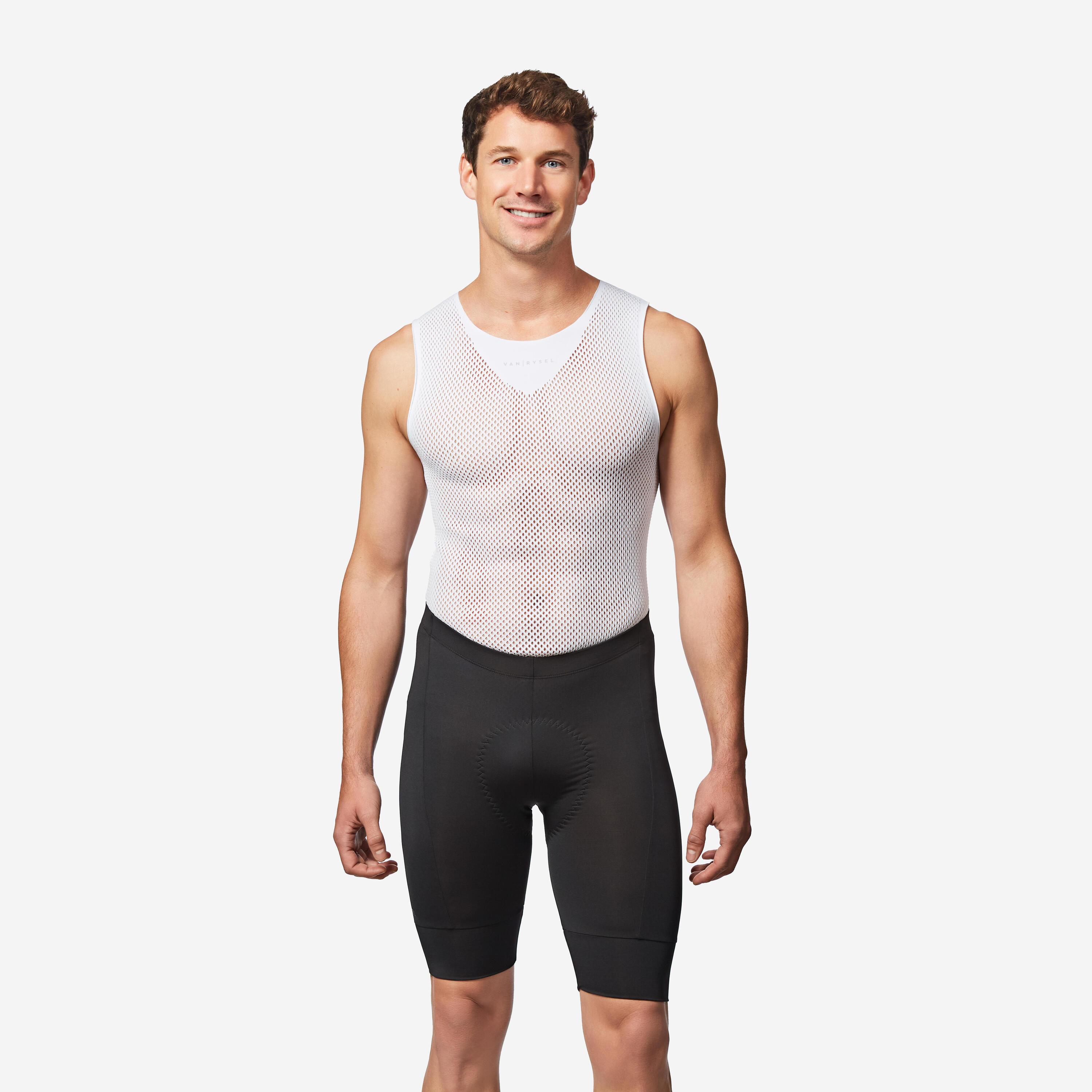
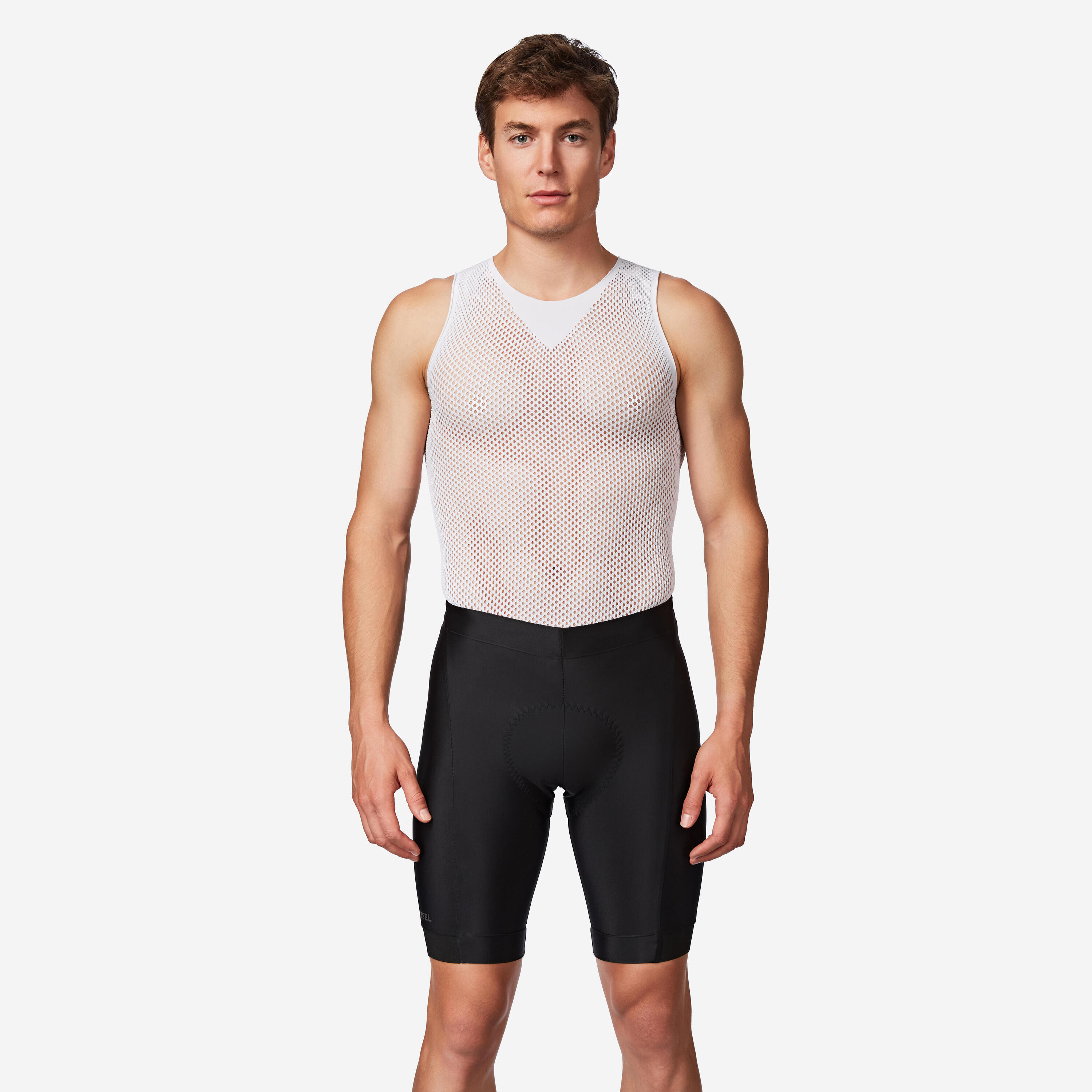
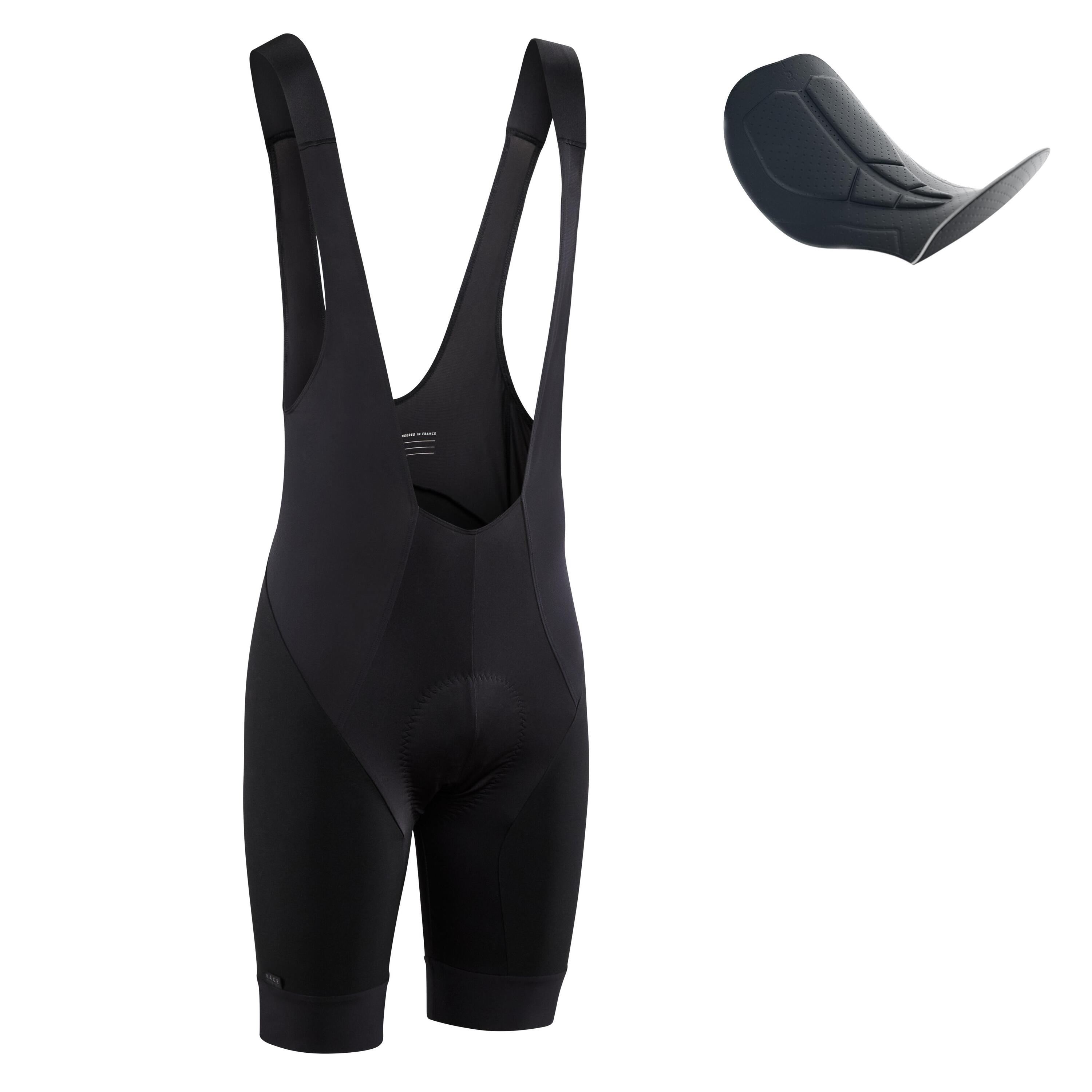
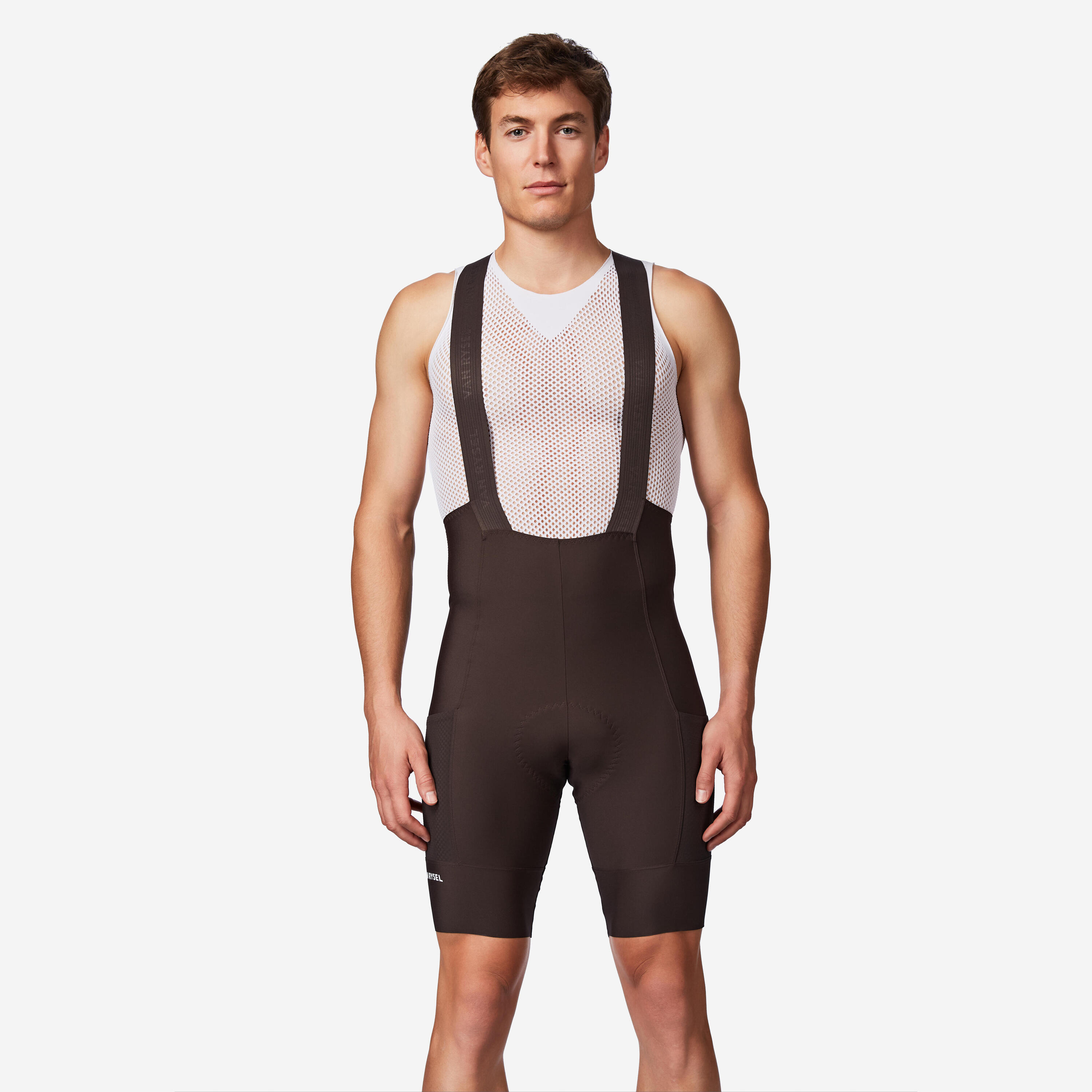
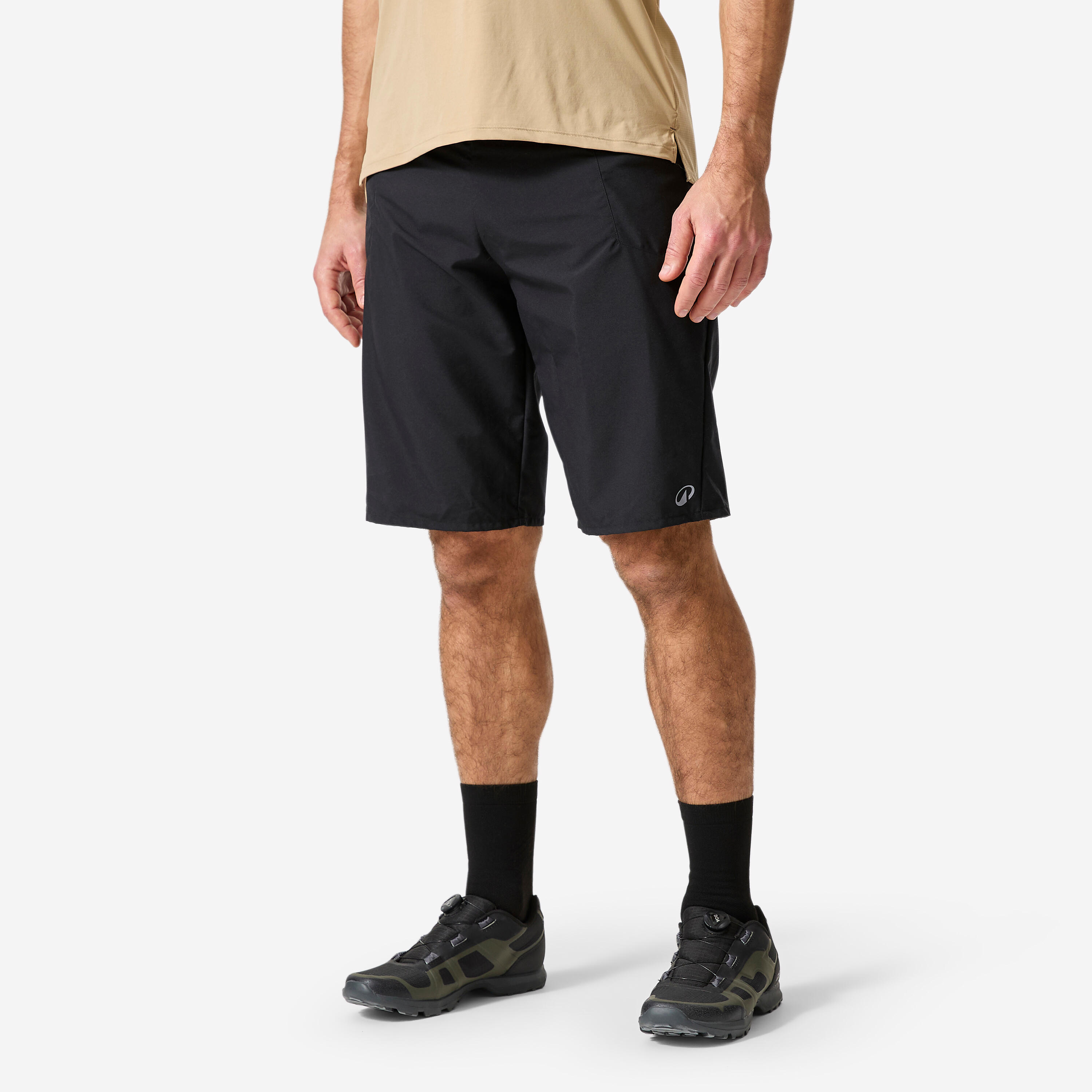
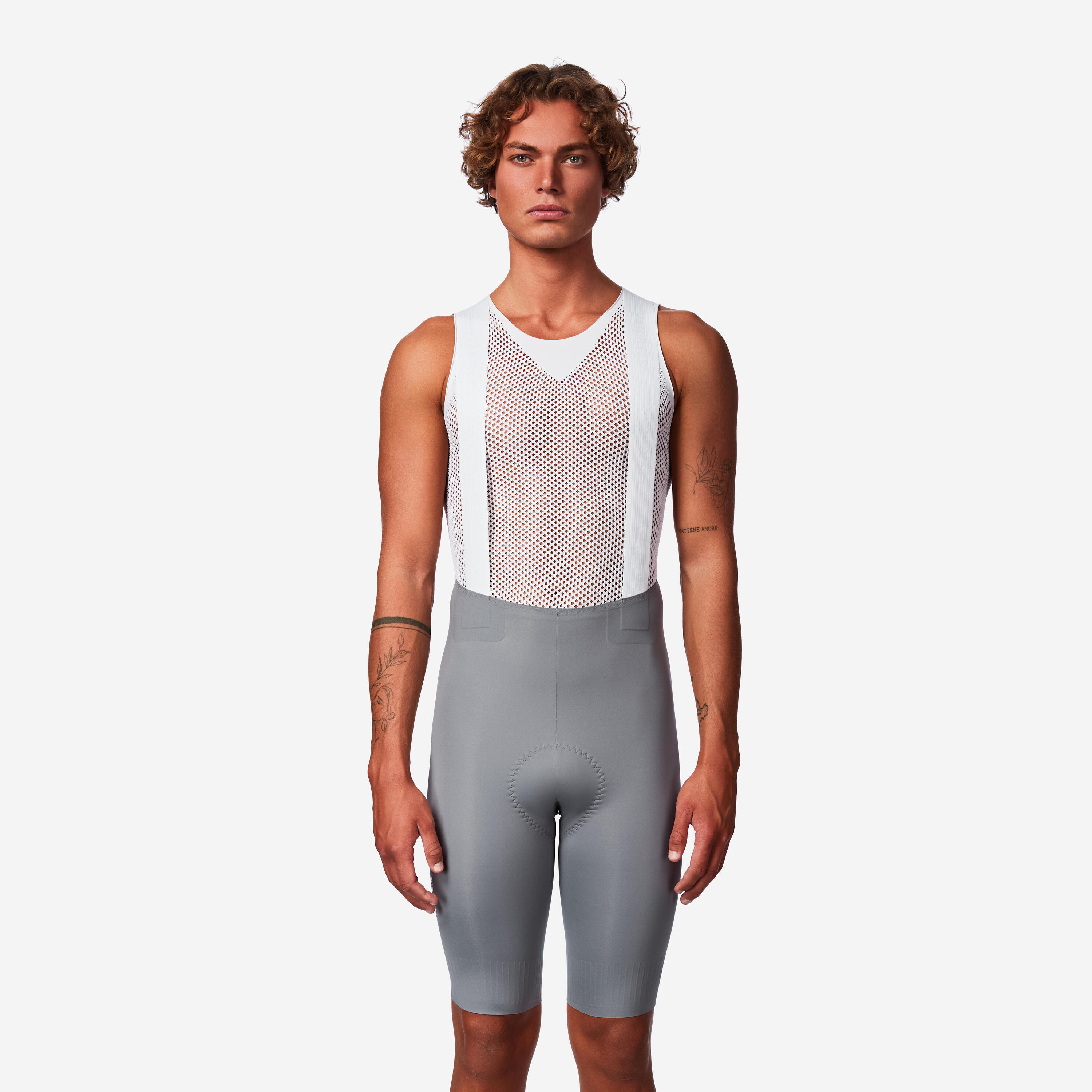
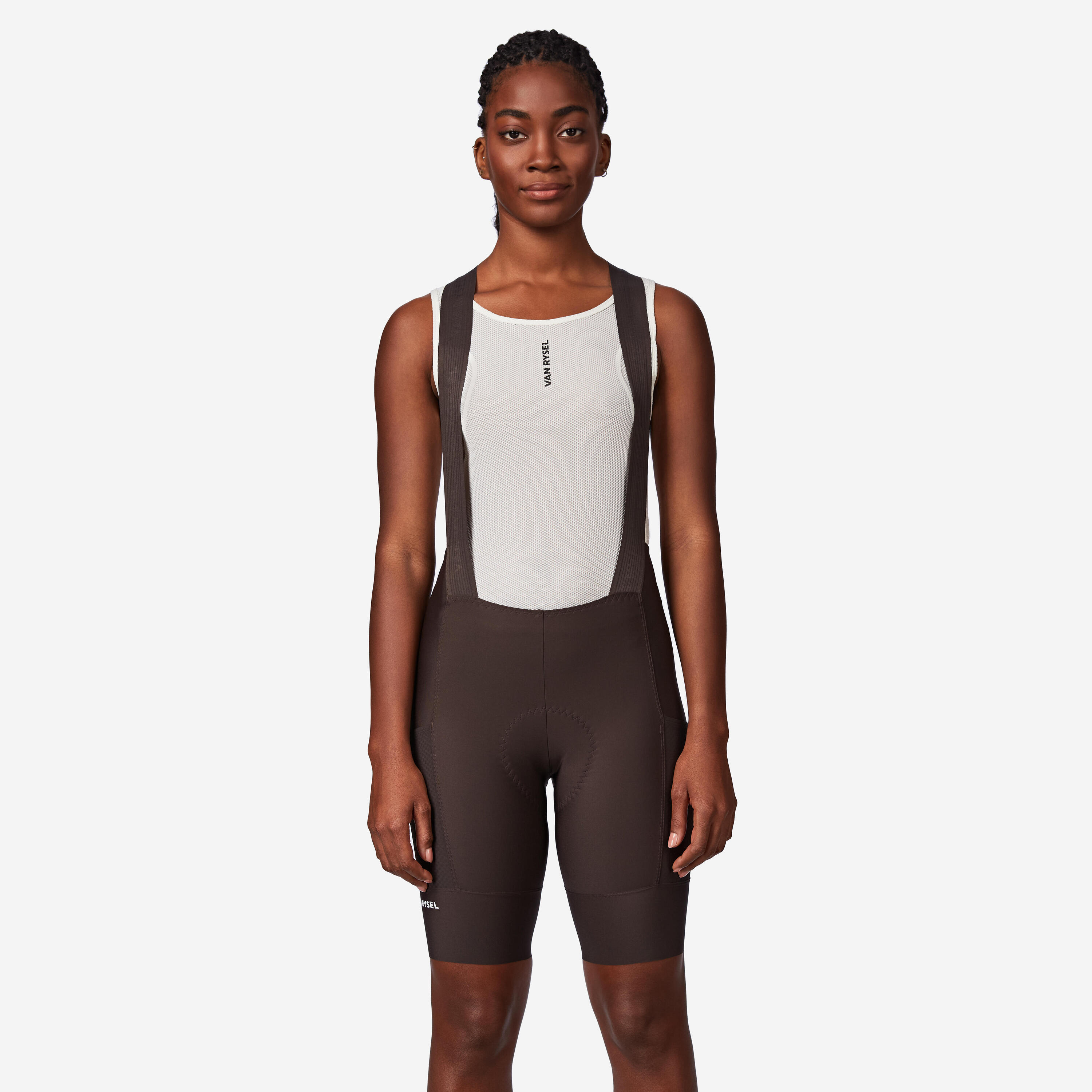
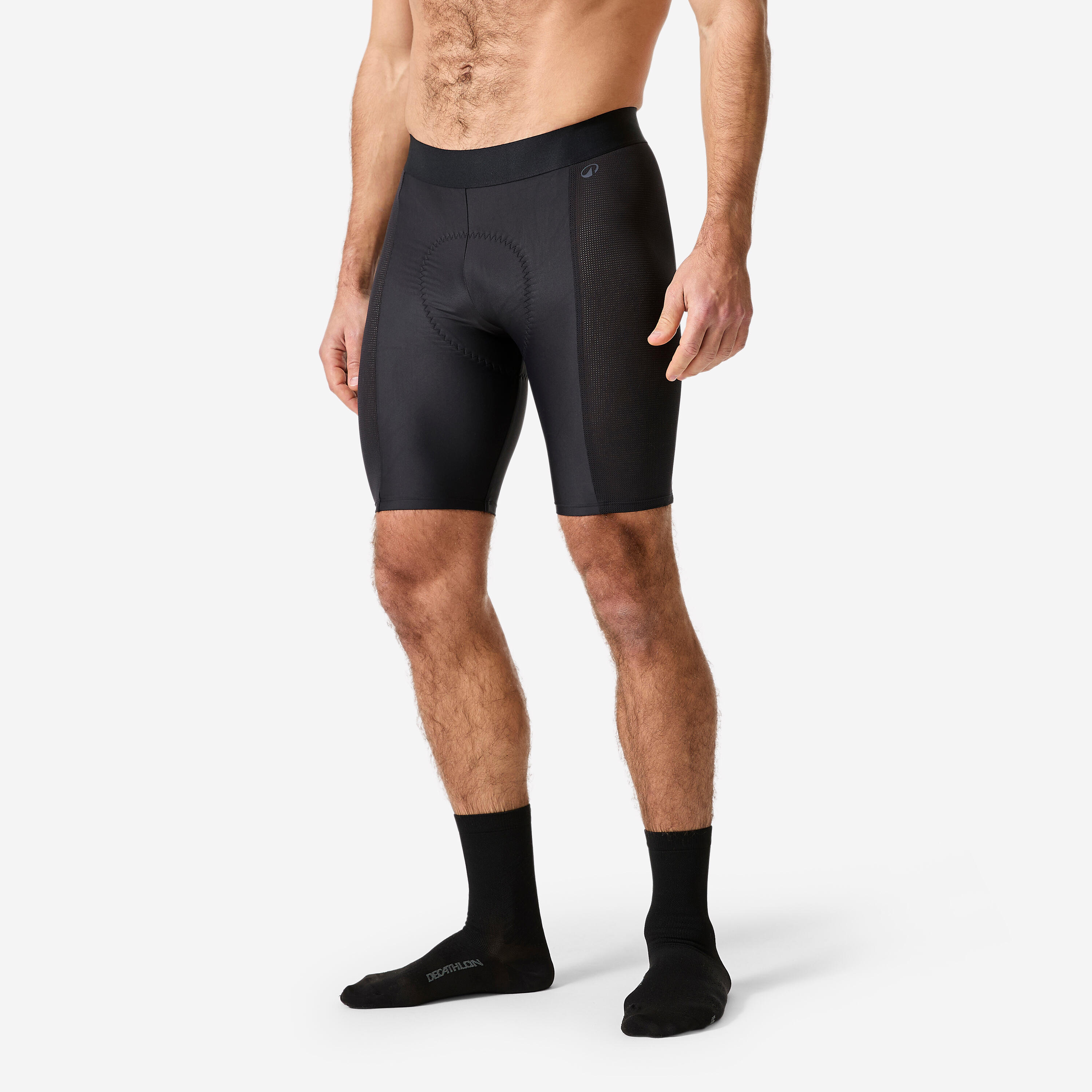
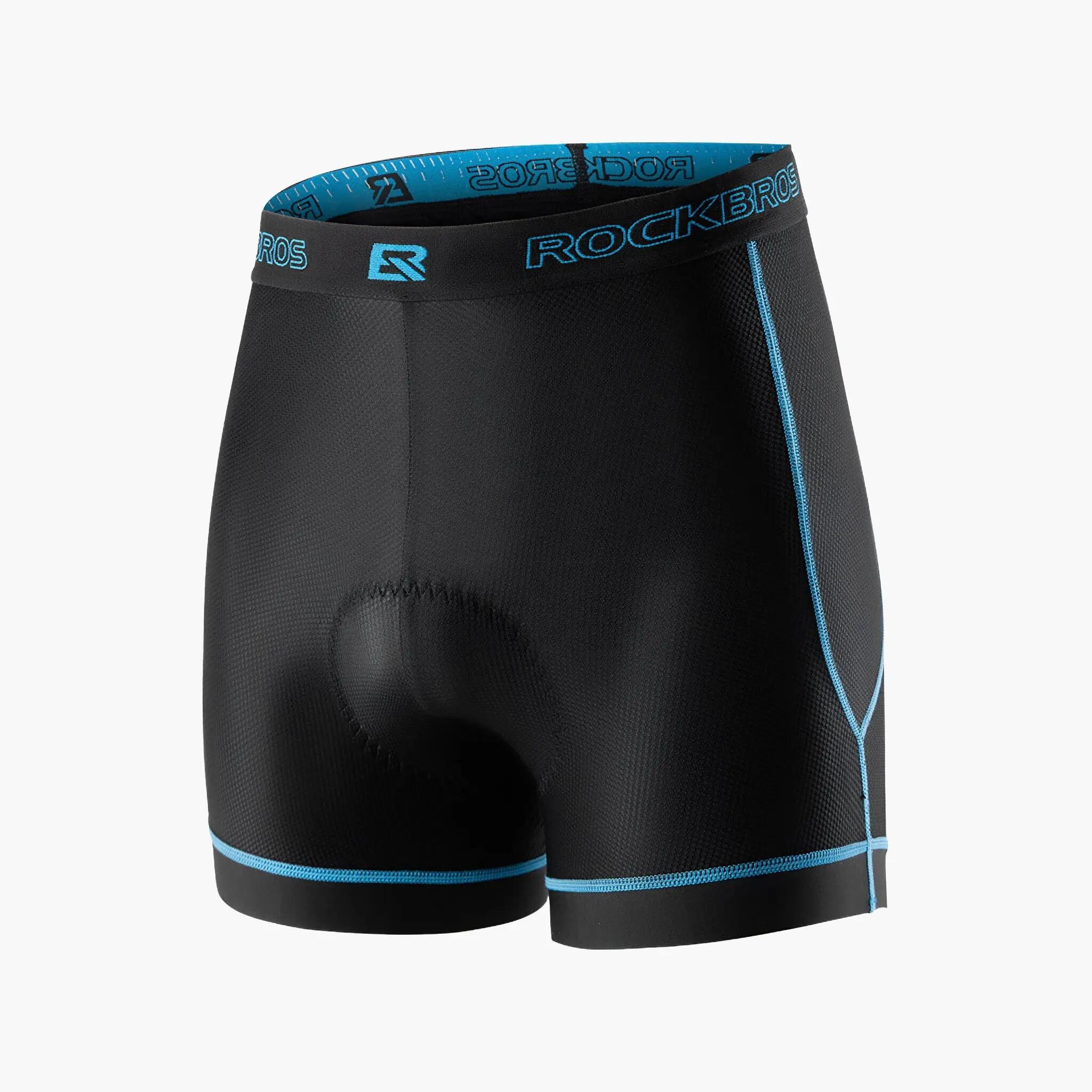
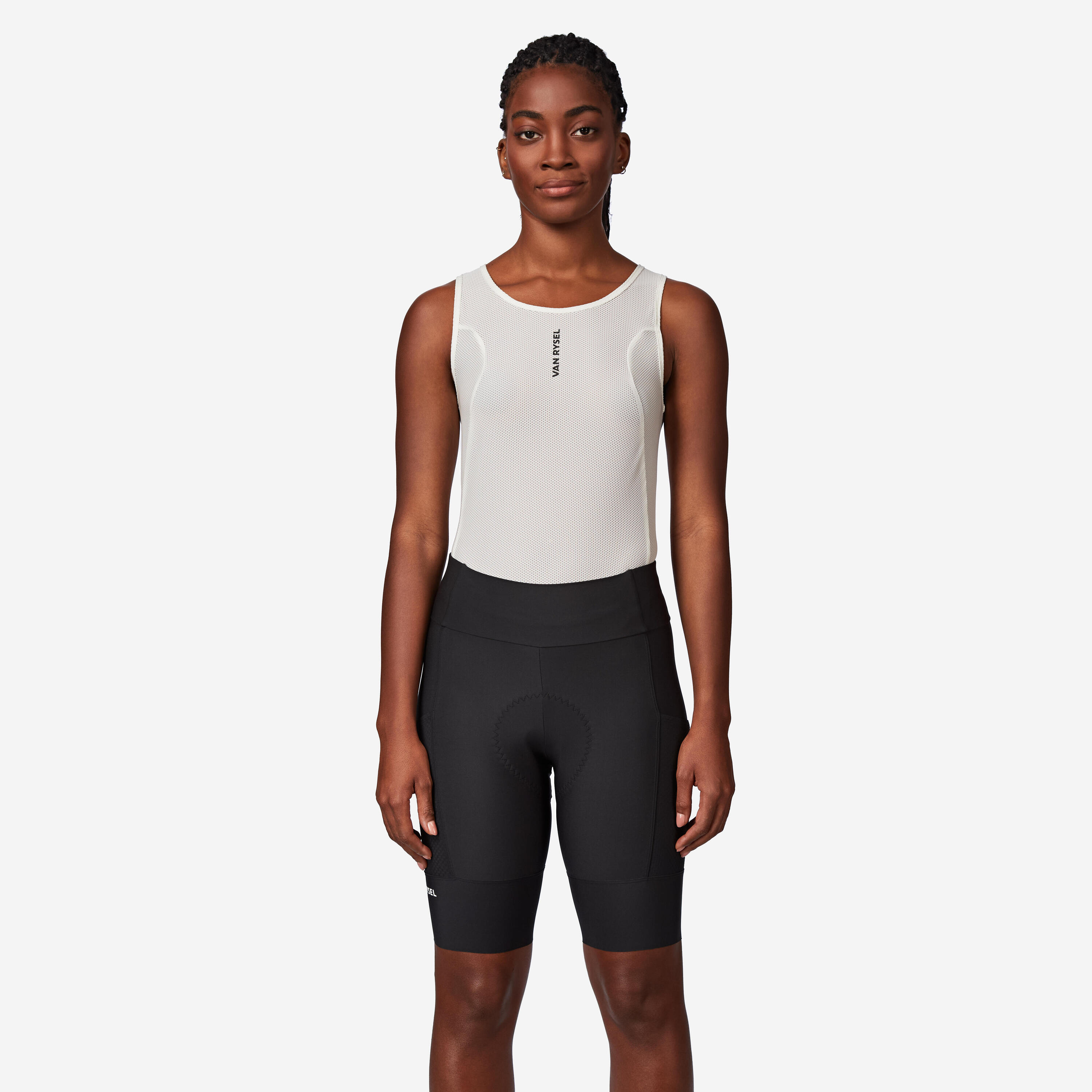
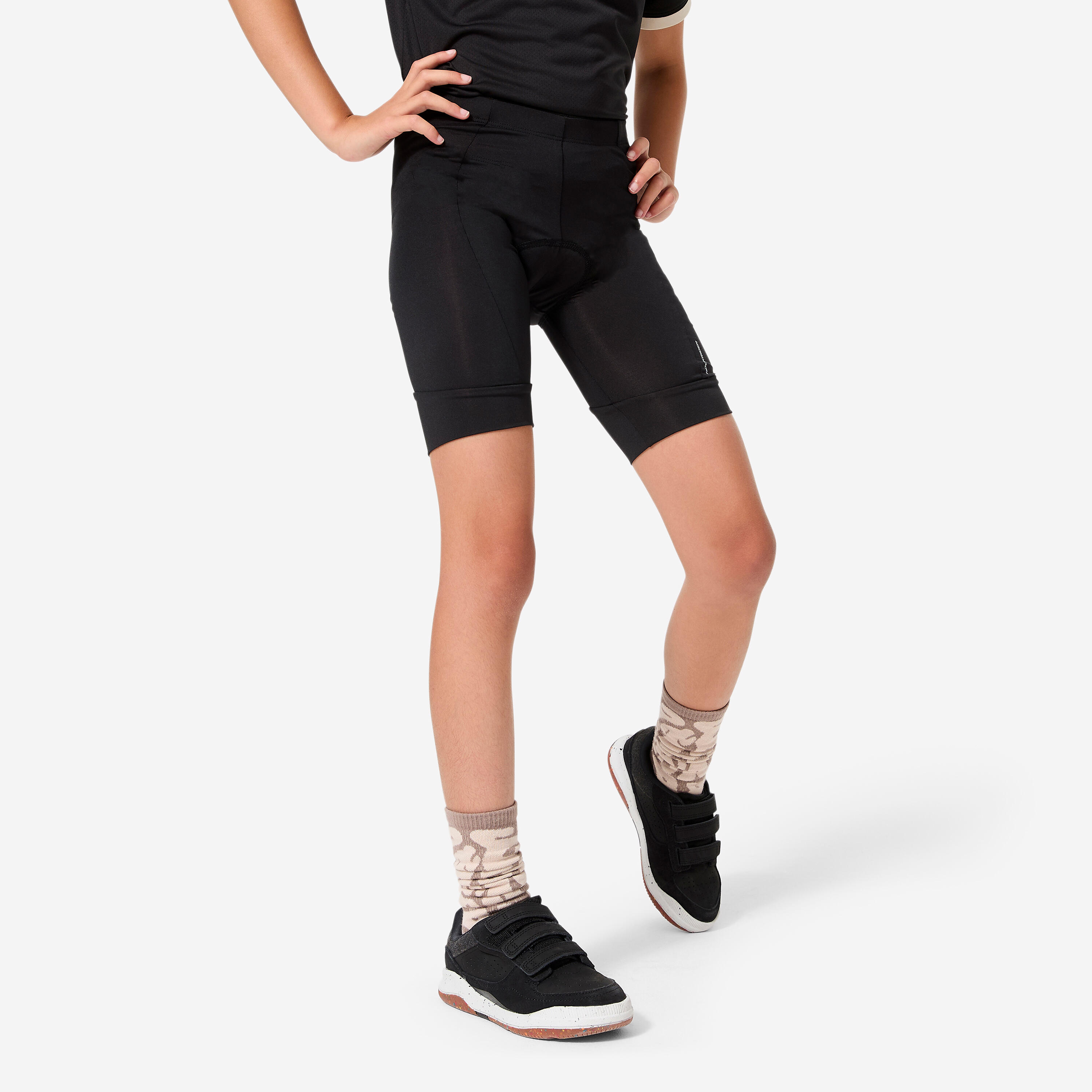
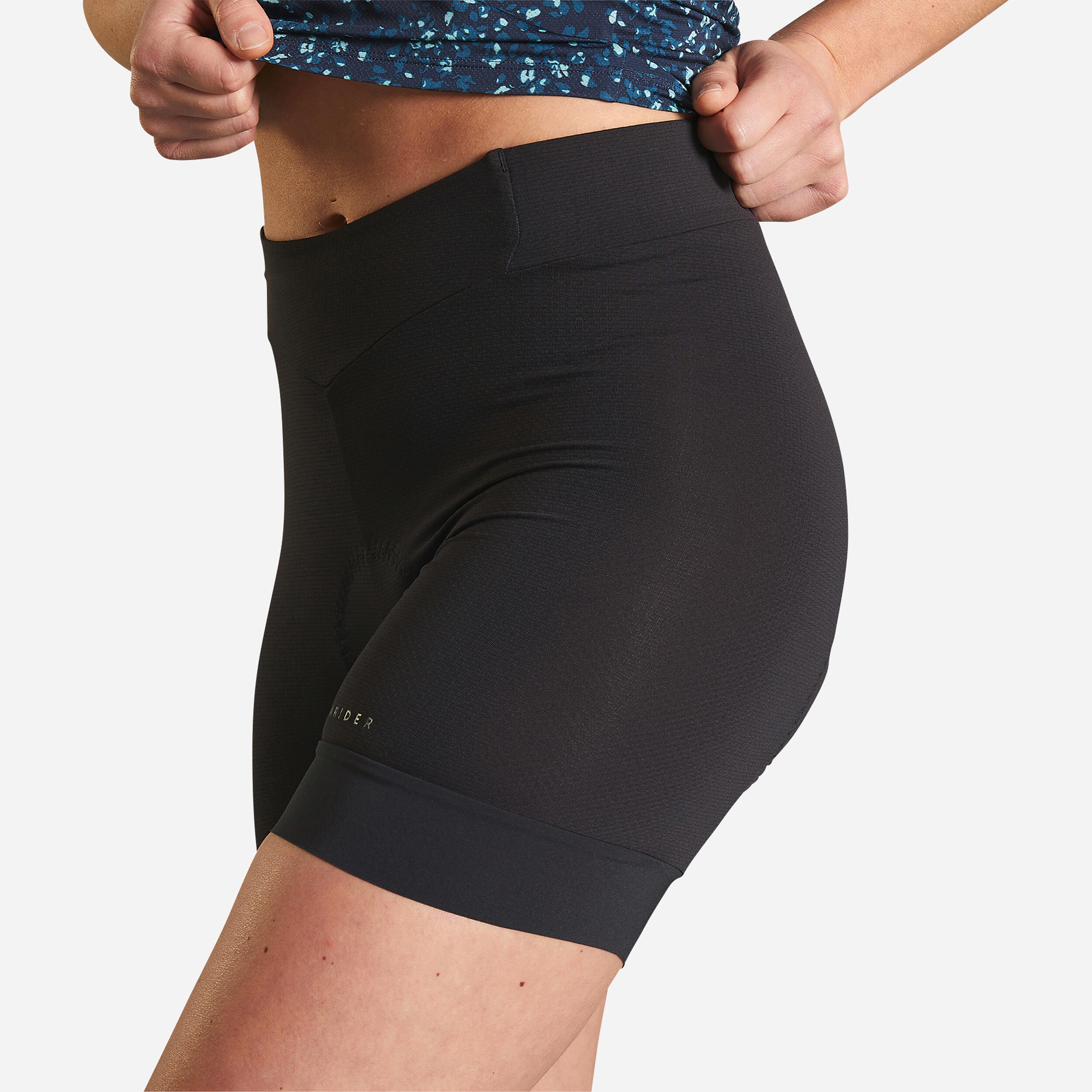
Bibless cycling shorts are often preferred by commuters and casual riders because they are easier to put on and take off than full bib versions. These men's cycling shorts have a secure elastic waistband that keep the shorts in place and fit perfectly, making them great for short rides or workouts on an indoor trainer. If your riding style involves frequent stops or shorter durations, these offer high levels of comfort without the complexity of shoulder straps. To achieve the same professional level of cushioning for longer endurance events or weekend club runs, many competitive riders instead opt for cycling bib shorts, which distribute pressure more evenly across the body and eliminate waistband restriction during heavy breathing.

How do I determine the right pad density for road cycling tights?

The chamois pad is the most important part of any cycling garment, as it sits between you and the saddle. High-density foam or gel padding is ideal for longer rides, helping absorb shock and reduce pressure on your sit bones over time. For shorter, high-intensity intervals, a thinner, more flexible pad is often utilized to allow for greater agility. When you are building a complete kit for variable weather, standard cycling shorts can be paired with leg warmers to create a versatile system. This modular approach allows you to adjust your thermal protection levels quickly as the sun comes out or the temperature drops during a long day in the mountains.

Can road cycling tights be layered with other outerwear?

Wearing the right layers on both your legs and upper body helps keep your core warm and comfortable in bad weather. For riders facing high winds or persistent rain, combining your thermal tights with waterproof cycling jackets creates a complete weather-resistant shell. The technical reason behind this layering is to manage moisture; while the tights wick sweat away from the skin, the jacket prevents external water from soaking the fabric. This combination is particularly effective for high-tempo winter training where you generate significant body heat but still require a barrier against the biting wind. Proper layering ensures that you remain dry from both sweat and rain, extending your comfortable riding window significantly.

What is the difference between cycling tights and city cycling trousers?

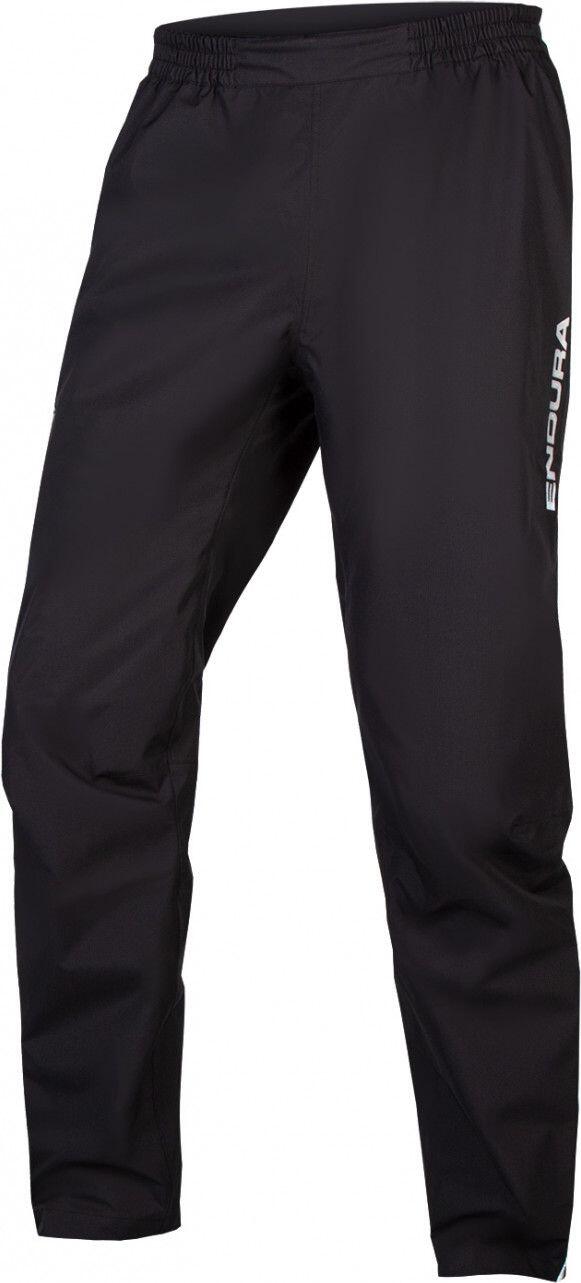
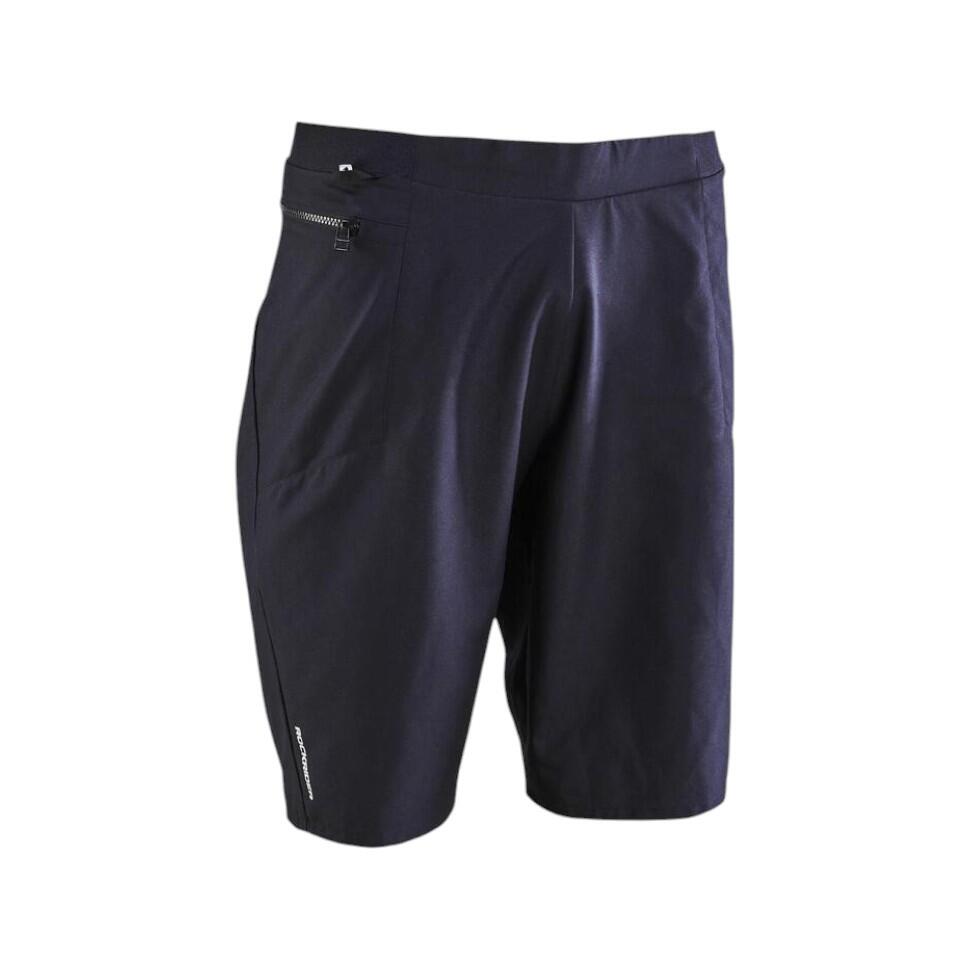
Cycling tights are tailored with a compression fit to minimize aerodynamic drag and prevent fabric bunching, which is ideal for road cycling and training. In contrast, loose-fitting cycling trousers are often used by urban commuters who need a garment that looks like everyday wear but features technical stretch and reflective detailing. Trousers usually provide more pockets and a relaxed silhouette, whereas tights focus purely on muscle support and moisture management. Choosing the correct garment depends on whether your priority is technical performance on a racing bike or versatile functionality for a ride to the office. Both options provide the necessary durability to withstand constant friction against the saddle.