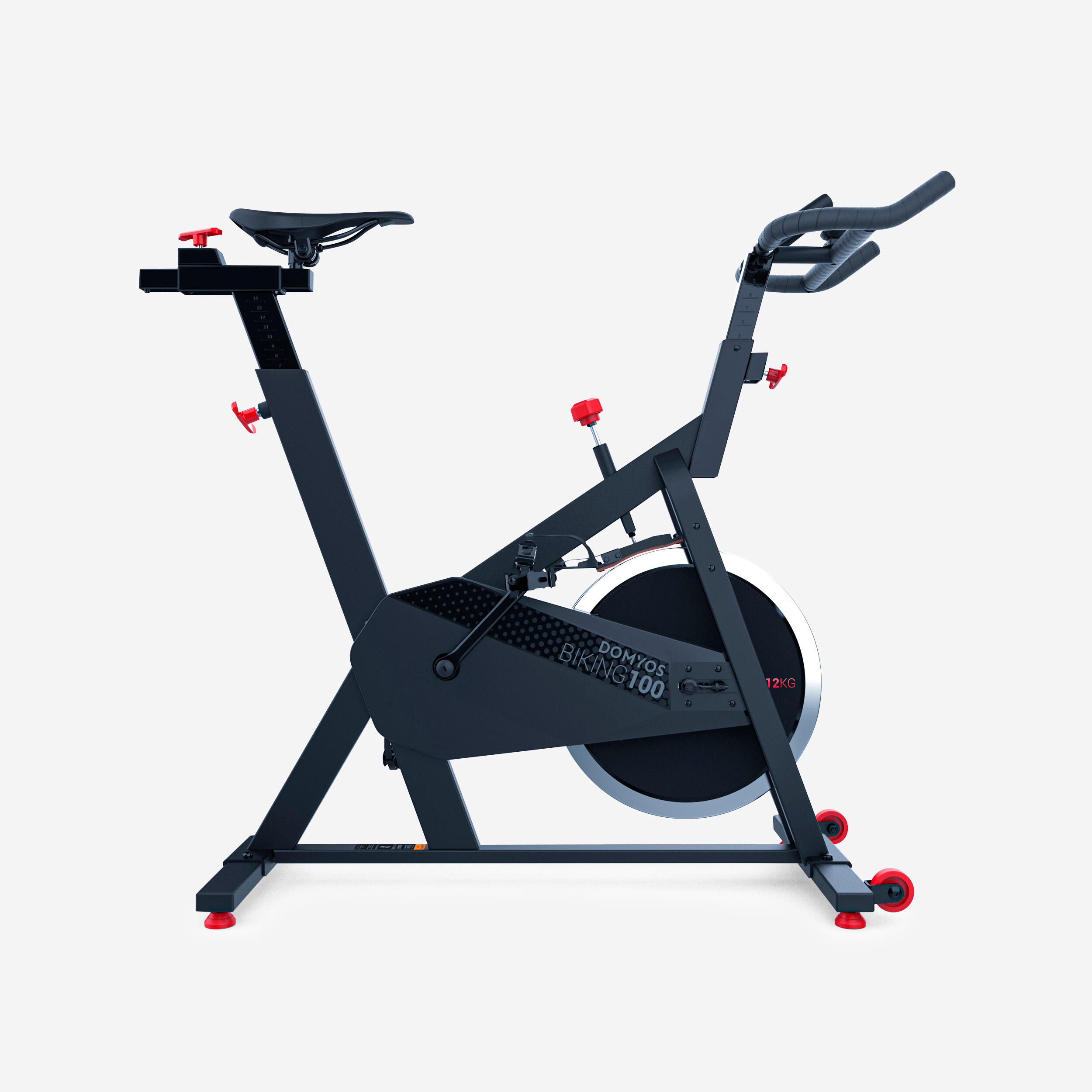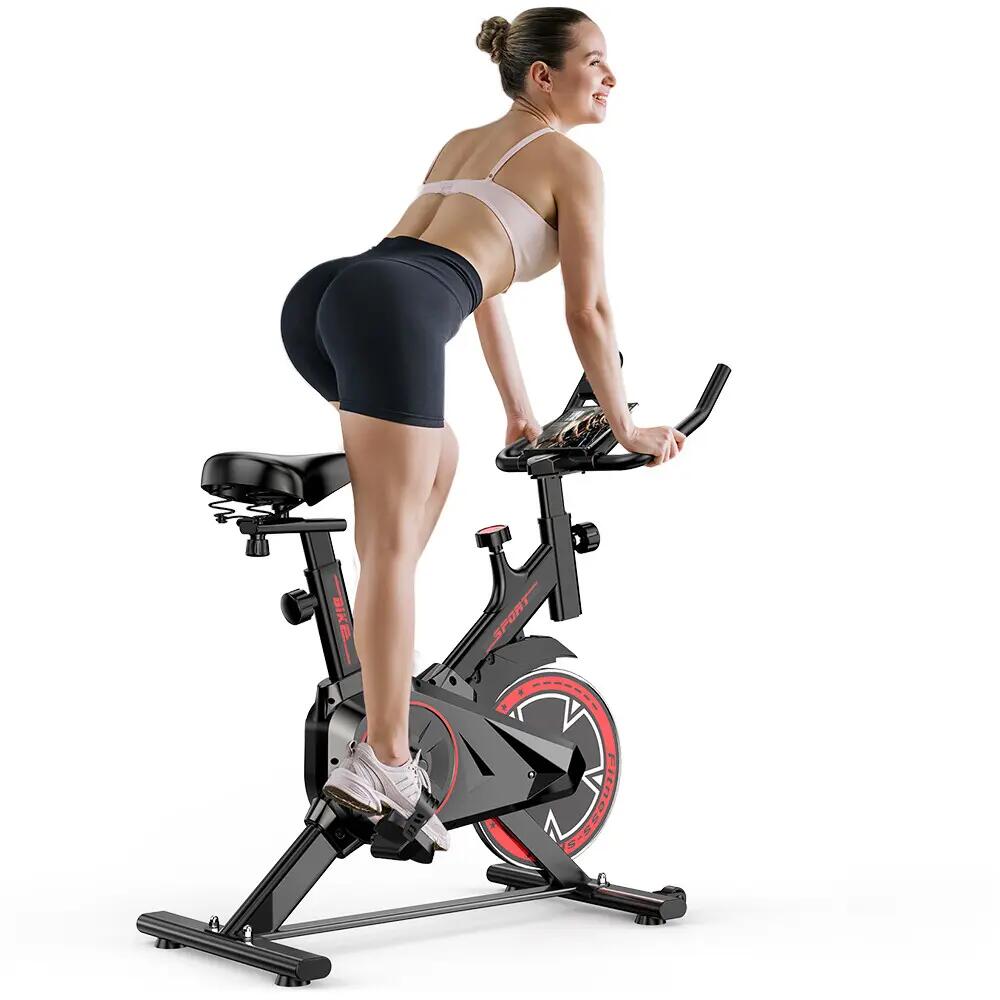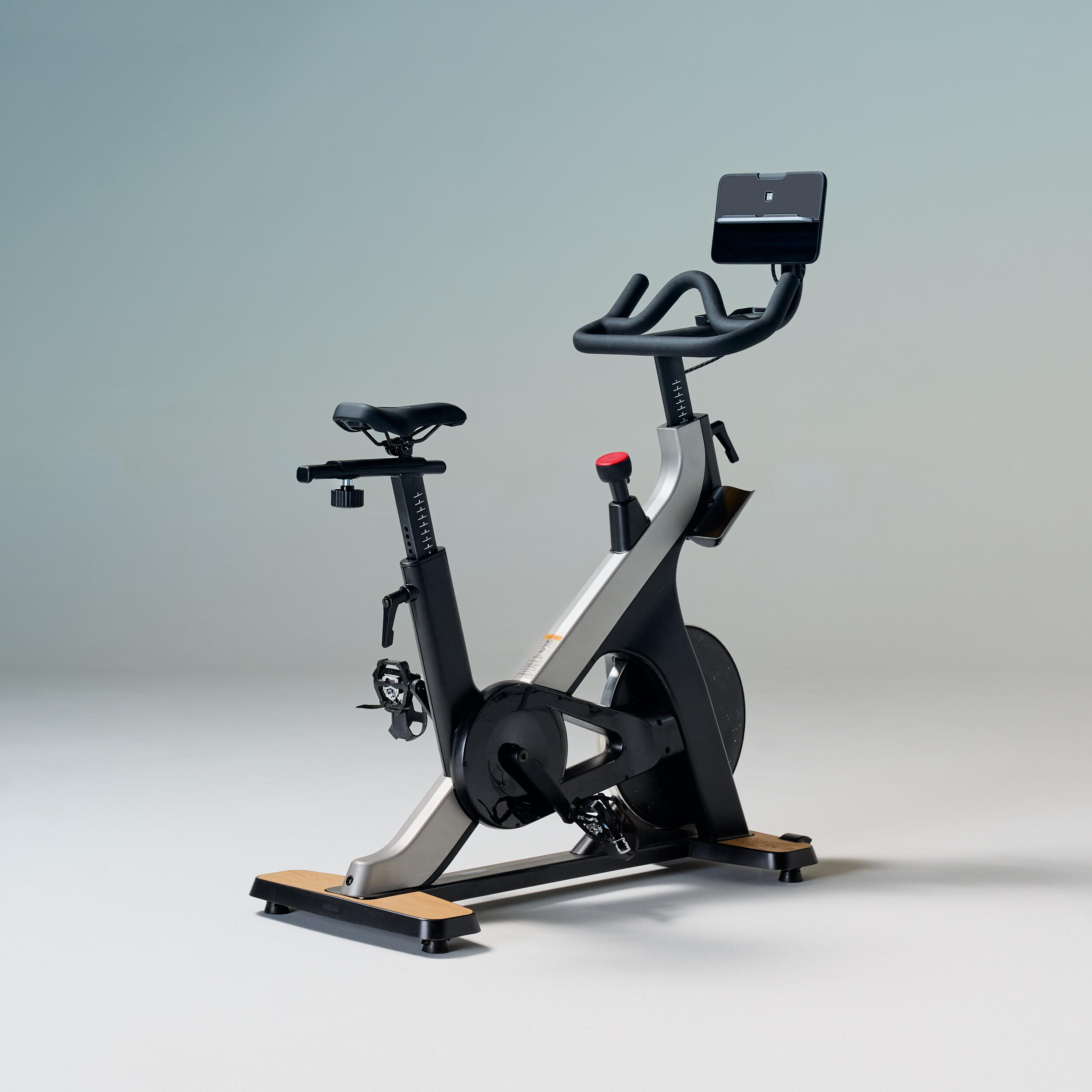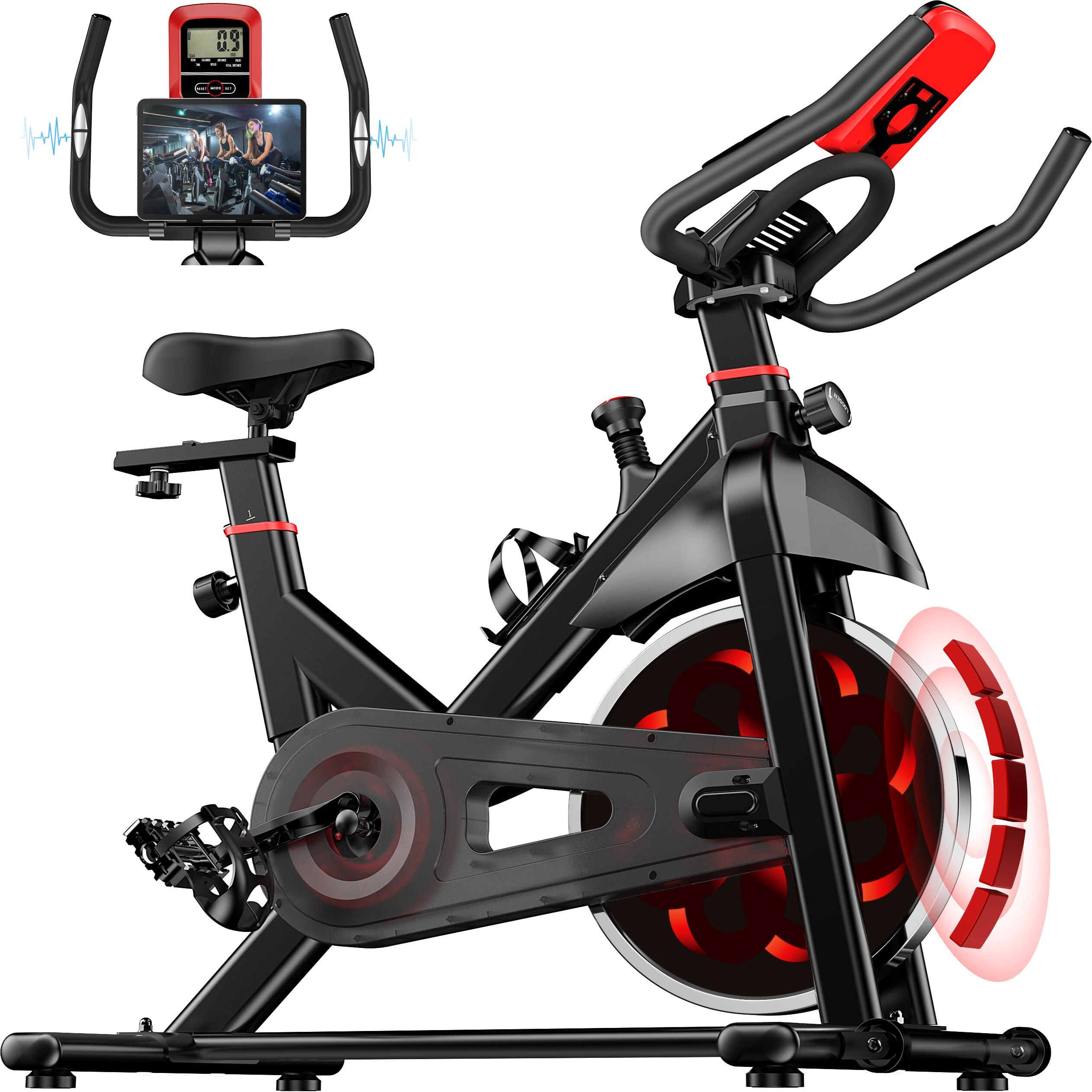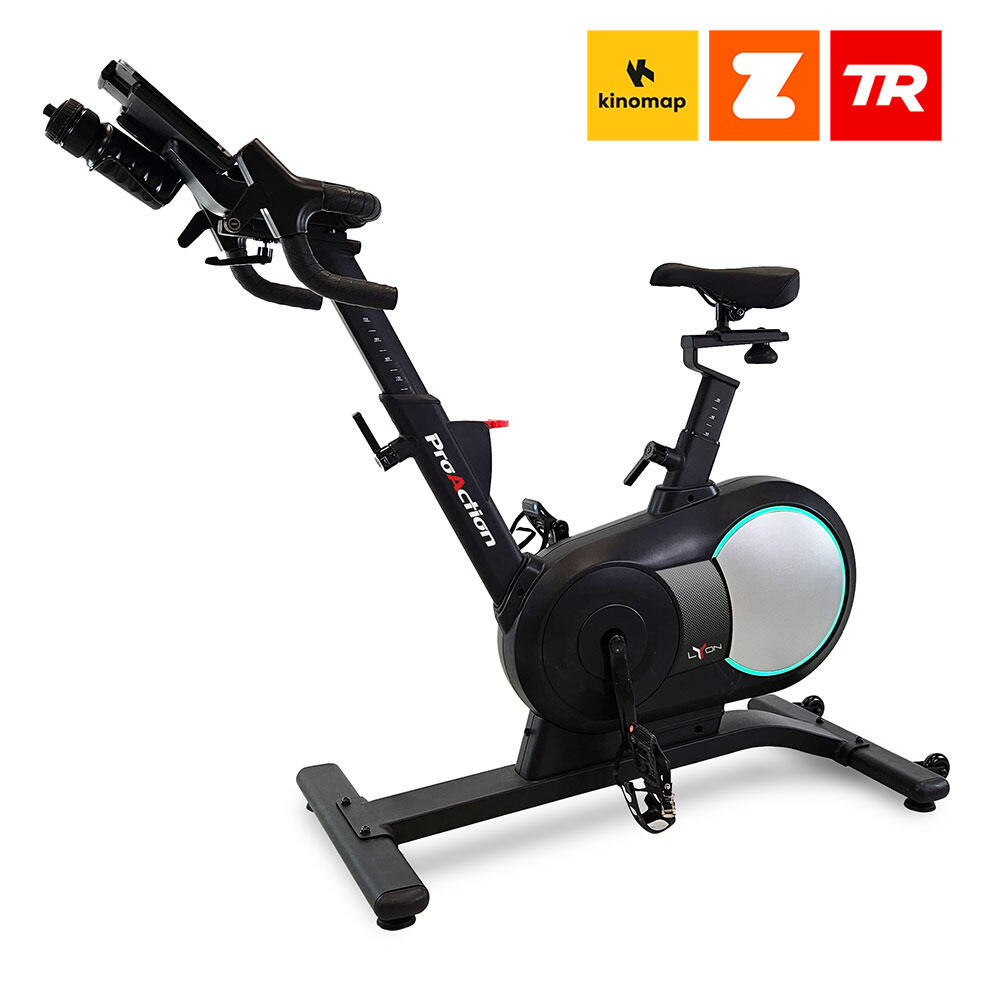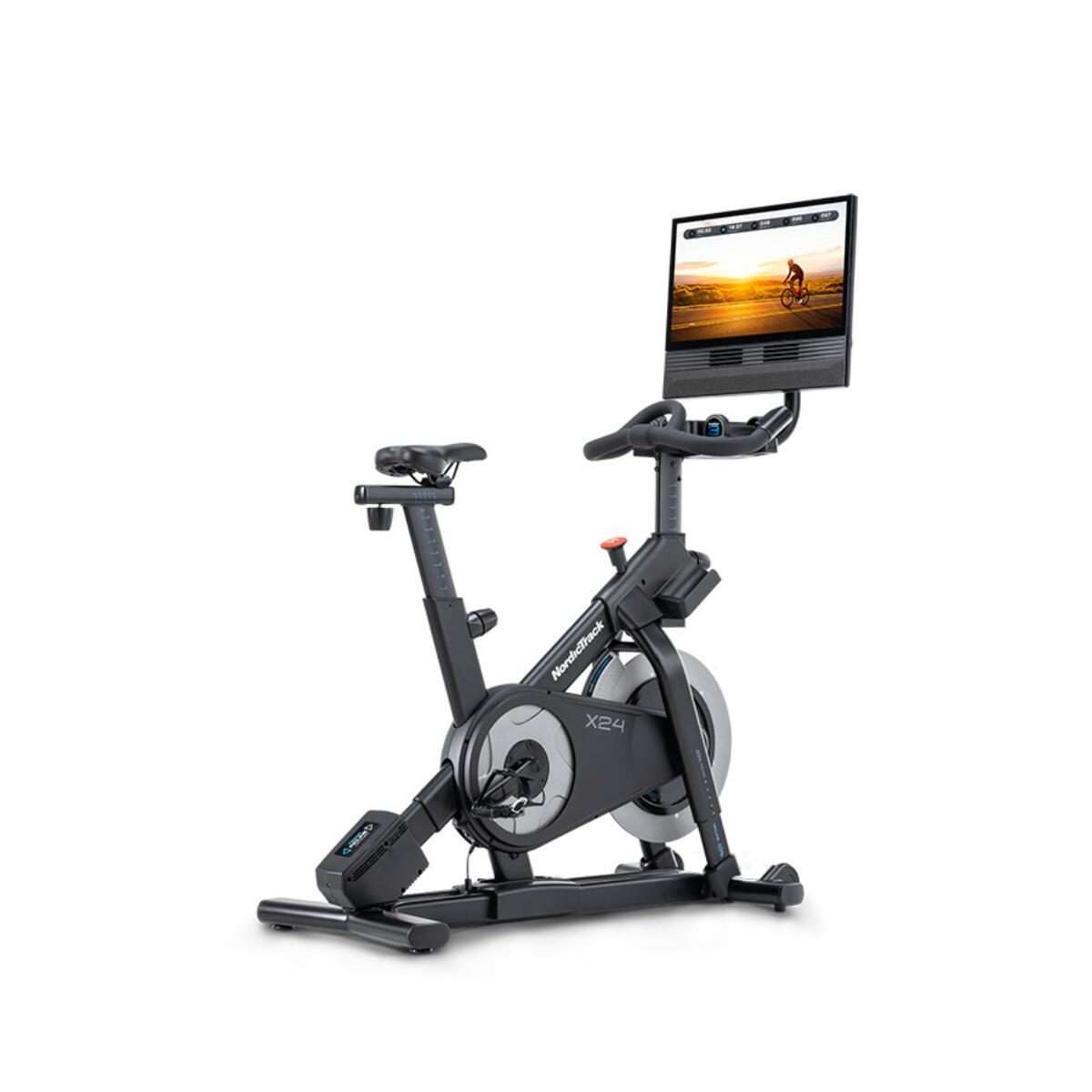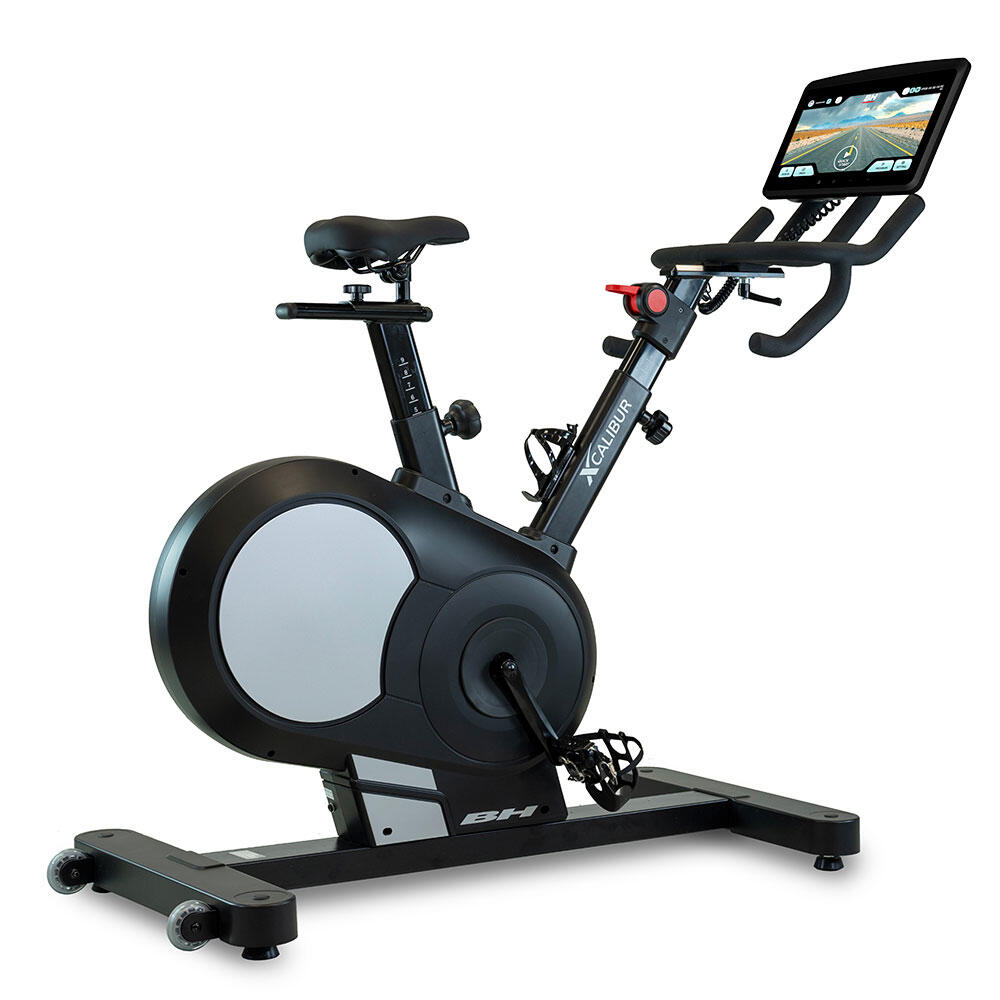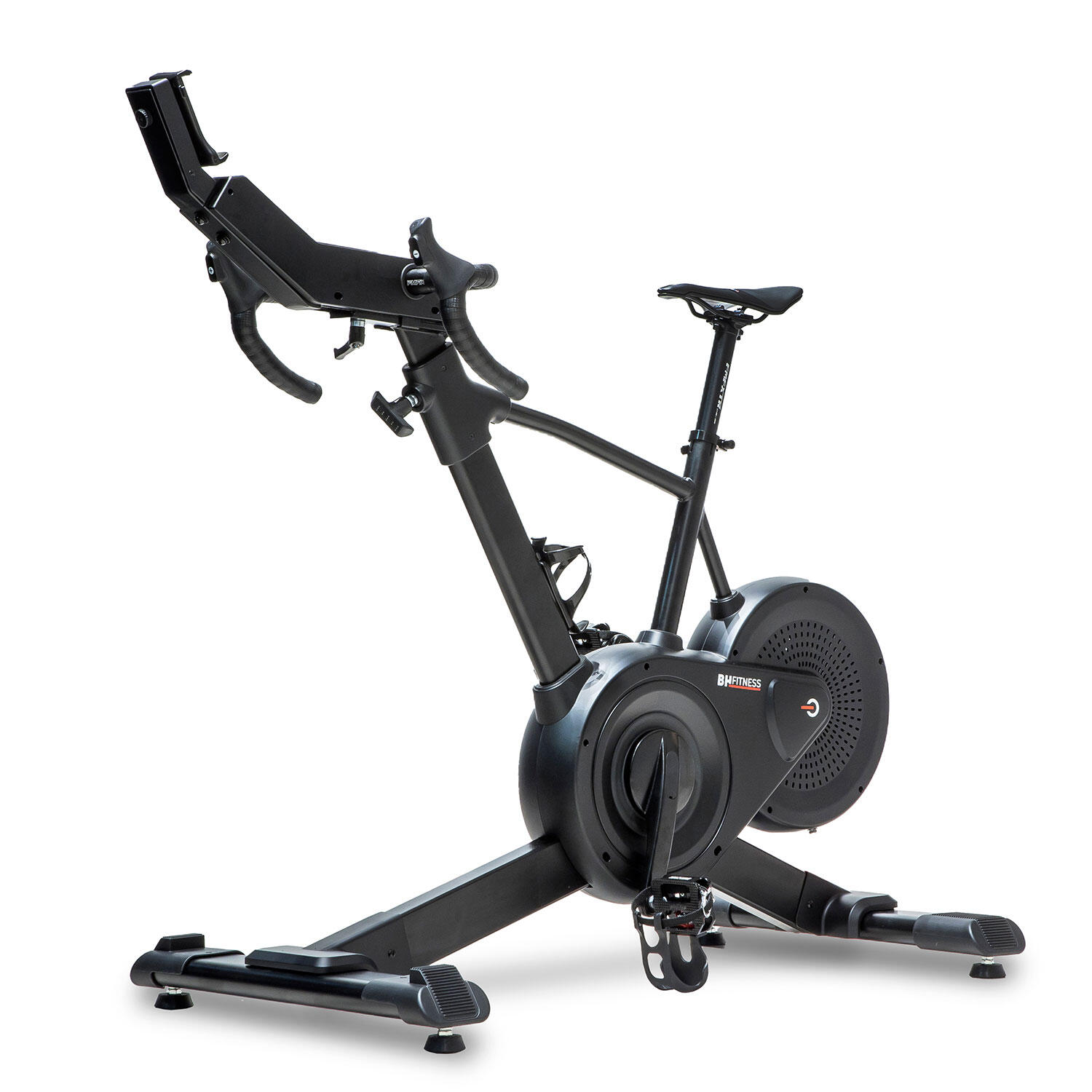
38 items
3.4/5 based on 838 reviews collected online and in stores

SPINNING BIKES FAQS

Is a spinning bike a good way to burn calories?

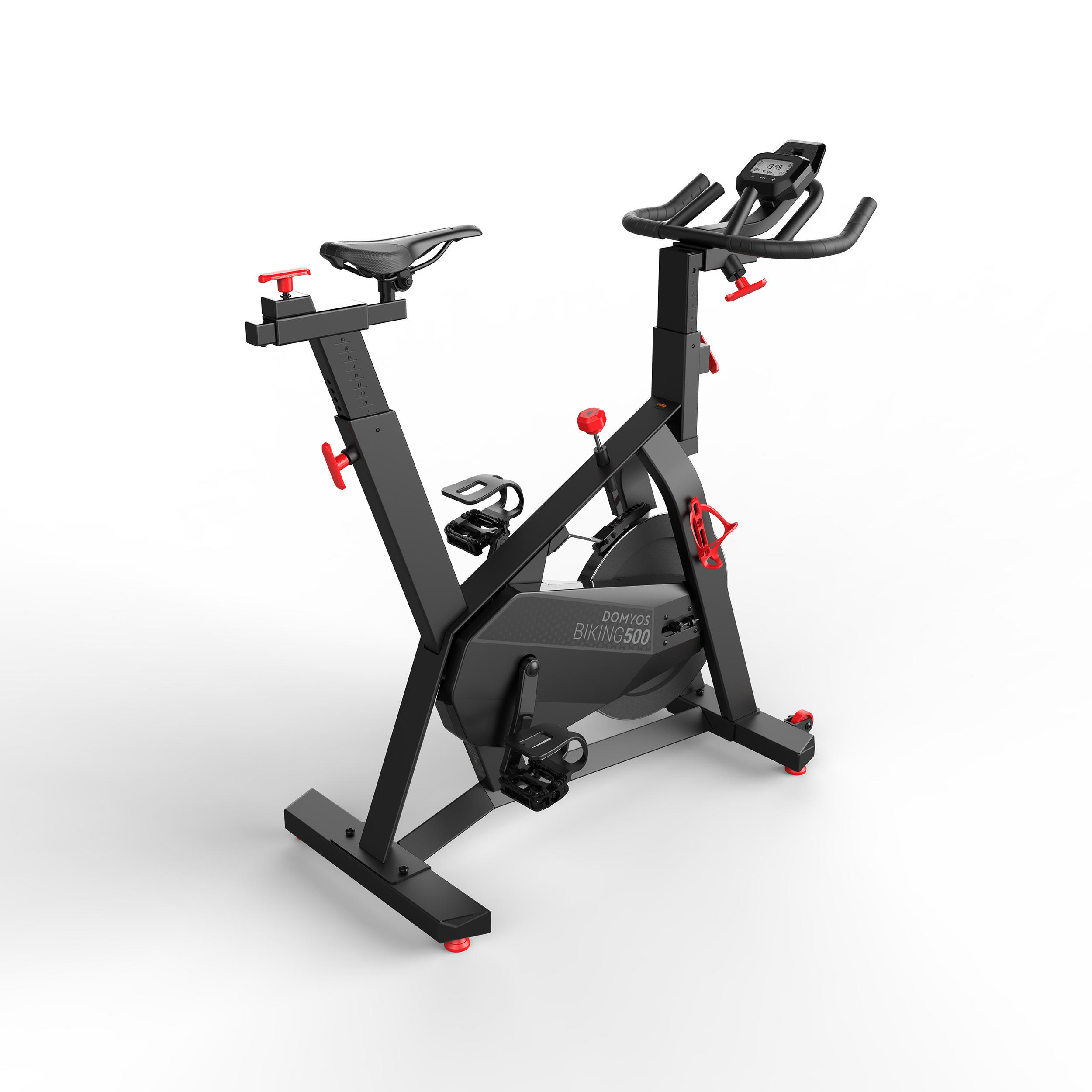
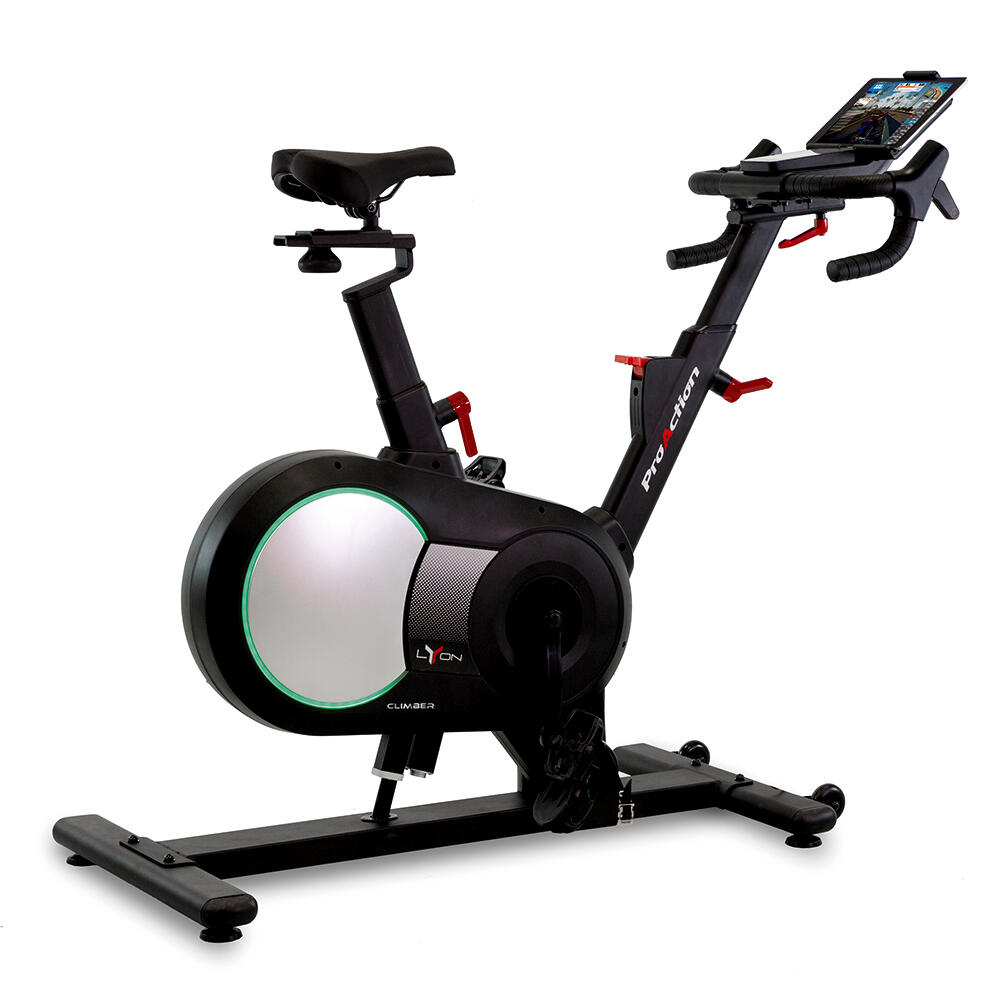
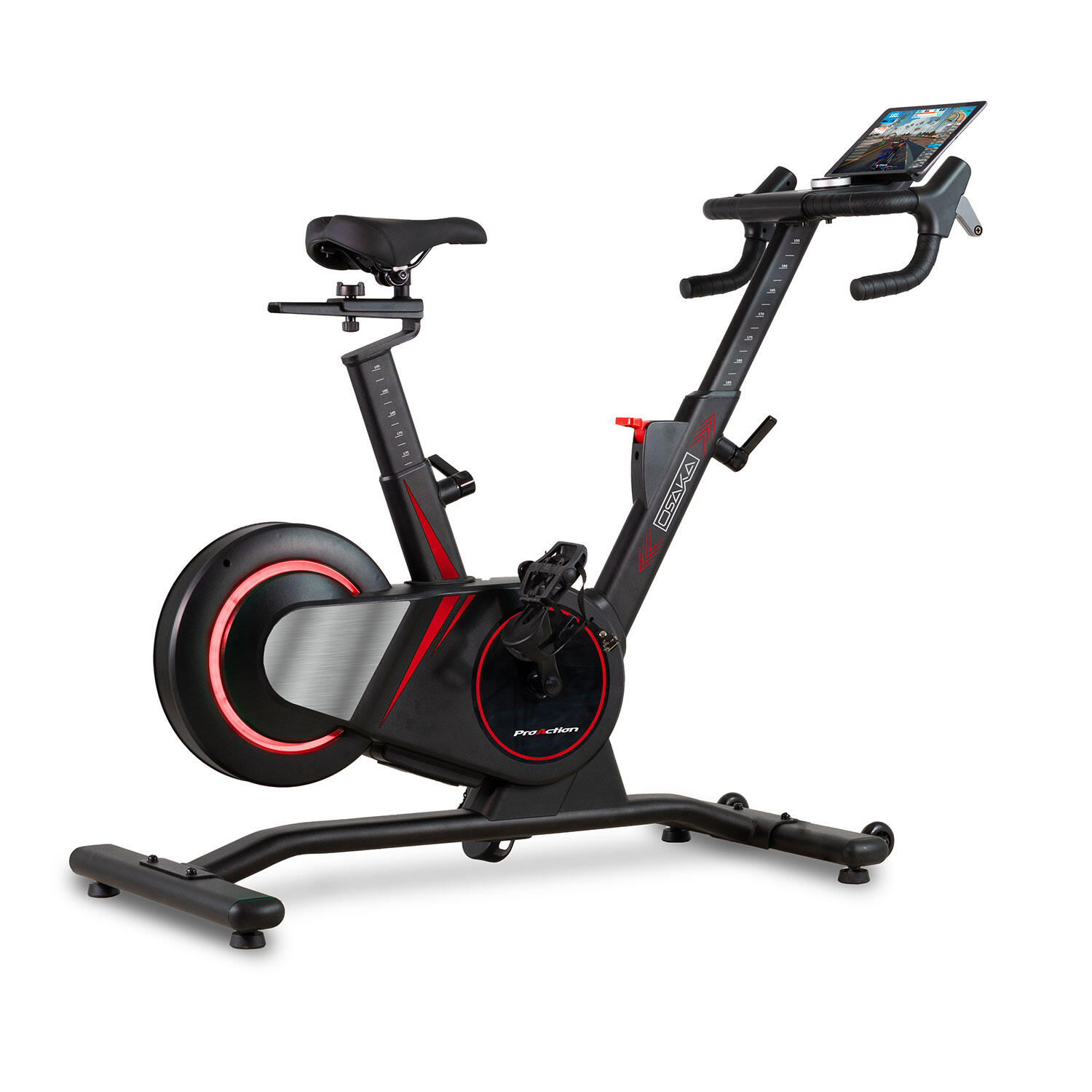
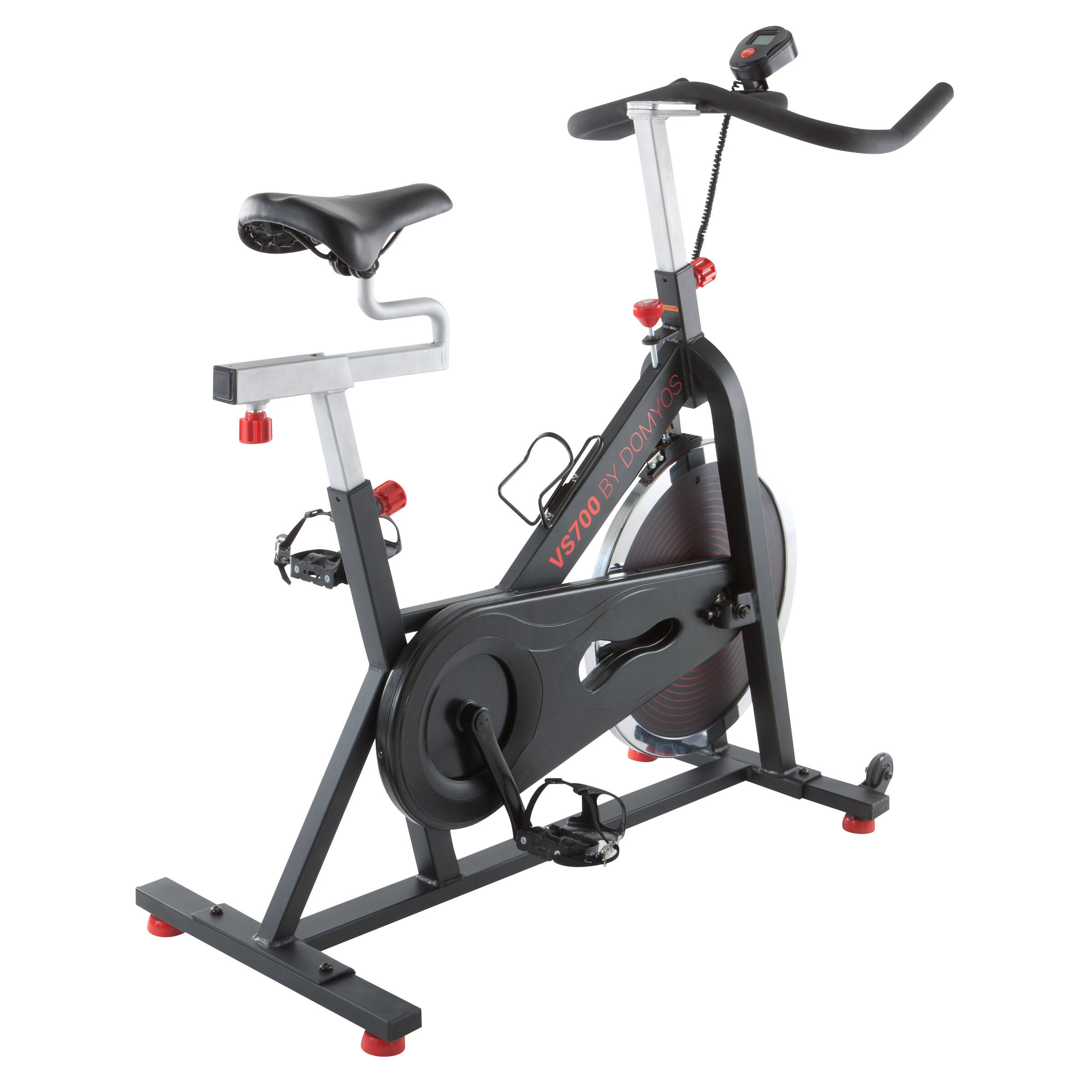
Yes, spinning bikes are a highly efficient tool for weight management and cardiovascular health. These machines facilitate a high-intensity, low-impact workout that engages the glutes, quads, and hamstrings while elevating the heart rate rapidly. Because indoor cycling bikes allow for standing climbs and rapid sprints, they can burn between 400 and 600 calories per hour depending on the resistance levels applied. The technical reason for this efficiency is the heavy flywheel, which requires significant force to overcome inertia and maintain momentum. For users looking to vary their cardio routine at home, alternating between a cycle and home running & fitness treadmills that help in muscle development and keeps your progress from slowing down. Expert tip: To get maximum calorie burn, try “interval training” like high-resistance sprinting for 30 seconds, then ease off for 60 seconds at a steady pace, and repeat.

What is the difference between a spinning bike and an exercise bike?

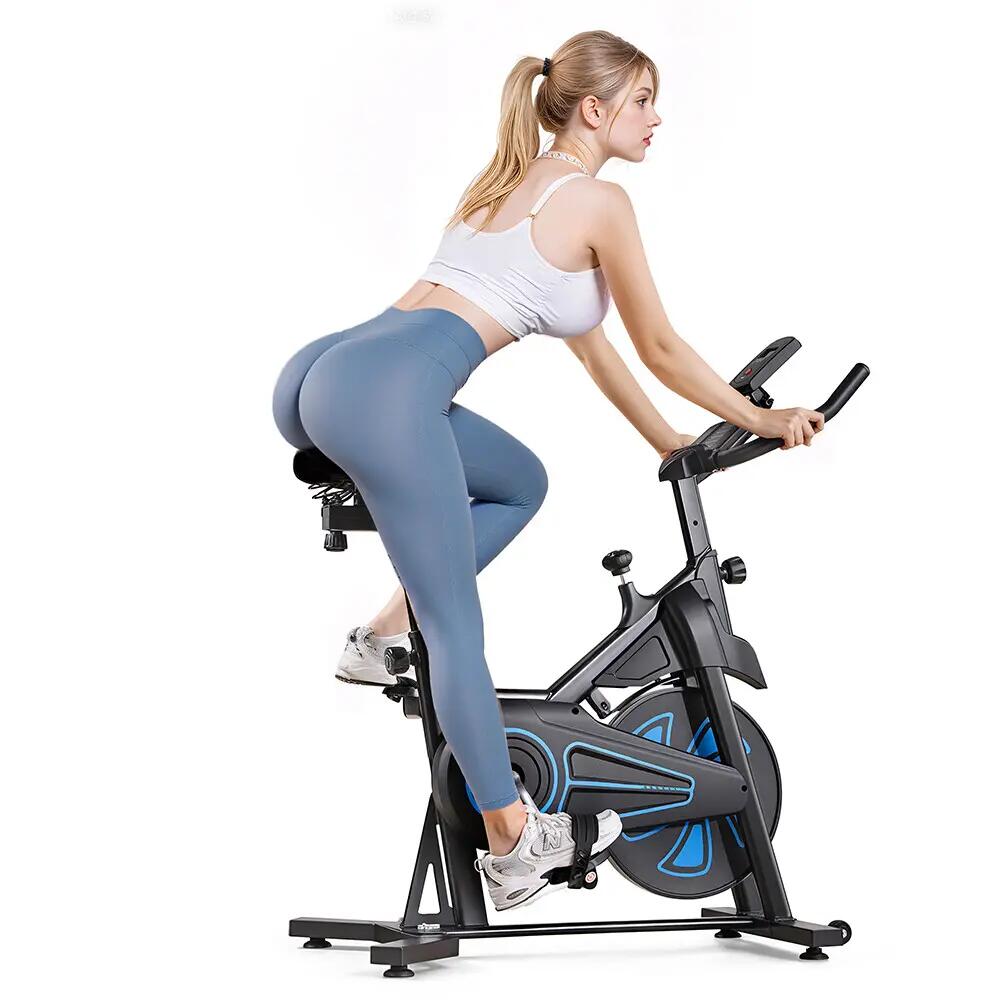
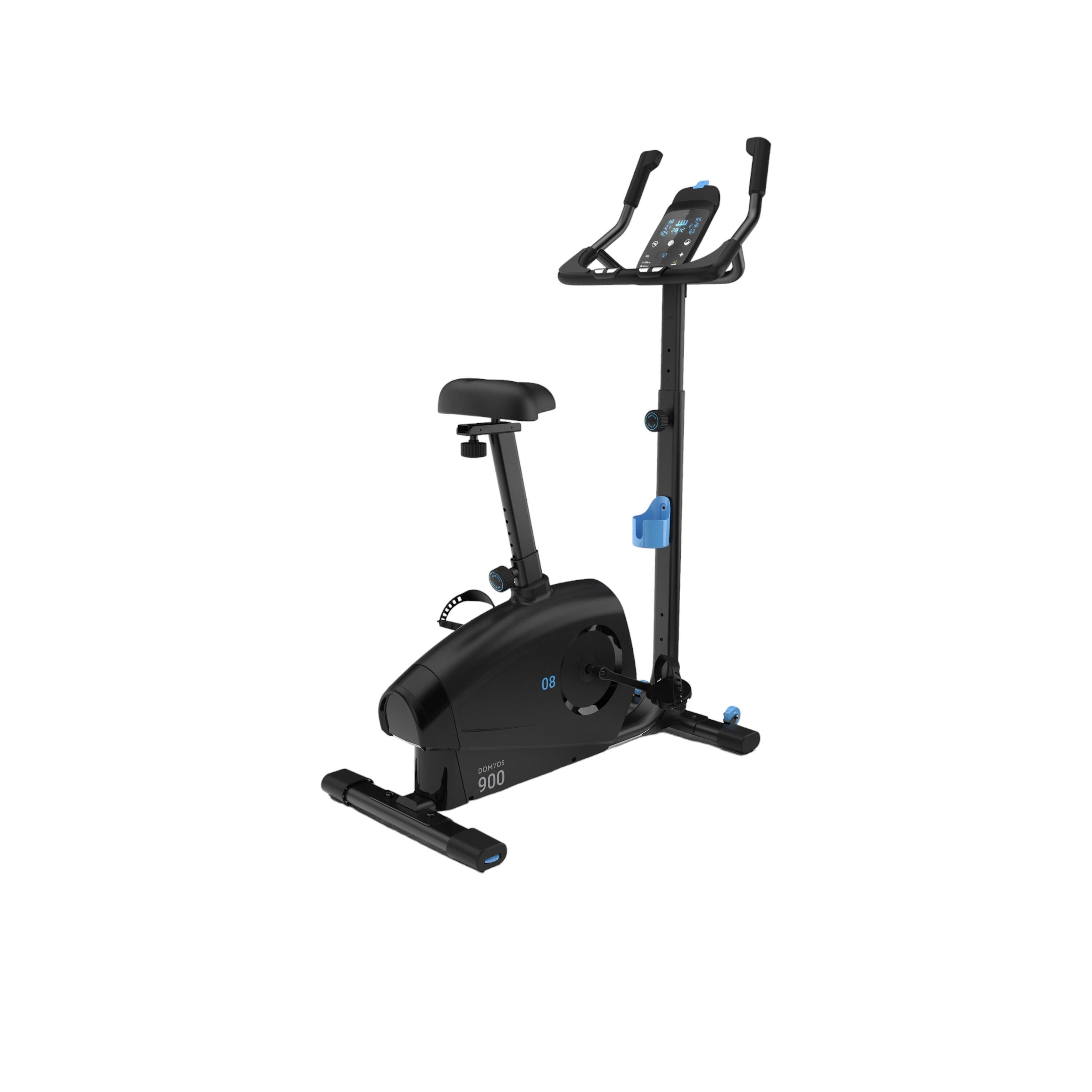
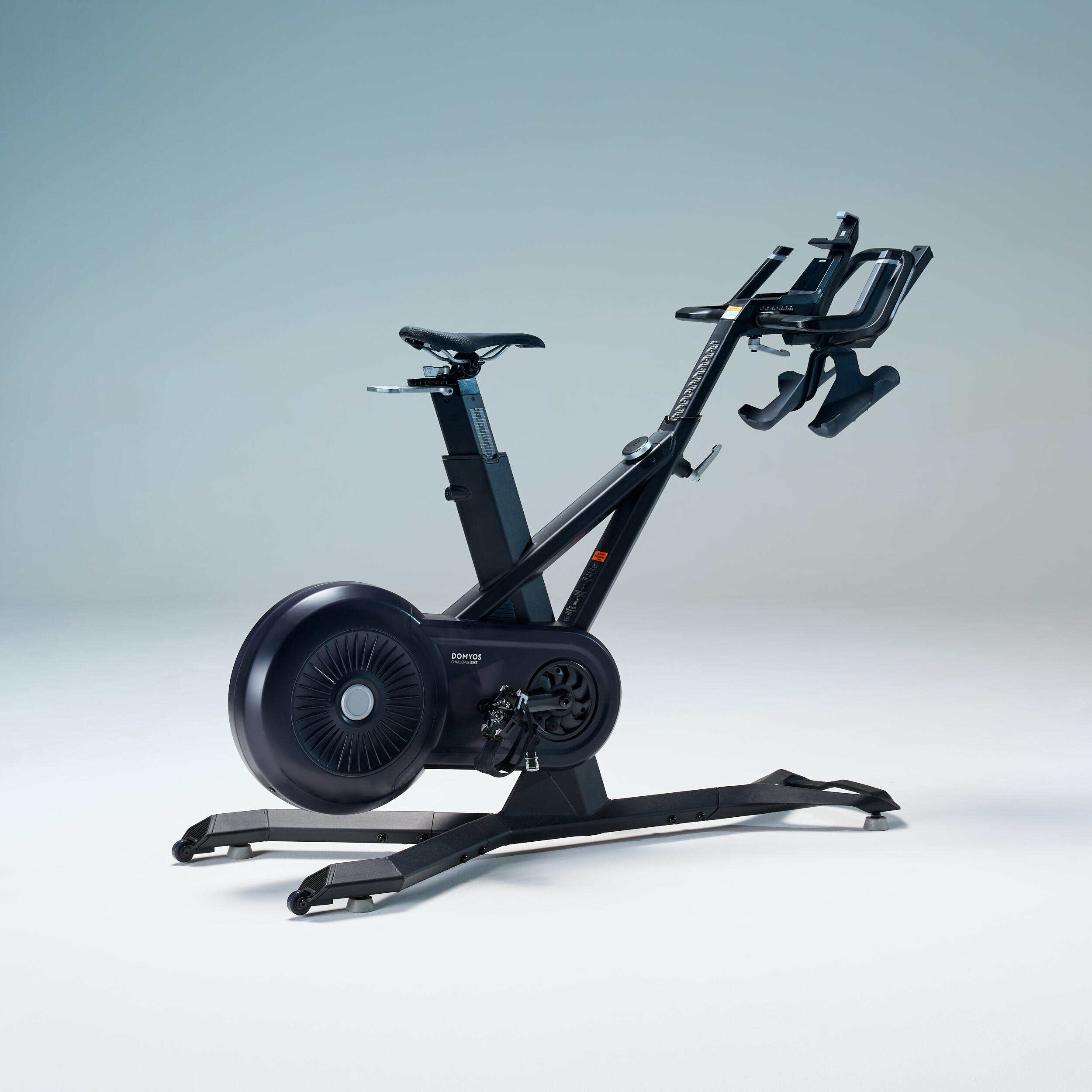
The main technical difference lies in the flywheel mechanism and the riding posture. Spinning exercise bikes use a perimeter-weighted flywheel that is directly connected to the pedals, mimicking the feel of a road bike where you cannot simply stop pedalling instantly. This "fixed gear" feel is what makes spinning bikes superior for high-cadence training. In contrast, standard upright bikes often feature a freewheel that allows you to coast. The geometry of indoor cycling bikes is also more aggressive, allowing you to lean forward and engage your core. If your drivetrain begins to make noise after heavy use, you can find specific fitness machine spare parts like drive belts or brake pads to restore smooth operation. Small advice: Check that your saddle height is aligned with your hip bone when standing next to the bike to prevent knee strain during high-intensity sessions.

Is a spinning bike better than walking?

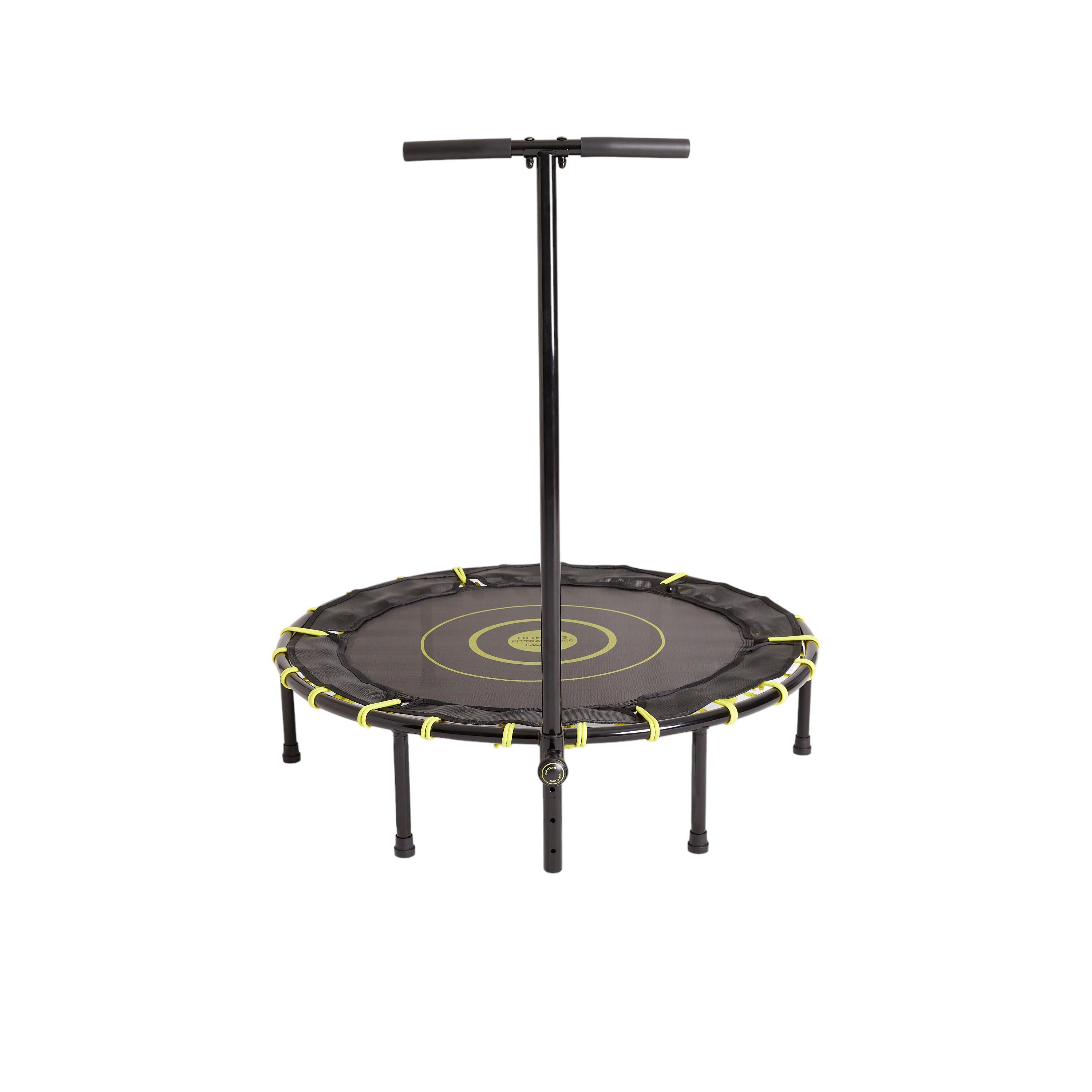
While walking is a fantastic baseline activity, spinning exercise bikes provide a more time-efficient cardiovascular stimulus. Training on spinning bikes offers a higher metabolic demand, meaning you achieve a greater caloric burn in a 30-minute window than you would during a brisk walk. Furthermore, cycling is a non-weight-bearing exercise, which makes indoor cycling bikes a safer choice for individuals recovering from joint injuries or those with higher body weights who want to avoid the repetitive impact of walking on hard surfaces. For a completely different type of low-impact plyometric workout, some athletes incorporate fitness mini trampolines to improve balance and lymphatic drainage alongside their cycling routine. Best tip: Use the resistance knob to ensure you never "bounce" in the saddle; if your hips are rocking, the resistance is too low for your cadence.

How do you maintain the resistance system on indoor cycling bikes?

Maintenance depends on whether your spinning exercise bikes use felt pad friction or magnetic resistance. Felt pads require regular lubrication with specialized silicone oil to prevent squeaking and ensure a smooth feel when the pad contacts the flywheel. Magnetic systems are generally maintenance-free but require the electronics to stay dry. Spinning bikes are prone to corrosion from perspiration, so wiping down the frame, handlebars, and flywheel after every session is mandatory to prevent rust. The technical "why" behind regular bolt tightening is that the vibration from high-speed pedalling can gradually loosen the pedal cranks or seatpost clamps. Smart tip: Once a month, inspect the pedals to ensure they are tightly threaded into the crank arms, as a loose pedal can damage the threading permanently and require a costly replacement of the entire crank set. For those setting up a home workout space, investing in home stationary exercise bikes ensures consistent performance and long-term reliability with proper care.