42 items
4.3/5 based on 2144 reviews collected online and in stores

Rowing Machines FAQs

How do I choose the right rowing machine for home use?

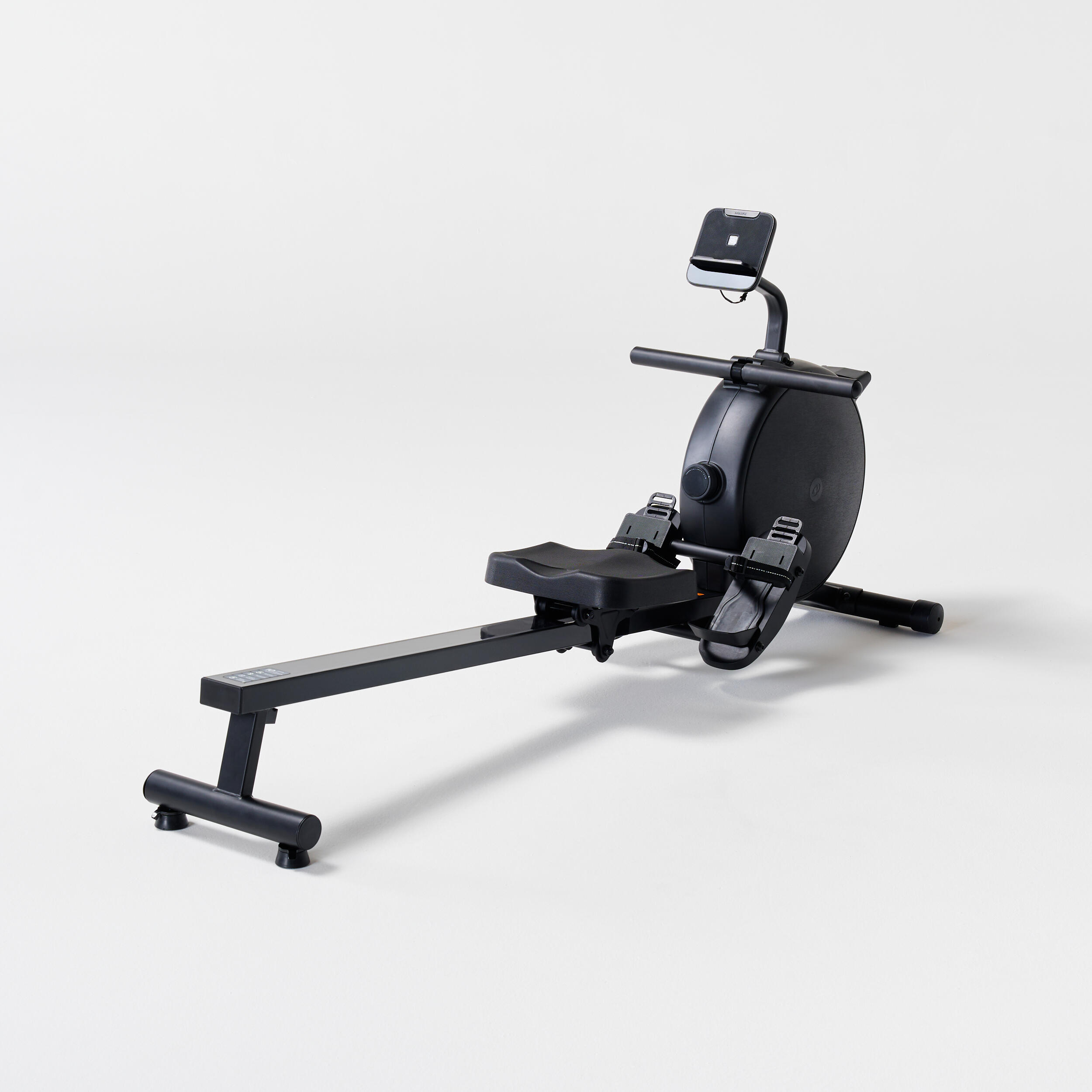
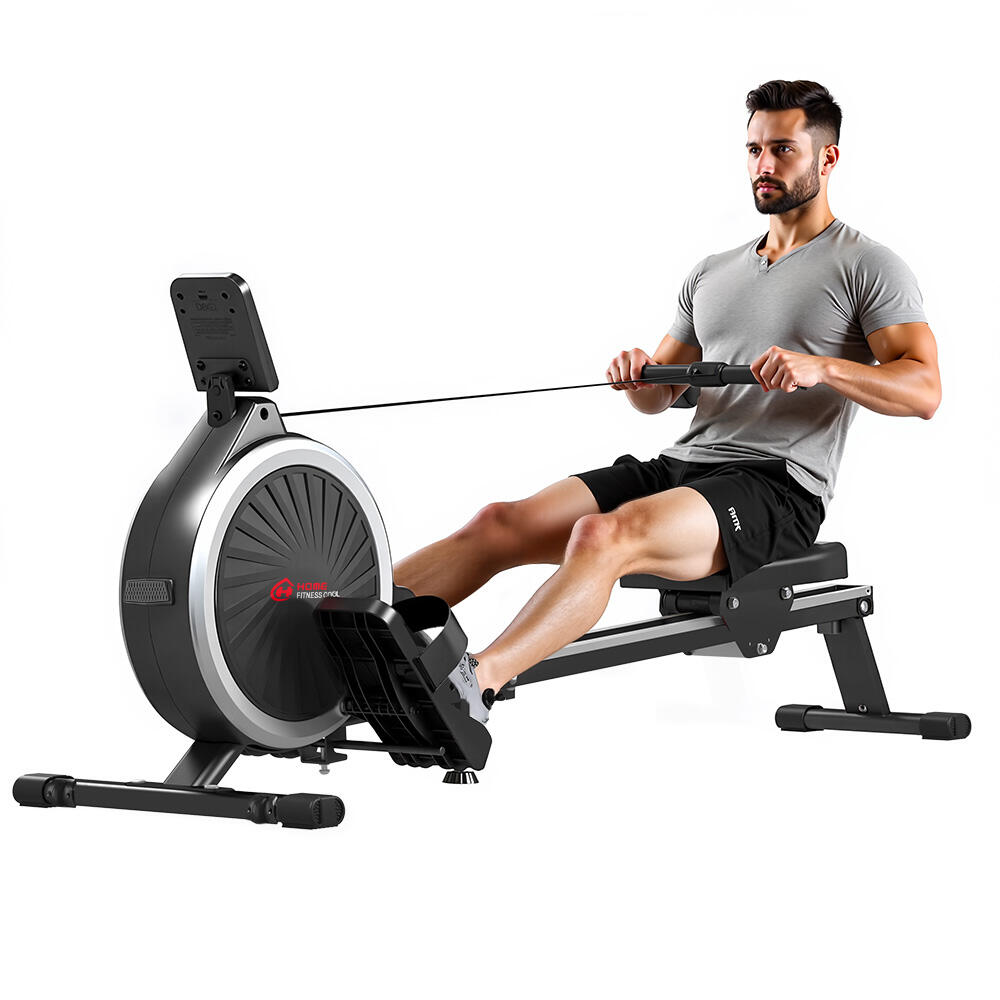
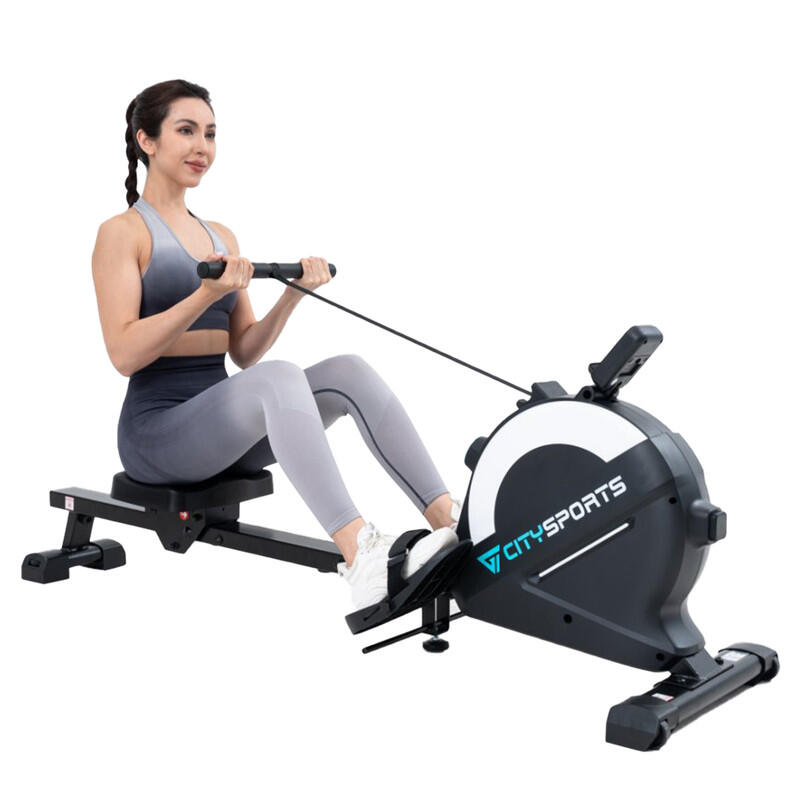
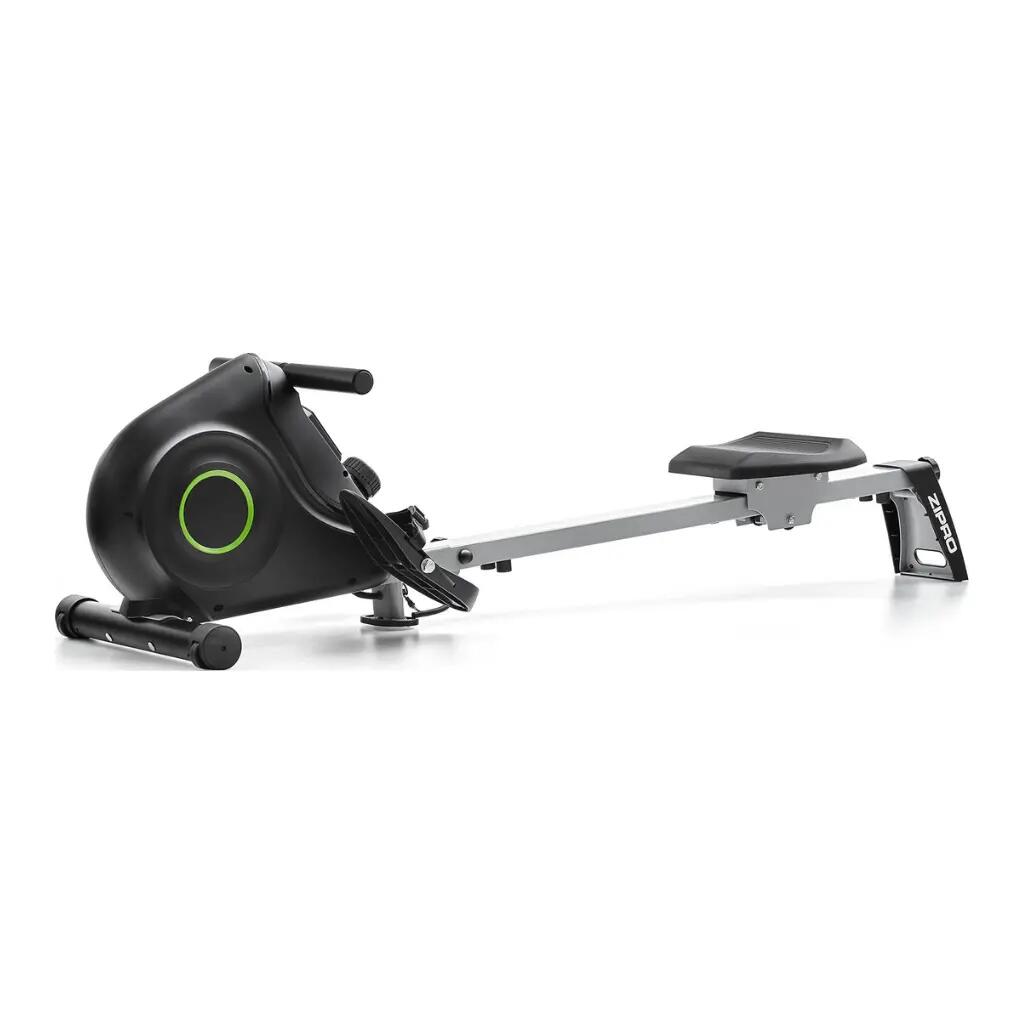
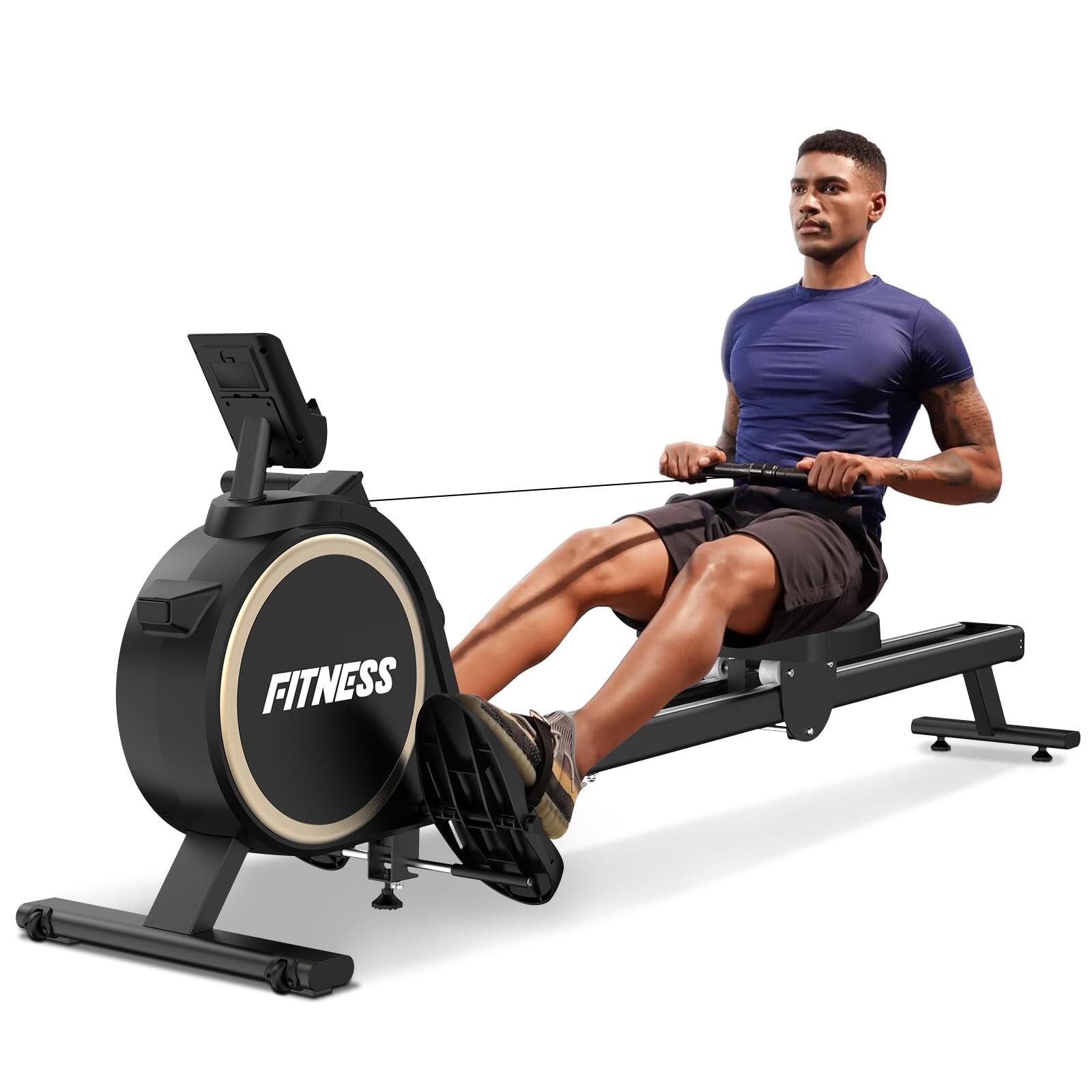
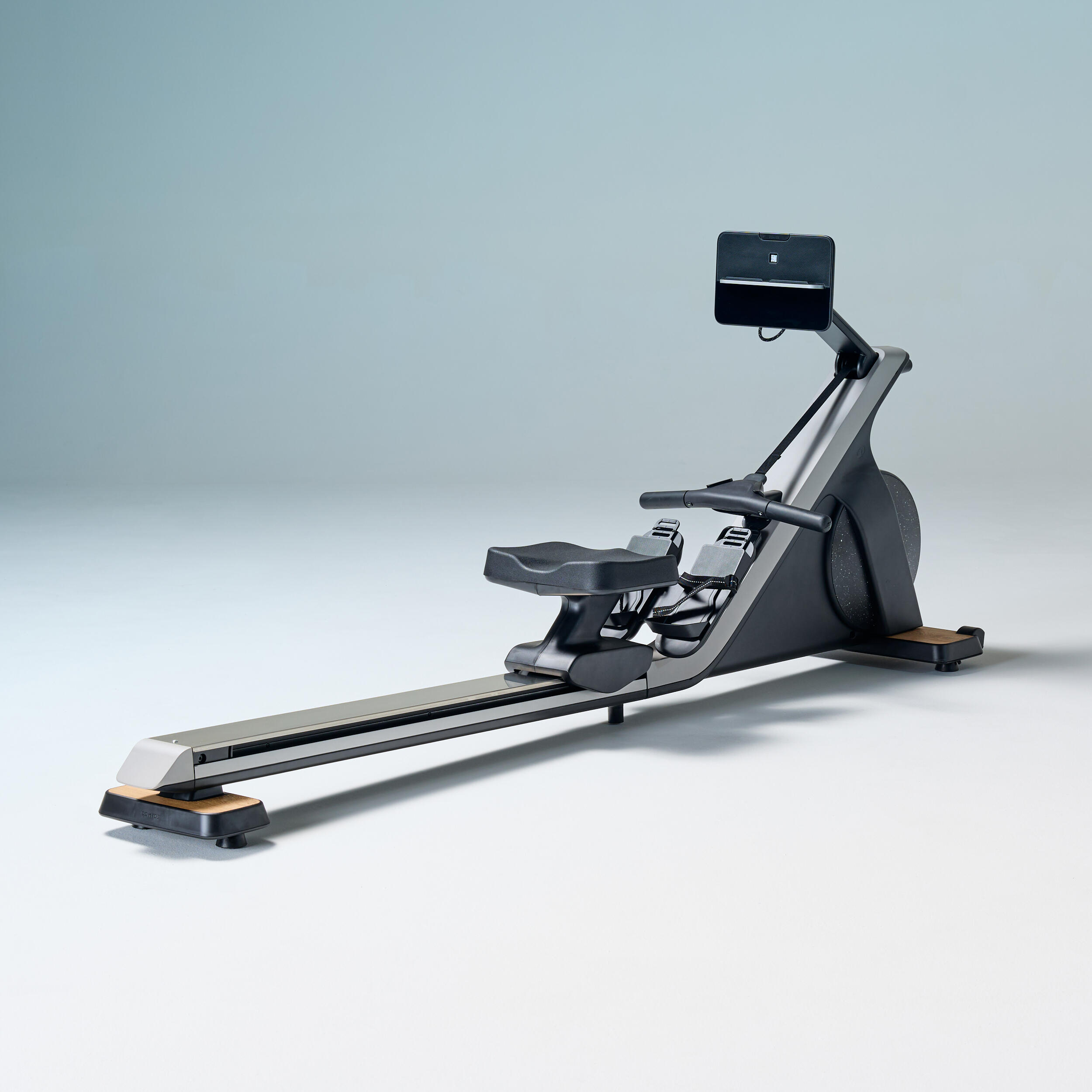
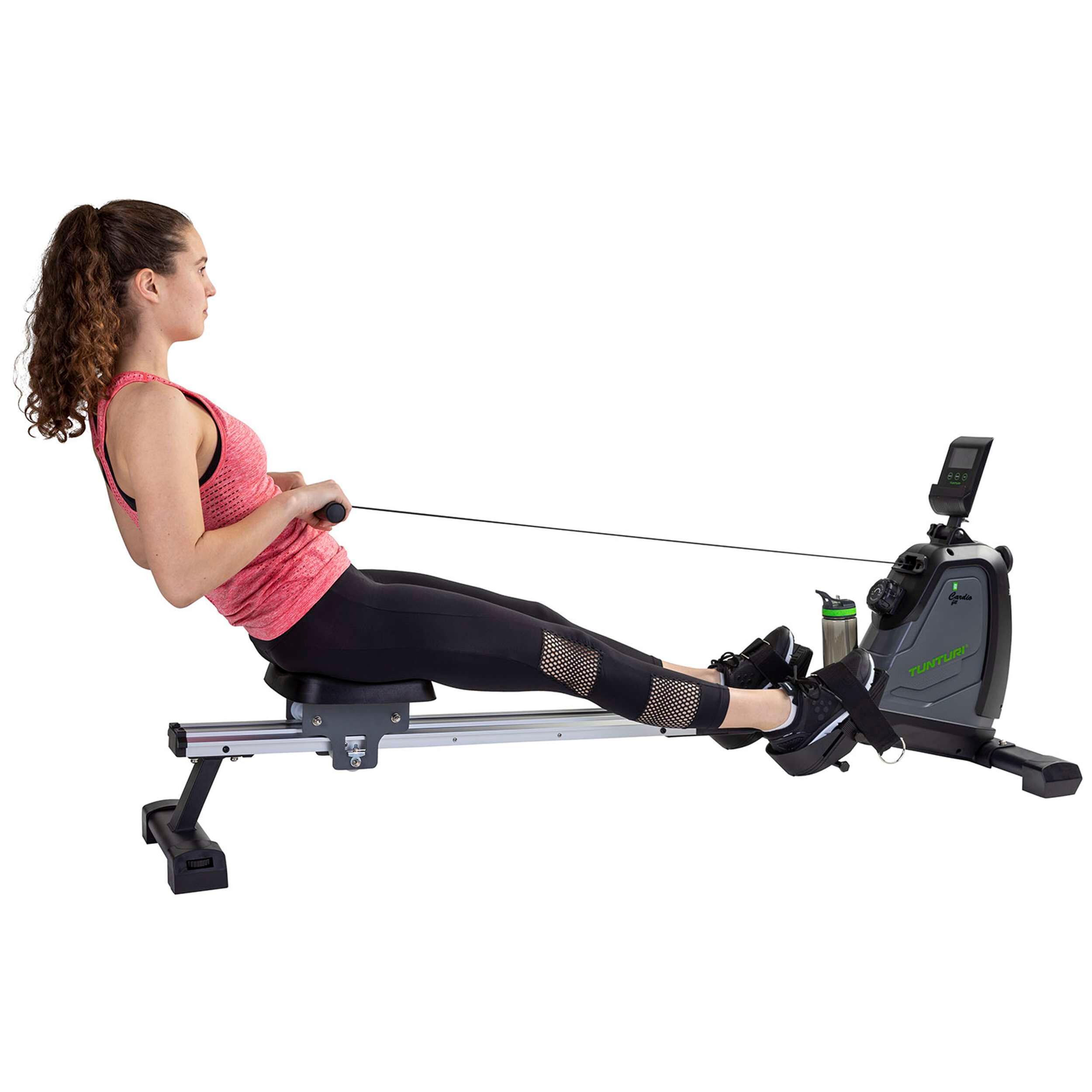
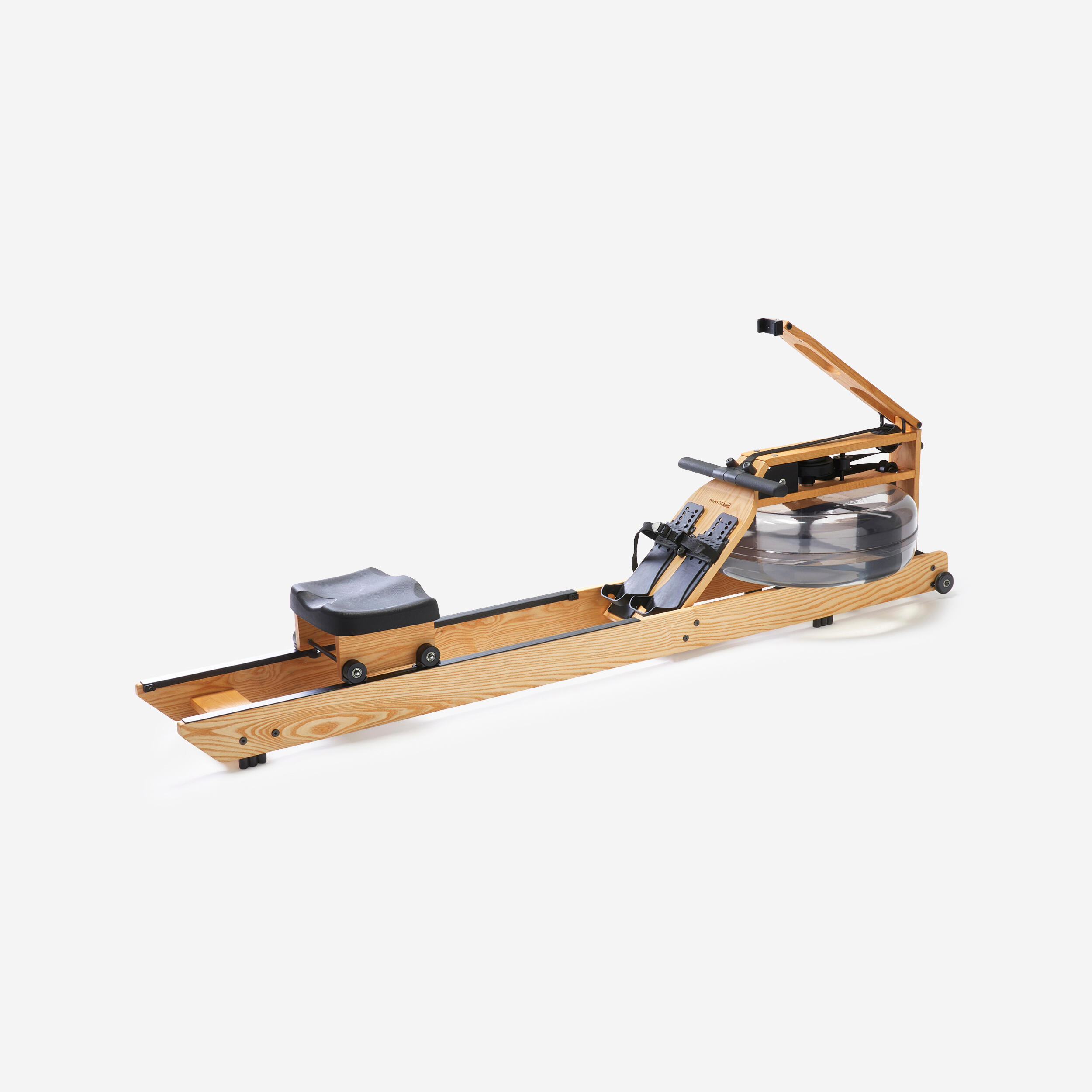
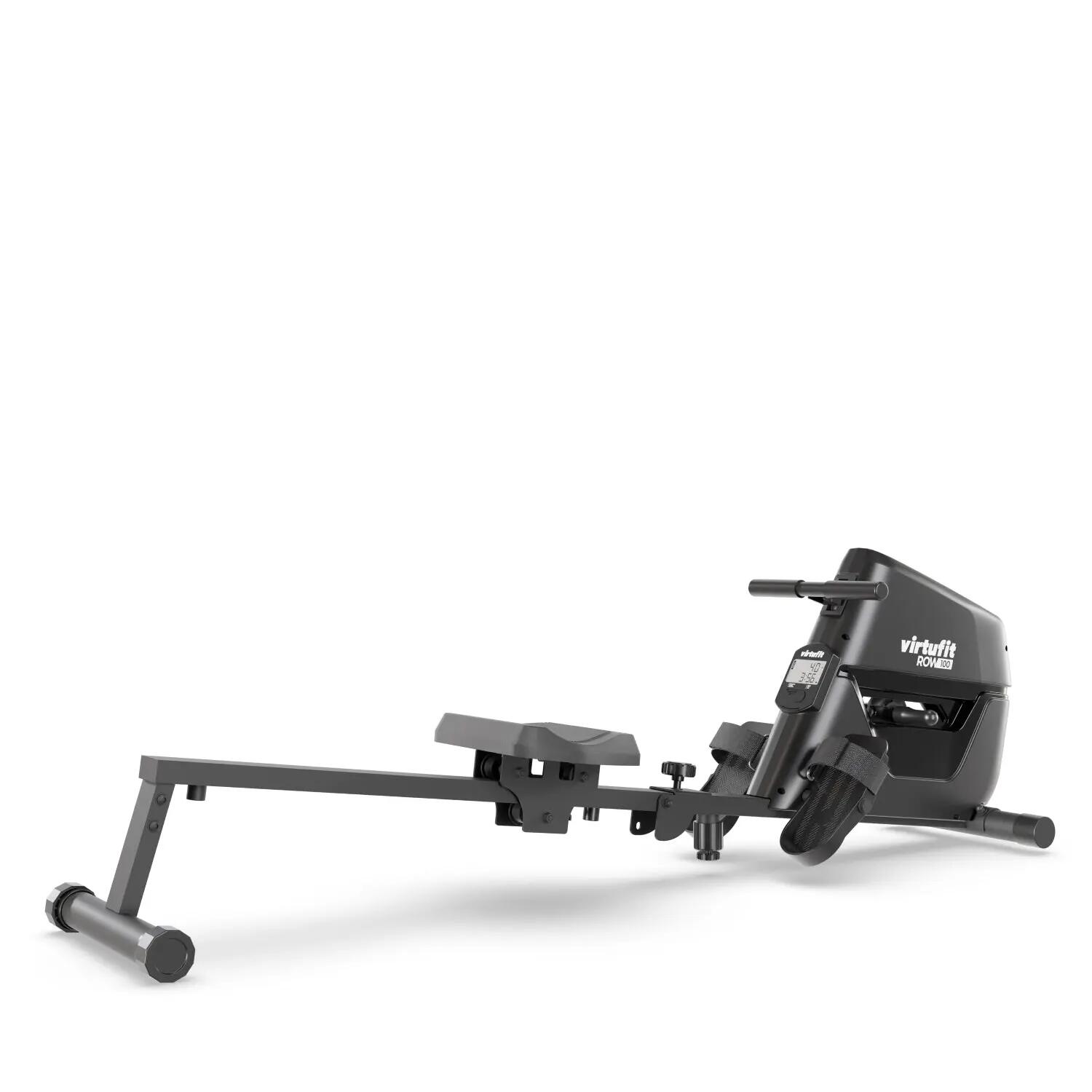
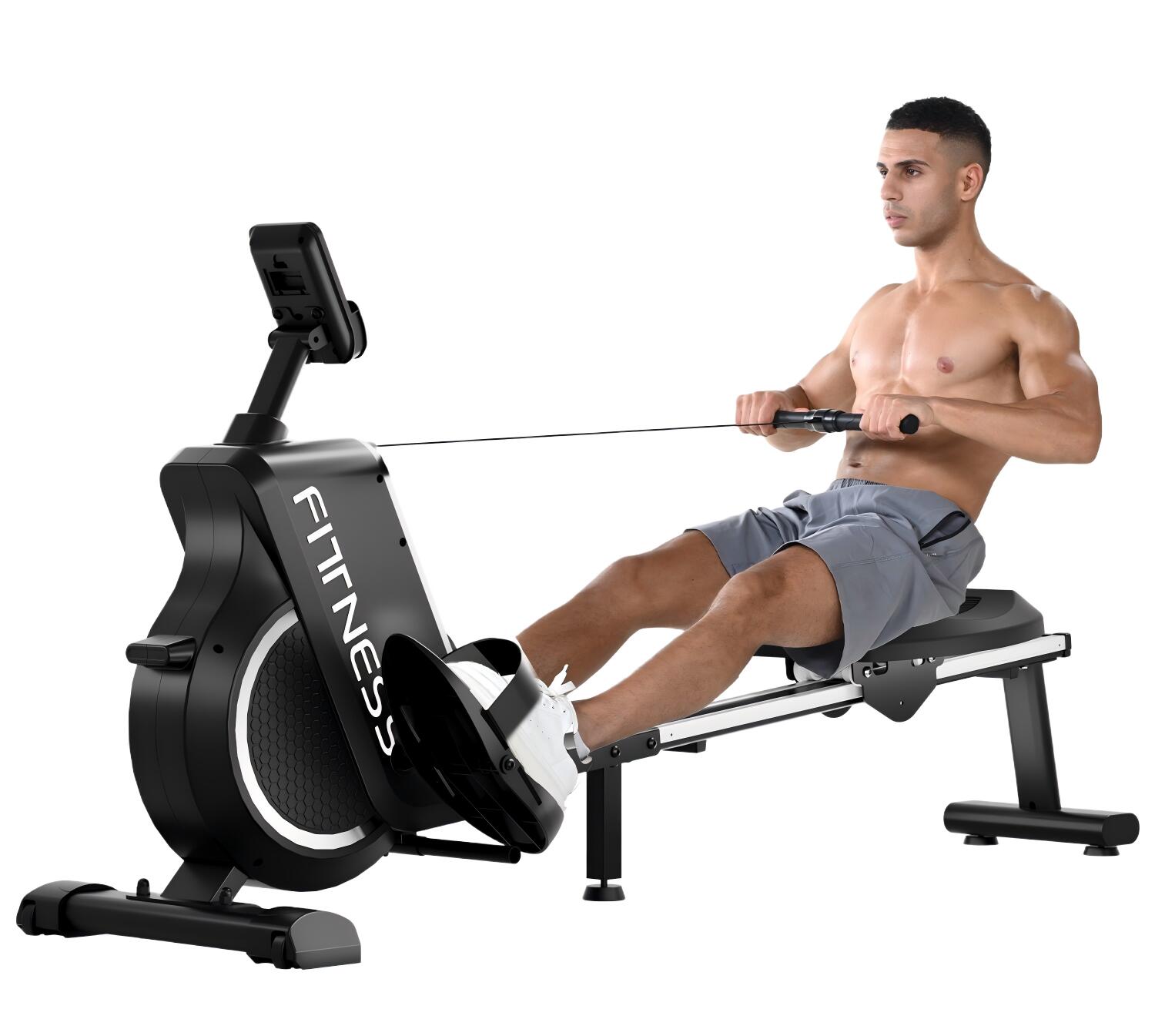
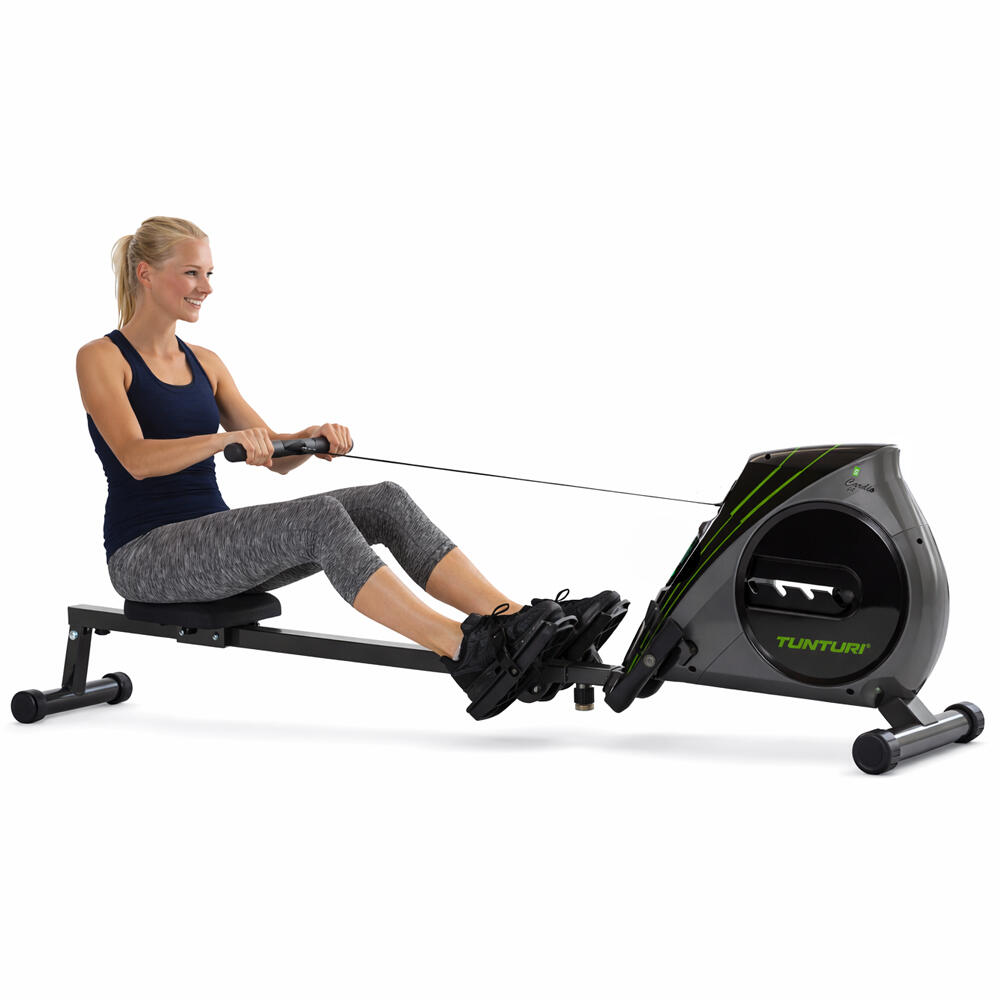
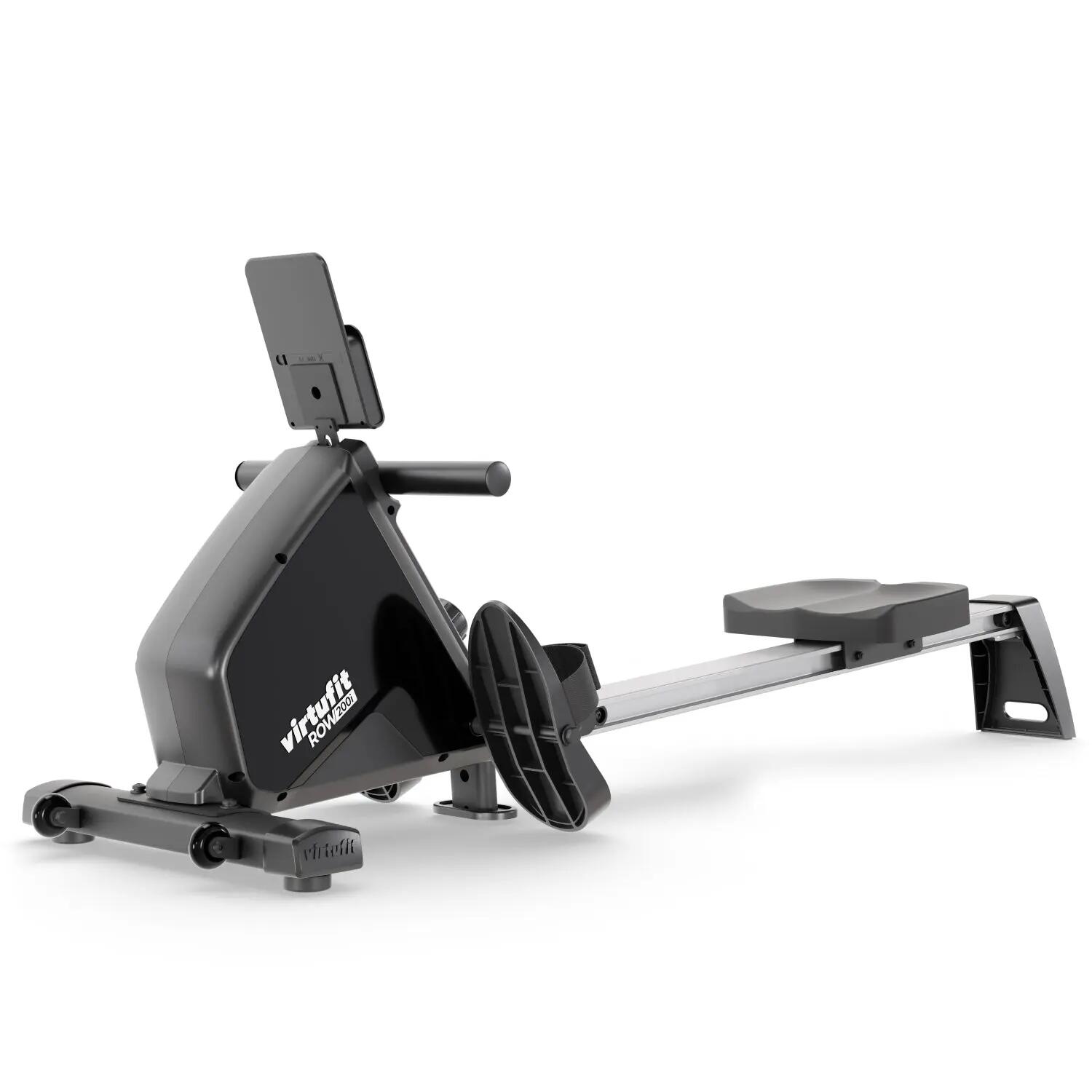
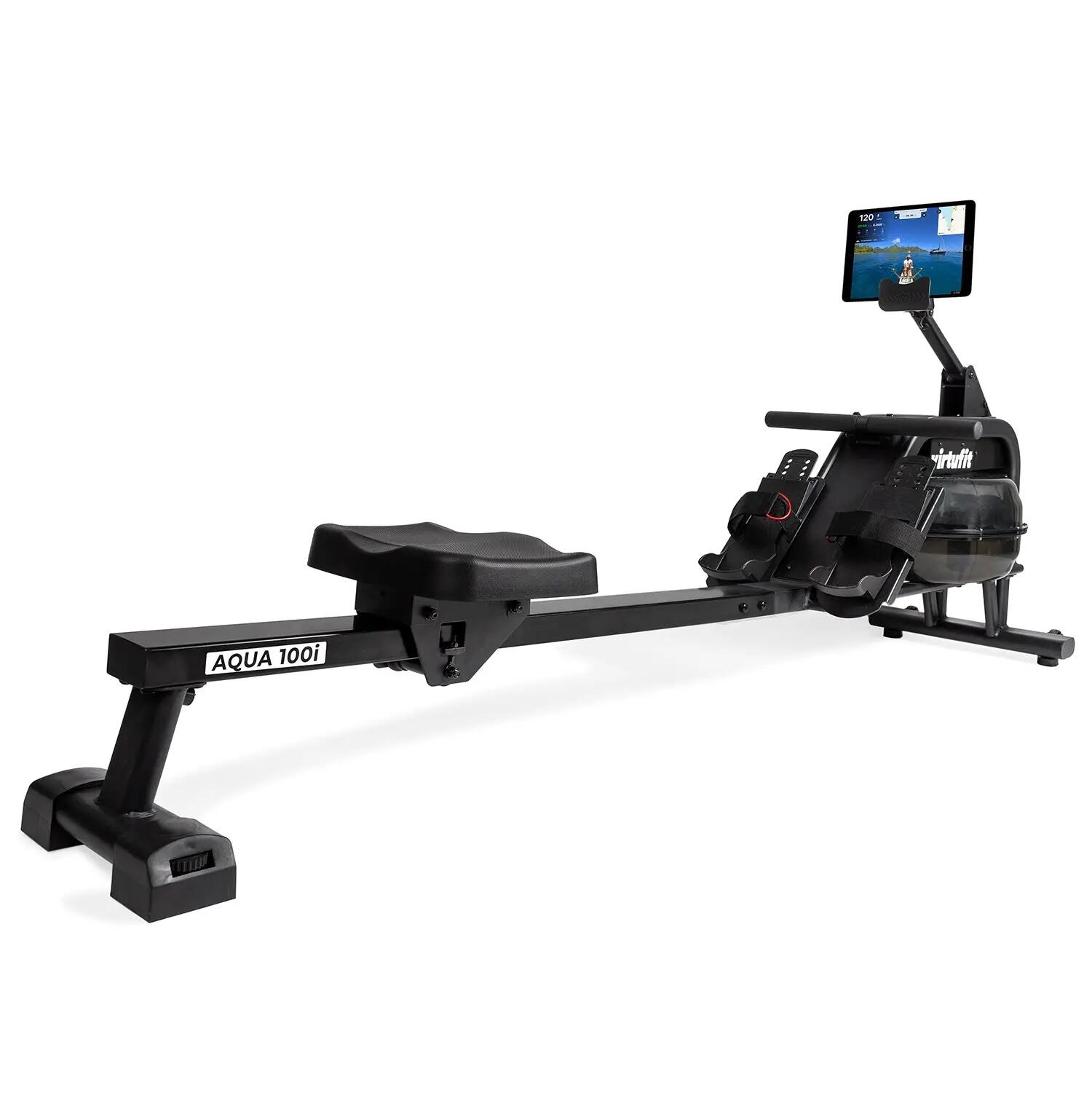
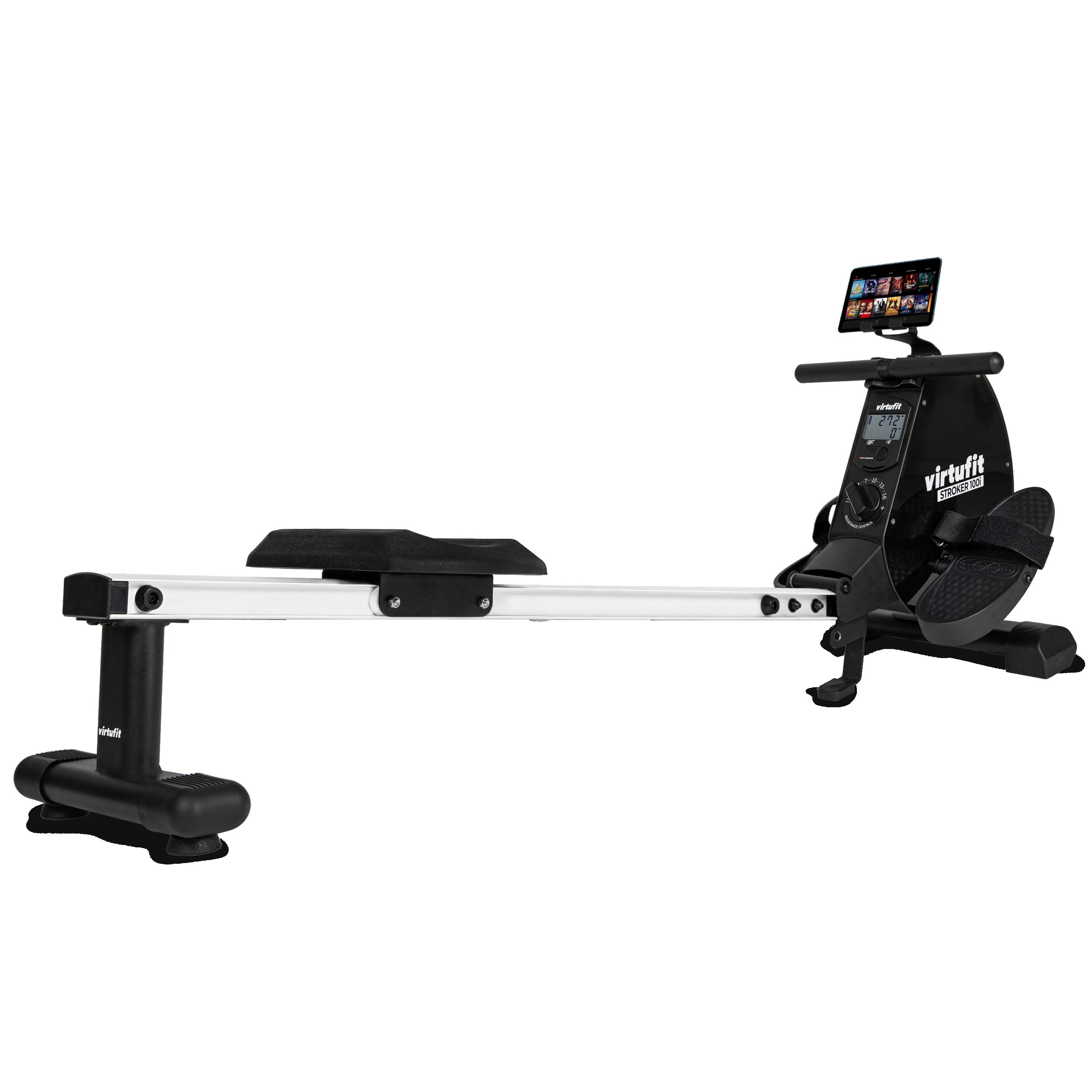
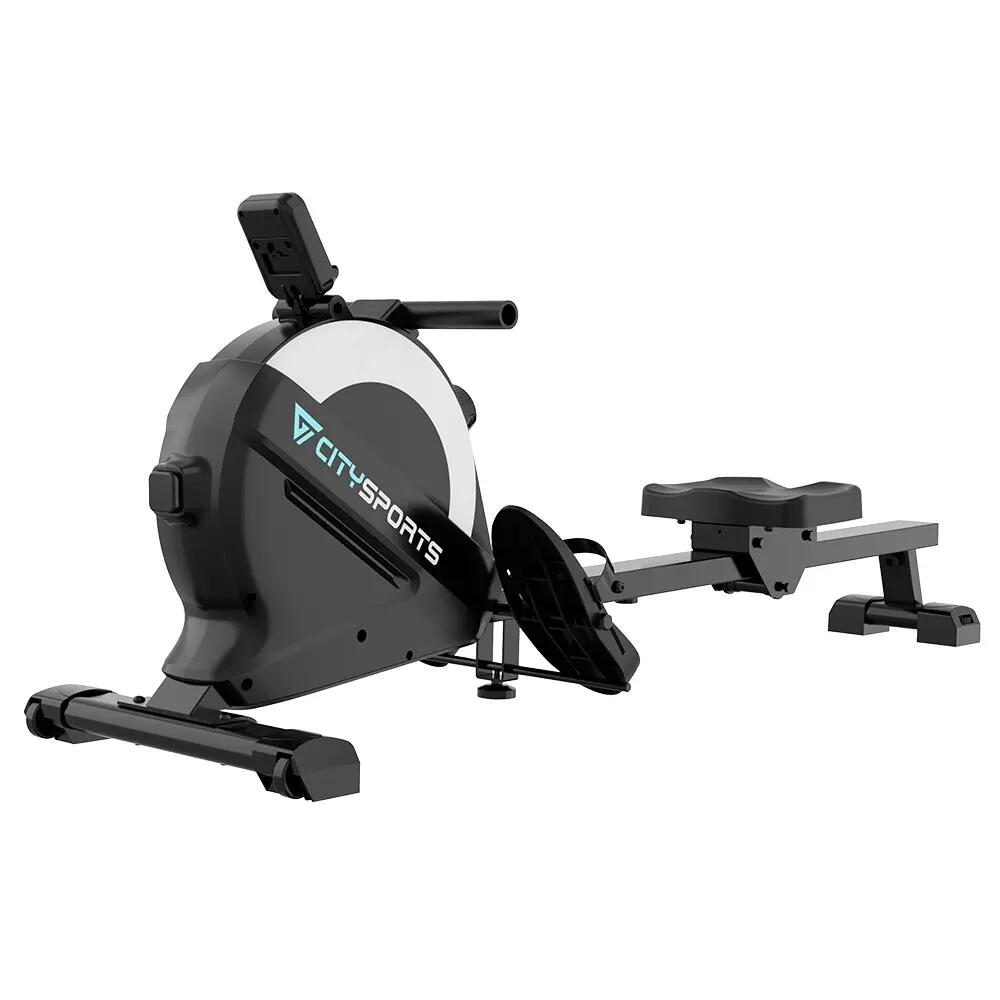
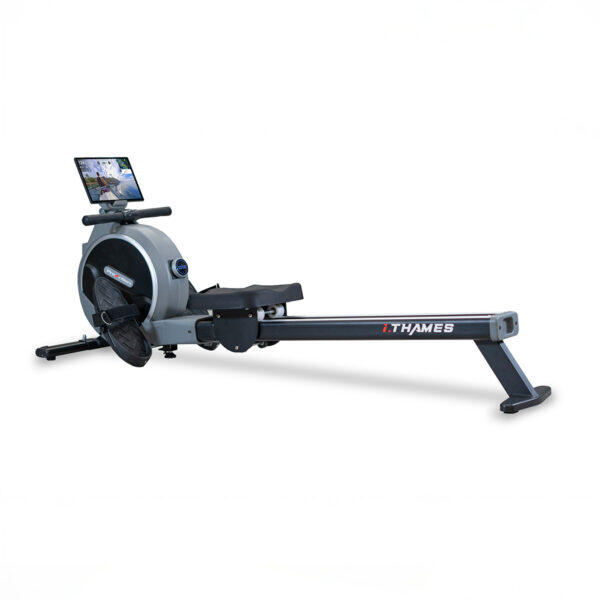
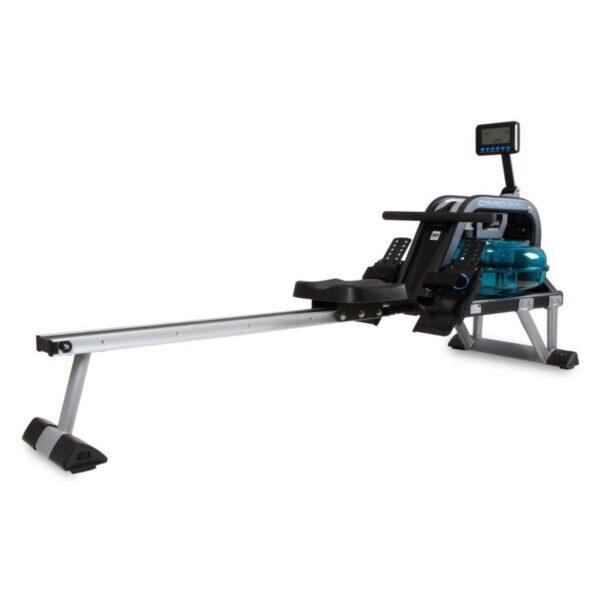
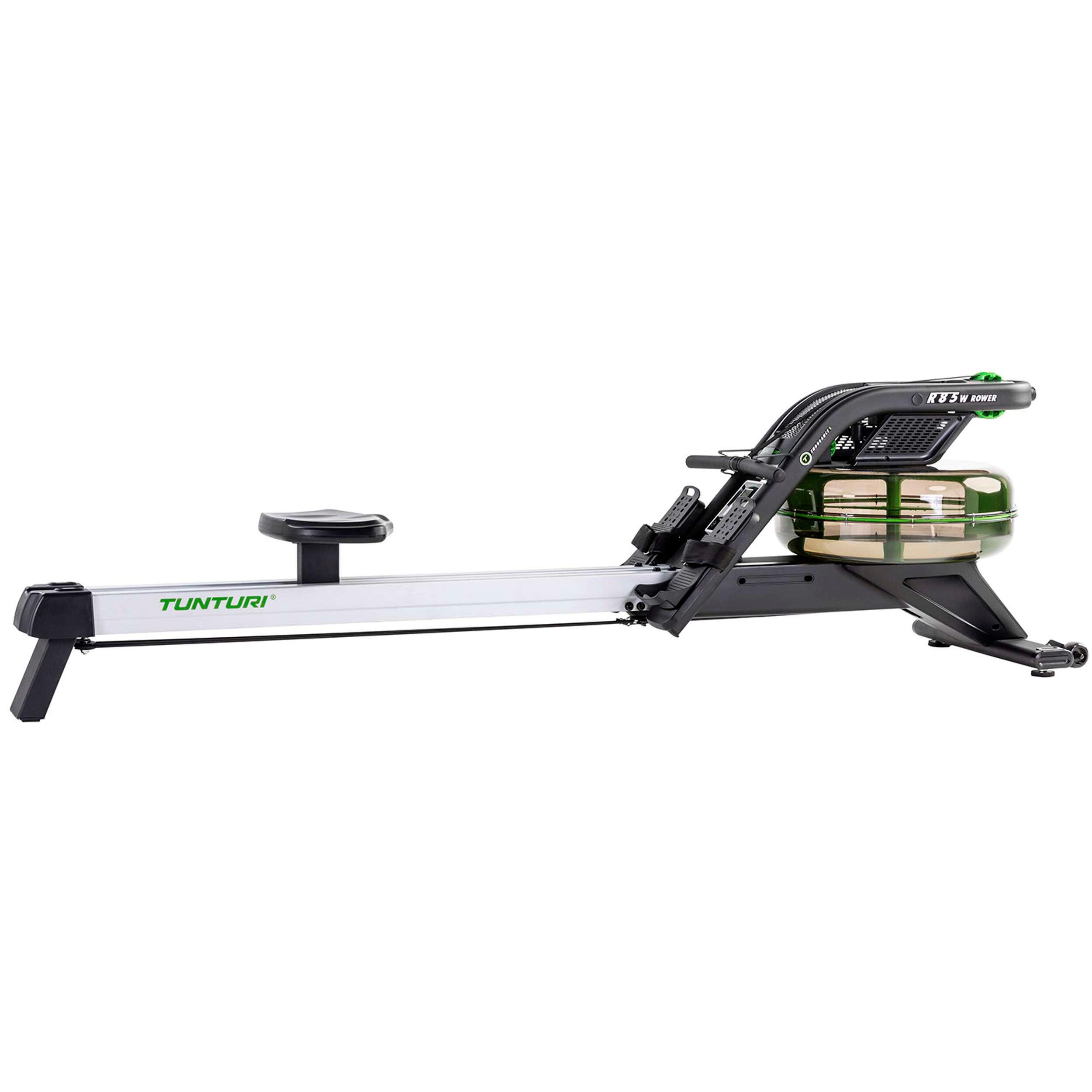
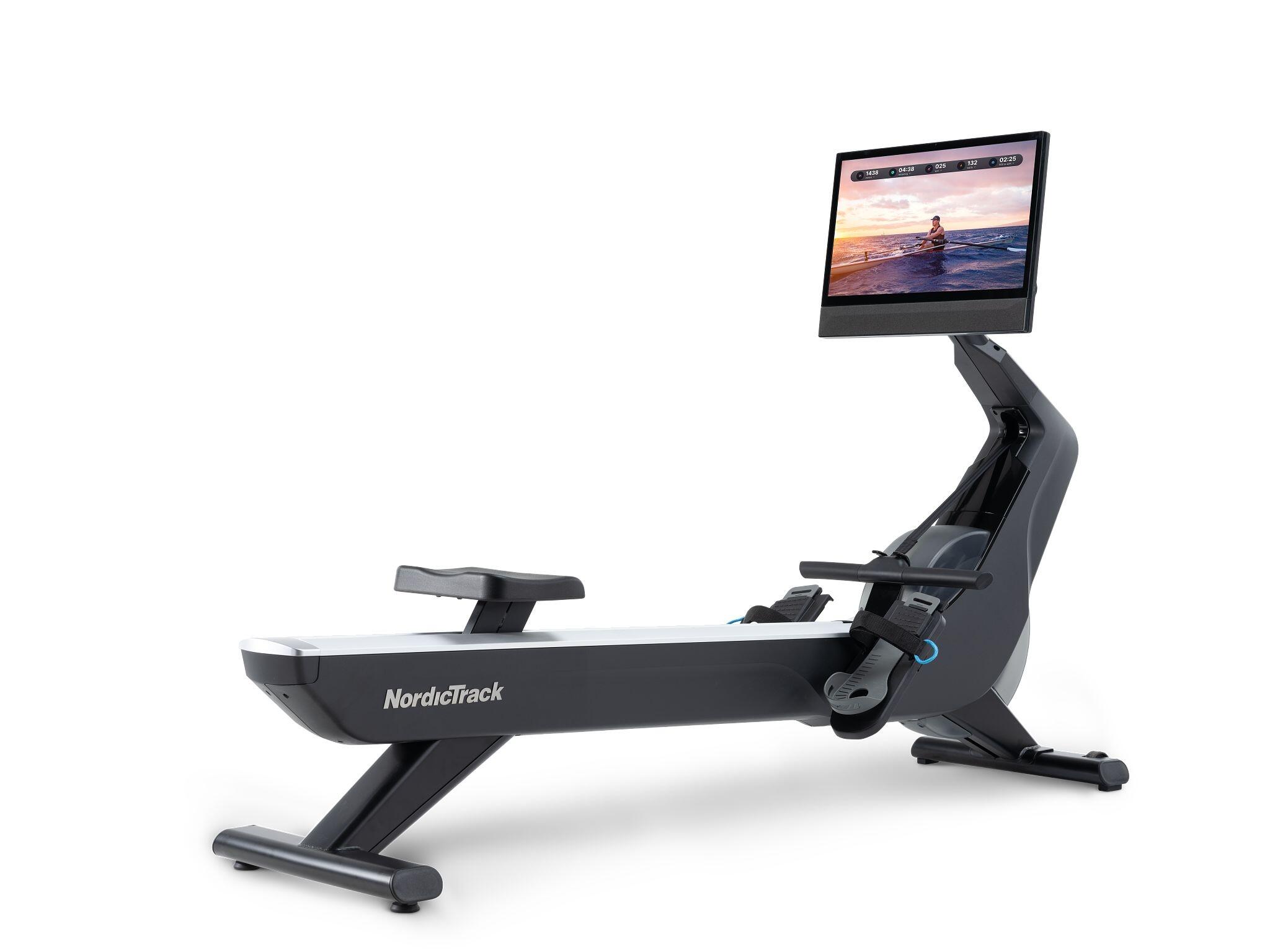
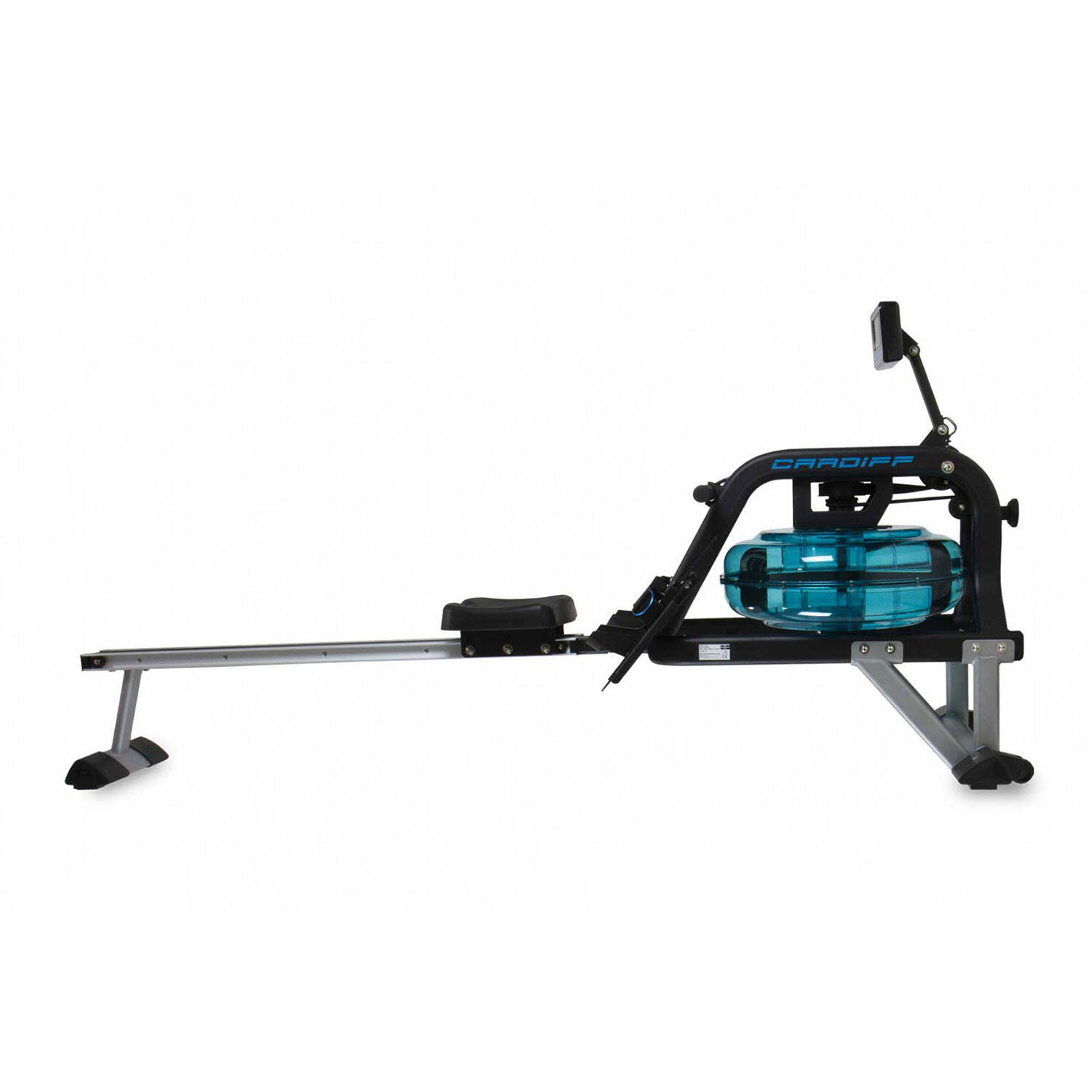
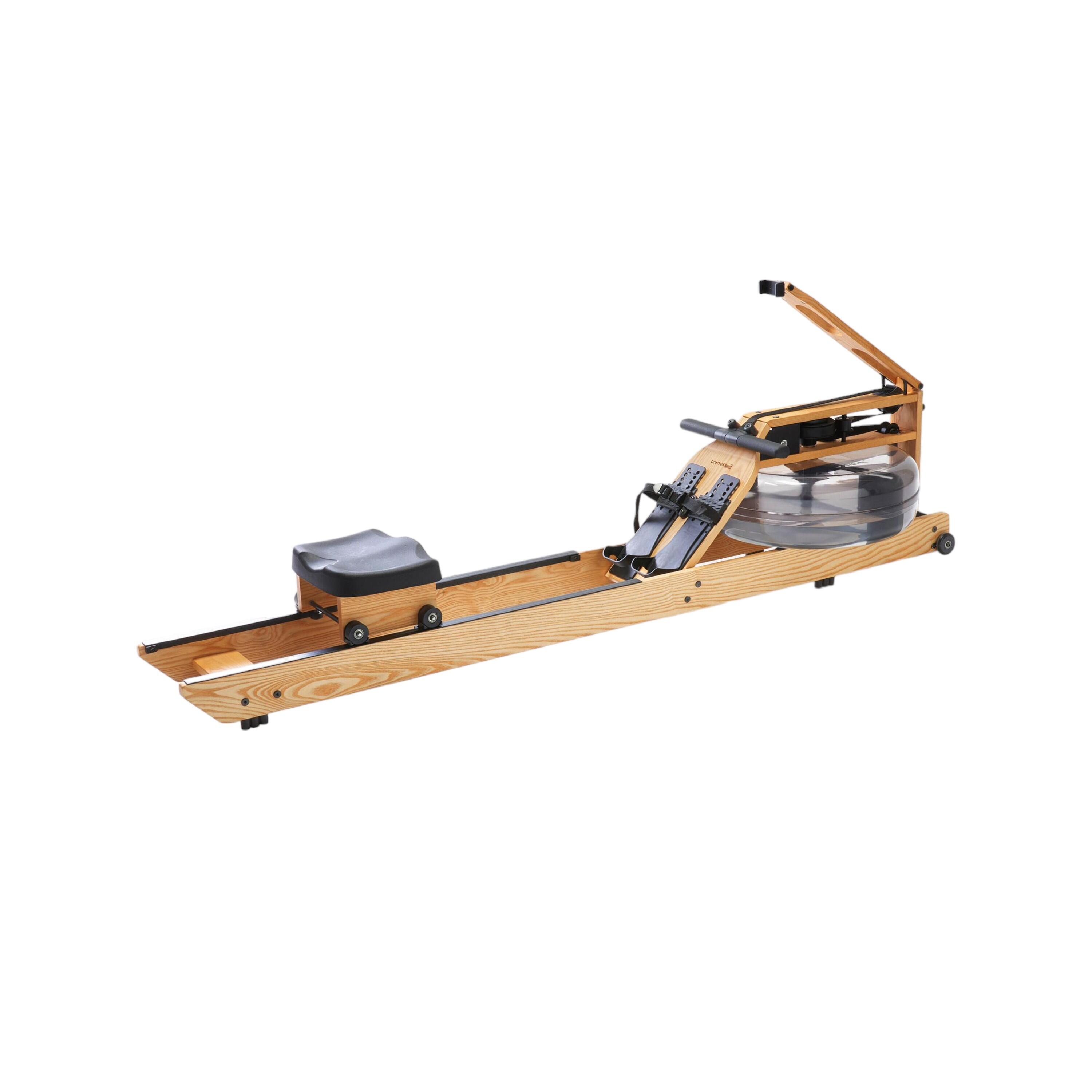
Choosing the right rowing machine comes down to resistance type, footprint, and how seriously you plan to train. Magnetic rowing machines deliver a smooth, quiet stroke that suits early-morning or late-evening sessions in a shared apartment, while air rowers ramp up resistance the harder you pull and feel closest to on-water rowing. Fluid models sit between the two, using paddles spinning through a sealed tank to mimic the natural catch and finish of a stroke on water. The reason resistance type matters so much is feel: matching the right system to your goals keeps you on the rower for the full plan rather than abandoning it after a fortnight. For the most realistic stroke at home, browse our range of water rowing machines from the BH Fitness, WaterRower, and Domyos labels.
Are foldable rowing machines a good fit for small homes?

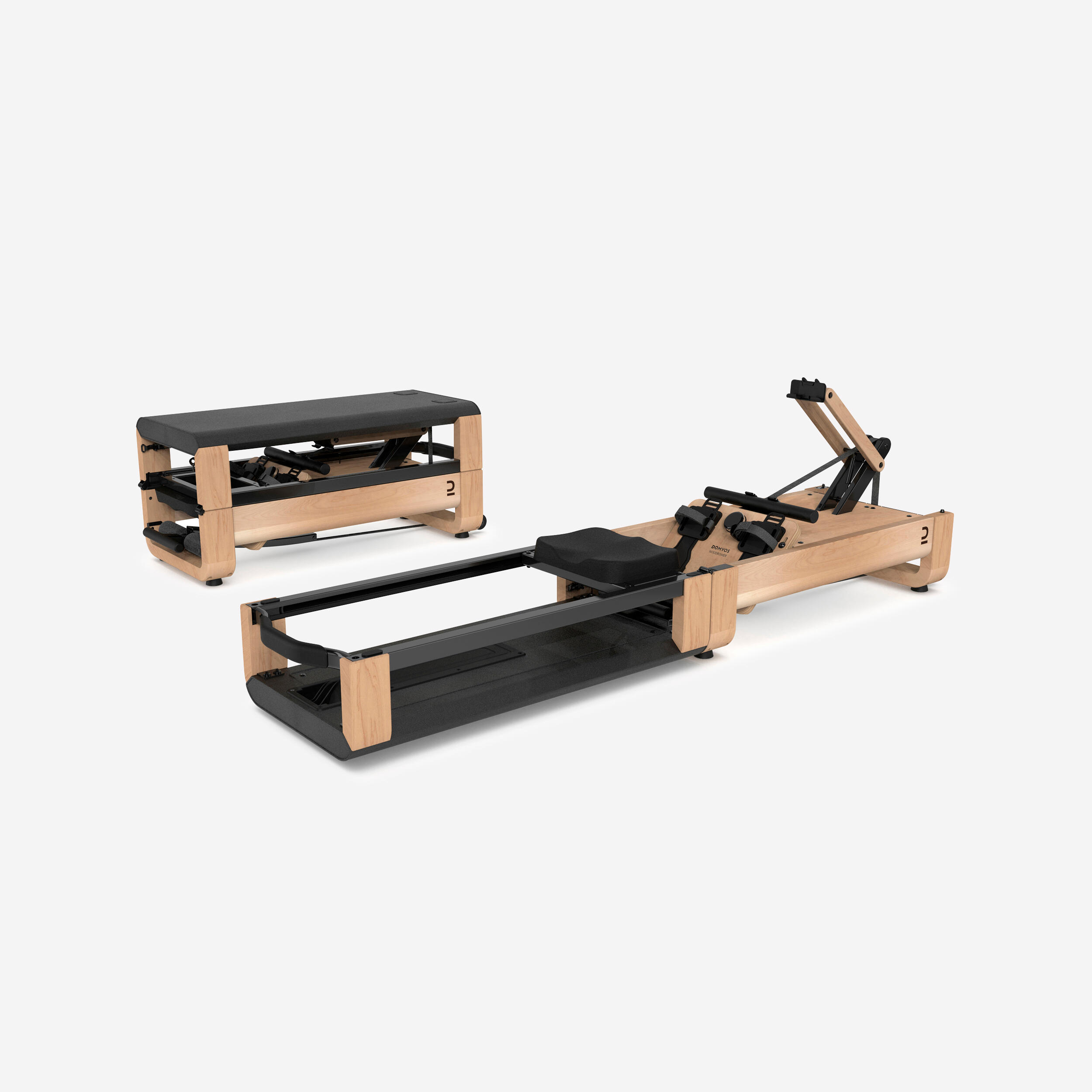
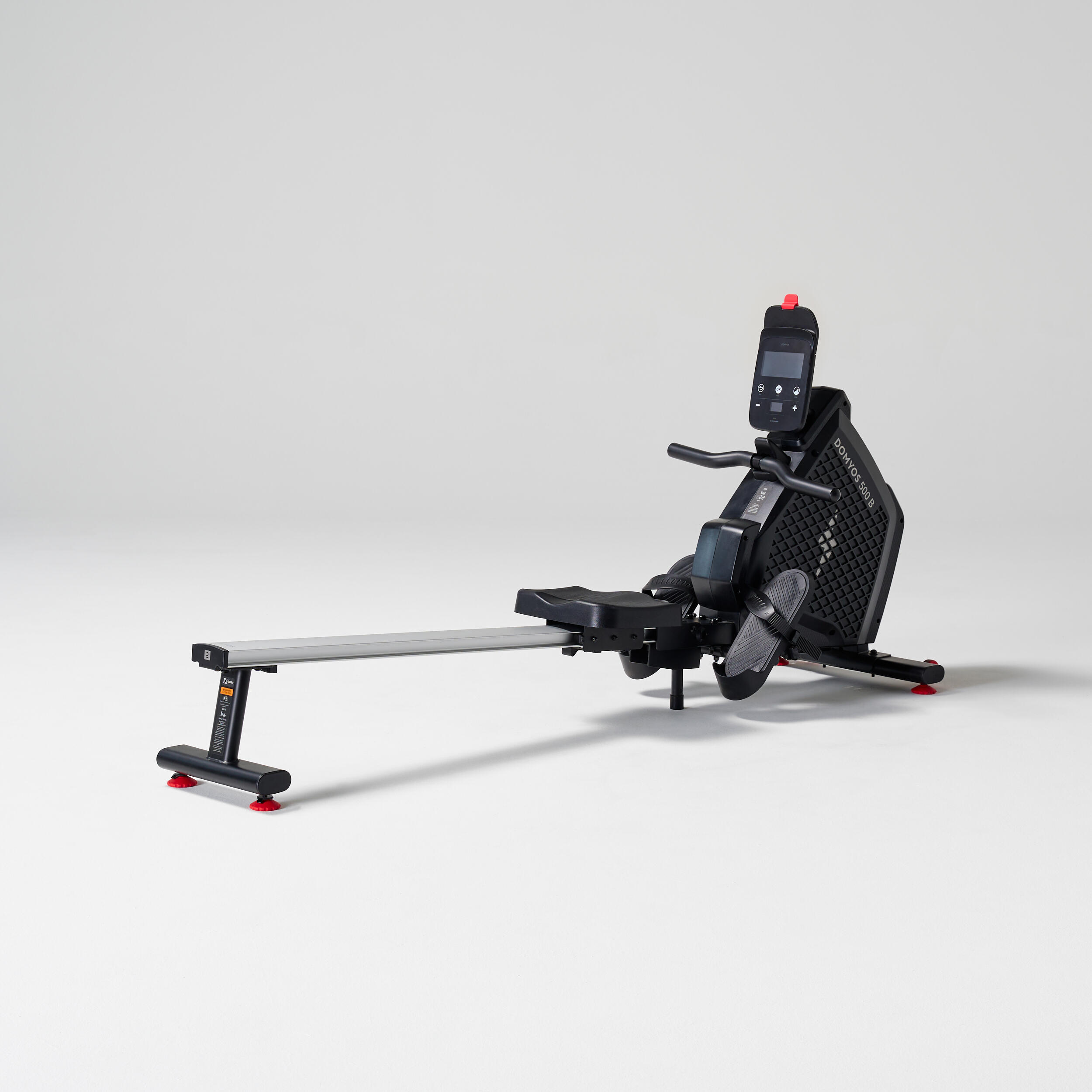
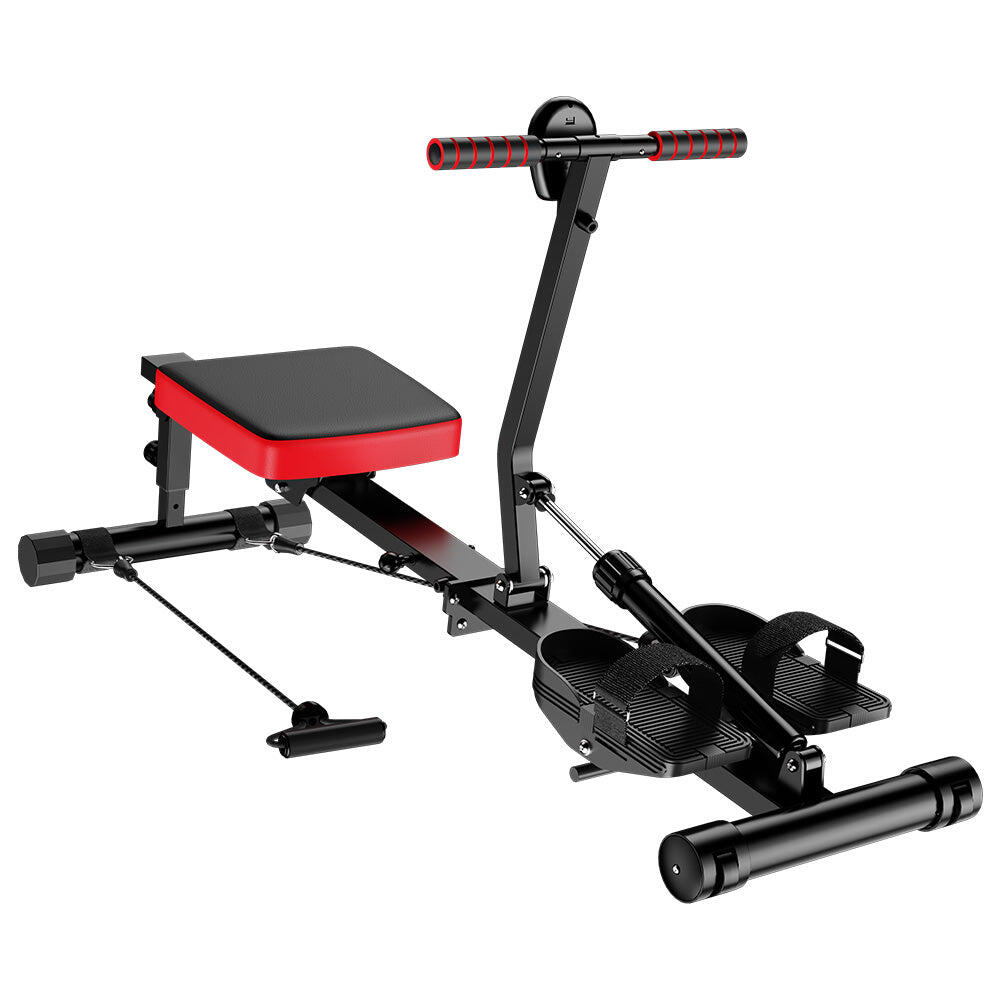
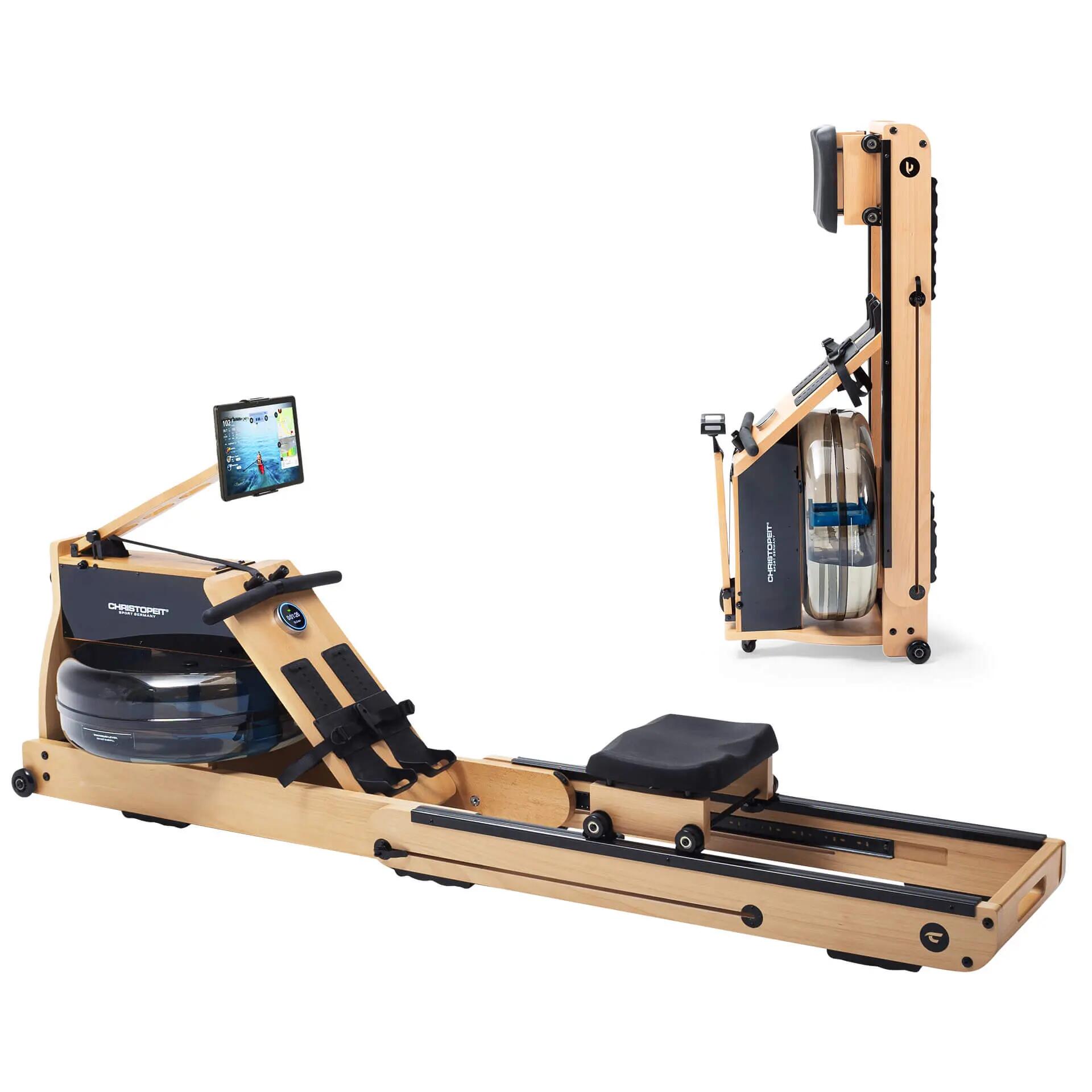
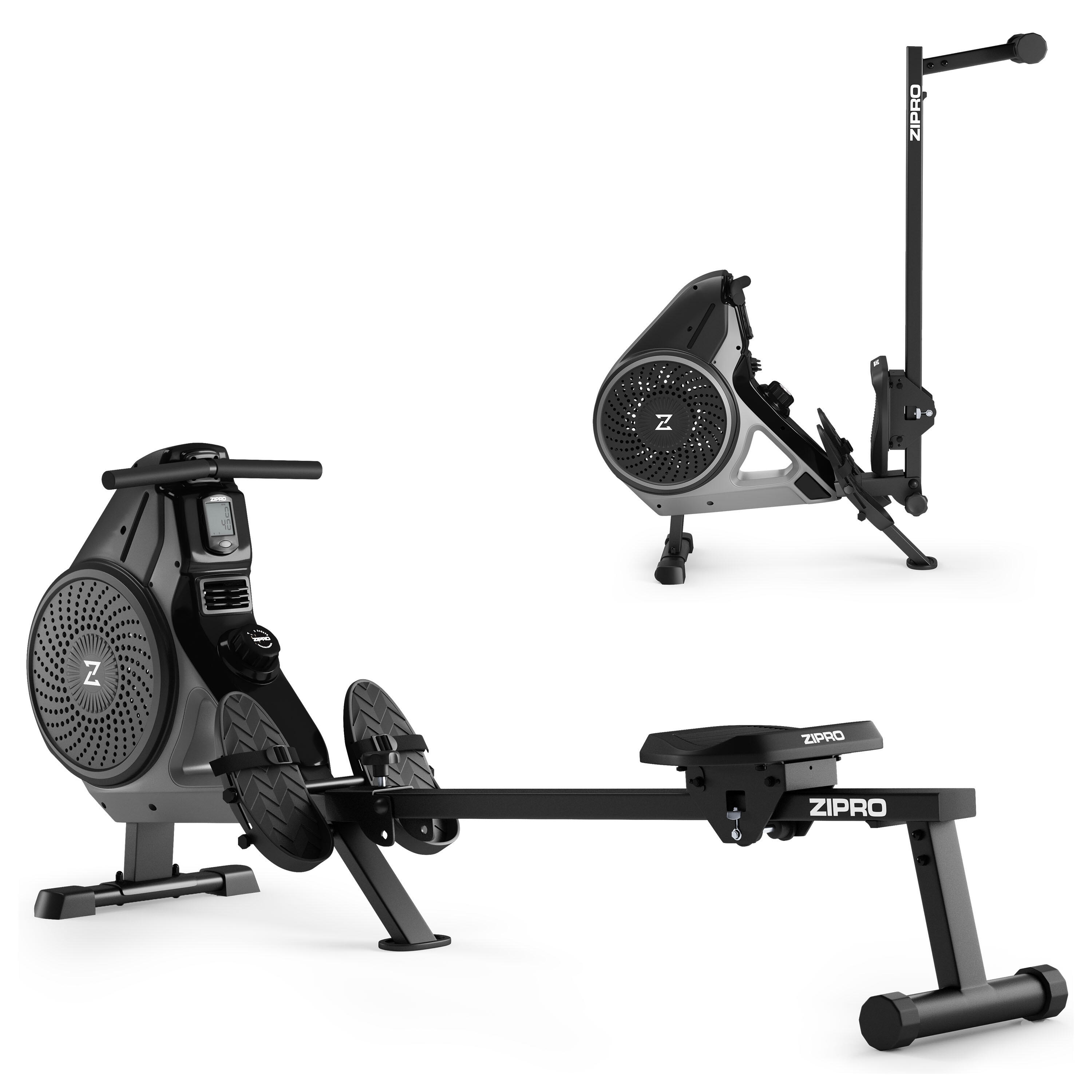
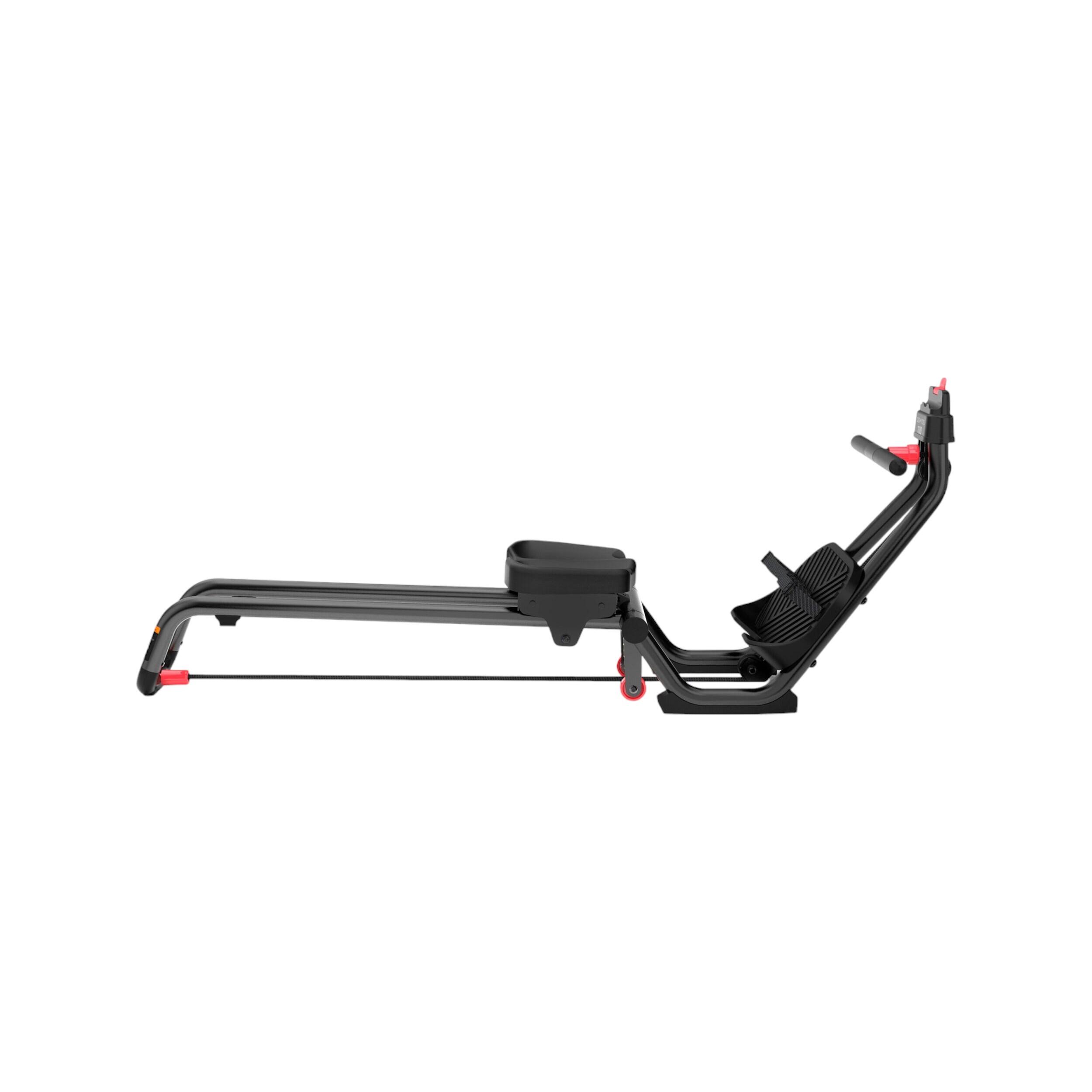
Yes, foldable rowing machines are an excellent fit for small homes, apartments, or shared rooms where a full-length rower cannot stay set up between sessions. The hinge sits behind the seat rail so the rail folds vertically against the flywheel housing, which trims the floor footprint by roughly half and lets the rower stand upright behind a sofa or against a wall. The reason this matters is consistency: a rower that lives in the corner of a room rather than the back of a wardrobe is the rower you are more likely to use on a Tuesday evening. Browse our range of foldable rowing machines from Domyos and BH Fitness, with magnetic and fluid options to suit different noise needs.
What is the difference between magnetic, air, fluid, and water rowing machines?

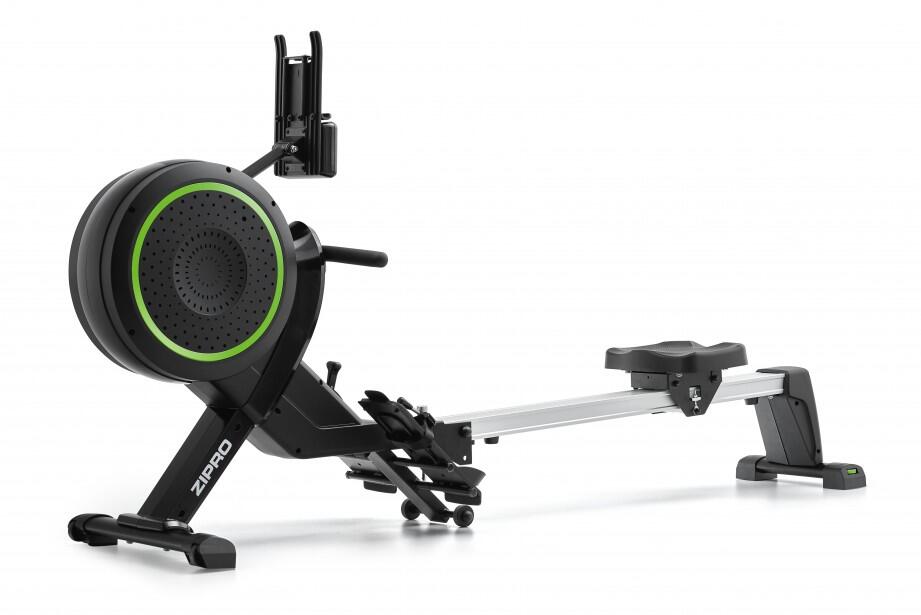
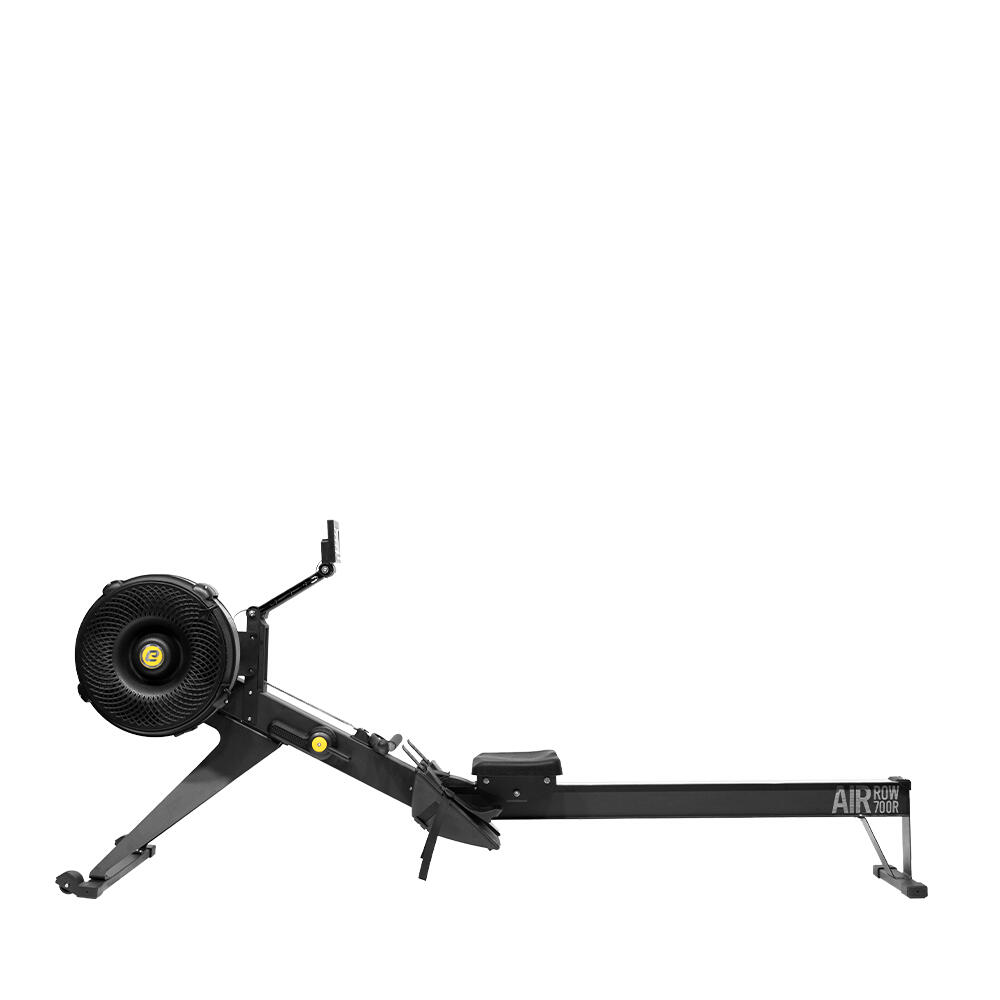
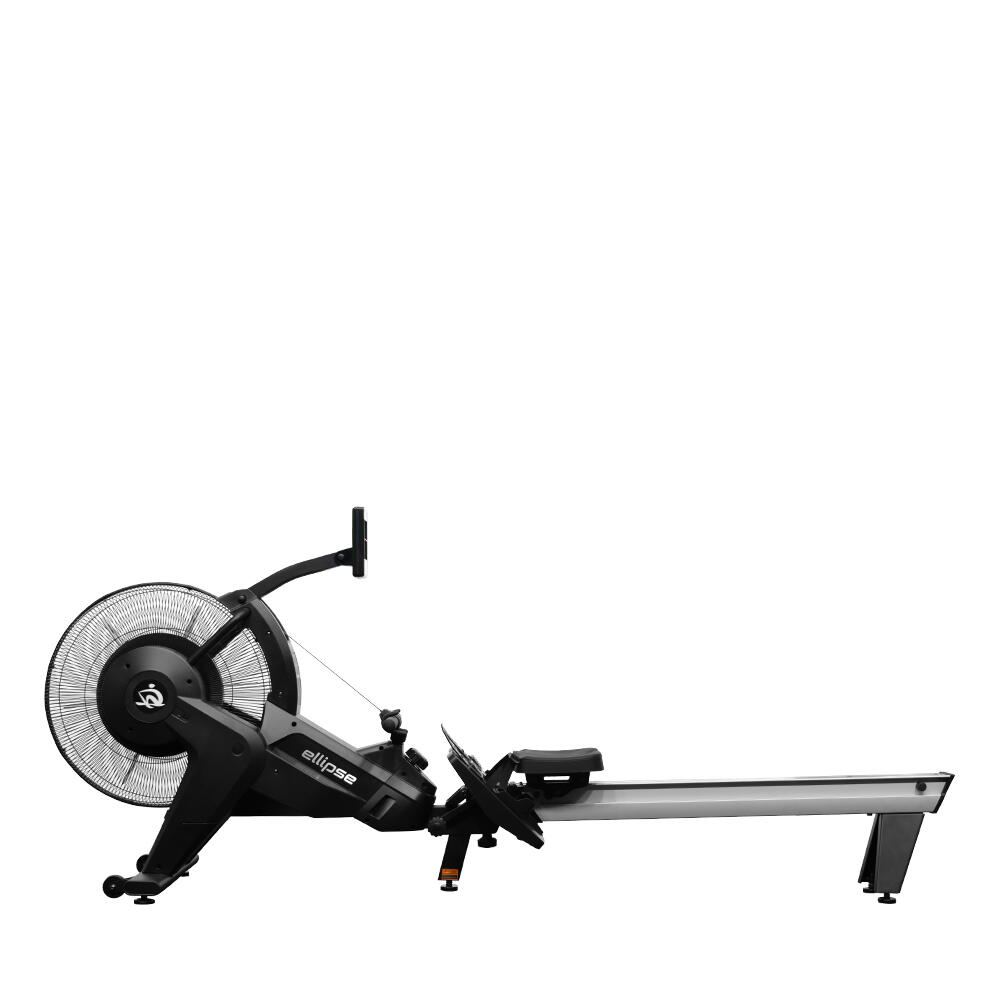
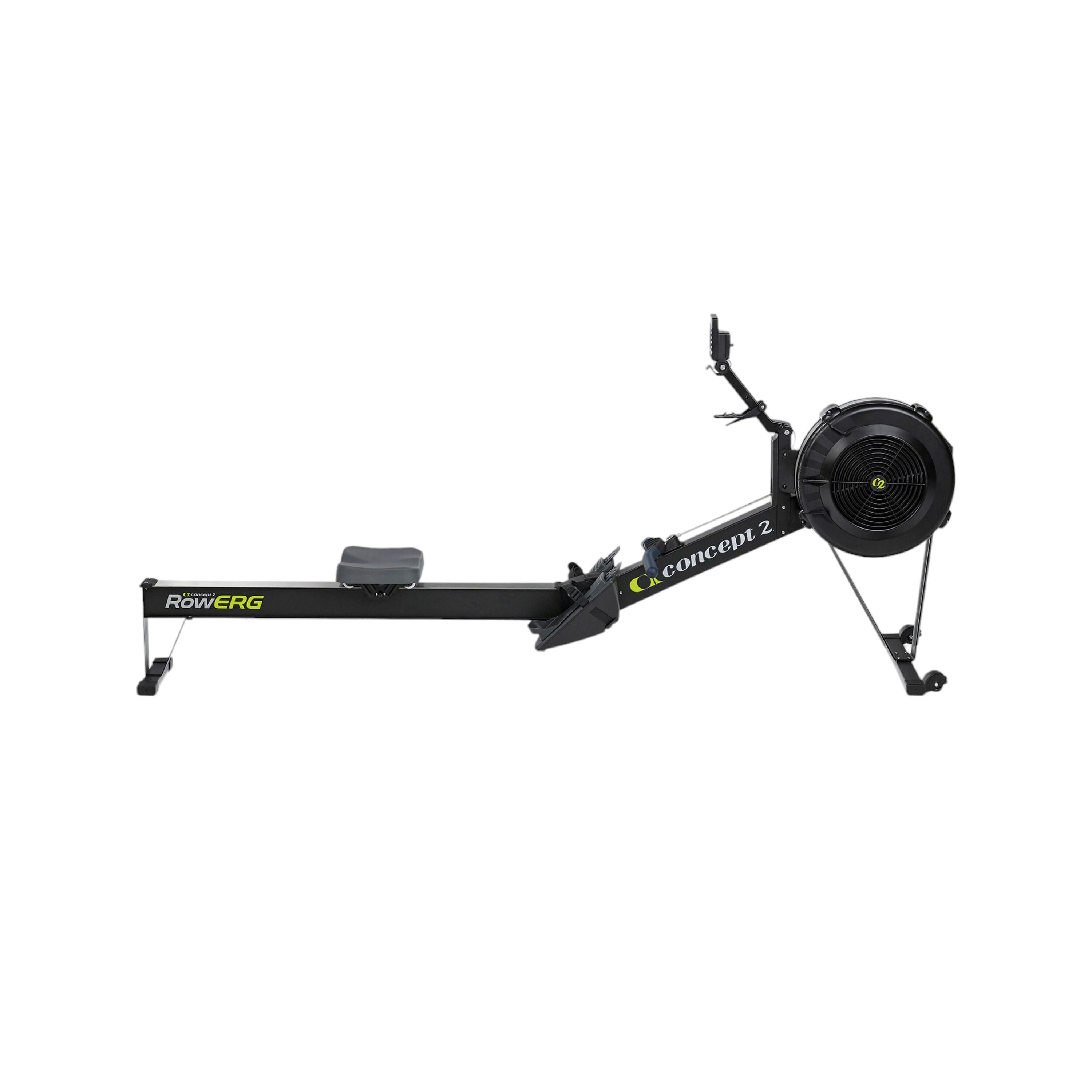
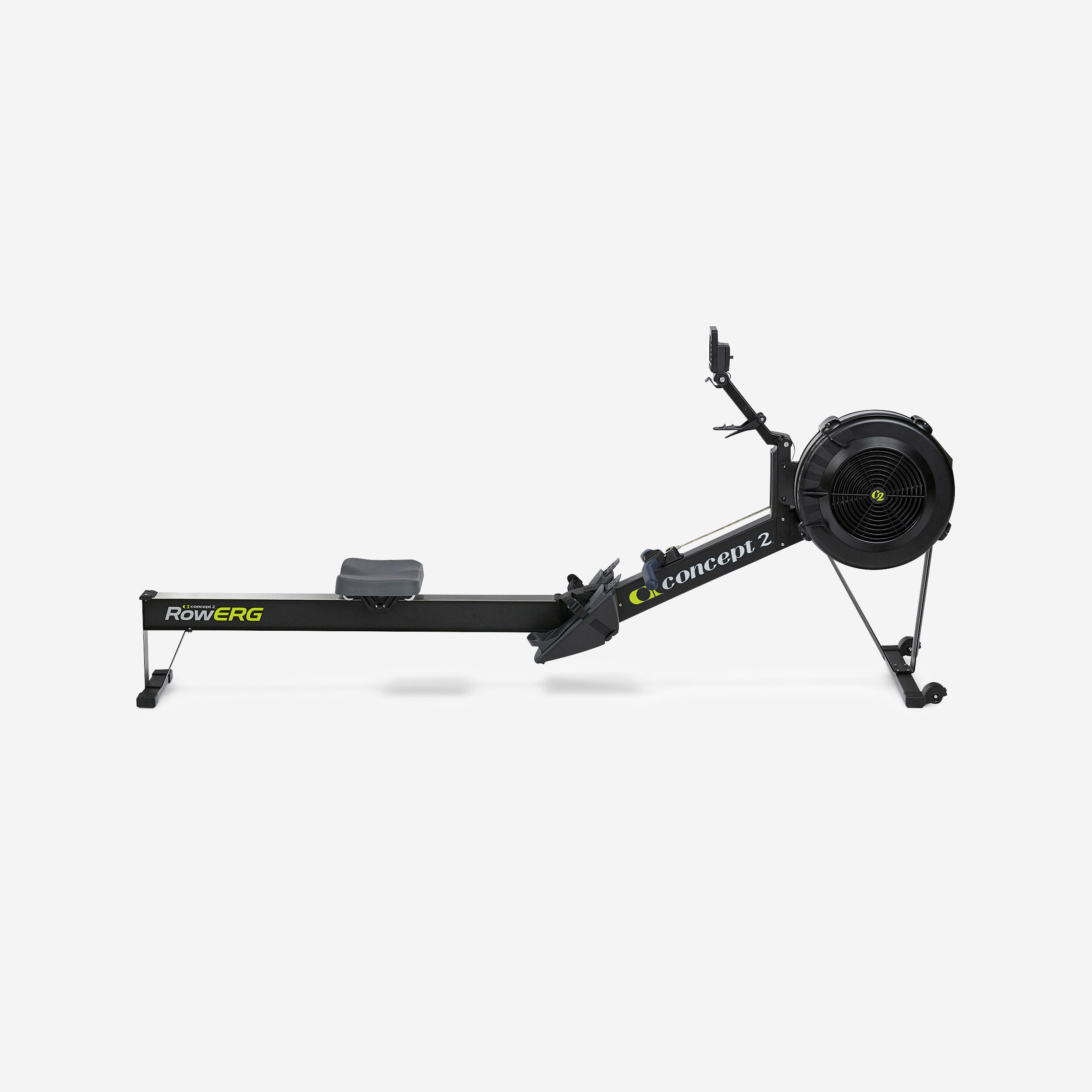
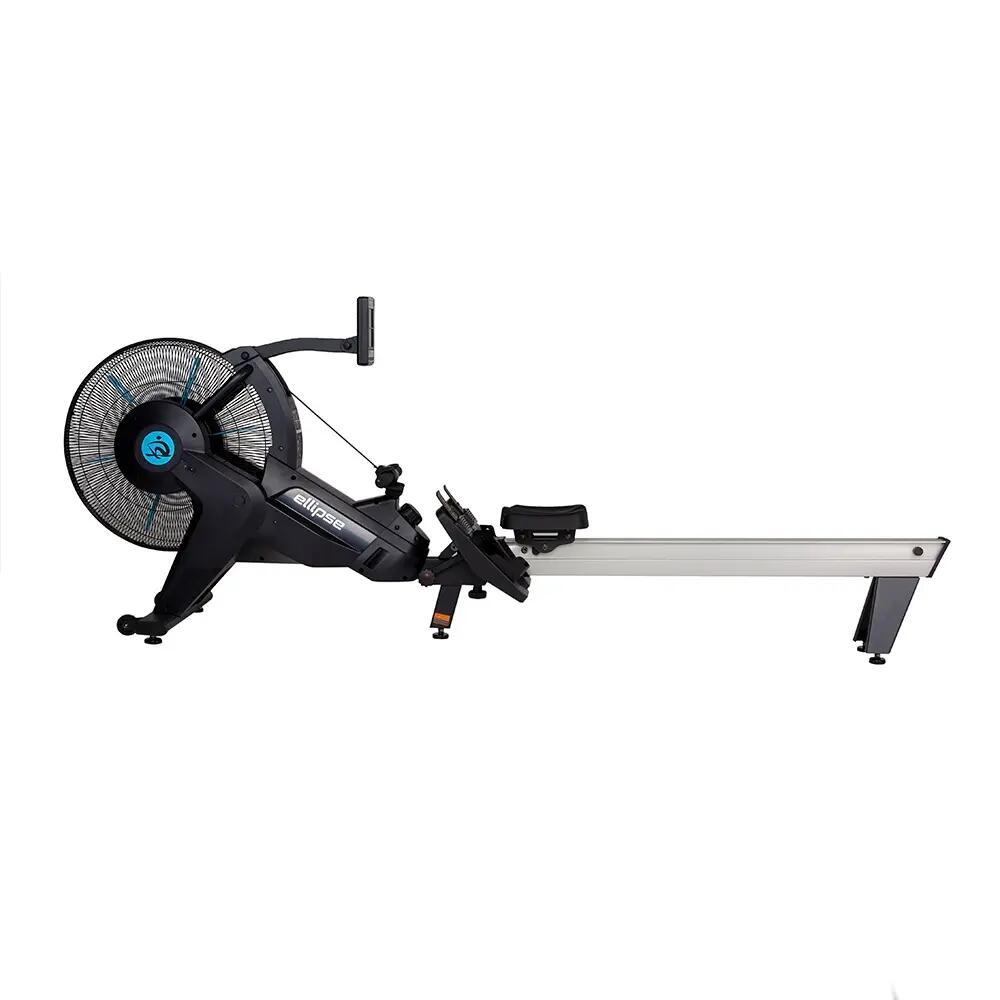
The four main resistance types deliver very different feels, and the right choice depends on your training intentions. Magnetic rowers use sliding magnets near a metal flywheel to brake the stroke, which keeps the rower whisper-quiet and ideal for early mornings or shared spaces. Air rowers spin a fan that resists the pull, scaling intensity with stroke effort and producing the loudest, most dynamic feel. Fluid rowers use paddles in a sealed liquid tank for a similar feel to water rowers but with a smaller footprint. To compare every option in one place, browse our range of all rowing machines from BH Fitness, WaterRower, Domyos, Concept2, and other labels.

Should I pick a rowing machine or a spinning bike for cardio?

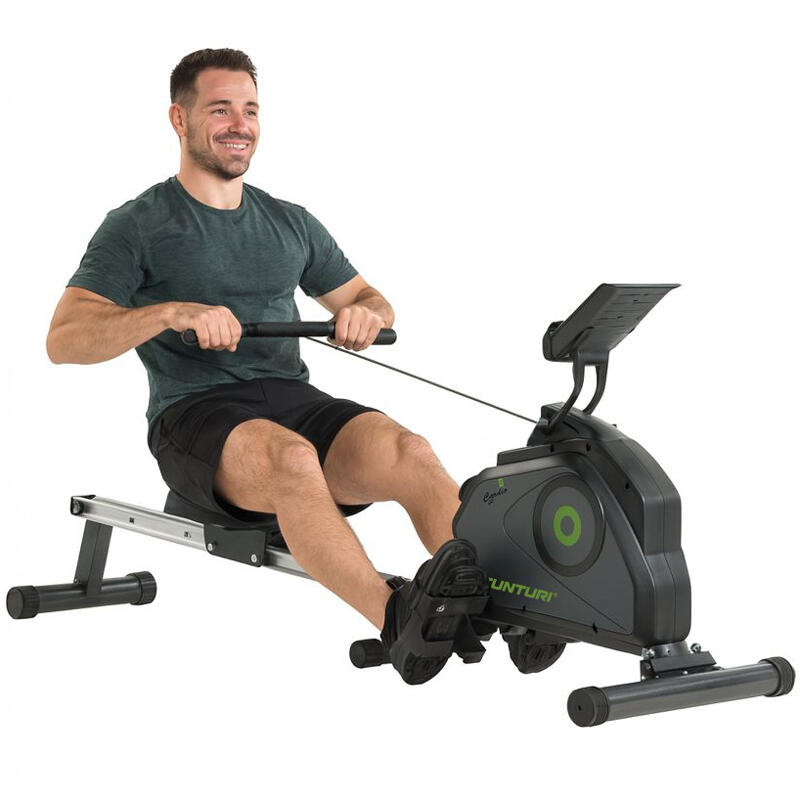
A rowing machine and a spinning bike both deliver excellent cardiovascular training at home, but they recruit the body very differently. A rower works the legs, core, back, and arms in a single coordinated stroke, which makes it one of the most efficient full-body conditioning tools in any home gym. A spinning bike, by contrast, isolates the lower body in a forward racing-style position over a heavy flywheel, delivering an outdoor road-cycling feel and ideal for high-intensity intervals. Many serious home gyms include both to vary the stimulus across the week. Browse our range of spinning bikes across Domyos, Bodytone, and ProForm for the cycling side of the kit.

How does a rowing machine compare with an exercise bike for joint-friendly cardio?

A rowing machine and an exercise bike both qualify as low-impact, joint-friendly cardio options, which is why they remain the most popular tools for rehabilitation from running injuries. The seat on both takes your bodyweight off the joints, removing the ground impact you would feel pounding pavement. The difference lies in recruitment: a rower trains the back, core, and arms alongside the legs, while a bike isolates the lower body in a steady, repetitive pedal motion that suits long endurance rides and recovery sessions. To pair the rower with a complementary lower-body cardio tool, browse our range of exercise bikes across Domyos and Tunturi in upright, recumbent, and folding builds.