66 items
4.7/5 based on 22161 reviews collected online and in stores

FOOTBALL TRAINING EQUIPMENT FAQS

How do I choose the best football training equipment for skill development?

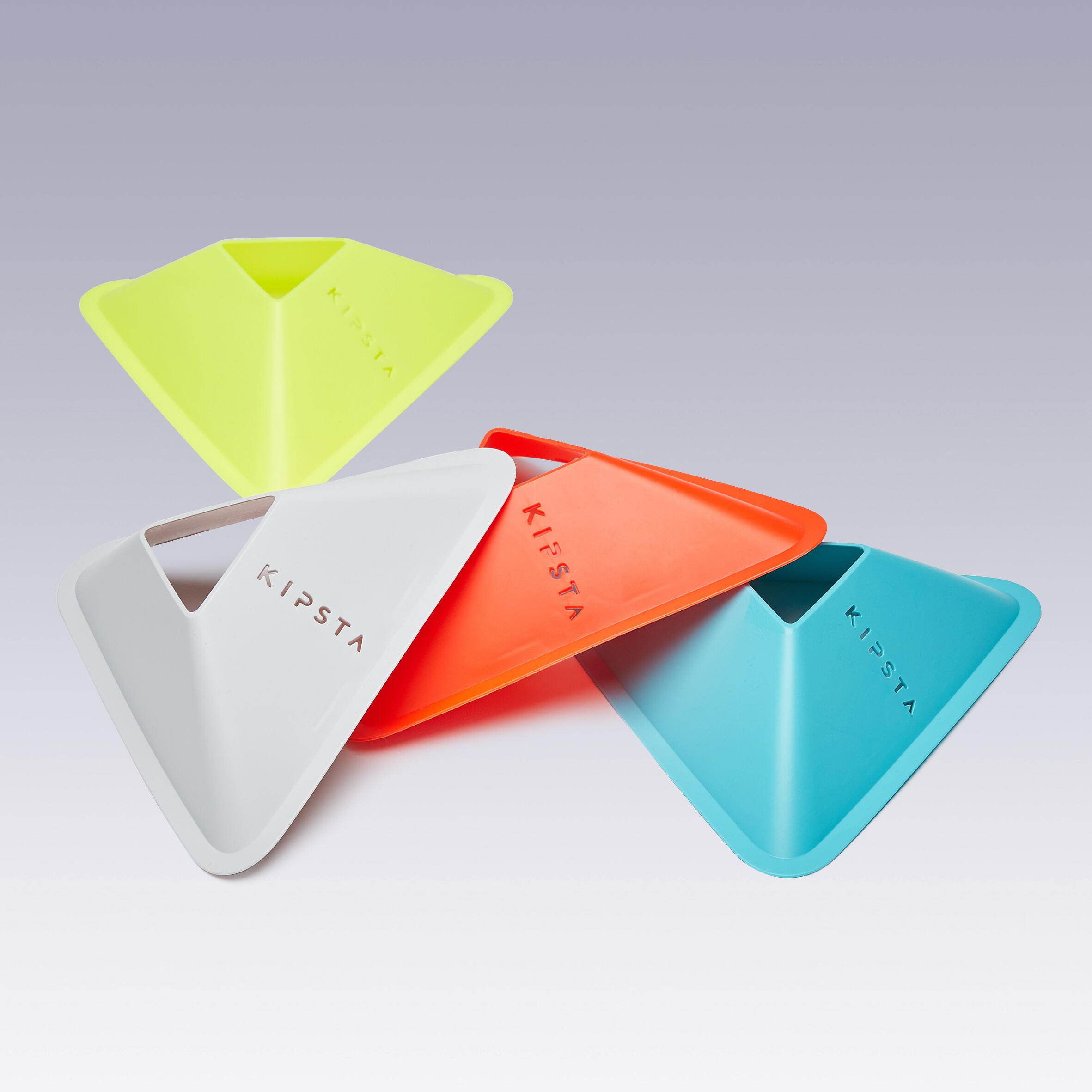
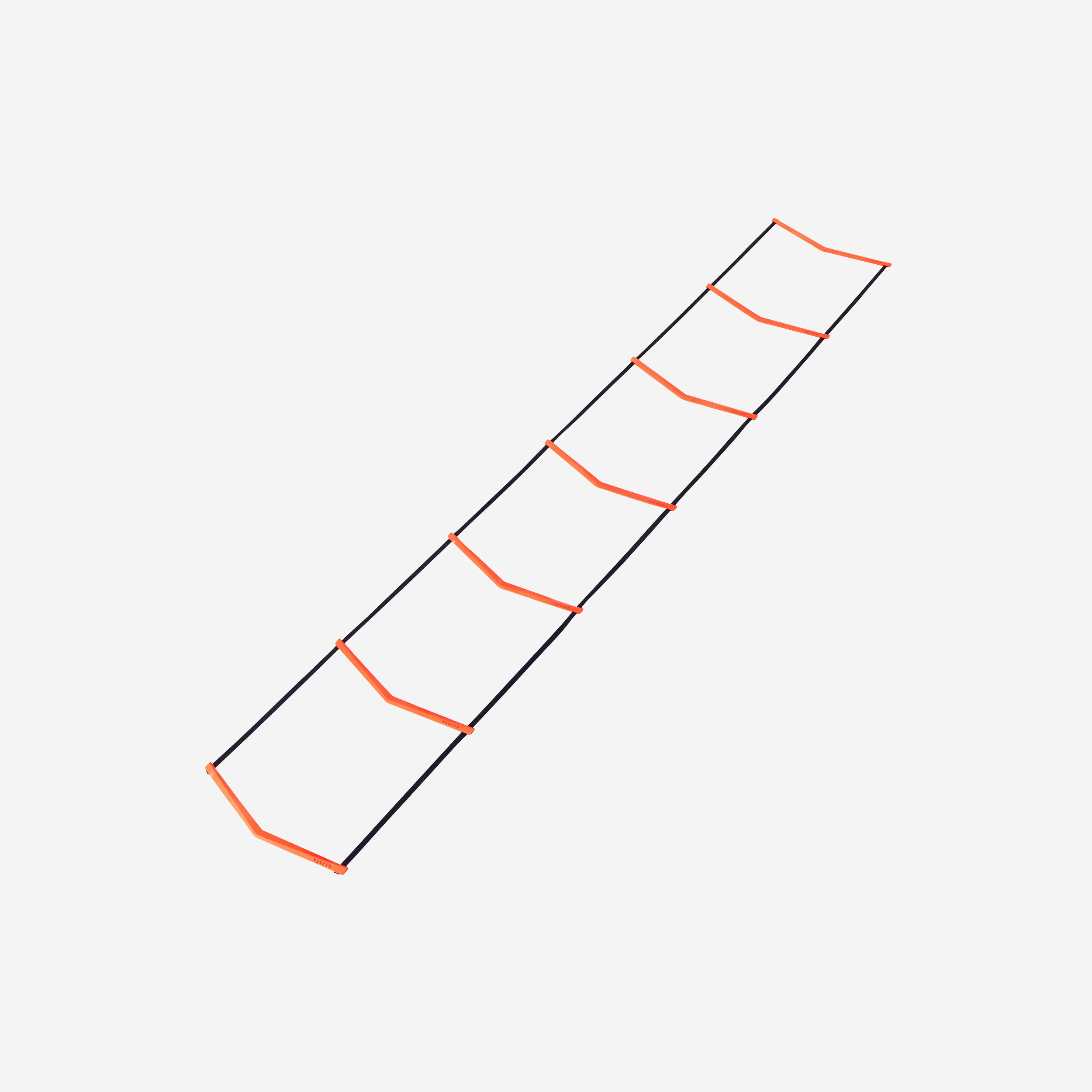
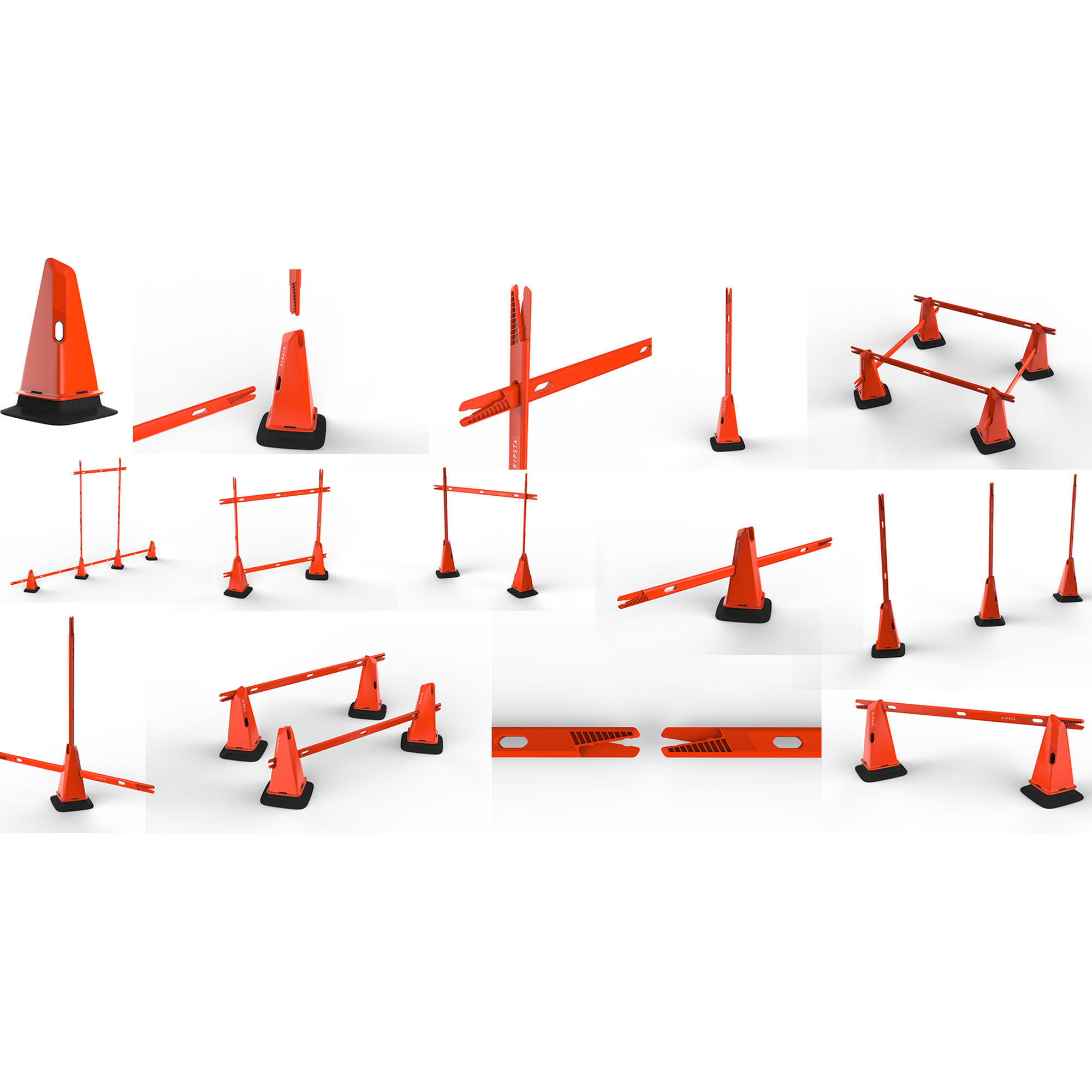
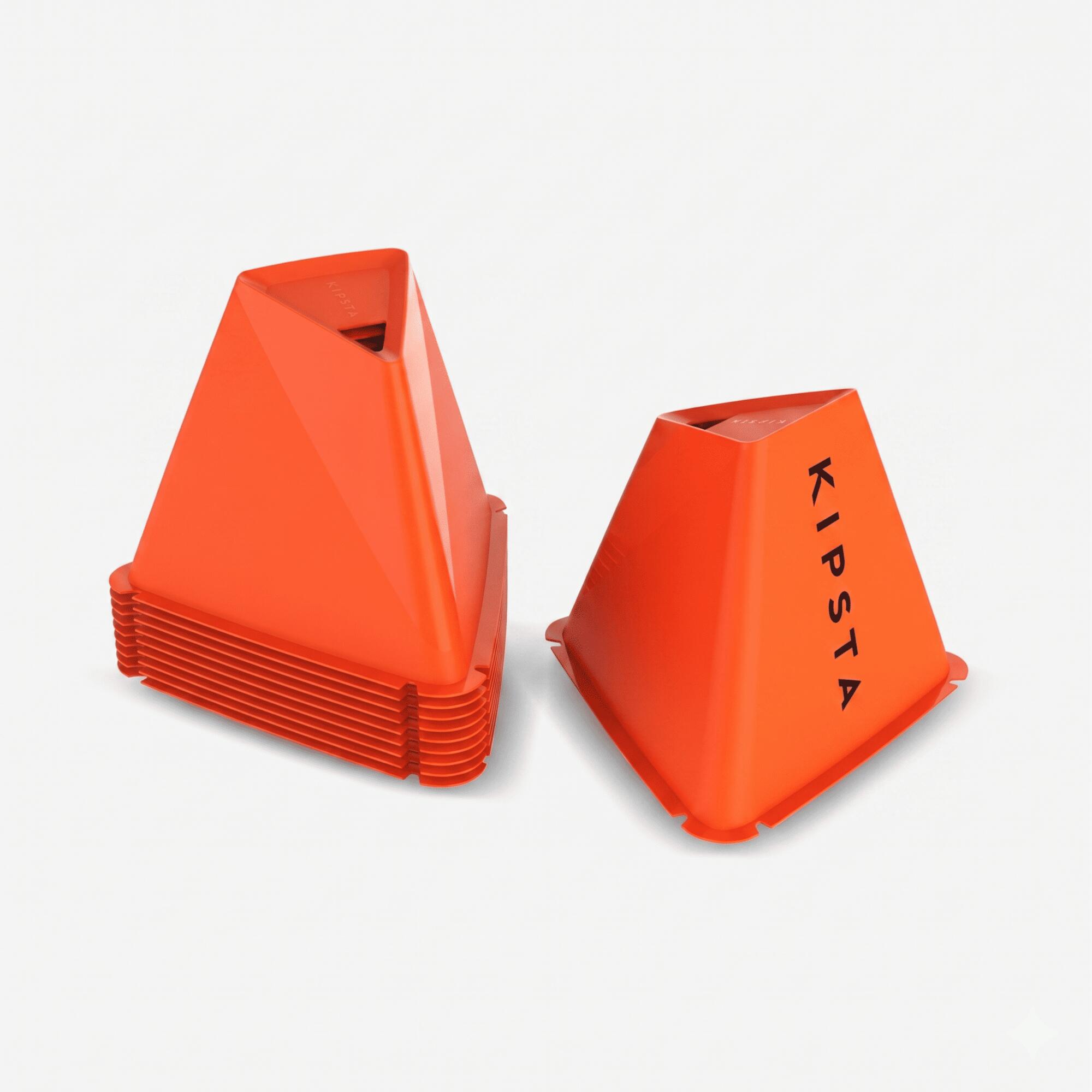
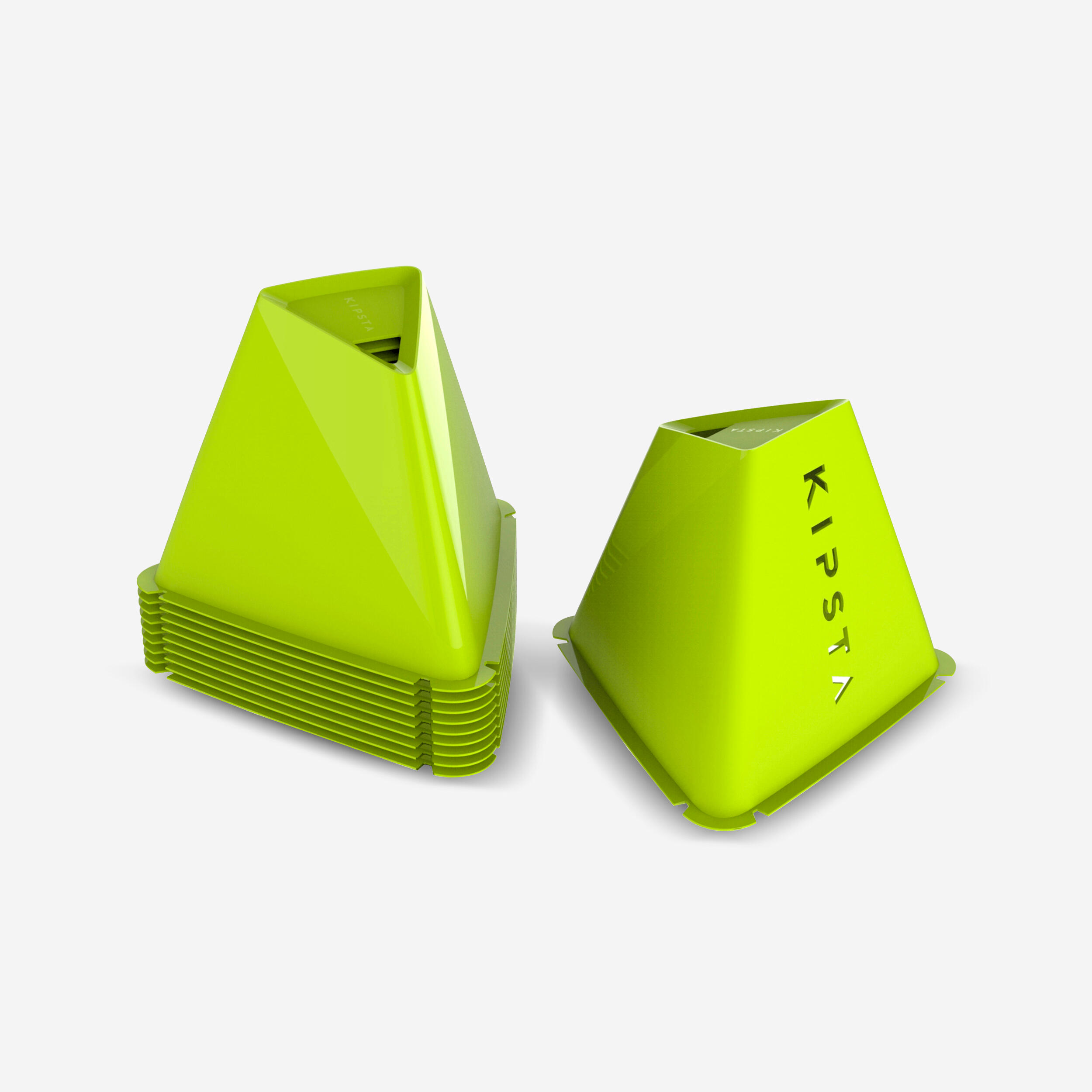
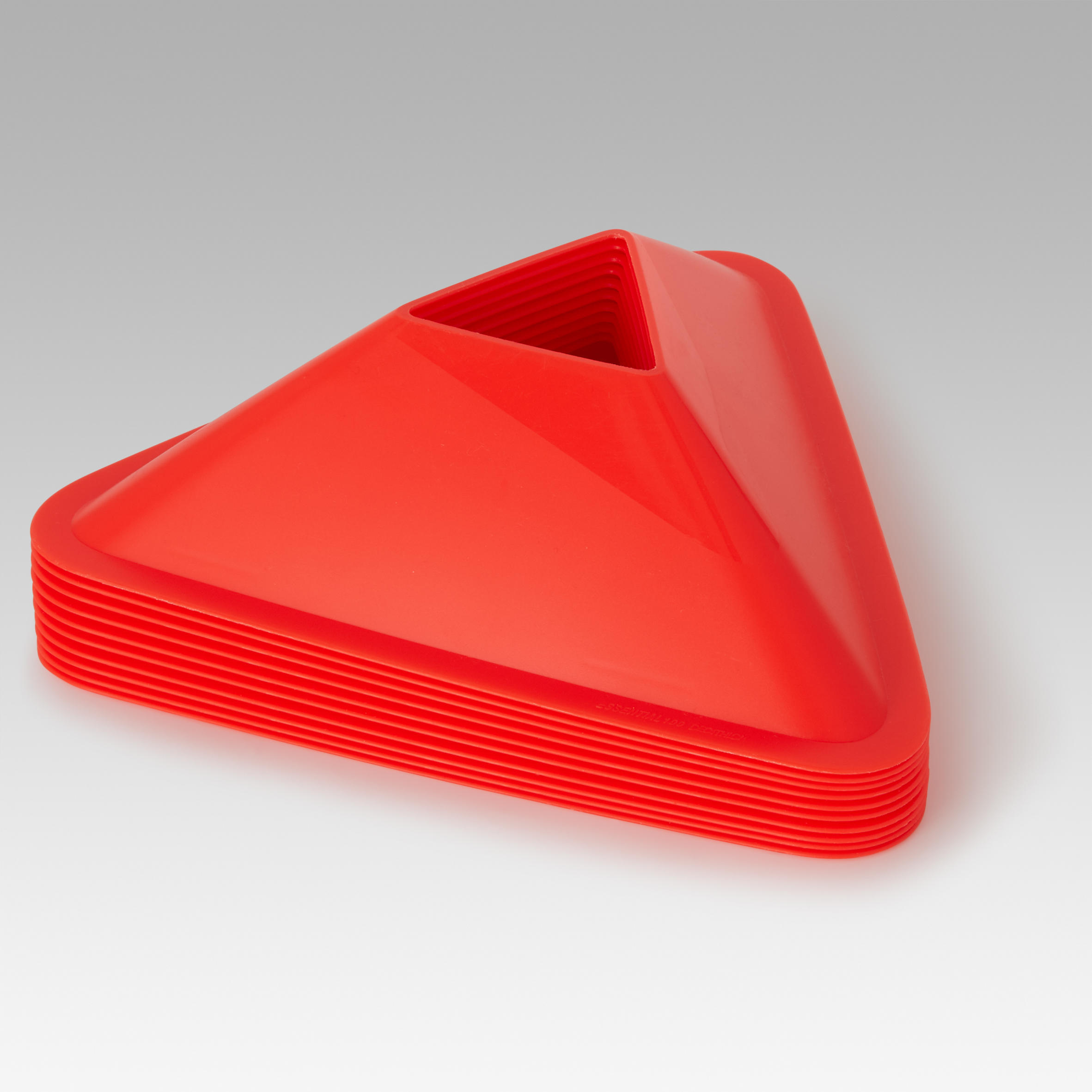
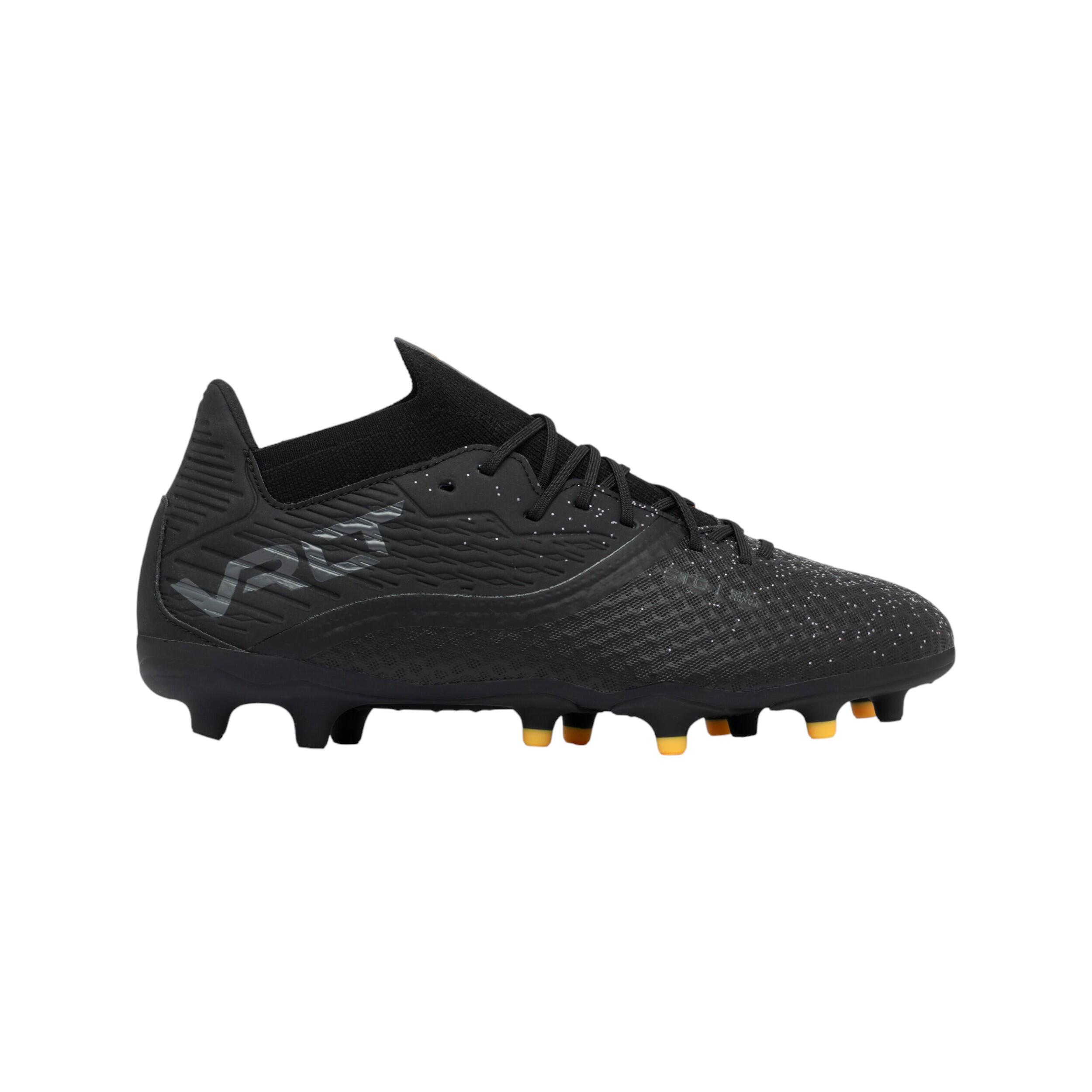
Selecting the right football training equipment depends on the specific technical area you wish to improve, whether it is agility, ball control, or striking accuracy. For individual drills, agility ladders and marker cones are essential for developing rapid footwork and lateral movement, which are vital for evading defenders on the pitch. When building your kit, it is also important to consider the footwear that complements your drills; for example, high-quality football boots provide the necessary traction and stability required to perform sharp turns and explosive accelerations during training. Expert advice: For wet grass, ensure your boots have the appropriate stud configuration to maintain grip and prevent slips while navigating through cone circuits. Understanding the technical "why" behind equipment—such as how the weighted base of a modular cone prevents it from blowing away in Atlantic breezes—ensures your sessions remain productive regardless of the weather conditions.

What is the most essential football training equipment for kids starting out?

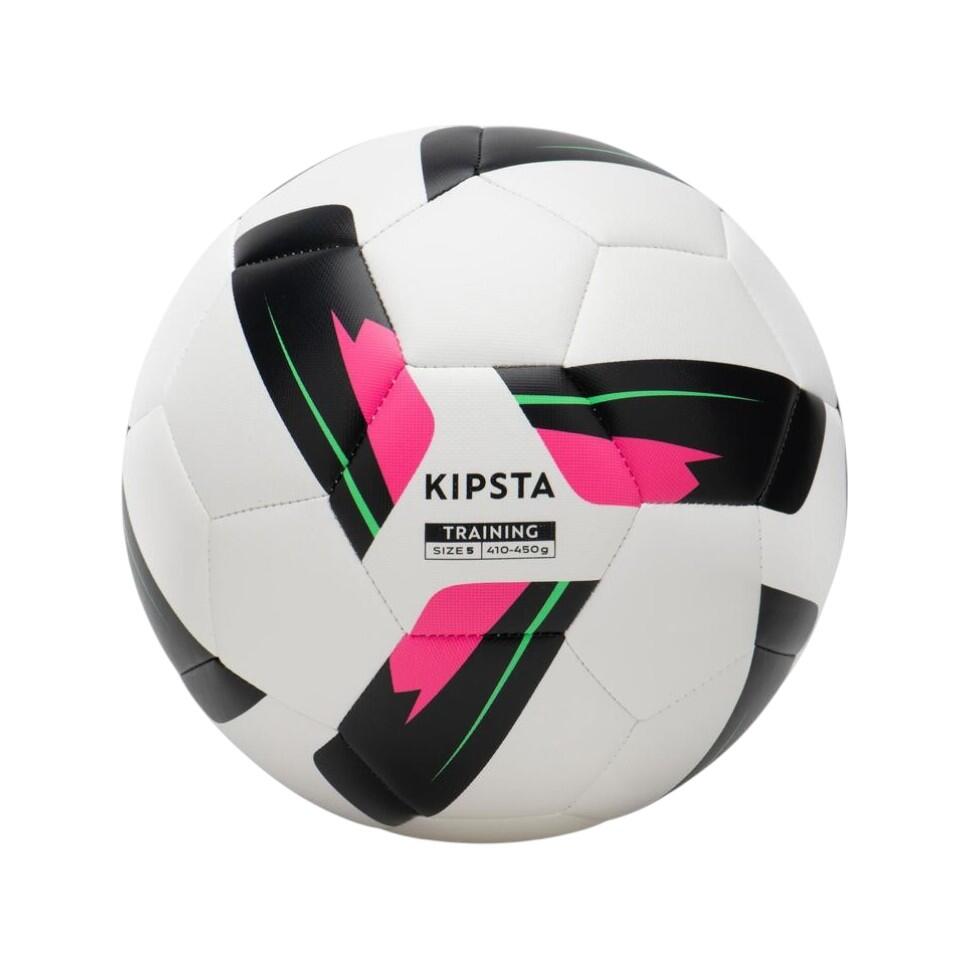
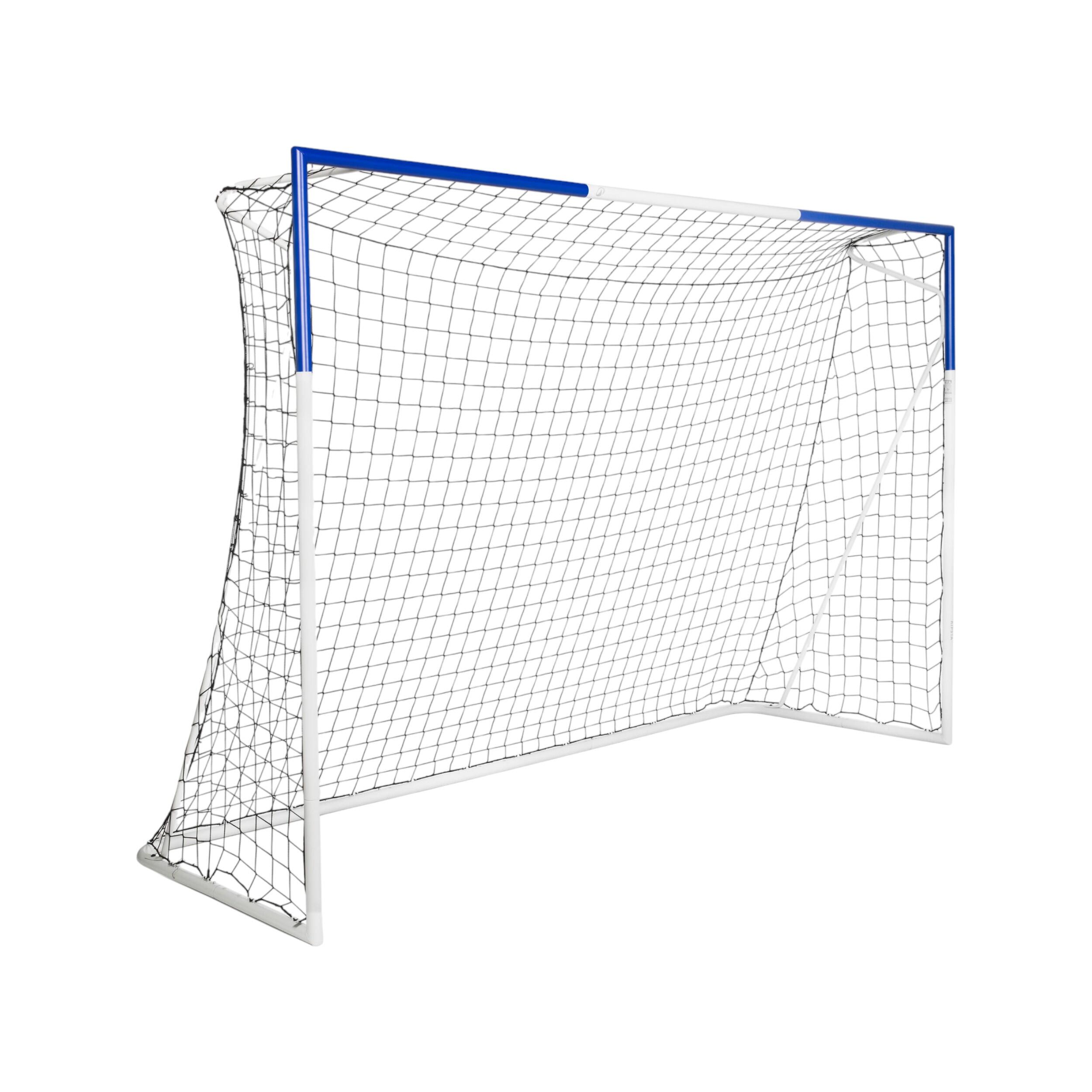
For young players, the focus should be on engagement and fundamental motor skills. High-visibility football training equipment for kids, such as lightweight pop-up goals and size-appropriate training balls, makes the learning process more intuitive. Smaller balls, such as size 3 or 4, are technically created with a lower weight and circumference to help children develop proper kicking techniques without straining their joints. To keep young athletes focused and safe, we recommend incorporating sturdy football goals that are easy to assemble in the garden or local park. Using modular training bars can also help in creating fun obstacle courses that improve coordination and balance. Always look for equipment made from durable, impact-resistant plastics to ensure longevity and safety during high-energy play sessions at home or at the club.

How can I use training equipment for soccer to improve my shooting accuracy?

To enhance finishing skills, accuracy nets and rebounders are indispensable components of training equipment for soccer. Accuracy nets attach directly to the goal frame, providing specific targets in the top and bottom corners where goalkeepers are least likely to reach. The reason these are so effective is that they force the brain to focus on a small target rather than the wide opening of the goal. Smart tip: Use a rebounder to simulate "wall-passes" or unpredictable ball returns, which sharpens your first touch before taking a shot. During these high-intensity drills, wearing the right football clothing with moisture-wicking technology is crucial to keep you dry and comfortable as your heart rate rises. Expert coaches often suggest practicing at 70% speed first to master the technique before increasing power, ensuring that the mechanical movement of the hip and ankle is perfected.
What are the benefits of using specialized football training accessories?

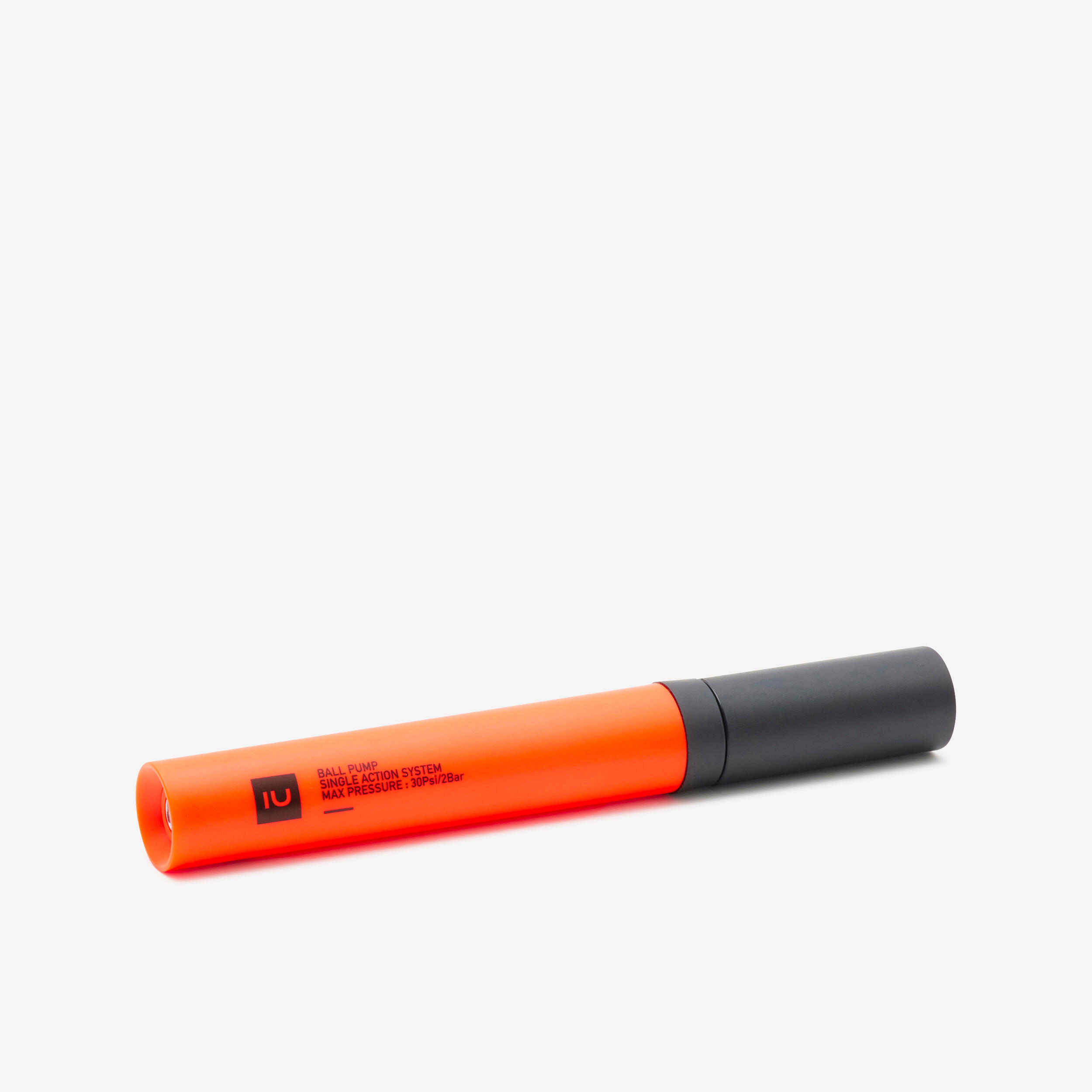
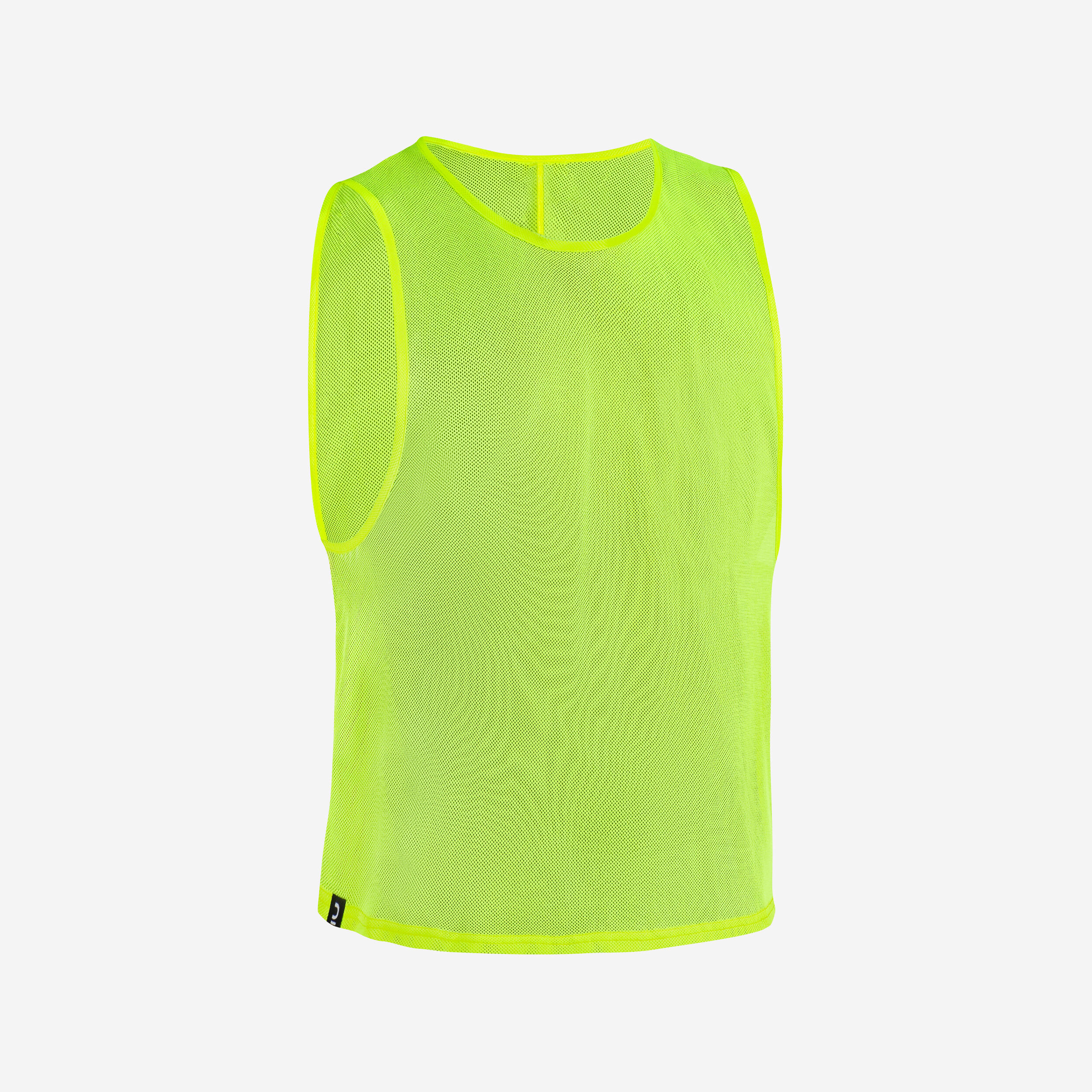
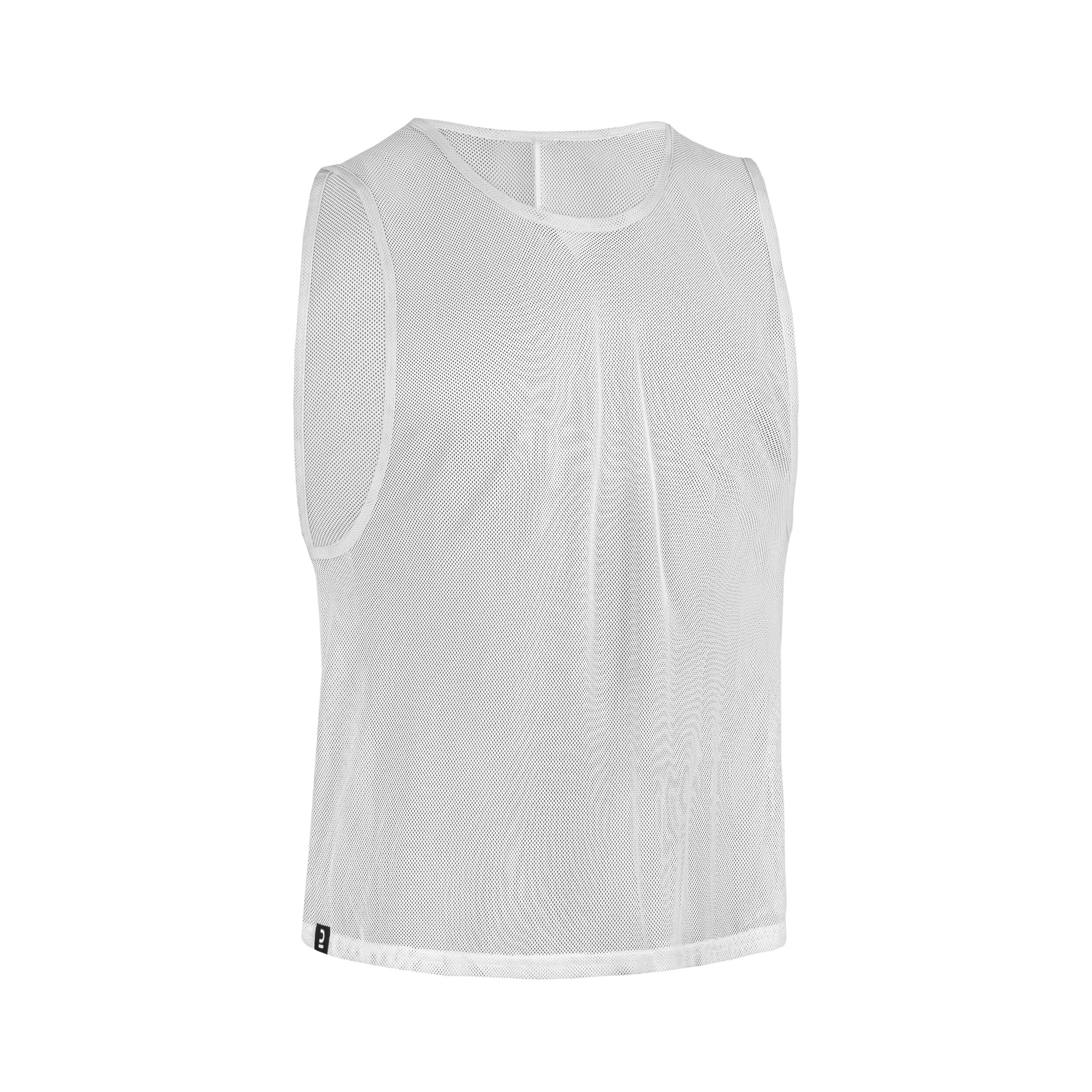
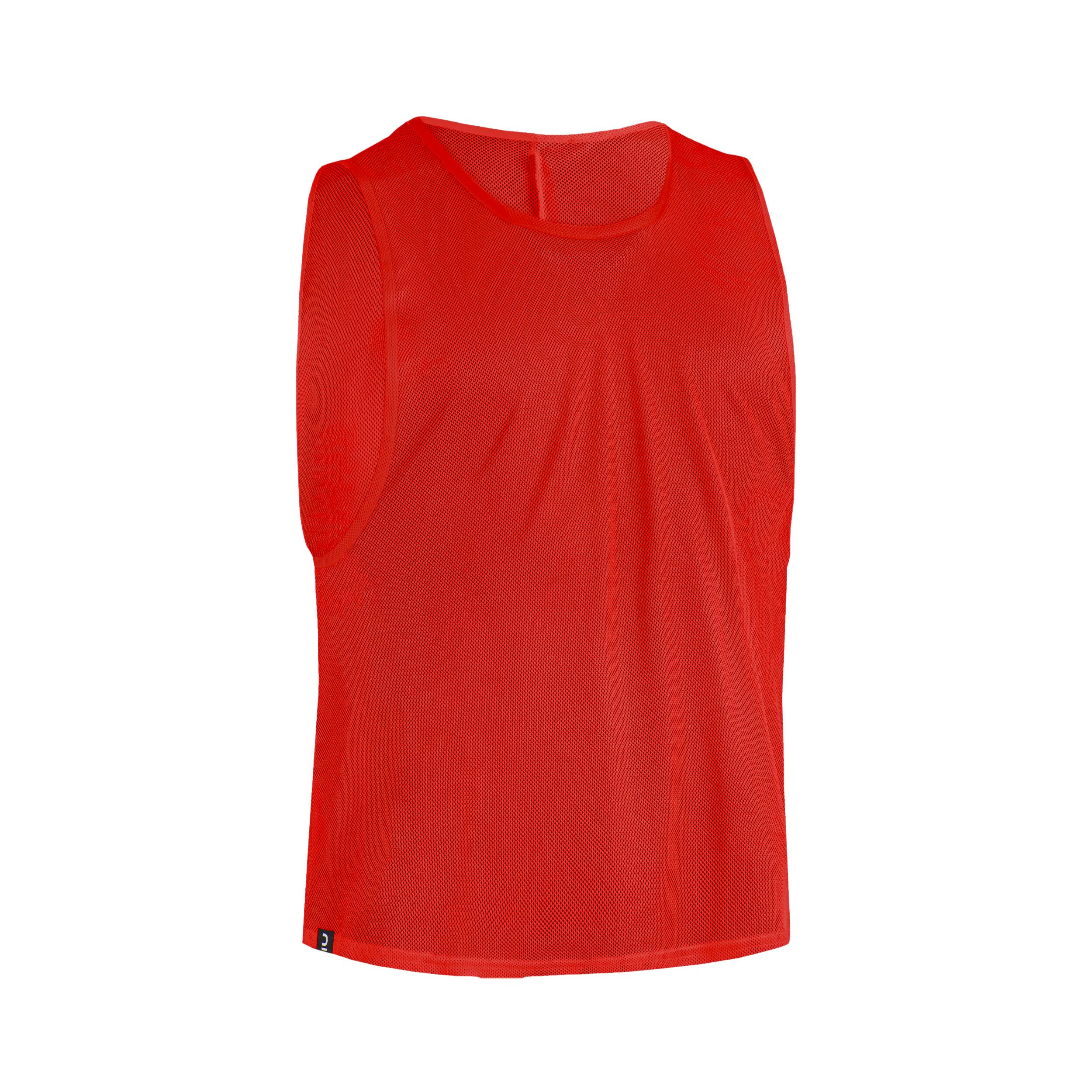
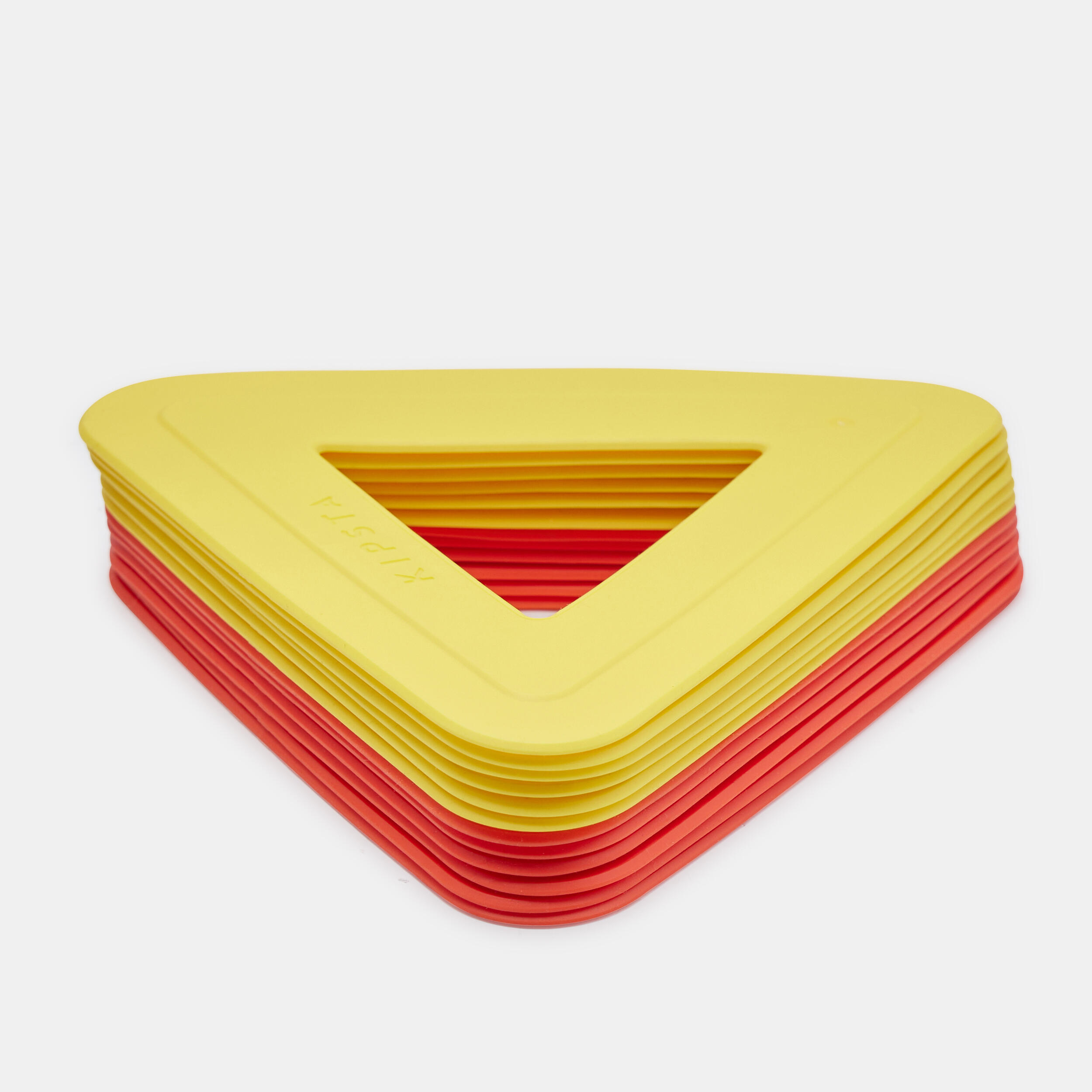
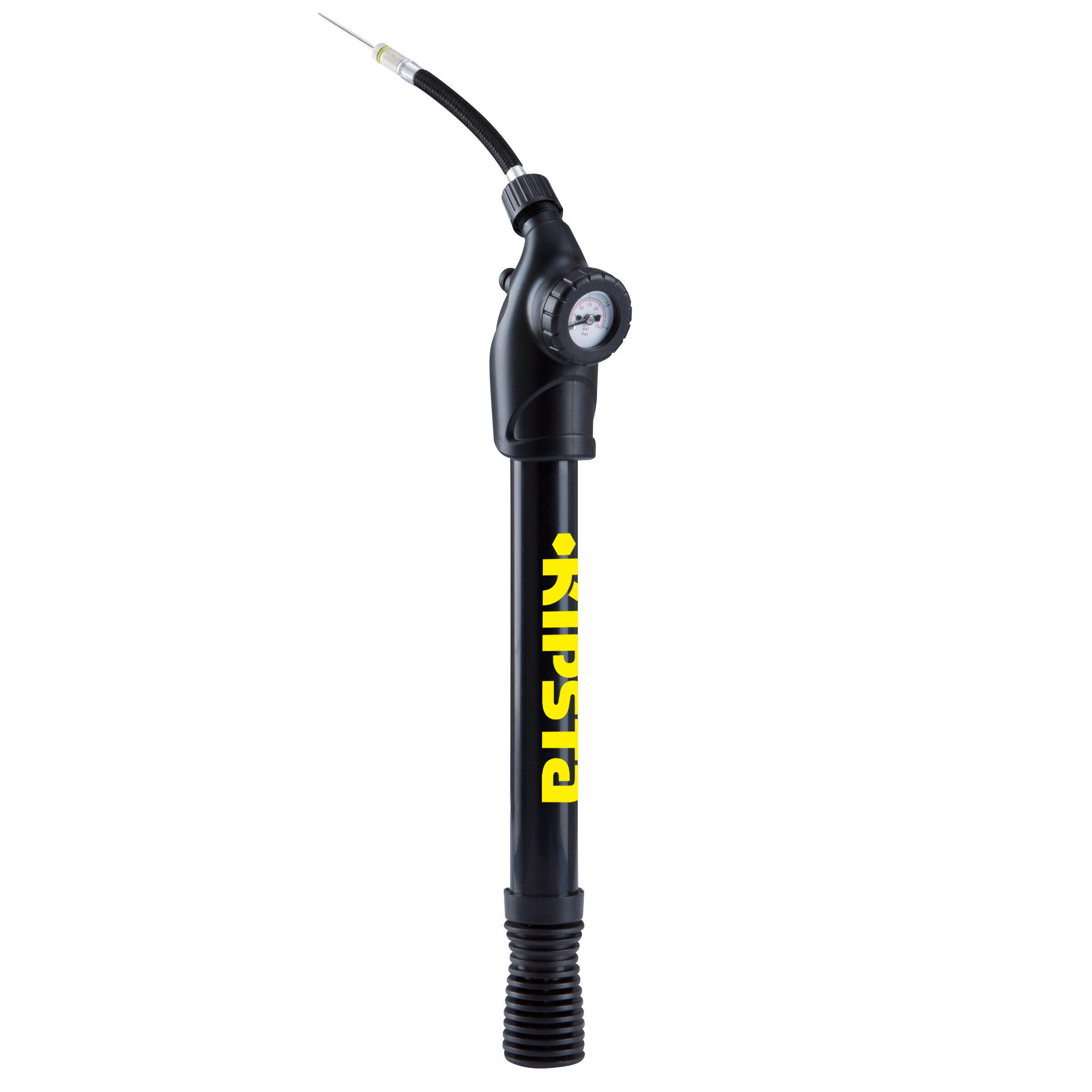
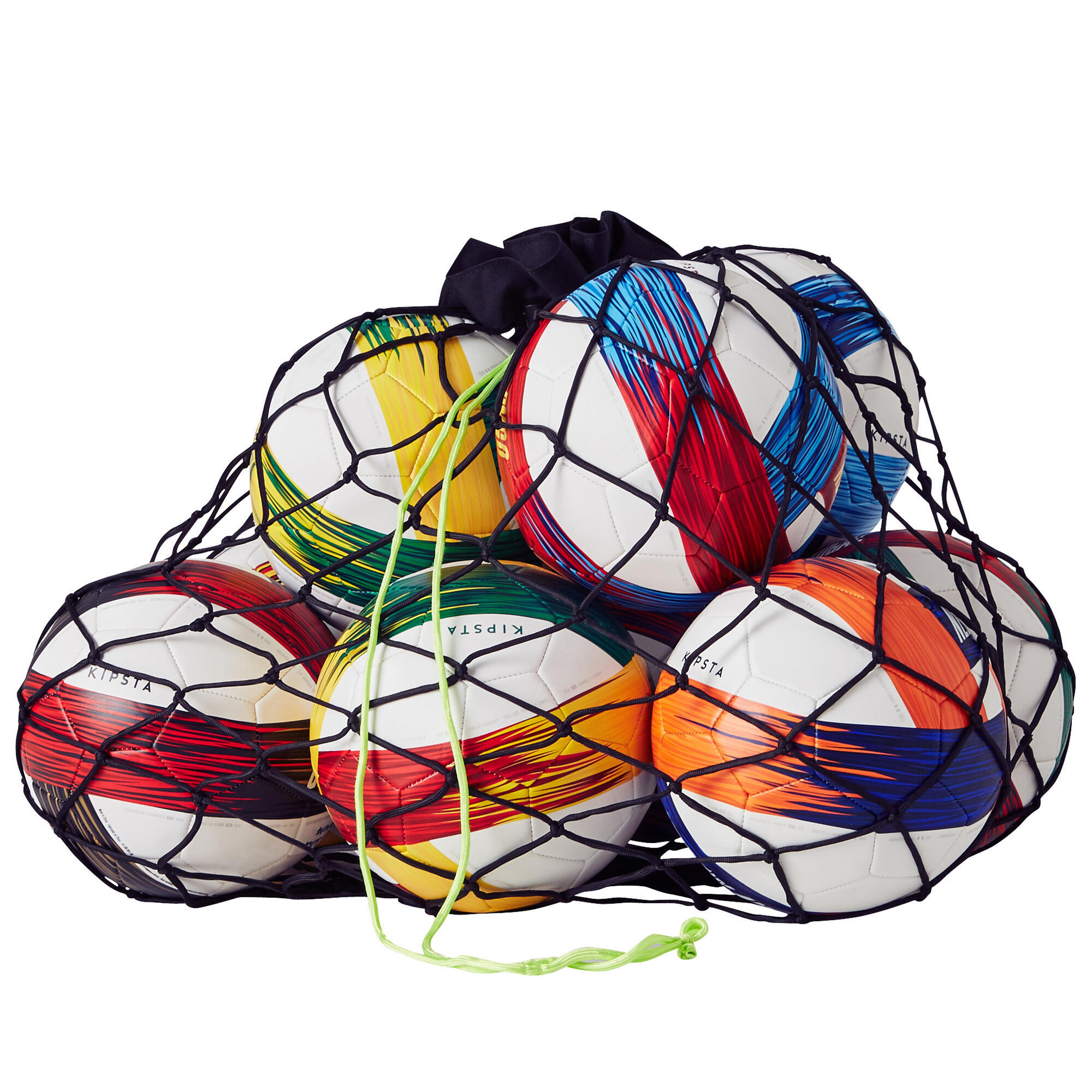
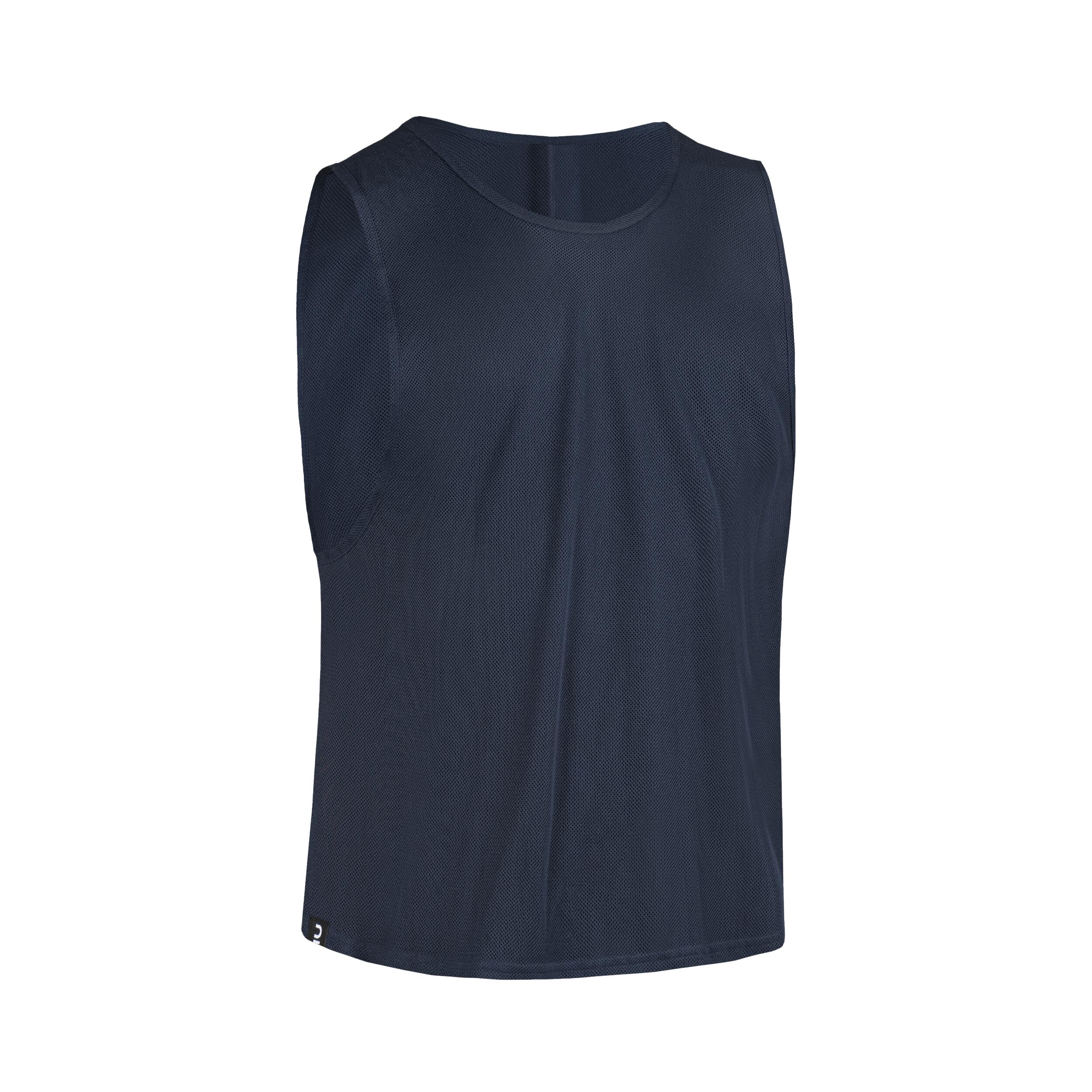
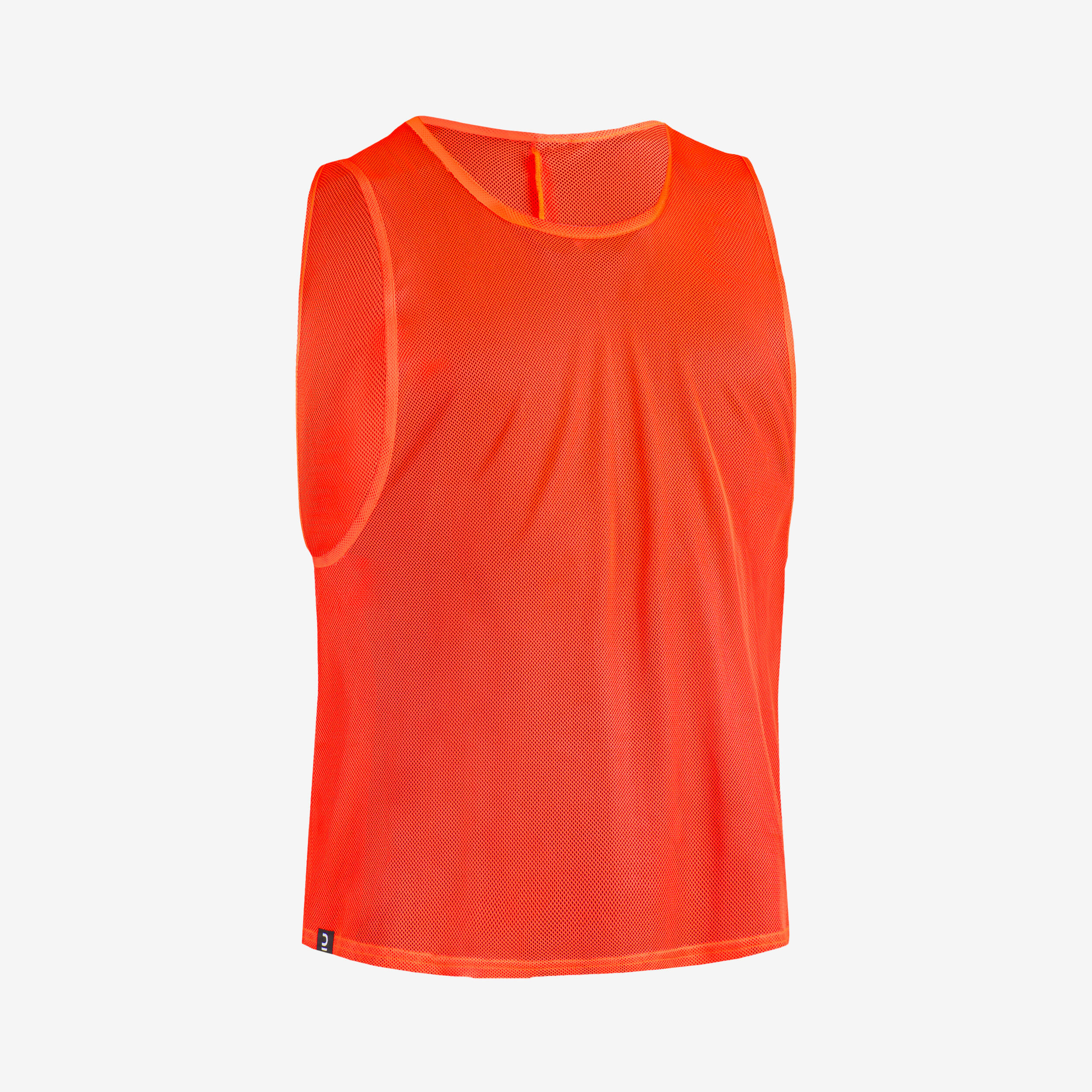
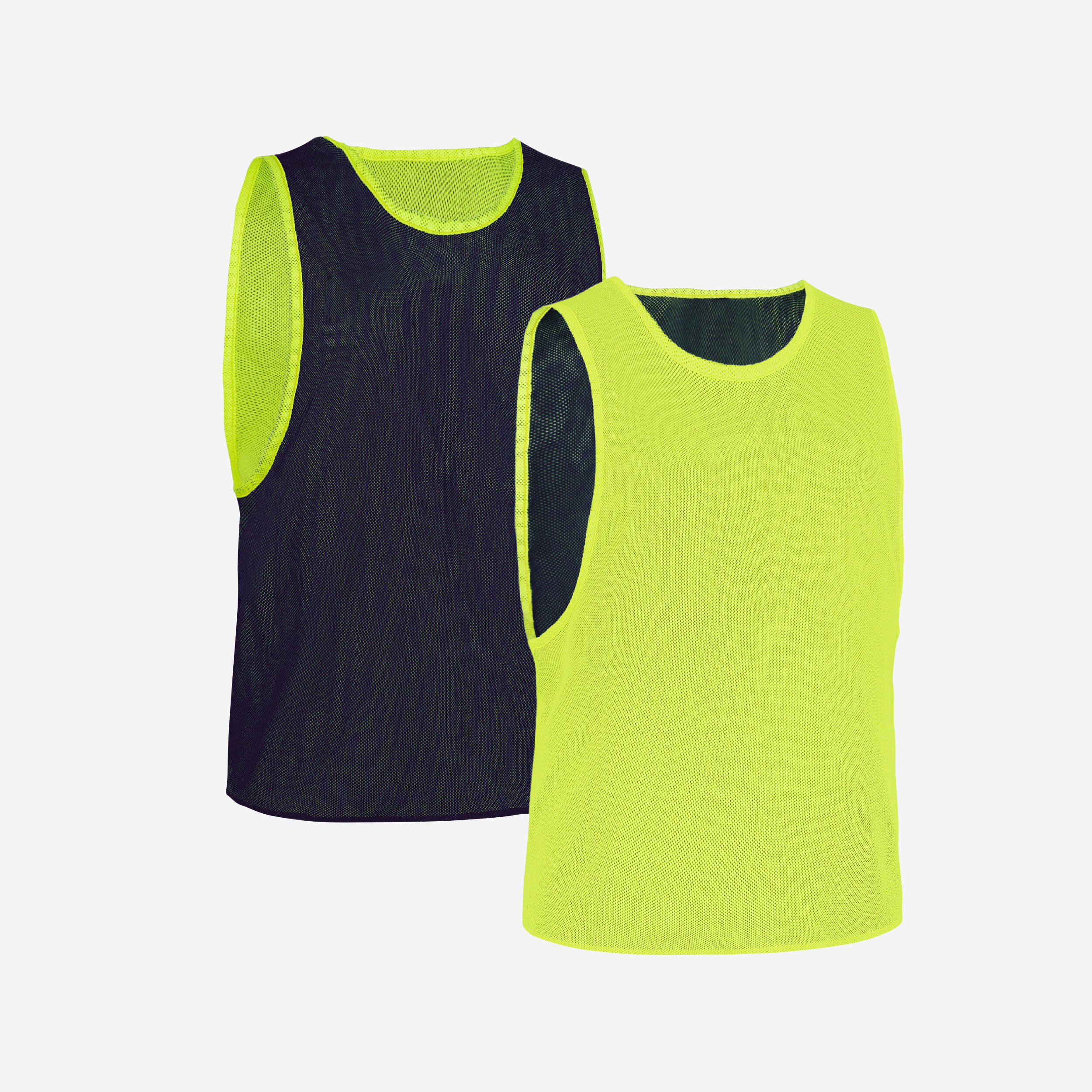
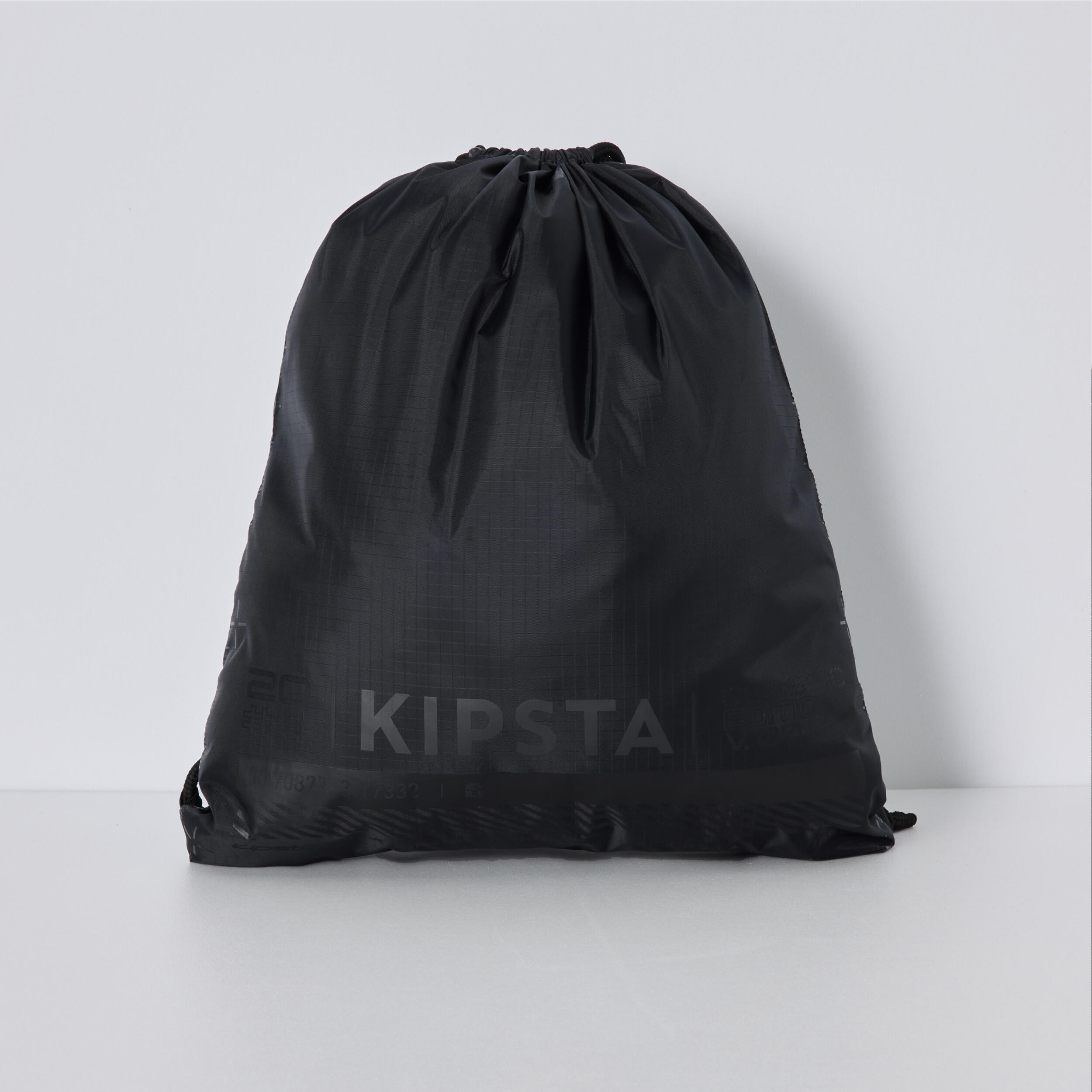
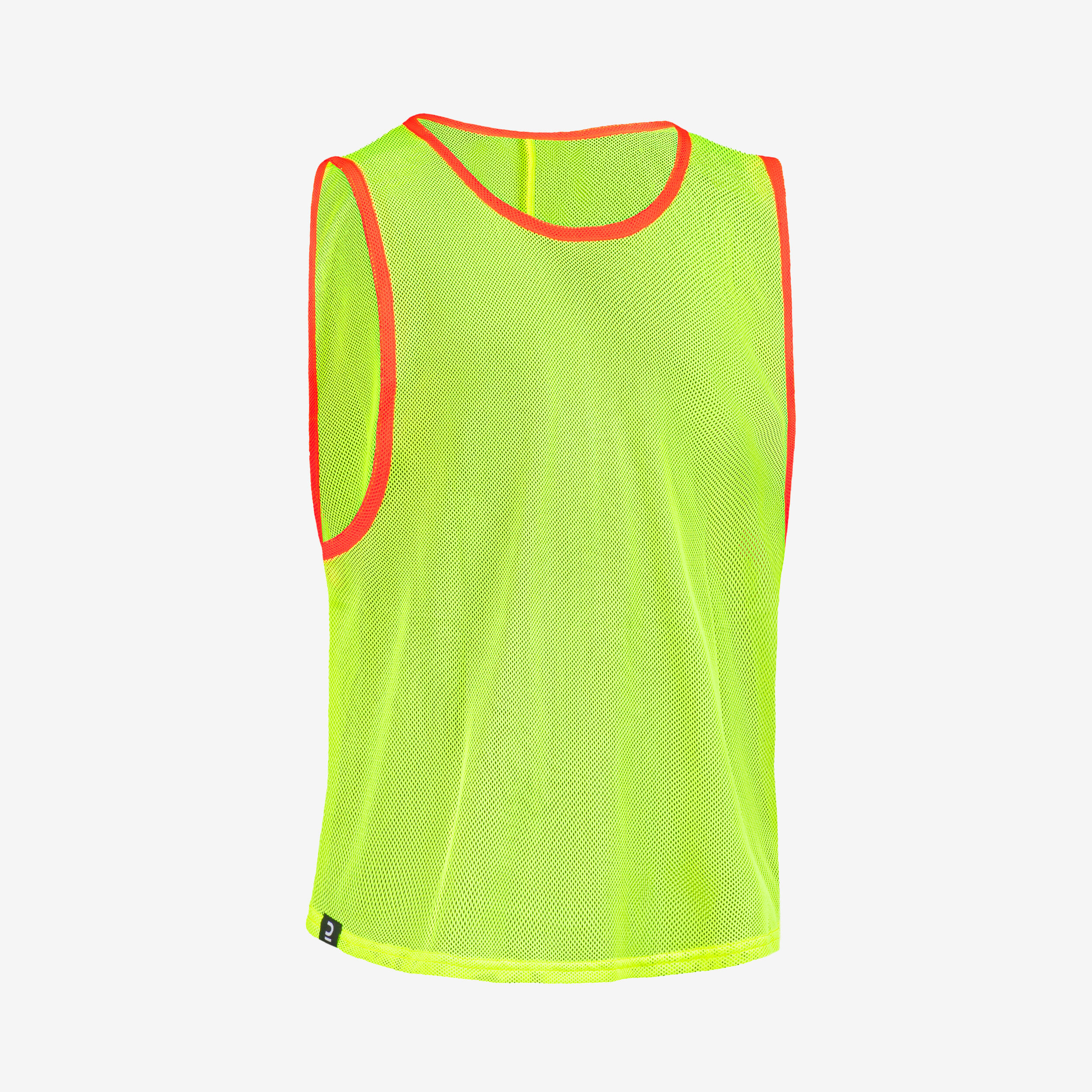
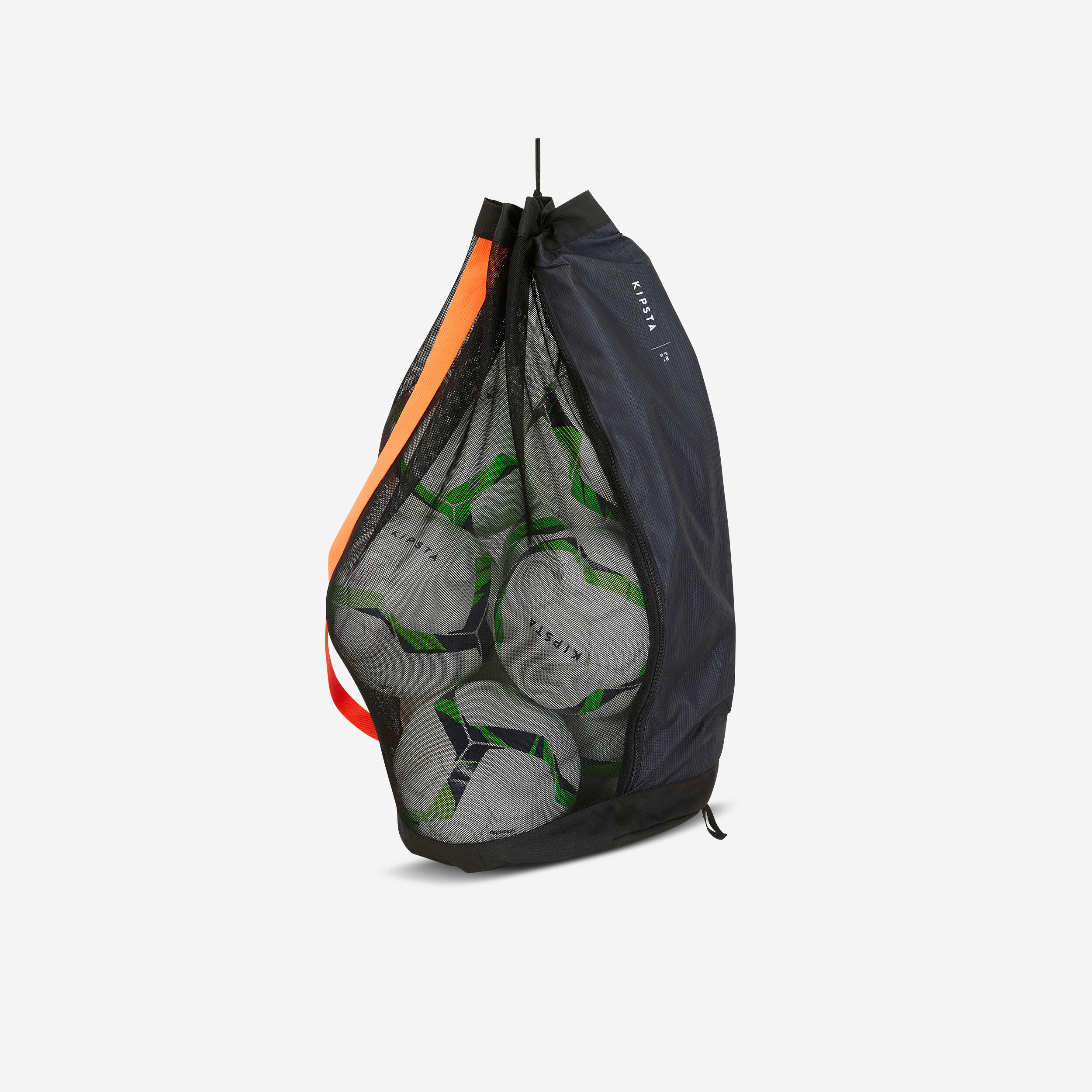
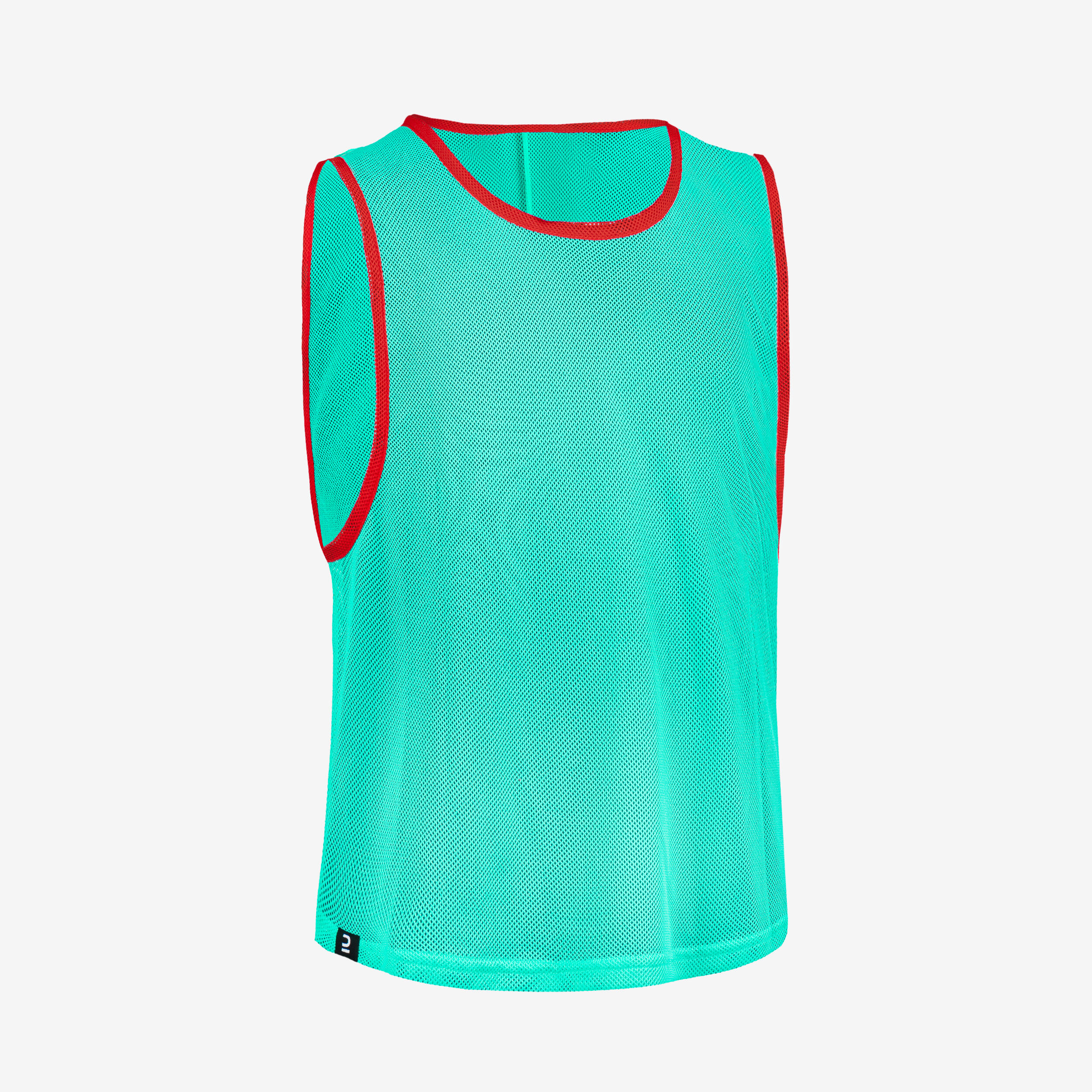
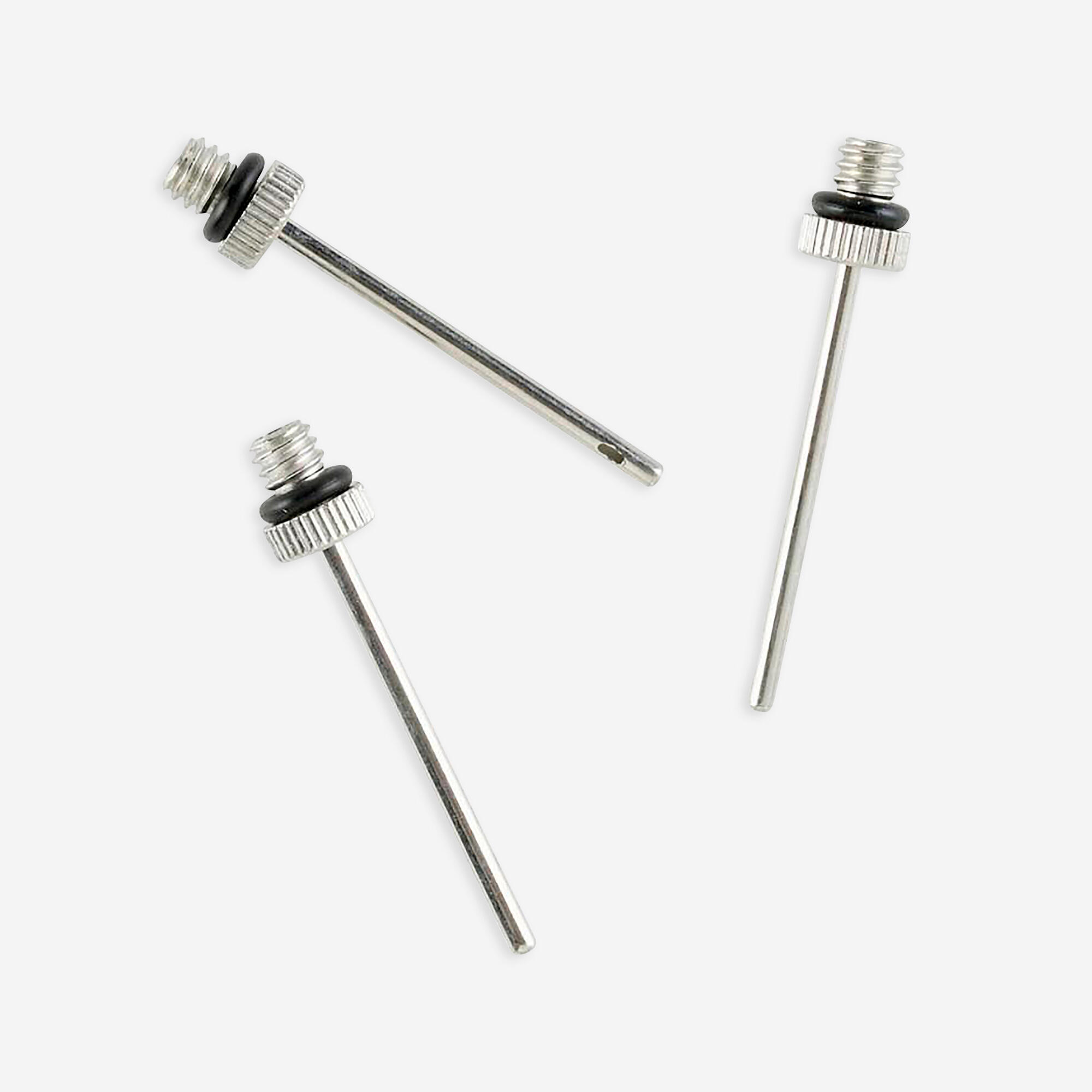
Utilizing various football training accessories like resistance bands, speed parachutes, and weighted vests can take an intermediate player's performance to an elite level. Keeping all your gear organized in durable football bags also helps streamline training sessions and protects equipment during transport to and from the pitch. These tools are made to provide "mechanical overload," which strengthens the fast-twitch muscle fibres responsible for sprinting. For instance, an agility ladder is not just for speed; it trains the proprioceptive system, allowing a player to know exactly where their feet are without looking down. Additionally, items like bibs and playground markings help in organizing structured team drills, ensuring that tactical spacing is maintained during practice. Maintenance is also key; always wipe down your plastic accessories after a session on boggy ground to prevent the build-up of grit which can degrade the material over time. Investing in a dedicated ball pump with a pressure gauge ensures your training balls are always at the FIFA standard 0.8 bar for consistent flight and bounce.