74 items
4.7/5 based on 10935 reviews collected online and in stores

Kids' Indoor Football Shoes FAQs

What is the right fit for your child's indoor football shoes?

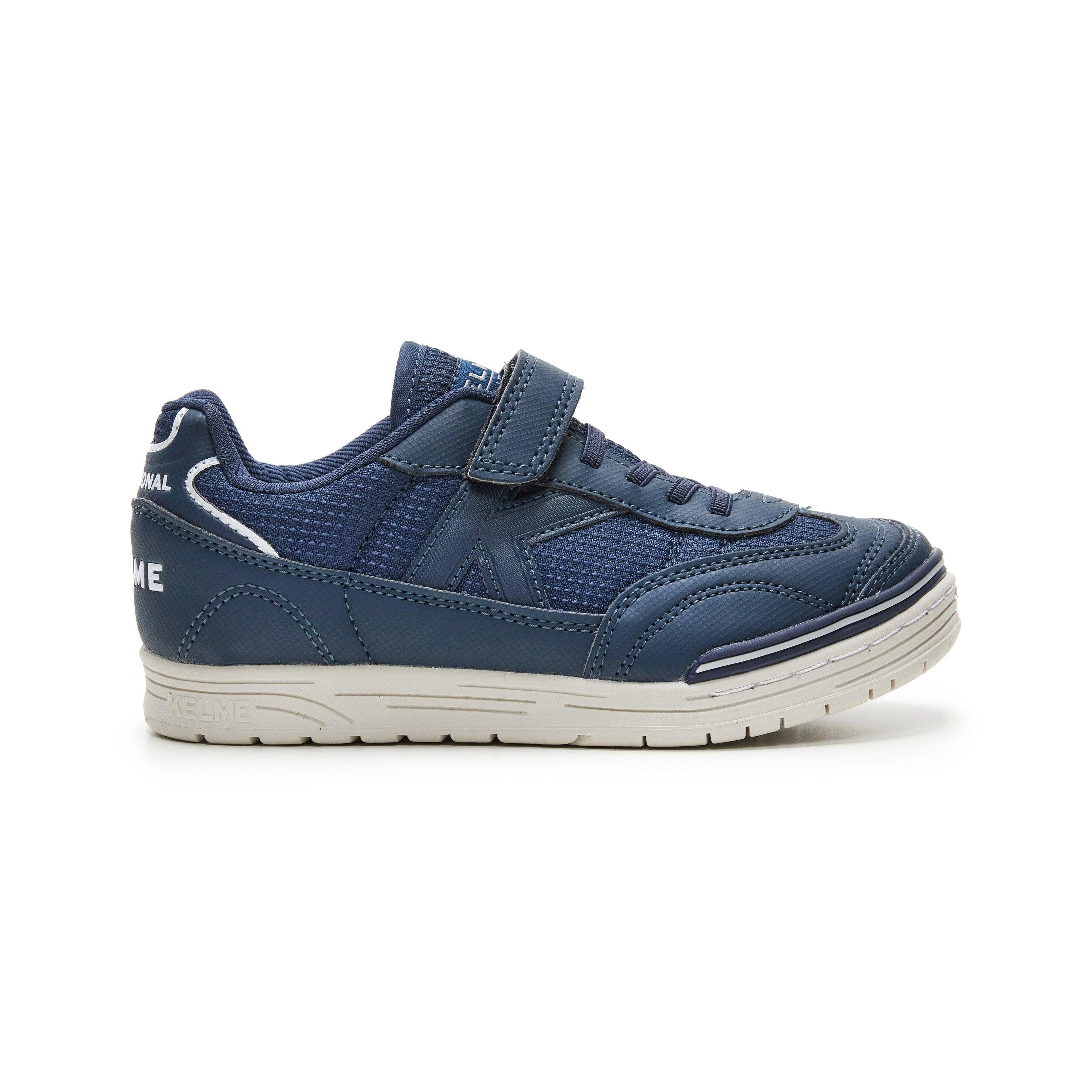
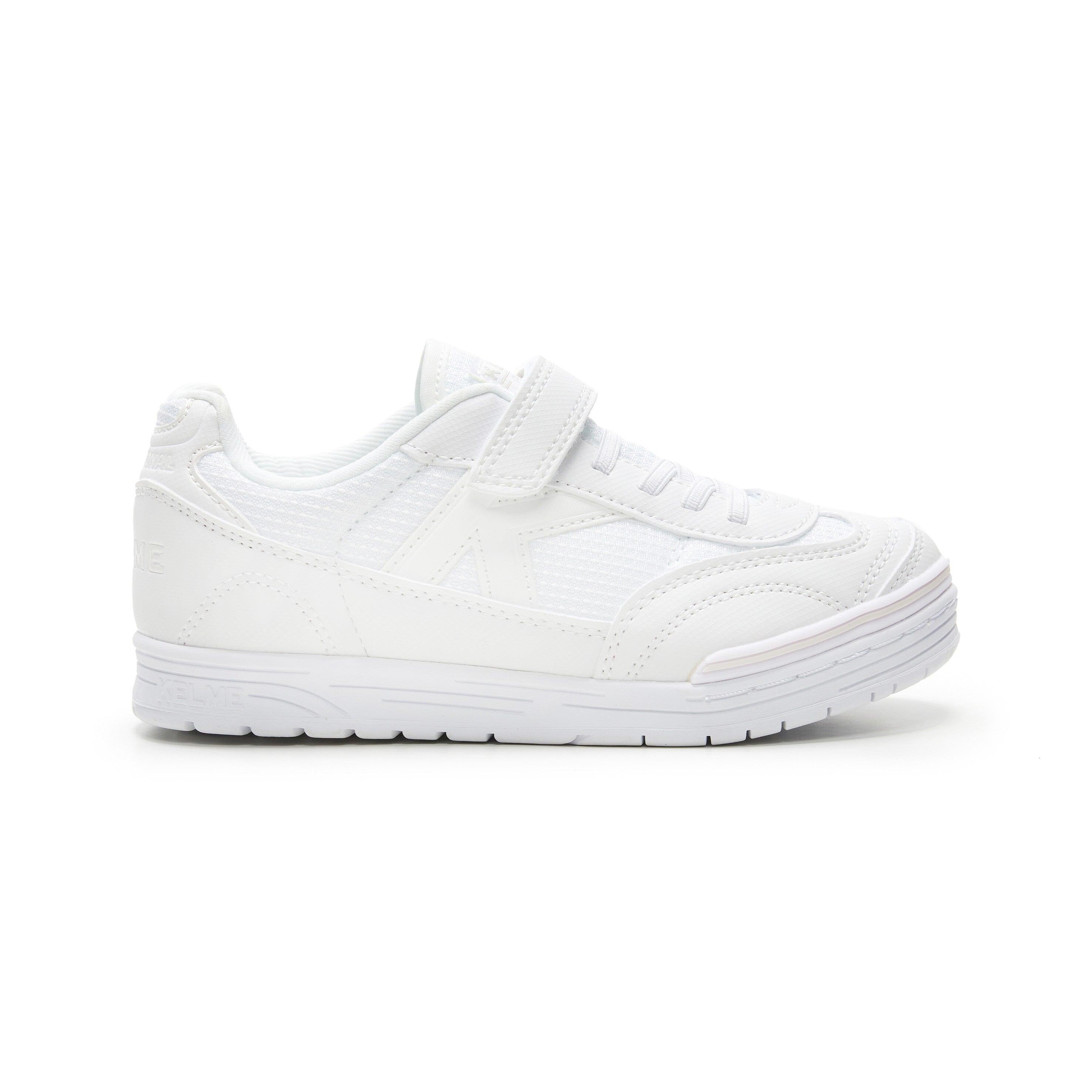
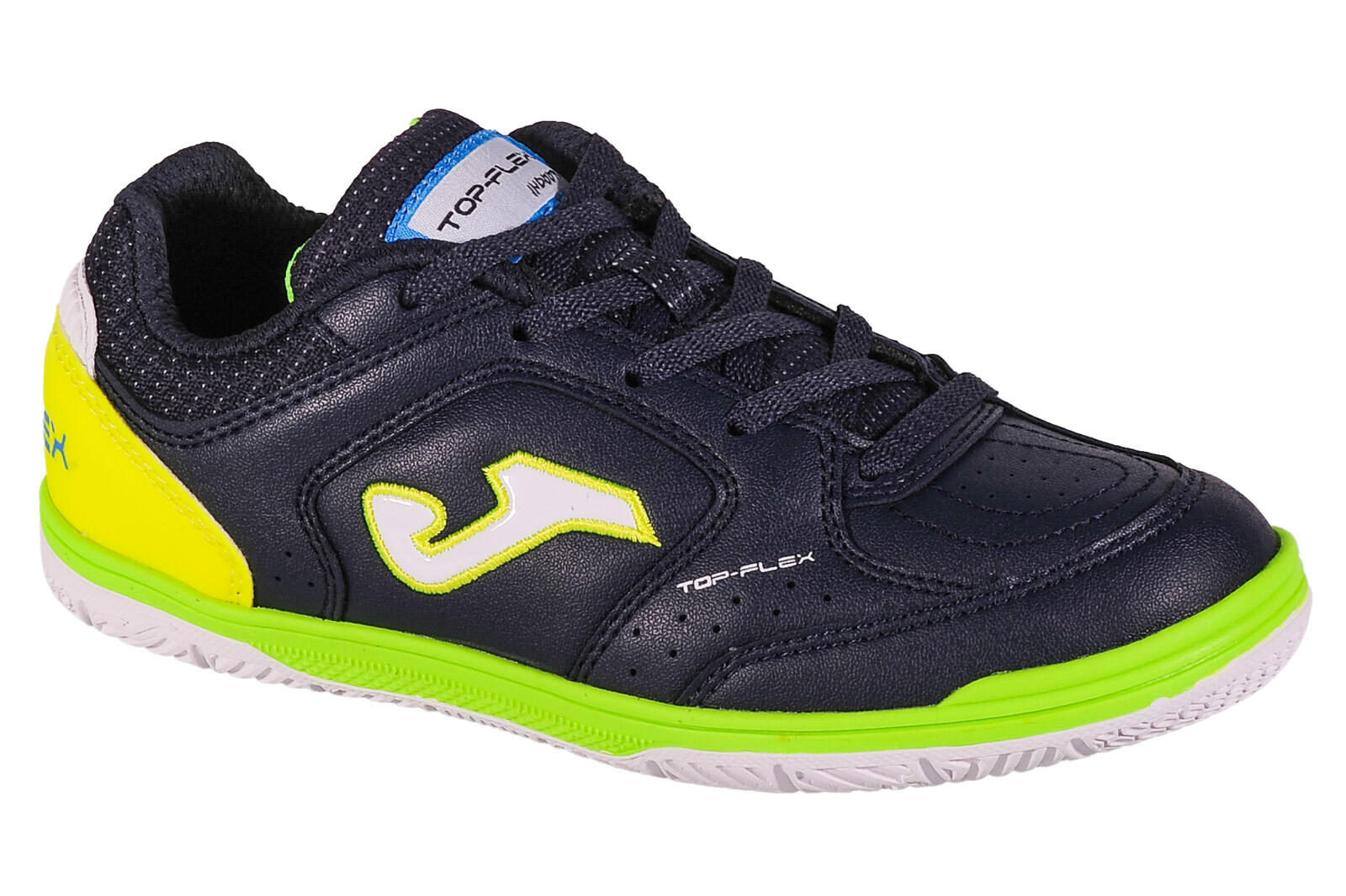
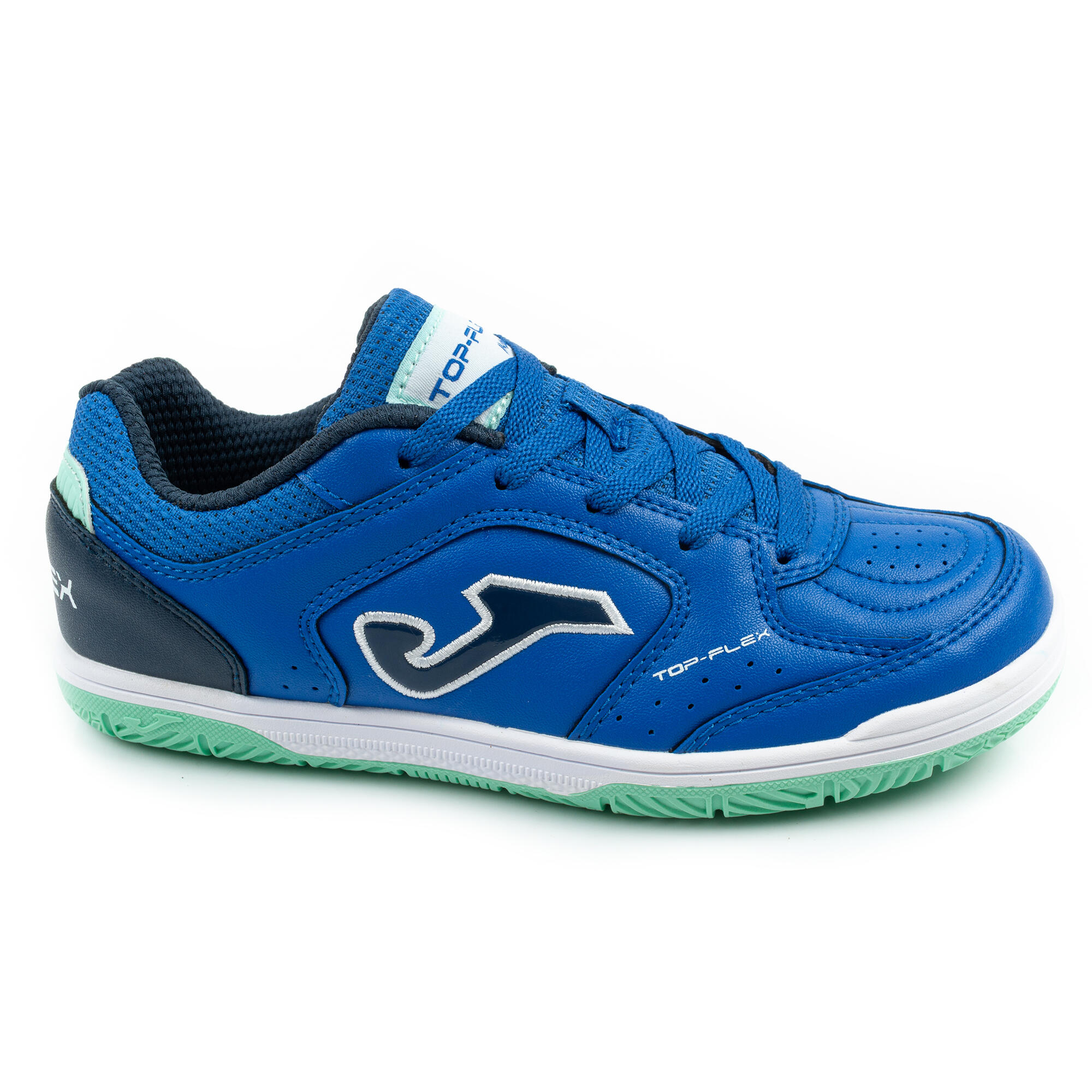
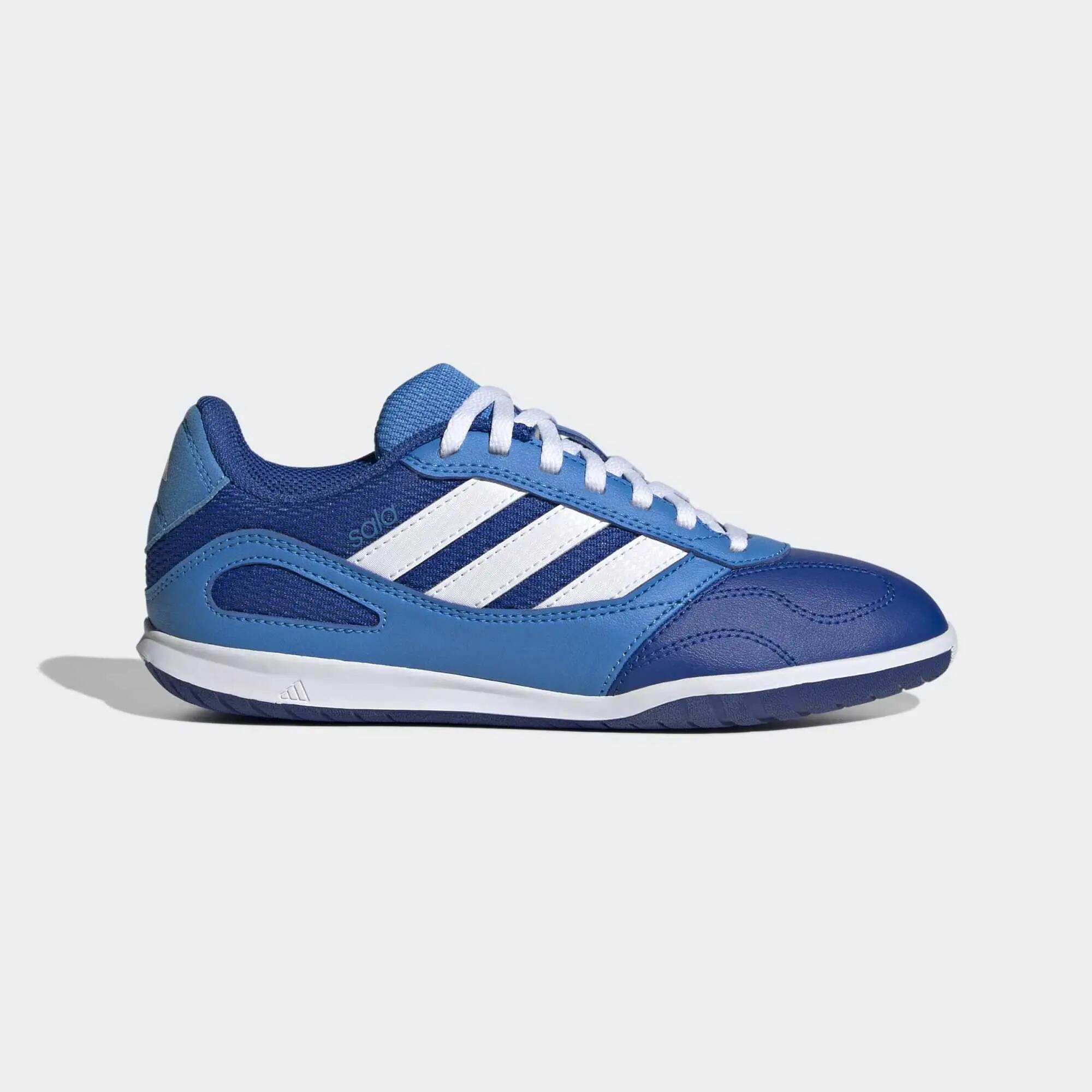
Your child's indoor football shoes should hold the heel securely while leaving enough room for the toes to move naturally. Check the fit while your child is wearing the socks they normally use for training, as thicker socks can noticeably reduce space inside the shoe. The heel should not lift during quick steps, and the upper should not pinch across the widest part of the foot. A close fit improves control because the foot moves with the shoe rather than sliding inside it. Flexible kids futsal trainers can suit beginners who need comfort while learning turns, passes and basic ball control. Recheck the fit regularly because your child's feet can grow quickly during the season.
Which sole is suitable for indoor football courts?

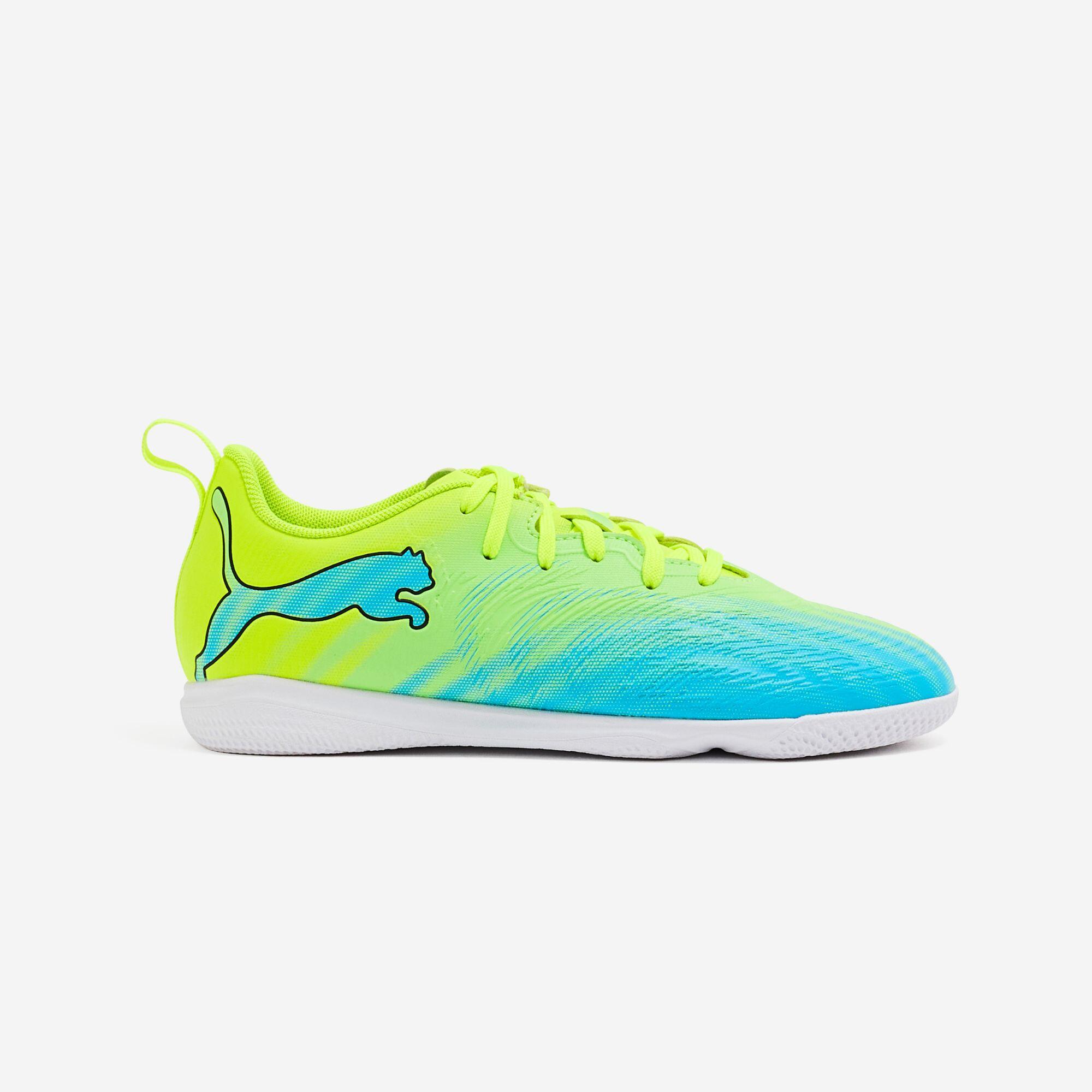
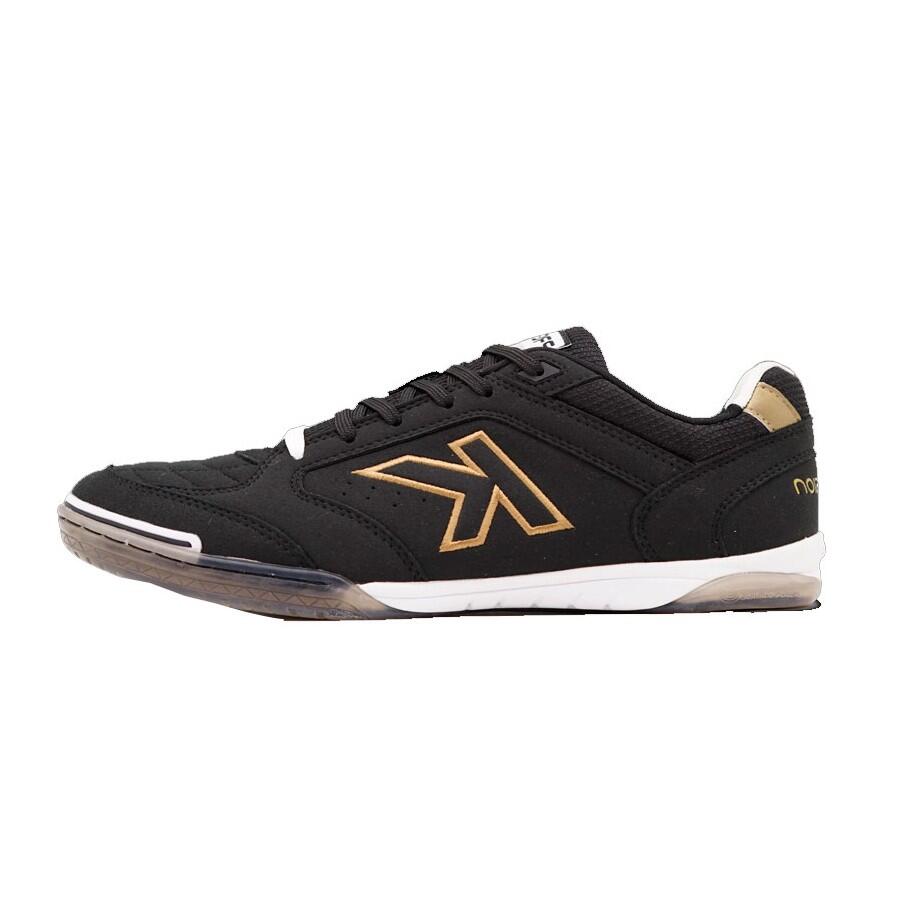
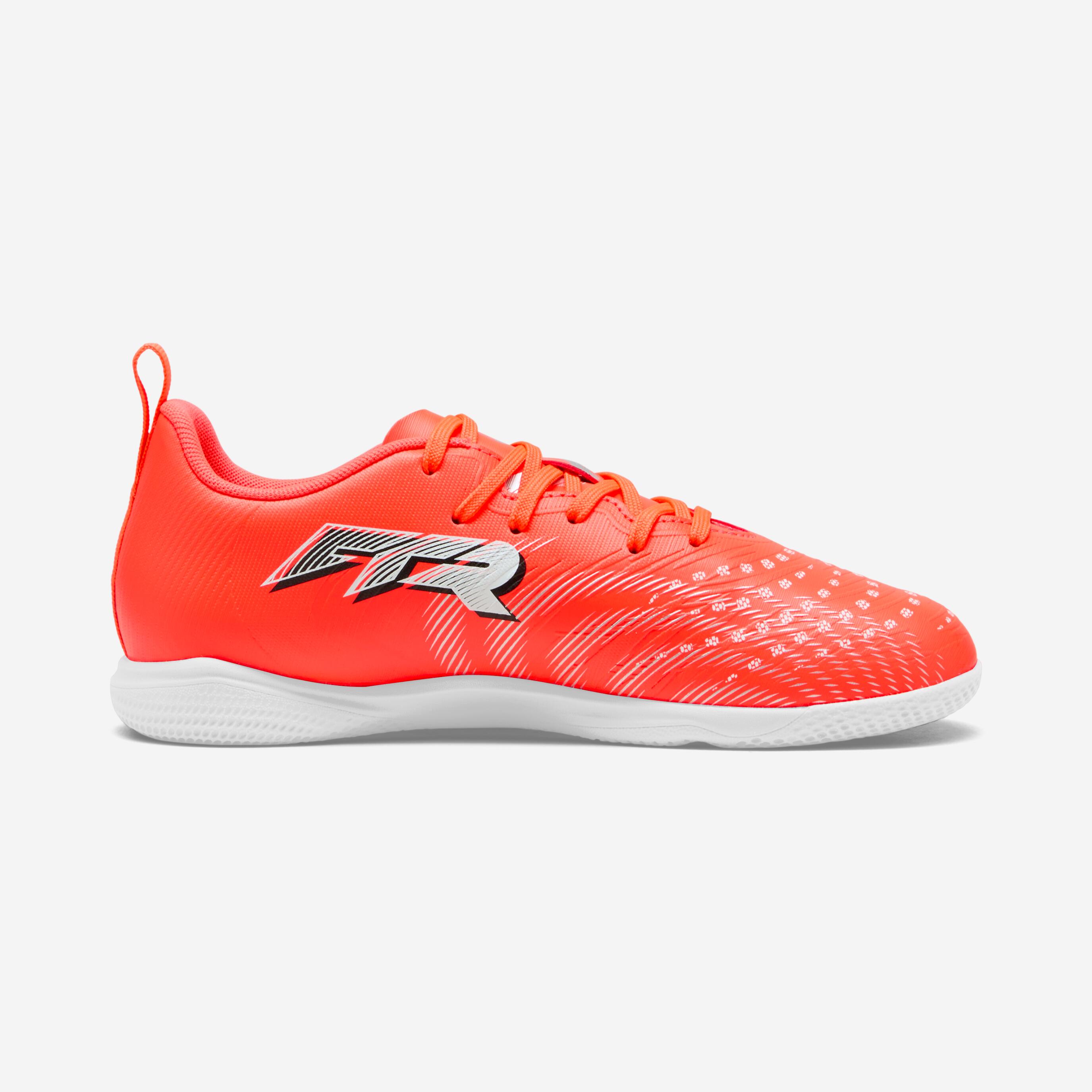
A flat, non-marking rubber sole is the usual choice for sports halls and smooth futsal courts. Rubber creates friction against the floor, helping your child stop, turn and accelerate without the raised studs used on grass boots. Look for flexible grooves beneath the forefoot because they allow the shoe to bend as your child pushes off or changes direction. The sole should also remain stable through the heel so the foot does not roll during sideways movements. Some hybrid models, including kids street football boots, can cope with playgrounds, concrete and indoor floors. However, always check the stated surfaces before use, as rough outdoor ground can wear down a court-focused outsole more quickly.
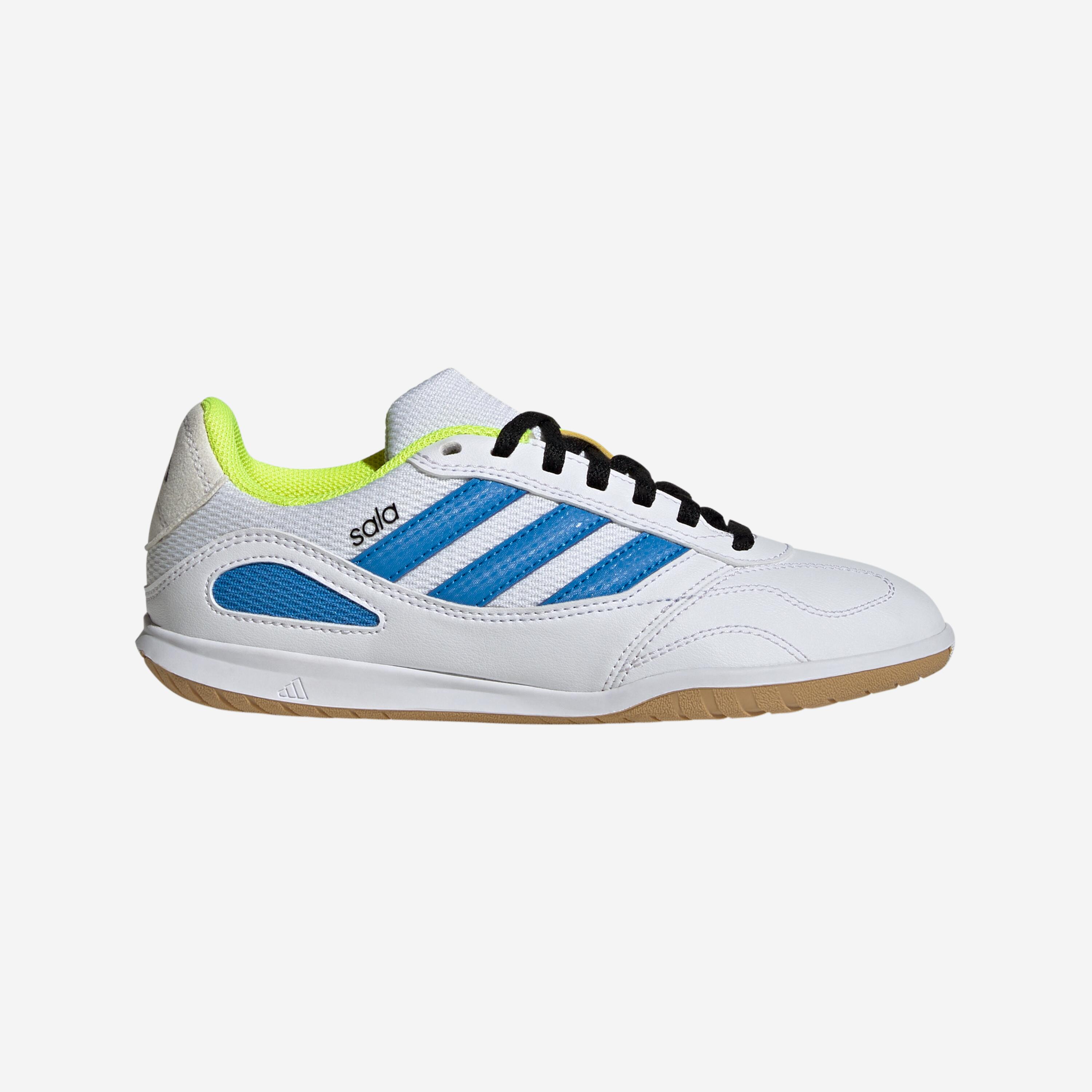
Which fastening system is easiest for younger players?

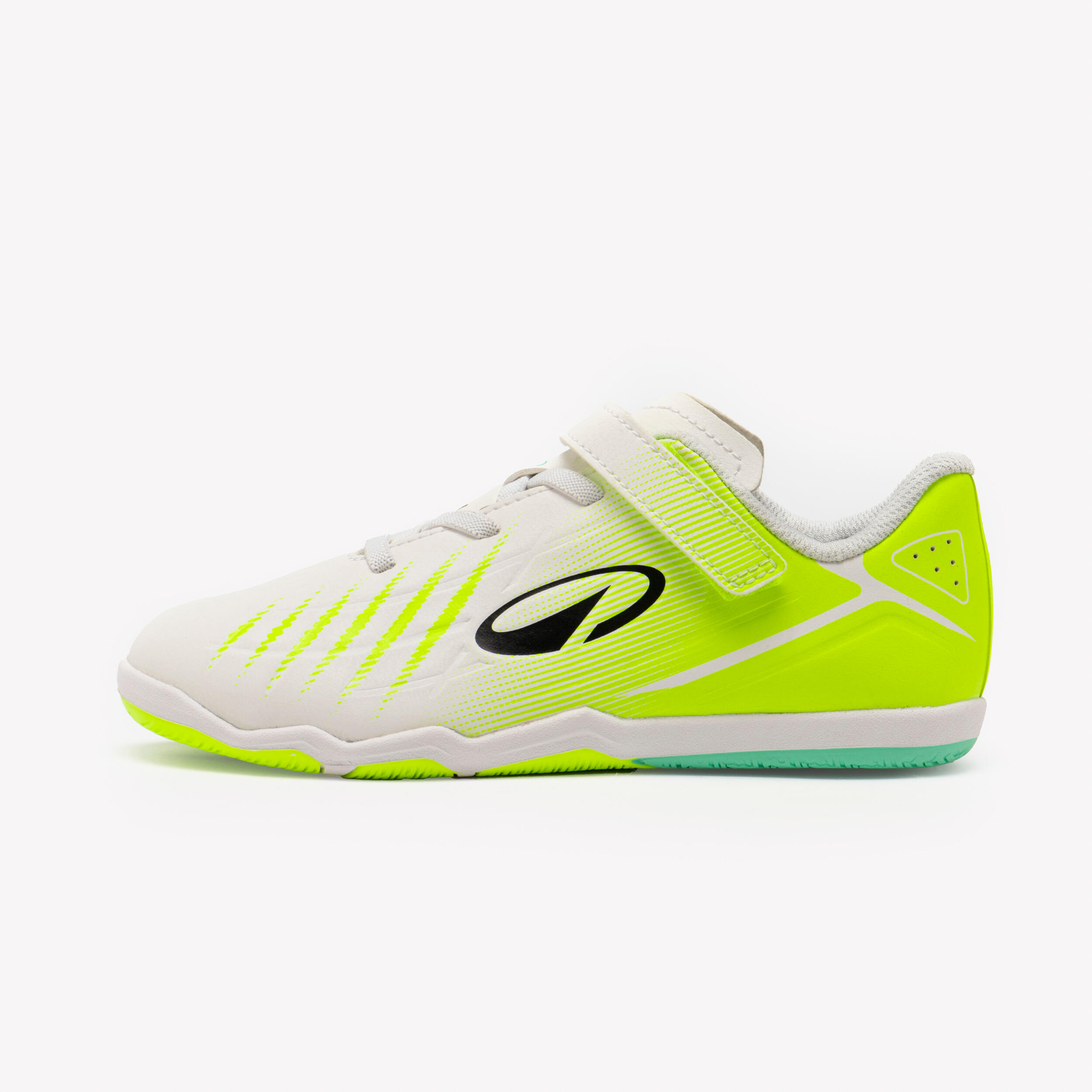
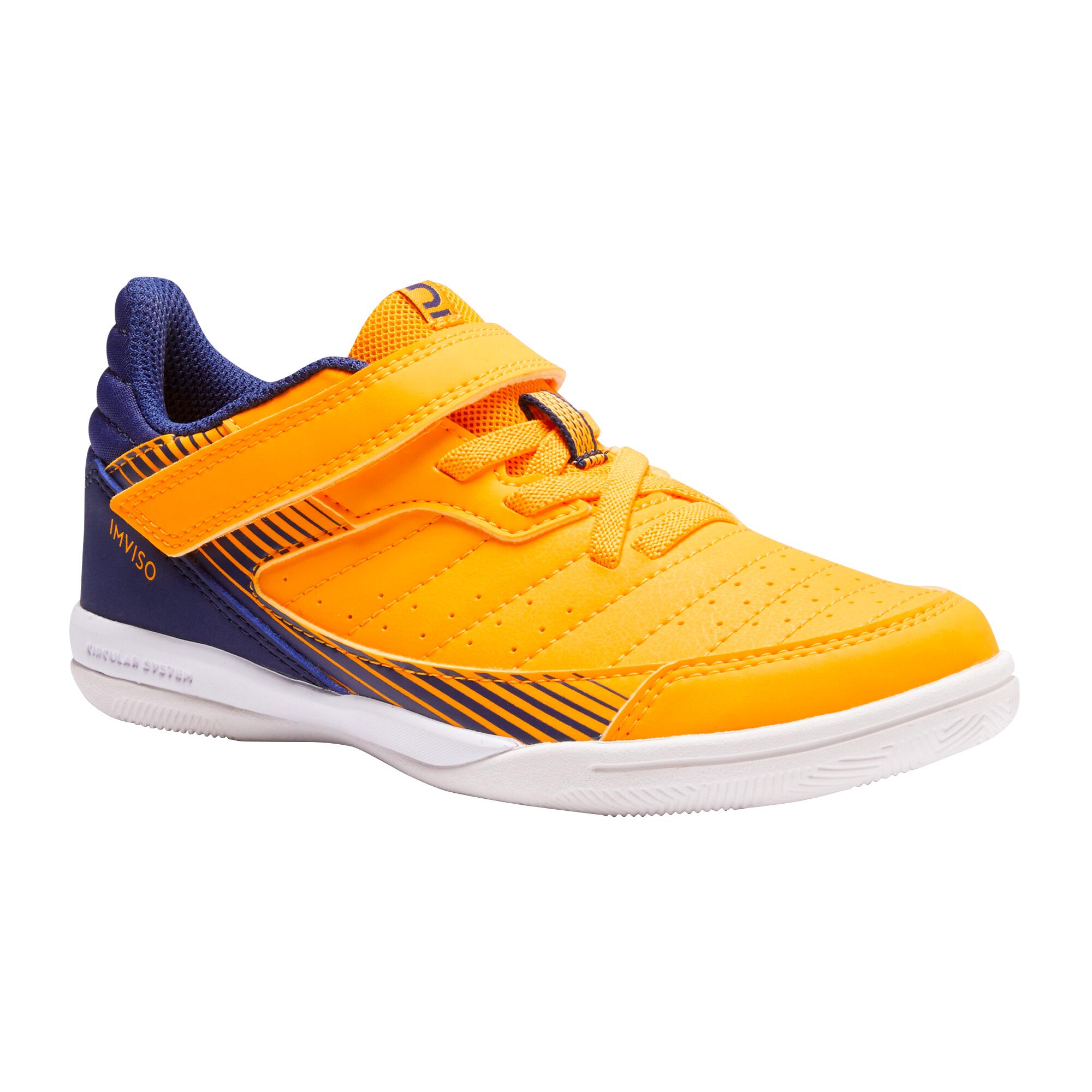
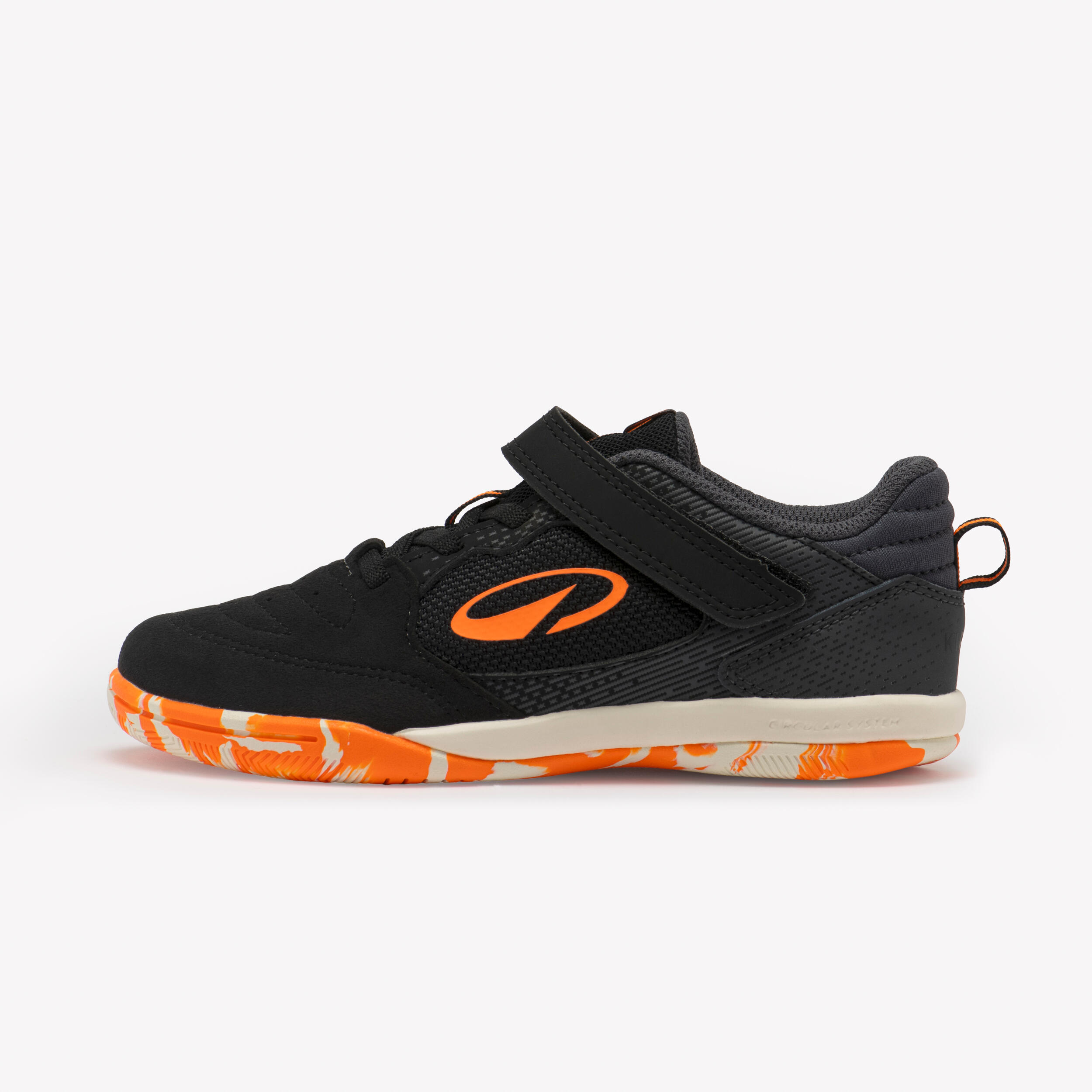
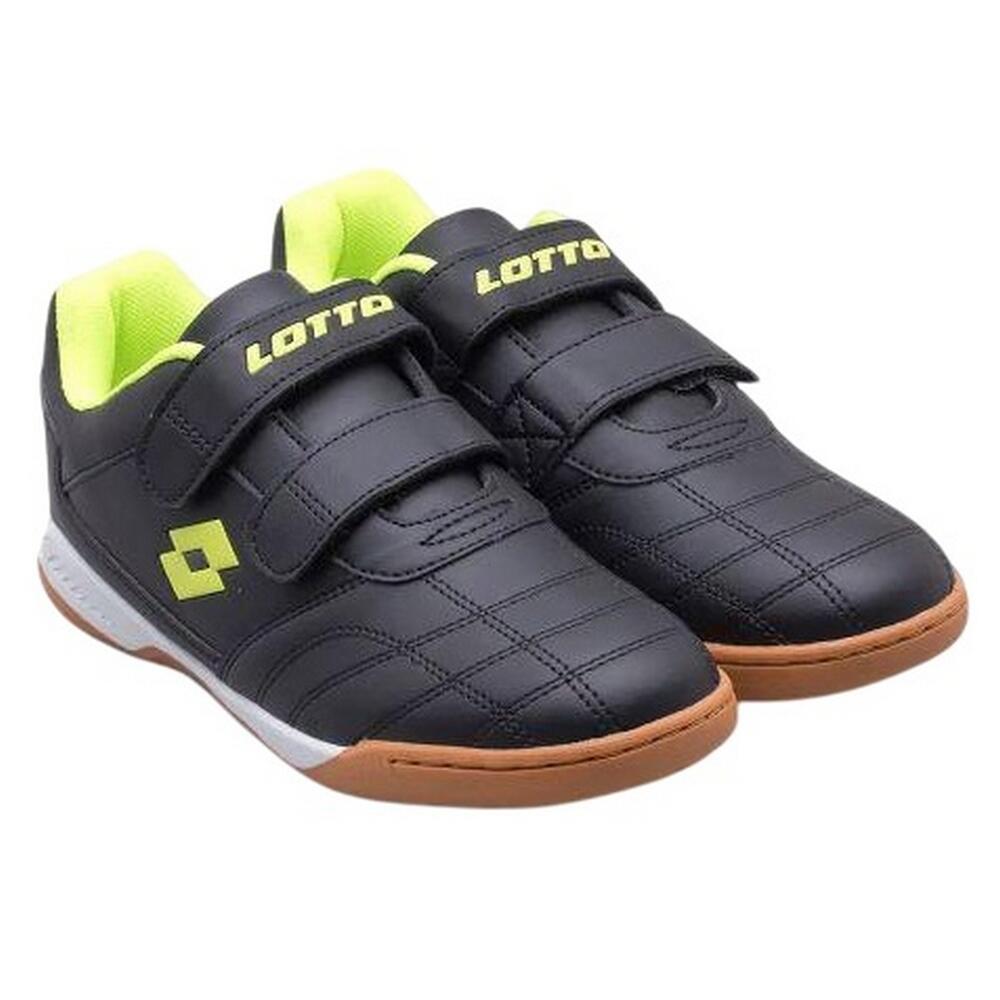
Elastic laces and rip-tabs can help younger children secure their shoes without needing to tie traditional laces. A rip-tab should close firmly across the foot without creating pressure, while elastic sections should stretch enough for easy entry but recover their shape once the shoe is on. Children who can tie laces confidently may prefer standard lacing because it allows more precise adjustment across different parts of the foot. Models such as kids futsal boots use child-friendly fastening to support independent changing before lessons or training. Whichever system you choose, ask your child to jog, stop and turn before play to confirm that the heel remains secure and the fastening does not loosen.

How do playing level and ball feel affect the choice?

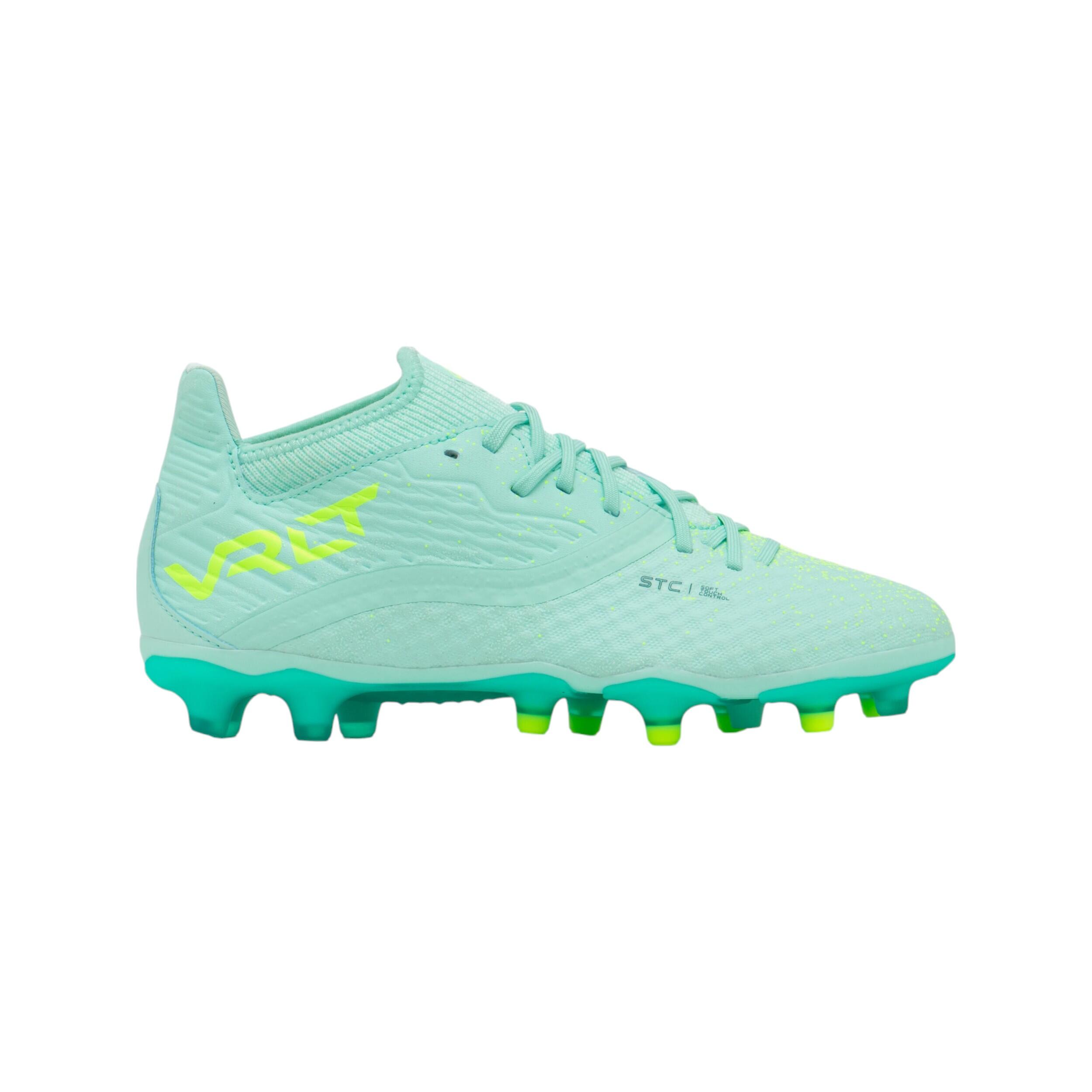
Beginners usually benefit from a supportive shoe with dependable grip, cushioning and an upper that can tolerate frequent contact with the floor and ball. More experienced futsal players may prefer lighter footwear with greater flexibility and a closer feel through the upper. Flex grooves can support quicker heel-to-toe movement, while a thinner, flexible forefoot may help with short passes and controlled touches. Cushioning still matters because repeated sprints and stops create impact on hard indoor floors. When comparing indoor models with other kids football boots, focus first on the playing surface rather than appearance. Studded or bladed outsoles are not suitable for smooth sports hall floors, even when the upper feels comfortable.

How should kids' indoor football shoes be cleaned and stored?

Remove loose dirt with a soft brush or damp cloth after each session, then take out the insoles so the inside can dry properly. Shoes left inside a closed sports bag can hold moisture, which may cause odour and weaken materials or bonding over time. Let them air dry at room temperature and keep them away from radiators, tumble dryers and direct heat, as high temperatures can distort the sole or upper. Machine washing should also be avoided unless the care label specifically permits it. If your child regularly switches between sports halls and outdoor pitches, keep separate football boots for grass or artificial surfaces. Using each pair only on its intended ground helps preserve grip, shape and durability.