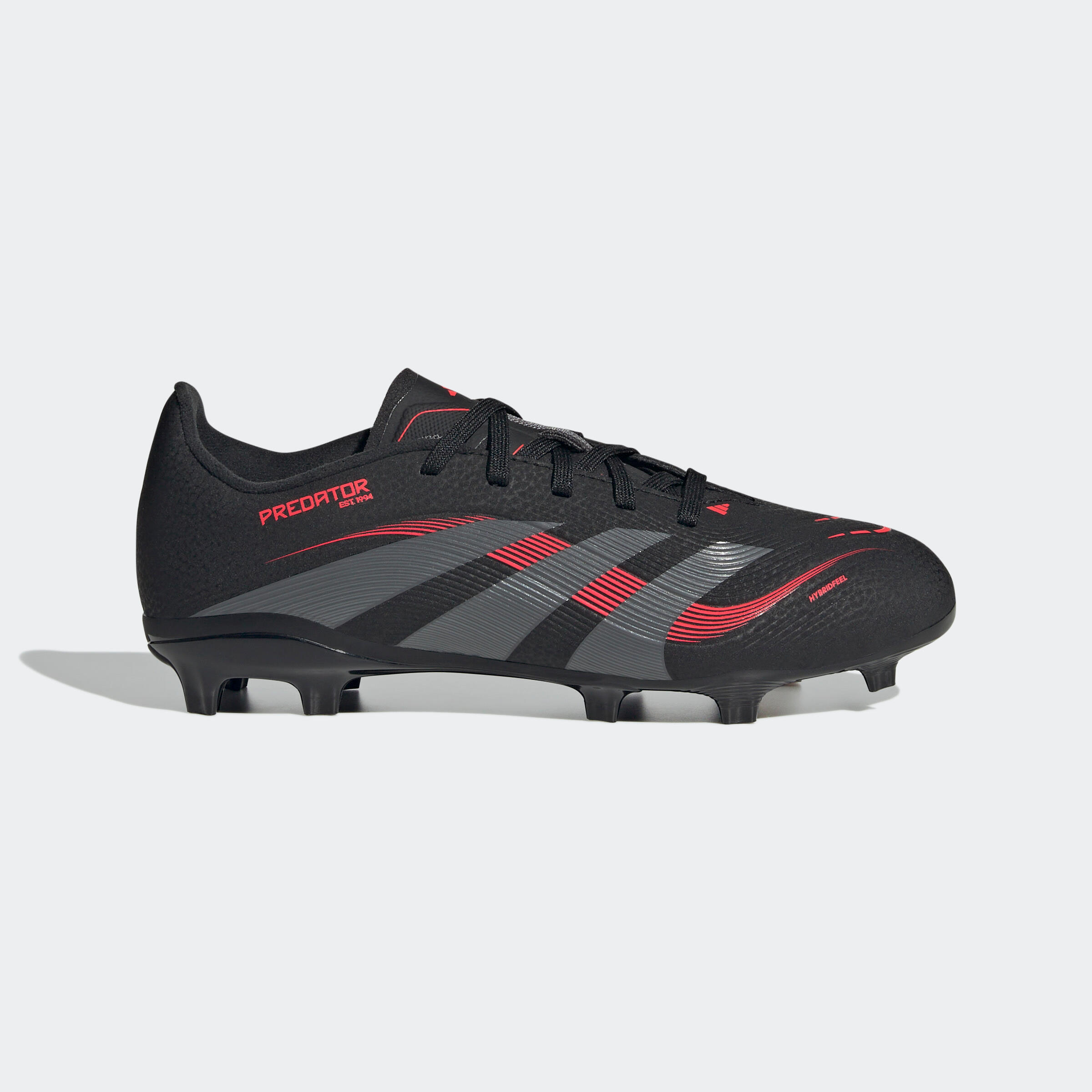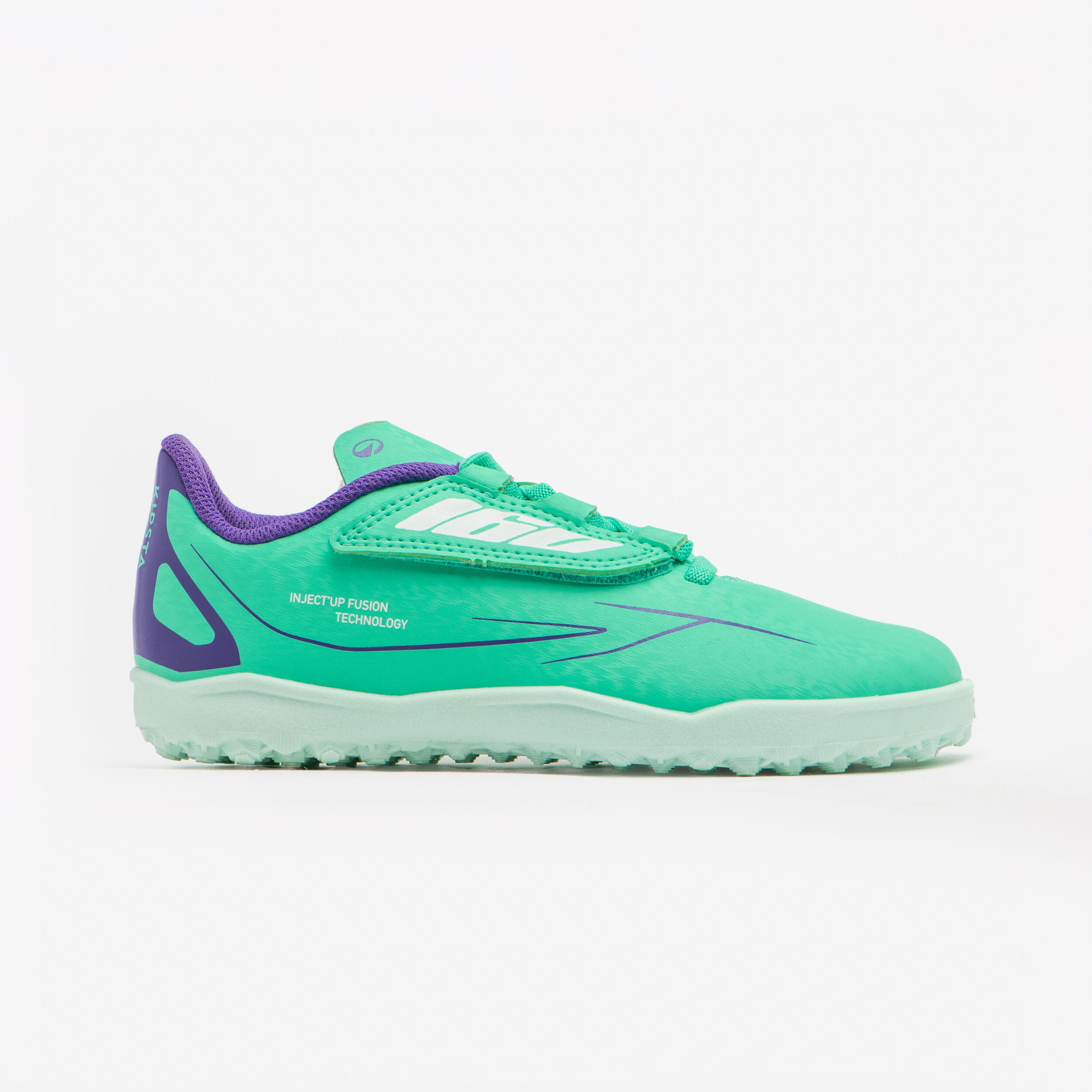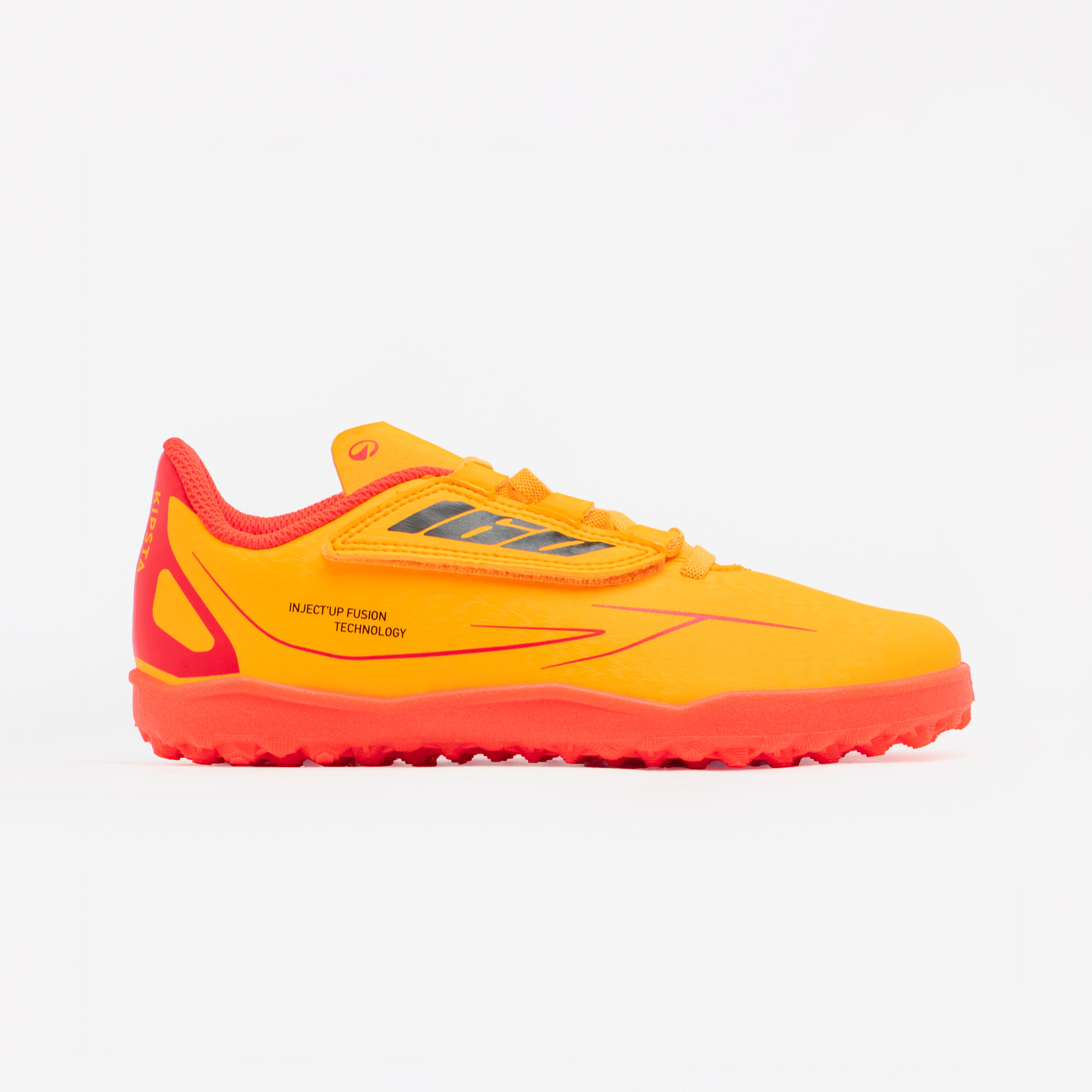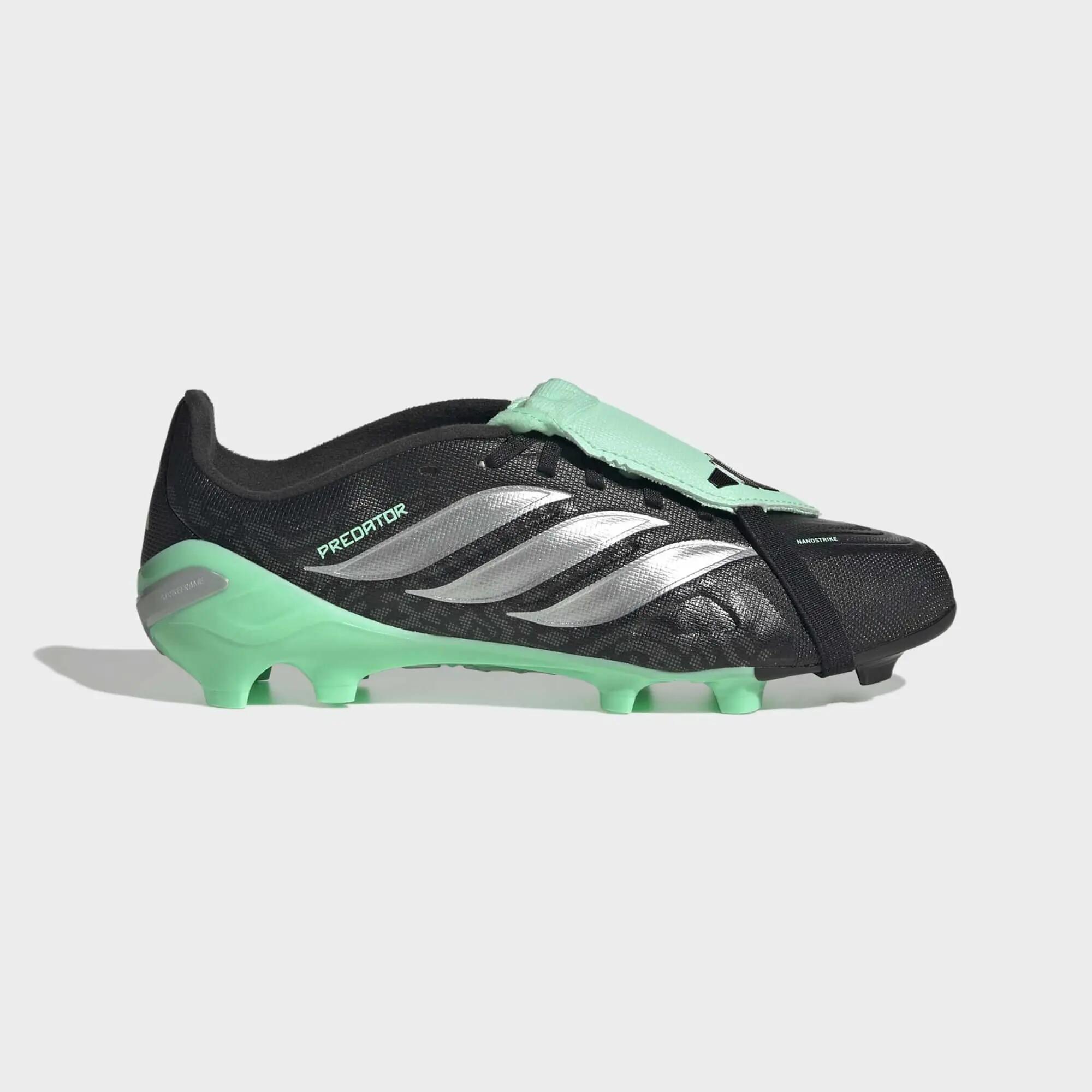
406 items
4.7/5 based on 56153 reviews collected online and in stores

Kids Football Boots FAQs

How do properly fitted kids' football boots feel?

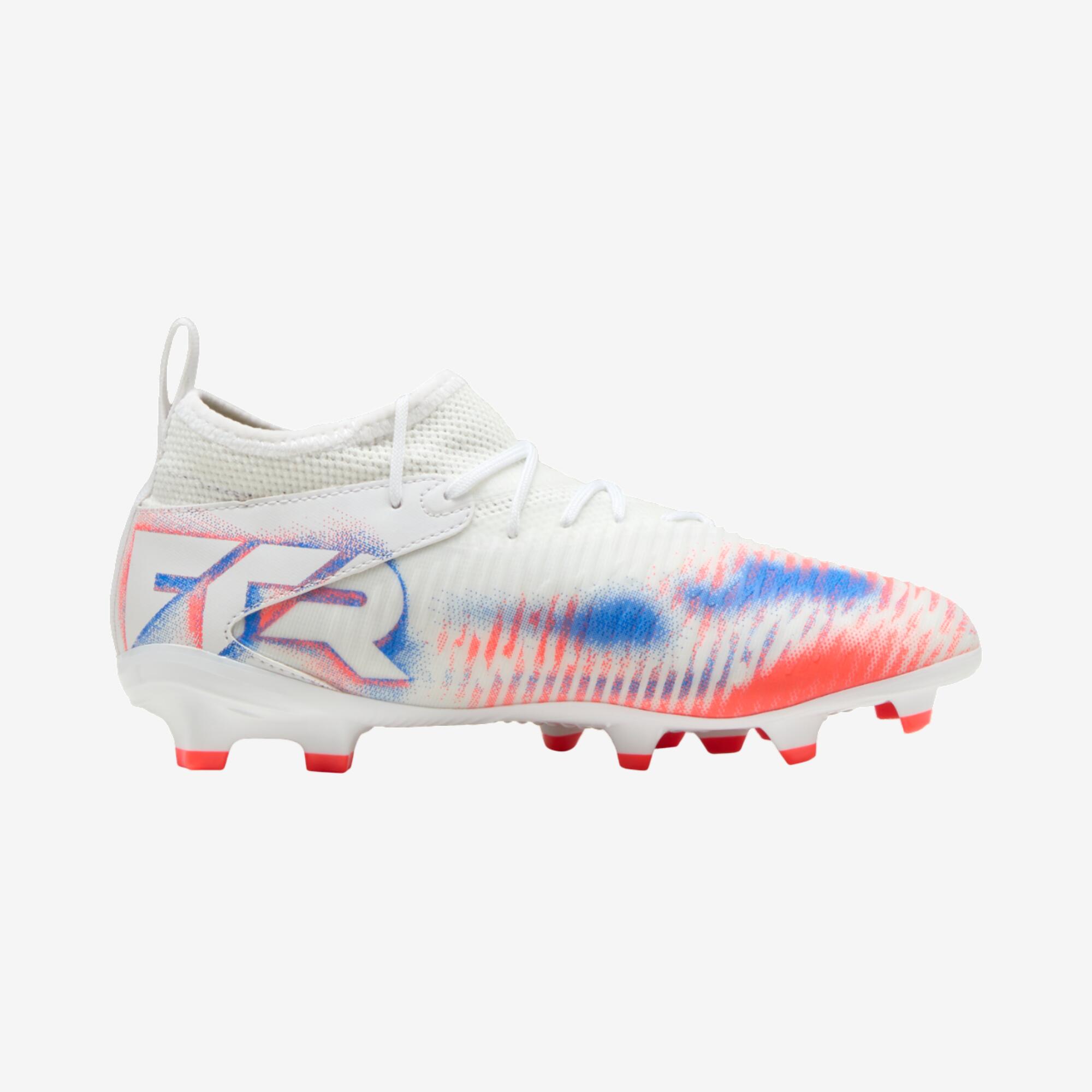
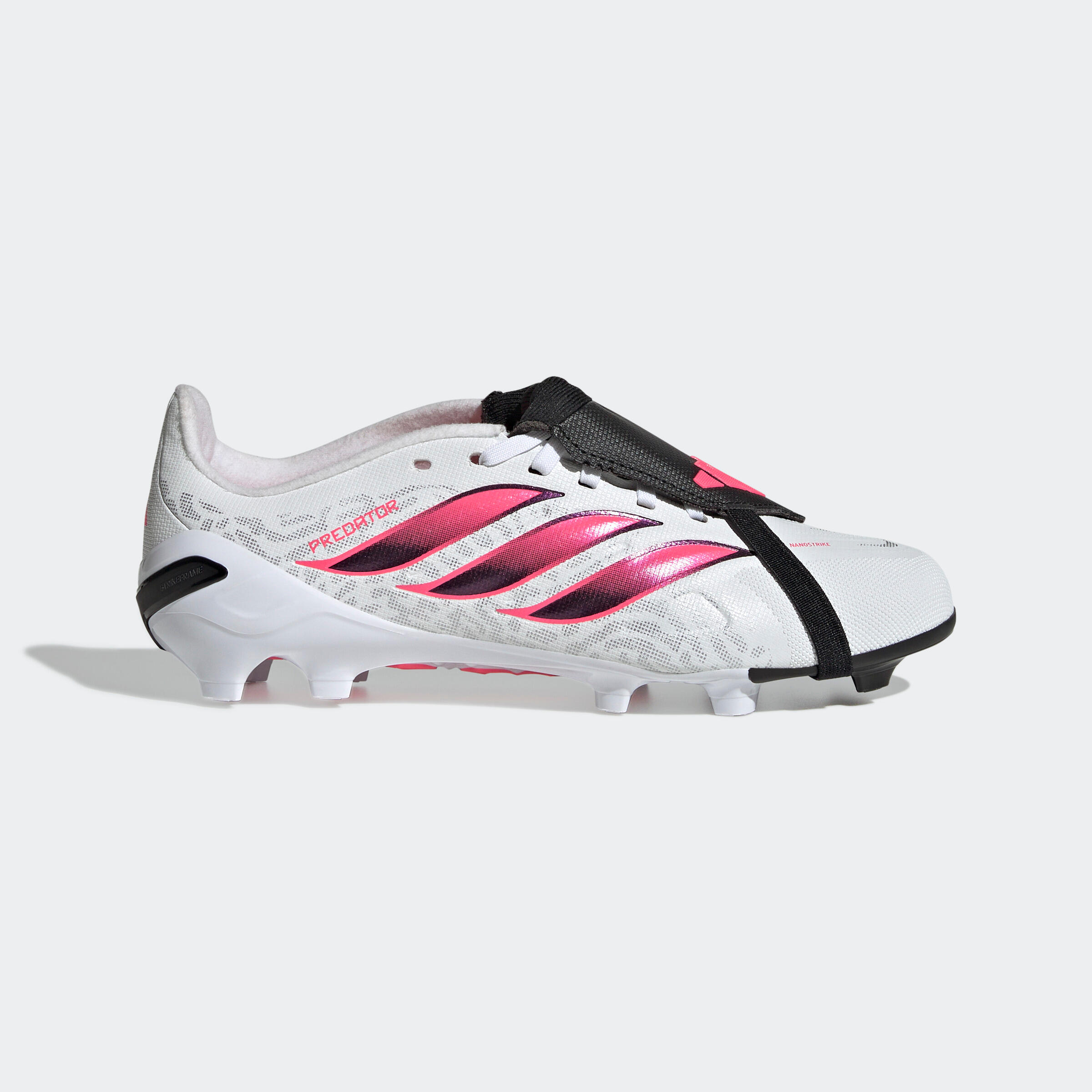
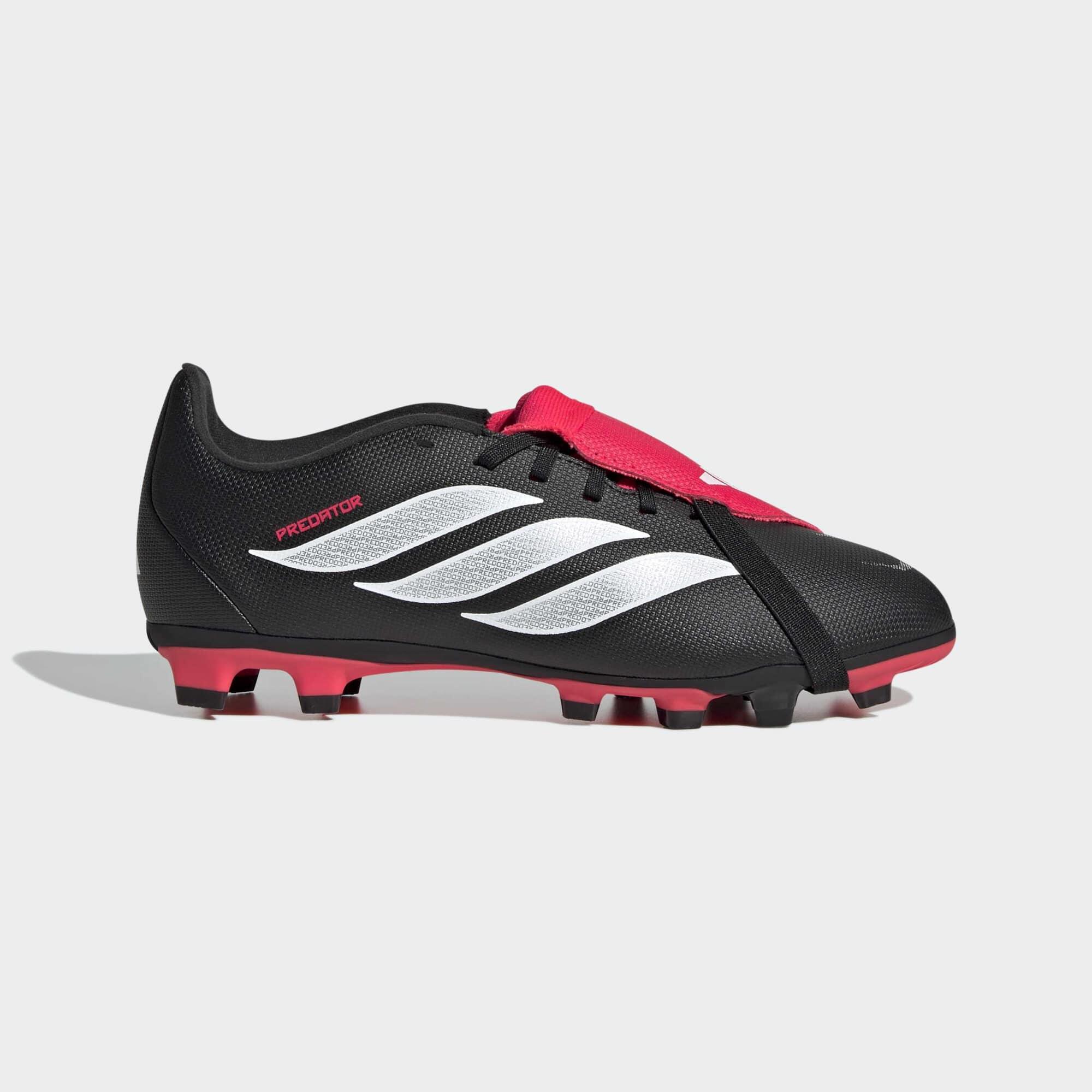
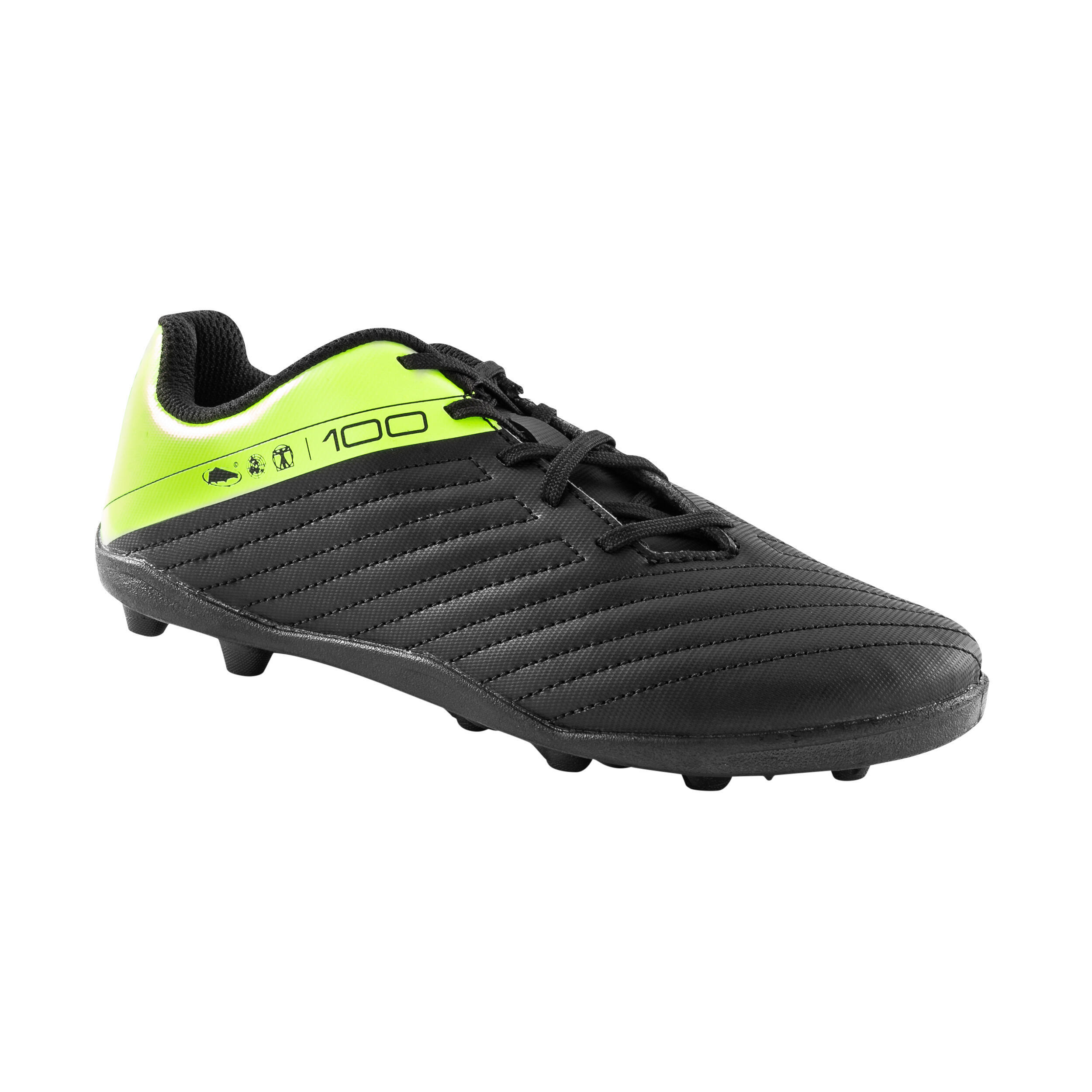
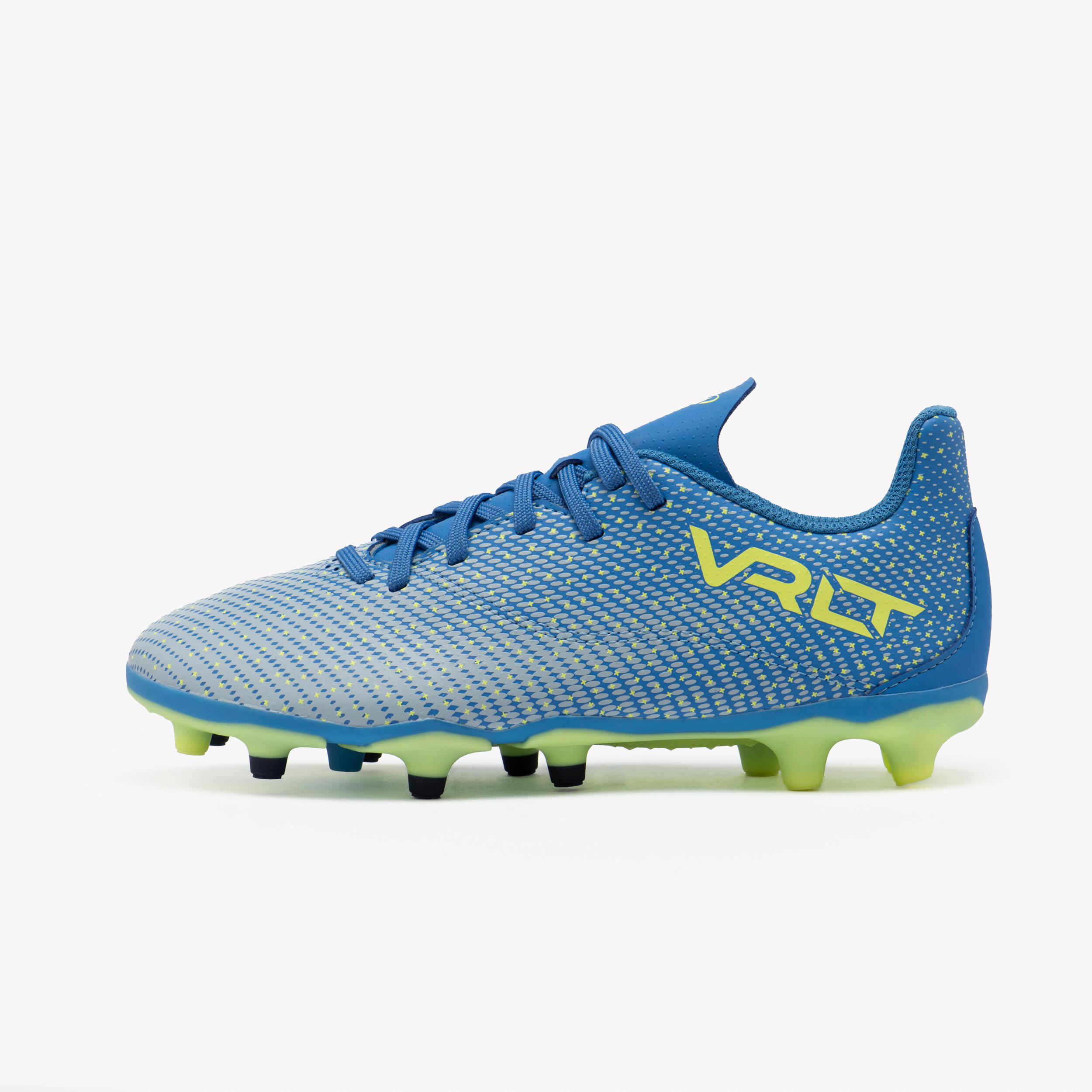
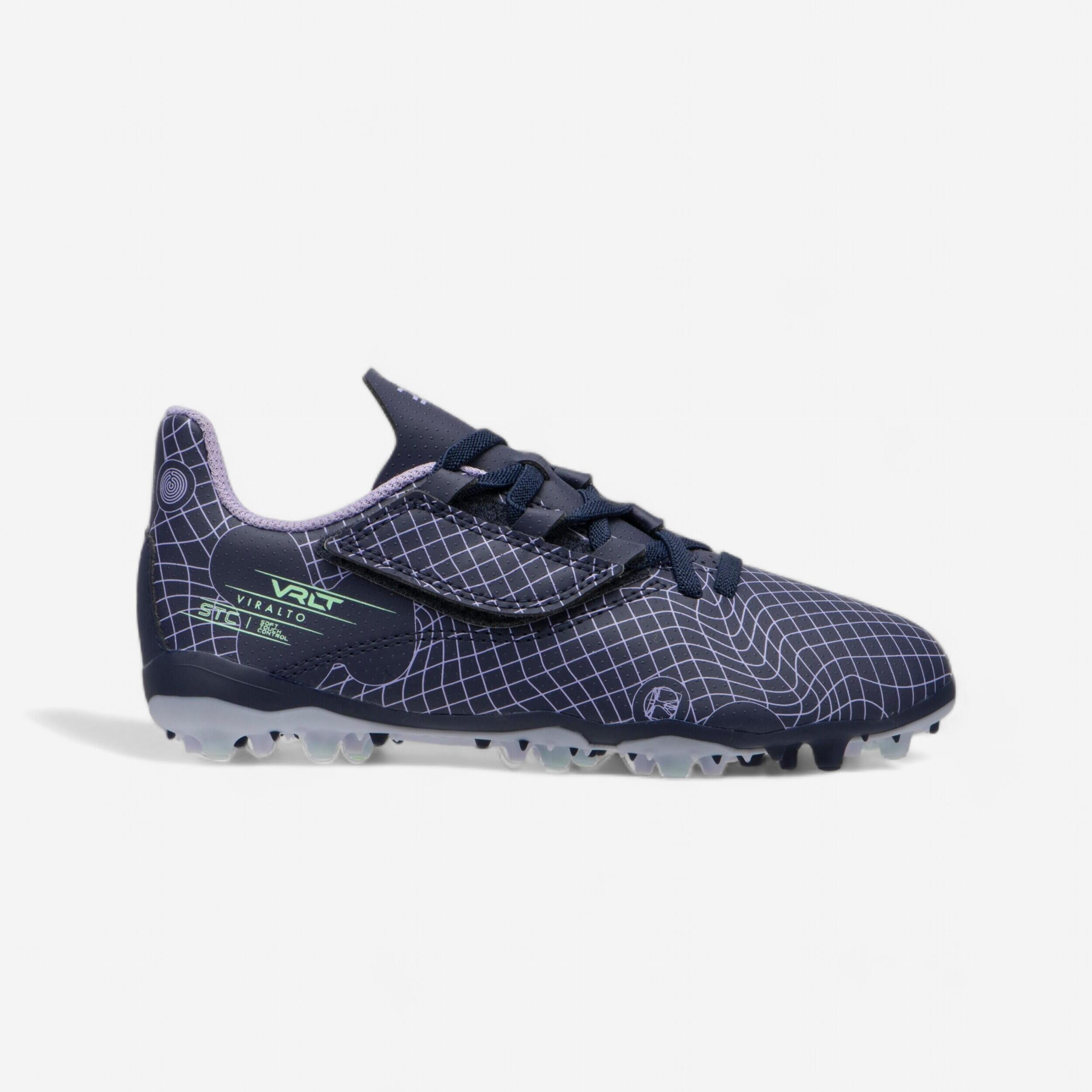
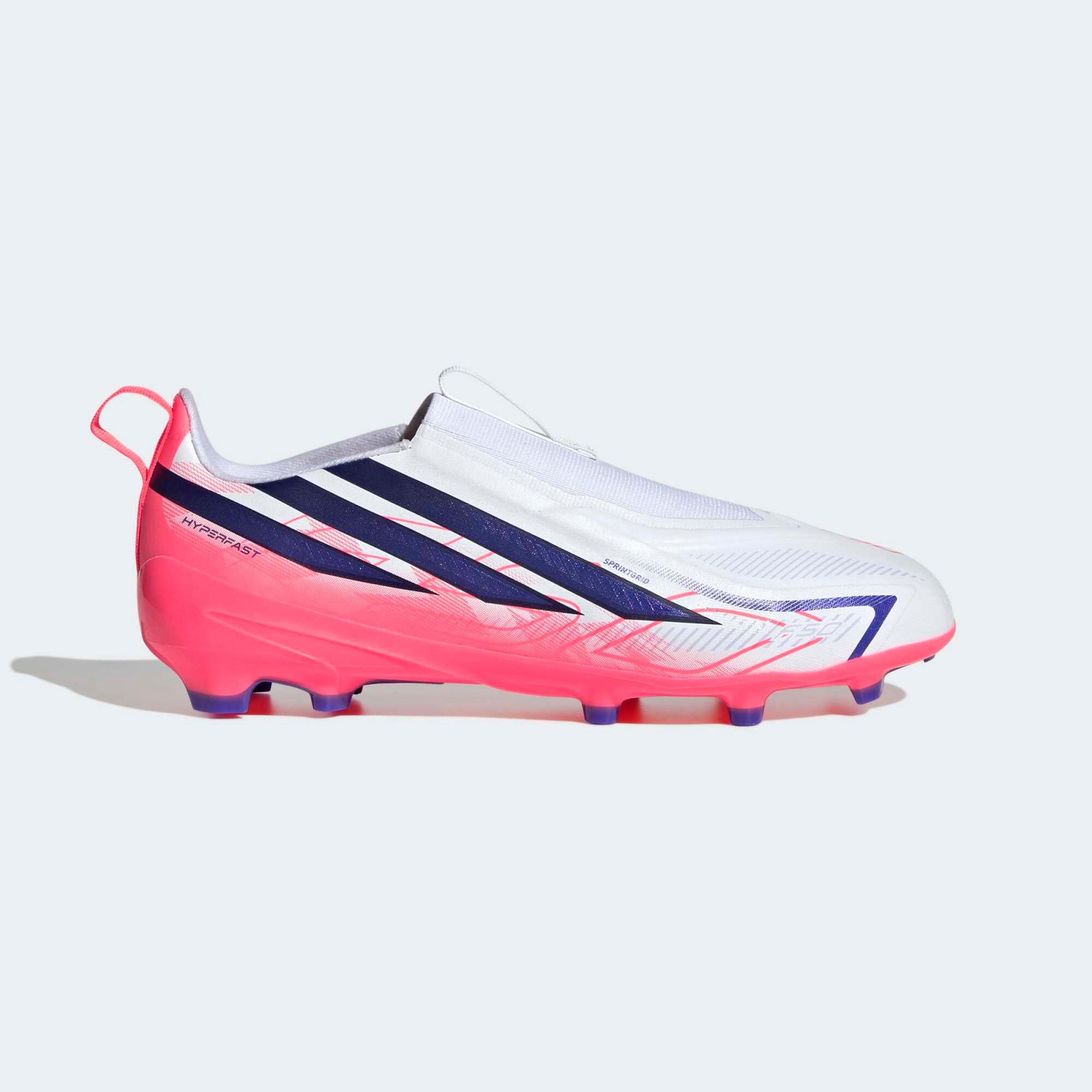
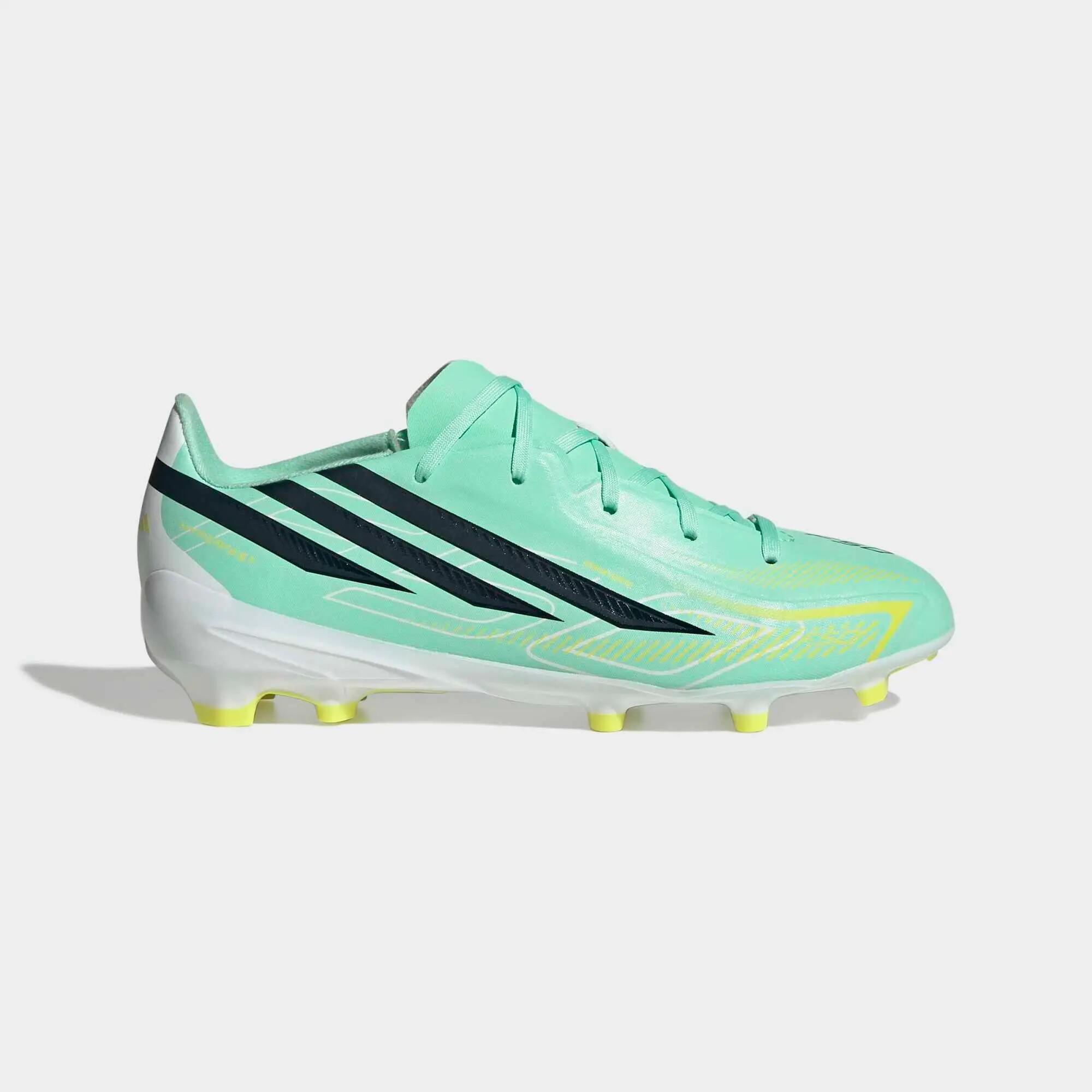
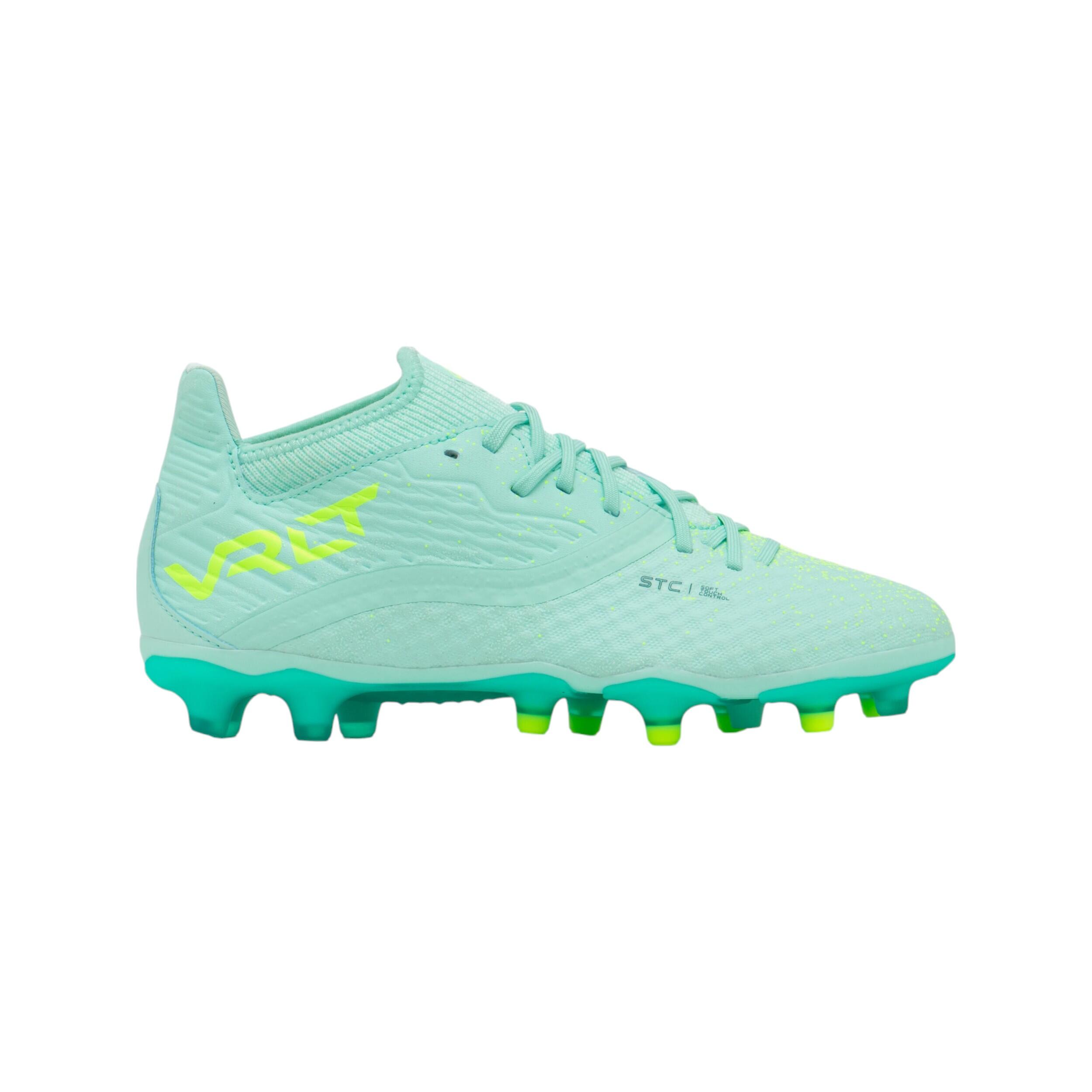
Kids' football boots should hold the heel securely while leaving enough width across the instep and space for the toes to move during running, turning and kicking. KIPSTA developed wider junior constructions after observing young players and working with football podiatrists, rather than simply reducing the dimensions of adult boots. Check the fit with your child's usual football socks and ask them to walk, squat and complete several short changes of direction. The heel should not lift, but the upper should not create numbness, pinching or red pressure marks. Kids' leather football boots can gradually mould around the forefoot, while synthetic uppers normally change less. Avoid buying excessive growing room because unwanted movement can make the foot less stable inside the boot.

Are kids' rip-tab football boots easier than lace-up boots?

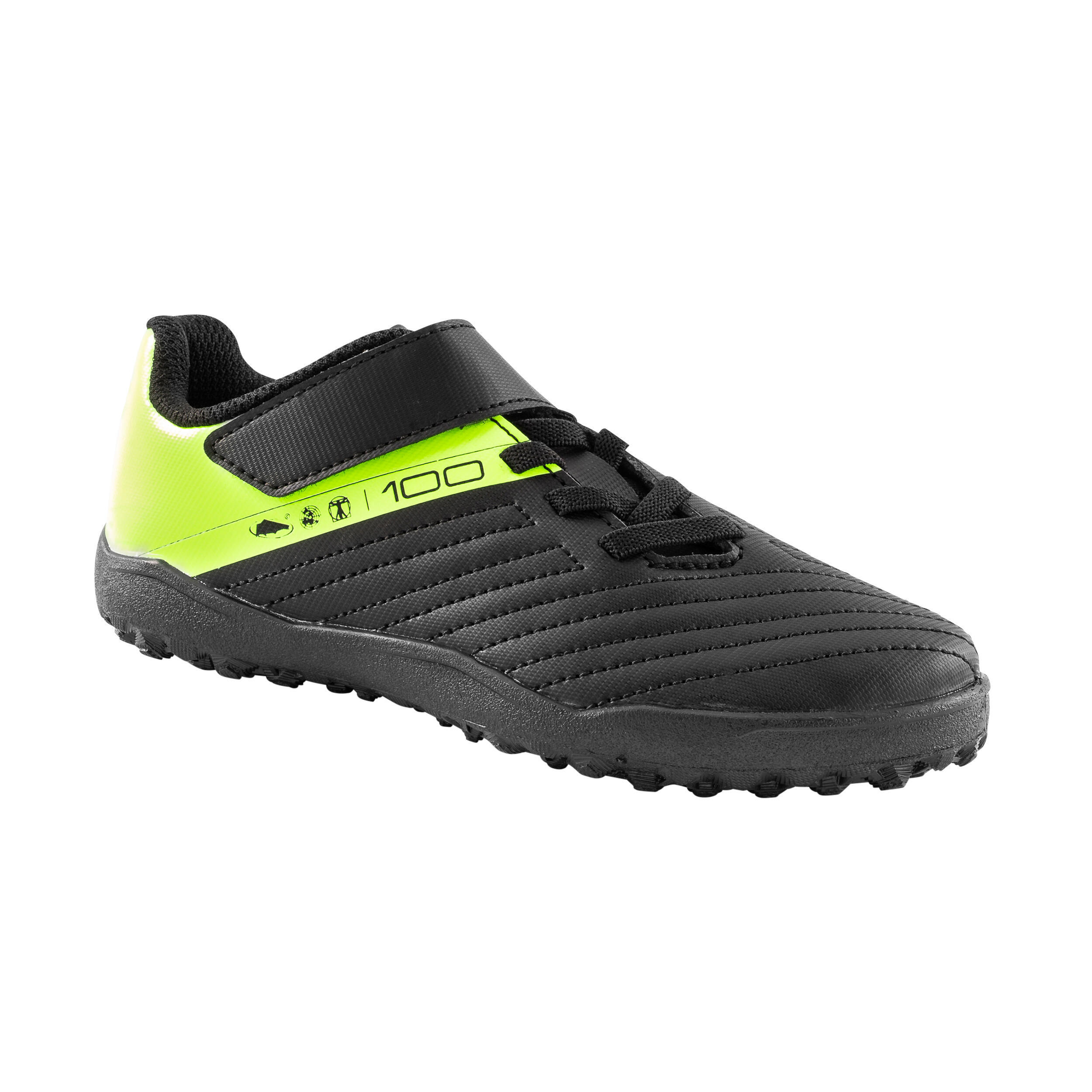
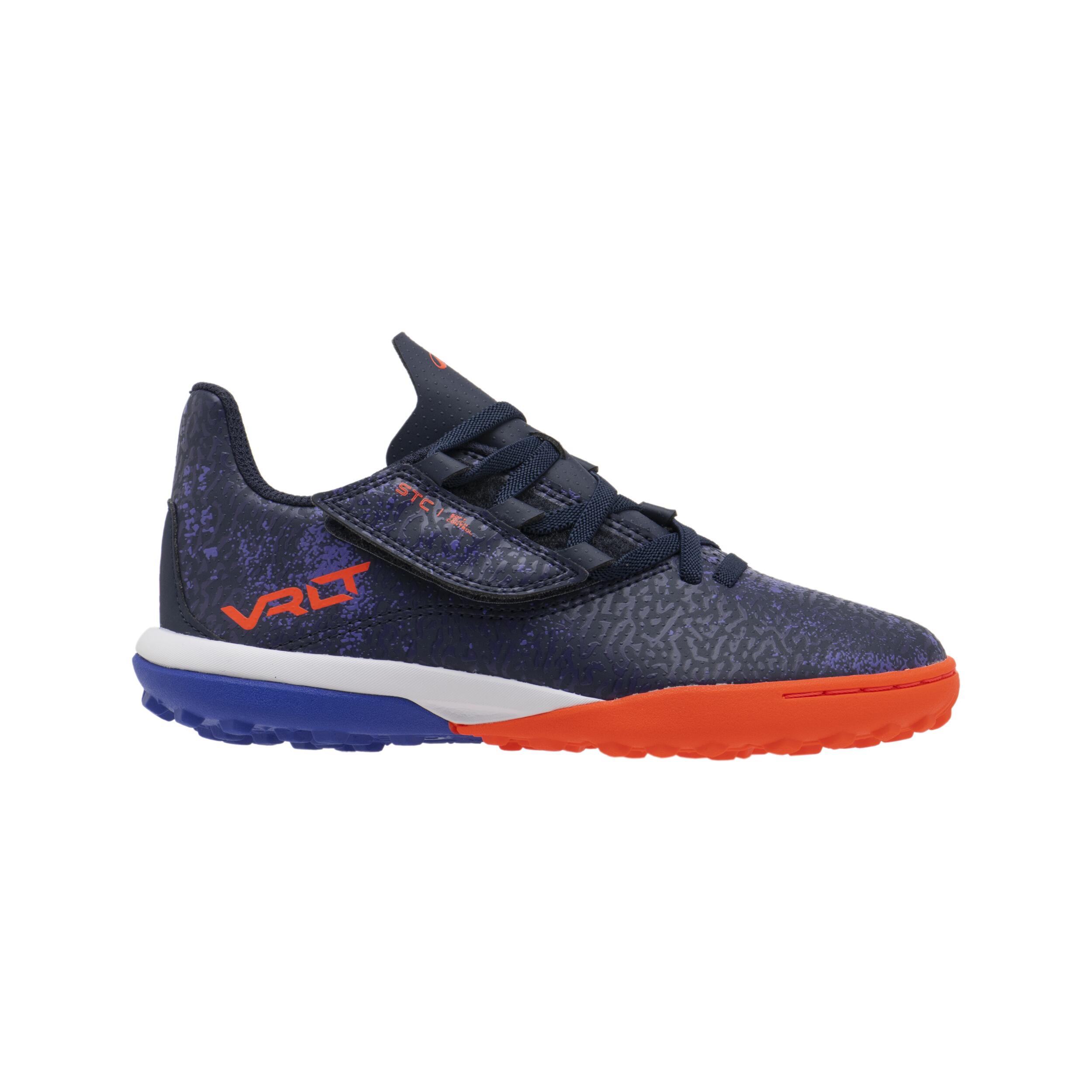
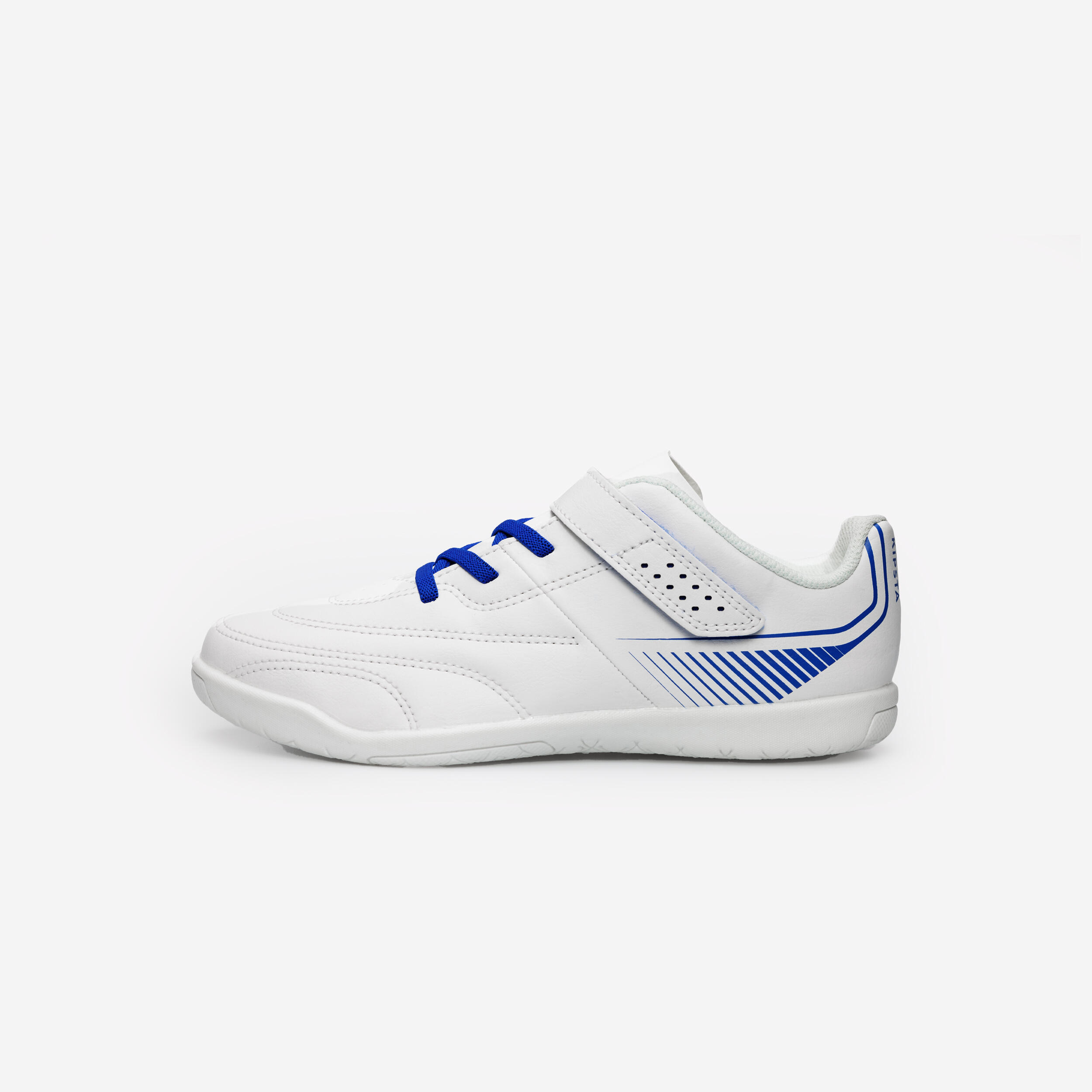
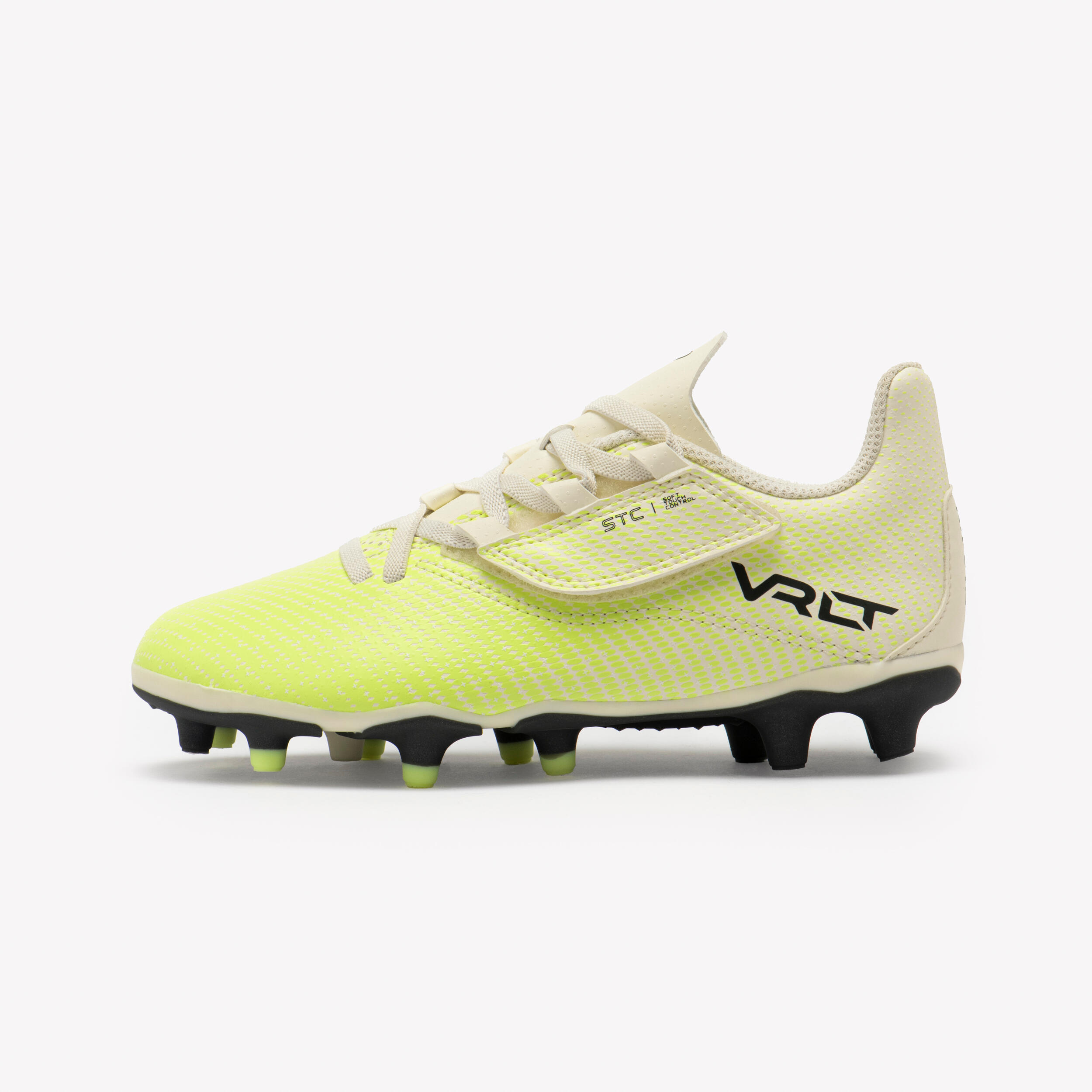
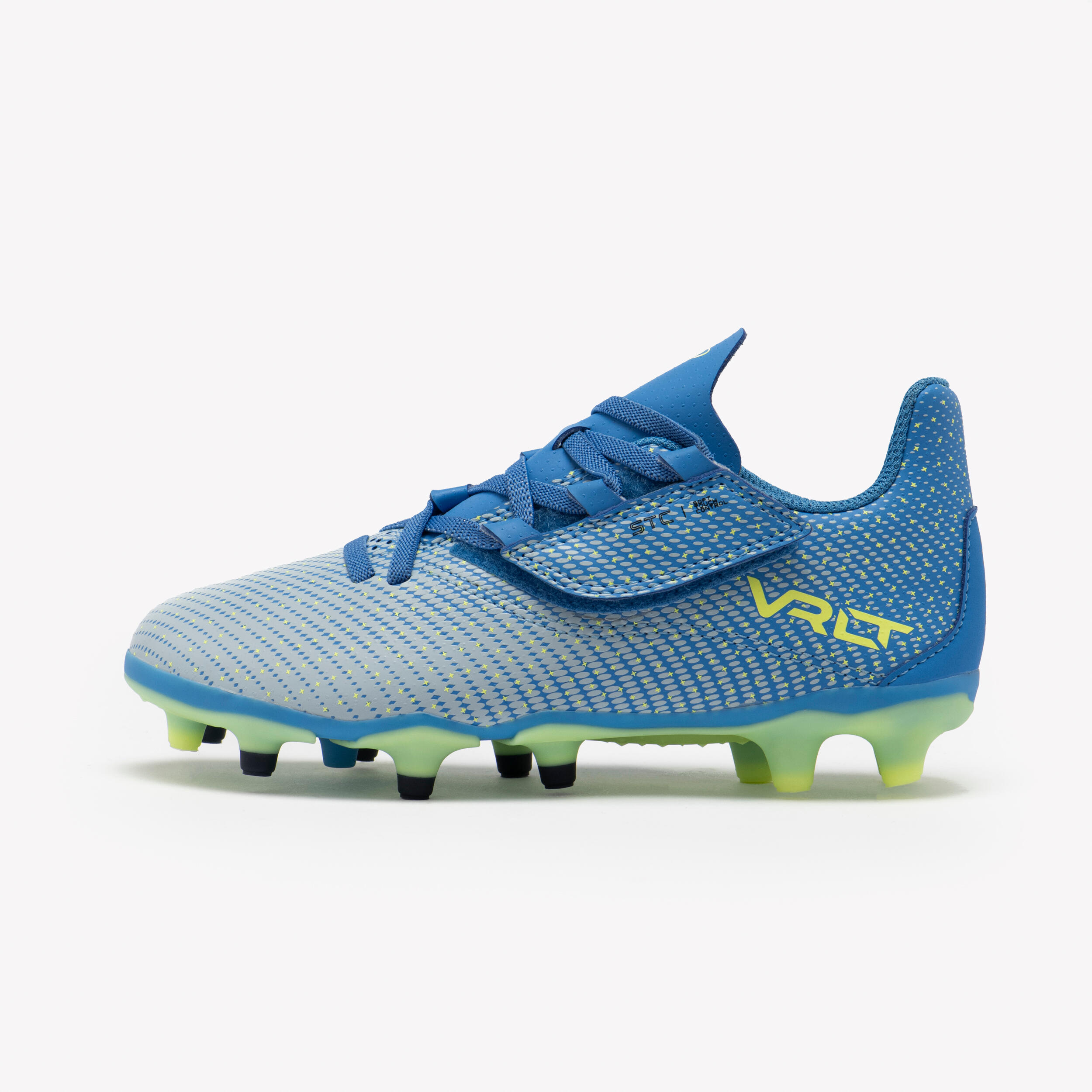
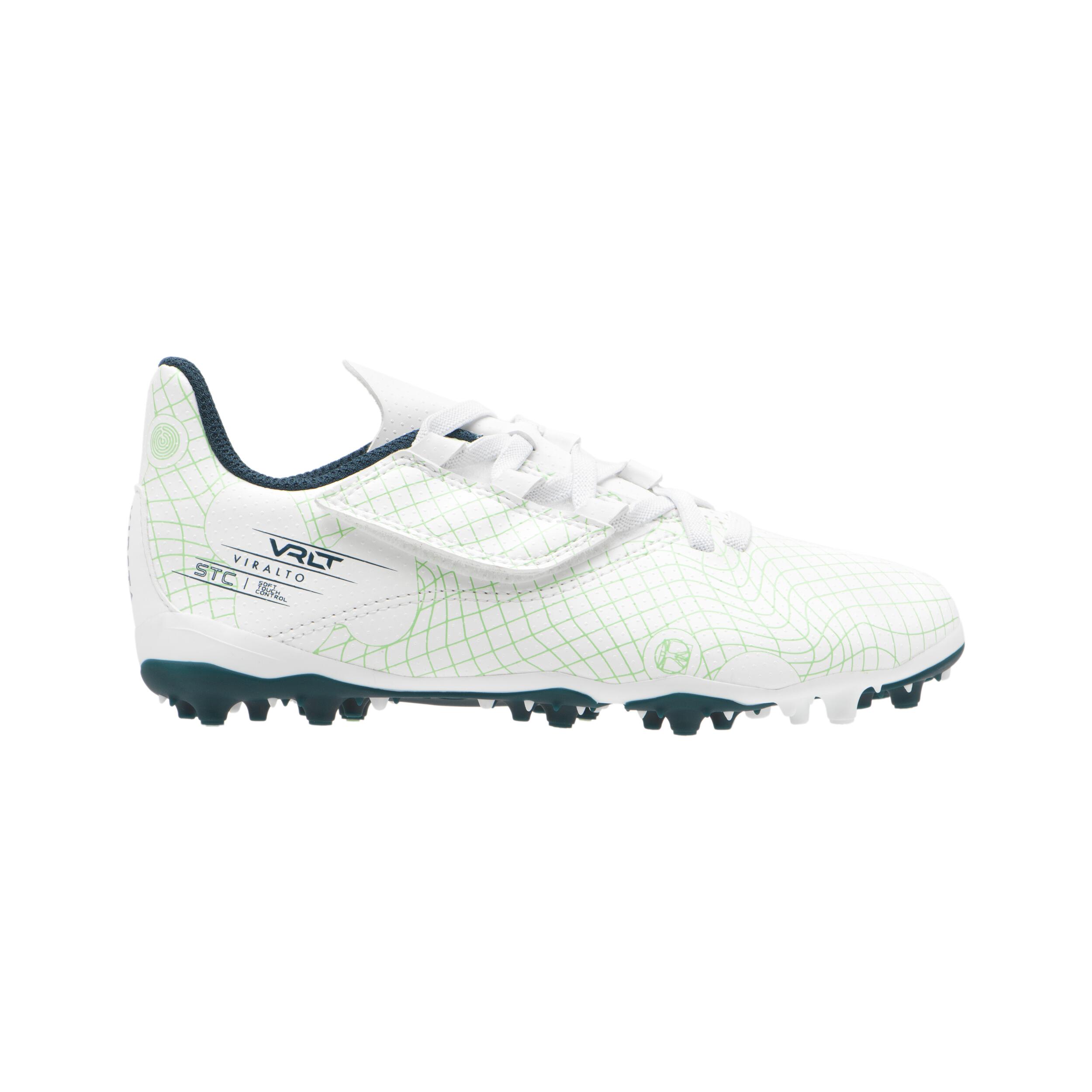
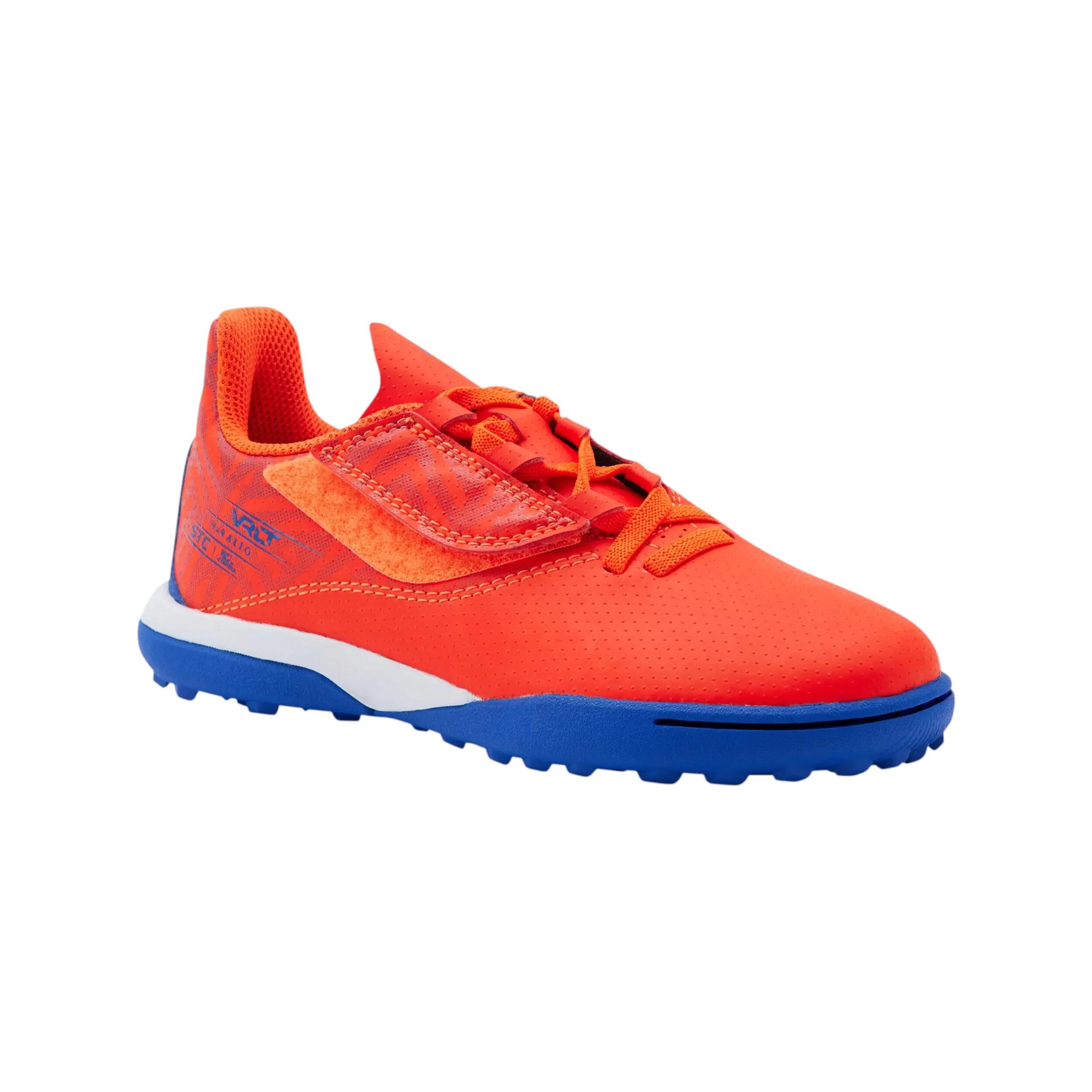
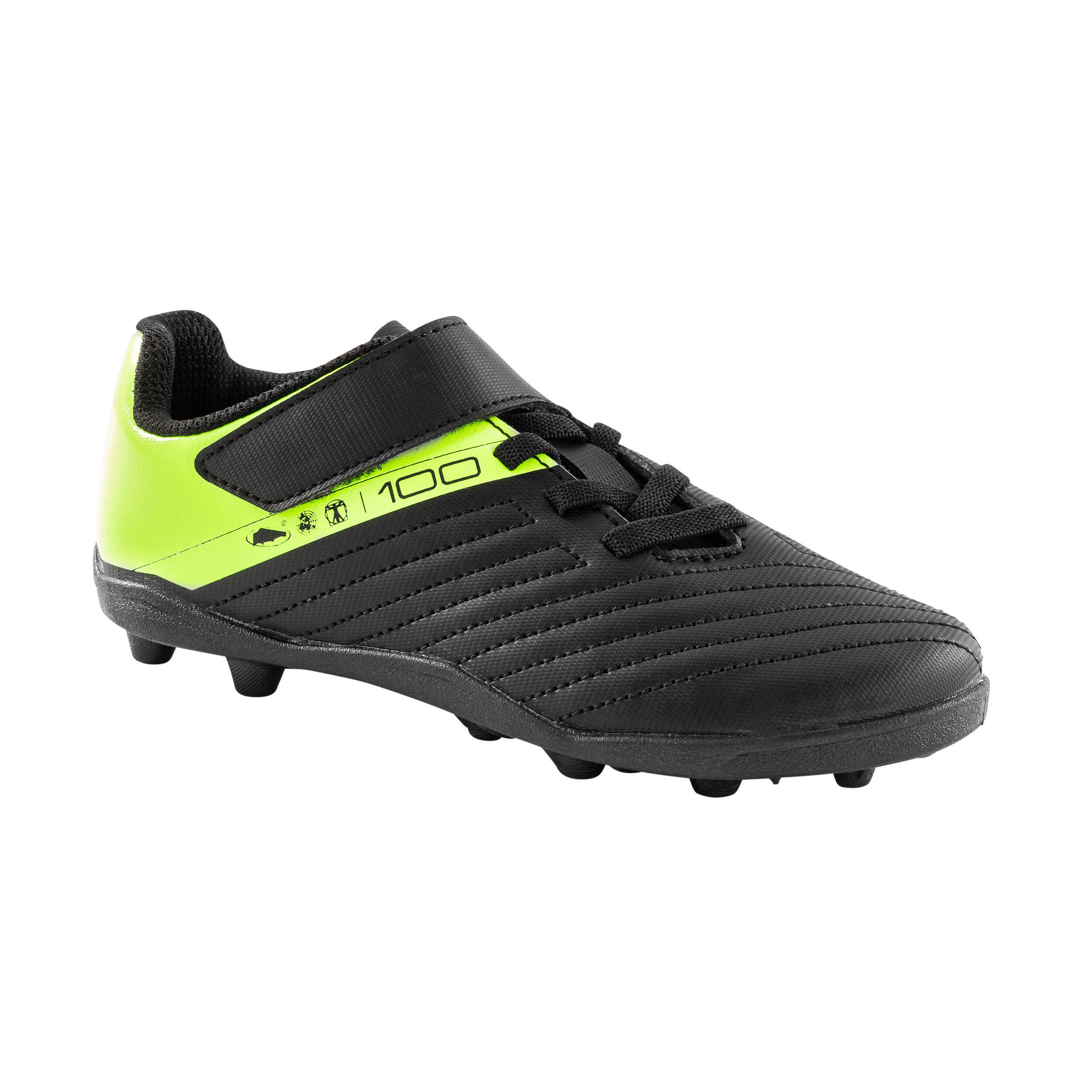
Rip-tab boots can help younger beginners put on and secure their footwear with less adult assistance. Selected KIPSTA Easy systems pull an attached lacing structure across the foot as the flap closes, providing more complete adjustment than a decorative strap alone. Lace-up boots allow the tension to be changed at several points and may suit children who can tie secure knots independently. Both fastening types are available within kids' firm ground football boots, so check that the tongue remains centred and the heel stays positioned. Whichever closure you choose, loose laces or poorly secured rip-tabs should be corrected before your child enters the pitch.
When should children wear Astroturf football boots?

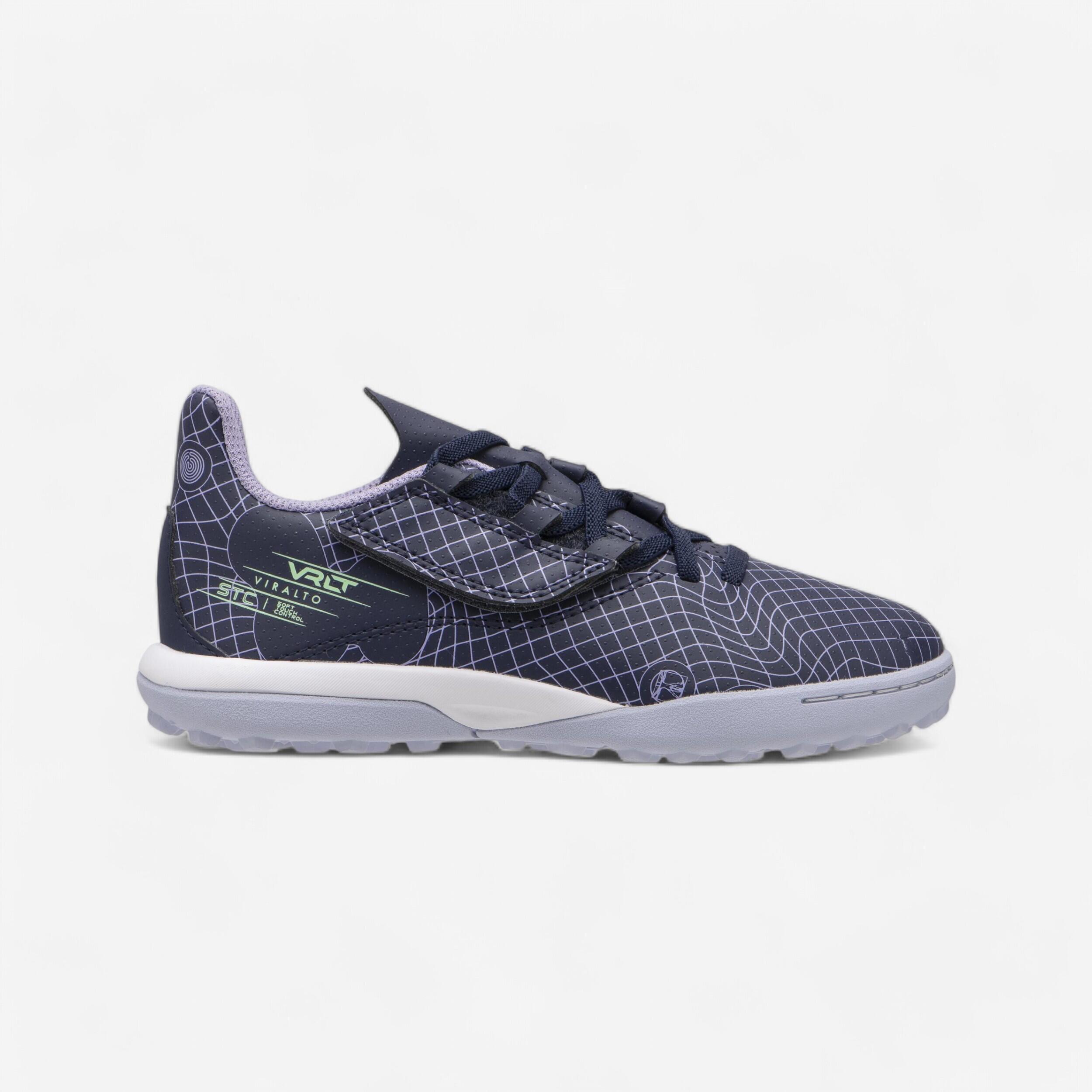
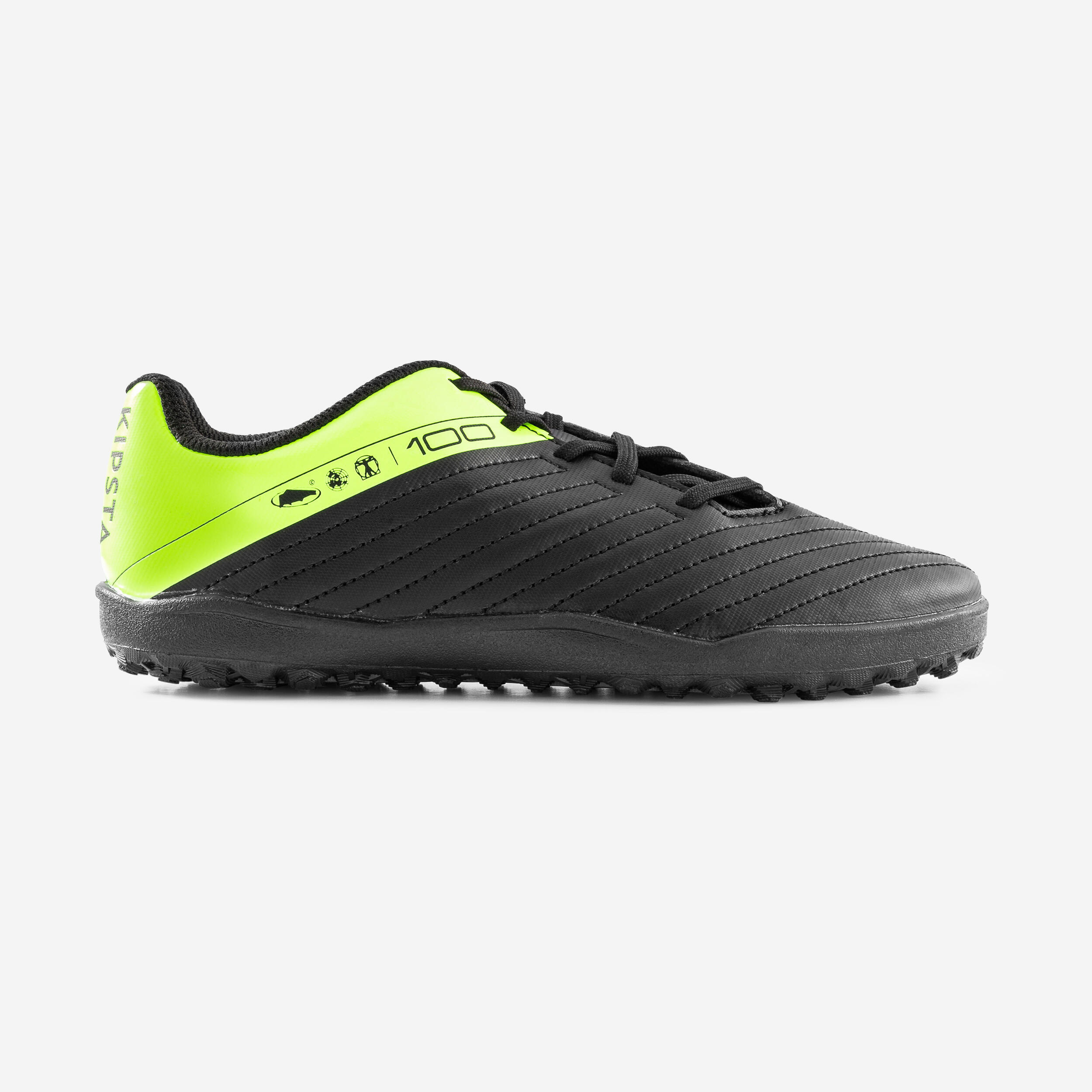
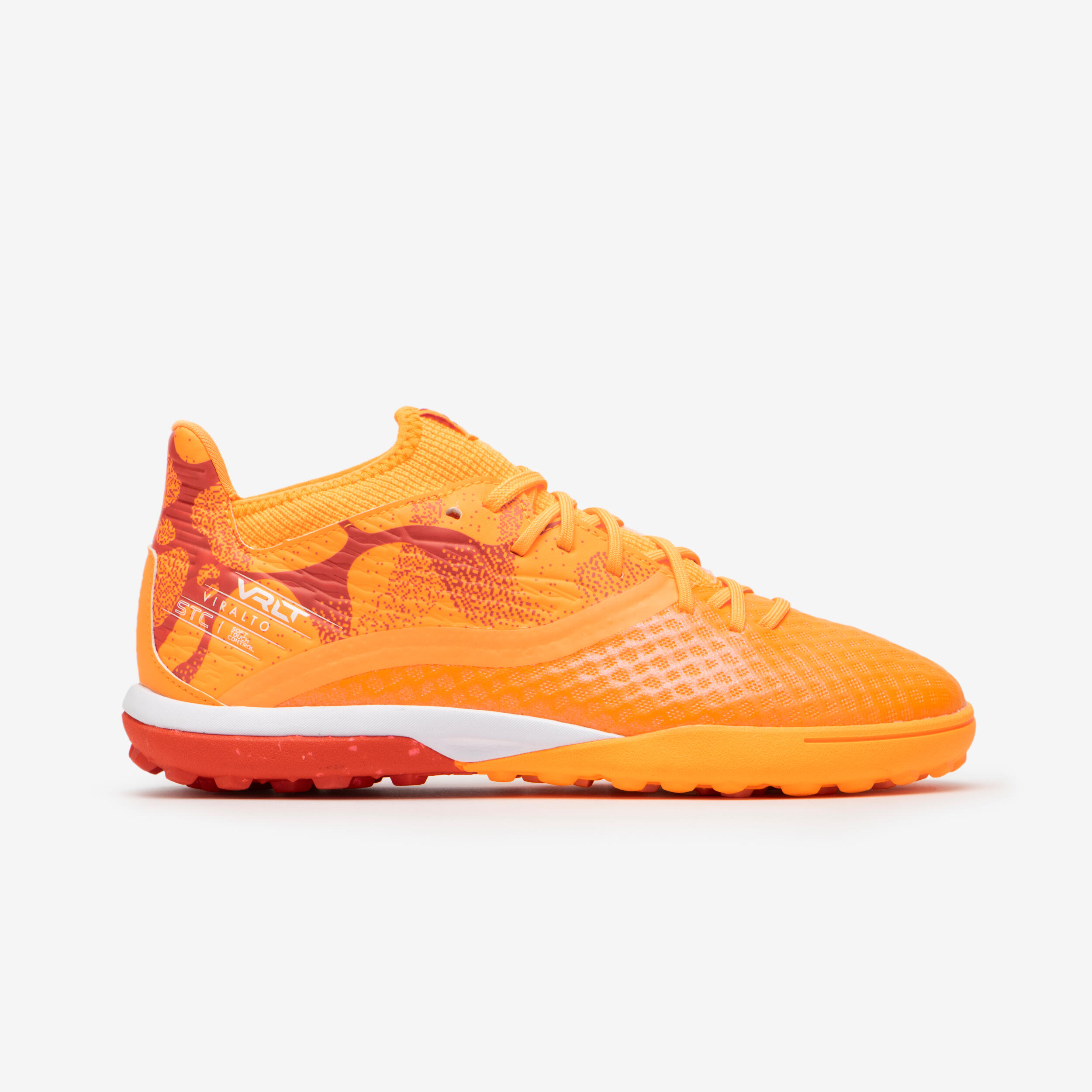
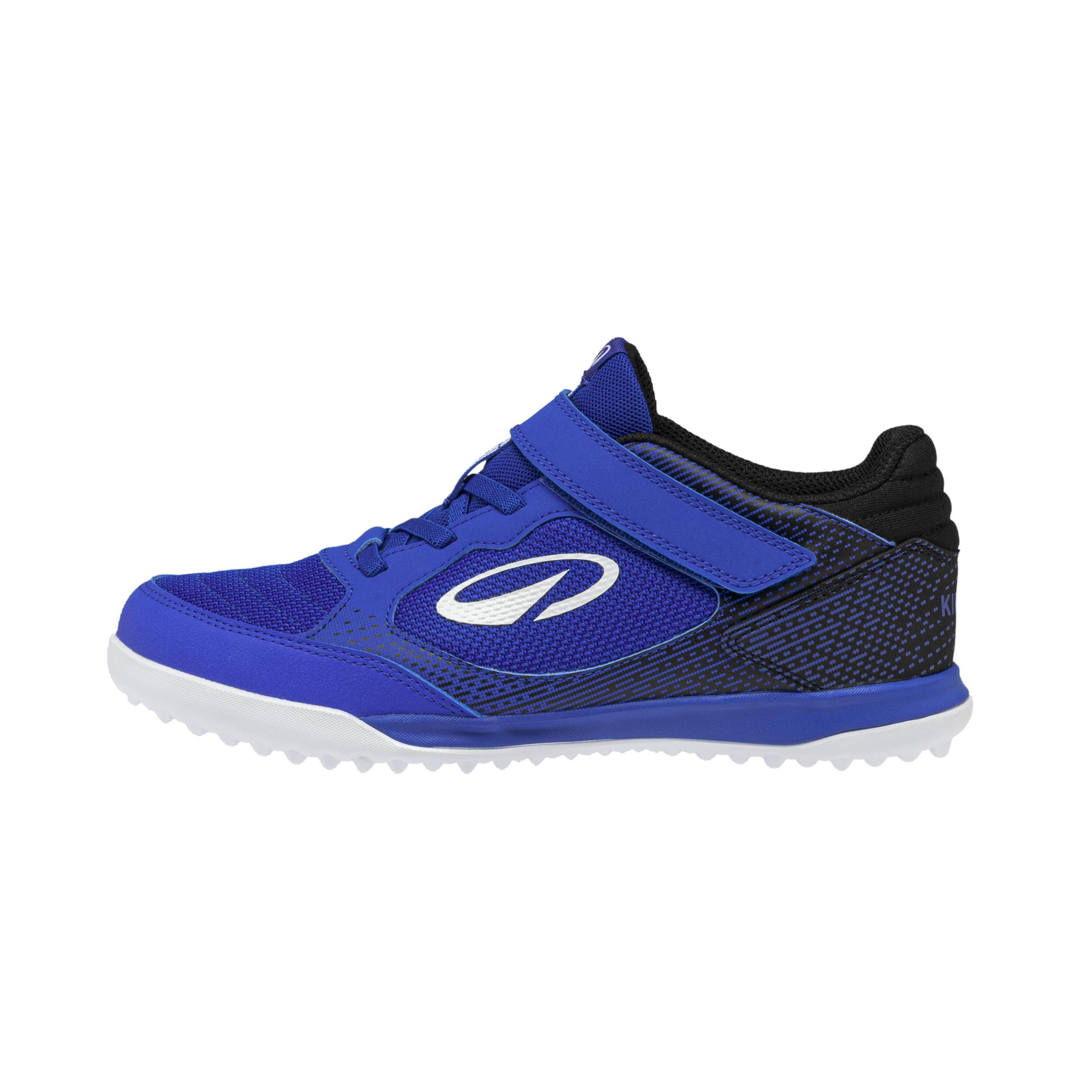
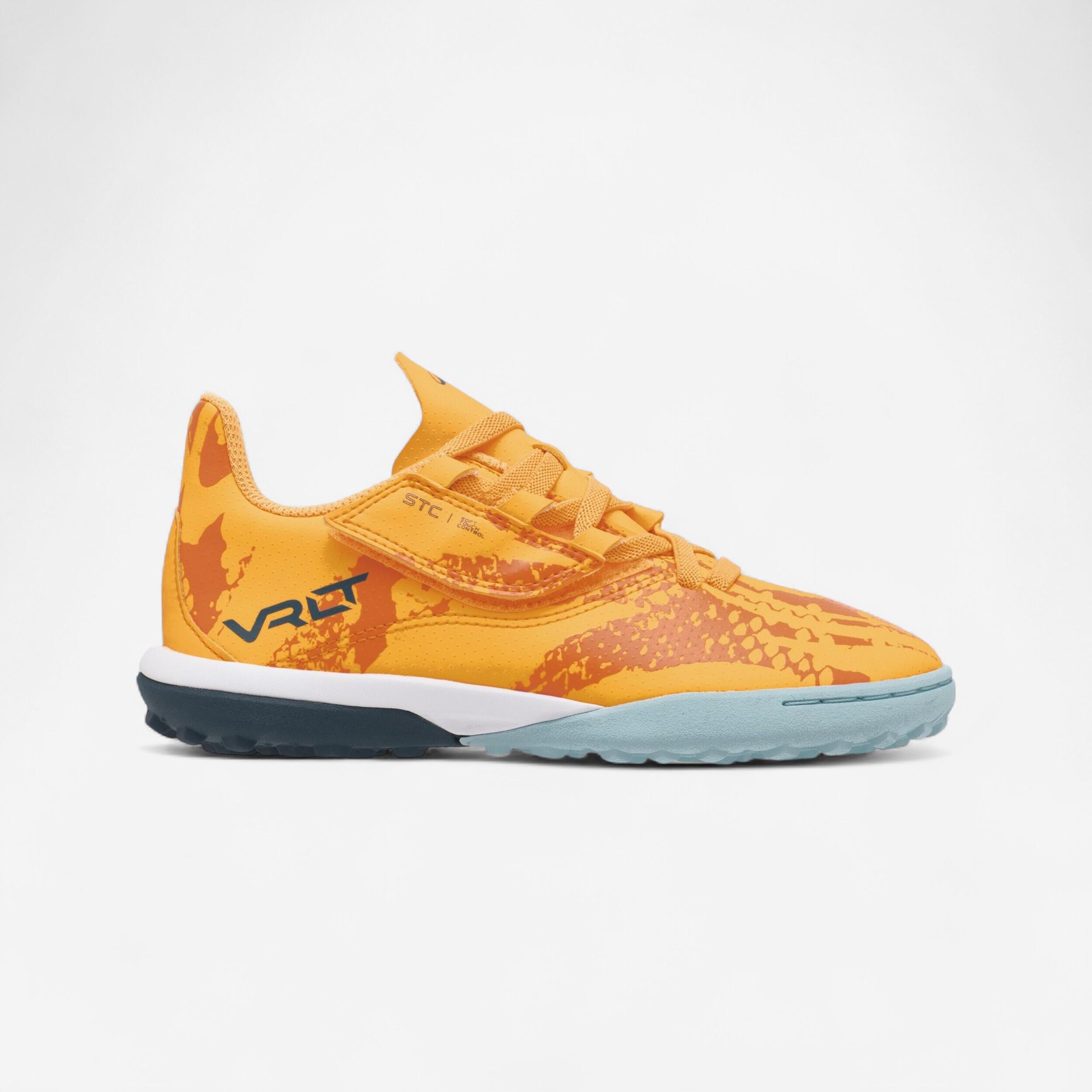
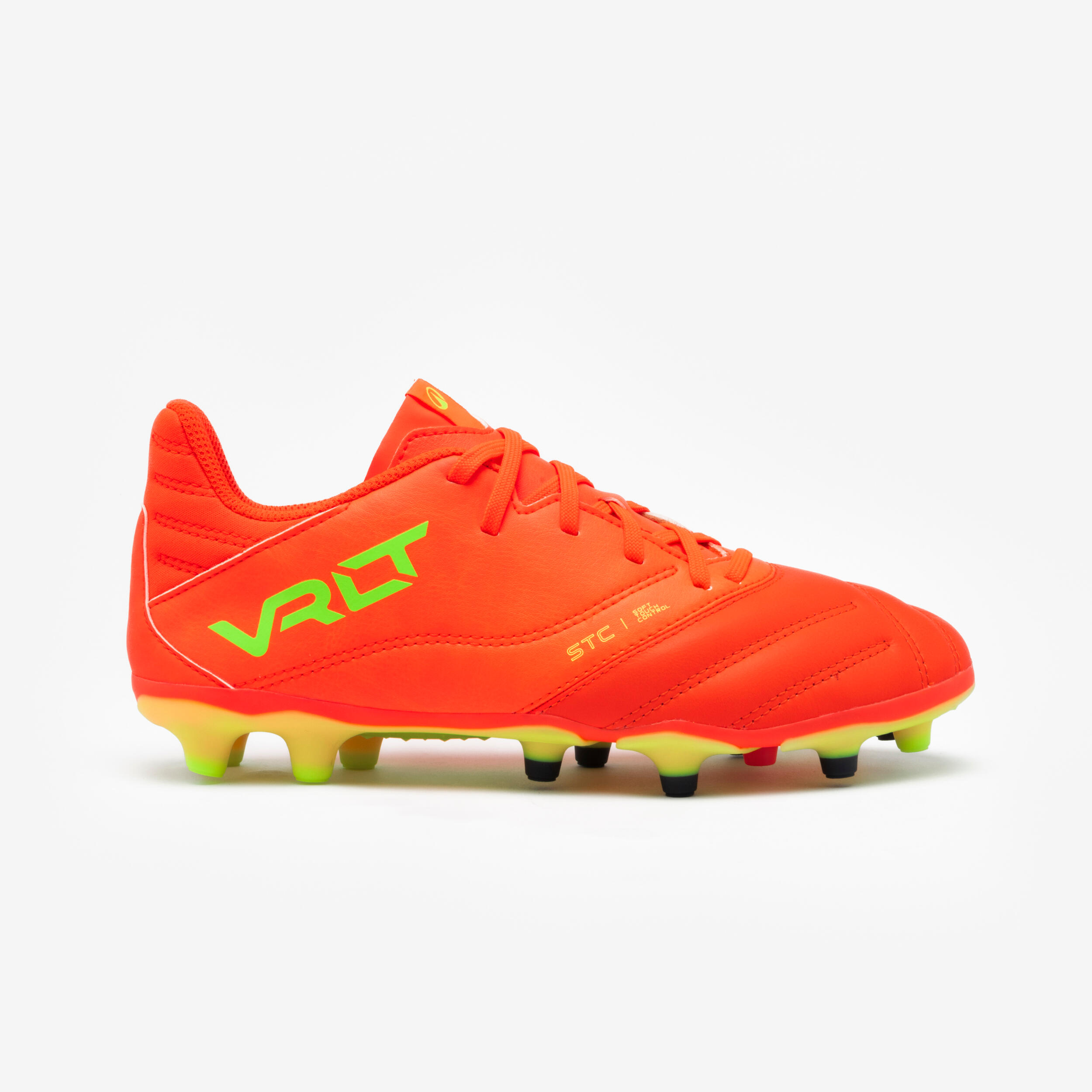
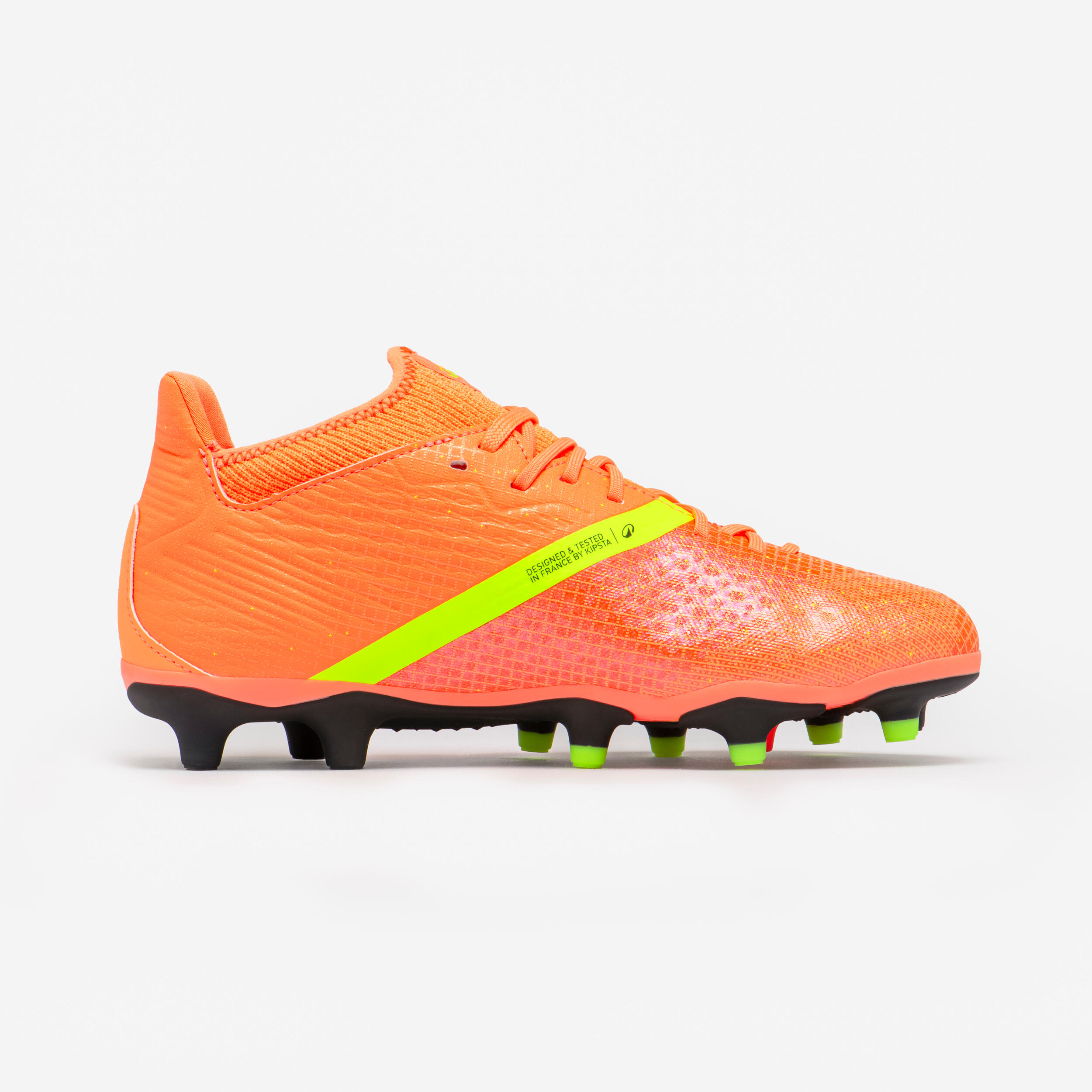
Astro turf or TF boots use numerous short rubber studs for hard artificial, slate or compacted football surfaces. Their low stud profile spreads contact across firmer ground instead of penetrating deeply like soft-ground studs. Choose kids' Astroturf football boots when the pitch guidance permits TF footwear. They should not be treated as interchangeable with MG or AG boots made for longer artificial grass or with FG boots for natural pitches. Ask the club or facility which outsole is accepted before buying it. After play, brush rubber crumb and dirt from between the studs, then inspect the outsole for worn or flattened areas that could reduce stable contact.

Can your children wear outdoor football boots indoors?

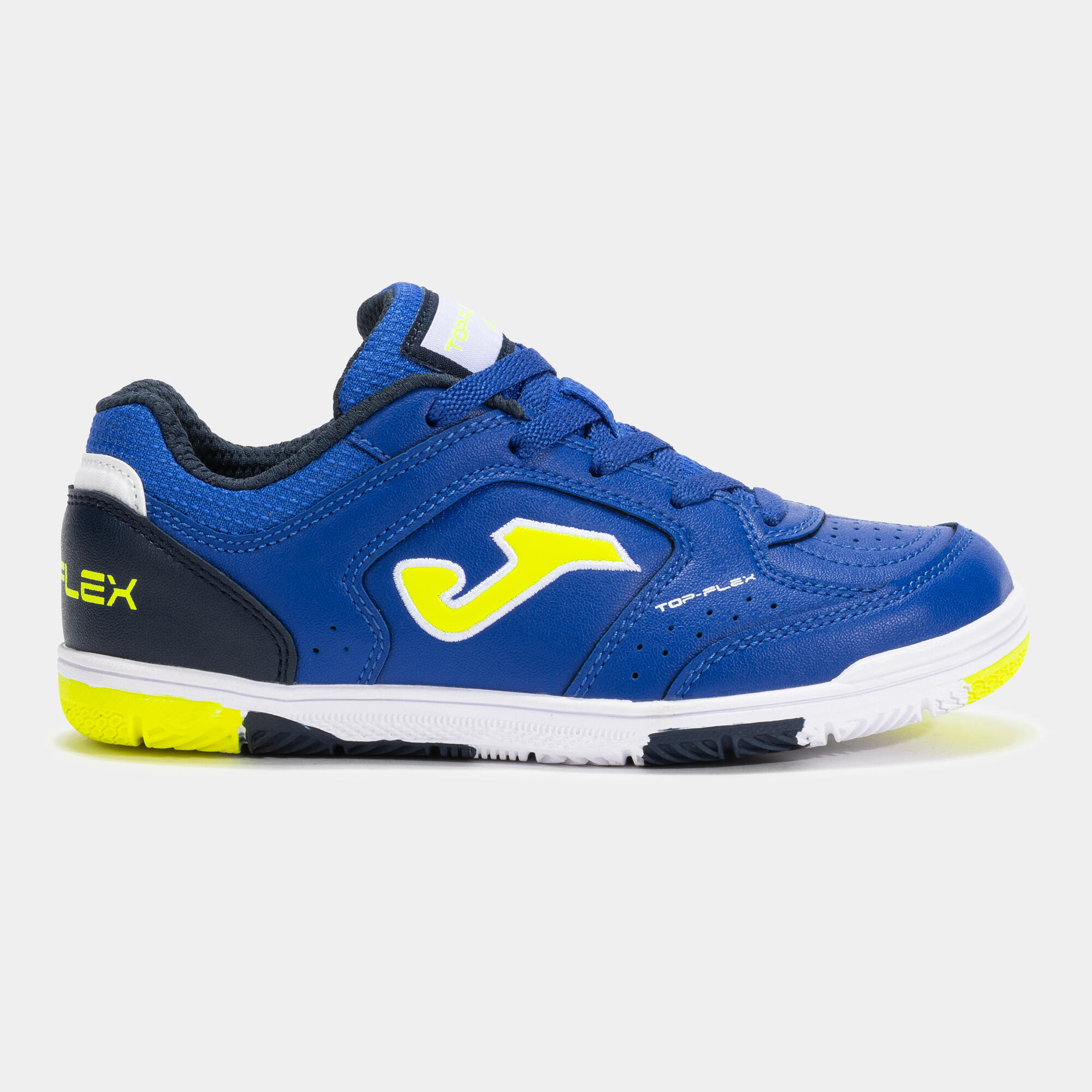
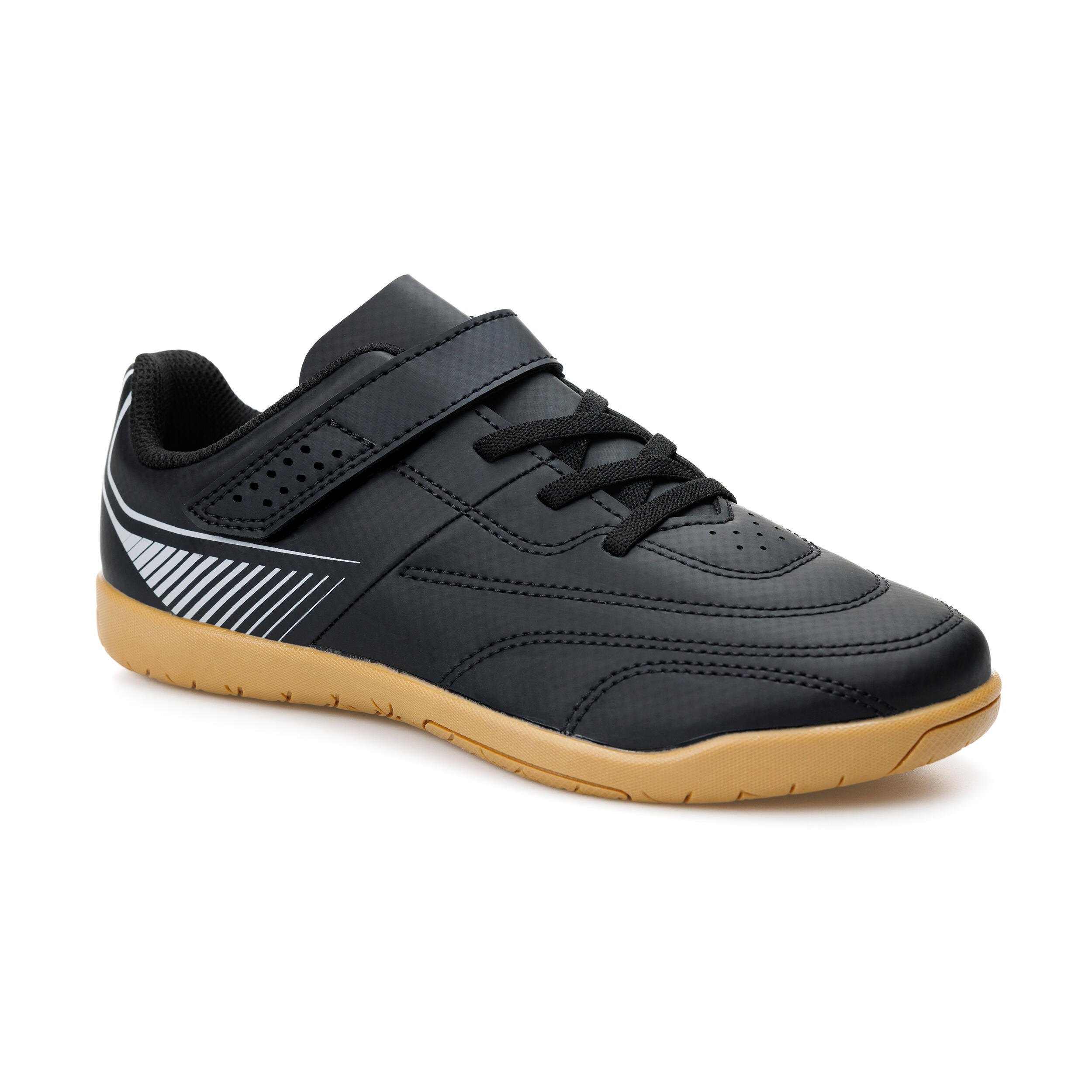
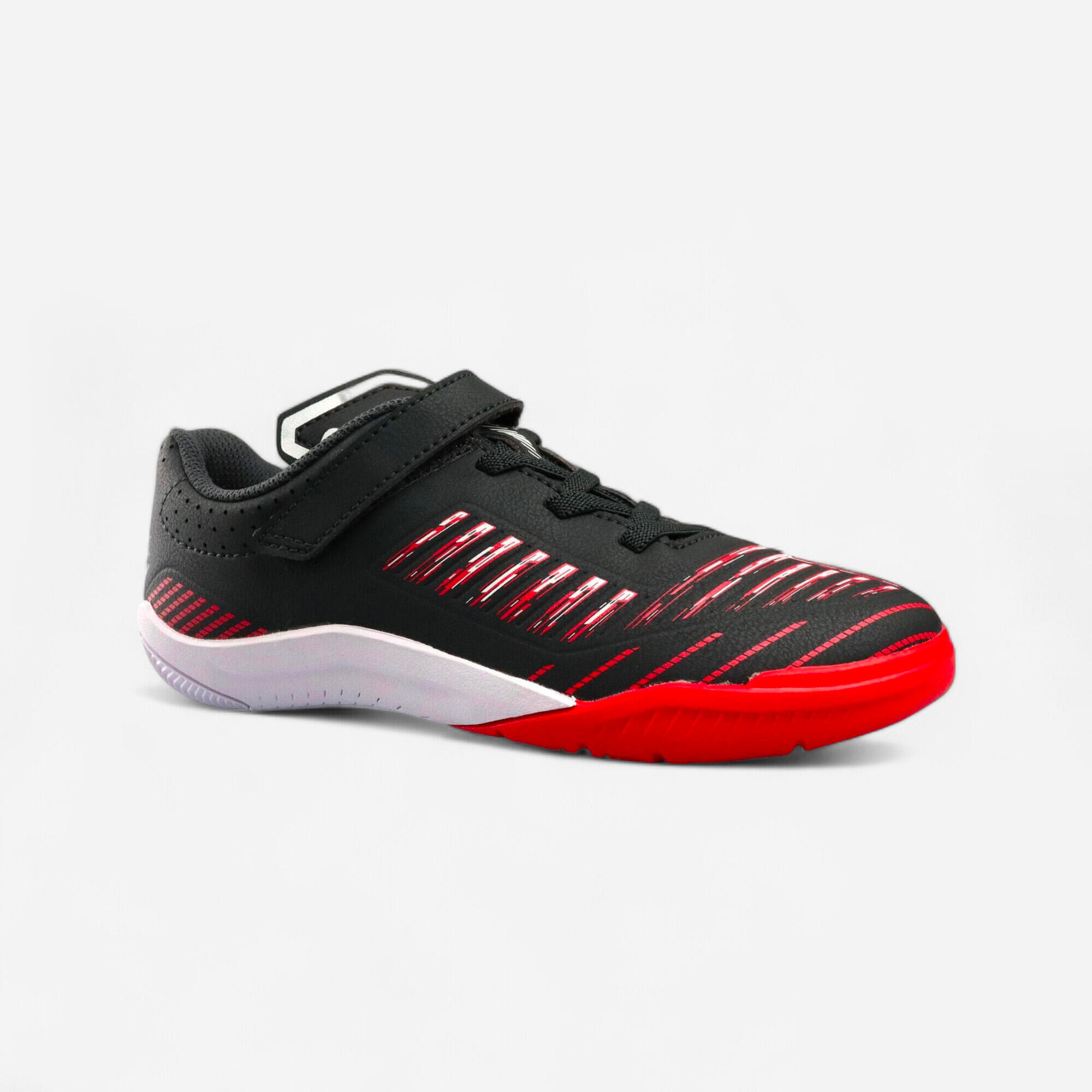
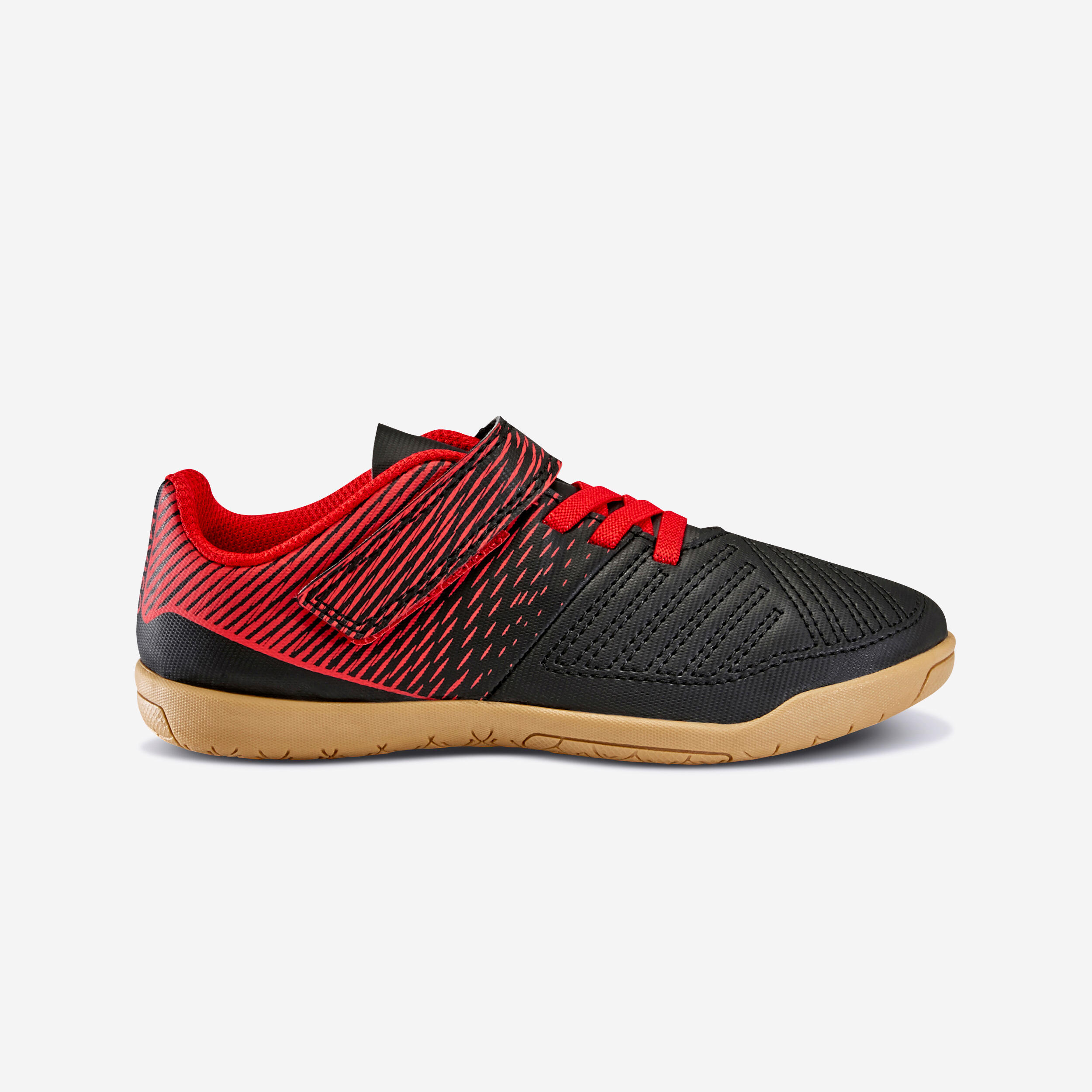
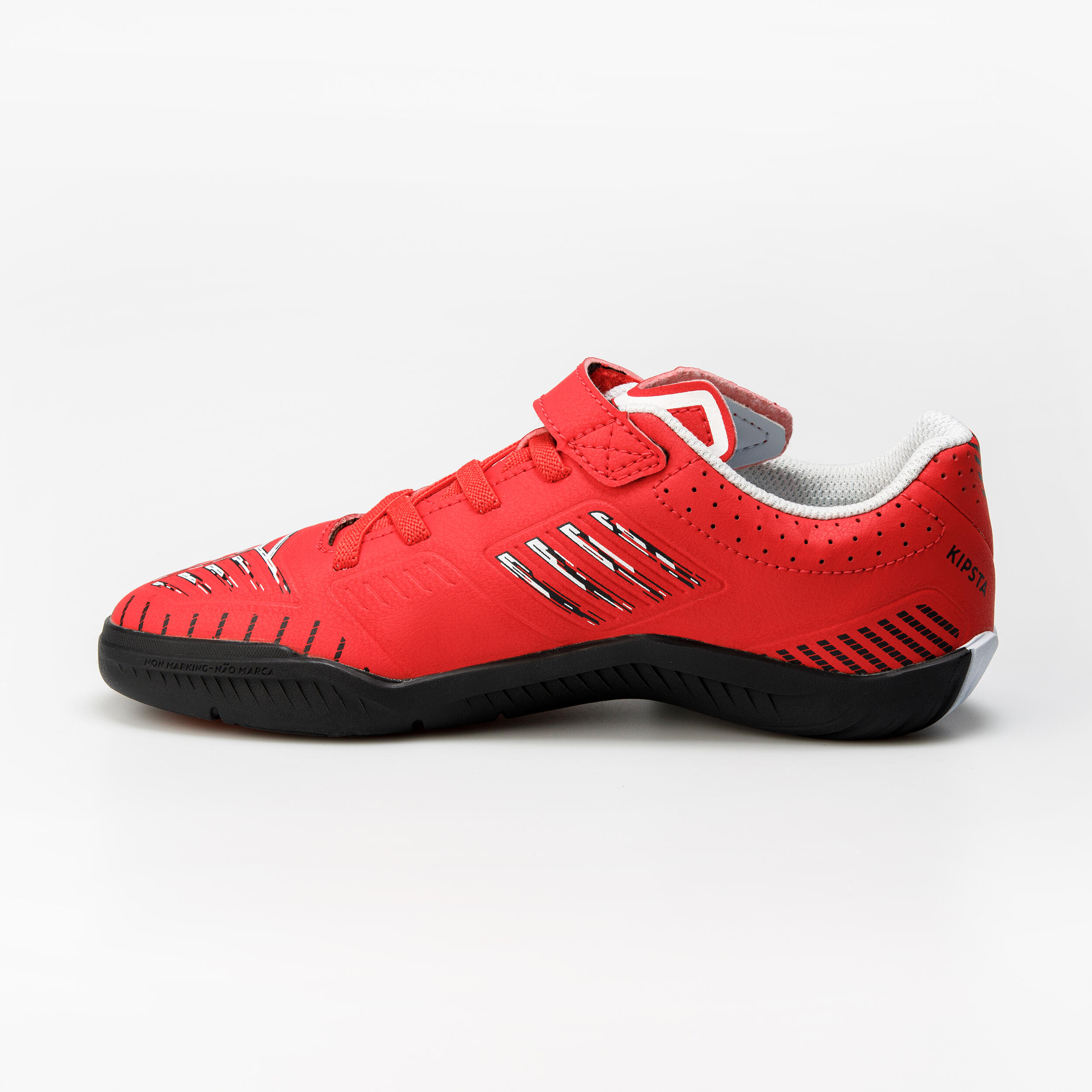
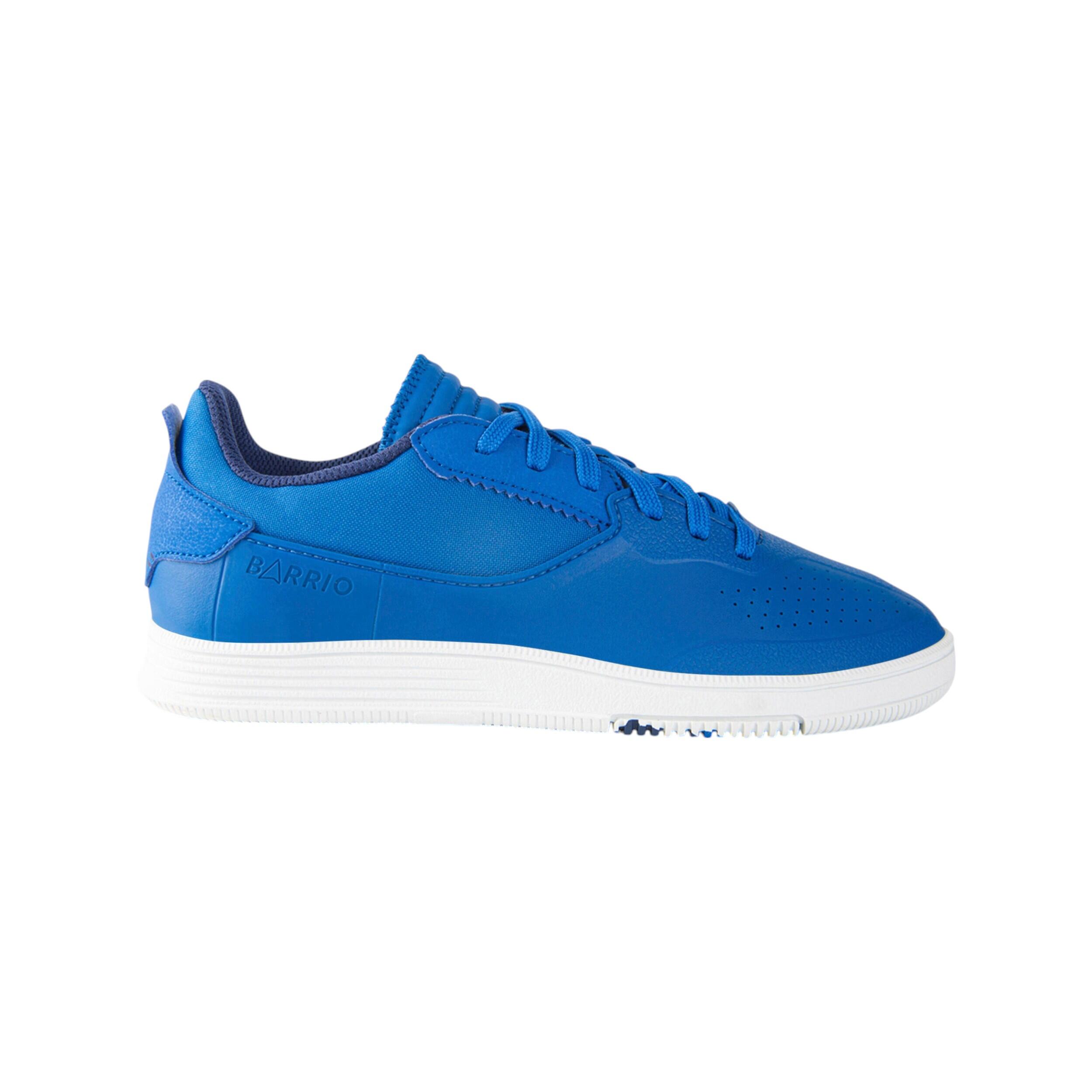
No. Studded outdoor boots are unsuitable for smooth sports-hall floors because their projecting traction elements cannot provide the broad, flat contact required indoors. They may also mark or damage the playing surface. A pair of kids' indoor football shoes with a flat, non-marking rubber outsole is more suitable for futsal and indoor training. The shoe should remain stable during side steps and sudden stops without squeezing the forefoot. Keep the indoor outsole clean because grit carried in from outside can affect grip and scratch the floor. Children who regularly alternate between indoor courts, artificial turf and natural grass should use separate surface-appropriate footwear rather than one pair for every session.

What should you look for in kids' futsal boots?

Kids' futsal boots should combine a secure fit, flexible forefoot and non-marking outsole suited to hard indoor courts. Entry-level kids futsal football boots can suit children learning basic control, passing and direction changes without adding unnecessary complexity. Check that the sole bends naturally beneath the forefoot while the heel remains supported. After each session, remove the shoes from the sports bag, take out the insoles where possible and let both sections air in a dry place. Do not machine-wash or tumble-dry football footwear. Inspect the fastening, outsole, toe area and heel lining regularly, as children may not notice developing wear until it begins to affect comfort.