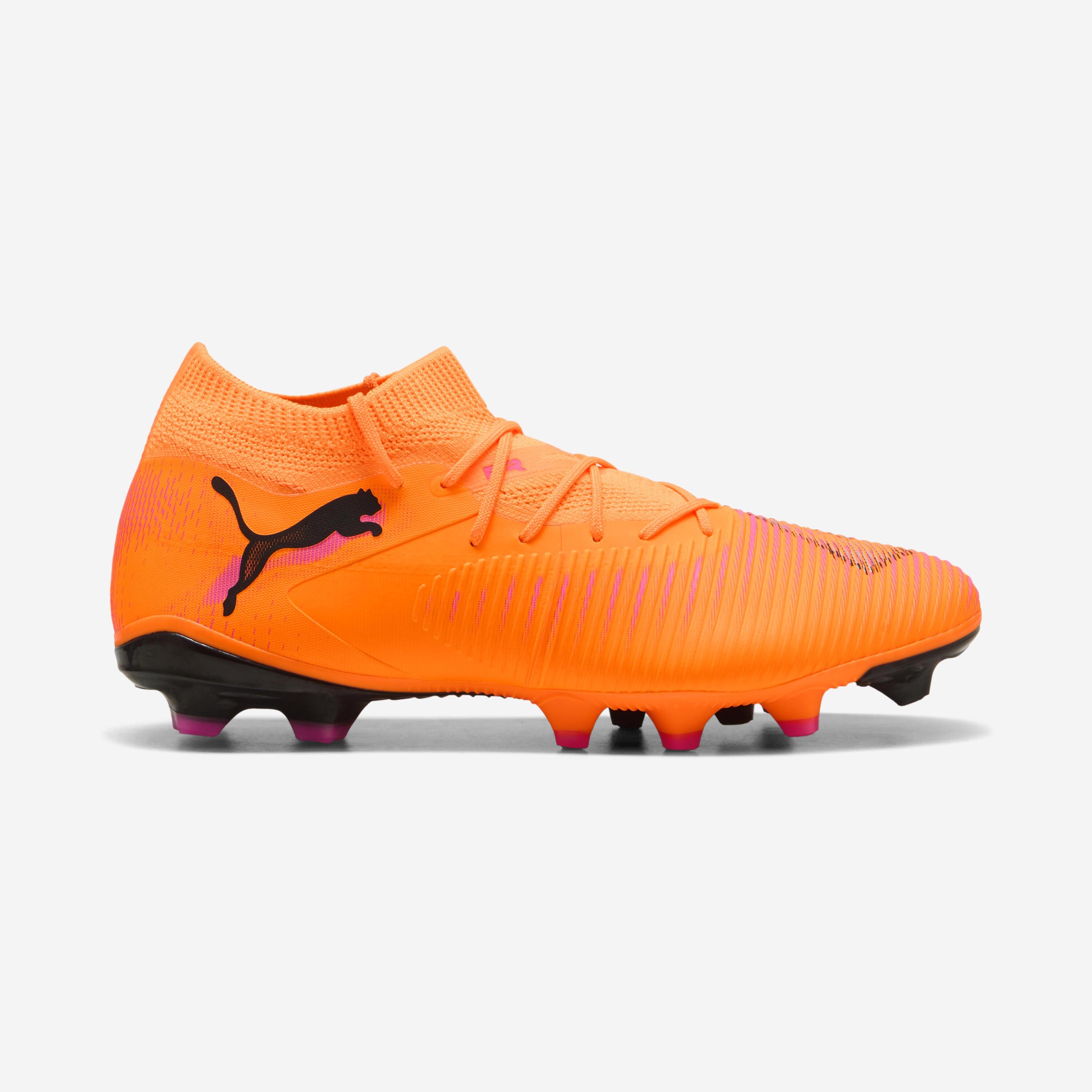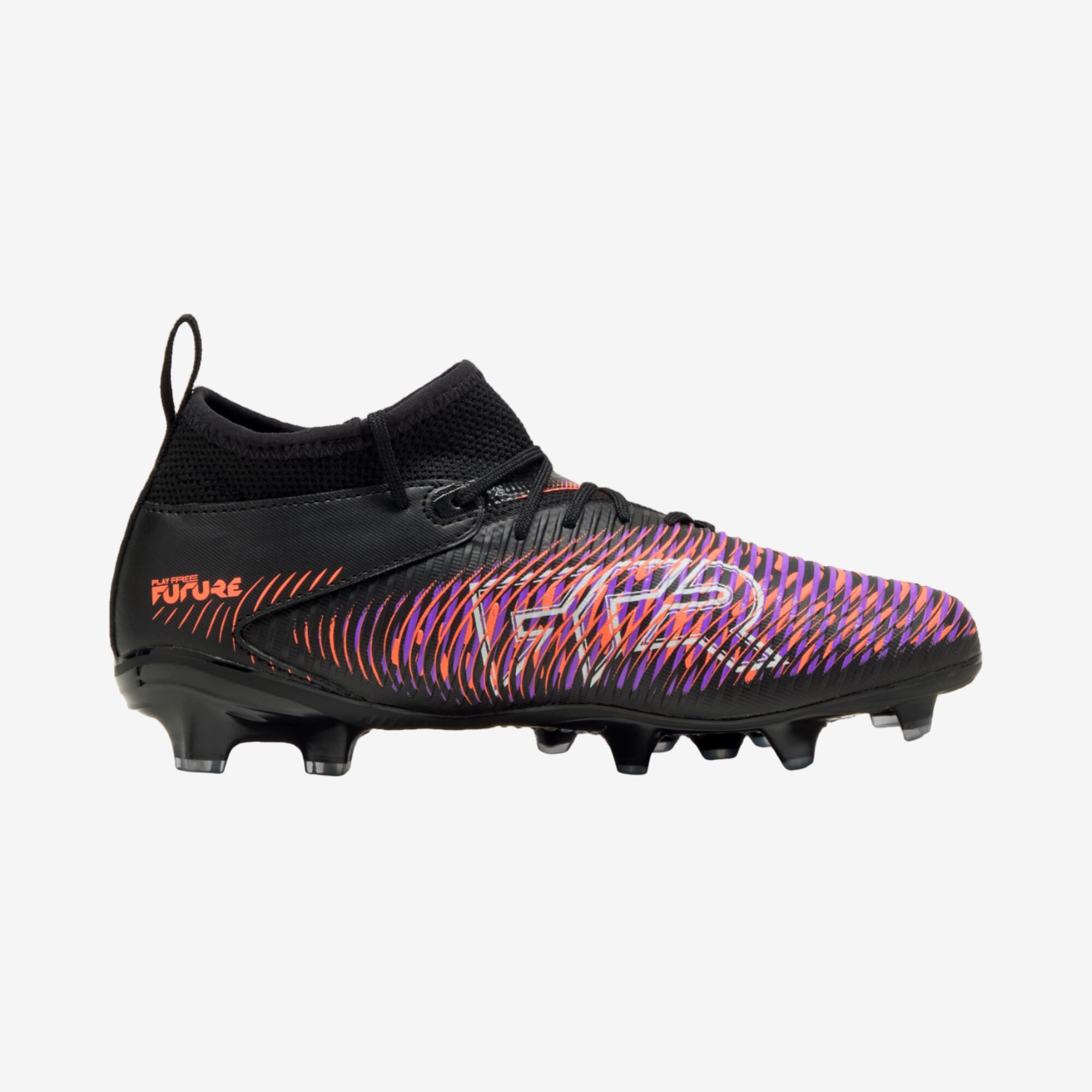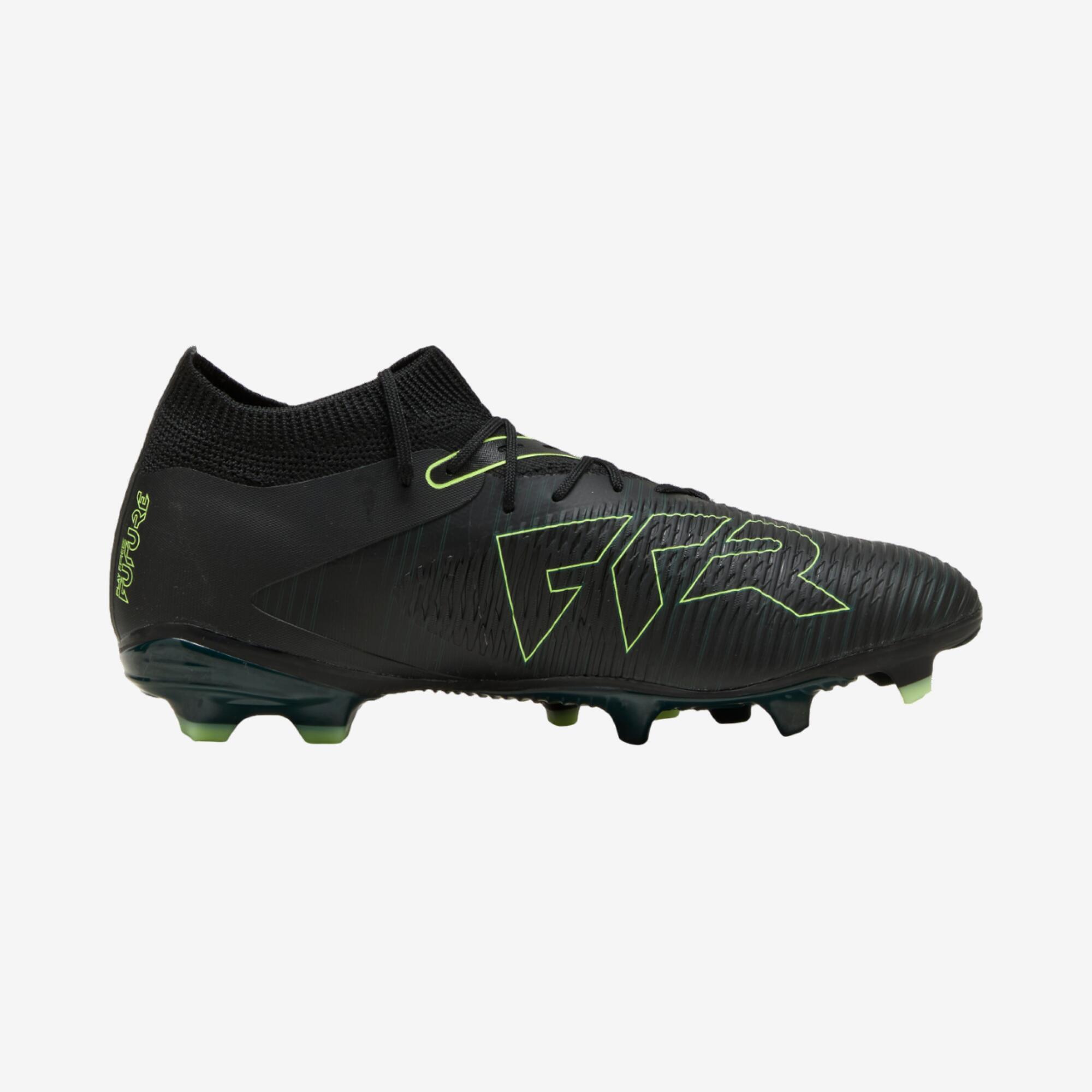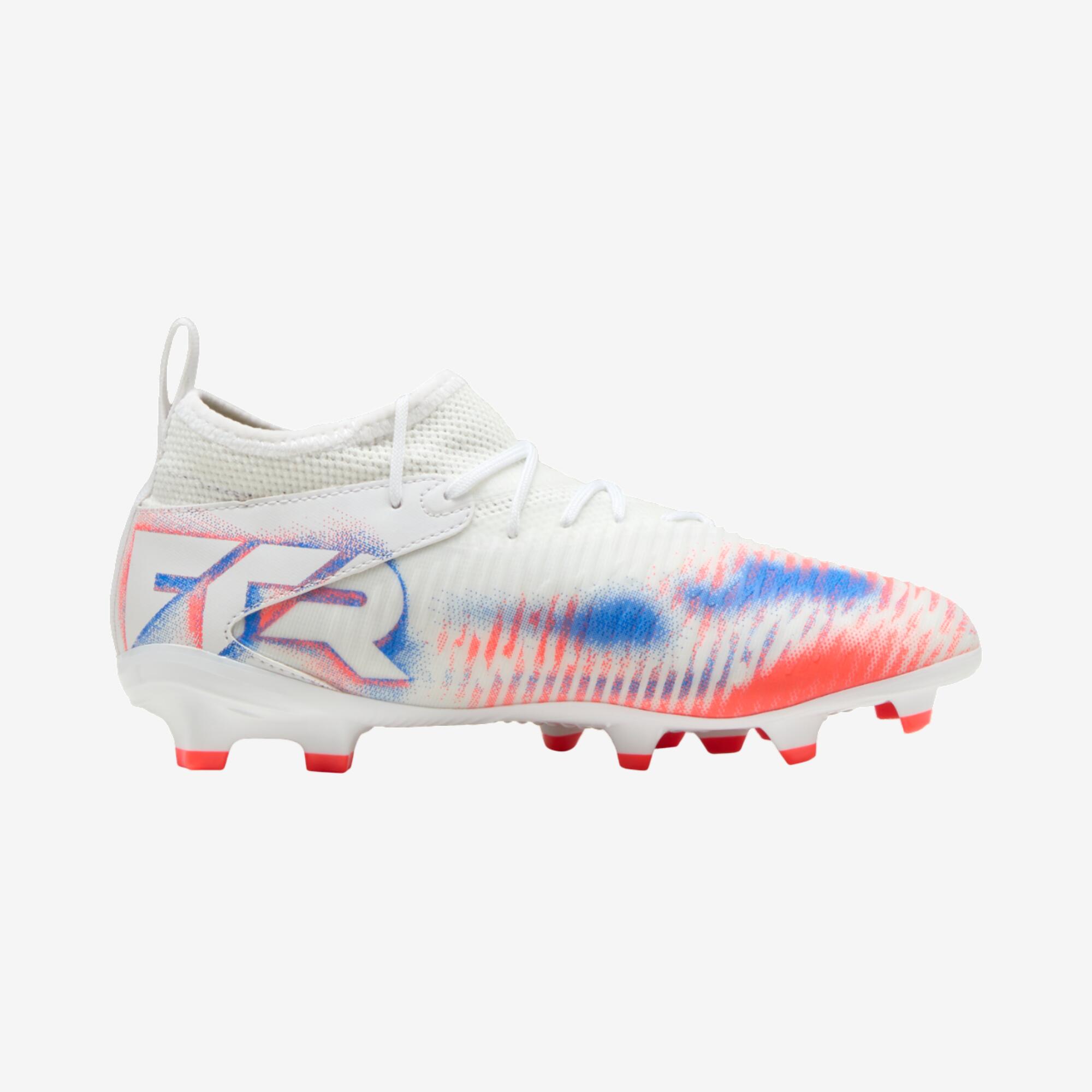
243 items
4.6/5 based on 1633 reviews collected online and in stores

PUMA Future Football Boots FAQs

Which PUMA Future football boots suit your level of play?

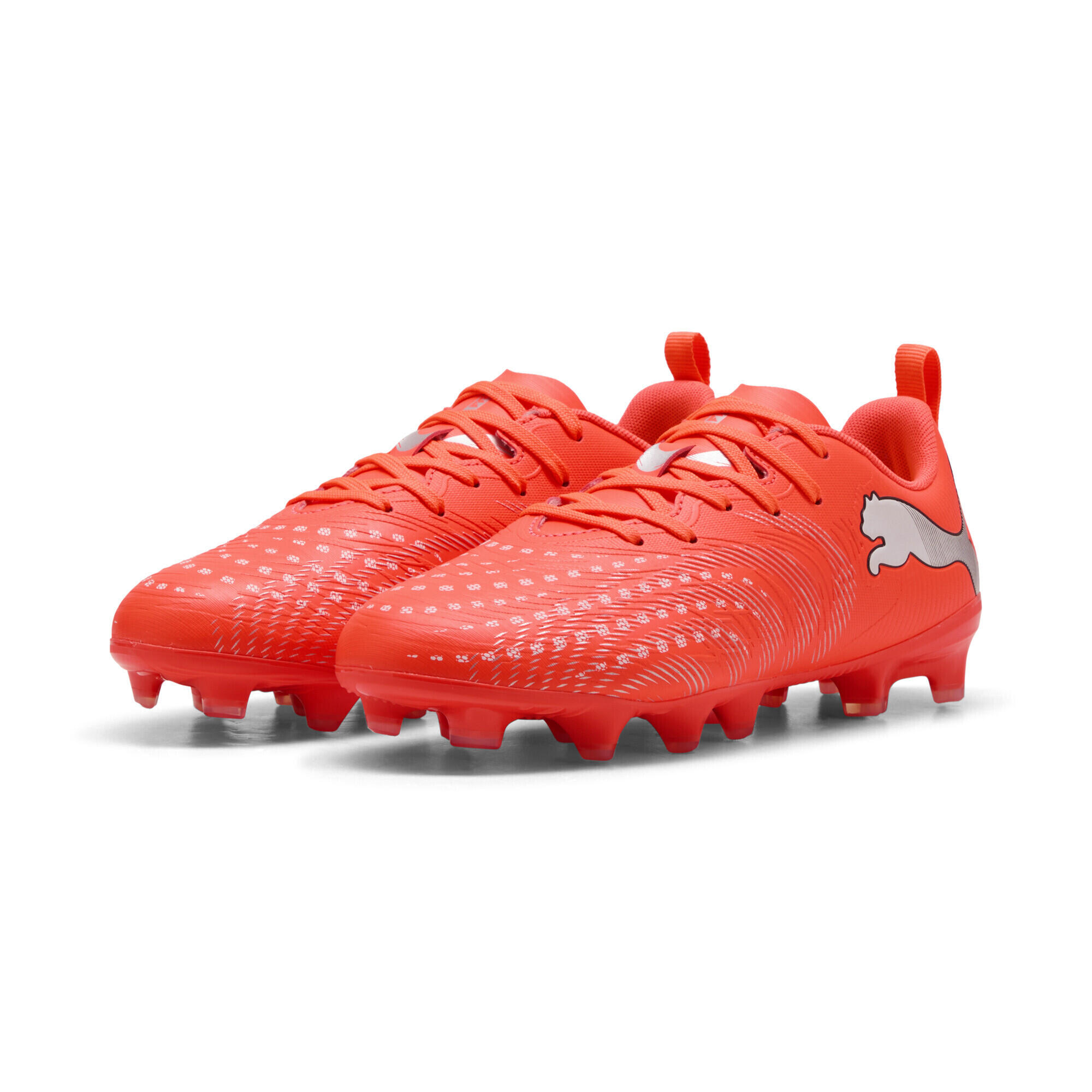
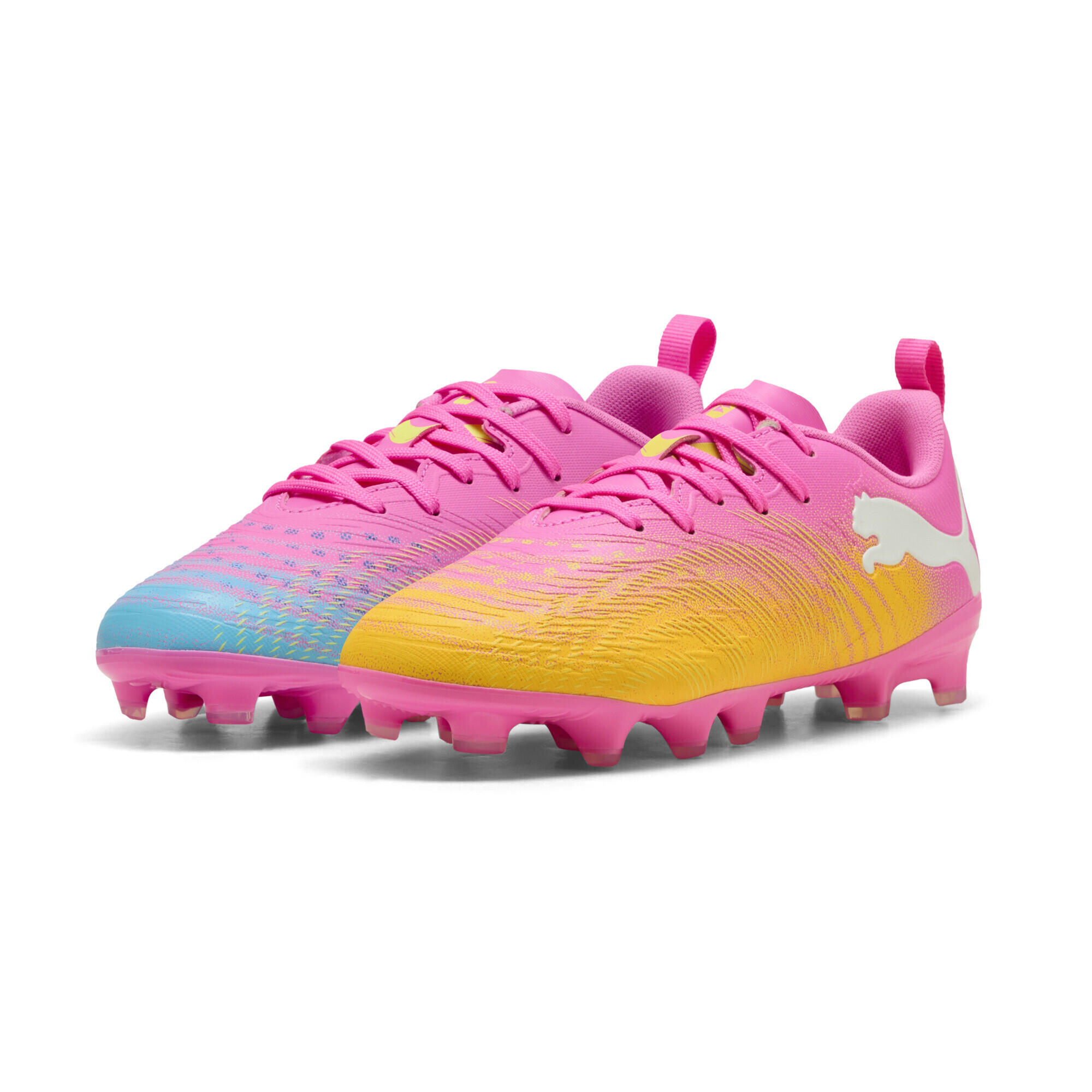
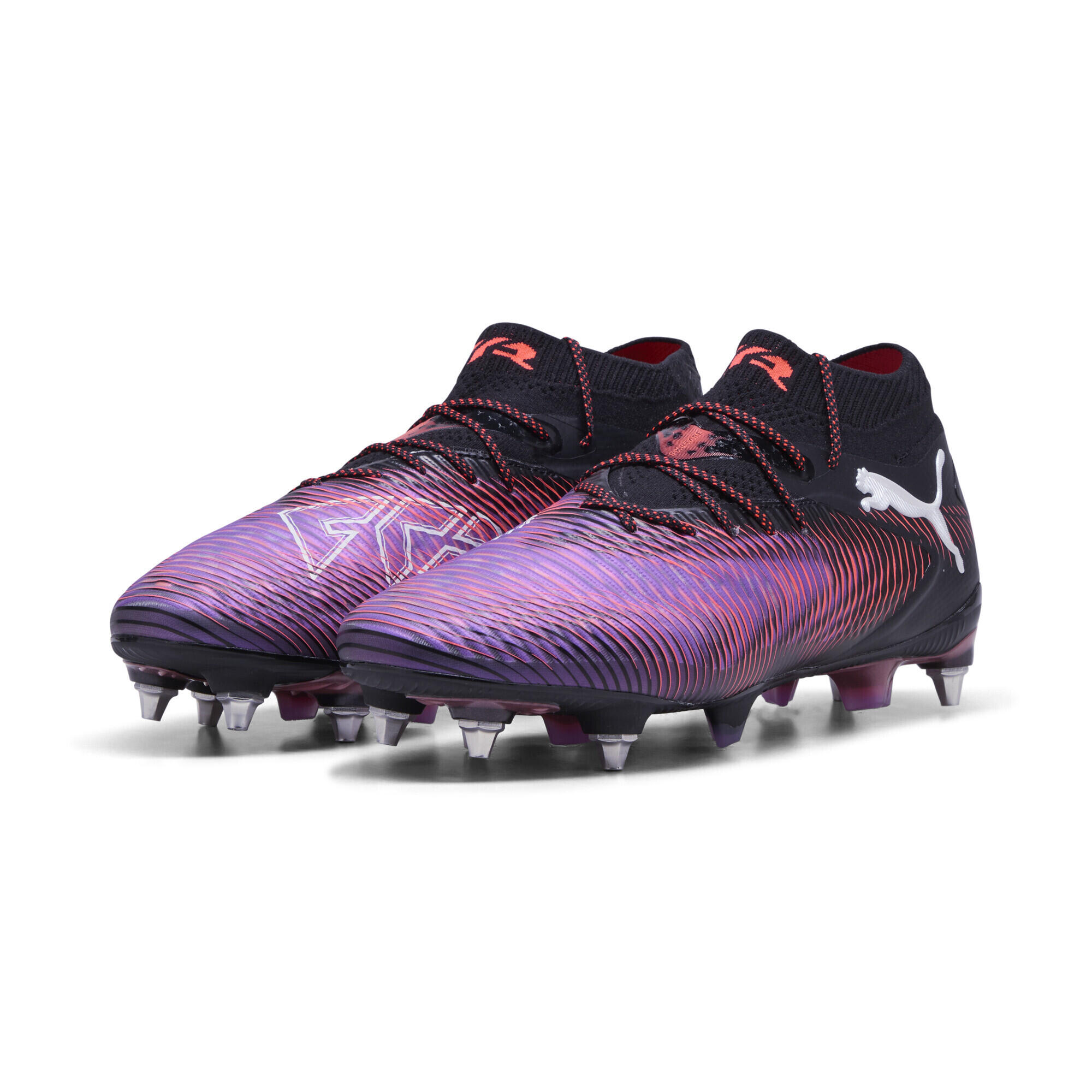
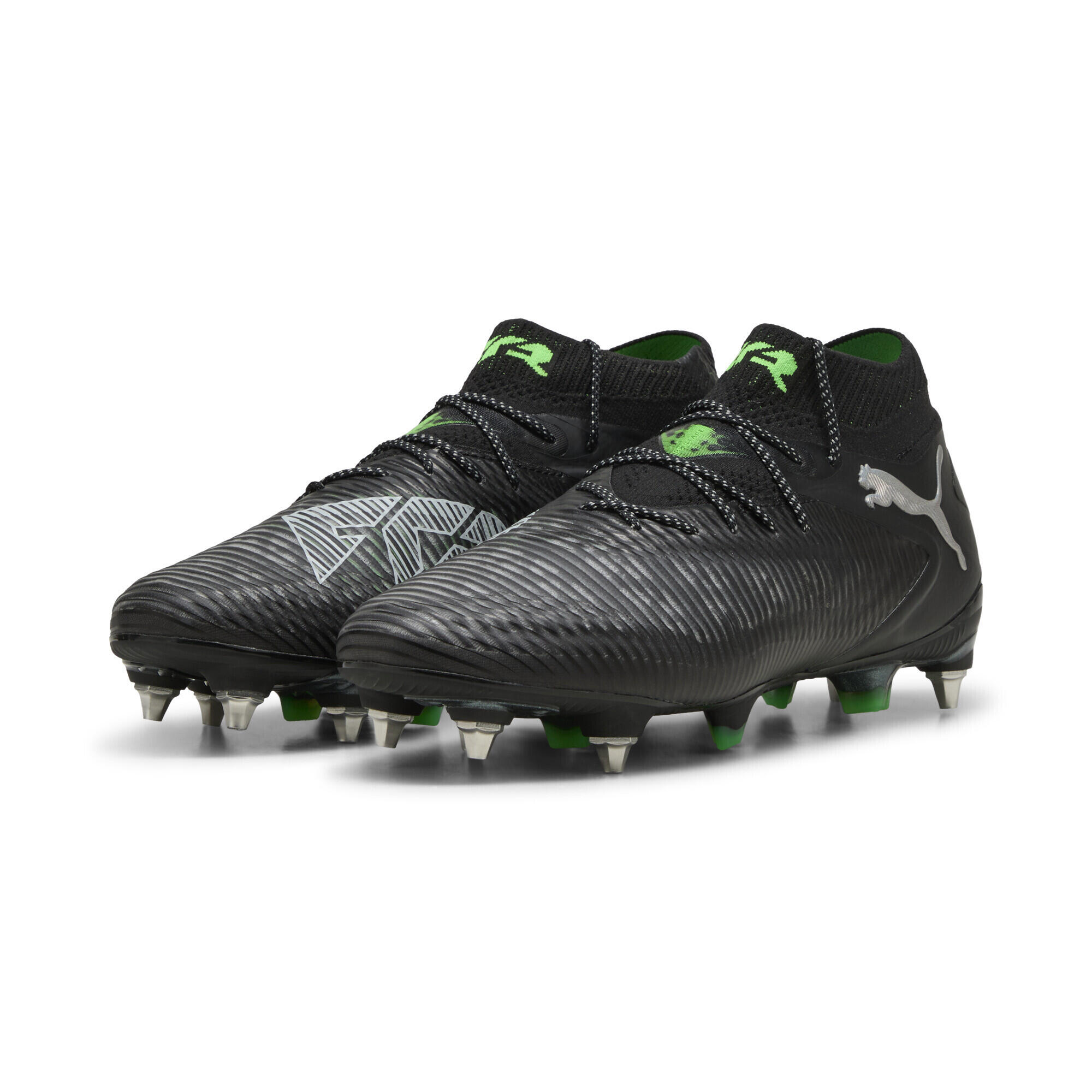
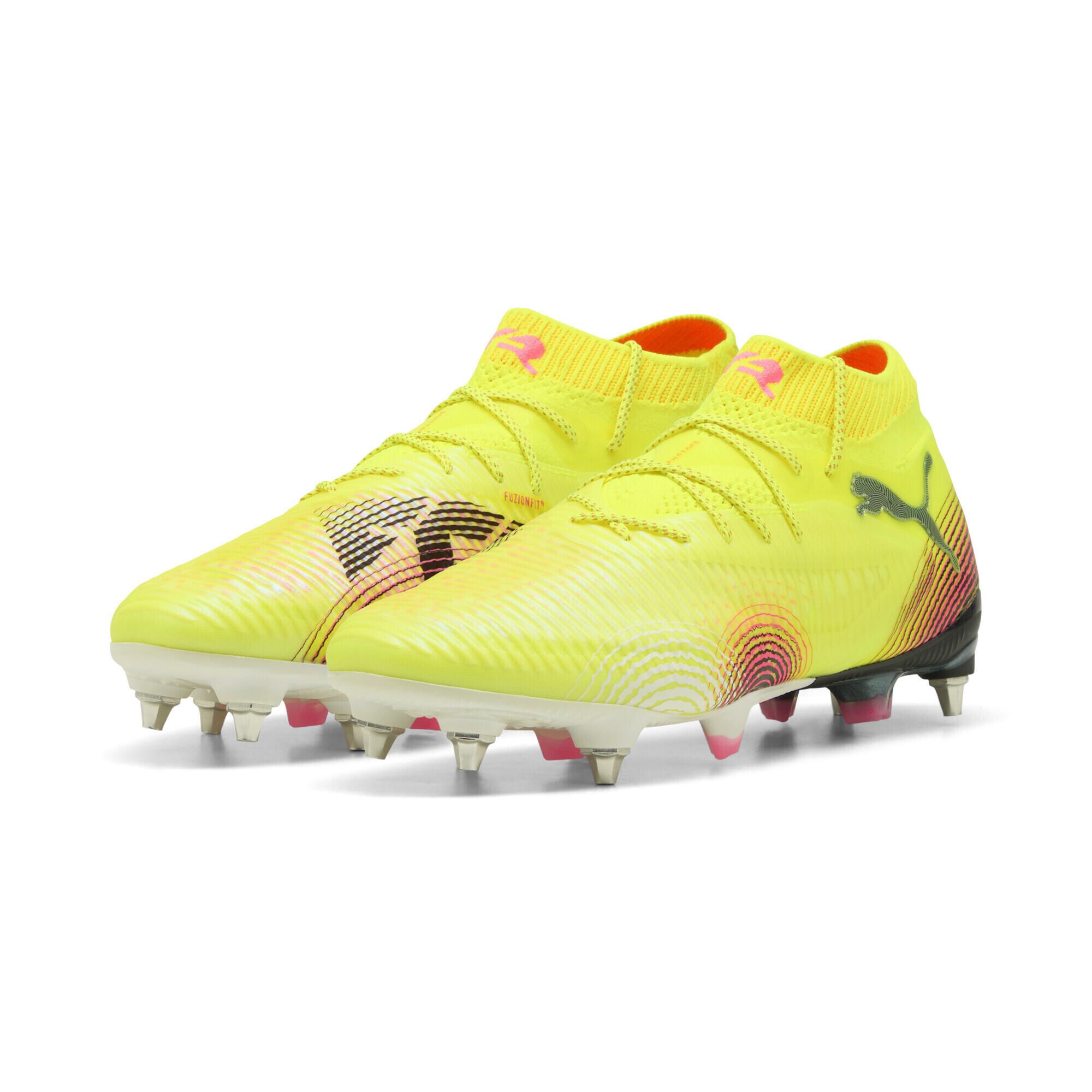
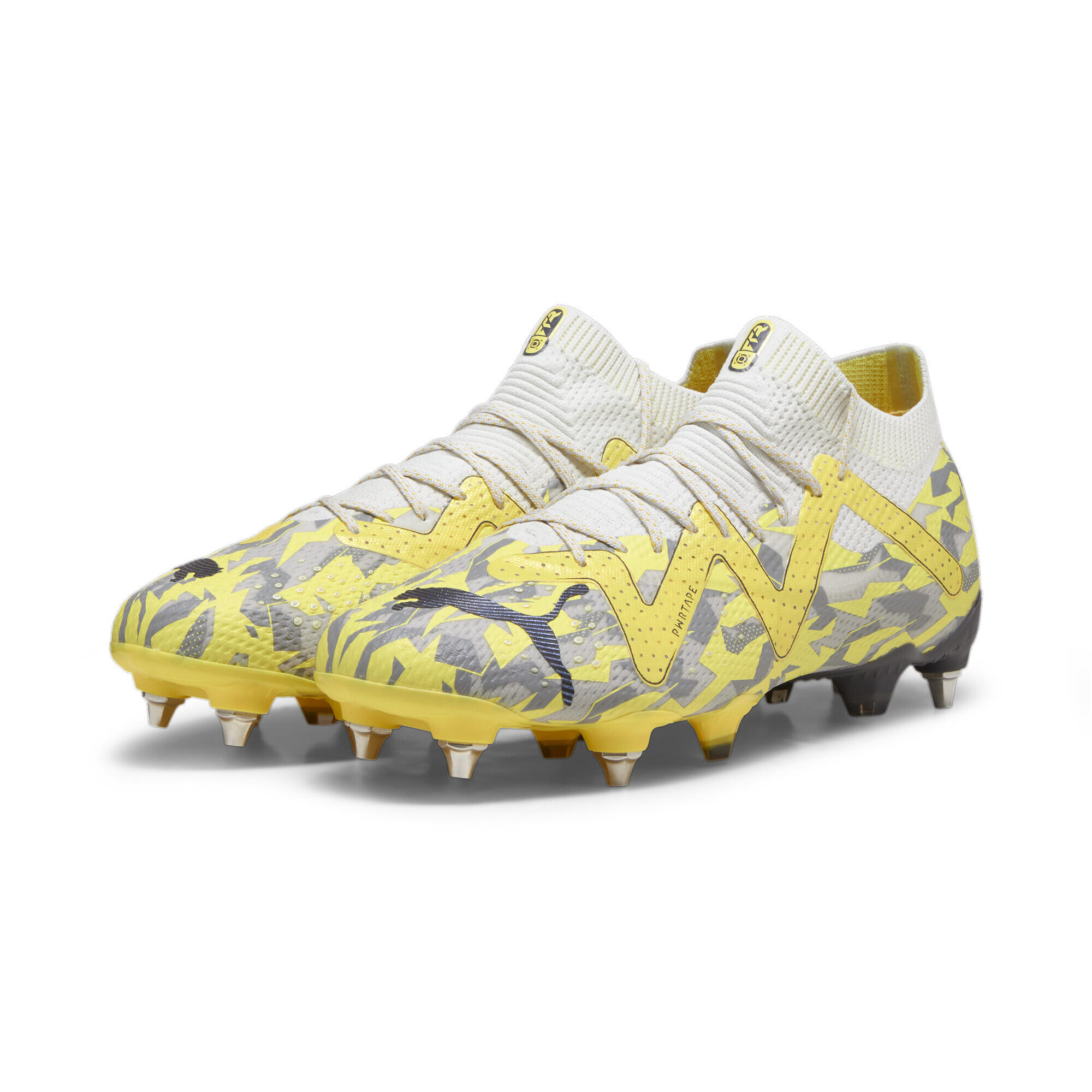
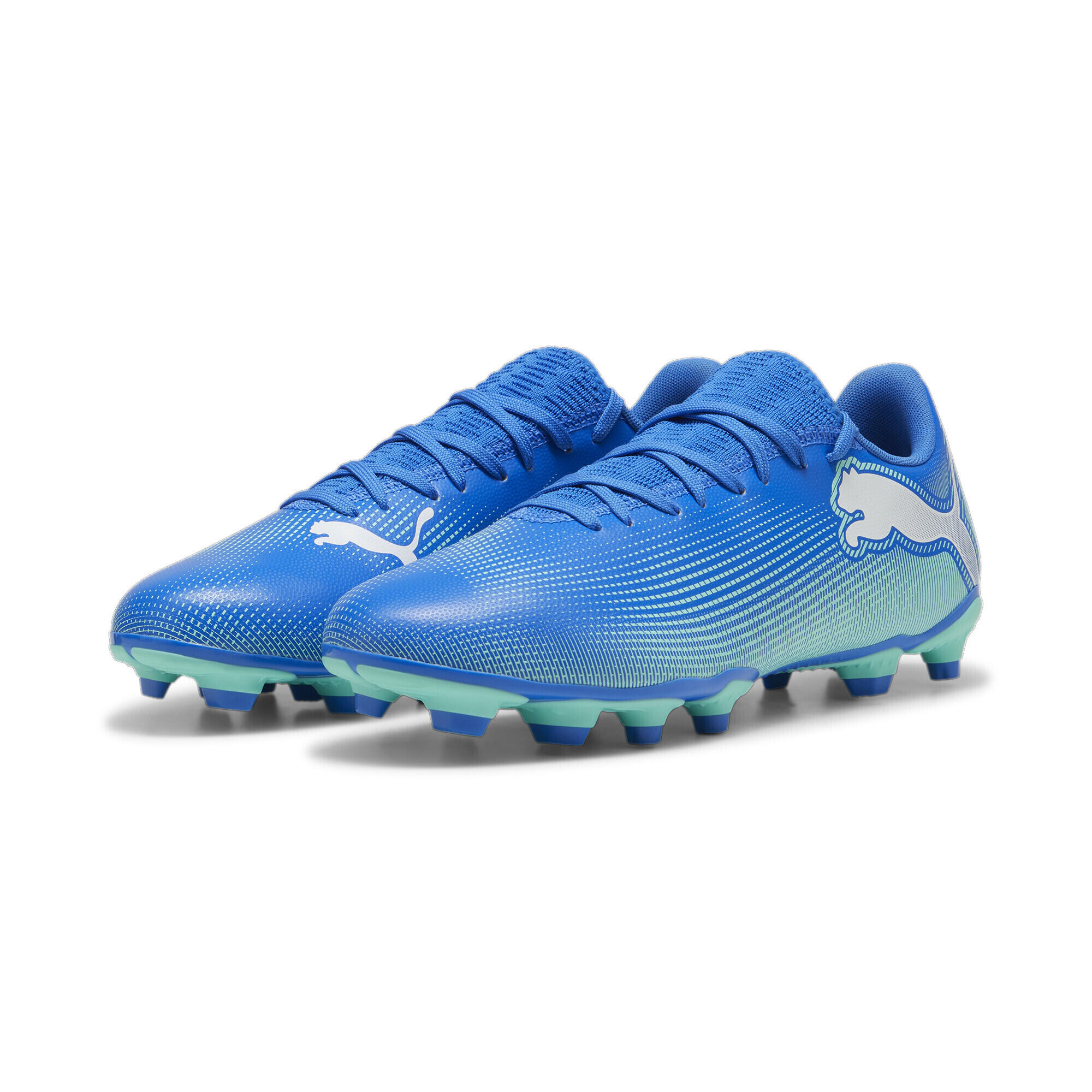
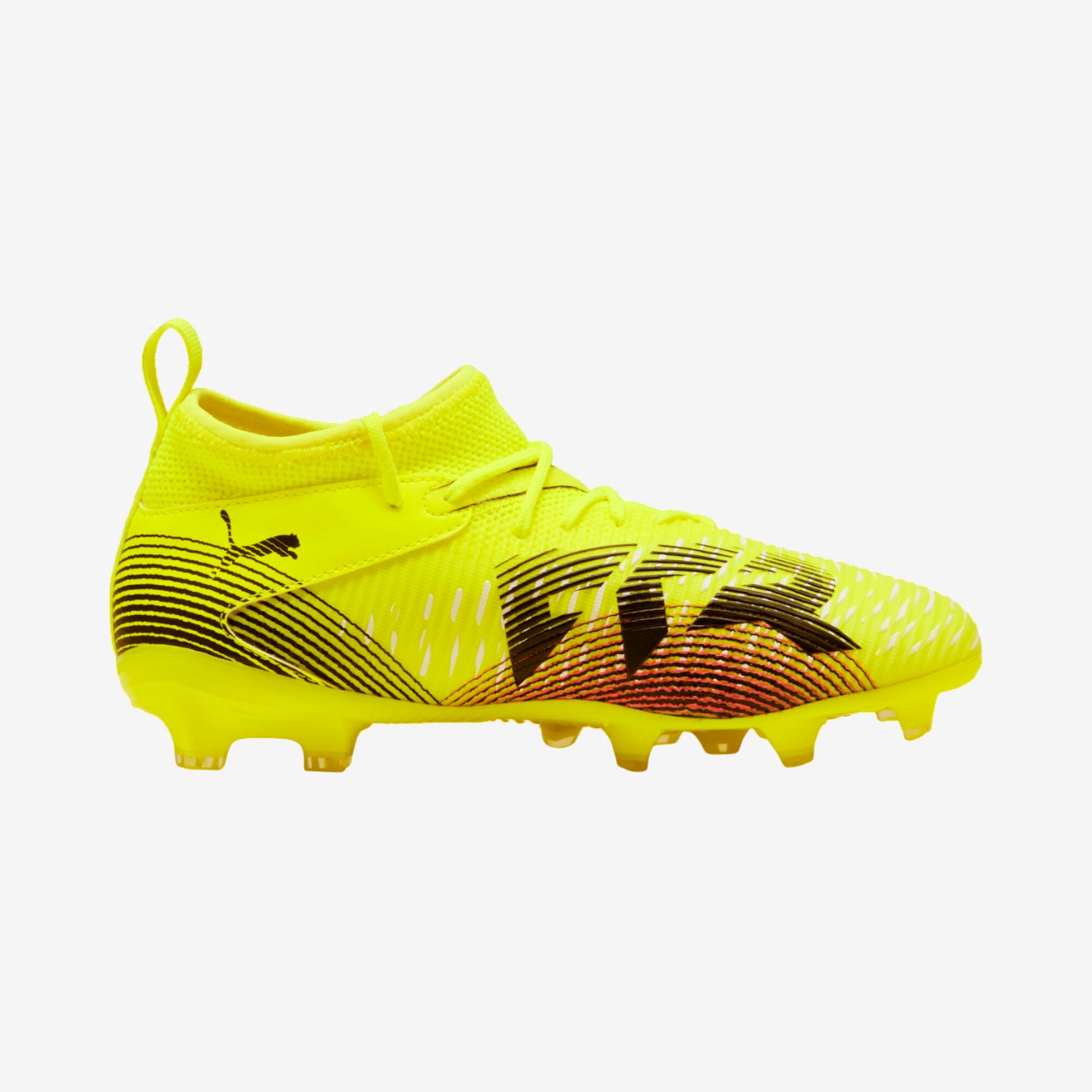
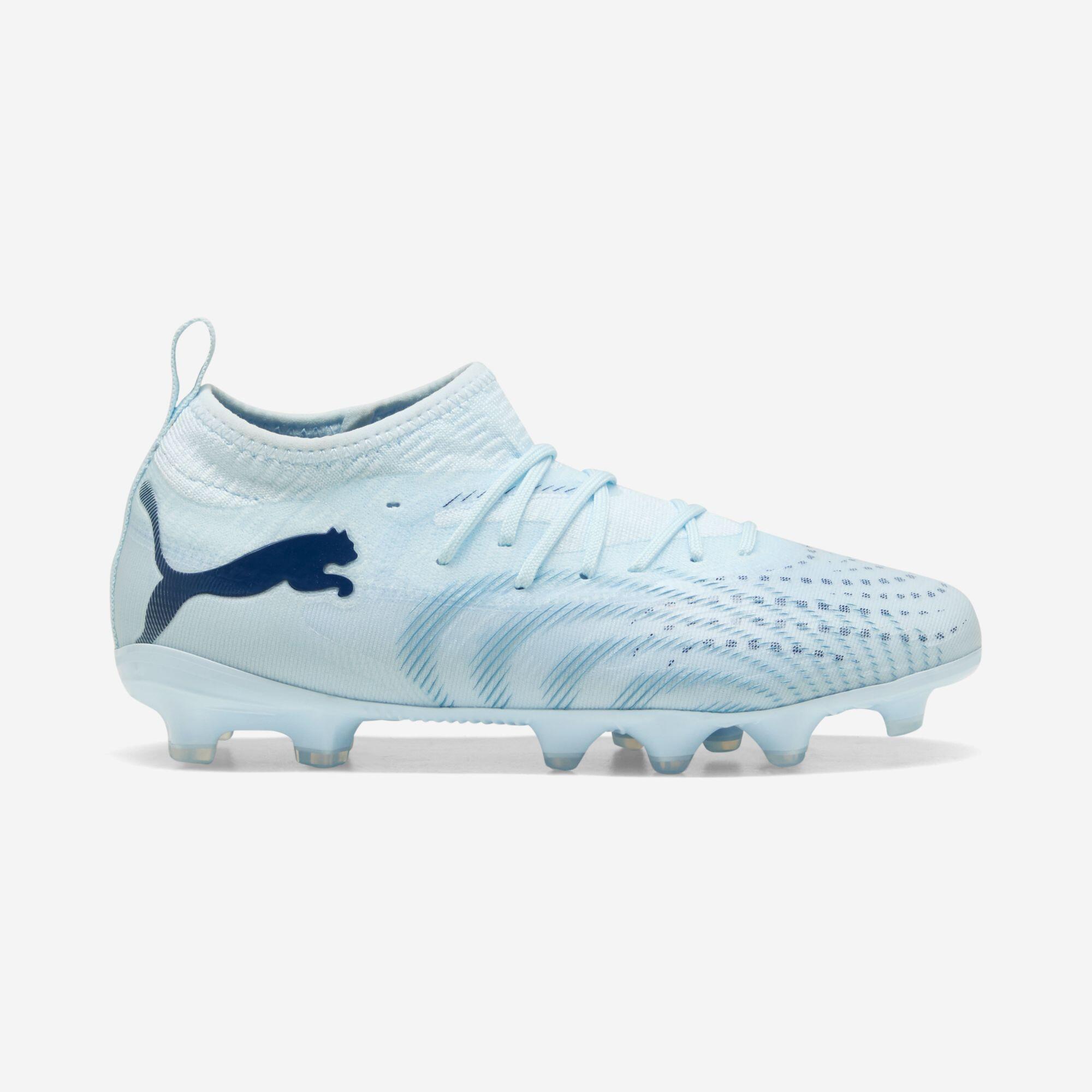
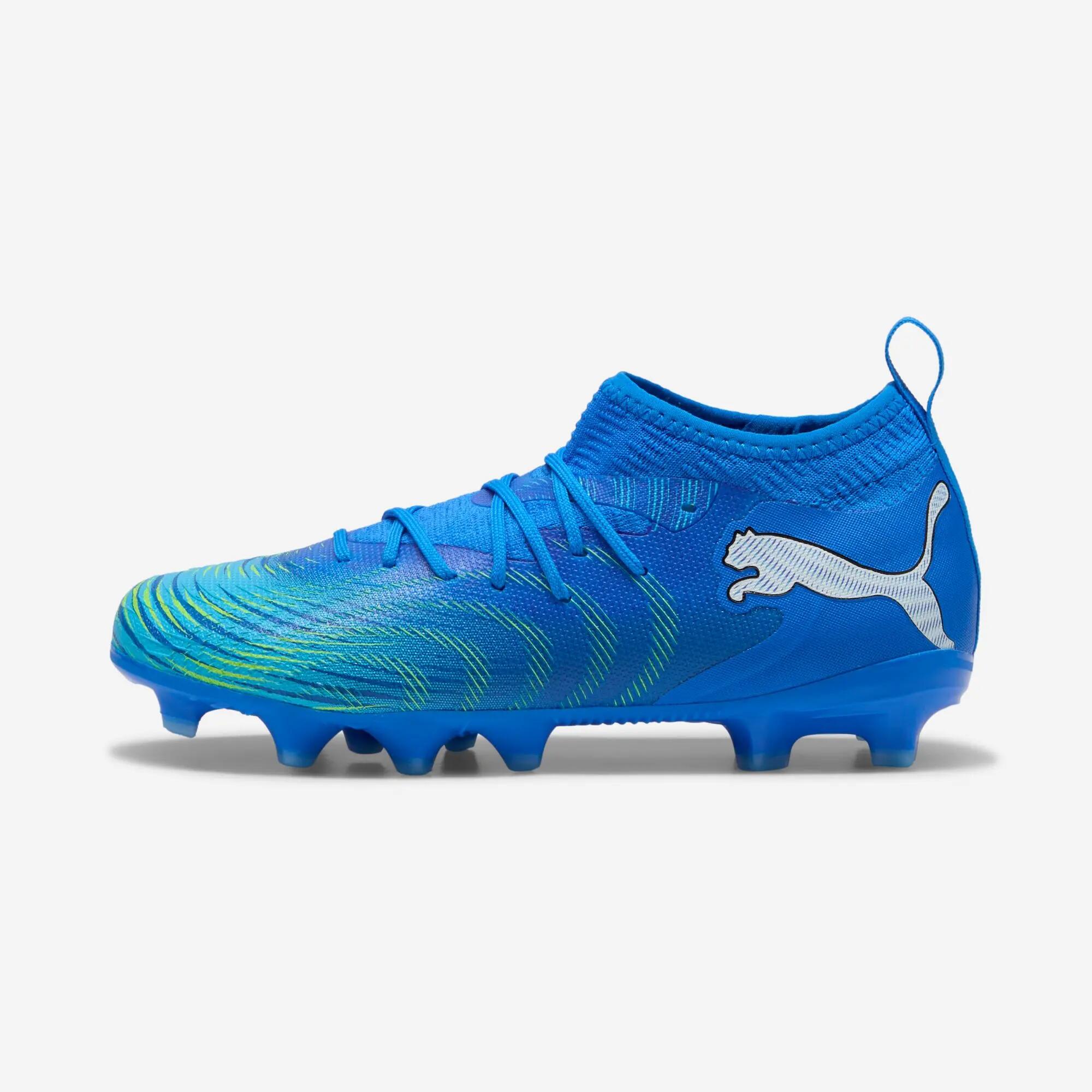
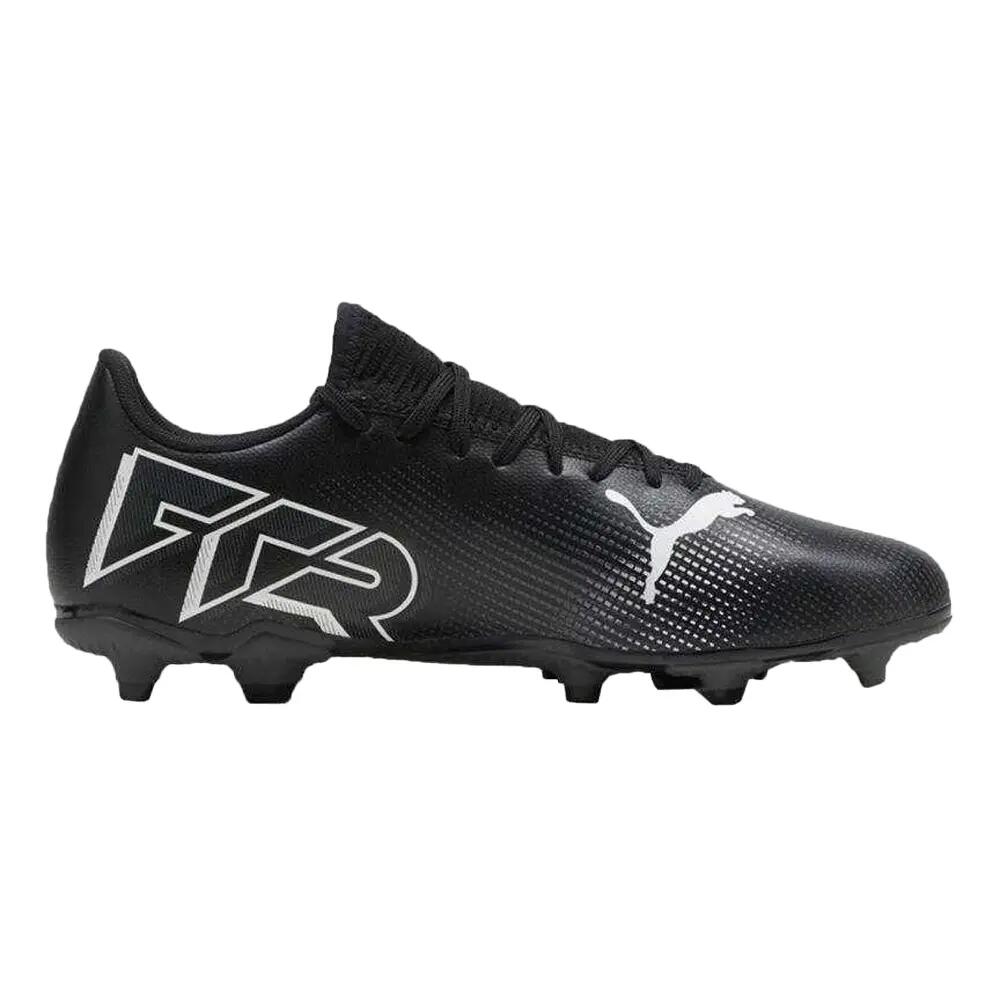
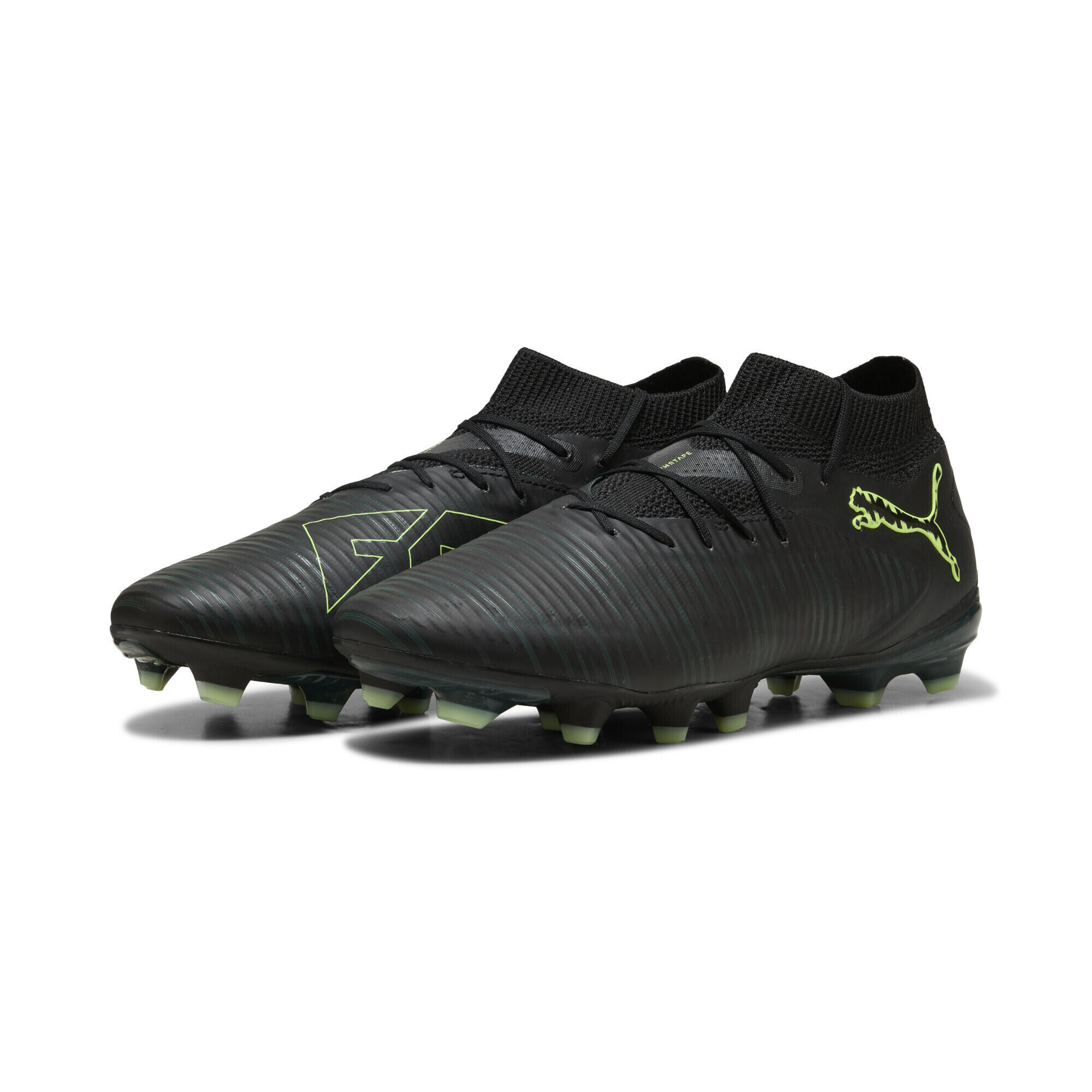
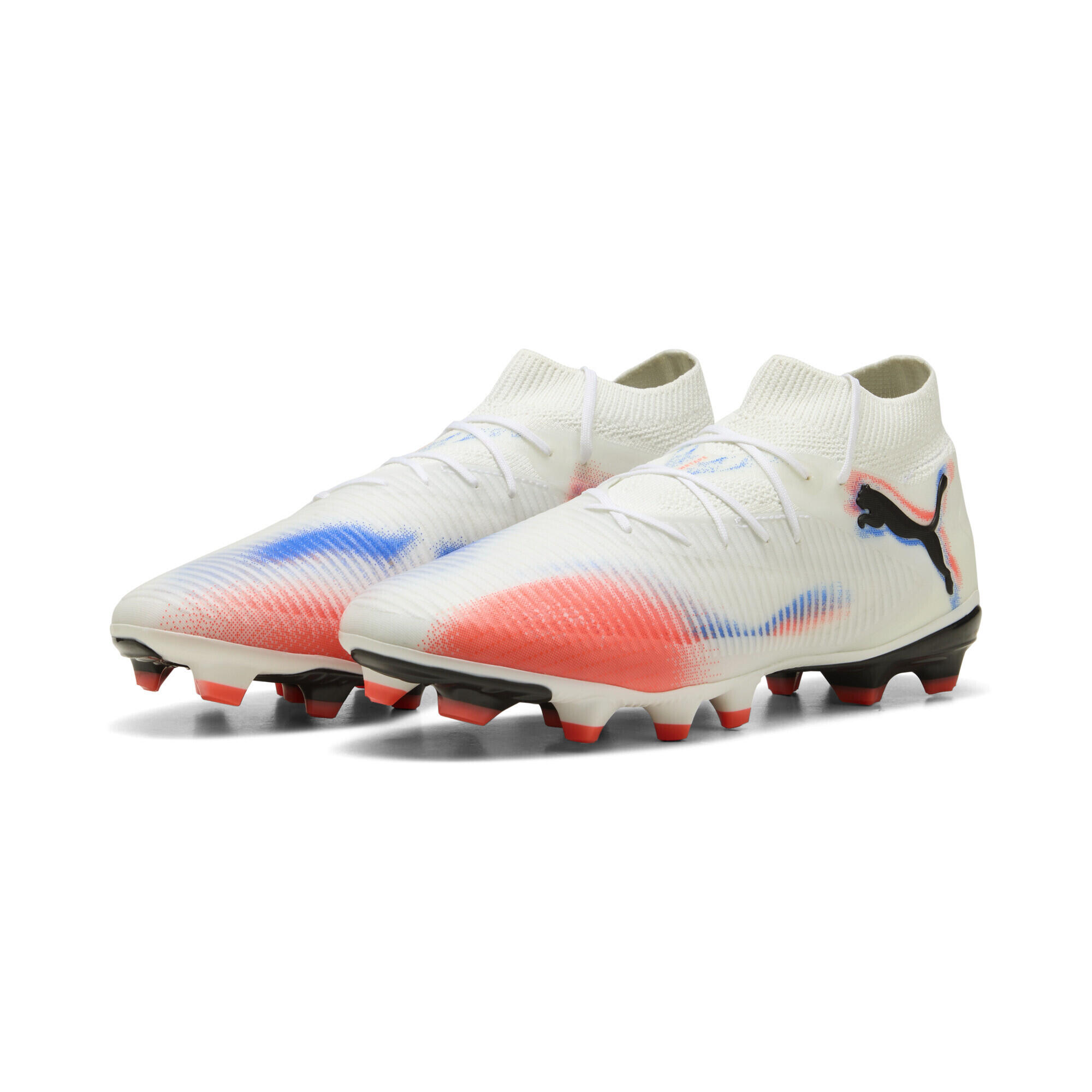
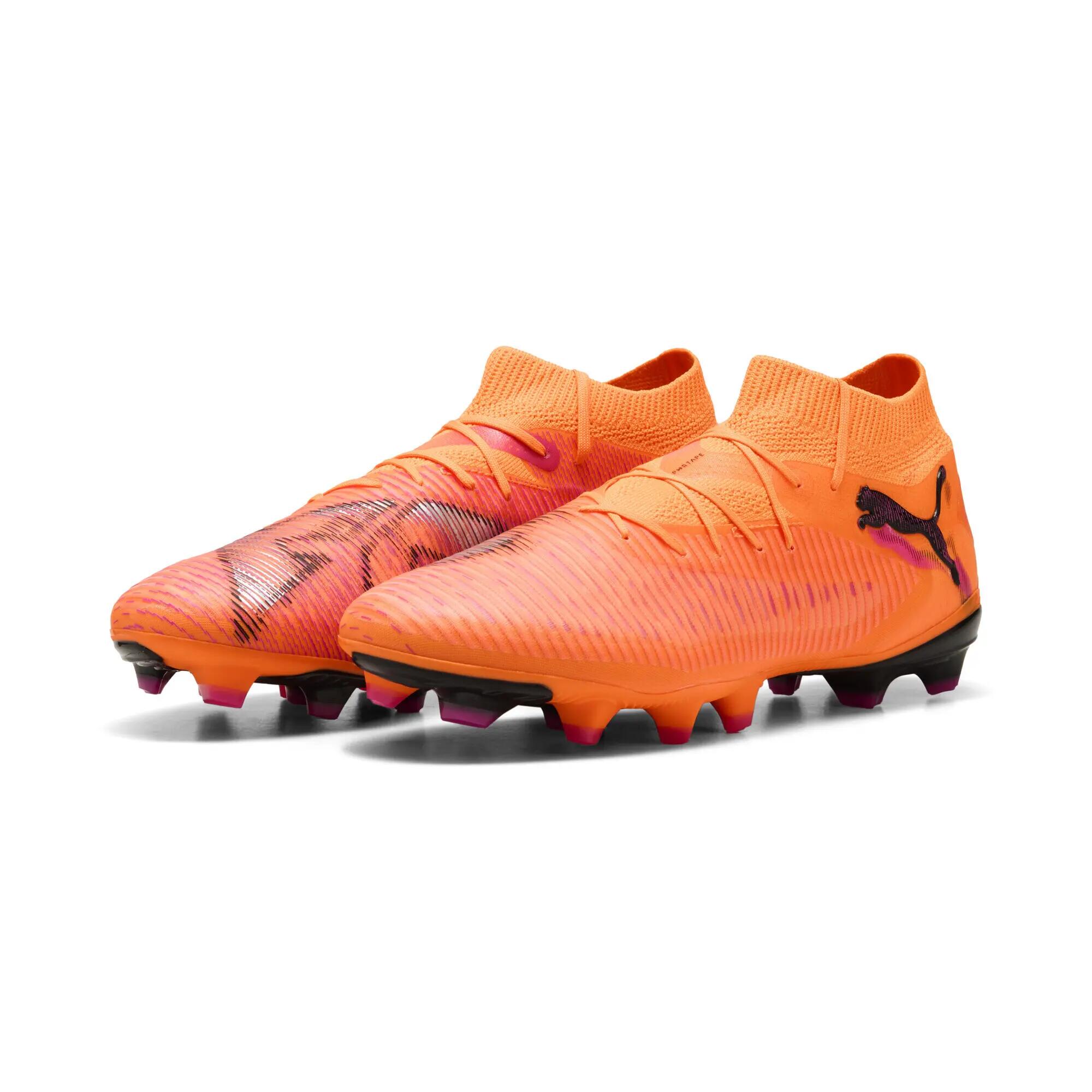
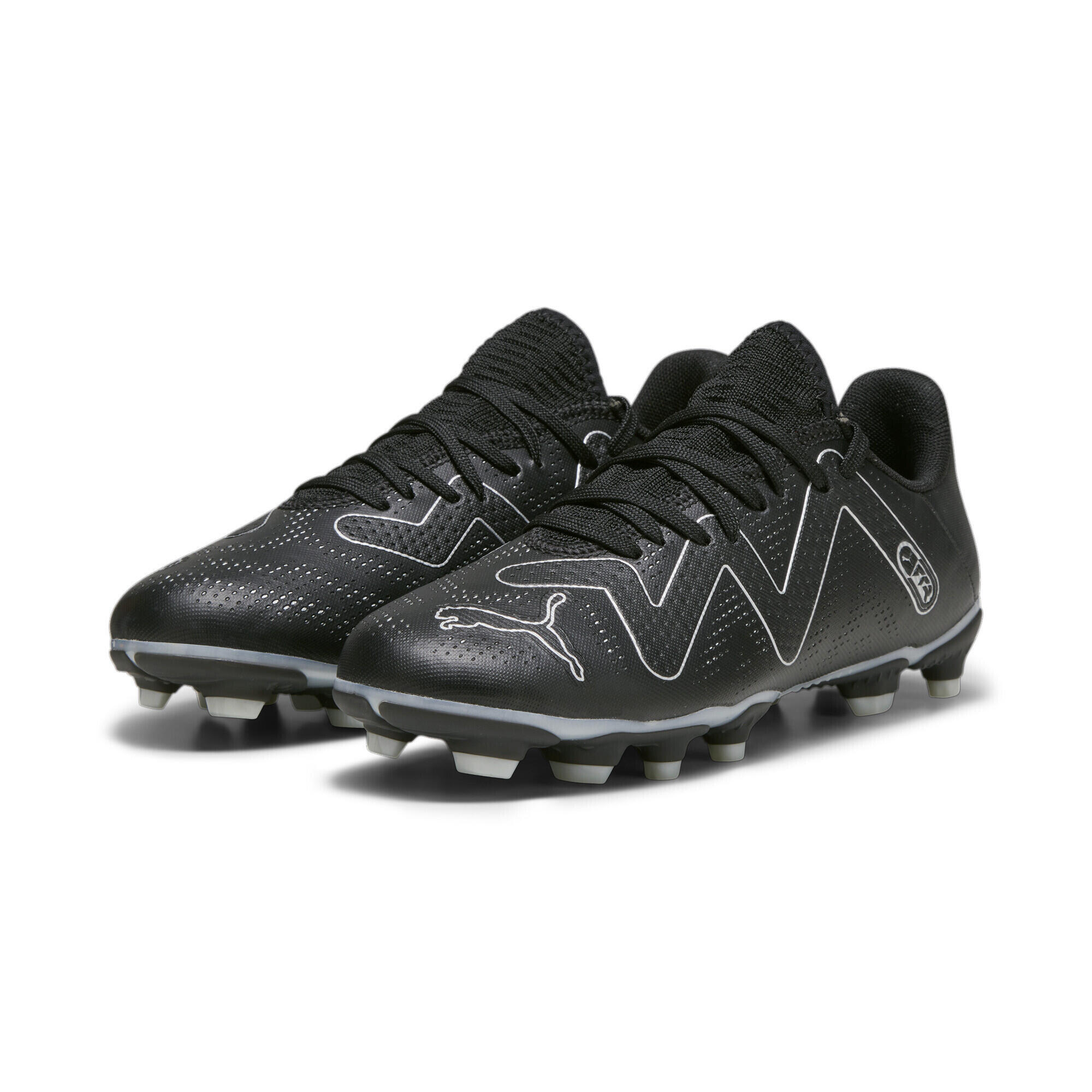
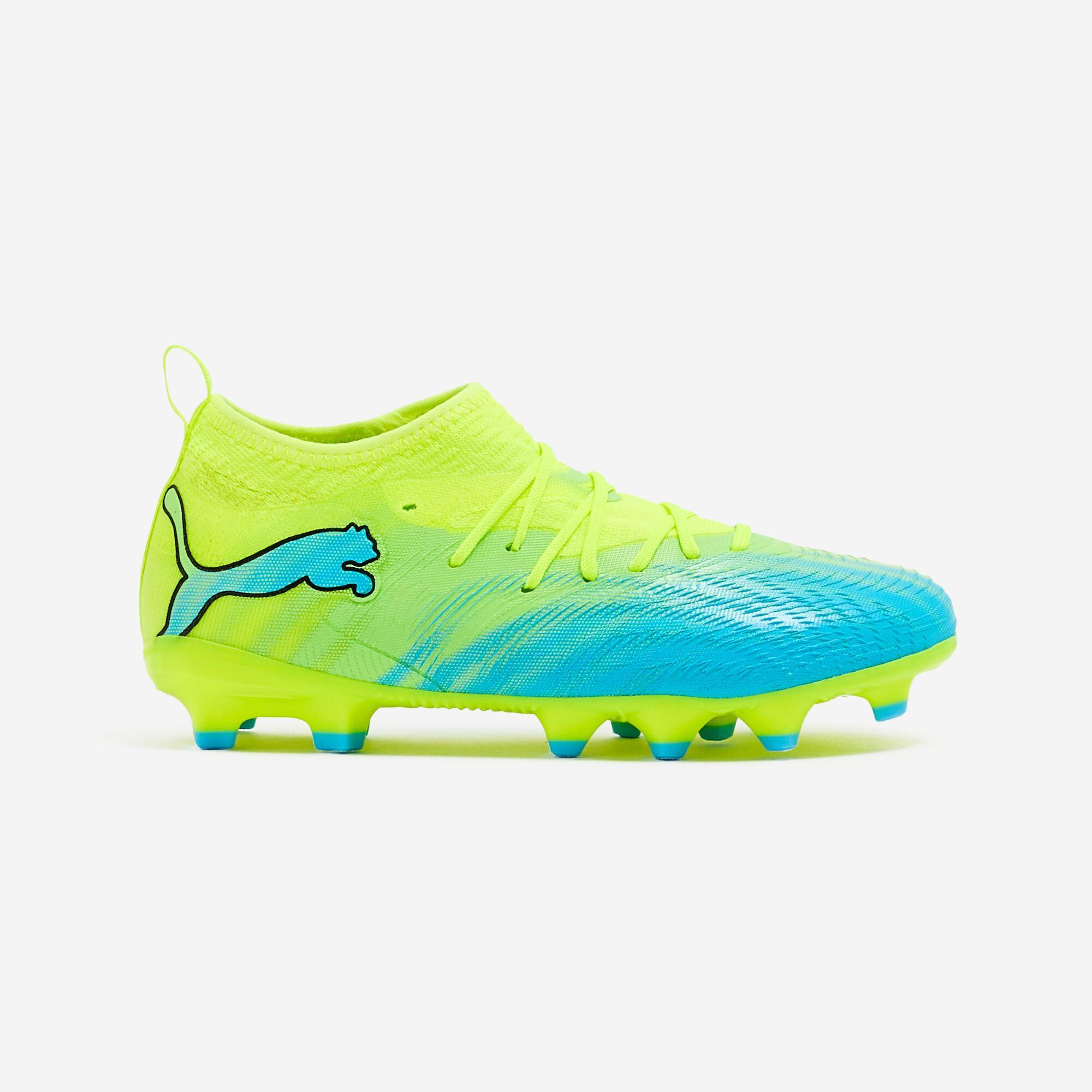
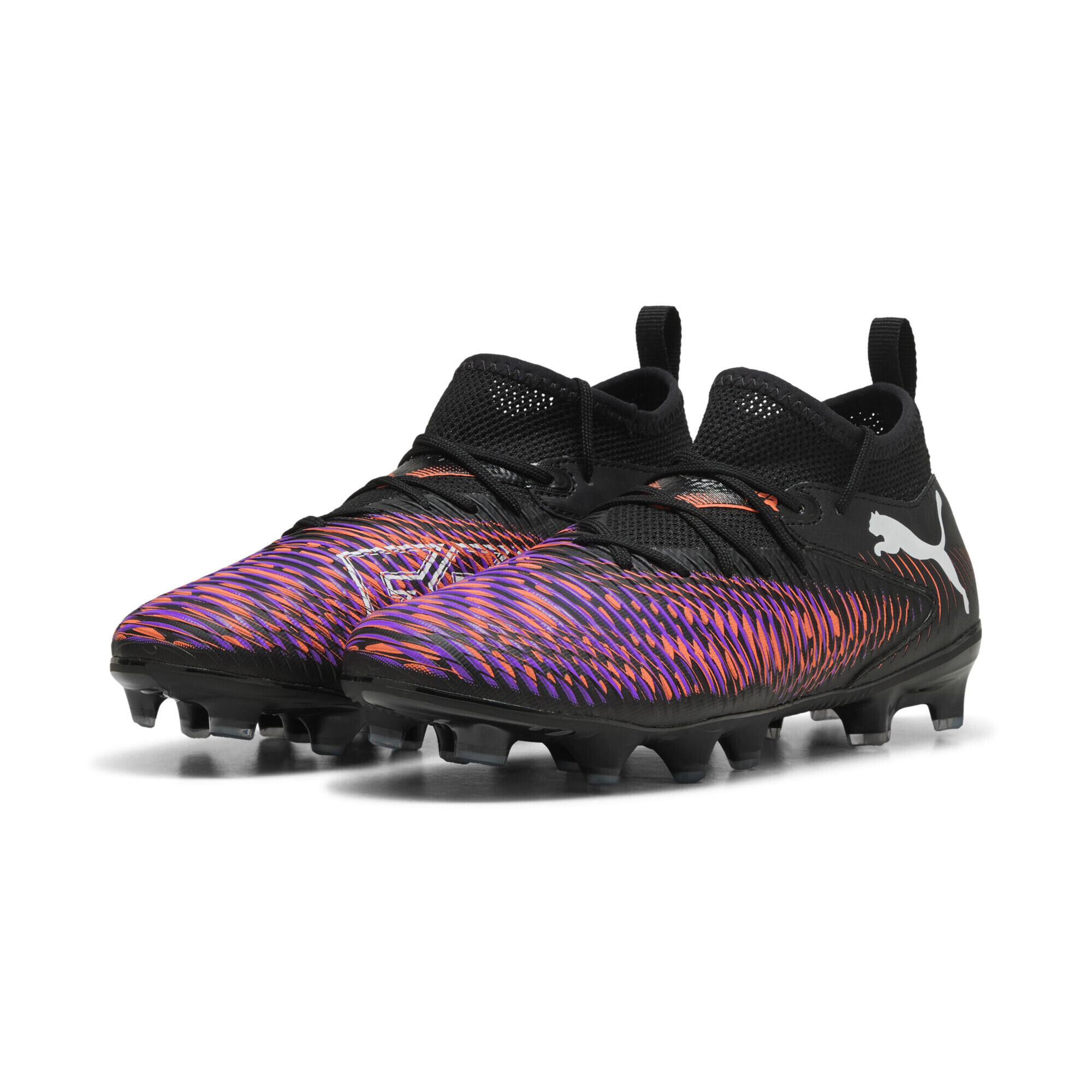
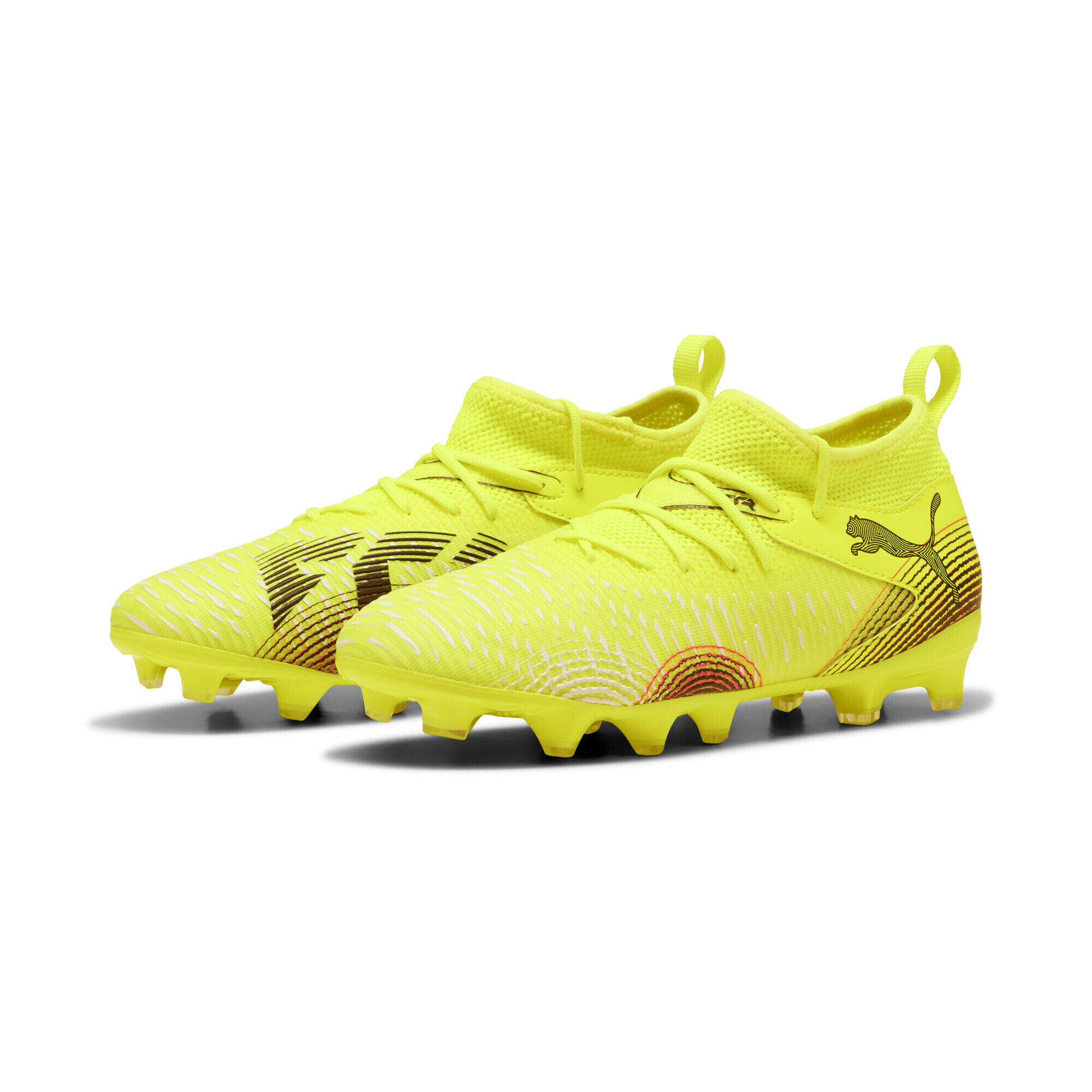
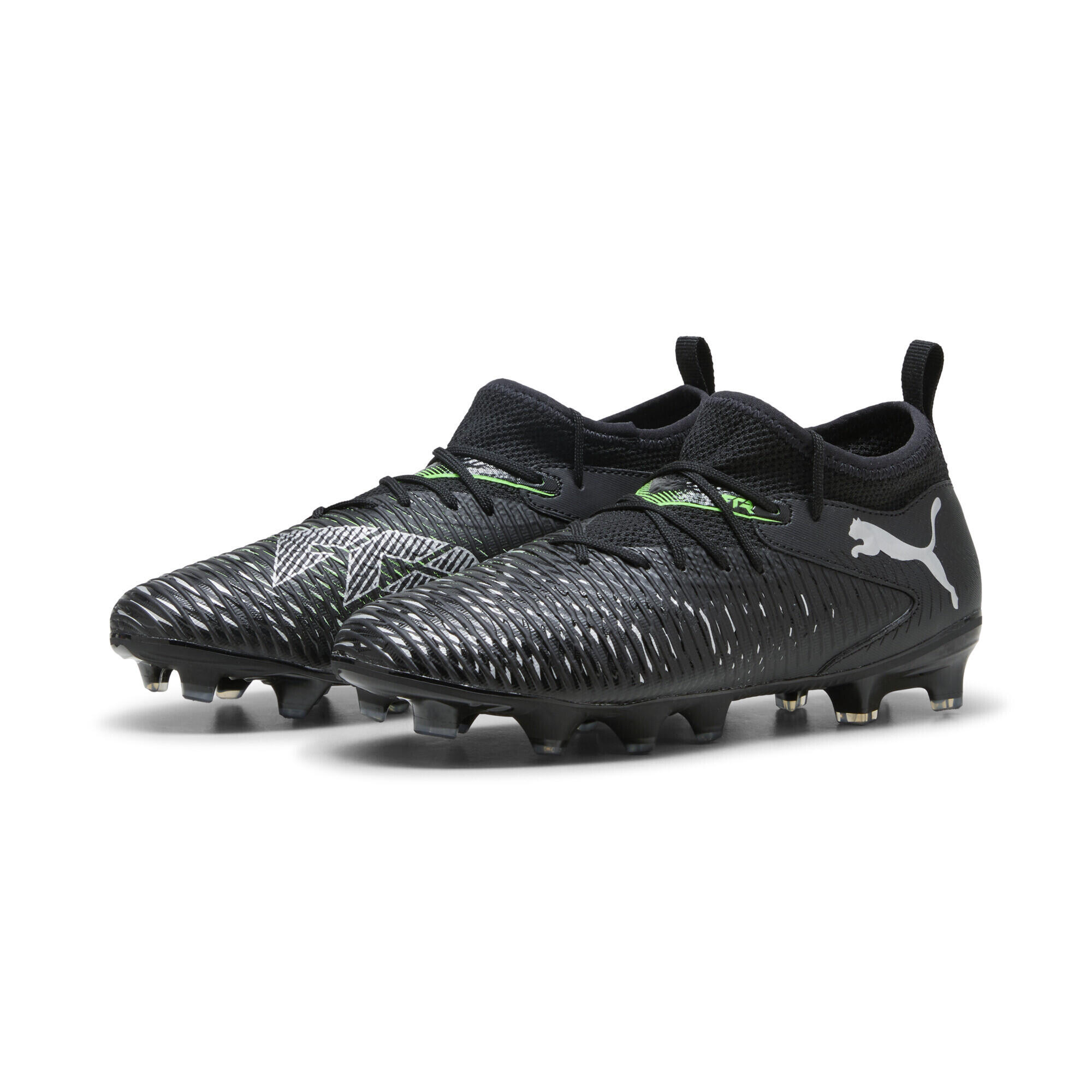
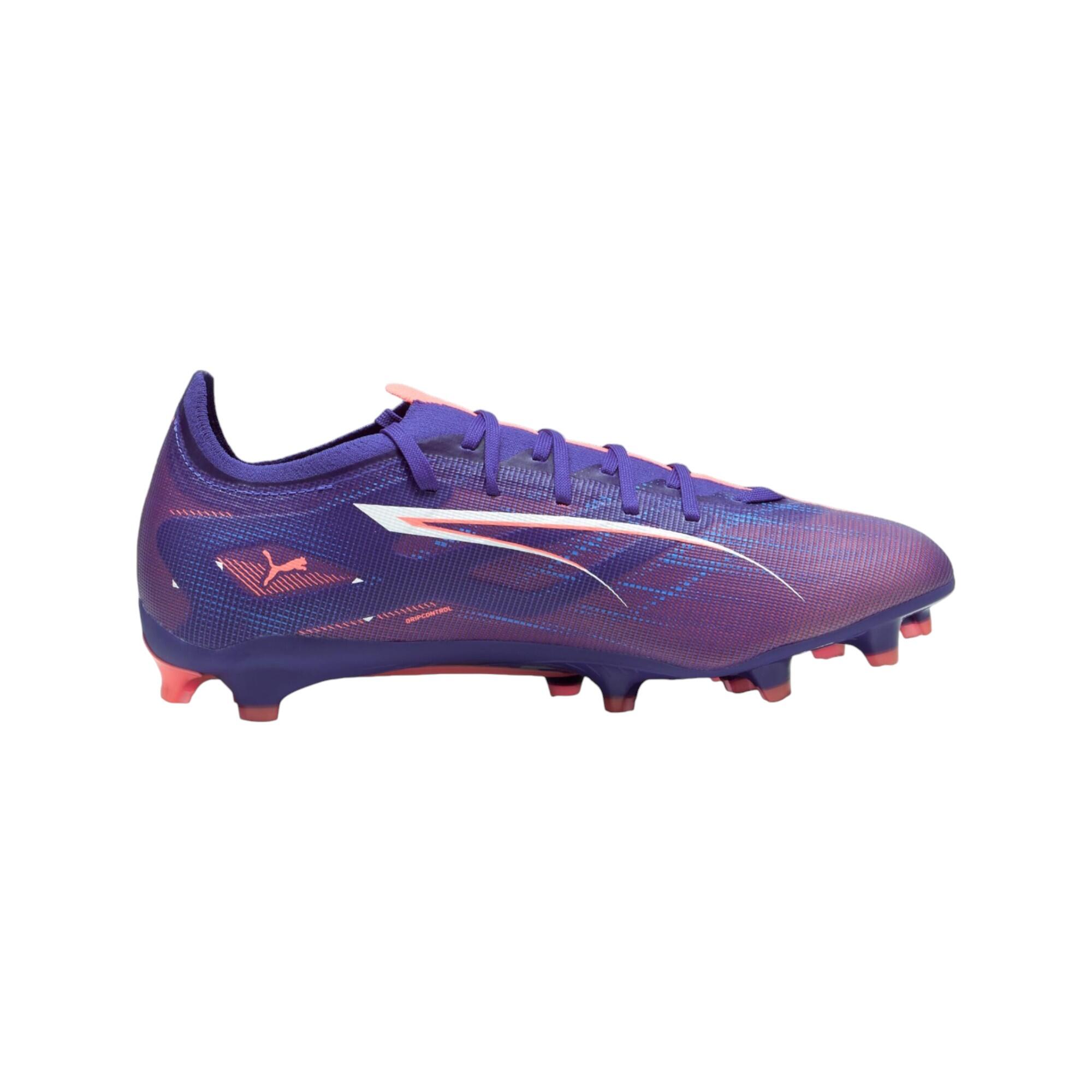
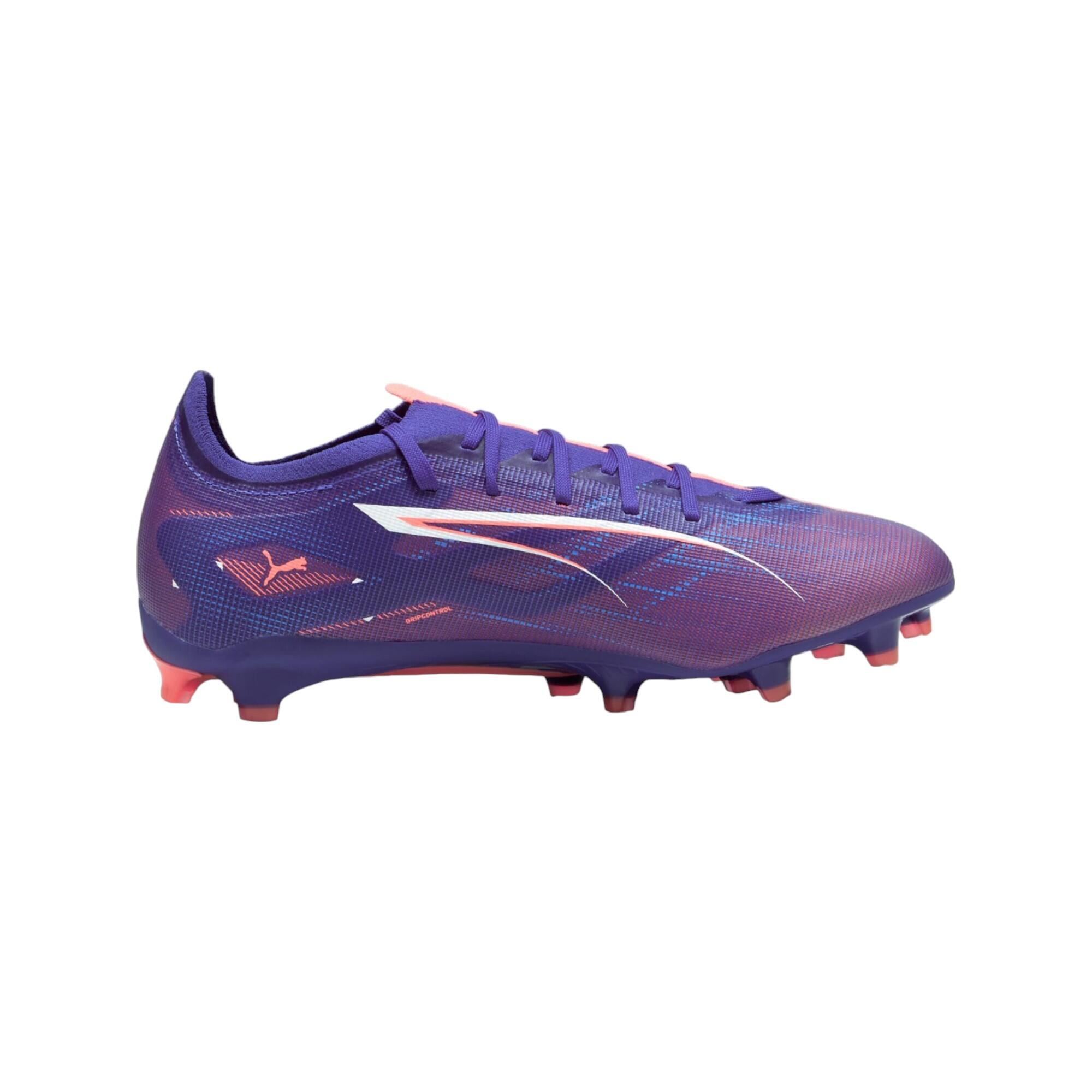
PUMA Future football boots are available in Play, Match and Pro constructions, with each level offering a different balance of fit, support and ball contact. Play models use simpler synthetic uppers, elastic or Lycra tongues and embossed forefoot details, making them practical for beginners and occasional football. Match boots add more structured support through features such as PWRTAPE, GripControl, knitted collars or midfoot support bands, depending on the generation. Regular players seeking a more technical upper and secure fit may consider PUMA Future Pro football boots for approved firm natural and artificial pitches. Choose the level according to how often you play, the support you can genuinely feel and the outsole required for your usual surface.

How do PUMA Future 7, Future 8 and Future 9 differ?

Each Puma Future generation uses its own fit and movement system, so the model number matters when reading the specifications. The Future 7 Match uses a FuzionFit retaining band with a Dynamic Motion System outsole that supports flexibility, acceleration and movement in several directions. Future 8 Match changes to a stretch collar and PWRTAPE around the midfoot, while GripControl adds texture for dribbling, passing and shooting. Future 9 Match uses a lightweight mesh upper, knitted collar, separate support band and embossed grip zones. The PUMA football boots range includes Future, Ultra and Truco models. Check the exact product page rather than assuming that every Future boot has the same support band, upper or outsole technology.

When should you wear PUMA Future turf shoes?

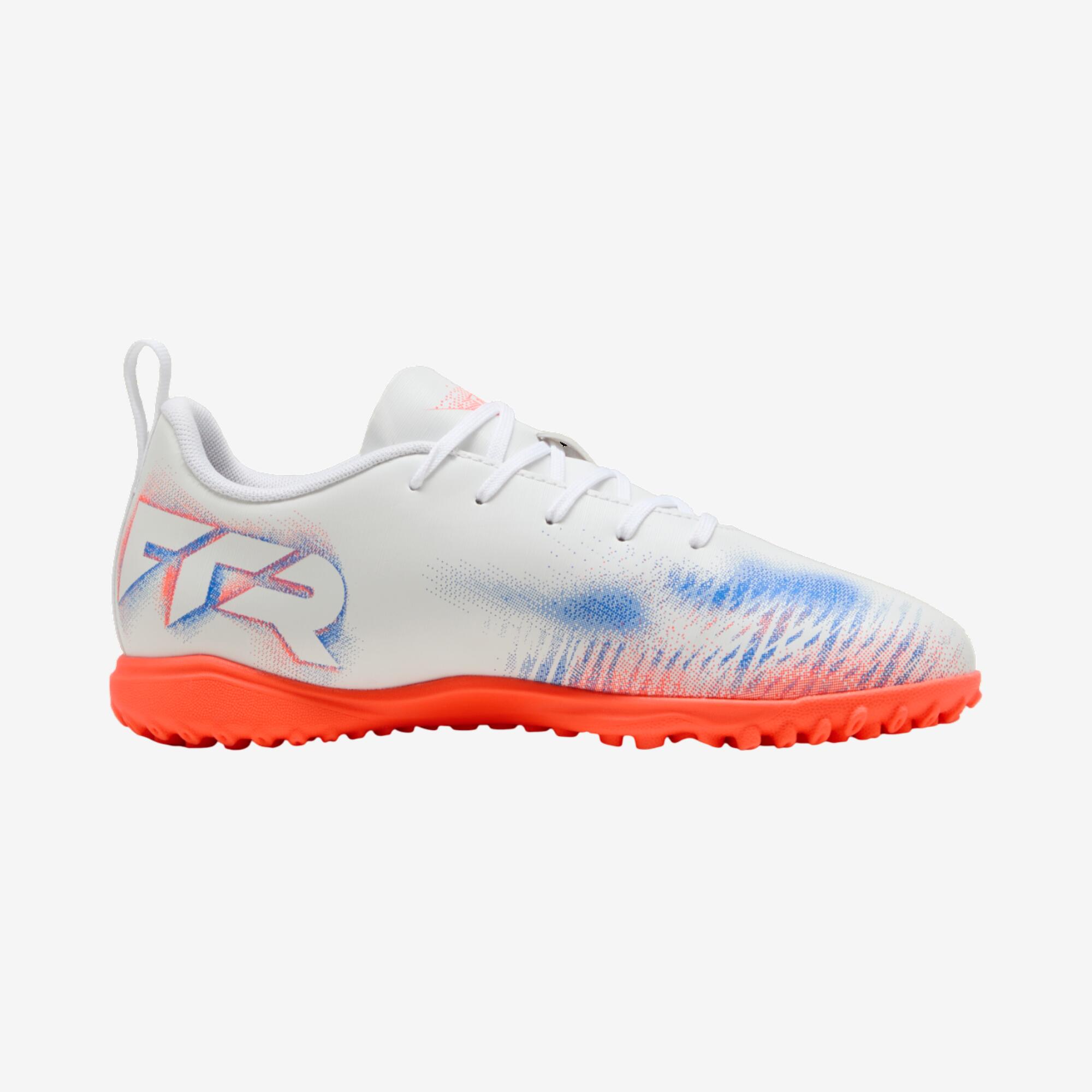
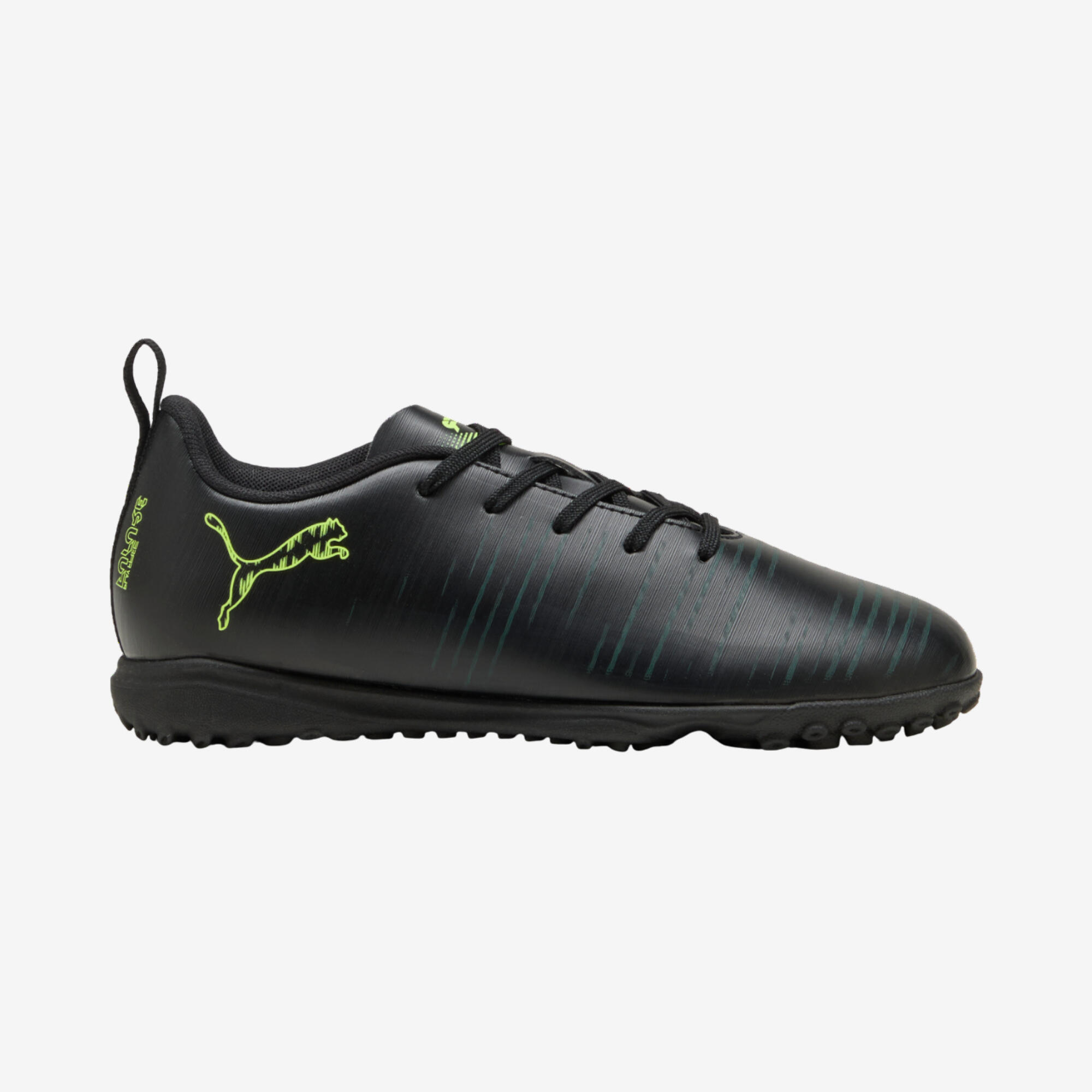
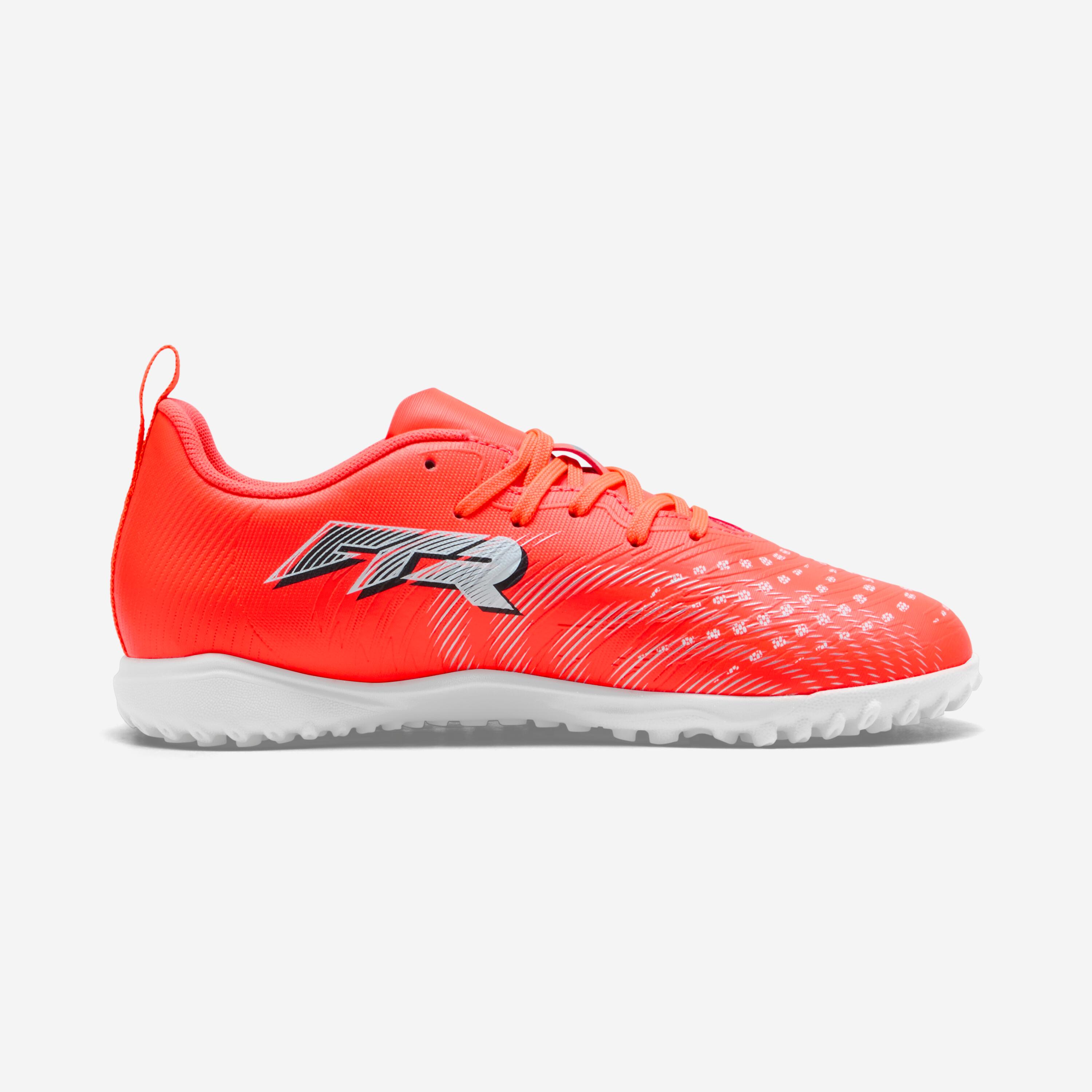
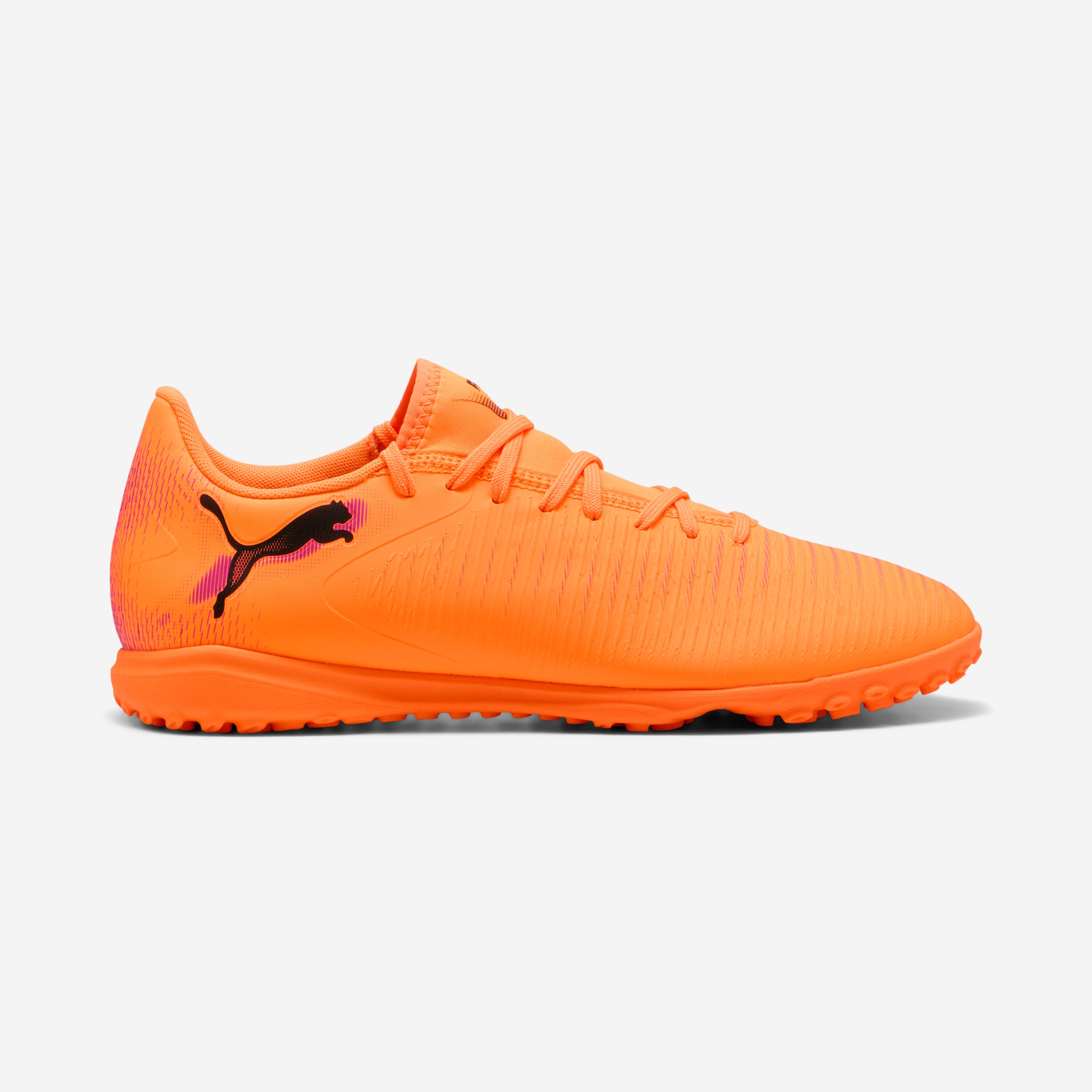
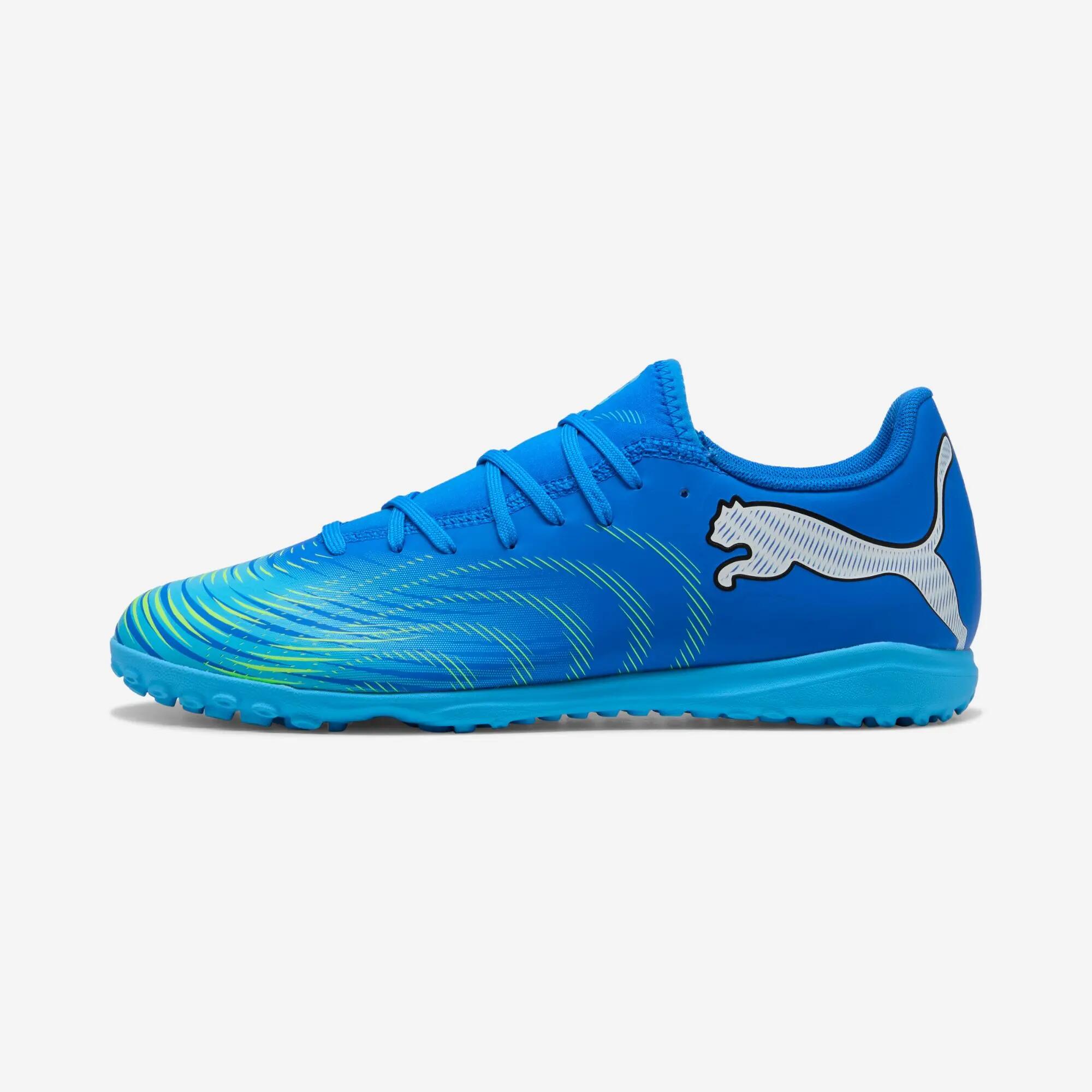
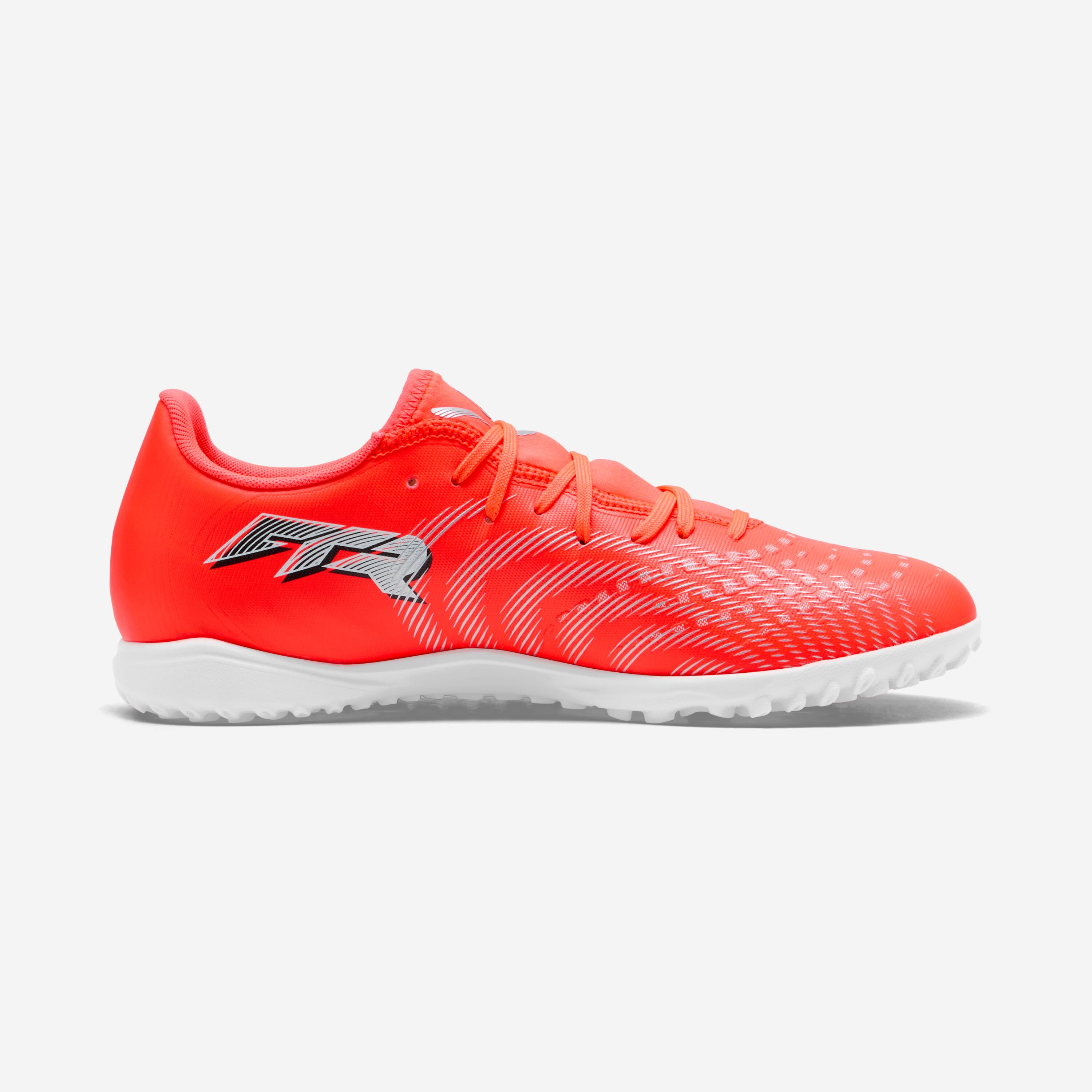
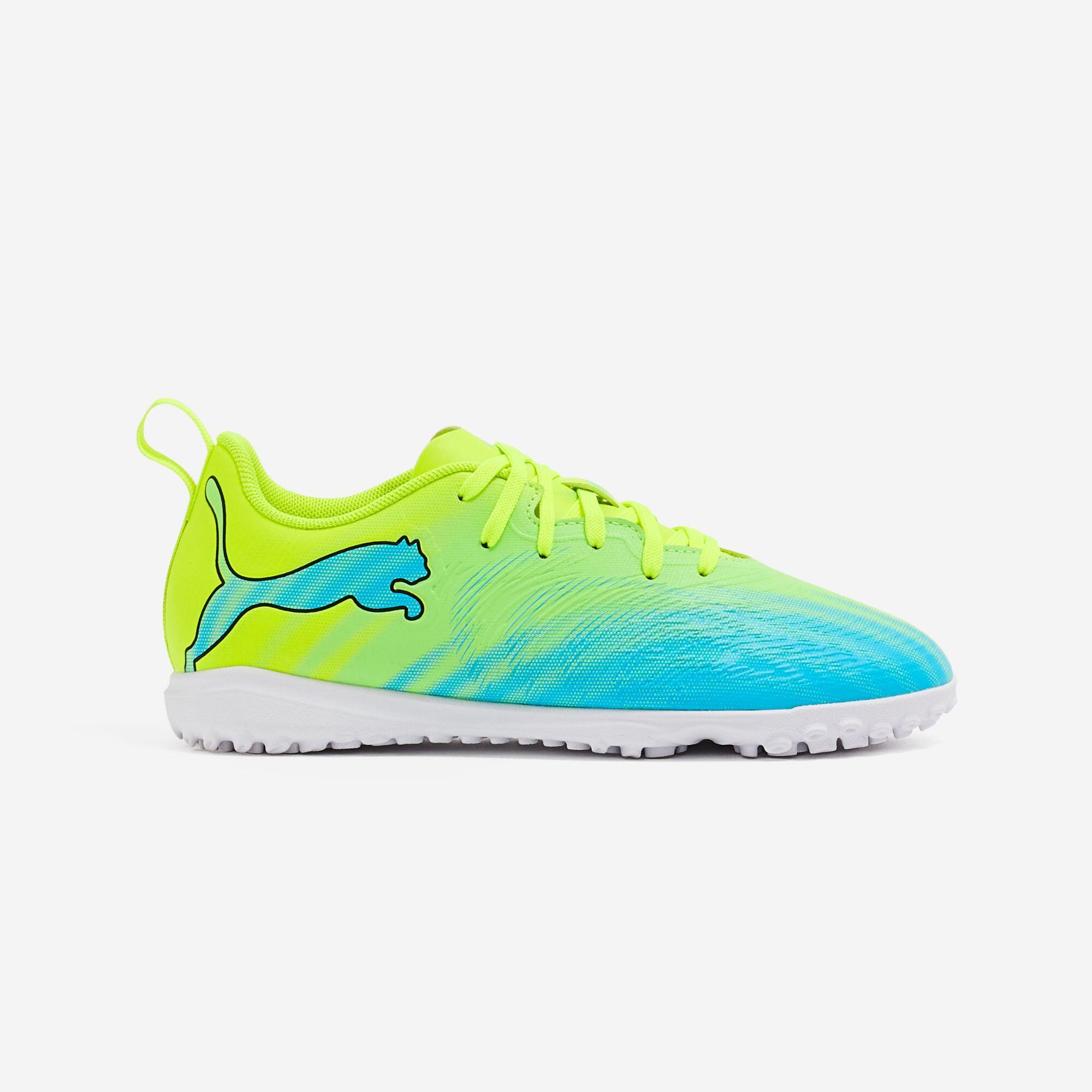
Turf footwear suits short artificial grass, hard synthetic pitches and suitable 2G surfaces where low-profile rubber studs can spread pressure across the sole. These small studs support multidirectional movement without penetrating the ground as deeply as a firm-ground plate. A model such as the Puma Future TT SMU boots provides a surface-specific option for adults playing on compact synthetic pitches. TT and turf boots should not be treated as firm-ground footwear, as their shallow traction may not grip wet natural grass effectively. Check the venue rules, pitch firmness and product classification before play. The sole should feel stable during turns without creating sharp pressure beneath the forefoot or heel.

Are PUMA Future futsal shoes suitable for sports halls?

Indoor futsal requires a flat, non-marking outsole that grips a smooth court without the raised studs used on grass or artificial turf. PUMA Future indoor models can carry the family's close-fitting, control-led character into sports hall sessions while using traction suited to hard flooring. Junior players learning fast passes, close control and sharp changes of direction can wear PUMA Future futsal shoes where the venue permits non-marking indoor footwear. Check that the sole bends through the forefoot and that the heel remains secure during sideways movement. Do not use FG/AG or turf Future boots indoors, as raised studs can feel unstable, damage certain floors and fail to provide the correct contact with the court.

How should PUMA Future football boots fit?

The heel and midfoot should feel secure while the toes retain enough room to move naturally during running and striking. Stretch collars, PWRTAPE, Fuzionfit bands and support panels can improve lockdown, but they cannot correct a boot that is too long, narrow or wide. Wear your normal football socks and test both boots with short sprints, sudden stops and lateral turns. The heel should not lift, and the upper should not create numbness or sharp pressure across the forefoot. Other football boots may use different shapes, tongue constructions and support systems when the Future fit does not suit your foot. Junior sizing should be checked regularly because growing feet can alter comfort and stability before the outsole shows significant wear.