303 items
4.6/5 based on 311 reviews collected online and in stores

PUMA Ultra Football Boots FAQs

What is the difference between PUMA Ultra Match and Pro boots?

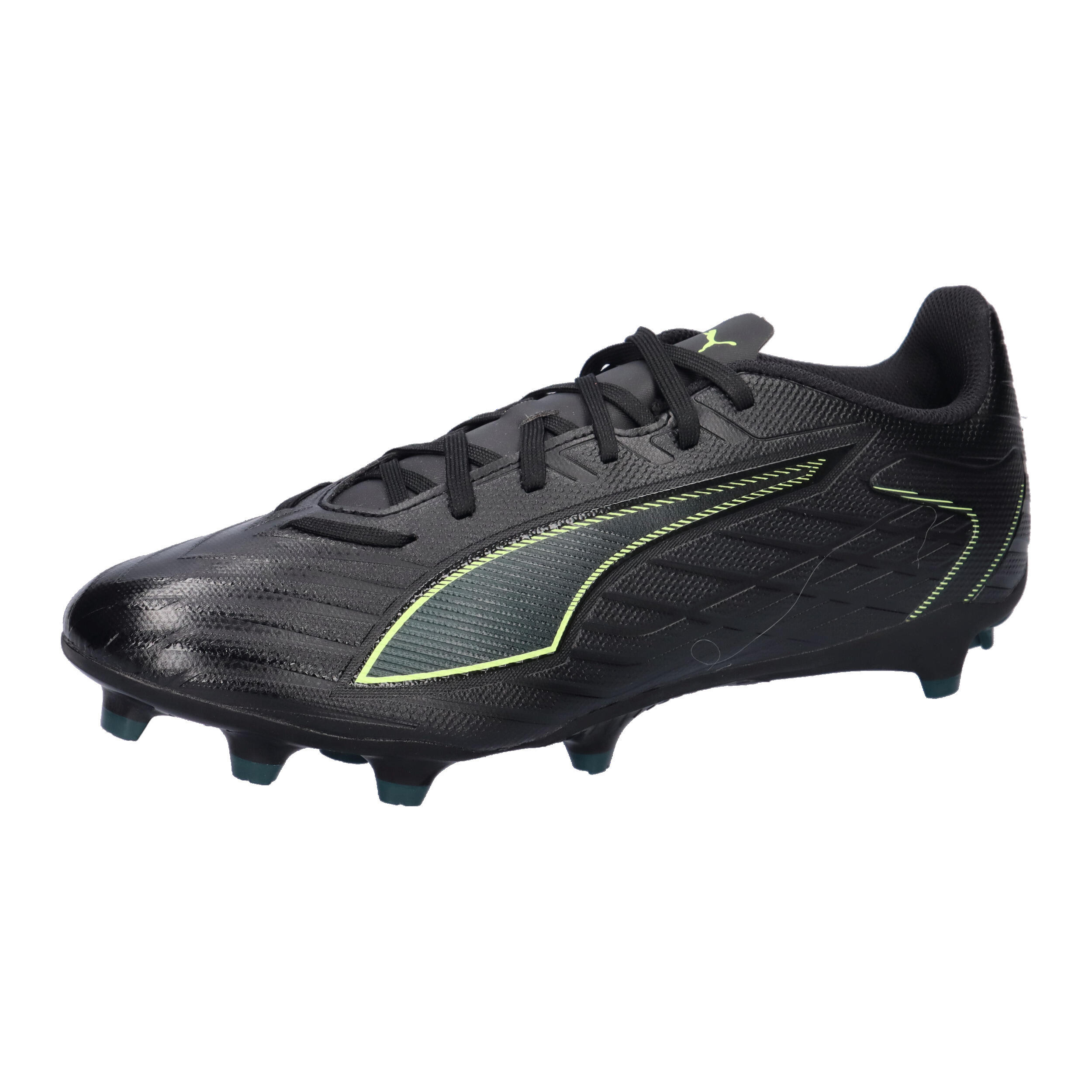
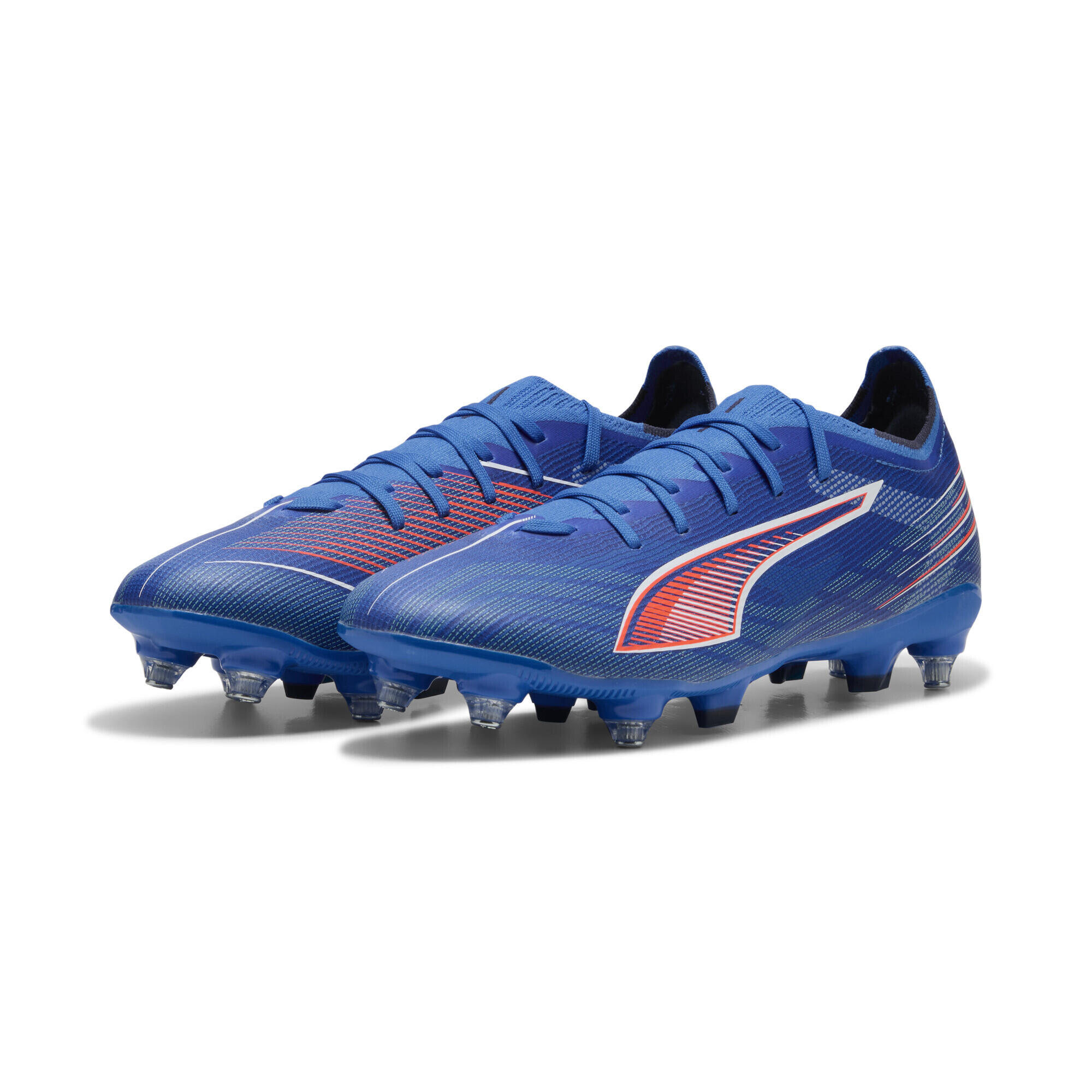
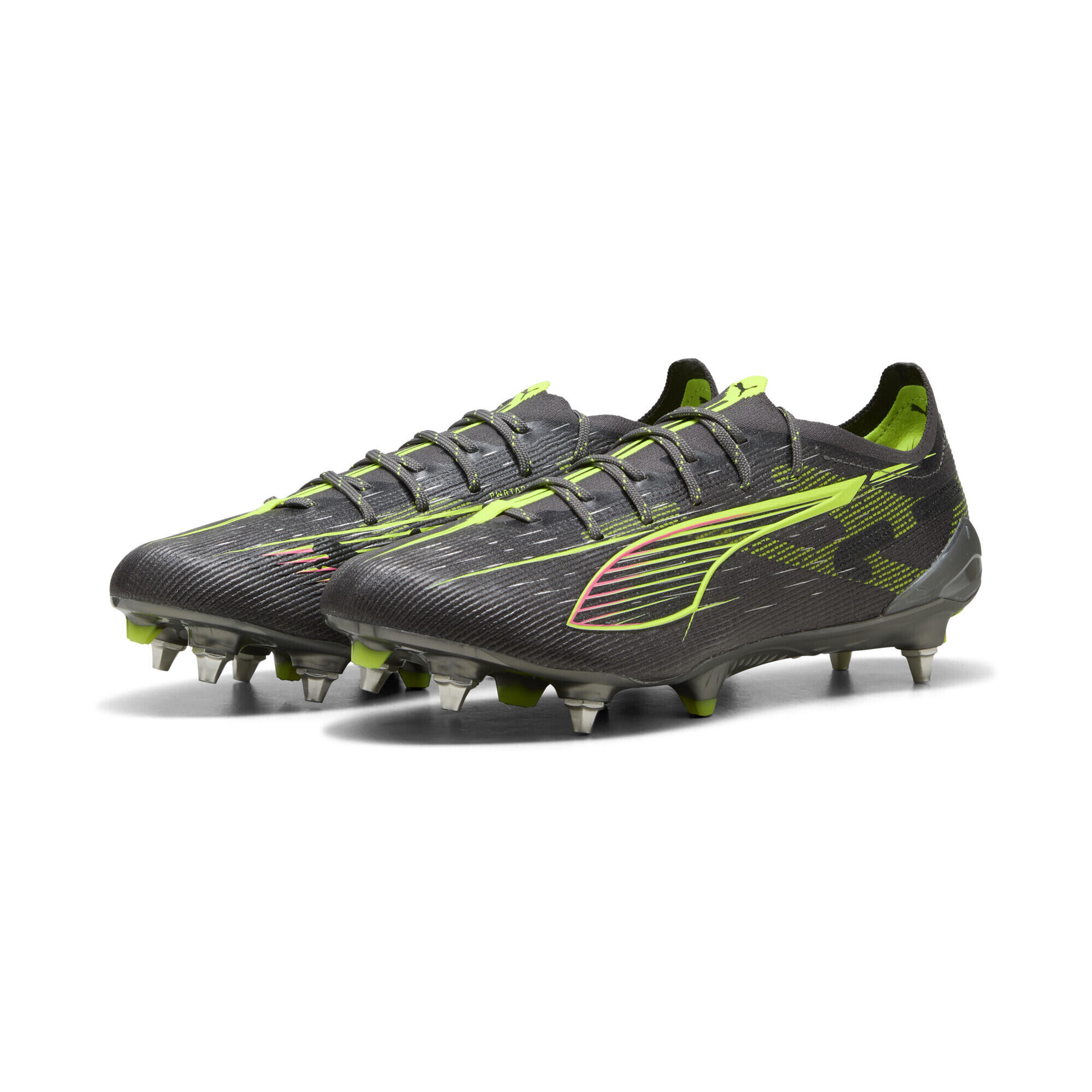
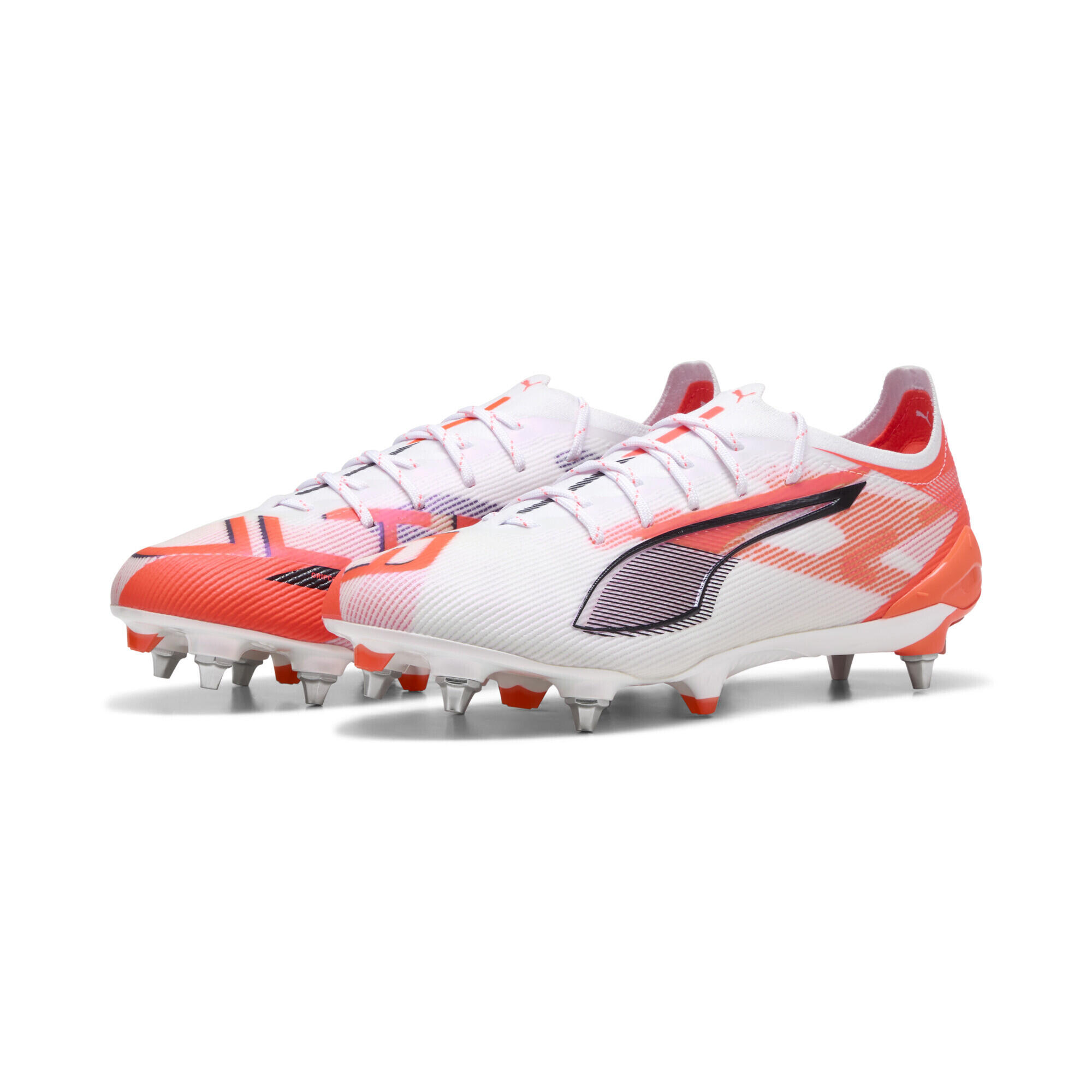
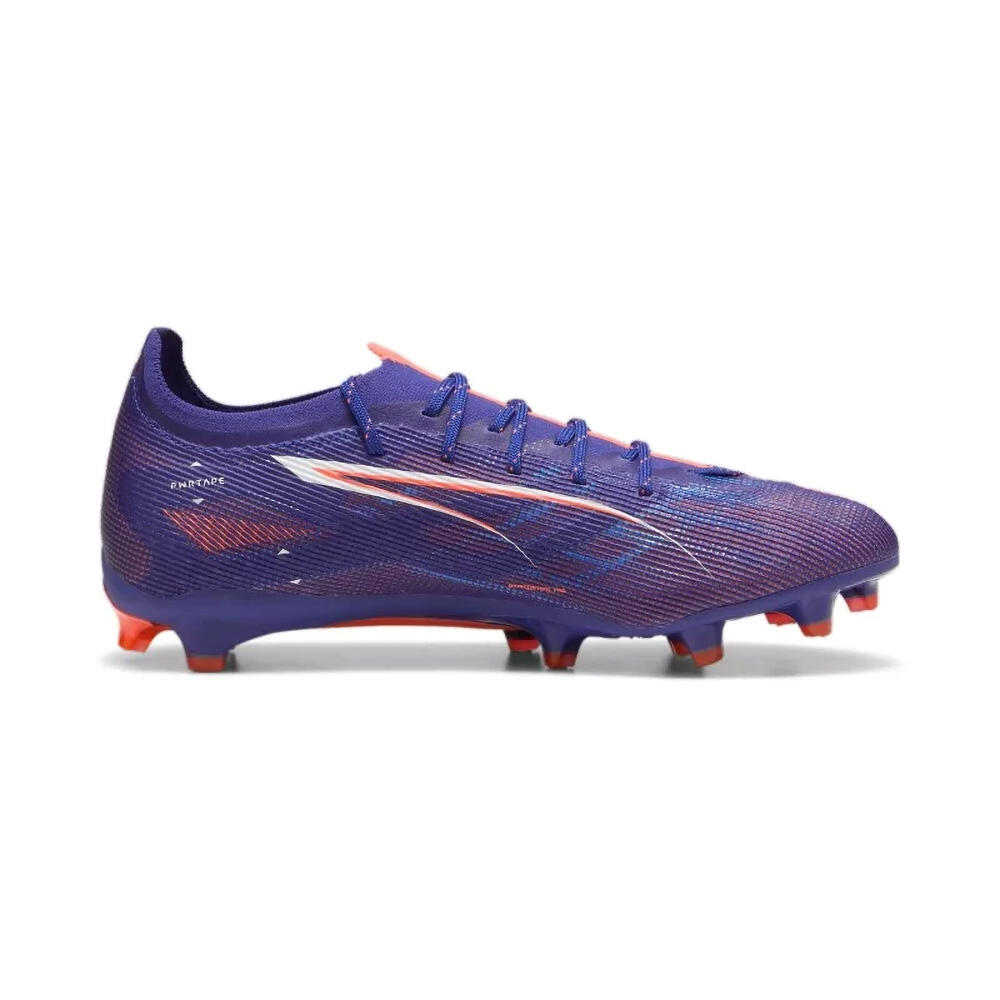
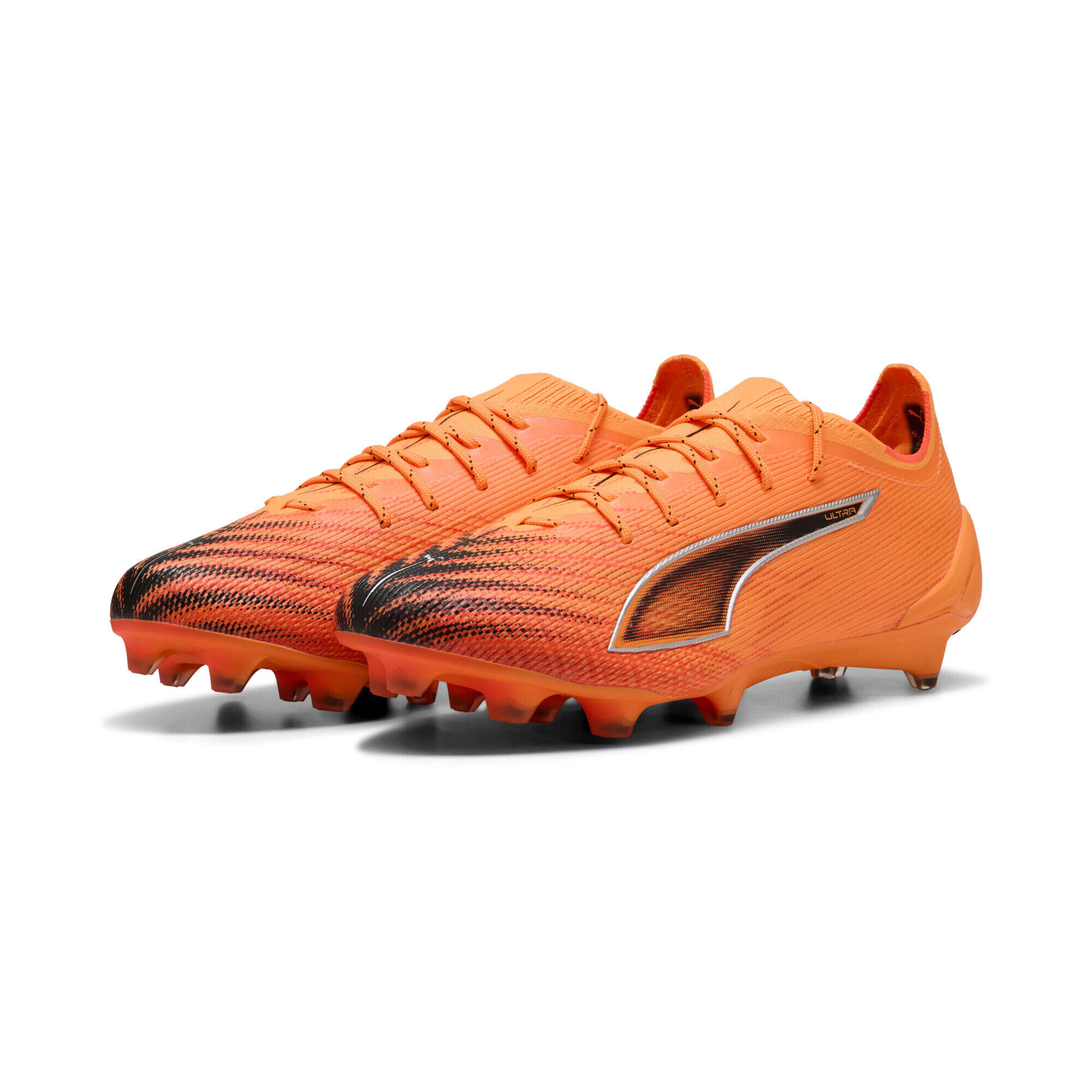
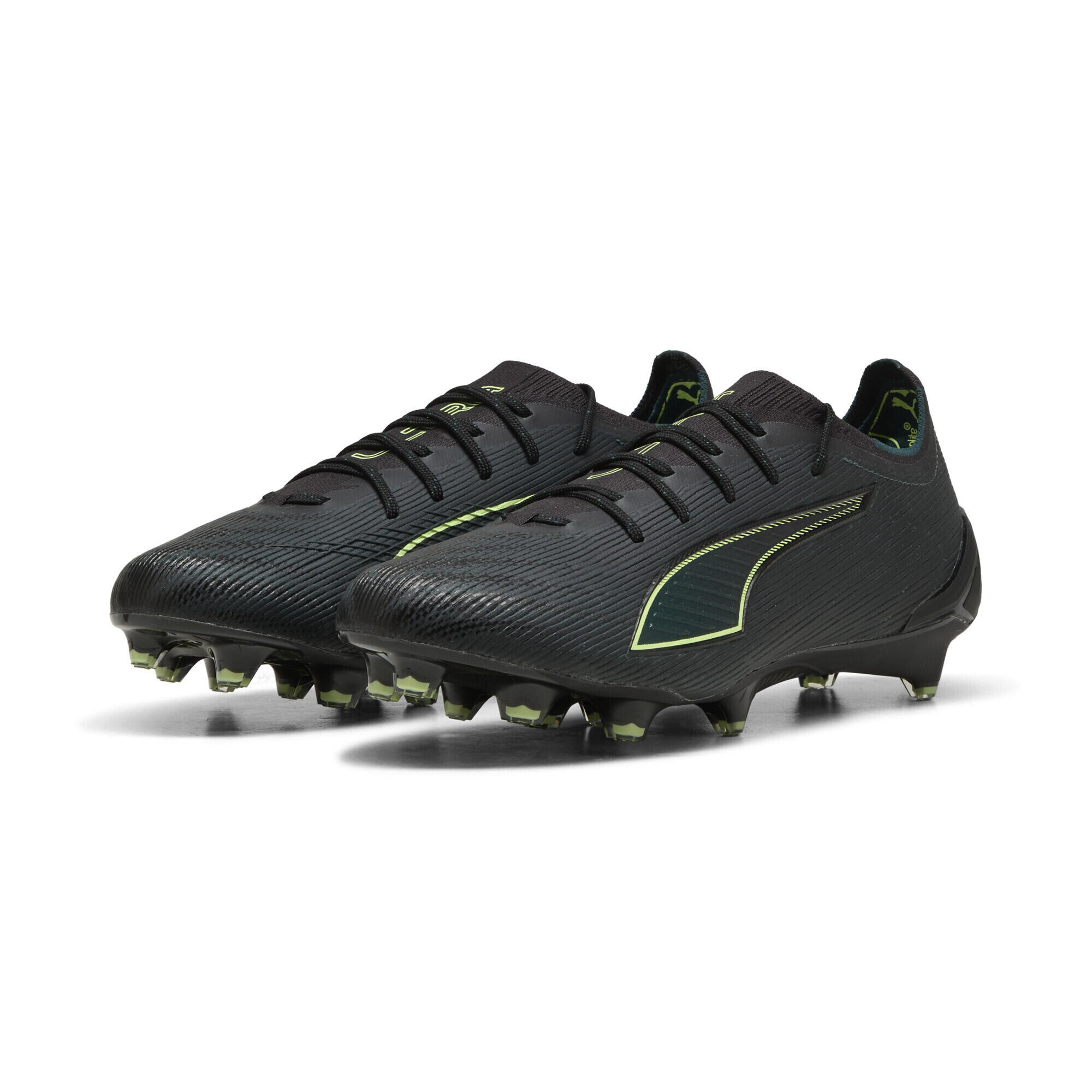
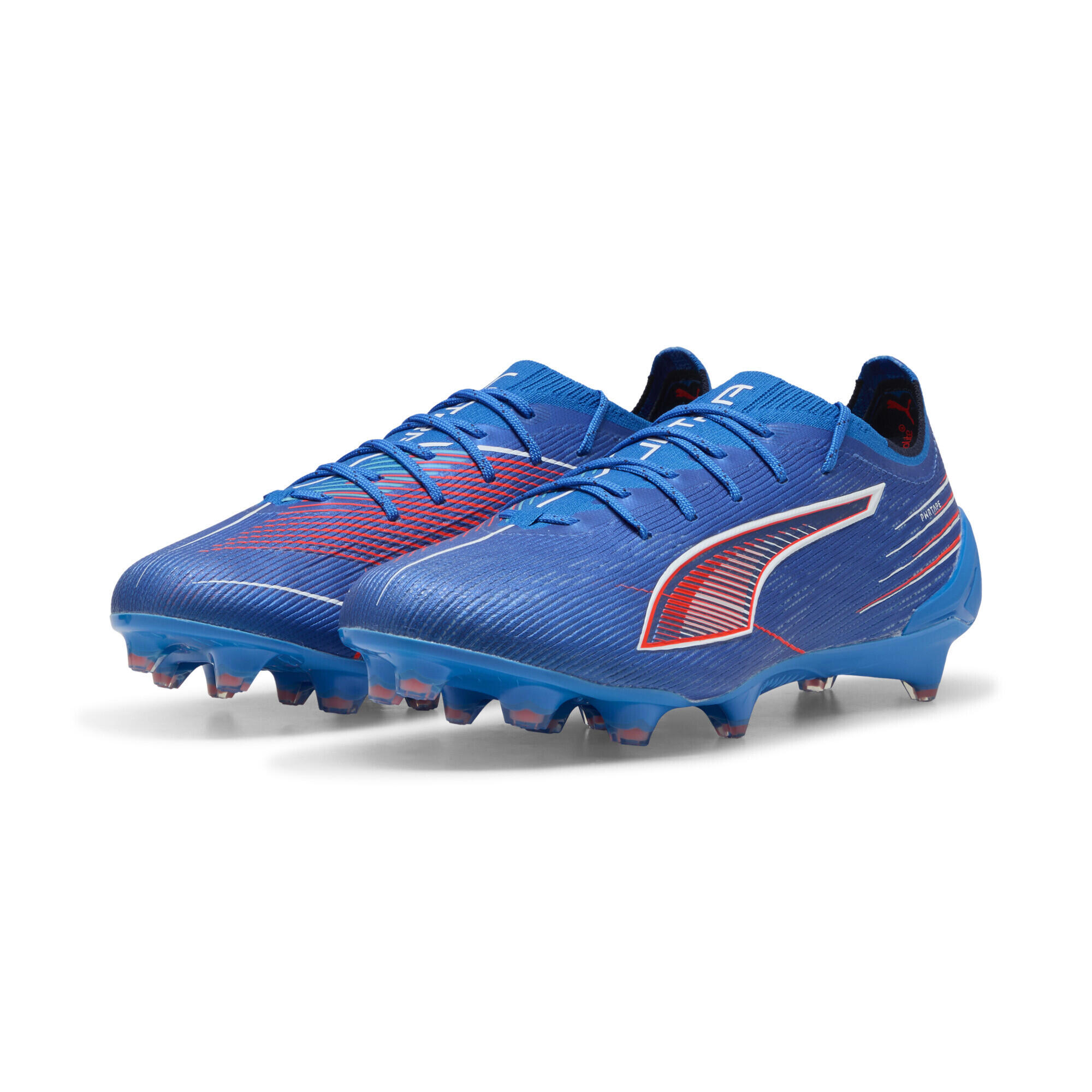
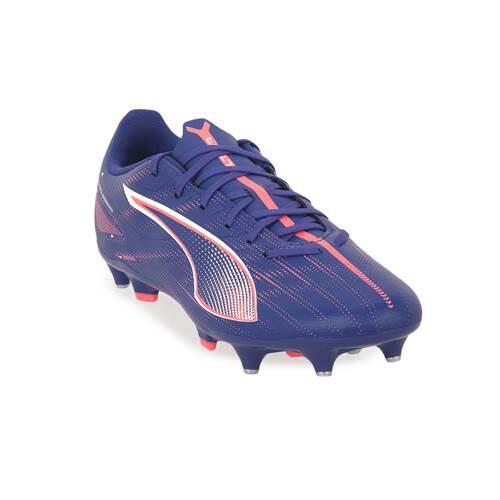
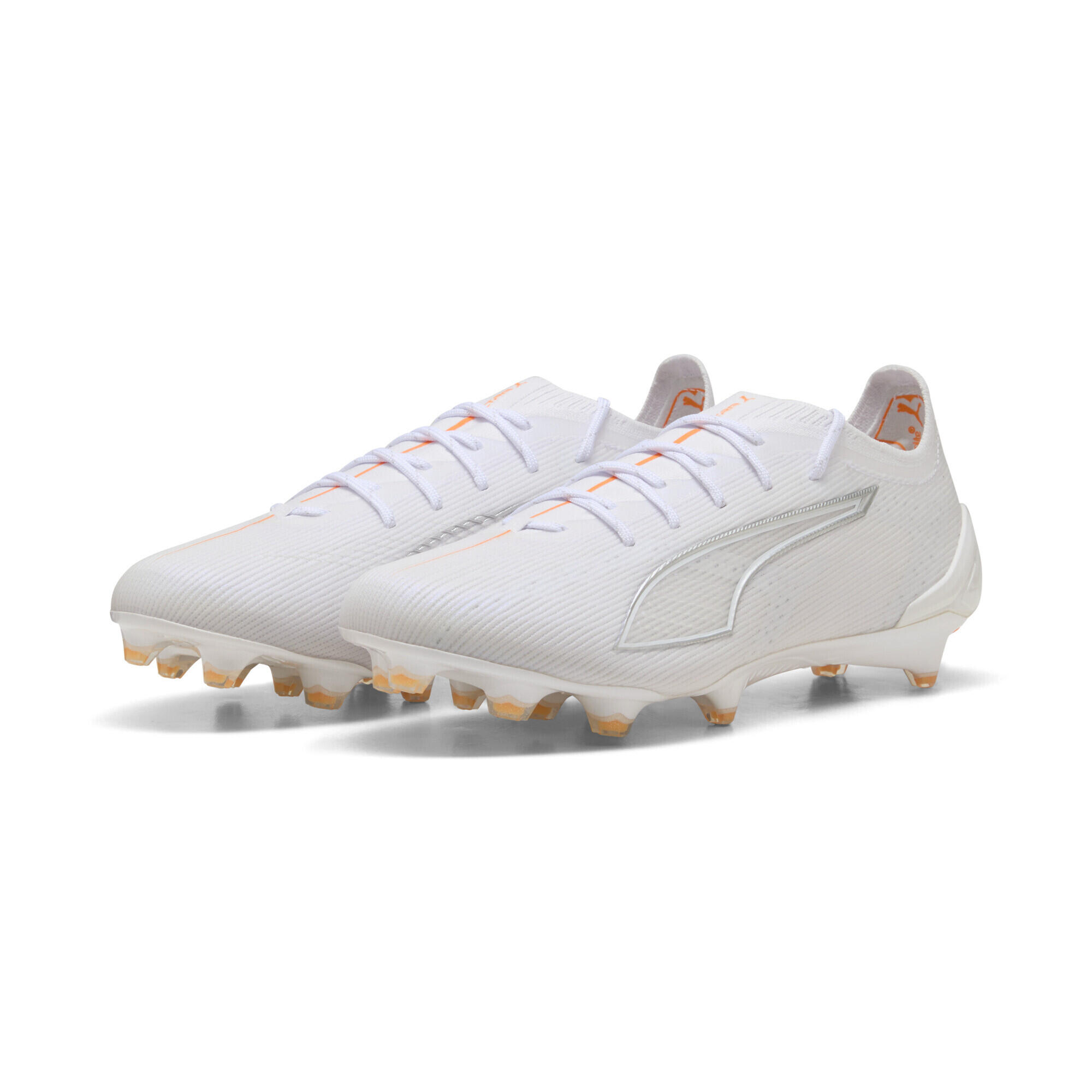
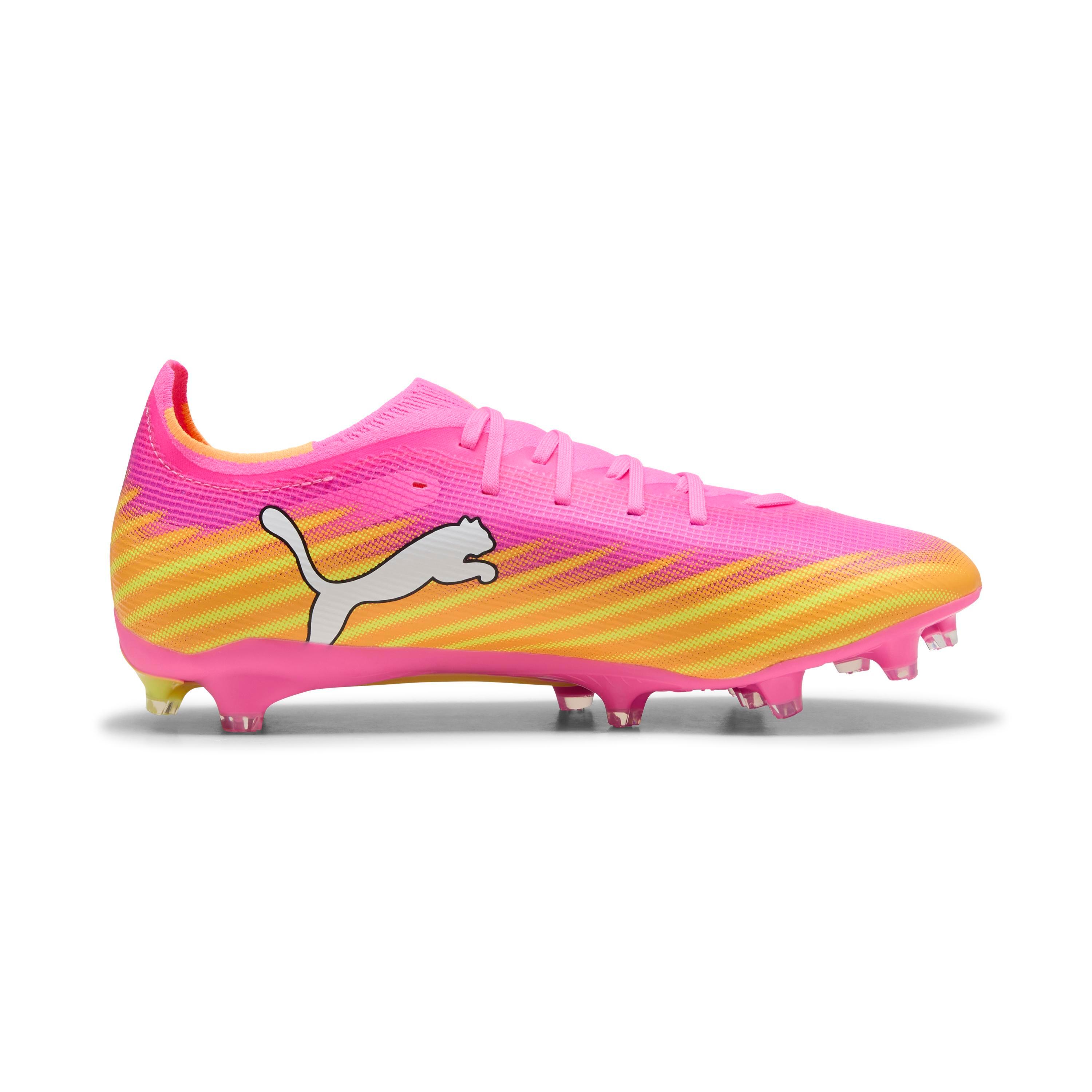
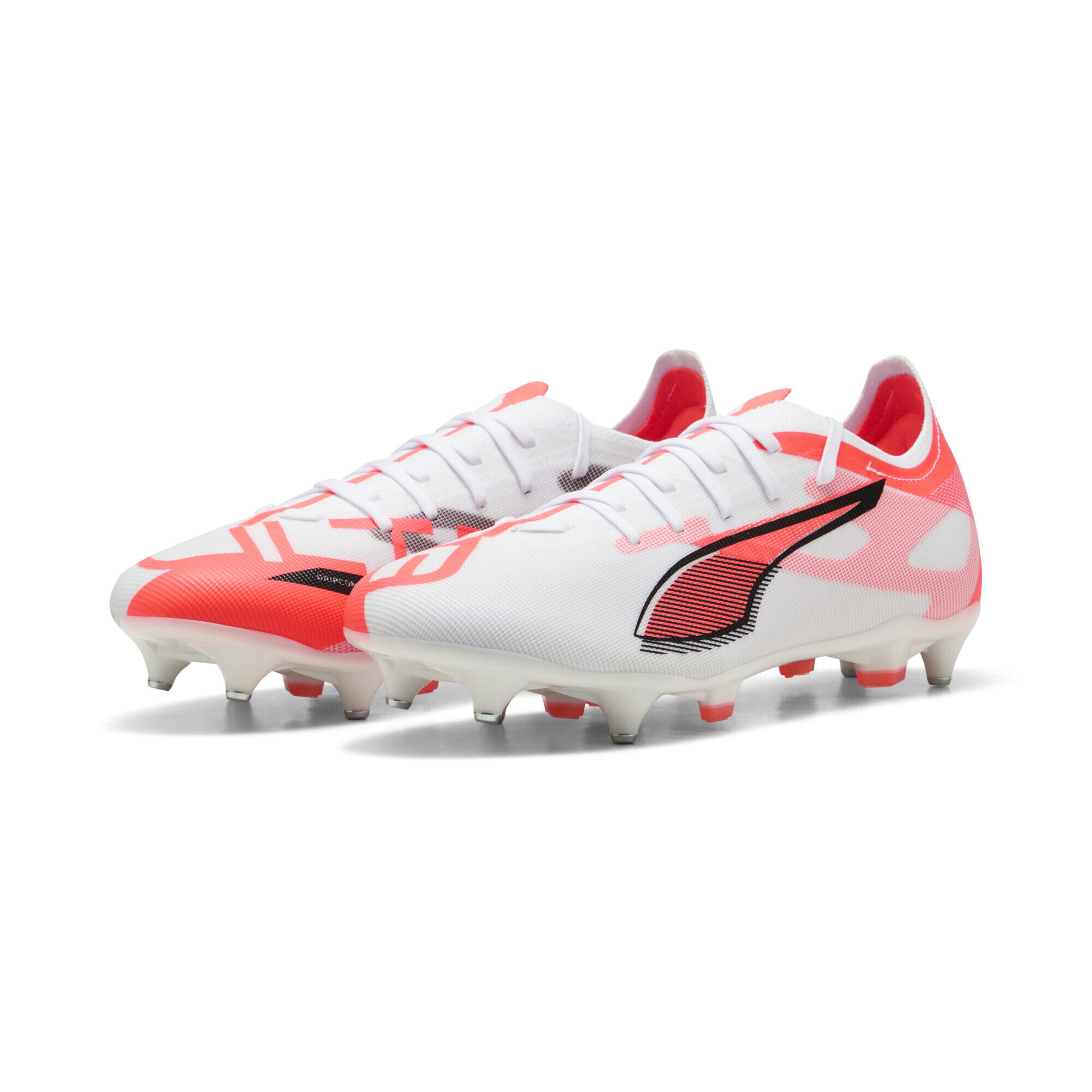
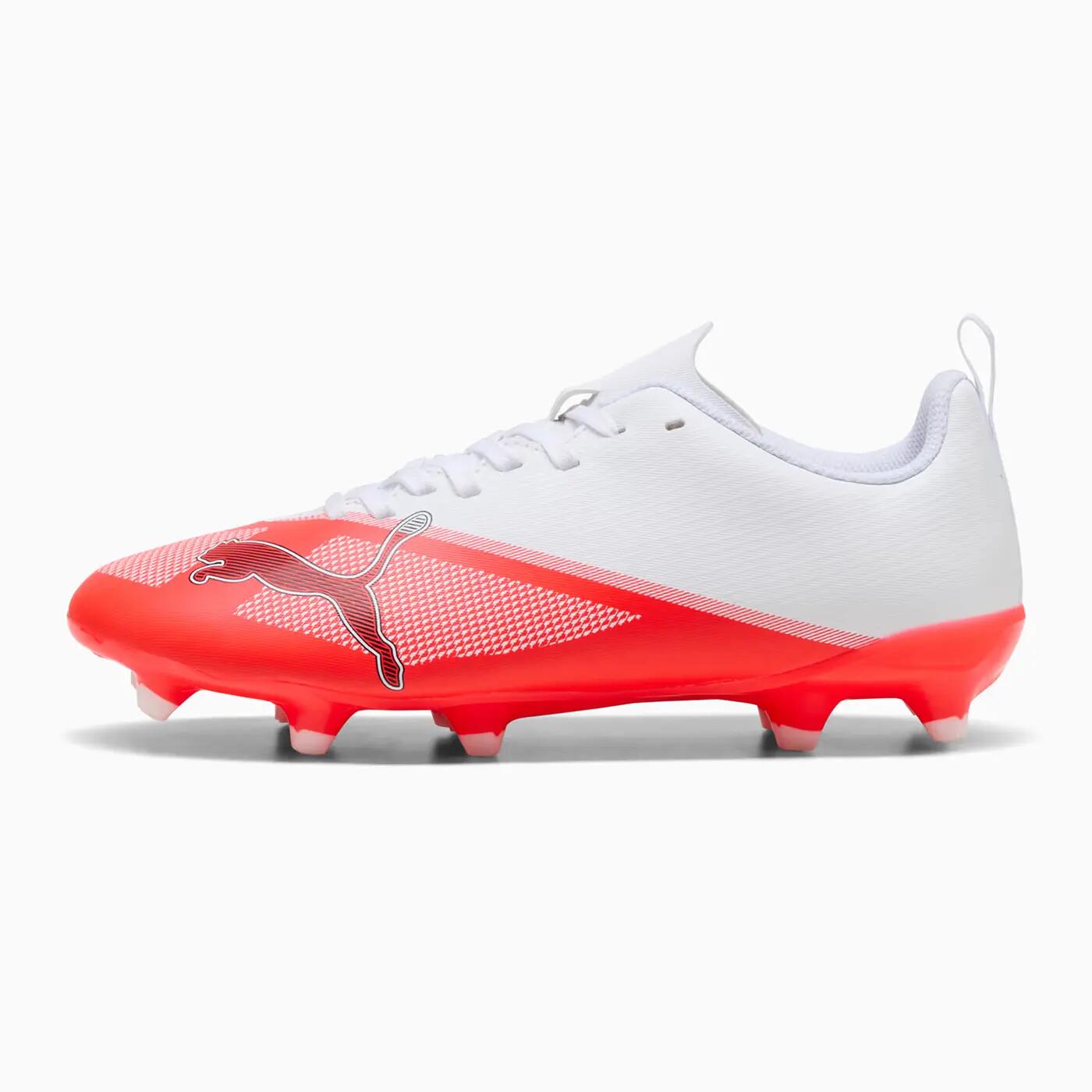
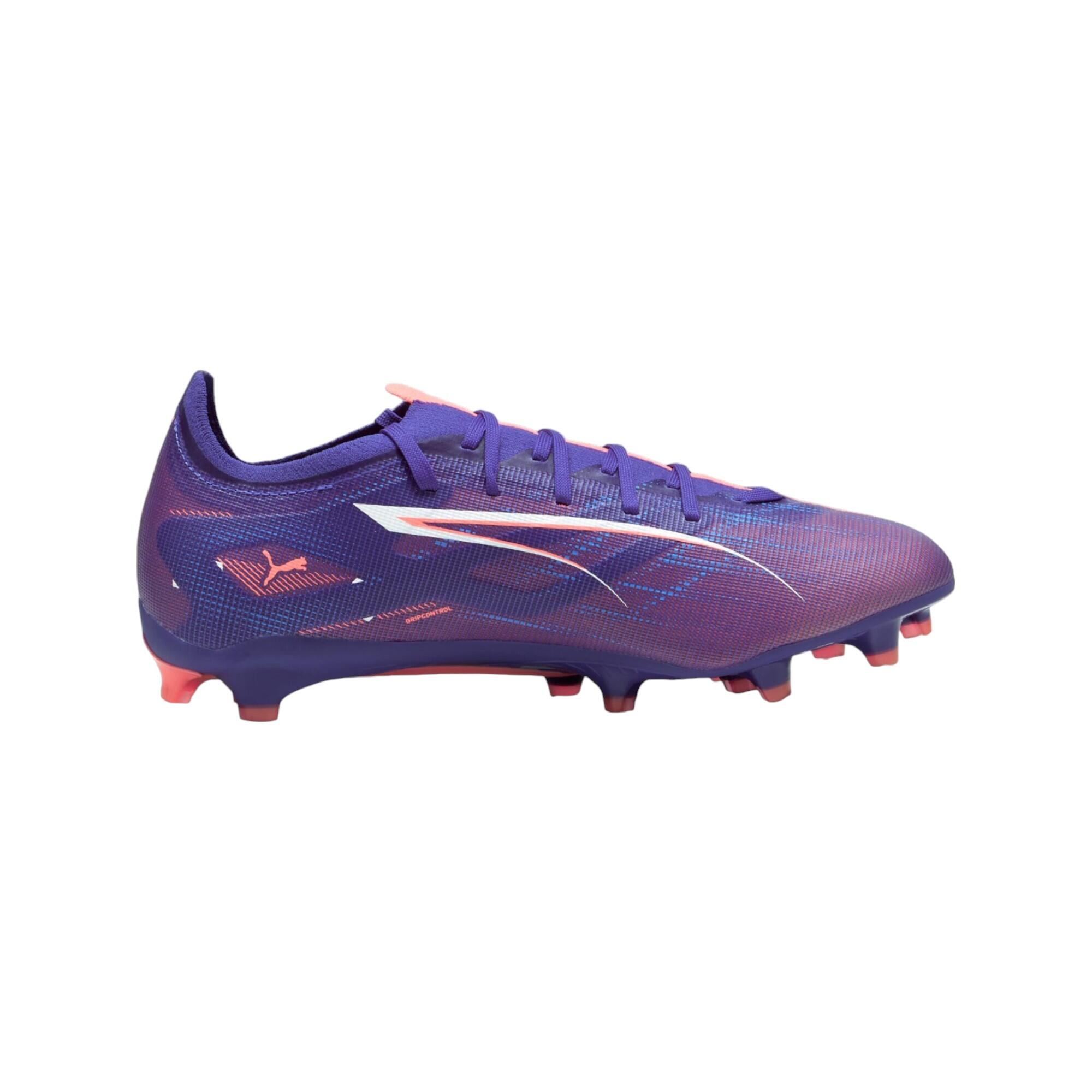
PUMA Ultra Match and Pro boots both follow a lightweight, speed-focused approach, but their support systems and materials can differ. Match models may use mesh-based uppers, internal stabilising frames and SPEEDSYSTEM outsoles to support acceleration while keeping the foot secure. Ultra 6 Match boots also introduce rounded FastTrax studs for traction during forward runs and changes of direction. Pro versions add more specialised support, including PWRTAPE around the foot on selected models. Regular competitors who want a lighter upper with added lockdown may consider PUMA Ultra Pro football shoes. The correct choice depends on playing frequency, foot shape and whether the additional support feels useful during movement.

How do PUMA Ultra generations differ?

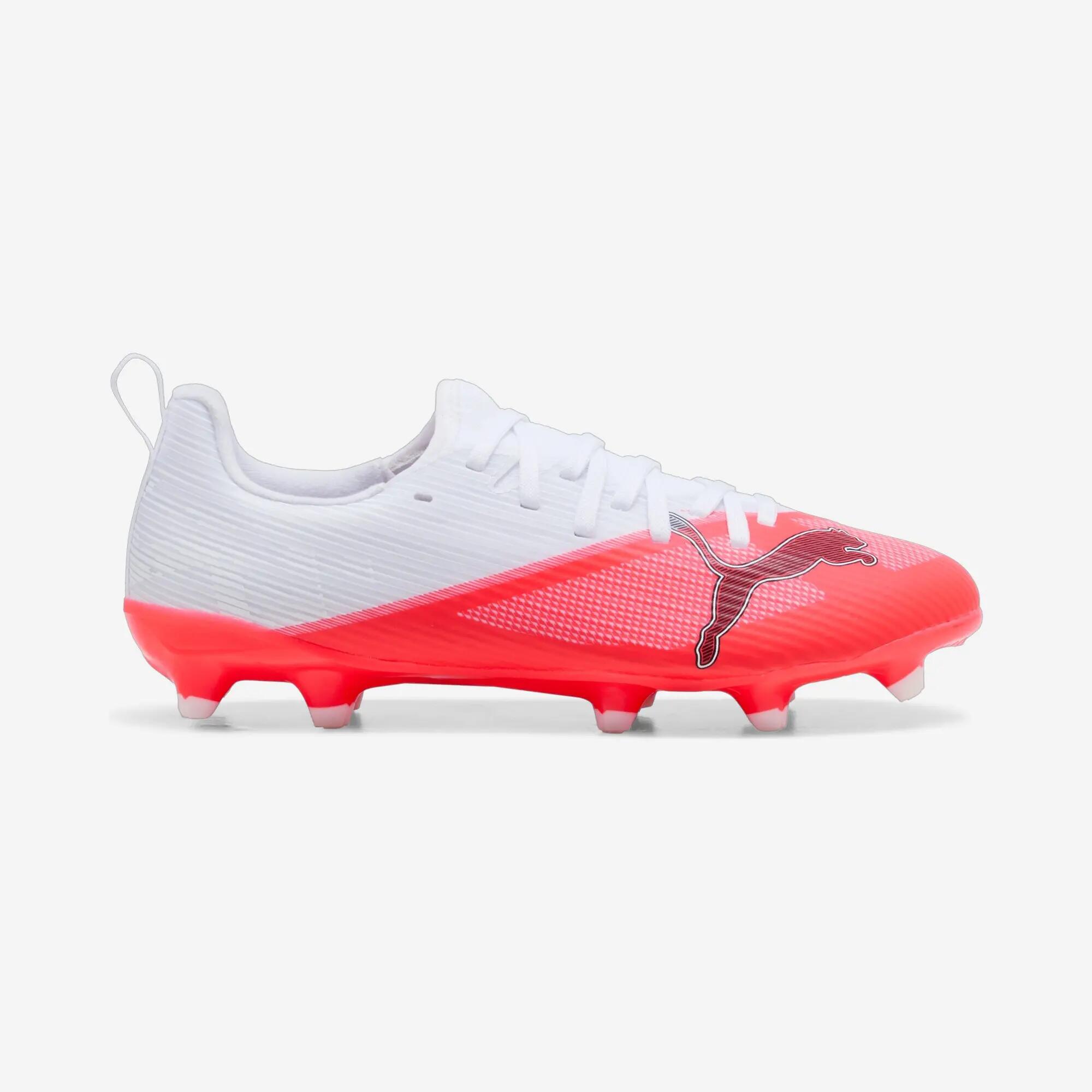
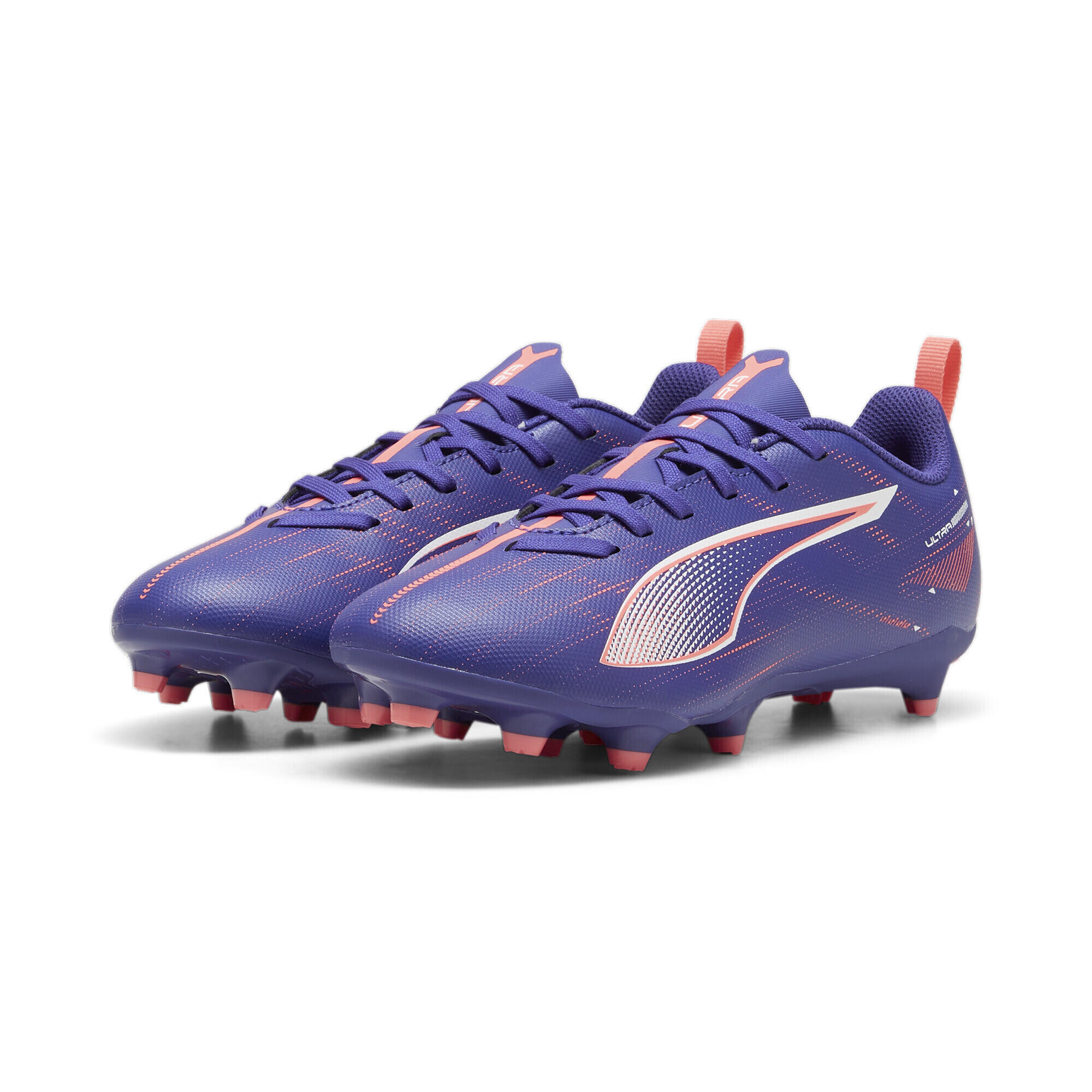
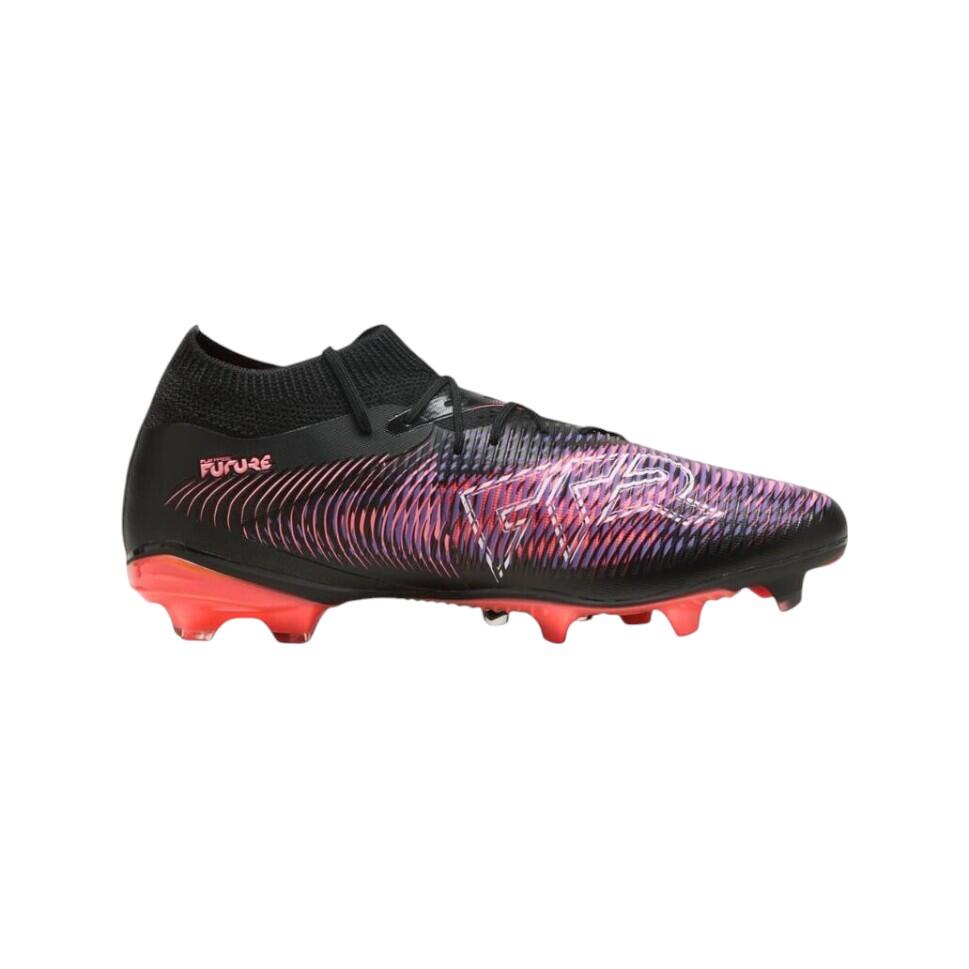
The PUMA Ultra category includes several generations, so specifications should be checked by exact model rather than applied to every boot. Earlier Ultra Match versions may use TPU Speedplate outsoles and reinforced GripControl fabric for traction and ball contact. Ultra 5 Match introduces a lightweight upper, an internal support frame and a SPEEDSYSTEM sole intended to improve energy transfer during acceleration. Ultra 6 continues the SPEEDSYSTEM approach while adding rounded FastTrax studs and a stabilising frame for multidirectional movement. The broader PUMA football boots category places Ultra alongside Future and Truco models with different playing characteristics. Read the individual specification carefully, particularly when two generations appear in similar colours or performance tiers.

Are laceless PUMA Ultra football boots secure enough?

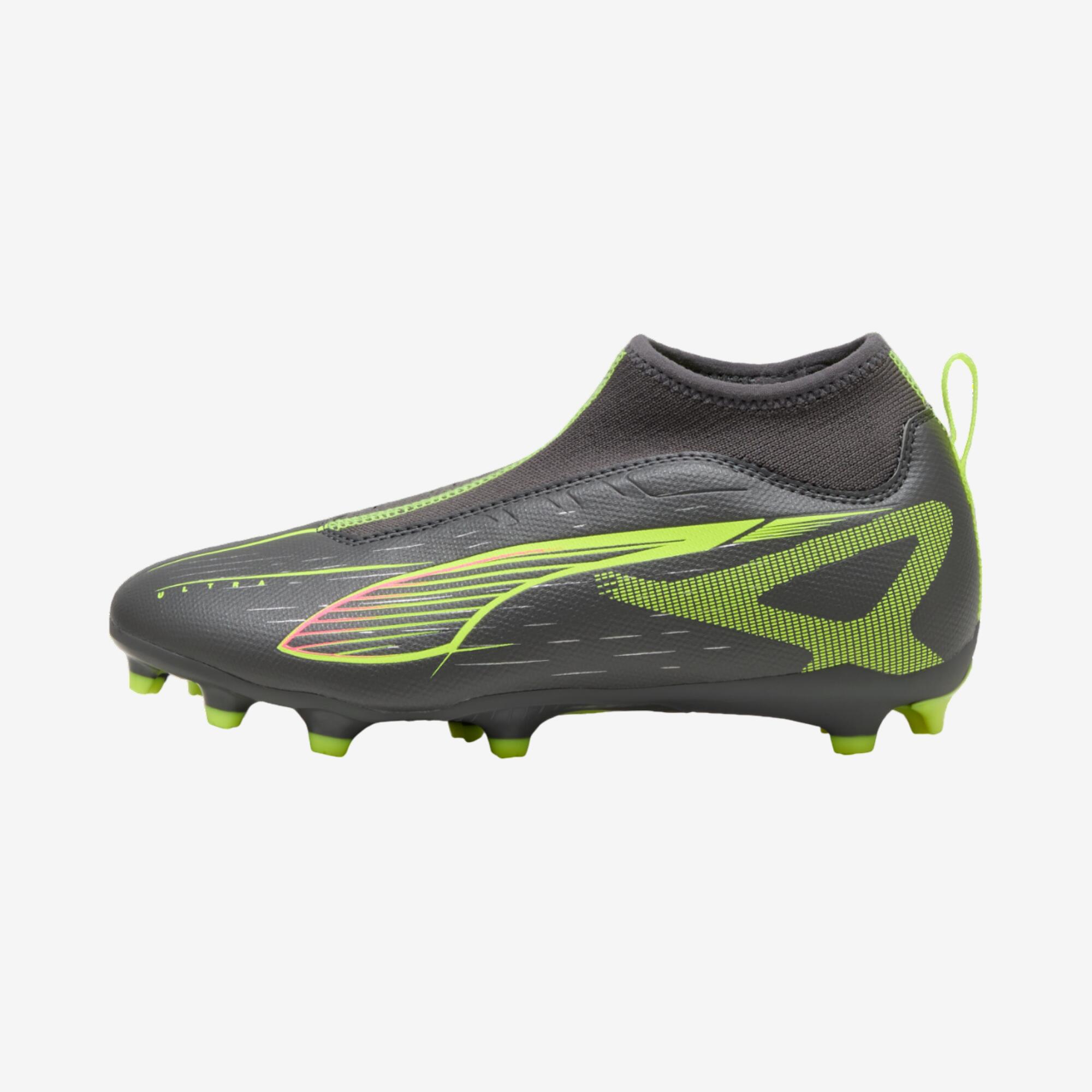
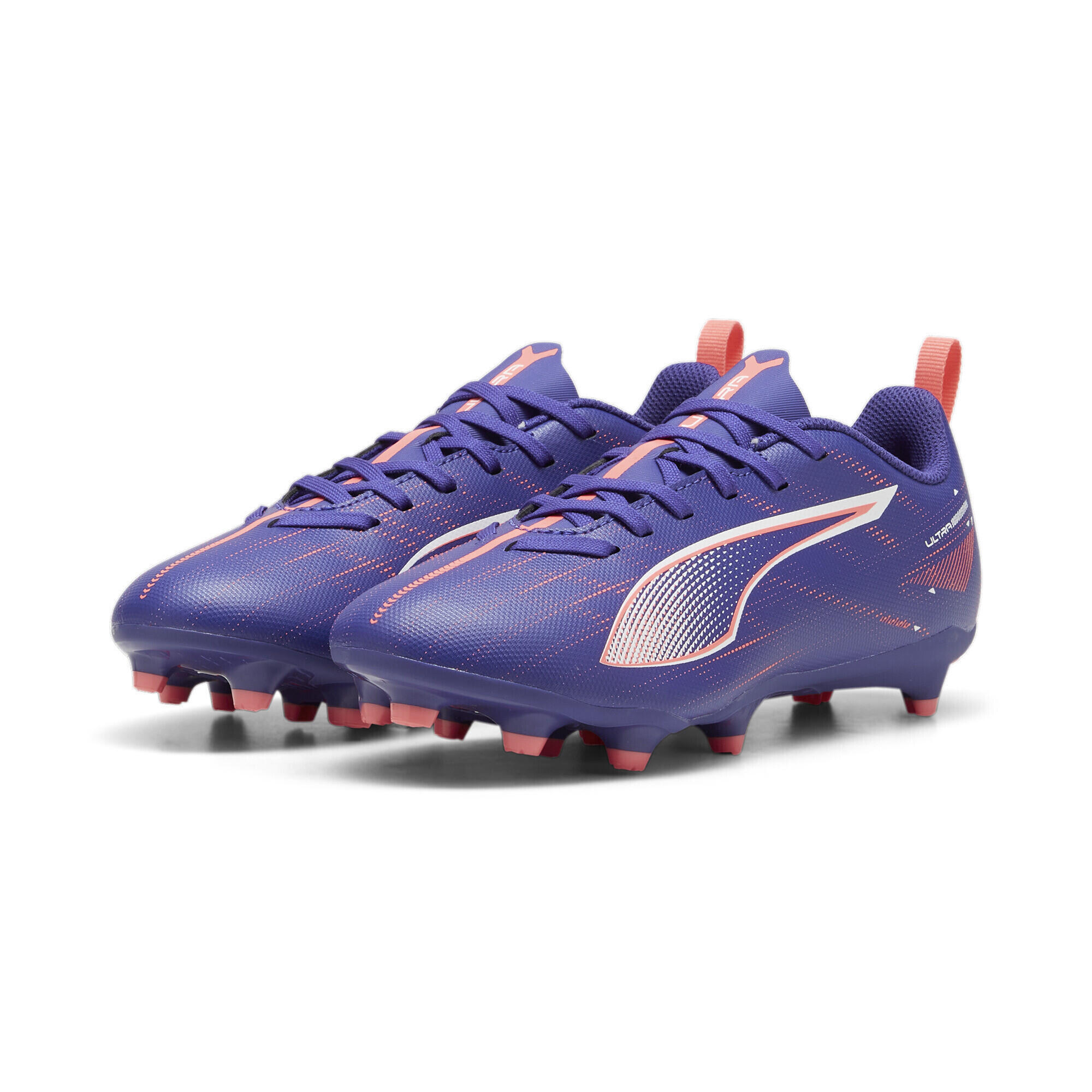
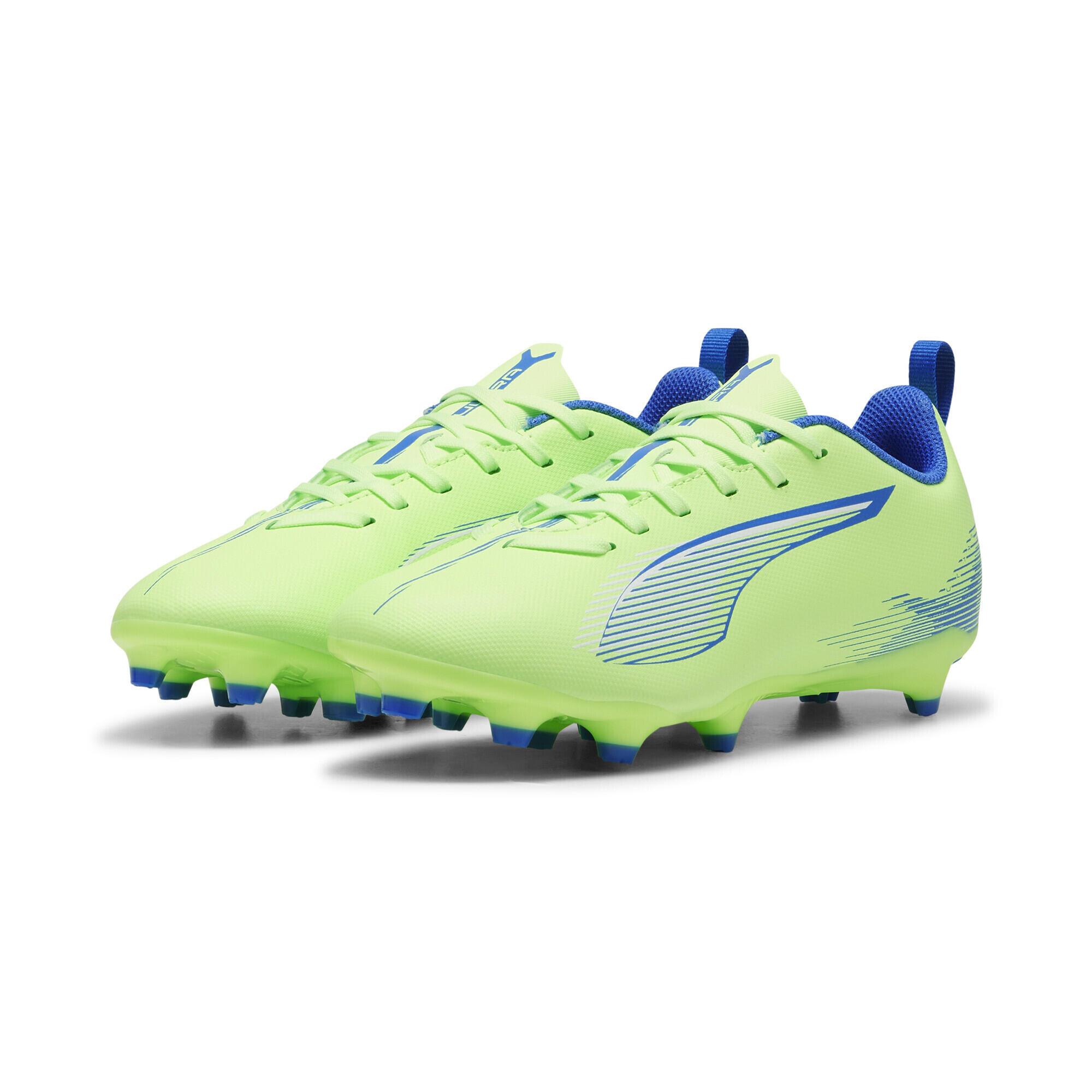
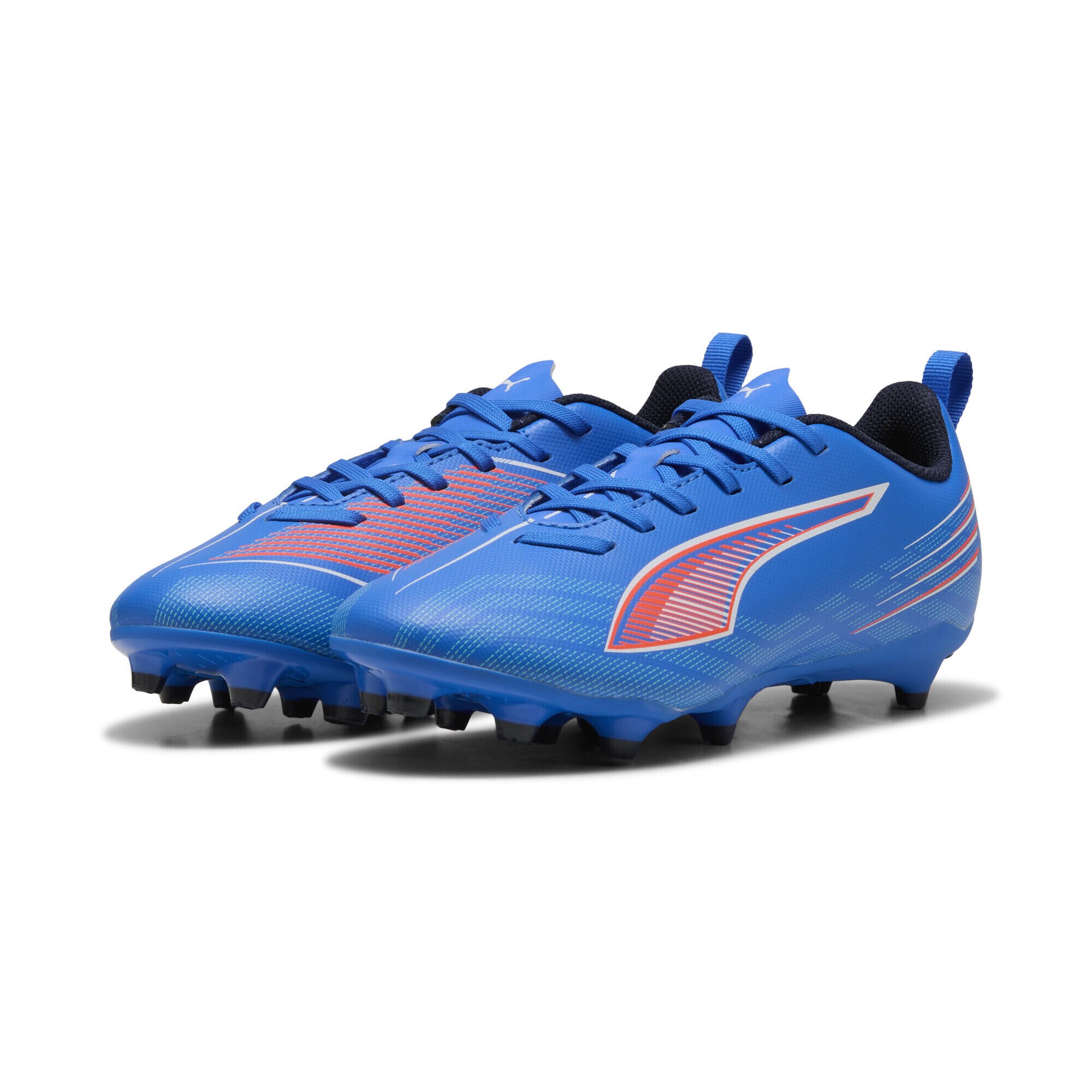
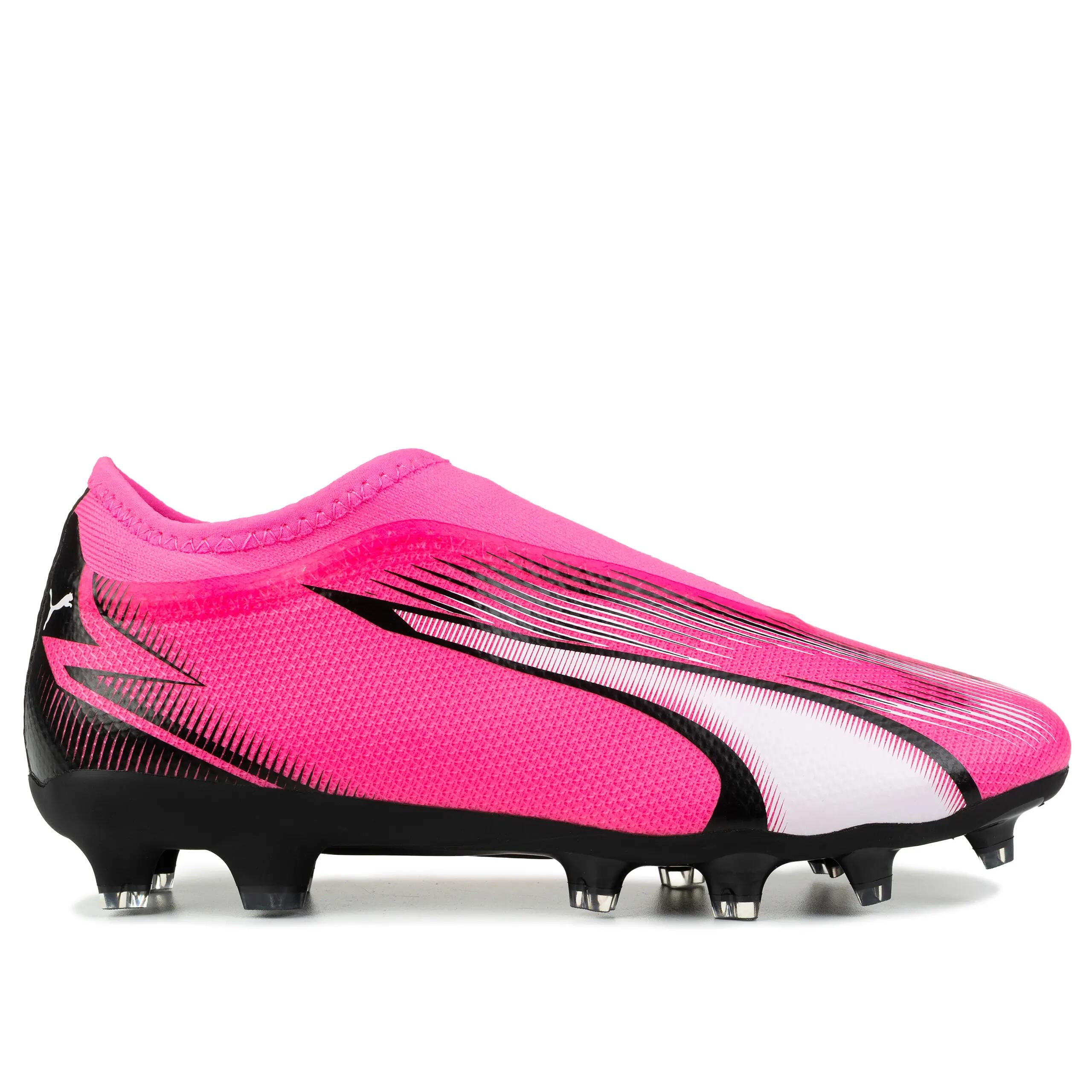
Laceless boots can provide a clean contact area across the top of the foot, but they rely heavily on the upper shape, collar and internal support to maintain a stable fit. Players cannot tighten individual sections as they can with conventional laces, so the boot should feel secure immediately. Junior PUMA Ultra laceless football shoes should hold the heel during quick starts, sudden stops and sideways turns without pressing uncomfortably across the forefoot. Wear the same socks used for matches and test both boots indoors before use. A player with a narrow heel, broad forefoot or strong preference for adjustable pressure may feel more comfortable in a laced Ultra model.

Which PUMA Ultra boots should you wear on turf?

Short, compact artificial turf normally requires numerous low-profile rubber studs rather than the moulded plate used on firm-ground or FG/AG footwear. These smaller studs spread pressure beneath the foot and provide traction for movement across hard synthetic surfaces. Junior players training on suitable turf pitches can use PUMA Ultra turf football shoes with a surface-specific outsole. Turf boots should not be used automatically on longer artificial grass or wet natural pitches, where a different stud pattern may be required. Check the venue's footwear rules and the product classification before play. The sole should feel stable during acceleration without creating sharp pressure or excessive resistance when the player turns.

How should PUMA Ultra football boots fit?

PUMA Ultra boots should hold the heel and midfoot securely while leaving enough space for the toes to move naturally. Lightweight uppers and low collars can create a close feel, but the boot should not squeeze the widest part of the foot or cause numbness. Try both boots with your usual football socks, then perform short sprints, stops and lateral movements to check for slipping. Growing room in junior footwear should remain sensible, as excessive length can reduce stability and ball control. Other football boots may offer a different last, collar height or support structure when the Ultra shape does not suit your foot. Recheck the fit regularly and replace boots when heel security, upper structure or outsole traction has noticeably deteriorated.