960 items
4.5/5 based on 2097 reviews collected online and in stores

All PUMA Football Boots FAQs

Which PUMA football boot type suits your usual pitch?

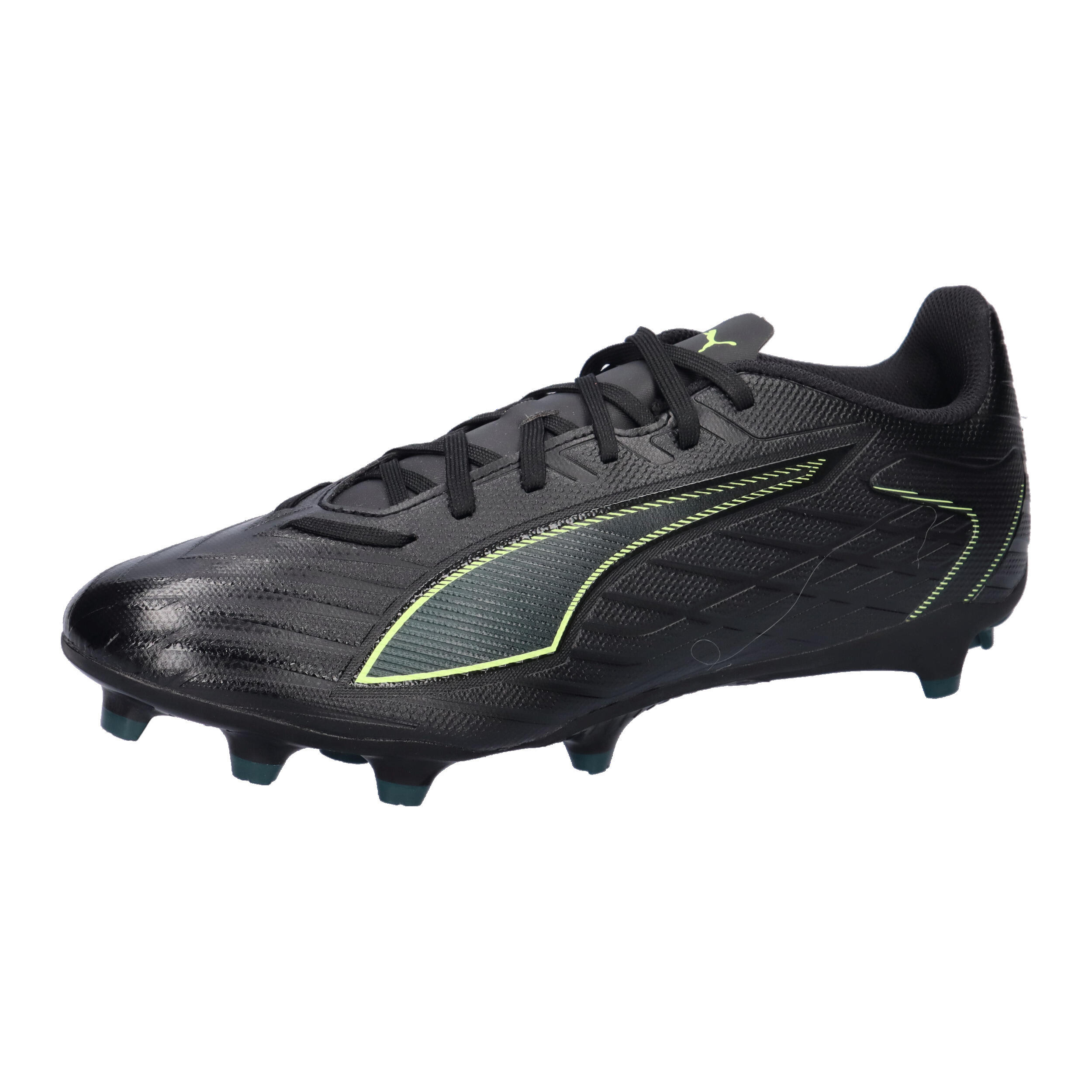
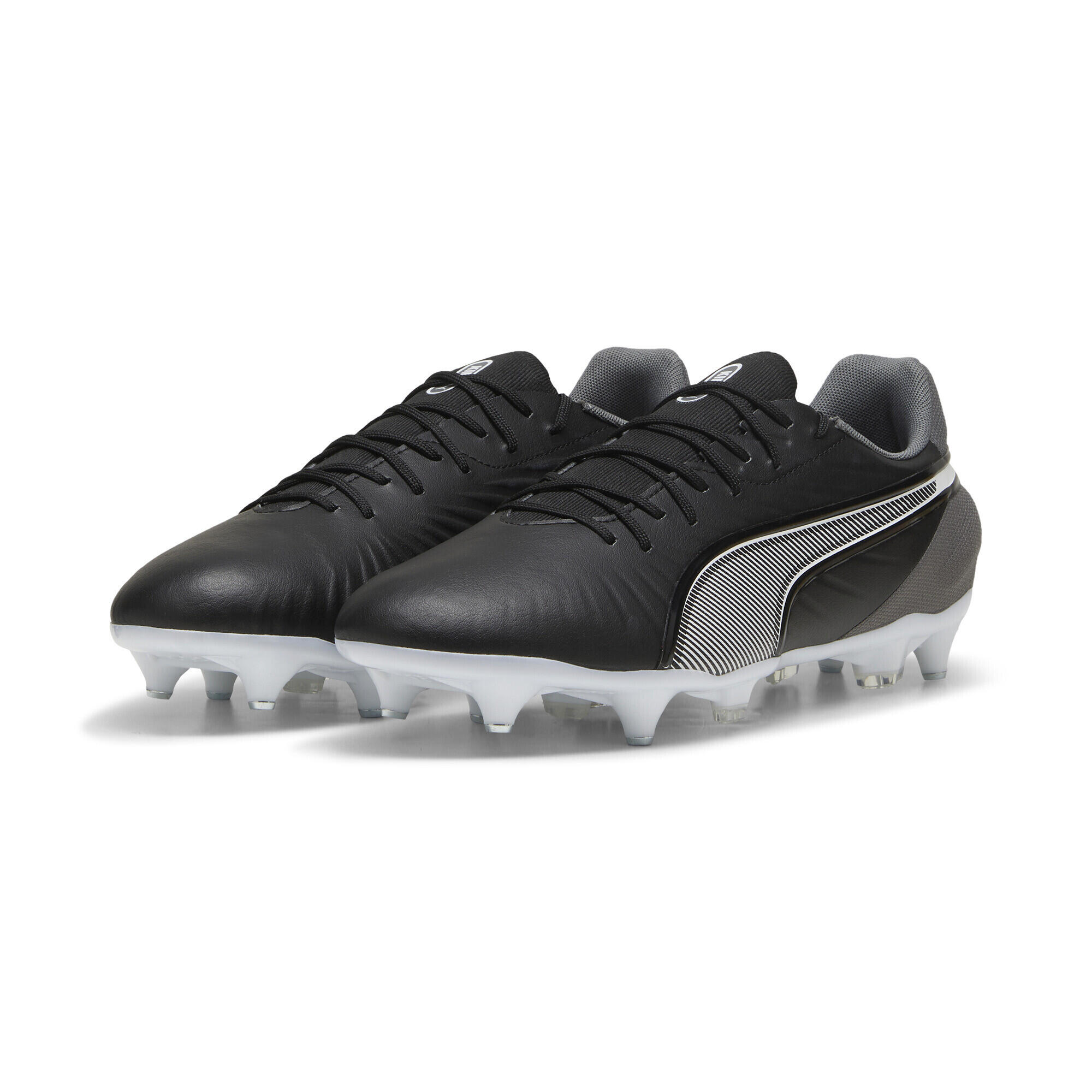
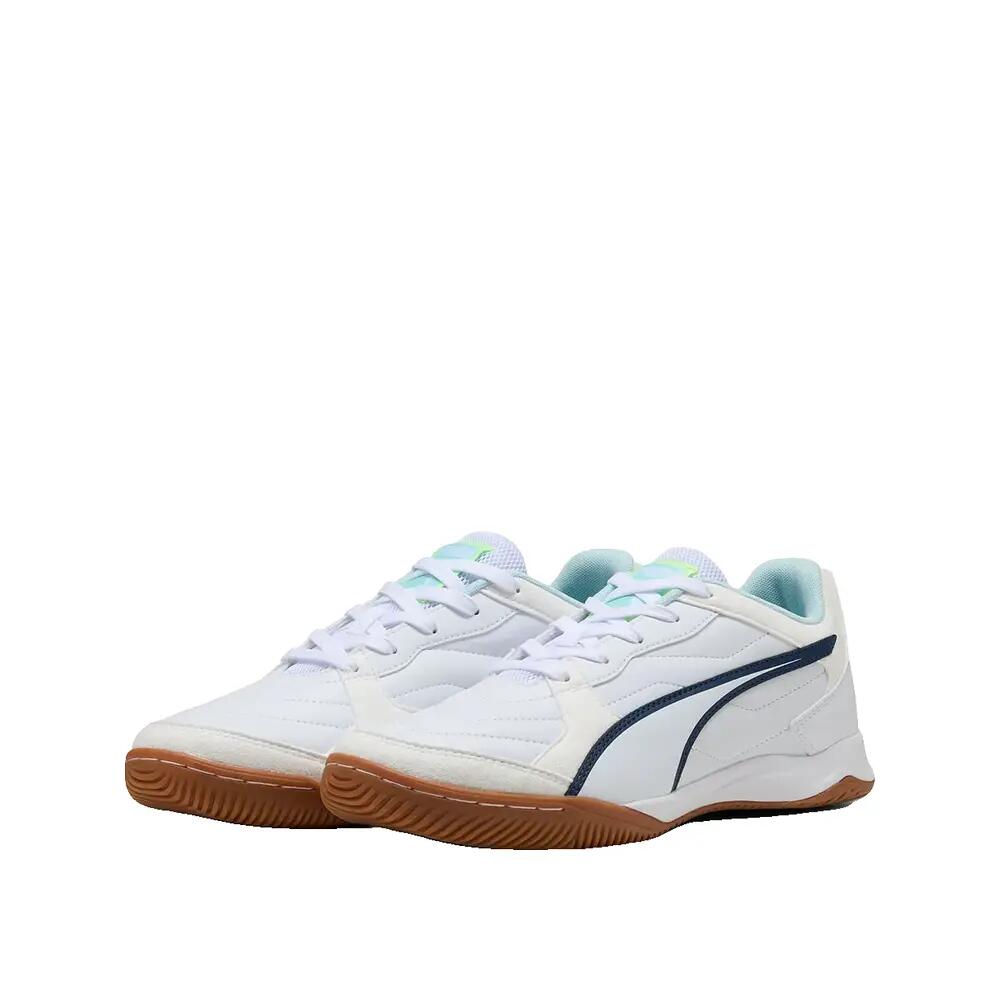
Match the outsole to the surface before considering colour, boot generation or performance level. FG/AG plates are intended for compatible firm natural grass and suitable artificial pitches, while turf boots use numerous low-profile rubber studs for short, compact synthetic surfaces. Indoor football requires a flat, non-marking sole rather than raised studs. Junior players training in sports halls can use Puma futsal boots where the venue permits indoor court footwear. Always check the exact product classification because Future, Ultra and Truco models appear with different outsole constructions. The right sole should provide stable traction without creating concentrated pressure beneath the foot or gripping too aggressively during turns.

What is the difference between PUMA Future, Ultra and Truco boots?

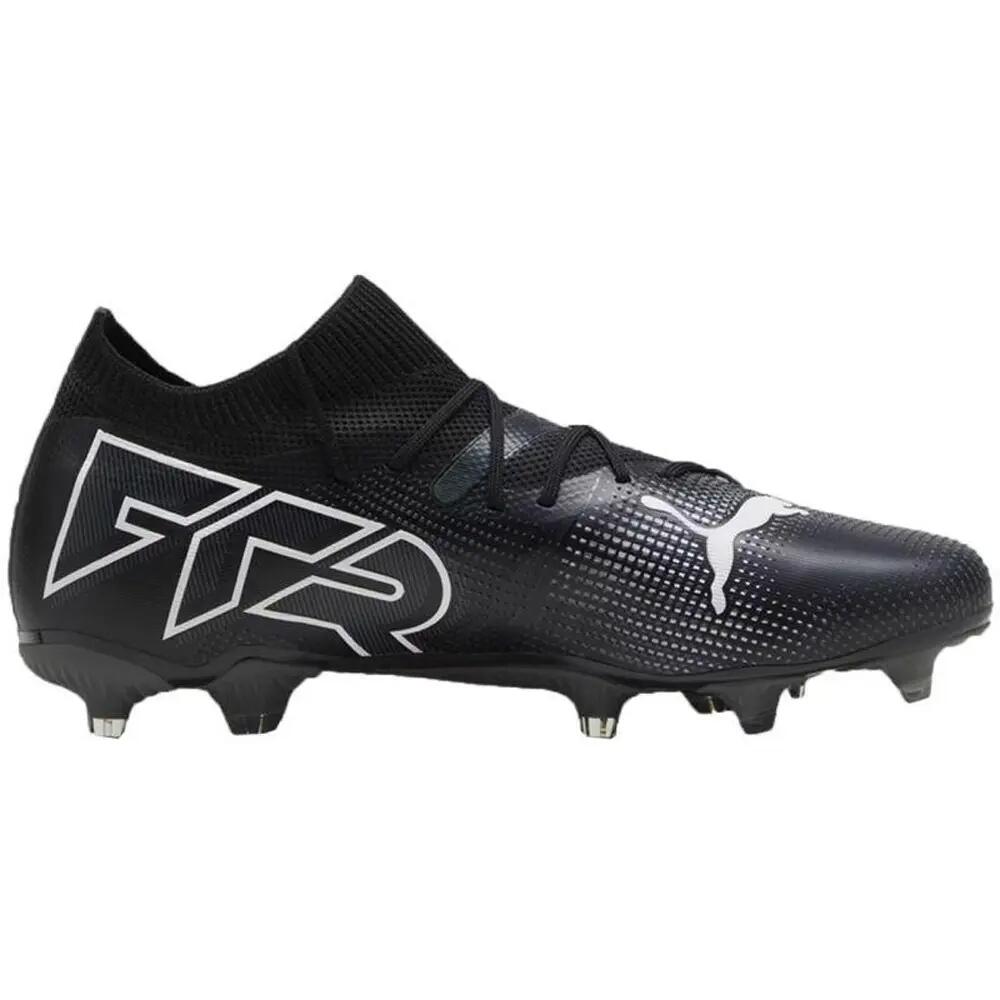
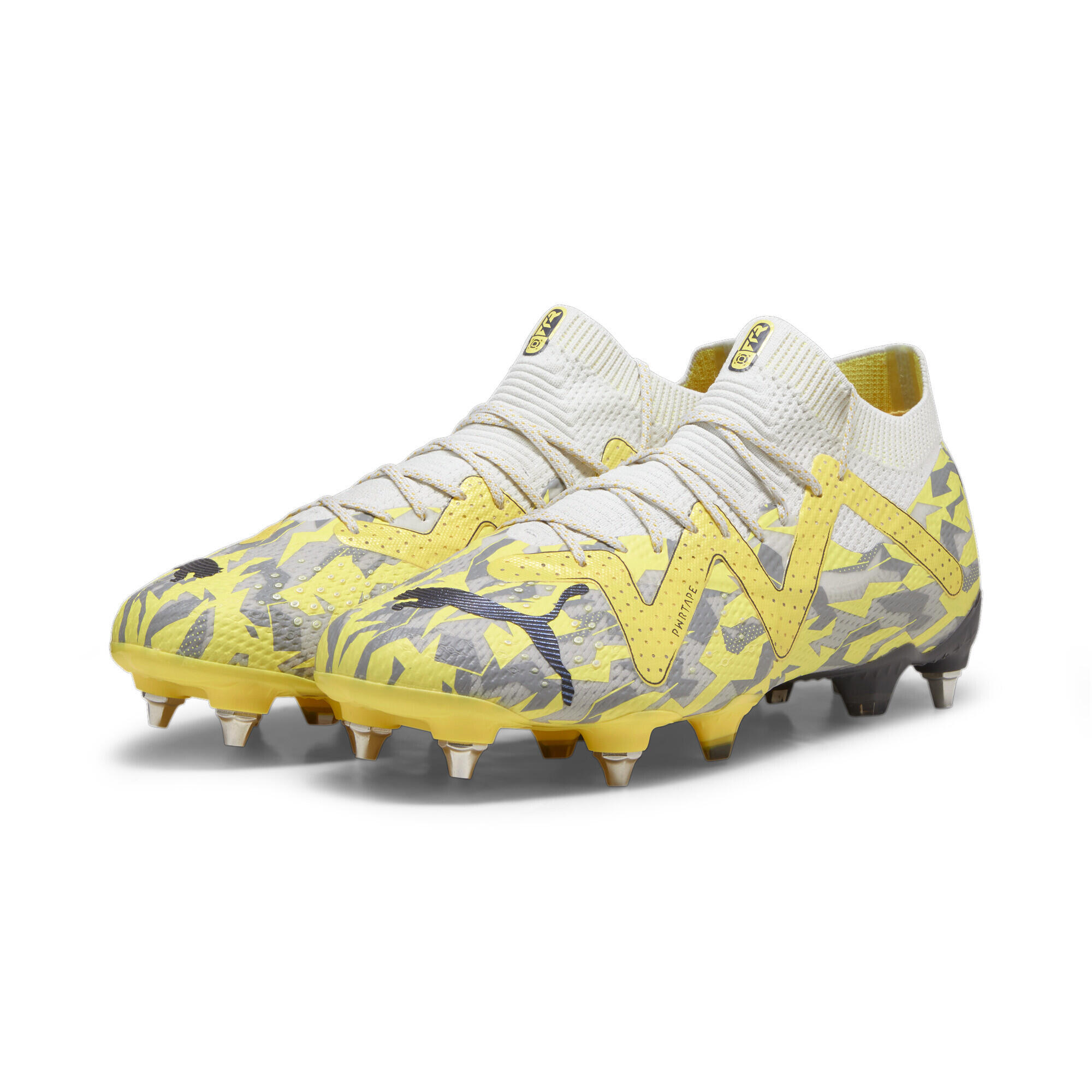
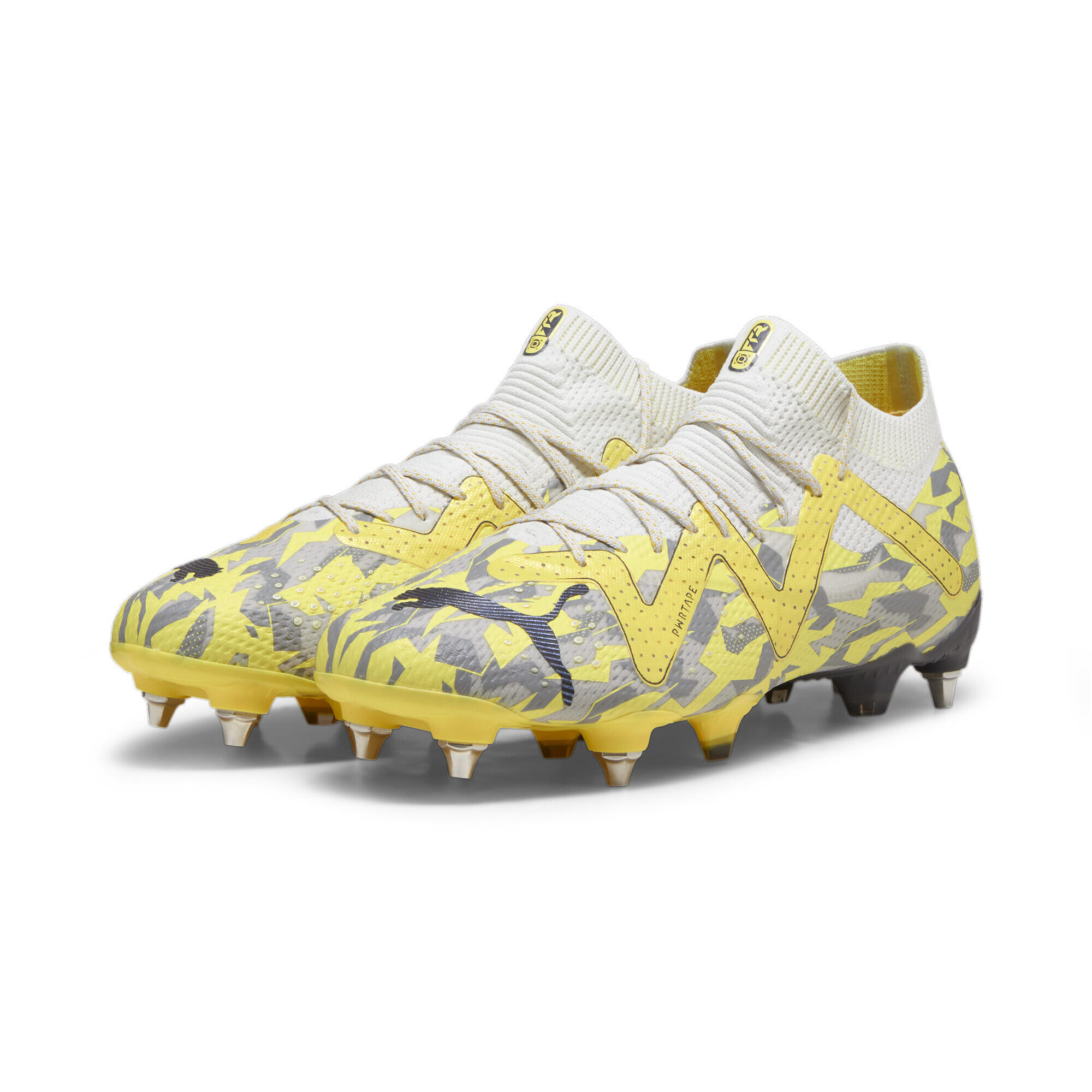
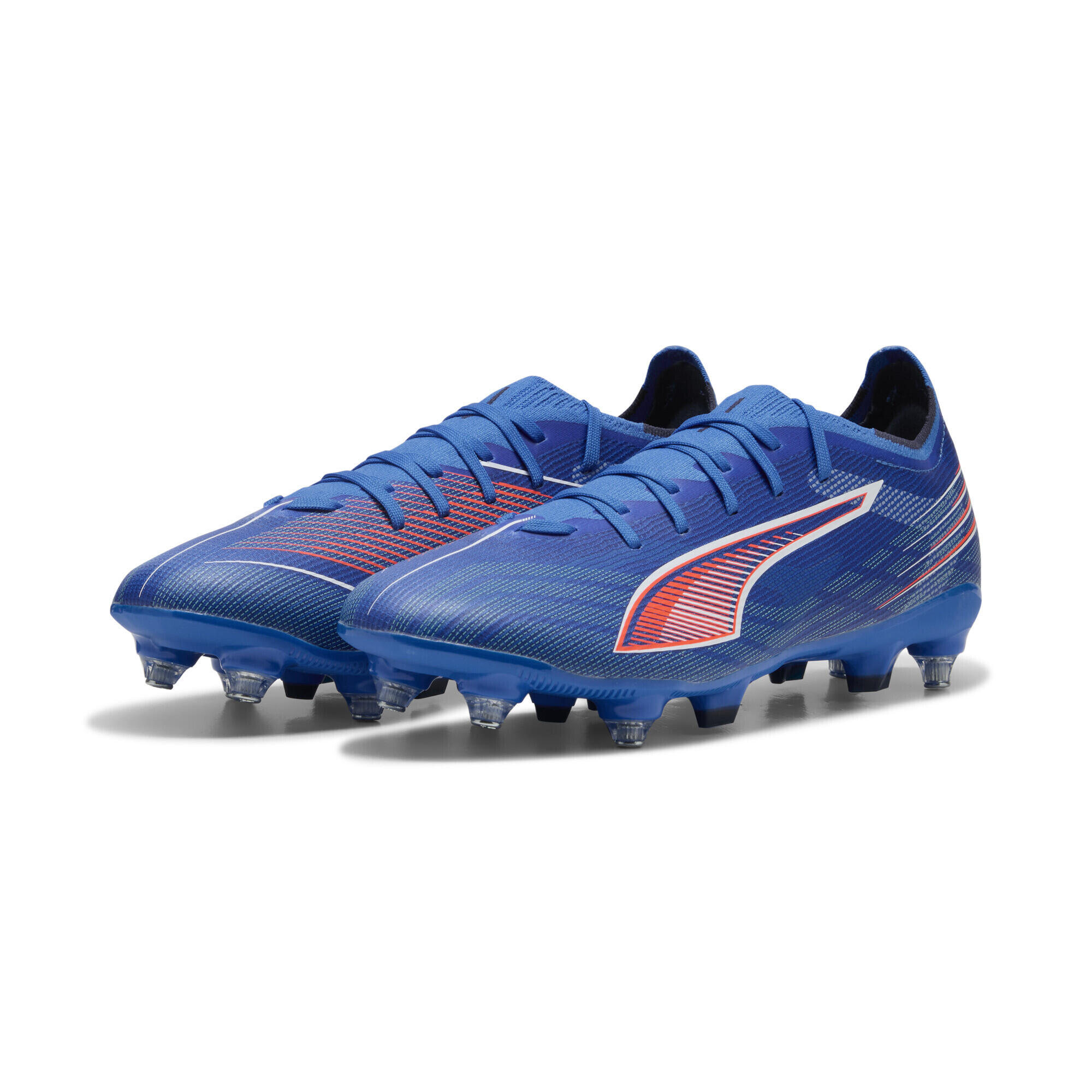
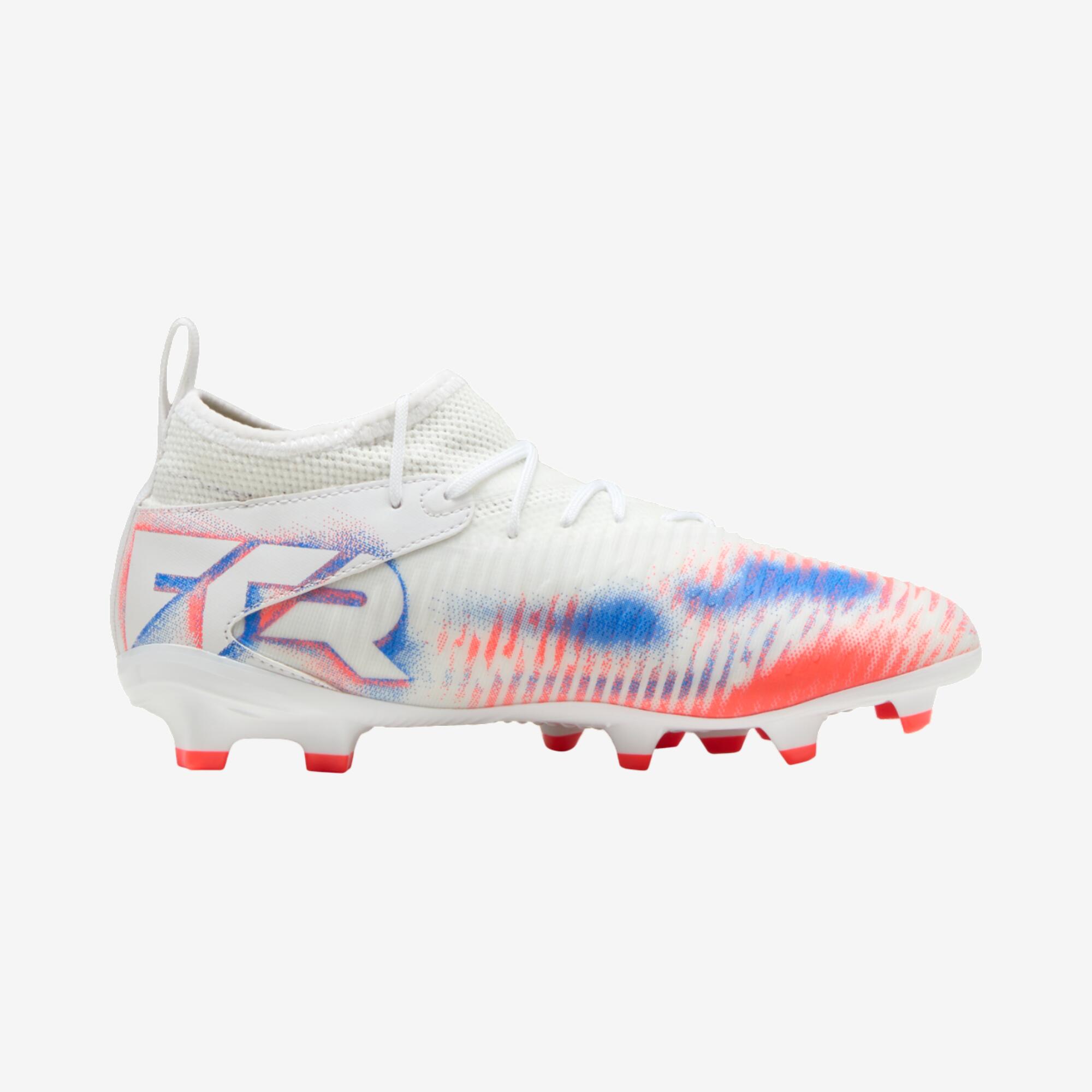
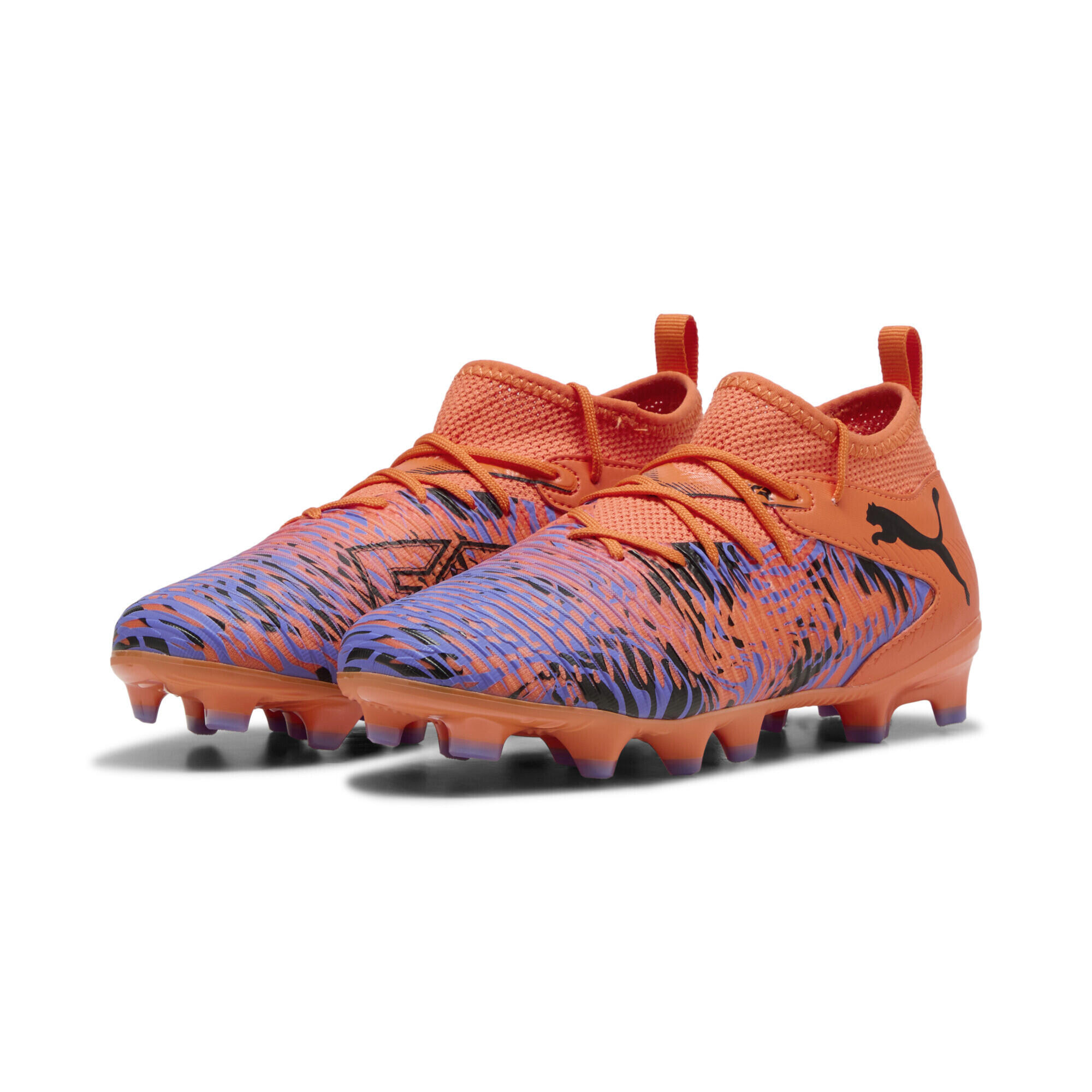
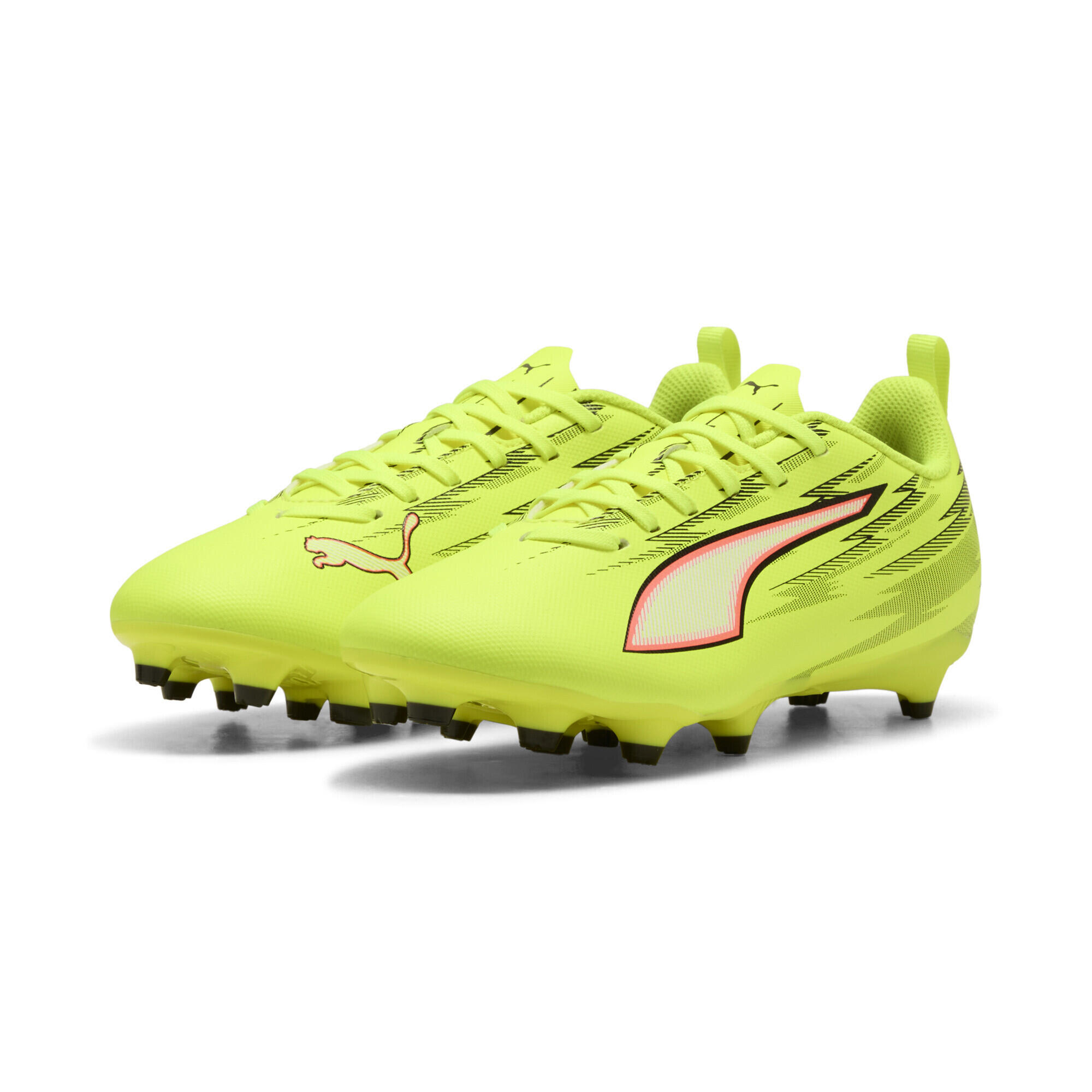
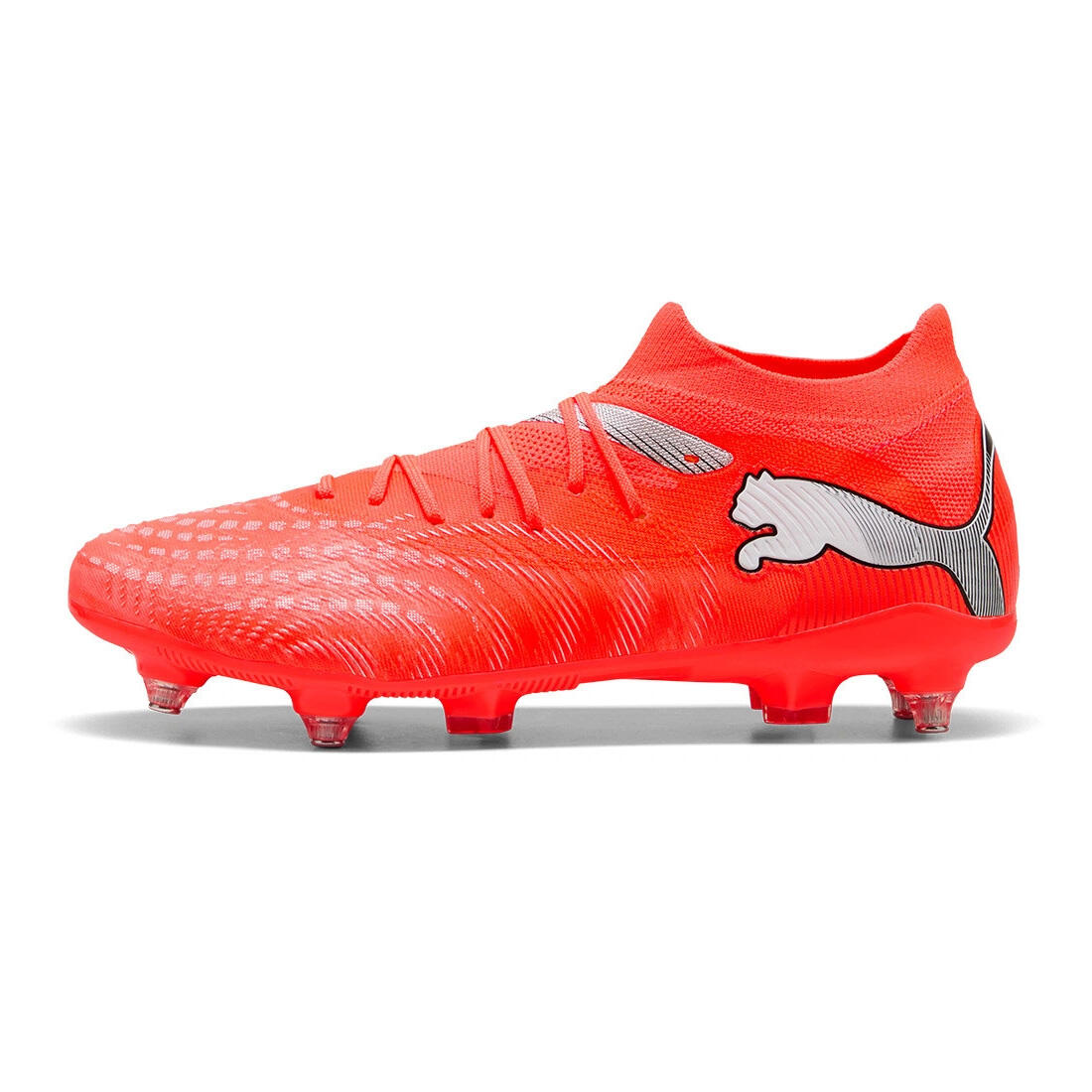
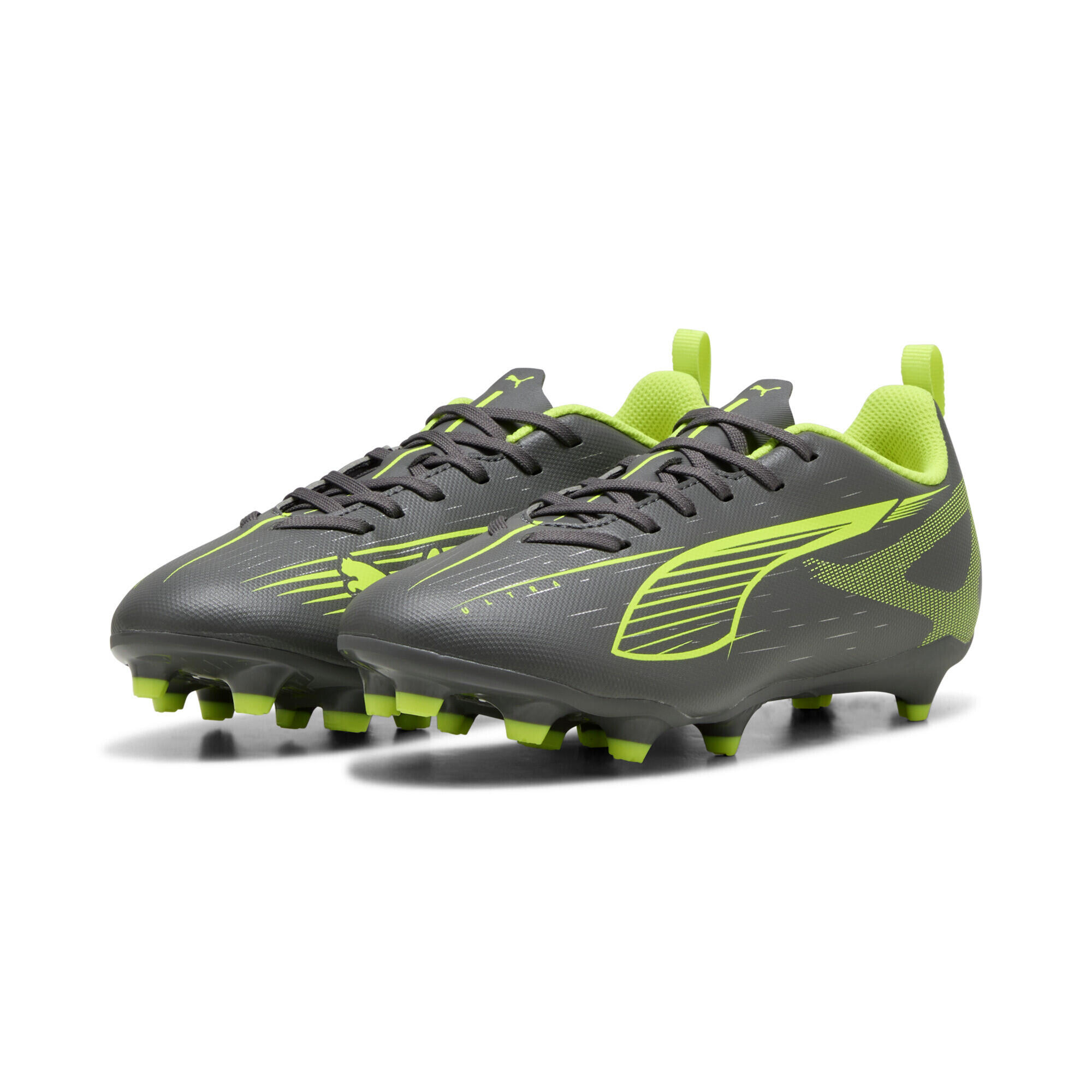
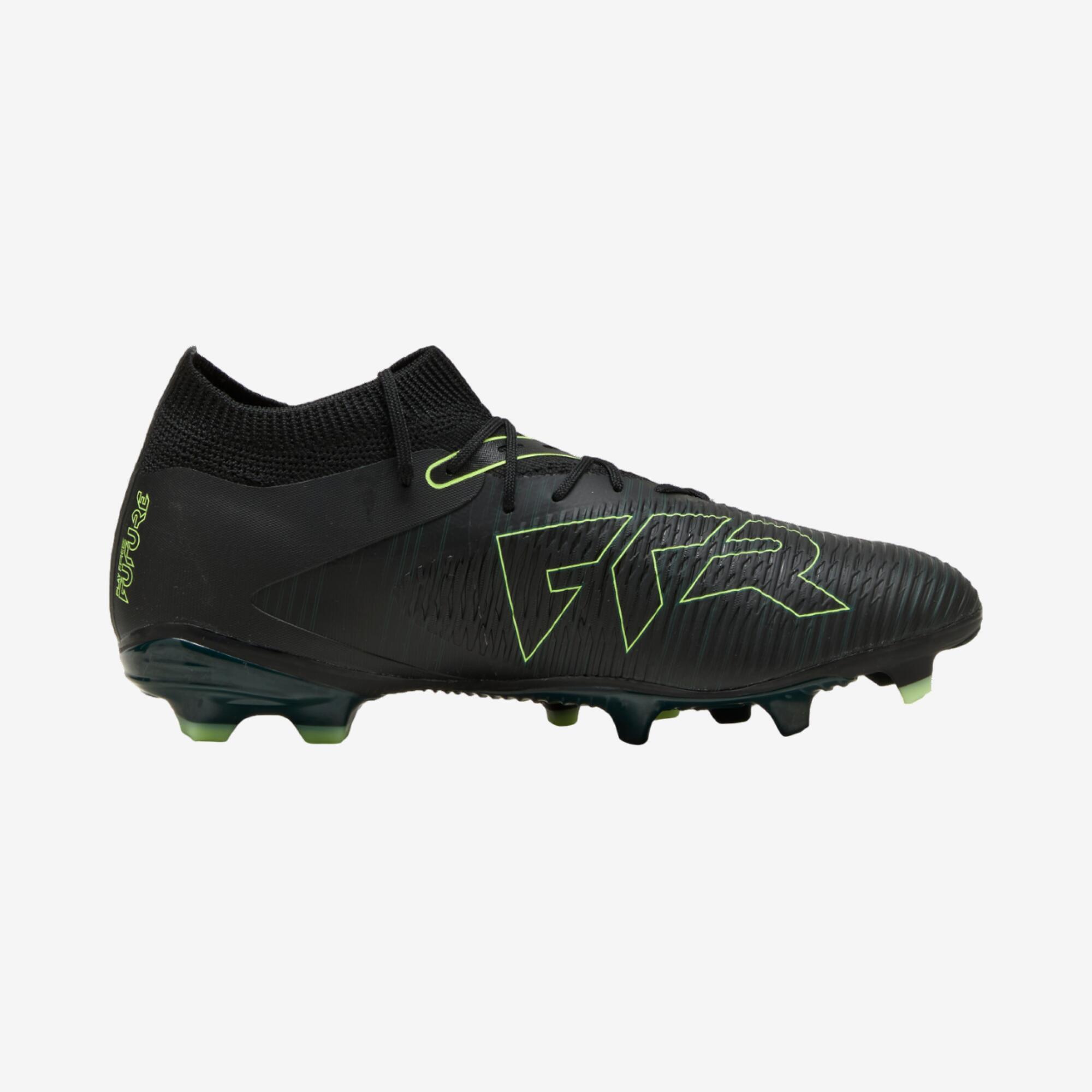
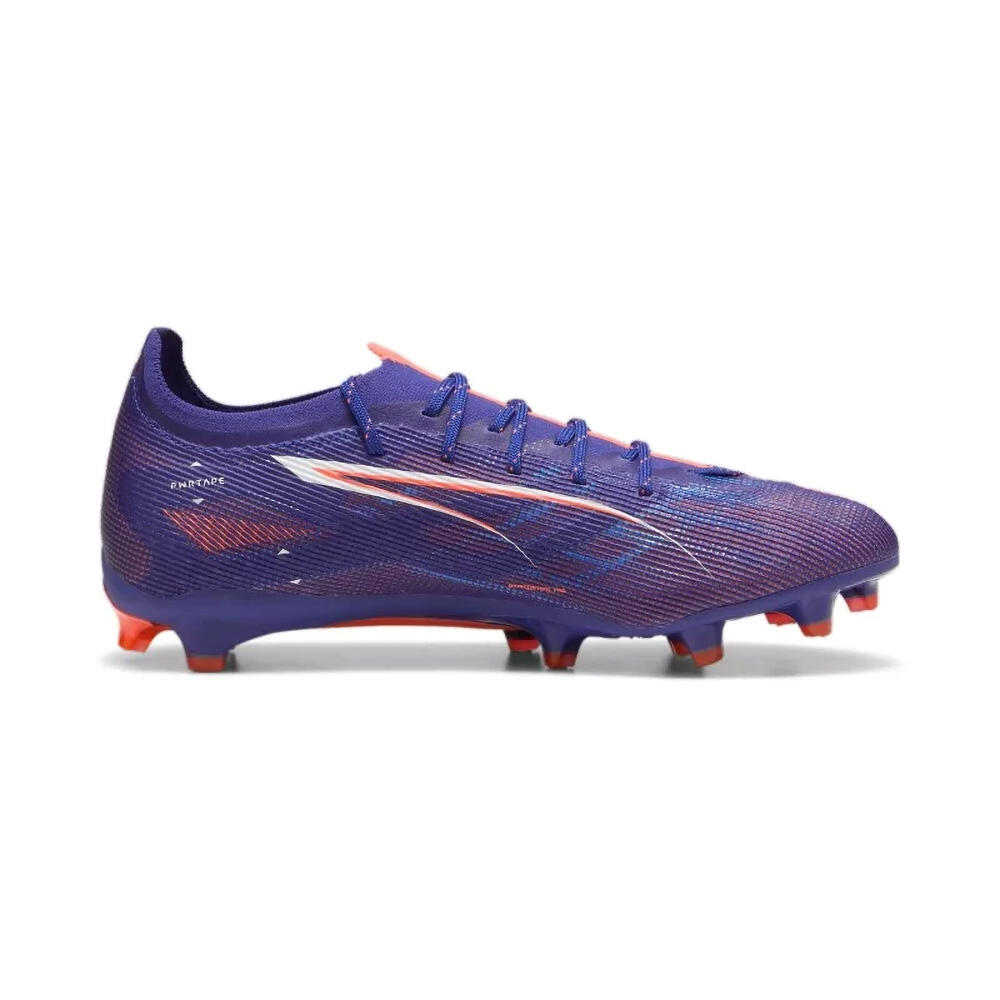
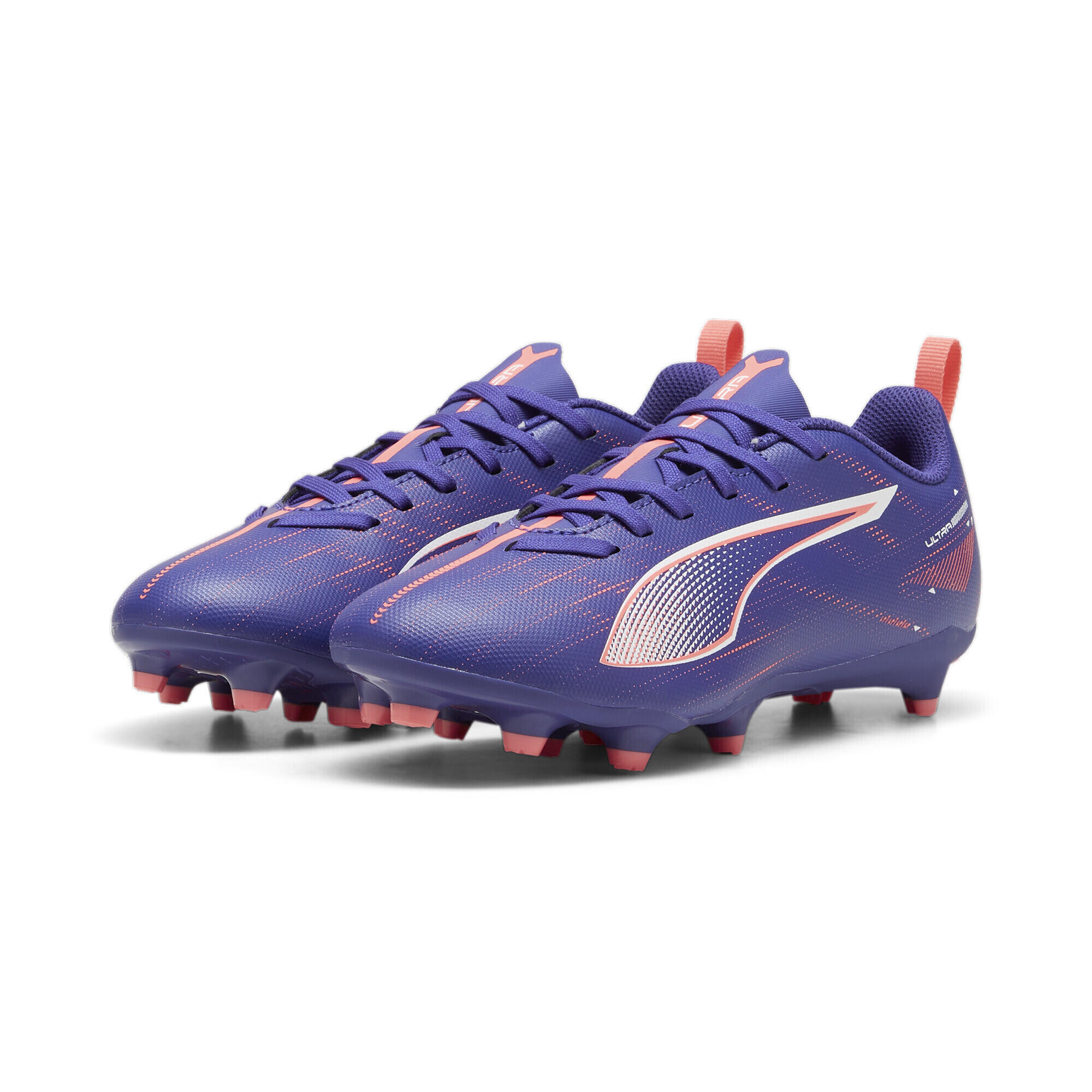
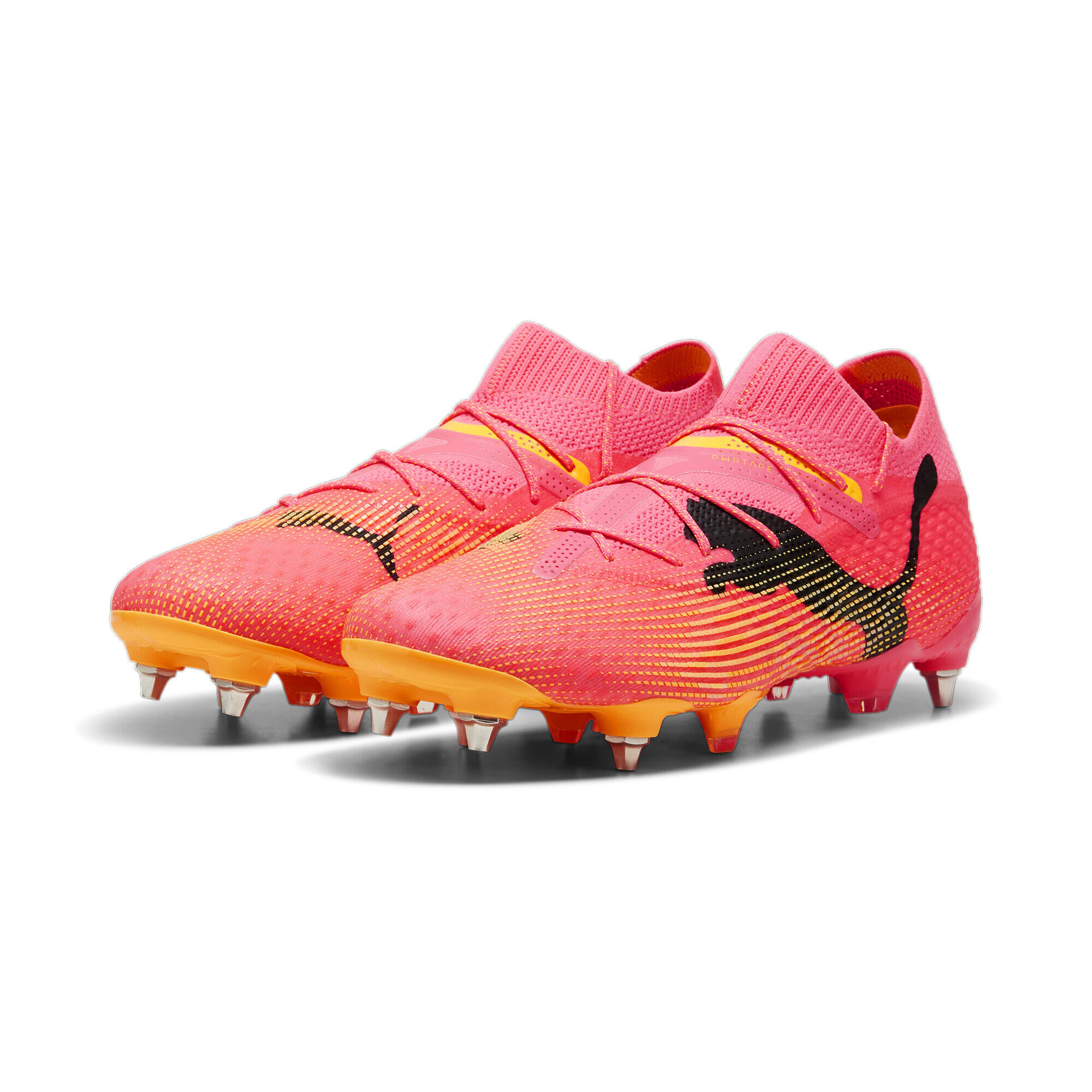
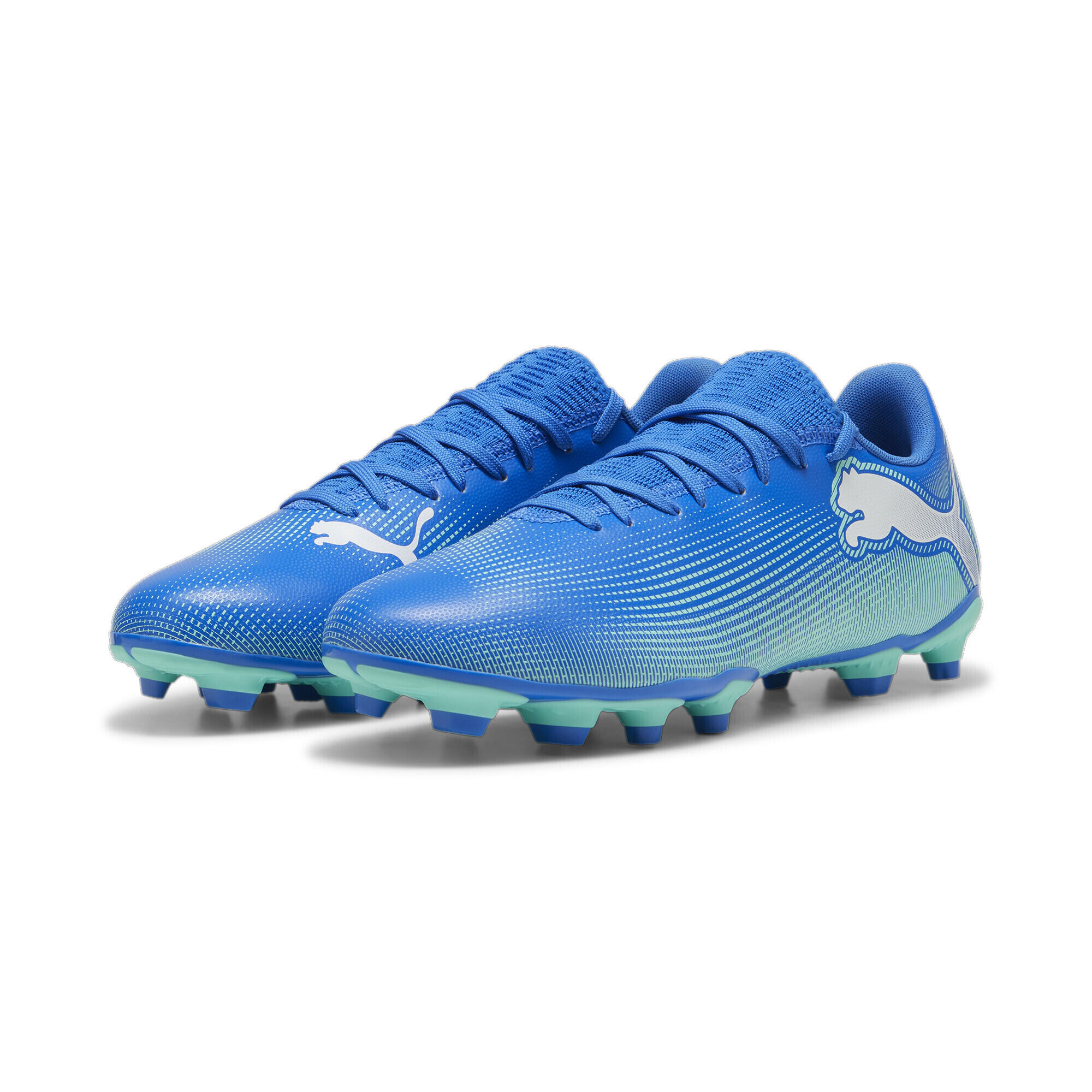
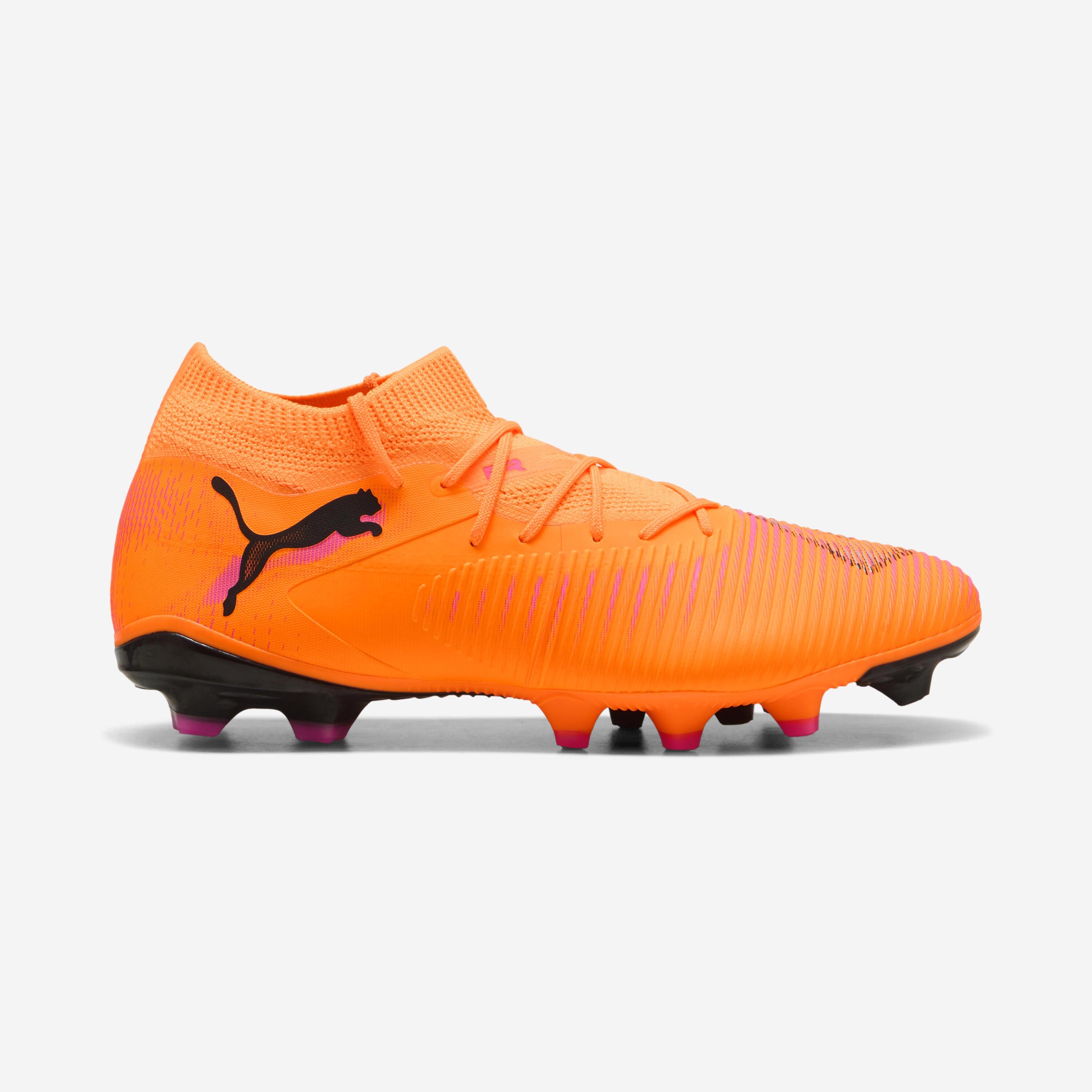
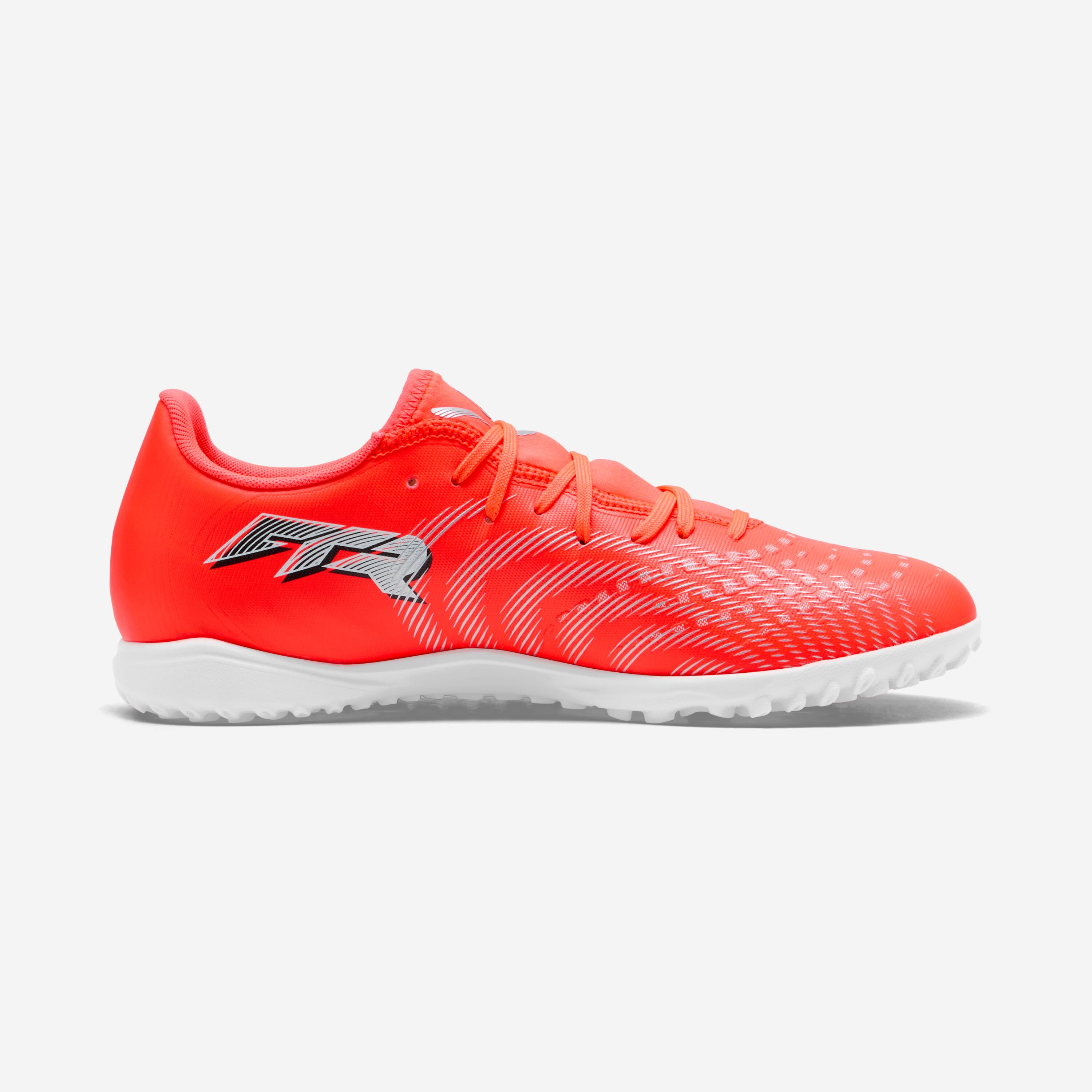
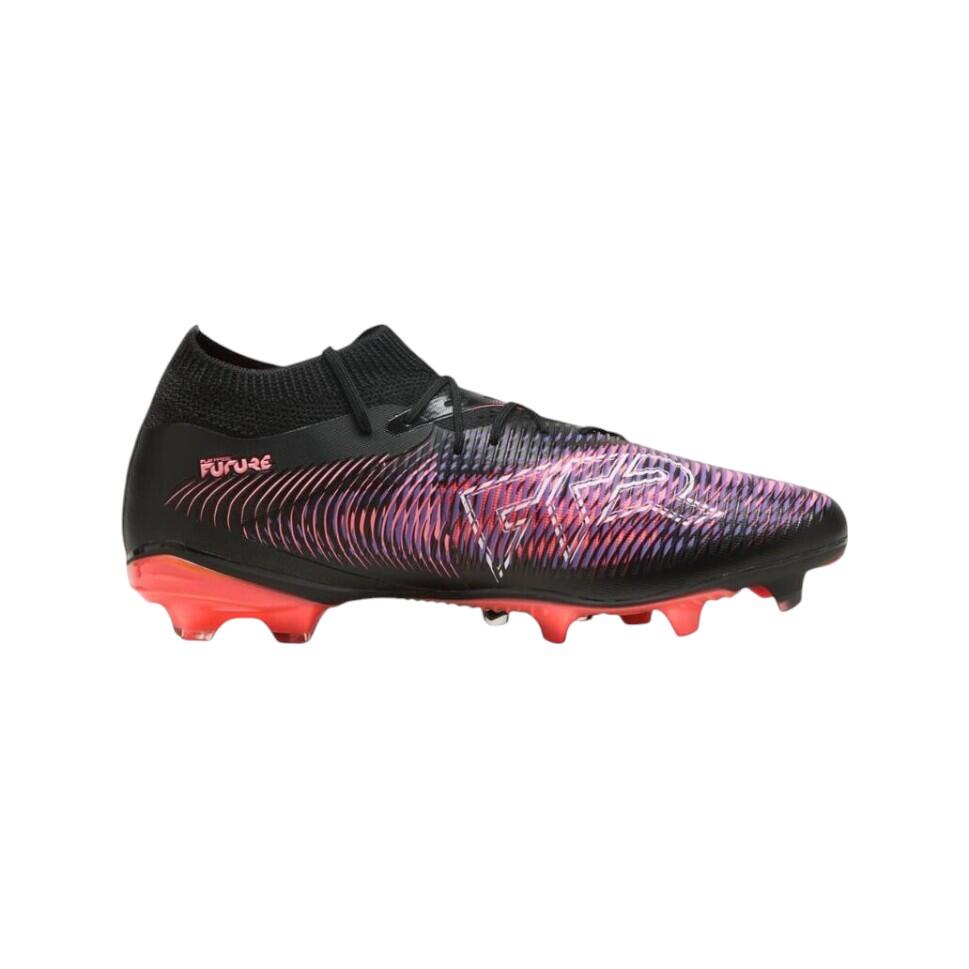
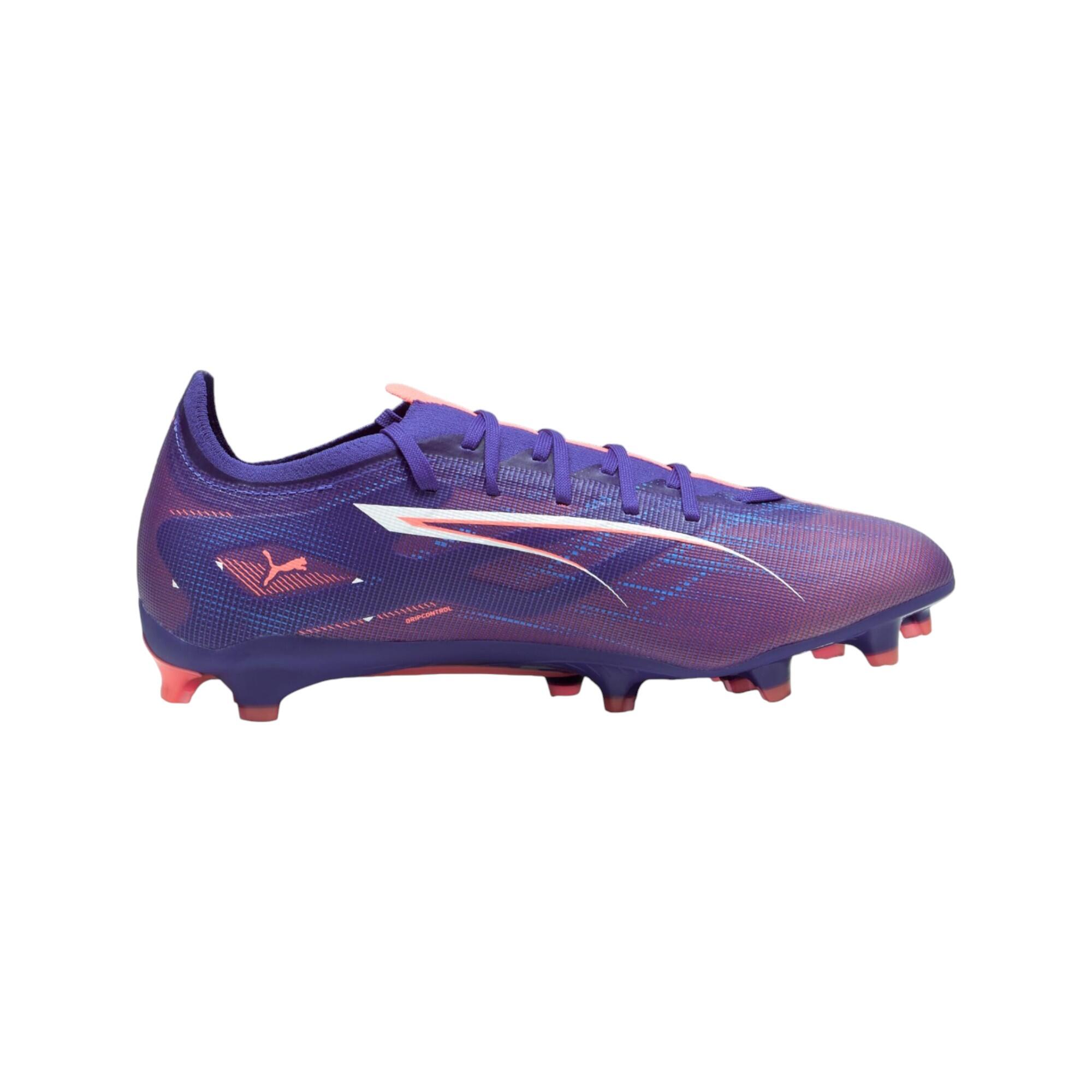
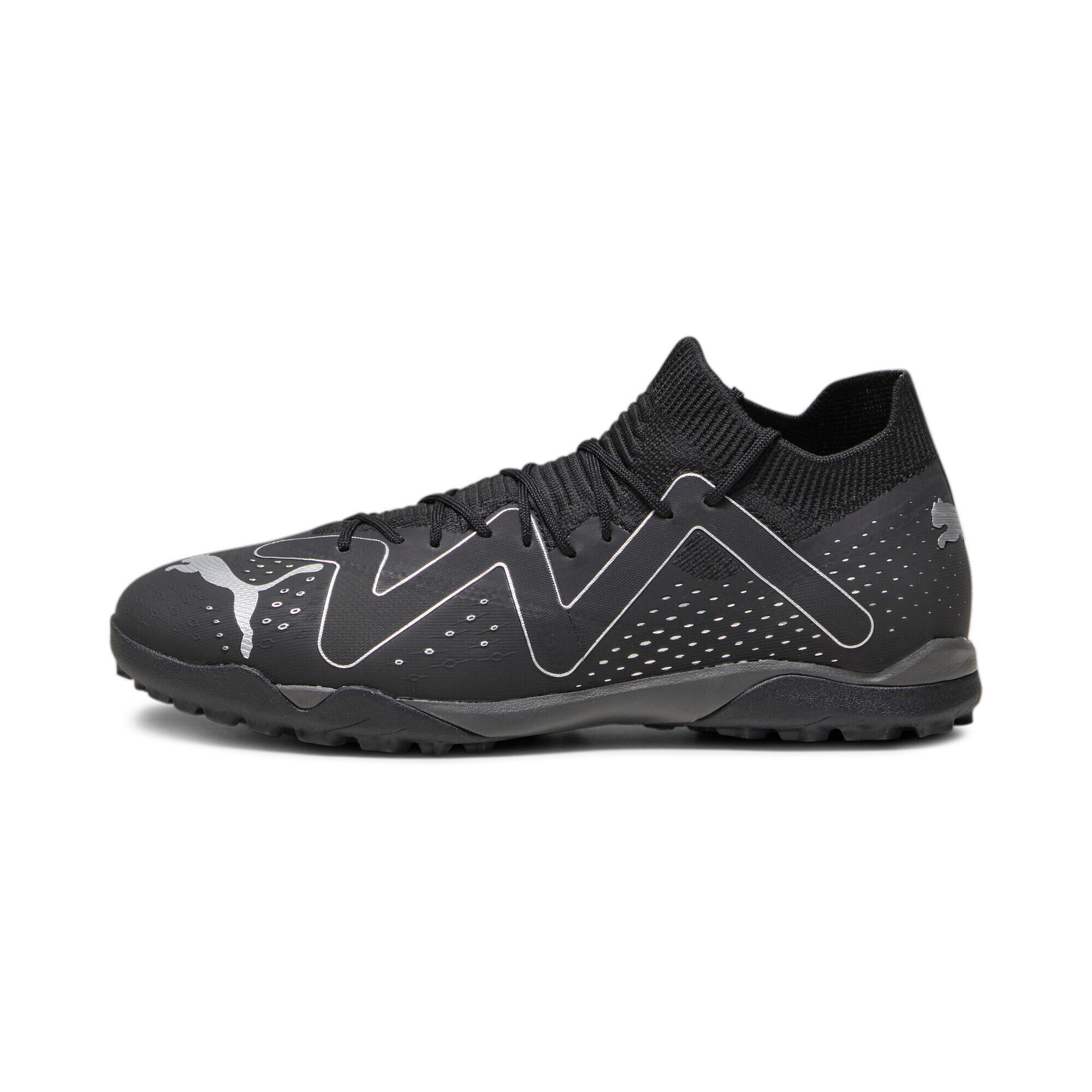
Future boots focus on adaptable support, controlled ball contact and movement in several directions. Specifications vary by generation: Future 7 uses Fuzionfit and a Dynamic Motion System outsole; Future 8 Match adds PWRTAPE and GripControl, while Future 9 Match uses a soft mesh upper, knitted collar and midfoot support band. Ultra models take a lighter approach, using features such as a mesh upper, GripControl reinforcement and Speedplate traction to support acceleration. Truco boots are aimed more directly at firm artificial surfaces, with durable synthetic uppers and low-profile rubber studs. Alternative shapes and traction systems are available across the football boots category when these PUMA characteristics do not match your foot or playing surface.

Are PUMA firm-ground football boots suitable for children?

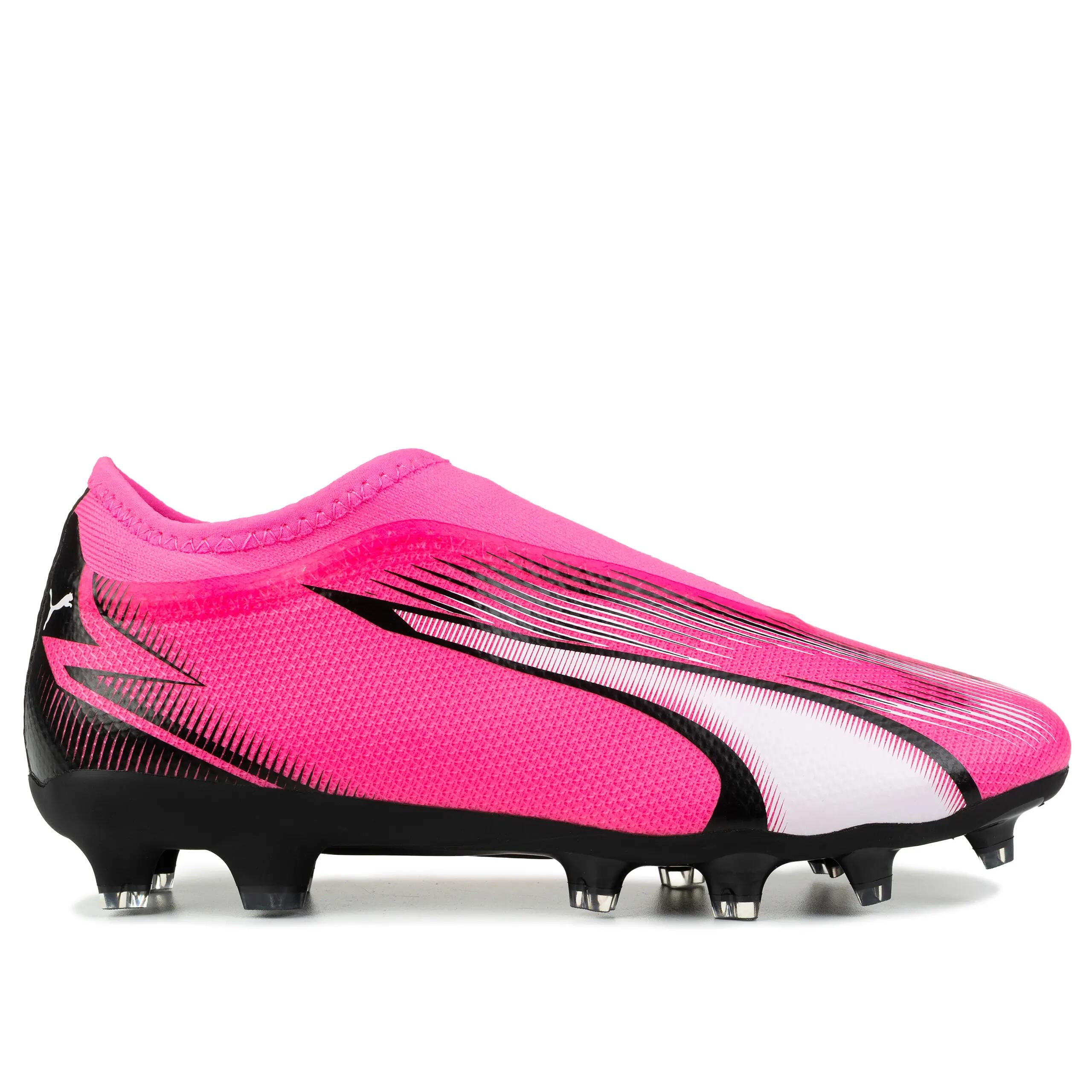
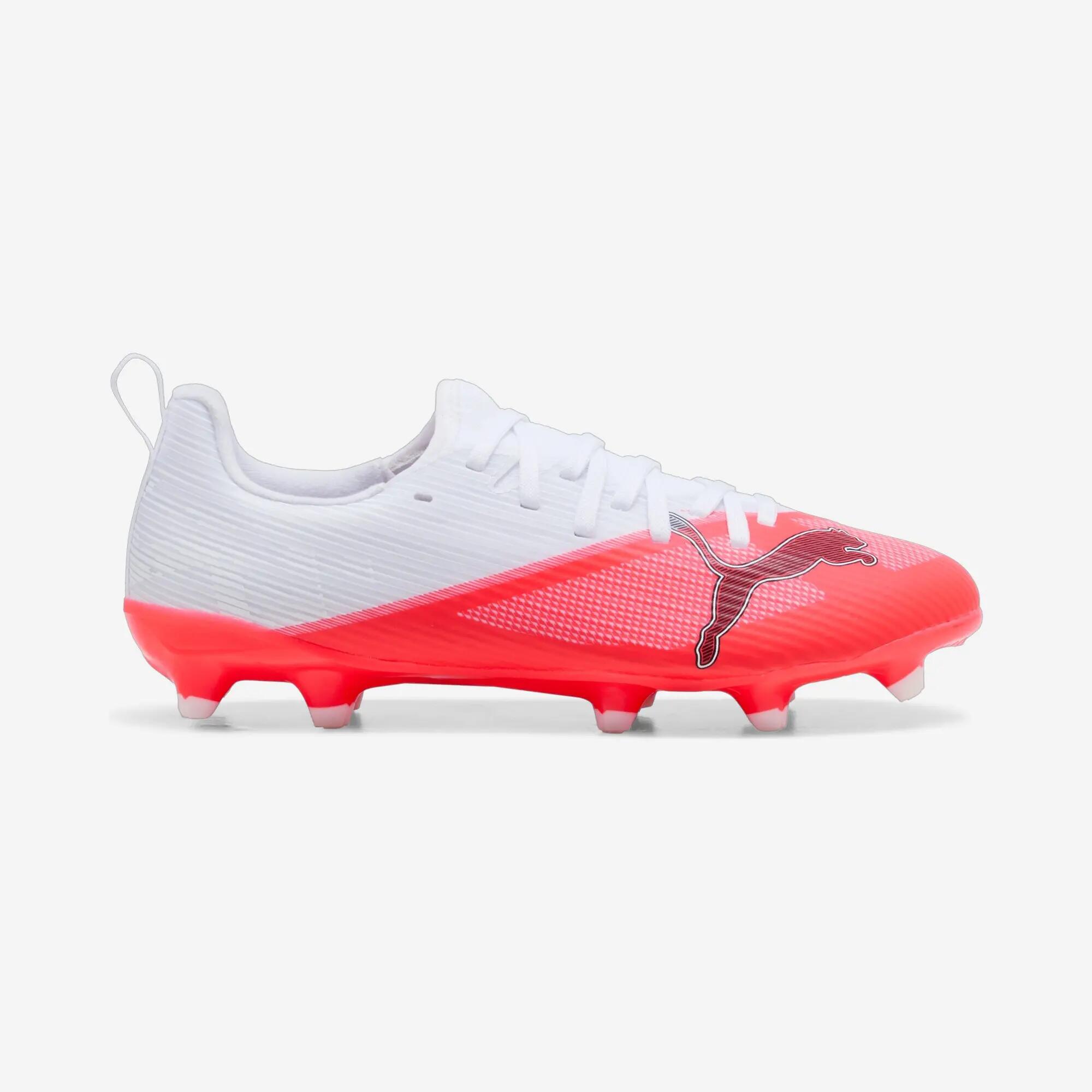
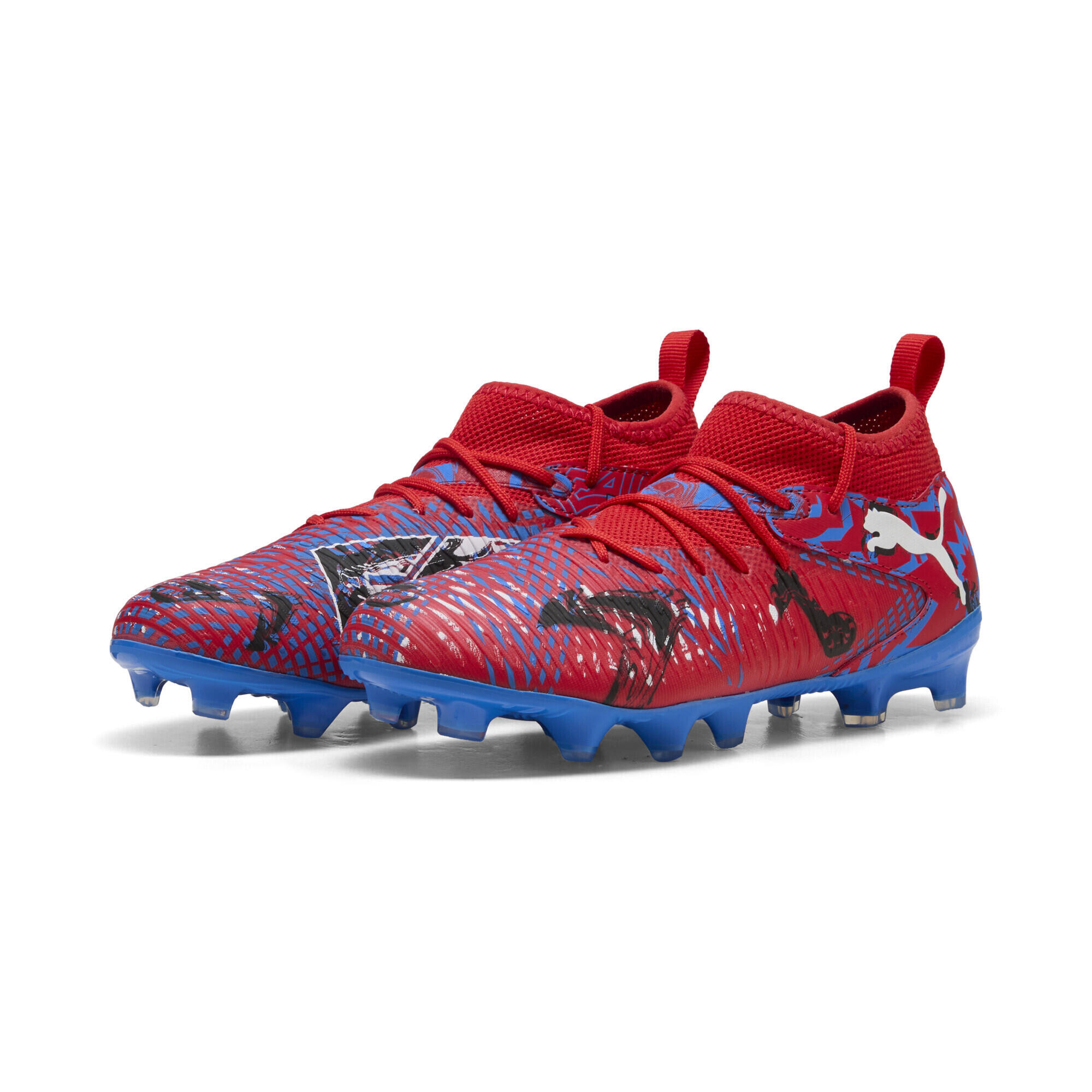
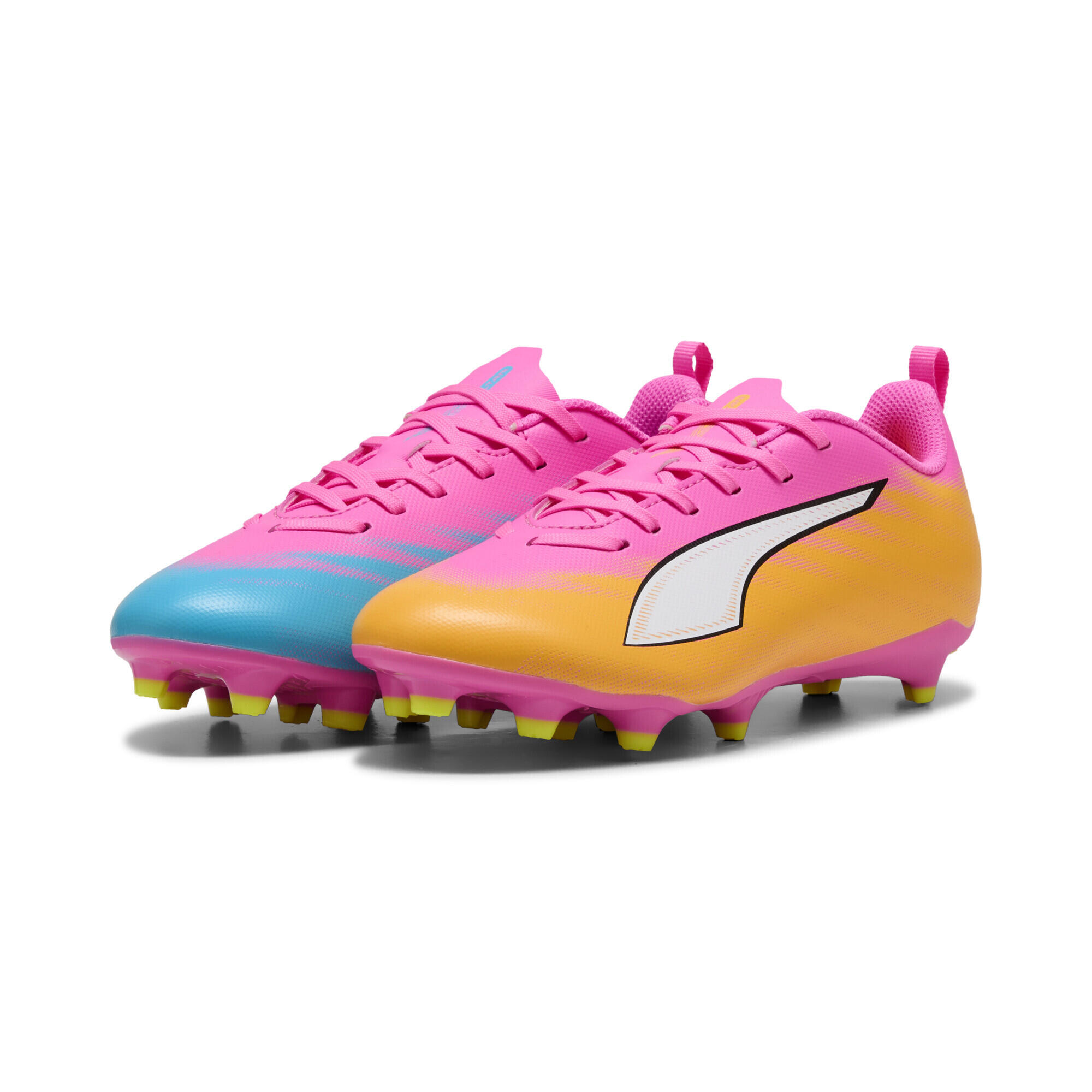
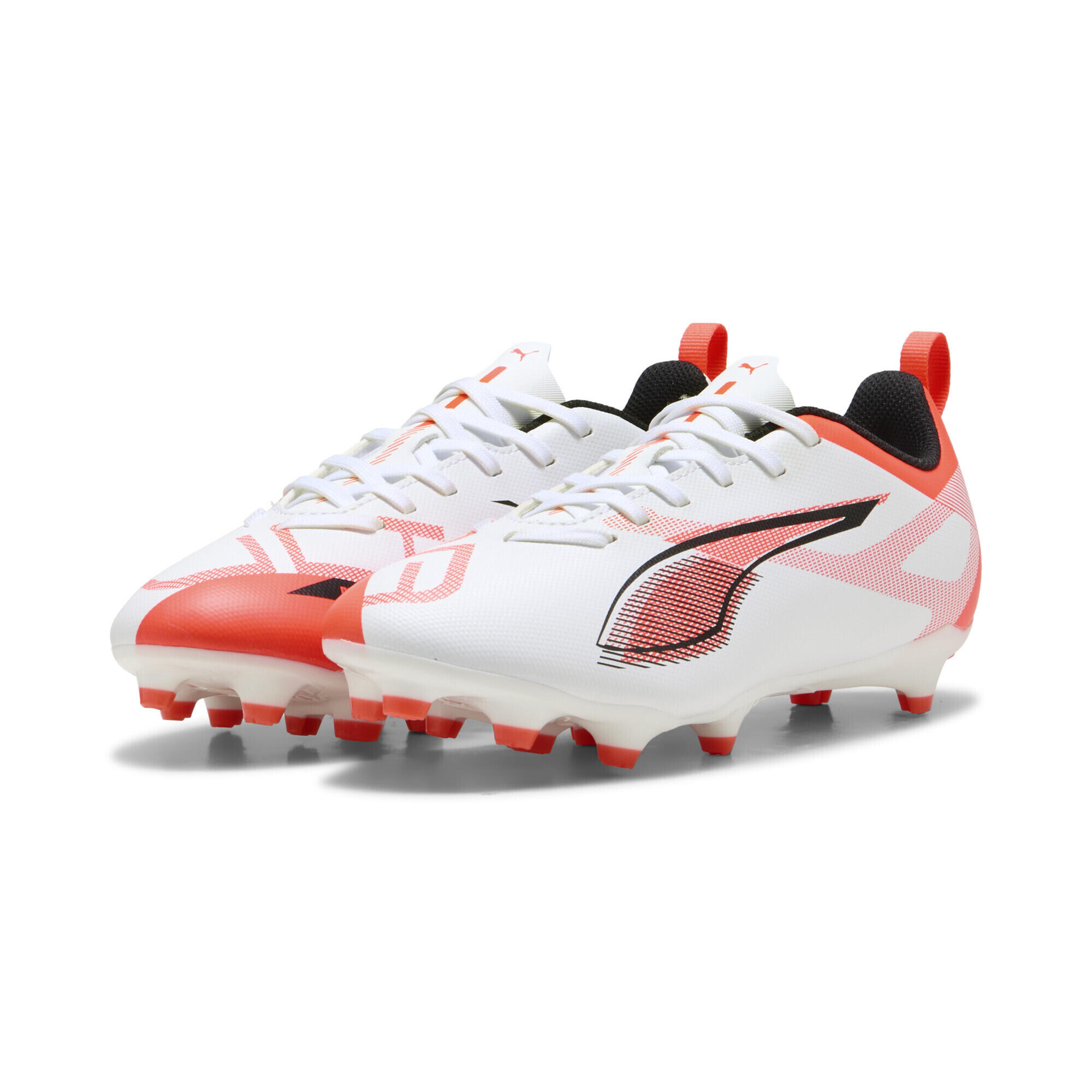
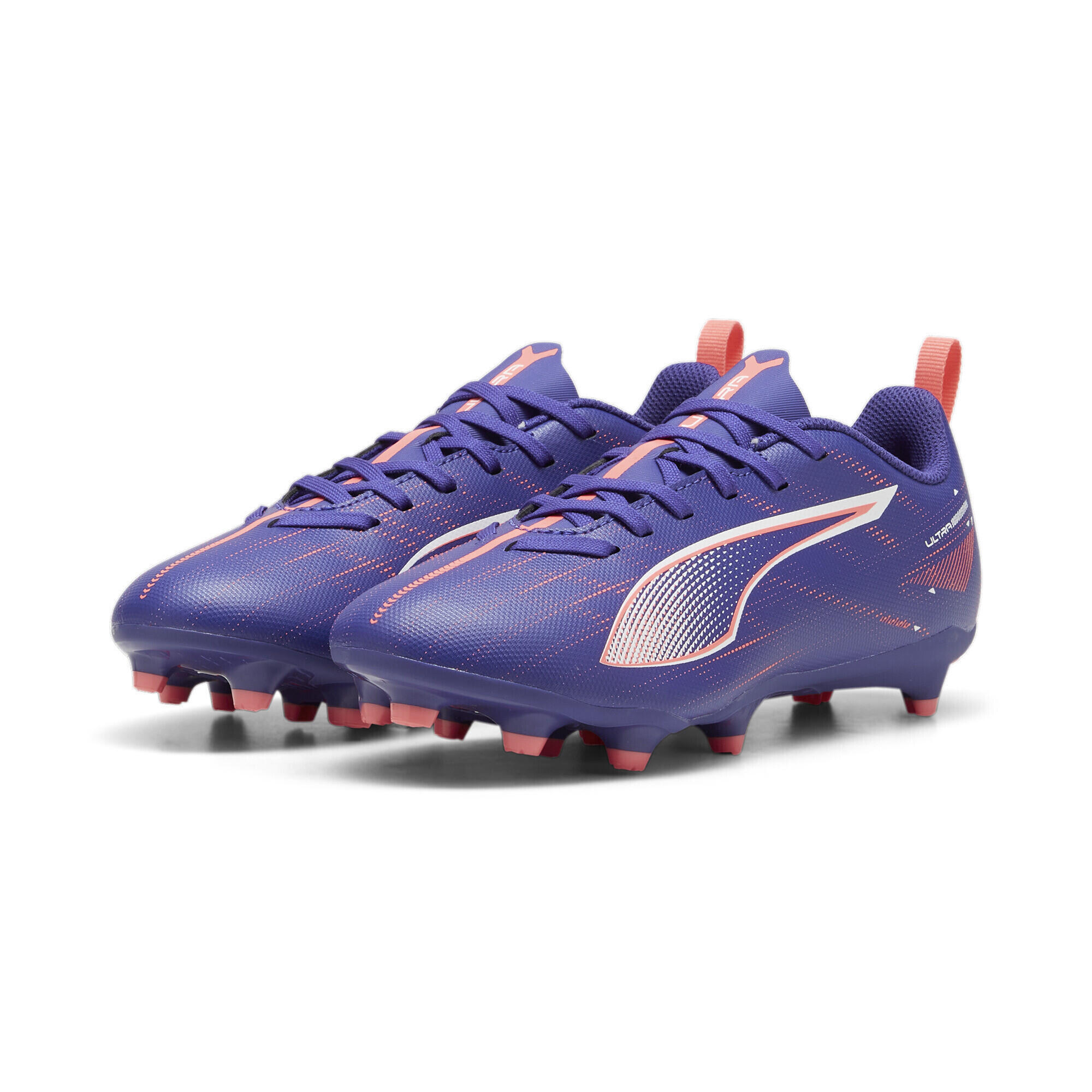
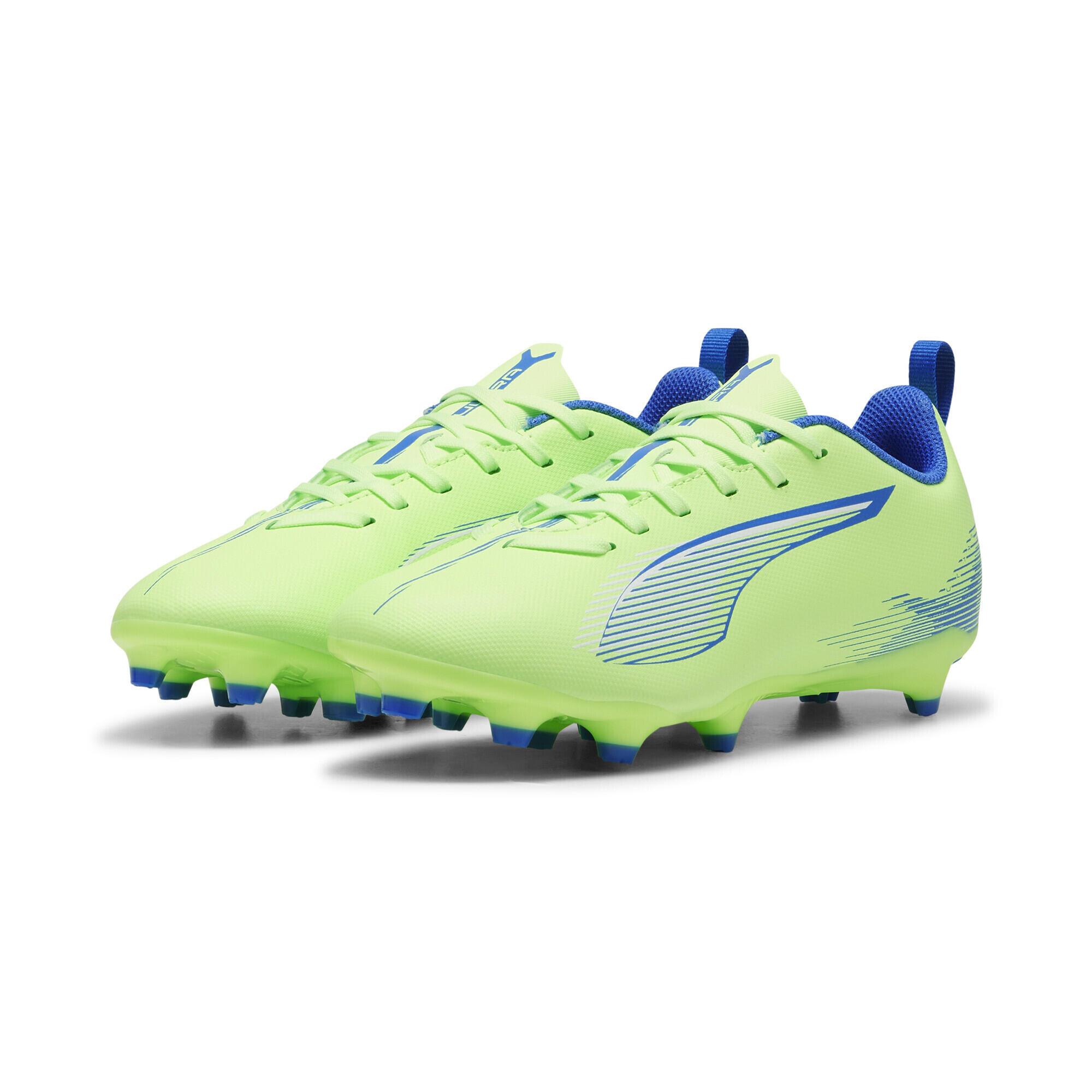
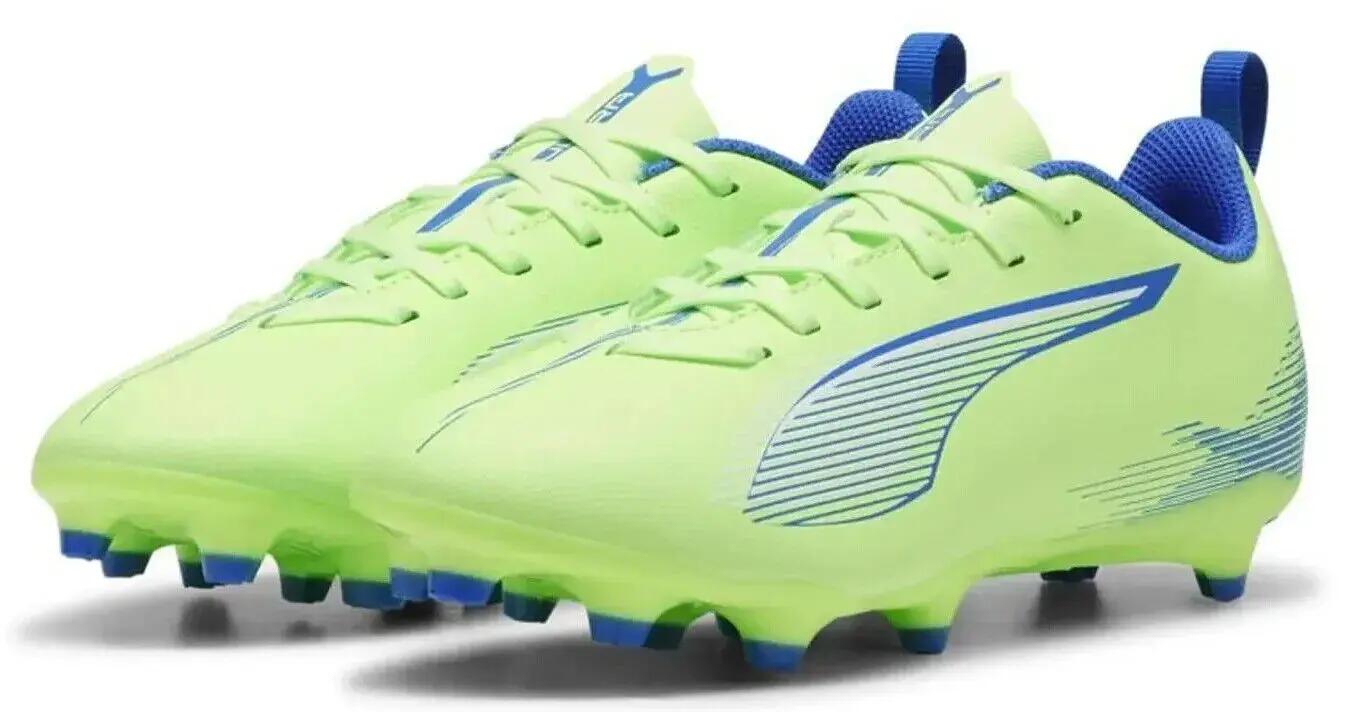
Firm-ground boots can suit junior players on dry or moderately firm natural grass when the product states that surface. Some PUMA models carry an FG/AG classification, allowing use on approved natural and artificial pitches, but this does not include compact turf, indoor courts or very soft ground. Young players who favour quick forward movement may appreciate lightweight Puma firm-ground football boots with a secure upper and speed-focused outsole. Fit remains essential: the heel should stay in place, the forefoot should not feel squeezed and the toes need sensible movement space. Avoid excessive growing room because sliding inside the boot can reduce stability during acceleration, stopping and striking.

When should you choose PUMA Truco turf football boots?

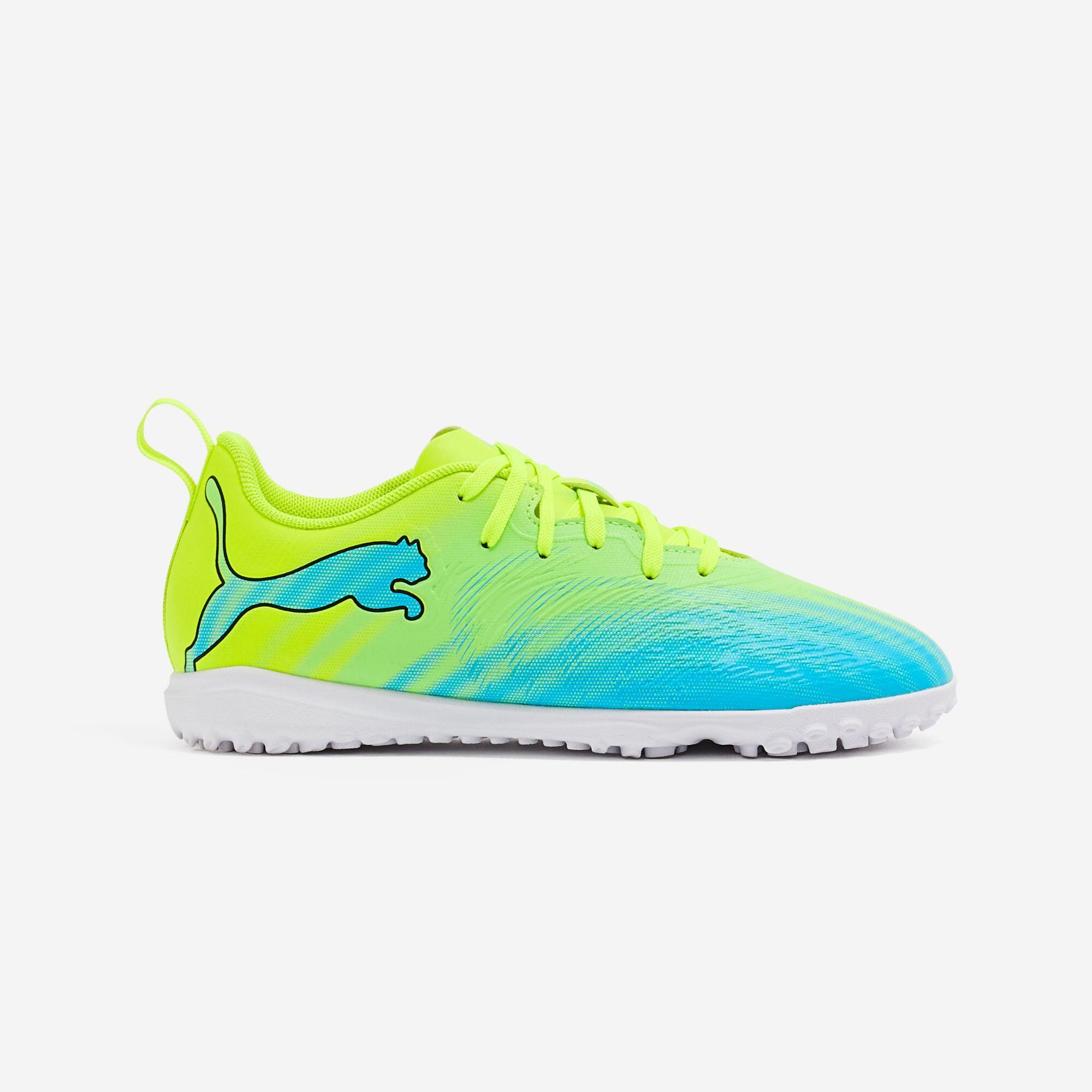
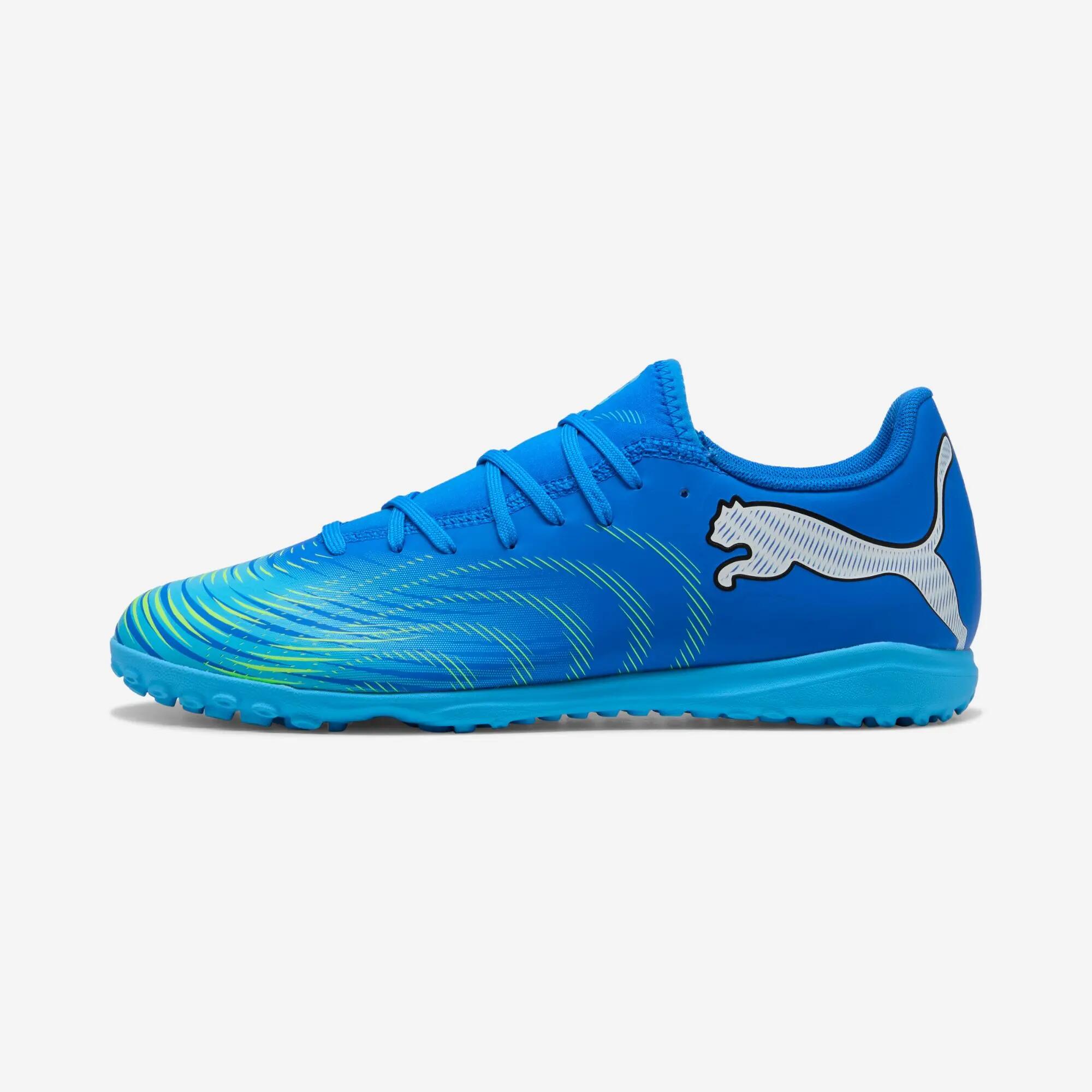
Truco boots are useful on short artificial grass, hard synthetic pitches and suitable 2G surfaces where low-profile rubber studs provide more comfortable pressure distribution than a plated firm-ground sole. The Truco IV construction combines a supple synthetic upper with mesh panels, micro-perforations and embossed grip areas, supporting ventilation and controlled contact with the ball. Players who train regularly on compact synthetic pitches can use PUMA Truco football boots as a surface-specific option. Confirm the pitch rules before play, as some facilities require turf soles while others permit AG footwear. Turf studs may not penetrate wet natural grass sufficiently, so keep them for the surfaces named in the product details.

How should junior PUMA football boots fit?

A child's boots should hold the heel and midfoot securely without pressing against the toes or squeezing the widest part of the foot. Use the football socks worn during training, then ask the child to jog, stop and change direction in both boots. A heel lift, side-to-side movement or numbness indicates that the shape or size may be unsuitable. Future Match junior models can include stretch collars, support bands and textured uppers, but these features cannot correct a poor basic fit. The kids' football boots selection provides different fastening systems, widths and outsole types for young players. Check the fit regularly, as children's feet may grow before the upper or studs show signs of wear.