207 items
4.5/5 based on 7947 reviews collected online and in stores

Shin Pads FAQs

What type of shin pads should I choose for football?

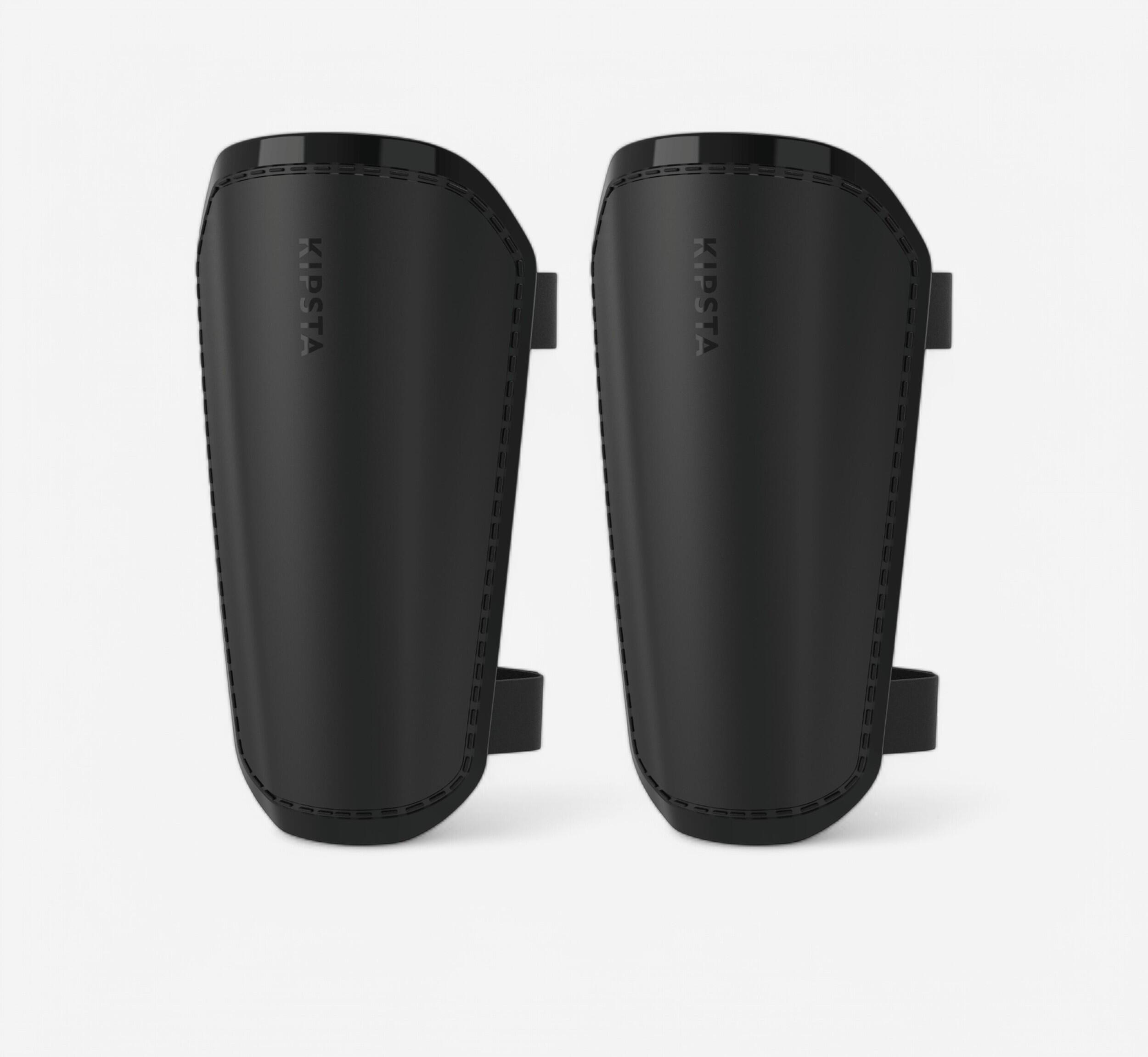
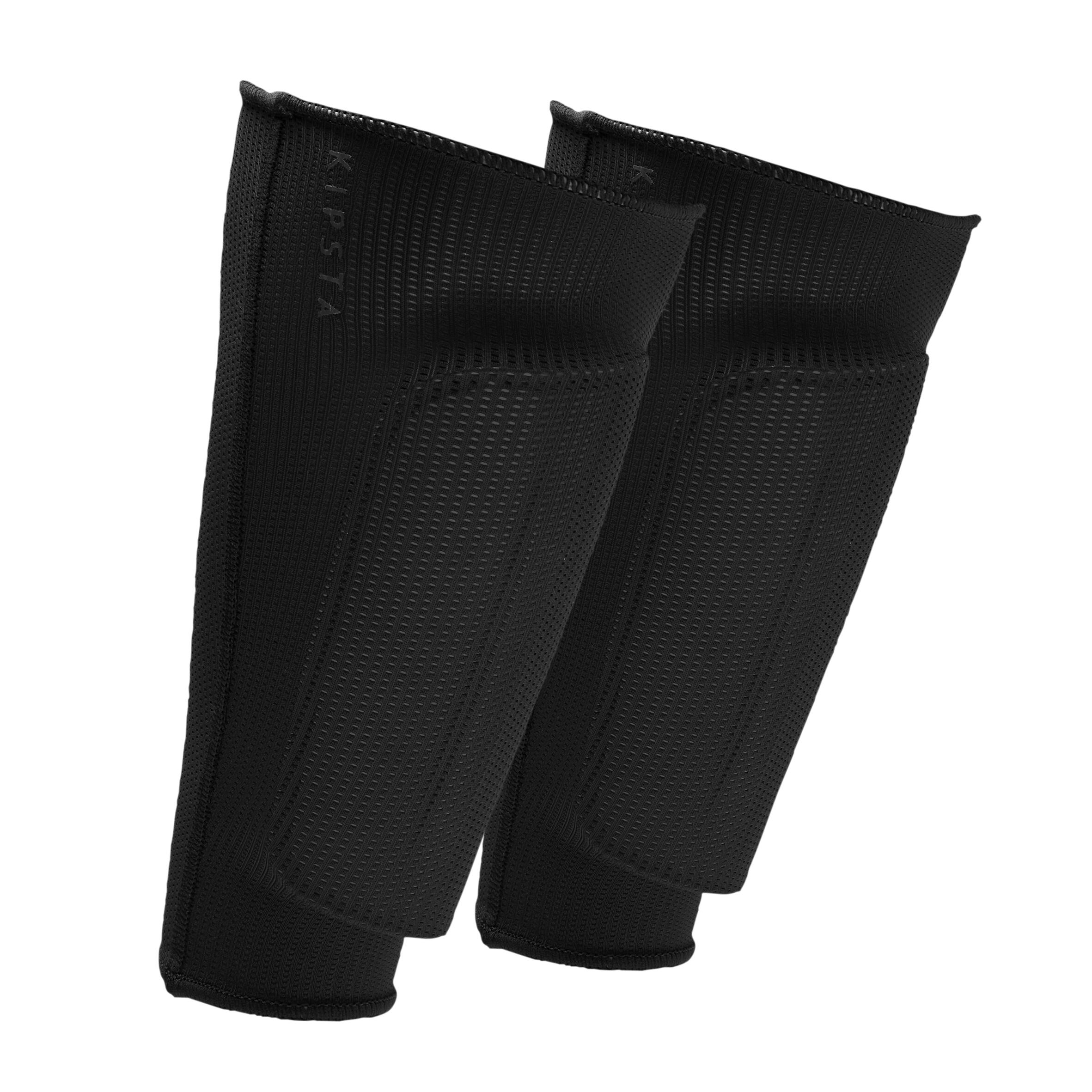
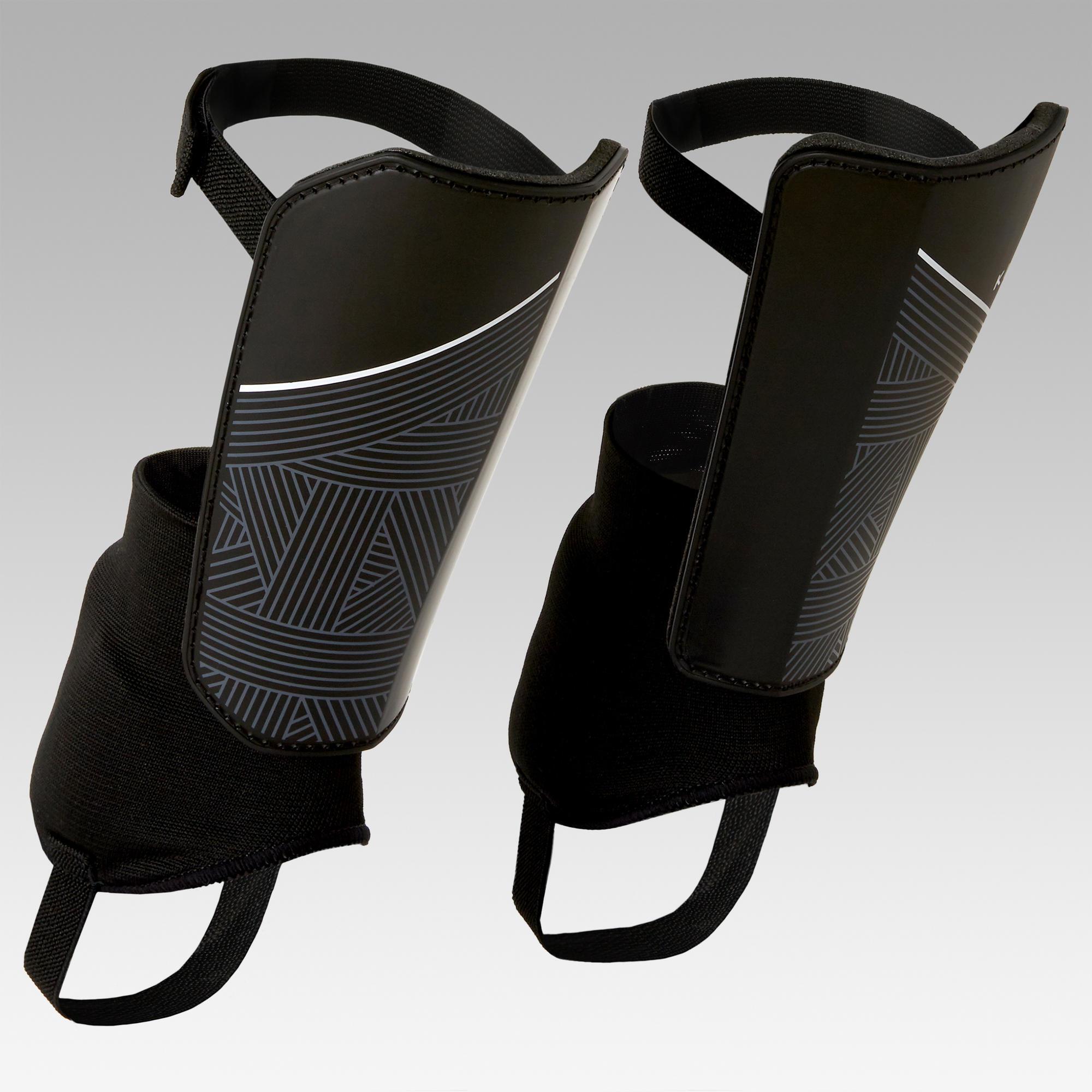
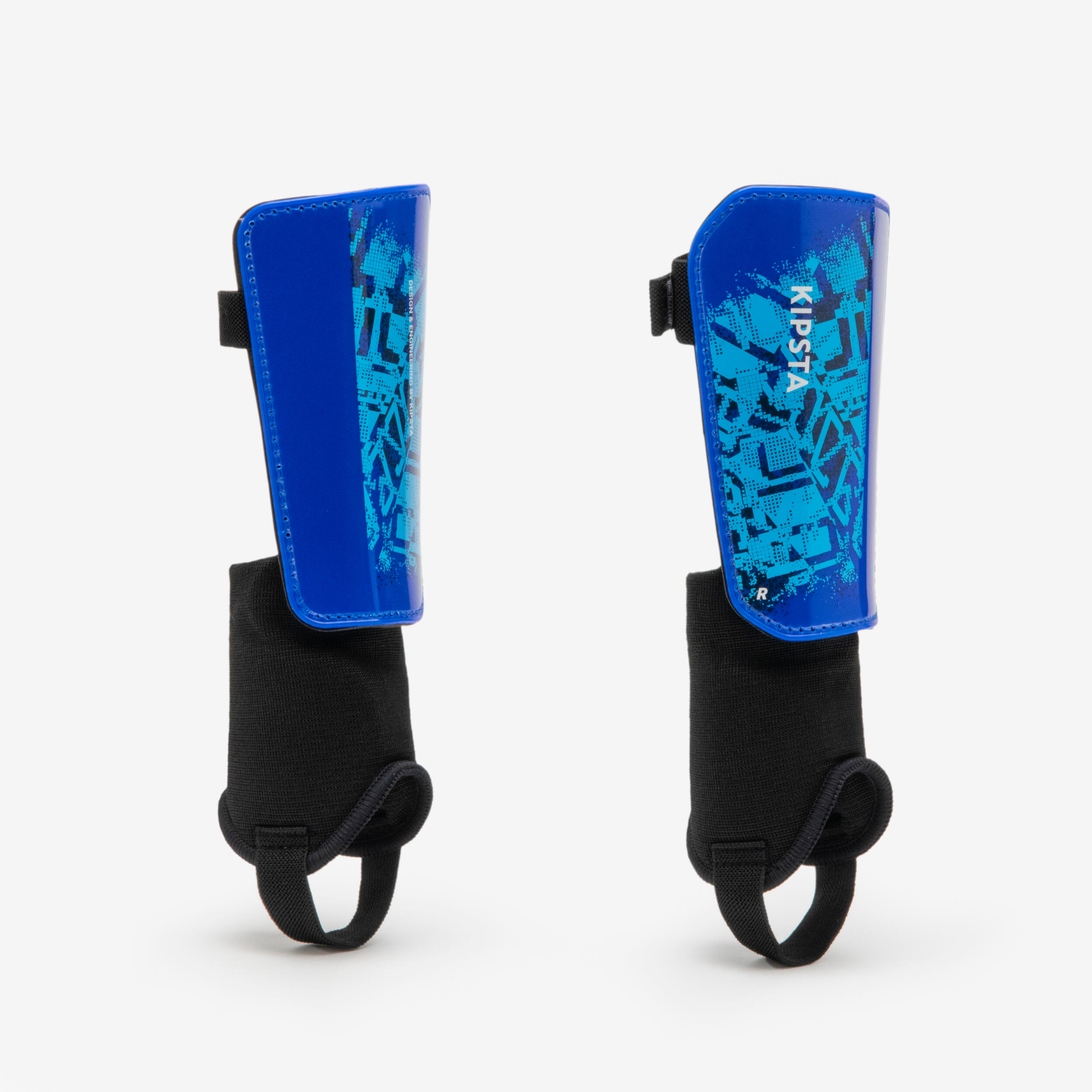
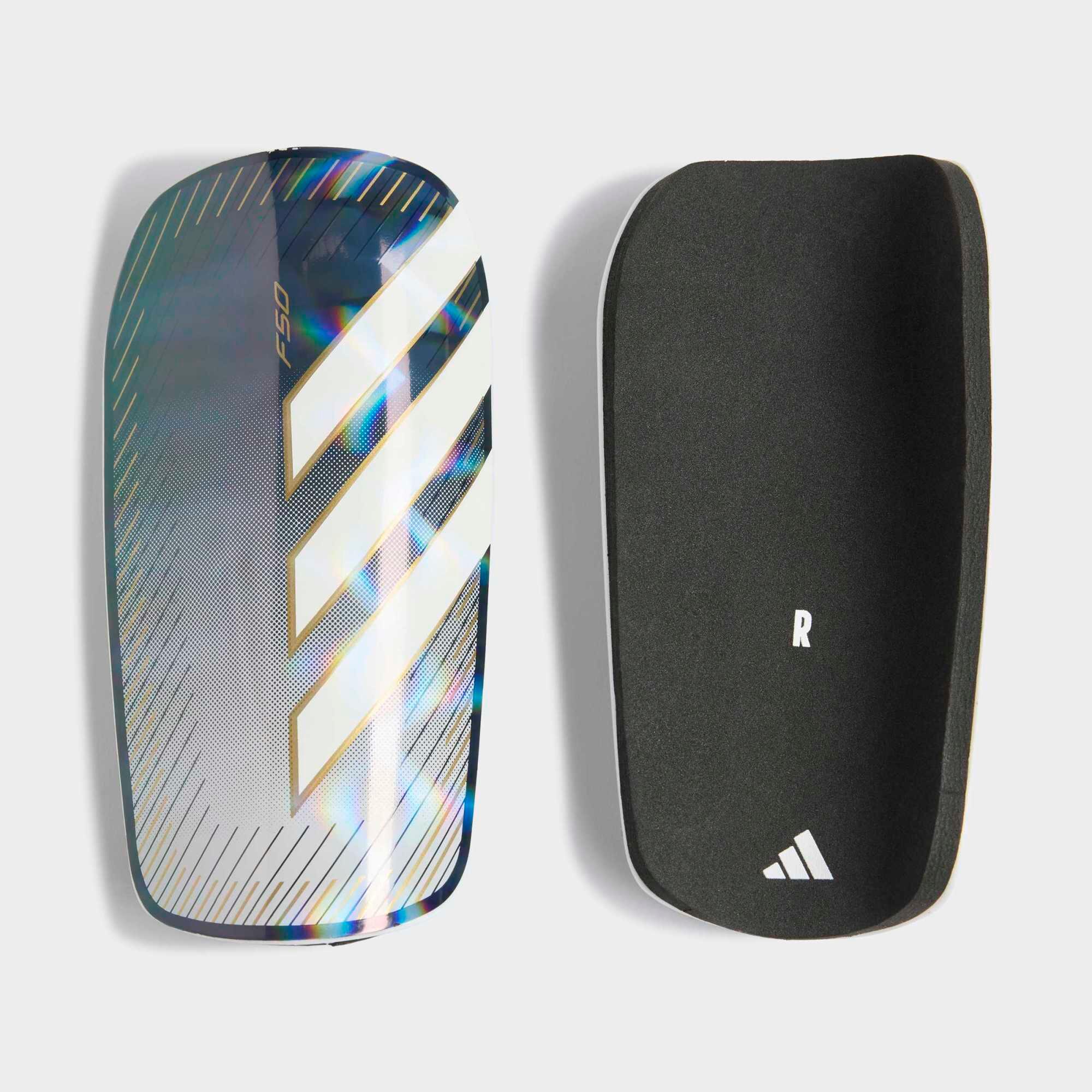
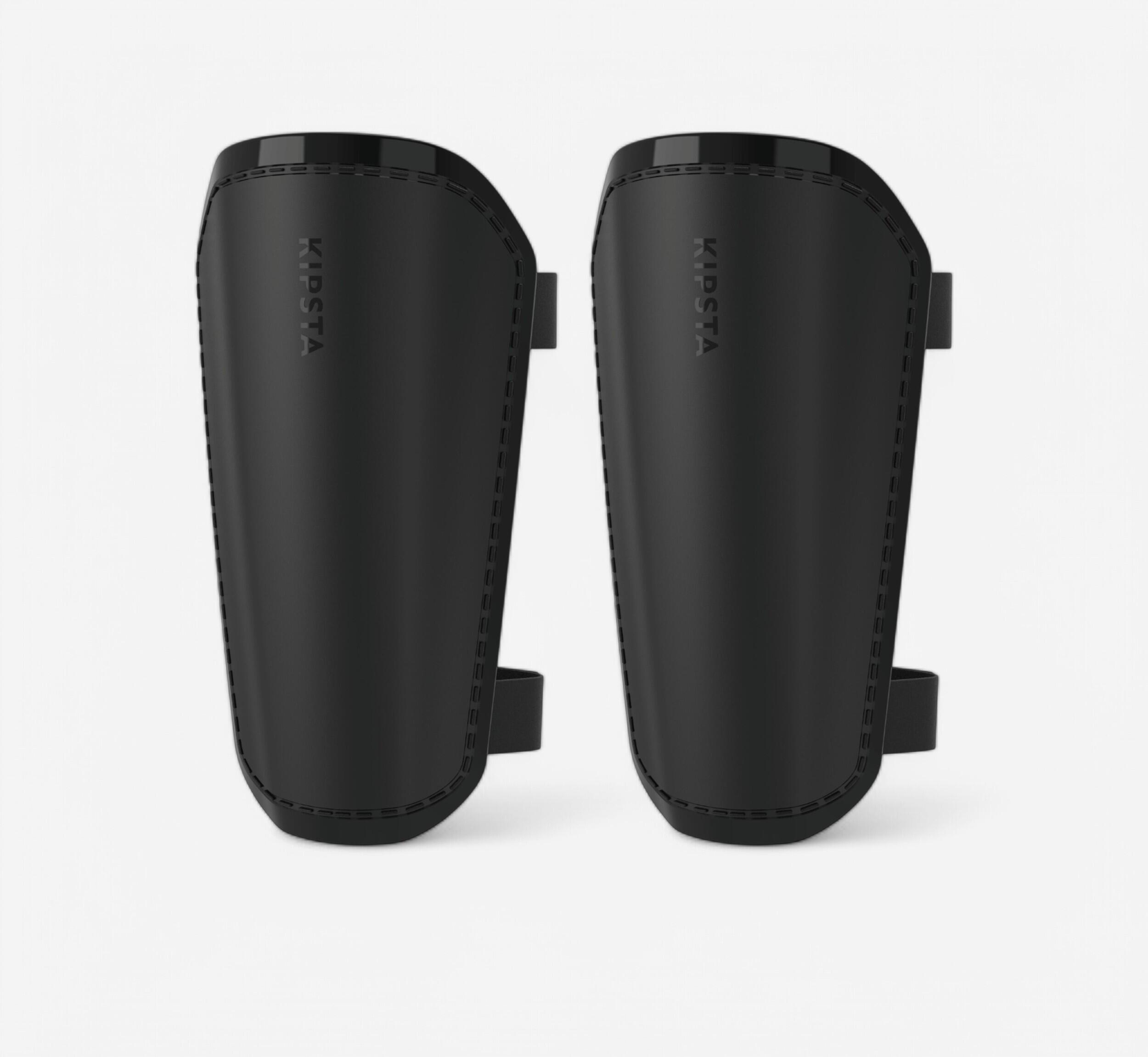
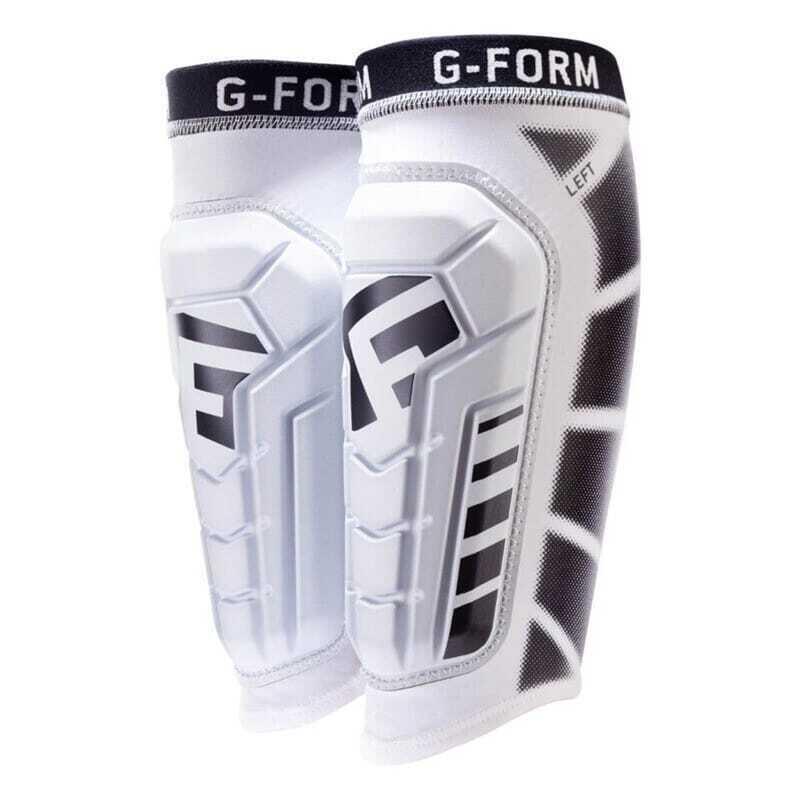
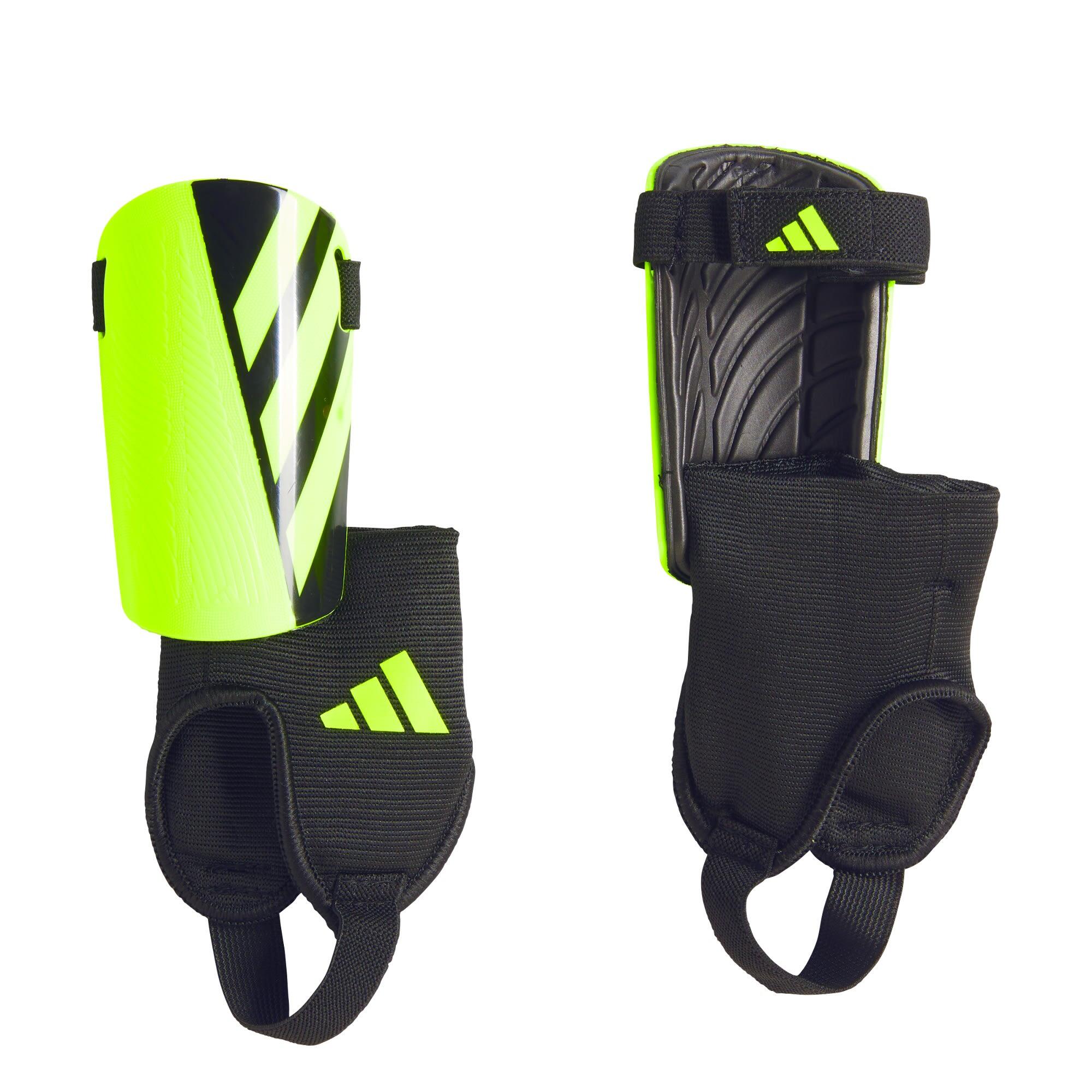
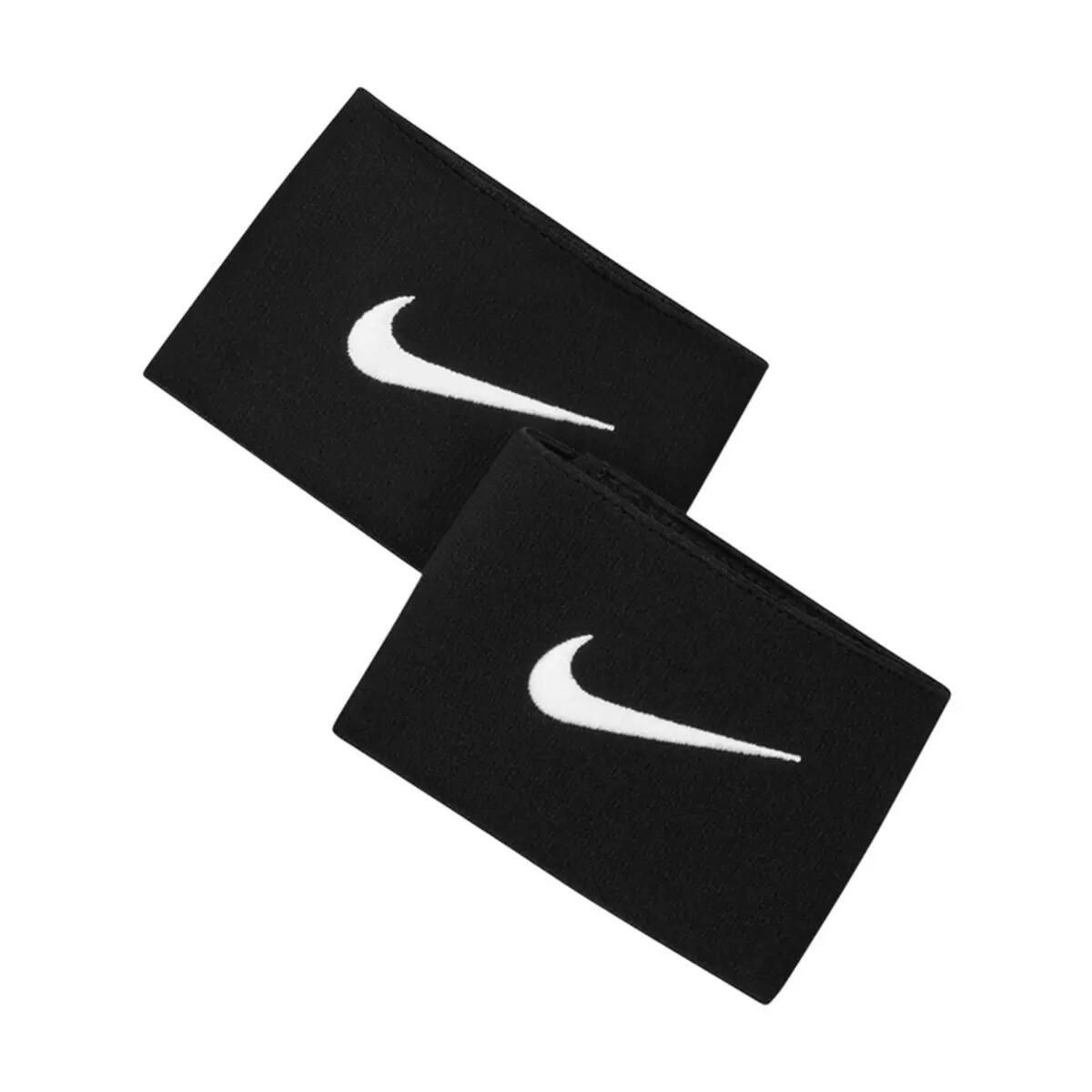
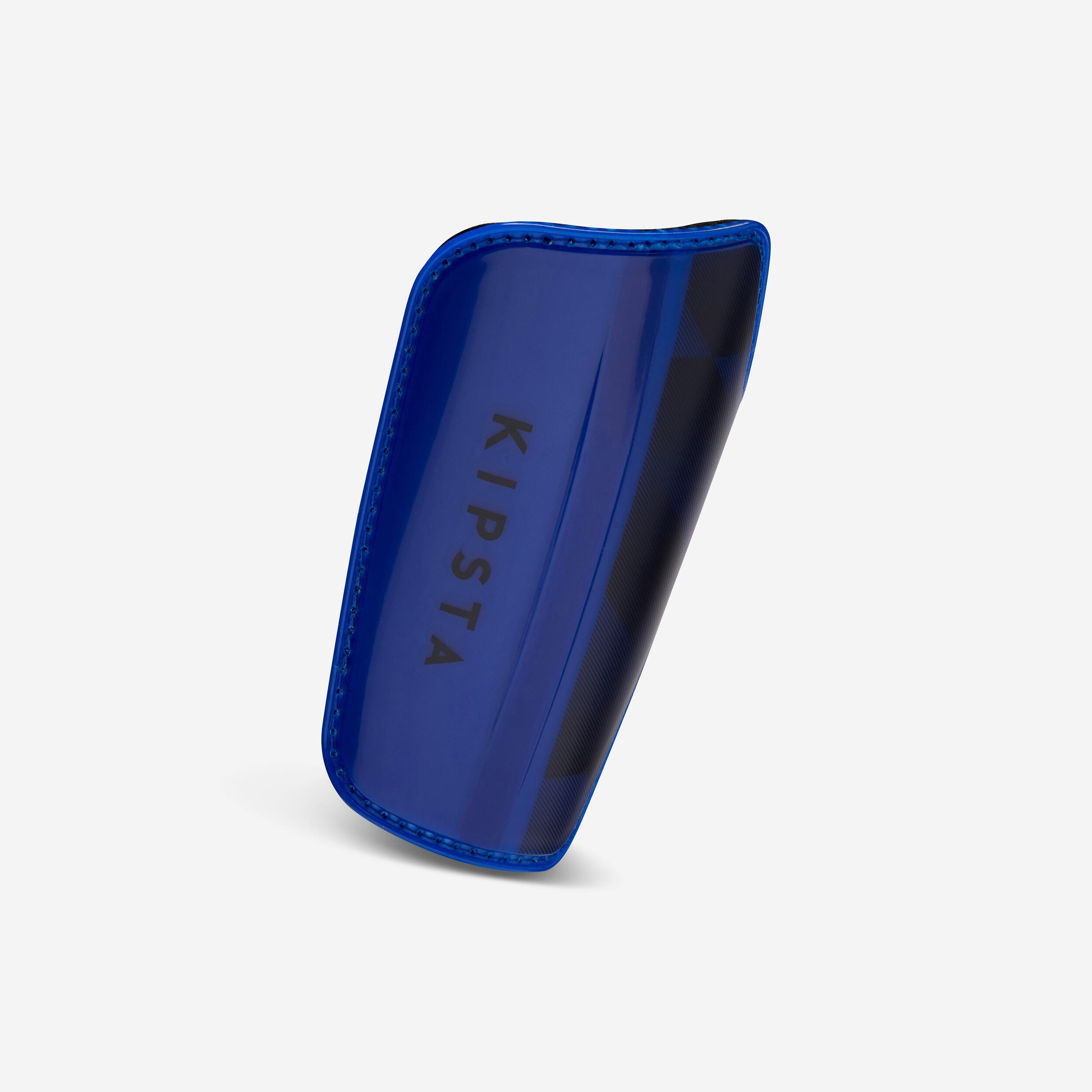
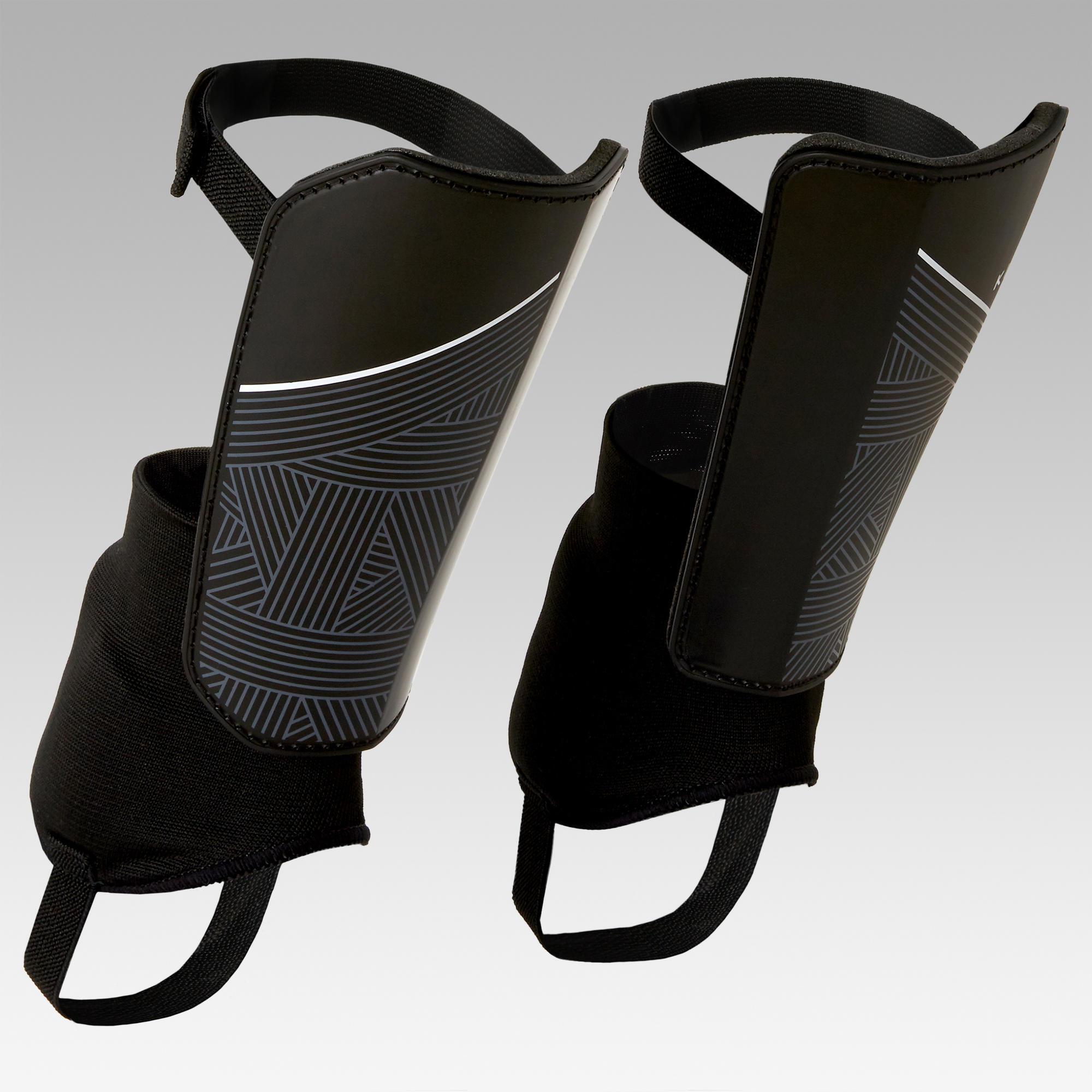
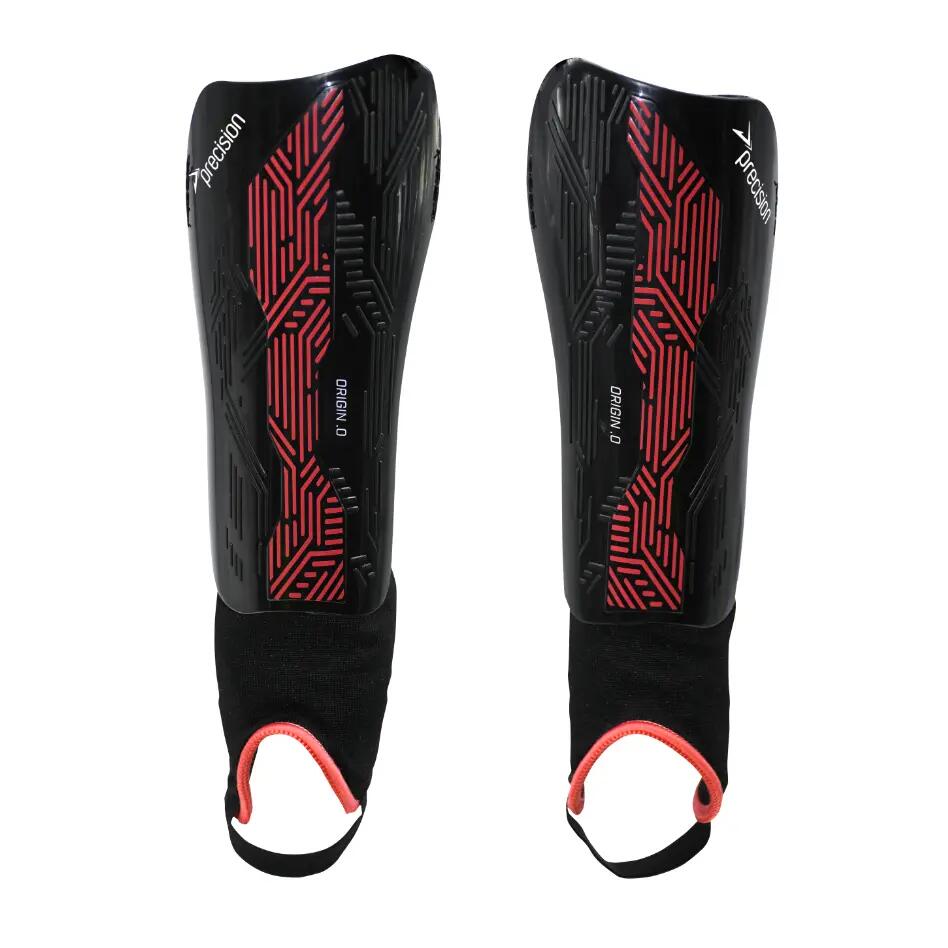
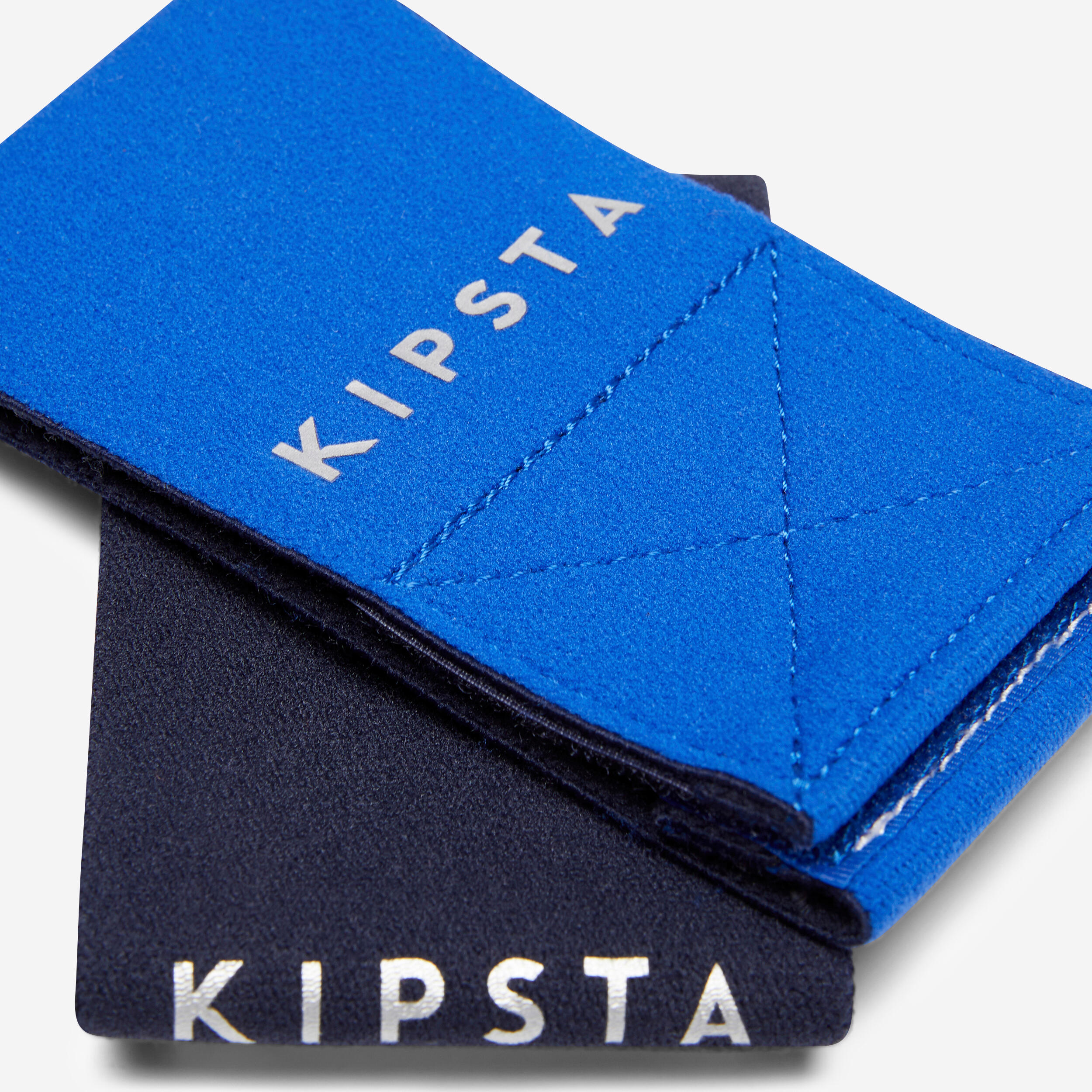
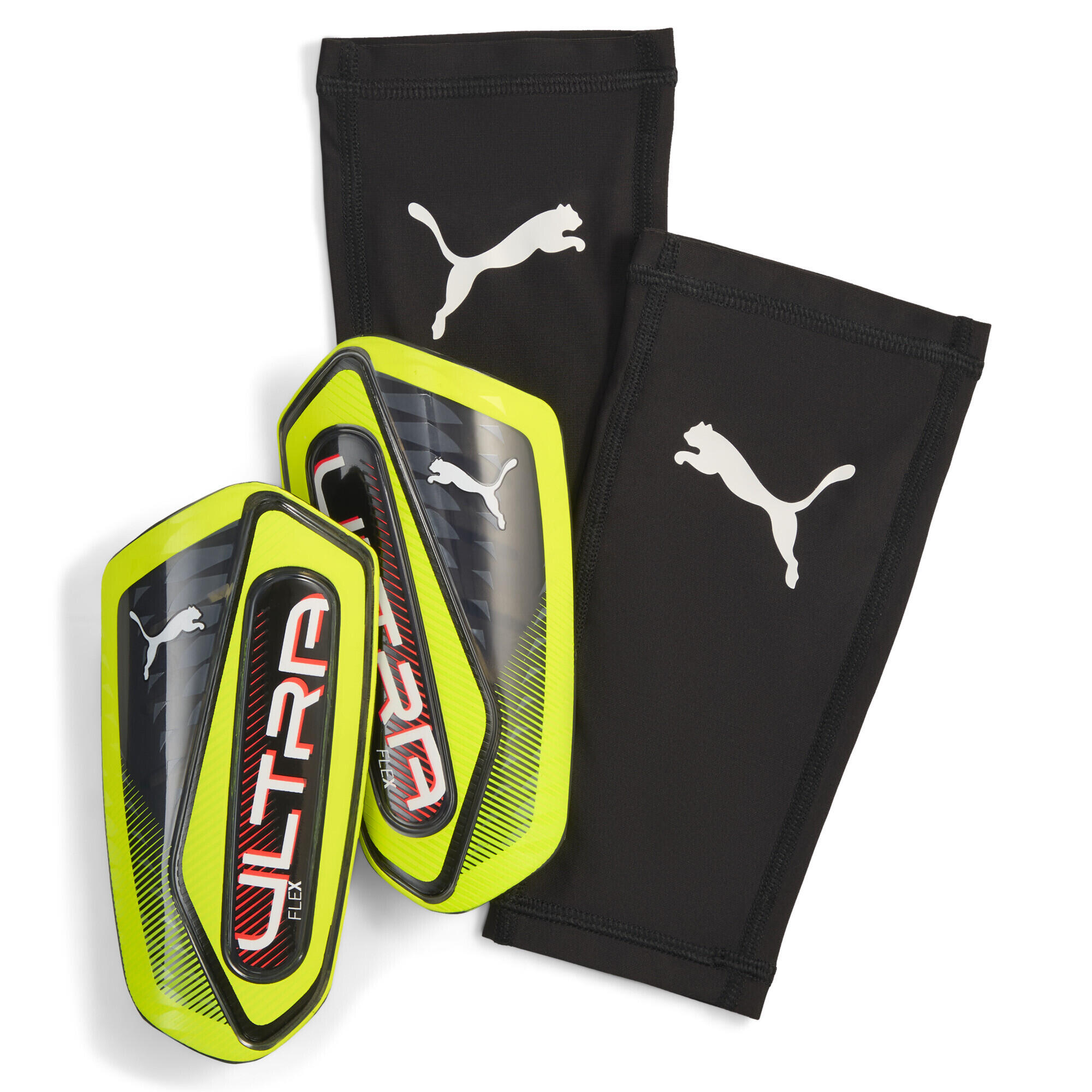
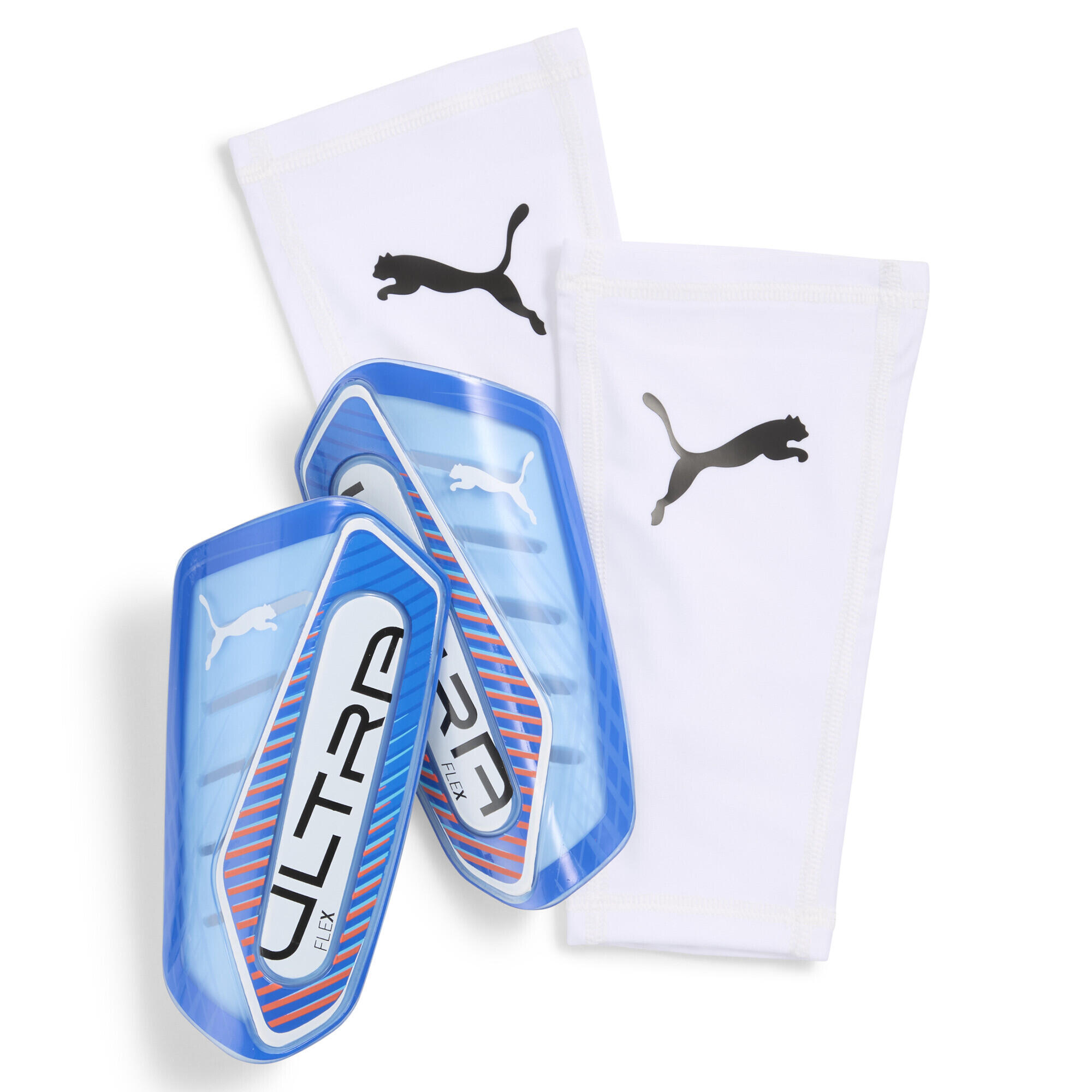
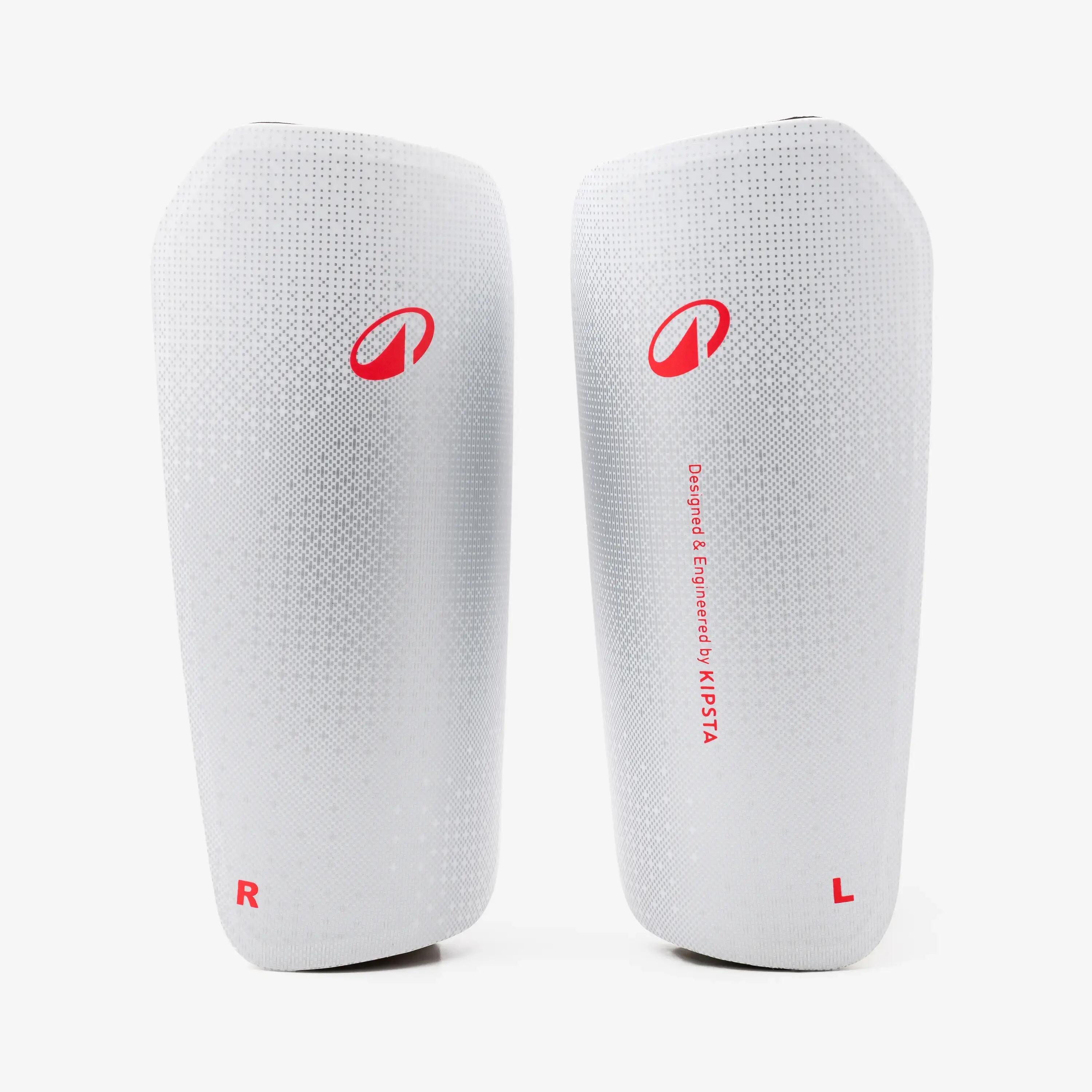
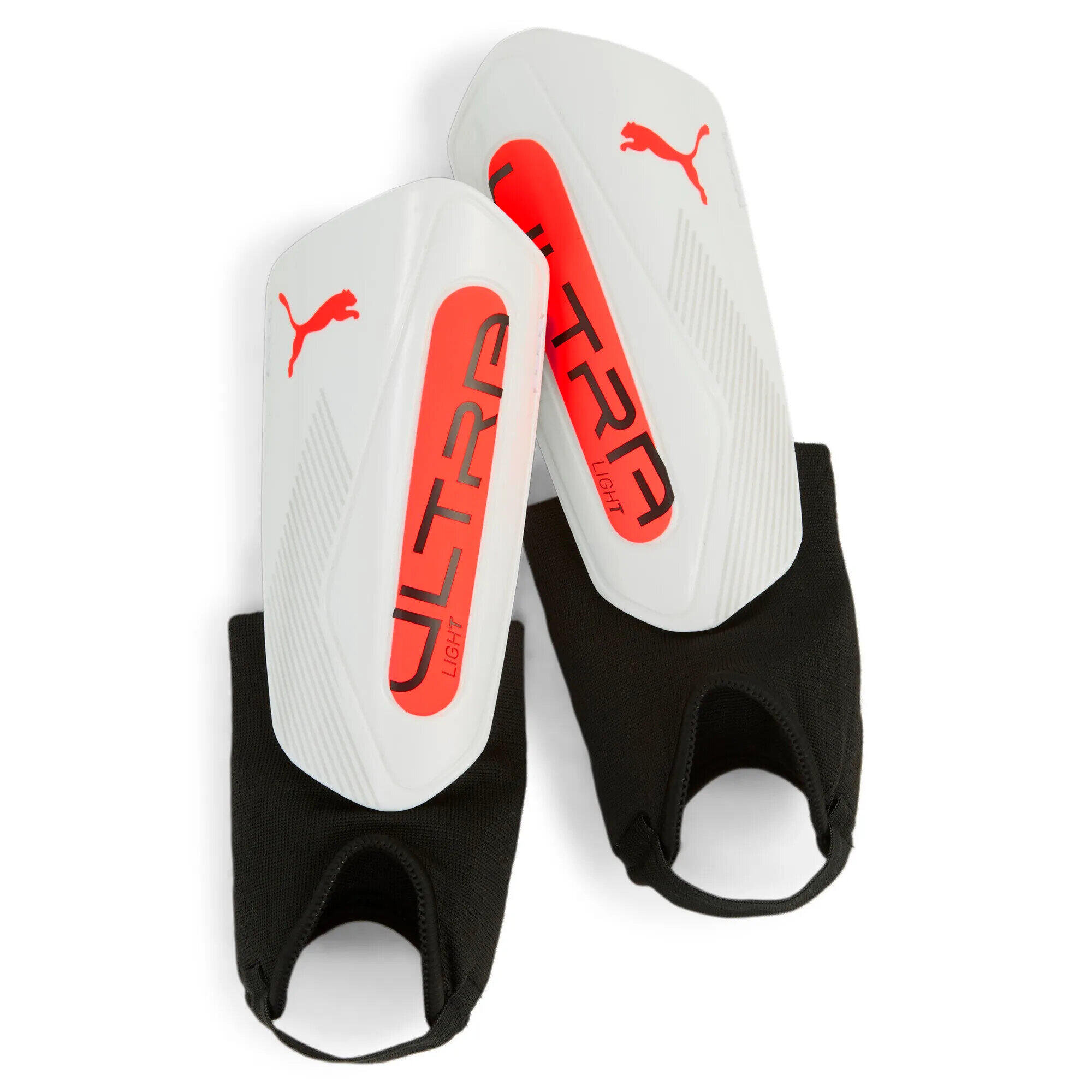
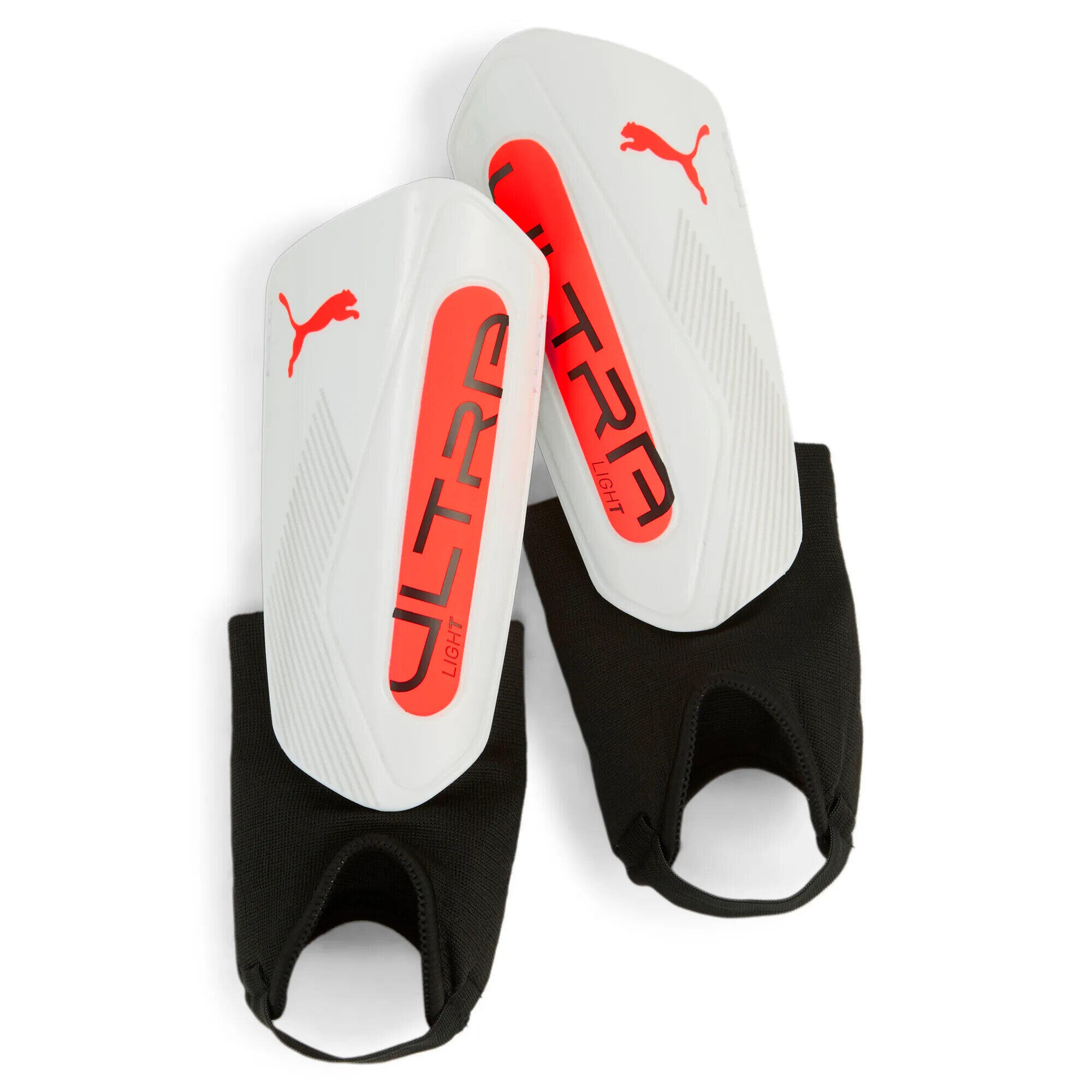
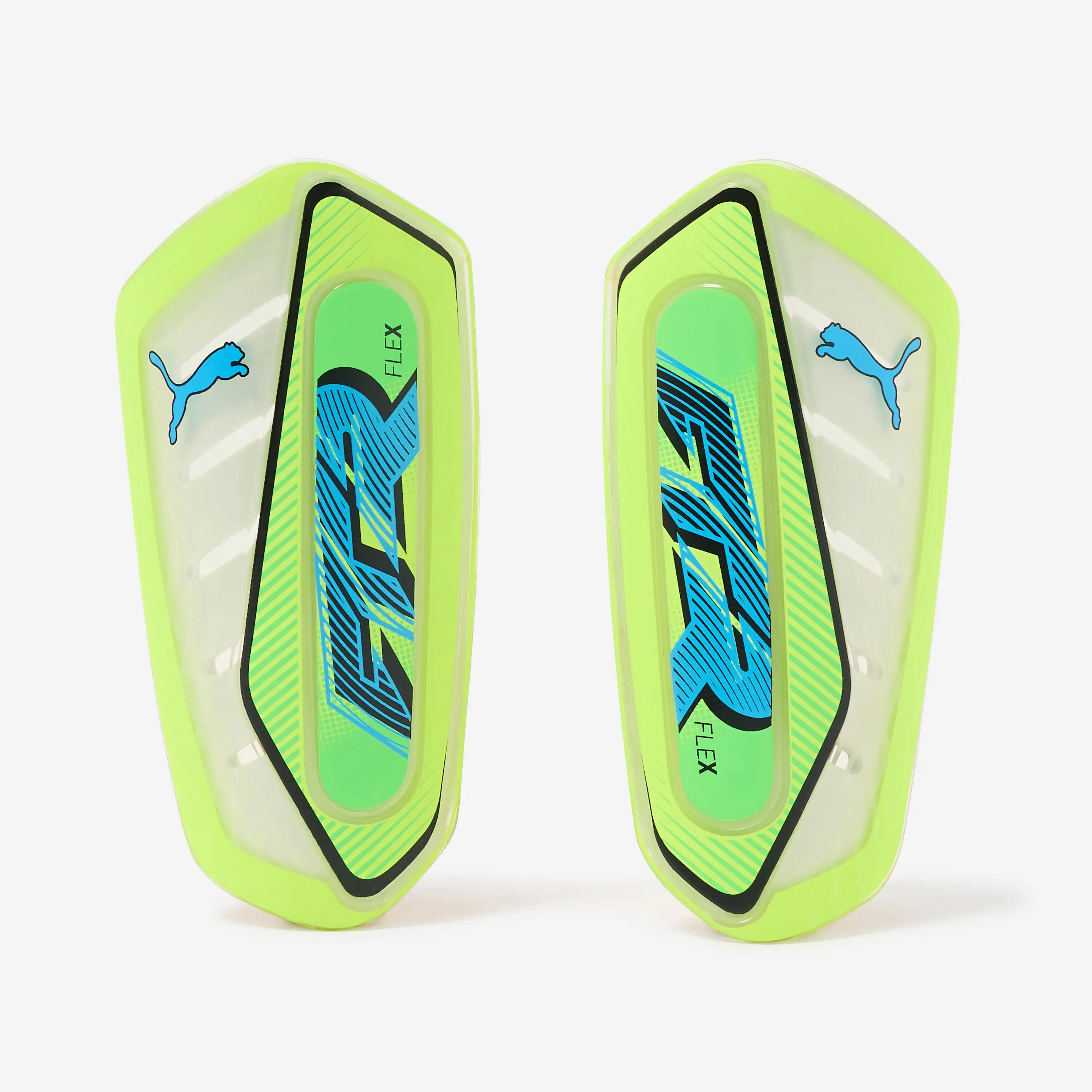
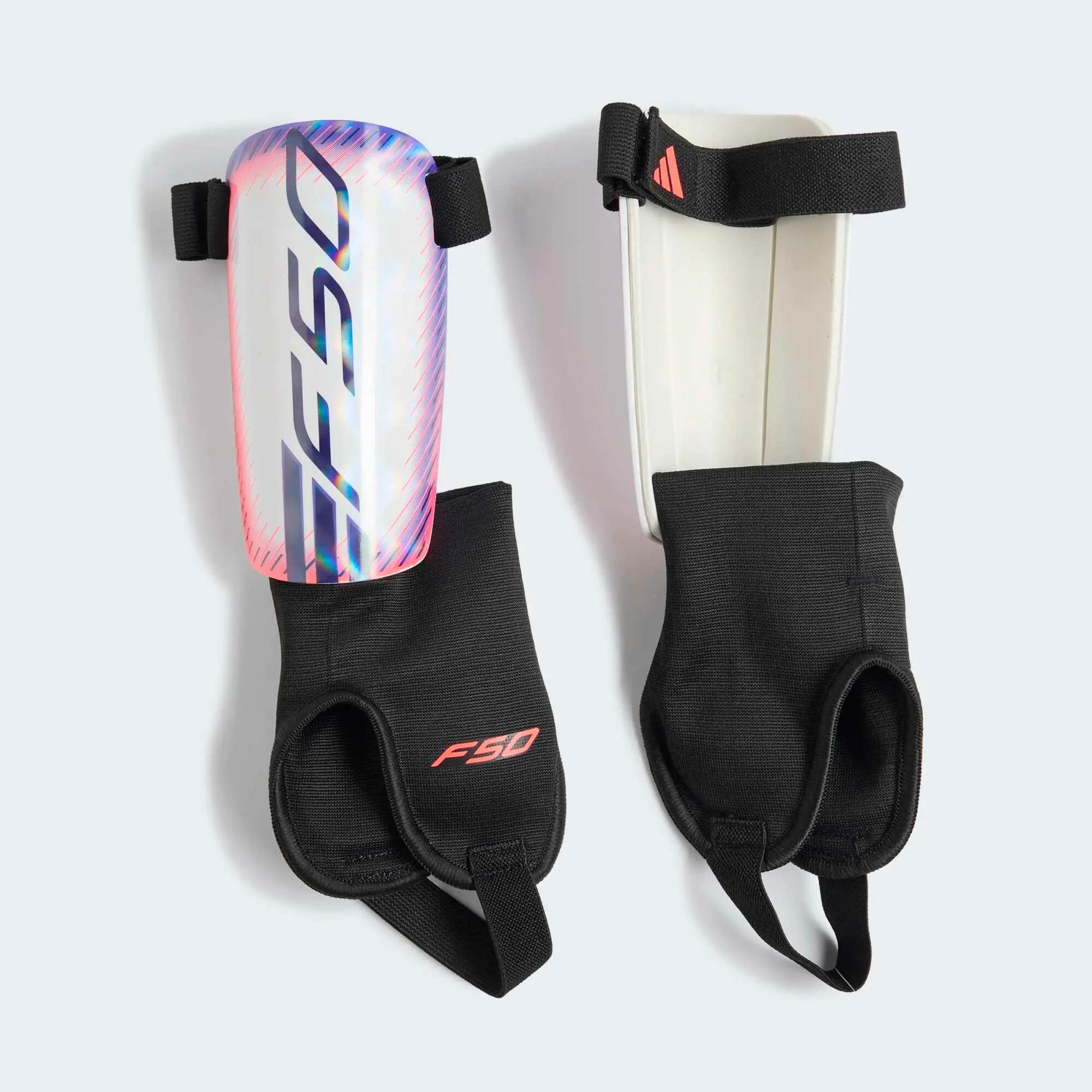
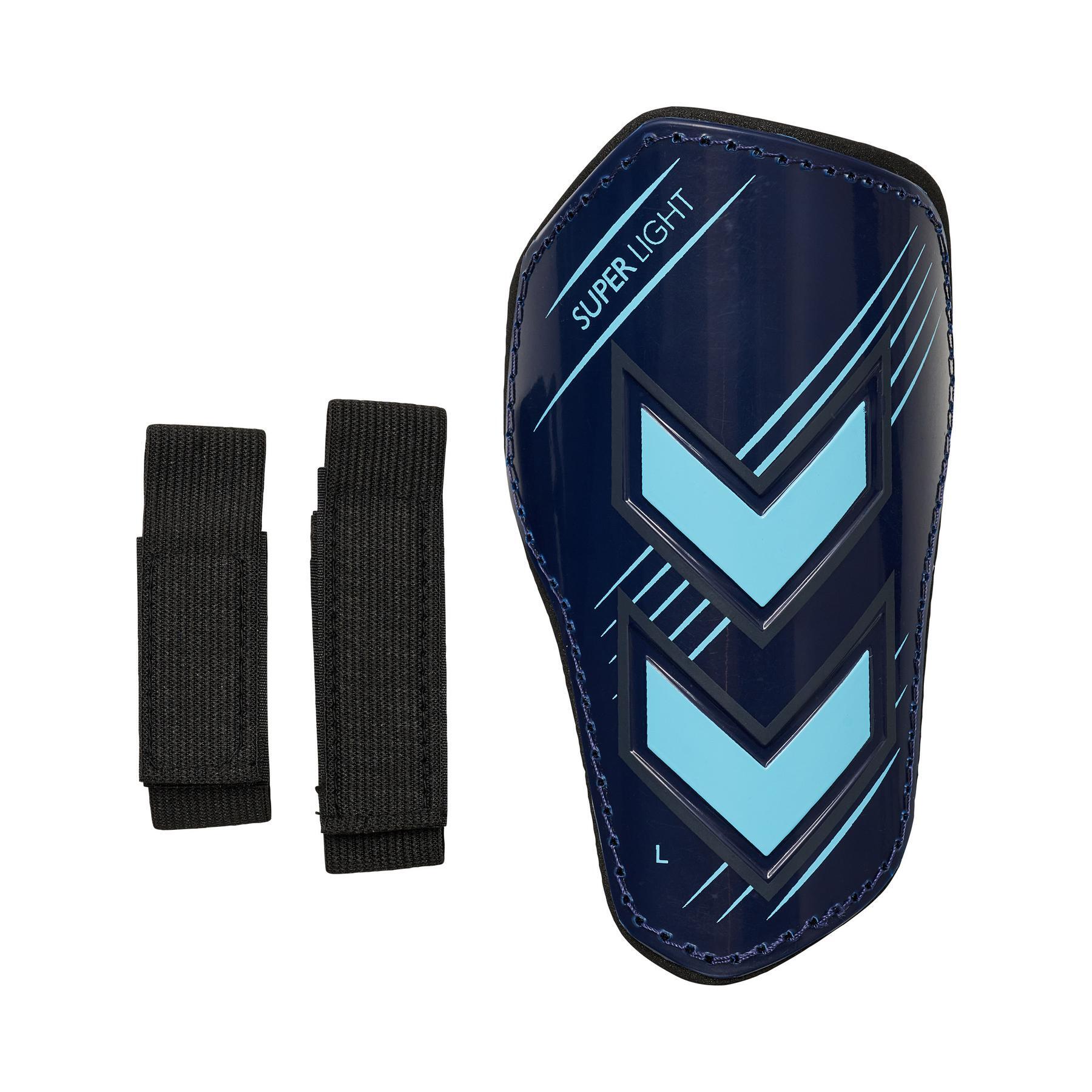
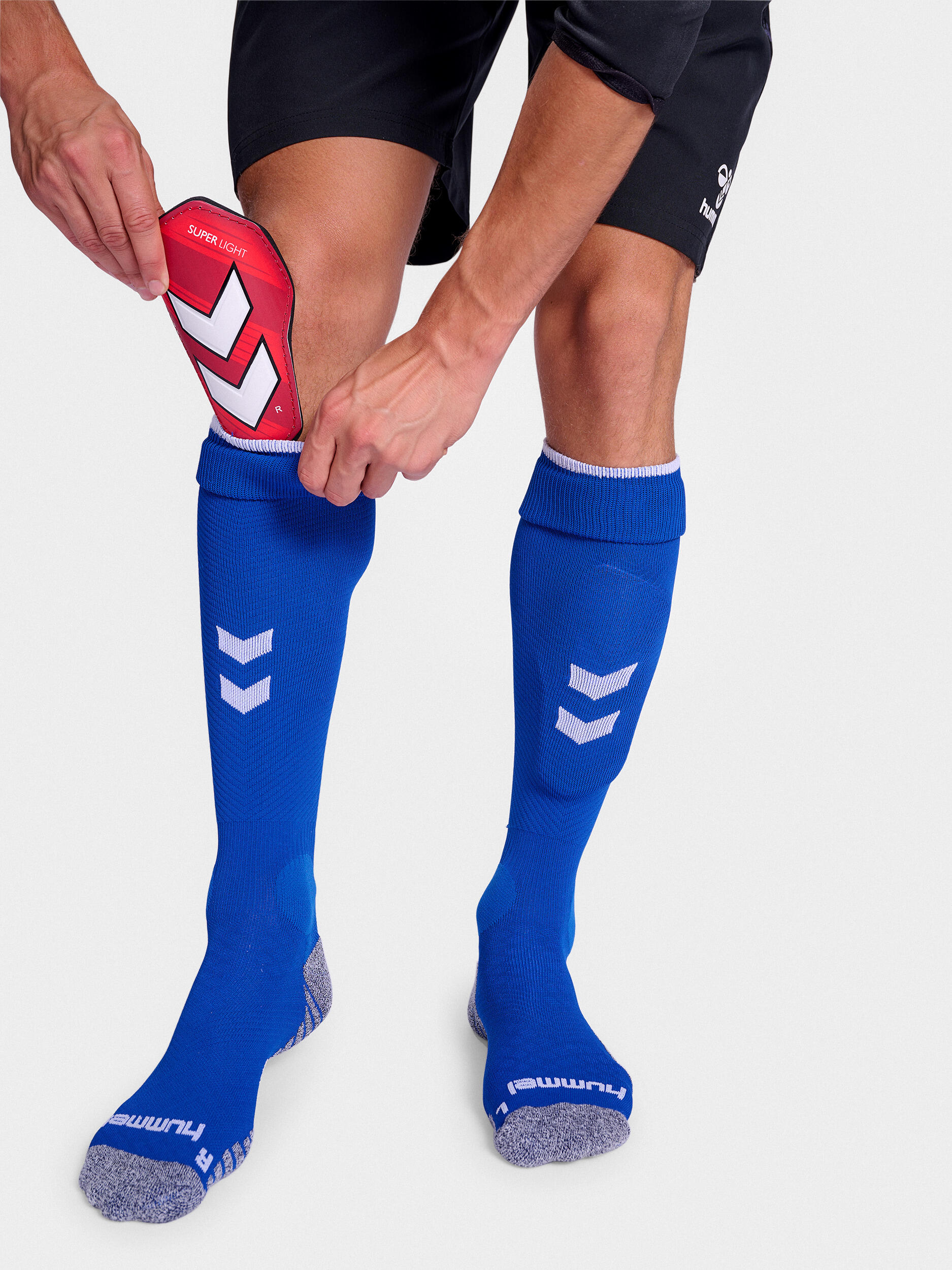
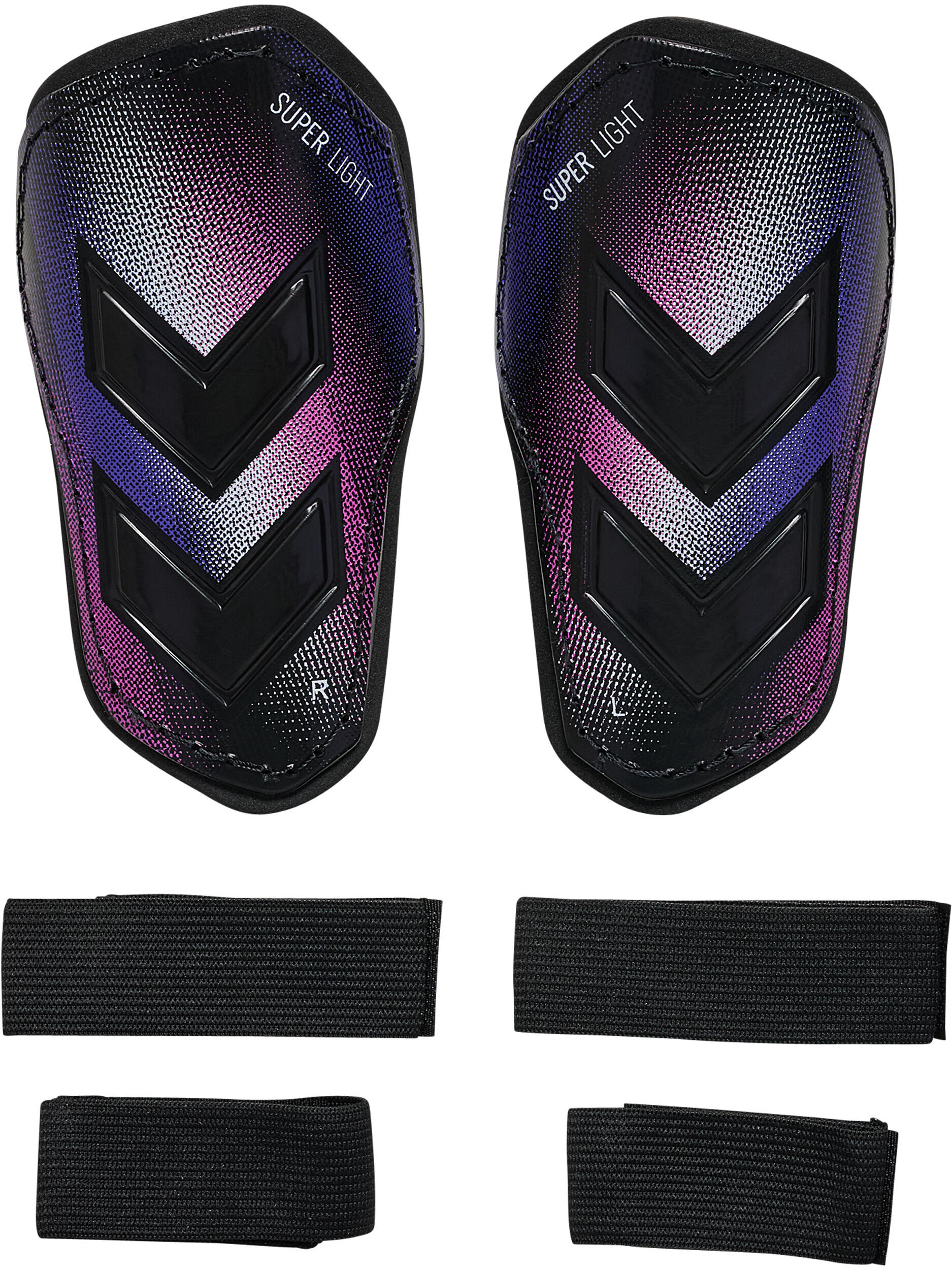
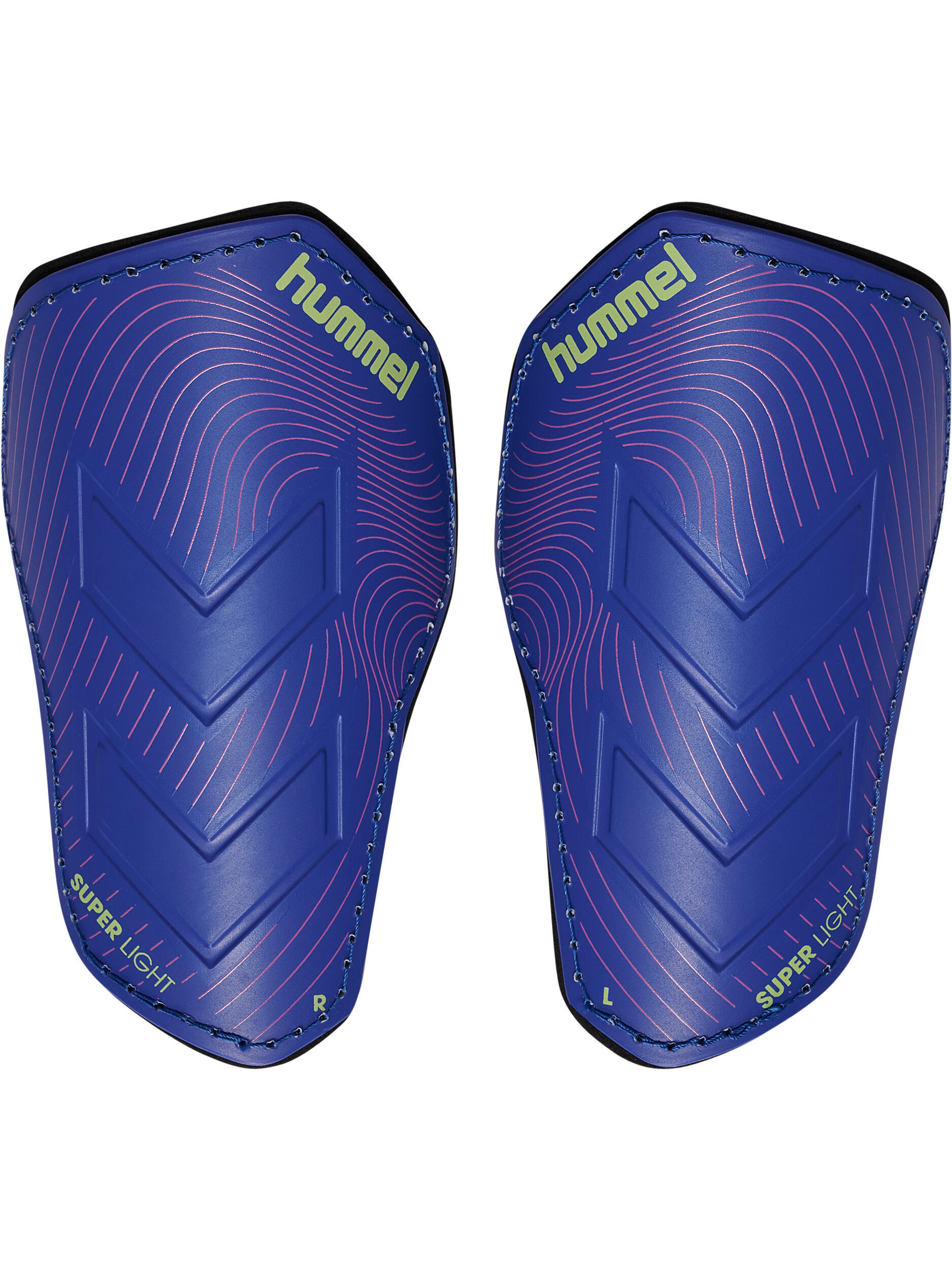
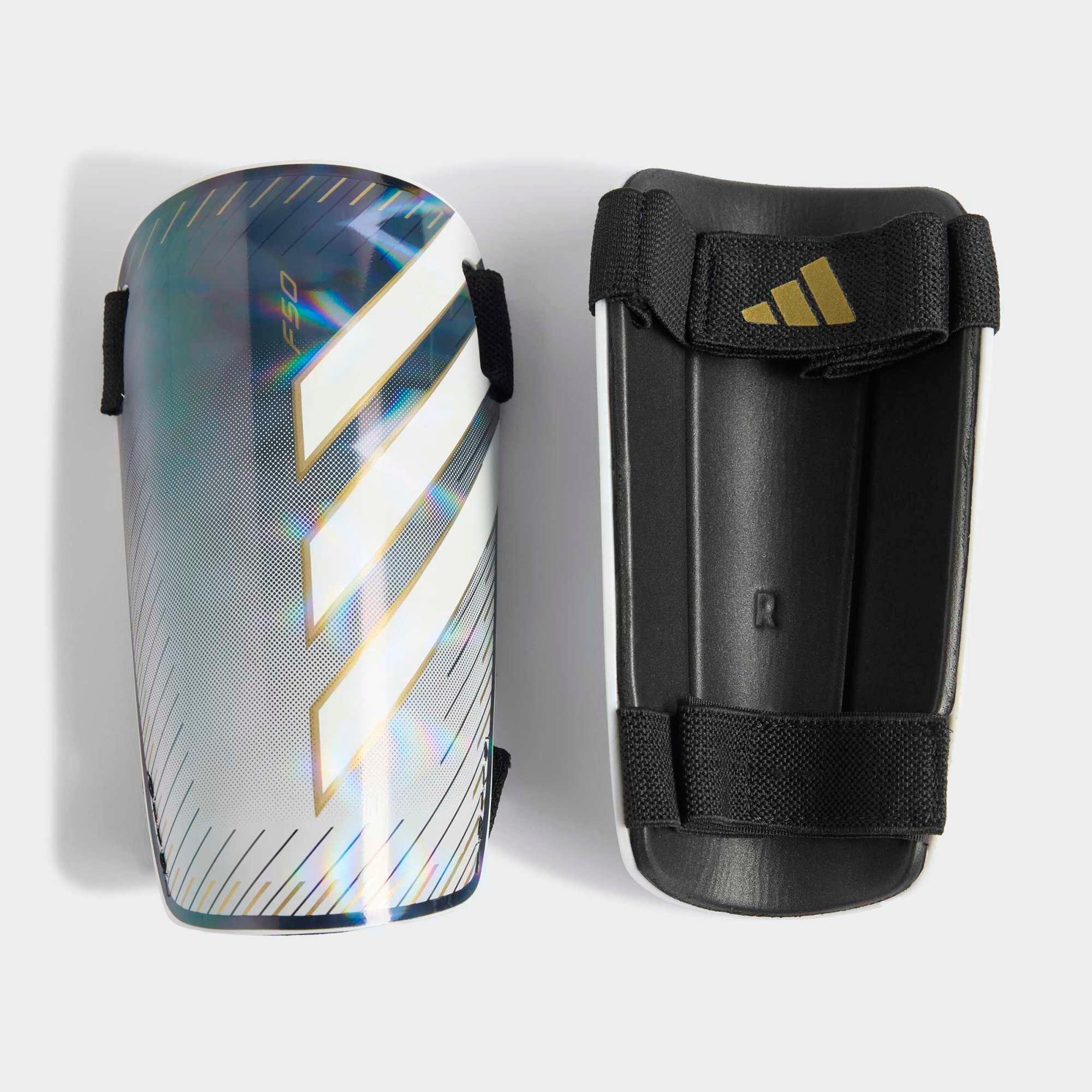
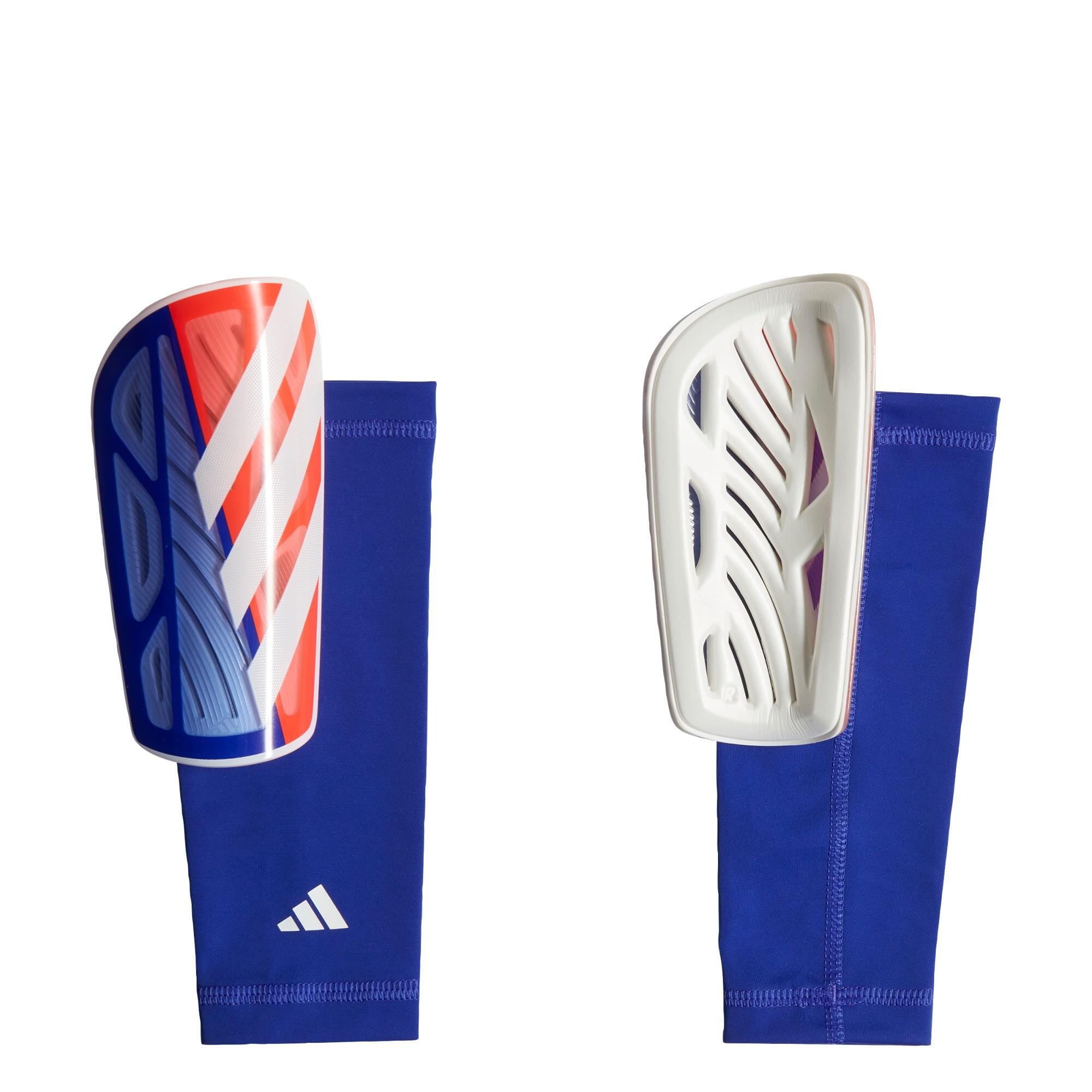
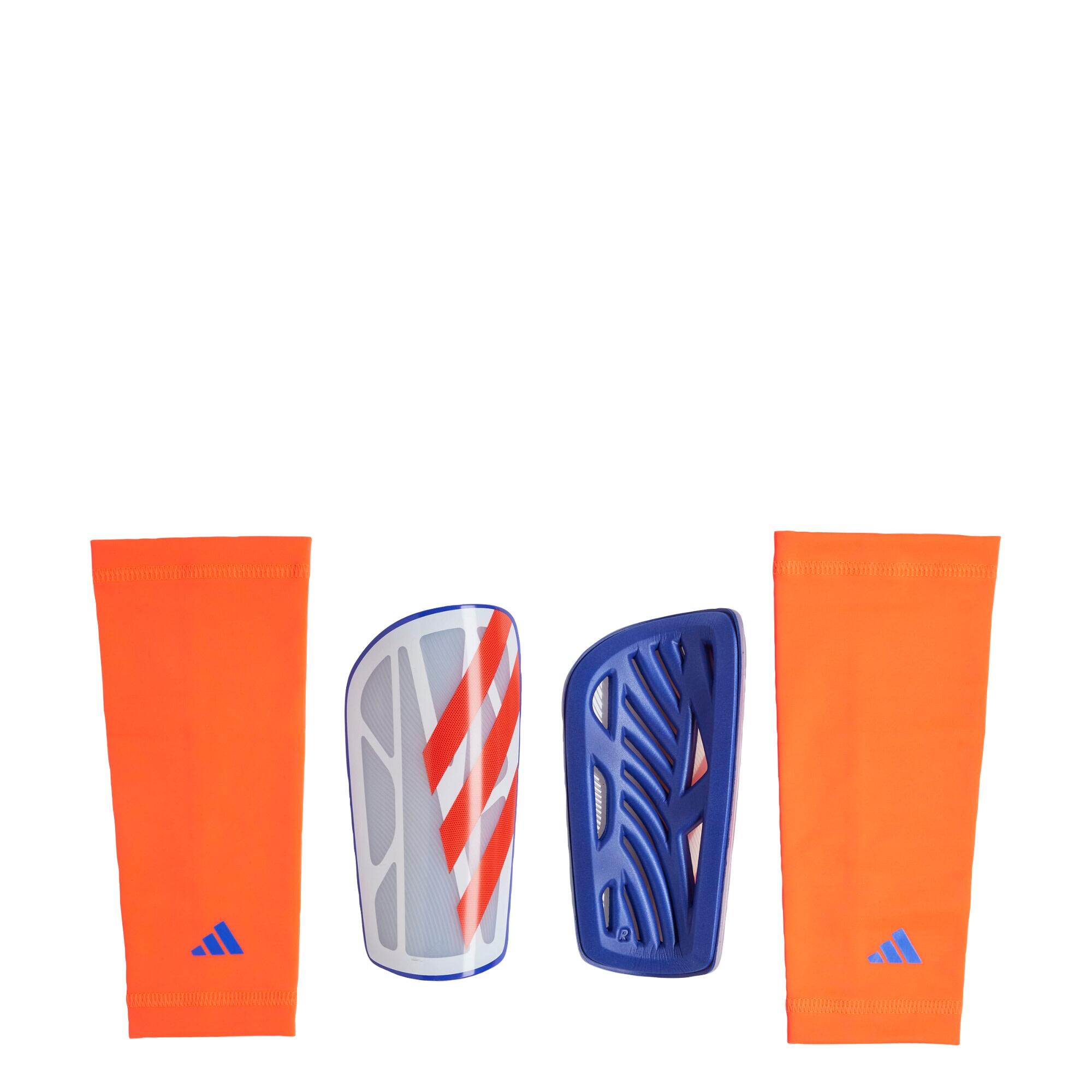
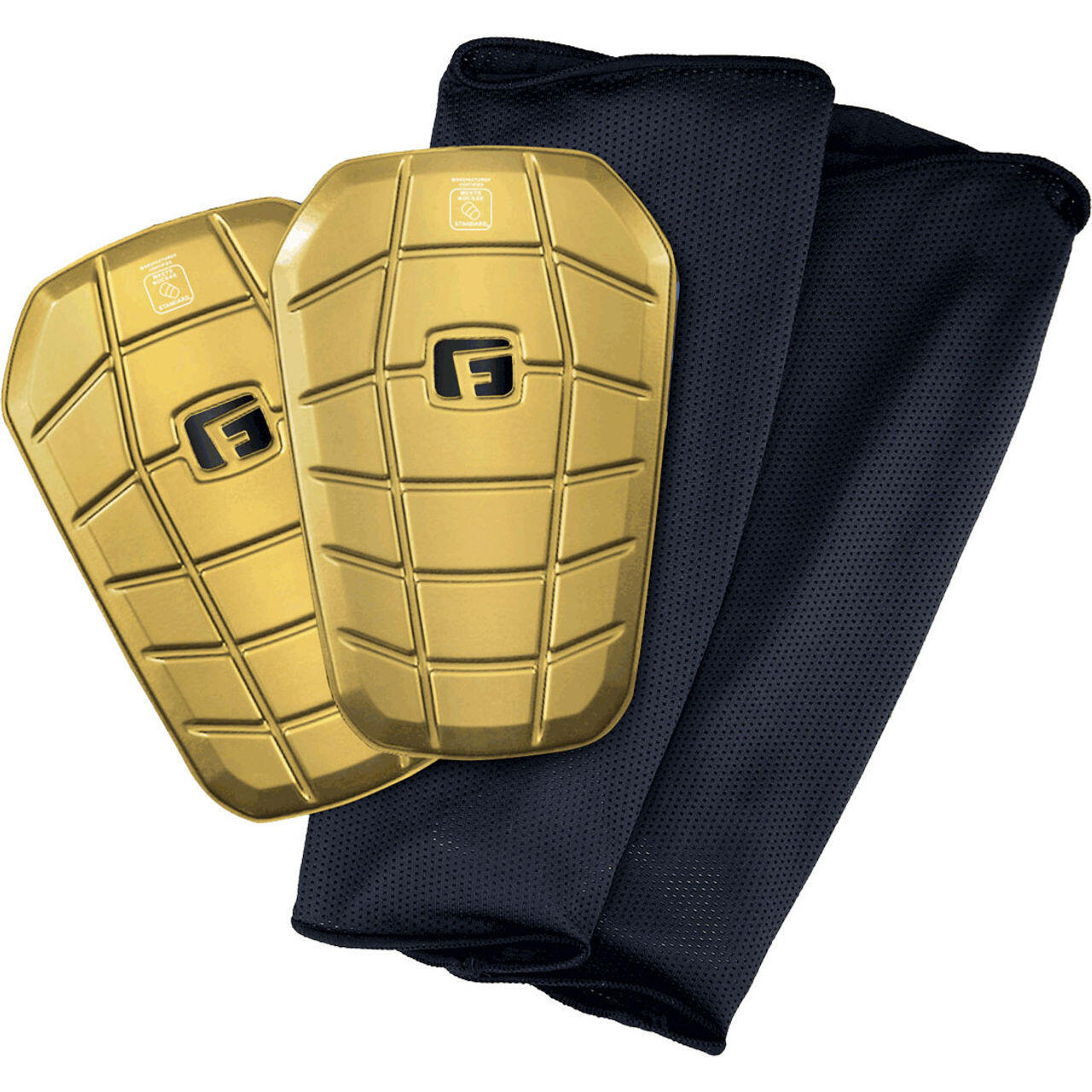
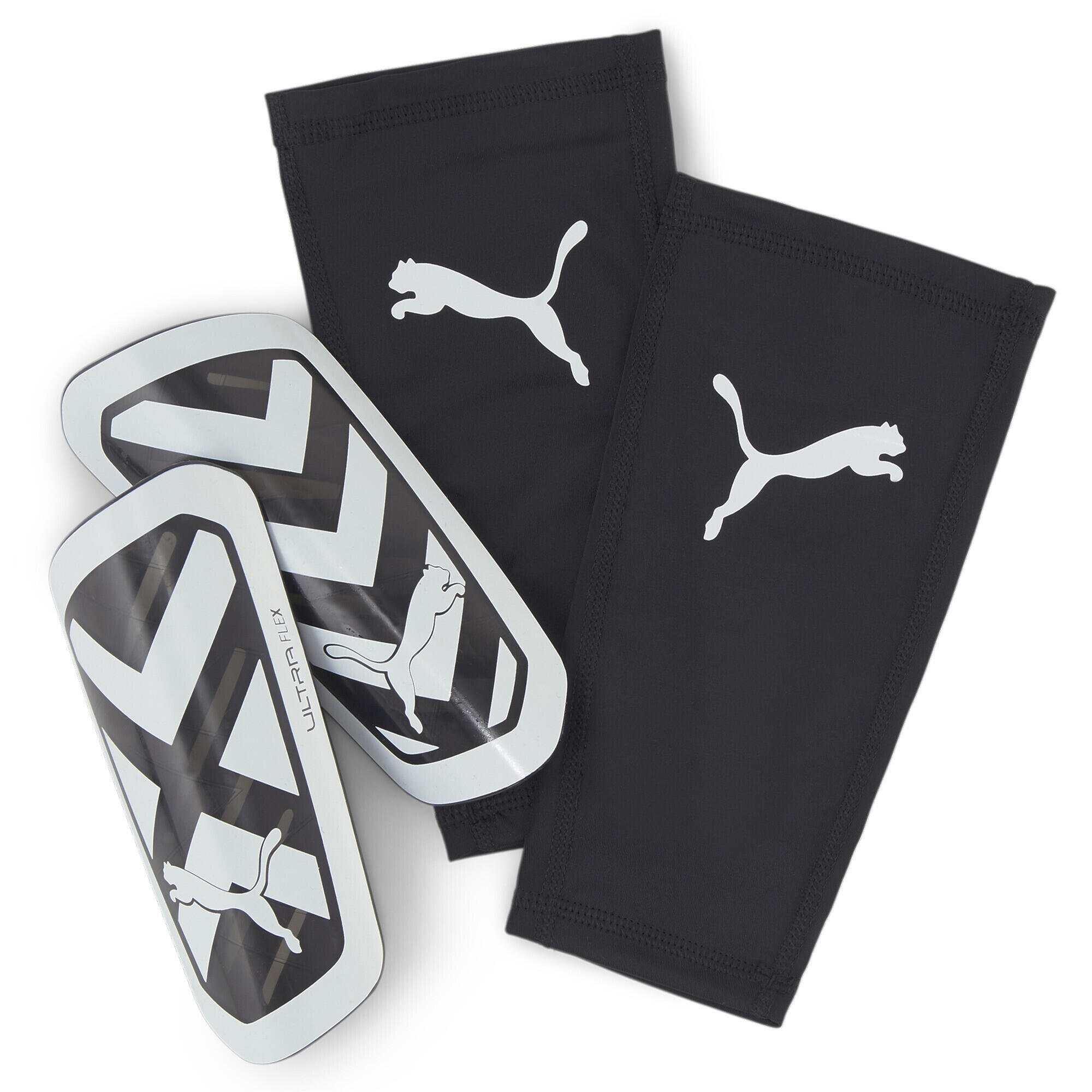
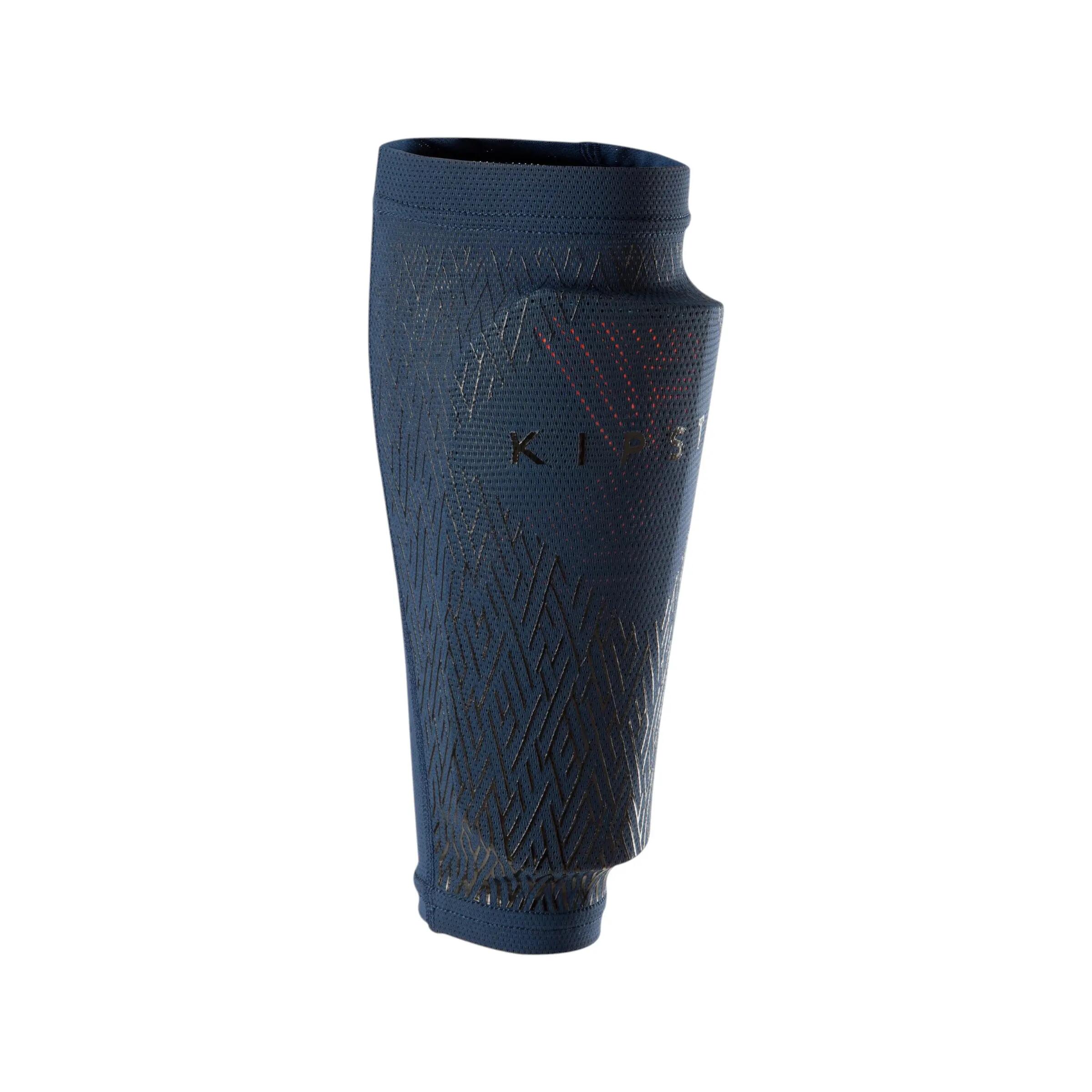
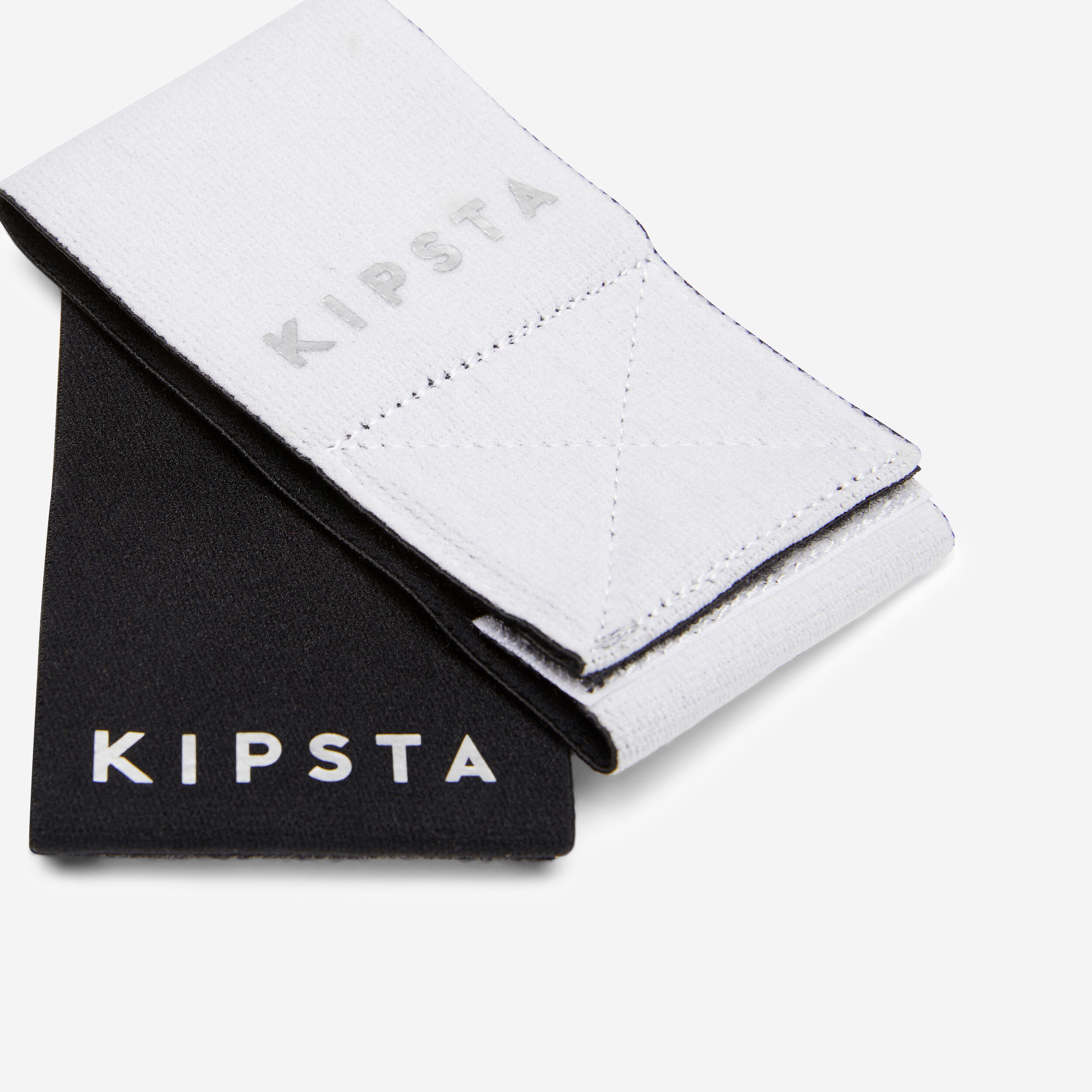
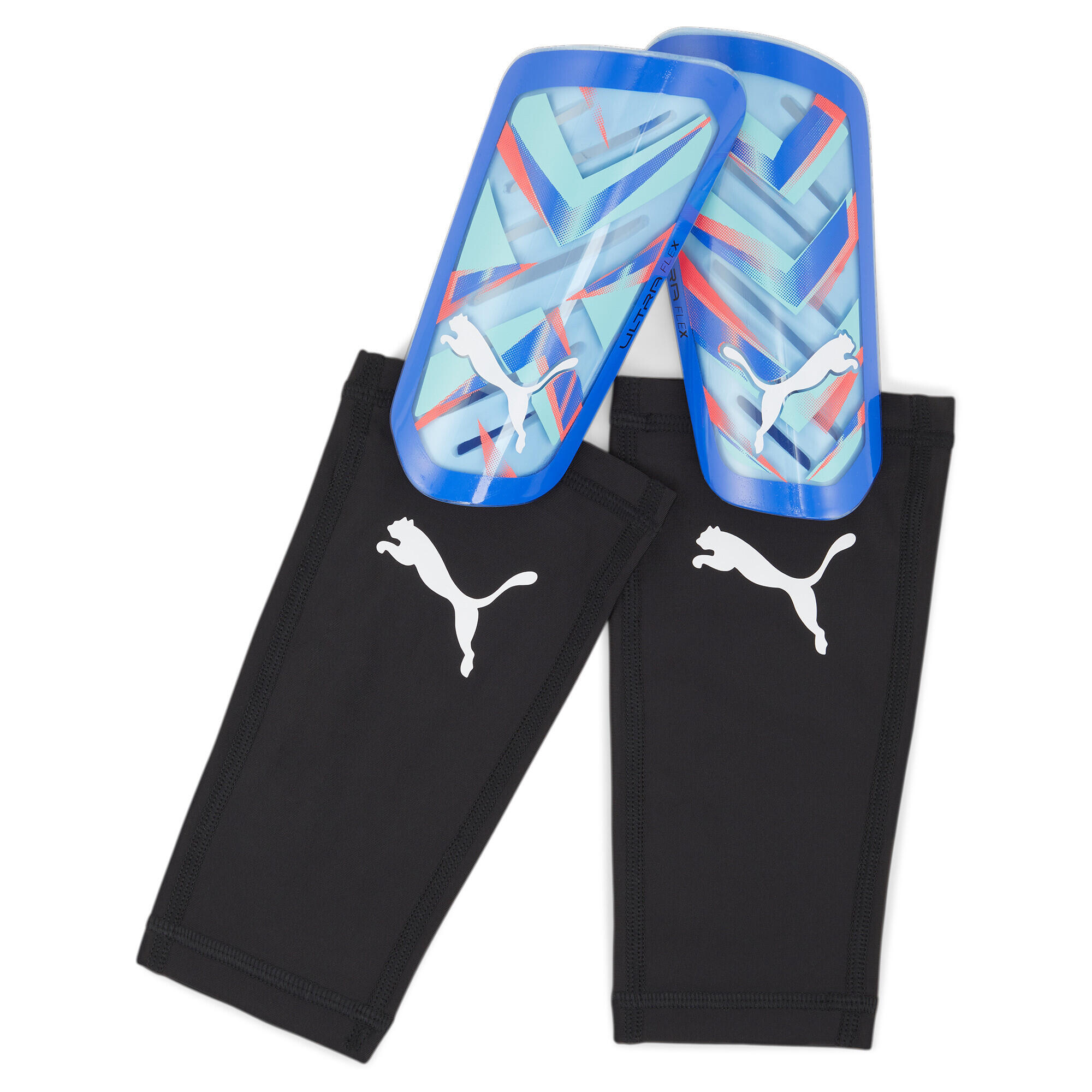
The right pair of shin pads depends on the level of protection you need and how you prefer to secure them to your leg. The most basic style is a flat-back pad held in place by two elasticated straps, which suits recreational players or those who want a minimal, lightweight setup with no ankle coverage. A step up is the sleeve-fixed shin pad, where the polypropylene shell slots into an elasticated fabric sleeve that wraps around the lower leg. The reason this works better than straps alone is that the sleeve distributes pressure evenly across the shin, preventing the pad from twisting or sliding down during a tackle or sprint. For players who have had previous ankle knocks or who compete at a higher level, ankle-guard shin pads offer integrated malleoli protection alongside the main shin shell. These styles feature a rip tab fastening and a padded cup that sits over each ankle bone, holding the entire unit securely without the need for separate strapping. If you carry a minor knock into a match, it is worth checking the range of muscular supports, which includes ankle and lower-leg bracing that can be worn comfortably alongside your shin pads.
How do I choose the correct shin pad size?

Shin pad sizing is based on your height, not your age, a common mistake that leads to pads that either fail to cover enough of the tibia or that overlap the knee and restrict movement. Measure from just below your knee cap to just above your ankle bone; this gives you the length of shin that needs coverage. Most Kipsta sizing guides then translate that measurement into different sizes. The pad should sit roughly 2 cm below the knee when worn, and the bottom edge should not dig into the top of your sock cuff. For kids shin guards, the same principle applies: always size by measured leg length rather than the age ranges printed on packaging, since growth rates vary considerably between children of the same age. A well-fitted pad stays still under the sock without slipping, even during direction changes and slide tackles. Once you have the right shin pads sorted, selecting a compatible pair of football boots with the correct stud configuration for your playing surface will further reduce your risk of lower-leg injury by improving traction and reducing unexpected falls.

What is the difference between adult shin pads and kids shin guards?

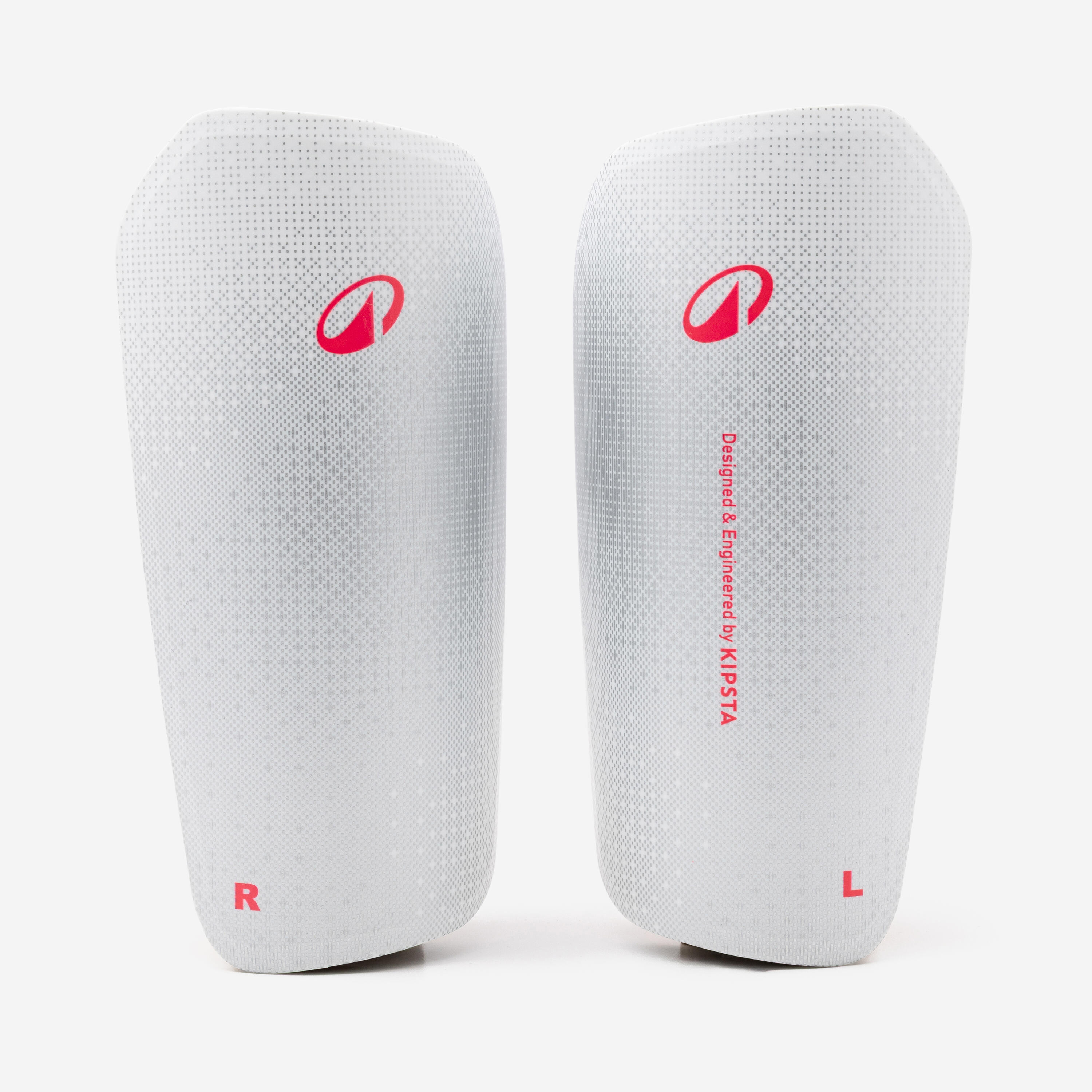
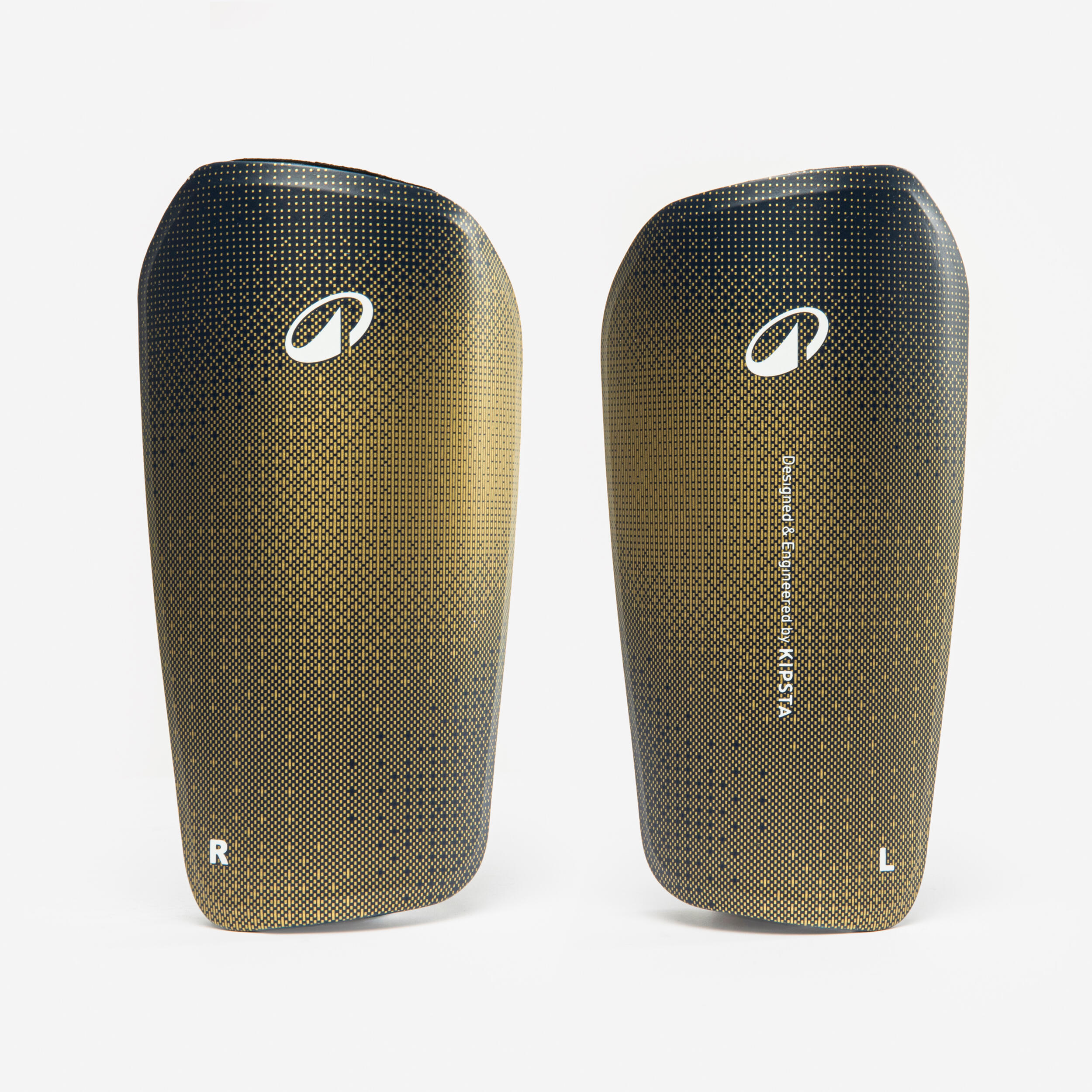
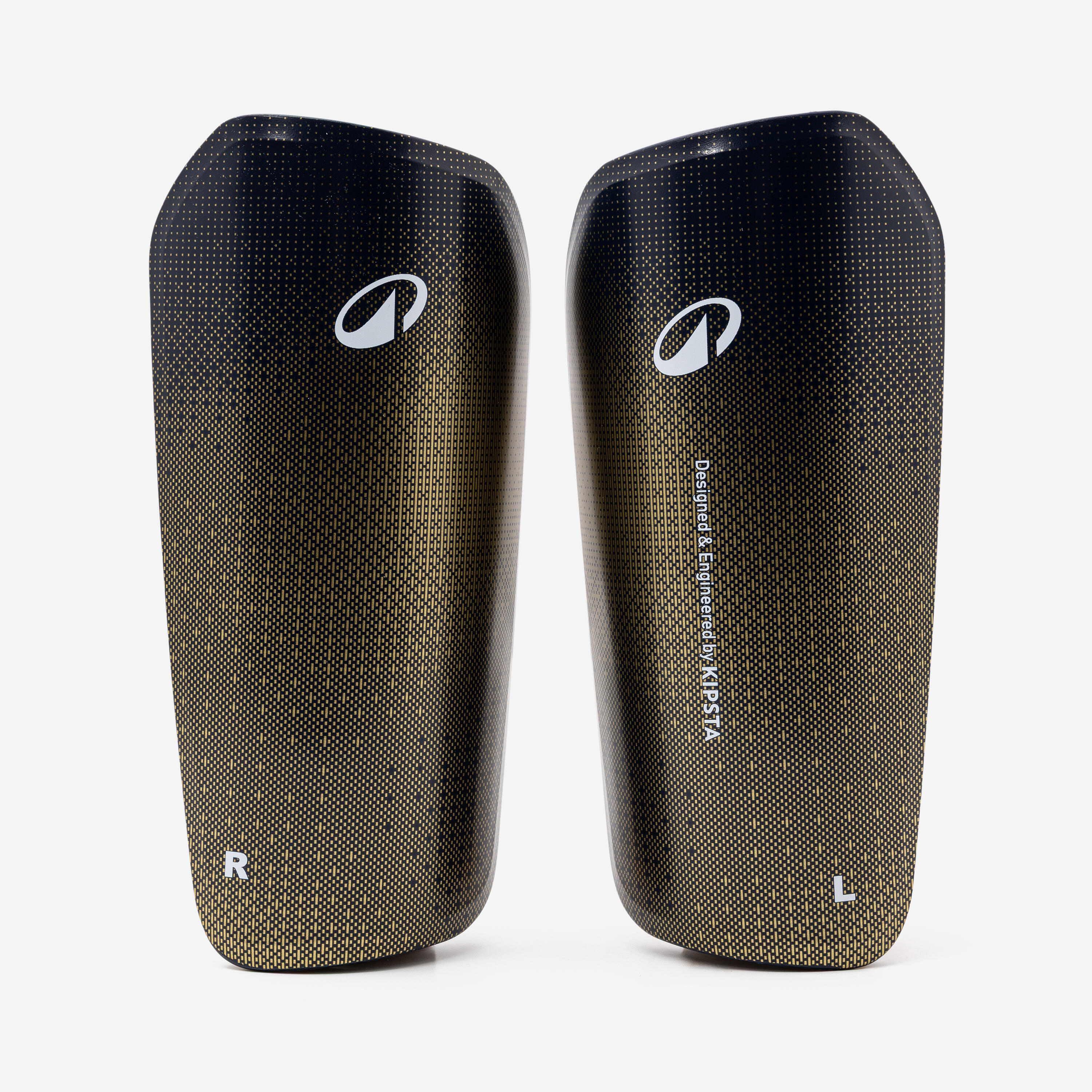
Adult shin pads and kids shin guards use the same core construction: a rigid polypropylene outer shell bonded to a polyethylene foam inner layer but they differ in shell curvature, coverage area, and overall weight. Kids shin guards are proportioned with a wider, shorter shell to account for the rounder, less angular tibia profile of younger players. The foam backing on junior models tends to be slightly softer too, since children generate less force on impact but are more sensitive to direct contact pressure. Adult shin pads, particularly at the higher end of the range, use pre-shaped or anatomically contoured shells that mirror the natural curve of a grown leg, giving a closer fit that does not shift under force. Lightweight adult shin pads in the Essential 100 range come in at well under 100 g per pad, which matters for outfield players who wear them for 90 minutes or more. Keeping the full kit coordinated with well-fitting football clothing, including socks that hold shin pads securely in place, makes a practical difference to how stable the pad remains throughout a match.

Do goalkeepers need to wear shin pads?

Yes, shin pads are compulsory for all players in competitive football, including goalkeepers, under FIFA and FAI regulations. The rules state that shin guards must be covered entirely by the sock, must be made of a suitable material, and must provide a reasonable degree of protection. For goalkeepers specifically, the priority is usually a lightweight football shin pad that does not add bulk, since keepers move differently to outfield players and spend less time in direct tackle situations. A slim-profile sleeve-style pad works well under goalkeeper trousers without creating pressure points at the knee. The focus for goalkeeper protection often shifts to the hands and upper body instead, so it is worth looking at the full range of football goalkeeper kit alongside your shin pad selection to make sure every contact area is properly covered before you step onto the pitch.

Which shin pad fixation style works best for different playing positions?

The fixation style of a shin pad has a direct effect on how stable and comfortable it feels across a full match, and different positions place different demands on that stability. A central midfielder who covers high distances and changes direction constantly benefits most from a sleeve-fixed shin pad, where the elasticated fabric wraps the entire lower leg and prevents any rotation or slipping regardless of how hard the player pushes off. A striker who prioritises speed and minimal weight over the ankle tends to prefer a simple strap-fixed lightweight shin pad, since the reduced bulk around the ankle does not interfere with striking mechanics or quick acceleration. Defenders and players in physical positions, where direct blocking tackles are frequent, generally get the most value from an ankle-guard style that combines full shin coverage with padded malleoli cups, keeping both the shin bone and ankle joint protected through repeated contact. For goalkeepers, a low-profile sleeve pad is the practical choice, as it sits flat under the trouser leg without adding pressure at the knee during diving movements. Whichever fixation style suits your position, combining your shin pads with the right football training equipment allows you to rehearse position-specific movements in a controlled setting so your kit feels fully broken in and secure before match day.