191 items
4.7/5 based on 466098 reviews collected online and in stores

Every Race Essentials FAQs

What are the main race day essentials?

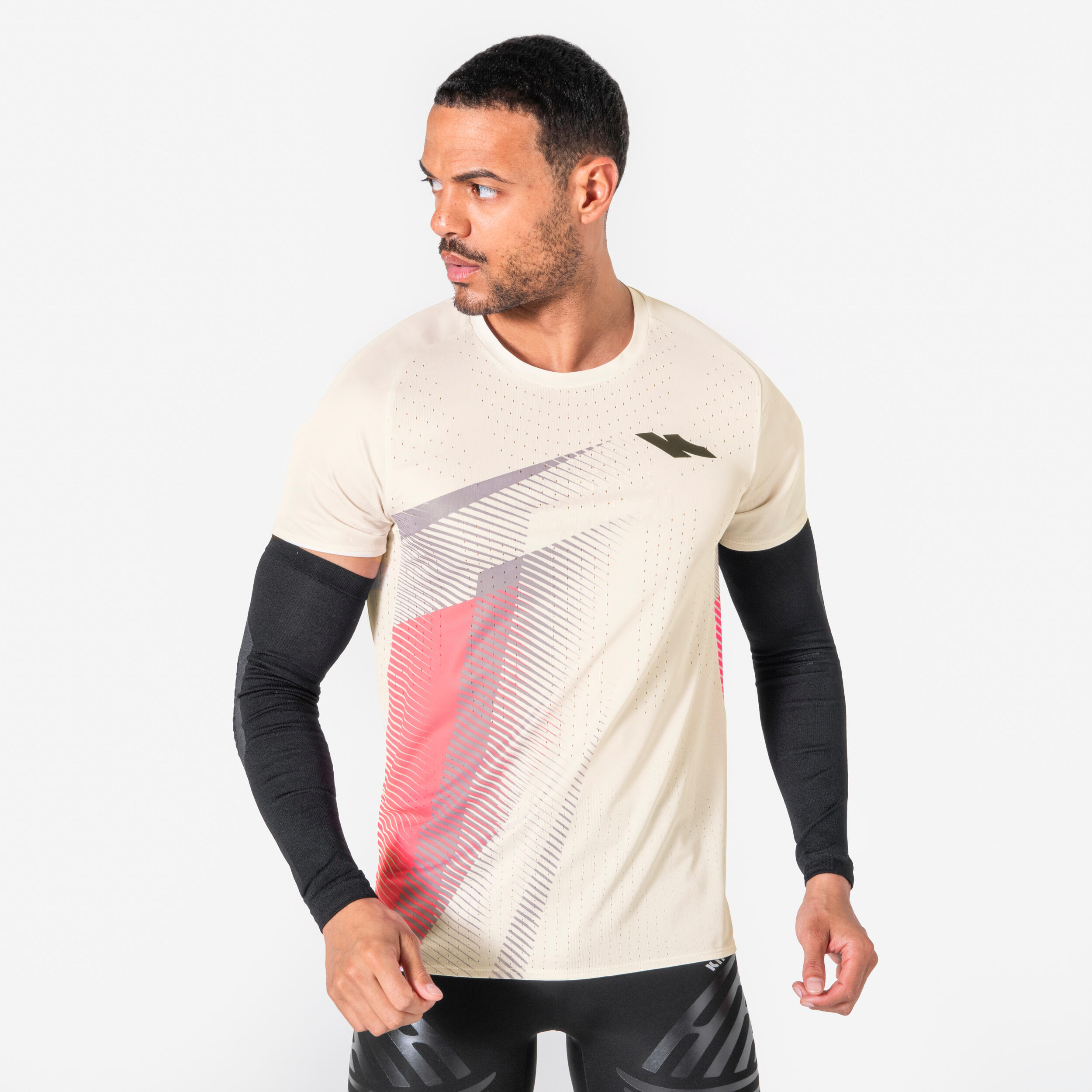
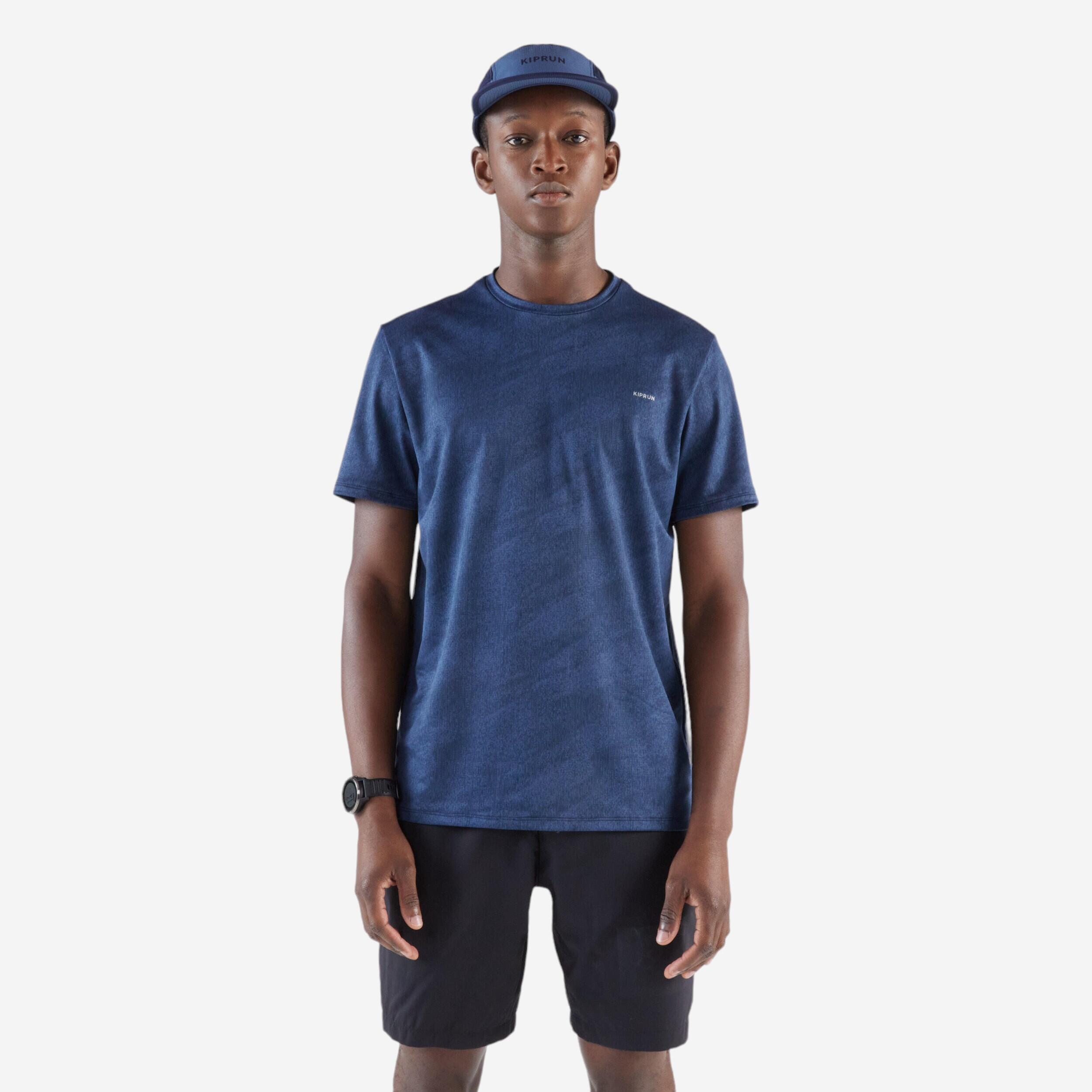
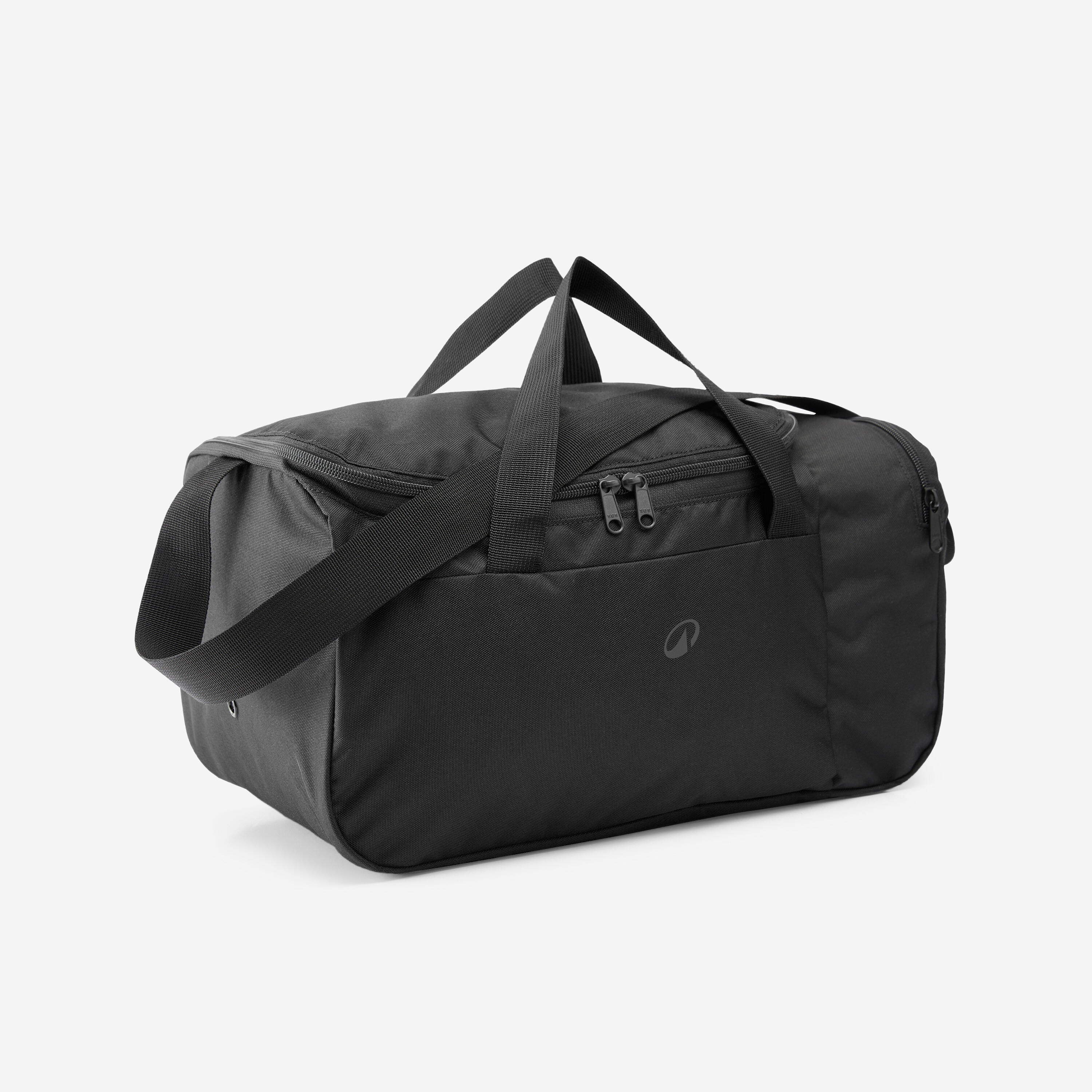
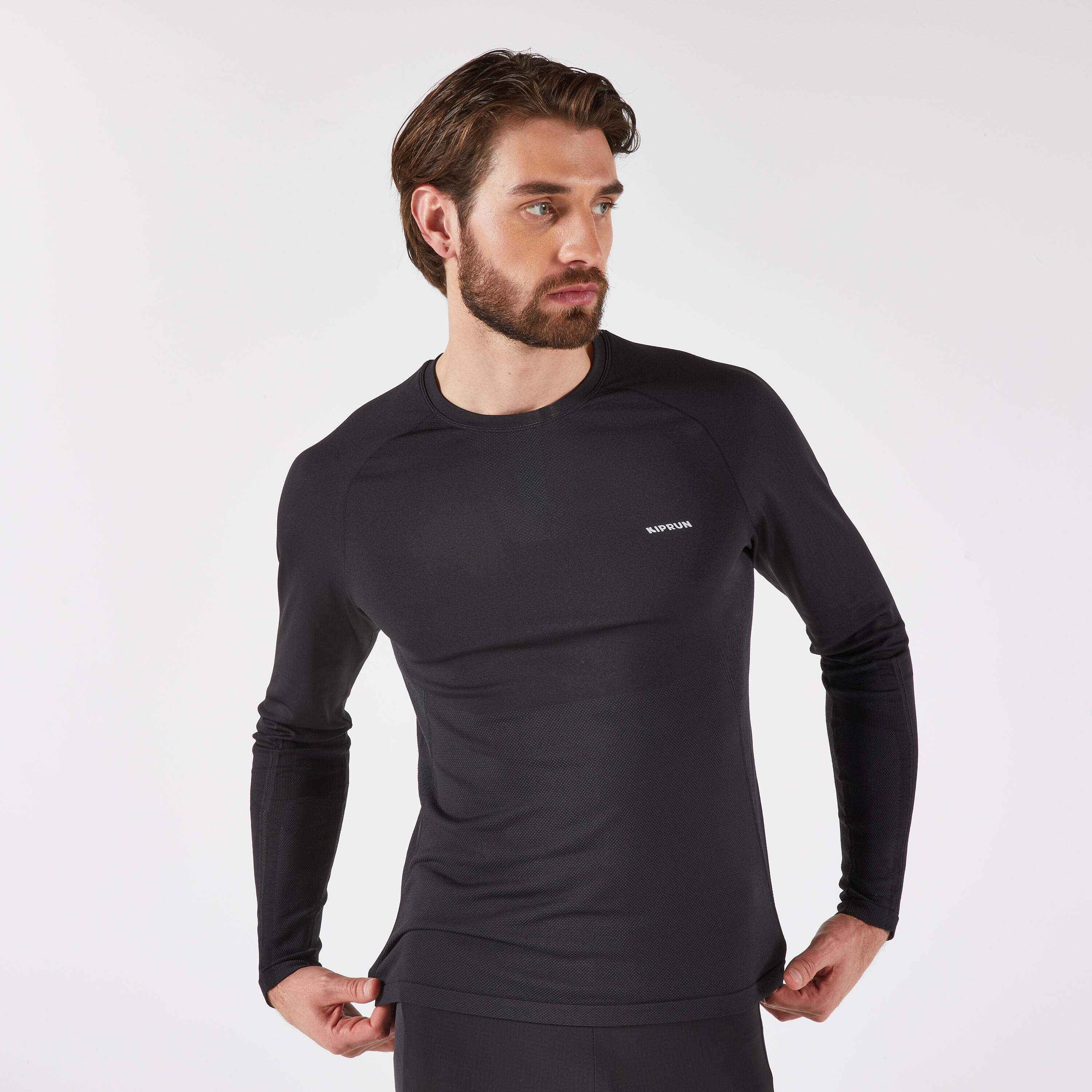
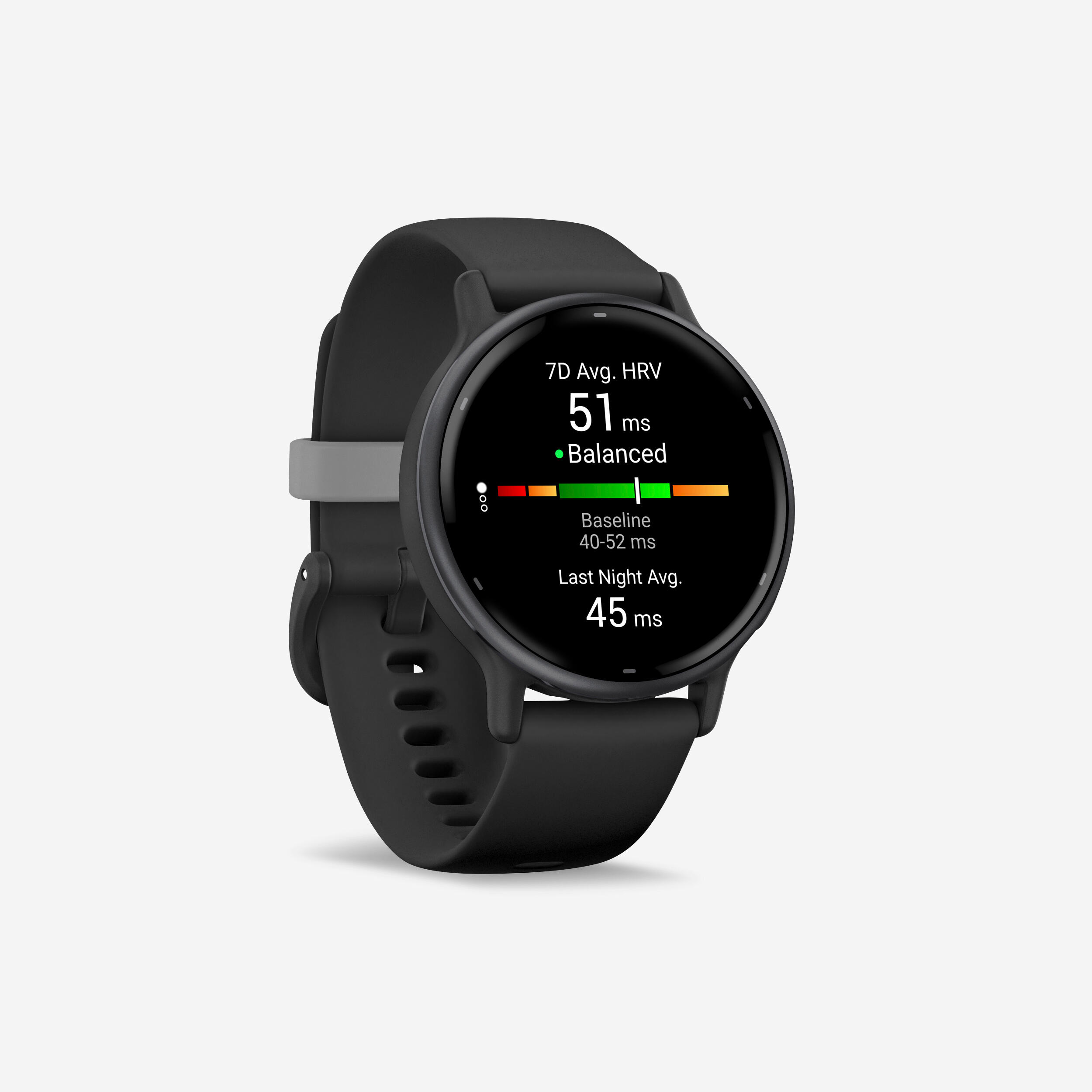
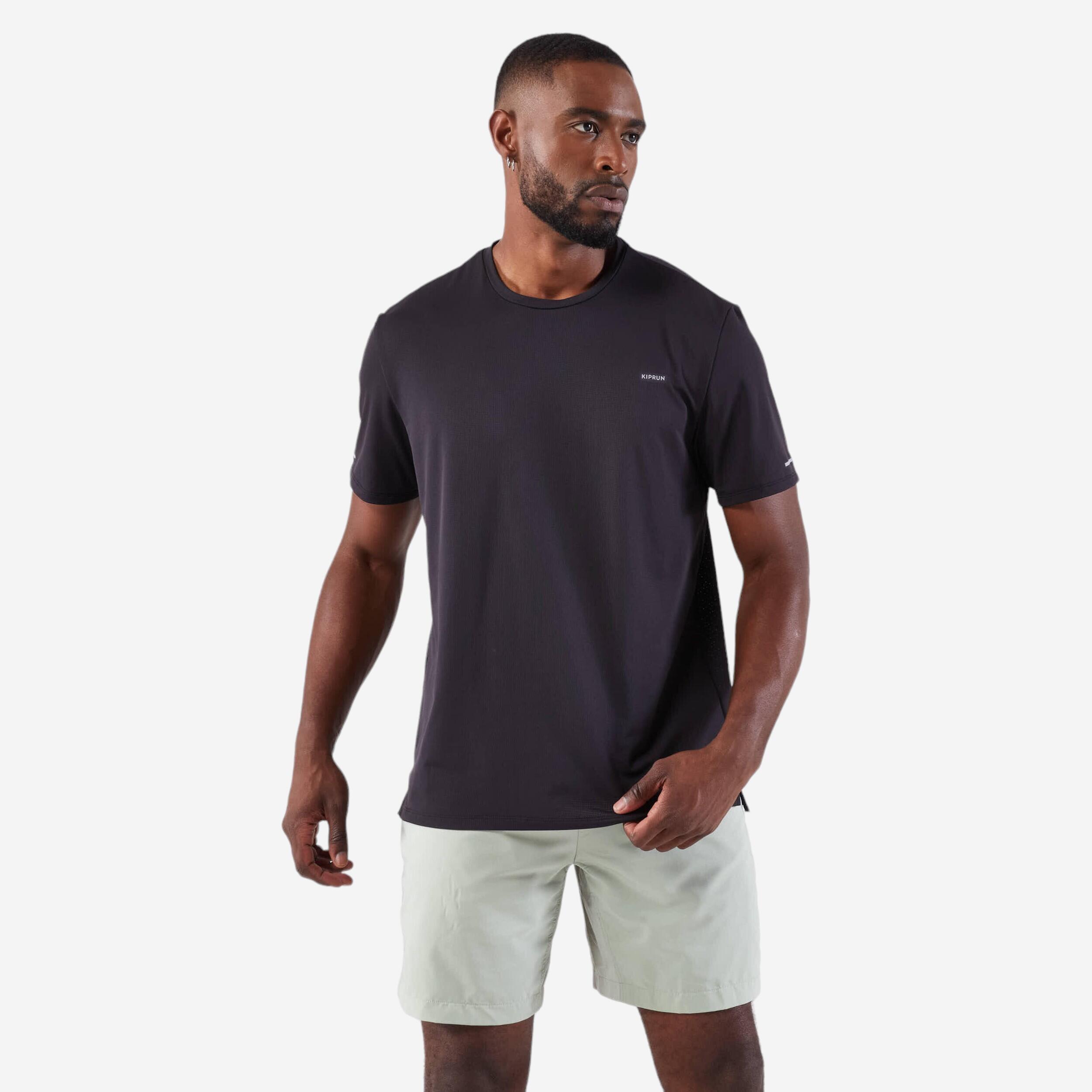
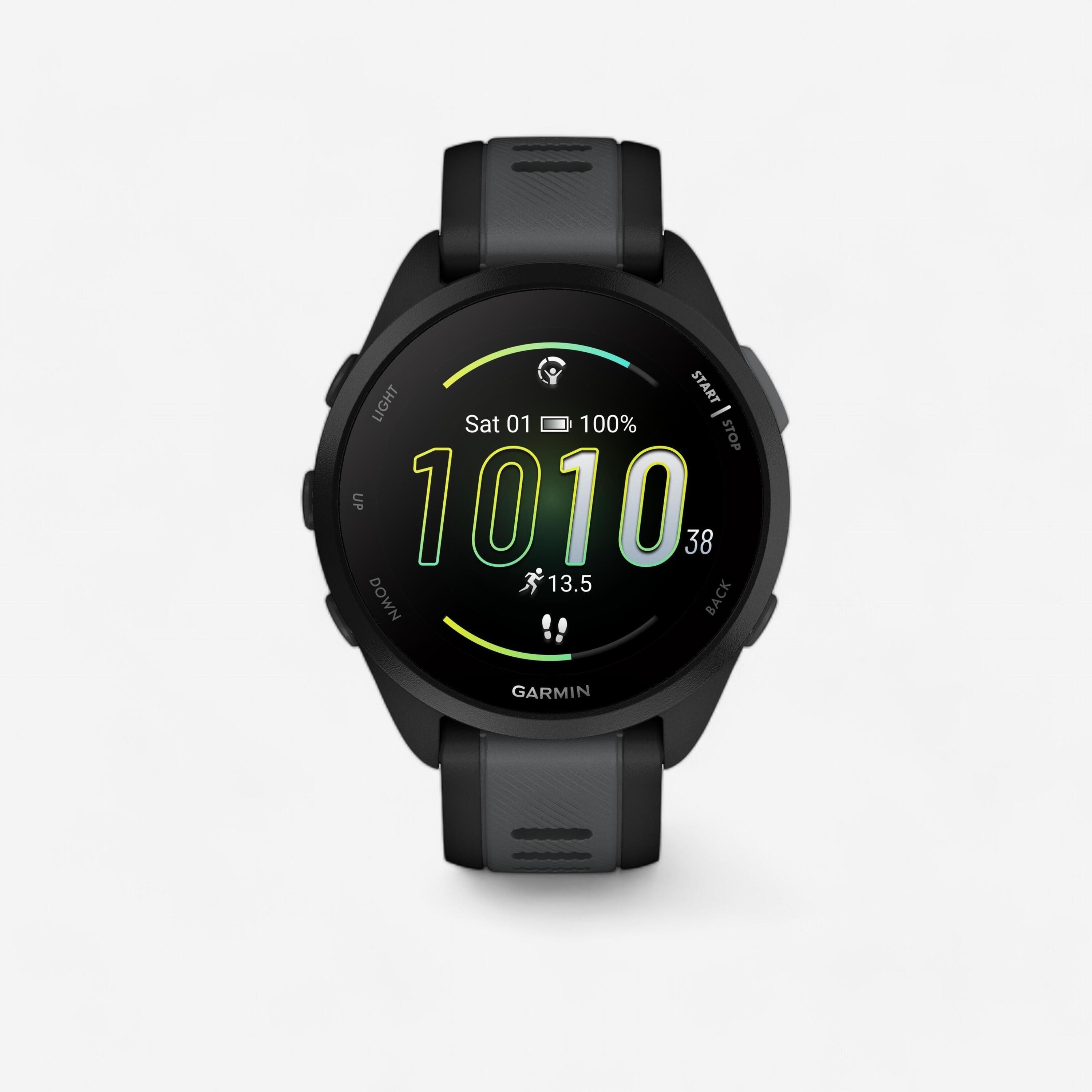
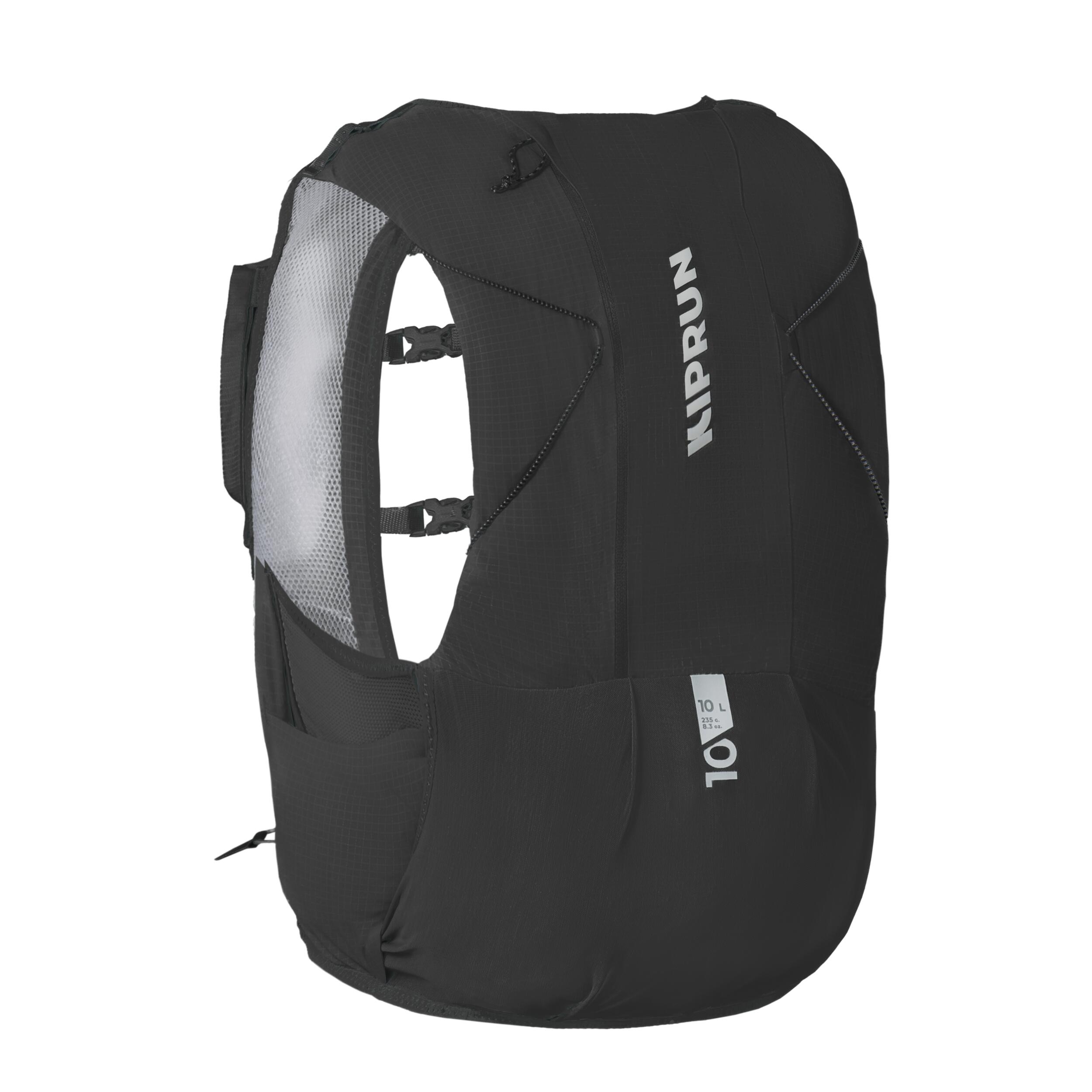
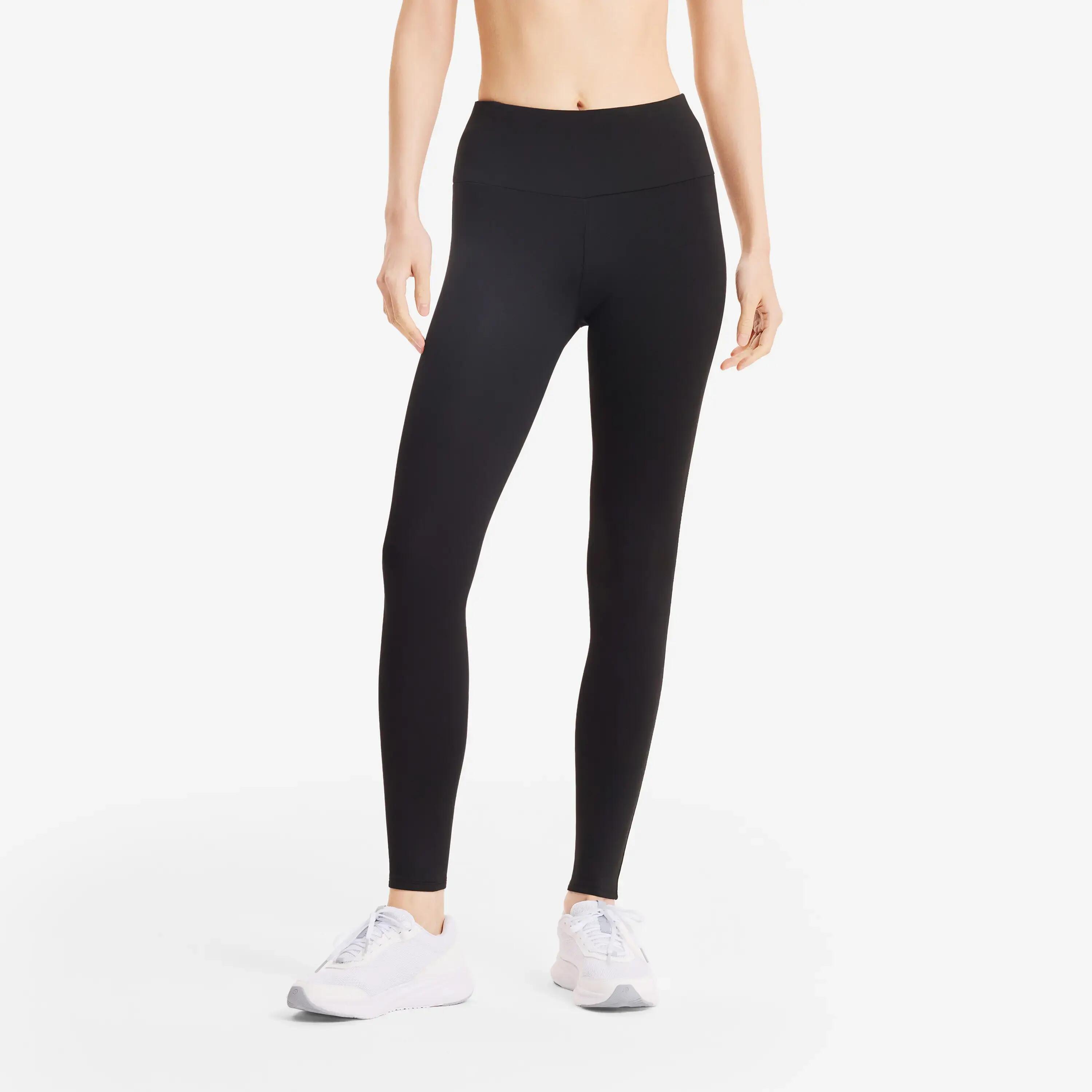
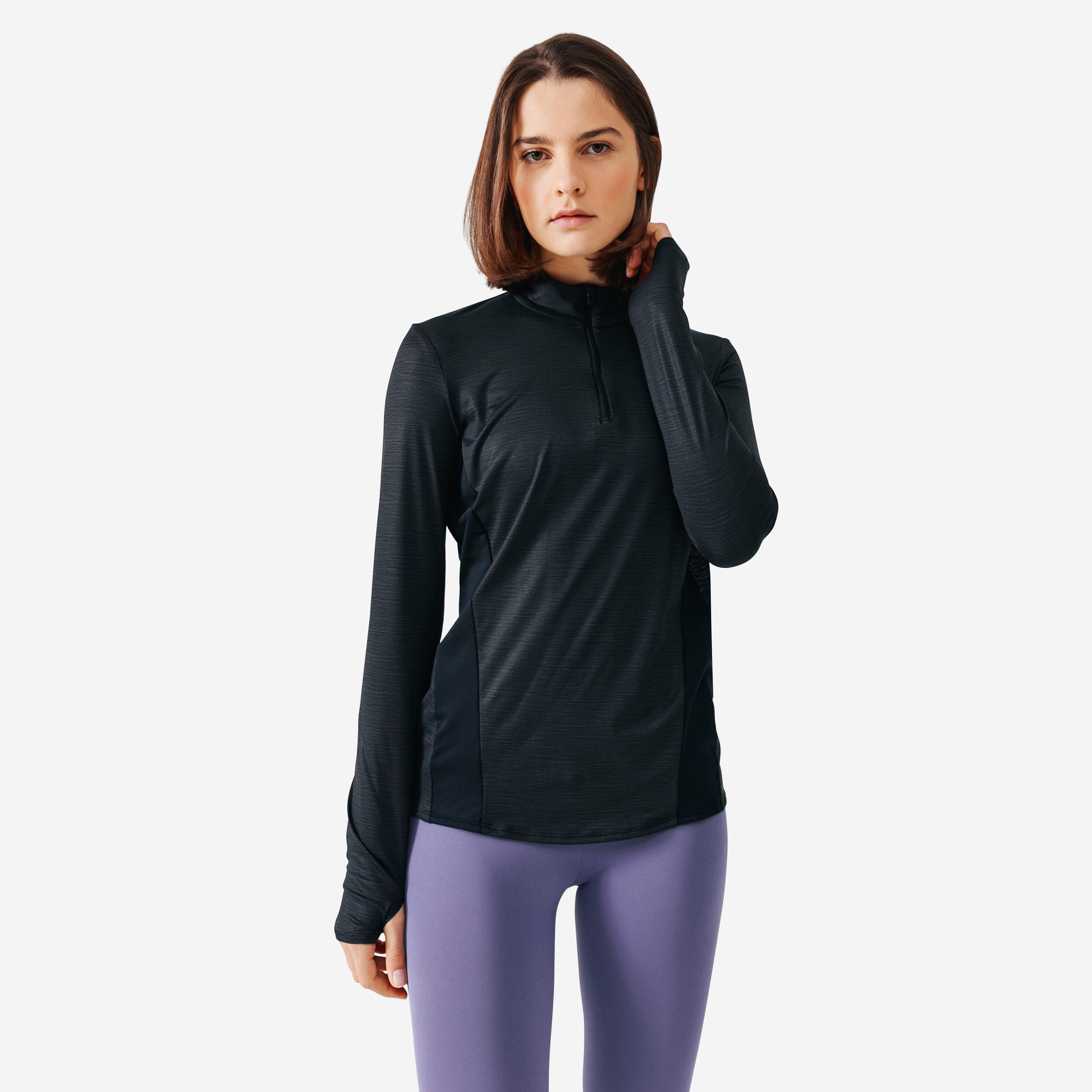
Your race day essentials should cover comfort, hydration, nutrition, identification and the conditions expected on the course. Start with familiar running clothing, tested footwear, suitable socks and secure storage for small belongings. Depending on the distance, you may also need water, fuel, sunglasses, a watch, a race-number system or an outer layer. The current category combines KIPRUN apparel with selected Decathlon accessories, while Garmin watch functions and CLIF nutrition belong to those third-party brands. New runners can get started with running by choosing suitable beginner equipment before entering an event. Pro tip: lay out every item the evening before and remove anything you have not practised with during training.
How can running shorts carry race essentials securely?

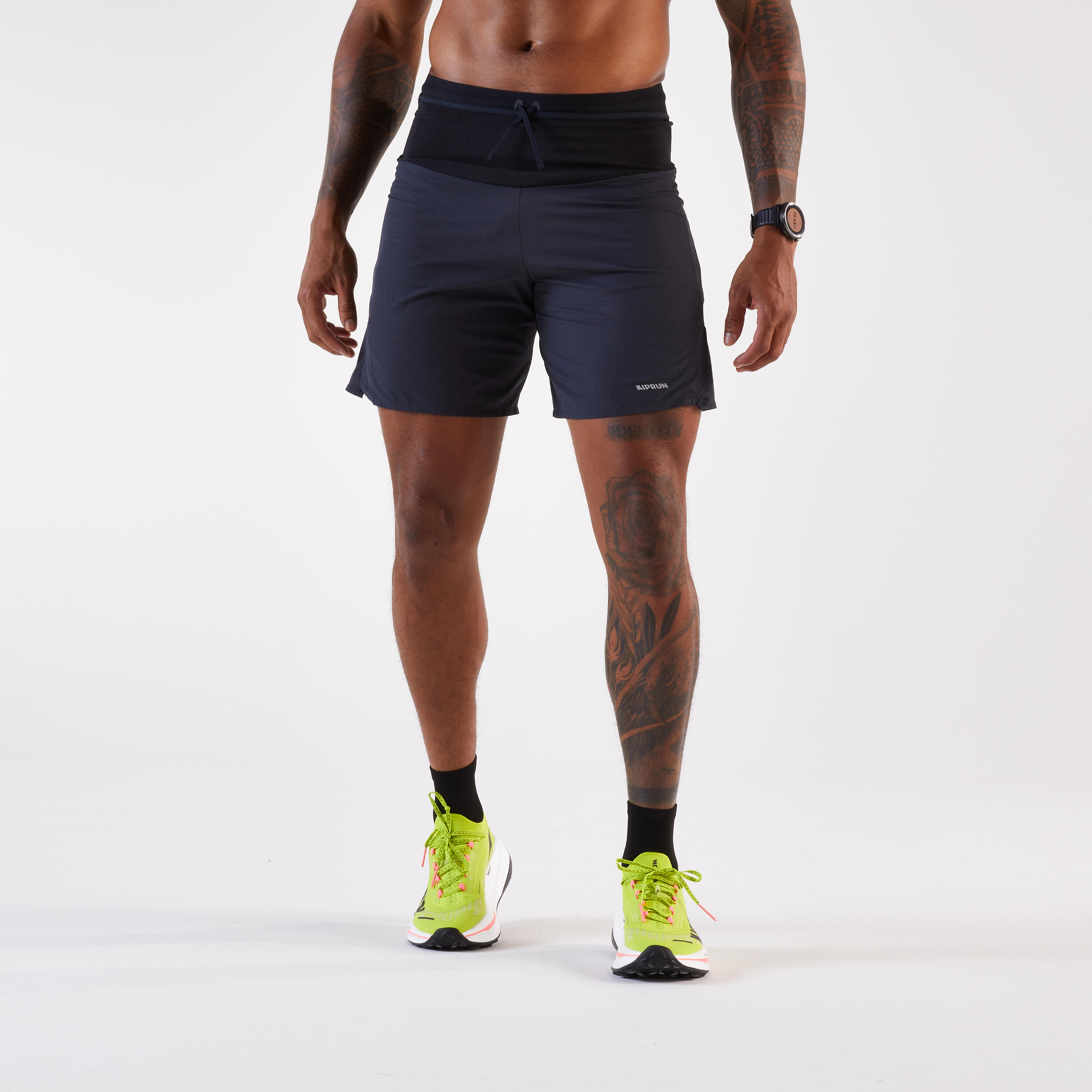
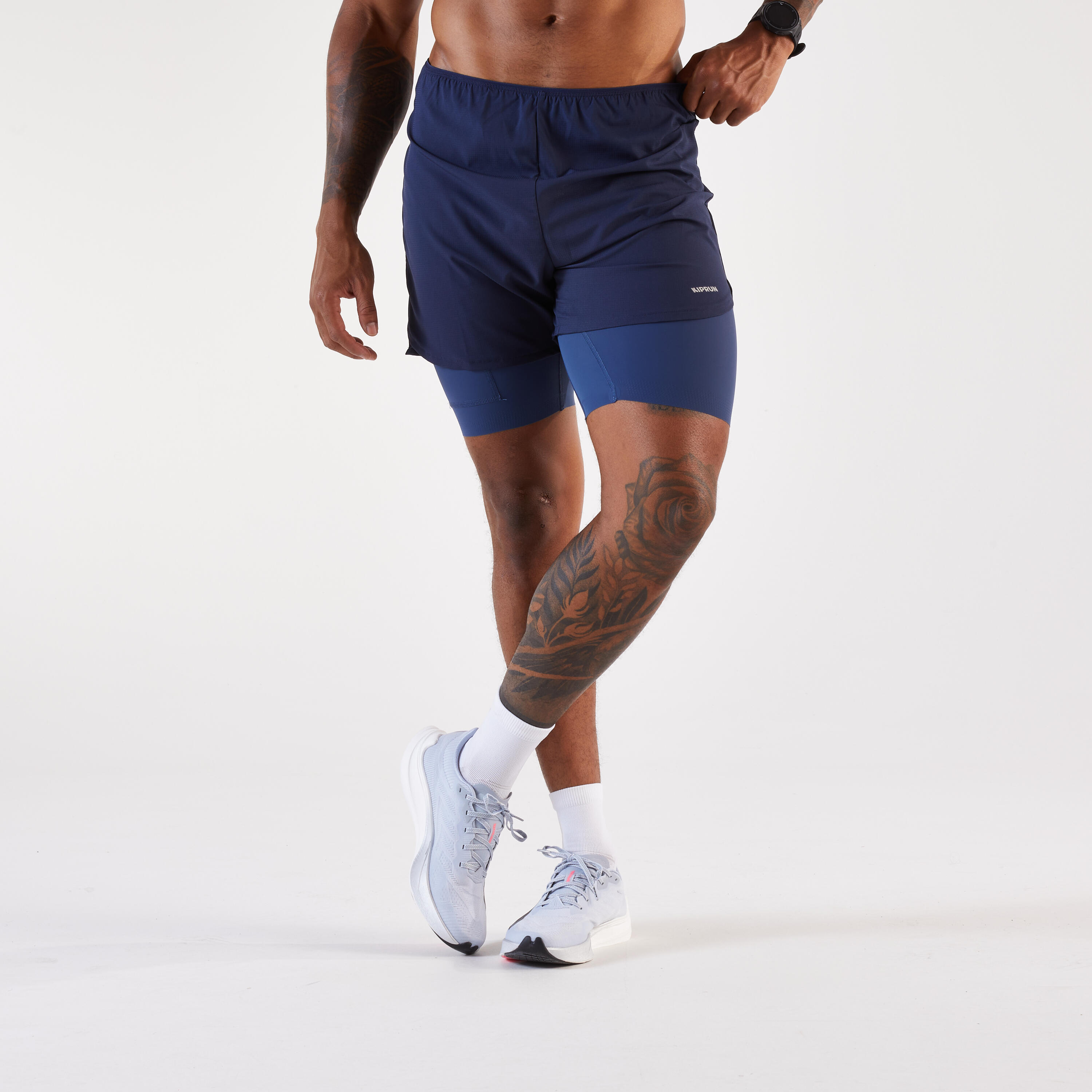
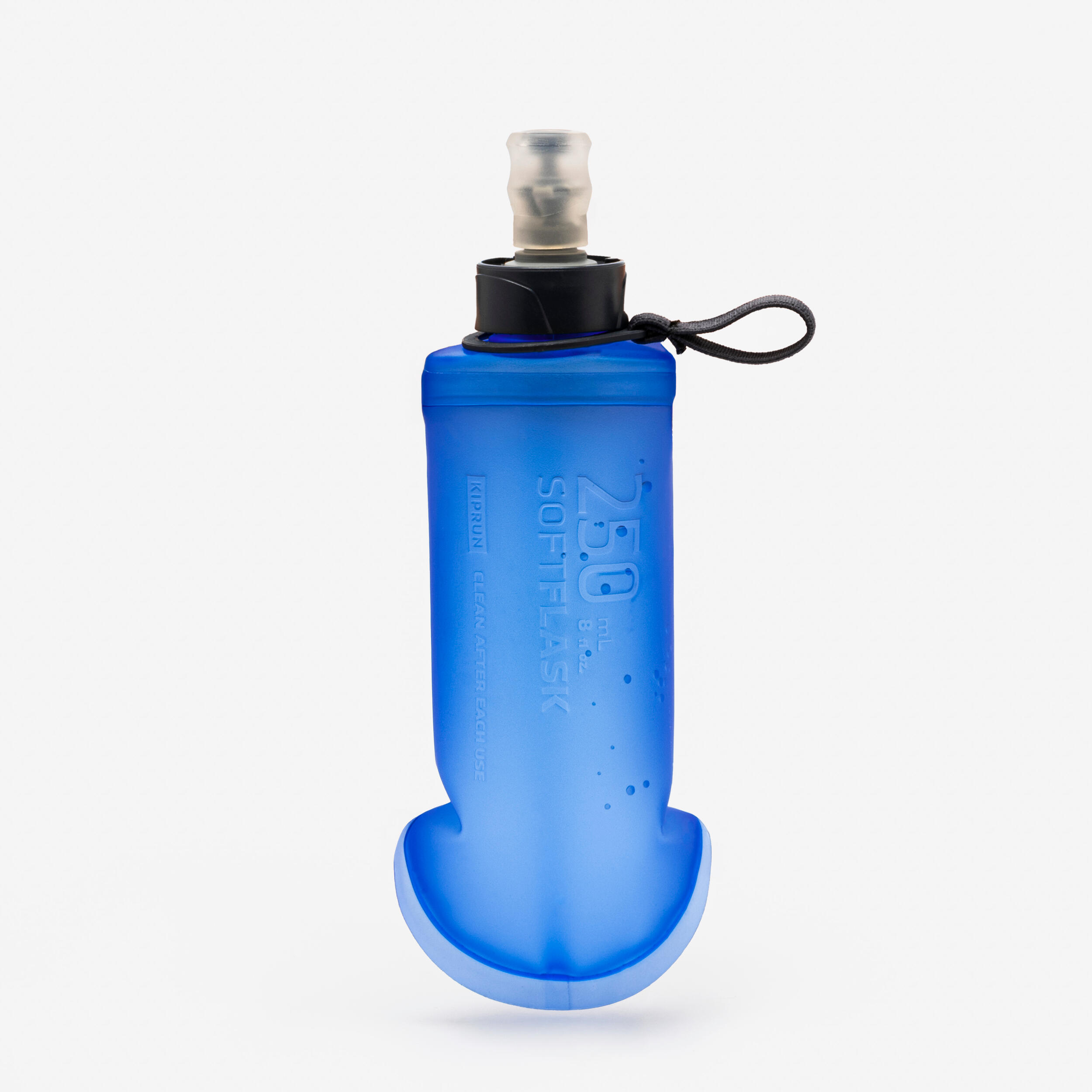
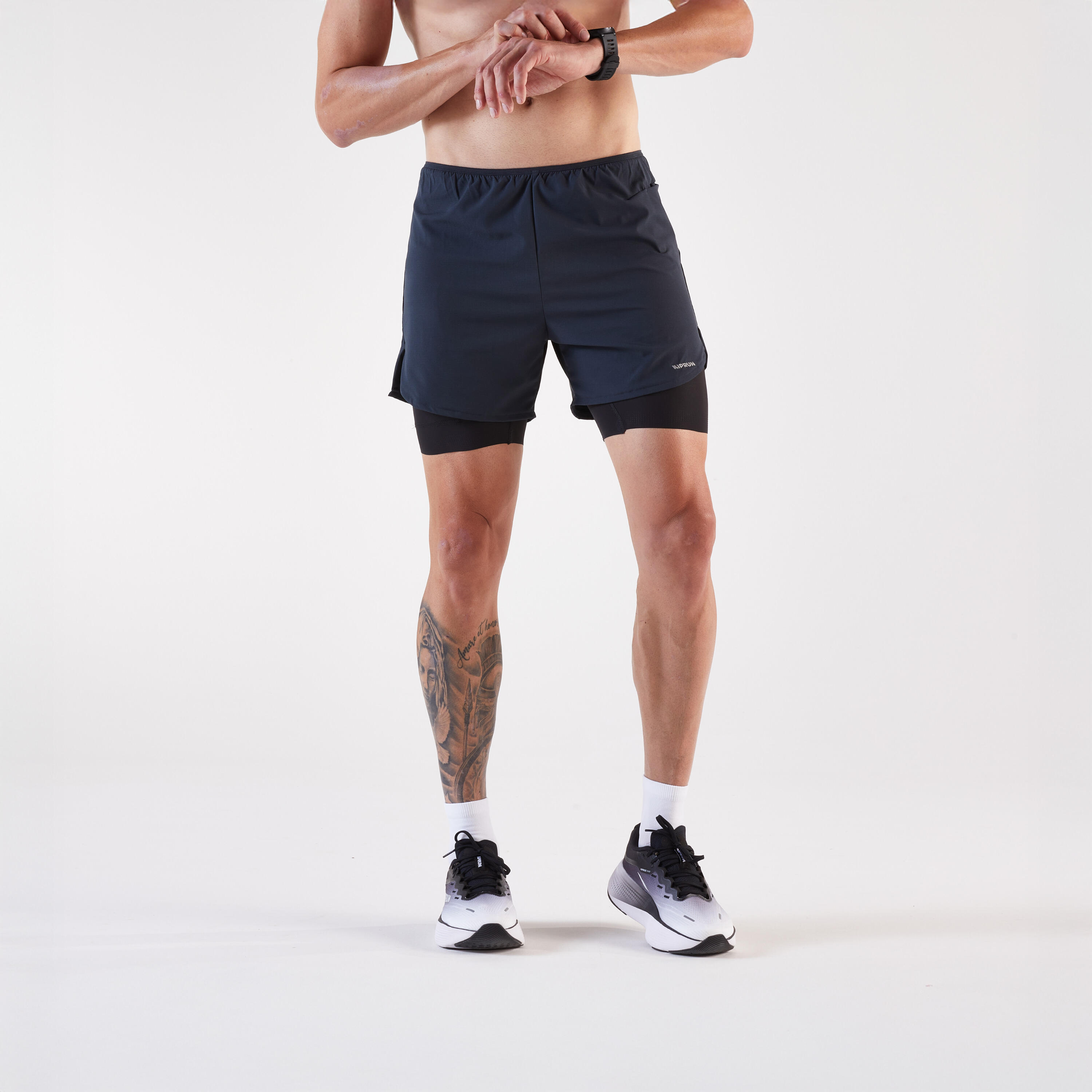
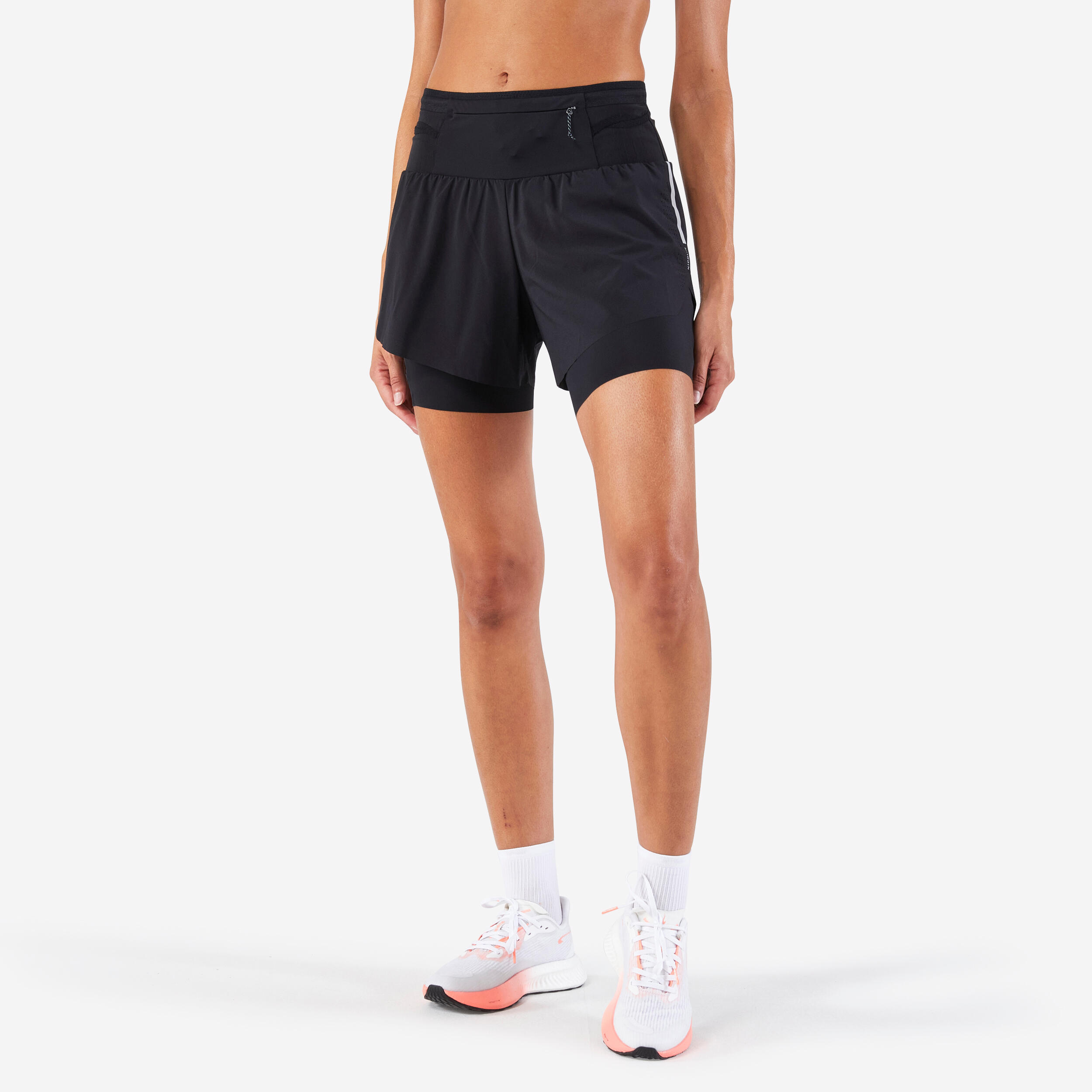
Race shorts should manage perspiration, allow a full stride and keep stored items stable. KIPRUN models use combinations of zipped phone pockets, key compartments, thigh pockets and waistband storage so valuables do not need to share one space. Some long-distance constructions can also carry gels and small flexible flasks. The KIPRUN women's breathable running shorts combine quick-drying fabric with several practical pockets and a soft-lined waistband. Load each compartment before a training run and check for bouncing during faster sections. Keep keys separated from phones and flasks, and tighten the drawcord only enough to secure the waistband without pressing into your stomach.

How to prep running shoes for race day?

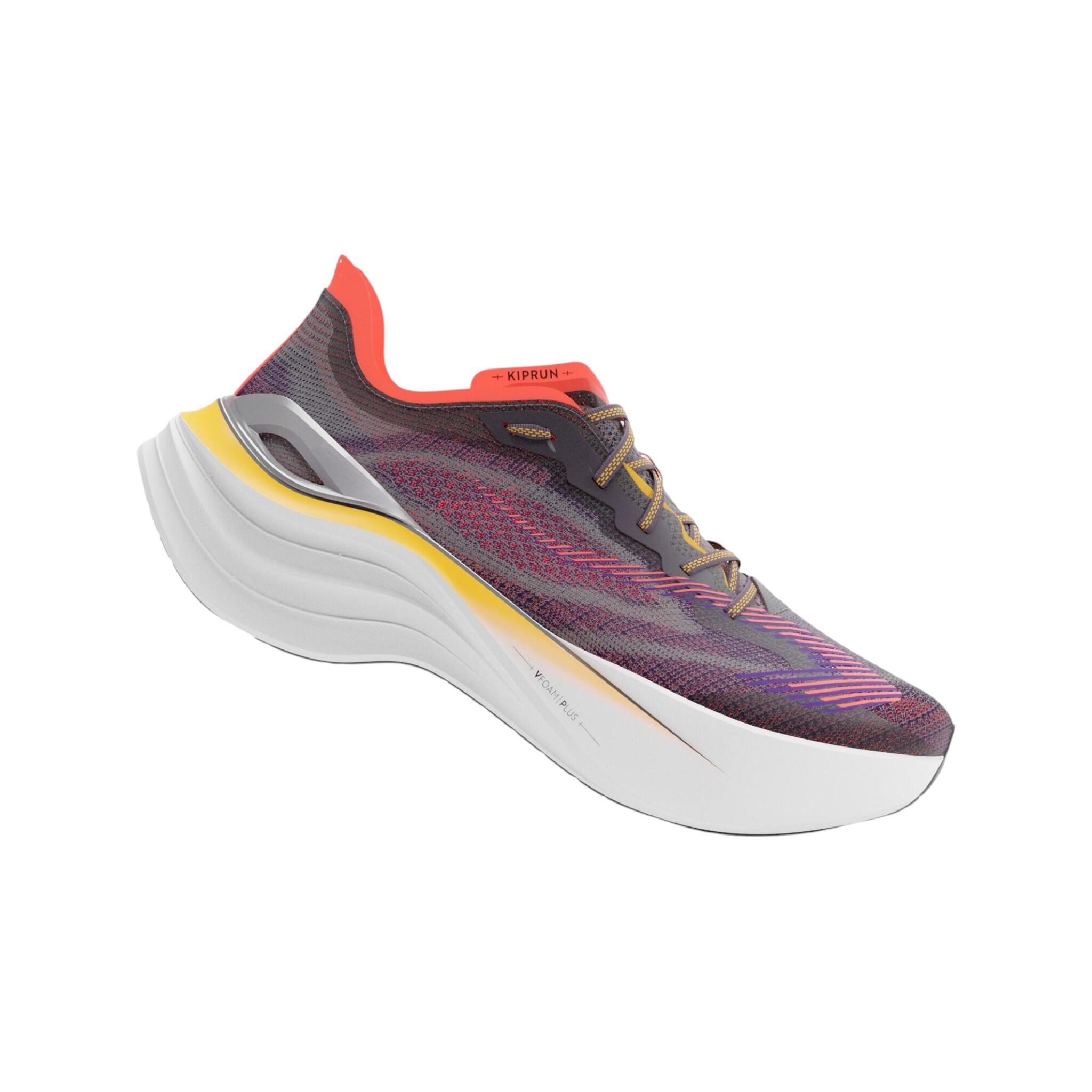
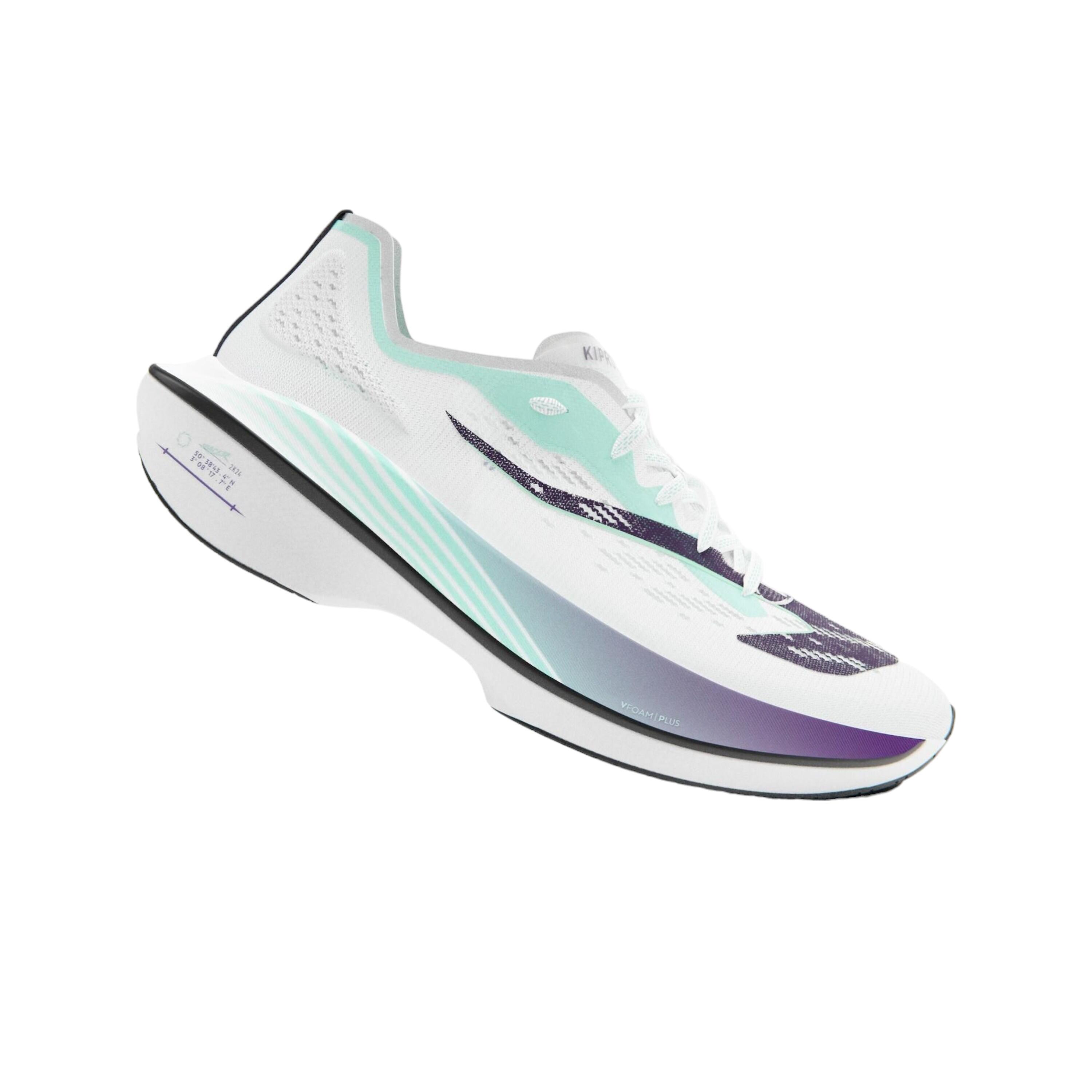
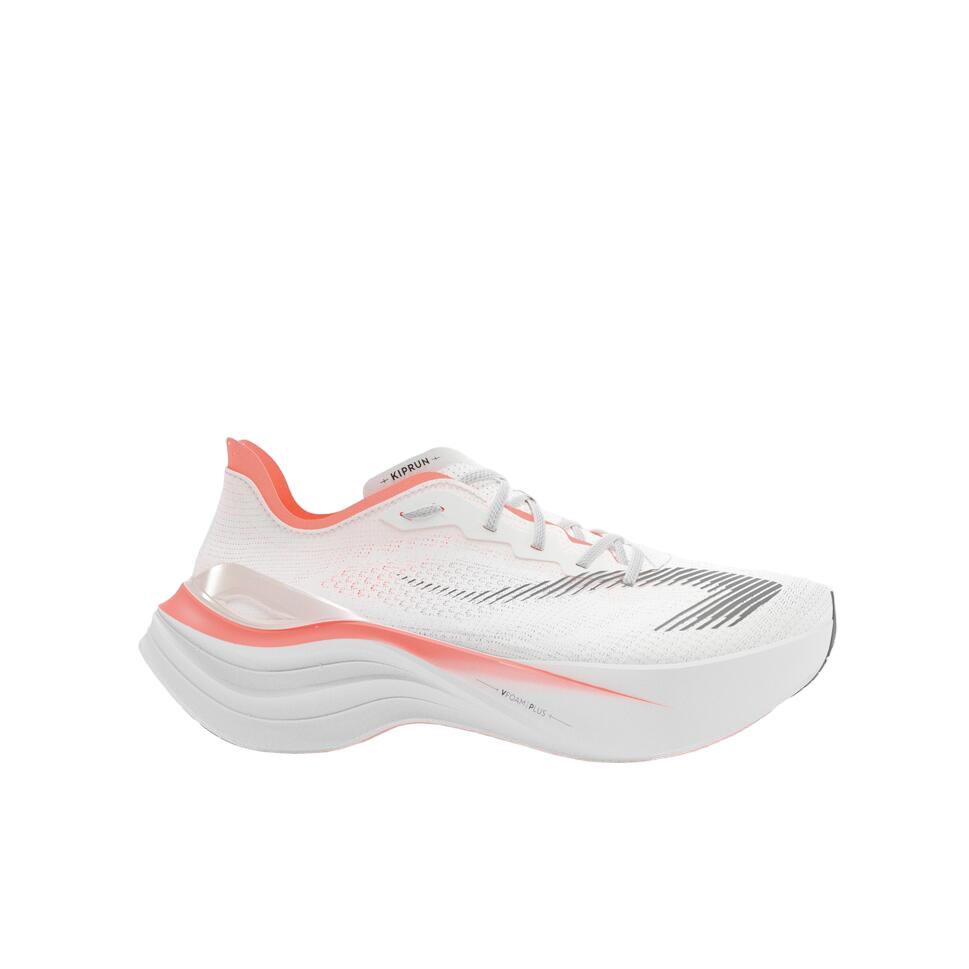
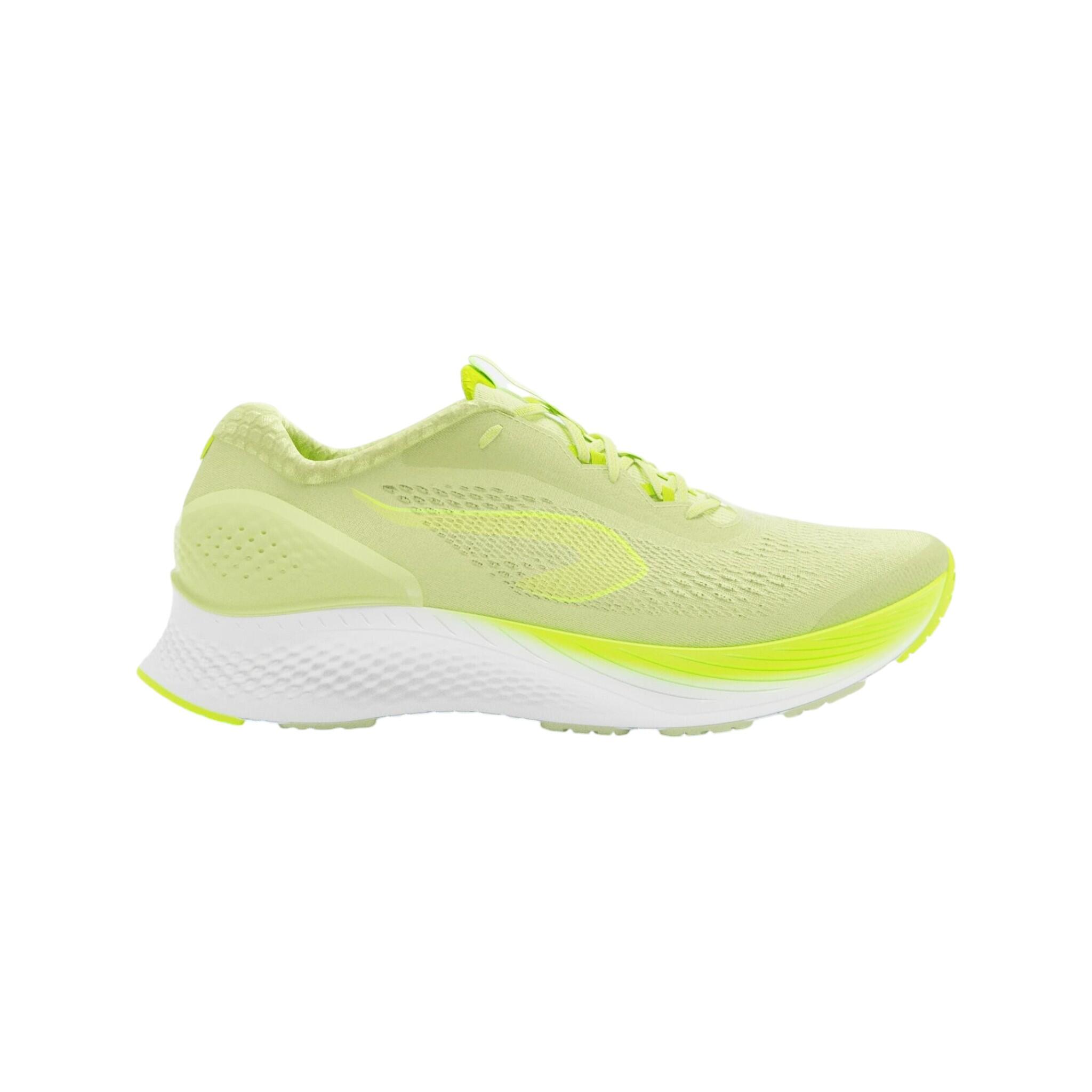
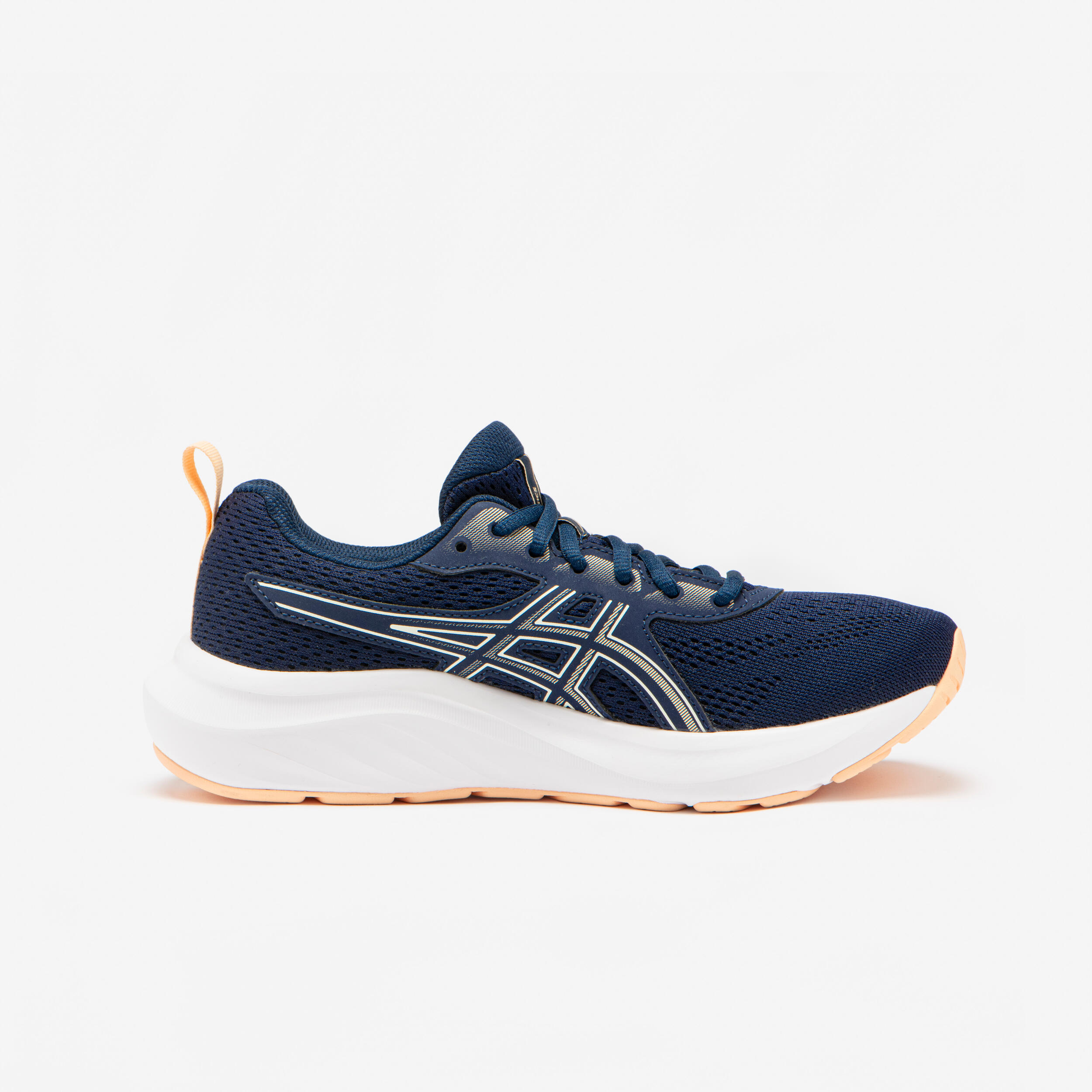
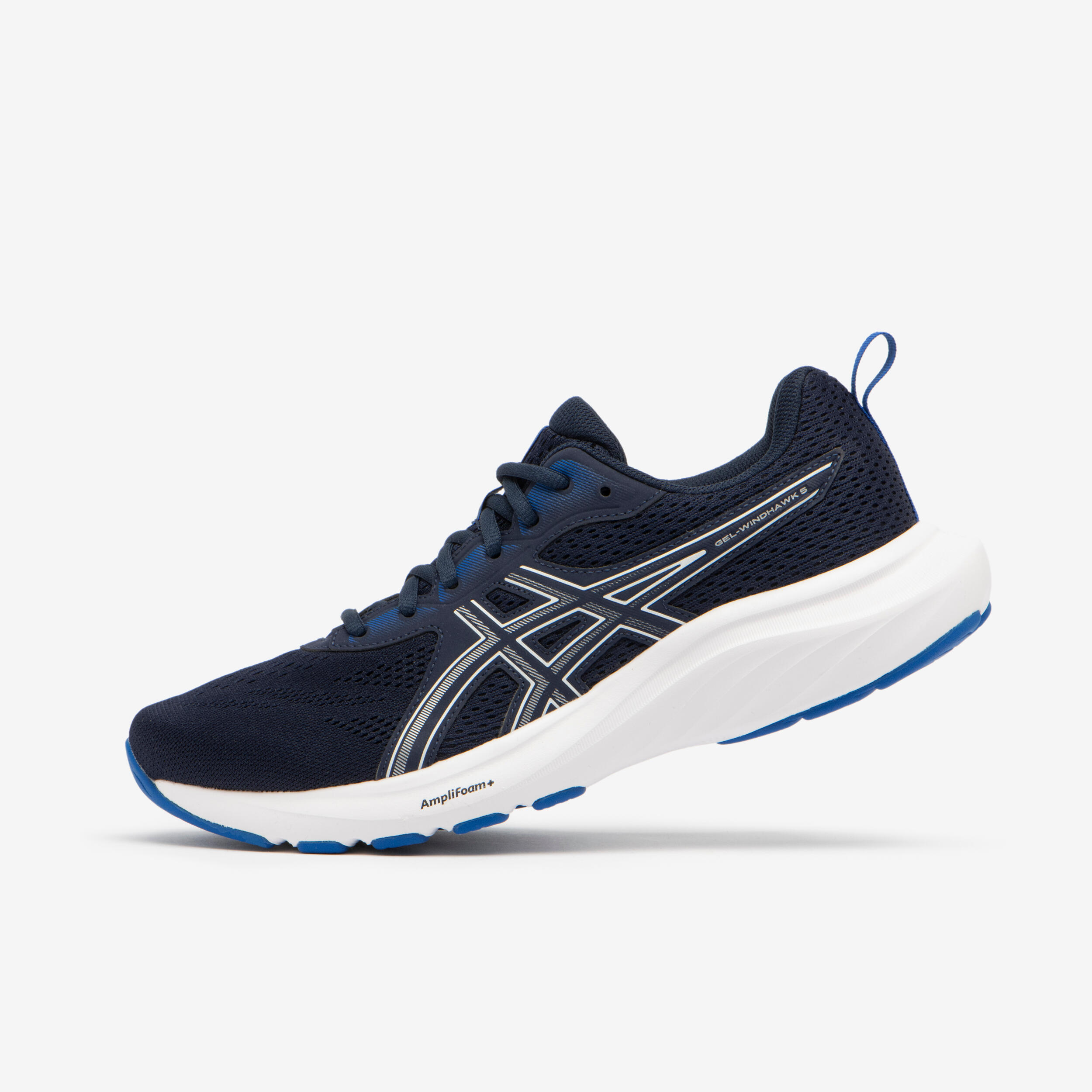
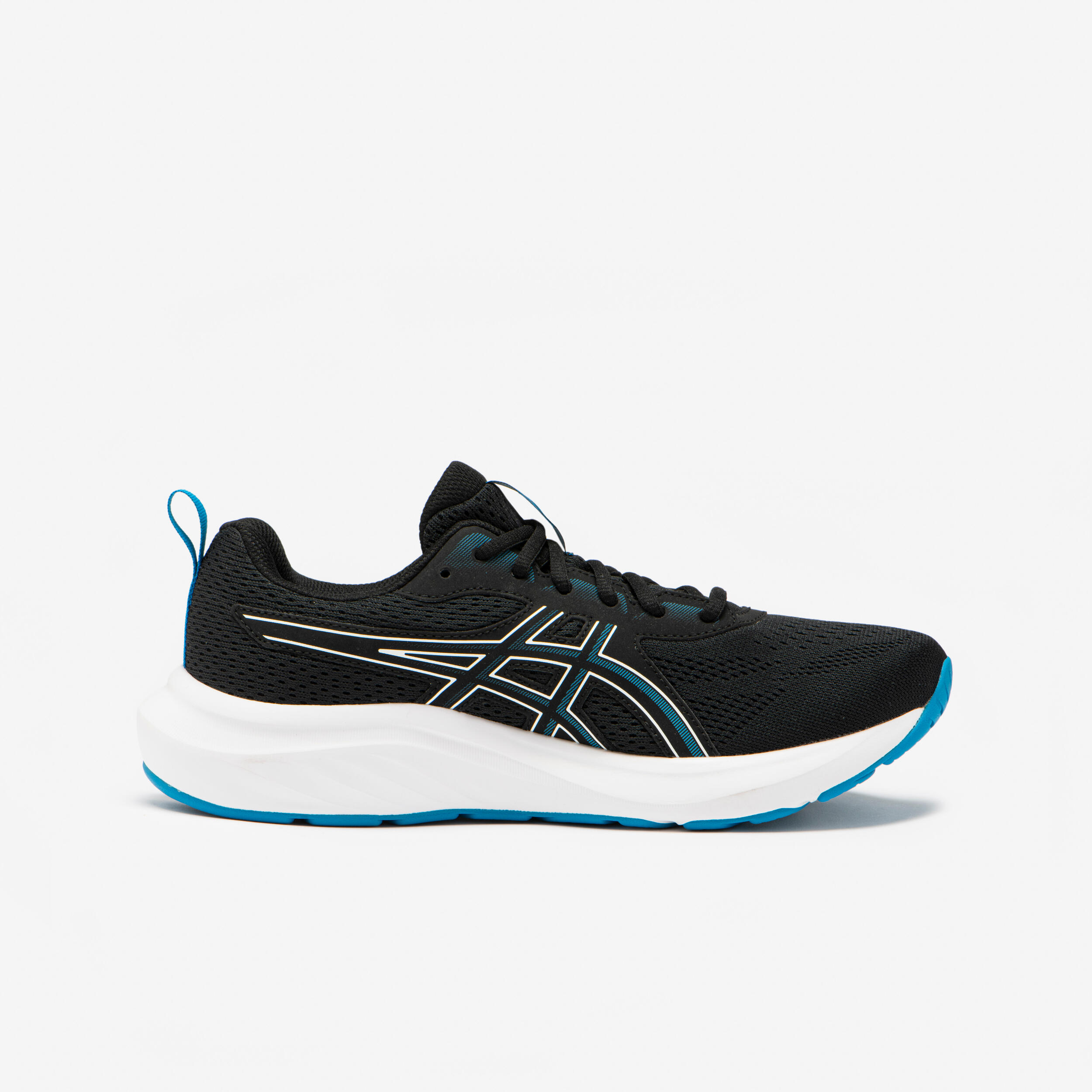
Use footwear that has already been tested over similar distances, surfaces and speeds. Check the outsole for excessive wear, inspect the upper and eyelets, and replace damaged laces early enough to test the new setup. The men's road running shoes link provides one option for road-focused sessions, but the correct choice depends on fit, cushioning preference, pace and course surface. Tie the laces firmly enough to hold the heel without creating pressure across the top of the foot. Pro tip: avoid changing shoes during race week unless the current pair is damaged, as even a suitable new model may create unexpected rubbing.

Are sports glasses useful during a running race?

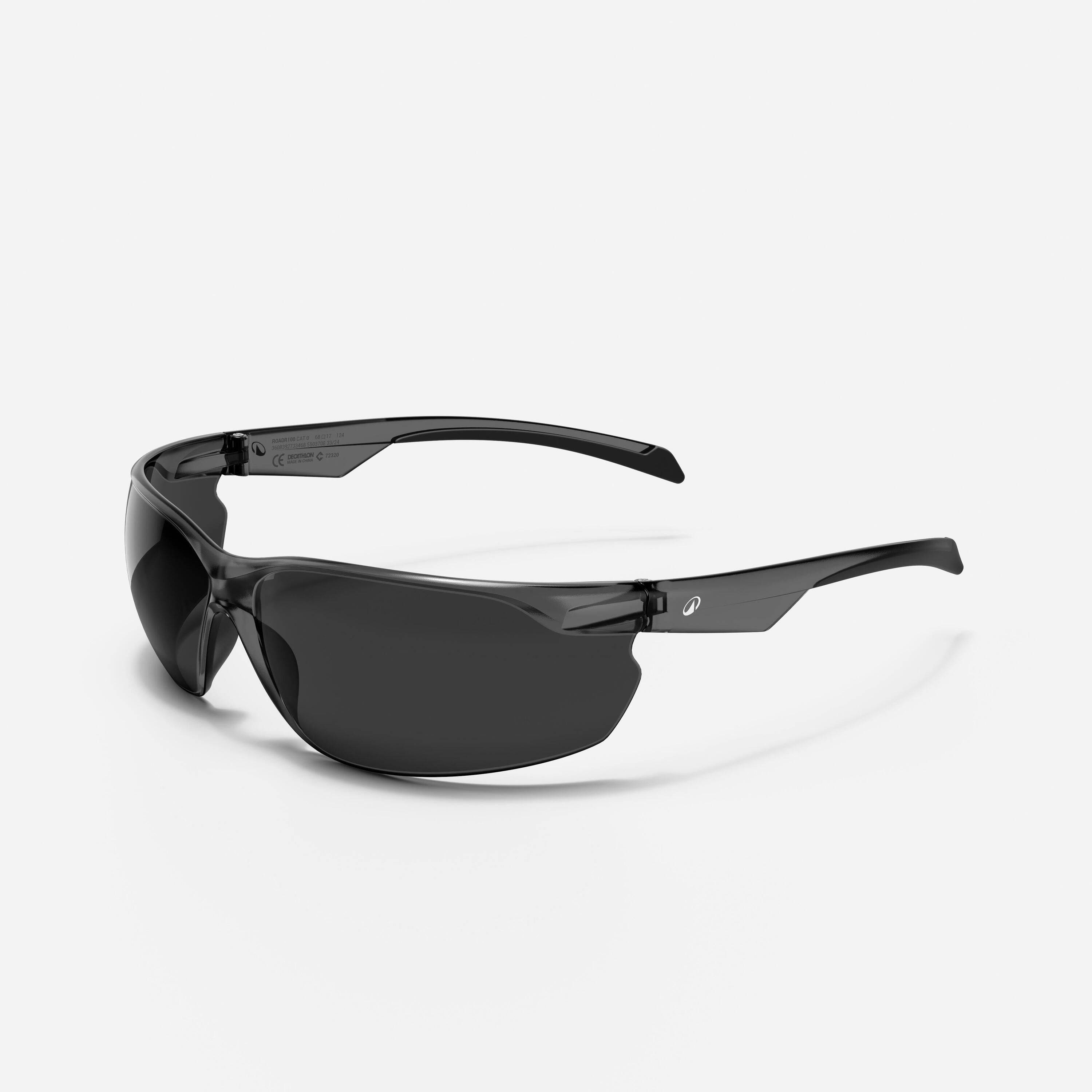
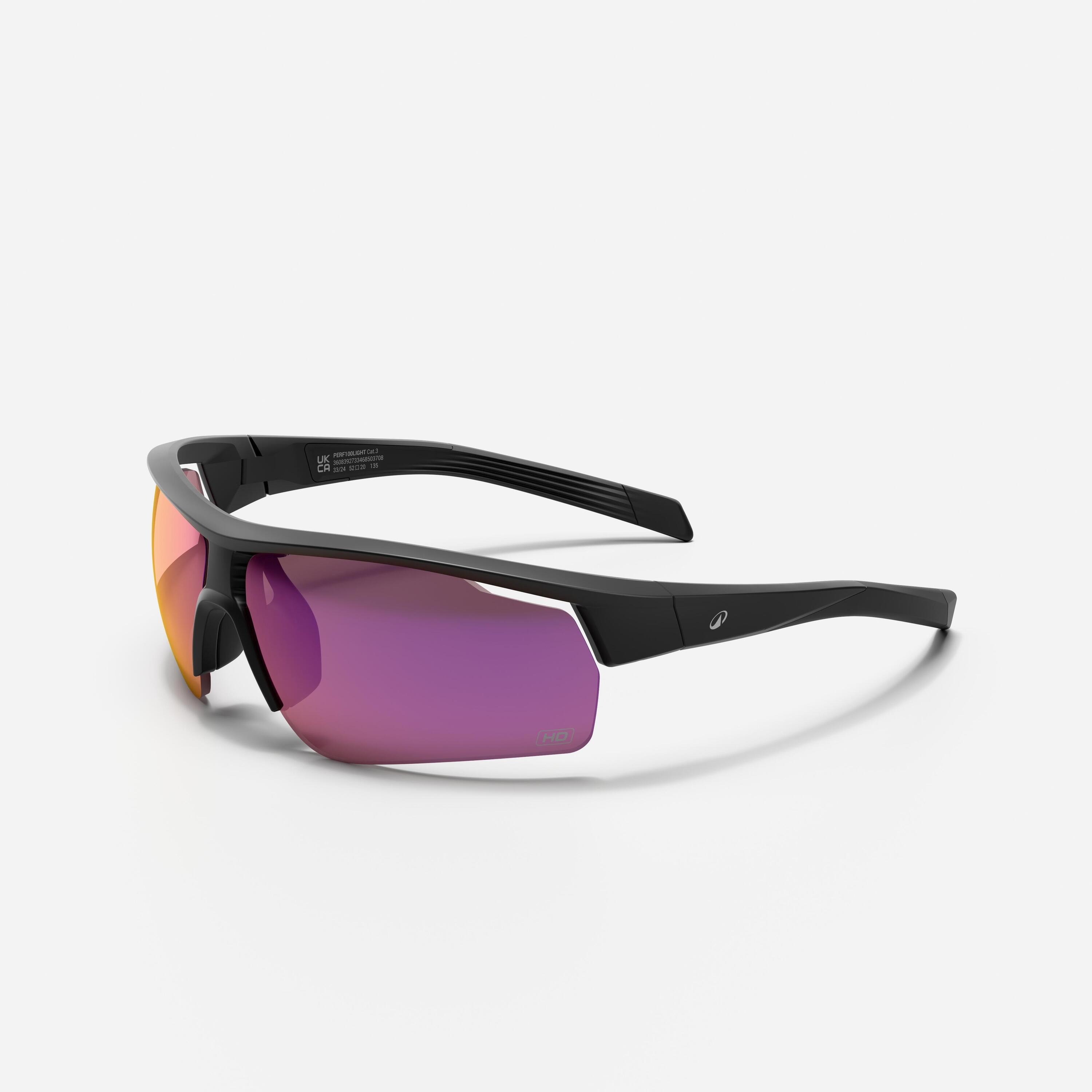
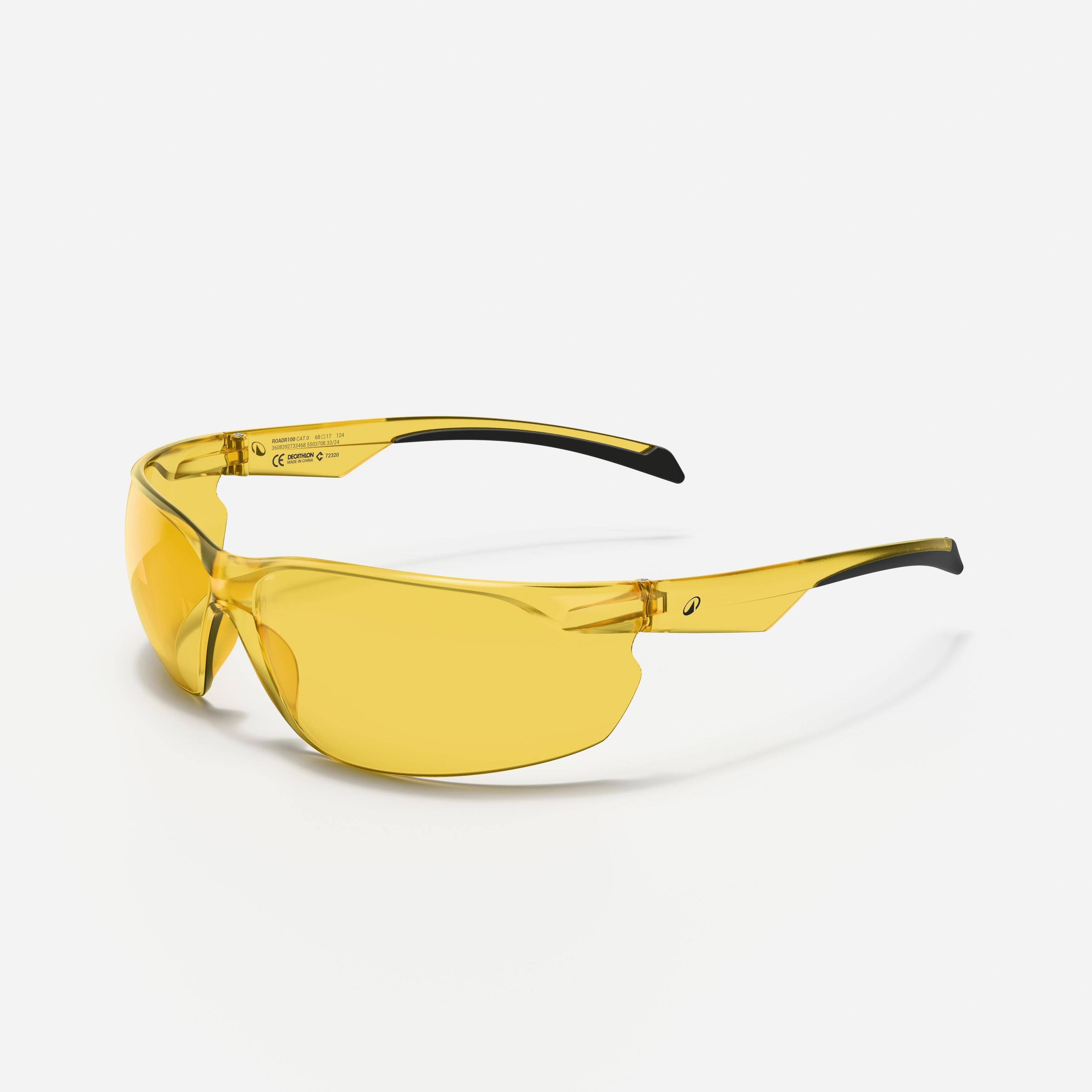
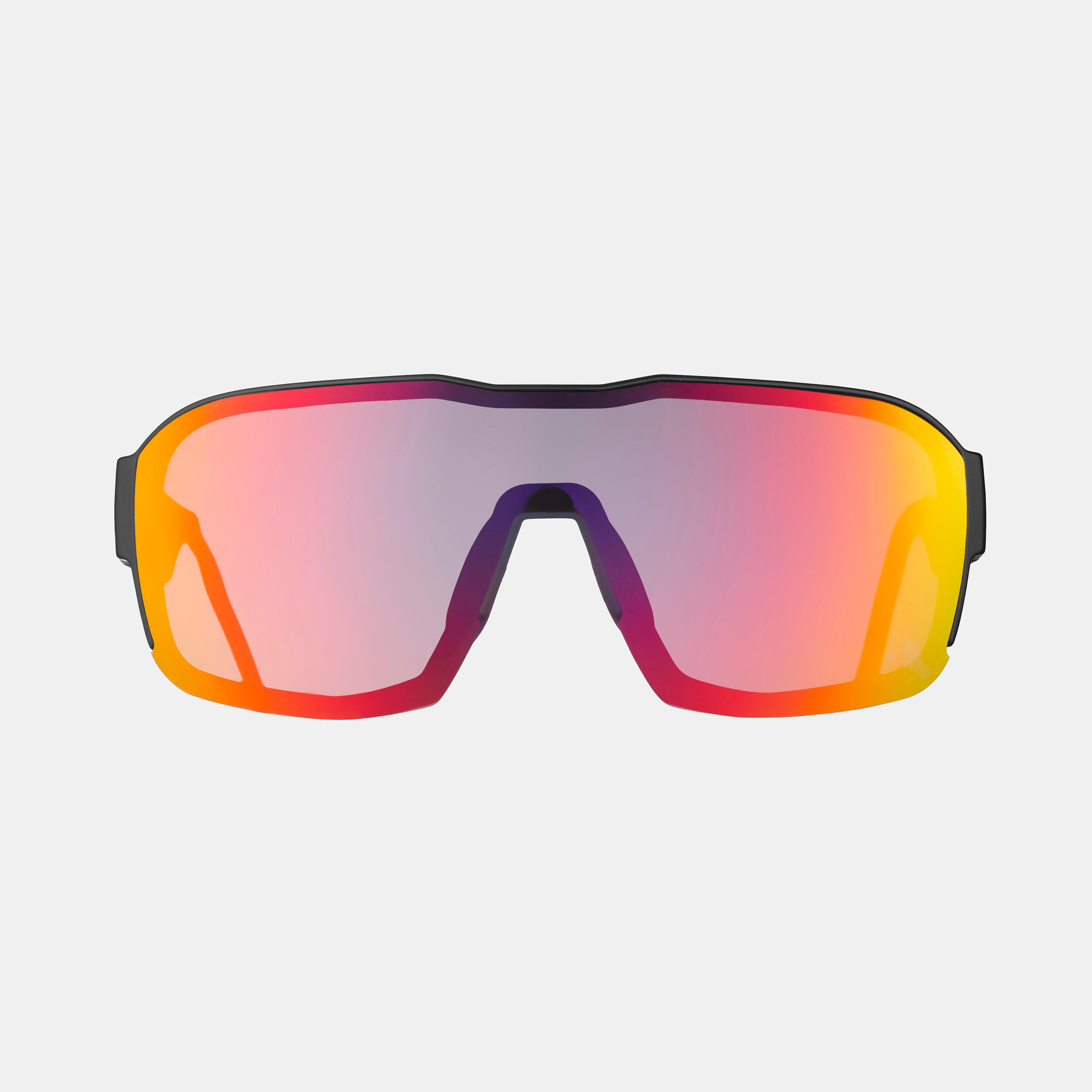
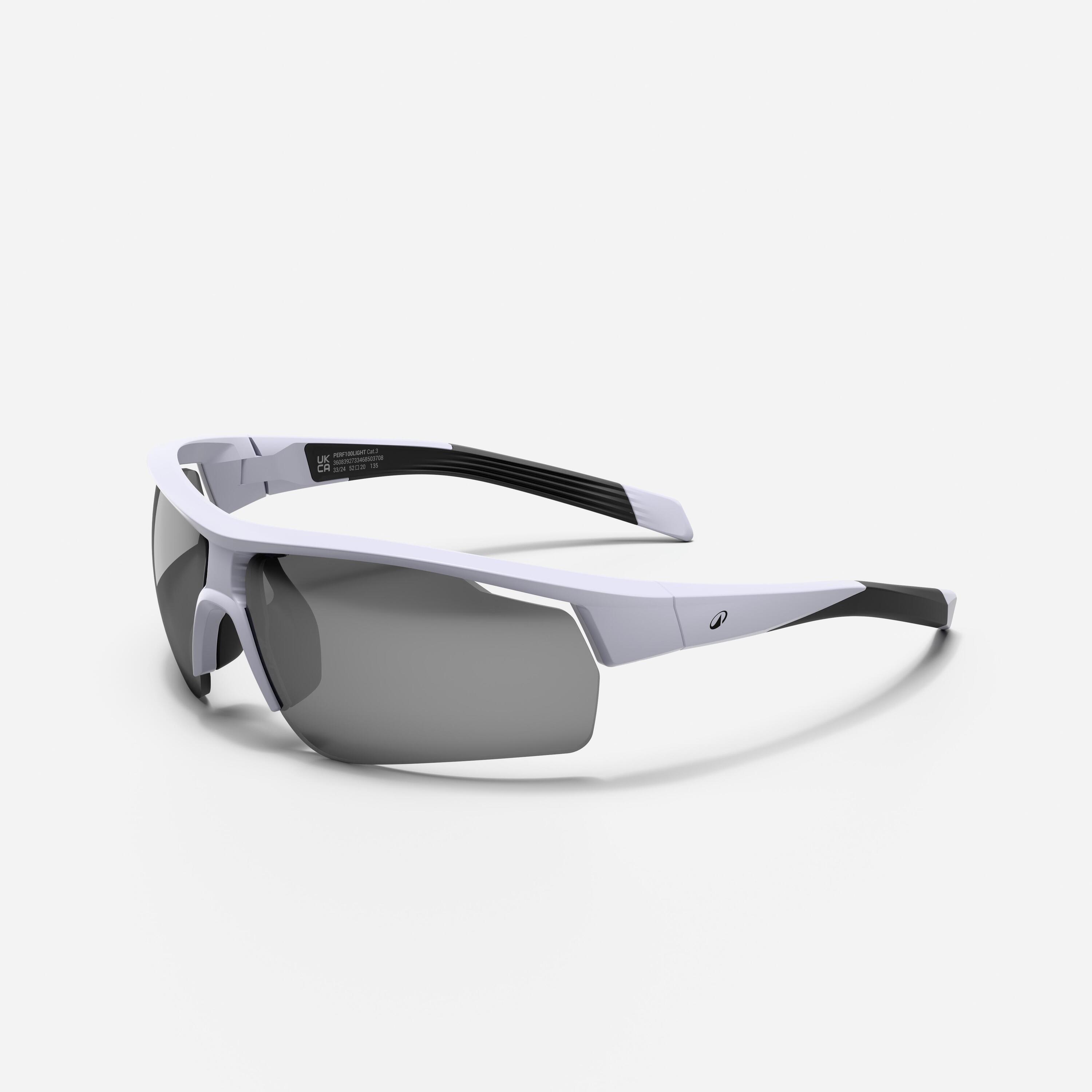
Sports glasses can reduce glare and protect the eyes from wind, insects and airborne debris during bright outdoor events. Choose a secure, lightweight construction that stays stable when perspiration increases and does not interfere with a cap or headband. The photochromic cycling glasses adjust across different light categories, although their fit and original development are cycling-led rather than running-specific. Test them while running before race day to check movement, fogging and pressure around the nose or temples. Keep the lenses in a protective case during transport, clean them with a suitable cloth and confirm that the lens category matches the expected light conditions.

What size running socks should you wear on race day?

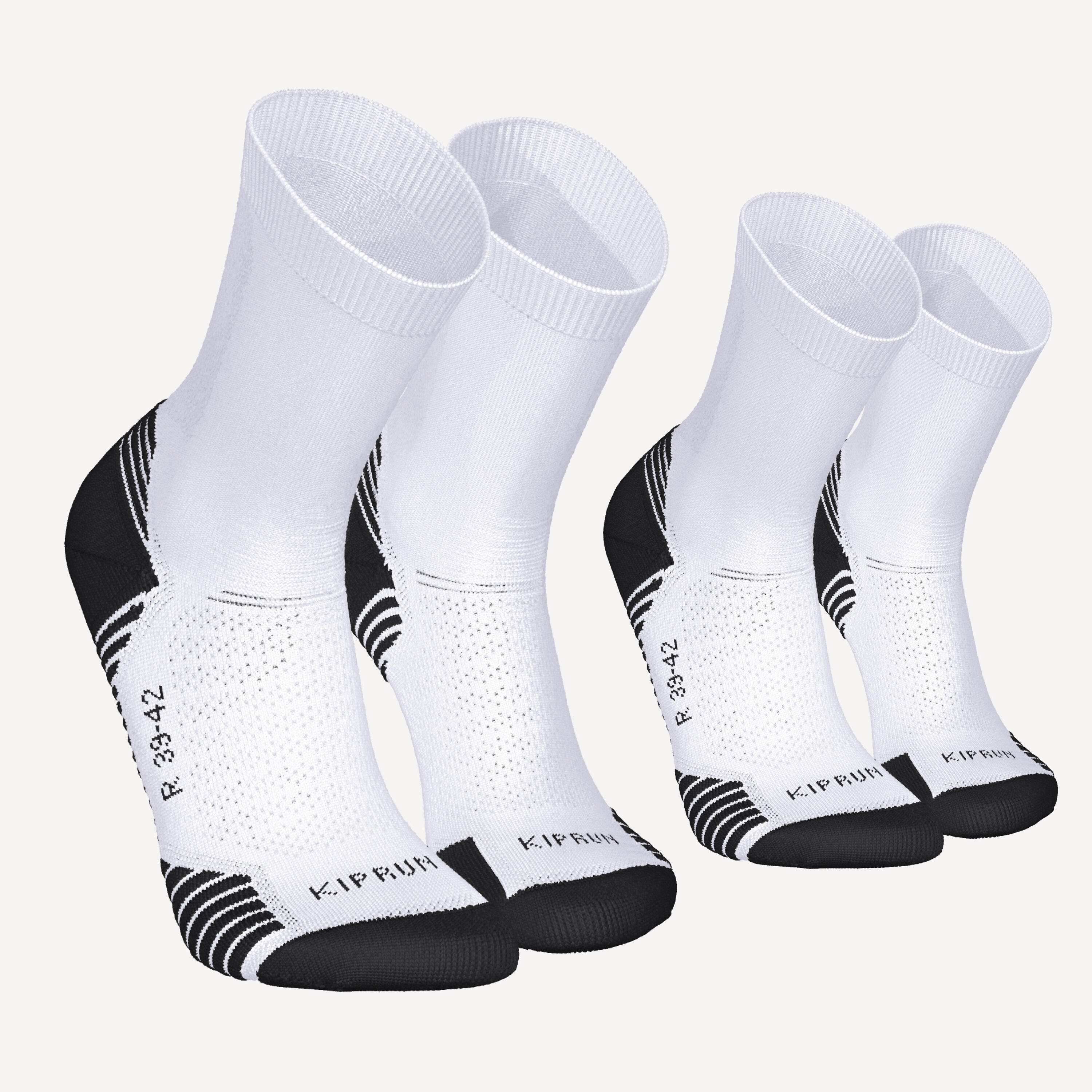
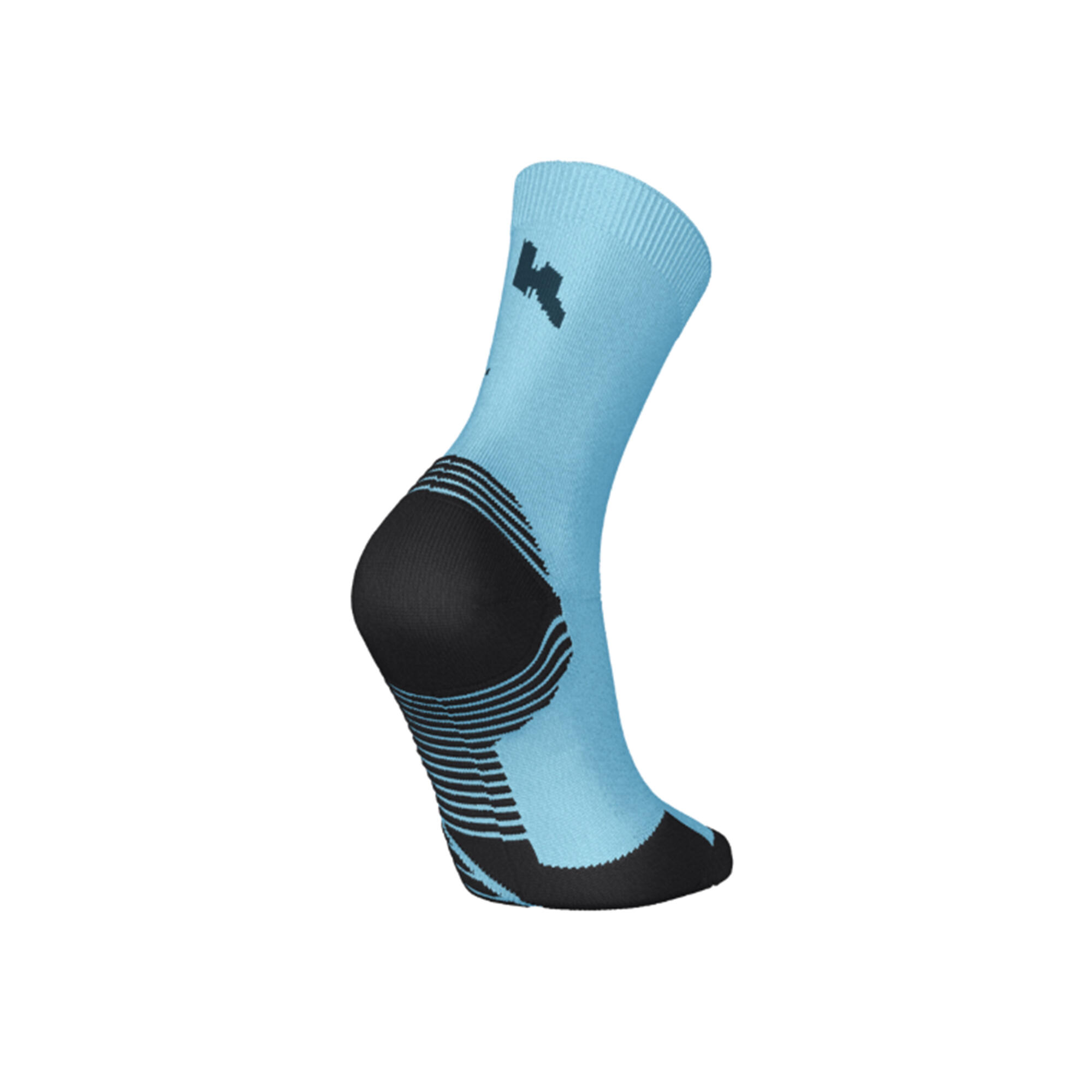
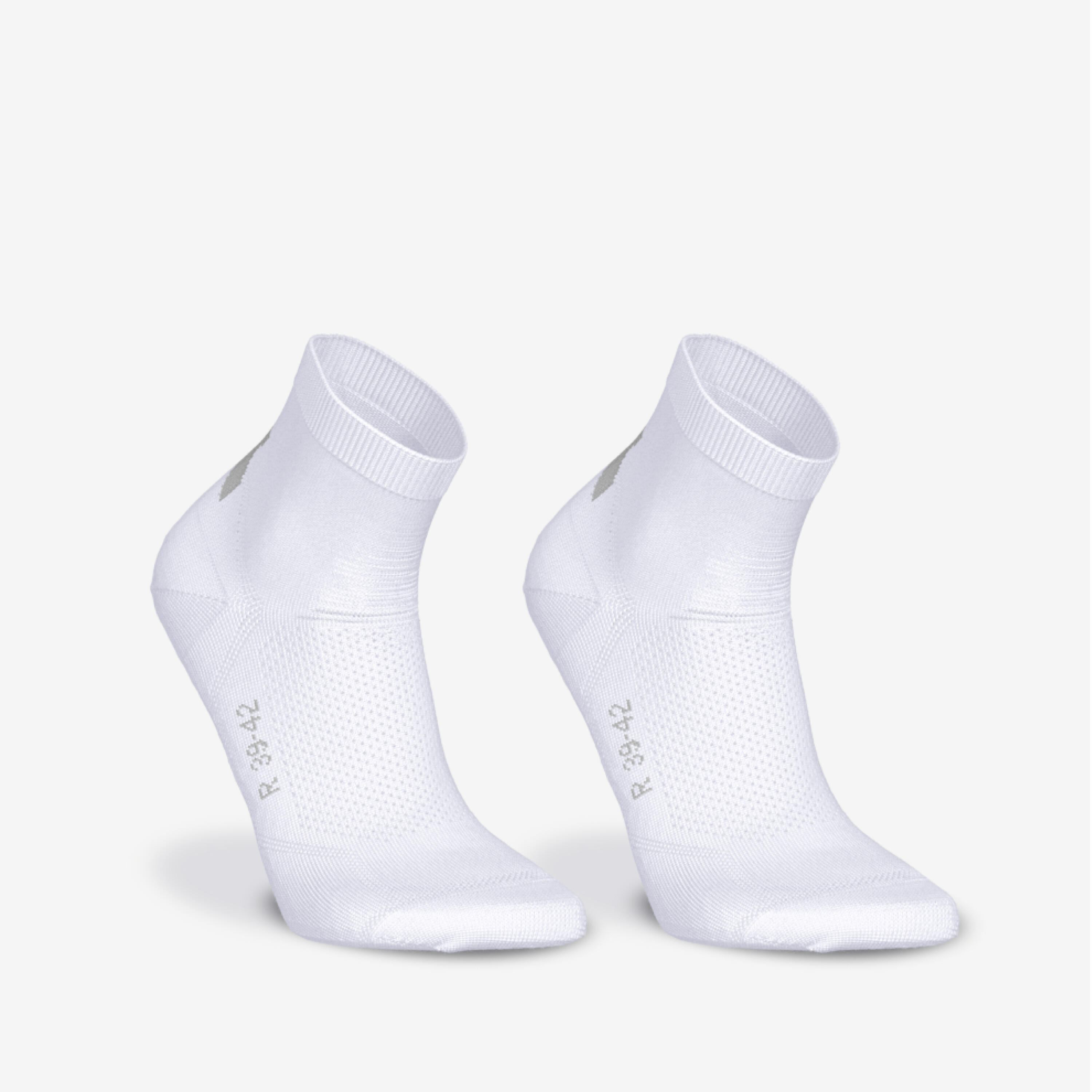
Running socks should sit smoothly against the foot without folds, loose fabric or a cuff that restricts circulation. Thicker socks provide more cushioning but also occupy additional space inside the shoe, while finer constructions create a closer fit and may improve ventilation. A pair of thick mid-calf running socks can suit runners who prefer added cushioning and greater lower-leg coverage. Test the exact shoe and sock combination during long training sessions because foot swelling can change the fit later in a race. Wash new socks before the event, trim toenails in advance and carry a dry spare pair when wet weather, travel or a long wait at the start makes it useful.