103 items
4.3/5 based on 418 reviews collected online and in stores

Chandlery and Security Equipment FAQs

What does chandlery equipment cover, and what should every sailor carry?

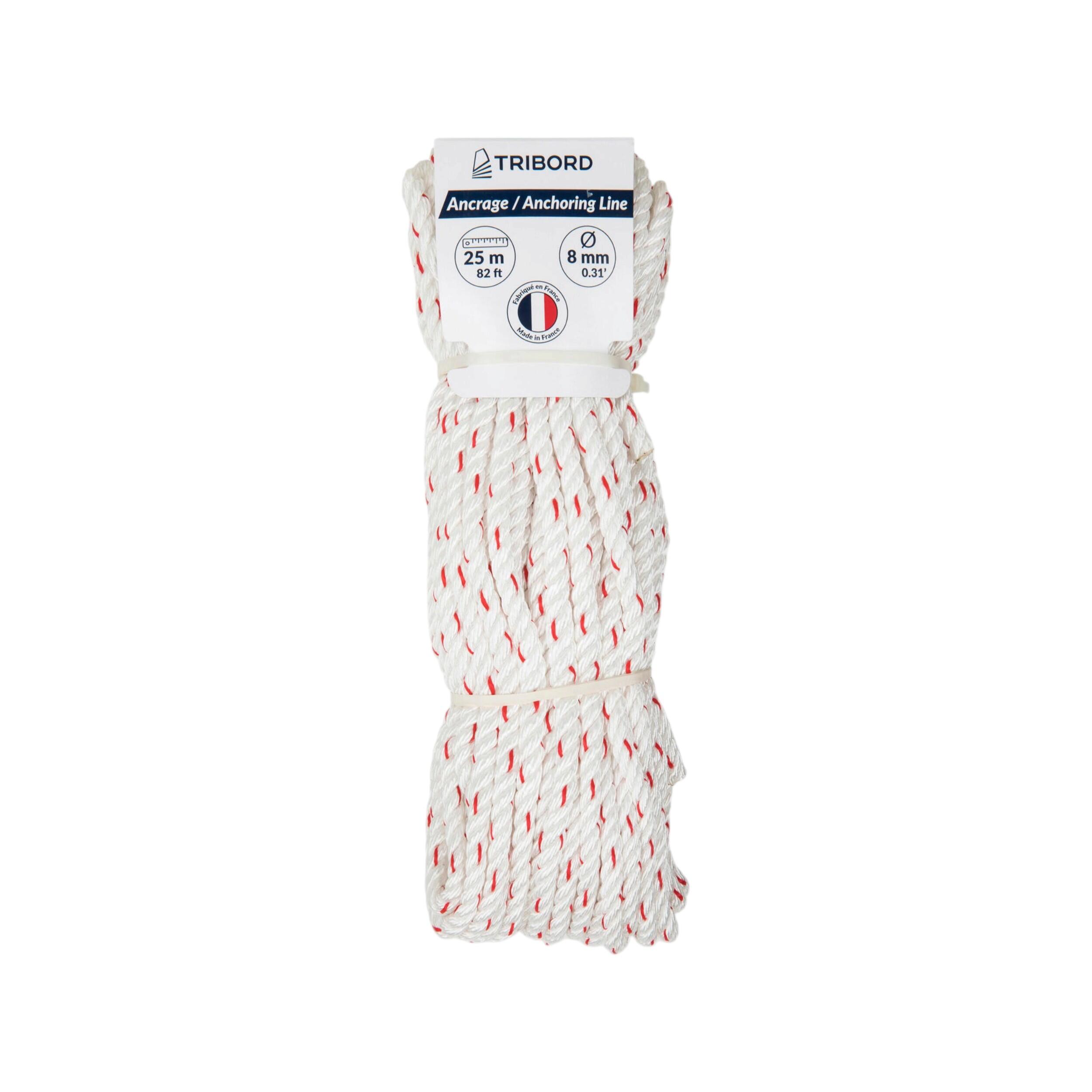
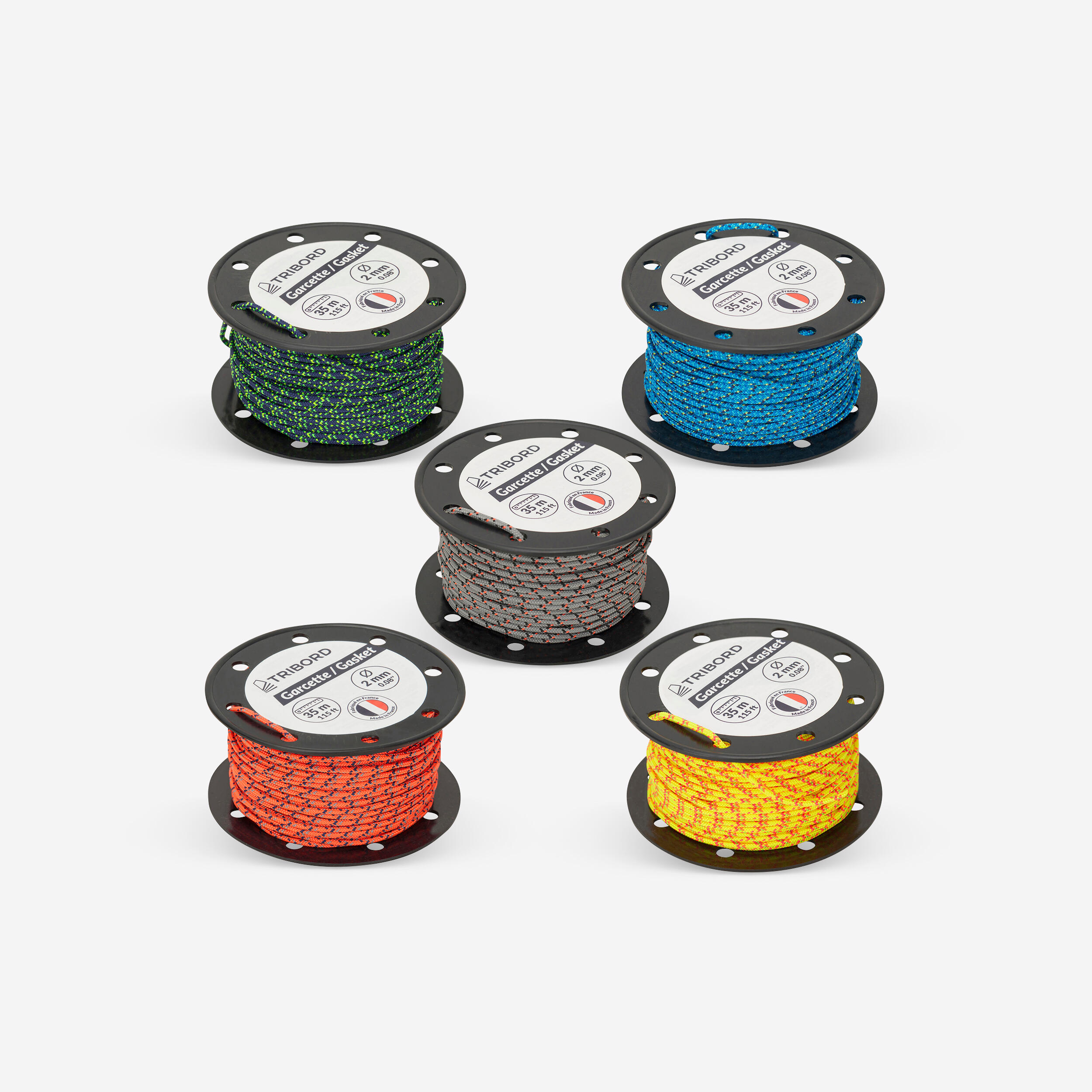
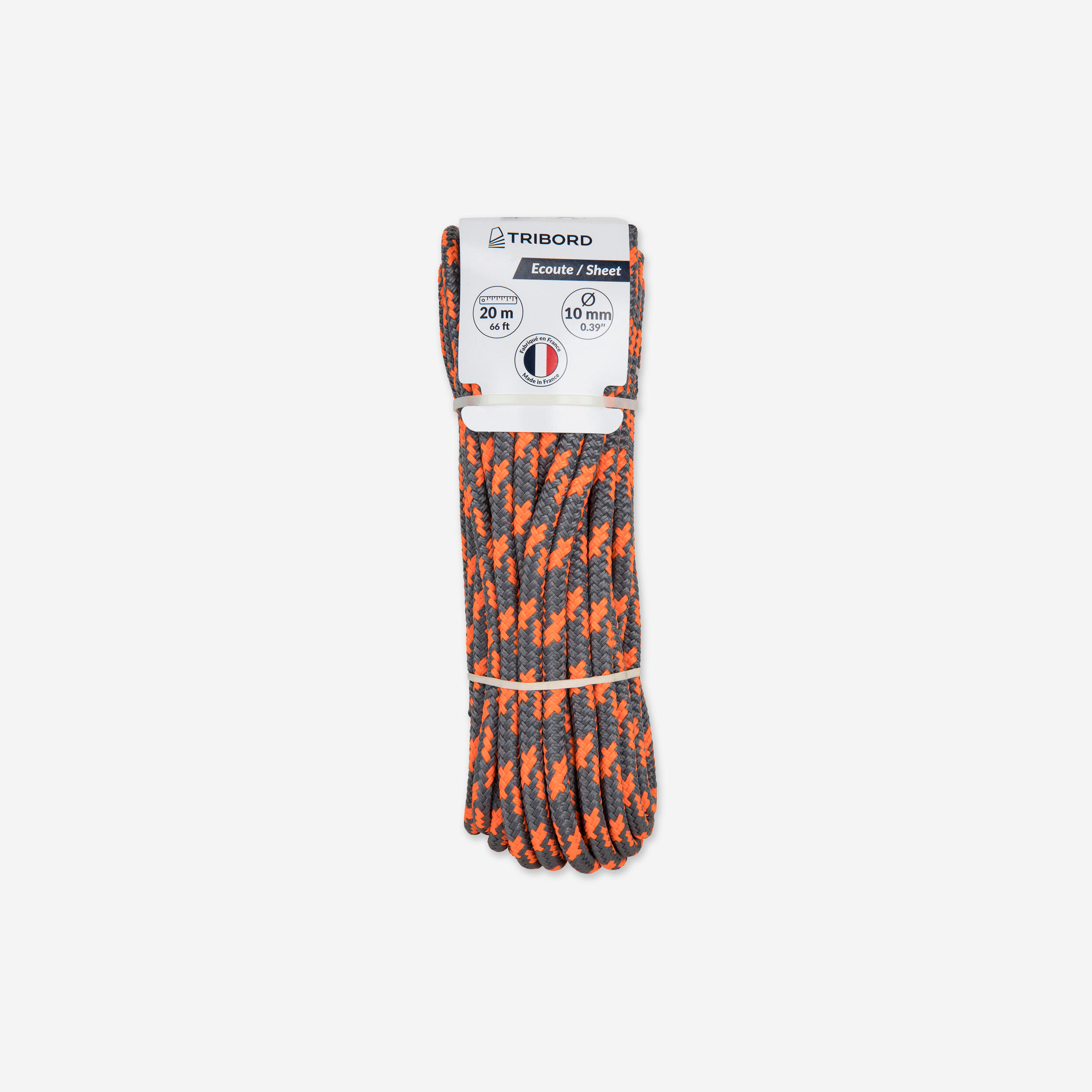
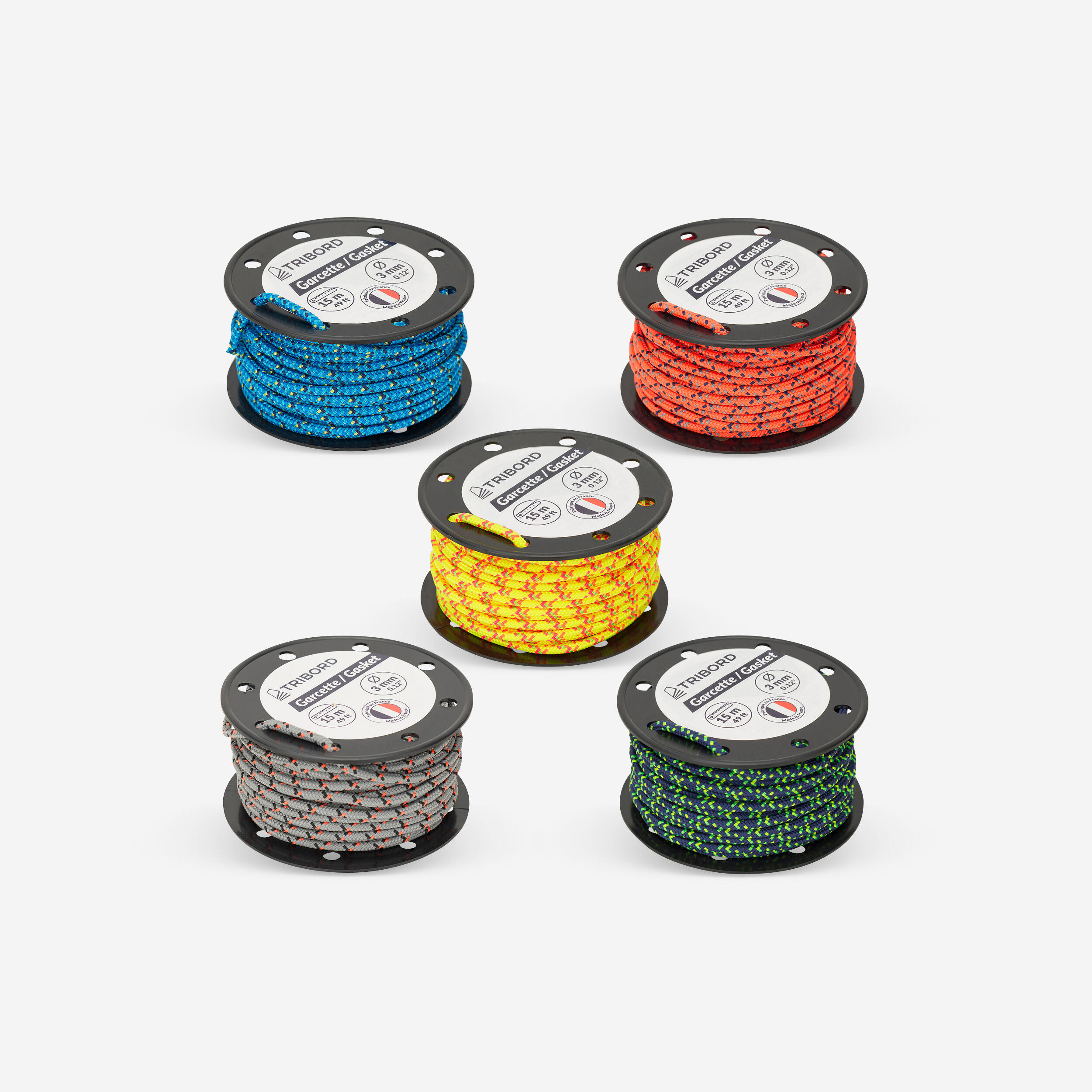
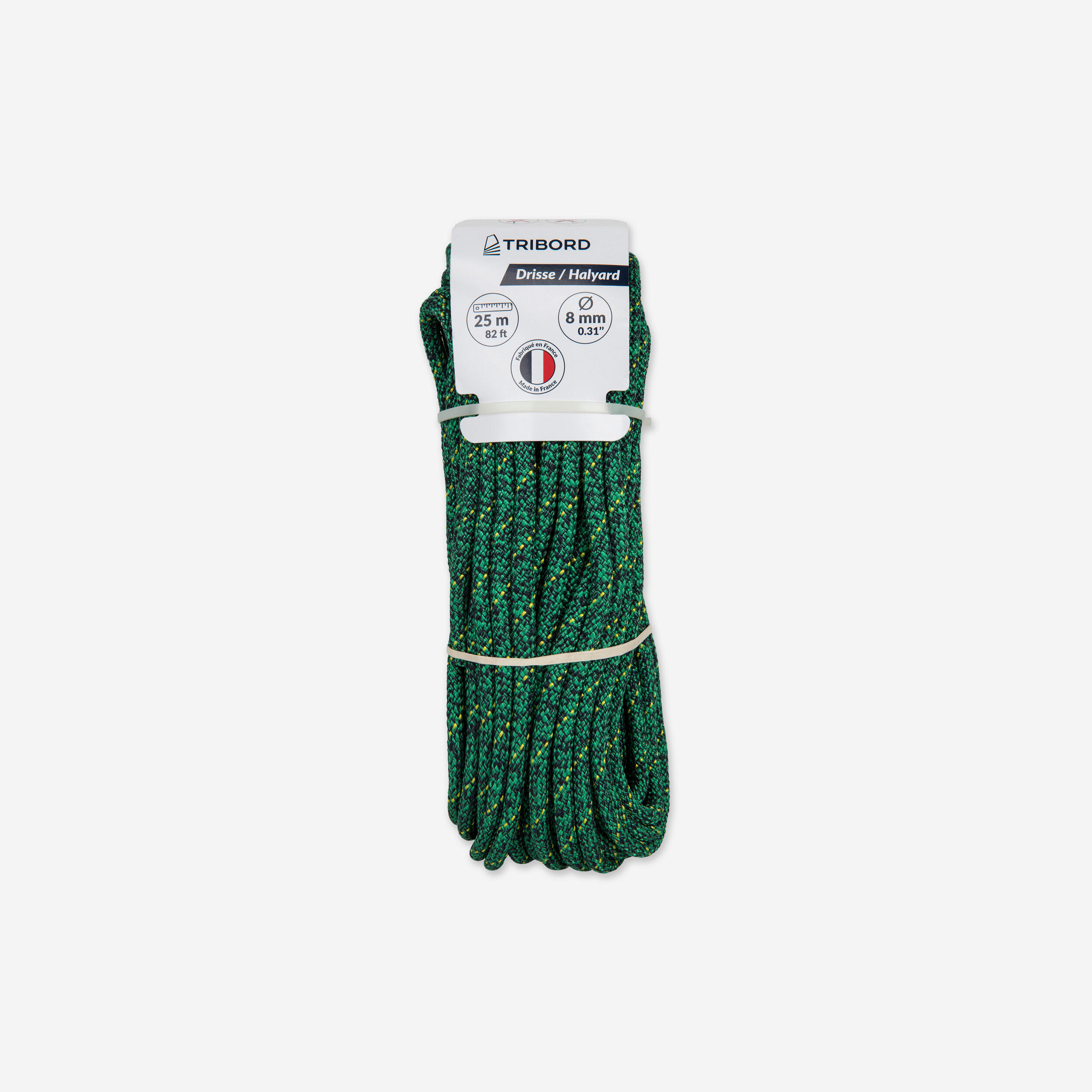
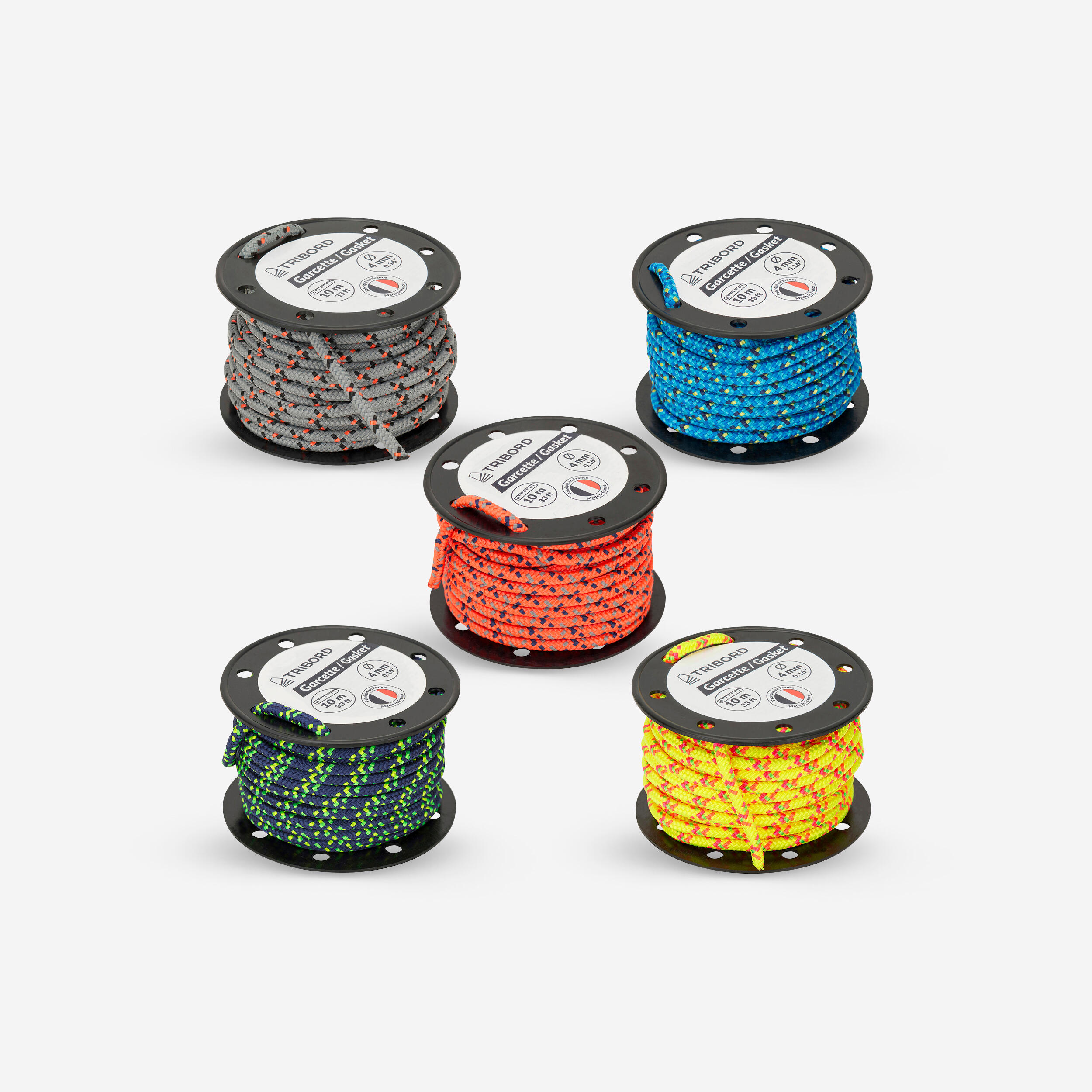
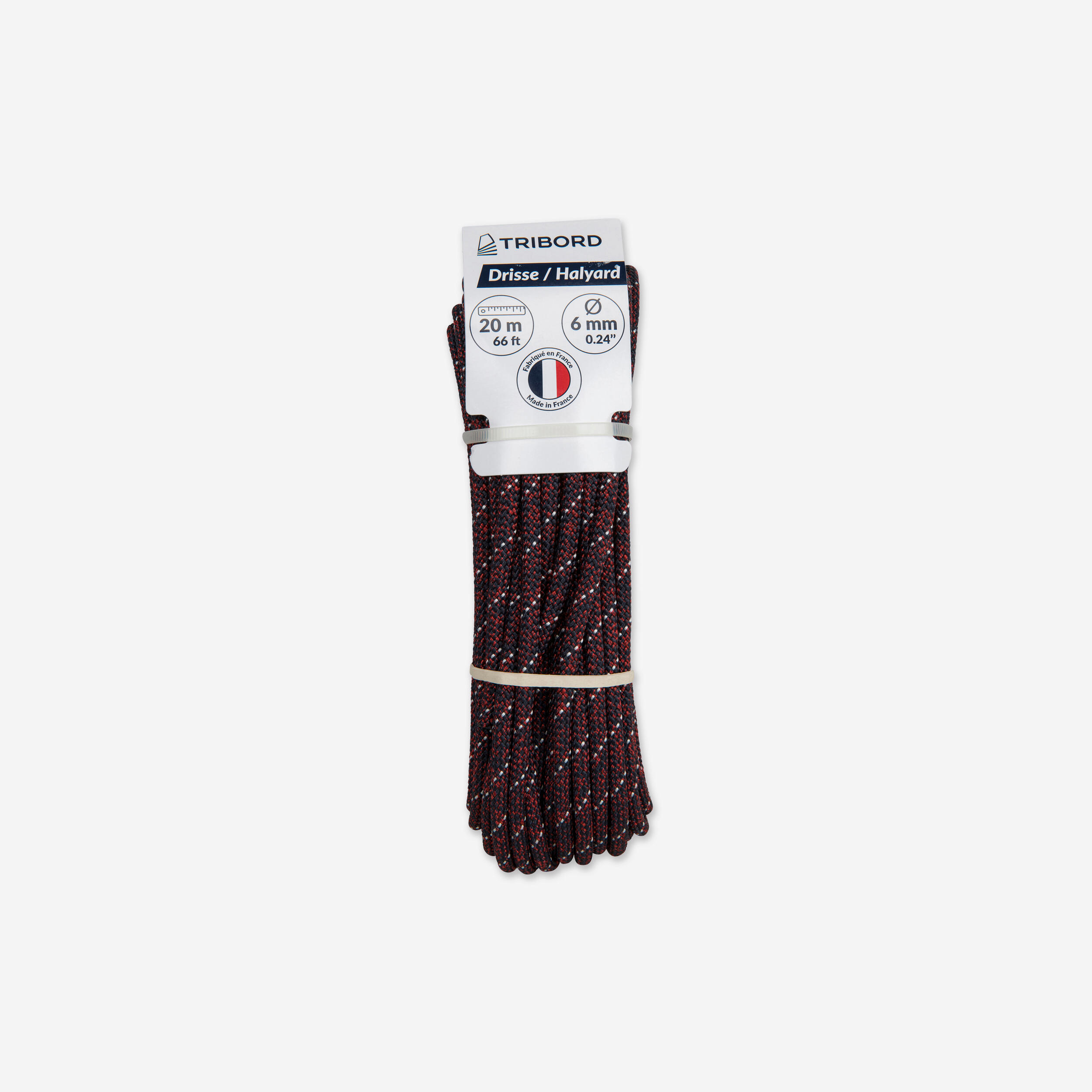
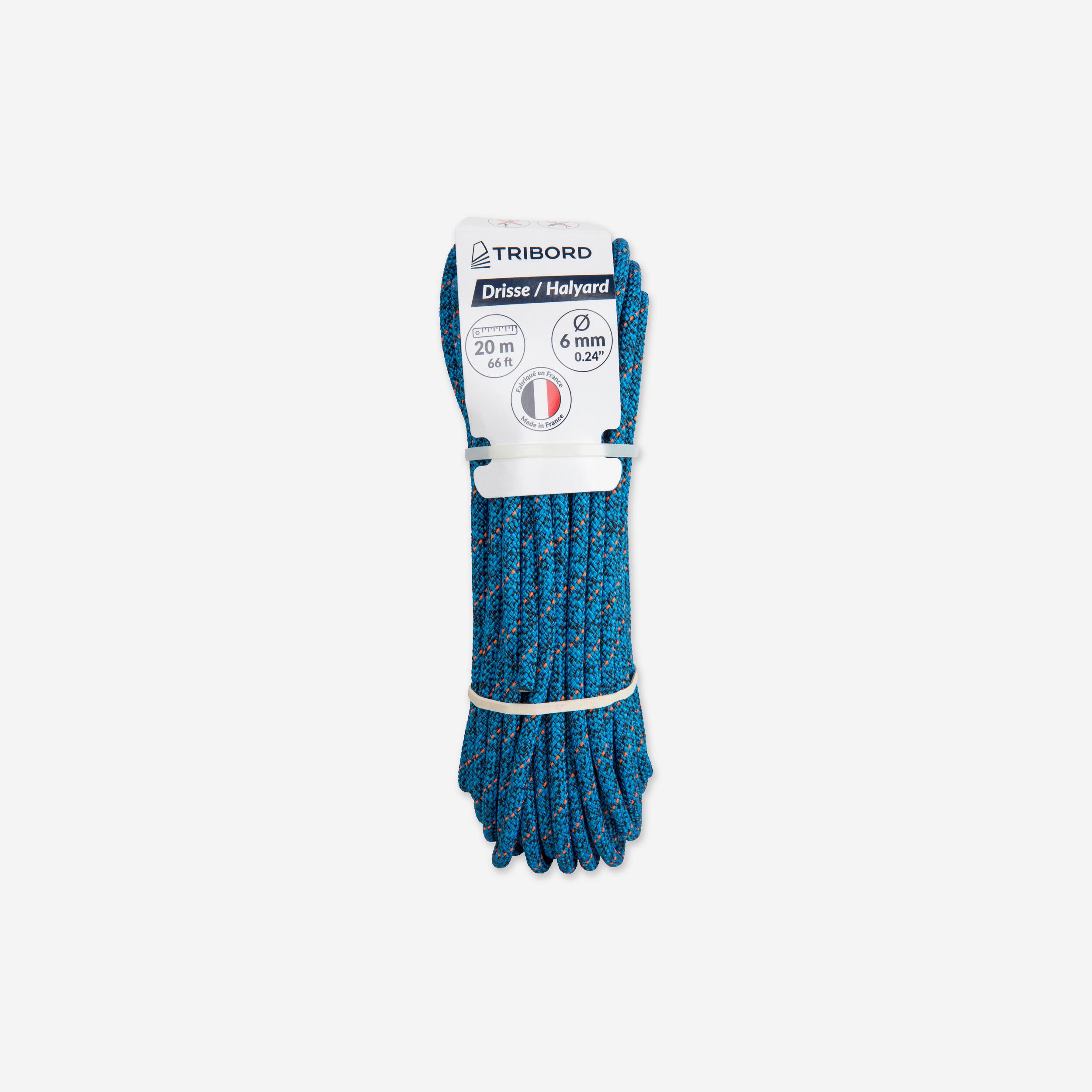
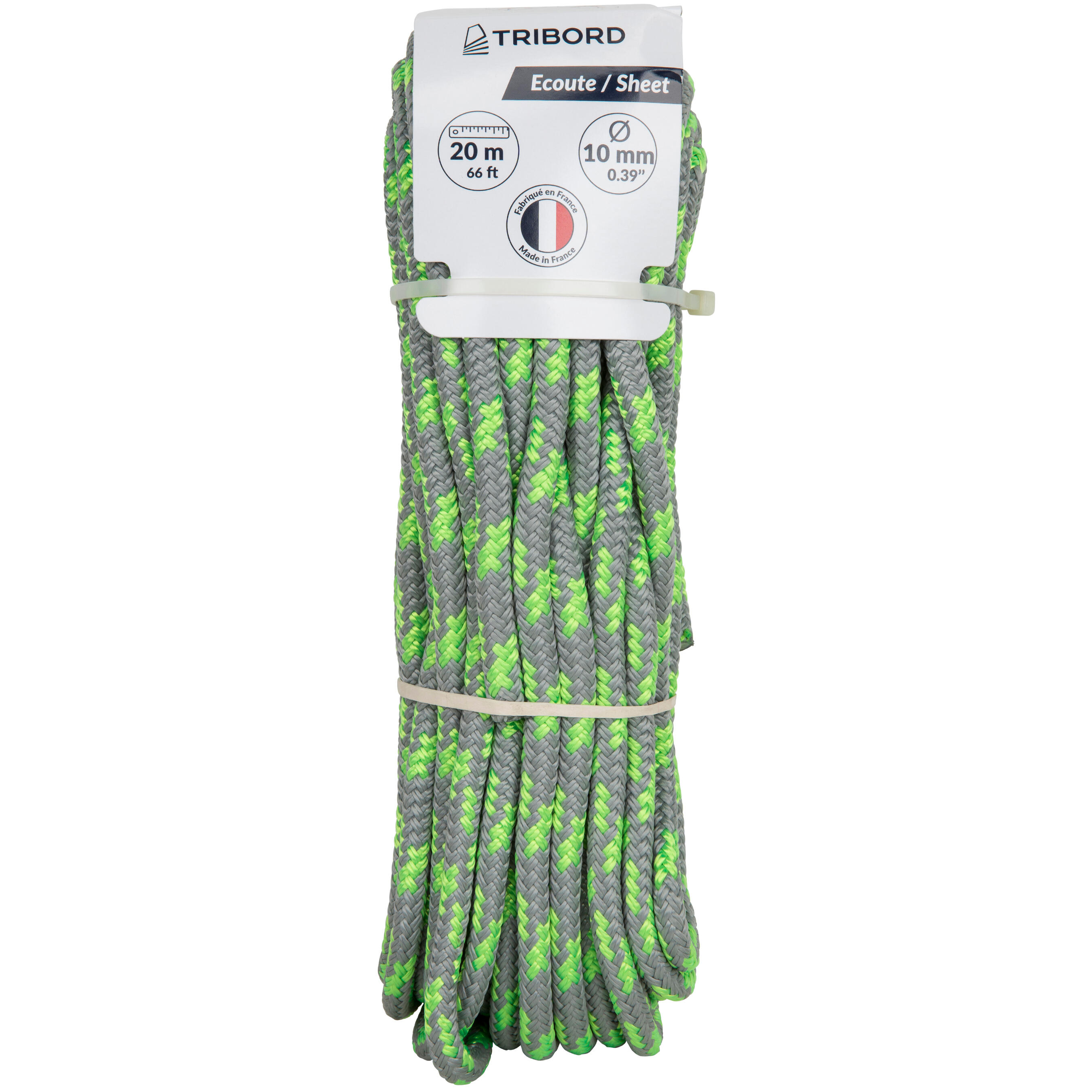
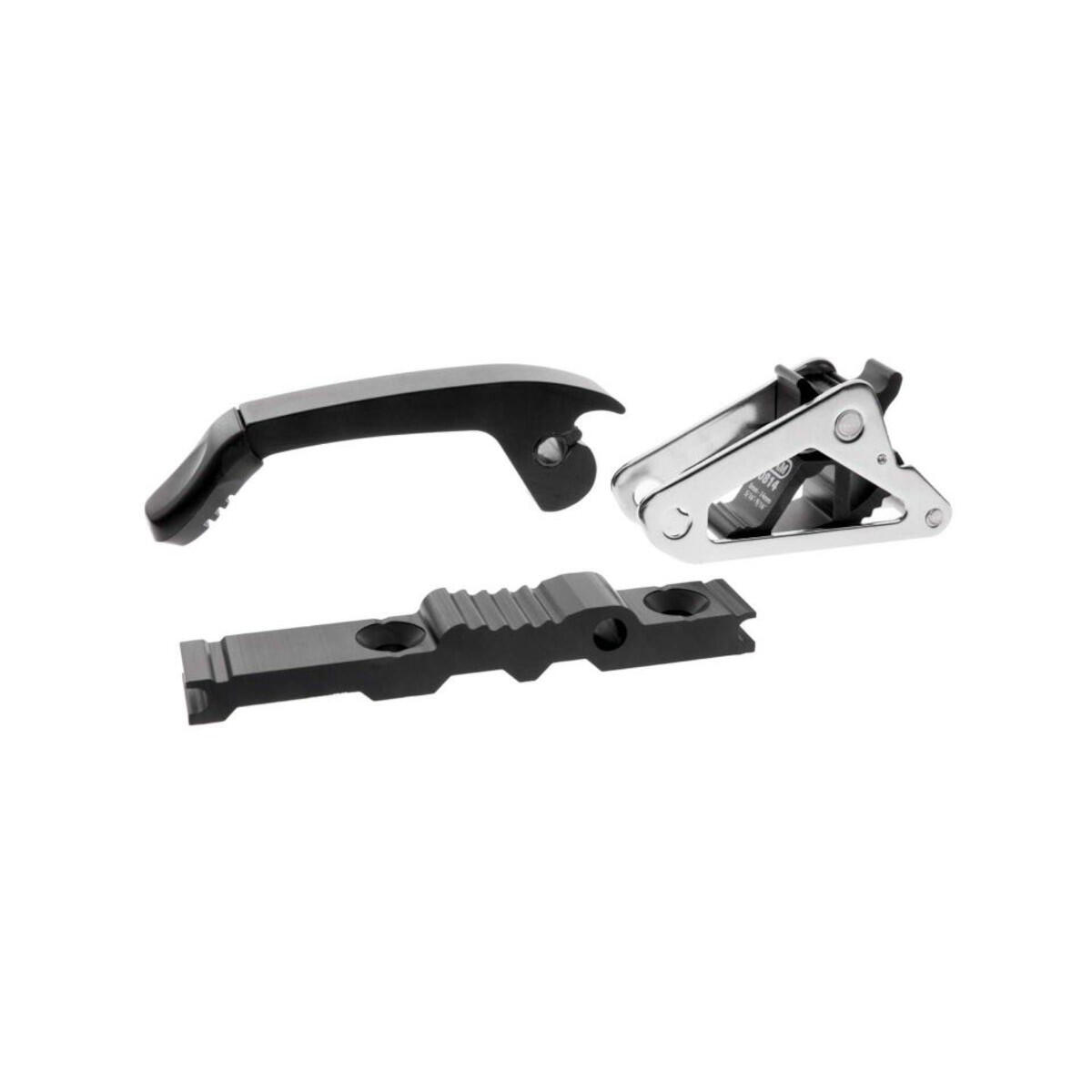
Chandlery is the broad term for the consumable and functional hardware that keeps a boat operational between hauls; shackles, snap hooks, cleats, fenders, blocks, winch handles, and the dozens of small fittings that take load or wear across a season. Unlike structural rigging, chandlery items are replaced routinely rather than refitted, which means having the right spares on board prevents a minor hardware failure from ending a passage early. A stainless shackle that seizes, a worn block sheave that scores a line, or a missing split pin in a turnbuckle can each escalate quickly offshore. Marine adventurers assembling their on-board toolkit can cover the two systems most likely to fail on a cruising boat in a single restock by pairing chandlery spares with sailing ropes in the right diameters for halyards, sheets, and reef lines. Sailors' tip: keep a dedicated spares bag with at least two shackles in each size you use on deck, a winch handle, spare split pins, seizing wire, and a roll of self-amalgamating tape to cover the majority of at-sea hardware failures without requiring a trip to a chandlery in port.
What is a waterproof floating VHF radio and why does it matter on a sailing boat?

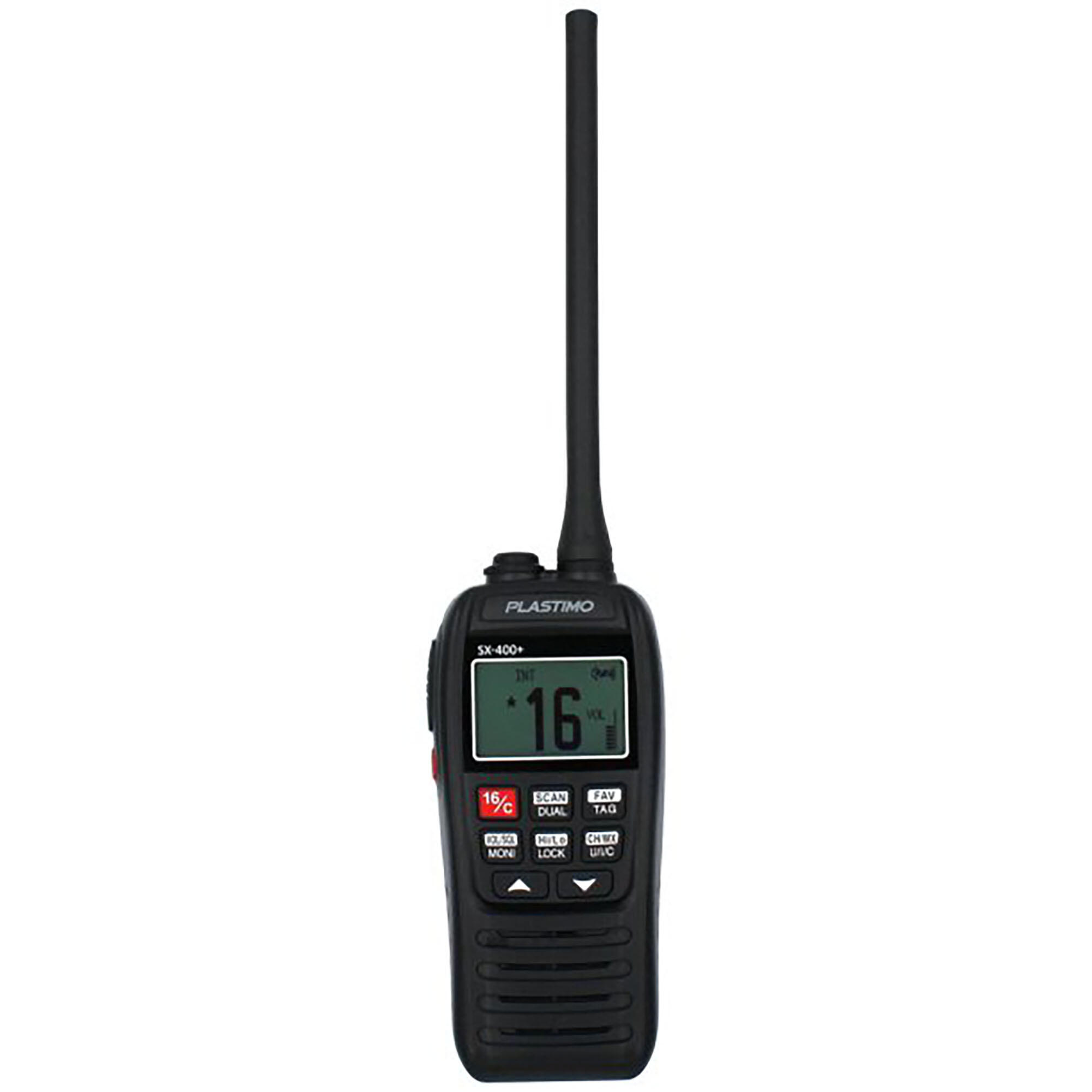
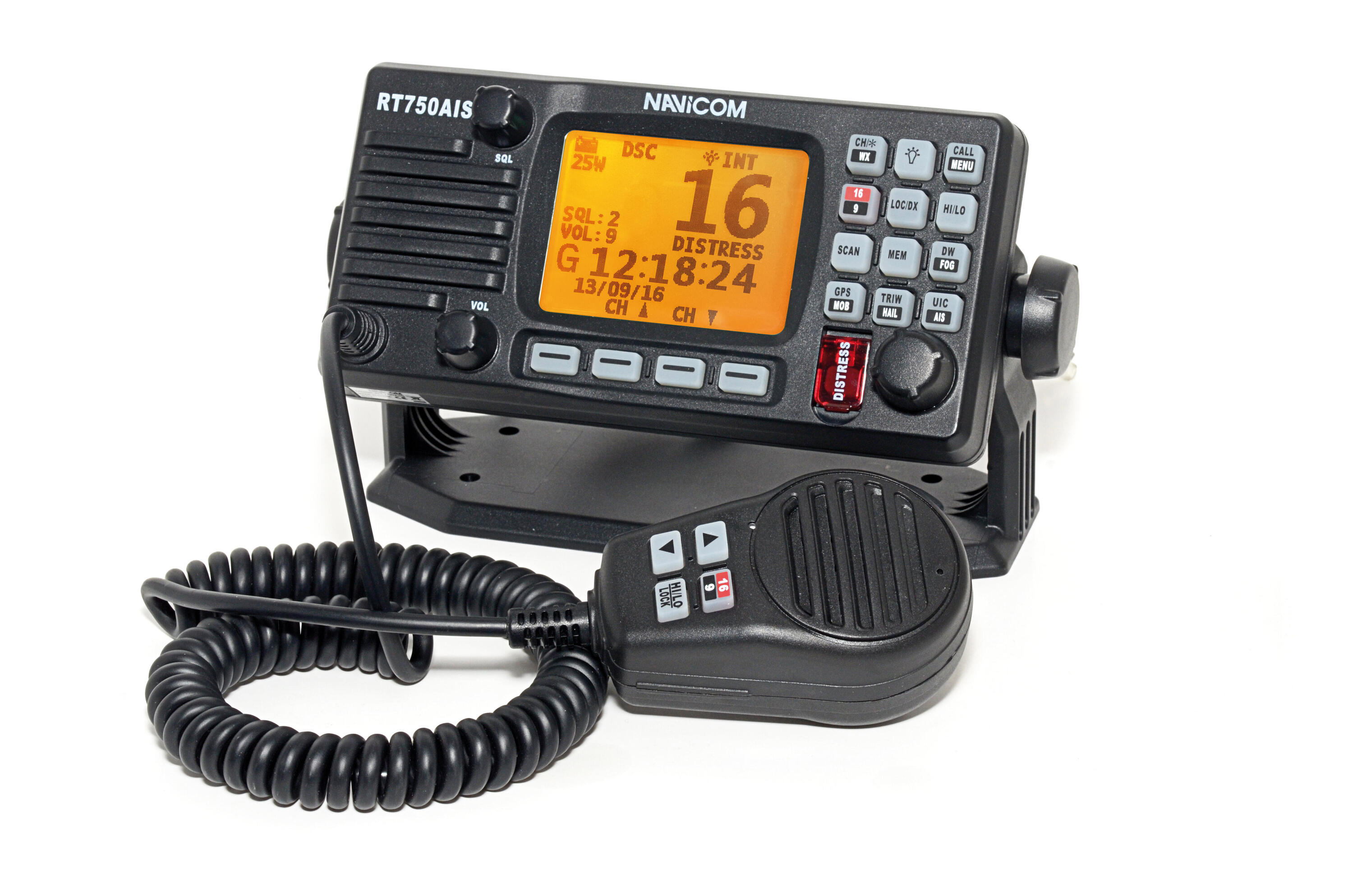
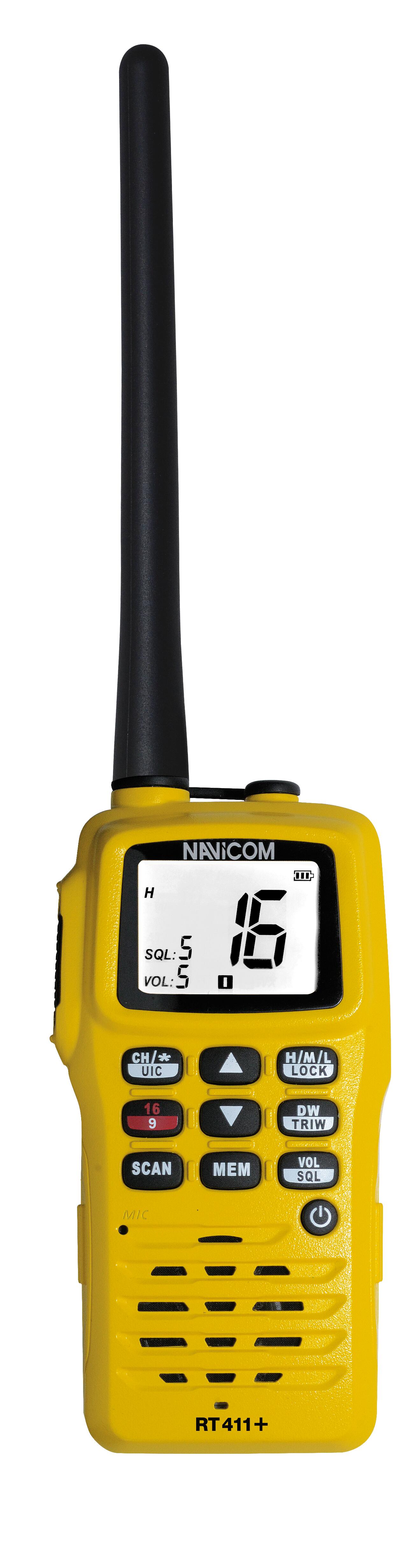
A floating VHF radio, such as the Navicom RT-411, is constructed from a buoyant housing that keeps the unit on the surface if dropped overboard, which is a realistic scenario during a sail change or man-overboard situation. Standard handheld VHFs sink immediately on contact with water and are lost. The waterproof rating matters separately as an IPX7 rating means the unit can be submerged to 1 m for 30 minutes without water ingress, which covers accidental immersion during a knockdown. DSC (digital selective calling) capability allows the radio to broadcast a distress signal containing the vessel's MMSI number and GPS position at the push of a single button, removing the need to transmit manually under stress. Those carrying a fixed-mount chart plotter as well as a handheld VHF would do well to audit their signalling and navigation kit, ensuring flares, radar reflectors, and AIS provide coverage matching their radio's offshore range.

How does a wireless wind vane improve sail trimming compared to a masthead unit?

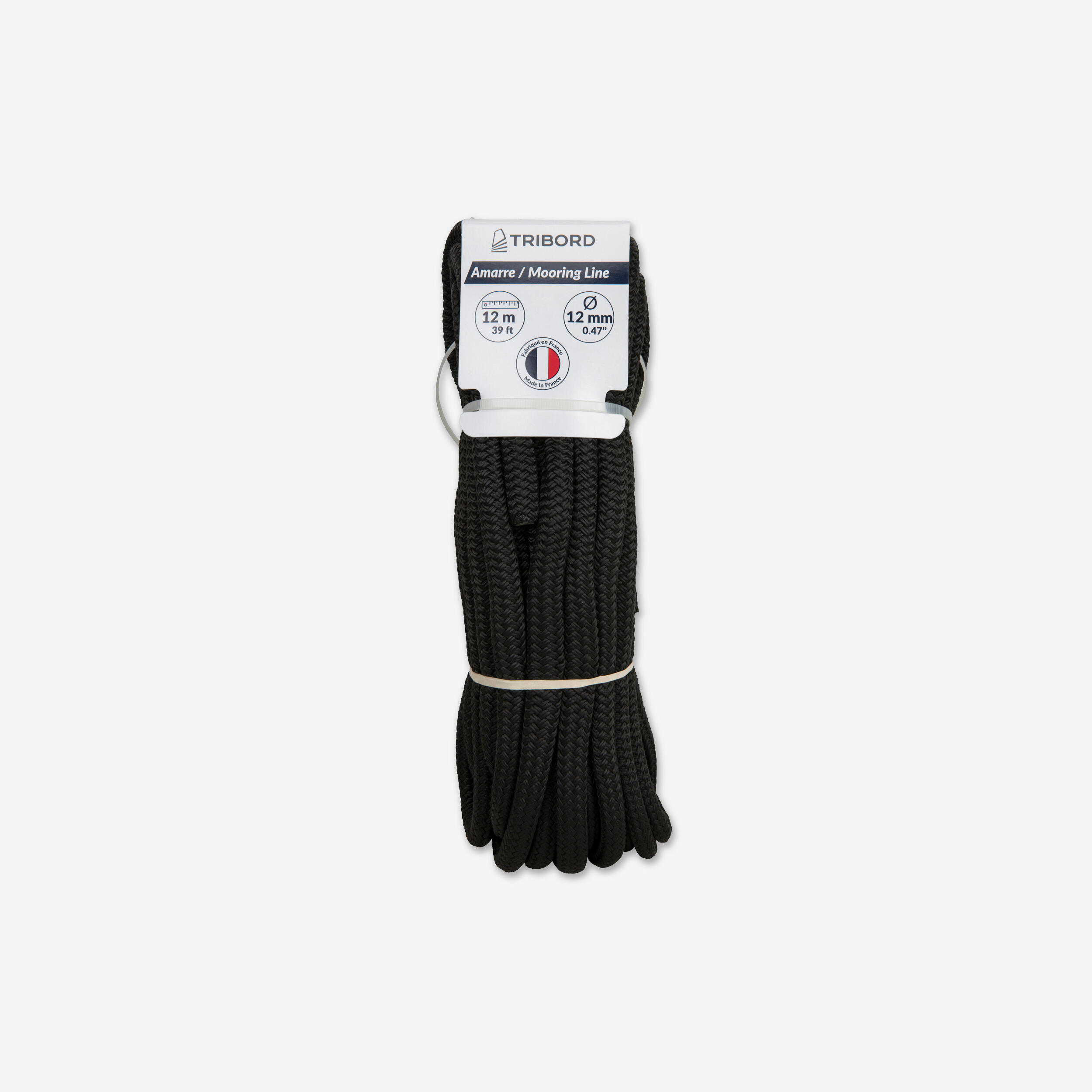
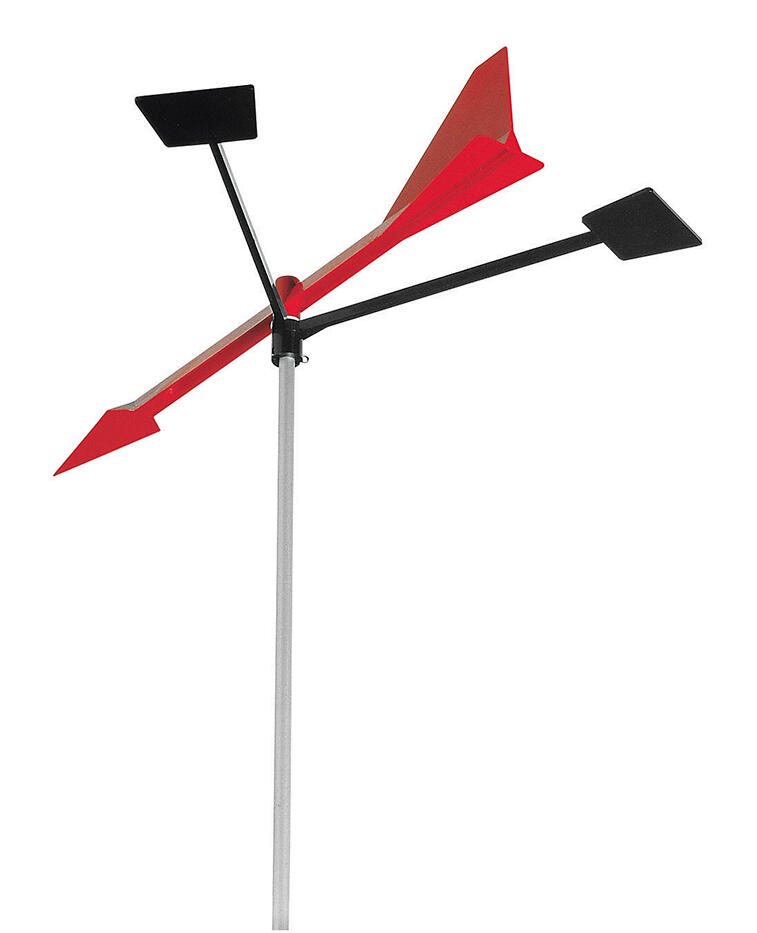
A wireless wind vane transmits apparent wind angle and speed data to a cockpit display without requiring a cable run through the mast, which eliminates the most common point of failure in masthead instrument systems, the wire connection at the base of the mast that fatigues through repeated rotation and vibration. Wireless units use a self-contained battery or small solar panel at the masthead and transmit via a low-power RF signal to a receiver at the chart table or cockpit. The wind data accuracy at the masthead is higher than a deck-level vane because it sits above the turbulence created by the mainsail, giving a cleaner apparent wind reading for sail shape decisions. A wireless wind vane is often upgraded alongside the mooring and safety equipment, addressing both passage performance and harbour security in the same refit.

When should a sailor use an autonomous LED navigation light over a fixed installation?

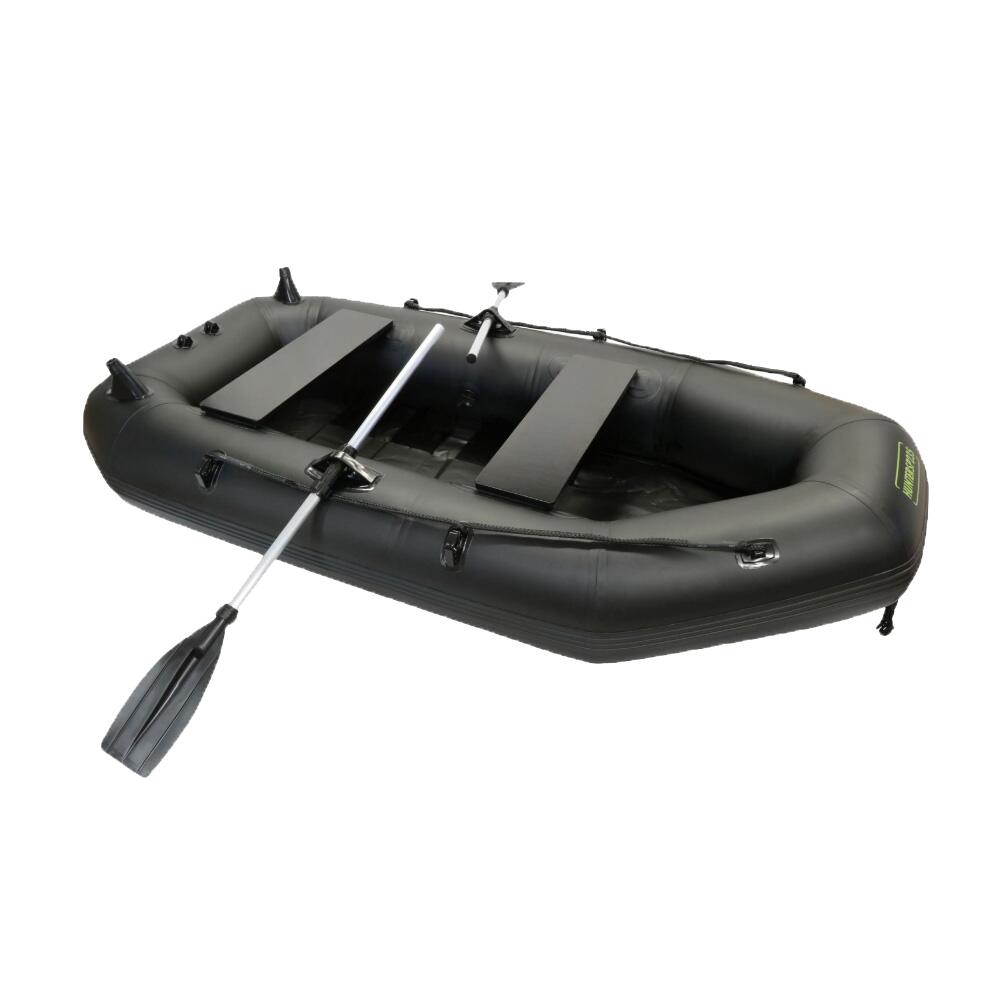
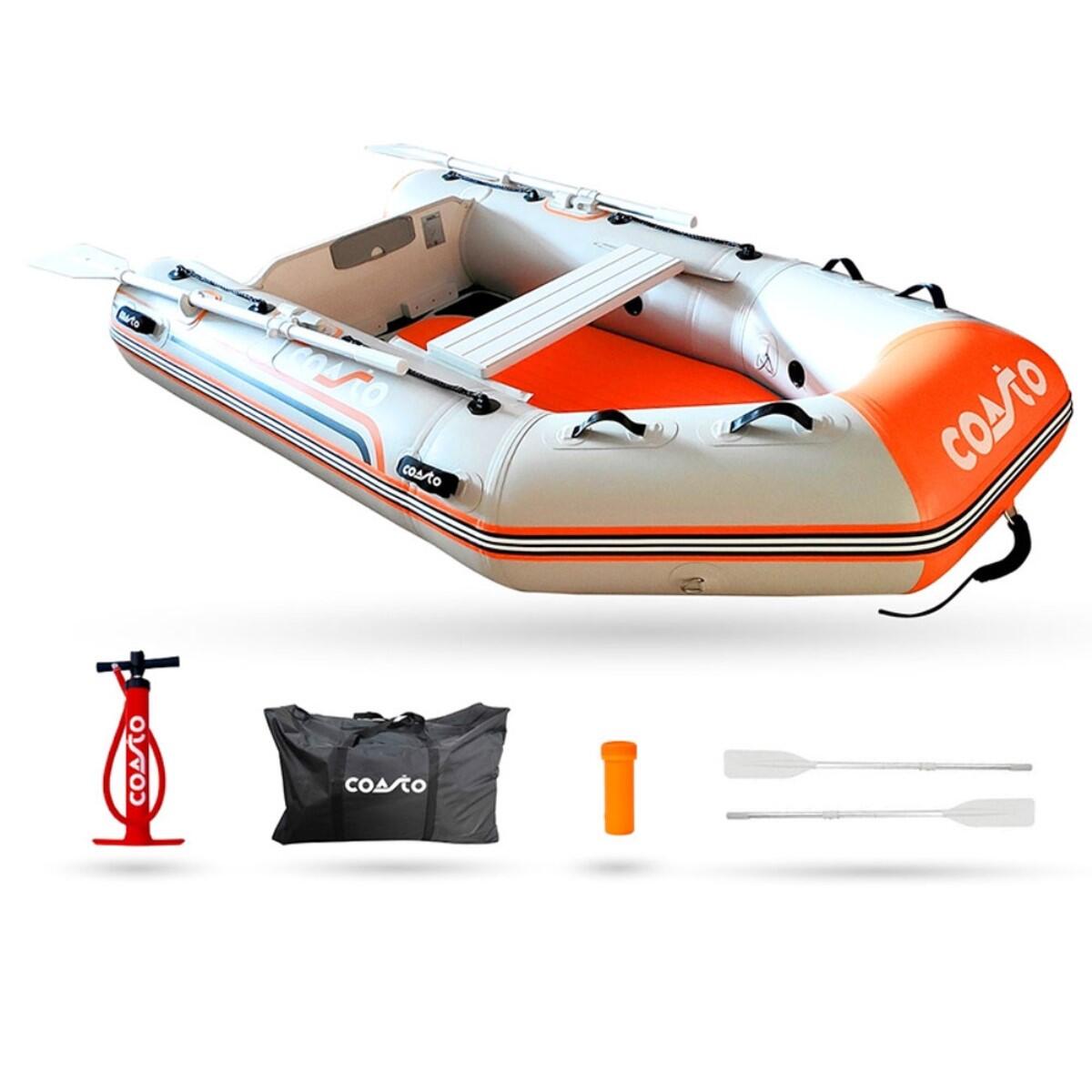
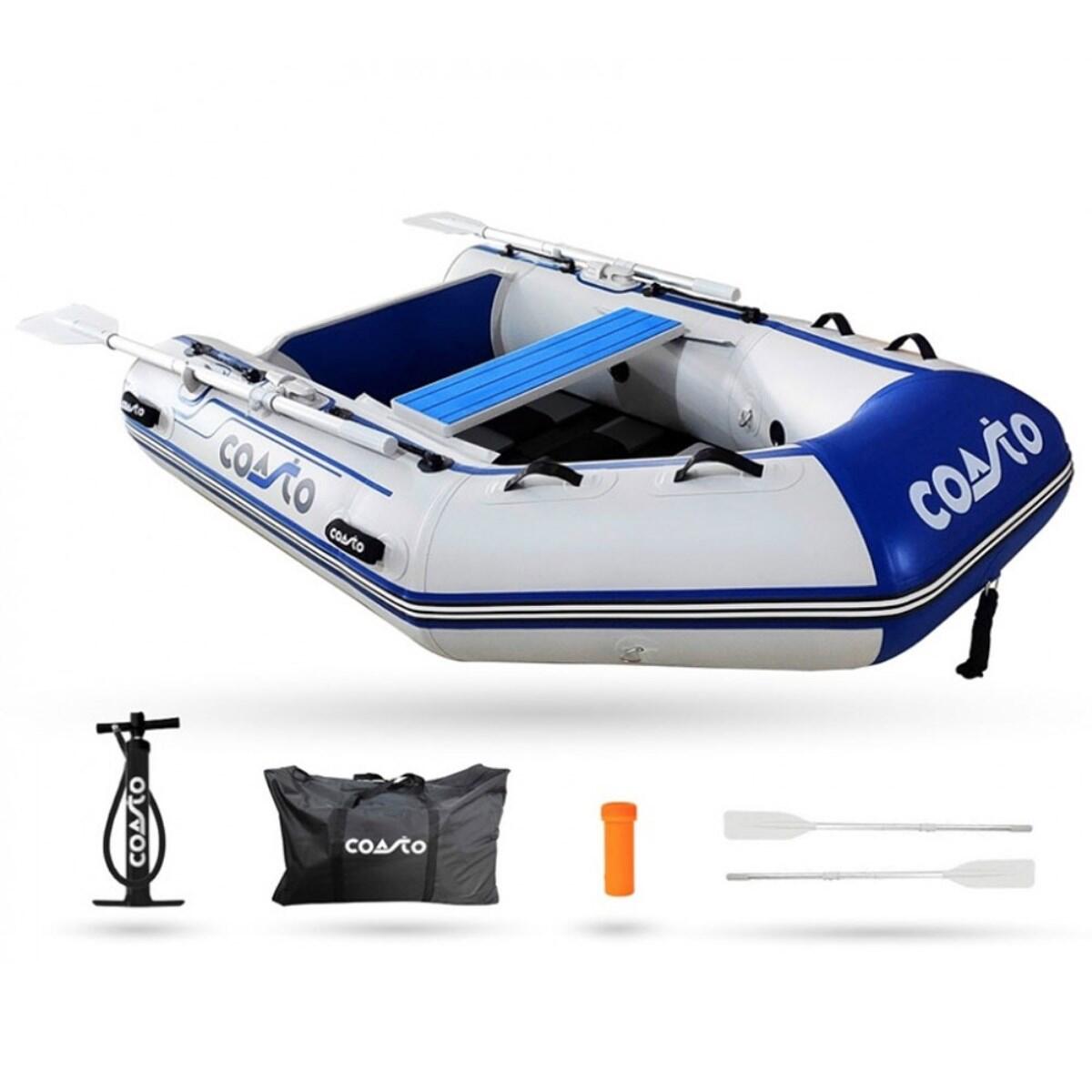
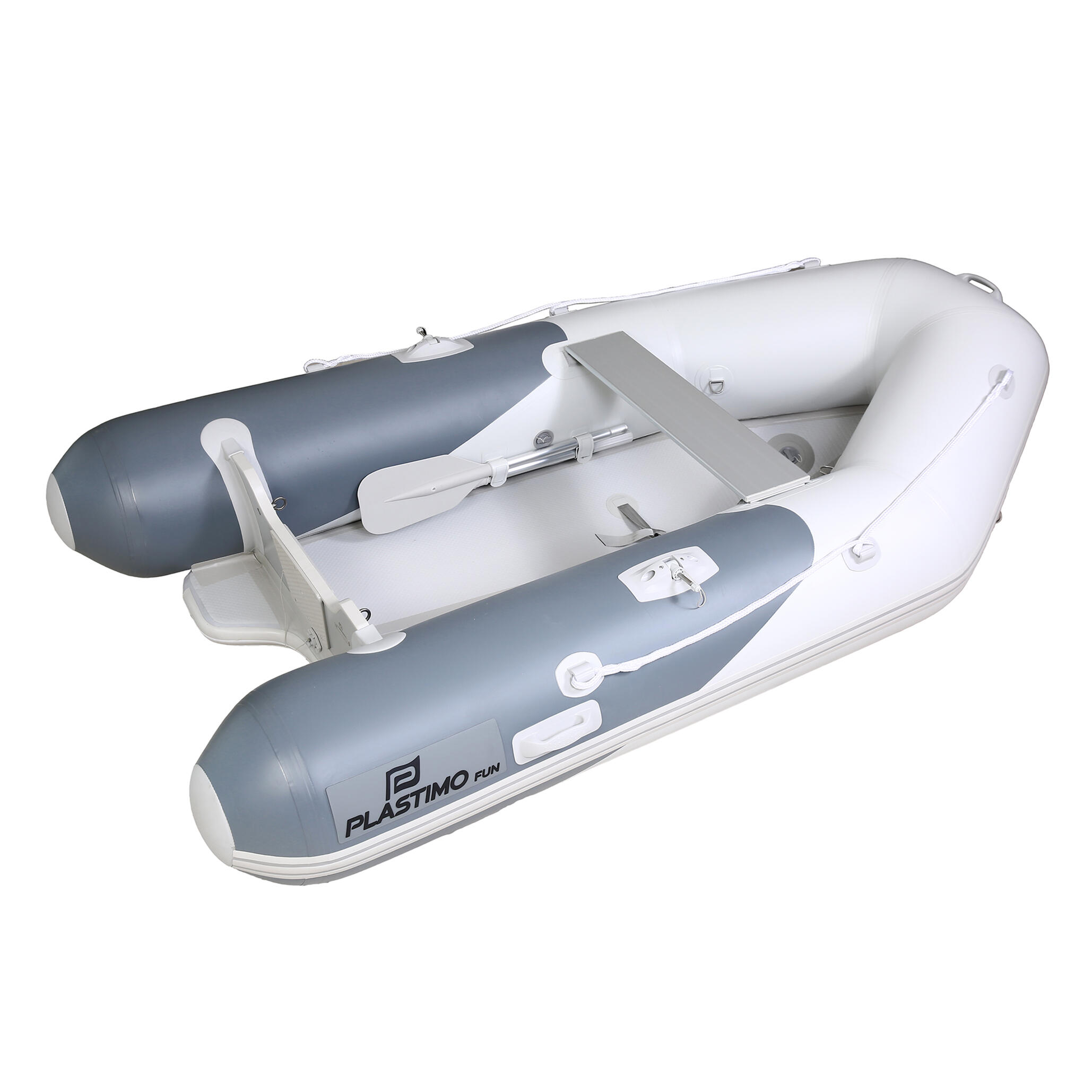
Autonomous LED navigation lights have self-contained units with their own battery to serve two practical purposes: as a primary light on a small tender or dinghy that lacks a 12 V electrical system, and as a backup navigation light on a cruising yacht whose main lighting circuit has failed at sea. COLREGS (the international collision regulations) require vessels underway at night to display a red port light, a green starboard light, and a white stern light at a minimum. An autonomous LED unit clipped to a pushpit or lifeline rail meets this requirement immediately without any wiring. Battery life on modern LED units typically runs 40 to 60 hours on a set of AA cells, which covers most coastal passages with margin. Crews frequently moving people and gear between a main vessel and a support craft should make sure the tender carries its own independent light, particularly for use after dark. For the full range of inflatable and rigid tenders, dimensions and load capacity can be matched to the main boat's transom fitting.

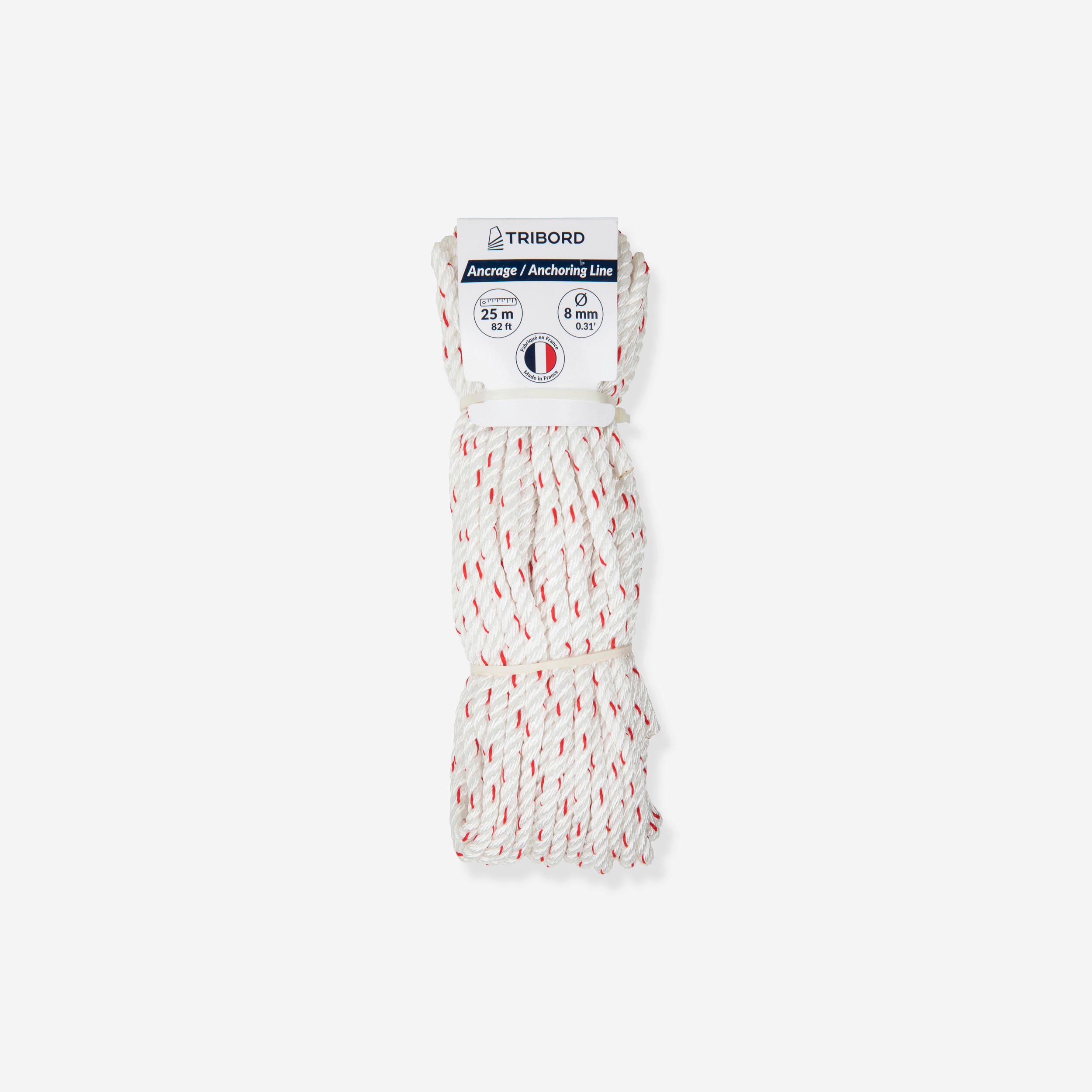
Which safety essentials should every sailing boat carry?

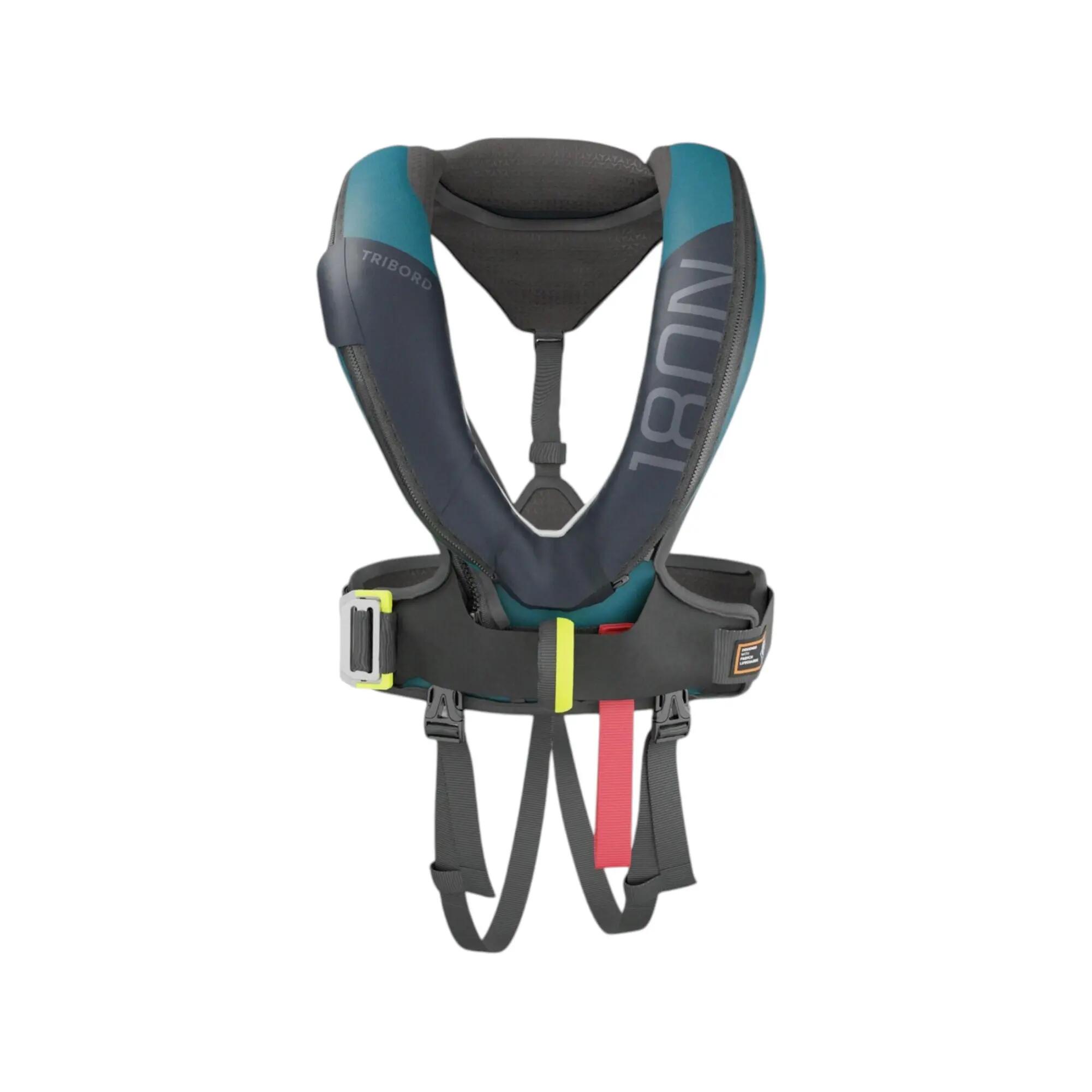
A well-prepared boat should carry safety equipment suited to the size of the vessel and the type of journey. Core essentials include life jackets, fire extinguishers, bilge pumps, fenders, mooring lines, a VHF radio, flares and, for longer offshore passages, an EPIRB or life raft. Required equipment varies with local regulations and how far you sail from shore, so always check the latest requirements before setting off. Personal protection is just as important, and the life jacket and sailor accessories range includes buoyancy aids, safety harnesses and tethers that help keep everyone safer on board. Practical tip: inspect safety equipment before every trip and replace any items that have passed their service or expiry date.