11 items
3.8/5 based on 9 reviews collected online and in stores

Tenders FAQs

Which inflatable tender is ideally suited to your boat?

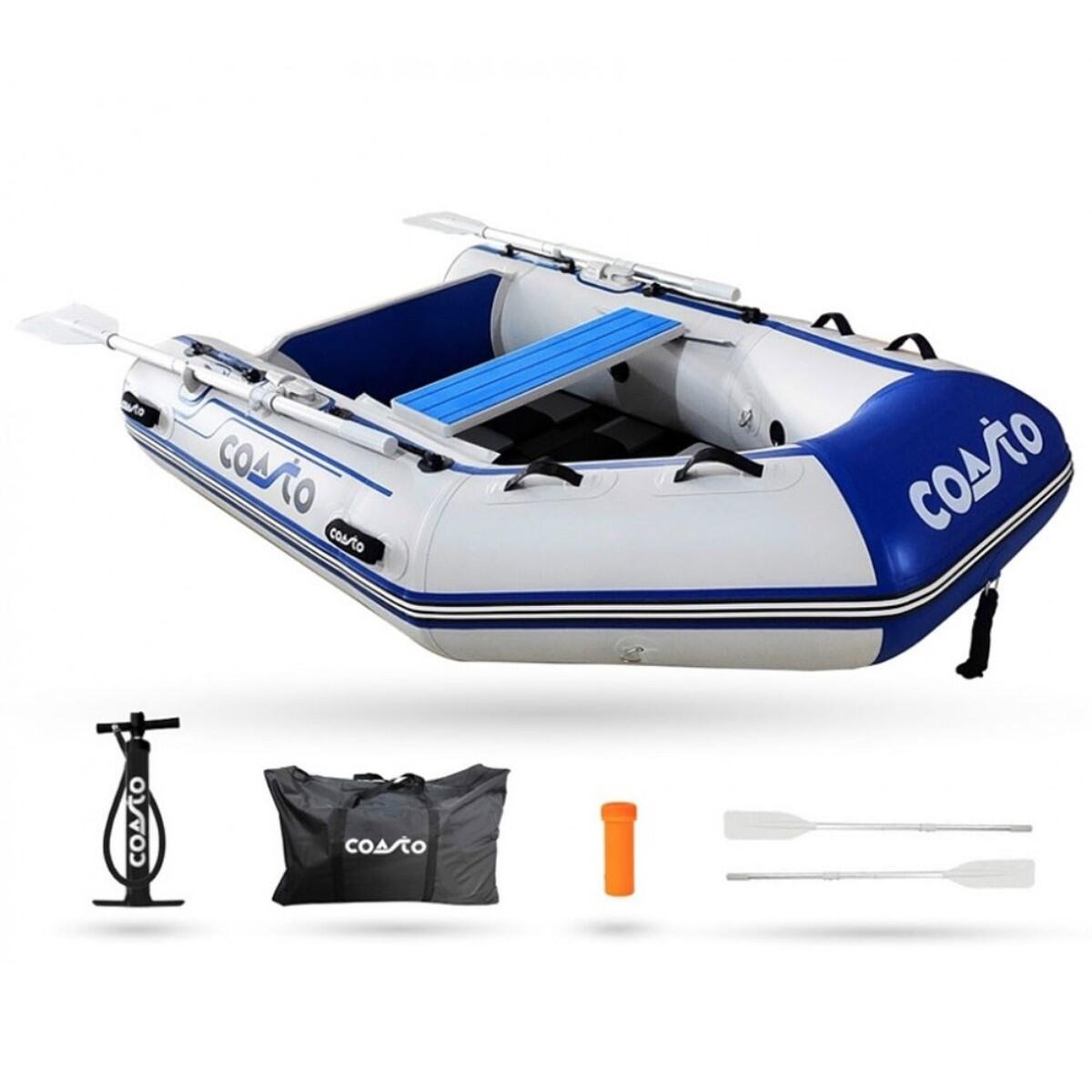
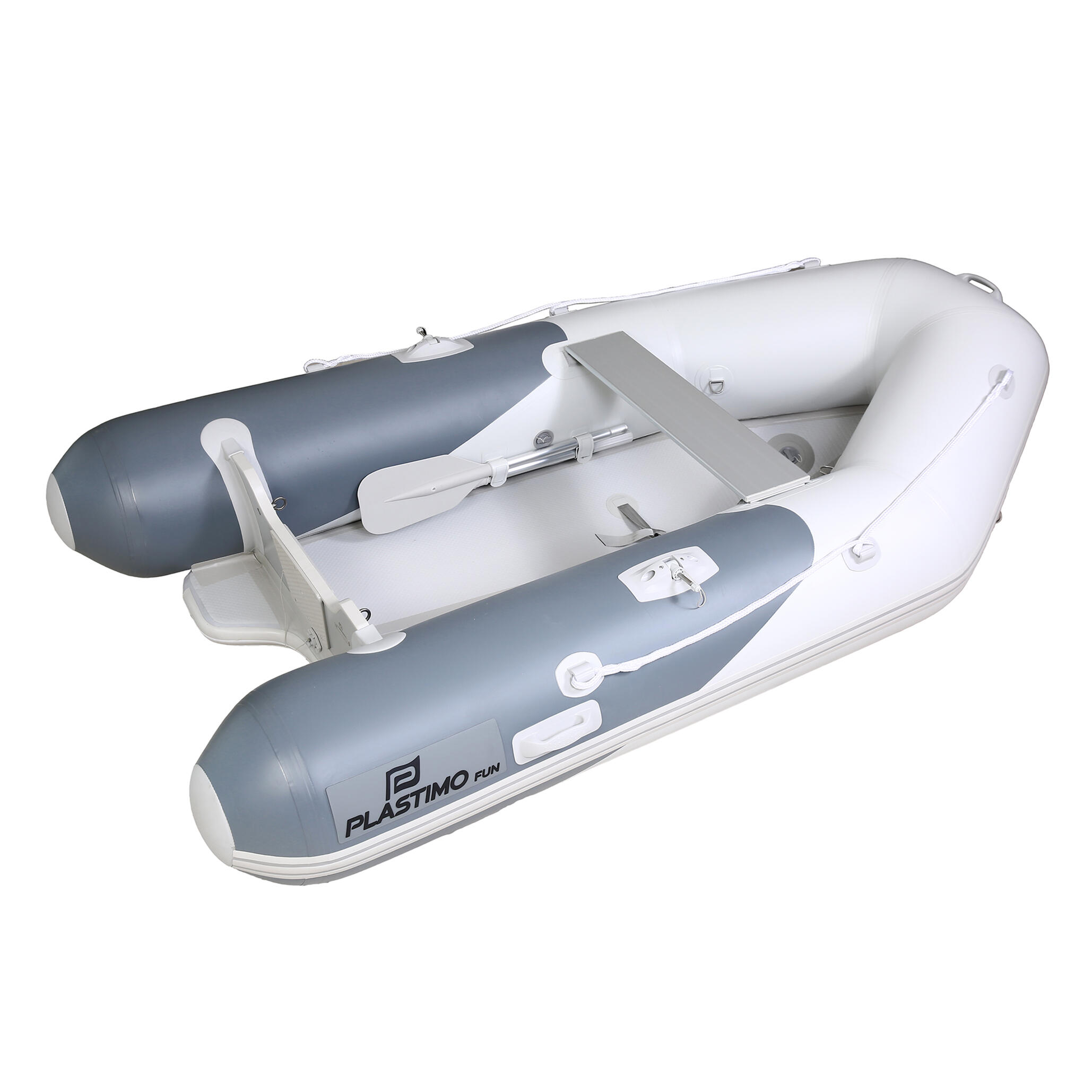
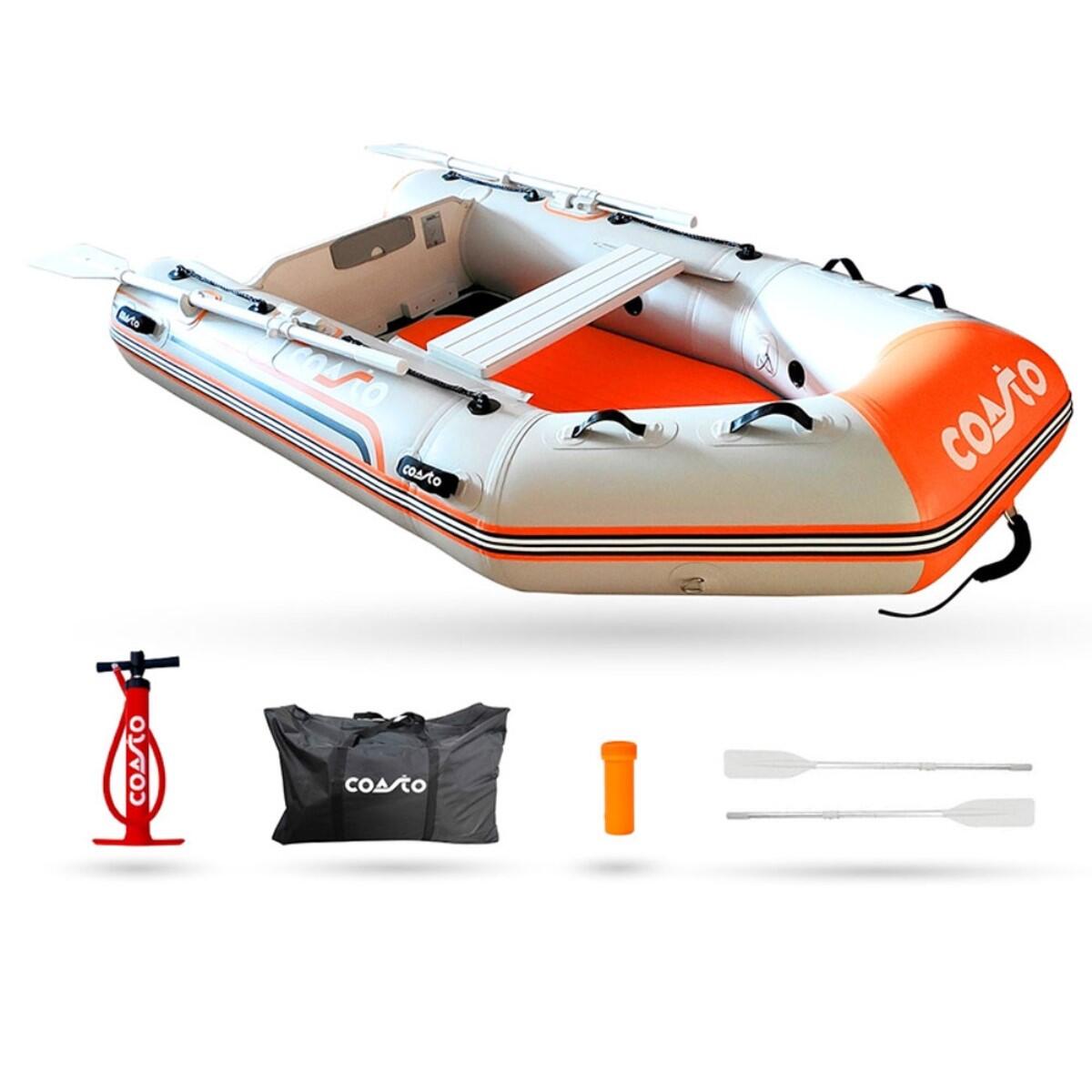
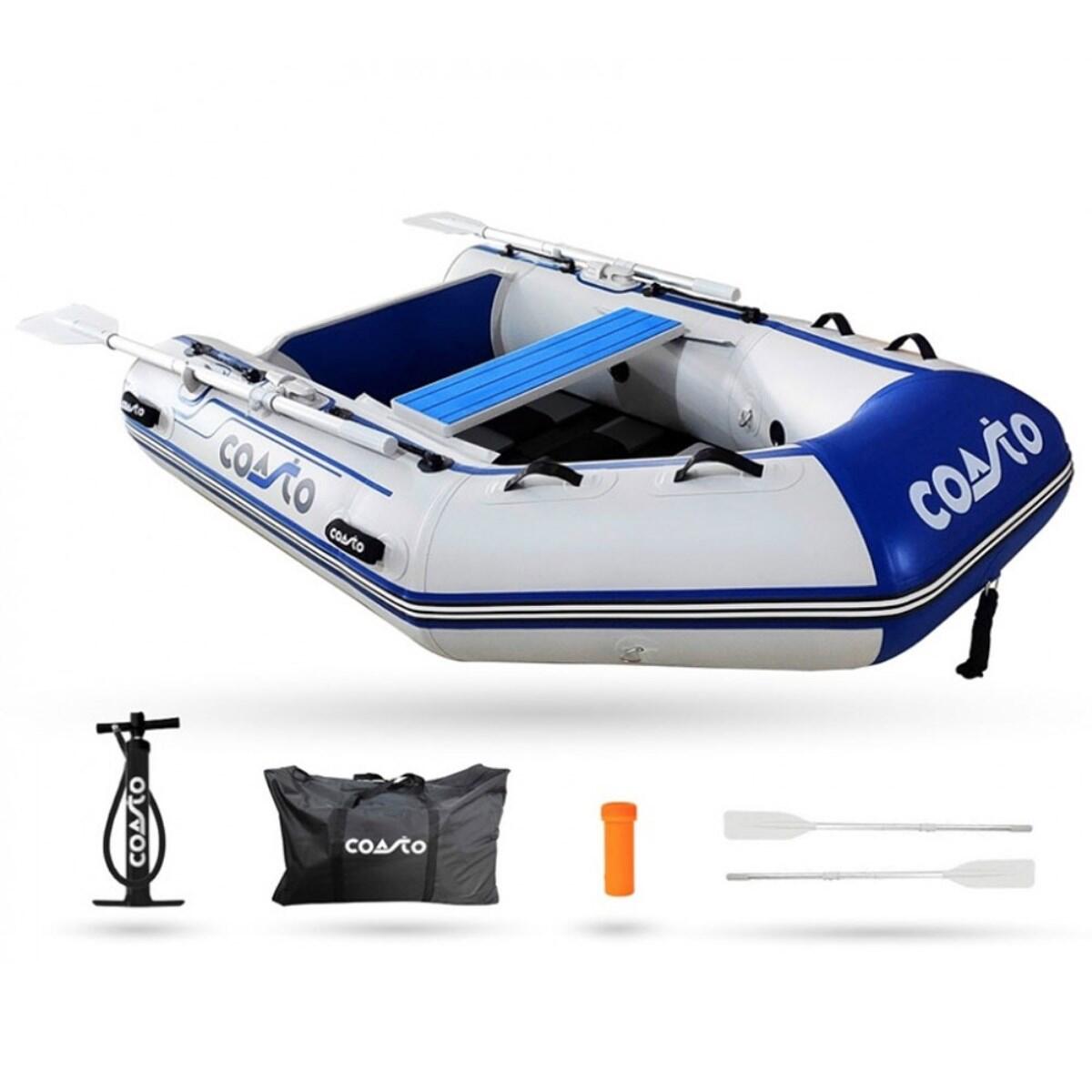
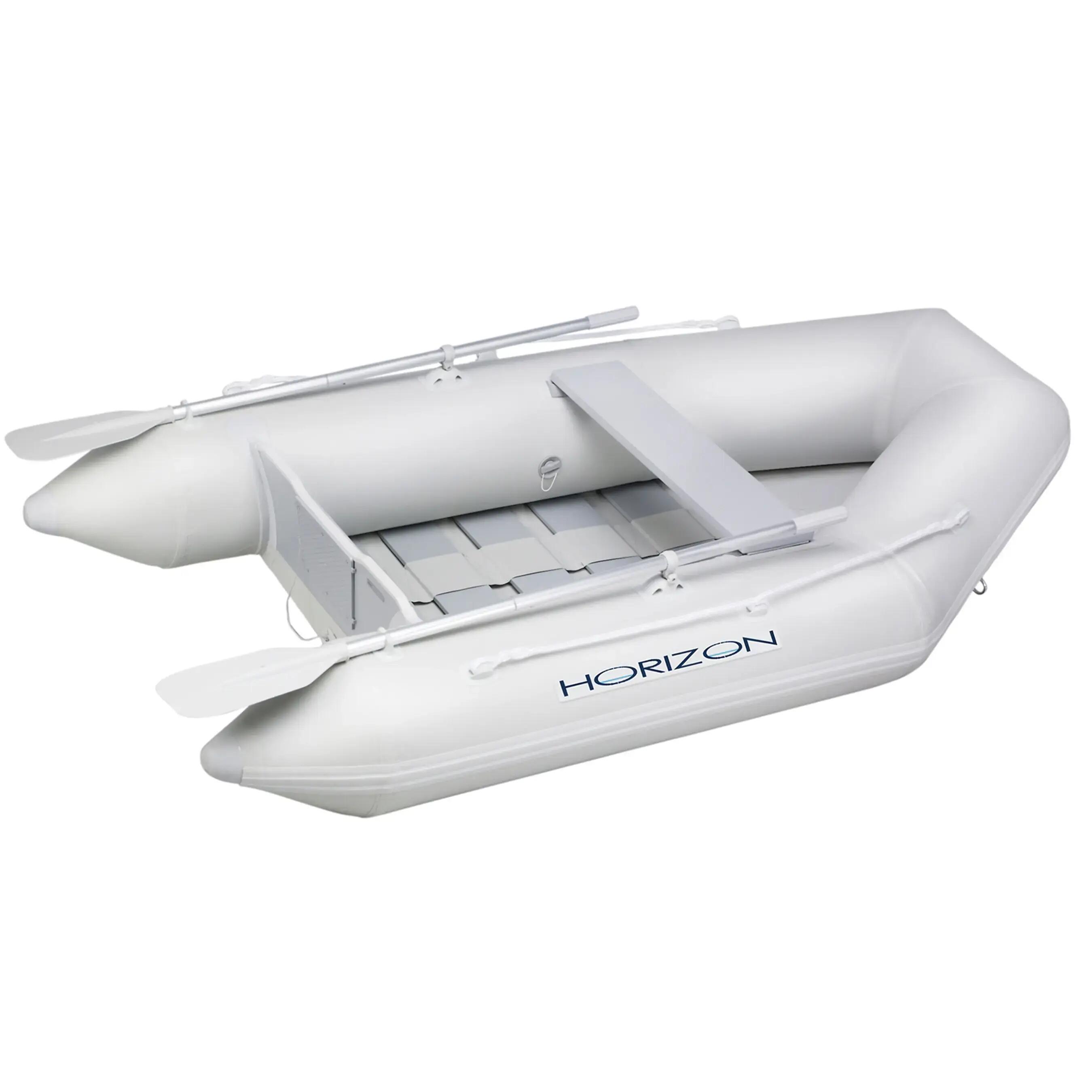
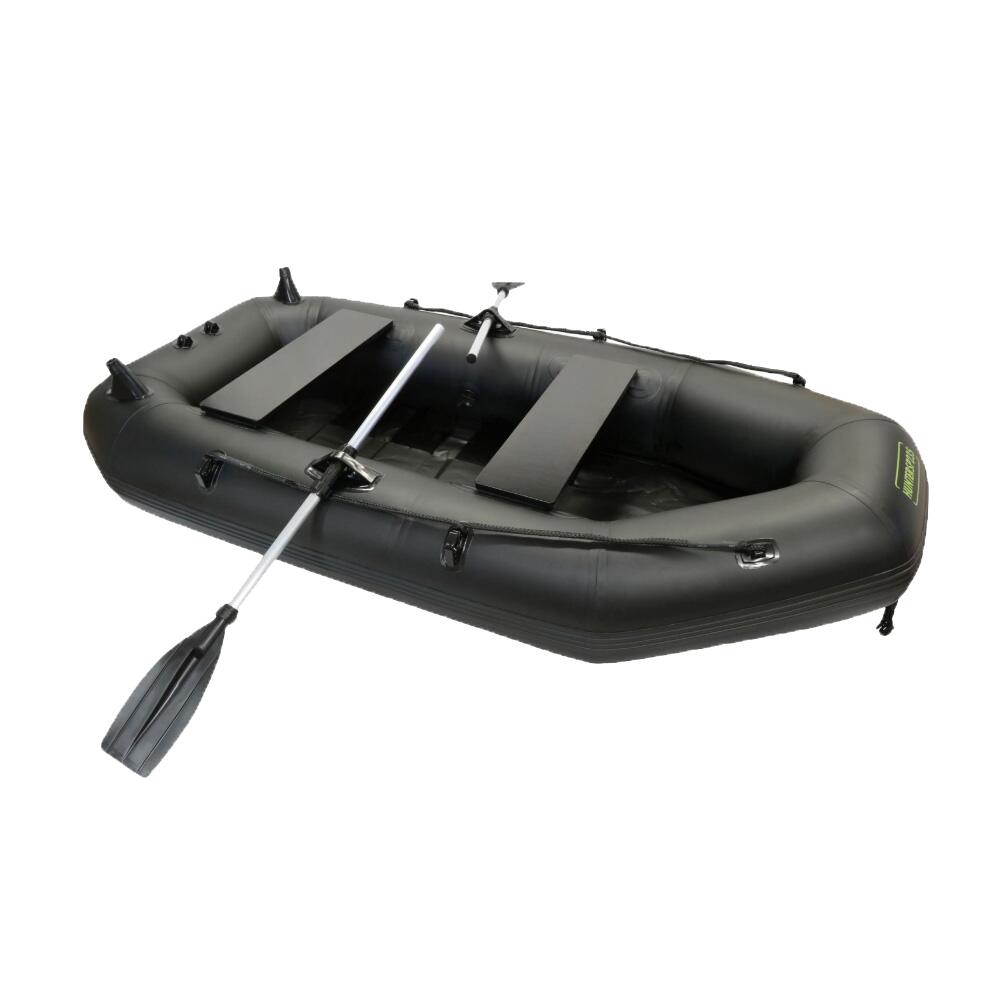
Start with passenger capacity, maximum load, packed size and the type of journeys you expect to make between your boat and shore. Floor construction also changes how a tender feels underfoot and how easily it packs away. A model such as this inflatable tender uses a V-shaped inflatable hull aimed at combining handling on the water with compact storage once deflated. Other tenders in the range use dropstitch or carbon slat floors, giving you different balances of rigidity, weight and packability. Check the stated passenger, payload and outboard limits rather than judging suitability from overall length alone. Pro tip: include passengers, fuel, bags and other equipment when estimating your normal load, then distribute that weight evenly once afloat to help maintain suitable trim.

What is the difference between drop-stitch and carbon-slat tender floors?

Dropstitch floors are inflated to higher pressure to create a continuous, firmer platform, which can be useful when standing or placing equipment inside the tender. Carbon Slat models instead use thin composite slats to reduce weight and make folding more compact. Your choice should reflect how the tender fits into your wider sailing setup, especially if it must regularly be lifted onto a yacht, packed into a locker or carried ashore. Some Dropstitch models also include protected contact areas for equipment such as boxes or batteries. Pro tip: if storage and repeated carrying are your main concerns, compare packed dimensions and total weight closely; if a firmer floor is more important, prioritise rigidity instead.

What equipment must you carry or use with a sailing tender?

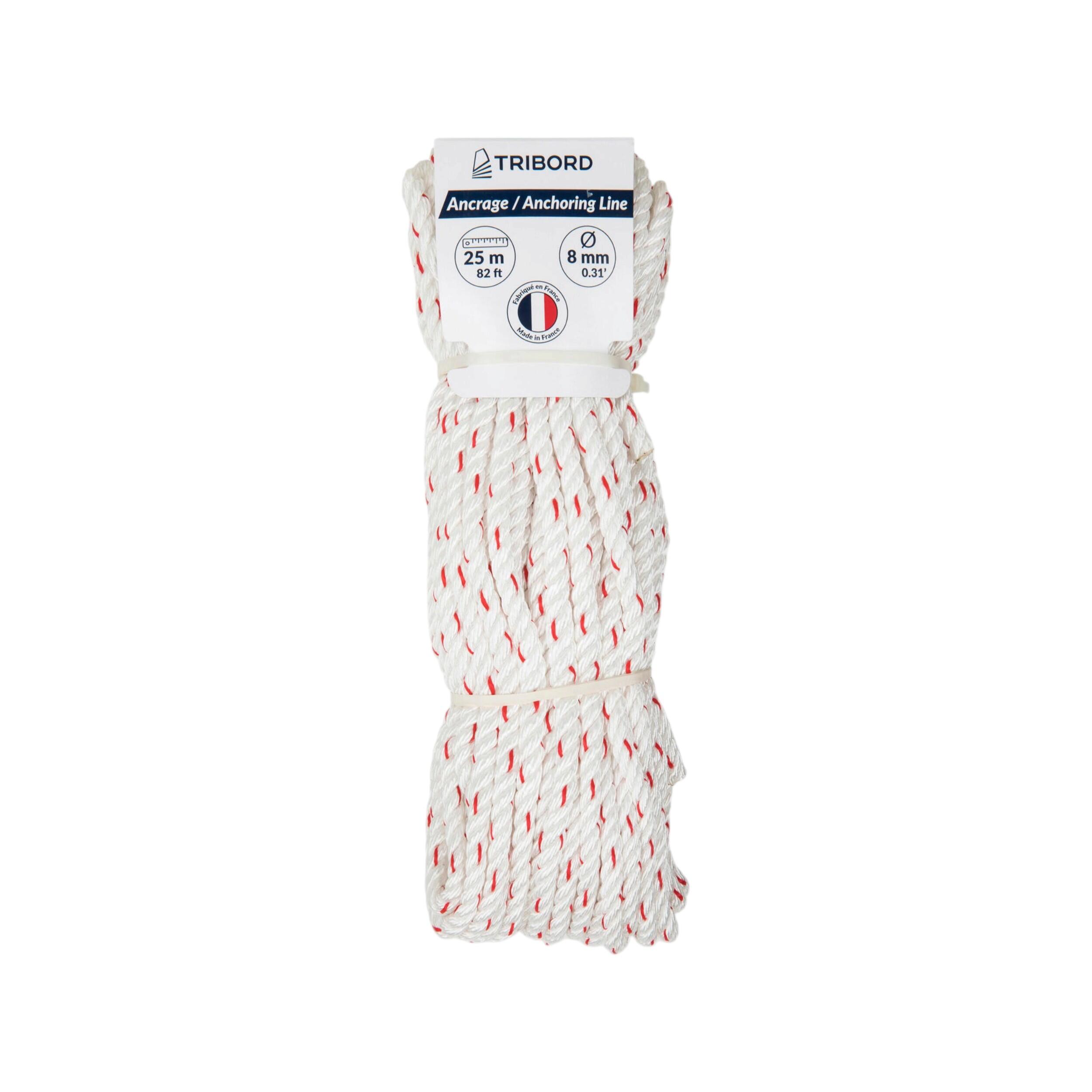
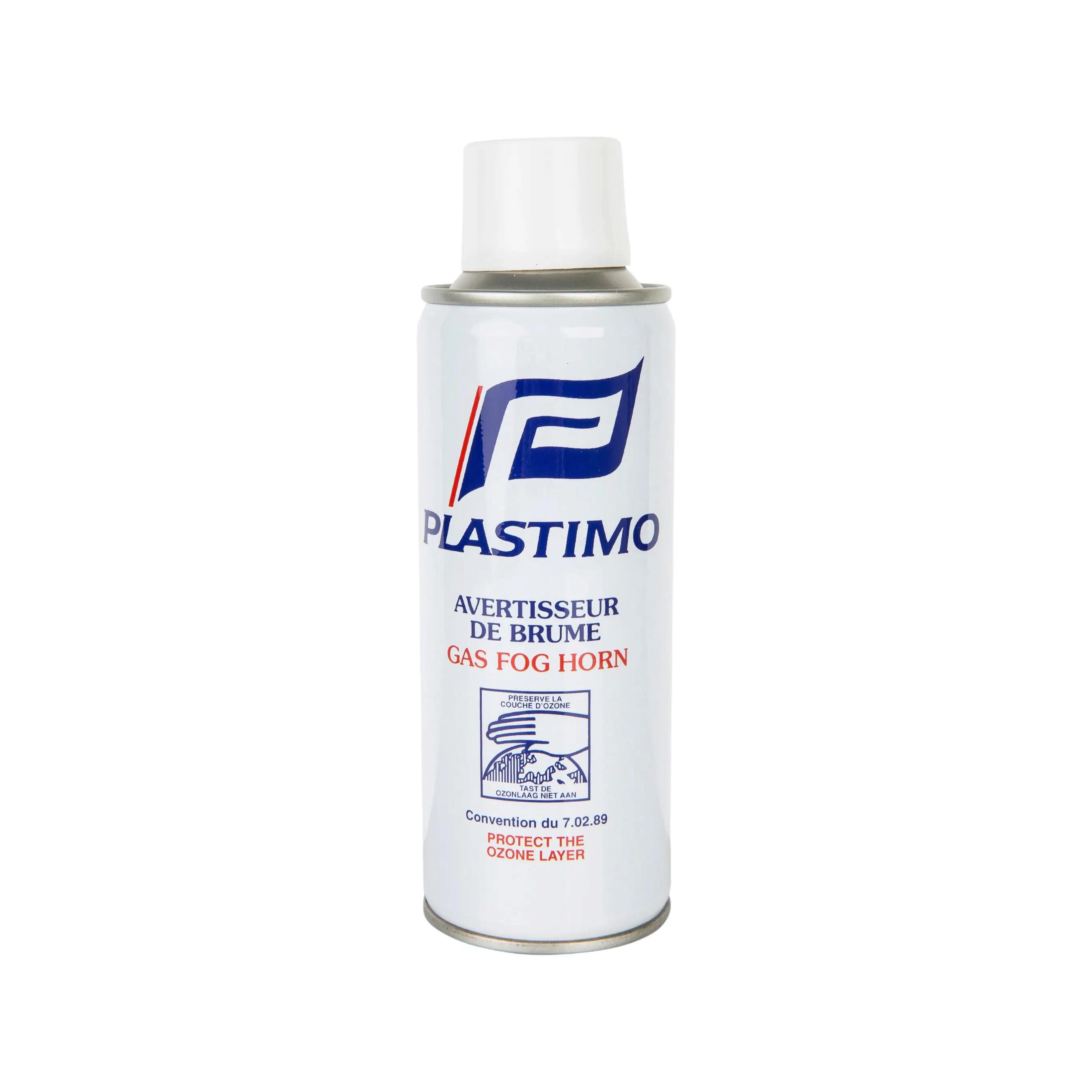
A tender setup needs more than the inflatable hull itself, particularly when it is being used for yacht-to-shore transfers. Pumps, oars, towing points and repair equipment may be supplied with individual models, while suitable items from the chandlery & security equipment range can support mooring, towing and general boat use. Check exactly what comes with your tender before adding extras, and keep emergency equipment accessible rather than buried underneath luggage. Pro tip: keep the supplied repair kit and a usable pair of oars aboard even when you normally rely on an outboard motor. They give you practical backup if the motor cannot be used or the inflatable needs a minor repair away from shore.

What buoyancy equipment shall you consider when using a tender?

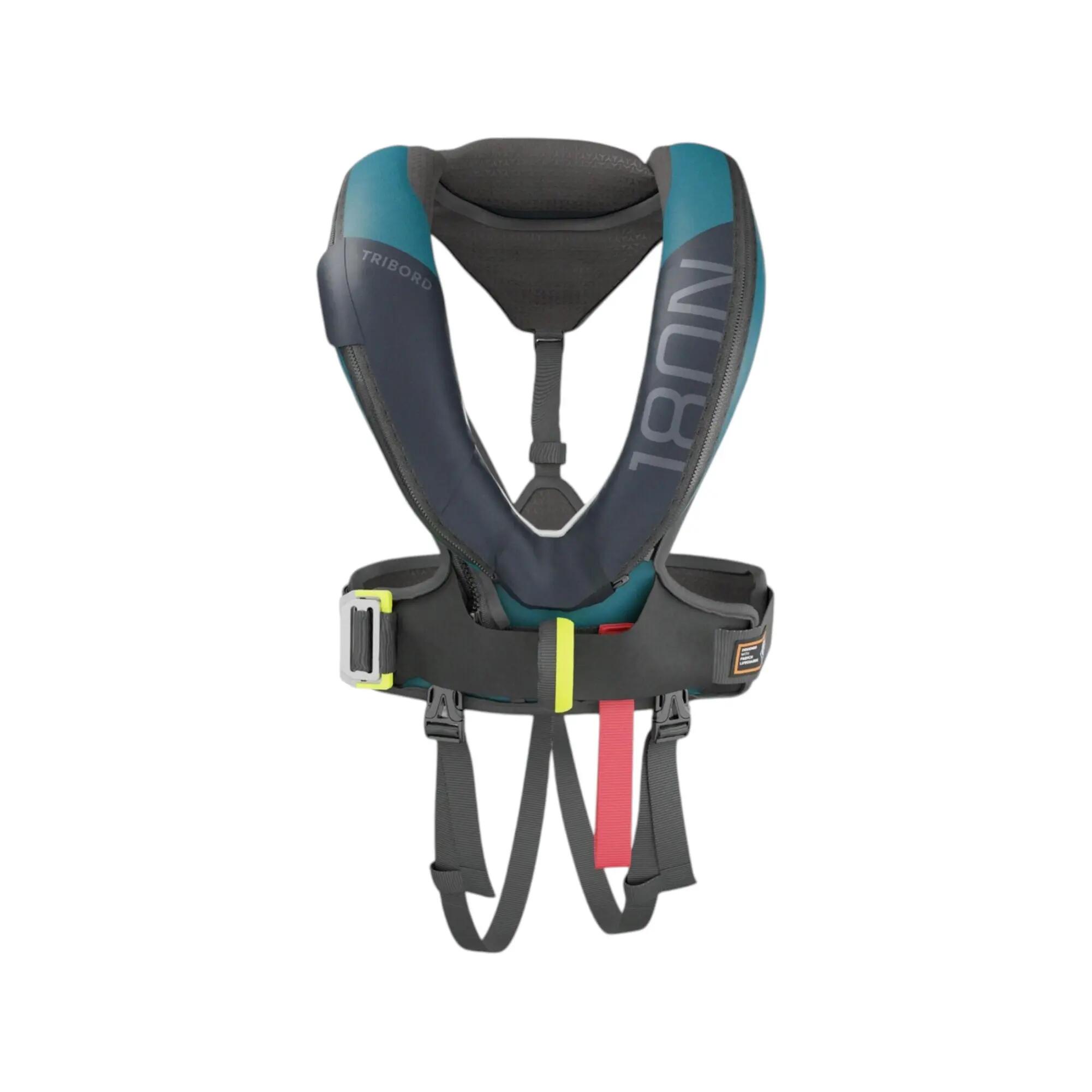
Buoyancy equipment should match the conditions, the user and the type of journey rather than being chosen only by size. Before travelling between a yacht and shore, check suitable options in the sailing life jackets and buoyancy aids range and follow the product's intended-use guidance. A correctly fitted aid should stay secure without riding excessively upward, and children need equipment appropriate to their weight and activity. Pro tip: put buoyancy equipment on before boarding rather than trying to fit it once the tender is already moving. Also make sure straps, buckles and inflation systems, where fitted, are checked regularly and remain easy to access.

How will you inflate, load and handle a tender before setting off?

Inflate each chamber according to the manufacturer's stated pressure and avoid assuming every section uses the same setting. Some inflatable tenders use several independent chambers, and pressure can change as air temperature or weather conditions change. If you also take part in dinghy sailing and catamaran activities, the same habit of checking weather, buoyancy equipment and carrying points before launch remains useful. Once loaded, spread passengers and equipment rather than concentrating everything at one end. Pro tip: inspect the tubes, valves and underside before each launch, particularly after landing on sand or stony ground. Reinforced strips help protect some models, but dragging an inflatable unnecessarily over rough surfaces can still increase wear.