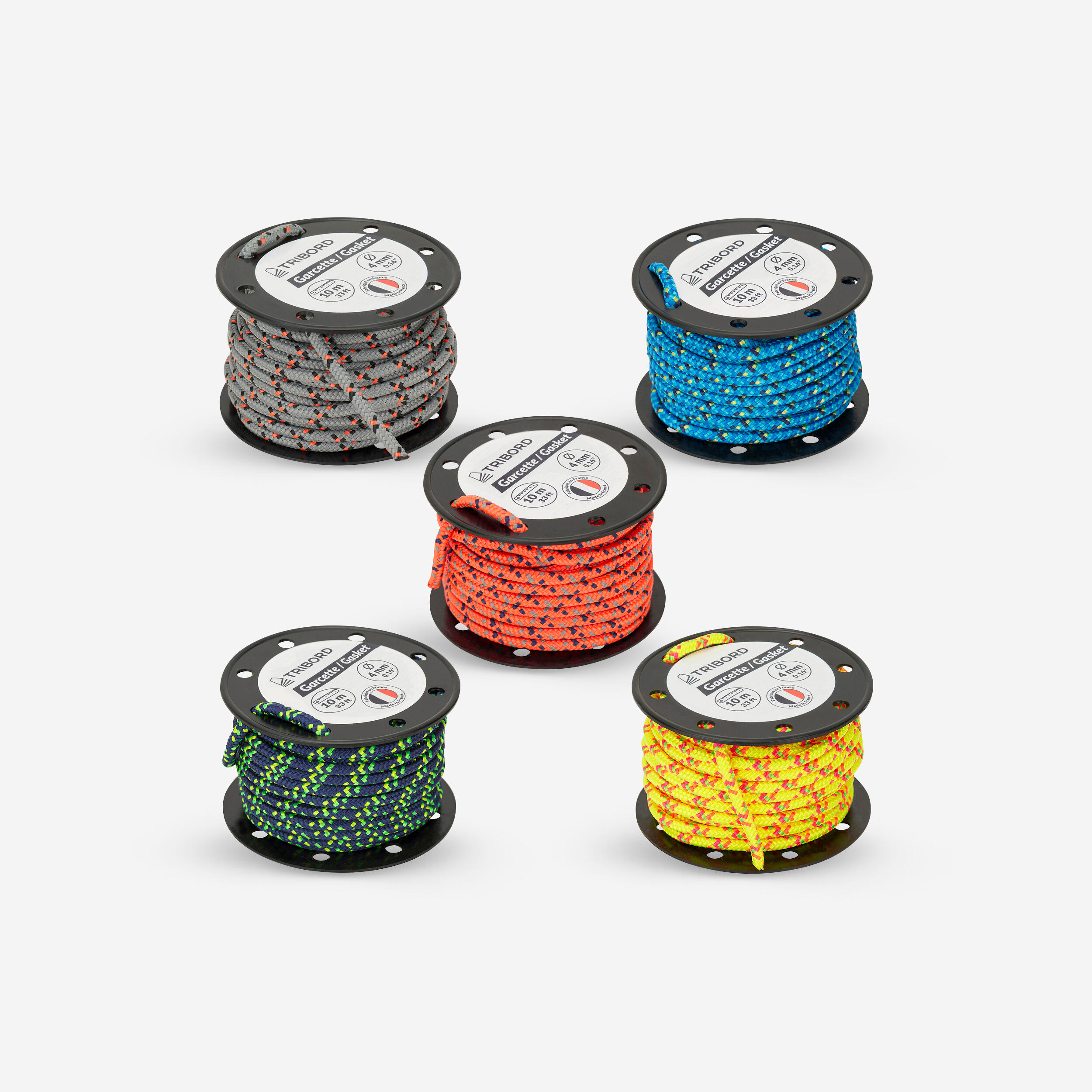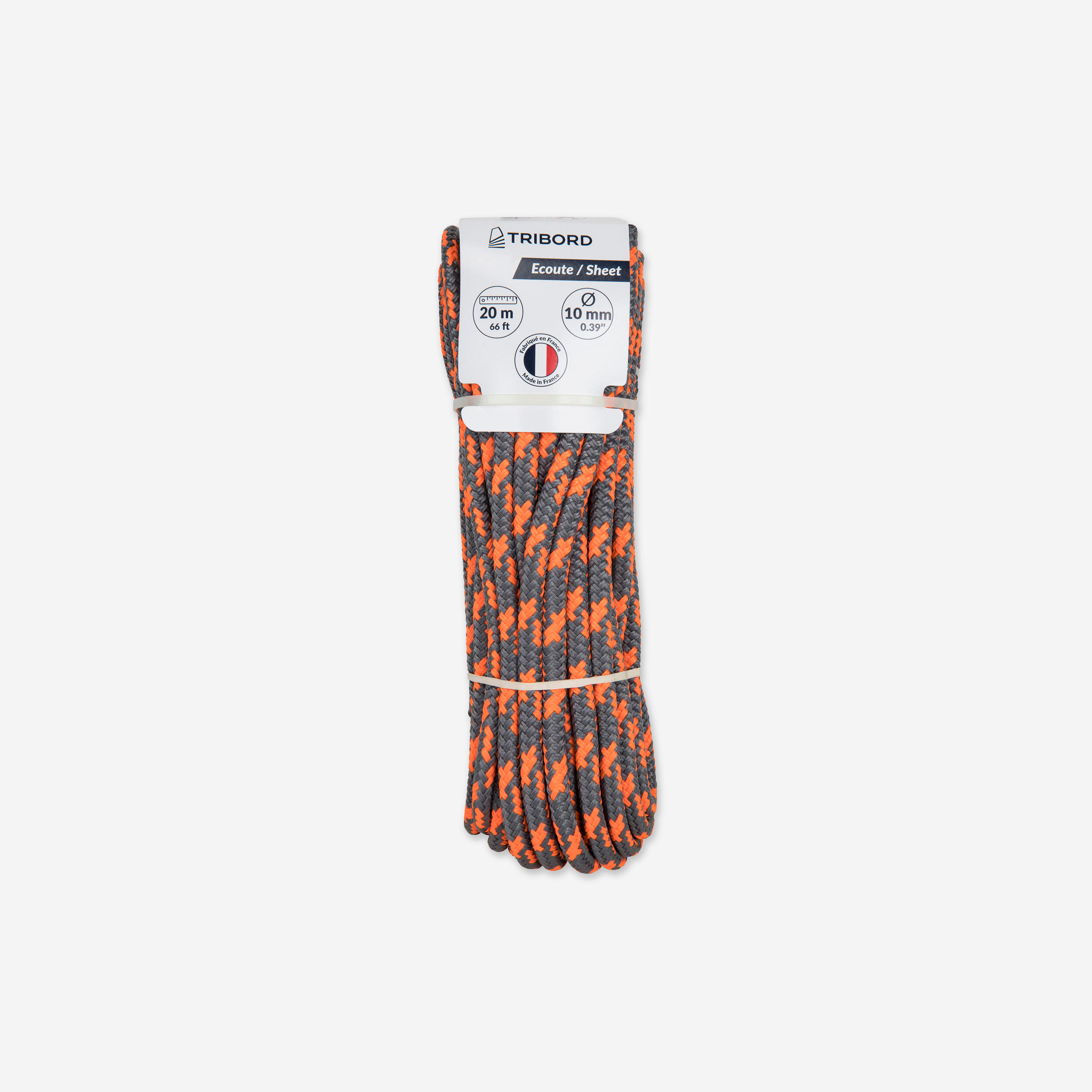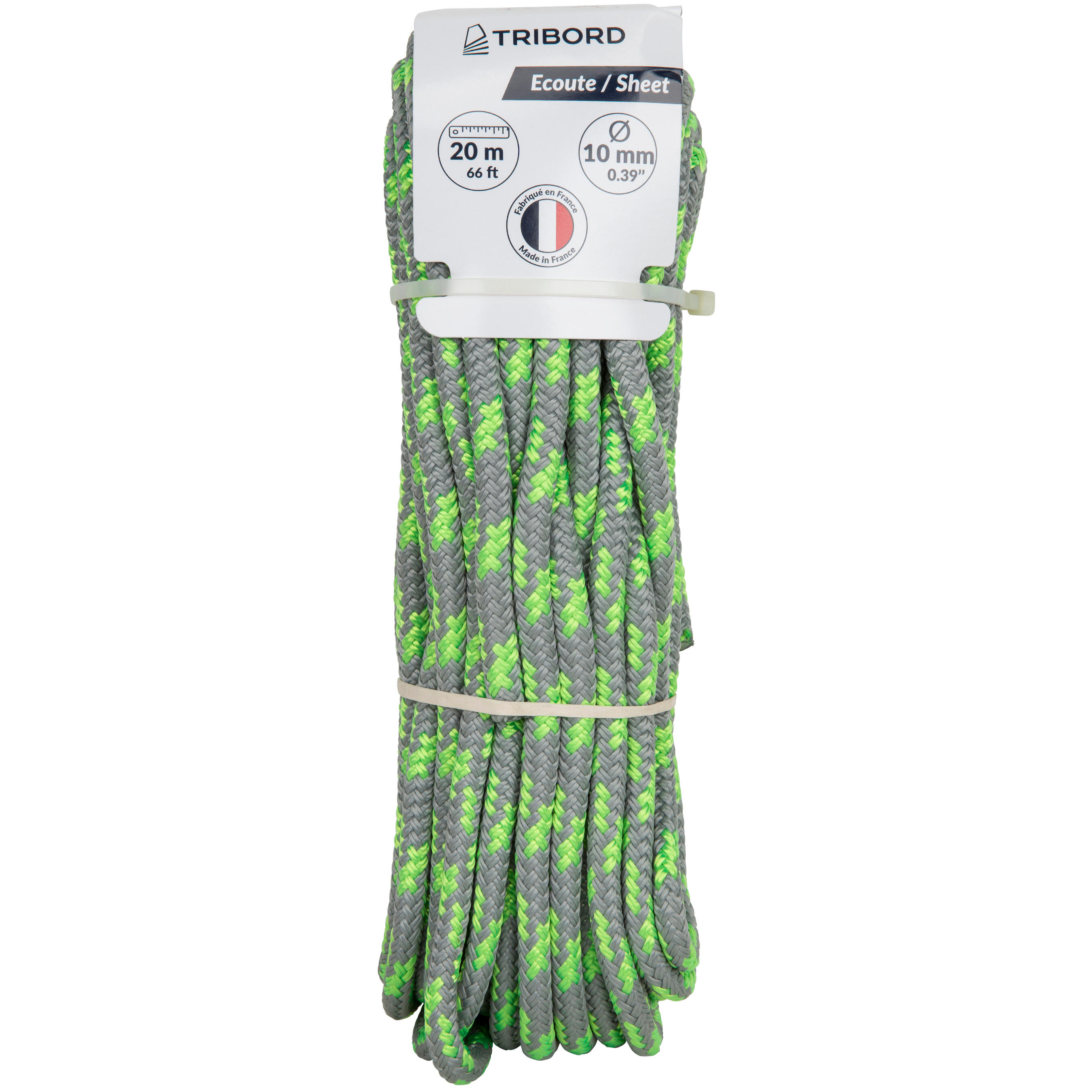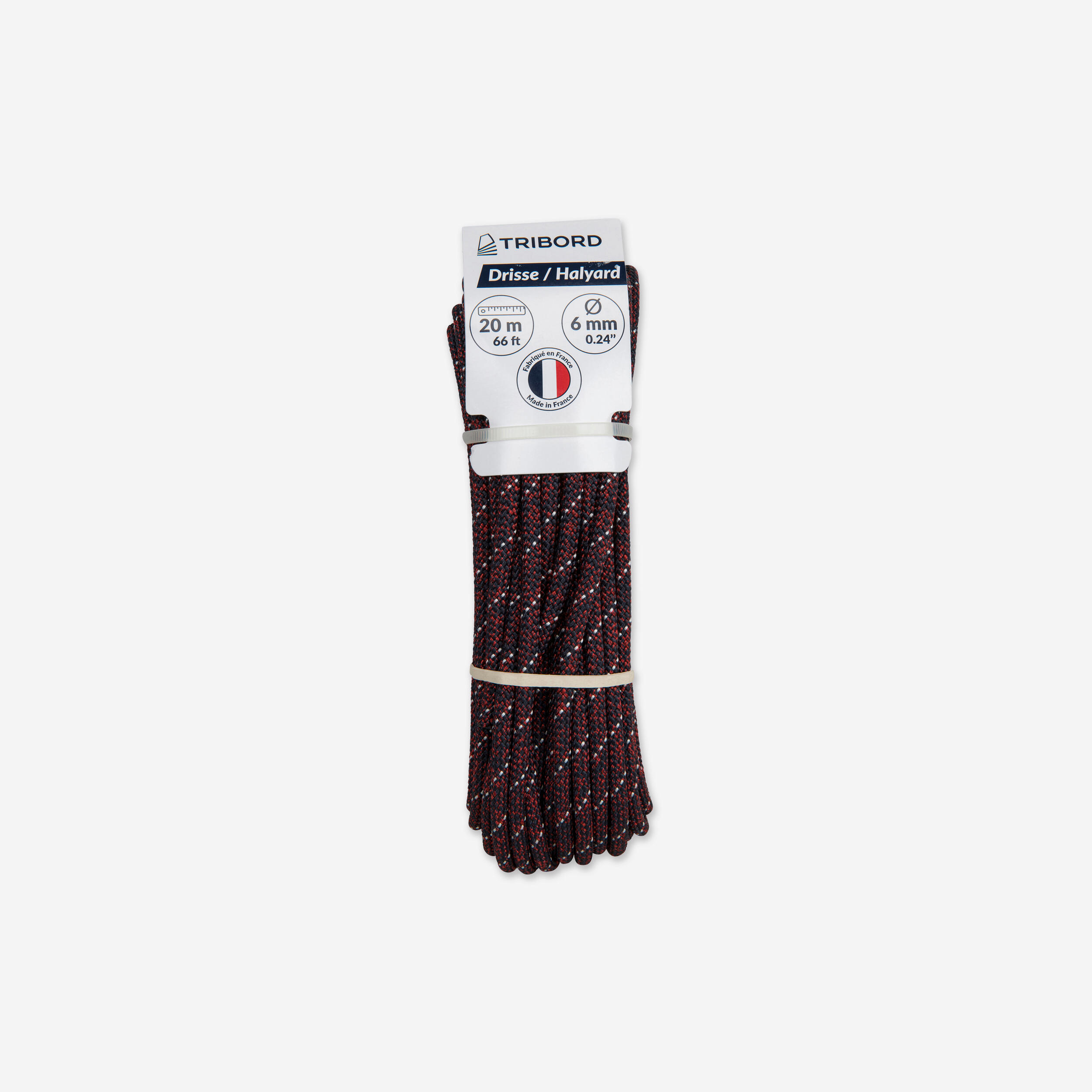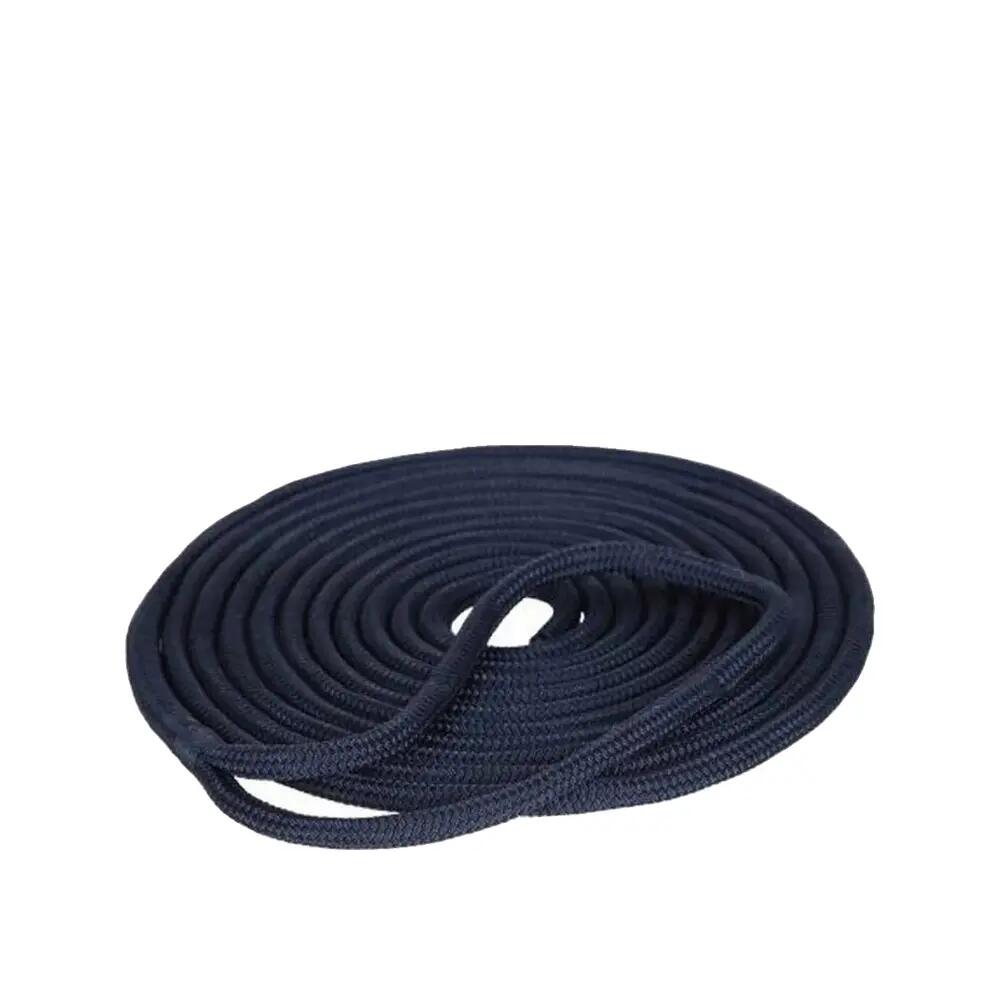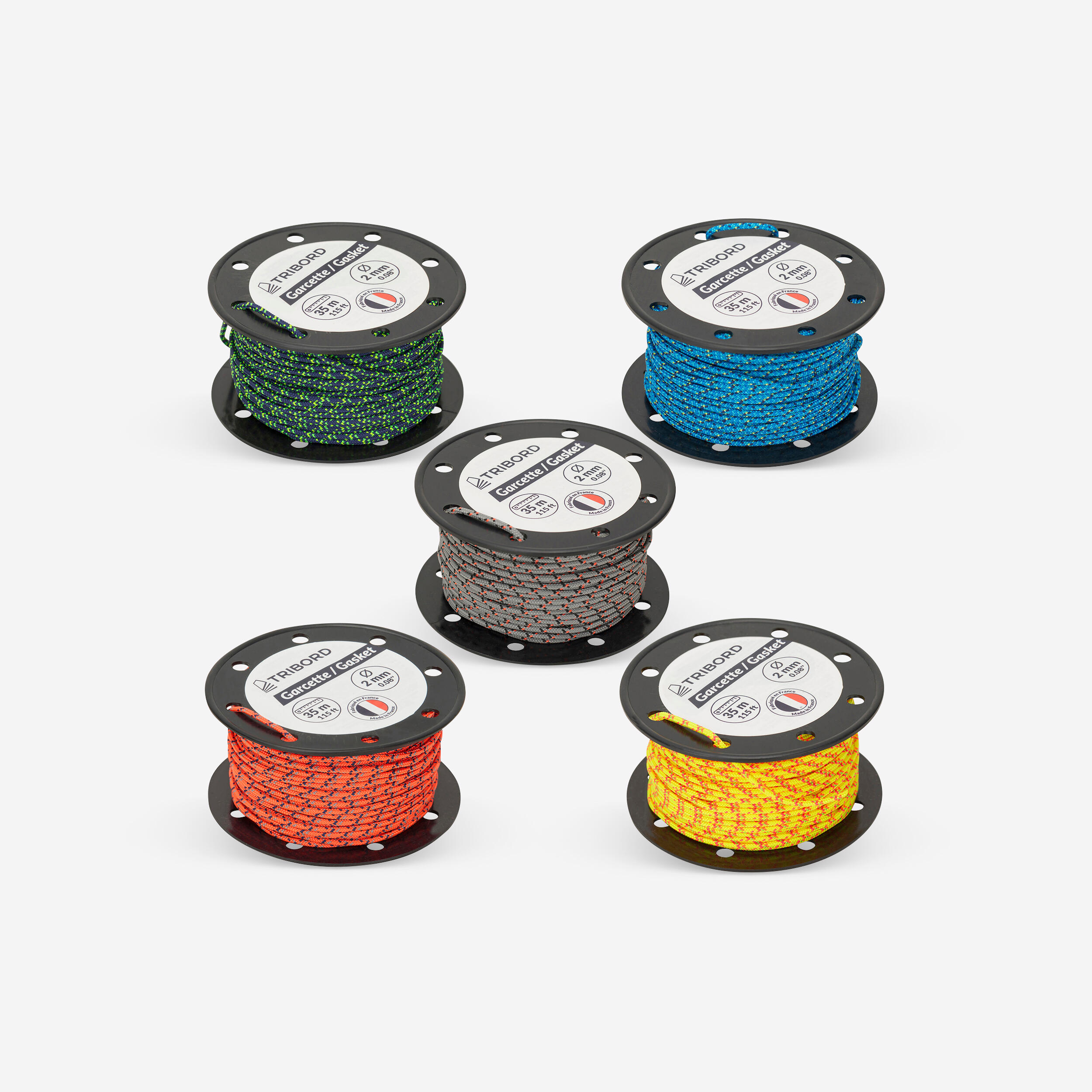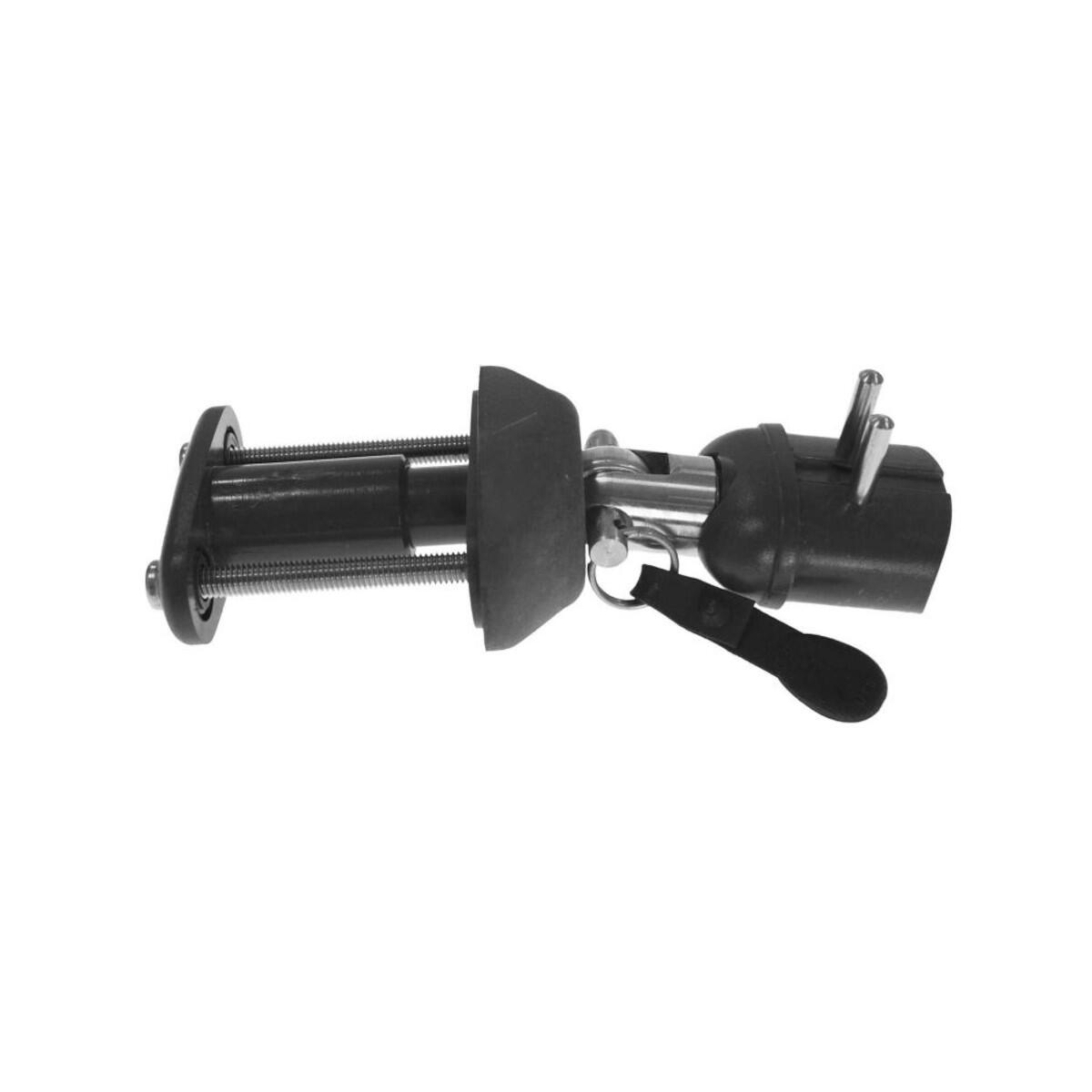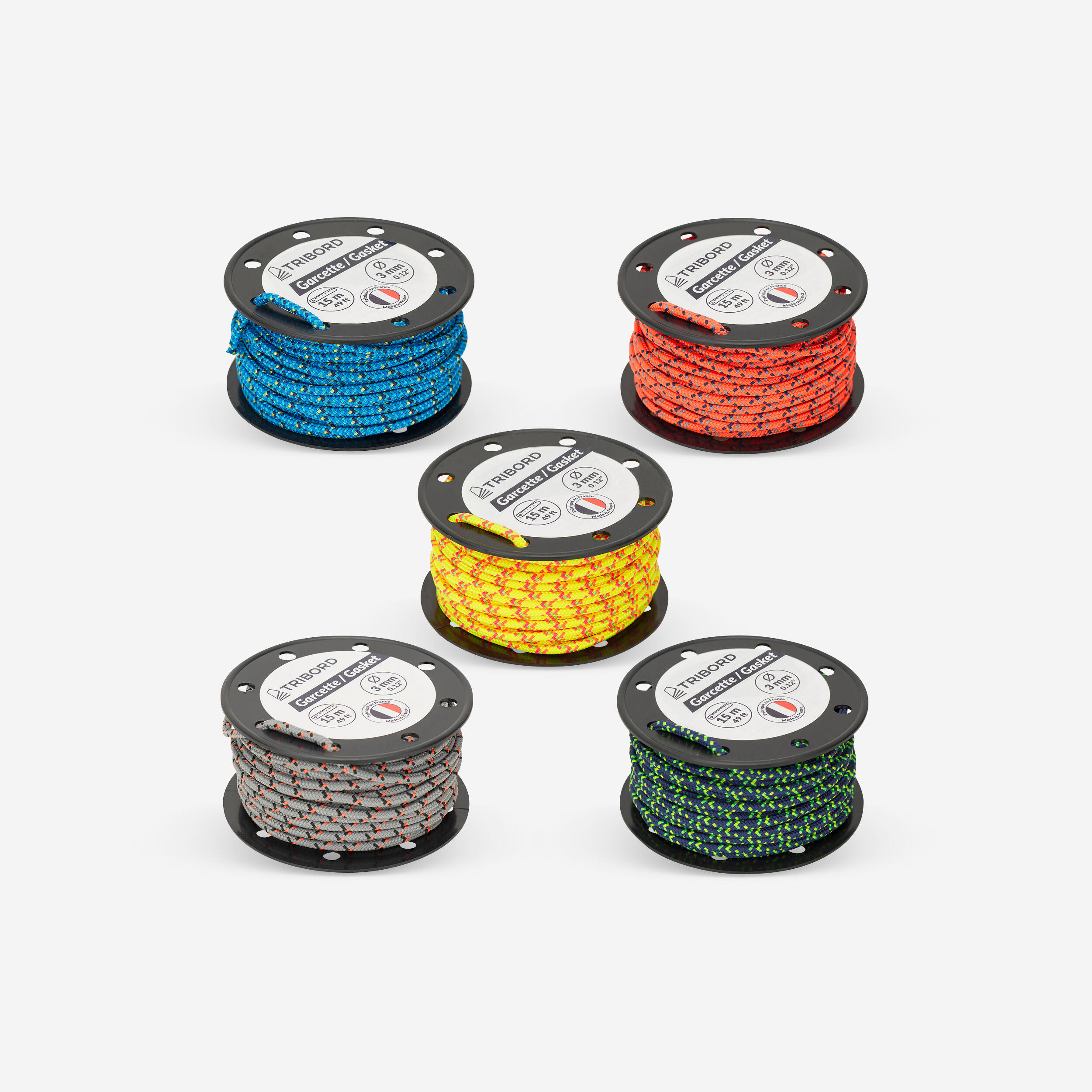
35 items
4.6/5 based on 348 reviews collected online and in stores

Sailing Ropes FAQs

What is the difference between a halyard, a sheet, and a reef line?

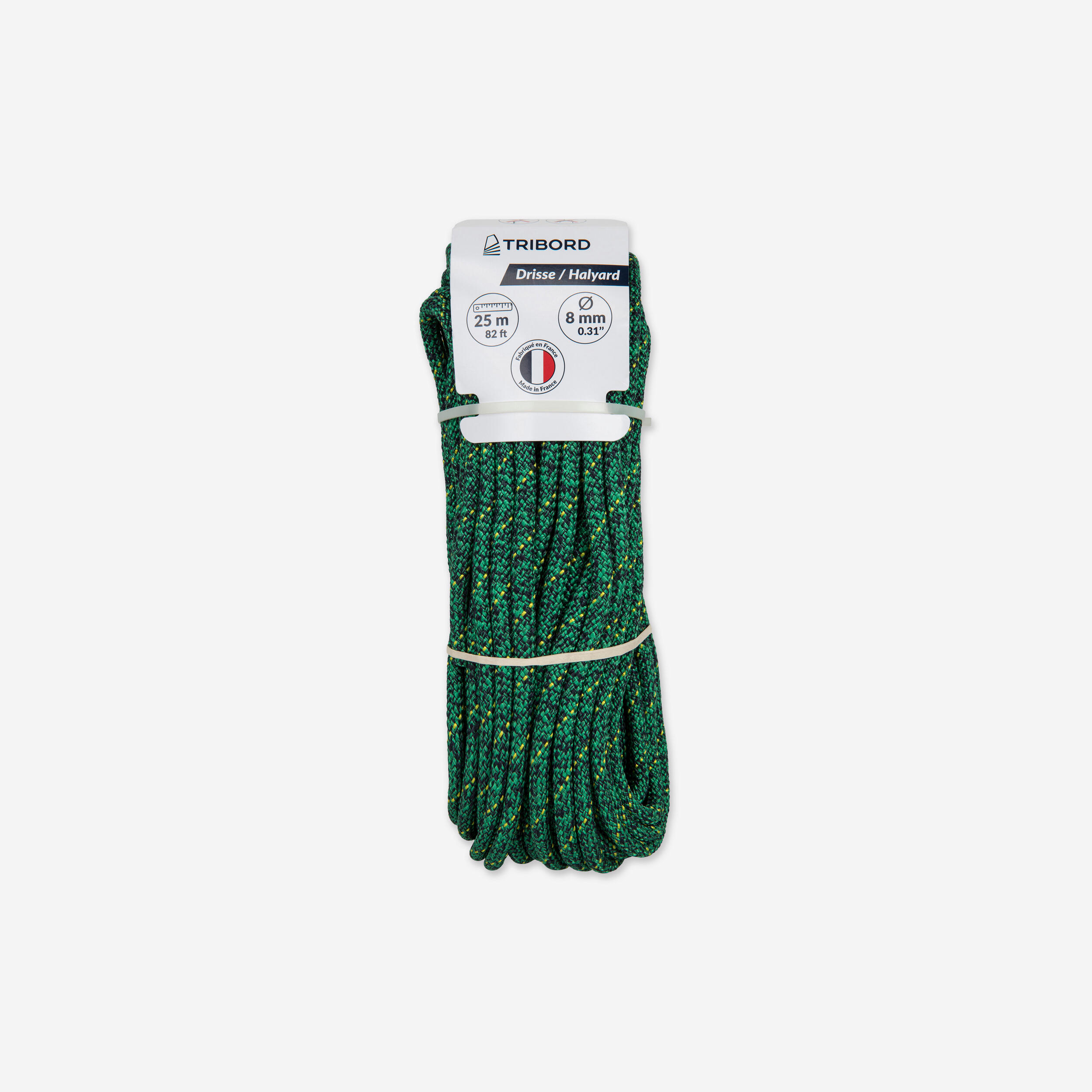
These three rope types serve completely distinct functions on a sailing boat, and using the wrong specification for any of them creates either a handling problem or a safety risk. A halyard runs vertically through the mast to hoist sails. It needs to be low-stretch so that the sail head stays at the correct height under load rather than creeping down as the rope elongates. A sheet controls the horizontal trim of a sail and requires flexibility and grip for hand-tailing, so a softer braid construction is preferred over a stiff, high-modulus cord. A reef line pulls the sail body down to a lower set of cringles when reducing sail area in stronger winds, and it needs to run freely through blocks and clutches without jamming under load. Getting the right construction for each role matters most on passages where conditions change quickly, such as on the exposed west coast shipping lanes, where signalling and navigation equipment and correct sail trim work together to keep a boat manageable in a building sea.Expert tip: colour-code your running rigging from the outset, assigning a consistent colour to each halyard, sheet, and reef line means crew can identify and release the correct rope instantly at night or in deteriorating conditions without tracing it by hand.

How do you choose the right diameter and construction for a mooring rope?

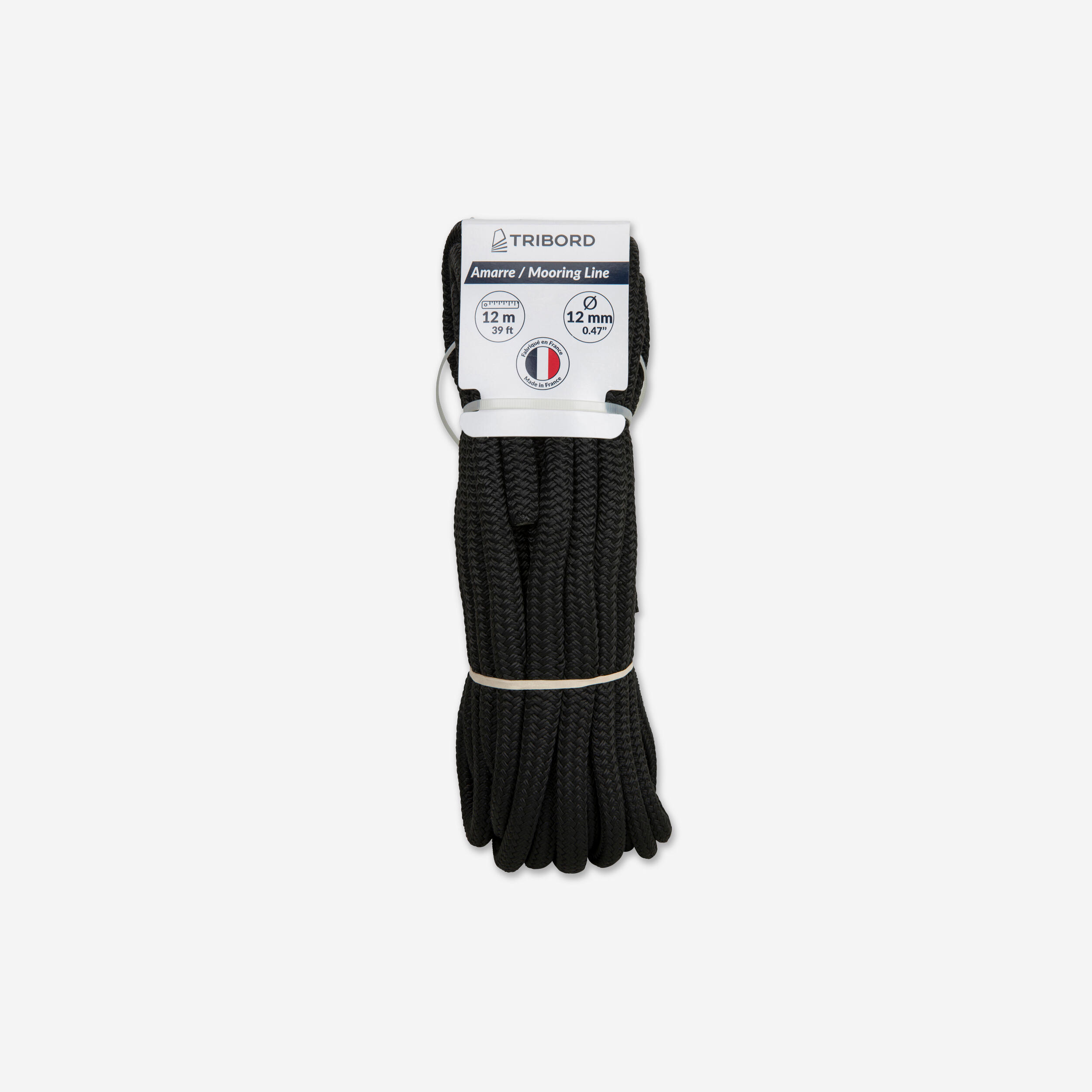
Mooring ropes take sustained, cyclic load rather than the dynamic shock load of running rigging, so the selection criteria are different. Nylon is the standard material for mooring lines because it stretches under load, typically 20% to 30% at working load, which helps absorb surge energy of a boat moving on tide and wake rather than transmitting it as a sudden jerk to the cleat or pontoon fittings. Polyester mooring lines are lower stretch and suit situations where precise positioning matters, such as alongside a lock wall, but they transfer more shock to deck hardware during wave action. Diameter should be selected based on displacement: a 10 m cruising yacht in the 4,000 kg to 6,000 kg range typically uses 14 mm to 16 mm nylon for primary mooring lines. If you keep your boat on a swinging mooring or in a tidal anchorage, it's worth inspecting your mooring and safety equipment so that snubbers, cleats, and anchor gear match the load rating of your lines.

What is a floating tow line, and when do you need one on a sailing boat?

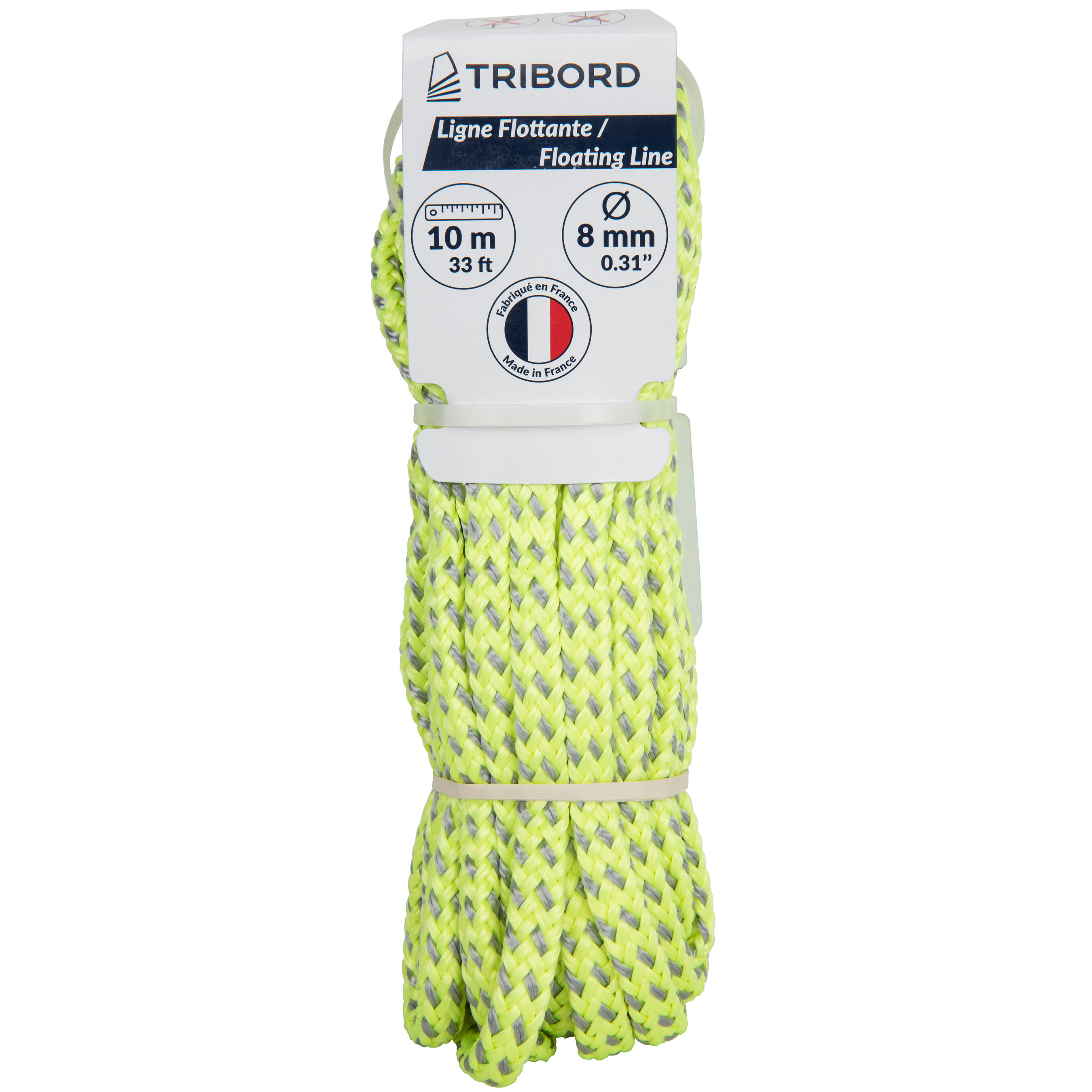
A floating tow line is constructed from polypropylene or a similar low-density synthetic fibre that sits on the water surface rather than sinking. This matters in two specific scenarios: recovering a crew member from the water, where a line that sinks immediately becomes harder to throw accurately and harder for the person in the water to grab, and towing a tender or dinghy astern, where a floating line avoids the risk of it being drawn under the hull and into the propeller when motoring. Most floating tow lines are also brightly coloured in yellow or orange for the same visibility reason that applies to rescue throw bags. Frequent tender users are better off keeping a floating line attached to the transom cleat rather than standard polyester, as this helps prevent the prop from snagging when moving around a busy anchorage.

How do you size a sailing rope correctly for clutches and winches?

Clutch jaws and winch drums are rated for a specific diameter range, typically marked on the unit itself or listed in the manufacturer's specification sheet. Running a rope that is too thin through a clutch means the jaw cannot fully grip the cord under load, causing it to slip; if it is too thick, the clutch cannot close, leaving the line uncontrolled. Winch diameter affects grip differently; a thicker rope wraps with fewer turns and holds better on a drum, but it also takes up more space on the barrel, which limits how much line can be tailed before the wraps stack and slip. For boats where multiple control lines run to a single clutch bank, consistency in rope diameter across halyards and reef lines simplifies setup considerably. Anyone refreshing their boat's rope inventory should match line diameters with suitable life jacket and sailor accessories for load ratings they carry on board, since the total safety load chain, from clutch to cleat to crew, needs to be coherent

What does rope construction tell you about its stretch, grip, and lifespan?

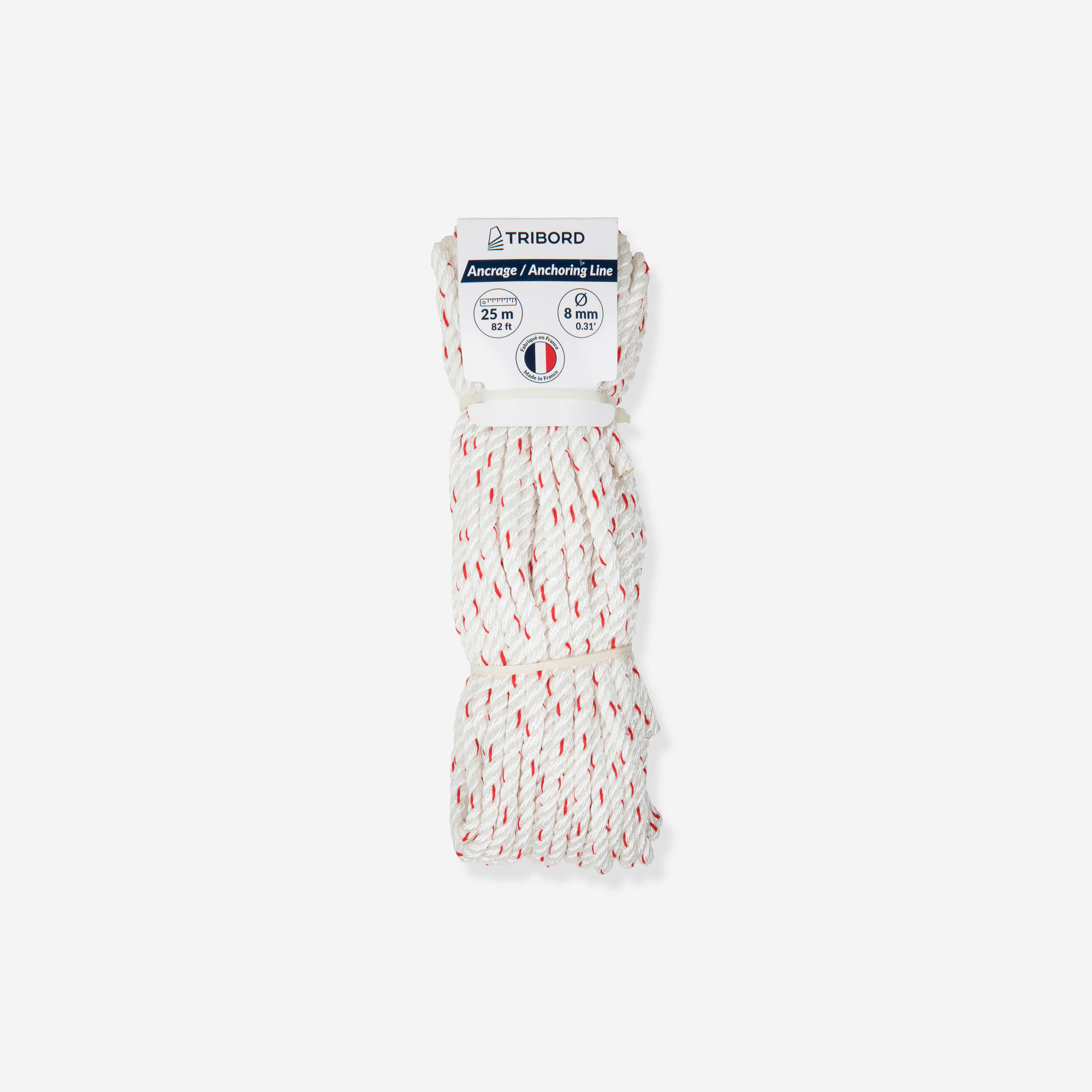
Rope construction falls broadly into three categories: three-strand laid, single-braid, and double-braid. Three-strand laid rope has the highest stretch, the easiest splicing, and the lowest cost; it remains the standard for anchor rodes and mooring lines where stretch is an asset. Single-braid constructions, common in high-performance racing, use fibres like Dyneema or Spectra that are woven without a core, producing very low stretch and high strength at minimal diameter, but they are difficult to splice without specialist tools and degrade faster from UV and abrasion. Double-braid construction, with a braided core inside a braided cover, balances stretch, handling, and durability for cruising applications and is the most common construction for halyards and sheets on production yachts. The cover material determines grip in the hand and resistance to chafe; polyester covers handle UV and salt well, while nylon covers are softer but absorb water. Boaters building a complete deck hardware setup should also factor in the chandlery and security equipment their lines will interface with, since blocks, clutches, and turning points all affect how quickly a rope's cover degrades over a season.