4,226 items
4.6/5 based on 532931 reviews collected online and in stores

Ski Clothing FAQs

What ski clothing do I actually need for a resort week?

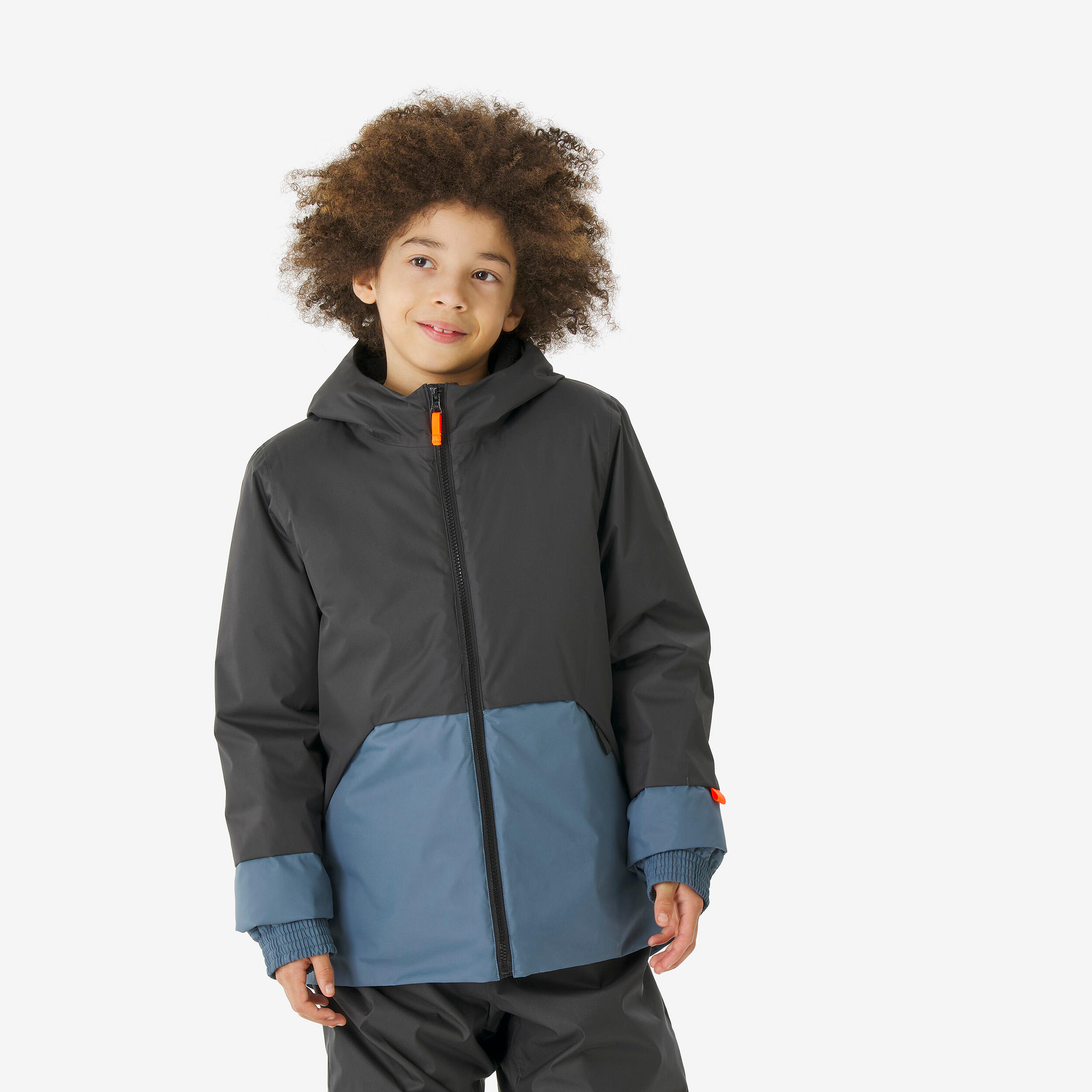
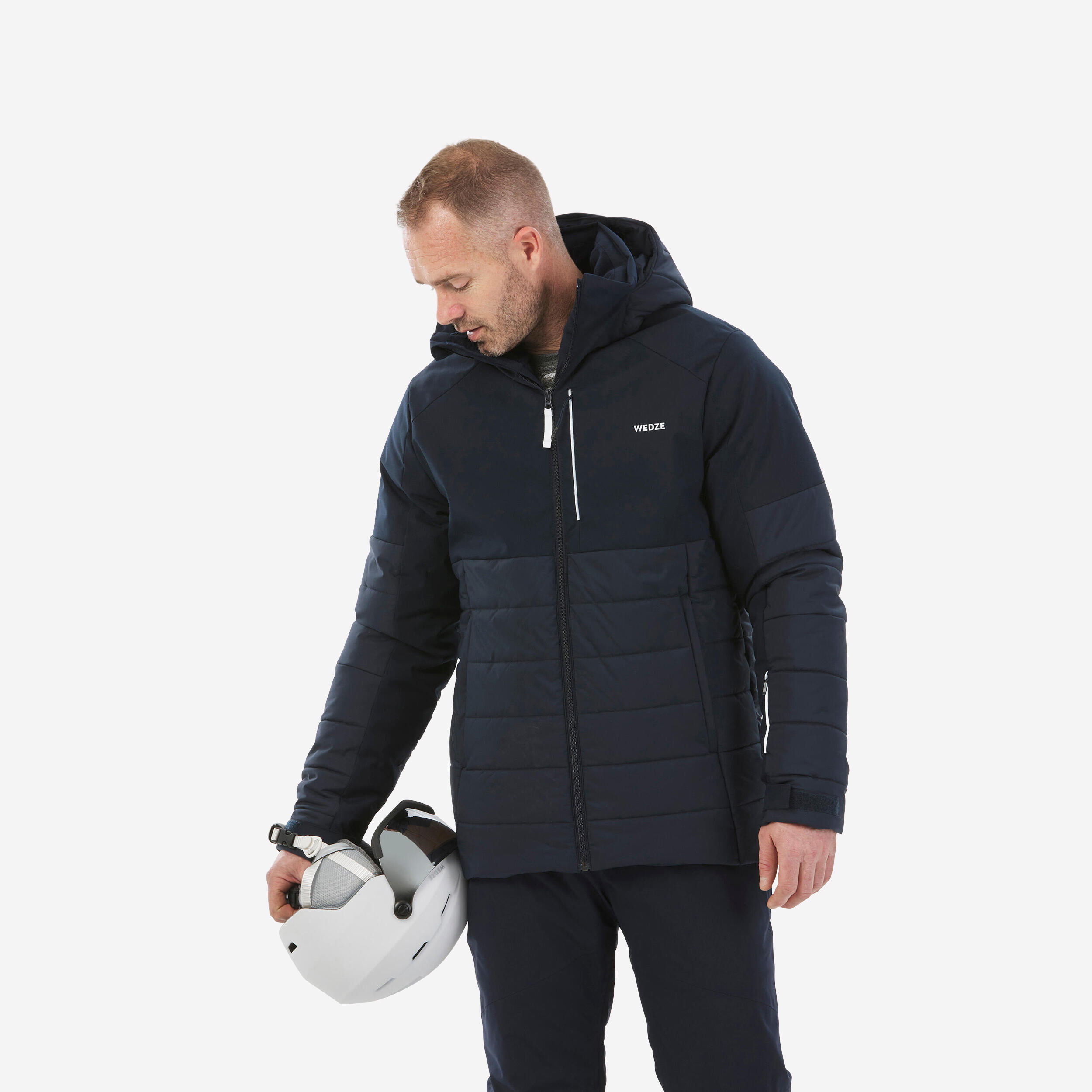
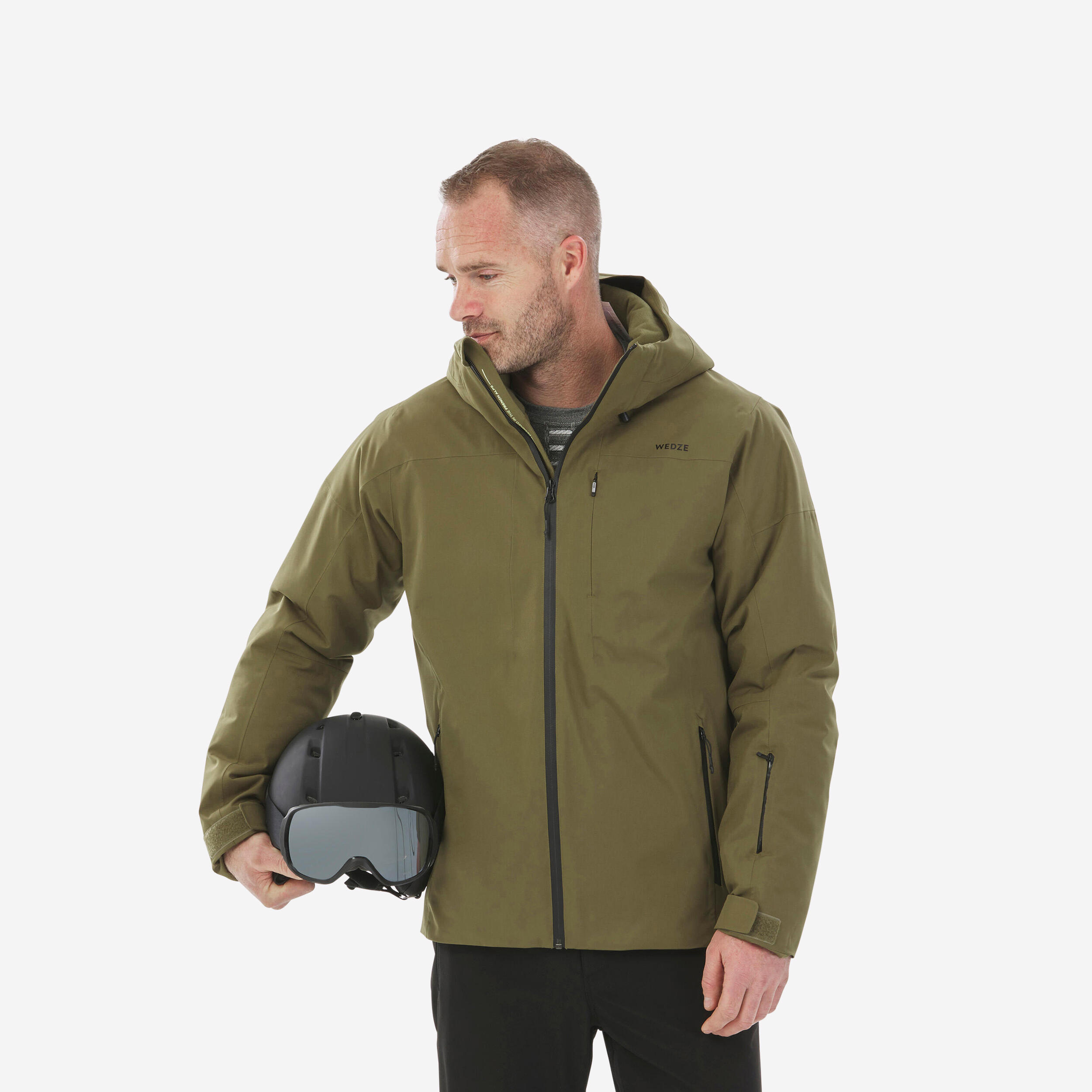
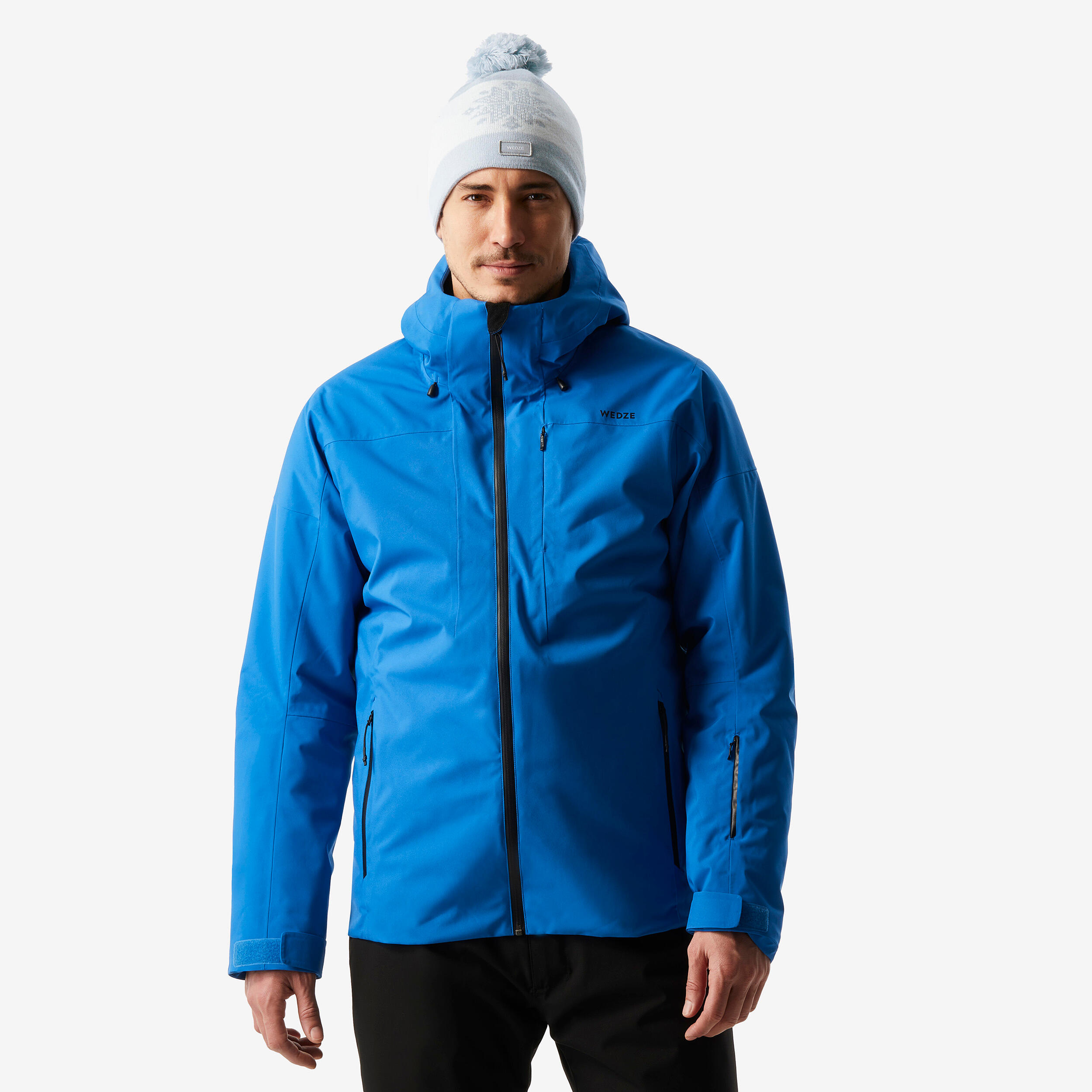
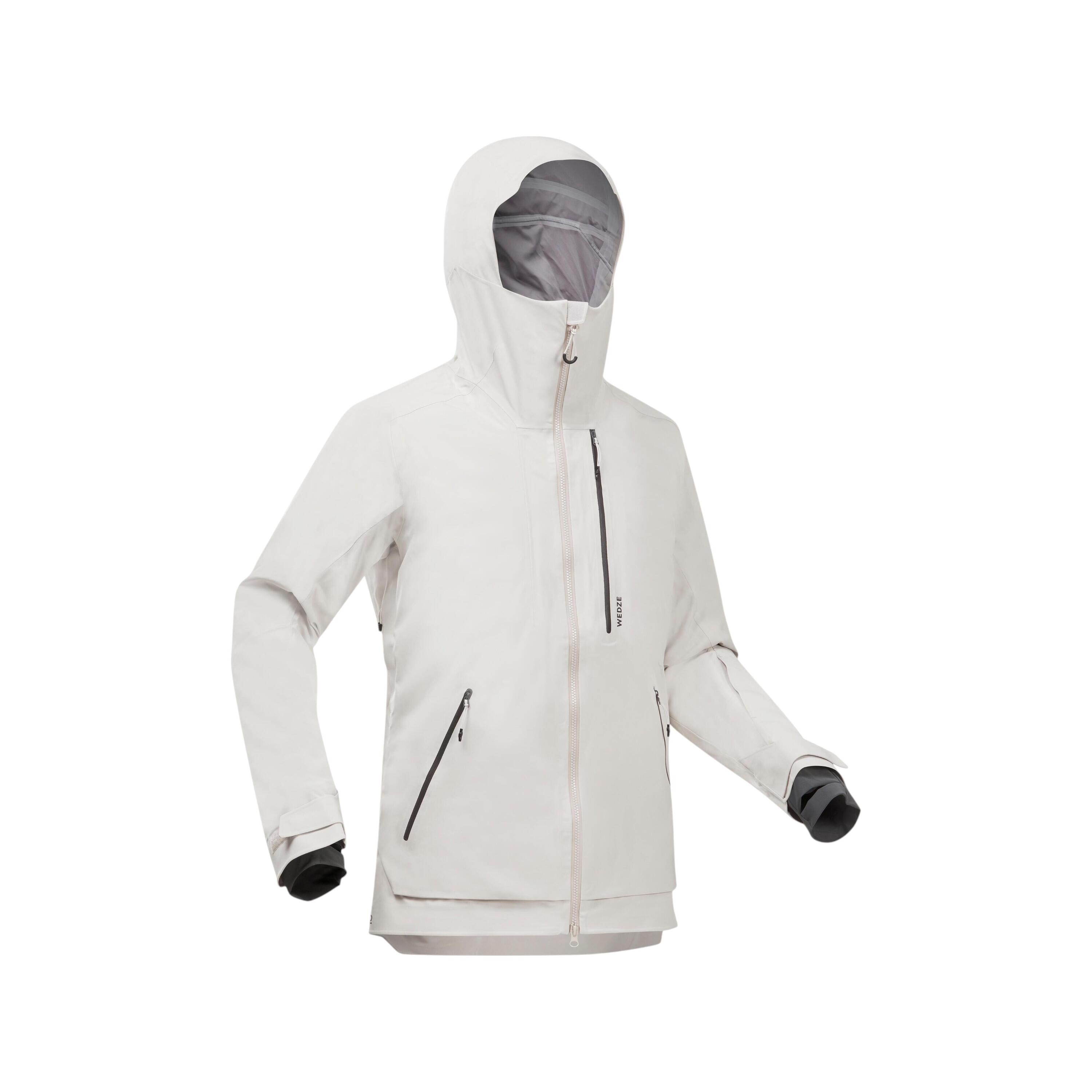
A complete ski clothing kit covers three jobs at once: keeping snow out, keeping body heat in, and letting sweat escape during fast laps. The outer shell handles waterproofing and wind protection, the middle layer traps warm air around the body, and the base layer manages moisture against the skin so the layers above stay dry and effective. Skipping any single layer forces the rest to do work they were never built for, which is why new skiers most often feel cold by lunch on day one. Practical tip: try the full kit on together with the boots and helmet you plan to wear, since cuffs that work fine on a jumper can ride up over thinner sleeves on the mountain. Build your outer layer with the ski jackets range; insulated shells, three-in-one systems, and lightweight pieces suited to your next trip.

What should I look for when choosing ski trousers?

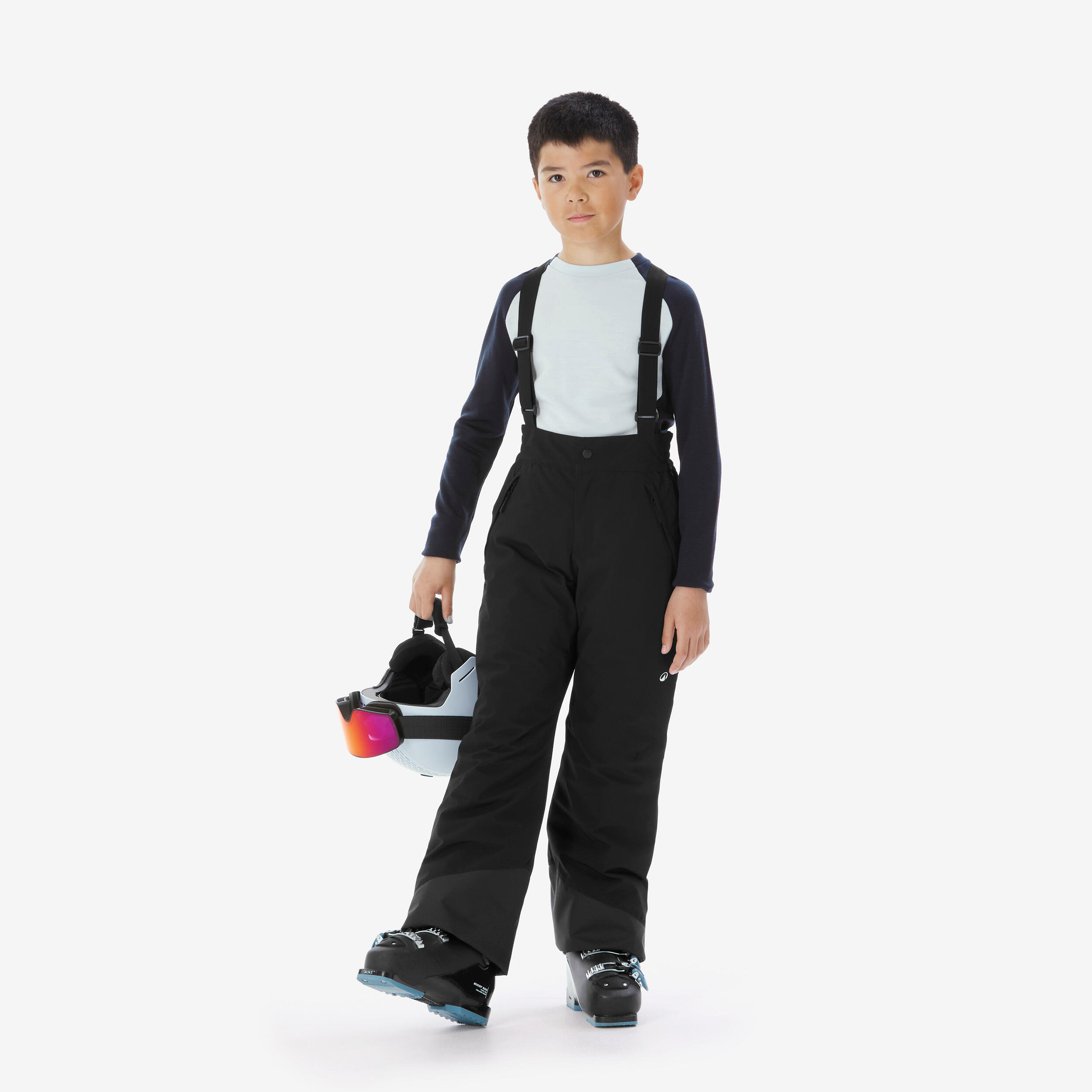
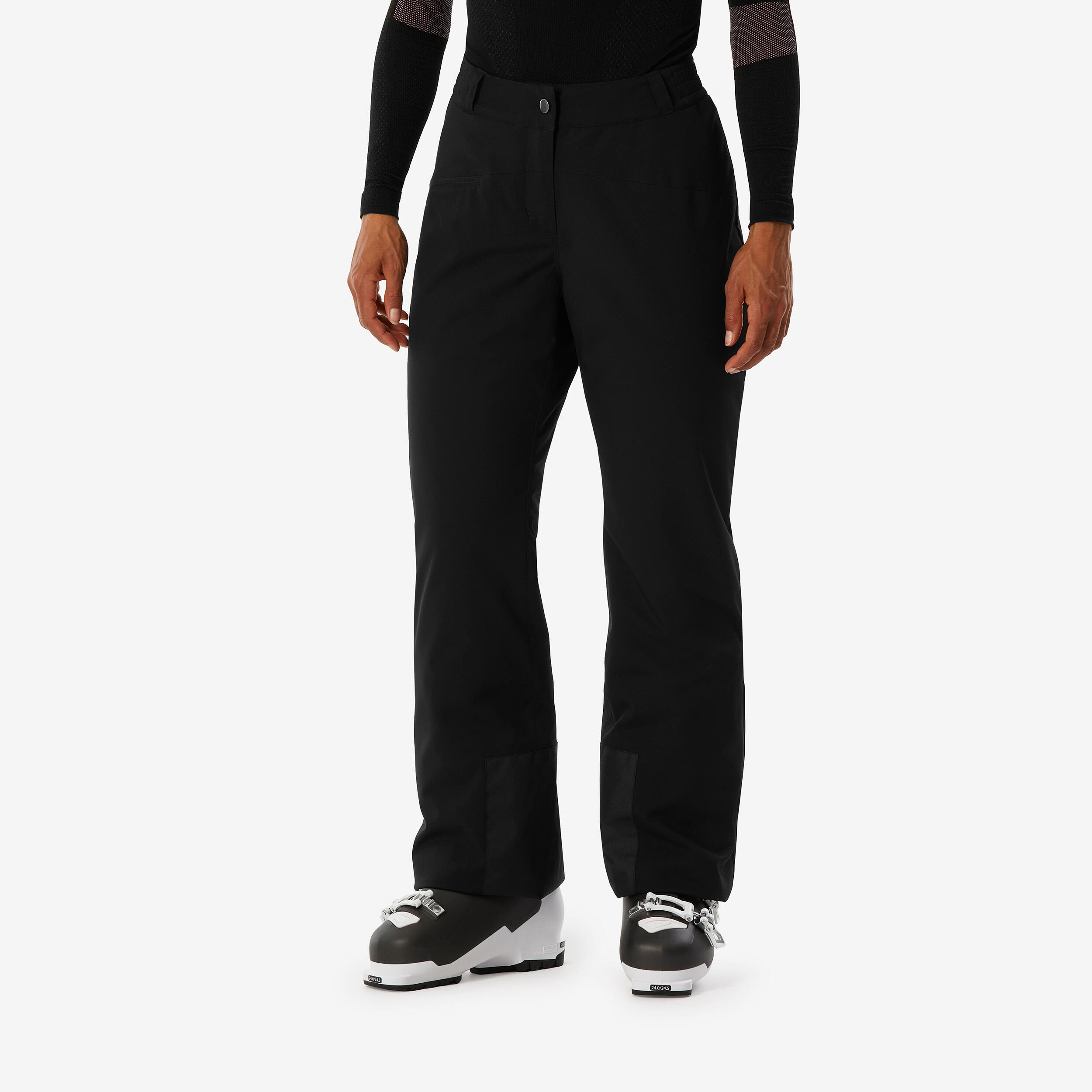
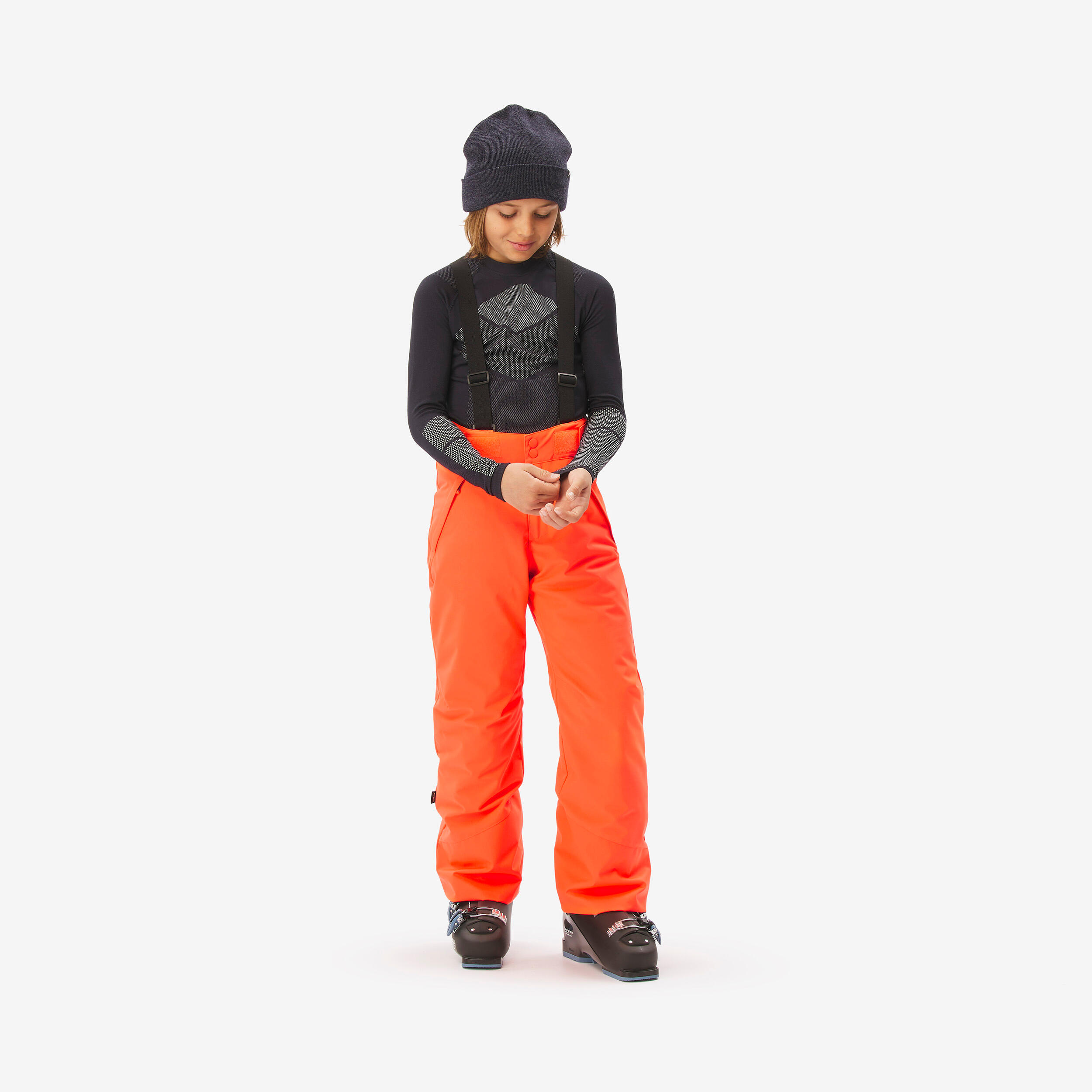
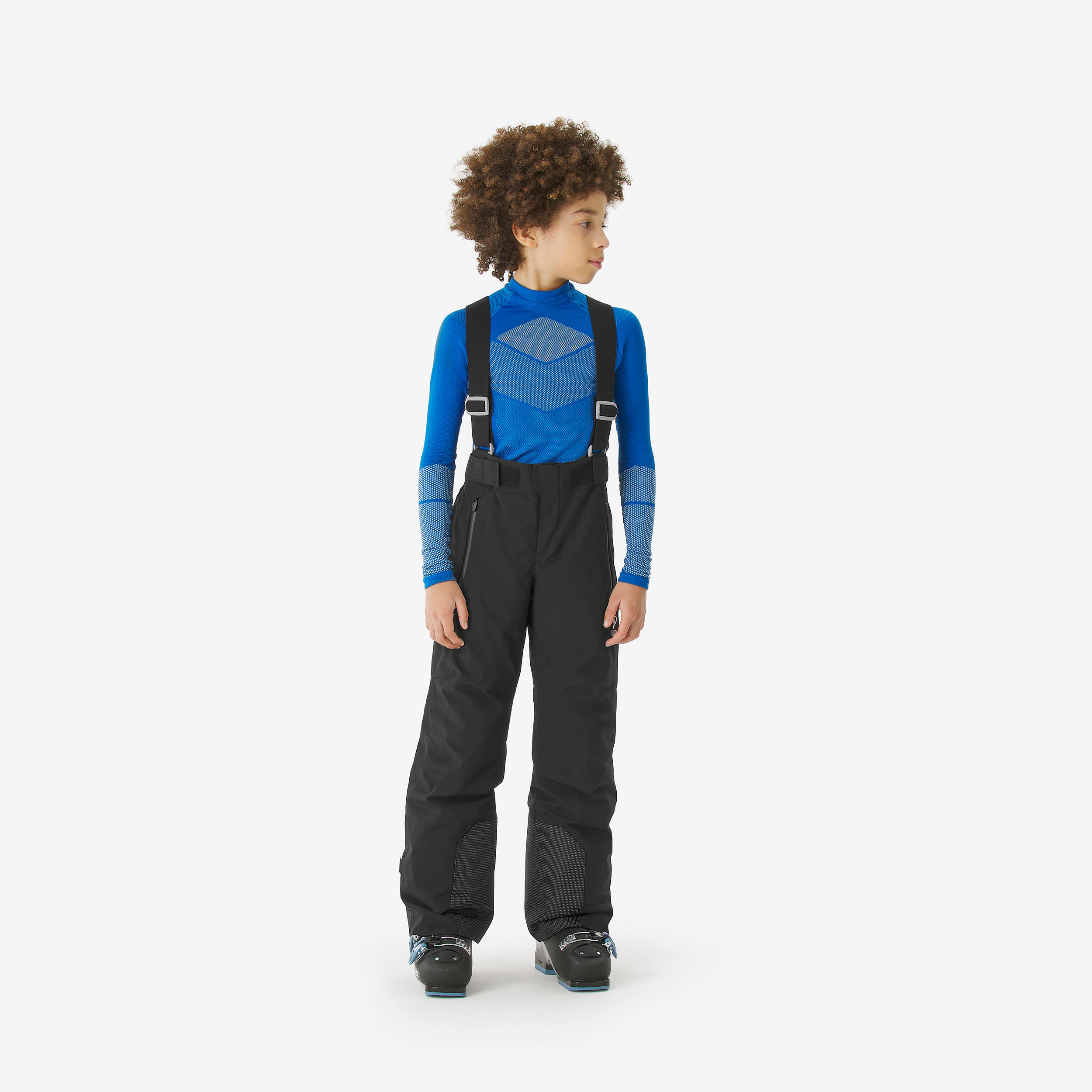
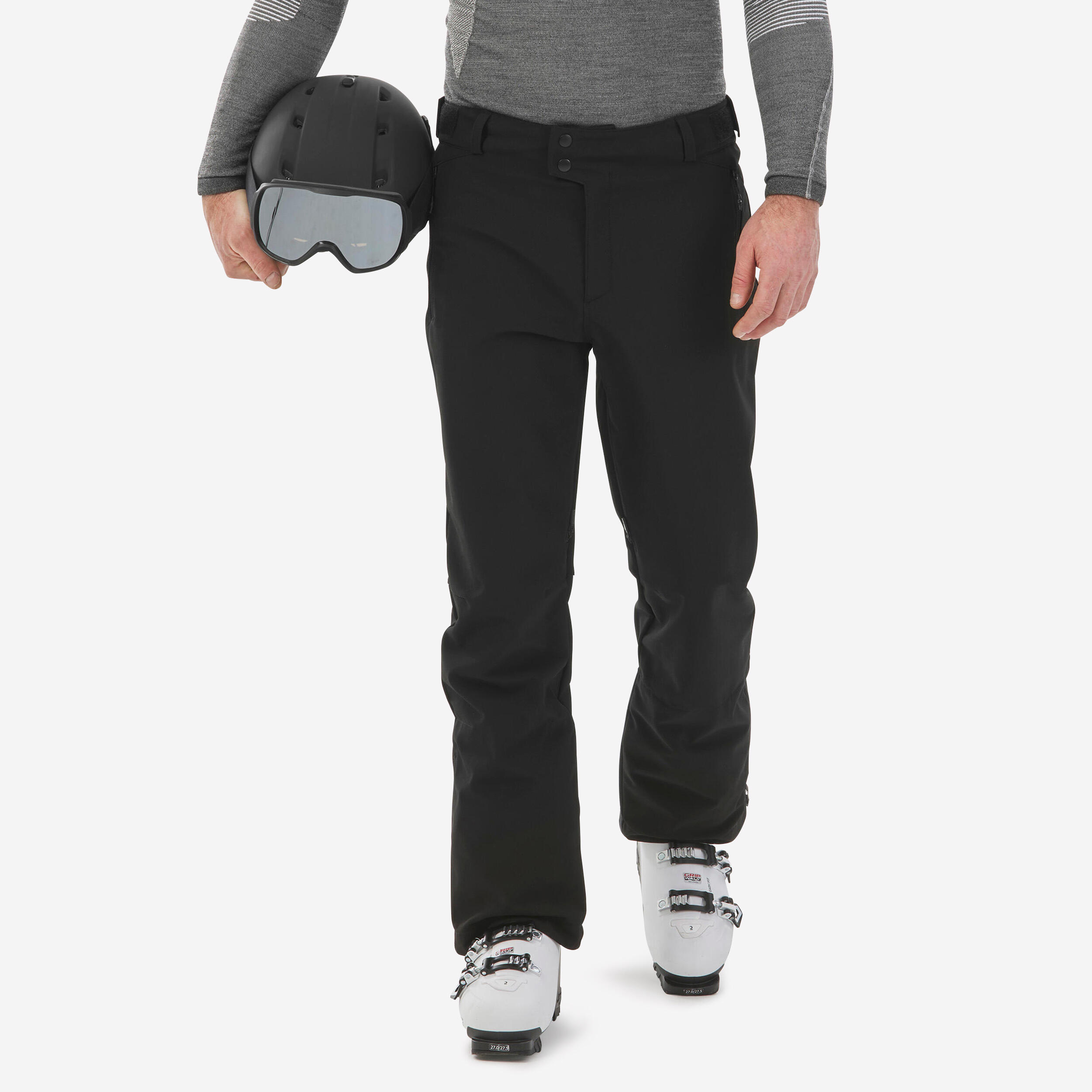
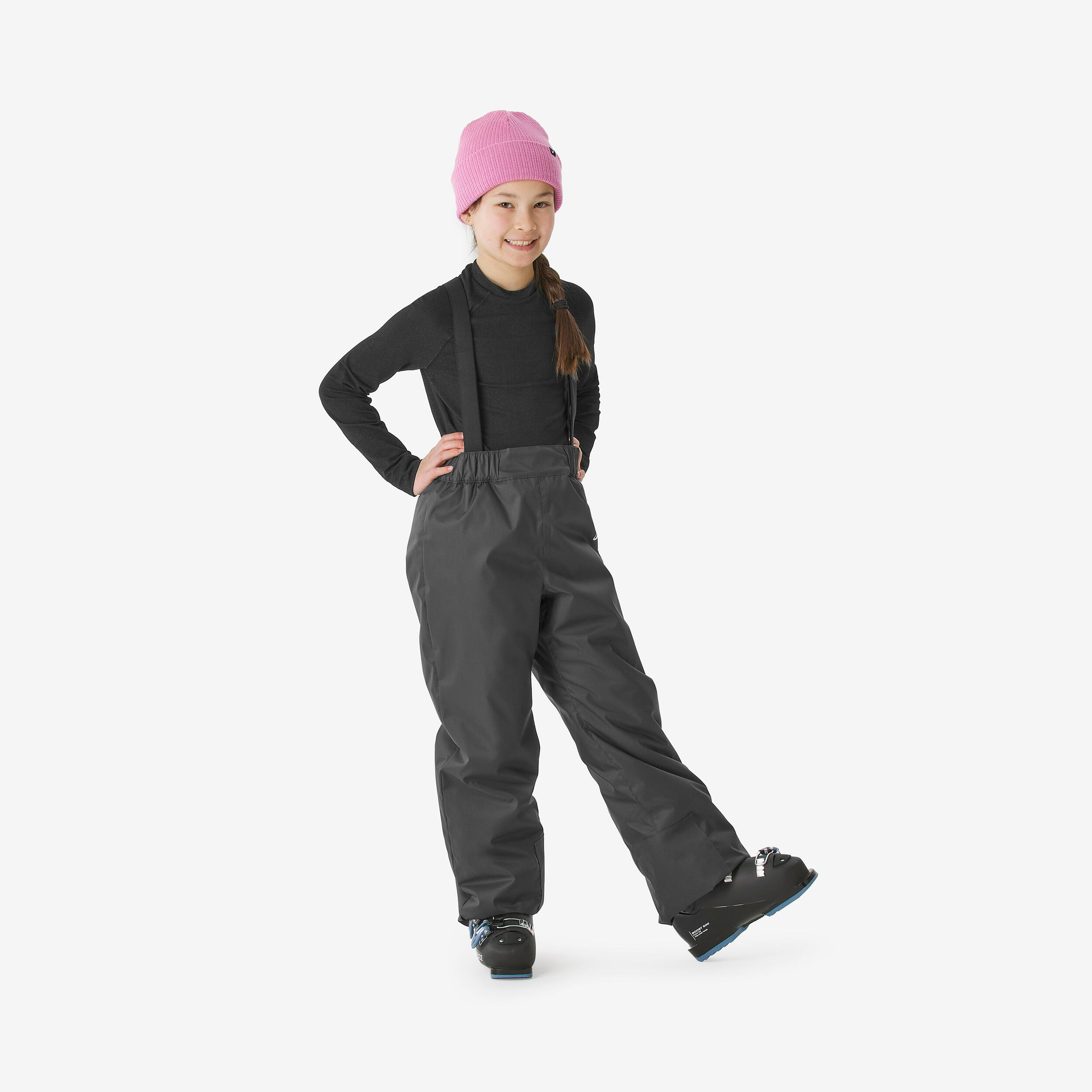
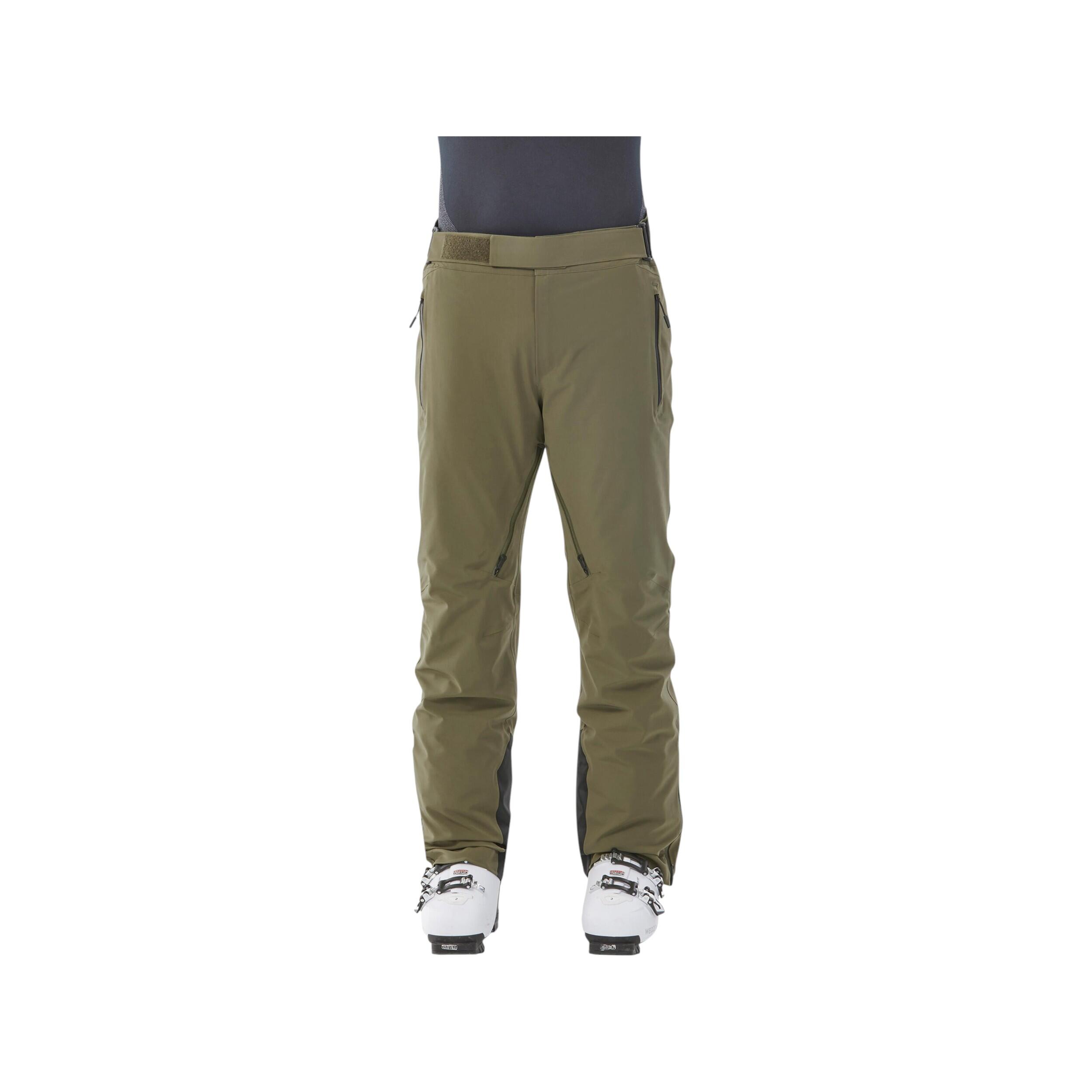
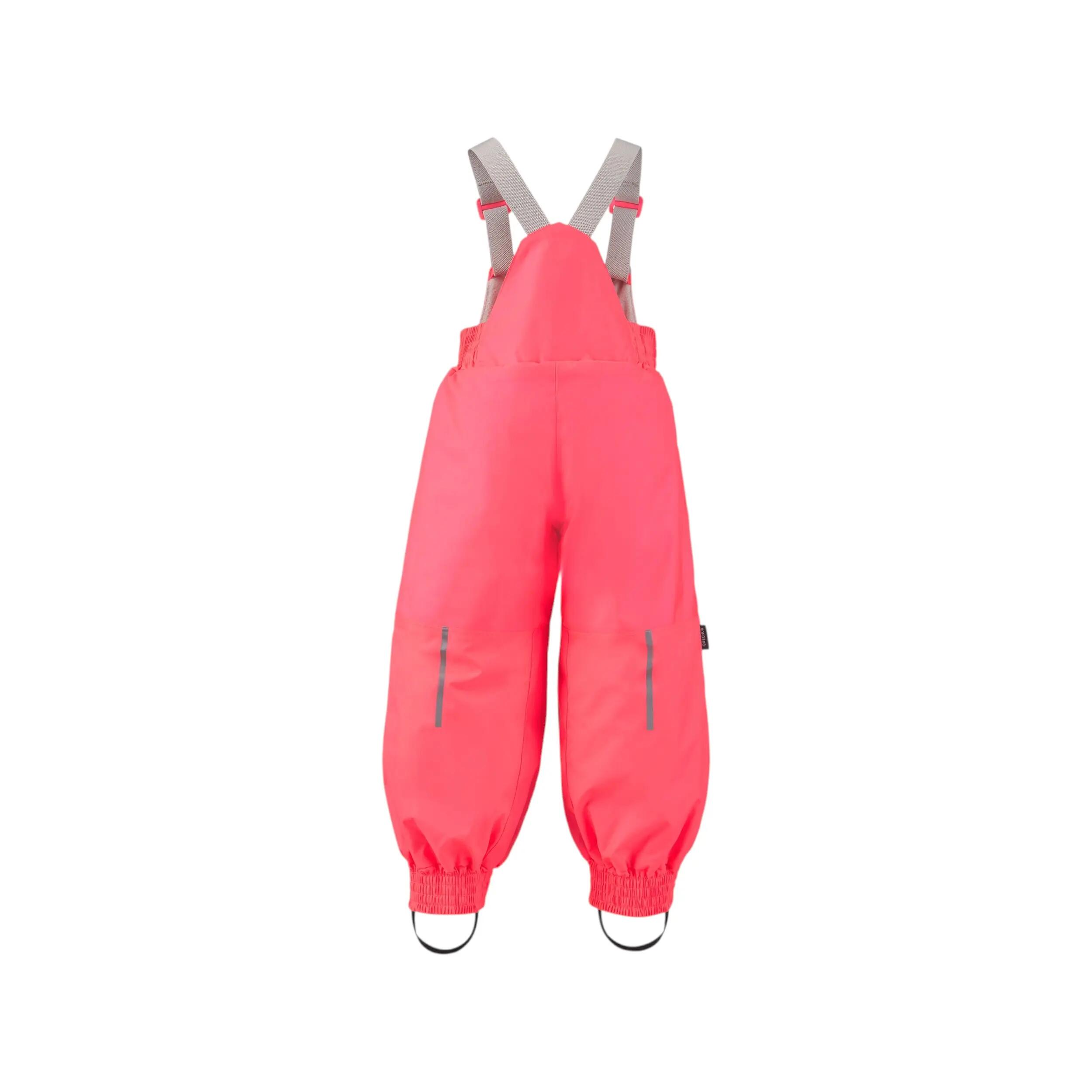
Ski trousers must match the demands of the lower body, which works hardest on every turn and spends the longest time in contact with cold, wet snow. Look for fully taped seams, a powder skirt or internal gaiters that seal against the boot, and articulated knees that allow a clean carve without binding the fabric. Reinforced ankle and inner-cuff panels protect against scuffs from sharp ski edges and lift chairs, which is where most pairs wear out first. Higher rises at the back keep snow out of the lower back during a fall or a deep sit-down on a chairlift. You'll find the full selection in ski trousers, regular cuts, salopette bibs, and softshell touring pairs for adults and kids across the Wedze and Inuikii labels.

When is a ski suit a better choice than separates?

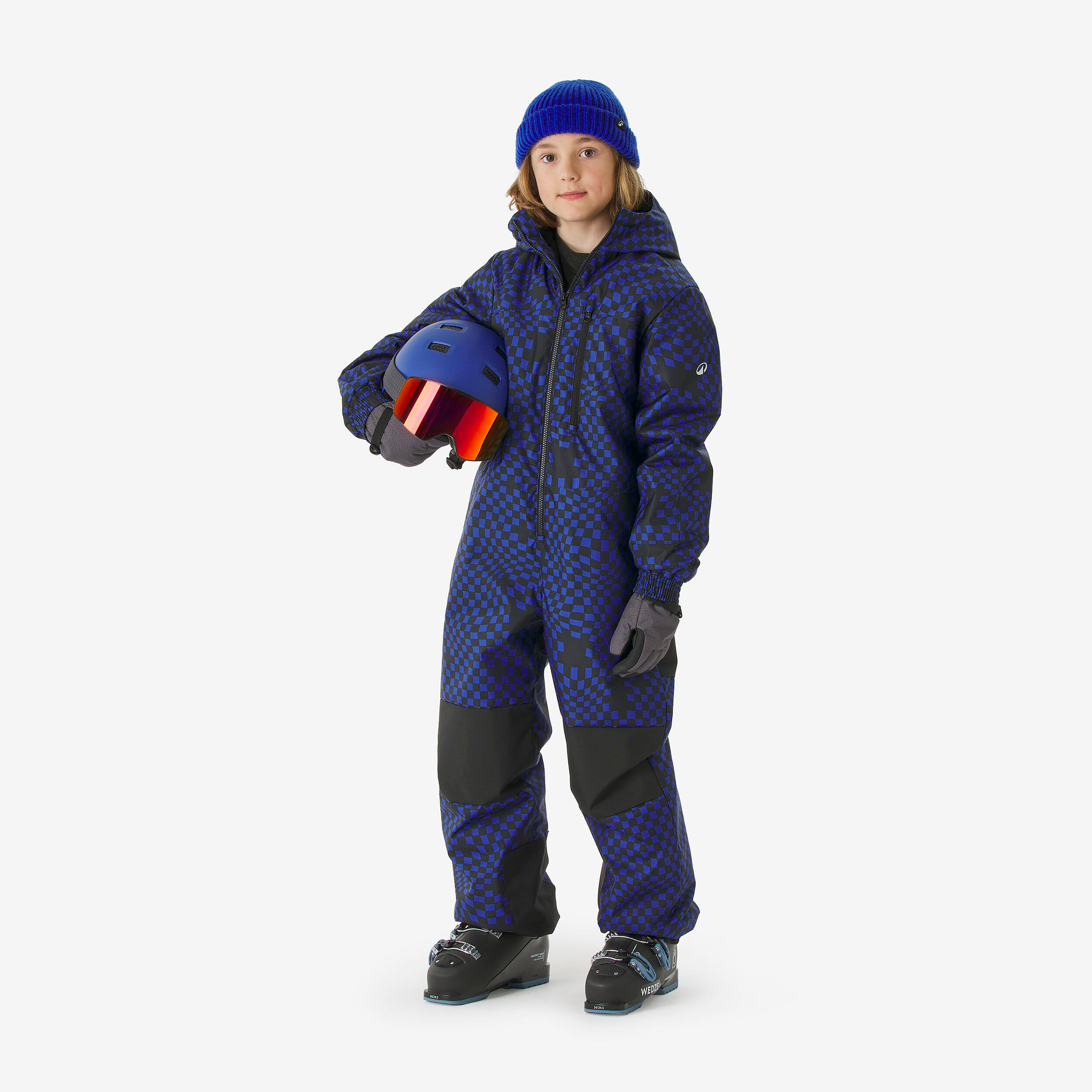
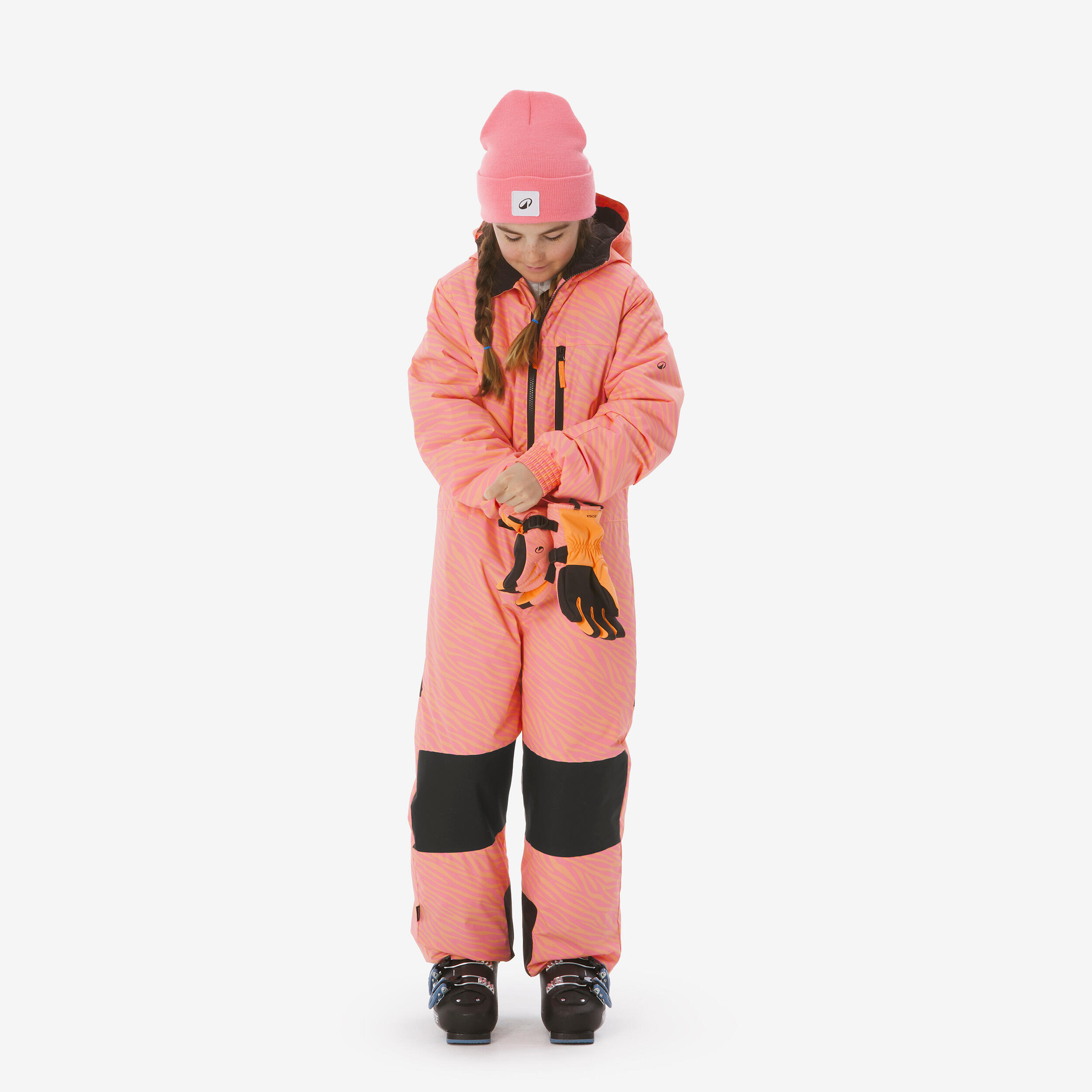
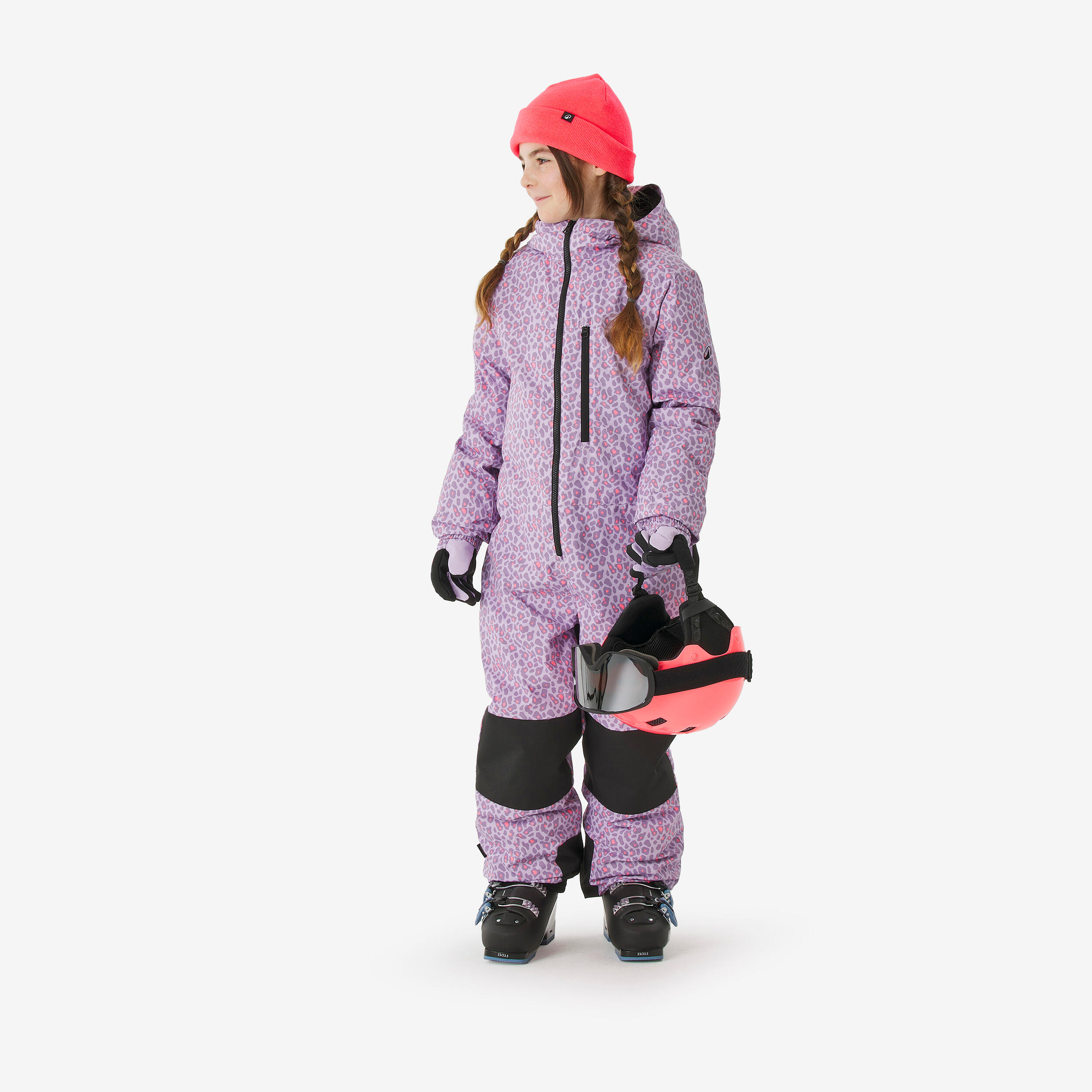
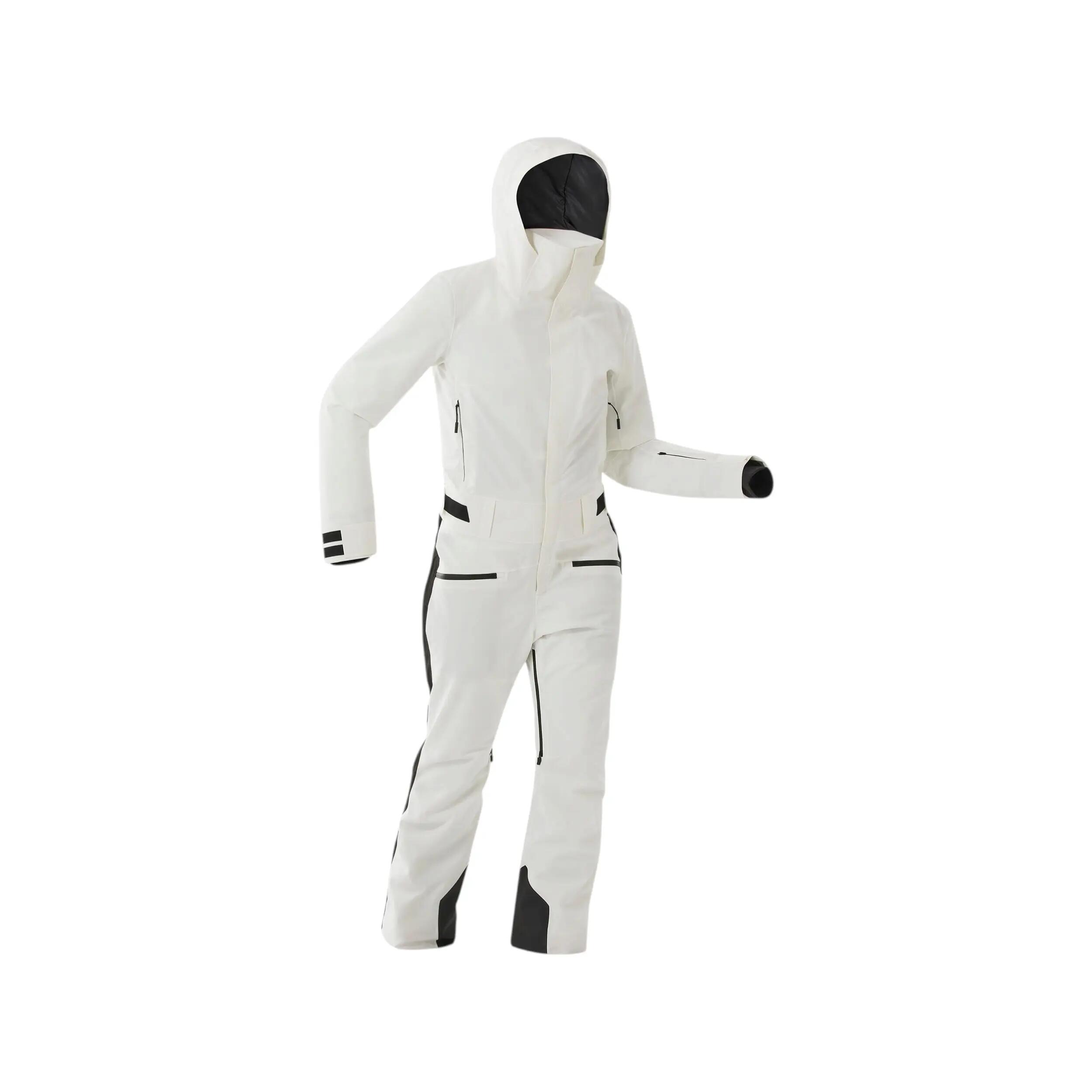
A ski suit is a better choice than separates when you ski deep powder, ride through heavy snowfall, or simply want a one-piece option for younger skiers who need a fuss-free kit. Expert advice: a continuous shell eliminates the waist gap where snow most often sneaks in during a tumble or a tree-line dropExpert advice, which is the leading cause of soaked base layers on a powder day. One-piece suits also simplify dressing for children and trim the morning ski-bag routine to a single pull-on garment. The ski suits range covers warm-padded one-piece options for kids, retro full-length suits for adults, and lightweight spring versions for resort use across Wedze.

What ski base layers should I wear underneath?

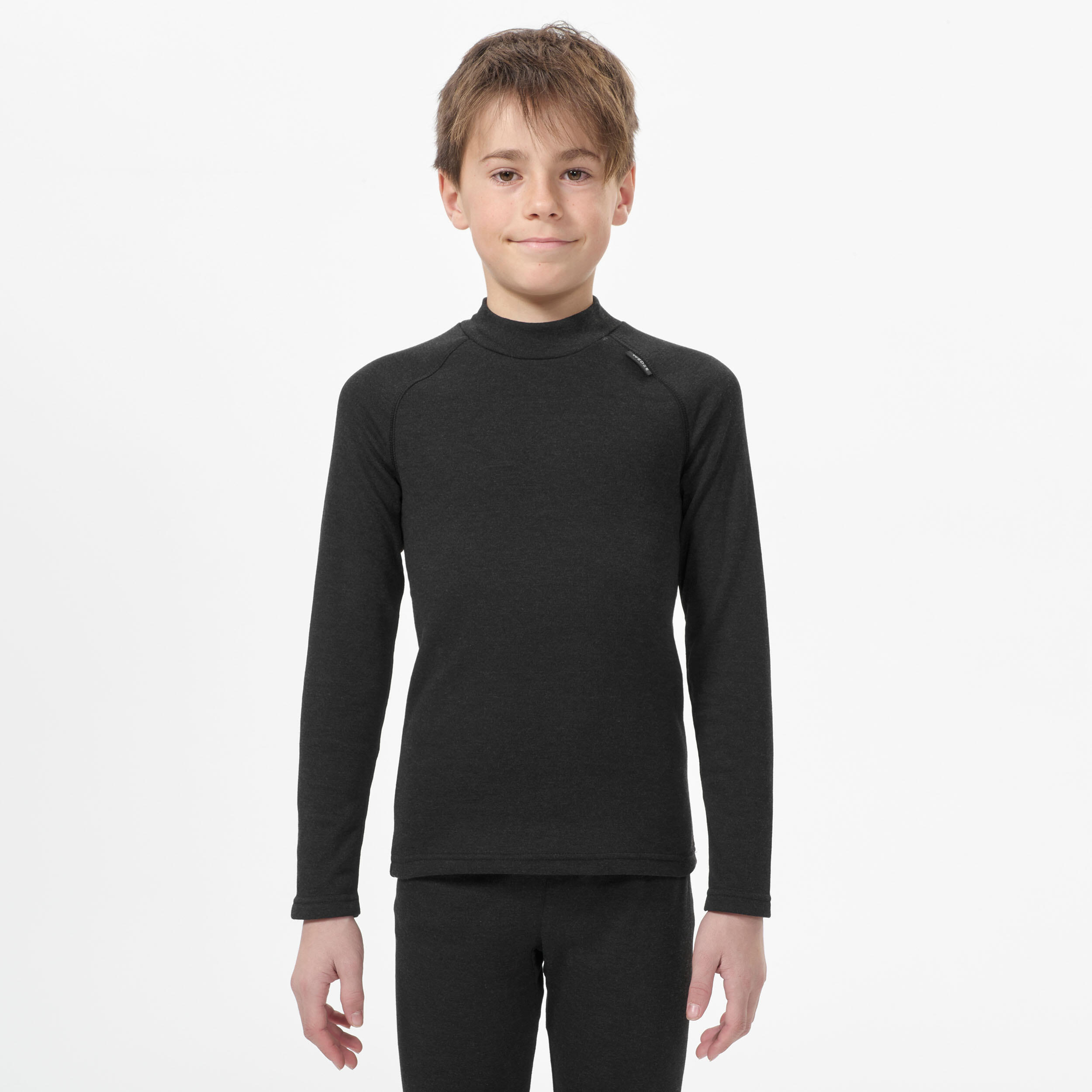
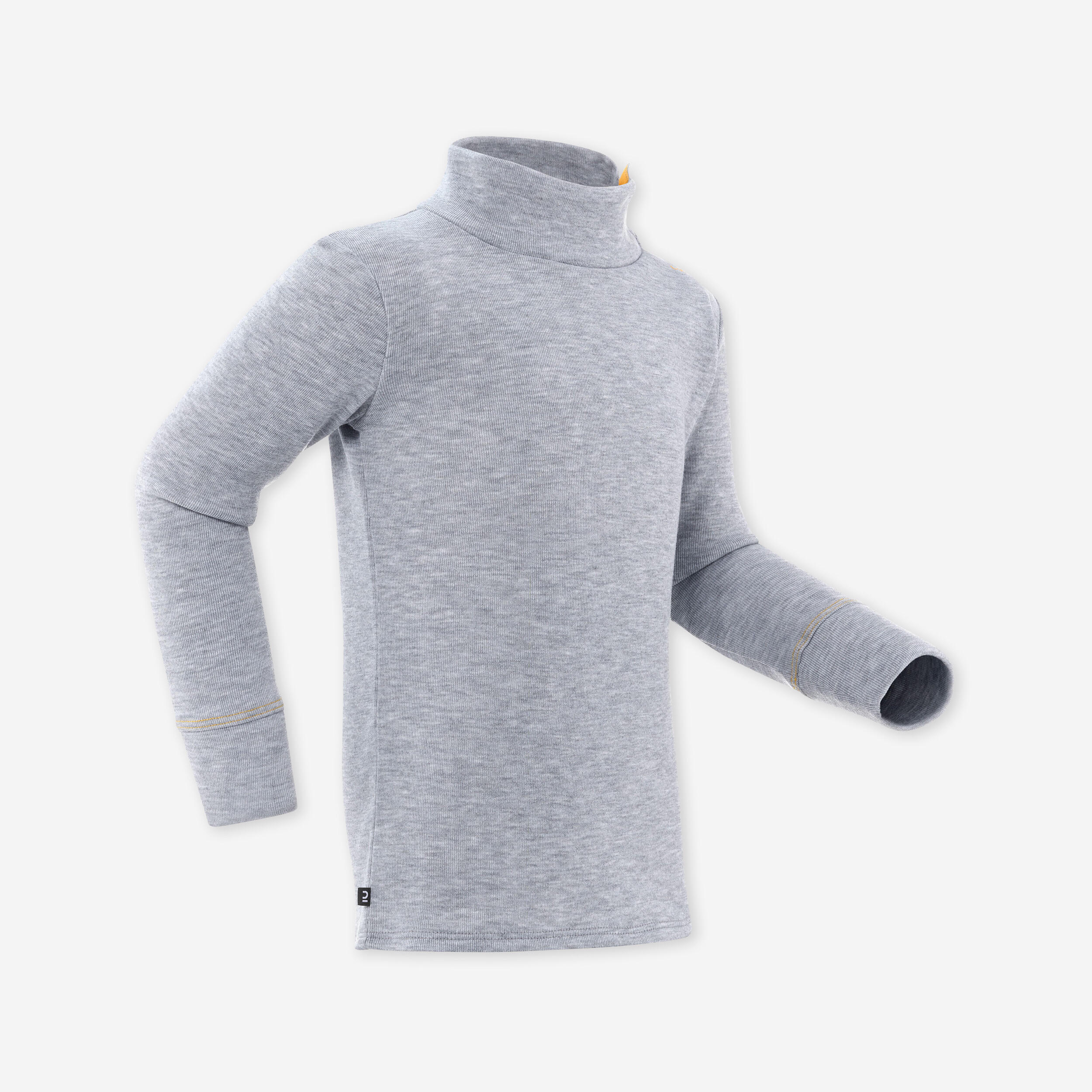
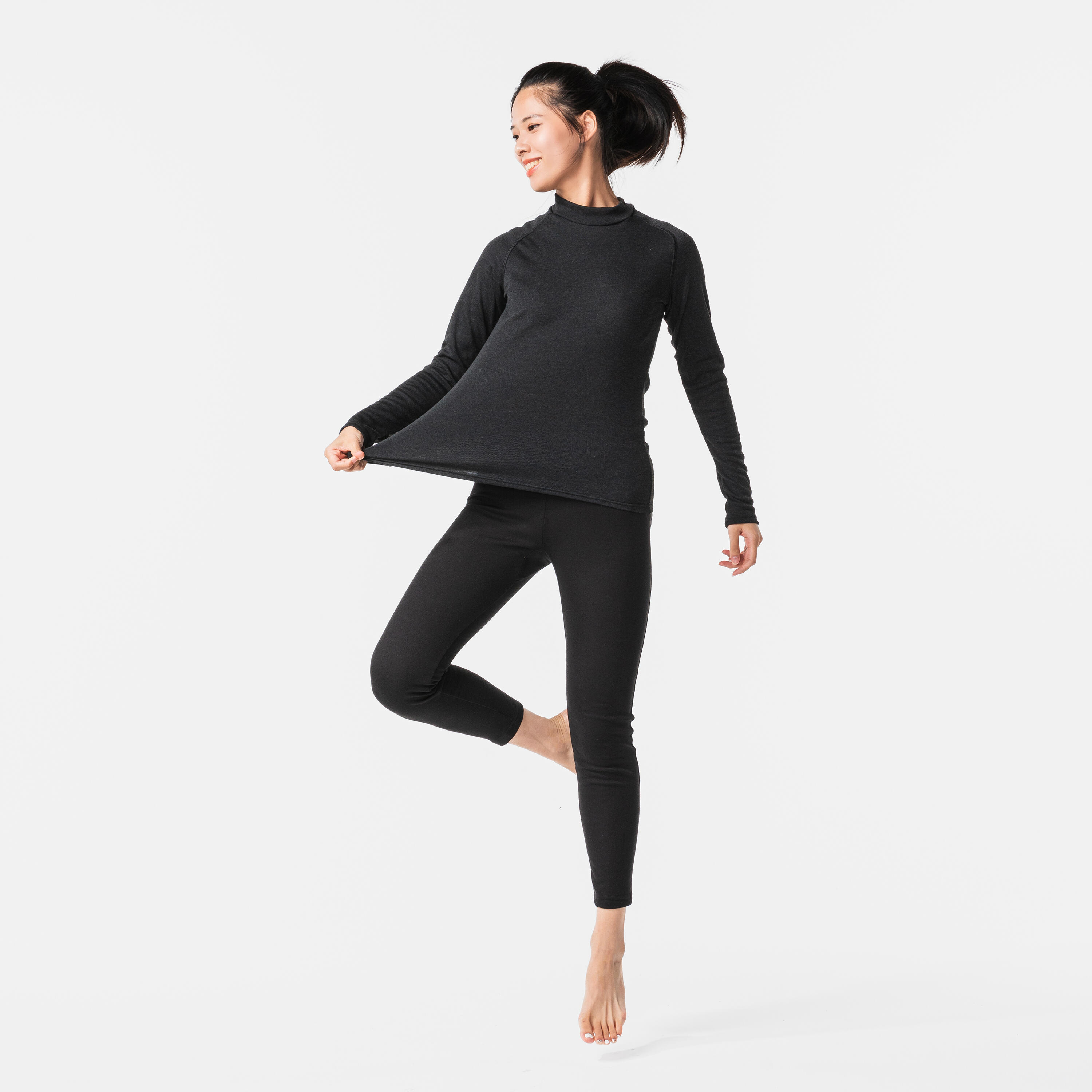
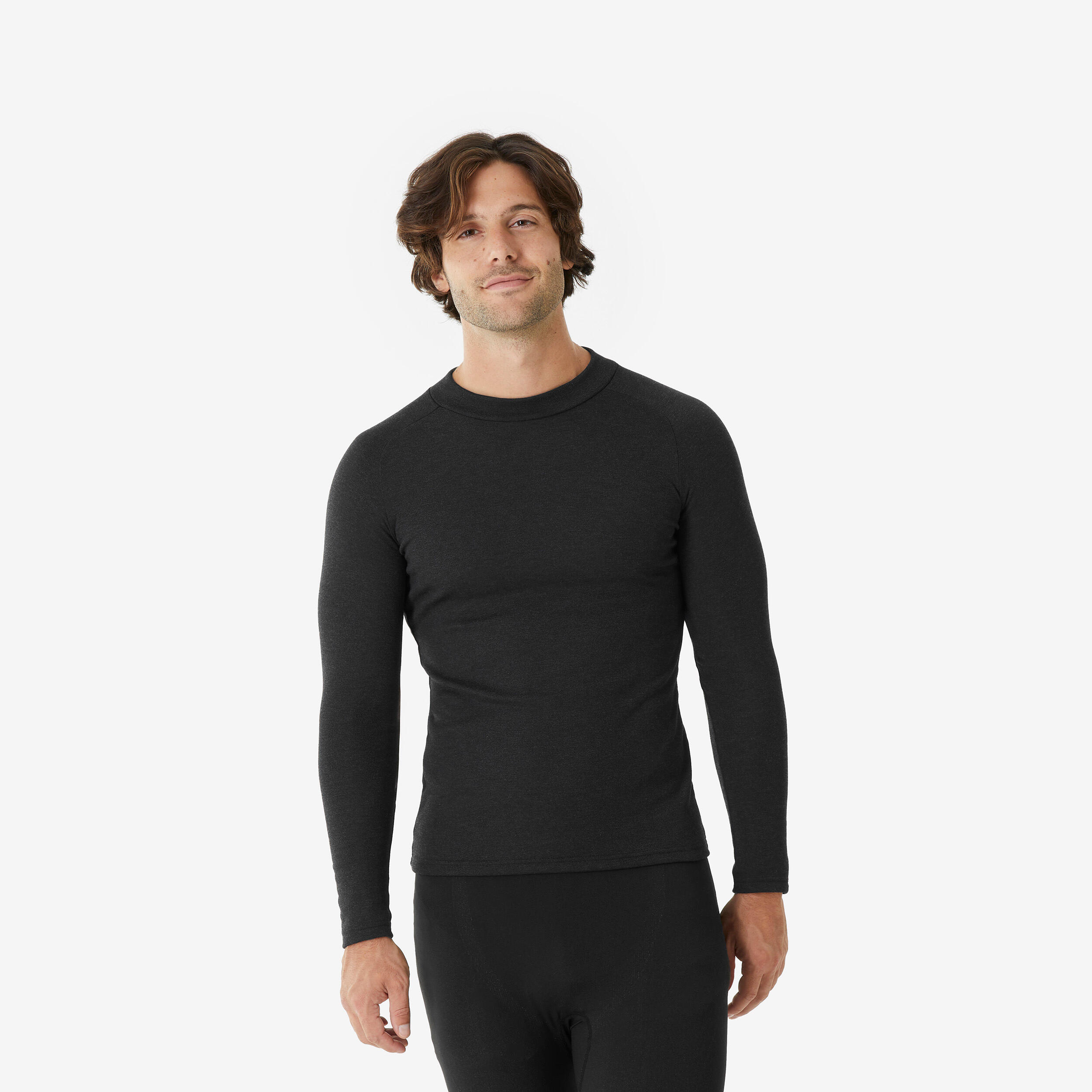
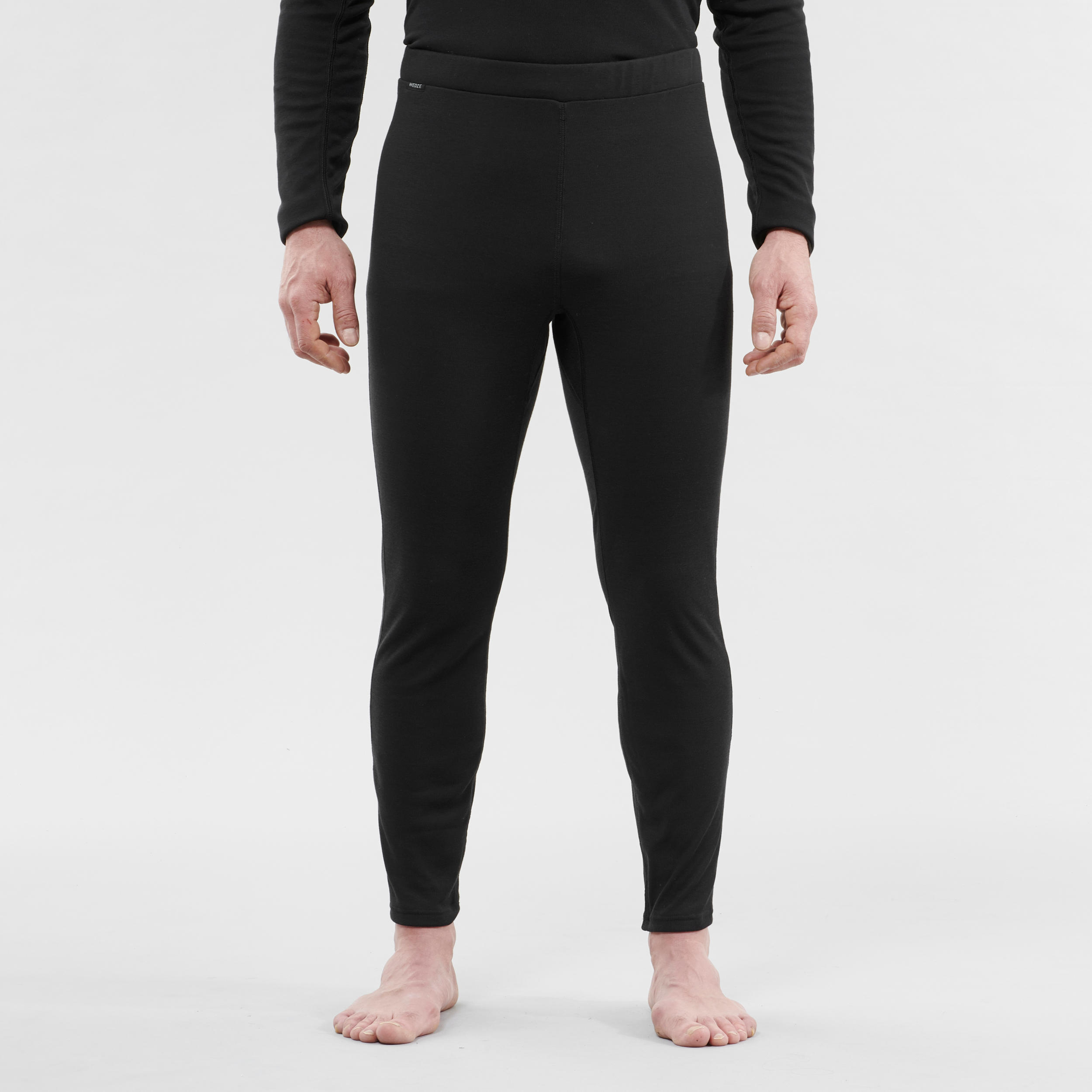
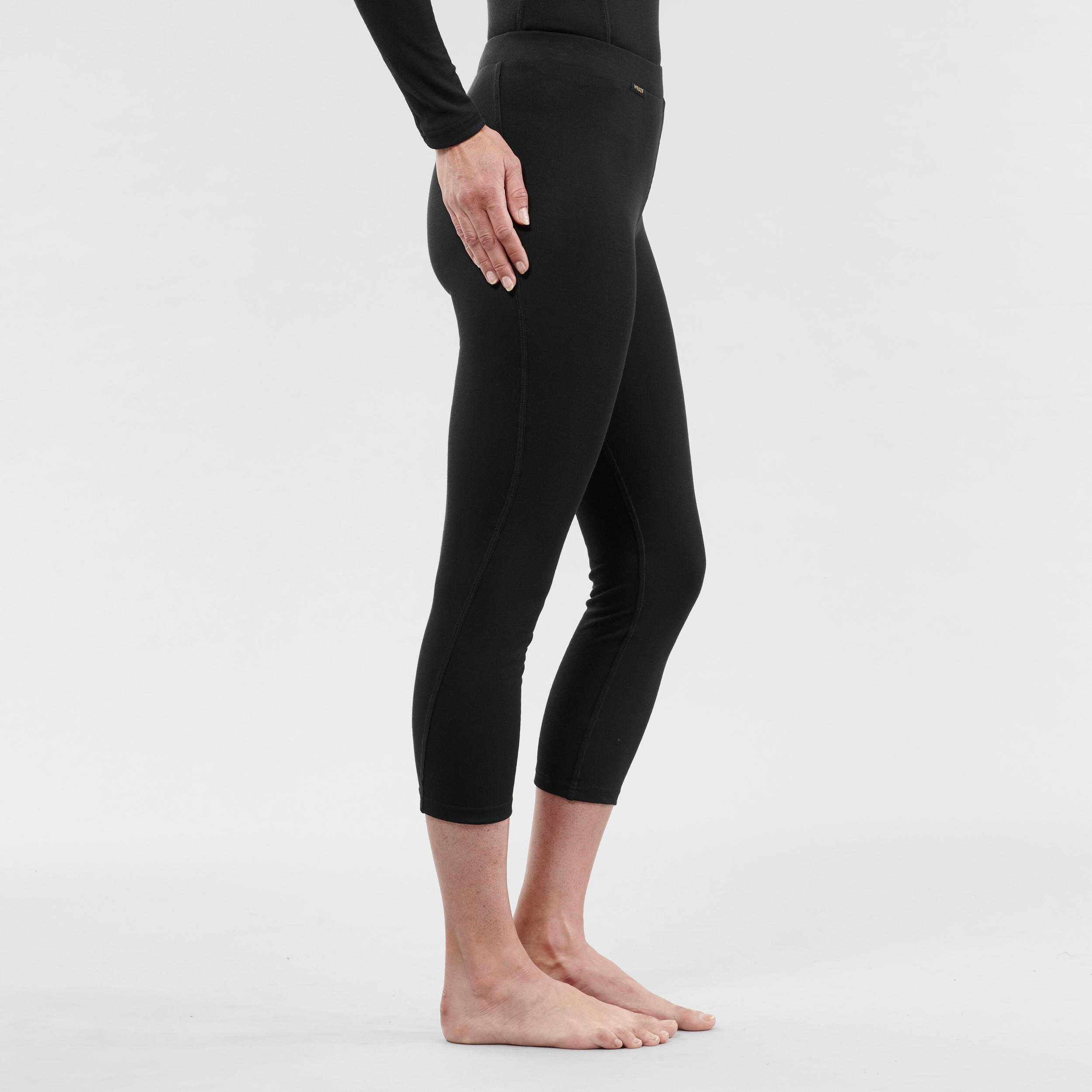
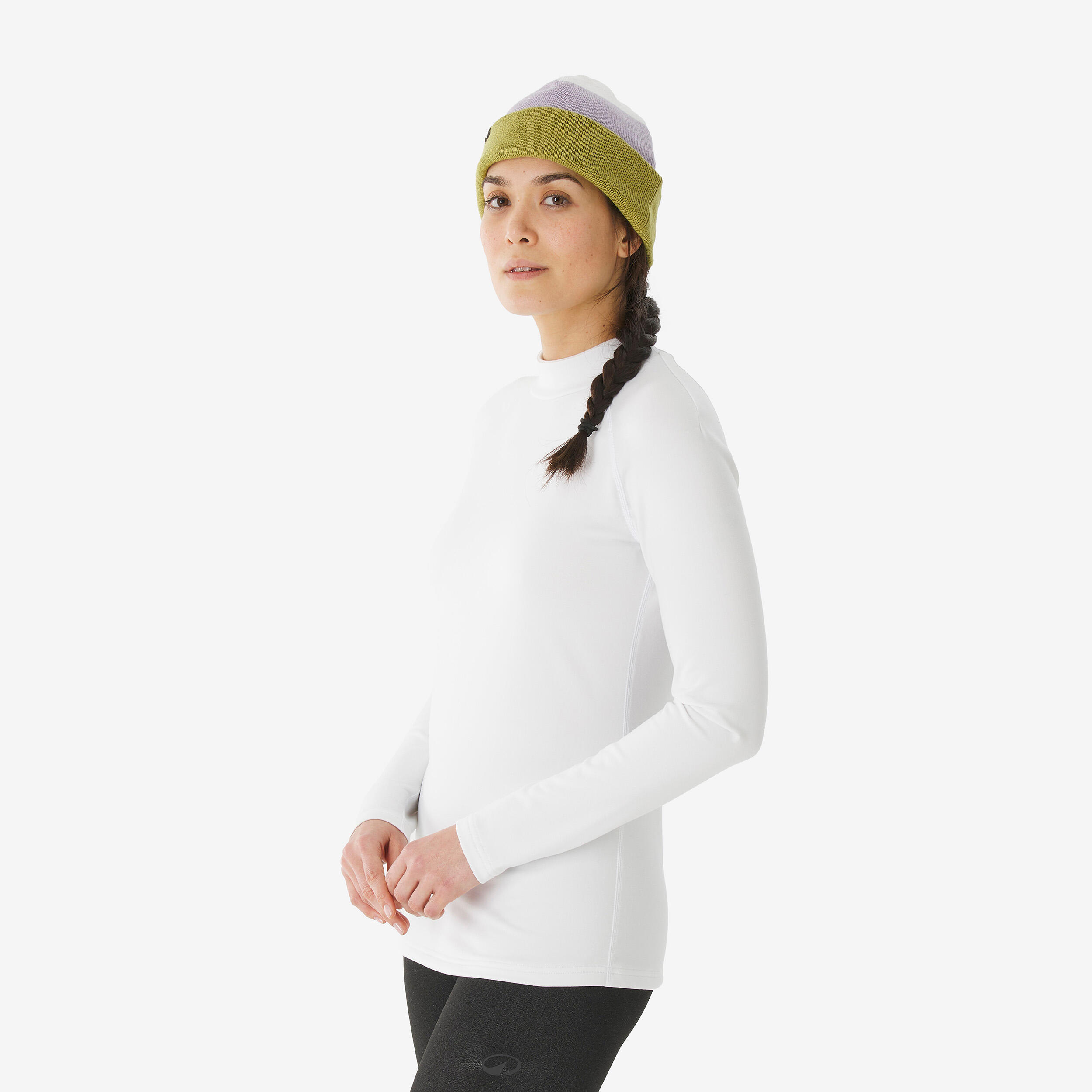
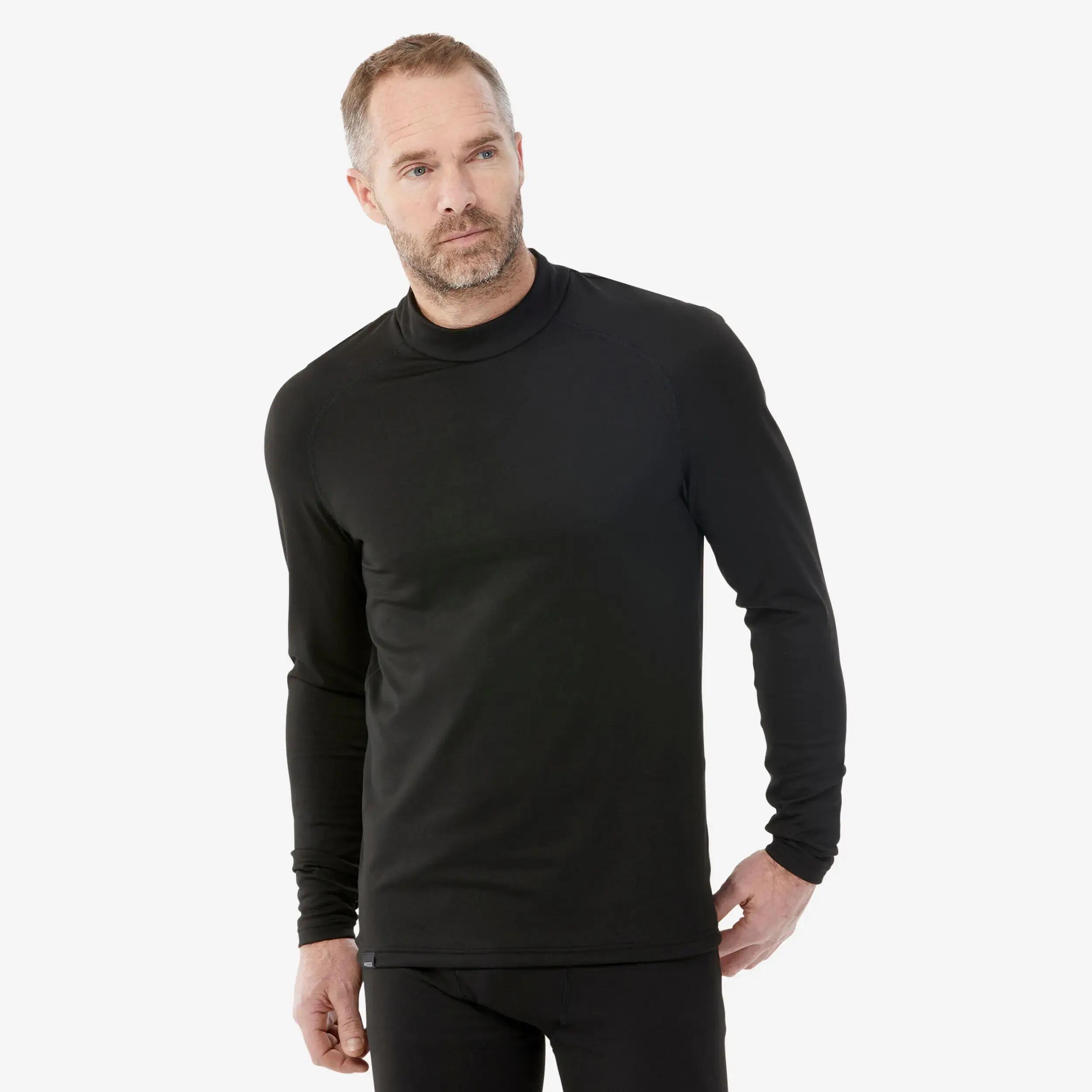
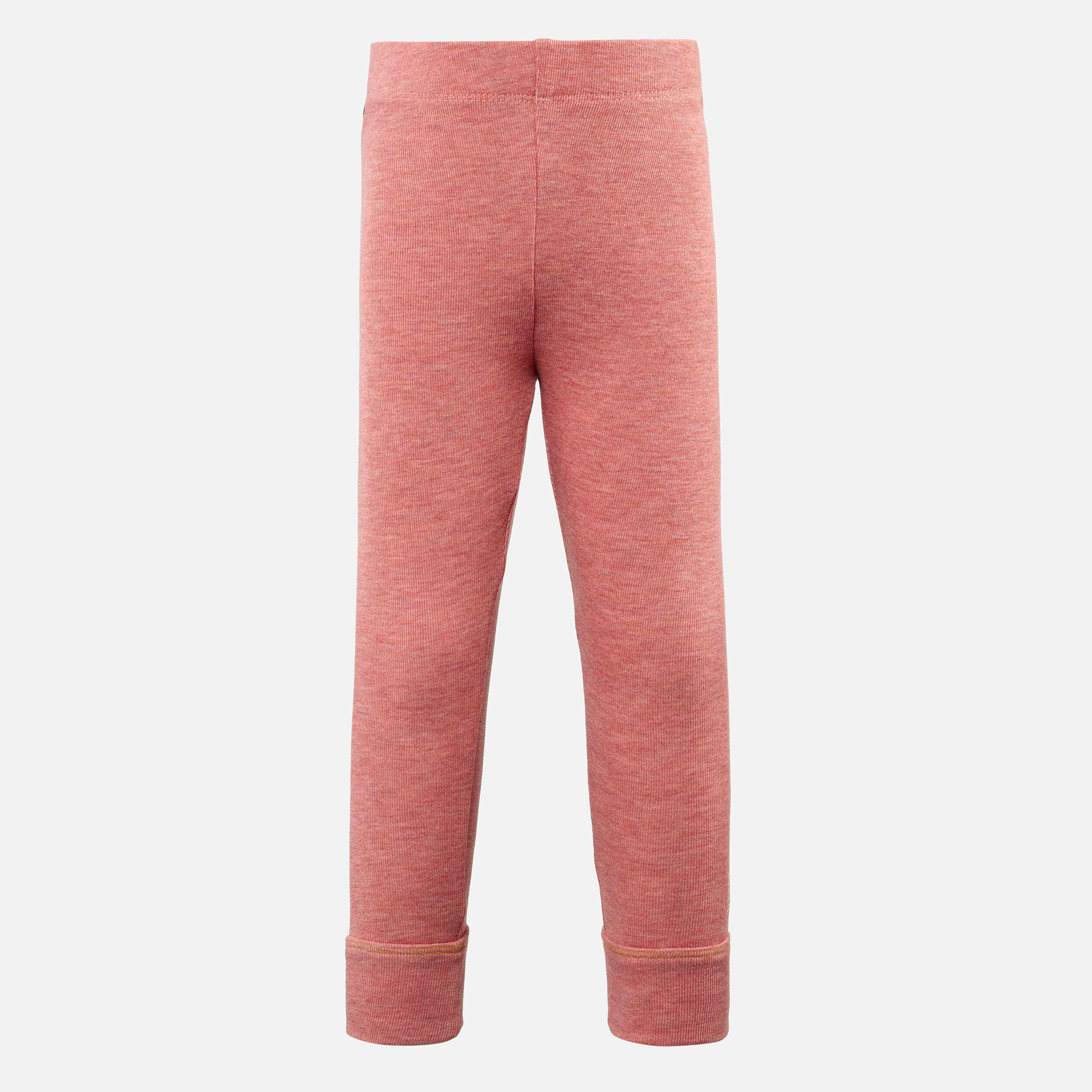
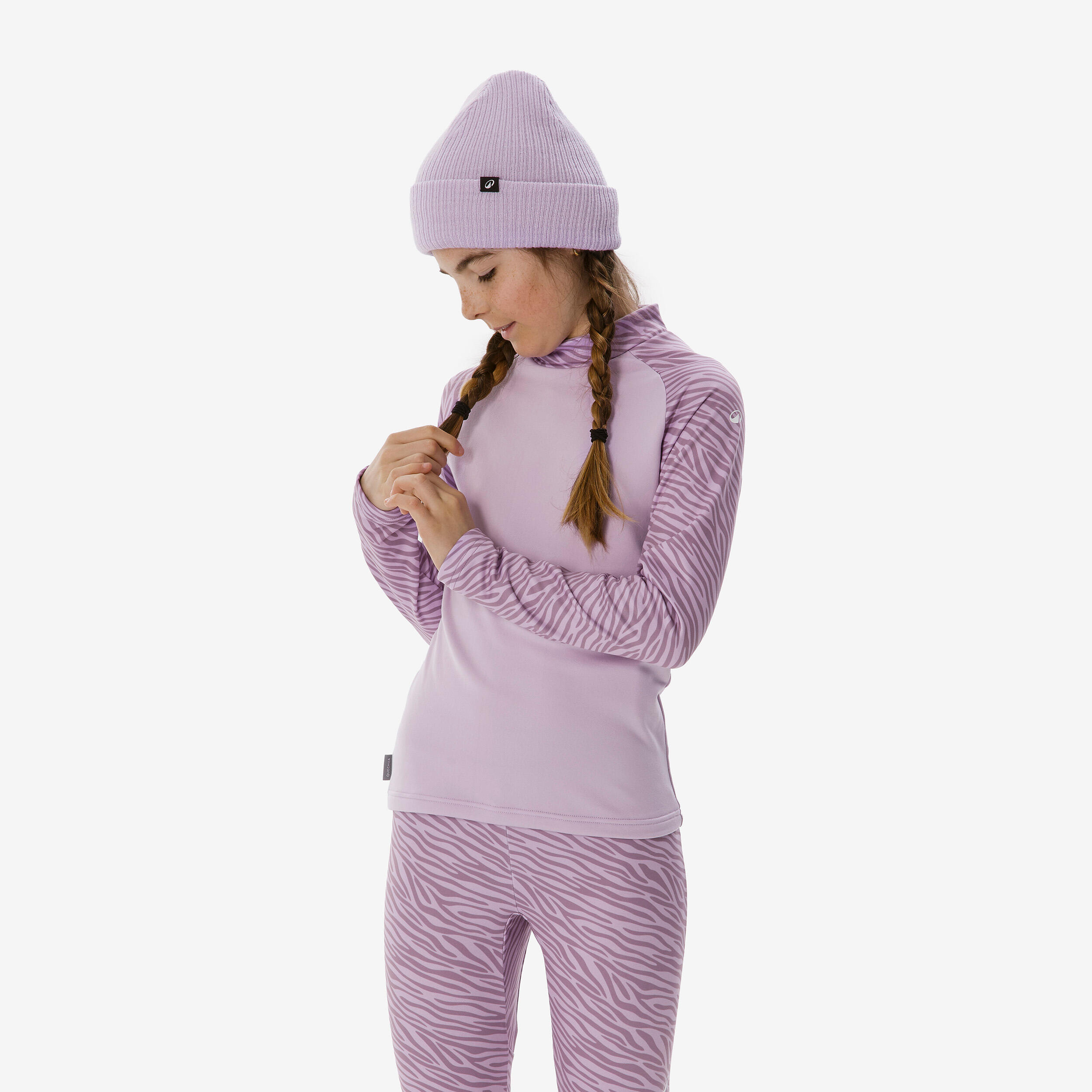
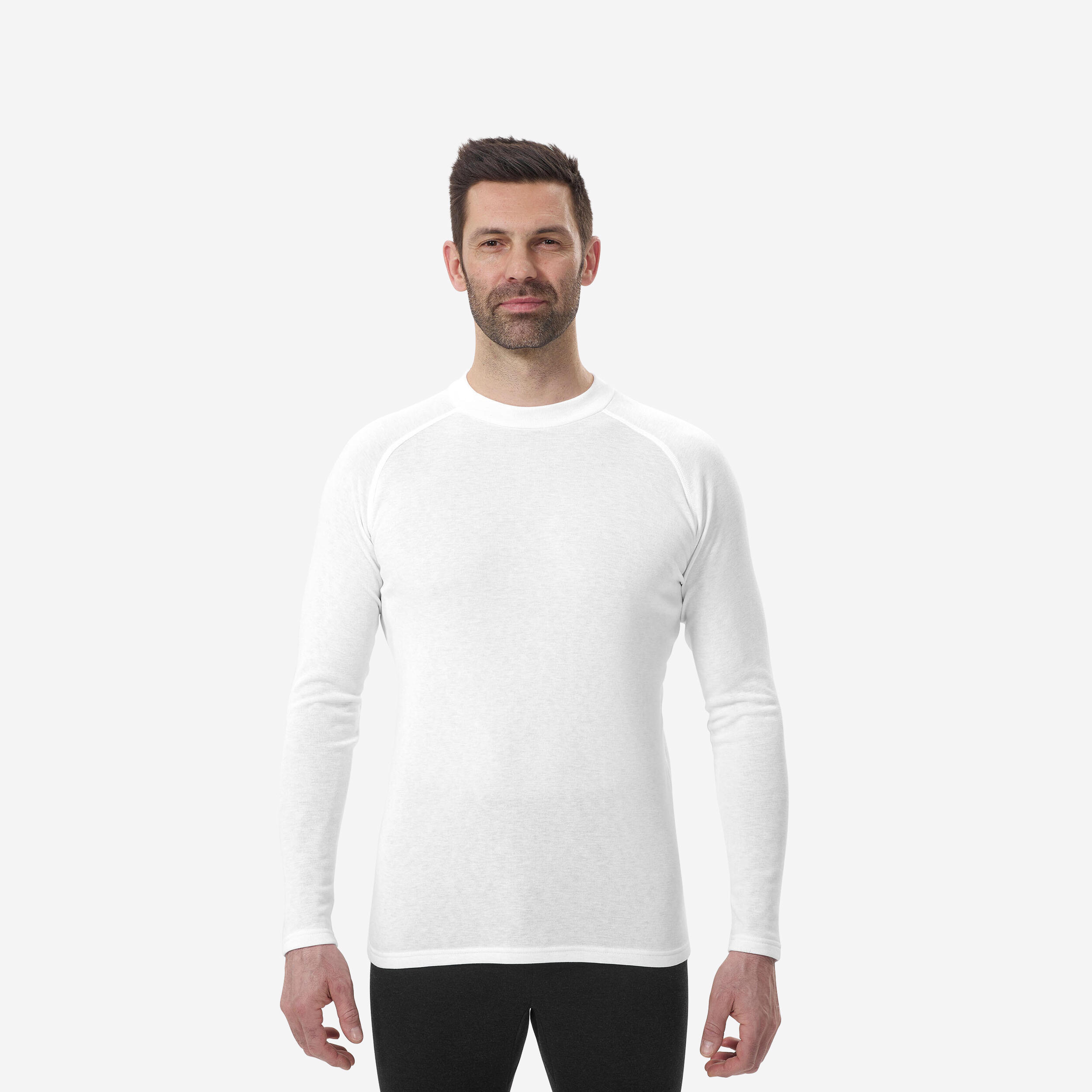
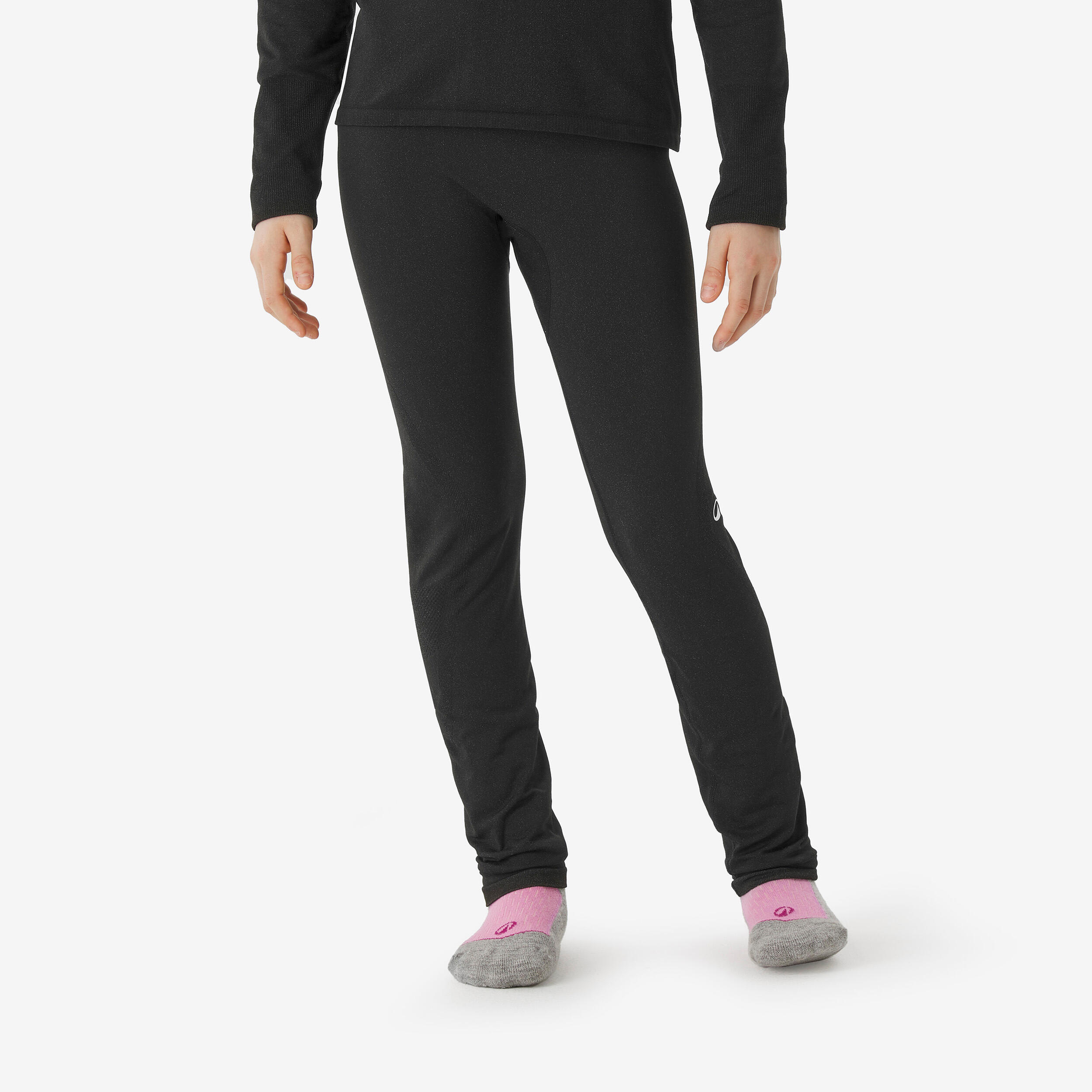
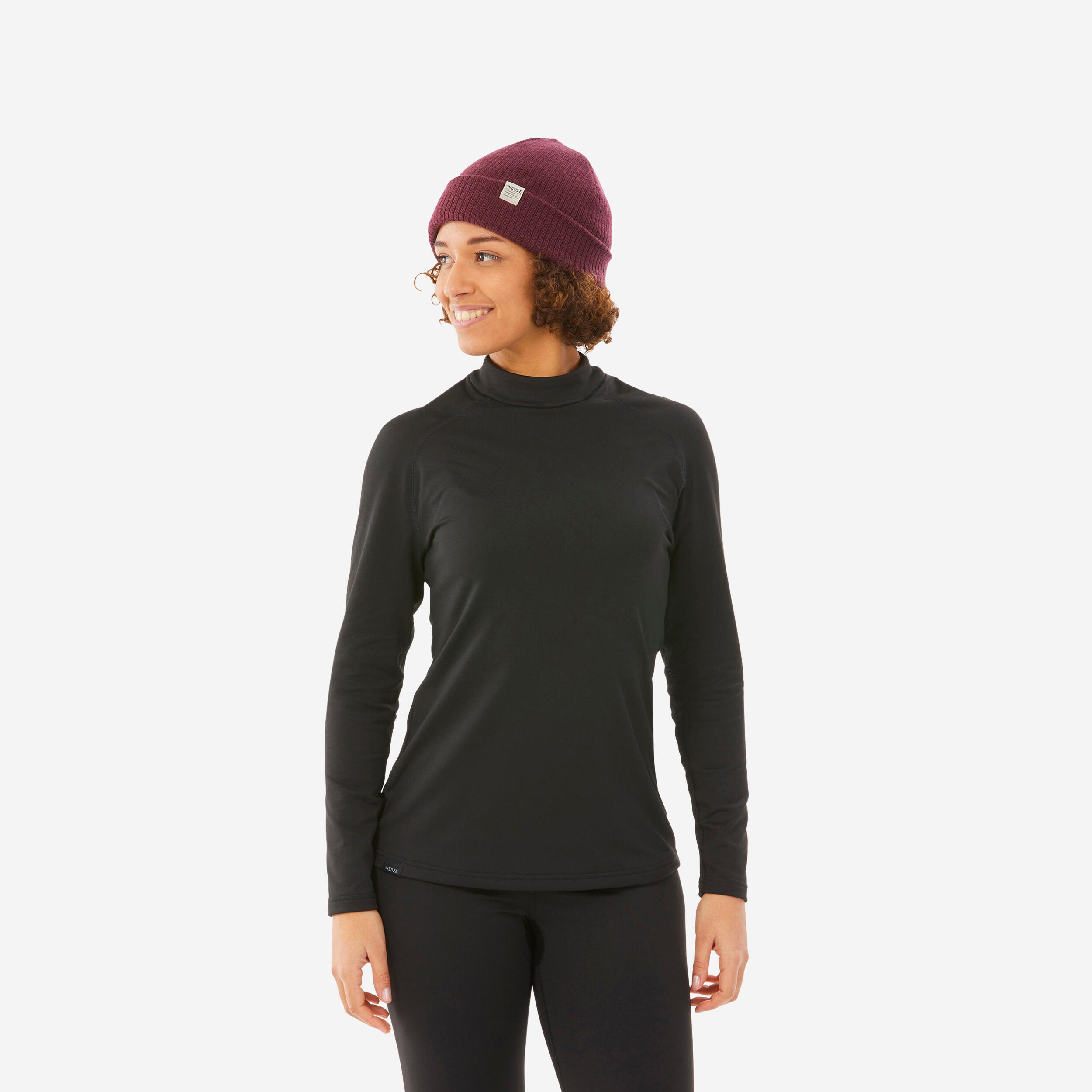
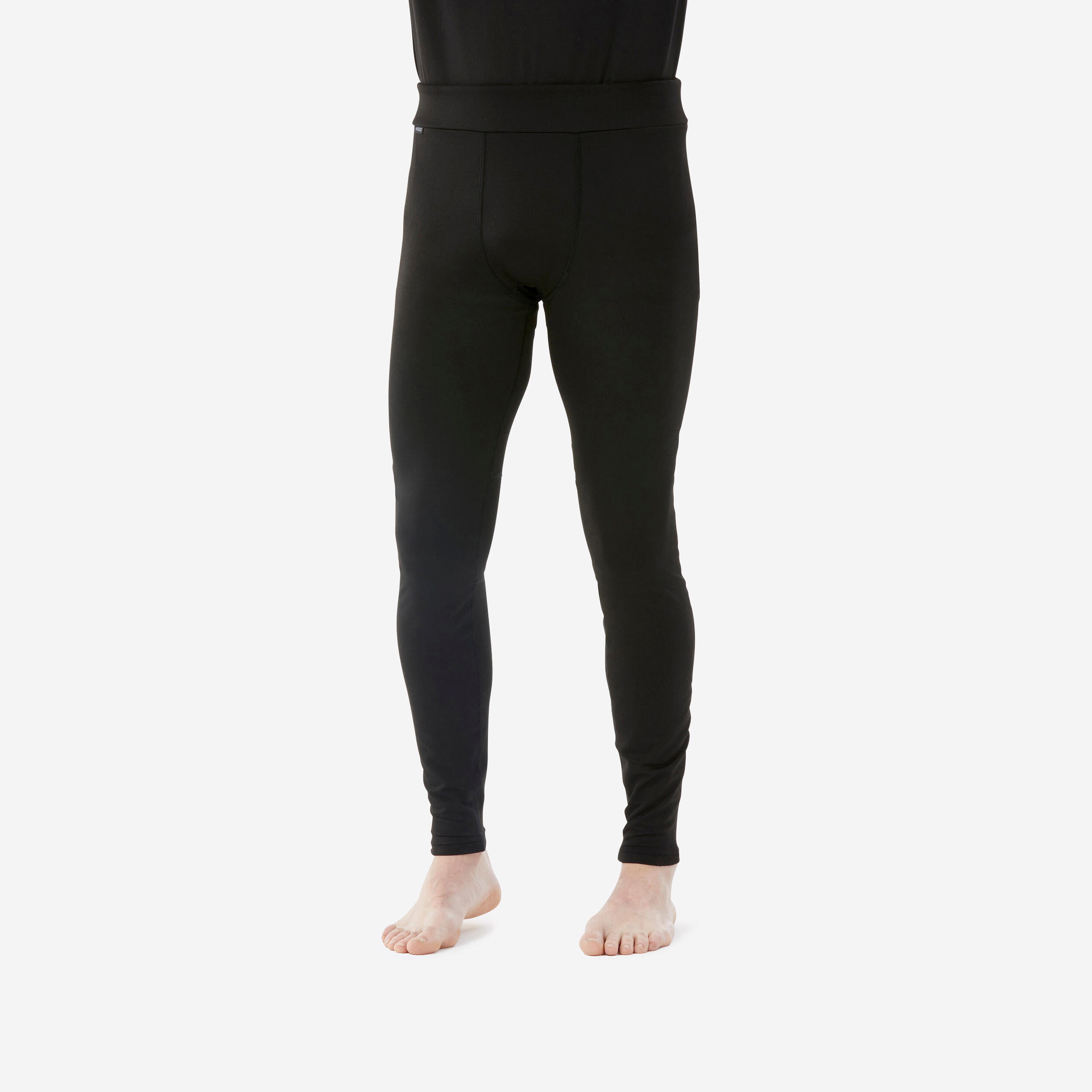
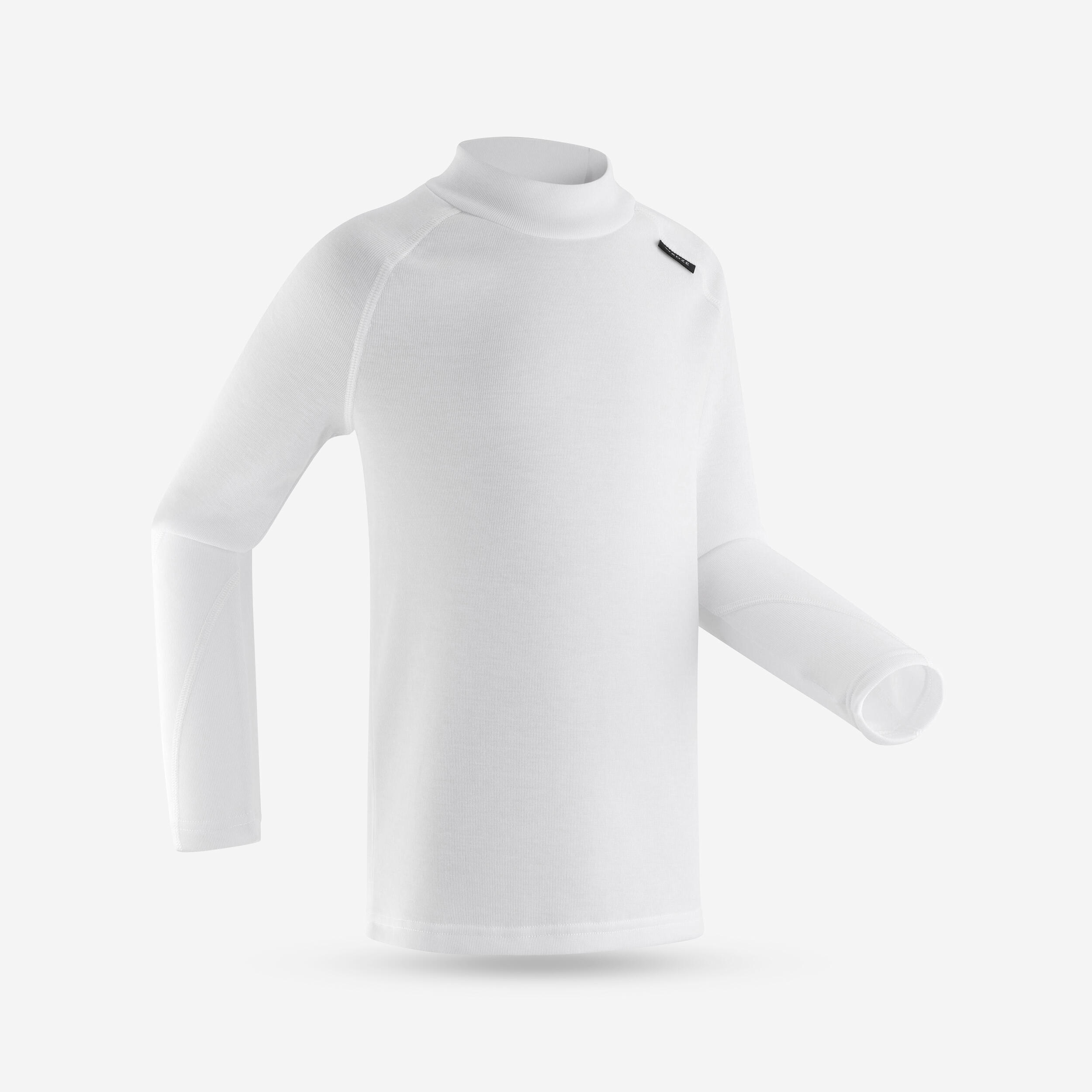
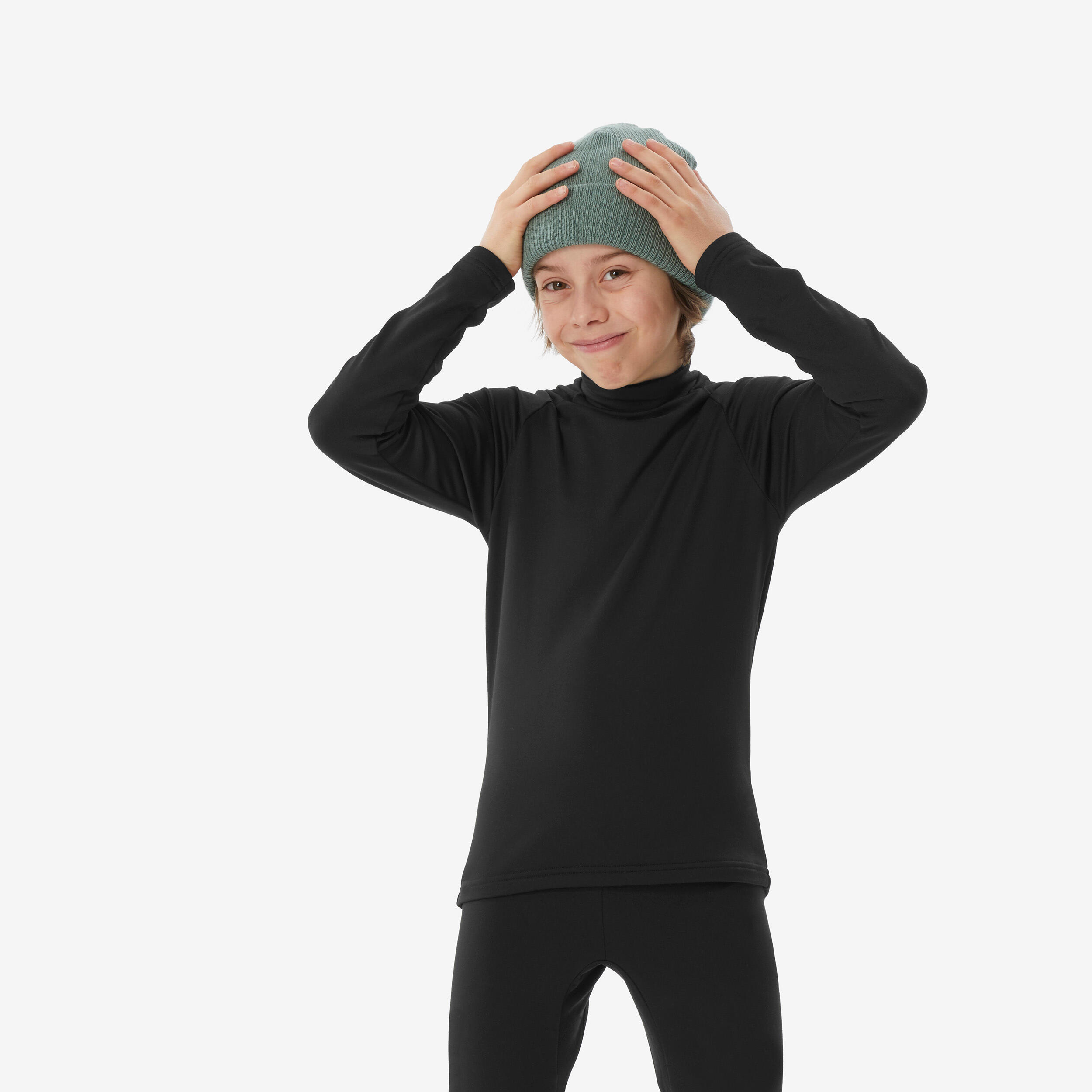
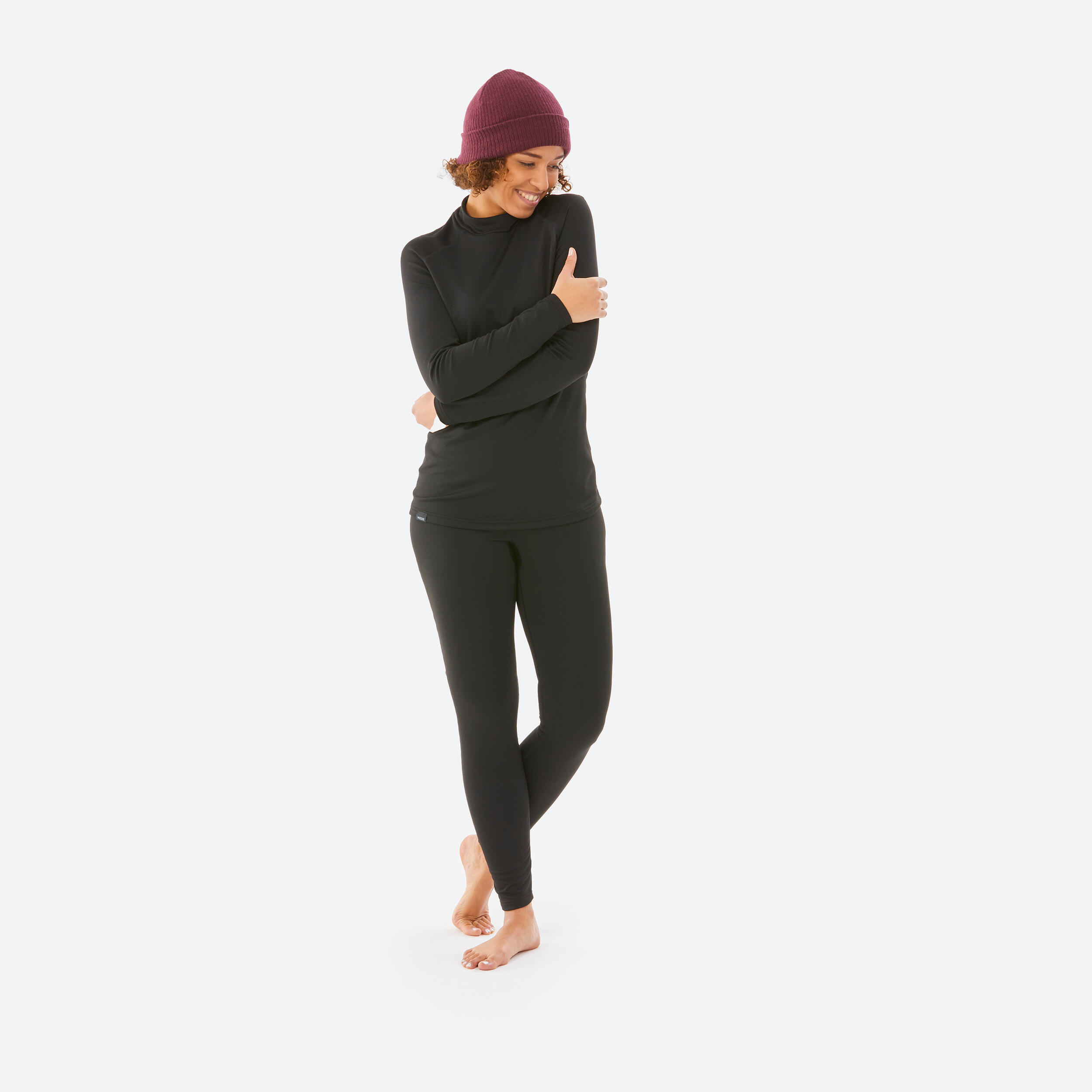
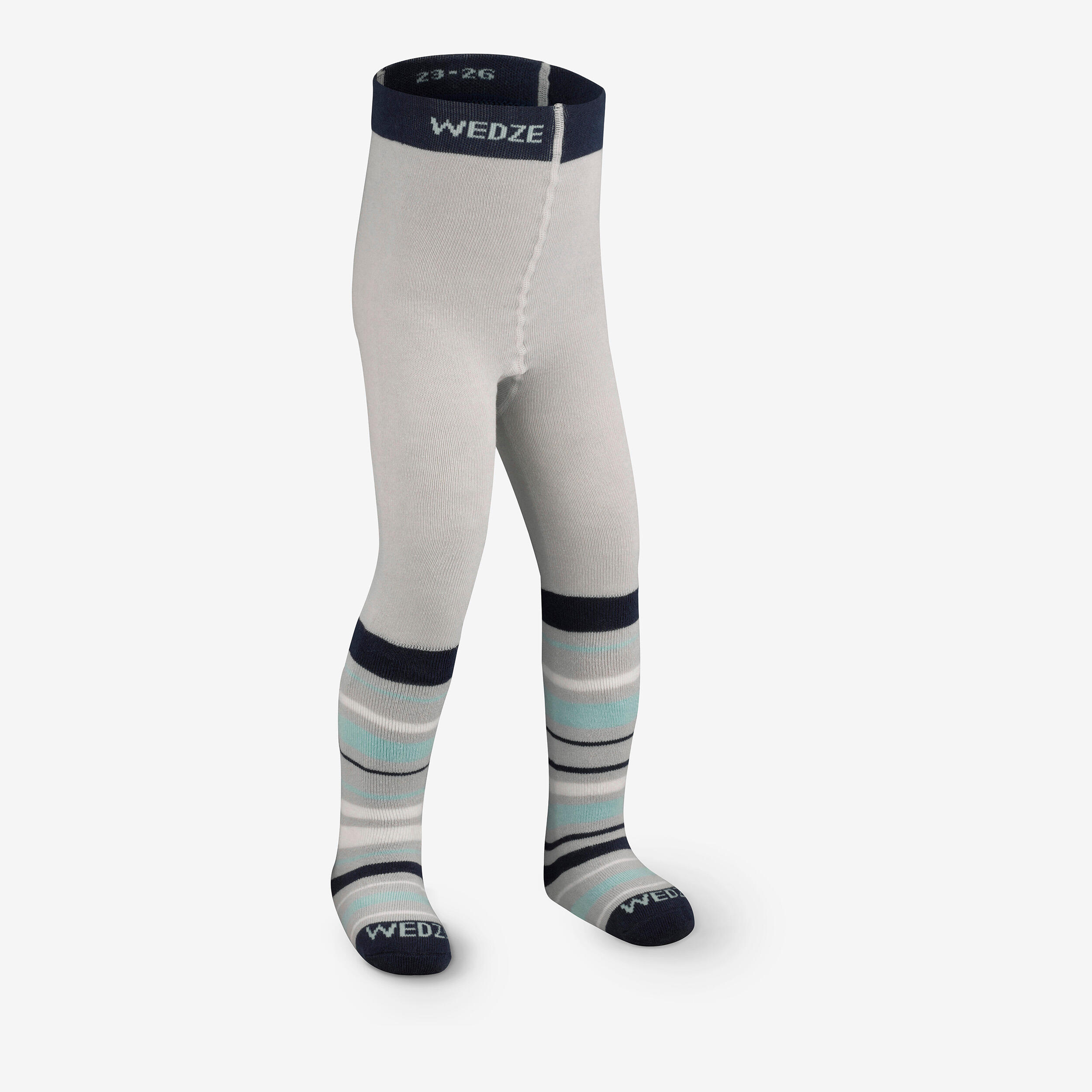
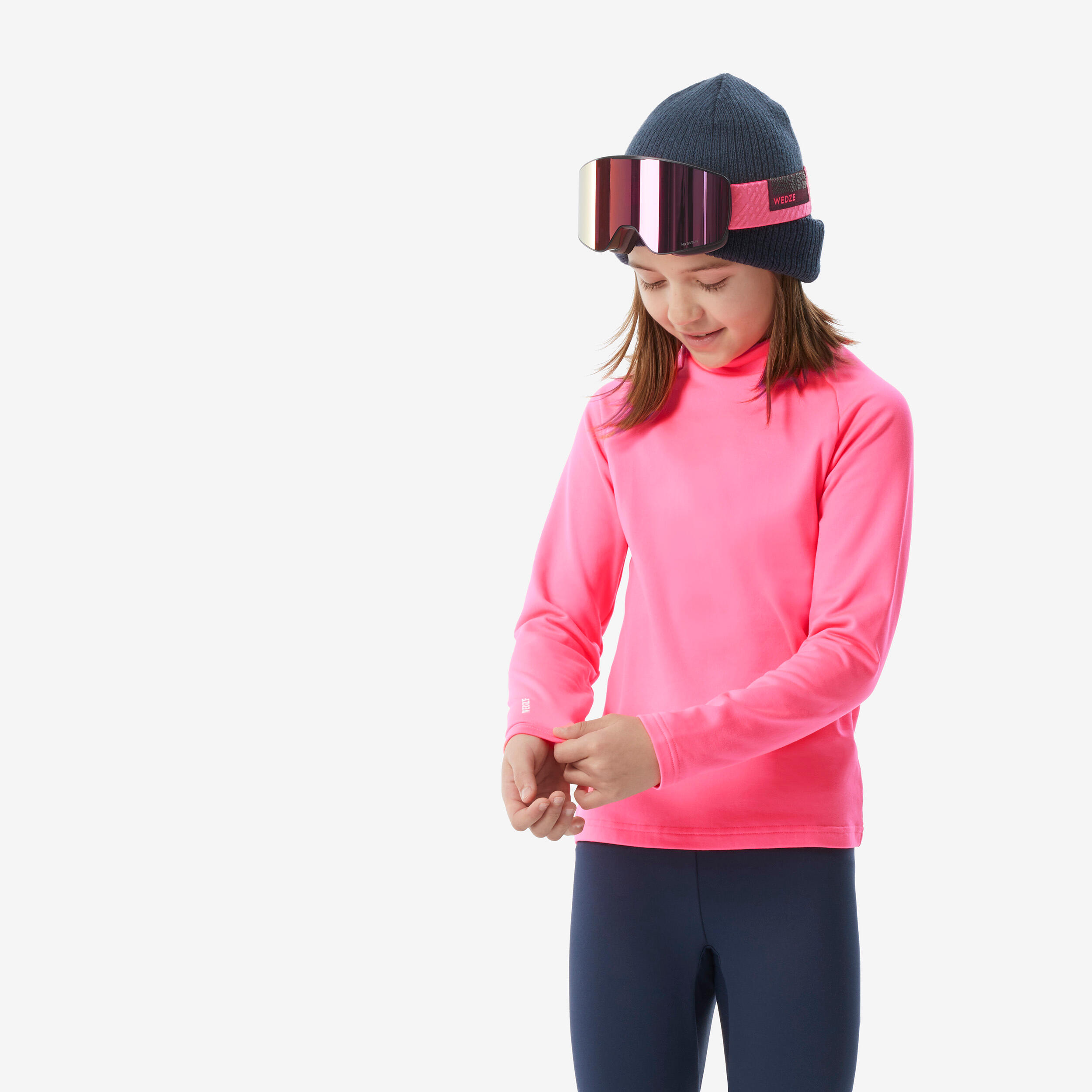
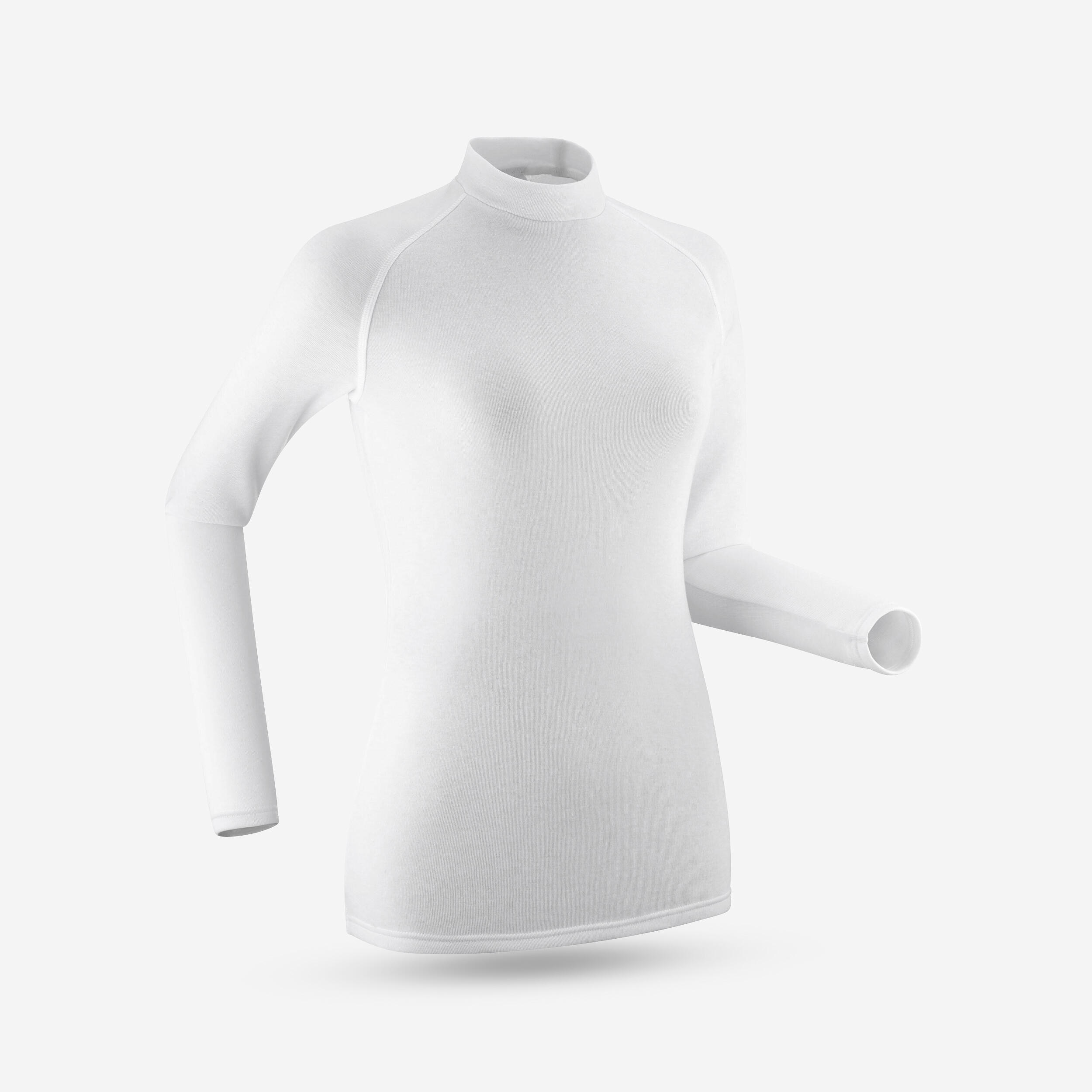
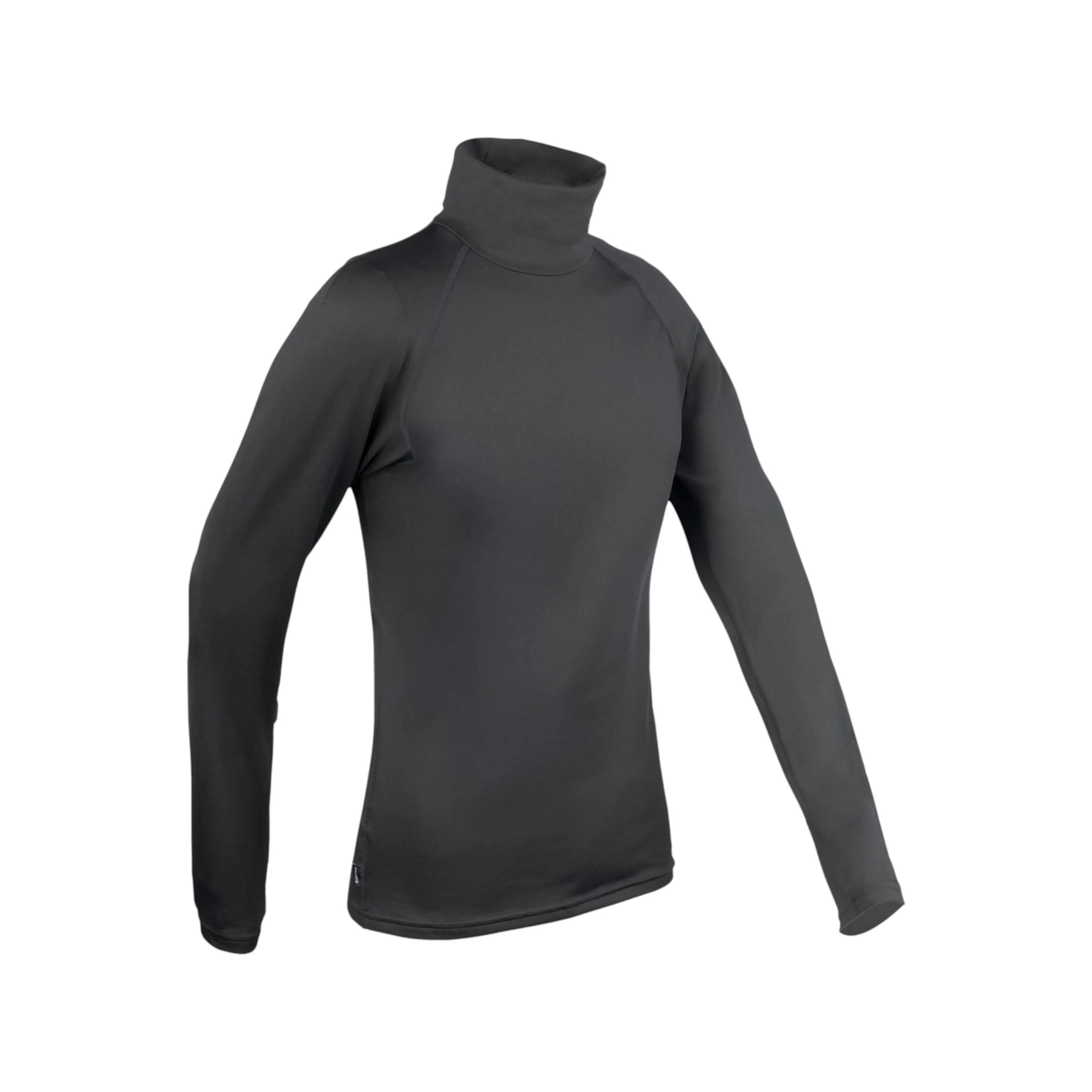
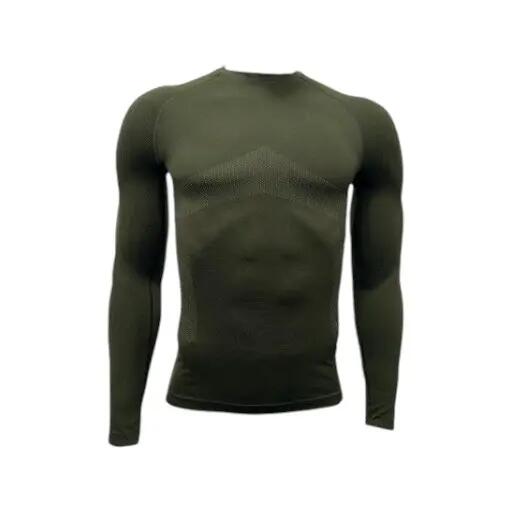
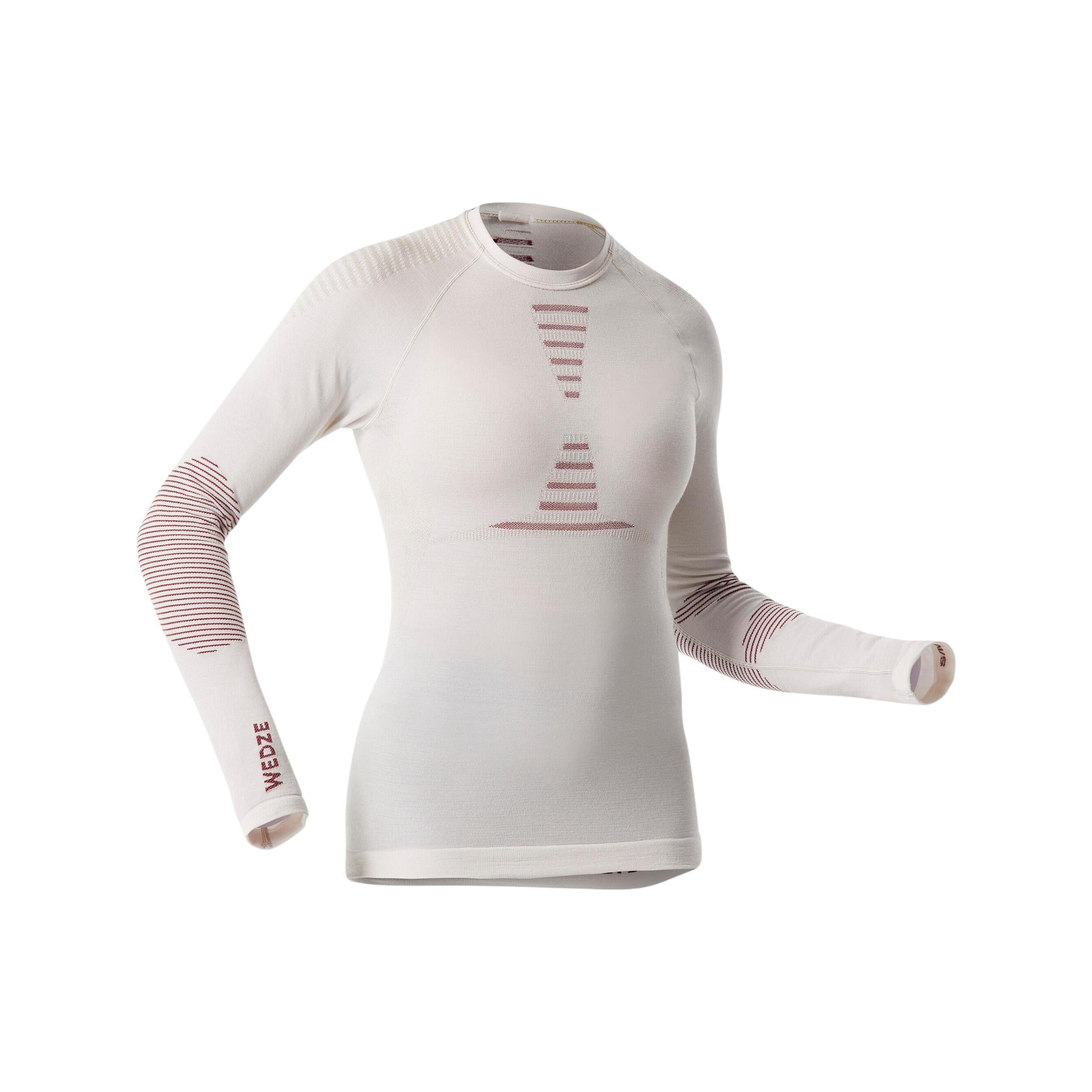
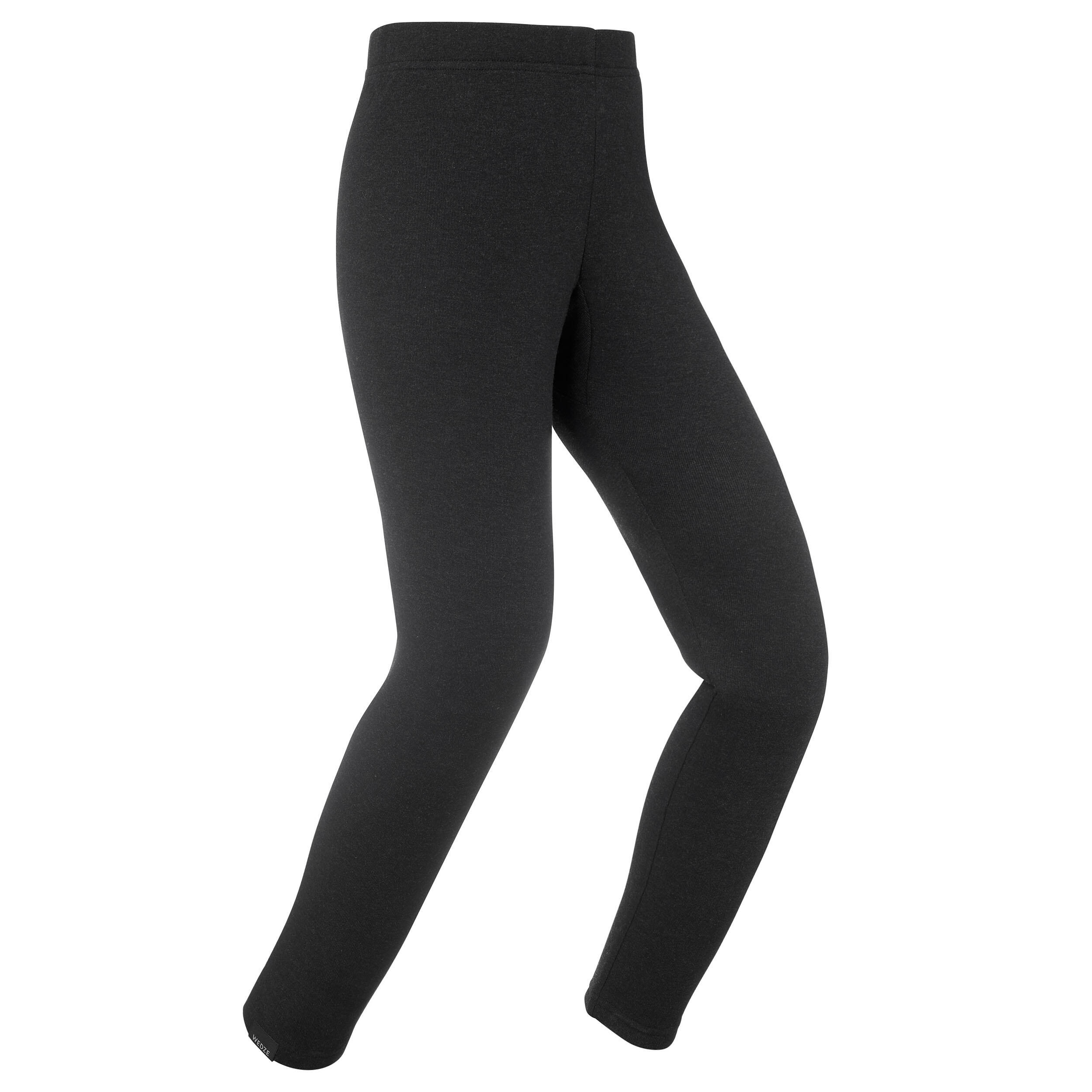
The base layer is the foundation of every ski outfit because it manages moisture against the skin first. Damp skin loses heat far faster than dry skin, and once a cotton T-shirt soaks through it stays cold until you change. Merino wool layers regulate temperature naturally and resist odour across a multi-day trip, while synthetic blends dry faster and cost less. Choose a lightweight set for milder spring weeks, a mid-weight set for standard alpine conditions, and a heavyweight set for deep winter touring or bitter morning starts. Have a look through the ski base layers range, long johns, full leggings, and matching tops in adult and junior sizes across Wedze and Odlo.

How does the mid-layer change my warmth across the day?

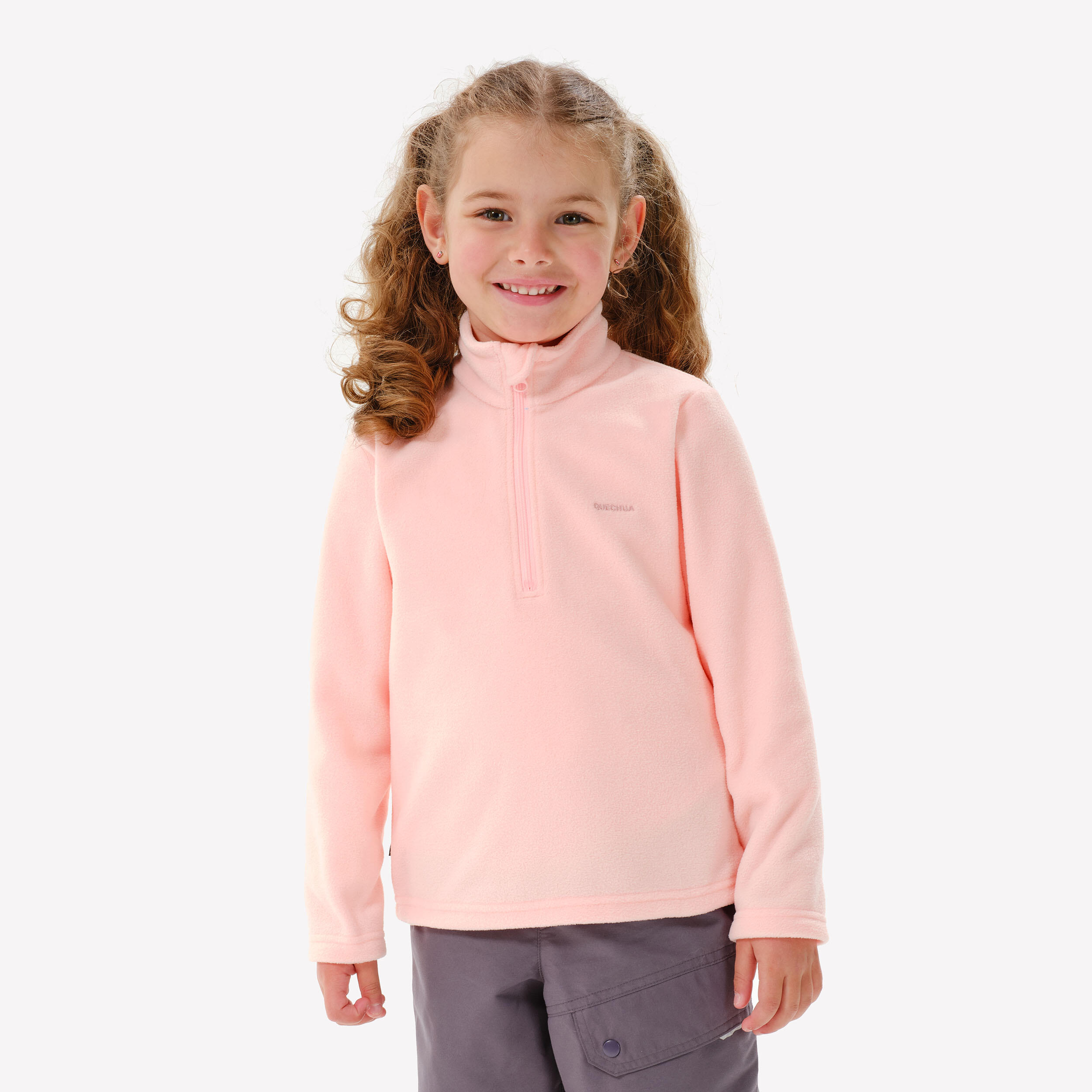
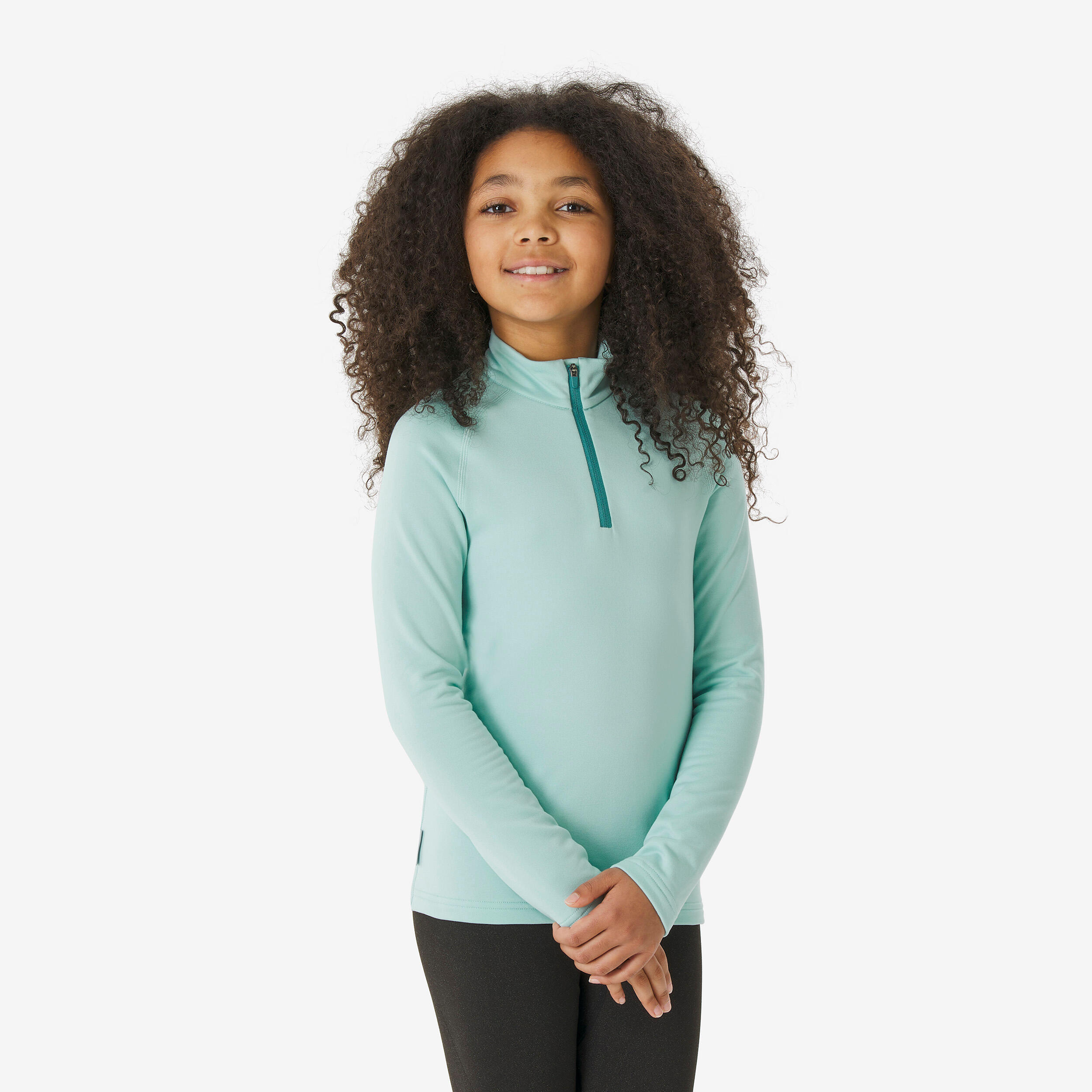
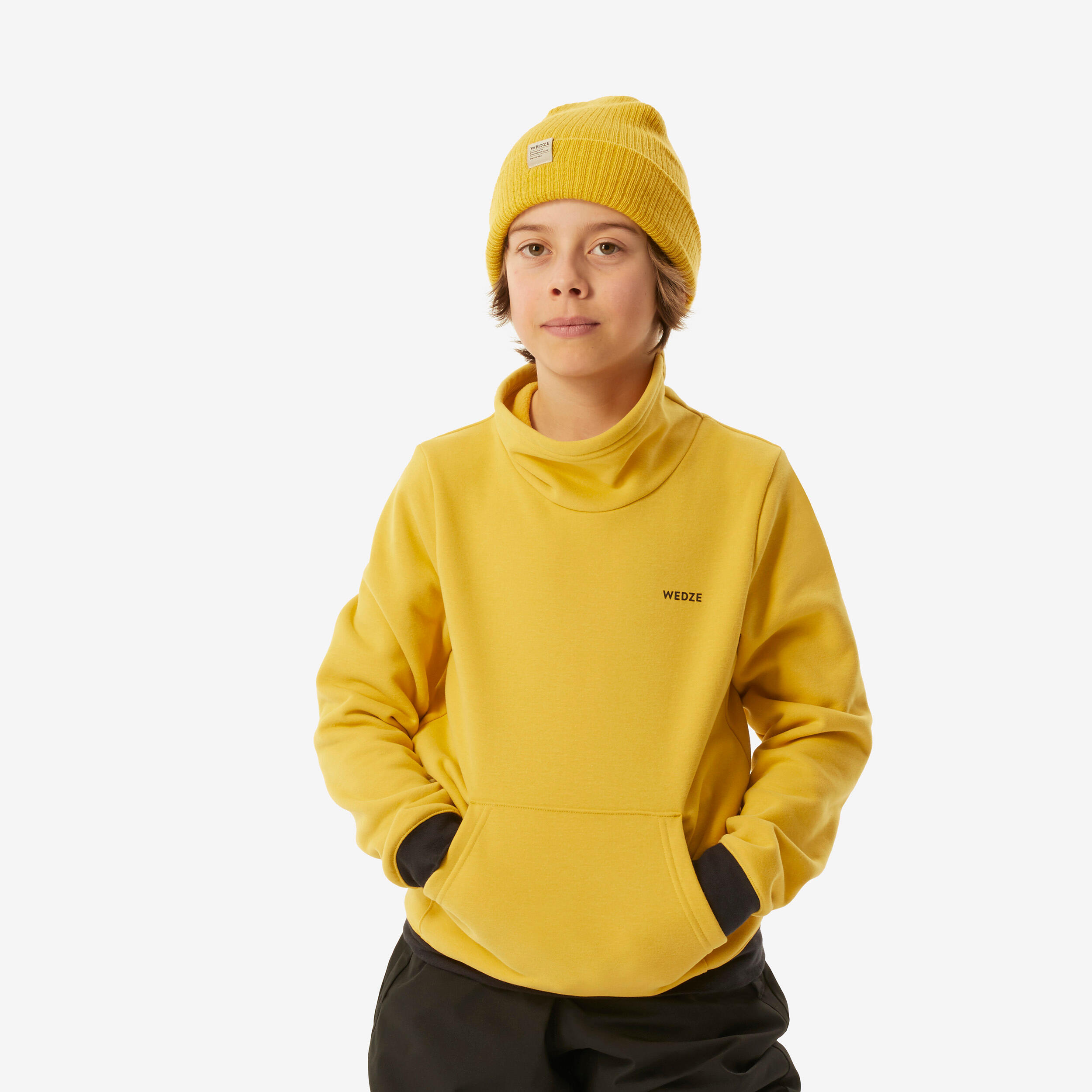
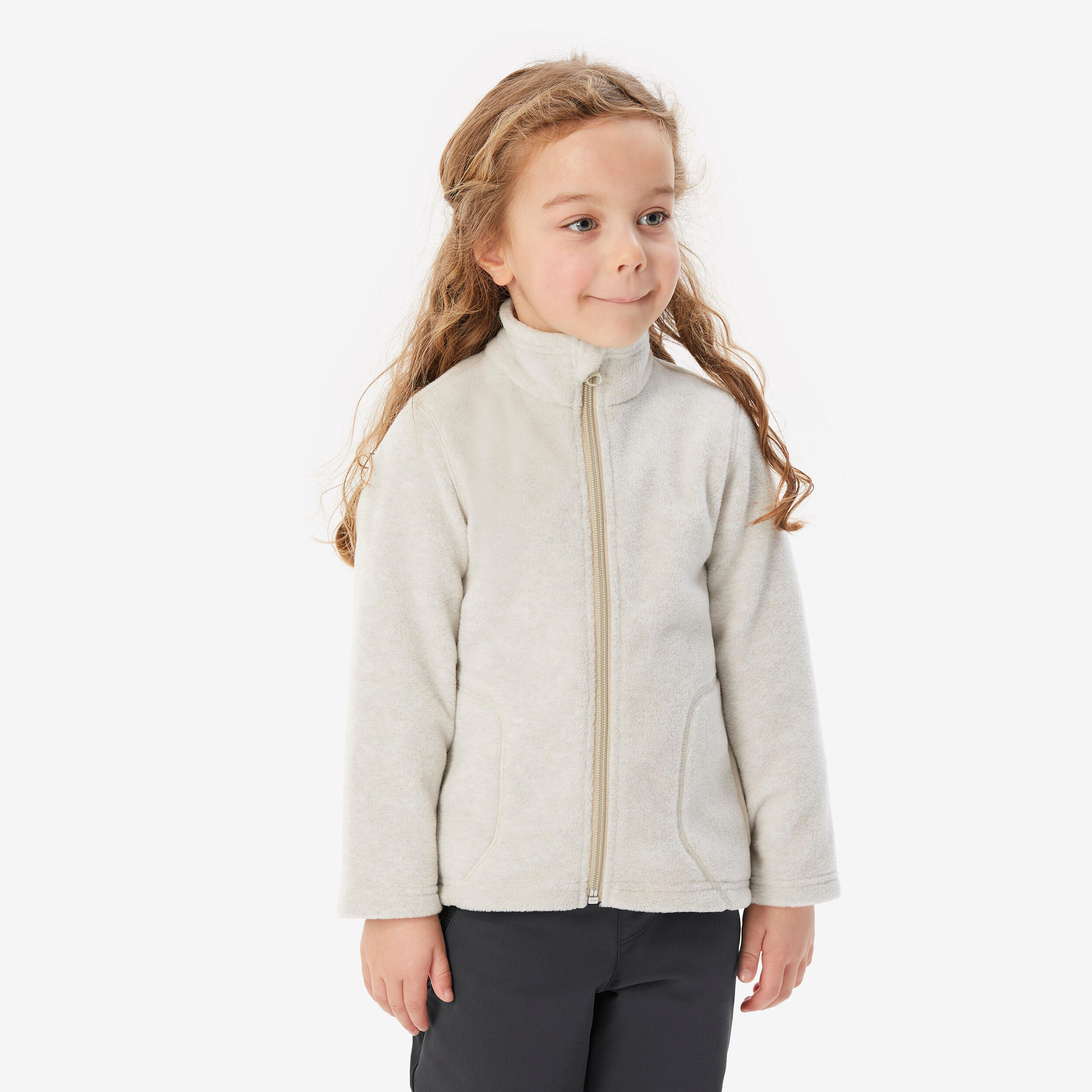
The mid-layer is the part of a ski outfit that most directly controls how warm you feel, because it traps the still air that does the actual insulating work. A fleece or technical sweatshirt sits between the moisture-wicking base layer and the waterproof shell, and the right thickness depends on the day rather than the season. Grid-fleece options vent quickly for active skiers who run hot through fast laps, full-zip fleeces allow easy temperature management on lift rides, and heavier sweatshirts suit very cold resort weeks across the Alps, Pyrenees, and Dolomites. Build the warm middle of your kit with the ski fleeces and sweatshirts range across the Wedze label in adult and junior sizes.