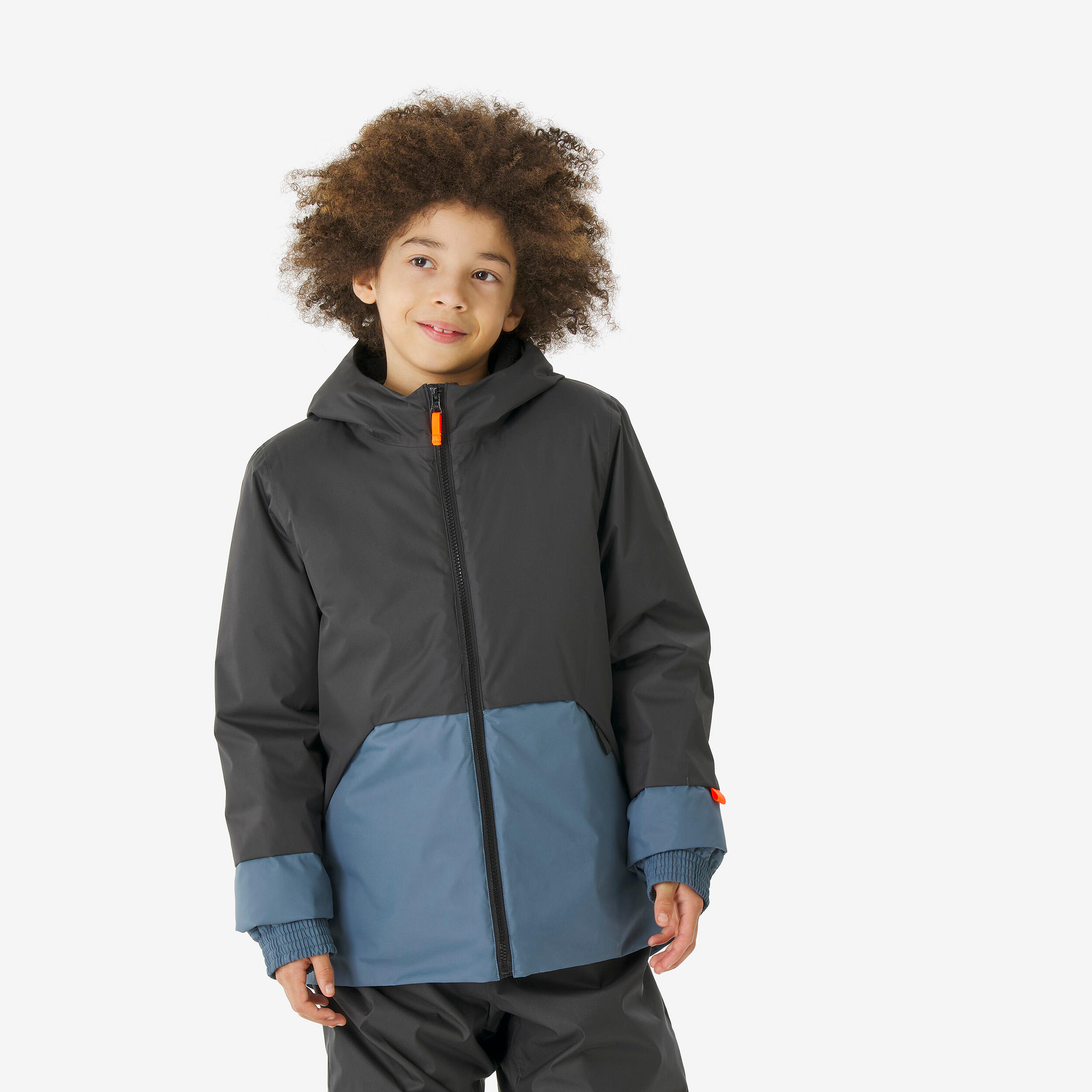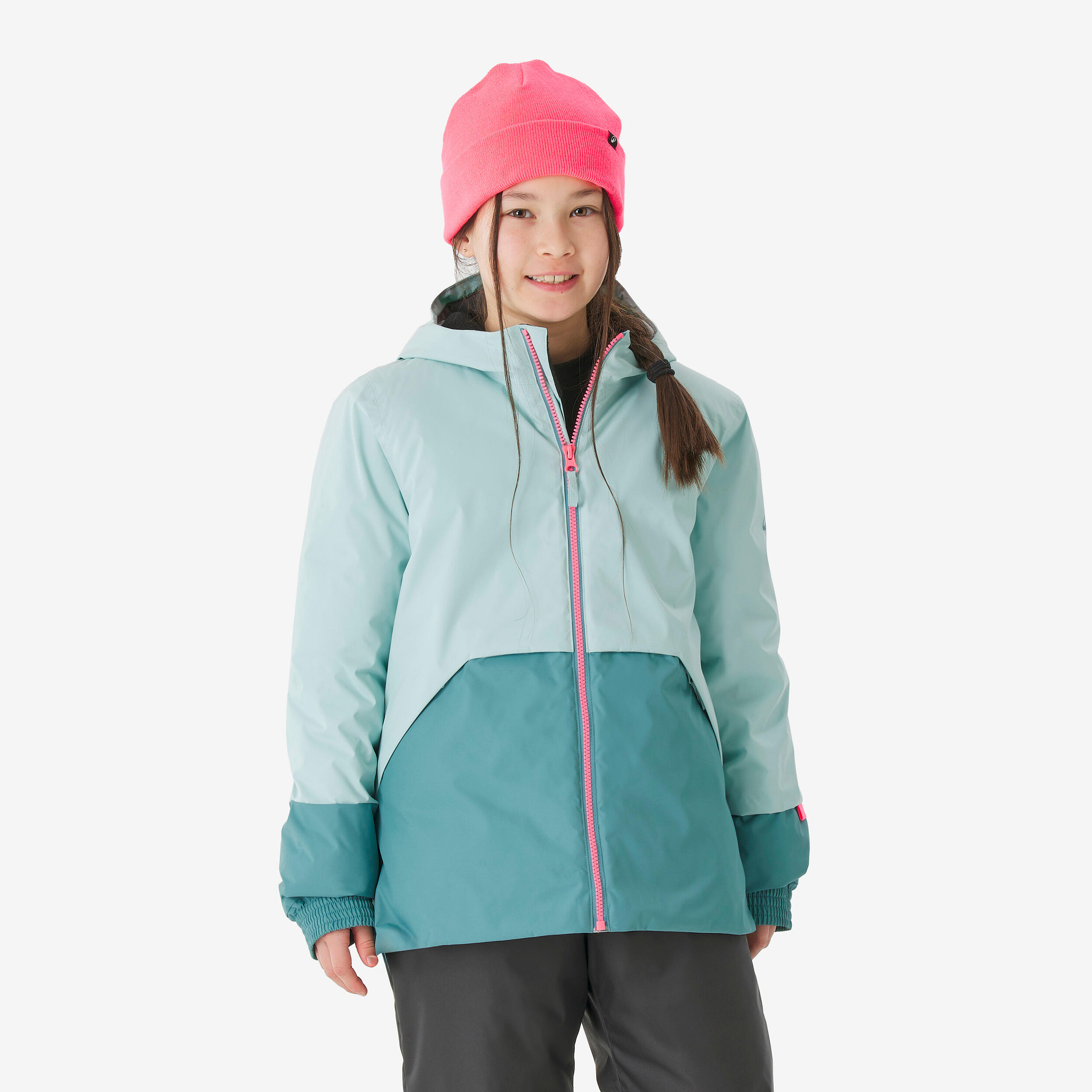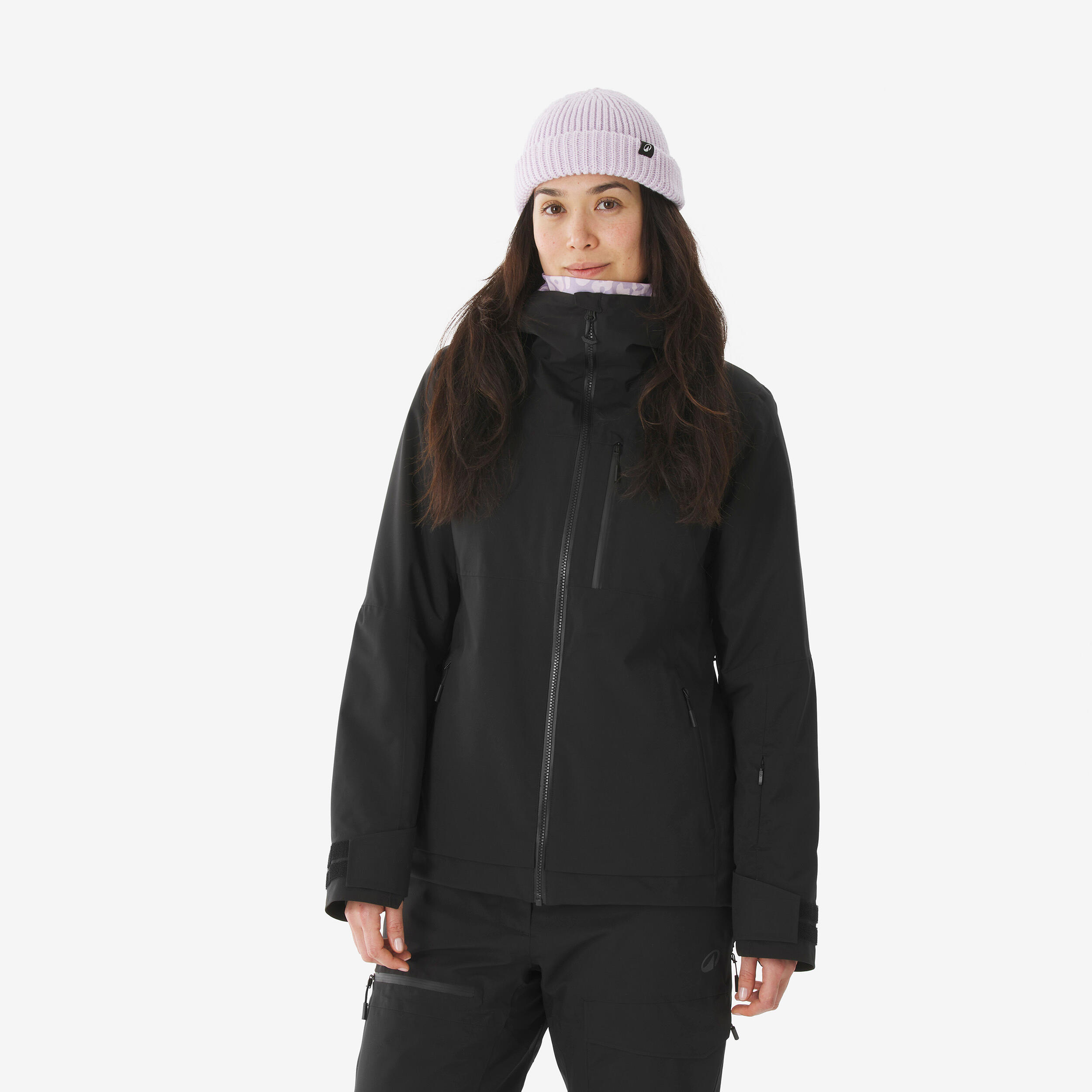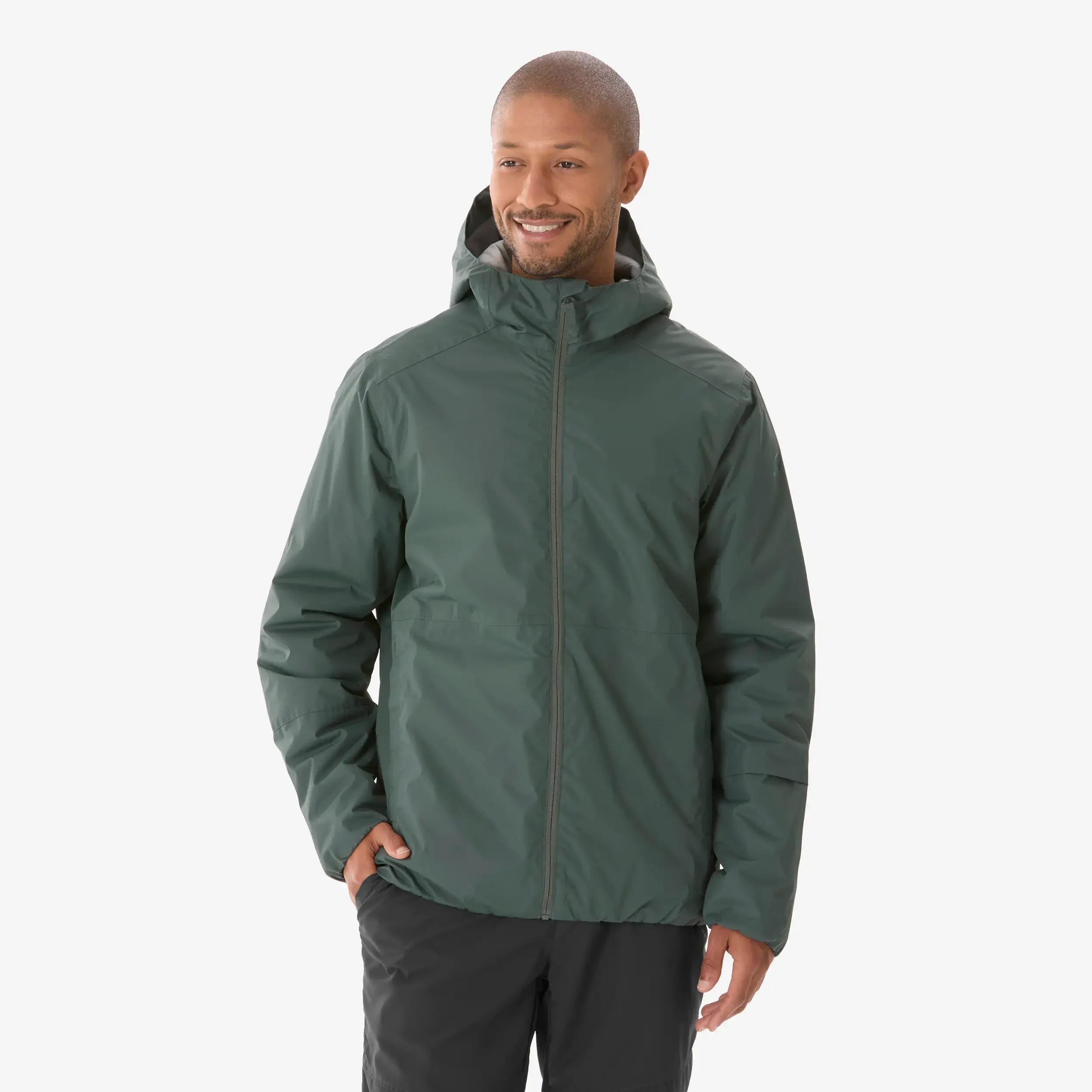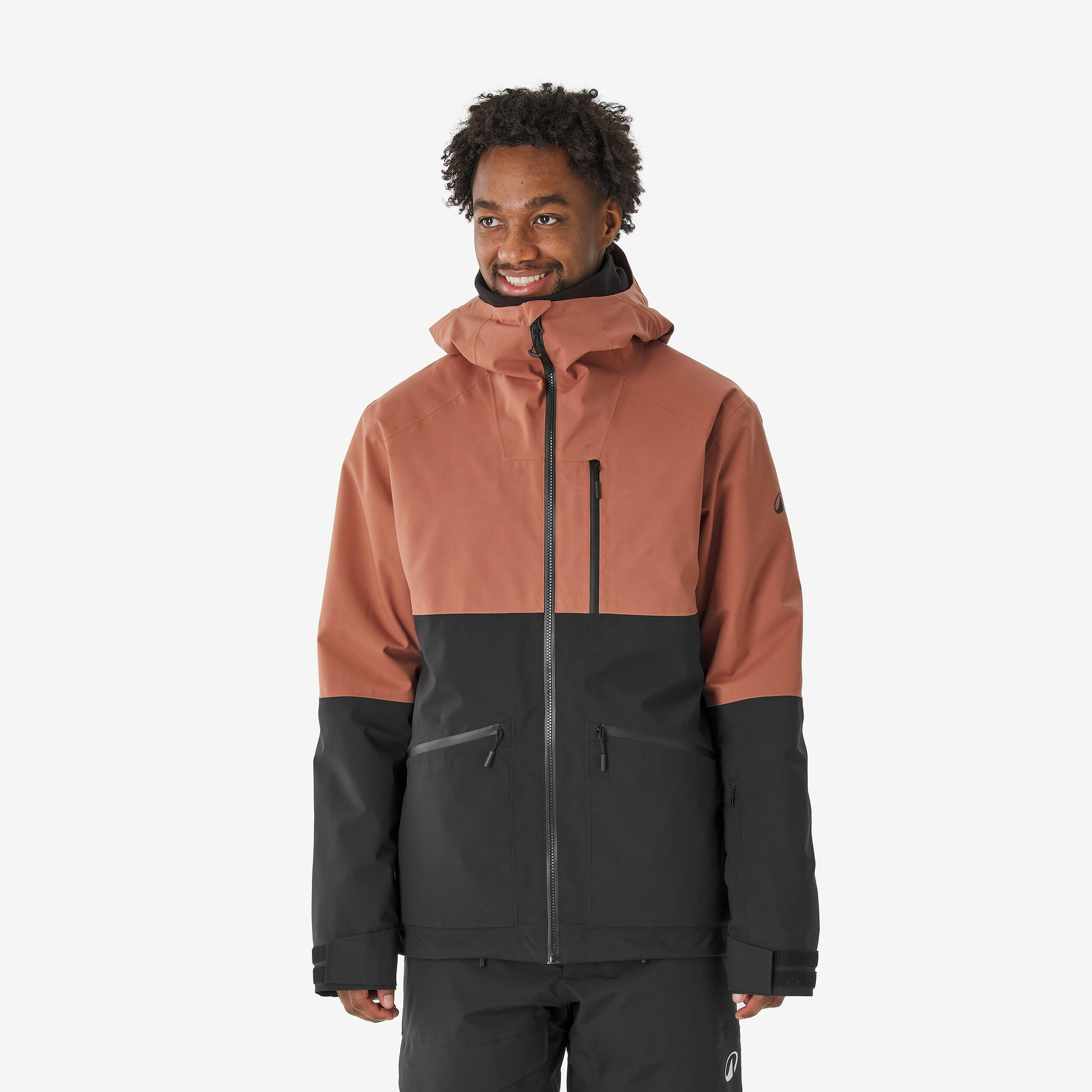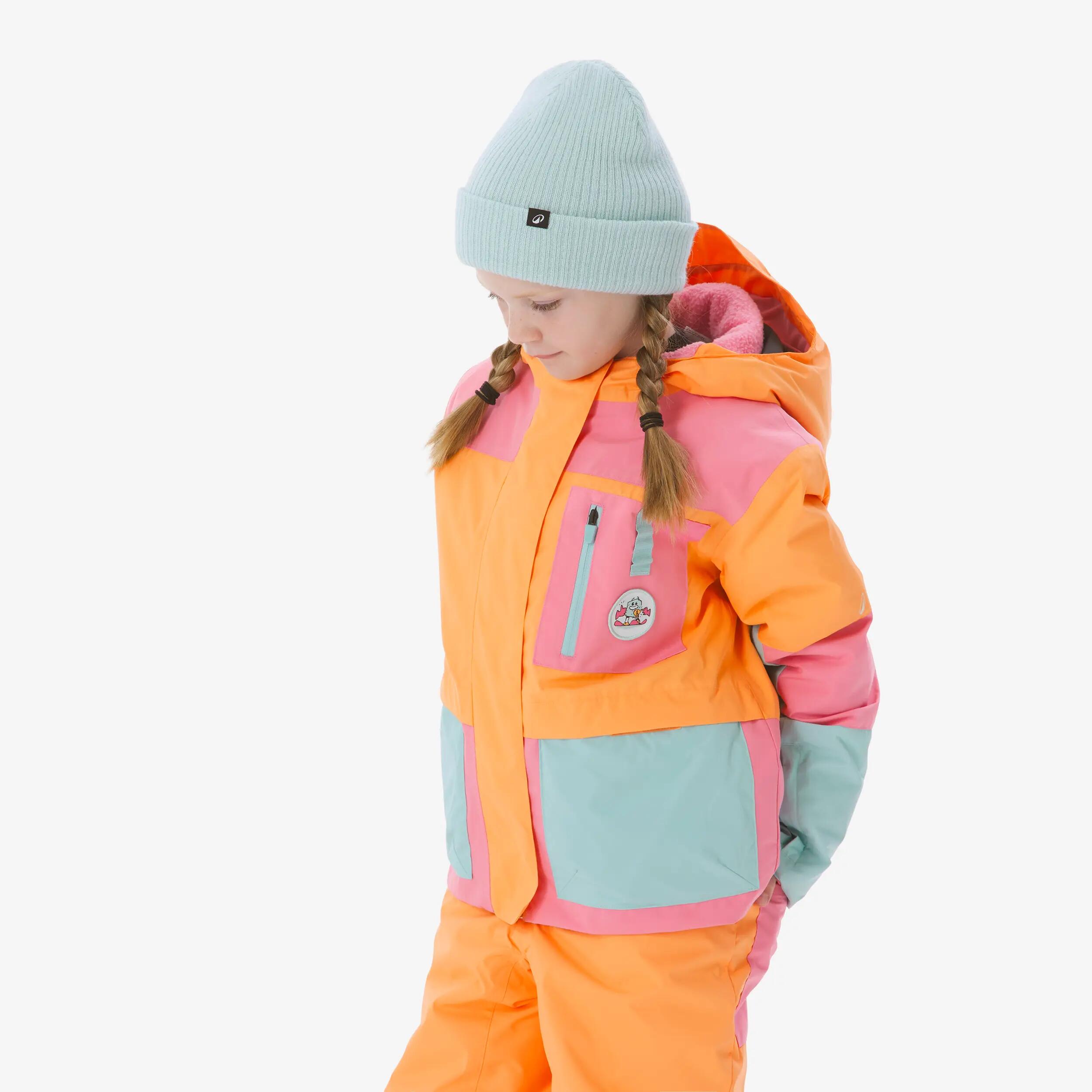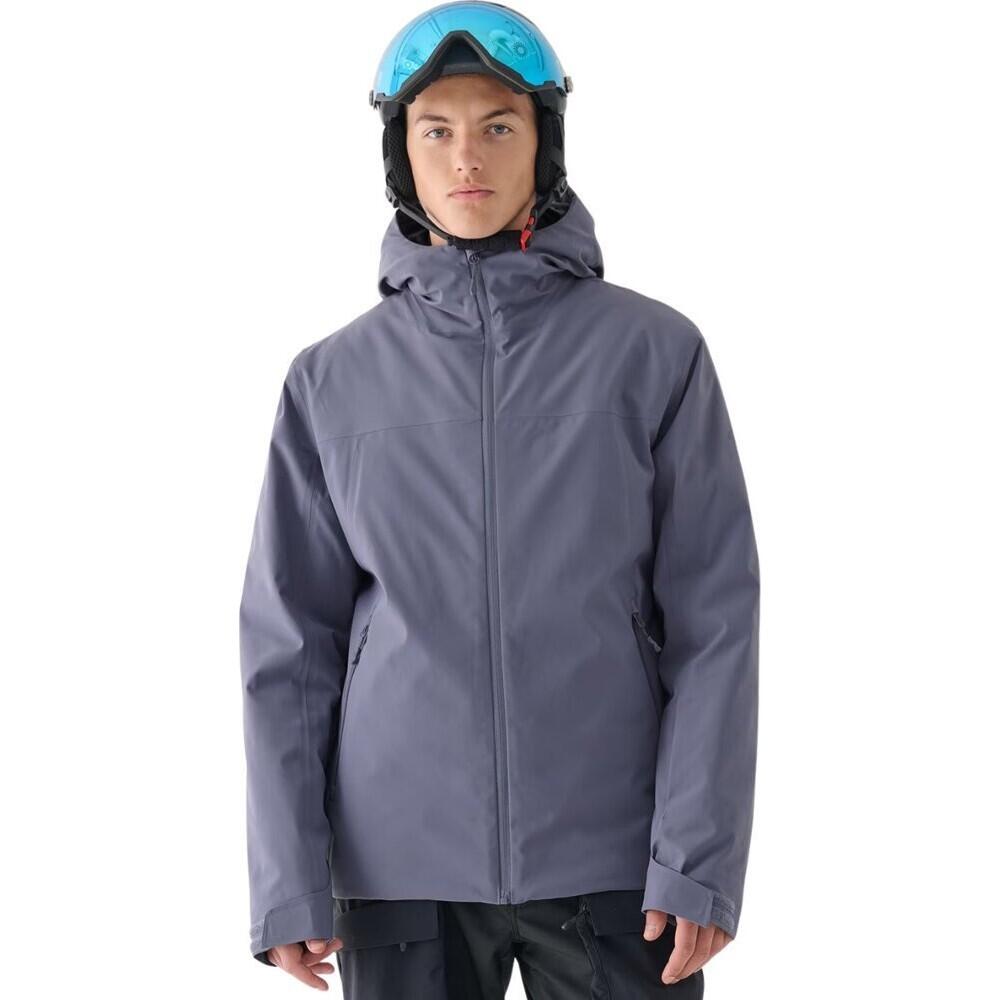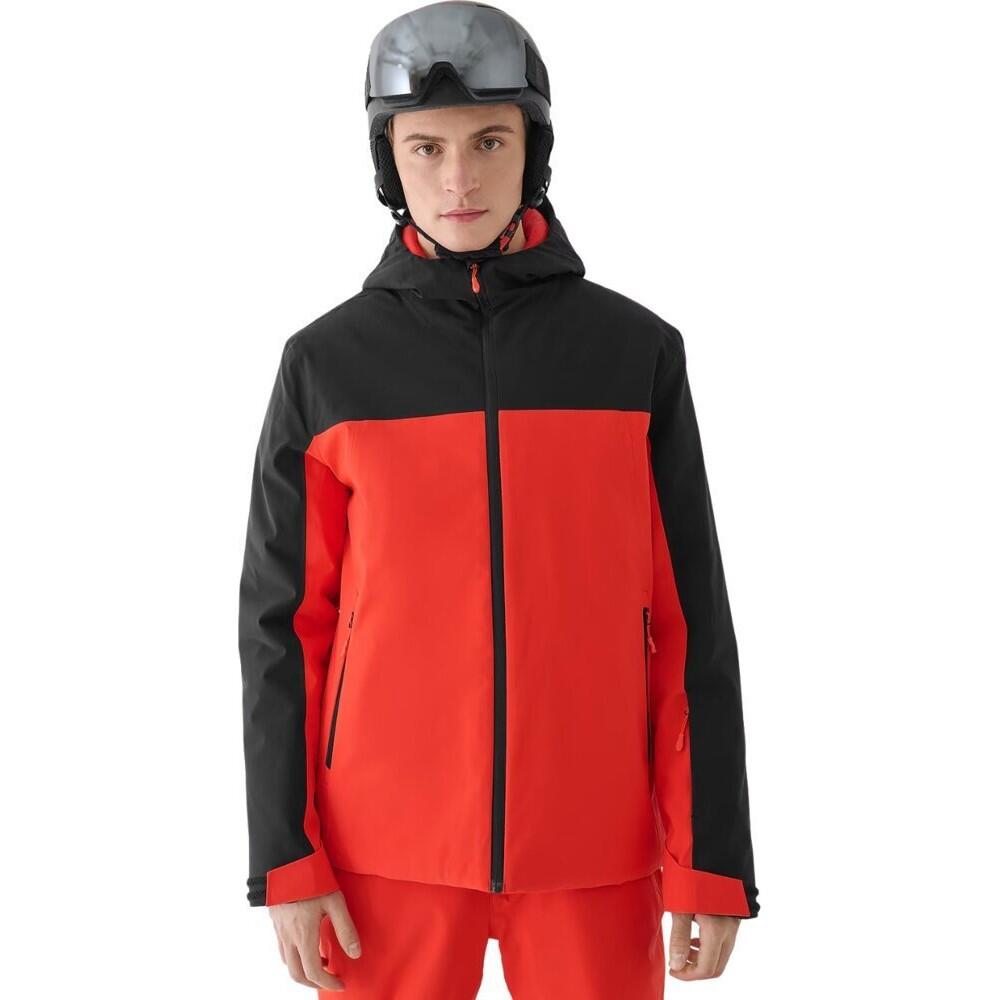
1,505 items
4.6/5 based on 83752 reviews collected online and in stores

Ski Jackets FAQs

How do I choose the right ski jacket for the slopes?

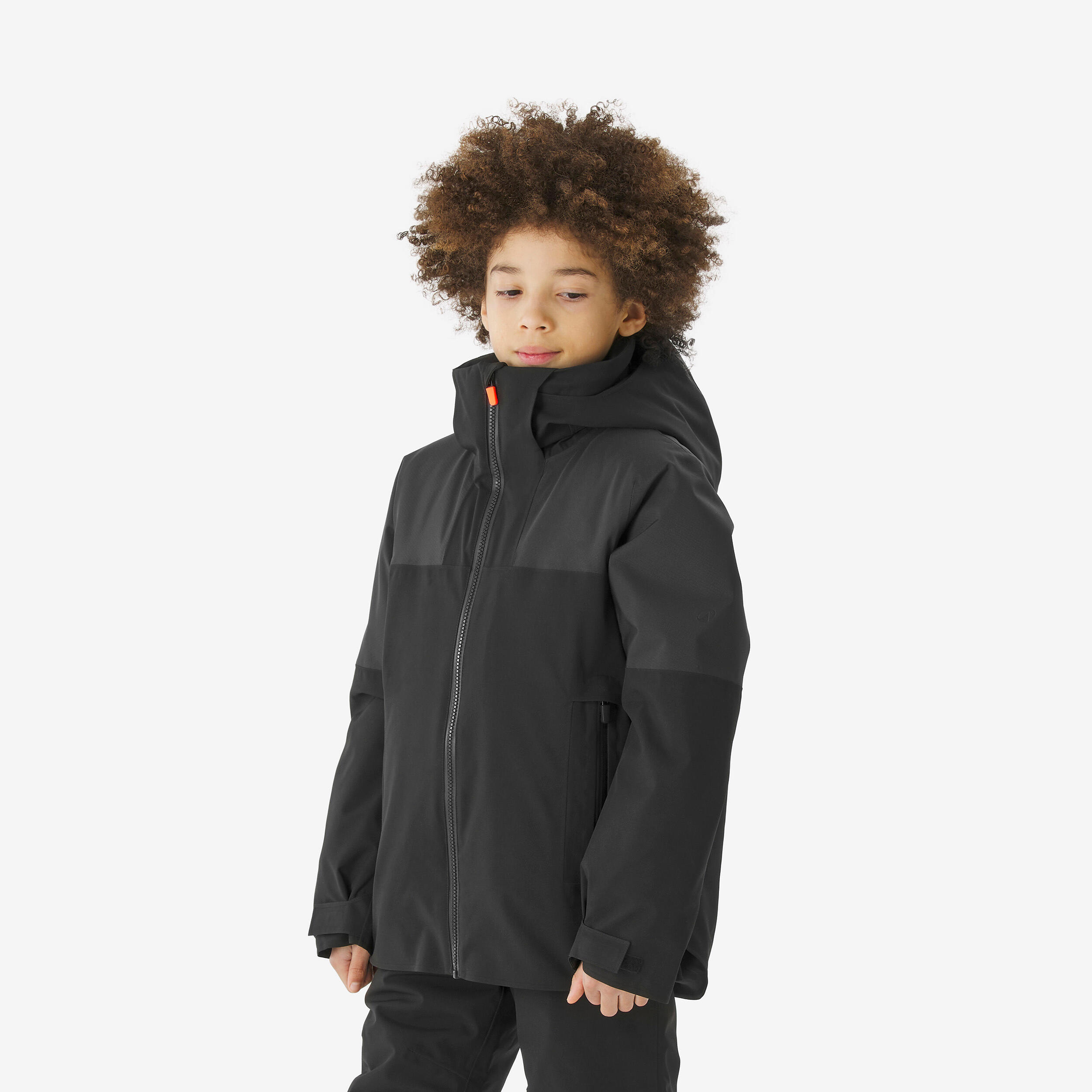
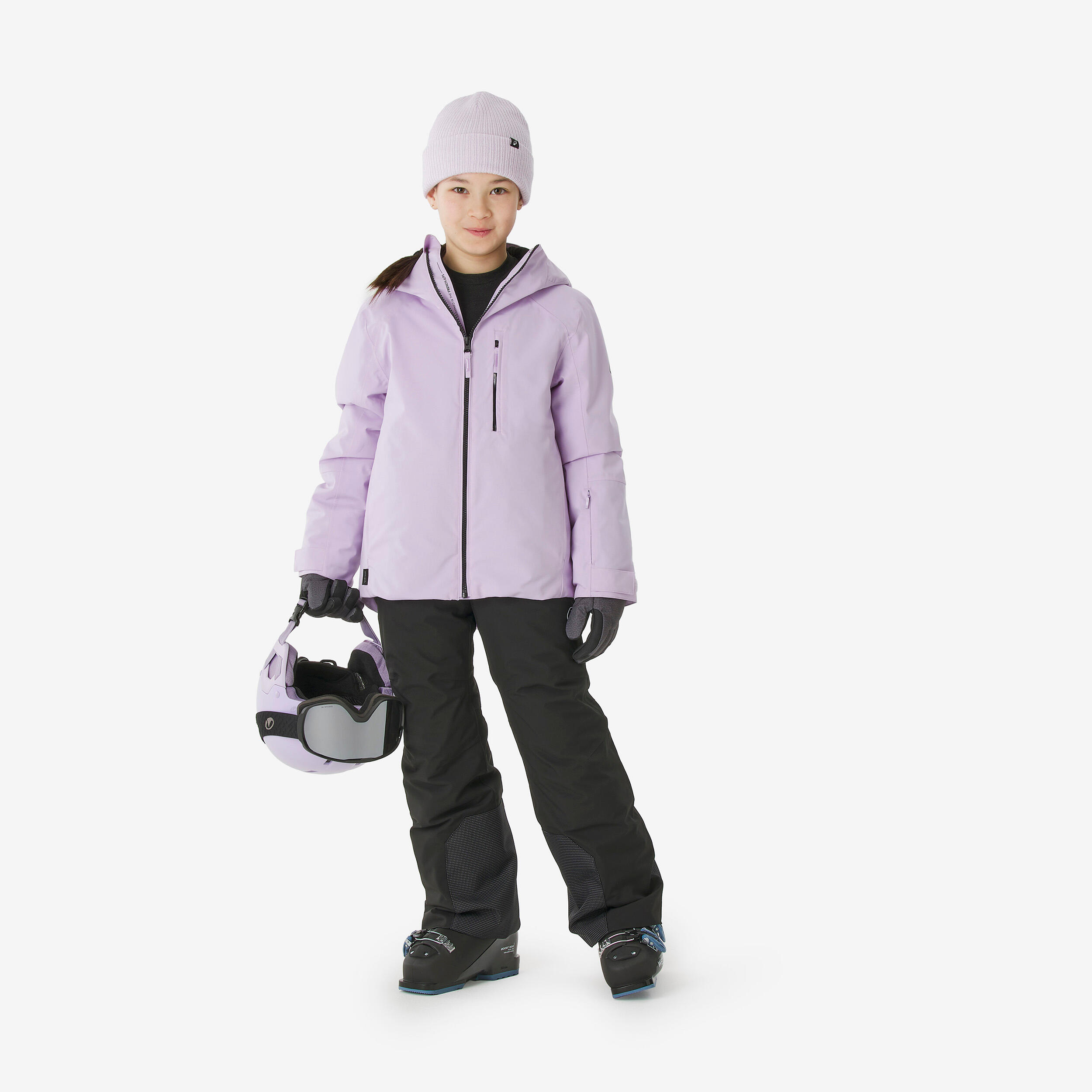
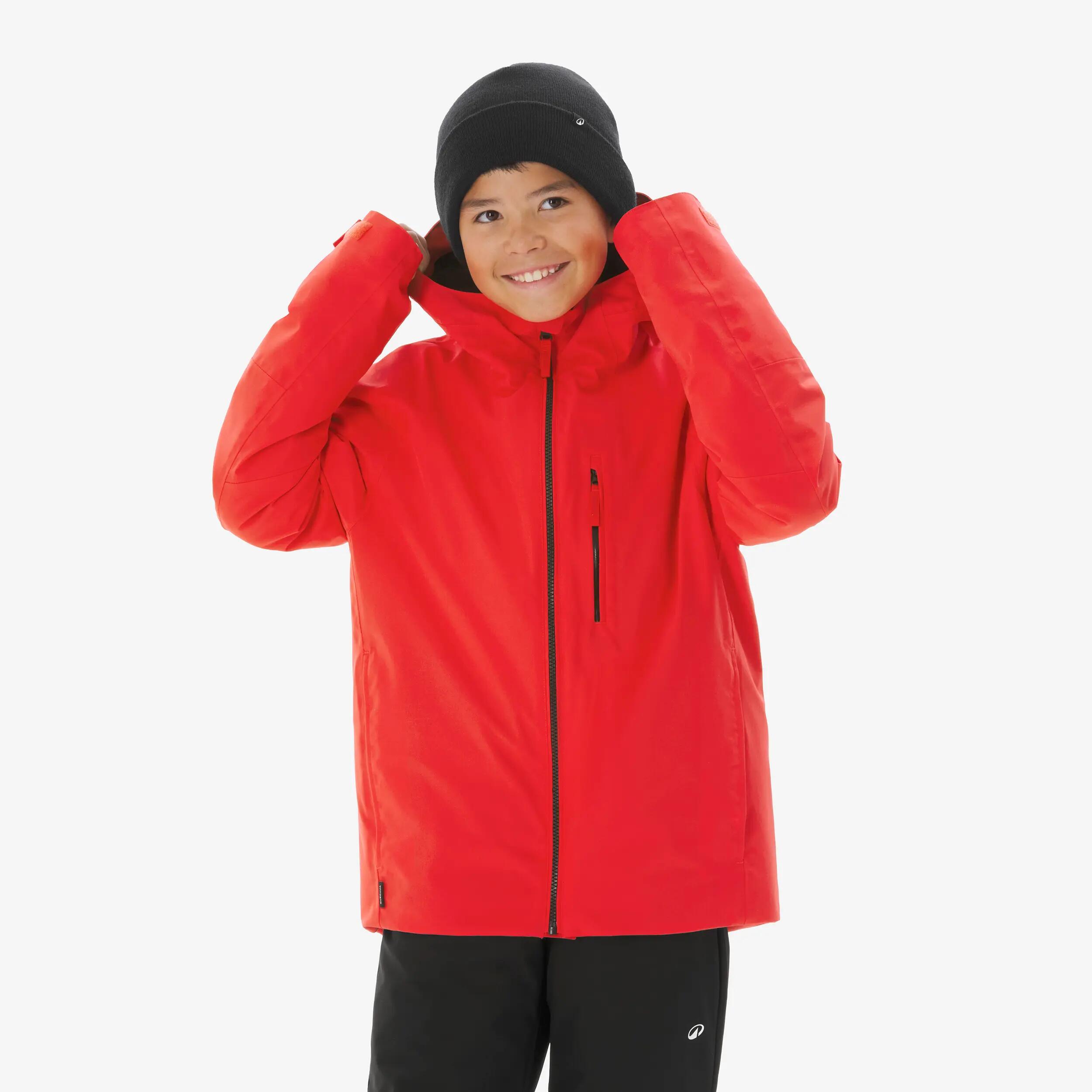
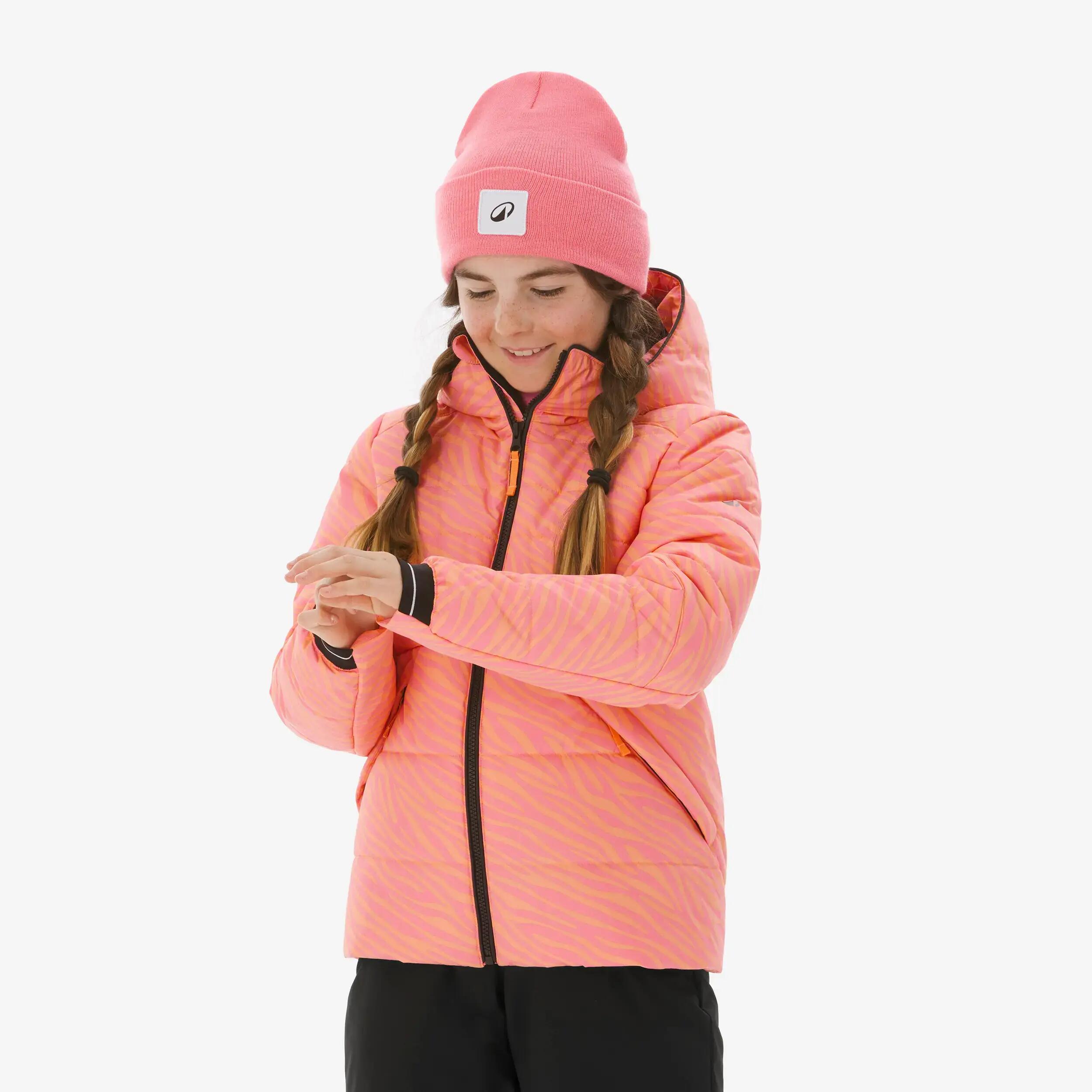
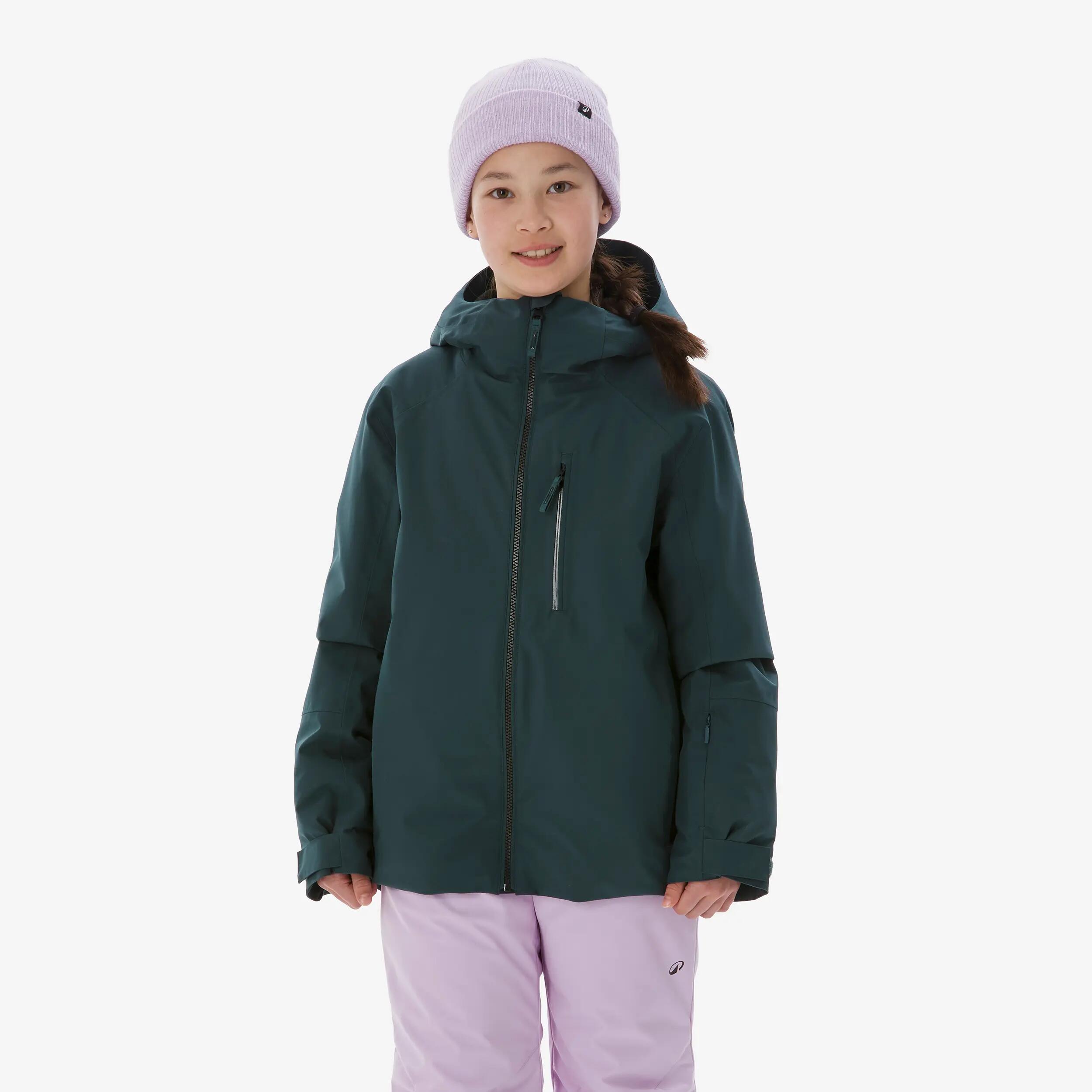
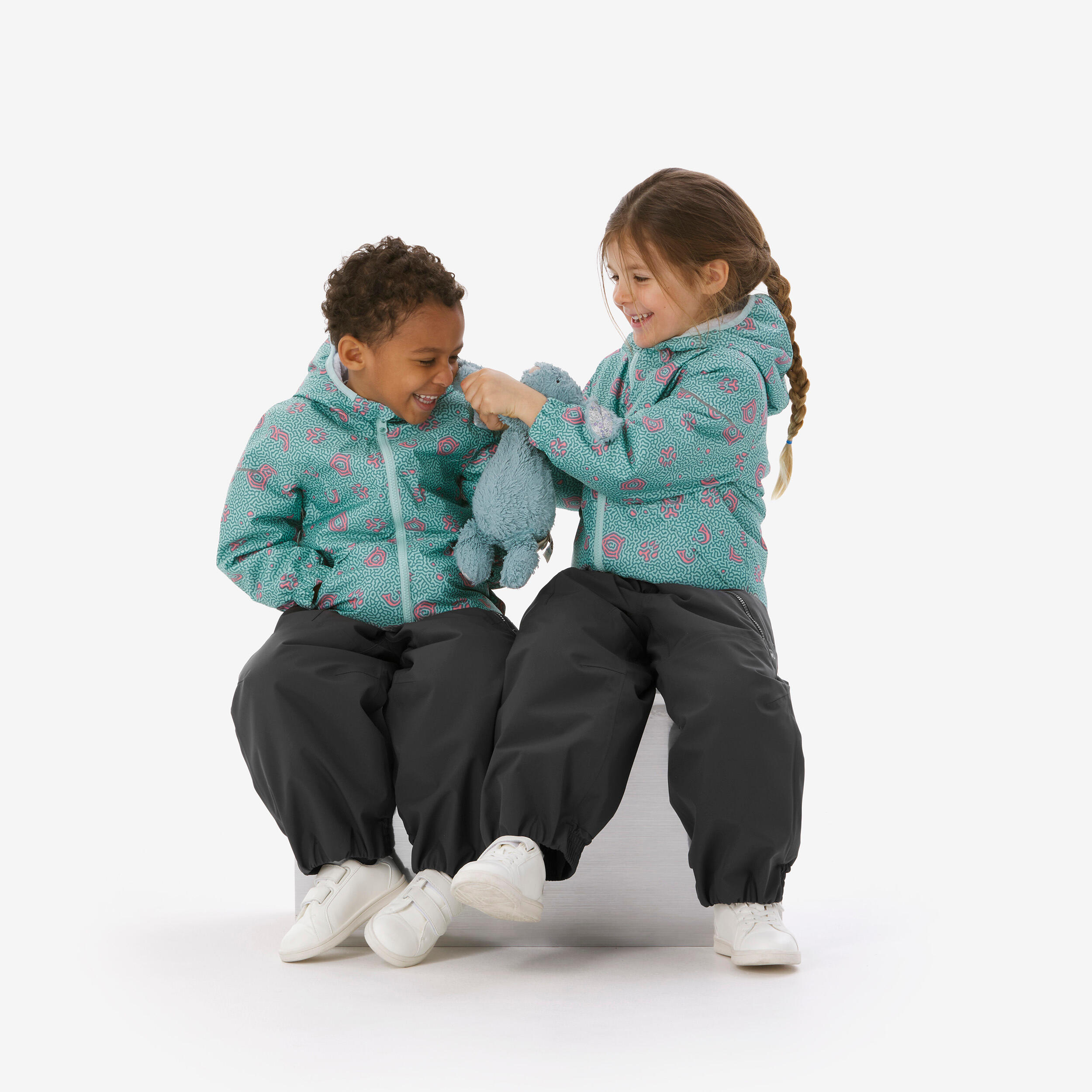
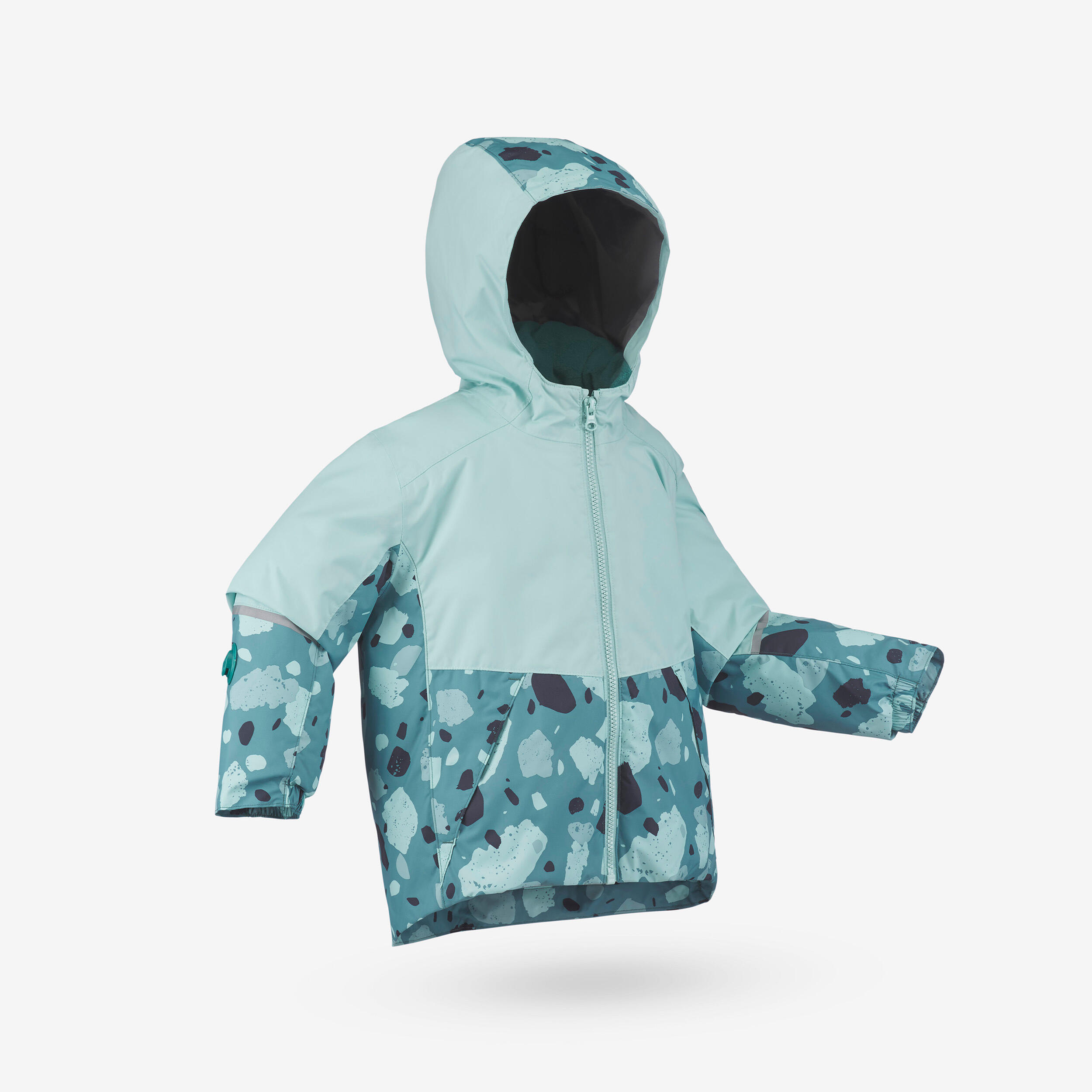
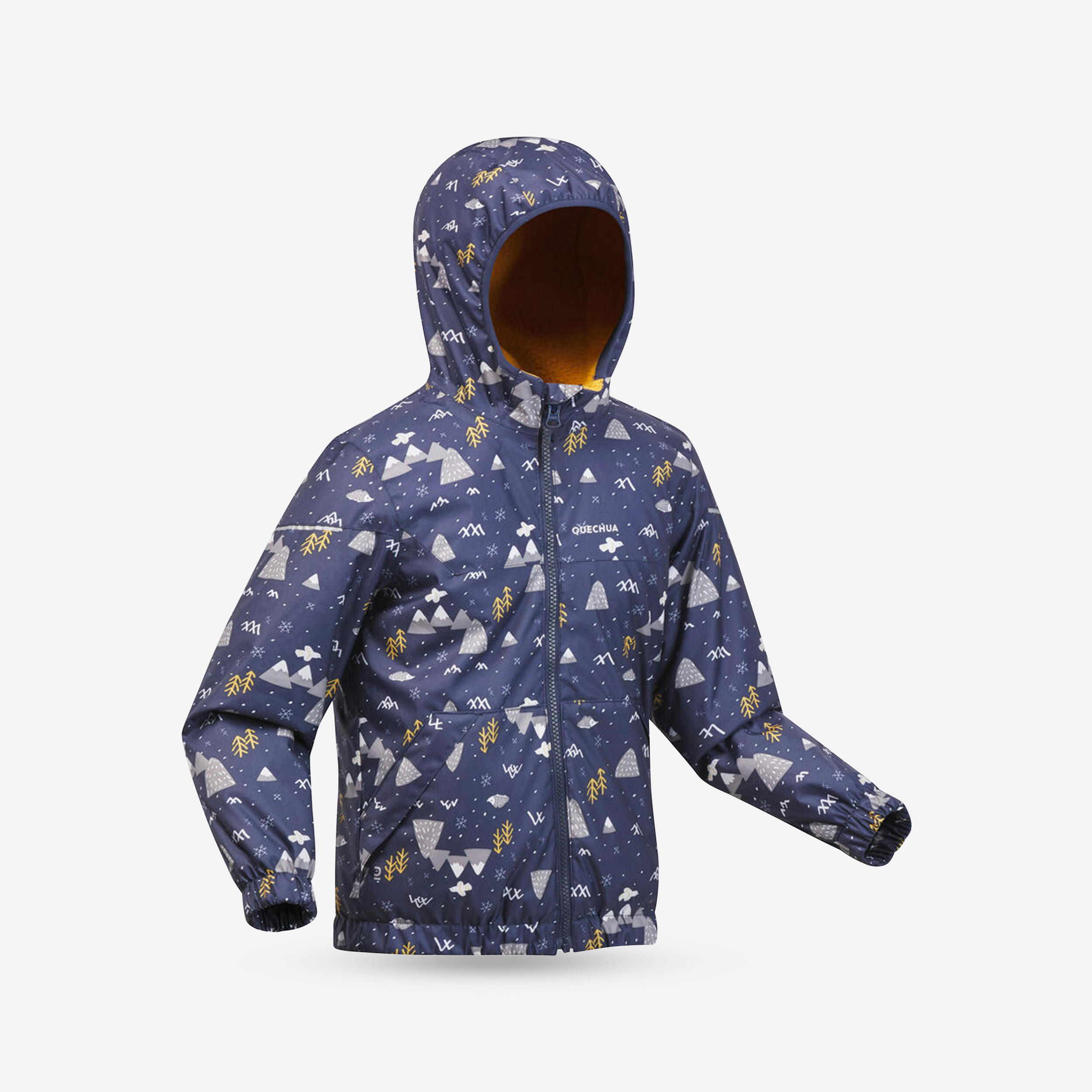
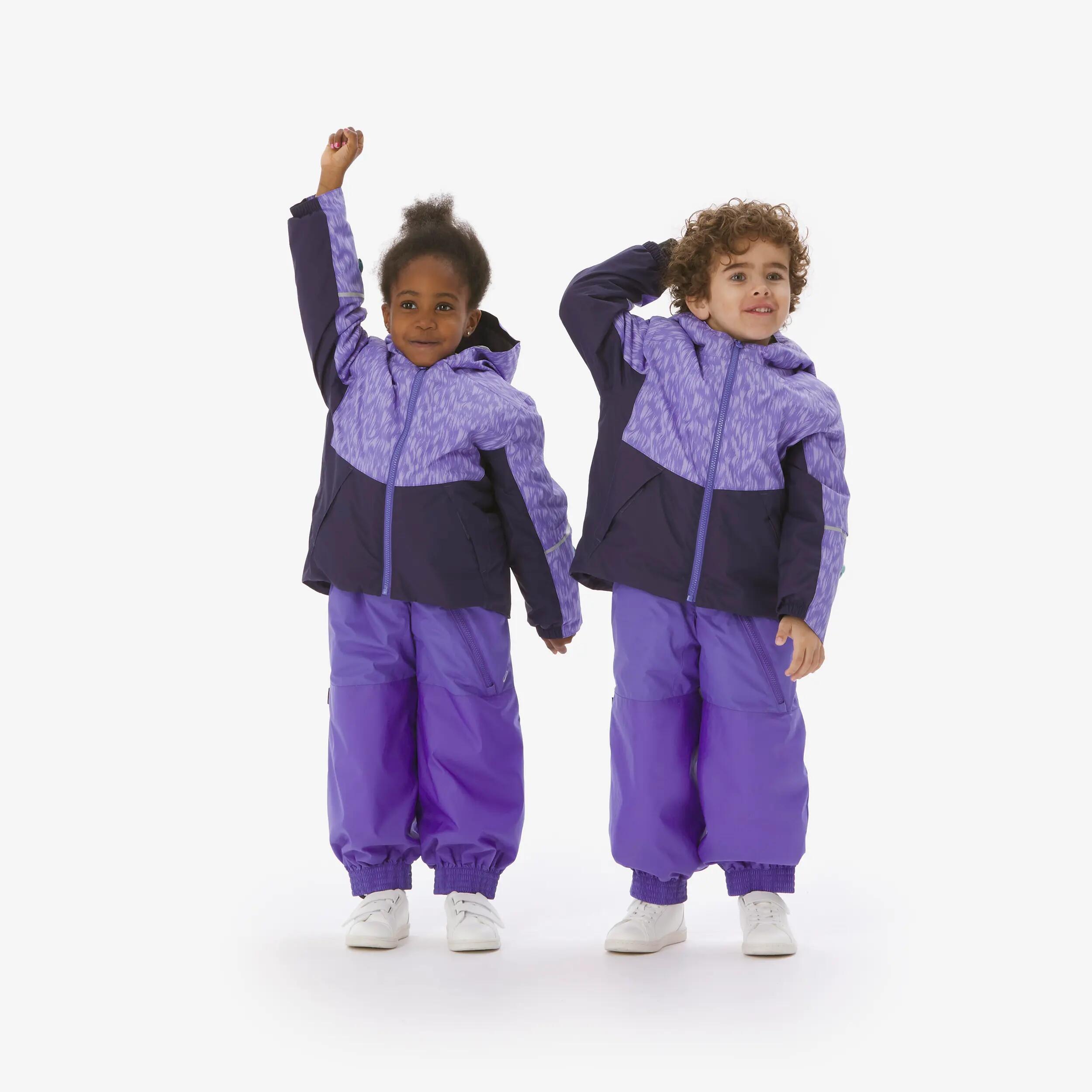
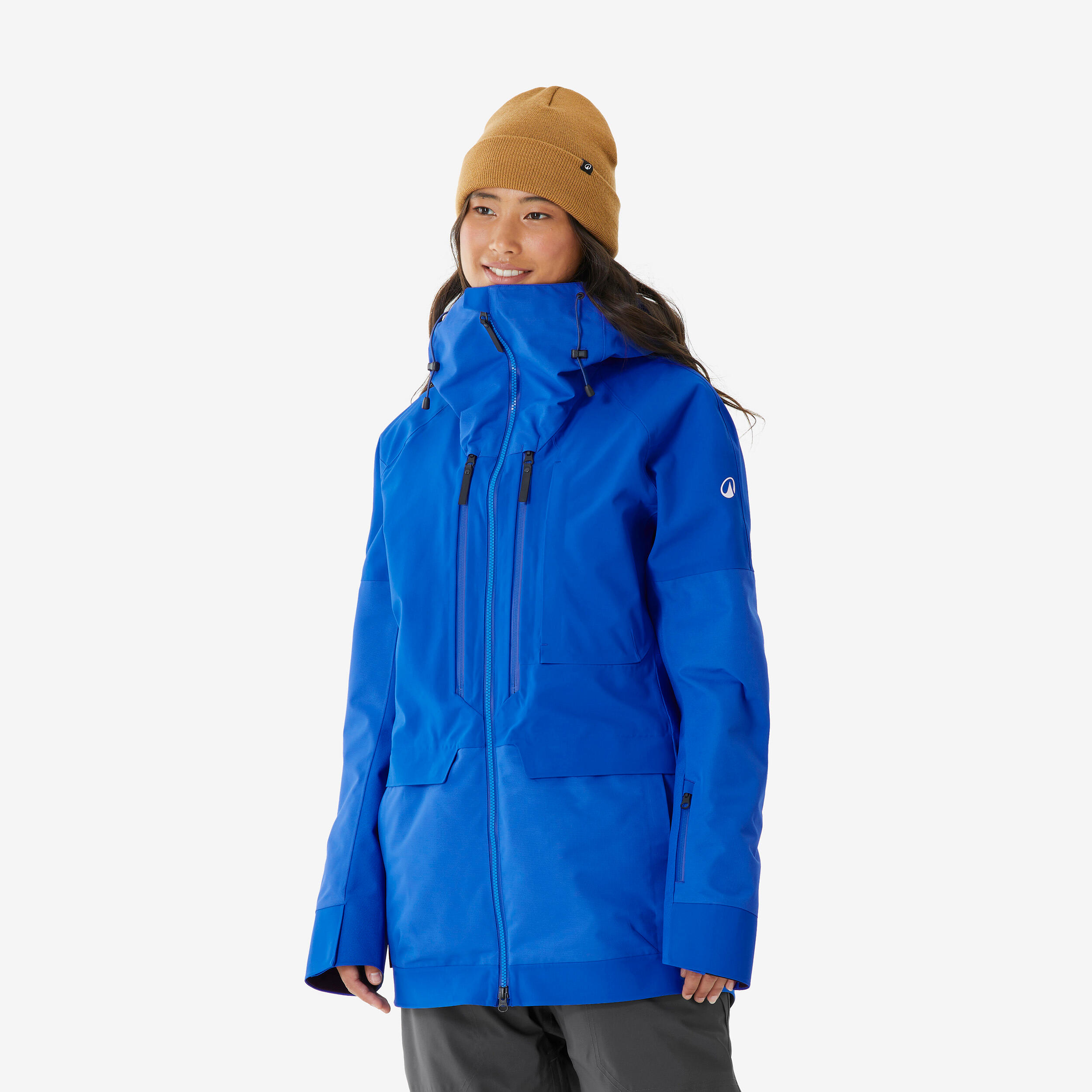
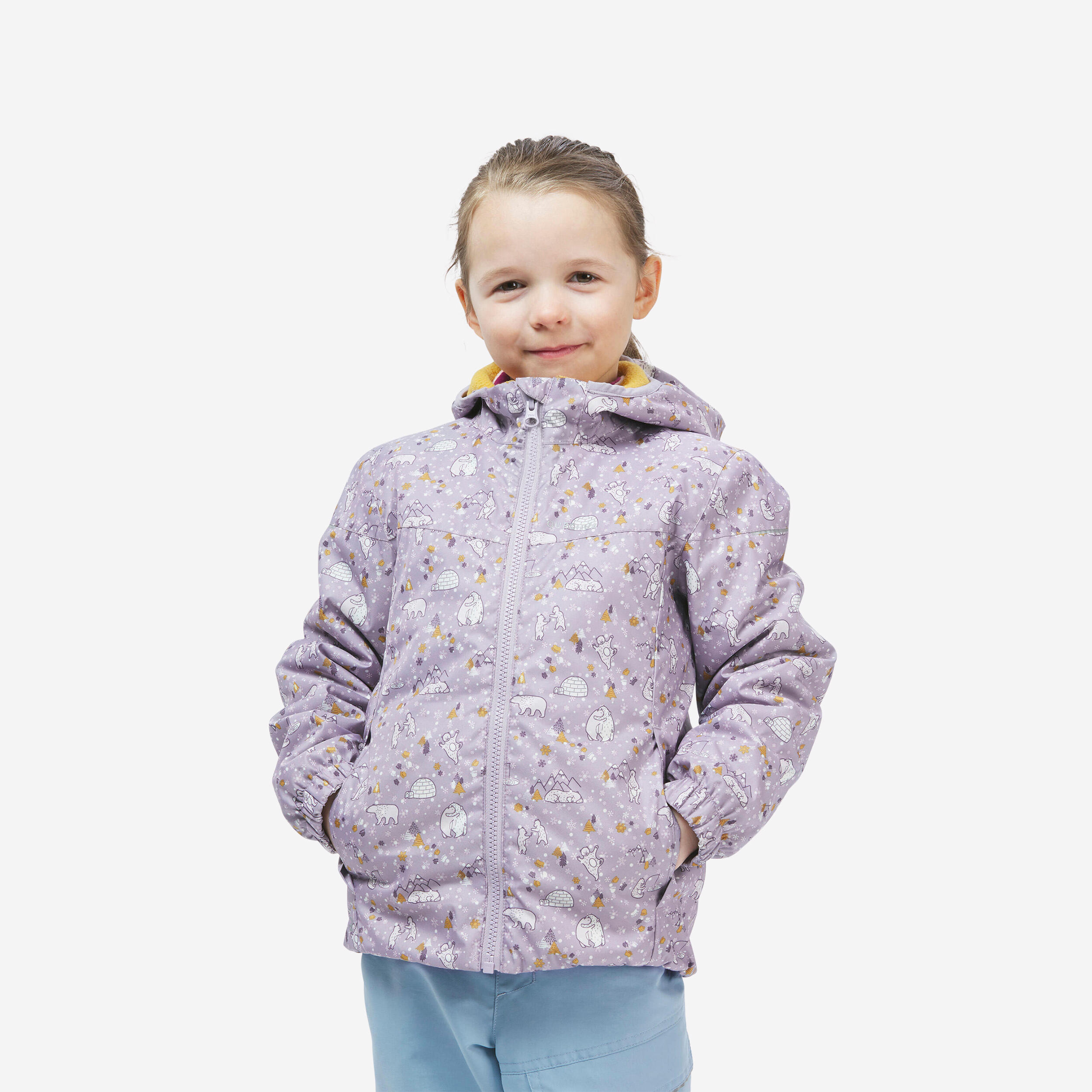
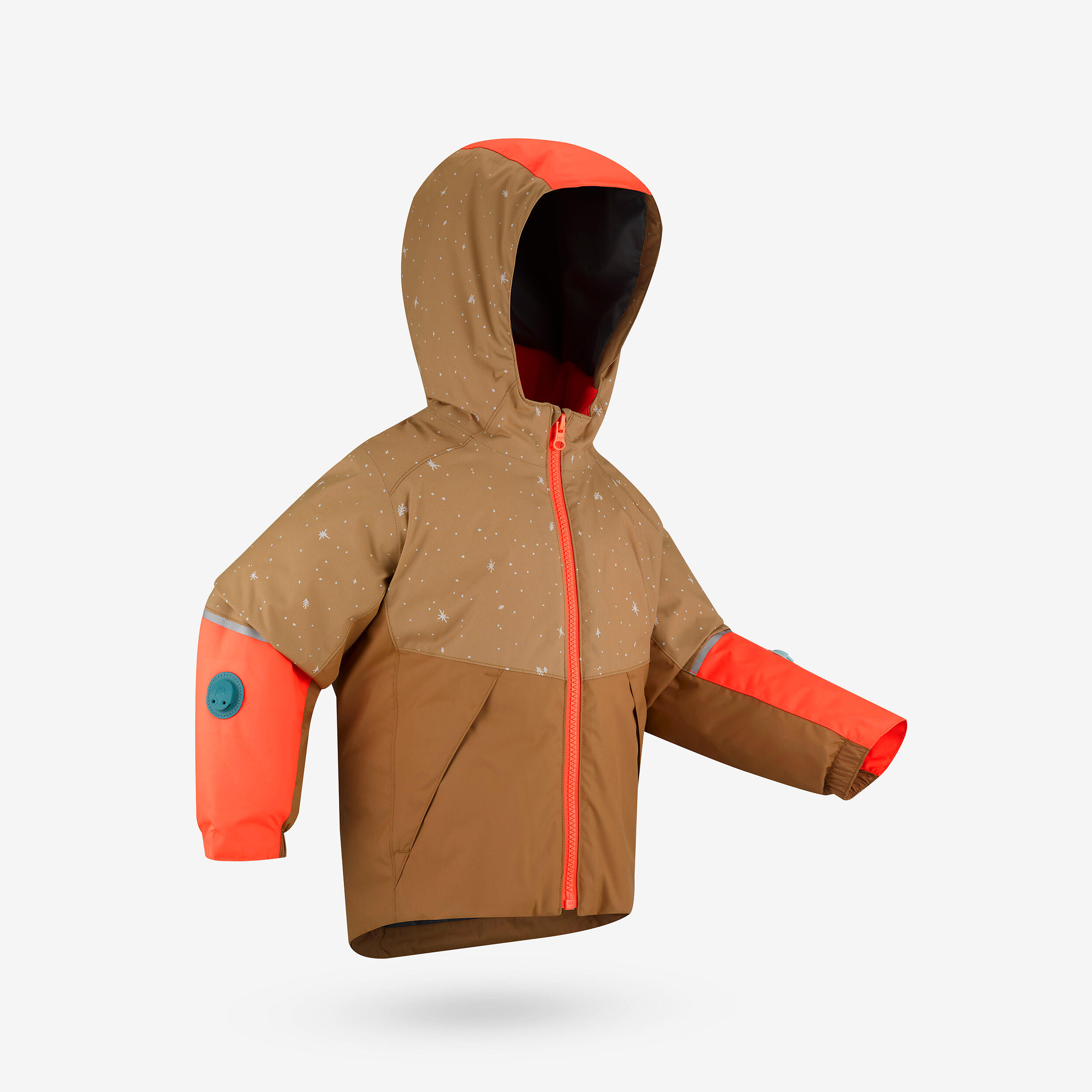
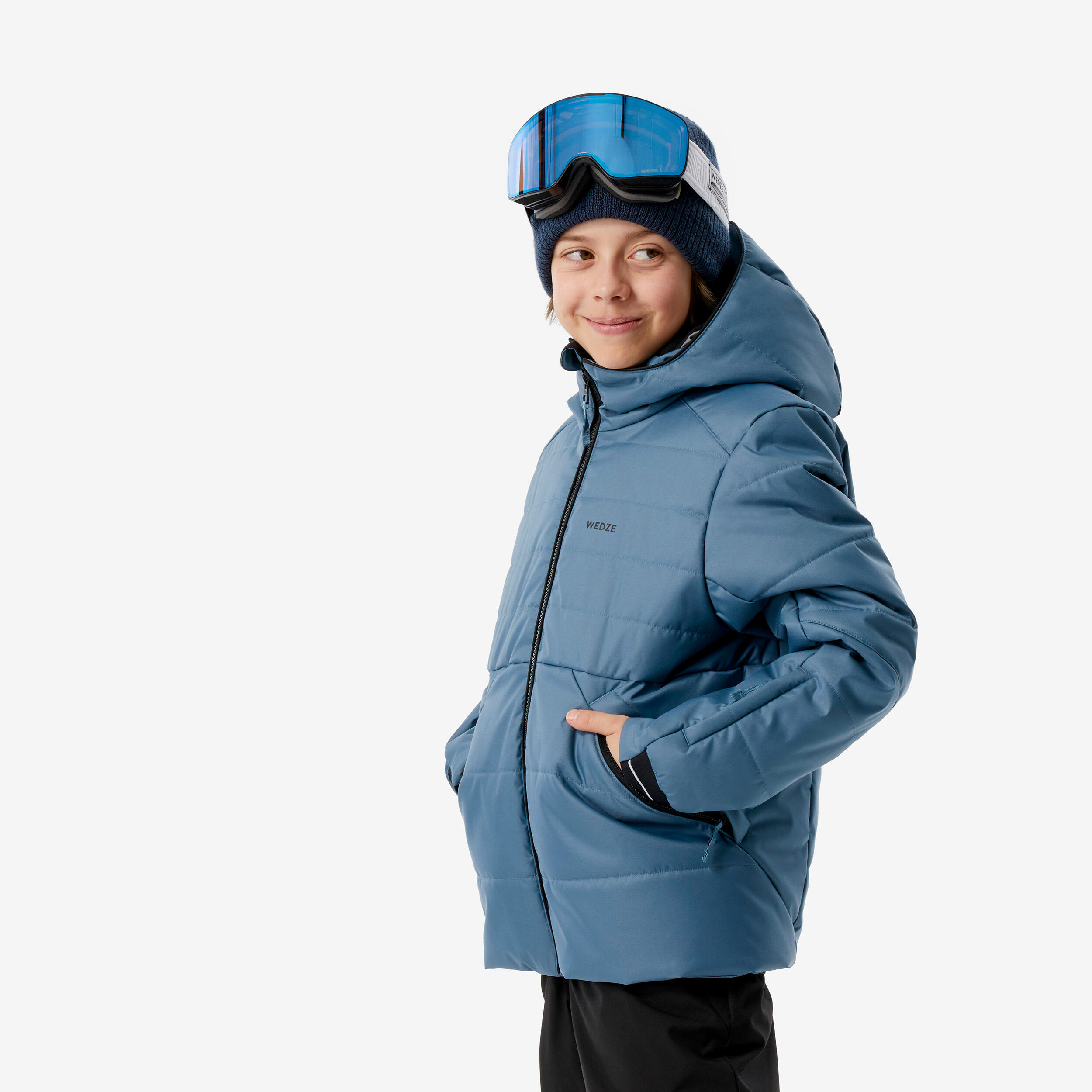
Choosing the right ski jacket comes down to four factors that matter on every chairlift and every descent: warmth, waterproofing, breathability, and durability. Look at the waterproof rating that handles heavy alpine snow and off-piste outings. Breathability ratings work alongside this, since a jacket that traps too much sweat ruins warmth as quickly as a leaking seam. The reason adjustable ski jackets matter is fine control: a powder skirt, adjustable hem, and Velcro cuffs lock snow out during a fall, while pit zips dump heat on a sunny lift ride. For full-family kitting, our range of kids ski jackets applies the same waterproofing and insulation standards to junior cuts with grow-tab sleeves that extend the useful life by a season.
Are ski jackets cut differently for men and women?

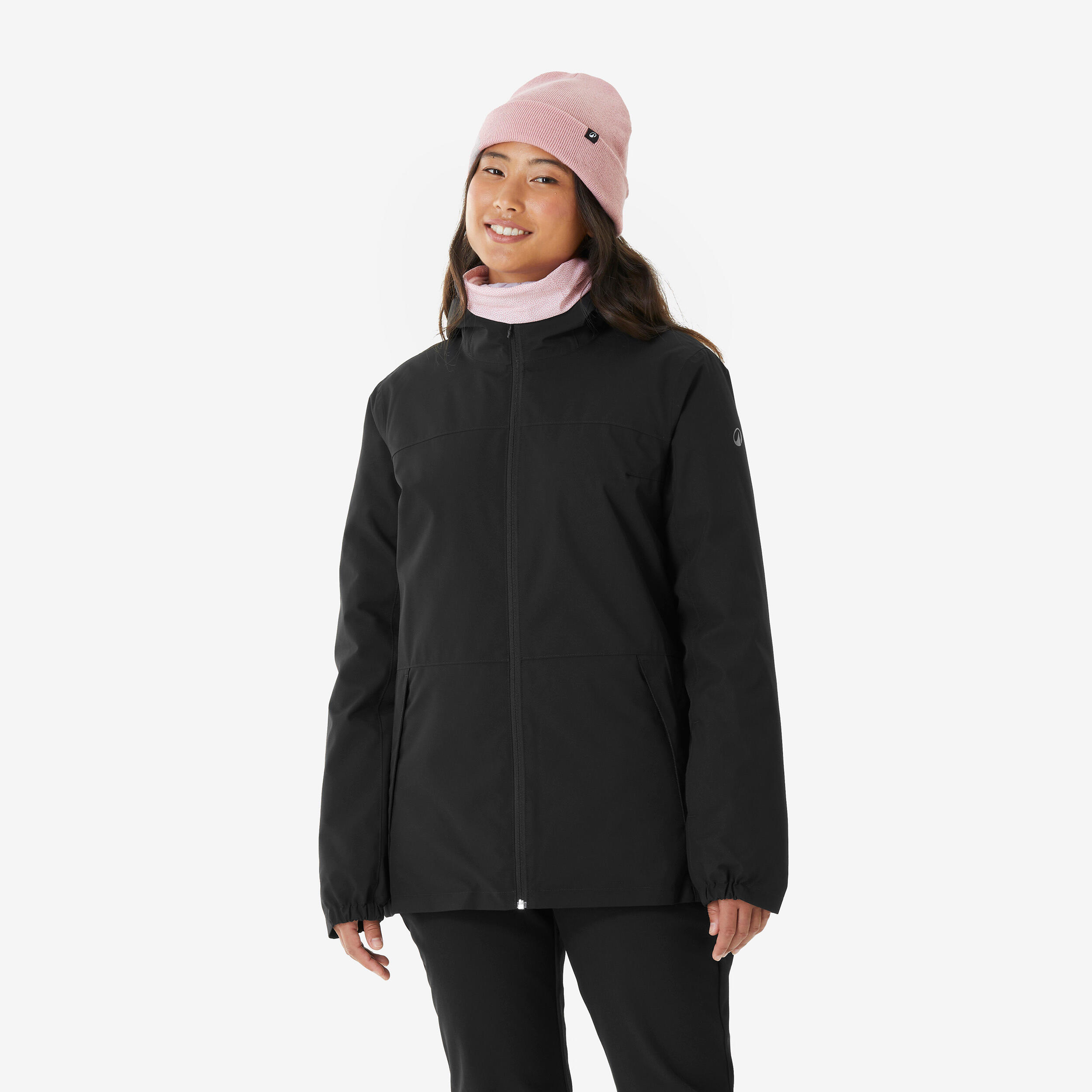
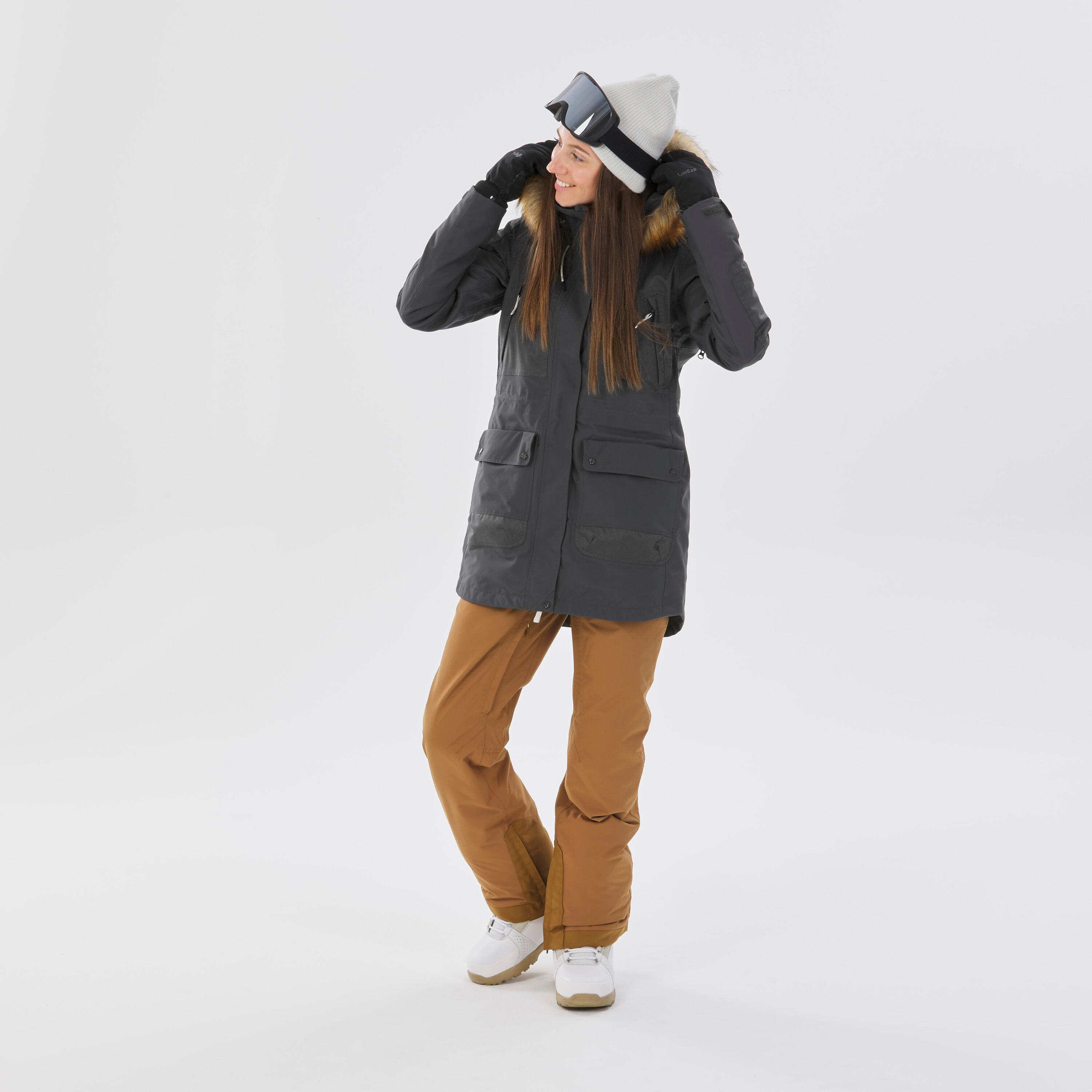
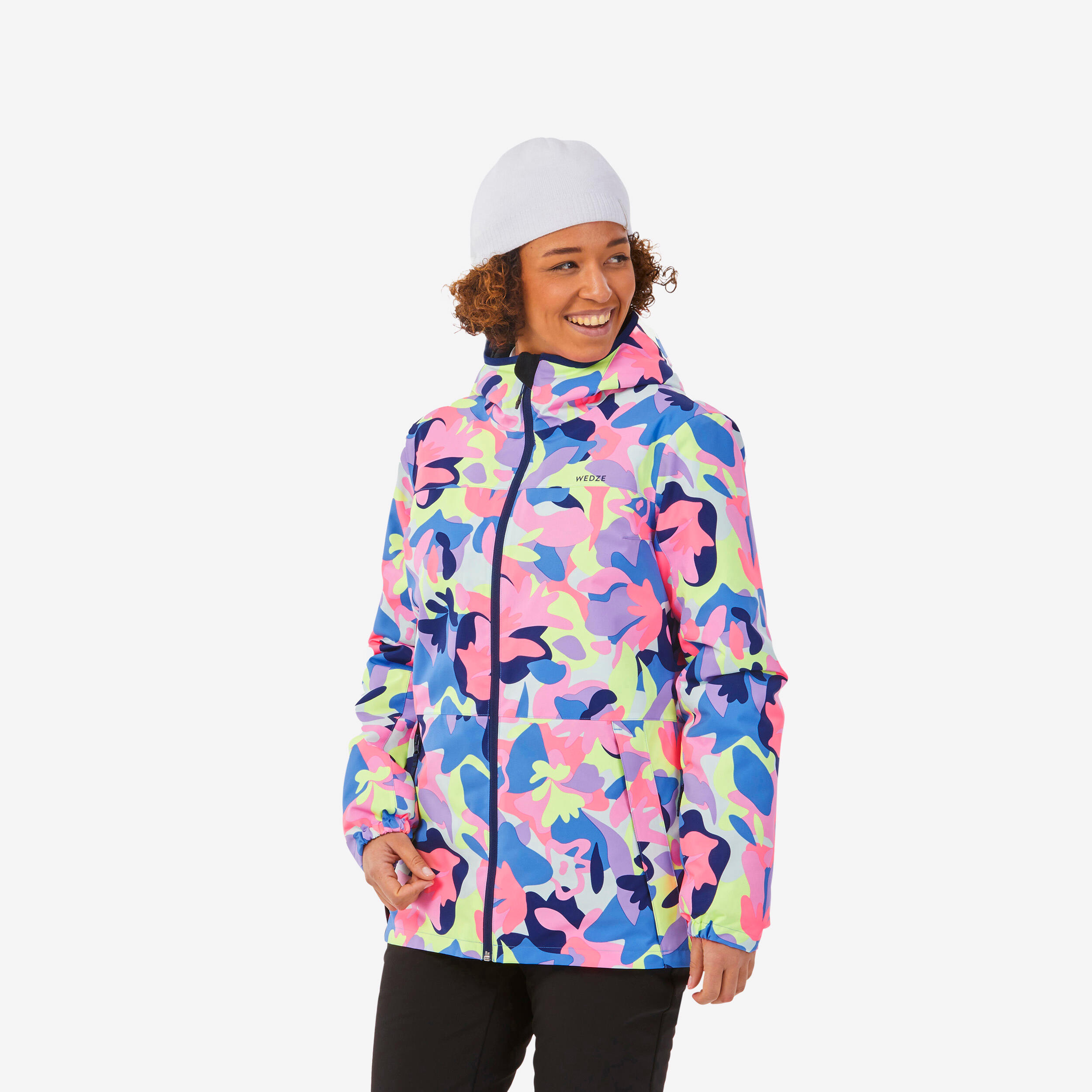
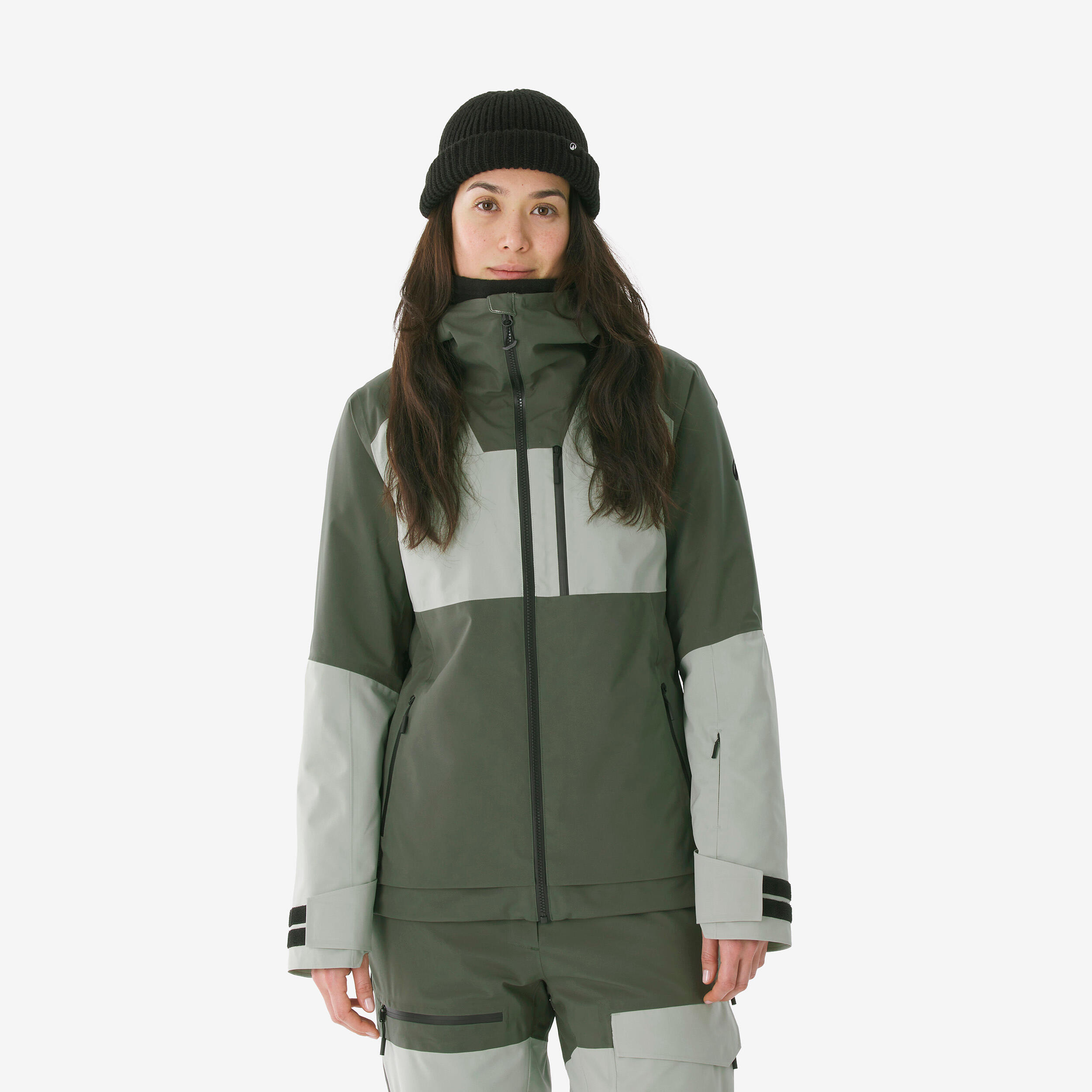
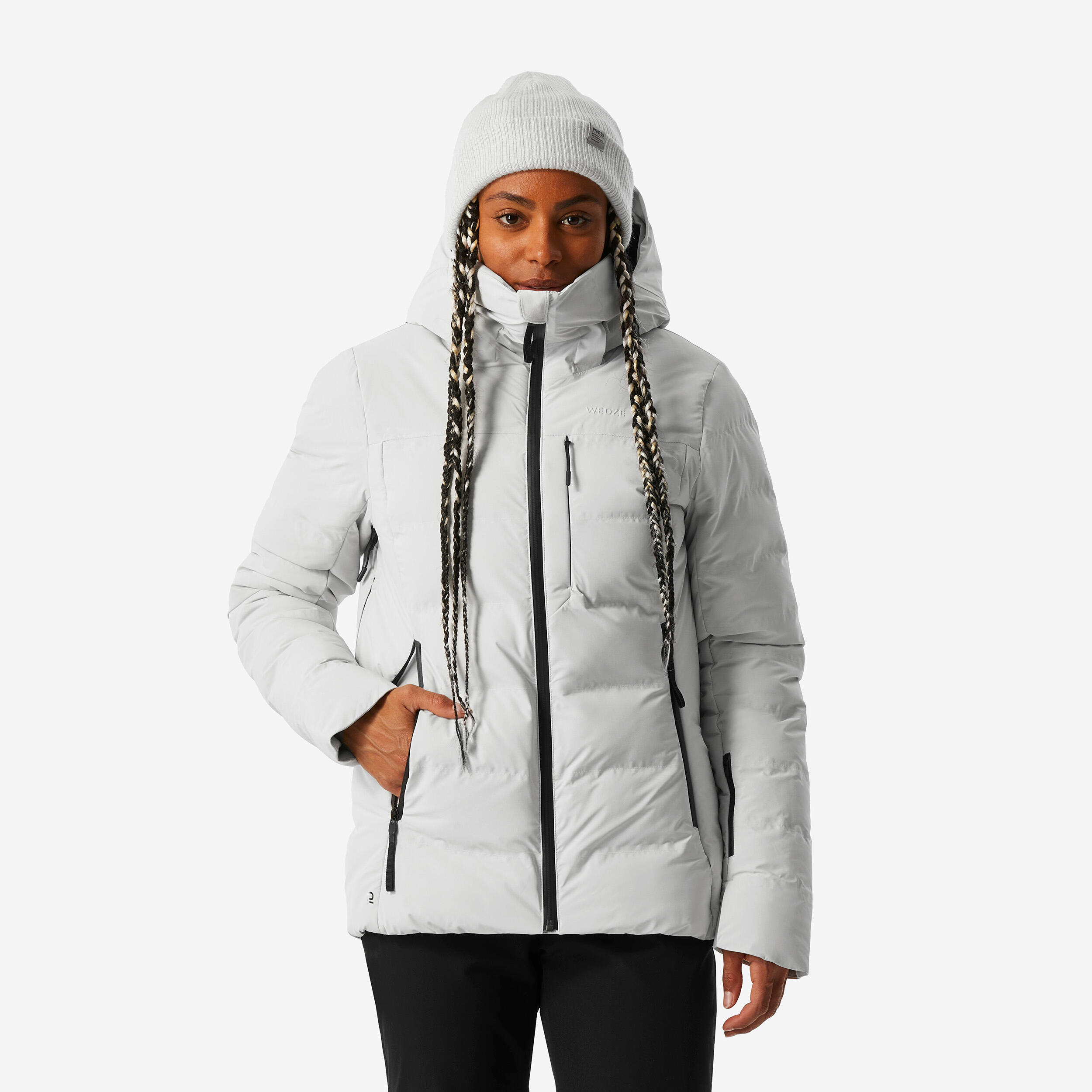
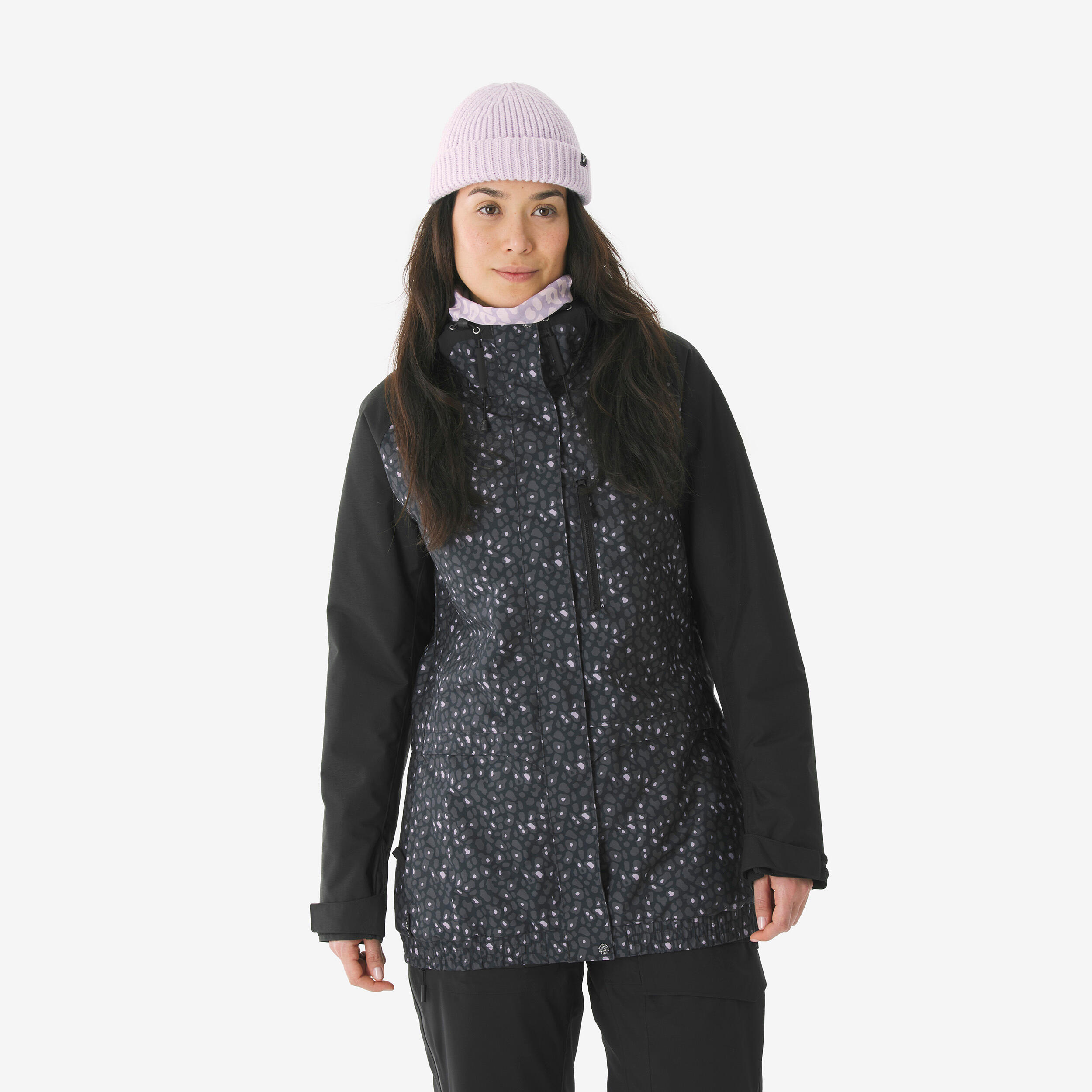
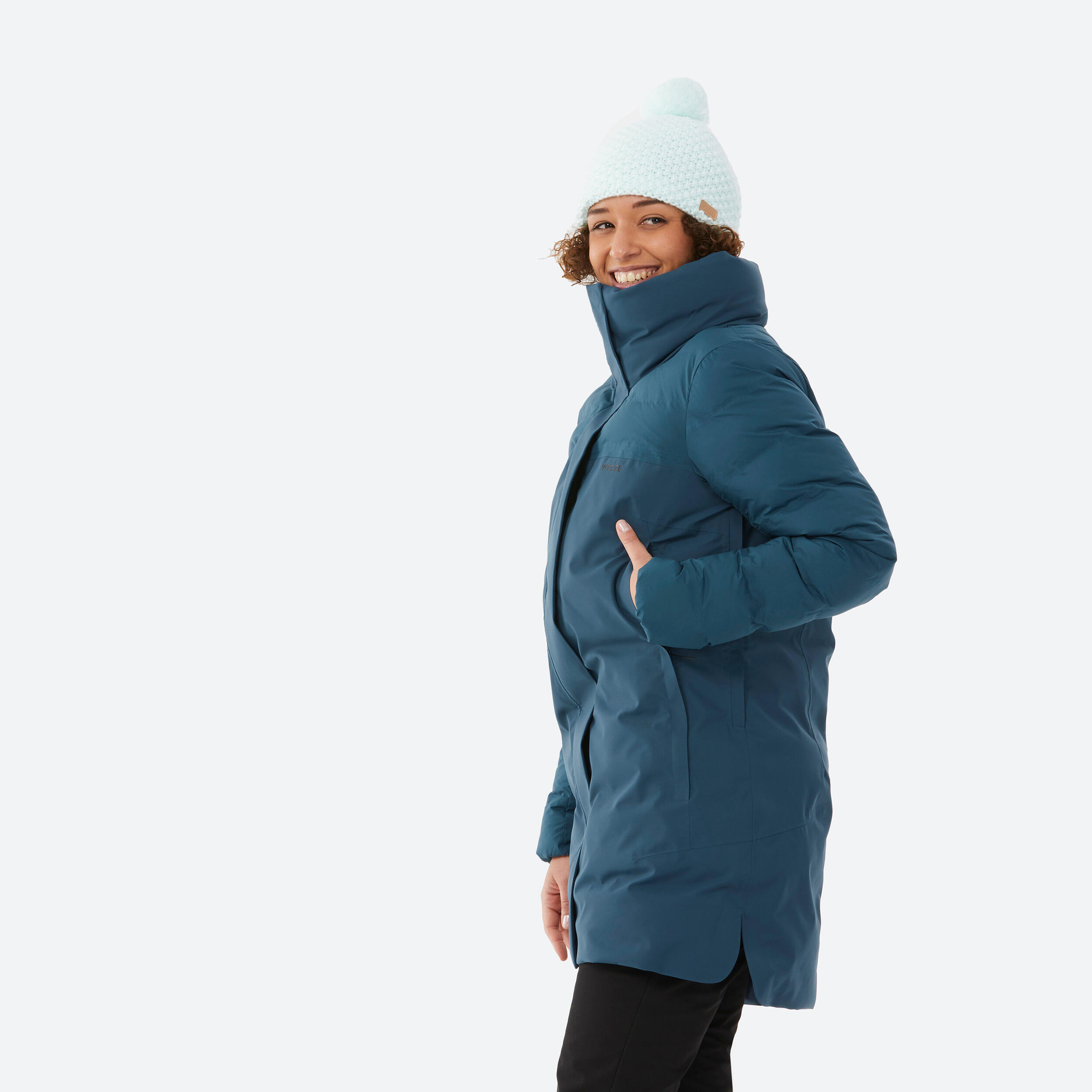
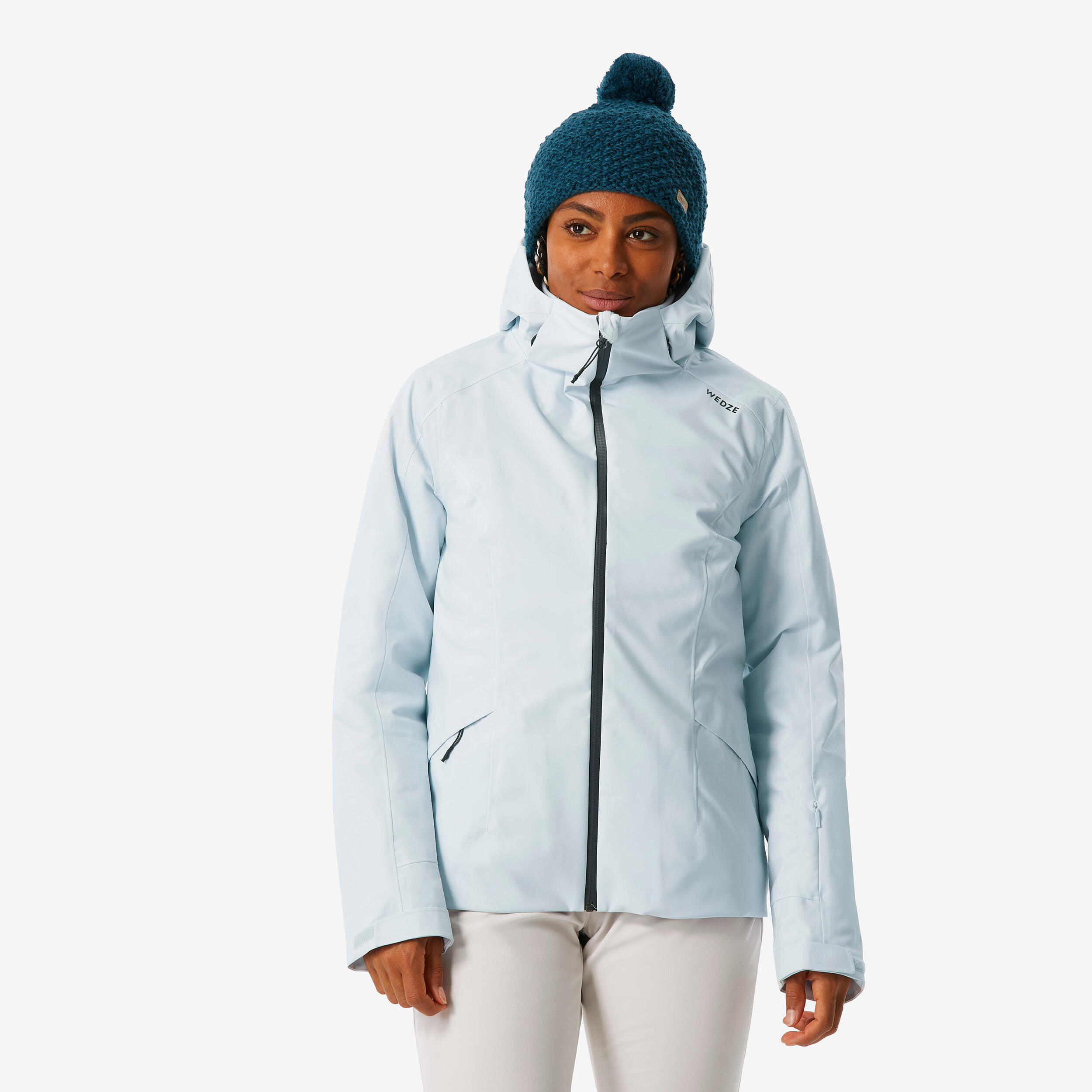
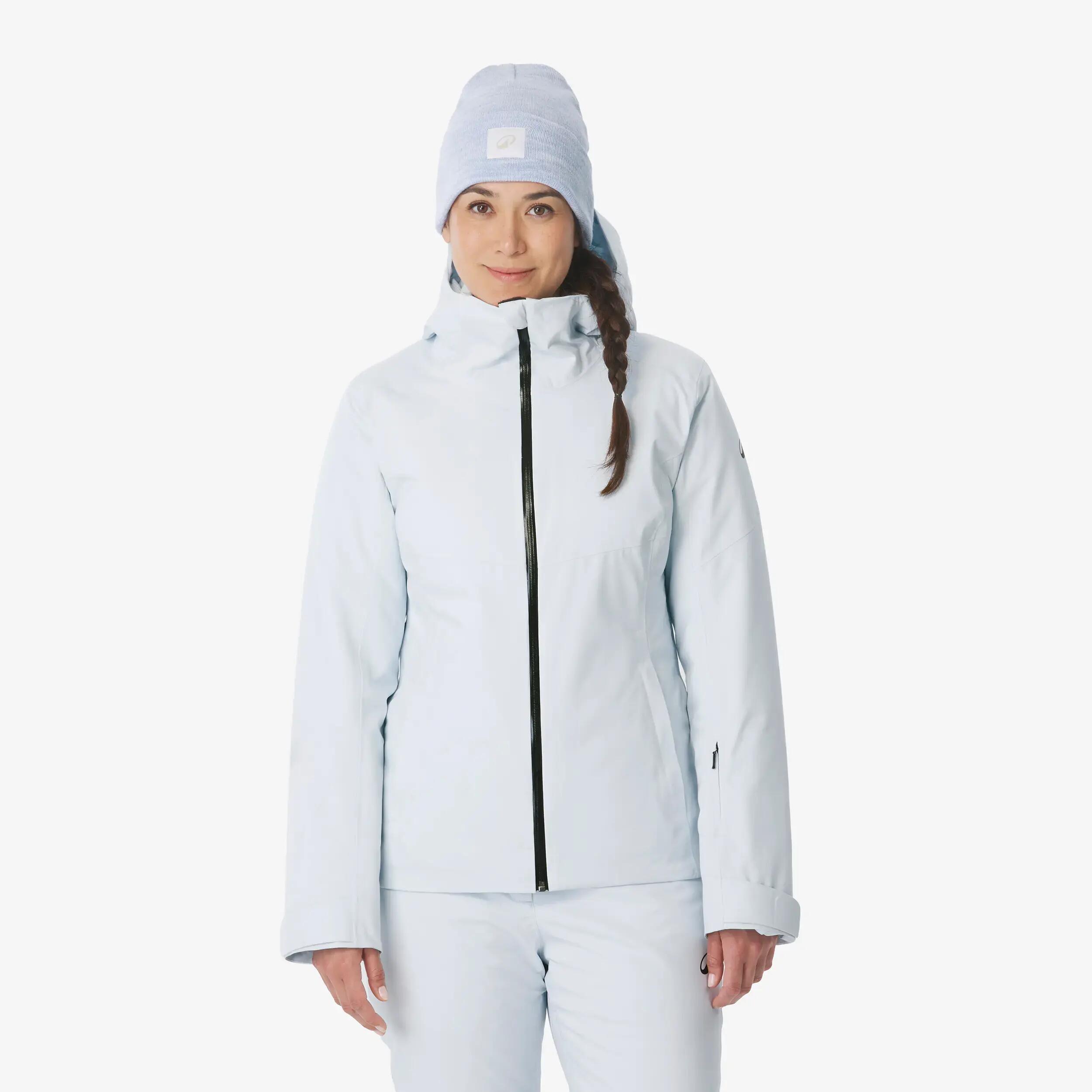
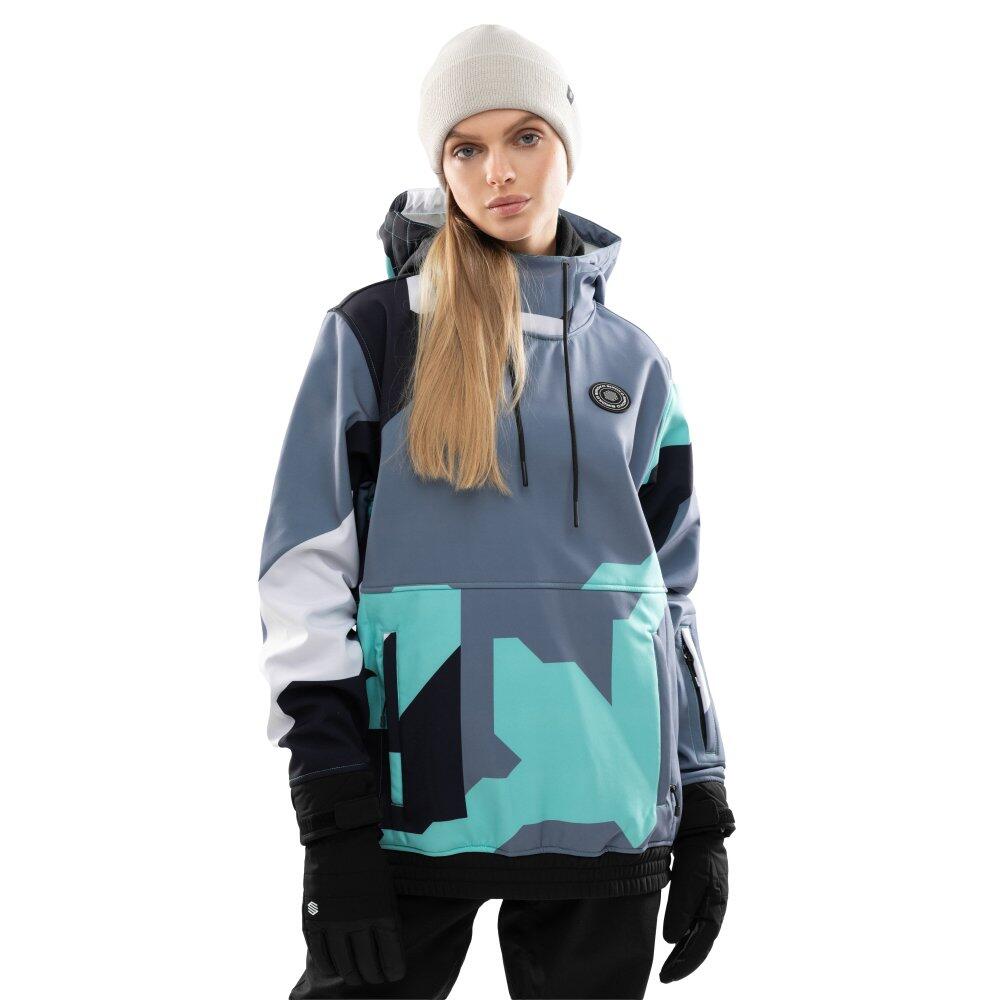
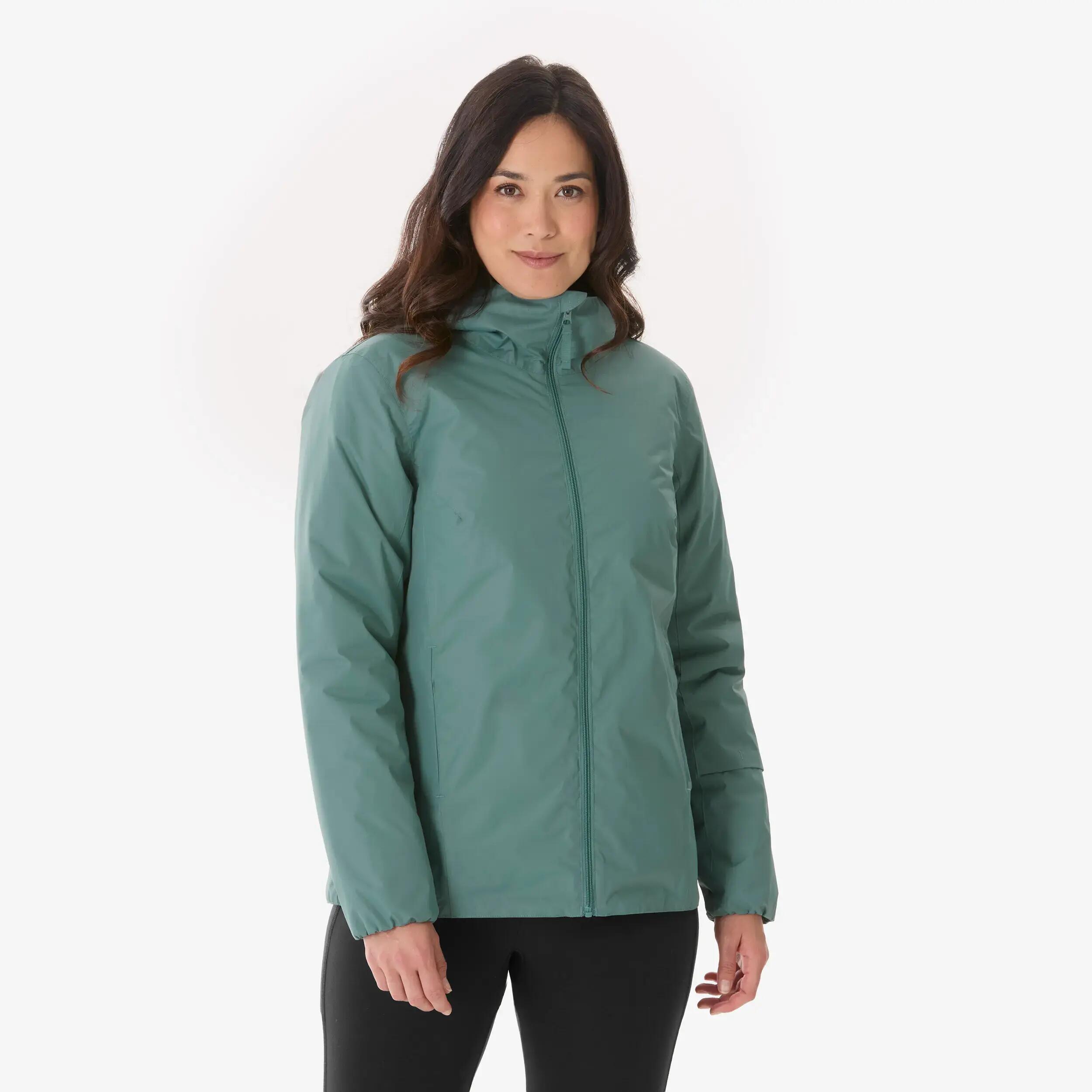
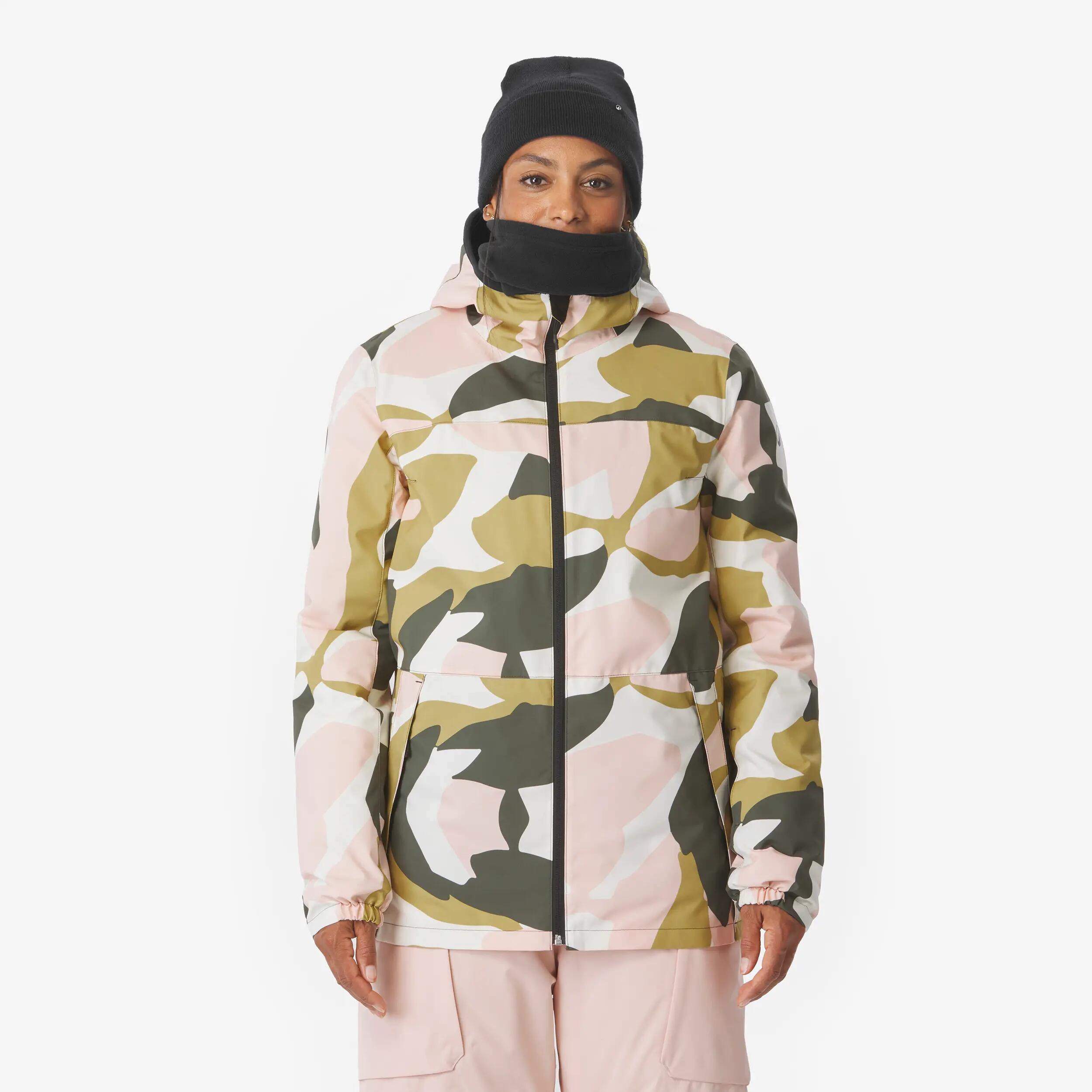
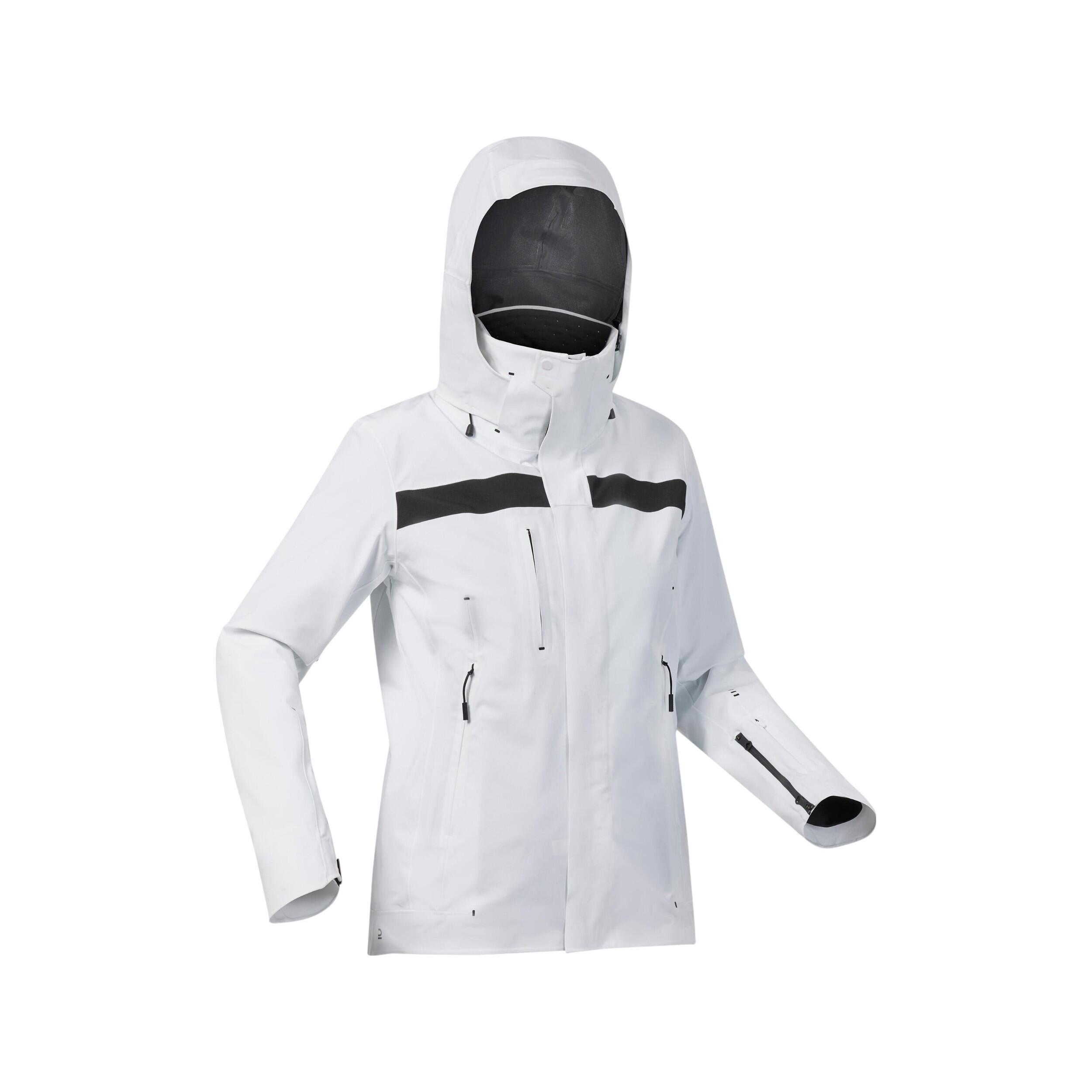
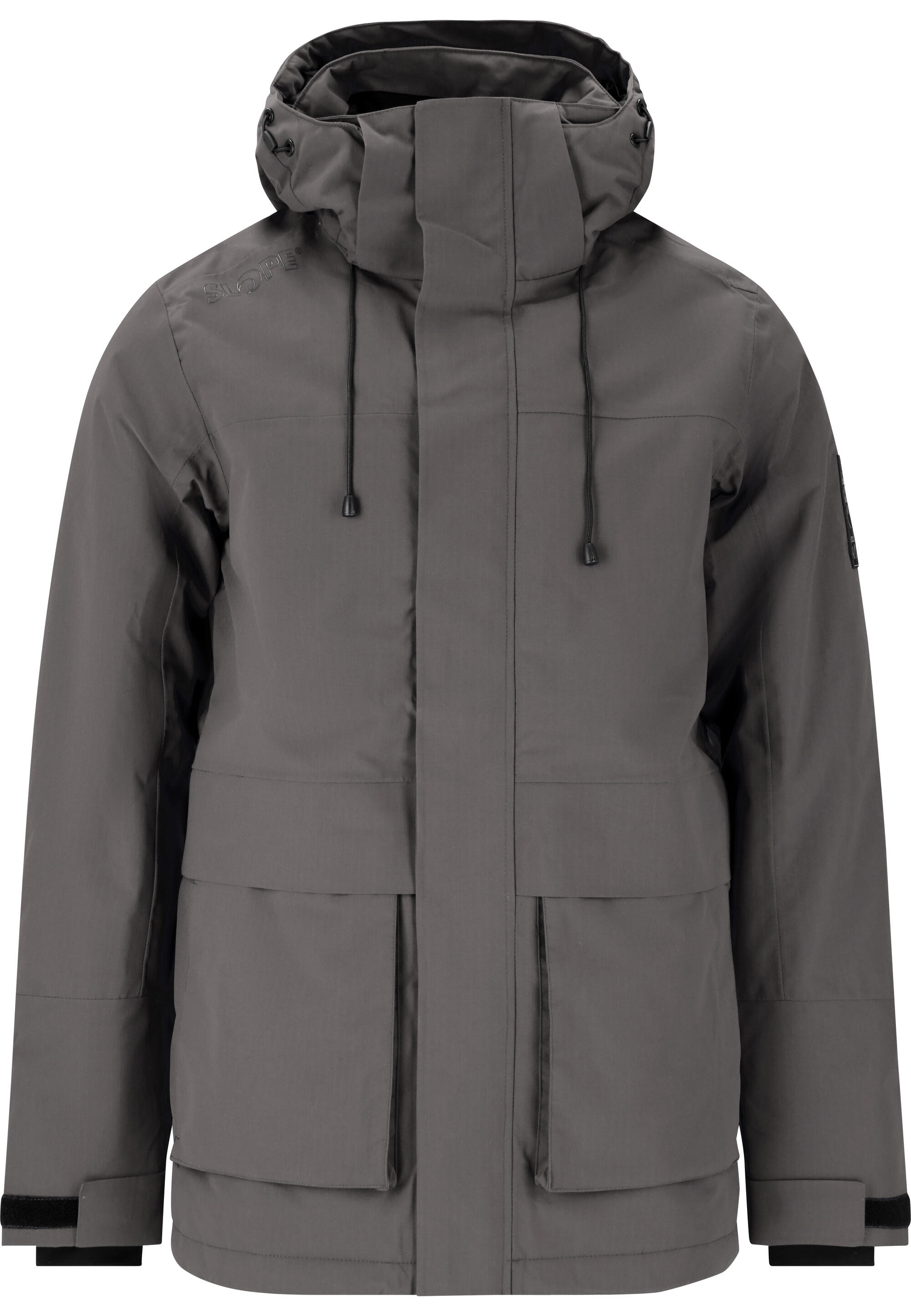
Yes, ski jackets are cut differently for men and women, with the cut tuned around shoulder width, torso length, and waist taper rather than a simple size swap. Women's jackets bring shaping at the waist for a closer fit under the powder skirt, shorter sleeve-to-shoulder ratios, and hood volumes adjusted for ponytail clearance. Our range of women's ski jackets covers warm insulated shells, lightweight three-in-one systems, and bibbed jacket sets across the Wedze and Inuikii labels. The technical reason gendered cuts exist is range of motion: a poorly cut shoulder seam binds during a pole plant on a steep traverse, and that micro-restriction adds up across a six-hour ski day. Practical advice: try the jacket on with a fleece mid-layer rather than a T-shirt to confirm the fit you will actually wear on snow.

What makes a warm and durable ski jacket worth the investment?

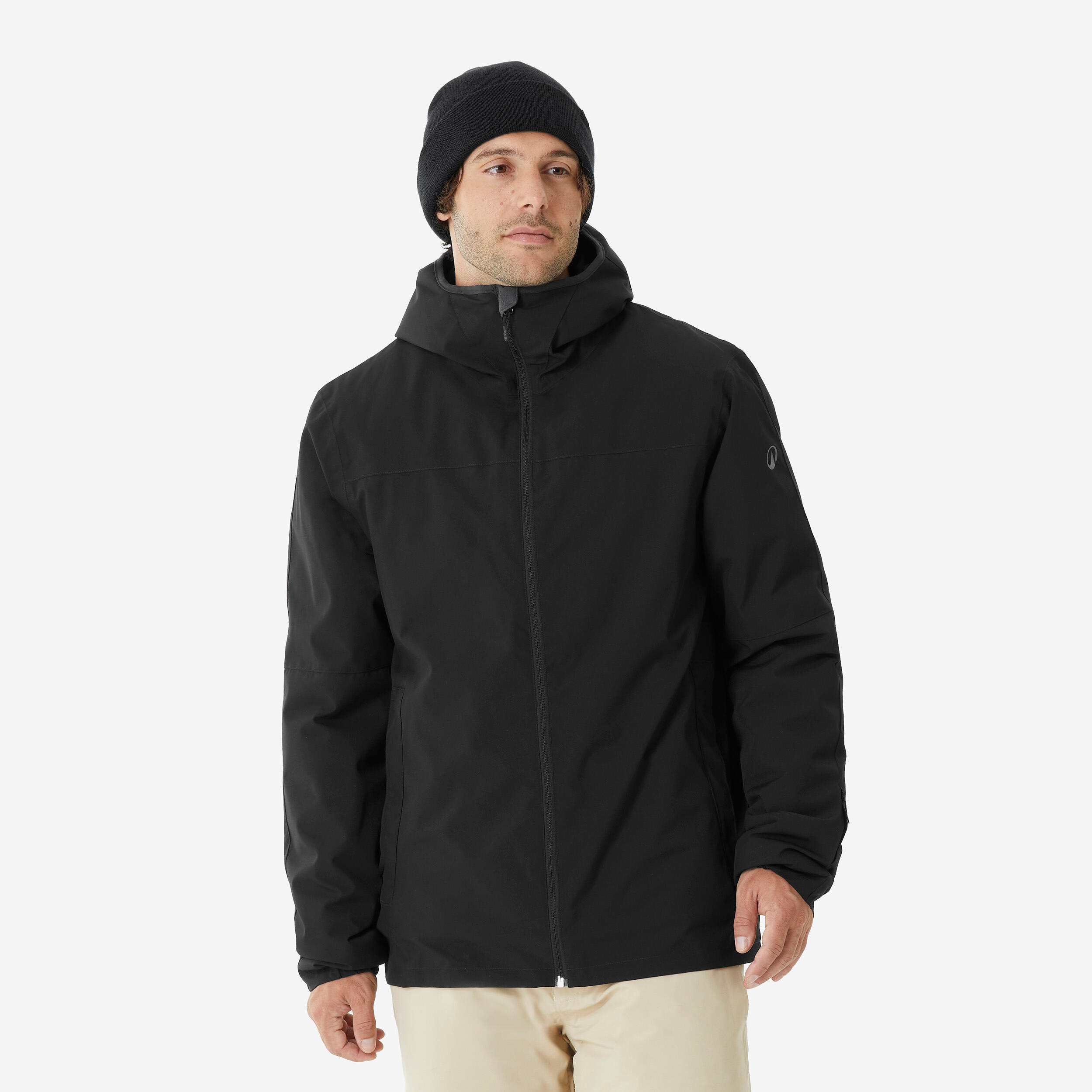
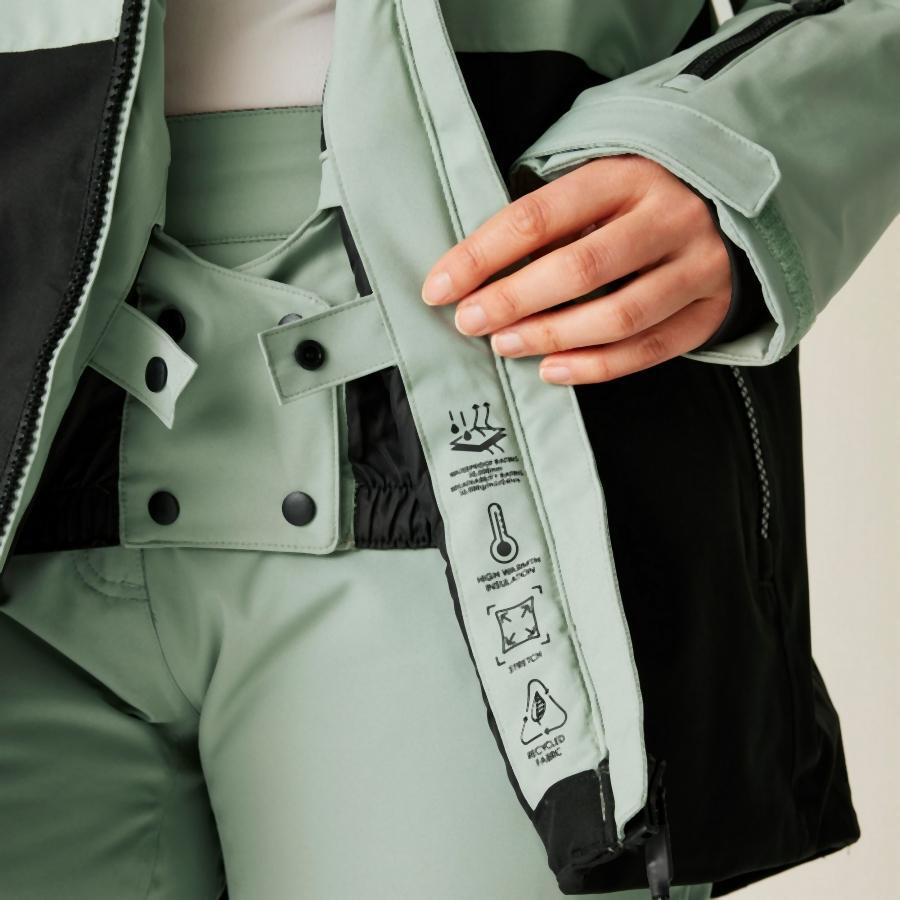
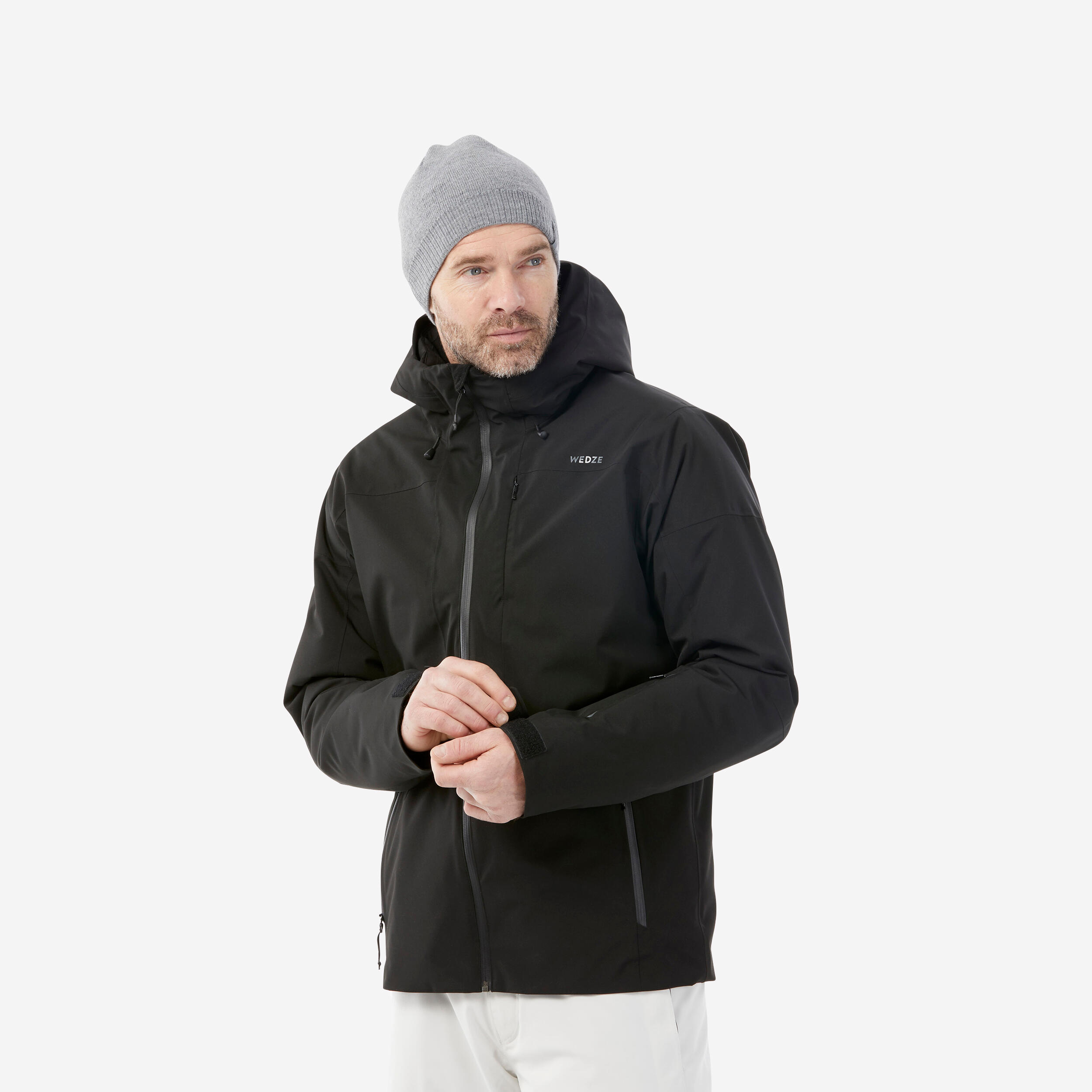
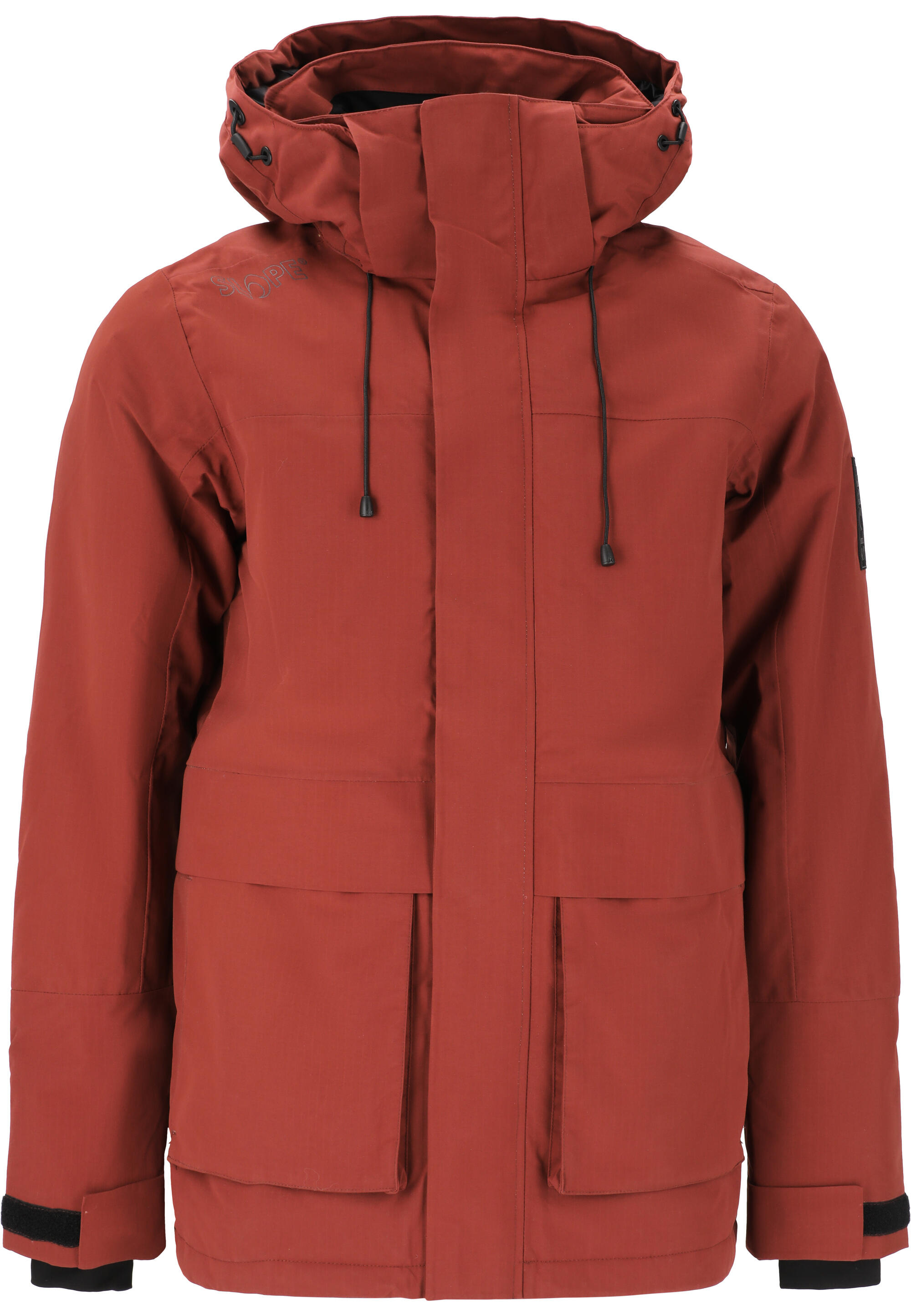
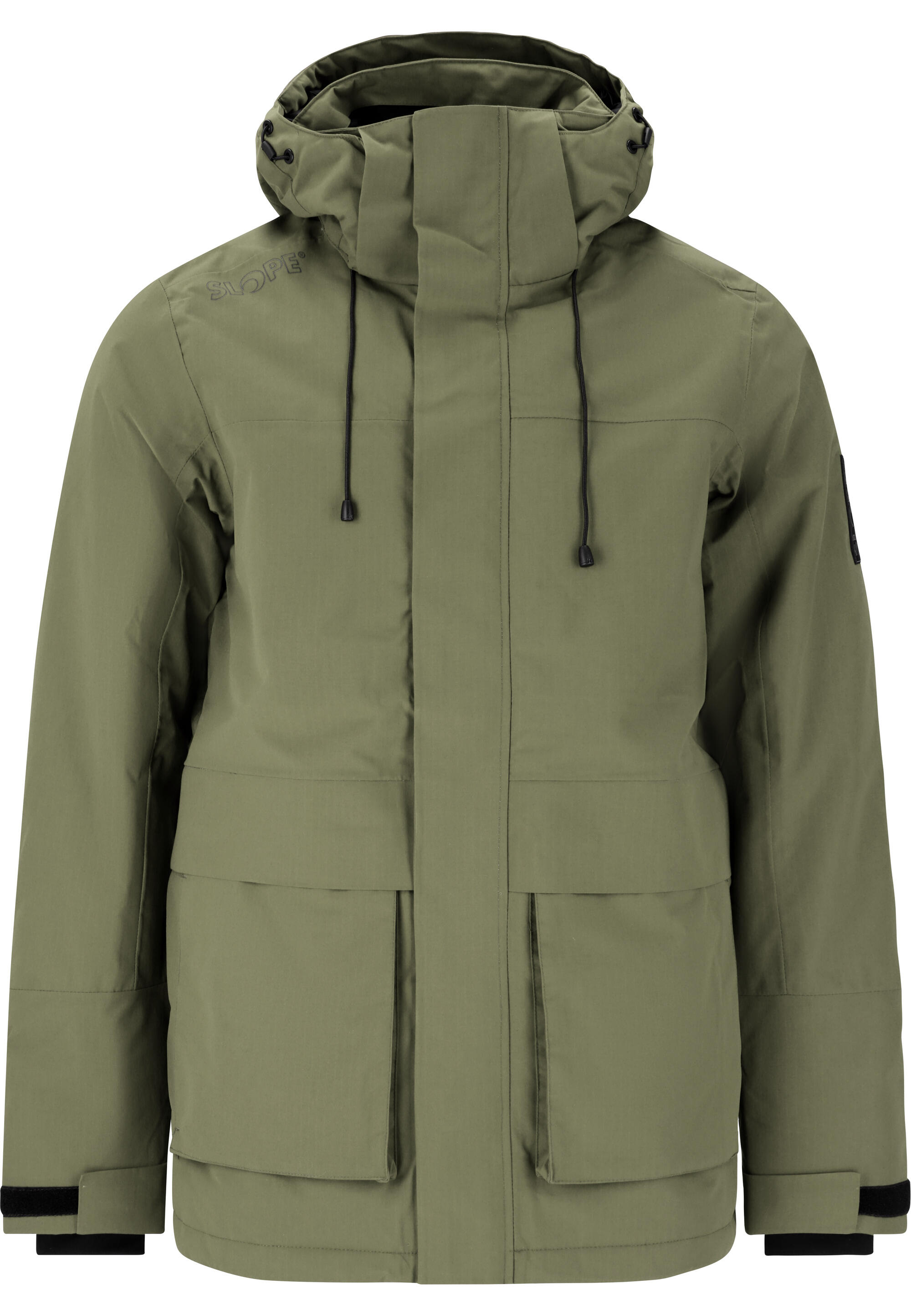
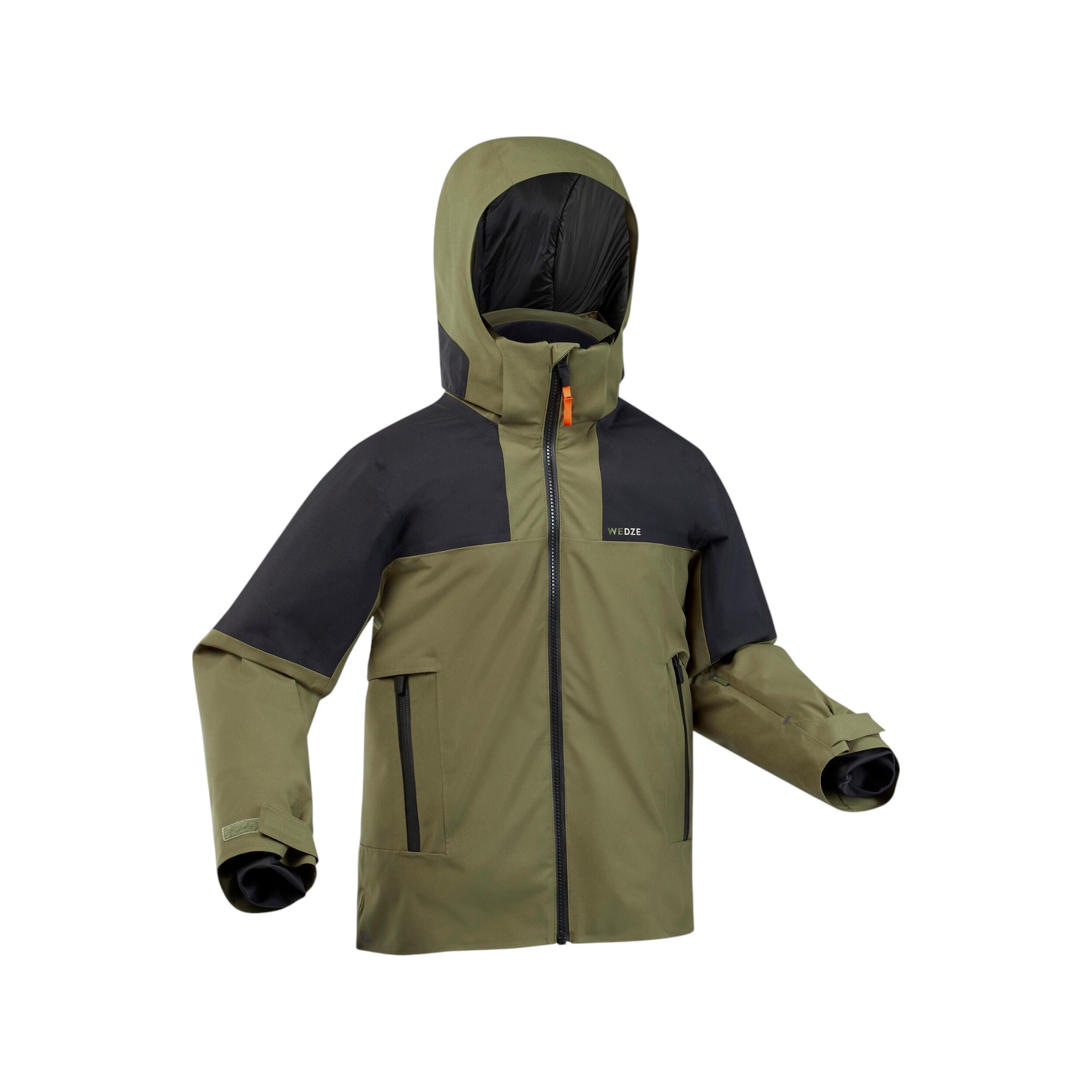
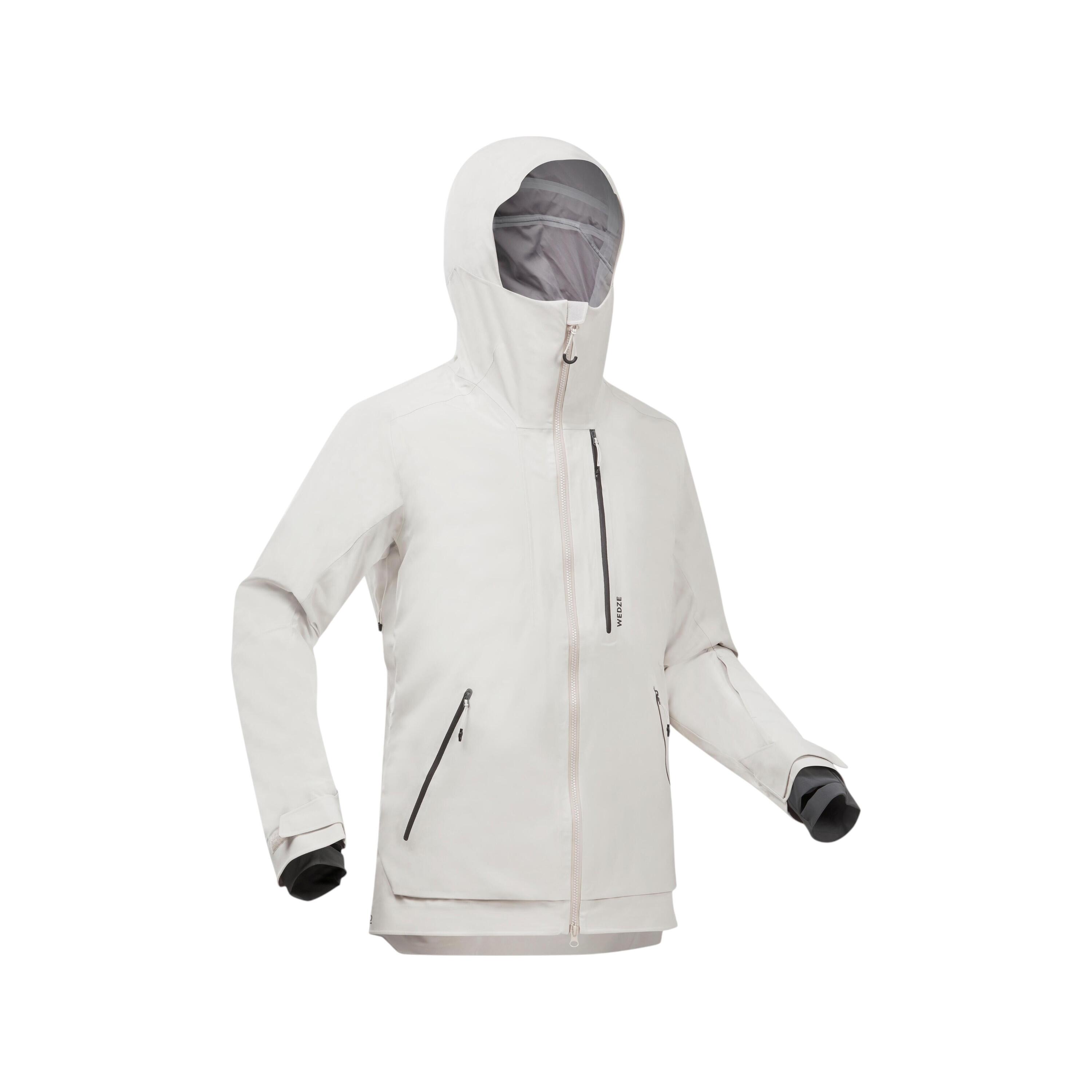
A warm and durable ski jacket is worth the investment because the construction details that drive the price tag are the same ones that determine comfort and lifespan on the mountain. Synthetic insulation rated at 100 to 200 g/m² suits resort days down to -10 degrees celsius, while down-filled shells with a fill power of 600 cuin and above deliver greater warmth for weight on deep-cold trips. Fully taped seams, two-way YKK zips, and reinforced shoulder and elbow panels protect high-wear zones from board edges, ski edges, and chairlift rails. Our range of men's ski jackets spans entry-level shells for first week skiers up to four layer mountaineering pieces for off-piste and ski-touring use, with options across Wedze, Helly Hansen, and Dare 2b.

Do I need a fleece or mid-layer under a breathable ski jacket?

Yes, a fleece or mid-layer under a breathable ski jacket is essential because the jacket itself is rarely the primary heat source. The three-layer system works like this: the base layer wicks sweat off the skin, the mid-layer traps warm air, and the shell blocks wind and snow. Skipping the mid-layer forces the shell to do two jobs at once, which never works on cold lift rides above 2,000 m. Our range of ski fleeces and sweatshirts covers grid-fleece options for active skiers who run hot, full-zip fleeces for easier temperature management, and heavier sweatshirts for very cold resort weeks across the Pyrenees, Alps, and Dolomites.

How does layering with a ski jacket actually keep you warm on the slopes?

Layering with a ski jacket keeps you warm by trapping warmed air at multiple thicknesses rather than relying on one heavy shell. The physical reason is conduction and convection: still air is one of the best natural insulators, and each layer adds another pocket of trapped air that body heat warms passively. A merino or synthetic base layer manages moisture first, since wet skin loses heat 25 times faster than dry skin, and this is where most failures originate. Our range of ski base layers includes lightweight 150 g/m² merino tops for milder days, mid-weight 200 g/m² blends for standard alpine weeks, and heavyweight thermal sets for deep winter touring and bitter morning starts.