1,287 items
4.4/5 based on 38594 reviews collected online and in stores

Ski Trousers FAQs

How do I choose the right ski trousers for the slopes?

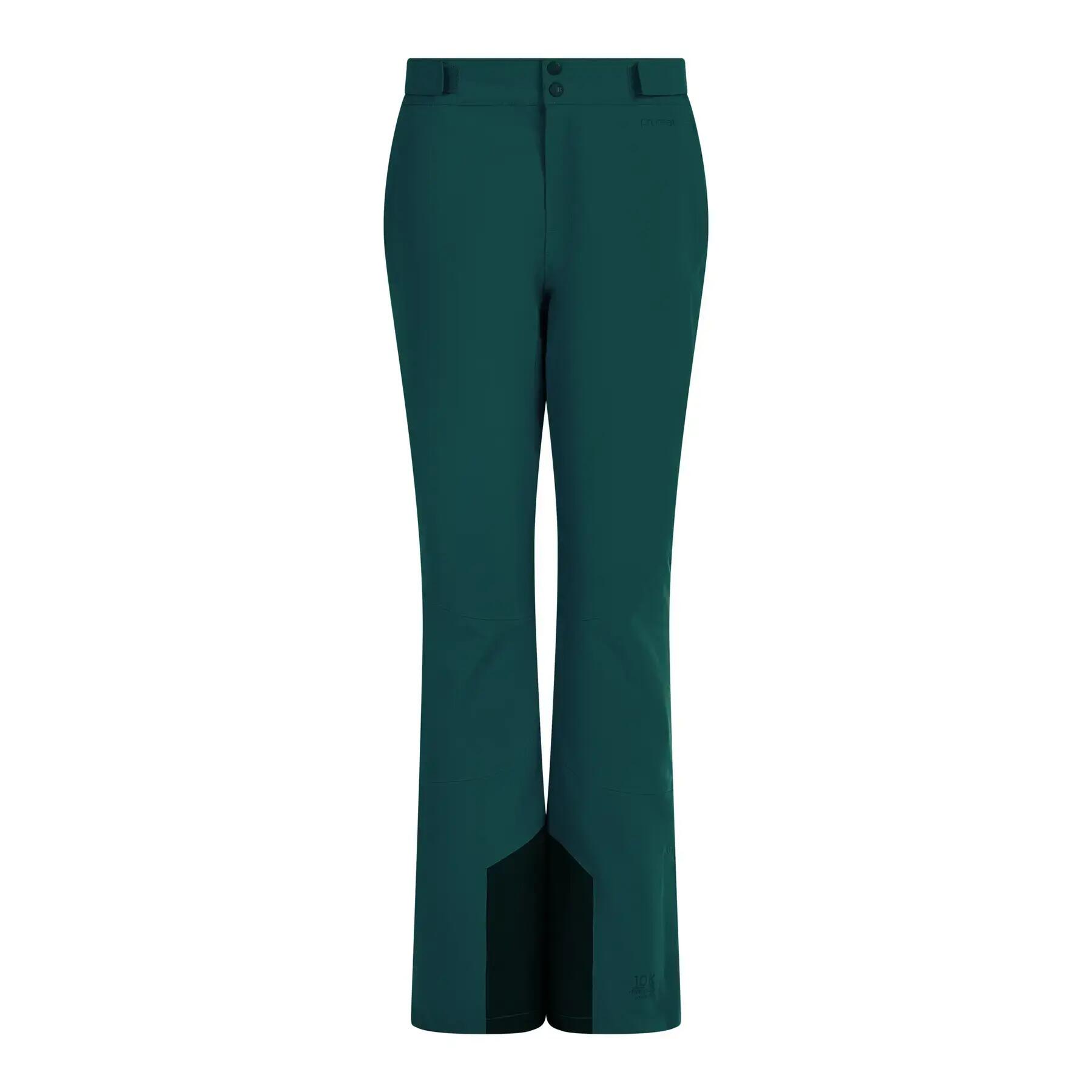
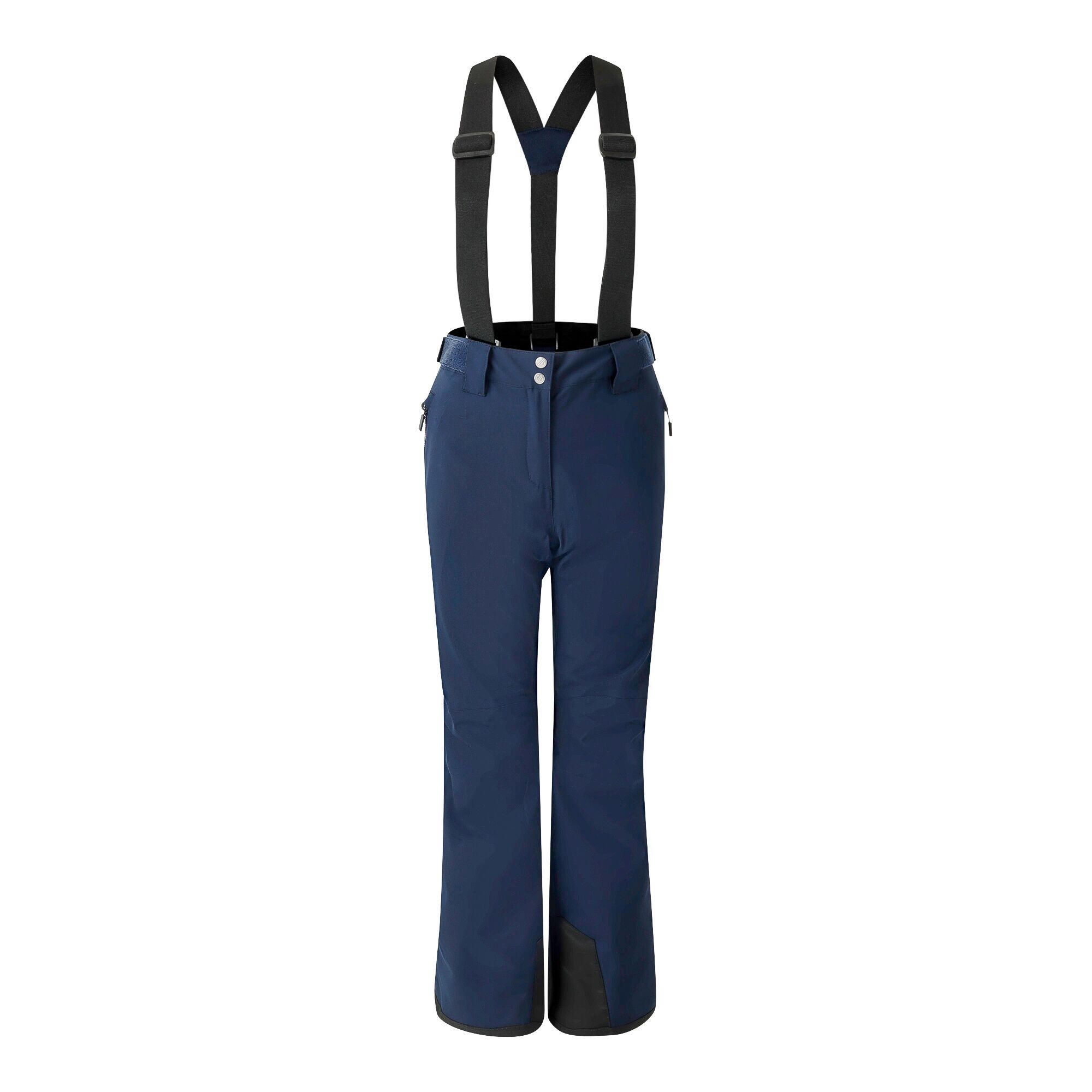
Choosing the right ski trousers comes down to four factors that matter on every chairlift and every descent: waterproofing, warmth, breathability, and freedom of movement. Higher waterproof ratings keep you dry on heavy snow days and long sit-down breaks on wet chairlifts, while a good breathability rating prevents sweat from building up during a hot afternoon of fast laps. Articulated knees, gusseted crotches, and a generous thigh cut stop the trousers from binding through a deep carve, while integrated snow gaiters seal the lower leg against the top of the ski boot to keep snow out. Adult-grade waterproof ski trousers usually include reinforced ankle panels that resist scuffing from sharp ski edges, which protects the most exposed wear zone across a long resort week. To complete the kit on the upper body, pair your trousers with a matching shell or insulated piece from our range of ski jackets.

Are men's and women's ski trousers cut differently?

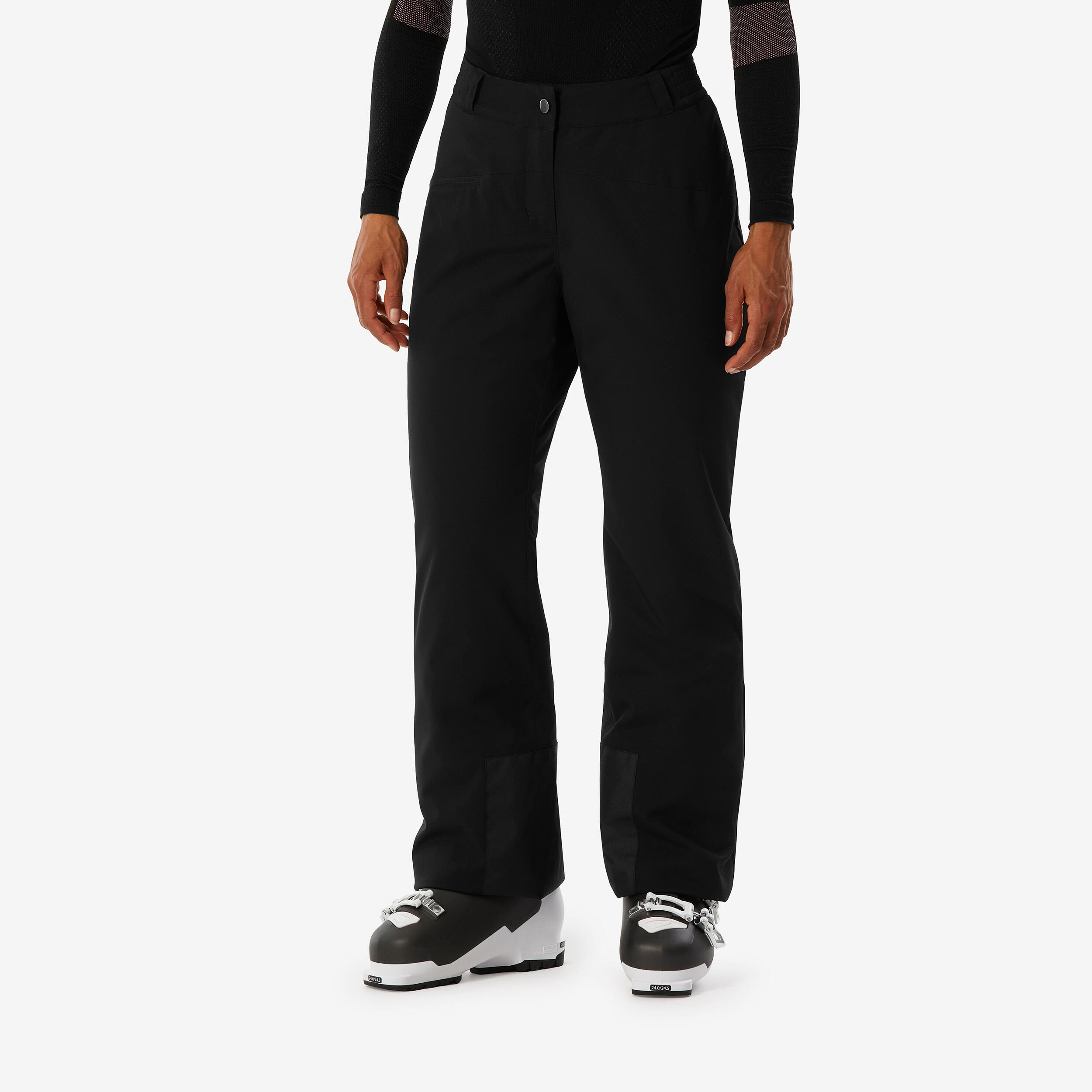
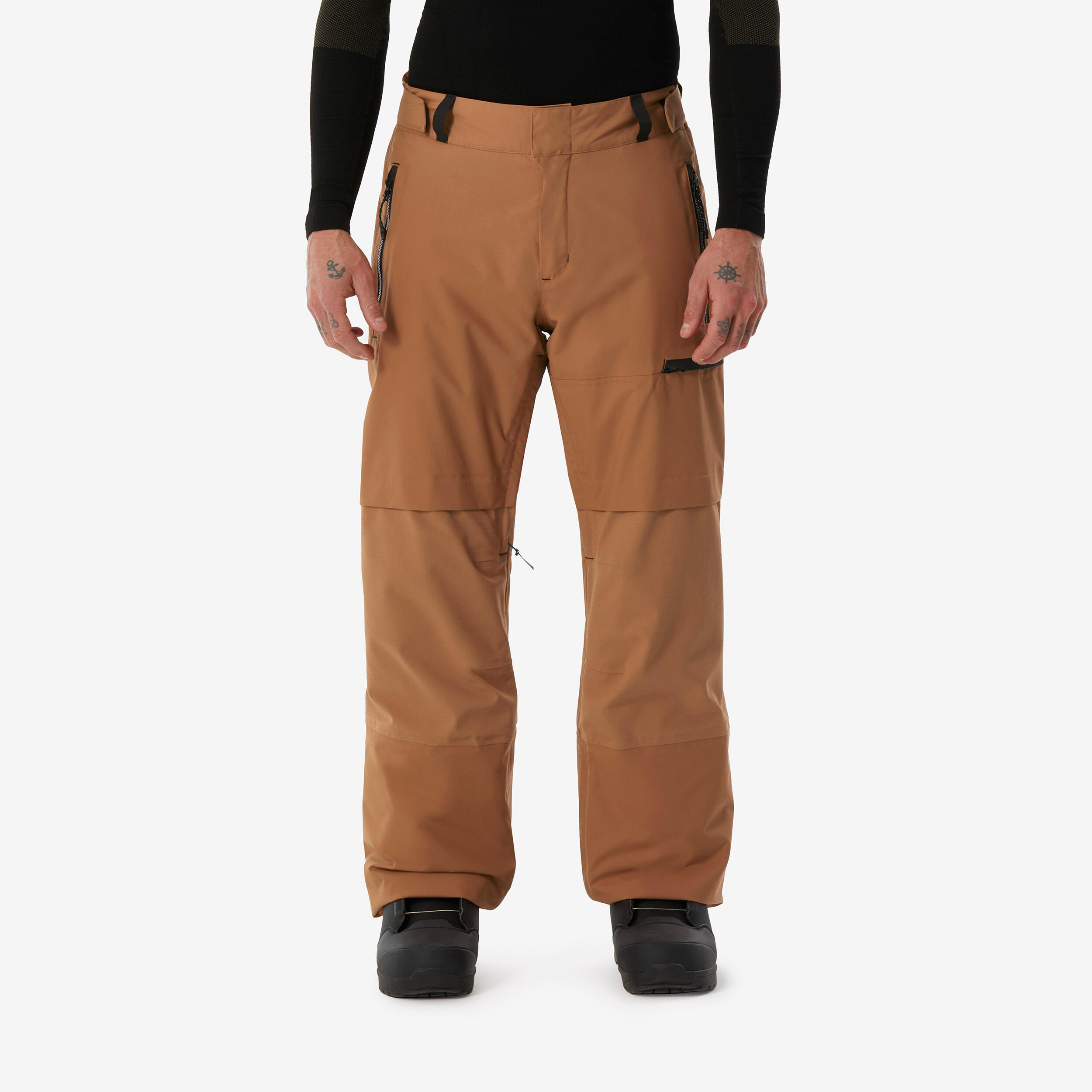
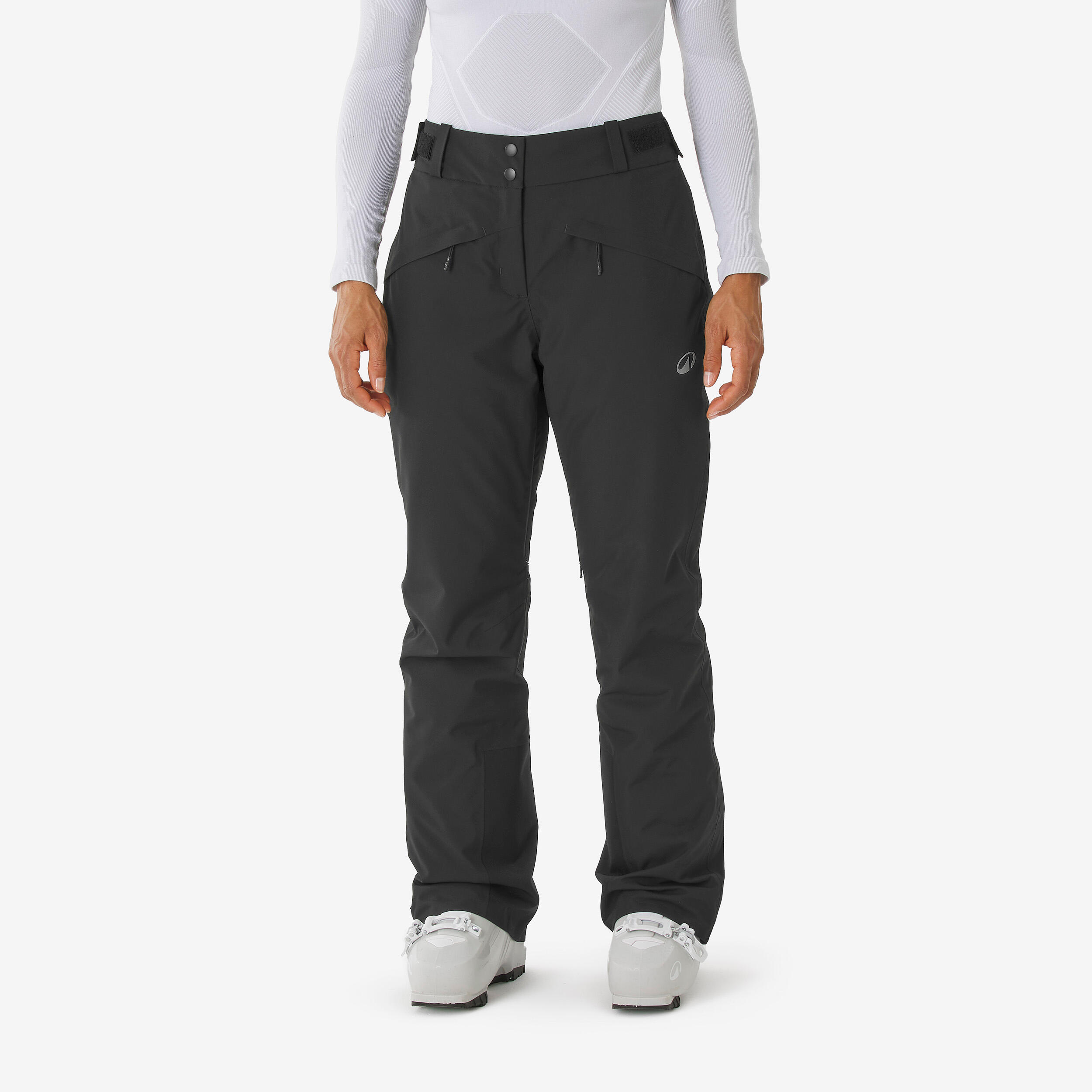
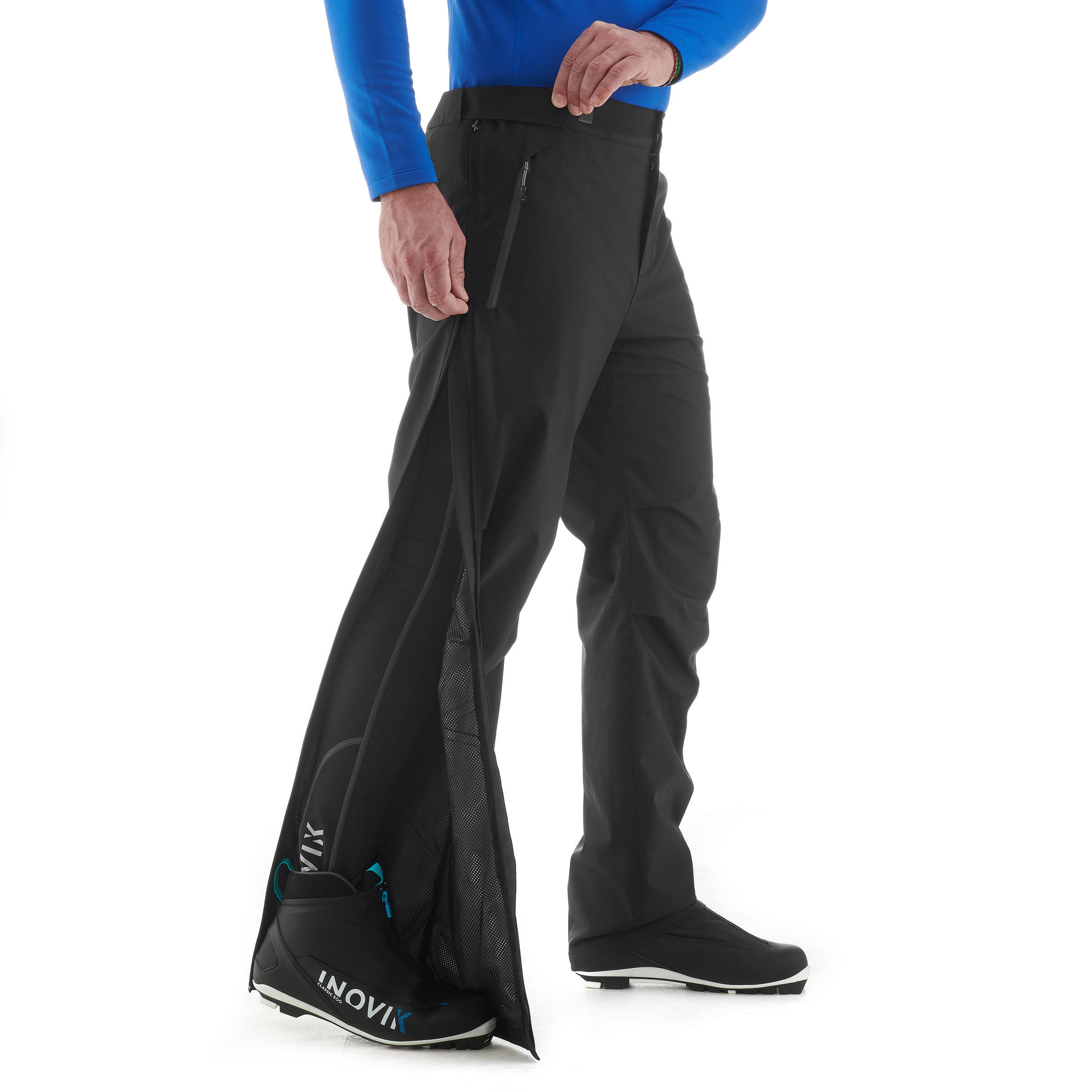
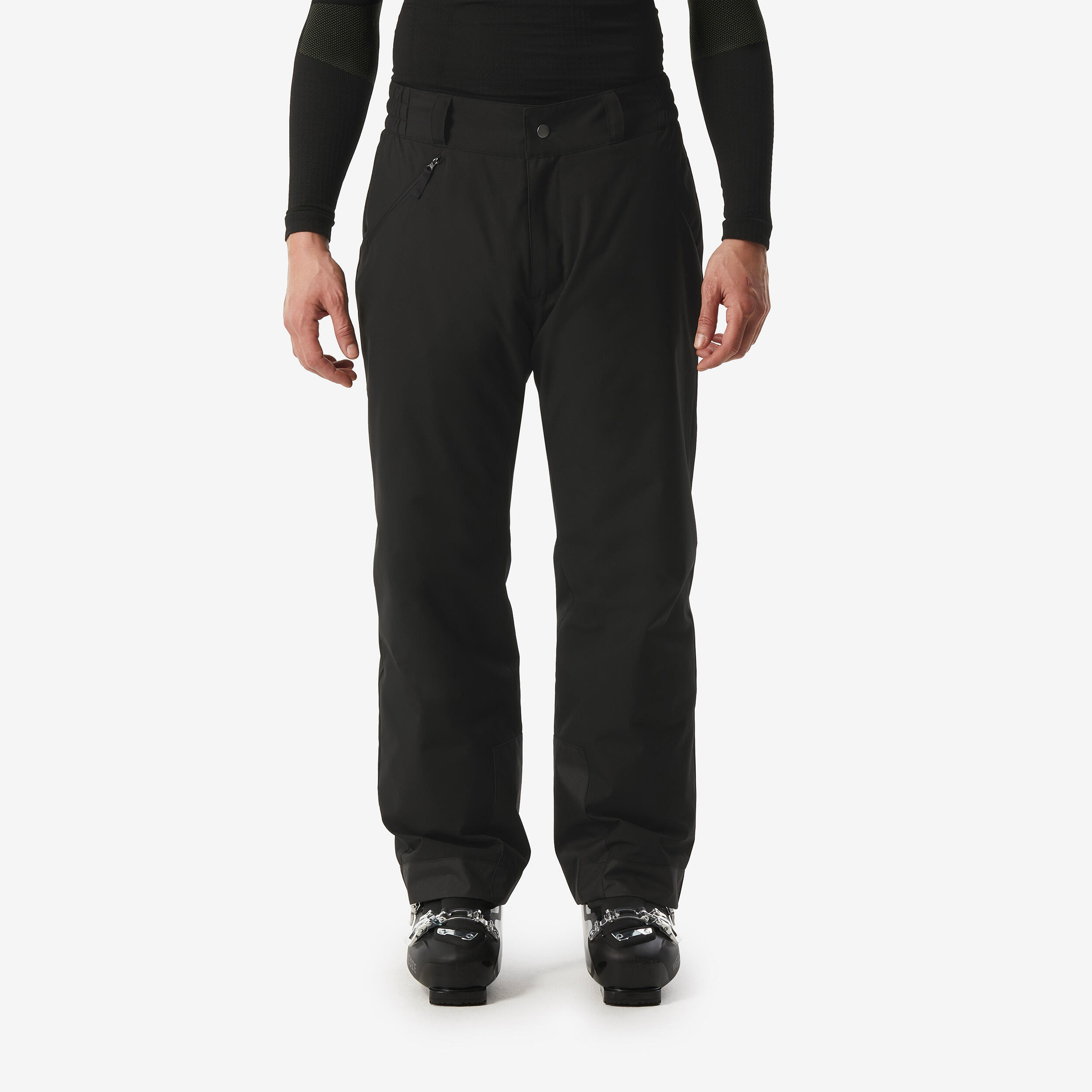
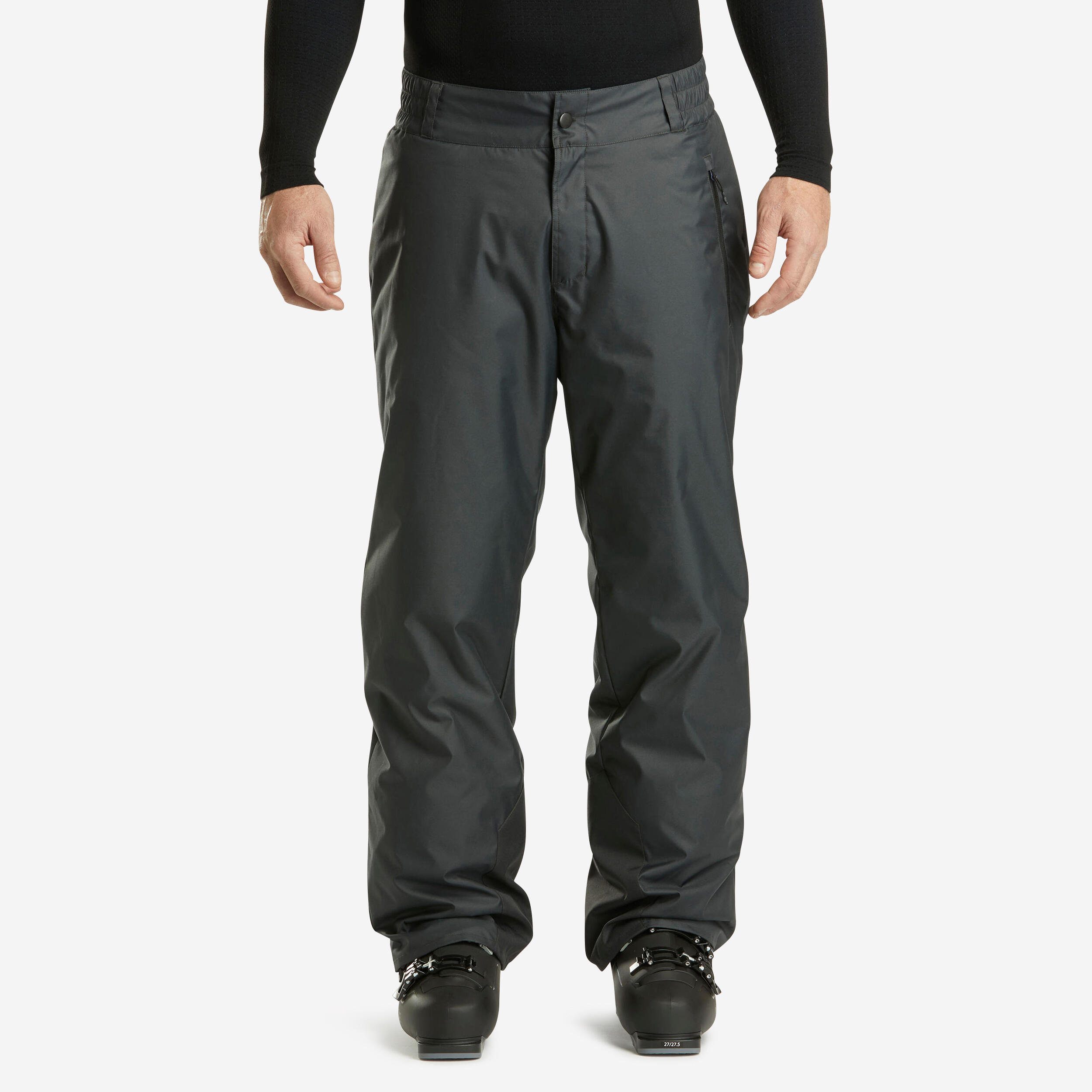
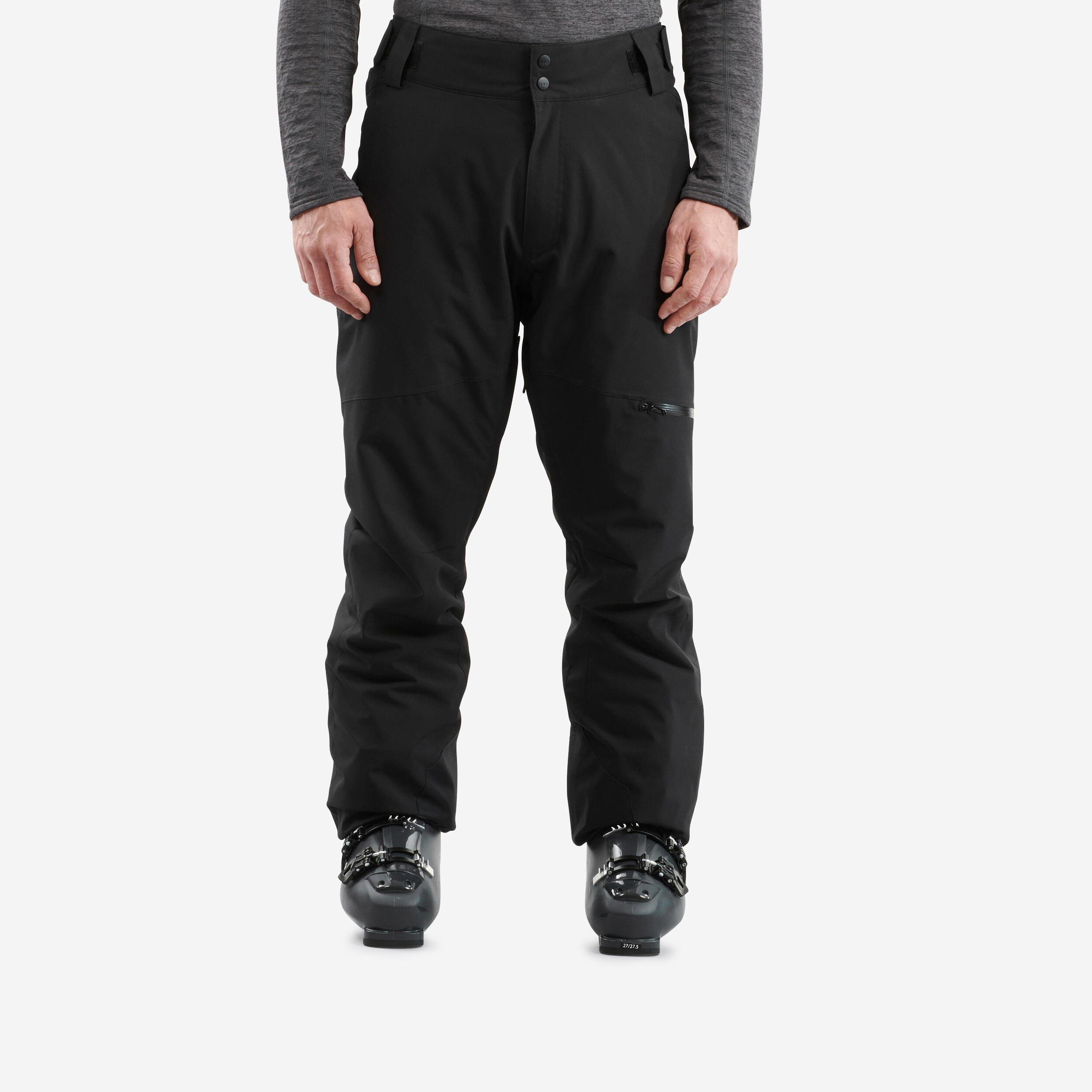
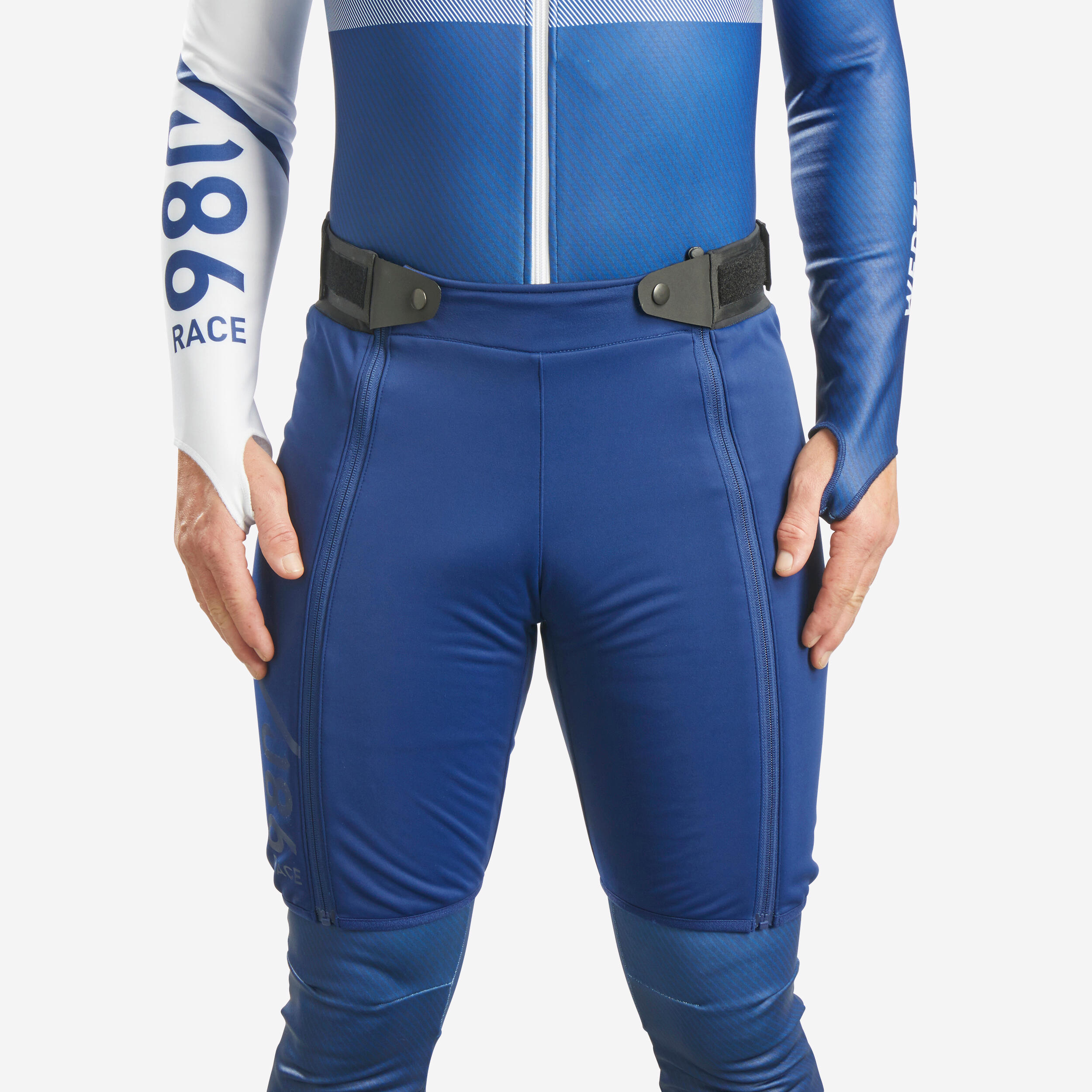
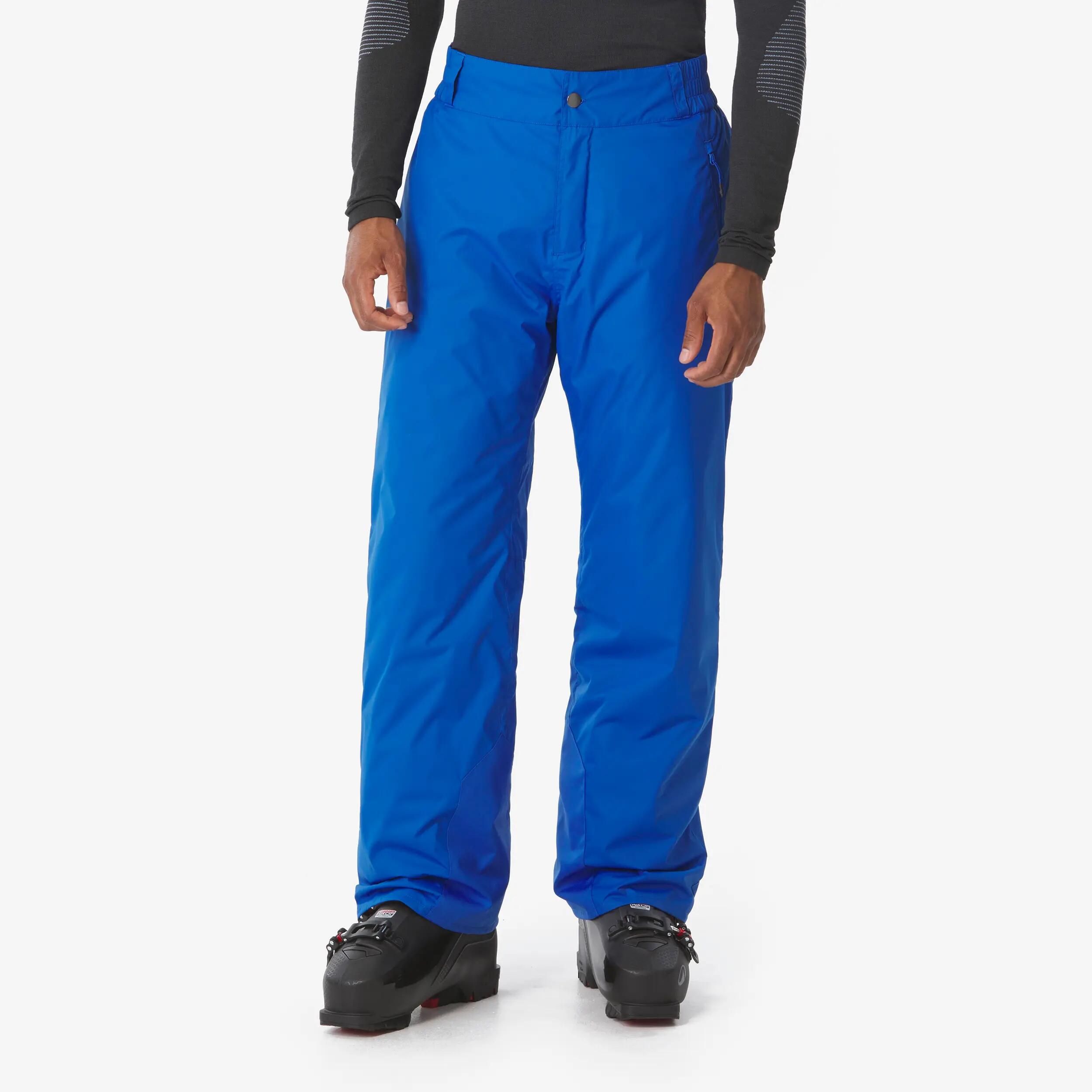
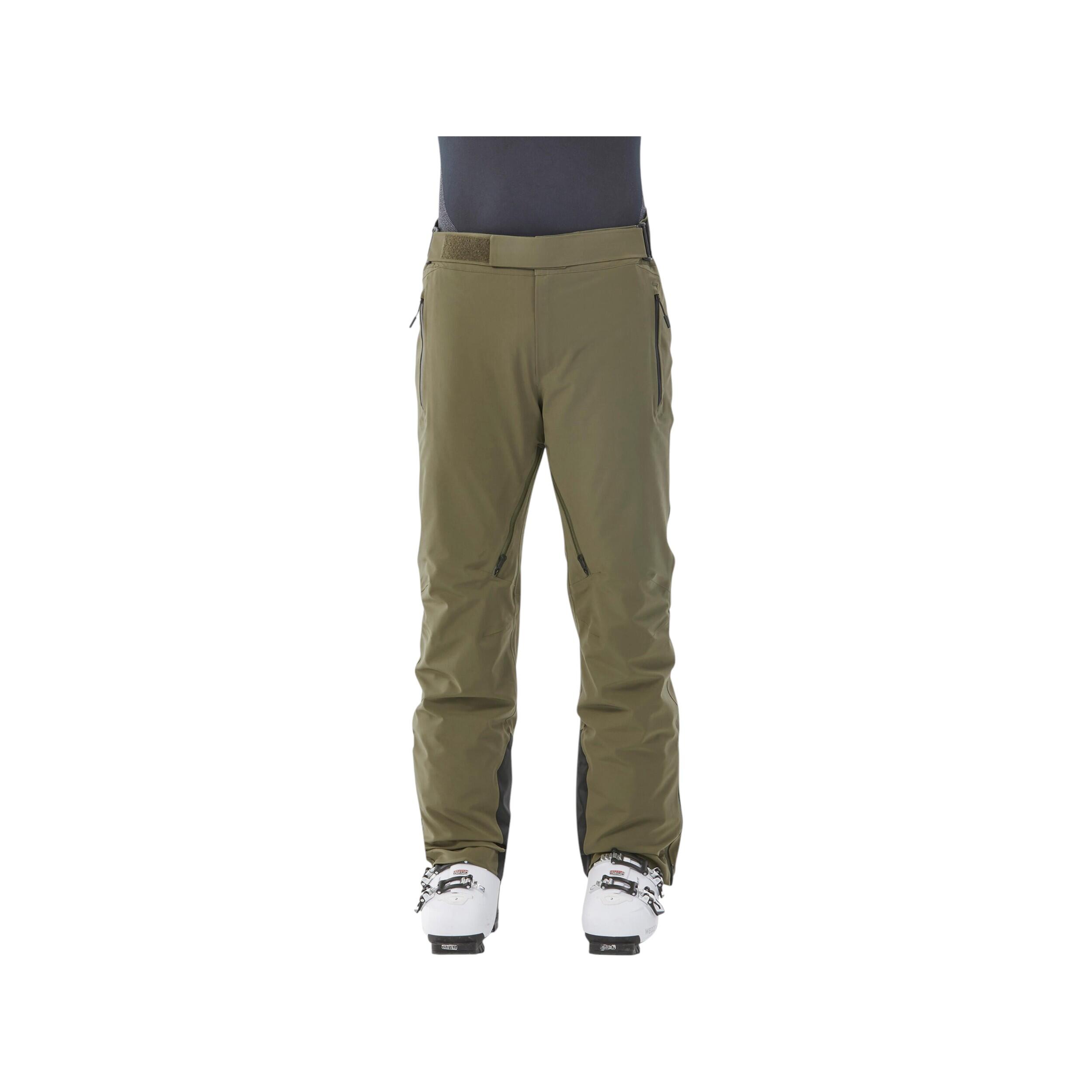
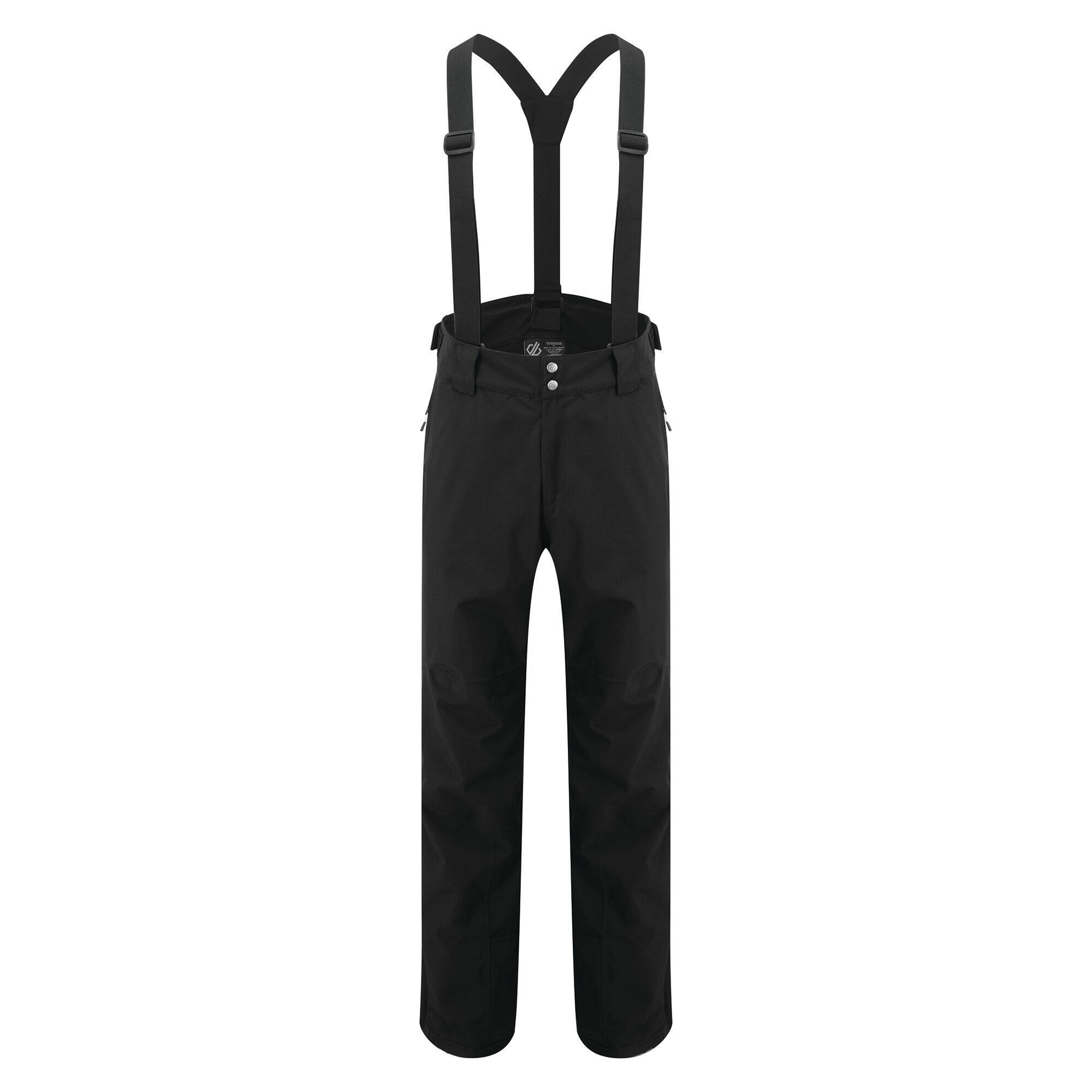
Yes, men's and women's ski trousers are cut differently, with the silhouette and fit engineered around each body type rather than a simple size swap. Men's ski trousers focus on a straighter leg cut, a higher rise at the back for cover during a tuck, and wider thigh room for layering a fleece base underneath. The technical reason matters: a poorly placed waistband digs in during a deep squat at the start gate, and that small restriction shortens every turn across a long ski day. Our range of men's ski trousers covers entry-level shells for first-week skiers, fully insulated trousers for cold resort weeks, and technical three-layer pieces for ski-touring and off-piste use across Wedze, Helly Hansen, and Dare 2b.

What makes warm and durable ski trousers worth the investment?

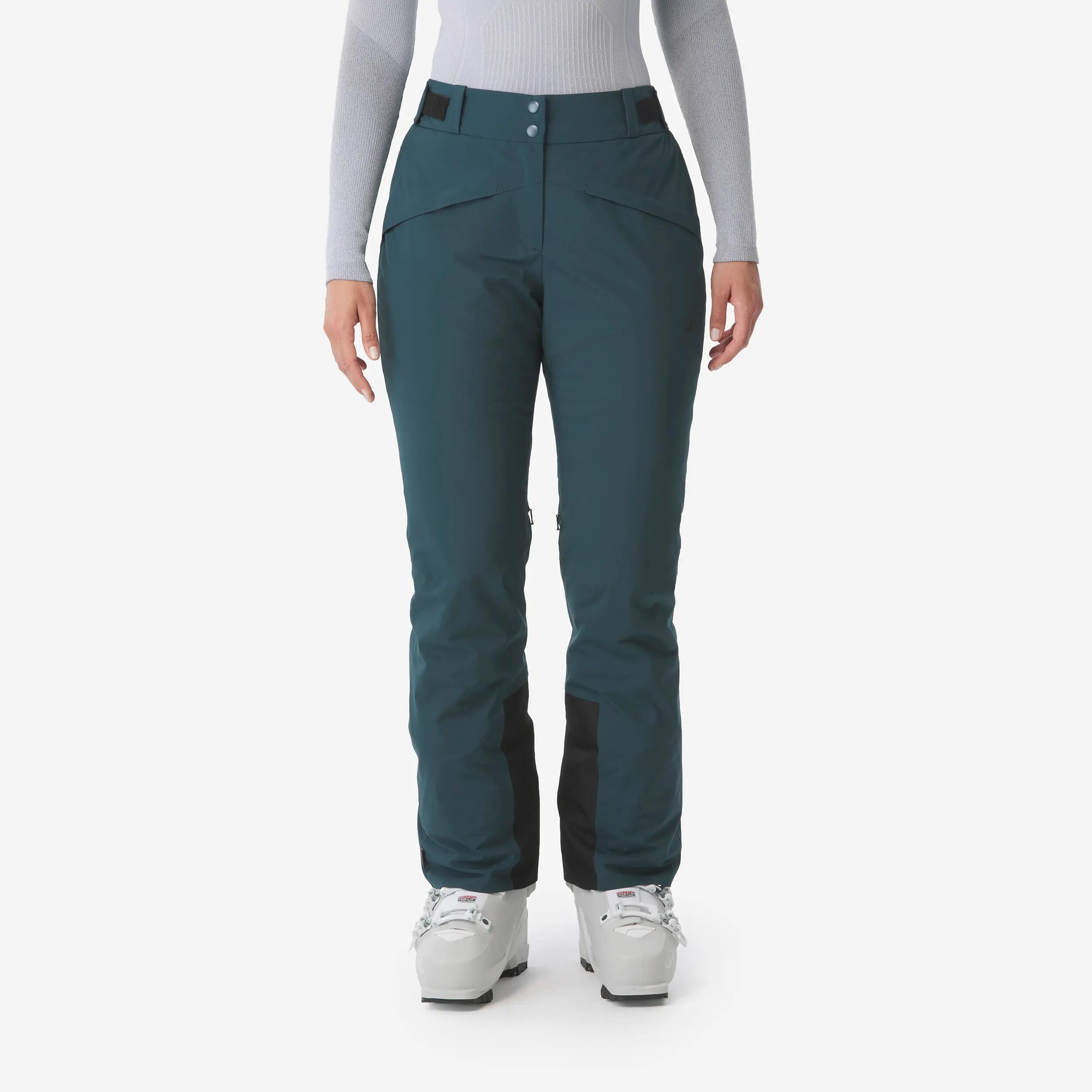
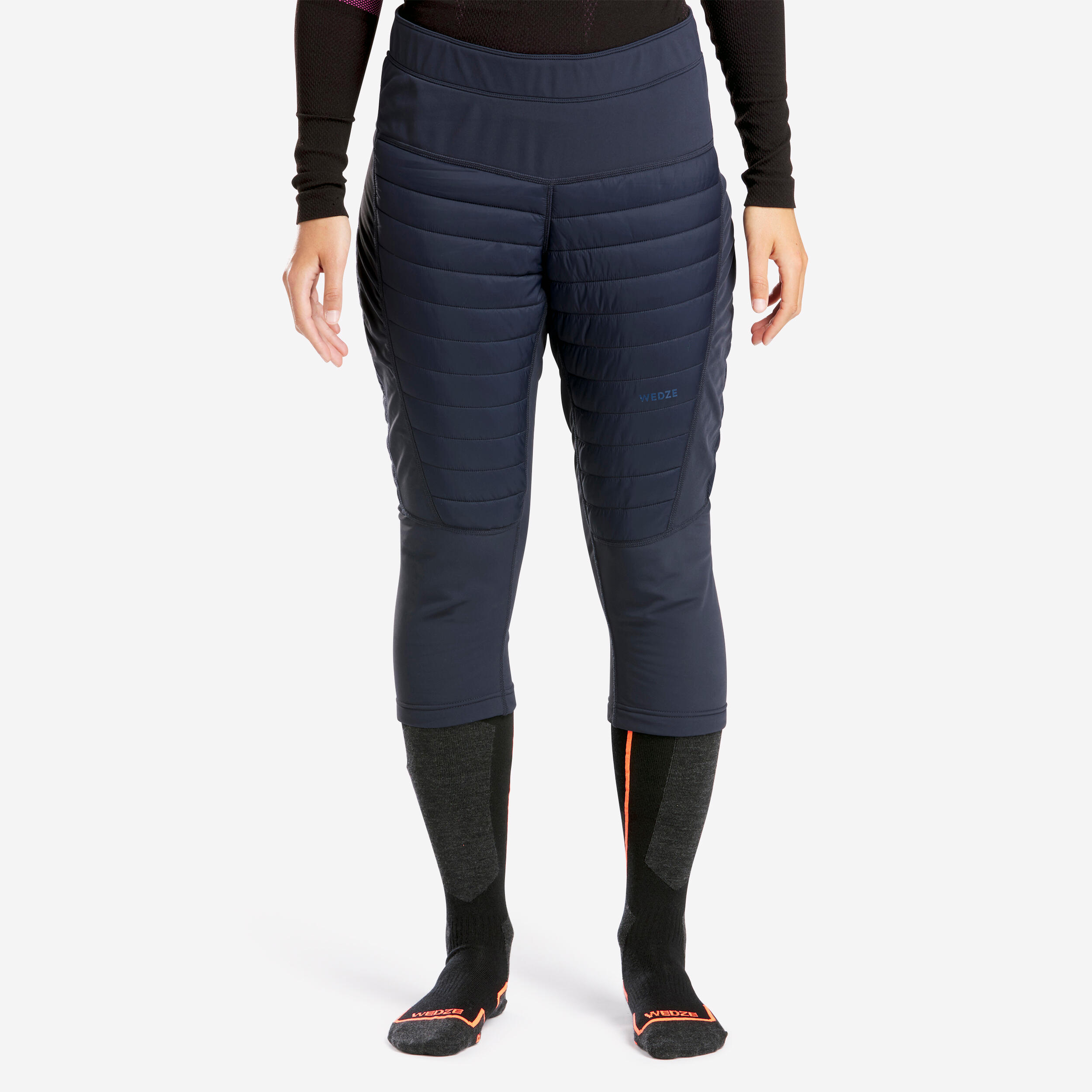
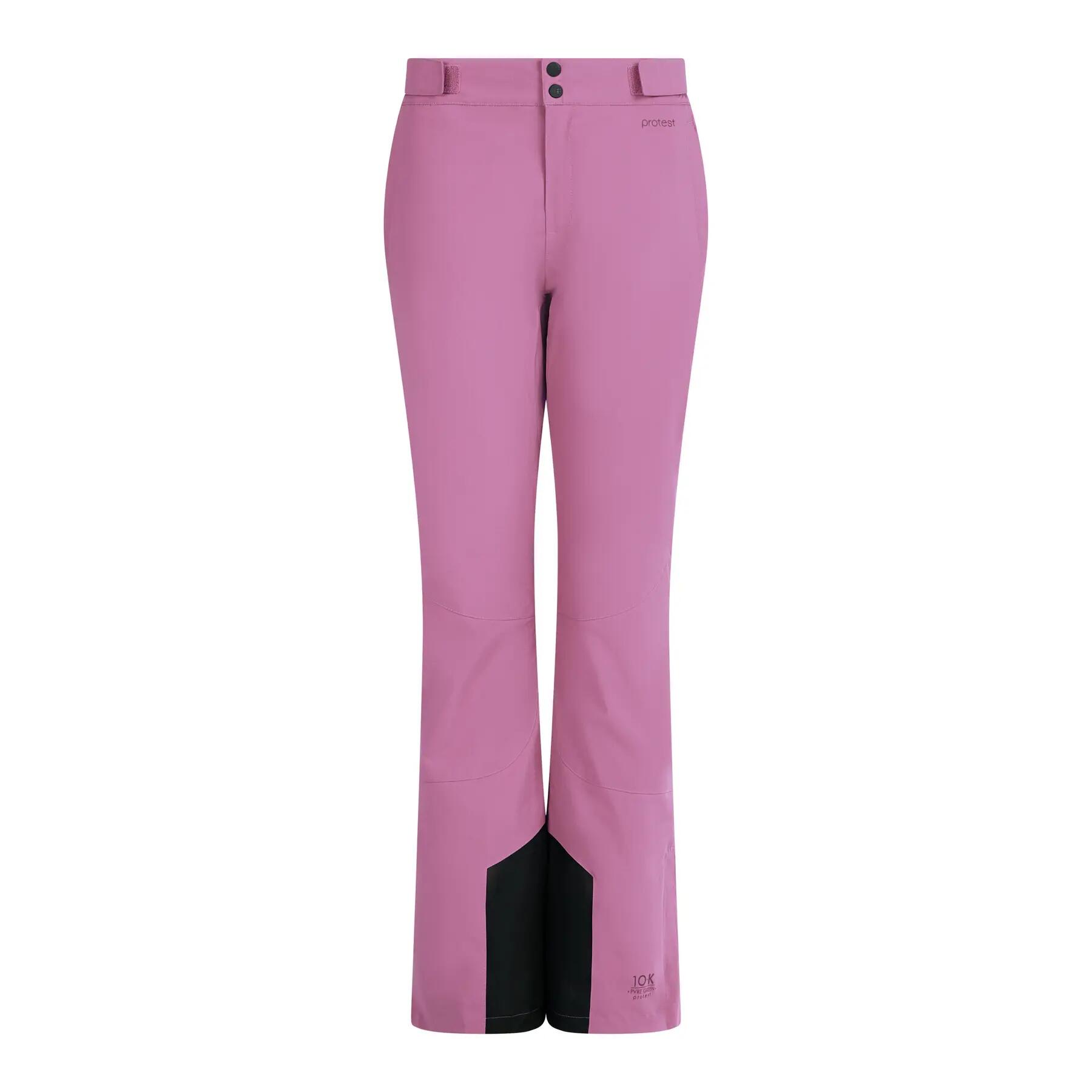
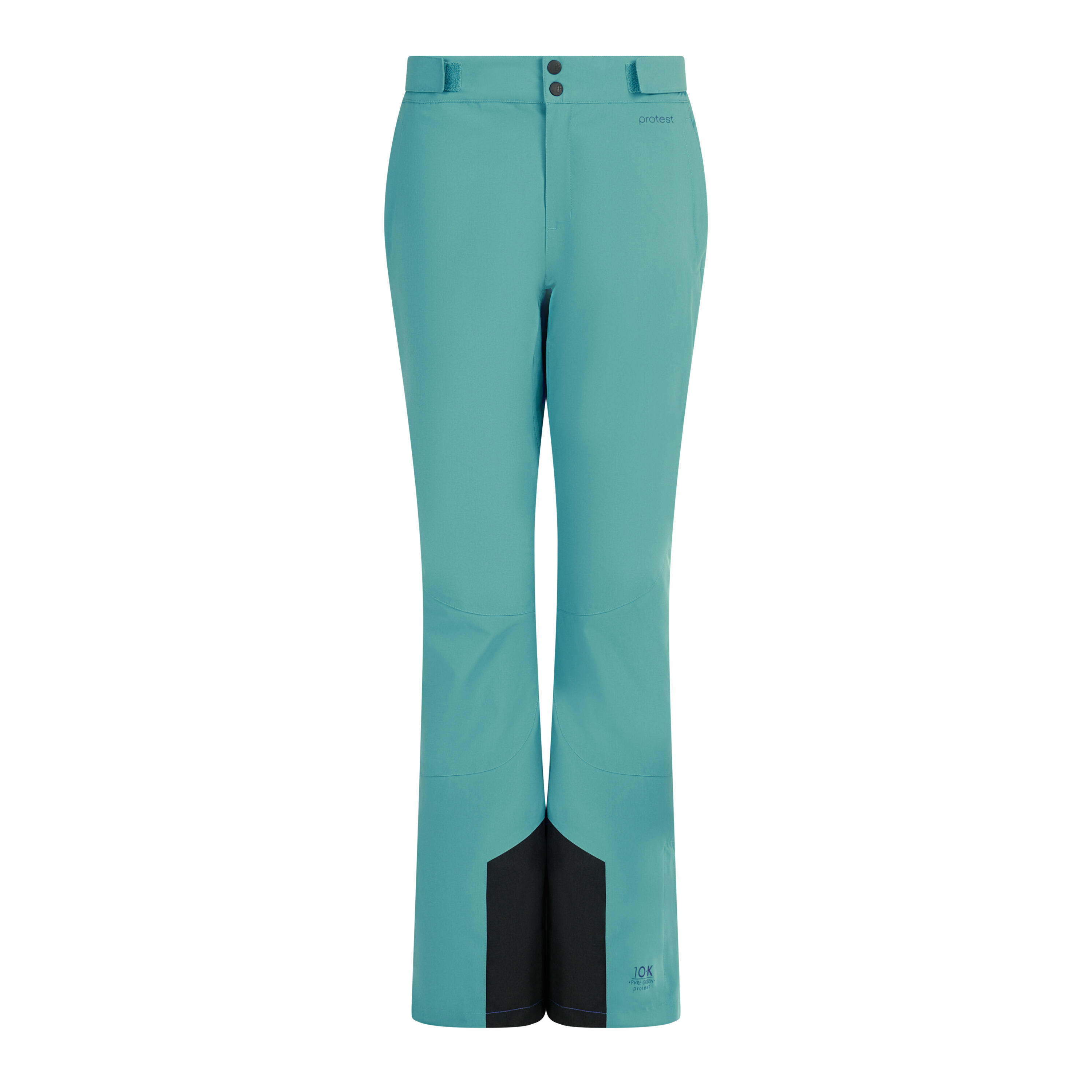
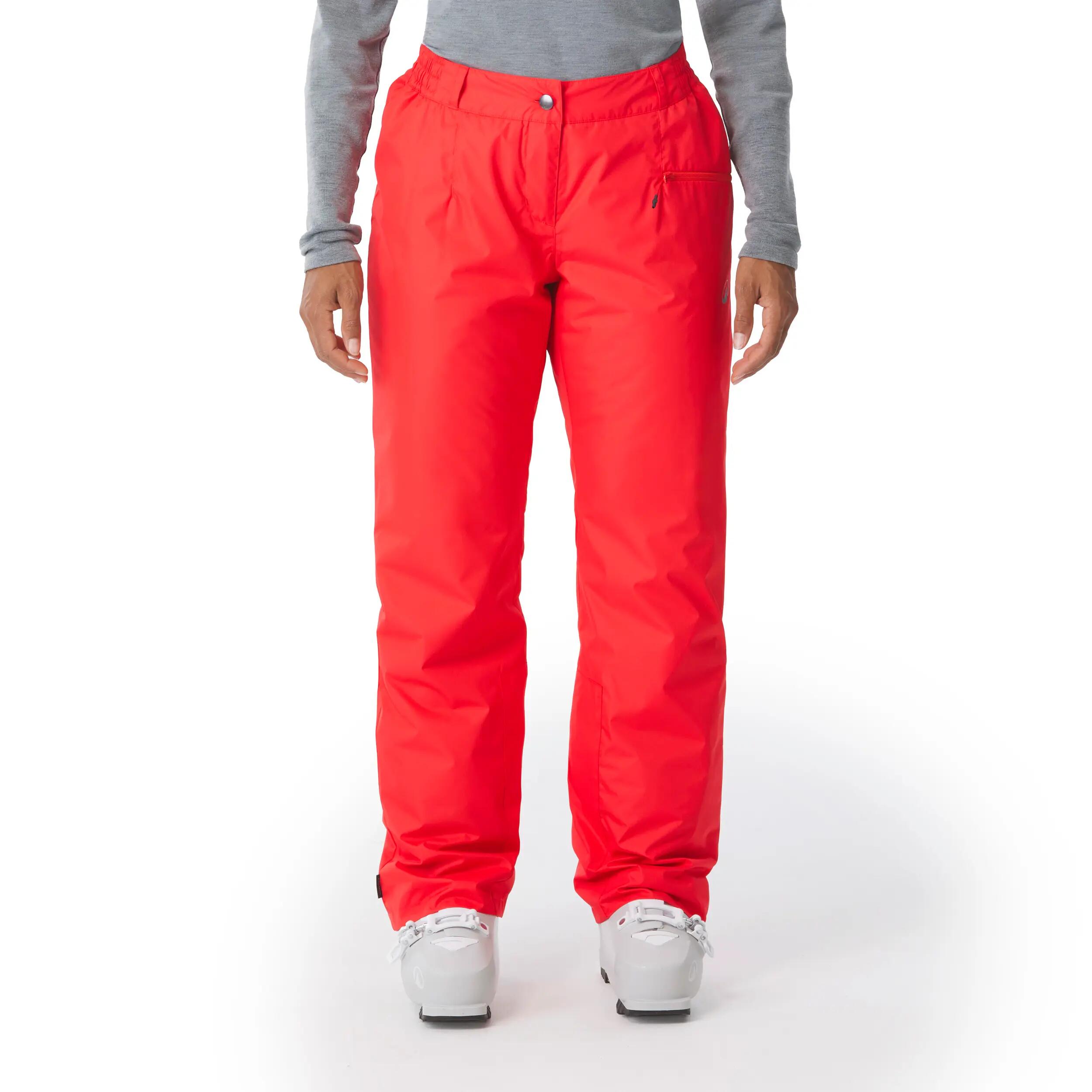
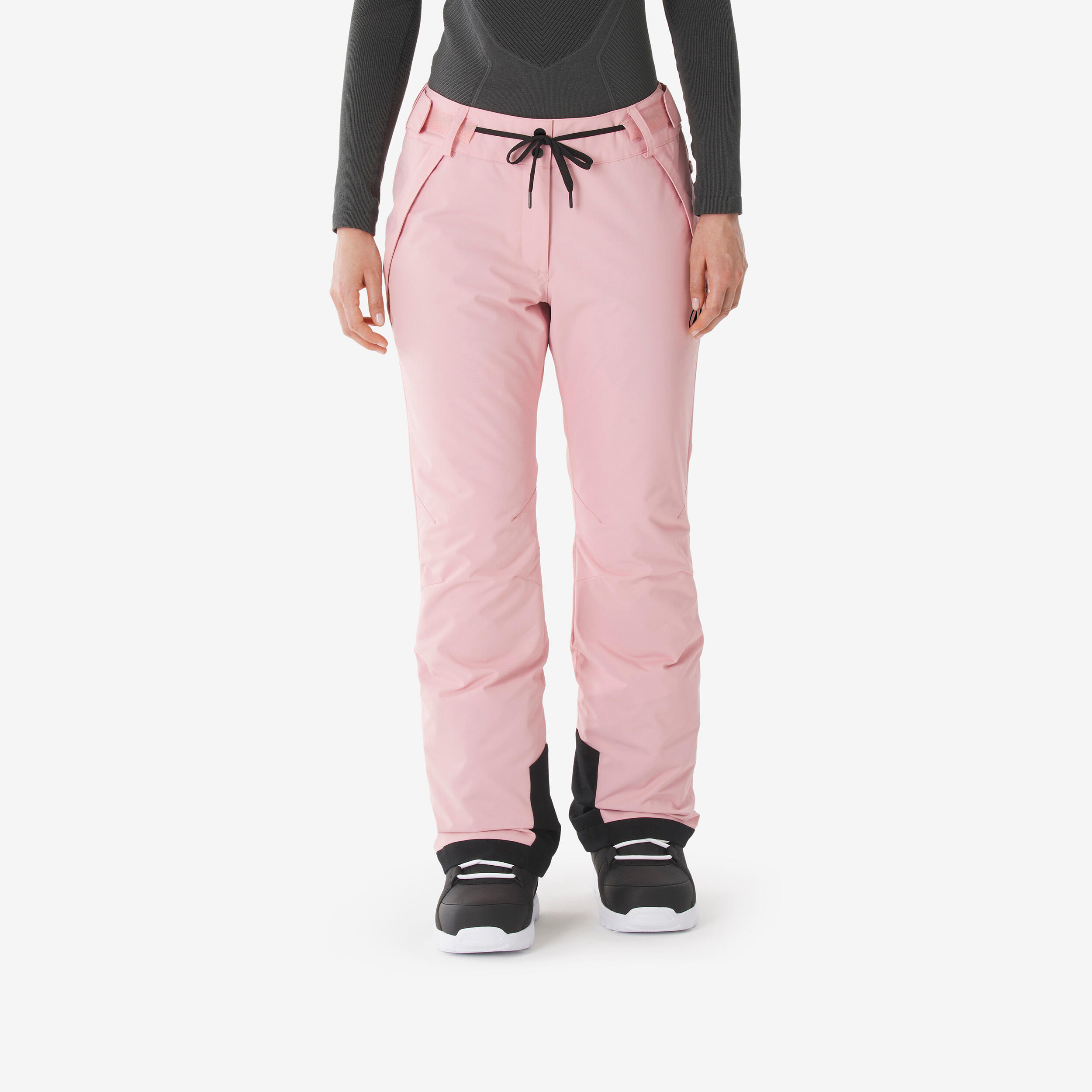
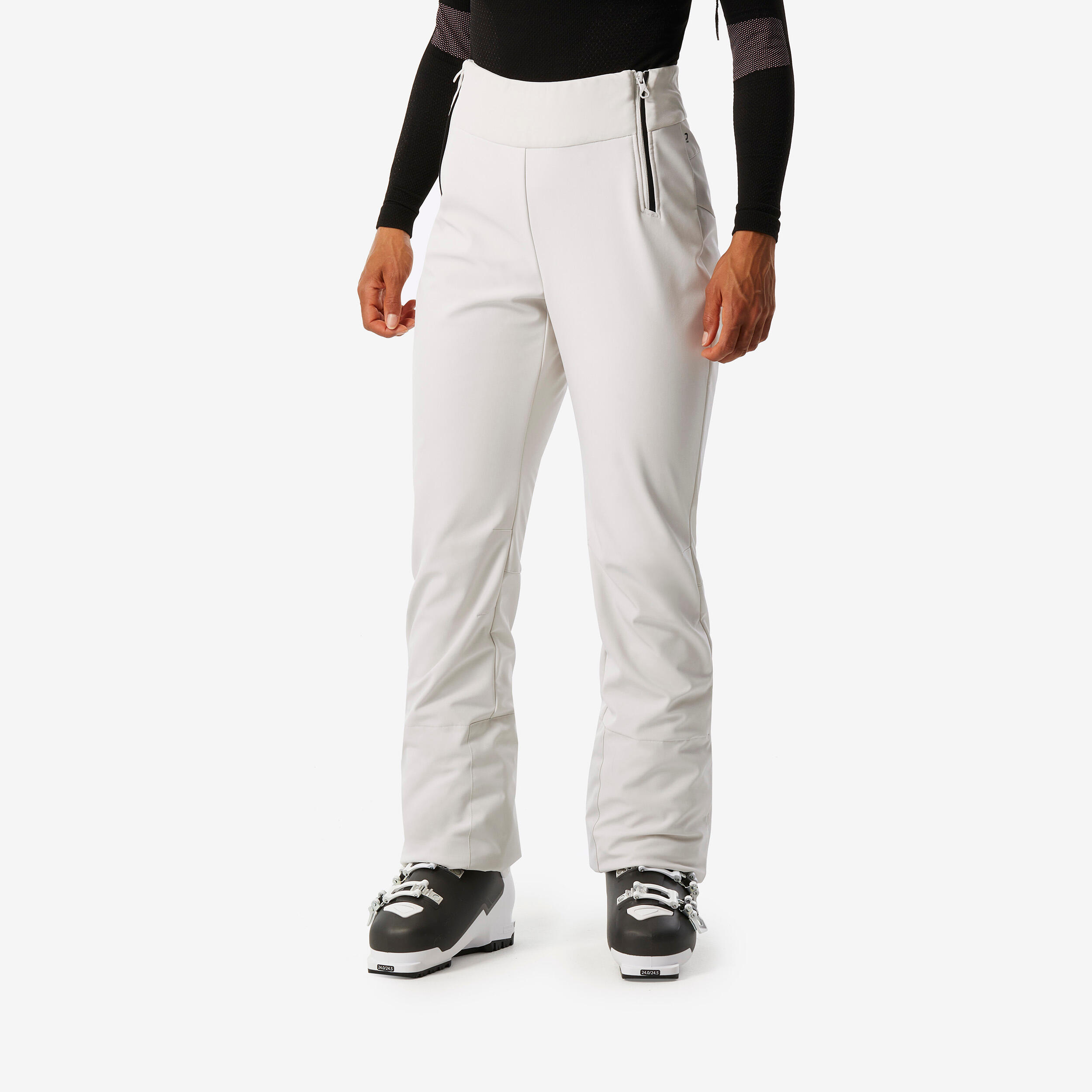
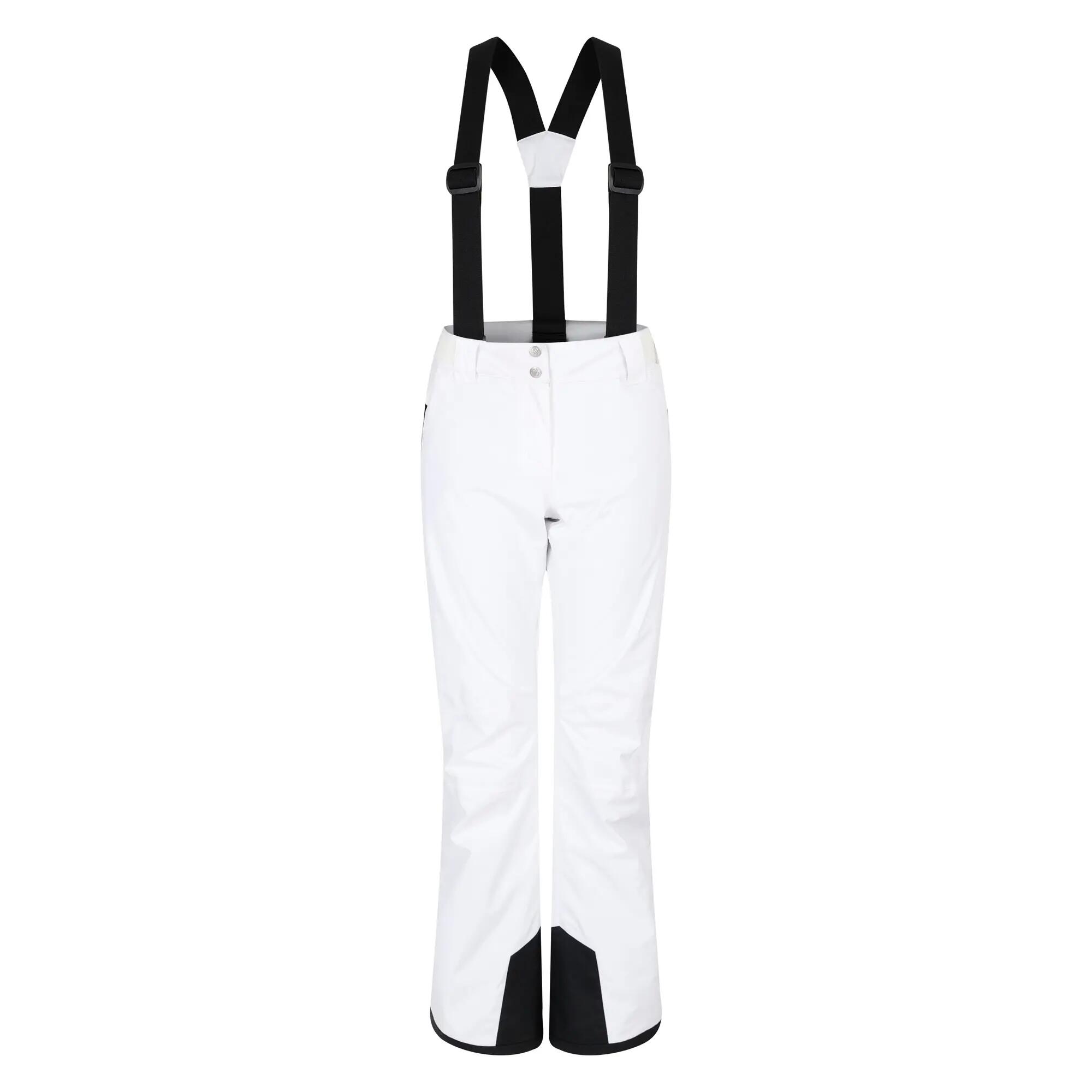
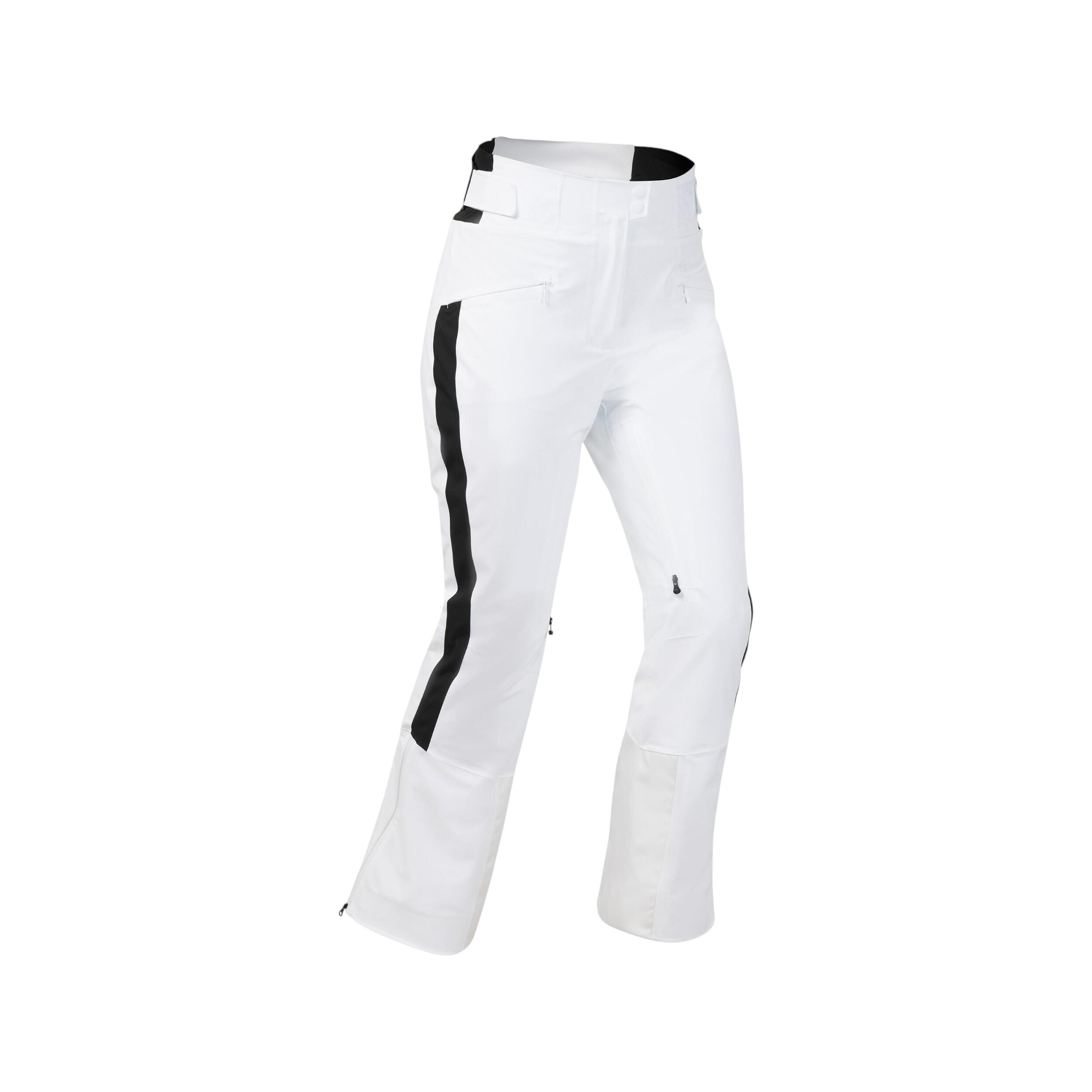
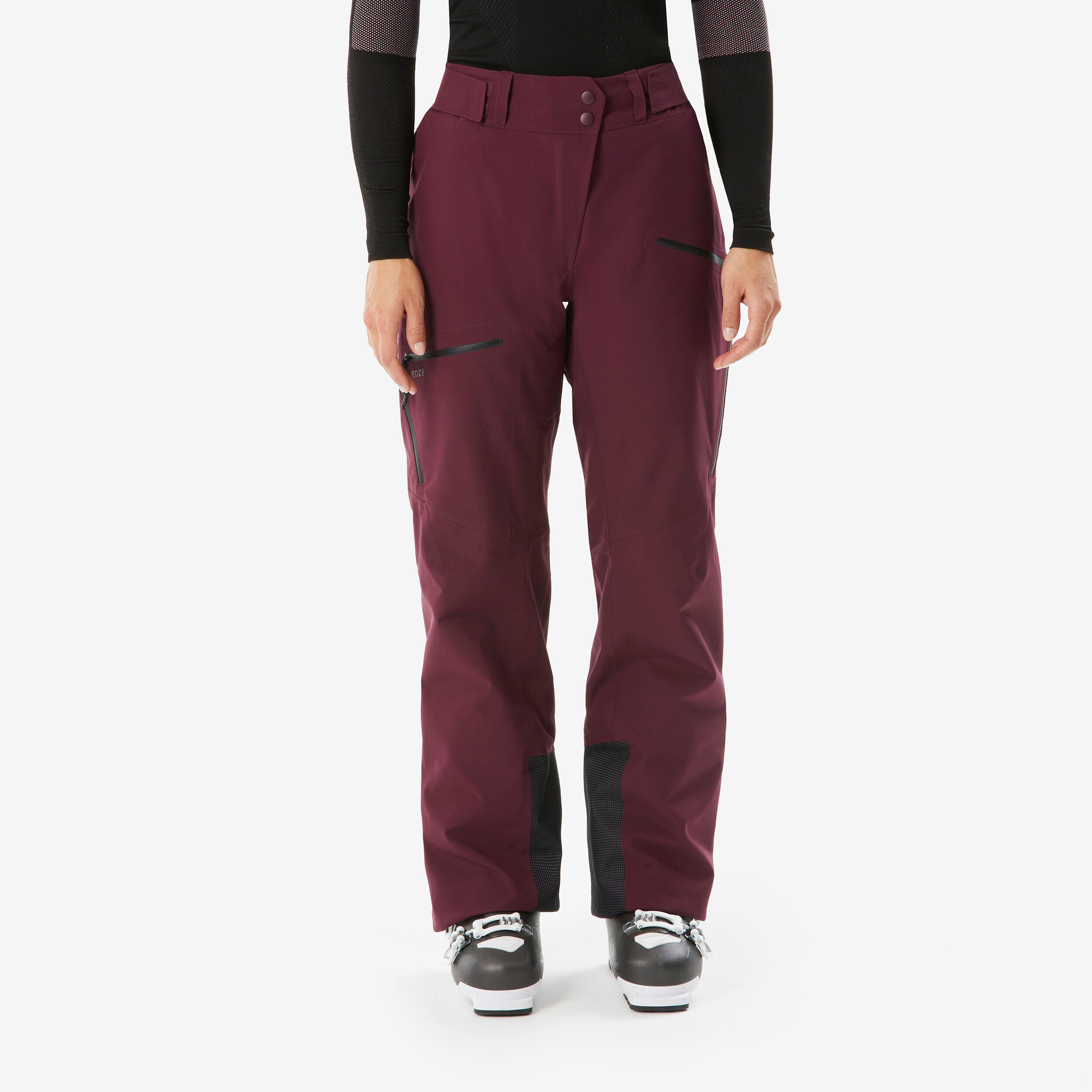
Warm and durable ski trousers are worth the investment because the construction details that justify the price tag also determine comfort and lifespan on the mountain. Synthetic insulation traps body heat in still air pockets, while shell trousers paired with a thermal base layer trade weight for ventilation on warmer spring weeks. Fully taped seams, two-way zip vents, and reinforced kick patches at the ankle protect the high-wear zones from ski edges, lift chairs, and abrasive snow. Women's cuts in particular benefit from a contoured waist, hip shaping, and adjusted leg length, all of which feature in our range of women's ski trousers across the Wedze and Inuikii labels.

Should I choose ski trousers or ski salopettes?

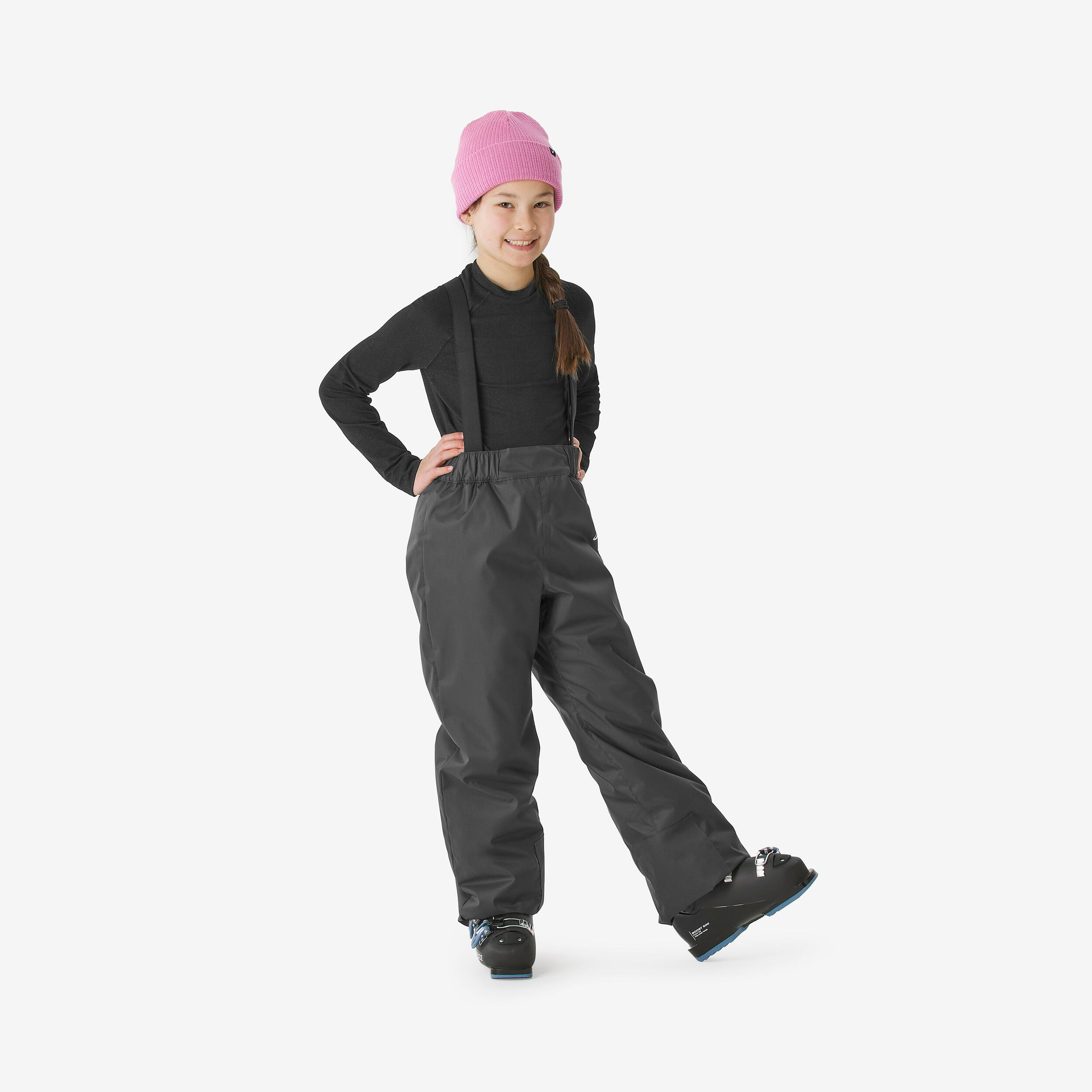
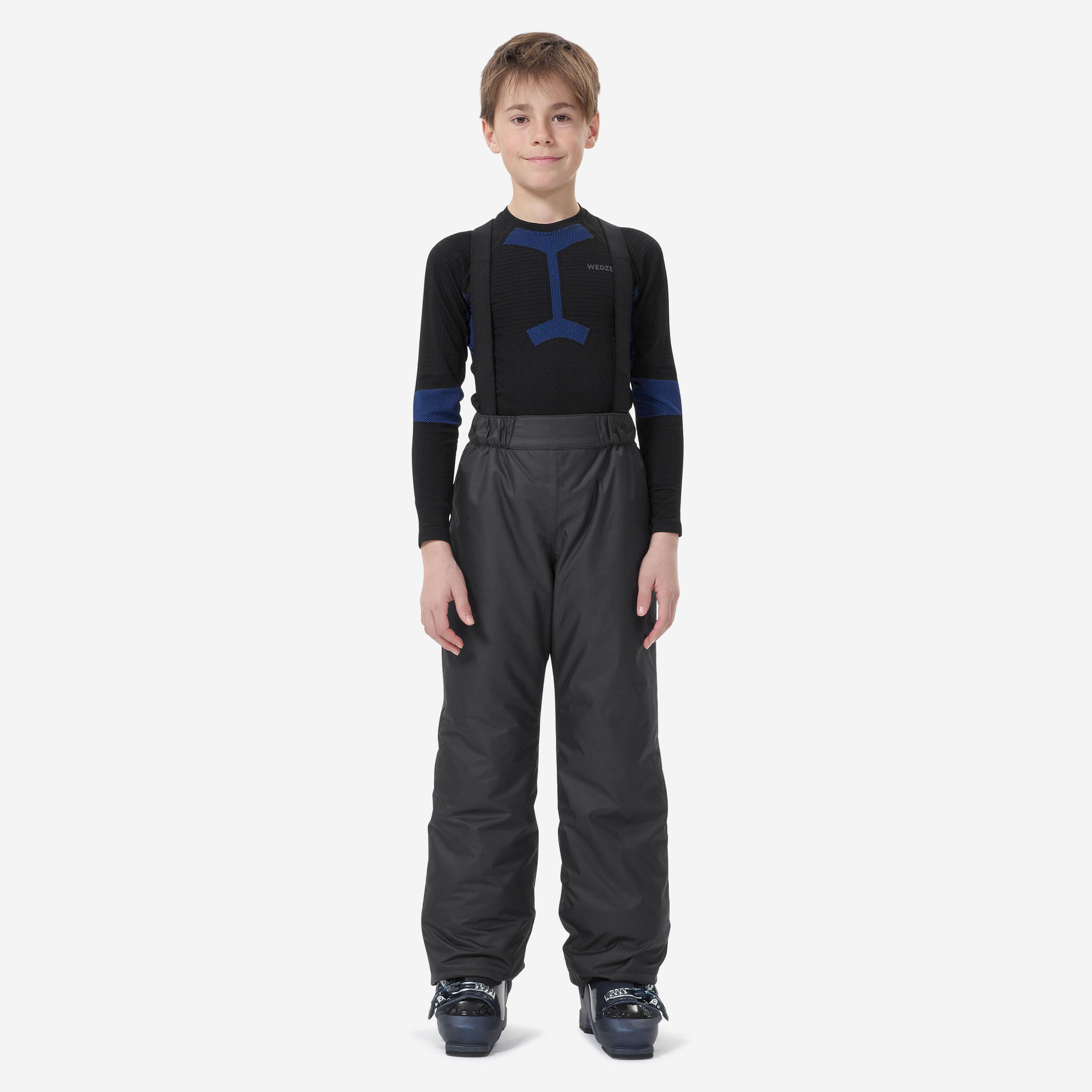
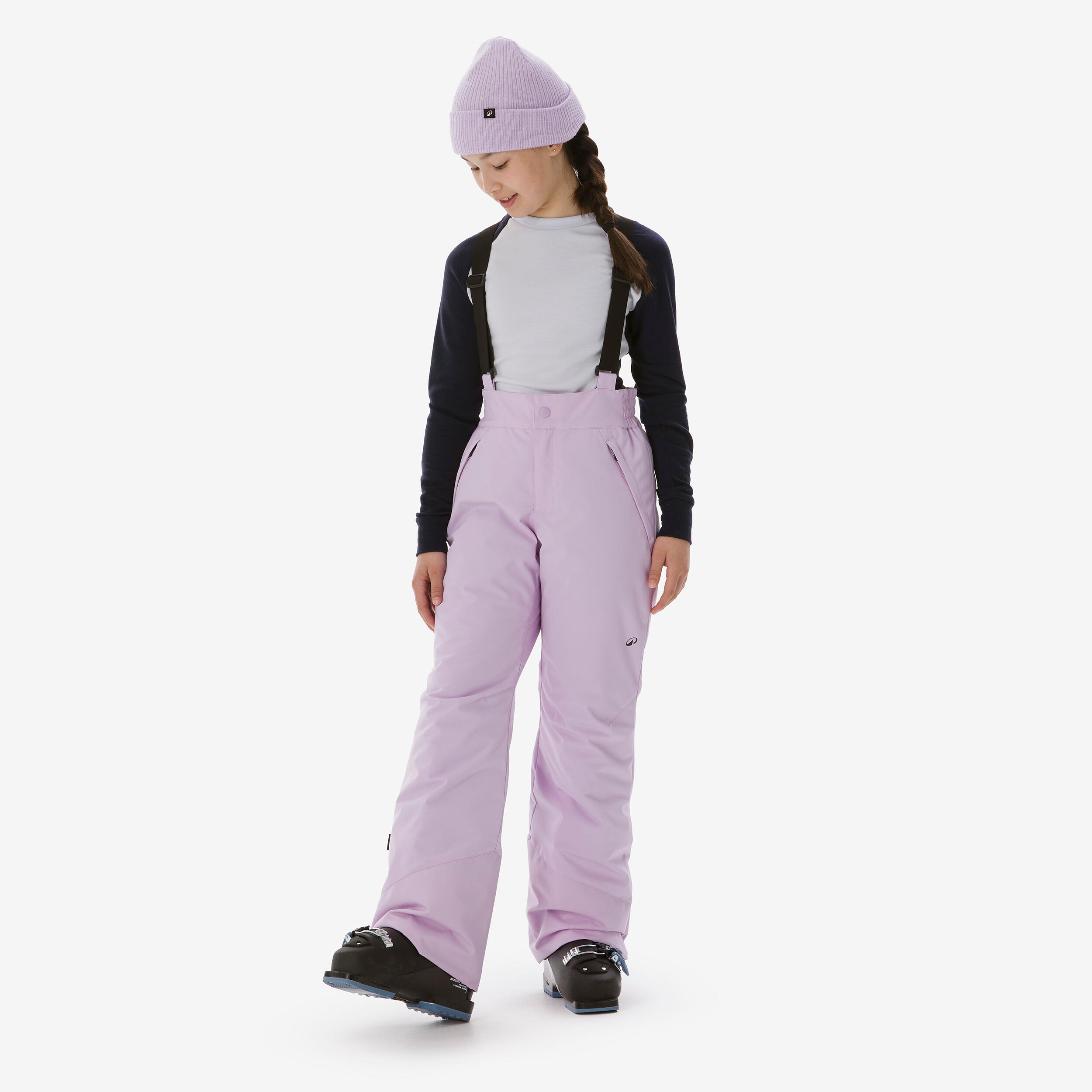
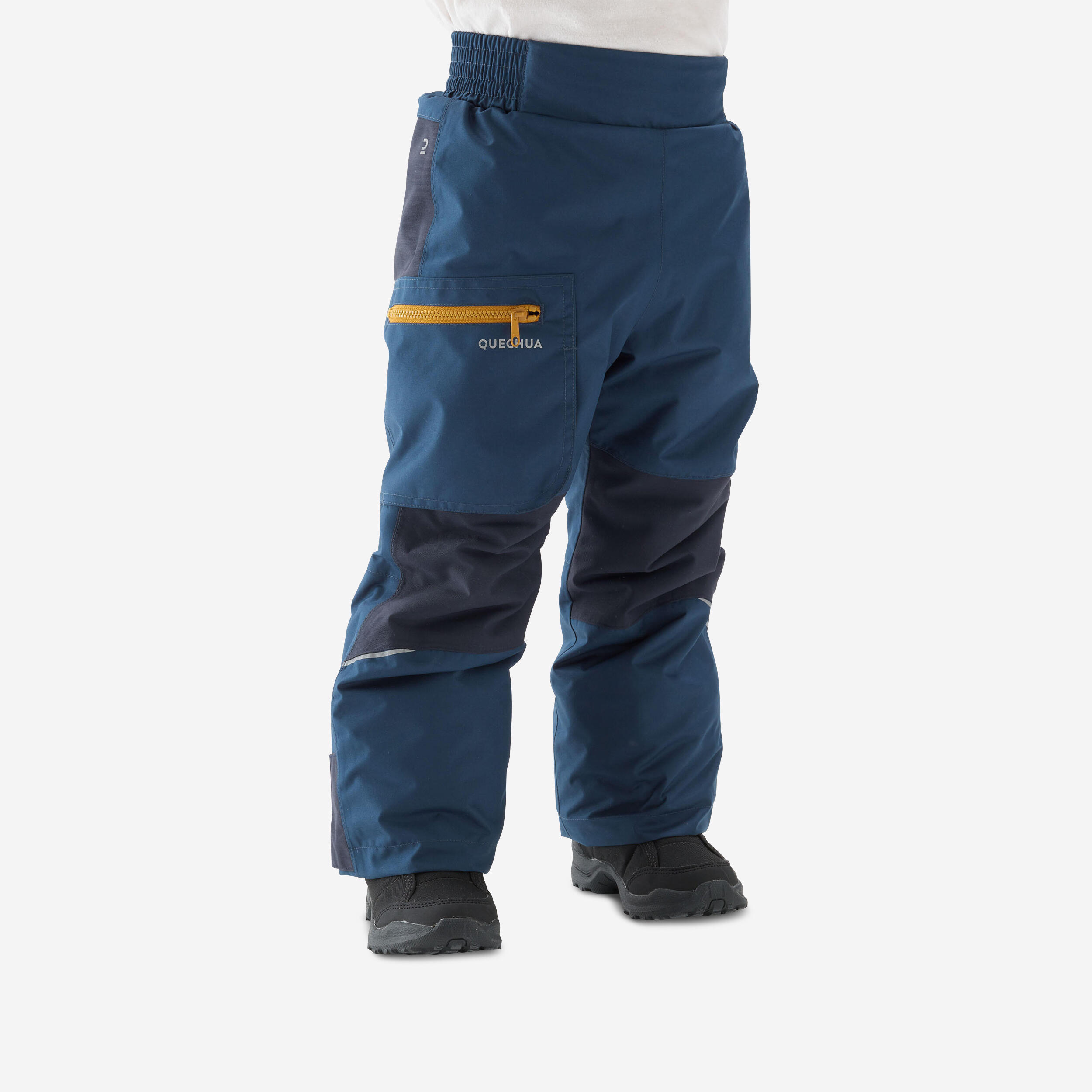
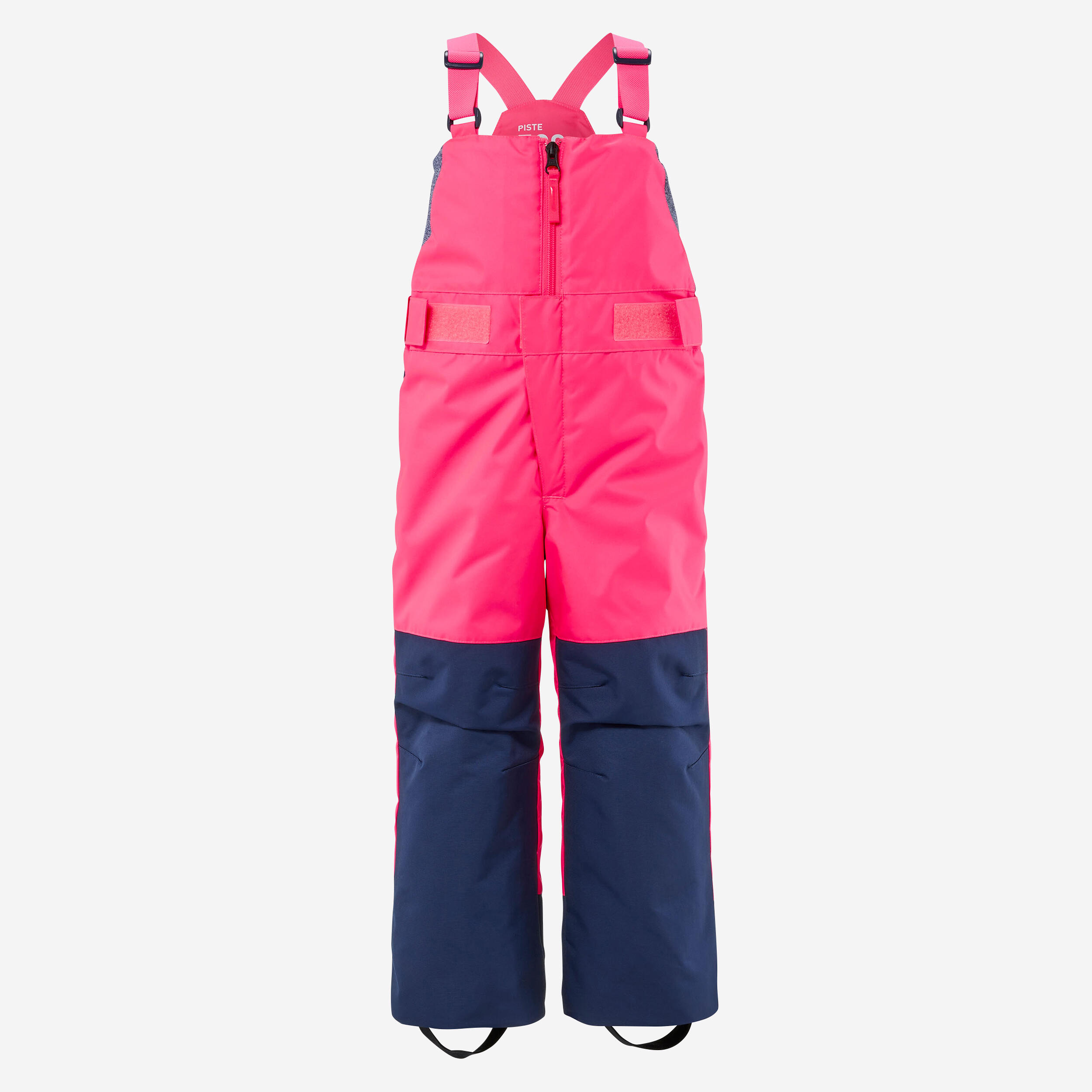
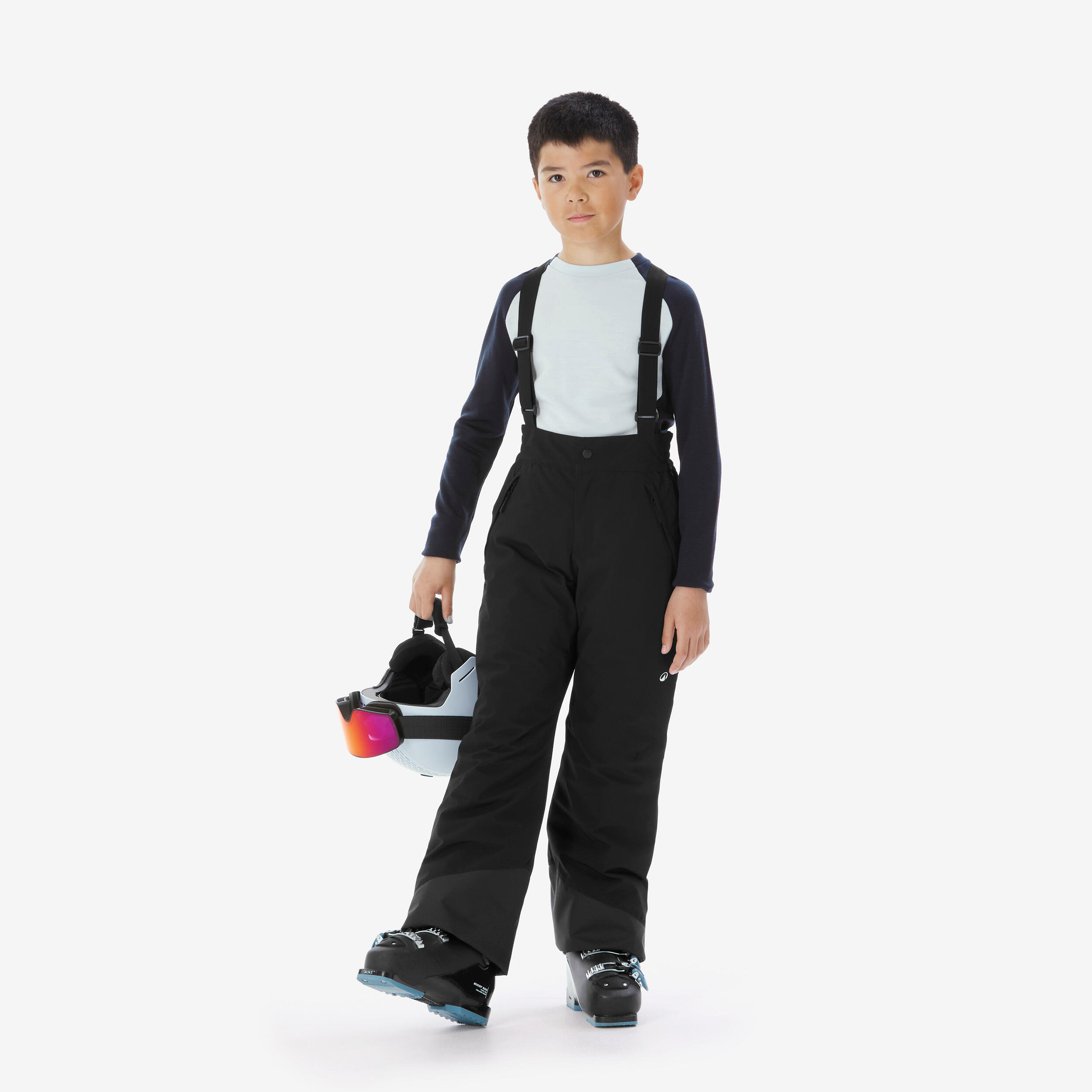
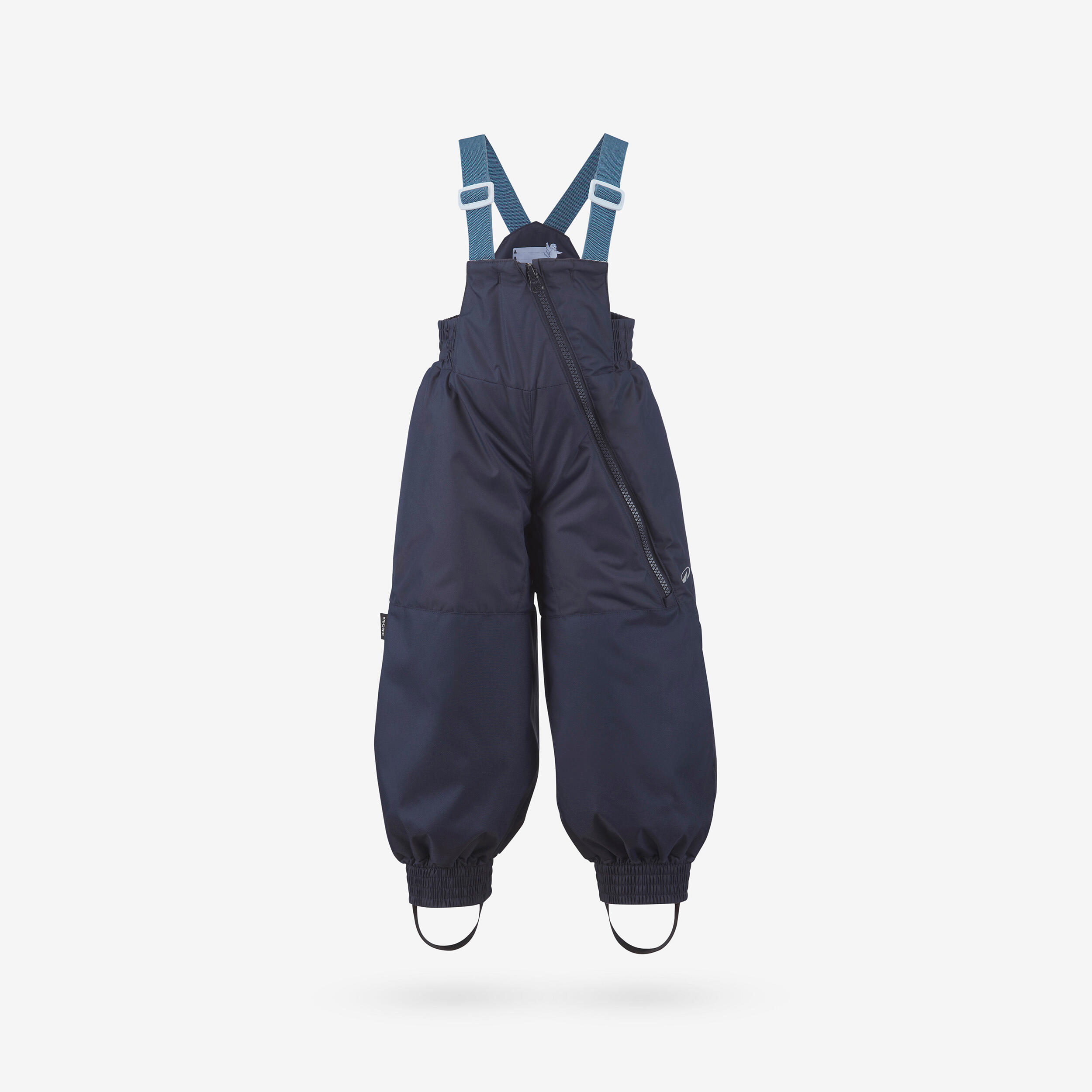
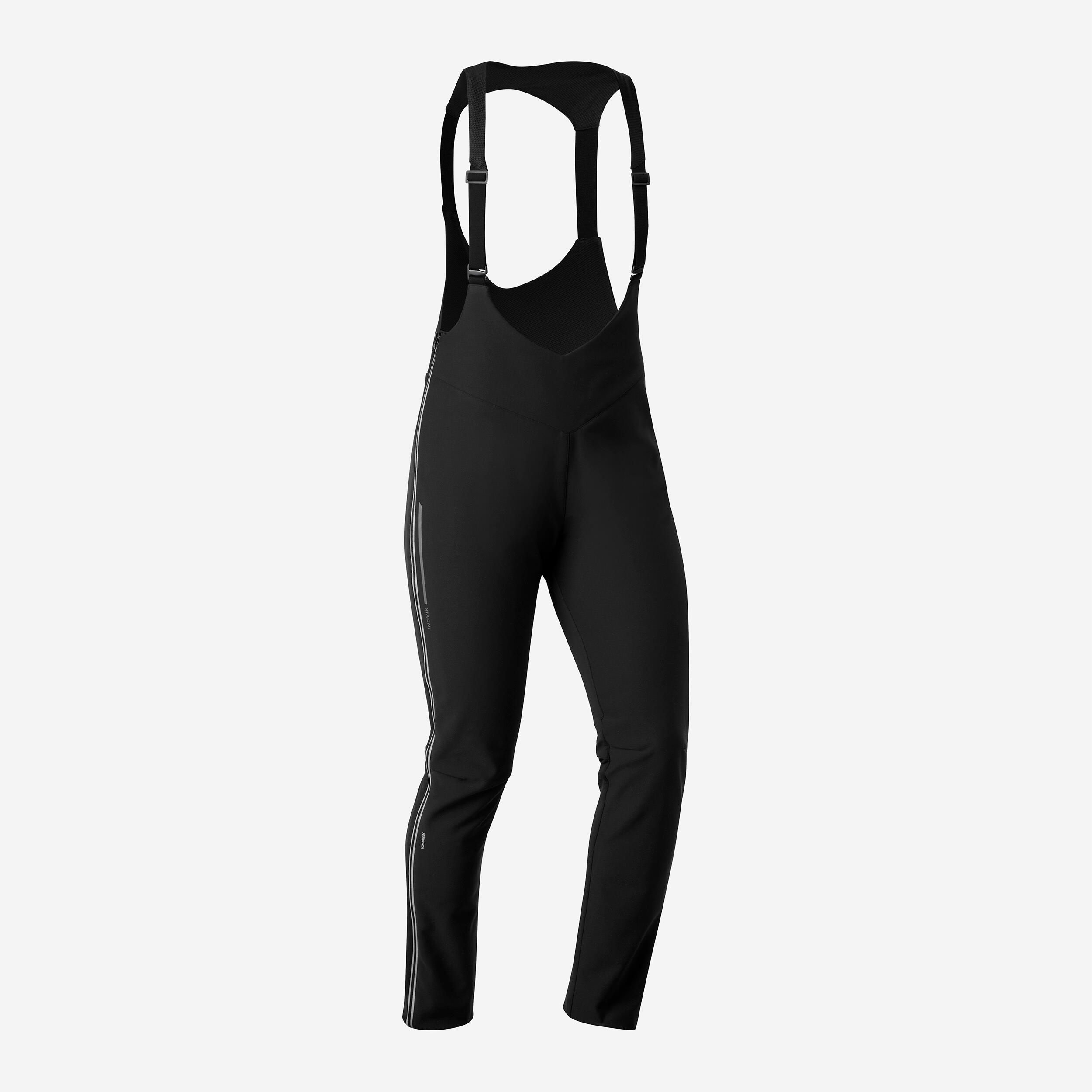
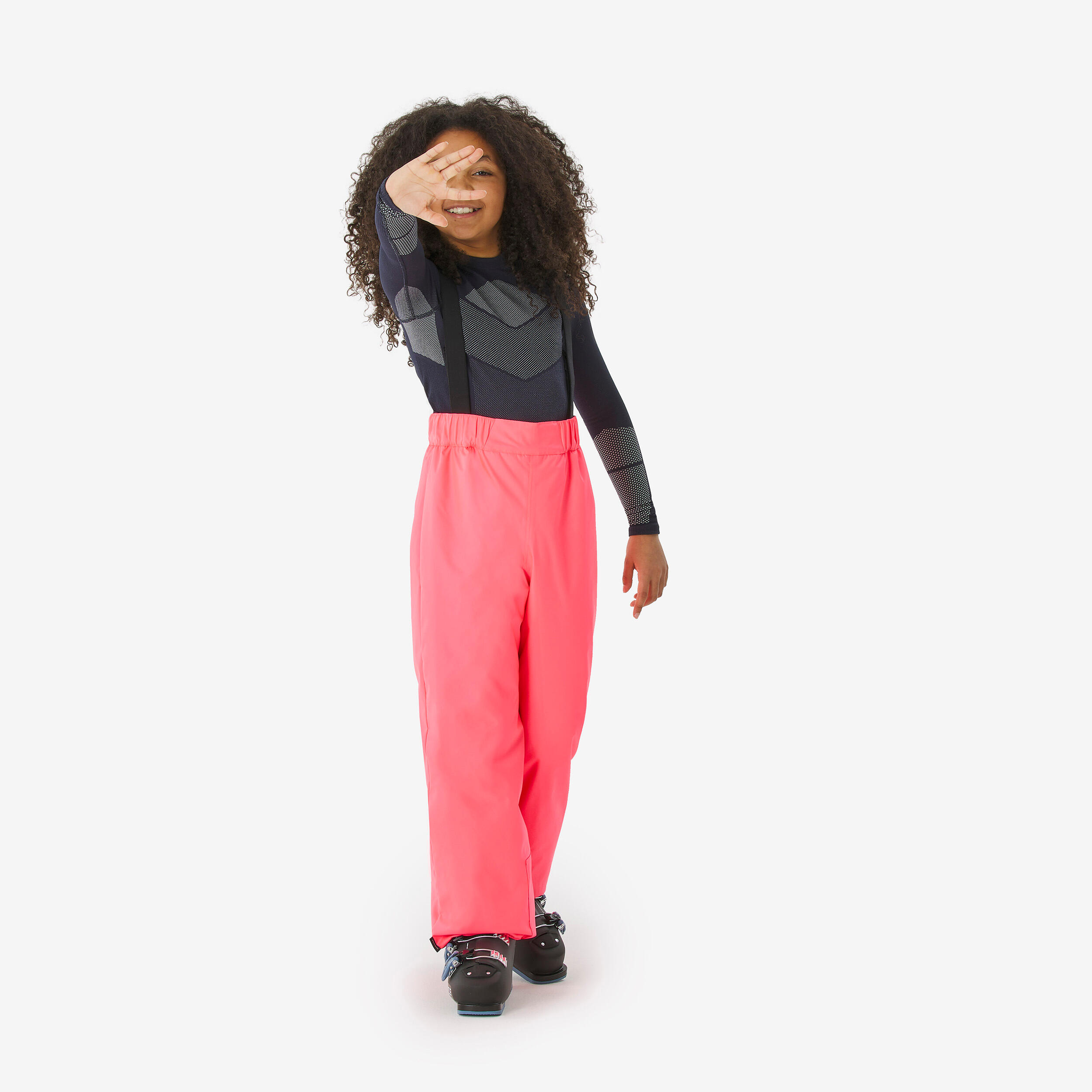
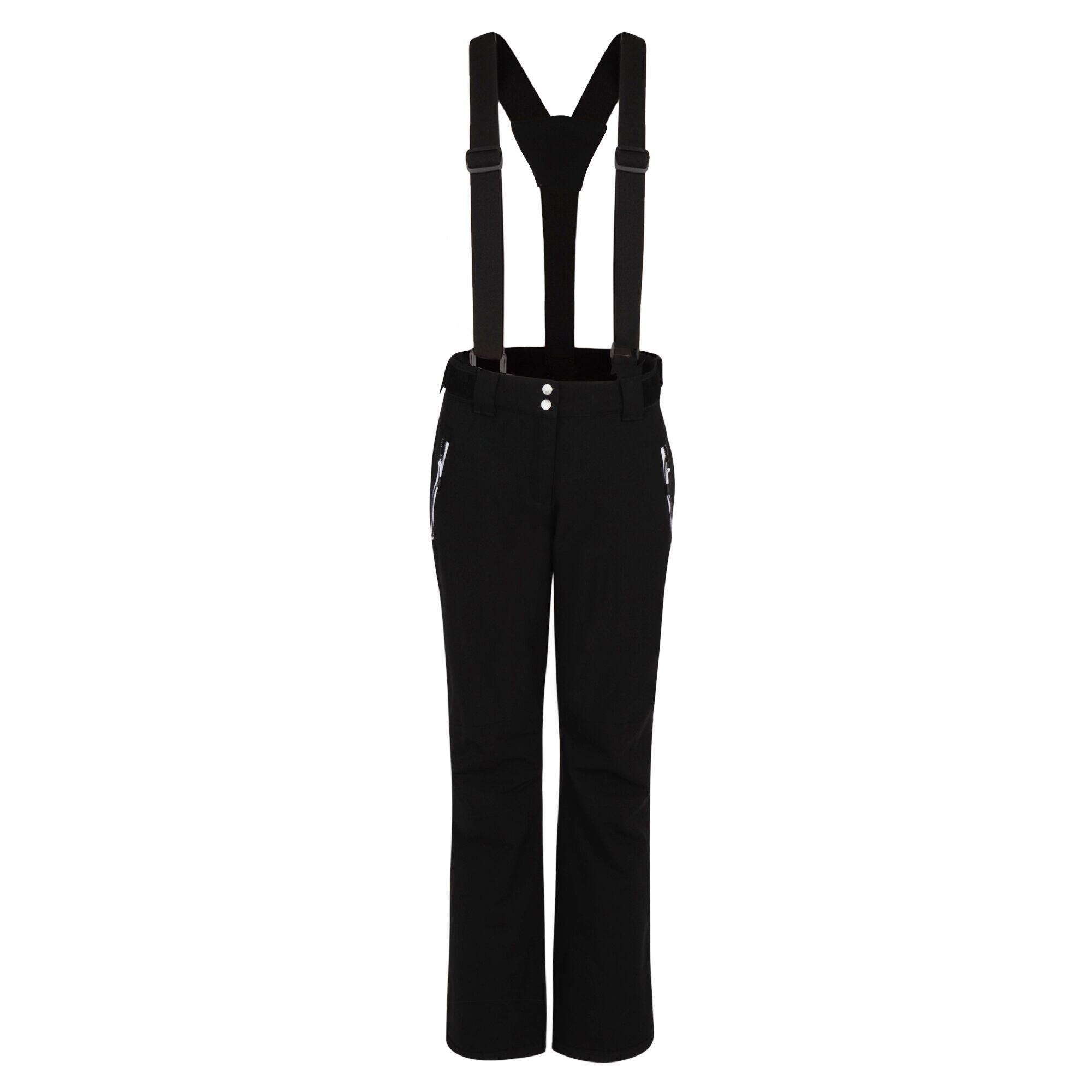
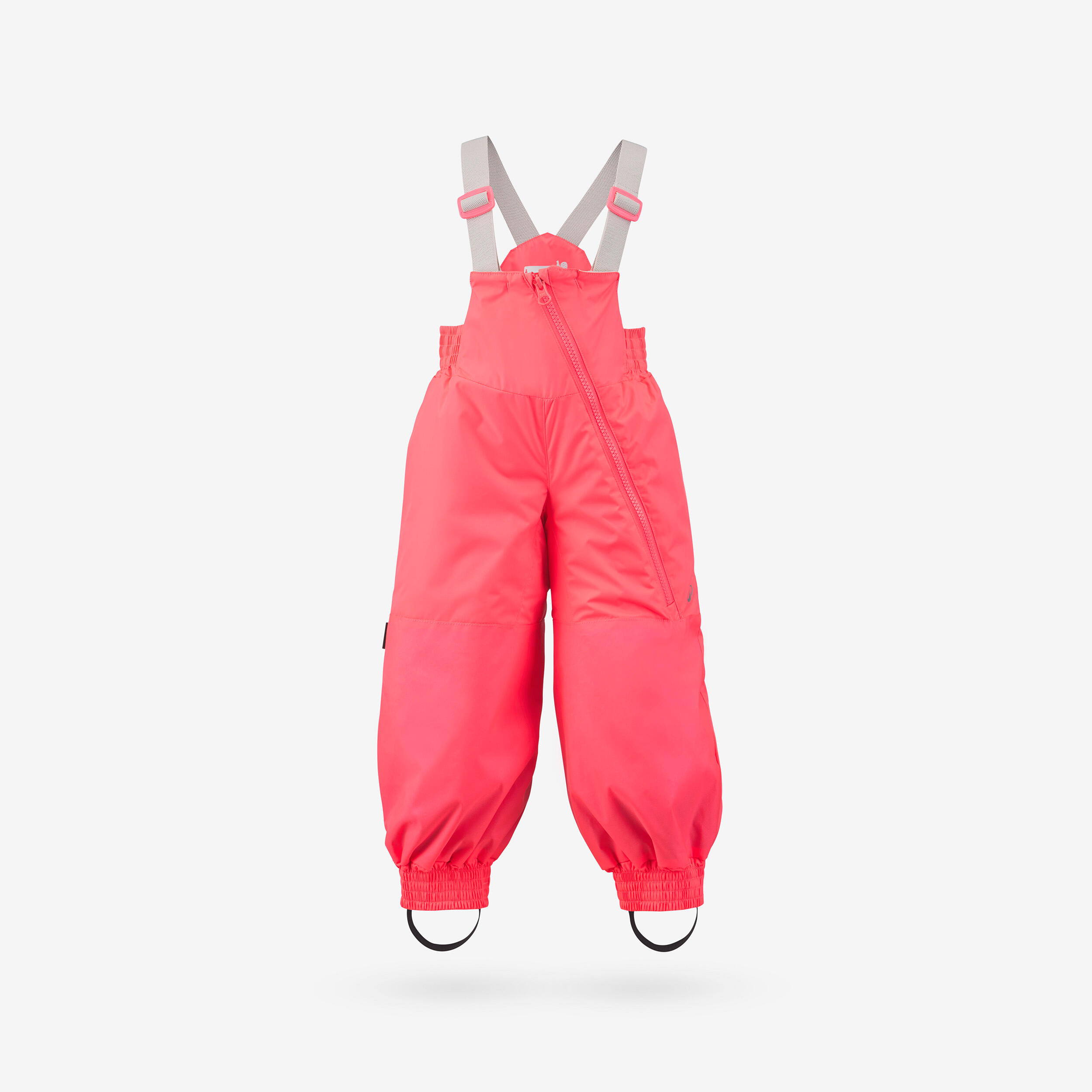
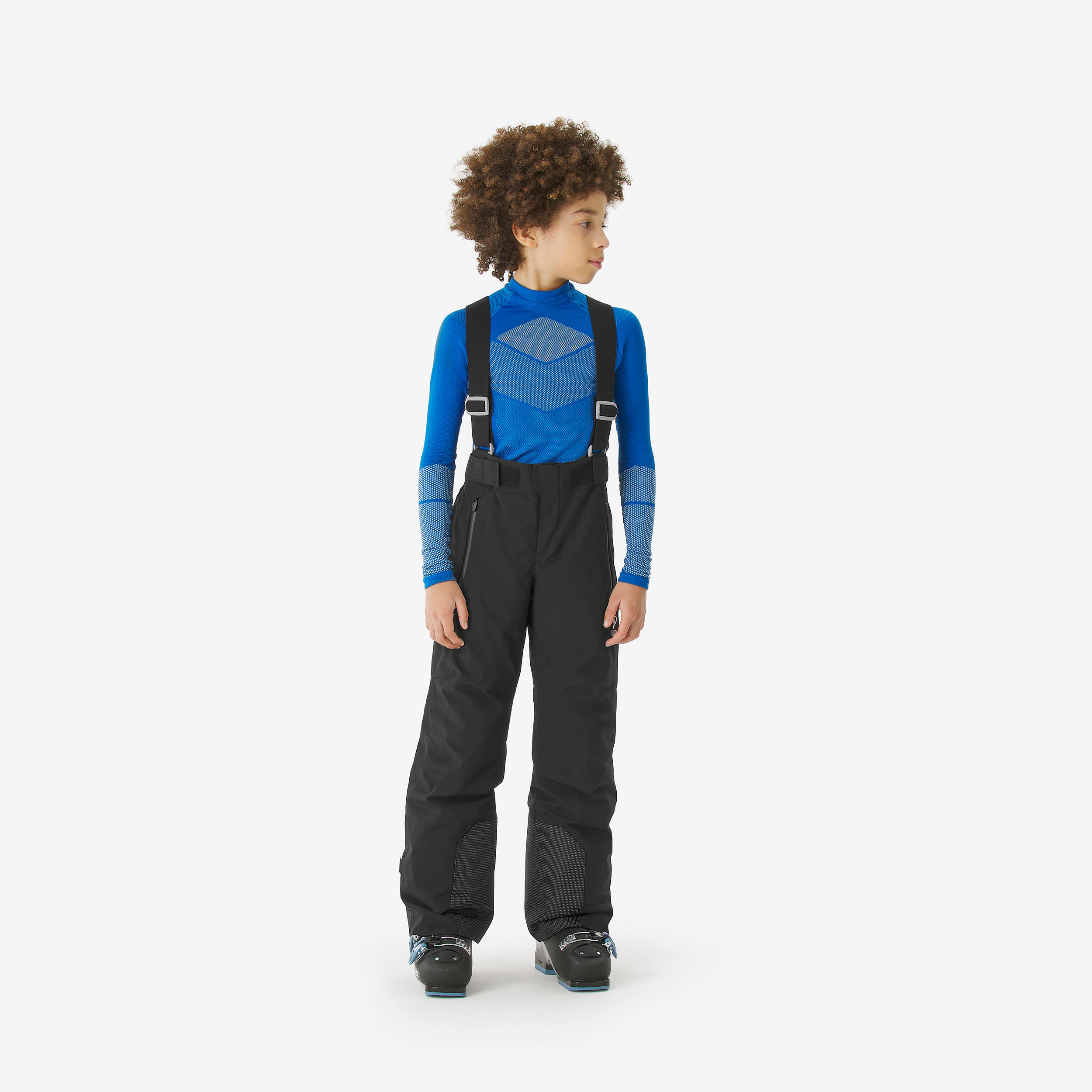
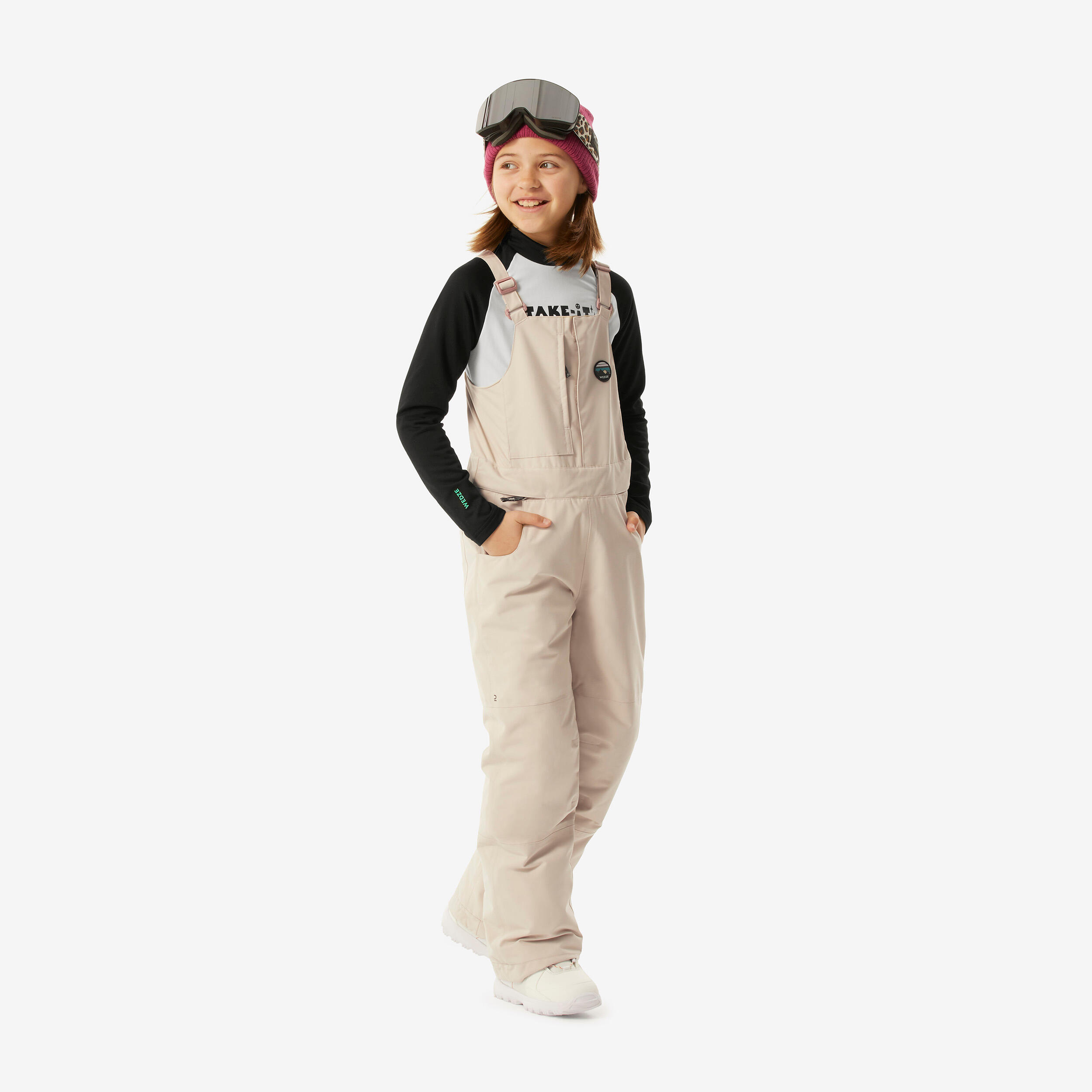
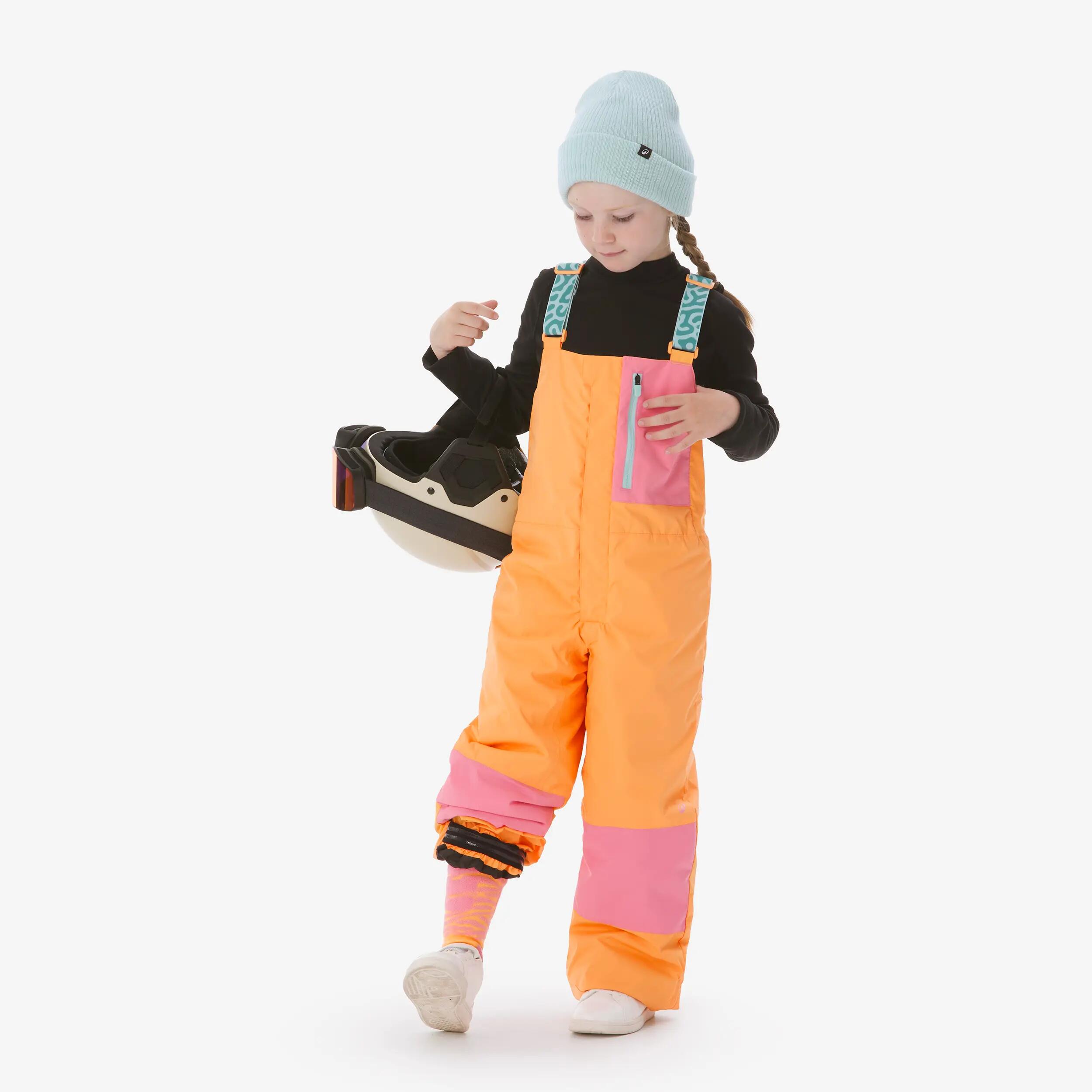
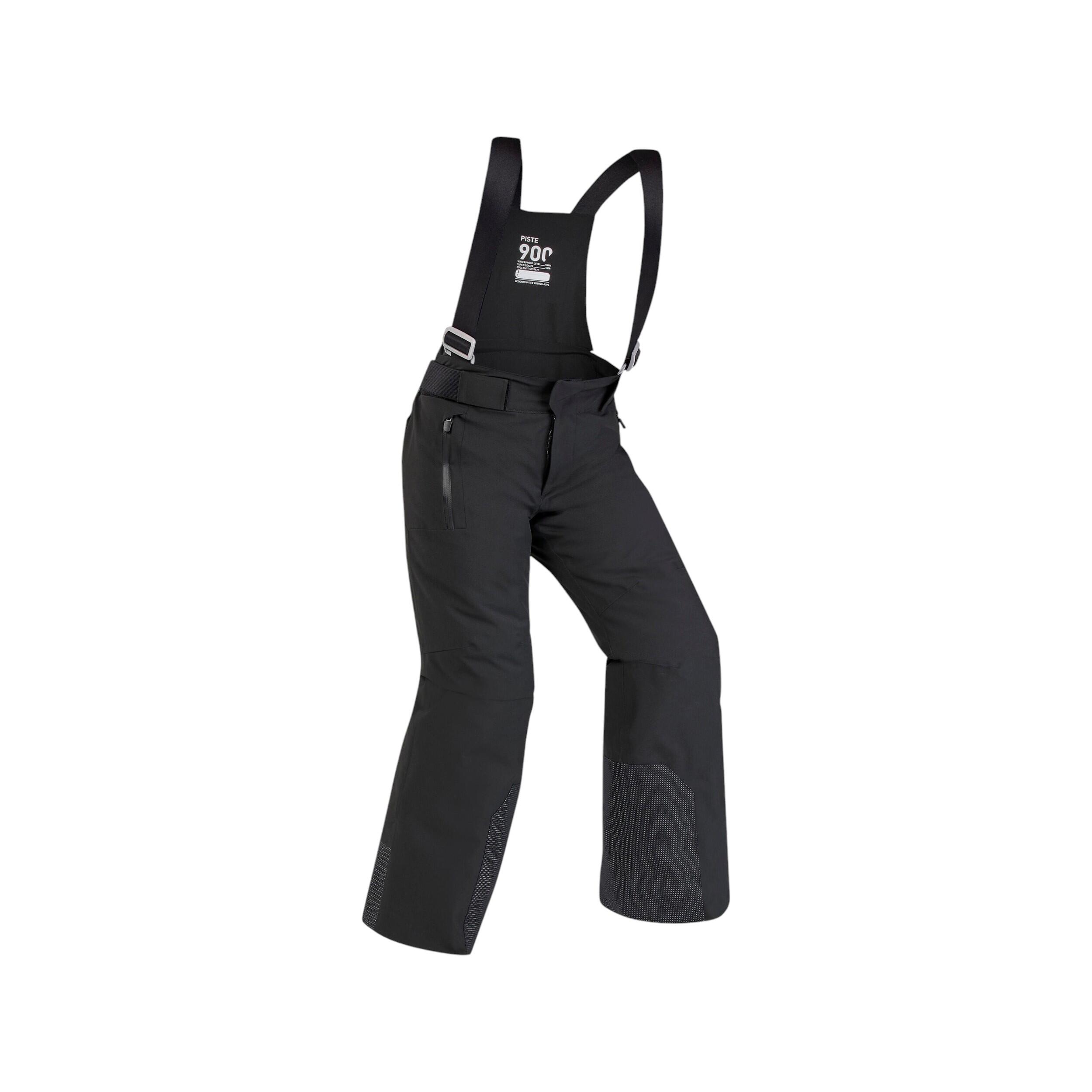
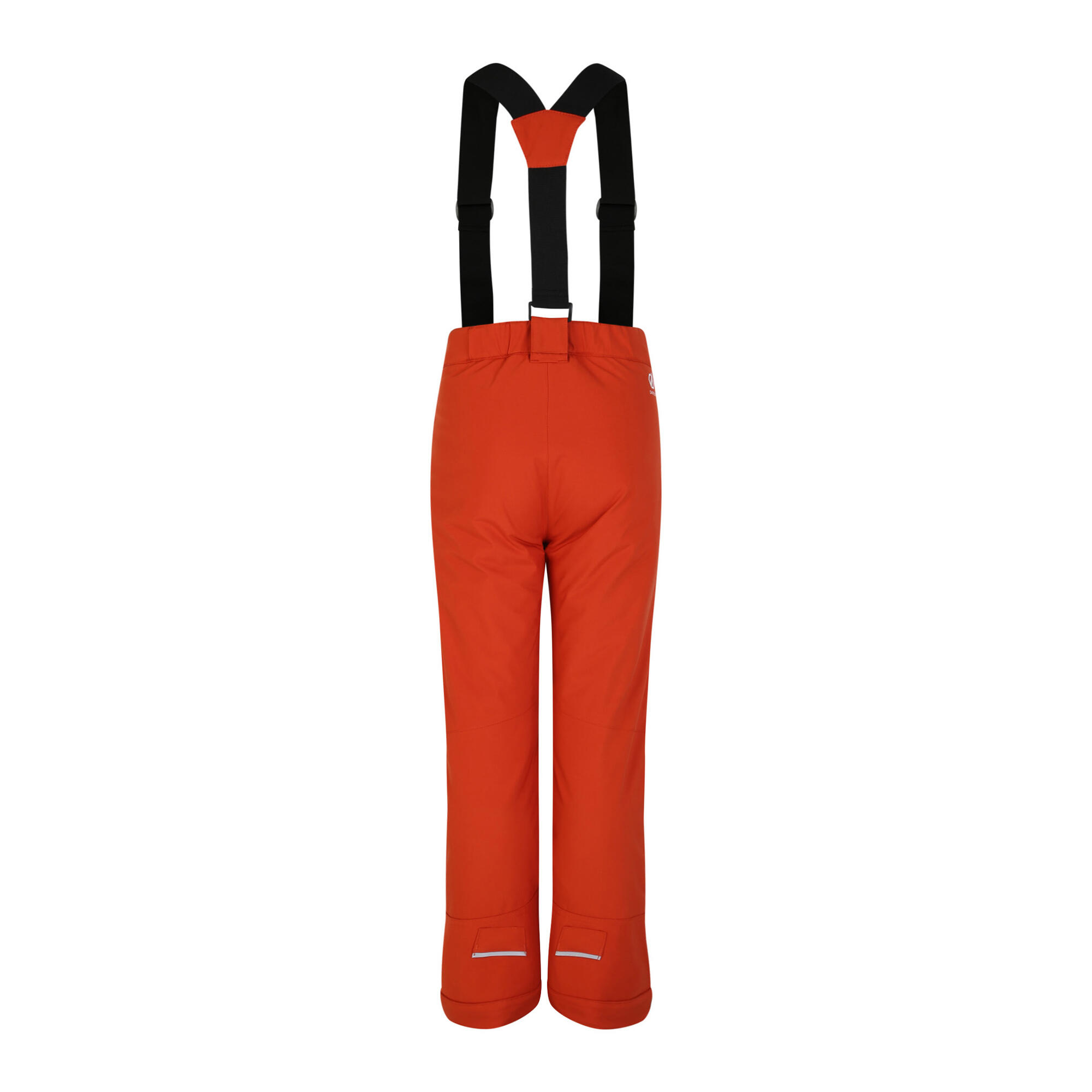
The choice between ski trousers and ski salopettes (bibs) depends on snow conditions, riding style, and how long you plan to stay outside between lift rides. Standard ski trousers with an elasticated waist and powder skirt suit most resort skiers, while salopettes add a high-cut chest panel and shoulder straps that seal the lower back against snow during a tumble. The reason this matters is body temperature: heat loss from the lower back reduces core warmth faster than almost any other zone, so salopettes shine on deep-powder days, ski-touring trips, and long backcountry outings. For the youngest skiers, our range of kids' ski trousers offers both regular and bib-style cuts with grow-tab waistbands that extend the useful life by a full season.
What should I wear under breathable ski trousers on cold days?

What you wear under breathable ski trousers on cold days matters as much as the trousers themselves. The base layer manages moisture first, since damp skin loses heat far faster than dry skin, and this single failure is where most cold-day discomfort begins. A lightweight merino or synthetic legging suits milder resort weeks, a mid-weight pair covers standard alpine conditions, and a heavyweight thermal set handles deep winter touring or bitter morning starts. Our range of ski base layers includes long johns, full leggings, and matching tops across the Wedze and Odlo labels in adult and junior sizes, allowing a clean layering system from feet to neck.