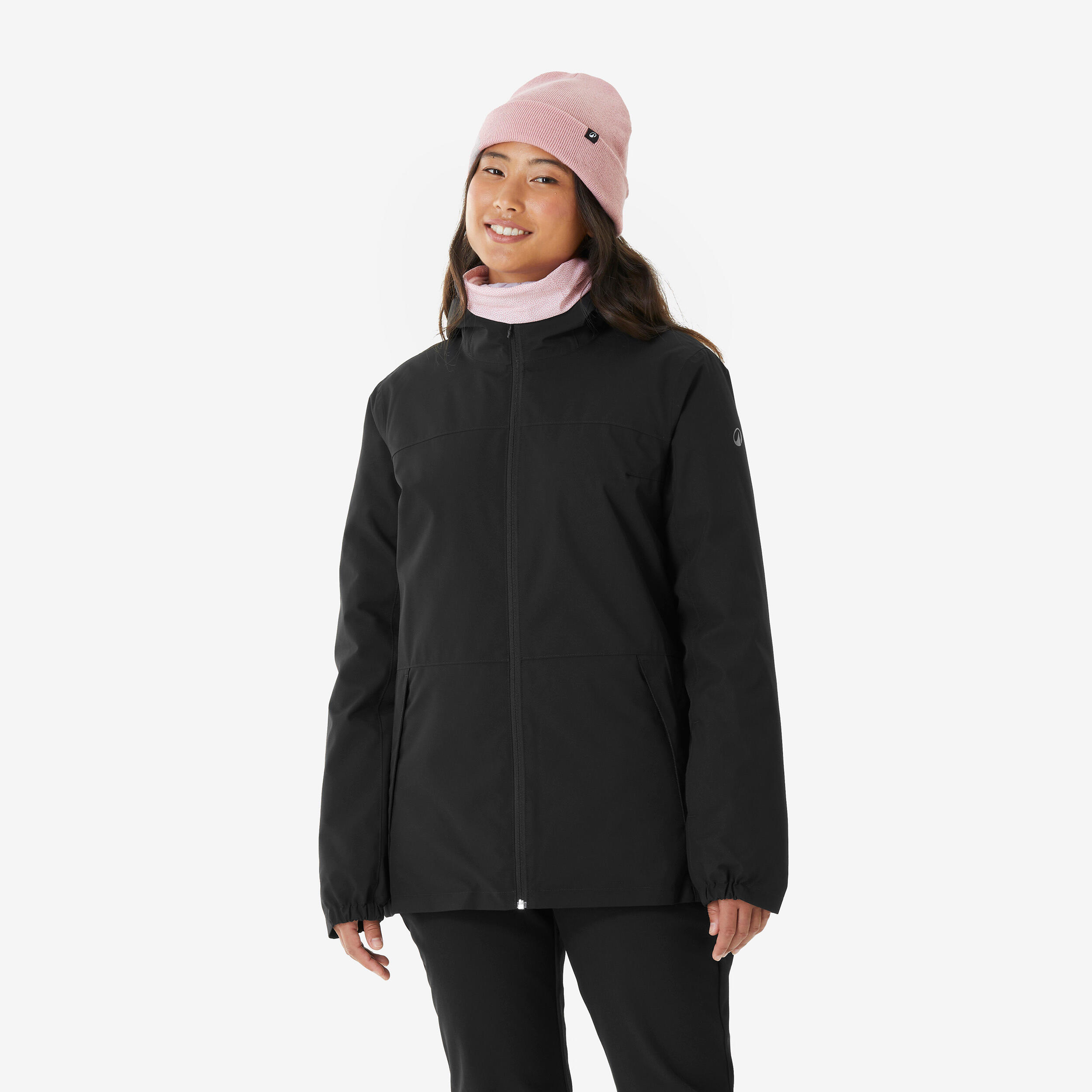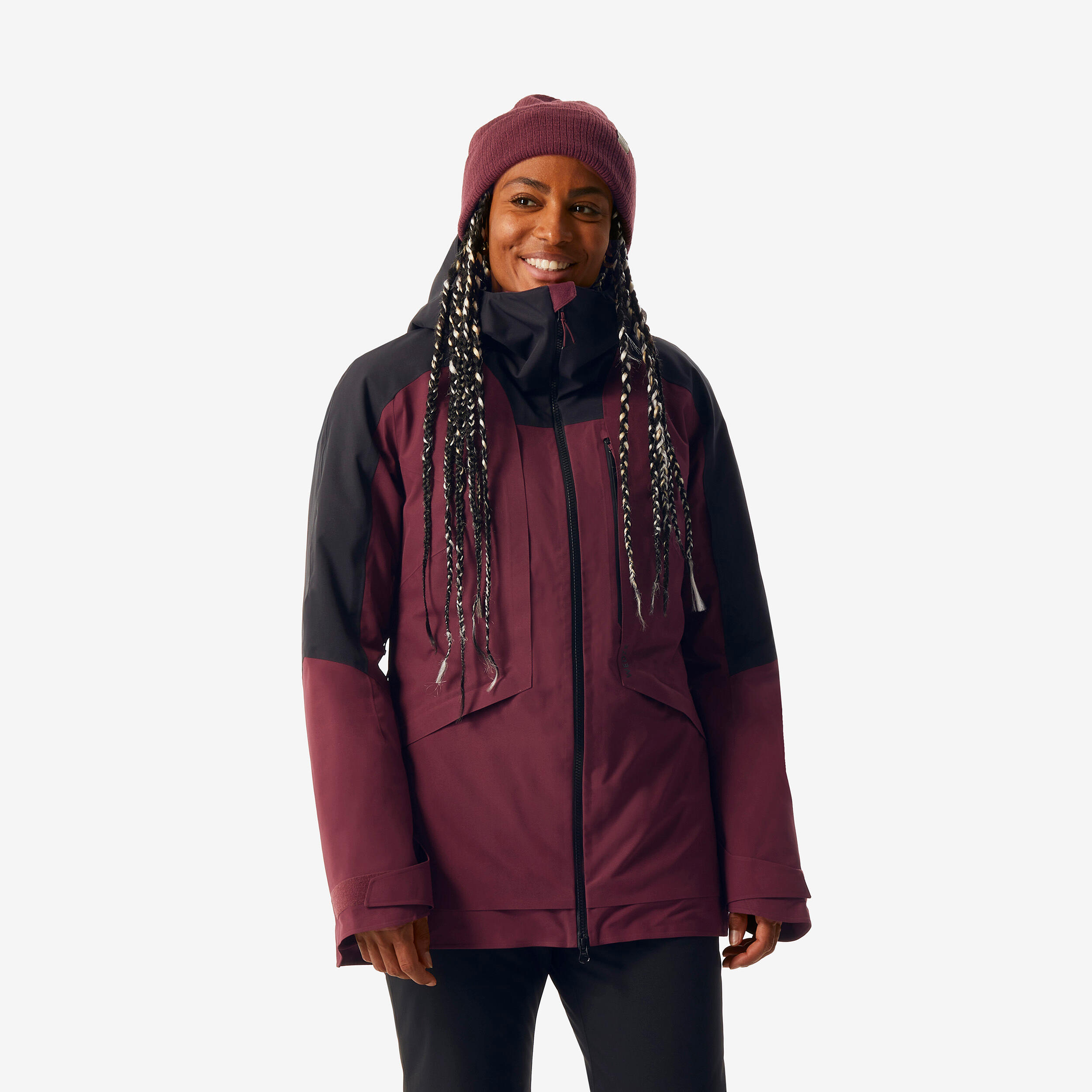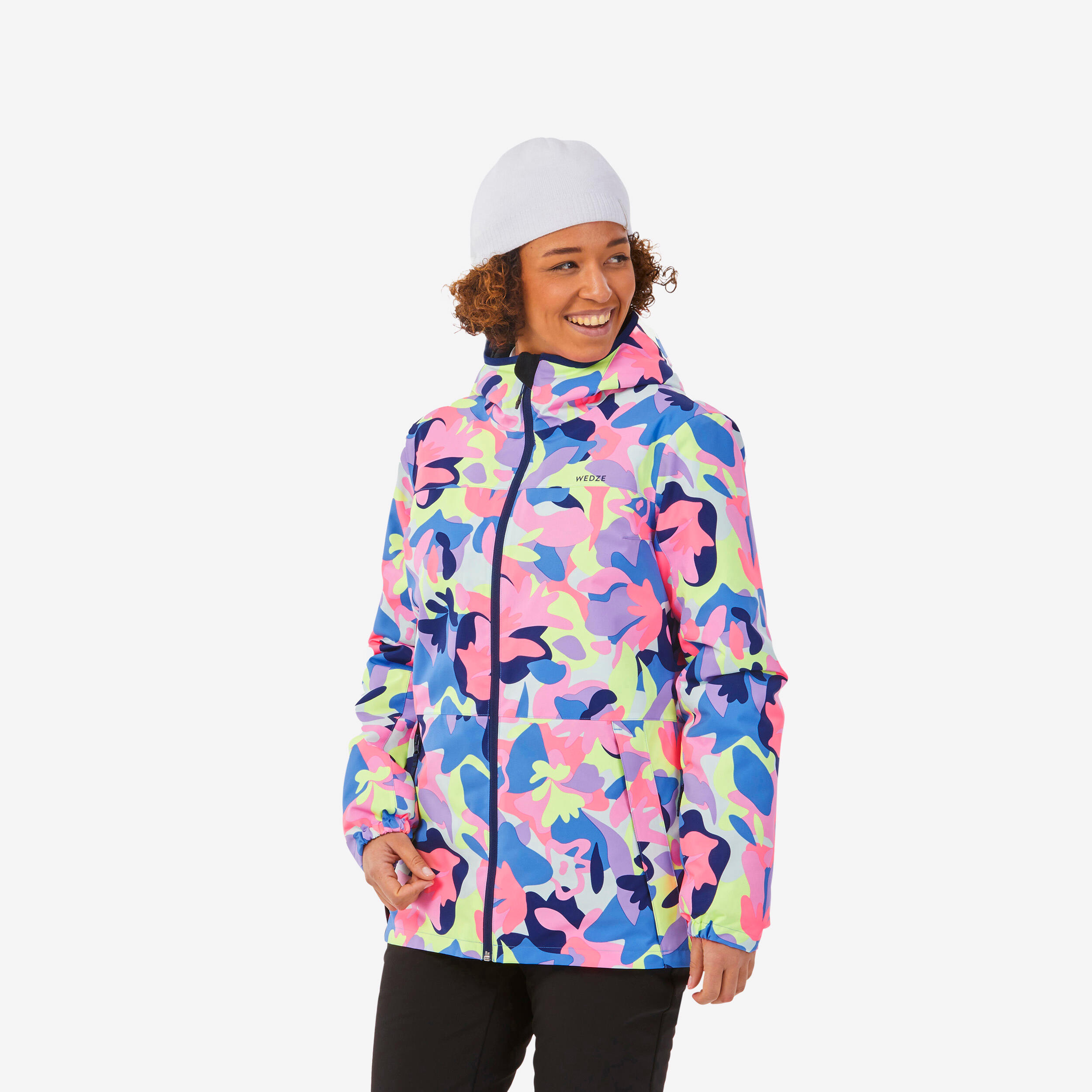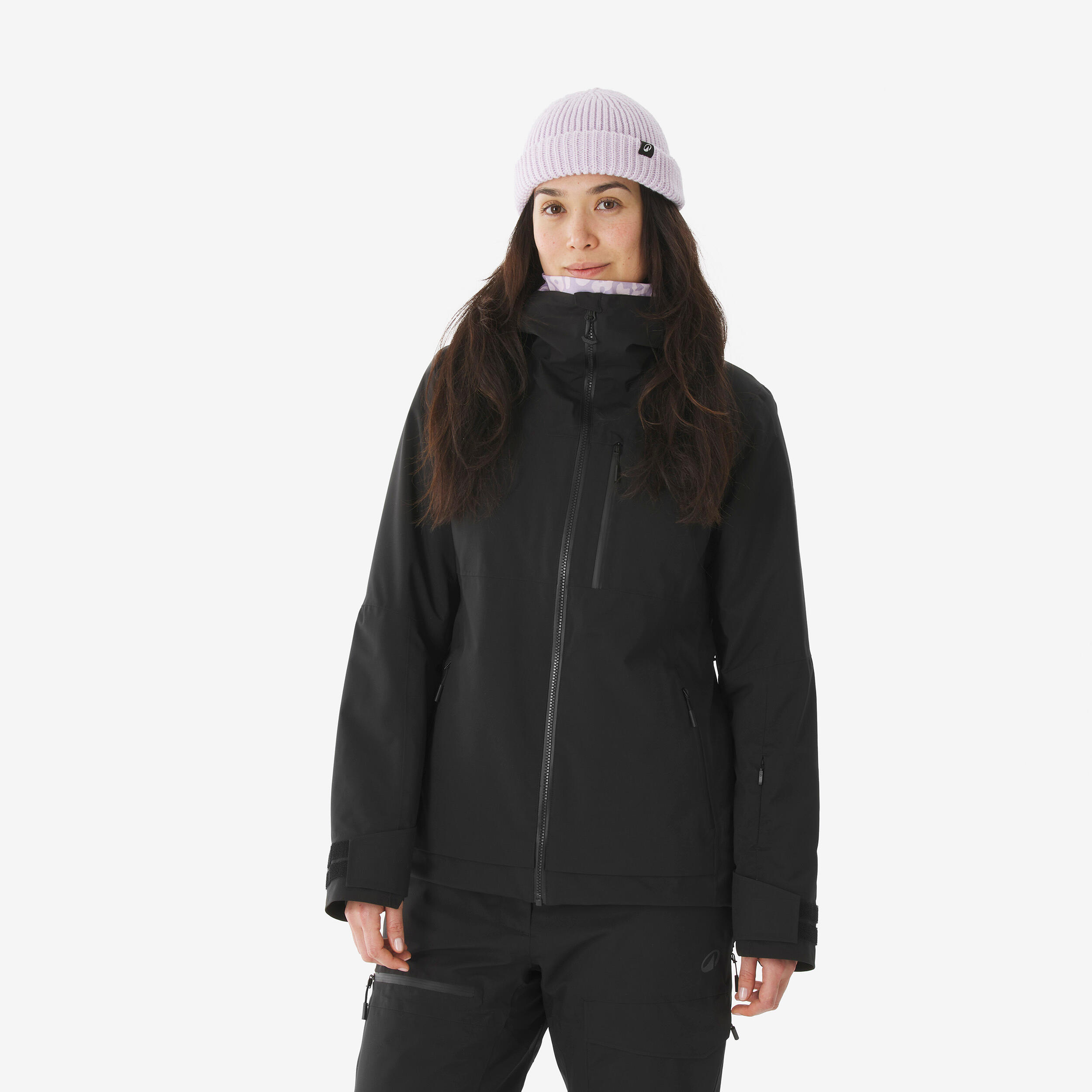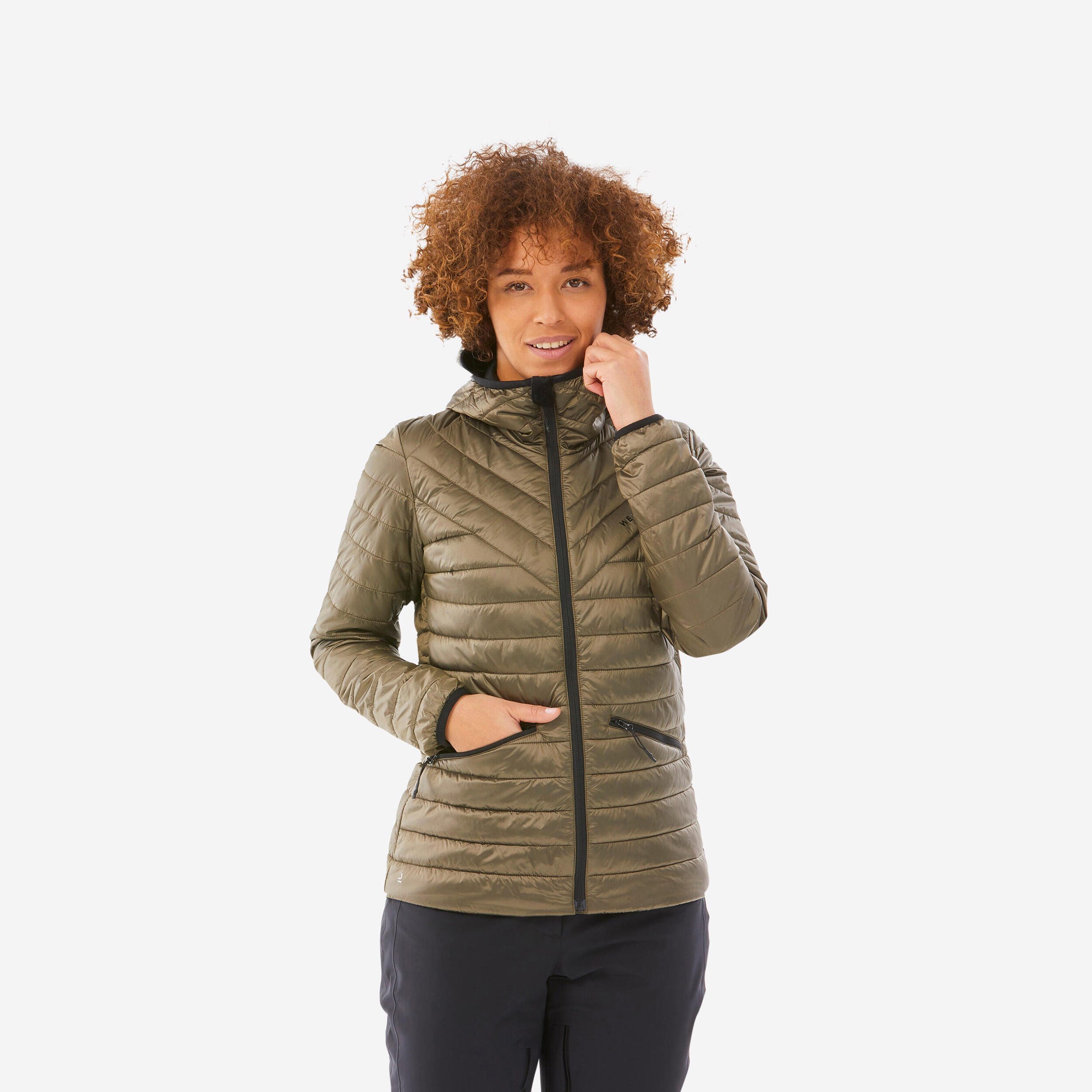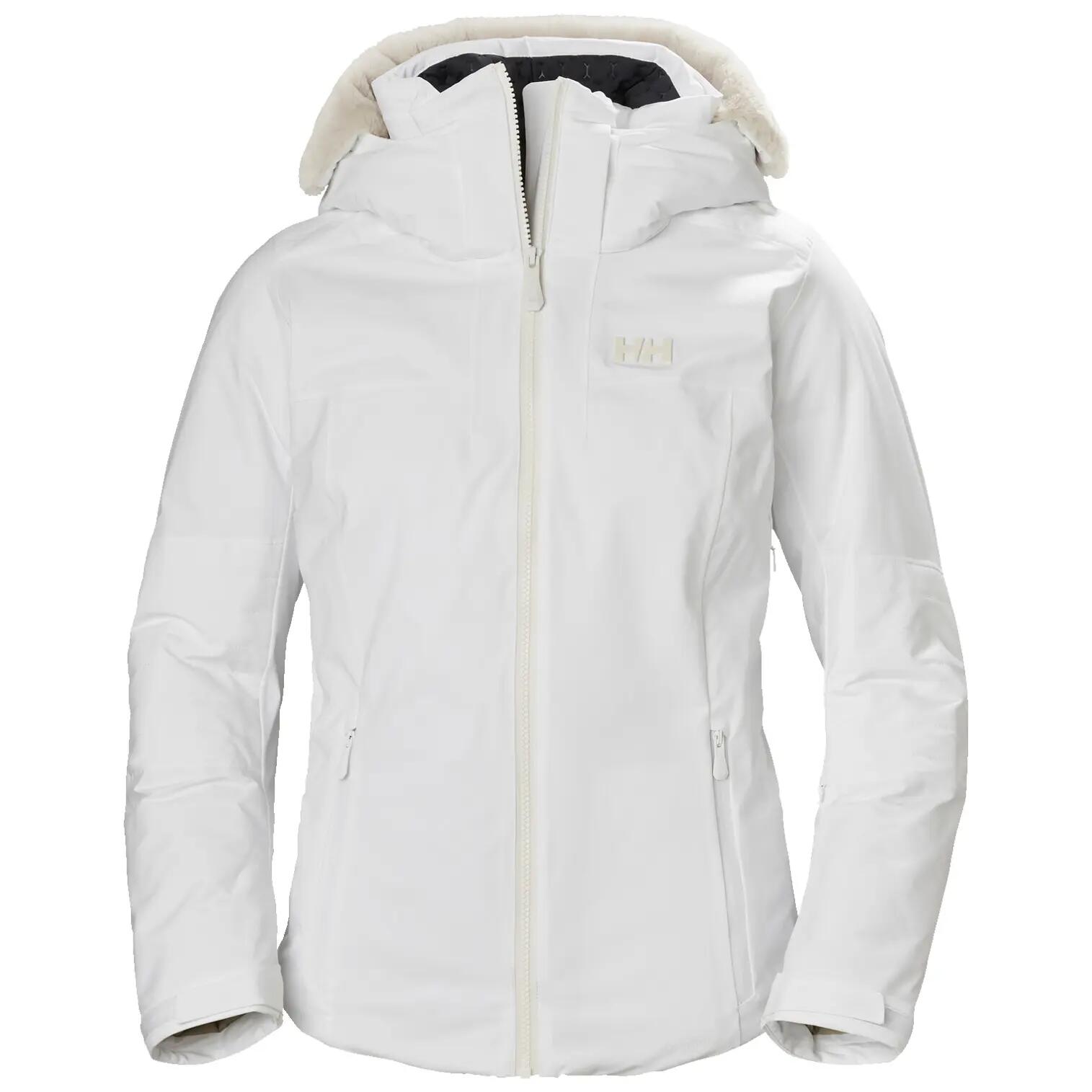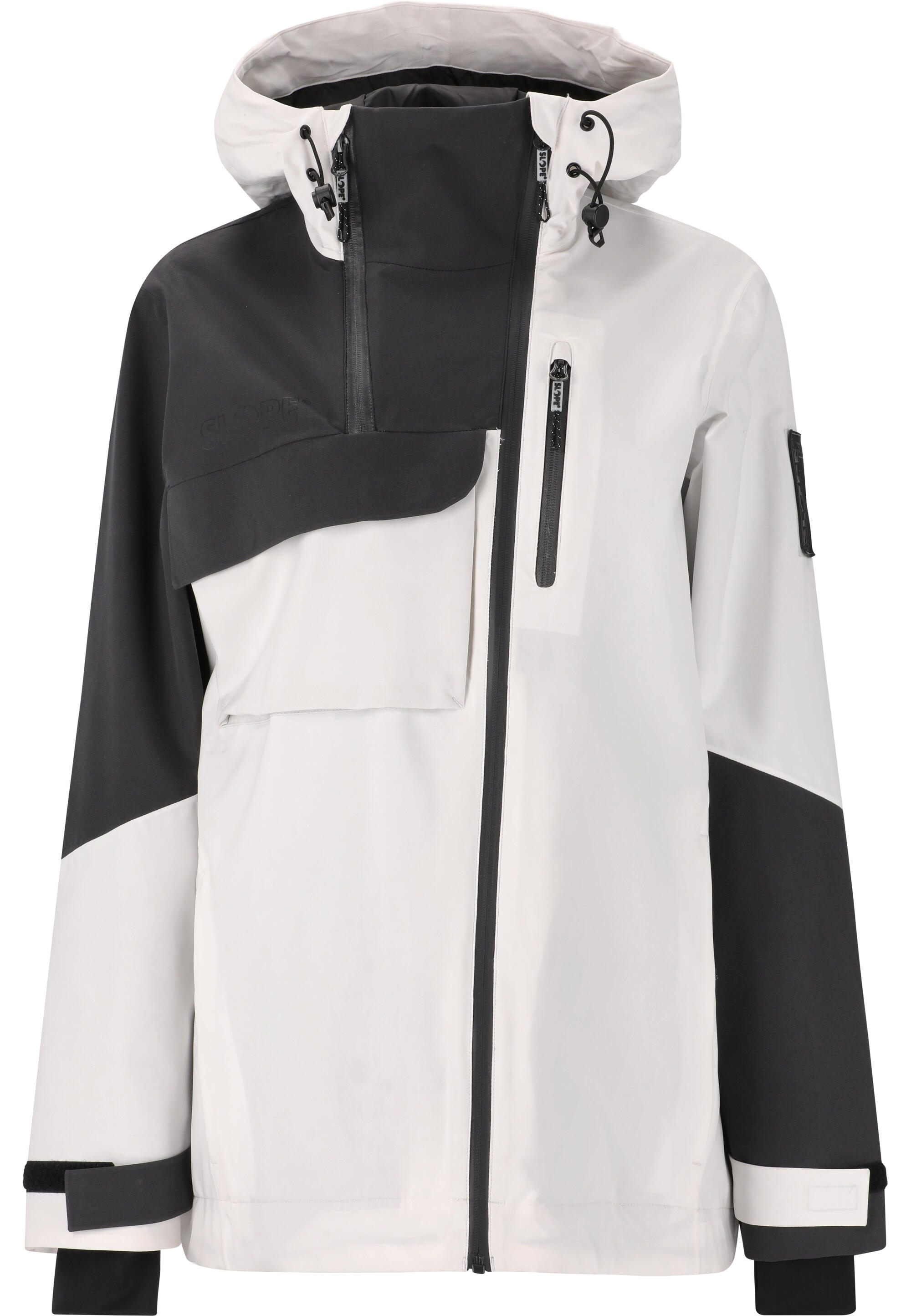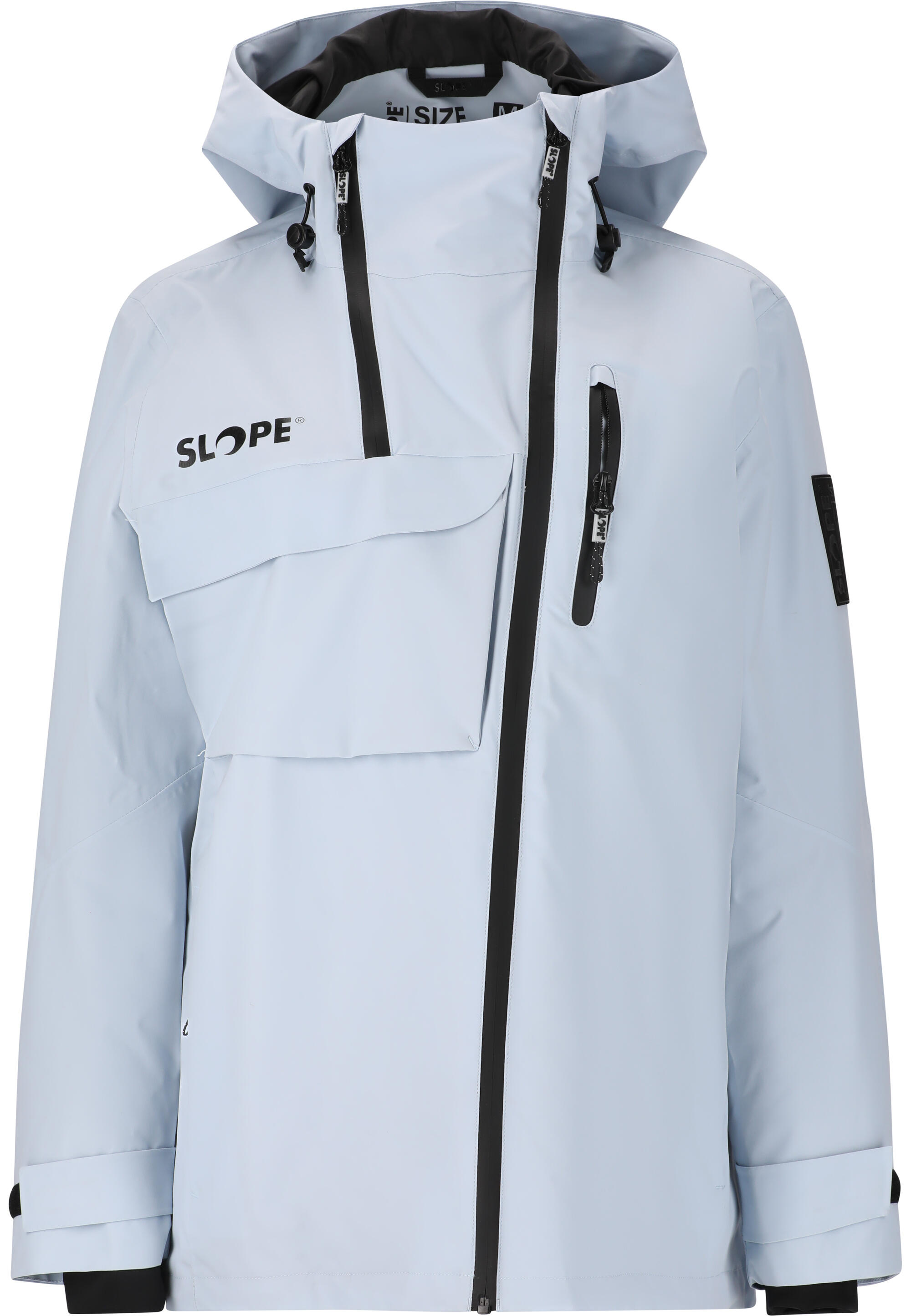
596 items
4.5/5 based on 23168 reviews collected online and in stores

Women's Ski Jackets FAQs

How do I choose the right women's ski jacket for the slopes?

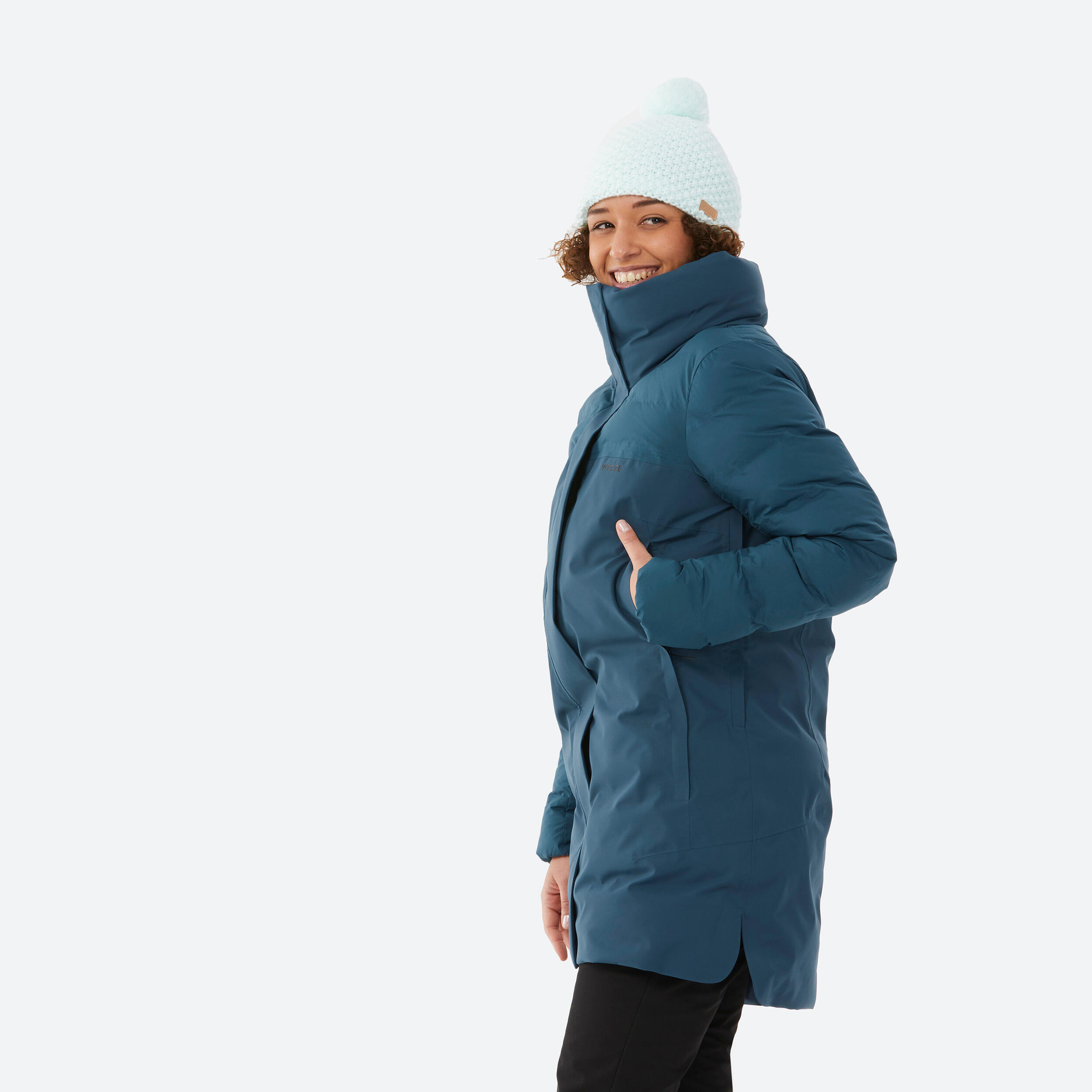
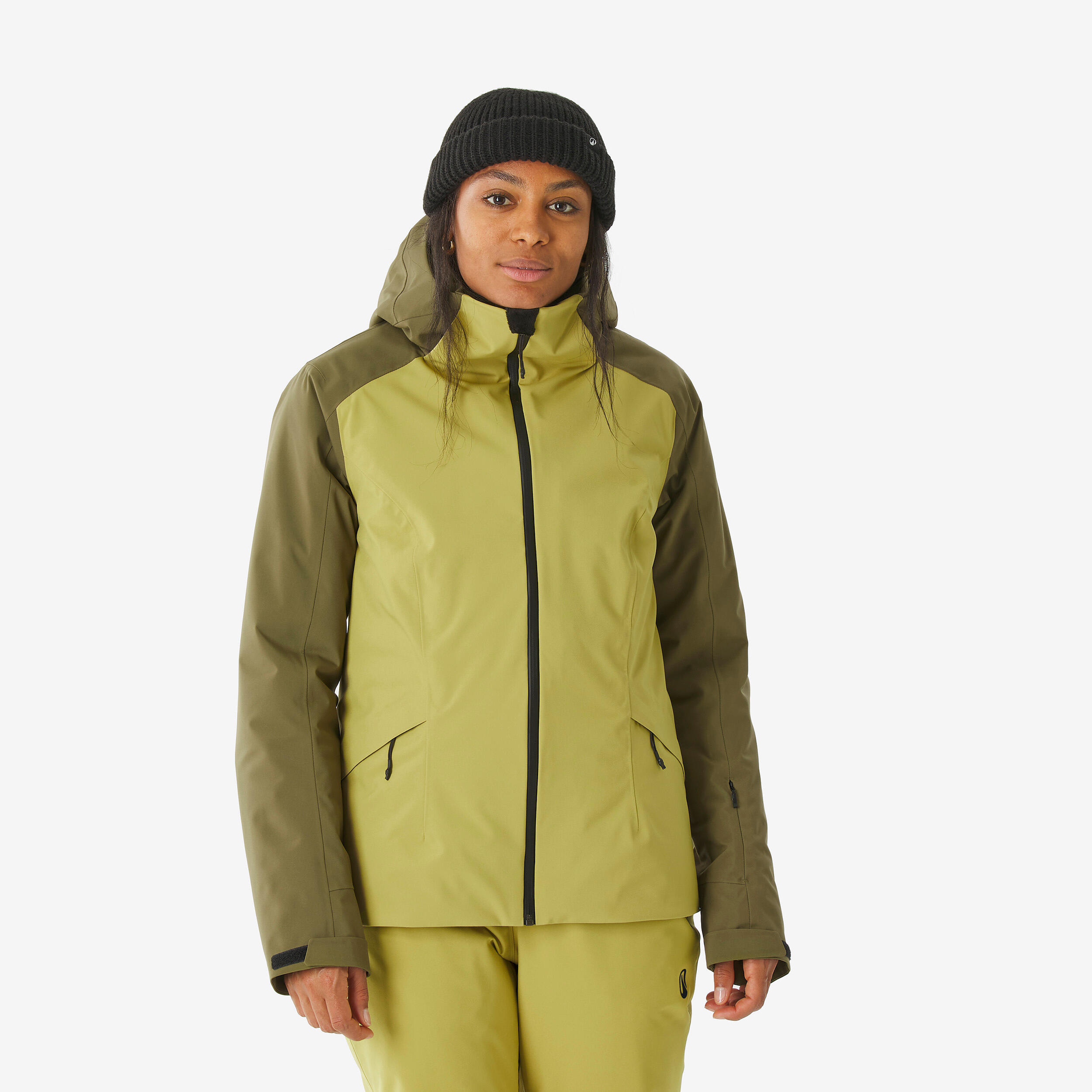
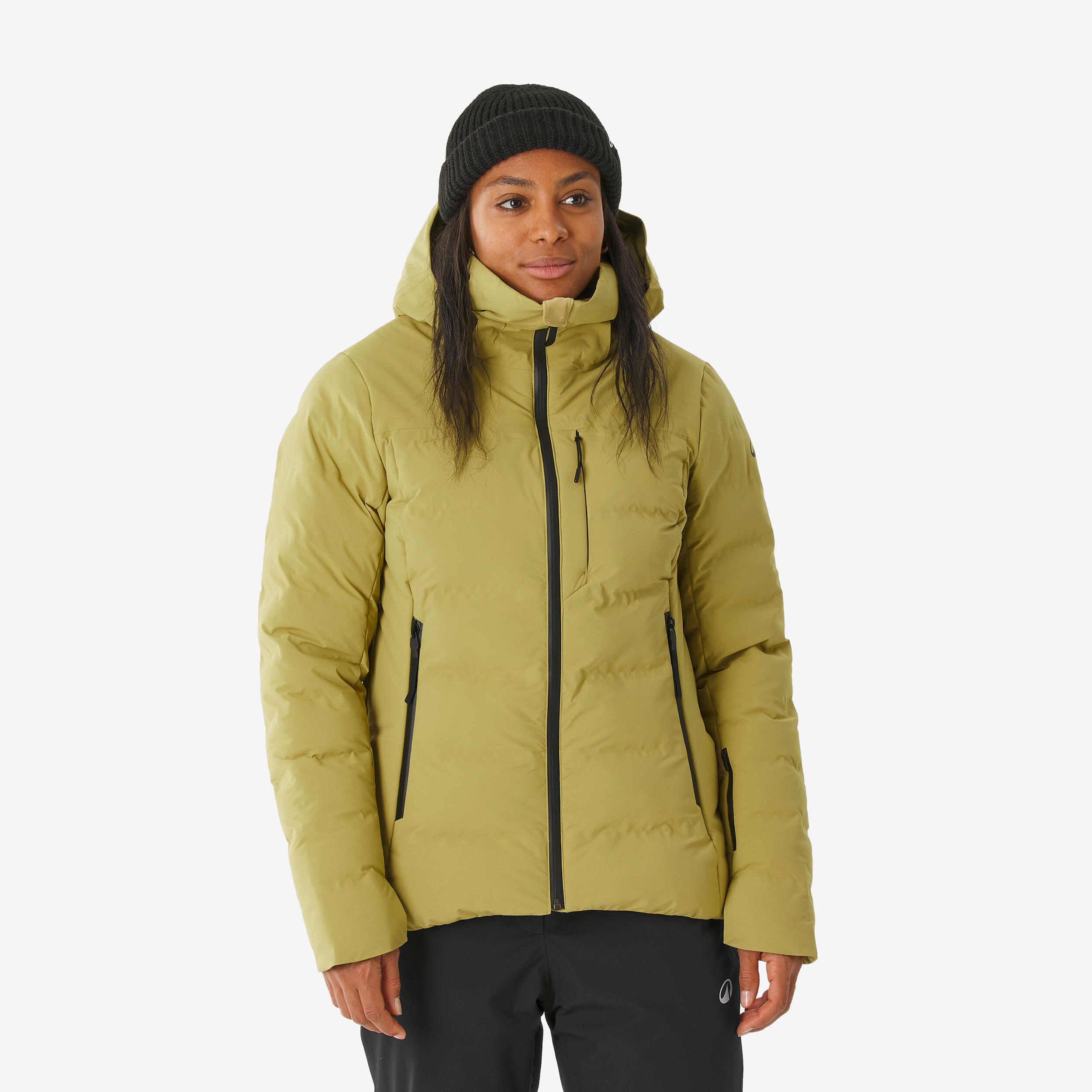
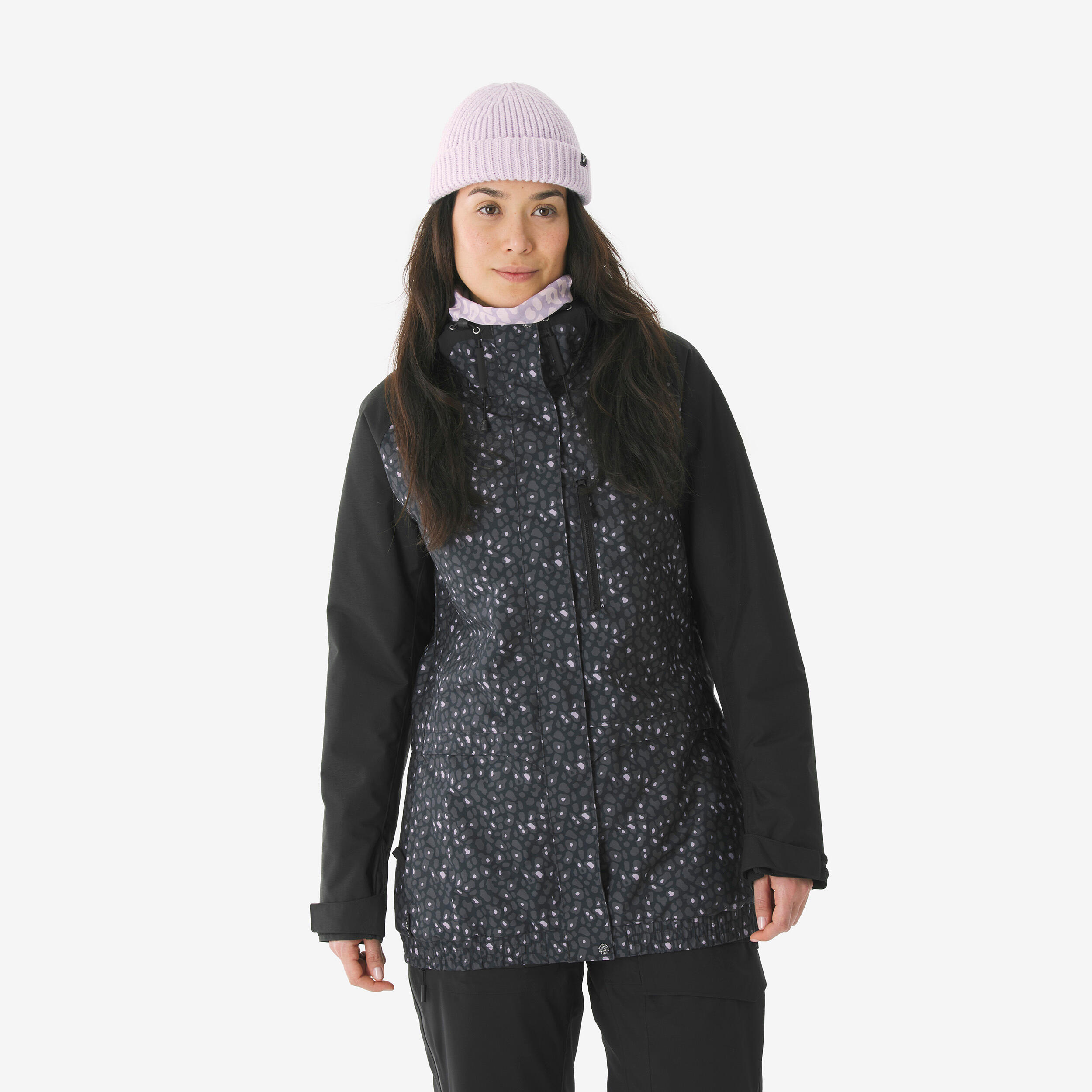
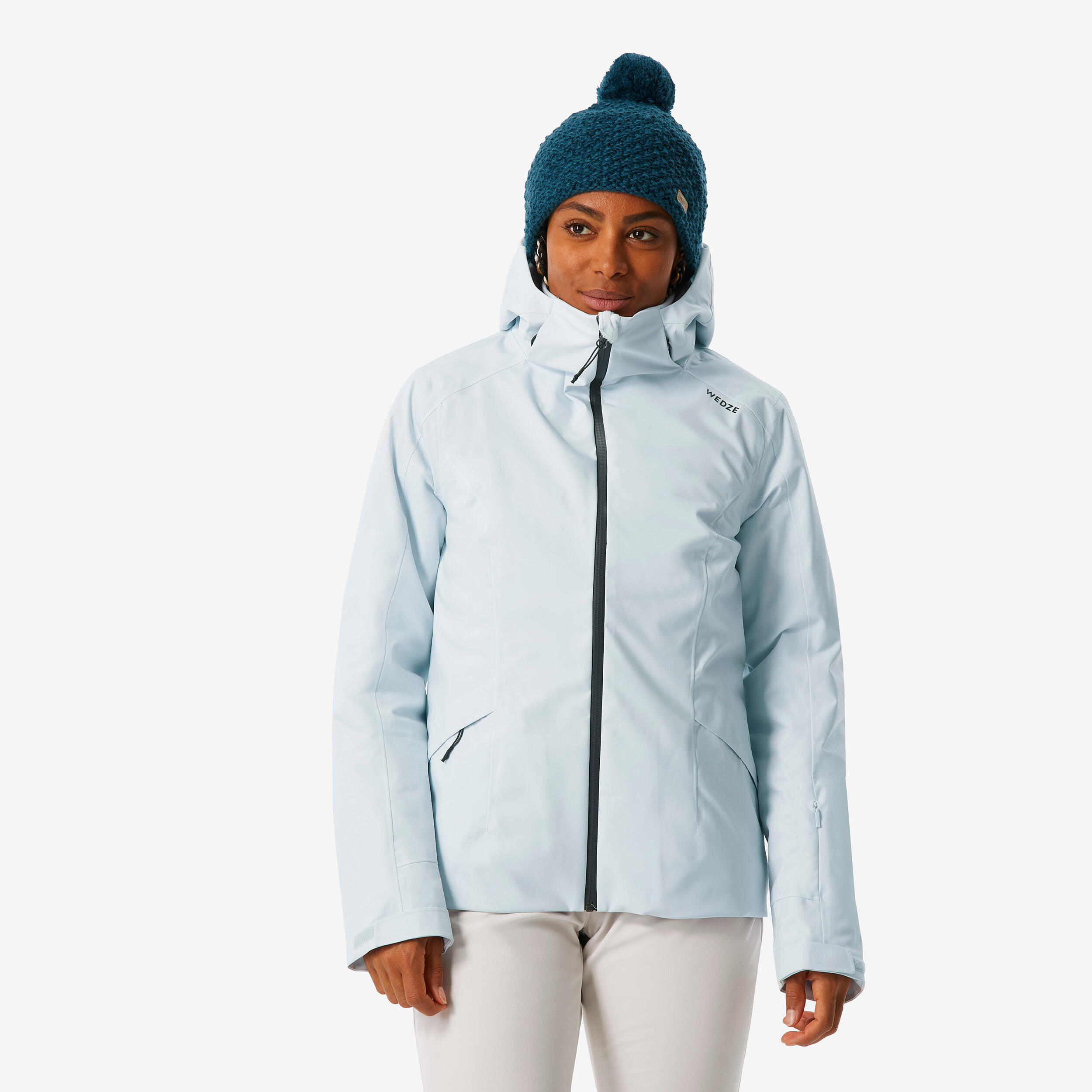
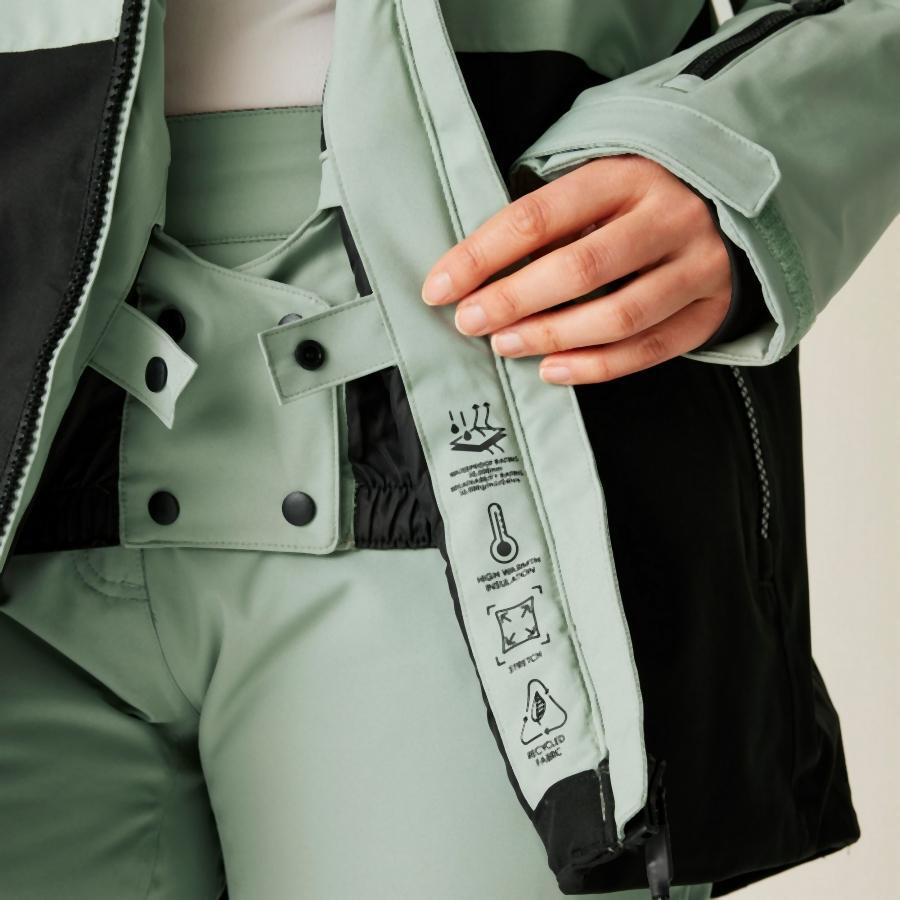
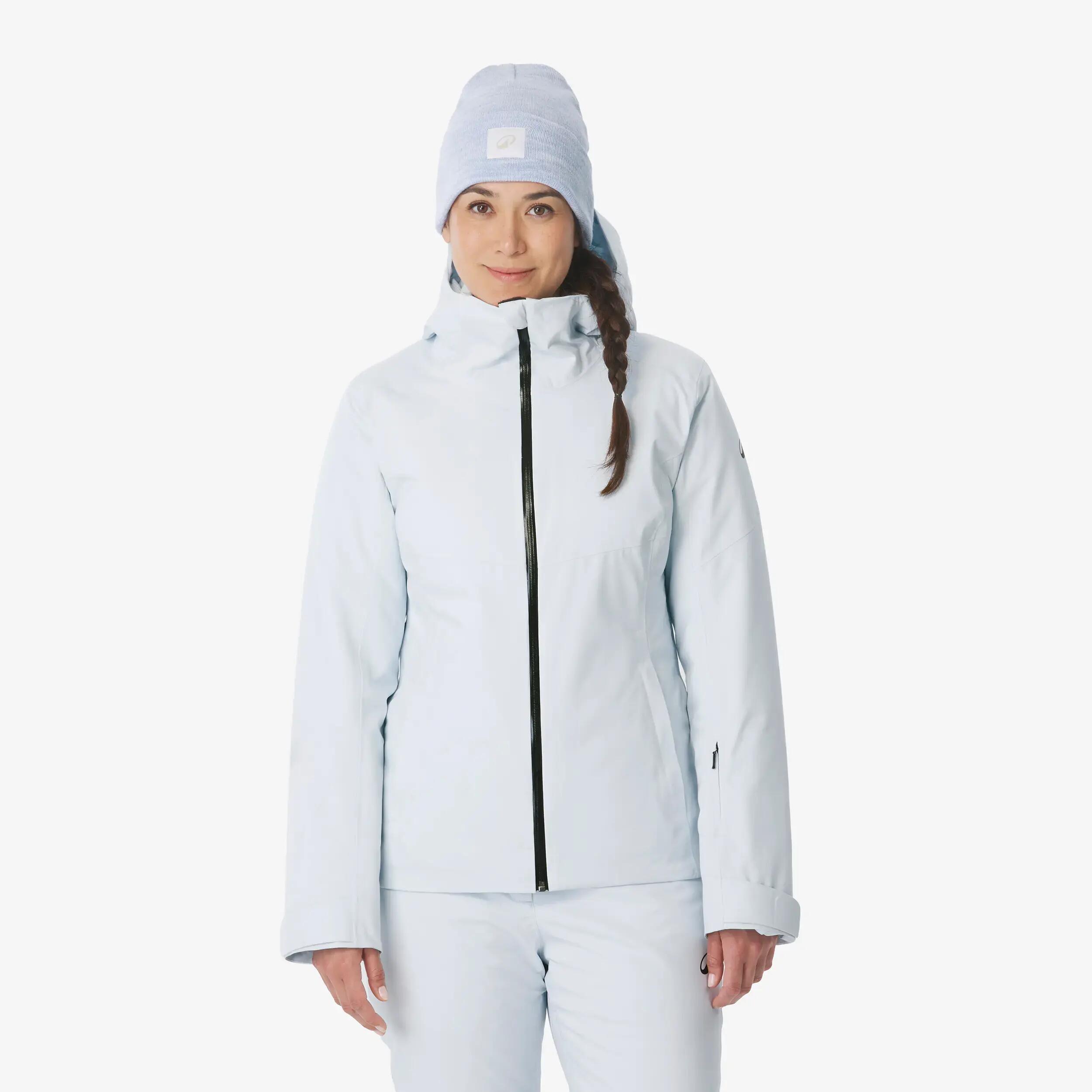
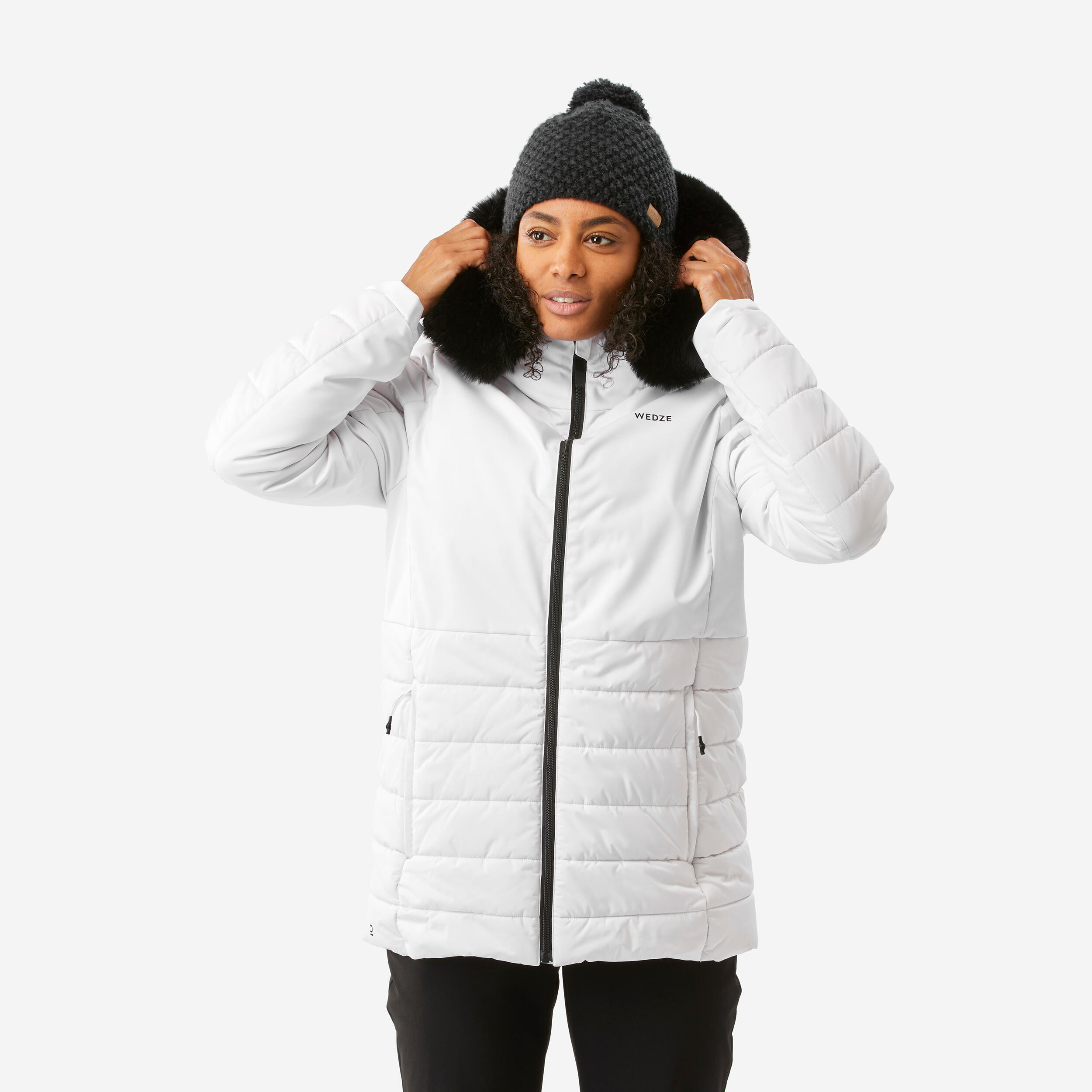
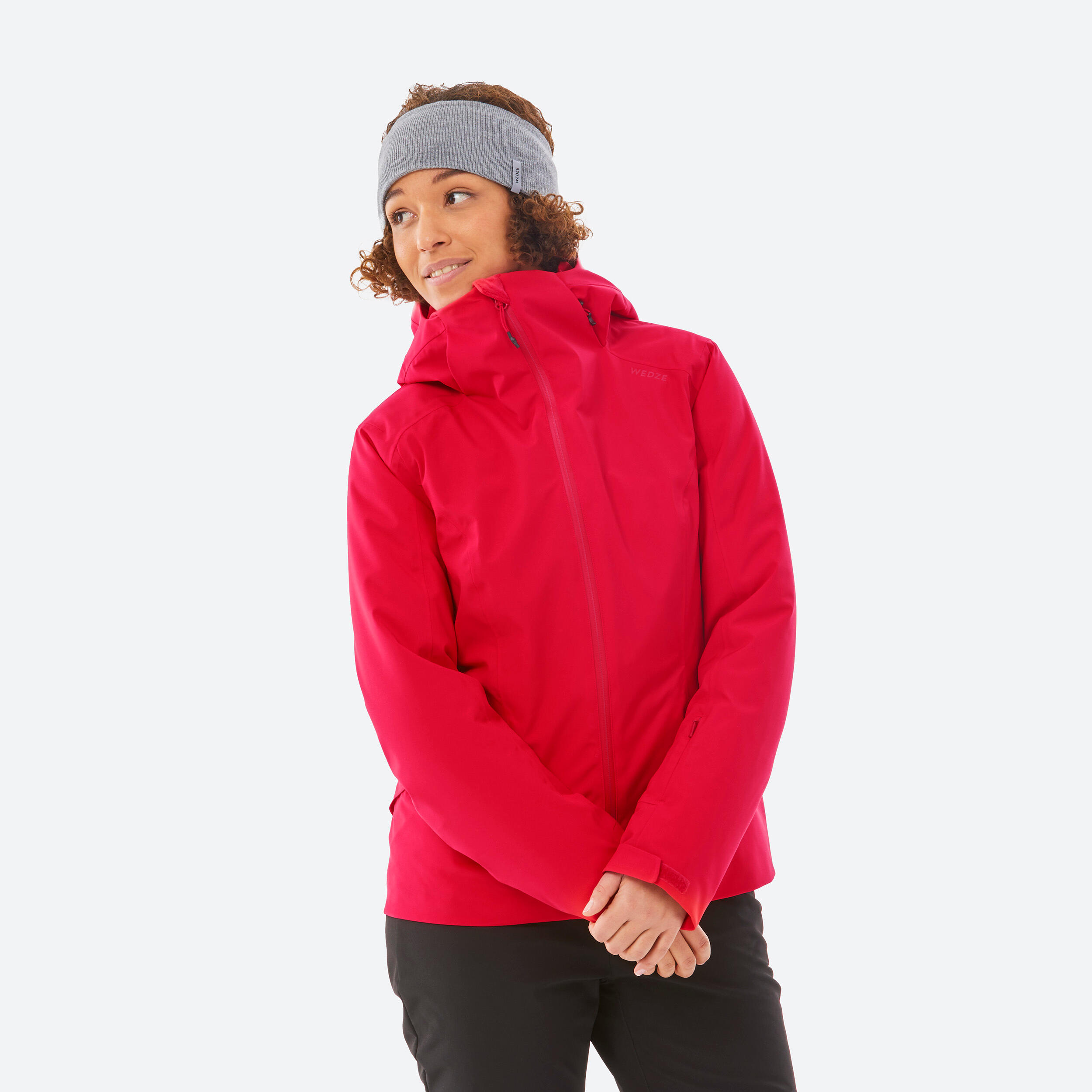
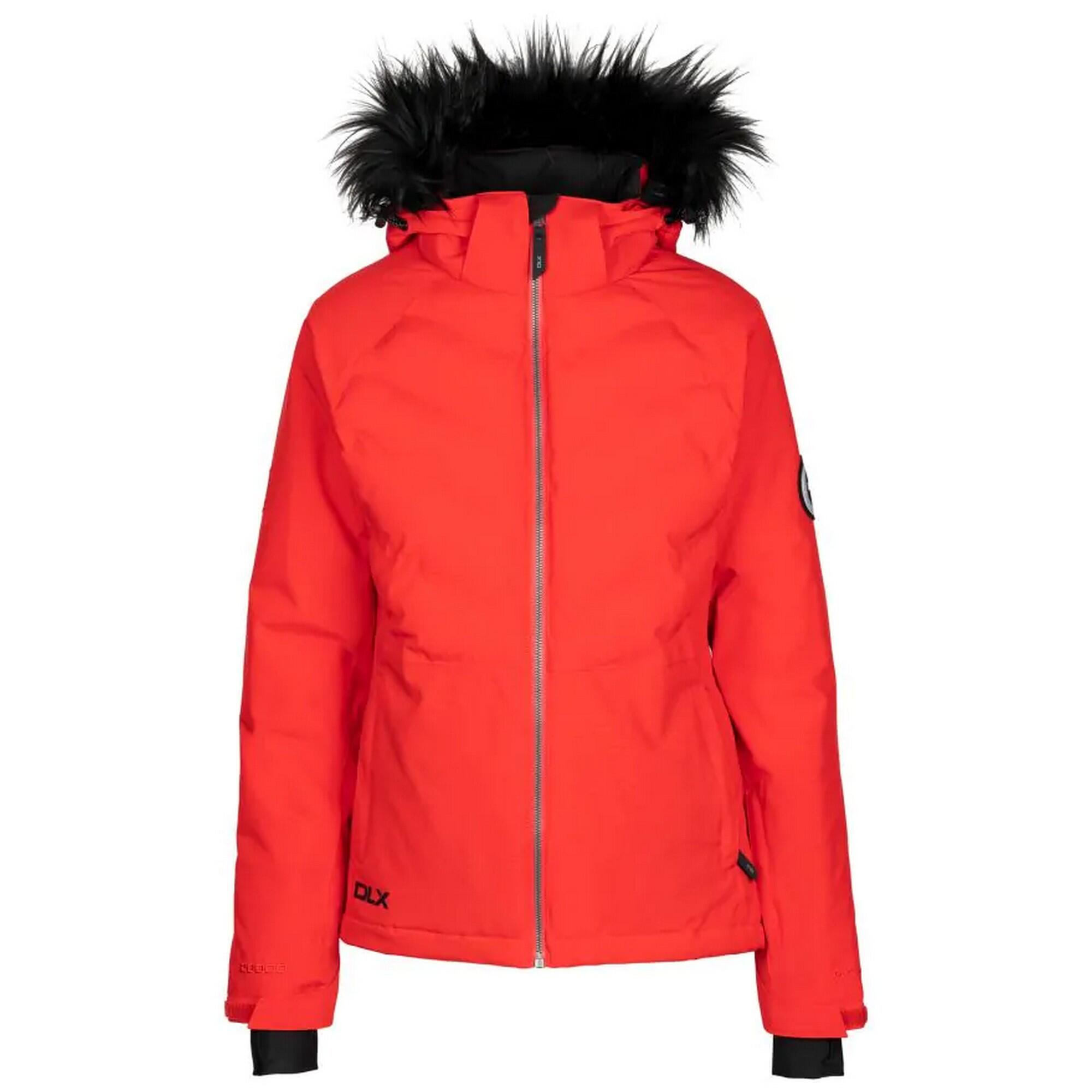
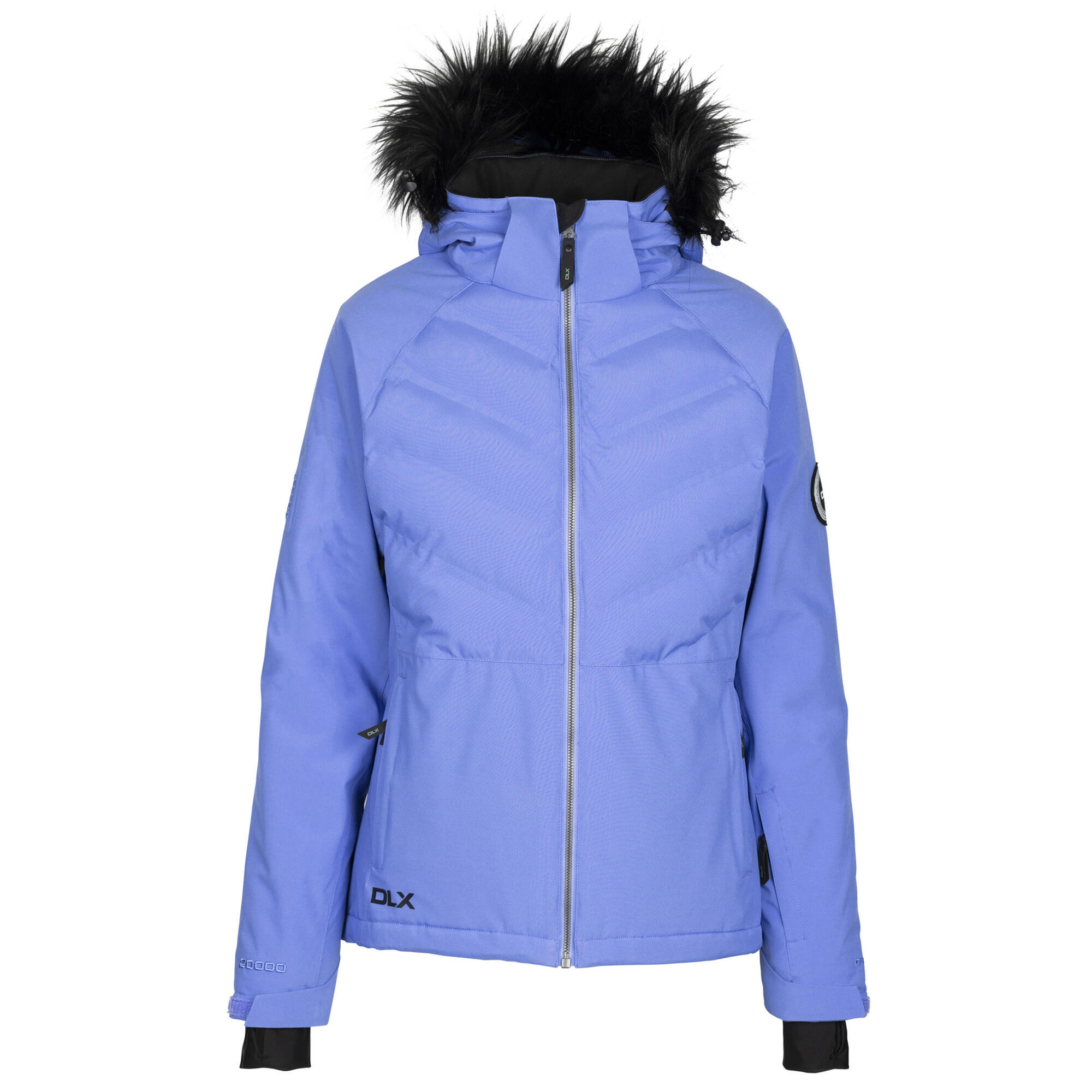
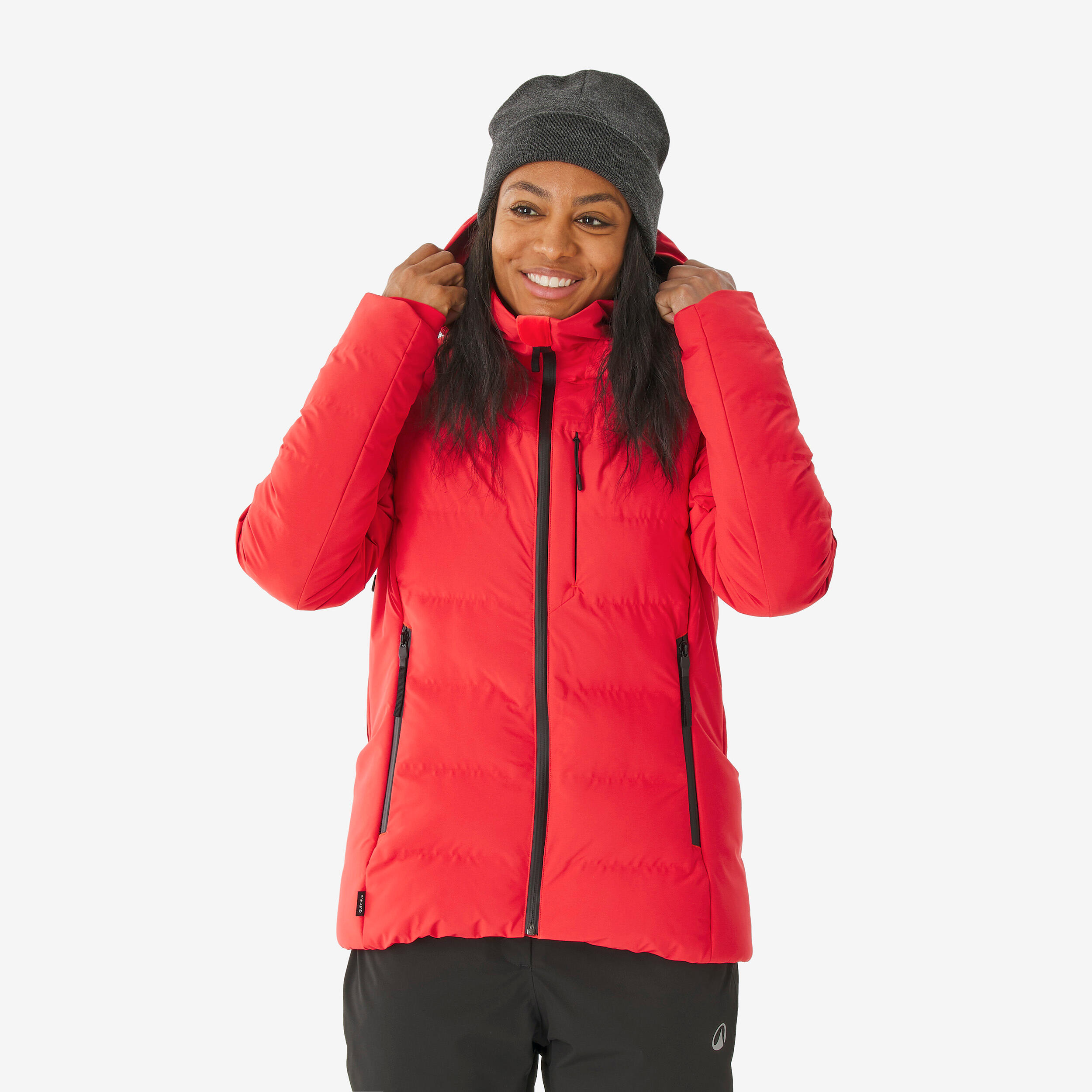
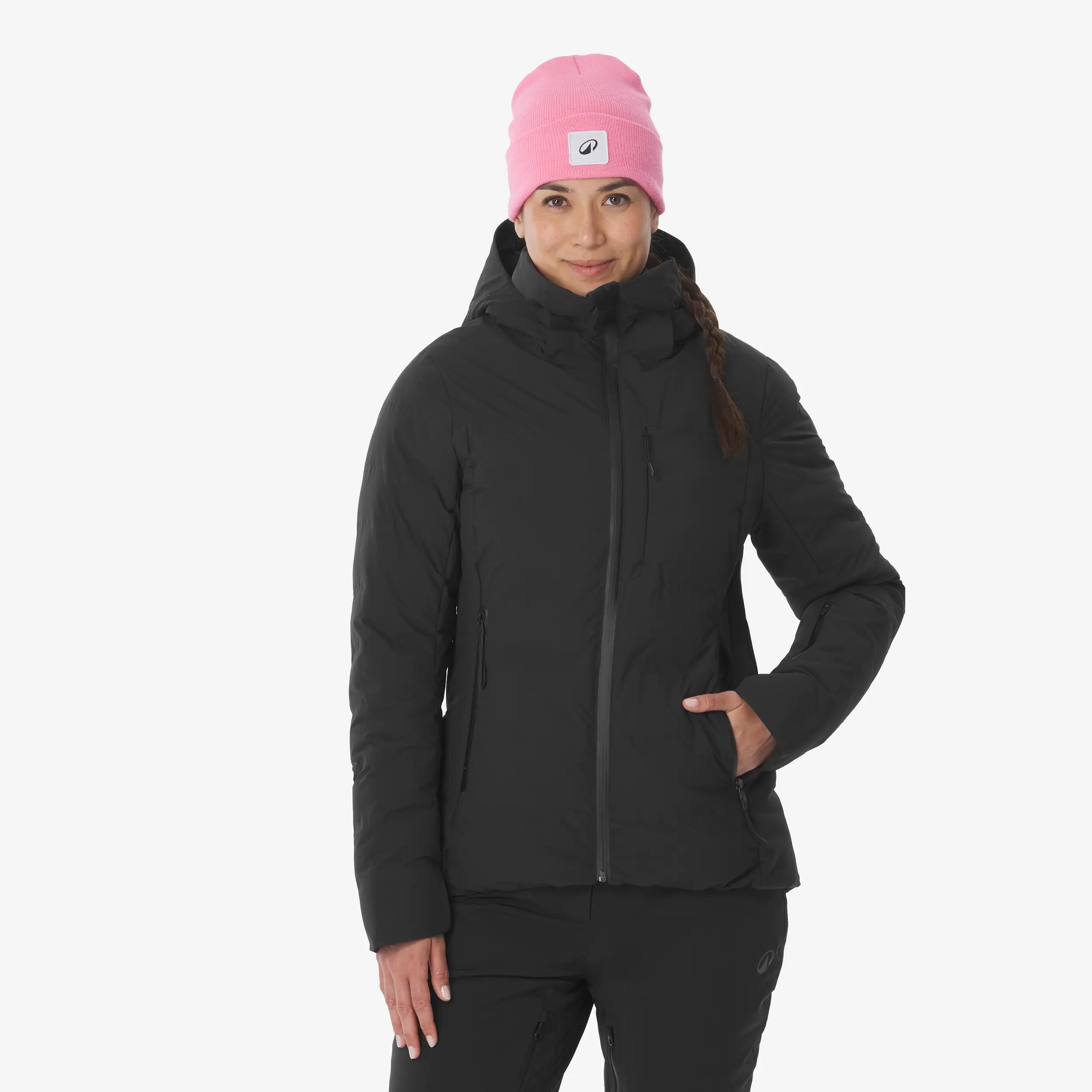
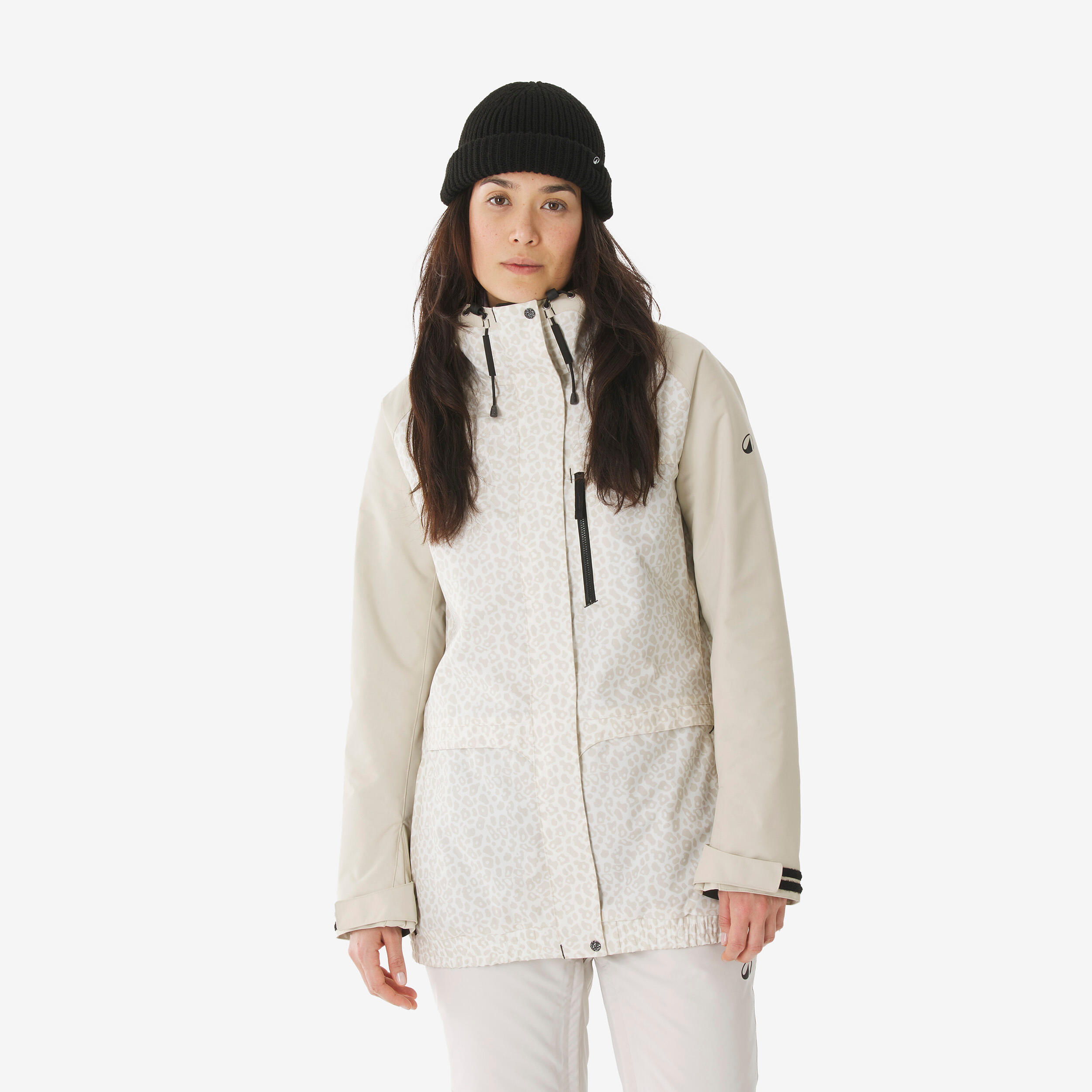
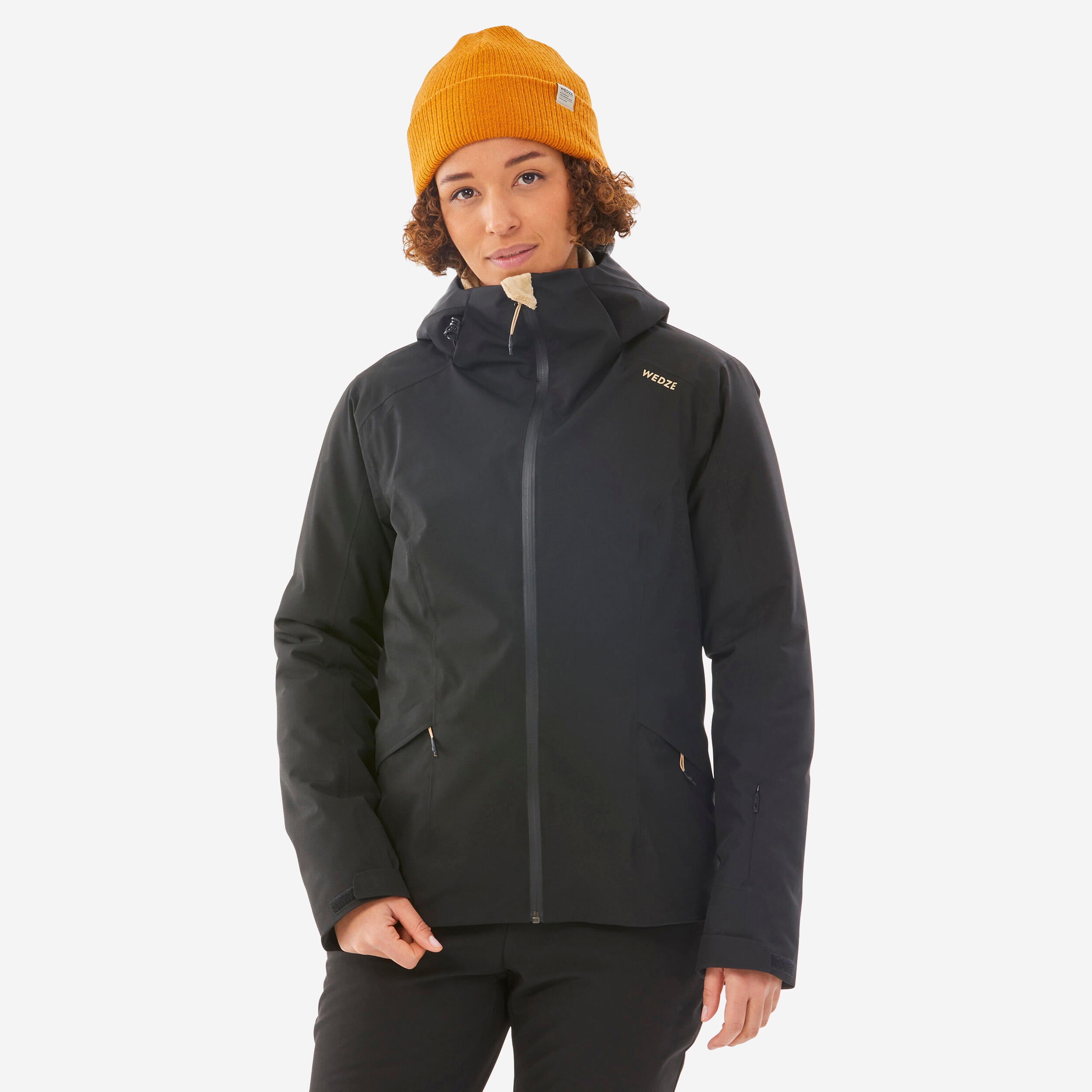
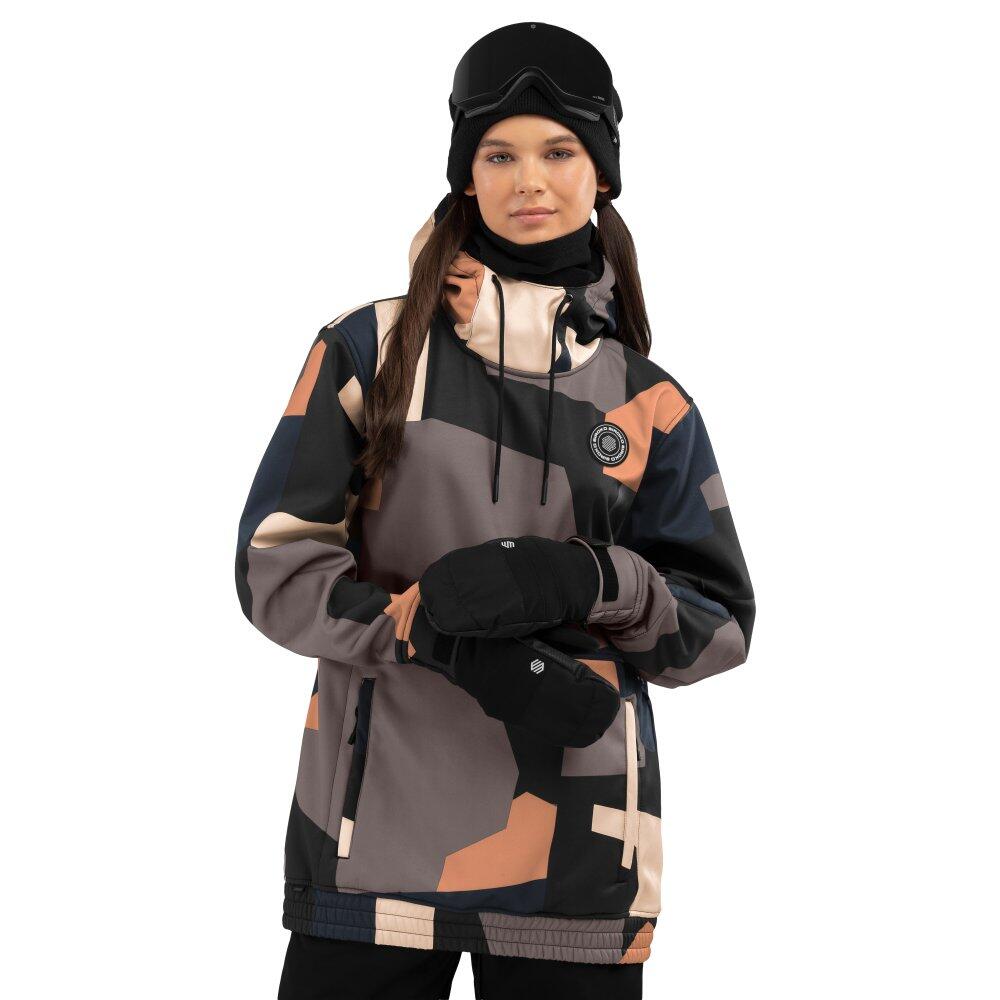
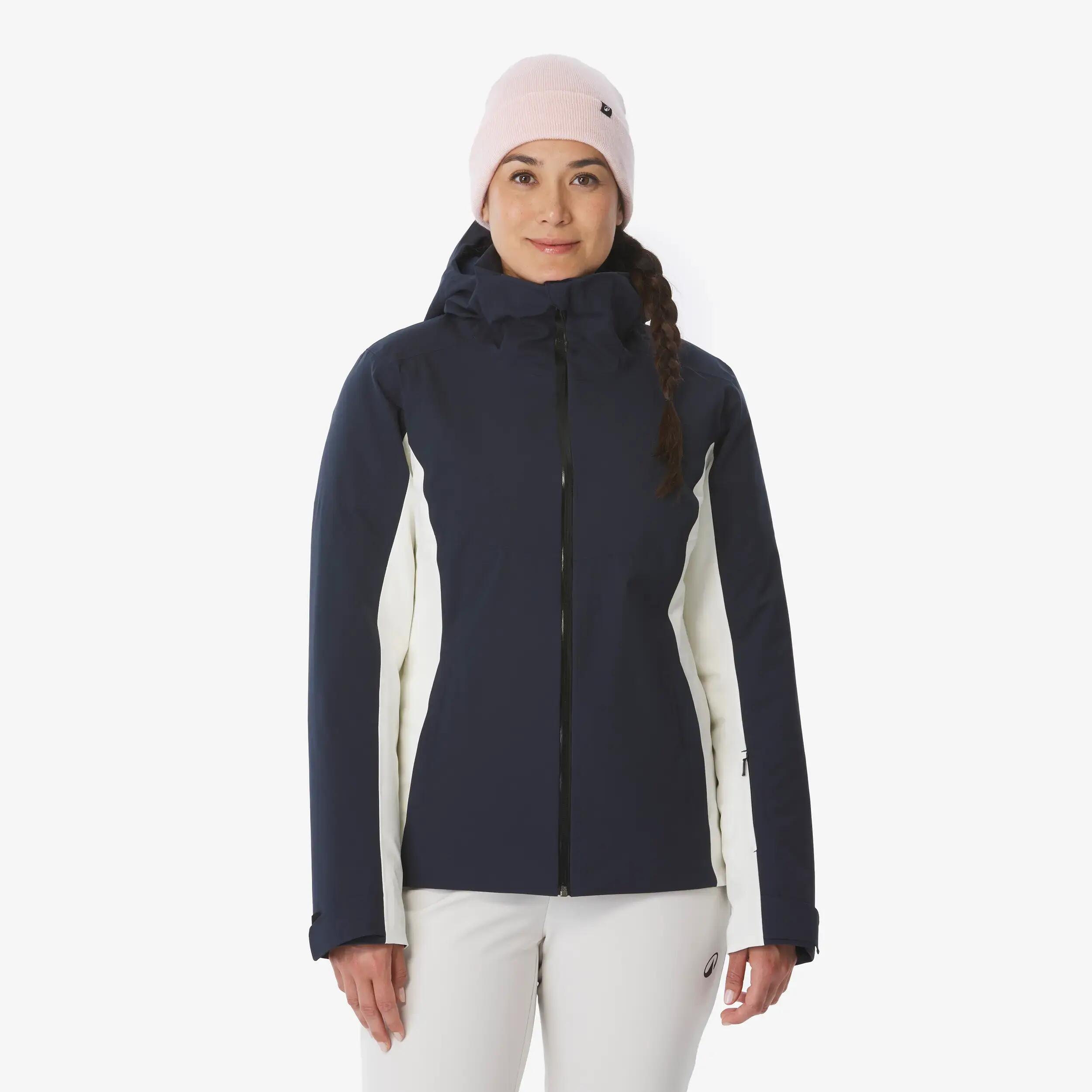
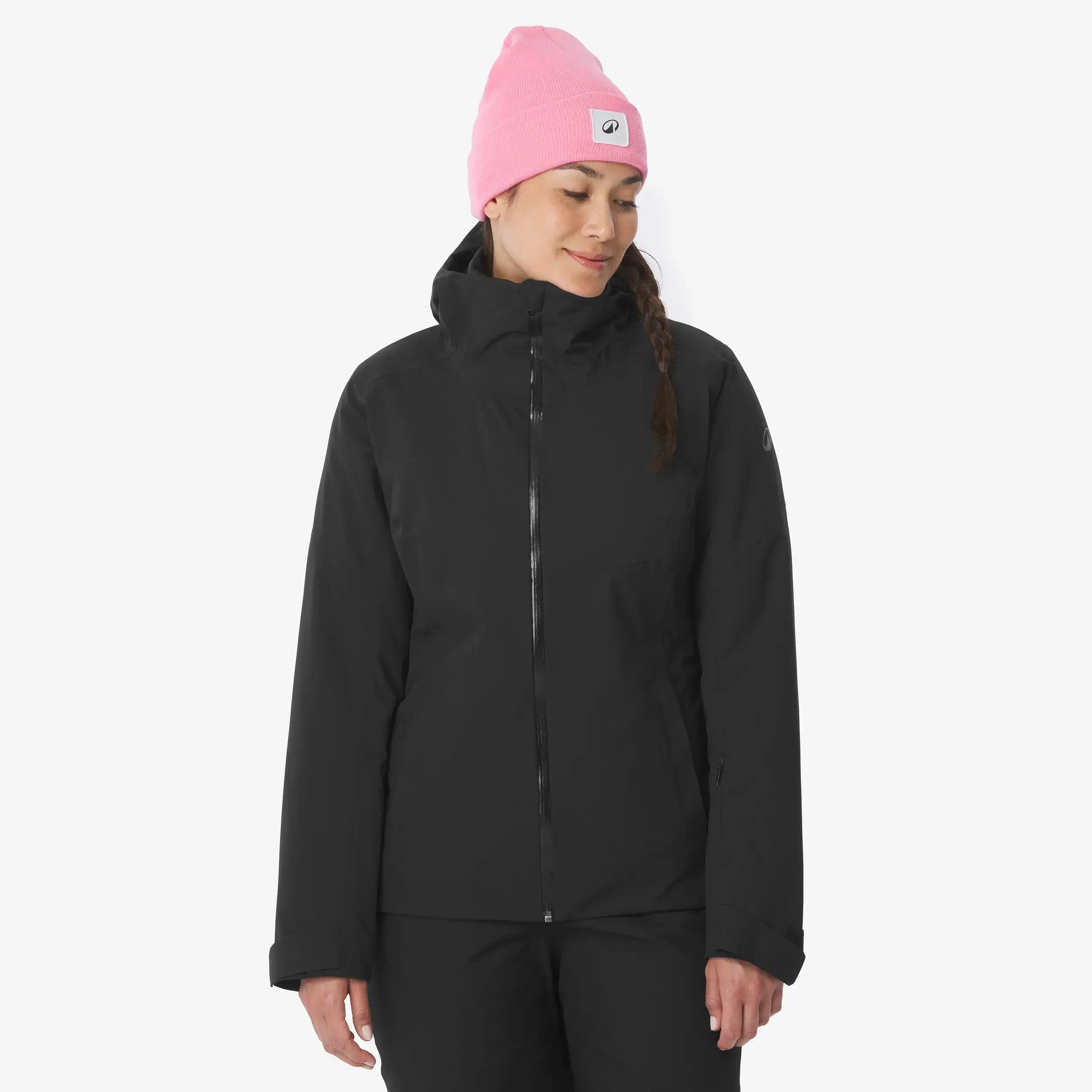
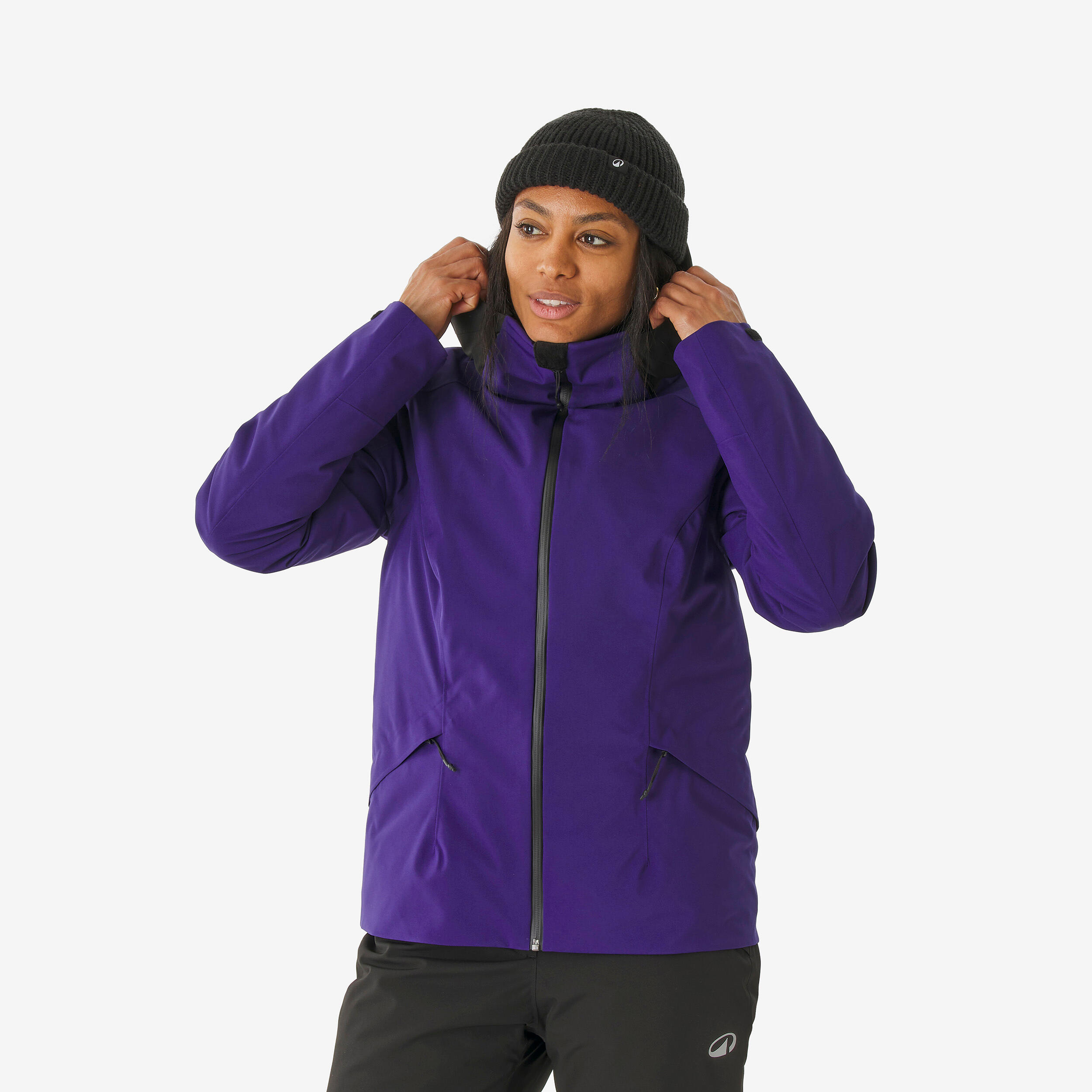
Choosing the right women's ski jacket comes down to four factors that matter on every chairlift and every descent: waterproofing, warmth, breathability, and a flattering, functional fit. A waterproof shell keeps you dry through heavy snowfall and long sit-down breaks on wet chairlifts, while a high breathability rating prevents sweat from building up under the shell during a fast morning lap. Cut matters too: women's frames bring shaping at the waist for a closer fit under the powder skirt, shorter sleeve-to-shoulder ratios, and hood volumes adjusted for ponytail clearance. Expert advice: try the jacket on with a fleece mid-layer rather than a T-shirt to confirm the fit you will actually wear on snow. To kit out the rest of the family before the trip, browse our range of men's ski jackets across the Wedze, Helly Hansen, and Dare 2b labels in insulated, shell, and three-in-one builds.
What's the difference between insulated, shell, and three-in-one women's ski jackets?

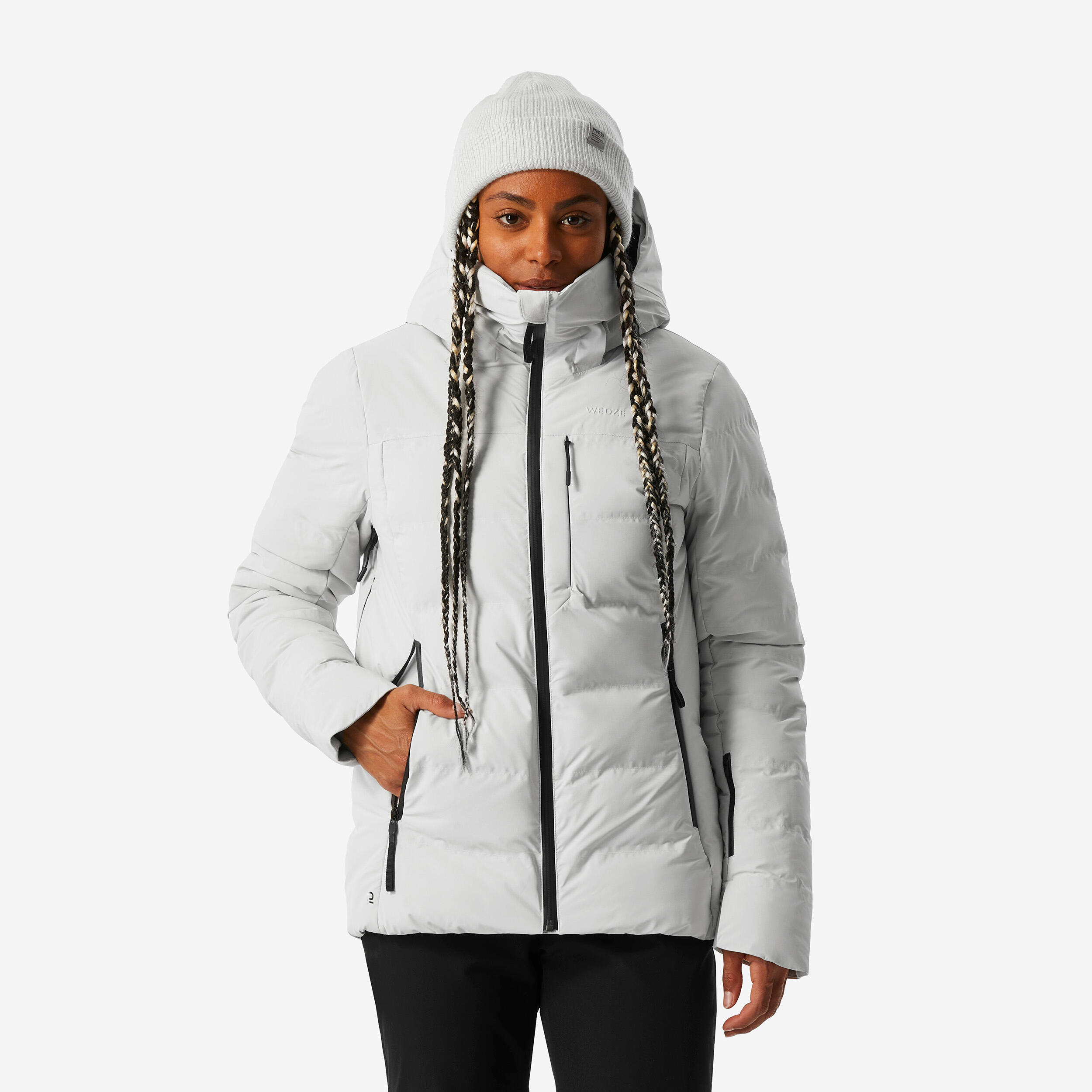
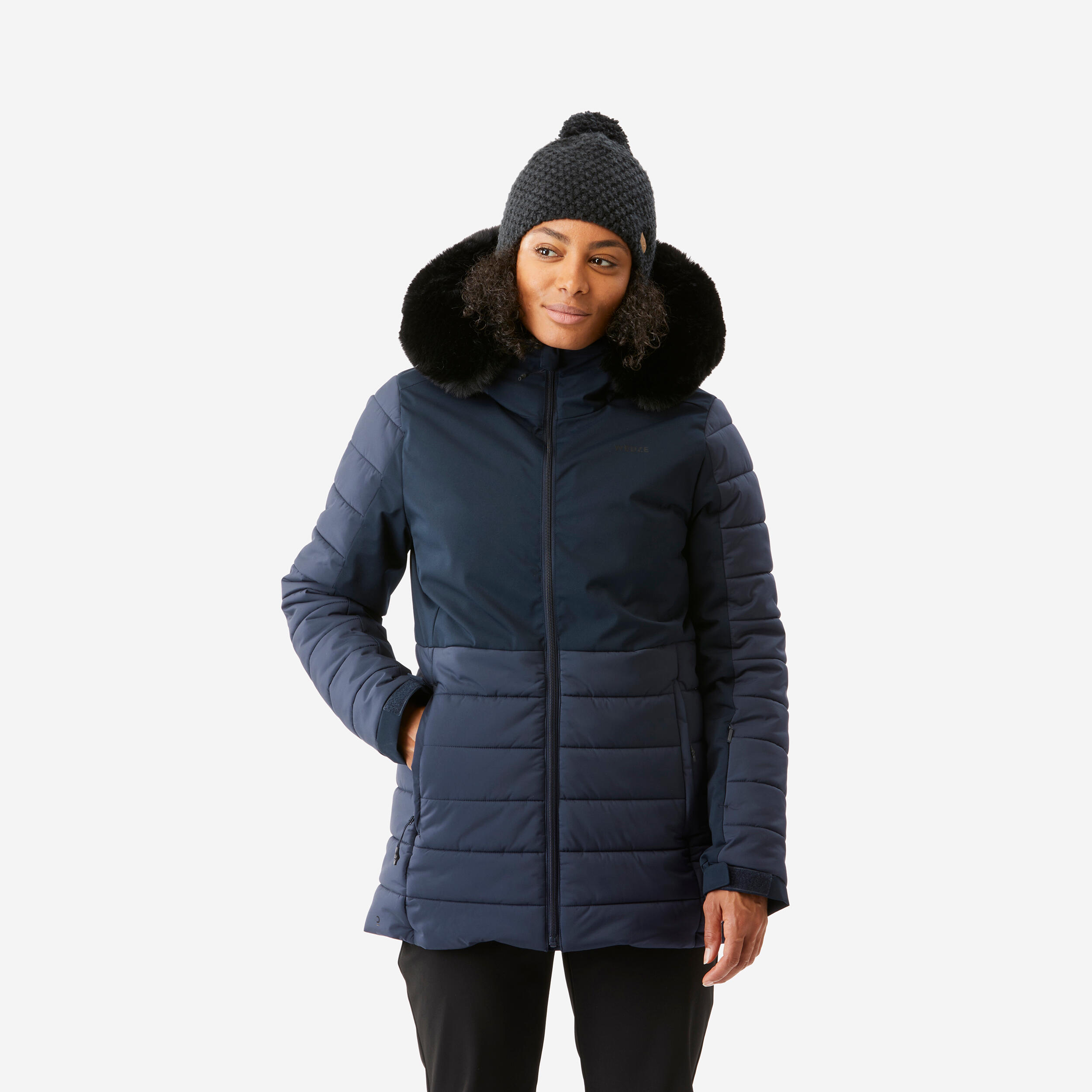
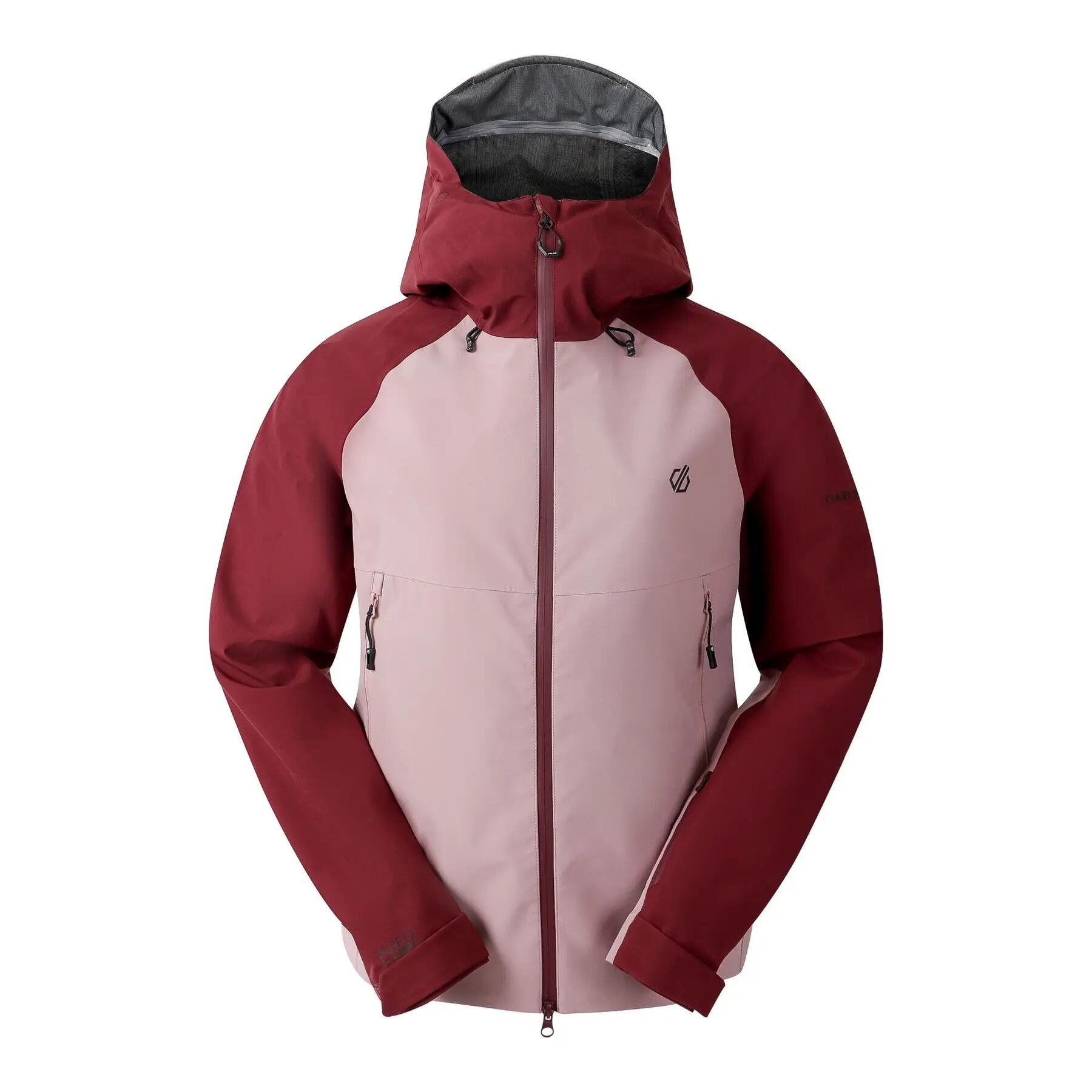
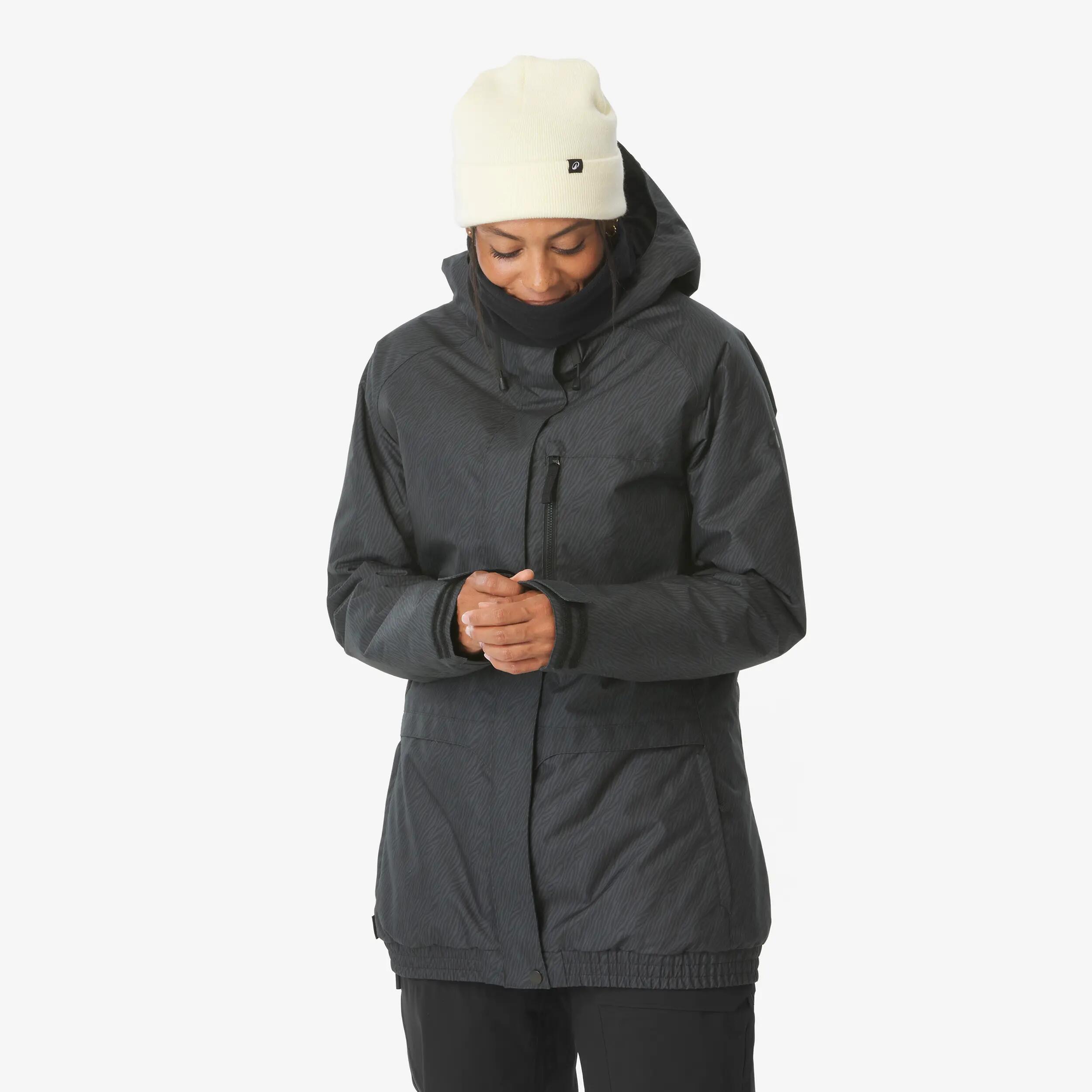
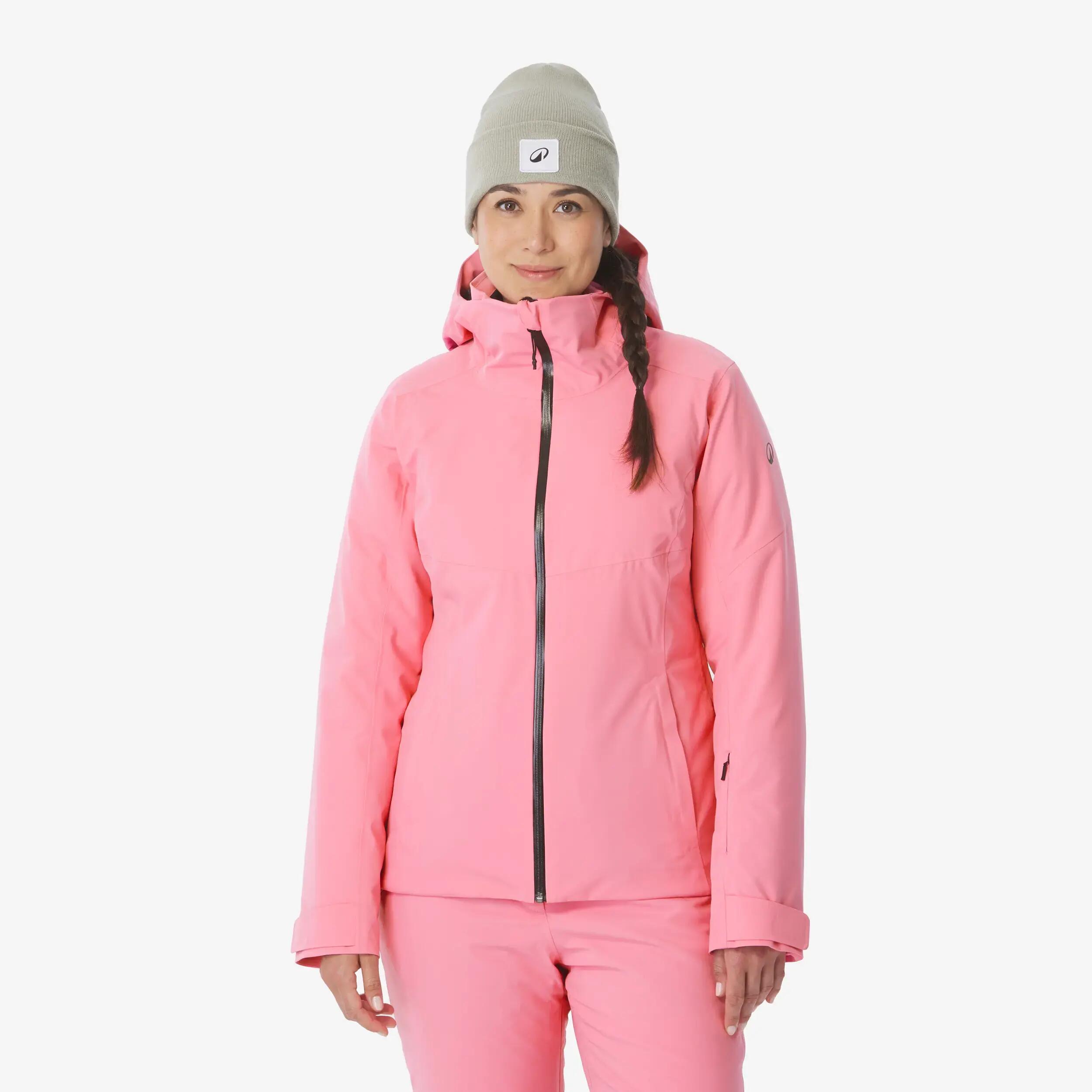
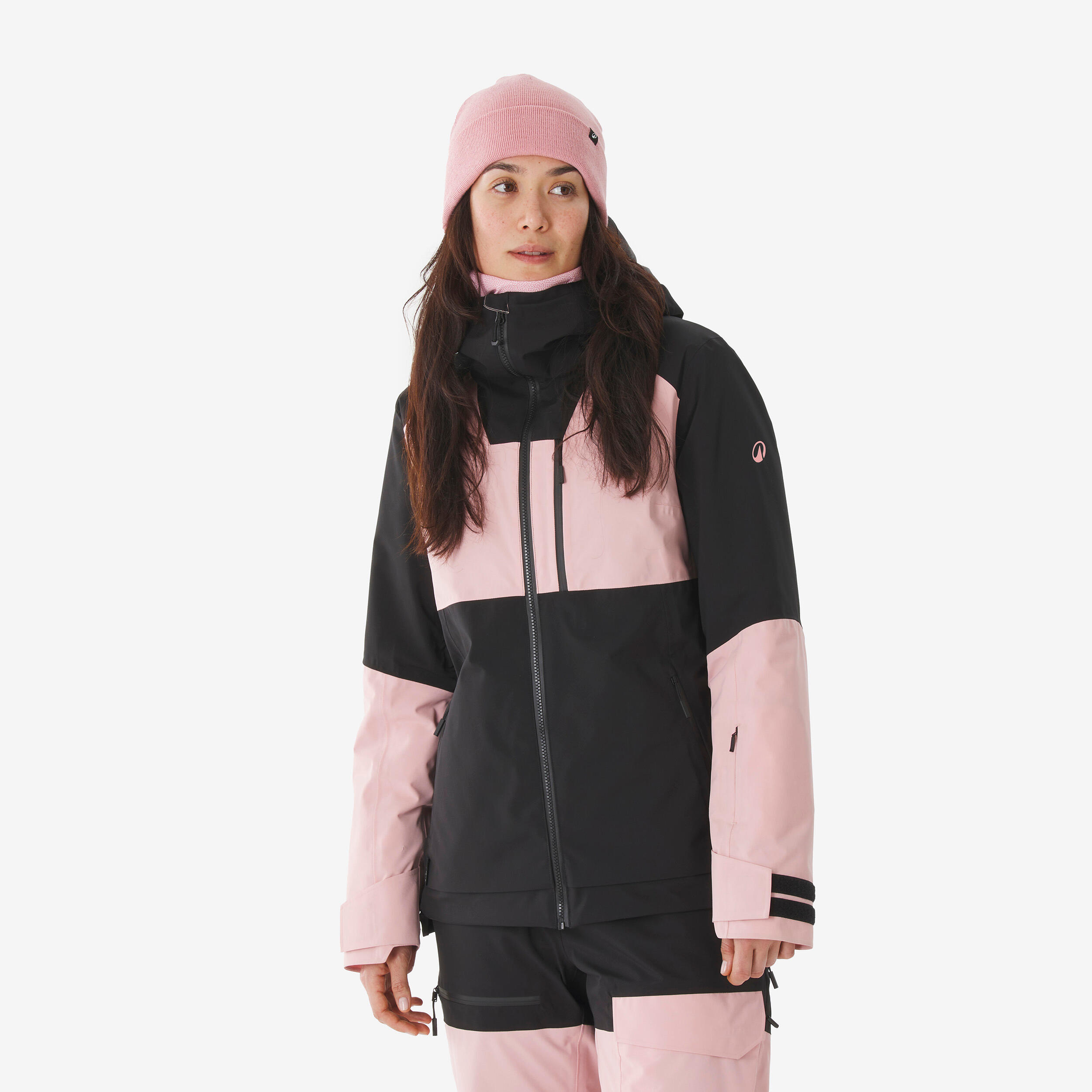
Insulated women's ski jackets pack synthetic or down fill directly into the shell, which makes them the simple, warm choice for resort skiing on cold mornings when temperatures stay below freezing all day. Shell jackets, by contrast, focus on waterproofing and wind protection without built-in insulation, leaving the warmth job to the layers underneath. The reason this matters is versatility across the season: a shell paired with a mid-layer adapts to bluebird spring days and bitter morning starts alike. Three-in-one jackets zip together a waterproof outer with a removable warm liner. To kit out the youngest skiers, browse our range of kids' ski jackets with grow-tab sleeves across the Wedze label.

Should I choose a women's ski jacket or a full ski suit?

The choice between a women's ski jacket and a full ski suit comes down to snow conditions, your riding style, and how often you spend long days outside between lift rides. A jacket paired with trousers gives you the most flexibility, since you can mix warmth levels across pieces and switch out a heavy shell for a lighter one on warmer spring days. A ski suit, by contrast, eliminates the waist gap where snow most often sneaks in during a tumble or a deep tree-line drop, which makes it the smarter choice on heavy powder days. Browse our range of ski suits covering one-piece adult, junior, and retro full-length suits across Wedze.

What should I layer under a women's ski jacket?

The layer directly under a women's ski jacket does most of the warmth work, since the jacket itself either traps that heat in or lets it slip away depending on the materials underneath. A fleece sits between the moisture-wicking base layer and the waterproof shell, and the right thickness depends on the day rather than the season. Grid-fleece pieces vent quickly for active skiers who run hot, full-zip fleeces allow easy temperature management on lift rides, and heavier sweatshirts suit very cold resort weeks. Build the warm middle of your kit with our range of ski fleeces and sweatshirts across the Wedze label in adult and junior sizes.

How does the mid-layer change my comfort across a ski day?

The mid-layer under your women's ski jacket is the part of the system that most directly controls comfort across the day, because it traps the still air that does the actual insulating work. A poorly chosen mid-layer either overheats you on the first run or leaves you shivering on a slow chairlift, while the right one regulates temperature naturally across changing conditions on the mountain. Technical mid-layers also wick residual moisture away from the base layer when you stop for lunch, which keeps you warm rather than clammy as the body cools. Browse our range of ski mid-layers covering insulated jackets, technical hoodies, and synthetic-fill pieces across the Wedze label.