14 items
4.3/5 based on 75 reviews collected online and in stores

PUMP SPARE PARTS FAQS

How do I identify the correct replacement seals or inflation nozzles?

Matching components requires checking your original inflation equipment model name and maximum pressure capacity. Most high-pressure inflatable equipment utilises specific Boston valves or proprietary push-turn connectors that demand an exact physical fit to prevent air loss during heavy inflation sessions. Acquiring all pump spare parts simultaneously ensures you have matching rubber O-rings, which wear thin over seasons of frequent use. Standard washers withstand high mechanical stress but will eventually degrade when exposed to salt residue or grit along coastal slipways. Swapping out a dried or warped seal immediately restores compression efficiency, protecting internal cylinders from overheating while generating high pressure.

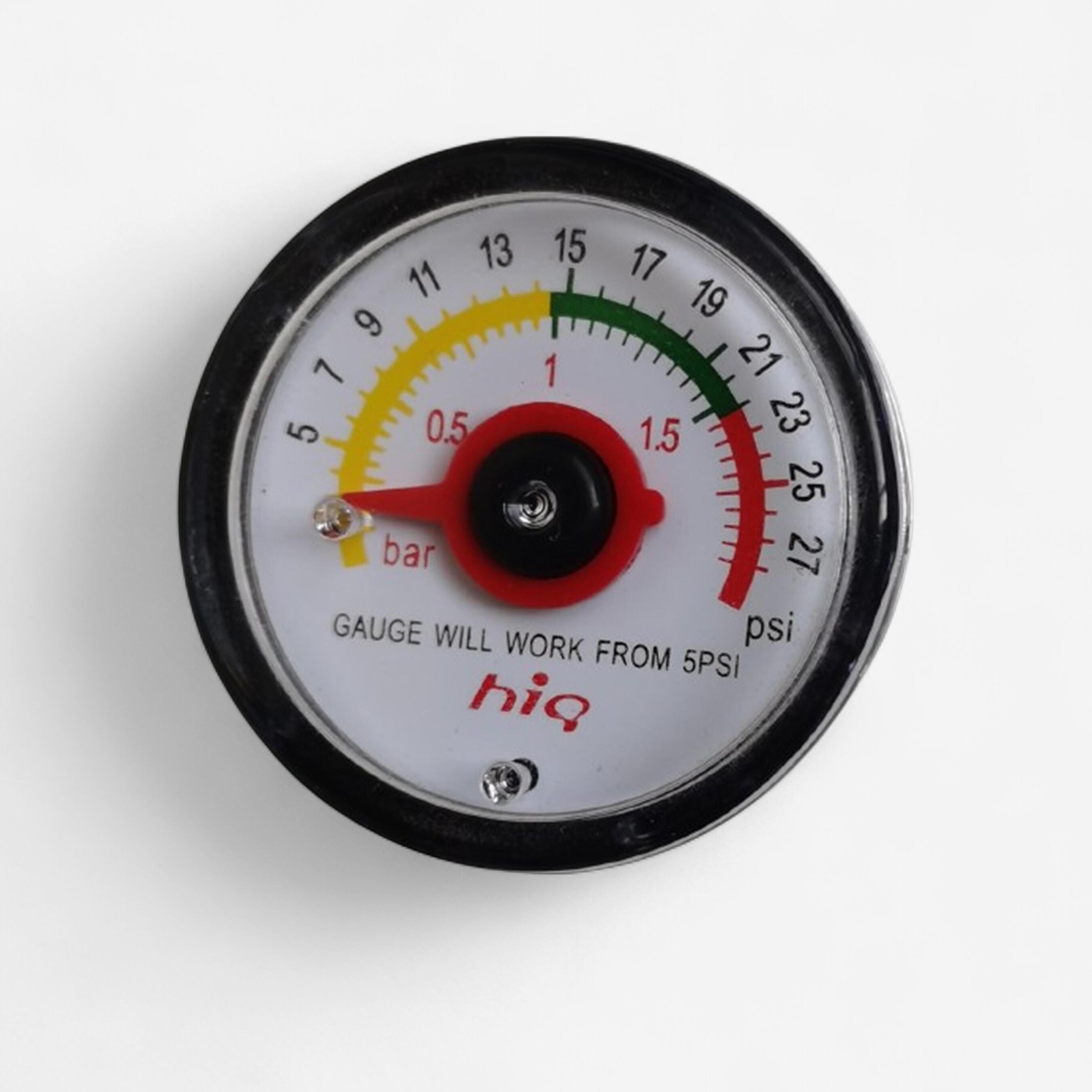
Can an integrated pressure gauge be replaced if readings become inaccurate?

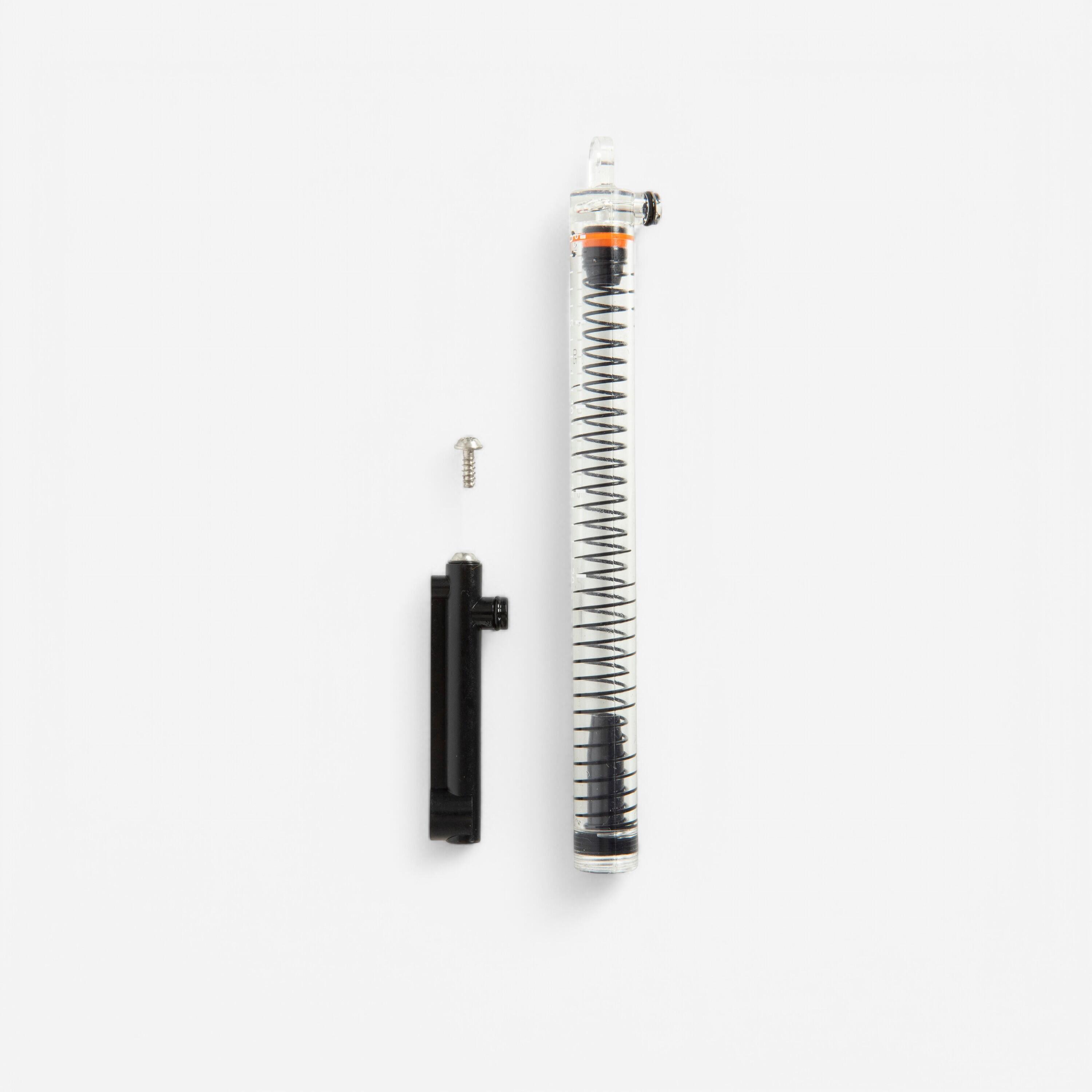
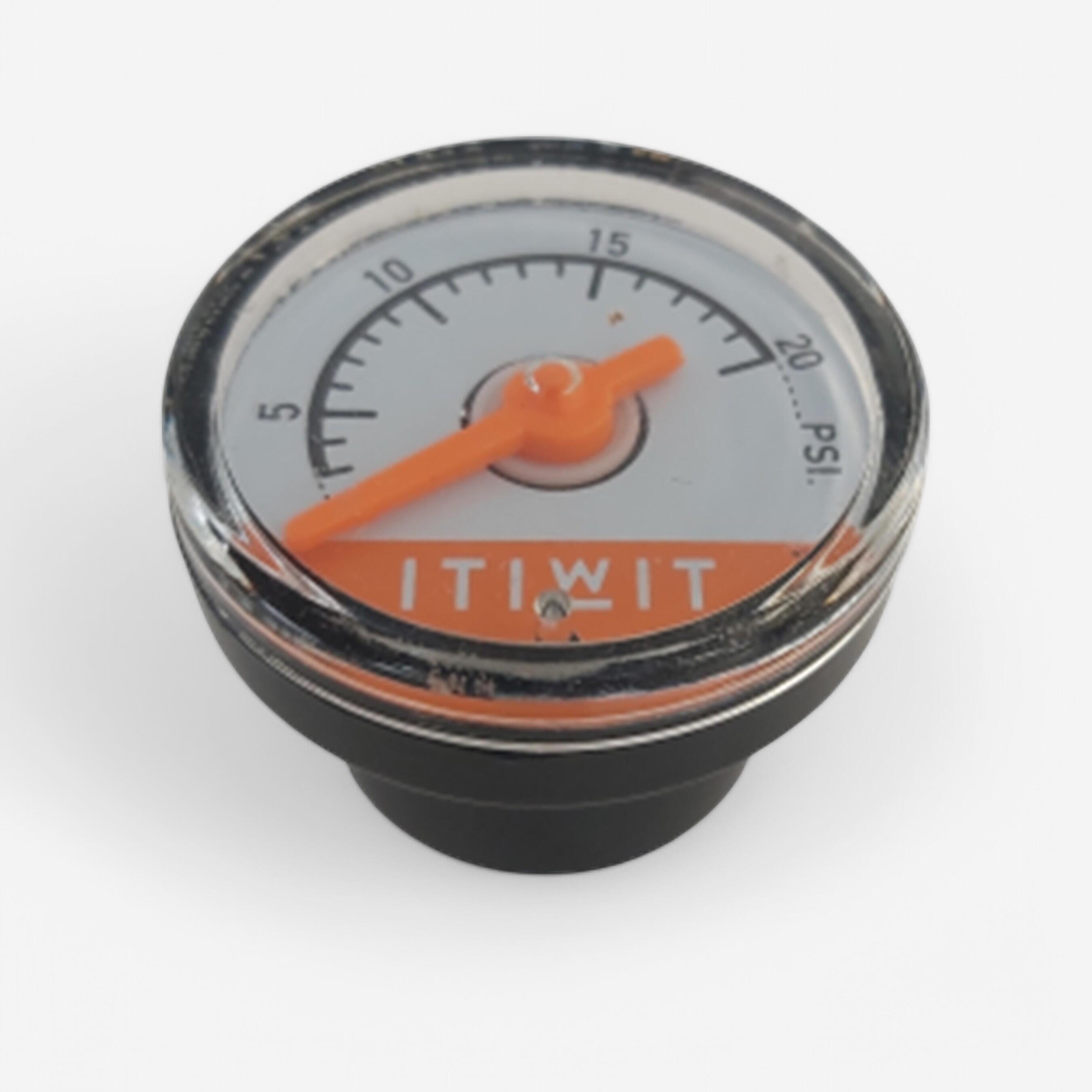
Yes, needle mechanisms and digital displays can be detached from the main handle housing when internal calibration slips. A faulty mechanical indicator fails to measure bar or PSI limits accurately, increasing the risk of bursting seams or underinflating hulls. Substituting a compromised pressure gauge helps maintain specific structural stiffness parameters required for stability on open water. Paddlers' tracking performance can swap these instruments easily by unscrewing the threaded collar located at the handle apex. Having reliable indicators alongside robust paddle spare parts ensures your entire watersports technical setup operates safely before launching from local piers.

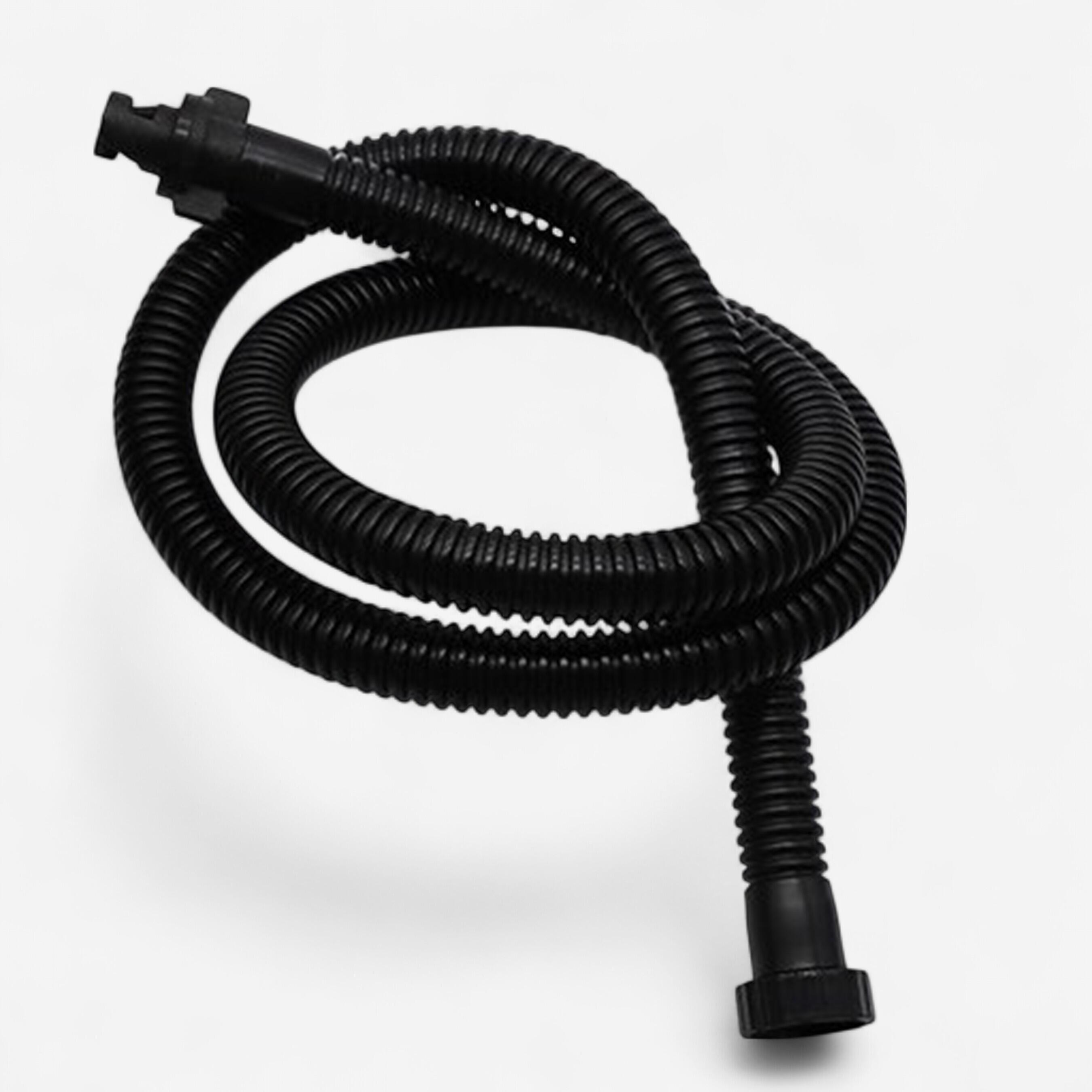
What components are necessary to convert a manual inflation system into an automated one?

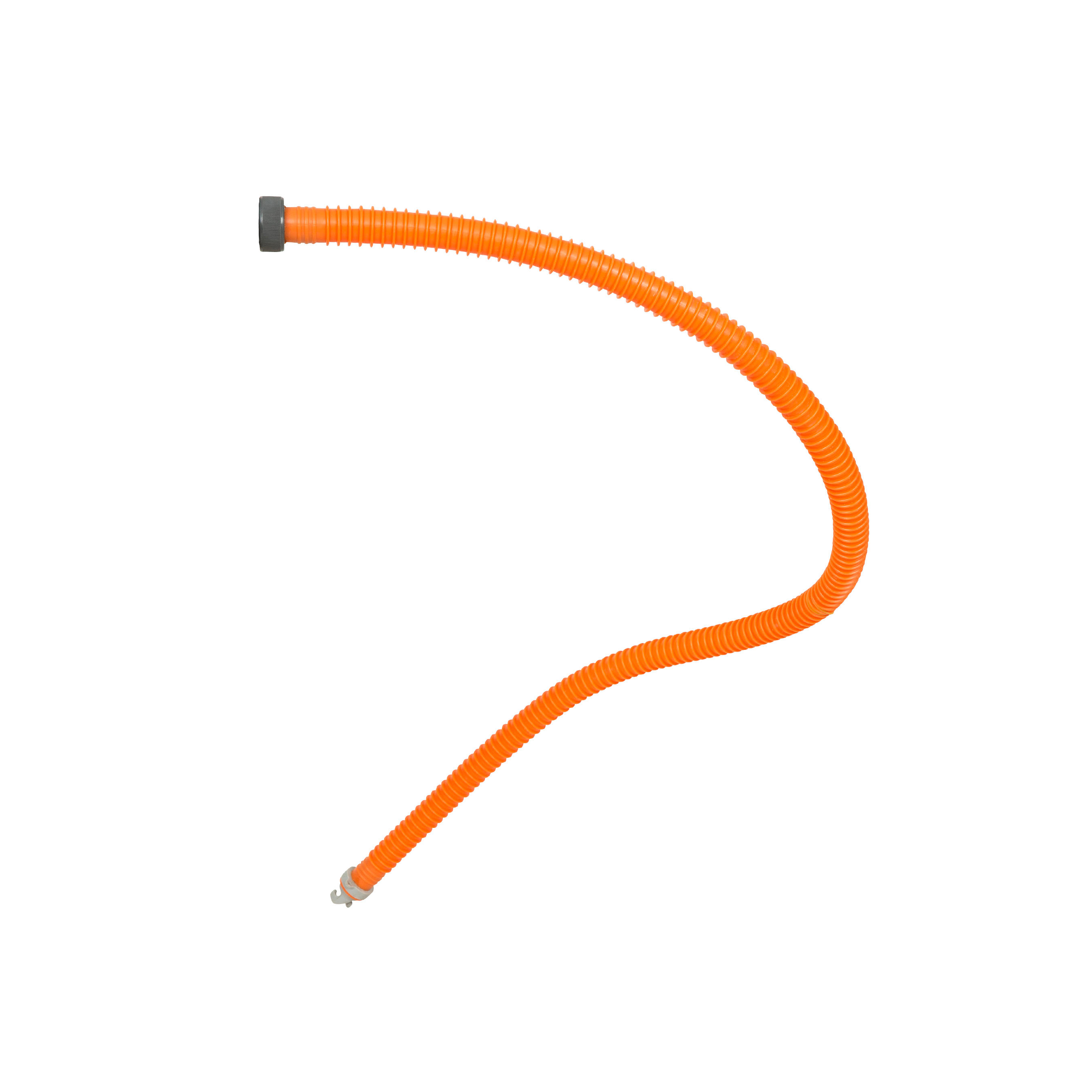
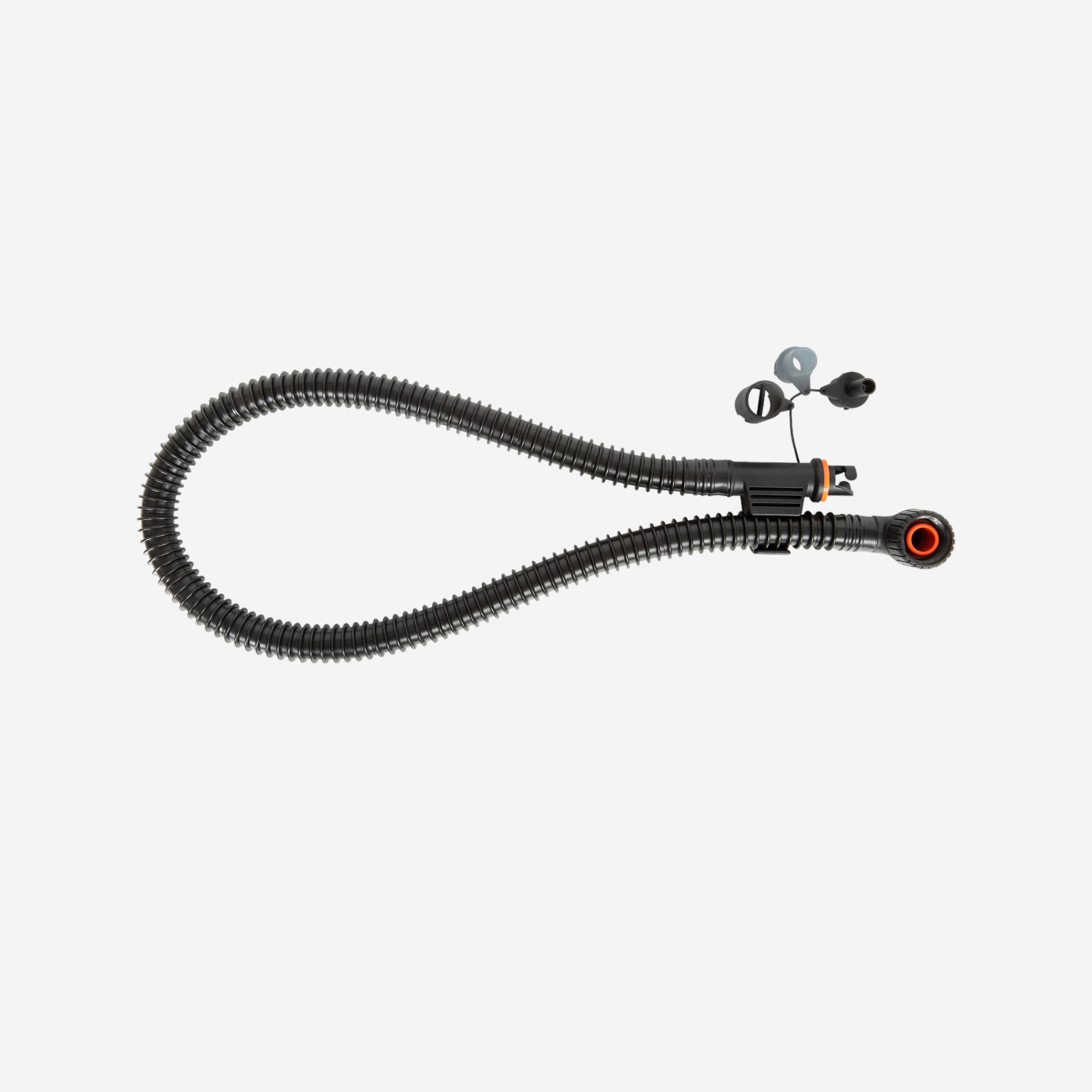
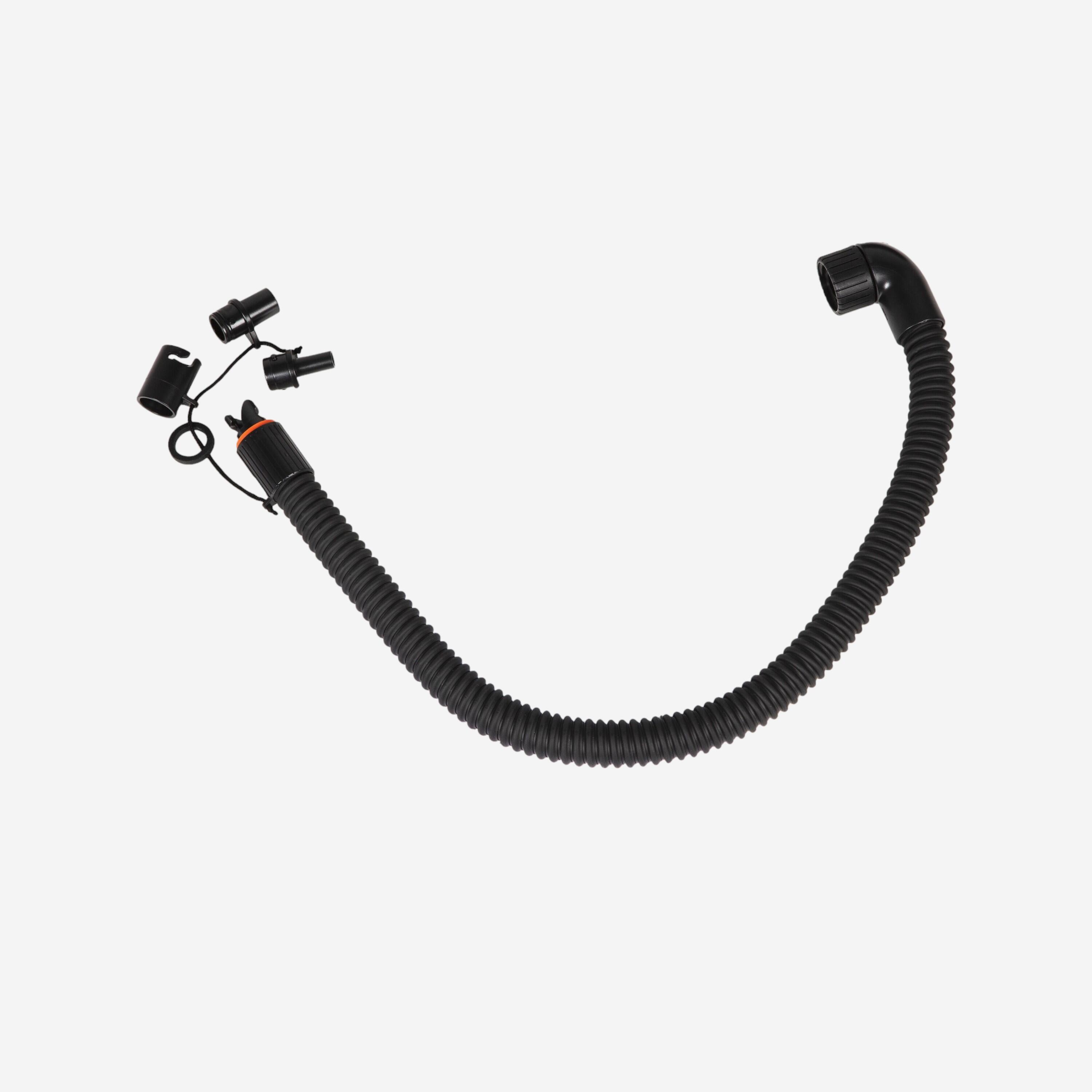
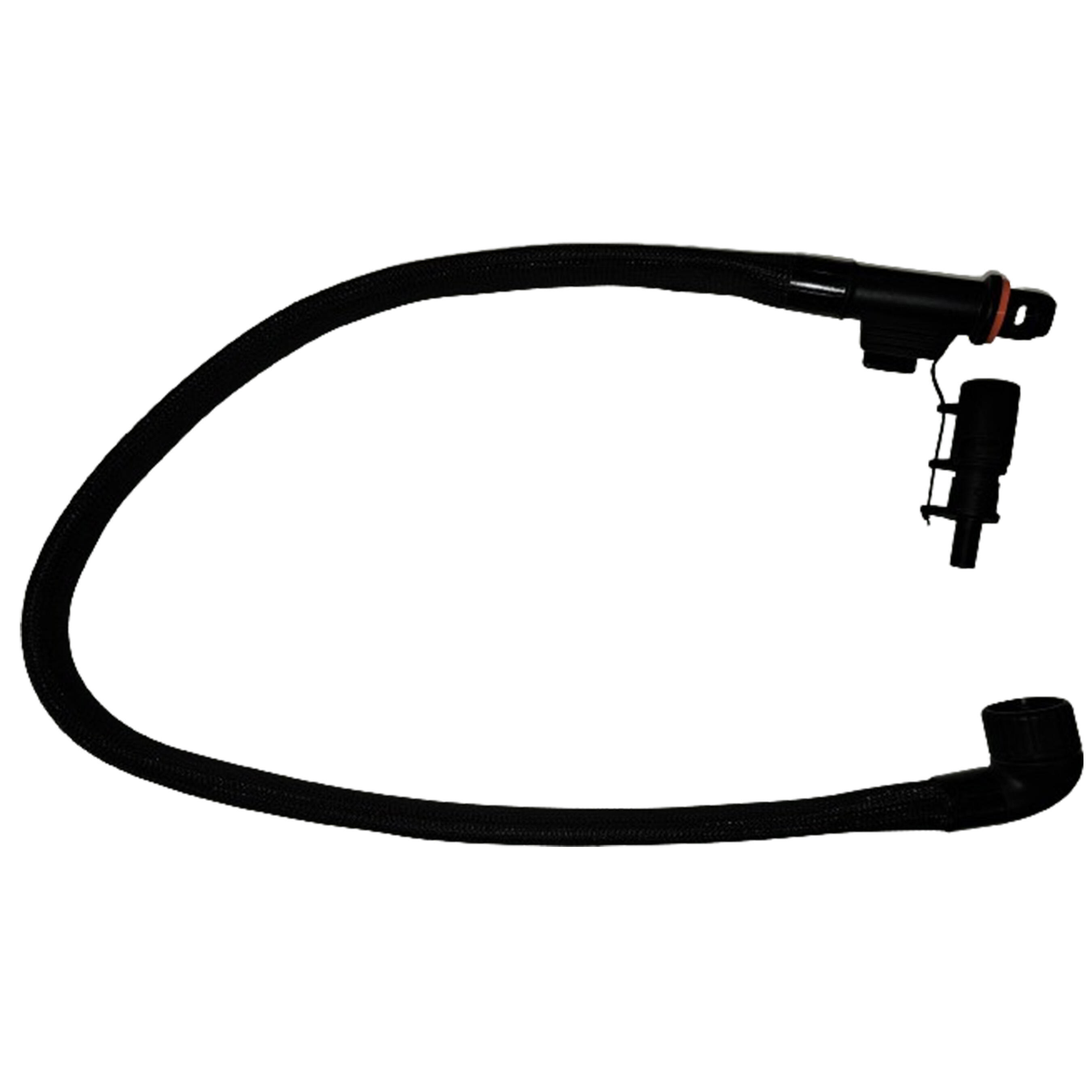
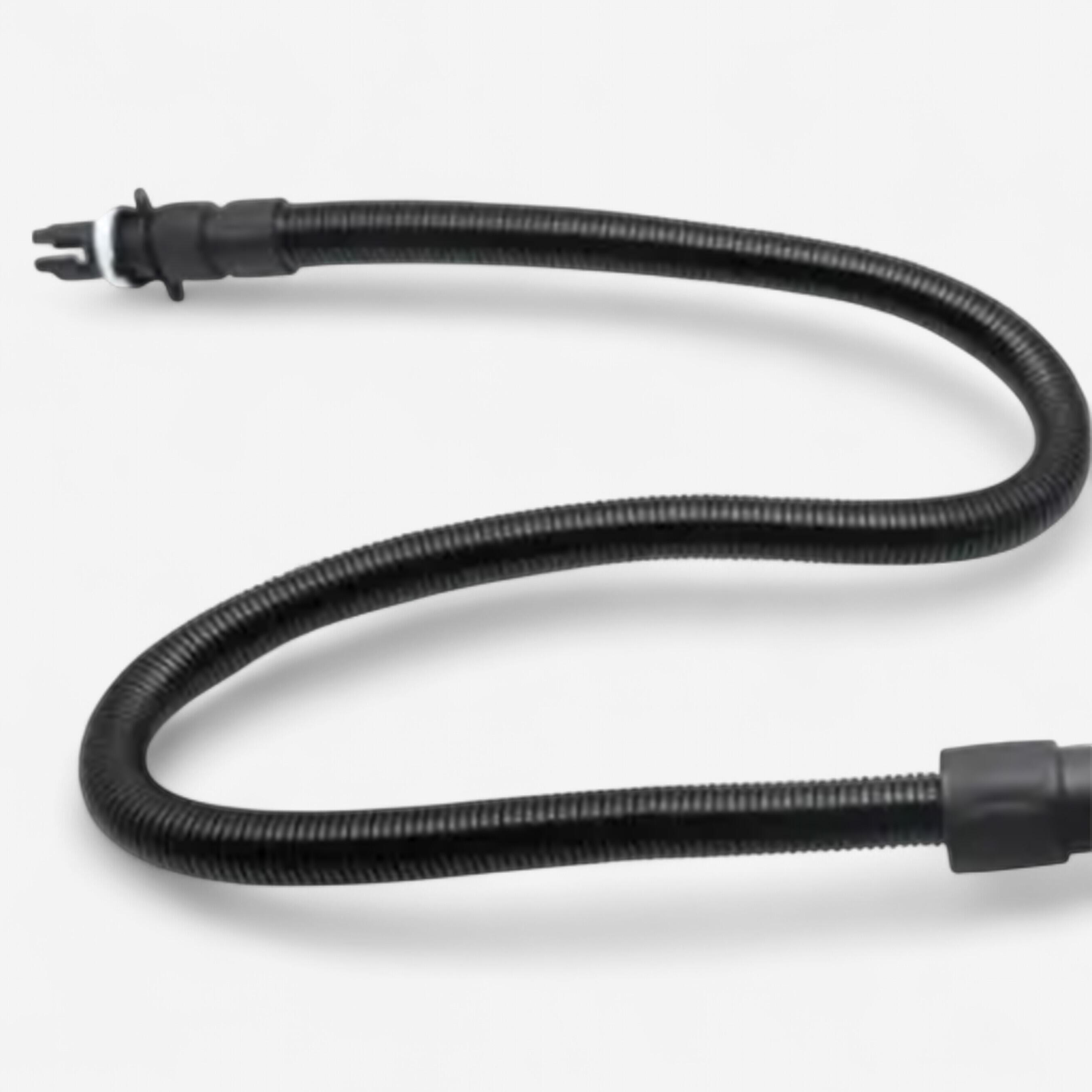
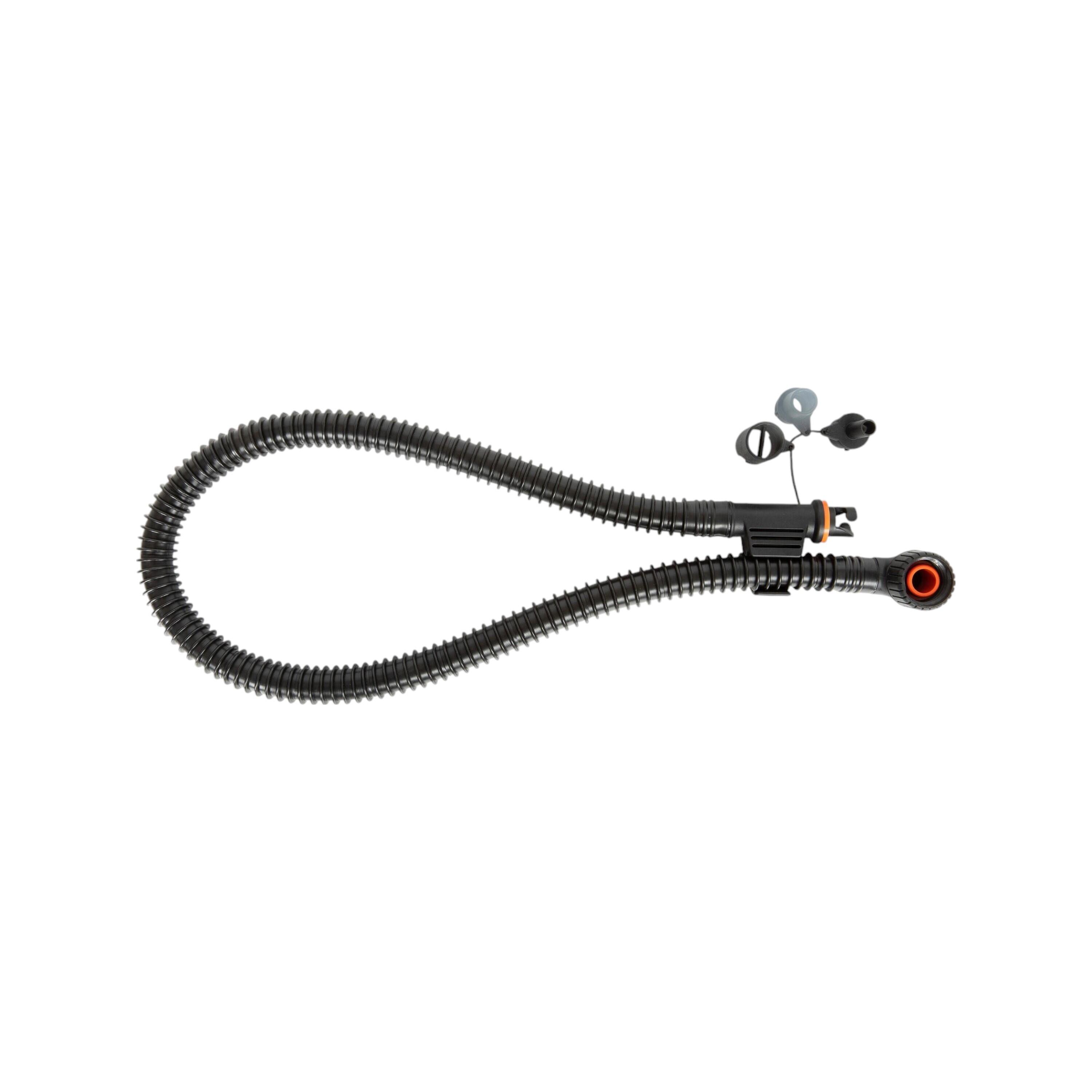
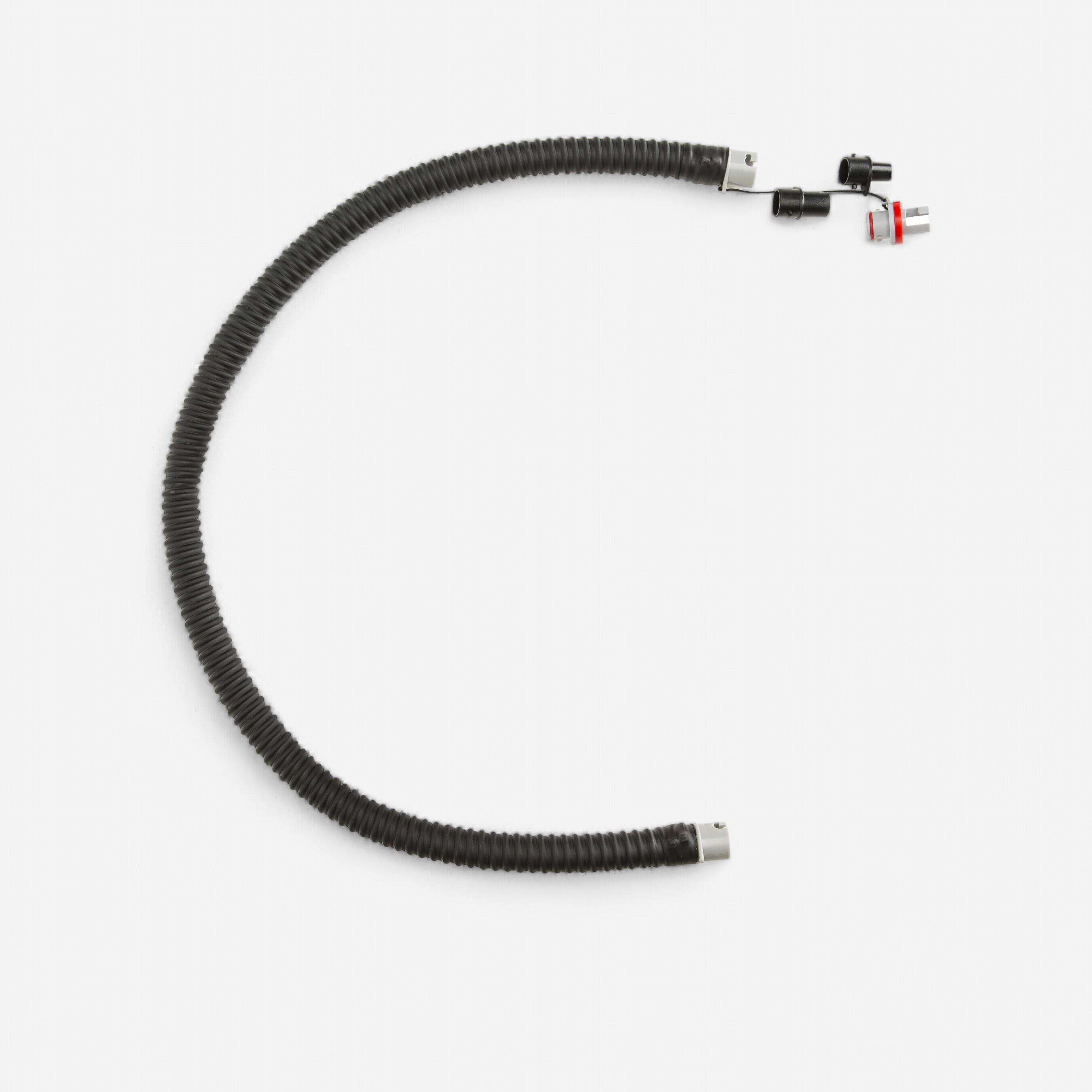
Upgrading involves integrating a high-volume electrical motor alongside dedicated compression tubing. A strong hose for electric pumps features reinforced internal ribbing to prevent kinking or flattening under continuous airflow. Standard manual tubes lack the thermal threshold required to sustain motorised operation without softening at the connector joints. If you are operating multi-stage compressors, fitting a durable hose for triple-action electric pumps ensures high-velocity air distribution remains consistent without expanding under load. Integrating robust pneumatic pipes alongside secure board spare parts prevents unexpected connection blowouts when nearing maximum pressure targets.

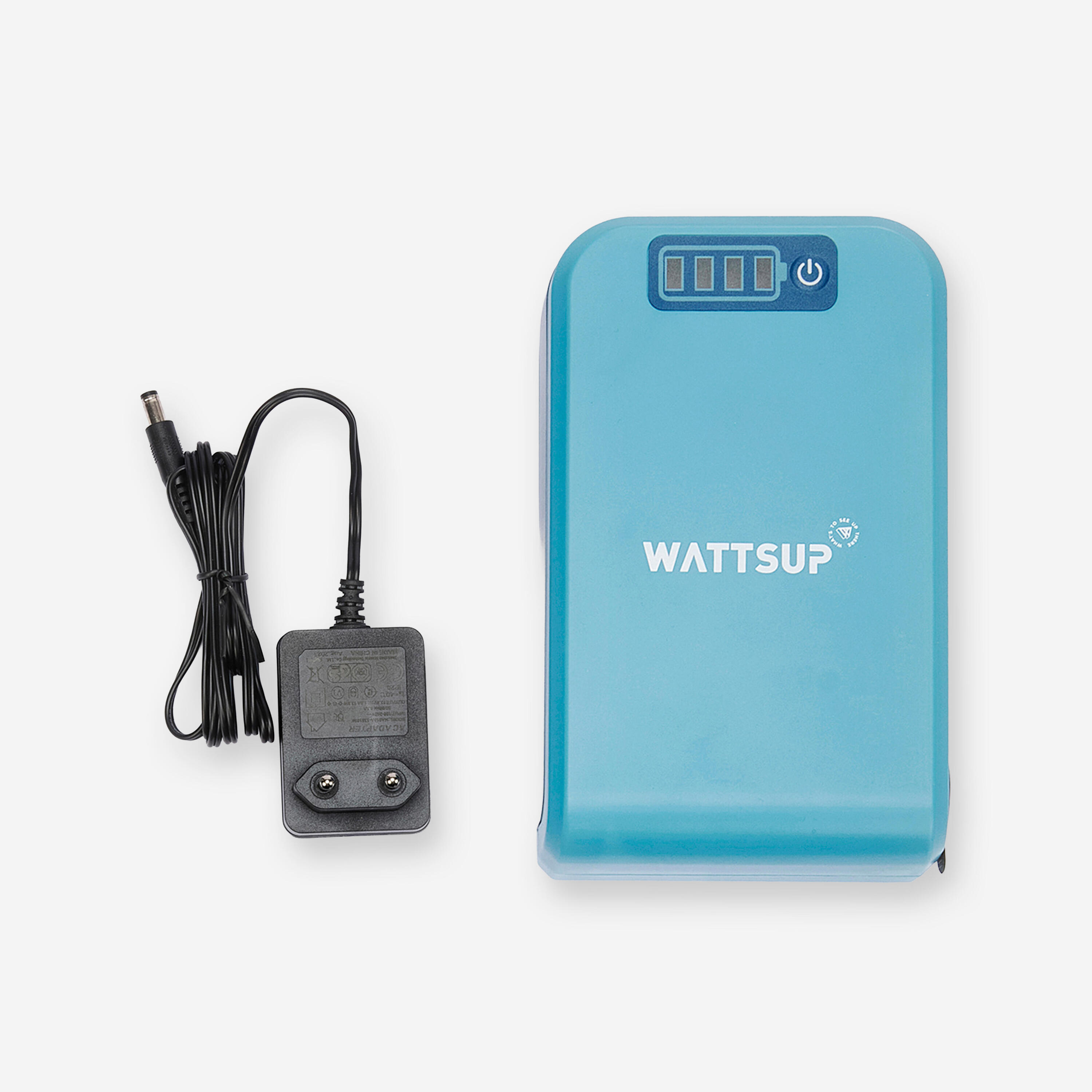
How do heavy-duty portable power packs function during remote watersports excursions?

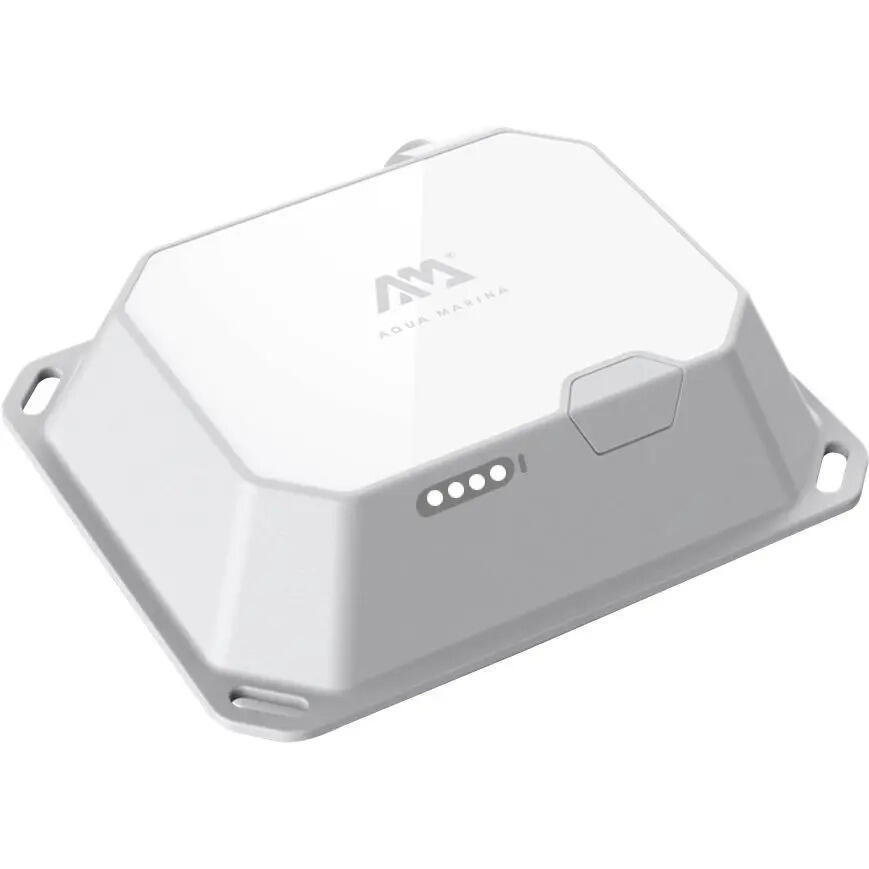
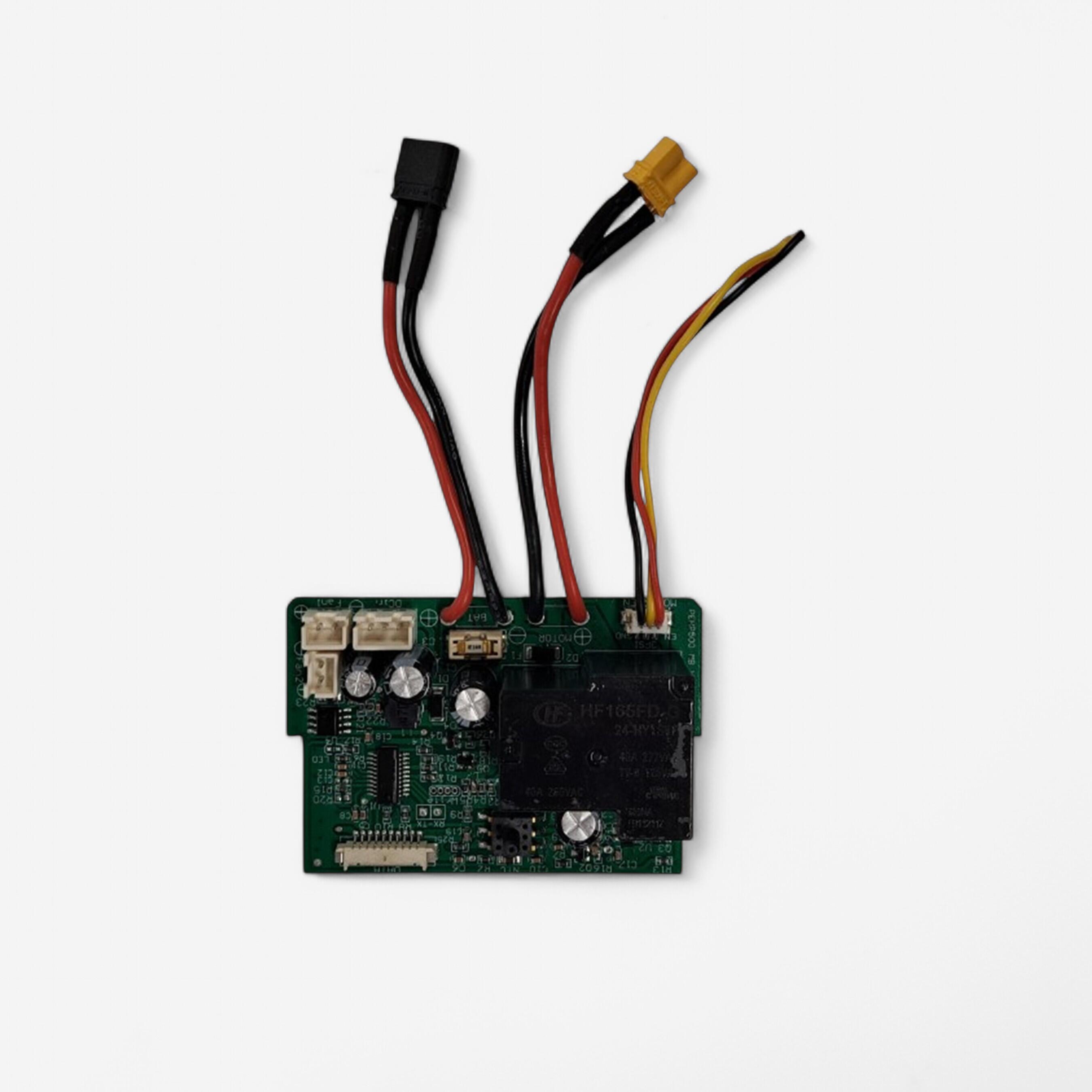
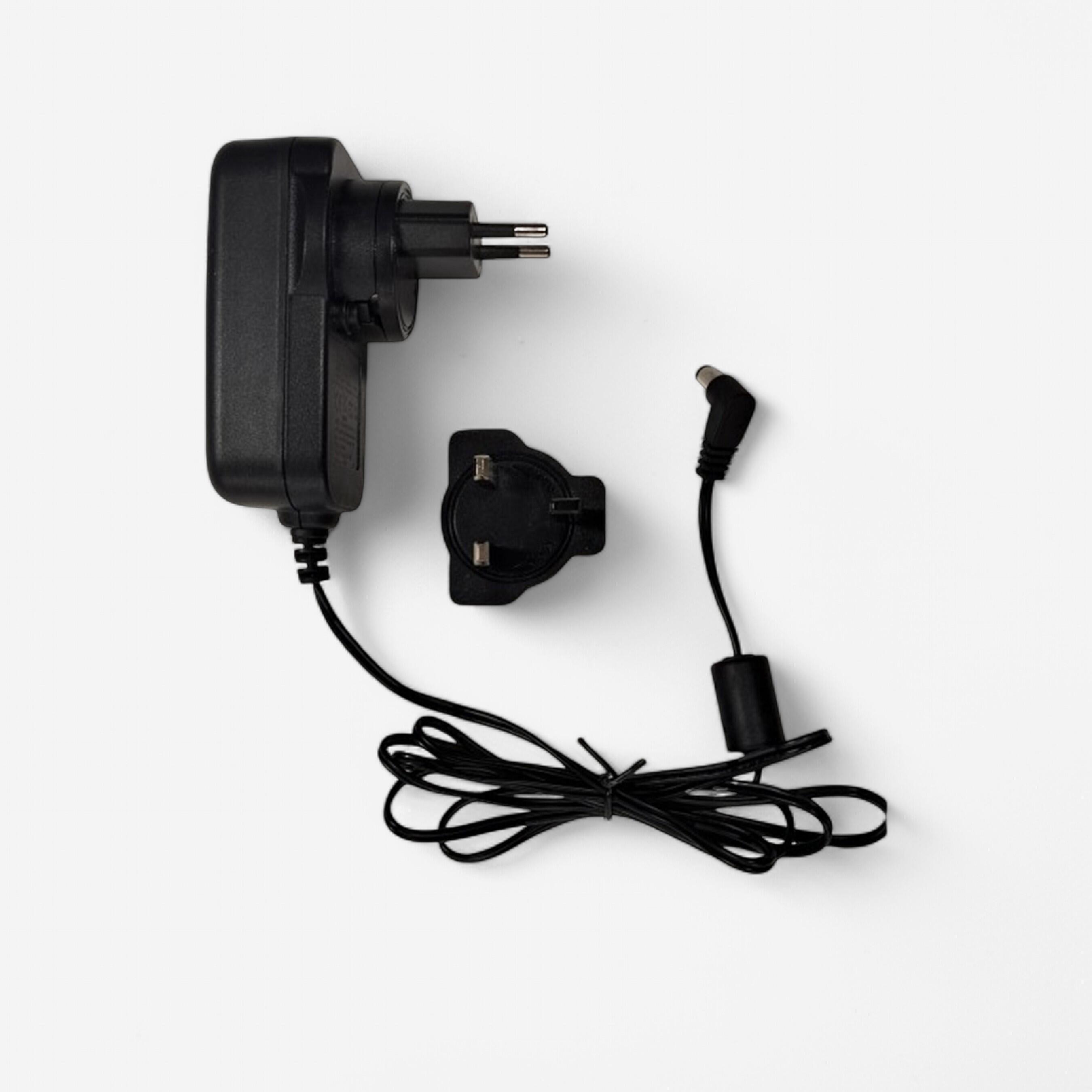
High-capacity power units utilise advanced lithium chemistry to supply stable current directly to high-draw compression motors. Employing a reliable rechargeable external battery allows inflation equipment to run autonomously, far from vehicle power sockets. These power banks use durable protective casings to withstand wet environments while sustaining multiple inflation cycles. Combining a dependable external battery power bank with your primary inflator simplifies logistics when setting up camps at remote shorelines. Ensuring power components match specific electric assistance spare parts keeps motor systems responsive and prepared for sudden pressure adjustments.

Why does atmospheric temperature affect inflation accuracy and valve performance?

Ambient air temperatures directly alter gas density, meaning cold conditions compress air molecules and lower overall structural pressure. Launching gear into chilled water causes an immediate drop in internal rigidity, which often requires a quick top-up on the shoreline. Niche stand-up paddle accessories help track fluctuating pressure changes across varying seasonal conditions. Understanding these thermal properties prevents over-pressurising equipment on hot tarmac before entering cold currents, protecting internal chambers from thermal stress damage.